JAFFREY REHABILITATION AND NURSING CENTER
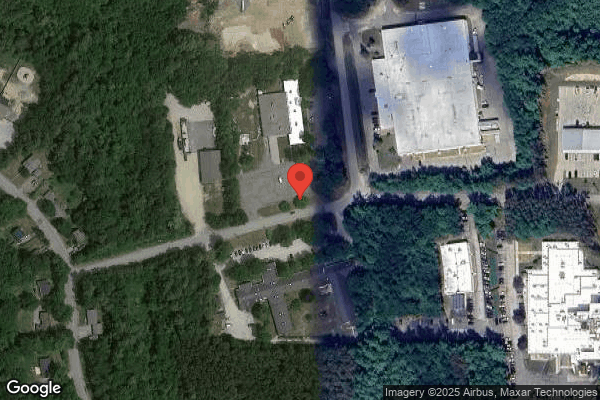

20 PLANTATION DRIVE, JAFFREY, NH 03452 (603) 532-8762
For profit - Limited Liability company 83 Beds EPHRAM LAHASKY Data: November 2025
Trust Grade
40/100
#64 of 73 in NH
Last Inspection: April 2025

Within standard 12-15 month inspection cycle. Federal law requires annual inspections.

Overview

Jaffrey Rehabilitation and Nursing Center has received a Trust Grade of D, indicating below-average performance with some concerns regarding care quality. It ranks #64 out of 73 nursing facilities in New Hampshire, placing it in the bottom half, and it is the lowest-ranked facility in Cheshire County. The facility's situation is worsening, as the number of identified issues increased from 5 in 2024 to 9 in 2025. Staffing is a mixed bag; while they have better RN coverage than 84% of New Hampshire facilities, their turnover rate is concerning at 62%, which is above the state average. Notably, there were incidents where the center failed to ensure a Registered Nurse was on duty for required hours and made medication errors that exceeded acceptable rates, highlighting a need for improvement in their operational processes.

Trust Score
D
40/100
In New Hampshire
#64/73
Bottom 13%
Safety Record
Low Risk
No red flags
Inspections
Getting Worse
5 → 9 violations
Staff Stability
⚠ Watch
62% turnover. Above average. Higher turnover means staff may not know residents' routines.
Penalties
✓ Good
No fines on record. Clean compliance history, better than most New Hampshire facilities.
Skilled Nurses
✓ Good
Each resident gets 51 minutes of Registered Nurse (RN) attention daily — more than average for New Hampshire. RNs are trained to catch health problems early.
Violations
⚠ Watch
19 deficiencies on record. Higher than average. Multiple issues found across inspections.
★☆☆☆☆
1.0
Overall Rating
★★☆☆☆
2.0
Staff Levels
★☆☆☆☆
1.0
Care Quality
★☆☆☆☆
1.0
Inspection Score
Stable
2024: 5 issues
2025: 9 issues

The Good

  • Full Sprinkler Coverage · Fire safety systems throughout facility
  • No fines on record

Facility shows strength in fire safety.

The Bad

1-Star Overall Rating

Below New Hampshire average (3.0)

Significant quality concerns identified by CMS

Staff Turnover: 62%

16pts above New Hampshire avg (46%)

Frequent staff changes - ask about care continuity

Chain: EPHRAM LAHASKY

Part of a multi-facility chain

Ask about local staffing decisions and management

Staff turnover is elevated (62%)

14 points above New Hampshire average of 48%

The Ugly 19 deficiencies on record

Apr 2025 9 deficiencies
CONCERN (D)

Potential for Harm - no one hurt, but risky conditions existed

Deficiency F0658 (Tag F0658)

Could have caused harm · This affected 1 resident

**NOTE- TERMS IN BRACKETS HAVE BEEN EDITED TO PROTECT CONFIDENTIALITY** Based on observation, interview, and record review, it was determined that the facility failed to follow professional standards ...

Read full inspector narrative →
**NOTE- TERMS IN BRACKETS HAVE BEEN EDITED TO PROTECT CONFIDENTIALITY** Based on observation, interview, and record review, it was determined that the facility failed to follow professional standards for 1 of 1 residents reviewed for respiratory care in a final sample of 18 residents (Resident identifier is #223). Findings include: Resident #223 [NAME], [NAME] A., and [NAME]. Fundamentals of Nursing. 10th edition St. Louis, Missouri: Elsevier, 2021. Page 614 .It is essential to verify the accuracy of every medication you give to your patients with the patient's order. If the medication order is incomplete, incorrect, or inappropriate, or if there is a discrepancy between the original order and the information on the MAR [Medication Administration Record]. consult with the health care provider. Do not give a medication until you are certain that you can follow the seven rights of medication administration . Page 672 .seven rights of medication administration include right medication, right dose, right patient, right route, right time, right documentation and right indication . Observation on 4/14/25 at approximately 9:30 a.m. of Resident #223 revealed him/her to be using oxygen via nasal canula. Review on 4/14/25 of Resident #223's physician orders revealed no orders for oxygen. Review on 4/14/25 of Resident #223 nursing admission note dated 4/13/25 revealed oxygen in use at 6 liters. Observation on 4/15/25 at approximately 2:45 p.m. of Resident #223 revealed he/she was in bed with the head of bed elevated and oxygen on at 4 liters via nasal canula. Observation on 4/16/25 at approximately 11:00 a.m. Resident #223 revealed he/she was in bed with the head of bed elevated and oxygen on at 3 liters via nasal canula. Interview on 4/16/25 at approximately 11:00 a.m. with Staff H (Licensed Practical Nurse (LPN)) confirmed Resident # 223 was recieving oxygen and that there were no physician orders in place for oxygen or oxygen titration. Review on 4/16/25 of facility policy titled Oxygen Administration dated October 2010 revealed .Preparation 1. Verify there is a physician's order for this procedure .
CONCERN (D)

Potential for Harm - no one hurt, but risky conditions existed

Deficiency F0761 (Tag F0761)

Could have caused harm · This affected 1 resident

Based on observation, interview, and record review, it was determined that the facility failed to ensure that controlled medications were maintained in separately locked, permanently affixed compartme...

Read full inspector narrative →
Based on observation, interview, and record review, it was determined that the facility failed to ensure that controlled medications were maintained in separately locked, permanently affixed compartment for 1 of 1 medications rooms observed. Findings include: Observation on 4/14/25 at 11:52 a.m. of the Chapel Medication Room revealed an unlocked refrigerator that contained a removable, unlocked combination lock box. Inside this box was vial of liquid Ativan (Schedule IV controlled substance). Further observation revealed that the numbers to unlock the box were written on the outside of the lock box. Interview on 4/14/25 at 11:52 a.m. with Staff H (Licensed Practical Nurse) confirmed that the lock box should have been secured/locked and the code should not have been on the outside of the box. Interview on 4/14/25 at 2:30 p.m. with Staff E (Director of Nursing) revealed that the Ativan should have been double locked. Review on 4/15/25 of the facility's policy titled Medication Labeling and Storage, revised February 2023, revealed, .7. Controlled substances (listed as Schedule II-V of the Comprehensive Drug Abuse Prevention and Control Act of 1976) and other drugs subject to abuse are separately locked in permanently affixed compartments, except when using single unit package drug distribution systems in which the quantity stored is minimal and a missing dose can be readily detected .
CONCERN (D)

Potential for Harm - no one hurt, but risky conditions existed

Medical Records (Tag F0842)

Could have caused harm · This affected 1 resident

Based on observation, interview and record review, it was determined that the facility failed to ensure that resident medical records were accurate for 3 residents reviewed in a final sample of 18 res...

Read full inspector narrative →
Based on observation, interview and record review, it was determined that the facility failed to ensure that resident medical records were accurate for 3 residents reviewed in a final sample of 18 residents (Resident Identifiers are #40, #123 and #274.) Findings Include: Resident #40 Review on 4/16/25 of Assessing Falls and Their Causes, Nursing Services Policy and Procedure Manual for Long Term Care, copyright 2001, provided by the facility revealed . Documentation When a resident falls the following information should be recorded in the resident's medical record: 1. The condition in which the resident was found (e.g., resident found lying on floor between bed and chair). 2. Assessment data, including vital signs and any obvious injuries. 3. Interventions, first aid, or treatments administered. 4. Notification of the physician, family, as indicated. 6. Appropriate interventions taken to prevent future falls . Review on 4/15/25 of Resident #40's medical record revealed a nursing note dated 3/28/25 at 10:41 a.m. [name omitted] notified of resident's fall. The name identified in the note was the Resident's representative. Further review of the medical record revealed that there was no other documentation about Resident #40's fall. Interview on 4/16/25 at approximately 10:02 a.m. with Staff E (Director of Nursing) confirmed that there was no documentation of Resident #40's fall that contained, the resident's condition, assessment, or interventions provided. Resident #274 Review on 4/15/25 of Resident #274's medical record revealed an order for surgical dressing change every 3 days. Further the Treatment Administration Record (TAR) revealed that the dressing change was completed on 4/11/25 and not completed on 4/14/25. Observation on 4/15/25 at approximately 11:38 a.m. of the residents surgical site revealed an intact dressing dated 4/14/25. Interview on 4/15/25 at approximately 11:40 a.m. with Staff F (Registered Nurse) confirmed that the dressing had been changed on 4/14/25 but had not been signed off in the TAR.Resident #123 Review on 4/16/25 of Resident #123's December 2024 TAR revealed a physician's order for Left anterior upper thigh (left hip) with surgical wound care orders to be done every 3 days. Further review revealed that the dressing was due to be changed on the day shift on 12/3/24 and 12/6/24, but was not documented as being completed until 12/9/24. Interview on 4/16/24 at 1:20 p.m. with Staff H (LPN) confirmed that he/she was working the day shift on 12/3/24 and 12/6/24. Staff H revealed that he/she would have documented that they had done the treatment and confirmed there was no documentation that the treatment had been provided. Staff H confirmed that he/she performed the wound care on 12/9/24. Review on 4/16/25 of Resident #123's Weekly Wound Assessment for the left hip surgical incision, dated 12/3/24, revealed the weekly wound assessment was signed and dated on 12/11/24 by Staff E. Review on 4/16/25 of Resident #123's Weekly Wound Assessment for the left hip surgical incision, dated 12/10/24, revealed the weekly wound assessment was signed and dated on 12/11/24 by Staff E. Interview on 4/16/25 at 1:40 p.m. with Staff E confirmed the above for Resident #123's TAR and Weekly Wound Assessments. Staff E revealed that he/she documented the above Weekly Wound Assessment, but did not perform the wound care or visualize the surgical wound on 12/3/24 or 12/10/24. Staff E revealed that they would get the wound information from the nursing staff on a piece of paper, then enter the information into the medical record and discard the paper. Staff E revealed that there was no documentation of who actually visualized the wound and did the assessments on 12/3/24 and 12/10/24 and confirmed that there was no documentation wound care had been provided on 12/3/24 and 12/6/24. Review on 4/16/25 of the facility's policy titled Charting and Documentation, revised July 2017, revealed, . All services provided to the resident, progress toward the care plan goals, or any changes in the resident's medical, physical, functional or psychosocial condition, shall be documented in the resident's medical record. The medical record should facilitate communication between the interdisciplinary team regarding the resident's condition and response to care . 2. The following information is to be documented in the resident medical record . c. Treatments or services performed; d. Changes in the resident's condition; e. Events, incidents or accidents involving the resident . 3. Documentation in the medical record will be objective . completed, and accurate . 7. Documentation of procedures and treatments will include care-specific details, including: a. the date and time the procedure/treatment was provided; b. the name and title of the individual(s) who provided the care; either assessment data and/or any unusual findings obtained during the procedure/treatment; d. how the resident tolerated the procedure/treatment; e. whether the resident refused the procedure/treatment; e. notification of family, physician or other staff, if indicated; and f. the signature and title of the individual documenting .
CONCERN (D)

Potential for Harm - no one hurt, but risky conditions existed

Deficiency F0849 (Tag F0849)

Could have caused harm · This affected 1 resident

**NOTE- TERMS IN BRACKETS HAVE BEEN EDITED TO PROTECT CONFIDENTIALITY** Based on record review and interview, it was determined that the facility failed to coordinate care to the resident provided by ...

Read full inspector narrative →
**NOTE- TERMS IN BRACKETS HAVE BEEN EDITED TO PROTECT CONFIDENTIALITY** Based on record review and interview, it was determined that the facility failed to coordinate care to the resident provided by the LTC (Long Term Care) facility staff and hospice staff for 3 of 3 residents reviewed for hospice services in a final sample of 18 residents (Resident Identifiers are #12, #38 and #23). Findings includes: Resident #12 Review on 4/16/25 of Resident #12's medical record revealed Resident #12 was admitted to on 2/6/25. Further review of Resident #12's medical record revealed that hospice was to provide Nursing and LNA (Licensed Nursing Assistant) services. Further there was no calendar or schedule of planned hospice visits in the residents's hospice binder. Resident #38 Review on 4/16/25 of Resident #38's medical record revealed Resident #38 was admitted to the facility on [DATE] on hospice. Further review of Resident #38's medical record revealed that hospice was to provide Nursing and LNA services. Further there was no calendar or schedule of planned hospice visits in the residents's hospice binder. Interview on 4/16/25 at approximately 9:50 a.m. with Staff D (LNA) revealed that he/she is not aware of the hospice schedule. He/she further revealed that the facility staff, provide the care and let hospice know if the resident needs anything, when they show up Interview on 4/16/25 at approximately 9:57 a.m. Staff C LNA revealed that he/she has no knowledge of the hospice plan, times, days of visits. Interview on 4/16/25 at approximately 11:10 AM with Staff G (Licensed Social Worker LSW)) revealed that the hospice schedule should be in the resident binder on the unit. Further Staff G revealed that he/she has a copy of the schedule in his/her email but that he/she does not place it into the binder on the floor or verify that it is present in the hospice binder for the individual resident. Resident #23 Review on 4/14/25 at approximately 2:00 p.m. of Resident #23 hospice binder revealed a hospice admission date of 7/7/24 and no schedule of visits or services to be provided. Interview on 4/15/25 at approximately 8:20 a.m. with Staff H (Licensed Practical Nurse (LPN)) revealed nursing is unaware of when or how often hospice visits are. Review on 4/15/25 at approximately 9:00 a.m. of Resident #23's hospice care plan revealed LNA [Licensed Nursing Assistant] visits per schedule. Interview on 4/16/25 at approximately 10:45 a.m. with Staff I (Licensed Nursing Assistant (LNA)) revealed there was no prediction of when visits will take place or how often. Interview on 4/16/25 at approximately 11:15 a.m. with Staff G (Social Services) revealed he/she had thought hospice was providing the units with a visits schedule. Interview further revealed, he/she was emailed the schedules but did not provide them to the units.
CONCERN (D)

Potential for Harm - no one hurt, but risky conditions existed

Deficiency F0882 (Tag F0882)

Could have caused harm · This affected 1 resident

Based on interview and record review, it was determined that the facility failed to employ, at least on a part-time basis, an Infection Preventionist who had completed specialized training in infectio...

Read full inspector narrative →
Based on interview and record review, it was determined that the facility failed to employ, at least on a part-time basis, an Infection Preventionist who had completed specialized training in infection prevention and control. Findings include: Interview on 4/15/25 at 10:06 a.m. with Staff B (Infection Preventionist (IP)) revealed that he/she was the IP for the facility for over a year. Review on 4/15/25 of Staff B's Nursing Home Infection Preventionist Training Course revealed that under the Completion had 1 course that was required (Completion for Nursing Home Infection Preventionist Training Course) and was Not Started. Interview on 4/15/25 at 2:24 p.m. with Staff B confirmed that they had not completed the above course, and still had to complete and pass the final test.
CONCERN (E)

Potential for Harm - no one hurt, but risky conditions existed

Unnecessary Medications (Tag F0759)

Could have caused harm · This affected multiple residents

Based on observation, interview, and record review, it was determined that the facility failed to ensure a medication error rate less than 5 percent (%) for 2 of 28 medication administrations observed...

Read full inspector narrative →
Based on observation, interview, and record review, it was determined that the facility failed to ensure a medication error rate less than 5 percent (%) for 2 of 28 medication administrations observed. (Resident Identifiers are #38 and #224). Findings include: Resident #38 Observation on 4/14/25 at 9:02 a.m. of the morning medication administration for Resident #38 with Staff L (Licensed Practical Nurse (LPN)) revealed Staff L prepared one tablet of Calcium Carbonate 600 milligrams (mg) and one tablet of Vitamin D 1000 units and attempted to administer the medications to Resident #38. Review on 4/14/25 of Resident #38's April 2025 Medication Administration Record (MAR) revealed a physician's order for Calcium Carbonate (600 mg) with Vitamin D and minerals (400 units) and to give 1 tablet by mouth daily. Interview on 4/14/25 at 9:02 am. with Staff L revealed that the facility did not have the Calcium Carbonate (600 mg) with Vitamin D (400 units) and minerals at the facility. Interview on 4/14/25 at 1:55 p.m. with Staff L confirmed the above and that he/she had administered the incorrect medication. Resident #224 Observation on 4/14/25 at 9:40 a.m. of Staff H (LPN) administering medications to Resident #224 revealed that Staff H obtained a bag of Ceftriaxone (an antibiotic) solution 2-2.22 grams in 50 milliliters (ml) of sodium-dextrose. Further observation revealed that the instructions on the pharmacy label indicated to infuse the medication over 30 minutes. Further observation revealed that Staff H set the intravenous (IV) pump to have 30 ml to be infused at a rate of 50 minutes. Review on 4/14/25 of Resident #224's April 2025 MAR revealed an order for Ceftriaxone 2 grams IV once a day. The physician's order did not contain the volume or the rate of the Ceftriaxone to be infused. Interview on 4/14/25 at 9:43 a.m. with Staff H confirmed that he/she had set the IV pump incorrectly by reversing the numbers. Staff H then reset the IV pump to run 50 ml over 30 minutes. Review on 4/15/25 of the facilities policy titled Administering Medications revised April 2019, revealed, . 10. The individual administering the medication checks the label THREE(3) times to verify the right resident, right medication, right dosage, right time and right method (route) of administration before giving the medication . There were 2 medication errors out of a total of 28 medication administration opportunities resulting in a 7.14% error rate.
CONCERN (E)

Potential for Harm - no one hurt, but risky conditions existed

Staffing Data (Tag F0851)

Could have caused harm · This affected multiple residents

Based on interview and record review it was determined that the facility failed to submit complete and accurate data for Payroll Based Journal (PBJ) for Fiscal Year Quarter 1 2025 (October 1, 2025 to ...

Read full inspector narrative →
Based on interview and record review it was determined that the facility failed to submit complete and accurate data for Payroll Based Journal (PBJ) for Fiscal Year Quarter 1 2025 (October 1, 2025 to December 31, 2025). Findings include: Review on 4/14/25 of the Payroll Based Journal Staffing Data [NAME] Report for Fiscal Year Quarter 1 2025 revealed that the facility failed to have Registered Nurse (RN) hours and failed to have Licensed Nursing Coverage 24 hours a day on the following dates: 10/1/24 to 10/31/24; 11/1/24 to 11/30/24; and 12/15/25 to 12/31/25. Review on 4/16/25 of the facility's Payroll Detail and Daily Attendance Report revealed that there was 24 hour of Licensed Nurse coverage on the above days. Further review revealed that there was RN coverage on all but 2 days days (10/7/24 and 11/24/24). Interview on 4/16/25 at 2:37 p.m. with Staff K (Human Resources) confirmed there was Licensed Nursing Coverage 24 hours a day and there was no RN coverage on 10/7/24 and 11/24/24. Review on 4/16/25 of Centers for Medicare & Medicaid Services (CMS) Electronic Staffing Data Submission Payroll-Based Journal Long-Term Care Facility Policy Manual, Version 2.6, effective date June 2022, revealed: .Accuracy: Staffing information is required to be an accurate and complete submission of a facility's staffing records. Facilities should run the staffing reports that are available in CASPER to verify the accuracy and completeness of their final submission prior to the submission deadline .
CONCERN (F)

Potential for Harm - no one hurt, but risky conditions existed

Deficiency F0727 (Tag F0727)

Could have caused harm · This affected most or all residents

Based on interview and record review, it was determined that the facility failed to ensure that a Registered Nurse (RN) was on duty for at least eight (8) consective hours a day, 7 days a week, for 2 ...

Read full inspector narrative →
Based on interview and record review, it was determined that the facility failed to ensure that a Registered Nurse (RN) was on duty for at least eight (8) consective hours a day, 7 days a week, for 2 days in Fiscal Year Quarter 1 2025. Findings include: Review on 4/14/25 of the Payroll Based Journal Staffing Data [NAME] Report for Fiscal Year Quarter 1 2025 revealed that the facility triggered for failing to have Registered Nurse (RN) hours for 8 consecutive hours a day for 78 days during October 2025, November 2025, and December 2025. Review on 4/16/25 of the facility's Payroll Detail and Daily Attendance Report revealed that there was no RN coverage on 10/7/24 and 11/24/24. Interview on 4/16/25 at 2:37 p.m. with Staff K (Human Resources) confirmed there was no RN coverage on 10/7/24 and 11/24/24.
MINOR (B)

Minor Issue - procedural, no safety impact

Assessment Accuracy (Tag F0641)

Minor procedural issue · This affected multiple residents

Based on interview and record review, it was determined that the facility failed to ensure that the Minimum Data Set (MDS) assessment accurately reflected the residents' status for 2 of 3 resident rev...

Read full inspector narrative →
Based on interview and record review, it was determined that the facility failed to ensure that the Minimum Data Set (MDS) assessment accurately reflected the residents' status for 2 of 3 resident reviewed for hospice in a final sample of 18 residents (Resident Identifiers are #12 and #38). Findings include: Resident #12 Review on 4/15/25 of Resident #12's medical record revealed that Resident #12 was admitted to hospice on 2/6/25. Review on 4/15/25 of Resident #12's MDS for significant change dated 2/13/25 revealed that Section O- Special Treatments, procedures and Programs, K1 Hospice was marked no. Resident #38 Review on 4/15/25 of Resident #38's medical record revealed that Resident #38 was admitted to hospice on 12/16/24 prior to his/her admission to the facility on 2/6/25. Review on 4/15/25 of Resident #38's admission MDS revealed that Section O- Special Treatments, procedures and Programs, K1 Hospice was marked no. Interview on 4/16/25 at approximately 11:17 a.m. with Staff A RN- MDS Coordinator) confirmed that the MDS for Residents #12 and #38 did not correctly indicate that the resident were on hospice.
Apr 2024 5 deficiencies
CONCERN (D)

Potential for Harm - no one hurt, but risky conditions existed

Deficiency F0692 (Tag F0692)

Could have caused harm · This affected 1 resident

Resident #61 Review on 4/23/24 of Resident #61's Care Plan revealed a risk titled weight loss, weight fluctuation, and malnutrition due to variable meal intake that was initiated on 10/16/23 and revis...

Read full inspector narrative →
Resident #61 Review on 4/23/24 of Resident #61's Care Plan revealed a risk titled weight loss, weight fluctuation, and malnutrition due to variable meal intake that was initiated on 10/16/23 and revised on 4/2/24. Further review revealed interventions revised on 4/9/24 included monitoring weight per facility protocol, ensuring consistent weighting method, and recommending 6 ounces of juice supplement daily and 30 milliliters of protein supplement twice daily for wound healing and malnutrition. Review on 4/23/24 of Resident #61's Weights and Vitals Summary revealed the following recorded weights; 2/28/24 - 267.6 pounds (Wheelchair); 3/5/24 - 310.5 pounds (Mechanical Lift); 3/28/24 - 156.1 pounds (Mechanical Lift); 4/1/24 - 255 pounds (Wheelchair). Interview on 4/25/24 at 12:38 p.m. with Staff J (Unit Manager) confirmed the above weights and revealed there should have been reweights obtained. Review on 4/25/24 of Resident #61's Progress Notes revealed the following; 3/12/24 a 42.9-pound weight gain over 6 days with inaccuracy was suspected. Weight recheck requested. This note was signed by Staff M (Dietician). 4/9/24 the resident had wide fluctuations in weight measurements and an overall downward trend was noted. Recommend 6 ounces of juice supplement daily and 30 milliliters of protein supplement twice daily for wound healing and malnutrition. This note was signed by Staff N. Review on 4/26/24 of Resident #61's Physician's Progress Note, dated 4/17/24, revealed: .Dietician was in for a follow-up visit and to review weights with new recommendations for juice supplement [by mouth] once daily, ProSource [protein supplement] [by mouth twice daily] for wound healing . Interview on 4/26/24 at 10:25 a.m. with Staff A confirmed that reweights had not been done for the above weights. Staff A confirmed that the dietary recommendations for the juice or protein supplement from 4/9/24 had not been started. Based on interview and record review, it was determined that the facility failed to offer therapeutic dietary recommendations to maintain body weight and failed to monitor parameters of nutritional status per facility protocol for 2 of 3 residents reviewed for nutrition in a final survey sample of 22 residents (Resident Identifiers #36 and #61). Findings include: Resident #36 Review on 4/24/24 of Resident #36's medical record revealed that Resident #36 was admitted to the facility in February 2024. Review on 4/25/24 of Resident #36's Weights and Vitals Summary revealed the following recorded weights: 3/27/24 - 126.4 pounds (Wheelchair); 4/10/24 - 126.8 pounds (Wheelchair); 4/17/24 - 117.6 pounds (Wheelchair); 4/25/24 - 116.6 pounds (Wheelchair). Review on 4/25/24 of Resident #36's Dietary Note, signed by Staff N (Dietician), dated 3/21/24, revealed a recommendation to trial 4-ounce nutrition shakes daily and to add ice cream to provide supplemental calories. Review on 4/26/24 of Resident #36's Physician and Dietary orders revealed no orders for the above Dietician recommendations from 3/21/24. Interview on 4/26/24 at 9:36 a.m. with Staff A (Director of Nursing) confirmed the above findings. Review on 4/26/24 of Resident #36's Progress Note, dated 4/19/24, revealed that Resident #36's weight was 117.6 pounds, a loss of 5 percent change over 30 days, and a loss of 3 percent change from the last weight. Staff N requested a reweight. Review on 4/26/24 of Resident #36's progress note dated 4/25/24 revealed that Resident #36's reweight was 116.6 pounds. Interview on 4/26/24 at 9:38 a.m. with Staff A confirmed the above findings. Staff A stated that Resident #36 should have been reweighed within 24 hours of the request on 4/19/24. Interview further revealed that the order for nutrition shakes was not placed until 4/19/24 a month after the dietician's recommendation. Review on 4/25/24 of the facility's policy titled Weight Management, undated, revealed, .The healthcare staff will perform the following best practice guidelines to manage the risk of significant unplanned weight change .3. Residents are weighed in a consistent manner. For example: use the same scale, consistent time off [sic] day, and consistent clothing/devices on at the time of weight .5. Weights are verified and documented in the medical record as they are obtained. 6. Check the previous monthly weight(s) for any significant weight change. If there is a significant weight change of + or - 5% in 30 days, 7.5% in 90 days or 10% in 180 days, schedule resident to be reweighed within 24 hours .
CONCERN (D)

Potential for Harm - no one hurt, but risky conditions existed

Deficiency F0773 (Tag F0773)

Could have caused harm · This affected 1 resident

Based on interview and record review, it was determined that the facility failed to promptly notify the ordering practitioner of critical laboratory results for 1 of 1 resident reviewed for insulin in...

Read full inspector narrative →
Based on interview and record review, it was determined that the facility failed to promptly notify the ordering practitioner of critical laboratory results for 1 of 1 resident reviewed for insulin in a final survey sample of 22 residents (Resident Identifier #13). Findings include: Review on 4/24/24 of Resident #13's Final Lab Result collected on 4/23/24 at 8:06 a.m. revealed the Glucose was 26 milligrams per deciliter (mg/dL) and critically low. Review on 4/25/24 of Resident #13's medical record, including progress notes for nurses and physicians, revealed that there was no documentation the provider had been notified of the critically low blood glucose level. Interview on 4/25/24 at approximately 2:30 p.m. with Staff A (Director of Nursing) confirmed that there was no documentation that the provider had been notified. Interview on 4/25/24 at approximately 2:50 p.m. with Staff J (Unit Manager) revealed the above critical lab result was called to the facility on 4/23/24 at 5:03 p.m. Review on 4/26/24 of the facility's policy titled Lab and Diagnostic Test Results- Clinical Protocol revised on 11/2018, revealed: .Review by Nursing Staff: 3. A nurse will identify the urgency of communicating with the Attending Physician based on physician request, the seriousness of any abnormality, and the individual's current condition .Options for Physician Notification: 1. A physician can be notified by phone, fax, voicemail .to another person acting as the physician's agent a. Facility staff should document information about when, how, and to whom the information was provided and the response .
CONCERN (E)

Potential for Harm - no one hurt, but risky conditions existed

Food Safety (Tag F0812)

Could have caused harm · This affected multiple residents

**NOTE- TERMS IN BRACKETS HAVE BEEN EDITED TO PROTECT CONFIDENTIALITY** Based on observation, interview, and policy review, it was determined that the facility failed to store and serve food in accord...

Read full inspector narrative →
**NOTE- TERMS IN BRACKETS HAVE BEEN EDITED TO PROTECT CONFIDENTIALITY** Based on observation, interview, and policy review, it was determined that the facility failed to store and serve food in accordance with professional standards for food safety to prevent foodborne illness and failed to monitor the high dishwasher temperatures to ensure proper sanitization. Food Storage: Findings include: Review on 4/23/24 of the U.S. Food and Drug Administration Food Code, dated 2017, retrieved from https://www.fda.gov/food/FDA-food-code/food-code-2017 revealed the following: .Annex 3, Public Health Reasons/Administrative Guidelines . Chapter 3 Food .3-305.11 Food Storage .FOOD shall be protected from contamination by storing the FOOD: . On-premises preparation .(D) A date marking system that meets the criteria stated in (A) and (B) of this section may include: (1) Using a method approved by the regulatory authority for refrigerated, ready-to-eat time/temperature control for safety food that is frequently rewrapped, such as lunchmeat or a roast, or for which date marking is impractical, such as soft serve mix or milk in a dispensing machine; (2) Marking the date or day of preparation, with a procedure to discard the food on or before the last date or day by which the food must be consumed on the premises, sold, or discarded .(3) Marking the date or day the original container is opened in a food establishment, with a procedure to discard the food on or before the last date or day by which the food must be consumed on the premises, sold, or discarded .; or (4) Using calendar dates, days of the week, color-coded marks, or other effective marking methods . Observation on 4/23/24 at 8:25 a.m. of the walk-in refrigerator revealed two (2) Vanilla Mighty Shakes with no thawed date or use by date. Interview on 4/23/24 at 8:26 a.m. with Staff E confirmed the above findings. Observation on 4/23/24 at 8:40 a.m. of the [NAME] Unit refrigerator revealed three (3) Vanilla Mighty Shakes with no thawed date or use by date. Observation on 4/23/24 at 8:45 a.m. of the Chapel/Activities Unit refrigerator revealed thirty six (36) Vanilla Mighty Shakes with no thawed date or use by date. Interview on 4/23/24 at 8:46 p.m. with Staff E confirmed the above findings. Staff E was unaware of when the shakes were thawed. Review on 4/23/24 of the manufacturer's instructions for Vanilla Mighty Shakes under storage and handling revealed .Store frozen. Use thawed product within 14 days. Keep Refrigerated . Holding Temperatures: Review on 4/23/24 of the temperature logs of the serving (holding temperatures) of foods from 4/1/24 to 4/22/24 revealed the following: 4/1/24 there were no internal food temperatures recorded for breakfast, lunch, and dinner. 4/2/24 there were no internal food temperatures recorded for lunch. 4/3/24 there were no internal food temperatures recorded for dinner. 4/4/24 there were no internal food temperatures recorded for breakfast and dinner. 4/5/24 there were no internal food temperatures recorded for breakfast, lunch, and dinner. 4/6/24 there were no internal food temperatures recorded for breakfast and lunch. 4/7/24 there were no internal food temperatures recorded for breakfast, lunch, and dinner. 4/9/24 there were no internal food temperatures recorded for breakfast and lunch. 4/8/24, 4/10/24, 4/11/24, and 4/12/24 there were no internal food temperatures recorded for breakfast, lunch, and dinner. 4/13/24 there were no internal food temperatures for breakfast and lunch. 4/14/24 there were no internal food temperature for dinner. 4/15/24 there were no internal food temperatures recorded for breakfast, lunch, and dinner. 4/16/24 there were no internal food temperatures recorded for dinner. 4/17/24 there were no internal food temperatures recorded for breakfast and lunch. 4/18/24 there were no internal food temperatures recorded for breakfast, lunch, and dinner. 4/19/24 there were no internal food temperatures recorded for breakfast. 4/20/24, 4/21/24, and 4/22/24 there were no internal food temperatures recorded for breakfast, lunch, and dinner. Review of 4/23/24 of the facility's policy titled Food Temperatures, no date, revealed: Policy: Foods will be maintained at proper temperature to ensure food safety .Procedures: .3. The cook is responsible to see that all food is at the proper temperature. 4. The temperature will be taken and recorded for all items at all meals. Record temperatures on extended menus . Dishwasher Tempertures: Review on 4/23/24 of the facility's dishwasher temperature logs from 4/1/24 to 4/22/24 revealed there were no dishwasher temperatures recorded for 4/3/24, 4/4/24, 4/7/24, 4/8/24, 4/9/24, 4/18/24, 4/19/24, 4/20/24, 4/21/24 and 4/22/24. Review of 4/23/24 of the facility's policy titled Dish Washing Procedure, no date, revealed: .1. Fill dish machine . Check the temperature prior to washing dishes .Refer to manufactuerer's recommended temperature range .Record temperature on dish machine temperature log .11. Dish machine temperature log will be completed for every meal .
CONCERN (E)

Potential for Harm - no one hurt, but risky conditions existed

Infection Control (Tag F0880)

Could have caused harm · This affected multiple residents

Based on observation, interview, and policy review it was determined that the facility failed to use Personal Protective Equipment (PPE) when handling, processing, and transporting linens to prevent t...

Read full inspector narrative →
Based on observation, interview, and policy review it was determined that the facility failed to use Personal Protective Equipment (PPE) when handling, processing, and transporting linens to prevent the spread of infection. Findings include: Observation on 4/25/24 at 11:00 am of Staff D (Laundry Aide) exiting the South shower room revealed that Staff D exited the shower room with a cart of overflowing soiled linens. The overflowing cart of soiled linens was in contact with Staff D's clothing. Staff D proceeded down the hallway with the overflowing cart of soiled linens with residents and other staff in the hallway. Interview on 4/25/24 at 11:05 a.m. with Staff C (Infection Preventionist) confirmed that Staff D was transporting a overflowing cart of soiled linens, that was in contact with his/her clothing, down a hallway with residents and staff. Observation on 4/25/24 at 11:30 a.m. of Staff D in the dirty laundry room revealed that Staff D was loading the washing machine with soiled linens wearing gloves but no gown. Interview on 4/25/24 at 11:32 a.m. with Staff C confirmed that Staff D was not wearing a gown while loading the washing machine with soiled linens. Interview on 4/25/24 at 11:35 a.m. with Staff D revealed that he/she was not aware of the need to wear a gown when handling soiled linen. Staff D stated that when he/she collected the soiled laundry, sorted the soiled laundry, and washed the soiled laundry he/she was not wearing a gown to protect his/her clothes from contamination. Staff D stated that he/she would then fold the clean laundry in the same clothes he/she was wearing while transporting spoiled laundry. Interview further revealed when he/she delivered the clean laundry, the clean laundry was not protected with a cover. Interview on 4/25/24 at 11:40 a.m. with Staff C revealed that he/she was unable to provide documentation of education to Staff D related to the laundry process. Interview on 4/25/25 at 11:55 a.m. with Staff G (Director of Maintenance, Housekeeping and Laundry) revealed that Staff D was educated on PPE when he/she was hired 8 years ago. Review on 4/25/24 of Staff D's PPE Competency Validation dated 12/6/23 revealed that the training provided was on donning (putting on) and doffing (taking off) PPE for standard and transmission based precautions. Further review revealed no documentation of training for handling, processing and transporting linens to Staff D. Interview on 4/25/24 at 2:00 p.m. with Staff F (Administrator in Training) confirmed the above findings. Review on 04/26/24 of the facility's policy titled Laundry and Bedding, Soiled revised September 2022, revealed: .Policy Statement: Soiled laundry/bedding shall be handled, transported, and processed according to best practices for infection prevention and control .Policy Interpretation and Implementation .Handling: 1. All used laundry is handled as potentially contaminated using standard precautions (e.g., gloves and gowns when sorting). a. Contaminated laundry is bagged or contained at the point of collection (i.e. location where it was used) .Transport: 1. Contaminated linen and laundry bags/containers are not held close to the body or squeezed during transport .6. Clean linen is protected from dust and soiling during transport and storage to ensure cleanliness .
CONCERN (E)

Potential for Harm - no one hurt, but risky conditions existed

Deficiency F0919 (Tag F0919)

Could have caused harm · This affected multiple residents

Based on observation, interview, and record review, it was determined that the facility failed to ensure that the call bell system was equipped to allow residents to call for staff assistance for a ce...

Read full inspector narrative →
Based on observation, interview, and record review, it was determined that the facility failed to ensure that the call bell system was equipped to allow residents to call for staff assistance for a census of 73 residents. Finding include: Resident #59 Review on 4/24/24 of Resident #59's quarterly Minimum Data Set (MDS) with an Assessment Reference Date (ARD) of 2/6/24 revealed under Section C: Cognitive Patterns, Resident #59 had a Brief Interview for Mental Status (BIMS) score of 14, meaning, Resident #59 was cognitively intact. Review on 4/25/24 of Resident #59's care plan revised on 8/21/23 for toilet use and transfer revealed that Resident #59 required extensive staff for participation to use the toilets and with transfers. Interview on 4/24/24 at 8:25 a.m. with Resident #59 revealed he/she wishes that staff would come faster when he/she pressed the call button. Resident #59 stated that he/she has waited 45 minutes or longer. Interview further revealed that waiting 45 minutes or longer could happen at any time during the day but when he/she has to wait in the early mornings to use the bathroom it was very upsetting Resident #59 confirmed that he/she has had an accident and wet himself/herself because of the long wait times. Interview on 4/25/24 at 10:15 a.m. with Staff H (Licensed Nursing Assistant (LNA)) revealed that he/she would only know the call bell was going off from looking at the monitor located at the beginning of the South hallway across from the nursing station. Staff H stated that the call bell system does not continuously sound. Staff H said that the monitors were the only way to know if the residents pressed their call bell and the monitor was not always in view if he/she was in with another resident or at the other end of the hallway. Staff H stated that residents have complained about the long wait times. Interview on 4/25/24 at 2:00 p.m. with Staff F (Administrator in Training) revealed that when a resident initiated the call bell system there was a doorbell ring sound once and the resident's room number and location, either at the bed or bathroom would appear on the monitors that were located in the hallways of each unit. Interview on 4/24/24 at 10:30 a.m. during Resident Council revealed that 10 out of 21 residents who attended would wait 30 minutes or longer for call bells to be answered. Resident #32 and Resident #27 stated that call bell response time concerns were brought up monthly and nothing was being done. Both Resident #32 and Resident #27 stated that the problem was not that the call bell system wasn't working, the problem was that when staff was asked why it took so long, staff say that [pronoun omitted] can't hear when it goes off. Everyone who was in attendance agreed with Resident #27 and Resident #32. Interview on 4/25/24 at 9:30 a.m. with Staff O (Anonymous) revealed that he/she can't hear the call system or see the monitor if he/she is in another resident room or down the opposite end of the hall, a resident could wait a long time without an LNA even knowing. Interview on 4/25/24 at 9:58 a.m. with Staff I (LNA) revealed that he/she observes the display monitors at the end of the halls (located near the nurse's stations and the end of Chapel and South halls) to identify if a resident's call bell was ringing. Staff I revealed that he/she would not know a call light was going off when in a resident's room or if not in an area of the building where the display monitor was visible. Interview on 4/26/24 at 11:15 a.m. with Staff G (Director of Maintenance) revealed that the call bell system was mechanically functioning properly. Review on 04/26/24 of the facility's policy titled Call Bell no date, revealed: Policy: Providing timely response to residents in need of assistance is essential to ensuring high quality resident outcomes .Procedure: .8. Answer the resident's call system as soon as possible .Call Light Monitoring: 1. If feasible, implement an electronic wireless call light system with reporting capabilities for monitoring. Call light response time . complete periodic monitoring of response time through resident council meetings and or resident interview .
Apr 2023 5 deficiencies
CONCERN (D)

Potential for Harm - no one hurt, but risky conditions existed

Pressure Ulcer Prevention (Tag F0686)

Could have caused harm · This affected 1 resident

**NOTE- TERMS IN BRACKETS HAVE BEEN EDITED TO PROTECT CONFIDENTIALITY** Based on interview and record review, it was determined that the facility failed to ensure that residents with pressure ulcers h...

Read full inspector narrative →
**NOTE- TERMS IN BRACKETS HAVE BEEN EDITED TO PROTECT CONFIDENTIALITY** Based on interview and record review, it was determined that the facility failed to ensure that residents with pressure ulcers had documentation of weekly assessments that contained measurements and descriptions of the pressure ulcers for 3 out of 4 residents reviewed for pressure ulcers in a final sample of 20 residents (Resident identifiers are #6, #7, and #34). Findings include: Resident #7 Interview on 4/11/23 at approximately 10:40 a.m. with Resident #7 revealed that they have pressure ulcers on their coccyx and bilateral heels. Review on 4/13/23 of the facility's supplied wound documentation for Resident #7 titled Weekly Management Wound Report revealed the following: - Entry dated 1/9/23 reports Resident #7 admitted to the facility with a Deep Tissue Injury (DTI) to coccyx; no further description. - Entry dated 1/14/23 reports coccyx wound as a Stage 2 with measurements 4.0 cm [centimeters] x [by] 3.5 cm. No further description. - Entry dated 1/23/23 reports coccyx wound as a Stage 2; no measurements or description. - Entry dated 1/9/23 reports Resident #7 admitted to the facility with a left heel DTI; no measurements or description. - Entry dated 1/9/23 reports Resident #7 admitted to the facility with a right heel DTI; no measurements or description. - Entry dated 1/24/23 reports right heel pressure ulcer; no staging, measurements, or description. No further entries present on Resident #7's Weekly Management Wound Report. Review on 4/13/23 of Resident #7's Progress Notes from 1/9/23 through 4/13/23 revealed the following: - Entry dated 1/14/23 revealed Resident DTI to coccyx now open .heels skin prep applied to both heels protective dressing applied . No measurements or description provided. - Entry dated 1/15/23 revealed DTI to coccyx worsened, now a Stage 2 pressure ulcer measuring 4 cm in length x 3.5 cm in width. Edges excoriated, skin surrounding wound reddened. - Entry dated 1/16/23 revealed .coccyx under 4x4 border dressing area underneath is purplish in color and tender to touch .1/2 centimeter round open area, was not able to visualize wound bed due to ointment . - Entry dated 1/23/23 revealed Resident with deteriorating coccyx wound. There was no further documentation regarding Resident #7's wounds in Progress Notes. Interview on 4/13/23 at approximately 2:15 p.m. with Staff H (Assistant Director of Nursing) confirmed the above findings. Review on 4/13/23 of the facility's policy titled Wound Care, with a revision date of October 2010, revealed the following: .Documentation. The following information should be recorded in the resident's medical record: . 6. All assessment data (i.e. wound bed color, size, drainage, etc.) obtained when inspecting the wound .Resident #34 Review on 4/13/23 of Resident #34's care plan revealed a care plan initiated on 10/3/22 for a Stage 2 pressure ulcer to the coccyx. The goals listed were to have no complications related to the skin impairment and to heal the Stage 2 pressure ulcer. The last revision was on 11/25/22. Review on 4/13/23 of Resident #34's Progress Notes revealed the following; -On 10/3/22 a new open area on coccyx approximately 0.5 inches long. -On 10/28/22 a Stage 2 pressure ulcer with pink wound bed measuring 0.3 mm [millimeter] x [by] 0.5 mm. -On 1/25/23 a Stage 3 pressure ulcer wound oval in shape 3 cm x 3.5 cm [centimeters] with 50% [percent] soft gray slough, draining small amount of serosanguineous drainage periwound intact. - On 3/14/23 a Stage 4 pressure wound to coccyx measures 3 cm x 1.5 cm x 2.2 cm. Full thickness skin and tissue loss noted. Tunneling noted at approximately 7 o'clock. Pink wound bed noted to approximately 70% of wound bed. - On 3/27/23 a Stage 4 pressure ulcer 3 cm x 2.0 cm x 3.0 cm. Full thickness skin and tissue loss noted. Tunneling noted at approximately 7 o'clock. Pink wound bed noted to approximately 50% of wound bed, slough noted to 50% of wound bed. Review on 4/13/23 of Resident #34's Weekly Wound assessment dated [DATE] revealed that Resident #34 had a coccyx pressure area, 2.3 cm x 2.0 cm x 3.5 cm noted to be a Stage 4. There were no additional Weekly Wound Assessments documented for Resident #34's coccyx wound. Interview on 4/13/23 at 12:13 p.m. with Staff B (Director of Nursing) confirmed that Resident #34 developed a Stage 2 pressure ulcer in October 2022 and that the wound had worsened. Staff B confirmed that the facility was not doing weekly skin rounds or weekly measurements for Resident #34 other than the above measurements. Resident #6 Review on 4/12/23 at 9:00 a.m. of Resident #6's Progress notes dated 12/08/22 revealed that Resident #6 has a Stage 3 pressure ulcer located on his/her right heel. Further review of the Progress Notes revealed a measurement of the right heel wound at 4.5 by 4.5 centimeters with a healthy wound bed. Progress Note dated 3/1/23 indicates that the right heel seems to not be improving. Progress note dated 3/28/23 by Staff E (Registered Nurse) revealed that the wound orders need to be re-evaluated by the provider and that the current treatment is not benefiting Resident #6. Review on 4/12/23 at 11:00 a.m. of the facility's Weekly Management Wound Report for Resident #6 revealed no weekly measurements, description, or a Weekly Management Wound Report for the right heel from 12/09/22 through 4/12/23. Interview on 4/12/23 with Staff B (Director of Nurses) confirmed the above findings.
CONCERN (E)

Potential for Harm - no one hurt, but risky conditions existed

Food Safety (Tag F0812)

Could have caused harm · This affected multiple residents

**NOTE- TERMS IN BRACKETS HAVE BEEN EDITED TO PROTECT CONFIDENTIALITY** Based on observation, interview, and record review it was determined that the facility failed to ensure that the facility was st...

Read full inspector narrative →
**NOTE- TERMS IN BRACKETS HAVE BEEN EDITED TO PROTECT CONFIDENTIALITY** Based on observation, interview, and record review it was determined that the facility failed to ensure that the facility was storing and preparing food at proper temperatures for 4 of 4 months requested for review (January, February, March and up to April 11, 2023) and refrigerator temperatures for 3 of 3 kitchen refrigerators reviewed in the kitchen (Prep Cooler, Milk Cooler and Walk-in Cooler) and 2 of 2 kitchenette refrigerators reviewed ([NAME] and Chapel/Activities). Findings include: Cooking Temperatures Request on 4/11/23 at 1:00 p.m. was made to Staff I (Dietary Manager) for the temperature logs of the serving (holding temperatures) of foods from January 1, 2023 through April 10, 2023. Staff I was unable to provide requested documentation. Interview on 4/11/23 at 1:00 p.m. with Staff I revealed that the only temperature checks he/she could find documented since January 1, 2023 was from breakfast on 4/11/23. Staff I stated that the internal temperatures were not done for lunch on 4/11/23. Interview on 4/11/23 at 1:05 p.m. with Staff D (Cook) revealed that he/she confirmed that he/she did not check the internal food temperatures on 4/10/23 for the dinner meal. Refrigerators Observation on 4/10/23 at 6:15 p.m. of the main kitchen revealed the following; -The Prep Cooler Temperature Log for April 2023 had no temperatures documented on 4/7/23. -The Milk Cooler Temperature Log for April 2023 had no temperature documented for 4/1/23, 4/2/23, 4/5/23, and 4/6/23. -The Fridge Temperature Log (Walk-in Refrigerator) for April 2023 had no temperatures documented for 4/1/23, 4/2/23, 4/5/23, and 4/8/23. There was food and drinks noted in all the above listed refrigerators. Interview on 4/10/23 at 6:15 p.m. with Staff I confirmed the above. Observation on 4/10/23 at 6:40 p.m. of the [NAME] Unit refrigerator revealed the refrigerator temperature log on 4/1/23, 4/5/23, and 4/6/23 had no temperatures documented. Interview on 4/10/23 at 6:40 p.m. with Staff I confirmed the above. Observation on 4/10/23 at 6:45 p.m. of the Chapel/Activities Unti refrigerator revealed the refrigerator temperature log on 4/1/23, 4/5/23 and 4/6/23 had no temperatures documented. Interview on 4/10/23 at 6:45 p.m. with Staff I confirmed the above. Staff I stated that the refridgerators should have temperatures checked and logged daily. Review on 4/13/23 of the facility's policy titled Use and Storage of Food Brought to Residents by Family and Visitors revised 8/18/20 revealed, . The facility provides safe and sanitary storage . of foods brought in from outside by family and visitors . F. Temperature monitoring . will follow facility food safety and sanitation practices and the tasks will be completed by (Food Service Department) . Review on 4/11/23 of the facility's policy titled Food and Nutrition Services revised on October 2017 revealed, .Food and nutrition services staff will inspect food trays to ensure that . food . is served at a safe and appetizing temperature . Review on 4/13/23 of the facility's policy titled Preventing Foodborne Illness - Food Handling revised July 2014, revealed, .Food will be stored, prepared, handled and served so the risk of foodborne illness is minimized . 1. This facility recognized that the critical factors implicated in foodborne illness are . b. inadequate cooking and improper holding temperatures . 5. Function of the refrigeration and food temperatures will be monitored at designated intervals throughout the day and documented . 6. Potentially hazardous foods will be cooked to the appropriate internal temperatures and held at those temperatures for the appropriate length of time to destroy pathogenic microorganisms .
CONCERN (E)

Potential for Harm - no one hurt, but risky conditions existed

Deficiency F0882 (Tag F0882)

Could have caused harm · This affected multiple residents

Based on interview and record review, it was determined that the facility failed to employ, at least on a part time basis, an Infection Preventionist who completed specialized training in infection pr...

Read full inspector narrative →
Based on interview and record review, it was determined that the facility failed to employ, at least on a part time basis, an Infection Preventionist who completed specialized training in infection prevention and control. Findings include: Interview on 4/10/23 at 6:35 p.m. during entrance conference with Staff A (Administrator) revealed that Staff B (Director of Nursing) was the part time Infection Preventionist and the full time Director of Nursing. Interview on 4/13/23 at 9:25 a.m. with Staff B confirmed the above. Review on 4/11/23 of the facility's form 672 Resident Census and Conditions of Residents revealed that the facility census was 65. Cross Reference F888 COVID-19 Vaccination of Facility Staff
CONCERN (E)

Potential for Harm - no one hurt, but risky conditions existed

Deficiency F0888 (Tag F0888)

Could have caused harm · This affected multiple residents

Based on observation, interview, and record review it was determined that the facility failed to ensure there was a policy that addressed the process for ensuring the implementation of additional prec...

Read full inspector narrative →
Based on observation, interview, and record review it was determined that the facility failed to ensure there was a policy that addressed the process for ensuring the implementation of additional precautions, intended to mitigate the transmission and spread of COVID-19, for all staff who are not fully vaccinated for COVID-19 (Staff H, F, and G). Per the facility, there were 19 unvaccinated staff. Findings include: Staff H Observation on 4/10/23 at 6:00 p.m. of Staff H (Assistant Director of Nursing) revealed that Staff H was not wearing a face mask. Interview on 4/13/23 at 2:30 p.m. with Staff H confirmed he/she was unvaccinated for COVID-19 and that he/she did not take any additional precautions due to being unvaccinated. Staff H was not wearing a face mask. Staff F Observation on 4/11/23 at 10:45 a.m. of Staff F (Licensed Nursing Assistant (LNA)) revealed that Staff F was not wearing a face mask. Staff F was working as an LNA on the South Wing and was observed assisting a resident. Observation on 4/12/23 at 12:20 p.m. of Staff F was working as an LNA on the Chapel Wing and was not wearing a mask. Interview on 4/12/23 at 12:20 p.m. with Staff F confirmed that he/she was unvaccinated for COVID-19. Staff F revealed that he/she had not been told or asked to wear a face mask. Staff F stated that he/she was not told that any additional precautions needed to be taken due to not being vaccinated for COVID-19. Staff F stated the facility stopped wearing masks last Friday (4/7/23). Staff G Observation on 4/12/23 at 12:30 p.m. of Staff G (LNA) was working on the South Wing and not wearing a facial mask. Interview on 4/12/23 at 12:30 p.m. of Staff G confirmed that he/she was unvaccinated for COVID-19. Staff G stated that on 4/7/23 the facility staff stopped wearing facial masks and that he/she had not been told that he/she had to take any additional precautions due to not being vaccinated for COVID-19. Interview on 4/13/23 at 9:03 a.m. with Staff A (Administrator) confirmed that all staff had stopped wearing face mask on 4/7/23. Staff A stated that the facility did not implement any additional precautions for the COVID-19 unvaccinated staff and did not require them to wear face masks. Staff A stated that there was not a policy that addressed the process for ensuring the implementation of additional precautions for staff who are not fully vaccinated for COVID-19 and that the facility followed public health guidelines. Staff A stated that no additional precautions were needed for unvaccinated staff since the county transmission rate was not high. Review on 4/13/23 of the facility's policy Employee COVID-19 Vaccinations revised 3/24/23 revealed, .9. The facility will implement additional precautions to mitigate the transmission and spread of COVID-19 for all staff who are not fully vaccinated (i.e. [that is], not completed primary series yet, has a pending or granted religious/medical exemptions, or vaccine is delayed for a certain reason, etc.) (CMS [Centers for Medicare and Medicaid Services] term) or up to date (CDC [Centers for Disease Control and Prevention] term) for COVID-19, such as masking and social distancing .
MINOR (B)

Minor Issue - procedural, no safety impact

Deficiency F0582 (Tag F0582)

Minor procedural issue · This affected multiple residents

Based on interview and record review, it was determined that the facility failed to ensure that the resident and/or resident representative was informed of the Skilled Nursing Facility (SNF) Notice of...

Read full inspector narrative →
Based on interview and record review, it was determined that the facility failed to ensure that the resident and/or resident representative was informed of the Skilled Nursing Facility (SNF) Notice of Medicare Non-Coverage (NOMNC) or Advance Beneficiary Notice (ABN) for 2 out of 3 residents reviewed for beneficiary notices (Resident identifiers are #2 and #30). Findings include: Resident #2 Review on 4/12/23 of the Beneficiary Notice - Residents discharged Within the Last Six Months form, completed by the facility, revealed that Resident #2 was discharged from Medicare Services on 2/15/23 and remained at the facility. Review on 4/12/23 of Resident #2's SNF Beneficiary Notification Review form, completed by the facility, revealed that Resident #2's last covered day of Medicare Part A Skilled Services was 2/15/23 and that the facility/provider initiated the discharge from Medicare Part A Services when benefit days were not exhausted. Further reviewed of this form under Question 1 Was SNF ABN, Form CMS-10055 provided to resident? was checked No. Review of this form also revealed that Question 2 Was a NOMNC form CMS-10123 provided to the resident? was checked No. Resident #30 Review on 4/12/23 of the Beneficiary Notice - Residents discharged Within the Last Six Months form, completed by the facility, revealed that Resident #30 was discharged from Medicare Services on 2/6/23 and remained at the facility. Review on 4/12/23 of Resident #30's SNF Beneficiary Notification Review form, completed by the facility, revealed that Resident #30's last covered day of Medicare Part A Skilled Services was 2/6/23 and that the facility/provider initiated the discharge from Medicare Part A Services when benefit days were not exhausted. Further reviewed of this form under Question 1 Was SNF ABN, Form CMS-10055 provided to resident? was checked No. Review of this form also revealed that under Question 2 Was a NOMNC, form CMS-10123 provided to the resident? was checked No. Interview on 1/6/23 at 11:23 a.m. with Staff C (Business Office Manager) confirmed that above findings. Staff C stated that he/she did not provide notice prior to Resident #2 and #30's last covered day of Medicare services to Resident #2 and #30 and/or Resident #2's and #3's representative.
Understanding Severity Codes (click to expand)
Life-Threatening (Immediate Jeopardy)
J - Isolated K - Pattern L - Widespread
Actual Harm
G - Isolated H - Pattern I - Widespread
Potential for Harm
D - Isolated E - Pattern F - Widespread
No Harm (Minor)
A - Isolated B - Pattern C - Widespread

Questions to Ask on Your Visit

  • "Why is there high staff turnover? How do you retain staff?"
  • "Can I speak with families of current residents?"
  • "What's your RN coverage like on weekends and overnight?"

Our Honest Assessment

Strengths
  • • No major safety red flags. No abuse findings, life-threatening violations, or SFF status.
  • • No fines on record. Clean compliance history, better than most New Hampshire facilities.
Concerns
  • • 19 deficiencies on record. Higher than average. Multiple issues found across inspections.
  • • Grade D (40/100). Below average facility with significant concerns.
  • • 62% turnover. Above average. Higher turnover means staff may not know residents' routines.
Bottom line: Trust Score of 40/100 indicates significant concerns. Thoroughly evaluate alternatives.

About This Facility

What is Jaffrey Rehabilitation And Nursing Center's CMS Rating?

CMS assigns JAFFREY REHABILITATION AND NURSING CENTER an overall rating of 1 out of 5 stars, which is considered much below average nationally. Within New Hampshire, this rating places the facility higher than 0% of the state's 100 nursing homes. A rating at this level reflects concerns identified through health inspections, staffing assessments, or quality measures that families should carefully consider.
How is Jaffrey Rehabilitation And Nursing Center Staffed?

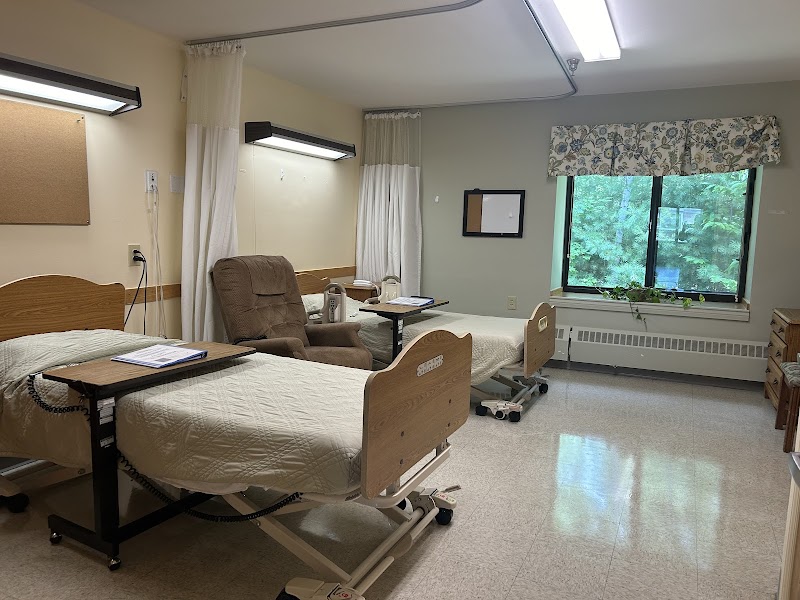
CMS rates JAFFREY REHABILITATION AND NURSING CENTER's staffing level at 2 out of 5 stars, which is below average compared to other nursing homes. Staff turnover is 62%, which is 16 percentage points above the New Hampshire average of 46%. High turnover can affect care consistency as new staff learn residents' individual needs. RN turnover specifically is 58%, which is notably high. RNs provide skilled clinical oversight, so turnover in this role can affect medical care quality.

What Have Inspectors Found at Jaffrey Rehabilitation And Nursing Center?

State health inspectors documented 19 deficiencies at JAFFREY REHABILITATION AND NURSING CENTER during 2023 to 2025. These included: 17 with potential for harm and 2 minor or isolated issues.
Who Owns and Operates Jaffrey Rehabilitation And Nursing Center?

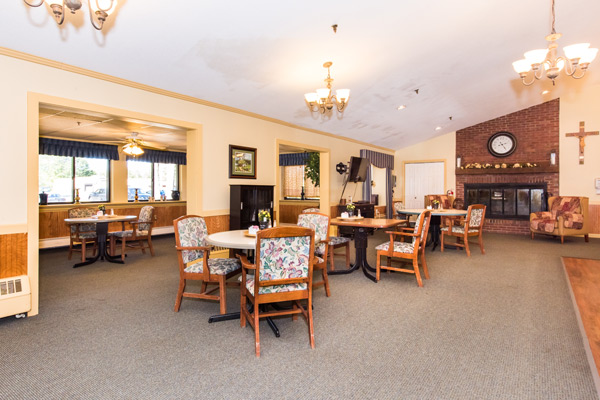
JAFFREY REHABILITATION AND NURSING CENTER is owned by a for-profit company. For-profit facilities operate as businesses with obligations to shareholders or private owners. The facility is operated by EPHRAM LAHASKY, a chain that manages multiple nursing homes. With 83 certified beds and approximately 71 residents (about 86% occupancy), it is a smaller facility located in JAFFREY, New Hampshire.

How Does Jaffrey Rehabilitation And Nursing Center Compare to Other New Hampshire Nursing Homes?

Compared to the 100 nursing homes in New Hampshire, JAFFREY REHABILITATION AND NURSING CENTER's overall rating (1 stars) is below the state average of 3.0, staff turnover (62%) is significantly higher than the state average of 46%, and health inspection rating (1 stars) is much below the national benchmark.

What Should Families Ask When Visiting Jaffrey Rehabilitation And Nursing Center?

Based on this facility's data, families visiting should ask: "How do you ensure continuity of care given staff turnover, and what is your staff retention strategy?" "Can you walk me through typical staffing levels on day, evening, and night shifts?" "Can I visit during a mealtime to observe dining assistance and food quality?" "How do you handle medical emergencies, and what is your hospital transfer rate?" These questions are particularly relevant given the facility's high staff turnover rate and the below-average staffing rating.

Is Jaffrey Rehabilitation And Nursing Center Safe?

Based on CMS inspection data, JAFFREY REHABILITATION AND NURSING CENTER has a clean safety record: no substantiated abuse findings (meaning no confirmed cases of resident harm), no Immediate Jeopardy citations (the most serious violation level indicating risk of serious injury or death), and is not on the Special Focus Facility watch list (a federal program monitoring the lowest-performing 1% of nursing homes). The facility has a 1-star overall rating and ranks #100 of 100 nursing homes in New Hampshire. While no facility is perfect, families should still ask about staff-to-resident ratios and recent inspection results during their visit.

Do Nurses at Jaffrey Rehabilitation And Nursing Center Stick Around?

Staff turnover at JAFFREY REHABILITATION AND NURSING CENTER is high. At 62%, the facility is 16 percentage points above the New Hampshire average of 46%. Registered Nurse turnover is particularly concerning at 58%. RNs handle complex medical decisions and coordinate care — frequent RN changes can directly impact care quality. High turnover means new staff may not know residents' individual needs, medications, or preferences. It can also be disorienting for residents, especially those with dementia who rely on familiar faces. Families should ask: What is causing the turnover? What retention programs are in place? How do you ensure care continuity during staff transitions?

Was Jaffrey Rehabilitation And Nursing Center Ever Fined?

JAFFREY REHABILITATION AND NURSING CENTER has no federal fines on record. CMS issues fines when nursing homes fail to meet care standards or don't correct problems found during inspections. The absence of fines suggests the facility has either maintained compliance or corrected any issues before penalties were assessed. This is a positive indicator, though families should still review recent inspection reports for the full picture.

Is Jaffrey Rehabilitation And Nursing Center on Any Federal Watch List?

JAFFREY REHABILITATION AND NURSING CENTER is not on any federal watch list. The most significant is the Special Focus Facility (SFF) program, which identifies the bottom 1% of nursing homes nationally based on persistent, serious quality problems. Not being on this list means the facility has avoided the pattern of deficiencies that triggers enhanced federal oversight. This is a positive indicator, though families should still review the facility's inspection history directly.