ALPINE HEALTHCARE CENTER
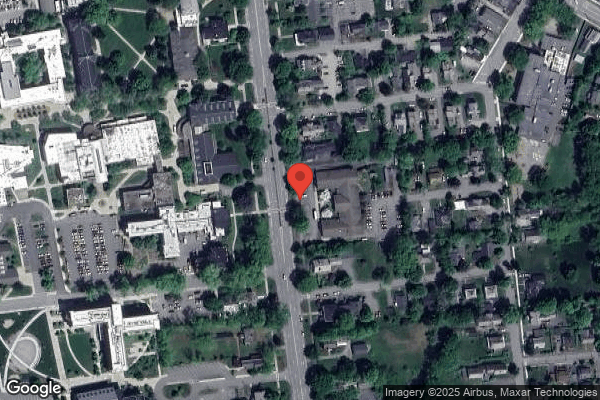
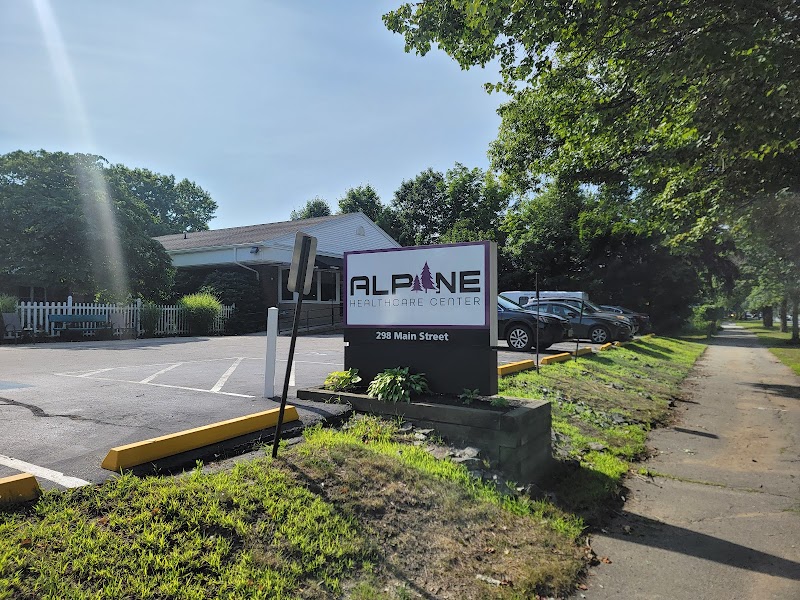
298 MAIN STREET, KEENE, NH 03431 (603) 352-7311
For profit - Limited Liability company 85 Beds Independent Data: November 2025
Trust Grade
55/100
#45 of 73 in NH
Last Inspection: June 2025

Inspected within the last 6 months. Data reflects current conditions.

Overview

Alpine Healthcare Center has a Trust Grade of C, indicating that it is average and in the middle of the pack among nursing homes. It ranks #45 out of 73 facilities in New Hampshire, placing it in the bottom half, and #5 out of 7 in Cheshire County, meaning only two local options are better. The facility is experiencing a worsening trend, with issues increasing from 4 in 2024 to 7 in 2025. Staffing is rated at 3 out of 5 stars, showing that turnover is about average at 53%, which aligns with the state average. While the facility has not incurred any fines, which is a positive sign, there have been concerning incidents, such as failures to ensure medications were stored securely and not labeling opened insulin vials properly, along with inadequate maintenance of the environment in memory care units. Overall, there are strengths in staffing but significant weaknesses in compliance and environmental conditions.

Trust Score
C
55/100
In New Hampshire
#45/73
Bottom 39%
Safety Record
Low Risk
No red flags
Inspections
Getting Worse
4 → 7 violations
Staff Stability
⚠ Watch
53% turnover. Above average. Higher turnover means staff may not know residents' routines.
Penalties
✓ Good
No fines on record. Clean compliance history, better than most New Hampshire facilities.
Skilled Nurses
○ Average
Each resident gets 35 minutes of Registered Nurse (RN) attention daily — about average for New Hampshire. RNs are the most trained staff who monitor for health changes.
Violations
⚠ Watch
17 deficiencies on record. Higher than average. Multiple issues found across inspections.
★★☆☆☆
2.0
Overall Rating
★★★☆☆
3.0
Staff Levels
★★☆☆☆
2.0
Care Quality
★★☆☆☆
2.0
Inspection Score
Stable
2024: 4 issues
2025: 7 issues

The Good

  • Full Sprinkler Coverage · Fire safety systems throughout facility
  • No fines on record

Facility shows strength in fire safety.

The Bad

2-Star Overall Rating

Below New Hampshire average (3.0)

Below average - review inspection findings carefully

Staff Turnover: 53%

Near New Hampshire avg (46%)

Higher turnover may affect care consistency

The Ugly 17 deficiencies on record

Jun 2025 7 deficiencies
CONCERN (D)

Potential for Harm - no one hurt, but risky conditions existed

Safe Environment (Tag F0584)

Could have caused harm · This affected 1 resident

**NOTE- TERMS IN BRACKETS HAVE BEEN EDITED TO PROTECT CONFIDENTIALITY** Based on observation and interview, it was determined that the facility failed to provide a safe, sanitary, and homelike environ...

Read full inspector narrative →
**NOTE- TERMS IN BRACKETS HAVE BEEN EDITED TO PROTECT CONFIDENTIALITY** Based on observation and interview, it was determined that the facility failed to provide a safe, sanitary, and homelike environment for 1 of 3 units observed. Findings include: Observation on 6/11/25 at approximately 9:00 a.m. of the memory care unit revealed the following: room [ROOM NUMBER]: The doorway was chipped, scrapped and missing paint. room [ROOM NUMBER]: The doorway was scrapped, chipped and missing paint. The closet in the room was missing a laminate piece in the lower corner, approximately 2 inches by 3 inches in a triangular shape. On an estimated 2-3 foot section of the lower wall, the sheetrock was not covered by the baseboard, causing the sheetrock to crumble onto the floor. room [ROOM NUMBER]: The doorway was chipped, scrapped and missing paint. room [ROOM NUMBER]: The doorway was chipped, scrapped and missing paint. room [ROOM NUMBER]: The doorway was chipped, scrapped and missing paint. room [ROOM NUMBER]: The doorway was chipped, scrapped and missing paint. room [ROOM NUMBER]: The doorway was chipped, scrapped and missing paint. room [ROOM NUMBER]: The doorway was chipped, scrapped and missing paint. room [ROOM NUMBER]: The floor in room [ROOM NUMBER] revealed had approximately 3-4 floor tiles in front of the bed that were lifting up. The handrail from one end of the main hallway to the other end of the main hallway revealed that in different sections of the handrails had faded paint with exposed wood leaving a rough surface. In the hallway, outside of room [ROOM NUMBER] revealed a hole in the tile approximately two by two inches. Interview on 6/12/25 at approximately 10:00 a.m. with Staff C (Licensed Medication Nursing Assistant) confirmed the observation of the benches in the hallway and the observations in room [ROOM NUMBER]. Interview on 6/13/25 at approximately 12:00 p.m. with Staff B (Maintenance) revealed that there was a work order for the lifted tiles in room [ROOM NUMBER] since 5/9/25. Staff B confirmed there were no work order(s) for the above observations in the memory unit besides the lifted tiles in room [ROOM NUMBER].
CONCERN (D)

Potential for Harm - no one hurt, but risky conditions existed

Deficiency F0658 (Tag F0658)

Could have caused harm · This affected 1 resident

**NOTE- TERMS IN BRACKETS HAVE BEEN EDITED TO PROTECT CONFIDENTIALITY** Based on interview and record review, it was determined that the facility failed to follow physician's order for 1 of 1 resident...

Read full inspector narrative →
**NOTE- TERMS IN BRACKETS HAVE BEEN EDITED TO PROTECT CONFIDENTIALITY** Based on interview and record review, it was determined that the facility failed to follow physician's order for 1 of 1 resident reviewed for pressure ulcer in a final sample of 18 residents. (Resident identifiers is #22.) Findings include: Standard: [NAME], P.A, [NAME], A.G., Stockhart, P.A., & Hall, A. (2021). Fundamentals of Nursing. Elsevier. Page 1262. Changing Dressings A Health care provider's order for wound care indicates the dressing type, the frequency of changing, and any solutions or ointments to be applied to the wound. Resident #22 Interview on 6/12/25 at approximately 8:15 a.m. with Resident #22 revealed that he/she did not always receive his/her wound care daily. Resident #22 further revealed that his/her wound care was last completed on 6/10/25. Review on 6/12/25 of Resident #22's Treatment Administration Record (TAR) for May 2025 and June 2025, revealed the following wound care orders and missing documentation of wound care completion: May 2025 Left posterior knee wound: Cleanse left posterior knee with wound cleanser, apply collagen, and cover with sterile adhesive dressing every day shift with an order date of 4/16/25 and discontinued date of 5/30/25. There was no documentation of wound care being completed on 5/14/25, 5/19/25, and 5/23/25. There was no documentation of refusal of treatment. Right residual limb wound: Cleanse right residual limb with wound cleanser, apply santyl to wound bed, apply alginate, and cover with with sterile adhesive dressing every day shift with an order date of 4/16/25 and discontinued date of 5/15/25. There was no documentation of wound care being completed on 5/14/25. There was no documentation of refusal of treatment. Cleanse right residual limb with wound cleanser, apply medi-honey to wound bed, apply alginate, and cover with a sterile adhesive dressing every day shift with an order date of 5/16/25 and discontinued date of 5/30/25. There was no documentation of wound care being completed on 5/20/25 and 5/23/25. There was no documentation of refusal of treatment. June 2025 Left stump wound: Cleanse left stump wound with wound cleanser, pat dry, skin prep wound periphery, apply nickel thick santyl to wound bed, apply calcium alginate, and cover with border guaze change daily and as needed with an order date of 5/30/25. There was no documentation of wound care being completed on 6/1/25, 6/6/25, 6/8/25, and 6/11/25. There was no documentation of refusal of treatment. Right stump wound: Cleanse right stump wound with wound cleanser, pat dry, skin prep wound periphery, apply nickel thick santyl to wound bed, apply calcium alginate, and cover with border guaze change daily and as needed with an order date of 5/30/25. There was no documentation of wound care being completed on 6/1/25, 6/6/25, 6/8/25, and 6/11/25. There was no documentation of refusal of treatment. Santyl order: Apply santyl to left and right stump topically ever day shift for wound care with an order date of 5/30/25. There was no documentation of santyl being applied to right and left stump on 6/4/25, 6/6/25, 6/8/25, 6/10/25, and 6/11/25. There was no documentation of refusal of treatment. Interview on 6/13/25 with Staff H (Director of Nursing) confirmed the above findings. Staff H further revealed that Resident #22 occassionally refused care. Staff H stated that the resident's medical record/TAR should indicate if a resident refused care and a note should be in the resident's medical record explaining the reason, if available, for refusal of care.
CONCERN (D)

Potential for Harm - no one hurt, but risky conditions existed

Deficiency F0699 (Tag F0699)

Could have caused harm · This affected 1 resident

**NOTE- TERMS IN BRACKETS HAVE BEEN EDITED TO PROTECT CONFIDENTIALITY** Based on interview and record review, it was determined that the facility failed to ensure that trauma survivors have triggers i...

Read full inspector narrative →
**NOTE- TERMS IN BRACKETS HAVE BEEN EDITED TO PROTECT CONFIDENTIALITY** Based on interview and record review, it was determined that the facility failed to ensure that trauma survivors have triggers identified that may cause re-traumatization in 1 of 5 residents reviewed for behavioral and emotional status in a final sample of 18 residents. (Resident identifier is #274). Findings include: Interview on 6/11/25 at approximately 11:00 a.m. with Resident #274 revealed that Resident #274 has a history of trauma and that he/she observed an altercation between other residents in May 2025 that had upset him/her due to hearing the words I will kill you. Review on 6/13/25 of Resident #274's Social History Initial Assessment, dated 6/12/24, revealed .5. History of Trauma 5a. Does the resident have a history of trauma/PTSD [Post-Traumatic Stress Disorder]? Yes .5c. Does the resident have trauma triggers? Yes 5d. Trauma triggers [no documented trauma triggers] 5e. Is resident exhibiting any signs/symptoms of trauma or trauma triggers? [box checked for a., b., c., and d.] a. Anxiety/Edginess b. Overwhelming fear c. Anger/Irritability d. Change in mood state . Review on 6/13/25 of Resident #274's Social Services Assessment, dated 6/6/25, revealed . 5 History of trauma 5a. Does the resident have a history of trauma/PTSD? Yes .5c. Does the resident have trauma triggers? Yes 5d. Trauma triggers [no documented trauma triggers] 5e. Is resident exhibiting any signs/symptoms of trauma or trauma triggers? [box checked for a., b., c., d., and f.] a. Anxiety/Edginess b. Overwhelming fear c. Anger/Irritability d. Change in mood state .f. Change in sleep patterns . Interview on 6/13/25 at approximately 11:15 a.m. with Staff E (Social Services) revealed that Staff E had completed the social services assessment dated [DATE]. Further interview with Staff E revealed that Resident #274's trauma triggers included loud noises and confrontation. Staff E confirmed that Resident #274's care plan did not include this triggers that may cause re-traumatization. Review on 6/13/25 of Resident #274's care plan focus for I have a history of trauma that affects me negatively Triggers that bring back memory or flash back of trauma depend on my mood state . revealed on 2/26/25 PTSD was triggered today due to a verbal argument between [resident name omitted] and a male resident . inititated 6/28/24. Further review of the care plan revealed that loud noices was not identified as a trigger. Review on 6/13/25 of the facility's policy Trauma Informed Care, review date 3/4/25 revealed . A trauma- informed approach to care delivery . incorporates knowledge about trauma into care plans, policies and procedures and practices to avoid re-traumatization 6. The facility will identify triggers which may re-traumatize residents with a history of trauma. Trigger specific interventions will identify ways to decrease the resident's exposure to triggers with re-traumatize the resident . and will be added to the residents care plan .
CONCERN (D)

Potential for Harm - no one hurt, but risky conditions existed

Deficiency F0761 (Tag F0761)

Could have caused harm · This affected 1 resident

Based on observation, interview, and record review, it was determined that the facility failed to ensure that expired medications were removed from use for 2 of 4 medication carts observed. (Resident ...

Read full inspector narrative →
Based on observation, interview, and record review, it was determined that the facility failed to ensure that expired medications were removed from use for 2 of 4 medication carts observed. (Resident identifiers are #3 and #35). Findings include: Resident #35 Observation on 6/11/25 at approximately 8:40 a.m. of the Unit 2 Long Hall medication cart with Staff L (Medication Nursing Assistant) revealed the following expired medications for Resident #35: Morphine Sulfate IR (Immediate Release) 15 mg (milligrams), 57 tablets, with a pharmacy labeled use by date of 5/9/25 (last documented use was in 2024); Lorazepam 0.5 mg, 30 tablets, with a pharmacy labeled use by date of 5/2/25. Interview on 6/11/25 at approximately 8:40 a.m. with Staff L confirmed the above findings. Review on 6/11/25 of Resident #35's physician's orders revealed the following orders: Morphine Sulfate IR 15 mg as needed order was discontinued on 6/4/24; Ativan (Lorazepam) 0.5 mg as needed order was initiated on 7/1/24 for 14 days then discontinued. Interview on 6/12/25 at approximately 11:00 a.m. with Staff H (Director of Nursing) confirmed that the above medications were discontinued in 2024. Resident#3 Observation on 6/11/25 at approximately 8:50 a.m. of the Unit 2 Insulin and treatment cart with Staff M (Registered Nurse) revealed the following unlabeled and expired medications for Resident #3: An open Lispro insulin pen with no open or open expiration date; An open Lantus Solostar insulin Pen with an open date of 5/12/25 and an open expiration date of 6/9/25. Interview on 6/11/25 at approximately 8:50 a.m. with Staff M confirmed the above findings. Review on 6/11/25 of Lispro insulin pen manufacturer's instructions revealed .In-use Pen .Throw away the Insulin Lispro Pen you are using after 28 days, even if it still has insulin left in it . Review on 6/11/25 of Lantus Solostar insulin pen manufacturer's instructions revealed .How to Store your open Lantus Solostar pen .After 28 days throw your opened Lantus pen away - even if it still has insulin in it .
CONCERN (D)

Potential for Harm - no one hurt, but risky conditions existed

Food Safety (Tag F0812)

Could have caused harm · This affected 1 resident

Based on observation, interview, and record review, it was determined that the facility failed to ensure appropriate sanitization of dishware in 1 of 1 kitchen observed. Findings include: Observation ...

Read full inspector narrative →
Based on observation, interview, and record review, it was determined that the facility failed to ensure appropriate sanitization of dishware in 1 of 1 kitchen observed. Findings include: Observation on 6/11/25 at approximately 8:15 a.m. in the kitchen with Staff A (Cook) revealed that Staff A was testing the chemical sanitizer solution in the three-compartment sink with a pH (potential of Hydrogen) test strip which had a result of 150 ppm (parts per million). Review on 6/11/25 of Three-Compartment Sink Logs dated June 2025 revealed no documentation that the chemical sanitizer solution was tested prior to use in the morning of 6/11/25. Interview on 6/11/25 at approximately 8:15 a.m. with Staff A confirmed that he/she did not test the chemical sanitizer solution in the three-compartment sink prior to washing dishware that morning, the ppm result of 150 ppm did not meet the parameter for chemical sanitization (200-400 ppm), and the three-Compartment Sink log for June 2025. Review on 6/11/25 of facility Cleaning Procedure, Warewashing, Manual dated 12/1/15 revealed .5 .Dip approximately 2 test strip into sanitizing solution and hold still for 10 seconds. Compare strip to test strip package scale. Proceed with procedure only if sanitizer is at appropriate level . Review on 6/12/25 of manufacturer instructions on Oasis 146 Multi-Quat Sanitizer revealed .Testing solution should be between 200-400 ppm .
CONCERN (D)

Potential for Harm - no one hurt, but risky conditions existed

Deficiency F0849 (Tag F0849)

Could have caused harm · This affected 1 resident

Based on interview and medical record review, it was determined that the facility failed to ensure that a resident's written plan of care includes both the most recent hospice plan of care and a descr...

Read full inspector narrative →
Based on interview and medical record review, it was determined that the facility failed to ensure that a resident's written plan of care includes both the most recent hospice plan of care and a description of the services furnished by the LTC facility for 1 of 1 resident reviewed for hospice services in the final sample of 18 residents. (Resident identifier is #30.) Findings include: Review on 6/12/25 of Resident #30's hospice binder, which contains hospice agency records of services, revealed no hospice certification, no hospice plan of care, and no schedules of services furnished by the hospice agency. Review on 6/12/25 for Resident #30's nursing home care plan for hospice, dated 3/28/25, revealed that Resident #30 started hospice services on 3/18/25. The care plan did not contain a schedule or description of services furnished by the hospice agency. Interview on 6/12/25 at 8:30 a.m. with Staff F (Registered Nurse) revealed that he/she thought that Resident #30 no longer was receiving hospice services. Staff F confirmed Resident #30's hospice care plan and that it did not specify which services were furnished with the hospice agency. Interview on 6/13/25 at approximately 11:13 a.m. with Staff E (Social Services) revealed that he/she is the designated interdiscilplinary team member corrdinating services between the hospice agency and the facility. Staff E confirmed that Resident #30 was currently receiving hospice services.
MINOR (B)

Minor Issue - procedural, no safety impact

Deficiency F0582 (Tag F0582)

Minor procedural issue · This affected multiple residents

Based on interview and record review, it was determined that the facility failed to provide the resident and/or resident's representative a timely notice of the Skilled Nursing Facility (SNF) Advance ...

Read full inspector narrative →
Based on interview and record review, it was determined that the facility failed to provide the resident and/or resident's representative a timely notice of the Skilled Nursing Facility (SNF) Advance Beneficiary Notice (ABN) for 2 of 3 residents reviewed for beneficiary notices.(Resident identifiers are #51 and #71). Findings include: Resident #51 Review on 6/11/25 of Resident #51's SNF Beneficiary Notification Review Form CMS-20025, completed by the facility, revealed that Resident #51's last covered day of Medicare Part A Skilled Services was 5/21/25 and that the facility initiated the discharge from Medicare Part A Services when benefit days were not exhausted. Further review revealed the SNF ABN was not signed by Resident #51. Interview on 6/11/25 with Staff G (Business Office Manager) confirmed that Resident #51 did not receive a SNF ABN. Resident #71 Review on 6/11/25 of Resident #71's SNF Beneficiary Notification Review Form CMS-20052, completed by the facility, revealed that Resident #71's last covered day of Medicare Part A Skilled Services was 3/21/25 and that the facility initiated the discharge from Medicare Part A Services when benefit days were not exhausted. Further review revealed that Resident #71 spouse was notified of the SNF ABN by telephone on 3/20/25 (one day prior to the last covered day of Medicare Part A services). Interview on 6/11/25 with Staff G (Business Office Manager) confirmed that Resident #71's spouse was not notified timely of the SNF ABN (two days prior to the last covered day of Medicare Part A services). Review on 6/11/25 of facility policy titled Advanced Beneficiary Notices, revised 10/14/24, revealed .7. To ensure that the resident, or representative, has enough time to make a decision whether or not to receive the services in question and assume financial responsibility, the notice shall be provided at least two days before the end of a Medicare covered Part A stay .
Jul 2024 4 deficiencies
CONCERN (D)

Potential for Harm - no one hurt, but risky conditions existed

Accident Prevention (Tag F0689)

Could have caused harm · This affected 1 resident

Based on observation, interview, and record review, it was determined that the facility failed to maintain an environment free of accident hazards by not securing lighters and cigarettes when not in u...

Read full inspector narrative →
Based on observation, interview, and record review, it was determined that the facility failed to maintain an environment free of accident hazards by not securing lighters and cigarettes when not in use for 2 of 2 residents reviewed for smoking in a final sample of 18 residents (Resident Identifiers are #7 and #68). Findings include: Review on 7/16/24 of a list of smokers provided by the facility revealed that there were 11 residents who smoke at the facility, including Resident #7 and Resident #68. Review on 7/18/24 of the facility's policy, Resident Smoking revised 7/17/23 revealed: .It is the policy of this facility to provide a safe and healthy environment for residents, visitors, and employees, including safety as related to smoking .10. All safe smoking measures will be documented on each resident's care plan and communicated to all staff, visitors, and volunteers who will be responsible for supervising residents while smoking. Supervision will be provided as indicated on each resident's care plan .13. Smoking materials of residents requiring supervision with smoking will be maintained by nursing staff . Resident #7 Observation on 7/16/24 at 11:25 a.m. of Resident #7's room revealed that there was a pack of cigarettes and a lighter laying on the resident's overbed table. Interview on 7/16/24 at 11:25 a.m. with Resident #7 revealed that the resident could go out and smoke when they wanted to and kept both the lighters and cigarettes with him/her at all times. Review on 7/18/24 of Resident #7's Smoking Safety Screen, dated 6/13/24, revealed to the question Does resident need facility to store lighter and cigarettes? was answered Yes. Further review revealed that the Interdisciplinary Team decisions was Staff to continue to keep lighter and cigarettes locked up when resident is not using them. Review on 7/18/24 of Resident #7's care plan revised on 2/19/24, revealed under interventions, .Educate and remind me to return smoking material to nurses desk after each episode . Observation on 7/18/24 at 10:38 a.m. of Resident #7's room revealed that there was a pack of cigarettes and 2 lighters on the overbed table. Interview on 7/18/24 at 10:43 a.m. with Staff E (Unit Manager) revealed that residents were supposed to return the lighters and cigarettes back to the nurses. Interview on 7/18/24 at 11:25 a.m. with Staff F (Director of Nursing) confirmed that smoking supplies should not be stored in Resident #7's room. Resident #68 Interview on 7/17/24 at approximately 7:00 a.m. with Resident #68 revealed he/she is a smoker and keeps all smoking supplies (cigarettes and lighter) in his/her jacket pocket. Resident #68 stated that he/she goes to the smoking area gazebo by themselves. Observation on 7/18/24 at approximately 11:00 a.m. of Resident #68 room/jacket pocket revealed cigarettes and a lighter. Resident #68 confirmed that he/she kept their cigarettes and lighter and does not turn them in to nursing staff. Review on 7/18/24 of Resident #68's Smoking Safety Screen, dated 6/11/24, revealed to the question Does resident need facility to store lighter and cigarettes? was answered Yes. Review on 7/18/24 of Resident #68's care plan, dated 6/12/24, revealed under interventions: . Educate and remind me of the smoking area locations, proper storage of cigarettes and lighter. Reinforce no smoking in the building and provide smoking policy and procedure as needed. Interview on 7/18/24 at 11:05 a.m. with Staff C (Registered Nurse) revealed that Resident #68 was supposed to return the lighter and cigarettes to the nursing staff when finished smoking.
CONCERN (D)

Potential for Harm - no one hurt, but risky conditions existed

Deficiency F0761 (Tag F0761)

Could have caused harm · This affected 1 resident

Based on observation, record review and interview, it was determined that the facility failed to document and/or maintain temperature ranges according to manufacturer's instructions in 1 of 2 medicati...

Read full inspector narrative →
Based on observation, record review and interview, it was determined that the facility failed to document and/or maintain temperature ranges according to manufacturer's instructions in 1 of 2 medication refrigerators observed and failed to dispose of expired medications in 1 of 4 medication carts observed. Findings include: Unit 2 Medication Room/Medication Refrigerator Observation on 7/16/24 at approximately 9:45 a.m. in the medication refrigerator in the Unit 2 Medication revealed a clear plastic bag with multiple boxes of Aplisol multidose Tuberculin Purified Protein Derivative, with a label to have a fill date of 4/29/24. Review on 7/16/24 of the Unit 2 Medication Room Medication Refrigerator Temperature logs for June and July 2024 revealed missing temperatures for: 7/10, 7/11, 7/12, 7/1, 6/13, and 6/20. Further review revealed the following temperatures were above or below the acceptable temperature range of 36 to 46 degrees Fahrenheit (°F) listed on the log: 7/14 (35.1°F), 7/15 (35.2°F), 6/8 (34.5°F), 6/10 (50.5°F), 6/11 (48°F), 6/15 (30°F (below freezing)), and 6/21 (33.1°F). Review on 7/16/24 of facility policy titled, Storage of Medication Requiring Refrigeration with a revised date of 5/4/22, revealed: Policy Explanation and Compliance Guidelines: .3. The facility will ensure that all medications and biological's will be stored at proper temperatures .b. Refrigerated refers to temperature maintained between 36-46 degrees F .4. Refrigerators used for storage of medications and biologicals: .f. Temperatures to be monitored daily . Review on 7/16/24 of Aplisol (Tuberculin Purified Protein Derivative, diluted) manufacturer instruction revealed Storage, DO NOT FREEZE, this product should be stored between 36 and 46 degrees F . Interview on 7/16/24 at approximately 9:45 a.m. with Staff A (Med Tech) confirmed above findings. Interview on 7/16/24 at approximately 2:30 p.m. with Staff B (Clinical Consultant) confirmed above findings. Unit 1 Treatment Cart Observation on 7/16/24 at approximately 9:00 a.m. of Unit 1 Treatment Cart Insulins revealed an open/used Lispro U-100 Insulin Kwikpen for Resident #16 with an Open Date of 6/16/24 and an Open Expiration Date of 7/14/24. Interview on 7/16/24 at approximately 9:00 a.m. with Staff C (Registered Nurse (RN)) confirmed above finding. Review on 7/16/24 of Humalog (Lispro) Kwikpen insulin revealed .*When stored at room temperature, Humalog U-100 .can only be used for a total of 28 days .in-use (opened storage time) .
CONCERN (D)

Potential for Harm - no one hurt, but risky conditions existed

Infection Control (Tag F0880)

Could have caused harm · This affected 1 resident

Based on observation, interview and record review, it was determined that the facility failed to follow Centers for Disease Control and Prevention (CDC) guidance for Enhanced Based Precautions (EBP) f...

Read full inspector narrative →
Based on observation, interview and record review, it was determined that the facility failed to follow Centers for Disease Control and Prevention (CDC) guidance for Enhanced Based Precautions (EBP) for 1 of 3 residents reviewed for indwelling catheter and 1 of 1 residents with a gastrostomy tube in a final sample of 18 residents (Resident Identifiers are #16 and #8). Findings include: Resident #16 Observation on 7/16/24 at approximately 11:45 a.m. revealed Resident #16 to have an indwelling catheter. Observation on 7/16/24 at approximately 11:45 a.m. revealed no Personal Protective Equipment (PPE) available in or near his/her room. Interview on 7/16/24 at approximately 11:45 a.m. with Staff H (Licensed Nursing Assistant (LNA)) confirmed the above findings and revealed that Resident #16 was not on EBP. Review on 7/16/24 of Resident #16 July 2024 Treatment Administration Record confirmed orders for an indwelling catheter. Review on 7/16/24 of Resident #16 care plan revealed no EBP interventions for an indwelling catheter. Resident #18 Observation on 7/17/24 at approximately 8:00 a.m. revealed Staff C (Registered Nurse (RN)) to don gloves and accessed Resident #18's gastrostomy tube to administer medications. Review on 7/17/24 of Resident #18's physician's orders revealed a provider order for EBP to include gowns, gloves, and masks during High Contact Care: Device care or use. Interview on 7/18/24 at approximately 9:450 a.m. with Staff C (RN) confirmed above findings. Review on 7/18/24 of facility policy titled, Enhanced Barrier Precautions revised 3/21/24, revealed: .4.g. Device care or use: .urinary catheters, feeding tubes . Review on 7/18/24 of the CDC Implementation of Personal Protective Equipment Use in Nursing Homes to Prevent Spread of Multidrug Resistant Organisms (MDRO's), updated July 2022 revealed: .Enhanced Barrier Precautions expand the use of PPE and refer to the use of gown and gloves during high-contact resident care activities that provide opportunities for transfer of MDRO's to staff hands and clothing. MDRO's may be indirectly transferred from resident-to-resident during these high-contact activities. Nursing home resident with wounds and indwelling medical devices are at especially high risk of both acquisition of and colonization with MDRO's. The use of gown and gloves for high-contact resident care activities is indicated, .Enhanced Barrier Precautions, Expand the use of PPE and refer to the use of gown and gloves during high-contact resident care activities that provide opportunities for transfer of MDROs to staff hands and clothing. MDROs may be indirectly transferred from resident-to-resident during these high-contact care activities. Nursing home residents with wounds and indwelling medical devices are at especially high risk of both acquisition of and colonization with MDROs. The use of gown and gloves for high-contact resident care activities is indicated, when Contact Precautions do not otherwise apply, for nursing home residents with wounds and/or indwelling medical devices regardless of MDRO colonization as well as for residents with MDRO infection or colonization Examples of high-contact resident care activities requiring gown and glove use for Enhanced Barrier Precautions include: .Device care or use: central line, urinary catheter, feeding tube, tracheostomy/ventilator .
CONCERN (E)

Potential for Harm - no one hurt, but risky conditions existed

Antibiotic Stewardship (Tag F0881)

Could have caused harm · This affected multiple residents

Based on record review and interview, it was determined that the facility failed to follow an established antibiotic stewardship program and system of monitoring antibiotic use for 3 out of 12 months ...

Read full inspector narrative →
Based on record review and interview, it was determined that the facility failed to follow an established antibiotic stewardship program and system of monitoring antibiotic use for 3 out of 12 months reviewed (May, June and July 2024). Findings include: Review on 7/18/24 of facility policy titled Antibiotic Stewardship Program, with revised date of 5/23/23, revealed: Policy: .The purpose of the program is to optimize the treatment of infections while reducing the adverse events associated with antibiotic use .3. a. Antibiotic use protocols: .iii. The facility uses the (CDC's [Center for Disease Control and Prevention] NHSN [National Healthcare Safety Network] Surveillance Definitions, updated McGeer criteria or other surveillance tool) to define infections. iv. The Loeb Minimum Criteria may be used to determine whether to treat an infection with antibiotics .b. i. Monitor response to antibiotics .ii. Antibiotic orders obtained upon admission, whether new admission or readmission, to the facility shall be reviewed for appropriateness. iii. Antibiotic orders obtained from consulting, specialty, or emergency providers shall be reviewed for appropriateness . Review of 7/18/24 of Facility Line List/Antibiotic Stewardship binder for the last year revealed there was no line list, tracking or trending of antibiotics for the months of May, June, and July 2024. This included no data on antibiotic appropriateness, nor facility or healthcare acquired information, or infection rates. Interview on 7/18/24 at approximately 10:00 a.m. with Staff B (Clinical Consultant) and Staff F (Director Of Nursing) confirmed above findings. Review on 7/18/24 of facility report titled, Antibiotics Dispensed, from Pharmscript revealed that 1 resident is currently on antibiotic treatment, with a start date of 7/11/24, for a Urinary Tract Infection for 7 days. Further review of June report revealed 15 prescribed antibiotics and May revealed 9 prescribed antibiotics.
Jun 2023 6 deficiencies
CONCERN (D)

Potential for Harm - no one hurt, but risky conditions existed

Pressure Ulcer Prevention (Tag F0686)

Could have caused harm · This affected 1 resident

Based on interview and record review it was determined that the facility failed to assess pressure ulcers weekly for 2 out of 5 residents reviewed for pressure ulcers in a sample of 23 residents (Resi...

Read full inspector narrative →
Based on interview and record review it was determined that the facility failed to assess pressure ulcers weekly for 2 out of 5 residents reviewed for pressure ulcers in a sample of 23 residents (Resident Identifiers are #21 and #33). Findings include: Resident #21 Review on 6/12/23 of Resident #21's medical record revealed the following weekly wound observations for a sacral pressure ulcer: 3/31/23 Stage Four (IV) measuring 55 millimeters (mm) by (x) 50 mm x 30 mm, tunneling and undermining 20 mm at 10 o'clock, wound progress stagnant/slightly regressing; 4/14/23 Stage IV measuring 50 mm x 40 mm x 40 mm, tunneling and undermining 1.5 centimeter (cm) at 10 o'clock, wound progress stagnant; 4/26/23 Stage IV measuring 48 mm x 38 mm x 38 mm, tunneling and undermining 11 o'clock 3 cm and 4-6 o'clock 2.8 cm, wound progress not described; 5/17/23 form not completed; 5/30/23 Stage IV measuring 55 mm x 30 mm x 30 mm, tunneling and undermining 4 and 9 o'clock 1 cm, wound progress not described; 6/14/23 Stage IV measuring 60 mm x 42 mm x 30 mm, tunneling and undermining 4 and 9 o'clock 3.2 cm, wound progress stable. Interview on 6/15/23 at approximately 9:10 a.m. with Staff D (Director of Nursing) confirmed that there were 6 weekly wound observations for Resident #21's Stage IV sacral pressure ulcer that were not done over the past 13 weeks. Resident #33 Review on 6/15/23 of Resident #33's medical record revealed the following weekly wound observations for an in house acquired pressure ulcer to left lateral ankle: 1/8/23 Stage Two (II) measuring 5 mm x 7 mm, wound progress improving; 1/20/23 Stage II measuring 3 mm x 3 mm, wound progress improving; 1/27/23 Stage II measuring 3 mm x 3 mm, wound progress improving; 2/10/23 Stage II measuring 5 mm x 7 mm, wound progress not described; 2/28/23 Stage II measuring 4 mm x 5 mm, wound progress not described; 3/10/23 Stage II measuring 10 mm x 15 mm, wound progress treatment effective; 3/17/23 Stage II measuring 10 mm x15 mm, wound progress improving; 4/3/23 Stage II measuring 10 mm x 10 mm, wound progress not described; 4/14/23 Stage II measuring 5 mm x 10 mm, wound description almost healed, pale dry tissue; 5/22/23 form not competed; No further weekly wound observations to review. Interview on 6/15/23 at approximately 9:10 a.m. with Staff D (Director of Nursing) confirmed that there were 13 weekly wound observations for Resident #33's Stage II left lateral ankle pressure ulcer not done over the past 23 weeks. Review on 6/15/23 of facility policy titled Description of Wound Treatments:, revised on 8/1/21, revealed .1. Wound assessments are documented upon admission, weekly, and as needed if the resident or wound conditions deteriorates. 2. The following elements are documented as part of a complete wound assessment: a. Stage of wound, if pressure injury .b. Measurements: height, width, depth, undermining, tunneling c. Description of wound characteristics .
CONCERN (D)

Potential for Harm - no one hurt, but risky conditions existed

Accident Prevention (Tag F0689)

Could have caused harm · This affected 1 resident

Based on observation, interview, and policy review it was determined that the facility failed to ensure that the residents' environment remained as free of accident hazards as is possible on the Memor...

Read full inspector narrative →
Based on observation, interview, and policy review it was determined that the facility failed to ensure that the residents' environment remained as free of accident hazards as is possible on the Memory Care Unit. Findings include: Observations on 6/12/23 at 8:45 a.m., 10:46 a.m., and 11:25 a.m. revealed the shower room left unlocked with one bottle of Peroxide Multipurpose Disinfectant and one container of Super Sani-Wipes left unsecured on an open shelf within reach of wandering residents on the Memory Care Unit. Interview on 6/12/23 at 11:25 a.m. Staff G (Licensed Nurse Assistant (LNA)) confirmed the above finding. Observations on 6/12/23 at 9:00 a.m. and 11:30 a.m. revealed a glass container of barbicide disinfectant left unsecured in the Beauty Shop on the Memory Care unit, and within the Beauty Shop an unlocked door that led to the Boiler Room containing tools and chemicals. Interview on 6/12/23 at 11:30 a.m. with Staff G confirmed the Beauty Shop door was unlocked and the barbicide disinfectant container was unsecured. Review of the facility's policy titled, Storage: Chemicals, last revised 9/2017 revealed: Procedures - 1. All chemicals will be in a separate/secured area. Review of the facility's policy titled, Elopements and Wandering Residents, last revised 8/1/21 revealed: Policy Explanation and Compliance Guidelines: 1. The facility is equipped with door locks/alarms .3. The facility shall establish and utilize a systematic approach .including identification assessment of risks, evaluation and analysis of hazards and risks, implementing interventions to reduce hazards and risks . Review of Safety Data Sheets revealed: Ecolab - Peroxide Multi-surface Cleaner and Disinfectant - Hazard Statements: Harmful if swallowed or in contact with skin. Causes severe skin burns and eye damage .Toxic if inhaled. PDI - Super Sani-Cloth Germicidal Wipes - 2. Hazard(s) Identification .Eye irritant .Specific target organ toxicity . King Research - BlueCoBrands - Barbicide - 11. Toxicological Information .Moderately irritating to the eyes .Irritating to skin .Harmful if swallowed.
CONCERN (D)

Potential for Harm - no one hurt, but risky conditions existed

Deficiency F0698 (Tag F0698)

Could have caused harm · This affected 1 resident

Based on interview and record review it was determined that the facility failed to ensure that residents received scheduled medications on days that they attended dialysis for 1 of 1 resident reviewed...

Read full inspector narrative →
Based on interview and record review it was determined that the facility failed to ensure that residents received scheduled medications on days that they attended dialysis for 1 of 1 resident reviewed for dialysis in a final sample of 23 residents (Resident Identifier is #23). Findings include: Interview on 6/12/23 at approximately 10:00 a.m. with Resident #23 revealed that he/she attended dialysis out of the facility three times a week on Tuesdays, Thursdays and Saturdays. Review on 6/15/23 of Resident #23's May 2023 and June 2023's Medication Administration Record revealed the following medications were not administered on the days that Resident #23 attended dialysis: May 2023 Aspirin Enteric Coated (EC) 81 milligrams (mg) tablet daily at 6:00 a.m.: Saturday 5/6 and 5/20 Atorvastatin 80 mg Calcium oral tablet daily at 6:00 a.m.: Saturday 5/6 and 5/20 Gabapentin oral capsule 100 mg daily at 6:00 a.m.: Saturday 5/6 and 5/20 Lidocaine External Patch 5 percent (%) daily at 6:00 a.m.: Saturday 5/6 and 5/20 Metoprolol Tartrate 0.5 mg twice daily (6:00 a.m. dose): Saturday 5/6, Tuesday 5/9, and Saturday 5/20 Sevelamer Carbonate oral tablet 800 mg 3 times daily with meals: Saturday 5/6 (6:00 a.m. and 12:00 p.m.), Thursday 5/11 12:00 p.m., Saturday 5/13 12:00 p.m., Saturday 5/20 (6:00 a.m. and 12:00 p.m.), Thursday 5/25 12:00 p.m. June 2023 Aspirin EC 81 mg tablet daily at 6:00 a.m.: Saturday 6/3 Atorvastatin 80 mg Calcium oral tablet daily at 6:00 a.m.: Saturday 6/3 Lidocaine External Patch 5% daily at 6:00 a.m.: Saturday 6/3 Metoprolol Tartrate 0.5 mg twice daily (6:00 a.m. dose): Saturday 6/3 Sevelamer Carbonate oral tablet 800 mg 3 times daily with meals: Saturday 6/3 (6:00 a.m.), Tuesday 6/6 12:00 p.m., Thursday 6/8 12:00 p.m. Interview on 6/15/23 at approximately 10:30 a.m. with Staff E (Regional Registered Nurse) confirmed that the above medications were not administered when Resident #23 was at dialysis.
CONCERN (D)

Potential for Harm - no one hurt, but risky conditions existed

Medication Errors (Tag F0758)

Could have caused harm · This affected 1 resident

Based on interview and record review it was determined that the facility failed to ensure that residents only received necessary medications by monitoring behaviors, using non-pharmacological interven...

Read full inspector narrative →
Based on interview and record review it was determined that the facility failed to ensure that residents only received necessary medications by monitoring behaviors, using non-pharmacological interventions, or monitoring for side effects for 1 of 5 residents reviewed for unnecessary medications in a final sample of 23 residents (Resident Identifier is #72). Findings include: Review on 6/13/23 of Resident #72's medical record revealed that the resident was admitted to the facility 5/25/23. Further review revealed that the Resident #72 was prescribed the following psychotropic medication: Risperidone 0.25 milligrams (mg) 2 times daily, for unspecified psychosis, not due to a substance or known physiological condition, restlessness and agitation. Further review of Resident #72's medical record revealed that Resident #72 did not have a care plan in place for the psychotropic medication with non-pharmacological interventions, behavioral monitoring, or monitoring for side effects. Interview on 6/15/23 at approximately 11:00 a.m. Staff E (Regional Registered Nurse) confirmed the above findings. Review on 6/15/23 of the facility policy titled, Use of Psychotropic Medication, Revision Date 3/17/22 revealed: Residents are not given psychotropic drugs unless the medication is necessary to treat a specific condition, as diagnosed and documented in the clinical record, and the medication is beneficial to the resident, as demonstrated by monitoring and documentation of the resident's response to the medication(s). 2. The indications for initiating, withdrawing, or withholding medication(s), as well as the use of non-pharmacological approaches, will be determined by: a. Assessing the resident's underlying condition, current signs, symptoms, expressions, and preferences and goals and treatment 4.b.ii. Non-pharmacological interventions that have been attempted, and the target symptoms for monitoring shall be included in the documentation 7. Residents who use psychotropic drugs shall also receive no-pharmacological interventions to facilitate reduction or discontinuation of the psychotropic drugs 11. The resident's response to the medication(s), including progress towards goals and presence/absence of adverse consequences, shall be documented in the resident's medical record. 12 b. Enduring conditions (non-acute, chronic, or prolonged): b.i. The resident's symptoms and therapeutic goals shall be clearly and specifically identified and documented.
CONCERN (D)

Potential for Harm - no one hurt, but risky conditions existed

Food Safety (Tag F0812)

Could have caused harm · This affected 1 resident

Based on observation, interview, and policy review it was determined that the facility failed to ensure that food was prepared and served in sanitary environment. Findings include: Main Kitchen Obser...

Read full inspector narrative →
Based on observation, interview, and policy review it was determined that the facility failed to ensure that food was prepared and served in sanitary environment. Findings include: Main Kitchen Observation on 6/12/23 at 8:20 a.m. in the main kitchen with Staff F (Food Service Director) revealed that the range hood over the stove had accumulated gray dust and grease debris located on the inside of the hood. Interview on 6/12/23 at 8:20 a.m. with Staff F confirmed the above finding and revealed a contracted cleaning company last cleaned the stove hood on 12/20/22. Observation on 6/12/23 at approximately 8:20 a.m. revealed the dry food storage ceiling had a black stained ceiling tile approximately 6 inches by 6 inches. Interview on 6/12/23 at approximately 8:20 a.m. with Staff F confirmed the above finding. Main Dining Room Observation of the steam table on 6/12/23 at approximately 11:10 a.m. revealed five steam table lids which contained a brownish, sticky, and greasy film. Interview on 6/12/23 at approximately 11:10 a.m. with Staff F confirmed the above finding. Review of the facility's policy titled, Equipment, last revised 9/2017 revealed: All food service equipment will be clean, sanitary, and in proper working order .4. All nonfood contact equipment will be clean and free of debris. Review on 6/16/23 of the FDA [Food and Drug Administration] Food Code, dated 2022, retrieved from: https://www.fda.gov/media/164194/download, revealed . 4-602.13 Nonfood Contact Surfaces Nonfood contact surfaces or equipment shall be cleaned at a frequency necessary to preclude accumulation of soil residues . Review of facility policy titled, Dry Storage, last revised 6/15/18 revealed: 12 Store products away from water/sewer drainage pipes and vents.
CONCERN (E)

Potential for Harm - no one hurt, but risky conditions existed

Deficiency F0761 (Tag F0761)

Could have caused harm · This affected multiple residents

Based on observation, interview, facility policy, and review of manufacturers' instructions it was determined that the facility failed to ensure that medications remained in a locked storage area and ...

Read full inspector narrative →
Based on observation, interview, facility policy, and review of manufacturers' instructions it was determined that the facility failed to ensure that medications remained in a locked storage area and opened insulins were labeled with a resident identifier and an open/expiration date on 1 out of 4 medication carts observed, and that expired medications were removed from supply and multi-dose vials were labeled with an open/expiration date in 2 out of 2 medication rooms observed (Resident identifier is #27). Findings include: Unit 1 Side Hall Observation on 6/12/23 at approximately 8:25 a.m. to 8:33 a.m. of the medication cart revealed that the cart was unlocked without any staff in the vicinity of the cart. Interview on 6/12/23 at approximately 8:35 a.m. with Staff A (Medication Nursing Assistant) confirmed that he/she had the left the medication cart unlocked. Review on 6/13/23 of the facility policy titled, Medication Storage, Revision Date 8/1/21 revealed: .1. General Guidelines a. All drugs and biologicals will be stored in locked compartments . Observation on 6/12/23 at approximately 8:45 a.m. of the Unit 1 Insulin/Treatment Cart revealed the following: An opened multi-dose vial of Lispro insulin, with no resident identifier. An opened Humalog Kwikpen insulin, with no resident identifier and no date of opening or open expiration date. Interview on 6/12/23 at approximately 8:45 a.m. with Staff B (Licensed Practical Nurse) confirmed the above findings. Staff B also revealed that he/she did not know which resident(s) the above insulins belonged to. Review on 6/13/23 of the manufacturer's instructions for Lispro insulin, Revision Date 2/20 revealed: .multi-dose vial, in use room temperature must be used within 28 days or be discarded, even if they still contain insulin Lispro . Review on 6/13/23 of the manufacturer's instructions for Humalog Kwikpen, dated 11/2019 revealed: .Do not use your pen past the expiration date printed on the label or for more than 28 days after you first start using the pen . Review on 6/13/23 of the facility policy titled, Multi-Dose Vials, Revision Date 5/30/23 revealed: 1. Multi-dose vials (MDV) contain medication for more than one sue and should be used for only one resident, . 2. Multi-dose vials will be re-labeled with a beyond use date, 28 days after the vial is opened or punctured (unless otherwise specified by the manufacturer). Unit 1 Medication Room Observation on 6/12/23 at approximately 8:50 a.m. revealed: One opened multi-dose vial of Tuberculin (TB) Tubersol, no open date or open expiration date. Interview on 6/12/23 at approximately 8:50 a.m. with Staff A confirmed the above finding. Review on 6/13/23 of the manufacturer's instructions for Tuberculin Purified Protein Derivative (Mantoux), undated revealed: Storage .A vial of Tubersol which has been entered and in use for 30 days should be discarded . Unit 2 Medication Room Observation on 6/12/23 at approximately 12:20 p.m. of the refrigerator revealed: Resident #27's C-Trazadone Suspension 10 milligrams per milliliter (mg/ml) expiration date of 6/10/23. Interview on 6/12/23 at approximately 12:20 p.m. with Staff C (Registered Nurse) confirmed the above finding.
Understanding Severity Codes (click to expand)
Life-Threatening (Immediate Jeopardy)
J - Isolated K - Pattern L - Widespread
Actual Harm
G - Isolated H - Pattern I - Widespread
Potential for Harm
D - Isolated E - Pattern F - Widespread
No Harm (Minor)
A - Isolated B - Pattern C - Widespread

Questions to Ask on Your Visit

  • "Can I speak with families of current residents?"
  • "What's your RN coverage like on weekends and overnight?"

Our Honest Assessment

Strengths
  • • No major safety red flags. No abuse findings, life-threatening violations, or SFF status.
  • • No fines on record. Clean compliance history, better than most New Hampshire facilities.
Concerns
  • • 17 deficiencies on record. Higher than average. Multiple issues found across inspections.
  • • Grade C (55/100). Below average facility with significant concerns.
Bottom line: Mixed indicators with Trust Score of 55/100. Visit in person and ask pointed questions.

About This Facility

What is Alpine Healthcare Center's CMS Rating?

CMS assigns ALPINE HEALTHCARE CENTER an overall rating of 2 out of 5 stars, which is considered below average nationally. Within New Hampshire, this rating places the facility higher than 0% of the state's 100 nursing homes. A rating at this level reflects concerns identified through health inspections, staffing assessments, or quality measures that families should carefully consider.
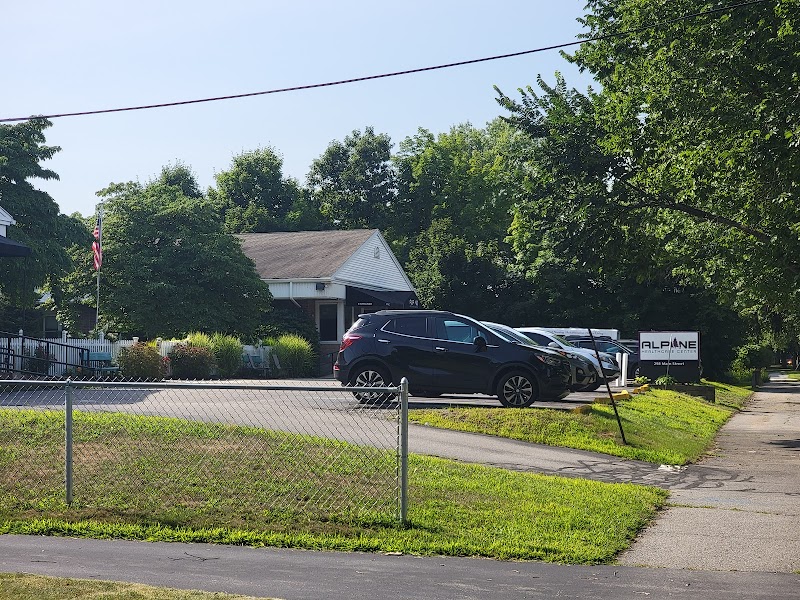
How is Alpine Healthcare Center Staffed?

CMS rates ALPINE HEALTHCARE CENTER's staffing level at 3 out of 5 stars, which is average compared to other nursing homes. Staff turnover is 53%, compared to the New Hampshire average of 46%.

What Have Inspectors Found at Alpine Healthcare Center?

State health inspectors documented 17 deficiencies at ALPINE HEALTHCARE CENTER during 2023 to 2025. These included: 16 with potential for harm and 1 minor or isolated issues.
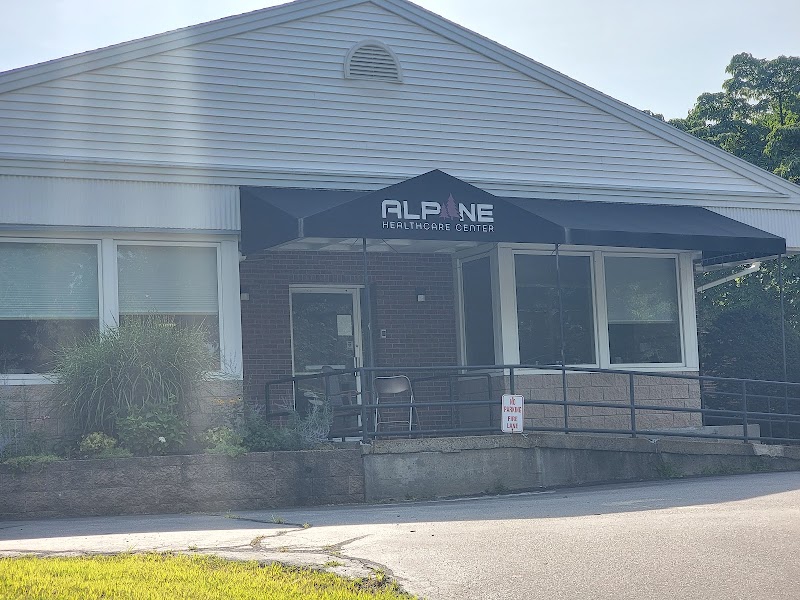
Who Owns and Operates Alpine Healthcare Center?

ALPINE HEALTHCARE CENTER is owned by a for-profit company. For-profit facilities operate as businesses with obligations to shareholders or private owners. The facility operates independently rather than as part of a larger chain. With 85 certified beds and approximately 73 residents (about 86% occupancy), it is a smaller facility located in KEENE, New Hampshire.

How Does Alpine Healthcare Center Compare to Other New Hampshire Nursing Homes?

Compared to the 100 nursing homes in New Hampshire, ALPINE HEALTHCARE CENTER's overall rating (2 stars) is below the state average of 3.0, staff turnover (53%) is near the state average of 46%, and health inspection rating (2 stars) is below the national benchmark.

What Should Families Ask When Visiting Alpine Healthcare Center?

Based on this facility's data, families visiting should ask: "Can I visit during a mealtime to observe dining assistance and food quality?" "How do you handle medical emergencies, and what is your hospital transfer rate?" "Can I speak with family members of current residents about their experience?"

Is Alpine Healthcare Center Safe?

Based on CMS inspection data, ALPINE HEALTHCARE CENTER has a clean safety record: no substantiated abuse findings (meaning no confirmed cases of resident harm), no Immediate Jeopardy citations (the most serious violation level indicating risk of serious injury or death), and is not on the Special Focus Facility watch list (a federal program monitoring the lowest-performing 1% of nursing homes). The facility has a 2-star overall rating and ranks #100 of 100 nursing homes in New Hampshire. While no facility is perfect, families should still ask about staff-to-resident ratios and recent inspection results during their visit.

Do Nurses at Alpine Healthcare Center Stick Around?

ALPINE HEALTHCARE CENTER has a staff turnover rate of 53%, which is 7 percentage points above the New Hampshire average of 46%. Moderate turnover is common in nursing homes, but families should still ask about staff tenure and how the facility maintains care continuity when employees leave.

Was Alpine Healthcare Center Ever Fined?

ALPINE HEALTHCARE CENTER has no federal fines on record. CMS issues fines when nursing homes fail to meet care standards or don't correct problems found during inspections. The absence of fines suggests the facility has either maintained compliance or corrected any issues before penalties were assessed. This is a positive indicator, though families should still review recent inspection reports for the full picture.

Is Alpine Healthcare Center on Any Federal Watch List?

ALPINE HEALTHCARE CENTER is not on any federal watch list. The most significant is the Special Focus Facility (SFF) program, which identifies the bottom 1% of nursing homes nationally based on persistent, serious quality problems. Not being on this list means the facility has avoided the pattern of deficiencies that triggers enhanced federal oversight. This is a positive indicator, though families should still review the facility's inspection history directly.