LEBANON CENTER, GENESIS HEALTHCARE
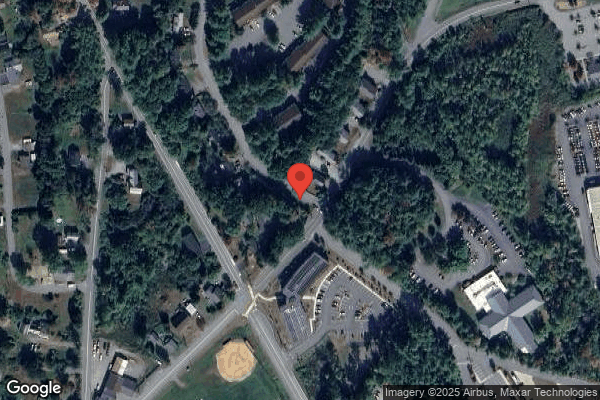
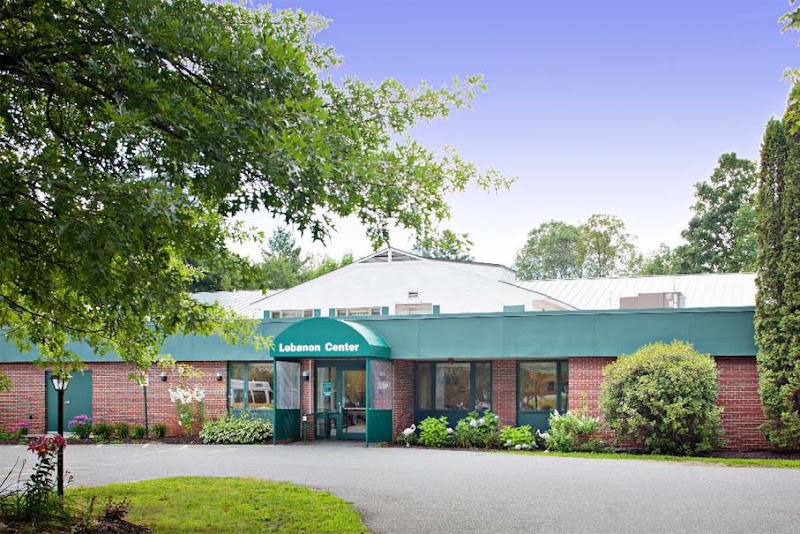
24 OLD ETNA ROAD, LEBANON, NH 03766 (603) 448-2234
For profit - Limited Liability company 110 Beds GENESIS HEALTHCARE Data: November 2025
Trust Grade
20/100
#66 of 73 in NH
Last Inspection: July 2024

Within standard 12-15 month inspection cycle. Federal law requires annual inspections.

Overview

Lebanon Center, Genesis Healthcare has received a Trust Grade of F, which indicates significant concerns about the facility's quality of care. It ranks #66 out of 73 nursing homes in New Hampshire, placing it in the bottom half, and is the lowest-ranked facility in Grafton County. While the facility is improving, with a reduction in issues from 13 in 2024 to 3 in 2025, it still has serious weaknesses. Staffing is a notable concern as the facility consistently fell below required staffing levels on weekends, which could impact resident care. Additionally, the facility has incurred $101,790 in fines, which is higher than 93% of similar facilities, indicating potential compliance issues. Specific incidents include failing to provide sufficient nursing staff and not offering nourishing bedtime snacks, raising concerns about overall resident well-being. Despite having average RN coverage, the facility needs to address these critical issues to enhance the quality of care for its residents.

Trust Score
F
20/100
In New Hampshire
#66/73
Bottom 10%
Safety Record
Moderate
Needs review
Inspections
Getting Better
13 → 3 violations
Staff Stability
⚠ Watch
56% turnover. Above average. Higher turnover means staff may not know residents' routines.
Penalties
✓ Good
$101,790 in fines. Lower than most New Hampshire facilities. Relatively clean record.
Skilled Nurses
○ Average
Each resident gets 31 minutes of Registered Nurse (RN) attention daily — about average for New Hampshire. RNs are the most trained staff who monitor for health changes.
Violations
⚠ Watch
35 deficiencies on record. Higher than average. Multiple issues found across inspections.
★☆☆☆☆
1.0
Overall Rating
★☆☆☆☆
1.0
Staff Levels
★★★☆☆
3.0
Care Quality
★☆☆☆☆
1.0
Inspection Score
Stable
2024: 13 issues
2025: 3 issues

The Good

  • Full Sprinkler Coverage · Fire safety systems throughout facility
  • No fines on record

Facility shows strength in fire safety.

The Bad

1-Star Overall Rating

Below New Hampshire average (3.0)

Significant quality concerns identified by CMS

Staff Turnover: 56%

Near New Hampshire avg (46%)

Frequent staff changes - ask about care continuity

Federal Fines: $101,790

Well above median ($33,413)

Significant penalties indicating serious issues

Chain: GENESIS HEALTHCARE

Part of a multi-facility chain

Ask about local staffing decisions and management

Staff turnover is elevated (56%)

8 points above New Hampshire average of 48%

The Ugly 35 deficiencies on record

Jul 2025 3 deficiencies
CONCERN (D) 📢 Someone Reported This

A family member, employee, or ombudsman was alarmed enough to file a formal complaint

Potential for Harm - no one hurt, but risky conditions existed

Deficiency F0567 (Tag F0567)

Could have caused harm · This affected 1 resident

Based on record review and interview, it was determined that the facility failed to obtain written authorization of a resident to act as a fiduciary of the resident's funds and hold, safeguard, manage...

Read full inspector narrative →
Based on record review and interview, it was determined that the facility failed to obtain written authorization of a resident to act as a fiduciary of the resident's funds and hold, safeguard, manage, and account for the personal funds of the resident deposited with the facility for 3 of 5 residents reviewed. (Resident identifiers are #1, #2, and #3.)Findings include:Resident #1Review on 7/7/25 of Resident #1's Resident Statement Landscape for January 1, 2025 to June 30, 2025 revealed that Resident #1's social security benefit was direct deposited into their resident fund on 1/3/25, 2/3/25, 3/3/25, 4/3/25, 5/2/25, and 6/3/25. The following amounts of money were transferred directly to the facility with description Care Cost Auto WDL: $3058.04 on 1/9/25; $40.00 on 1/21/25; $1399.00 on 2/3/25; $1399.00 on 3/3/25; $1399 on 4/3/25; $1399.00 on 5/2/25; and $949.00 on 6/3/25.Review on 7/7/25 of Resident #1's Resident Fund Management Service form, the facility's authorization and agreement to handle resident funds, dated 5/31/24, revealed that Resident #1 did not authorize the facility to automatically transfer care cost payments due to the facility and was not signed by the resident or Resident #1's guardian.Resident #2Review on 7/7/25 of Resident #2's Resident Statement Landscape for January 1, 2025 to June 30, 2025 revealed that Resident #2's social security benefit was direct deposited into their resident fund and an amount of $1498.00 was automatically transferred to the facility under the description Care Cost Auto WDL on 1/3/25, 2/3/25, 3/3/25, 4/3/25, 5/2/25, and 6/3/25.Review on 7/7/25 of Resident #2's Resident Fund Management Service form, the facility's authorization and agreement to handle resident funds, dated 2/7/24, revealed that Resident #2 did not authorize the facility to direct deposit their social security benefit payments or to automatically transfer care cost payments due to the facility.Resident #3Review on 7/7/25 of Resident #3's Resident Statement Landscape for January 1, 2025 to June 30, 2025 revealed that Resident #2's social security benefit was direct deposited into their resident fund and an amount of $1334.07 was automatically transferred to the facility under the description Care Cost Auto WDL on 1/3/25, 2/3/25, 3/3/25, 4/3/25, 5/2/25, and 6/3/25.Review on 7/7/25 of Resident #3's Resident Fund Management Service form, the facility's authorization and agreement to handle resident funds, dated 11/09/24, revealed that Resident #3 did not authorize the facility to direct deposit their social security benefit payments.
CONCERN (D) 📢 Someone Reported This

A family member, employee, or ombudsman was alarmed enough to file a formal complaint

Potential for Harm - no one hurt, but risky conditions existed

Deficiency F0568 (Tag F0568)

Could have caused harm · This affected 1 resident

Based on record review and interview, it was determined that the facility failed to provide Quarterly statements in writing to the resident or the resident's representative within 30 days after the en...

Read full inspector narrative →
Based on record review and interview, it was determined that the facility failed to provide Quarterly statements in writing to the resident or the resident's representative within 30 days after the end of the quarter for 2 of 5 residents reviewed for personal funds. (Resident identifiers are #1 and #2.) Findings include:Resident #1Review on 7/7/25 of Resident #1's quarterly statement for the quarter ending 12/31/24 revealed the quarterly statement was signed by Staff A (Administrator) on 2/3/25, not Resident #1 or Resident #1's guardian. Review on 7/7/25 of Resident #1's quarterly statement for the quarter ending 3/31/25 revealed the quarterly statement was signed by Staff A on 4/14/25, not Resident #1 or Resident #1's guardian. Interview on 7/7/25 at approximately 1:45 p.m. with Resident #1's guardian revealed that they had not received quarterly statements for Resident #1's personal fund account. Resident #2Interview on 7/7/25 at 11:20 a.m. with Resident #2 revealed they had not received any quarterly statements for their personal funds and thought they might be sent to their power of attorney. Review on 7/7/25 of Resident #2's quarterly statements for the quarter ending 3/31/25 revealed the quarterly statement was signed by Staff A on 2/3/25, not by Resident #2 or Resident #2's power of attorney. Review on 7/7/25 of Resident #2's quarterly statements for the quarter ending 3/31/25 revealed the quarterly statement was signed by the administrator on 4/14/25, not by Resident #2 or Resident #2's power of attorney.Interview on 7/7/25 at 1:40 p.m. with Resident #2's activated power of attorney revealed that they had not received any quarterly statements for Resident #2's personal funds. Interview on 7/7/25 at approximately 2:15 p.m. with Staff A confirmed the above quarterly statements for Resident #1 and Resident #2 were not given to the residents or their representatives.
CONCERN (D) 📢 Someone Reported This

A family member, employee, or ombudsman was alarmed enough to file a formal complaint

Potential for Harm - no one hurt, but risky conditions existed

Deficiency F0569 (Tag F0569)

Could have caused harm · This affected 1 resident

**NOTE- TERMS IN BRACKETS HAVE BEEN EDITED TO PROTECT CONFIDENTIALITY** Based on record review and interview, it was determined that the facility failed to notify a resident when the amount in the res...

Read full inspector narrative →
**NOTE- TERMS IN BRACKETS HAVE BEEN EDITED TO PROTECT CONFIDENTIALITY** Based on record review and interview, it was determined that the facility failed to notify a resident when the amount in the resident's personal fund account reaches or exceeds $200 less than the SSI (supplemental security income) recourse limit for 1 of 5 residents reviewed for personal funds. (Resident identifier is #1.)Findings include:Review on 7/7/25 of Resident #1's Resident Statement Landscape for January 1, 2025 to June 30, 2025 revealed the following monthly balances: January $5784.29; February $5335.58; March $4958.66; April $4550.90; May $3604.10; June $4102.22. Interview on 7/7/25 at 1:00 p.m. with Staff B (Regional Business Office Manager) revealed that the [NAME] Medicaid SSI resource limit is $2500. Interview on 7/7/25 at 1:53 p.m. with Staff A (Administrator) revealed the facility did not notify Resident #1 that they had exceeded their SSI resource limit each month from January 2025 through June 2025. Review on 7/7/25 of the facility's policy titled Accounts Receivable Policies and Procedures, AR600 Resident Funds, with a revision date of 1/16/23, revealed the following: .10. Medicaid Eligibility Letters: 10.1 In accordance with state and federal regulations, all Medical Assistance residents must be notified monthly when he resident's account reaches $200 of the state's asses level for Medicaid eligibility 10.2 Maintain a copy of the notification letter in the resident's file.
Jul 2024 13 deficiencies
CONCERN (D)

Potential for Harm - no one hurt, but risky conditions existed

Deficiency F0658 (Tag F0658)

Could have caused harm · This affected 1 resident

**NOTE- TERMS IN BRACKETS HAVE BEEN EDITED TO PROTECT CONFIDENTIALITY** Based on observation, interview and record review, it was determined that the facility failed to ensure that a resident received...

Read full inspector narrative →
**NOTE- TERMS IN BRACKETS HAVE BEEN EDITED TO PROTECT CONFIDENTIALITY** Based on observation, interview and record review, it was determined that the facility failed to ensure that a resident received medication as ordered for 1 out of 26 medications observed (Resident Identifier #32). Findings include: Standards: [NAME], [NAME] A., and [NAME]. Fundamentals of Nursing. 7th ed. St. Louis, Missouri: Mosby Elsevier, 2009. Page 336- Physicians' Orders .The physician is responsible for directing medical treatment. Nurses follow physician's orders unless they believe the orders are in error or harm clients. Therefore you need to assess all orders, and if you find one to be erroneous or harmful, further clarification from the physician is necessary . Observation on 7/9/24 at approximately 1:00 p.m. with Staff B (Licensed Practical Nurse) of the Intravenous (IV) medication of Heparin administration, revealed Staff B administered 50 units of Heparin. Review on 7/9/24 of Resident #32's Medication Administration Record (MAR) revealed the following physician's order: Heparin Sodium (Porcine) Injection Solution (Heparin Sodium (Porcine)) Use 100 units intravenously two times a day for flush right arm piccline, Start Date 6/19/24. Interview on 7/9/24 at approximately 1:00 p.m. with Staff B confirmed that he/she administered the incorrect dose.
CONCERN (D)

Potential for Harm - no one hurt, but risky conditions existed

Medication Errors (Tag F0758)

Could have caused harm · This affected 1 resident

Based on interview and record review it was determined that the facility failed to ensure that orders for psychotropic drugs are limited to 14 days for 1 of 1 residents reviewed for psychotropic/opiod...

Read full inspector narrative →
Based on interview and record review it was determined that the facility failed to ensure that orders for psychotropic drugs are limited to 14 days for 1 of 1 residents reviewed for psychotropic/opiod side effects (SE) in a final sample of 19 residents reviewed (Resident Identifier #83). Findings include: Review on 7/10/24 of Resident #83's Medication Administration Record (MAR) revealed the following physician's order: Ativan Oral Tablet 0.5 milligrams (mg) (Lorazepam) Give 1 tablet by mouth every 4 hours as needed for Anxiety/Nausea, Start Date 6/16/24 with no stop date indicated. Further review revealed of Resident #83's MAR revealed that Resident #83 received 10 doses of the as needed Ativan after 14 days of the order being initiated. Interview on 7/11/24 at approximately 10:45 a.m. with Staff D (Director of Nurses) confirmed the above findings. Review on 7/11/24 of the facility policy titled, 3.8 Psychotropic Medication Use, Revision Date 10/24/22 revealed: .8. PRN (as needed) psychotropic medications should be ordered for no more than 14 days
CONCERN (D)

Potential for Harm - no one hurt, but risky conditions existed

Deficiency F0760 (Tag F0760)

Could have caused harm · This affected 1 resident

**NOTE- TERMS IN BRACKETS HAVE BEEN EDITED TO PROTECT CONFIDENTIALITY** Based on observation, interview and record review, it was determined that the facility failed to ensure that a resident was free...

Read full inspector narrative →
**NOTE- TERMS IN BRACKETS HAVE BEEN EDITED TO PROTECT CONFIDENTIALITY** Based on observation, interview and record review, it was determined that the facility failed to ensure that a resident was free from a significant medication error for 1 out of 26 medications observed. (Resident identifier is # 32.) Findings include: Standards: [NAME], [NAME] A., and [NAME]. Fundamentals of Nursing. 7th ed. St. Louis, Missouri: Mosby Elsevier, 2009. Page 336- Physicians' Orders The physician is responsible for directing medical treatment. Nurses follow physician's orders unless they believe the orders are in error or harm clients. Therefore you need to assess all orders, and if you find one to be erroneous or harmful, further clarification from the physician is necessary . Observation on 7/9/24 at approximately 1:00 p.m. with Staff B (Licensed Practical Nurse) of the IV (Intravenous) medication of heparin administration, revealed Staff B administered 50 units of Heparin. Review on 7/9/24 of Resident #32's MAR (Medication Administration Record) revealed the following physician's order: Heparin Sodium (Porcine) Injection Solution (Heparin Sodium (Porcine)) Use 100 unit intravenously two times a day for flush right arm piccline, Start Date 6/19/24. Interview on 7/9/24 at approximately 1:00 p.m. with Staff B confirmed that he/she administered the incorrect dose.
CONCERN (D)

Potential for Harm - no one hurt, but risky conditions existed

Infection Control (Tag F0880)

Could have caused harm · This affected 1 resident

Based on observation, interview, record review, and policy review, it was determined that the facility failed to follow Centers for Disease Control and Prevention (CDC) guidance for Enhanced Based Pre...

Read full inspector narrative →
Based on observation, interview, record review, and policy review, it was determined that the facility failed to follow Centers for Disease Control and Prevention (CDC) guidance for Enhanced Based Precautions (EBP) for 1 of 1 residents with an Intravenous (IV) access in a final sample of 19 residents (Resident Identifier #32). Findings include: Observation on 7/9/24 at approximately 10:00 a.m. of Resident #32's room door revealed signage stating EBP required. Observation on 7/9/24 at approximately 12:55 a.m. of Staff B (Licensed Practical Nurse) accessing Resident #32's IV site revealed Staff B did not put on a gown while accessing Resident #32's IV site. Interview on 7/9/24 at approximately 12:55 p.m. with Staff B confirmed the above findings. Interview on 7/10/24 at approximately 8:00 a.m. with Staff C (Infection Preventionist) revealed that the facility would expect a gown to be worn when accessing a IV. Review on 7/10/24 of the facility policy titled, IC308 Enhanced Barrier Precautions, Revision Date 1/8/24 , revealed: .purpose, to reduce the risk of transmission of epistemologically microorganisms by direct or indirect contact Review on 7/10/24 of the CDC Implementation of Personal Protective Equipment Use in Nursing Homes to Prevent Spread of Multidrug Resistant Organisms (MDRO's), Updated July 2022 revealed: .Enhanced Barrier Precautions expand the use of PPE and refer to the use of gown and gloves during high-contact resident care activities that provide opportunities for transfer of MDRO's to staff hands and clothing. MDRO's may be indirectly transferred from resident-to-resident during these high-contact activities. Nursing home resident with wounds and indwelling medical devices are at especially high risk of both acquisition of and colonization with MDRO's. The use of gown and gloves for high-contact resident care activities is indicated, .Enhanced Barrier Precautions, Expand the use of PPE and refer to the use of gown and gloves during high-contact resident care activities that provide opportunities for transfer of MDROs to staff hands and clothing. MDROs may be indirectly transferred from resident-to-resident during these high-contact care activities. Nursing home residents with wounds and indwelling medical devices are at especially high risk of both acquisition of and colonization with MDROs. The use of gown and gloves for high-contact resident care activities is indicated, when Contact Precautions do not otherwise apply, for nursing home residents with wounds and/or indwelling medical devices regardless of MDRO colonization as well as for residents with MDRO infection or colonization Examples of high-contact resident care activities requiring gown and glove use for Enhanced Barrier Precautions include: .Device care or use: central line, urinary catheter, feeding tube, tracheostomy/ventilator .
CONCERN (D)

Potential for Harm - no one hurt, but risky conditions existed

Antibiotic Stewardship (Tag F0881)

Could have caused harm · This affected 1 resident

Based on interview, review of the facility's policy for antibiotic stewardship, review of the facility's antibiotic stewardship program, and review of the facility's antibiotic line listings from Marc...

Read full inspector narrative →
Based on interview, review of the facility's policy for antibiotic stewardship, review of the facility's antibiotic stewardship program, and review of the facility's antibiotic line listings from March 2024 - June 2024, the facility failed to use antibiotic use protocols that identify unnecessary or inappropriate antibiotic use for 2 out of 4 months reviewed, which could affect all residents prescribed antibiotics. Findings include: Review on 7/10/24 of the Antibiotic Line Listings revealed the following antibiotic was prescribed that did not meet the facilities criteria for determining antibiotic use: April 2024- 1 resident was prescribed antibiotics for a Urinary Tract Infection (UTI); and June 2024- 6 residents were prescribed antibiotics for UTI's. Interview on 7/11/24 at approximately 07:30 a.m. with Staff C (Infection Preventionist) confirmed that the above antibiotics were prescribed to residents without the facility's criteria for antibiotic use being met. Review on 7/11/24 of the facility policy titled, IC402 Antibiotic Stewardship, with a revision date of 7/1/24, revealed: Policy .Centers will implement an Antibiotic Stewardship Program (ASP) that includes antibiotic use protocols and systems for monitoring antibiotic use .
CONCERN (D) 📢 Someone Reported This

A family member, employee, or ombudsman was alarmed enough to file a formal complaint

Potential for Harm - no one hurt, but risky conditions existed

Deficiency F0943 (Tag F0943)

Could have caused harm · This affected 1 resident

Based on interview and record review, it was determined that the facility failed to ensure that training and education was provided to staff on abuse, neglect, exploitation, and misappropriation of re...

Read full inspector narrative →
Based on interview and record review, it was determined that the facility failed to ensure that training and education was provided to staff on abuse, neglect, exploitation, and misappropriation of resident property for 1 of 5 staff reviewed (Staff Identifier is Staff L (Licensed Nursing Assistant)). Finding include: Review on 7/11/24 of Staff L's education file revealed no documentation of training or education for abuse, neglect, exploitation and misappropriation of resident property. Interview on 7/11/24 at 2:30 p.m. with Staff D (Director of Nursing) confirmed that Staff L did not have training or education for abuse, neglect exploitation and misappropriation of resident property prior to Staff L's start date on 4/23/2024. Review on 7/11/23 of facility policy titled, Abuse Prohibition, revised on 10/24/22, revealed .4. Training and reporting obligations will be provided to all employees - through orientation, Code of Conduct training, and a minimum of annually - and will include .
CONCERN (E)

Potential for Harm - no one hurt, but risky conditions existed

Deficiency F0725 (Tag F0725)

Could have caused harm · This affected multiple residents

Based on record review and interview, it was determined that the facility failed to provide sufficient nursing staff as determined by their facility assessment. Findings Include: Review on 7/9/24 of ...

Read full inspector narrative →
Based on record review and interview, it was determined that the facility failed to provide sufficient nursing staff as determined by their facility assessment. Findings Include: Review on 7/9/24 of the facilities Payroll Based Journal Staffing Data report Quarter 2, 2024 (January 1-March 31) revealed the facility had excessively low weekend staffing. Review on 7/11/24 of the facility assessment nursing staff and personnel total number needed revealed that the facility assessment determined the required Hours Per Patient Day (HPPD) for nurses aides was 1.63 HPPD. Review on 7/10/24 of the nursing staff punch reports for 6/9/24-7/10/24 revealed the following weekend dates had staffing that was below the staffing numbers determined by the facility assessment: Sunday 6/9/24- Nurse aides 1.57 HPPD; Saturday 6/22/24- Nurses aides 1.49 HPPD; Sunday 6/23/24- Nurse aides 1.45 HPPD; Saturday 6/29/24- Nurses aides 1.49 HPPD; Saturday 7/6/24- Nurses aides 1.47 HPPD; Sunday 7/7/24- Nurses aides 1.43 HPPD. Interview on 7/11/24 at approximately 1:15 p.m. with Staff M (Scheduler/Human Resources) confirmed the above findings.
CONCERN (E)

Potential for Harm - no one hurt, but risky conditions existed

Deficiency F0809 (Tag F0809)

Could have caused harm · This affected multiple residents

Based on interview, observation, review of facility policy, and review of the facility menu, it was determined that the facility failed to offer the residents a nourishing snack at bedtime while havin...

Read full inspector narrative →
Based on interview, observation, review of facility policy, and review of the facility menu, it was determined that the facility failed to offer the residents a nourishing snack at bedtime while having 15 hours between the evening meal and the breakfast meal. Findings include: Interview on 7/9/24 at approximately 2:00 p.m. with the facility's Resident Council (13 residents) revealed that the majority of the residents that attended did not receive bedtime snacks. The Resident Council President stated he/she met with Staff F (Food Service Director) back in January to request more substantial snacks such as tuna, egg salad or chicken salad be available in the kitchettes. Review on 7/10/24 of the facility dining times revealed the following meal schedule: Breakfast 7:30 a.m.; Lunch 11:30 a.m.; Dinner 4:30 p.m. Review on 7/11/24 of the facility's Week At A Glance Menu of week 2 revealed the following evening snack: Sunday: Cranberry Juice and Oatmeal Creme Cookie; Monday: Apple Juice and Chocolate Creme Cookie Tuesday: Cranberry Juice and [NAME] Crackers; Wednesday: Apple Juice and Oatmeal Creme Cookies; Thursday: Cranberry Juice and Chocolate Creme Cookies; Friday: Apple Juice and [NAME] Cookies; Saturday: Cranberry Juice and Oatmeal Creme Cookies. Interview on 7/11/24 at approximately 9:30 a.m. with Staff F (Food Service Director) confirmed that the above snacks are the available snacks in the kitchenettes. Review on 7/11/24 of the facility policy titled, Snacks, with a revision date of 10/2022 revealed: .Policy Statement .Bedtime (HS) snacks will be provided for all residents .Procedures .1. The Dining Services Department will collaborate with the residents/patients, nursing and management team to identify necessary beverage and snack items to be provided to each resident/patient .6. Nursing Services is responsible for delivering the individual snacks to the identified residents and for offering evening snacks to all other residents. Resident #88 Interview on 7/11/24 at 12:59 p.m. with Resident #88 revealed the he/she was not offered a snack in the evening. Resident #71 Interview on 7/9/25 at 11:00 a.m. with Resident #71 revealed that he/she was not offered a snack anytime during the day or night. Resident #71 stated that the snacks available in the kitchenette were oatmeal cookies, goldfish crackers, and/or chips.
MINOR (B)

Minor Issue - procedural, no safety impact

Deficiency F0553 (Tag F0553)

Minor procedural issue · This affected multiple residents

Based on interview and record review, it was determined that the facility failed to notify the resident and/or representative of quarterly care plan meetings for 1 of 19 residents reviewed for care pl...

Read full inspector narrative →
Based on interview and record review, it was determined that the facility failed to notify the resident and/or representative of quarterly care plan meetings for 1 of 19 residents reviewed for care plans (Resident Identifier #52). Findings include: Resident #52 Interview on 7/9/24 at approximately 12:00 p.m. with Resident #52's activated alternate Durable Power of Attorney (DPOA) revealed he/she had been invited to two care plan meetings since Resident #52 was admitted in April of 2023. Review on 7/10/24 of Resident #52's medical record revealed two quarterly care plan attendance sheets dated 4/26/23 and 2/27/24. Both attendance sheets had identified that the DPOA and the alternate DPOA were in attendance. Interview on 7/10/24 at approximately 2:20 p.m. with Staff K (Social Services) confirmed the above findings. Staff K was unable to provide documentation of other quarterly care plan meetings.
MINOR (B)

Minor Issue - procedural, no safety impact

Assessment Accuracy (Tag F0641)

Minor procedural issue · This affected multiple residents

**NOTE- TERMS IN BRACKETS HAVE BEEN EDITED TO PROTECT CONFIDENTIALITY** Based on interview, observation, and record review, it was determined that the facility failed to ensure that the residents' Min...

Read full inspector narrative →
**NOTE- TERMS IN BRACKETS HAVE BEEN EDITED TO PROTECT CONFIDENTIALITY** Based on interview, observation, and record review, it was determined that the facility failed to ensure that the residents' Minimum Data Set (MDS) accurately reflected the resident's status for 4 of 19 residents (Resident Identifiers #11, #24, #53, and #76). Findings include: Resident #11 Review on 7/10/24 of Resident #11's Quarterly MDS dated [DATE], section P0100- Restraints and Alarms, revealed that the section Used in Bed; A. Bed rail was coded with a #2, indicating it was used daily. Review on 7/11/24 of Resident #11's Bed Rail Evaluation, dated 1/6/20, revealed that Resident #11 requested to use two half upper rails on the bed to enable mobility and assist with transfers and was not a restraint. Interview on 7/11/24 at approximately 11:00 a.m. with Staff A (MDS Coordinator) confirmed the above findings. Resident #24 Review on 7/10/24 of Resident #24's MDS, dated [DATE], section P0100- Restraints and Alarms, revealed that the section Used in Bed; A. Bed rail was coded with a #2, indicating it was used daily. Review on 7/11/24 of Resident #24's Consent for Use of Bed rails dated 4/10/24 revealed that Resident #24's bed rails were used as a mobility enabler and not a restraint. Interview on 7/11/24 at 11:06 a.m. with Staff A revealed that Resident #24's MDS had been incorrectly coded. Resident #53 Review on 7/10/24 of Resident #53's MDS dated [DATE], section P0100- Restraints and Alarms, revealed that the section Used in Bed; A. Bed rail was coded with a #2, indicating it was used daily. Interview on 7/9/24 at approximately 9:30 a.m. with Staff B (Licensed Practical Nurse) revealed that Resident #53's bed rail was not a restraint. Interview on 7/11/24 at approximately 11:00 a.m. with Staff A confirmed that Resident #53's bed rail was not a restraint and that the MDS submitted was not accurate. Resident #76 Review on 7/9/24 of Resident #76's MDS, dated [DATE], section P0100- Restraints and Alarms, revealed that the section Used in Bed; A. Bed rail was coded with a #2, indicating it was used daily. Interview on 7/11/24 at approximately 11:00 a.m. with Staff A confirmed that Resident #76's bed rail was not a restraint and that the MDS submitted was not accurate.
MINOR (C)

Minor Issue - procedural, no safety impact

Deficiency F0680 (Tag F0680)

Minor procedural issue · This affected most or all residents

Based on interview and record review, it was determined that the facility failed to ensure the activities program was directed by a qualified professional for a facility census of 88 residents. Findin...

Read full inspector narrative →
Based on interview and record review, it was determined that the facility failed to ensure the activities program was directed by a qualified professional for a facility census of 88 residents. Findings include: Interview on 7/10/24 at 12:47 p.m. with Staff H (Activities Aide) revealed that there was no Director of the Activities program at the facility. Interview on 7/10/24 at 2:36 p.m. with Staff G (Administrator) confirmed thier was currently no Director of Activities program and that the past director left the position in February 2024. Review on 7/10/24 of the facility's job description for Director of Recreation Services, revised 4/25/17, revealed: The Director of Recreation Services is responsible for the development, implementation, and supervision of the full scope of recreation services in the nursing center . Review on 7/10/24 of the facility's policy titled, Recreation Program Components, revised 4/1/18, revealed .1. The Recreation Director will ensure that the recreation programs may include the following .
MINOR (C)

Minor Issue - procedural, no safety impact

Staffing Information (Tag F0732)

Minor procedural issue · This affected most or all residents

Based on record review and interview, it was determined that the facility failed to update the posted daily nurse staffing information of the actual hours worked at the beginning of each shift on a da...

Read full inspector narrative →
Based on record review and interview, it was determined that the facility failed to update the posted daily nurse staffing information of the actual hours worked at the beginning of each shift on a daily basis. Findings include: Review on 7/11/24 of the facility daily nursing staff postings from 6/9/24 through 7/10/24 revealed they did not match the daily nursing schedules provided. Interview on 7/11/24 at approximately 1:30 p.m. with Staff M (Scheduler/Human Resources) verified the above information. Staff M stated that they did not update and change the postings to reflect the actual staffing. Review on 7/11/24 of facility policy titled Posting Staffing, revised 8/7/23, revealed .In accordance with federal and state regulations, Centers will post the census, shift hours, number of staff, and total actual hours worked by licensed and unlicensed nursing staff who are directly responsible for patient care for each shift and on a daily basis .3. The posting should be: .3.4 Adjusted either upward or downward if staffing changes .
MINOR (C)

Minor Issue - procedural, no safety impact

Deficiency F0868 (Tag F0868)

Minor procedural issue · This affected most or all residents

Based on interview and record review, it was determined that the facility failed to ensure that the required committee members attended meetings at least quarterly for 3 of the 4 quarterly meetings re...

Read full inspector narrative →
Based on interview and record review, it was determined that the facility failed to ensure that the required committee members attended meetings at least quarterly for 3 of the 4 quarterly meetings reviewed in 2023/24. Findings include: Review on 7/11/24 of the Quality Assurance Performance Improvement (QAPI) meeting attendance sheets from 2023/24 revealed the following required members were not in attendance: Quarter 1 - Medical Director; Quarter 2 - Medical Director; and Quarter 4 - Infection Preventionist. Interview on 7/11/24 1:52 p.m. with Staff G (Administrator) confirmed the above findings. Review on 7/11/24 of the facility's policy titled, Quality Assurance/Assessment and Performance Improvement Plan, revised 3/16/24, revealed: . The Quality Assessment and Assurance (QAA) Committee consists of the Director of Nursing Services, the Medical Director, the Administrator, at least two other members of the facility staff, and the infection control and prevention officer .
Nov 2023 2 deficiencies
CONCERN (D) 📢 Someone Reported This

A family member, employee, or ombudsman was alarmed enough to file a formal complaint

Potential for Harm - no one hurt, but risky conditions existed

Deficiency F0552 (Tag F0552)

Could have caused harm · This affected 1 resident

Based on interview and record review it was determined that the facility failed to inform the resident's representative of a treatment change for 1 of 1 resident reviewed for resident rights (Resident...

Read full inspector narrative →
Based on interview and record review it was determined that the facility failed to inform the resident's representative of a treatment change for 1 of 1 resident reviewed for resident rights (Resident identifier is #1). Findings include: Review on 11/21/23 of Resident #1's medical record revealed that Resident #1's diagnosis list included but was not limited to; dementia, depression, anxiety, mood disturbance, and psychotic disturbance. Further review of Resident #1's medical record revealed that Resident #1's power of attorney for healthcare was activated by the physician on 4/21/23. Review on 11/21/23 of Resident #1's physician orders revealed an order for Olanzapine that was discontinued on 7/19/23 and restarted on 8/19/23. Interview on 11/21/23 at approximately 11:00 a.m. with Resident #1's power of attorney for healthcare revealed that they were not informed that the above medication was discontinued and they were not aware that it was until they asked staff about an increase in depression in Resident #1.
CONCERN (D) 📢 Someone Reported This

A family member, employee, or ombudsman was alarmed enough to file a formal complaint

Potential for Harm - no one hurt, but risky conditions existed

Safe Environment (Tag F0921)

Could have caused harm · This affected 1 resident

Based on observation and interview it was determined that the facility failed to provide a sanitary environment for its residents, staff, and public. Observation on 11/21/23 at 09:20 a.m. of the hallw...

Read full inspector narrative →
Based on observation and interview it was determined that the facility failed to provide a sanitary environment for its residents, staff, and public. Observation on 11/21/23 at 09:20 a.m. of the hallway ceiling tiles outside of rooms 101, 110, 108, and 126 (the left 100 hallway) revealed that the ceiling tiles surrounding the metal vents were soiled with a black spotted substance that had been smeared in places. Interview on 11/21/23 at 10:00 a.m. with Staff B (Infection Preventionist) revealed that the tiles had the above substance on them for a few months and he/she was unaware of the cause of the soiling of the tiles. Interview on 11/21/23 at 10:30 a.m. with Staff C (Maintenance Director) confirmed the above findings.
Apr 2023 5 deficiencies
CONCERN (D)

Potential for Harm - no one hurt, but risky conditions existed

Deficiency F0561 (Tag F0561)

Could have caused harm · This affected 1 resident

Based on interview and record review, it was determined that the facility failed to honor residents' choice for showers for 1 out of 5 residents reviewed for Activities of Daily Living in a final samp...

Read full inspector narrative →
Based on interview and record review, it was determined that the facility failed to honor residents' choice for showers for 1 out of 5 residents reviewed for Activities of Daily Living in a final sample of 19 residents (Resident identifier is #52). Findings include: Interview on 4/17/23 at 11:19 a.m. with Resident #52 revealed that he/she had not had a shower in a couple of weeks and that he/she had requested one be given today. Review on 4/18/23 of Resident #52's Significant Change Minimum Data Set (MDS) with an assessment reference date of 4/6/23 revealed that Resident #52 required physical assistance for bathing. Further review revealed that Resident #52 had a Brief Interview of Mental Status (BIMS) of 15, meaning cognitively intact. Review on 4/18/23 of Resident #52's tub/shower schedule under tasks in the electronic medical record revealed no showers documented from 3/31/23 through 4/17/23. Review on 4/19/23 of the second floor shower schedule paper form revealed that Resident #52 was scheduled for Tuesdays on the 7-3 shift. Interview on 4/19/23 at 12:17 p.m. with Staff B (MDS Coordinator) confirmed that Resident #52 was scheduled for showers on the 7-3 on Tuesdays and that no showers were documented as being offered, refused, or given on 4/4/23 or 4/11/23 (both Tuesdays). Review on 4/19/23 of the facility's policy titled Activities of Daily Living (ADLs), revised on 6/1/21, revealed, .Based on the comprehensive assessment of a resident/patient (hereinafter patient) and consistent with the patient's needs and choices, the Center must provide the necessary care and services to ensure that a patient's activities of daily living (ADL) abilities are maintained or improved . Activities of daily living (ADLs) include . bathing . ADL assistance that is not documented within 24 hours of occurring is considered late documentation . To ensure ADLs are provide in accordance with accepted standards of practice, the care plan, and the patie7nt's [sic] choice and preferences . 5. ADL care is documented every shift by the nursing assistant .
CONCERN (D)

Potential for Harm - no one hurt, but risky conditions existed

Deficiency F0761 (Tag F0761)

Could have caused harm · This affected 1 resident

**NOTE- TERMS IN BRACKETS HAVE BEEN EDITED TO PROTECT CONFIDENTIALITY** Based on observation, interview, and record review, it was determined that the facility failed to ensure that expired vaccines w...

Read full inspector narrative →
**NOTE- TERMS IN BRACKETS HAVE BEEN EDITED TO PROTECT CONFIDENTIALITY** Based on observation, interview, and record review, it was determined that the facility failed to ensure that expired vaccines were removed from use for 1 of 2 medication rooms reviewed and that all medication was secured. Findings include: Observation on [DATE] at approximately 9:20 a.m. of the first floor medication storage room vaccination refrigerator with Staff A (Registered Nurse) revealed: -1 opened vial of Pfizer COVID-19 Vaccine, Bivalent, with a manufacturer's expiration date of [DATE] and no open date. -1 opened vial of Pfizer COVID-19 Vaccine, Bivalent, with a manufacturer's expiration date of [DATE] and no open date. Interview on [DATE] at approximately 9:20 a.m. with Staff A confirmed the above finding. Staff A stated that the Pfizer COVID-19 Bivalent Vaccine vial should have been labeled with an open date and time and that the vial should have been discarded after 12 hours. Review on [DATE] of the facility's policy Storage and Expiration Dating of Medications, Biologicals with revision date of [DATE] revealed, .4. Facility should ensure that medications and biological that: (1) have an expired date on the label; (2) have been retained longer than recommended by manufacturer or supplier guidelines; or (3) have been contaminated or deteriorated, are stored separate from other medications until destroyed or returned to the pharmacy or supplier. 5. Once any medication or biological package is opened, Facility should follow manufacturer/supplier guidelines with respect to expiration dates for opening medications. Facility staff should record the date opened on the primary medication container (vial, bottle, inhaler) when the medication has a shortened expiration date once opened or opened. Review on [DATE] of the manufacturer's instructions for Pfizer- BioNTech COVID-19 Vaccine, Bivalent revealed, .Vial Storage During Use .Pfizer-BioNTech COVID-19 Vaccine, Bivalent may be stored at room temperature [8° (degree) C (Celsius) to 25°C (35°F (Fahrenheit) to 46°F)] for a total of 12 hours prior to the first puncture. After first puncture, the multiple dose vial should be held between 2°C to 25°C (35°F to 77°F). Multiple dose vials should be discarded 12 hours after first puncture. Observation on [DATE] of the first floor resident dining room kitchenette cabinet revealed one (1) bottle of aspirin 325 mg (milligrams) half empty in an unlocked cabinet. Interview on [DATE] with Staff C (Dining Service Director) confirmed the above findings.
CONCERN (D)

Potential for Harm - no one hurt, but risky conditions existed

Deficiency F0813 (Tag F0813)

Could have caused harm · This affected 1 resident

Based on observation, interview, and policy review, it was determined that the facility failed to follow professional standards for labeling and storage of food items brought to residents by visitors ...

Read full inspector narrative →
Based on observation, interview, and policy review, it was determined that the facility failed to follow professional standards for labeling and storage of food items brought to residents by visitors to the facility for 2 out of 2 kitchenettes reviewed. Findings include: First floor dining room kitchenette: Observation on 4/17/23 at approximately 9:30 a.m. of the first floor refrigerator in the dining room kitchenette revealed the following: One (1) glass bottle of chocolate milk half empty with no resident name or received by date; One (1) plastic covered container with several unknown food items inside with no resident name or received by date; One (1) plastic bag with (1) container of yogurt with no resident name or received by date; One (1) bottle of iced tea half empty with no resident name or received by date; Two (2) containers of yogurt with no resident names or received by date. Observation on 4/17/23 at approximately 9:45 a.m. of the first floor dining room kitchenette cabinet revealed the following: Two (2) boxes of Girl Scout cookies with no resident names or received by date. Interview on 4/17/23 at approximately 9:45 a.m. with Staff C (Dining Service Director) confirmed that the items listed above belonged to residents and were not labeled with resident's names or dated. Review on 4/18/23 of the facility's policy titled Food: Safe Handling for Foods from Visitors, revised 7/2019 revealed Procedures .4. When food items are intended for later consumption .Label foods with the resident name and the current date .
MINOR (B)

Minor Issue - procedural, no safety impact

Comprehensive Care Plan (Tag F0656)

Minor procedural issue · This affected multiple residents

Based on record review and interview it was determined that the facility failed to follow the comprehensive care plan for 2 out of 2 residents reviewed for psychotropic drugs in a final sample of 19 r...

Read full inspector narrative →
Based on record review and interview it was determined that the facility failed to follow the comprehensive care plan for 2 out of 2 residents reviewed for psychotropic drugs in a final sample of 19 residents (Resident identifiers are #26 and #62). Findings include: Resident #26 Review on 4/18/23 of Resident #26's medical diagnosis list revealed that Resident #26 had a diagnosis of post-traumatic stress disorder, depression, anxiety, and hallucinations upon admission dated 3/24/23. Review on 4/18/23 of Resident #26's current physician's orders revealed that Resident #26 had an order for Quetiapine Fumerate (antipsychotic) Tablet 25 milligram (mg), give 1 tablet by mouth at bedtime for anxiety, with a start date of 3/30/23. Review on 4/18/23 of Resident #26's current care plan initiated 3/31/23 revealed the following focus, goal, and interventions: .Focus: .[name omitted] is at risk for complications related to the use of psychotropic drugs .Goal: .[name omitted] will have the smallest .Interventions: .AIMS [Abnormal Involuntary Movement Scale] testing per protocol . Review on 4/18/23 of Resident #26's medical record revealed there was no AIMS assessment(s). Interview on 4/18/23 at 10:55 a.m. with Staff E (Licensed Practical Nurse) confirmed there had been no AIMS assessment done with Resident #26. Resident #62 Review on 4/18/23 of Resident #62's medical diagnosis list revealed that Resident #62 had a diagnosis of dementia with psychotic disturbance (3/15/23), anxiety (12/30/21), and hallucinations (12/30/21). Review on 4/18/23 of Resident #62's current physician's orders revealed that Resident #62 had an order for Quetiapine Fumerate Tablet 50 mg, give 1 tablet by mouth two times a day for agitation, with a start date of 3/15/23. Review on 4/18/23 of Resident #62's current care plan, initiated 3/17/23, revealed the following focus, goal, and interventions: .Focus: .[name omitted] is at risk for complications related to the use of psychotropic drugs .Goal: .[name omitted] will have the smallest .Interventions: .AIMS testing per protocol . Review on 4/18/23 of Resident #62's medical record revealed there was no AIMS assessment(s). Interview on 4/18/23 at 1:50 p.m. with Staff F (Director of Nursing) revealed the facility uses the AIMS assessment template found in the electronic medical record. Staff F confirmed there was no AIMS assessment done with Resident #62 or Resident #26. Review on 4/18/23 of facility policy titled Behaviors: Management of Symptoms, revised on 10/24/22, revealed .4. When medication is ordered for behavioral symptoms: 4.4. Complete the Abnormal Involuntary Movement Scale (AIMS) .Assessment Grid: Upon new order for antipsychotic . Every 6 months when on antipsychotic .
MINOR (B)

Minor Issue - procedural, no safety impact

Deficiency F0657 (Tag F0657)

Minor procedural issue · This affected multiple residents

**NOTE- TERMS IN BRACKETS HAVE BEEN EDITED TO PROTECT CONFIDENTIALITY** Based on record review and interview, it was determined that the facility failed to update the comprehensive care plan for 1 out...

Read full inspector narrative →
**NOTE- TERMS IN BRACKETS HAVE BEEN EDITED TO PROTECT CONFIDENTIALITY** Based on record review and interview, it was determined that the facility failed to update the comprehensive care plan for 1 out of 1 residents reviewed for advance directives (Resident identifier is #26). Findings include: Review on [DATE] of Resident #26's medical record revealed an initial admission date of [DATE]. Review on [DATE] of Resident #26s care plan, created on [DATE], revealed that Resident #26 was a full code. Review on [DATE] of Resident #26's current physician's order dated [DATE] revealed an order for Do Not Resuscitate (DNR) on the Physician's Orders for Life Sustaining Treatment (POLST). Review on [DATE] of Resident #26's Minimum Data Set (MDS) with an assessment reference date of [DATE] revealed Resident #26 had a Basic Interview for Mental Status (BIMS) score of 14 out of 15. Review of Resident #26's National POLST Form: Portable Medical Order. signed by the physician and Resident #26 on [DATE], revealed No CPR [Cardiopulmonary Resuscitation]: Do Not Attempt Resuscitation was checked. Interview on [DATE] at 2:23 p.m. with Staff A (Registered Nurse) confirmed Resident #26 was a DNR/POLST. Staff A stated that staff would check the electronic medical record for code status of a resident. Interview on [DATE] at 2:26 p.m. with Resident #26 confirmed that he/she was a DNR. Interview on [DATE] at 2:30 p.m. with Staff A confirmed the current care plan documented Resident #26 was a full code.
May 2022 12 deficiencies
CONCERN (D)

Potential for Harm - no one hurt, but risky conditions existed

Report Alleged Abuse (Tag F0609)

Could have caused harm · This affected 1 resident

Based on interview, record review, and facility policy review it was determined that the facility failed to report an allegation of neglect to the State Survey Agency when a resident fell during a tra...

Read full inspector narrative →
Based on interview, record review, and facility policy review it was determined that the facility failed to report an allegation of neglect to the State Survey Agency when a resident fell during a transfer with an inadequate with a mechanical lift for 1 out of 2 residents reviewed for abuse and neglect in a final sample of 22 residents. (Resident identifier is #69.) Findings include: Interview on 5/22/22 at approximately 11:34 a.m. with Resident #69 revealed that Resident #69 fell in the bathroom while being transferred by a licensed nursing assistant (LNA) with a mechanical stand lift. Review on 5/22/22 of Resident #69's nursing progress note, dated 4/14/22 revealed the following: LNA transferred resident with sit-to-stand lift. Lift tipped over and resident fell on the floor. Did not hit [pronoun omitted] head. VSS (vital signs stable). Skin is intact. Voices that [pronoun omitted] does not have any pain or discomfort. No concerns at this time. Review on 5/22/22 of Residents #69's care plan for ADLs (activities of daily living), last revised on 5/24/21 revealed: . Interventions. Provide [pronoun omitted] with extensive assistance of 2 for transfers using a stand lift with both prosthesis in place, Created on 12/22/21 . Review on 5/24/22 of the facility's Risk Management System (RMS) Event Summary Report, dated 4/14/22 revealed that while resident #69 was being transferred by a sit-to-stand lift, the lift tipped. It was determined that the fall occurred as a result of one staff member present during the transfer and one wheel was locked on the lift while turning. Interview on 5/24/22 at approximately 11:30 a.m. with Staff H (Administrator) confirmed the above finding. Staff H stated the fall was not reported to the State Survey Agency because there was no injury to the resident during the fall. Review on 5/24/22 of facility policy titled, Safe Resident Handling/Transfer Equipment, Revision Date 10/01/21 revealed: POLICY .Two trained persons are required to operate a total lift or sit to stand lift, regardless if manufacturer instructions state only one person is needed Review on 5/24/22 of the Invacare Stand Up Patient Lift User Manual revealed: .SECTION7-GENERAL GUIDELINES .SECTION I General Guidelines .The use of the patient lift by one assist should be based on the evaluation of the healthcare professionals for each individual case. .Lifting the Patient .Invacare does NOT recommend locking of the rear casters of the patient lift when lifting an individual. Doing so could cause the lift to tip and endanger the patient and assistants. Invacare DOES recommend that the rear casters be left unlocked during lifting procedures to allow the patient lift stabilize itself when the patient is initially lifted from the chair, bed or any stationary object. Review on 5/24/22 of the facility policy titled, OPS Abuse Prohibition, dated 6/1/96 revealed: .7.3 Report allegations to the appropriate state and local authority(s) involving neglect, exploitation or mistreatment (including injuries of unknown source), suspect criminal activity, and misappropriation of patient property not later than two (2) hours after the allegation is made if the event results in serious bodily injury. Serious bodily injury is reportable. Only an investigation can rule out abuse, neglect, or mistreatment. Example - an allegation of neglect that results in hospitalization must be reported within two hours. 7.4 Report of allegations involving neglect, exploitation or mistreatment (including injuries of unknown source), suspected criminal activity, and misappropriation of patient property within 24 hours if the event does not result in serious bodily injury.
CONCERN (D)

Potential for Harm - no one hurt, but risky conditions existed

Deficiency F0679 (Tag F0679)

Could have caused harm · This affected 1 resident

Based on observation, interview, and policy review, it was determined that the facility failed to ensure that facility-sponsored group and individualized activities were provided to support residents ...

Read full inspector narrative →
Based on observation, interview, and policy review, it was determined that the facility failed to ensure that facility-sponsored group and individualized activities were provided to support residents based on the resident's preferences, interests, and all needs for each resident for the weekend days in April 2022 and May 2022. Findings include: Interview on 5/23/22 at approximately 1:30 p.m. with the facility's Resident Council (11 residents) revealed that approximately 7 of the residents that attended, complained about the lack of weekend activities. 1 resident stated, It is so boring, I just want to sleep. Review on 5/24/22 of April 2022 activity calendars revealed: First Floor Every Saturday consisted of Morning Mingle at 10:30 a.m. and 1 other activity offering at 2:30 p.m. Sunday the 3rd, 10th and the 24th consisted of Morning Mingle at 10:30 a.m. Sunday the 17th at 10:30 a.m. was Easter Goodies Sunday the 3rd, 10th and the 24th at 2:00 p.m. was Sunday's Sundaes Sunday the 17th was Decorate a Basket Second Floor Every Saturday consisted of Morning Mingle at 11:30 a.m. and 1 other activity offering at 3:30 p.m. Sunday the 3rd, 10th and the 24th consisted of Morning Mingle at 11:30 a.m. Sunday the 17th at 11:30 a.m. was Easter Goodies Sunday the 3rd, 10th and the 24th at 3:00 p.m. was Sunday's Sundaes Sunday the 17th was Decorate a Basket Review on 5/24/22 of May 2022 activity calendars revealed: First Floor Saturday the 7th, 14th, 21st, and the 28th consisted of Morning Mingle at 10:30 a.m. and 1 other activity offering at 2:30 p.m. Sunday the 1st, 15th, 22nd, and the 29th consisted of Morning Mingle at 10:30 a.m. and the 8th Morning Spring Flower Cart. Sunday the 1st, 8th, 15th, 22nd, and the 29th was Sunday's Sundaes at 3:00 p.m. Second Floor Saturday the 7th, 14th, 21st, and the 28th consisted of Morning Mingle at 11:30 a.m. and 1 other activity offering at 3:30 p.m. Sunday the 1st, 15th, 22nd, and the 29th consisted of Morning Mingle at 10:30 a.m. and the 8th Morning Spring Flower Cart. Sunday the 1st, 8th, 15th, 22nd, and the 29th was Sunday's Sundaes at 3:00 p.m. Interview on 5/24/22 at approximately 10:15 a.m. with Staff I (Recreation Director) revealed that his/her department has 2 staff members in the facility dedicated for activities every weekend. He/She also revealed activities staff has to cover visitor/employee screenings on the weekend taking them away from activities. Review on 5/24/22 of the facility policy titled, REC202 Program Design, Revision Date 4/1/18 revealed: .Purpose To provide individuals iwth a wide variety of experiences that are available on a regularly scheduled basis consistent with their assessed life routines, preferences, interests, and personal engagement styles. .Process . 6. Programs will be scheduled seven days a week. 6.1 Weekend programs include secular and non-secular opportunities.
CONCERN (D)

Potential for Harm - no one hurt, but risky conditions existed

Accident Prevention (Tag F0689)

Could have caused harm · This affected 1 resident

Based on interview, record review, and facility policy review, it was determined that the facility failed to ensure safety with use of a mechanical lift during a resident transfer for 1 out of 4 resid...

Read full inspector narrative →
Based on interview, record review, and facility policy review, it was determined that the facility failed to ensure safety with use of a mechanical lift during a resident transfer for 1 out of 4 residents reviewed for accidents in a final sample of 22 residents. (Resident identifier is #69.) Findings include: Interview on 5/22/22 at approximately 11:34 a.m. with Resident #69 revealed that Resident #69 fell in the bathroom while being transferred by an LNA with a mechanical stand lift. Review on 5/22/22 of Resident #69's nursing progress note, dated 4/14/22 revealed the following: LNA transferred resident with sit-to-stand lift. Lift tipped over and resident fell on the floor. Did not hit [pronoun omitted] head. VSS (vital signs stable). Skin is intact. Voices that [pronoun omitted] does not have any pain or discomfort. No concerns at this time. Review on 5/22/22 of Residents #69's care plan for ADL's (activities of daily living), last revised on 5/24/21 revealed: .Interventions Provide [pronoun omitted] with extensive assistance of 2 for transfers using a stand lift with both prosthesis in place, Created on 12/22/21 Review on 5/23/22 of the facility's Risk Management System (RMS) Event Summary Report, dated 4/14/22 revealed: .Describe the circumstances of the event and immediate actions taken: LNA transferred resident with a sit-to stand lift. Lift tipped and resident was lowered to the floor. Did not hit her head. VSS. Skin is intact. Voices that she does not have any pain or discomfort. No concerns at this time. Lifted back to bed with hoyer and 2 assist. .Equipment Malfunction Investigation: .Event related to lifting, transferring, turning, and/or repositioning the resident : Yes .Type of equipment used at time of the event: Yes Type of equipment involved: Sit-to-stand lift .Preventative maintenance schedule: Yes If yes, date of last check: 4/13/2022 .Summary of Investigation: Root cause/conclusion: LNA used sit-to stand lift independently. Corrective Actions: Education with staff about he importance about following protocol with two assist Review on 5/24/22 of facility policy titled, NSG234 Safe Resident Handling/Transfer Equipment, revision date 10/01/21 revealed: POLICY .Staff will be trained in the use of each type of equipment Two trained persons are required to operate a total lift or sit to stand lift, regardless if manufacturer instructions state only one person is needed Review on 5/24/22 of the Invacare Stand Up Patient Lift User Manual revealed: .SECTION 7 - GENERAL GUIDELINES .SECTION I General Guidelines .Lifting the Patient .Invacare does NOT recommend locking of the rear casters of the patient lift when lifting an individual. Doing so could cause the lift to tip and endanger the patient and assistants. Invacare DOES recommend that the rear casters be left unlocked during lifting procedures to allow the patient lift stabilize itself when the patient is initially lifted from the chair, bed or any stationary object. Review on 5/24/22 of the facility's In-Service Training attendance record titled, Invacare Sit-to-Stand Lift - How to properly use lift, Date 4/28/22 revealed that Staff F was not in attendance for the training provided. Interview on 5/24/22 at approximately 2:00 p.m. with Staff H (Administrator) revealed that the facility was unable to provide staff education/competency pre or post fall for the use of the sit-to-stand lift for Staff F. Interview on 5/27/22 at approximately 10:00 a.m. with Staff F (Licensed Nursing Assistant) revealed that Staff F transferred Resident #69 using a sit-to-stand lift by his/herself. I was in the bathroom with [pronoun omitted] raised above the toilet to assist [pronoun omitted] with cleaning. [pronoun omitted] prosthesis began moving and causing the lift to move, even with breaks on.
CONCERN (D)

Potential for Harm - no one hurt, but risky conditions existed

Deficiency F0692 (Tag F0692)

Could have caused harm · This affected 1 resident

**NOTE- TERMS IN BRACKETS HAVE BEEN EDITED TO PROTECT CONFIDENTIALITY** Based on interview and record review, the facility failed to maintain weight for 1 of 4 residents reviewed for nutrition in a fi...

Read full inspector narrative →
**NOTE- TERMS IN BRACKETS HAVE BEEN EDITED TO PROTECT CONFIDENTIALITY** Based on interview and record review, the facility failed to maintain weight for 1 of 4 residents reviewed for nutrition in a final sample of 22 residents. (Resident identifier is #78.) Findings include: Review on 5/23/22 at approximately 10:05 a.m. of Resident #78's face sheet revealed that Resident #78 was admitted to the facility on [DATE]. Review on 5/23/22 at approximately 10:05 a.m. of Resident #78's weight summary revealed the following weights; 2/15/22 124.4 pounds 2/16/22 123.6 pounds 2/17/22 123.4 pounds 2/18/22 122.5 pounds 2/25/22 123 pounds 3/11/22 116.7 pounds 4/3/22 108 pounds 4/18/22 110.2 pounds 5/1/22 110.8 pounds 5/3/22 104.2 pounds Review on 5/23/22 at approximately 10:05 a.m. of Resident #78's current physican's orders revealed an order dated 2/24/22 for House Supplement one time a day. Further review of Resident #78's current physican's orders revealed no other interventions for weight loss. Review on 5/23/22 at approximately 10:05 a.m. of Resident #78's Nutritional Assessments revealed assessment dated [DATE] revealed .meal intakes since 2/19 have been very poor. She has significant anxiety that makes her feel ill, MD aware .would expect weight to stabilize as current meal/supplement intake meet/exceeds estimated needs . Further review of Resident #78's Nutritional Assessments revealed assessment dated [DATE] revealed the following; .has shown weight loss with significant changes (loss) .supplement program was added .Will request a new weight to confirm her new unlikely loss over 6 #[pounds} with in 3 days . Interview on 5/24/22 at approximately 8:55 a.m. with Staff E (Resource nurse manager) confirmed the reweigh request made on 5/18/22 and that no weight has been obtained on Resident #78 since 5/3/22. Interview on 5/24/22 at approximately 9:45 a.m. with Staff D (interim Director of Nursing) revealed that a reweigh had just been obtained on Resident #78 and the current weight was 103 pounds which showed further weight loss had occurred since the weight on 5/3/22. Review on 5/24/22 of facility policy titled Weights and Heights, revised on 6/1/21, revealed .patients are weighed upon admission and/or re-admission, then weekly for four weeks and monthly thereafter. Additional weights may be obtained at the discretion of the interdisciplinary care team .
CONCERN (D)

Potential for Harm - no one hurt, but risky conditions existed

Deficiency F0761 (Tag F0761)

Could have caused harm · This affected 1 resident

Based on observation, interview, and policy review, it was determined that the facility failed to label opened medications with an opening date and failed to discard expired medications on 2 out of 4 ...

Read full inspector narrative →
Based on observation, interview, and policy review, it was determined that the facility failed to label opened medications with an opening date and failed to discard expired medications on 2 out of 4 medication carts, and 1 of 2 medication rooms. ( Second floor Medication Storage room, Right Wing Medication Cart, Left Wing Medication Cart) Findings include: Second Floor Medication Storage Room Observation on 5/22/22 at approximately 10:30 a.m. of the second floor medication room revealed the following expired medication: Puracol Ultra collagen wound dressings estimated >100 total with expiration dates ranging from year 2019-2020. Interview on 5/22/22 at approximately 10:30 a.m. with Staff A (Registered Nurse) confirmed the wound dressings were expired. Second Floor Right Wing Medication Cart Observation on 5/22/22 at approximately 10:37 a.m. of the second floor Right Wing medication cart revealed the following expired medications: Resident #91's Humalog insulin open date 4/12/22, and a use by date of 5/10/22. Resident #44's Lumigan eye drops open date 4/22/22, use by date of 5/20/22. Interview on 5/22/22 at approximately 10:38 a.m. with Staff A (Registered Nurse) confirmed the above findings. First Floor Left Medication Cart Observation on 5/22/22 at approximately 10:45 a.m. of the first floor Left medication cart revealed the following medications open without an opening date. Resident #15's Brimonidine eye drops with no open date written on bottle. Interview on 5/22/22 at approximately 10:46 a.m. with Staff B (Medication Nursing Assistant) confirmed the above finding. Review on 5/23/22 of the facility policy titled LTC Facility's Pharmacy Services and Procedures Manual, effective date 12/01/07 and revision date 01/01/22 revealed: .Facility should ensure that medications and biologicals that : (1) have an expired date on the label .are stored separate from other medications until destroyed or returned to the pharmacy or supplier .Facility staff should record the date opened on the primary medication container (vial, bottle, inhaler) when the medication has a shortened expiration date once opened .
CONCERN (D)

Potential for Harm - no one hurt, but risky conditions existed

Deficiency F0849 (Tag F0849)

Could have caused harm · This affected 1 resident

Based on interview and record review it was determined that the facility failed to designate a member of facility's interdisciplinary team to be responsible for working with hospice to coordinate care...

Read full inspector narrative →
Based on interview and record review it was determined that the facility failed to designate a member of facility's interdisciplinary team to be responsible for working with hospice to coordinate care for the resident, and failed to ensure that the resident had a comprehensive care plan for hospice care for 1 of 1 residents reviewed for hospice care in a final sample of 22 residents. (Resident identifier is #24.) Findings include: Review on 5/24/22 of the facility document titled Hospice IDG Comprehensive Assessment and Plan of Care Update Report for Resident #24 revealed the following: .Benefit Period 01/04/2021 to 03/04/2021 . Interview on 05/24/2022 at approximately 12:00 p.m. with Staff D (Director of Nursing) revealed there was no current care plan for hospice services for Resident #24. Interview on 05/24/2022 at approximately 2:17 p.m. with Staff C (Social Services) revealed that he/she was not aware that that the certification period had ended and there was no current hospice plan of care in place for Resident #24. Staff C further revealed that he/she was unsure who the designated hospice liaison would be for the facility.
CONCERN (D)

Potential for Harm - no one hurt, but risky conditions existed

Infection Control (Tag F0880)

Could have caused harm · This affected 1 resident

Based on observation and interview, the facility failed to adhere to infection control practices for minimizing airflow from a COVID-19 positive room to common areas with residents that are not COVID-...

Read full inspector narrative →
Based on observation and interview, the facility failed to adhere to infection control practices for minimizing airflow from a COVID-19 positive room to common areas with residents that are not COVID-19 positive recommended by the Centers for Disease Control and Prevention (CDC) for 1 of 7 rooms observed with COVID-19 positive residents on Transmission Based Precautions. (Resident identifier is #64.) Findings include: Observation on 5/22/22 at approximately 12:15 p.m. of Resident #64's room revealed a portable ac (air conditioning) unit to be on with the air blowing across Resident #64 towards the open door into the hallway. Further observation of Resident #64's room revealed a sign on the outside of door for droplet precautions. Further observation revealed directly accross the hall the room doors were open and the residents in the rooms were not on precautions of any kind. Interview on 5/22/22 at approximately 12:15 p.m. with Staff N (Registered Nurse) confirmed the above findings. Staff N stated that Resident #64 is on droplet precautions for testing positive for COVID-19 and the door should be closed. Review on 5/23/22 of the CDC (Center for Disease Control and Prevention) website titled, Interim Infection Prevention and Control Recommendations to Prevent SARS-CoV2 Spread in Nursing Homes, updated February 2,2022, retrieved from https://www.cdc.gov/coronavirus/2019-ncov/hcp/long-term-care.html revealed .Manage Residents with Suspected or Confirmed SARS-CoV-2 Infection .In general, it is recommended that the door to the room remain closed to reduce transmission of SARS-CoV-2. This is especially important for residents with suspected or confirmed SARS-CoV-2 infection being cared for outside of the COVID-19 care unit. However, in some circumstances (e.g., memory care units), keeping the door closed may pose resident safety risks and the door might need to remain open. If doors must remain open, work with facility engineers to implement strategies to minimize airflow into the hallway . Review on 5/23/22 of the CDC website titled, Ventilation in Buildings, updated June 2, 2021, retrieved from https://www.cdc.gov/coronavirus/2019-ncov/community/ventilation.html#fans revealed .Avoid placing fans in a way that could potentially cause contaminated air to flow directly from one person to another .As with all fan use during the COVID-19 pandemic, take care to minimize the potential to create air patterns that flow directly across one person onto another: Avoid the use of the high-speed settings, Use ceiling fans at low velocity and potentially in the reverse-flow direction (so that air is pulled up toward the ceiling), Direct the fan discharge towards an unoccupied corner and wall spaces or up above the occupied zone. Fans can also enable clean-to-less-clean directional airflow. Such applications should be evaluated closely to avoid unintended consequences and only adopted when supported by a safety risk assessment .
CONCERN (D)

Potential for Harm - no one hurt, but risky conditions existed

Room Equipment (Tag F0908)

Could have caused harm · This affected 1 resident

Based on observation, interview, and record review, it was determined that the facility failed to maintain patient care equipment in safe operating conditions for 1 of 92 residents observed with call ...

Read full inspector narrative →
Based on observation, interview, and record review, it was determined that the facility failed to maintain patient care equipment in safe operating conditions for 1 of 92 residents observed with call bells. (Resident identifier is #64.) Findings include: Observation on 5/22/22 at approximately 12:30 p.m. of Resident #64's room revealed a call bell laying across the bed. Further observation of the call bell revealed a slit in the cord with the internal wires exposed. Interview on 5/22/22 at approximately 12:30 p.m. with Staff K (Licensed Nursing Assistant) confirmed the exposed internal wires of the call bell cord for Resident #64. Staff K stated they would notify maintenance and have the call bell cord replaced. Observation on 5/24/22 at approximately 10:45 a.m. of Resident #64's room revealed the call bell cord remained with the slit and exposed internal wires. Interview on 5/24/22 at approximately 10:45 a.m. with Staff L (Physical Therapy Assistant) confirmed Resident #64 had a call bell with exposed internal wires. Review on 5/24/22 at approximately 11:20 a.m. of the facility maintenance log revealed a maintenance request to change call bell cord for Resident # 64 initiated on 5/24/22. Further review of maintenance log revealed no other request had been initiated for Resident #64's call bell. Interview on 5/24/22 at approximately 11:20 a.m. with Staff J (Maintenance Director) revealed there were no requests made to change out Resident #64's call bell until 5/24/22.
CONCERN (E)

Potential for Harm - no one hurt, but risky conditions existed

Deficiency F0809 (Tag F0809)

Could have caused harm · This affected multiple residents

Based on interview, review of facility policy, and review of the facility's menu, it was determined that the facility failed to offer resident's a nourishing snack at bedtime while having 15 hours bet...

Read full inspector narrative →
Based on interview, review of facility policy, and review of the facility's menu, it was determined that the facility failed to offer resident's a nourishing snack at bedtime while having 15 hours between the evening meal and the breakfast meal. Findings include: Interview on 5/23/22 at approximately 1:30 p.m. with the facility's Resident Council (11 residents) revealed that approximately 8 of the residents that attended did not receive HS (bedtime snacks). 1 resident stated, Sometimes they even run out of what they have for any kind of snacks and you have to wait until the next day. Another resident revealed that he/she was diabetic and never received HS snacks. Review on 5/24/22 of the facility dining times revealed: . Meal Times Breakfast 7:30 a.m. Lunch 11:30 a.m. Dinner 4:30 p.m. Review on 5/24/22 of the facility's Week At A Glance Menu (Week 2) revealed the following: Evening Snack Sunday: Cranberry Juice and Oatmeal Creme Cookie Monday: Apple Juice and Chocolate Creme Cookie Tuesday: Cranberry Juice and [NAME] Crackers Wednesday: Apple Juice and Oatmeal Creme Cookies Thursday: Cranberry Juice and Chocolate Creme Cookies Friday: Apple Juice and [NAME] Cookies Saturday: Cranberry Juice and Oatmeal Creme Cookies Interview on 5/24/22 at approximately 7:15 a.m. with Staff M (Kitchen Manager) revealed that the dietary department deliver's the snacks to the kitchenettes and that the LNA's (Licensed Nursing Assistants) are supposed to deliver snacks to the residents. Staff M confirmed that the above snacks are what the kitchenettes are stocked with. (Staff M was unaware if residents were in agreement with meal times greater than 14 hours.) Review on 5/24/22 of the facility policy titled, Food and Nutrition Services Policies and Procedures, Revision Date 6/15/18 revealed: . Process 1. Snacks 1.1 Evening snack foods and portion sizes appropriate for all diets are included on the Daily Guides. 1.2 Food and Nutrition Services employees prepare, label, and date evening snacks including the use by date, according to the menu and in sufficient quantity to serve all patients/residents. 1.3 Food and Nutrition Services delivers snacks to nursing stations at specified times. 1.4 Nursing or designated staff offer an evening snack to every patient/resident. 1.5 Snacks are passed within 15 minutes of delivery to the unit or are properly stored at the nursing station and offered at a later time. .
CONCERN (E)

Potential for Harm - no one hurt, but risky conditions existed

Food Safety (Tag F0812)

Could have caused harm · This affected multiple residents

**NOTE- TERMS IN BRACKETS HAVE BEEN EDITED TO PROTECT CONFIDENTIALITY** Based on observation, interview, and record review, it was determined that the facility failed to store foods and maintain sanit...

Read full inspector narrative →
**NOTE- TERMS IN BRACKETS HAVE BEEN EDITED TO PROTECT CONFIDENTIALITY** Based on observation, interview, and record review, it was determined that the facility failed to store foods and maintain sanitation of kitchen equipment to prevent foodborne illness in 1 out of 1 kitchen observed and 2 out of 2 kitchenettes observed. Findings include: Main Kitchen Observations on 5/22/22 at 9:10 a.m. of the main kitchen refrigerator revealed the following: Two open cartons of whole egg mixture with no use by label; One covered container containing peeled diced potatoes with labeled use by date of 5/10/22; One covered container containing beaten egg with no use by label; Three sealed bags containing pre-cut romaine lettuce with labeld use by date of 5/4/22; One covered container containing chocolate pudding with labeled use by date of 5/2/22; One covered container containing shredded beef with labeled use by date of 5/2/22; One covered container containing tapioca pudding with labeled use by date of 5/2/22; One wrapped block of ham cold cut meat with no labeled use by date; One wrapped block of salami cold cut meat with no labeled use by date; One wrapped block of corned beef cold cut meat with no labeled use by date; One re-sealable plastic bag containing thawed chicken breasts with no labeled use by date; One package of opened, wrapped cut potatoes with no labeled use by date; One box of stored, uncooked zucchini squash with dark green/brown spots, soft to touch on the outside surface; One box of stored, uncooked green peppers with brown spots, soft to touch on the outside surface. Interview on 5/22/22 at 9:15 a.m. with Staff M (Food Service Supervisor) confirmed the above findings and revealed that open items are suppose to have a use by date labeled on them prior to putting in the refrigerator. Observation on 5/22/22 at 9:17 a.m. of the main kitchen freezer revealed the following: One opened, wrapped package containing sliced pepperoni, brown in color with no labeled use by date; One opened package of sliced pepperoni with no labeled use by date; One container covered with plastic wrap containing pulled pork with visual adheared frost with labeled use by date of 5/19/22; One metal container covered with plastic wrap containing beef meatballs with visual frost not labeled with a use by date; One package of opened, wrapped green beans with no labeled use by date; One package of opened, wrapped green peas with no labeled use by date. Interview on 5/22/22 at 9:20 a.m. with Staff M confirmed the above findings. Observation on 5/22/22 at 9:26 a.m. revealed dried light brown debris adhered to the surface of the head attachment and body of the large mixer that was observed to be uncovered. Interview on 5/22/22 at 9:27 a.m. with Staff M confirmed the above finding. Interview with Staff M revealed that the mixer had not been operated that morning and should have been cleaned after use. Observation on 5/22/22 at 9:28 a.m. of the main kitchen prep area revealed hard, dry red powder material on the bottom of the drawer containing cooking/serving utensils. Further observation revealed hard, dry red powder material adhered to the utensils located in the drawer. Observation on 5/22/22 at 9:33 a.m. revealed dried dark brown debris/food adhered to the inside surfaces of the oven. Interview on 5/22/22 at 9:34 a.m. with Staff M confirmed the above findings, and revealed there was no cleaning schedule for the ovens. Observation on 5/22/22 at 9:37 a.m. of the main kitchen dessert refrigerator revealed the following: Two opened ready to serve packages of whipped topping, not sealed and with out a labeled use by date; One opened package containing uncooked hotdogs, not sealed with no labeled use by date; One covered container containing canned sliced peaches with labelled use by date of 5/16/22; One closed container containing cottage cheese with labeled use by date of 5/9/22; One half of a tomato wrapped with no labeled use by date; One covered tray containing baked apple crisp with labeled use by date of 5/17/22; Two pre-made sandwiches on a plate wrapped with labeled no use by date; One covered container containing chicken salad with no labeled use by date. Interview on 4/22/22 at 9:39 a.m. with Staff M confirmed the above findings. 2nd Floor Kitchenette Observation on 4/22/22 at 9:44 a.m. of the second floor kitchenette revealed the following: One covered take out container of chowder with no labeled resident name/date in the refrigerator; One opened bag of sugar with no labeled use by or expiration date; One closed container containing a white powdery substance with no label of contents or use by date; One covered container containing a brown powdery substance with no label of contents or use by date. Interview on 5/22/22 at 9:49 a.m. with Staff M confirmed the above findings. Staff M could not confirm what the white powdery and brown powdery substances were. 1st Floor Kitchenette Observation on 5/22/22 at 9:50 a.m. of the first floor kitchenette refrigerator revealed the following: Three thawed unopened Apple Cranberry Nutritional Juice Drink cartons with no thaw date or use by date. Further observation of the Apple Cranberry Nutritional Juice Drink revealed manufacturer's instructions indicating after thawing keep refrigerated. Use within 14 days after thawing. Four thawed unopened Vanilla Shake cartons with no thaw date or use by date. Further observation of the Vanilla Shake revealed manufacturer's instructions indicating after thawing keep refrigerated. Use within 14 days after thawing. Interview on 5/22/22 at 9:54 a.m. with Staff M revealed the above findings. Staff M stated that the shakes and nutritional juice drink should be dated when thawed. Review on 5/23/22 of the facility's policy, titled 4.13 Food Brought in for Patients/Residents, revision date 6/15/18 read in part, .1.2 Food items that require refrigeration must be labeled with patient's/residents name and date the food was brought in 1.5 Food will be held in refrigerator for three days following date on the label and will be discarded by staff upon notification to patient/resident Review on 5/23/22 of the facility's policy, titled 5.6 Dry Storage, revision date 6/15/18 read in part, .2.6 Open packages are stored in closed containers, tightly secured with ties or in food quality storage bags and includes the use by date. No single use containers are used for storage (empty cans, jars or plastic containers) Review on 5/23/22 of the facility's policy, titled 5.7 Refrigerated/Frozen storage, revision date 6/15/18 read in part, .1.4 All foods are labeled with name of product and the date received and use by date once opened. Manufacturer use by dates are used until opened. 1.5 Prepared foods are labeled and dated with name of product, date opened, and use by date 1.9.1 Once the shakes are thawed, a use by date is added to the case. 1.9.2 Individual shakes are labeled with use by date when removed from the original container 2.4 Food is dated when received and with use by date when opened. Manufacturer use by dates are used until opened. 2.5 Food are kept in original container. If removed from original container, foods are completely covered and labeled with the name of the product and use by date Review on 5/23/22 of facility posting, titled Leftovers read in part, .Food should be discarded if not used within 3 days All food storage areas should be monitored daily to identify any food items that must be discarded or used . Review on 5/23/22 of the facility's policy, titled Equipment, revision date May 2014 read in part, . 1. The Food Services Director will ensure that all equipment is routinely cleaned .3. The Food Service Director ensures that all food contact equipment is cleaned and sanitized after every use Review on 5/24/22 of the Food Code U.S. Public Health Service 2017 U.S. Department of Health and Human Services retrieved from https://www.fda.gov/food/fda-food-code/food-code-2017 revealed the following: .Annex 3, Public Health Reasons/Administrative Guidelines . Chapter 3 Food . Page 458 Manufacturer's use-by dates It is not the intent of this provision to give a product an extended shelf life beyond that intended by the manufacturer. Manufacturers assign a date to products for various reasons, and spoilage may or may not occur before pathogen growth renders the product unsafe. Most, but not all, sell-by or use-by dates are voluntarily placed on food packages the manufacturer's use-by date is its recommendation for using the product while its quality is at its best. Although it is a guide for quality, it could be based on food safety reasons. It is recommended that food establishments consider the manufacturer's information as good guidance to follow to maintain the quality (taste, smell, and appearance) and salability of the product. If the product becomes inferior quality-wise due to time in storage, it is possible that safety concerns are not far behind. Review on 5/24/22 of the FoodSafety.Gov, Cold Food Storage Chart, date last reviewed 9/20/21 revealed: . Food Type Refrigerator Freezer (40 degrees or below) (0 degrees or below) Salad .chicken, . 3-4 days Hot dogs opened package 1 week Luncheon meat opened package 3-5 days Hamburger, ground 1-2 days 3-4 months meats and ground poultry . Fresh poultry Chicken or turkey 1-2 days . Eggs Raw eggs 2-4 days . Leftovers Cooked meat or poultry 3-4 days 2-6 months . Review on 5/24/22 of the CDC (Centers for Disease Control) titled, People With a Higher Risk of Food Poisoning, dated, 1/24/19 revealed: Anyone can get food poisoning, but certain groups of people are more likely to get sick and to have a more serious illness. Their bodies' ability to fight germs and sickness is not as effective for a variety of reasons. These groups of people are: Adults Aged 65 and Older [NAME] adults have a higher risk because as people age, their immune systems and organs don't recognize and get rid of harmful germs as well as they once did. Nearly half of people aged 65 and older who have a lab-confirmed foodborne illness from Salmonella, Campylobacter, Listeria or E. Coli are hospitalized . .
CONCERN (E)

Potential for Harm - no one hurt, but risky conditions existed

Antibiotic Stewardship (Tag F0881)

Could have caused harm · This affected multiple residents

Based on interview, review of the facility's policy for antibiotic stewardship, review of the facility's antibiotic stewardship program, and review of the facility's antibiotic line listings from Janu...

Read full inspector narrative →
Based on interview, review of the facility's policy for antibiotic stewardship, review of the facility's antibiotic stewardship program, and review of the facility's antibiotic line listings from January 2022 thru April 2022, the facility failed to use antibiotic protocols that identify unnecessary or inappropriate antibiotic use for 3 out of 4 months reviewed which could affect all residents prescribed antibiotics. (Resident identifiers are #70, #2, #71, #63, and #8.) Findings include: Review on 5/24/22 of the facility's antibiotic line listings from January 2022 thru April 2022 revealed the following: January 2022 Resident #70 was ordered Levofloxacin on 1/20/22 for an Upper Respiratory Infection with a negative chest X-ray and did not meet the facilities criteria for antibiotic usage. February 2022 Resident #2 was admitted with an order for Keflex on 2/4/22 for UTI (Urinary Tract Infection) with a urine culture revealing insignificant growth and did not meet the facilities criteria for antibiotic usage. Resident #71 was ordered Augmentin on 2/24/22 for prophylaxis. There was no indication on the antibiotic line listing of any cultures/X-rays being done. April 2022 Resident #63 was ordered Keflex on 4/20/22 for prophylaxis for a wound infection. There was no indication on the antibiotic line listing of any cultures/X-rays being done. Resident #8 was ordered Augmentin on 4/30/22 for Aspiration Pneumonia with a negative chest X-ray and did not meet the facilities criteria for antibiotic usage. Interview on 5/24/22 at approximately 10:45 a.m. with Staff D (Director of Nurses) confirmed that there was no additional information as to why the above residents were placed on antibiotics that the residents did not meet the facility's criteria for antibiotic use. Review on 5/24/22 of the facility's policy titled Antibiotic Stewardship revised on 11/15/20, revealed, .Centers will implement an Antibiotic Stewardship Program (ASP) that includes antibiotic us protocols and systems for monitoring antibiotic use Purpose. To reduce inappropriate antibiotic use. To prevent development of antibiotic-resistant organisms. To prevent adverse outcomes for patients . Review on 5/24/22 of the facility's Antibiotic Stewardship Program, dated 10/19/16 and reviewed on 12/18/19, revealed, .Infection Preventionist. Monitors and supports antibiotic stewardship activities through rounds, review of provider orders, PCC (PointClickCare) documentation and available PCC/pharmacy/lab reports . 5. Tracking . Monitor measures of antibiotic use by auditing available reports and patient medical records for adherence to: clinical evaluation documentation (i.e., sign/symptoms, vital signs, physical exam findings) .
MINOR (C)

Minor Issue - procedural, no safety impact

Deficiency F0885 (Tag F0885)

Minor procedural issue · This affected most or all residents

Based on interview, review of the facility COVID-19 line listings, and the facility's communication with residents, their representatives and families it was determined that the facility failed to inf...

Read full inspector narrative →
Based on interview, review of the facility COVID-19 line listings, and the facility's communication with residents, their representatives and families it was determined that the facility failed to inform residents, their representatives, and families of those residing in the facilities by 5 p.m. the next calendar day following the occurrence of a single confirmed infection of COVID-19. Findings include: Review on 5/24/22 of the facilities COVID 19 line listing revealed 2 residents tested positive on 5/17/22 for COVID-19 in the facility. Review on 5/24/22 of the facility's communication with residents, their representatives revealed that there was no communication on 5/18/22. Interview on 5/24/22 at approximately 11:00 a.m. with Staff G (Administrator in Training) revealed that the 2 COVID-19 positive cases identified in the facility on 5/17/22 were included in the facility's communication with residents, their representatives on 5/19/22. Staff G confirmed that the facility was aware of the 2 COVID-19 positive cases on 5/17/22 and were grouped together with the communication on 5/19/22.
Understanding Severity Codes (click to expand)
Life-Threatening (Immediate Jeopardy)
J - Isolated K - Pattern L - Widespread
Actual Harm
G - Isolated H - Pattern I - Widespread
Potential for Harm
D - Isolated E - Pattern F - Widespread
No Harm (Minor)
A - Isolated B - Pattern C - Widespread

Questions to Ask on Your Visit

  • "Why is there high staff turnover? How do you retain staff?"
  • "Can I speak with families of current residents?"
  • "What's your RN coverage like on weekends and overnight?"

Our Honest Assessment

Strengths
  • • Licensed and certified facility. Meets minimum state requirements.
Concerns
  • • 35 deficiencies on record. Higher than average. Multiple issues found across inspections.
  • • $101,790 in fines. Extremely high, among the most fined facilities in New Hampshire. Major compliance failures.
  • • Grade F (20/100). Below average facility with significant concerns.
  • • 56% turnover. Above average. Higher turnover means staff may not know residents' routines.
Bottom line: Trust Score of 20/100 indicates significant concerns. Thoroughly evaluate alternatives.

About This Facility

What is Lebanon Center, Genesis Healthcare's CMS Rating?

CMS assigns LEBANON CENTER, GENESIS HEALTHCARE an overall rating of 1 out of 5 stars, which is considered much below average nationally. Within New Hampshire, this rating places the facility higher than 0% of the state's 100 nursing homes. A rating at this level reflects concerns identified through health inspections, staffing assessments, or quality measures that families should carefully consider.
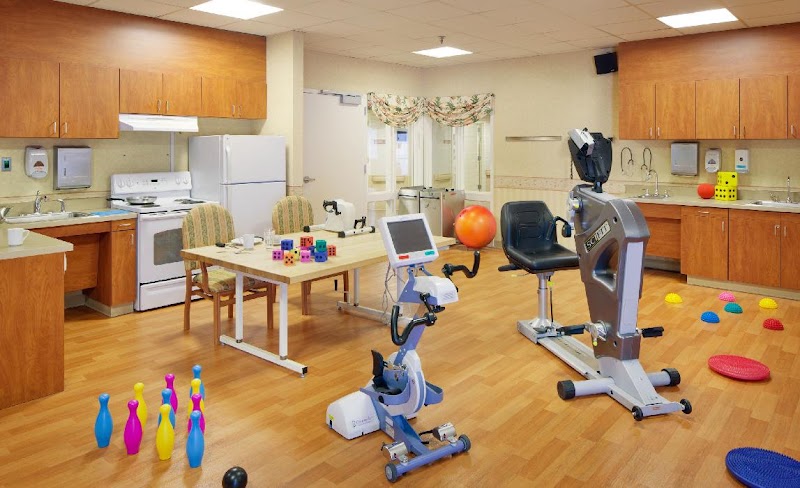
How is Lebanon Center, Genesis Healthcare Staffed?

CMS rates LEBANON CENTER, GENESIS HEALTHCARE's staffing level at 1 out of 5 stars, which is much below average compared to other nursing homes. Staff turnover is 56%, which is 10 percentage points above the New Hampshire average of 46%. High turnover can affect care consistency as new staff learn residents' individual needs. RN turnover specifically is 73%, which is notably high. RNs provide skilled clinical oversight, so turnover in this role can affect medical care quality.

What Have Inspectors Found at Lebanon Center, Genesis Healthcare?

State health inspectors documented 35 deficiencies at LEBANON CENTER, GENESIS HEALTHCARE during 2022 to 2025. These included: 27 with potential for harm and 8 minor or isolated issues.
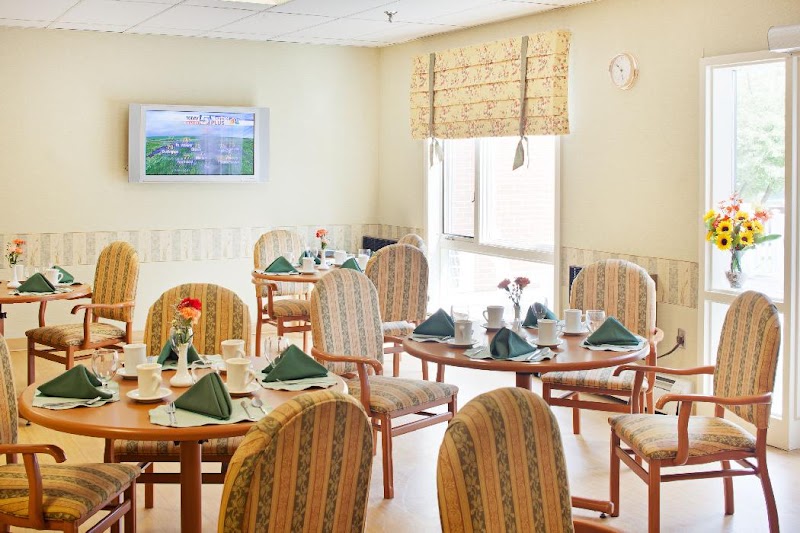
Who Owns and Operates Lebanon Center, Genesis Healthcare?

LEBANON CENTER, GENESIS HEALTHCARE is owned by a for-profit company. For-profit facilities operate as businesses with obligations to shareholders or private owners. The facility is operated by GENESIS HEALTHCARE, a chain that manages multiple nursing homes. With 110 certified beds and approximately 81 residents (about 74% occupancy), it is a mid-sized facility located in LEBANON, New Hampshire.

How Does Lebanon Center, Genesis Healthcare Compare to Other New Hampshire Nursing Homes?

Compared to the 100 nursing homes in New Hampshire, LEBANON CENTER, GENESIS HEALTHCARE's overall rating (1 stars) is below the state average of 3.0, staff turnover (56%) is near the state average of 46%, and health inspection rating (1 stars) is much below the national benchmark.

What Should Families Ask When Visiting Lebanon Center, Genesis Healthcare?

Based on this facility's data, families visiting should ask: "How do you ensure continuity of care given staff turnover, and what is your staff retention strategy?" "Can you walk me through typical staffing levels on day, evening, and night shifts?" "Can I visit during a mealtime to observe dining assistance and food quality?" "How do you handle medical emergencies, and what is your hospital transfer rate?" These questions are particularly relevant given the facility's high staff turnover rate and the below-average staffing rating.

Is Lebanon Center, Genesis Healthcare Safe?

Based on CMS inspection data, LEBANON CENTER, GENESIS HEALTHCARE has a clean safety record: no substantiated abuse findings (meaning no confirmed cases of resident harm), no Immediate Jeopardy citations (the most serious violation level indicating risk of serious injury or death), and is not on the Special Focus Facility watch list (a federal program monitoring the lowest-performing 1% of nursing homes). The facility has a 1-star overall rating and ranks #100 of 100 nursing homes in New Hampshire. While no facility is perfect, families should still ask about staff-to-resident ratios and recent inspection results during their visit.

Do Nurses at Lebanon Center, Genesis Healthcare Stick Around?

Staff turnover at LEBANON CENTER, GENESIS HEALTHCARE is high. At 56%, the facility is 10 percentage points above the New Hampshire average of 46%. Registered Nurse turnover is particularly concerning at 73%. RNs handle complex medical decisions and coordinate care — frequent RN changes can directly impact care quality. High turnover means new staff may not know residents' individual needs, medications, or preferences. It can also be disorienting for residents, especially those with dementia who rely on familiar faces. Families should ask: What is causing the turnover? What retention programs are in place? How do you ensure care continuity during staff transitions?

Was Lebanon Center, Genesis Healthcare Ever Fined?

LEBANON CENTER, GENESIS HEALTHCARE has been fined $101,790 across 1 penalty action. This is 3.0x the New Hampshire average of $34,097. Fines at this level are uncommon and typically indicate a pattern of serious deficiencies, repeated violations, or failure to correct problems promptly. CMS reserves penalties of this magnitude for facilities that pose significant, documented risk to resident health or safety. Families should request specific documentation of what issues led to these fines and what systemic changes have been implemented.

Is Lebanon Center, Genesis Healthcare on Any Federal Watch List?

LEBANON CENTER, GENESIS HEALTHCARE is not on any federal watch list. The most significant is the Special Focus Facility (SFF) program, which identifies the bottom 1% of nursing homes nationally based on persistent, serious quality problems. Not being on this list means the facility has avoided the pattern of deficiencies that triggers enhanced federal oversight. This is a positive indicator, though families should still review the facility's inspection history directly.