WOLFEBORO BAY CENTER
39 CLIPPER DRIVE, WOLFEBORO, NH 03894 (603) 569-3950
For profit - Limited Liability company 104 Beds ROBERT RAUSMAN Data: November 2025
Trust Grade
30/100
#73 of 73 in NH
Last Inspection: February 2025

Within standard 12-15 month inspection cycle. Federal law requires annual inspections.

Overview

Wolfeboro Bay Center has received a Trust Grade of F, indicating poor performance with significant concerns about care quality. It ranks #73 out of 73 facilities in New Hampshire, placing it in the bottom tier of state nursing homes, and #3 out of 3 in Carroll County, meaning there are no better local options available. The facility's trend is improving, as it reduced issues from 10 in 2024 to 2 in 2025, suggesting some progress. However, staffing is a serious concern with a low rating of 1 out of 5 and a high turnover rate of 98%, well above the state average. Although the center has no fines on record, which is positive, there are troubling incidents reported, such as a nurse preparing to administer the wrong resident’s medications and delays in responding to call bells, leading to residents being left in discomfort for extended periods.

Trust Score
F
30/100
In New Hampshire
#73/73
Bottom 1%
Safety Record
Low Risk
No red flags
Inspections
Getting Better
10 → 2 violations
Staff Stability
⚠ Watch
98% turnover. Very high, 50 points above average. Constant new faces learning your loved one's needs.
Penalties
✓ Good
No fines on record. Clean compliance history, better than most New Hampshire facilities.
Skilled Nurses
○ Average
Each resident gets 32 minutes of Registered Nurse (RN) attention daily — about average for New Hampshire. RNs are the most trained staff who monitor for health changes.
Violations
⚠ Watch
27 deficiencies on record. Higher than average. Multiple issues found across inspections.
★☆☆☆☆
1.0
Overall Rating
★☆☆☆☆
1.0
Staff Levels
★★☆☆☆
2.0
Care Quality
★★☆☆☆
2.0
Inspection Score
Stable
2024: 10 issues
2025: 2 issues

The Good

  • Full Sprinkler Coverage · Fire safety systems throughout facility
  • No fines on record

Facility shows strength in fire safety.

The Bad

1-Star Overall Rating

Below New Hampshire average (3.0)

Significant quality concerns identified by CMS

Staff Turnover: 98%

51pts above New Hampshire avg (47%)

Frequent staff changes - ask about care continuity

Chain: ROBERT RAUSMAN

Part of a multi-facility chain

Ask about local staffing decisions and management

Staff turnover is very high (98%)

50 points above New Hampshire average of 48%

The Ugly 27 deficiencies on record

Feb 2025 2 deficiencies
CONCERN (D)

Potential for Harm - no one hurt, but risky conditions existed

Deficiency F0658 (Tag F0658)

Could have caused harm · This affected 1 resident

**NOTE- TERMS IN BRACKETS HAVE BEEN EDITED TO PROTECT CONFIDENTIALITY** Based on observation, record review, and interview, it was determined that the facility failed to meet professional standards fo...

Read full inspector narrative →
**NOTE- TERMS IN BRACKETS HAVE BEEN EDITED TO PROTECT CONFIDENTIALITY** Based on observation, record review, and interview, it was determined that the facility failed to meet professional standards for 1 of 4 nursing staff observed for medication administration and 1 of 2 residents reviewed for pain in a final sample of 16 residents (Resident identifiers are #164 and #214). Findings include: [NAME], [NAME] A., and [NAME]. Fundamentals of Nursing. 10th edition St. Louis, Missouri: Elsevier, 2021. Page 614 .Do not give a medication until you are certain that you can follow the seven rights of medication administration . Page 672 .seven rights of medication administration include right medication, right dose, right patient, right route, right time, right documentation and right indication . Resident #214 Observation on 2/20/25 at approximately 9:00 a.m. of Staff E (Medication Nursing Assistant (MNA)) revealed that Staff E administered medications to Resident #214 including Fluticasone Propionate Diskus Inhalation Powder 250mcg/ACT. Further observation revealed that Staff E did not have Resident #214 rinse his/her mouth with water after the inhaler. Interview on 2/20/25 at approximately 9:00 a.m. of Staff E confirmed the above findings. Review on 2/20/25 of Manufacturer instructions for use for Fluticasone Propionate Diskus Inhalation Powder revealed .Step 5 (final step). Rinse your mouth . Review on 2/21/25 of facility policy titled Medication Administration reviewed/revised 9/1/24 revealed Policy Explanation and Compliance Guidelines: .17. Administer medication as ordered in accordance with manufacturer specifications . Resident #164 Interview on 2/19/25 at 11:00 a.m. with Resident #164 revealed that Resident #164 had chronic pain and was prescribed Oxycodone every six hours. Resident #164 stated that the facility had run out of his/her medication a few weeks ago. Review on 2/21/25 of Resident #164's medical record revealed a physician's order for the following: Oxycodone HCI (Hydrochloride) Tablet 30 mg (Milligram), give 1 tablet by mouth every 6 hours for chronic pain, start date 1/8/25 and discontinued 1/24/25. Oxycodone HCI Tablet 30 mg, give 1 tablet by mouth every 6 hours for chronic pain, start date 1/24/25. Review on 2/21/25 of Resident #164's January 2025 Medication Administration Record (MAR) revealed the Resident #164's Oxycodone HCI Tablet 30 mg was not signed off as administered on 1/24/25 at 9:00 a.m., 1/25/25 at 3:00 a.m., and 1/26/25 at 9:00 a.m. Further review revealed that on 1/25/25 at 9:00 a.m., Resident # 164 was administered 25 MG of Oxycodone not the ordered 30 mg. Review on 2/21/25 of Resident #164's nursing notes on 1/24/25 through 1/26/25 revealed that on 1/24/25 at 9:00 a.m., 1/25/25 at 3:00 a.m., and 1/26/25 at 9:00 a.m., there was documentation that the Oxycodone 30 HCI Tablet 30 MG was unavailable or waiting on delivery from the pharmacy. Interview with 2/21/25 at 2:09 p.m. with Staff F (Nurse Practitioner) revealed that Staff F was unaware that Resident #164 had not been administered his/her scheduled Oxycodone on the above dates and times and that the Oxycodone HCI 30 MG was not available in the facility. Review on 2/21/25 of Resident #164's pain care plan revealed a goal of .will achieve acceptable level of pain control . revised on 1/3/25 and an intervention dated 1/3/24 .Medicate resident as ordered for pain and monitor for effectiveness and monitor for side effects, report to physician as indicated.
CONCERN (E)

Potential for Harm - no one hurt, but risky conditions existed

Unnecessary Medications (Tag F0759)

Could have caused harm · This affected multiple residents

Based on observation, interview, and record review, it was determined that the facility failed to ensure a medication error rate was less than 5 percent (%) for 11 of 35 medication administrations obs...

Read full inspector narrative →
Based on observation, interview, and record review, it was determined that the facility failed to ensure a medication error rate was less than 5 percent (%) for 11 of 35 medication administrations observed. (Resident identifiers are #38) Findings include: Resident #38 Observation on 2/21/25 at approximately 8:45 a.m. of Staff B (Licensed Practical Nurse) revealed Staff B prepared the following 11 medications for Resident #1: Aspirin 81 mg (milligram) enteric coated, Magnesium Oxide 400 mg, Vitamin D3 1000 iu (units), Senna 8.6 mg, Miralax 17gm (grams), Buspirone 15 mg, Olanzapine 15 mg (3), Paroxetine 50 mg, Metformin 1000 mg, Carvedolil 25 mg, and Lisinopril 20 mg. Further observation revealed Staff B entered the wrong residents room. Staff B introduced themselves to Resident #38 and was prepared to administer the medications. The surveyor intervened. Interview on 2/21/25 at approximately 8:45 a.m. with Staff B confirmed he/she was going to administer Resident #1's medications to Resident #38. Review on 2/21/25 of facility policy titled Medication Administration reviewed/revised 9/1/24 revealed Policy Explanation and Compliance Guidelines: .10. Ensure that the 6 rights of medication administration are followed: a Right resident . There were 11 medication errors out of a total of 35 medication administration opportunities resulting in a 31.43% error rate.
Jan 2024 10 deficiencies
CONCERN (D) 📢 Someone Reported This

A family member, employee, or ombudsman was alarmed enough to file a formal complaint

Potential for Harm - no one hurt, but risky conditions existed

Free from Abuse/Neglect (Tag F0600)

Could have caused harm · This affected 1 resident

**NOTE- TERMS IN BRACKETS HAVE BEEN EDITED TO PROTECT CONFIDENTIALITY** Based on interview and record review, it was determined that the facility failed to ensure that residents' needs were timely add...

Read full inspector narrative →
**NOTE- TERMS IN BRACKETS HAVE BEEN EDITED TO PROTECT CONFIDENTIALITY** Based on interview and record review, it was determined that the facility failed to ensure that residents' needs were timely addressed for 1 of 3 closed records reviewed (Resident Identifier is #111). Findings include: Review on 1/19/24 of Staff N (Licensed Nursing Assistant (LNA)) written witness statement dated 8/12/23 revealed .I worked from 11-11PM [11 a.m. to 11:00 p.m.] .At 11am I was assigned [Resident #111's name omitted]/ Between 11-11:30am I went in to check and change [pronoun omitted]. [pronoun omitted] breathing seems slightly labored . When I laid [pronoun omitted] flat it appeared [pronoun omitted] had periods of apnea so I raised [pronoun omitted] head again. The PT [Physical Therapy] therapist arrived and told me that we needed to get [pronoun omitted] up in the chair. I was surprised, but [pronoun omitted] went on to say [pronoun omitted] was up yesterday and did well. However when [pronoun omitted] went to help me get [pronoun omitted] up [pronoun omitted] commented that there was a decline. I reported this to the nurse [Staff O (Registered Nurse) name omitted] and [pronoun omitted] said ok. In the meantime I asked the LPN [ Staff P Licensed Practical Nurse (LPN) name omitted] to assist me in changing [pronoun omitted] brief .Around 3PM .[Staff Q (Unit Manager) name omitted] noted that [pronoun omitted] was declining. [pronoun omitted] was no longer responding verbally and breathing seemed more labored than earlier .Shortly after [pronoun omitted] was transferred to the hospital. Interview on 1/19/24 at approximately 1:00 p.m. with Staff P revealed that he/she worked on 8/12/23 and that he/she worked with Resident #111 during his/her stay at the facility but was not assigned to Resident #111 on 8/12/23. Interview with Staff P also revealed that he/she assisted Staff N with Resident #111's incontinence care approximately after 11:30 p.m. and before 3:00 p.m Staff P revealed that during the incontinence care, he/she noticed a change in condition with Resident #111 and he/she notified Staff O. Staff P also stated after 10 minutes unit manager of the Bay Unit was notified as there was no intervention taken by Staff O. Review on 1/19/24 of Staff R's (Physical Therapy Assistant) note, dated 8/12/23, revealed that Resident #111 was very difficult to arouse, unable to keep eyes open for more than a few seconds, no treatment per nursing. Interview on 1/19/24 at approximately 3:00 p.m. with Staff R confirmed the above PT note dated 8/12/23. Staff R stated that he/she went to see Resident #111 the morning of 8/12/23 for treatment and was unable to recall the exact time. Review on 1/19/24 of Staff Q's written statement with no date revealed On Sat [Saturday] 8/12/23 the start of 3-11p, [Staff N name omitted] came to me on the Bay Unit and asked me to come Take a look at [gender omitted] resident [Resident #111's name omitted] on KW [[NAME]] Unit. I asked if [pronoun omitted] nurse looked at [pronoun omitted] 1st. ''Please just come look its an emergency. I quickly left my unit (The Bay) went up the 120's side of granite past 2 nurses @ [at] med cart i quickly called out to them as I walked past them ''has anyone assessed [Resident #111 name omitted]? response from nurse [pronoun omitted] not my patient Upon arriving to [Resident #111's room number omitted] I observed resident in resp [respiratory] distress struggling to breathe, resp 27-30, [pronoun omitted] was on 2L [liters] O2 [oxygen] I bumped it up to 3L .I was able to talk to the nurse that was going off shift [Staff O], explained what was going on & the next steps that needed to be taken . Review on 1/19/24 of Staff O note dated 8/12/23 at 5:03 p.m. revealed that Resident #111 was having trouble breathing. Blood pressure was 96/50, heart rate was 85 and irregular, respirations were 24, oxygen saturation was 77 on 2 liters, increase oxygen to 3 liters, saturation up to 88, temperature was 96.8 Fahrenheit, lung sound was congested. Resident #111 remained unresponsive, family was notified, Third Eye [on-call telemedicine provider] was contacted, and provider gave permission to send Resident #111 to the hospital. Resident #111 was taken to the hospital by ambulance around 4:20 p.m. Review on 1/19/24 of Resident #111's vital sign record revealed the following: 8/12/23 at 9:39 a.m. oxygen saturation was 94% (percent) and at 5:19 p.m. 88%. 8/12/23 at 9:39 a.m. blood pressure was 142/70 and at 5:18 p.m. was 96/50. No other documented oxygen saturation and blood pressure on 8/12/23 between 9:40 a.m. and 5:19 p.m. Review on 1/19/24 of Resident #111's progress notes revealed no documentation of assessments after Staff N notified the nurse of a change of condition with Resident #111 on 8/12/23 at approximately 11:00 a.m. - 11:30 a.m Review of Resident #111's progress notes also revealed that Resident #111 had a telehealth evaluation on 8/12/23 at 2:55 p.m. which indicated that Resident #111 had shortness of breath, increased oxygen requirements, less responsive, increased respiratory rate, and to send Resident #111 to the emergency department. Review also revealed that Resident #111 passed away on 8/12/23 at 7:30 p.m. Review on 1/19/24 of Resident #111's hospital Discharge summary, dated [DATE], revealed that Resident #111 was found unresponsive with blood pressure in low 60s that continued to drop and hypoxia to low 80s. There is evidence of aspiration pneumonia on X-ray in the setting of known dysphagia. Resident #111 has multiple comorbid conditions including recently diagnosed metastatic squamous cell carcinoma making the prognosis unfavorable. Further review revealed that primary discharge diagnoses were sepsis, aspiration pneumonia, and metastatic squamous cell cancer. Interview on 1/19/24 at approximately 2:00 p.m. with Staff A (Director of Nursing) confirmed the above findings. Staff A stated that he/she expected that assessments and interventions such as notifying the provider should have been done immediately after being notified of a change of condition. Review on 1/19/24 of the facility's policy titled Change of Condition: Notification, revision date of 6/1/21, revealed .A Center must immediately .consult with the patient's physician .where there is: .A significant change in the patient's physical [sic] mental, or psychosocial status (that is a deterioration in health, mental, or psychosocial status in either life-threatening conditions or clinical complications); A need to alter treatment significantly (that is, a need to discontinue or change an existing form of treatment due to adverse consequences, or to commence a new form of treatment); or A decision to transfer or discharge the patient from the Center .
CONCERN (D)

Potential for Harm - no one hurt, but risky conditions existed

Deficiency F0730 (Tag F0730)

Could have caused harm · This affected 1 resident

Based on record review and interview, it was determined that the facility failed to complete a performance review of nurse aides at least every 12 months for 1 of 1 Licensed Nursing Assistant (LNA) re...

Read full inspector narrative →
Based on record review and interview, it was determined that the facility failed to complete a performance review of nurse aides at least every 12 months for 1 of 1 Licensed Nursing Assistant (LNA) reviewed for annual performances. Findings include: Review on 1/18/24 at 12:00 p.m. of Staff F's (LNA) employee record revealed they were hired on 8/18/22 and there was no documentation of a performance review. Interview on 1/18/24 at 2:00 p.m. with Staff A (Director of Nursing) confirmed that they had not been doing performance reviews every 12 months for LNAs.
CONCERN (D)

Potential for Harm - no one hurt, but risky conditions existed

Drug Regimen Review (Tag F0756)

Could have caused harm · This affected 1 resident

Based on record review and interview, it was determined that the facility failed to ensure that any irregularities reported in residents' drug regimen review were acted upon by the attending physician...

Read full inspector narrative →
Based on record review and interview, it was determined that the facility failed to ensure that any irregularities reported in residents' drug regimen review were acted upon by the attending physician for 1 of 5 residents reviewed for unnecessary medications (Resident Identifier is #40). Findings include: Review on 1/19/24 of Resident #40's pharmacy consultation report [drug regimen review], dated 12/6/23, revealed that Resident #40 was on Seroquel [antipsychotic] 75 mg [milligrams] by mouth once a day, Seroquel 100 mg by mouth in the evening, and Escitalopram 10 mg one time a day. Further review revealed a comment that CMS [Centers for Medicare & Medicaid Services] guidelines require periodic assessment for need and dose reduction to ensure the lowest effective dose and to decrease the chance of adverse effects. Review also revealed a recommendation that if this therapy is to continue with no changes, it is recommended that the prescriber document an assessment of risk versus benefit, indicating that it continues to be a valid therapeutic intervention for this individual. There was no documentation that the attending physician responded to the recommendation. Review on 1/19/24 of Resident #40's physician orders revealed that there were no changes to the Seroquil and Escitalopram orders after the 12/26/23 recommendation. Interview on 1/19/24 at 11:00 a.m. with Staff A (Director of Nursing) confirmed that the above findings. Review on 1/19/24 at 11:30 a.m. of the facility's policy titled 9.1 Medication Regimen Review revision date 08/17/23, .Procedure 8.2 The attending physician should document in the residents' health record that the identified irregularity has been reviewed and what, if any, actions have been taken to address it . Further review of the policy revealed no timeframes for the different steps in the medication regimen review process.
CONCERN (D)

Potential for Harm - no one hurt, but risky conditions existed

Deficiency F0947 (Tag F0947)

Could have caused harm · This affected 1 resident

Based on record review and interview, it was determined that the facility failed to ensure that the required 12 hours of in-service training was completed for 1of 1 (Licensed Nursing Assistant (LNA)) ...

Read full inspector narrative →
Based on record review and interview, it was determined that the facility failed to ensure that the required 12 hours of in-service training was completed for 1of 1 (Licensed Nursing Assistant (LNA)) reviewed for required in-service training. Findings include: Review on 1/19/24 at 11:30 a.m. of Staff S's (LNA) Online Education Transcript Report revealed that Staff S did not contain the required education related to Dementia, Abuse Training, or a minimum of 12 hours of continuing competences for nurse aides. Interview on 1/19/24 at 12:00 with Staff A (Director of Nursing) confirmed the above findings. Review on 1/18/24 at 2:00 p.m. of the facility's policy titled Assessment, dated 2023, section B.2.Acuity-Care Requirements .4. Staff Competency: .3 .Required in-service training for nurse aides, which must be sufficient to ensure that continuing competence of nurse aides, but must be no less than 12 hours per year. Nurse aide training includes dementia management training and resident abuse prevention training. It also addresses areas of weakness as determined in nurse aide performance reviews and facility assessment and may address special needs of residents as determined by the facility staff .
CONCERN (E)

Potential for Harm - no one hurt, but risky conditions existed

Deficiency F0712 (Tag F0712)

Could have caused harm · This affected multiple residents

Based on interview and record review, it was determined that the facility failed to ensure that long term care residents were seen face to face by a physician at least once every 60 days for 2 out of ...

Read full inspector narrative →
Based on interview and record review, it was determined that the facility failed to ensure that long term care residents were seen face to face by a physician at least once every 60 days for 2 out of 2 residents reviewed for physician visits in a final sample of 22 residents (Resident Identifiers are #22 and #42). Finding include: Resident #22 Interview on 1/17/24 at 1:13 p.m. with Resident #22 revealed that he/she has seen the nurse practitioner but has not seen the physician. Review on 1/18/24 of Resident #22's medical record revealed he/she was initially admitted to the facility for long term care on 1/23. Further review of the medical record revealed the following face to face provider visits: APRN [Advanced Practice Registered Nurse] saw the resident on 2/13/23, 3/13/23, 6/20/23, 11/20/23, and 1/12/24. Review on 1/18/24 of Resident #22's physician progress notes revealed that there were no face to face visits performed by a physician. Interview on 1/18/24 at 3:00 p.m. with Staff A (Director of Nursing) revealed that Staff A was unable to find any documentation in Resident #22's medical record that Resident #22 was seen face to face by the physician. Interview on 1/18/24 at 4:02 p.m. with Staff J (APRN) confirmed that the physician did not alternate visits for Resident #22 and Resident #22 had not been seen face to face by the physician since admission. Resident #42 Interview on 1/17/24 at 1:40 p.m. with Resident #42 revealed that he/she saw the nurse practitioner all the time but had not seen a doctor in over a year since he/she was in the hospital. Interview on 1/18/24 at 3:00 p.m. with Staff A revealed that the facility's Medical Director had changed in May 2023, and did not see residents unless Staff J was on vacation. Review on 1/18/24 of Resident #42's medical record revealed the following provider visits since July 2023: APRN saw the resident on 7/7/23, 9/14/23, 11/10/23, and 1/9/23. Review on 1/18/24 of Resident #42's physician progress notes revealed that there were no face to face visits by the physician since July 2023. Interview on 1/18/24 Staff J confirmed that Resident #42 was not seen face to face by a physician since July 2023.
CONCERN (E) 📢 Someone Reported This

A family member, employee, or ombudsman was alarmed enough to file a formal complaint

Potential for Harm - no one hurt, but risky conditions existed

Deficiency F0725 (Tag F0725)

Could have caused harm · This affected multiple residents

Resident #15 Interview on 1/16/24 at 2:28 p.m. with Resident #15 revealed that it would sometimes take up to 30 minutes or longer on the weekends for the call bell to be answered. Resident #15 stated ...

Read full inspector narrative →
Resident #15 Interview on 1/16/24 at 2:28 p.m. with Resident #15 revealed that it would sometimes take up to 30 minutes or longer on the weekends for the call bell to be answered. Resident #15 stated that just last week he/she had to sit in a wet brief for a long time. Review on 1/16/24 of Resident #15's quarterly Minimum Data Set (MDS) with an assessment reference date of 11/29/23 revealed Resident #15 had a Basic Interview for Mental Status (BIMS) score of 14 out of 15 indicating cognitively intact. Resident #22 Interview on 1/16/24 at 12:22 p.m. with Resident #22 revealed that when Resident #22 presses the call bell it takes a while for staff to come. Resident #22 stated my roommate presses the call bell a lot because he/she needs help way more than me, so they think it's him/her calling. One time I was in the bathroom and needed help. I had to scream on the top of my lungs for them to come. Review on 1/16/24 of Resident #22's quarterly MDS with an assessment reference date of 12/7/23 revealed Resident #22 had a BIMS score of 14 out of 15 indicating cognitively intact. Resident #29 Interview on 1/16/24 at 1:22 p.m. with Resident #29 revealed that he/she could wait up to 30 minutes or longer especially on the weekends because he/she is a 2 person assist for care. Review on 1/16/24 of Resident #29's quarterly MDS with an assessment reference date of 12/14/23 revealed Resident #29 had a BIMS score of 15 out of 15 indicating cognitively intact. Interview on 1/17/24 at 12:41 p.m. with Staff G (Unit Manager) revealed that Resident #29 was a 2-3 person assist with transfers and most care. Interview on 1/17/24 at 10:00 a.m. with Resident Council (Resident identifiers are #3, #10, #13, #19, #21, #22, #43, #46, and #211) revealed that there were concerns with long call bell wait time. Resident #21 stated on the weekends, he/she can wait up to 45 minutes for help. 8 out of 9 Residents agreed with the long wait time which can take up to 45 minutes or sometimes longer especially on the weekends. Resident Council members all agreed that staff rush with care because they need to get to the next resident who is calling for help. Based on interview and record review, it was determined that the facility failed to provide sufficient staff to meet residents' needs for 12 of 30 days reviewed (Resident Identifiers are #3, #10, #13, #15, #19, #21, #22, #29 #43, #46, and #211). Findings include: Review on 1/17/24 of the facility assessment staffing ratios revealed: Solona Unit Licensed Nursing Assistant (LNA) ratios = 1:12 for 7:00 a.m. - 3:00 p.m., 2:16 for 3:00 p.m. - 11:00 p.m. and 1:24 for 11:00 p.m. - 7:00 a.m. Granite Unit LNA ratios = 1:13 for the 7:00 a.m. - 3:00 p.m., 1:13 3:00 p.m. - 11:00 p.m. and 1:19 for 11:00 p.m. - 7:00 a.m. Review on 1/16/24 at 11:00 a.m. of the Facilities Nursing Staffing Scheduled for the past 30 days revealed that the staffing ratios for the LNAs did not meet the established ratios in the above Facility Assessment on the following days: 12/18/23: Granite Unit 3:00 p.m. - 11:00 p.m. shift had 2 full shift LNAs and one other LNA for 4 hours for 35 residents. 12/25/23: Solona Unit 7:00 a.m. - 3:00 p.m. shift had 1 LNA for 23 residents. The 3:00 p.m. - 11:00 p.m. shift had 1 LNA for 23 residents. 12/29/23: Solona Unit 7:00 a.m. - 3:00 p.m. shift had 1 LNA for 23 residents. . 12/30/23: Solona Unit 3:00 p.m. - 11:00 p.m. shift had 1 LNA for full shift and 1 LNA for 4 hours for 23 residents. 1/6/24: Granite Unit 7:00 a.m. - 3:00 p.m. shift had 2 LNAs for the full shift and 1 LNA for 4 hours for 37 residents 1/7/24: Granite Unit 7:00 a.m. - 3:00 p.m. shift had 2 LNAs for the full shift and one other LNA for 4 hours for 37 residents. Solona Unit 3:00 p.m. - 11:00 p.m. shift had 1 LNA for the full shift and 4 hours from another LNA for 23 residents 1/8/24: Solona Unit 7:00 a.m. - 3:00 p.m. shift had 1 LNAs for the full shift and another LNA for 4 hours for 23 Residents. Solona Unit 3:00 p.m. - 11:00 p.m. shift had 1 LNA for 23 residents. 1/9/24: Solona Unit 7:00 a.m. - 3:00 p.m. shift had 1 LNA for the full shift and another for 4 hours for 23 Residents. Granite Unit 3:00 p.m. - 11:00 p.m. shift had 2 LNAs for the whole shift and another for 4 hours for 38 Residents. Granite Unit 11:00 p.m. - 7:00 a.m. had 1 LNA from 3-5 a.m for 38 residents. Solona Unity 11:00 p.m. - 7:00 a.m. had a nurse until 3:00 a.m. and 1 LNA, from 3:00 a.m. - 5:00 a.m when the nurse left at 3:00 a.m. the LNA was alone on that floor for 2 hours. 1/10/24: Solona Unity 3:00 p.m. - 11:00 p.m. shift had 1 LNA for 24 residents. Granite Unit 3:00 p.m. - 11:00 p.m. shift had 2 LNAs for the whole shift and another LNA for 4 hours for 37 residents. 1/11/24: Granite Unit 3:00 p.m. - 11:00 p.m. shift had 2 LNAs for the whole shift and another LNA for 4 hours for 37 Residents. Solona Unity 3:00 p.m. - 11:00 p.m. shift had 1 LNA for the whole shift and another LNA for 4 hours for 24 residents. 1/12/24: Solona Unity 7:00 a.m. - 3:00 p.m. shift had 1 LNA for 24 residents. Solona Unit 3:00 p.m. - 11:00 p.m. shift had 1 LNA for 24 residents. 1/13/24: Granite Unit 7:00 a.m. - 3:00 p.m. shift had 2 LNAs for 39 Resident. Granite Unit 3:00 p.m. - 11:00 p.m. shift had 2 LNAs for the whole shift and another LNA for 4 hours for 39 residents. Solona Unit 3:00 p.m. - 11:00 p.m. shift had 1 LNA for 24 residents. Solona Unit 7:00 a.m. - 3:00 p.m. had 1 LNA for the whole shift and another LNA for 4 hours for 24 residents. Interview on 1/16/24 at 10:00 a.m. with Staff V (LNA) revealed that Staff V, who worked primarily on the Solona/Bay Units, often worked alone on the day shift and that he/she has 24 residents with 5 residents totally dependant on care for transfers. Interview on 1/17/24 At 1:00 p.m. with Staff E (Unit Manager, Licensed Practical Nurse) revealed that Staff E, who worked primarily on the Solona/Bay Units with just one LNA of them during the day shift. Interview on 1/19/24 at 1:00 p.m. with Staff A. (Director of Nursing) confirmed the staffing levels for the above days were below the ratios established in the facility assessment.
CONCERN (E)

Potential for Harm - no one hurt, but risky conditions existed

Deficiency F0761 (Tag F0761)

Could have caused harm · This affected multiple residents

**NOTE- TERMS IN BRACKETS HAVE BEEN EDITED TO PROTECT CONFIDENTIALITY** Based on observation, interview, and record review, it was determined that the facility failed to monitor medication temperature...

Read full inspector narrative →
**NOTE- TERMS IN BRACKETS HAVE BEEN EDITED TO PROTECT CONFIDENTIALITY** Based on observation, interview, and record review, it was determined that the facility failed to monitor medication temperatures to ensure safe temperature controls in 3 out of 4 medication room refrigerators observed. Findings include: Review on 1/16/24 of the Temperature Refrigerator Log in the Bay Unit medication room for January 2024 revealed missing temperatures on 3 of 15 days (1/2/24, 1/4/24, and 1/5/24). Interview on 1/16/24 at 10:59 a.m. with Staff E (Licensed Practical Nurse, Unit Manager) confirmed above findings. Interview on 1/16/24 at 10:43 a.m. with Staff F (Medication Nursing Assistant) revealed that he/she was unable to provide temperature logs for Granite Unit medication room refrigerator. Review on 1/19/24 of the January 2024 Temperature Refrigerator Logs For Vaccines revealed missing temperatures on 4 out of 18 days (1/6/24, 1/7/24, 1/13/24, 1/14/24). Interview on 1/19/24 at 11:20 a.m. with Staff D (Infection Preventionist) confirmed the above findings. Review on 1/19/24 of the facility's policy Medication and Vaccine Refrigerator/Freezer Temperatures dated 8/7/23 revealed .Refrigerators and freezers used to store medications and vaccines will operate within acceptable temperature range and will be checked twice a day . Review on 1/19/24 of the facility's policy title Clinical Nurse Highlight: Medication Storage dated [DATE] under subcategory Refrigerated Medications revealed .Temperature is maintained between 36-46 degrees Fahrenheit. Daily temperature logs must be maintained and visible. If vaccines are stored, the temperature is documented twice daily . Review on 1/19/24 of the facility's policy titled Temperature log for Medication/Vaccination Refrigerators - Fahrenheit, not dated, revealed .Record temps twice each day .
CONCERN (E) 📢 Someone Reported This

A family member, employee, or ombudsman was alarmed enough to file a formal complaint

Potential for Harm - no one hurt, but risky conditions existed

Food Safety (Tag F0812)

Could have caused harm · This affected multiple residents

Based on observation, interview, and record review, it was determined that the facility failed to monitor food temperatures to ensure proper preparation. Findings include: Interview on 1/16/24 at 1:0...

Read full inspector narrative →
Based on observation, interview, and record review, it was determined that the facility failed to monitor food temperatures to ensure proper preparation. Findings include: Interview on 1/16/24 at 1:00 p.m. with Staff I (Food Service Director) revealed that food temperatures had not been taken for the morning breakfast food service or during the lunch meal service and that he/she was unable to provide any documentation of meal temperature monitoring. Observation on 1/16/24 at 1:30 p.m. of the Meal Temperature Logs revealed the most current log with temperatures were from August of 2023. Interview on 1/16/24 at 1:32 p.m. with Staff I (Food Service Director) confirmed that they had not been taking the temperature of the food prior to service.
MINOR (B)

Minor Issue - procedural, no safety impact

Transfer Notice (Tag F0623)

Minor procedural issue · This affected multiple residents

Resident #28 Review on 1/18/24 of Resident #28's medical record revealed that there was no documentation of a written notice of transfer/discharge of their hospital transfer. Resident #161 Review on ...

Read full inspector narrative →
Resident #28 Review on 1/18/24 of Resident #28's medical record revealed that there was no documentation of a written notice of transfer/discharge of their hospital transfer. Resident #161 Review on 1/18/24 of Resident # 161's medical record revealed that there was no documentation of a written notice of transfer/discharge when Resident #161 transferred to another facility. Interview on 1/18/24 with Staff A confirmed the above findings. Review on 1/22/24 at 11:00 a.m. of the facility's policy titled Policy and Procedures for Discharge and Transfer revision date of 11/15/22, revealed .Policy .Transfer and Discharge .The patient and patient representative must be notified in writing prior to the transfer or discharge and in a language and manner they understand . Based on interview and record review, it was determined that the facility failed to provide the resident or the resident's representative with a written notice of transfer/discharge and also failed to send a copy of the written notice of transfer/discharge to the Long-Term Care (LTC) Ombudsman for 3 of 3 resident discharged records reviewed in a final sample of 22 residents (Resident identifiers are #28, #59, and #161). Findings include: Resident #59 Review on 1/19/24 of Resident #59's medical record revealed that Resident #59 was discharged from the facility on 11/2/23. There was no documentation of a written notice of transfer/discharge for the 11/2/23 discharge. Interview on 1/19/24 at approximately 2:00 p.m. with Staff A (Director of Nursing) confirmed the above findings. Staff A stated that he/she was not aware that residents or residents' representatives are to be provided with written notice of transfer/discharge. Staff A also stated that there were no copies of written notice of transfer/discharge being sent to the LTC Ombudsman. Staff A was unable to provide evidence that Resident #59's copy of written notice of transfer/discharge was sent to the LTC Ombudsman. Interview on 1/19/24 at approximately 2:00 p.m. with Staff M (Social worker) revealed that he/she does not provide the residents, residents' representatives, or the LTC Ombudsman of a written notice of transfer/discharge with any discharges or transfers. Staff M stated that he/she only handled resident admissions.
MINOR (B)

Minor Issue - procedural, no safety impact

Medical Records (Tag F0842)

Minor procedural issue · This affected multiple residents

**NOTE- TERMS IN BRACKETS HAVE BEEN EDITED TO PROTECT CONFIDENTIALITY** Based on interview and record review, it was determined that the facility failed to ensure that residents' records were complete...

Read full inspector narrative →
**NOTE- TERMS IN BRACKETS HAVE BEEN EDITED TO PROTECT CONFIDENTIALITY** Based on interview and record review, it was determined that the facility failed to ensure that residents' records were complete and accurate for 2 residents in a final sample of 22 residents (Resident Identifiers are #59 and #111). Findings include: Resident #59 Review on 1/19/24 of Resident #59's medical record revealed that Resident #59 was discharged out of the facility on 11/2/23. Further review also revealed no documentation from staff or providers of Resident #59's discharge information or situation. Interview on 1/19/24 at approximately 12:00 p.m. with Staff A (Director of Nursing) confirmed the above findings. Staff A stated that Resident #59 went out with a friend, he/she did not come back from an outing, and after talking to the previous administrator on the phone, Resident #59 decided not to come back to the facility and left AMA [Against Medical Advice]. Review on 1/19/24 of Resident #59's progress notes revealed that there was no documentation of Resident #59's AMA. Interview on 1/19/24 at approximately 12:00 p.m. with Staff J (Advance Practical Registered Nurse) revealed that he/she heard that Resident #59 left AMA. Staff J was unable to provide any documentation of Resident #59's AMA. Resident #111 Review on 1/18/23 of Resident #111's August 2023 Task Documentation For Meals (eating self-performance, support provided, and amount eaten) revealed that there were missing entries on the following: 2 meals on 8/4/23, 3 meals on 8/5/23 and 8/7/23, and 1 meal on 8/8/23 and 8/11/23. Further review also revealed that Staff T (Licensed Nursing Assistant) documented on 8/6/23 at 12:20 p.m. for a 12:00 p.m. meal, 8/10/23 1:43 p.m. for 8:00 a.m. meal, 8/10/23 1:50 p.m. for 12:00 p.m. meal, 8/11/23 12:54 p.m. for 8:00 a.m. meal, and 8/11/23 12:00 p.m. meal that Resident #59 was independent with eating for self performance and no setup help or physical help from staff. Review on 1/18/23 of Resident #111's medical record revealed that Resident #111 was admitted to the facility on [DATE]. Further review revealed a speech recommendation on 8/7/23 that Resident #111 required close supervision with reminders for strategies, when he/she is coughing, or a change to a wet or gurgly sounding voice, and provider 1 on 1 assistance as needed for safety. Interview on 1/18/23 at approximately 2:00 p.m. with Staff T stated that Resident #111 needed assistance with meals. Staff T confirmed the above task documentation for meals and that he/she inaccurately documented that Resident #111 was independent with meals.
Nov 2023 2 deficiencies
MINOR (B) 📢 Someone Reported This

A family member, employee, or ombudsman was alarmed enough to file a formal complaint

Minor Issue - procedural, no safety impact

Deficiency F0567 (Tag F0567)

Minor procedural issue · This affected multiple residents

Based on interview and record review it was determined that the facility failed to ensure that residents had access to their funds on an ongoing basis for 1 of 4 residents reviewed for Resident Funds ...

Read full inspector narrative →
Based on interview and record review it was determined that the facility failed to ensure that residents had access to their funds on an ongoing basis for 1 of 4 residents reviewed for Resident Funds (Resident identifier is #1). Findings include: Review on 11/1/23 of the facility reported incident #45974 dated 10/9/23 revealed that Resident #1 on 10/9/23 was angry and frustrated with not being able to get access to his/her money prior to the staff person who buys cigarettes going on vacation. Resident #1 left the building with the intent to go to the store, but was agreeable to return to the facility and have another staff person purchase cigarettes. Review on 11/1/23 of the facilities policy titled RFMS [Resident Fund Management Service] Petty Cash Box revised December 2022 revealed, .Federal regulations . require residents to have access to petty cash on an ongoing basis and be able to arrange for access to larger funds (those in excess of $100). To be in compliance, each center will maintain an RFMS resident petty cash box and an after hours RFMS resident cash box . Recommended Petty Cash Box amounts are based on the number of RFMS accounts in the center: 60-150 resident accounts: $500 .The center will maintain an After Hours Cash Box for use after business office banking hours . The Resident Petty Cash Box will be . Kept in a secure location after normal business hours (e.g. locked in the Medicine Room or another locked location .) by the After Hours Designee. NHA [Nursing Home Administrator] will appoint the After Hours Designee (e.g. evening/weekend receptionist, charge nurse, unit clerk, etc.) . Review on 11/1/23 of Resident #1's progress notes, dated 10/9/23, revealed Resident #1 was frustrated with not being able to get access to his/her money prior to the staff person who buys the cigarettes going on vacation and he/she had run out of cigarettes. Interview on 11/1/23 at 9:30 a.m. with Staff A (Unit Manager) revealed that the receptionist was the person in the facility who had access to the petty cash and was not aware of anyone else who had access. Interview on 11/1/23 at 9:45 a.m. with Resident #1 revealed that he/she was not always able to get petty cash when he/she wanted, which had most recently caused him/her to run out of cigarettes on 10/9/23. Resident #1 revealed that if the person who controls the petty cash is not in the building, then he/she cannot get money. Interview on 11/1/23 at 10:20 a.m. with Staff B (Receptionist) revealed that he/she was responsible for the petty cash. Staff B stated that he/she worked 8:00 a.m. to 4:00 p.m. four days a week and that the residents know that if they need cash, they were to come when he/she was working. Staff B confirmed that there was no access to petty cash on the weekends or when he/she was not working. Interview on 11/1/23 at 11:20 a.m. with Staff C (Activities Director) revealed that he/she was not able to purchase cigarettes for Resident #1 on 10/3/23 due to Resident #1 not having cash and Staff B not working. Review on 11/1/23 of the above email revealed on 10/3/23 at 4:00 p.m. an email from Staff C to the Former Administrator that read, Was unable to get [Resident #1] cigs[cigarettes] before I left due to waiting on [Staff B] to go to bank . [Resident #1] is upset, if someone can assist that would be great once bank run complete. Further review revealed that the Former Administrator replied at 6:32 p.m. Yes, I'll bring it up in the morning.
MINOR (B) 📢 Someone Reported This

A family member, employee, or ombudsman was alarmed enough to file a formal complaint

Minor Issue - procedural, no safety impact

Assessment Accuracy (Tag F0641)

Minor procedural issue · This affected multiple residents

Based on observation, interview, and record review, it was determined that the facility failed to ensure that the residents' Minimum Data Set (MDS) accurately reflect the resident's smoking status for...

Read full inspector narrative →
Based on observation, interview, and record review, it was determined that the facility failed to ensure that the residents' Minimum Data Set (MDS) accurately reflect the resident's smoking status for 4 of 4 residents reviewed for smoking (Resident Identifiers are: #1, #2, #3, #4). Finding Include: Interview on 11/1/23 at 9:20 a.m. with Staff A (Unit Manager) revealed that Residents #1, #2, #3, and #4 were smokers. Resident #2 Interview on 11/1/23 at 9:45 a.m. with Resident #2 revealed that Resident #2 has been a smoker since his admission to the facility 11/25/21. Review on 11/1/23 of Resident #2's care plan dated 2/14/22 with a target date of 11/20/23 revealed a smoking plan of care. Review on 11/1/23 of Resident #2's Annual MDS with an Assessment Reference Date (ARD) of 11/30/22 revealed that under Section J1300 Current Tobacco Use was coded as 0 or No. Interview on 11/1/23 at 11:00 a.m. with Staff D (Director of Nursing) revealed that the MDS was coded incorrectly. Interview on 11/1/23 at 2:46 p.m. with Staff G (MDS Coordinator) confirmed that the above MDS was incorrectly coded. Resident #3 Interview on 11/1/23 at 10:30 a.m. with Resident #3 revealed that Resident #3 has been a smoker since his admission to the facility 6/29/16. Review on 11/1/23 of Resident #3's smoking evaluation dated 6/2/23 revealed that Resident #3 is an independent smoker. Review on 11/1/23 of Resident #3's care plan dated 8/2/2016 and updated on 5/17/23 revealed a smoking plan of care. Review on 11/1/23 of Resident #3's Annual MDS with an ARD of 7/06/23 revealed that under Section J1300 Current Tobacco Use was coded as 0 or No. Interview on 11/1/23 at 12:00 p.m. with Staff D revealed that the MDS was coded incorrectly and that Resident #3 was a smoker. Interview on 11/1/23 at 2:46 p.m. with Staff G confirmed that the above MDS was incorrectly coded. Resident #4 Interview on 11/1/23 at 11:15 a.m. with Resident #4 revealed that Resident #4 has been a smoker since his admission to the facility on 7/22/20. Review on 11/1/23 of Resident #4's smoking evaluation dated 11/14/22 revealed that Resident #4 is an independent smoker. Review on 11/1/23 of Resident #4's care plan dated 6/01/2022 and updated on 11/01/23 revealed a smoking plan of care. Review on 11/1/23 of Resident #4's MDS with an ARD of 7/29/23 revealed that under Section J1300 Current Tobacco Use was coded as 0 or No. Interview on 11/1/23 at 11:00 a.m. with Staff D revealed that the MDS was coded incorrectly and that Resident #4 was a smoker. Interview on 11/1/23 at 2:46 p.m. with Staff G confirmed that the above MDS was incorrectly coded.Resident #1 Observation on 11/1/23 at 8:55 a.m. of Resident #1 smoking outside in the smoking area. Interview on 11/1/23 at 9:45 a.m. with Resident #1 revealed that he/she smokes. Review on 11/1/23 of Resident #1's Smoking evaluations dated 6/30/23 and 10/2/23 revealed that Resident #1 was an independent smoker. Review on 11/1/23 of Resident #1's smoking care plan initiated 12/29/23 with at target date of 1/2/24 revealed that Resident #1 may smoke independently. Review on 11/1/23 of Resident #1's Annual MDS with an assessment reference date of 10/2/23 revealed that under Section J1300 Current Tobacco Use was coded as 0 or No. This section was signed as completed by Staff G on 10/12/23. Interview on 11/1/23 at 2:46 p.m. with Staff G confirmed that the above MDS was incorrectly coded and used the Resident Assessment Instrument (RAI) User's Manual for coding guidance.
Jul 2023 4 deficiencies
CONCERN (D) 📢 Someone Reported This

A family member, employee, or ombudsman was alarmed enough to file a formal complaint

Potential for Harm - no one hurt, but risky conditions existed

Report Alleged Abuse (Tag F0609)

Could have caused harm · This affected 1 resident

Based on interviews it was determined that the facility failed to report an alleged misappropriation no later than 24 hours to other officials, including the State Survey Agency (SSA) and the State Bo...

Read full inspector narrative →
Based on interviews it was determined that the facility failed to report an alleged misappropriation no later than 24 hours to other officials, including the State Survey Agency (SSA) and the State Board of Nursing for 1 of 2 residents reviewed for alleged violations (Resident identifier is #5). Findings included: Interview on 7/18/23 at 10:50 a.m. with Staff G (Administrator) revealed that on 5/26/23 Resident #5 had one missing Oxycodone Instant Release (IR) [Opioid] 15 milligram (mg) tablet. The interview further revealed that the facility suspected Staff H (Medication Nursing Assistant) of misappropriation of Resident #5's medication. Interview on 7/18/23 at 11:30 a.m. Staff D (Registered Nurse) revealed that he/she worked on 5/26/23 and took over the medication cart from Staff H without counting narcotics. When Staff D's shift was ending at 7:00 p.m., the narcotic count was done with the oncoming nurse, The count identified that Resident #5 had one missing Oxycodone IR 15 mg tablet. Staff D stated that the missing medication was reported to the Administrator and Staff I (Interim Director of Nursing) on 5/26/23. Interview on 7/27/23 at approximately 10:20 a.m. with Staff A (Director of Nursing) revealed that the alleged misappropriation was not reported to the State Board of Nursing.
CONCERN (D) 📢 Someone Reported This

A family member, employee, or ombudsman was alarmed enough to file a formal complaint

Potential for Harm - no one hurt, but risky conditions existed

Investigate Abuse (Tag F0610)

Could have caused harm · This affected 1 resident

Resident #5 Interview on 7/18/23 at 12:00 p.m. with Staff G (Administrator) revealed that on 5/26/23 Resident #5 had one missing Oxycodone Instant Release (IR) [Opioid] 15 milligram (mg). Further inte...

Read full inspector narrative →
Resident #5 Interview on 7/18/23 at 12:00 p.m. with Staff G (Administrator) revealed that on 5/26/23 Resident #5 had one missing Oxycodone Instant Release (IR) [Opioid] 15 milligram (mg). Further interview revealed the facility determined that the necessary corrective action was to educate nursing staff on proper narcotic counts, exchanging keys on shift changes, and general management of narcotics, and that the facility would audit to monitor narcotic counts. Interview on 7/18/23 with Staff D (Registered Nurse) revealed that they had not received any recent education about narcotic counts and general management of narcotics. Interview on 718/23 at 12:05 p.m. with Staff E (Medication Nursing Assistant) revealed that he/she was a full-time staff. Staff E stated that they had not received any recent education on narcotic counts and general management of narcotics. Interview on 7/27/23 at approximately 10:20 a.m. with Staff A (Director of Nursing) revealed the facility was unable to provide documentation of education to nurses and completed narcotic count audits. Based on interview and record review, it was determined that the facility failed to fully report the result of an investigation related to alleged abuse to the State Survey Agency (SSA) for 2 of 2 residents reviewed for alleged abuse (Resident identifiers are #1 and #5). The facility also failed to implement corrective action in response to the alleged misappropriation for 1 of 2 residents reviewed for alleged violations (Resident identifier is #5). Findings include: Resident #1 Review on 7/17/23 of Resident #1's facility-reported incident initial report, received on 6/25/23 by SSA, revealed that Resident #1 reported to the nurse that a staff member that worked last night (6/24/23) provided care and rough-handled the resident. Further review of the final report revealed that Resident #1 was assessed after Resident #1's report and Resident #1 was found to have a skin tear in their right elbow and complained of shoulder pain. Review on 7/17/23 of Resident #1's facility reported incident final report, received on 6/29/23 by SSA, revealed that the facility was unable to identify an alleged perpetrator. Interview on 7/18/23 at 11:17 a.m. with Staff B (Registered Nurse) revealed that he/she initially reported that Resident #1 stated there was an LNA (Licensed Nursing Assistant) that rough handled Resident #1 and that Resident #1 had swelling on their arm. Staff B stated that Resident #1 was unable to name the LNA and that the LNA was female. Interview on 7/18/23 at 11:50 a.m. with Staff A (Director of Nursing) revealed that he/she investigated the allegations related to Resident #1. Staff A stated that, during his/her investigation, he/she had suspected Staff C (Licensed Nursing Assistant) as the alleged perpetrator for the alleged rough handling of Resident #1. Staff A confirmed the final report sent to SSA (State Survey Agency) did not fully reflect what Staff A investigated.
CONCERN (D) 📢 Someone Reported This

A family member, employee, or ombudsman was alarmed enough to file a formal complaint

Potential for Harm - no one hurt, but risky conditions existed

Pharmacy Services (Tag F0755)

Could have caused harm · This affected 1 resident

**NOTE- TERMS IN BRACKETS HAVE BEEN EDITED TO PROTECT CONFIDENTIALITY** Based on record review, interview, observation, and policy review, it was determined that the facility failed to establish a sys...

Read full inspector narrative →
**NOTE- TERMS IN BRACKETS HAVE BEEN EDITED TO PROTECT CONFIDENTIALITY** Based on record review, interview, observation, and policy review, it was determined that the facility failed to establish a system of records of receipt and disposition of controlled drugs in sufficient detail to enable an accurate reconciliation for 1 of 2 narcotic books reviewed (Granite Unit 200 wing narcotic binder) (Resident identifier is #6). Findings include: Observation on 7/18/23 at 8:45 a.m. of the narcotics in the Granite Unit 200 wing medication cart with Staff E (Medication Nursing Assistant) revealed that the total number of narcotic medications prescribed to residents (tablets, capsules, patches, and liquids) was 28. Review on 7/18/23 with Staff E of the facility's Granite Unit 200 wing narcotic binder, revealed that the controlled substance (narcotic) inventory count sheet indicated a total number of resident's narcotic sheets were 27. Interview on 7/18/23 at 8:50 a.m. with Staff E confirmed the above findings. Staff E stated there should be 28 narcotic sheets. Review on 7/18/23 at 9:30 a.m. of the facility's policy titled LTC [Long Term Care] Facility's Pharmacy Services and Procedures Manual 5.4 Inventory Control of Controlled Substances revised on 1/01/22 revealed the following: 1. With respect to Schedule II controlled substances: 1.3.1 Reconcile the total number of controlled medications on hand, add newly received medications to the inventory, and remove medications that are completed or discontinued from the inventory, pursuant to the Controlled Substance Verification/Shift Count Sheet . Review on 7/18/23 of Resident #6's narcotic sheet for Oxycodone Immediate Release (IR) 10 milligram (mg) with a quantity of 30 tablets was received on 7/18/23 and was documented as being received by one nurse. Interview on 7/18/23 at 8:55 a.m. with Staff E confirmed the above narcotic for Resident #6 was received by one nurse. Staff E stated that it is the facility's policy that two nurses receive and document narcotics in the inventory. Interview on 7/18/23 at 11:50 a.m. with Staff A (Director of Nursing) revealed that narcotics received from the pharmacy should have been received and documented into inventory by two licensed nurses. Review on 7/18/23 of the facility policy titled, Controlled Drugs: Management of, revision date 4/1/22, revealed .Storage: Two licensed nurses and/or authorized nursing personnel, per state regulations, are required to document placement of controlled substances into inventory . Interview on 7/18/23 10:50 a.m. with Staff D (Registered Nurse) revealed that on 5/26/23, he/she took over a medication cart with a narcotic lock box and did not perform a narcotic count with another licensed nurse. Review on 7/18/23 of the facility policy titled, Controlled Drugs: Management of, revision date 4/1/22, revealed .Ongoing inventory: A complete count of all Schedule II-IV controlled substances is required at the change of shifts per state regulation or at any time when narcotic keys are surrendered from one licensed nursing staff to another. The count must be performed by two licensed nurses and/or authorized nursing personnel . Standard [NAME] A. [NAME] and [NAME] Fundamentals of Nursing 7th edition page 688 .Medication Regulation and Nursing Practice .The nurse is responsible for following legal provisions when administering controlled substances or narcotics which are carefully controlled through federal and state guidelines .
CONCERN (D) 📢 Someone Reported This

A family member, employee, or ombudsman was alarmed enough to file a formal complaint

Potential for Harm - no one hurt, but risky conditions existed

Deficiency F0761 (Tag F0761)

Could have caused harm · This affected 1 resident

**NOTE- TERMS IN BRACKETS HAVE BEEN EDITED TO PROTECT CONFIDENTIALITY** Based on observation and interview it was determined that the facility failed to keep medications secured for 1 of 4 medication ...

Read full inspector narrative →
**NOTE- TERMS IN BRACKETS HAVE BEEN EDITED TO PROTECT CONFIDENTIALITY** Based on observation and interview it was determined that the facility failed to keep medications secured for 1 of 4 medication carts observed (Granite Unit 100 wing medication cart). Findings Include: Observation on 7/18/23 at 8:45 a.m. of the Granite Unit 100 wing medication cart revealed that the medication cart was unlocked, no staff was in the vicinity, and residents were passing by the unlocked cart. Interview on 7/18/23 at 8:53 a.m. with Staff D (Registered Nurse) confirmed the above findings. Standard: [NAME], [NAME] A., and [NAME]. Fundamentals of Nursing 7th edition St. Louis, Missouri: Mosby lsevier, 2009. Page 721; Administering Oral Medications; Step 7; Item O. Do not leave medications unattended.
Jan 2023 9 deficiencies
CONCERN (D)

Potential for Harm - no one hurt, but risky conditions existed

Safe Environment (Tag F0584)

Could have caused harm · This affected 1 resident

**NOTE- TERMS IN BRACKETS HAVE BEEN EDITED TO PROTECT CONFIDENTIALITY** Based on observation and interview, it was determined that the facility failed to ensure a clean and safe environment on 1 of 3 ...

Read full inspector narrative →
**NOTE- TERMS IN BRACKETS HAVE BEEN EDITED TO PROTECT CONFIDENTIALITY** Based on observation and interview, it was determined that the facility failed to ensure a clean and safe environment on 1 of 3 units including a potential hazard in 1 of 25 rooms observed (Resident identifier is #70). Findings include: Observation on 1/6/23 at 11:45 a.m. with Staff G (Maintenance Supervisor) present, revealed the following on Granite Unit: Resident room [ROOM NUMBER] had chipped sheet rock exposing metal on the left side corner wall of the closet. Resident room [ROOM NUMBER] left side closet door was missing a door knob, with a screw sticking out of door where knob would be. Resident room [ROOM NUMBER]'s bathroom had a 4 x 4 inch rusted stained floor tile under the bathroom sink and rust debris on 3 floor tiles that had originated from the under-sink area. Resident room [ROOM NUMBER]'s heater cover was not affixed to the heater on side B of the room, exposing sharp metal edges by Resident #70's bedside, posing a potential hazard. Resident room [ROOM NUMBER]'s bathroom heater was missing a heater cover. Resident room [ROOM NUMBER] had a damaged lower corner wall outside the bathroom exposing a metal approximately a foot in length. Resident room [ROOM NUMBER]'s bathroom had a rusted heater and 4 rust-yellow stained floor tiles with corroded grout between tiles around the toilet, consistent with urine mal-odor in the bathroom. Resident room [ROOM NUMBER] had window blinds in disrepair with 10 damaged plastic panels. Resident room [ROOM NUMBER] had missing and peeled wall paper extending from ceiling to floor. Interview on 1/6/23 at approximately 12:30 p.m. with Staff G, confirmed the above findings.
CONCERN (D)

Potential for Harm - no one hurt, but risky conditions existed

Deficiency F0761 (Tag F0761)

Could have caused harm · This affected 1 resident

**NOTE- TERMS IN BRACKETS HAVE BEEN EDITED TO PROTECT CONFIDENTIALITY** Observation on [DATE] at 08:44 a.m. of the Kingswood Unit revealed an unlocked and unattended medication cart. The medication ca...

Read full inspector narrative →
**NOTE- TERMS IN BRACKETS HAVE BEEN EDITED TO PROTECT CONFIDENTIALITY** Observation on [DATE] at 08:44 a.m. of the Kingswood Unit revealed an unlocked and unattended medication cart. The medication cart was observed for 8 minutes without staff around the area. Interview on [DATE] at 8:52 a.m. with Staff K (Licensed Practical Nurse) revealed that the cart was unlocked and it is not facility policy to leave the cart unlocked and unattended. Observation on [DATE] at 08:55 a.m. of medication administration pass revealed that Staff K walked into room [ROOM NUMBER] and left the medication cart unlocked and unattended for 6 minutes. Interview on [DATE] at 09:01 a.m. with Staff K confirmed that the cart was unlocked. Review on [DATE] at 12:30 of the facility policy titled 6.9 General Dose Preparation and Medication Administration Revision Date [DATE]. Procedure . 7. Facility should ensure that medication carts are always locked when out of sight or unattended. Review on [DATE] at 12:30 of the facility policy titled 5.8 Storage and Expiration Dating of Medications, Biological's .3.3 facility should ensure that all medications and biological's, including treatments items, are securely stored in a locked cabinet/cart or locked medication room that is inaccessible by residents and visitors. Standard: [NAME], [NAME] A. and [NAME]. Fundamentals of Nursing. 7th ed. St. Louis Missouri: Mosby Elsevier, 2009. Pg. 721. Administering Oral Medications, Step 7; item O. Do Not leave medications unattended. Based on observation, interview, and record review, it was determined that the facility failed to ensure 2 of 3 medication refrigerators containing unused insulin vials and pens had temperature recordings; 2 opened glucose control solutions were disposed of by the discard date; an opened medication vial was disposed of by the discard date; and 2 observations of a medication cart unlocked and unattended on 1 of 3 units. Findings include: Observation on [DATE] at 9:20 a.m. of the Granite Unit medication room refrigerator revealed 11 unopened vials of insulin and 13 unopened insulin pens stored in the refrigerator. Stored insulin vials and pens included Novolog, Lantus, and Humalog insulin types. Review on [DATE] at approximately 9:20 a.m., of the Granite Unit Temperature Log for Medication/Vaccine Refrigerators revealed no temperature recordings on the following dates: [DATE], [DATE], [DATE], [DATE], [DATE], [DATE], [DATE], [DATE], [DATE], [DATE], [DATE], [DATE], [DATE], [DATE], and [DATE]. Observation on [DATE] at 9:35 a.m. of the Kingswood Unit medication room refrigerator revealed 6 unopened insulin pens stored in the refrigerator. Stored insulin pens included Humalog and Novolog insulin types. Review on [DATE] at approximately 9:35 a.m., of the Kingswood Unit Temperature Log For Medication/Vaccine Refrigerators revealed no temperature recordings on the following dates: [DATE], [DATE], [DATE], [DATE], [DATE], and [DATE]. Review on [DATE] of manufacturer specifications for Novolog, Humalog, and Lantus for insulin vials and pens indicates to store in unopened items refrigerated between 36 degrees (°) Fahrenheit (F) to 46 °F. Review on [DATE] of the facility's policy titled Medication and Vaccine Refrigerator/Freezer Temperatures states, Refrigerators and freezers used to store medications and vaccines will operate within acceptable temperature range and will be checked twice a day for proper temperatures. The acceptable refrigerator temperature range for medication and vaccine storage is 36 °F to 46 °F. Observation on [DATE] at 8:15 a.m.of Kingswood Unit medication cart revealed 2 opened EVENCARE Glucose Control Solution bottles that were in use with an open date recorded of [DATE], and according to manufacturer specifications should have been discarded 90 days after opening. Interview on [DATE] at 8:15 with Staff K (Licensed Practical Nurse) confirmed the 2 bottles were expired. Review [DATE] of EVENCARE Glucose Control Solutions manufacturer specifications state, Discard any unused control solutions 90 days after first opening or after expiration date. Observation on [DATE] at 9:15 a.m. during inspection of a medication cart on the Bay Unit with Staff L (Licensed Practical Nurse) present revealed an opened vial of Humalog (Insulin Lispro Injection) with a recorded open date of [DATE], and on the medication cart available for use. Interview on [DATE] at 9:15 a.m. with Staff L who confirmed the opened Humalog vial should have been discarded in 28 days from open date. Review on [DATE] of Humalog (Insulin Lispro Injection) manufacturer specifications states, After starting use (open) .Throw away an open vial after 28 days of use, even if there is insulin left in the vial. Review on [DATE] of facility's policy titled Storage and Expiration Dating of Medications, Biologicals states, If a multi-dose vial of an injectable medication has been opened or accessed .the vial should be dated and discarded within 28 days .
CONCERN (D)

Potential for Harm - no one hurt, but risky conditions existed

Room Equipment (Tag F0908)

Could have caused harm · This affected 1 resident

Based on interview, observation, and record review, it was determined that the facility failed to maintain patient care equipment in a safe sanitary condition for 1 out 1 residents observed with a Con...

Read full inspector narrative →
Based on interview, observation, and record review, it was determined that the facility failed to maintain patient care equipment in a safe sanitary condition for 1 out 1 residents observed with a Continuous Positive Airway Pressure (CPAP) machine (Resident identifier #50). Findings include: Observation on 1/4/23 at 10:33 a.m. revealed that Resident #50 had a CPAP machine at bedside. Further observation revealed that the mask was lying on the floor beside the bed. Resident #50 stated that when he/she awakes, he/she removes the mask and places it on the bed. Resident #50 stated that they didn't know that it had fallen off the bed and that the staff will pick it up when they get a chance. Record Review on 1/4/23 a physician order for use of CPAP machine. CPAP pressure settings: back up rate 13. Hours of usage: apply at Hours of Sleep (HS) and remove in AM [morning]. Start date 5/9/22. Observation on 1/4/23 at 1:49 p.m. revealed that the mask was on the floor. Observation on 1/5/23 at 11:49 a.m. revealed that the mask was on the floor. Licensed Nursing Assistants (LNA) were at Resident #50's bedside providing care. Observation on 1/5/23 at 2:36 p.m. revealed that the mask was on the floor. Staff C (LNA) confirmed that the mask was lying on the floor. He/She stated that she usually doesn't work on this unit and doesn't know who is responsible for cleaning it. Interview on 1/5/23 at 2:38 p.m. with Staff D (LNA) confirmed that the mask was lying on the floor. Staff D picked up the mask and placed it back on the bed. He/She stated that they will clean the mask and place it on the bed.
CONCERN (E)

Potential for Harm - no one hurt, but risky conditions existed

Drug Regimen Review (Tag F0756)

Could have caused harm · This affected multiple residents

Resident #43 Review on 1/6/23 of Resident #43's pharmacist's medication regimen review revealed that on 2/15/22, 6/20/22 and 10/21/22 recommendations were made. Review on 1/9/23 of Resident #43's pha...

Read full inspector narrative →
Resident #43 Review on 1/6/23 of Resident #43's pharmacist's medication regimen review revealed that on 2/15/22, 6/20/22 and 10/21/22 recommendations were made. Review on 1/9/23 of Resident #43's pharmacist's medication regimen review revealed the following; -On 2/15/22 a recommendation on reducing an antidepressant from 75 milligrams to 50 milligrams daily, with a goal of discontinuation; -On 6/20/22 a recommendation on attempting a gradual dose reduction of an antidepressant with the end goal of discontinuation; -On 10/21/22 a recommendation on attempting a gradual dose reduction of an antidepressant with the end goal of discontinuation. Interview on 1/9/23 at 8:50 a.m. with Staff B confirmed that the above pharmacist's recommendations were not addressed for Resident #43. Resident #62 Review on 1/5/23 of Resident #62's pharmacist's medication regimen review revealed that on 6/20/22 and 7/24/22 recommendations were made. Review on 1/9/23 of Resident #62's pharmacist's medication regimen review revealed the following; -On 7/24/22 a recommendation to increase a medication used for confusion due to Alzheimer's disease from 5 milligrams to 10 milligrams. Interview on 1/9/23 at 8:50 a.m. with Staff B confirmed that the above pharmacist's recommendation was not addressed for Resident #62. Review on 1/9/23 of the facility policy titled Medication Regimen Review, revision date of March 2020, revealed that .7. Facility should encourage Physician/Prescriber or other Responsible Parties receiving the MRR [Medication Regimen Review] and the Director of Nursing to act upon the recommendations contained in the MRR . The attending physician should document in the resident's health record that the identified irregularity has been reviewed and what, if any, action has been taken to address it . If the attending physician has decided to make no changes in the medication, the attending physician should document the rationale in the resident's health record . 11. The attending physician should address the consultant pharmacist's recommendation no later than their next scheduled visit to the facility to assess the resident, either 30 or 60 days per applicable regulation. 12. Facility should maintain readily available copies of MRRs on file in facility as part of the resident's permanent health record . Based on interview and record review, it was determined that the facility failed to ensure that the residents drug regimen was reviewed by a licensed pharmacist at least once a month and that any irregularities noted by the pharmacist during this review was documented in the residents medical record, reviewed by the attending physician, and documented in the resident record what, if any, action has been taken to address the irregularity for 3 of 5 residents reviewed for unnecessary medications (Resident Identifiers are #50, #43 and #62). Findings include: Resident #50 Review on 1/9/23 at approximately 11:40 a.m. of the consultant pharmacist's medication regimen review provided by Staff B (Director of Nursing) revealed that Resident #50 recommendation, dated 7/24/22, was not addressed by the physician. Interview on 1/9/23 at 8:50 a.m. with Staff B confirmed that the pharmacist's recommendation was not addressed. Further review on 1/9/23 revealed a pharmacist's recommendation dated 10/21/22. This was a repeated recommendation from 7/24/22.
CONCERN (E)

Potential for Harm - no one hurt, but risky conditions existed

Antibiotic Stewardship (Tag F0881)

Could have caused harm · This affected multiple residents

**NOTE- TERMS IN BRACKETS HAVE BEEN EDITED TO PROTECT CONFIDENTIALITY** Based on interview and record review, it was determined that the facility failed to follow antibiotic use protocols related to t...

Read full inspector narrative →
**NOTE- TERMS IN BRACKETS HAVE BEEN EDITED TO PROTECT CONFIDENTIALITY** Based on interview and record review, it was determined that the facility failed to follow antibiotic use protocols related to the appropriate use of antibiotic monitoring, tracking, and reviewing antibiotic use for 12 of 12 months reviewed for antibiotic use. Findings include: Interview on 1/5/23 at 2:47 p.m. with Staff B (Director of Nursing) revealed that the facility did not have monthly antibiotic monitoring, tracking, or reviewing documented for the past 12 months, including documentation that antibiotics met criteria for use. Staff B confirmed that the facility currently had residents with infections and on antibiotics. Interview on 1/9/23 at 1:30 p.m. with Staff B confirmed the above and that the facility did not have the above documentation. Review on 1/9/23 of the facility's policy titled Antibiotic Stewardship, revisions date of 10/24/22, revealed, .Centers will implement an Antibiotic Stewardship Program (ASP) that includes antibiotic use protocols and systems for monitoring antibiotic use. The Administrator is ultimately responsible for the overall compliance with the ASP. The Infection Preventionist (IP), Director of Nursing (DON), and Medical Director are responsible for the execution of the ASP standards . Purpose To reduce inappropriate antibiotic use . To prevent development of antibiotic-resistance organisms . To prevent adverse outcomes for patients . 2.1.4 Nurse Practice Educator (NPE)/Infection Preventionist (IP) . 2.1.4.5 Tracks antibiotic starts through the use of line listings and pharmacy reports; 2.1.4.6 Reviews antibiotic resistance patterns . 5. Tracking - Monitor both antibiotic use practices and outcomes related to antibiotics in order to guide practice changes and track the impact of new interventions: 5.1 Monitor measures for antibiotic use by auditing available reports and patient medical records for adherence . 6. Reporting: 6.1 Data on adherence to antibiotic prescribing policies and antibiotic use are shared with medical providers and nurses to maintain awareness about the progress . Review on 1/9/23 of the facility's policy titled Infection Prevention and Control Program Description, revision date of 6/7/21, revealed, The infection prevention and Control Program (IPCP) is a set of comprehensive processes that addresses preventing, identifying, reporting, investigating and controlling of infections and communicable diseases . The policies and procedures are based on national standards (i.e., recommendations from the Centers for Disease Control (CDC), the Association for Professionals in Infection Control and Epidemiology (APIC) and Society for Healthcare Epidemiology of America ([NAME])) .The major activities of the program are: 1. Surveillance of Infections which includes ongoing monitoring to identify possible communicable disease or infections before they can spread to others in the Center and to whom they should be reported. 2. Process Surveillance to review infection prevention and control practices directly related to patient care . 5. Report of Infection and Communicable Disease which includes routine monthly infection control reporting . 7. Antibiotic Stewardship Program which includes antibiotic use protocols and a system for monitoring antibiotic use .
CONCERN (E)

Potential for Harm - no one hurt, but risky conditions existed

Deficiency F0882 (Tag F0882)

Could have caused harm · This affected multiple residents

Based on interview and record review, it was determined that the facility failed to employ, at least on a part time basis, an Infection Preventionist that completed specialized training in infection p...

Read full inspector narrative →
Based on interview and record review, it was determined that the facility failed to employ, at least on a part time basis, an Infection Preventionist that completed specialized training in infection prevention and control. Findings include: Interview on 1/4/23 at 9:19 a.m. during entrance conference with Staff B (Director of Nursing (DON)) revealed that the facility did not have an Infection Preventionist (IP) and that he/she had been acting as the IP for the facility while being the full time DON. Staff B confirmed that he/she had successful completion of infection control and prevention in 2019. Review on 1/5/23 of the facility's form 672 Resident Census and Conditions of Residents revealed that the facility census was 76. Interview on 1/5/23 at 2:47 p.m. with Staff B revealed that the facility did not have monthly antibiotic monitoring, tracking or reviewing documented for the past 12 months, including documentation that antibiotics met criteria for use. Staff B stated that last certified IP stopped working at the facility in April 2022, but the facility did not have a copy of his/her certification. Staff B stated that from 4/30/22 to 9/10/22, the facility had hired a nurse as an IP; however, this nurse never completed the IP certification training. Cross Reference F881: Antibiotic Stewardship Program
MINOR (B)

Minor Issue - procedural, no safety impact

Deficiency F0582 (Tag F0582)

Minor procedural issue · This affected multiple residents

Based on interview and record review, it was determined that the facility failed to ensure that the resident, and/or the resident representative, was informed of the Notice of Medicare Non-Coverage (N...

Read full inspector narrative →
Based on interview and record review, it was determined that the facility failed to ensure that the resident, and/or the resident representative, was informed of the Notice of Medicare Non-Coverage (NOMNC) or Advance Beneficiary Notice (ABN) for 2 out of 4 residents reviewed for beneficiary notices (Resident Identifiers are #10 and #228). Findings Include: Resident #10 Review on 1/9/23 of the Beneficiary Notice - Residents discharged Within the Last Six Months form, completed by the facility, revealed that Resident #10 was discharged from Medicare services on 12/29/22 and remained at the facility. Review on 1/9/23 of Resident #10's Skilled Nursing Facility (SNF) Beneficiary Notification Review form, completed by the facility, revealed that Resident #10's last covered day of Medicare Part A Skilled Services was 12/29/22 and that the facility/provider initiated the discharge from Medicare Part A Services when benefit days were not exhausted. Further reviewed of this form under Question 2 Was a SNF ABN form CMS [Centers for Medicare & Medicaid Services] 10055 provided to the resident? was checked No. Resident #228 Review on 1/9/23 of the Beneficiary Notice - Residents discharged Within the Last Six Months form, completed by the facility, revealed that Resident #228 was discharged from Medicare Services on 11/19/22 and remained at the facility. Review on 1/9/23 of Resident #228's SNF Beneficiary Notification Review form, completed by the facility, revealed that Resident #228's last covered day of Medicare Part A Skilled Services was 11/19/22 and that the facility/provider initiated the discharge from Medicare Part A Services when benefit days were not exhausted. Further reviewed of this form under Question 2 Was a SNF ABN form CMS-10055 provided to the resident? was checked No. Interview on 1/6/23 at 11:23 a.m. with Staff E (Business Office Manager) confirmed that the SNF ABN form was not issued to Residents #10 or #228.
MINOR (B)

Minor Issue - procedural, no safety impact

Deficiency F0583 (Tag F0583)

Minor procedural issue · This affected multiple residents

Observation on 1/5/23 at 8:44 a.m. of the Kingswood Unit medication cart revealed the computer screen to be unattended displaying names and pictures of approximately 16 residents within the Kingswood ...

Read full inspector narrative →
Observation on 1/5/23 at 8:44 a.m. of the Kingswood Unit medication cart revealed the computer screen to be unattended displaying names and pictures of approximately 16 residents within the Kingswood Unit. Interview on 1/5/23 at 8:50 a.m. with Staff K (Licensed Practical Nurse) confirmed the above and stated that it is not the policy of the facility to have the computer screen open with resident identifiers visible in the common area when not attended by licensed staff. Based on observation, interview and record review, it was determined that the facility failed to provide privacy of electronic medical records for 2 of 5 medication carts on 2 of 3 units. Findings include: Observation on 1/4/23 at approximately 9:05 a.m., Resident #21's electronic medical record was left open and unattended on a medication cart on Granite South Unit for approximately 5 minutes, revealing the resident's identifying information (name and date of birth ), medications, and treatments. Interview on 1/6/23 at approximately 9:00 a.m. with Staff B (Director of Nursing) confirmed the above finding. Review on 1/6/23 of the facility's policy titled OPS209 Privacy Rights: Patient states, The patient has a right to personal privacy and confidentiality of his/her personal and medical records.
MINOR (B)

Minor Issue - procedural, no safety impact

Deficiency F0868 (Tag F0868)

Minor procedural issue · This affected multiple residents

Based on interview and record review, it was determined that the facility failed to ensure that the minimum required committee members attended meetings at least quarterly for 1 of the 4 quarterly mee...

Read full inspector narrative →
Based on interview and record review, it was determined that the facility failed to ensure that the minimum required committee members attended meetings at least quarterly for 1 of the 4 quarterly meetings reviewed. Findings include: Review on 1/9/23 of the last four quarterly Quality Assurance Performance Improvement (QAPI) meeting attendance sheets revealed the following: Attendance sheet for second quarter meetings (4/22-6/22) was reviewed. Only meeting occurred on 5/4/22. The Medical Director was not present at this meeting. Interview with Staff A (Administrator) on 01/09/23 at 11:08 a.m. regarding the Medical Director not being at any meetings for the second quarter. He/She stated they weren't present during the May meeting and wouldn't know if the Medical Director attended. Staff A confirmed that his/her signature was not on the sign-in sheet and stated that he/she would have signed the attendance sheet if they were there.
Understanding Severity Codes (click to expand)
Life-Threatening (Immediate Jeopardy)
J - Isolated K - Pattern L - Widespread
Actual Harm
G - Isolated H - Pattern I - Widespread
Potential for Harm
D - Isolated E - Pattern F - Widespread
No Harm (Minor)
A - Isolated B - Pattern C - Widespread

Questions to Ask on Your Visit

  • "Why is there high staff turnover? How do you retain staff?"
  • "Can I speak with families of current residents?"
  • "What's your RN coverage like on weekends and overnight?"

Our Honest Assessment

Strengths
  • • No major safety red flags. No abuse findings, life-threatening violations, or SFF status.
  • • No fines on record. Clean compliance history, better than most New Hampshire facilities.
Concerns
  • • 27 deficiencies on record. Higher than average. Multiple issues found across inspections.
  • • Grade F (30/100). Below average facility with significant concerns.
  • • 98% turnover. Very high, 50 points above average. Constant new faces learning your loved one's needs.
Bottom line: Trust Score of 30/100 indicates significant concerns. Thoroughly evaluate alternatives.

About This Facility

What is Wolfeboro Bay Center's CMS Rating?

CMS assigns WOLFEBORO BAY CENTER an overall rating of 1 out of 5 stars, which is considered much below average nationally. Within New Hampshire, this rating places the facility higher than 0% of the state's 100 nursing homes. A rating at this level reflects concerns identified through health inspections, staffing assessments, or quality measures that families should carefully consider.

How is Wolfeboro Bay Center Staffed?

CMS rates WOLFEBORO BAY CENTER's staffing level at 1 out of 5 stars, which is much below average compared to other nursing homes. Staff turnover is 98%, which is 51 percentage points above the New Hampshire average of 47%. High turnover can affect care consistency as new staff learn residents' individual needs. RN turnover specifically is 93%, which is notably high. RNs provide skilled clinical oversight, so turnover in this role can affect medical care quality.

What Have Inspectors Found at Wolfeboro Bay Center?

State health inspectors documented 27 deficiencies at WOLFEBORO BAY CENTER during 2023 to 2025. These included: 20 with potential for harm and 7 minor or isolated issues.
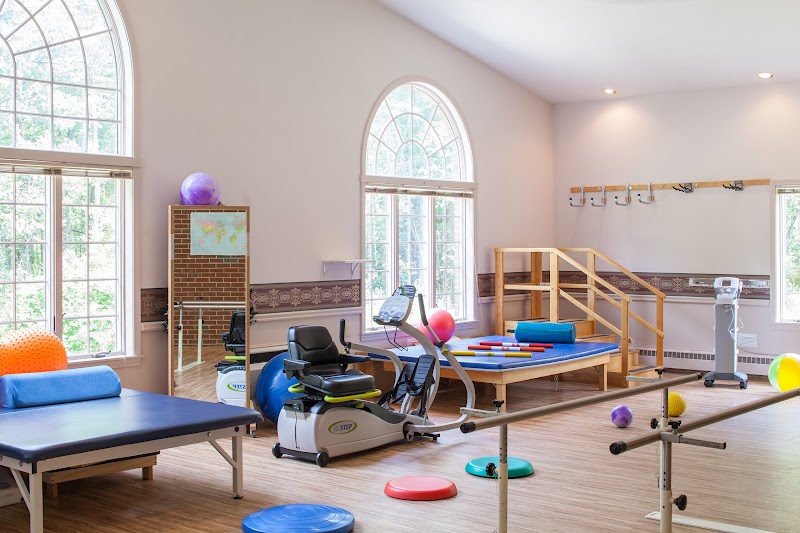
Who Owns and Operates Wolfeboro Bay Center?

WOLFEBORO BAY CENTER is owned by a for-profit company. For-profit facilities operate as businesses with obligations to shareholders or private owners. The facility is operated by ROBERT RAUSMAN, a chain that manages multiple nursing homes. With 104 certified beds and approximately 67 residents (about 64% occupancy), it is a mid-sized facility located in WOLFEBORO, New Hampshire.

How Does Wolfeboro Bay Center Compare to Other New Hampshire Nursing Homes?

Compared to the 100 nursing homes in New Hampshire, WOLFEBORO BAY CENTER's overall rating (1 stars) is below the state average of 3.0, staff turnover (98%) is significantly higher than the state average of 47%, and health inspection rating (2 stars) is below the national benchmark.

What Should Families Ask When Visiting Wolfeboro Bay Center?

Based on this facility's data, families visiting should ask: "How do you ensure continuity of care given staff turnover, and what is your staff retention strategy?" "Can you walk me through typical staffing levels on day, evening, and night shifts?" "Can I visit during a mealtime to observe dining assistance and food quality?" "How do you handle medical emergencies, and what is your hospital transfer rate?" These questions are particularly relevant given the facility's high staff turnover rate and the below-average staffing rating.

Is Wolfeboro Bay Center Safe?

Based on CMS inspection data, WOLFEBORO BAY CENTER has a clean safety record: no substantiated abuse findings (meaning no confirmed cases of resident harm), no Immediate Jeopardy citations (the most serious violation level indicating risk of serious injury or death), and is not on the Special Focus Facility watch list (a federal program monitoring the lowest-performing 1% of nursing homes). The facility has a 1-star overall rating and ranks #100 of 100 nursing homes in New Hampshire. While no facility is perfect, families should still ask about staff-to-resident ratios and recent inspection results during their visit.

Do Nurses at Wolfeboro Bay Center Stick Around?

Staff turnover at WOLFEBORO BAY CENTER is high. At 98%, the facility is 51 percentage points above the New Hampshire average of 47%. Registered Nurse turnover is particularly concerning at 93%. RNs handle complex medical decisions and coordinate care — frequent RN changes can directly impact care quality. High turnover means new staff may not know residents' individual needs, medications, or preferences. It can also be disorienting for residents, especially those with dementia who rely on familiar faces. Families should ask: What is causing the turnover? What retention programs are in place? How do you ensure care continuity during staff transitions?

Was Wolfeboro Bay Center Ever Fined?

WOLFEBORO BAY CENTER has no federal fines on record. CMS issues fines when nursing homes fail to meet care standards or don't correct problems found during inspections. The absence of fines suggests the facility has either maintained compliance or corrected any issues before penalties were assessed. This is a positive indicator, though families should still review recent inspection reports for the full picture.

Is Wolfeboro Bay Center on Any Federal Watch List?

WOLFEBORO BAY CENTER is not on any federal watch list. The most significant is the Special Focus Facility (SFF) program, which identifies the bottom 1% of nursing homes nationally based on persistent, serious quality problems. Not being on this list means the facility has avoided the pattern of deficiencies that triggers enhanced federal oversight. This is a positive indicator, though families should still review the facility's inspection history directly.