SOUTH JERSEY EXTENDED CARE
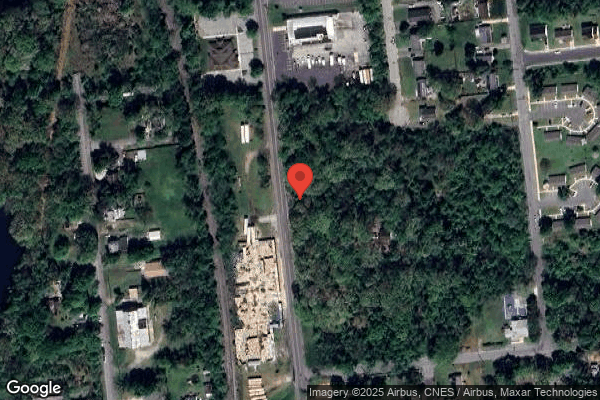

99 MANHEIM AVENUE, BRIDGETON, NJ 08302 (856) 455-2100
For profit - Limited Liability company 167 Beds Independent Data: November 2025 2 Immediate Jeopardy citations
Trust Grade
24/100
#295 of 344 in NJ
Last Inspection: June 2024

Within standard 12-15 month inspection cycle. Federal law requires annual inspections.

Overview

South Jersey Extended Care has received a Trust Grade of F, indicating significant concerns about the facility's quality and safety. It ranks #295 out of 344 nursing homes in New Jersey, placing it in the bottom half of all state facilities, and #6 out of 6 in Cumberland County, meaning there is only one local option that is better. Unfortunately, the facility is worsening, with issues doubling from 10 in 2023 to 20 in 2024. Staffing is average with a 3-star rating, but the turnover rate of 52% is concerning, well above the state average. Additionally, RN coverage is below average, as the facility has less RN coverage than 98% of New Jersey facilities, which can affect the quality of care. Specific incidents raise further concerns: residents were not properly protected during a COVID-19 outbreak, as the facility failed to implement necessary infection control protocols, and there were deficiencies in providing personal protective equipment. While the facility has some strengths, such as a 5-star rating in quality measures, the overall situation suggests families should carefully consider their options when researching this home.

Trust Score
F
24/100
In New Jersey
#295/344
Bottom 15%
Safety Record
High Risk
Review needed
Inspections
Getting Worse
10 → 20 violations
Staff Stability
⚠ Watch
52% turnover. Above average. Higher turnover means staff may not know residents' routines.
Penalties
✓ Good
$9,750 in fines. Lower than most New Jersey facilities. Relatively clean record.
Skilled Nurses
⚠ Watch
Each resident gets only 10 minutes of Registered Nurse (RN) attention daily — below average for New Jersey. Fewer RN minutes means fewer trained eyes watching for problems.
Violations
⚠ Watch
37 deficiencies on record. Higher than average. Multiple issues found across inspections.
★★☆☆☆
2.0
Overall Rating
★★★☆☆
3.0
Staff Levels
★★★★★
5.0
Care Quality
★☆☆☆☆
1.0
Inspection Score
Stable
2023: 10 issues
2024: 20 issues

The Good

  • 5-Star Quality Measures · Strong clinical quality outcomes
  • Full Sprinkler Coverage · Fire safety systems throughout facility
  • No fines on record

Facility shows strength in quality measures, fire safety.

The Bad

2-Star Overall Rating

Below New Jersey average (3.2)

Below average - review inspection findings carefully

Staff Turnover: 52%

Near New Jersey avg (46%)

Higher turnover may affect care consistency

Federal Fines: $9,750

Below median ($33,413)

Minor penalties assessed

The Ugly 37 deficiencies on record

2 life-threatening
Jun 2024 20 deficiencies
CONCERN (D)

Potential for Harm - no one hurt, but risky conditions existed

Safe Environment (Tag F0584)

Could have caused harm · This affected 1 resident

Based on observation and interview it was determined that the facility failed to maintain all resident rooms and common areas in a clean and sanitary manner. The deficient practice occurred on 1 of 3 ...

Read full inspector narrative →
Based on observation and interview it was determined that the facility failed to maintain all resident rooms and common areas in a clean and sanitary manner. The deficient practice occurred on 1 of 3 units and in the Sub-Acute smoking courtyard and was evidenced by the following: On 6/13/24 at 10:41 AM, two surveyors toured the Sub-Acute smoking courtyard and observed cigarette butts were located throughout the lawn area surrounding the gazebo, on top of a garbage can and partially filling the inside of an open bucket that rested on the ground which included empty cigarette packages. There were signs posted to utilize cigarette disposal not the ground. On 06/17/24 at 9:39 AM, the surveyor observed Resident #47 in bed and observed the privacy curtain was stained in several areas, there was soiled areas on several walls and a broken window blind with flies in the room. The surveyor asked about the flies and the resident confirmed there were flies in the room. On 06/19/24 at 11:13 AM, the surveyor, in the presence of the survey team informed the LNHA, Director of Nursing and Interum Infection Preventionist nurse of the above findings. NJSA 8:39-4.1(11)
CONCERN (D)

Potential for Harm - no one hurt, but risky conditions existed

PASARR Coordination (Tag F0644)

Could have caused harm · This affected 1 resident

**NOTE- TERMS IN BRACKETS HAVE BEEN EDITED TO PROTECT CONFIDENTIALITY** Based on observation, interview, and record review it was determined the facility failed to conduct a new Preadmission Screening...

Read full inspector narrative →
**NOTE- TERMS IN BRACKETS HAVE BEEN EDITED TO PROTECT CONFIDENTIALITY** Based on observation, interview, and record review it was determined the facility failed to conduct a new Preadmission Screening and Resident Review (PASARR) level II assessment after a resident was newly diagnosed with a mental illness. This deficient practice was identified in 1 of 2 residents reviewed for Preadmission Screening and Resident Review PASARR (Resident #44) and was evidenced by the following: Resident #44 was a resident of the facility. On 06/13/2024 at 11:43 AM the surveyor reviewed the Level I PASARR (a federal requirement to help ensure that individuals are not inappropriately placed in nursing homes for long term care) for Resident #44 dated 12/21/17 which was negative, meaning the resident did not have any mental illness diagnoses that could lead to a chronic disability. The surveyor reviewed the quarterly Minimum Data Set (MDS), an assessment tool dated 10/4/2023. The MDS reflected that Resident #44 was cognitively intact and had a diagnosis of depression. On 06/13/24 at 1:49 PM the surveyor reviewed the Annual MDS dated [DATE], which reflected that Resident #44 was not currently considered by the state level II PASARR process to have serious mental illness and/or intellectual disability or a related condition. It reflected that Resident #44 had diagnoses which include but are not limited to depression and psychotic disorder (a psychiatric illness). On 06/17/2024 at 9:36 AM the surveyor reviewed the psychiatry consult for Resident #44 dated 12/28/23. The consult included a new diagnosis of psychosis. During an interview with the surveyor on 06/17/2024 at 9:52 AM, the Director of Social Services (SW) who began working at the facility in February of 2024 and stated that when a resident was diagnosed with a new psychiatric disorder, it would prompt an interdisciplinary conference for the resident. She would request that a Level II PASARR be completed. The SW stated she does not have a PASARR Level II for Resident #44 since the new psychiatric diagnosis on 12/28/23. During an interview with the surveyor on 06/17/24 at 10:22 AM, the [NAME] President of Clinical Services Interrum Infection Preventionist stated that a new psychiatric diagnosis should have triggered a PASARR level II. The surveyor reviewed the facility policy titled, Resident Assessment-Coordination with PASARR Program, with a date implemented on 1/10/24. The policy reflected that any resident who exhibits a newly evident or possible serious mental disorder, intellectual disability, or a related condition will be referred promptly to the state mental health or intellectual disability authority for a level ii resident review. Examples include A resident who exhibits behavioral, psychiatric, or mood related symptoms suggesting the presence of a mental disorder (where dementia is not the primary diagnosis). NJAC 8:39-27.1 (a)
CONCERN (D) 📢 Someone Reported This

A family member, employee, or ombudsman was alarmed enough to file a formal complaint

Potential for Harm - no one hurt, but risky conditions existed

Deficiency F0660 (Tag F0660)

Could have caused harm · This affected 1 resident

Deficiency Text Not Available

Read full inspector narrative →
Deficiency Text Not Available
CONCERN (D)

Potential for Harm - no one hurt, but risky conditions existed

ADL Care (Tag F0677)

Could have caused harm · This affected 1 resident

Based on observation, interview, review of records, and review of pertinent documents, it was determined that the facility failed to provide appropriate incontinence care, and personal hygiene care fo...

Read full inspector narrative →
Based on observation, interview, review of records, and review of pertinent documents, it was determined that the facility failed to provide appropriate incontinence care, and personal hygiene care for 1 of 2 residents. (Resident #12) reviewed for activities of daily living. The deficient practice was evidenced by the following: On 06/17/24 at 9:24 AM, the surveyor observed Resident #12 in bed. Resident #12 was alert and stated that incontinence care was not provided in a timely manner. When asked to elaborate, Resident #12 stated he/she was assisted with incontinence care at 11:00 PM and again this morning at 3:00 AM. Upon inquiry, the resident stated that he/she had not received care yet. The resident further stated that he/she was soiled and would like to be changed. The surveyor left the room and informed the Licensed Practical Nurse/Unit Manager. The Unit Manager provided the surveyor with the assignment sheet and identified the Certified Nursing Aide (CNA) assigned to the resident. On 06/17/24 at 9:44 AM, the surveyor interviewed the CNA who had Resident #12 on her assignment. The CNA revealed that she had 10 residents on her assignment of which seven of them required total assistance with care. The CNA confirmed that she had not yet provided incontinence care to Resident #12. The CNA stated that by 11:00 AM she would complete her first round and provide incontinence care to all. On 06/17/24 at 10:00 AM the surveyor asked the CNA if she can check Resident #12. Resident #12 agreed to be changed. The surveyor and the CNA observed that Resident #12 wore 2 incontinent briefs which were saturated with urine. The pad underneath the resident was also soiled. The CNA indicated that was not the first time she observed the residents with double briefs. The surveyor then left the room and accompanied the LPN/UM to the room. At the surveyor's request, the resident's incontinent brief was checked by staff, and we all observed Resident #12 with two incontinent briefs which were saturated with urine. When asked about her expectations, the UM replied, the resident should not have double briefs on. The UM further stated that the concerns with double briefs were addressed sometimes this year and the staff was in-serviced. On 06/17/24 at 11:55 AM, the surveyor again with the UM regarding incontinence care. The UM stated that the facility's protocol was to provide incontinence care every 2 hours and as needed. The UM further stated that the concerns with double briefs was discussed at morning meeting and in-service education was provided this year. On 06/18/24 at 10:45 AM, the surveyor reviewed Resident #12's electronic medical record. Resident #12's admission Record (AR) revealed, Resident #12 was admitted to the facility with diagnoses which included but were not limited to; difficulty in walking, weakness, chronic respiratory failure, and morbid obesity. The admission Minimum Data Set (MDS) assessment tool used by the facility to prioritize care, dated 02/29/24, revealed that Resident #12 scored 15/15 on the Brief Interview for Mental Status (BIMS) and indicated the resident was cognitively intact. Section GG of the MDS which referred to Activities of Daily Living (ADLs) revealed that Resident #12 was totally on staff for toileting and hygienic care. Review of the Care Plan for Resident #12 initiated on 05/20/24, included a Focus for ADL Self Care Performance Deficit and is at risk for not having their needs met in a timely manner related to: functional limitations in range of motion or decrease mobility., Behaviors., pain. The goal was for Resident #12 will maintain a sense of dignity by being clean dry, odor free, and well groomed through the next review date. Resident #12 had a focus for Incontinence/ bowel and bladder related to Disease Process, Impaired mobility, physical limitations. The interventions were to check frequently for wetness and soiling, change as needed. Initiated 05/20/24. Resident #12 wears extended wear/night time briefs at night to assist in preventing interrupted sleep for incontinent care. The care plan did not specify the frequency for staff to provide incontinence care to the resident. Resident #12 was provided with incontinence care at 3:00 AM and then seven hours later at the surveyor's request 10:30 AM. On 06/18/24 at 7:16 AM, the surveyor interviewed the 11:00 AM- 7:00 AM LPN regarding incontinence care. The LPN stated that incontinence care was to be provided every 2 hours depending on the level of resident incontinence. The LPN further stated that all residents were to be changed x 2 during the shift. When inquired regarding residents wearing double briefs and stated, that was not the practice. On 06/19/24 at 11:30 AM, the facility was made aware of the above concerns and requested the facility policy for incontinence care and Activity of daily living. On 06/19/24 at 3:00 PM, during the exit conference that was held with the survey team, the Director of Nursing (DON), Licensed Nursing Home Administrator and the Interim Infection Preventionist (IP), the IP stated, that staff should not use double briefs on the residents. A review of the facility's policy titled, Activities of Daily Living (ADLs) implemented 3/5/24 revealed the following: Policy The facility will, based on the resident's comprehensive assessment and consistent with the resident's needs and choices, ensure a resident's abilities in ADLs do not deteriorate unless deterioration is unavoidable. Care and services will be provided for the following activities of daily living: Bathing dressing, grooming and oral care. Policy Explanation and compliance Guidelines Guideline #3. A resident who is unable to carry out activities of daily living will receive the necessary services to maintain good nutrition, grooming and personal and oral hygiene. A review of a form titled, Resident Care- Certified Nursing Assistant Responsibilities provided by the facility on 6/17/24, indicated the following: All residents must be properly dressed, clothes neat and clean, females must have bra and proper unclothes. Residents must be assisted with toileting as needed. Any resident on bowel and bladder training must be toileted every 2 hours and as needed. All residents must be treated with dignity and respect. NJAC 8:39-27.1 (a)2(h)
CONCERN (D)

Potential for Harm - no one hurt, but risky conditions existed

Deficiency F0678 (Tag F0678)

Could have caused harm · This affected 1 resident

Based on interview, record review, and pertinent facility documentation it was determined that the facility failed to identify conflicting physician's orders for emergency treatment on the medical rec...

Read full inspector narrative →
Based on interview, record review, and pertinent facility documentation it was determined that the facility failed to identify conflicting physician's orders for emergency treatment on the medical record for 1 of 1 resident reviewed for cardio-pulmonary resuscitation (a medical procedure involving repeated compressions of a person's chest, performed in an attempt to restore blood flow to and breathing of a person whose heart stopped), resident #49. This deficient practice was evidenced by: A review of Resident #49's Order Summary Report in the Electronic Medical Record (EMR) revealed that, resident #49 had a full code order with a start date of 05/02/2024, and a DNR/DNI (do not resuscitate/do not intubate (to insert a tube into a person's throat, to help with breathing) order with a start date of 01/29/2024. A review of Resident #49's New Jersey Practitioner Orders for Life-Sustaining Treatment (POLST) dated 10/03/2022, contained the following order: Do not attempt resuscitation, allow natural death, and do not intubate. On 06/17/2024 at 12:33 PM, during an interview with the surveyor, the Licensed Practical Nurse (LPN) Unit Manager (LPN/UM), stated that Resident #49 was a DNR/DNI. The surveyor reviewed the DNR/DNI, and the (POLST) with the LPN/UM, the LPN/UM confirmed it was a conflicted order, she stated that the order should not say, Full code as well. On 06/19/2024 at 11:34 AM, during an interview with the Director of Nursing (DON), Licensed Nursing Home Administrator (LNHA), and the Interim Infection Control Preventionist (IP) the surveyor asked if Resident #49 should have both full code and DNR/DNI status. The IP stated, no. Review of the facility's POLST/Advanced Directive policy dated 11/13/23, the policy revealed under #5 the following: Upon, a quarterly basis or significant change, code status will be reviewed with the resident or health care representative. NJAC 8:39-9.6 (b)
CONCERN (D)

Potential for Harm - no one hurt, but risky conditions existed

Quality of Care (Tag F0684)

Could have caused harm · This affected 1 resident

**NOTE- TERMS IN BRACKETS HAVE BEEN EDITED TO PROTECT CONFIDENTIALITY** Based on interview and document review it was determined that the facility failed to ensure that a system was in place and follo...

Read full inspector narrative →
**NOTE- TERMS IN BRACKETS HAVE BEEN EDITED TO PROTECT CONFIDENTIALITY** Based on interview and document review it was determined that the facility failed to ensure that a system was in place and followed to review and notify physicians of laboratory values. This deficient practice occurred for 1 of 20 residents reviewed (Resident #47) and was evidenced by the following: On 06/17/24 at 9:39 AM, observed resident in bed and respond pretty good I guess when asked how was doing. A review of the electronic medical record revealed resident was discharged to the hospital and admitted for six days, and a discharge summary from the hospital, revealed the discharge diagnoses that included acute kidney injury, altered mental status, dehydration, hypernatremia (elevated blood sodium levels), Diabetes Type 2 and Urinary Tract Infection. A Nutrition Note dated: 06/12/24, timed 17:15 [5:15 PM] that was completed by the Registered Dietitian, revealed: Assessment and Plans: Resident is on a NCS [no concentrated sweets] puree diet. Intake varies. Is supplemented with 237 ml Glucerna daily [nutritional drink for protein and calories]. Weight June 122#, May 118#, [DATE]#. Was sick past 6 months. BS [blood glucose] still uncontrolled A1C [HbA1C a laboratory value that measures the average blood glucose level for the past three months] 11.8. Monitor intake, weight and labs [laboratory values]. Reviewed Lab Result which was located in a tab in the Electronic Medical Record which revealed HbA1C; Collection Date: 6/4/2024; 03:15 Received Date: 6/4/2024 15:05 Reported Date: 6/4/2024 16:35 HbA1C 11.8 % (highlighted in orange) <=5.6 H [high] FinalReport contains abnormal results (results highlighted with orange text). The surveyor reviewed the Electronic Medical Record from 06/04/24 through current and did not locate any documentation where the HbA1C was referred to the physician or the physician reviewed the laboratory value that was identified by the Registered Dietitian as the resident had uncontrolled blood glucose. On 06/17/24 at 11:43 AM, the surveyor interviewed the Director of Nursing (DON) regarding physician coverage and the DON stated the nurse practitioner came to the facility twice weekly, and completed progress notes. 06/17/24 at 11:53 AM, the surveyor interviewed the Licensed Practical Nurse Unit Manager (LPNUM) for Resident #47. The surveyor asked about the process when receiving labs and the LPNUM stated the labs would pop up under each resident in a tab, and the nurse or LPNUM would check it and notify the physician or nurse practitioner. The surveyor asked about the 06/04/24 HbA1C level and the LPNUM reviewed the lab in the computer in the presence of the surveyor. The surveyor asked if the physician was notified of the abnormal result as the surveyor could not locate any documentation. The LPNUM reviewed the progress notes and stated, I don't see anything either. On 06/17/24 at 12:12 PM, the surveyor conducted a telephone interview with the Medical Director/Resident #47's physician, regarding when he should be notified of abnormal laboratory values and he stated the same day. NJAC 8:39-27.1(a)
CONCERN (D)

Potential for Harm - no one hurt, but risky conditions existed

Deficiency F0688 (Tag F0688)

Could have caused harm · This affected 1 resident

Based on observation, interview, record review and review of other facility documentation, it was determined that the facility failed to obtain a Physician's Order (PO) for an orthotic device for 1 of...

Read full inspector narrative →
Based on observation, interview, record review and review of other facility documentation, it was determined that the facility failed to obtain a Physician's Order (PO) for an orthotic device for 1 of 1 resident (Resident#14) reviewed for positioning and mobility. On 06/13/2024 at 10:04 AM, the surveyor observed Resident #14 in the bed. An orthotic device was observed near Resident #14's right elbow. According to the admission Record, Resident #14 was admitted to the facility with a diagnosis including but not limited to; multiple sclerosis (a chronic disease of the central nervous system), cerebral infarction (a stroke) and hemiplegia (paralysis). Review of the Annual Minimum Data Set (MDS), an assessment tool utilized to facilitate the management of care, dated 03/30/2024, reflected that the resident was cognitively intact and had impaired use of the upper extremity on one side of the body. Review of the Order Summary Report with active orders as of 06/18/2024 did not reveal an order for Resident #14's orthotic device for the right elbow. Review of Resident #14's current Care Plan reflected that Resident #14 required assistance with activities of daily living. The interventions included to encourage use of the elbow splint. Review of Resident #14's occupational therapy discharge summary from 01/16/2024 reflected recommendations for a right elbow extension orthotic as tolerated. During an interview with the surveyor on 06/18/2024 at 7:47 AM, the [NAME] President of Clinical Services (VPCS) stated that there should be an order for Resident #14's right elbow orthotic. The surveyor and the VPCS reviewed the physician orders for Resident #14 together. The VPCS acknowledged that there was no physician order for the right elbow orthotic. During an interview with the surveyor on 06/18/2024 at 10:19 AM, the Licensed Practical Nurse #1 stated that there should be a physician order for an orthotic. Review of the facility policy titled Range of Motion, Splinting, Bracing implemented 1/10/24 reflected that a physician's order must be obtained for use of equipment such as splints, braces, handrolls. NJAC 8:39-27.1 (a)
CONCERN (D)

Potential for Harm - no one hurt, but risky conditions existed

Respiratory Care (Tag F0695)

Could have caused harm · This affected 1 resident

Based on observation, interview, record review, and review of pertinent documentation, it was determined that the facility failed to follow the physician orders related to the use of continuous oxygen...

Read full inspector narrative →
Based on observation, interview, record review, and review of pertinent documentation, it was determined that the facility failed to follow the physician orders related to the use of continuous oxygen (O2) for 1 of 1 resident (Resident #42) reviewed for the use of oxygen. This deficient practice was evidenced by the following: On 06/13/2024 at 9:44 AM, the surveyor observed a staff member assisting Resident #42 via a recliner chair, into the common area of the facility. The surveyor observed Resident #42 was wearing a nasal cannula attached to a portable O2 tank and the amount was set at 2 liters per minute (lpm) of oxygen. On 06/14/2024 at 8:43 AM, the surveyor observed the resident's privacy curtain drawn around the bed and could hear a staff member assisting the resident. At that time, the surveyor observed the resident's recliner chair in the hallway. The portable O2 tank was on the back of the chair and there was tubing with the nasal cannula wrapped around the tank. The nasal cannula was not in a protective covering and was exposed to the environment. On 06/14/2024 at 8:59 AM, the surveyor returned and observed Resident #42 in bed with his/her eyes closed. There was no oxygen being administered and the nasal cannula was tucked under the mechanical lift pad that was under the resident. A review of Resident #42's hybrid (both paper and electronic) medical records revealed an admission Record with diagnoses which included but were not limited to; diffuse traumatic brain injury, unspecified psychosis, seizures, dysphagia (difficulty swallowing), dementia, and respiratory failure. A review of the most recent Quarterly Minimum Data Set (MDS) an assessment tool used to prioritize care, dated 05/17/2024, included but was not limited to; Section B the resident was coded a 3 rarely/never understood when considering ability to express ideas; Section C the Brief Interview for Mental Status (BIMS) was coded 0 for no the interview should not be conducted as the resident was rarely/never understood; Section GG indicated the resident was dependent on staff for Activities of Daily Living (ADL); and Section O indicated the resident required oxygen therapy. A review of the Order Summary Report included but was not limited to; O2 at 2 lpm via n/c (nasal cannula) every shift dated 04/02/2024. A review of the resident-centered, on-going Care Plan included but was not limited to; a focus area of Communication related to weak or absent voice with interventions including to anticipate and meet needs; and Respiratory Status impaired and is at risk for shortness of breath, respiratory distress, increased anxiety, and hypoxia (lack of oxygen) with interventions including to administer medications [oxygen] and to monitor the resident's respiratory status. On 06/14/2024 at 9:02 AM, the Director of Nursing (DON) was in the hallway by the resident's room. The surveyor asked the DON to come to the resident's room. The DON acknowledged the resident was not wearing his/her O2 and stated he/she should be wearing the O2 so the resident can breathe. The DON also acknowledged that the nasal cannula on both the room oxygen concentrator and the recliner chair portable oxygen tank were both uncovered and exposed to the environment. The DON asked the Licensed Practical Nurse Unit Manager (LPN UM) to come to the room. The LPN UM acknowledged the resident was not being administered his/her continuous oxygen as ordered and assessed Resident #42's O2 level. The DON obtained new O2 tubing and nasal cannula to administer the physician ordered continuous O2 to the resident. A review of the facility provided, Oxygen Administration policy revised 10/2010, included but was not limited to; Purpose: . to provide guidelines for safe oxygen administration. Preparation: . verify that there is a physician's order. Steps in the Procedure: . 9. Place the appropriate oxygen device (i.e. nasal cannula) on the resident. 10. Adjust the oxygen delivery device . proper flow of oxygen is being administered. 13. Observe the resident . and periodically to be sure oxygen is being tolerated. On 06/19/2024 at 11:13 AM, the above concern was addressed with the Licensed Nursing Home Administrator, the DON, and a Corporate nurse who was the facility interim Infection Preventionist. The facility stated the Oxygen policy provided was the only one the facility had and also provided in-servicing and education that was started with the staff regarding the use of oxygen. NJAC 8:39-11.2(b); 27.1(a)
CONCERN (D)

Potential for Harm - no one hurt, but risky conditions existed

Infection Control (Tag F0880)

Could have caused harm · This affected 1 resident

Based on observation, interview, record review, and review of pertinent documentation, it was determined that the facility failed to a.) appropriately don (put on) Personal Protective Equipment (PPE),...

Read full inspector narrative →
Based on observation, interview, record review, and review of pertinent documentation, it was determined that the facility failed to a.) appropriately don (put on) Personal Protective Equipment (PPE), and b.) store respiratory equipment to prevent contamination and exposure to the environment. This deficient practice was evidenced by the following: On 06/13/2024 at 9:44 AM, the surveyor observed a staff member assisting Resident #42 via a recliner chair, into the common area of the facility. The surveyor observed Resident #42 was wearing a nasal cannula attached to a portable O2 tank and the amount was set at 2 liters per minute (lpm). On 06/14/2024 at 8:43 AM, the surveyor observed Resident #42's portable O2 tank was on the back of the recliner chair in the hallway. The surveyor observed that there was tubing with the nasal cannula wrapped around the tank. The nasal cannula was not in a protective covering and was exposed to the environment. On 06/14/2024 at 8:59 AM, the surveyor returned and observed Resident #42 in bed with his/her eyes closed and the oxygen tubing with the nasal cannula was not in a protective covering and was in direct contact with the mechanical lift pad that was under the resident. On 06/14/2024 at 9:02 AM, the Director of Nursing (DON) was in the hall by the resident's room. The surveyor asked the DON to come to the resident's room. The DON acknowledged the resident was not wearing his/her O2 and stated he/she should be wearing the O2 so the resident can breathe. The DON also acknowledged that the nasal cannula on both the room oxygen and recliner chair portable oxygen tank were both uncovered and exposed to the environment. At that time, the DON asked the Licensed Practical Nurse Unit Manager (LPN UM) to come to the room. The LPN UM acknowledged the resident was not being administered his/her continuous oxygen as ordered. The LPN UM donned a PPE gown but failed to secure the tie around her waist. The LPN UM donned gloves and entered Resident #42's room to apply a monitor to his/her hand and check the resident's oxygen levels, and to apply a blood pressure cuff to the resident's arm to obtain a blood pressure reading. The LPN UM also connected new oxygen tubing to the oxygen concentrator and applied a new nasal cannula to the residents nostrils. During that time, the PPE gown ties were dragging on the floor and when the LPN UM leaned over the resident, the PPE gown was falling down. On 06/14/24 at 9:15 AM, two Certified Nursing Assistants (CNA) arrived at the resident's room to assist him/her via a mechanical lift into the recliner chair. CNA #1 donned the PPE gown but failed to secure the ties around her waist. CNA #1 assisted with securing the resident to be lifted and moved and made the resident's bed. While assisting the resident and making the bed, the PPE gown was falling down and dragging on the floor. A review of Resident #42's hybrid (both paper and electronic) medical records revealed an admission Record with diagnoses which included but were not limited to; diffuse traumatic brain injury, unspecified psychosis, seizures, dysphagia (difficulty swallowing), dementia, and respiratory failure. A review of the most recent Quarterly Minimum Data Set (MDS) an assessment tool used to prioritize care, dated 05/17/2024, included but was not limited to; Section B the resident was coded a 3 rarely/never understood when considering ability to express ideas; Section C the Brief Interview for Mental Status (BIMS) was coded 0 for no the interview should not be conducted as the resident was rarely/never understood; Section GG indicated the resident was dependent on staff for Activities of Daily Living (ADL); and Section O indicated the resident required oxygen therapy. A review of the Order Summary Report included but was not limited to; O2 at 2 lpm via n/c (nasal cannula) every shift dated 04/02/2024; and an order dated 04/19/2024, for Enhanced Barrier Precautions (EBP) every shift. A review of the resident-centered, on-going Care Plan included but was not limited to; a focus area that the resident requires EBP with interventions which included to wear gowns and gloves during high-contact resident care activities. On 06/14/2024 at 9:17 AM, the LPN UM stated that the process was to put the PPE gown on over the head via the opening, put arms through the sleeves and tie the back of the PPE gown around the waist area. The LPN UM stated that the PPE gown was to ensure she was completely covered and stated, sorry it [the PPE gown] should be tied in back to prevent contamination. On 06/14/2024 at 9:21 AM, CNA #1 stated that the PPE gown should be put on over the head and the arms through the sleeves. She stated, I forgot to tie it. CNA #1 further stated that it was important to be fully covered by the PPE gown so there is no cross contamination. On 06/14/2024 at 9:26 AM, the DON stated that the process was to put the PPE gown on over the head and to tie it around the back. She stated the purpose was, to prevent the spread of infection. A review of the facility provided, Inservice Attendance Sheet dated 01/30/2024, revealed the subject of the in-service included PPE and that the LPN UM and CNA #1 had attended the education which was provided by the previous DON. A review of the facility provided, Oxygen Administration policy revised 10/2010, included but was not limited to; Purpose: . to provide guidelines for safe oxygen administration. The policy failed to include how to store the oxygen delivery equipment. A review of the facility provided, Personal Protective Equipment policy revised 04/10/2024, included but was not limited to; Policy: . to prevent the transmission of pathogens to residents, visitors, and other staff. 1. All staff who have contact with residents and/or their environments must wear personal protective equipment as appropriate during resident care activities and at other times in which exposure to blood, body fluids, or potentially infectious materials is likely. 4. Indications/considerations for PPE use: . b. Gowns: i. wear to protect arms, exposed body areas, and clothing from contamination . ii. Gowns should fully cover torso from neck to knees, . wrap around the back. Fasten in back at neck and waist. On 06/19/2024 at 11:13 AM, the above concern was addressed with the Licensed Nursing Home Administrator, the DON, and a Corporate nurse who was the facility interim Infection Preventionist. The facility provided in-servicing and education that was started with the staff regarding the use of oxygen and appropriate PPE donning. The facility stated there were no other Oxygen policies to address the storage of respiratory equipment. NJAC 8:39-19.4(a)(c)(k); 27.1(a)
CONCERN (D) 📢 Someone Reported This

A family member, employee, or ombudsman was alarmed enough to file a formal complaint

Potential for Harm - no one hurt, but risky conditions existed

Deficiency F0919 (Tag F0919)

Could have caused harm · This affected 1 resident

Deficiency Text Not Available

Read full inspector narrative →
Deficiency Text Not Available
CONCERN (E)

Potential for Harm - no one hurt, but risky conditions existed

Resident Rights (Tag F0550)

Could have caused harm · This affected multiple residents

Based on observation, interview and document review it was determined that the facility failed to ensure a resident room and the resident environment was free of insects, and that staff addressed a re...

Read full inspector narrative →
Based on observation, interview and document review it was determined that the facility failed to ensure a resident room and the resident environment was free of insects, and that staff addressed a resident in a dignified manner. This deficient practice occurred for 1 of 20 residents reviewed (Resident #55) and was evidenced by the following: On 06/13/24 at 10:28 AM, Surveyor #1 observed Resident #55 in bed and there was a noticeable urine odor in the room and the resident's urinary catheter was lying on the bed. Resident #55 stated, he/she was waiting for coffee at that time and acknowledged there was an odor. Black flies were noted scattered throughout the room and when asked the resident about the flies, the resident confirmed he/she was aware of the flies. Resident #55 then stated the smell isn't from me. On 06/13/24 at 2:01 PM, Surveyor #1 and #2 observed the resident in bed on top of a pink bedspread, with the urine catheter also on the bed and the bed remote next to it. The surveyors observed two black flies on the bedspread, one on the remote and observed flying in the room. The surveyors requested the Licensed Practical Nurse Unit Manager (LPNUM) to accompany the surveyors to the room. The LPNUM stated Resident #55 was alert and oriented and was non-compliant with care. When asked the LPNUM about the flies and if having flies on the bed and in the room was okay, she stated, it is not okay, it is not clean. The LPNUM stated then stated she never saw the flies before. On 06/14/24 at 9:07 AM, Surveyor #2 observed black flies inside of Resident #55's room while resident was eating a meal. A black fly was on top of the burgundy meal tray lid that was on the bed next to the resident. Surveyor #2 requested the nurse (LPN #2) to come to the resident's room. The surveyor showed the nurse the flies and LPN #2 stated Resident #55 was very hard of hearing and he/she is a very noncompliant [gender redacted] and walked away from the surveyor and exited the room. Surveyor #2 interviewed LPN #2 at the nursing station about Resident #55 and the flies. LPN #2 stated, Resident #55 was a dirty old [gender redacted]. Surveyor #2 asked LPN #2 if that is what she called her residents and she stated he/she was set in his/her ways. On 06/14/24 at 10:08 AM, the Director of Nursing (DON) provided a Promoting/Maintaining Resident Dignity Policy, implemented 01/09/24 which revealed: Policy: It is the practice of this facility to protect and promote resident rights and treat each resident with respect and dignity as well as care for each resident in a manner and in an environment, that maintains or enhances resident's quality of life by recognizing each resident's individuality. 10. Speak respectfully to residents; avoid discussions about residents that may be overheard. On 06/14/24 at 11:01 AM, Surveyor #2 in the presence of another surveyor interviewed the DON regarding the observations of flies and how LPN #2 spoke about Resident #55 at the nursing station as others walked by. Surveyor #2 then asked if what LPN #2 referred to the resident as was okay. The DON stated, no, that was not okay and stated that she heard about what happened and that the LPN #2 was trying to be cute and it was a dignity issue. On 06/17/24 at 10:35 AM, Surveyor #1 observed Resident #55 in bed, and the urinary catheter bag was observed on the floor and black flies were observed in the room. On 06/19/24 at 11:34 PM, the survey team held an exit conference with the DON, Infection Preventionist, and Licensensed Nursing Home Administrator to reviewed the above concerns. NJAC 8:39-4.1(11)(12)
CONCERN (E)

Potential for Harm - no one hurt, but risky conditions existed

Deficiency F0561 (Tag F0561)

Could have caused harm · This affected multiple residents

Based on observation, interviews and record review, the facility failed to ensure Resident #12 preferences had been accommodated. This deficient practice occurred for 1 of 20 residents reviewed (Resid...

Read full inspector narrative →
Based on observation, interviews and record review, the facility failed to ensure Resident #12 preferences had been accommodated. This deficient practice occurred for 1 of 20 residents reviewed (Resident #12) for accommodation of needs and was evidenced by the following: During the initial tour on 6/14/24 at 10:31 AM, interview with Resident #12 revealed that would like to get out of the bed at a certain time and their wishes had not been honored. On 6/17/24 at 10:14 AM surveyor #2 followed up with Resident #12 regarding their concerns. The observation of Resident #12 revealed that Resident #12 was in bed dressed in a hospital gown. Resident #12 was upset and was crying to the surveyor and stated that he/she had not been able to contact their family. Resident #12 further stated that their belongings were still at the other facility and could not get in touch with the Social Worker (SW). When inquired if the resident enlisted the assistance of the SW at the current facility, Resident #12 stated, yes but nothing had been done. On 6/17/24 at 12:30 PM, the surveyor reviewed Resident #12 admission record. The admission face sheet reflected that Resident #12 had diagnoses which included but were not limited to; metabolic encephalopathy, difficulty in walking, weakness and morbid obesity. Review of the 2/16/24 Quarterly Minimum Data Set Assessment in the Electronic Medical Recort (EMR) for Resident #12 revealed that Resident #12 had no difficulties with communication, vision, hearing, or cognitive function. Resident #12 received a score of 15/15 on the Brief Interview for Mental Status (BIMS) which indicated the resident was cognitively intact. Resident #12 reported to the surveyor that it was very important for him/her to: Choose what to wear, take care of their personal belongings, and have family involved in their care. Review of Resident's #12 comprehensive care plan addressed, ADLs Self Care Performance Deficit with the goal to maintain a sense of dignity by being clean, dry odor free and well groomed. Bed mobility, but did not specify their choice for their time to get out of bed. Review of the progress notes from social services dated 4/19/24 revealed that she attempted to call the Social Worker (SW) at the prior facility regarding Resident #12's belongings, but was unsuccessful. No other attempts were documented in the EMR. On 6/17/24 at 9:30 AM, the surveyor met with the Director of Social Services, to inquire regarding Resident #12's personal belongings. The SW informed the surveyor that she called the prior facility several times and could not reach the SW. While in her office she called the facility, and she was prompted to leave a message or to call later. The surveyor then asked the SW what other methods could have been used to communicate with the facility, the SW stated that she could have sent a letter to the facility but had not done so. On 06/18/24 the surveyor met again with the SW and inquired regarding if she was able to contact the prior facility, she stated no. The surveyor then inquired if she discussed the concerns with the facility's Administrator for further guidance she replied, No. On 06/18/24 at 10:30 AM, the surveyor observed the resident sitting at the nursing station, dressed in a hospital gown and was seated in a recliner chair. The resident stated, [he/she] would feel much better, wearing their own personal clothing. On 6/19/24 at 12:30 the survey team presented the above concerns to the facility and requested any documentation regarding how Resident #12's concerns were addressed by the facility. On 6/19/24 at 2:30 PM the Administrator provided a letter dated 6/19/24 that will be forwarded to the facility on behalf of Resident #12. Resident #12 had been at the facility since February. The surveyor contacted the facility on 6/19/24 and left a message with the receptionist for the Director of Nursing and the SW. The facility's SW returned the call and informed the surveyor that she never received any correspondence from the SW. The SW further stated that she was informed only on 6/18/24 that Resident #12 was trying to locate their personal belongings. The SW went on to state that Resident #12's family could not be contacted. A review of the Resident's rights policy dated, last revised. NJAC 8:39-27.1(a)
CONCERN (E)

Potential for Harm - no one hurt, but risky conditions existed

Accident Prevention (Tag F0689)

Could have caused harm · This affected multiple residents

**NOTE- TERMS IN BRACKETS HAVE BEEN EDITED TO PROTECT CONFIDENTIALITY** Based on observation, interview and document review it was determined that the facility failed to ensure the smoking policy was ...

Read full inspector narrative →
**NOTE- TERMS IN BRACKETS HAVE BEEN EDITED TO PROTECT CONFIDENTIALITY** Based on observation, interview and document review it was determined that the facility failed to ensure the smoking policy was followed to ensure the safety for residents who smoked and held their own cigarettes and lighters. This deficient practice occurred for 2 of 2 residents who held their own lighters (Resident #22 and #25) and was evidenced by the following: a. During the initial tour on 6/13/2024 at 09:49 AM, the surveyor observed Resident #22 in their room. Upon inquiry, Resident #22 informed the surveyor that he/she was a smoker. On 06/17/2024 at 10:38 AM, the surveyor observed Resident #22 in the designated smoking area and was smoking. On 06/18/2024 at 09:00 AM, the surveyor observed Resident #22 in their room. Resident #22 informed the surveyor that they held their own cigarettes and lighter. The resident showed to the surveyor their cigarettes and lighter and stated that the facility was aware. On 6/18/24 at 10:30 AM, the surveyor reviewed Resident #22's medical record. The admission Summary reflected that Resident #22 was admitted to the facility with diagnoses which included but were not limited to; Respiratory failure (a condition that makes it difficult to breathe on your own), gastro-esophageal reflux disease (a digestive disease in which stomach acid irritates the food pipe lining), and Alcohol Abuse, uncomplicated. A review of the Annual Minimum Data Set (MDS) dated [DATE], an assessment tool used to facilitate resident care, revealed that Resident b#22 had intact cognition. Resident #22 scored 15/15 on the Brief Interview for Mental Status (BIMS). A review of a Care Plan with an initiated date of 06/13/24, revealed a focus area for Smoking. The goal was for Resident #22 will abide by the facility's smoking policy and remain safe during smoking times through the next review. The interventions included to remind residents and their family that all cigarettes, lighters, matches, and smoking paraphernalia must be kept at the nurses station. On 6/18/24 at 9:14 AM, the surveyor interviewed the Smoking Aide who informed the surveyor that alert residents could hold their own cigarettes and lighters. On 06/18/2024 at 11:33 AM, the surveyor interviewed the Licensed Nursing Home Administrator (LNHA) who stated, We don't allow residents to have their own lighters for safety reasons. On 06/18/24 at 12:37 PM, the surveyor interviewed the Social worker (SW) who stated, if residents were care planed as an independent smoker, they could hold their own cigarettes and lighter. The surveyor reviewed with the SW Resident #22's care plan. The SW stated then, No, they should not have their lighter. On 06/18/2024 at 12:41 PM, during an interview with the surveyor, on the Licensed Practical Nurse (LPN) Unit Manager confirmed that residents should not hold their lighters because it was a smoking hazard. A review of an undated smoking policy provided by the facility policy titled Smoking Policy revealed under subsection procedure that 8. The smoking monitor will be assigned to observe the courtyard to monitor all smokers. All residents will have their products lit by the smoking monitor or designated staff. b. On 06/14/24 at 11:50 AM, five surveyors were in the conference room and observed Resident #25 walk past the back of the building by the Sub Acute area bordering the woods, was on a path and was observed smoking a cigarette. At that time, the surveyor reviewed the electronic Medical Record (EMR) for Resident #25 which revealed the following Care Plan: Focus Smoking: Resident is a smoker and is at risk for injury. Resident is an independent smoker and does not require direct supervision to smoke. Date Initiated: 05/27/2024 Revision on: 05/27/2024 Goal: -Resident will abide by facility's smoking policy and remain safe during smoking times through the next review. Date Initiated: 05/27/2024 Revision on: 06/13/2024 Target Date: 10/15/2024 - Resident will smoke in designated areas without occurrence of injury through the next review. Date Initiated: 05/27/2024 Revision on: 06/13/2024 Target Date: 10/15/2024 Interventions - Perform smoking assessment according to facility policy. Date Initiated: 05/27/2024 - Educate resident on smoking policy. Date Initiated: 05/27/2024 - INDEPENDENT SMOKER: Resident is an independent smoker and does not require the use of a smoking apron or direct staff supervision during smoking breaks. Date Initiated: 05/27/2024. (The Care Plan did not indicate the resident was able to hold own smoking material and lighter and walk around the building smoking.) Resident #25's most recent smoking assessment, dated 02/12/24 revealed #3 Is resident physically capable of holding a cigarette, matches/lighter, and lighting and extinguishing own cigarette without assistance; yes; 9. Has resident been instructed in facility policy regarding safety of himself/herself or others; yes; 10. Has resident signed the [Facility Name] smoking agreement and smoker release of responsibility form, yes. On 06/14/24 at 11:58 AM, a surveyor observed Resident #25 entering the building from the main entrance. The surveyor inquired as to what the resident did outside and the Resident stated was outside walking the parameter of the building and was smoking. Resident #25 stated he/she smoked a pack of cigarettes a day and stated kept a personal lighter to light his/her own cigarettes. The Smoking Policy, provided on 06/13/24 at 12:00 by the LNHA revealed Safe smoking assessment and smoking rules. Purpose to determine a resident's level of ability to smoke safely. Procedure: 1. Upon admission, the social worker or admitting nurse will determine if the resident is a smoker. 6. Residents are only permitted to smoke in the designated smoking area. 8. The smoking monitor will be assigned to observe the courtyard to monitor all smokers. All residents will have their products lit by the smoking monitor or designated staff member. On 06/18/24 at 11:30 AM, the surveyor conducted an interview with the LNHA, in the presence of the survey team, regarding the smoking policy. The LNHA confirmed the policy was the current policy and asked per the policy could a resident hold their own lighter and light there own cigarettes. The LNHA stated, we don't allow them to have lighters and asked why not and the LNHA stated, safety. NJAC 8:39-31.6 (e)
CONCERN (E)

Potential for Harm - no one hurt, but risky conditions existed

Safe Environment (Tag F0921)

Could have caused harm · This affected multiple residents

**NOTE- TERMS IN BRACKETS HAVE BEEN EDITED TO PROTECT CONFIDENTIALITY** Based on observations, interviews, and review of pertinent facility documents, it was determined that the facility failed to mai...

Read full inspector narrative →
**NOTE- TERMS IN BRACKETS HAVE BEEN EDITED TO PROTECT CONFIDENTIALITY** Based on observations, interviews, and review of pertinent facility documents, it was determined that the facility failed to maintain a resident bathroom toilet (Resident room [ROOM NUMBER]) in a sanitary working condition for four days and was evidenced by the following: On 06/13/2024 at 9:58 AM, during initial tour of the facility, the surveyor observed the toilet in Resident room [ROOM NUMBER]. The toilet bowl was observed with brown debris and paper products in the bowl. There was no water observed in the toilet. The resident stated that the toilet does not work, and the facility was aware the toilet had been broken for a few days. On 06/13/2024 at 12:59 PM, the surveyor reviewed the unit maintenance log sheets. The toilet in Resident room [ROOM NUMBER] was not on the log sheets to be repaired since 5/24/24. There was a work order dated 6/12/2024 for the paper towel dispenser in Resident room [ROOM NUMBER] needing batteries which was completed the same day. On 06/13/2024 at 1:12 PM, the surveyor observed the toilet in Resident room [ROOM NUMBER]. The toilet bowl was observed with brown debris and paper products in the bowl. There was no water observed in the toilet. On 06/17/2024 at 8:08 AM, the surveyor observed the toilet in Resident room [ROOM NUMBER]. The toilet bowl was observed with brown debris and paper products in the bowl. There was no water observed in the toilet. At 8:44 AM, the resident stated that the toilet had not been repaired. During an interview with the surveyor on 06/17/2024 at 8:44 AM, the Certified Nursing Assistant #1 (CNA) stated that when items needed to be repaired, she informed the Unit nurse then completed a work order in the maintenance log located on the unit. The CNA stated that Resident room [ROOM NUMBER]'s toilet was often out of order as the resident flushed paper towels in the toilet bowl. The CNA further stated that she believes the toilet was plunged on 06/10/2024. During an interview with the surveyor on 06/17/2024 at 8:48 AM, the Licensed Practical Nurse #2 (LPN#2) stated that Resident room [ROOM NUMBER] toilet was always messed up because the resident likes to place towels in the toilet. She stated it is usually unclogged every other day. When asked if she reported the clogged toilet recently, she replied, No. She stated that she had not been at the facility since 06/14/2024. On 06/18/2024 at 8:55 AM, the surveyor interviewed the Unit Manager on the CD Unit. The UM confirmed that all equipments needed repair must generate a work order. The order would be placed in the book and the maintenance director would be verbally informed. The UM revealed that the concern with Resident #72's toilet was an ongoing issue. The surveyor then inquired if the toilet should be in disrepair, the UM stated, No. On 06/18/2024 at 9:50 AM, the surveyor interviewed the Maintenance Director (MD) who revealed that all work orders were entered in the maintenance log located on each unit and at times would verbally communicate the concern. The MD stated the toilet in Resident room [ROOM NUMBER] should not be clogged for 4 days. He stated that a toilet being clogged for 4 days was an inconvenience to the resident and unhealthy. A review of the facility policy titled Maintenance Inspection with an implemented date of 11/15/23 reflected that it is the policy of this facility to utilize a maintenance inspection checklist to assure a safe, functional, sanitary, and comfortable environment for residents, staff, and the public. NJAC 8:39-31.4(a)
CONCERN (F)

Potential for Harm - no one hurt, but risky conditions existed

Deficiency F0570 (Tag F0570)

Could have caused harm · This affected most or all residents

Based on interview and document review it was determined that the facility failed to ensure a Surety Bond was in place to provide coverage to protect resident personal needs account funds held by the ...

Read full inspector narrative →
Based on interview and document review it was determined that the facility failed to ensure a Surety Bond was in place to provide coverage to protect resident personal needs account funds held by the facility. The deficient practice effected all residents who had personal needs funds held by the facility and was evidence by the following: On 06/13/24 at 2:00 PM. and again on 06/14/24 at 9:00 AM, the surveyor requested a facility Surety Bond from the Liscensed Nursing Home Administrator (LNHA). On 06/14/24 at 9:30 AM, the LNHA provided a Funds Balance Report for 06/03/24 which listed 48 active residents with a combined balance of $20,829.05. The surveyor again requested a Surety Bond from the LNHA. On 06/14/24 at 12:20 PM, the LNHA provided a Commercial Crime Policy effective: July 24, 2023- July 24, 2024, for a Bond Limit: $90,000. The policy did not specify any coverage to secure resident funds. On 06/14/24 at 11:37 AM, during an interview with the LNHA, in the presence of four surveyors, the LNHA provided a copy of a surety bond, effective June 14, 2024 for $100,000. The surveyor inquired to the LNHA why the surety bond was effective the same day and the LNHA stated he told the new business office that he needed the surety bond as soon as possible and he was provided the copy on June 14, 2024 and the surety bond was effective the same day. The surveyor requested the prior surety bond. On 06/17/24 at 9:12 AM, the LNHA provided a copy of a Certificate of Property Insurance, dated 06/14/24. The document revealed the Type of Policy: Crime, Limits: $90,000. The LNHA then stated that was the surety bond policy. On 06/17/24 at 11:01 AM, the Director of Nursing provided the Surety Bond Requirements, Policy dated 11/01/23. The Policy Explanation and Compliance Guidelines: revealed 1. The facility must be able to show proof that it has a surety bond, or another alternative to a surety bond, a crime policy etc. 3. Reasonable alternatives to a surety bond must: a. Designate the oblige (depending on State law, the resident individually or in aggregate, or the Stte on behalf of each resident) who can collect in case of a loss; B. Specify that the oblige may collect due to any failure by the facility, when by omission, bankruptcy, or omission, to hold, safeguard,, manage, and account for the residents' funds; and ac. Be managed by a third party unrelated in any way to the facility or its management. 4. Self insurance is not an acceptable alternative to a surety bond. On 06/19/24 at 1:39 PM, during the exit conference, the surveyor asked the LNHA why the surety bond was effective after surveyor inquiry. The LNHA stated, he cannot speak to the old owners, and did not respond as to why the bond was not in place prior to surveyor inquiry. The facility had no additional information to provide. NJAC 8:39-9.5(d)1
CONCERN (F)

Potential for Harm - no one hurt, but risky conditions existed

Deficiency F0727 (Tag F0727)

Could have caused harm · This affected most or all residents

Based on interview and review of Nursing Staffing Report sheets, Payroll Based Journal (PBJ) Reports and facility provided documents, it was determined that the facility failed to ensure the Director ...

Read full inspector narrative →
Based on interview and review of Nursing Staffing Report sheets, Payroll Based Journal (PBJ) Reports and facility provided documents, it was determined that the facility failed to ensure the Director of Nursing served as a charge nurse only when the facility has an average daily occupancy of 60 or fewer residents for 7 of 16 days reviewed The deficient practice was evidenced by the following: A review of the Nurse Staffing Reports completed by the facility for 05/07/2023 through 05/13/2023 revealed the facility had one RN for the day shift on 05/12/2023. On 05/12/2023, the census was 100 residents. A review of the Nurse Staffing Reports completed by the facility for 05/26/2024 through 06/01/2024 revealed the facility had one RN for the day shift on 05/26/2024 and 05/27/2024. On 05/26/2024, the census was 92 residents. On 05/27/2024, the census was was 91 residents. A review of the Nurse Staffing Reports completed by the facility for 06/02/2024 through 06/08/2024, revealed the facility had one RN for the day shift on 06/08/2024. On 06/08/2024. the census was 90 residents. On 06/17/2024 at 1:24 PM, during an interview with the surveyor, the Human Resource Director told the surveyor that the Director of Nursing (DON) worked the specified days above as the Registered Nurse. At that time, the surveyor requested time sheets that show when the DON arrived to the facility. At that time, the Human Resource Director stated that the DON is a salaried employee and does not record the time of arrival to the facility. On the same date at 2:05 PM, the surveyor received an email from the Human Resource Director titled, RN Coverage Schedule. The email contained an attached document with the heading, The following RN rotation coverage for May 2024-June 2024 is completed by Salaried RN's. The email showed the that the dates mentioned above were covered by the DON. On 06/18/2024 at 9:59, AM during an interview with the DON, the surveyor asked, How were you acting as the RN when you are DON and had census over sixty residents. The DON replied, we had a weekend supervisor and she quit. We had to implement something for the time being. A review of the Payroll Based Journal (PBJ) Report for fiscal year quarter 2, 2024 (January - March) revealed that the facility triggered for no RN (Registered Nurse) hours. The infraction dates, as reported by the facility were: 01/27/2024 01/28/2024 02/24/2024 02/25/2024 03/10/2024 03/23/2024 03/23/2024 Upon request of the census and employees who worked those days, it was determined that the facility's previous Director of Nursing, as identified by the [NAME] President of Clinical Services (VPCS), worked as the only RN on the following days: 02/24/2024 02/25/2024 03/10/2024 The resident census was provided to the surveyor through email from the VPCS. The resident census on 02/24/2024 was 96. The resident census on 02/25/2024 was 95, and the resident census on 03/10/2024 was 92. On 06/19/2024 at 11:13 AM during an interview with the surveyor, The VPCS replied, I'm not quite sure. I'd have to look back at that. when the surveyor asked what was the reason the DON worked as the facility's only Registered Nurse on days when the daily census was over 60. On 06/19/2024 at 1:39 PM during an interview with the surveyor, the DON told the surveyor she became the DON in April, 2024. A review of the facility-provided policy titled, Nursing Services-Registered Nurse (RN) with an implemented date of 11/14/23 revealed but was not limited to, 1. The facility will utilize the services of a Registered Nurse for at least 8 consecutive hours per day, 7 days per week. NJAC 8:39-25.2(h)
CONCERN (F)

Potential for Harm - no one hurt, but risky conditions existed

Deficiency F0730 (Tag F0730)

Could have caused harm · This affected most or all residents

Based on interview and review of facility documents, it was determined that the facility failed to provide Certified Nurse Aides (CNA) regular in-service education based on the outcome of employee job...

Read full inspector narrative →
Based on interview and review of facility documents, it was determined that the facility failed to provide Certified Nurse Aides (CNA) regular in-service education based on the outcome of employee job performance appraisals. The deficient practice was identified for 3 of 10 CNAs reviewed. The deficient practice was evidenced by the following: A review of the facility provided documents titled, Employee Job Performance Appraisals revealed eleven measurable attributes such as but not limited to, Job Expectations, Adaptability, Leadership, and Dependability. Each attribute also has a comments section and a goal section. Each attribute can be scored with a numeral revealing the following: 0 - Fails to Meet Expectations 1 - Needs Immediate Improvement 2 - Meets Expectations 3 - Above Average 4 - Excellent A review of CNA # 1's Employee Job Performance Appraisal revealed a score of 1 under Adaptability. Number 1 indicated, Needs Immediate Improvement. The comments and goal section were left blank. On the reverse side of the document under Leadership, the score was 1. The comments and goal section was left blank. Further, under Dependability, the score was 1 and a hand written note revealed that CNA # 1, Requires to improve attendance call outs. The document was signed by the employee on 9/11/2023. A review of CNA # 2's Employee Job Performance Appraisal document revealed a score of 1 under Leadership. A handwritten note revealed, Area requires improvement. The document was signed by the employee but no date was indicated. A review of CNA # 3's Employee Job Performance Appraisal document revealed a score of 1 under Adaptability. A handwritten note revealed, Improve Attendance. The document was signed by the employee on 6/19/2023. On 06/18/2024 at 9:59 AM, during an interview with the Director of Nursing (DON), the surveyor asked how an area that needs immediate improvement can be left blank. The DON stated, not that it's supposed to happen but we go case by case. The DON then stated, No when the surveyor asked if she was ever trained on completing employee appraisals. The DON said that at the time of the appraisal, the employee signed the document and the concerns were verbally discussed with them. Lastly, the DON confirmed the document was blank stating, I provided what I had. On 06/19/2024 at 9:21 AM, the DON informed the surveyor that the facility does not have a policy on Employee Job Performance Appraisal and that it was at DON discretion. On 06/19/2024 at 11:13 AM, during an interview with the surveyor, the [NAME] President of Clinical Services (VPCS) interim infection preventionist replied, No, when the surveyor asked if the comments and goal section should be left blank. The VPCS replied I'd have to look at specific case. when the surveyor asked if employees who scored a one or zero receive education based on the outcome of the review. The surveyor asked how should the in-service be documented. The VPCS replied, We do education with them and they would have to sign the education. The surveyor then asked if someone scored poorly, what would be the procedure from that point. The VPCS replied, They would receive an education and they would have to sign it. On the same date at 1:39 PM, the VPCS confirmed the facility did not have a policy on Performance Evaluations. A review of the Facility Assessment titled, revealed under section, J. but not limited to, Training/education and competencies/skill checks are generally provided upon hire, during monthly in-servicing/training, annual in-servicing/training, whenever an area of concern is identified, new areas or new situations/developments evolved are identified based on resident diagnoses and/or clinical condition. The document further revealed, Address areas of weakness as determined in nurse aides' performance reviews and facility assessment and may address the special needs of residents as determined by the facility staff. A review of the facility-provided document titled, Director of Nursing-Job Description revealed under, Major Duties and Responsibilities that the DON, Interprets and communicates policies and procedures to nursing staff, and monitors staff practices and implementation. The document also revealed that the DON, Evaluates work performance of all nursing personnel and implements discipline according to operational policies. Lastly, the documented revealed, Individual performance will be evaluated using the following scale: 1. Unsatisfactory: Achieves results which are far less than the standards identified for performance factors rated. 2. Needs Improvement: Achieves results which are less than the standards identified for the performance factors rates. Exhibits the potential to become a competent performer. May be new to job or need skill development. N.J.A.C. 8:39-43.17
CONCERN (F)

Potential for Harm - no one hurt, but risky conditions existed

Food Safety (Tag F0812)

Could have caused harm · This affected most or all residents

Based on observation, interviews, and other facility documentation, it was determined that the facility failed to handle potentially hazardous foods and maintain sanitation in a safe consistent manner...

Read full inspector narrative →
Based on observation, interviews, and other facility documentation, it was determined that the facility failed to handle potentially hazardous foods and maintain sanitation in a safe consistent manner. This deficient practice was evidenced by: On 06/13/24 between 09:24 AM until 10:01 AM, the surveyor observed the following in the kitchen in the presence of the Dietary Manager (DM): 1. On 06/13/24 at 9:25 AM, the surveyor observed a Dietary Aid (DA) preparing food during the initial tour of the kitchen and was noted not wearing a beard guard. The DM stated that all staff have been trained according to the policy and procedure of the kitchen to wear proper attire while working in the kitchen. He confirmed that all staff must wear a hairnet and beard guard to prevent food contamination. The DA left the workstation and walked towards the entrance to put on his beard guard. 2. On 06/13/24 at 9:27 AM, the surveyor observed an opened package of hot dog buns containing 3 buns left in the package that was not dated with an opened date and use by date. The DM stated that items need to be dated when they are opened and dated with a use by date according to the facility policy. 3. On 06/13/24 at 9:35 AM, the surveyor observed 6 lbs (pound) can of diced potatoes in the dry storage area with a 2 inch dent located on the seam of the can. The DM confirmed that the canned diced potatoes should not be used and was removed. 4. On 06/13/24 at 9:40 AM, the surveyor observed dried spiced goods in the food preparation line that did not contain a date when the spices were opened, nor did it contain a use by date. These items consisted of grated cheese, adobo seasoning, paprika, black pepper, onion power and cinnamon. 5. On 06/13/24 at 9:43 AM, the surveyor observed 10 prepared salami sandwiches in the walk-in refrigerator. Only 1 out of 10 salami sandwiches had the prepared date labeled, and 10 out of 10 did not have a use by date. The DM stated once the sandwiches were prepared, they were good for 3 days. The DM confirmed that all food items should have a date of preparation and use by date labeled. 6. On 06/13/24 at 9:46 AM, the surveyor observed 15 dessert cups of diced pineapple on a tray in the walk-in refrigerator. Only 1 out of 15 pineapple cups had a prepared date labeled, and 15 out of 15 did not have a use by date. 7. On 06/13/24 at 9:48 AM, the surveyor observed 3 pitchers that contained dark liquid in the walk-in refrigerator, that the DM verified was iced tea. The 3 pitchers of iced tea were not labeled with a preparation date and use by date. 8. On 06/13/24 at 9:50 AM, the surveyor observed a plate of leftover cheese ravioli with tomato sauce covered with a clear food service film in the walk-in refrigerator. The cheese ravioli was not labeled with a preparation date and use by date. 9. On 06/13/24 at 9:57 AM, the surveyor observed left over sauteed spinach in a stainless-steel pan covered with a clear food service film in the walk-in refrigerator. The sauteed spinach was not labeled with a preparation date and use by date. The surveyor reviewed the facility provided policy titled Food Safety and Sanitation. The policy revealed the following: 2. Employees All staff will be in good health, will have clean personal habits and will use safe food handling practices. Hair restraints are required and should cover all hair on the head. Beard nets are required when facial hair is visible. 3. Food Purchasing Bulging or leaking cans, cans with severe dents on the seams, or broken containers of food will not be used. 4. Food Storage All time and temperature control for safety foods (including leftovers) should be labeled, covered, and dated when stored. When a food package is opened, the food item should be marked to indicate the open date. This is used to determine when to discard the food. Leftovers are used within 72 hours (or discarded) NJAC 8:39-17.2 (g)
CONCERN (F)

Potential for Harm - no one hurt, but risky conditions existed

Administration (Tag F0835)

Could have caused harm · This affected most or all residents

**NOTE- TERMS IN BRACKETS HAVE BEEN EDITED TO PROTECT CONFIDENTIALITY** Based on observation, interview and document review it was determined that the Licensed Nursing Home Administrator failed to ens...

Read full inspector narrative →
**NOTE- TERMS IN BRACKETS HAVE BEEN EDITED TO PROTECT CONFIDENTIALITY** Based on observation, interview and document review it was determined that the Licensed Nursing Home Administrator failed to ensure that facility policies and procedures were developed and consistently implemented. This failure to ensure a system was in place for residents who smoked independently and held their own smoking material and lighter, had the potential to effect all residents on 3 of 3 resident units and was evidenced by the following: On 06/13/24 at 2:03 PM, three surveyors observed a person walking behind the building on a path by the woods. The surveyors approached the person, who was by him/herself, to interview them, while the person was headed toward the road and then turned toward the parking lot. The person identified him/herself as Resident #25 and stated that he/she lived at the facility. The surveyors accompanied Resident #25 for the duration of the walk throughout the parking lot and into the main entrance and then asked the Receptionst about the resident walking around the building. The Receptionist stated, Resident #25 signed the paper that if anything happened to him/her that we are not responsible and handed the surveyor a List of residents signed release of responsibility papers that contained nine names. On 06/14/24 at 10:00 AM, the surveyor interviewed the Director of Nursing (DON) regarding the list of residents that signed the paper and asked about the paper related to Resident #25. The DON stated residents can walk around the building, and yes it is a paper, we created a paper. The DON stated that she and the old administrator made up the paper. The DON was the assistant director of nursing at that time. The surveyor requested the paper. The DON provided a copy of the paper which revealed: I, [Signed by Resident #25] am alert and capable of making my own decisions. It is my wish to be allowed to come and go in and out of this facility freely and at my own will and risk. I understand hat this is against the advice and policy of [facility name redacted] and it's staff and doctors. By signing this document I hereby release [facility name redacted] and all its employees, mangers and management companies of any responsibilities of injuries I might sustain while out of the building. This shall include leaving the building and moving about in the parking lot or the entire area outside of the building. Signed by Resident #25, dated 07/25/23. The document also revealed: We hereby attest to the fact that [Resident #25] is alert and oriented and capable of making their own decisions. Signed by the current DON, dated 07/25/23 and [Doctor], 07/28/23. On 06/14/24 at 11:50 AM, five surveyors were in the conference room and observed Resident #25 walk past the back of the building by the Sub Acute area bordering the woods, was on a path and was also observed smoking a cigarette. At that time, the surveyor reviewed the electronic Medical Record (EMR) for Resident #25 which revealed the following: The admission Record revealed diagnoses including Ecephalopathy, Unspecified (broad term for brain disease), Major Depressive Disorder, recurrent severe without psychotic features and hemilplegia and hemiparesis unspecified cerebrovscular disease affecting unspecified side. A Quarterly Mimimum data set dated [DATE] revealed the resident scored a 15/15 on the Brief Interview for Mental Status which indicated the resident was cognitively intact. Section GG, section K revealed the resident required supervision or touching assistance to walk 150 feet in a corridor or similar space. Section J1300 Tobacco use was left blank, neither yes or know was checked. The Current nine page Care Plan included the following Focus areas: Anticoagulant, Falls, Psychotropic Medicaiton, Pain, Altered Sleep Pattern, Smoking, ADL, Nursing non-compliance with daily clothing changes, showers and skin checks. and Activities. The Focus for Smoking revealed: Resident is a smoker and is at risk for injury. Resident is an independent smoker and does not require direct supervision to smoke. Date Initiated: 05/27/2024 Revision on: 05/27/2024 Goal: -Resident will abide by facility's smoking policy and remain safe during smoking times through the next review. Date Initiated: 05/27/2024 Revision on: 06/13/2024 Target Date: 10/15/2024 - Resident will smoke in designated areas without occurrence of injury through the next review. Date Initiated: 05/27/2024 Revision on: 06/13/2024 Target Date: 10/15/2024 Interventions - Perform smoking assessment according to facility policy. Date Initiated: 05/27/2024 - Educate resident on smoking policy. Date Initiated: 05/27/2024 - INDEPENDENT SMOKER: Resident is an independent smoker and does not require the use of a smoking apron or direct staff supervision during smoking breaks. Date Initiated: 05/27/2024. The Care Plan did not indicate the resident was able to hold own smoking material and lighters and walk around the building smoking. The Falls Care Plan Date Initiated: 05/08/24 The resident will be free from falls and subsequent injuries through the review date. Date Initiated: 05/18/2024 Revision on: 06/13/2024 Target Date: 10/15/2024 Resident's call light is within reach Date Initiated: 05/08/2024. There was no Care Plan related to the document that the resident signed, the ability to hold a lighter and cigarettes and smoke at will around the building perimeter. Resident #25's most recent smoking assessment, dated 02/12/24 revealed #3 Is resident physically capable of holding a cigarette, matches/lighter, and lighting and extinguishing own cigarette without assistance; yes; 9. Has resident been instructed in facility policy regarding safety of himself/herself or others; yes; 10. Has resident signed the [Facility Name] smoking agreement and smoker release of responsibility form, yes. On 06/14/24 at 11:58 AM, a surveyor observed Resident #25 entering the building from the main entrance. The surveyor inquired as to what the resident did outside and the Resident stated was outside walking the perimeter of the building and was smoking. Resident #25 stated he/she smoked a pack of cigarettes a day and stated kept a personal lighter to light his/her own cigarettes. On 06/18/24 at 11:33 PM, the surveyor interviewed the Licensed Nursing Home Administrator (LNHA) in the presence of the survey team regarding what was his responsibilities. The LNHA stated he was responsible for the oversight and care of all residents and all regulations in accordance with state and federal law since he had been hired on 12/3/23. The surveyor asked if he ensured policies were followed and he stated, yes, and the surveyor asked if that included the smoking policy and he stated yes. The surveyor asked how he would ensure that, the LNHA stated through meeting, daily rounds, and walked through all three units, including the kitchen, maintenance shop and laundry. The surveyor asked the LNHA if the smoking policy would allow residents held their own lighters to light there own cigarettes. The LNHA stated,we don't allow them to have lighters. The surveyor asked why not, and the LNHA responded, forsafety. The surveyor asked if a resident chose to not follow the policy what would happen, and the LNHA stated, we educate them. The LNHA stated they are supposed to be smoking in the smoking area. The surveyor asked if residents were allowed to keep there own lighters and walk around the building smoking. The LNHA then stated there were a handful of residents that were able to do that and they signed a waiver. The LNHA stated they sign themselves to go out on the property and they are more independent of ADLs [activities of daily living]. The LNHA, then stated some light there own cigarettes outside and they know they need to smoke 25 feet away from the building. The surveyor asked how he would know that and he stated, it's a building policy. The surveyor showed the LNHA the document signed by Resident #25 and asked where the document came from and was it a legal document. The LNHA stated he was not sure who made it up, and I did not say it was legal. The surveyor asked what the policy was for use of the document and the LNHA stated, I would have to check. The surveyor asked if the resident could hold onto their own lighters and keep them with them. The LNHA stated, my original answer was for those residents that were in the designated smoking area and he was not sure if there was a policy and stated independent residents had their own lighters. The surveyor showed the LNHA the document again and also showed him the list of residents that signed responsibility papers and asked what the documents were for since the documents did not have smoking listed. The LNHA stated it was a release of responsibility of their own risk and the residents can be independent outside of the building and facility would not be responsible. The surveyor asked about a policy for residents who hold their own lighters inside the facility, come and go as they wish to smoke around the facility. The LNHA stated he doesn't know, I have to check and not sure if there was a policy and would go check. On 06/18/24 at 11:55 PM, the LNHA returned and stated, there was no specific policy for residents who smoked outside and there was no policy for the use of the waiver. The LNHA stated the smoking policy only was for the residents that smoked in the designated areas. The surveyor asked how do you protect other residents from gaining access to the lighter, and asked how many residents hold their own lighters, and the LNHA did not respond. The surveyor informed the LNHA about the observations of Resident #25 smoking around the facility. The LNHA confirmed he was aware. The surveyor asked if there was a policy to prevent other residents from gaining access to the lighters and the LNHA stated, I do not have an answer for that. On 06/18/24 at 12:26 PM, the surveyor interviewed the facility Social Worker (SW) regarding the document Resident #25 signed. The SW stated the paper was for the residents who leave independently and so the resident can go to the store. The SW stated it was for the resident were pending Medicaid, but they they met criteria for residency in a long term care facility. The SW stated the paper allowed for people to go through the front door without somebody having to sign them out. A review of the Administrator signed job description, dated 12/23/23 revealed Position Purpose: Leads, guides and directs the operations of the healthcare facility in accordance with local, state and federal regulations, standards and established facility policies and procedures to provide appropriate care and services to the residents. Major Duties and Responsibilities; Plans, develops, organizes, implements, evaluates and directs the overall operation of the facility as well as its programs and activities, in accordance with current state and federal laws and regulations. NJAC 8:39-9.2(a)
CONCERN (F)

Potential for Harm - no one hurt, but risky conditions existed

Staffing Data (Tag F0851)

Could have caused harm · This affected most or all residents

Based on interview and review of pertinent facility documents it was determined that the facility failed to submit accurate No RN [Registered Nurse] Hours Payroll Based Journal (PBJ) Report to the Cen...

Read full inspector narrative →
Based on interview and review of pertinent facility documents it was determined that the facility failed to submit accurate No RN [Registered Nurse] Hours Payroll Based Journal (PBJ) Report to the Centers of Medicare and Medicaid Services (CMS). The deficient practice was identified for 4 of 7 infraction dates on the PBJ Report for Fiscal Year Quarter 2 January 1 - March 31. A review of the PBJ Report for Fiscal Year Quarter 2 2024 January 1 - March 31 revealed the following days as ,Infraction Date under the No RN Hours Metric: 01/27 01/28 02/24 02/25 03/10 03/23 03/24 A review of the facility provided document titled, The Following RN rotation coverage revealed that on 01/27/2024 and 01/28/2024, the facility's current Director of Nursing worked as an RN. At that time, the DON was not promoted to the DON role. A review of the same document revealed that on 03/23/2024 and 03/24/2024 the [NAME] President of Clinical Services worked as the RN. On 06/19/2024 at 1:57 PM during an interview with the surveyor, the current DON revealed she became the DON sometime in April of 2024. A review of the facility policy titled, Nursing Services-Registered Nurse (RN) implemented on 11/14/23, revealed under Policy Explanation and Compliance Guidelines that, 3. The facility is responsible for submitting timely and accurate staffing data through the CMS Payroll-Based Journal (PBJ) system. NJAC 8:39-41.1
Aug 2023 2 deficiencies
CONCERN (D) 📢 Someone Reported This

A family member, employee, or ombudsman was alarmed enough to file a formal complaint

Potential for Harm - no one hurt, but risky conditions existed

Deficiency F0604 (Tag F0604)

Could have caused harm · This affected 1 resident

**NOTE- TERMS IN BRACKETS HAVE BEEN EDITED TO PROTECT CONFIDENTIALITY** COMPLAINT# NJ166159 Based on observations, interviews, medical records review, and review of other pertinent facility documentat...

Read full inspector narrative →
**NOTE- TERMS IN BRACKETS HAVE BEEN EDITED TO PROTECT CONFIDENTIALITY** COMPLAINT# NJ166159 Based on observations, interviews, medical records review, and review of other pertinent facility documentation on 8/4/2023, 8/7/2023 and 8/8/2023, it was determined that the facility failed to ensure that a resident's movement in and out of a room was not restricted. The Certified Nurse Assistant (CNA #1) tied the resident's bedroom door handle with a plastic trash bag (trash bag) and attached the other end of the trash bag to the handrail located just outside the resident's room door, which resulted in the resident not being able to exit the bedroom into the hallway. This deficient practice was identified for 1 of 5 sampled Residents (Resident #1) and was evidenced by the following: According to the face sheet, Resident #1 was admitted to the facility on [DATE], with diagnoses which included but were not limited to dementia, schizophrenia, seizure disorder, and anxiety. Review of the quarterly Minimum Data Set (MDS), an assessment tool used to facilitate the management of care, dated 4/28/2023, revealed that Resident #1 was severely cognitively impaired. The MDS also showed that Resident #1 wandered daily and required supervision when walking in the room and corridor. Review of Resident #1's Care Plan revealed a Problem, initiated on 10/26/22, that Resident #1 had a potential for wandering as evidenced by dementia. The goal was that Resident #1 would not leave the facility unnoticed and will not wander into other resident's room through next review. Under Interventions, included to ensure safe environment for free movement, provide, and encourage activities to occupy time and attention, and redirect as needed. Review of the facility's undated Investigation sheet revealed that on 3/10/2023, it was reported to the Assistant Director of Nursing (ADON) that CNA #1 tied the resident's door handle with a trash bag to the handrail in the hallway. Appropriate actions were taken immediately by the administration. The CNA was notified of her inappropriate actions and reprimanded accordingly. CNA #1 had no ill intentions to harm the resident, but on the contrary used poor judgement trying to protect the resident from falling. Review of the Licensed Practical Nurse/Infection Preventionist's (LPN/IP) statement in the facility's investigation, dated 3/10/2023, revealed that she was shown a picture of a garbage bag [trash bag] tied to the door handle and the siderail [handrail] outside of the room . with the door closed. The LPN/IP immediately reported the incident to Administration. Review of CNA#1's undated statement indicated that the incident happened around January 2023 and that she was trying to keep [Resident #1] safe. CNA#1 indicated that she would intermittently release the trash bag during her shift and that she removed the trash bag tie before she left to go home. CNA #1 further indicated that she used poor judgement but did not harm or hurt the resident. Review of the facility's undated Investigation Summary and Conclusion (summary) reflected that on 3/10/2023, it was reported to the ADON that CNA #1 tied the resident's door handle with a trash bag to the handrail in the hallway. An investigation was immediately initiated, and Resident #1 had resided in the aforementioned room that CNA#1 tied with the trash bag. A full body assessment was completed and Resident #1's skin was intact with the resident showing no signs of injury, discomfort, or distress. CNA #1 was notified of incident that was reported to the administration and she confirmed that the incident happened around late January 2023, she could not recall the exact date. The summary indicated that CNA #1 had no intentions of harming Resident #1 and was trying to keep the resident safe due to having a history of an unsteady gait. CNA #1 would check on Resident #1 on a regular basis throughout shift to make sure the resident was okay and that the trash bag did not stay on the door handle the entire shift. The summary further indicated that In conclusion, [CNA #1] was notified of her inappropriate actions and reprimanded accordingly. She had no ill intentions to harm the resident but used poor judgement trying to keep resident safe and protect [Resident #1] due to [his/her] unsteady gait. During an interview on 8/4/2023 at 11:36 AM, the ADON stated that CNA #1 tied Resident #1's door handle to the handrail with a trash bag. The ADON further stated that a picture was shown to the LPN/IP on 3/10/2023 and that they did not have an exact date of when the incident occurred. CNA#1 usually worked the 11-7 shift and that an investigation was immediately initiated. The ADON stated that CNA #1 had no ill intentions and that her concern was that the resident was walking around a lot. CNA #1 indicated that she did it to prevent Resident #1 from falling. The ADON added that CNA #1 had the door handle tied for a few hours out her shift and would untie the trash bag to check on Resident #1. During a follow up interview on 8/4/2023 at 12:33 PM, and in the presence of the Associate Administrator (AA), the ADON reiterated that CNA #1 stated the incident occurred sometime in January 2023 and that she could not recall any date. The ADON further stated that it was inappropriate to tie a resident's door handle to the handrail with trash bag because it was restricting the resident from leaving their room. CNA #1 was reprimanded, suspended for three days, and was being monitored on a regular basis. The surveyor question if the CNA #1's action was a form of restraint. The ADON responded that CNA #1 had no ill intentions to harm Resident #1 but that she did use poor judgement trying to keep the resident safe. The ADON added that CNA#1's action was not a direct restraint on the resident, but that in some manner it was a form of restraint. The ADON added that Resident #1 still had access to their bathroom, bed and was being checked every two hours. The resident had space restriction. The surveyor asked was it normal practice to have a resident's space restricted. The ADON responded that it was not normal practice to tie a resident's door handle to the handrail or restrict their space in order to prevent the resident from leaving the room. The ADON continued that resident bedroom doors should be accessible at all times in case of an emergency. The ADON further stated that after the incident, all staff were reeducated on abuse and sensitivity. During an interview on 8/4/2023 at 1:04 PM, the LPN/IP stated she was shown a picture of a trash bag tied to a resident's door handle and the handrail positioned outside of the bedroom door. She requested that the picture be forward to her so that she could report the incident to Administration. The surveyor asked the LPN/IP to view the picture. The LPN/IP responded that she no longer had the picture in her possession. During a telephone interview on 8/4/2023 at 1:12 PM, the Licensed Nursing Home Administrator (LNHA) stated that CNA#1 used incorrect judgement to try and protect the resident. The LNHA further stated that CNA#1 was reprimanded, and the point was made that this was something that she should not do. The LNHA further stated CNA #1 was not being harmful to the resident. The LNHA added that CNA #1 was spoken to and that she understands her error in judgement. During a follow up interview on 8/4/2023 at 2:00 PM, the ADON explained her investigation process. The ADON stated that she interviewed the nurses and CNAs that worked with CNA #1 on the unit and the nursing supervisor . The ADON added that the staff never observed CNA #1 tie Resident #1's door handle with a trash bag during their shift. During a telephone interview on 8/7/2023 at 12:37 PM, CNA #1 stated that Resident #1 was confused and would wander the hallways and into other resident rooms. CNA #1 further stated that during her shift, Resident #1 would go in/out resident rooms and would need to be redirected. Resident #1's gait was pretty steady, but he/she had a history of falls in other areas in the facility. CNA#1 stated she would tie the resident's door on and off. The resident would then leave the room and wander the unit. CNA#1 added that she would tie the resident's door when she was off the unit or assisting other residents and that she would untie the door to check on Resident #1 upon return. CNA #1 further stated that she would tie the door for Resident #1's safety, so he/she could not go out and enter other residents' rooms. The surveyor questioned how she knew Resident #1 was safe inside the room. CNA #1 responded that Resident #1 would touch the doorknob and that she was also able to see the resident's shadow from underneath the door. She would then release the trash bag and enter room to check on the resident. CNA #1 stated she used poor judgement and that she was trying to keep Resident #1 from wandering into other rooms and possibly falling. CNA #1 continued that she was told her actions were wrong because she was restricting the resident's freedom out of the room and that she did not think it was a form of restraint back then. CNA #1 further stated that she was suspended, educated about restraints, and was being monitored on a regular basis. The surveyor reviewed the 3/16/2023, 6/22/23, and 7/6/2023 inservice packets provided by the ADON. All facility staff had been educated about abuse and restraints. Review of the facility's undated Restraint Policy revealed that it was the policy of this facility to avoid the use of physical restraints. Protective devices are not employed in this facility as a punishment, for the convenience of the staff or as a substitute for supervision. Restraints shall only be used for the management of imminent harm to the resident or other persons when other means of control are not effective or appropriate . Restraints shall only be appropriately utilized and must continuously assessed, monitored, and evaluated by a RN [Registered Nurse] and the IDC [Interdisciplinary Care] team. NJAC 8:39- 4.1 (a) 6; 27.1
CONCERN (D) 📢 Someone Reported This

A family member, employee, or ombudsman was alarmed enough to file a formal complaint

Potential for Harm - no one hurt, but risky conditions existed

Report Alleged Abuse (Tag F0609)

Could have caused harm · This affected 1 resident

**NOTE- TERMS IN BRACKETS HAVE BEEN EDITED TO PROTECT CONFIDENTIALITY** COMPLAINT# NJ166159 Based on observations, interviews, medical records review, and review of other pertinent facility documentat...

Read full inspector narrative →
**NOTE- TERMS IN BRACKETS HAVE BEEN EDITED TO PROTECT CONFIDENTIALITY** COMPLAINT# NJ166159 Based on observations, interviews, medical records review, and review of other pertinent facility documentation on 8/4/2023, 8/7/2023 and 8/8/2023, it was determined that the facility failed to report an alleged violation and investigation to the New Jersey Department of Health (NJDOH). The alleged violation was reported to staff regarding an incident that involved a Certified Nurse Assistant (CNA #1) who tied the resident's bedroom door handle with a plastic trash bag (trash bag) and attached the other end of the trash bag to the handrail located just outside the resident's room door, thus restricting the resident's ability to exit in and out of the room. This deficient practice was identified for 1 of 5 sampled residents (Resident #1) and was evidenced by the following: According to the face sheet, Resident #1 was admitted to the facility on [DATE], with diagnoses which included but were not limited to dementia, schizophrenia, seizure disorder, and anxiety. Review of the quarterly Minimum Data Set (MDS), an assessment tool used to facilitate the management of care, dated 4/28/2023, revealed that Resident #1 was severely cognitively impaired. The MDS also showed that Resident #1 wandered daily, did not required the use of restraints, and required supervision when walking in the room and corridor. Review of Resident #1's Care Plan (CP) revealed a Problem, initiated on 10/26/22, that Resident #1 had a potential for wandering as evidenced by dementia. The goal was that Resident #1 would not leave the facility unnoticed and will not wander into other resident's room through next review. Under Interventions, included to ensure safe environment for free movement, provide, and encourage activities to occupy time and attention, and redirect as needed. Review of the facility's undated Investigation sheet revealed that on 3/10/2023, it was reported to the Assistant Director of Nursing (ADON) that CNA #1 tied the resident's door handle with a trash bag to the handrail in the hallway. Appropriate actions were taken immediately by the administration. The CNA was notified of her inappropriate actions and reprimanded accordingly. CNA #1 had no ill intentions to harm the resident, but on the contrary used poor judgement trying to protect the resident from falling. Review of CNA#1's undated statement indicated that the incident happened around January 2023 and that she was trying to keep [Resident #1] safe. CNA#1 indicated that she would intermittently release the trash bag during her shift and that she removed the trash bag tie before she left to go home. CNA #1 further indicated that she used poor judgement but did not harm or hurt the resident. Review of the facility's undated Investigation Summary and Conclusion (summary) reflected that on 3/10/2023, it was reported to the ADON that CNA #1 tied the resident's door handle with a trash bag to the handrail in the hallway. An investigation was immediately initiated, and Resident #1 had resided in the aforementioned room that CNA#1 tied with the trash bag. A full body assessment was completed, and Resident #1's skin was intact with the resident showing no signs of injury, discomfort, or distress. CNA #1 was notified of incident that was reported to the administration and she confirmed that the incident happened around late January 2023, she could not recall the exact date. The summary indicated that CNA #1 had no intentions of harming Resident #1 and was trying to keep the resident safe due to having a history of an unsteady gait. CNA #1 would check on Resident #1 on a regular basis throughout shift to make sure the resident was okay and that the trash bag did not stay on the door handle the entire shift. The summary further indicated that In conclusion, [CNA #1] was notified of her inappropriate actions and reprimanded accordingly. She had no ill intentions to harm the resident but used poor judgement trying to keep resident safe and protect [Resident #1] due to [his/her] unsteady gait. During an interview on 8/4/2023 at 12:33 PM, and in the presence of the Associate Administrator (AA), the ADON stated that CNA #1 said the incident occurred sometime in January 2023 and that she could not recall any date. The ADON further stated that it was inappropriate to tie a resident's bedroom door handle to the handrail with trash bag because it was restricting the resident from leaving their room. CNA #1 was reprimanded, suspended for three days, and was being monitored on a regular basis. The surveyor question if the CNA #1's action was a form of restraint. The ADON responded that CNA #1 had no intentions to harm Resident #1, but that she did use poor judgement trying to keep the resident safe. The ADON added that CNA#1's action was not a direct restraint on the resident, but that in some manner it was a form of restraint. The ADON added that Resident #1 still had access to their bathroom, bed and was being checked every two hours. The resident had space restriction. The surveyor asked was it normal practice to have a resident's space restricted. The ADON responded that it was not normal practice to tie a resident's door handle to the handrail or restrict their space. The ADON continued that resident bedroom doors should be accessible at all times in case of an emergency. The surveyor asked if this incident was reported to the NJDOH. The ADON stated the incident was not reported and the investigation was not provided to the NJDOH. During a telephone interview on 8/4/2023 at 1:12 PM, the Licensed Nursing Home Administrator (LNHA) stated that CNA#1 used incorrect judgement to try and protect the resident. The surveyor asked if this incident was reported to the NJDOH. The LNHA stated that they did not see this incident as a Reportable Event because there was no physical or verbal abuse to Resident #1. CNA #1 was using her judgement to try and protect the resident. The LNHA further stated that CNA#1 was reprimanded, and the point was made that this was something that she should not do. CNA #1 was not being harmful to the resident. The LNHA added that CNA #1 was spoken to and that she understands her error in judgement. During a follow up interview on 8/4/2023 at 2:00 PM, the ADON explained her investigation process. The ADON stated that she interviewed the nurses and CNAs that worked with CNA #1 on the unit and the nursing supervisor . The ADON added that the staff never observed CNA #1 tie Resident #1's door handle with a trash bag during their shift. Review of the facility's undated Abuse & Neglect policy revealed under the Definitions & Examples section that abuse was any activity that will result in physical or psychological harm to a resident. The policy included the example that C. Physically restraining or tying a resident in any way not authorized by a Physician or for any punishment purposes, or for the convenience of the staff. This includes tying limbs or putting a resident in a locked room. Under the Legal Terms section reflected that 3. False imprisonment- unlawful restraint or restriction of a person's freedom of movement. NJAC 8:39-9.4(f)
Mar 2023 7 deficiencies
CONCERN (D)

Potential for Harm - no one hurt, but risky conditions existed

Safe Environment (Tag F0584)

Could have caused harm · This affected 1 resident

Based on observation, interview, and review of pertinent facility documentation it was identified that the facility failed to provide residents with a clean, home like environment. This deficient prac...

Read full inspector narrative →
Based on observation, interview, and review of pertinent facility documentation it was identified that the facility failed to provide residents with a clean, home like environment. This deficient practice was identified on one of three nursing units, (the AB unit) and for two (2) of 21 resident's, (Resident #45 and Resident #48) reviewed for environment and was evidenced by the following: 1.) On 03/20/23 at 10:23 AM, the surveyor observed Resident #48 laying in bed in his/her room. The surveyor further observed a Tube Feeding (TF) pole in the resident's room. The bottom of the TF pole had caked, tan material imbedded on it. The surveyor saw that the resident's beige colored privacy curtain was pushed back towards the wall by the head of the resident's bed and had a large brown, circular stain on it. At that time the surveyor attempted to interview Resident #48, but the resident was non-verbal. On 03/21/23 at 11:05 AM, the surveyor observed Resident #48 in his/her room seated in a reclining chair next to the bed. The surveyor further observed tan spillage on the bottom of the resident's TF pole and brown stains on the privacy curtain. The surveyor looked underneath the resident's bed and saw grey colored dust and debris. On 03/22/23 at 10:42 AM, the surveyor entered Resident #48's room. The resident was not in his/her room at the time of the surveyor's observation. The surveyor observed the same caked on tan material on the bottom of the residents TF pole. The surveyor saw the same brown colored stain on the resident's privacy curtain and further observed dust and debris underneath the resident's bed. On 03/22/23 at 10:44 AM, the surveyor entered Resident #48's room with the AB unit Housekeeper (HK) who stated that the bottom of the TF pole, looked rusted and had tan stuff on it that was probably food. The HK further observed the dust and debris underneath the resident's bed and stated that she didn't work yesterday, but underneath the resident's bed should be cleaned daily by a housekeeping staff member. The HK told the surveyor that she noticed the stain on the resident's privacy curtain and sometimes they would change and wash them, but the stains would still be there. The HK further stated that the Porters were responsible for changing the resident's privacy curtain daily and the Certified Nursing Aides (CNA)s were responsible for cleaning the bottom of the TF pole in the resident's room. On 03/22/23 at 10:51 AM, the surveyor entered the room with the resident's CNA#5 who stated that the HK was responsible for cleaning the TF pole, the privacy curtains in the resident's room and cleaning the floor underneath the resident's bed. On 03/22/23 at 11:11 AM, the surveyor entered Resident #48's room with the Licensed Practical Nurse/Infection Preventionist (LPN/IP) who stated that she observed the stains on the resident's privacy curtain and, they would be fixed immediately. The LPN/IP further stated that the HK staff were responsible for cleaning the TF pole and underneath the bed in the resident's room. 2. On 03/20/23 at 11:07 AM, the surveyor observed Resident #45 in his/her room. The privacy curtains were closed shut between the two roommates who resided in the room. The surveyor observed brown/tan-colored stains throughout the resident's whitish-beige privacy curtain. On 03/21/23 at 11:11 AM, the surveyor observed the same brown-tan colored stains on the privacy curtain in the resident's room. On 03/22/23 at 10:38 AM, the surveyor observed Resident #45 laying in bed in his/her room. The surveyor observed the same brown-tan stains on the privacy curtain in the resident's room. At that time, the resident pointed to a bottom portion of the privacy curtain and stated that there was a red stain that he/she noticed on the curtain, and he/she had noticed the brown-tan colored stains before as well. The resident told the surveyor that he/she had asked staff working at the facility to change it, but they never got around to it. The resident further told the surveyor that he/she didn't ask the staff again because he/she didn't want to bother them. On 03/22/23 at 10:48 AM, the surveyor entered the resident's room with the AB unit HK who stated that the privacy curtains in the resident's room, had stains all over them and needed to be changed. The HK further stated that the curtains could have been old, washed, and has the stains embedded in them. The HK told the surveyor that if that was the case, they should buy new curtains for these residents. On 03/22/23 at 11:08 AM, the surveyor entered Resident #45's room with the LPN/IP who stated that the privacy curtains were cleaned on a scheduled basis when the resident's room was assigned to be carbolized (deep cleaning). She further stated that the privacy curtains could also be cleaned as needed. On 03/22/23 at 11:16 AM, the surveyor interviewed the AB unit Licensed Practical Nurse/Unit Manger (LPN/UM)#1 who stated that the CNAs were responsible for making sure the residents overbed and end tables were clean. LPN/UM#1 further stated that the HK department was responsible for cleaning the floors in the resident's rooms and changing the privacy curtains. On 03/22/23 at 11:20 AM, the surveyor interviewed the facility's Housekeeping Director (HKD) who stated that the CNAs were responsible for cleaning the bottom of the TF poles in the resident's rooms. The HKD told the surveyor that the HK staff were responsible for cleaning the floors in the resident's rooms and underneath the resident's beds. The surveyor asked the HKD about the stains on the privacy curtains and the HKD stated that the Maintenance and Housekeeping Department were both responsible for the changing the privacy curtains. The HKD stated that the resident's rooms were checked daily for cleanliness and the privacy curtains could be changed as needed. The HKD told the surveyor that the facility had a carbonization schedule, which was a deep cleaning, and the privacy curtains were changed at that time. On 03/23/23 at 12:10 PM, the surveyor interviewed the facility's Maintenance Director (MD) who stated that the Housekeeping Department was responsible for cleaning the floors and changing the privacy curtains n the resident's rooms. The MD stated that he was unsure who cleaned the TF poles, but if anyone in nursing or housekeeping saw that the TF poles were dirty, they should have cleaned it. On 03/28/23 at 10:37 AM, the surveyor interviewed the Assistant Director of Nursing (ADON) who stated that the nurses were responsible for cleaning the TF poles if there was a spill and they could also contact the HK staff if additional cleaning was needed. The ADON told the surveyor that ultimately it was housekeeping's job to maintain the cleanliness of the resident's rooms and the housekeeper's would changed the privacy curtains weekly. The ADON further stated that if staff identified in rounds that the privacy curtain needed to be changed, they would change them at that time. A review of the facility's Feeding Pole Policy dated 01/01/23 indicated, It is the policy of the facility to provide feeding poles to the residents that need tube feeding and other appropriate needs. The nursing staff will provide the tube feeding pole and maintain it in a clean manner. The nursing staff, as well as the housekeeper cleaning that room will monitor these polls to ensure that they are not dirty and clean them when necessary. The housekeeping staff will clean the poles on a daily basis while they are cleaning the rooms. The housekeeping Director will monitor the cleanliness of these polls. A review of the facility's Privacy Curtain Policy dated 01/01/23 indicated, It is the policy of this facility to ensure that all residents have privacy in their rooms by providing clean privacy curtains to every resident. The curtains must provide complete privacy all around the resident's area. The housekeeping department will make daily rounds to inspect these curtains, in order to assure that they are clean and not damaged. The nursing staff departments, as well as the housekeeping staff are instructed to monitor the cleanliness of these curtains, and report to housekeeping when they are soiled stained or damaged cubical curtains. The housekeeping department will then bring a clean curtain to replace the soiled one so that at no time is there no privacy curtain around the bed. The Housekeeping Director will check all cubical curtains on monthly bases to ensure that policy is being followed. A review of the facility's Housekeeper Responsibilities dated 01/01/23 indicated, It is the responsibility of each housekeeper to keep the resident's rooms, clean, and sanitary. The housekeeper will sweep and mop the room, as well as the resident bathrooms daily . The housekeepers were instructed to report any damages or soiled curtains that they see in the room. A review of the facility's Housekeeping Directors Job Description dated 01/01/23 indicated that the Housekeeping Director would, Do daily rounds throughout the facility, inspect the environment and share his findings with the employees and other departments. NJAC 8:38-31.4(a)(f)
CONCERN (D)

Potential for Harm - no one hurt, but risky conditions existed

Assessment Accuracy (Tag F0641)

Could have caused harm · This affected 1 resident

**NOTE- TERMS IN BRACKETS HAVE BEEN EDITED TO PROTECT CONFIDENTIALITY** 2. On 3/21/23 at 10:42 AM, the surveyor observed Resident #65 in the main dining room engaged in a game of bingo. According to t...

Read full inspector narrative →
**NOTE- TERMS IN BRACKETS HAVE BEEN EDITED TO PROTECT CONFIDENTIALITY** 2. On 3/21/23 at 10:42 AM, the surveyor observed Resident #65 in the main dining room engaged in a game of bingo. According to the Medical Record, Resident #65 was admitted to the facility with diagnoses which included, but were not limited to: Rectal Ulcers, Anxiety, Diverticulitis, and Colitis. A review of Resident #65's PASRR revealed the resident had a positive PASRR Level I, dated 5/24/19, and a PASRR Level II, dated 5/31/19, which reflected that the resident had a serious mental illness. The surveyor reviewed Resident #65's Annual MDS dated [DATE]. Section A1500 Preadmission Screening and Resident Review reflected that Resident #65 was currently NOT considered by the state level II PASRR process to have serious mental illness and/or intellectual disability or a related condition. On 3/27/23 at 10:24 AM, the surveyor interviewed the MDSC who acknowledged that Resident #65's Annual MDS Assessment, dated 6/16/22, was coded incorrectly and stated, It should be coded yes. NJAC 8:39-27.1(a) Based on observation, interview, review of medical records and other facility documentation, it was determined that the facility failed to accurately complete the Minimum Data Set (MDS- an assessment tool utilized to facilitate the management of care) for 2 of 21 residents reviewed (Residents #45 and #65). This deficient practice was evidenced by the following: 1. On 3/20/23 at 11:03 AM, the surveyor observed Resident #45 seated in his/her room eating breakfast. According to the Medical Record, Resident #45 was admitted with a diagnosis that included schizophrenia (a mental illness.) The surveyor reviewed the Pre-admission Screening and Resident Review (PASRR) Level I and Level II for Resident # 45. It reflected that the resident had a serious mental illness. The surveyor reviewed Resident #45's Significant Change in Status MDS dated [DATE]. Section A1500 Preadmission Screening and Resident Review reflected that Resident #45 was currently NOT considered by the state level II PASRR process to have serious mental illness and/or intellectual disability or a related condition. It also reflected that the resident had moderate cognitive impairment. On 3/27/23 at 10:24 AM, the surveyor interviewed the MDS Coordinator (MDSC)who stated that Resident #45's Significant Change in Status MDS dated [DATE] should have reflected that the resident was considered by the state level II PASRR process to have serious mental illness and/or intellectual disability or a related condition. The MDSC acknowledged that she coded the MDS incorrectly.
CONCERN (D)

Potential for Harm - no one hurt, but risky conditions existed

Deficiency F0658 (Tag F0658)

Could have caused harm · This affected 1 resident

**NOTE- TERMS IN BRACKETS HAVE BEEN EDITED TO PROTECT CONFIDENTIALITY** Based on observation, interview, review of medical records, and review of other pertinent facility documentation, it was determi...

Read full inspector narrative →
**NOTE- TERMS IN BRACKETS HAVE BEEN EDITED TO PROTECT CONFIDENTIALITY** Based on observation, interview, review of medical records, and review of other pertinent facility documentation, it was determined that the facility failed to provide necessary services, consistent with professional standards of clinical practice by not a.) performing neurological checks (neuro-checks, an assessment of an individual's neurological functions, motor and sensory response, and level of consciousness) for a resident that fell and hit their head and b.) following facility policy and procedures. This deficient practice was identified for 1 of 4 residents (Resident # 28) reviewed for accidents and was evidenced by the following: Reference: New Jersey Statutes, Title 45, Chapter 11, Nursing Board, The Nurse Practice Act for the state of New Jersey states; The practice of nursing as a registered professional nurse is defined as diagnosing and treating human responses to actual or potential physical and emotional health problems, through such services as case finding, health teaching, health counseling, and provision of care supportive to or restorative of life and wellbeing, and executing medical regimes as prescribed by a licensed or otherwise legally authorized physician or dentist: Reference New Jersey Statutes, Title 45, Chapter 11, Nursing Board, The Nurse Practice Act for the state of New Jersey states; The practice of nursing as a licensed practical nurse is defined as performing task and responsibilities within the framework of case finding; reinforcing the patient family teaching program through health teaching, health counseling and provision of supportive and restorative care, under the duration of a registered nurse or licensed or otherwise legally authorized physician or dentist. According to Resident #28's admission Face Sheet, Resident #28 was admitted to the facility with the diagnoses that included but was not limited to obstructive pulmonary disease, schizophrenia, dementia, and seizure disorder. The annual Minimum Data Set (MDS-an assessment tool utilized to facilitate the management of care) dated 10/26/22, indicated that the resident had severe cognitive impairment and severe impairment with decision making. The MDS also reflected that the resident was independent with ambulation (walking). On 03/20/23 at 10:00 AM, during the initial tour, the surveyor observed the resident ambulating in the hallway. The Licensed Practical Nurse (LPN #3) on the unit was interviewed at that time and stated that the resident was non-verbal. The surveyor attempted to interview the resident; however, the resident was not verbal and continued to keep ambulating through the hallways of the GH unit. The surveyor reviewed the facility Incident Report dated 09/01/22 at 08:30 PM. The incident report indicated that Resident #28 was witnessed falling in the breezeway. There was a witness that observed the resident falling and on the way down the resident was observed to have hit his/her head. The report also reflected that the resident had no injury. The surveyor reviewed the untimed nurse's note (NN) dated 09/01/022, which indicated that Resident #28 fell and hit his/her head. The NN reflected that the resident appeared to have had a seizure and that no injury was noted during the assessment. The physician was notified, and the resident was sent to the emergency room (ER) for further evaluation. There was no documentation that the nurse performed neuro-checks during the assessment for the resident after the resident fell and hit his/her head. The surveyor reviewed the NN dated 09/02/23 at 03:40 AM, which indicated the resident had returned from the ER. There was no documentation in the NN that the resident had a neuro-check after the resident returned from the hospital. The surveyor reviewed all the NN dated 09/02/22 and 09/03/22 and there was no documentation that neuro-checks were performed after the resident returned from the hospital. The surveyor reviewed Resident #28's Medication Administration Record (MAR) and Treatment Administration Record (TAR). There was no documentation on the MAR or the TAR dated 09/01/22, 09/02/23 or 09/03/23 that neuro-checks were performed after the resident fell and hit his/her. On 03/21/23 at 12:38 PM, the surveyor interviewed the Certified Nursing Assistant (CNA #4) for the GH Unit who stated that she had been employed in the facility for approximately two (2) years. She stated that she was familiar with Resident #28. She stated that the resident was non-verbal and was able to shake his/her head yes or no when asked direct questions but that the resident could not let you know if he/she had any pain or discomfort. She stated that the resident used to reside on AB unit until about a month ago. CNA #4 stated that the resident was moved because of his/her wandering and that GH was smaller unit where the resident was able to be monitored more closely. She also stated that the GH unit was locked and the only way the resident could leave the unit was if someone took him/her out of the unit. She stated that Resident #28 required complete to extensive assistance with activities of daily living (ADL's). She stated that the resident had experienced no falls or accidents since residing on GH unit. On 03/21/23 at 12:48 PM, the surveyor interviewed the Licensed Practical Nurse (LPN #3) for the GH unit who stated that she had been employed in the facility for five (5) years. LPN #3 stated that Resident #28 was confused and non-verbal. She stated that the resident took his/her medications whole with water and was able to follow some directions. She stated that the resident knew his/her own name and would come to you when called. LPN #3 added that the resident had gotten anxious at times and could become combative; however, it has been a while since the resident displayed any combative behaviors. She explained that the resident had a shuffling gait and when they needed to rest, they would utilize the wheelchair to sit down. She continued to add that the resident did not like to rest and would continue to wander and walk around the unit. She stated that the resident would sit and rest a bit but would get back up and walk. She stated that the facility added an intervention and provided the resident with a baby doll and stroller for walks around the unit. LPN #3 stated that Resident # 28 did not try to go outside or leave the unit and did not have a history of trying to elope. LPN #3 explained to the surveyor what the nurse would do after a resident fell and what was to occur according to the facility process. She explained that if a resident fell, the resident would have been assessed for injury, an incident report would have been completed, the supervisor would have been notified, and the nurse would have notified the physician and the family. She stated that if the resident hits their head that they were sent to the hospital and that neuro-checks would have been initiated. She further revealed that neuro-checks were to be continued when the resident returned from the hospital for 24 hours post fall. She said that neuro-check would also have been initiated for unwitnessed falls for 24 hours. She stated that neuro-checks were important to conduct to assure that the resident did not have any brain injuries or bleeds. On 03/22/23 at 12:06 PM, the surveyor interviewed the Licensed Practical Nurse/Infection Preventionist/Administrative Nurse (LPN/IP/AN) who stated that she did not know if the facility had a neuro-check policy and stated that she would have to look for one. She stated that the nurses follow the instructions on top of the neuro-check sheet and that was how the nurse knew how and when to perform neuro-checks. She confirmed that neuro-checks should have been performed when a resident hit their head during a fall. On 03/22/23 at 1:20 PM, the LPN/IP/AN provided the surveyor with the facility neuro-check policy and procedure. On 03/23/23 at 10:42 AM, the surveyor interviewed the Minimum Data Set Coordinator (MDSC) who stated that when a resident fell and hit their head the nurse was to initiate neuro-checks and if the resident was sent to the hospital and returned to the facility, the neuro-checks would continue after the resident got back from the hospital as per facility protocol. On 03/27/23 at 09:12 AM, the surveyor interviewed the Assistant Director of Nursing (ADON) who explained the facility process that should occur after a resident fell in the facility. She stated that after a resident fell, the resident was assessed by the nurse on duty, first aid would have been provided if the resident was injured, vital signs (VS) were taken, and the physician and family were notified regarding the fall. She explained that if the resident hit their head or was injured the nurse would send the resident to the hospital immediately. She stated that if the resident hit their head, VS and neuro-checks were done immediately and then neuro-checks would continue for 24 hours. She stated that neuro-checks would continue after the resident returned from the hospital if the resident returned before 24 hours. The surveyor informed the ADON that when Resident # 28 fell on [DATE] and hit his/her head that neuro-checks were not completed and the ADON responded with ok. The ADON did not provide any addition information. The surveyor reviewed the facility policy titled; Neurological Checks dated 03/22/23, which indicated that the purpose of the policy was to assess for changes of level of consciousness. The procedure for neurological checks indicated that all residents who have hit their head were to be assessed for a change in the level of consciousness for 72 hours in the following increment: - Every 15 minutes for 1 hour, then - Every 30 minutes for 1 hours, then - Every hour for 4 hours, then - Every 4 hours for 24 hours. The policy also reflected that all pertinent observations were to be documented. NJAC 8:39-11.2(b)
CONCERN (D)

Potential for Harm - no one hurt, but risky conditions existed

Accident Prevention (Tag F0689)

Could have caused harm · This affected 1 resident

**NOTE- TERMS IN BRACKETS HAVE BEEN EDITED TO PROTECT CONFIDENTIALITY** Based on observation, interview, review of medical records, and review of other pertinent facility documentation it was determin...

Read full inspector narrative →
**NOTE- TERMS IN BRACKETS HAVE BEEN EDITED TO PROTECT CONFIDENTIALITY** Based on observation, interview, review of medical records, and review of other pertinent facility documentation it was determined that the facility failed to a.) conduct a complete and thorough fall investigation and b.) update and implement fall prevention interventions on a resident's Care Plan (CP). This deficient practice was identified for 1 of 4 residents (Resident #28) reviewed for accidents and was evidenced by the following: According to Resident #28's admission Face Sheet, Resident #28 was admitted to the facility with diagnoses that included but was not limited to obstructive pulmonary disease, schizophrenia, dementia, and seizure disorder. The Annual Minimum Data Set (MDS-an assessment tool utilized to facilitate the management of care) dated 10/26/22, indicated that the resident had severe cognitive impairment and severe impairment with decision making. The MDS also reflected that the resident was independent with ambulation (walking). On 03/20/23 at 10:00 AM, during the initial tour, the surveyor observed the resident ambulating in the hallway. The Licensed Practical Nurse (LPN #3) on the unit was interviewed at this time and stated that the resident was non-verbal. The surveyor attempted to interview the resident; however, the resident was not verbal and continued ambulating through the hallways of the GH unit. The surveyor reviewed the facility Incident Report (IR) dated 09/01/22 at 08:30 PM. The incident report indicated that Resident #28 had a witnessed fall in the breezeway. The witness observed the resident fall and on the way down the resident was observed to have hit his/her head. The report also reflected that the resident had no injury. The IR also indicated to prevent reoccurrences the staff would encourage frequent rest periods. The surveyor reviewed the facility form dated 09/01/22 and titled, Initial Fall Assessment (IFA) which included a section in which the Director of Nursing (DON) was to review the CP and was to include interventions. The section was observed to be blank. There was also a signature section for the DON to sign and date that the section was completed, which was also blank. The surveyor reviewed the facility form dated 09/01/22 and titled, Nursing Skin Tear/Bruise Investigation (NSTBI) which was provided to the surveyor by the Licensed Practical Nurse/Infection Preventionist/Administrative Nurse (LPN/IP/AN) and was included in the investigation packet. The NSTBI included sections in which the Director of Nursing (DON) and Nursing Supervisor/Unit Manager (NS/UM)were to complete for follow-up, assessment, and recommendations and both these sections were blank. There were also signature and date sections for the DON and the NS/UM to sign indicating that this was complete and there were no signatures noted. The surveyor reviewed Resident #28's CP and there was no documentation that new interventions were implemented to prevent falls after the resident fell on [DATE]. On 03/21/23 at 12:48 PM, the surveyor interviewed LPN #3 for the GH unit who stated that she had been employed in the facility for five (5) years. LPN #3 explained the process of what the nurse would do if a resident fell. She explained that if a resident fell, the resident was assessed for injury, an incident report would have been completed, the supervisor would have been notified, and the nurse would have notified the physician and the family. She stated that if the resident hit their head that they were sent to the hospital and neurological checks (neuro-checks, an assessment of an individual's neurological functions, motor and sensory response, and level of consciousness) would be initiated and were continued when the resident returned from the hospital for 24 hours post fall. She said that neuro-checks would also be initiated for unwitnessed falls for 24 hours. She stated that neuro-checks were important to conduct as they assured that the resident did not have any brain injuries or bleeds. She continued to explain that an investigation would be conducted and that a responsibility of the DON would have been to obtain statements from the nurse and the CNA responsible for taking care of the resident, and collect statements from any other witness involved. LPN #3 stated that the Unit Manager (UM) or Assistant Director of Nursing (ADON) would update the Care Plan (CP) with any new interventions to prevent falls. LPN #3 reviewed the CP with the surveyor and confirmed that there was not a new intervention implemented after Resident #28 fell on [DATE]. On 03/23/23 at 10:42 AM, the surveyor interviewed the Minimum Data Set Coordinator (MDSC) who stated that when Resident #28 fell the resident's CP should have been updated with an intervention on 09/01/22. She confirmed that the CP was not updated to include a new intervention to prevent falls after Resident # 28 fell on [DATE]. On 03/23/23 at 10:55 AM, the surveyor interviewed the Assistant Licensed Nursing Home Administrator (ALNHA) who stated that the ADON and DON were not available for an interview, however it was their responsibility to have completed all investigations related to incidents and accidents in the facility. She stated that she was sure that an investigation was completed for the fall that occurred with Resident # 28 on 09/01/22 but could not speak to why the DON signature section on the form titled, Initial Fall Assessment (IFA) was blank. The ALNHA confirmed that the section of the IFA form that should have been filled out by the DON that included CP updates was blank. She also confirmed that the form titled, Nursing Skin Tear/Bruise Investigation dated 09/01/22, had investigational sections that were to be completed by the DON and the NS/UM and that both areas on the form were blank and the signature sections were blank. The ALNHA stated that if the DON and the NS/UM signed and dated the signature sections of the Nursing Skin Tear/Bruise Investigation that it would have indicated that they performed the investigation, and that the investigation was completed. The ALNHA could not speak to why these sections of the investigation were blank or why there were no signatures from the DON or the NS/UM. On 03/27/23 at 09:12 AM, the surveyor interviewed the ADON who explained the facility process that should occur after a resident fell in the facility. She stated that after a resident fell, the resident would have been assessed by the nurse on duty, first aid would have been provided if the resident was injured, Vital Signs (VS) would have been taken, and the physician and family would have been notified. She stated that she or the DON would have been notified of the fall and would have initiated a fall investigation which would include checking to assure that nurse's notes were completed as well as the incident report. She also stated that the resident's CP for falls would have been updated with a new fall prevention intervention. She also stated that she or the DON would sign the IFA form that would have indicated that the investigation was complete. The surveyor showed the ADON the IFA form and the NSTBI form that was included in the investigation packet dated 09/01/22. The ADON confirmed that the FA form and the NSTBI form were not filled out and were not signed by the DON or ADON. The ADON could not provide the surveyor with an explanation as to why the forms were not completed. The ADON also confirmed that the CP was not updated to include a new fall prevention intervention on 09/01/22. The surveyor reviewed the facility policy, Accidents and Incidents-Investigating and Reporting, dated 04/12/2022, which indicated that all accidents or incidents involving residents, employees, visitors, vendors, etc. occurring on the facility premises shall be investigated and reported to the Administrator. The policy indicated that the investigation must include: -Any corrective action taken. -Follow-up information. -Other pertinent data as necessary. -The signature and title of the person completing the report. The surveyor reviewed the facility policy, Care Plans, dated 03/03/2022, which indicated that a CP will be developed for each resident using the resident assessment instrument as a guide. The CP will be specific for each individualized resident and will be revised and updated as new approaches become necessary or old interventions become ineffective. The policy indicated that the CP must be individualized to each resident and strive to assist the resident to reach his/her highest level of functioning and quality of life. The policy also indicated that the CP shall be updated as events occur with new interventions added or old ones removed. NJAC 8:39-27.1(a)
CONCERN (D)

Potential for Harm - no one hurt, but risky conditions existed

Deficiency F0800 (Tag F0800)

Could have caused harm · This affected 1 resident

Based on observation, interview, and review of pertinent documents, it was determined that the facility failed to ensure residents received the food on the meal ticket and adhered to resident preferen...

Read full inspector narrative →
Based on observation, interview, and review of pertinent documents, it was determined that the facility failed to ensure residents received the food on the meal ticket and adhered to resident preferences. This deficient practice was identified for 1 of 1 resident (Resident # 38) reviewed for food preferences and accuracy of meal tickets and was evidenced by the following: On 3/20/23 at 10:16 AM, the surveyor observed Resident #38 lying in bed resting. According to the Medical Record, Resident #38 was admitted to the facility with diagnoses which included, but not limited to: End Stage Renal Disease (ESRD) and Hyperkalemia (high Potassium in the bloodstream). A review of the most recent Quarterly Minimum Data Set (MDS- an assessment tool used to facilitate the management of care) dated 1/10/23, revealed a Brief Interview for Mental Status score of 13 out of 15, indicating Resident #38 was cognitively intact. A review of Resident #38's care plan dated 2/13/22, revealed weight loss/gain/fluctuated related to ESRD, with interventions that included, assess dietary preferences. On 3/23/23 at 11:37 AM, the surveyor interviewed the Dietary Director (DD) about resident snacks and food preferences who stated, if it is a one time thing [food change], the nurse can call down to us, but if it is a standing change, the dietitian will submit for it [with dietary communication form]. On 03/23/23 at 12:18 PM, the surveyor interviewed Resident #38 whose lunch tray was still in the room. Resident #38 reported that they cannot have potatoes, which were identified on the resident's plate. The surveyor reviewed the Resident's Meal Card which listed under dislikes revealed: No Potatoes. On 3/23/23 at 12:29 PM, the surveyor approached the Licensed Practical Nurse/Infection Preventionist/Administrative Nurse (LPN/IP/AN) and the Licensed Practical Nurse/Unit Manager (LPN/UM #1) at the nursing desk. The surveyor discussed Resident #38's lunch preferences. Both the LPN/IP/AN and LPN/UM #1 confirmed that the resident should have received food that corresponded with their preferences. On 3/23/23 at 2:04 PM, the Registered Dietitian (RD) was interviewed. The surveyor informed the RD that the resident had potatoes on their plate. The surveyor produced a picture of the resident's meal card. The RD confirmed that the meal card had no potatoes listed on it. The surveyor also reviewed the RD dietary note dated 10/11/22 that stated, [Resident #38] is requesting soup on menu. The RD confirmed that the meal card also identified soup as a dislike. When asked who was responsible for updating food preferences, the RD stated, I do meal preferences- my recommendation goes on the paper. Yes, I should have taken time for follow up to make sure [Resident #38] was getting preferences and snacks. A review of an undated document titled, The Role of the Dietitian and Nutritional Assessment. Under #4, it revealed, A nutritional assessment will include, but not limited to: diet order; food preferences; food allergies; height; weight; ideal/unusual weight range; assessment of current lab values; presence of decubs; appetite; feeding skills; swallowing abilities; diet counseling; change of diet; height or weight change; noted progress or lack thereof; food-drug interaction; additional comments, as needed. A review of an undated document titled, Job Description; JOB TITLE: Food Service Director. Under #4 it revealed, Prepares and heads menu for distribution/ Processes diet changes from nursing units. Checks tray cards with cardex to be sure resident's on therapeutic diets or with dietary restrictions comply with physician's orders. Counts menus (normal and therapeutic) and plans meals accordingly, using standard recipes for food preparation. Sees that food is obtained and ready for meal preparation by cooks and those supplies are ready for tray services. Under #6 it revealed, Checks trays for accuracy prior to service. The facility was not able to provide a policy regarding Menu Choice or Preferences. NJAC 8:39-17.4(e)
CONCERN (F)

Potential for Harm - no one hurt, but risky conditions existed

Food Safety (Tag F0812)

Could have caused harm · This affected most or all residents

**NOTE- TERMS IN BRACKETS HAVE BEEN EDITED TO PROTECT CONFIDENTIALITY** Based on observations, interviews, and other facility documentation, it was determined that the facility failed to handle potent...

Read full inspector narrative →
**NOTE- TERMS IN BRACKETS HAVE BEEN EDITED TO PROTECT CONFIDENTIALITY** Based on observations, interviews, and other facility documentation, it was determined that the facility failed to handle potentially hazardous foods and maintain sanitation in a safe, consistent manner. This deficient practice was evidenced by: On 03/20/23 from 9:40 AM to 10:34 AM, the surveyor observed the following in the kitchen in the presence of the Dietary Director (DD): 1. The surveyor observed the [NAME] who wore gloves as he prepared cooked pork to be served during lunch that day. The [NAME] then doffed (removed) his gloves and failed to perform hand hygiene prior to taking the surveyor on a tour of the kitchen. 2. In the walk-in refrigerator: a. On the top shelf of a four-tiered rack, there was an eight-pound container of potato salad that was marked with a use by date of 04/02/23 and failed to contain an opened date. The [NAME] stated the item was required to be discarded within three days after it was opened, and he confirmed that the opened date could not be determined. The [NAME] then proceeded to remove the potato salad from the refrigerator for disposal. b. On the top shelf of a four-tiered rack, there was an undated garden salad which had begun to [NAME], inside of a disposable, clear plastic container. The [NAME] stated that the salad belonged to a resident and should have been labeled with the resident's name, dated and discarded after three days. The [NAME] then proceed to remove the garden salad from the refrigerator for disposal. c. On the top shelf of a four-tiered rack, there was a ten-pound container of coleslaw that was marked with an opened date of 03/16/23 and failed to contain a use by date. The [NAME] stated that it should have been discarded after three days. The [NAME] then proceeded to remove the coleslaw from the refrigerator for disposal. d. In the galley of the kitchen, the surveyor observed the following on the spice rack: a half-pound container of poultry seasoning had an opened date of 10/29/20, a half-pound container of rosemary had an opened date of 11/09/20, and a 16-ounce container of onion powder had an opened date of 03/28/19. A 16-ounce container of granulated garlic and parsley were not dated. The [NAME] explained that they had just come in and should have been dated. The [NAME] further stated that spices should be discarded within one year of the opened date to ensure that they were fresh when used and indicated that the spices would be discarded. During an interview with the surveyor at 10:34 AM, the [NAME] stated that he should have washed his hands after he doffed his gloves worn during food preparation prior to the tour of the kitchen as failure to do so could have resulted in cross-contamination. On 03/21/23 from 12:08 PM to 12:31 PM, the surveyor observed the following in the unit pantry where resident food was stored: 3. In the presence of the Licensed Practical Nurse Unit Manager (LPN/UM) #1, in the AB Unit Pantry, the surveyor inspected the unit refrigerator/freezer and noted that there was a single, long strand of hair, solid black particles and ice buildup in the bottom of the freezer where an undated ice cream cup, and a half bottle of frozen water that was not labeled or dated was stored. In the refrigerator, there was a clear plastic food storage bag that was not labeled or dated and contained multiple pieces of a breaded, square shaped food item. There was a dried, brown substance noted on the bottom shelf of the refrigerator door. The surveyor observed signage on the outside of the refrigerator door which indicated: Personal food will only be kept for 72 hours of the date on it if it [sic.] not consumed it will also be thrown away to avoid the risk of contamination. When interviewed at that time, the LPN/UM #1 stated that the 11-7 shift was responsible to check the refrigerator and freezer temperatures, ensure that all food items were labeled and dated and clean it out. LPN/UM #1 stated that she asked the staff to clean it out a couple of weeks ago. She stated, It did look worse .still not great. LPN/UM #1 stated that she suspected the food item was pizza rolls and they should have been labeled and dated. LPN/UM #1 stated that the ice cream cup came from the facility, but the water bottle must have belonged to an employee and should not have been stored in the refrigerator. LPN/UM #1 stated that Housekeeping was responsible to clean the inside of the refrigerator and mop the floor in the nourishment room. The surveyor observed an ice scoop that was stored inside of a clear, plastic storage bin that was covered with a lid on top of the ice machine. LPN/UM #1 stated that the storage bin was utilized to store the ice scoop since the summer, and she was unable to state why a self-draining wall mounted storage unit was not utilized as required. LPN/UM #1 stated that paper towels could be used to dry the ice scoop prior to returning it to the storage container to ensure it was dried after use. During an interview with the surveyor, the Housekeeping Director (HD) stated that Housekeeping was responsible to clean the nourishment room every other day. He further stated that there was some confusion as to whether Housekeeping or the aides were supposed to clean the refrigerator and freezer. The HD stated that the presence of hair in the freezer could cause contamination. The HD further stated that he was not familiar with the ice scooper storage protocol but if water pooled on the scoop, it could lead to bacterial growth. During a follow-up visit to the AB Unit Pantry on 03/24/23 from 9:52 AM to 9:56 AM the surveyor observed the following: During an interview with the surveyor on 03/24/23 at 9:52 AM, the Certified Nursing Assistant (CNA) # 5 stated that she had worked at the facility for four years and the ice scoop had always been stored in some type of container on top of the ice machine. CNA #5 further stated that the aides removed food from the refrigerator and housekeeping was responsible to clean it. During an interview with the surveyor on 03/24/23 at 9:56 AM, LPN/UM #1 stated that housekeeping came and cleaned the refrigerator, but it was still dirty. LPN/UM #1 opened the freezer door and stated, It looked like they only removed the hair, I guess I have to clean it myself. LPN/UM #1 then proceeded to remove a frozen bottle of water that was half empty, and a frozen bottle of water that contained an orange liquid from the freezer and discarded them both as she explained that they were not labeled or dated as required. On 03/24/23 from 10:15 AM to 11:01 AM, during a follow-up visit to the kitchen the surveyor observed the following in the presence of the DD and the Nursing Administration Staffing Coordinator (NASC): 4. The three-compartment sink was in use to wash and sanitize pots and pans. Dietary Aide (DA) #1 stated that the desired level of sanitizer required for adequate sanitation was 200 PPM (parts per million). DA #1 demonstrated the concentration level of sanitizer and dipped a test strip into the sanitizer for five seconds and stated that the desired result was not achieved, and the test needed to be repeated. DA #1 then proceeded to dip the test strip into the sanitizer for ten seconds. When interviewed, DA #1 stated that the test strip was required to be submerged in the sanitizer for ten seconds to obtain an accurate result. Signage posted above the three-compartment sink instructed that test strips must be maintained within the sanitizer for a period of ten seconds to ensure proper sanitization. DD stated that the sanitizer strip could be dipped into the sanitizer for a period of five to ten seconds. DD then proceeded to dip the test strip into the sanitizer for a period of greater than ten seconds and stated that since the test strip did not change color, a new test strip was needed. At 10:28 AM, DA #1 drained and refilled the sink with both water and sanitizer. DD then proceeded to dip the test strip into the sanitizer for two seconds. When interviewed DD stated, We probably should get an accurate result in two seconds. The DD then proceeded to immerse the test strip into the sanitizer for four seconds. At which point, DD stated that the test strip had yielded the desired result of 200 PPM when compared against the color-coded analysis chart that was printed on the outside of the test strip container for comparison. When interviewed at that time, DD stated that if the sanitizer level were not high enough it could result in bacterial growth and the residents could get sick. NASC stated that if the sanitizer level were too high it could lead to poisoning. On 03/24/23 from 11:46 AM to 1:01 PM, during a follow-up visit to the kitchen, the following was observed in the presence of the DD: 5. At 11:50 AM, prior to the tray line observation, the [NAME] washed his hands for 36 seconds, dried his hands on a paper towel and then used the same towel to turn off the faucet and wiped off the anterior (front) portion of the sink before he discarded it. At 12:08 PM, the [NAME] washed his hands for 20 seconds, dried his hands on a paper towel and then used the same towel to turn off the faucet and wiped off the anterior portion of the sink before he discarded it. At 12:27 PM and at 12:48 PM, DD was observed using alcohol-based hand rub (ABHR) to clean her hands instead of hand washing before she donned gloves and assisted in the tray line preparation. At 12:38 PM, a Dietary Aide was observed using ABHR before she donned gloves and began to handle a block of yellow cheese in the food preparation area. At 12:53, the [NAME] washed his hands for 20 seconds, dried his hands on a paper towel and then used the same towel to turn off the faucet and wipe off the anterior portion of the sink before he discarded it. When interviewed, the [NAME] stated that he was required to dispose of the paper towel that he used to dry his hands and get a new paper towel to turn off the faucet to prevent cross-contamination. When interviewed, DD stated that staff were required to wash their hands if their hands were dirty. She further stated that ABHR was permitted in the kitchen to be used when hands were not dirty and if staff were not touching food. Review of an undated policy titled, Refrigerated items and Leftovers revealed the following: All items dipped for meal consumption such as side salads, plated salads .must be dated. No leftovers will be stored longer than 72 hours (3 days). Items dated past 3 days must be discarded. Review of an undated, untitled policy revealed the following: Spices: Once opened the spices will be dated. Spices will be good for one year from open date unless expiration indicates differently. Review of the facility policy titled, Policy and procedure for refrigerator cleaning (Reviewed 12/20/22) revealed the following: It is the policy of the facility that the housekeepers will clean the refrigerators in the building . Review of an undated facility policy titled, Testing the 3-Compartment Sink for Proper Sanitizer. Procedure: .The assigned individual will use the testing strip provided and follow manufacture directions which is to hold strip in water for 5 (five) seconds. Strip is then compared to chart provided on bottle, and the log for checking sanitizer is filled out by person checking it. If water does not properly measure to 200 ppm, assigned individual will not use the sink for sanitizing and notify the supervisor on duty. Review of an undated facility policy titled, Handwashing revealed the following: Thorough hand washing is considered the single most important factor in reducing germ count on the skin and therefore, in preventing transmission of infection. Hands and exposed arms are thoroughly washed at designated hand washing facilities (not salad or pot sink), with warm water and soap: when coming on duty; when hands are obviously soiled; after leaving and returning to the workstation; after touching any dirty or contaminated area .before handling food or sanitary utensils or equipment; hand contact with food items is avoided, however, if absolutely necessary single service plastic gloves are worn. Handwashing Technique Proper procedure for handwashing: 1. Turn on the faucet 2. Wet hands and forearms and apply an antimicrobial soap 3. Scrub well with soap and additional water as needed for at least 20 seconds, scrubbing all areas thoroughly, Pay close attention to fingernails 4. Rinse thoroughly 5. Dry hands with paper towel and discard towel 6. Turn off faucet with clean paper towel. NJAC 8:39-17.2(g)
MINOR (C)

Minor Issue - procedural, no safety impact

Social Worker (Tag F0850)

Minor procedural issue · This affected most or all residents

Based on interview and review of documentation, it was determined that the facility failed to employ a Social Worker (SW) with the required one year of supervised social work experience in a healthcar...

Read full inspector narrative →
Based on interview and review of documentation, it was determined that the facility failed to employ a Social Worker (SW) with the required one year of supervised social work experience in a healthcare setting working directly with the individuals per the facility's job description and Centers for Medicare and Medicaid Services (CMS). This deficient practice was identified for 1 of 1 SW employed and was evidenced by the following: On 03/22/23 at 10:16 AM, the surveyor interviewed the SW who stated that she worked in the facility for eight (8) months and that she was the only SW in the facility and did not have a SW degree. The SW stated that her degree was a Bachelors Degree in Behavioral Science and stated, I did this (job) for people with disabilities before. On 03/24/23 at 11:00 AM, during a follow up interview with the SW, the surveyor inquired about the SW's job orientation. The SW stated that she had not much of an orientation and that when she was hired that she shadowed another SW in another facility for one day. The SW stated when she was hired the facility had not had a SW for months and she believed the assistant was performing the SW duties in the interim. The SW further stated that when she had questions about her job duties she would have asked the former Human Resources Coordinator, the MDS Coordinator (MDS-Minimum Data Set, an assessment tool utilized to facilitate the management of resident care) and the MDS Nurse for instruction. On 03/27/23 at 10:58 AM, the surveyor interviewed the SW who stated her role was to make sure upon resident admission that the social history, smoking form, Ombudsman form, Resident Rights form, Advanced Directives form, and Notice of Privacy forms were reviewed and provided. She stated she also went to Utilization Review meetings, Resident Council meetings, was responsible for Care Conferences and, if needed, provided assistance with finding housing and assisted in obtaining social security cards or birth certificates. The surveyor inquired about oversight from a SW while in the facility. The SW again stated that she had shadowed another SW from another facility for a day and that she had received assistance in her role from the Physical Therapist, the MDS Coordinator and the previous Licensed Nursing Home Administrator (LNHA.) When the surveyor inquired as to whether the SW should have had oversight from a SW, the SW stated, Maybe. I could have used it if I was here before the other SW left. I learned as I went along. On 03/27/23 at 11:11 AM, the surveyor interviewed the Nursing Administrator Staffing Coordinator (NASC) who stated that she had been in her role since February 2023 but that she and the Assistant LNHA (ALNHA) would have been involved with hiring a SW. The surveyor inquired as to the qualifications for a SW and the NASC stated, I do not know. I think they would have to have an MSW (Masters degree in Social Work.) On 03/27/23 at 11:20 AM, the surveyor interviewed the ALNHA who stated that she had been employed at the facility since August of 2022. The ALNHA stated that the manager of each department would have done initial interviews on potential new hires and that she would have done the criminal background checks. She further stated that she would have done the initial interviews along with the LNHA who would have done the SW hiring. The surveyor inquired as to what qualifications the SW would have needed and whether the current SW met the qualifications. The ALNHA stated she was not sure and that she would have had to check the qualifications. The surveyor inquired about the SW having had oversight from a SW for her role. The ALNHA stated she did not know. On 03/27/23 at 12:23 PM, in the presence of the LNHA, ALNHA, the Licensed Practical Nurse/Infection Preventionist/Administrative Nurse (LPN/IP/AN), Assistant Director of Nursing (ADON) and the survey team, the surveyor interviewed the LNHA who stated he had been in his role for over a year. He stated that the facility did have a SW on staff and that he would have been responsible for hiring the SW with help with prescreening from his assistant. The LNHA stated that the SW qualifications would have included a type of degree in social services and that he was responsible to ensure that credentials were checked. The surveyor inquired if the SW had ever had any supervisory oversight in her role. The LNHA stated that there was a corporate MSW that came to the facility, at least quarterly or every other month to evaluate services and that she would have stayed for the day and would have provided documented reports. On 03/27/23 at 12:39 PM, during the administration meeting with the surveyors, the surveyor requested from the LNHA any documentation from the MSW. On 03/28/23 at 10:33 AM, during the exit meeting in the presence of the ALNHA, LPN/IP/AN, ADON, NASC and the survey team, the surveyor requested from the ALNHA documentation from the MSW for verification of visitation to the facility. The ALNHA stated, I do not have anything, no. A review of the Social Worker's resume indicated that the SW did not have one year of supervised social work experience in a health care setting working directly with individuals. A review of the facility's undated Director of Social Services job description revealed, He or she is supervised by the Social Work Consultant on a regular basis. The Director of Social Services with the Social Work Consultant, review and update the policy and procedures at least annually. The facility was on record as being licensed for 167 beds. The CMS guidelines implemented 11/28/17, included but were not limited to a qualified SW full-time for a facility with over 120 beds. The qualifications included one year of supervised social work experience in a health care setting working directly with individuals. N.J.A.C. 8:39-39.2, 40.1
Jan 2023 1 deficiency
CONCERN (E)

Potential for Harm - no one hurt, but risky conditions existed

Infection Control (Tag F0880)

Could have caused harm · This affected multiple residents

Infection Control Covid-19 Survey Based on observations, interviews, and review of other pertinent facility documents on 1/26/2023, it was determined that the facility failed to thoroughly screen all...

Read full inspector narrative →
Infection Control Covid-19 Survey Based on observations, interviews, and review of other pertinent facility documents on 1/26/2023, it was determined that the facility failed to thoroughly screen all staff for Covid-19 signs and symptoms in accordance with the facility's policy titled Covid -19 Testing Policy for Staff and the Centers for Disease Control and Prevention (CDC) guidelines. This deficient practice was evidenced by the following: Reference: Centers for Disease Control and Prevention (CDC) COVID-19, Interim Infection Prevention and Control Recommendations for Healthcare Personnel During the Coronavirus Disease 2019 (COVID-19) Pandemic, updated 2/2/22, showed .1. Recommended routine infection prevention and control (IPC) practices during the COVID-19 pandemic .Options could include (but are not limited to): individual screening on arrival at the facility; or implementing an electronic monitoring system in which individuals can self-report any of the above before entering the facility. HCP [Health Care Provider] should report any of the 3 above criteria to occupational health or another point of contact designated by the facility, even if they are up to date with all recommended COVID-19 vaccine doses. Recommendations for evaluation and work restriction of these HCP are in the Interim Guidance for Managing Healthcare Personnel with SARS-CoV-2 Infection or Exposure to SARS-CoV-2 . A review of the facility's Line List (a list of all Covid 19 positive staff and residents) reveals the first case of Covid 19 was on 1/18/2023 with a staff, and the most recent case was on 1/24/2023 with a resident. At the time of the survey, the facility had 25 residents and 13 staff who tested positive for Covid 19. A review of the facility's provided screening logs from January 18, 2023, through January 26, 2023, revealed the following: On January 18, 2023, 75 staff worked, and only 6 staff were screened. On January 19, 2023, 77 staff worked, and only 5 staff were screened. On January 20, 2023, 69 staff worked, and only 9 staff were screened. On January 21, 2023, 56 staff worked, and only 6 staff were screened. On January 22, 2023, 65 staff worked, and only 8 staff were screened. On January 23, 2023, 74 staff worked, and only 11 staff were screened. On January 24, 2023, 77 staff worked, and only 10 staff were screened. On January 25, 2023, 73 staff worked, and only 7 staff were screened. On January 26, 2023, on the 7:00 a.m. to 3:00 p.m. shift, 44 staff worked, and only 4 staff were screened. During an interview on 1/26/2023 at 2:20 p.m., the Receptionist stated, I make sure that staff take their temperature and complete the questionnaire, but sometimes they [staff] forget to sign in. She further stated that I come in at 8:00 a.m., and some of the staff are already here and working. The Receptionist also said, there is no one at the front desk when I come in to work. During an interview on 1/26/ 2023 at 2:29 p.m., in the presence of the Assistant Director of Nursing (ADON), the Infection Preventionist (IP) stated, the Nursing Supervisor monitors the screening of staff before the Receptionist arrives to work and same for after hours (8:00 p.m. to 8:00 a.m.). She further stated that her expectation is for all staff to screen themselves prior to entry. The IP stated, the screening process is taking the temperature and completing the questionnaire, and if a staff has a fever, the Nursing Supervisor is alerted. During the same interview, the Assistant Director of Nursing (ADON) stated screening should be documented in the log. She further stated the screening log is in the binder, and it [the binder] is usually at the front desk at all hours. The ADON further stated that during the day, the Receptionist ensures that the screening process is completed for all staff and visitors, and the Nursing Supervisor ensures that screening is completed during off hours. When asked by the Surveyor if there is always a Nursing Supervisor in the building, the ADON stated, Yes. She said that her expectation was for all staff to screen themselves every time they come in to start their shift, which includes answering the questionnaire and taking their temperatures. During an interview on 1/26/2023 at 3:07 p.m., the Certified Nursing Assistant (CNA) who worked the morning shift that same day but did not screen stated, I probably forgot this morning. I was running a little late today; I don't think the Receptionist was at the front desk when I came in this morning. The CNA further stated, no one on the unit asked me if I screened this morning. When asked by the Surveyor if he should have screened himself prior to entry into the facility, the staff stated, yes, I am supposed to screen every day when I come in. A review of the facility policy titled Covid-19 Testing Policy for Staff with a revised date of 1/2/2023 included: 2. All staff should follow all recommended infection prevention and control practices, including wearing well-fitting source control, monitor themselves for fever or symptoms consistent with Covid-19 and not reporting to work when ill or testing positive for SARS-COV-2 infection. N.J.A.C: 8:39-19.4(a)(b)
Dec 2021 7 deficiencies 2 IJ (2 affecting multiple)
CRITICAL (K)

Immediate Jeopardy (IJ) - the most serious Medicare violation

Administration (Tag F0835)

Someone could have died · This affected multiple residents

Based on interviews, medical record review, and other pertinent facility documentation, it was determined that the facility's Licensed Nursing Home Administrator (LNHA) failed to ensure that the facil...

Read full inspector narrative →
Based on interviews, medical record review, and other pertinent facility documentation, it was determined that the facility's Licensed Nursing Home Administrator (LNHA) failed to ensure that the facility was in compliance with the following regulatory requirements, which affected the safety of all residents in the facility. The LNHA failed to a.) oversee the Infection Preventionist (IP) and Assistant Director of Nursing (ADON) to ensure that the facility followed their Outbreak Response Plan, b.) maintain compliance with Regulation F880, and c.) ensure the implementation of Transmission Based Precautions (TBP) in accordance with CDC guidance. This affected 11 unvaccinated residents with a known exposure to COVID-19, which are considered, according to CDC, as PUI (persons under investigation), for 2 of 3 units (A-B and C-D Units). Refer to F880K as it pertains to the facility's failure to ensure the implementation of Infection Control Practices and Precautions during an identified COVID-19 outbreak. During the Standard Survey conducted on 12/30/21, the surveyors identified deficient practices concerning Infection Control related to the identification of residents who had been exposed to staff members with known COVID-19 positive test results; and timely implementation of TBP for these residents. These deficient practices were identified on 2 of 3 nursing units (A-B and C-D Units). This deficient practice was evidenced by the following: A review of the Administrator.s job description provided by the facility revealed the following: Position Summary: This position is responsible to establish and maintain systems that are efficient and effective to operate the nursing home in a manner to safely meet residents' needs in accordance with federal, state and local regulations. Also, develop and maintain systems that are effective and efficient to operate the facility in a financially sound manner. Responsibilities/Accountabilities included: Develop, maintain and implement operational policies and procedure to meet residents' need in compliance with federal, state and local requirements; Develop and enforce a monitoring program to assure compliance with federal, state and local requirements; Prepare reports for, and attend meetings with the governing body regarding the total activities of the nursing home, as well as governmental developments, which effects health care;Establish systems to enforce the facility policies and procedures; Interpret all federal, state and local regulations for the facility staff; Establish systems to ensure compliance with all federal, state and local regulation. On 12/10/21 at 12:27 PM, the facility's LNHA was notified that an Immediate Jeopardy (IJ) situation was identified related to his failure to oversee the Infection Preventionist (IP) and Assistant Director of Nursing (ADON) to ensure that the facility followed their Outbreak Response Plan, maintain compliance with Regulation F880, and ensure the implementation of Transmission Based Precautions (TBP) in accordance with CDC guidance for a period of 12/03/21-12/09/21. On 12/10/21, the facility's removal plan was accepted. The non-compliance remained on 12/10/2021 for actual harm that is not immediate jeopardy based on the following: The gfacility's removal plan included the follwoing: - Review all state and federal guidelines pertaining to Covid-19 - Review facility policies to ensure we are aligned with all mandated regulations - Review the infection preventionist audit tool from the New Jersey Department of Health (NJDOH) that will allow us to provide an environment that protects residents, staff, and visitors from acquiring or transmitting Covid-19 and any other associated infections or communicable diseases. - Review the requirements for Covid-19 testing of staff and residents that are fully vaccinated and non-vaccinated during an outbreak, weekly or bi-weekly testing depending on the county levels, and exposure - Quarantine timeframes and who needs to be quarantined and who does not - Review the Co-horting process - Ensure all contact tracing and risk assessments are being completed - Address environmental controls that includes isolation rooms, plastic barriers, sanitation stations, specialized EPA disinfectants, appropriate infectious disease, and special areas for contaminated waste - Review our emergency operations plan, we will maintain a supply of personal protective equipment (PPE), including moisture-barrier gowns, face masks/goggles, assorted sizes of disposable N95 respirators or higher, surgical masks, approved disinfectants, and gloves to meet to requirements of a 30-day supply. The admissions department will provide the administration with a log on each resident's start and end date on TBP. The administrator will round the unit daily and ensure all necessary PPE supplies are in place. The administrator will conduct competency on each employee on the unit to ensure they are in compliance. Effectively immediately, on 12-10-2021 at 3:45 PM, the Regional Director will be re-educating the LNHA on all areas listed above, meet with the LNHA weekly, and expect him to demonstrate return competency in all areas. All findings will be reviewed during our QAPI meeting. A review of the facility's Outbreak Plan, revised on 09/10/21, indicated that testing would begin immediately upon identifying a single new case of COVID-19 infection in any staff or residents. The policy further instructed to refer to the CDC guidance Interim Infection Prevention and Control Recommendations to prevent SARS-CoV-2 Spread in Nursing Homes. for further information on contact tracing and broad-based testing. Under the Cohort Policy section, the policy indicated that Cohort 2 consisted of both symptomatic and asymptomatic residents who test negative for COVID-19 with an identified exposure to someone who is positive, regardless of vaccination status. The policy further indicated that exposed individuals would be quarantined for 14 days from the last exposure date, regardless of negative test results. During an interview with the surveyors on 12/09/21 at 11:01 AM, the ADON stated that the facility was currently in a COVID-19 outbreak which started 11/30/21. There were no positive residents in the facility, and six staff members tested positive for COVID-19. One positive staff member was a nurse who worked on Thursday, 12/02/21, went on vacation, and then tested positive during vacation. One CNA tested positive before her shift and was sent home, but the ADON did not provide the date at that time. A second CNA worked on the 11 PM-7 AM shift on 11/29/21 and felt sick during the shift with flu-like symptoms. The CNA went home, tested on Wednesday, and called out of work with a positive COVID-19 result on Friday, 12/03/21. The ADON stated that the facility completed two rounds of rapid testing, and no residents exhibited signs/symptoms of COVID-19. As a result, they did not initiate TBP for any exposed residents. At that time, the ADON provided the team with a Resident & Staff Outbreak Line List (Line List) dated 12/09/21. The surveyors reviewed the Line list, which revealed the following: 1. The facility became aware on 12/03/21 that CNA #1, who last worked on 11/29/21, tested positive for COVID-19 on 12/01/21. Once the facility became aware on 12/03/21 that CNA#1 tested positive and was experiencing symptoms following her shift on 11/29/21, the facility did not identify possible exposed residents and did not implement TBP. 2. The facility became aware on 12/04/21 that LPN #1 tested positive for COVID-19. Once the facility became aware on 12/04/21 that LPN #1 tested positive, the facility did not identify possible exposed residents and did not implement TBP. 3. The facility became aware on 12/07/21 that CNA #2 tested positive for COVID-19. Once the facility became aware on 12/07/21 that CNA#2 tested positive, the facility did not identify possible exposed residents and did not implement TBP. 4. The facility became aware on 12/08/21 that CNA #3 tested positive for COVID-19. Once the facility became aware on 12/08/21 that CNA #3 tested positive, the facility did not identify possible exposed residents and did not implement TBP. During an interview with the survey team on 12/09/2021 at 12:35 PM, the Infection Preventionist (IP) confirmed that the identified residents on CNA #1's assignment were not vaccinated for COVID-19. The IP further stated that the process for contact tracing of a positive employee included looking back 48 hours prior to the positive test to identify residents and staff who had contact with the positive employee for greater than 15 minutes. The IP then stated that all residents and staff, regardless of vaccination status, undergo two rounds of testing for COVID-19. During the same interview with the survey team, the ADON stated that on Friday, 12/03/21, CNA #1 notified the facility that she became symptomatic after her 11 PM - 7 AM shift on Monday, 11/29/21, took a COVID-19 test on Wednesday, 12/01/21, and received a positive COVID-19 test result on Friday, 12/03/21. The ADON further stated that residents who are unvaccinated and identified as exposed to someone with COVID-19 were monitored for signs and symptoms of COVID-19 and that staff performed hand hygiene and wore surgical masks when caring for those residents. The ADON also stated that TBP were not implemented for the unvaccinated, exposed residents. During the same interview with the survey team, the IP explained that new admission and re-admission residents are placed on PUI isolation for 14 days due to their unknown exposure status to COVID-19. The IP further stated the importance of placing residents on Persons Under Investigation (PUI) isolation is because you can still test positive and shed the virus within 14 days of exposure. During an interview with the survey team on 12/09/2021 at 2:29 PM, the IP confirmed that the identified residents on CNA #2 and CNA #3's assignments were not fully vaccinated for COVID-19 During an interview with the surveyor on 12/10/21 at 12:27 PM, the LNHA stated that he thought this tag would be included in the F880. The LNHA did not comment on his job responsibilities related to this deficient practice. During an interview with the survey team on 12/16/2021 at 11:45 AM, the IP stated that residents who have been exposed to COVID-19, regardless of vaccination status, are placed on PUI isolation for 14 days and that the required Personal Protective Equipment (PPE) for those rooms included an N95 mask, eye protection, a gown, and gloves. The IP further stated that when an employee tests positive for COVID-19, contact tracing is performed to identify residents who had contact with the employee up to 48 hours prior to the positive test result so that non-vaccinated, exposed residents can be placed on PUI isolation. The IP added that it is important to wear the correct PPE to protect the residents and staff from COVID-19. Review of the CDC's Interim Infection Prevention and Control Recommendations to Prevent SARS-CoV-2 Spread in Nursing Homes, dated 09/10/2021, included unvaccinated residents who have had close contact with someone with SARS-CoV-2 infection, should be placed in quarantine for 14 days after their exposure, even if viral testing is negative. Healthcare Professionals (HCP) caring for them should use full PPE (gowns, gloves, eye protection, and N95 or higher-level respirator). If testing of close contacts reveals additional HCP or residents with SARS-CoV-2 infection, contact tracing should be continued to identify residents with close contact to the newly identified individual(s) with SARS-CoV-2 infection. The guidelines further included that unvaccinated residents should generally be restricted to their rooms, even if testing is negative, and cared for by HCP using an N95 or higher-level respirator, eye protection (goggles or a face shield that covers the front and sides of the face), gloves and gown. The resident should not participate in group activities. NJAC 8:39-27.1 (a)
CRITICAL (K)

Immediate Jeopardy (IJ) - the most serious Medicare violation

Infection Control (Tag F0880)

Someone could have died · This affected multiple residents

**NOTE- TERMS IN BRACKETS HAVE BEEN EDITED TO PROTECT CONFIDENTIALITY** F880 continues at a lower s/s based on the following: Based on observation, interview, record review, and review of facility doc...

Read full inspector narrative →
**NOTE- TERMS IN BRACKETS HAVE BEEN EDITED TO PROTECT CONFIDENTIALITY** F880 continues at a lower s/s based on the following: Based on observation, interview, record review, and review of facility documents, it was determined that the facility failed to a.) implement personal protective equipment according to the New Jersey Department of Health (NJ DOH) and Centers for Disease Control and Prevention (CDC) guidelines to minimize the potential spread of infection to residents on 3 of 3 units (A-B Unit, C-D Unit, and G-H Unit) and b.) minimize the potential spread of infection to residents for 1 of 3 nurses observed during medication pass on 1 of 3 units (C-D Unit). This deficient practice was evidenced by the following: 1. Upon entrance into the facility on [DATE], the ADON stated that the required PPE for the PUI rooms were full PPE, which consisted of an N95 mask (respirator), eye protection, gown, and gloves, and the required PPE for non-PUI rooms was a surgical mask. The ADON further stated that eye protection was not required in non-PUI rooms. On 12/13/21, from 8:33 AM to 9:10 AM, Surveyor #2 observed the LPN #2, on the C-D Unit, prepare and administer medications to two residents (Resident #76 and Resident #13) without donning eye protection. On 12/13/21, from 8:50 AM to 9:22 AM, Surveyor #1 observed LPN #7 on the A-B Unit, prepare and administer medications to three residents (Resident #5, Resident #30, and Resident #56) without donning eye protection. On 12/13/21 at 9:55 AM, Surveyor #3 observed a staff member talking with a resident while on the G-H unit. The staff member's PPE consisted of an N95 mask without eye protection. On 12/13/21 at 9:55 AM, Surveyor #4 observed a CNA in the hallway of the A-B unit, within 6 feet of a resident, wearing only a surgical mask with no eye protection. Surveyor #4 also observed a housekeeper sweeping the floor around the nurses' station and hallway near room numbers 15-23, wearing only a surgical mask without eye protection. On 12/13/21 at 9:57 AM, Surveyor #4 observed a CNA enter a resident's room wearing only a surgical face mask, without eye protection. On 12/13/21 at 10:00 AM, Surveyor #4 observed two therapists, one wearing only a surgical mask and the other wearing an N-95 mask, both without eye protection, performing direct care with the resident. One therapist applied a surgical mask on the resident while the other therapist assisted the resident by putting their shoes on their feet. At 10:06 AM, the surveyor then observed the same two therapists using handheld assistance, ambulating the resident with a walker in the hallway. On 12/13/2021 at 12:40 PM, Surveyor #5 observed the Social Worker (SW) enter a PUI room on the G-H unit wearing a surgical mask under her N95 mask, a gown, and gloves. The SW did not don eye protection prior to entering the PUI room. During an interview with Surveyor #5 on 12/13/2021 at 12:43 PM, the Social Worker (SW) stated that the resident in the PUI room was in isolation for being exposed to a COVID-19 positive person. The SW further stated that the required PPE for the PUI room consisted of an N95 mask, a gown, and gloves. When asked if eye protection was required in the PUI room, the SW responded, I don't believe so. The SW further stated that she was unsure of the correct order of donning the surgical mask and N95 mask and that she wore the surgical mask underneath the N95 for comfort. The SW then stated that the importance of wearing the correct PPE in the PUI room was to protect herself and the resident from spreading or contracting COVID-19. On 12/14/21, from 8:55 AM to 9:02 AM, Surveyor #1 observed LPN #3 on the C-D Unit prepare and administer medications to one resident (Resident #88) without donning eye protection. On 12/14/21 from 9:13 AM and 9:35 AM, Surveyor #1 observed LPN #3 and LPN#4 complete the sacral wound treatment for Resident #52 without donning eye protection. On 12/14/21 at 09:19 AM, Surveyor #4 observed all staff members on the A-B unit wearing only surgical face masks without eye protection. On 12/14/21 at 9:25 AM, Surveyor #3 observed LPN #6 pushing a medication cart down the hall on the G-H unit. LPN #6's PPE consisted of an N95 mask with no eye protection. During an interview with Surveyor #3 on 12/14/2021 at 9:28 AM, LPN #6 stated the required PPE on the G-H unit was an N95 mask. LPN #6 further stated that she would don the required PPE when entering a PUI room. LPN #6 added the required PPE for the PUI room consisted of an N95 mask, a gown, and gloves. When asked if eye protection was required on the G-H unit, LPN #6 stated that staff donned eye protection prior to entering the PUI room. LPN #6 further stated that eye protection was not required while on the G-H unit. During an interview with Surveyor #1 on 12/16/21 at 9:33 AM, LPN #5 stated that she currently worked as an agency nurse at the facility and previously worked full time at the facility, on and off for nine years. LPN #5 stated that no residents on the A-B Unit had symptoms, were exposed to, or had an active case of COVID-19. The required PPE for the A-B Unit was a surgical mask, and the staff do not have to wear eye protection. The agency provided PPE education. During an interview with Surveyor #2 on 12/16/21 at 9:42 AM, CNA #4 on the C-D Unit responded to the surveyor's question about the type of PPE that should be worn while care is rendered to residents. CNA #4 stated it is necessary to wear a gown, gloves, face mask, and goggles when there is a sign on the door and a storage container next to the room. The sign usually indicates to see the nurse because there are transmission-based precautions. In such cases, CNA #4 indicated all the previously mentioned articles of PPE should be worn, in addition to an N-95 face mask. If there is no sign and no transmission-based precautions in place, CNA #4 stated it was necessary to always wear a face mask, knock on the door to enter the room and wear the face mask and a pair of gloves while rendering care to residents. CNA #4 further stated PPE training was most recently conducted with staff last month by an individual who was no longer employed at the facility. During an interview with Surveyor #2 on 12/16/21 at 9:50 AM, LPN #4 on the same Unit addressed the surveyor's question regarding the type of PPE that should be worn while care is rendered to residents. LPN #4 advised the surveyor that it was always necessary to wear gloves, a mask and perform hand hygiene to render care. LPN #4 stated that staff did not don or doff PPE on this Unit, specifically mentioning that no gowns or booties (shoe coverings) were used on the C-D Unit. In cases where staff is irrigating a wound, they would be expected to wear a face shield or goggles. LPN #4 further clarified that the type of mask to be worn on the Unit should be a surgical mask. PPE training was most recently conducted with staff during the past week or so by the Regional Nurse/Infection Preventionist. During an interview with Surveyor #5 on 12/16/21 at 9:52 AM, CNA #5 for the G-H Unit stated that residents on the Unit were under quarantine isolation and that the required PPE consisted of an N95 mask with a surgical mask over it, eye protection, a gown, and gloves. CNA #5 further stated that PPE is donned prior to entering the isolation room and removed prior to exiting the room. During a follow-up interview with Surveyor #5 on 12/16/2021 at 9:56 AM, LPN #6 stated the residents on the Unit were on PUI isolation and that the required PPE consisted of an N95 mask, surgical mask, eye protection, a gown, and gloves. LPN #6 further stated that PPE is donned prior to entering the PUI room and removed prior to exiting the room. LPN #6 added that the importance of wearing the correct PPE was for infection control. During an interview with Surveyor #4 on 12/16/21 at 10:26 AM, CNA #6 stated she was the CNA for the A-B Unit and only needed to wear a surgical face mask without eye protection on this Unit. CNA #6 further stated that the Unit did not have any COVID-19 positive residents on the Unit. If a resident has a sign on the door indicating isolation, staff was educated to wear a gown, gloves, mask, and face shield prior to entering the isolation room. During an interview with Surveyor #4 on 12/16/21 at 10:29 AM, the housekeeper stated she was responsible for cleaning rooms on the A-B unit. The housekeeper further stated that the PPE required on this Unit was only a surgical face mask, without eye protection. If a resident was positive for COVID-19 or PUI, she would need to wear full PPE, which included a mask, gloves, gown, and face shield prior to entering the resident's rooms. During an interview with Surveyor #1 on 12/16/21 at 10:39 AM, CNA #7 stated that she worked at the facility for four years and was a permanent CNA on the A-B Unit. CNA #7 further stated that the required PPE on this Unit was a surgical mask and gloves when giving care and reviewed daily PPE education. During an interview with Surveyor #5, in the presence of the survey team, on 12/16/2021 at 11:45 AM, the IP stated that the required PPE for the PUI rooms consisted of an N95 mask, eye protection, a gown, and gloves. The IP further stated that staff should don their N95 masks and then a surgical mask over them, so that staff can discard the surgical mask between rooms. When asked about the current NJ DOH COVID-19 Activity Level Index ([NAME]) Score and the CDC COVID Data Tracker County Transmission Rate, the IP was unsure of the [NAME] Score but stated the County Transmission Rate was high or substantial. The IP then noted that the facility utilized PPE according to the regulations to determine what PPE was required throughout the facility. The IP added that it is important to wear the correct PPE to protect the residents and staff from COVID-19. On 12/16/2021 at 12:45 PM, the IP followed up with Surveyor #5 and the survey team to provide the [NAME] Score for the Southeast region of NJ (where the facility is located), which indicated the current activity level was high. The IP also provided the CDC COVID Data Tracker for [NAME] county (where the facility is located), which indicated the transmission rate was high. Review of the NJDOH Executive Directive 20-026 included, Facilities shall implement universal eye protection, in addition to source control and other infection prevention and control measures, for all staff and for compassionate care or essential caregiver visitors unable to maintain social distancing when the NJDOH [NAME] Level is Very High/High or Moderate. Review of the CDC's Interim Infection Prevention and Control Recommendations for Healthcare Personnel During the Coronavirus Disease 2019 (COVID-19) Pandemic guidelines, dated 09/10/2021, included, If SARS-CoV-2 infection is not suspected in a patient presenting for care (based on symptom and exposure history), HCP [healthcare professionals] working in facilities located in counties with substantial or high transmission should also use PPE as described below: . Eye protection (i.e., goggles or a face shield that covers the front and sides of the face) should be worn during all patient care encounters. Review of the CDC's How to Properly Put on and Take off a Disposable Respirator guideline included, Do not allow facial hair, hair, jewelry, glasses, clothing, or anything else to prevent proper placement or come between your face and the respirator. 2. On 12/13/21 at 8:58 AM, Surveyor #2 observed LPN #2, upon completion of administering medications to a resident, enter the bathroom of a second resident. There were no paper towels present in the wall dispenser, so the LPN asked a staff member to replace a large roll of paper towels within the dispenser. The LPN then wet her hands, briefly lathered them with soap, and placed both hands under the stream of water while applying friction to her hands. The entire process lasted 12 seconds. Afterward, the LPN prepared medications and administered them to the second resident. During an interview with Surveyor #2 on 12/13/21 at 10:00 AM, LPN #2 described the handwashing process. The LPN explained it was necessary to turn the water on for warmth, use soap, and rub hands, including between the fingers. When asked about the length of time-related to handwashing, LPN #2 stated she sings the Happy Birthday song to herself to know how long to wash and added that the process should take longer than two seconds. She further stated that she probably washes her hands for 60 seconds and that the facility policy indicates that handwashing is longer than 30 seconds. During an interview with Surveyor #2 on 12/16/21 at 12:06 PM, the IP described the facility's handwashing procedure to the survey team. She stated that handwashing occurs with soap and water, followed by lathering the hands and scrubbing them for 20 seconds. The hands are held in a downward manner, and scrubbing should include the area under the nails, so the dirt goes down the drain. The lathering process occurs outside the stream of water because otherwise, there is no point. At this time, the surveyor questioned the wording on the facility's policy, which indicated that hands should be lathered under the stream of water. The IP then stated lathering could occur under the stream of water and referenced CDC guidelines, which indicated to lather for 20 seconds. The IP then stated she could not remember whether lathering of the hands should occur outside or under the stream of water but acknowledged that if the entire handwashing process occurred for a total of 12 seconds, such a practice would be considered problematic because the process was not long enough. The IP then stated she would like to investigate matters further and follow up with the survey team. During an interview with Surveyor #2 and the survey team on 12/16/21 at 12:34 PM, the IP stated it is necessary to scrub hands outside the stream of water per CDC guidelines and referenced a poster to that effect. She further stated that the posters are displayed everywhere and that she understood there was a need to look at the facility's policy regarding handwashing further. A review of the facility's Handwashing/Hand Hygiene policy reviewed 8/17/21 revealed handwashing included vigorously lathering the hands with soap and rubbing them together, creating friction to all surfaces, for a minimum of 20 seconds under a moderate stream of water, with water at a comfortable temperature. Review of the facility's Hand Hygiene How-To poster provided by the IP, who stated that the poster was obtained online from the CDC website, revealed it is necessary to rub the hands for at least 20 seconds to get rid of bacteria. It included the following steps, both in words and depicted in pictures: 1. Wet (picture of two hands under a faucet of running water) 2. Soap (picture of two hands under a soap dispenser) 3. Wash 20 Seconds (picture of hands being rubbed together) 4. Rinse (picture of hands under a stream of running water) 5. Dry (picture of one hand drying the other with a paper towel, with a roll of paper towels in the background) 6. Turn off water with paper towel (picture of a faucet and hand turning a nob, using a paper towel). Review of LPN #2's Hand Washing Skills Evaluation, undated, indicated to, Rub hands together vigorously to create lather, wash all areas of hands including fingernails by rubbing against palm of the opposite hand for at least 20-30 seconds. Keep fingertips pointed down. NJAC 8:39 - 19.4(a)(1) Based on observation, interview, record review, and review of other facility documentation, it was determined that the facility failed to appropriately identify residents exposed to COVID-19 as Persons Under Investigation (PUI) for the COVID-19 virus; and as a result, failed to implement Transmission Based Precautions (TBP) in a timely manner to prevent the transmission of COVID-19. This deficient practice was identified for 11 of 11 residents (Residents #10, #11, #25, #48, #51, #60, #63, #65, #73, #84, and #94) who were exposed to four known COVID-19 positive staff members on 2 of 3 nursing units (A-B Unit and C-D Unit) during a Standard Survey on 12/09/21. The facility's failure to identify residents exposed to COVID-19 positive staff and implement strategies to prevent the spread of COVID-19 posed a serious and immediate threat to the safety and wellbeing of all non-ill residents (residents who were negative for COVID-19). This resulted in an Immediate Jeopardy (IJ) situation that began on 12/03/21 when the facility was notified of the confirmed COVID-19 positive CNA #1. The facility Administration was notified of the IJ on 12/09/21 at 6:22 PM. The immediacy was removed on 12/10/2021, based on an acceptable Removal Plan that was implemented by the facility and verified by the surveyors during the Standard Survey conducted on 12/10/2021. The non-compliance remained on 12/10/2021 for actual harm that is not immediate jeopardy based on the following: The evidence was as follows: During an interview with the surveyor on 12/09/21 at 8:30 AM, the Assistant Director of Nursing (ADON) stated there were no COVID-19 positive cases in the facility. The ADON further stated there were three units, A-B, C-D, and G-H, and the required Personal Protective Equipment (PPE) for the A-B and C-D Units was a surgical mask. The G-H Unit included long-term care residents, new admissions, and readmissions. The ADON stated that two residents on the G-H Unit were recently admitted and considered PUI. The required PPE in the hallways of the G-H Unit were surgical masks, and staff dons an N95 mask, gown, gloves, and eye protection prior to entering a PUI room. During a follow-up interview with the ADON on 12/09/21 at 11:01 AM, the ADON stated that the facility was currently in a COVID-19 outbreak which started 11/30/21. There were no positive residents in the facility, and six staff members tested positive for COVID-19. One positive staff member was a nurse who worked on Thursday, 12/02/21, went on vacation, and then tested positive during vacation. One CNA tested positive before her shift and was sent home, but the ADON did not provide the date at that time. A second CNA worked on the 11 PM-7 AM shift on 11/29/21 and felt sick during the shift with flu-like symptoms. The CNA went home, tested on Wednesday, and called out of work with a positive COVID-19 result on Friday, 12/03/21. The ADON stated that the facility completed two rounds of rapid testing, and no residents exhibited signs/symptoms of COVID-19. As a result, the facility did not initiate TBP for any exposed residents. At that time, the ADON provided the team with a Resident & Staff Outbreak Line List (Line List) dated 12/09/21. The surveyors reviewed the Line list, which revealed the following: 1. The facility became aware on 12/03/21 that a Certified Nursing Assistant #1 (CNA), who last worked on 11/29/21, tested positive for COVID-19 on 12/01/21. Once the facility became aware on 12/03/21 that CNA #1 tested positive and was experiencing symptoms following her shift on 11/29/21, the facility did not identify possible exposed residents and did not implement TBP. 2. The facility became aware on 12/04/21 that a Licensed Practical Nurse #1 (LPN) tested positive for COVID-19. Once the facility became aware on 12/04/21 that LPN #1 tested positive, the facility did not identify possible exposed residents and did not implement TBP. 3. The facility became aware on 12/07/21 that CNA #2 tested positive for COVID-19. Once the facility became aware on 12/07/21 that CNA #2 tested positive, the facility did not identify possible exposed residents and did not implement TBP. 4. The facility became aware on 12/08/21 that CNA #3 tested positive for COVID-19. Once the facility became aware on 12/08/21 that CNA #3 tested positive, the facility did not identify possible exposed residents and did not implement TBP. The surveyors reviewed the Line List, COVID-19 Contact Tracing Forms (Contact Tracing Form), staff assignments, and vaccination status of the staff and residents provided by the facility. 1. CNA #1: Review of the staff vaccination status revealed that CNA #1 was fully vaccinated. Review of the Line List indicated that the facility became aware on 12/03/21 that a CNA #1 tested positive for COVID-19 on 12/01/21. The Line List reflected, Saff [Staff] called in facility on 12/3/21 stated that started to feel sick on 11/29 after her shift. Went to get tested at RidAid [Rite Aid] on 12/1/21 PCR [Polymerase Chain Reaction] test result resived [received] positive on 12/3/21. Called the facility to notify of results. Last day of work 11/29/21. Quratined [quarantined] for 14 days at home. Fully vaccinated. Once the facility became aware on 12/03/21 that CNA #1 tested positive and was experiencing symptoms following her shift on 11/29/21, the facility completed a Contact Tracing Form dated 12/03/21, which reflected that CNA #1 Came into contact with the following for longer than a combined total of 15 minutes throughout the shift at closer than 6 feet in the last 24 hours: Assignment #3. [indecipherable]. The Contact Tracing Form further revealed Testing Dates and Results: 12/1/21 PCR test at Rite Aid results received on 12/3/21 + [positive] with an Outcome: Quarantine at home. At that time, the facility did not identify possible exposed residents on CNA #1's assignment and implement TBP. The surveyors reviewed CNA #1's 11 PM - 7 AM assignments on the C-D Unit and identified that on 11/27/21-11/28/21, CNA #1 was assigned to provide care for 15 residents, two of which were unvaccinated (Residents #51 and #84). The 11/28/21-11/29/21 assignment reflected that CNA #1 was assigned to provide care for nine residents, two of which were unvaccinated (Residents #10 and #51). On 12/10/21 at 8:30 AM, the ADON provided a revised Contact Tracing Form dated 12/03/21, which revealed that on 11/28/21, CNA #1 was in contact with two unvaccinated residents [Residents #10 and #51], and 2 half vaccinated residents [#47 and #102]. The Contact Tracing form further reflected an Outcome: quarantine at home x 14 days. Residents in contact placed on TBP x 14 days. The surveyors reviewed CNA #1's 11 PM - 7 AM assignment on the C-D Unit dated 11/27/21-11/28/21 and confirmed that CNA #1 was assigned to provide care for Residents #47, #51, #84, and #102. The surveyors further reviewed CNA #1's 11 PM - 7 AM assignment on the C-D Unit dated 11/28/21-11/29/21 and confirmed that CNA #1 was assigned to provide care for Residents #10 and #51. 2. LPN #1's staff vaccination status review revealed that LPN #1 was unvaccinated. Review of the Line List indicated that the facility became aware on 12/04/21 that LPN #1 tested positive for COVID-19. The Line List reflected, Employee last day worked on 12/2 and went on vacation. Anticipated to return to work on 12/7. Called facility stated that she started to feel sick, sore throat rapid tested Positive on 12/4 while been on vacation. Employee staying home quarantine. Once the facility became aware that LPN #1 tested positive, the facility completed a Contact Tracing Form dated 12/07/21, which reflected that LPN #1 Came into contact with the following for longer than a combined total of 15 minutes throughout the shift at closer than 6 feet in the last 24 hours: No contact with residents. The Contact Tracing Form further revealed Testing Dates and Results: employee rapid test on 12/4/21 on vacation. Vacation days 12/3/21 - 12/6/21 with an Outcome: quarantine at home x 14 days. Notified job of possible rapid test. Did not return to work. At that time, the facility did not identify possible exposed residents on LPN #1's assignment and implement TBP. The surveyors reviewed LPN #1's 7 AM - 3 PM and 3 PM - 11 PM assignments on the A-B Unit. They identified that on 12/02/21, LPN #1 was assigned to provide care for 22 residents, three of which were unvaccinated (Residents #11, #60, and #94) and one partially vaccinated resident receiving one (1) dose of a two-dose series (Resident #63). On 12/10/21 at 8:30 AM, the ADON provided further information that Resident #11 was fully vaccinated. On 12/10/21 at 8:30 AM, the ADON provided a revised Contact Tracing Form dated 12/07/21, which revealed that on 12/02/21, LPN #1 also had contact on 12/2/21 with two unvaccinated residents [Residents #60 and #94]. One half vaccinated resident [Resident #63]. The revised Contact Tracing Form further reflected that Resident half vaccinated and unvaccinated placed on PUI + [and] TBP x14 days. The surveyors reviewed LPN #1's 7 AM - 3 PM and 3 PM - 11 PM assignments on the A-B Unit dated 12/02/21 and confirmed that LPN#1 was assigned to provide care for Residents #60, #63, and #94. 3. Review of CNA #2's staff vaccination status revealed that CNA #2 was unvaccinated. Review of the Line List indicated that the facility became aware on 12/07/21 that a CNA #2 tested positive for COVID-19. The Line List reflected, Employee was rapid test before her shift on 12/7 positive COVID-19. Send home imidiatly [immediately], no s/s [signs/symptoms] reported by employee, no direct contact was made with residents. Last day at work 12/5. Once the facility became aware on 12/07/21 that CNA #2 tested positive, the facility completed a Contact Tracing Form dated 12/07/21, which reflected that CNA #2 Came into contact with the following for longer than a combined total of 15 minutes throughout the shift at closer than 6 feet in the last 24 hours: Non [none] sent home before providing care to Residents. The Contact Tracing Form further revealed Testing Dates and Results: Rapid test 12/7/21 with an Outcome: sent home to quarantine x 14 days. At that time, the facility did not identify possible exposed residents on CNA #2's assignment and implement TBP. The surveyors reviewed CNA #2's 3 PM - 11 PM assignment on the C-D Unit. They noted that on 12/05/21, CNA #2 was assigned to provide care for 14 residents, two of which were unvaccinated (Residents #25 and #73) and one partially vaccinated resident receiving one (1) dose of a two-dose series (Resident #65). On 12/10/21 at 8:30 AM, the ADON provided a revised Contact Tracing Form dated 12/07/21 for CNA #2, which revealed that on 12/5/21, Employee was in contact with the following Residents on 12/5/21: [Residents #25 and #73] unvaccinated and 1 [one] half vaccinate [vaccinated] [Resident #65]. The contact Tracing Form further reflected that Residents in contact with employee placed on TBP x14 days. The surveyors reviewed CNA #2's 3 PM - 11 PM assignment on the C-D Unit dated 12/05/21 and confirmed that CNA #2 was assigned to provide care for Residents #25, #65, and #73. 4. Review of CNA #3's staff vaccination status revealed that CNA #3 was unvaccinated. Review of the Line List indicated that the facility became aware on 12/08/21 that a CNA #3 tested positive for COVID-19. The Line List reflected, Emplyee [Employee] rapid tested Positive before the sift [shift] on 12/8. Rapid test is positive. Sent home imiditaly [immediately] to quarantine. Last day off work before testing on 12/6. Once the facility became aware on 12/08/21 that CNA #3 tested positive, the facility completed a Contact Tracing Form dated 12/08/21, which reflected that CNA #3 Came into contact with the following for longer than a combined total of 15 minutes throughout the shift at closer than 6 feet in the last 24 hours: N/A [not applicable]. The Contact Tracing form further revealed Testing Dates and Results: 12/8/21 rapid test + [positive] with an Outcome: employee sent home immediately, quarantine x 14 days. At that time, the facility did not identify possible exposed residents on CNA #3's assignment and implement TBP. The surveyors reviewed CNA #3's 7 AM - 3 PM assignment on the C-D Unit and noted that on 12/06/21, CNA #3 was assigned to provide care for nine residents, one of which was unvaccinated (Resident #48). On 12/10/21 at 8:30 AM, the ADON provided a revised Contact Tracing Form dated 12/08/21, which revealed that on 12/6/21, CNA #3 Employee was in contact with unvaccinated Resident on 12/6/21 [Resident #48]. The Contact Tracing Form further reflected that Resident in contact with + [positive] employee placed on TBP x14 days. During an interview with the survey team on 12/09/2021 at 12:35 PM, the Infection Preventionist (IP) confirmed that the identified residents on CNA #1's assignment were not vaccinated for COVID-19. The IP further stated that the process for contact tracing of a positive employee included looking back 48 hours prior to the positive test to identify residents and staff who had contact with the positive employee for greater than 15 minutes. The IP then stated that all residents and staff, regardless of vaccination status, undergo two rounds of testing for COVID-19. During the same interview with the survey team, the ADON stated that on Friday, 12/03/21, CNA #1 notified the facility that she became symptomatic after her 11 PM - 7 AM shift on Monday, 11/29/21, took a COVID-19 test on Wednesday, 12/01/21, and received a positive COVID-19 test result on Friday, 12/03/21. The ADON further stated that residents who are unvaccinated and identified as exposed to someone with COVID-19 are monitored for signs and symptoms of COVID-19 and that staff perform hand hygiene and wear surgical masks when caring for those residents. The ADON also stated that TBP were not implemented for the unvaccinated, exposed residents. During the same interview with the survey team, the IP explained that new admission and readmission residents are placed on PUI isolation for 14 days due to their unknown exposure status to COVID-19. The IP further stated the importance of placing residents on PUI isolation is because you can still test positive and shed the virus within 14 days of exposure. During an interview with the survey team on 12/09/2021 at 2:29 PM, the IP confirmed that the identified residents on CNA #2's and CNA #3's assignments were not fully vaccinated for COVID-19 During an interview with the survey team on 12/16/2021 at 11:45 AM, the IP stated that residents who have been exposed to COVID-19, regardless of vaccination status, are placed on PUI isolation for 14 days and that the required Personal Protective Equipment (PPE) for those rooms included an N95 mask, eye protection, a gown, and gloves. The IP further stated that when an employee tests positive for COVID-19, contact tracing is performed to identify residents who had contact with the employee up to 48 hours prior to the positive test result so that non-vaccinated, exposed residents can be placed on PUI isolation. The IP added that it is important to wear the correct PPE to protect the residents and staff from COVID-19. A review of the facility's Outbreak Plan, revised 09/10/21, included the following: Testing of staff and Residents during an Outbreak investigation: A. Upon identification of a single new case of COVID-19 infection in any staff or residents, testing should begin immediately. Facilities have an option to perform outbreak testing through two approaches, contact tracing or broad based (e.g., facility wide) testing. For further information on contact tracing and broad-based testing, see CDC guidance Interim Infection Prevention and Control Recommendations to prevent SARS-CoV-2 Spread in Nursing Homes. Cohort Policy: 1. Cohort 1- COVID-19 Positive. This cohort consists of both symptomatic and asymptomatic patients/residents who tested positive for COVID-19, regardless of c\vaccination s[TRUNCATED]
CONCERN (D)

Potential for Harm - no one hurt, but risky conditions existed

Transfer Notice (Tag F0623)

Could have caused harm · This affected 1 resident

**NOTE- TERMS IN BRACKETS HAVE BEEN EDITED TO PROTECT CONFIDENTIALITY** Based on interview, record review, and review of other pertinent facility documentation, it was determined that the facility fai...

Read full inspector narrative →
**NOTE- TERMS IN BRACKETS HAVE BEEN EDITED TO PROTECT CONFIDENTIALITY** Based on interview, record review, and review of other pertinent facility documentation, it was determined that the facility failed to provide written notification to a resident's Power of Attorney (POA) upon the emergency facility-initiated transfer to the hospital. This deficient practice was identified for Resident #106, 1 of 1 resident reviewed for hospitalizations. The deficient practice was evidenced by the following: A review of Resident #106's medical record revealed the resident was admitted to the facility with diagnoses which included but were not limited to Dementia, Diabetes Mellitus (elevated blood sugar levels due to the body's inability to produce or process insulin), and hyperlipidemia. A review of the admission documents revealed that the resident's relative was the POA and signed on behalf of the resident. A review of the quarterly Minimum Data Set (MDS - an assessment tool) indicated the resident had a Brief Interview of Mental Status (BIMS) score of 6/15, which revealed the resident had severely impaired cognition. A review of the Nurse's Notes revealed the following entries: [DATE] Patient c/o (complaint of) Rt (right) hip pain. Sent pt (patient) to ER (emergency room). CT Scan showed hip dislocation awaiting ortho (orthopedics) consult. [DATE] Resident admitted to Hospital for R (right) hip dislocation at 1250 AM. [DATE] Resident was found on the floor by CNA (Certified Nursing Assistant). The resident was bleeding from laceration (cut) on the forehead, and 911 was called. MD (medical doctor) notified. Fall unwitnessed. [DATE] called to resident room r/t (related to) low BS (blood sugar) attempts made to increase BS. Resident remained lethargic, sluggish, unable to obtain v/s (vital signs). 911 called, they arrived and cont. (continued) with CPR. Resident then transferred to ER. A review of the New Jersey Universal Transfer Forms included but was not limited to the POA listed on the forms dated [DATE] and [DATE]. A review of the facility provided Notice of Emergency Transfer sheets revealed that on [DATE], [DATE], and [DATE], the Long-Term Care Ombudsman office was notified via fax of Resident #106's transfers to the hospital. A review of the facility provided, Confirmation of Telephone Notification: Bed Hold Policy sheets revealed that on [DATE], [DATE], and [DATE], the Social Worker had telephoned Resident #106's POA. The form reflected the date the POA was called, the POA's name, Resident #106's name, and that the telephone call was to confirm a telephone conversation concerning the bed hold status. The previous Social Worker signed the form. On [DATE] at 12:07 PM, the survey team met with the facility administration team. The facility Regional Nurse stated that when a resident would be transferred to the hospital, the POA or resident representative would be notified with a telephone call only. On [DATE] at 12:12 PM, the facility's current Social Worker stated that when a resident would be sent out to the hospital, she would call the resident representative and discuss the bed hold policy and why the resident was transferred out. The Social Worker stated this would be done verbally and that the notification to the Ombudsman would be sent via fax. The facility was requested to provide policies and procedures. A review of the facility provided, Bed-Holds and Returns policy revised 3/2017, included but was not limited to that prior to transfers and therapeutic leaves, residents or resident representatives will be informed in writing of the bed-hold and return policy. There was no evidence that the POA was informed in writing. NJAC 8:39-4.1(a)(31)(i); 5.3(c)
CONCERN (D)

Potential for Harm - no one hurt, but risky conditions existed

Deficiency F0698 (Tag F0698)

Could have caused harm · This affected 1 resident

Based on observation, interview, record review, and review of facility documents, it was determined that the facility failed to ensure that medication administration times were scheduled to accommodat...

Read full inspector narrative →
Based on observation, interview, record review, and review of facility documents, it was determined that the facility failed to ensure that medication administration times were scheduled to accommodate a resident's dialysis times. This deficient practice was identified for 1 of 1 resident (Resident #44) reviewed for dialysis. This deficient practice was evidenced by the following: On Tuesday, 12/09/21 at 10:17 AM, Resident #44 was not observed in their room and was possibly at hemodialysis/dialysis (a treatment to filter waste and water from the blood for people whose kidneys no longer perform this function). On Tuesday, 12/14/21, at 09:34 AM, Resident #44 was not observed in their room due to attending dialysis. On Thursday, 12/16/21, at 09:42 AM, Resident #44 was not observed in their room due to attending dialysis. According to the Face Sheet, Resident #44 was admitted with diagnoses that included, but were not limited to: Psychosis, Parkinson's Disease, Renal Disease, and Human Immunodeficiency Virus. Review of the Quarterly Minimum Data Set (MDS), an assessment tool used to facilitate the management of care, dated 10/11/21, revealed the resident had a Brief Interview for Mental Status of 13, which indicated that the resident was cognitively intact. Further review of the MDS revealed the resident received hemodialysis. Review of the resident's December 2021 Physician's Order Form revealed a physician's order (PO) for Renvela 800 milligrams (mg) orally three times daily for End-Stage Renal Disease (used to lower high blood phosphorus levels in patients who are on dialysis due to severe kidney disease). The resident's November 2021 Medication Administration Record (MAR) review included the aforementioned PO for Renvela. The MAR reflected that from 11/01/21 to 11/30/21, nurses' signatures on the medication administration time slotted for 7:30 AM, which indicated that the medication was administered to the resident, including on dialysis days when the resident was not in the facility. Renvela was documented as administered at 7:30 AM on the following dialysis days: 11/02/21-Tuesday 11/04/21-Thursday 11/06/21-Saturday 11/09/21-Tuesday 11/11/21-Thursday 11/13/21-Saturday 11/16/21- Tuesday 11/18/21-Thursday 11/20/21-Saturday 11/23/21-Tuesday 11/25/21-Thursday 11/27/21-Saturday 11/30/21-Tuesday Review of the resident's December 2021 MAR included the aforementioned PO for Renvela. The MAR reflected that nurses' signatures on the medication administration time slotted for 7:30 AM, which indicated that the medication was administered to Resident #44, including on dialysis days, when the resident was not in the facility. Renvela was documented as administered at 7:30 AM on the following dialysis days: 12/02/21-Tuesday 12/07/21-Tuesday 12/11/21- Saturday 12/14/21-Tuesday 12/16/21-Thursday 12/18/21-Saturday During an interview with the surveyor on 12/20/21 at 11:32 AM, the Licensed Practical Nurse (LPN) responsible for providing care for Resident #44 stated the resident leaves the facility for dialysis at 5:15 AM on Tuesdays, Thursdays, and Saturdays. The LPN added that the resident would not leave for dialysis unless the resident received his/her medications and that the nurses administered the resident's medication at 5:00 AM. The LPN could not speak to how the nurse administered the Renvela at 7:30 AM if the resident was at dialysis at that time. On Monday, 12/20/21, at 11:35 AM, the surveyor observed Resident #44 sitting in a wheelchair in their room. The resident stated, I am supposed to get my medications before I go to dialysis, but it depends on the nurse. The resident further stated that on dialysis days, they leave the facility at 5:30 AM and gets back to the facility around 12:00 PM During an interview with the surveyor on 12/21/21 at 10:21 AM, in the presence of the survey team, the Regional Nurse acknowledged the surveyor findings regarding Resident #44 and the Renvela being scheduled at 7:30 AM on dialysis days (Tuesdays, Thursdays, and Saturdays) when the resident was not in the facility. The Regional Nurse further stated that the resident's phosphorus level was 7.1 on 12/3/21 but went down to 6.4 on 12/16/21, indicating no adverse outcome. During a follow-up interview with the surveyor on 12/21/21 at 11:37 AM, the LPN stated that on dialysis days, when the resident is not in the facility, she could not administer the Renvela at 7:30 AM. The LPN further stated that she would circle her initials on the MAR and document that the medication was not administered on the back of the MAR. The LPN then acknowledged that the PO for Renvela should have been changed to include a schedule for dialysis days and non-dialysis days to administer the medication as ordered. The LPN added that she could not speak for the other nurses' signatures for the 7:30 AM dose of Renvela and whether the medication was administered since the resident goes to dialysis at 5:00 AM on Tuesday, Thursday, and Saturday. Review of the facility's Administering Medications/SJEC policy, revised December 2021, reflected that medications must be administered in accordance with orders, including any required time frame. Review of the facility's undated Dialysis Policy did not address the administration of medication on dialysis days. NJAC 8:39-11.2 (b), 27.1 (a)
CONCERN (D)

Potential for Harm - no one hurt, but risky conditions existed

Deficiency F0712 (Tag F0712)

Could have caused harm · This affected 1 resident

**NOTE- TERMS IN BRACKETS HAVE BEEN EDITED TO PROTECT CONFIDENTIALITY** Based on observation, interview, and record review, it was determined that the facility failed to ensure the frequency of physic...

Read full inspector narrative →
**NOTE- TERMS IN BRACKETS HAVE BEEN EDITED TO PROTECT CONFIDENTIALITY** Based on observation, interview, and record review, it was determined that the facility failed to ensure the frequency of physician visits for 1 of 22 residents reviewed (Resident #91). The evidence was as follows: On 12/13/21 at 10:04 AM, the surveyor observed Resident #91 in bed, awake and alert. The surveyor attempted to interview the resident, but the resident did not answer any of the surveyor's questions. On 12/14/21 at 09:14 AM, the surveyor returned to the room of Resident #91 and observed the resident lying in bed, awake and alert, with the head of the bed elevated. Resident #91 had their eyes opened. The resident stated, everything was okay. The surveyor reviewed the medical records for Resident #91. The resident's admission Record face sheet (an admission summary) reflected that the resident was admitted to the facility with diagnoses which included failure to thrive (a syndrome of weight loss, decreased appetite/ poor nutrition, and inactivity) and dementia. The quarterly Minimum Data Set (MDS) dated [DATE] revealed that the brief interview for mental status (BIMS) score could not be obtained, so staff assessed the resident's cognition level. Which indicated that the resident had a short- and long-term memory problem and moderately impaired decision-making capacity. A review of the annual MDS dated [DATE] revealed that the BIMS score could not be obtained, so staff assessed the resident's cognition level, which indicated that the resident had a short- and long-term memory problem and was severely impaired decision-making capacity. The surveyor reviewed the Medical Provider's documentation which revealed the following: The surveyor reviewed a completed Medical History and Physical Exam (H&P) dated 3/21/21. The Physicians Notes (PN) review reflected that the Nurse Practitioner (NP) evaluated the resident on 08/25/21, 09/28/21, and 10/06/21. There was no evidence that the resident was seen by an Attending Physician (MD) or the NP from 10/06/21 through 12/16/21. The surveyor attempted to review any other H&P records in the resident's medical record. There was an H&P with the Attending Physician's name on the top and was dated 11/1/21, but it was incomplete. A review of the Resident #91 physician's order summary report (POS) dated 11/1/21 revealed no evidence that the Attending Physician or NP had made a visit or signed their name to indicate they had made a visit during the time frame. The surveyor continued to review the progress notes for Resident #91. A review of the clinical notes dated 10/26/21 at 11:45 PM written by a Registered Nurse (RN) revealed that Resident #91 was admitted to an acute care hospital with a diagnosis of blood in the urine and a gastrointestinal bleed. A review of the clinical notes dated 11/1/21 at 3:40 PM written by a Licensed Practical Nurse (LPN) revealed Resident #91 was readmitted from an acute care hospital at 8:20 AM. The notes revealed that medications were verified by the attending physician and faxed to the pharmacy. A follow-up clinical note dated 11/1/21 during the 3 PM-11 PM evening shift written by an LPN revealed Resident # 91 was awake, alert, and oriented to self, received all their medications, had a good appetite for dinner. The note included the resident's vital signs. There were no Clinical Notes written by the Attending Physician or the Nurse Practitioner (NP) upon the resident's readmission from the acute care hospital on [DATE] to document an in-person physician visit or a tele-health physician visit. A review of the Occupational Therapy (OT) Evaluation and Plan of Treatment completed 11/2/21 certified that Resident #91 was to receive OT from 11/2/21 until 12/12/21. During an interview with the surveyor on 12/14/21 at 11:08 AM, LPN #5 stated that the Attending Physician or Nurse Practitioner (NP) should do a readmission assessment when residents were readmitted to the facility and write a clinical/medical progress note. During an interview with the surveyor on 12/16/21 at 12:39 PM, the NP stated she was the NP for the Attending Physician caring for Resident #91. The NP further stated that when a resident was readmitted to the facility, the nurses would notify the Attending Physician of the readmission after an acute hospital stay. The Attending Physician or NP would then complete a readmission note, including a full assessment of the resident. The NP further stated she was on-site at the facility every Thursday and would see residents that had an issue and would need to be seen and that she would see the residents in Long Term Care (LTC) monthly. In the presence of the NP, the surveyor reviewed the blank readmission H&P assessment dated [DATE], and the last Physician note dated 10/6/21. In an interview with the surveyor on 12/16/21 at 01:54 PM, the NP stated that her paperwork showed she was in the facility on 11/17/21. She wrote on her paperwork that the resident was not in his room. She was told by a staff member that the resident was in the hospital. Upon request, the NP provided a copy of her paperwork. The NP further confirmed Resident #91 was not in the hospital on [DATE], as they were readmitted on [DATE]. The NP admitted to the surveyor, It was missed. During an interview with the surveyor on 12/16/21 at 2:15 PM, the NP stated that when a resident was readmission on the LTC unit, the readmission assessment by the Attending Physician or NP should be completed within five (5) days of readmission. If a resident was readmitted to the Subacute Rehabilitation Unit (SAR), a readmission assessment should be completed within 48 hours and assessed by the Attending Physician or NP weekly. The surveyor reviewed with the NP that the resident was receiving therapy until 12/10/21, which indicated that the resident was admitted as a subacute resident. There was no documented evidence that the Attending Physician or NP was seen from 11/1/21 upon readmission until 12/16/21 when the surveyor had inquired. On 12/21/21 at 10:34 AM, the surveyor interviewed the Regional Registered Nurse in the presence of the survey team, the Director of Nursing (DON), and the Licensed Nursing Home Administrator (LNHA). The Regional Registered Nurse stated that the Attending Physician's group makes in-person visits every Tuesday, in the Long-Term Care section of the facility, the Nurse Practitioner makes the rounds. She elaborated that when the resident was re-admitted back to the facility on [DATE], the resident was placed back into their room on the Long-Term Care unit. Therefore, was not seen by the Attending Physician weekly. She added that the resident was seen by the same Attending Physician while admitted to the hospital and acknowledged that having the same Attending Physician see the resident during the hospitalization does not exempt the Attending Physician from making a visit upon the resident's return to the facility, in accordance with required timeframes. No additional documents were provided to reveal that the Attending Physician or the NP made a visit to the resident from 11/1/21 until 12/16/21 during the surveyor inquiry. The Regional Registered Nurse confirmed that the resident had no complications upon readmission to the facility. A review of the facility's policy titled admission and readmission Policy, with a reviewed date of 01/01/21, revealed that the physician will see the resident within 24 hours of admission to the facility. A review of a Physician Services policy reviewed 8/6/21 included that all skilled patients must be seen by the attending physician or his alternate at least every thirty (30) days, and it must be documented in the patient's medical record. All subacute residents must be seen by the attending physician or his alternates at least weekly. At the time of each visit, progress notes on each patient seen must be written by the attending physician. NJAC 8:39-23.2(b), 23.2(d) Based on observation, interview, and record review, it was determined that the facility failed to ensure the frequency of physician visits for 1 of 22 residents reviewed (Resident #91). The evidence was as follows: On 12/13/21 at 10:04 AM, the surveyor observed Resident #91 in bed, awake and alert. The surveyor attempted to interview the resident, but the resident did not answer any of the surveyor's questions. On 12/14/21 at 09:14 AM, the surveyor returned to the room of Resident #91 and observed the resident lying in bed, awake and alert, with the head of bed elevated. Resident #91 had his/her eyes opened. The resident stated, everything was okay. The surveyor reviewed the medical records for Resident #91. A review of the resident's admission Record face sheet (an admission summary) reflected that the resident was admitted to the facility with diagnoses which included failure to thrive (a syndrome of weight loss, decreased appetite/ poor nutrition, and inactivity) and dementia. A review of the quarterly Minimum Data Set (MDS) dated [DATE] revealed that the brief interview for mental status (BIMS) score could not be obtained, so staff assessed the resident's cognition level, which indicated that the resident had a short- and long-term memory problem and moderately impaired decision-making capacity. A review of the annual MDS dated [DATE] revealed that the BIMS score could not be obtained, so staff assessed the resident's cognition level, which indicated that the resident had a short- and long-term memory problem and severely impaired decision-making capacity The surveyor reviewed the Medical Provider's documentation which revealed the following: The surveyor reviewed that there was a completed Medical History and Physical Exam (H&P) dated 3/21/21. A review of the Physicians Notes (PN) reflected that the Nurse Practitioner (NP) evaluated the resident on 08/25/21, 09/28/21, and 10/06/21. There was no evidence that the resident was seen by an Attending Physician (MD) or the NP from 10/06/21 through 12/16/21. The surveyor attempted to review any other H&P records in the resident's medical record. The surveyor reviewed that there was an H&P with the Attending Physician's name on the top and was dated 11/1/21, but it was not completed. A review of the Resident #91 physician's order summary report (POS) dated 11/1/21 revealed no evidence that the Attending Physician or NP had made a visit or signed their name to indicate they had made a visit during the time frame. The surveyor continued to review the progress notes for Resident #91. A review of the clinical notes dated 10/26/21 at 11:45 PM written by a Registered Nurse (RN), revealed that Resident #91 was admitted to an acute care hospital with a diagnosis of blood in the urine and a gastrointestinal bleed. A review of the clinical notes dated 11/1/21 at 3:40 PM written by a Licensed Practical Nurse (LPN), revealed Resident #91 was readmitted from an acute care hospital at 8:20 AM. The notes revealed that medications were verified by the attending physician and faxed to the pharmacy. A follow-up clinical note dated 11/1/21 during the 3 PM-11 PM evening shift written by an LPN, revealed Resident # 91 was awake, alert and oriented to self, received all his/her medications, had a good appetite for dinner. The note included the resident's vital signs. There were no Clinical Notes written by the Attending Physician or the Nurse Practitioner upon the resident's readmission from the acute care hospital on [DATE] to document an in-person physician visit or a tele-health physician visit. A review of the Occupational Therapy (OT) Evaluation and Plan of Treatment completed 11/2/21 certified that Resident #91 was to receive OT from 11/2/21 until 12/12/21. During an interview with the surveyor on 12/14/21 at 11:08 AM, the LPN #5 stated that the attending MD or NP should do a readmission assessment when residents were readmitted to the facility and write a clinical/medical progress note. During an interview with the surveyor on 12/16/21 at 12:39 PM, the NP stated she was the NP for the attending MD for Resident #91. The NP further stated that when a resident was readmitted to the facility, the nurses would notify the Attending Physician of the readmission after an acute hospital stay. The MD or NP would then complete a readmission note which would include a full assessment on the resident. The NP further stated she was on-site at the facility every Thursday and would see residents that had an issue and would need to be seen. She stated that she would see the residents in Long Term Care (LTC) monthly. The surveyor reviewed with the NP the blank readmission H&P assessment dated [DATE] and last Physician note dated 10/6/21. During a follow up interview with the surveyor on 12/16/21 at 01:54 PM, the NP stated that her paperwork showed she was in the facility on 11/17/21 and she wrote on her paperwork that the resident was not in his room and a staff member told her that that the resident was in the hospital. The NP provided a copy of her paperwork. The NP further confirmed Resident #91 was not in the hospital on [DATE], as he/she was readmitted on [DATE]. The NP admitted to the surveyor, It was missed. During an interview with the surveyor on 12/16/21 at 2:15 PM, the NP stated that when a resident was a readmission on LTC unit, the readmission assessment by the MD or NP should be completed within five (5) days of readmission, and if a resident was readmitted to Subacute Rehabilitation Unit (SAR), then readmission assessment should be completed within 48 hours and then assessed by the MD or NP on a weekly basis. The surveyor reviewed with the NP that the resident was receiving therapy until 12/10/21 which indicated that the resident was admitted as a subacute resident, but there was no documented evidence that the MD or NP was seen from 11/1/21 upon readmission until 12/16/21 when the surveyor had inquired. On 12/21/21 at 10:34 AM, the surveyor interviewed the Regional Registered Nurse in the presence of the survey team, the Director of Nursing (DON) and the Licensed Nursing Home Administrator (LNHA). The Regional Registered Nurse stated that the Attending Physician's group make in-person visits every Tuesday, and in the Long-Term Care section of the facility the Nurse Practitioner makes the rounds. She elaborated that when the resident was re-admitted back to the facility on [DATE], he/she was placed back into their room on the Long-Term Care unit, and therefore was not seen by the Attending Physician weekly like other residents that are admitted for subacute rehab. She added that the resident was seen by the same Attending Physician while admitted in the hospital. She acknowledged that having the same Attending Physician see the resident during a hospitalization was not an exception to not making a visit upon the resident's return to the facility in accordance with required timeframes. No additional documents were provided to reveal that the Attending Physician or the NP made a visit to the resident from 11/1/21 until 12/16/21 during surveyor inquiry. The Regional Registered Nurse confirmed that the resident had no complications upon readmission to the facility. A review of the facility's policy titled admission and readmission Policy, with a reviewed date of 01/01/21, revealed that the resident will be seen by the physician within 24 hours of admission to the facility. A review of a Physician Services policy reviewed 8/6/21 included that all skilled patients must be seen by the attending physician or his alternate at least every thirty (30) days, and it must be documented in the patient's medical record. All sub acute residents must be seen by the attending physician or his alternates at least weekly. At the time of each visit, progress notes on each patient seen must be written by the attending physician. NJAC 8:39-23.2(b), 23.2(d)
CONCERN (E)

Potential for Harm - no one hurt, but risky conditions existed

Deficiency F0658 (Tag F0658)

Could have caused harm · This affected multiple residents

**NOTE- TERMS IN BRACKETS HAVE BEEN EDITED TO PROTECT CONFIDENTIALITY** 4. On 12/13/21 at 9:12 AM, the surveyors observed LPN #2 administer medication to two residents in the facility. After giving me...

Read full inspector narrative →
**NOTE- TERMS IN BRACKETS HAVE BEEN EDITED TO PROTECT CONFIDENTIALITY** 4. On 12/13/21 at 9:12 AM, the surveyors observed LPN #2 administer medication to two residents in the facility. After giving medication to the second resident, LPN #2 advised the surveyors that the medication pass for the entire section of the nursing unit (Short Hall, C-D Unit) was complete. During an interview with the surveyor on this date and time, LPN #2 advised the surveyors that there were 21 residents assigned to the unit. Only 20 were present due to one of the residents being hospitalized . The surveyor asked if all morning medications were given to each of the 20 residents on the unit. The LPN #2 confirmed that medications were given as per current orders. At the request of the surveyors, LPN #2 agreed to conduct an audit of the current MARs for each of the 20 residents. A review of the MARs revealed that medication for five of the residents (Residents #14, #52, #78, #100, and 1#03) were not documented as administered, as follows: The MAR for Resident #14 revealed that two medications and one supplement were not documented as administered, despite being given per LPN #2. The MAR for Resident #52 revealed that four medications and one supplement were not documented as administered, despite being given per LPN #2. The MAR for Resident #78 revealed that four medications were not documented as administered, despite being given per LPN #2. The MAR for Resident #100 revealed that one medication was not documented as administered, despite being given per LPN #2. The MAR for Resident #103 revealed that two medications were not documented as administered, despite being given per LPN #2. During an interview with the surveyor on 12/13/21 at 10:00 AM, LPN #2 confirmed, once again, that all medications were given to the five residents, reviewed earlier in the morning. LPN #2 stated that daily medication pass time in the morning is 9 AM, which allows the nurse a one-hour period before or after 9 AM. The nurses can administer medication to the residents. LPN #2 further stated that medication administered to a resident should be documented as administered on the MAR immediately after the medication is given to the resident. LPN #2 acknowledged that the medications reviewed for the five residents should have been documented as administered, since she gave them earlier in the morning. She acknowledged that she did not sign the MAR in accordance with the policy and professional standards. When asked why the referenced medications for the five residents were not documented accordingly, LPN #2 stated it resulted from her rush to complete the medication pass. Review of the facility's Administering Medications/SJEC policy, revised December 2021, reflected that The individual administering the medication must initial the resident's MAR on the appropriate line after giving each medication and before administering the next ones. NJAC 8:39-27.1(a) Based on observation, interview, record review, and review of facility documents, it was determined that the facility failed to a.) accurately transcribe a physician's order for compression stockings to the Treatment Administration Record (TAR), b.) notify the physician in a timely manner of a resident's refusal to wear compression stockings, c.) accurately review and correct a monthly recapitulation of physician's orders to ensure the current physician's order for compression stockings and an anti-psychotic medication (Seroquel) were transcribed to the TAR and Medication Administration Record (MAR), and d.) ensure medications were accurately signed off in the MAR during a medication pass. This deficient practice was identified for 8 of 22 residents (Resident #14, #30, #37, #52, #56, #78, #100 and #103). The evidence was as follows: Reference: New Jersey Statutes, Annotated Title 45, Chapter 11. Nursing Board. The Nurse Practice Act for the State of New Jersey states: The practice of nursing as a registered professional nurse is defined as diagnosing and treating human responses to actual or potential physical and emotional health problems, through such services as case finding, health teaching, health counseling, and provision of care supportive to or restorative of life and wellbeing, and executing medical regimens as prescribed by a licensed or otherwise legally authorized physician or dentist. Reference: New Jersey Statutes Annotated, Title 45, Chapter 11. Nursing Board. The Nurse Practice Act for the State of New Jersey states: The practice of nursing as a licensed practical nurse is defined as performing tasks and responsibilities within the framework of case finding; reinforcing the patient and family teaching program through health teaching, health counseling, and provision of supportive and restorative care, under the direction of a registered nurse or licensed or otherwise legally authorized physician or dentist. 1. On 12/09/2021 at 10:42 AM, the surveyor observed Resident #37 sitting in a wheelchair. The resident's legs were appeared to be swollen and he/she was not wearing compression stockings. On 12/13/2021 at 10:16 AM, the surveyor observed Resident #37 sitting in a wheelchair. The resident's legs appeared to be swollen and he/she was not wearing compression stockings. On 12/14/2021 at 9:29 AM, the surveyor observed a staff member propelling Resident #37 in a wheelchair. The resident was not wearing compression stockings. The surveyor reviewed the medical record for Resident #37. According to the admission Record face sheet (an admission summary), Resident #37 was admitted with diagnoses which included, but were not limited to: bilateral leg edema (swelling) and anxiety. Review of the resident's Quarterly Minimum Data Set (MDS), an assessment tool used to facilitate the management of care, dated 08/30/2021, included that the resident had a Brief Interview for Mental Status of 15 out of 15 which indicated that the resident had a fully intact cognition. Review of the resident's admission Nursing Evaluation dated 11/15/2021, included that the resident had edema to the bilateral legs. Review of the resident's admission Physician's Order Form (POF) dated 11/15/2021, did not include a physician's order (PO) for compression stockings. Further review of all hand-written physician orders from 11/15/2021 to 12/14/2021 did not include a PO for the application of compression stockings or that they had been discontinued by the physician. Review of the November 2021 TAR included an undated order to apply [compression stockings] to the bilateral toes up to the knees every morning and remove at bedtime. The order on the TAR was plotted for the nurse to apply and remove the compression stockings, respectively. The TAR was signed by the nurses daily that they applied the compression stockings and removed them in accordance with this undated physician order from 11/16/2021 to 11/24/2021. A nurse handwrote that the order had then been discontinued, but there was no evidence in the POF for November or December 2021 that reflected there was a physician's order for the compression stockings or that it had been discontinued by the physician. There was no documented evidence in the TAR that the resident had refused the compression stockings. During an interview with the surveyor on 12/14/2021 at 12:52 PM, the Licensed Practical Nurse #5 (LPN) stated that when a resident is re-admitted to the facility, new physician's orders would be obtained, and that none of the orders prior to the re-admission should be carried over to the new admission. LPN #5 then reviewed the resident's chart with the surveyor and stated that the compression stockings were not ordered on re-admission and therefore the admitting nurse should not have transcribed the compression stockings onto the TAR. On 12/20/21 at 10:02 AM, the surveyor interviewed the Assistant Director of Nursing (ADON) who stated that the physician had discontinued the compression stockings because the resident had refused to wear them and was noncompliant. She acknowledged that it wasn't even ordered by the physician on the POF upon readmission. She stated that when the resident was readmitted to the facility, the nurse calls the Attending Physician for all orders, and the orders would be transcribed onto the POF and onto the Medication Administration Record (MAR) and TAR, respectively. She stated that if a resident were to refuse an order, the nurse would circle their initials that it was not done and indicate on the back of the MAR or TAR the reason why, such as refused. The ADON acknowledged that there was a recapitalization error upon readmission and inaccurate documentation in the TAR but stated that it did not adversely affect the resident because the resident was noncompliant with it anyway. Review of the facility's admission and re-admission policy, with the review date of 01/20/21 did not address the procedure for accurately transcribing treatment orders to the TAR. 2. Review of the Resident #37's December 2021 POF pharmacy recap which included a re-admission date of 11/07/2021, reflected that the resident had a back-dated PO for compression stockings to be applied from bilateral toes to knees every morning and removed at bedtime. The order on the December POF was dated 11/12/2021. However, a review of November 2021 POF did not reveal that this was ordered by the physician. Review of the resident's December 2021 TAR included the aforementioned with a start date of 11/12/2021. Further review of the TAR revealed that the nurses circled their initials from 12/01/2021 through 12/14/2021 and on the back of the TAR there were explanations of refusal or refused, from 12/01/2021 through 12/09/2021. Review of the resident's Nurse's Notes, from 12/01/2021 through 12/09/2021, revealed there was no documentation that the physician was notified of the resident's refusal to wear compression stockings. During an interview with surveyor on 12/14/2021 at 12:52 PM, LPN #5 stated that if a resident refuses a treatment, the nurse will circle his/her initials on the TAR and document the refusal on the back of the TAR. The LPN #5 further stated that if the resident refused three days in a row, the nurse should notify the physician. At 1:00 PM, LPN #5 reviewed the resident's chart with the surveyor and stated that the December 2021 POF recap and December 2021 TAR should not have included a PO for compression stockings, because they were not ordered when the resident was re-admitted to the facility on [DATE]. LPN #5 further stated that it was an error from the pharmacy because the recap included a previous admission date of 11/07/2021 and at that time, there was an active order for compression stockings. Additionally, LPN #5 reviewed the TAR and the nurses' notes in the resident's chart and verified that there was no documentation that the physician was notified of the resident's refusals. LPN #5 then stated that if the nurse was unable to determine whether the physician was made aware of the refusals, the nurse should notify the physician. LPN #5 added that sometimes she documents when she notifies the physician of refusals. On 12/20/21 at 10:02 AM, the surveyor interviewed the ADON who stated that the physician had discontinued the compression stockings because the resident had refused to wear them and was noncompliant. She acknowledged that it wasn't even ordered by the physician on the POF upon readmission. She stated that when the resident was readmitted to the facility, the nurse calls the Attending Physician for all orders, and the orders would be transcribed onto the POF and onto the Medication Administration Record (MAR) and TAR, respectively. She stated that if a resident were to refuse an order, the nurse would circle their initials that it was not done and indicate on the back of the MAR or TAR the reason why, such as refused. The ADON acknowledged that there was a recapitalization error upon readmission and inaccurate documentation in the TAR but stated that it did not adversely affect the resident because the resident was noncompliant with it anyway. Review of the facility's Refusing Treatment policy, revised 12/2016, included, The healthcare practitioner must be notified of refusal of treatment, in a time frame determined by the resident's condition and potential serious consequences of the request. Review of the facility's Monthly Recap Procedure policy, reviewed 08/11/2021, did not include the procedure to accurately ensure the TAR contains the current POs. 3. Further review of the Resident #37's December 2021 POF recap, which included the admission date of 11/07/2021, revealed the resident had a PO for Seroquel 125 milligrams (mg) orally daily and Seroquel 25 mg orally twice daily, both dated 11/08/2021. Review of the resident's hand-written POs included a PO, dated 11/23/2021, for Seroquel 125 mg at bedtime and Seroquel 25 mg every morning. Review of the December 2021 MAR included the aforementioned orders from the December 2021 POF recap and revealed that the nurses signed for the Seroquel 25 mg twice daily at 6:00 AM and 2:00 PM, but then crossed out the initials for the 2:00 PM doses. The order was then marked as re-written after the 12/06/2021 2:00 PM dose. On a subsequent page of the MAR, the Seroquel order was re-written as Seroquel 25 mg orally every morning and was signed out by the nurse from 12/07/2021 through 12/14/2021. During an interview with the surveyor on 12/14/2021 at 1:00 PM, LPN #5 stated that the resident's December 2021 POF recap was sent incorrectly from the pharmacy as it was from a previous admission dated 11/07/2021, and the current admission date was 11/15/2021. On 12/20/21 at 10:49 AM, the surveyor interviewed the ADON who reviewed the documents with the surveyor. The ADON stated that the resident had a Psychiatric consult on 11/23/21 and they recommended to administer Seroquel 25 mg in the morning and 125 mg at bedtime (HS). She confirmed from 12/1-12/6 the MAR reflected that the dose was to be given at 6 AM and 2 PM which was not an HS dose. She stated that the nurse crossed it out and circled it on the MAR because the resident was to get 125 mg every HS in accordance with the Psychiatric consultation, and not at 2 PM. She continued to state that the order written on the MAR was discontinued on 12/6 and that the nurses kept the order to reflect that the 25 mg was once a day for 6 am and continued it for the HS dose. She stated that only the 2 PM dose was circled and rewritten. The ADON confirmed the MAR was unclear and it should have been re-written during the recap. She stated that the Pharmacy printed it as twice a day (BID) inaccurately. She stated that the order for the 125 mg at HS was sent to the pharmacy the same day and the pharmacy must not have picked it up. She stated that while the orders on the MAR should have been re-written to be clearer and the pharmacy should have been notified of the discrepancy in accordance with professional standards, she stated that the resident always received the correct doses at the correct time of the Seroquel in accordance with the Psychiatric recommendations made on 11/23/21. On 12/21/21 at 10:23 AM, the surveyor interviewed the Regional Registered Nurse and the ADON in the presence of the Director of Nursing (DON), Licensed Nursing Home Administrator (LNHA) and the survey team. The Regional Registered Nurse stated that the resident has had multiple hospitalizations and during a recent hospitalization, the hospital changed the Seroquel order to twice a day. She stated that upon return from the hospital the resident comes with hospital discharge instructions including medications. The ADON stated that the nurse would call the physician to go over the hospital discharge instructions to confirm if they wanted the orders to remain. She stated that the resident had a psychiatric follow up after their hospitalization and they weren't aware that the order was changed to twice a day when they made their recommendation. She stated that there was no worsening of symptoms. She stated that the Psychiatrist makes the recommendations, and the Attending Physician approves the order. The Regional Registered Nurse acknowledged the surveyor's findings of accurately recording orders onto the MAR and TAR upon readmission to the facility. The Regional Registered Nurse denied that the resident had an adverse outcome but confirmed the surveyor's findings was not following professional standards of nursing practice. Review of the facility's Monthly Recap Procedure policy, reviewed 08/11/2021, revealed, Using the chart and the Current MAR & POS verify the orders on the POS and make corrections to the POS & MAR. Correction to the POS: writing DC on the incorrect order on the POS and rewrite the order correctly below. Correction to the MAR: Yellow out the incorrect order and rewrite the order on the next available section of the MAR, and, The night of change over, the nurse will check the NEW MAR to the OLD MAR (making adjustments if needed).
CONCERN (E)

Potential for Harm - no one hurt, but risky conditions existed

Quality of Care (Tag F0684)

Could have caused harm · This affected multiple residents

**NOTE- TERMS IN BRACKETS HAVE BEEN EDITED TO PROTECT CONFIDENTIALITY** Based on observation, interview, record review, and review of pertinent facility documentation, it was determined that the facil...

Read full inspector narrative →
**NOTE- TERMS IN BRACKETS HAVE BEEN EDITED TO PROTECT CONFIDENTIALITY** Based on observation, interview, record review, and review of pertinent facility documentation, it was determined that the facility failed to: a.) provide a resident with the appropriate amount of medication after readmission to the facility, b.) follow up with a recommendation made by the Psychiatric Advanced Practitioner Nurse, and c.) appropriately document the changes in the resident's medication regime in the resident's medical record. This deficient practice was identified for one of five residents (Resident #103) reviewed for unnecessary medications and was evidenced by the following: On 12/09/21 at 11:58 AM, the surveyor observed Resident #103 sitting upright in bed and dressed for the day. The resident smiled at the surveyor and stated that they were doing well. On 12/13/21 at 10:45 AM, the surveyor observed the resident lying in bed with their eyes closed. On 12/14/21 at 9:54 AM, the surveyor further observed Resident #103 dressed and sitting upright in bed, eating their breakfast meal. The resident smiled at the surveyor and stated that they were doing well that day. The resident further stated that they had a rough couple of months but was doing better now. The resident told the surveyor that they were offered medication for sleep but declined the medications because they had no problems sleeping at night. The resident stated that they could not remember anything further regarding their anxiety medications and stated that their anxiety was getting better. The surveyor reviewed the Medical Record for Resident #103. A review of the Face Sheet (an admission summary) reflected that the resident was admitted to the facility in Summer 2021. The resident diagnoses included but were not limited to Chronic Obstructive Pulmonary Disease (COPD) - exacerbation (worsening of symptoms such as cough, shortness of breath, and phlegm), respiratory failure, chronic atrial fibrillation (irregular heart rhythm, anxiety, and schizophrenia (a mental disorder that causes altered perceptions of reality, fantasy, delusions, and a withdrawal from reality and personal relationships). A review of the resident's most recent quarterly Minimum Data Set (MDS), an assessment tool used to facilitate the management of care dated 11/03/21, reflected that the resident's Brief Interview of Mental Status (BIMS) score was 15 out of 15, which indicated the resident was cognitively intact. A review of the resident's Psychiatric Evaluation (PE) completed by the Psychiatric Advanced Practitioner Nurse (PAPN) dated 9/14/21 indicated that the resident had a diagnosis of anxiety. The PE further indicated that the resident recently had a loved one pass away. The resident was feeling an increase in anxiety and depression related to the loss of their loved one. The PAPN recommended that the resident's anti-anxiety medication Buspar be increased from 5 milligrams (mg) twice a day to three times a day. A review of the September 2021 Physician Order Sheet (POS) reflected a Physician's Order (PO) dated 09/16/21 to increase Buspar to 5 mg by mouth three times a day related to the diagnosis of anxiety. A review of the September 2021 Medication Administration Record (MAR) reflected that Buspar 5 mg twice a day was discontinued on 09/16/21. The September 2021 MAR further reflected that the medication Buspar was plotted to be administered three times a day at 6:00 AM, 2:00 PM, and 10:00 PM starting 09/16/21 at 10:00 PM. A review of the October 2021 POS reflected that the anti-anxiety medication Buspar 5 mg by mouth was discontinued on 09/16/21 and increased to three times a day for anxiety. The resident was re-admitted to the facility on [DATE]. A review of the October 2021 POS reflected a readmission PO dated 10/06/21 for Buspar 5 mg, 1 tab by mouth every 12 hours. A review of the corresponding October 2021 MAR reflected that the resident was being administered Buspar 5 mg by mouth every 12 hours at 9:00 AM and 9:00 PM while the resident resided at the facility. The resident was re-admitted to the facility on [DATE]. A review of the November 2021 POS reflected a PO dated 11/09/21 for Buspar 5 mg by mouth every 12 hours. A review of the corresponding November 2021 MAR reflected that the resident was being administered Buspar 5 mg by mouth every 12 hours at 9:00 AM and 9:00 PM while the resident was at the facility. A review of the resident's PE completed by the PAPN dated 11/16/21 indicated that Resident #103 was last seen on 09/14/21, and the resident continued to report feeling anxious. The recommendations further indicated to continue the anti-anxiety medication Buspar 5 mg three times= by mouth a day for anxiety because the benefits of the medication outweighed the risk for the resident. An additional note documented by the PAPN reflected that the same recommendation was made on 09/14/21. There was no documentation in the resident's medical record that indicated the PAPN recommendations were addressed for the month of November 2021. A review of the December 2021 POS dated 12/07/21 reflected a PO for the medication Buspar 5 mg by mouth every 12 hours. The corresponding December 2021 MAR review reflected that the resident was administered Buspar 5 mg by mouth every 12 hours at 9:00 AM and 9:00 PM. A review of the resident's progress notes from 08/25/21 to 12/18/21 did not reflect that changes had been made to the resident's medication regimen or the resident's primary care physician was made aware of the recommendations by the PAPN. A review of the resident's Care Plan (CP) revised 11/26/21 reflected a problem area. The resident had a history of depression and was experiencing anxiety, sad mood, and grieving related to a loved one passing away. The goal of the resident's CP reflected that the resident would report a decrease in anxiety and develop coping skills as well as go through the grieving process through the next review date. The interventions for the resident's CP included a psychology consult and treatment as needed. A further review of the resident's CP revised 11/26/21 reflected a problem area that the resident had an altered thought process related to schizophrenia, history of hallucinations, and anxiety. The goal of the resident's CP reflected that the resident would maintain baseline functioning on unit activities, programming, and socialization through the next review date. The resident's CP interventions included consulting with psychiatry for medication management, monitor for changes in behavior, and notify the psychiatrist and psychiatric consult on 11/16/21 due to the resident's continued feelings of anxiety related to the death of a loved one. On 12/14/21 at 10:01 AM, the surveyor interviewed the resident's Licensed Practical Nurse (LPN), who stated that when a resident received a new PO, the process was the physician would give the order verbally, the nurse would write the PO on the POS, fax the PO to the pharmacy and then transcribe the PO onto the MAR. The LPN further stated that the nurse who wrote the PO would document a corresponding nursing progress note which reflected the new medication regime and associated changes. The LPN further stated that the 11:00 PM to 7:00 AM nurses would perform a 24-hour chart check-in to review the resident's medical records to make sure POs were carried out appropriately. The LPN stated that when changes were made to a resident's psychiatric medication regimen, the resident would be monitored by nursing staff for 14 days, and the monitoring of the resident would be documented on a 24-hour reporting system. The LPN acknowledged in the presence of the surveyor that the PO for the anti-anxiety medication Buspar 5 mg was not being administered to the resident three times a day as the PAPN recommended and stated that it did not appear that the change in the medication was currently implemented. On 12/20/21 at 10:05 AM, the surveyor interviewed the resident's Certified Nursing Aide (CNA), who stated she was familiar with the resident. The resident was alert, oriented, and could make their needs known. The CNA told the surveyor that sometimes the resident was a little bit anxious and depressed because the resident recently had a loved one pass away. The CNA further stated that the resident had episodes of crying when it first happened but has not cried as much since then. The surveyor asked the CNA how she knew the resident was feeling anxious. The CNA stated that she knew that the resident was anxious when the resident would keep to themself and had to, lay down. On 12/20/21 at 10:10 AM, the surveyor conducted a follow-up interview with the resident's LPN, who stated that the only behavior she thought the resident might have after their loved one passed away was self-neglect. The LPN stated that the resident used to care more about themself before the resident experienced loss. The LPN stated the resident would take [his/her] medications and not smoke as much. The LPN further stated that the resident was strong-minded and would do whatever he/she wanted to do despite being provided education from nursing and social services. On 12/20/21 at 11:36 AM, the surveyor interviewed the resident's Licensed Practical Nurse/Unit Manager (LPN/UM), who stated that the resident was alert and oriented. Able to communicate their needs, had respiratory issues, and was non-compliant when it came to smoking. The LPN/UM stated that when a consulting physician made a recommendation, the recommendation would be reviewed with the resident's primary care physician. The LPN/UM further stated that if the primary care physician approved the recommendation, the nurse would write a PO, fax the PO to the pharmacy, transcribe the PO onto the MAR, and document a corresponding nursing progress note related to changes in the resident's care. The LPN/UM stated that the resident was back and forth from the hospital to the facility, and when the resident was re-admitted to the facility, the nurses followed the POs from the hospital. The LPN/UM did not speak to a facility process regarding the review of medication changes upon readmission to the facility. The LPN/UM further stated that if the PAPN made a recommendation, there should be a corresponding nursing note to reflect the recommendation made by the PAPN. On 12/20/21 at 11:56 AM, the surveyor called the resident's primary care physician and left a message requesting a call back with the physician's answering service. The surveyor never received a call back from the resident's primary care physician. On 12/20/21 at 12:37 PM, the surveyor interviewed the resident's PAPN, who stated that she had recommended that the resident's anti-anxiety medication Buspar be increased. It wasn't, and she wondered why. The PAPN stated that sometimes when a resident left the facility and went to the hospital, the hospital did not update the resident's medication list. The PAPN further stated that after she made a recommendation, the nurse would call the resident's primary care physician to review the recommendation before it was implemented. The PAPN stated that the only reason the medication would not have been administered or carried out was if the resident's primary care physician did not want to carry out the order. On 12/21/21 at 10:23 AM, the surveyor interviewed the Regional Nurse (RN) in the presence of the survey team, who stated that the facility received clarification from the resident's primary care physician and the resident should have been receiving the medication, Buspar three times a day. At 10:24 AM, the Director of Nursing (DON) stated that the resident was re-admitted to the facility on [DATE]. The hospital orders indicated that the Buspar medication be administered two times a day. The DON further stated that the PAPN saw the resident in November 2021 and re-recommended that the Buspar be increased to three times a day because the resident was anxious and depressed related to the loss of a loved one. At that time, the Assistant Director of Nursing (ADON) stated that she did not have an answer as to why the Buspar was not increased to three times a day in November and if the resident's primary care physician did not want to follow the recommendation made by the PAPN, there should have been documentation in the resident's medical record reflecting that. A review of the facility's corrective action presented to the surveyors by the Administrative team on 12/21/21 reflected a corrective action indicating that a call was placed to Resident #103's primary care physician and the facility received a PO for Buspar 5 mg to be administered three times a day. NJAC 8:39 27.1(a)
Understanding Severity Codes (click to expand)
Life-Threatening (Immediate Jeopardy)
J - Isolated K - Pattern L - Widespread
Actual Harm
G - Isolated H - Pattern I - Widespread
Potential for Harm
D - Isolated E - Pattern F - Widespread
No Harm (Minor)
A - Isolated B - Pattern C - Widespread

Questions to Ask on Your Visit

  • "What changes have you made since the serious inspection findings?"
  • "Can I speak with families of current residents?"
  • "What's your RN coverage like on weekends and overnight?"

Our Honest Assessment

Strengths
  • • Licensed and certified facility. Meets minimum state requirements.
Concerns
  • • Multiple safety concerns identified: 2 life-threatening violation(s). Review inspection reports carefully.
  • • 37 deficiencies on record, including 2 critical (life-threatening) violations. These warrant careful review before choosing this facility.
  • • Grade F (24/100). Below average facility with significant concerns.
Bottom line: Trust Score of 24/100 indicates significant concerns. Thoroughly evaluate alternatives.

About This Facility

What is South Jersey Extended Care's CMS Rating?

CMS assigns SOUTH JERSEY EXTENDED CARE an overall rating of 2 out of 5 stars, which is considered below average nationally. Within New Jersey, this rating places the facility higher than 0% of the state's 100 nursing homes. A rating at this level reflects concerns identified through health inspections, staffing assessments, or quality measures that families should carefully consider.

How is South Jersey Extended Care Staffed?

CMS rates SOUTH JERSEY EXTENDED CARE's staffing level at 3 out of 5 stars, which is average compared to other nursing homes. Staff turnover is 52%, compared to the New Jersey average of 46%. RN turnover specifically is 67%, which is notably high. RNs provide skilled clinical oversight, so turnover in this role can affect medical care quality.

What Have Inspectors Found at South Jersey Extended Care?

State health inspectors documented 37 deficiencies at SOUTH JERSEY EXTENDED CARE during 2021 to 2024. These included: 2 Immediate Jeopardy (the most serious level, indicating potential for serious harm or death), 34 with potential for harm, and 1 minor or isolated issues. Immediate Jeopardy findings are rare and represent the most serious regulatory concerns. They require immediate corrective action.

Who Owns and Operates South Jersey Extended Care?

SOUTH JERSEY EXTENDED CARE is owned by a for-profit company. For-profit facilities operate as businesses with obligations to shareholders or private owners. The facility operates independently rather than as part of a larger chain. With 167 certified beds and approximately 76 residents (about 46% occupancy), it is a mid-sized facility located in BRIDGETON, New Jersey.

How Does South Jersey Extended Care Compare to Other New Jersey Nursing Homes?

Compared to the 100 nursing homes in New Jersey, SOUTH JERSEY EXTENDED CARE's overall rating (2 stars) is below the state average of 3.2, staff turnover (52%) is near the state average of 46%, and health inspection rating (1 stars) is much below the national benchmark.

What Should Families Ask When Visiting South Jersey Extended Care?

Based on this facility's data, families visiting should ask: "What changes have been made since the serious inspection findings, and how are you preventing similar issues?" "Can I visit during a mealtime to observe dining assistance and food quality?" "How do you handle medical emergencies, and what is your hospital transfer rate?" "Can I speak with family members of current residents about their experience?" These questions are particularly relevant given the facility's Immediate Jeopardy citations.

Is South Jersey Extended Care Safe?

Based on CMS inspection data, SOUTH JERSEY EXTENDED CARE has documented safety concerns. Inspectors have issued 2 Immediate Jeopardy citations (the most serious violation level indicating risk of serious injury or death). The facility has a 2-star overall rating and ranks #100 of 100 nursing homes in New Jersey. Families considering this facility should ask detailed questions about what corrective actions have been taken since these incidents.

Do Nurses at South Jersey Extended Care Stick Around?

SOUTH JERSEY EXTENDED CARE has a staff turnover rate of 52%, which is 6 percentage points above the New Jersey average of 46%. Moderate turnover is common in nursing homes, but families should still ask about staff tenure and how the facility maintains care continuity when employees leave.

Was South Jersey Extended Care Ever Fined?

SOUTH JERSEY EXTENDED CARE has been fined $9,750 across 1 penalty action. This is below the New Jersey average of $33,176. While any fine indicates a compliance issue, fines under $50,000 are relatively common and typically reflect isolated problems that were subsequently corrected. Families should ask what specific issues led to these fines and confirm they've been resolved.

Is South Jersey Extended Care on Any Federal Watch List?

SOUTH JERSEY EXTENDED CARE is not on any federal watch list. The most significant is the Special Focus Facility (SFF) program, which identifies the bottom 1% of nursing homes nationally based on persistent, serious quality problems. Not being on this list means the facility has avoided the pattern of deficiencies that triggers enhanced federal oversight. This is a positive indicator, though families should still review the facility's inspection history directly.