SHADY LANE GLOUCESTER CO HOME
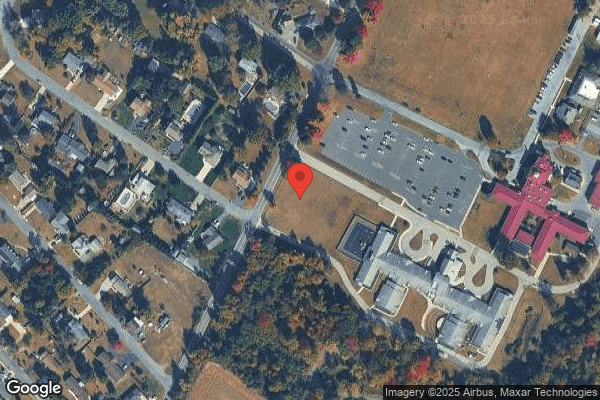
256 COUNTY HOUSE ROAD, CLARKSBORO, NJ 08020 (856) 224-6979
Government - County 60 Beds Independent Data: November 2025
Trust Grade
93/100
#69 of 344 in NJ
Last Inspection: April 2024

Within standard 12-15 month inspection cycle. Federal law requires annual inspections.

Overview

Shady Lane Gloucester County Home in Clarksboro, New Jersey, has received a Trust Grade of A, indicating excellent quality and a highly recommended facility. It ranks #69 out of 344 nursing homes in the state and #3 out of 9 in Gloucester County, placing it in the top half of options available. The facility is improving over time, with reported issues decreasing from four in 2022 to three in 2024. Staffing is a strong point, with a 4/5 star rating and a turnover rate of 26%, which is significantly lower than the state average of 41%. However, the nursing home does have some concerns, including less RN coverage than 87% of New Jersey facilities, which means that fewer registered nurses are on staff to oversee care. Specific incidents noted during inspections include a failure to consistently assess infections and monitor antibiotic use, as well as not reporting an unwitnessed fall that resulted in fractures for a resident. Although these concerns are serious, it is worth noting that the facility has not incurred any fines, indicating no major compliance issues. Overall, while there are some weaknesses, the home demonstrates a commitment to improvement and has many strengths worth considering.

Trust Score
A
93/100
In New Jersey
#69/344
Top 20%
Safety Record
Low Risk
No red flags
Inspections
Getting Better
4 → 3 violations
Staff Stability
✓ Good
26% annual turnover. Excellent stability, 22 points below New Jersey's 48% average. Staff who stay learn residents' needs.
Penalties
✓ Good
No fines on record. Clean compliance history, better than most New Jersey facilities.
Skilled Nurses
○ Average
Each resident gets 32 minutes of Registered Nurse (RN) attention daily — about average for New Jersey. RNs are the most trained staff who monitor for health changes.
Violations
○ Average
8 deficiencies on record. Average for a facility this size. Mostly minor or procedural issues.
★★★★★
5.0
Overall Rating
★★★★☆
4.0
Staff Levels
★★★★★
5.0
Care Quality
★★★★☆
4.0
Inspection Score
Stable
2022: 4 issues
2024: 3 issues

The Good

  • 4-Star Staffing Rating · Above-average nurse staffing levels
  • 5-Star Quality Measures · Strong clinical quality outcomes
  • Low Staff Turnover (26%) · Staff stability means consistent care
  • Full Sprinkler Coverage · Fire safety systems throughout facility
  • No fines on record
  • Staff turnover is low (26%)

    22 points below New Jersey average of 48%

Facility shows strength in staffing levels, quality measures, staff retention, fire safety.

The Bad

No Significant Concerns Identified

This facility shows no red flags. Among New Jersey's 100 nursing homes, only 1% achieve this.

The Ugly 8 deficiencies on record

Apr 2024 3 deficiencies
CONCERN (D)

Potential for Harm - no one hurt, but risky conditions existed

Report Alleged Abuse (Tag F0609)

Could have caused harm · This affected 1 resident

Based on observation, interview, record review, and review of pertinent documentation, it was determined that the facility failed to report to the New Jersey Department of Health (NJDOH) and the State...

Read full inspector narrative →
Based on observation, interview, record review, and review of pertinent documentation, it was determined that the facility failed to report to the New Jersey Department of Health (NJDOH) and the State Ombudsman, an unwitnessed fall which resulted in fractures to multiple right foot metatarsal heads (bones located in the mid-foot). This deficient practice was identified for 1 of 3 residents (Resident #22) reviewed for accidents and was evidenced by the following: A review of the facility provided policy and procedure, Incident and Accident Report/Falls reviewed 03/2024, which included but was not limited to; to accurately record any incident or accident when it occurs in accordance with legal liabilities and state and federal regulations. Procedure 1. Incidents or accidents include but are not limited to . any happening or experience which may be traumatic or inflict bodily injury . witnessed or un-witnessed. 4. Incidents and Accidents are . investigated to see if it is a reportable event. 12. Accidents or incidents that endanger the mental or physical health or safety of the resident in cases of abuse must be reported to . the Ombudsman Office and the NJDOH. Points of Emphasis 1. cases of abuse must be reported to the NJ State Ombudsman's Office and NJDOH . On 04/01/24 at 10:14 AM, the surveyor observed Resident #22 in his/her bed and observed there was a protective boot on the right lower extremity. A review of the facility provided, Accident report regarding Resident #22's incident dated 02/13/24, included but was not limited to; Severity: incident resulted in treatment and temporary harm. Type: fall. Injury Foot. Accident Reason: Not following Care Plan. Contributing Factors: resident sat [her/himself] on the side of the bed when CNA (Certified Nursing Assistant) went to get [name redacted] mechanical lift. When CNA returned, resident was on the floor landing on [his/her] right leg and foot under [his/her] body. Resident stated [he/she] heard their leg snap twice. On 04/02/24 at 11:42 AM, in the presence of two surveyors, the Licensed Nursing Home Administrator (LNHA) and the Director of Nursing (DON) were interviewed. The DON was asked what would a reportable event be considered. The DON gave an example that if staff used a [name redacted] mechanical lift without two staff members, and there was a fall with major injury like a fracture, it would be a reportable because the staff failed to follow the policy. The LNHA stated that the facility would do an investigation and if we determine what happened, that would not be reported. The DON further stated that if staff left a resident room and returned to find the resident on the floor, that would be considered an unwitnessed fall. The LNHA and DON both confirmed that the unwitnessed fall which resulted in multiple fractures of the right foot for Resident #22, was not reported to the NJDOH or Ombudsman. When asked if the facility had a policy specific for the staff to follow regarding reportable events, the LNHA stated no and that the only area regarding reporting an event was in the policy and procedure for Incident and Accident Report/Falls that had been provided. NJAC 8:39-9.4(e), 27.1(a)
CONCERN (D)

Potential for Harm - no one hurt, but risky conditions existed

Deficiency F0761 (Tag F0761)

Could have caused harm · This affected 1 resident

**NOTE- TERMS IN BRACKETS HAVE BEEN EDITED TO PROTECT CONFIDENTIALITY** Based on observation, interview, and review of other facility documentation, it was determined that the facility failed to ensur...

Read full inspector narrative →
**NOTE- TERMS IN BRACKETS HAVE BEEN EDITED TO PROTECT CONFIDENTIALITY** Based on observation, interview, and review of other facility documentation, it was determined that the facility failed to ensure medications were dated upon opening and all medications were secured inside the medication cart. This deficient practice was identified in 1 of 2 medication carts observed and was evidenced by the following: 1. On [DATE] at 7:35 am, the surveyor observed the Licensed Practical Nurse (LPN) in an adjacent hallway. The surveyor approached the LPN and informed her that she would be observed for medication administration. The LPN had a Bingo card of medication in their hands. The LPN placed the Bingo card on top of the medication cart and wheeled the medication cart to the next hallway. On [DATE] at 7:57 AM, the LPN entered Resident #29's room and left the Bingo card on top of the medication cart. The LPN informed the resident that she would be coming with their medications. The LPN went to the bathroom and washed their hands. The Bingo card was left unattended on top of the medication cart. The LPN did not have a line of sight to visualize the medication cart while inside the bathroom. The surveyor remained at the door and observed ancillary staff in the hallway while the Bingo card was on top of the medication cart. The LPN returned to the medication cart, prepared medications for Resident #29, went back to the room and administered the medications. On [DATE] at 08:11 AM, the LPN returned to the medication cart to sign for the medications administered and proceeded with the narcotic count at the surveyor's request. The nurse opened the narcotic book and the first page indicated Tramadol 50 milligrams tablet (medication used to alleviate pain) a specific type of narcotic medicine for Resident #26. The Bingo card was not in the narcotic drawer. The LPN then attempted to pull the Bingo card from underneath the narcotic book on top of the medication cart. The surveyor asked to see the label on the Bingo card. The Bingo card was the missing the Tramadol that was not locked with the other narcotic and had belonged to Resident #26. On [DATE] at 8:25 AM, during an interview with the LPN, she stated that the Tramadol was discontinued and she wanted to remove the medication from the narcotic drawer. The surveyor then inquired regarding the process for the storage of controlled substances. The LPN indicated that all controlled substances should be double locked. A review of the Physician Order Sheet (POS) for Resident #26, revealed that the Tramadol was reordered on [DATE] at 06:15 AM. The order was still active. 2. On [DATE] at 7:40 AM, in the presence of the Licensed Practical Nurse (LPN) the surveyor inspected the low hall medication cart on the Long Term Care unit. The surveyor observed an open Flexpen of Humalog insulin (a medication used to treat high blood sugar) which was delivered from the pharmacy on [DATE]. The Humalog Flexpen was opened and not dated. Also noted was a Lantus Flexpen Insulin which was open and not dated, three other insulin Flexpens were noted with a date on the bag only not the Flexpen. On [DATE] at 7:50 AM, the surveyor interviewed the LPN responsible for the medication cart and asked about the facility's process for dating multidose vial medication. The LPN stated that the Humalog Flexpen and the Lantus Flexpen Insulin should have been dated when opening. According to the manufacturer's recommendations, Humalog and Lantus Insulin should be discarded 28 days after first use. On [DATE] at 12:30 PM, the surveyor reviewed the facility's Administering Oral/ IV Medications/ Insulin's/ Storage of Medications and Treatment Carts with a revision date of 1/2019, revealed that all stock medications are to be dated upon opening. A review of the facility's Medication Management: Skills Evaluation revealed under Medication Administration Technique Medication should be locked when staff are not on the cart. Medications are not left on top of medication cart or residents bedside. Maintains security of scheduled medication under double lock system. On [DATE] at 9:00 AM, the Director of Nursing (DON) provided a revised policy which included that insulin's should be dated with an open and expired date. The DON added that staff were in-serviced. On [DATE] at 09:39 AM, during an interview with the Nurse Educator regarding the insulin, she stated that the staff were to place the date directly on the Insulin Pen not on the bag that contained the insulin. NJAC 8:39-29.4
CONCERN (D)

Potential for Harm - no one hurt, but risky conditions existed

Infection Control (Tag F0880)

Could have caused harm · This affected 1 resident

Based on observation, interview, record review and review of pertinent documents, it was determined that the facility failed to ensure that all staff used appropriate hand hygiene and proper disinfect...

Read full inspector narrative →
Based on observation, interview, record review and review of pertinent documents, it was determined that the facility failed to ensure that all staff used appropriate hand hygiene and proper disinfection while providing wound care to a resident, and were adhered to infection control practices in accordance with facility policy regarding medication administration. This deficient practice was observed for 1 of 1 resident (Resident #15) investigated for Pressure Ulcers/Injury and during the medication administration observation as evidenced by the following: On 04/01/2024 at 9:38 AM, the surveyor observed Resident #15 lying in bed awake and alert. Resident #15 is noted to be on enhanced barrier precautions (EBP). Resident #15 stated that he/she had a bone infection in the left heel that resulted in a left heel wound. Resident #15 also stated that he/she gets dressing changes done daily and goes to the wound doctor every other week. Resident #15 was observed wearing bilateral heel protectors. A review of Resident #15's Electronic Medical Record (EMR) revealed that Resident #15 was admitted to the facility with the following diagnoses including but not limited to: acute osteomyelitis of left ankle and foot (infection in the bone), pressure ulcer of left heel (injury to skin and underlying tissue resulting from prolonged pressure on the skin), and diabetes mellitus type 2 (a disease of inadequate control of blood levels of glucose). A review of Resident #15's Minimum Data Set (MDS), an assessment tool, dated 02/16/2024, revealed that Resident #15 had a Brief Interview for Mental Status score of 9/15, indicating moderately impaired cognition. Section M of the MDS was reviewed and revealed that Resident #15 has a pressure ulcer and was at risk for pressure ulcers. A review of Resident #15's EMR revealed that he/she had the following physician's order Wound cleansing and dressing. Wash your hands with soap and water. Remove old dressing, discard into practice bag and place into trash. Cleanse the wound with normal saline prior to applying a clean dressing using gauze sponges, not tissues or cotton balls. Do not scrub or use excessive force. Pat dry using gauze sponges, not tissue or cotton balls (or vashe wound solution, if available). Protect peri wound skin with 3M no sting barrier wipes. Apply a nickel thick layer of Santyl to wound bed only, then cover with clean dressing. Santyl ointment - apply to wound bed, followed by calcium alginate (cut to size), and lay over opened area after Santyl ointment application. 4 x 4 gauze, abdominal pads times two (well padded), and yard gauze wrap secured using tape. Change dressing every day or as needed for excessive drainage. A review of Resident #15's care plan revealed that he/she had a comprehensive care plan initiated on 01/29/2024 for: Wound Care: L heel wound. Interventions included: Wound treatment as ordered. Weekly wound measurement with documentation. Assess for pain and medicate before wound treatment. Weekly comprehensive skin assessment and documentation. Pressure relieving device in chair and mattress on bed. PT/OT consult as needed. Protect and off load heels. Prevent skin to skin friction by using pillows and padding. Monitor for symptoms of infection such as redness, warmth, drainage, odor at each dressing change. Use positioning devices e.g., pillow or wedges to maintain proper body alignment. Enhanced Barrier Precaution as ordered. On 04/03/2024 at 9:44 AM the surveyor obtained verbal permission from Resident #15 to observe his/her wound care. On the same date at 10:12 AM, the surveyor observed the Licensed Practical Nurse (LPN) begin to perform wound care to the left heel. The LPN performed hand hygiene prior to donning (putting on) gloves at the start of the wound care. The surveyor then observed the LPN doffing (removing) gloves from both hands after removing the old wound dressing and placing it in the trash. At that time, the LPN did not perform hand hygiene. The LPN then donned (applied) a new pair of gloves, cleansed the wound with wound wash, removed both gloves without performing hand hygiene. The LPN then donned a new pair of gloves and applied skin prep to the wound edges. The surveyor then observed the LPN remove the gloves, then donned a new pair of gloves to perform the rest of the wound care treatment without performing hand hygiene. The LPN removed both gloves once the wound care treatment was completed and performed hand hygiene. During the wound care treatment this surveyor observed the LPN cut the prescribed wound dressing with scissors located directly on top of the treatment cart. Prior to the use of the scissors, the LPN did not disinfect the scissors. On the same date at 10:25 AM during an interview with the LPN, the surveyor asked when should you perform hand hygiene during wound care, the LPN said, I would perform hand hygiene before starting the treatment and once I am done with the treatment. The surveyor asked the LPN if hand hygiene should be performed between glove changes. The LPN stated, yes, it should be done but I didn't do it every time. The surveyor asked when providing wound care should the scissors be cleaned prior to using them, the LPN stated, yes, but I did not wipe them before cutting the [name redacted], but I should have. On 04/04/2024 at 9:55 AM, the surveyor asked the Director of Nursing (DON) what were the expectations for staff regarding hand hygiene while performing wound care. The DON said, They should wash their hands before and after the procedure, if they are visibly soiled and in between glove changes. If they remove their gloves, they need to also do hand hygiene with either hand sanitizer or by washing them. The surveyor asked the DON should hand hygiene be done in between glove changes. The DON stated, Yes, they should be cleaned with either hand sanitizer or hand washing. This surveyor then asked the DON, when providing wound care should instruments such as scissors be cleaned prior to use. The DON said, Yes, they must wipe the instruments prior to using them with wipes. On 04/04/2024 at 12:40 PM, a review of the facility policy and procedure for Dressing Change, reviewed on 03/2024, revealed the following under the Policy section: To ensure proper application of treatments. To prevent cross contamination and infection. Under the Procedure section it included the steps of the procedure as follows, 1) Wash hands prior to patient contact or use of ABHS (alcohol-based hand sanitizer) 3) Apply gloves 4) Remove soiled dressing and dispose of it in a plastic bag on treatment cart. 5) Either: a) wash hands, or b) use ABHS 6) [NAME] new gloves after hand washing or use of ABHS 7) Assess wounds for exudates (drainage) before applying treatment. If necessary, clean wound with 4 x 4 dressing and normal saline solution or wound solution. Dispose of dressings in plastic bag. 8) Remove gloves, wash hands or use of ABHS, and apply new gloves. 9) Apply ordered medication 13) All tools ie: bandage scissors that are reusable must be cleaned with antimicrobial wipes prior to placing back in treatment cart and moving to next resident. b. On 4/3/24 at 7:57 AM, the surveyor observed the Licensed Practical Nurse (LPN) administered Fluticasone Propionate nasal spray suspension (a medication used to relieve seasonal and year- round allergies) which was delivered from the pharmacy on 03/24/24. The nasal suspension was observed in a bag and not protected with a cap. The LPN did not wipe the nasal applicator prior to administering the nasal spray. After use, the LPN returned the nasal spray in the bag without cleansing the nasal applicator, and then stored the nasal spray in the medication cart along with other medications. On 04/03/24 at 8:05 AM, the surveyor inquired regarding the missing cap that was not observed when the LPN removed the bottle from the the bag. The LPN stated that the cap had been missing and would not elaborate further. The surveyor asked the LPN if she had received in-service on how to administer nasal spray. The LPN stated that she had not received any in-service regarding how to administer nasal spray but she would read the recommendations on the product box. The surveyor then inquired regarding infection control protocol. The nurse then stated that she should have used a tissue to wipe the nasal applicator before and after administration to prevent the spread of germs. The manufacturer recommendations revealed the nasal applicator should be wiped with a clean tissue after being used and the nasal applicator should be protected with a translucent cap. On 04/08/24 at 9:39 AM, the surveyor interviewed the Registered Nurse Educator regarding the infection control concerns observed during the medication administration. The RN stated that if the cap from the nasal spray had been missing, the LPN should have called the pharmacy and requested another nasal spray to prevent the spread of infection. The RN confirmed that she had not provided in-service to the staff on how to administer nasal spray. A review of the facility's policy titled, Infection Control-Standards Precautions provided by the DON on 04/04/24, indicated that employees will be in-serviced annually on infection control issues, including hand washing and gloves use, standards precautions and epidemiological significant pathogens. N.J.A.C 8:39-19.4(a)
Apr 2022 4 deficiencies
CONCERN (D)

Potential for Harm - no one hurt, but risky conditions existed

Deficiency F0658 (Tag F0658)

Could have caused harm · This affected 1 resident

Based on observation, interview, record review and review of other facility documentation, it was determined that the facility failed to document bimonthly weights per the physician order and in accor...

Read full inspector narrative →
Based on observation, interview, record review and review of other facility documentation, it was determined that the facility failed to document bimonthly weights per the physician order and in accordance with professional standards for 1 of 17 sampled residents (Resident #29). This deficient practice was evidenced by the following: Reference: New Jersey Statutes, Annotated Title 45, Chapter 11. Nursing Board. The Nurse Practice Act for the state of New Jersey states: The practice of nursing as a registered professional nurse is defined as diagnosing and treating human responses to actual or potential physical and emotional health problems, through such services as case finding, health teaching, health counseling and provision of care supportive to or restorative of life and wellbeing, and executing medical regimes as prescribed by a licensed or otherwise legally authorized physician or dentist. Reference: New Jersey Statutes, Annotated Title 45, Chapter 11. Nursing Board. The Nurse Practice Act for the state of New Jersey states: The practice of nursing as a licensed practical nurse is defined as performing tasks and responsibilities within the framework of case finding, reinforcing the patient and family teaching program through health teaching, health counseling and provision of supportive and restorative care, under the direction of a registered nurse or licensed or otherwise legally authorized physician or dentist. During the initial tour of Spruce hallway on 4/1/2022 at 10:53 AM, Resident #29 was observed sitting in his/her wheelchair with bilateral ace wraps on his/her legs. Resident #29 said he/she retains water in their legs. A review of the Resident Face Sheet revealed Resident #29 was admitted to the facility with diagnoses including but not limited to: Chronic Systolic Heart Failure and edema (a condition characterized by an excess of watery fluid collecting in the cavities or tissues of the body). A review of the most recent Minimum Data Set, an assessment tool dated 2/17/2022 revealed a Brief Interview for Mental Status (BIMS) score of 15/15, indicating Resident #29 was cognitively intact. A review of the Physician's Orders with a renewal date of 3/31/2022, revealed the following physician order: Per Cardiovascular Physician check weight every 2 weeks. If weight is above baseline weight of 215.3 by 5 pounds, then call office for additional Lasix (a diuretic medication given to help remove excess fluids from the body) orders. A review of the Resident Medication Administration Record (RMAR) from December 2021 up to and including April 2022 revealed the physician order as indicated above. The RMAR revealed staff initials for completion of the bi-weekly weights but did not include documentation of the actual weights. A review of the documented weights for Resident #29 under the Monitoring section of the Electronic Medical Record (EMR), revealed weight results for 12/14/21, 1/12/22, 2/3/22 and 3/19/22. There were no negative outcomes to Resident #29. During an interview with the surveyor on 4/6/2022 at 9:42 AM, the assigned Certified Nursing Assistant (CNA) revealed that weights are done monthly at the beginning of the month, according to facility policy. We then give the weights to the nurse. She went on to say, The nurse notifies us if we need weekly or daily weights. During an interview with the surveyor on 4/6/2022 at 9:44 AM, the assigned Licensed Practical Nurse (LPN #1) said, The CNA gives the nurse the weight and I record the weight on the monthly weight monitoring sheets for the hall/unit. I give the sheet to the Director of Nursing (DON) after all the weights and reweights are completed. If a resident is on weekly weights, that will come up on the RMAR and we document the weight on the RMAR, and then the weight goes directly into the monitoring section of the EMR. During an interview with the surveyor on 4/6/2022 at 9:55 AM, the DON said This resident (Resident #29) is on weights every 2 weeks per the physician order. The weights need to be documented in the RMAR and will carry into the monitoring section. The DON then pulled up the documentation of the weights on Resident #29's RMARS and confirmed the weights were not documented. The DON then said she will be calling the involved nurse. The DON said she will check the nurses report sheets for January thru March to see if they are documented. At 10:04 AM, the DON confirmed that the only weights under the monitoring section are the monthly weights and could not find the weights for every 2 weeks as ordered for this resident. During a follow up interview on 4/7/2022 at 10:18 AM, with the DON stated, Absolutely, they (nurses) should have made sure the weight went into the medical record. She went on to say, The Bottom line is they (nurses) took a weight and did not put it in the computer. She went on to say, Whether prompted by the EMR or not, the order is on the RMAR. The surveyor reviewed the facility policy titled Weighing Residents with a reviewed date of 10/21. The policy did not include where specific physician ordered weights were to be documented. NJAC 8:39-27.1(a)
CONCERN (D)

Potential for Harm - no one hurt, but risky conditions existed

Respiratory Care (Tag F0695)

Could have caused harm · This affected 1 resident

Based on observation, interview, record review and review of other facility documentation, it was determined that the facility failed to follow their own policy for storage of respiratory equipment. T...

Read full inspector narrative →
Based on observation, interview, record review and review of other facility documentation, it was determined that the facility failed to follow their own policy for storage of respiratory equipment. This deficient practice was identified for 1 of 3 (Resident #33) residents reviewed for respiratory concerns and was evidenced by the following: During a tour of the facility on 4/1/2022 at 10:40 AM, Resident #33 was observed lying in bed. The surveyor observed the nebulizer machine (a nebulizer machine delivers aerosol medication to the person via a mouthpiece and chamber/cup that holds the medication, via tubing that is attached to the machine. It is used to treat respiratory conditions such as COPD, bronchitis, and asthma.) on a cabinet next to the resident's bed. The surveyor observed the tubing and mouthpiece of the nebulizer machine exposed to air and uncovered. At that time the surveyor observed moisture in the chamber of the mouthpiece that was attached to the tubing. On 4/4/2022 at 9:21 AM, the surveyor observed the tubing and mouthpiece of the nebulizer machine exposed to air and uncovered . The surveyor observed moisture in the chamber of the mouthpiece that was attached to the tubing. Resident #33 stated that he/she received their last nebulizer treatment at 8:00 AM. On 04/05/22 at 12:09 PM, the surveyor observed the tubing and mouthpiece of the nebulizer machine exposed to air and uncovered. The surveyor observed moisture in the chamber of the mouthpiece that was attached to the tubing. On 04/06/22 at 10:50 AM, the surveyor observed the tubing and mouthpiece of the nebulizer machine exposed to air and uncovered. The surveyor observed moisture in the chamber of the mouthpiece that was attached to the tubing. When interviewed at that time, Licensed Practical Nurse #2 stated that if a nebulizer machine mouthpiece and chamber is not in use, it should be in a bag and not open to air. A review of the medical record revealed Resident # 33 had diagnoses that included but were not limited; to Chronic Obstructive Pulmonary Disease and asthma. A review of a Physician Order Sheet (POS) revealed a physician's order dated 3/17/22, reflected that Resident # 33 was to receive ipratropium 0.5 milligrams(mg)-albuterol (a medicine that helps opens the airways) 3 mg/3 ml (milliliter) nebulization, inhale 3 milliliters by nebulization route 4 times per day. The POS also included an order dated 3/20/22 to change then label and date neb (nebulizer) tubing every Friday on 11-7 shift and place in plastic bag when not in use. During an interview with the surveyor on 04/06/22 at 01:43 PM, the Unit Manager in the presence of the Director of Nursing (DON) stated the nebulizer mouthpiece should be in a bag. The Unit Manager went on to say that when not in use the nebulizer mouthpiece and chamber should not be stored with moisture in it. During an interview with the surveyor on 04/07/22 at 10:20 AM, the DON stated the nebulizer mouthpiece and chamber should be dry and, in a bag, when not in use. A review of a facility policy titled Oxygen-Changing of Tubing and Filters with a reviewed date of 10/21, reflected that nebulizer tubing is to be placed into plastic bag when not in use. The policy does not include that the chamber should be kept dry. NJAC 8:39-15.1(a)
CONCERN (E)

Potential for Harm - no one hurt, but risky conditions existed

Deficiency F0888 (Tag F0888)

Could have caused harm · This affected multiple residents

**NOTE- TERMS IN BRACKETS HAVE BEEN EDITED TO PROTECT CONFIDENTIALITY** Based on interview, and review of other facility documentation, it was determined that the facility failed to develop and implem...

Read full inspector narrative →
**NOTE- TERMS IN BRACKETS HAVE BEEN EDITED TO PROTECT CONFIDENTIALITY** Based on interview, and review of other facility documentation, it was determined that the facility failed to develop and implement a policy to include contingency plans that address staff who are not fully vaccinated due to an exemption or temporary delay in vaccination, to include implementing additional precautions. This deficient practice was evidenced by the following: During Entrance Conference with the Licensed Nursing Home Administrator (LNHA) and Director of Nursing on 4/1/22, the surveyor requested a copy of the facility policy and procedures regarding staff vaccination for Covid-19. On 4/6/22 at 9:44 AM, the LNHA provided the Surveyor a document titled Infection Control Employee Mantoux Testing, COVID 19 Vaccinations, that included the following vaccination related policies and procedures: COVID 19 Vaccinations are offered through CVS Clinic and Mega Center all staff must be vaccinated and must be able to show proof of CDC Vaccination card. Added booster 2/2022, all staff must be boostered by April 11, 2022, and must show proof of booster on their CDC Vaccination cards prior to April 11, 2022. [NAME] Lane Home will continue to offer booster clinics for all staff. There was no documentation to indicate the facility's contingency plan for staff who were unvaccinated, on temporary delay or who would qualify for an exemption. When the surveyor reiterated the request for a policy that included a vaccination contingency plan as required, the LNHA stated it was in their Outbreak Response Plan. On review of the Outbreak Response Plan, it was found that it did not include a contingency plan for staff that declined the vaccination. On 4/7/22 at 10:35AM, the surveyor met with the LNHA and the Director of Nursing, and they both stated that they are not familiar with the CMS New Staff Vaccination Rule other than Covid-19 administration deadlines. They further stated that they get their information and guidance from the County Department of Health; if an employee asks about exemptions, they refer them to Human Resources. N.J.A.C. 8:39-5.1(a);19.4(a)
CONCERN (F)

Potential for Harm - no one hurt, but risky conditions existed

Antibiotic Stewardship (Tag F0881)

Could have caused harm · This affected most or all residents

Based on interview and review of other pertinent facility documentation, it was determined that the facility failed to 1.) include a standardized infection assessment tool or management algorithm when...

Read full inspector narrative →
Based on interview and review of other pertinent facility documentation, it was determined that the facility failed to 1.) include a standardized infection assessment tool or management algorithm when prescribing antibiotics, 2.) provide evidence of staff education about antibiotic stewardship and 3.) provide evidence of antibiotic monitoring during quarterly reviews. These deficient practices were identified during investigation of the Infection Control Task. The deficient practice was evidenced by the following: 1.) On 4/6/22 at 1:17 PM, during an interview with the surveyor, the Director of Nursing (DON) stated that the facility does not use any standardized criteria for determining infections. The DON further revealed they use their own clinical experience and microbial cultures (method of multiplying microbial organisms in a culture medium under laboratory conditions) to determine true infections. 2.) On 4/6/22 during the same interview with the surveyor, the DON revealed that a lot of time is spent on educating staff on the facility's antibiotic stewardship procedure. During an interview with the surveyor on 4/12/22 at 9:51 AM, the DON said that there was no documented staff education about antibiotic stewardship during the year of 2021. 3.) A review of a document titled, Pharmacy and Therapeutics Meeting (P&T), QAA (Quality Assurance Assessment) and QAPI (Quality Assurance Performance Improvement)-COVID 19, Outbreak Response Plan, Antibiotic Stewardship Quarterly Review dated 7/21/21 did not include any minutes or documentation of discussions about an antibiotic stewardship quarterly review. A review of a document titled, P&T, QAPI and QAA, Satisfaction Surveys, Policy and Procedure for Visitation, Antibiotic Stewardship Quarterly Review dated 1/19/22, did not include any minutes or documentation of discussion about an antibiotic stewardship quarterly review. During a review of the facility policy titled, Antibiotic Stewardship Program with revised date of 4/5/22, revealed under Standard section that the facility will Communicate with nursing staff and prescribing clinicians the facility's expectations about use of antibiotics and the monitoring and enforcement of stewardship policies. The policy further revealed under Policy section that the facility will Track the amount of antibiotic used in the home to review patterns of use and determine the impact of the new stewardship interventions during quarterly review. N.J.A.C. 8:39-19.4(a)
Dec 2019 1 deficiency
CONCERN (D)

Potential for Harm - no one hurt, but risky conditions existed

Accident Prevention (Tag F0689)

Could have caused harm · This affected 1 resident

Based on observation, interview, and record review, it was determined that the facility failed to provide adequate supervision to a resident who had a history of falls. This deficient practice was ide...

Read full inspector narrative →
Based on observation, interview, and record review, it was determined that the facility failed to provide adequate supervision to a resident who had a history of falls. This deficient practice was identified for 1 of 3 residents reviewed for falls (Resident #25) and was evidenced by the following. During the initial tour of the facility on 12/1/19 at 10:50 AM, the surveyor observed Resident #25 sitting in the dayroom with a fall deterrent alarm (a pad alarm the resident was sitting on) that was attached to the resident's wheelchair. The resident's head was down, and he/she did not engage in a conversation when attempted by the surveyor. On 12/2/19 at 8:36 AM, the surveyor observed Resident #25 sitting at a table near the nursing station eating breakfast. The surveyor observed the pad alarm in place. The surveyor reviewed the resident's medical record, which reflected that the resident had diagnoses that included dementia with behavioral disturbances. The 9/17/19 Minimum Data Set, an assessment tool used to facilitate the management of care, identified the resident as extremely cognitively impaired and requiring extensive assistance of one person for toilet use. The surveyor reviewed the nursing care plan and observed a Focus area of at risk for fall and actual fall dated 8/7/19. Interventions included resident to be in staff supervised areas. During a further review of the resident's medical record, the surveyor observed that Resident #25 sustained falls at the facility on 6/3/19, 6/24/19, and 8/7/19. The resident was not injured in any of those falls. The surveyor observed that on 10/12/19, the resident again sustained a fall while in the bathroom. The surveyor reviewed the 10/12/19 Accident investigative report, which was provided to the surveyor by the facility. According to the Accident report, Resident #25 ambulated out of bathroom on own and fell. The Accident report noted under Contributing Factors that Resident was left on toilet unattended and noted under Accident Reason that Not following care plan. The Accident report included Noted hematoma (bruise) to the right forehead. Also noted red area to the right shoulder and small bruise to top of right hand. When interviewed on 12/2/19 at 11:35 AM, the Certified Nursing Assistant (CNA #1), who cared for Resident #25, stated that Resident #25 was confused and dependent on staff for care. CNA #1 said Resident #25 was a fall risk and should be supervised at all times. CNA #1 further stated that she did not have Resident #25 on 10/12/19, but she had reported to the agency CNA (CNA #2) who cared for Resident #25 that day. CNA #1 said she had informed CNA #2 that Resident #25 should not be left unattended in the bathroom. When interviewed on 12/2/19 at 11:45 AM, the Director of Nursing (DON) confirmed that the CNA who cared for Resident #25 on 10/12/19 was an agency CNA and that she had been informed that Resident #25 was not to be left unattended in the bathroom. On 12/3/19 at 9:55 AM, the surveyor interviewed the Licensed Practical Nurse (LPN) who cared for Resident #25 on 10/12/19. The LPN stated she recalled that Resident #25 was getting restless after lunch. The LPN said CNA #2 took the resident to the bathroom and left the resident in the bathroom. The resident attempted to ambulate and fell. The LPN further stated that CNA #2 was informed during morning report that day that Resident #25 should not be left unattended in the bathroom. The LPN also said that she interviewed CNA #2 after the fall, and CNA #2 told her that she thought she could leave the resident alone on the toilet. The LPN said CNA #2 said that she left the resident in the bathroom to answer a call light. The surveyor reviewed an Employee Statement that had been written by the LPN after interviewing CNA #2. The LPN wrote, CNA stated, 'I took the resident to the bathroom because she was restless in her wheelchair after lunch. I took her into the bathroom and put her on the toilet. I came out of the bathroom, leaving the resident on the toilet. I thought I could leave her on the toilet. When I came back, resident had walked out of the bathroom and fell.' (The surveyor attempted to call the agency CNA for an interview. The phone number provided by the facility was incorrect.) During a follow-up meeting with the survey team on 12/4/19 at 9:35 AM, the DON stated: On 10/12/19, the resident should not have been left alone in the bathroom. When asked how long that intervention had been in place, the DON replied, for a while, (the LPN) would know. When interviewed on 12/4/19 at 10:25 AM, the LPN stated the intervention of not leaving the resident alone in the bathroom had been in place since at least September. The facility was unable to provide a policy that was pertinent to supervising a resident. NJAC 8:39-27.1 (a)
Understanding Severity Codes (click to expand)
Life-Threatening (Immediate Jeopardy)
J - Isolated K - Pattern L - Widespread
Actual Harm
G - Isolated H - Pattern I - Widespread
Potential for Harm
D - Isolated E - Pattern F - Widespread
No Harm (Minor)
A - Isolated B - Pattern C - Widespread

Questions to Ask on Your Visit

  • "Can I speak with families of current residents?"
  • "What's your RN coverage like on weekends and overnight?"

Our Honest Assessment

Strengths
  • • Grade A (93/100). Above average facility, better than most options in New Jersey.
  • • No major safety red flags. No abuse findings, life-threatening violations, or SFF status.
  • • No fines on record. Clean compliance history, better than most New Jersey facilities.
  • • 26% annual turnover. Excellent stability, 22 points below New Jersey's 48% average. Staff who stay learn residents' needs.
Concerns
  • • No significant concerns identified. This facility shows no red flags across CMS ratings, staff turnover, or federal penalties.
Bottom line: Generally positive indicators. Standard due diligence and a personal visit recommended.

About This Facility

What is Shady Lane Gloucester Co Home's CMS Rating?

CMS assigns SHADY LANE GLOUCESTER CO HOME an overall rating of 5 out of 5 stars, which is considered much above average nationally. Within New Jersey, this rating places the facility higher than 99% of the state's 100 nursing homes. This rating reflects solid performance across the metrics CMS uses to evaluate nursing home quality.

How is Shady Lane Gloucester Co Home Staffed?

CMS rates SHADY LANE GLOUCESTER CO HOME's staffing level at 4 out of 5 stars, which is above average compared to other nursing homes. Staff turnover is 26%, compared to the New Jersey average of 46%. This relatively stable workforce can support continuity of care.

What Have Inspectors Found at Shady Lane Gloucester Co Home?

State health inspectors documented 8 deficiencies at SHADY LANE GLOUCESTER CO HOME during 2019 to 2024. These included: 8 with potential for harm.

Who Owns and Operates Shady Lane Gloucester Co Home?

SHADY LANE GLOUCESTER CO HOME is owned by a government entity. Government-operated facilities are typically run by state, county, or municipal agencies. The facility operates independently rather than as part of a larger chain. With 60 certified beds and approximately 37 residents (about 62% occupancy), it is a smaller facility located in CLARKSBORO, New Jersey.

How Does Shady Lane Gloucester Co Home Compare to Other New Jersey Nursing Homes?

Compared to the 100 nursing homes in New Jersey, SHADY LANE GLOUCESTER CO HOME's overall rating (5 stars) is above the state average of 3.3, staff turnover (26%) is significantly lower than the state average of 46%, and health inspection rating (4 stars) is above the national benchmark.

What Should Families Ask When Visiting Shady Lane Gloucester Co Home?

Based on this facility's data, families visiting should ask: "Can I visit during a mealtime to observe dining assistance and food quality?" "How do you handle medical emergencies, and what is your hospital transfer rate?" "Can I speak with family members of current residents about their experience?"

Is Shady Lane Gloucester Co Home Safe?

Based on CMS inspection data, SHADY LANE GLOUCESTER CO HOME has a clean safety record: no substantiated abuse findings (meaning no confirmed cases of resident harm), no Immediate Jeopardy citations (the most serious violation level indicating risk of serious injury or death), and is not on the Special Focus Facility watch list (a federal program monitoring the lowest-performing 1% of nursing homes). The facility has a 5-star overall rating and ranks #1 of 100 nursing homes in New Jersey. While no facility is perfect, families should still ask about staff-to-resident ratios and recent inspection results during their visit.

Do Nurses at Shady Lane Gloucester Co Home Stick Around?

Staff at SHADY LANE GLOUCESTER CO HOME tend to stick around. With a turnover rate of 26%, the facility is 20 percentage points below the New Jersey average of 46%. Low turnover is a positive sign. It means caregivers have time to learn each resident's needs, medications, and personal preferences. Consistent staff also notice subtle changes in a resident's condition more quickly. Registered Nurse turnover is also low at 20%, meaning experienced RNs are available to handle complex medical needs.

Was Shady Lane Gloucester Co Home Ever Fined?

SHADY LANE GLOUCESTER CO HOME has no federal fines on record. CMS issues fines when nursing homes fail to meet care standards or don't correct problems found during inspections. The absence of fines suggests the facility has either maintained compliance or corrected any issues before penalties were assessed. This is a positive indicator, though families should still review recent inspection reports for the full picture.

Is Shady Lane Gloucester Co Home on Any Federal Watch List?

SHADY LANE GLOUCESTER CO HOME is not on any federal watch list. The most significant is the Special Focus Facility (SFF) program, which identifies the bottom 1% of nursing homes nationally based on persistent, serious quality problems. Not being on this list means the facility has avoided the pattern of deficiencies that triggers enhanced federal oversight. This is a positive indicator, though families should still review the facility's inspection history directly.