DWELLING PLACE AT ST CLARES
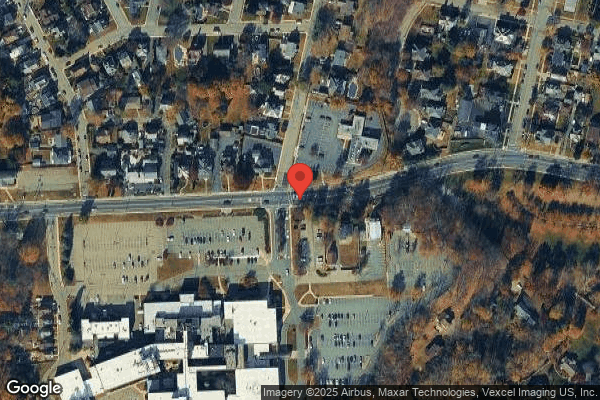
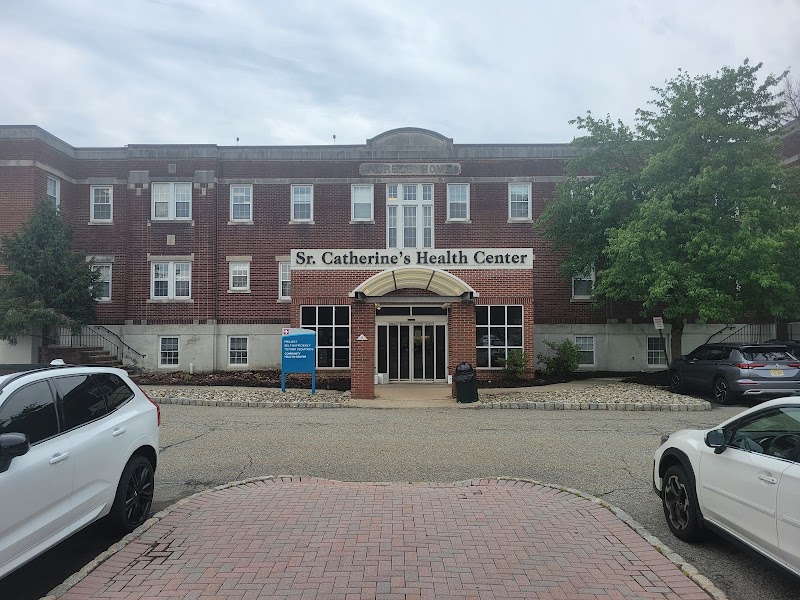
400 WEST BLACKWELL ST, DOVER, NJ 07801 (973) 989-3500
For profit - Corporation 28 Beds PRIME HEALTHCARE Data: November 2025
Trust Grade
95/100
#35 of 344 in NJ
Last Inspection: April 2025

Within standard 12-15 month inspection cycle. Federal law requires annual inspections.

Overview

Dewelling Place at St. Clares has an impressive Trust Grade of A+, indicating it is an elite facility with top-tier care. It ranks #35 out of 344 nursing homes in New Jersey, placing it in the top half, and #2 out of 21 in Morris County, meaning it is one of the best local options available. However, the facility's trend is concerning as the number of reported issues has worsened from 2 in 2023 to 3 in 2025. Staffing is a relative strength, with a 3/5 star rating and a turnover rate of only 20%, significantly lower than the state average, indicating that staff members tend to stay long-term. Notably, there have been no fines, which suggests that the facility maintains good compliance with regulations. On the downside, the inspector found several concerns, including issues with kitchen sanitation practices that could lead to foodborne illnesses. For example, opened food items were not properly labeled, and dust was observed in the kitchen. Additionally, one resident's care plan was not adequately followed regarding wound treatment, which raises concerns about attention to individual care needs. Overall, while the facility has many strengths, families should be aware of these specific areas needing improvement.

Trust Score
A+
95/100
In New Jersey
#35/344
Top 10%
Safety Record
Low Risk
No red flags
Inspections
Getting Worse
2 → 3 violations
Staff Stability
✓ Good
20% annual turnover. Excellent stability, 28 points below New Jersey's 48% average. Staff who stay learn residents' needs.
Penalties
✓ Good
No fines on record. Clean compliance history, better than most New Jersey facilities.
Skilled Nurses
✓ Good
Each resident gets 189 minutes of Registered Nurse (RN) attention daily — more than 97% of New Jersey nursing homes. RNs are the most trained staff who catch health problems before they become serious.
Violations
○ Average
6 deficiencies on record. Average for a facility this size. Mostly minor or procedural issues.
★★★★★
5.0
Overall Rating
★★★☆☆
3.0
Staff Levels
★★★★★
5.0
Care Quality
★★★★☆
4.0
Inspection Score
Stable
2023: 2 issues
2025: 3 issues

The Good

  • 5-Star Quality Measures · Strong clinical quality outcomes
  • Low Staff Turnover (20%) · Staff stability means consistent care
  • Full Sprinkler Coverage · Fire safety systems throughout facility
  • No fines on record
  • Staff turnover is low (20%)

    28 points below New Jersey average of 48%

Facility shows strength in quality measures, staff retention, fire safety.

The Bad

Chain: PRIME HEALTHCARE

Part of a multi-facility chain

Ask about local staffing decisions and management

The Ugly 6 deficiencies on record

Apr 2025 3 deficiencies
CONCERN (D)

Potential for Harm - no one hurt, but risky conditions existed

Pharmacy Services (Tag F0755)

Could have caused harm · This affected 1 resident

**NOTE- TERMS IN BRACKETS HAVE BEEN EDITED TO PROTECT CONFIDENTIALITY** Based on observation, interview, and record review, it was determined that the facility failed to ensure that a medication was a...

Read full inspector narrative →
**NOTE- TERMS IN BRACKETS HAVE BEEN EDITED TO PROTECT CONFIDENTIALITY** Based on observation, interview, and record review, it was determined that the facility failed to ensure that a medication was administered according to the physician orders (PO) and acceptable standards of practice in accordance with the New Jersey Board of Nursing. This deficient practice was identified in 1 (one) of 5 (five) residents (Resident #19) observed during the medication observation pass. The deficient practice was evidenced by the following: Reference: New Jersey Statutes Annotated, Title 45. Chapter 11. Nursing Board. The Nurse Practice Act for the State of New Jersey states: The practice of nursing as a registered professional nurse is defined as diagnosing and treating human responses to actual and potential physical and emotional health problems, through such services as case-finding, health teaching, health counseling, and provision of care supportive to or restorative of life and wellbeing, and executing medical regimens as prescribed by a licensed or otherwise legally authorized physician or dentist. Reference: New Jersey Statutes Annotated, Title 45, Chapter 11. Nursing Board. The Nurse Practice Act for the State of New Jersey states: The practice of nursing as a licensed practical nurse is defined as performing tasks and responsibilities within the framework of case finding; reinforcing the patient and family teaching program through health teaching, health counseling, and provision of supportive and restorative care, under the direction of a registered nurse or licensed or otherwise legally authorized physician or dentist. On 4/8/25 at 8:30 AM, during the medication administration observation, the surveyor observed the Registered Nurse (RN#1) in the room of Resident #19. The surveyor observed RN #1 checking the resident's identification bracelet and informed Resident #19 that she would be administering the resident's medications. On 04/08/25 at 8:35 AM, the surveyor observed RN #1 preparing to administer seven (7) medications to Resident #19 which included the following, Acidophilus capsule (supplement), Norvasc 5 mg tablet (blood pressure), Apixaban 5 mg (blood thinner), Lexapro 10 mg ( antidepressant), Pepcid 20 mg (medication for the stomach), Metoprolol 50 mg (blood pressure) and Riluzole 50 mg (medication to treat amyotrophic lateral sclerosis, Lou Gehrigsdisease). The surveyor observed RN#1 prepared all the medications for percutaneous endoscopic gastrostomy tube (PEG-tube) administration. At that time, RN#1 told the surveyor that Riluzole had to be administered on an empty stomach and that she stopped the resident's feeding at 7:30 AM. The surveyor then observed RN#1 administered all the medication via PEG-tube to Resident #19. A review of the admission Record (an admission summary) reflected that the resident was admitted to the facility with diagnoses that included but not limited to amyotrophic lateral sclerosis (ALS) (nervous system disease that affects nerve cells in the brain and spinal cord), hypertension (a condition in which the force of the blood against the artery walls is too high), and chronic respiratory failure (a long-term condition where the lungs cannot adequately exchange oxygen and carbon dioxide, leading to low oxygen levels and/or high carbon dioxide levels in the blood). A review of the Quarterly Minimum Data Set, an assessment tool used to facilitate the management of care, dated 1/13/25, reflected that the resident's cognitive skills for daily decision-making score was 15 out of 15, which indicated that the resident's cognition was cognitively intact. A review of the April 2025 Order Summary Report (OSR) revealed a Physician's Order (PO) dated 1/16/25, for Riluzole oral tablet 50 mg (Riluzole) give 1 tablet via PEG-tube two times a day for Lou Gehrigsdisease (ALS) administered on empty stomach. Hold feeding 2 hours before and resume feeding 1 hour after medication administration. A review of the April 2025 OSR revealed a PO dated 3/20/25 for Osmolite 1.2 Cal oral liquid (nutritional supplement) give 70 ml (milliliters)/hr (hour) via PEG-tube every shift for nutrition Osmolite 1.2 @ 70 ml/hr for a total daily volume of 1120 ml. Up at 11:00 PM and down at 7:00 AM until 560 ml has infused. Up at 11:00 AM and down at 7:00 PM until 560 ml has infused to meet total daily volume. A review of the April 2025 electronic Medication Administration Record (eMAR) revealed an order dated 01/16/25, for Riluzole oral tablet 50 mg give 1 tablet via PEG-tube two times a day for [NAME] disease (ALS) administered on empty stomach. Hold feeding 2 hours and resume feeding 1 hour after medication administration. On 4/8/25 at 11:45 AM, the surveyor in the presence of RN#1 reviewed Resident #19's physician's orders. RN#1 acknowledge that the resident had an order to administer Riluzole on an empty stomach and that the medication should be administered 2 hours after the feeding was stopped. RN#1 stated that she should have administered the medication 2 hours after the feeding was stopped. On 4/9/245 at 1:30 PM, the surveyor discussed the above concern with the Licensed Nursing Home Administrator (LNHA). There was no additional information provided. A review of the facility's policy Medication Management Manuel with a revised date of 5/30/24 revealed the following: 3. Ensure that the six rights of medication administration are followed: a. Right Resident b. Right drug c. Right dosage d. Right route e. Right time f. Right documentation NJAC 8:39-11.2 (b), 29.2 (d)
CONCERN (E)

Potential for Harm - no one hurt, but risky conditions existed

Infection Control (Tag F0880)

Could have caused harm · This affected multiple residents

**NOTE- TERMS IN BRACKETS HAVE BEEN EDITED TO PROTECT CONFIDENTIALITY** c). On 4/6/25 at 10:38 am, the surveyor observed Resident #17 in bed watching television. A review of the Resident Face Sheet, R...

Read full inspector narrative →
**NOTE- TERMS IN BRACKETS HAVE BEEN EDITED TO PROTECT CONFIDENTIALITY** c). On 4/6/25 at 10:38 am, the surveyor observed Resident #17 in bed watching television. A review of the Resident Face Sheet, Resident #17 was admitted to the facility on [DATE] with diagnoses that included acute respiratory failure with hypoxia, tracheostomy, pressure induced deep tissue damage of the sacral region and pressure ulcer of the right buttock. A review of Resident #17's Quarterly Minimum Data Set (MDS), an assessment tool dated 3/30/25, revealed that the resident's Brief Interview for Mental Status (BIMS) score of 15 out of 15 indicated that the resident was cognitively intact. Further review revealed the resident required total dependency for activities of daily living (ADL) and review of the skin portion of the MDS indicated that the resident had moisture associated skin damage. A review of the Physician's Order Summary Sheet revealed an order dated 1/22/25 to cleanse the sacral wound with wound cleanser, pat dry, apply a zinc oxide topical cream to the sacral wound and cover with a large foam dressing and to change daily and when needed. A further review revealed an order to cleanse upper right buttock with wound cleanser, apply silver alginate to wound bed, apply a zinc based hydrophilic wound paste to peri wound then cover with a foam dressing and to change daily. On 4/9/25 at 10:49 am, the surveyor observed the Registered Nurse (RN) perform a wound care treatment on Resident #17 and observed the following: The RN donned a plastic gown, and gloves then removed the old dressing form the right buttock area. Then without removing her gloves and performing hand hygiene, she used the cleansing spray and then cleansed the wound area with 4x4 gauze pads, then dried the area with more 4x4 gauze pads. The RN then removed the alginate packing from the package with the same gloves and then placed the packing back down then removed her gloves and used hand sanitizer. The RN then donned a pair of gloves and placed the packing on the wound, applied the zinc oxide cream with a tongue depressor, and then covered the wound with a foam dressing without changing her gloves. The nurse then performed wound care on the sacral area where she donned gloves and gown removed the open dressing, then used wound cleanser and 4x4 gauze pads to clean and dry the wound without changing her gloves and preforming hand hygiene. The RN applied the zinc oxide cream with a tongue depressor the applied the foam dressing with the same gloved hands. During an interview with the surveyor on 4/9/25 after the wound treatment was completed, the RN stated that she should have changed her gloves and used ABHR during the wound treatment after touching the old dressing and after touching the wound bed. On 4/9/25 at 1:39 pm, the surveyor informed the Licensed Nursing Home Administrator (LNHA) of the wound observation. On 4/10/25 at 10:10, the surveyor met with the LNHA who stated that for infection control for the wound care is a standard of practice and would not rebuttal the observation. The surveyor reviewed the facility's policy and procedure titled, Clean Dressing Change, with an approval date of 4/7/25, which revealed after removing existing dressing gloves should be removed and hand hygiene should be performed. After cleansing the wound as ordered removed gloves and preform hand hygiene then put clean gloves on, then apply topical ointments or creams and dressing as ordered. NJAC 8:39 - 19.1 NJAC 8:39-19.4(a) Based on observation, interview, and record review, it was determined that the facility failed to follow appropriate infection control practices for a.) storing linens observed in the laundry room, b.) tracheostomy (an opening to the neck into the trachea (windpipe) to facilitate breathing) care for 1 (one) of 12 residents (Resident #23), and c.) when performing a wound care treatment for 1 of 1 resident (Resident #17) performed by 1 nurse observed providing a wound care treatment. This deficient practice was evidenced by the following: a). On 4/8/25 at 10:45 AM, the surveyor and the Housekeeping Director (HD) observed the laundry room; the surveyor observed that there were 2 bins of clean linen in the hallway that were not covered. The HD stated that the housekeeping staff should be working on those clean linens, which is why they are not covered. The HD stated that the clean linen should be covered with plastic because it was exposed to the staff passing by the hallway area near the loading dock. b). On 4/6/25 at 10:15 AM, the surveyor observed Resident #23 lying in bed, alert and awake, with a tracheostomy tube attached to the ventilator machine (a device that supports breathing). On 4/6/25 at 12:42 PM, the surveyor reviewed the electronic Health Record (eHR)/ hybrid medical record (paper and electronic) of Resident #23, which revealed the following: A review of the admission Record (an admission summary) (AR) reflected that Resident #23 was admitted with diagnoses that included but were not limited to, acute and chronic respiratory failure (impairment of oxygen between the lungs and the blood) with hypoxia (low level of oxygen). A review of the quarterly Minimum Data Set (Q/MDS), (an assessment tool used to facilitate the management of care) dated 2/3/25 indicated that the facility assessed the residents' cognitive status using a Brief Interview for Mental Status (BIMS) score of 0 out of 15, which indicated that the resident had a severe impairment cognition. Further review is reflected in Section O - Special Treatments, Procedures, and Programs - tracheostomy care while a resident. On 4/8/25 at 10:00 AM, the surveyor observed the Respiratory Therapist (RT) performing tracheostomy care. RT went inside the room wearing the apron, put on the gloves, took the heel protectors from the floor, removed the gloves, used hand sanitizer, and put on the gloves. RT #1 opened the sterile 4x4 size gauze and put it on top of the vent monitor table; the sterile 4x4 gauze touched the monitor screen. RT removed the soiled trach collar from the resident, took the sterile gauze from the top of the monitor, and wiped the neck stoma (surgical opening) using the gauze. The RT #1 removed the gloves, used hand sanitizer, took another sterile gauze, and then put it on the resident neck stoma. After putting in the gauze, RT #1 suctioned the resident, touched the vent monitor, then suctioned, touched the vent monitor again, turned off the lights, removed the gloves, and performed the handwashing. On 4/8/25 at 10:23 AM, the surveyor interviewed RT regarding the concern above. RT #1 stated that she should remove the gloves and other PPE (Personal Protective Equipment), before turning off the lights. She said she should not touch the screen wearing the same gloves between suctions. She stated that she could not recall when she had the competency test for trach care. On 4/9/25 at 9:51 AM, the surveyor interviewed the RT Manager (RT/M) and RT Supervisor (RT/S). The RT/M stated that when the RT was hired, they would provide an in-service regarding tracheostomy care, but there was no other competency after that. On 4/9/25 at 9:35 AM, the surveyor interviewed the Infection Preventionist (IP) regarding the above concern but did not provide further information. On 4/10/25 at 12:05 PM, the surveyor met with the Licensed Nursing Home Administrator regarding the above concern but did not provide further information. A review of the policy titled Subject: Linen Collection and Distribution with a reviewed date of 5/7/24 under Procedure: Clean Linen Distribution: 2. Clean linen must be covered for transport to the units. A review of the policy titled Subject: Tracheostomy Care with a revised date of 12/14/24 under Procedure: To reduce the risk of infection, tracheostomy care is performed using sterile technique. 13. Discard supplies, remove PPE, and perform hand hygiene.
CONCERN (F)

Potential for Harm - no one hurt, but risky conditions existed

Food Safety (Tag F0812)

Could have caused harm · This affected most or all residents

**NOTE- TERMS IN BRACKETS HAVE BEEN EDITED TO PROTECT CONFIDENTIALITY** Based on observation, interview, and review of facility policies, it was determined that the facility failed to maintain proper ...

Read full inspector narrative →
**NOTE- TERMS IN BRACKETS HAVE BEEN EDITED TO PROTECT CONFIDENTIALITY** Based on observation, interview, and review of facility policies, it was determined that the facility failed to maintain proper kitchen sanitation practices in a manner to prevent food borne illness. This deficient practice was observed and evidenced by the following: On 4/6/25 at 9:36 AM, the surveyor in the presence of the Food Service Director (FSD) observed the following during the kitchen tour: 1. In the Nourishment supply standing two door refrigerator, the surveyor observed a 46 ounce (oz) Thickened Orange Juice bottle and a 16 oz bottle water, both bottles had been opened and were missing open and use by labels. The FSD stated all items should have a open and use by label once opened, both items were discarded. 2. In the walk-in freezer, the surveyor observed fans with a greyish dust-like debris, one opened package of frozen pizza and one opened package of gluten free bread. The pizza and bread were both missing open and use by labels. The FSD stated they would alert the maintenance department to have the fans cleaned. 3. In the dairy walk-in refrigerator, the surveyor observed the fans with a greyish dust-like debris. 4. In the sandwich preparation area, the surveyor observed three open bags bread: one rye, one wheat, and one white bread; all observed without open and use-by labels. 5. In walk-in refrigerator next to the sandwich preparation area, was observed with fans that had a greyish dust-like debris. 6. In the CP-1 standing refrigerator, the surveyor observed an opened bag of Uni brand gluten free bread with a use by date of 2/14/25 and 2, 2oz cups with white grated cheese-like substance that was not labeled. The FSD stated all items should be discarded by the use by date. All items were discarded by the FSD. 7. In the Chef preparatory area, the surveyor observed a can opener with sticky purple debris and a sticky blackish substance on the can opener holder. The surveyor also observed an opened 1-gallon container of [NAME] cooking wine that had a use by date of 5/12/24. The FSD stated called equipment should be cleaned after each use. 8. In the spice shelf storage area, the surveyor observed a 28oz lemon pepper, 11oz dill weed, 11oz rosemary, 11oz thyme, and 11oz smoked paprika all opened and without open or use by labels. 9. In the cooking area, the surveyor observed a two-door standing oven, the top area of the oven was observed with a blackish sticky substance. On 4/7/25 at 9:30 AM, the Licensed Nursing Home Administrator (LHNA) provided the surveyor with two facility polices: Food Storage and Infection Control Guidelines/Hand hygiene for Food and Nutrition Services both with a revised date of 3/1/2022. Under the procedure section of the food storage policy it states, All unlabeled containers or cans will be removed .If there is any question about a product's storage or expiration, discard the product. Under the procedure section of the infection control guidelines it states, Storage areas will be inspected daily by the Food and Nutrition Services Manager .All equipment will be cleaned thoroughly after each use .Refrigeration, all units will be kept clean and in sanitary condition through regular cleaning. On 4/10/25 at 11:00 AM, the surveyor met with the LNHA for the exit conference. No further information provided by the facility staff. NJAC 8:39-17.2(g)
Nov 2023 2 deficiencies
CONCERN (D)

Potential for Harm - no one hurt, but risky conditions existed

Deficiency F0658 (Tag F0658)

Could have caused harm · This affected 1 resident

**NOTE- TERMS IN BRACKETS HAVE BEEN EDITED TO PROTECT CONFIDENTIALITY** Based on observation, interview, and record review, it was determined that the facility failed to follow a physician's order (PO...

Read full inspector narrative →
**NOTE- TERMS IN BRACKETS HAVE BEEN EDITED TO PROTECT CONFIDENTIALITY** Based on observation, interview, and record review, it was determined that the facility failed to follow a physician's order (PO) for the application of a device for 1 of 4 residents reviewed for the use of devices, Resident #24. This deficient practice was evidenced by the following: Reference: New Jersey Statutes Annotated, Title 45, Chapter 11. Nursing Board. The Nurse Practice Act for the State of New Jersey states: The practice of nursing as a licensed practical nurse is defined as performing tasks and responsibilities within the framework of case finding; reinforcing the patient and family teaching program through health teaching, health counseling and provision of supportive and restorative care, under the direction of a registered nurse or licensed or otherwise legally authorized physician or dentist. On 11/15/23 at 10:07 AM, the surveyor interviewed Resident #24 in their room. The resident expressed themselves through nodding to yes/no questions and expressed that they had pain to both knees. A review of the resident's Face Sheet (FS) (A one-page summary of important information about a patient) reflected that Resident #24 was initially admitted to the facility on [DATE] with diagnoses that included but were not limited to Acute Respiratory Failure, Type 2 Diabetes Mellitus without Complications, Tracheostomy and Muscle Weakness. A review of the Quarterly Minimum Data Set (QMDS), an assessment tool used to facilitate care management dated 10/16/2023, indicated a Brief Interview for Mental Status (BIMS) score of 15 out of 15, which indicated that the resident's cognition was intact. A review of Resident #24's electronic medical record (e-MAR) revealed a PO with an order and start date of 10/18/23 for Arthritis off loader brace for right knee Dx: OA (Osteoarthritis) right knee. On 11/17/23 at 10:45 AM, the surveyor interviewed the Certified Nursing Assistant (CNA #1). CNA #1 stated that she routinely cares for Resident #24. CNA #1 stated that she has never seen or applied a knee brace to Resident #24. On 11/20/23 at 11:44 AM, the surveyor conducted a phone interview with Resident #24's Physiatry (MD #1). MD #1 stated that he ordered the right knee brace in the e-MAR following an assessment of Resident #24 on 10/18/23. MD #1 informed the surveyor that on 11/17/23 he became aware that the the knee brace had not been ordered by the facility staff. MD #1 further that at that point, he made sure to order the brace for Resident #24. MD #1 explained that the lapse in time for Resident #24 wearing the knee brace did not create any further issues for the resident. On 11/21/23 at 1:56 PM, the surveyor team met with the Director of Nursing (DON) and Licensed Nursing Home Administrator (LNHA). The DON explained that MD #1 entered the knee brace order incorrectly, so the order did not populate into the e-MAR, Treatment Administration Record (TAR) or the Medical Administration Record (MAR) and that is why the order was not carried out by the staff. No further information provided. NJAC 8:39-19.4 (a) (1)
CONCERN (E)

Potential for Harm - no one hurt, but risky conditions existed

Tube Feeding (Tag F0693)

Could have caused harm · This affected multiple residents

**NOTE- TERMS IN BRACKETS HAVE BEEN EDITED TO PROTECT CONFIDENTIALITY** 10. On 11/16/23 at 9:34 AM, the surveyor observed Resident #12 lying in bed with eyes closed and the head of bed elevated. The r...

Read full inspector narrative →
**NOTE- TERMS IN BRACKETS HAVE BEEN EDITED TO PROTECT CONFIDENTIALITY** 10. On 11/16/23 at 9:34 AM, the surveyor observed Resident #12 lying in bed with eyes closed and the head of bed elevated. The resident was receiving an enteral feeding (a way of delivering nutrition directly to the stomach or small intestine) which was running at 40 ml/hr. on the feeding pump. A review of the electronic medical record of Resident #12 revealed the following: According to the AR, Resident #12 was admitted with diagnoses that included but were not limited to, Chronic Respiratory Failure with hypoxia [low levels of oxygen in your body tissue], Chronic Obstructive Pulmonary Disease (COPD), tracheostomy (a surgical opening in the windpipe to place a tube to allow air to enter the lungs), ventilator (machine to support breathing), and gastrostomy (a surgical opening into the stomach to insert a tube to provide nutrition). An Annual Minimum Data Set (MDS) assessment, a tool used to facilitate management of care, dated 10/4/23, indicated in Section B, Resident #12 was in a persistent vegetative state/no discernible consciousness. In Section K, Resident #12 was coded as receiving nutrition through a feeding tube while a resident. A physician's order dated 7/15/23 read: Enteral Feed Order two times a day for Monitoring CONTINOUS FEEDING: On Jevity 1.2 @ 40ml/hr. Record Intake q shift. Flush H2O = 120 ml q 6 hrs. According to the order the resident was to receive a total volume of 960 ml daily. A review of the November 2023 eMAR from 11/1/23 to 11/19/23 revealed for 16 out of 19 days Resident #12 did not receive the total volume of nutrition ordered by the physician. The calculations of each day presented that each day Resident #5 received less than the total volume ordered. A review of Resident #12's weight history did not present any significant weight loss. 11. On 11/15/23 at 10:41 AM, the surveyor observed Resident #20 lying in bed with the head of bed elevated. Resident #20 was alert, non-verbal, and able to communicate with gestures. The resident was receiving an enteral feeding which was running at 60 ml/hr. on the feeding pump. A review of the electronic medical record of Resident #20 revealed the following: According to the AR, Resident #20 was admitted with diagnoses that included but were not limited to, Acute Respiratory Failure with hypoxia, Guillain-Barre Syndrome (a condition in which the immune system attacks the nerves), tracheostomy, ventilator, and gastrostomy. A QMDS assessment, dated 10/1/23, indicated the facility assessed the resident's cognition using a Brief Interview Mental Status (BIMS) test. Resident #20 scored a 14 out of 15, which indicated the resident was cognitively intact. In Section K, Resident #20 was documented as receiving nutrition through a feeding tube while a resident. A physician's order dated 7/15/23 read: Enteral Feed Order two times a day for Monitoring Increase rate of Glucerna 1.2 to new goal of 60ml/hr. Water flush of 250ml q 6h. According to the order the resident was to receive a total volume of 1440 ml daily. A review of the November 2023 eMAR from 11/1/23 to 11/19/23 revealed that 18 out of 19 days Resident #20 did not receive the total volume of nutrition ordered by the physician. The calculations of each day presented that each day Resident #20 received less than the total volume ordered. A review of Resident #20's weight history did not present any significant weight loss. 12. On 11/15/23 at 10:15 AM, the surveyor observed Resident #21 lying in bed with the head of bed elevated. Resident #21 was alert, non-verbal, and able to communicate with gestures. The resident was receiving an enteral feeding which was running at 75 ml/hr. on the feeding pump. A review of the electronic medical record of Resident #21 revealed the following: According to the admission Record (an admission summary), Resident #21 was admitted with diagnoses that included but were not limited to, Chronic Respiratory Failure, Amyotrophic lateral sclerosis (a nervous system disease that weakens muscles and impacts physical function), tracheostomy, ventilator, and gastrostomy. A QMDS assessment, dated 10/15/23, indicated the facility assessed the resident's cognition using a Brief Interview Mental Status (BIMS) test. Resident #21 scored a 15 out of 15, which indicated the resident was cognitively intact. In Section K of the QMS, Resident #21 was coded as receiving nutrition through a feeding tube while a resident. Review of the resident's ePO dated 10/28/23 read: Enteral Feed . two times a day Osmolite1.5 x16 hours per day for a total of 1200cc. Feeding down at 7AM and up at 11AM; down at 7PM and up at 11PM. Continue 200 ml water flush q 4h. The feeding rate was not indicated in the order. This physician order was discontinued on 11/4/23. A physician's order dated 11/4/23 read: Enteral Feed Order two times a day for Monitoring Osmolite 1.5 x16 hours per day for a total of 1200cc. Feeding down at 7AM and up at 11AM; down at 7PM and up at 11PM. Continue 200ml water flush q 4h. The feeding rate was not indicated in the order. According to the physician's orders the resident was to receive a total volume of 1200 ml daily. A review of the November 2023 eMAR from 11/1/23 to 11/19/23 revealed that 15 out of 19 days, Resident #21 did not receive the total volume of nutrition ordered by the physician. The calculations of each day presented that each day Resident #21 received less than the total volume ordered. A review of Resident #21's weight history did not present any significant weight loss. On 11/20/23 at 11:07 AM, the surveyor interviewed Registered Nurse #2 (RN #2) about the documentation of a resident's enteral feeding intake. RN#2 stated the physician's order would be reviewed for the feeding rate and the total volume that would be administered to the resident. RN#2 further explained at the end of the shift the feeding machine was checked for the total volume the resident received during the shift and would be documented in the resident's MAR. The total volume the resident received would be cleared on the machine for the next shift. RN #2 acknowledged it would be expected for the total volume ordered by the physician to be administered to the resident. The surveyor reviewed the facility provided policy titled Feeding Tube Protocol, Care of the Patient, with a revised date of 11/2023. Under Protocol, B. Assessment/Monitoring it read: 1. Assess/monitor and document the following at least every 8 hrs. [hours] .b. Monitor intake and output, including flushes . Under Documentation, it read: 1. Documentation: Type, rate, and amount of feeding/medication .I & O [Intake and Output] . NJAC 8:39-25.2(c)2; 27.1 (a) Based on observation, interview, and record review, it was determined that the facility failed to monitor enteral tube feeding administration to assure the total volume administered was in accordance with physician's orders. This deficient practice was identified for 12 of 12 residents reviewed for enteral tube feeding, Resident #24, #2, #19, #5, #7, #13, #16, #1, #9, #12, #20 and #21. This deficient practice was evidenced by the following: 1. On 11/15/23 at 10:07 AM, the surveyor observed Resident #24 in bed watching television. The surveyor noted Resident #24 had an ongoing tube feeding (Enteral nutrition or tube feeding (TF), a way of delivering nutrition directly to your stomach or small intestine) in the process of receiving a water flush at 100 milliliter per hour (ml/hr.) set on the pump. The surveyor noted that there was a 1000 ml bottle of Glucerna 1.5 hanging on the IV pole, next to the resident but not currently running. On 11/20/23 at 10:39 AM, the surveyor interviewed the facility Registered Dietician (RD) who explained that she checks the resident's feed order frequently and checks that the pump is set at the correct rate. The RD explained that the total volume required for each resident is calculated by the hourly rate (ml/hr.) multiplied by the number of hours ordered for the feed. The RD further explained that if the physician's order is continuous, that would be calculated as a 24 hr. period. On 11/20/23 at 12:36 PM, the surveyor interviewed the Director of Nursing (DON) who stated that every nursing shift documents the total volume administered of feed for that shift. The nurse will zero out the reading on the pump at the end of their shift. The DON explained that in order to calculate the total volume administered to a resident for the day, you would have to add up the totals for each shift on that day. The surveyor reviewed the electronic medical record (e-MAR) for Resident #24 and found the following: A review of the resident's admission Record (AR) (an admission summary, one-page summary of important information about a patient) reflected that Resident #24 was initially admitted to the facility on [DATE] with diagnoses that included Acute Respiratory Failure, Type 2 Diabetes Mellitus without Complications, Tracheostomy and Muscle Weakness. A review of the admission Minimum Data Set (MDS), an assessment tool used to facilitate care management dated 9/15/2023, revealed under Section C-Cognitive Patterns, a Brief Interview for Mental Status (BIMS) scored at 15, which indicated that the resident was cognitively intact. Review of Section K Swallowing/Nutrition of the admission MDS, dated [DATE] documented the Resident #24 has a feeding tube. Review of the November 2023 ePO, revealed an order with a start date of 9/15/23 for Enteral Feed Order two time a day for monitoring Glucerna 1.5 @75ml/hr x 16 hours; up at 5PM and down 9AM. This would calculate to a total volume of 1200 ml for the day. Review of the documentation on the November electronic eMAR from 11/1/23 to 11/17/23, revealed that 9 out of 17 days, Resident #24 did not receive the total volume of nutrition ordered by the physician. The total calculations of the shifts for each day presented that Resident #24 received less than the total volume ordered. Review of Resident #24's weight history did not present any weight loss. 2. On 11/15/23 at 10:14 AM. the surveyor observed Resident #2 in bed with eyes closed. The surveyor noted Resident #2 was in the process of receiving their feed of Jevity 1.2 running at 70 ml/hr. (set on the pump). The surveyor reviewed the November 2023 eMAR for Resident #2 and found the following: Review of the AR for Resident #2 was admitted to the facility on [DATE] with diagnoses that included Chronic Respiratory Failure with Hypercapnia, Parkinson's Disease, Epilepsy and Tracheostomy Status. Review of Resident #2's Quarterly MDS dated [DATE] revealed that Section C-Cognitive Patterns could not be completed as Resident #2 could not respond to any of the questions. Resident #2 was documented as having a severely impaired cognition. Review of section K Swallowing/Nutrition of the Quarterly MDS, dated [DATE] documented that Resident #2 has a feeding tube. Review of the November 2023 ePO revealed an order for Jevity 1.2 @ 70 ml/hr. x 18 hrs. or until Total Volume infused = 1260 ml. with a start date of 7/15/23 and a revision date of 7/16/23. Total volume to be administered of 1260 ml for the day. Review of the November 2023 eMAR, documented from 11/1/23 to 11/19/23 revealed that 17 of 19 days, Resident #2 did not receive the total volume of nutrition ordered by the physician. The calculations of each day presented that each day Resident #2 received less than the total volume ordered. Review of Resident #2's weight history did not present any weight loss. 3. On 11/15/23 at 10:25 AM, the surveyor observed Resident #19 in bed with eyes closed. The surveyor noted that Resident #19 was in the process of receiving their feed of Vital 1.2 running at 65 ml/hr. (set on the pump). The surveyor reviewed the electronic medical record for Resident #19 and found the following: Review of the AR for Resident #19 was admitted to the facility on [DATE] with diagnoses that included but were not limited to Chronic Respiratory Failure with hypoxia, Tracheostomy Status, Anemia, and Persistent Vegetative State. Review of Resident #19's Quarterly MDS, dated [DATE] revealed that Section C-Cognitive Patterns could not be completed as Resident #19 could not respond to any of the questions. Resident #19 was documented as having a severely impaired cognition. Review of section K Swallowing/Nutrition of the Quarterly MDS, dated [DATE] documented that Resident #19 has a feeding tube. Review of the November 2023 ePO revealed an order for Vital AF 1.2 infused at 65 ml/hr. with a start date of 7/15/23. This would compute a total volume to be administered of 1560 ml for the day. Review of the November 2023 eMAR, documented from 11/1/23 to 11/19/23 revealed that 19 of 19 days, Resident #19 did not receive the total volume of nutrition ordered by the physician. The calculations of each day presented that each day Resident #19 received less than the total volume ordered. Review of Resident #19's weight history did not present any weight loss. 7. On 11/15/23 at 10:32 AM, the surveyor observed Resident #16 in bed with eyes open wearing eyeglasses. The surveyor further observed that the resident had a tracheostomy tube (a medical device inserted into a surgically created opening in the trachea to facilitate breathing) in place. The surveyor also observed that Resident #16 was in the process of receiving their feed of Jevity 1.5 at a rate of 54 ml/hr. via feeding pump. On 11/16/23 at 10:20 AM, the surveyor observed Resident #16 in bed with eyes closed. The surveyor further noted that Resident #16 was in the process of receiving their feed of Jevity1.5 at a rate of 54 ml/hr. via a feeding pump. The surveyor reviewed the electronic medical record for Resident #16 which revealed the following: Review of the AR, Resident #16 was admitted to the facility with diagnoses that included but were not limited to Respiratory Failure, Anemia, Hypertension and Atrial Fibrillation. A review of the Quarterly Minimum Data Set (Q/MDS), an assessment tool used to facilitate the management of care, dated 9/11/23 reflected that the resident had a Brief Interview for Mental Status (BIMS) score of 15 out of 15 indicating that the resident was cognitively intact. Further review of the Q/MDS under section K- Swallowing/Nutritional Status, dated 9/11/23, documented that Resident #16 has a feeding tube. Review of the November 2023 electronic physician orders (ePO) revealed an order for Jevity 1.5 to be infused at 54 ml/hr. with a start date of 7/15/2023. This would compute a total volume to be administered of 1080 ml for the day. Review of the November 2023 eMAR, documented from 11/1/23 to 11/20/23 revealed that 13 of 20 days Resident #16 did not receive the total volume of nutrition ordered by the physician. The calculations of each day presented that each day Resident #16 received less than the total volume ordered. Review of Resident #16's weight history did not present any weight loss. 8. On 11/15/23 at 10:40 AM, the surveyor observed Resident #1 in bed with eyes closed. The surveyor further observed that the resident had a tracheostomy tube (a medical device inserted into a surgically created opening in the trachea to facilitate breathing) in place. The surveyor also observed that Resident #1 was in the process of receiving their feed of Jevity 1.2 at a rate of 37 ml/hr. via feeding pump. The resident was non-verbal. On 11/16/23 at 10:45 AM, the surveyor observed Resident #1 in bed with eyes closed. The surveyor also observed that Resident #1 was in the process of receiving their feed of Jevity 1.2 at a rate of 37 ml/hr. via feeding pump. The surveyor reviewed the electronic medical record for Resident #1 and found the following: Review of the AR for Resident #1 was admitted to the facility with diagnoses that included but were not limited to Chronic respiratory failure, Quadriplegia, and Osteoporosis. Review of Resident #1's Q/MDS, dated [DATE] revealed that Section C-Cognitive Patterns BIMS not completed due to resident being in a vegetative state. Review of section K Swallowing/Nutrition of the Q/MDS, dated [DATE] documented that Resident #1 has a feeding tube. Review of the November 2023 ePO revealed an order for Jevity 1.2 to be infused at 37 ml/hr. with a start date of 7/15/23. This would compute a total volume to be administered of 888 ml for the day. Review of the November 2023 eMAR, documented from 11/1/23 to 11/19/23 revealed that 16 of 19 days Resident #1 did not receive the total volume of nutrition ordered by the physician. The calculations of the 19 days presented that on each of those days Resident #1 received less than the total volume ordered. Review of Resident #1's weight history did not present any weight loss. 9. On 11/15/23 at 10:45 AM, the surveyor observed Resident #9 in bed, awake and was watching TV. The surveyor further observed that the resident had a tracheostomy tube (a medical device inserted into a surgically created opening in the trachea to facilitate breathing) in place. The surveyor also observed that Resident #9 was in the process of receiving their feed of Glucerna 1.2 at a rate of 60 ml/hr. via feeding pump. The resident was alert and communicated to the surveyor via gestures. On 11/16/23 at 10:35 AM, the surveyor observed Resident #9 in bed alert and awake. The surveyor also observed that Resident #9 was in the process of receiving their feed of Glucerna 1.2 at a rate of 60 ml/hr. via feeding pump. The surveyor reviewed the electronic medical record for Resident #9 and found the following: Review of the AR for Resident #9 was admitted to the facility with diagnoses that included but were not limited to Respiratory Failure, Amyotropic Lateral Sclerosis and Polyneuropathy. A review of the Q/MDS, an assessment tool used to facilitate the management of care, dated 8/14/23 reflected that the resident had a BIMS score of 10 out of 15 indicating that the resident had moderately impaired cognition. Review of section K Swallowing/Nutrition of the Q/MDS, dated [DATE] documented that Resident #9 had a feeding tube. Review of the November 2023 ePO revealed an order for Glucerna 1.2 to be infused at 55 ml/hr. with a start date of 10/28/23 and had a discontinued date of 11/7/23. This would compute a total volume to be administered of 1320 ml for the day. There was another ePO for Glucerna 1.2 to be infused at 60 ml/hr. with a start date of 11/7/23. This would compute a total volume to be administered of 1440 ml for the day. Review of the November 2023 eMAR, documented from 11/1/23 to 11/19/23 revealed that 18 of 19 days Resident #9 did not receive the total volume of nutrition ordered by the physician. The calculations of the 19 days presented that on each of those days Resident #9 received less than the total volume ordered. Review of Resident #9's weight history did not present any weight loss. 4. On 11/16/23 at 1:16 PM, the surveyor observed Resident #5 in bed with eyes closed. The surveyor noted that Resident #5 was in the process of receiving their feed of Jevity at a rate of 40 ml/hr. via feeding pump. On 11/20/23 at 10:22 AM, the surveyor observed Resident #5 in bed with eyes closed. The surveyor noted that Resident #5 was in the process of receiving their feed of Jevity running at 40 ml/hr. (set on the pump). The surveyor reviewed the electronic medical record for Resident #5 and found the following: Review of the AR, Resident #5 was admitted to the facility with diagnoses that included but were not limited to Chronic Respiratory Failure with Hypoxia, Unspecified Protein-Calorie Malnutrition, Tracheostomy, Essential Hypertension, Heart Failure, Anoxic Brain Damage, Chronic Kidney Disease, and Dementia. Review of Resident #5's Quarterly MDS, dated [DATE] revealed that Section C-Cognitive Patterns could not be completed as Resident #5 could not respond to any of the questions. Resident #5 was documented as having a severely impaired cognition. Review of section K Swallowing/Nutrition of the Quarterly MDS, dated [DATE] documented that Resident #5 has a feeding tube. Review of the November 2023 ePO revealed an order for Jevity 1.5 infused at 40 ml/hr. with a start date of 8/24/23 and a revision date of 11/7/23. This would compute a total volume to be administered of 960 ml for the day. Review of the November 2023 eMAR, documented from 11/1/23 to 11/19/23 revealed 19 of 19 days that Resident #5 did not receive the total volume of nutrition ordered by the physician. The calculations of each day presented that each day Resident #5 received less than the total volume ordered. Review of Resident #5's weight history did not present any weight loss. 5. On 11/16/23 at 1:41 PM, the surveyor observed Resident #7 in bed trying to communicate. The surveyor was able to have a conversation with Resident #7, with Resident #7 mouthing words. Resident #7 was in the process of receiving their feed of Vital AF at a rate of 60 ml/hr. via feeding pump. On 11/20/23 at 10:25 AM, the surveyor observed Resident #7 in bed with eyes closed. The surveyor noted that Resident #7 was in the process of receiving their feed of Vital AF running at 60 ml/hr. (set on the pump). The surveyor reviewed the electronic medical record for Resident #7 and found the following: Review of the AR for Resident #7 was admitted to the facility with diagnoses that included but were not limited to Chronic Respiratory Failure with Hypercapnia, Multiple Sclerosis, Unspecified Atrial Fibrillation, Tracheostomy, and Gastrostomy. Review of Resident #7's Quarterly MDS, dated [DATE] revealed that Section C-Cognitive Patterns BIMS was 14 out of 15. Resident #7 was documented as having intact cognition. Review of section K Swallowing/Nutrition of the Quarterly MDS, dated [DATE] documented that Resident #7 has a feeding tube. Review of the November 2023 ePO revealed an order for Vital AF infused at 60 ml/hr. with a start date of 7/15/23. This would compute a total volume to be administered of 1440 ml for the day. Review of the November 2023 eMAR, documented from 11/1/23 to 11/19/23 revealed that 15 of 19 days Resident #7 did not receive the total volume of nutrition ordered by the physician. The calculations of the 15 days presented that on each of those days Resident #7 received less than the total volume ordered. Review of Resident #7's weight history did not present any weight loss. 6. On 11/16/23 at 1:45 PM, the surveyor observed Resident #13 in bed with eyes closed and music playing in the room. The surveyor noted that Resident #13 was in the process of receiving their feed of Glucerna 1.2 at a rate of 60 ml/hr. via feeding pump. On 11/20/23 at 10:13 AM, the surveyor observed Resident #13 in bed with eyes closed. The surveyor noted that Resident #13 was in the process of receiving their feed of Glucerna 1.2 running at 60 ml/hr. (set on the pump). The surveyor reviewed the electronic medical record for Resident #5 and found the following: Review of the AR, Resident #13 was admitted to the facility with diagnoses that included but were not limited to Guillain-Barre Syndrome, Hypoxic Ischemic Encephalopathy, Type 2 Diabetes Mellitus, Cerebral Infarction, Tracheostomy, Gastrostomy, and History of Sudden Cardiac Arrest. Review of Resident #5's Quarterly MDS, dated [DATE] revealed that Section C-Cognitive Patterns could not be completed as Resident #13 could not respond to any of the questions. Resident #13 was documented as having a severely impaired cognition. Review of section K Swallowing/Nutrition of the Quarterly MDS, dated [DATE] documented that Resident #13 has a feeding tube. Review of the November 2023 electronic physician orders revealed an order for Glucerna 1.2 infused at 60 ml/hr. for a total of 18 hrs. with a start date of 9/11/23. This would compute a total volume to be administered of 1080 ml for the day. Review of the November 2023 eMAR, documented from 11/1/23 to 11/19/23 revealed that 15 of 19 days Resident #13 did not receive the total volume of nutrition ordered by the physician. The calculations of each day presented that each day Resident #13 received less than the total volume ordered. Review of Resident #13's weight history did not present any weight loss.
Sept 2021 1 deficiency
CONCERN (E)

Potential for Harm - no one hurt, but risky conditions existed

Infection Control (Tag F0880)

Could have caused harm · This affected multiple residents

Based on observation, interview, record review, and review of pertinent facility documentation, it was determined that the facility failed to: a.) maintain medication carts in a clean and sanitary man...

Read full inspector narrative →
Based on observation, interview, record review, and review of pertinent facility documentation, it was determined that the facility failed to: a.) maintain medication carts in a clean and sanitary manner to prevent the spread of infection, and b.) don (put on) the appropriate personal protective equipment (PPE) prior to entering a resident room that required transmission based precautions (TBP) due to a contagious infectious disease. This deficient practice was identified for 2 of 3 medication carts inspected, and 1 of 1 resident, (Resident #16) reviewed for TBP. This deficient practice was evidenced by the following: 1. On 09/19/21 at 7:46 PM, the surveyor inspected a medication cart in the presence of the Licensed Practical Nurse (LPN), who identified the medication cart as Medication Cart #2. The surveyor observed that the interior drawers of Medication Cart #2, where medications were stored, were covered with a white substance and caked on gray debris. The surveyor interviewed the LPN at that time who stated that the white powdery substance was, possibly pill debris. The surveyor asked the LPN how frequently the medication carts were cleaned, and the LPN stated, I don't know. Sometimes I'll clean out the bottom of the carts where the liquids are because they spill. On 09/19/21 at 7:53 PM, the surveyor inspected a medication cart in the presence of the LPN who identified the medication cart as Medication Cart #3. The LPN and the surveyor observed a white and gray layer of a dust like substance and debris throughout the interior of the drawers of the medication cart. The LPN stated the purpose of a clean medication cart would be to prevent cross contamination. On 09/20/21 at 12:35 PM, the surveyor performed a second inspection of Medication Cart #2 and Medication Cart #3 in the presences of the Registered Nurse (RN). The surveyor, again, observed the white and gray caked on debris scattered throughout the interior drawers of both medication carts. The surveyor interviewed the RN at that time. The RN stated that the outside, not the inside, of the medication carts, were wiped down at the end of every shift. The RN further stated that the medication carts needed power washing in the inside of the drawers. On 09/20/21 at 1:10 PM, the surveyor interviewed the Director of Nursing (DON) who stated that cleaning the medication carts was on going, and was the responsibility of the nursing and housekeeping staff. The DON further added that the cleaning schedule for the medication carts consisted of the housekeeping department vacuuming the carts quarterly, and that in August the medication carts may have been cleaned with a vacuum cleaner, however, she was uncertain. The DON stated that if the nurses identified that the medication carts were dirty, they should have been cleaned as best as they could, and notified the DON. Upon surveyor inquiry, the DON was unable to speak to having a specific schedule for cleaning the medication carts, and unable to provide an accountability record for the cleaning of the medication carts. 2. On 09/19/21 at 6:52 PM, the surveyor observed a sign located inside of a yellow holder attached to Resident #16's door. The sign indicated, enhanced barrier precautions and contained PPE. The surveyors observed that the sign, enhanced barrier precautions had pictures of a gowns, gloves, and a mask on it. The surveyor donned the required PPE that was displayed on the sign prior to entering the resident's room, and observed Resident #16 lying in bed with his/her eyes closed and appeared sleeping. On 09/21/21 at 10:03 AM, the surveyor observed a yellow PPE holder hanging on the door outside of Resident #16's room. The holder contained disposable PPE gowns, three sizes of gloves, and disinfectant wipes. The yellow PPE holder had a sign attached to it which indicated, Contact Precautions. Report to Nurses' Station before you enter this room. The sign further indicated with pictures and in writing, to wear gloves, a gown, and wash hands prior to entering the resident's room. At that time, while in the hallway and having a clear unobstructed view, the surveyor observed that a maintenance staff member was inside Resident #16's room and was working on a television that was located in front of the resident's bed. The maintenance staff member was observed to be wearing an N95 mask and eye protection, and was not observed wearing a gown or gloves as the sign on the resident's door indicated was to be worn while inside the room. The surveyor conducted an interview with the maintenance staff member upon exiting Resident #16's room. The maintenance staff stated that he was just working on the television, so he did not have to wear the PPE (gown and gloves). The maintenance staff member further stated that he did not know the resident was on contact precautions, he did not speak to the nurse prior to entering the resident's room, and confirmed he was educated on what PPE to wear prior to entering a resident room who was on TBP. On 09/21/21 at 10:03 AM, the surveyor interviewed Resident #16's RN. The RN stated that Resident #16 was on contact precautions for c.diff (clostridium difficile colitis- an infectious organism that caused diarrhea) which indicated that staff would have to wear full PPE while in the resident's room. The RN stated full PPE included gloves and a gown. On 09/21/21 at 10:09 AM, the surveyor interviewed the DON who stated that Resident #16 was on contact precautions and that the maintenance staff member did not have to wear PPE while inside of the resident's room because he was not touching the resident. The surveyor observed that the maintenance staff was in direct contact with the resident's environment. On 09/21/21 at 10:54 AM, the surveyor interviewed the Registered Nurse/Infection Preventionist (RN/IP) who stated that the facility policy indicated that all staff were required to don PPE prior to entering a resident's room who was on contact precautions. The RN/IP further explained what contact precautions indicated. She stated that prior to crossing the threshold of a resident's room, who was on contact precautions, the required PPE must be worn. She stated the required PPE must be worn while touching the resident and while also having indirect contact with the resident's environment. The RN/IP further stated, all staff wear PPE regardless, no exceptions. The surveyor reviewed the medical record for Resident #16 which revealed the following: The admission Record reflected that the resident was admitted to the facility in the and had diagnoses which included dependence on respiratory ventilator status, chronic respiratory failure with hypercapnia (excessive carbon dioxide in the bloodstream), anxiety, history of falling, and gastronomy status (insertion of a flexible tube in the stomach to provide nutrition). The admission Minimum Data Set, an assessment tool used to facilitate the management of care, dated 06/11/21, reflected that Resident #16 had a Brief Interview for Mental Status score of 14 out of 15 which indicated that the resident was cognitively intact. Review of a laboratory result, dated 09/15/21, at 10:09 AM, indicated that the resident had c.diff present in his/her stool. The September 2021 Active Physician Orders indicated a physician order, dated 09/15/21, at 10:33 AM, for Contact Isolation related to c.diff. The Care Plan, updated 09/15/21, reflected a problem area that the resident was positive for c.diff. The goal of the resident's CP indicated that the infectious organism would resolve with antibiotic treatment. The interventions for the resident's CP included to start the resident on antibiotic treatment and contact precautions. Review of the facility's C.diff Infection Control Policy and Procedure revised 06/16/21 indicated, It has firmly established that person to person transmission can occur in the hospital setting and indeed major outbreaks have resulted. Staff hands are the most important mode of transmission, but studies have also demonstrated that c.difficile, as a spore forming organism, can survive for long periods of time in the environment and on contaminated equipment. The facility's C.diff Infection Control Policy and Procedure further indicated that gowns and gloves were required when entering a resident's room who was placed on contact precautions for c.diff. Review of the maintenance staff members education transcript dated 09/22/21 through 09/21/21 indicated that the maintenance staff member was educated on contact precautions and that barriers such as a gown and gloves were required to be worn when in direct contact with the resident and environmental surfaces. NJAC 8:39-27.1(a)
Understanding Severity Codes (click to expand)
Life-Threatening (Immediate Jeopardy)
J - Isolated K - Pattern L - Widespread
Actual Harm
G - Isolated H - Pattern I - Widespread
Potential for Harm
D - Isolated E - Pattern F - Widespread
No Harm (Minor)
A - Isolated B - Pattern C - Widespread

Questions to Ask on Your Visit

  • "Can I speak with families of current residents?"
  • "What's your RN coverage like on weekends and overnight?"

Our Honest Assessment

Strengths
  • • Grade A+ (95/100). Above average facility, better than most options in New Jersey.
  • • No major safety red flags. No abuse findings, life-threatening violations, or SFF status.
  • • No fines on record. Clean compliance history, better than most New Jersey facilities.
  • • 20% annual turnover. Excellent stability, 28 points below New Jersey's 48% average. Staff who stay learn residents' needs.
Concerns
  • • No significant concerns identified. This facility shows no red flags across CMS ratings, staff turnover, or federal penalties.
Bottom line: Generally positive indicators. Standard due diligence and a personal visit recommended.

About This Facility

What is Dwelling Place At St Clares's CMS Rating?

CMS assigns DWELLING PLACE AT ST CLARES an overall rating of 5 out of 5 stars, which is considered much above average nationally. Within New Jersey, this rating places the facility higher than 99% of the state's 100 nursing homes. This rating reflects solid performance across the metrics CMS uses to evaluate nursing home quality.
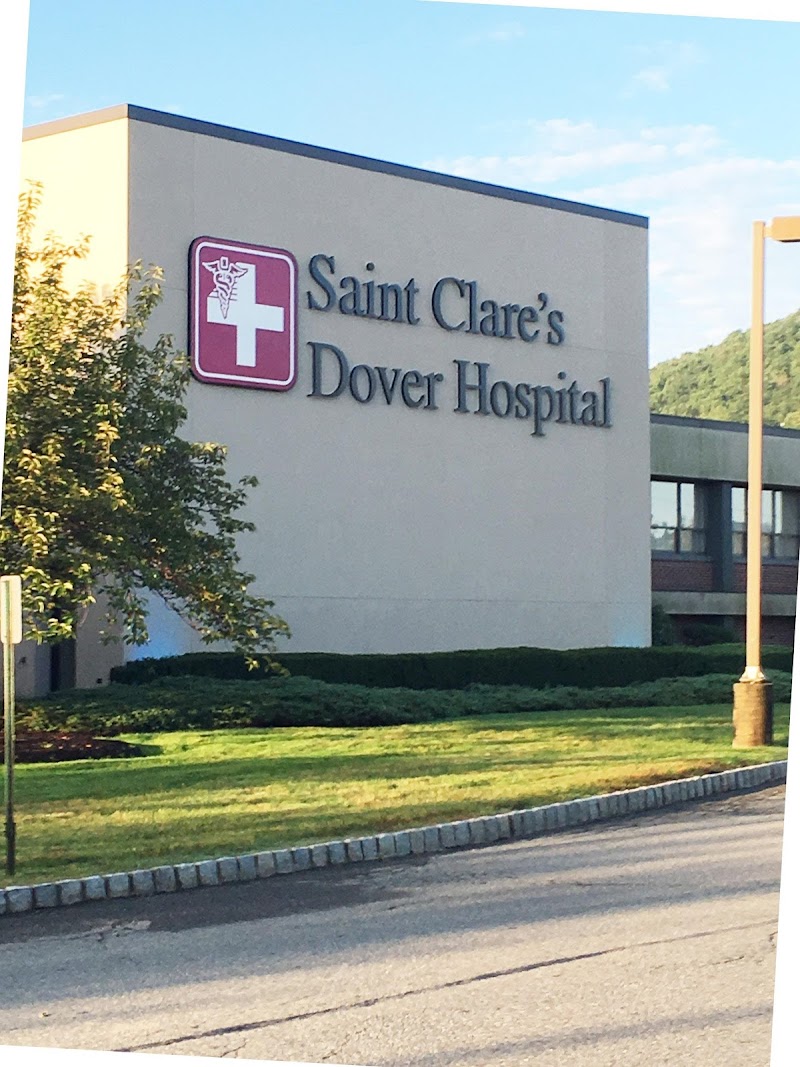
How is Dwelling Place At St Clares Staffed?

CMS rates DWELLING PLACE AT ST CLARES's staffing level at 3 out of 5 stars, which is average compared to other nursing homes. Staff turnover is 20%, compared to the New Jersey average of 46%. This relatively stable workforce can support continuity of care.

What Have Inspectors Found at Dwelling Place At St Clares?

State health inspectors documented 6 deficiencies at DWELLING PLACE AT ST CLARES during 2021 to 2025. These included: 6 with potential for harm.
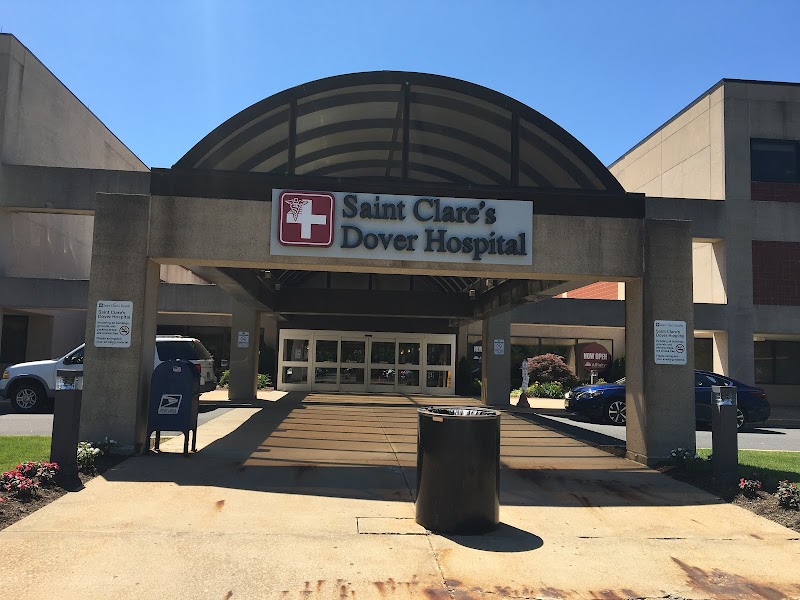
Who Owns and Operates Dwelling Place At St Clares?

DWELLING PLACE AT ST CLARES is owned by a for-profit company. For-profit facilities operate as businesses with obligations to shareholders or private owners. The facility is operated by PRIME HEALTHCARE, a chain that manages multiple nursing homes. With 28 certified beds and approximately 27 residents (about 96% occupancy), it is a smaller facility located in DOVER, New Jersey.
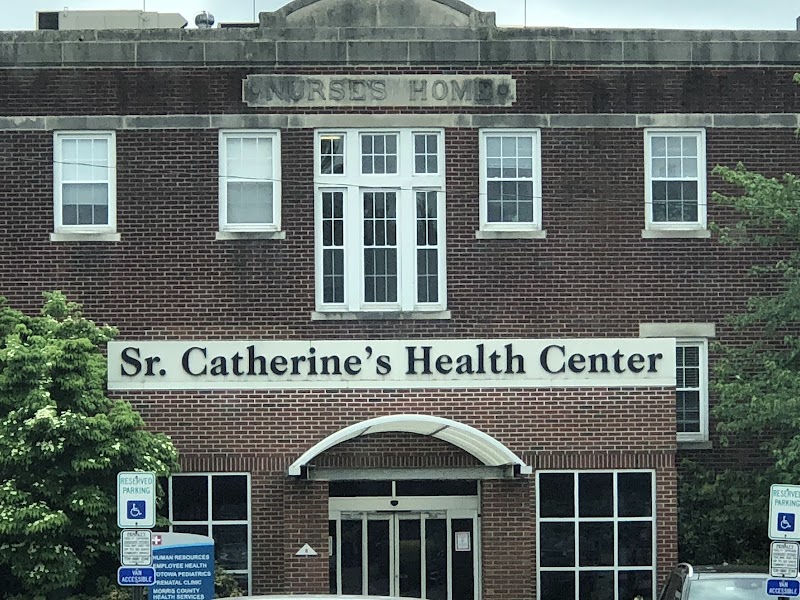
How Does Dwelling Place At St Clares Compare to Other New Jersey Nursing Homes?

Compared to the 100 nursing homes in New Jersey, DWELLING PLACE AT ST CLARES's overall rating (5 stars) is above the state average of 3.3, staff turnover (20%) is significantly lower than the state average of 46%, and health inspection rating (4 stars) is above the national benchmark.

What Should Families Ask When Visiting Dwelling Place At St Clares?

Based on this facility's data, families visiting should ask: "Can I visit during a mealtime to observe dining assistance and food quality?" "How do you handle medical emergencies, and what is your hospital transfer rate?" "Can I speak with family members of current residents about their experience?"

Is Dwelling Place At St Clares Safe?

Based on CMS inspection data, DWELLING PLACE AT ST CLARES has a clean safety record: no substantiated abuse findings (meaning no confirmed cases of resident harm), no Immediate Jeopardy citations (the most serious violation level indicating risk of serious injury or death), and is not on the Special Focus Facility watch list (a federal program monitoring the lowest-performing 1% of nursing homes). The facility has a 5-star overall rating and ranks #1 of 100 nursing homes in New Jersey. While no facility is perfect, families should still ask about staff-to-resident ratios and recent inspection results during their visit.

Do Nurses at Dwelling Place At St Clares Stick Around?

Staff at DWELLING PLACE AT ST CLARES tend to stick around. With a turnover rate of 20%, the facility is 26 percentage points below the New Jersey average of 46%. Low turnover is a positive sign. It means caregivers have time to learn each resident's needs, medications, and personal preferences. Consistent staff also notice subtle changes in a resident's condition more quickly. Registered Nurse turnover is also low at 12%, meaning experienced RNs are available to handle complex medical needs.

Was Dwelling Place At St Clares Ever Fined?

DWELLING PLACE AT ST CLARES has no federal fines on record. CMS issues fines when nursing homes fail to meet care standards or don't correct problems found during inspections. The absence of fines suggests the facility has either maintained compliance or corrected any issues before penalties were assessed. This is a positive indicator, though families should still review recent inspection reports for the full picture.

Is Dwelling Place At St Clares on Any Federal Watch List?

DWELLING PLACE AT ST CLARES is not on any federal watch list. The most significant is the Special Focus Facility (SFF) program, which identifies the bottom 1% of nursing homes nationally based on persistent, serious quality problems. Not being on this list means the facility has avoided the pattern of deficiencies that triggers enhanced federal oversight. This is a positive indicator, though families should still review the facility's inspection history directly.