MERRY HEART NURSING HOME
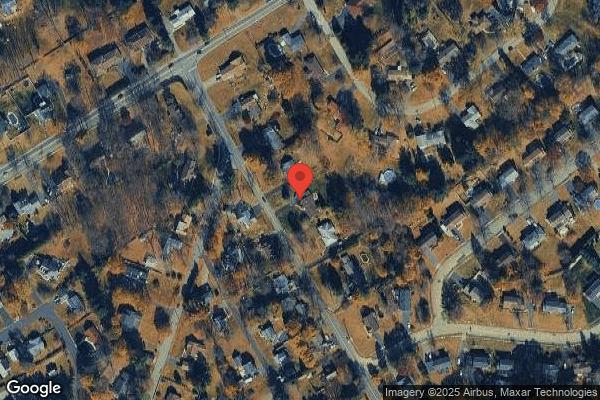
200 RT 10 WEST, SUCCASUNNA, NJ 07876 (973) 584-4000
For profit - Corporation 113 Beds Independent Data: November 2025
Trust Grade
90/100
#54 of 344 in NJ
Last Inspection: January 2025

Within standard 12-15 month inspection cycle. Federal law requires annual inspections.

Overview

Merry Heart Nursing Home in Succasunna, New Jersey has an impressive Trust Grade of A, indicating it is highly recommended and considered excellent. Ranking #54 out of 344 facilities in New Jersey places it in the top half, while being #5 out of 21 in Morris County shows it is among the better local options. The facility is on an improving trend, with issues decreasing from 6 in 2024 to 5 in 2025. Staffing is a strong point, with a perfect rating of 5/5 stars and a turnover rate of 35%, which is below the state average. Notably, there have been no fines reported, and the facility has more registered nurse coverage than 95% of New Jersey facilities, which is beneficial for resident care. However, there are some concerns. Recent inspections revealed that two non-certified nursing aides were allowed to continue working beyond the regulatory time frame without proper qualifications. Additionally, staff were observed feeding residents while standing, which compromises the dignity of those being served. There was also a report of residents receiving their mail opened and taped shut, leading to frustration about privacy. Overall, while Merry Heart Nursing Home has many strengths, families should be aware of these issues as they consider this facility for their loved ones.

Trust Score
A
90/100
In New Jersey
#54/344
Top 15%
Safety Record
Low Risk
No red flags
Inspections
Getting Better
6 → 5 violations
Staff Stability
○ Average
35% turnover. Near New Jersey's 48% average. Typical for the industry.
Penalties
✓ Good
No fines on record. Clean compliance history, better than most New Jersey facilities.
Skilled Nurses
✓ Good
Each resident gets 70 minutes of Registered Nurse (RN) attention daily — more than 97% of New Jersey nursing homes. RNs are the most trained staff who catch health problems before they become serious.
Violations
⚠ Watch
12 deficiencies on record. Higher than average. Multiple issues found across inspections.
★★★★★
5.0
Overall Rating
★★★★★
5.0
Staff Levels
★★★★☆
4.0
Care Quality
★★★★☆
4.0
Inspection Score
Stable
2024: 6 issues
2025: 5 issues

The Good

  • 5-Star Staffing Rating · Excellent nurse staffing levels
  • 4-Star Quality Measures · Strong clinical quality outcomes
  • Full Sprinkler Coverage · Fire safety systems throughout facility
  • No fines on record
  • Staff turnover below average (35%)

    13 points below New Jersey average of 48%

Facility shows strength in staffing levels, quality measures, fire safety.

The Bad

Staff Turnover: 35%

11pts below New Jersey avg (46%)

Typical for the industry

The Ugly 12 deficiencies on record

Jan 2025 5 deficiencies
CONCERN (D)

Potential for Harm - no one hurt, but risky conditions existed

Resident Rights (Tag F0550)

Could have caused harm · This affected 1 resident

Based on observation, interview, and record review, it was determined that the facility failed to maintain the dignity of two unsampled residents. This deficient practice was found with 2 of 5 staff (...

Read full inspector narrative →
Based on observation, interview, and record review, it was determined that the facility failed to maintain the dignity of two unsampled residents. This deficient practice was found with 2 of 5 staff (Certified Nursing Assistant) (CNA) and Hospice Aide (HA) observed during dining observations on the 1st- floor. The deficient practice was evidenced by the following: On 1/10/25 at 12:10 PM, during a lunch meal dining observation in the 1st-floor dining room, the surveyor observed the lunch trays being distributed to the residents by five staff members. At 12:15 PM, the surveyor observed the HA standing while feeding an unsampled resident. On 1/10/25 at 12:20 PM, the surveyor observed the CNA standing while feeding an unsampled resident. On 1/14/25 at 12:10 PM, during a lunch meal dining observation in the 1st-floor dining room, the surveyor observed the HA standing while feeding an unsampled resident. On 1/14/25 at 12:35 PM, the surveyor interviewed the HA who acknowledged that she should sit while feeding the residents as it was a dignity concern. On 1/14/25 at 12:39 PM, the CNA was unavailable to be interviewed. On 1/14/25 at 12:49 PM, the above concerns were discussed with the Director of Nursing (DON), Administrator, Assistant Administrator, and Administrator in training. The DON confirmed that the staff should be seated when feeding the residents. No further information was provided. NJAC 8:39-4.1(a)12
CONCERN (D)

Potential for Harm - no one hurt, but risky conditions existed

Deficiency F0583 (Tag F0583)

Could have caused harm · This affected 1 resident

**NOTE- TERMS IN BRACKETS HAVE BEEN EDITED TO PROTECT CONFIDENTIALITY** Based on observation, interview, and record review, it was determined that the facility failed to deliver unopened mail in a tim...

Read full inspector narrative →
**NOTE- TERMS IN BRACKETS HAVE BEEN EDITED TO PROTECT CONFIDENTIALITY** Based on observation, interview, and record review, it was determined that the facility failed to deliver unopened mail in a timely manner for 2 of 5 residents (Resident # 5 and #2) reviewed. This deficient practice was evidenced by the following: On 1/13/25 at 10:57 AM, during the resident council meeting, Residents #5 and #2 stated that they often received their mail opened and then scotch-taped closed. The residents could not recall who had delivered the opened letters that had been addressed to them. The residents were upset and said no one should have opened their mail. Resident #5 stated that she gave her daughter the last 2 opened envelopes yesterday, who was also very upset that someone had opened the resident's mail without permission. The surveyor reviewed the medical record for Resident #5. A review of Resident #5's admission Record indicated that the Resident was admitted to the facility with diagnoses that included bilateral shoulder pain related to osteoarthritis. A review of the quarterly Minimum Data Set (MDS), an assessment tool dated 11/17/24, revealed that Resident #5 had a Brief Interview for Mental Status (BIMS) score of 15, which indicated that the Resident's cognition was fully intact. The surveyor reviewed the medical record for Resident #2. A review of Resident #2's admission Record indicated that the Resident was admitted to the facility with diagnoses that included basal cell carcinoma and mild cognitive impairment. A review of the quarterly MDS dated [DATE] revealed that Resident #2 had a BIMS score of 13, which indicated the Resident's cognition was fully intact. On 1/14/25 at 9:34 AM, the surveyor interviewed the Director of Activities (DOA), who stated that the mail was received and sorted by the concierge, and the activities staff delivered it to the residents. The DOA further stated that her activity staff is not allowed to open the mail without the resident's permission. On 1/14/25 at 9:53 AM, the surveyor interviewed the Concierge, who explained that all business mail went to the business office and personal mail was given to the DOA for distribution. On 1/14/25 at 10:32 AM, the surveyor interviewed the Accounts Payable Manager (APM) and confirmed that she sometimes mistakenly opened Residents' mail. The APM further stated that when she opened the mail by mistake, she would tape it closed and give it back to the concierge for distribution. She never personally apologized to the residents for opening their mail. On 1/14/25 at 11:15 AM, the surveyor interviewed Resident #5's daughter, who is also their POA, via telephone. The daughter confirmed that the resident's mail had been opened and stated that the letter was delivered to the resident more than a month after the postmarked date. The facility did not deliver the opened mail to Resident #5 for four weeks after it had been received. On 1/14/25 at 11:21 AM, the surveyor interviewed the APM, who acknowledged that she had accidentally opened Resident #5's two pieces of personal mail. She confirmed that she had kept the mail for more than 4 weeks without delivering it to the resident because she was very busy. She also confirmed that she had not apologized to the resident for opening her mail but should have. On 1/15/25 at 1:30 PM, the survey team discussed the above observations and concerns with the Administration, who confirmed that the APM should not open residents' mail. N.J.A.C. 8:39-4.1 (19)
CONCERN (D) 📢 Someone Reported This

A family member, employee, or ombudsman was alarmed enough to file a formal complaint

Potential for Harm - no one hurt, but risky conditions existed

Accident Prevention (Tag F0689)

Could have caused harm · This affected 1 resident

Complaint # NJ 00178498 Based on observation, interviews, review of medical records, and facility documents, it was determined that the facility failed to follow fall prevention interventions as writt...

Read full inspector narrative →
Complaint # NJ 00178498 Based on observation, interviews, review of medical records, and facility documents, it was determined that the facility failed to follow fall prevention interventions as written on the resident's individual comprehensive care plan (ICCP). This deficient practice was identified for 1 of 3 residents (Resident # 14) reviewed for accidents and was evidenced by the following: On 1/10/25 at 11:09 AM, during the initial tour of the 1st-floor unit, the surveyor observed Resident #14 in a reclining chair in the day room with other residents and staff members. The surveyor reviewed the medical record for Resident # 14. A review of the admission Record revealed the resident was admitted to the facility with diagnoses that included but were not limited to osteoporosis, Alzheimer's Disease, hypertension, and Chronic Obstructive Pulmonary Disease (COPD). A review of the quarterly Minimum Data Set (MDS), an assessment tool dated 12/29/24, revealed Resident #14 had a Brief Interview for Mental Status of 1 out of 15, indicating the resident was severely cognitively impaired. Further review of the MDS revealed the resident was dependent on staff for Activities of Daily Living (ADL) care and bed-to-chair transfers. A review of Resident # 14's Individual Comprehensive Care Plan (ICCP) revealed a Focus: FALLS . The resident is at risk for falls due to deconditioning, gait, and balance problems On 6/10/24 had a witnessed fall .interventions included Ensuring two-person assistance during transfers. Bed kept in lowest position. A review of Resident #14's Plan of Care (POC), which was completed by their assigned Certified Nursing Assistant (CNA), indicated that Resident #14 required 2 staff and a Hoyer lift for the bed-to-chair transfers. A review of the facility-provided Fall Investigation revealed: On 6/10/24 at 10:35 AM, the CNA did not follow Hoyer Lift transfers policy and procedure and transferred Resident #14 independently, without an assistant. The resident sustained three linear lacerations, one distal to the left eyebrow measuring .8x.1cm, below the left side of the eye measuring .2x.1cm, and below the second laceration measuring .2x.2cm with minimal bleeding. The MD was notified and ordered x-rays of the lumbar spine, left hip, and facial bones. All x-rays were negative for fractures. On 1/15/25 at 1:30 PM, the surveyor interviewed the DON and Assistant Licensed Nursing Home Administrator, who confirmed the facility's policy included that all Hoyer lift transfers required 2 staff members. The DON further stated that the CNA was terminated because the CNA did not follow the facility policy. The surveyor attempted a phone interview with the CNA who had transferred Resident #14 independently without the assistance of a second staff member. The CNA did not return the surveyor's call. On 1/16/25 at 8:55 AM, the surveyor interviewed Resident #14's assigned Licensed Practical Nurse (LPN), who stated that all Hoyer lift transfers required 2 staff assistants. The LPN further stated that the Director of Rehab educated all staff on safe transfers, which included the proper use of the Hoyer lift and two staff during those transfers. On 1/16/25 at 9:00 AM, the surveyor interviewed Resident #14's assigned CNA, who stated that she knew the resident well. She stated that she used a Hoyer lift when transferring the resident from the bed to the chair and always obtained the assistance of another CNA. The CNA further stated that she had received in-services on safe transfers, which included ensuring there were always 2 CNAs when using the Hoyer lift. On 1/16/25 at 9:10 AM, the surveyor interviewed the Director of Rehab (DOR), who stated that he was responsible for in-services for all staff on safe transfers. The DOR provided copies of the in-services completed prior to and after the fall. A review of the facility's Mechanical Lift policy and procedure, reviewed 6/2024, indicated . a mechanical lift allows a resident to be lifted and transferred with a minimum of physical effort. The Hoyer lift needs two caregivers to operate. A review of the facility's Fall Investigation policy and procedure implemented 7/2018, reviewed 7/2024 indicated .the objective of the Fall investigation was to analyze the cause of a fall and implement new initiatives to prevent future falls . The rehab director will screen and give recommendations . No further information was provided by the facility. NJAC 8:39-27.1 (a)
CONCERN (D)

Potential for Harm - no one hurt, but risky conditions existed

Deficiency F0761 (Tag F0761)

Could have caused harm · This affected 1 resident

**NOTE- TERMS IN BRACKETS HAVE BEEN EDITED TO PROTECT CONFIDENTIALITY** Based on observation, interview, and review of pertinent facility documents, it was determined that the facility failed to a.)id...

Read full inspector narrative →
**NOTE- TERMS IN BRACKETS HAVE BEEN EDITED TO PROTECT CONFIDENTIALITY** Based on observation, interview, and review of pertinent facility documents, it was determined that the facility failed to a.)identify and dispose of expired biologicals in 2 of 3 medication carts, and b.) properly store an unopened biological in 1 of 3 medication carts inspected. This deficient practice was evidenced by the following: 1.) On [DATE] at 11:45 AM, in the presence of the Registered Nurse (RN), the surveyor began the medication cart (med cart) inspection of cart A located on the third floor. During the inspection, the surveyor observed an opened bottle of Latanoprost Solution 0.005% (an eye drop medication used to treat glaucoma) for Resident #56 that was stored in the manufacturer's packaging (box). The box for the Latanoprost was labeled by the facility with an opened date of [DATE], and an expired date of [DATE]. At that time, during an interview with the surveyor, the RN confirmed that the Latanoprost for Resident #56 was expired and that was the only supply of Latanoprost in the med cart for administration to Resident #56. The RN stated that he did not administer the medication to the resident that day. At that time, the surveyor and the RN reviewed the electronic Medication Administration Record (eMAR) of Resident #56 together. The eMAR reflected that Latanoprost was administered every night in [DATE], and was last administered on [DATE] at 8:00 PM. At that time, the RN stated that the night shift nurse was responsible to ensure all the medications in the cart were not expired and that the nurses who administered the doses on [DATE], [DATE], [DATE], [DATE], [DATE], and [DATE], should have checked the date before the administration of Latanoprost to Resident #56. On [DATE] at 12:53 PM, in the presence of the Licensed Practical Nurse (LPN), the surveyor began the med cart inspection on the first floor. During the inspection, the surveyor observed an opened bottle of Lantus 10 milliliter (ml) (insulin glargine; used to control high blood sugar levels in the blood) for Resident #35 that was stored in a box. The box for the Lantus was labeled by the facility with an opened date of [DATE] and was not labeled with an expiration date. The surveyor and the LPN reviewed the box of Lantus together. The Lantus box reflected the manufacturer's specifications for storage that included the following: Refrigerate until first use. After first use, store at room temperature and discard after 28 days. At that time, the LPN confirmed that the Lantus for Resident #35 expired on [DATE], and that was the only opened Lantus bottle in the cart for administration to Resident #35. The LPN stated that she did not administer the medication to the resident that day. At that time, the surveyor and the LPN reviewed the eMAR of Resident #35 together. The eMAR reflected that Lantus was administered every night in [DATE], and was last administered on [DATE] at 9:00 PM. At that time, the LPN stated that the night shift nurse was responsible to ensure all the medications in the cart were not expired. The nurses who administered the doses on [DATE], [DATE], [DATE], [DATE], [DATE], [DATE], [DATE], [DATE], and [DATE], should have checked the date before the administration of Lantus to Resident #35. The LPN added that checking for expiration was part of the standard of practice for medication administration and that an expired medication had reduced efficacy. The LPN added that she would remove the expired Lantus from the active inventory, inform the DON and call the pharmacy. 2.) On [DATE] at 12:58 PM, the surveyor continued to inspect the medication cart located on the first floor and observed an unopened/sealed bottle of Lantus for Resident #35. At that time, the LPN confirmed that the unopened bottle of Lantus should have been refrigerated as recommended by the manufacturer. The LPN stated that the nurse who received the medication should have refrigerated the unopened bottle of Lantus to avoid deterioration of effectiveness. On [DATE] at 1:07 PM, in the presence of the survey team, the Licensed Nursing Home Administrator (LNHA), the Director of Nursing (DON), Assistant Administrator (ALNHA), and the Administrator in Training (AIT), the surveyor discussed the concerns with the expired Latanoprost and Lantus that Resident #56 and #35 received, was stored with the active inventory, unidentified, and the improper storage of the unopened/sealed Lantus, for Resident #35, that was not refrigerated. On [DATE] at 1:34 PM, in the presence of the survey team, the ALNHA, and the AIT, the DON stated that nursing staff were re-educated on medication storage, a process was implemented wherein the last person who used a medication that was about to expire, disposed of the medication before the expired date, label medications that required an opened date and the discard date. All nurses on all shifts were expected to ensure proper labeling and storage of medications. A review of the facility provided Medication Administration policy dated/reviewed on [DATE] included that medications are administered as prescribed in accordance with good nursing principles .The provided policy did not include a process to ensure medications administered were not expired. A review of the facility provided Medical Storage policy included that all medications must be clearly labeled with the resident's name, dosage instructions, and expiration dates. Medications should be stored at appropriate temperatures as specified by the manufacturer. No further information was provided. NJAC 8:39-29.4 (c) (g)
CONCERN (D)

Potential for Harm - no one hurt, but risky conditions existed

Infection Control (Tag F0880)

Could have caused harm · This affected 1 resident

Based on observation, interview, record review, and review of pertinent facility documentation, it was determined that the facility failed to use appropriate infection control practices specifically f...

Read full inspector narrative →
Based on observation, interview, record review, and review of pertinent facility documentation, it was determined that the facility failed to use appropriate infection control practices specifically for 2 of 5 staff (Certified Nursing Assistant (CNA) and Hospice Aide (HA) not following appropriate hand hygiene during meal service. The deficient practice was evidenced by the following: Reference: Hand hygiene should be performed immediately before touching a patient; before performing an aseptic task such as placing an indwelling device or handling invasive medical devices; before moving from work on a soiled body site to a clean body site on the same patient; after touching a patient or patient's surroundings; after contact with blood, body fluids, or contaminated surfaces. CDC recommendations for Hand Hygiene: Updated February 27, 2024: https://www.cdc.gov/clean-hands/hcp/clinical-safety/index.html#cdc_clinical_safety_best_practices_recomm-recommendations On 1/10/25 at 12:10 PM, during a lunch meal dining observation in the 1st-floor dining room, the surveyor observed the lunch trays being distributed to the residents. The surveyor observed that there was no hand hygiene done by the CNA or HA while assisting the residents with meal set up. On 1/10/25 at 12:35 PM, the surveyor observed the HA apply soap to her hands, lather outside the stream of water for 2 seconds, and then put her hands under the stream of running water. The HA turned off the faucet with her bare hands. On 1/10/25 at 12:40 PM, the surveyor observed the HA apply soap to her hands and immediately place them under the stream of water without lathering outside the water. On 1/14/25 at 12:10 PM, during a lunch meal observation in the 1st-floor dining room, the surveyor observed the lunch trays being distributed to the residents. The surveyor observed that the HA did not practice hand hygiene while assisting the residents with meal setup. On 1/14/25 at 12:33 PM, the surveyor observed the HA applied soap to her hands and immediately placed them under the stream of water. On 1/14/25 at 12:35 PM, the surveyor interviewed the HA who stated that she was not sure how long she should have washed her hands. She was not aware that she should lather for 20 seconds before placing her hands under the stream of water. On 1/14/25 at 12:39 PM, the CNA was unavailable to be interviewed. On 1/14/25 at 12:49 PM, the above concerns were discussed with the Director of Nursing (DON), Licensed Nursing Home Administrator (LNHA) Assistant LNHA(ALNHA), and Administrator in training (AIT). The DON confirmed that staff were expected to perform hand hygiene before assisting residents with their meals. The DON further stated that staff should wash their hands for a full 20 seconds outside the stream of running water. NJAC 8:39-19.4 (a)
Jan 2024 6 deficiencies
CONCERN (D) 📢 Someone Reported This

A family member, employee, or ombudsman was alarmed enough to file a formal complaint

Potential for Harm - no one hurt, but risky conditions existed

Report Alleged Abuse (Tag F0609)

Could have caused harm · This affected 1 resident

Complaint #165021 Based on interview, record review, and review of pertinent documents, it was determined that the facility failed to report an injury of unknown origin to the New Jersey Department of...

Read full inspector narrative →
Complaint #165021 Based on interview, record review, and review of pertinent documents, it was determined that the facility failed to report an injury of unknown origin to the New Jersey Department of Health NJDOH) promptly for 1 of 2 residents (Resident #99) reviewed for investigations and was evidenced by the following: A review of Resident #99's Face Sheet (an admission summary) reflected that the resident was admitted to the facility with diagnoses that included but were not limited to hypertension, osteoarthritis, and anxiety disorder. A review of Resident 99's admission Minimum Data Set (MDS), an assessment tool dated 5/31/23, revealed that the resident had memory problems. Further review revealed that the resident required extensive assistance from one to two people for Activities of Daily Living (ADLs). A review of a nursing progress note dated 6/8/2023 at 2:53 PM revealed on 6/7/23 at 11:30 AM, the nurse was notified by physical therapy that while standing, the resident was observed to have difficulty with weight-bearing activities and to have facial grimacing. Further review of the progress note revealed the doctor was notified and ordered x-rays of both knees and both hips. The staff assisted the resident into bed, and the nurse observed that the left leg was shorter than the right leg. A review of an x-ray report dated 6/7/23 at 7:54 PM, signed by the MD at 10:29 PM, revealed that there was a complete acute femoral neck fracture with a moderate medially displaced fracture of the left acetabulum. Further review of the x-ray revealed there was moderate osteopenia, osteoporosis, and a moderate degree of osteoarthritis. A review of the nursing progress note dated 6/8/23 at 4:02 PM indicated that the resident was transferred to the hospital at 10:50 AM. A review of the Reportable Event Record Report revealed the facility reported the fracture to the New Jersey Department of Health on 6/15/23, eight days after the event happened. On 1/5/23 at 2:40 PM, the survey team met with the administration team. The Director of Nursing (DON) stated the facility should report injuries of unknown origin within 24 hours of the incident. Further, she stated that the facility was still investigating the incident, so the facility did not report the incident sooner. A review of the facility's policy labeled Resident Abuse Prevention/Prohibition with a reviewed date of 9/8/23, under the section heading of Reporting; in the case of an injury involving sutures or fracture of unknown origin, reports are filed with the Office of the Ombudsman and law enforcement immediately or within two hours. Further review revealed under section Reporting section C. that it is the responsibility of the Administrator to immediately (within one business day) report all actual or suspected incidents of abuse, neglect, or exploitation to the Department of Health. NJAC 8:39-4.1(a)(5)
CONCERN (D)

Potential for Harm - no one hurt, but risky conditions existed

Deficiency F0658 (Tag F0658)

Could have caused harm · This affected 1 resident

Based on observation, interview, record review and review of pertinent facility documents it was determined that the facility failed to follow a physician's order (PO) for the application of heel prot...

Read full inspector narrative →
Based on observation, interview, record review and review of pertinent facility documents it was determined that the facility failed to follow a physician's order (PO) for the application of heel protectors for 1 of 1resident reviewed, Resident #68. This deficient practice was evidenced by the following: Reference: New Jersey Statutes Annotated, Title 45, Chapter 11. Nursing Board. The Nurse Practice Act for the State of New Jersey states: The practice of nursing as a licensed practical nurse is defined as performing tasks and responsibilities within the framework of case finding; reinforcing the patient and family teaching program through health teaching, health counseling and provision of supportive and restorative care, under the direction of a registered nurse or licensed or otherwise legally authorized physician or dentist. On 1/2/24 at 10:41 AM, the surveyor observed Resident #68 in bed. The surveyor observed the resident's heels were not offloaded off of the mattress and there were no heel protectors in place. The surveyor observed a dry and intact dressing to the resident's right foot dated 1/1/24. On 1/4/24 at 9:55 AM, the surveyor asked the Registered Nurse to accompany her to resident #68's room. The surveyor observed the resident was in bed. The surveyor asked the RN if the resident had heel protectors in place. The RN removed the residents blanket and exposed their feet. The RN and surveyor observed that the resident's heels were directly on the mattress with no heel protectors on. The surveyor asked to see the residents heels. The RN lifted the residents feet off the bed and the surveyor observed that skin to the bilateral heels was intact. The RN stated that the resident was on a positioning program and that part of that program was to have heel protectors on when in bed and to have both feet offloaded onto a pillow. The RN stated that it was the evening shifts responsibility to apply the booties and the day shift to check and ensure they were in place. The RN found the heel protectors in the resident's closet and put them on. On 1/4/24 at 10:06 AM, the Nursing Assistant who was assigned to provide care to Resident #68 came into the resident's room. The RN asked the NA if the resident had heel protectors on when she provided care this morning. The NA replied that s/he did not have heel protectors on yesterday or today and that she didn't know anything about heel protectors. Review of Resident #68's admission Record revealed Resident #68 was admitted to the facility in August 2021 and readmitted in August 2023 with diagnoses which included, but not limited to, Right and Left foot drop, Diabetes Mellitus, dementia, and psychosis. A review of the Quarterly Minimum Data Set (MDS) an assessment tool dated 12/3/23, reflected the Resident had a Brief Interview of Mental Status (BIMS) score of 6 of 15 which indicated Resident #68 had a severe cognitive impairment. Section GG documented that Resident #68 had a Functional limitation in Range of Motion on both upper extremities and required maximum assistance with their personal hygiene. A review of the current January 2024 Physician Order Summary Report reflected a Physician's order (PO) for the Positioning Program with interventions to apply protective heel booties while resident in bed and to float heels while in bed with an order date of 12/13/23. A review of the Treatment Administration Record (TAR) reflected the PO had been transcribed onto the TAR and signed by the nurses indicating the heel protectors had been applied on 1/1/24, 1/2/24,and 1/3/24. On 1/4/24 at 1:38 PM, the survey team met with the Administration to discuss the above observations and concerns. The DON stated that Nurses and Nurse Aides were responsible for ensuring that physician's orders are followed and that the heel protectors were in place as ordered. A review of the facility's Nursing Assistant Job Description and Performance Standards undated, included .the purpose of this position is to provide direct care to residents, under the supervision of a licensed nurse, in accordance with facility policies and procedures and report resident needs and concerns to a licensed nurse assist residents with Activities of Daily Living such as: daily mouth care, bath/shower functions, hair care, nail care, shaving and restorative/rehabilitation procedures. NJAC 8:39-19.4 (a) (1)
CONCERN (D)

Potential for Harm - no one hurt, but risky conditions existed

ADL Care (Tag F0677)

Could have caused harm · This affected 1 resident

**NOTE- TERMS IN BRACKETS HAVE BEEN EDITED TO PROTECT CONFIDENTIALITY** Based on observation, interview, record review, and review of pertinent documentation, it was determined that the facility faile...

Read full inspector narrative →
**NOTE- TERMS IN BRACKETS HAVE BEEN EDITED TO PROTECT CONFIDENTIALITY** Based on observation, interview, record review, and review of pertinent documentation, it was determined that the facility failed to provide nail care to a resident who was dependent on the staff for Activities of daily living (ADL). This deficient practice was identified for 2 of 2 residents (Resident # 68 and #73) reviewed for ADL care. The deficient practice was evidenced by the following: 1.) On 12/27/23 at 11:50 AM, the surveyor observed Resident #68 in the small day room seated in a geri chair. The surveyor observed the resident had bilateral contractures to their hands and that the resident's fingernails were long, jagged, and soiled underneath. On 1/2/24 at 10:41 AM, the surveyor observed Resident #68 in bed with bilateral contractures, nails long, jagged and soiled. On 1/4/24 at 9:55 AM, the surveyor showed the Registered Nurse (RN #1) on the memory care unit the resident's nails and hands. RN #1 moved the resident's fingers which were pressing against their palms and acknowledged that the nails were soiled, long and jagged. RN #1 acknowledged that these jagged nails could have caused a break in the resident's skin integrity. On 1/4/24 at 10:06 AM, RN #1 asked the Nursing Assistant (NA) who was assigned to the care of Resident #68 when she had last cleaned, trimmed, and filed Resident #68's fingernails. The NA replied that the resident's hands were always closed but that she should have cleaned and trimmed them and would try to do it more often. RN#1 stated that the NA should be providing nail care daily. Review of Resident #68's admission Record revealed Resident #68 was admitted to the facility in August 2021 and readmitted in August 2023 with diagnoses which included, but not limited to Right and Left foot drop, Diabetes Mellitus, dementia, and psychosis. A review of the Quarterly Minimum Data Set (MDS) an assessment tool dated 12/3/23, reflected the Resident had a Brief Interview of Mental Status (BIMS) score of 6 of 15 which indicated Resident #68 had a severe cognitive impairment. Section GG documented that Resident #68 had a Functional limitation in Range of Motion on both upper extremities and required maximum assistance with their personal hygiene. 2.) On 12/27/23 at 11:51 AM, the surveyor observed Resident #73 seated in a wheelchair in the day room. The surveyor observed the resident to be unshaven with long facial hair, and their fingernails long, jagged, and soiled underneath. On 1/3/24 at 11:46 AM, the surveyor interviewed Resident #73 in their room. The surveyor asked the resident if s/he preferred facial hair. Resident #73 felt their face and neck with their hands and replied, no I don't like it. It bothers me. Resident #73 further stated that s/he would prefer their nails to be cleaned and trimmed. On 1/3/24 at 11:51 AM, the surveyor interviewed RN #2 who stated that the Nursing Assistants were responsible for shaving the residents and for providing nail care. RN#2 acknowledged that Resident #73's facial hair was long and unkept and that it appeared the resident had not been shaved in quite a while. RN#2 further stated that it appeared as though the Resident had not received nail care recently, as the resident's nails were soilded, long and jagged. On 1/3/24 at 12:00 PM, RN#2 asked the NA when she had last shaved Resident #73. The NA replied, Yesterday. RN#2 stated that the NA could not possibly have shaved the resident yesterday as the facial hair was too long. The NA replied that she was sorry and didn't remember when she last shaved the resident because s/he scratches. The surveyor asked RN#2 if the NA ever reported this behavior to her. RN#2 replied, no and further stated that she was not aware that Resident #73 had any behaviors of scratching, becoming combative, or refusing care. RN#2 showed the NA Resident #73's nails. The NA acknowledged that the nails were long, jagged, and soiled underneath. The NA stated she was sorry and should have cleaned, trimmed, and filed Resident #73's nails. A review of the resident's admission Record reflected Resident #73 had diagnoses that included but were not limited to, Diabetes Mellitus, Dementia, anxiety, depression, and psychotic disorder. A review of the Quarterly Minimum Data Set (MDS) dated [DATE], revealed that Resident #73 had a BIMS score of 3 out of 15 which indicated the resident had a severe cognitive impairment. Section E of the MDS revealed that the resident did not have any behaviors of hitting, pushing or scratching others and no behaviors of rejecting care. Section GG assessed the resident required limited assistance of one staff member for personal hygiene. On 1/4/24 at 1:38 PM, the survey team met with the Administration to discuss the above observations and concerns. The DON stated that the Nurse Aides were responsible for providing nail care daily and as needed and that Resident #73 should be shaved daily. The DON further stated that if a resident refused care the Aides should notify the nurse. A review of the facility's Nursing Assistant Job Description and Performance Standards undated, included .the purpose of this position is to provide direct care to residents, under the supervision of a licensed nurse, in accordance with facility policies and procedures and report resident needs and concerns to a licensed nurse assist residents with Activities of Daily Living such as: daily mouth care, bath/shower functions, hair care, nail care, shaving and restorative/rehabilitation procedures. NJAC 8:39-27.1(a), 27.2(g)
CONCERN (D)

Potential for Harm - no one hurt, but risky conditions existed

Respiratory Care (Tag F0695)

Could have caused harm · This affected 1 resident

Based on observations, interviews, and record review it was determined that the facility failed to change the oxygen tubing as directed by the Physician order and follow the facility policy. This defi...

Read full inspector narrative →
Based on observations, interviews, and record review it was determined that the facility failed to change the oxygen tubing as directed by the Physician order and follow the facility policy. This deficient practice was identified for 1 of 1 resident (resident #40), which was reviewed for Oxygen therapy. This deficient practice was evidenced by the following: On 12/27/23 at 11:00 am, the surveyor entered resident's #40 room and observed an oxygen concentrator (a device which provides supplemental oxygen) and a plastic drawstring bag which was dated 10/23/23 on the outside of the bag. The plastic drawstring bag was hung from the oxygen flow meter (an equipment used to control oxygen flow delivery) and inside the plastic drawstring bag was a nasal cannula tubing with the date of 10/22/23. On 12/28/23 at 12:00pm, the surveyor entered resident's #40 room and observed a plastic drawstring bag with the date of 10/23/23 on the outside of the bag. The plastic drawstring bag was on the oxygen concentrator and was hung from the oxygen flow meter. Inside the plastic drawstring bag was a nasal cannula tubing dated 10/22/23. The resident was observed in bed without oxygen and appeared comfortable. The surveyor reviewed the medical record of resident #40. Review of the admission Record (an admission summary) reflected that resident #40 was admitted to the facility with diagnoses which included but are not limited to: Palliative Care(specialized medical care that focuses on providing relief from pain and other symptoms of a serious illness), Cerebral Infarction due to embolism(occurs when a blood clot forms in part of the body and travels through the blood to the brain), and Chronic Obstructive Pulmonary Disease(a group of lung diseases that block airflow and make it difficult to breath). Review of the Quarterly Minimum Data Set (MDS), an assessment tool used to facilitate the management of care. Revealed that resident #40, had a Brief Interview for Mental Status (a tool used to identify the cognitive condition) scored a 3 out of 15, which indicated that the resident was severely cognitively impaired. In section (I) of the MDS active diseases number I6200 Asthma, Chronic Obstructive Pulmonary Disease (COPD) or Chronic Lung Disease was checked (indicated that this was an active disease) during the observation period (a time period which the resident's condition or status is captured by the MDS assessment). In section O of the MDS (Special Treatments, Procedures and Program) number O0110 section titled Respiratory Treatments. Oxygen Therapy is not checked for the following continuous (receiving oxygen therapy continuously), intermittent (not continuous oxygen therapy, oxygen administered for symptom relief), high concentration (respiratory support that delivers a flow of medical gas to a patient of up to 60 liters per minute and 100% oxygen) while a resident. This section indicated that resident #40 was not on oxygen therapy during the observation period. A review of the November 2023 Order Summary Report revealed a Physician Order dated 07/14/2023 for Oxygen 3L(liters) per minute as needed via nasal cannula to maintain O2 Sat(saturation) above 88-90% every 1 hours as needed. Further review of the Physician Order also revealed a Physician order dated 1/19/23 to CHANGE and date oxygen concentrator/nebulizer pump tubing weekly on Sunday 11-7 shift every night shift every Sun (Sunday) for as per protocol with a physician order. A review of the November 2023 Treatment Administration Record revealed the order to change and date oxygen concentrator/nebulizer pump tubing weekly on Sunday 11-7 shift every night shift every Sun (Sunday) for as per protocol. Indicated that the physician order was signed as completed on 11/5/23;11/12/23;11/19/23 and 11/26/23. A review of the December 2023 Order Summary Report (OSR) revealed a Physician Order dated 07/14/2023 for Oxygen 3L(liters) per minute as needed via nasal cannula to maintain O2 Sat(saturation) above 88-90% every 1 hours as needed. Further review of the Order Summary Report revealed a Physician Order dated 1/19/23 to CHANGE and date plastic drawstring bag for O2, nebulizer weekly on Sunday, 11-7 shift DATE AND INITIAL EACH BAG. Every night shift every Sun (Sunday). A review of the December 2023 Treatment Administration Record revealed the order to change and date plastic drawstring bag for O2, nebulizer weekly on Sunday, 11-7 shift had been signed which indicated as completed on 12/3/23;12/10/23; 12/17/23; and 12/24/23. On 12/29/23 at 12:00pm the surveyor interviewed the Registered Nurse (RN) (floor nurse), who stated that all respiratory equipment is changed weekly and as needed. This surveyor showed her the plastic drawstring bag which was dated 10/23/23 and asked should the respiratory bag have been changed, and the Registered Nurse stated that resident #40 does not use oxygen. The surveyor responded should the respiratory equipment have been discarded since she is not wearing oxygen all the time and the Registered Nurse responded yes. On 12/29/23 at 12:25pm, the surveyor interviewed the Certified Nursing Assistant (CNA) who stated that resident #40 has never worn oxygen. Review of the facility's policy Oxygen, Administration of which was implemented 3/2010 and reviewed 12/12/23 revealed under the section face mask administration, #24 for intermittent therapy, wash cannula, mask, tubing, and catheter weekly with mild soap, rinsing with warm water. Allow to air dry on paper toweling or hang on towel rack and #25, for continuous therapy, replace cannula, mask, tubing, and catheter weekly. NJAC 8:39-11.2(b)
CONCERN (D)

Potential for Harm - no one hurt, but risky conditions existed

Food Safety (Tag F0812)

Could have caused harm · This affected 1 resident

Based on observation, interview, and review of pertinent facility documents, it was determined that the facility failed to store, label, and date potentially hazardous foods to prevent food-borne illn...

Read full inspector narrative →
Based on observation, interview, and review of pertinent facility documents, it was determined that the facility failed to store, label, and date potentially hazardous foods to prevent food-borne illnesses. This deficient practice was evidenced by the following: On 12/27/23 at 10:13 AM, the surveyor, in the presence of the Assistant Supervisor of Dietary (ASD), toured the kitchen and observed the following: 1. In the walk-in freezer, an opened box of fully cooked flame-broiled beef patties in a plastic bag that was opened to air and was not labeled or dated as to when they were opened. 2. In the walk-in freezer, there were 20 beef patties in a plastic bag in a box labeled for an artificial sweetener. The plastic bag or the box was not labeled or dated. 3. In the walk-in freezer, there was a plastic bag with 12 chicken patties identified by the ASD that were not labeled or dated. 4. In the walk-in refrigerator there was a plastic resealable bag with 11 hotdogs dated 11/29/23. The ASD stated that if eaten, someone could get sick and removed the hotdogs. On 12/29/23 at 1:19 PM, the surveyor met with the contracted dietitian, who stated that she works 10-15 hours per week and provided supervision of the food service staff. She stated that the facility labeling policy is after five days open, the staff should discard from the refrigerator. The food in the freezer should be labeled and dated when opened. On 1/4/23 at 1:38 PM, the survey team met with the administration and was informed of the findings. A review of the facility's policy Storing and Dating of Food Policy with a reviewed date of 2/23/22 indicated to date food when they are received with the received date. Label opened or site-prepared ready-to-eat potentially hazardous foods that are held for more than 24 hours, with the discard date after the 5th day or per manufacturer's guideline indicated on the package [ .] Store food in original packaging[ .] label the new container with the name of the food and the original use by or expiration date. NJAC8:39-17.2(g)
CONCERN (E)

Potential for Harm - no one hurt, but risky conditions existed

Deficiency F0728 (Tag F0728)

Could have caused harm · This affected multiple residents

Based on interviews and review of pertinent facility documentation, it was determined that the facility allowed 2 of 4 Non-Certified Nursing Aides (NA) to continue working as an NA after the specified...

Read full inspector narrative →
Based on interviews and review of pertinent facility documentation, it was determined that the facility allowed 2 of 4 Non-Certified Nursing Aides (NA) to continue working as an NA after the specified 120 days. This deficient practice was identified during NA review. This deficient practice was evidenced by the following: Reference: State of New Jersey Department of Health memo dated April 21, 2023 sent to Nursing Homes included the following: Facilities are advised as follows: I. TNAs (Temporary Nursing Assistant) A. Individuals who are working as TNAs must pass the nurse-aide written or oral exam and the State-approved clinical skills competency exam by May 11, 2023, or the end of the federal PHE (Public Health Emergency), whichever comes first. B. If a TNA does not pass the exams by the end of the federal PHE, the TNA may not work after May 11, 2023, unless the TNA meets the requirements of Paragraph C below. C. In order to work beyond May 11, 2023, TNAs must, by May 11, 2023: 1. Be enrolled in a NATCEP CNA training program, and 2. Have completed the first 16 hours of training, and 3. Be working in a facility before May 11, 2023. 4. Note that the TNA only has until September 10, 2023 to complete the NATCEP (Nurse Aide Training and Competency Evaluation Program) program and pass the exams. II. Nurse Aides Nurse Aides (not TNAs) who are enrolled in a NATCEP program must finish training and pass the nurse-aide written or oral exam and the State approved clinical skills competency exam within the usual 120 days, pursuant to N.J.A.C. 8:39-43.1. After completing the first 16 hours of training, the nurse aide may work in a nursing home while completing the training and testing. On 12/27/23 at 10:47 AM, during entrance conference the Director of Nursing (DON) stated that they did not have any Nursing Aides (NAs) working past their 120 days. The DON was given the Nursing Staffing Reports to be completed for the two weeks of staffing prior to the recertification survey. On 1/2/24 at 11:00 AM, the surveyor met with the DON to inquire about the Nursing Staff Reports which did not list any NAs or Certified Aides in training. The DON apologized and stated that the Staffing Human Resource assistant (SHRA)completed them incorrectly. The surveyor requested a list of NAs along with their dates of hire (DOH), and proof of their enrollment in a Certified Nursing Aide (CNA) school. On 1/3/24 at 10:27 AM, the surveyor interviewed the SHRA who stated that the facility does not use NAs for staffing. The surveyor asked for a list of NAs along with their DOH, and proof of their enrollment in a CNA school. On 1/3/24 at 11:00 AM, the DON provided the surveyor with a list of NAs which included the Dates of hire (DOH). The DON stated that Human Resources was responsible for maintaining the records for NAs. On 1/3/24 at 12:00 PM, the surveyor interviewed RN#2 who stated that that NA#1 had her own assignment and was not working alongside or sharing an assignment with the Certified Nursing Assistant. On 1/3/24 at that same time the surveyor interviewed NA#1 who stated that she was working alone, had a full assignment and was still in training. The surveyor asked NA#1 when she started working at the facility. NA#1 replied that she was still in training. The surveyor asked her the date of hire and if she had taken the certification test. NA #1 did not respond. Review of the NA list provided by the facility revealed the following: NA#1, Date of Hire (DOH) 4/4/23, 120 days from date of hire: 8/2/23. NA#2, DOH 7/31/23, 120 days from date of hire: 11/28/23. The surveyor requested the program completion dates several times however the facility did not provide this information to the survey team. On 1/5/24 at 11:18 AM, during an interview the DON stated that she was aware that NAs should be certified within 120 days of hire and that the Staffing Coordinator/HR and LNHA would have to address this concern. The surveyor requested a copy of the formal job offer letters to the above-listed NAs. The DON stated that she would ask HR for a copy of them. On 1/5/24 at 11:50 AM, during an interview the HR assistant/ staffing coordinator stated that she does not include NAs in her staffing, they only shadow the Certified Nursing Assistants. The surveyor told the HR staffing coordinator that on 1/3/24 the surveyor observed that CNA #1 had a full assignment (assignment B) on the memory care unit which included 7 Residents. The HR staffing coordinator replied, I only use NAs if I don't have enough CNAs. The HR assistant/staffing coordinator further stated that she was aware of the 1CNA to 8 resident ratio. The surveyor requested a copy of the document verifying NA enrollment in a CNA training class and the date the Certification Test is scheduled. The HR/staffing assistant replied she is unable to provide the surveyor with the requested documents. She only received confirmation once the NAs have taken the exam. On 1/5/24 at 2:22 PM, during an interview on the 3rd floor, NA#2 stated that she started working at the facility in July 2023 and was enrolled in a training class to become a Certified Nursing Assistant. She further stated that she was aware that she should not have an assignment, but she was given a full assignment regularly. On 1/5/24 at 1:39 PM, the LNHA acknowledged that NAs should be certified within 120 days of hire. Review of the Facility provided Job Description and Performance Standards for Non-Certified Nursing Assistants reflected .Qualifications .Must be currently employed less than 4 months and currently enrolled in a state approved Nurse Aide in Long Term Care Facilities training course and scheduled to complete the competency evaluation program (skills and written/oral exam) within 4 months of employment. No additional information was provided to the survey team. N.J.A.C. 8:39-43.10
Nov 2021 1 deficiency
CONCERN (D)

Potential for Harm - no one hurt, but risky conditions existed

Food Safety (Tag F0812)

Could have caused harm · This affected 1 resident

**NOTE- TERMS IN BRACKETS HAVE BEEN EDITED TO PROTECT CONFIDENTIALITY** Based on observation, interview and record review it was determined that the facility failed to store potentially hazardous food...

Read full inspector narrative →
**NOTE- TERMS IN BRACKETS HAVE BEEN EDITED TO PROTECT CONFIDENTIALITY** Based on observation, interview and record review it was determined that the facility failed to store potentially hazardous foods in a manner to prevent food borne illness. This deficient practice was evidenced by the following: On 11/3/21 at 9:34 AM, in the presence of the Food Service Director, Registered Dietitian (FSD, RD), the surveyor observed the following: 1. In the free-standing refrigerator, the surveyor observed an undated and wrapped 1/4 slab yellow sliced cheese and an undated and wrapped 1/2 slab of yellow sliced cheese. The surveyor also observed an undated and covered 1/4 sheet pan filled with spaghetti and meatballs. The FSD, RD stated that these should have been dated once opened. 2. In the walk-in refrigerator, the surveyor observed an undated opened ½ full bag of shredded mozzarella cheese, an undated opened 1/2 full bag of parmesan cheese open, an undated opened 1/2 full bag of opened prunes, an undated opened 1/2 full seven-pound container of [NAME] slaw, an undated opened 1/2 full container of orange juice, an undated opened 1/4 full milk and undated opened 1/2 full milk. The manufacturer specifications on the two milk containers indicated use within 14 days of opening. The surveyor also observed an undated opened 1/2 full container of almond milk. The manufacturer specifications on the two milk containers indicated use within 14 days of opening. 3. In the dry storage area, the surveyor observed a random sampling of dented cans which were in rotation for use. The surveyor observed the following: - A #10 sized can of sweet potatoes with a 2-inch dent on the body of the can, - A #10 sized can of mushrooms with a 2-inch dent on the body of the can, -A #10 sized can of pineapples with a ¼ inch dent on the upper lip of the can. The surveyor reviewed the facility's policy titled, Storing and Dating of Food Policy dated 3/11/21. The policy indicated that all food is to be labeled and dated. The surveyor reviewed the facility's undated policy titled, Dented Cans. The policy indicated that dented or damaged cans will be placed in designated area labeled, Dented Cans. On 11/3/21 at 01:30 PM, the surveyor brought the above concerns to the attention of the Administrator and Director of Nursing. NJAC 8:39-17.2(g)
Understanding Severity Codes (click to expand)
Life-Threatening (Immediate Jeopardy)
J - Isolated K - Pattern L - Widespread
Actual Harm
G - Isolated H - Pattern I - Widespread
Potential for Harm
D - Isolated E - Pattern F - Widespread
No Harm (Minor)
A - Isolated B - Pattern C - Widespread

Questions to Ask on Your Visit

  • "Can I speak with families of current residents?"
  • "What's your RN coverage like on weekends and overnight?"

Our Honest Assessment

Strengths
  • • Grade A (90/100). Above average facility, better than most options in New Jersey.
  • • No major safety red flags. No abuse findings, life-threatening violations, or SFF status.
  • • No fines on record. Clean compliance history, better than most New Jersey facilities.
  • • 35% turnover. Below New Jersey's 48% average. Good staff retention means consistent care.
Concerns
  • • 12 deficiencies on record. Higher than average. Multiple issues found across inspections.
Bottom line: Generally positive indicators. Standard due diligence and a personal visit recommended.

About This Facility

What is Merry Heart's CMS Rating?

CMS assigns MERRY HEART NURSING HOME an overall rating of 5 out of 5 stars, which is considered much above average nationally. Within New Jersey, this rating places the facility higher than 99% of the state's 100 nursing homes. This rating reflects solid performance across the metrics CMS uses to evaluate nursing home quality.

How is Merry Heart Staffed?

CMS rates MERRY HEART NURSING HOME's staffing level at 5 out of 5 stars, which is much above average compared to other nursing homes. Staff turnover is 35%, compared to the New Jersey average of 46%. This relatively stable workforce can support continuity of care.

What Have Inspectors Found at Merry Heart?

State health inspectors documented 12 deficiencies at MERRY HEART NURSING HOME during 2021 to 2025. These included: 12 with potential for harm.

Who Owns and Operates Merry Heart?

MERRY HEART NURSING HOME is owned by a for-profit company. For-profit facilities operate as businesses with obligations to shareholders or private owners. The facility operates independently rather than as part of a larger chain. With 113 certified beds and approximately 91 residents (about 81% occupancy), it is a mid-sized facility located in SUCCASUNNA, New Jersey.

How Does Merry Heart Compare to Other New Jersey Nursing Homes?

Compared to the 100 nursing homes in New Jersey, MERRY HEART NURSING HOME's overall rating (5 stars) is above the state average of 3.3, staff turnover (35%) is significantly lower than the state average of 46%, and health inspection rating (4 stars) is above the national benchmark.

What Should Families Ask When Visiting Merry Heart?

Based on this facility's data, families visiting should ask: "Can I visit during a mealtime to observe dining assistance and food quality?" "How do you handle medical emergencies, and what is your hospital transfer rate?" "Can I speak with family members of current residents about their experience?"

Is Merry Heart Safe?

Based on CMS inspection data, MERRY HEART NURSING HOME has a clean safety record: no substantiated abuse findings (meaning no confirmed cases of resident harm), no Immediate Jeopardy citations (the most serious violation level indicating risk of serious injury or death), and is not on the Special Focus Facility watch list (a federal program monitoring the lowest-performing 1% of nursing homes). The facility has a 5-star overall rating and ranks #1 of 100 nursing homes in New Jersey. While no facility is perfect, families should still ask about staff-to-resident ratios and recent inspection results during their visit.

Do Nurses at Merry Heart Stick Around?

MERRY HEART NURSING HOME has a staff turnover rate of 35%, which is about average for New Jersey nursing homes (state average: 46%). Moderate turnover is common in nursing homes, but families should still ask about staff tenure and how the facility maintains care continuity when employees leave.

Was Merry Heart Ever Fined?

MERRY HEART NURSING HOME has no federal fines on record. CMS issues fines when nursing homes fail to meet care standards or don't correct problems found during inspections. The absence of fines suggests the facility has either maintained compliance or corrected any issues before penalties were assessed. This is a positive indicator, though families should still review recent inspection reports for the full picture.

Is Merry Heart on Any Federal Watch List?

MERRY HEART NURSING HOME is not on any federal watch list. The most significant is the Special Focus Facility (SFF) program, which identifies the bottom 1% of nursing homes nationally based on persistent, serious quality problems. Not being on this list means the facility has avoided the pattern of deficiencies that triggers enhanced federal oversight. This is a positive indicator, though families should still review the facility's inspection history directly.