ELIZABETH NURSING AND REHAB
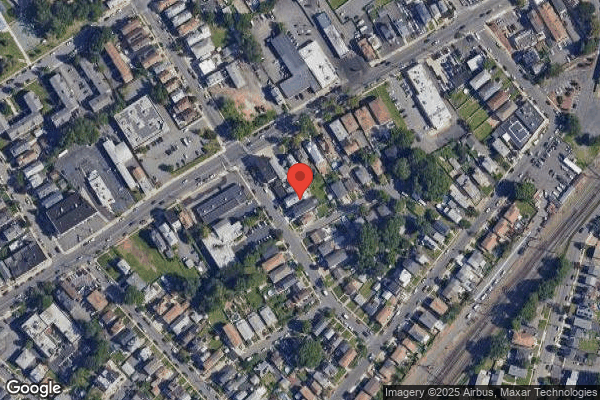
1048 GROVE STREET, ELIZABETH, NJ 07202 (908) 354-0002
For profit - Corporation 102 Beds Independent Data: November 2025
Trust Grade
90/100
#36 of 344 in NJ
Last Inspection: September 2024

Within standard 12-15 month inspection cycle. Federal law requires annual inspections.

Overview

Elizabeth Nursing and Rehab has received an excellent Trust Grade of A, indicating that it is highly recommended and performs well compared to other facilities. It ranks #36 out of 344 in New Jersey, placing it in the top half, and #7 out of 23 in Union County, meaning only six local options are better. However, the facility is facing a concerning trend as it has worsened from 2 issues in 2023 to 3 in 2024. Staffing is average with a rating of 3 out of 5, and the turnover rate is 44%, which is close to the state average of 41%. Notably, the facility has not incurred any fines, which is a positive sign. There were some weaknesses identified, including issues with kitchen sanitation that could lead to foodborne illnesses, as evidenced by a black substance found in the ice machine. Additionally, the facility failed to act on a medication management recommendation for a resident in a timely manner. Another concern was the lack of cushioning on a wheelchair armrest, which could impact the comfort and safety of a resident. Despite these issues, the facility does have strong points such as excellent quality measures and no fines on record, balancing the strengths and weaknesses for families to consider.

Trust Score
A
90/100
In New Jersey
#36/344
Top 10%
Safety Record
Low Risk
No red flags
Inspections
Getting Worse
2 → 3 violations
Staff Stability
○ Average
44% turnover. Near New Jersey's 48% average. Typical for the industry.
Penalties
✓ Good
No fines on record. Clean compliance history, better than most New Jersey facilities.
Skilled Nurses
⚠ Watch
Each resident gets only 27 minutes of Registered Nurse (RN) attention daily — below average for New Jersey. Fewer RN minutes means fewer trained eyes watching for problems.
Violations
○ Average
9 deficiencies on record. Average for a facility this size. Mostly minor or procedural issues.
★★★★★
5.0
Overall Rating
★★★☆☆
3.0
Staff Levels
★★★★★
5.0
Care Quality
★★★★☆
4.0
Inspection Score
Stable
2023: 2 issues
2024: 3 issues

The Good

  • 5-Star Quality Measures · Strong clinical quality outcomes
  • Full Sprinkler Coverage · Fire safety systems throughout facility
  • No fines on record
  • Staff turnover below average (44%)

    4 points below New Jersey average of 48%

Facility shows strength in quality measures, fire safety.

The Bad

Staff Turnover: 44%

Near New Jersey avg (46%)

Typical for the industry

The Ugly 9 deficiencies on record

Sept 2024 3 deficiencies
CONCERN (D)

Potential for Harm - no one hurt, but risky conditions existed

Deficiency F0558 (Tag F0558)

Could have caused harm · This affected 1 resident

Based on observations, interviews, and review of pertinent facility documents, it was determined that the facility failed to provide a safe medical equipment (wheelchair with no armrest pad) which wou...

Read full inspector narrative →
Based on observations, interviews, and review of pertinent facility documents, it was determined that the facility failed to provide a safe medical equipment (wheelchair with no armrest pad) which would provide additional support and comfort to protect the arm of a resident. This deficient practice was observed for one (1) of eighteen (18) residents (Resident #23) reviewed for assistant medical device. This deficient practice was evidenced by the following: On 9/15/24 at 11:38 AM, during initial tour, the surveyor observed Resident #23 who was seated in a high back wheelchair in the dayroom. The surveyor further observed the left-side armrest of the resident's high back wheelchair had no cushion. On 9/16/24 at 9:35 AM, the surveyor observed Resident #23 in the day room. The resident was groomed and dressed and was seated in their high back wheelchair which had no cushion on the left side armrest. A review of Resident #23's admission Record revealed that the resident was admitted to the facility with diagnosis which included but were not limited to: Type 2 Diabetes Mellitus (a long-term condition in which the body has trouble controlling blood sugar and using it for energy), Hypertension (a condition in which the force of blood against the artery walls is too high), Major Depressive Disorder (persistent feeling of sadness or loss of interest that characterizes major depression can lead to a range of behavioral and physical symptoms) and Anxiety Disorder (a mental health disorder characterized by feelings of worry, anxiety, or fear that are strong enough to interfere with one's daily activities. A review of Resident #23's Quarterly Minimum Data Set (MDS) an assessment tool revealed the resident had a Brief Interview for Mental Status score of 00 out of 15, which indicated that the resident had severe cognitive impairment. On 9/16/24 at 9:40 AM, the surveyor in the presence of a Registered Nurse (RN) observed Resident #23 in their high back wheelchair. The RN acknowledged that the resident was missing their armrest cushion on the left side of the wheelchair. The RN stated that there must be cushion on the armrest of the resident's wheelchair. The RN further stated that the armrest cushion needed to be fixed. On 9/16/24 at 9:45 AM, the surveyor interviewed the resident's Certified Nursing Assistant (CNA) who acknowledged that the resident had no armrest cushion on the left-side of their wheelchair. The CAN stated that the resident should have an armrest cushion on both armrests. The CNA further stated that the armrest cushion for the wheelchair was inside the resident's room. On 9/16/24 at 9:50 AM, the surveyor observed the RN retrieved the armrest cushion from the resident's room and was observed snapping the cushion on the resident's wheelchair left armrest. The RN stated that she will contact the maintenance department to fix the resident's wheelchair. On 9/17/24 at 1:00 PM, the surveyor presented the above concerns to the facility administrative team which included the Licensed Nursing Home Administrator (LNHA), Assistant LNHA, Regional LNHA and the Director of Nursing (DON). No further information was provided. A review of the facility policy, Medical Equipment Management Plan (Created 08/31/24) and was provided by the DON revealed the following: 3 Maintains equipment operational plans to help assure reliability. 4. Develops procedures that establish intervals for the testing and maintenance of the equipment. 7. When problems are identified, actions are taken to resolve them. NJAC 8:39-27.1(a), 31.4(a),4.1(a)(12)
CONCERN (D)

Potential for Harm - no one hurt, but risky conditions existed

Deficiency F0761 (Tag F0761)

Could have caused harm · This affected 1 resident

**NOTE- TERMS IN BRACKETS HAVE BEEN EDITED TO PROTECT CONFIDENTIALITY** Based on observation, interview, and record review, it was determined that the facility failed (a). remove and dispose a discont...

Read full inspector narrative →
**NOTE- TERMS IN BRACKETS HAVE BEEN EDITED TO PROTECT CONFIDENTIALITY** Based on observation, interview, and record review, it was determined that the facility failed (a). remove and dispose a discontinued medication (Namenda 5 mg) from the active inventory, this was identified for one (1) of four (4) residents, (Resident #85) observed during medication administration and (b). properly label, store, and dispose medications in two (2) of four (4) medication carts inspected. This deficient practice was evidenced by the following: a). On [DATE] at 9:05 AM, during morning medication pass observation, the surveyor observed a Licensed Practical Nurse (LPN# 1) preparing medications for Resident #85. LPN #1 opened the medication cart and pulled out a bingo card (a bubble pack which contained one dose of medication commonly used in long term care facilities) which contained Memantine (Namenda) 5mg tablets. The surveyor observed LPN #1 checked the resident's electronic medication administration record. LPN #1 stated that the resident was on Namenda 10 mg. She then investigated the medication cart and found another bingo card for Memantine (Namenda)10 mg tablets. LPN#1 stated that the Namenda 5 mg was for the evening dose. On [DATE] at 9:30 AM, during medication pass reconciliation the surveyor reviewed Resident #85's physician's orders (PO) which revealed that the resident's PO for Memantine 10 mg tablets were discontinued on [DATE]. The surveyor reviewed the medication record for Resident #85. A review of the resident's admission record revealed the resident was admitted to the facility with diagnoses which included but were not limited to: Hypertension (a condition in which the force of the blood against the artery walls is too high), Hyperlipidemia (a condition in which there are high levels of fat particles (lipids) in the blood), Alzheimer's disease (a progressive disease that destroys memory and other important mental functions), and Diabetes Mellitus (is a disorder in which the amount of sugar in the blood is elevated). A review of the admission MDS dated [DATE], reflected the resident had a Brief Interview for Mental Status score of 15 out of 15, indicating that the resident was cognitively intact. A review of the [DATE] Order Summary Report (OSR) revealed a PO dated [DATE] for Memantine oral tablet 10 mg, give 1 tablet by mouth two times a day for Dementia. The [DATE] OSR report also showed that the resident had the following discontinued PO's: Memantine oral tablet 5 mg give 1 tablet by mouth two times a day for dementia which had a discontinued date of [DATE]. On [DATE] at 10:40 AM, the surveyor in the presence of LPN#1 reviewed Resident #85's medical records. LPN#2 acknowledged that the resident's Namenda 5 mg was discontinued on [DATE] and the medication should have been removed from the medication cart as soon as the medication was discontinued. b). On [DATE] at 10:50 AM, the surveyor inspected the first-floor medication cart in the presence of LPN#2. The surveyor observed an opened vial of Purified Protein Derivative (PPD) (a test that detects tuberculosis) that indicated an open date of [DATE] and was stored inside the medication cart. The surveyor also observed an unopened pen of Basaglar insulin that was undated and stored inside the medication cart. The surveyor interviewed LPN#2 who acknowledged that the PPD vial and the unopened pen of Basaglar should have been stored inside the medication refrigerator. On [DATE] at 11:00 AM, the surveyor inspected the 2nd floor medication cart in the presence of LPN#3. The surveyor observed an opened Timolol 0.5% (glaucoma) eye drops that had an opened date of [DATE] and was expired. At that time, the surveyor interviewed LPN#3 who stated that the Timolol eye drops, once it's opened had a 28-day expiration date. LPN#3 acknowledged that the Timolol eye drops was expired and should have been removed from the medication cart. A review of the Manufacturer's Specifications for the following medications revealed the following: 1. PPD vial should be stored in the refrigerator. 2. Unopened Basaglar insulin pen should be stored in the refrigerator 3. Timolol eye drops once opened has an expiration date of 28-days. On [DATE] at 1:00PM, the surveyor presented the above concerns to the facility administrative team which included the Licensed Nursing Home Administrator (LNHA), Director of Nursing (DON), assistant LNHA, and the Regional LNHA. There was no additional information provided. A review of the facility's policy titled Medications Destruction dated [DATE] and provided by the DON included the following: When non controlled medications are expired or discontinued, all medications in their original packaging are returned to the pharmacy for proper disposal. A review of the facility's policy titled Medication Storage dated [DATE] and provided by the DON included the following: 5. Expired, discontinued and/or contaminated medications will be removed from the medication storage areas and disposed of in accordance with facility policy. 6. Medications will be stored at the appropriate temperature in accordance with pharmacy and /or manufacturer's labeling. NJAC: 8:39-29.4 (a) (h) (d)
CONCERN (F)

Potential for Harm - no one hurt, but risky conditions existed

Food Safety (Tag F0812)

Could have caused harm · This affected most or all residents

Based on observation, interview, and review of facility policies, it was determined that the facility failed to maintain proper kitchen sanitation practices in a manner to prevent food borne illness. ...

Read full inspector narrative →
Based on observation, interview, and review of facility policies, it was determined that the facility failed to maintain proper kitchen sanitation practices in a manner to prevent food borne illness. This deficient practice was observed and evidenced by the following: On 9/15/24 at 9:35 AM, the surveyor in the presence of the Chef observed the following during the kitchen tour: 1. The inside of the ice machine was observed in two areas with a black colored substance. The Chef stated the maintenance department oversees cleaning the ice machine and they were not aware of the black colored substance in the ice machine. On 9/15/24 at 12:34 PM, the surveyor conducted an interview with the Maintenance Director (MD), who stated the ice machine was cleaned monthly, normally the middle of the month. The MD was unable to state what the substance was or how long it had been there. On 9/17/24 at 9:45 AM, the Executive Chef (EC) provided the surveyor with a facility policy title, Cleaning Kitchen Equipment with a revised date of December 2023. Under the policy interpretation and implementation portion of the policy it states, 2. All utensils, counters, shelves, and equipment shall be kept clean, maintained in good repair and shall be free from breaks, corrosions, open seams, cracks, and chipped areas that may affect their use or proper cleaning. Seals, hinges, and fasteners will be kept in good repair .11. Ice machines and ice storage containers will be drained, cleaned, and sanitized per manufacturer's instruction and facility policy. On 9/17/24 at 1:38 PM, the surveyor team met with the Facility Operator, Assistant Licensed Nursing Home Administrator, Regional Administrator, Administrator in Training, and Director of Nursing and reviewed the above facility concerns. No additional information was provided. NJAC 8:39-17.2(g)
May 2023 2 deficiencies
CONCERN (D)

Potential for Harm - no one hurt, but risky conditions existed

Comprehensive Assessments (Tag F0636)

Could have caused harm · This affected 1 resident

Based on observation, interview, record review and review of facility provided documentation, it was determined that the facility failed to provide a comprehensive nutritional assessment to identify t...

Read full inspector narrative →
Based on observation, interview, record review and review of facility provided documentation, it was determined that the facility failed to provide a comprehensive nutritional assessment to identify the nutritional needs of newly admitted and re-admitted residents to the facility within a 14 day period as required by Centers of Medicare & Medicaid Services (CMS). This deficient practice was identified for 4 of 9 newly admitted / re-admitted residents reviewed for nutritional assessments between 3/28/23 to 4/17/23, (Resident #231, 232, 233, and 234), and was evidenced by the following: The surveyor reviewed the Resident admission List supplied by the Admission's Director for residents admitted or re-admitted to the facility from 3/28/23 to 4/17/23 with the following findings: 1. On 5/3/2023 at 11:05 AM, the surveyor observed Resident #231 in bed. The resident stated that they were experiencing tooth and jaw pain on the left side of their mouth. The facility was providing soft food, but the resident stated that they had not been seen by the Registered Dietitian (RD). On 5/3/2023 at 11:15 AM, during review of Resident #231's Electronic Medical Administration Record (e-MAR) and Face sheet (FS) (an admission summary sheet), the documented initial admission date (IAD) was 3/28/2023. Continued review of the medical records, revealed that the comprehensive nutritional assessment was created on 4/25/2023, 14 days late, after the 14-day period required by CMS. 2. On 5/3/2023 at 11:30 AM, during review of Resident #232's e-MAR and FS, it was revealed that the resident had an IAD of 4/3/2023 and that the comprehensive nutritional assessment was created on 4/25/2023, 8 days late, after the 14-day period required by CMS. 3. On 5/3/2023 at 11:50 AM, during review of Resident #233's e-MAR and FS, it was revealed that the resident had an IAD of 4/2/2023 and that the comprehensive nutritional assessment was created on 4/25/2023, 9 days late, after the 14-day period required by CMS. 4. On 5/4/2023 at 10:30 AM, during review of Resident #234's e-MAR and FS, it was revealed that the resident had a re-admission date of 4/6/2023 and the comprehensive nutritional assessment was created on 4/25/2023, 3 days late, after the 14-day period required by CMS. On 5/5/23 at 11:32 AM, the surveyor interviewed the RD, who has been working at the facility since 2019. The RD stated they try to get all initial nutrition assessments completed within 72 hours of arrival to the facility regardless of initial or re-admission. The RD further stated she was on vacation from 3/29/23 to 4/19/2023. The facility failed to have a covering RD during this period of time creating a delay in the comprehensive nutrition assessments for Residents #231, 232, 233, and 234. All the comprehensive nutrition assessments for these residents failed to be completed within the 14-day required period. On 5/8/2023 at 11:37 AM, the RD provided the surveyor with a policy titled, Elizabeth nursing Nutrition Assessment Guidelines with a revised date of 12/2019. Under the Policy Explanation and Compliance Guidelines, the policy states: 2. The Dietician will complete a nutrition assessment on residents admitted to the facility. On 5/10/23 at 1:35 PM, the surveyor met with the Licensed Nursing Home Administrator (LNHA), Director of Nursing (DON), and Assistant Director of Nursing (ADON) to discuss the above mentioned concerns. No further relevant information was provided. N.J.A.C. 8:39-11.2
CONCERN (D)

Potential for Harm - no one hurt, but risky conditions existed

Food Safety (Tag F0812)

Could have caused harm · This affected 1 resident

Based on observation, interview, and review of pertinent facility documents, it was determined that the facility failed to: a.) store, label, and date potentially hazardous foods to prevent food-borne...

Read full inspector narrative →
Based on observation, interview, and review of pertinent facility documents, it was determined that the facility failed to: a.) store, label, and date potentially hazardous foods to prevent food-borne illness On 5/3/23 at 9:30 AM, the surveyor entered the facility kitchen and asked to tour with the Food Service Director (FSD), but the FSD was not in the facility, the tour began with the available Chef Supervisor (CS). At this time, the surveyor and CS toured the kitchen and observed the following: 1. In the Refrigerator/Freezer combo located in the dry storage area, the surveyor observed in the refrigerator a 48-ounce container of Ricotta cheese with a written date of 4/24. The CS could not state if that date was the received, open, or discard date. The CS did acknowledge that once opened the Ricotta should be discarded within 5 days but could not explain why the container had not been disposed of. The CS opened the container and upon further inspection the surveyor observed multiple green colored debris inside the container. The CS was unable to state what the debris was, container was discarded. 2. In the freezer section of the Refrigerator/Freezer Combo, the surveyor observed an open bag of frozen mixed vegetables and an open bag of frozen rolls both without any dates. At that time the FSD joined the surveyor and CS on the tour. The FSD could not explain why the two items in the freezer were not dated, but acknowledged all items need to have a received, opened and discard dates. The FSD provided a facility policy titled, Checking Daily Refrigerator For Appropriate Storage that was reviewed by the surveyor. Under policy, it states, All foods stored in the daily refrigerator will be checked to ascertain that they are stored in a manner that assures that they are appropriate for use and free from potential cross-contamination. On 5/10/23 at 1:30 PM, the surveyor discussed the above concerns with the FSD, Director of Nursing (DON), and Assistant Licensed Nursing Home Administrator (ALNHA). No further information was provided. NJAC 8:39-17.2(g)
Apr 2021 4 deficiencies
CONCERN (D)

Potential for Harm - no one hurt, but risky conditions existed

Report Alleged Abuse (Tag F0609)

Could have caused harm · This affected 1 resident

Based on observation, interview, and review of facility documents, it was determined that the facility failed to: a.) report to the New Jersey Department of Health (NJDOH) an allegation of resident to...

Read full inspector narrative →
Based on observation, interview, and review of facility documents, it was determined that the facility failed to: a.) report to the New Jersey Department of Health (NJDOH) an allegation of resident to resident abuse that occurred on 3/2/21 and b.) develop the facility's Abuse Prevention, Identification and Investigation policy in accordance with federal and state requirements for the timing of reporting such allegations of abuse to the state agency. The deficient practice was identified for 1 of 1 investigations of reportable incidents reviewed (which occurred between Resident #2 and #37) and was evidenced by the following: On 4/27/21 at 1:00 PM, the surveyor requested from the Director of Nursing (DON) any events that occurred in the past six months. The DON stated that the facility had no reportable incidents. The surveyor then requested for any investigations involving allegations of abuse or injury of unknown origin. On 4/28/21 at 9:04 AM, the surveyor reviewed the investigation provided by the DON involving Resident #2 and #37. The investigation reflected that on 3/2/21 at 3:30 AM, staff heard screaming and crying coming from Resident #2 and #37's room. Upon entering the room, the nurse and Certified Nursing Aide (CNA) observed Resident #2 standing at Resident #37's bedside yelling at their significant other. Resident #37 was crying and reported to staff that Resident #2 was yelling and threatening him/her and was attempting to hit them. Staff tried to redirect Resident #2, but he/she became combative and belligerent with staff. The residents were then immediately separated and currently reside in two separate rooms and on two different resident care units/floors. On 4/28/21 at 11:33 AM, the surveyor interviewed the DON who stated that she was in charge of investigations and reporting to the NJDOH. The DON stated that she would report to the NJDOH any injury of unknown origin and verbal or physical abuse within 24-72 hours depending if the incident occurred during a weekday or weekend. The DON stated that since she had been at the facility for the past ten months, she had experienced no allegations of abuse, but there was a romantically involved couple who he/she was screaming at his/her significant other, but that was not abuse because they were in a relationship. She added that Resident #2 was confused and did not intend to harm their significant other. When asked, the DON confirmed that yelling and threatening to hit someone would be considered verbal abuse. A review of the facility's Abuse Prevention, Identification and Investigation policy dated revised 1/2020 included that all incidents of abuse or suspected abuse are reported to the appropriate agencies within twenty-four hours of the incident. On 4/29/21 at 10:42 AM, the Licensed Nursing Home Administrator (LNHA) in the presence of the Assistant LNHA, DON, Administrative team, and the survey team stated that upon investigation, the facility determined there was no physical injury to Resident #37 so at the time they did not see a no reason to report the incident to the NJDOH because Resident #2 was only verbally threatening the resident. The Assistant LNHA stated that the feeling was that since there was no physical injury, the incident did not need to be reported, but acknowledged that the facility should have reported the investigation in to the NJDOH for the verbal abuse. At this time, the DON stated that the facility used the NJDOH Reportable Events Grid to determine what incidents needed to be reported and the timeframe for reporting. The DON stated that allegations of abuse should be reported to the NJDOH within twenty-four hours. The DON confirmed she was in charge of the facility's abuse policy and she would review the NJDOH Reportable Events Grid with the facility's abuse policy. On 4/29/21 at 11:43 AM, the DON acknowledged that abuse was to be reported to the NJDOH immediately, but no later than two hours in accordance with the grid she had in her procession. She stated that she would have to update the facility's policy to reflect the same. NJAC 8:39-4.1(a)5
CONCERN (D)

Potential for Harm - no one hurt, but risky conditions existed

Medication Errors (Tag F0758)

Could have caused harm · This affected 1 resident

**NOTE- TERMS IN BRACKETS HAVE BEEN EDITED TO PROTECT CONFIDENTIALITY** Based on observation, interview and review of the medical record and review of other facility documentation, it was determined t...

Read full inspector narrative →
**NOTE- TERMS IN BRACKETS HAVE BEEN EDITED TO PROTECT CONFIDENTIALITY** Based on observation, interview and review of the medical record and review of other facility documentation, it was determined that the facility failed to adequately monitor the target behaviors for the use of psychotropic medications (mood altering medications) for 2 of 5 residents (Resident #2 and Resident #17) reviewed for unnecessary medications. This deficient practice was evidenced by the following: 1. On 4/27/21 at 9:03 AM, during initial tour of the first-floor nursing unit, the surveyor observed Resident #2 seated in the first-floor dining room with a breakfast tray on the table in front of the resident. On 4/27/21 at 9:22 AM, the surveyor reviewed Resident #2's medical record which revealed that the resident was admitted to the facility with diagnoses which included, but not limited to, hypothyroidism, unspecified dementia without behavioral disturbance and hypertension (high blood pressure). The Physicians Order Form revealed a physician's order dated 3/2/21, Start Seroquel [an antipsychotic medication] 12.5 mg P.O. [by mouth] BID [twice a day] for mood disorder. Further review of another Physicians Order Form revealed an order dated 3/17/21, D/C [discontinue] Seroquel 12.5 mg P.O. BID, Start Seroquel 12.5 mg P.O. Q AM [every morning] and Seroquel 25 mg P.O. Q 6PM [every day at 6 pm]. The Physician's Order Set (POS) for April 2021 revealed an order dated 8/20/20, Citalopram (an antidepressant medication) 20 mg one (1) tablet by mouth once daily for depression. A review of the quarterly Minimum Data Set (MDS), an assessment tool used to facilitate the management of care, dated 3/22/21 reflected that the resident had a brief interview for mental status (BIMS) score of 3 out of 15, which indicated the resident had a severely impaired cognition. A further review of the MDS, indicated that the resident received psychotropic medications on 7 out of the last 7 days during the look-back period. At 10:13 AM, the surveyor reviewed Resident #2's Medication Administration Record (MAR) located in a three-ring binder on the nursing unit's medication cart. The surveyor did not observe a Behavior/Intervention Monthly Flow Record (BIMFR), a tool used to record the number of episodes of target behaviors that occur each day to monitor the use of psychotropic medications, for the month of April 2021. The surveyor then asked the Registered Nurse (RN) where Resident #2's BIMFR was located. The RN looked in the resident's medical record and MAR and confirmed that Resident #2 did not have a BIMFR for the month of April 2021. The RN then stated that the resident should have a BIMFR since the resident was on Seroquel. The RN then spoke to the Assistant Director of Nursing (ADON) regarding the missing BIMFR. The ADON stated that the facility was transitioning to the electronic health record and that there should be nurses notes when the resident has a behavior. At 11:03 AM, the RN provided the surveyor with the electronic nurses notes (eNN) and stated that staff write a behavior note in the eNN and monitor behaviors that way. The RN then confirmed that some of the residents had a BIMFR that came from the pharmacy. The RN could not give the surveyor a reason why Resident #2 did not have a BIMFR for the month of April. At 12:55 PM, the surveyor asked the Nursing Supervisor (NS) what the process was to monitor residents that are prescribed psychotropic medications. The NS stated that a resident's behaviors are monitored on a daily basis and that the facility uses a flow sheet that indicated what target behaviors are to be monitored. The NS then stated that if the resident exhibited a different behavior from the listed target behavior, then the nurse would document the different behavior in the eNN. The NS stated that any resident that was prescribed an anti-psychotic medication or an antidepressant medication should have a BIMFR with their target behavior that needed to be monitored written on the BIMFR. The surveyor then asked the NS to view Resident #2's MAR and the NS confirmed that Resident #2 did not have a BIMFR for April 2021. There was no documented evidence that a BIMFR was created to monitor any target behavior for Resident #2's antipsychotic medication and antidepressant medication for the month of April. The NS could not give the surveyor a reason why Resident #2 did not have a BIMFR for the month of April. The NS stated that a BIMFR should have been started by a nurse when the new medication [Seroquel] was prescribed. The NS further stated that if a pre-printed BIMFR for Citalopram did not come from the pharmacy that the facility had blank forms and that a nurse should have handwritten a BIMFR when the new month started. The surveyor then asked the NS to locate Resident #2's MAR from March 2021 for the surveyor to review. At 1:24 PM, the NS provided the surveyor Resident #2's March 2021 MAR which included a BIMFR for Resident #2's antidepressant medication Citalopram. The surveyor reviewed the March 2021 BIMFR which revealed the following: Under Psychoactive Medication/Dosage typed in was Citalopram tab 20 mg, under Behavior handwritten under 1 was Isolation and under 2 was Feeling sad. There was a section for each shift of each day of the month to document if the behavior occurred. There was no documented evidence that a BIMFR was created to monitor any target behavior for Seroquel when the medication was started on 3/2/21. On 4/29/21 at 11:10 AM, the surveyor interviewed the Director of Nursing (DON) who stated that Resident #2 should have had a BIMFR with target behavior(s) listed for the resident's antidepressant medication for the month of April and antipsychotic medication for the month of March and April 2021. 2. On 4/27/21 at 9:00 AM, during initial tour of the first-floor nursing unit, the surveyor observed Resident #17 sleeping in bed. At 10:45 AM, the surveyor reviewed Resident #17's medical record which revealed that the resident was admitted to the facility with diagnoses which included, but not limited to, atrial fibrillation (irregular heart rate), unspecified dementia with behavioral disturbance and hypertension. The POS for April 2021 revealed the following physician orders: an order dated 8/26/20, Escitalopram [an antidepressant medication] 5 mg three (3) tabs [15 milligrams (mg)] by mouth once daily for depression and an order dated 5/16/19, Mirtazapine [an antidepressant] 15 mg one (1) tablet by mouth at bedtime for depression. A review of the quarterly MDS dated [DATE] reflected that the resident had a BIMS score of 14 out of 15, which indicated the resident had an intact cognition. A further review of the MDS, indicated that the resident received psychotropic medications on 7 out of the last 7 days during the look back period. At 11:23 AM, the surveyor reviewed Resident #17's MAR for April 2021 located in a three-ring binder on the nursing unit's medication cart. The surveyor did not observe a BIMFR for the month of April 2021. The surveyor then asked RN#2 where Resident #17's BIMFR was located. RN#2 reviewed Resident #17's MAR and medical record and confirmed that Resident #17 did not have a BIMFR for the month of April 2021. RN#2 could not give the surveyor a reason why Resident #2 did not have a BIMFR for the month of April 2021. At 1:29 PM, the surveyor asked the NS to view Resident #17's MAR and the NS confirmed that Resident #17 did not have a BIMFR for April 2021. There was no documented evidence that a BIMFR was created to monitor any target behavior for Resident #17's antidepressant medications for the month of April. The surveyor then asked the NS to locate Resident #17's MAR from March 2021 for the surveyor to review. At 1:24 PM, the NS provided the surveyor Resident #17's previous month's March 2021 MAR which included two BIMFRs for Resident #17's antidepressant medications. The surveyor reviewed the March 2021 BIMFR which revealed the following: On the first BIMFR, under Psychoactive Medication/Dosage typed in was Escitalopram tab 5 mg, under Behavior handwritten under 1 was Restlessness and under 2 was Suicidal thought. On the second BIMFR, under Psychoactive Medication/Dosage typed in was Mirtazapine tab 15 mg, under Behavior handwritten under 1 was Refuse OOB (out of bed) and under 2 was Crying. On 4/29/21 at 11:11 AM, the surveyor interviewed the DON in the presence of the survey team who stated that Resident #17 should have had a BIMFR with target behavior(s) listed for the resident's antidepressant medications for the month of April. She acknowledged that without that form, the facility did not have another consistant way to track target behaviors for each of the medications. She confirmed that without the tracking it would be difficult to determine if a gradual dose reduction could be attempted in the future. The DON stated that the facility had been working on the psychotropic medication management during their Quality Assurance Program Improvement plans, and that this was the first time that missing behavior monitoring sheets were identified. The surveyor reviewed the undated facility provided policy titled, Psychotropic Drug Usage which included the following: Policy: It is the policy of this facility to maintain a chemical free environment. However in the event a psychotropic drug/agent must be used, this facility shall implement a system to assure proper use, monitor side effects and assess the usage that the least means is being used with the ultimate goal in reduction or elimination. Psychoactive drug therapy will be used only to enhance the quality of life of the resident and not as a punishment or for the convenience of staff or as a substitute for other appropriate treatment, or in quantities that interfere with the resident's treatment program. Definition: Psychotropic drugs/agents are organic or inorganic substances which have the ability to alter mental, emotional or behavioral disorder. They are classified in three (3) groups: 1) ANTI-PSYCHOTIC- a substance that is used in managing the manifestation of psychotic disorders. 2) ANTIDEPRESSANT- a substance use in treating emotional disorders and depression . Procedure: .5. All residents started on psychoactive medications or having dosage or drug change will be closely observed and monitored for one (1) week. 6. A Psychoactive Drug Flow Sheet' (see Attachment B) will be initiated to monitor behavior and/or side effects. This form must be continued as long as the medication is being used . N.J.A.C. 8:39-27.1 (a)
CONCERN (E)

Potential for Harm - no one hurt, but risky conditions existed

Drug Regimen Review (Tag F0756)

Could have caused harm · This affected multiple residents

Based on observation, interview, record review and review of pertinent facility documents, it was determined that the facility failed to ensure a recommendation made by the Consultant Pharmacist was a...

Read full inspector narrative →
Based on observation, interview, record review and review of pertinent facility documents, it was determined that the facility failed to ensure a recommendation made by the Consultant Pharmacist was acted upon in a timely manner. This deficient practice was identified for 1 of 6 residents reviewed for medication management (Resident #6). The evidence was as follows: On 4/26/21 at approximately 10:00 AM, the surveyor interviewed the Licensed Practical Nurse (LPN) who stated that Resident #6 goes to the dialysis center three days a week due to end stage renal disease. On 4/27/21 at 9:42 AM, the surveyor observed Resident #6 sitting on the edge of the bed talking on the phone. The resident was unable to be interviewed at that time. The surveyor reviewed the medical record for Resident #6. A review of the admission Record (face sheet) reflected that the resident was admitted to the facility with diagnoses which included end stage renal disease and dependence on renal dialysis (the process of removing excess water, solutes, and toxins from the blood due to impaired functioning of the kidneys.). A review of the most recent quarterly Minimum Data Set (MDS), an assessment tool used to facilitate the management of care, dated 3/23/21 reflected that the resident had a brief interview for mental status (BIMS) score of 15 out of 15, indicating a fully intact cognition. A review of the resident's individualized care plan dated 7/7/2020 included that the resident had end stage renal disease and was receiving hemodialysis treatments at the dialysis center three times a week on Monday, Wednesday and Friday. Interventions included to administer medications as ordered .and monitor for compliance. A review of the Physician's Order Form for April 2021 reflected a physician's order (PO) dated 1/10/2020 for a medication to control high blood pressure, Coreg. The order specified to give Coreg 25 milligrams (mg) one tablet by mouth on dialysis days Monday, Wednesday and Friday at 5 AM and 5 PM, and hold for systolic blood pressure (SBP; top number on a blood pressure reading) of less than 130 or heart rate less than 60 beats per minute. A review of the Medication Administration Record (MAR) for April 2021 reflected the corresponding PO dated 1/10/2020 for the Coreg 25 mg by mouth at 5 AM and 5 PM on dialysis (HD) days. The April 2021 MAR reflected that the resident consistently refused the Coreg 25 mg for the 5 AM dose. The back of the MAR was signed that the resident had refused the Coreg at 5 AM every Monday, Wednesday and Friday when it was due and that he/she had continued to refuse it despite three attempts to administer it. The surveyor reviewed a Consultant Pharmacist (CP) recommendation dated 1/27/21 which reflected, The Medication Administration Record indicates frequent refusals of Coreg at 5am prior to dialysis. Please evaluate current order. The CP recommendations had a print out section for the physician to accept or not accept the recommendation and a reason for not accepting if indicated. The form was blank and there was no evidence it was addressed. A review of a subsequent handwritten monthly CP recommendation dated 2/24/21 indicated Coreg refusals continued. A review of the electronic Progress Notes (ePN) from 1/27/21 to 4/28/21 reflected that the CP recommendations dated 1/27/21 and 2/24/21 did not address the recommendations with the physician regarding the resident refusing the Coreg at 5 AM before the dialysis days. On 4/28/21 at 11:30 AM, the surveyor interviewed the resident's assigned LPN. The LPN stated the CP comes monthly but that she was not responsible for reviewing for the CP recommendations. She stated that the CP sends all recommendations to the Director of Nursing (DON), and the DON delegates it further to the evening Nurse Supervisor. The surveyor and the LPN reviewed the resident's MAR for April 2021, and the LPN acknowledged that the resident routinely refused the 5 AM dose of Coreg before going to dialysis. The LPN stated that the resident always refused it but just on the days that he/she goes to the dialysis center. The LPN acknowledged that usually after three consecutive times of refusing a medication, that the Attending Physician (MD) needed to be notified. She could not speak to if the MD had been notified. The LPN stated that Resident #6 was scheduled to go to an initial cardiologist appointment on 5/5/21 at 2:15 PM and that she believed that it was possible the physician did not want to change around the medication until he/she was seen by the cardiologist next week. The LPN confirmed that she didn't think that it was documented, but that she would look into it. The LPN couldn't speak to why the resident was refusing the Coreg, so the surveyor and LPN went to interview Resident #6. At 11:34 AM, the surveyor observed Resident #6 sitting on the edge of the bed. The resident stated in the presence of the LPN and surveyor that he/she refuses the Coreg dose at 5 AM every morning because her Renal Doctor at the dialysis center told me to not take it before dialysis. The resident added that it was because the blood pressure had dropped a while ago and that he/she was not comfortable taking it again. The resident stated that the nurse keeps bringing it at 5 AM, but that he/she does not take it but takes all the other morning pills before dialysis. On 4/28/21 at 12:04 PM, the surveyor conducted a phone interview with the CP. The CP stated that he was out on leave during January and February 2021 and could not speak to the recommendations for the Coreg. However, he stated that if recommendations were made in January 2021 and again in February 2021 due to the frequency or pattern of refusing a particular medication, that there should be documentation to rationalize why it was not being accepted, if the resident was still refusing it in April 2021. He stated that he documents all irregularities on the monthly review and the reviews get send to the DON. The physician was allowed to not accept the CP recommendation but that there should be a documented rationale. He could not speak to the resident's refusal of Coreg without looking at his/her chart. He stated that he didn't have the resident's medical record accessible. On 4/29/21 at 10:52 AM, the surveyor interviewed the evening Nurse Supervisor and the DON in the presence of the survey team. The DON acknowledged that the CP recommendation had not been addressed and was unable to provide documented evidence that it had been addressed by the MD. She stated that after surveyor inquiry, the Nephrologist (Physician that specializes in kidney/renal impairments) was notified and that they had recommended to change the 5 AM dose to be given at around 12 PM when the resident returned from the dialysis center. She confirmed that the resident's blood pressure fluctuated due to his/her fluid imbalances associated with the kidney impairments, but that he/she was seeing the Cardiologist next week who would also review the medication. The evening Nurse Supervisor acknowledged in the presence of the survey team that she had missed those recommendations since January 2021 until surveyor inquiry but that after three consecutive refusals of a medication, that the nurse should have called the Attending Physician for new orders or changing the order time as well. At 12:06 PM, the Assistant Licensed Nursing Home Administrator (LNHA) provided the surveyor a copy of the Consultant Pharmacist role revised 1/15/19, which included that the CP would provide appropriate communication of information to prescribers and facility leadership about potential or actual problems related to any aspect of medications and pharmacy services, including medication irregularities, and pertinent resident-specific documentation in the medical record, as indicated. A review of the Medication Administration policy revised 2018, included that If a Resident/Patient refuses the medication, the physician is to be notified and a Licensed Nurse's note will be completed. No additional policy or procedure was provided on acting on Consultant Pharmacist recommendations. NJAC 8:39-29.3
MINOR (B)

Minor Issue - procedural, no safety impact

Deficiency F0912 (Tag F0912)

Minor procedural issue · This affected multiple residents

**NOTE- TERMS IN BRACKETS HAVE BEEN EDITED TO PROTECT CONFIDENTIALITY** Based on observation and interview on 4/26/21, it was determined that the facility failed comply with the minimum square footage...

Read full inspector narrative →
**NOTE- TERMS IN BRACKETS HAVE BEEN EDITED TO PROTECT CONFIDENTIALITY** Based on observation and interview on 4/26/21, it was determined that the facility failed comply with the minimum square footage requirements for private and semi-private resident bedrooms for 4 of 4 resident rooms (room [ROOM NUMBER], 230, 231, and 232). This deficient practice was evidenced by the following: During a tour of the building in the presence of the facility's Maintenance Director from 10:30 AM to 1:30 PM, the surveyor observed three 2-bedded resident bedrooms were less than 80 square feet per bed or 160 square feet total. This was noted for resident rooms 230, 231 and 232 which measured 14.5-ft. x 10-ft. for a total of 145 square feet. Also, one private room (single bed) was less than 100 square feet. Resident room [ROOM NUMBER] measured 9.5-ft. x 9-ft. for a total of 85.5 square feet. These findings were confirmed by the facility's Maintenance Director in an interview during the tour of the building. Also, the facility's Administrator acknowledged these findings during the Life Safety Code exit conference at 1:30 PM. Resident rooms 230, 231 and 232 were not occupied at the time of survey. The facility's Administrator indicated in an interview at 1:30 PM that these rooms had been converted to special isolation/observation rooms during the current Covid-19 pandemic and the residents were moved to other semi-private rooms in the facility. Resident room [ROOM NUMBER] was occupied at the time of survey. The facility administration was notified that they could not re-occupy the vacant resident rooms: room [ROOM NUMBER], 230, 231, and 232, with more than one resident. NJAC 8:39-31.2(e)
Understanding Severity Codes (click to expand)
Life-Threatening (Immediate Jeopardy)
J - Isolated K - Pattern L - Widespread
Actual Harm
G - Isolated H - Pattern I - Widespread
Potential for Harm
D - Isolated E - Pattern F - Widespread
No Harm (Minor)
A - Isolated B - Pattern C - Widespread

Questions to Ask on Your Visit

  • "Can I speak with families of current residents?"
  • "What's your RN coverage like on weekends and overnight?"

Our Honest Assessment

Strengths
  • • Grade A (90/100). Above average facility, better than most options in New Jersey.
  • • No major safety red flags. No abuse findings, life-threatening violations, or SFF status.
  • • No fines on record. Clean compliance history, better than most New Jersey facilities.
  • • 44% turnover. Below New Jersey's 48% average. Good staff retention means consistent care.
Concerns
  • • No significant concerns identified. This facility shows no red flags across CMS ratings, staff turnover, or federal penalties.
Bottom line: Generally positive indicators. Standard due diligence and a personal visit recommended.

About This Facility

What is Elizabeth Nursing And Rehab's CMS Rating?

CMS assigns ELIZABETH NURSING AND REHAB an overall rating of 5 out of 5 stars, which is considered much above average nationally. Within New Jersey, this rating places the facility higher than 99% of the state's 100 nursing homes. This rating reflects solid performance across the metrics CMS uses to evaluate nursing home quality.
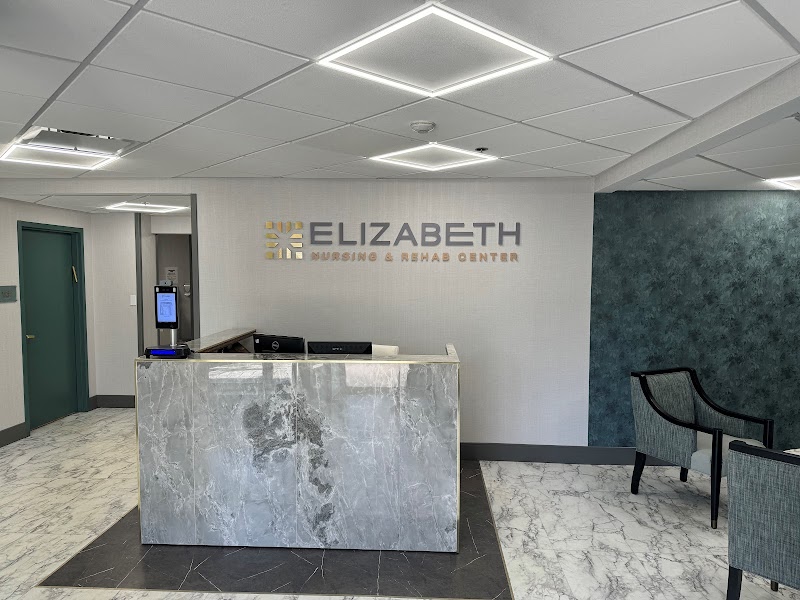
How is Elizabeth Nursing And Rehab Staffed?

CMS rates ELIZABETH NURSING AND REHAB's staffing level at 3 out of 5 stars, which is average compared to other nursing homes. Staff turnover is 44%, compared to the New Jersey average of 46%. This relatively stable workforce can support continuity of care.

What Have Inspectors Found at Elizabeth Nursing And Rehab?

State health inspectors documented 9 deficiencies at ELIZABETH NURSING AND REHAB during 2021 to 2024. These included: 8 with potential for harm and 1 minor or isolated issues.
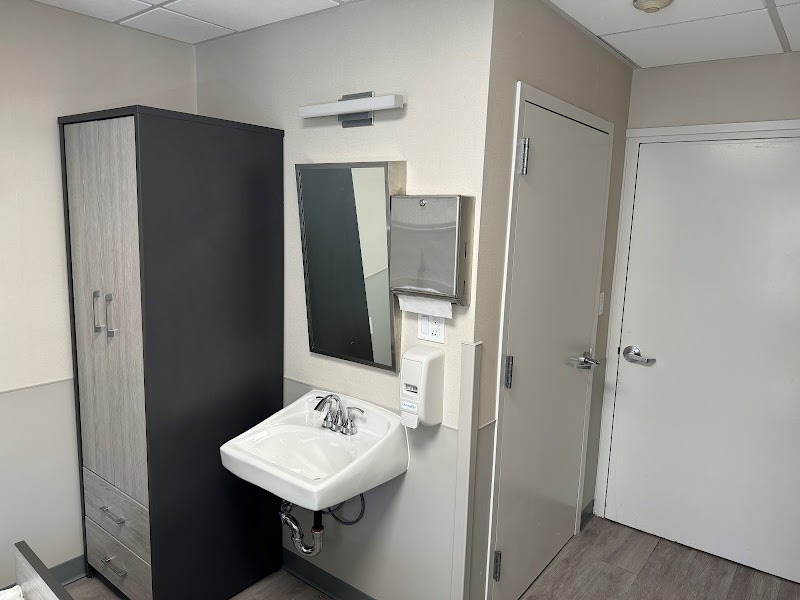
Who Owns and Operates Elizabeth Nursing And Rehab?

ELIZABETH NURSING AND REHAB is owned by a for-profit company. For-profit facilities operate as businesses with obligations to shareholders or private owners. The facility operates independently rather than as part of a larger chain. With 102 certified beds and approximately 91 residents (about 89% occupancy), it is a mid-sized facility located in ELIZABETH, New Jersey.
How Does Elizabeth Nursing And Rehab Compare to Other New Jersey Nursing Homes?

Compared to the 100 nursing homes in New Jersey, ELIZABETH NURSING AND REHAB's overall rating (5 stars) is above the state average of 3.3, staff turnover (44%) is near the state average of 46%, and health inspection rating (4 stars) is above the national benchmark.

What Should Families Ask When Visiting Elizabeth Nursing And Rehab?

Based on this facility's data, families visiting should ask: "Can I visit during a mealtime to observe dining assistance and food quality?" "How do you handle medical emergencies, and what is your hospital transfer rate?" "Can I speak with family members of current residents about their experience?"

Is Elizabeth Nursing And Rehab Safe?

Based on CMS inspection data, ELIZABETH NURSING AND REHAB has a clean safety record: no substantiated abuse findings (meaning no confirmed cases of resident harm), no Immediate Jeopardy citations (the most serious violation level indicating risk of serious injury or death), and is not on the Special Focus Facility watch list (a federal program monitoring the lowest-performing 1% of nursing homes). The facility has a 5-star overall rating and ranks #1 of 100 nursing homes in New Jersey. While no facility is perfect, families should still ask about staff-to-resident ratios and recent inspection results during their visit.

Do Nurses at Elizabeth Nursing And Rehab Stick Around?

ELIZABETH NURSING AND REHAB has a staff turnover rate of 44%, which is about average for New Jersey nursing homes (state average: 46%). Moderate turnover is common in nursing homes, but families should still ask about staff tenure and how the facility maintains care continuity when employees leave.

Was Elizabeth Nursing And Rehab Ever Fined?

ELIZABETH NURSING AND REHAB has no federal fines on record. CMS issues fines when nursing homes fail to meet care standards or don't correct problems found during inspections. The absence of fines suggests the facility has either maintained compliance or corrected any issues before penalties were assessed. This is a positive indicator, though families should still review recent inspection reports for the full picture.

Is Elizabeth Nursing And Rehab on Any Federal Watch List?

ELIZABETH NURSING AND REHAB is not on any federal watch list. The most significant is the Special Focus Facility (SFF) program, which identifies the bottom 1% of nursing homes nationally based on persistent, serious quality problems. Not being on this list means the facility has avoided the pattern of deficiencies that triggers enhanced federal oversight. This is a positive indicator, though families should still review the facility's inspection history directly.