AVALON REHABILITATION AND HEALTHCARE CENTER
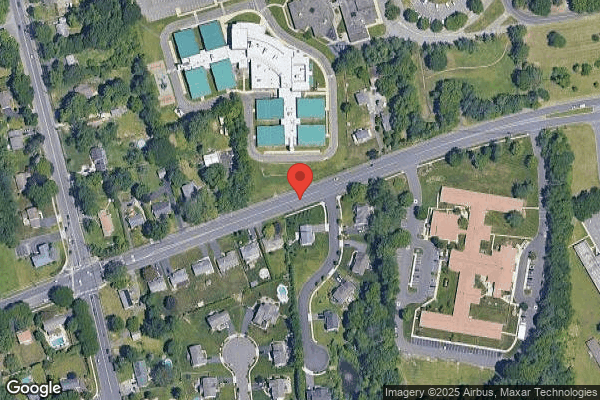

1059 EDINBURG ROAD, HAMILTON, NJ 08690 (609) 588-0091
For profit - Limited Liability company 180 Beds MARQUIS HEALTH SERVICES Data: November 2025 2 Immediate Jeopardy citations
Trust Grade
0/100
#309 of 344 in NJ
Last Inspection: June 2024

Within standard 12-15 month inspection cycle. Federal law requires annual inspections.

Overview

Avalon Rehabilitation and Healthcare Center has received a Trust Grade of F, indicating significant concerns about the care provided, which places it in the bottom tier of nursing homes. It ranks #309 out of 344 facilities in New Jersey and #13 out of 16 in Mercer County, meaning there are many better options available locally. While the facility is improving, as the number of reported issues decreased from 11 in 2024 to 7 in 2025, it still faces serious problems, including recent incidents where residents were not protected from abuse and suffered severe burns due to inadequate supervision. Staffing is somewhat stable with a turnover rate of 32%, below the state average, and the facility has average RN coverage, which is essential for catching potential problems. However, the $31,003 in fines and the high number of deficiencies-29 in total, including critical and serious issues-raise significant red flags for families considering this home for their loved ones.

Trust Score
F
0/100
In New Jersey
#309/344
Bottom 11%
Safety Record
High Risk
Review needed
Inspections
Getting Better
11 → 7 violations
Staff Stability
○ Average
32% turnover. Near New Jersey's 48% average. Typical for the industry.
Penalties
✓ Good
$31,003 in fines. Lower than most New Jersey facilities. Relatively clean record.
Skilled Nurses
⚠ Watch
Each resident gets only 29 minutes of Registered Nurse (RN) attention daily — below average for New Jersey. Fewer RN minutes means fewer trained eyes watching for problems.
Violations
⚠ Watch
29 deficiencies on record. Higher than average. Multiple issues found across inspections.
★☆☆☆☆
1.0
Overall Rating
★★★☆☆
3.0
Staff Levels
★★★★☆
4.0
Care Quality
★☆☆☆☆
1.0
Inspection Score
Stable
2024: 11 issues
2025: 7 issues

The Good

  • 4-Star Quality Measures · Strong clinical quality outcomes
  • Full Sprinkler Coverage · Fire safety systems throughout facility
  • No fines on record
  • Staff turnover below average (32%)

    16 points below New Jersey average of 48%

Facility shows strength in quality measures, fire safety.

The Bad

1-Star Overall Rating

Below New Jersey average (3.2)

Significant quality concerns identified by CMS

Staff Turnover: 32%

14pts below New Jersey avg (46%)

Typical for the industry

Federal Fines: $31,003

Below median ($33,413)

Moderate penalties - review what triggered them

Chain: MARQUIS HEALTH SERVICES

Part of a multi-facility chain

Ask about local staffing decisions and management

The Ugly 29 deficiencies on record

2 life-threatening 2 actual harm
Aug 2025 1 deficiency 1 Harm
SERIOUS (G) 📢 Someone Reported This

A family member, employee, or ombudsman was alarmed enough to file a formal complaint

Actual Harm - a resident was hurt due to facility failures

Comprehensive Care Plan (Tag F0656)

A resident was harmed · This affected 1 resident

Based on observation, interview, and review of pertinent facility documents on 8/7/25, it was determined that the facility failed to follow a resident's care plan interventions to provide safe transfe...

Read full inspector narrative →
Based on observation, interview, and review of pertinent facility documents on 8/7/25, it was determined that the facility failed to follow a resident's care plan interventions to provide safe transfer of a resident utilizing a mechanical lift. Resident #2 was assessed by the facility to weight bear as tolerated and required the use of a mechanical lift for transfers. On 3/11/2025, Resident #2 requested staff transfer the resident from a chair to their bed. The resident became anxious and did not want to wait for the mechanical lift to be transferred. Resident #2 began to slide themself forward from the chair. Two staff members transferred the resident to bed without the use of the mechanical lift. After this transfer occurred, the resident began to complain of pain and a diagnosis of fracture of right distal tibia/fibula was made. This deficient practice was identified for 1 of 2 residents reviewed for accidents (Resident #2). The deficient practice was evidenced by the following:According to an admission Record, Resident #2 was admitted to the facility with diagnoses that included but were not limited to: Muscle Wasting and Atrophy, Unspecified Mood (Affective) Disorder, Muscle Weakness (Generalized), History of Falling. According to the Minimum Data Set (MDS), an assessment tool used to facilitate the management of care, dated 12/16/24, Resident #2 had a Brief Interview of Mental Status (BIMS) score of 15 out of 15, which indicated the resident had no cognitive impairment. According to a facility Reportable Event Record/Report (FRE) dated 3/17/2025, on 3/11/25, at approximately 4:45 PM while sitting in a wheelchair next to their bed, Resident #2 requested LPN #1 transfer him/her to bed. Resident #2 expressed anxiety and attempted to slide forward in the wheelchair, indicating [he/she] did not want to wait for the lift. LPN #1 and CNA #1 proceeded with transferring the resident back to bed without the Hoyer lift device. Resident #2 stated when I was being put to bed by nurse and other staff, my feet touched the floor and buckled under me, they lifted me so I wouldn't fall. The staff did not observe any distress by the resident. An X-ray of the resident's right ankle revealed Osteopenia with a non-displaced distal tibia and fibula fracture of unknown acuity. The resident was sent to the hospital. The FRE included that the right ankle fracture and cellulitis were likely a result of the incident where [his/her] feet touched the floor during the transfer .A Care Plan initiated on 3/29/2024 for Resident #2 included a Focus of I am at risk for falls r/t [related to] history of falling, medication use resistive to care, use of mechanical lift. Interventions for this focus included but was not limited to: Resident to be transferred via Hoyer Lift with two staff members assisting.A progress note (PN) dated 3/12/25 at 4:45 pm documented via Late Entry by LPN #1 revealed Resident #2 was sitting in a wheelchair next to his/her bed and asked to be put to bed at 4:15 pm. The resident was anxious and sliding themself forward in the wheelchair. LPN #1 called for another staff member for assistance in putting Resident #2 back to bed. The note further indicated Resident #2 did not verbalize complaints at the time.A PN dated 3/12/2025 timed at 6:36 pm included that the nurse and physician assessed Resident #2 related to complaints of pain to both feet. The resident had swelling to both ankles and feet. The right was more swollen than the left. The resident was unable to perform range of motion to extremities due to the resident's pain tolerance of being assessed. Resident voiced that when I was being put to bed by [the] nurse and [the] other staff man, my feet touched the floor [and] buckled under me, they lifted, [sic] so I wouldn't fall. Ice compresses and X rays were ordered. A PN dated 3/13/2025 timed at 6:52 am revealed Resident #2 returned from the hospital at 2:30 am with a soft cast to his/her lower right extremity. The resident was administered medication for pain. The Emergency Documentation discharge summary from the hospital diagnosed the resident as having cellulitis and a fracture of the right ankle.During an interview with the surveyor on 8/7/25 at 10:15 am, LPN #1, stated to keep resident from falling from the wheelchair, LPN #1 and CNA #1 assisted resident back to bed. The LPN #1 stated they were unsure if the resident's foot was injured during the transfer, but the Hoyer lift should have been used for the transfer, per policy. During an interview on 8/7/25 at 11:35 am the Director of Rehabilitation (DR) stated before the fracture, Resident #2 status was weight bearing as tolerated, was not ambulatory and required a Hoyer Lift to transfer. The DR further stated it is the facility policy for two staff to assist during transfer using a Hoyer Lift and if the resident was sliding, the staff would stabilize the resident first, then use the Hoyer lift for transfer. During an interview on 8/7/25 at 12:15 pm the Director of Nursing stated that per the Care Plan, Resident #2 required transfer by Hoyer lift with two persons to assist from bed to chair if resident unable to ambulate. A review of the facility's policy titled Care Plans, Comprehensive Person-Centered Revision Date March, 2022 under Policy Interpretation and Implementation 7. The comprehensive, person-centered care plan: b. describes the services that are to be furnished to attain or maintain the resident's highest practicable physical, mental, and psychosocial well-being, including: (3) which professional services are responsible for each element of care; and e. reflects currently recognized standards of practice for problem areas and conditions.NJAC 8:39-11.2(e) thru (i); 27.1(a), (d)
May 2025 2 deficiencies
CONCERN (D) 📢 Someone Reported This

A family member, employee, or ombudsman was alarmed enough to file a formal complaint

Potential for Harm - no one hurt, but risky conditions existed

Deficiency F0712 (Tag F0712)

Could have caused harm · This affected 1 resident

Complaint: NJ176793 Based on interviews, medical record review, and review of pertinent facility documentation on 5/27/25 and 5/29/25, it was determined that the facility failed to ensure that the phy...

Read full inspector narrative →
Complaint: NJ176793 Based on interviews, medical record review, and review of pertinent facility documentation on 5/27/25 and 5/29/25, it was determined that the facility failed to ensure that the physician responsible for supervising the care of residents conducted an initial comprehensive visit with in the initial 30 day time period. The facility also failed to follow its policy titled, Physician Visits. This deficient practice was identified for 1 of 9 residents (Resident #2). This deficient practice was evidenced by the following: Review of the Electronic Medical Record (EMR) on 5/27/25 and 5/29/25 was as follows: According to Resident #2's admission Record (AR), the resident was admitted to the facility in October 23, 2023, with diagnoses that included but were not limited to: Schizophrenia, Asthma, and Diabetes. According to the Minimum Data Set (MDS), an assessment tool dated 05/02/2025, Resident #2 had a Brief Interview of Mental Status (BIMS) score of 14 out of 15, which indicated the resident was cognitively intact. Review of Residents #2's Progress Notes (PNs) from October 2023 to May 2025 revealed the initial physician visit was completed on 1/07/2024. This was not within 30 days of admission. On 5/29/2025 the surveyor requested Physician notes for Resident #2 since arrival to the facility. DON provided documents titled HISTORY AND PHYSICAL dated 10/24/2023, the documents were signed by Advanced Practice Nurse (APN) APN #1. During an interview on 5/29/2025 at 12:50P.M., the DON explained she did not have any further documents from the physician from arrival. During an interview on 5/29/2025 at 1:53P.M., the Director of Nursing (DON) stated physician should see the resident within 30 days. It's once a month for 3 months then at least every 60 days. The DON stated no, the policy was not followed. If the physician seen the resident, it should be documented and it should be readily available. Review of the facility's Policy titled Physician Visits dated April 2013, under Policy Interpretation and Implementation revealed The attending physician must visit his/her patients at least once every thirty (30) days for the first ninety (90) days following the resident's admission, and then at least every sixty (60) days thereafter. NJAC 8:39-23.2(d); 27.1(a)
CONCERN (D) 📢 Someone Reported This

A family member, employee, or ombudsman was alarmed enough to file a formal complaint

Potential for Harm - no one hurt, but risky conditions existed

Medical Records (Tag F0842)

Could have caused harm · This affected 1 resident

Complaint: NJ176793 Based on interviews, record review, and review of other pertinent facility documentation on 05/29/2025, it was determined that the facility staff failed to a.) consistently documen...

Read full inspector narrative →
Complaint: NJ176793 Based on interviews, record review, and review of other pertinent facility documentation on 05/29/2025, it was determined that the facility staff failed to a.) consistently document the care provided in the Documentation Survey Report v2 (DSR) b.) follow the facility's policy titled, Point of Care (POC) Documentation. for a resident (Resident #2). This deficient practice was identified for 1 of 9 residents (Resident #2) reviewed. This deficient practice was evidenced by the following: Review of the Electronic Medical Record (EMR) was as follows: According to Resident #2's admission Record (AR), the resident was admitted to the facility with diagnoses that included but were not limited to: Schizophrenia, Asthma, and Diabetes. According to the Minimum Data Set (MDS), an assessment tool dated 05/02/2025, Resident #2 had a Brief Interview of Mental Status (BIMS) score of 14 out of 15, which indicated the resident was cognitively intact. Review of the facility's DSR commonly called the POC, for August and September 2024, revealed no documentation indicating that bladder or bowel incontinence care, or toileting hygiene was provided on the following dates and shifts: On August 7, 24, 28, 29 of 2024, during the 7:00 A.M. to 3:00 P.M. shift, August 9, 11, 15, 20, 24, 25 of 2024, during the 3:00 P.M. to 11:00 P.M. shift, and August 3, 5, 7, 11, 18, 26, 31 for the 11:00 P.M. to 7:00 A.M. shift. On September 1, 5, 7, 8, 10, 11, 19 of 2024, during the 7:00 A.M. to 3:00 P.M. shift, September 9, 13, 20 of 2024 during the 3:00 P.M. to 11:00 P.M. shift, and September 1, 2, 3, 8, 11, 15, 30 of 2024 for the 11:00 P.M. to 7:00 A.M. shift. A review of Resident #2's Progress Notes (PNs) from August and September 2024 did not reveal refusals of incontinence care. A review of Resident #2's Care Plan (CP) initiated on 10/24/2023 with a Focus of I have ADL (Activities of Daily Living) Self Care Performance Deficit related to schizophrenia with Intervention I am dependent on staff for grooming/personal hygiene. During an interview on 5/27/2025 at 10:22 A.M., the Licensed Practical Nurse/Unit Manager (LPN/UM #1) stated If a resident refuses care, it will be documented as refused on the CP and POC. During an interview on 5/27/2025 at 1:27 P.M., the LPN/UM #2 stated that the CNA's (Certified Nursing Assistants) have to complete the POC for ADL's (Activities of daily living) every day. The CNA reports refusals to the nurse. If resident refuses care, we educate them and try to get the family involved, we would document it in the PNs and put a CP for resident resistant to care. During an interview on 5/29/2025 at 1:20 P.M., the CNA explained incontinence care is documented in the POC daily for every shift. The CNA stated if it is not documented then the care wasn't provided. The blank spaces mean care was not provided. If the resident refuses, I'll tell the nurse and the manager. There should be no blanks. During an interview on 05/29/2025 at 01:53 P.M., with the Director of Nursing (DON), the DON stated, the CNAs are supposed to document for ADL's and the expectation is that they document on the POC. Blanks mean the CNA failed to document. The DON confirmed the blank spaces on Resident #2's POC from August 2024 and September 2024. When asked by the surveyor if the facility's policy was followed, the DON stated, the policy states it should be documented. No, the policy was not followed for the blanks. Review of the facility's undated policy titled Point of Care (POC) Document, under Policy Implementation revealed 1. CNA will provide resident care in accordance with each resident's individualized, plan of care/Kardex which can be accessed from within POC. 2. CNAs will document the resident's self-performance, and the support provided for the activities of daily living, including: c. Toileting and Personal hygiene and 3. Additional CNA documentation includes: b. Bowel and bladder continence. NJAC 8:39-35.2 (g)
Mar 2025 4 deficiencies 1 Harm
SERIOUS (G) 📢 Someone Reported This

A family member, employee, or ombudsman was alarmed enough to file a formal complaint

Actual Harm - a resident was hurt due to facility failures

Quality of Care (Tag F0684)

A resident was harmed · This affected 1 resident

**NOTE- TERMS IN BRACKETS HAVE BEEN EDITED TO PROTECT CONFIDENTIALITY** NJ00181366, NJ00175401. Based on observation, record review of the medical records, and other pertinent facility documents on 3/...

Read full inspector narrative →
**NOTE- TERMS IN BRACKETS HAVE BEEN EDITED TO PROTECT CONFIDENTIALITY** NJ00181366, NJ00175401. Based on observation, record review of the medical records, and other pertinent facility documents on 3/11/25 and 3/12/25, it was determined that the facility failed to ensure that a resident received care in accordance with professional standards of practice, 1.) failing to follow Physician's order; 2.) failing to monitor a resident that required continuous oxygen; and 3.) failing to ensure that a resident's oxygen concentrator was on . This deficient practice was identified for 1 of 6 residents, (Resident #1), reviewed for oxygen usages and was evidenced by the following: According to the admission Record, Resident #1 was admitted to the facility with diagnoses which included but not limited to: Acute and Chronic Respiratory Failure with Hypercapnia (the body can't adequately remove carbon dioxide, leading to a buildup in the blood), Pneumonia (lung infection) and Chronic Obstructive Pulmonary Disease (a group of lung diseases that cause progressive airflow obstruction and breathing difficulties). The Minimum Data Set (MDS), an assessment on 01/04/2024 Resident #1 was re-admitted to facility, on 2/05/2024 Resident #1 was discharge, return to facility on 2/16/2024 and discharge on [DATE]. Tool dated 12/17/23, indicated that Resident #1 had a Brief Interview for Mental Status (BIMS) score of 15 out of 15, which indicated that the Resident's cognition was intact. On 2/5/2024, the facility did an investigation. Findings were as followed: Statements from nurse and CNA, Inservices for CNA and Nurses. Conclusion : Staff will closely monitor resident upon return and ensure that concentrator is positioned out of reach. On 3/11/2025 at 12:30 p.m., the Surveyor reviewed Resident #1 Medical record which revealed the following: Physician Order, dated 01/05/2024 and located under the Orders tab of the EMR, indicated . Oxygen at 5 Liter/Minute via Nasal Cannula every shift On 3/11/2025 at 12:30 p.m., the Surveyor reviewed Resident #1 Progress Notes (PN), dated 01/05/2024 and located under the admission Summary indicated, Resident #1 arrived at the facility (on 3pm-11pm shift on 01/04 2024), receiving oxygen at 5 liters/minute via nasal cannula. On 3/11/2025 at 12:30 p.m., the Surveyor reviewed Resident #1's Care Plan, show no mention of Oxygen supplement on care plan. During an interviewed with the Surveyor on 3/11/2025 at 10:52 a.m., the Surveyor interviewed the Licensed Practical Nurse #1 (LPN), and she stated Resident # 1 was on continuous oxygen during the day and BIPAP at night and sometimes would take nasal cannula and BIPAP off. She further stated she was Resident #1 assigned nurse on 2/5/2025 on the 7-3 shift. The LPN stated on 2/05/2025, she clocks in at 7 a.m., got verbal report from 11pm-7 am shift nurse who stated, no changes with resident's during the night. At approximately 8 a.m., the LPN stated she walked in Resident #1's room to try to get his/her attention. She found the resident was unarousable, diaphoretic and nailbeds slightly blue, pulse oximeter (a devise clipped to a fingertip, estimate blood oxygen saturation) was at 50%. The LPN observed the oxygen concentrator was off, but was plugged in the socket in the wall. She immediately turned the concentrator on and placed BIPAP (a non-invasive ventilation therapy that provides pressurized air to help people with breathing difficulties) and placed it on Resident #1 face and called for assistance. During an interviewed with the Surveyor on 3/11/2025 at 11:41 a.m., the Director of Nursing (DON), stated she was aware of the incident and further stated resident could have turn off the machine. DON further stated the 11pm-7am nurse saw the resident at 6 a.m., during medication pass and stated machine was on. On 3/11/2025 at 11:50 a.m., the Surveyor was unable to reach the 11pm-7am. nurse. During an interviewed with the Surveyor on 3/12/2025 at 10:12 a.m., the LPN stated the oxygen concentrator was at the bed side (2 arm's length from the bed) towards the wall and the resident was unable to reach the concentrator and required 2-person assistance to turn from side to side. During an interviewed with the Surveyor on 3/12/2025 at 10:34 a.m., the CNA (Certified Nurse's Assistant) stated she was Resident #1 assigned CNA on 2/5/2025 on the 7-3 shift. Approximately at 7:30 a.m., during rounds she observed Resident #1 in bed covered up, oxygen tubing in nostrils, concentrator close to resident's bed side (1 arm Length). During an interviewed with the Surveyor on 3/12/2025 at 2:40 p.m., The Administrator stated rounds should be made when staff arrive on the floor, during medication pass and throughout the entire shift. Review of the facility's Oxygen Administration. Under: Preparation: 1. Verify there is a physician's order for this procedure. Review the physician's orders or facility protocol for oxygen administration. 1. Review the resident's care plan to assess for any special needs of the resident. Under:1. Steps in the Procedure: Check the tubing connected to the oxygen cylinder to assure it is free of kinks. 2. Adjust the oxygen delivery device so that it is comfortable for the resident and the proper flow of oxygen is being administrator. 3. Policy did not mention guideline on concentrator. Review of the facility's Physician Orders. Under: Policy Statement revealed: Licensed nurses will obtain, document and provide care and service in accordance with orders received from the physician. Under Policy, Interpretation and implementation revealed: 1. Nursing staff will carry out the physician orders as directed by the physician. 2. The provision of care and services in accordance with the physician orders will be documented in accordance with professional standards of practice. NJAC 8:39-3.2a)
CONCERN (D) 📢 Someone Reported This

A family member, employee, or ombudsman was alarmed enough to file a formal complaint

Potential for Harm - no one hurt, but risky conditions existed

Grievances (Tag F0585)

Could have caused harm · This affected 1 resident

**NOTE- TERMS IN BRACKETS HAVE BEEN EDITED TO PROTECT CONFIDENTIALITY** C#: NJ 00181366, NJ00175401 Based on interviews, record review, and review of other pertinent facility documents on 03/11/2025, ...

Read full inspector narrative →
**NOTE- TERMS IN BRACKETS HAVE BEEN EDITED TO PROTECT CONFIDENTIALITY** C#: NJ 00181366, NJ00175401 Based on interviews, record review, and review of other pertinent facility documents on 03/11/2025, 03/12/2025, it was determined that the facility failed to address a family concern of resident #4 with bathing and changing of clothes. This deficient practice was identified for 1 of 6 residents, Resident #4, and was evidenced by the following: According to the admission Record (AR), Resident #4 was admitted on [DATE] with diagnoses that included but were not limited to Psychoactive Substance Dependence with Psychoactive Substance-Induce Mood Disorder, (depressive, anxiety, psychotic, or manic symptoms that occur as a physiological consequence of the use of substances of abuse or medications), Muscle Wasting and Atrophy (is a loss of muscle and strength). According to the Minimum Data Set (MDS), an assessment tool, dated 12/16/2024, Resident #4 had a Brief Interview for Mental Status (BIMS) score of 1/15, which indicated that the resident's cognition was severely impaired. The MDS also revealed Resident #4 needed supervision with showering/bathing self, set up with upper body dressing and lower body dressing. During an interviewed on 03/12/2025 at 11:30 a.m., the SW stated Resident # 4's family was concerned that resident is not bathed and that the clothes are changed. The SW informed family member that they are working on resolving the issue with the CNA (Certified Nurse's Assistant) to assist Resident #4 with showers and changing clothes. During an interviewed on 03/12/2025 at 11:11 a.m., the Unit Manager (UM) stated Resident #4 was ambulatory and did not like to be engaged and refused to be shower and change clothes. The UM stated residents are showers twice a week and if the residents refuses showers they would be educated on the importance of being cleaned and document in the Progress notes. The UM stated she was not approached by any family member regarding Resident #4 and that the resident had no skin break down. The skin checks are done weekly by the nurses. During an interviewed on 03/12/2025 at 11:46 a.m., the License Practical Nurse (LPN) stated there is a shower list the CNA followed, if the resident's refuses, the CNA will notify the nurses and document in chart. During an interviewed on 03/12/2025 at 11:48 a.m., the CNA stated if resident refuses to shower she would notify the charge nurse and document in chart. During an interviewed on 03/12/2025 at 12:00 p.m., the Staffing Coordinator/ CNA, stated Resident #4 refused showers and changing of clothing. The CNA further stated she was the only staff Resident #4 allowed to give a shower and changed clothes but would refuse care from other staff. During an interviewed on 03/12/2025 at 1:42 p.m., the Director of Nursing (DON) stated she was aware of Resident #4 refusing shower and changing clothes. The DON stated if she received a complaint she would investigate, document as a grievance or incident report, come up with a resolution and notify family of resolution. The DON added that all grievance and complaint are reviewed by Administrator. During a follow up interviewed on 03/12/2025 at 2:16 p.m., the SW stated that during a conversation with Resident #4 family, the family was made aware the staff had given Resident #4 two showers (unable to provide date). The SW further stated the family was informed Resident #4 is refusing shower and the staff would continue to try to provide daily showers for resident. SW stated did not document conversation with the family. During an interviewed on 03/12/2025 at 4:10 p.m., the Administrator who was the Facility grievance officer, stated he was not aware of Resident #4 not getting showered and clothing changed. During record review, the surveyor noted CNA Activity of Daily Living documentation for Resident # 4 revealed that the resident refuses shower/bath selfcare on 12/5/2024, 12/6/2024,12/7/2024, 12/8/2024, 12/11/2024, 12/12/2024. (shower day 7-3 shift). Review of the facility's policy titled Grievance/ Complaint, filing included the following: Under Policy: residents and their representatives have the right to file grievances, either orally or in writing, to the facility staff or to the agency designated to hear grievances (e.g., the State Ombudsman. Under: Policy Interpretation and Implementation revealed the following: 1. Any resident, family member, or appointed resident representative may file a grievance or complaint concerning the care, treatment, behavior of other residents, staff members, thief of property, or any other concerns regarding his or her stay at the facility. Grievances also may be voiced or filed regarding care that has not been furnished. 2. Residents, family and resident representatives have the right to voice or file grievances without discrimination or reprisal in any form, and without fear of discrimination or reprisal. 3. All grievances, complaints or recommendations stemming from resident or family groups concerning issues will be responded to in writing, including a rationale for the response. 4. Grievances and / or complaint may be submitted orally or in writing and may be filed anonymously. 5. The administrator is the facility grievance officer. 6. Upon receipt of a grievance and /or complaint, the grievance officer or designee will review and investigate the allegations and submit a written report of such findings within (5) working days of receiving the grievance and / or complaint. Review of the facility's Director of Social Service Job Description. Under: Duties and Responsibilities revealed: Review departmental complaints and grievances from personnel and make written reports to the Administrator of actions(s) taken. 1. Follow Center's established procedures. 2. Involve the resident/family in planning objectives and goals for the residents. 3. Review complaints and grievances made by the resident and make a written/oral report to the Administrator indicating what actions(S) were taken to resolve the complaint or grievance. Follow Center's established procedures. NJAC 8:39-13.2(c)
CONCERN (D) 📢 Someone Reported This

A family member, employee, or ombudsman was alarmed enough to file a formal complaint

Potential for Harm - no one hurt, but risky conditions existed

Deficiency F0657 (Tag F0657)

Could have caused harm · This affected 1 resident

**NOTE- TERMS IN BRACKETS HAVE BEEN EDITED TO PROTECT CONFIDENTIALITY** NJ00181366, NJ00175401. Based on observation, record review of the medical records, and other pertinent facility documents on 3/...

Read full inspector narrative →
**NOTE- TERMS IN BRACKETS HAVE BEEN EDITED TO PROTECT CONFIDENTIALITY** NJ00181366, NJ00175401. Based on observation, record review of the medical records, and other pertinent facility documents on 3/11/25 and 3/12/25, it was determined that the facility failed to update and revised a resident's Comprehensive Care Plan for 1 of 6 residents (Resident #1), reviewed for oxygen. The facility also failed to follow its policy titled Care Plans, Comprehensive Person-Centered. According to the admission Record, Resident #1 was admitted to the facility with diagnoses which included but not limited to: Acute and Chronic Respiratory Failure with Hypercapnia (the body can't adequately remove carbon dioxide, leading to a buildup in the blood), Pneumonia (lung infection) and Chronic Obstructive Pulmonary Disease The Minimum Data Set (MDS), an assessment on, 01/04/2024 re-admitted to facility on 2/05/2024 and was discharged . Resident #1 returned to the facility on 2/16/2024 and was discharged on 2/26/2024. The MDS dated [DATE], indicated that Resident #1 had a Brief Interview for Mental Status (BIMS) score of 15 out of 15, which indicated that the Resident's cognition was intact. A review of Resident #1 Physician Order, dated 01/05/2024 and located under the Orders tab of the EMR, indicated . Oxygen at 5 Liter/Minute via Nasal Cannula every shift A review of Resident #1 Progress Notes (PN), dated 01/05/2024 and located under the admission Summary indicated Resident #1 arrived to the facility (on 3pm-11pm shift on 01/04 2024), receiving oxygen at 5 liters/minute via nasal cannula. A review of Resident #1's Care Plan, admission Date 02/16/2024, noted no indication under Focus, that Resident #1 was care plan for the use of oxygen. During an interviewed with the surveyor on 3/11/2025 at 10:40 a.m., the Licensed Practical Nurse (LPN)#1/Unit Manager (UM) stated Resident #1 care plan should have been initiated upon admission or updated with any new diagnosis especially oxygen. This should have been initiated on care plan. The Surveyor reviewed the Care Plan with UM who further stated Oxygen, should have been mentioned on Care Plan. The UM stated she should have check and updated Resident #1's Care Plan upon return to facility on 01/05/2024. During an interviewed with the surveyor on 3/11/2025 at 11:41 A.M., the Director of Nursing (DON) stated it is the responsibility of the UM to update and reviewed care plan. The Surveyor reviewed Care plan for Resident #1 with DON, who stated Oxygen should have been documented on care plan. During an interviewed with the surveyor on 3/12/2025 at 2:40 P.M., the Licensed Nursing Home Administrator (LNHA) stated that Resident #1's care plan should have been updated by the UM to reflect resident's oxygen on 01/05/2024. A review of the facility's policy titled Care Plans, Comprehensive Person-Centered, revised 03/2023, indicated under Policy Interpretation and Implementation that Assessments of residents are ongoing and care plans are revised as information about the residents and the resident's conditions change. NJAC 8:39-11.2(e) (h).
CONCERN (D) 📢 Someone Reported This

A family member, employee, or ombudsman was alarmed enough to file a formal complaint

Potential for Harm - no one hurt, but risky conditions existed

Respiratory Care (Tag F0695)

Could have caused harm · This affected 1 resident

NJ00181366, NJ00175401. Based on observation, interview, and record review it was determined that the facility failed to administer the correct oxygen dose as order according to the Physician's order ...

Read full inspector narrative →
NJ00181366, NJ00175401. Based on observation, interview, and record review it was determined that the facility failed to administer the correct oxygen dose as order according to the Physician's order for 1( Resident#2) of 6 resident reviewed for respiratory care and services. The deficient practice was evidenced by the following information: On 3/11/2025 at 10:10 a.m.,the Surveyor and Unit Manager (UM) entered Resident #2 room and observed resident in bed with nasal cannula out of both nostrils and concentrator towards the wall in resident room. According to the gauge on the concentrator (indicate how much oxygen was being delivered to the resident). The Surveyor observed the gauge at 3 liters of oxygen per minute. The Surveyor interviewed UM at this time, she confirmed the oxygen rate was set at 3 liter per minute. The UM left the room to check physician order, return with a new nasal cannula and placed it in resident's nostril's and connect it to the concentrator and confirmed Resident #2 physician ordered stated Oxygen at 2 Liter/Minute via Nasal Cannula every shift . The UM lower the gauge to 2 liters and monitor pulse oximeter (measure the oxygen level (oxygen saturation) of the blood) which read at 99 percent (%). (A 99% oxygen saturation reading, measured by a pulse oximeter, indicates that 99% of your red blood cells are carrying oxygen, which is considered a healthy and normal level). According to the admission Record, Resident #2 was admitted to the facility with diagnoses which included but not limited to: Acute Respiratory Failure with Hypoxia, (occur when the lungs fail to adequately oxygenate the blood), Acute and Chronic Respiratory Failure with Hypercapnia (buildup of carbon dioxide in the blood) and Chronic Obstructive Pulmonary Disease (lung condition caused by damage to the lungs). The Minimum Data Set (MDS), an assessment on, 02/25/2025, indicated that Resident #2 had a Brief Interview for Mental Status (BIMS) score of 6 out of 15, which indicated that the Resident's cognition severe cognitive impairment. A review of Resident #2 Physician Order, dated 03/08/2024 and located under the Orders tab of the EMR, indicated . Oxygen at 2 Liter/Minute via Nasal Cannula every shift . A review of the Resident's Care Plan (CP) initiated on 02/052025, revealed under Focus: that Resident #2 require supplemental oxygen r/t. Under Goal, indicated [resident] will remain free of symptoms and complications of low oxygen levels, such as shortness of breath, dizziness, tachycardia, headache through review date.; Under Interventions, included: Add humidity to oxygen as needed. Change tubing as per facility protocol. Monitor and document breath sounds, breathing patterns, and dyspnea with exertion or while lying flat. Report abnormal findings to physician or designee. Monitor skin on ears and nose for breakdown from oxygen tubing. Pad tubing as needed. Monitor vital signs, including pulse oximeter, as ordered and clinically indicated. Respiratory therapy consults as needed. On 3/11/2025 at 10:23 a.m., the Surveyor interviewed LPN #1 (License Practical Nurse), stated she saw Resident #2 approximately 8 a.m., and nasal cannula was in both nostrils but she did not check the gauge on the concentrator. The Surveyor and LPN #1 reviewed Resident #2 Medical Administration Record (MAR), and it indicated Oxygen at 2 Liter/Minute via Nasal Cannula every shift. On 3/11/2025 at 10:35 a.m., the Surveyor interviewed CNA (Certified Nurses Assistant) stated during rounds she observed oxygen tubing in Resident #2 nostrils and oxygen concentrator at bed side was working. On 3/12/2025 at 10:45 a.m., the Surveyor interviewed LPN #1, who stated she does not know what happen on 3/11/2025, but observed the concentrator by the wall (one arm length), and gauge on 2 liters. The LPN also stated that Resident #2 needed assistance with positioning from side to side. On 3/12/2025 at 1:30 p.m., the surveyor was approached by the Director of Nurses (DON) who further stated, the UM should have notified the Physician because the orders did not match. Review of the facility's policy for Physician Orders. Under: Policy Statement revealed: Licensed nurses will obtain, document and provide care and service in accordance with orders received from the physician. Under Policy, Interpretation and implementation revealed the following: 1. Nursing staff will carry out the physician orders as directed by the physician. 2. The provision of care and services in accordance with the Physician orders will be documented in accordance with professional standards of practice Review of the facility's Oxygen Administration. Under: Preparation: 1. Verify there is a physician's order for this procedure. Review the physician's orders or facility protocol for oxygen administration. 1. Review the resident's care plan to assess for any special needs of the resident. Under:1. Steps in the Procedure: Check the tubing connected to the oxygen cylinder to assure it is free of kinks. 2. Adjust the oxygen delivery device so that it is comfortable for the resident and the proper flow of oxygen is being administrator. NJAC 8:39-25.2
Jun 2024 11 deficiencies 2 IJ
CRITICAL (J)

Immediate Jeopardy (IJ) - the most serious Medicare violation

Free from Abuse/Neglect (Tag F0600)

Someone could have died · This affected 1 resident

**NOTE- TERMS IN BRACKETS HAVE BEEN EDITED TO PROTECT CONFIDENTIALITY** Based on interviews, record review, and review of facility policy, the facility failed to ensure residents were free from abuse ...

Read full inspector narrative →
**NOTE- TERMS IN BRACKETS HAVE BEEN EDITED TO PROTECT CONFIDENTIALITY** Based on interviews, record review, and review of facility policy, the facility failed to ensure residents were free from abuse for one (1) of five (5) residents (Resident #13) reviewed for abuse. In addition, this failure has the potential to affect 143 other residents residing in the facility who were not protected from the alleged perpetrator. The facility's failure to ensure all residents were free from abuse, by not investigating an allegation of abuse reported by Resident #13 posed a likelihood of serious harm to Resident #13 and all residents. This resulted in an Immediate Jeopardy (IJ) situation. On 06/11/24 at 9:50 PM, the Administrator and Director of Nursing (DON) were notified that the failure to identify and protect one resident from alleged abuse which constituted an Immediate Jeopardy to the health and safety of all residents in the facility at F 600: Free from Abuse and Neglect. The Immediate Jeopardy began on 01/05/24, when Resident #13 reported that Certified Nursing Assistant (CNA #1) pushed him/her. The facility provided an Immediate Jeopardy Removal Plan that was accepted on 06/12/24 at 8:24 PM. The survey team verified the implementation of the removal plan through staff interviews, and review of facility training. The Immediate Jeopardy was removed on 06/13/24 at 6:30 PM. Findings include: Review of Resident #13's undated admission Record, provided by the facility, indicated that Resident #13 was re-admitted to the facility on [DATE], with diagnoses of diabetes mellitus, chronic pain syndrome, and personal history of transient ischemic attack (TIA) and cerebral infarction without residual deficits. Review of the Progress Notes, provided by the facility and dated 01/05/24, revealed, ''At around 9:00 PM, heard [Resident #13] yelling at a CNA .When approached, [Resident #13] stated .[CNA #1] pushed [Resident #13] out of the way making the hot coffee spill .pantry floor was wet with coffee and [Resident #13's] lap was a little wet .Both hands were checked, but are dry and skin normal temperature. [Resident #13] claims that hands and lap feel tingling .Further skin assessment made. No apparent injury.'' Review of the Full Quality Assurance (QA) Report'' provided by the facility and dated 01/05/24, revealed '' .first degree burn .pelvic area .according to [Resident #13], tingling sensation on lap (close to groin area), [Resident #13's] skin was normal temperature, normal to touch, no redness, no flaking or scales .preventative/protective skin care, cold compress for five minutes .Conclusion: . [Resident #13] stated 'the hot coffee fell on me.' Upon .interviewing [Resident #13] and the [Certified Nursing Assistant (CNA #1)], coffee indeed was noted to spill on [Resident #13's] lap . [CNA #1] was attempting to get fresh ice water for her residents, while [Resident #13] was warming up their coffee. [Resident #13] became angry with [CNA #1] for being in the nourishment room at the same time [Resident #13] was in there. As [CNA #1] attempted to leave the nourishment room, [Resident #13] positioned themselves blocking the entranceway and threatening [CNA #1]. [Resident #13] would pour coffee on her as [Resident #13] stood up from the wheelchair. In the process of [CNA #1] trying to get pass [Resident #13] so [Resident #13] would not pour coffee on her, [Resident #13] spilled a small amount of coffee on themselves. [Resident #13] reported that [CNA #1] physically pushed [Resident #13]. Review of the QA Investigative Statements: (Typed written statement by [Licensed Practical Nurse (LPN #3)] revealed, .[Resident #13] was heard in the hall yelling at a [CNA #1], very upset .[Resident #13] stated that the [CNA #1] pushed [him/her] out of the way making the coffee spill on [Resident #13] and walked away .immediately inspected the surroundings and noted coffee spill on the floor. Checked [Resident #13] and noted smell of coffee lingers on [Resident #13] and lap was a little wet with coffee .Coffee spills was wiped off the floor .[Resident #13] stated tingling sensation on both lap closer to groin. Further review of the QA report revealed a typed written statement documented by [Resident #13]) .that aide [CNA #1] pushed me and made me spill my coffee on me.'' Review of facility provided, undated and untitled handwritten document by CNA #1, revealed ''On 01/05/24 at about 4:00 PM, I was entering the nutrition room to get ice for my residents. [Resident #13] was already in there heating up their meal. [Resident #13] was sitting near the sink. I asked [him/her] to let me get to sink to pour out water. [Resident #13]replied why every time I am in here, you come to disturb me . [Resident #13] continued to curse at me as [he/she] sat back down in the wheelchair. So I left the room to pass ice water. As I returned to get more ice water, [Resident #13] was still using the microwave. I asked [Resident #13] to excuse me again, [Resident #13] replied, I have killed 100 persons-I will kill you . As I was attempting to leave out of the nutrition room [Resident #13] positioned themselves blocking the doorway with the coffee container in [Resident #13's] hand. [Resident #13] was carrying a basin was in their lap. [Resident #13] said to me, I will burn you . I became afraid, and I squeezed past [Resident #13] to get out of [Resident #13's] way.'' On 06/11/24 at 3:15 PM, the surveyor interviewed CNA #1 who confirmed during the incident on 01/05/24, Resident #13 was in the ice room using the microwave, which was on the counter next to the medication room, when she went in there for a cup of ice for one of her 600-hall residents. She stated Resident #13 started yelling at her, asking her why she was in here and said that she was not to be in here when [Resident #13] was in here. She stated she took the cup of ice and left the room without speaking with Resident #13. She then stated that Resident #13 stood up, and threatened to slap her if she did not get out of the room. CNA #1 stated [Resident #13] threatened to beat her up after cursing her out. She stated Resident #13 sat back down in the wheelchair, and this was when she took her ice and left the room. She stated she was only in the nutritional room one time, denied going back for a second time, as her written statement indicated. CNA #1 further stated that she went back to her hall and started doing rounds after exiting the nutrition room. CNA #1 indicated that the nurse [LPN #4] told her that the supervisor [LPN #1], who was not at the facility during this incident, wanted her to write a statement because Resident #13 accused her of burning Resident #13. Then CNA #1 stated because she burned him, pushed [Resident #13] or something like that. CNA #1 stated after she wrote her written statement, she gave it to LPN #1 and confirmed that she was not asked to leave the facility. She stated she wrote Resident #13 was heating coffee in the microwave and had nothing in their hands while speaking with her. CNA #1 indicated that the next day, she was asked to come to the facility in the morning and spoke with the Director of Nursing (DON) and LPN #1. She indicated they asked her what happened, and she said that Resident #13 was warming their coffee, while she got ice, and she left the nutritional room, while Resident #13 remained in the room. CNA #1 confirmed that Resident #13 was sitting near the opened door when she passed Resident #13 and went onto the floor. On 06/11/24 at 7:10 PM, the surveyor interviewed the DON who stated even if the incident happened today, the facility would have suspended CNA #1, but allow CNA #1 to return to work because CNA #1 was not in the room with Resident #13 and Resident #13 made things up. The DON confirmed that when the QA report was completed, it was reviewed the next business day during the morning meeting. The DON stated after completing the QA report, it triggered an email to management and corporate, which generated follow up emails as to what happened. She stated she was told by LPN #3, LPN #4, and CNA #1, that CNA #1 was not in the nutrition room when Resident #13 spilled coffee on themselves. After the DON reviewed the statements, where Resident #13 reported physical abuse by CNA #1, the DON confirmed that this should have been reported within two hours of the staff's knowledge, and that CNA #1 should have been suspended. On that same date at 7:37 PM, after re-reading the abuse policy, the DON stated she would re-open this investigation and report. She stated CNA #1 would have been suspended immediately and confirmed that she dropped the ball. During a follow up interview at 8:32 PM, she confirmed that CNA #1 had been suspended and that the staff currently in the building had been in-serviced on abuse. She stated the state agency (SA) and police had been notified. On 06/12/24 at 11:00 AM, the surveyor interviewed Resident #13 who stated the 01/05/24 incident occurred while [Resident #13] was heating up food in the microwave. Resident #13 confirmed CNA #1 came into the nutritional room, where [Resident #13] was sitting by the ice machine, and CNA #1 pushed past [Resident #13]. Resident #13 stated that [he/she] told CNA #1, At least you can say excuse me. Resident #13 confirmed that CNA #1 said something, but [he/she] could not understand her, and CNA #1 left the nutritional room. Resident #13 indicated that [he/she] finished warming up their food, and coffee. Resident #13 further stated [he/she] had taken the coffee out of the microwave, had it in [his/her] right hand, and was getting ready to go out of the nutritional room, and was near the ice machine. Resident #13 stated CNA #1 entered the nutritional room, pushed past [him/her] on the right side to go to the sink, causing the hot coffee to spill on [Resident #13]. Resident #13 stated [he/she] started yelling and verbally threatening CNA #1 and CNA #1 did not stop and walked out of the nutritional room. Resident #13 stated when CNA #1 went out of the nutritional room, she went straight to the LPN #4 on the 600-hall, where Resident #13 heard CNA #1 telling the LPN #4 what happened and laughing about it. Resident #13 further stated LPN #3 came to find out what was wrong. Resident #13 stated [he/she] told LPN #3 that CNA #1 pushed [Resident #13] causing the hot coffee to spill on [Resident #13] legs. Resident #13 stated a day later, LPN #1 came and spoke with [him/her] about the incident. Resident #13 confirmed that [he/she] told LPN #1 that CNA #1 pushed [Resident #13] causing the coffee to spill on [Resident #13]. Resident #13 stated LPN #1 told [him/her] that CNA #1 was not to be around [Resident #13] anymore. Resident #13 stated that the same day [he/she] spoke with LPN #1 and CNA #1. On 06/12/24 at 2:40 PM, the surveyor interviewed LPN #1 who stated she spoke with Resident #13 following the 01/05/24 incident. She confirmed Resident #13 told her that CNA #1 pushed [Resident #13] and that Resident #13 was able to identify CNA #1 by name. She indicated she would not classify Resident #13's statement to be abuse and indicated that Resident #13 was both verbally and physically threatening towards CNA #1, making CNA #1 afraid. The LPN #1 stated CNA #1 may have accidentally hit Resident #13's wheelchair when exiting the nutritional room. Review of Resident #13's quarterly Minimum Data Set (MDS) with an Assessment Reference Date (ARD) of 12/04/23, revealed a Brief Interview for Mental Status (BIMS) score of 14 out of 15 which indicated Resident #13 was cognitively intact and able to make themselves understood and understand others. Review of facility provided CNA #1's ''Regular Monthly Schedule,'' provided by the facility for January 2024, revealed evidence that CNA #1 worked the following dates: 01/05/24, 01/06/24, 01/07/24, 01/09/24, 01/10/24, 01/11/24, 01/12/24, 01/15/24, 01/16/24, 01/17/24, 01/19/24, 01/20/24, 01/21/24, 01/23/24, 01/25/24, 01/26/24, 01/29/24, 01/30/24, and 01/31/24. This schedule showed that CNA #1 worked for 19 days after the allegation of physical abuse occurred. Review of facility policy titled, ''Abuse, Neglect, Exploitation and Misappropriation Prevention Program,'' dated 10/22, revealed ''Residents have the right to be free from abuse, neglect, misappropriation of resident property and exploitation. This includes but is not limited to .physical abuse. Policy Interpretation and Implementation: The resident abuse, neglect and exploitation program consist of a facility-wide commitment and resource to support the following objectives: 1. Protect residents from abuse, neglect, exploitation, or misappropriation of property by anyone including, but not necessarily limited to: a. facility staff .9. Identify .all possible incidents of abuse, neglect, mistreatment, or misappropriation of resident property.'' An acceptable Removal Plan on 06/12/24 at 8:24 PM indicated the action the facility will take to prevent serious harm from occurring or reoccurring. The facility implemented a corrective action plan to remediate the deficient practice including suspending CNA #1 pending investigation, notifying the New Jersey Department of Health of the allegation of abuse, and educating all staff on the facility abuse policy. The survey team verified the implementation of the Removal Plan during the continuation of the on-site survey on 06/13/24. NJAC 8:39-4.1(a)5 NJAC 8:39-9.4(f) NJAC 8:39-13.4(c)2
CRITICAL (J)

Immediate Jeopardy (IJ) - the most serious Medicare violation

Accident Prevention (Tag F0689)

Someone could have died · This affected 1 resident

**NOTE- TERMS IN BRACKETS HAVE BEEN EDITED TO PROTECT CONFIDENTIALITY** Based on observations, interviews, record review, and facility policy review, the facility failed to ensure that two (2) of two ...

Read full inspector narrative →
**NOTE- TERMS IN BRACKETS HAVE BEEN EDITED TO PROTECT CONFIDENTIALITY** Based on observations, interviews, record review, and facility policy review, the facility failed to ensure that two (2) of two (2) residents (Resident #13 and Resident #40) reviewed for accident hazards were given adequate supervision while transporting hot liquids. This failure caused Resident #13 to have a first degree burn on the pelvic area on 01/05/24 and a first degree burn to the abdomen with second degree burns on the left thigh and penis on 05/10/24. Both burns resulted from Resident #13 heating up coffee in the unit microwave which was located in the unlocked nutritional room on the unit. On 11/01/23, Resident #40 suffered a second degree burn to the right hip from self-transferring coffee from the dining room. On 06/10/24, a Past-Non-Compliance (PNC) Immediate Jeopardy (IJ) situation was determined to exist related to the facility's failure to ensure residents were safe from accident hazards. The IJ was determined to exist on 05/10/24, when a second-degree burn occurred to Resident #13. The IJ was removed on 05/13/24, when the microwaves were removed from the unit nutritional rooms. The Administrator was informed on 06/10/24 at 10:33 PM, that the PNC Immediate Jeopardy situation existed which also constituted Substandard Quality of Care (SQC) for 42 CFR 483.25-Free of Accident Hazards/Supervision/Devices (F 689). The facility provided an Immediate Jeopardy Removal Plan that was accepted on 06/11/24 at 6:51 PM. The survey team verified the implementation of the Removal Plan through interviews and review of training records on 06/13/24 at 2:15 PM. Based on the facility's implementation of corrective actions, the IJ and SQC were determined to be PNC and the IJ was removed, with substantial compliance achieved on 05/13/24. The deficient practice was determined to be PNC related to the facility identifying the IJ and implementing interventions to prevent reoccurrence of the situation, completed on 05/13/24. The facility's actions included the following: -Resident education and care plans updated as indicated. -On 05/13/24, the interdisciplinary care (IDC) team met to discuss hot beverages policy, microwave use, and reviewed trends surrounding hot beverage spills. -On 05/13/24, microwaves were removed from the common area by Maintenance staff/designee. -On 05/13/24, the resident council president and residents were made aware by unit managers/interdisciplinary team (IDT) that microwaves were removed from common areas by maintenance staff/designee and that requests should be made to staff for reheating of food and beverages. -On 05/13/24, the resident council/food committee was held. Residents were educated on hot beverage safety and the removal of microwaves from common areas. The residents were educated that dietary staff would reheat meals and beverages upon request to minimize the risk of injury and validate appropriate beverage temps before resident consumption and/or transporting of hot beverages. -On 05/13/24, staff education was initiated and remained ongoing. -Education on monitoring during meals and during resident transport of hot beverages to assist in minimizing the risk of potential injury and following plan of care. -On 05/13/24, staff were educated to request reheating of meals and beverages from dietary staff. Education to dietary staff regarding reheating food and beverages per policy and facility-initiated process. -On 05/13/24, a review was completed of resident incidents with identified residents reviewed. Care plans were in place, and no further variances were noted. -Kitchen audits related to test trays remain ongoing. Variances addressed as indicated. Findings include: 1. Review of Resident #13's admission Record, provided by the facility, indicated Resident #13 was re-admitted to the facility on [DATE], with diagnoses of diabetes mellitus, chronic pain syndrome, and personal history of transient ischemic attack (TIA), and cerebral infarction without residual deficits. During an observation and interview on 06/10/24 at 10:20 AM, Resident #13 stated they had a third degree burn to the abdomen, left thigh, and penis. Resident #13 stated that approximately one and half weeks ago during the evening shift around 6:00 PM, they were warming up coffee in the microwave that was located in the nutritional room. Resident #13 stated the hot coffee spilled on them and that they were hollering. Resident #13 stated no staff were around to warm up the coffee and that was the reason Resident #13 warmed it up themselves. Resident #13 stated that he/she warmed up the coffee for two minutes. Resident #13 denied any further incidents. During the interview, Resident #13 was observed to have a healed area to the abdomen. In addition, Resident #13 showed the surveyor their left thigh area, which had a dressing. During another interview on 06/10/24 at 4:28 PM, Resident #13 stated for the 05/10/24 incident, they were heating up coffee in two plastic 16-ounce (oz) cups, which were doubled. Resident #13 stated I was wheeling out of the open door of the nutritional room that had cardboard holding the door open and the cardboard came loose causing the door to bump into my wheelchair. Resident # 13 stated when the door hit my wheelchair; it caused me to spill the coffee. Resident #13 stated the coffee spilled on their left thigh first and then on the abdomen area. Regarding the incident on 01/05/24, Resident #13 stated, I was in the nutritional room, the door was held opened by a piece of cardboard and I got into an altercation with another resident. Resident #13 stated they went into the nutritional room first and was warming up coffee. Resident #13 stated that the other resident pushed him out of the way, while Resident #13 was by the ice machine and attempting to exit the door. Resident #13 stated this was when the coffee spilled on my legs. Review of ''Full Quality Assurance (QA) Report,'' provided by the facility and dated 01/05/24, revealed '' .first degree burn .pelvis area .according to [R #13], tingling sensation on lap (close to groin area), [Resident #13's] skin was normal temperature, normal to touch, no redness, no flaking or scales .preventative/protective skin care, cold compress for five minutes .Conclusion: . [Resident #13] stated the hot coffee fell on me. Upon investigation and interviewing of [Resident #13] and staff [Certified Nursing Assistant (CNA #1) ], coffee indeed was noted to spill on [Resident #13's] lap. [CNA #1] was attempting to get fresh ice water for her residents, while [Resident #13] was warming up coffee. [Resident #13] became angry with [CNA #1] for being in the nourishment room at the same time [Resident #13] was in there .In the process of [CNA #1] trying to get past [Resident #13] so the resident would not pour coffee on her, [Resident #13] spilled small amount of coffee on [him/herself] .[Resident #13] was assessed by floor nurse and no changes to skin textures were noted .Nurse Practitioner (NP) notified of first degree burn to groin area; however, no changes were visible at the time and new orders to apply cold compress were initiated . Root Cause: No, [R #13] is self-willed and refuses assistance when offered by staff.'' Review of the ''Occupational Therapy Treatment Encounter Note(s),'' provided by the facility and dated 01/12/24, revealed '' .During evaluation process patient demonstrated fair safety awareness with use of microwave, associated transfers and management of hot food items. [Resident #13] did endorse having [his/her] own way to do it. Reviewed safety techniques with patient and patient reporting understanding.'' During another interview on 06/12/24 at 11:00 AM, Resident #13 indicated that the 01/05/24, incident occurred when the Certified Nursing Assistant (CNA #1) came into the nutritional room at the same time Resident #13 was in there. Resident #13 stated I had coffee in my right hand, that I just finished warming up. Resident #13 stated I was getting ready to go out of the nutritional room, when [CNA #1] pushed past me on the right side, causing the hot coffee to spill on me. Resident #13 stated the nurse, [Licensed Practical Nurse (LPN #3)], assessed me and the physician came and saw me. Resident #13 stated that the physician said it was a minor burn. During an interview on 06/12/24 at 11:25 AM, the Director of Rehab (DOR) confirmed that he completed a therapy screen on Resident #13 back in January 2024, that indicated Resident #13 was fairly okay with microwave use. He stated Resident #13 was aware to ask staff for any help. He stated upon Resident #13's hospital return in May 2024, he did not complete a formal evaluation, but did speak with Resident #13. He stated Resident #13 said he/she was not going to drink coffee anymore. Review of the ''Full QA Report,'' provided by the facility and dated 05/10/24, revealed '' .burn to mid left abdomen, reddened area initially then started forming blister within half an hour and burn to left thigh, reddened initially then started forming blister in half an hour .cold compressed wrapped in towel .transferred to [name of hospital] .Conclusion: . On 05/10/24 at 5:45 PM, [Resident #13] was utilizing a different cup to warm up their coffee in the microwave, as [Resident #13] removed the cup, [he/she] spilled the hot coffee on themselves. A full nursing assessment was completed by the nurse, and first aid was immediately rendered. [Resident #13] was noted with a reddened area to mid left abdomen and left thigh, cold compress was refused by [Resident #13], and the resident was transferred to the emergency report (ER) .[Resident #13] returned to the facility on [DATE], the resident was informed that the facility policy was changed and that no residents would be allowed to use microwave independently .Root Cause: most likely [Resident #13] has episodes of forgetfulness and refuses to accept care/assistance.'' Review of the undated ''Summary of the Incident,'' provided by the facility and signed by the DON, revealed ''[Resident #13] is a [AGE] year-old .resident that has been residing at [name of facility] since 03/06/23, with medical diagnoses of diabetes, coronary artery disease (CAD), anemia, gastroesophageal reflux disease (GERD), syncope, benign prostatic hyperplasia (BPH). Resident #13's BIMS score was 13 .On 05/10/24 at 5:45 PM, [Resident #13] was utilizing a different cup to warm up the coffee in the microwave, as the resident removed the cup, the hot coffee spilled onto the resident. A full nursing assessment was completed by the nurse, and first aid was immediately rendered. Resident #13 was noted with a reddened area to the mid left abdomen and left thigh, cold compress was refused by [Resident #13], and was transferred to the emergency department (ED) .[Resident #13] was informed that the facility policy was changed and that no residents would be allowed to use microwave independently. The staff will take any item of food or liquids to the kitchen, where the kitchen staff will warm it up. All microwaves have been removed from the units and staff in-serviced on the new policy.'' During an interview on 06/10/24 at 2:13 PM, the Regional Director of Operations stated Resident #13's incident on 05/10/24, was not reported to the state agency (SA). She stated the Ombudsman came out and investigated at which the case was closed. Review of LPN #3's ''Employee's Statement of Incident,'' dated 05/10/24, revealed, ''At around 5:45 PM, while I was feeding a resident. I heard someone screaming in the distance. When I walked out of the room to investigate, I saw [CNA #2] pulling [Resident #13] out of the pantry. [Resident #13] stating that the hot coffee spilled on him/her and the resident was burned. I told [CNA #2] to get ice and called out for [CNA #3] to help. I immediately took [Resident #13] to their room and [CNA #3] followed me there to take Resident #13's clothes and assess. Noted reddened area on left side stomach and left thigh. Non-blanching, sensitive to touch. Ice compression wrapped in towel placed but [Resident #13] cannot tolerate it. Resident #13 then applied petroleum gel cocoa butter to themselves. [Resident #13] requested to be sent to emergency room (ER). Transport unavailable until 11:30 PM. 911 ambulance called instead .Right before 911 ambulance on last check with [Resident #13], skin noted on left thigh forming blisters.'' Review of CNA #2's ''Employee's Statement of Incident,'' dated 05/10/24, revealed ''I was in [room number] .I heard someone yelling .So I went to see who it was and looked in the pantry, it was [Resident #13]. Resident #13 said they had burnt themselves with hot coffee, so I got the nurse.'' Review of CNA #3's undated ''Employee's Statement of Incident,'' revealed ''I was with another resident when I was called by the nurse. The resident [Resident #13] had burned themselves with hot coffee at that time. The nurse and I went in and took care of the resident, and [Resident #13] was sent to the hospital.'' During an interview on 06/10/24 at 12:40 PM, the LPN #1 confirmed Resident #13 had an incident during the evening shift on 05/10/24. She stated Resident #13 warmed up the coffee in the microwave for two to three minutes which was in a plastic cup and caused burns to the Resident #13's left upper thigh, lower abdomen, and groin/penis area. The LPN #1 confirmed that the facility wound physician called the burns third degree. The LPN #1 stated that Monday after the incident, all microwaves were removed from the nutritional units in the facility. The LPN #1 stated if residents needed their food and/or liquids heated up, the staff took them to the dietary department, who re-heated them for the resident. The LPN #1 stated staff and residents were given education, through word of mouth, about these new guidelines. Also, the LPN #1 stated that the incident was reported to the Ombudsman. During an observation and interview on 06/10/24 at 4:35 PM, LPN #1 stated Resident #13 could transfer themselves into their wheelchair, and that was their mode of transportation. The LPN #1 stated Resident #13 did not walk. LPN #1 confirmed that Resident #13 was independent in their activity of daily living (ADL) and had a history of refusal at times. LPN #1 stated Resident #13 tended to roll themselves backwards in their wheelchair. In addition, during the interview, the nutritional door was observed propped open by a piece of cardboard which was wedged between bottom of door and floor. The LPN #1 stated the nutritional room was usually propped open at the change of shift due to the aides passing ice water. LPN #1 stated that it was made for easy access. LPN #1 could not answer when asked if the door was allowed to be propped open. LPN #1 confirmed the nutritional door was always unlocked. LPN #1 indicated that residents, visitors, and/or staff were allowed to heat up things in the microwave, and staff would always ask residents if they needed any help when staff observed residents using the microwave. When asked if residents had a screen for self-use of the microwave, she stated that after the first incident for Resident #13, he/she was screened by therapy and found safe to use the microwave. She indicated that for the incident on 01/05/24, Resident #13 spilled coffee on themselves during a verbal communication with a staff member. The LPN #1 stated Resident #13 became upset when the staff member came into the nutritional room, and as the resident was backing out, they spilled coffee on themselves. Review of ''Hospital History and Physical,'' provided by the facility and dated 05/11/24, revealed '' .[Resident #13] was having dinner .when he/she spilled coffee to their thigh and penis. [Resident #13] has what appears to be superficial burns on the abdomen with partial thickness burns to his/her thigh and penis. Total body surface area (TBSA) burn: 1% .partial thickness burns .left thigh and penis.'' Review of the ''Quality Assurance Performance Improvement-Action Plan,'' provided by the facility and dated 05/13/24, revealed ''Goal: To ensure resident safety with hot liquids .Resident Communication: Residents have been informed via resident council of the removal of microwave ovens from facility nourishment rooms; to prevent accidentally burns when independently reheating/heating food and hot beverages .target date: 05/31/24. Resident Assessment: Newly admitted /readmitted residents, and those with changes in condition affecting activity of daily living (ADL) functionality/decline will be evaluated by therapy (Occupational Therapy) to determine meal assistance needs .target date: Ongoing. Staff education: Education to facility staff on safety of hot liquids. Reheating of foods by dietary staff; microwave unit removal .target date: 05/18/24. Monitoring: Resident requiring meal assistance including those who receive hot liquids of choice will continue to be monitored by facility staff during dining room, and when eating in rooms to ensure assistance is provided to ensure safety. Residents who request beverages/foods to be re-heated will have this facilitated by facility staff. Dietary staff will continue to monitor food temperatures including hot liquids prior to service to residents. Hot liquids will not be served greater than (>) 180 degrees.'' Review of Resident #13's quarterly Minimum Data Set (MDS) with an Assessment Reference Date (ARD) of 12/04/23, revealed a Brief Interview for Mental Status (BIMS) score of 14 out of 15 which indicated the resident was cognitively intact and able to make themselves understood and understood others. 2. Review of the facility's accident/incident log for 2023-2024 and provided by the facility, revealed Resident #40 sustained coffee burns while attempting to transport coffee from the dining room to their room. Resident #40 sustained a second degree burn to the right thigh/hip areas. Review of the facility's investigation of the incident, dated 11/01/23, and provided by the facility, revealed Resident #40 had gone to the dining room for coffee. A dietary staff member placed the coffee cup on the dining room table. The report documented the resident deciding to take the coffee to their room. Resident #40 placed the coffee cup inside the right side of their wheelchair next to their right thigh. Review of an undated witness statement provided by the Maintenance Director revealed the employee was coming out of his office when he observed the resident trying get out of the wheelchair after the resident spilled the coffee on themselves. The Maintenance Director assisted the resident to another chair and notified the nurse of the accident. Interventions put in place after included complete pain assessment, frequent skin checks, and treatments as ordered. Educated the resident to ask for assistance for carrying hot items to his/her room, not to attempt wheeling themselves, and trying to carry items at the same time. Staff education to make sure coffee was cooled before offering it to the residents. Review of Resident #40's Nursing notes, dated 11/01/23 at 7:43 PM, located in the resident's EMR under the Progress Notes tab, revealed the nurse was called to resident's room after the resident spilled hot coffee on themselves. The nurse documented the resident was found grimacing in pain. The resident stated that they had placed a cup of hot coffee by their side in the wheelchair as he/she was trying to propel themselves to their room when the coffee spilled and burned them. The physician was notified and ordered Silvadene cream to the burn area every shift. The resident's responsible party was notified. At the time of the incident, the resident was noted to have redness on their right thigh and upper gluteal area. It was determined that this was a first-degree burn. Additional review of Resident #40's nurses notes, dated 11/03/23 at 7:36 PM, it was noted the resident had developed a blister on the right hip area. The MD [Medical Doctor] was notified and ordered the blister to be cleaned and covered with four-by-four dressings. The burn was now classified as a second-degree burn. During an interview on 06/10/24 at 5:15 PM, the Unit Manager, LPN #5 revealed Resident #40 had gone to the dining room and requested a cup of coffee. LPN #5 stated the dietary staff placed the cup on the table and instructed the resident to stay in the dining room with the coffee. LPN #5 stated the resident was a loner and liked to stay in their room. LPN #5 stated the resident decided to take the cup of coffee to their room. She stated the resident placed the cup of coffee in the wheelchair next to their right leg and left the dining room without asking for assistance. LPN #5 stated the Maintenance staff member was passing by and observed the resident had spilled coffee on themselves. She stated the Maintenance staff member notified the nurse and assisted the resident to transfer to another chair. LPN #5 stated the resident was given a complete physical assessment; at that time, and it was noted the resident had redness on the right hip and upper gluteal area. She stated the facility physician was notified, and orders were obtained to apply Silvadene cream to the affected area three times a day. LPN #5 stated on 11/03/23, the resident's burn changed to a second-degree burn. LPN #5 stated both the resident and staff were educated. She stated the resident was educated on asking for help to carry hot items to their room and not attempt wheeling themselves and trying to carry items themselves. She stated staff were educated in making sure that hot tea and coffee were cooled prior to being given to residents upon request. During an observation on 06/12/24 at 5:15 PM, Resident #40 received their dinner tray in their room. The resident was served coffee with a lid covering the cup to prevent spillage. Review of Resident #40's admission Record located in the electronic medical records (EMR) under the Profile tab, revealed the resident was initially admitted on [DATE], with diagnoses that included diabetes mellitus type II, depression, acute kidney failure, transient ischemic attacks, and cerebral infarction. Review of Resident #40's five day MDS with an ARD of 07/10/23, located in the resident's EMR under the MDS tab, revealed the resident had a BIMS score 15 out of 15 which indicated the resident had intact cognition. The resident required limited supervision with their activities of daily living (ADLs). Resident #40 utilized a walker and wheelchair for mobility. Review of Resident #40's quarterly MDS with an ARD of 08/28/23, located in the resident's EMR under the MDS tab, revealed the resident had a BIMS score 13 out of 15 which indicated the resident had intact cognition and the resident required supervision with their ADLs. Review of the facility policy titled, ''Safe Use of Microwave Ovens,'' revised 01/08/24, revealed '' .Patient Safety: .2. Hot beverages like coffee, tea or hot chocolate should be served with a lid to help prevent spills if needed.'' Review of facility policy titled, ''Safety of Hot Liquids,'' revised 10/14, revealed '' .Appropriate precautions will be implemented to maximize choice of beverages while minimizing the potential for injury.'' NJAC 8:39-27.1(a)
CONCERN (D)

Potential for Harm - no one hurt, but risky conditions existed

Deficiency F0582 (Tag F0582)

Could have caused harm · This affected 1 resident

**NOTE- TERMS IN BRACKETS HAVE BEEN EDITED TO PROTECT CONFIDENTIALITY** Based on interview, record review, and facility policy review, the facility failed to accurately complete Medicare Part A form C...

Read full inspector narrative →
**NOTE- TERMS IN BRACKETS HAVE BEEN EDITED TO PROTECT CONFIDENTIALITY** Based on interview, record review, and facility policy review, the facility failed to accurately complete Medicare Part A form Centers for Medicaid and Medicare Services (CMS)-10123 Notice of Medicare Non-Coverage (NOMNC) for one of three residents (Resident (R) 6) and accurately complete CMS Skilled Facility Nursing Advanced Beneficiary (SNFABN) CMS-10055 form for two of three residents (R6 and R79) reviewed for beneficiary notices of 29 sample residents. The forms were used to notify Medicare Part A beneficiaries when their skilled therapy or skilled nursing services were ending. Findings include: 1. Review of the admission Record located in the electronic medical record (EMR) under the Profile tab, revealed the resident was admitted on [DATE]. Review of the NOMNC provided by the facility and issued to R6 with a last covered day of 03/08/24, revealed it did not contain the TTY (teletypewriter phone number) a service for the hard of hearing or deaf to assist them in filing an appeal. The form was also missing the name of the Quality Improvement Organization (QIO.) The QIO was the group responsible for reviewing the information for an appeal. Review of the SNFABN issued by phone on 03/08/24 and provided by the facility, revealed it did not have the facility telephone number as required. In the box labeled care the facility entered skilled nursing care. The second box identified the reason Medicare may not pay was written Therapy goals have been met and in the last box labeled cost the Business Office Manager (BOM) had entered available income. R6 was receiving Medicare A services, and she was going to return to Medicaid as her primary payment status. 2. Review of the admission Record located in the EMR under the Profile tab, revealed the resident was admitted on [DATE]. Review of R79's SNFABN issued by phone on 03/27/24 and provided by the facility, revealed it had been completed in the same manner. The facility phone number was not on the form. The box labeled care was completed with skilled nursing care. The box labeled Reason Medicare Might Not Pay was documented as therapy goals have been met and Cost was completed with available income. Review of the facility's policy titled, Medicare Advance Beneficiary and Medicare Non-Coverage Notices, last revised 09/22, revealed there were no instructions on how to complete either form. Review of the 2018 instructions titled, Form Instructions Skilled Nursing Facility Advanced Beneficiary Notice of Non-coverage (SNFABN) Form CMS-10055 revealed, .The first blank above the title.The SNF must include the SNF's name, address, and phone number at a minimum. In section B .The description must be written in plain language that the beneficiary can understand . In the section titled Reason May Not Pay, the directions stated, .The SNF must give the applicable Medicare coverage guideline(s) . In the Cost box the facility should enter an estimated total cost or a daily, per item, or per services . Review of the undated Form Instructions for the Notice of Medicare Non-Coverage (NOMNC) CMS-10123 revealed, .Insert the name and telephone numbers (including TTY) of the applicable QIO in no less than 12-point type. NJAC 8:39-5.1(a)
CONCERN (D)

Potential for Harm - no one hurt, but risky conditions existed

Report Alleged Abuse (Tag F0609)

Could have caused harm · This affected 1 resident

**NOTE- TERMS IN BRACKETS HAVE BEEN EDITED TO PROTECT CONFIDENTIALITY** Based on record review, interviews and policy review, the facility failed to ensure an incident of alleged physical abuse by one...

Read full inspector narrative →
**NOTE- TERMS IN BRACKETS HAVE BEEN EDITED TO PROTECT CONFIDENTIALITY** Based on record review, interviews and policy review, the facility failed to ensure an incident of alleged physical abuse by one of five residents (Resident (R) 13) reviewed for abuse out of 29 sampled residents was reported to the state agency (SA) within two hours of knowledge of the alleged physical abuse. This failure placed R13 at risk for serious injury, serious harm, serious impairment, and/or death. Findings include: Review of R13's undated ''admission Record'' provided by the facility, indicated R13 was re-admitted to the facility on [DATE] with diagnoses of diabetes mellitus, chronic pain syndrome, and personal history of transient ischemic attack (TIA) and cerebral infarction without residual deficits. Review of R13's quarterly Minimum Data Set (MDS)'' with an Assessment Reference Date (ARD) of 12/04/23, revealed a ''Brief Interview for Mental Status (BIMS) score of 14 out of 15 which indicated the resident was cognitively intact. He was able to make himself understood and understand others. Review of facility provided '' Full Quality Assurance (QA) Report,'' dated 01/05/24, revealed '' .Conclusion: . [R13] stated The hot coffee fell on me. Upon investigation and interviewing of [R13] and Certified Nursing Assistant [CNA1], coffee indeed was noted to spill on his lap . [CNA1] was attempting to get fresh ice water for her residents, while [R13] was warming up his coffee. [R13] became angry with [CNA1] for being in the nourishment room at the same time he was in there. As [CNA1] attempted to leave the nourishment room, [R13] positioned himself blocking entranceway threatening [CNA1] he would pour coffee on her as he stood up from his chair. In the process of [CNA1] trying to get pass [R13] so he would not pour coffee on her, [R13] spilled small amount of coffee on himself. [R13] reported that [CNA1] pushed him .Investigative Statements: [Typed written statement by Licensed Practical Nurse (LPN) 3] .[R13] was heard in the hall yelling at a CNA [meaning CNA1], very upset .[R13] stated that the CNA [meaning CNA1] pushed him out of the way making the coffee spill on him and walked away .immediately inspected the surroundings and noted coffee spill on the floor. Checked [R13] and noted smell of coffee lingers on him and lap was a little wet with coffee .Coffee spills was wiped off the floor .[R13] stated tingling sensation on both lap closer to groin.'' During further review revealed '' . [Typed written statement of R13] .that aide pushed me and made me spill my coffee on me.'' During an interview on 06/10/24 at 6:45 PM, the Regional Director of Operations confirmed that neither the SA and/or Ombudsman were notified regarding the 01/05/24 incident. During an interview on 6/11/24 at 12:10 PM, the Director of Nursing (DON) indicated that this incident was not reported to the SA. The DON stated that if the staff investigating the incident could conclude, the SA would not be notified. However, if the staff investigating could not conclude, then the incident would be reported to the SA. The DON confirmed that LPN3 witnessed the incident and felt no need to go any further because CNA1 was not right there when R13 spilled coffee on himself. At 7:10 PM, after the surveyor showed her the statements where R13 reported alleged physical abuse by CNA1, she indicated that this should have been reported within two hours of staff's knowledge, and that CNA1 should have been suspended pending investigation. During an interview on 06/11/24 at 8:06 PM, the Administrator indicated this alleged abuse was not reported to the SA. Review of the facility's policy titled, ''Abuse, Neglect, Exploitation or Misappropriation-Reporting and Investigating,'' revised 09/22, revealed, ''All reports of resident abuse (including injuries of unknown origin), neglect, exploitation, or theft/misappropriation of resident property are reported to local, state, and federal agencies (as required by current regulations) .Policy Interpretation and Implementation: Reporting Allegations to the Administrator and Authorities: 1. If resident abuse, neglect, exploitation, misappropriation of resident property or injury of unknown source is suspected, the suspicion must be reported immediately to the Administrator and to other officials according to state law. 2. Upon the Administrator or the individual making the allegation immediately reports his or her suspicion to the following persons or agencies: a. The state licensing/certification agency responsible for surveying/ licensing the facility. 3. Immediately is defined as: a. within two hours of an allegation abuse or result in serious bodily injury.'' NJAC8:39-9.4(f)
CONCERN (D)

Potential for Harm - no one hurt, but risky conditions existed

Investigate Abuse (Tag F0610)

Could have caused harm · This affected 1 resident

**NOTE- TERMS IN BRACKETS HAVE BEEN EDITED TO PROTECT CONFIDENTIALITY** Based on record review, interviews and facility policy review, the facility failed to ensure an incident of alleged physical abu...

Read full inspector narrative →
**NOTE- TERMS IN BRACKETS HAVE BEEN EDITED TO PROTECT CONFIDENTIALITY** Based on record review, interviews and facility policy review, the facility failed to ensure an incident of alleged physical abuse was thoroughly investigated for one of five residents (Resident (R) 13) reviewed for abuse of 29 sampled residents This failure placed R13 at risk for serious injury, serious harm, serious impairment, and/or death. Findings include: Review of R13's undated ''admission Record'' and provided by the facility, indicated R13 was re-admitted to the facility on [DATE] with diagnoses of diabetes mellitus, chronic pain syndrome, and personal history of transient ischemic attack (TIA) and cerebral infarction without residual deficits. Review of R13's quarterly Minimum Data Set (MDS)'' with an Assessment Reference Date (ARD) of 12/04/23, revealed a ''Brief Interview for Mental Status (BIMS) score of 14 out of 15 which indicated the resident was cognitively intact. He was able to make himself understood and understood others. Review of the '' Full Quality Assurance (QA) Report'' and provided by the facility, dated 01/05/24, revealed '' .Conclusion: . [R13] stated the hot coffee fell on me. Upon investigation and interviewing of [R13] and Certified Nursing Assistant [CNA1], coffee indeed was noted to spill on his lap . [CNA1] was attempting to get fresh ice water for her residents, while [R13] was warming up his coffee. [R13] became angry with [CNA1] for being in the nourishment room at the same time he was in there. As [CNA1] attempted to leave the nourishment room, [R13] positioned himself blocking entranceway threatening [CNA1] he would pour coffee on her as he stood up from his chair. In the process of [CNA1] trying to get pass [R13] so he would not pour coffee on her, [R13] spilled small amount of coffee on himself. [R13] reported that [CNA1] pushed him .Investigative Statements: [Typed written statement by Licensed Practical Nurse (LPN) 3] .[R13] was heard in the hall yelling at a CNA [meaning CNA1], very upset .[R13] stated that the CNA [meaning CNA1] pushed him out of the way making the coffee spill on him and walked away .immediately inspected the surroundings and noted coffee spill on the floor. Checked [R13] and noted smell of coffee lingers on him and lap was a little wet with coffee .Coffee spills was wiped off the floor .[R13] stated tingling sensation on both lap closer to groin.'' During further review revealed '' . [Typed written statement of R13] .that aide pushed me and made me spill my coffee on me.'' No evidence of other interviews conducted with this paperwork. Review of facility provided, undated and untitled handwritten document by CNA1 revealed ''On 01/05/24 at about 4:00 PM, I was entering the nutrition room to get ice for my residents. [R13] was already in there heating up his meal. He was sitting near the sink. I asked him to let me get to sink to pour out water. He replied why every time I am in here, you come to disturb me . He continued to curse at me as he sat back down in his wheelchair. So, I left the room to pass ice water. As I returned to get more ice water, he was still using the microwave. I asked him to excuse me again, he replied I have killed 100 persons-I will kill you . As I was attempting to leave out of the nutrition room [R13] positioned himself blocking the doorway with his coffee container in his hand, his carrying basin was in his lap. He said to me I will burn you . I became afraid, and I squeezed past him to get out of his way.'' During an interview on 06/11/24 at 3:15 PM, CNA1 confirmed during the incident on 01/05/24, R13 was in the ice room using the microwave, which was on the counter next to the medication room, when she went in there for a cup of ice for one of her 600-hall residents. She stated that R13 started yelling at her, asking her why she was in here and said that she was not to be in here when he was in here. She said that she took the cup of ice and left the room without speaking with R13. She then said that R13 stood up, and threatened to slap her if she did not get out of the room. CNA1 stated he threatened to beat her up after he cursed her out. She stated that R13 sat back down in his wheelchair, and this was when she took her ice and left the room. She stated she was only in the nutritional room one time, denied going back for a second time, as her written statement indicated. CNA1 stated she went back to her hall and started doing rounds after exiting the nutrition room. CNA1 indicated that the nurse [LPN4] told her that the supervisor [LPN1], who was not at the facility during this incident, wanted her to write a statement because R13 accused her of burning him. Then CNA1 stated because she burned him, pushed him or something like that. She stated after she wrote her written statement, she gave it to LPN1 and confirmed that she was not asked to leave the facility. CNA1 stated she wrote R13 was heating coffee in the microwave and had nothing in his hands while speaking with her. CNA1 indicated that the next day, she was asked to come to the facility in the morning and spoke with the Director of Nursing (DON) and LPN1. She indicated they asked her what happened, and she said R13 was warming his coffee, while she got ice, and she left out of the nutritional room, while R13 remained in the room. CNA1 confirmed R13 was sitting near the opened door when she passed him and went onto the floor. During an interview on 06/12/24 at 11:00 AM, R13 stated the 01/05/24 incident occurred while he was heating up his food in the microwave. He confirmed [CNA1] who wears a scarf on her head every day, came into the nutritional room, where he was sitting by the ice machine, and the aide [CNA1] pushed past him. R13 stated he told the aide, At least you can say excuse me. R13 confirmed that the aide said something, but he could not understand her, and the aide [CNA1] left the nutritional room. R13 indicated that he finished warming up his food, and coffee. He stated he had taken the coffee out of the microwave, had it in his right hand, and was getting ready to go out of the nutritional room, putting him near the ice machine, when the aide [CNA1] entered the nutritional room, pushed past him on his right side, to go to the sink, causing his hot coffee to spill on him. He stated that was when he was yelling and threatening to beat the aide's [CNA1] ass, while the aide did not stop and walked right out the nutritional room's door. He stated when the aide [CNA1] went out of the nutritional room, she went straight for the nurse on the 600-hall, where he heard the aide [CNA1] telling the nurse what happened and laughing about it. At this point, he stated his nurse [LPN3] came to find out what was wrong. After telling LPN3 that the aide [CNA1] pushed him causing his hot coffee to spill on his legs, R13 stated a day later LPN1 came and spoke with him about the incident. R13 confirmed that he told LPN1 that the aide [CNA1] pushed him causing his coffee to spill on himself. He stated LPN1 told him that the aide [CNA1] was not to be around him anymore. R13 stated that the same day he spoke with LPN1, the aide [CNA1] was seen in the facility, and she went into the nutritional room at the same time the resident was in the room, causing R13 to tell the aide [CNA1] that she was not allowed in there while he was in there. R13 stated that the aide [CNA1] said something in a broken language he did not understand, and she left the nutritional room without saying anything to him. During an interview on 6/11/24 at 12:10 PM, the Director of Nursing (DON) confirmed that CNA1, LPN3, LPN4, and R13 were all there in the hall. She indicated LPN3 witnessed the incident and felt no need to go any further with the investigation because CNA1 was not in the nutritional room when R13 spilled his coffee. During a further interview at 7:10 PM, she stated that even if the incident happened today, CNA1 would be suspended, but the facility would have brought her back because R13 tended to make things up. At 7:37 PM, she confirmed that she dropped the ball and was restarting an investigation into this incident. During an interview on 06/11/24 at 8:06 PM, the Administrator indicated that he agreed with DON's acknowledgement about re-opening the incident and following through with the facility process. During an interview on 06/12/24 at 2:40 PM, LPN1 indicated that she spoke with R13 the week after the 01/05/24 incident. She confirmed that R13 told her CNA1 pushed him. She stated R13 was able to identify CNA1 by name. LPN1 confirmed CNA1 called her, and CNA1 was told to write what happened on paper and slide under her office door. She indicated that she did not believe that CNA1 was sent home; however, Registered Nurse (RN) 2 was the evening supervisor and believed she was aware of the incident. She indicated that she would not classify R13's statement as abuse and indicated that R13 was both verbally and physically threatening to CNA1, making CNA1 afraid. LPN1 stated CNA1 may have accidentally hit R13's wheelchair when exiting the nutritional room. She claimed that CNA1 was out of the nutritional room by the time R13 was yelling about his coffee being spilled. During another interview at 4:09 PM, she stated that during investigation of an alleged allegation, she would have taken statements from the resident, staff and/or witnesses involved, along with reviewing any documentation prior to writing a conclusion of the incident. The LPN1 was unable to provide any additional documentation regarding this incident. Review of the facility ''Abuse, Neglect, Exploitation or Misappropriation-Reporting and Investigating'' policy, revised 09/22, revealed, ''All reports of resident abuse (including injuries of unknown origin), neglect, exploitation, or theft/misappropriation of resident property are . thoroughly investigated by facility management . Policy Interpretation and Implementation. Reporting Allegations to the Administrator and Authorities .Investigating Allegations: 1. All allegations are thoroughly investigated. The Administrator initiates investigations. 2. Investigations may be assigned to an individual trained in reviewing, investigating and reporting such allegations .The Administrator ensures that the resident and the person(s) reporting the suspected violation is protected from retaliation or reprisal by the alleged perpetrator, or by anyone associated with the facility. Any employee who has been accused of resident abuse is placed on leave with no resident contact until the investigation is complete. 5. The individual conducting the investigation as a minimum: a. reviews the documentation and evidence .d. interviews the person(s) reporting the incident; e. interviews any witnesses to the incident; f. interviews the resident (as medically appropriate) or the resident's representative .h. interviews staff members (on all shifts) who have had contact with the resident during the period of the alleged incident .j. interviews other residents to whom the accused employee provides care or services; k. reviews all events leading up to the alleged incident; and l. documents the investigation completely and thoroughly.'' NJAC 8:39-9.4(f)
CONCERN (D)

Potential for Harm - no one hurt, but risky conditions existed

Deficiency F0645 (Tag F0645)

Could have caused harm · This affected 1 resident

**NOTE- TERMS IN BRACKETS HAVE BEEN EDITED TO PROTECT CONFIDENTIALITY** Based on record review, interview, and policy review, the facility failed to ensure the Pre-admission Screen and Resident Review...

Read full inspector narrative →
**NOTE- TERMS IN BRACKETS HAVE BEEN EDITED TO PROTECT CONFIDENTIALITY** Based on record review, interview, and policy review, the facility failed to ensure the Pre-admission Screen and Resident Review (PASARR) level one screen was completed correctly prior to admission for one of one resident (Resident (R) 112) reviewed for PASARR of 29 sampled residents. This created a potential failure to identify what specialized or rehabilitative services the resident needed and whether placement in the facility was appropriate prior to admission. Findings include: Review of R112's Profile tab of the electronic medical record (EMR) revealed she was admitted to the facility on [DATE] with diagnoses of schizoaffective disorder. Review of R112's admission Minimum Data Set (MDS) assessment with an Assessment Reference Date (ARD) of 06/05/24 and located in the MDS tab of the EMR, revealed a Brief Interview for Mental Status (BIMS) score of 10 out of 15, indicating moderately impaired cognition. R112 was admitted from the hospital. Review of the Orders tab of R112's EMR revealed the following psychotropic medication order: Thiothixene (an antipsychotic to treat schizophrenia), two milligrams (mg) daily, which originated on 11/29/23. Review of R112's Pre-admission Screening and Resident Review [PASARR] Level I Screen, dated 08/30/23 and located in the EMR under the Miscellaneous tab, revealed it was submitted by the hospital Case Worker to the facility upon R112's admission. The form indicated in Section Two-Mental Illness Screen R112 did not have a diagnose or evidence of a major mental illness disorder. During an interview on 06/12/24 at 3:48 PM, the Social Services Director (SSD) stated the hospital had filled out the PASARR and filled out Section II incorrectly. She stated that that R112 had the diagnosis of schizophrenia for many years and the correct answer should have been yes. The SSD stated they were responsible for making sure the form was filled out correctly. Review of the facility's policy titled, admission Criteria, dated March 2019, revealed Our facility admits only residents whose medical and nursing care needs can be met .All new admissions and readmissions are screened for mental disorders (MD), intellectual disabilities (ID), or related disorders (RD) per the Medicaid Pre-admission Screening and Resident Review (PASARR) process. NJAC8:39-5.1(a)
CONCERN (D)

Potential for Harm - no one hurt, but risky conditions existed

Comprehensive Care Plan (Tag F0656)

Could have caused harm · This affected 1 resident

**NOTE- TERMS IN BRACKETS HAVE BEEN EDITED TO PROTECT CONFIDENTIALITY** Based on interview, record review, and review of facility policy, the facility failed to ensure that an activity care plan was d...

Read full inspector narrative →
**NOTE- TERMS IN BRACKETS HAVE BEEN EDITED TO PROTECT CONFIDENTIALITY** Based on interview, record review, and review of facility policy, the facility failed to ensure that an activity care plan was developed for one of 29 sampled residents (Resident (R) 49) that included the preference for one-to-one activities. This failure had the potential to cause the resident to experience increased depression. Findings include: Review of R49's admission Record located in the resident's electronic medical records (EMR) under the Profile tab, revealed the resident was admitted to the facility on [DATE] with diagnoses that included aftercare for hip replacement surgery; hemiplegia, hemiparesis affecting left side; major depressive disorder, seizures, and cerebral infarct. Review of R49's admission Minimum Data Set (MDS) with an Assessment Reference Date (ARD) of 04/13/24 located in the resident's EMR under the MDS tab, revealed the resident had a Brief Interview for Mental Status (BIMS) score of 13 out of 15 which indicated the resident was cognitively intact. The resident was dependent on staff for all activities of daily living (ADL); the resident had impairment of the left upper extremity and impairment of both lower extremities. The resident was coded to receive antidepressant daily and opioids. Review of R49's Physician Orders, dated 04/09/24, located in the resident's EMR under the Orders tab, revealed the resident was to receive Fluoxetine for depression; Oxycodone for chronic pain; Trazadone for depression. On 06/11/24, R49's Fluoxetine was increased to 60 milligrams at bedtime. Review of R49's admission Activities Assessment, dated 04/17/23, located in the resident's EMR under the Evaluations tab, revealed the resident enjoyed watching the news, sports, reading, music, and church. It was documented in the assessment that the resident did not wish to participate in group activities but would like to have one-to-one activities with the staff. Review of R49's Care Plan, initiated 04/09/24, located in the resident's EMR under the Care Plans tab, did not reflect the resident's desire for one-to-one activities nor the care plan to address providing activities that the resident liked. During an interview on 06/11/24 at 12:14 PM, Licensed Practical Nurse (LPN) 1 revealed the resident had diagnosis of major depressive disorder. LPN1 stated the resident was to see the psychologist this day. LPN1 stated the resident did not like to participate in group activities and preferred to stay in his room. LPN1 was unsure if the resident was on the list for one-to-one visits from activities. LPN1 reviewed R49's and was unable to find an activity care plan. LPN1 stated the Activities Director was responsible for completing the activities care plans for the residents. During an interview on 06/13/24 at 1:10 PM, the Activity Director (AD) stated she was familiar with R49's diagnosis of major depressive disorder and that sometimes the resident would attend activities outside his room. The AD stated that she was new to the position and was unsure if the resident had a care plan developed for activities. During an additional interview on 06/13/24 at 1:45 PM, the AD stated she completed the admission activities assessment but did not develop a care plan which reflected the resident's desires to have one-to-one activities. Review of the facility's policy titled, Care Plans, Comprehensive Person Centered with revision date of March 2022, revealed the document read in part .The comprehensive person-centered care plan describes services that are to be furnished to attain or maintain the resident highest practicable physical, mental, and psychosocial we-being . NJAC8:39-11.2(e) thru (i) NJAC8:39-27.1(a)
CONCERN (D)

Potential for Harm - no one hurt, but risky conditions existed

Deficiency F0657 (Tag F0657)

Could have caused harm · This affected 1 resident

**NOTE- TERMS IN BRACKETS HAVE BEEN EDITED TO PROTECT CONFIDENTIALITY** Based on interview, record review, and facility policy review, the facility failed to ensure that the care plan was revised to r...

Read full inspector narrative →
**NOTE- TERMS IN BRACKETS HAVE BEEN EDITED TO PROTECT CONFIDENTIALITY** Based on interview, record review, and facility policy review, the facility failed to ensure that the care plan was revised to reflect a sustained coffee burn for one of two residents (Resident (R) 40) reviewed for accident hazards of 29 sample residents. This failure had the potential to affect resident safety resulting in potential reoccurrence of coffee burns. Findings include: Review of R40's admission Record located in the resident electronic medical records (EMR) under the Profile tab, revealed the resident was initially admitted on [DATE] with diagnoses that included diabetes mellitus type II, depression, acute kidney failure, transient ischemic attacks, and cerebral infarct. Review of the facility's accident/incident log for 2023-2024 and provided by the facility, revealed R40 sustained coffee burns while attempting to transport coffee from dining room to his room sustained second degree burn to the right thigh/hip areas. Review of the facility's investigation, dated 11/01/23 and provided by the facility, revealed R40 sustained a second degree burn while attempting to transport a cup of hot coffee from the dining room to his wheelchair. The facility developed the following interventions to prevent a reoccurrence of this type of incident. completed pain assessment, frequent skin checks, and treatments as ordered. Educated the resident to ask for assistance for carrying hot items to his room and not to attempt wheeling himself and trying to carry items at the same time. Staff education to make sure coffee was cooled before offering it to the residents. Review of R40's Care Plan with most revision date of 05/10/14 and located in the resident's EMR under the Care Plan tab, failed to reveal the resident's care plan was revised/ updated to reflect the incident with the hot coffee; reminding the resident to ask for assistance when carrying hot items to his room; and the staff education to let hot liquids cool before offering to the resident. During an interview on 06/10/24 at 5:15 PM, Licensed Practical Nurse (LPN) 2 stated that she helped with the investigation of the incident. LPN2 stated to ensure there was not a repeat of the incident, the resident was reminded to ask for assistance when transporting hot items to his room and not carry such items in his wheelchair. LPN2 stated the staff (including dietary and nursing) were educated to let the hot liquids cool before giving it to the resident. She stated residents served coffee in their rooms would have a lid over the coffee cup to prevent spillage. LPN2 also stated the resident's care plan should have been revised to reflect the problem and interventions in place. LPN2 reviewed the care plan and acknowledged the care plan was not revised. During an interview on 06/14/24 at 1:30 PM, the Director of Nursing (DON) stated any nurse could revise a resident's care plan to reflect any changes in the condition and new interventions. Review of the facility policy titled, Care Plans, Comprehensive Person Centered, revised March 2022, read in part .Assessments of residents are ongoing and care plans are revised as information about the resident and the resident's condition changes . NJAC 8:39-11.2(e),(f),(h)
CONCERN (D)

Potential for Harm - no one hurt, but risky conditions existed

Quality of Care (Tag F0684)

Could have caused harm · This affected 1 resident

**NOTE- TERMS IN BRACKETS HAVE BEEN EDITED TO PROTECT CONFIDENTIALITY** Based on record review, interview, and facility policy review, the facility failed to provide quality care in accordance with ph...

Read full inspector narrative →
**NOTE- TERMS IN BRACKETS HAVE BEEN EDITED TO PROTECT CONFIDENTIALITY** Based on record review, interview, and facility policy review, the facility failed to provide quality care in accordance with physician orders for one of one resident (Resident (R) 78) of 29 sample residents. Specifically, the facility failed to weigh R78 as ordered. This placed R78 at risk for an unmonitored weight loss. Findings include: Review of the undated admission Record located in the electronic medical record (EMR) under the Profile tab, indicated R78 was admitted to the facility on [DATE] with diagnoses which included anoxic brain injury, muscle wasting, type II diabetes mellitus, dysphasia, and altered mental state. Review of R78's admission Minimum Data Set (MDS) with an Assessment Reference Date (ARD) of 04/07/24 and located in the MDS tab of the EMR, revealed R78 had a feeding tube (TF) which provided 51% or more of daily total calories. R78's weight was documented as 190 pounds (lbs.) upon admission. Review of the care plan located in the EMR under the Care Plan tab, revealed a focus area, dated 04/11/24, of unplanned weight loss related to recent hospitalization. The documented goal was a stable weight of 169. Interventions included notifying the physician and the Registered Dietitian (RD) if weight loss persisted and to obtain weights as ordered. Review of R78's Order Summary Report located in the EMR under the Order tab, revealed an order, dated 04/03/24, for weekly weights for four weeks then monthly weights once a week. The order indicated the start date was 04/10/24. Review of the Weight and Vitals Summary, dated 04/10/24 and located in the EMR under the Weights and Vitals tab, revealed R78 weighed 169.4 lbs. (sitting weight) indicating a 10.84% weight loss in six days. Review of the Nutrition notes, dated 04/11/24 and located in the EMR under the Progress Notes tab, revealed R78 had an 11% weight loss since admission. The Nutrition note indicated R78's TF was adjusted to increase calories. Review of the Nutrition notes, dated 04/25/24 and located in the EMR under the Progress Notes tab, revealed R78's weight was 186.8 indicating a 22.4% increase in 14 days. Review of the Nutrition notes, dated 04/29/24 and located in the EMR under the Progress Notes tab, revealed R78's weight was consistent with the weight documented on 04/04/24 (admission weight). There were no new recommendations. Review of the Weight and Vitals Summary located in the EMR under the Weights and Vitals tab, revealed a weight on 05/01/24 of 165.6 and 05/15/24 of 166.8 which had been struck out by the RD as a disputed value. There were no other documented weights for the month of May 2024. There were no weights documented in the EMR for 05/8/24, 05/24/24, and 05/31/24. The weights documented on 05/1/24 and 05/15/24 were struck out as a disputed value with no re-weigh weight documented. Review of the Medication Administration Record (MAR), dated May 2024 and located in the EMR under the Orders tab, revealed weights were taken on 05/01/24, 05/08/24, 05/15/24, 05/24/24, 05/29/24, and 05/31/24, however, there were no weights documented in the EMR for 05/8/24, 05/24/24, and 05/31/24. Review of the MAR, dated June 2024 and located in the EMR under the Orders tab, revealed weights were taken on 06/05/24 and 06/07/24, however there was no weight documented in the EMR. During an interview on 06/12/24 at 11:53 AM, the RD stated that weights were auto populated in the daily nursing assessment from the last documented weight. The RD stated that weights needed to be documented when they were taken, and she was not sure why they were not documented. The RD stated that there were no concerns reported to her about R78's TF or weights. The RD stated she was not notified of any weight changes because the weights had not been entered into the system. The current weight was requested by the surveyor on 06/12/24. A weight of 179.2 lbs. was documented under the Weights and Vitals tab of the EMR, which represented a 4.07% weight loss since the last documented weight on 04/25/24 (48 days). During an interview on 06/13/24 at 9:58 AM, the RD stated she had not been notified of any weight issues with R78 because no weights had been documented. The RD stated that the Unit Manager for the 700 Hall was on leave and had left abruptly leaving work undone which was why there were no current documented weights for R78. During an interview on 06/13/24 at 10:35 AM, Licensed Practical Nurse (LPN) 2, Unit Manager stated she had just been assigned to the 700 Hall in the last two weeks. She stated that weekly weights were taken on Wednesday by the CNA and recorded in the medical record by the Unit Manager. She stated that any weight differences of five lbs. or more should have been reported to the Unit Manager. Review of the undated facility's policy titled, Weight Assessment and Intervention indicated Weights will be recorded in the individual's medical record. NJAC 8:39-27.1
CONCERN (D)

Potential for Harm - no one hurt, but risky conditions existed

Infection Control (Tag F0880)

Could have caused harm · This affected 1 resident

**NOTE- TERMS IN BRACKETS HAVE BEEN EDITED TO PROTECT CONFIDENTIALITY** Based on observation, interview, record review, and facility policy review, the facility failed to ensure staff wore the appropr...

Read full inspector narrative →
**NOTE- TERMS IN BRACKETS HAVE BEEN EDITED TO PROTECT CONFIDENTIALITY** Based on observation, interview, record review, and facility policy review, the facility failed to ensure staff wore the appropriate personal protective equipment (PPE) while providing care for one of five residents (Resident (R) 49) reviewed on Enhanced Barrier Precautions of 29 sample residents. This failure could promote the spread of multi drug resistant organisms throughout the facility. Findings include: Review of R49's admission Record located in the resident's electronic medical records (EMR) under the Profile tab, revealed the resident was admitted to the facility on [DATE] with diagnosis that included aftercare for hip replacement surgery, hemiplegia, hemiparesis affecting the left side, diabetes, mellitus, major depressive disorder, seizures, and cerebral infarct. Review of R49's Weekly Wound Progress Notes, dated 06/06/24 and located in the resident's EMR under the Evaluation tab, documented the resident had an open area on the right buttocks. During an observation on 06/13/24 at 10:45 AM, a sign posted outside R49's room indicated that the resident was on Enhanced Barrier Precautions. The signage directed staff to perform hand hygiene before and after entering the room. Staff were to don (put on) gloves and gowns while providing direct care to the resident. The isolation cart outside the room contained face masks, yellow isolation gowns, and gloves. An unidentified Certified Nursing Assistant (CNA) was observed in the room without a gown giving R49 a bed bath. The CNA asked the nurse to come to the room to give R49 pain medication. Licensed Practical Nurse (LPN) 7 entered the room to administer the resident's pain medication. LPN7 donned gloves to help the CNA complete the resident's bed bath. However, LPN7 did not don a gown as directed on the signage. During an interview on 06/13/24 at 11:00 AM, LPN1 revealed that she observed LPN7 and the CNA not wearing the correct PPE. LPN1 stated R49 was on Enhanced Barrier Precautions due to the open area on his buttocks. During an Interview on 06/13/24 at 1:20 PM, LPN7 stated that he was trying to ensure the resident received his pain medication timely and forgot to don a gown before assisting with resident care. During an interview on 06/13/24 at 6:00 PM, the Infection Preventionist (IP) revealed she was made aware of the incident and conducted a staff in-service on Enhanced Barrier Precautions. NJAC 8:39-19.4
CONCERN (E)

Potential for Harm - no one hurt, but risky conditions existed

Deficiency F0761 (Tag F0761)

Could have caused harm · This affected multiple residents

**NOTE- TERMS IN BRACKETS HAVE BEEN EDITED TO PROTECT CONFIDENTIALITY** Based on observation, interview, and facility policy review, the facility failed to ensure one of seven medication carts was sec...

Read full inspector narrative →
**NOTE- TERMS IN BRACKETS HAVE BEEN EDITED TO PROTECT CONFIDENTIALITY** Based on observation, interview, and facility policy review, the facility failed to ensure one of seven medication carts was secured and failed to remove expired supplements and blood equipment from one of two medication storage rooms. This failure has the potential to expose residents to hazards of unsecure medications and expired equipment. Findings include: 1. One of three medication carts located at the nurses' station between 800 hall and 700 hall was observed to be unlocked on 06/12/24 at 11:33 AM. Two staff members were in the office at the nurse station with their backs to the window and the unlocked medication was not in their line of sight. Registered Nurse (RN) 4 was engaged in conversation with another staff member. During this time, several staff members passed by the unlocked cart. One Certified Nursing Assistant (CNA) went to the cart for a straw and left. Two unidentified residents were observed walking by the cart. At 11:59 AM, RN4 returned to the unlocked cart. During an interview on 06/12/24 at 11:59 AM RN 4 revealed that she was not aware the cart unlocked. RN4 stated that she never forgot to lock the cart. RN4 immediately reported the incident of the unlocked med cart to Unit Manager Licensed Practical Nurse (LPN) 6. During an interview on 06/12/24 at 12:05 PM Unit Manager, LPN6 revealed the nurses were trained to ensure the medication carts were always secured. LPN6 stated when the nurse was in the office, the medication carts should have been turned towards the office window so that carts were in the nurses' line of sight. 2. Inspection of the medication storage room located between the 700 hall and 800 Halls on 06/12/24 at 3:18 PM revealed the following expired items: -Four of nine BD Instye Auto guard (intravenous catheter), dated as expired on 07/31/22, 11/30/23, 01/31/23 and 12/31/22 -Nine 14 24 gauge by .75-inch intravenous catheters, dated as expired on 01/31/23 and 01/31/24 -Eight-ounce bottle of Jevity 1.2 Cal (therapeutic nutritional supplement), dated as expired February 2024. -Two of two Sampling Collector (instrument used for collecting specimens), dated as expired on 08/19/23 and 11/19/23 -One non-vented viral access spike (used for withdrawing fluids from vials), dated as expired on 03/31/24. During an interview on 06/12/24 at 3:30 PM with Unit Manager LPN6 revealed after observing the expired items, that she usually checked the medication storage room every Monday and Friday. LPN6 stated that she just checked the medication room yesterday and thought that she had removed all the expired items. LPN6 stated the nurses, and the pharmacy consultant were responsible for checking the medication carts and the medication room for expired drugs. LPN6 also stated she did not realize the blood collection items had expiration dates. Review of the facility's policy titled, Medication Storage and Labeling with a revision date of February 2023, read in part If the facility has discontinued, outdated or deteriorated medications or biologicals, the dispensing pharmacy is contacted for instructions regarding returning or destroying these items Compartments (including but not limited to, drawers, cabinets, rooms, refrigerator, carts, and boxes) containing medications and biologicals are locked when not in use, and [NAME] or carts used to transport such items are not left unattended if open or otherwise potentially available to others . NJAC 8:39-29.4
Apr 2022 9 deficiencies
CONCERN (D)

Potential for Harm - no one hurt, but risky conditions existed

Quality of Care (Tag F0684)

Could have caused harm · This affected 1 resident

Based on interview, record review, and review of other facility documents, it was determined that facility staff failed to complete neurological checks for a resident who sustained a fall with head in...

Read full inspector narrative →
Based on interview, record review, and review of other facility documents, it was determined that facility staff failed to complete neurological checks for a resident who sustained a fall with head injuries. This deficient practice was identified for 1 of 3 residents (Resident #83) reviewed for incidents and accidents and was evidenced by the following: During the initial tour of the 800 Unit on 04/01/22 at 11:47 AM, the surveyor observed Resident #83 sitting in a wheelchair visiting with a family member. The surveyor observed that Resident #83 had a wound and bruising to his/her forehead. The resident was pleasantly confused and was unable to provide any additional information about his/her injuries. According to the Resident Profile, Resident #83 had diagnoses that included, but were not limited to, Anemia, history of falling and muscle wasting (wasting of muscle tissue). Review of the admission Minimum Data Set (MDS), an assessment tool used to facilitate the management of care, dated 02/19/22, revealed the resident had a Brief Interview for Mental Status of 05, which indicated that the resident was severely cognitively impaired. Review of Resident #83's Interdisciplinary Plan of Care, dated 02/15/22, revealed a problem that I am at risk for fall R/T [related to] decreased mobility, muscle weakness, difficulty walking and history of falling. 3/31/22 Fall witnessed. Review of Resident #83's 03/31/22 Incident/Accident Report, (incident report) provided by the Registered Nurse/Unit Manager (RN/UM), revealed that Resident #83 lost his/her balance while trying to pick up a piece of paper off the floor. As a result, the resident fell and sustained a hematoma to his/her forehead during the fall. The incident report indicated that Resident #83 was alert and confused, had a laceration to the head, and the apparent cause of the fall was poor judgement. Treatment/Follow up included cleansing and neurological checks (an assessment of an individual's neurological functions and level of consciousness) (neuro-checks) for 24 hours. A review of Resident #83's 03/31/22 Neurological Assessment sheet (neuro-check sheet), instructed under the Neurological Assessment Post Incident Required Frequency and Duration section that neuro-checks should be completed at the following frequency and duration: every 15 minutes times four, every 30 minutes times four, every hour times eight, and every eight hours times four. Further review of the neuro-check sheet revealed neuro-checks were conducted for a period beginning on 03/31/22 at 6:45 PM until 10:30 PM on the same date and that the resident's eye-opening status and pupils were not assessed. A review of Resident #83's Interdisciplinary Progress Notes from 03/31/22 to 04/01/22 did not reveal documentation that neuro checks had been initiated or were in progress for Resident #83. During an interview with the surveyor on 04/07/22 at 12:45 PM, Licensed Practical Nurse #3 (LPN) described the resident post fall incident process. LPN #3 stated the nurse would evaluate and assessed the resident from head to toe after any fall. LPN #3 further stated that the nurses checked the resident for any discomfort, medicated for pain as needed, and informed the physician and family. LPN #3 added that neuro-checks were initiated for unwitnessed falls and the nurse would follow the frequency and duration instructed on the neuro check sheet. During an interview with the surveyor on 04/07/22 at 1:15 PM, the RN/UM stated that neuro-checks were initiated for unwitnessed falls and for residents who sustained a head injury during a fall. The RN/UM further stated that a neuro-check sheet was included in the incident report packet and that copies were kept on all of the units. The RN/UM added that she expected the neuro-check sheet to be completed in its entirety unless the resident was sent out to the hospital. The RN/UM reviewed Resident #83's 03/31/22 incident report, in the presence of the surveyor. At which time, the RN/UM stated that Resident #83 was not transferred to the hospital post fall on 03/31/22 and that the neuro-checks should have been completed. During an interview with the surveyor on 04/12/22 at 2:18 PM, in the presence of the survey team, the Director of Nursing (DON) stated that she expected neuro-checks to be initiated post fall, if necessary, and that the nurse would follow the instructions on the neuro-check sheet. The surveyor questioned why Resident #83's neuro-checks were not completed for the 03/31/22 fall with head injury and the DON stated she would have to get back to the surveyor. During a follow up interview with the surveyor on 04/13/22 at 9:44 AM, in the presence of the survey team, the DON stated that neuro-checks monitor for any changes in the resident's mental status. The DON further stated that she had no additional information in reference to Resident #83's 03/31/22 neuro-checks and did not provide any further explanation regarding the matter. The DON further stated that neuro-checks should have been completed for Resident #83. Review of the facility's Neuro-Check Guideline policy, with the effective date of 08/21, indicated that neuro-checks may be completed for follow up for all unwitnessed falls or falls in which the head was struck. NJAC 8:39-29.2(d)
CONCERN (D)

Potential for Harm - no one hurt, but risky conditions existed

Pharmacy Services (Tag F0755)

Could have caused harm · This affected 1 resident

Based on observation, interview, record review, and review of other facility documentation, it was determined that the facility failed to administer medication in accordance with a physician's order. ...

Read full inspector narrative →
Based on observation, interview, record review, and review of other facility documentation, it was determined that the facility failed to administer medication in accordance with a physician's order. This deficient practice was identified for 1 of 1 nurse, on 1 of 5 units (300 Unit) observed during the medication pass and was evidenced by the following: 1. The surveyor observed the Licensed Practical Nurse #2 (LPN) administer medication to Resident #66 on 04/04/22 at 8:44 AM. The resident's medications included Naproxen 375 milligrams (mg), a medication used to treat pain. During the medication pass, LPN #2 stated that the Naproxen was not available in the medication supply, and she would need to obtain it from the automated pharmacy dispensing machine, where back-up supplies of medication are stored. LPN #2 administered all other medication to Resident #66 as ordered but did not follow-up to obtain the missing Naproxen medication. During an interview with surveyor, at the conclusion of the medication pass observation, at approximately 9:25 AM, LPN #2 did not address the missing Naproxen 375 mg medication for Resident #66. Review of the Physician's Order Sheet revealed an order for Resident #66 for Naproxen 375 mg, administer one tablet twice daily (every 12 hours) by mouth with food times five days for pain, unspecified. Review of the Medication Administration Record (MAR), a recording document. revealed a red, unmarked square on the date and time that the Naproxen 375 mg tablet was due for administration. According to the MAR, the referenced medication was due on 04/04/22 at 9:00 AM. During an interview with the surveyor on 04/04/22 at 11:11 AM, Resident #66 stated that he/she was doing well and thanked the surveyor for checking on him/her. Review of the MAR on the same date at 11:50 AM revealed a green square with a checkmark on the date and time that the Naproxen 375 mg tablet was due for administration. During an interview with the surveyor on 04/04/22 at 11:55 AM, LPN #2 confirmed that the Naproxen was not available in the medication back-up supply and as a result, could not be administered. LPN #2 further stated that the presence of a blank, red-colored square on the MAR indicated that the medication was late. A green-colored square on the MAR, with a check mark, indicated that a medication was given. When asked about the observed change on the MAR, LPN #2 stated that she checked off the medication as given accidentally at approximately 11:00 AM, after the medication pass and while sitting down at the nursing unit. LPN #2 acknowledged that medication was supposed to be documented as administered only once it was actually given and that not properly signing the MAR would be a problem because it could lead to confusion as to whether the medication was given. LPN #2 acknowledged that the Naproxen 375 mg was marked as given to Resident #66, even after she knew it was not available in the back-up supply, that this was an error, and done mistakenly. LPN #2 further stated that she obtained a discontinuation order for the Naproxen 375 mg tablet for Resident #66, and it was replaced with an order for a different, similar pain medication. Review of the Interdisciplinary Progress Note for Resident #66, dated 04/04/22 at 11:25 AM, revealed a discontinuation order for Naproxen 375 mg and new order for Motrin 400 mg by mouth twice per day times five days, with the first dose as administered. During an interview with the surveyor on 04/04/22 at 12:30 PM, the Licensed Practical Nurse/Unit Manager (LPN/UM) showed the surveyor the automated pharmacy dispensing machine, which served as storage for back-up medication supplies and confirmed there was no Naproxen present within the unit. The LPN/UM further stated that if the medication was not present, it could not be given to Resident #66. The LPN/UM further acknowledged that if medication was not documented as administered properly, this would be a problem because there is no way of knowing whether it was given, which may lead to over-dosing or under-dosing a resident. She further acknowledged that the medication should not have been documented as administered, if it was not available in supply, and was told by LPN #2 that it was marked as given accidentally. When asked why the medication was also documented as given on the previous evening, on 04/03/22 at 9:00 PM, LPN/UM stated she would investigate the matter further and follow-up with the surveyor. During an interview with the surveyor on 04/04/22 at 12:44 PM, the Director of Nursing (DON) stated that a nurse should document a medication as administered on the MAR when it is given to the resident. When asked by the surveyor, the DON stated it would not be a problem if a medication was signed off as given on the MAR in error and then corrected afterwards. According to the DON, if such an event did occur, it was probably a mistake. During the same date and time, the surveyor asked the DON to describe the process for documenting medication administration on the MAR. The steps included the following per the DON: the nurse must log into the computer, locate the resident's record in the database and pull up the record, find the MAR within the resident's record, and then find the appropriate medication to check it off as administered. The DON could not explain why a medication that was unavailable would be signed off as administered in error, given all the steps involved in the process. Further, when it was established through observation and interview that there was no supply of Naproxen available, the DON stated she did not know how or why the medication was given to Resident #66 on the previous evening. The DON acknowledged that medication documentation inaccuracies on the MAR would be a problem, if not documented properly. The DON also stated she would like to investigate the matter further. During a follow-up interview with the surveyor on 04/05/22 at 10:07 AM, the LPN/UM stated, in the presence of the survey team, that a medication supply of Naproxen 375 mg tablets for Resident #66 was found, with one dose missing, since it was given on the evening of 04/03/22. The LPN/UM stated the card was found last night. Review of the medication supply and associated documentation for Resident #66 revealed the presence of nine tablets of Naproxen 375 mg, with the order filled and delivered by the provider pharmacy on 04/03/22, according to the delivery manifest. During the same interview with the surveyor at 10:15 AM, the LPN/UM stated that she spoke to the evening shift nurse, who administered the Naproxen 375 mg dose to Resident #66 on the evening of 04/03/22 at 9:00 PM, as recorded on the MAR. The LPN/UM stated that the referenced interview caused facility staff to find the resident's supply of medication, which was not found by LPN #2 during the observed medication pass. The LPN/UM further confirmed that Resident #66 was supposed to receive Naproxen 375 mg tablet by mouth twice per day times five days, for a total of 10 doses, but only received one dose on the evening of 04/03/22 due to the events described and there were nine doses remaining in the supply. During an interview with surveyor on 04/13/22 at approximately 9:45 AM, the Assistant Director of Nursing/Infection Preventionist (ADON/IP) and DON asked the surveyor follow-up questions regarding the medication pass and the surveyor described the process for medication pass observation. The surveyor explained LPN #2's missed opportunity to administer the medication to the resident and the failure to follow-up on the missing medication, as indicated, during the medication pass itself. The ADON/IP and DON stated they understood the surveyor and survey team's concerns regarding the matter. Review of the facility's policy titled, Medication Administration revealed an effective date of 05/11 and a most recent revision date of 09/21. The policy revealed a need to administer medication at a time that is one hour before or one hour after the ordered time. A review of LPN #2's most recent MEDICATION ADMINISTRATION OBSERVATION REPORT dated 12/09/21 and conducted by the Consultant Pharmacist revealed criteria that included a need to ensure there were no missing supplies on the medication cart and that the medication record is charted immediately after administration. NJAC 8:39 - 29.2(d)
CONCERN (D)

Potential for Harm - no one hurt, but risky conditions existed

Deficiency F0806 (Tag F0806)

Could have caused harm · This affected 1 resident

Based on observation, interview, record review, and review of other facility documents, it was determined that the facility failed to ensure that resident dietary preferences were accurately identifie...

Read full inspector narrative →
Based on observation, interview, record review, and review of other facility documents, it was determined that the facility failed to ensure that resident dietary preferences were accurately identified and implemented for 1 of 5 residents (Resident #84) reviewed for dining. This deficient practice was evidenced by the following: On 04/01/22 at 12:22 PM, during the initial tour of the facility, the surveyor observed Resident #84 seated in a wheelchair at the bedside. The surveyor noted that the resident's meal tray was on an overbed table outside of the room in the hallway and appeared to have been untouched. When interviewed, the resident stated that the chicken was inedible because it was too hard. The resident's Certified Nursing Assistant #1 (CNA) observed that the resident had not eaten and offered an alternative meal selection, but the resident refused. The resident stated the kitchen staff could not cook and indicated that he/she intended to eat egg salad that was stored in the resident's personal refrigerator instead. The resident further stated that he/she was always served sweet gravy on his/her meats even though the meal ticket specified No Gravy. The surveyor reviewed the resident's meal ticket which revealed that the resident was ordered a Regular Diet and the only preference or dislike listed on the bottom portion of the meal ticket was NO GRAVY. Review of the Resident #84's Resident Profile (an admission summary) revealed that the resident was readmitted to the facility with diagnoses which included, but were not limited to, Type II Diabetes Mellitus, Essential Hypertension, Hyperlipidemia (high cholesterol) and Cerebral Infarction (stroke). Review of Resident #84's Quarterly Minimum Data Set (MDS), an assessment tool utilized to facilitate the management of care, dated 03/21/22, reflected the resident had a Brief Interview for Mental Status (BIMS) of 15, which indicated that the resident was cognitively intact. Further review of the MDS revealed that the resident was independent with bed mobility and transfers and required set up help with eating. Review of a Nutrition Services Progress Note (NSPN) dated 11/16/21, written by the Dietician, revealed that the resident's food preferences were assessed and the resident's new dislikes included honey, carrots, and gravy. Further review of the NSPN revealed that the resident informed the Dietician at that time that he/she also received rice on meal trays. The Dietician noted that rice was previously flagged as an existing dislike, not appearing on tray tickets. On 04/06/22 at 12:16 PM, the surveyor observed Resident #84 seated in a wheelchair at the bedside eating lunch. The resident was served sliced roasted turkey which had turkey gravy on it, dry mashed potatoes, and green beans. The resident used two slices of white bread as he/she attempted to wipe the gravy off of the turkey. The resident ate only two bites of the mashed potatoes before he/she pushed the tray away and stated, it was terrible. The resident obtained a bowl of egg salad that was in the room and began to eat that instead. On 04/07/22 at 9:37 AM, the surveyor interviewed the Dietician who stated that Resident #84 did not like the food at the facility. He stated that the resident did not like rice and that the resident cursed at him every time that he went into the resident's room. The Dietician further stated that the resident's food dislikes were entered into the meal tracking computer system and they appeared on the meal tickets when they were printed out. He also stated that the facility should have followed the ticket system which detailed that the resident did not like gravy. The Dietician added that the CNAs were supposed to check the resident's trays prior to serving to ensure that it was the proper consistency for the resident. On 04/08/22 at 12:24 PM, the surveyor interviewed Resident #84 who stated that he/she did not eat lunch today because the facility served two hamburger patties (Salisbury steak) with gravy and dry mashed potatoes. The resident stated that he/she sent the meal back and was unable to eat any of it. The resident reportedly ate a can of sardines and a roll for lunch instead. The resident further stated that he/she planned to eat a peanut butter and jelly sandwich later if necessary. On 04/08/22 at 12:55 PM, the surveyor interviewed the Dietary Aide (DA) who stated that if NO GRAVY was specified on Resident #84's meal ticket, then the request should have been honored. The DA attempted to retrieve the resident's tray from the meal truck but was unable to locate it when requested to do so. On 04/08/22 at 1:03 PM, the surveyor interviewed the Licensed Practical Nurse (LPN)/Nurse Manager (NM) who retrieved Resident #84's tray from the food truck and confirmed that it contained gravy as described by the resident. She stated that when staff passed trays they should review the ticket to ensure there was no gravy on the food as specified on the ticket. She further stated that they should have sent the tray back and got another without gravy. The LPN/NM spoke with the resident's assigned CNA #3 in the presence of the surveyor and informed her that the resident received a a tray with gravy and asked CNA #3 if she checked the tray first. CNA #3 stated that she did not know that she was supposed to. On 04/08/22 at 1:09 PM, the surveyor interviewed CNA #3 who stated that she did not know that she was supposed to check the resident's food preferences for accuracy prior to the meal delivery. She stated that the LPN/NM just informed her that she was required to do so. On 04/08/22 at 1:28 PM, the surveyor interviewed the District Manager (DM) of Dietary who stated that he saw Resident #84's meal tray and confirmed that it had more gravy than desired given the resident's meal preferences indicated no gravy. He stated that the resident's preferences were called out when the tray came down the line and and the chef prepared the tray accordingly. He further stated that the person who loaded the tray onto the food truck was a second set of eyes to check the tray for accuracy and that nursing was the last set of eyes to check the resident's tray for accuracy prior to delivery. He also stated that we should have done a better job, and that he would also update the ticket to ensure that the resident was not served rice as he did not know why rice was not listed as a dislike on the ticket. The DM stated that resident preferences were important and should be honored. On 04/12/22 at 10:28 AM, the DM provided the surveyor with a copy of Resident #84's meal ticket which was updated and specified NO GRAVY/NO RICE. The surveyor reviewed the facility's policy, Dining and Food Preferences, revised 09/2017, which revealed the following: Policy Statement: Individual dining, food, and beverage preferences are identified for all residents/patients. Food allergies, food intolerance, food dislikes, and food and fluid preferences will be entered into the resident profile in the menu management software system. The individually tray assembly ticket will identify all food items appropriate for the resident/patient based on diet order, allergies & intolerances, and preferences. Upon meal service, any resident/patient with expressed or observed refusal of food and/or beverage may be offered an alternate selection of comparable nutritional value. The alternate meal and/or beverage selection will be provided in a timely manner. NJAC 8:39-17.4(a)(1)
CONCERN (D)

Potential for Harm - no one hurt, but risky conditions existed

Garbage Disposal (Tag F0814)

Could have caused harm · This affected 1 resident

Based on observation, interview, and review of other facility documents, it was determined that the facility failed to provide a sanitary environment for residents, staff, and the public by failing to...

Read full inspector narrative →
Based on observation, interview, and review of other facility documents, it was determined that the facility failed to provide a sanitary environment for residents, staff, and the public by failing to cover the opening of 2 of 3 outside garbage dumpsters. This deficient practice was evidenced by the following: On 04/01/22 at 10:40 AM, the surveyor toured the kitchen with the Food Service Director (FSD) and requested to see the outside garbage receptacle area. The surveyor observed three garbage containers (GC) on a cement slab. The surveyor observed that one of the three GC was uncovered and exposed to the elements. The GC had a closed lid on the right-side, but the left-side lid was open exposing multiple trash bags inside. When interviewed at that time, the FSD stated the GC lids should be closed when not in use. A review of the facility's Dispose of Garbage and Refuse policy, dated 08/2017, indicated all garbage and refuse would be collected and disposed of in a safe and efficient manner. NJAC 8:39-19.7
CONCERN (D)

Potential for Harm - no one hurt, but risky conditions existed

Infection Control (Tag F0880)

Could have caused harm · This affected 1 resident

Based on observation, interview, record review, and review of other facility documents, it was determined that the facility failed to a.) ensure that staff wore the appropriate Personal Protective Equ...

Read full inspector narrative →
Based on observation, interview, record review, and review of other facility documents, it was determined that the facility failed to a.) ensure that staff wore the appropriate Personal Protective Equipment (PPE) and performed proper hand hygiene for a resident on Transmission Based Precautions (TBP) and b.) follow appropriate infection control procedures related to hand hygiene during the medication pass. This deficient practice was identified for 1 of 1 residents (Resident # 420) reviewed for TBP and 1 of 1 nurse, on 1 of 5 units (300 Unit) observed during the medication pass and was evidenced by the following: 1. During entrance conference with the Team Coordinator (TC) on 04/01/22 at 9:15 AM, the Director of Nursing (DON) stated that the facility had one new admission on the 700 Unit who was unvaccinated for COVID-19 and was on TBP (isolation). The DON further stated that the PPE required for the resident on TBP was a gown, gloves, N-95 mask, and goggles or a face shield. During the initial tour of the 700 Unit on 04/01/22 at 11:14 AM, the surveyor observed Resident #420 lying in bed with his/her eyes closed. The surveyor observed a plastic curtain at the doorway of Resident #420's room, a three-tier plastic storage bin that contained PPE, and signage attached to the walls outside the resident's room. The signage indicated ATTENTION PUI ROOM (PERSON UNDER INVESTIGATION) All staff entering this room must have following PPE before entering the room, sequencing for putting on: Gown, N95 mask, Goggles/face shield, gloves. At that time, the surveyor interviewed a Certified Nursing Assistant (CNA) who stated that the resident was on TBP because he/she was not vaccinated (for COVID-19). According to the Resident Profile (Face Sheet), Resident #420 was admitted to the facility with diagnoses that included, but were not limited to, Cerebral Infarction (stroke), Dysphasia (difficulty swallowing), and adult failure to thrive (a decline in functional ability). Review of the March and April 2022 Physician Order Sheets revealed an order, dated 03/23/22, for isolation precautions every shift. Review of the Care Plan revealed, I am on PUI (person under investigation) related to COVID-19 because I am unvaccinated and interventions included, Please wear N-95 mask, face shield, gown and gloves when entering my room and please wash your hands before and after going in room. On 04/04/22 at 12:01 PM, the surveyor observed Resident #420 lying in bed awake and alert. The surveyor observed a plastic curtain at the doorway of Resident #420's room, a 3-tier plastic storage bin that contained PPE, and signage attached to the walls outside the resident's room which indicated ATTENTION PUI ROOM (PERSON UNDER INVESTIGATION) All staff entering this room must have following PPE before entering the room, sequencing for putting on: Gown, N95 mask, Goggles/face shield, gloves. On 04/04/22 at 12:38 PM, the surveyor observed CNA #4, wearing only a surgical mask as his PPE, deliver a lunch tray to Resident #420. CNA #4 did not don (put on) a gown, gloves, N-95 mask, or eye protection. The surveyor observed CNA #4 place the lunch tray on the overbed table, move the table towards the resident, reposition the resident in bed and open containers on the lunch tray. CNA #4 then exited the room at 12:45 PM without performing hand hygiene. During an interview with the surveyor on 04/04/22 at 12:45 PM, CNA #4 stated he was not sure why the resident was on isolation. CNA #4 then stated that he should have put on a gown, gloves, a N-95 mask, and washed his hands. During an interview with the surveyor on 04/04/22 at 12:47 PM, CNA #5 stated that when a resident is on isolation the staff are to put on a gown, eye protection, gloves, and a N-95 mask anytime they enter an the room and that staff need to wash their hands before they exit the room. During an interview with the surveyor on 04/04/22 at 12:53 PM, the Licensed Practical Nurse #1 (LPN) stated that Resident #420 was on isolation because he/she was not vaccinated for COVID-19 and that when staff enter the room, they must wear full PPE which included a gown, gloves, N-95 mask, and eye protection. The LPN further stated that the staff are to remove their PPE and perform hand hygiene prior to exiting the room. The LPN added that residents on PUI are kept on isolation for 14 days and PPE is available in a bin outside the resident's room. LPN #1 then stated that, it is important to wear the proper PPE for PUI residents so there is no cross contamination. During an interview with the surveyor on 04/05/22 at 10:48 AM, CNA #7 stated that Resident #420 was on isolation for 14 days because he/she was newly admitted . CNA #7 further stated that staff need to wear full PPE whenever they enter the resident's room, whether it's delivering a food tray or doing care. The CNA also stated that staff are to remove and dispose of PPE and then perform hand hygiene prior to exiting the room. During an interview with the surveyor on 04/08/22 at 10:47 AM, the Assistant Director of Nursing/Infection Preventionist (ADON/IP) stated that the PUI Unit was located at the end of the hallway on the 700 Unit and that the PUI rooms were for new admissions that were not vaccinated for COVID-19 or partially vaccinated and would remain on isolation for 14 days. The ADON/IP further stated that the sign on the resident's door would indicate PUI and what PPE was needed to be worn for the resident and there would be a bin of PPE located outside the resident's room. The ADON/IP explained that PPE, which included a N-95 mask, gown, goggles, and gloves, would be put on prior to entering the isolation room and then staff would remove and discard the PPE and wash their hands prior to leaving the isolation room. During an interview with the surveyor in the presence of the survey team on 04/08/22 at 11:22 AM, the ADON/IP stated that if the CNA was in the resident's room for more than one minute, I would expect him to wear full PPE prior to entering the isolation room. During an interview with the surveyor, in the presence of the survey team on 04/12/22 at 12:07 PM, the ADON/IP stated that if residents are not up to date or vaccinated for COVID-19, they are considered PUI and placed in a separate room with TBP. The ADON/IP further stated that when there are signs on the residents' doors that indicate isolation and there is PPE in a bin outside a residents' room, that she would expect the staff to gear up which meant to put on a gown, gloves, N-95 mask, and goggles prior to entering the isolation room. The ADON/IP also stated that she would expect the staff to perform hand washing or use hand sanitizer whenever they performed resident care or touched anything contaminated. Review of the facility's policy titled COVID-19 Transmission-Based Precautions, revised 03/22, revealed that staff should use Standard Precautions and Transmission Based Precautions when the center may have a person under investigation for COVID-19 and that staff should wear a N-95 mask, face shield, gloves, and gown upon entry into the room of a resident for whom Droplet Precautions are indicated or when in close contact (within 3 feet) with such resident. The policy further included that full PPE for PUI/COVID positive includes donning (applying) before entering residents' room and doffing (removing) before exiting. 2. On 04/04/22 at 8:17 AM, the surveyor observed LPN #2 administer medication to Resident #17. Further, LPN #2 checked Resident #17's heart rate using a stethoscope, in conjunction with a required parameter for one of the medications, Digoxin (a medication used to treat various heart conditions). On the same date at 8:37 AM, LPN #2 prepared medication for a second resident (Resident #101) and administered it to him/her, without performing any hand hygiene between residents. During an interview with the surveyor on 04/04/22 at 9:29 AM, LPN #2 stated that she usually performs hand hygiene, referencing hand washing and the use of alcohol-based rubbing gel. When asked about the medication administration to the first resident and subsequently to his/her roommate, she stated she did not realize she forgot to perform hand hygiene between residents. During an interview with the surveyor on 04/13/22 at 9:50 AM, in the presence of the survey team, the Director of Nursing (DON) acknowledged that she understood the surveyor's concerns regarding hand hygiene during the medication pass. She further stated that she had no other questions regarding this matter. Review of the facility's policy titled, Hand Washing, revised April 2021, revealed a need to use alcohol-based rub or hand washing before and after any resident contact. NJAC 8:39 - 19.4(a)(1)
CONCERN (E)

Potential for Harm - no one hurt, but risky conditions existed

Incontinence Care (Tag F0690)

Could have caused harm · This affected multiple residents

Based on observation, interview, record review, and review of other facility documents, it was determined that the facility failed to consistently document urinary catheter care according to the physi...

Read full inspector narrative →
Based on observation, interview, record review, and review of other facility documents, it was determined that the facility failed to consistently document urinary catheter care according to the physician's orders. This was identified for 1 of 2 residents (Resident #8) reviewed for urinary catheters. This deficient practice was evidenced by the following: The surveyor observed Resident #8 sitting up in bed with a urinary catheter bag and tubing at the side of the bed on the following dates and times: 04/01/22 at 11:53 AM, 04/05/22 at 9:39 AM, 04/06/22 at 9:50 AM, 04/08/22 at 9:45 AM, 04/11/22 at 10:12 AM, and 04/12/22 at 9:35 AM. According to the admission Record, Resident #8 had diagnoses that included, but were not limited to, Chronic Kidney Disease, unspecified (kidney failure). A review of the Physician's Order Sheet for March and April 2022 revealed an order for urinary catheter care: Foley catheter care - Maintain Foley to straight drainage at all times. Observe and record Foley output every shift, dated 03/16/22. A review of the Treatment Administration Record revealed incomplete documentation for Resident #8, as related to urinary catheter care, for the months of March and April 2022 as follows: On 03/23/22 during the night shift, there was no documentation for Foley catheter care, which included maintaining the catheter to straight drainage and observing and recording Foley output every shift. On 04/02/22 and 04/03/22 during the night shift, there was no documentation for Foley catheter care, which included maintaining the catheter to straight drainage and observing and recording Foley output every shift. During an interview with the surveyor on 04/11/22 at 10:18 AM, the Certified Nursing Assistant #6 (CNA), stated she was familiar with Resident #8 and his/her care needs. CNA #6 confirmed that she emptied the urine from the catheter bag for Resident #8. She further clarified that she did not record the volume of urine. CNA #6 also stated that if there is anything needed beyond emptying the catheter bag, the nurse is responsible for such tasks. During an interview with the surveyor on 04/11/22 at 10:30 AM, the Licensed Practical Nurse #1 (LPN) described the needs associated with catheter care for Resident #8. LPN #1 stated that CNAs are responsible for emptying resident catheter bags; and if there is any aspect related to care or treatment of the catheter bag, such tasks would be completed by nursing staff. LPN #1 further stated that urinary output documentation would be recorded on the resident's paper chart, clarifying that such documentation would not be recorded anywhere in the electronic record. LPN #1 also stated it was the CNA's responsibility to report the volume of urine emptied from the bag to the nurse, so that the nurse could record the volume in the paper chart, specifically within the Interdisciplinary Progress Notes related to nursing care. At that time, LPN #1 confirmed that a failure to record a urinary output volume would be considered a problem, especially if there was a physician's order to do so. Review of the Interdisciplinary Progress Notes for Resident #8 from 03/18/22 to 04/11/22 revealed an absence of documentation related to urinary output volumes. There was no instance in which the urinary output volume was recorded for every shift, as ordered by the physician, on any of the days within the referenced period. In addition, there were multiple days in March and April 2022 nursing progress notes for which there were no progress notes related to Resident #8's care. During an interview with the surveyor on 04/13/22 at 9:50 AM, the Director of Nursing, in the presence of the survey team, acknowledged that the Foley catheter care and urinary output volumes were not documented in accordance with the physician's orders. Review of the facility's policy titled, Catheterizing the female/male urinary bladder (straight and indwelling) revealed it was implemented on 10/18 and most recently revised on 09/21. According to the policy, urinary catheterization is initiated to relieve acute or chronic urinary retention, post void residual of 150 ml or greater and for those residents who may have wounds. In addition, the policy referenced a need for at least 30 ml/hour to be draining, without further detail. NJAC 8:39-27.1(a)
CONCERN (E)

Potential for Harm - no one hurt, but risky conditions existed

Drug Regimen Review (Tag F0756)

Could have caused harm · This affected multiple residents

Based on interview and record review, it was determined that the facility failed to act on or respond to comments made by the Consultant Pharmacist (CP) in a timely manner during the Medication Regime...

Read full inspector narrative →
Based on interview and record review, it was determined that the facility failed to act on or respond to comments made by the Consultant Pharmacist (CP) in a timely manner during the Medication Regimen Review (MRR). This deficient practice was identified for 1 of 6 residents (Resident #42) reviewed for MRR and was evidenced by the following: According to the Resident Profile, Resident #42 had diagnoses that included, but were not limited to, Dementia, Anxiety, and Depressive Disorder. Review of the February 2022 CP report, dated 02/02/22, revealed that the CP reviewed Resident #42's medication management and recommended to Make PRN Ativan order for 14 days & then evaluate continued need. The CP report had a handwritten notation of Hospice med [medication]. Will discuss with hospice nurse. Review of Resident #42's April 2022 Physician Order Sheet revealed a physician order (order) dated 01/27/22 for Ativan (an antianxiety medication) 0.5 milligrams (mg) every four hours as needed (prn) for anxiety. The surveyor observed the order did not contain a duration. Review of the February 2022, March 2022, and April 2022 Medication Administration Record (MAR) reflected the aforementioned order. The order did contain a duration. Review of Resident #42's Interdisciplinary Progress Notes from 02/06/22 to 03/26/22 did not reveal documentation that the CP recommendation was discussed or addressed with the hospice nurse or the physician. Review of the March 2022 CP report, dated 03/02/22, revealed a CP recommendation to Consider D/C [discontinuing] PRN Ativan for no use - not used since order was written. The CP report had a handwritten notation that MD wants to keep. Review of Resident #42's Physician Progress Notes, dated 03/04/22 revealed that Resident #43 was assessed by the physician but did not document a rationale for the continued use of the PRN Ativan. Review of the April 2022 CP report, dated 04/02/22, revealed that the CP repeated the aforementioned recommendation and added that No changes noted this month. During an interview with the surveyor on 04/12/22 at 10:38 AM, the Registered Nurse/Unit Manager (RN/UM) stated the CP reviewed the residents' medication lists monthly and forwarded a CP report via email to herself and the Director of Nursing (DON). The RN/UM added that it was her responsibility to make sure the CP recommendations were completed in a timely manner. When questioned about Resident #42's PRN Ativan order, the RN/UM stated that she had a discussion with the hospice nurse and that the hospice nurse wanted to continue the medication. The RN/UM stated she did not document in the resident's medical record but made notations on the CP report to keep track. When questioned about the use of PRN psychotropics, the RN/UM stated that PRN psychotropic medications should have a duration of 14 days and then re-evaluated. During an interview with the surveyor on 04/12/22 at 2:10 PM, in the presence of the survey team, the DON stated that she expected nursing to review the CP recommendations with the physician. The DON stated the CP emailed the CP report to the UM and herself and that the nurse or nurse manager would notify the physician. The DON added that the physician would then agree or decline the recommendation. The DON further stated that PRN psychotropic medications were ordered for 14 days and the re-evaluated. During a follow up interview with the DON on 04/13/22 at 9:38 AM, in the presence of the survey team, the DON stated that both the hospice nurse and physician wanted to continue the PRN Ativan order. The DON added that the physician and hospice nurse came to the facility yesterday, 04/12/22, after surveyor inquiry, to write a note indicating that the resident needed the medication. The DON stated that the RN/UM had a discussion with the hospice nurse prior to yesterday about Resident #42's PRN Ativan order, and the hospice nurse did document in the resident's medical the continued need for the medication at that time. The DON further stated that the RN/UM did not document in the resident's medical record because it was not a new order, and the order was just a continuation of the initial 01/27/22 PRN Ativan order. The DON added that the RN/UM would have documented in the resident's medical record if there was a change to the order. The DON further stated the physician did not want to add a duration to the PRN Ativan order because the resident was on hospice and that it was up to the physician on how to proceed. Review of the facility's Pharmacy Consultant policy, reviewed on 10/21, indicated that the CP provides clinical guidance to providers and staff on the appropriate use of medications. The policy further indicated that the CP collaborates with the health care team to promote safe and effective drug therapy, and to ensure compliance with state and federal regulations. NJAC 8:39 - 29.3(a)
CONCERN (E)

Potential for Harm - no one hurt, but risky conditions existed

Food Safety (Tag F0812)

Could have caused harm · This affected multiple residents

Based on observation, interview, and review of other facility documents, it was determined that the facility failed to handle potentially hazardous foods and maintain sanitation in a safe, consistent ...

Read full inspector narrative →
Based on observation, interview, and review of other facility documents, it was determined that the facility failed to handle potentially hazardous foods and maintain sanitation in a safe, consistent manner designed to prevent foodborne illness. This deficient practice was evidenced by the following: On 04/01/22 at 10:40 AM, the surveyor, in the presence of the Food Service Director (FSD), observed the following during the kitchen tour: 1. A food service worker (FSW) was observed prepping food. The FSW had a beard and was not wearing a beard guard. 2. The surveyor requested to be directed to the designated handwashing sink. The surveyor observed there was no plastic bag lining the trash can. When interviewed, the FSD stated there was usually a bag inside of the trash can. 3. In the cook's walk-in refrigerator, an opened and undated 32-ounce carton of liquid whole egg was stored on a multitiered shelf. When interviewed, the FSD stated that the carton should have been labeled when opened and that it should not have been stored in the cook's walk-in refrigerator. 4. In the cook's walk-in refrigerator, a pan with cooked pork covered with aluminum foil, dated 03/31-04/06, was stored on a multitiered shelf. The aluminum foil had a hole in the middle exposing the contents inside. When interviewed, the FSD stated the pan of pork should not have been stored in that manner. 5. In the cook's walk-in refrigerator, a pan with diced red peppers, dated 03/25-03/31 was stored on a multitiered shelf. When interviewed, the FSD stated the pan of diced red peppers should not have been stored in the refrigerator. 6. In the walk-in freezer, a box containing cooked breaded chicken breast was stored on a multitiered shelf. The plastic wrap and box lid were open exposing the contents inside. When interviewed, the FSD stated the cooked breaded chicken breast should not have been stored in that manner and that the plastic wrap and the box should be kept closed. 7. In the walk-in freezer, an open and undated package of chicken breast tenders was stored on top of a box. 8. In the walk-in freezer, a pan containing a meat product was stored on a multitiered shelf. The meat product was unlabeled and undated. When interviewed, the FSD was unable to identify the meat product and stated that it should have been labeled. 9. In the dairy box, the surveyor observed a tray stored on a rolling cart. The tray contained the following: seven chocolate mighty shakes labeled and dated 03/14/22, two chocolate mighty shakes labeled and dated 02/24/22, one chocolate mighty shake labeled and dated 03/07/22, three vanilla mighty shakes labeled and dated 03/27/22 and two undated vanilla mighty shakes. When interviewed, the FSD stated the tray containing the multiple cartons of mighty shakes should not have been stored in the dairy box. The FSD added that the mighty shakes had a shelf-life of 14 days once thawed. 10. A stack of coffee filters was stored directly on a multitiered shelf. When interviewed, the FSD stated they normally stored the coffee filters in that manner. 11. In the dry storage room, an open and undated package of yellow cake mix was stored on a multitiered shelf. When interviewed, the FSD stated the package should have been labeled. 12. The surveyor observed a second FSW walk into the dry storage room. The FSW had a beard and was not wearing a beard guard. 13. The FSD conducted the initial tour of the kitchen with the surveyor, without a hairnet or beard guard. When interviewed, the FSD stated that staff should have a beard guard on if they have a beard and a hairnet on if they have hair. A review of the facility's Staff Attire policy, revised on 02/05/18, indicated that all staff members would have their hair off the shoulders, confined in a hair net and facial hair properly restrained. A review of the facility's Food Storage: Cold Foods policy, revised on 09/2017, indicated that all foods would be stored wrapped or in covered containers, labeled and dated and arranged in a manner to prevent cross contamination. A review of the facility's Food Storage: Dry Goods policy, revised on 09/2017, indicated that storage areas will be neat, arranged for easy identification, and date marked as appropriate. A review of the facility's Dispose of Garbage and Refuse policy, dated 08/2017, indicated the Dining Service Director would ensure that appropriately lined containers would be available within the food service area for disposal of garbage and other refuse. NJAC 8:39-17.2(g)
MINOR (B)

Minor Issue - procedural, no safety impact

Assessment Accuracy (Tag F0641)

Minor procedural issue · This affected multiple residents

**NOTE- TERMS IN BRACKETS HAVE BEEN EDITED TO PROTECT CONFIDENTIALITY** Based on interview and record review, it was determined that the facility failed to accurately complete a Minimum Data Set (MDS)...

Read full inspector narrative →
**NOTE- TERMS IN BRACKETS HAVE BEEN EDITED TO PROTECT CONFIDENTIALITY** Based on interview and record review, it was determined that the facility failed to accurately complete a Minimum Data Set (MDS) assessment for 1 of 2 residents (Resident #32) reviewed for accidents. This deficient practice was evidenced by the following: According to the admission Record, Resident #32 was admitted with diagnoses that included, but were not limited to, Alzheimer's disease, Dementia, muscle wasting and atrophy, and difficulty in walking. Review of the resident's Quarterly MDS, an assessment tool used to facilitate the management of care, dated 01/28/22, revealed in Section J, Health Conditions, that the resident had no falls since admission/entry or reentry or the prior assessment, whichever was more recent. Review of the resident's MDS list included that the last MDS assessment prior to the 01/28/22 Quarterly MDS was dated 10/31/21. Review of the resident's Care Plan (CP), revised 12/28/21, included that the resident was a risk for falls related to decreased mobility, incontinence, Dementia, and recent urinary tract infection. The CP also included that the resident had fallen on 12/28/21. Review of the resident's Interdisciplinary Progress Notes, dated 12/28/21 at 1:00 PM, included the resident fell on 7-3 shift on [his/her] behind witness by [his/her] CNA's and that the physician was called. Review of the resident's Incident/Accident Report, dated 12/28/21, included the resident got up in fell on [his/her] behind. The document was signed by the person preparing the report, the Director of Nursing (DON) and the Medical Director. Review of the Resident's Interdisciplinary Team Discussion, dated 12/28/21, included discussion related to the fall on 12/28/21. The document was signed by the Nurse, Rehab, Dietary, and Nursing Director and included that the physician and family member were made aware. During an interview with the surveyor on 04/07/2022 at 1:49 PM, the MDS Coordinator (MDSC) acknowledged that she was the person who was responsible for filling out Resident #32's MDS assessment and stated that the resident did not have any falls since February 2021. The MDSC stated she would be made aware of resident falls by completing daily rounds on each unit, reading the 24-hour report, receiving verbal report from the Unit Manager, and by reading progress notes. The surveyor reviewed, with the MDSC, the facility documentation from the resident's fall on 12/28/21 and the MDSC acknowledged that the resident did not have any falls documented on the Quarterly MDS dated [DATE], and that it should have been documented. She further stated that it was important to document accurate data for resident safety and for the resident to receive therapy. During an interview with the surveyor on 04/11/22 at 09:38 AM, the DON stated that it was the MDSC's responsibility to complete the MDS and that it was important to fill out the MDS correctly because it represented the resident. When asked if the fall documented on 12/28/21 should have been documented on the MDS, the DON stated that she would look into it and get back to the surveyor. During an interview with the surveyor on 04/12/21 at 12:37 PM, the DON acknowledged that the fall that took place on 12/28/21 should have been documented on the Quarterly MDS dated [DATE]. Review of the facility's policy, MDS Coordination, with a review date of 02/2019, revealed, Implementation: 3. The MDS Coordinator is responsible for ensuring that appropriate edits are made prior to transmitting MDS data, and 6. All MDS are completed following the guidelines of RAI Manual. Review of the Centers for Medicare and Medicaid Services Long-Term Care Facility Resident Assessment Instrument 3.0 User's Manual, dated October 2019, included instructions for Section J, Health Conditions. According to the manual, staff are to, Review all available sources for any fall since the last assessment, and, review nursing home incident reports and medical record (physician, nursing, therapy, and nursing assistant notes) for falls and level of injury. The manual further includes to Determine the number of falls that occurred since admission/entry or reentry or prior assessment and code the level of fall-related injury for each. NJAC 8:39-11.1
Dec 2019 2 deficiencies
CONCERN (D)

Potential for Harm - no one hurt, but risky conditions existed

Pharmacy Services (Tag F0755)

Could have caused harm · This affected 1 resident

**NOTE- TERMS IN BRACKETS HAVE BEEN EDITED TO PROTECT CONFIDENTIALITY** Based on observation, interview and record review, it was determined that the facility failed to administer a medication in acco...

Read full inspector narrative →
**NOTE- TERMS IN BRACKETS HAVE BEEN EDITED TO PROTECT CONFIDENTIALITY** Based on observation, interview and record review, it was determined that the facility failed to administer a medication in accordance with the medication's cautionary statement, manufacturer specifications, and facility's Medication Administration policy. This deficient practice was identified for 1 of 2 nurses who administered medications to 1 of 5 residents (Resident #250) during the medication pass observation and was evidenced by the following: On 12/05/19 at 9:28 AM, the surveyor observed the Licensed Practical Nurse (LPN #1) who prepared six medications, which included Metformin HCL TER (anti-diabetic medication) 1,000 MG (milligrams), for Resident #250. The surveyor with the LPN, reviewed the Metformin medication label which reflected a pharmacy cautionary statement that specified, Take with Food . LPN #1 reviewed the order aloud and did not acknowledge the cautionary statement. On 12/05/19 at 9:50 AM, the surveyor accompanied LPN #1 into Resident #250's room. The surveyor did not observe a breakfast tray or any food items in the resident's room. LPN #1 administered the prepared oral medications, which included the Metformin, to Resident #250 without offering food or asking the resident if he/she had eaten. On 12/05/19 at 9:51 AM, the surveyor interviewed Resident #250 who stated that he/she did not eat any food from the breakfast tray and only drank coffee for fear that the food would go right through him/her. The resident stated that he/she requested a yogurt with breakfast and did not receive it. The resident further stated that his/her appetite has been poor for the past sixteen days. On 12/05/19 at 10:04 AM, the surveyor observed the Certified Nursing Assistant (CNA) provide a 4-ounce yogurt to Resident #250 as directed by LPN #1. On 12/05/16 at 10:16 AM, the surveyor interviewed LPN #1 who stated, I know that I am late. Breakfast trays were already picked up. I should have asked the resident if he/she ate. LPN #1 further stated, Resident #250 told me yesterday that his/her appetite had been poor. Resident #250's Medication Administration Record revealed an entry for Metformin ER Tab 1,000 MG, administer 1 tablet extended release by mouth twice daily for Type 2 diabetes mellitus with hyperosmolarity with coma (chronic disease associated with abnormally high levels of sugar glucose in the blood) .Take with food or milk. Review of the Physician's Order Sheet revealed an order for Metformin HCL TER 1,000 MG (started 12/4/19), administer 1 tablet extended release by mouth twice daily for diagnosis of Type 2 diabetes mellitus with hyperosmolarity with coma. Review of the Resident Profile (an admission summary) revealed that Resident #250 was admitted to the facility on [DATE] with diagnoses that included anemia in chronic kidney disease and Type 2 diabetes mellitus. Review of the Interdisciplinary Resident admission Assessment, dated 12/04/19 at 4:00 PM, revealed that the resident was oriented to person, place, situation, date, and time. Review of an Interdisciplinary Progress Note (IPN), dated 12/04/19 at 5:00 PM, indicated that the resident was alert and oriented to person, place and time. Further review of the IPN identified that Resident #250 was noted to be on a diabetic diet and was able to feed self. On 12/05/19 at 10:40 AM, the surveyor interviewed the Director of Nursing (DON) who stated that LPN #1 should have asked Resident #250 if he/she had eaten before she administered Metformin to the resident. On 12/06/19 at 11:27 AM, the surveyor interviewed the Consultant Pharmacist (CP) who stated that Metformin should be administered with food as it helped with absorption of the drug and that the resident should have been offered two crackers and a 4-ounce milk, pudding or supplement because a 4-ounce yogurt was not enough. The CP stated that LPN #1 would not make that same mistake again as he planned to conduct an in-service with nursing on Metformin administration. Review of the facility policy titled, Medication Administration, revised 2017, revealed that the Licensed Nurse will follow the pharmacy cautionary related to the medication to be administered. The policy included an example to give medication with food and that a snack may be provided if the meal had been consumed. Review of the Package Insert Template for Metformin Tablet, updated November 2013, provided by the DON, revealed that the recommended dosage for adults included to give the medication during or after meals. NJAC 8:39-29.2(d)
CONCERN (E)

Potential for Harm - no one hurt, but risky conditions existed

Food Safety (Tag F0812)

Could have caused harm · This affected multiple residents

Based on observation, interview and document review, it was determined that the facility failed to ensure a.) staff covered facial hair to minimize the potential for contamination, b.) food was not ma...

Read full inspector narrative →
Based on observation, interview and document review, it was determined that the facility failed to ensure a.) staff covered facial hair to minimize the potential for contamination, b.) food was not maintained beyond identified discard date, and c.) kitchen equipment was maintained in a clean and sanitary manner to minimize the potential for cross contamination. This deficient practice was evidenced by the following: On 12/03/19 at 8:59 AM, the surveyor conducted an initial tour of the kitchen with the District Manager (DM) and observed the Food Service Director (FSD) in the kitchen. The FSD was observed to have a beard which was not covered. The surveyor observed a hand washing sink with a soiled basin, soiled area by the faucets and soiled soap dispenser. The FSD stated we are tidying it up. In the walk-in refrigeration unit, there was a small pan which contained a food item, identified as leftover meatloaf by the DM. The pan was dated 11/27 with a use by date of 12/02. A pan, identified by the DM as containing cucumber and onion salad, was dated 11/27 with a use by date of 12/01. The DM stated both items should be disposed of. At 9:38 AM, the surveyor observed a Dietary Aide (DA) putting dishes through the dish machine. The DA had a covering over his beard and the mustache area was exposed. The surveyor then observed the FSD enter the walk-in refrigeration unit and remove a food item without wearing a beard restraint. At that time, the surveyor interviewed the DM regarding a policy for covering facial hair. The DM stated if a beard was 1/4 inch in length or more it would be covered. The FSD briefly joined the tour and stated, I never had anyone cover their mustache. At 9:43 AM, the surveyor observed a Manager in Training (MIT) working in the kitchen with a beard restraint with the mustache area uncovered. At 9:52 AM, the surveyor continued the tour with the DM and observed soiled areas and debris on the top, side and rim surrounding the ice machine bin opening. On 12/06/19 at 11:29 AM, the surveyor toured the kitchen in the presence of the FSD and observed the FSD was in the kitchen with his beard uncovered. A staff member, identified himself as the cook, was observed taking food temperatures and had a mustache that was uncovered. At 11:36 AM, the MIT was observed removing food trays from the oven and food items were removed off of the pans by the cook. The MIT was not wearing a covering on his beard and his facial hair was exposed. At 11:42 AM, the surveyor interviewed the FSD regarding the uncovered facial hair on the cook and MIT. The FSD stated the hair should be covered and provided the surveyor with a copy of a Staff Attire Policy and a Hairnet and a [NAME] Restraint In-service. Review of the Staff Attire Policy, dated 05/2014, revealed, All staff members will have their hair off the shoulders, confined in a hair net or cap, and facial hair properly restrained. Review of the Hairnet and [NAME] Restraint In-Service, dated October 2019, revealed, All dietary staff with exposed facial hair is required to wear a beard cover in addition to a hairnet. Per the 2013 Food Code, Food employees shall wear hair restraints such as hats, hair coverings or nets, beard restraints and clothing that covers body hair, that are designed and worn to effectively keep their hair from contacting exposed food; clean equipment, utensils, and linens, and unwrapped single-service and single-use articles. NJAC 8:39 17.2(g)
Understanding Severity Codes (click to expand)
Life-Threatening (Immediate Jeopardy)
J - Isolated K - Pattern L - Widespread
Actual Harm
G - Isolated H - Pattern I - Widespread
Potential for Harm
D - Isolated E - Pattern F - Widespread
No Harm (Minor)
A - Isolated B - Pattern C - Widespread

Questions to Ask on Your Visit

  • "What changes have you made since the serious inspection findings?"
  • "What safeguards are in place to prevent abuse and neglect?"
  • "Can I speak with families of current residents?"
  • "What's your RN coverage like on weekends and overnight?"

Our Honest Assessment

Strengths
  • • 32% turnover. Below New Jersey's 48% average. Good staff retention means consistent care.
Concerns
  • • Multiple safety concerns identified: Federal abuse finding, 2 life-threatening violation(s), 2 harm violation(s), $31,003 in fines. Review inspection reports carefully.
  • • 29 deficiencies on record, including 2 critical (life-threatening) violations. These warrant careful review before choosing this facility.
  • • $31,003 in fines. Higher than 94% of New Jersey facilities, suggesting repeated compliance issues.
  • • Grade F (0/100). Below average facility with significant concerns.
Bottom line: This facility has a substantiated abuse finding. Extreme caution advised. Explore alternatives.

About This Facility

What is Avalon Rehabilitation And Healthcare Center's CMS Rating?

CMS assigns AVALON REHABILITATION AND HEALTHCARE CENTER an overall rating of 1 out of 5 stars, which is considered much below average nationally. Within New Jersey, this rating places the facility higher than 0% of the state's 100 nursing homes. A rating at this level reflects concerns identified through health inspections, staffing assessments, or quality measures that families should carefully consider.
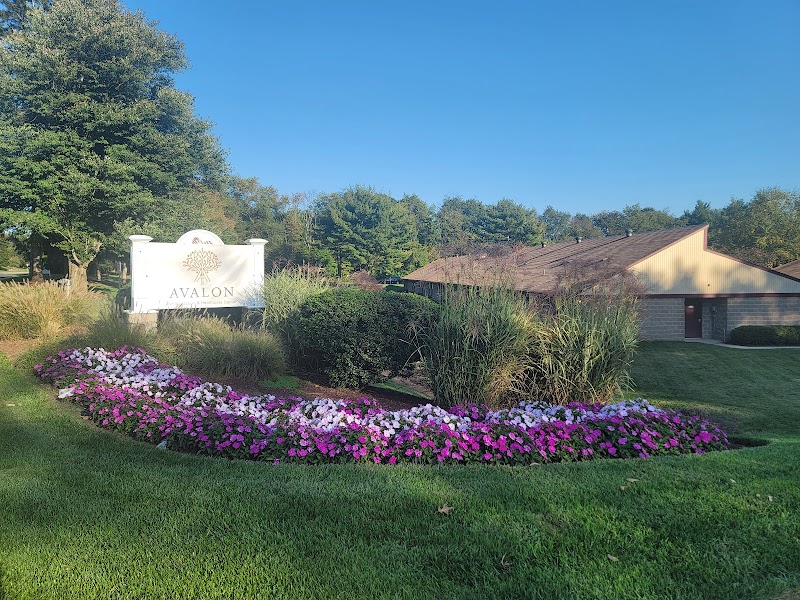
How is Avalon Rehabilitation And Healthcare Center Staffed?

CMS rates AVALON REHABILITATION AND HEALTHCARE CENTER's staffing level at 3 out of 5 stars, which is average compared to other nursing homes. Staff turnover is 32%, compared to the New Jersey average of 46%. This relatively stable workforce can support continuity of care.

What Have Inspectors Found at Avalon Rehabilitation And Healthcare Center?

State health inspectors documented 29 deficiencies at AVALON REHABILITATION AND HEALTHCARE CENTER during 2019 to 2025. These included: 2 Immediate Jeopardy (the most serious level, indicating potential for serious harm or death), 2 that caused actual resident harm, 24 with potential for harm, and 1 minor or isolated issues. Immediate Jeopardy findings are rare and represent the most serious regulatory concerns. They require immediate corrective action.
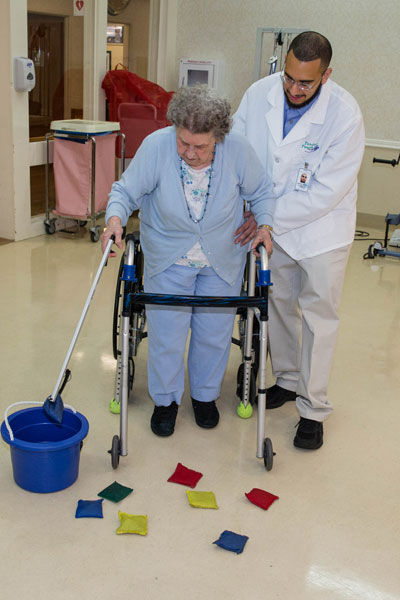
Who Owns and Operates Avalon Rehabilitation And Healthcare Center?

AVALON REHABILITATION AND HEALTHCARE CENTER is owned by a for-profit company. For-profit facilities operate as businesses with obligations to shareholders or private owners. The facility is operated by MARQUIS HEALTH SERVICES, a chain that manages multiple nursing homes. With 180 certified beds and approximately 145 residents (about 81% occupancy), it is a mid-sized facility located in HAMILTON, New Jersey.
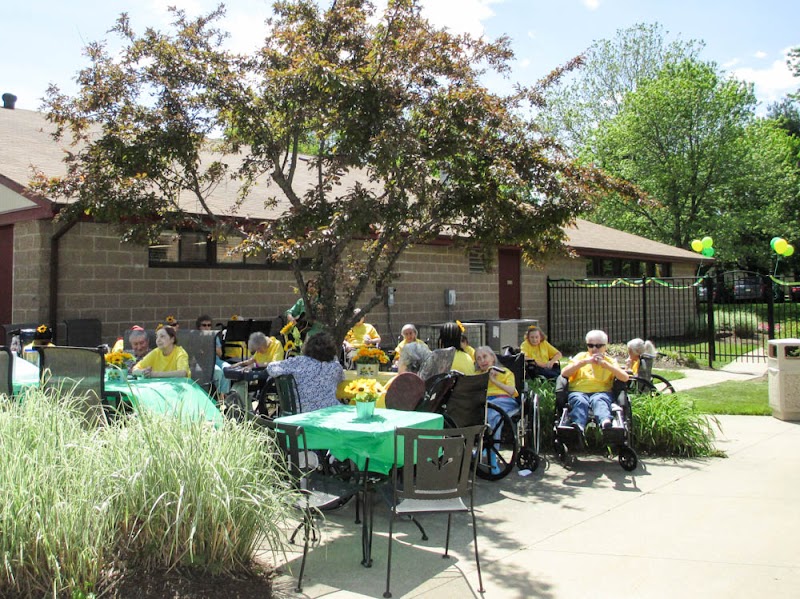
How Does Avalon Rehabilitation And Healthcare Center Compare to Other New Jersey Nursing Homes?

Compared to the 100 nursing homes in New Jersey, AVALON REHABILITATION AND HEALTHCARE CENTER's overall rating (1 stars) is below the state average of 3.2, staff turnover (32%) is significantly lower than the state average of 46%, and health inspection rating (1 stars) is much below the national benchmark.

What Should Families Ask When Visiting Avalon Rehabilitation And Healthcare Center?

Based on this facility's data, families visiting should ask: "What changes have been made since the serious inspection findings, and how are you preventing similar issues?" "What safeguards and monitoring systems are in place to protect residents from abuse or neglect?" "Can I visit during a mealtime to observe dining assistance and food quality?" "How do you handle medical emergencies, and what is your hospital transfer rate?" These questions are particularly relevant given the facility's Immediate Jeopardy citations and the substantiated abuse finding on record.

Is Avalon Rehabilitation And Healthcare Center Safe?

Based on CMS inspection data, AVALON REHABILITATION AND HEALTHCARE CENTER has documented safety concerns. The facility has 1 substantiated abuse finding (meaning confirmed case of resident harm by staff or other residents). Inspectors have issued 2 Immediate Jeopardy citations (the most serious violation level indicating risk of serious injury or death). The facility has a 1-star overall rating and ranks #100 of 100 nursing homes in New Jersey. Families considering this facility should ask detailed questions about what corrective actions have been taken since these incidents.

Do Nurses at Avalon Rehabilitation And Healthcare Center Stick Around?

AVALON REHABILITATION AND HEALTHCARE CENTER has a staff turnover rate of 32%, which is about average for New Jersey nursing homes (state average: 46%). Moderate turnover is common in nursing homes, but families should still ask about staff tenure and how the facility maintains care continuity when employees leave.

Was Avalon Rehabilitation And Healthcare Center Ever Fined?

AVALON REHABILITATION AND HEALTHCARE CENTER has been fined $31,003 across 2 penalty actions. This is below the New Jersey average of $33,389. While any fine indicates a compliance issue, fines under $50,000 are relatively common and typically reflect isolated problems that were subsequently corrected. Families should ask what specific issues led to these fines and confirm they've been resolved.

Is Avalon Rehabilitation And Healthcare Center on Any Federal Watch List?

AVALON REHABILITATION AND HEALTHCARE CENTER is not on any federal watch list. The most significant is the Special Focus Facility (SFF) program, which identifies the bottom 1% of nursing homes nationally based on persistent, serious quality problems. Not being on this list means the facility has avoided the pattern of deficiencies that triggers enhanced federal oversight. This is a positive indicator, though families should still review the facility's inspection history directly.