HAMILTON GROVE HEALTHCARE AND REHABILITATION, LLC
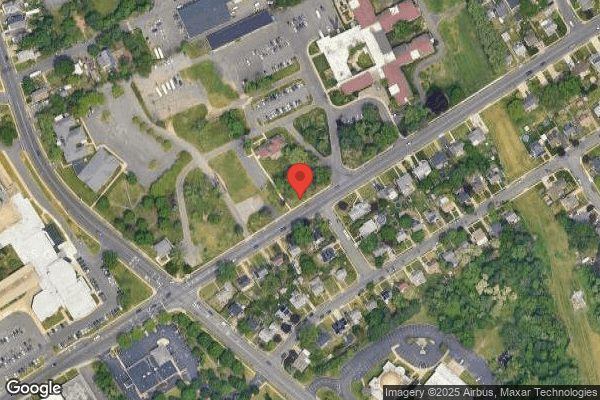
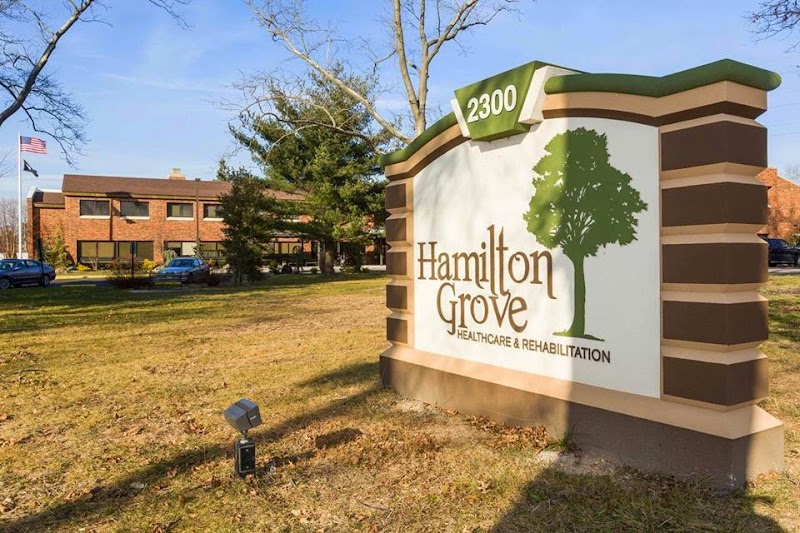
2300 HAMILTON AVE, HAMILTON, NJ 08619 (609) 588-5800
For profit - Partnership 218 Beds OCEAN HEALTHCARE Data: November 2025 1 Immediate Jeopardy citation
Trust Grade
8/100
#321 of 344 in NJ
Last Inspection: October 2024

Within standard 12-15 month inspection cycle. Federal law requires annual inspections.

Overview

Hamilton Grove Healthcare and Rehabilitation, LLC has received an F grade, indicating poor quality and significant concerns about care. Ranking #321 out of 344 facilities in New Jersey places it in the bottom half, and #14 out of 16 in Mercer County means only two local options are worse. The facility has been worsening, with issues increasing from 4 in 2023 to 10 in 2024. Staffing is a weakness, with a 2-star rating and a turnover rate of 44%, which is average compared to state standards. The facility has also received concerning fines totaling $54,275, which is higher than 75% of New Jersey facilities, raising questions about compliance. Specific incidents include a failure to implement a proper abuse policy, resulting in a serious case of staff-to-resident sexual abuse that went unreported, and inadequate care for a resident with a urinary catheter, which suggests a lack of attention to essential medical needs. While the facility does have some RN coverage, it is below average compared to other facilities, which could impact the quality of care residents receive. Overall, families should weigh these serious concerns against any potential strengths in care before making a decision.

Trust Score
F
8/100
In New Jersey
#321/344
Bottom 7%
Safety Record
High Risk
Review needed
Inspections
Getting Worse
4 → 10 violations
Staff Stability
○ Average
44% turnover. Near New Jersey's 48% average. Typical for the industry.
Penalties
⚠ Watch
$54,275 in fines. Higher than 76% of New Jersey facilities, suggesting repeated compliance issues.
Skilled Nurses
⚠ Watch
Each resident gets only 17 minutes of Registered Nurse (RN) attention daily — below average for New Jersey. Fewer RN minutes means fewer trained eyes watching for problems.
Violations
⚠ Watch
16 deficiencies on record. Higher than average. Multiple issues found across inspections.
★☆☆☆☆
1.0
Overall Rating
★★☆☆☆
2.0
Staff Levels
★☆☆☆☆
1.0
Care Quality
★★☆☆☆
2.0
Inspection Score
Stable
2023: 4 issues
2024: 10 issues

The Good

  • Full Sprinkler Coverage · Fire safety systems throughout facility
  • No fines on record
  • Staff turnover below average (44%)

    4 points below New Jersey average of 48%

Facility shows strength in fire safety.

The Bad

1-Star Overall Rating

Below New Jersey average (3.2)

Significant quality concerns identified by CMS

Staff Turnover: 44%

Near New Jersey avg (46%)

Typical for the industry

Federal Fines: $54,275

Above median ($33,413)

Moderate penalties - review what triggered them

Chain: OCEAN HEALTHCARE

Part of a multi-facility chain

Ask about local staffing decisions and management

The Ugly 16 deficiencies on record

1 life-threatening
Oct 2024 8 deficiencies 1 IJ
CRITICAL (J) 📢 Someone Reported This

A family member, employee, or ombudsman was alarmed enough to file a formal complaint

Immediate Jeopardy (IJ) - the most serious Medicare violation

Free from Abuse/Neglect (Tag F0600)

Someone could have died · This affected 1 resident

**NOTE- TERMS IN BRACKETS HAVE BEEN EDITED TO PROTECT CONFIDENTIALITY** Complaint NJ #:178839 Based on observation, interviews, and review of pertinent facility documents, it was determined that the f...

Read full inspector narrative →
**NOTE- TERMS IN BRACKETS HAVE BEEN EDITED TO PROTECT CONFIDENTIALITY** Complaint NJ #:178839 Based on observation, interviews, and review of pertinent facility documents, it was determined that the facility failed to develop and implement an abuse policy that addressed sexual abuse to ensure a resident was protected from staff-to-resident sexual abuse. This deficient practice was identified for one (1) of one (1) residents (Resident #59) reviewed for abuse, and was evidenced by the following: On 10/22/24 at 1:00 PM, two surveyors interviewed the Director of Nursing (DON) who stated that a Certified Nursing Assistant (CNA#1) reported that on 10/15/24, the CNA#1 observed a Licensed Practical Nurse (LPN #1) standing over Resident #59 in a compromising position. A review of the investigation revealed the Social Worker (SW) interviewed Resident#59, who stated, I gave him oral sex. Resident #59 stated that the sexual contact occurred in [Resident #59's] room and that Resident #59 told LPN #1, I'm scared because there are people around, and [LPN #1] shut the door. The resident began performing oral sex on LPN #1 until the resident heard the door open, and the resident said that they stopped and asked, what was that? The SW asked the resident if they continued after the door was closed and the resident responded that they continued for about two minutes until he ejaculated in my mouth. The facility failed to ensure all residents were protected from sexual abuse by not fully investigating, assessing, and reporting the witnessed actions of LPN #1. This resulted in an Immediate Jeopardy (IJ) situation. The IJ began on 10/15/24, after LPN #1 had a sexual encounter with Resident #59. The facility DON, Assistant Director of Nursing (ADON), and [NAME] President of Clinical Services (VPCS) were notified of the IJ on 10/22/24 at 6:20 PM. The facility submitted an acceptable Removal Plan (RP) on 10/23/24 at 1:10 PM. The survey team verified the implementation of the Removal Plan during the continuation of the on-site survey on 10/23/24. The evidence was as follows: A review of the facility policy Abuse and Neglect Policy and Procedure dated November 2022, revealed Purpose: To ensure prevention, protection, prompt reporting and interventions in response to alleged, suspected or witnessed abuse .of any facility resident .Policy: The Facility will not condone the abuse/neglect of any resident by anyone, including, but not limited to, staff members, other residents .Crime: .examples of crimes that would be reported include but are not limited to .sexual abuse .Abuse is the willfull infliction of injury, unreasonable confinement, intimidation, or punishment with resulting a physical harm, pain or mental anguish .Instances of abuse of all residents, irrespective of any mental or physical condition cause physical harm, pain or mental anguish .Willful, as used in this definition of abuse, means the individual must have acted deliberately, not that the individual must have intended to inflict injury or harm .Investigative and Reporting Procedure: 2. If abuse/neglect is suspected or confirmed, the resident shall be assessed to determine the need for counseling. The Administrator or his/her designee will form an investigatory team that will thoroughly investigate the allegation and document the investigation .(a) Incident report will be completed. (b) Interviews will be conducted .All such statements will be in writing and placed in the investigatory file related to the alleged incident. (d) Medical records of the resident including, but not limited, to documentation related to the physical assessment of the resident, as well as any assessment relating to the resident's psychological condition, will be reviewed .will be documented and placed into investigatory file. Federal Requirement: Reporting Reasonable Suspicion of a Crime in Long-term Facility: (i) report to the State Agency and one or more law enforcement entities for the political subdivision in which the facility is located any reasonable suspicion of crime against any individual who is a resident of, or receiving care from the facility and (ii) report immediately but not later than 2 hours after forming the suspicion. A review of the facility policy Risk Management Incident/Accident review date March 2024, revealed: Policy: The facility staff will document all accidents and incidents in Risk Management. Purpose: The purpose of these procedure as to provide guidelines for assessing a resident after an incident/accident and to assist staff in identifying causes of the incident. Procedure: .The attending physician will be notified by the charge nurse of all occurrences of Incidents and Accidents when applicable. Chart the incident in the progress notes sections. Include, as applicable: Factors that may have attributed to the incident/accident .A detailed prescription of findings, observations, and interventions. The time of physician notification .Any resident observations or comments. On 10/22/24 at 12:08 PM, during an interview with the surveyor, CNA #1 stated, I saw something inappropriate that happened last Tuesday (10/15/24) at the beginning of my shift between a resident (later identified as Resident #59) and a staff member (later identified as LPN #1). I told the DON. She added, the staff member is no longer here. The surveyor reviewed the electronic medical record (EMR) for Resident #59. A review of the admission Record revealed the resident was admitted to the facility with diagnoses which included but were not limited to; metabolic encephalopathy (a chemical imbalance in the blood which can cause difficulty thinking clearly), anxiety disorder, unspecified, (a mental health condition that causes excessive and persistent fear or worry that can interfere with daily life) and major depressive disorder, single episode, unspecified (a mental illness that can cause severe symptoms that affect a person's mood, thoughts, and daily activities.) A review of the quarterly Minimum Data Set, an assessment tool dated 8/21/2024, revealed the resident had a Brief Interview for Mental Status of 15 out of 15, indicating the resident was cognitively intact. A review of Resident #59's individual comprehensive care plan revealed: Goal .has difficulty processing complex thinking skills and is occasional forgetful of [Resident #59] prior request and actions. Revision on: 9/12/2022. Further review revealed: Goal . is receiving Psychotropic (high-risk) medication(s) by pharmacological classification r/t (related to) MDD [major depressive disorder]. Revision on 3/13/2024. Interventions: Document changes in mood/behavior noting precipitating factors .Keep MD (medical doctor) informed of concerns, date initiated 3/13/2024 .Observe/Monitor responses to tx/care (treatment), progress toward goal, for improvements, complications, or adverse consequences. Report concerns to MD [medical doctor] for prompt intervention, date initiated 3/13/2024. A review of the Psychiatric Evaluation dated 9/16/2024, revealed: denies any symptoms of depression or anxiety .Assessment/Plan: A Dose Reduction (GDR) is: contraindicated .due to noted efficacy and improvement in quality of life with current treatment, contraindicated, patient has major psychiatric illness, current regimen is required to maintain functional status at this time. A review of the Individual Psychotherapy progress noted dated 10/15/24 from 1:50 PM to 2:11 PM revealed: Observable Evidence Of Patient's Response To Treatment Intervention: .Follow Up will include addressing the following issues in treatment: Continue to monitor depressive symptoms and assist resident in increasing social interactions. A review of the facility provided Nursing, Daily Attendance Report revealed LPN #1 worked the day shift (7 AM to 3 PM) on 10/15/24. A review of the facility provided Assignment for [Name Redacted] Unit sheets revealed that LPN #1 was the assigned nurse for Resident # 59 for the day shift on 10/15/24. A review of the staff list provided by the facility revealed: LPN#1, DOH (date of hire)12/9/21, terminated 10/15/24, resigned effective immediately. A review of the facility provided employee file for LPN #1 revealed: -LPN #1 had an active Nursing, Lic. (licensed) Prac. (Practical) Nurse, expiration date: 5/31/2025. - Employee Performance Evaluation for LPN#1 for the evaluation period 12/9/22-12/9/23 dated and signed by LPN# 1 on 12/11/23 revealed 3. Satisfactory .Improvement plan: a check next to teamwork. -Background Screening Report dated 12/2/2021, Results: No reportable Records Found. - Background Screening Report dated 10/15/24, Results: No reportable Records Found. -Abuse Policy-Freedom from Abuse signed by LPN #1 on 6/18/24. -Essentials of Resident Rights completed 4/10/2024. -Ethics and Corporate Compliance completed on 9/1/2024. A review of Resident #59's EMR for 10/15/24, did not reveal documentation of the above mentioned incident, a nursing or physician assessment, or physician orders. On 10/22/24 at 12:14 PM, the surveyors interviewed the Unit Manager (UM), who stated that if any abuse was seen or heard, she would tell the DON, then the DON would call the police, the state or depending on what it was. The surveyor asked if there was any abuse recently. The UM stated, Yes, a male nurse (LPN#1) was accused of having oral sex with a patient (Resident #59), his penis was in the resident's mouth. She stated the DON came to the unit to collect the nurse's belongings, he was not allowed back on the unit. The UM stated LPN#1 was no longer here. The UM stated CNA#1 observed it (the incident) and reported it to the DON. On 10/22/24 at 1:00 PM, during an interview with two surveyors, the DON stated the full investigation was still open, she printed a copy of the investigation for the surveyors. The DON stated, needs work on it. According to the investigation, the DON stated she was in her office when CNA #1 told her what happened on 10/15/24. The DON went to the unit, but LPN#1 was not on the unit. The DON stated he (LPN#1) left the unit, he was not in the building, he left the facility. The DON called the Social Worker (SW) and the Assistant Director of Nursing (ADON) to the unit. The SW went to speak with the resident. After approximately 20 minutes, LPN#1 came back to the unit and the DON met him at the nurse's station. The DON asked LPN #1 for his keys and took him to the conference room to wait. The SW and the DON spoke to other residents. The Licensed Nursing Home Administrator (LNHA) and the DON went to the conference room to speak to LPN#1. The LNHA led the interview. The DON explained LPN #1 did not say much, he denied that it happened. The DON stated LPN#1 resigned immediately. The DON stated we did not report it to the state (New Jersey Department of Health (NJDOH)) or the police because it (the sexual encounter) was consensual, and the resident wanted everything to remain confidential. The DON stated the LNHA had left messages twice to the Board of Nursing to report the incident. A review of the undated investigation revealed the Statement Summary: Documented as written Writer (the DON identified as the SW) asked the resident about the relationship with LPN #1, inquiring if there has been any sexual contact. Resident #59 responded just today, adding that they otherwise have just joked. The writer asked what sexual contact happened today and the resident responded, I gave him oral sex. Writer asked about how this interaction occurred, and the resident responded, We're always joking about it .he came in my room when I was in the bathroom. He said, here you go, making a gesture with their hand, cupping their hand in an upward motion. The writer asked if that was a sexual gesture, and Resident #59 confirmed it was. The resident stated that the sexual contact occurred in (their) room and that the resident told LPN#1, I'm scared because there are people around, and he shut the door. The resident began performing oral sex on him until the resident heard the door open, and the resident said that they stopped and asked, what was that? The resident said the person closed the door. The writer asked if the resident continued after the door was closed and the resident responded that they continued for about two minutes until he ejaculated in my mouth. The resident stated that sexual contact had never occurred before, adding that they were a consenting adult and I don't want to get him in trouble. The resident added LPN#1 said, it wouldn't take long adding and it wasn't. The resident stated, I've never seen anything that fast. Resident #59 said, I figured it wasn't kosher for him to do that or for me to do that. Further review of the investigation revealed: Writer asked more about their relationship, and Resident #59 stated, We joke about oral sex a lot. Writer asked how long these kinds of jokes have been going on and the resident stated, Almost as long as he's been here. Resident #59 gave an example of a joke, stating they usually take their own medications, but that LPN#1 would give them the inhaler and say suck. Resident #59 said, I flirt with everyone and I am a jokester. On 10/22/24 at 2:21 PM, the surveyor interviewed the Director of Social Services (DSS), who stated if there was an allegation of abuse, the staff would be suspended and the allegation of abuse would be reported (to the NJDOH) within two hours, a full investigation would be completed, and the police would be called. She then stated, the DON and LNHA are responsible to report the event. She confirmed she was aware of the sexual incident that occurred on 10/15/24, between LPN#1 and Resident #59. She also confirmed that the sexual incident was not reported to the NJDOH or to law enforcement. The DSS stated she met with Resident#59 who acknowledged what had happened and that it happened only one time and it was consensual. She stated Resident #59 was flirty but had no knowledge of the resident having a history of inappropriateness. She stated statements were taken. She added, the LNHA and DON met with LPN#1 to obtain a statement but, I don't think he gave one; he resigned. The DSS further stated that she met with the LNHA, the DON, and the ADON to see if any follow up was required. She stated, we were all unsure because the resident was adamant about it being consensual. She added the resident was worried about being in trouble. The DSS stated the LNHA reviewed the regulations, and it was concluded that the incident did not meet the standards for reporting. She added, it was a collective discussion. On 10/22/24 at 3:21 PM, the surveyors met with Resident #59 and asked if they could interview the resident in private. The resident agreed. The SW offered her office for the private interview. The surveyor informed the resident that at any time during the interview the resident does not have to answer the questions and could stop the interview. The resident acknowledged understanding. The surveyor asked what had happened on 10/15/24, between the nurse and the resident. Resident #59 stated, I am a jokester. He told me to hold it, he then unzipped his pants, I regret it happened. The resident stated, it happened about 9:30 in the morning. He was passing medications. I have COPD (chronic obstructive pulmonary disorder-lung disease that block airflow and make it difficult to breath) and use an inhaler. He stated ready to suck for me. The resident told the nurse, There are too many people, he said nobody is here and he shut the door. The resident stated. He pulled his fly down. He came in my mouth, and I swallowed it. The resident added, I am afraid the facility will kick me out. On 10/22/24 at 5:15 PM, the LNHA approached the survey team in the conference room and apologized, but stated he had to go it's my holiday. The Team Coordinator stated that you may want to stay. He stated, I know the [NAME] but I have to go. He stated the DON would still be available. On 10/22/24 at 5:56 PM, during an interview with the survey team, the ADON, the VPCS, and the DON stated sexual abuse was inappropriate touching from one person to the other, undesired touching. When asked if sexual abuse was a crime, the DON stated, yes. When asked if a crime occurs would you call police, the DON stated, yes. When asked what should be done for any incident, the DON stated an investigation was started, obtain statements from employees, an incident report was started, the MD and family were notified. When asked why were you reporting the incident to the Board of Nursing, she stated, I think it is unethical based on professional standards. When asked what did he do that was unprofessional, she stated, he had interactions with a resident under his care. At that time the VPCS, stated, The LNHA makes the decision to report or not. The DON stated it was not reported because it was consensual. An acceptable removal plan was received on 10/23/24 at 1:16 PM, indicating the action the facility will take to prevent serious harm from occurring or recurring. The facility implemented a corrective action plan to remediate the deficient practice including: 1) LPN#1 was immediately removed from the facility; 2) Resident #59 was assessed; 3) the resident's physician was notified; 4) the incident was reported to the New Jersey Department of Health (NJDOH); 5) the abuse and neglect policy was updated; 6) the police were called; and 7) all staff were educated on the facility abuse policies and procedures. The survey team verified the implementation of the removal plan during the continuation of the on-site survey on 10/23/24. On 10/25/24 at 1:42 PM, in the presence of the survey team, the Medical Director was interviewed via the phone. He agreed to being placed on speaker phone. The surveyor asked if he was the primary care physician for Resident #59, he stated yes. When asked if he was aware of the incident that occurred on 10/15/24, regarding Resident #59. He stated, he was made aware this past week, sometime this past weekend. He was unable to recall exactly what day he was notified. When asked when you were made aware of the incident what recommendations did you make, he stated, a psychology consult, therapy sessions and testing. On 10/28/24 at 11:48 AM, the survey team met with DON, the ADON, the LNHA and the Regional LNHA. The LNHA stated he was the abuse officer. He stated an allegation of abuse example was someone who said they were punched in the face. He stated it would be investigated and if it was something that needs to be reported, then it would be reported within two hours. He stated the above incident was not reported because we did not feel abuse took place. He stated, I read through the regulations and felt that there was no abuse that had occurred since it was consensual. He confirmed he had been inserviced on reporting and investigating for F 600. He then stated after rereading F 600 it (the above mentioned incident) should have been reported. NJAC 8:39-4.1 (a) NJAC 8:39-33.2 (c) (12)
CONCERN (D) 📢 Someone Reported This

A family member, employee, or ombudsman was alarmed enough to file a formal complaint

Potential for Harm - no one hurt, but risky conditions existed

Investigate Abuse (Tag F0610)

Could have caused harm · This affected 1 resident

Complaint # NJ 178839 Refer to F 600 Based on interviews, review of the medical record and other facility documentation, it was determined that the facility failed to thoroughly investigate an alleged...

Read full inspector narrative →
Complaint # NJ 178839 Refer to F 600 Based on interviews, review of the medical record and other facility documentation, it was determined that the facility failed to thoroughly investigate an alleged incident of sexual abuse between a staff member and a resident. This deficient practice was identified for 1 of 1 resident (Resident #59) reviewed for abuse and was evidenced by the following: On 10/22/23, the surveyor reviewed Resident #59's medical record which included a quarterly Minimum Data Set (MDS), an assessment tool dated 08/21/24, which indicated a Brief Interview of Mental Status (BIMS) score of 15 out of 15, indicating intact cognition and diagnoses which included but were not limited to diabetes (high blood sugar), respiratory disease, anxiety disorder, and depression. On 10/22/24, a review of an investigation provided by the facility revealed that on 10/15/24, a staff member observed the resident in a compromising position with another staff member (Licensed Practical Nurse (LPN) #1). A review of the investigation revealed the Social Worker (SW) interviewed Resident #59 who when asked what sexual contact happened today stated, I gave him (LPN#1) oral sex. Further review revealed that Resident #59 stated that the sexual contact occurred in the room and that the resident told LPN #1 I'm scared because there are people around, and he (LPN#1) shut the door. Resident #59 began performing oral sex on him until the door was heard to open, Resident #59 said the activity was stopped and they asked, what was that? The person closed the door. The SW asked if the oral sex continued after the door was closed and Resident #59 responded that it continued for about two minutes until he (LPN#1) ejaculated in their mouth. Resident #59 stated that sexual contact had never occurred before, and further stated, I don't want to get him in trouble, and I figured it wasn't kosher for him to do that or for me to do that. On 10/22/24 at 1:00PM, the surveyors interviewed the Director of Nursing (DON), who stated the investigation was still open and was not completed yet. She further stated that according to the resident, the incident was consensual but that it was not appropriate. The surveyors were provided a printed summary of the incident. No incident report was provided as the DON stated that she ensured the resident was safe and did not think of an incident report. The summary provided included interviews with six alert and oriented residents that were on LPN #1's assignment. Interviews did not include Resident #59's alert and oriented roommate. No documentation was noted regarding an assessment of Resident #59 after the incident - summary indicated the DON noted no injury during interview. No documentation provided indicated that non alert and oriented residents were assessed for any inappropriate sexual contact. There was no documentation to indicate that Resident #59's primary physician was notified. No written statements were included in the summary from the witness or anyone else. On 10/22/24 at 3:21PM, the surveyor interviewed Resident #59, who was agreeable to speak to two surveyors. The resident stated that she and LPN #1 both joked around with sexual undertones. On the morning of 10/15/24, LPN #1 during morning medication pass, brought the resident his/her inhaler and asked if he/she was ready to suck for him. The resident was sitting in the room when LPN #1 came closer and pulled down his zipper and told Resident #59 to put his/her hand in his pants. Resident #59 told him there were too many people around, including an alert, oriented roommate. LPN #1 stated that nobody was around, and he shut the door. Resident #59 stated that he/she put their hand in his pants and that LPN #1 ejaculated into their mouth, which the resident swallowed. Resident #59 stated that he/she was not forced or coerced. Resident #59 further stated that it was an indiscretion and a mistake and that it was quick, very short. On 10/22/24 at 3:21 PM, the surveyors met with Resident #59 and asked if they could interview the resident in private. The resident agreed. The SW offered her office for the private interview. The surveyor informed the resident that at any time during the interview the resident does not have to answer the questions and could stop the interview. The resident acknowledged understanding. The surveyor asked what had happened on 10/15/24 between the nurse and the resident. Resident #59 stated, I am jokester. He told me to hold it, he then unzipped his pants, I regret it happen. The resident stated, it happened about 9:30 in the morning. He was passing meds. I have COPD (chronic obstructive pulmonary disorder-lung disease that block airflow and make it difficult to breath) and use an inhaler. He stated ready to suck for me. The resident told the nurse, There are too many people, he said nobody is here and he shut the door. The resident stated. He pulled his fly down. He came in my mouth, and I swallowed it. The resident added, I am afraid the facility will kick me out. On 10/25/24 at 11:31 AM, the surveyor interviewed the Medical Director who stated he was the attending physician for Resident #59, and he was made aware of the incident this past weekend. Upon notification, he stated that he recommended a psychiatric consultation, sexually transmitted infections testing, and psychotherapy. On 10/25/24 at 01:48 PM, the surveyors met with the DON and the Assistant DON (ADON). The DON stated that the attending physician should have been notified about the time when the incident happened. She also stated that the notification of the attending physician should be documented and that if something was not documented, it was not done. A review of the facility policy Abuse and Neglect Policy and Procedure dated November 2022, revealed Policy: The Facility will not condone the abuse/neglect of any resident by anyone, including, but not limited to, staff members, other residents .Crime: .examples of crimes that would be reported include but are not limited to .sexual abuse .Investigative and Reporting Procedure: 2. If abuse/neglect is suspected or confirmed, the resident shall be assessed to determine the need for counseling. 3. The Administrator or his/her designee will form an investigatory team that will thoroughly investigate the allegation and document the investigation .(a) Incident report will be completed. (b) Interviews will be conducted .All such statements will be in writing and placed in the investigatory file related to the alleged incident A review of the facility policy Risk Management Incident/Accident review date March 2024 revealed: Policy: The facility staff will document all accidents and incidents in Risk Management. Purpose: The purpose of these procedure as to provide guidelines for assessing a resident after an incident/accident and to assist staff in identifying causes of the incident. Procedure: .The attending physician will be notified by the charge nurse of all occurrences of Incidents and Accidents when applicable. Chart the incident in the progress notes sections. Include, as applicable: Factors that may have attributed to the incident/accident .A detailed prescription of findings, observations, and interventions. The time of physician notification .Any resident observations or comments. NJAC 8:39-9.4(f)
CONCERN (D)

Potential for Harm - no one hurt, but risky conditions existed

Deficiency F0688 (Tag F0688)

Could have caused harm · This affected 1 resident

Based on observations, interviews, record review and review of other facility documentation, it was determined that the facility failed to ensure heel booties were consistently applied to prevent skin...

Read full inspector narrative →
Based on observations, interviews, record review and review of other facility documentation, it was determined that the facility failed to ensure heel booties were consistently applied to prevent skin breakdown. This deficient practice was identified for Resident #72, 1 of 2 residents reviewed for position and mobility. This deficient practice was evidenced by the following: On 10/18/24 at12:18 PM, during initial tour, the surveyor observed Resident #72 sitting in a reclining chair in the main activity area. The resident was wearing white socks with their heels resting on the footrest. A review of the electronic medical record (EMR) for Resident #72 revealed the following: A review of the admission Record revealed the resident was admitted to the facility with diagnoses which included but were not limited to; major depressive disorder (a mood disorder that causes a persistent feeling of sadness and loss of interest and can interfere with your daily activities) and Alzheimer's Disease, unspecified a brain disorder that slowly destroys memory and thinking skills.) A review of the quarterly Minimum Data Set (MDS), an assessment tool dated 8/7/24, revealed the resident had a Brief Interview for Mental Status (BIMS) of 99, indicating the resident was severely cognitively impaired. Further review revealed the resident did not have a pressure ulcer. A review of the individual comprehensive care plan (ICCP) revealed: Intervention/Tasks: Booties to feet bilateral while in and oob (out of bed) for skin protection, Date Initiated: 08/06/2024. A Review of the physician orders (PO) revealed: HEEL BOOTIES TO BILATERAL HEELS AT ALL TIMES. CHECK PLACEMENT Q SHIFT every shift for skin integrity Active 8/6/2024 15:00. A review of Treatment Administration Record (TAR) revealed: HEEL BOOTIES TO BILATERAL HEELS AT ALL TIMES. CHECK PLACEMENT Q SHIFT had a check, check=administered, for the day shift by the Licensed Practical Nurse/Unit Manager (LPN/UM) for 10/24/24. On 10/24/24 at 1:34 PM, the surveyor interviewed the LPN/UM, who was Resident #72's assigned nurse. She stated the resident wears booties at night in bed. The LPN/UM reviewed the PO in the presence of the surveyor and confirmed that the heel booties should be worn at all times. She stated the purpose of booties was for skin integrity. She stated the resident did not have any skin breakdown. The LPN/UM observed the resident, in the presence of the surveyor, in a recliner chair and confirmed that the resident was currently wearing black socks and that the booties were not on the residents. She confirmed she had signed the order on the TARs as being completed. She acknowledged it's my fault. On 10/24/24 at 2:36 PM, in the presence of the survey team, Assistant Director of Nursing and the [NAME] President of Clinical Services, the surveyor interviewed the Director of Nursing (DON), who stated the nurses and certified nursing assistants make sure heel booties are applied. She stated, if a resident is in a recliner the booties should be on. The surveyor made the DON aware of the above observation. The Licensed Nursing Home Administrator was not available for interview. A review of the facility's policy Policy for Splint Application reviewed 08/2024, revealed: Policy: It is a policy of this facility to apply splints, braces, hand rolls and etc. as per physician's orders. NJAC 8:39-27.1 (a)
CONCERN (D)

Potential for Harm - no one hurt, but risky conditions existed

Accident Prevention (Tag F0689)

Could have caused harm · This affected 1 resident

Based on observation, interview, and review of pertinent documents it was determined that the facility failed to ensure that the resident's care plan and smoking evaluation were followed to ensure the...

Read full inspector narrative →
Based on observation, interview, and review of pertinent documents it was determined that the facility failed to ensure that the resident's care plan and smoking evaluation were followed to ensure the resident's ability to safely smoke cigarettes in accordance with their facility policy. The deficient practice occurred for 1 of 2 residents reviewed for smoking (Resident #74) and was evidenced by the following: On 10/18/24 at 12:45 PM, the surveyor observed Resident #74 in a wheelchair in the dining room waiting on lunch. On 10/23/24 at 1:34 PM, the surveyor observed Resident #74 outside smoking with supervision provided by the Director of Activity (DOA). The surveyor observed that the DOA lit the resident's cigarette. The surveyor did not observe a smoking apron in use for Resident # 74. Two other residents had smoking aprons applied before their cigarettes were lit. The DOA stated that Resident #74 does not use a smoking apron, he/she does pretty well. She further stated that the activity department supervised the smoking in the facility. On 10/23/24, the surveyor reviewed the electronic medical record (EMR) which revealed an Annual Minimum Data Set, an assessment tool dated 5/24/24, which indicated that Resident #79 had a Brief Interview of Mental Status score of 13 out of 15, indicating an intact cognitive function, and diagnoses that included but not limited to; cancer and anemia (low blood count), and tobacco use was marked as yes. The surveyor reviewed a smoking evaluation dated 6/18/24, which indicated that Resident #79 had no history of burns, did not use oxygen, had no history of non-compliance with smoking, required adaptive safety equipment identified as a smoking apron and required assistance with lighting cigarettes. The evaluation indicated that Resident #79 was able to smoke with supervision. A review of Resident #79's individualized comprehensive care plan (ICCP) included a focus area dated 5/29/19, which reflected that this resident chose to smoke. Interventions included provision of a smoking apron, assist with application & removal of apron as needed, and to monitor use of apron. On 10/25/24 at 9:25 AM, the surveyor interviewed the Registered Nurse Unit Manager, who stated that the smoking assessments were completed quarterly. She reviewed Resident #79's ICCP and stated that he/she used an apron during smoking. She also stated that a smoking apron should have been used each time the resident smoked since it was included in the ICCP. She further stated that she should have reassessed the resident and discontinued his/her smoking apron as the resident did not need it. When asked by the surveyor how the supervising staff would know which residents needed to use a smoking apron, she stated that was communicated verbally between the staff. On 10/25/24 at 1:48 PM, the surveyor met with the DON, who stated that Resident #79 did not need a smoking apron and that the staff should have reassessed the resident and updated the care plan. A review of facility provided Smoking Policy and Procedure revised on 4/25/23 included: C. Residents who smoke and have been deemed as needing supervision will have an individualized plan of care that addresses their smoking. The care plan will be kept current and updated as needed in accordance with any variance of the individual's capabilities and needs. NJAC 8:39-27.1(a)
CONCERN (D)

Potential for Harm - no one hurt, but risky conditions existed

Deficiency F0712 (Tag F0712)

Could have caused harm · This affected 1 resident

**NOTE- TERMS IN BRACKETS HAVE BEEN EDITED TO PROTECT CONFIDENTIALITY** Based on observations, interviews, and record review, it was determined that the facility failed to ensure that the physician re...

Read full inspector narrative →
**NOTE- TERMS IN BRACKETS HAVE BEEN EDITED TO PROTECT CONFIDENTIALITY** Based on observations, interviews, and record review, it was determined that the facility failed to ensure that the physician responsible for supervising the care of residents a.) conducted face-to-face visits and wrote progress notes at least every thirty days for the first ninety days of admission and b.) were seen by the physician or nurse practitioner every thirty days with a physician visit at least every sixty days. This deficient practice was observed for 2 of 9 residents (Resident #28 and #167) reviewed for physician visits. This deficient practice was evidenced by the following: 1. On 10/18/24 at 12:10 PM, during the initial tour, the surveyor observed Resident #28 wearing a gray sweatshirt. The resident was walking around the unit. The surveyor reviewed the electronic medical record (EMR) for Resident # 28. A review of the admission Record revealed the resident was admitted to the facility with diagnoses which included but were not limited to; metabolic encephalopathy (a chemical imbalance in the blood which can cause difficulty thinking clearly) and unspecified dementia, unspecified severity, without behavioral disturbance (a mental disorder that can cause a person to lose the ability to learn, remember, think, solve problems, and make decisions.) A review of the quarterly Minimum Data Set (MDS), an assessment tool dated 8/19/24, revealed the resident had a Brief Interview for Mental Status (BIMS) of 2 out of 15, indicating the resident was severely cognitively impaired. A review of the EMR did not reveal a history and physical or physician progress notes from the resident's attending physician since the resident's admission in February of 2024. On 10/24/24 at 1:24 PM, the surveyor interviewed the Licensed Practical Nurse/Unit Manger (LPN/UM), who was Resident # 28's assigned nurse. The LPN/UM reviewed the EMR in the presence of the surveyor. The LPN/UM was unable to locate the attending physician notes or a history and physical. She stated she was unsure how often they (the attending physicians) should write a note. 2. On 10/18/24 at 12:05 PM, during initial tour, Resident #167 was observed sitting with other residents in the common area in front of nurse's station. The surveyor reviewed the electronic medical record (EMR) for Resident #167. A review of the admission Record revealed the resident was admitted to the facility with diagnoses which included but were not limited to; metabolic encephalopathy and dementia in other diseases classified elsewhere. A review of the MDS dated [DATE], revealed the resident had a BIMS of 5 out of 15, indicating the resident was severely cognitively impaired. A review of the EMR revealed an attending physician progress note dated 1/5/2024. It did not reveal any additional physician progress notes or a history and physical. Further review of the EMR, revealed the resident was readmitted to the facility in July of 2024. On 10/24/24 at 1:24 PM, the surveyor interviewed the Licensed Practical Nurse/Unit Manger (LPN/UM), who was resident # 167's assigned nurse. She reviewed Resident #167's EMR in the presence of the surveyor. She confirmed the last attending progress note for Resident #167 was 1/5/2024. On 10/24/24 at 2:36 PM, in the presence of the survey team, Assistant Director of Nursing and the [NAME] President of Clinical Services, the surveyor interviewed the Director of Nursing (DON), who stated the attending physician should see the resident on admission and whenever we call with a concern. She stated the attending physician should see the long term residents monthly and document the visit under physician progress notes in the EMR. The surveyor presented the above concerns for attending physician progress notes for Resident #28 and #167. The administrative team were made aware that the LPN/UM was unable to locate attending physician progress notes for Resident #28 since the resident's admission and Resident #167's last attending progress note dated 1/5/24. The Licensed Nursing Home Administrator was not available for interview. On 10/25/24 at 9:21 AM, the surveyor interviewed the DON, who confirmed that the only attending physician note for Resident #28 was dated 08/30/24 Late Entry and a History and Physical dated 10/23/24 Late Entry. She confirmed the last attending progress note for Resident #167 was dated 1/5/24 and then one for 10/23/24 Late Entry. On 10/25/24 at 1:42 PM, the surveyor interviewed the medical director via phone, who stated the attending physicians should see their residents within 72 hours of admission. The Medical Director was made aware of Resident #28's attending physician had not written a progress note or history and physical since the resident was admitted in February 2024. He stated, that was unacceptable. He was made aware of Resident #167's attending physician's progress note dated 1/5/2024, and then on on10/23/24. A review of the facility's policy, Physician Visits reviewed December 2023, revealed: Policy Statement. The Attending Physician must make visits in accordance with applicable state and federal regulations. Policy Interpretation and Implementation: 1. The Attending Physician will visit in a timely fashion, consistent with applicable state and federal requirements and depending .2. The Attending Physician must visit his/her patients at least once every thirty (30) days for the first ninety (90) days following the resident's admission, and then at least every sixty (60) days thereafter. NJAC 8:39-23.2(d)
CONCERN (E) 📢 Someone Reported This

A family member, employee, or ombudsman was alarmed enough to file a formal complaint

Potential for Harm - no one hurt, but risky conditions existed

Report Alleged Abuse (Tag F0609)

Could have caused harm · This affected multiple residents

Complaint # NJ 178839 Refer to F 600 Based on interviews and review of the medical record and other facility documentation, it was determined that the facility staff failed to report an allegation of ...

Read full inspector narrative →
Complaint # NJ 178839 Refer to F 600 Based on interviews and review of the medical record and other facility documentation, it was determined that the facility staff failed to report an allegation of sexual abuse by a staff member to a resident to the New Jersey Department of Health (NJDOH) as required. This deficient practice was identified for 1 of 1 resident (Resident #59) and was evidenced by the following: On 10/22/24, the surveyor reviewed Resident #59's medical record which included a quarterly Minimum Data Set (MDS), an assessment tool dated 8/21/24, which indicated a Brief Interview of Mental Status (BIMS) score of 15 out of 15, indicating intact cognition and diagnoses which included but were not limited to diabetes (high blood sugar), respiratory disease, anxiety disorder, and depression. On 10/22/24, a review of an investigation provided by the facility revealed that on 10/15/24, a staff member observed the resident in a compromising position with another staff member (Licensed Practical Nurse (LPN) #1). A review of the investigation revealed the Social Worker (SW) interviewed Resident #59 who when asked what sexual contact happened today stated, I gave him (LPN#1) oral sex. Further review revealed that Resident #59 stated that the sexual contact occurred in the room and that the resident told LPN #1, I'm scared because there are people around, and he (LPN#1) shut the door. Resident #59 began performing oral sex on him until the door was heard to open, when Resident #59 said the activity was stopped and asked, what was that? The person closed the door. The SW asked if the oral sex continued after the door was closed and Resident #59 responded that it continued for about two minutes until he (LPN#1) ejaculated in the mouth. Resident #59 stated that sexual contact had never occurred before, and further stated, I don't want to get him in trouble, and I figured it wasn't kosher for him to do that or for me to do that. On 10/22/24 at 1:00PM, the surveyors interviewed the Director of Nursing (DON) who stated the investigation was still open and was not completed yet. She further stated that according to the resident, the incident was consensual but that it was not appropriate. She also stated that neither the police, nor the NJDOH were notified because the encounter was consensual, and the resident requested privacy regarding the incident. On 10/22/24 at 3:21 PM, the surveyors met with Resident #59 and asked if they could interview the resident in private. The resident agreed. The SW offered her office for the private interview. The surveyor informed the resident that at any time during the interview the resident does not have to answer the questions and could stop the interview. The resident acknowledged understanding. The surveyor asked what had happened on 10/15/24 between the nurse and the resident. Resident #59 stated, I am jokester. He told me to hold it, he then unzipped his pants, I regret it happen. The resident stated, it happened about 9:30 in the morning. He was passing meds. I have COPD (chronic obstructive pulmonary disorder-lung disease that block airflow and make it difficult to breath) and use an inhaler. He stated ready to suck for me. The resident told the nurse, There are too many people, he said nobody is here and he shut the door. The resident stated. He pulled his fly down. He came in my mouth, and I swallowed it. The resident added, I am afraid the facility will kick me out. When asked if the facility offered to call the police, Resident #59 stated they did not and that the resident did not want the police called as it was partly his/her fault. On 10/22/24 at 5:56PM, the surveyor interviewed the DON and the [NAME] President of Clinical Services in the presence of the surey team, who stated that crimes were reported to the police and that what happened to Resident #59 was consensual, therefore it was not a crime. On 10/28/24 at 11:48AM, the surveyor interviewed the Licensed Nursing Home Administrator (LNHA) in the presence of the surey team, who stated that abuse should be reported (to the NJDOH) within 2 hours of the allegation. He further stated he reread Federal Tag (the system through which federal nursing home regulations are identified in the survey process) #600 and the incident should have been reported. A review of the facility policy Abuse and Neglect Policy and Procedure dated November 2022, revealed Policy: The Facility will not condone the abuse/neglect of any resident by anyone, including, but not limited to, staff members, other residents .Crime: .examples of crimes that would be reported include but are not limited to .sexual abuse .Abuse is the willful infliction of injury, unreasonable confinement, intimidation, or punishment with resulting a physical harm, pain or mental anguish .Instances of abuse of all residents, irrespective of any mental or physical condition cause physical harm, pain or mental anguish .Willful, as used in this definition of abuse, means the individual must have acted deliberately, not that the individual must have intended to inflict injury or harm Federal Requirement: Reporting Reasonable Suspicion of a Crime in Long-term Facility: d. (i) report to the State Agency and one or more law enforcement entities for the political subdivision in which the facility is located any reasonable suspicion of crime against any individual who is a resident of, or receiving care from the facility and (ii) report immediately but not later than 2 hours after forming the suspicion. NJAC 8:39-9.4(f)
CONCERN (E)

Potential for Harm - no one hurt, but risky conditions existed

Incontinence Care (Tag F0690)

Could have caused harm · This affected multiple residents

**NOTE- TERMS IN BRACKETS HAVE BEEN EDITED TO PROTECT CONFIDENTIALITY** Based on observation, interview, and record review, it was determined that the facility failed to provide services in a manner c...

Read full inspector narrative →
**NOTE- TERMS IN BRACKETS HAVE BEEN EDITED TO PROTECT CONFIDENTIALITY** Based on observation, interview, and record review, it was determined that the facility failed to provide services in a manner consistent with standards of practice to maintain a urinary catheter from 8/28/24 until surveyor inquiry. The deficient practice was identified for one (1) of three (3) residents, (Resident #55), reviewed for urinary catheter care. The deficient practice was evidenced by the following: On 10/22/24 at 10:42 AM, the surveyor observed Resident #55 in a wheelchair in their room. The resident stated that they had just returned from physical therapy and was exhausted. The surveyor had not observed a urinary catheter drainage bag (a device inserted to collect urine from the bladder into a drainage bag). On 10/22/24 at 10:49 AM, the surveyor interviewed the Certified Nursing Assistant (CNA #1) who stated that she was familiar with Resident #55 and had the resident on her assignment. CNA #1 added that the resident had a urinary drainage bag when they were in bed and when the resident was out of bed, the urinary drainage bag was changed to a leg bag. The surveyor reviewed the electronic medical record for Resident #55. A review of the comprehensive admission Minimum Data Set, an assessment tool used to facilitate the management of care, dated 9/4/24, reflected that the resident had a Brief Interview for Mental Status score of 11 out of 15, which indicated the resident had an intact cognition. In addition, the MDS reflected that the resident had an indwelling catheter. A review of the individualized comprenhesive care plan (ICCP) created on 8/28/24 with a revision date of 9/14/24, reflected a focus area Risk for UTI (urinary tract infection) r/t (related to) cath (catheter) use. A review of the Order Summary Report reflected diagnoses which included but were not limited to, hydronephrosis with renal and urethral calculous obstruction (a blockage in one or both of the tubes (ureters) that carry urine from the kidneys to the bladder causing a swelling of the kidneys) and chronic kidney disease. Further review of the Order Summary Report reflected the following physician's orders (PO) dated 8/28/24: -[name redacted] Catheter care every shift. -Follow up with [name redacted] for urinary retention in 1-2 weeks. Call [phone number redacted] to schedule. -Follow up with [name redacted] nephrology in 1 week. [address and phone number redacted]. The surveyor was unable to identify any documented consult reports or scheduled appointments for a consult for the resident. On 10/24/24 at 9:31 AM, the surveyor interviewed the Unit Manager/Licensed Practical Nurse (UM/LPN), who verified that Resident #55 had a urinary catheter upon admission. The UM/LPN stated that she was unaware that the resident required any consults to be scheduled. At that time, the UM/LPN reviewed the POs for the resident. The UM/LPN verified that there were PO's for a urology consult and a nephrology consult that had been ordered on 8/28/24. The UM/LPN added that she was responsible for checking the POs and setting up the consults. The UM/LPN also stated that she had not been working for a while during September due to personal reasons and the appointments were not done. The UM/LPN added that she was unaware of the PO for appointments to be scheduled for the urologist and nephrologist and would have to schedule them now. On 10/24/24 at 2:25 PM, the survey team met with the Director of Nursing (DON), Assistant Director of Nursing (ADON) and Regional [NAME] President of Clinical Services. The surveyor reviewed the above concern that the PO for the nephrology and urology consults were not completed for Resident #55. On 10/28/24 at 12:50 PM, the survey team met with the Licensed Nursing Home Administrator, DON and ADON. The ADON stated that Resident #55 was originally admitted to the sub-acute unit and the PO were obtained for the consults but was unsure if the nurse had scheduled the appointments. The ADON added that shortly after admission the resident was transferred to the [NAME] Unit on 9/4/24, and the nurse who accepted the in-house transfer had missed the PO and had not scheduled the appointments. The ADON stated Somehow the orders fell through the cracks. In addition, the ADON stated that there was no facility policy for the nurses when admitting a resident but that the process was that nurses were to follow an in-house check-off list as a guide to make sure every order was followed through. Also, the ADON stated that there was no facility policy for the transcription of a PO but that the nurses were to follow the standard of practice that a PO was to be completed. NJAC-8:39-11.2(b), 27.1(a)
CONCERN (E)

Potential for Harm - no one hurt, but risky conditions existed

Deficiency F0947 (Tag F0947)

Could have caused harm · This affected multiple residents

Based on interview and review of facility documentation, it was determined that the facility failed to ensure that a.) all Certified Nursing Assistants (CNAs) received 12 hours of mandatory in-service...

Read full inspector narrative →
Based on interview and review of facility documentation, it was determined that the facility failed to ensure that a.) all Certified Nursing Assistants (CNAs) received 12 hours of mandatory in-service training as required for 5 of 5 CNAs and b.) abuse prevention training was completed for 2 of the 5 CNA files reviewed for in-service training. This deficient practice was evidenced by the following: On 10/24/24, the surveyor reviewed in-service education hours for five randomly selected CNA files which were provided by the Director of Nursing (DON). The surveyor reviewed the following for the 2023 to 2024 calendar year, corresponding with the CNA hire dates: CNA #1 was hired on 8/17/18, with a total of 6 hours (hrs.) of in-service training for the current 12-month period. CNA #2 was hired on 8/25/15, with a total of 5.5 hrs. of in-service training for the current 12-month period. CNA #3 was hired on 8/10/23, with a total of 6 hrs. of in-service training for the current 12-month period, which did not include abuse prevention training. CNA #4 was hired on 9/27/18, with a total of 6.5 hrs. of in-service training for the current 12-month period, which did not include abuse prevention training. CNA #5 was hired on 8/10/23, with a total of 8.25 hrs. of in-service training for the current 12-month period. The above in-service content was provided to the surveyor as a Transcript print out for each of the five CNAs reviewed. The transcript reflected online education module titles with respective quantified hours of training, and date completed. The surveyor reviewed additional information submitted by the DON, which did not reflect quantifiable time related to topics of education and therefore could not be included in total hours of education. On 10/24/24 at 1:03 PM, the surveyor interviewed the Director of Human Resources who stated that she provided the CNA files, and the in-services included all the orientation and education provided by the facility. On 10/24/24 at 2:25 PM, the surveyor interviewed the DON, in the presence of the survey team, as well as the Assistant DON (ADON) and the [NAME] President of Operations. The DON acknowledged that the additional information provided [Inservice Attendance Records, Educational Enhancement Seminar and User Learning tracking sheets] had no quantification of time to include in the calculation of the 12 hours of mandatory in-service training. On 10/25/24 at 1:47 PM, the surveyor interviewed the DON, in the presence of the survey team and the ADON, who stated the previous educator who was responsible to ensure CNAs received their 12 hours of mandatory training had been out on a leave, then returned in July of this year and then left the role. She further stated, so we had sort of a gap. The DON stated that corporate scheduled monthly online education and that the Licensed Nursing Home Administrator (LNHA) and herself were responsible to ensure staff completed the education. At that same time, the DON stated that the facility did not have a policy related to CNA education. NJAC 8:39-43.17 (b)
Oct 2024 2 deficiencies
CONCERN (D) 📢 Someone Reported This

A family member, employee, or ombudsman was alarmed enough to file a formal complaint

Potential for Harm - no one hurt, but risky conditions existed

Deficiency F0657 (Tag F0657)

Could have caused harm · This affected 1 resident

**NOTE- TERMS IN BRACKETS HAVE BEEN EDITED TO PROTECT CONFIDENTIALITY** Based on interviews, medical records (MR) review, and review of pertinent facility documentation's, it was determined that the f...

Read full inspector narrative →
**NOTE- TERMS IN BRACKETS HAVE BEEN EDITED TO PROTECT CONFIDENTIALITY** Based on interviews, medical records (MR) review, and review of pertinent facility documentation's, it was determined that the facility failed to update and revise a resident care plan (CP), add interventions as deemed necessary, for 1 of 3 (Resident #3) residents reviewed for CP revision. The deficient practice was evidenced by the following: A review of Resident #3's admission Record (AR) indicated the Resident was admitted with the following diagnoses which included but not limited to: Acute Embolism and Thrombosis, Atherosclerotic Heart Disease, Hypertension, Metabolic Encephalopathy, Dementia, Anxiety Disorder, Osteoarthritis, Mood Disorder, and Depression. A review of Resident #3's Minimum Data Set (MDS), an assessment tool that provides a comprehensive assessment of each resident's functional capabilities, in its quarterly assessment dated [DATE], revealed that Resident #3's Brief Interview for Mental Status (BIMS) score is 00 indicating that Resident's Cognitive Skills was severely impaired. Resident #3's MDS further revealed in Section GG Functional Abilities and Goals that the Resident was dependent on staff for completion of his/her Activities of Daily Living (ADL)s. A review of Resident #3's document labeled admission OBSERVATION-V12 (AO) dated with effective date of 07/15/2024 documented and e-signed by Licensed Practical Nurse (LPN) #1 on 07/15/2024, revealed that Resident #3 had admission: [DATE]; Facility [name]. The AO further indicated under .R. SKIN/BODY OBSERVATION: .2. Site: 32) Left buttock, Description: 2x2, Pressure Ulcer; 47) Right ankle, Description: Blood Blister 2x2 cm; Other, Left Outer Foot, DTI [deep tissue injury]; 5th digit toe, DTI [deep tissue injury]; Other, Rt [right] Foot (Posterior [the back] Great Toe), DTI [deep tissue injury]'. A review of Resident #3's weekly wound notes as documented by the wound doctor [name of physician] under Nursing Home Visit (NHV) Encounter, electronically signed by [name of physician] indicated the following: 1) NHV dated 06/03/2024 under Wound Assessment: Wound #1 LOCATION: right heel; TYPE: PI [pressure injury] unstageable [depth of wound is obscured] with stable eschar [dark or black tissue] and dry; DATE OF ONSET: 5-2024, electronically signed by wound physician [name] on 06/03/2024 at 09:07 am [morning]. 2) NHV dated 06/10/2024 under Wound Assessment: Wound #1 LOCATION: right heel; TYPE: PI stage 3 [full thickness tissue loss], was unstageable; DATE OF ONSET: 5-2024, electronically signed by wound physician [name] on 06/10/2024 at 10:12 am [morning]. 3)NHV dated 06/17/2024 under Wound Assessment: Wound #1 LOCATION: right heel; TYPE: PI stage 3 [full thickness tissue loss]; DATE OF ONSET: 5-2024, electronically signed by wound physician [name] on 06/17/2024 at 10:32 am [morning]. 4)NHV dated 06/24/2024 under Wound Assessment: Wound #1 LOCATION: right heel; TYPE: PI stage 3 [full thickness tissue loss]; DATE OF ONSET: 5-2024, electronically signed by wound physician [name] on 06/24/2024 at 10:43 am [morning]. 5)NHV dated 07/01/2024 under Wound Assessment: Wound #1 LOCATION: right heel; TYPE: PI stage 3 [full thickness tissue loss]; DATE OF ONSET: 5-2024, seen by wound physician [name] on 07/01/2024; and 6)NHV dated 07/22/2024 under Wound Assessment and electronically signed by wound physician [name] on 07/22/2024 at 11:21 am [morning] as follows: -Wound #1 LOCATION: right heel; TYPE: PI stage 3 [full thickness tissue loss]; DATE OF ONSET: 5-2024. -Wound #2 LOCATION: right lateral [side] foot proximal [near]; TYPE: DTPI [deep tissue pressure injury]; DATE OF ONSET: 7-2024. -Wound #3 LOCATION: right medial [middle or toward center] foot; TYPE: DTPI [deep tissue pressure injury]; DATE OF ONSET: 7-2024. -Wound #4 LOCATION: right medial [middle or toward center] malleolus [ankle]; TYPE: PI stage 3; DATE OF ONSET: 5-2024. -Wound #5 LOCATION: left lateral [side] foot; TYPE: DTPI [deep tissue pressure injury]; DATE OF ONSET: 7-2024. -Wound #6 LOCATION: sacrum [lowest area of back]; TYPE: PI stage 3 [full thickness tissue loss]; DATE OF ONSET: 7-2024. A review of Resident #3's CP, initiated on 08/03/2022 and last revised on 07/15/2024, indicated that Resident #3's CP has a Focus [health problem] of at Risk for skin breakdown r/t [related to] bowel incontinence, weakness, and poor mobility. Furthermore, the Resident's CP didn't show documented evidence that the pressure injuries on those dates indicated that new interventions were developed for the specific pressure injuries for Resident #3. During the interview with the surveyor on 10/08/2024 at 12:46 am [morning], the Registered Nurse (RN) #1 Unit Manager stated with new wounds we document in the nurses' notes initially, put it in the 24 hour report, we call the family, notify the physician for and confirm orders and we give referral to the Assistant Director of Nursing (ADON) and the ADON notifies and gives referral to the wound doctor [name of physician] of residents to see.When asked who revised and update the CP, RN #1 Unit Manager stated, I do. During the interview with the surveyor on 10/09/2024 at 2:54 pm [afternoon], the Director of Nursing (DON), in the presence of the Licensed Nursing Home Administrator (LNHA), stated upon admission of new residents and after assessment, the nurse supervisor or admitting nurse would generate the care plan. The DON further stated if there are any changes to the residents or new orders to the residents' care, the care plan will be updated and revised by the Unit Manager (UM) first and then by the ADON or the nurse IP [infection Preventionist] and the DON oversee. The DON stated the CP is very important because of any changes in the residents. The DON agreed that Resident #3's CP was not updated nor revised, and interventions not added with referenced to the Resident wound pressures. A review of the facility's policy on admission and Baseline Care Plan Policy & Procedure, revised March 2024, under Procedure: 1) On the date of initial admission to the facility, the admitting nurse will complete an initial admission nursing observation. Upon completion of this observation and based on the findings, an initial admitting plan of care will be developed. This initial plan of care also serves as the baseline care plan (BCP) for the resident; . ii) In addition, this initial baseline care plan (BCP) will address any additional areas of concern or resident preferences, as well as the minimum healthcare information, including but not limited to initial goals based on physician orders and resident goals and preferences, and- .(c) The resident's immediate health and safety needs; .iii) This plan of care will include measurable objectives and interventions to address resident specific care needs and will be updated as needed until the comprehensive care plan is developed .2) The completed BCP will be reviewed with the resident and/or their representative .ii) Upon completion of the comprehensive assessment and care plan, any changes to the resident's goals, or physical, mental, or psychosocial functioning .The staff member that presents this updated information will document in the record .3) The BCP will be used as the foundation for care planning with additions/revisions being incorporated into the comprehensive care plan. Once the comprehensive care plan has been developed and implemented, any additional changes will be made to the comprehensive care plan based on the needs of the resident. N.J.A.C:8:39-11.2(i)
CONCERN (D) 📢 Someone Reported This

A family member, employee, or ombudsman was alarmed enough to file a formal complaint

Potential for Harm - no one hurt, but risky conditions existed

Deficiency F0658 (Tag F0658)

Could have caused harm · This affected 1 resident

**NOTE- TERMS IN BRACKETS HAVE BEEN EDITED TO PROTECT CONFIDENTIALITY** COMPLAINT #: NJ00173980 Based on observation, interview, review of medical records and other pertinent facility documentation on...

Read full inspector narrative →
**NOTE- TERMS IN BRACKETS HAVE BEEN EDITED TO PROTECT CONFIDENTIALITY** COMPLAINT #: NJ00173980 Based on observation, interview, review of medical records and other pertinent facility documentation on 10/08/24 and 10/09/24 it was determined that the facility failed to follow acceptable standards of nursing practice by not documenting a registered nurse's (RN) assessment of a reported injury of unknown origin. This deficient practice was identified for 1 of 10 residents reviewed (Resident #10) and was evidenced by the following: On 10/09/24, at 10:12 A.M., the surveyor observed the resident lying in bed asleep. On 10/9/24, at 10:26 A.M., the surveyor interviewed the resident's assigned RN #1 for the day, who stated that the resident was receiving hospice services. She further stated that the resident was declining and although the resident would occasionally call out a family member's name, the resident was no longer verbal. According to the facility admission Record, Resident #10 was admitted with diagnoses that included, but were not limited to dementia, Parkinson's Disease (a degenerative brain disease that affects muscle control), and Type II diabetes. According to the quarterly Minimum Data Set (MDS), dated [DATE], an assessment tool used to facilitate the management of care revealed that Resident #10 had a Brief Interview for Mental Status (BIMS) score of 5, which indicated that the resident's cognition was severely impaired. A review of Resident #10's Care Plan revealed that the resident had a focus related to receiving hospice care services which was initiated on 11/27/23. A review of Resident #10's Progress Notes revealed the following: -On 05/21/24, at 7:01 P.M., a Licensed Practical Nurse (LPN) documented, The writer was called into the room by the resident's [family member] and he/she showed the writer a mark, 'U shaped' with blister on resident's right inner forearm, resident is unable to explain how the mark got there. The shift supervisor was notified, and he came over to assess the mark. NP [Nurse Practitioner] is contacted via phone, unable to reach, message left, awaiting call back. Further review of the electronic medical record did not reveal any further documentation of the mark. On 10/09/24, at 12:30 P.M., the surveyor interviewed the Assistant Director of Nursing (ADON), who stated that concern of a bruise/injury should be reported to staff. She further added that staff should then inform the shift supervisor. The ADON stated that with any report of a bruise of unknown origin, the abuse protocol should be initiated. She further stated that the protocol included a nursing assessment. On 10/09/24, at 1:47 P.M., the surveyor interviewed the Nurse Practitioner (NP) the Director of Nursing (DON) and the ADON. During this interview the NP stated that she observed the resident on 05/28/24 and she did not observe any skin issues at that time. The NP further stated that she did not observe the resident on 05/21/24, the day that the mark was observed by the LPN. During the same interview, the ADON further stated that if a bruise/injury was identified, that an investigation should have been conducted. On 10/09/24, at 2:53 P.M., the surveyor interviewed the Administrator who stated that a RN should have documented further as to what was observed. On 10/09/24, at 3:16 P.M., the surveyor interviewed RN #2 who recalled the incident on 5/21/24. He stated that he was the Shift Supervisor at the time of the incident. He explained that he was on another unit when he received a call from the LPN who told him that Resident #10 had a mark on the skin. He further stated that he responded to the room where family members were present. He stated that he observed that the resident had a linear skin pigmentation, he did not observe a bruise, a blister, nor a raised area. He further added that he explained to the family that he did not see anything. The RN #2 stated, I should have documented. I got distracted. He further stated that if he had seen an injury he would have formally investigated and reported the incident. NJAC 8:39- 27.1(a)
Dec 2023 1 deficiency
CONCERN (D) 📢 Someone Reported This

A family member, employee, or ombudsman was alarmed enough to file a formal complaint

Potential for Harm - no one hurt, but risky conditions existed

Medical Records (Tag F0842)

Could have caused harm · This affected 1 resident

C #: NJ00167104 Based on interviews, medical record review, and review of other pertinent facility documents on 12/21/23, it was determined that the facility staff failed to consistently document in t...

Read full inspector narrative →
C #: NJ00167104 Based on interviews, medical record review, and review of other pertinent facility documents on 12/21/23, it was determined that the facility staff failed to consistently document in the Documentation Survey Report (DSR) the Activities of Daily Living (ADL) status and care provided to the resident according to facility policy and protocol for 1 of 3 residents (Resident #3) reviewed for documentation. This deficient practice was evidenced by the following: According to the facility admission Record (AR), Resident #3 was admitted with diagnoses that included but were not limited to: Dementia, End Stage Renal Disease, Dependence on Renal Dialysis. The Minimum Data Set (MDS), an assessment tool, dated 8/10/23, revealed a Brief Interview of Mental Status (BIMS) of 3 which indicated the resident's cognition was severely impaired and the resident needed assistance with Activities of Daily Living (ADL) including toileting. Review of Resident #3's DSR (ADL Record) and the progress notes (PN) for the month of 8/2023 and 9/2023, lack any documentation to indicate that the care for toileting was provided and/or the resident refused care on the following dates and shifts. 7:00 am-3:00 pm shift on 8/6/23, 8/12/23, 8/17/23, 8/27/23, 9/3/23 3:00 pm-11:00 pm shift on 8/5/23 to 8/9/23, 8/12/23, 8/15/23 to 8/16/23, 8/18/23, 8/22/23 to 8/23/23, 9/1/23, 9/5/23 11:00 pm-7:00 am shift on 8/8/23, 8/12/23, 8/19/23, 8/24/23, 8/26/23 to 8/29/23, 9/1/23 to 9/2/23, 9/4/23 to 9/5/23 During an interview with the surveyor on 12/21/23 at 11:15 a.m., the Certified Nursing Assistant (CNA) stated that after providing care to a resident, she would document in the kiosk at the end of the day. CNA further explained that she is responsible for documenting the ADL care provided into the Point of Care (POC). During an interview with the surveyor on 12/21/23 at 3:36 p.m., the Director of Nursing (DON) stated that CNAs are to document that the care were provided to the residents in the DSR at the end of the shift. DON further stated it is important to document to indicated that the care was provided. A review of the facility's policy titled, Documentation Policy under Policy Documentation is a professional tracking to enhance continuity of care .The key goals of a sound clinical documentation are to describe information in a way that everyone can understand what is happening to the resident and to enhance continuity of care so that the staff on all shift and among all disciplines will know what must be carried out to monitor outcomes of care .Who will Document: All members of the interdisciplinary team (licensed nursing staff) .who provided care and services to the resident .Where it will be documented: All documentation will be documented in the Electronic Health Record (EHR) which in this facility is Point Click Care (PCC) .Why it will be documented: To enhance continuity of care so that the staff on all shifts and among all disciplines will know what must be carried out . NJAC 8:39-35.2(d)(9)
Jul 2023 3 deficiencies
CONCERN (D)

Potential for Harm - no one hurt, but risky conditions existed

Deficiency F0558 (Tag F0558)

Could have caused harm · This affected 1 resident

Based on observation, interview, and record review, it was determined that the facility failed to provide a physically impaired resident clear access to the handrails equipped in the hallways. This d...

Read full inspector narrative →
Based on observation, interview, and record review, it was determined that the facility failed to provide a physically impaired resident clear access to the handrails equipped in the hallways. This deficient practice was identified for Resident #27, 1 of 35 residents reviewed and was evidenced by the following: During an interview with Resident #27 on 07/06/2023 at 11:29 AM, the resident stated the handrails were blocked daily with carts and he/she did not have clear access to use the handrails along the hallways. The surveyor observed in the hallway directly outside Resident #27's room, there were three carts along both sides of the hallway. A linen cart, a medical cart, and a cart used by the CNAs. At the time of observation, none of the three carts were in use, the linen cart was on the left side against the handrails and the other two carts were placed against the handrails on the right side. The surveyor interviewed Certified Nurse Aide (CNA) who observed the three carts on both sides of the hallway. The CNA added their cart was being used but confirmed the other two carts were located on opposite sides of the hallway against the handrails. The CNA further confirmed that the handrails should be clear for the residents use. The surveyor interviewed the Unit Manager (UM) on that same date, who observed the same and confirmed that the handrails should be clear at all times. The surveyor toured the remaining hallways with the Director of Nursing (DON) and observed there were carts and equipment located on each side of the hallways in each unit on each floor. The DON confirmed the handrails should be clear at all times to allow the residents access. The surveyor reviewed the annual Minimum Data Set (MDS) an assessment tool dated 05/02/2023 which revealed Resident #27 was cognitively intact, with a Brief Interview for Mental Status (BIMS) of 15. The MDS further indicated that Resident #27 locomotion on and off the unit required supervision, the resident required use of a wheelchair, and further revealed impairment on one side in both the upper and lower extremities. On 07/11/2023 at 12:13 PM, the Administrator stated that they had given the staff in-services to keep unused equipment out of the hallways to ensure easy access to handrails. NJAC 8:39- 4.1 (a) 11 and 12.
CONCERN (D)

Potential for Harm - no one hurt, but risky conditions existed

Deficiency F0658 (Tag F0658)

Could have caused harm · This affected 1 resident

Based on observation, interview, and record review it was determined that the facility failed to reweigh a Resident with a significant weight gain in one week. This deficient practice was identified i...

Read full inspector narrative →
Based on observation, interview, and record review it was determined that the facility failed to reweigh a Resident with a significant weight gain in one week. This deficient practice was identified in Resident #86, 1 of 1 resident reviewed for tube feeding and was evidenced by the following: On 06/27/23 at 09:35 AM, the surveyor observed the resident in the bed awake. The resident was a tube feeding resident and the surveyor observed a syringe/container in a closed plastic container with a date of 06/27/23. The resident could not be interviewed due to cognitive status. Review of Resident #86 admission record revealed the resident was admitted to the facility in 2019. Medical diagnoses included, but not limited to diabetes (high blood sugar), dysphagia (inability to swallow), heart disease, and hypertension (high blood pressure). The surveyor reviewed the most recent quarterly Minimum Data Set (MDS) an assessment tool dated 5/8/23. Under section K, titled swallowing, and nutritional status, feeding tube was coded as one, meaning the resident had a feeding tube. Resident #86 had a Brief Interview of Mental Status (BIMS) of 00, meaning the resident could not be assessed due to the inability to answer questions. On 06/27/23 at 10:45 AM, the surveyor reviewed the resident weights in the Electronic Medical Record (EMR). It revealed that Resident #86 had an 11-pound increase in weight in one week. There was not a repeat weight at the time of the review. 06/21/2023 13:40 172.8 Lbs. 06/14/2023 13:13 161.2 Lbs. 06/09/2023 13:11 160.8 Lbs. 05/31/2023 12:43 160.8 Lbs. 05/24/2023 12:48 161.0 Lbs. 05/10/2023 15:03 163.4 Lbs. On 06/27/23 at 12:31 PM, the surveyor interviewed the Unit Manager/Licensed Practical Nurse (UM/LPN) regarding the most recent weight and the weight increase that was documented for Resident #86 in the EMR on 06/21/23. The unit manager told surveyor that a reweight would be done to confirm the weight. The surveyor asked when and the UM/LPN said, right away. The UM/LPN could not say why the weight was not done on 06/21/23, the time of the weight change was identified. On 06/27/23 at 12:39 AM, the surveyor reviewed the progress notes from all disciplines and there was no documentation regarding the weight gain and no notification to the physician had been documented. On 06/28/23 at 11:08 AM, the surveyor interviewed the UM/LPN regarding the resident's re-weight. The UM/LPN told the surveyor that the resident was a weekly weight, and the re-weigh should have been done that day, that was a significant jump. The surveyor asked if it was done after the surveyor inquired and the UM/LPN said, no, the resident gets weighed weekly. The surveyor asked if anyone was notified of the weight increase, and the UM/LPN said, No, the resident will be reweighed before anyone is notified. On 06/28/23 at 11:35 AM, the UM/LPN approached the surveyor and said, It was an error, the resident's weight is the same. The UM/LPN told the surveyor, They should have told me or someone else and got a weight check right away, it was 12-pound difference. On 06/28/23 at 12:01 PM, the surveyor reviewed the care plan which showed the following focus: Resident at risk for alteration in nutrition status related to medical diagnoses. Interventions included monitoring weights weekly as ordered. On 07/11/23 at 11:20 AM, the Director of Nursing (DON) and the Licensed Nursing Home Administrator (LNHA) met with the survey team. The LNHA said the staff were re-educated on the facility weights policy. The surveyor asked the DON if a weight gain such as 11 pounds could mean the resident had a new medical condition and the DON shook her head yes. On 07/12/23 at 09:00 AM, the surveyor reviewed the policy titled, Weight policy and procedures. The policy had a revision dated of October 11, 2021. Number one, under the procedure section of the policy stated that a re-weigh is required if the resident had a weight change of +/- five pounds. NJAC 8:39-27.1 (a)
CONCERN (D)

Potential for Harm - no one hurt, but risky conditions existed

Food Safety (Tag F0812)

Could have caused harm · This affected 1 resident

Based on observation, interview, and record review, it was determined that the facility failed to handle potentially hazardous food and maintain sanitation in a safe and consistent manner in order to ...

Read full inspector narrative →
Based on observation, interview, and record review, it was determined that the facility failed to handle potentially hazardous food and maintain sanitation in a safe and consistent manner in order to prevent food borne illness. This deficient practice was evidenced by the following: On 06/26/2023 at 9:58 AM, the surveyor accompanied by the Food service Director (FSD) observed the following in the kitchen: The surveyor observed a number of unlabeled and undated items located throughout the kitchen in the refrigerators and freezers which included seven bags of shredded cheese, two roasts, one crate of milk, two bags of frozen French fries, two bags of frozen tater tots, and one bag of frozen broccoli. There were also two metal containers over the shelf located in the food prep area with unlabeled and undated items which included six baggies filled with potato chips, 10 packs of crackers, and one bagel. The surveyor observed four personal disposable cups of beverages located in the food prep areas. The first item observed was an uncovered cup of ice water which was left next to an unwrapped block of cheese. The FSD confirmed at the time of observation, that the items should not be left in the food prep area at any time uncovered. The surveyor also observed two cups of covered coffee and one covered cup with an outside vendor's logo located on the food prep counters, along with two bottles of soda located on the bottom shelf of a cart which had food on the top shelf. The FSD observed the items at the time of the survey and confirmed that all the beverages belonged to staff. The surveyor further observed there was no sanitizer bucket available in the food prep area until after surveyor's inquiry. The policy Eating, Drinking, Chewing Gum in Food Service Areas dated for 2023 revealed the following under the Purpose heading, Small droplets of saliva can contain pathogens. In the process of eating, drinking, and chewing gum, saliva can be transferred to hands or directly to food being handled. Procedure: Dietary staff will not consume food or drink in work areas involving exposure or potential exposure to blood or other potentially infectious or toxic materials, or where the potential for contamination of work surfaces exist. The policy Labeling and Dating of perishable food products outdated 2017 with a revised date of 2022, revealed any opened perishable and/or nonperishable food items shall be labeled and dated to ensure food safety. 3. All persishable and left over food items shall be marked with a Use by Date. NJAC 8:39-17.2(g)
May 2022 2 deficiencies
CONCERN (E)

Potential for Harm - no one hurt, but risky conditions existed

Tube Feeding (Tag F0693)

Could have caused harm · This affected multiple residents

**NOTE- TERMS IN BRACKETS HAVE BEEN EDITED TO PROTECT CONFIDENTIALITY** 2.) On 5/11/22 at 9:24 AM, the surveyor observed Resident #93 lying on the right side in bed with a hospital gown on. The head o...

Read full inspector narrative →
**NOTE- TERMS IN BRACKETS HAVE BEEN EDITED TO PROTECT CONFIDENTIALITY** 2.) On 5/11/22 at 9:24 AM, the surveyor observed Resident #93 lying on the right side in bed with a hospital gown on. The head of the bed was elevated and the resident was covered with a bedsheet and blanket from the waist down. Resident #93 was observed to be with eyes open, but was not tracking the surveyor with his/her eyes and was non-verbal. The surveyor observed that the tracheostomy (an opening surgically created through the neck into the windpipe to allow direct access to the breathing tube) was intact, the area around the tracheostomy was clean and the oxygen was in use via tracheostomy collar. The CNA#2 who was contracted by hospice service was washing the resident's hair at the bedside. The surveyor observed that the resident was comfortable and in no distress. On 5/11/22 at 1:15 PM, the surveyor observed a Registered Nurse (RN) administer a bolus feeding (a way of receiving a set amount of feed as required without use of a feeding pump) to Resident #93. The RN reviewed the current PO for the resident's tube feedings in the presence of the surveyor. The RN stated that the PEG [percutaneous endoscopic gastrostomy] tube water flush order was to administer 250 ml's of water prior to the feed, and then to check the tube for residual (amount of fluid left in the stomach). The RN stated that if the residual had greater than 200 ml's of residual, then the tube feeding was to be held for one hour. The RN further stated that the resident receives Glucerna 1.5 (8 fl. oz. ) via bolus feeds four times a day. On that same date and time, the surveyor observed the RN set up an area with a blue pad and supplies needed for the bolus feed. The RN had an irrigation set with the irrigation syringe and container filled with water dated 5/11/22, and a sealed 8 oz container of Glucerna 1.5. The RN introduced herself to the resident and explained the bolus feed to the resident. The RN stated that the resident had a PEG tube and showed the surveyor the resident's PEG tube. The RN placed two paper towels under the PEG tube site and stated, I usually place a few paper towels under the PEG tube when administering the feeding in case of spillage. The RN proceeded to wash her hands with soap and water and applied gloves. The RN stated she will check the PEG tube for placement. The RN attached the irrigation syringe to the resident's PEG tube, placed a stethoscope on the resident's abdomen and pushed 10 ml's of air into the PEG tube. The RN stated that she could hear the air in the resident's abdomen meaning that the PEG tube placement was intact and was able to continue with the bolus feeding. The RN then checked the PEG tube for residual by pulling back on the irrigation syringe. The surveyor observed no residual. The RN used the irrigation syringe with piston by pushing 50 ml's of water into the PEG tube each time for a total of 250 ml's to flush the PEG tube. The RN then poured the Glucerna 1.5 from the container into a plastic cup and drew up 50 ml's of Glucerna 1.5 using the irrigation syringe and slowly pushed 50 ml's of Glucerna into the PEG tube until the eight fluid ounces was administered. At that same time, the surveyor asked the nurse if she would ever administer a bolus tube feeding by gravity instead of pushing the feeding into the PEG tube? The RN stated that she does use gravity sometimes, but I push slowly and watch the resident's face for any discomfort during the administration. The RN continued to administer the tube feeding by pushing the Glucerna 1.5 into the PEG tube with the irrigation syringe slowly, 50 ml's each time for a total of eight fluid ounces. The resident tolerated the bolus tube feeding procedure. The RN removed the paper towels from around the resident's PEG tube and discarded the used and soiled items. The RN removed her gloves, washed her hands with soap and water, and then used hand sanitizer. The surveyor reviewed the medical record for Resident # 93. A review of the resident's admission Record reflected that the resident was admitted to the facility with diagnoses which included but was not limited to acute respiratory failure, unspecified, type II diabetes mellitus, encounter for attention to tracheostomy, and encounter for attention to gastrostomy. The surveyor reviewed Resident #93's Significant Change MDS dated [DATE], which revealed in Section B that the resident was comatose (a persistent vegetative state/ no discernible consciousness). The MDS also reflected the resident had diagnoses that included but was not limited to acute respiratory failure unspecified whether hypoxia (deficient in the amount of oxygen reaching the tissues) or hypercapnia (excessive carbon dioxide in the bloodstream, typically caused by inadequate respiration), anoxic brain damage (complete lack of oxygen to the brain), pneumonitis (inflammation of lung tissue), and type 2 diabetes mellitus. The surveyor reviewed Resident #93's Physician's Progress Notes (PPN) in the resident assessment diagnoses section dated 9/18/21, which indicated that the resident had a gastrostomy tube. Review of the MRR reflected a PO dated 3/10/22, for NPO (nothing by mouth) diet, to check placement of feeding tube prior to bolus feeding, enteral feed order every shift for enteral feeding use elevate head of bed 45 degrees during feeding and one hour after, and maintain aspiration precautions every shift, and PO dated 3/11/22, for enteral feed order four times a day Glucerna 1.5 (8 ounces) bolus via PEG tube. On 5/12/22 at 8:59 AM, the surveyor conducted a telephone interview with the facility Medical Director (MD) who stated that she was not sure what type of feeding tube was inserted in Resident #93's abdomen. The surveyor asked the MD about bolus feed administration and what her expectation was for how a bolus feed was to be administered. The MD stated that she would expect the nurses to give a bolus feed by gravity, follow the facility protocol, or any specific orders of the consulted gastroenterologist (GI) for administration of bolus feeds. The MD added that the consulted GI doctor for the facility follows many of our residents with feeding tubes. The surveyor asked the MD if there was any time that a bolus feed would be administered by an irrigation syringe by pushing the feeding into the feeding tube. The MD stated that a gastrostomy tube can be flushed with water using an irrigation syringe prior to administration of the feeding formula. On 5/12/22 at 9:25 AM, the surveyor interviewed the RN who stated that the facility's GI doctor does not follow Resident #93's care. A review of the resident's electronic medical record in the profile section titled, Medical Professionals did not indicate a GI physician for Resident #93. On 5/12/22 at 9:35 AM, the surveyor interviewed the facility Nurse Educator (NE), who stated that she had been employed at the facility for eleven years on a per diem status. The NE revealed that the nurses were instructed to give bolus feeds via gravity. The NE stated, The nurses should not be pushing the feeding through the feeding tube. The NE stated that tube feeding in-services were given to nurses during a facility skills fair which was held in April 2022. The NE added that the new hired nurses were also educated in the administration of tube feeding in-services during the skills fair. The NE stated that the nurses were given daily reminders by the NE regarding tube feeding administration and care. The NE further added that daily reminders were provided such as assuring that the resident's head of the bed was at 45 degrees angle to prevent aspiration, and that water flushes could be administered by pushing the water through the peg tube with the syringe. The NE confirmed that bolus feedings should be administered by gravity. The surveyor asked the NE what could happen if the bolus feeding was administered by pushing the feeding though the peg tube with a syringe? The NE stated that a tube feeding administered by pushing with an irrigation syringe could be given too fast causing the resident to vomit and aspirate (enter airway or lungs). The NE added, It would be like a 'gastric dump.' The resident's stomach would fill too quickly. On 5/12/22 at 10:57 AM, the surveyor interviewed the RN who stated that she was in-serviced by the NE to administer bolus feeds by gravity. The Surveyor asked the RN why she administered the bolus feed by pushing with an irrigation syringe and the RN stated that she personally decided to do it that way. I did it slowly and watched the resident for any signs of distress, like I told you that day. On 5/12/22 at 11:30 AM, The NE provided the surveyor with an individual in-service attendance record dated 9/28/21 titled, Enteral Nutritional Therapy (Tube Feeding) with the RN's signature on the attendance record. The NE provided another In-Service Attendance Record dated May 2022 titled, Tube Feeding Policy: Tube Feeding Clinical Standards with Continuous and Bolus Orders. The RN's signature was on the in-service attendance record. The facility policy with a revision date of 5/6/22, titled, Enteral Feedings indicated that the facility would maintain the clinical standards of care for residents who require the use of enteral nutrition. The policy also indicated that all tube feedings will be administered via pump or bolus systems by open system, unless otherwise specified by MD. Bolus feeds are not allowed for a Jejunostomy. The policy also indicated that the resident's head of the bed was to be elevated at 45 degrees at all times unless contraindicated. NJAC 8:39-27.1(a) Based on observation, interview, record review, and pertinent facility documents, it was determined that the facility failed to a.) follow standards of practice for the administration of an enteral tube feeding (a form of nutrition that is delivered into the digestive system as a liquid) and b.) ensure the proper procedure was followed to keep a resident safe during an enteral tube feeding for two (2) of three (3) residents reviewed (Resident #67 and Resident #93) and was evidenced by the following: 1. On 5/11/22 at 9:15 AM, the surveyor entered Resident # 67's room and observed a Certified Nursing Assistant (CNA#1) putting dirty linen in a garbage bag. The CNA#1 stated that she was in the process of cleaning up the resident after the resident had a bowel movement (BM). The surveyor observed the resident lying in bed and the resident's head of the bed was flat while the enteral tube feeding which contained Jevity (feeding formula) 1.5 was infusing at 70 ml [millimeters] per hour via pump. The surveyor did not observe the resident in any respiratory distress at that time. The resident was unable to be interviewed. The surveyor asked the CNA#1 if the resident should be lying flat in bed while the enteral tube feeding was infusing. The CNA#1 stated, the bed is broken and the head of bed is not going up. She further stated that the bed must have broken during care because she put the head of the bed down to provide care and then after care she attempted to put the head of the bed back up and the electric bed would not work. She then added that she had to report this issue to maintenance. The surveyor then asked the CNA#1 what the process was for providing care to a resident who was receiving an enteral tube feeding. The CNA#1 stated that before providing care and lowering the resident's head of the bed, she should have informed the nurse so that the feeding could have been put on hold. She further stated, the feeding should not be running while the resident's head of the bed was flat in bed because the resident could aspirate (aspiration pneumonia occurs when food, saliva, liquids, or vomit is breathed into the lungs or airways leading to the lungs, instead of being swallowed into the esophagus and stomach). On 5/11/22 at 9:18 AM, the surveyor requested that the Licensed Practical Nurse (LPN) come to Resident # 67's room and the LPN confirmed that the resident's head should not be lying flat while the tube feeding was infusing. The LPN immediately shut the tube feeding off and applied pillows to the residents back to raise his/her head up. He then stated that when the resident's head was flat, and the feeding was infusing, that the resident could aspirate. The LPN confirmed that the CNA#1 should have informed him that she was going to provide care and put the resident's head of the bed down, so that he could have put the feeding on hold. He then stated that the bed was working this morning when he hung the new feeding up and confirmed that the CNA#1 should have informed the nurse that the residents electric bed controls were not working and that the head of the bed would not go up. The LPN stated, The last thing that we want is for the resident to aspirate. He then immediately went to the nurse's station to call maintenance to fix the bed. The surveyor reviewed the medical record for Resident # 67. A review of the resident's admission Record reflected that the resident was admitted to the facility with diagnoses which included but was not limited to pneumonia, unspecified organism, spastic quadriplegia cerebral palsy (abnormal development of the brain or damage to the developing brain that affects a child's ability to control his or her muscles) and dysphasia (condition with difficulty in swallowing food or liquid). Review of the quarterly Minimum Data Set (MDS), an assessment tool used to facilitate the management of care dated 3/9/22, reflected that a brief interview for mental status (BIMS) could not be obtained and staff performed a cognitive assessment which reflected the resident had severely impaired cognitive decision making capacity. Further review of the MDS, section I, indicated that the resident had an active diagnoses for gastrostomy status (an opening into the stomach from the abdominal wall, made surgically for the introduction of food). Review of the Medication Review Report (MRR) reflected a physician's order (PO) dated 3/15/22, for Jevity 1.5 via pump at a rate of 70 ml's per hour to equal a total volume of 1200 ml's. Further review of the MRR reflected a physician's order dated 11/08/2021, for every shift for enteral feedings to elevate the head of the bed (HOB) at a 45 degrees angle during feeding and for 1 (one) hour after feedings. Review of the resident's individualized interdisciplinary care plan indicated a focus area for receiving enteral feeds will meet nutritional and hydration needs with an initiated date of 6/23/2021. The interventions for the resident's care plan included the following: -Elevate the HOB [head of the bed] at least 45 degrees during feedings and one hour after feeding administration. -Monitor for s/s [signs and symptoms] of aspiration (coughing, gurgling sounds, shortness of breath (sob), difficulty breathing etc.). On 5/11/22 at 9:30 AM, the surveyor interviewed the Registered Nurse Unit Manager (RN/UM) who stated that when a resident received enteral tube feeding, the head should be up, and the resident properly positioned to prevent the resident from aspirating the tube feeding. She then added that aspiration of the tube feeding could cause pneumonia. She acknowledged that the CNAs were expected to inform the nurse that they were going to provide care and would have to lower the resident's head. The nurse would then put the feeding on hold and would have assured that the feeding was not infusing while the resident's head was flat in bed. She then added that the CNAs should know that they must position the resident's head correctly before providing care and that the nurse should have put the feeding on hold prior to rendering care. On 5/11/22 at 10:05 AM, the surveyor interviewed the LPN who stated that he started a new enteral tube feeding around 8:00 AM this morning and the head of the bed was up and the bed was in functional working condition. He added that prior to starting the enteral tube feeding he checked the resident's stomach for residual which was approximately 75 to 100 ml's. He then stated that he checked the gastric tube for patency and flushed the tube with 30 ml's of water and then started the feeding. He stated that he did not give the resident any medications via enteral tube until 10:00 AM. On 5/11/22 at 11:13 AM, the surveyor interviewed the CNA#1 who stated that she had been employed by the facility for approximately 4 years and had taken care of Resident # 67 on and off for 4 years. She stated that she was very familiar with Resident # 67's care needs. She further stated that the facility had provided her with education regarding tube feeding and caring for residents with a tube feeding since her hire but could not recall the dates. She added that she received education this morning about caring for residents with tube feeding and assuring that the residents head was in proper positioning during a enteral tube feeding. She stated that the head of the bed should be up while the feeding was infusing, but that the feeding needed to be stopped by a nurse if the resident's head was going to be down to prevent the resident from aspirating the tube feeding. The surveyor reviewed the in-service education for the CNA#1 provided by the facility administration and there was no documented evidence that the CNA#1 received in-service education regarding the care of residents with enteral tube feedings. On 5/16/22 at 1:01 PM, in the presence of the survey team, the Licensed Nursing Home Administrator (LNHA) and the Director of Nursing (DON) indicated that the staff nurses and CNAs were educated regarding the proper positioning of resident's during enteral tube feedings. The DON stated that prior to initiating care, the CNA#1 should have notified the nurse half an hour prior to rendering care so that the nurse could turn off the feeding pump. The DON then stated that the CNA#1 should have followed the facility policy and process which consisted of the following steps: the CNA should have notified the nurse half an hour prior to rendering care so that the feeding pump could be shut off or put on hold. The DON further stated that after the feeding pump was shut off, the CNA would lower the head of the bed so that care could be provided. The DON then stated thereafter, the CNA would reposition the patient's head, notify the nurse so that the nurse could come back in to assure proper positioning and then turn the feeding pump back on. The DON acknowledged that there was no formal facility education provided to the CNA's regarding the safety of residents who receive enteral tube feedings. When the surveyor asked how the CNAs would know the safety precautions for residents who receive enteral tube feeding, the DON stated, The CNAs go to school and learn about tube feeding in school and should have known. There was no additional information provided.
CONCERN (E)

Potential for Harm - no one hurt, but risky conditions existed

Deficiency F0804 (Tag F0804)

Could have caused harm · This affected multiple residents

**NOTE- TERMS IN BRACKETS HAVE BEEN EDITED TO PROTECT CONFIDENTIALITY** Based on observation, interview and review of facility documentation, it was determined that meals were not always served to res...

Read full inspector narrative →
**NOTE- TERMS IN BRACKETS HAVE BEEN EDITED TO PROTECT CONFIDENTIALITY** Based on observation, interview and review of facility documentation, it was determined that meals were not always served to residents at temperatures that they considered to be palatable and acceptable. This deficient practice was identified for Residents #64, #141, #156, #134 and #69 and two additional unsampled residents observed by surveyors during breakfast and lunch meal observations on three of four nursing units ([NAME], [NAME] and SMART Units), and five of five residents who attended Resident Council and was evidenced by the following: On 5/11/22 at 10:47 AM, the surveyor conducted a Resident Council meeting with five alert and oriented residents. All five residents agreed that the temperature of the food they were served was cold or lukewarm. They stated that mainly breakfast was the coldest meal, but dinner could also be lukewarm when they received it. Five out of five residents indicated that cold food was a problem that had not been resolved. They also stated that they sometimes received melted ice cream on their trays. They did indicated that cold foods were mostly served cold. The surveyor reviewed the last three months of Resident Council Minutes which revealed that on April 13, 2022, Residents concern about the food temperature. The written response to this concern from the Food Service Director (FSD) was all food temperature will be recorded before leaving the kitchen to ensure it is proper temperature. All foods served in hot plates and cold plates. Resident understood understanding and satisfies with outcome (sic). The Resident Food Committee Minutes, dated 4/22/22, included the comment from residents that Breakfast items cold. The Resident Council Minutes dated, May 11, 2022, included the following complaint: Few residents are concerned about the temperature of the food. The response written by the FSD was, Dietary supervisor placed an order for an additional plate warmer to ensure higher temperatures were obtained. On 5/12/22 at 7:53 AM, the surveyor calibrated a thermometer in presence of the Executive Director of Food Service Operations (EDFSO). Breakfast was being assembled in the kitchen at that time. The surveyor requested a test tray to be assembled by the kitchen staff. The test tray was placed on a food cart with other trays and immediately delivered to the [NAME] Unit at 8:06 AM. A staff member delivered the trays to residents in their rooms. The last resident received a breakfast tray at 8:16 AM. At that time, the surveyor and EDFSO checked the temperatures of food on the test tray and found the following unacceptable temperatures: Oatmeal: 131 degrees Fahrenheit (F), Milk: 48.4 degrees F and Orange Juice: 48 degrees F. A second breakfast test tray was sent to the [NAME] Unit at 8:33 AM and the last tray was past to a resident at 8:41 AM. The surveyor and the EDFSO tested the temperatures on the tray at 8:41 AM. Unacceptable temperatures on the tray included: Scrambled Eggs: 127.3 degrees F, Fried Eggs: 115 degrees F and Orange Juice: 51 degrees F. During breakfast meal rounds on the SMART, [NAME] and [NAME] Units, two surveyors interviewed residents and the following comments were made regarding their food: Resident #141 stated that the coffee was not hot. The resident also stated, sausage and eggs are not hot .just warm. Resident #69 stated, I'm eating it. Nothing special. Eggs are not that hot. Oatmeal .only warm. Resident #64 stated, Breakfast was 50/50. Only warm. One egg was good and one was French fried. Resident #134 stated that the waffles were hard and the food temperature was always cold. When the surveyor inquired if the cold food was just at breakfast or also at lunch and dinner, the resident replied, everything is always on the cool side. Resident #134 was eating waffles at 8:21 AM. The resident told the surveyor, It's all right. This is better than some. I don't touch the eggs. When asked about the temperature of the food, Resident #134 replied, It's okay. Today it's hot. Usually breakfast isn't hot. On 5/12/22 at 11:29 AM, the surveyor requested a lunch test tray. The surveyor followed the food cart with the tray was to the 2nd floor dining room at 11:31 AM. The last tray was passed to a resident at 11:39 AM. Using the same calibrated thermometer from the morning, the surveyor and EDFSO checked temperatures from the test tray and determined that all foods served in the dining room were served at the proper temperatures. On 5/12/22 at 11:45 PM, while interviewing residents at lunch in the dining room, one unsampled, alert/oriented resident requested that the surveyor feel the temperature of the metal pellet under the resident's scoop dish. (The metal pellet was designed to be heated in a machine prior to each meal. Each pellet was placed between a plastic insulated base and topped with a heated plate holding the hot meal. The plate was covered with an insulated lid to keep the food hot.) The resident stated that the pellet was cool to the touch. When the resident lifted the edge of his/her plate, he/she stated that the base of the pellet was lukewarm. The resident's tablemate, also an alert/oriented and unsampled resident, stated that the metal pellet under his/her plate was cold. This second, unsampled resident also complained of cold breakfast. A second lunch test tray was sent to the SMART Unit at 12:12 PM on 05/12/2022. The last tray was served to a resident from that food cart at 12:17 PM. All foods were served at the appropriate temperatures with the exception of Peas at 127 degrees F and Coffee at 133.5 degrees F. On 5/12/22 at 12:00 PM, the surveyor returned to the kitchen while the lunch tray line was continuing. At this time, the surveyor observed that the two compartment pellet heater, which was being used during the assembly line, felt hot to the touch. There was a three compartment pellet heater positioned against the wall, close to the tray line. That warmer actually felt cool to the touch, and did contain metal pellets. (The surveyor had noted at 11:00 AM on 5/12/2022 that the three compartment pellet warmer felt cool to the touch. At that time, a Food Service Worker (FSW) stated that someone forgot to plug it in.) The surveyor observed that the FSW who was in charge of putting the hot pellets in the insulated plate bottom, kept taking stacks of cool pellets and placing them in the two compartment pellet warmer while the assembly line was progressing. 5/12/22 at 12:06 PM the surveyor pointed out the cool three compartment pellet warmer to the EDFSO. He agreed that the pellet warmer was not working properly and stated, It's a lot of the problem. On 5/13/22 at 8:53 AM, the EDFSO presented internal test tray results for lunch on 3/15/2022, 4/25/2022 .and 5/4/2022 There were also dinner test tray assessments from 3/30/2022 and 4/10/2022. All of these internal test trays were served at acceptable temperatures. There were no test tray assessments produced for the breakfast meal. On 5/13/22 at 10:32 AM, the surveyor interviewed EDFSO regarding the broken pellet heater. He stated that he was going to heat extra pellets in a 150 degree oven. He also stated that he had no idea how long the heater had been broken and that the surveyor, would have to speak to the Administrator. When interviewed regarding lack of a breakfast test tray audit, the EDFSO stated that they could not find one. On 5/13/22 at 1:52 PM, the Licensed Nursing Home Administrator (LNHA) stated that he ordered a new pellet warmer yesterday when he heard about this problem. He stated that this has been an ongoing problem and they've had it fixed numerous times. The surveyor requested that the LNHA provide any information that he had regarding the pellet heater. On 5/16/22 at 1:05 PM, the LNHA stated that he did not know that the pellet warmer was broken until the surveyor mentioned it. He stated that the FSW were now putting pellets in the food warmer to heat them. LNHA also stated that he looked into it and could not find any email or evidence that the pellet warmer was fixed. He stated that, It was fixed, went down again and was fixed again. He stated that it was fixed by a maintenance employee, and there is no email or log to indicate that this work had been done. The LNHA then presented emails regarding ordering a pellet warmer dated 5/15 and 5/16/22. On 5/17/22 at 8:00 AM, the LNHA presented an invoice which indicated that a heated pellet dispenser was ordered on 5/12/2022. On 5/18/22 at 11:01 AM, the surveyor interviewed the Registered Dietitian (RD) who stated that very few of the residents have complained of cold food. She said that a few residents from the Rehabilitation Unit did complain, but they were on isolation at the time and were served on paper plates. She also stated that she did not know when the pellet warmer broke. She said that the facility tried to fix it recently and it broke again and she did not recall when that happened. On 5/18/22 at 11:07 AM, the surveyor returned to the kitchen and observed that the three compartment pellet heater was still cool to the touch, even though it was plugged in. The two compartment pellet warmer was hot. Extra pellets were being heated in the food warming box. On 5/18/22 at 11:17 AM, the surveyor calibrated a food thermometer in the presence of the RFSD. A test tray was sent down the assembly line in the presence of the surveyor. The tray was assembled by the food service staff and placed on a food cart which left the kitchen at 11:26 AM and was delivered to the Klockner Unit at 11:27 AM. The last resident was given a tray from that cart at 11:46 AM. At that time, the surveyor checked the temperatures of food on the test tray in the presence of the Unit Manager/Registered Nurse. The following temperatures were observed on the lunch tray: Turkey: 125 degrees F, Broccoli: 117.5 degrees F, Stuffing: 128 degrees F, Coffee: 129.3 degrees F, Milk: 51 degrees F and Apple Juice: 52 degrees F. None of these temperatures met the criteria of the food service department. On 5/18/22 at 11:58 AM, the surveyor interviewed the RFSD who stated that the test tray was actually assembled on the tray line at 11:19 AM. The temperature standards of the department were based on the temperature of the food 20 minutes after the tray was assembled. They did not have standard for the temperature of the food when the last resident was served from the truck. The RFSD #2 was able to produce a Maintenance Request email, dated 3/18/2022 at 09:29 AM. The body of the email contained the following statement: 3 well Pellet Heater not working. (Maintenance Employee #1{ME#1}) said he keeps ordering parts. How do we want to proceed with this piece of equipment? 30 percent of the building do not receive Heated Pellets for their meals. On 5/18/22 at 12:02 AM, the surveyor interviewed Maintenance Employee #2 (ME #2). He stated that they had repaired the big pellet warmer a couple of times already. He stated that they were able to fix it and that one of the sensors was broken. ME #2 explained that the facility also called a mechanic who was able to repair the pellet heater. It's been on and off. Right now we're waiting on parts. ME #2 also stated that ME #1, is keeping a record on it. We do order parts and fix it. It gets a lot of use. On 5/19/22 at 9:41 AM, the surveyor interviewed ME #1 who stated that he ordered more parts yesterday and the LNHA put a rush on it. ME #1 stated, We got it up and running a couple of times and two or three weeks later it was down again. I ordered some more parts for it yesterday. If that doesn't work, (the LNHA) says he's ordering another one. I didn't keep track of when I repaired the warmer. I usually don't keep the invoices. I don't have emails. I delete the old ones. On 5/19/22 at 1:39 PM LNHA stated they were starting a QAPI on the food. We informally met regarding that. The facility's standards regarding acceptable temperatures on meal trays were included in the Resident Tray Assessment forms which included the following statements: As Served Standards- within 20 minutes of assembly: Soup/Hot Beverage >150 degrees F. Hot Entrees, Starch, Vegetables > 130 degrees. Milk, Cold [NAME]., Potentially Hazardous Cold Food < 45 degrees. Eggs > 130 degrees . Serving temperatures for patient/resident trays (hot food hot, cold food cold) are not to be confused with the regulatory requirements for holding temperatures (hot food -140 degrees F/60 degrees C or above; cold food - 40 degrees F/4 degrees C or below.) NJAC 8:39-17.4 (a) 2
Understanding Severity Codes (click to expand)
Life-Threatening (Immediate Jeopardy)
J - Isolated K - Pattern L - Widespread
Actual Harm
G - Isolated H - Pattern I - Widespread
Potential for Harm
D - Isolated E - Pattern F - Widespread
No Harm (Minor)
A - Isolated B - Pattern C - Widespread

Questions to Ask on Your Visit

  • "What changes have you made since the serious inspection findings?"
  • "What safeguards are in place to prevent abuse and neglect?"
  • "Can I speak with families of current residents?"
  • "What's your RN coverage like on weekends and overnight?"

Our Honest Assessment

Strengths
  • • 44% turnover. Below New Jersey's 48% average. Good staff retention means consistent care.
Concerns
  • • Multiple safety concerns identified: Federal abuse finding, 1 life-threatening violation(s), $54,275 in fines. Review inspection reports carefully.
  • • 16 deficiencies on record, including 1 critical (life-threatening) violation. These warrant careful review before choosing this facility.
  • • $54,275 in fines. Extremely high, among the most fined facilities in New Jersey. Major compliance failures.
  • • Grade F (8/100). Below average facility with significant concerns.
Bottom line: This facility has a substantiated abuse finding. Extreme caution advised. Explore alternatives.

About This Facility

What is Hamilton Grove Healthcare And Rehabilitation, Llc's CMS Rating?

CMS assigns HAMILTON GROVE HEALTHCARE AND REHABILITATION, LLC an overall rating of 1 out of 5 stars, which is considered much below average nationally. Within New Jersey, this rating places the facility higher than 0% of the state's 100 nursing homes. A rating at this level reflects concerns identified through health inspections, staffing assessments, or quality measures that families should carefully consider.
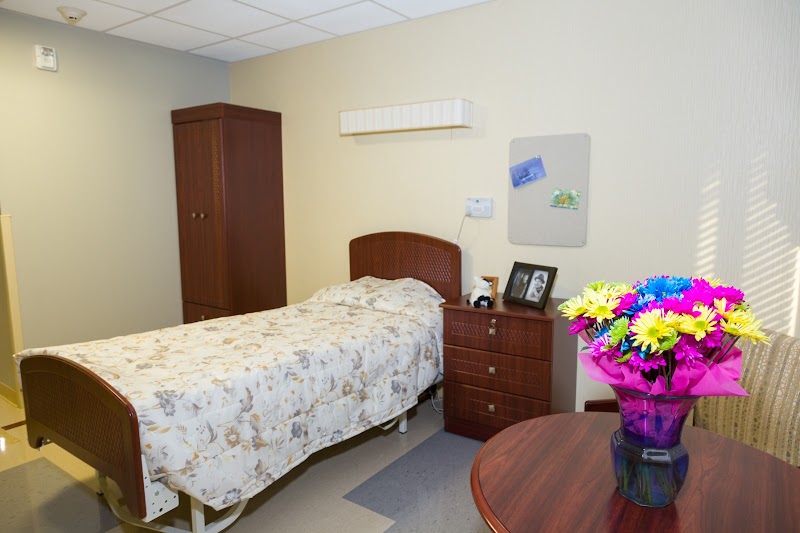
How is Hamilton Grove Healthcare And Rehabilitation, Llc Staffed?

CMS rates HAMILTON GROVE HEALTHCARE AND REHABILITATION, LLC's staffing level at 2 out of 5 stars, which is below average compared to other nursing homes. Staff turnover is 44%, compared to the New Jersey average of 46%. This relatively stable workforce can support continuity of care.

What Have Inspectors Found at Hamilton Grove Healthcare And Rehabilitation, Llc?

State health inspectors documented 16 deficiencies at HAMILTON GROVE HEALTHCARE AND REHABILITATION, LLC during 2022 to 2024. These included: 1 Immediate Jeopardy (the most serious level, indicating potential for serious harm or death) and 15 with potential for harm. Immediate Jeopardy findings are rare and represent the most serious regulatory concerns. They require immediate corrective action.
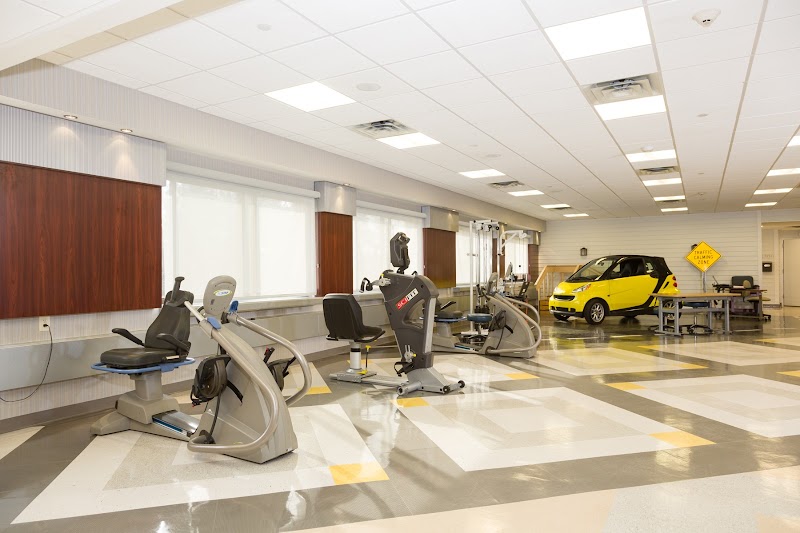
Who Owns and Operates Hamilton Grove Healthcare And Rehabilitation, Llc?

HAMILTON GROVE HEALTHCARE AND REHABILITATION, LLC is owned by a for-profit company. For-profit facilities operate as businesses with obligations to shareholders or private owners. The facility is operated by OCEAN HEALTHCARE, a chain that manages multiple nursing homes. With 218 certified beds and approximately 201 residents (about 92% occupancy), it is a large facility located in HAMILTON, New Jersey.
How Does Hamilton Grove Healthcare And Rehabilitation, Llc Compare to Other New Jersey Nursing Homes?

Compared to the 100 nursing homes in New Jersey, HAMILTON GROVE HEALTHCARE AND REHABILITATION, LLC's overall rating (1 stars) is below the state average of 3.2, staff turnover (44%) is near the state average of 46%, and health inspection rating (2 stars) is below the national benchmark.

What Should Families Ask When Visiting Hamilton Grove Healthcare And Rehabilitation, Llc?

Based on this facility's data, families visiting should ask: "What changes have been made since the serious inspection findings, and how are you preventing similar issues?" "What safeguards and monitoring systems are in place to protect residents from abuse or neglect?" "Can you walk me through typical staffing levels on day, evening, and night shifts?" "Can I visit during a mealtime to observe dining assistance and food quality?" These questions are particularly relevant given the facility's Immediate Jeopardy citations, the substantiated abuse finding on record, and the below-average staffing rating.

Is Hamilton Grove Healthcare And Rehabilitation, Llc Safe?

Based on CMS inspection data, HAMILTON GROVE HEALTHCARE AND REHABILITATION, LLC has documented safety concerns. The facility has 1 substantiated abuse finding (meaning confirmed case of resident harm by staff or other residents). Inspectors have issued 1 Immediate Jeopardy citation (the most serious violation level indicating risk of serious injury or death). The facility has a 1-star overall rating and ranks #100 of 100 nursing homes in New Jersey. Families considering this facility should ask detailed questions about what corrective actions have been taken since these incidents.

Do Nurses at Hamilton Grove Healthcare And Rehabilitation, Llc Stick Around?

HAMILTON GROVE HEALTHCARE AND REHABILITATION, LLC has a staff turnover rate of 44%, which is about average for New Jersey nursing homes (state average: 46%). Moderate turnover is common in nursing homes, but families should still ask about staff tenure and how the facility maintains care continuity when employees leave.

Was Hamilton Grove Healthcare And Rehabilitation, Llc Ever Fined?

HAMILTON GROVE HEALTHCARE AND REHABILITATION, LLC has been fined $54,275 across 1 penalty action. This is above the New Jersey average of $33,622. Fines in this range indicate compliance issues significant enough for CMS to impose meaningful financial consequences. Common causes include delayed correction of deficiencies, repeat violations, or care failures affecting resident safety. Families should ask facility leadership what changes have been made since these penalties.

Is Hamilton Grove Healthcare And Rehabilitation, Llc on Any Federal Watch List?

HAMILTON GROVE HEALTHCARE AND REHABILITATION, LLC is not on any federal watch list. The most significant is the Special Focus Facility (SFF) program, which identifies the bottom 1% of nursing homes nationally based on persistent, serious quality problems. Not being on this list means the facility has avoided the pattern of deficiencies that triggers enhanced federal oversight. This is a positive indicator, though families should still review the facility's inspection history directly.