HOBOKEN UNIVERSITY MEDICAL CENTER TCU

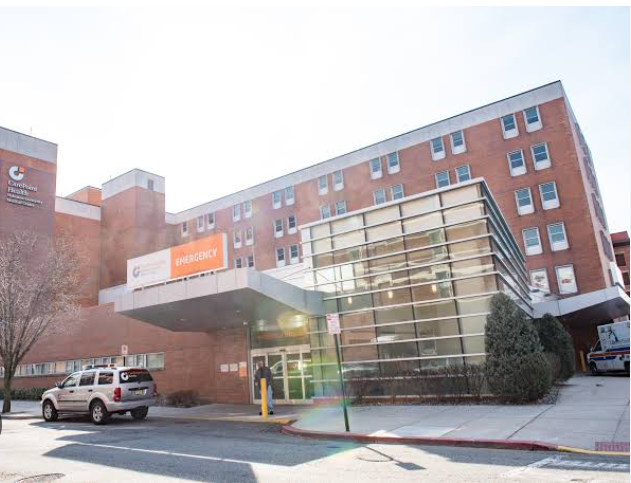
308 WILLOW AVENUE, HOBOKEN, NJ 07030 (201) 418-1000
For profit - Corporation 15 Beds Independent Data: November 2025
Trust Grade
90/100
#43 of 344 in NJ
Last Inspection: June 2024

Within standard 12-15 month inspection cycle. Federal law requires annual inspections.

Overview

Hoboken University Medical Center TCU has received an excellent Trust Grade of A, which indicates a high level of quality and care. They rank #43 out of 344 facilities in New Jersey, placing them in the top half, and #3 out of 14 in Hudson County, meaning only two local facilities are ranked higher. The facility's performance trend is stable, with four issues reported in both 2023 and 2024, and they have a strong staffing rating of 5/5 stars with a turnover rate of 0%, significantly lower than the state average. However, there have been some concerns, such as improper food storage that could lead to foodborne illnesses, and a medication error involving a resident, highlighting areas that need improvement. Overall, while the facility shows strong staffing and a solid reputation, families should be aware of these specific care issues.

Trust Score
A
90/100
In New Jersey
#43/344
Top 12%
Safety Record
Low Risk
No red flags
Inspections
Holding Steady
2 → 2 violations
Staff Stability
○ Average
Turnover data not reported for this facility.
Penalties
✓ Good
No fines on record. Clean compliance history, better than most New Jersey facilities.
Skilled Nurses
✓ Good
Each resident gets 265 minutes of Registered Nurse (RN) attention daily — more than 97% of New Jersey nursing homes. RNs are the most trained staff who catch health problems before they become serious.
Violations
✓ Good
Only 4 deficiencies on record. Cleaner than most facilities. Minor issues only.
★★★★★
5.0
Overall Rating
★★★★★
5.0
Staff Levels
★★☆☆☆
2.0
Care Quality
★★★★☆
4.0
Inspection Score
Stable
2023: 2 issues
2024: 2 issues

The Good

  • 5-Star Staffing Rating · Excellent nurse staffing levels
  • Full Sprinkler Coverage · Fire safety systems throughout facility
  • No fines on record

Facility shows strength in staffing levels, fire safety.

The Bad

No Significant Concerns Identified

This facility shows no red flags. Among New Jersey's 100 nursing homes, only 0% achieve this.

The Ugly 4 deficiencies on record

Jun 2024 2 deficiencies
CONCERN (D)

Potential for Harm - no one hurt, but risky conditions existed

Deficiency F0658 (Tag F0658)

Could have caused harm · This affected 1 resident

Based on observation, interview, record review and review of other pertinent documentation, it was determined that the facility failed to ensure a medication was administered in accordance with the ph...

Read full inspector narrative →
Based on observation, interview, record review and review of other pertinent documentation, it was determined that the facility failed to ensure a medication was administered in accordance with the physician's order and professional standards of clinical practice. The deficient practice was identified for one (1) of four (4) residents (Resident #309), administered by one (1) of two (2) nurses, observed during the medication pass observation, and was evidenced by the following: Reference: New Jersey Statutes, Annotated Title 45, Chapter 11. Nursing Board. The nurse practice act for the State of New Jersey states: The practice of nursing as a registered professional nurse is defined as diagnosing and treating human responses to actual or potential physical and emotional health problems, through such services as case finding, health teaching, health counseling, and provision of care supportive to or restorative of life and wellbeing, and executing medical regimens as prescribed by a licensed or otherwise legally authorized physician or dentist. Reference: New Jersey Statutes, Annotated Title 45, Chapter 11. Nursing Board. The nurse practice act for the State of New Jersey states: The practice of nursing as a licensed practical nurse is defined as performing tasks and responsibilities within the framework of case finding; reinforcing the patient and family teaching program through health teaching, health counseling and provision of supportive and restorative care, under the direction of a registered nurse or licensed or otherwise legally authorized physician or dentist. On 6/14/24 at 8:16 AM, during the medication administration observation, the surveyor observed Registered Nurse (RN) prepare medications for Resident #309 on the medication cart situated at the end of the resident's bed, in the resident's room. The RN reviewed the electronic Medication Administration Record (eMAR) against the medications in a unit dose (UD) packaging (a dose of medicine prepared in an individual package) which included a physician's order for Metoprolol (Lopressor) 50 milligram (mg), give one (1) tablet every 12 hours, hold if systolic blood pressure less than 90; give with meals for hypertension (high blood pressure). Administration times were for 9:00 AM and 21:00 [9:00 PM]. At 8:17 AM, the resident informed the nurse that he/she preferred the application of the Lidoderm Patches later that day. At that time, the RN stated she had taken the resident's blood pressure (BP) about 15 minutes ago, and had the result written on paper. The surveyor observed that a data entry of the BP was required on the eMAR. At that time, the RN pulled the vitals machine towards the resident and began to take the resident's BP reading. At 8:26 AM, the RN removed the resident's UD medication from the medication cart cassette, scanned each medication bar code, then took an empty medication cup and walked over to the resident's bedside. The RN emptied each medication into the medication cup, explained to the resident the indication for each medication dispensed into the empty medication cup, one at a time, while the resident self-administered. At that time, the RN confirmed she had signed for the administered medications to Resident #309 and was ready to administer to the resident's room mate assigned to the door side of the room. At 8:29 AM, the surveyor stopped the medication pass. The surveyor and the RN reviewed the (4) four emptied UD medication packages which consisted of the following: 1. Sodium Chloride (a supplement, for hyponatremia, (low sodium levels in the blood)) 2. Eliquis 5 mg (a blood thinner, for atrial fibrillation) 3. Xanax (Alprazolam, for anxiety) 4. Pantoprazole (Protonix, for heartburn or excessive acid) At that time, the surveyor asked the RN where the emptied UD package for the metoprolol was. The RN reviewed the emptied UD medication packages, looked on the medication cart, searched her pockets, looked in the cassette, searched her pockers again and found the unit dose for the Metoprolol. At that time, the RN stated, I missed it. At that time, the RN informed the resident that she had missed the administration of the pink one and administered to the resident. At that time, the RN confirmed all administration of the medications were already signed. The surveyor reviewed the medical record for Resident #309. A review of Resident #309's admission Record (AR; an admission summary) reflected that the resident was admitted to the facility with diagnoses which included but were not limited to atrial fibrillation with rapid ventricular response (an abnormal heart rhythm that occurs when the upper chambers of the heart contract in an uncoordinated way, causing the lower chambers to beat too facility) and hyponatremia. A review of Resident #309's admission Minimum Data Set (MDS), an assessment tool used to facilitate the management of care, dated 6/10/24, reflected that the resident had a Brief Interview for Mental Status (BIMS) score of 15 out of 15, which indicated that Resident #309's cognition was intact. A review of the Physician's Progress Note included a documentation that the Metoprolol was administered for atrial fibrillation, hypertension, and anxiety benefits. A review of the Registered Nurse's most recent medication pass observation, dated 9/19/22, conducted by the Consultant Pharmacist (CP) reflected the RN had no errors. On 6/14/24 at 11:08 AM, in the presence of surveyor #2, the Licensed Nursing Home Administrator (LNHA), the Director of Nursing (DON), and the Director of Rehabilitation (DoR), the surveyor discussed the concern regarding the signing of Metoprolol as administered to the resident while the administration was omitted, during the medication pass administration observation. On 6/18/23 at 10:00 AM, in the presence of the survey team, and the LNHA, the DON stated, she had reviewed the chart of the resident. The DON stated that the RN should have gone back to verify everything, prior to signing to allow for self-correction. A review of the provided facility policy titled: Medications, dated/revised on 5/24 included under Policy/Procedure E. All medications are to be recorded on patient's Medication Administration Record (MAR) immediately after administration to the patient. The policy did not reflect a procedure for reconciliation of administered medications to the residents to recapture omission of administration. NJAC 8:39-29.2 (d)
CONCERN (F)

Potential for Harm - no one hurt, but risky conditions existed

Food Safety (Tag F0812)

Could have caused harm · This affected most or all residents

Based on observation, interview and review of documentation provided by the facility, it was determined that the facility failed to a) maintain proper kitchen sanitation practices and clean equipment,...

Read full inspector narrative →
Based on observation, interview and review of documentation provided by the facility, it was determined that the facility failed to a) maintain proper kitchen sanitation practices and clean equipment, and b) properly store foods in a safe manner to prevent the development of food borne illness. These deficient practices observed as evidenced by the following: On 6/13/24 at 10:16 AM, in the presence of the Environmental Services Director/ Food Service Director (EVD/FSD), the surveyor toured the kitchen and observed the following: 1. In the walk-in freezer, the surveyor observed several boxes of opened food items that were unlabeled with open expiration date. Those items were as follows: *Flat bread, opened, sealed, out of original box, placed on top of box, used and unlabeled with open expiration date. *Whipped topping, opened, sealed out of original box, placed on shelf and unlabeled with open expiration date. *Tater tots, opened, sealed in bag, out of original box, placed on shelf, and unlabeled with open expiration date. All listed items were opened, unlabeled with open date or expiration dates. The EVD/FSD manager was unable to say when the packages were opened. 2. In the walk-in freezer, the surveyor observed several boxes of opened food items that were exposed to the freezer air unsealed, and unlabeled with open expiration date. Those items were as follows: *Pate Pizza; small round, unsealed large quantity bag, unlabeled with open date. *Pizza crust large round; opened and unsealed large quantity bag, unlabeled with open date. *Vegetable burger sleeve; opened to the element and unsealed, unlabeled with open expiration date. *Loose premade pretzels, large quantity bag, opened to the element and unsealed, unlabeled with open expiration date. *Beef burger, loose, large quantity bag, opened to the element and unsealed, unlabeled with open expiration date. All listed items were opened, unlabeled with open date or expiration dates. The EVD/FSD manager was unable to say when the packages were opened or when they expired. 1. In the food preparation area,the surveyor observed that 3 of 3 trash cans were filled with garbage and food debris which were uncovered in locations as follows: 1) food prep table that had bread on it, 2) chef prep table that had dessert in 3 pans covered with clear plastic wrap, 3) and, one under the tray line. In the food preparation area, the can opener was observed with brown and red sediment build up and was able to be scratched off by the EVD/FSD. The holder for the can opener had visible debris. The EVD/FSD could not recall the cleaning policy for the can opener and was unable to say when it had been washed and cleaned. The Head Chef (HC) stated, I changed the blade when I first got hired, 2 months ago. The catch trays under 3 of 5 cooktop units had copious amounts of blackened, burnt on and sticky residue that was on foil and under the foil on the pan. The foil was shredded to pieces exposing the tray. The survey observed 2 of 4 double door convention ovens that the glass doors were opaque with brown hard and sticky residue. The HC and EVD/FSD could not comment on when it was cleaned last. On 6/13/24 at 10:15 AM, the surveyor interviewed the EVD/FSD, who stated, that labeling of food is a requirement in the kitchen and his expectation of his staff. The food should be labeled with expiration date and if opened it should be labeled with open date and the package should be resealed to keep the contents fresh. Labeling allows for first in first out concept which saves food integrity, prevents freezer burn, and waste production. It also prevents food born illness. On 6/13/24 at 10:15 AM, the surveyor interviewed the HC regarding the cleaning process for equipment and food storage in the freezer, who stated, I need to educate the staff of what cleaning means on the log and have it more defined. The cooks should be sealing the opened bags of food in the freezer to maintain the food integrity. On 6/14/24 at 11:30, the survey team presented the concerns to the Licensed Nursing Home Administrator (LNHA), Director of Nursing (DON), and the Director of Rehab (DOR) for kitchen. The LNHA and the DON had no further information to provide. The surveyor reviewed a policy titled food storage, effective date of 03/2016 and revised date of 09/2021, which revealed: Purpose: To prevent contamination by transmission of disease-carrying microorganisms. Policy: It is the policy of the Food Services Department to develop a mechanism to ensure the safe and accurate storage of food and nonfood products. Food storage methods are strictly defined. Procedures: 2.) Inspect food regularly for damage due to spoilage. 3.) Rotate Stock so that older items are used first. Date products to ensure the use of First in-First out procedures. The surveyor reviewed the policy titled, Food Safety HACCP, effective date of 7/2012 and a revised date 5/2023, which revealed: Policy: The food and nutrition services department has a comprehensive food safety and self-inspection system that includes equipment monitoring to ensure the effectiveness and quality of the food safety program for all of our food service customers. Purpose: Our Hazard Analysis Critical Control Points (HACCP) Program looks at the flow of potentially hazardous foods, the path that food travels throughout delivery of products, storage, preparation, holding or displaying, serving, cooling, and storing leftovers for the following day, and reheating foods. The surveyor reviewed a document titled, Food Safety Management System, food safety product labeling and dating guidelines, document code 1.2.19, revision date 12/06/2022, page 1 of 3, which revealed, Purpose and Scope: Assist with labeling requirements on food products and use by dates. Note: Where a State, Provincial and or Local health regulation is more stringent than our company standard, you are required by law to follow those regulations. NJAC 8:39-17.2(g)
Jan 2023 2 deficiencies
CONCERN (D)

Potential for Harm - no one hurt, but risky conditions existed

Infection Control (Tag F0880)

Could have caused harm · This affected 1 resident

Based on observations, interviews, and review of the facility's guidelines, it was determined that the facility failed to ensure respiratory equipment was properly dated and properly stored when not i...

Read full inspector narrative →
Based on observations, interviews, and review of the facility's guidelines, it was determined that the facility failed to ensure respiratory equipment was properly dated and properly stored when not in use and there was a storage containment bag to place the nasal cannula and oxygen tubing when not in use for 2 (Resident #7 and Resident #8) of 2 residents reviewed for respiratory care. Findings included: A review of the facility's undated guidelines titled, TCU Unit Guidelines Resident Room Checklist Each Shift, indicated, Oxygen tubing label and date within last 72 hours and placed in a plastic bag when not in use. 1. A review of the resident demographic sheet revealed the facility admitted Resident #8 with diagnoses of urinary tract infection and congestive heart failure. A review of Resident #8's TCU Baseline Plan of Care, initiated 12/29/2022, revealed Resident #8 was to receive services and treatment for respiratory care and oxygen therapy. A review of Resident #8's Current Orders revealed an order, dated 12/29/2022, for oxygen by way of nasal cannula at two liters as needed. On 01/03/2023 at 11:13 AM, Resident #8 was observed sitting in a chair in the resident's room with oxygen tubing lying on the bed and an oxygen cannula hanging off the right side of the bed. The oxygen tubing was not dated and had no storage containment bag present in the room. Resident #8 stated they did not place the nasal cannula on the side of bed and indicated staff had taken it off and placed it on the side of the bed. On 01/03/2023 at 11:15 AM, Registered Nurse (RN) #1 was called to Resident #8's room by the surveyor, where she acknowledged that Resident #8's nasal cannula was stored off the side of the bed, the oxygen tubing was not dated, and the oxygen tubing and cannula did not have a storage bag present in the room for its storage when not in use. RN #1 stated the oxygen tubing and nasal cannula should be dated and have a containment bag to place them in when not in use. Per RN #1, the nurses were responsible for dating the tubing when new tubing was changed out and for placing a new storage bag in the room. RN #1 indicated the nasal cannula should not be stored hanging off the side of the resident's bed. According to RN #1, she did not know why the cannula was stored on the side of the bed. During a follow up interview on 01/03/2023 at 3:39 PM, RN #1 stated she changed out Resident #8's oxygen tubing that was not dated with new tubing with the current date and placed a containment bag for the storage of the nasal cannula and tubing. RN #1 indicated the oxygen tubing should be changed every 72 hours and dated after it was changed. On 01/04/2023 at 7:33 AM, Resident #8 was observed in bed in their room with a nasal cannula on their face. Resident #8's oxygen tubing was dated and there was a storage containment bag present. On 01/04/2023 at 7:34 AM, RN #2 stated oxygen tubing and the nasal cannula should be changed and dated every seven days on Mondays or when dirty. RN #2 stated the oxygen cannula should not be stored hanging off the resident's bed and should be stored in a bag when not in use. Per RN #2, the potential negative outcome of not storing the nasal cannula properly was respiratory infections. On 01/04/2023 at 7:42 AM, the Interim Director of Nursing (DON) stated oxygen tubing should be dated when changed every 72 hours or as needed. He stated the oxygen tubing and cannula should be stored in a bag when not in use. Per the Interim DON, the oxygen cannula should not be stored off the side of a resident's bed. According to the Interim DON, the potential negative outcome of not storing the oxygen tubing and nasal cannula properly were potential respiratory infections. The Interim DON stated the facility did not have a specific policy on dating the oxygen tubing, or on the proper storage and containment of the oxygen tubing and nasal cannula when not in use. On 01/04/2023 at 7:47 AM, the Administrator stated oxygen tubing and nasal cannulas should be dated and changed every 72 hours. Per the Administrator, the oxygen cannula should be contained in a storage bag when not in use and not hanging off the resident's bed. According to the Administrator, a potential negative outcome of not properly storing the nasal cannula, dating the oxygen tubing, and having a storage bag to place the oxygen tubing when not in use was an infection control issue. The Administrator stated she expected the respiratory supplies to be stored properly when not in use, dated when changed, and to have a storage bag for when the supplies were not in use. 2. A review of the resident demographic sheet indicated the facility admitted Resident #7 with diagnoses that included chronic obstructive pulmonary disease. A review of Resident #7's TCU Baseline Plan of Care, initiated 12/27/2022, revealed the resident received oxygen therapy. A review of Resident #7's Current Orders, revealed an order, dated 12/27/2022, for oxygen by way of nasal cannula at three liters. During an observation on 01/03/2023 at 9:37 AM, Resident #7 was not present in their room; however, the resident's oxygen concentrator was in their room with the tubing connected, and the nasal cannula was lying on top of an incontinent pad on the resident's bed. The surveyor observed that the oxygen tubing was not dated. On 01/04/2023 at 9:02 AM, Resident #7 was observed sitting in their room in a wheelchair with a nasal cannula on their face. Resident #7's oxygen tubing was dated 01/03/2023; however, there was no storage bag in the resident's room to place the oxygen tubing when not in use. During an interview on 01/04/2023 at 12:45 AM, the Interim Director of Nursing (DON) stated oxygen tubing should be changed every 72 hours and stored in a plastic bag when not in use. According to the Interim DON, the respiratory therapist and nursing staff were responsible for changing the oxygen tubing. NJAC 8:39-19.4(a)1-6
CONCERN (F)

Potential for Harm - no one hurt, but risky conditions existed

Food Safety (Tag F0812)

Could have caused harm · This affected most or all residents

Based on observations, interviews, and facility policy review, it was determined that the facility failed to ensure resident food items were labeled and dated and failed to discard all food items that...

Read full inspector narrative →
Based on observations, interviews, and facility policy review, it was determined that the facility failed to ensure resident food items were labeled and dated and failed to discard all food items that had passed their expiration date. These failures had the potential to affect all 4 residents who resided in the facility. Findings included: Review of the facility's undated policy titled, Food Safety Management System Guidelines, specified, Food labeling is essential to identify food accurately, and ensure it is stored correctly. It is a [company name] requirement to discard all foods that have passed their use by or best before date. Food items that are decanted from their original packaging must be labeled. The policy further specified, For pre-prepared/manufactured products, the label must reflect the products name, the opening date, and the use by date. Review of the facility's policy titled, Food Storage, revised 09/2021, specified, Purpose: To prevent all contamination by and transmission of disease-carrying microorganisms. The policy further specified, Procedure - Follow the guidelines below to further ensure safe and accurate storage procedures: 3. Rotate stock so that older items are used first. Date products to ensure the use of First-In, First-Out procedures. 1. On 01/03/2023 at 11:39 AM, an observation of the dry storage area revealed 10 8-ounce Glucerna Nutrition Shakes with an expiration date of 01/01/2023. During an interview on 01/04/2023 at 12:02 PM, the Clinical Nutritional Manager stated expired foods should be discarded by their use-by date and she expected foods to be discarded by their use-by date. During an interview on 01/04/2023 at 12:03 PM, the Project Manager (PM) stated expired foods should be discarded by their use-by date. According to the PM, she expected expired foods to be discarded by their expiration date. During an interview on 01/04/2023 at 3:01 PM, with the Interim Director of Nursing (DON) and the Administrator, both stated that expired foods should be discarded by their expiration date. Per the Interim DON and Administrator, they expected expired foods to be discarded by their expiration date. The Administrator stated she completed occasional spot checks in the kitchen, but the last check was in September of 2022. According to the Administrator, the Director of Food Services was given the Centers for Medicare and Medicaid (CMS) Critical Element Pathway to follow. During an interview on 01/04/2023 at 4:20 PM, the Director of Food Services (DFS) stated all food managers should make rounds to check for expired food. Per the DFS, she expected daily rounding by the food managers to monitor use-by dates on food. The DFS indicated staff were aware that food items must be discarded by their use-by dates. 2. On 01/03/2023 at 11:43 AM, an observation of the walk-in cooler revealed a bag of green beans out of the original container with no label or date, a 41-ounce opened bag of flour tortillas with no opened date, an opened 2 pound bag of mild cheddar cheese with no opened date, and an opened 32-ounce bag of crumbled goat cheese with no date. On 01/03/2023 at 11:52 AM, observations of the walk-in freezer revealed six bags of hash browns out of the original containers, with no date or label, and a round cake out of the original packaging, with no label or date. During an interview on 01/04/2023 at 12:02 PM, the Clinical Nutritional Manager stated food items out of their original packaging or food items that have been opened should be dated and labeled. She stated she expected food items to be dated and labeled when out of the original packaging or after the food item had been opened. During an interview on 01/04/2023 at 12:03 PM, the Project Manager (PM) stated food items out of their original packaging or opened should be dated and labeled. According to the PM, she expected food items to be dated and labeled when out of the original packaging or after the food item had been opened. Per the PM, many of the kitchen staff were new, and the facility was projected to implement a new labeling system in the future. During an interview on 01/04/2023 at 3:01 PM, with the Interim Director of Nursing (DON) and Administrator, both stated food items out of their original packaging or after they were opened should be dated and labeled. Per the Interim DON and Administrator, they expected food items to be dated and labeled after being opened or out of their original container. The Administrator stated she completed occasional spot checks in the kitchen, but the last check was in September of 2022. According to the Administrator, the Director of Food Services was given the Centers for Medicare and Medicaid (CMS) Critical Element Pathway to follow. During an interview on 01/04/2023 at 4:20 PM, the Director of Food Services (DFS) stated it was a team effort to monitor for proper labeling and dating of food items. The DFS stated all food managers should make rounds to check for proper labeling and dating of food items. Per the DFS, she expected daily rounding by the food managers to observe for proper dating and labeling. The DFS indicated staff were aware that food items must be labeled when out of the original packaging or after opened. NJAC 8:39-17.2(g)
Understanding Severity Codes (click to expand)
Life-Threatening (Immediate Jeopardy)
J - Isolated K - Pattern L - Widespread
Actual Harm
G - Isolated H - Pattern I - Widespread
Potential for Harm
D - Isolated E - Pattern F - Widespread
No Harm (Minor)
A - Isolated B - Pattern C - Widespread

Questions to Ask on Your Visit

  • "Can I speak with families of current residents?"
  • "What's your RN coverage like on weekends and overnight?"

Our Honest Assessment

Strengths
  • • Grade A (90/100). Above average facility, better than most options in New Jersey.
  • • No major safety red flags. No abuse findings, life-threatening violations, or SFF status.
  • • No fines on record. Clean compliance history, better than most New Jersey facilities.
  • • Only 4 deficiencies on record. Cleaner than most facilities. Minor issues only.
Concerns
  • • No significant concerns identified. This facility shows no red flags across CMS ratings, staff turnover, or federal penalties.
Bottom line: Generally positive indicators. Standard due diligence and a personal visit recommended.

About This Facility

What is Hoboken University Medical Center Tcu's CMS Rating?

CMS assigns HOBOKEN UNIVERSITY MEDICAL CENTER TCU an overall rating of 5 out of 5 stars, which is considered much above average nationally. Within New Jersey, this rating places the facility higher than 99% of the state's 100 nursing homes. This rating reflects solid performance across the metrics CMS uses to evaluate nursing home quality.

How is Hoboken University Medical Center Tcu Staffed?

CMS rates HOBOKEN UNIVERSITY MEDICAL CENTER TCU's staffing level at 5 out of 5 stars, which is much above average compared to other nursing homes.

What Have Inspectors Found at Hoboken University Medical Center Tcu?

State health inspectors documented 4 deficiencies at HOBOKEN UNIVERSITY MEDICAL CENTER TCU during 2023 to 2024. These included: 4 with potential for harm.
Who Owns and Operates Hoboken University Medical Center Tcu?

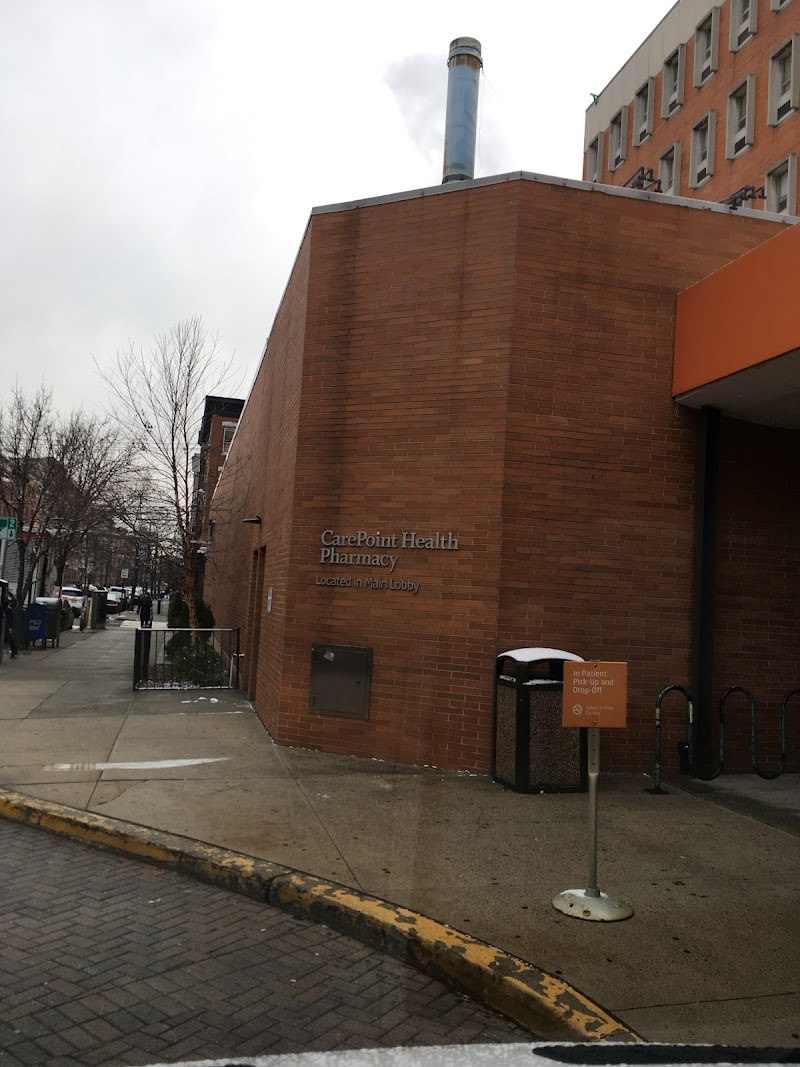
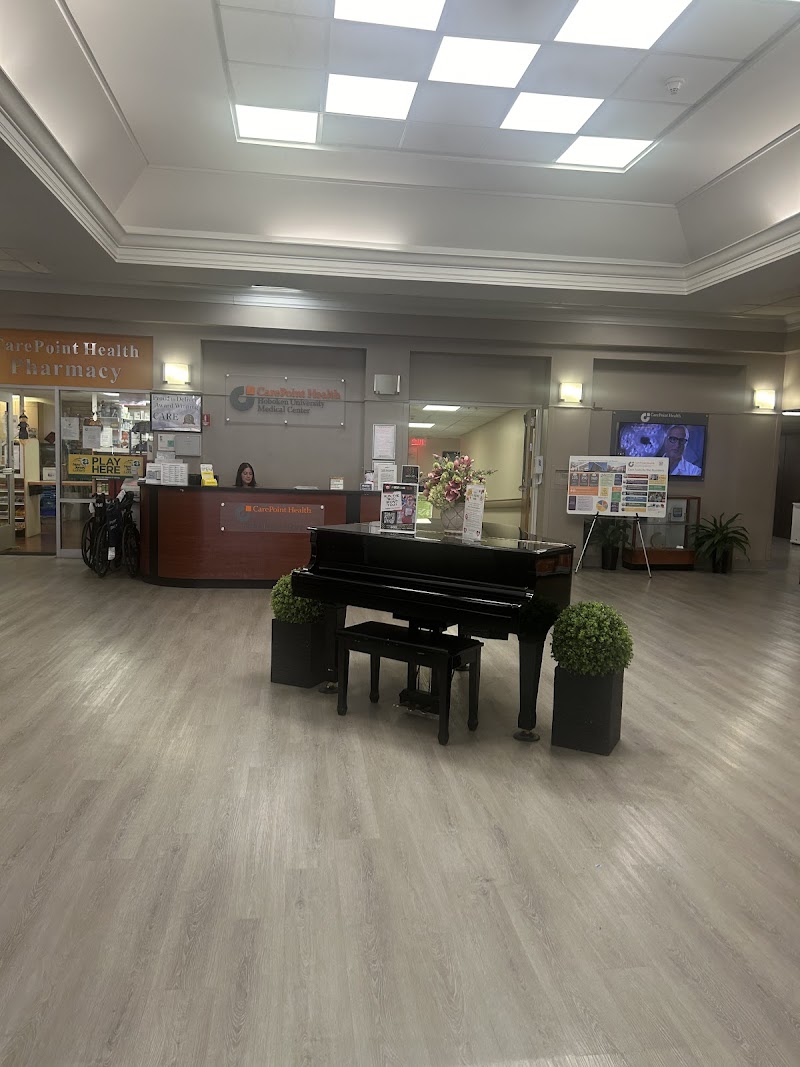
HOBOKEN UNIVERSITY MEDICAL CENTER TCU is owned by a for-profit company. For-profit facilities operate as businesses with obligations to shareholders or private owners. The facility operates independently rather than as part of a larger chain. With 15 certified beds and approximately 11 residents (about 73% occupancy), it is a smaller facility located in HOBOKEN, New Jersey.
How Does Hoboken University Medical Center Tcu Compare to Other New Jersey Nursing Homes?

Compared to the 100 nursing homes in New Jersey, HOBOKEN UNIVERSITY MEDICAL CENTER TCU's overall rating (5 stars) is above the state average of 3.3 and health inspection rating (4 stars) is above the national benchmark.

What Should Families Ask When Visiting Hoboken University Medical Center Tcu?

Based on this facility's data, families visiting should ask: "Can I visit during a mealtime to observe dining assistance and food quality?" "How do you handle medical emergencies, and what is your hospital transfer rate?" "Can I speak with family members of current residents about their experience?"

Is Hoboken University Medical Center Tcu Safe?

Based on CMS inspection data, HOBOKEN UNIVERSITY MEDICAL CENTER TCU has a clean safety record: no substantiated abuse findings (meaning no confirmed cases of resident harm), no Immediate Jeopardy citations (the most serious violation level indicating risk of serious injury or death), and is not on the Special Focus Facility watch list (a federal program monitoring the lowest-performing 1% of nursing homes). The facility has a 5-star overall rating and ranks #1 of 100 nursing homes in New Jersey. While no facility is perfect, families should still ask about staff-to-resident ratios and recent inspection results during their visit.

Do Nurses at Hoboken University Medical Center Tcu Stick Around?

HOBOKEN UNIVERSITY MEDICAL CENTER TCU has not reported staff turnover data to CMS. Staff turnover matters because consistent caregivers learn residents' individual needs, medications, and preferences. When staff frequently change, this institutional knowledge is lost. Families should ask the facility directly about their staff retention rates and average employee tenure.

Was Hoboken University Medical Center Tcu Ever Fined?

HOBOKEN UNIVERSITY MEDICAL CENTER TCU has no federal fines on record. CMS issues fines when nursing homes fail to meet care standards or don't correct problems found during inspections. The absence of fines suggests the facility has either maintained compliance or corrected any issues before penalties were assessed. This is a positive indicator, though families should still review recent inspection reports for the full picture.

Is Hoboken University Medical Center Tcu on Any Federal Watch List?

HOBOKEN UNIVERSITY MEDICAL CENTER TCU is not on any federal watch list. The most significant is the Special Focus Facility (SFF) program, which identifies the bottom 1% of nursing homes nationally based on persistent, serious quality problems. Not being on this list means the facility has avoided the pattern of deficiencies that triggers enhanced federal oversight. This is a positive indicator, though families should still review the facility's inspection history directly.