ACCLAIM REHABILITATION AND NURSING CENTER
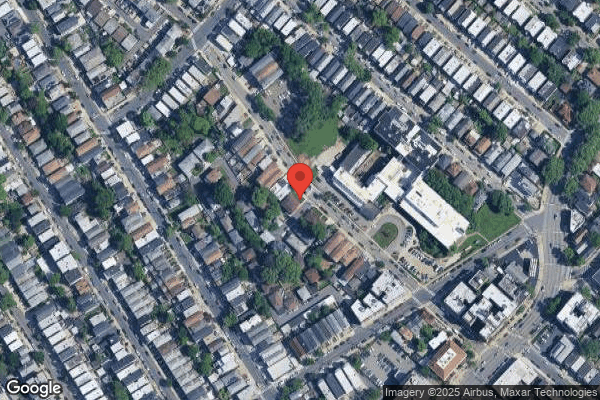
198 STEVENS AVE, JERSEY CITY, NJ 07305 (201) 451-9000
For profit - Partnership 183 Beds EXCELSIOR CARE GROUP Data: November 2025
Trust Grade
75/100
#84 of 344 in NJ
Last Inspection: April 2025

Within standard 12-15 month inspection cycle. Federal law requires annual inspections.

Overview

Acclaim Rehabilitation and Nursing Center has a Trust Grade of B, indicating it is a good choice for families considering care options. It ranks #84 out of 344 nursing homes in New Jersey, placing it in the top half of facilities in the state, and #7 out of 14 in Hudson County, meaning there are only a few better local options available. Unfortunately, the facility is experiencing a worsening trend, with reported issues increasing from 4 in 2023 to 5 in 2025. Staffing is a concern, rated at 2 out of 5 stars with a turnover rate of 47%, which is around the state average, suggesting that while some staff remain, many do not. On a positive note, the facility has not incurred any fines, which is a good sign of compliance with regulations. However, there are significant concerns regarding kitchen sanitation, with observations of dirty equipment and maintenance issues that could lead to foodborne illnesses. Additionally, there have been failures in medication administration practices, where medications were not given according to physician orders, and a lack of adherence to smoking policies, which did not meet state regulations for smoke-free areas. Families should weigh these strengths and weaknesses when considering this facility for their loved ones.

Trust Score
B
75/100
In New Jersey
#84/344
Top 24%
Safety Record
Low Risk
No red flags
Inspections
Getting Worse
4 → 5 violations
Staff Stability
⚠ Watch
47% turnover. Above average. Higher turnover means staff may not know residents' routines.
Penalties
✓ Good
No fines on record. Clean compliance history, better than most New Jersey facilities.
Skilled Nurses
⚠ Watch
Each resident gets only 25 minutes of Registered Nurse (RN) attention daily — below average for New Jersey. Fewer RN minutes means fewer trained eyes watching for problems.
Violations
⚠ Watch
13 deficiencies on record. Higher than average. Multiple issues found across inspections.
★★★★☆
4.0
Overall Rating
★★☆☆☆
2.0
Staff Levels
★★★★★
5.0
Care Quality
★★★☆☆
3.0
Inspection Score
Stable
2023: 4 issues
2025: 5 issues

The Good

  • 5-Star Quality Measures · Strong clinical quality outcomes
  • Full Sprinkler Coverage · Fire safety systems throughout facility
  • No fines on record

Facility shows strength in quality measures, fire safety.

The Bad

Staff Turnover: 47%

Near New Jersey avg (46%)

Higher turnover may affect care consistency

Chain: EXCELSIOR CARE GROUP

Part of a multi-facility chain

Ask about local staffing decisions and management

The Ugly 13 deficiencies on record

Apr 2025 5 deficiencies
CONCERN (D)

Potential for Harm - no one hurt, but risky conditions existed

Transfer Notice (Tag F0623)

Could have caused harm · This affected 1 resident

**NOTE- TERMS IN BRACKETS HAVE BEEN EDITED TO PROTECT CONFIDENTIALITY** Based on observation, interview, and record review, it was determined that the facility failed to notify the resident's represen...

Read full inspector narrative →
**NOTE- TERMS IN BRACKETS HAVE BEEN EDITED TO PROTECT CONFIDENTIALITY** Based on observation, interview, and record review, it was determined that the facility failed to notify the resident's representative in writing for an emergency transfer to the hospital. This deficient practice was identified for 2 of 2 residents, Resident #101 and #105 reviewed for hospitalization. On 04/1/25 at 4:06 PM, the surveyor reviewed the electronic medical records for resident #101. A review of Resident #101's face sheet (an admission summary) revealed the resident was admitted to the facility with diagnoses that included but were not limited to; asthma (chronic resp9iatory disease which the airway narrows and swells mking it difficult to breath), hypertension (the force of the blood against the artery walls is too high) and anemia (low red blood cells). A review of the nursing progress note dated 3/10/25 at 1:58 PM, revealed that the resident was hospitalized and admitted with a diagnosis of sepsis. A review of the Discharge Minimum Data Set (MDS), an assessment tool used to facilitate the management of care dated 3/10/25, reflected that Resident #101 was discharged to the hospital with a return anticipated back to the facility. On 4/1/25 at 11:56 AM, the surveyor interviewed the Social Service Director who stated that they did not send letters to the families when a resident had an unplanned discharge and stated that would have been the nursing department. On 4/2/25 at 9:35 AM, the surveyor interviewed the admission Director who stated that the facility does not send a letter to the family for unplanned discharge and that they would just call the family to inform them. On 4/2/25 at 10:00 AM, The Licensed Nursing Home Administrator (LNHA) who stated that the facility does not send a letter to the family for unplanned discharges. A review of the facility's policy titled, Discharge Policies and Procedures with a review date of 1/8/25, included for am emergency transfer the facility will notify the responsible party. The admission Director would complete the bed hold and Notification of any transfer to the hospital form and notifies resident/family via phone/email/regular mail depending on availability or preferences. NJAC 8:39-5.3; 5.4 2. On 4/3/25 at 10:54 AM, the surveyor reviewed the EMR for resident #105. A review of Resident #105's face sheet revealed the resident was admitted to the facility with diagnoses that included but were not limited to; cerebral infarction, essential hypertension, hyperlipidemia and major depression disorder. A review of the nursing progress note dated 2/13/25 at 10:39 PM, revealed that the resident was hospitalized and admitted with a diagnosis of chest pain. A review of the Discharge MDS, dated [DATE], reflected that Resident #105 was discharged to the hospital with a return anticipated back to the facility. On 4/1/25 at 11:56 AM, the surveyor interviewed the Social Service Director who stated that they did not send letters to the families when a resident had an unplanned discharge and stated that would have been the nursing department. On 4/2/25 at 9:35 AM, the surveyor interviewed the admission Director who stated that the facility does not send a letter to the family for unplanned discharge and that they would just call the family to inform them. On 4/2/25 at 10:00 AM, The Licensed Nursing Home Administrator (LNHA) who stated that the facility does not send a letter to the family for unplanned discharges. A review of the facility's policy titled, Discharge Policies and Procedures with a review date of 1/8/25, included for am emergency transfer the facility will notify the responsible party. The admission Director would complete the bed hold and Notification of any transfer to the hospital form and notifies resident/family via phone/email/regular mail depending on availability or preferences. NJAC 8:39-5.3; 5.4
CONCERN (D)

Potential for Harm - no one hurt, but risky conditions existed

MDS Data Transmission (Tag F0640)

Could have caused harm · This affected 1 resident

Based on the interview and record review, it was determined that the facility failed to complete and transmit a Minimum Data Set (MDS - an assessment tool used to facilitate the management of care) in...

Read full inspector narrative →
Based on the interview and record review, it was determined that the facility failed to complete and transmit a Minimum Data Set (MDS - an assessment tool used to facilitate the management of care) in accordance with federal guidelines. This deficient practice was identified for 6 (six) of 28 residents (Resident #3, #10, #29, #47, #68, and #138) reviewed. This deficient practice was evidenced by the following: The MDS is a comprehensive tool federally mandated process for clinical assessment of all residents that must be completed and transmitted to the Quality Measure System. The facility must electronically transmit the MDS within 14 days of completing the assessment. After the MDS is transmitted, a quality measure will be transmitted to enable a facility to monitor the residents' decline or progress. On 4/3/25 at 11:00 AM, the surveyor provided the MDS Coordinator (MDSC) with the list of 6 residents who completed more than 14 (fourteen) days after an entry date. The surveyor also requested a copy of the resident's final validation report (a report generated after every MDS transmission) from the Centers for Medicare and Medicaid Services (CMS). On 4/3/25 at 11:05 AM, the surveyor interviewed the MDSC, who stated that the Regional MDSC (R/MDSC) would submit the assessment as soon as she was done. The MDSC further indicated that they followed the RAI (Resident Assessment Instrument, a tool that helps gather information about a resident's strengths and needs, which is used to create an individualized care plan) Manual. On 4/4/25 at 9:05 AM, the surveyor interviewed the R/MDSC, who stated that she tried to submit the MDS assessment at least every day and she was made aware that the assessment was signed on the past date but needed to wait for every discipline to sign their section before submitting it. The surveyor and the R/MDSC reviewed the 6 residents' MDS assessments that were not submitted within 14 days of completion as follows: 1. Resident #3 had an admission MDS (A/MDS) assessment with an Assessment Reference Date (ARD - the last day of the observation period) of 1/16/25 that was signed as completed on 2/5/25 and was not transmitted until 2/6/25. 2. Resident #10 had A/MDS assessment with an ARD of 10/29/24 that was signed as completed on 11/6/24 and was not transmitted until 11/6/24. 3. Resident #29 had A/MDS assessment with an ARD of 12/4/24 that was signed as completed on 12/13/24 and was not transmitted until 12/17/24. 4. Resident #47 had the following assessment and was completed late: a. The A/MDS with an ARD of 12/2/24. It was signed as completed and transmitted on 12/11/24. b. The discharge return not anticipated MDS (DCRNA/MDS) with an ARD of 12/11/24 was signed as completed on 1/7/25 and was not transmitted until 1/8/25. c. The A/MDS assessment with an ARD of 3/19/25, It was signed as completed and transmitted on 3/30/25. 5. Resident #68 had A/MDS assessment with an ARD of 3/12/25 that was signed as completed on 3/21/25 and was not transmitted until 3/25/25. 6. Resident #138 had A/MDS assessment with an ARD of 3/14/25 that was signed as completed on 3/22/25 and was not transmitted until 3/24/25. On 4/4/25 at 10:30 AM, the surveyor met with the Licensed Nursing Home Administrator, Director of Nursing, Chief Operating Officer, and Regional Nurse regarding the above concern, and no further information was provided. NJAC 8:39-11.1
CONCERN (E)

Potential for Harm - no one hurt, but risky conditions existed

Pharmacy Services (Tag F0755)

Could have caused harm · This affected multiple residents

Based on observation, interview, and record review, it was determined that the facility failed to ensure (a). that a medication was administered according to the physician orders (PO) and acceptable s...

Read full inspector narrative →
Based on observation, interview, and record review, it was determined that the facility failed to ensure (a). that a medication was administered according to the physician orders (PO) and acceptable standards of practice in accordance with the New Jersey Board of Nursing. This deficient practice was identified in 1 (one) of 8 (eight) residents (Resident #34) observed during the medication observation pass and (b), to follow acceptable standards of clinical practices for accurately administering medications according to PO. This deficient practice was identified in 1 (one) and 7 (seven) residents (Resident #10 ) reviewed for medication administration. The deficient practice was evidenced by the following: Reference: New Jersey Statutes Annotated, Title 45. Chapter 11. Nursing Board. The Nurse Practice Act for the State of New Jersey states: The practice of nursing as a registered professional nurse is defined as diagnosing and treating human responses to actual and potential physical and emotional health problems, through such services as case-finding, health teaching, health counseling, and provision of care supportive to or restorative of life and wellbeing, and executing medical regimens as prescribed by a licensed or otherwise legally authorized physician or dentist. Reference: New Jersey Statutes Annotated, Title 45, Chapter 11. Nursing Board. The Nurse Practice Act for the State of New Jersey states: The practice of nursing as a licensed practical nurse is defined as performing tasks and responsibilities within the framework of case finding; reinforcing the patient and family teaching program through health teaching, health counseling, and provision of supportive and restorative care, under the direction of a registered nurse or licensed or otherwise legally authorized physician or dentist. A). On 04/02/25 at 9:10 AM, during the medication administration observation, the surveyor observed the Licensed Practical Nurse (LPN#1) in the room of Resident #34. The surveyor observed RN #1 checking the resident's identification bracelet and informed Resident #34 that she would be administering the resident's medications. On 04/08/25 at 8:35 AM, the surveyor observed LPN #1 preparing to administer nine (9) medications to Resident #34 which included the following: Triphrocaps capsule (supplement), Metoprolol ER 25 mg tablet (blood pressure), Aspirin 81 mg, Depakote 125 mg tablet (seizures), Bisacodyl (laxative), Acetaminophen (pain), Xanax 0.25 mg (anxiety), Gabapentin (pain) and Keppra 750 mg (seizures). Prior to LPN#1 preparing the resident's Xanax, the surveyor noticed the amount of tablets in the bingo card (medication packaging) did not match the amount remaining in the narcotic inventory book. At that time, the surveyor interviewed LPN#1 who stated that she just took over the medication cart from the Registered Nurse/Unit Manager (RN#1/UM) who had to take care of another situation on the nursing unit. She stated that the RN#1/UM) already administered Resident #34's Xanax. LPN#1further acknowledge that both the electronic medication administration record (EMAR) and narcotic inventory book were both not documented as being administered by the RN#1/UM. On 4/08/25 at 8:40 AM, the surveyor interviewed RN#1/UM who acknowledge that she administered Resident #34's Xanax and that she should have documented both the EMAR and the narcotic inventory book. She stated that the proper practice is to full out the narcotic log book while preparing the medication for administartion and signing the EMAR after the medication was administered. On 4/8/25 at 8:45 AM, during medication administration, LPN#1 informed the resident that they were not receiving the Xanax since that other nurse already administered the medication. At that time, the surveyor interviewed Resident #34 who's cognitvely intact. The resident told the surveyor that they already received Xanax. On 4/8/25 at 10:15 AM, the surveyor inspected all of the facility's medication storage areas which included 6 (six) medication carts and three (3) medication refrigerators. The surveyor inspected all narcotic storage area and conducted a narcotic count with all nurses who were present during medication storage inspection. The surveyor found no discrepancies with the narcotic counts with all narcotics in the facility being accounted for and all nurses who were interviewed stating that narcotic counts are done with every shift change. A review of the admission Record (an admission summary) reflected that the resident was admitted to the facility with diagnoses that included but not limited to major depressive disorder (a mental health disorder characterized by persistently depressed mood or loss of interest in activities), hypertension (a condition in which the force of the blood against the artery walls is too high), generalized anxiety disorder (severe, ongoing anxiety that interferes with daily activities), and hyperlipidemia (a condition in which there are high levels of fat particles (lipids) in the blood). A review of the annual Minimum Data Set, an assessment tool used to facilitate the management of care, dated 12/26/24, reflected that the resident's cognitive skills for daily decision-making score was 15 out of 15, which indicated that the resident's cognition was cognitively intact. A review of the April 2025 Physician's Orders (PO) revealed a Physician's Order dated 4/1/25, for Xanax 0.25 mg tablet, give 1 tablet (0.25mg) by oral route every 12 hours (9:00AM and 9:00PM) for generalized anxiety. A review of the April 2025 EMAR revealed an order dated 04/1/25, for Xanax 0.25 mg give a tablet (0.25mg) by oral route every 12 hours (9:00 AM and 9:00 PM) for generalized anxiety. B). On 3/31/25 at 12:08 PM, the surveyor observed Resident #10 during initial tour seated in their wheelchair on the J unit activity room watching television with other residents. A review of the admission Record (an admission summary) reflected that the resident was admitted to the facility with diagnoses that included but not limited to major depressive disorder (a mental health disorder characterized by persistently depressed mood or loss of interest in activities), hypertension (a condition in which the force of the blood against the artery walls is too high), generalized anxiety disorder (severe, ongoing anxiety that interferes with daily activities), and hyperlipidemia (a condition in which there are high levels of fat particles (lipids) in the blood). A review of the quarterly Minimum Data Set, an assessment tool used to facilitate the management of care, dated 1/23/25, reflected that the resident's cognitive skills for daily decision-making score was 7 out of 15, which indicated severe cognitive impairment . A review of the April 2025 Physician's Orders (PO) revealed a Physician's Order dated 02/27/25 for Insulin Lispro (U-100) 100 unit/ml subcutaneous solution, inject units' subcutaneous route 3 times per day (7:30 AM, 11:30 AM and 4:30 PM). Inject per sliding scale, 150-199 = 2 units, 200-249 = 4 units, 250-299 = 6 units, 300-349 = 8 units, 350-400 = 10 units, call MD (Medical Doctor) with blood sugar levels of 400 and above or below 70. A review of the March 2025 EMAR revealed an order dated 02/27/25 for Insulin Lispro (U-100) 100 unit/ml subcutaneous solution, inject units' subcutaneous route 3 times per day (7:30 AM, 11:30 AM and 4:30 PM). Inject per sliding scale, 150-199 = 2 units, 200-249 = 4 units, 250-299 = 6 units, 300-349 = 8 units, 350-400 = 10 units, call MD (Medical Doctor) with blood sugar levels of 400 and above or below 70 with a plotted time of 7:30 AM, 11:30 AM and 4:30 PM. A further review of the March 2025 EMAR revealed that the amount of insulin units administered, and injection site location was omitted 66 times on the following dates and time: -3/1/25 at 7:30 AM 3/02/25 at 7:30 AM 3/02/25 at 4:30 PM 3/03/25 at 7:30 AM 3/03/25 at 11:30 AM 3/03/25 at 4:30 PM 3/04/25 at 11:30 AM 3/05/25 at 7:30 AM 3/05/25 at 11:30 AM 3/05/25 at 4:30 PM 3/06/25 at 7:30 AM 3/06/25 at 11:30 AM 3/06/25 at 4:30 PM 3/07/25 at 7:30 AM 3/07/25 at 11:30 AM 3/07/25 at 4:30 PM 3/08/25 at 7:30 AM 3/08/25 at 11:30 AM 3/08/25 at 4:30 PM 3/09/25 at 7:30 AM 3/10/25 at 11:30 AM 3/10/25 at 4:30 PM 3/11/25 at 4:30 PM 3/12/25 at 4:30 PM 3/13/25 at 7:30 AM 3/13/25 at 11:30 AM 3/13/25 at 4:30 PM 3/14/25 at 4:30 PM 3/15/25 at 7:30 AM 3/15/25 at 11:30 AM 3/15/25 at 4:30 PM 3/16/25 at 7:30 AM 3/16/25 at 11:30 AM 3/16/25 at 4:30 PM 3/17/25 at 7:30 AM 3/17/25 at 11:30 AM 3/17/25 at 4:30 PM 3/18/25 at 7:30 AM 3/18/25 at 11:30 AM 3/18/25 at 4:30 PM 3/19/25 at 7:30 AM 3/19/25 at 11:30 AM 3/19/25 at 4:30 PM 3/20/25 at 7:30 AM 3/20/25 at 11:30 AM 3/21/25 at 11:30 AM 3/22/25 at 4:30 PM 3/23/25 at 7:30 AM 3/24/25 at 7:30 AM 3/24/25 at 11:30 AM 3/25/25 at 7:30 AM 3/25/25 at 11:30 AM 3/26/25 at 4:30 PM 3/27/25 at 7:30 AM 3/27/25 at 11:30AM 3/27/25 at 4:30 PM 3/28/25 at 7:30 AM 3/28/25 at 11:30 AM 3/28/25 at 4:30 PM 3/29/25 at 7:30 AM 3/29/25 at 11:30 AM 3/29/25 at 4:30 PM 3/30/25 at 7:30 AM 3/30/25 at 11:30 AM 3/30/25 at 4:30 PM 3/31/25 at 4:30 PM A review of the April 2025 EMAR revealed an order dated 02/27/25 for Insulin Lispro (U-100) 100 unit/ml subcutaneous solution, inject units' subcutaneous route 3 times per day (7:30 AM, 11:30 AM and 4:30 PM). Inject per sliding scale, 150-199 = 2 units, 200-249 = 4 units, 250-299 = 6 units, 300-349 = 8 units, 350-400 = 10 units, call MD (Medical Doctor) with blood sugar levels of 400 and above or below 70 with a plotted time of 7:30 AM, 11:30 AM and 4:30 PM. A further review of the March 2025 EMAR revealed that the amount of insulin units administered, and injection site location were omitted 5 times on the following dates and time: 4/01/25 at 7:30 AM 4/01/25 at 4:30 PM 4/02/25 at 11:30 AM 04/02/25 at 4:30 PM 04/03/25 at 7:30 AM On 04/03/25 at 10:45 AM, the surveyor in the presence of LPN#2 and LPN#3 reviewed Resident #10's PO for Insulin Lispro for sliding scale administration. Both LPN#2 and LPN#3 (two medication nurses on the J unit) acknowledge that they were no documentation on how many units of insulin that were administered. Both LPN #2 and LPN#3 stated that the amount of insulin that was administered should have been documented on the EMAR. On 4/3/25 at 1:00 PM, the surveyor discussed the above concerns with the Licensed Nursing Home Administrator, Director of Nursing, the Regional Nurse and the Regional Administrator. There was no additional information provided. A review of the facility's policy for controlled substances dated 1/8/25, included the following: 5. Nurse must document administration in the electronic health record and the declining sheet. A review of the facility's policy for Medication Administration dated 1/8/25, included the following: 16. Document administration of medication in the EMAR immediately following administration. Notes in EMAR medications not administered (i.e refused, etc.) and identifies. NJAC 8:39-11.2 (b), 29.2 (d)
CONCERN (E) 📢 Someone Reported This

A family member, employee, or ombudsman was alarmed enough to file a formal complaint

Potential for Harm - no one hurt, but risky conditions existed

Smoking Policies (Tag F0926)

Could have caused harm · This affected multiple residents

**NOTE- TERMS IN BRACKETS HAVE BEEN EDITED TO PROTECT CONFIDENTIALITY** Based on observation, interview, record review, and review of pertinent facility documents, it was determined that the facility ...

Read full inspector narrative →
**NOTE- TERMS IN BRACKETS HAVE BEEN EDITED TO PROTECT CONFIDENTIALITY** Based on observation, interview, record review, and review of pertinent facility documents, it was determined that the facility failed to develop and implement smoking policies in accordance with state law and regulations to provide smoke-free air which prohibits indoor smoking in healthcare facilities. This deficient practice was observed for 1 of 1 designated smoking areas and was evidenced by the following: Reference: N.J.A.C. 8:6 Smoke-Free Air prohibits smoking in most workplaces as well as in indoor public areas. It included a list of all of the indoor public places and workplaces where smoking was banned, which included healthcare facilities. A review of the Smoking Policy last updated 7/7/24, provided by the LNHA on 3/31/25, included that the smoking area for the facility was located on the K floor (3rd floor) of the facility (provisional due to renovations) down the hallway from the dayroom close to the high side room numbers. On 3/31/25 at 11:15 AM, during the initial tour of the K-Unit on the third floor, the surveyor observed double doors that led to the designated smoking room (DSR). Inside the room, there were two residents observed smoking cigarettes. The surveyor observed that the windows in the room were unable to be opened. There was a designated employee, the SRM, outside of the smoking room who was monitoring the residents who were inside the smoking room. At that same time, the surveyor interviewed the SRM who stated that the windows did not open and that the patio door was locked and was closed off. She further stated that the residents were only permitted to smoke inside of the room and did not go outside to smoke. On 3/31/25 at 11:20 AM, the surveyor observed Resident #47 in the DSR sitting next to an open ashtray smoking a cigarette. On that same date and time, the surveyor interviewed Resident #47, who stated they smoke in the DSR three times per day and have been since their admission into the facility. The resident further stated that the windows in the DSR did not open and that the residents who smoked did not go onto the adjoined patio. Resident #47 further stated they had a smoking assessment completed on their third day in the facility and signed a contract stating they understood and would not break the facility's smoking rules and regulations. On that same date and time, the surveyor observed that all windows were unable to be opened and a balcony door was closed off and locked in the DSM which was verified by the SRM. The surveyor observed two standing ashtrays and four outdoor Cease-Fire ashtrays that were missing the self-closing lids. A review of the manufacture's specifications for the ashtrays provided by the LNHA, revealed that the two standing ashtrays were made of stainless steel and the four outdoor Cease-Fire ashtrays were made of [NAME] steel. On 3/31/25 at 11:30 AM, the LNHA acknowledged that the six ashtrays in the DSM did not have covers. On 3/31/25 at 12:00 PM, the surveyor reviewed the medical record for Resident #47. A review of Resident #47's face sheet (an admission summary) revealed the resident was admitted to the facility with diagnoses that included but were not limited to; anxiety disorder, unspecified fall, and essential hypertension. A review of the comprehensive Minimum Data Set (MDS), an assessment tool dated 3/19/25, reflected a Brief Interview for Mental Status (BIMS) score of 15 out of 15, which indicated that the resident had an intact cognition. A review of Resident #47's New/re-admission Assessments created on 3/12/25, revealed under the smoking assessment tool, that the resident displayed a safe smoking technique and was able to smoke safely. A further review of Resident #47's medical record revealed a form titled, Acknowledgement of smoking polices and agreement to follow the smoking rules, that was signed by Resident #47 and witnessed on 3/14/25. A review of Resident #47's individualized comprehensive care plan (ICCP) included a focus area dated 3/15/25, that the resident has an activity: smoking related to (r/t) known history of smoking. Interventions included: I verbalize and demonstrate knowledge and understanding of the smoking rules, I will only smoke in designated areas, and I will remain compliant with the smoking contract as per facility policy. On 3/31/25 at 11:20 AM, the surveyor observed Resident #119 in the DSR finish smoking a cigarette and placed the cigarette into an open ashtray. At that same time, the surveyor interviewed Resident #119 who stated this is where I was told by facility staff, we can smoke. On 3/31/25 at 12:10 PM, the surveyor reviewed the medical record for Resident #119. A review of Resident #119's face sheet revealed the resident was admitted to the facility with diagnoses that included but were not limited to; muscle wasting and atrophy, anxiety disorder, and hyperlipidemia. A review of the resident's quarterly MDS dated [DATE], reflected a BIMS score of 15 out of 15, which indicated that the resident had intact cognition. A review of Resident #119's Recreation Admission/readmission Assessments created on 9/25/24, revealed under the smoking assessment tool, that the resident displayed a safe smoking technique and was able to smoke safely. A further review of Resident #119's medical record revealed a form titled, Acknowledgement of smoking polices and agreement to follow the smoking rules, that was signed by Resident #119 and witnessed on 1/17/25. A review of Resident #119's ICCP included a focus area dated 9/27/24, that the resident has an activity: smoking related to (r/t) known history of smoking. Interventions included: I verbalize and demonstrate knowledge and understanding of the smoking rules, I will only smoke in designated areas, and I will remain compliant with the smoking contract as per facility policy. On 3/31/25, at 1:49 PM, the surveyor conducted an interview with the Housekeeping Director (HD), who stated that the cigarette ashes were disposed of four times per day, placed into a metal container after water was poured into the container and all ashes were disposed of with the regular trash in the facility. On 3/31/25 at 2:30 PM, the surveyor interviewed the LNHA who stated that indoor smoking had been on-going since April 2022, but was not sure of the exact date. NJAC 8:39-31.6(e)
CONCERN (F)

Potential for Harm - no one hurt, but risky conditions existed

Food Safety (Tag F0812)

Could have caused harm · This affected most or all residents

Based on observation, interview, and review of facility policies, it was determined that the facility failed to maintain proper kitchen sanitation practices in a manner to prevent food borne illness. ...

Read full inspector narrative →
Based on observation, interview, and review of facility policies, it was determined that the facility failed to maintain proper kitchen sanitation practices in a manner to prevent food borne illness. This deficient practice was observed and evidenced by the following: On 3/31/25 at 9:14 AM, the surveyor in the presence of the Food Service Director (FSD) observed the following during the kitchen tour. 1. In walk-in refrigerator #1, the surveyor observed a blackish dust like substance in the gasket. 2. The surveyor observed on the 3-spout coffee machine a hard water build up on top of machine and on the first coffee spout had a brownish sticky substance on the spout. 3. The surveyor observed puddle of water below the hand washing, the water was coming from a leaking pipe. 4. In the Chef preparatory area, the surveyor observed a standing blender with a crumblike substance on base and outside of blender along with a sticky blackish colored substance on blender. 5. On top of the standing oven, the surveyor observed a blackish dust-like substance and on the inside of the oven was observed with a burnt on blackish colored substance. 6. The surveyor observed the Tilt skillet with yellowish grease-like substance that had pooled in the corner. 7. The surveyor observed 1 Dietary aide (DA#1) with large hoop earrings and 1 Dietary aide (DA#2) observed with hair not fully covered under hairnet. Both DAs interviewed, DA#1 stated she forget to take, DA#2 stated they are aware hair needs to be fully covered and had not realized their hair was not covered On 4/01/25 at 10:00 AM, during the follow up inspection of the kitchen, the surveyor observed Dietary aide (DA#3) observed with large hoop earrings. DA #3 stated they had forgot to take them before work started. On 4/1/25 at 11:30 AM, the FSD provided the surveyor with two facility policies, Uniform policy and procedures with an effective date of 1/20/2022. The uniform policy stated under the procedure section, wear hair restraints to prevent from contacting exposed food. Jewelry is kept to a minimum; facial piercings are to be removed or covered. Surveyor asked on two occasions for a policy regarding kitchen equipment cleaning but was not provided by facility. On 4/3/25 at 1:04 PM, the surveyor met with the Licensed Nursing Home Administrator (LHNA), Director of Nursing (DON), Regional Nurse (RRN) and Chief Operations Officer (COO) to review survey concerns. The LHNA stated they kitchen equipment cleaning policy the surveyor requested would be provided by tomorrow morning. On 4/3/25 at 11:00 AM, the surveyor met with the LHNA, DON, RRN and COO for the exit conference. The facility did not provide any further pertinent information. NJAC 8:39-17.2(g)
Aug 2023 3 deficiencies
CONCERN (D)

Potential for Harm - no one hurt, but risky conditions existed

Resident Rights (Tag F0550)

Could have caused harm · This affected 1 resident

Based on observations, record review, interviews, and facility procedure review, the facility failed to ensure that two (Resident (R)3 and R114) of the 34 sampled residents were treated with dignity a...

Read full inspector narrative →
Based on observations, record review, interviews, and facility procedure review, the facility failed to ensure that two (Resident (R)3 and R114) of the 34 sampled residents were treated with dignity and respect that promotes enhancement of quality of life. Findings include: 1. Review of the electronic medical record (EMR) for R3 revealed diagnoses of unspecified cerebral infarction, hemiplegia and hemiparesis affecting right side following cerebral infarction, unspecified dementia, dysphagia following cerebral infarction, aphasia following cerebral infarction. According to the most recent quarterly Minimum Data Set (MDS) assessment with reference date (ARD) of 08/18/23, R3 has a Brief Interview for Mental Status (BIMS) score of eight out of 15 which indicated the resident was moderately cognitively impaired. He was also noted to be incontinent of bowel and bladder. Interview with Family Member (FM)1of R3 on 08/22/23 at 11:29 AM revealed the privacy curtain in the bedroom of R3 was broken and could not be pulled shut. FM1 stated I've told all the nurses and nurse aides on the unit for months and nothing is done about it. I'm frustrated. She stated the privacy curtains had been in this condition since the day he moved in October 2022. Attempts to interview R3 regarding the privacy curtain revealed a nod of the head to indicate the privacy curtain was broken as observed on 08/22/23 at 3:55 PM. Review of the red binder at the nursing station on the third floor labeled maintenance revealed the log since October of 2022 or since R3's admission. The log revealed no reference to maintenance requests to repair the privacy curtains in R3's bedroom. Observation on 08/23/23 at 3:55 PM revealed the privacy curtain in R3's bedroom, a double room was broken. The curtain could not pull beyond the foot of the bed. In addition, the privacy curtain for the roommate or R114 was also broken and could not pull beyond the window side of the bed. Therefore, both curtains provided no privacy for either resident. 2. Review of the EMR for R114 revealed diagnoses of major depressive disorder, acute respiratory failure, cardiac arrest, and bipolar disorder. Review of R114's most recent quarterly MDS with an ARD date of 08/04/23 indicated a BIMS score of 11 out of 15 which indicated the resident was moderately cognitively impaired. was also noted to be incontinent of bowel and bladder. Interview with R114 on 08/22/23 at 3:56 PM revealed neither curtain could be used to shield each resident from the other or provide privacy. When asked if R114 could see R3 getting his brief changed in R3's bed, he said yes I can, and he can see me. There is no privacy. Interview with the Registered Nurse (RN)2 on 08/22/23 at 4:00 PM verified the curtains for both beds did not slide on the track properly and supply R3 and R114 with full visual privacy. She stated she would report to maintenance to have the problem corrected. Interview with Certified Nurse Aide (CNA)1 on 08/23/23 at 9:55 AM revealed I try to change each resident when the other is out of the room to provide privacy. She verified the curtains for both residents did not work to provide full visual privacy. Interview with the Maintenance Man (MM) on 08/23/23 at 10:20 AM indicated the curtains were fixed. He stated he did not know if this issue had been reported in the past. He stated this was the first time he looked at the problem. Observation of the curtains on 08/23/23 at 11:00 AM revealed the curtains still did not close or move any further to provide full visual privacy than when first reported. Interview with the Administrator on 08/24/23 at 10:14 AM indicated the curtains in the bedroom for R3 and R114 were fixed. Further observation on 08/24/23 at 10:30 AM revealed the curtains had not been fixed and were in the same condition. Further interview with the Administrator on 08/24/23 at 11:00 AM indicated that both residents would be moved to another room while maintenance removed the tracks and replaced R3 and R114's privacy curtain tracks and privacy curtains. NJAC 8:39-4.1(a)12
CONCERN (D)

Potential for Harm - no one hurt, but risky conditions existed

Deficiency F0790 (Tag F0790)

Could have caused harm · This affected 1 resident

**NOTE- TERMS IN BRACKETS HAVE BEEN EDITED TO PROTECT CONFIDENTIALITY** Based on observation, record review, interview, and facility policy review, the facility failed to assist one resident (Resident...

Read full inspector narrative →
**NOTE- TERMS IN BRACKETS HAVE BEEN EDITED TO PROTECT CONFIDENTIALITY** Based on observation, record review, interview, and facility policy review, the facility failed to assist one resident (Resident (R)50) of the total 34 residents sampled in obtaining dentures. Findings include: Review of policy for titled Dental Services, with effective date as 11/28/16 revealed that it is the policy of the facility to order a prompt referral for dental services as resident would need. It also revealed that Long Term residents should be seen annually. It further revealed that upon assessment of a dental issue by the nurse, it should be reported to the physician and a referral made to the Dentist. The policy stated that the nursing staff would monitor the resident's diet and ability to eat and report changes as needed to include speech therapy referral. Review of the resident's Face Sheet, located in the electronic medical record (EMR) under the Profile tab, revealed R50 was initially admitted to the facility on [DATE] with a re-admit date of 06/23/23 with diagnoses to include malignant neoplasm (cancer) of head, face and neck, and dysphagia (difficulty swallowing) as his admitting diagnoses. Record review of the resident's Care Plan located in the Care Plan tab of the EMR revealed no concerns for dentures were documented. Review of the resident's Care Plan, updated on 05/24/23, revealed dysphagia due to R50's neck cancer. It also revealed that R50 was on a mechanical (chopped) thin liquids diet. Review of the resident's annual Minimum Data Set Assessment (MDS), with an Assessment Reference (ARD) date of 07/21/23 revealed the resident had a Brief Interview for Mental Status (BIMS) score of 13 out of 15 which indicated the resident had intact cognition. R50 had no natural teeth or tooth fragments. During an observation and interview on 08/21/23 at 2:55 PM R50 was in his room watching TV. R50 said he had been without his dentures for almost five years and had been asking for them but had not received them. He further stated he could not chew his food well. Record review of handwritten Dentist Progress Notes, located in the paper chart, revealed an initial exam on 11/23/16, where R50 was requesting dentures. On 05/03/17, R50 had a denture fitting exam and required an adhesive. A dental visit on 01/04/21 revealed that R50 stated his dentures did not fit and did not have them. Twelve other visits occurred until 08/14/23, and dentures were not mentioned. On 08/14/23, the resident again requested dentures. There was no documentation of the status of the resident's dentures. An interview on 08/24/23 at 10:53 AM with Social Service Director (SSD) revealed that she was not aware that R50 had denture needs. She stated nursing usually had dentist order dental needs. SSD stated there were denture resources that could be used for the residents. An interview on 08/24/23 at 3:30 PM with Regional Social Worker (RSW) revealed that R50 required a dysphagia diet to prevent aspiration [not due to having no dentures]; however, that did not mean the resident should not have dentures. An Interview on 08/23/23 at 2:10 PM with Registered Nurse (RN)4 revealed that R50 had had several dental appointments, and she was not aware that R50 needed dentures. An interview on 08/24/23 at 3:30 PM with the Director of Nursing (DON) and Speech Therapist revealed that R50 was placed on a dysphagia diet for swallowing issues. Both agreed that R50's dysphagia diet for swallowing and not chewing should not affect R50 receiving dentures. NJAC 8:39-15.1(b)
CONCERN (E) 📢 Someone Reported This

A family member, employee, or ombudsman was alarmed enough to file a formal complaint

Potential for Harm - no one hurt, but risky conditions existed

Free from Abuse/Neglect (Tag F0600)

Could have caused harm · This affected multiple residents

Based on interview, record review, and facility policy review, the facility failed to protect the residents' right to be free from physical abuse by another resident for four of four residents (Reside...

Read full inspector narrative →
Based on interview, record review, and facility policy review, the facility failed to protect the residents' right to be free from physical abuse by another resident for four of four residents (Resident (R)19, R83, R26, and R74) reviewed for abuse in a total sample of 34 residents. Findings include: Review of a Reportable Event Record/Report, provided to the survey team by the facility, dated 06/19/23, revealed the facility reported to the State Agency (SA) the following: Around 2:30 PM [R83] came to speak to [R19] As per [R19], [R83] came too close to his face; they started arguing, and the staff immediately separated them; while the nurse went inside the nurse station to sign the out on pass for [R83], [R19] came close to [R83] and hit him with a cane that he was carrying back to his room. [R83] fought back [R19] and hit him on the left side of his face. Both residents were separated immediately. A complete body assessment was done on both residents without any apparent injuries noted. 1. Review of R19's admission Record located in the electronic medical record (EMR) under the Profile tab, revealed an admission date of 05/14/21 with diagnoses of metabolic encephalopathy (brain dysfunction) and anxiety disorder. Review of R19's annual Minimum Data Set (MDS), located in the EMR under the MDS tab with an Assessment Reference Date (ARD) of 04/21/23, revealed the resident had a Brief Interview for Mental Status (BIMS) score of 12 out of 15, indicating R19 was moderately cognitively impaired. Review of R19's Care Plan dated 04/19/23, located in the EMR under the Care Plan tab, indicated R19 had attention seeking behaviors. Review of R19's Progress Notes located in the EMR under the Progress Notes tab dated 06/19/23, revealed, At 2:30 pm [R19] and [R83] was arguing and yelling at each other, then we separated them. After 5 minutes [R19] came with his cane and started hitting [R83] on his legs. [R83] starting [sic] hitting back, he hit [R19] on his left check [sic]. And then we separated them. NP [Nurse Practitioner] made aware, MD [Medical Director] aware order to monitor and neuro check for [R19]. 2. Review of R83's admission Record located in the EMR under the Profile tab, revealed an admission date of 05/07/20 with diagnoses of adjustment disorder, and major depressive disorder. R83 was discharged on 08/09/23. Review of R83's quarterly MDS, located in the EMR under the MDS tab with an ARD of 05/12/23, revealed the resident had a BIMS score of 14 out of 15, indicating R83 was cognitively intact. Review of R83's Care Plan dated 07/22/22, located in the EMR under the Care Plan tab, indicated R19 had non-compliant behaviors related to diet order. Review of R83's Progress Notes located in the EMR under the Progress Notes tab dated 06/19/23, revealed, It was reported to me by H floor low side nurse that resident was arguing with another resident [R19] both resident were arguing and yelling at each other staffs intervened separated them, 5 minutes later resident [R19] came back with his cane starting hitting him on his lt leg then resident [R83] punch resident [R19] in his face left side, staffs separated from each other. Body assessment done no apparent injury noted, denied pain. Resident stated, I was signing my oop [out on pass] form at the station when the resident [R19] came to me hit me in my left leg with his cane, he hit me twice so I punched him in the face. Both resident were arguing and yelling at each other staffs separated them, 5 minutes later resident [R19] came back with his cane starting hitting him on his lt [left] leg then resident [R83] punch resident [R19] in his face left side, staffs separated from each other. During an interview on 08/21/23 at 1:23 PM, R19 stated, I hit him twice on his leg with my cane. R19 further stated, I'm nice. I don't like to cause trouble for anyone. I'm sorry. During an interview on 08/24/23 at 9:35 AM, the Director of Nursing (DON), who was also the Abuse Coordinator, gave a recapitulation of the incident. The DON stated the incident was definitely abuse when they hit each other, and I substantiated it as such. The DON stated the facility substantiated the incident as abuse because one resident hit another resident. During an interview on 08/24/23 at 10:40 AM, Licensed Practical Nurse (LPN)1 stated, I was at the nurses' station and heard [R19] and [R83] talking. They always joke and play with each other. [R83] had just returned from a pass so I'm not sure what made [R19] irritated but he did get that way and hit [R83] with the cane. [R83] then hit [R19] in the face. [Certified Nursing Assistant (CNA)2] helped me stop them and then I called the DON. They [R19 and R83] had never argued before. They were friends. Neither one of them is aggressive. I don't know why they got upset that day. During an interview on 08/24/23 at 10:47 AM, CNA2 stated R83 and R19 were at the nursing station. CNA2 stated R83 had just returned from being out of the facility and was checking in with the nurse. CNA2 stated that R19 said R83 was too close to him and yelled at him and hit him with the cane. CNA2 further stated that R83 then hit R19 in the face. CNA2 stated he and LPN1 separated the two residents. CNA2 confirmed there were no prior incidents involving R19 and R83. Review of the facility's policy titled Abuse Prevention and Reporting, revised 05/20/23, indicated, Residents of [Facility Name] will be protected from abuse, neglect, mistreatment, or misappropriation of property in accordance with state and Federal Regulations. 3. Review of R26's admission Record located in the EMR under the Admission tab revealed an initial admission date of 07/08/18 with diagnoses that included dementia with behavioral disturbances and an adjustment disorder with anxiety and depression. Review of the quarterly MDS located in the EMR under the MDS tab with an ARD of 06/30/2023, revealed a BIMS score of 15 out of 15 indicating the resident was cognitively intact. The resident did not exhibit any behaviors during the MDS assessment period of the incident. Review of the Care Plan, located in the EMR under the Care Plan tab and revised on 07/12/23, revealed R26 was identified as exhibiting behavioral problems related to verbal aggression and using profanity towards the nurses and staff and was non-compliant with facilities policies. 4. Review of R74's admission Record, located in the EMR under the Admission tab revealed an initial admission date of 12/19/18 with diagnosis of bipolar disorder and major depression. Review of the annual MDS located in the EMR under the MDS tab with an ARD of 06/02/2023, revealed a BIMS score of 15 out of 15 indicating the resident was cognitively intact. The MDS indicated the resident exhibited verbal behavior symptoms directed toward others. Review of R74's Care Plan revised on 07/26/23 located in the EMR under the Care Plan tab, identified the resident was argumentative and belligerent with staff and refused to take medication for psychiatric behaviors. Review of the facility's investigation of the Reportable Event Record/Report, submitted by the facility on 04/26/23, revealed the front desk receptionist observed R74 and R26 arguing and swinging at each other. Both residents were separated immediately and assisted back to their room. R74 stated that R26 wheeled his wheelchair into his legs so, he fought back. R26 was noted with blood in his mouth but upon inspection, no apparent injuries were identified. R26 stated R74 was blocking the entrance and he could not pass. Both residents were placed on 1:1 supervision. Both refused to be moved to another unit and R26 refused to go to the hospital for evaluation. The investigation also noted there were no further alterations between R74 and R26. It was also documented that R11 had resided in the facility for the past six years without any aggressive behaviors towards other residents. Review of the summary and conclusion of the facility's investigation revealed the following: Around 6:37 PM, the receptionist called the unit to report that two residents got involved in a physical altercation. Around 6:37 PM, R26 and R74 were back from out on pass separately, and they started exchanging words right before they entered the building. According to the receptionist, R74 stopped at the front desk to sign back in from his out-of-on-pass [out on pass]. R26 followed R74 into the building and continued to verbally insult R74. R74 ignored R26 and started to leave the receptionist area when R26 turned his wheelchair and wheeled his wheelchair into R74's legs. R74 stated that he had to fight back against R26. R74 hit R26 on his face and they were seen engaging in a physical altercation. Residents were seen throwing punches and pulling on each other. Both residents were separated immediately. R74 called the police to report the incident; the police came in and advised R74 to stay away from R26. The facility's investigation concluded with the following actions taken to protect the residents: Both residents were immediately separated. Support: Emotional reassurance rendered and will continue as needed. Psych consultation Family and MD notification Neurological checks as per facility protocol Trauma Assessment Both residents refused to be moved off the unit. Review of the EMR under the task tab, revealed that on 4/28/23, R74 was evaluated by Senior Care Therapy, psych services, after the incident to address coping skills and problem-solving skills to deescalate difficult situations. The resident will continue to receive follow up visits with psych. Review of the EMR under the task tab, revealed that on 04/27/23, R 26 was evaluated by NYNJ Psychiatric Services, after the incident. The evaluation revealed, Pt presents as irritable & not interested in evaluation. States, Hey, you are a psych doctor, GOODBYE. With much encouragement, pt agreed to talk. Pt shared he was outside when his peer provoked him. Denies feeling depressed/anxious. Denies S/H/I. Denies sleep disturbance or change in appetite. No ongoing agitation. The plan included follow up as needed, continued non-pharmacological interventions, and monitor and document any behavior concerns. During an interview with the Social Worker on 08/23/23 at 9:21 AM, she stated that R26 has his days, he is not as pleasant as he should be but his moods shift. Regarding the incident between R26 and R74, she stated there were some words exchanged, they were separated, they calmed down and they have kept their distance. Both residents declined room changes and psychological counseling. She stated there have not been any further exchanges between the two residents since this episode. She was not aware of R74 having any altercations with other residents prior to this incident. NJAC 8:39-4.1(a)5
Jan 2023 1 deficiency
CONCERN (D) 📢 Someone Reported This

A family member, employee, or ombudsman was alarmed enough to file a formal complaint

Potential for Harm - no one hurt, but risky conditions existed

Assessment Accuracy (Tag F0641)

Could have caused harm · This affected 1 resident

**NOTE- TERMS IN BRACKETS HAVE BEEN EDITED TO PROTECT CONFIDENTIALITY** NJ00158785 Based on observation, interview and record review on 1/18/23, it was determined that the facility failed to accuratel...

Read full inspector narrative →
**NOTE- TERMS IN BRACKETS HAVE BEEN EDITED TO PROTECT CONFIDENTIALITY** NJ00158785 Based on observation, interview and record review on 1/18/23, it was determined that the facility failed to accurately assess and encode a resident wounds in the Minimum Data Set (MDS) assessments for 1 of 3 residents (Resident #2) reviewed for MDS accuracy. This was evidenced by the following: The Centers for Medicare and Medicaid Services (CMS) Resident Assessment Instrument (RAI) Version 3.0 Manual Section M Skin Conditions reflected Coding Instructions Code based on the presence of any pressure ulcer/injury (regardless of stage) in the past 7 days. Code 0, no: if the resident did not have a pressure ulcer/injury in the 7-day look-back period. Then skip to M1030, Number of Venous and Arterial Ulcers. Code 1, yes: if the resident had any pressure ulcer/injury (Stage 1, 2, 3, 4, or unstageable) in the 7-day look-back period. Proceed to M0300, Current Number of Unhealed Pressure Ulcers/Injuries at Each Stage. According to the admission Record, Resident #2 was admitted to the facility on [DATE] with diagnoses which included but were not limited to; Alzheimer's Disease, Anemia, and Metabolic Encephalopathy. A review of the MDS, an assessment tool used to facilitate the management of care, dated 7/8/22 reflected under Section M (used to assess skin condition during a 7-day look-back period), the resident had unhealed pressure ulcer. Section M further reflected that Resident #2 had sacral stage 3 wound and that these were presented at the time of admission. A review of the resident's Medicare - 5 Day MDS, dated [DATE] reflected under Section M that resident had no unhealed pressure ulcers. However, there was no evidenced documentation that the sacral pressure ulcer was resolved. A review of the resident's Discharge Return Anticipated /End of PPS Part A Stay MDS, dated [DATE] reflected under Section M that the resident had no unhealed pressure ulcers. However, there was no evidenced documentation that the sacral pressure ulcer was resolved. The Order Summary Report reflected an order for Mupirocin Ointment 2 % Apply to sacrum topically every day shift for wound care on 7/5/22. The TREATMENT ADMINISTRATION RECORD (TAR) for the month of 7/2022 and 8/2022 revealed the aforementioned order. The TAR further revealed that the aforementioned medications were applied to the Resident's sacral wound from 7/6/22 to 8/23/22 and on 8/24/2022 wound care was not provided because the resident was transferred to the hospital. A review of the facility Wound Tracker from 7/11/22 to 8/17/22 revealed the following: On 7/11/22, Resident #2 had stage 2 sacral wound measuring 4 centimeter (cm) x 3 cm. On 7/18/22, Resident #2 had stage 2 sacral wound measuring 4 cm x 2.8 cm. On 7/27/22, Resident #2 had stage 2 sacral wound measuring 4 cm x 2.5 cm. On 8/3/22, Resident #2 had stage 2 sacral wound measuring 3.9 cm x 2.5 cm. On 8/10/22, Resident #2 had stage 2 sacral wound measuring 2.8 cm x 2 cm. On 8/17/22, Resident #2 had stage 2 sacral wound measuring 2.5 cm x 1.5 cm. A review of the resident's medical records (MR), dated from 7/5/22 through 8/24/22 revealed there was no documented evidence to indicate that the aforementioned wound was resolved and the treatment was discontinued. The surveyor conducted and interview with the Registered Nurse (RN #1) on 1/18/23 at 3:45 pm. The RN confirmed that she had coded Resident #2's 5-day MDS for ARD 7/12/22 on 7/19/22 at 8:07 pm. The RN stated that she had coded Section M wrong on the MDS with ARD 7/12/22. The surveyor conducted an interview with the Regional MDS Coordinator (RMDSC) on 1/18/23 at 3:51 pm. The RMDSC confirmed that she had coded Resident #2's Discharge Return Anticipated MDS for ARD 8/24/22 on 9/18/22 at 3:29 pm. The RMDSC acknowledged that the MDS assessment dated [DATE] was inaccurately coded in Section M. The surveyor conducted an interview with the Administrator and DON on 1/18/23 at 4:43 pm, they both stated that when coding MDS, the RN and RMDSC have to check the residents medical record for accuracy. They further added that it is important to code correctly because the MDS reflects the resident status. The MDS COORDINATOR Job Description indicated Duties and Responsibilities Conduct and coordinate the development and completion of the resident assessment (MDS) in accordance with current rules, regulations and guidelines that govern the resident assessment NJAC 8:39-11.2(e)(1)
Jun 2021 4 deficiencies
CONCERN (D)

Potential for Harm - no one hurt, but risky conditions existed

Deficiency F0583 (Tag F0583)

Could have caused harm · This affected 1 resident

2. On 6/3/21 at 12:16 PM, the surveyor observed a physician on the observation unit. The physician went into the room of Resident # 81, and with the resident's door opened, the surveyor observed the p...

Read full inspector narrative →
2. On 6/3/21 at 12:16 PM, the surveyor observed a physician on the observation unit. The physician went into the room of Resident # 81, and with the resident's door opened, the surveyor observed the physician lift the resident's pant legs to the knees and examine the resident's lower legs. At 12:25 PM, the surveyor asked the physician about providing privacy during an examination and the physician stated that she should have closed the resident's door during the examination for privacy. At 1:30 PM, the surveyor discussed the concerns with the Administrator and DON. The DON stated that the physician should have provided privacy when examining the resident. The surveyor reviewed the facility's policy and procedure titled Resident Rights to Privacy and Confidentiality which was revised 11/2020. The policy and procedure indicated that every nursing home resident has the right to personal privacy of not only his/her own physical body, but also of his/her personal space, including accommodations and personal care. The surveyor also reviewed the facility's policy and procedure titled Medication Administration which was updated 10/2020. It did not address the issue of providing physical privacy during the administration of medication. NJAC 8:39: 4.1 (a) 16 Based on observation, interview, and review of facility policies, it was determined that the facility failed to provide full visual privacy during medication administration and during a physical examination for 2 of 22 residents reviewed, Resident # 14 and Resident # 81. The deficient practice was evidenced by the following: 1. On 6/2/21 at 10:21 AM, the surveyor observed the Registered Nurse (RN) lift the right pant leg of resident #14 and apply a pain patch on the right knee in the hallway while residents and staff were walking around the area. On 6/4/21 at 10:56 AM, the surveyor spoke with the resident about the observation of the nurse putting the pain patch on their knee in the hallway. The resident stated Yes, he did, I came out of the shower that day. The surveyor asked the resident if the nurse always put the pain patch on in the hallway. The resident said No, that day he did, I came out of the shower that day. The surveyor asked the resident if it bothered [the resident] to have the pain patch put on their knee in the hallway. The resident said No, it's ok, they don't do it all the time. On 6/4/21 at 12:00 PM, the surveyor reviewed the medical record of Resident #14 which revealed the following: The current Physician's Order Sheet with an order that read Cold & Hot Patch 5% (Menthol) Apply to right knee topically one time a day for pain and remove per schedule. The order date was 10/1/18. The annual Minimum Data Set assessment tool dated 5/20/21, revealed the resident scored 14 out of a possible 15 when the Brief Interview for Mental Status was done which indicated the resident was cognitively intact. The current Medication Administration Record revealed that the nurse signed for the application of the patch on 6/2/21. On 6/4/21 at 1:21 PM, the surveyor spoke with the Director of Nursing (DON), the Licensed Nursing Home Administrator, the Regional VP and the Quality Assurance Nurse who were present about the observation of the nurse not offering physical privacy when applying the pain patch. The surveyor asked Would you expect that the nurse would apply the pain patch in the hallway? The DON replied No.
CONCERN (D)

Potential for Harm - no one hurt, but risky conditions existed

Accident Prevention (Tag F0689)

Could have caused harm · This affected 1 resident

**NOTE- TERMS IN BRACKETS HAVE BEEN EDITED TO PROTECT CONFIDENTIALITY** Based on observation, interview, and record review, it was determined that the facility failed to provide a safe environment to ...

Read full inspector narrative →
**NOTE- TERMS IN BRACKETS HAVE BEEN EDITED TO PROTECT CONFIDENTIALITY** Based on observation, interview, and record review, it was determined that the facility failed to provide a safe environment to prevent a fall during the repositioning and care of a resident. The deficient practice occurred for 1 of 2 residents (Resident #62) reviewed for falls and evidenced by the following: On 6/2/21 at 12:23 PM, the surveyor observed Resident #62 in bed with eyes closed. The resident had a tracheostomy and was receiving oxygen. There was a floor mattress on either side of the bed. The surveyor reviewed Resident #62's medical records that revealed the following: According to the admission Record, Resident #62 was admitted to the facility with diagnoses that included Traumatic Brain Injury and Respiratory Failure. The admission Minimum Data Set (MDS) dated [DATE] and recent Quarterly MDS dated [DATE] indicated that the resident was unable to express oneself or understand others. The facility determined that the resident was severely cognitively impaired. The facility assessed the resident's functional abilities in both the admission MDS and Quarterly MDS as total assistance by two people for bed mobility, transfer, dressing, toilet use, which would consist of incontinent care, personal hygiene, and bathing. The resident had a risk for falls care plan that was initiated on 9/24/20. Included on the care plan was a notation that the resident had a fall on 3/28/21. Under Interventions dated 3/28/21, there was documentation for 2 people assist at all times during care. The Progress Notes dated 3/6/21 - 4/5/21 revealed the nurse documentated on 3/28/21 at 10:15 AM, she was called to the resident's room by the Certified Nursing Assistant (CNA). The nurse entered the resident's room and observed Resident #62 lying on the floor faced down next to the bed. The nurse documented that she inquired of the CNA what happened, and the CNA told the nurse that the resident rolled out of bed when trying to position resident in bed. The nurse documented that the resident had a skin tear to the forehead and was provided first aide. On 6/7/21 at 10:30 AM, the surveyor interviewed the Registered Nurse Unit Manager (RNUM) who stated the resident did have a fall on 3/28/21 and informed the surveyor that of what occurred. The surveyor asked the RNUM if the resident was a one or two person assist with positioning and she stated the resident was always a two person assist during care and positioning. The surveyor requested to review the fall investigation. At 1:29 PM, the Director of Nursing (DON) provided the fall investigation report. According to the investigation report dated 3/28/21, the CNA assigned to the resident wrote in her statement the following; while I was turning [the resident] to clean [the resident] back, I slightly pull him toward me and [the resident] had an involuntary movement causing [the resident] to roll off the air mattress into the floor mat. The IDT (Interdisciplinary Team) Meeting Note-Fall Incident notes indicated under New Interventions the following; floor mats next to bed, two person assist with all care, and rehab post fall screen. Under Conclusion the following was documented; .for the safety of the resident and staff, [the resident] will be two person assist for all care . There were additional IDT notes dated 3/16/21 and 3/23/21 reviewed that indicated the following: IDT Meeting Note - Care Plan Review dated 3/16/21 under #4 ADL's Bed Mobility, Dressing, Eating, Toileting, Hygiene - Total x2. The IDT Meeting Note - General dated 3/23/21, the team discussed Resident #62 current ADL status, and included in the documentation following ADL's: Total assist x2 in bed mobility, dressing, eating, toileting, hygiene and bathing. According to the form Rehab-General dated 3/25/21 under #44 and #44a; Bed mobility and Support Provided - dependent and 2+people. On 6/9/21 at 10:25 AM, the surveyor interviewed the CNA who was assigned to Resident #62 on 3/28/21. The CNA stated that she always calls another CNA to help her with the resident. She stated while she was waiting for the CNA to come into the room, she started to prepare to move [the resident] a little. She stated she pulled the sheet under [the resident] towards me and then [the resident] started to move like a spasm and fell to the floor mat. The surveyor asked the CNA if the resident was to be assisted by two people during care. Initially she said no and then changed her answer to yes. The surveyor and the CNA reviewed the MDS [NAME] Report that CNAs use as a plan of care for the resident which indicated under ADL-Bed Mobility, total assistance, two + person's physical assist. The CNA stated she should have waited for the other CNA to assist her when she repositioned the resident. On 6/9/21 at 1:07 PM, the surveyor discussed the above concern with the Administrator and DON. The DON confirmed that the resident has been a two person's assistance since admission. A review of the facility's policy titled Repositioning Program dated 3/3/19 and revised 5/16/21, under Procedure for Bed Repositioning #3 indicated the following; Certified Nursing Assistant(s) will assist/provide residents on turning and repositioning program to reposition every two hours and as needed while in bed based on level of assist required (1 person or 2 person assist). NJAC 8:39-27.1(a)
CONCERN (D)

Potential for Harm - no one hurt, but risky conditions existed

Pharmacy Services (Tag F0755)

Could have caused harm · This affected 1 resident

Based on observation, interview and review of facility records, it was determined that the facility failed to ensure an accurate inventory of controlled medications (narcotic medications) was dispense...

Read full inspector narrative →
Based on observation, interview and review of facility records, it was determined that the facility failed to ensure an accurate inventory of controlled medications (narcotic medications) was dispensed from the facility's narcotic back up cabinet. The deficient practice occurred in 1 of 1 back up narcotic boxes inspected and evidenced by the following: On 6/3/21 at 11:17 AM, the surveyor checked the back-up narcotic cabinet located in the Supervisor's office, in the presence of the Director of Nursing (DON). The package labeled Oxycod/APAP 10-325 mg (a combination narcotic pain reliever) had 9 tablets in the package. When compared to the declining inventory sheet, a discrepancy was observed. The declining inventory showed 10 Oxycod/APAP 10-325 mg tablets remaining in the package. The surveyor asked the DON to recount the tablets and she confirmed the same discrepancy. The DON stated the oncoming and outgoing shift Supervisors are responsible to count the controlled medications in the narcotic back up cabinet. The last date that was documented on the declining inventory sheet was 5/25/21 at 5 PM which indicated one Oxycod/APAP 10-325 mg tablet was removed from inventory. The declining inventory sheet showed from 5/26/21 to 6/3/21 the last count remained at 10 tablets. On 6/3/21 at 11:53 AM, the surveyor interviewed the 7-3 Registered Nurse Supervisor (RN/S) and 11-7 Registered Nurse Unit Manager (RN/UM), who was supervising during the 11-7 shift on 6/3/21. The RN/UM stated that the two nurses started the control medication count at 7:30 AM on 6/3/21. The RN/UM stated that the RN/S counted controlled medications in the separate packages, while the RN/UM compared the tablets counted to the declining inventory sheet. The RN/S stated she did not notice the discrepancy. The RN/S confirmed with the surveyor that only the Supervisor has the keys for the back up narcotic cabinet. The RN/UM stated she did not notice the discrepancy when she counted with the evening shift Supervisor. On 6/3/21 at 12:31 PM, according to the DON, the 11-7 Supervisor who worked on 5/31/21 gave Oxycod/APAP 10-325 mg to a resident at 6 AM. The 11-7 Supervisor informed the DON that she forgot to document on the declining inventory sheet. At 1:42 PM, the surveyor discussed the above concern with the Administrator, Regional VP, Quality Assurance Nurse and the DON. The facility's policy titled Inventory Control of Drugs without a date indicated under Policy- Controlled drugs are inventoried and documented under the proper conditions with regard to security and state/federal regulations. And under Procedure #A-2 Schedule 11 medications are counted by the oncoming nurse and outgoing nurse at least once (1) a day or at the change of shift and documented on a Controlled Drug Count Verification (Shift Count Sheet for Narcotics). NJAC 8:39-29.7(c)
CONCERN (D)

Potential for Harm - no one hurt, but risky conditions existed

Infection Control (Tag F0880)

Could have caused harm · This affected 1 resident

Based on observation, interview, and record review, it was determined that the facility failed to follow appropriate measures to prevent and control the spread of infection. This deficient practice wa...

Read full inspector narrative →
Based on observation, interview, and record review, it was determined that the facility failed to follow appropriate measures to prevent and control the spread of infection. This deficient practice was observed for 2 of 22 residents reviewed, Resident #81 and #103, as evidenced by the following: On 6/2/21 at 11:20 AM, the surveyor observed personal protective equipment (PPE) hanging on the door of Resident #81. There was also a STOP sign and a sequence for putting on and taking off PPE sign on the door which read droplet precautions, everyone must: clean their hands, including before entering and when leaving the room, make sure their eyes, nose and mouth are fully covered before room entry, wear N95 mask, put on gown and gloves, and remove face protection before room exit. The surveyor interviewed the Registered Nurse, Unit Manager, Infection Preventionist (RN/UM/IP) who stated that the resident was readmitted to the facility and was on contact and droplet precautions in the observation unit (A unit where residents were quarantined for 14 days upon admission or re-admission to observe for signs and symptoms of Covid-19). Resident #81 was in the bed, located inside the resident's room. The surveyor reviewed the medical record of Resident #81 which revealed the following: An admission Record, which indicated that Resident #81 was admitted to the facility with diagnoses that included Chronic Obstructive Pulmonary Disease, Diabetes Mellitus, Morbid Obesity and Heart Failure. A Physician's Order Sheet that included a physician's order dated 5/22/21 which read transmission-based droplet precautions. On 6/3/21 at 12:16 PM, the surveyor observed a Physician on the observation unit. The RN/UM/IP explained to the Physician that the unit was an observation unit and all the residents were on contact and droplet precautions. The Physician went to Resident # 81's room with a blue surgical mask on and no N95 respirator mask, she donned gloves, gown, and a face shield. With the resident's door opened, the surveyor observed the Physician lift the resident's pant legs to examine both of the resident's lower legs. The surveyor observed the Physician doff her face shield, gloves, and gown and place in the appropriate bins. At 12:25 PM, the surveyor asked the Physician why she was not wearing an N95 mask. The Physician stated that she was not aware that she needed an N95 mask to enter the resident's room and did not have one with her. The Physician stated that she was only at the facility to visit that one resident. At 12:30 PM, the surveyor interviewed the RN/UM/IP who stated that the Physician should have worn an N95 mask and she did not realize that the Physician was not wearing one. At 1:30 PM, the surveyor discussed the concerns with the Administrator and Director of Nursing (DON). The DON stated that the Physician should have worn an N95 mask per the facility policy and procedure. On 6/6/21 at 9:22 AM, the surveyor observed a Laundry Aide (LA) on the observation unit. The LA entered Resident # 103's room wearing two surgical masks, face shield, gloves and gown. The LA did not don an N95 mask. The surveyor observed PPE hanging on Resident #103's door. There was also a STOP sign and sequence for putting on and taking off PPE sign on the door which indicated droplet precautions, everyone must: clean their hands, including before entering and when leaving the room, make sure their eyes, nose and mouth are fully covered before room entry, wear N95 mask, put on gown and gloves, and remove face protection before room exit. The surveyor observed the LA doff her gloves, gown, surgical mask and face shield and place them in the appropriate bins as she exited the resident's room. The LA was observed performing appropriate hand hygiene. At 9:27AM, the surveyor interviewed the LA who stated that she recently received an in-service (a training session) provided by the DON which indicated that she only needed to wear a surgical mask if entering a resident's room who was on droplet precautions, as long as there was no close contact. The LA stated that she only worked on that unit and was done with her resident assignment at that time. At 9:40 AM, in the presence of the DON, the LA stated that she was in-serviced by the DON and that she only needed to wear a blue surgical if she was not to have close contact with the resident. The DON stated that if any staff entered the resident's room, whether it was close contact or not, the room of those resident's on quarantine were considered droplet precautions and an N95 mask must have been worn when entering the resident's room. At 10:10 AM, the DON provided the surveyor with an in-service dated 5/27/21 signed by the LA, which revealed that laundry staff should don gown, gloves, N95 mask, and face shield when going into the resident rooms on the observation unit. At 1:15 PM, the surveyor discussed the above concerns with the Administrator and DON, who stated that the LA should have worn an N95 mask when entering a resident's room who was on droplet precautions. The surveyor reviewed the policy and procedure titled PPE during the COVID-19 Public Health Emergency which was revised 6/7/21. The policy and procedure indicated that the cohort for new or readmission (observation unit) required droplet precautions including N95 mask use. N.J.A.C. 8:39-19.4(a)
Understanding Severity Codes (click to expand)
Life-Threatening (Immediate Jeopardy)
J - Isolated K - Pattern L - Widespread
Actual Harm
G - Isolated H - Pattern I - Widespread
Potential for Harm
D - Isolated E - Pattern F - Widespread
No Harm (Minor)
A - Isolated B - Pattern C - Widespread

Questions to Ask on Your Visit

  • "Can I speak with families of current residents?"
  • "What's your RN coverage like on weekends and overnight?"

Our Honest Assessment

Strengths
  • • No major safety red flags. No abuse findings, life-threatening violations, or SFF status.
  • • No fines on record. Clean compliance history, better than most New Jersey facilities.
Concerns
  • • 13 deficiencies on record. Higher than average. Multiple issues found across inspections.
Bottom line: Generally positive indicators. Standard due diligence and a personal visit recommended.

About This Facility

What is Acclaim Rehabilitation And Nursing Center's CMS Rating?

CMS assigns ACCLAIM REHABILITATION AND NURSING CENTER an overall rating of 4 out of 5 stars, which is considered above average nationally. Within New Jersey, this rating places the facility higher than 99% of the state's 100 nursing homes. This rating reflects solid performance across the metrics CMS uses to evaluate nursing home quality.

How is Acclaim Rehabilitation And Nursing Center Staffed?

CMS rates ACCLAIM REHABILITATION AND NURSING CENTER's staffing level at 2 out of 5 stars, which is below average compared to other nursing homes. Staff turnover is 47%, compared to the New Jersey average of 46%. RN turnover specifically is 56%, which is notably high. RNs provide skilled clinical oversight, so turnover in this role can affect medical care quality.

What Have Inspectors Found at Acclaim Rehabilitation And Nursing Center?

State health inspectors documented 13 deficiencies at ACCLAIM REHABILITATION AND NURSING CENTER during 2021 to 2025. These included: 13 with potential for harm.

Who Owns and Operates Acclaim Rehabilitation And Nursing Center?

ACCLAIM REHABILITATION AND NURSING CENTER is owned by a for-profit company. For-profit facilities operate as businesses with obligations to shareholders or private owners. The facility is operated by EXCELSIOR CARE GROUP, a chain that manages multiple nursing homes. With 183 certified beds and approximately 147 residents (about 80% occupancy), it is a mid-sized facility located in JERSEY CITY, New Jersey.

How Does Acclaim Rehabilitation And Nursing Center Compare to Other New Jersey Nursing Homes?

Compared to the 100 nursing homes in New Jersey, ACCLAIM REHABILITATION AND NURSING CENTER's overall rating (4 stars) is above the state average of 3.3, staff turnover (47%) is near the state average of 46%, and health inspection rating (3 stars) is at the national benchmark.

What Should Families Ask When Visiting Acclaim Rehabilitation And Nursing Center?

Based on this facility's data, families visiting should ask: "Can you walk me through typical staffing levels on day, evening, and night shifts?" "Can I visit during a mealtime to observe dining assistance and food quality?" "How do you handle medical emergencies, and what is your hospital transfer rate?" "Can I speak with family members of current residents about their experience?" These questions are particularly relevant given the below-average staffing rating.

Is Acclaim Rehabilitation And Nursing Center Safe?

Based on CMS inspection data, ACCLAIM REHABILITATION AND NURSING CENTER has a clean safety record: no substantiated abuse findings (meaning no confirmed cases of resident harm), no Immediate Jeopardy citations (the most serious violation level indicating risk of serious injury or death), and is not on the Special Focus Facility watch list (a federal program monitoring the lowest-performing 1% of nursing homes). The facility has a 4-star overall rating and ranks #1 of 100 nursing homes in New Jersey. While no facility is perfect, families should still ask about staff-to-resident ratios and recent inspection results during their visit.

Do Nurses at Acclaim Rehabilitation And Nursing Center Stick Around?

ACCLAIM REHABILITATION AND NURSING CENTER has a staff turnover rate of 47%, which is about average for New Jersey nursing homes (state average: 46%). Moderate turnover is common in nursing homes, but families should still ask about staff tenure and how the facility maintains care continuity when employees leave.

Was Acclaim Rehabilitation And Nursing Center Ever Fined?

ACCLAIM REHABILITATION AND NURSING CENTER has no federal fines on record. CMS issues fines when nursing homes fail to meet care standards or don't correct problems found during inspections. The absence of fines suggests the facility has either maintained compliance or corrected any issues before penalties were assessed. This is a positive indicator, though families should still review recent inspection reports for the full picture.

Is Acclaim Rehabilitation And Nursing Center on Any Federal Watch List?

ACCLAIM REHABILITATION AND NURSING CENTER is not on any federal watch list. The most significant is the Special Focus Facility (SFF) program, which identifies the bottom 1% of nursing homes nationally based on persistent, serious quality problems. Not being on this list means the facility has avoided the pattern of deficiencies that triggers enhanced federal oversight. This is a positive indicator, though families should still review the facility's inspection history directly.