ALARIS HEALTH AT HAMILTON PARK

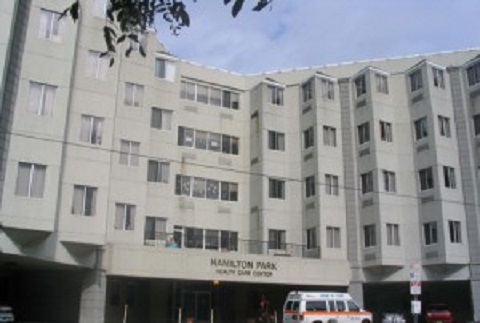
525 MONMOUTH STREET, JERSEY CITY, NJ 07302 (201) 653-8800
For profit - Individual 260 Beds Independent Data: November 2025
Trust Grade
63/100
#160 of 344 in NJ
Last Inspection: March 2025

Within standard 12-15 month inspection cycle. Federal law requires annual inspections.

Overview

Alaris Health at Hamilton Park holds a Trust Grade of C+, indicating it is slightly above average in quality but not without its issues. Ranked #160 of 344 facilities in New Jersey, it is in the top half, and at #9 of 14 in Hudson County, it has limited local competition. The facility's performance has been stable, with 9 issues reported in both 2023 and 2025. Staffing is a strength, boasting a 4/5 star rating and lower turnover at 41%, which is on par with the state average. However, there are concerns, including a significant $9,750 in fines and specific incidents where residents’ medical records were not accurately updated, which could impact their care. Overall, while there are notable strengths in staffing and stability, families should be aware of the compliance issues and fines that suggest room for improvement in care quality.

Trust Score
C+
63/100
In New Jersey
#160/344
Top 46%
Safety Record
Low Risk
No red flags
Inspections
Holding Steady
9 → 9 violations
Staff Stability
○ Average
41% turnover. Near New Jersey's 48% average. Typical for the industry.
Penalties
○ Average
$9,750 in fines. Higher than 51% of New Jersey facilities. Some compliance issues.
Skilled Nurses
✓ Good
Each resident gets 55 minutes of Registered Nurse (RN) attention daily — more than average for New Jersey. RNs are trained to catch health problems early.
Violations
⚠ Watch
19 deficiencies on record. Higher than average. Multiple issues found across inspections.
★★★☆☆
3.0
Overall Rating
★★★★☆
4.0
Staff Levels
★★★★☆
4.0
Care Quality
★★★☆☆
3.0
Inspection Score
Stable
2023: 9 issues
2025: 9 issues

The Good

  • 4-Star Staffing Rating · Above-average nurse staffing levels
  • 4-Star Quality Measures · Strong clinical quality outcomes
  • Full Sprinkler Coverage · Fire safety systems throughout facility
  • No fines on record
  • Staff turnover below average (41%)

    7 points below New Jersey average of 48%

Facility shows strength in staffing levels, quality measures, fire safety.

The Bad

3-Star Overall Rating

Near New Jersey average (3.3)

Meets federal standards, typical of most facilities

Staff Turnover: 41%

Near New Jersey avg (46%)

Typical for the industry

Federal Fines: $9,750

Below median ($33,413)

Minor penalties assessed

The Ugly 19 deficiencies on record

Mar 2025 4 deficiencies
CONCERN (D)

Potential for Harm - no one hurt, but risky conditions existed

Assessment Accuracy (Tag F0641)

Could have caused harm · This affected 1 resident

**NOTE- TERMS IN BRACKETS HAVE BEEN EDITED TO PROTECT CONFIDENTIALITY** REPEAT DEFICIENCY Based on interviews and record reviews, it was determined that the facility failed to accurately code the Mini...

Read full inspector narrative →
**NOTE- TERMS IN BRACKETS HAVE BEEN EDITED TO PROTECT CONFIDENTIALITY** REPEAT DEFICIENCY Based on interviews and record reviews, it was determined that the facility failed to accurately code the Minimum Data Set (MDS), an assessment tool used to facilitate the management of care, in accordance with federal guidelines for 1 of 33 residents (Residents #32) reviewed for accuracy of MDS coding. This deficient practice was evidenced by the following: On 3/7/25 at 9:58 AM, the surveyor observed Resident #32 in bed awake, able to answer the surveyor's inquiry. On 3/12/25 at 8:25 AM, the surveyor reviewed the electronic Medical Record (eMR)/ hybrid medical record (paper and electronic) of Resident #32, which revealed the following: A review of the admission Record (an admission summary) (AR) reflected that Resident #32 was admitted with diagnoses that included but were not limited to schizophrenia (a type of mental illness characterized by distortions in thinking, perception, emotions, language, sense of self and behavior). A review of the recent Annual MDS (A/MDS), with an assessment reference date (ARD) (the last day of the observation period) of 1/10/25, indicated that the facility assessed the residents' cognitive status using a Brief Interview for Mental Status (BIMS) score of 12 out of 15, which indicated that the resident was moderately impaired in cognition. Further review of the A/MDS and quarterly MDS (Q/MDS) dated [DATE] revealed that both assessments in Section N0450-Antipsychotic Medication Review revealed that A0. No - Antipsychotics were not received. A review of the Order Summary Report (OSR) with an active order as of 3/12/25 revealed an order of Risperdal (risperidone) 0.5 mg (milligram) by mouth at bedtime related to schizophrenia with an order date of 9/20/24. A review of the electronic Medication Administration Record (eMAR) in January 2025 revealed that the above order was signed as given by the nurses from 1/4/25 to 1/10/25 at 9:00 PM, and the October 2024 eMAR was signed as given by the nurses from 10/4/24 to 10/10/24 at 9:00 PM respectively. On 3/12/25 at 10:12 AM, the surveyor interviewed the Unit Manager/Licensed Practical Nurse (UM/LPN), who confirmed to the surveyor that the resident was taking Risperdal starting on 9/20/24. On 3/12/25 at 10:34 AM, the surveyor interviewed the MDS Coordinator/Registered Nurse (MDSC/RN), who stated that both psychotropic medication assessments were not captured because she accidentally passed the question. She added that the assessment should be yes because the resident had been taking antipsychotic medication since September 2024. The facility followed the RAI (Resident Assessment Instrument-a tool that helps gather information about a resident's strengths and needs, which is used to create an individualized care plan) Manual. On 3/12/25 at 11:57 AM, the surveyor met with the Licensed Nursing Home Administrator, Director of Nursing, Regional Director of Education and Quality, and Regional Quality Assurance Nurse but did not provide further information. NJAC 8:39-33.2 (c)
CONCERN (D)

Potential for Harm - no one hurt, but risky conditions existed

Respiratory Care (Tag F0695)

Could have caused harm · This affected 1 resident

**NOTE- TERMS IN BRACKETS HAVE BEEN EDITED TO PROTECT CONFIDENTIALITY** Based on observation, interview, and record review, it was determined that the facility failed to follow a Physician's Order (PO...

Read full inspector narrative →
**NOTE- TERMS IN BRACKETS HAVE BEEN EDITED TO PROTECT CONFIDENTIALITY** Based on observation, interview, and record review, it was determined that the facility failed to follow a Physician's Order (PO) in accordance with professional standards of practice for 2 of 3 residents (Resident #156 and #67) reviewed for oxygen therapy. The deficient practice was evidenced by the following: Reference: New Jersey Statutes Annotated, Title 45. Chapter 11. Nursing Board. The Nurse Practice Act for the State of New Jersey states: The practice of nursing as a registered professional nurse is defined as diagnosing and treating human responses to actual and potential physical and emotional health problems, through such services as case-finding, health teaching, health counseling, and provision of care supportive to or restorative of life and wellbeing, and executing medical regimens as prescribed by a licensed or otherwise legally authorized physician or dentist. Reference: New Jersey Statutes Annotated, Title 45, Chapter 11. Nursing Board. The Nurse Practice Act for the State of New Jersey states: The practice of nursing as a licensed practical nurse is defined as performing tasks and responsibilities within the framework of case finding; reinforcing the patient and family teaching program through health teaching, health counseling, and provision of supportive and restorative care, under the direction of a registered nurse or licensed or otherwise legally authorized physician or dentist. 1. On 3/07/25 at 11:17 AM, the surveyor observed Resident #156 in bed with family at the bedside. The surveyor observed the resident receiving oxygen (O2) via nasal cannula (NC) (a medical device used to provide supplemental oxygen therapy to people with lower oxygen levels) at 4 liters per minute (L/min). A review of the admission Record (an admission summary) (AR) revealed that Resident #156 had been admitted to the facility with a diagnosis that included hypoxic-ischemic encephalopathy (a brain injury that occurs when the brain doesn't get enough oxygen and blood flow), muscle weakness, and altered mental status. A review of the admission Minimum Data Set Assessment (A/MDS), an assessment tool used to facilitate the management of care, dated 2/1/25, revealed that the resident scored 0 out of 15 on the Brief Interview for Mental Status (BIMS), which indicated severely impaired cognition. The A/MDS also revealed that the resident received continuous oxygen therapy. A review of Resident #156's PO revealed a PO dated 3/4/2025 for 2 L continuous O2 via NC for Shortness of Breath (SOB). On 3/7/25 at 11:35 AM, the surveyor, in the presence of the 4th floor unit manager (UM#1), confirmed Resident #156's O2 was set at 4L/minute and should be set at 2L/minute. On 3/7/25 at 11:40 AM, the surveyor interviewed the Licensed Practical Nurse for Resident #156, who stated they had not checked the O2 yet. No further information was provided. 2. On 3/7/25 at 10:25 AM, the surveyor observed Resident #67 sitting in the wheelchair inside the dayroom awake with oxygen at two (2) lpm via NC with the portable oxygen tank attached to the wheelchair. On 3/8/25 at 11:25 AM, the surveyor reviewed the electronic Medical Record (eMR)/ hybrid medical record (paper and electronic) of Resident #67, which revealed the following: A review of the AR reflected that Resident #67 was admitted with diagnoses that included but were not limited to acute respiratory failure (a condition when there's not enough oxygen in the body) with hypoxia (low level of oxygen). A review of the recent quarterly MDS (Q/MDS), dated [DATE], indicated that the facility assessed the residents' cognitive status using a BIMS score of 6 out of 15, which indicated that the resident was moderately impaired in cognition. Further review of the Q/MDS in Section O, Special Treatments, Procedures, and Programs, revealed that Resident #67 was receiving oxygen. A review of the Order Summary Report (OSR) with an active order as of 3/12/25 revealed an order of continuous oxygen at three (3) lpm via NC for SOB with an order date of 9/20/24. A review of the electronic Medication Administration Record (eMAR) in March 2025 revealed that the above order was signed as given by the nurses at 7:00 AM, 3:00 PM, and 11:00 PM daily. On 3/12/25 at 11:45 AM, the surveyor interviewed the Unit Manager/ Licensed Practical Nurse (UM/LPN), who stated that the resident was getting oxygen at 3 lpm via nasal cannula. The UM/LPN added that the nurse should check the oxygen to ensure the resident follows the doctor's order. On 3/12/25 at 9:30 AM, the Director of Nursing (DON) provided the surveyor with an Oxygen Therapy facility policy with a revised date of 1/2025. Under the procedure section of the policy, it states, 1. Review Physician's order for oxygen therapy .5. Connect oxygen tubing to source, date it, and turn on oxygen to prescribed flow rate. On 3/12/25 at 11:57 AM, the surveyor met with the Licensed Nursing Home Administrator (LNHA), Regional Director of Education and Quality (RDEQ), Regional Quality Assurance Nurse (RQAN), and DON to review facility concerns and surveyor findings. On 3/13/25 at 11:00 AM, the surveyor met with the LNHA and DON for an exit conference. The facility did not provide any further pertinent information. NJAC 8:39- 27.1 (a)
CONCERN (D)

Potential for Harm - no one hurt, but risky conditions existed

Infection Control (Tag F0880)

Could have caused harm · This affected 1 resident

Based on observation, interview, and record review, it was determined that the facility failed to establish appropriate infection control practices for environmental cleaning for 1 of 33 residents (Re...

Read full inspector narrative →
Based on observation, interview, and record review, it was determined that the facility failed to establish appropriate infection control practices for environmental cleaning for 1 of 33 residents (Resident #40). This deficient practice was evidenced by the following: On 3/12/25, at 9:45 AM, the surveyor observed Resident #40 awake inside the room with the head of the bed elevated with a tube feeding (TF) (nutrition received through a flexible tube surgically inserted into the stomach) formula hanging on a pole at a rate of 65 ml/hr. (milliliters per hour). The surveyor observed a splash of creamy substance on the suction canister lid and the feet of the feeding pole. On 3/12/25 at 9:58 AM, the surveyor interviewed the Registered Nurse (RN), who stated she did not observe the splashed milk onto the lid of the suction canister and the feeding pole feet. On 3/12/25 at 10:00 AM, the surveyor interviewed the Unit Manager/Licensed Practical Nurse (UM/LPN), who stated that the 11:00 PM to 7:00 AM shift usually cleans the pole. The UM/LPN added that there is no schedule for cleaning the pole but a monthly schedule for cleaning the room. On 3/12/25 at 11:57 AM, the surveyor met with the Licensed Nursing Home Administrator, Director of Nursing, Regional Director of Education and Quality, and Regional Quality Assurance Nurse but did not provide further information. A review of the facility policy titled Equipment Cleaning with a revised date of January 2025 revealed that It is the policy of this facility that staff will clean the equipment after use and as needed (which includes but is not limited to such items as glucometers, blood pressure cuffs, hoyer lifts, IV/feeding poles, shower curtains, nursing carts, thermometers, stethoscopes, etc.) between residents. NJAC 8:39-19.1(a)
CONCERN (E)

Potential for Harm - no one hurt, but risky conditions existed

Deficiency F0711 (Tag F0711)

Could have caused harm · This affected multiple residents

Based on observation, interview, and record review, it was determined that the facility failed to ensure the resident's primary physician (MD) accurately dated their physician progress notes (PPN) dur...

Read full inspector narrative →
Based on observation, interview, and record review, it was determined that the facility failed to ensure the resident's primary physician (MD) accurately dated their physician progress notes (PPN) during their visit to ensure the resident's current medical regimen was up to date. This deficient practice was observed for 1 of 33 residents (Resident #129). This deficient practice was evidenced by the following: On 3/7/25 at 10:10 AM, the surveyor observed Resident #129 sitting in a wheelchair inside the day room, unable to answer the surveyor's inquiry. On 3/7/25 at 10:28 AM, the surveyor reviewed the electronic Medical Record (eMR)/ hybrid medical record (paper and electronic) of Resident #129, which revealed the following: A review of the admission Record (an admission summary) (AR) reflected that Resident #129 was admitted with diagnoses that included but were not limited to dementia (loss of memory). A review of the recent quarterly Minimum Data Set (Q/MDS), (an assessment tool used to facilitate the management of care) with a date of 2/12/25 indicated that the facility assessed the residents' cognitive status using a Brief Interview for Mental Status (BIMS) score of 6 out of 15, which indicated that the resident had a severe impairment in cognition. A review of the PPNs in the eMR reflected the following Effective Date, Created Date, and/or Late Entry (any documentation that is recorded in the eMR beyond 24-48 hours of the encounter is classified as a late entry) designation which indicated the PPN was not documented on the effective date (Date of Service): 1. PPN with an effective date of 7/23/24 and a created date of 8/2/24. 2. PPN with an effective date of 8/14/24 and a created date of 8/18/24. 3. PPN with an effective date of 10/30/24 and a created date of 1/18/25. 4. PPN with an effective date of 11/20/24 and a created date of 1/18/25. 5. PPN with an effective date of 12/19/24 and a created date of 1/18/25. 6. PPN with an effective date of 1/9/25 and a created date of 1/18/25. 7. PPN with an effective date of 2/4/25 and a created date of 2/13/25. On 3/11/25 at 11:15 AM, the surveyor interviewed MD over the phone. MD stated that she is too busy and does not have the time to write in the nursing home, but she will write the documentation a few days later. On 3/12/25 at 11:57 AM, the surveyor met with the Licensed Nursing Home Administrator, Director of Nursing, Regional Director of Education and Quality, and Regional Quality Assurance Nurse but did not provide further information. A review of the facility's policy titled Physician Visits and Services with a reviewed date of 1/2025 under Procedure: 5. Progress notes and orders must be written, signed, and dated at each physician visit, which may be done in a physical or electronic chart. NJAC 8:39-23.2(b)
Feb 2025 5 deficiencies
CONCERN (D) 📢 Someone Reported This

A family member, employee, or ombudsman was alarmed enough to file a formal complaint

Potential for Harm - no one hurt, but risky conditions existed

Report Alleged Abuse (Tag F0609)

Could have caused harm · This affected 1 resident

**NOTE- TERMS IN BRACKETS HAVE BEEN EDITED TO PROTECT CONFIDENTIALITY** Based on interviews, record review, and policy review, the facility failed to ensure a potential allegation of physical abuse by...

Read full inspector narrative →
**NOTE- TERMS IN BRACKETS HAVE BEEN EDITED TO PROTECT CONFIDENTIALITY** Based on interviews, record review, and policy review, the facility failed to ensure a potential allegation of physical abuse by staff was reported timely to the State Survey Agency (SSA) when a resident sustained an injury during incontinence care for one of three residents reviewed for abuse (Resident (R) 5) out of 27 sampled residents. This failure increased the risk of other vulnerable residents being physically abused. Findings include: Review of R5's undated admission Record located in the electronic medical record (EMR) under the Profile tab, revealed R5 was admitted on [DATE]. Review of R5's quarterly Minimum Data Set (MDS) with an assessment reference date (ARD) of 01/26/24, located in the EMR under the MDS tab, revealed R5's Brief Interview for Mental Status (BIMS) score was six out of 15 which indicated he/she was severely cognitively impaired. Review of R5's IDT [Interdisciplinary Team] Note, dated 04/26/24, located in the EMR under the Prog Note tab, revealed . 5:45 AM [CNA (certified nurse aide) 2] called this nurse attention and as per [CNA2] that while she was changing him/her, the resident was kicking his/her legs too high towards [CNA#2] and suddenly she heard like a snap in the resident's knee area at left side of his/her leg; resident was not agitated nor provoked but sometimes has the tendency to kick his/her legs every time he/she is being changed; resident was unable to explain what really happened; assessment done; BP [Blood Pressure] 123/78, P [Pulse] 80, R [Respirations] 18, T [Temperature] 98.2 O2 [oxygen] SAT [saturation] 97% room air; resident c/o [complained of] moderate pain in his/her left leg, no sign of swelling observed; two Tylenol tab [tablets] 325mg [milligrams] given for pain, made comfortable to bed; instructed for safety measures, call light within reach for assistance, made comfortable to bed, nursing supervisor made aware, MD [medical doctor] called but unable to reach him, stat [immediate] X-RAY ordered, endorsed it accordingly to the next shift. Review of R5's Discharge Summary, dated 04/26/24, located in the EMR under the Assessment tab revealed admitted to the hospital for left femur fracture. Review of R5's IDT Note, dated 05/02/24, located in the EMR under the Prog Note tab, revealed [R5] was readmitted to the facility on [DATE] from [the hospital] with dx [diagnosis] of Left Femur Shaft Fracture. Review of R5's Hospital Record, dated 04/26/24, provided by the facility, revealed R5 was found to have a femur fracture and sent to the emergency department (ED), x-rays of the left femur showed a spiral distal 1/3 femoral shaft fracture, and R5 was admitted to the hospital. Traction was applied in the ED, and planning for pen reduction and internal fixation (ORIF) (surgical procedure used to treat broken bones that cannot be stabilized with a cast or splint) on 04/27/24. Review of the facility's Reportable Event Record/Report, dated 05/01/24, provided by the facility, revealed the event occurred on 04/26/24 at 6:51 AM, the significant event was called in to the SSA on 04/28/24 at 7:55 PM, the follow-up report was dated 05/01/24 and the type of incident was marked as Injury. The description of the event in the report revealed on 04/26/24 around 6:51 AM, [R5] was receiving AM care from CNA. When [CNA2] went to go change the patient, the patient tried to kick her from the side and missed. The CNA heard a cracking noise when he/she missed her with the kick. The nurse was alerted and an assessment was done. There was moderate pain to his/her L [left] leg and no signs of swelling were observed. MD was made aware and patient was sent out to [the hospital]. We received the results of the Xray back and the patient was positive for a L closed displaced spiral fracture of the femur. Patients' diagnosis includes, Osteoporosis, Afib [atrial fibrillation], HTN [hypertension], unspecified convulsions and abnormality of gait. Patient has a BIMS of 6 [six]. The interventions that were implemented after the incident listed in the report included 1. Body assessment was done, [R5] complained of L leg pain. 2. Patient was treated for his/her pain. 3. Physician and family were called. 4. Ombudsman notified. 5. Emotional support given. 6. Patient transferred to [the hospital] on 04/26/24, received results of fx [fracture] 04/28/24. 7. In-services done for: Sensitivity, safe transfer technique, and for patients who are exhibiting behaviors. 8. Care plan will be updated upon return. Review of R5's Incident Report, dated 04/26/24, provided by the facility, revealed Licensed Practical Nurse (LPN) 4 was notified by CNA2 that while changing R5 he/she tried to kick her and suddenly heard a sound like a snap or click on the resident's left leg and complained of pain in his/her left leg. LPN4 asked R5 what happened, but he/she was unable to explain what happened. During an interview on 02/20/24 at 3:15 PM, CNA2 stated that R5 grabbed her by her scrubs, lifted his/her left leg and turned his/her body to the left, kicked his/her left leg in the air, and then CNA2 heard a click noise in the R5's left knee area. CNA2 also stated she notified LPN 4 of the injury immediately and then LPN 4 assessed R5 in the room. During an interview on 12/21/25 at 11:21 AM, the former Administrator indicated he did not identify the injury sustained to R5 during care by CNA2 as potential staff to resident abuse, so he did not call it in within two hours as required and did not submit the report until 05/01/24 via email to the SSA. The Administrator stated R5 was nonverbal and there were no witnesses when CNA2 was providing care to R5 so he should have reported and investigated the incident as potential staff to resident abuse. In a dual interview on 02/21/25 at 12:02 PM with the [NAME] President (VP) of Operations and Administrator, they indicated the former Administrator did not call in the injury within the required two hours and did not submit the reportable to the State Survey Agency (SSA) as staff to resident abuse because R5 sustained a fracture to the left femur due to trying to kick CNA2 during incontinence care and staff to resident abuse was not suspected. Review of the facility's policy titled Abuse Prevention Program, revised 02/08/23, provided by the facility, revealed . Abuse Prevention Program - Part VIII Reporting/Response Every staff member will report any allegation of abuse to the Administrator, DON or Supervisor/Designee. When an incident is reported to the Supervisor, the Supervisor is responsible for ensuring that the resident is safe and will notify the Administrator as well as the DON, or their designees . The Administrator and DON will initiate the investigation of the potential abuse incident, determine the necessary response, and report to the office of the Ombudsman, the Department of Health and Senior Services, and to all other required agencies such as, law enforcement with-in specified timeframes including Peggy's Law. Alleged violations involving abuse, neglect, ex-ploitation or mistreatment, including injuries of unknown source and misappropriation of resi-dent property, are reported immediately, but not later than 2 hours after the allegation is made, if the events that cause the allegation involve abuse or result in serious bodily injury, or not later than 24 hours if the events that cause the allegation do not involve abuse and do not result in serious bodily injury. The results of the investigation are reported within 5 working days of the incident . NJAC 8:39-9.4(f)
CONCERN (D) 📢 Someone Reported This

A family member, employee, or ombudsman was alarmed enough to file a formal complaint

Potential for Harm - no one hurt, but risky conditions existed

Investigate Abuse (Tag F0610)

Could have caused harm · This affected 1 resident

**NOTE- TERMS IN BRACKETS HAVE BEEN EDITED TO PROTECT CONFIDENTIALITY** Based on interviews, record review, and policy review, the facility failed to protect other residents by suspending the alleged ...

Read full inspector narrative →
**NOTE- TERMS IN BRACKETS HAVE BEEN EDITED TO PROTECT CONFIDENTIALITY** Based on interviews, record review, and policy review, the facility failed to protect other residents by suspending the alleged perpetrator during the investigation for one of three residents reviewed for abuse (Resident (R) 5) out of 27 sampled residents. This failure increased the risk of other vulnerable residents being physically abused. Findings include: Review of R5's undated admission Record located in the electronic medical record (EMR) under the Profile tab, revealed R5 was admitted on [DATE]. Review of R5's quarterly Minimum Data Set (MDS) with an assessment reference date (ARD) of 01/26/24, located in the EMR under the MDS tab revealed R5's Brief Interview for Mental Status (BIMS) score was six out of 15 which indicated she was severely cognitively impaired. Review of R5's IDT [Interdisciplinary Team] Note, dated 04/26/24, located in the EMR under the Prog Note tab, revealed . 5:45 AM [Certified Nurse Aide (CNA) 2] called this nurse attention and as per [CNA2] that while she was changing him/her, the resident was kicking his/her legs too high towards her and suddenly she heard like a snap in the resident's knee area at left side of his/her leg; resident was not agitated nor provoked but sometimes has the tendency to kick his/her legs every time he/she was being changed; resident was unable to explain what really happened; assessment done; BP [Blood Pressure] 123/78, P [Pulse] 80, R [Respirations] 18, T [Temperature] 98.2 O2 [oxygen] SAT [saturation] 97% room air; resident c/o [complained of] moderate pain in his/her left leg, no sign of swelling observed; two Tylenol tab [tablets] 325mg given for pain, made comfortable to bed; instructed for safety measures, call light within reach for assistance, made comfortable to bed, nursing supervisor made aware, MD [medical doctor] called but unable to reach him, stat [immediate] X-RAY ordered, endorsed it accordingly to the next shift. Review of R5's Discharge Summary, dated 04/26/24, located in the EMR under the Assessment tab revealed admitted to the hospital for left femur fracture. Review of R5's IDT Note, dated 05/02/24, located in the EMR under the Prog Note tab, revealed [R5] was readmitted to the facility on [DATE] from [the hospital] with dx [diagnosis] of Left Femur Shaft Fracture . Review of R5's Hospital Record, dated 04/26/24, provided by the facility, revealed R5 was found to have a femur fracture and sent to the emergency department (ED), x-rays of the left femur showed a spiral distal 1/3 femoral shaft fracture, and R5 was admitted to the hospital. Traction was applied in the ED, and planning for pen reduction and internal fixation (ORIF) (surgical procedure used to treat broken bones that cannot be stabilized with a cast or splint) on 04/27/24. Review of the facility's Reportable Event Record/Report, dated 05/01/24, provided by the facility, revealed the significant event was called in on 04/28/24 at 7:55 PM and the type of incident was marked as Injury. The description of the event revealed on 04/26/24 around 6:51AM, [R5] was receiving AM care from CNA. When [CNA2] went to go change the patient, the patient tried to kick her from the side and missed. The CNA heard a cracking noise when he/she missed her with the kick. The nurse was alerted and an assessment was done. There was moderate pain to his/her L [left] leg and no signs of swelling were observed. MD was made aware and patient was sent out to [the hospital]. We received the results of the Xray back and the patient was positive for a L closed displaced spiral fracture of the femur. Patients' diagnosis includes, Osteoporosis, Afib [atrial fibrillation], HTN [hypertension], unspecified convulsions and abnormality of gait. Patient has a BIMS of 6 [six]. The listed interventions that were implemented after the incident were 1. Body assessment was done, [R5] complained of L leg pain. 2. Patient was treated for his/her pain. 3. Physician and family were called. 4. Ombudsman notified. 5. Emotional support given. 6. Patient transferred to [the hospital] on 04/26/24, received results of fx [fracture] 04/28/24. 7. In-services done for: Sensitivity, safe transfer technique, and for patients who are exhibiting behaviors. 8. Care plan will be updated upon return. Review of the resident interviews, dated 04/26/24, provided by the facility, revealed the Social Services Director (SSD) interviewed three residents on 04/26/24 and they reported no issues with care or abuse by CNA2. Review of CNA2's Personnel File provided by the facility revealed there were no disciplinary warning notices or evidence CNA2 was suspended during the investigation. Review of CNA2's Time Card Report provided by the facility revealed she worked on 04/26/24, 04/29/24, 04/30/24, and on 05/01/24, during the dates of the investigation. During an interview on 02/20/24 at 3:15 PM, CNA2 stated R5 grabbed her by her scrubs, lifted her left leg and turned his/her body to the left, kicked his/her left leg in the air, and then CNA2 heard a click noise in the R5's left knee area. CNA2 stated she was interviewed and provided a handwritten statement. CNA2 indicated she was not suspended during the investigation, she worked on the same floor after R5 returned from the hospital to the facility, however, she was not assigned to R5 again. During an interview on 02/21/25 at 11:21 AM, the former Administrator indicated he was the abuse coordinator when he worked at the facility and that he did not identify the injury sustained to R5 during care by CNA2 as potential staff to resident abuse, so he investigated it as an injury. The Administrator stated he did not suspend CNA2 during the investigation because he did not suspect staff to resident abuse based on interviews with staff of R5's behaviors of hitting and kicking while providing care, discussions with the Director of Nursing (DON) and review of the R5's EMR. Review of the facility's policy titled Abuse Prevention Program, revised 02/08/23, provided by the facility, revealed . Abuse Prevention Program - Part VI - Protection Procedure: When a potential abuse incident is reported, the immediate priority is the safety of the resident(s), who is to be removed from potential danger. The alleged victim will be immediately examined for any sign of injury, including a physical examination or psychosocial assessment if needed and provided with medical treatment as necessary. Staff members being investigated for possible involvement in abuse will be immediately suspended pending the results of the investigation . NJAC 8-39-27.1
CONCERN (D) 📢 Someone Reported This

A family member, employee, or ombudsman was alarmed enough to file a formal complaint

Potential for Harm - no one hurt, but risky conditions existed

Pressure Ulcer Prevention (Tag F0686)

Could have caused harm · This affected 1 resident

**NOTE- TERMS IN BRACKETS HAVE BEEN EDITED TO PROTECT CONFIDENTIALITY** Based on record review, interview, and facility policy review, the facility failed to ensure one (Resident (R) 13) out of three ...

Read full inspector narrative →
**NOTE- TERMS IN BRACKETS HAVE BEEN EDITED TO PROTECT CONFIDENTIALITY** Based on record review, interview, and facility policy review, the facility failed to ensure one (Resident (R) 13) out of three residents reviewed for pressure ulcers had timely assessments and monitoring of the pressure ulcers out of a total sample of 27 residents. This had the potential for the pressure ulcer to worsen and delay treatment. Findings include: Review of R13's admission Record located in the electronic medical record (EMR) under the Profile tab revealed the resident was admitted to the facility on [DATE] and discharged [DATE]. Review of R13's admission Minimum Data Set (MDS) located in the EMR under the MDS tab with an assessment reference date (ARD) of 08/22/23 revealed a Brief Interview for Mental Status (BIMS) score of 15 out of 15 indicating the resident was cognitively intact. The MDS further revealed the resident had two stage three pressure ulcers (full thickness tissue loss. Subcutaneous fat may be visible but bone, tendon or muscle is not exposed) noted on admission. Review of R13's Admit/Readmit Screener - V3 dated 08/18/23 and located in the EMR under the Assessment tab revealed the resident was admitted from the hospital with a diagnosis of a hip fracture that required surgical repair. The Assessment revealed the resident had a surgical incision to his/her left hip (no measurement due to dressing was not to be removed until resident was seen by the surgeon), a stage three pressure ulcer to the right buttock measuring 1.0 centimeters (cm) by 1.5 cm with 0.2 cm in depth, and a stage three pressure ulcer to sacrum measuring 1 cm by 1 cm with 0.2 cm in depth. There was no description in the assessment of the two stage three pressure ulcers. Review of R13's Care Plan located in the EMR under the Care Plan tab with an initiated date of 08/19/23 revealed the resident had a break in skin integrity due to two stage three pressure ulcers, one on the sacrum and one to the right buttock. The goal revealed the pressure ulcers would remain free of infection. Interventions included to assess and to monitor the wounds for signs and symptoms of infection; assess, record, and monitor wound healing; weekly wound report; and notify physician for any changes. Review of R13's Wound Report dated 08/24/23 and located in the EMR under the Assessment tab revealed the resident had a sacrum stage three pressure ulcer to the sacrum measuring 1.0 cm by 1.0 cm with 0.2 cm in depth, and a stage three pressure ulcer to the right buttock measuring 1.0 cm by 1.5 cm with 0.2 cm in depth. The Wound Report indicated there were no signs or symptoms of infection and both pressure ulcers were present upon admission. Both pressure ulcers were noted to be treated with Silvadene (cream to prevent and treat wound infections). Review of R13's Physician Progress Note dated 08/29/23 and located in the EMR under the Progress Notes tab revealed the resident was seen in his/her room on wound rounds. The note revealed R13 had a left buttock pressure ulcer measuring 1 cm by 1 cm that had a light yellowish slough base and a right buttock wound measuring 0.5 cm by 2.0 cm with a similar base. Will treat with collagenase (topical ointment used to clean skin ulcers) twice a day. Review of R13's Physician Progress Note dated 08/30/23 at 1:55 PM and located in the EMR under the Progress Notes tab revealed the resident was seen at the bedside. R13 reported low back pain around the sacral decubitus. The note revealed to continue wound care and pain management. There was no description of the wound or measurements noted. Review of R13's Skilled Need Note - V1 dated 08/30/23 at 10:42 PM located in the EMR under the Misc tab revealed the resident was started on Keflex (antibiotic) 500 milligrams (mg) for a wound infection. There was no documentation to indicate which wound was infected or any other assessment of the wound noted. Review of R13's EMR revealed no further complete wound assessments since 08/24/23 had been completed. Review of R13's Medication Administration Record (MAR) for August 2023 located in the EMR under the Orders tab revealed the resident received the oral antibiotic Keflex as ordered on 08/30/23 and 08/31/23. Review of R13's Treatment Administration Record (TAR) for August 2023 located in the EMR under the Orders tab revealed the orders for treatment to the resident's pressure ulcers were completed as ordered, however, there was no description of either pressure ulcer. During an interview on 02/21/25 at 9:20 AM, Licensed Practical Nurse/Unit Manager (LPN3/UM) confirmed R13 was admitted to the facility with two stage three pressure ulcers, one to the sacrum and one to the right buttock. LPN3/UM confirmed there were no further complete wound assessments of the pressure ulcers since 08/24/23 and there should have been one completed at least on 08/31/23 and/or when the treatments were completed. She further confirmed the resident was started on an antibiotic on 08/30/23 for a wound infection, however there was no documentation to show what the pressure ulcers showed to indicate they were infected. She revealed she would interview the nurses who took care of the resident and report any further information on R13's pressure ulcers. There was no further information received regarding R13's pressure ulcers and the lack of complete assessments of her two stage three pressure ulcers by the exit of the survey. Review of the facility policy titled, Pressure Ulcer (Injury) Prevention Program Policy, last revised in 2025 revealed, This facility shall have a system in place that assures assessments are timely and appropriate; interventions are implemented, monitored, and revised as appropriate; and changes in condition are recognized, evaluated, reported to the residents attending practitioner and other healthcare professionals as appropriate . Procedure: Nursing Staff shall include . Daily monitoring of Pressure Ulcer (Injury) shall include . observe for signs of increasing area of ulceration or soft tissue infection, i.e., increased redness or swelling around the wound or increased drainage from the wound . with each dressing change, or at least weekly, the pressure ulcer (injury) wound shall be assessed and documented . staff shall remain alert to potential changes in residents' skin condition and shall evaluate and document identified changes on a daily basis . Documentation: document treatment, dressing changes, location, and size of pressure ulcer (injury), depth (if applicable), exudate, staging or unstageable or deep tissue injury, presence of tunneling or undermining, condition of skin . note any change in the condition or size of the ulcer (injury). NJAC 8:39-25.2(b); 27.1(e)
CONCERN (D) 📢 Someone Reported This

A family member, employee, or ombudsman was alarmed enough to file a formal complaint

Potential for Harm - no one hurt, but risky conditions existed

Incontinence Care (Tag F0690)

Could have caused harm · This affected 1 resident

**NOTE- TERMS IN BRACKETS HAVE BEEN EDITED TO PROTECT CONFIDENTIALITY** Based on record review, interview, and review of the Centers for Disease Control and Prevention (CDC) guidelines, the facility f...

Read full inspector narrative →
**NOTE- TERMS IN BRACKETS HAVE BEEN EDITED TO PROTECT CONFIDENTIALITY** Based on record review, interview, and review of the Centers for Disease Control and Prevention (CDC) guidelines, the facility failed to ensure indwelling urinary catheter care was completed and urinary output was monitored as ordered for one of three residents (Resident (R) 8) reviewed for catheter care out of a total sample of 27 residents. This had the potential for the resident to be susceptible for a urinary tract infection (UTI) and possible fluid status issues. Findings include: Review of R8's admission Record located in the electronic medical record (EMR) under the Profile tab revealed the resident was readmitted from the hospital on [DATE] and discharged on 03/31/24. Diagnoses included local infection of the skin and pressure ulcers of the right and left hip, and sacral region. Review of R8's Care Plan revised on 03/17/24 located in the EMR under the Care Plan tab revealed the resident had an indwelling urinary catheter for wound healing. Interventions include to change the catheter every 15th day of each month and as needed; position catheter bag and tubing below the level of the bladder; change catheter drainage bag every week and as needed; check tubing for kinks each shift; and monitor/record/report to the physician for signs and symptoms of UTI, pain, burning, blood tinged urine, cloudiness, no output, deepening of urine color. Review of R8's significant change Minimum Data Set (MDS) located in the EMR under the MDS tab with an Assessment Reference Date (ARD) of 03/24/24 revealed a Brief Interview for Mental Status (BIMS) score of three out of 15 indicating severe cognitive impairment. The MDS revealed the resident had an indwelling catheter. Review of R8's Treatment Administration Record (TAR) for the month of March 2024, located in the EMR under the Orders tab, revealed orders for catheter care and monitoring of urinary output was not ordered until 03/27/24. During an interview on 02/21/25 at 10:35 AM, Licensed Practical Nurse/Unit Manager (LPN3/UM) confirmed R8 was readmitted to the facility on [DATE] with an indwelling catheter for wound healing. She confirmed there were no orders or documentation of catheter care and urinary output ordered until 03/27/24. She confirmed the Care Plan included interventions for the catheter care. LPN3/UM said the order for the TAR must have been missed when the resident was readmitted from the hospital on [DATE]. Review of the CDC guidelines at https://www.cdc.gov/infection-control/hcp/cauti/summary-of-recommendations for the management of indwelling catheters revealed to empty the collection bag regularly, clean the catheter and surrounding area daily, and to monitor urine output and drainage system regularly. A request for catheter care policy was not received by the exit of the survey. NJAC 8:39-27.1(f)
CONCERN (D) 📢 Someone Reported This

A family member, employee, or ombudsman was alarmed enough to file a formal complaint

Potential for Harm - no one hurt, but risky conditions existed

Antibiotic Stewardship (Tag F0881)

Could have caused harm · This affected 1 resident

**NOTE- TERMS IN BRACKETS HAVE BEEN EDITED TO PROTECT CONFIDENTIALITY** Based on record review, interview, review of the Centers for Disease Control and Prevention (CDC) guidance criteria for wound in...

Read full inspector narrative →
**NOTE- TERMS IN BRACKETS HAVE BEEN EDITED TO PROTECT CONFIDENTIALITY** Based on record review, interview, review of the Centers for Disease Control and Prevention (CDC) guidance criteria for wound infections, and facility policy review, the facility failed to ensure one of one resident (Resident (R) 13) reviewed for antibiotic stewardship out of a total sample of 27 residents had documentation to support the resident met the criteria before being prescribed an antibiotic for a wound infection. This had the potential to cause the resident to be prescribed an antibiotic that was potentially unnecessary. Findings include: Review of R13's admission Record located in the electronic medical record (EMR) under the Profile tab revealed the resident was admitted to the facility on [DATE] and discharged [DATE]. The resident was admitted from the hospital after a fall at home which required surgery of his/her left hip. Review of R13's admission Minimum Data Set (MDS) located in the EMR under the MDS tab with an Assessment Reference Date (ARD) of 08/22/23 revealed a Brief Interview for Mental Status (BIMS) score of 15 out of 15 indicating the resident was cognitively intact. The MDS further revealed the resident had two stage three pressure ulcers (full thickness tissue loss. Subcutaneous fat may be visible but bone, tendon or muscle is not exposed) noted on admission. Review of R13's Care Plan located in the EMR under the Care Plan tab with an initiated date of 08/19/23 revealed the resident had a break in skin integrity due to two stage three pressure ulcers, one on the sacrum and one to the right buttock. The goal revealed the pressure ulcers would remain free of infection. Interventions included to assess and monitor the wounds for signs and symptoms of infection. Assess, record, and monitor wound healing. Weekly wound report and notify physician for any changes. Review of R13's Wound Report dated 08/24/23 located in the EMR under the Assessment tab revealed the resident had a stage three pressure ulcer to the sacrum and a stage three pressure ulcer to the right buttock. The Wound Report indicated there was no signs or symptoms of infection. Review of R13's Physician Progress Note dated 08/29/23 located in the EMR under the Progress Notes tab revealed the resident was seen in his/her room on wound rounds. The note revealed the resident had a left and right buttock pressure ulcers. The ulcers were noted with a light yellowish slough base. There was no further documentation to indicate either pressure ulcer was infected. Review of R13's Physician Progress Note dated 08/30/23 at 1:55 PM located in the EMR under the Progress Notes tab revealed the resident was seen at the bedside. The resident reported low back pain around the sacral decubitus. The note revealed to continue wound care and pain management. There was no description of the wound or measurements noted. Review of R13's Skilled Need Note - V1 dated 08/30/23 at 10:42 PM located in the EMR under the Misc tab revealed the resident was started on Keflex (antibiotic) 500 milligrams (mg) for a wound infection. There was no documentation or assessment of the wound to indicate the wounds were infected. Review of the Infection and Antibiotic Start Log dated August 2023 and provided by the facility revealed R13 was started on Keflex 500 mg, once a day for a right buttock and sacral wound infection. There was no other documentation noted on the log to indicate what signs and symptoms were noted to show the wounds were infected. Review of R13's Medication Administration Record (MAR) for August 2023 located in the EMR under the Orders tab revealed the resident received the oral antibiotic Keflex as ordered on 08/30/23 and 08/31/23. During an interview on 02/21/25 at 9:20 AM, Licensed Practical Nurse/Unit Manager (LPN3/UM) confirmed R13 was ordered the antibiotic Keflex for a wound infection, however there was no documentation to indicate what the signs and symptoms were to indicate the wound was infected and there should have been. During an interview on 02/21/25 at 3:15 PM, the Infection Preventionist (IP) revealed he had only been at the facility for six months and was not employed during the time R13 was a resident of the facility. The IP revealed that in order for an antibiotic to be ordered for a wound infection the wound would have to meet the revised McGeer criteria. The IP revealed the criteria would show the wound had pus from the site, redness, and warmth from the site. The IP further confirmed there should be documentation of a wound assessment which showed signs and symptoms of infection and if there was not, he would talk to the nurse and/or physician to ensure the criteria was met for the ordered antibiotic. Review of the facility policy titled, Antibiotic Stewardship, last revised January 2025 revealed, Antibiotic Stewardship is the act of using antibiotics appropriately which means only when they are medically necessary . overuse of antibiotics allows drug-resistant strains of bacteria to emerge. When this occurs, the result is increased hospitalizations, higher mortality and escalating costs. Review of the CDC's ''Surveillance Definitions for Specific Types of Infections found at https://www.cdc.gov, dated January 2025, revealed, Decubitus ulcer infections must meet the following criterion: 1. Patient has at least two of the following signs or symptoms: erythema [redness], tenderness, or swelling of decubitus wound edges, AND Organism(s) identified from needle aspiration of fluid or biopsy of tissue from decubitus ulcer margin by a culture or non-culture based microbiologic testing method which is performed for purposes of clinical diagnosis or treatment. NJAC 8:39-19.4(d)
Aug 2023 2 deficiencies
CONCERN (D)

Potential for Harm - no one hurt, but risky conditions existed

Comprehensive Care Plan (Tag F0656)

Could have caused harm · This affected 1 resident

Based on observation, interviews, record review, and facility policy, the facility failed to develop a comprehensive care plan for 1 (Resident #7) of 2 sampled residents reviewed for respiratory care....

Read full inspector narrative →
Based on observation, interviews, record review, and facility policy, the facility failed to develop a comprehensive care plan for 1 (Resident #7) of 2 sampled residents reviewed for respiratory care. Findings included: Review of the facility policy titled, Interdisciplinary Plan of Care Policy, reviewed in January 2022, indicated, This facility shall provide an individualized, interdisciplinary plan of care for all residents that shall be appropriate to the resident's needs, strengths, and goals. The policy specified, A comprehensive person-centered care plan for each resident shall be developed and implemented that includes measurable objectives and timeframes to meet a resident's medical, nursing, and mental and psychological needs that are identified in the comprehensive assessment. A review of an admission Record indicated the facility admitted the resident on 04/05/2023 with diagnoses that included, obstructive sleep apnea and need for personal care. The quarterly Minimum Data Set (MDS), with an Assessment Reference Date (ARD) of 07/10/2023, revealed Resident #7 had a Brief Interview for Mental Status (BIMS) of 14, which indicated the resident was cognitively intact. The MDS indicated Resident #7 received oxygen therapy. A review of Resident #7s Order Summary Report, indicated an order dated 04/05/2023, for oxygen inhalation by way of nasal cannula at two liters per minutes as needed for shortness of breath; an order dated 05/30/2023, for oxygen inhalation by way of nasal cannular at three liters per minute every shift for shortness of breath; and an order dated 05/31/2023, for DuoNeb Solution 0.5-2.5 milligram/milliliter one vial inhale orally by way of nebulizer every six hours for shortness of breath. On 08/04/2023 at 9:55 AM, Resident #7 was observed lying in bed with oxygen therapy in their nose by way of a nasal cannula and an oxygen concentrator present in the room set at three liters per minute. In an interview on 08/04/2023 at 10:08 AM, Registered Nurse (RN) #7 stated Resident #7 received a nebulizing treatment every six hours. In an interview on 08/04/2023 at 2:48 PM, the Director of Nursing (DON) stated Resident #7 should have comprehensive care that included the use of oxygen therapy and nebulizing treatments. She stated she, the unit managers, and floor nurses were responsible for developing a comprehensive care plan. She stated she looked at Resident #7's care plan, and the use of oxygen therapy or nebulizing treatments was not contained in the resident's care plan but should have been. According to the DON, care planning oxygen therapy and nebulizing treatments was missed being put in the resident's care plan. The DON stated she expected the care plan to contain all information to properly care for the resident. During an interview on 08/04/2023 at 3:42 PM, Unit Manager (UM)/RN #8 stated the resident should have care planned for both oxygen therapy and the nebulizing treatment but did not. He stated care planning the oxygen therapy and nebulizing treatments was overlooked. UM/RN #8 stated he expected all care plans to be comprehensive and contain all information to properly care for a resident. In an interview on 08/04/2023 at 3:58 PM, the Administrator stated Resident #7's care plan should contain information related to the use of oxygen therapy and the nebulizing treatment. She stated the floor nurses and unit managers were responsible for developing a comprehensive care plan for each resident. She stated she expected care plans to be comprehensive to meet a resident's medical and nursing needs. NJAC 8:39-11.2
CONCERN (D)

Potential for Harm - no one hurt, but risky conditions existed

Infection Control (Tag F0880)

Could have caused harm · This affected 1 resident

Based on observations, interviews, record reviews, and facility policy reviews, the facility failed to ensure respiratory equipment was properly stored when not in use for 2 (Resident #7 and Resident ...

Read full inspector narrative →
Based on observations, interviews, record reviews, and facility policy reviews, the facility failed to ensure respiratory equipment was properly stored when not in use for 2 (Resident #7 and Resident #10) of 2 residents reviewed for infection control practices related to respiratory care. Findings included: Review of a facility policy titled, Infection Control Considerations Related to Oxygen Administration, revised/reviewed January 2023, indicated, 3. Keep the oxygen cannula and tubing used PRN [as needed] in a plastic bag when not in use. Review of a facility policy titled, Oxygen Therapy, revised/reviewed on 04/06/2023, indicated, To provide guidelines for safe oxygen administration. The policy specified, 11. Place the appropriate oxygen device on the resident and check that the device is in good working order. a. Keep oxygen devices in a plastic bag when not in use. Review of a facility policy titled, Administering Nebulizer Treatment, with an effective date of January 2022, indicated, Policy: To safely administer nebulizer treatments to a resident. The policy specified, 19. When equipment is completely dry, store in a plastic bag with the resident's name and the date on it. 1. A review of an admission Record indicated the facility admitted the resident on 04/05/2023 with diagnoses that included, obstructive sleep apnea and need for personal care. The quarterly Minimum Data Set (MDS), with an Assessment Reference Date (ARD) of 07/10/2023, revealed Resident #7 had a Brief Interview for Mental Status (BIMS) of 14, which indicated the resident was cognitively intact. The MDS indicated Resident #7 received oxygen therapy. A review of Resident #7s Order Summary Report, indicated an order dated 05/31/2023, for DuoNeb Solution 0.5-2.5 milligram/milliliter (mg/ml) one vial inhale orally by way of nebulizer every six hours for shortness of breath. On 08/04/2023 at 9:55 AM, Resident #7 was observed lying in bed with oxygen therapy in their nose by way of a nasal cannula and an oxygen concentrator present in the room set at three liters per minute. A nebulizing machine and nebulizing mask were observed in the room on the bedside dresser table with cups, tape, nutritional supplements, and sports drinks. The nebulizing mask was not stored in a bag and there was no storage containment bag present in the room. In an interview on 08/04/2023 at 10:08 AM, Registered Nurse (RN) #7 stated Resident #7's nebulizing mask should have a storage containment bag so the nebulizing mask could be contained when not in use. RN #7 stated it was a potential infection control issue since the mask was not properly stored. RN #7 stated she expected proper infection practices to be maintained related to storage of the nebulizing mask. During an interview on 08/04/2023 at 2:40 PM, the Infection Preventionist (IP) stated Resident #7's nebulizer mask should be contained in a storage bag when not in use and not just laid on the bedside dresser. The IP stated the nasal cannula, tubing, and nebulizer mask should be stored in a plastic bag when not in use. She stated a storage bag should be in the resident's room for both the nasal cannula and nebulizer mask. The IP stated it was the responsibility of the nurses to properly store respiratory equipment when not in use. She stated not properly storing the nasal cannula and nebulizer mask could lead to the equipment being contaminated and an infection. The IP stated she expected all infection control practices to be always maintained. In an interview on 08/04/2023 at 2:48 PM, the Director of Nursing (DON) stated Resident #7's nebulizer mask should not be stored on a bedside dresser and should be contained in a plastic bag when not in use. She stated when a resident received oxygen or a nebulizer treatment, a storage bag for the containment of the equipment should be in the room. According to the DON, it was the responsibility of the nurses to properly contain the respiratory equipment when not in use. The DON stated she considered it an infection control issue for the oxygen cannula and nebulizer mask to not be stored properly. She stated she expected respiratory equipment to be stored properly in a bag when not in use to prevent contamination. During an interview on 08/04/2023 at 3:58 PM, the Administrator stated Resident #7's nebulizer mask should not be stored on a bedside dresser and should be contained in a plastic bag when not in use. The Administrator stated she expected the nurses to place the respiratory equipment in a storage bag when not in use. Per the Administrator, she expected all respiratory equipment to be stored properly, and all infection control practices to be maintained. 2. A review of an admission Record indicated the facility admitted Resident #10 on 09/11/2012 with diagnoses that included heart failure, chronic obstructive pulmonary disease (COPD), and acute and chronic respiratory failure with hypoxia. The quarterly Minimum Data Set (MDS), with an Assessment Reference Date (ARD) of 06/19/2023, revealed Resident #10 had a Brief Interview for Mental Status (BIMS) of 7, which indicated the resident had severe cognitive impairment. The MDS indicated the resident received oxygen therapy. A review of Resident #10's care plan initiated on 09/11/2021 and revised on 06/18/2023, revealed the resident had COPD. Interventions directed the staff to administer oxygen therapy as ordered by the physician. A review of Resident #10's care plan initiated on 07/26/2023, revealed the resident had a respiratory infection related to a diagnosis of lung cancer. Interventions directed staff to administer bronchodilators by way of nebulizer treatment as ordered by the physician. A review of Resident #10's Order Summary Report, revealed an order dated 12/12/2022, for albuterol sulfate nebulization solution 0.083% three milliliters inhale orally by way of nebulizer every 12 hours for shortness of breath related to acute and chronic respiratory failure with hypoxia. On 07/27/2023, the resident received an order for budesonide inhalation suspension 0.25 milligrams/two milliliters two milliliters inhale orally two times a day for shortness of breath. On 08/04/2023 at 9:28 AM, Resident #10 was observed in their room. There was an oxygen concentrator present in the resident's room by Resident #10's bed with the oxygen tubing and nasal cannula observed hanging off a nebulizer machine, not contained in a storage bag. A nebulizer machine observed in Resident #10's room on a bedside dresser with the nebulizer tubing and oxygen mask hanging off the side of the bedside dresser drawer and not stored in a bag. There was no storage containment bag for the oxygen cannula or oxygen mask present in the resident's room. On 08/04/2023 at 9:35 AM, Registered Nurse (RN) #9 was called to Resident #10's room and indicated Resident #10 wore oxygen therapy as needed and received nebulizing treatments every six hours. RN #9 stated the oxygen nasal cannula and nebulizer mask should be stored in a plastic bag when not in use. RN #9 stated the floor nurses were responsible for properly storing the nasal cannula and nebulizing mask in a storage bag. RN #9 reported she had just administered Resident #10's nebulizer treatment, but a storage bag was not in the resident's room, so she just hung the nebulizer mask on the side of the dresser. Per RN #9, she expected staff to follow proper infection control practices related to respiratory care and treatment and considered it an infection control issue for not having the oxygen cannula and nebulizer mask contained in a bag. During an interview on 08/04/2023 at 2:40 PM, the Infection Preventionist (IP) stated Resident #10's oxygen tubing and nasal cannula should not be stored off the side of a nebulizer machine. She stated Resident #10's nebulizer mask should not be hanging off a dresser drawer. She stated the nasal cannula, tubing, and nebulizer mask should be stored in a plastic bag when not in use. She stated a storage bag should be in the resident's room for both the nasal cannula and nebulizer mask. The IP stated it was the responsibility of the nurses to properly store respiratory equipment when not in use. She stated not properly storing nasal cannula and nebulizer mask could lead to the equipment being contaminated and an infection. The IP stated she expected all infection control practices to be always maintained. In an interview on 08/04/2023 at 2:48 PM, the Director of Nursing (DON) stated R Resident #10's oxygen tubing and nasal cannula should not be stored hanging off a nebulizer machine. She stated Resident #10's nebulizer mask should not be stored hanging off a bedside dresser and should be stored in a plastic bag when not in use. She stated when a resident received oxygen or nebulizer treatment, a storage bag for the containment of the equipment should be in the resident's room. She stated it was the responsibility of the nurses to properly contain the respiratory equipment when not in use. She stated she considered it an infection control issue for the oxygen cannula and nebulizer mask to not be stored properly. She stated she expected respiratory equipment to be stored properly in a bag when not in use to prevent contamination. During an interview on 08/04/2023 at 3:58 PM, the Administrator stated Resident #10's oxygen tubing and nasal cannula should not be stored hanging off a nebulizer machine. She stated Resident #10's nebulizer mask should not be stored hanging off a bedside dresser and should be stored in a plastic bag when not in use. She stated she expected all respiratory equipment to be stored properly, and all infection control practices be maintained. NJAC 8:39:19.4(k)
Mar 2023 6 deficiencies
CONCERN (D)

Potential for Harm - no one hurt, but risky conditions existed

Deficiency F0637 (Tag F0637)

Could have caused harm · This affected 1 resident

**NOTE- TERMS IN BRACKETS HAVE BEEN EDITED TO PROTECT CONFIDENTIALITY** Based on observation, interview and record review, it was determined that the facility failed to complete a Significant Change i...

Read full inspector narrative →
**NOTE- TERMS IN BRACKETS HAVE BEEN EDITED TO PROTECT CONFIDENTIALITY** Based on observation, interview and record review, it was determined that the facility failed to complete a Significant Change in Status Assessment (SCSA) Minimum Data Set (MDS), an assessment tool used to facilitate the management of care for 1 of 27 residents reviewed, Resident #63, as evidenced by the following: The MDS is a comprehensive federal mandated process for clinical assessment of all residents that should reflect the health status of each resident to provide the best quality of care. On 3/2/23 at 12:07 PM, the surveyor observed Resident #63 in bed, with eyes closed. The surveyor also observed that Resident #63 was using a Low Air loss mattress (a specialized pressure relieving mattress used to treat pressure sores). On 3/2/23 at 12:24 PM, the surveyor reviewed the hybrid medical records of Resident #63. The resident was admitted to the facility on [DATE] and readmitted on [DATE] with diagnosis that included but not limited to Dementia, Hypertension and Peripheral Vascular Disease. Review of the 12/18/22 Quarterly MDS indicated that Resident #63 had 3 different sites with stage 4 pressure ulcers and 2 different sites of unstageable pressure ulcers due to presence of slough/eschar. Review of the 1/28/23 Medicare 5 Day MDS indicated that Resident #63 had 1 site with a stage 1 pressure ulcer, 1 site with a stage 2 pressure ulcer, 2 different sites with stage 3 pressure ulcers, 4 different sites with stage 4 pressure ulcers, 1 site of an unstageable pressure ulcer due to presence of slough/eschar, 2 different sites with unstageable pressure ulcers due to deep tissue injury and 4 different sites of venous ulcers. On 3/10/23 at 12:17 PM, the surveyor interviewed the facility's MDS Coordinator who was responsible in completing MDS assessments via a phone call. During the interview, the MDS Coordinator verified that Resident #63 developed more pressure ulcers after 12/18/22 MDS assessments. The MDS Coordinator further stated that a SCSA should have been completed. According to the latest version of the Center for Medicare/Medicaid Services (CMS)- Resident Assessment Instrument (RAI) 3.0 Manual updated October 2019, page 2-22, A significant change is a major decline or improvement in a resident's status that: 1. Will not normally resolve itself without intervention by staff or by implementing standard disease-related clinical interventions Under page 2-26, SCSA is required to be performed Emergence of a new pressure ulcer at Stage 2 or higher, a new unstageable pressure ulcer/injury, a new deep tissue injury or worsening in pressure ulcer status On 3/10/23 at 1:20 PM, the surveyor met with the facility's Licensed Nursing Home Administrator, Director of Nursing and Regional Registered Nurse who did not provide any further information related to this matter. NJAC 8:39-11.2(i)
CONCERN (D)

Potential for Harm - no one hurt, but risky conditions existed

Assessment Accuracy (Tag F0641)

Could have caused harm · This affected 1 resident

**NOTE- TERMS IN BRACKETS HAVE BEEN EDITED TO PROTECT CONFIDENTIALITY** Based on observation, interview, and record review, it was determined that the facility failed to accurately complete the Minimu...

Read full inspector narrative →
**NOTE- TERMS IN BRACKETS HAVE BEEN EDITED TO PROTECT CONFIDENTIALITY** Based on observation, interview, and record review, it was determined that the facility failed to accurately complete the Minimum Data Set (MDS) in accordance with federal guidelines. This deficient practice was identified for 2 of 31 residents (Resident #147, Resident #63) reviewed. The deficient practice was evidenced by the following: The MDS is a comprehensive federal mandated process for clinical assessment of all residents that should reflect the health status of each resident to provide the best quality of care. 1. On 3/13/23 at 11:04 AM, the surveyor reviewed the discharged medical records for Resident #147. The resident was admitted to the facility on [DATE] with diagnosis that included but was not limited to Acute Respiratory Failure with Hypoxia, Hypertension, and Type 2 Diabetes Mellitus. A review of Discharge summary dated [DATE] documented that the resident was discharged to home. The surveyor reviewed the MDS 3.0 assessments, including all the completed MDS's for Resident #147. The 1/23/23 Discharge Return Not Anticipated MDS indicated that the resident was discharged to an acute hospital. On 3/13/23 at 10:30 AM, the Licensed Nursing Home Administrator (LNHA) confirmed that Resident #147 was discharged to home on 1/23/23, during an interview with the surveyor. 2. On 3/2/23 at 12:07 PM, the surveyor observed the resident in bed, with eyes closed. The surveyor also observed that Resident #63 was using a Low Air loss mattress (a specialized pressure relieving mattress used to treat pressure sores). On 3/2/23 at 12:24 PM, the surveyor reviewed the hybrid medical records of Resident #63. The resident was admitted to the facility on [DATE] and readmitted on [DATE] with diagnosis that included but was not limited to Dementia, Hypertension and Peripheral Vascular Disease. Review of the 1/28/23 Medicare 5 Day MDS indicated that Resident #63 had 1 site with stage 1 pressure ulcer, 1 site with stage 2 pressure ulcer, 2 different sites with stage 3 pressure ulcers, 4 different sites with stage 4 pressure ulcers, 1 site of an unstageable pressure ulcer due to presence of slough/eschar, 2 different site of an unstageable pressure ulcer due to deep tissue injury and 4 different sites of venous ulcers. The facility's Director of Nursing (DON) provided the surveyor a copy of the residents active pressure ulcers which revealed that Resident #63 currently had 12 different sites of vascular ulcers, 1 site of stage 2 pressure ulcer and 1 site of stage 1 pressure ulcer. On 3/10/23 at 12:17 PM, the surveyor interviewed the facility's MDS Coordinator who was responsible in completing the MDS assessments via a phone call. During the interview, the MDS Coordinator stated in reference to the 1/28/23 Medicare 5 Day MDS that the following pressure ulcer sites were coded in error in which Resident #63 did not have 2 different sites with stage 3 pressure ulcers, 4 different sites with stage 4 pressure ulcers, 1 site of an unstageable pressure ulcer due to presence of slough/eschar, 2 different site of an unstageable pressure ulcer due to deep tissue injury and 4 different sites of venous ulcers. The MDS Coordinator further stated that she missed to review the podiatry consult from 1/12/23 which indicated the sites of the vascular ulcers. On 3/10/23 at 1:20 PM, the surveyor met with the facility's LNHA, DON and Regional Registered Nurse who did not provide any further information related to this matter. NJAC 8:39-11.2(e)1
CONCERN (D)

Potential for Harm - no one hurt, but risky conditions existed

Deficiency F0658 (Tag F0658)

Could have caused harm · This affected 1 resident

**NOTE- TERMS IN BRACKETS HAVE BEEN EDITED TO PROTECT CONFIDENTIALITY** Based on observation, interview, and record review, it was determined that the facility failed to follow professional standards ...

Read full inspector narrative →
**NOTE- TERMS IN BRACKETS HAVE BEEN EDITED TO PROTECT CONFIDENTIALITY** Based on observation, interview, and record review, it was determined that the facility failed to follow professional standards of practice by not administering a current Physician's Order (PO) for 1 of 5 residents reviewed (Resident #109). This deficient practice was evidenced by the following: Reference: New Jersey Statutes Annotated, Title 45, Chapter 11. Nursing Board. The Nurse Practice Act for the State of New Jersey states: The practice of nursing as a licensed practical nurse is defined as performing tasks and responsibilities within the framework of casefinding; reinforcing the patient and family teaching program through health teaching, health counseling and provision of supportive and restorative care, under the direction of a registered nurse or licensed or otherwise legally authorized physician or dentist. On 2/28/23 at 12:27 PM, the surveyor interviewed Resident #109 in the room. The resident verbalized episodes of depression and anxiety. According to the admission record, Resident #109 was admitted to the facility on [DATE] with diagnoses that included but were not limited to Recurrent Severe Without Psychotic Features, Anxiety Disorder and Major Depressive Disorder. Review of the most recent Significant Change Minimum Data Set, an assessment tool used to facilitate the management of care, dated 12/15/2022, identified that Resident #109 had a Brief Interview for Mental Status (BIMS) of 13 out of 15, indicating that the resident was cognitively intact. On 3/9/23 at 9:14 AM the surveyor reviewed Resident #109's hybrid medical record which revealed a form titled, Psychiatric Associates Follow Up Note dated 1/25/23 and was completed by the Advanced Practice Registered Nurse (APRN). The APRN wrote a recommendation to start,Trazodone 25 mg q HS (at bedtime) for Depression-Patient with depressed mood, is tearful at times. On 3/9/23 at 10:00 AM, the surveyor reviewed Resident #109's paper chart which revealed a written PO by the APRN dated 1/25/23 for Trazadone 25mg PO Q HS Dx: Depression with an initial by the Licensed Practical Nurse indicating 1/25/23 noted. On 3/9/23 at 10:17 AM, the surveyor interviewed the Registered Nurse (RN) who stated, The MD will write their order on paper which is the yellow sheet titled Physician's Orders, then the order will be transferred to the electronic medical record under physician the orders section and once the order is saved, it is sent to the pharmacy. On 3/9/23 at 10:40 AM, the surveyor interviewed the Registered Nurse/Unit Manager (RN/UM). The RN/UM in the presence of the surveyor reviewed the electronic Medication Administration Record (eMAR) from January 2023 through March 2023. The RN/UM verified that there was no PO for Trazadone 25mg PO Q HS that was not entered/transcribed in the eMAR as ordered by the APRN from 1/25/23. The RN/UM confirmed that the resident was not able to take the medication since it was not in the eMAR. A review of the facility's policy titled, Transcribing Physician Orders indicated under Policy and Procedure #2. Orders are transcribed to the electronic medical record, reviewed, acknowledged and saved by the transcriber (licensed nurse) and automatically generates an electronic POS (Physician Order Sheet) and MAR (Medication Administration Record) and TAR (Treatment Administration Record), if applicable and #4. All orders shall be reviewed by a licensed nurse every 24 hours to ensure accuracy and that all orders have been carried out. On 3/13/23 at 1:52 PM, the surveyors met with the Licensed Nursing Home Administrator (LNHA), Director of Nursing and Regional Nurse to discuss the above concern. There was no further information provided. NJAC 8:39-19.4 (a) (1)
CONCERN (D)

Potential for Harm - no one hurt, but risky conditions existed

Drug Regimen Review (Tag F0756)

Could have caused harm · This affected 1 resident

Based on observation, interview, and record review, it was determined that the Consultant Pharmacist (CRPh) failed to identify and/or report medication irregularities, which resulted in the administra...

Read full inspector narrative →
Based on observation, interview, and record review, it was determined that the Consultant Pharmacist (CRPh) failed to identify and/or report medication irregularities, which resulted in the administration of Lacosamide (Vimpat) 100 mg (used to treat seizures) inconsistent with the manufacturer recommendations. This deficient practice was identified for 1 of 7 residents (Resident #81) reviewed during medication administration observation. This was evidenced by the following: On 3/6/23 at 8:56 AM, the surveyor observed the Licensed Practical Nurse (LPN) crush medications in preparation for administration to Resident #81 that included Lacosamide 100 mg with directions 1 tablet two times a day. On 3/6/23 at 9:06 AM, the LPN explained the Resident had special instructions documented on the electronic Medication Administration Record (eMAR) which reflected Medications taken crushed with apple sauce. The LPN stated that is why she crushed Resident #81's medication prior to administration. On 3/6/23 at 9:07 AM, the LPN confirmed she was ready to administer the crushed medications to Resident #81. The surveyor interrupted the LPN and asked to review the resident's medication documented in the eMAR. On 3/6/23 at 9:08 AM, the LPN explained that she was not aware that Lacosamide 100 mg, which should not be crushed. The LPN stated that she did not observe any cautionary on the eMAR for Lacosamide 100 mg. At that time, the surveyor and the LPN inspected Resident #81's Lacosamide 100 mg bingo card (multidose card containing individually packaged medications from the pharmacy). The bingo card had an affixed cautionary that reflected Swallow Whole. Do Not Chew or Crush. During an interview with the LPN, at that time, the LPN stated she should not have crushed the Lacosamide 100 mg. The LPN indicated that she should have read the cautionary on the bingo card. The surveyor reviewed the medical record for Resident #81. A review of the admission Record face sheet (an admission summary) reflected the resident was admitted to the facility in August 2022 with diagnoses which included but was not limited to other seizures, TODD's paralysis (post epileptic), gastro-esophageal reflux disease without esophagitis. A review of the quarterly Minimum Data Set (MDS; an assessment tool) for the management of care dated 2/13/23, revealed Resident #81 had a Brief Interview for Mental Status (BIMS) score of 12 out of 15, which indicated a moderate cognitive impairment. A review of the Order Review Report (ORR) from admission included A physician's order dated 8/9/22, May crush crushable medications as necessary if not contraindicated by manufacturer. A review of the corresponding December 2022, January 2023, February 2023, and March 2023 electronic Medication Administration Record (eMAR) revealed Lacosamide 100 mg tablets were both administered twice a day. This was not in accordance with manufacturer's recommendations to administer the medications whole. A review of the Consultant Pharmacist's (CRPh) Recommendations monthly reports from 10/17/22 through 2/10/23 did not reflect a recommendation to swallow whole, not cut or crush Lacosamide 100 mg. On 3/6/23 at 10:35 AM, the surveyor interviewed the CRPh who verified that he was not the regularly assigned CRPh assigned to the facility but was familiar with the process. The CRPh established that the medication regimen reviews were conducted monthly. The CRPh revealed that he was not aware that the manufacturer of Lacosamide 100 mg recommended that this medications should be swallowed whole. A review of the manufacturer's specifications for Vimpat (Lacosamide) 100 mg under section 2.5 titled, Administration Instructions for VIMPAT Tablets and Oral Solution included: Vimpat 100 mg tablets should be swallowed whole with liquid. Do not divide Vimpat 100 mg tablet. The surveyor and Speech Pathologist (SP) reviewed the Rehab-Speech Therapy report dated 10/12/22, which revealed under section 10a. Consistency of pills/medications: crushed. Further review of the most recent Rehab-Speech Therapy screen dated 10/14/22 revealed under section 10a. Consistency of pills/medications: crushed. On 3/7/23 at 11:36 AM, the surveyor interviewed the SP who stated that Resident #81's medications were crushed based on the resident's preference. The SP clarified that Resident #81 was not diagnosed with Dysphagia (problems swallowing). On 3/8/23 at 10:28 AM, the surveyor interviewed the Director of Nursing (DON) who stated that when a medication cannot be crushed, a cautionary was affixed on the medication packaging by the Provider Pharmacy which was available for the administering nurse to review. The DON explained that the CRPh conducted a medication regimen review on admission, followed by monthly reviews thereafter. The recommendations made by the CRPh were faxed to the facility and reviewed by nursing. The DON reviewed the CRPh reports and verified that she had not received a recommendation from the CRPh for Lacosamide 100 mg to be swallowed whole, not to be crushed. On 3/8/23 at 12:16 PM, the surveyor interviewed the pharmacy provider representative who stated that cautionary labels were affixed to a medication package based on manufacturer's recommendation. Review of the facility provided Consultant Pharmacist Reports Policy revised 2/22/23 by the facility included Procedure, 3. The Consultant Pharmacist will perform monthly drug regimen review on each resident. and 4. Any medication irregularities identified will be documented on a separate, written report and notification to the attending physician, and director of nursing, listing the resident name, relevant drug and irregularity that was identified with the resolution noted by the physician. Review of the agreement between the facility and CRPh dated from January 2017 included under section 2, a. Review the drug regimen of each resident in Home at least once each month and report in writing any irregularity to Home's Administrator, Director of Nursing Services, and where appropriate, the individual resident's physician; On 3/8/23 at 1:47 PM, the concern regarding the CP's failure to identify and report the manufacturer specification for Lacosamide 100 mg was discussed with the DON, Licensed Nursing Home Administrator (LNHA) and Regional Registered Nurse. No further information was provided. NJAC 8:39-29.3(a)(1)(6)
CONCERN (D)

Potential for Harm - no one hurt, but risky conditions existed

Medical Records (Tag F0842)

Could have caused harm · This affected 1 resident

**NOTE- TERMS IN BRACKETS HAVE BEEN EDITED TO PROTECT CONFIDENTIALITY** Based on observation, interview, and record review, it was determined that the facility failed to maintain complete and readily ...

Read full inspector narrative →
**NOTE- TERMS IN BRACKETS HAVE BEEN EDITED TO PROTECT CONFIDENTIALITY** Based on observation, interview, and record review, it was determined that the facility failed to maintain complete and readily accessible medical records. This deficient practice was identified for 1 of 2 hospice residents reviewed, Resident #100, and was evidenced by the following: On 2/28/23 at 12:48 PM, the Licensed Practical Nurse assigned to the resident informed the surveyor that Resident #100 was on hospice care. On 3/6/23 at 12:29 PM, the surveyor interviewed the Registered Nurse/Unit Manager (RN/UM) to determine how often the hospice nurse visits the resident. The RN/UM responded, it varies. The RN/UM showed the surveyor the area in the resident's physical chart where the hospice visiting notes were located. On 3/6/23 at 1:16 PM, the surveyor reviewed the hybrid medical records for Resident #100. The resident was admitted to the facility on [DATE] with diagnoses that included but not limited to Parkinson's Disease, Seizures, Depression and Cataracts. A review of the Quarterly Minimum Data Set (Q/MDS), an assessment tool used to facilitate care management dated 2/15/23 , indicated a Brief Interview for Mental Status score of 2 out of 15, indicating that the resident had severely impaired cognition. The Q/MDS further indicated that the resident was on Hospice. A review of Resident #100's physical chart included a form titled, Communication/Continuation Note which the RN/UM described as the hospice care visiting notes. The notes were dated as follows, 11/11/22, 12/2/22, 12/16/22, and 2/11/23. The RN/UM informed the surveyor that the hospice nurse used their own tablet for their notes when they complete their documentation. The RN/UM indicated that she would check with Hospice if there are any other visiting notes. On 3/10/23 at 11:15 AM, the RN/UM explained that the hospice company was faxing all the documentation from previous hospice visits. On 3/13/23 at 12:04 PM, the surveyor interviewed the hospice nurse assigned to Resident #100 via a phone call. The hospice nurse revealed we use our own tablet for our documentation. If the facility calls our office requesting the information, we fax it to the facility. The hospice nurse explained that notes are left in the chart only when there is communication or orders for Resident #100. On 3/13/23 at 1:52 PM, the surveyors met with the Licensed Nursing Home Administrator (LNHA), Director of Nursing and Regional Nurse to discuss the above concerns. The LNHA acknowledged that hospice visit notes should be kept in the medical records as part of the resident's chart. No further information was provided NJAC 8:39-35.2 (d)(5)
CONCERN (D)

Potential for Harm - no one hurt, but risky conditions existed

Infection Control (Tag F0880)

Could have caused harm · This affected 1 resident

Based on observation, interview, and record review, it was determined that the facility failed to adhere to accepted standards of infection control practices for the proper storage of a urinary draina...

Read full inspector narrative →
Based on observation, interview, and record review, it was determined that the facility failed to adhere to accepted standards of infection control practices for the proper storage of a urinary drainage bag for Resident #116. This deficient practice was identified for 1 of 2 residents who were reviewed for infection control practices. This deficient practice was evidenced by the following: On 2/28/23 at 11:18 AM, the surveyor observed Resident #116 in bed with eyes closed. The surveyor also observed that the resident had a urinary catheter tube (a tube used to empty the bladder and collect urine into a drainage bag) with a drainage bag evident on the side of the bed. The drainage bag was in a privacy bag that was on the floor. The surveyor reviewed Resident #116's Electronic Medical Record: The admission record revealed that the resident was admitted to the facility with diagnoses which included but were not limited to Parkinson's disease, Muscle Weakness (Generalized), Malignant Neoplasm of Bladder, and Pressure Ulcer of Sacral Region, Stage 4. Review of the 1/27/23 re-admission Minimum Data Sheet (MDS) revealed that Resident #116 had a BIMS score of 5 of 15 which indicated that the resident's cognition was severely impaired. Review of the March Physician's Order Summary Report revealed that Resident #116 had an active physician order (PO) for a Foley catheter to straight drainage to prevent wound progression, dated 1/23/23. On 3/1/23 at 9:40 AM, the surveyor observed Resident #116 lying in bed with their urine drainage bag in the privacy bag lying flat on the floor. On 3/1/23 at 9:45 AM, the surveyor interviewed the Registered Nurse (RN). The RN stated the drainage bag for the urinary catheter should not be on the floor but should be connected and hung off the side of the resident's bed. The RN did not recall if the catheter bag was connected to the bed when she saw the resident earlier. On 3/2/23 at 1:33 PM, the surveyor expressed their concerns to the Licensed Nursing Home Administrator (LNHA), Director of Nursing (DON) and the Regional Director of Nursing (RDON). The RDON stated that she expected that catheter bags should hang off the side of the resident's bed, inside of the privacy bag, and that they should not be touching the floor. No further information was provided. Review of the facility policy, Catheter Care, Urinary with a facility revision date of 12/22 indicated under the Procedure section, 7. Be sure the catheter tubing and drainage bag are kept off the floor. NJAC 8:39-19.4 (a)
Feb 2023 1 deficiency
CONCERN (D) 📢 Someone Reported This

A family member, employee, or ombudsman was alarmed enough to file a formal complaint

Potential for Harm - no one hurt, but risky conditions existed

Deficiency F0660 (Tag F0660)

Could have caused harm · This affected 1 resident

**NOTE- TERMS IN BRACKETS HAVE BEEN EDITED TO PROTECT CONFIDENTIALITY** Complaint #: NJ10061241 Based on interviews, review of the medical records (MR), and other pertinent facility documentation on 2...

Read full inspector narrative →
**NOTE- TERMS IN BRACKETS HAVE BEEN EDITED TO PROTECT CONFIDENTIALITY** Complaint #: NJ10061241 Based on interviews, review of the medical records (MR), and other pertinent facility documentation on 2/14/23 and 2/15/23, it was determined that the facility failed to implement an effective discharge plan for a resident who required a Home Health Agency (HHA) visit and durable medical equipment (DME) delivered to home after discharge for 1 of 4 residents (Resident #1) reviewed for discharge planning. This deficient practice was evidenced by: Reference: The Centers for Medicare and Medicaid Services (CMS) Resident Assessment Instrument (RAI) Version 3.0 Manual Section Q Participation in Assessment and Goal Setting reflected Q0600: Referral .Code 2, Yes - referral made; if referral was made to the local contact agency. For example, the resident responded yes to Q0500B. The facility care planning team was notified and initiated contact with the local contact agency . DEFINITION DESIGNATED LOCAL CONTACT AGENCY (LCA) Each state has community contact agencies that can provide individuals with information about community living options and available supports and services. These local contact agencies may be a single entry point agency, an Aging and Disability Resource Center (ADRC), an Area Agency on Aging (AAA), a Center for Independent Living (CIL), or other state designated entities. Review of the facility policy titled Rehab Participation in DC [discharge], dated 1/2023, indicated that .4.4 Equipment or supplies needed .Confirmation will be obtained from vendor that order was received .If there are issues with the order, rehab department can loan equipment to the patient while waiting for delivery or contact another vendor who can provide the equipment in a timely manner . Review of the facility policy titled Discharge Policy, dated 1/2023, indicated .When a resident's discharge is anticipated, a discharge plan and instructions will be developed to assist the resident to adjust to his/her new living environment . 1. According to the admission Record (AR), Resident #1 was admitted to the facility on [DATE] with diagnosis which included but were not limited to Unspecified Need for Assistance with Personal Care. The AR revealed that Resident #1 was discharged from the facility to home on [DATE]. According to the Minimum Data Set (MDS), an assessment tool dated 10/24/22, Resident #1 had a Brief Interview of Mental Status (BIMS) score of 14/15, which indicated the resident's cognition was intact and the resident required extensive assistance with one-person physical assistance with most Activities of Daily Living (ADLs). The MDS further indicated that an active discharge plan was already occurring for the resident to return to the community and a referral was made to a LCA. The Order Summary Report, dated 1/12/23, revealed a Physician order for discharge to home on 1/12/23. The Care Plan (CP), initiated on 12/9/22 and revised on 1/12/23, revealed that Resident #1 wished to return to his/her home. Interventions included but not were limited to: Establish a pre-discharge plan, evaluate progress and revise plan as needed (PRN), make arrangements with required community resources to support independence after discharge, such as home care and physical and occupational therapy, provide needed assistance with community services upon discharge to community, and provide needed assistance with community services upon discharge to the community. A review of a facility progress notes (PN), dated 1/9/23 at 3:29 pm, the Licensed Practical Nurse (LPN #1) documented that Resident #1 was informed that he/she was scheduled for discharge on [DATE]. A review of the facility PN, dated 1/9/23 at 7:09 pm, the Social Worker (SW) documented that on 1/12/23, Resident #1 will be discharged from his/her insurance. The SW further documented that referral will be made to a HHA. A review of the Discharge Instructions (DI), dated 1/12/23, revealed that Resident #1 will be discharged on 1/12/23 and would have HHA with Visiting Nurse Agency to start on 1/14/23. The DI further revealed that the resident's equipment was ordered and will be delivered to his/her home with estimated time of arrival (ETA) on 1/12/23. Review of the Physical Therapy Discharge Summary (PTDS), dated 1/12/23 at 10:40 am, documented by the Director of the Rehabilitation (DR), revealed a discharge recommendation for HHA and a wheelchair and a rolling walker was ordered. A review of the nursing Discharge summary dated [DATE] included a recommendation from rehabilitation department for homecare therapy on discharge. An interview was conducted with the SW on 2/14/23 at 10:55 am to 2:08 pm and 2/15/23 at 12:49 pm. The surveyor asked the SW the process of organized discharge planning as indicated on the SW job description (JD). The SW explained that discharge planning starts at admission. The SW had to do the following which were included but not limited to: Ensure the SW complete social service assessment, BIMS, Depression if applicable, MDS, and CP. He further explained that CP had to be initiated from the day of admission or the following day to make sure that discharge planning is in place. The SW stated that having a CP in place would give a better understanding of how to plan for resident's future discharge. He further stated that when resident is ready for a discharge, the SW would arrange for transportation, make sure that the prescription is faxed to the pharmacy, make recommendations, and send referrals to HHAs. The SW would call and make sure that the HHA received the referrals and would get a confirmation indicating that the resident is accepted for a HHA. Additionally, the SW explained that Resident #1 was referred to four HHAs on 1/11/23 and 1/12/23, however, Resident #1 was not accepted by those four HHAs because of safety reasons and the HHAs were not covered by his/her insurance. The SW confirmed that he was aware that there was no HHA in place prior to Resident #1's discharge from the facility to the community. The SW further confirmed that he did not communicate this to the nursing department, the resident's primary physician (PP), Ombudsman, or the Adult Protected Service for further assistance. Review of the PNs revealed no documented evidence that nurses, the PP, and/or Resident #1 were made aware that there was no HHA services in place when Resident #1 was discharged to the community on 1/12/23. The SW was unable to explain why there was no documentation in Resident #1's medical record. The surveyor conducted an interview with the DR on 2/14/23 from 11:43 am to 12:56 pm and on 2/15/23 at 2:08 pm. The DR explained that when a resident is ready for discharge, the rehabilitation department (RD) orders the DME and follows up with the orders to make sure that the recommended DME is ready when the resident goes home. The DR stated that Resident #1's DME was ordered on 1/10/23, and it was not delivered to the resident's home because the resident did not answer the phone from 1/10/23 through 1/12/23. The DR confirmed that he did not call the supply company to make sure that the order was delivered because he assumed there was no problem because the supply company did not call him which was not according to their protocol. The surveyor conducted an interview with LPN #2, the nurse who discharge resident #1 on 1/12/23. LPN # 1 confirmed that resident #1 was discharged on 1/12/23 to the community and he was not aware that the resident did not have HHA services in place. Review of the facility SW job description, undated, indicated .Coordinates discharge planning and assists with the creation of an organized discharge plan on all residents .Ensures that residents and families receive the highest quality of service in a caring and compassionate atmosphere which recognizes the individuals' needs and rights . NJAC 8:39-39.4(f)
Apr 2021 1 deficiency
CONCERN (D)

Potential for Harm - no one hurt, but risky conditions existed

Deficiency F0658 (Tag F0658)

Could have caused harm · This affected 1 resident

**NOTE- TERMS IN BRACKETS HAVE BEEN EDITED TO PROTECT CONFIDENTIALITY** Based on observation, interview, and record review, it was determined that the facility failed to follow a physician's order for...

Read full inspector narrative →
**NOTE- TERMS IN BRACKETS HAVE BEEN EDITED TO PROTECT CONFIDENTIALITY** Based on observation, interview, and record review, it was determined that the facility failed to follow a physician's order for monitoring a resident's blood glucose. This deficient practice was noted for 1 of 2 residents observed for blood glucose monitoring, Resident # 77. The deficient practice was evidenced by the following: Reference: New Jersey Statutes Annotated, Title 45, Chapter 11. Nursing Board. The Nurse Practice Act for the State of New Jersey states: The practice of nursing as a licensed practical nurse is defined as performing tasks and responsibilities with in the framework of case finding; reinforcing the patient and family teaching program through health teaching, health counseling and provision of supportive and restorative care, under the direction of a registered nurse or licensed or otherwise legally authorized physician or dentist. On 4/8/21 at 8:35 AM, the surveyor observed the Licensed Practical Nurse (LPN) obtain a blood sugar reading via a finger stick for Resident # 77. The surveyor confirmed with the LPN and the resident that the resident had already eaten breakfast. The breakfast tray was not in the room. The trays had been collected. The blood sugar reading was 391 mg/dl. The LPN then administered 6 Units of Regular Insulin as per the sliding scale order that read: for blood sugar 351-400 give 6 units. In addition to the sliding scale dose of insulin the resident received 8 Units of Regular Insulin as a standing order to be administered at 7:30 AM daily. On 4/8/21 at 8:45 AM, the surveyor asked the LPN if he usually checked residents blood sugar at that time, after eating? The LPN stated, Yes. Usually before they eat but unfortunately for [this resident] I couldn't. I try to do it as fast as I can but I couldn't today. I started on the other side so by the time I got here [the resident] already ate. On 4/8/21 at 9:35 AM, the surveyor interviewed the Pharmacy Consultant (PC). The surveyor asked about the LPN checking the residents blood sugar after the resident ate and basing the amount of insulin to administer on that blood sugar reading. The PC stated When blood sugars are checked it is usually before the meal and coverage is shortly there after. If the nurse can't get to it before the meal then the nurse should call the physician to see what they want the nurse to do. On 4/8/21 at 9:41 AM, the surveyor spoke with the Unit Manager/Registered Nurse (UM/RN) and asked when the nurses should be checking the resident's blood sugars. The UM/RN stated It depends on the time and on the orders. It should be done before the meal. The surveyor asked the UM/RN if this has ever happened before where the nurse checked a resident's blood sugar reading after the resident ate and gave insulin based on that reading. The UM/RN said that has never happened before and that is why she called the doctor. On 4/8/21 11:00 AM, the surveyor reviewed the medical record of Resident # 77 which revealed the following: A current physician's order that read; Humulin R Solution 11 UNIT/ML (Insulin Regular Human) Inject as per sliding scale : if 150-200=2 Units IF BELOW 60 GIVE 4OZ ORANGE JUICE AND CALL MD; 201-250=3 UNITS, 251-300=4 UNITS, 301-350=5 UNITS, 351-400=6 UNITS, IF ABOVE 400 GIVE 4 UNITS AND CALL MD, subcutaneously with meals related to TYPE 2 DIABETES MELLITUS WITH OTHER SPECIFIED COMPLICATIONS. The specific time to be done was 7:30 AM. The order was dated 3/18/21. The admission Record indicated that the resident was admitted with diagnoses that included Type 2 Diabetes Mellitus. The Brief Interview for Mental Status score on the most recent Minimum Data Set assessment dated [DATE], indicated that the resident scored a 15 of a possible 15 which indicated the resident was cognitively intact. On 4/8/21 at 11:40 AM, the surveyor interviewed the resident's doctor. The doctor explained that she saw the resident that morning after being called by the UM/RN when the resident's blood sugar was checked after breakfast. The doctor agreed that it was important for the nurse to follow the physician's order when checking the residents glucose level. On 4/8/21 at 1:05 PM, the surveyor spoke with the Director of Nursing (DON) about the nurse checking the resident's blood sugar after the resident ate and administering insulin based on that reading. The DON stated It's a standard of practice that they have to go by the time it is ordered to be done. The surveyor asked the DON if the nurse should have been checking the blood sugar reading after the resident had eaten. The DON stated No. It has to be done before. On 4/9/21 at 9:00 AM, the surveyor reviewed the facility's policy and procedure titled Blood Glucose Monitoring which read: Diabetic Residents will have blood glucose levels measured by finger stick, using a portable blood glucose meter, according to Physician's ordered schedule. NJAC-8:39-27.1 (a)
Understanding Severity Codes (click to expand)
Life-Threatening (Immediate Jeopardy)
J - Isolated K - Pattern L - Widespread
Actual Harm
G - Isolated H - Pattern I - Widespread
Potential for Harm
D - Isolated E - Pattern F - Widespread
No Harm (Minor)
A - Isolated B - Pattern C - Widespread

Questions to Ask on Your Visit

  • "Can I speak with families of current residents?"
  • "What's your RN coverage like on weekends and overnight?"

Our Honest Assessment

Strengths
  • • No major safety red flags. No abuse findings, life-threatening violations, or SFF status.
  • • 41% turnover. Below New Jersey's 48% average. Good staff retention means consistent care.
Concerns
  • • 19 deficiencies on record. Higher than average. Multiple issues found across inspections.
Bottom line: Mixed indicators with Trust Score of 63/100. Visit in person and ask pointed questions.

About This Facility

What is Alaris Health At Hamilton Park's CMS Rating?

CMS assigns ALARIS HEALTH AT HAMILTON PARK an overall rating of 3 out of 5 stars, which is considered average nationally. Within New Jersey, this rating places the facility higher than 0% of the state's 100 nursing homes. This mid-range rating indicates the facility meets federal standards but may have areas for improvement.
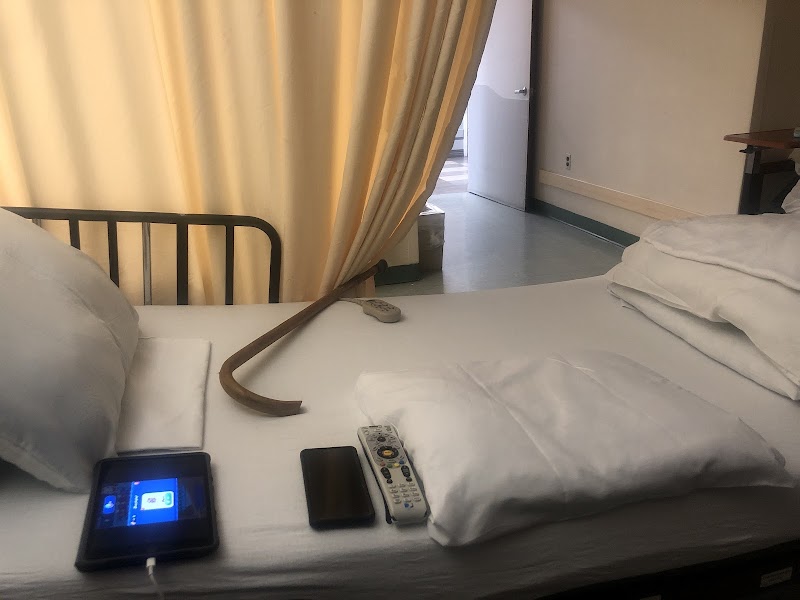
How is Alaris Health At Hamilton Park Staffed?

CMS rates ALARIS HEALTH AT HAMILTON PARK's staffing level at 4 out of 5 stars, which is above average compared to other nursing homes. Staff turnover is 41%, compared to the New Jersey average of 46%. This relatively stable workforce can support continuity of care.

What Have Inspectors Found at Alaris Health At Hamilton Park?

State health inspectors documented 19 deficiencies at ALARIS HEALTH AT HAMILTON PARK during 2021 to 2025. These included: 19 with potential for harm.
Who Owns and Operates Alaris Health At Hamilton Park?

ALARIS HEALTH AT HAMILTON PARK is owned by a for-profit company. For-profit facilities operate as businesses with obligations to shareholders or private owners. The facility operates independently rather than as part of a larger chain. With 260 certified beds and approximately 164 residents (about 63% occupancy), it is a large facility located in JERSEY CITY, New Jersey.

How Does Alaris Health At Hamilton Park Compare to Other New Jersey Nursing Homes?

Compared to the 100 nursing homes in New Jersey, ALARIS HEALTH AT HAMILTON PARK's overall rating (3 stars) is below the state average of 3.3, staff turnover (41%) is near the state average of 46%, and health inspection rating (3 stars) is at the national benchmark.

What Should Families Ask When Visiting Alaris Health At Hamilton Park?

Based on this facility's data, families visiting should ask: "Can I visit during a mealtime to observe dining assistance and food quality?" "How do you handle medical emergencies, and what is your hospital transfer rate?" "Can I speak with family members of current residents about their experience?"

Is Alaris Health At Hamilton Park Safe?

Based on CMS inspection data, ALARIS HEALTH AT HAMILTON PARK has a clean safety record: no substantiated abuse findings (meaning no confirmed cases of resident harm), no Immediate Jeopardy citations (the most serious violation level indicating risk of serious injury or death), and is not on the Special Focus Facility watch list (a federal program monitoring the lowest-performing 1% of nursing homes). The facility has a 3-star overall rating and ranks #100 of 100 nursing homes in New Jersey. While no facility is perfect, families should still ask about staff-to-resident ratios and recent inspection results during their visit.

Do Nurses at Alaris Health At Hamilton Park Stick Around?

ALARIS HEALTH AT HAMILTON PARK has a staff turnover rate of 41%, which is about average for New Jersey nursing homes (state average: 46%). Moderate turnover is common in nursing homes, but families should still ask about staff tenure and how the facility maintains care continuity when employees leave.

Was Alaris Health At Hamilton Park Ever Fined?

ALARIS HEALTH AT HAMILTON PARK has been fined $9,750 across 1 penalty action. This is below the New Jersey average of $33,176. While any fine indicates a compliance issue, fines under $50,000 are relatively common and typically reflect isolated problems that were subsequently corrected. Families should ask what specific issues led to these fines and confirm they've been resolved.

Is Alaris Health At Hamilton Park on Any Federal Watch List?

ALARIS HEALTH AT HAMILTON PARK is not on any federal watch list. The most significant is the Special Focus Facility (SFF) program, which identifies the bottom 1% of nursing homes nationally based on persistent, serious quality problems. Not being on this list means the facility has avoided the pattern of deficiencies that triggers enhanced federal oversight. This is a positive indicator, though families should still review the facility's inspection history directly.