ALARIS HEALTH AT BELGROVE
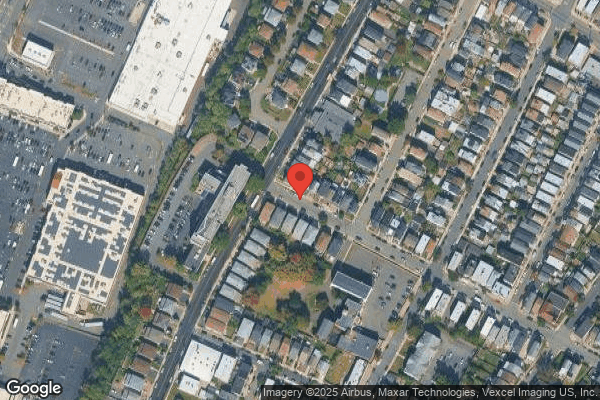
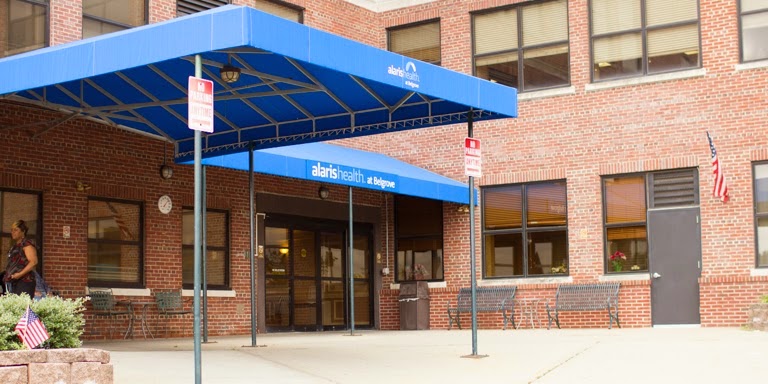
195 BELGROVE DRIVE, KEARNY, NJ 07032 (973) 844-4800
For profit - Individual 120 Beds ALARIS HEALTH Data: November 2025 1 Immediate Jeopardy citation
Trust Grade
33/100
#234 of 344 in NJ
Last Inspection: December 2024

Within standard 12-15 month inspection cycle. Federal law requires annual inspections.

Overview

Alaris Health at Belgrove has received a Trust Grade of F, indicating significant concerns about the facility's quality of care. It ranks #234 out of 344 nursing homes in New Jersey, placing it in the bottom half of facilities in the state, and #13 out of 14 in Hudson County, meaning there is only one local option that is rated lower. The facility is showing improvement, with a reduction in issues from ten in 2024 to just one in 2025. Staffing is a strong point, earning a perfect 5-star rating with only a 30% turnover rate, which is below the state average. However, the facility has concerning fines totaling $41,573, higher than 80% of New Jersey facilities, suggesting compliance problems. Specific incidents of concern include a critical finding regarding the lack of emergency tracheostomy equipment for a resident who required it, and serious issues related to improper discharge procedures that caused psychosocial harm to several residents. Additionally, the facility failed to provide written notices for transfers and discharges, which could leave residents and their families uninformed about their rights and options. While there are strengths in staffing and a trend toward improvement, families should be aware of the serious deficiencies in care and communication at this facility.

Trust Score
F
33/100
In New Jersey
#234/344
Bottom 32%
Safety Record
High Risk
Review needed
Inspections
Getting Better
10 → 1 violations
Staff Stability
○ Average
30% turnover. Near New Jersey's 48% average. Typical for the industry.
Penalties
○ Average
$41,573 in fines. Higher than 67% of New Jersey facilities. Some compliance issues.
Skilled Nurses
✓ Good
Each resident gets 67 minutes of Registered Nurse (RN) attention daily — more than 97% of New Jersey nursing homes. RNs are the most trained staff who catch health problems before they become serious.
Violations
⚠ Watch
20 deficiencies on record. Higher than average. Multiple issues found across inspections.
★★☆☆☆
2.0
Overall Rating
★★★★★
5.0
Staff Levels
★★★★☆
4.0
Care Quality
★☆☆☆☆
1.0
Inspection Score
Stable
2024: 10 issues
2025: 1 issues

The Good

  • 5-Star Staffing Rating · Excellent nurse staffing levels
  • 4-Star Quality Measures · Strong clinical quality outcomes
  • Full Sprinkler Coverage · Fire safety systems throughout facility
  • No fines on record
  • Staff turnover below average (30%)

    18 points below New Jersey average of 48%

Facility shows strength in staffing levels, quality measures, fire safety.

The Bad

2-Star Overall Rating

Below New Jersey average (3.2)

Below average - review inspection findings carefully

Staff Turnover: 30%

16pts below New Jersey avg (46%)

Typical for the industry

Federal Fines: $41,573

Above median ($33,413)

Moderate penalties - review what triggered them

Chain: ALARIS HEALTH

Part of a multi-facility chain

Ask about local staffing decisions and management

The Ugly 20 deficiencies on record

1 life-threatening 1 actual harm
Mar 2025 1 deficiency
CONCERN (D) 📢 Someone Reported This

A family member, employee, or ombudsman was alarmed enough to file a formal complaint

Potential for Harm - no one hurt, but risky conditions existed

Medical Records (Tag F0842)

Could have caused harm · This affected 1 resident

**NOTE- TERMS IN BRACKETS HAVE BEEN EDITED TO PROTECT CONFIDENTIALITY** Complaint # NJ184029 Based on interview, review of the medical record, and pertinent facility documents, it was determined that ...

Read full inspector narrative →
**NOTE- TERMS IN BRACKETS HAVE BEEN EDITED TO PROTECT CONFIDENTIALITY** Complaint # NJ184029 Based on interview, review of the medical record, and pertinent facility documents, it was determined that the facility failed to ensure staff documented on the Treatment Administration Record (TAR) according to the physician's orders and acceptable standards of practice in accordance with the New Jersey Board of Nursing Statutes for 3 of 3 sampled residents (Resident #1, Resident #2, and Resident #3). This deficient practice was evidenced by the following: According to the admission Record received on 3/27/25, Resident #1 was admitted to the facility on [DATE], with diagnoses that included but not limited to Acute Pyelonephritis, Depression, Hypertension, and Chronic Kidney Disease. The Quarterly Minimum Data Set (MDS), an assessment tool dated 1/4/25, indicated that the resident was cognitively intact and required assistance with activities of daily living (ADLs). A review of the Order Summary Report (OSR) received on 3/27/25 given by the Administrator for Resident #1, with a physician order date of 4/02/25 revealed the call bell within reach every shift. A review of the January 2025 Treatment Administration Record (TAR) for Resident #1 revealed that the 3:00 p.m. (1500) call bell within reach every shift on 1/4/25 was blank. A review of the March 2025 Treatment Administration Record (TAR) for Resident #1 revealed that the 11:00 p.m. (2300) call bell within reach every shift on 3/21/25 was blank. According to the admission Record received on 3/27/25, Resident #2 was admitted to the facility on [DATE], with diagnoses that included but not limited to Restless Legs Syndrome, Type 2 Diabetes, Major Depressive Disorder, Hypertension, and Hyperglycemia. The Quarterly Minimum Data Set (MDS), an assessment tool dated 1/17/25, indicated that the resident was cognitively intact and independent with activities of daily living (ADLs). A review of the Order Summary Report (OSR) received on 3/27/25, given by the Administrator for Resident #2, with a physician order date of 4/27/21 revealed the call bell within reach every shift. A review of the March 2025 Treatment Administration Record (TAR) for Resident #2 revealed that the 11:00 p.m. (2300) call bell within reach every shift on 3/26/25 was blank. According to the admission Record received on 3/27/25, Resident #3 was admitted to the facility on [DATE], with diagnoses that included but not limited to Encephalopathy, Transient Ischemic Attack (TIA), Cerebral Infarction, Acute Kidney Failure, Hyperlipidemia, (COPD), and Hypertension. The Quarterly Minimum Data Set (MDS), an assessment tool dated 12/27/24, indicated that the resident was severely impaired and required assistance with activities of daily living (ADLs). The Order Summary Report (OSR) received on 3/27/25 with an order date of 6/19/24 revealed call bell within reach every shift. A review of the Order Summary Report (OSR) received on 3/27/25, given by the Administrator for Resident #3, with a physician order date of 6/19/24 revealed the call bell within reach every shift. A review of the March 2025 Treatment Administration Record (TAR) given by the Administrator for Resident #3, revealed that the 11:00 p.m. (2300) call bell within reach every shift on 3/21/25 was blank. During interview with the surveyor on 3/27/25 at 2:05 p.m., the Administrator confirmed the blanks for call bell within reach on the Medication Administration Record/Treatment Administration Record (MAR/TAR). The Administrator stated that staff failed to acknowledge and document on the MAR/TAR. The Administrator stated that the expectation was for all orders to be signed as per doctor's order. She further stated that it was important for staff to sign off and acknowledge to ensure that the doctor's orders were being followed. During interview with the surveyor on 3/27/25 at 3:09 p.m., the Director of Nursing (DON) stated that there should have been no blanks and agreed that there were blanks on the MAR/TAR. The DON stated that the nurses should have signed because it was a part of the doctor's order. During interview with the surveyor on 3/28/25 post survey at 12:31 p.m. via telephone, Registered Nurse (RN #1) who was assigned to Resident #1 on 1/4/24, stated that she worked one day and one shift at the facility as an agency nurse. RN #1 stated that she always checked to make sure resident's call bell was within reach. She further stated that she does not remember if there was a documentation that she needed to sign off on. Surveyor attempted to reach RN #2 on 3/28/25 post survey at 12:37 p.m. via telephone, who was assigned to Resident #1 on 3/21/25 and Resident #3 on 3/21/24, and was unsuccessful. During interview with the surveyor on 3/28/25 post survey at 12:40 p.m. via telephone, RN #3 who was assigned to Resident #2 on 3/26/24, stated that she checked call bells and made sure the call bell was within reach when doing rounds. RN #2 stated that she should have documented, I forgot to document. RN #2 further stated that it was important to document to show the work was done. Review of the Clinical Charting and Documentation Policy and Procedure with an effective date of 11/2010, revealed that under the Policy statement that all services provided to the resident, or any changes in the resident's electronic medical record (EMR). Under Policy Interpretation and Implementation #5 revealed, Documentation of procedures and treatments shall include care-specific details and shall include at a minimum b. The name and title of the individual who provided the care The signature and title of the individual documenting. NJAC 8:39-27.1 (a) Complaint # NJ184029 Based on interview, review of the medical record, and pertinent facility documents, it was determined that the facility failed to ensure staff documented, and that prescribed treatments were completed according to the physician's orders and acceptable standards of practice in accordance with the New Jersey Board of Nursing Statutes for 3 of 3 sampled residents (Resident #1, Resident #2, and Resident #3). This deficient practice was evidenced by the following: According to the admission Record received on 3/27/25, Resident #1 was admitted to the facility on [DATE], with diagnoses that included but not limited to Acute Pyelonephritis, Depression, Hypertension, and Chronic Kidney Disease. The Quarterly Minimum Data Set (MDS), an assessment tool dated 1/4/25, indicated that the resident was cognitively intact and required assistance with activities of daily living (ADLs). The Order Summary Report (OSR) received on 3/27/25 with an order date of 4/02/25 revealed call bell within reach every shift. The January 2025 Treatment Administration Record (TAR) revealed that the 3:00 p.m. (1500) call bell within reach every shift on 1/4/25 was blank. The March 2025 Treatment Administration Record (TAR) revealed that the 11:00 p.m. (2300) call bell within reach every shift on 3/21/25 was blank. According to the admission Record received on 3/27/25, Resident #2 was admitted to the facility on [DATE], with diagnoses that included but not limited to Restless Legs Syndrome, Type 2 Diabetes, Major Depressive Disorder, Hypertension, and Hyperglycemia. The Quarterly Minimum Data Set (MDS), an assessment tool dated 1/17/25, indicated that the resident was cognitively intact and independent with activities of daily living (ADLs). The Order Summary Report (OSR) received on 3/27/25 with an order date of 4/27/21 revealed call bell within reach every shift. The March 2025 Treatment Administration Record (TAR) revealed that the 11:00 p.m. (2300) call bell within reach every shift was blank on 3/26/25 was blank. 3. According to the admission Record received on 3/27/25, Resident #3 was admitted to the facility on [DATE], with diagnoses that included but not limited to Encephalopathy, Transient Ischemic Attack (TIA), Cerebral Infarction, Acute Kidney Failure, Hyperlipidemia, (COPD), and Hypertension. The Quarterly Minimum Data Set (MDS), an assessment tool dated 12/27/24, indicated that the resident was severely impaired and required assistance with activities of daily living (ADLs). The Order Summary Report (OSR) received on 3/27/25 with an order date of 6/19/24 revealed call bell within reach every shift. The March 2025 Treatment Administration Record (TAR) revealed that the 11:00 p.m. (2300) call bell within reach every shift on 3/21/25 was blank. During interview with the surveyor on 3/27/25 at 2:05 p.m., the Administrator confirmed the blanks for call bell within reach on the Medication Administration Record/Treatment Administration Record (MAR/TAR). The Administrator stated that staff failed to acknowledge and document on the MAR/TAR. The Administrator stated that the expectation was for all orders to be signed as per doctor's order. She further stated that it was important for staff to sign off and acknowledge to ensure that the doctor's orders were being followed. During interview with the surveyor on 3/27/25 at 3:09 p.m., the Director of Nursing (DON) stated that there should have been no blanks and agreed that there were blanks on the MAR/TAR. The DON stated that the nurses should have signed because it was a part of the doctor's order. During interview with the surveyor on 3/28/25 post survey at 12:31 p.m. via telephone, Registered Nurse (RN #1) stated that she worked one day and one shift at the facility as an agency nurse. RN #1 stated that she always checked to make sure resident's call bell was within reach. She further stated that she does not remember if there was a documentation that she needed to sign off on. During interview with the surveyor on 3/28/25 post survey at 12:40 p.m. via telephone, RN #2 stated that she checked call bells and made sure the call bell was within reach when doing rounds. RN #2 stated that she should have documented, I forgot to document. RN #2 further stated that it was important to document to show the work was done. Review of the Clinical Charting and Documentation Policy and Procedure with an effective date of 11/2010, revealed that under the Policy statement that all services provided to the resident, or any changes in the resident's electronic medical record (EMR). Under Policy Interpretation and Implementation #5 revealed, Documentation of procedures and treatments shall include care-specific details and shall include at a minimum b. The name and title of the individual who provided the care The signature and title of the individual documenting. NJAC 8:39-27.1 (a) Surveyor: [NAME], Janese Complaint # NJ184029 Based on interview, review of the medical record, and pertinent facility documents, it was determined that the facility failed to ensure staff documented on the Treatment Administration Record (TAR) according to the physician's orders and acceptable standards of practice in accordance with the New Jersey Board of Nursing Statutes for 3 of 3 sampled residents (Resident #1, Resident #2, and Resident #3). This deficient practice was evidenced by the following: According to the admission Record received on 3/27/25, Resident #1 was admitted to the facility on [DATE], with diagnoses that included but not limited to Acute Pyelonephritis, Depression, Hypertension, and Chronic Kidney Disease. The Quarterly Minimum Data Set (MDS), an assessment tool dated 1/4/25, indicated that the resident was cognitively intact and required assistance with activities of daily living (ADLs). A review of the Order Summary Report (OSR) received on 3/27/25 given by the Administrator for Resident #1, with a physician order date of 4/02/25 revealed the call bell within reach every shift. A review of the January 2025 Treatment Administration Record (TAR) for Resident #1 revealed that the 3:00 p.m. (1500) call bell within reach every shift on 1/4/25 was blank. A review of the March 2025 Treatment Administration Record (TAR) for Resident #1 revealed that the 11:00 p.m. (2300) call bell within reach every shift on 3/21/25 was blank. According to the admission Record received on 3/27/25, Resident #2 was admitted to the facility on [DATE], with diagnoses that included but not limited to Restless Legs Syndrome, Type 2 Diabetes, Major Depressive Disorder, Hypertension, and Hyperglycemia. The Quarterly Minimum Data Set (MDS), an assessment tool dated 1/17/25, indicated that the resident was cognitively intact and independent with activities of daily living (ADLs). A review of the Order Summary Report (OSR) received on 3/27/25, given by the Administrator for Resident #2, with a physician order date of 4/27/21 revealed the call bell within reach every shift. A review of the March 2025 Treatment Administration Record (TAR) for Resident #2 revealed that the 11:00 p.m. (2300) call bell within reach every shift on 3/26/25 was blank. According to the admission Record received on 3/27/25, Resident #3 was admitted to the facility on [DATE], with diagnoses that included but not limited to Encephalopathy, Transient Ischemic Attack (TIA), Cerebral Infarction, Acute Kidney Failure, Hyperlipidemia, (COPD), and Hypertension. The Quarterly Minimum Data Set (MDS), an assessment tool dated 12/27/24, indicated that the resident was severely impaired and required assistance with activities of daily living (ADLs). The Order Summary Report (OSR) received on 3/27/25 with an order date of 6/19/24 revealed call bell within reach every shift. A review of the Order Summary Report (OSR) received on 3/27/25, given by the Administrator for Resident #3, with a physician order date of 6/19/24 revealed the call bell within reach every shift. A review of the March 2025 Treatment Administration Record (TAR) given by the Administrator for Resident #3, revealed that the 11:00 p.m. (2300) call bell within reach every shift on 3/21/25 was blank. During interview with the surveyor on 3/27/25 at 2:05 p.m., the Administrator confirmed the blanks for call bell within reach on the Medication Administration Record/Treatment Administration Record (MAR/TAR). The Administrator stated that staff failed to acknowledge and document on the MAR/TAR. The Administrator stated that the expectation was for all orders to be signed as per doctor's order. She further stated that it was important for staff to sign off and acknowledge to ensure that the doctor's orders were being followed. During interview with the surveyor on 3/27/25 at 3:09 p.m., the Director of Nursing (DON) stated that there should have been no blanks and agreed that there were blanks on the MAR/TAR. The DON stated that the nurses should have signed because it was a part of the doctor's order. During interview with the surveyor on 3/28/25 post survey at 12:31 p.m. via telephone, Registered Nurse (RN #1) who was assigned to Resident #1 on 1/4/24, stated that she worked one day and one shift at the facility as an agency nurse. RN #1 stated that she always checked to make sure resident's call bell was within reach. She further stated that she does not remember if there was a documentation that she needed to sign off on. Surveyor attempted to reach RN #2 on 3/28/25 post survey at 12:37 p.m. via telephone, who was assigned to Resident #1 on 3/21/25 and Resident #3 on 3/21/24, and was unsuccessful. During interview with the surveyor on 3/28/25 post survey at 12:40 p.m. via telephone, RN #3 who was assigned to Resident #2 on 3/26/24, stated that she checked call bells and made sure the call bell was within reach when doing rounds. RN #2 stated that she should have documented, I forgot to document. RN #2 further stated that it was important to document to show the work was done. Review of the Clinical Charting and Documentation Policy and Procedure with an effective date of 11/2010, revealed that under the Policy statement that all services provided to the resident, or any changes in the resident's electronic medical record (EMR). Under Policy Interpretation and Implementation #5 revealed, Documentation of procedures and treatments shall include care-specific details and shall include at a minimum b. The name and title of the individual who provided the care The signature and title of the individual documenting. NJAC 8:39-27.1 (a) Complaint # NJ184029 Based on interview, review of the medical record, and pertinent facility documents, it was determined that the facility failed to ensure staff documented, and that prescribed treatments were completed according to the physician's orders and acceptable standards of practice in accordance with the New Jersey Board of Nursing Statutes for 3 of 3 sampled residents (Resident #1, Resident #2, and Resident #3). This deficient practice was evidenced by the following: According to the admission Record received on 3/27/25, Resident #1 was admitted to the facility on [DATE], with diagnoses that included but not limited to Acute Pyelonephritis, Depression, Hypertension, and Chronic Kidney Disease. The Quarterly Minimum Data Set (MDS), an assessment tool dated 1/4/25, indicated that the resident was cognitively intact and required assistance with activities of daily living (ADLs). The Order Summary Report (OSR) received on 3/27/25 with an order date of 4/02/25 revealed call bell within reach every shift. The January 2025 Treatment Administration Record (TAR) revealed that the 3:00 p.m. (1500) call bell within reach every shift on 1/4/25 was blank. The March 2025 Treatment Administration Record (TAR) revealed that the 11:00 p.m. (2300) call bell within reach every shift on 3/21/25 was blank. According to the admission Record received on 3/27/25, Resident #2 was admitted to the facility on [DATE], with diagnoses that included but not limited to Restless Legs Syndrome, Type 2 Diabetes, Major Depressive Disorder, Hypertension, and Hyperglycemia. The Quarterly Minimum Data Set (MDS), an assessment tool dated 1/17/25, indicated that the resident was cognitively intact and independent with activities of daily living (ADLs). The Order Summary Report (OSR) received on 3/27/25 with an order date of 4/27/21 revealed call bell within reach every shift. The March 2025 Treatment Administration Record (TAR) revealed that the 11:00 p.m. (2300) call bell within reach every shift was blank on 3/26/25 was blank. 3. According to the admission Record received on 3/27/25, Resident #3 was admitted to the facility on [DATE], with diagnoses that included but not limited to Encephalopathy, Transient Ischemic Attack (TIA), Cerebral Infarction, Acute Kidney Failure, Hyperlipidemia, (COPD), and Hypertension. The Quarterly Minimum Data Set (MDS), an assessment tool dated 12/27/24, indicated that the resident was severely impaired and required assistance with activities of daily living (ADLs). The Order Summary Report (OSR) received on 3/27/25 with an order date of 6/19/24 revealed call bell within reach every shift. The March 2025 Treatment Administration Record (TAR) revealed that the 11:00 p.m. (2300) call bell within reach every shift on 3/21/25 was blank. During interview with the surveyor on 3/27/25 at 2:05 p.m., the Administrator confirmed the blanks for call bell within reach on the Medication Administration Record/Treatment Administration Record (MAR/TAR). The Administrator stated that staff failed to acknowledge and document on the MAR/TAR. The Administrator stated that the expectation was for all orders to be signed as per doctor's order. She further stated that it was important for staff to sign off and acknowledge to ensure that the doctor's orders were being followed. During interview with the surveyor on 3/27/25 at 3:09 p.m., the Director of Nursing (DON) stated that there should have been no blanks and agreed that there were blanks on the MAR/TAR. The DON stated that the nurses should have signed because it was a part of the doctor's order. During interview with the surveyor on 3/28/25 post survey at 12:31 p.m. via telephone, Registered Nurse (RN #1) stated that she worked one day and one shift at the facility as an agency nurse. RN #1 stated that she always checked to make sure resident's call bell was within reach. She further stated that she does not remember if there was a documentation that she needed to sign off on. During interview with the surveyor on 3/28/25 post survey at 12:40 p.m. via telephone, RN #2 stated that she checked call bells and made sure the call bell was within reach when doing rounds. RN #2 stated that she should have documented, I forgot to document. RN #2 further stated that it was important to document to show the work was done. Review of the Clinical Charting and Documentation Policy and Procedure with an effective date of 11/2010, revealed that under the Policy statement that all services provided to the resident, or any changes in the resident's electronic medical record (EMR). Under Policy Interpretation and Implementation #5 revealed, Documentation of procedures and treatments shall include care-specific details and shall include at a minimum b. The name and title of the individual who provided the care The signature and title of the individual documenting. NJAC 8:39-27.1 (a)
Dec 2024 10 deficiencies 1 IJ
CRITICAL (J)

Immediate Jeopardy (IJ) - the most serious Medicare violation

Respiratory Care (Tag F0695)

Someone could have died · This affected 1 resident

**NOTE- TERMS IN BRACKETS HAVE BEEN EDITED TO PROTECT CONFIDENTIALITY** PART A Based on observation, record review, interview, and facility policy review, the facility failed to ensure there was emer...

Read full inspector narrative →
**NOTE- TERMS IN BRACKETS HAVE BEEN EDITED TO PROTECT CONFIDENTIALITY** PART A Based on observation, record review, interview, and facility policy review, the facility failed to ensure there was emergency tracheostomy equipment for a resident with a tracheostomy (a surgical opening in the neck to provide an airway and remove secretions from the lungs) at the bedside and readily available for use and ensure staff were trained to use the emergency tracheostomy equipment for one (1) of 1 resident (Resident #86) reviewed with a tracheostomy. Resident #86 was admitted to the facility on [DATE] and had a tracheostomy. Observation and interviews during the survey revealed that emergency tracheostomy supplies were not being kept at the bedside and readily available for use. There was only one obturator (A device that fits inside a tracheostomy tube to guide it during insertion) in Resident #86's room with no extra ones in the storage room. The primary nurses responsible for the care of Resident #86 did not know what an obturator looked like or what it was to be used for. The facility's failure to ensure there was emergency equipment at the resident's bedside and readily available and failure to ensure staff were trained to use emergency tracheostomy equipment placed the resident at risk for serious harm, serious impairment, or death. This resulted in an Immediate Jeopardy (IJ) Situation which was identified on 12/03/24. The facility's Administrator, Director of Nursing (DON), Regional Quality Assurance (QA) Nurse, and [NAME] President (VP) of Operations were notified of the IJ on 12/03/24 at 8:00 PM. The facility submitted an acceptable Removal Plan (RP) on 12/04/24 at 3:40 PM. The survey team verified the implementation of the RP during the continuation of the on-site survey on 12/05/24 at 9:45 AM. The evidence was as follows: Review of Lippincott Manual of Nursing Practice, dated 2018, page 544, revealed .Have available at the patient's bedside .a resuscitation bag, oxygen source, and a mask to ventilate the patient in the event of accidental tube removal. Anticipate your course of action in such an event .Tracheostomy-have extra tracheostomy tube, obturator .at the bedside. Be aware of reinsertion technique, if facility policy permits, or know how to contact someone immediately for reinserting the tube . 1. A review of Resident #86's undated Face Sheet located under the Profile tab in the electronic medical record (EMR) revealed Resident #86 was admitted to the facility on [DATE], with the admitting diagnosis of throat cancer. A review of Resident #86's significant change Minimum Data Set (MDS) located under the MDS tab in the EMR with an Assessment Reference Date (ARD) of 08/25/24, coded the resident as having a Brief Interview for Mental Status (BIMS) score of 12 out of 15 which indicated Resident #86 was moderately cognitively impaired. Resident #86 was also coded as requiring oxygen therapy, suctioning, and tracheostomy care while a resident in the facility. A review of the Physician Orders located under the Orders tab in the EMR revealed an order dated 08/18/24, to include suction trach [tracheostomy] every shift and as needed and to Change trach inner cannula every day. Trach size: 6. During an observation on 12/03/24 at 10:30 AM, the Licensed Practical Nurse (LPN #1) pulled the drawers to the bedside table out where the emergency and extra supplies were stored. LPN #1 could not locate an inner cannula with the size the resident was currently ordered to have, an extra inner cannula that was a size smaller, and an obturator. LPN #1 and the surveyor went into the supply room and could not locate any inner cannulas except for a size six and there were no extra obturators. LPN #1 was Resident #86's primary care nurse for the day shift on 12/03/24. During another observation and interview on 12/03/24 at 10:55 AM, LPN #2 went into the resident's room and could not find a size smaller inner cannula or an obturator. There was one inner cannula size six in the bedside table that the surveyor observed LPN #1 placing in the drawer at 10:44 AM. LPN #2 was asked what supplies were needed to be at the bedside and LPN #2 stated, A size smaller of the inner cannula, an Ambu bag, suction machine with suction tubing, and an obturator. At 11:13 AM, LPN #2 went into the storage room, and she could not find any obturators or extra cannulas that would be a size smaller. During an observation and interview on 12/03/24 at 3:06 PM, the Director of Nursing (DON) went into Resident #86's room with the surveyor and was able to find one inner cannula size #6, and an obturator, but was unable to find a smaller inner cannula. When asked where the extra obturators were kept, the DON stated, In the supply closet. In the supply room, the DON could not locate any more obturators, and the only size of inner cannulas was size six. The DON stated the maintenance director was the one responsible for ordering the specialty supplies that the nurses would use on Resident #86 for trach care. The DON was asked her expectations of the nursing staff that were taking care of Resident #86, and she stated, I expect the nurses to have the emergency equipment at the bedside of this resident such as extra cannulas size six, extra obturators, an Ambu bag, and suction machine with tubing. During an interview on 12/03/24 at 3:25 PM, the Maintenance Director (MD) stated, I do not order any medical supplies that the nurses use on the floors. During an interview on 12/03/24 at 3:49 PM, Registered Nurse (RN #1) was asked if extra obturators were kept in the crash cart. RN #1 went to the crash cart and could not locate an extra obturator. RN #1 opened a box that had a disposable inner cannula and an obturator in it. RN #1 confirmed there were no extra obturators in the crash cart at that moment. When asked if she knew what an obturator looked like and what it was used for, RN #1 stated, I really don't know what it looks like, and I have never had to use one. RN #1 confirmed that she was the primary nurse to provide care to Resident #86 tonight and it was her first night in the facility as a travel nurse. A review of the education that was provided by the facility reflected LPN #1 received Tracheostomy Suctioning and Care education on 08/02/24, LPN #2 received Tracheostomy Care and Suctioning on 10/24/24, and RN #1 received Tracheostomy Care and Suctioning and Trach Care in an Emergency Situation on 12/03/24. During an interview on 12/03/24 at 6:26 PM, the Administrator confirmed RN #1 was in-serviced today on the Tracheostomy Care and Suctioning and Trach Care in an Emergency Situation prior to reporting to work on the floor this evening by the Infection Preventionist Nurse. During an interview on 12/03/24 at 6:26 PM, the Administrator stated the facility did not employ a respiratory therapist. An acceptable Removal Plan (RP) was received on 12/04/24 at 3:40 PM, indicating the action the facility will take to prevent serious harm from occurring or reoccurring. The facility implemented a corrective action plan to remediate the deficient practice which included: all nurses, including new hires, will be educated on tracheostomy care, emergency tracheostomy care, and identifying supplies needed with competency and return demonstration prior to the start of their next shift; a nursing supervisor will check the supplies in Resident #86's room every shift to assure all required supplies are present in the room; central supply will maintain weekly inventory of tracheostomy supplies; and the DON will assure tracheostomy supplies are available prior to admission. The survey team verified the implementation of the RP during the continuation of the on-site survey on 12/05/24 at 9:45 AM. NJAC 8:39-27.1(a) PART B Based on observation, record review, interview, and facility policy review, the facility failed to ensure oxygen filters were cleaned for 3 of 3 residents, Resident #33, Resident #44, and Resident #60 reviewed for oxygen. 1. A review of Resident #33's undated admission Record located in the EMR under the Resident tab included an original admission date of 02/22/24, and most recent re-admission on [DATE], with a primary diagnosis of osteomyelitis and comorbidities including a history of Covid-19, acute pulmonary edema, hypertension, and heart failure. A review of Resident #33's Order Summary located in the EMR under the Orders tab included oxygen at two liters per minute (LPM) every shift and tubing change every seven days starting 11/19/24. A review of Resident #33's Care Plan located in the EMR under the Care Plan tab, revised 12/04/24, included oxygen therapy related to chronic respiratory failure. A review of Resident #33's entry Minimum Data Set (MDS) located in the EMR under the MDS tab with an Assessment Reference Date (ARD) of 11/18/24 was In Progress and incomplete. During an observation on 12/05/24 at 1:45 PM, Resident #33's concentrator inlet filter had a gray/white substance covering the filter. 2. A review of Resident #44's undated admission Record located in the EMR under the Resident tab included an original admission date of 10/19/23, with a primary diagnosis of metabolic encephalopathy and comorbidities including dependence on supplemental oxygen, congestive heart failure (CHF), shortness of breath, history of pneumonia, chronic obstructive pulmonary disease (COPD), and acute respiratory failure with hypoxia. A review of Resident #44's Order Summary located in the EMR under the Orders tab included oxygen at three LPM every shift for COPD every shift starting 10/03/24, and tubing change every seven days starting 06/05/24. A review of Resident #44's Care Plan located in the EMR under the Care Plan tab, revised 12/04/24, included the administration of oxygen as ordered. A review of Resident #44's annual MDS located in the EMR under the MDS tab with an ARD of 10/17/24, included the use of oxygen. During an observation on 12/04/24 at 7:14 PM, Resident #44's concentrator inlet filter had a gray/white substance covering the filter. 3. A review of Resident #60's undated admission Record located in the EMR under the Resident tab included an original admission date of 06/16/21, and most recent re-admission on [DATE], with a primary diagnosis of type two diabetes mellitus and comorbidities including congestive heart failure, COPD, and shortness of breath. A review of Resident #60's Order Summary located in the EMR under the Orders tab included oxygen at two LPM every shift for CHF and COPD dated 10/24/24. A review of Resdient #60's Care Plan located in the EMR under the Care Plan tab included oxygen usage related to CHF. A review of Resident #60's five-Day MDS located in the EMR under the MDS tab with an ARD of 10/27/24, included the use of oxygen. During an observation on 12/04/24 at 7:14 PM, Resident #60's concentrator inlet filter had a gray/white substance covering the filter. During an interview on 12/04/24 at 7:21 PM, Licensed Practical Nurse (LPN #5) confirmed that the filters had a gray/white substance that she called lint. LPN #5 stated that the Maintenance Department was responsible for cleaning the oxygen concentrator filters and was not sure how often that was done. LPN #5 contacted the Administrator via telephone who informed her that it was the Maintenance Director's responsibility to clean the filters and sent her a copy of the policy. During an interview on 12/05/24 at 5:32 PM, with the Maintenance Director (MD) who stated that it was his responsibility to clean the filters on a monthly basis and as needed. The MD stated that he had not cleaned the filters until this day, 12/05/24, and that he was not sure why Resident #60's concentrator filter was documented as having been cleaned on 12/04/24, but that all filters had been cleaned as of 12/05/24. The MD also stated that the nurses sometimes entered a request on the maintenance log if the filters needed to be cleaned prior to the monthly cleaning, to his knowledge, no additional requests for dirty filters had been made by staff recently. A review of the facility's policy titled, Care of Oxygen Concentrators, dated 03/24, and provided by the facility, indicated .It is the policy of the facility to ensure oxygen concentrators and filters are cleaned regularly. Protocol 1. Cleaning occurs monthly and as needed. Procedure for filters is as follows .2. Check air inlet filters for dust buildup .4. Remove air inlet filters and wash in warm, soapy water and rinse. 5. Absorb excess water from filter with a dry towel .7. Reapply a new pair of disposable gloves and place the air inlet filters back on the oxygen concentrator . A review of the facility document titled Concentrator Cleaning Log, dated 12/04/24, and provided by the facility, indicated that room [ROOM NUMBER]'s (Resident #60) concentrator filter was cleaned on 11/02/24 and 12/04/24. Rooms 114-A (Resident #33) and 312-A (Resident #44) concentrators were most recently cleaned on 11/02/24. NJAC 8:39- 27.1(a)
CONCERN (D)

Potential for Harm - no one hurt, but risky conditions existed

Deficiency F0578 (Tag F0578)

Could have caused harm · This affected 1 resident

**NOTE- TERMS IN BRACKETS HAVE BEEN EDITED TO PROTECT CONFIDENTIALITY** Based on record review, interview, and facility policy review, the facility failed to update a resident's advanced directive in ...

Read full inspector narrative →
**NOTE- TERMS IN BRACKETS HAVE BEEN EDITED TO PROTECT CONFIDENTIALITY** Based on record review, interview, and facility policy review, the facility failed to update a resident's advanced directive in the medical record after the resident decided to change it from full code to a do not resuscitate (DNR) for one of nine residents (Resident (R) 66) reviewed for advanced directives of 31 sample residents. Failure to accurately record a resident's advanced directive in the medical record had the potential to result in the resident receiving cardiopulmonary resuscitation against their wishes. Findings include: Review of R66's quarterly Minimum Data Set (MDS) with an Assessment Reference Date (ARD) of [DATE] located under the MDS tab of the EMR revealed a Brief Interview for Mental Status (BIMS) score of 10 out of 15 which indicated the resident's cognition was moderately impaired. Diagnoses as listed under the Diagnosis tab of the EMR revealed a personal history of transient ischemic attack, cerebral infarction without residual deficits, acute kidney failure, and hypertensive heart disease without heart failure. During an interview on [DATE] at 3:01 PM, the resident was asked if they were to be found by staff without any vital signs would the resident want to be resuscitated. R66 stated that someone had just asked them that the other day and told the person who asked the resident that they would not want to be resuscitated. R66 could not remember who asked them the question. Review of R66's electronic medical record (EMR) Physician's Order dated [DATE] and located under the Orders: tab revealed a full code and located on the dashboard. Review of the miscellaneous section located under the Misc section of the EMR revealed there was no advanced directive or documentation of R66 being informed of the resident's right to formulate an advanced directive. Review of a social service progress note dated [DATE] and timed 10:16 PM and located in the Progress note tab of the EMR revealed the resident wanted to be full code. Review of a document titled, New Jersey Practitioner orders for Life-Sustaining Treatment (POLST) revealed it was signed by R66 and R66's physician with the date of [DATE]. Under the section of the form labeled Cardiopulmonary Resuscitation (CPR) .Do not attempt resuscitation/DNAR .Allow Natural Death was checked. During an interview on [DATE] at 2:15 PM, Licensed Practical Nurse (LPN) 2 was asked about R66's code status. After checking the cover/spine of the hard chart and the dashboard located at the top of the EMR screen and physician's order located under the orders tab in the EMR she stated the resident was a full code therefore she would start cardiopulmonary resuscitation (CPR) and continue it until the emergency medical services arrived. During an interview on [DATE] at 2:35 PM, the document and the information posted in the EMR, and paper chart was reviewed with the Social Service Director (SSD), and she verified the POLST dated [DATE] and stated R66 was a DNAR, and the chart was documented to indicate the resident was a full code. During an interview on [DATE] at 3:37 PM, the SSD and the Administrator stated that after they investigated it, they discovered the date of [DATE] was written in error and should have been [DATE]. The SSD stated the part-time social worker spoke to the resident around 5:00 PM on [DATE]. R66 stated they did not want CPR if they were to be found without vital signs and signed the POLST stating they wanted to be a DNAR. The SSD stated the physician was at the facility that evening and signed the form. The SSD stated the Social Worker called the resident's son prior to the resident signing the form and stated he was good with it if it was what his father wanted. Both the SSD and the Administrator verified that a new order should have been written and the paper chart and the EMR should have been changed to reflect the residents' wishes to be DNAR. Review of the facility's policy titled, Advanced Directive with a revised date of 01/24, revealed it was the facility's policy to establish and maintain a system for residents to formulate an advanced directive, and to accept or refuse medical or surgical treatment. According to the policy the health care decision documents would be filed in the medical record under the advanced directive tab and charts would be flagged on the front cover to signify the existence of such documents. NJAC 8:39-9.6(b)(e)(g)
CONCERN (D)

Potential for Harm - no one hurt, but risky conditions existed

Deficiency F0655 (Tag F0655)

Could have caused harm · This affected 1 resident

**NOTE- TERMS IN BRACKETS HAVE BEEN EDITED TO PROTECT CONFIDENTIALITY** Based on record review, interview, and facility policy review, the facility failed to ensure a written copy of the baseline care...

Read full inspector narrative →
**NOTE- TERMS IN BRACKETS HAVE BEEN EDITED TO PROTECT CONFIDENTIALITY** Based on record review, interview, and facility policy review, the facility failed to ensure a written copy of the baseline care plan was provided to the resident and/or responsible party (RP) within 48 hours for one of one resident (Resident (R) 203) reviewed for baseline care plan out of 31 sample residents. This failure had the potential for residents and/or RP not to be informed of the plan of care. Findings include: Review of R203's undated Face Sheet located under the Profile tab of the electronic medical record (EMR) revealed the resident was admitted on [DATE] with diagnoses which included diabetes mellitus, metabolic encephalopathy, obstructive and reflux uropathy, and dementia. Review of R203's Physician's admission Note, dated 11/17/24 and located under the Progress Note tab in the EMR, revealed R203 was .AO x 3 [alert and oriented x 3] . Review of R203's Care Plan located under the Care Plan tab in the EMR revealed the areas of the care plan that was completed on 11/16/24 and 11/17/24 included nutritional risk related to therapeutic diet, mechanically altered diet, falls risk, self-care deficits, at risk for COVID-19 infection, transmission based precautions (Enhanced Barrier Precautions) related to the presence of the Foley catheter, and resident presents with decline in functional and gait status following recent hospitalization. During an interview on 12/02/24 at 12:10 PM, Family Member (FM) 2 stated, I haven't been given anything about my father's care since [R203] has been admitted here. During an interview on 12/04/24 at 6:02 PM, the Social Services Director (SSD) stated, When we do our baseline care plan, we do them within 48 hours, then I go over the care plan with the resident or the representative and explain all of it to them. I haven't been documenting where I have been giving these to them. When asked where in the EMR can the base line care plan be found, the SSD stated, There isn't a separate one. It's all one care plan that is started on admission and all the areas are completed within 48 hours. During an interview on 12/05/24 at 5:00 PM, the Director of Nursing (DON) stated, I expect the baseline care plan to be completed within 48 hours from admission and a written summary be given to the resident and/or RP. Review of the facility's policy titled, Plan of Care and IDCP [Interdisciplinary Care Planning] Team Meeting Policy dated 01/24 and provided by the facility, revealed .The baseline care plan shall be developed within 48 hours of a resident's admission .The facility must provide the resident and his/her representative with a written summary of the baseline care plan . NJAC 8:39-11.2(d)
CONCERN (D)

Potential for Harm - no one hurt, but risky conditions existed

Comprehensive Care Plan (Tag F0656)

Could have caused harm · This affected 1 resident

**NOTE- TERMS IN BRACKETS HAVE BEEN EDITED TO PROTECT CONFIDENTIALITY** Based on record review, interview, and facility policy review, the facility failed to develop care plans with resident specific ...

Read full inspector narrative →
**NOTE- TERMS IN BRACKETS HAVE BEEN EDITED TO PROTECT CONFIDENTIALITY** Based on record review, interview, and facility policy review, the facility failed to develop care plans with resident specific goals and interventions for the usage of antipsychotics for one of 31 sample residents (Resident (R) 69) reviewed for care plans. This failure to develop care plans increased the risk for care to be incomplete and/or inconsistent related to antipsychotic medications. Findings include: Review of the Census tab located in the electronic medical record (EMR) revealed R69 was originally admitted on [DATE] and readmitted on [DATE]. Review of the Med Diag [Medical Diagnoses] tab located in the EMR revealed R69 had diagnoses including hallucinations and schizoaffective disorder. Review of the Orders tab located in the EMR and dated 08/21/24, revealed R69 had orders for Quetiapine Fumarate [Seroquel] (Antipsychotic medication) 50mg (milligrams) twice a day. Review of the admission Minimum Data Set (MDS) with an Assessment Reference Date (ARD) of 07/15/24 and located in the EMR revealed a Care Area Assessment (CAA) trigger for psychotropic medication use. Review of the Care Plan (CP) tab located in the EMR revealed no care plan had been developed with goals or interventions for the usage of psychotropic medications. During an interview on 12/05/24 at 4:30 PM, the MDS Coordinator (MDSC) stated when an order was given by the physician the nurse who received the order would initiate the correct goal/intervention necessary for the order. MDSC stated once the next interdisciplinary team meeting occurred within a few days of the order [weekly meetings] then she would go over the care plan and make any adjustments if needed. The MDSC verified that R69 did have an order for antipsychotic medication but did not have the care plan updated with the goal/interventions for psychotropic medications. The MDSC verified there was a goal/intervention related to behaviors and stated she thought that was what was necessary for the antipsychotic because the medication was ordered due to behaviors. The MDSC verified there should be a psychotropic medication goal with interventions in R69's care plan. Review of the facility's policy titled, Psychotropic Medication Policy. reviewed 03/07/24, revealed the use of psychotropic medications would be to set measurable objectives and reflect these in the resident's care plan. Review of the facility's policy titled, Plan of Care and IDCP [Interdisciplinary Care Planning] Team Meeting Policy reviewed 01/24, revealed this facility shall provide an individualized, interdisciplinary plan of care for all residents that shall be appropriate to the resident's needs, strengths and goals. The policy continued, a comprehensive person-centered care plan for each resident shall be developed and implemented that includes measurable objectives and timeframes to meet a resident's medical, nursing, and mental and psychosocial needs that are identified in the comprehensive assessment. The plan of care shall be reviewed and revised by the interdisciplinary team after each assessment, including both the comprehensive and quarterly review assessments, and as appropriate. NJAC 8:39-11.2(f)
CONCERN (D)

Potential for Harm - no one hurt, but risky conditions existed

Deficiency F0761 (Tag F0761)

Could have caused harm · This affected 1 resident

**NOTE- TERMS IN BRACKETS HAVE BEEN EDITED TO PROTECT CONFIDENTIALITY** Based on observations, interviews, and facility policy review, the facility failed to properly store medications with four loose...

Read full inspector narrative →
**NOTE- TERMS IN BRACKETS HAVE BEEN EDITED TO PROTECT CONFIDENTIALITY** Based on observations, interviews, and facility policy review, the facility failed to properly store medications with four loose tablets and one loose capsule in the medication cart for the 300 hall rooms 300-314 and ten and a half loose tablets in the medication cart for the 300 hall rooms 315-325 out of seven medication carts reviewed for medication storage of 31 sample residents. This failure increased the potential for drug diversion. Findings include: During an observation on [DATE] at 7:34 PM, the third-floor medication cart for rooms 300-314 had four loose tablets and one loose capsule in the drawers. The third-floor medication cart for room [ROOM NUMBER]-325 had 10 and a half loose tablets in the drawers. Licensed Practical Nurses (LPN) 5 and LPN7) destroyed the unsecured medications in the drug buster solution. During an interview on [DATE] at 7:34 PM LPN5 and LPN7 confirmed that it was the responsibility of all nurses to ensure the medication carts were clean and that any loose pills identified should be disposed of in the drug buster solution. LPN5 and LPN7 were unable to determine who the medications belonged to. During an interview on [DATE] at 7:07 PM the Director of Nurses (DON) stated that it was her expectation that any nurse that identified loose pills should dispose of them in the drug buster and loose medications should not be left in the cart. Review of the facility's policy titled, Disposal and Destruction of Medication, dated 01/24 and provided by the facility, indicated .It is the policy of [Facility Name] to account for all products/medications utilized by the facility .Non-controlled (OTC [over the counter} and Legend Medications) which are expired, refused or adulterated (i.e. Drop on counter or floor) can be destroyed by nurses passing medications and no second nurse is required .During medication pass if a resident refuses a medication or if the medication drops out of the hands of the nurse which affects Infection Control Practices, the nurse must: 1. Dispose of all unused medications .into solution by adding unwanted medications and shake. Drug Buster is a multiple use system which can be used until reaching 1 [inch] of the bottle opening. Once bottle reaches full level tighten cap securely and throw into the trash . NJAC 8:39-29.4(b)2
CONCERN (D)

Potential for Harm - no one hurt, but risky conditions existed

Infection Control (Tag F0880)

Could have caused harm · This affected 1 resident

**NOTE- TERMS IN BRACKETS HAVE BEEN EDITED TO PROTECT CONFIDENTIALITY** Based on observation, record review, interview, and facility policy review, the facility failed to have a dialysis resident in E...

Read full inspector narrative →
**NOTE- TERMS IN BRACKETS HAVE BEEN EDITED TO PROTECT CONFIDENTIALITY** Based on observation, record review, interview, and facility policy review, the facility failed to have a dialysis resident in Enhanced Barrier Precautions (EBP) for one of two residents (Resident (R) 12) receiving dialysis out of 31 sample residents. This failure had the potential for cross contamination of residents, especially the vulnerable residents in the facility that receive dialysis. Findings include: Review of R12's Face Sheet, located under the Profile tab of the electronic medical record (EMR), revealed the resident was admitted on [DATE] with diagnosis of end stage renal disease. Review of R12's annual Minimum Data Set (MDS) with an Assessment Reference Date (ARD) of 08/15/24 and located under the MDS tab of the EMR, revealed R12 had a Brief Interview for Mental Status (BIMS) score of 13 out of 15, which indicated the resident was cognitively intact. R12 was also coded as receiving dialysis while a resident in the facility. Review of R12's Physician Order located under the Orders tab in the EMR revealed an order, dated 08/12/23, which revealed Dialysis: Assess dressing site for bleeding upon return from dialysis .every evening shift Mon, Wed, Fri [Monday, Wednesday, Friday] Call MD [medical doctor] if bleeding [sic]. There was no documentation of an order for Enhanced Barrier Precautions for R12. Review of R12's Care Plan located under the Care Plan tab in the EMR and dated 08/23/23, revealed [R12] needs dialysis r/t [related to] renal failure. Interventions in place were .Change dialysis site dressing as needed .Monitor/document/report to MD prn [as needed] any s/sx [signs or symptoms] of infection to access site . During an observation on 12/02/24 at 11:20 AM and again on 12/03/24 at 9:29 AM, there was no signage on the door or wall outside of the resident's room or a caddy with PPE outside of the resident's room for the staff to use when delivering direct care to R12. During an interview on 12/05/24 at 12:45 PM, R12 stated, They [staff] don't wear gowns when they are changing me or giving me a bath. They use gloves. During an interview on 12/05/24 at 12:51 PM, Licensed Practical Nurse (LPN) 7 stated, There is no reason for her [R12] to be in precautions, [R12] doesn't have a Foley catheter or wounds. During an interview on 12/05/24 at 5:49 PM, LPN5 was asked if R12 needed to be in Enhanced Barrier Precautions due to being on dialysis and the shunt being accessed three times a week by the dialysis staff, LPN5 replied, No, [R12] doesn't have to be in this [Enhanced Barrier Precautions]. During an interview on 12/05/24 at 8:05 PM, the Director of Nursing (DON) stated, According to the Centers for Disease Control and Prevention (CDC) guidelines, the resident doesn't have to be in Enhanced Barrier Precautions. Review of the facility's policy titled, Infection Control - Standard Precautions, Enhanced Barrier Precautions and Transmission Based Precautions, dated 03/22/24 and provided by the facility, revealed .an infection control intervention designated to reduce transmission of multi-drug organisms (MDROs) that employs the use of gown and gloves during high-contact resident care activities .EBP are indicated for residents with .Residents with indwelling medical devices even if the resident is not known to be infected or colonized with a MDRO . Clear signage will be posted on the door or wall outside of the resident room indicating the type of precaution and required PPE [personal protective equipment]. A caddy containing PPE and other appropriate supplies will be placed near or outside the resident's room .EBP are intended to be in place for the duration of a resident's stay in the facility or until resolution of the wound or discontinuation of the indwelling medical device. NJAC 8:39-19.4
CONCERN (E)

Potential for Harm - no one hurt, but risky conditions existed

Transfer Notice (Tag F0623)

Could have caused harm · This affected multiple residents

**NOTE- TERMS IN BRACKETS HAVE BEEN EDITED TO PROTECT CONFIDENTIALITY** Based on record review, interview, and facility policy review, the facility failed to ensure residents were provided with writte...

Read full inspector narrative →
**NOTE- TERMS IN BRACKETS HAVE BEEN EDITED TO PROTECT CONFIDENTIALITY** Based on record review, interview, and facility policy review, the facility failed to ensure residents were provided with written transfer/discharge notice that contained the option to appeal the transfer/discharge for nine of nine residents and their representatives (Resident (R) 21, R27, R75, R9, R60, R69, R71, R91, and R86) reviewed for facility initiated emergent hospital transfer of 31 sample residents This failure had the potential to affect the residents and their Resident Representative (RR) by not having the knowledge of where and why a resident was transferred, and/or how to appeal the transfer, if desired. Findings include: Review of the Notice of Emergency Transfer form provided by the Administrator supplied to the residents/representatives during a transfer to the hospital did not indicate the appeal information such as the appeal contact name, telephone number, or address. 1. Review of R21's admission Record located in the electronic medical record (EMR) under the Resident tab indicated R21 was originally admitted to the facility on [DATE] and re-admitted on [DATE]. Review of R21's Discharge Assessment with an Assessment Reference Date (ARD) of 02/07/24 located under the MDS (Minimum Data Set) tab indicated that R21 had an unplanned discharge from the facility on 02/07/24 to a short-term general hospital. Review of R21's Notice of Emergency Transfer, dated 02/07/24 and provided by the facility, indicated that the resident was transferred from the facility to a hospital for dehydration. And .If the resident or his/her representative disagree with this transfer, the resident and/or representative may contact the following entity: NJ (New Jersey) Long-Term Care Ombudsman .Note to facility staff: A copy of this notice must be provided to the resident/resident representative, as well as to the Office of the Ombudsman (via the fax number listed above), with confirmation of fax transmission placed in the resident's chart. 2. Review of R27's undated admission Record located in the EMR under the Resident tab indicated R27 was originally admitted to the facility on [DATE] and re-admitted on [DATE]. Review of R27's Discharge Assessment with an ARD of 11/06/24 located under the MDS tab indicated that R27 had an unplanned discharged from the facility on 02/07/24 to a short-term general hospital. Review of R27's Notice of Emergency Transfer, dated 11/06/24 and provided by the facility, indicated that the resident was transferred from the facility to a hospital for urinary tract infection .If the resident or his/her representative disagree with this transfer, the resident and/or representative may contact the following entity: NJ Long-Term Care Ombudsman .Note to facility staff: A copy of this notice must be provided to the resident/resident representative, as well as to the Office of the Ombudsman (via the fax number listed above), with confirmation of fax transmission placed in the resident's chart. 3. Review of R75's undated admission Record located in the EMR under the Resident tab indicated R75 was originally admitted to the facility on [DATE] and re-admitted on [DATE]. Review of R75's MDS tab did not include a Discharge Assessment dated 09/21/24. Review of R75's Notice of Emergency Transfer, dated 09/21/24 and provided by the facility, indicated that the resident was transferred from the facility to a hospital for evaluation post fall .If the resident or his/her representative disagree with this transfer, the resident and/or representative may contact the following entity: NJ Long-Term Care Ombudsman .Note to facility staff: A copy of this notice must be provided to the resident/resident representative, as well as to the Office of the Ombudsman (via the fax number listed above), with confirmation of fax transmission placed in the resident's chart. 4. Review of R9's Census tab located in the EMR revealed R9 was originally admitted to the facility on [DATE]. Review of the discharge MDS with an ARD of 11/17/24 located in the MDS tab in the EMR revealed R9 was discharged with an anticipated return. Review of the Progress Note, dated 11/17/24 and located under the Prog Note tab in the EMR, revealed R9 was transferred to the hospital due to severe lethargy and no responsiveness to stimuli. The transfer form provided to the resident/representative did not indicate the appeal contact name, telephone number, or address. 5. Review of R60's Census tab located in the EMR revealed R60 was originally admitted to the facility on [DATE]. Review of the discharge MDS with an ARD of 10/16/24 located in the MDS tab in the EMR revealed R60 was discharged with an anticipated return. Review of the Progress Note, dated 10/16/24 and located under the Prog Note tab in the EMR, revealed R60 was transferred to the hospital for low blood sugar and for being unarousable upon verbal and tactile stimuli. The transfer form provided to the resident/representative did not indicate the appeal contact name, telephone number, or address. 6. Review of R69's Census tab located in the EMR revealed R69 was originally admitted to the facility on [DATE]. Review of the discharge MDS with an ARD of 09/12/24 located in the MDS tab in the EMR revealed R69 was discharged with an anticipated return. Review of the Progress Note, dated 09/12/24 and located under the Prog Note tab in the EMR revealed R69 was transferred to the hospital for increased altered mental status and involuntary jerking movements. The transfer form provided to the resident/representative did not indicate the appeal contact name, telephone number, or address. 7. Review of R71's interdisciplinary (IDT) progress notes located in the progress notes tab of the EMR revealed a note, dated 06/12/24 and timed 11:49 AM, which revealed the resident was transferred to the hospital because of altered mental status and tachycardia. Review of a nurse's note located in the progress notes tab of the EMR, dated 6/13/24 and timed 4:09 AM, revealed the hospital was called and she was admitted to the hospital with a diagnosis of urinary tract infection. Review of an IDT note located in the Progress Notes tab of the EMR, dated 06/19/24 and timed 10:27 PM, revealed the resident was readmitted to the facility. Review of the discharge notice revealed she was issued a Notice of Emergency Transfer on 06/12/24. Review of the issued document titled, Notice of Emergency Transfer, dated 06/12/24 and provided by the facility, revealed the document did not include a statement of the resident's appeal rights, including the name, address (mailing and email), and telephone number of the entity which receives such requests; and information on how to obtain an appeal form and assistance in completing the form and submitting the appeal hearing request. 8. Review of R91's nurses note located in the progress notes tab of the EMR, dated 11/06/24 and timed 10:28 PM, revealed the resident was admitted to the hospital with a diagnosis of right sided cerebral infarction. Review of an IDT note located in the Progress Notes tab of the EMR, dated 11/13/24 and timed 4:33 PM, revealed he was re-admitted to the facility from the hospital at 4:30 PM. Review of the document titled Notice of Emergency Transfer, dated 11/06/24 and provided by the facility, revealed the document did not include a statement of the resident's appeal rights, including the name, address (mailing and email), and telephone number of the entity which receives such requests; and information on how to obtain an appeal form and assistance in completing the form and submitting the appeal hearing request. 9. Review of R86's nurse's note located in the Progress Notes tab of the EMR, dated 08/13/24 and timed 9:45 AM, revealed the resident was sent to the hospital because of having trouble breathing. Review of a nurse's note located in the Progress Notes tab of the EMR, dated 08/13/24 and timed 3:15 PM, revealed R86 was admitted to the hospital with respiratory distress. Review of an IDT note located in the Progress Notes tab of the EMR, dated 08/19/24 and timed 3:04 AM, revealed R86 was readmitted to the facility. Review of an IDT note located in the Progress Notes tab of the EMR, dated 07/28/24 and timed 9:28 PM, revealed the resident was sent to the hospital due to having bright red blood when R86's tracheostomy was suctioned. Review of an IDT note located in the Progress Notes tab of the EMR, dated 08/08/24 and timed 5:50 PM, revealed R86 returned to the facility from the hospital. Review of the document titled Notice of Emergency Transfer, dated 07/29/24 and 08/13/24 and provided by the facility, revealed the document did not include a statement of the resident's appeal rights, including the name, address (mailing and email), and telephone number of the entity which receives such requests; and information on how to obtain an appeal form and assistance in completing the form and submitting the appeal hearing request. During an interview on 12/04/24 at 2:30 PM, the Social Services Director (SSD) stated she was the person who issued the discharge notices. She verified it did not include a statement of the resident's appeal rights, including the name, address (mailing and email), and telephone number of the entity which received such requests; and information on how to obtain an appeal form and assistance in completing the form and submitting the appeal hearing request. She stated she was told to use these forms for the discharge notices and was not aware of the appeal's right information. During an interview on 12/5/24 at 5:06 PM, the Administrator and [NAME] President of Operations stated they felt the facility was meeting the requirement because the residents were given the bed hold policy upon admission and since they were emergency hospital transfers, and because the residents are always allowed to return to the facility, they did not need to include the statement. They stated the transfer/discharge notice they were using was printed from the New Jersey (NJ) web site and was what NJ Department of Health required the facility to send to the resident or the responsible party. They provided the information from the website and provided the documents on the State web site. The paper printed off the web site and titled LTCO [Long Term Care Ombudsman] Guidance on Emergency Transfer Notification Requirements number four of the document stated the notice must contain Contact information for the NJ LTCO and other entities referred to in the Content Notice as stated in the CMS [Centers for Medicare and Medicaid Services] regulations. Review of the facility's policy titled, Discharge/Transfers, dated 01/23, indicated .It is the policy of this facility to provide guidelines for the discharge/transfer process .The facility will safely discharge/transfer a resident/patient based on what is appropriate to the resident/patient's welfare and needs . The policy did not include information related to the contents of the transfer/discharge documents. NJAC 8:39-4.1(a)31
CONCERN (E)

Potential for Harm - no one hurt, but risky conditions existed

Deficiency F0625 (Tag F0625)

Could have caused harm · This affected multiple residents

**NOTE- TERMS IN BRACKETS HAVE BEEN EDITED TO PROTECT CONFIDENTIALITY** Based on record review, interview, and facility policy review, the facility failed to ensure residents were provided with a writ...

Read full inspector narrative →
**NOTE- TERMS IN BRACKETS HAVE BEEN EDITED TO PROTECT CONFIDENTIALITY** Based on record review, interview, and facility policy review, the facility failed to ensure residents were provided with a written bed hold notice which included the cost per day information for the resident/representative to have informed consent for nine of nine residents and their representatives (Resident (R) 21, R27, R75, R9, R60, R69, R71, R91, and R86) reviewed for facility initiated emergent hospital transfer of 31 sample residents. This failure had the potential for the residents to be denied return to their original room or denial of the resident returning to the facility. Findings include: 1. Review of R21's undated admission Record located in the electronic medical record (EMR) under the Resident tab indicated R21 was originally admitted to the facility on [DATE] and re-admitted on [DATE]. Review of R21's Discharge Assessment with Assessment Reference Date (ARD) of 02/07/24 located in the EMR under the MDS (Minimum Data Set) tab indicated that R21 had an unplanned discharge from the facility on 02/07/24 to a short-term general hospital. Review of R21's untitled document dated 02/08/24 and provided by the facility stated, This letter is to inform you that [Facility Name] will hold your bed for 10 days. In accordance with Medicaid guidelines, the bed will be held starting on the day of discharge. If you or your family member have any concerns, please contact me at [PHONE NUMBER] . 2. Review of R27's undated admission Record located in the EMR under the Resident tab indicated R27 was originally admitted to the facility on [DATE] and re-admitted on [DATE]. Review of R27's Discharge Assessment with an ARD of 11/06/24 located in the EMR under the MDS tab indicated that R27 had an unplanned discharged from the facility on 02/07/24 to a short-term general hospital. Review of R27's untitled document dated 11/07/24 and provided by the facility stated, This letter is to inform you that [Facility Name] will hold your bed for 10 days. In accordance with Medicaid guidelines, the bed will be held starting on the day of discharge. If you or your family member have any concerns, please contact me at [PHONE NUMBER] . 3. Review of R75's undated admission Record located in the EMR under the Resident tab indicated R75 was originally admitted to the facility on [DATE] and re-admitted on [DATE]. Review of R75's EMR under the MDS tab did not include a Discharge Assessment dated 09/21/24. Review of R75's untitled document dated 09/23/24 and provided by the facility stated, This letter is to inform you that [Facility Name] will hold your bed for 10 days. In accordance with Medicaid guidelines, the bed will be held starting on the day of discharge. If you or your family member have any concerns, please contact me at [PHONE NUMBER] . 4. Review of R9's Census tab located in the electronic medical record (EMR) revealed R9 was originally admitted to the facility on [DATE]. Review of the discharge MDS with an ARD of 11/17/24 located in the MDS tab in the EMR revealed R9 was discharged with an anticipated return. Review of the Progress Note, dated 11/17/24 and located under the Prog Note tab in the EMR revealed R9 was transferred to the hospital due to severe lethargy and no responsiveness to stimuli. The bed hold form provided to the resident/representative indicated the length of the bed hold, but did not indicate the price for each day of the bed hold. 5. Review of R60's Census tab located in the EMR revealed R60 was originally admitted to the facility on [DATE]. Review of the discharge MDS with an ARD of 10/16/24 located in the MDS tab in the EMR revealed R60 was discharged with an anticipated return. Review of the Progress Note, dated 10/16/24 and located under the Prog Note tab in the EMR revealed R60 was transferred to the hospital for low blood sugar and for being unarousable upon verbal and tactile stimuli. The bed hold form provided to the resident/representative indicated the length of the bed hold, but did not indicate the price for each day of the bed hold. 6. Review of R69's Census tab located in the EMR revealed R69 was originally admitted to the facility on [DATE]. Review of the discharge MDS with an ARD of 09/12/24 located in the MDS tab in the EMR revealed R69 was discharged with an anticipated return. Review of the Progress Note, dated 09/12/24 and located under the Prog Note tab in the EMR revealed R69 was transferred to the hospital for increased altered mental status and involuntary jerking movements. The bed hold form provided to the resident/representative indicated the length of the bed hold, but did not indicate the price for each day of the bed hold. 7. Review of R71's interdisciplinary (IDT) progress notes located in the progress notes tab of the EMR revealed a note, dated 06/12/24 and timed 11:49 AM, which revealed the resident was transferred to the hospital because of altered mental status and tachycardia. Review of a nurse's note located in the progress notes tab of the EMR, dated 6/13/24 and timed 4:09 AM, revealed the hospital was called and R71 was admitted to the hospital with a diagnosis of urinary tract infection. Review of an IDT note located in the Progress Notes tab of the EMR, dated 06/19/24 and timed 10:27 PM, revealed the resident was readmitted to the facility. Review of the discharge notice revealed she was issued a Notice of Emergency Transfer on 06/12/24. Review of the issued undated document titled, [Facility Name], provided by the facility, revealed the resident's bed would be held for 10 days. The notice was absent for the reserve bed payment policy in the state plan as required. 8. Review of R91's nurses note located in the progress notes tab of the EMR, dated 11/06/24 and timed 10:28 PM, revealed the resident was admitted to the hospital with a diagnosis of right sided cerebral infarction. Review of an IDT note located in the Progress Notes tab of the EMR, dated 11/13/24 and timed 4:33 PM, revealed R91 was re-admitted to the facility from the hospital at 4:30 PM. Review of the paper discharge notices, provided by the facility, revealed she was issued a bed hold notice on 11/07/24. Review of the issued document titled, [Facility Name] dated 11/07/24 and provided by the facility, revealed the resident's bed would be held for 10 days. The notice was absent for the reserve bed payment policy in the state plan as required. 9. Review of R86's nurse's note located in the Progress Notes tab of the EMR, dated 08/13/24 and timed 9:45 AM, revealed the resident was sent to the hospital because of having trouble breathing. Review of a nurse's note located in the Progress Notes tab of the EMR, dated 08/13/24 and timed 3:15 PM, revealed R86 was admitted to the hospital with respiratory distress. Review of an IDT note located in the Progress Notes tab of the EMR, dated 08/19/24 and timed 3:04 AM, revealed R86 was readmitted to the facility. Review of an IDT note located in the Progress Notes tab of the EMR, dated 07/28/24 and timed 9:28 PM, revealed the resident was sent to the hospital due to having bright red blood when his tracheostomy was suctioned. Review of an IDT note located in the Progress Notes tab of the EMR, dated 08/08/24 and timed 5:50 PM, revealed R86 returned to the facility from the hospital. Review of the paper discharge notices, provided by the facility, for the days R86 was discharged revealed R86 was issued a bed hold notice on 07/29/24 and 08/14/24. Review of the issued undated document titled, [Facility Name] provided by the facility, revealed the resident's bed would be held for 10 days. The notice was absent for the reserve bed payment policy in the state plan as required. During an interview on 12/05/24 at 5:06 PM, the Administrator and [NAME] President of Operations stated they felt the facility was meeting the requirement because the residents were given the bed hold policy upon admission and since they were emergency hospital transfers, and because the residents are always allowed to return to the facility, they did not need to include the statement. They verified the bed hold notices did not include a reserve bed payment policy. They stated the payment would have been different for each resident. Review of the facility's policy titled, Temporary Discharge (Bed-Hold) and dated 01/24, indicate .The facility agrees to a temporary bed hold for resident's that are discharged for a temporary leave to a hospital or any other facility .Upon Resident/Sponsor written request to reserve the resident's accommodations for seven (7) days, starting on the day of discharge. After the initial seven (7) day period, the resident/Sponsor may request, in writing, for continued bed-hold at the regular Daily Rate . The policy did not include the Daily Rate or cost per day of the bed hold. Review of the facility's undated policy titled, admission Agreement indicated .During Resident's temporary leave from the Facility to a hospital or any other facility, the Facility agrees as follows: .Upon Resident/Sponsor written request to reserve a Resident's accommodations for seven (7) days, starting on the day of discharge, with payment of charges continuing at the at [sic] regular Daily Rate. After the initial seven (7) day period, the Resident/Sponsor may request, in writing, for continued bed-hold at the regular Daily Rate . The admission Agreement did not include the daily rate charge. NJAC 8:39-5.3
CONCERN (E)

Potential for Harm - no one hurt, but risky conditions existed

Deficiency F0847 (Tag F0847)

Could have caused harm · This affected multiple residents

Based on record review and interviews, the facility failed to ensure residents had cognitive ability before signing arbitration agreements for four of five residents (Resident (R) 71, R84, R75, and R4...

Read full inspector narrative →
Based on record review and interviews, the facility failed to ensure residents had cognitive ability before signing arbitration agreements for four of five residents (Resident (R) 71, R84, R75, and R44) reviewed for arbitration of 31 sample residents. This had the potential to result in resident representatives not being able to resolve disputes with the facility in a court of law. Findings include: 1. Review of R71's admission Minimum Data Set (MDS) with an Assessment Reference Date (ARD) of 06/30/24 and located under the MDS tab of the electronic medical record (EMR) revealed the resident was assessed to have a Brief Interview for Mental Status (BIMS) score of six out of 15 which indicated the resident had severely impaired cognition. Review of R71's Voluntary Binding Arbitration Agreement located under the Misc tab of the EMR revealed the resident signed the agreement on 06/27/23. On the last page of the agreement above the signature line the document revealed I _____, being a Resident or Resident's legally authorized Representative, hereby acknowledge that I read this entire agreement and understand the terms of this agreement. With space for initials after this statement. R71's name was type written into the blank and the resident signed by putting R71's initials into the line stating, Signature of Resident/Resident's Legally Authorized Representative. Under the section labeled Facility's representative The Admissions Coordinator (AC) printed and signed her name and dated it 06/27/23. During an interview on 12/05/24 at 11:50 AM, the AC stated the resident's niece was present at the time R71 signed the agreement. According to the AC, the niece was working on getting power of attorney papers approved. The niece stated she understood the agreement, however she did not want to sign it but said it was ok for R71 to sign it. During an interview on 12/05/24 at 11:50 AM, the Admissions Director (AD) verified R71 did not have the cognitive capacity to understand the agreement. 2. Review of R84's admission MDS with an ARD of 12/15/24 and located under the MDS tab of the EMR revealed the resident was assessed to have a BIMS score of one out of 15 indicating the resident had severely impaired cognition. Review of R84's Voluntary Binding Arbitration Agreement located under the Misc tab of the EMR, revealed the resident signed the agreement on 12/08/23. On the last page of the agreement above the signature line the document revealed I _____, being a Resident or Resident's legally authorized Representative, hereby acknowledge that I read this entire agreement and understand the terms of this agreement. With space for initials after this statement. R84's name was type written into the blank and the resident signed by putting their initials into the line stating, Signature of Resident/Resident's Legally Authorized Representative. Under the section labeled Facility's representative The AC printed and signed her name and dated it 12/08/24. During an interview on 12/05/24 at 11:53 AM, the AD and the AC verified R84 did not have the ability to understand the agreement. AC stated R84 only spoke Spanish, and she did not speak Spanish, so she spoke to R84's grandson over the phone and had him explain it to her in Spanish and the grandson stated it was ok for his grandmother to sign the agreement. She stated she was not able to determine if the resident understood it because she did not speak Spanish, but she felt the grandson understood it. 3. Review of R75's resident's admission MDS with an ARD of 08/02/23 and located under the MDS tab of the EMR revealed the resident was assessed to have a BIMS score of one out of 15 which indicated that the resident had severely impaired cognition. Review of R75's Voluntary Binding Arbitration Agreement located under the Misc section of the EMR revealed the resident signed the agreement on 08/04/23. On the last page of the agreement above the signature line the document revealed I _____, being a Resident or Resident's representative legally authorized Representative, hereby acknowledge that I read this entire agreement and understand the terms of this agreement. With space for initials after this statement. R75's name was typewritten into the blank and the resident signed by putting their initials into the line stating, Signature if Resident/Resident's Legally Authorized Representative. Under the section labeled Facility's representative The AC printed and signed her name and dated it 08/04/23. During an interview on 12/05/24 at 12:00 PM, the AD and the AC verified R75 did not have the ability to understand the agreement. AC stated R75's daughter was present when the agreement was signed and because the resident only spoke Spanish, she had the daughter explain it to her mother and stated it was ok to have her mother sign the agreement. According to the AC and AD the daughter did not have power of attorney over the resident. 4. Review of R44's resident's admission MDS with an ARD date of 10/23/24 and located under the MDS tab of the EMR revealed the resident was assessed to have a BIMS score of one out of 15 which indicated the resident had severely impaired cognition. Review of R44's Voluntary Binding Arbitration Agreement located under the Misc section of the EMR revealed the resident signed the agreement on 10/20/24. On the last page of the agreement above the signature line the document revealed I _____, being a Resident or Resident's representative legally authorized Representative, hereby acknowledge that I read this entire agreement and understand the terms of this agreement. With space for initials after this statement. R44's name was typewritten into the blank and the resident signed by putting their initials into the line stating, Signature if Resident/Resident's Legally Authorized Representative. Under the section labeled Facility's representative, the AC printed and signed her name and dated it 10/20/24. During an interview on 12/05/24 at 11:38 AM, the AD and the AC verified R44 did not have the ability to understand the agreement. AC stated the R44 did not have any power of attorney, family, or responsible party. She stated she called the resident's friend (she could only remember the first name of the friend) and the friend said it was ok to have the resident sign the agreement. During an interview on 12/05/24 at 11:50 AM, the AD was asked what BIMS score he felt would be high enough for the residents to understand the binding arbitration agreement and he stated they should have at least an 11. During an interview on 12/05/24 at 12:20 PM, the Administrator was informed of each of the instances in which the cognitively impaired residents were assisted with signing the binding arbitration agreement. She stated it was not acceptable for the residents to sign the arbitration agreement if they did not have the capability to understand it. She stated if the resident was not capable of understanding it and did not have a legal representative or the resident representative did not want to sign it, she would consider it a refusal. NJAC 8:39-13.1(a)
CONCERN (E)

Potential for Harm - no one hurt, but risky conditions existed

Antibiotic Stewardship (Tag F0881)

Could have caused harm · This affected multiple residents

Based on record review, interview, and facility policy review, the facility failed to maintain a functional Antibiotic Stewardship Program that followed the McGeer criteria for antibiotic usage for fo...

Read full inspector narrative →
Based on record review, interview, and facility policy review, the facility failed to maintain a functional Antibiotic Stewardship Program that followed the McGeer criteria for antibiotic usage for four out of 12 months reviewed for tracking and trending of antibiotics of 88 census residents. This failure had the potential to affect residents being prescribed antibiotics that were potentially unnecessary. Findings include: Review of the Antibiotic Orders Daily Log, provided by the facility and dated for the months of November 2023 through November 2024, revealed information contained on these logs were date, room number, resident's name, antibiotic ordered, diagnosis, facility acquired, or community acquired, stop date of the antibiotic, dose schedule of the antibiotic, number of treatment days, and the route of administration of the antibiotics. Review of the Revised McGeer Criteria for Infection Surveillance Checklist, which was provided by the facility revealed the following: -For the month of January 2024, there was one McGeer surveillance form filled out but there were 36 facility acquired infections documented on the line listing. There was no documentation of 35 of those infections to see if the infection met the McGeer criteria for being treated appropriately with an antibiotic. -For the month of February 2024, there was no documentation of the McGeer surveillance forms filled out for the month. However, the line listing for February revealed 24 facility acquired infections documented. These infections had no documentation if the infection met the McGeer criteria for being treated appropriately with antibiotics. -For the month of March 2024. There was no documentation of the McGeer surveillance forms filled out for the month however, the line listing for March revealed 18 facility acquired infections documented. These infections had no documentation if the infections met the McGeer criteria for being treated appropriately with antibiotics. -For the month of April 2024, there were two McGeer surveillance forms filled out but there were 23 facility acquired infections documented on the line listing. There was no documentation for 21 of those infections to see if the infection met the McGeer criteria for being treated appropriately with an antibiotic. During an interview on 12/05/24 at 7:27 PM, the Infection Preventionist (IP) nurse stated, The unit managers fill out the McGeer's criteria for each of the facility acquired infections. In the beginning they were not submitting these to me on a regular basis; during these months [January 2024 through April 2024], we did education telling them they [Revised McGeer Criteria for Infection Surveillance Checklist] had to be filled out and started tracking, so now all the unit managers are responsible for doing these on their units . For the months that the McGeer's wasn't filled out for, I don't know if the infections met criteria to be treated with an antibiotic or not. During an interview on 12/05/24 at 8:07 PM, the Director of Nursing (DON) stated, I expect my unit managers to fill out a McGeer's surveillance form with the appropriate information each time there is an antibiotic given to our residents then forward this to the IP nurse for her review. Review of the facility's policy titled, Antibiotic Stewardship, dated 01/24 and was provided by the facility, revealed .Antibiotic stewardship is important to our nursing facilities because antibiotics are one of the most commonly prescribed medications. Overuse of antibiotics allows for drug-resistant strains of bacteria to emerge. When this happens, the result if increased hospitalizations, higher mortality, and escalating costs . NJAC 8:39-19.4(d)
Dec 2023 2 deficiencies
CONCERN (D) 📢 Someone Reported This

A family member, employee, or ombudsman was alarmed enough to file a formal complaint

Potential for Harm - no one hurt, but risky conditions existed

Report Alleged Abuse (Tag F0609)

Could have caused harm · This affected 1 resident

**NOTE- TERMS IN BRACKETS HAVE BEEN EDITED TO PROTECT CONFIDENTIALITY** C#: NJ00163892 Based on interviews, and record review, as well as review of pertinent facility documents on 12/6/23, it was dete...

Read full inspector narrative →
**NOTE- TERMS IN BRACKETS HAVE BEEN EDITED TO PROTECT CONFIDENTIALITY** C#: NJ00163892 Based on interviews, and record review, as well as review of pertinent facility documents on 12/6/23, it was determined that the facility staff failed to report an injury of unknown origin to the New Jersey Department of Health (NJDOH) as required and according to the facility's policy Abuse Prevention Program for 1 of 3 sampled residents (Resident #1) reviewed for incident and accident investigation and reporting. This deficient practice was evidenced by the following: 1. According to the admission Record (AR), Resident #1 was admitted to the facility on [DATE] with diagnoses which included but were not limited to: Dementia, Hypertension, Osteophyte Left Shoulder. A Minimum Data Set (MDS), an assessment tool, dated 11/15/23, revealed that Resident #1 had a Brief Interview for Mental Status (BIMS) score of 99, which indicated resident was unable to complete interview. Further review of the MDS section C indicated resident has a severely impaired cognition, and the resident required assistance with activities of daily living (ADLs). The Progress note (PN) dated 1/27/2023 at 11:31 a.m., Registered Nurse (RN #1) documented, noted during AM care with bruise at the right shoulder, no swelling or redness noted, pain when touch. The incident report (IR), dated 1/27/23 at 8:30 a.m., indicated that during AM care, Resident #1 had a bruise to his/her right shoulder measuring 4 centimeter (cm) x 2 cm. The IR further indicated that Resident #1 was unable to give a description and that there was no witness found. During an interview with the surveyors on 12/6/23 at 1:40 p.m., the RN who was assigned to Resident #1 on 1/27/23 during 7:00 a.m. to 3:00 p.m. shift confirmed what was written on the IR on 1/27/23 and reported to the Director of Nursing (DON). RN #1 further stated that she did not report to NJDOH, however she reported to the DON. During an interview with the surveyors on 12/6/23 at 2:03 p.m., the Director of Nursing (DON) and Licensed Nursing Home Administrator (LNHA) explained that one of the criteria for an allegation of abuse was an injury of unknown origin which was included but not limited to a bruise. LNHA acknowledged that she was responsible to report to the NJDOH. The LNHA stated that the incident on 1/27/23 occurred prior of her employment. The facility was unable to provide documentation that the aforementioned incident was reported to the NJDOH. A review of the facility's policy titled Abuse Prevention Program revised on 2/8/23, under ABUSE PREVENTION PROGRAM - PART VIII - REPORTING/RESPONSE Procedure included but was not limited to: The Administrator and DON will initiate the investigation of the potential abuse incident .report to the .Department of Health .within specified timeframes . and All alleged violation .including injuries of an unknown source .will be reported immediately, but not later than: Two (2) hours after the allegation is made, if the events that cause the allegation involve abuse or result in serious bodily injury, or not later than Twenty-Four (24) hours if the events that cause the allegation do not involve abuse and do not result in serious bodily injury . NJAC 8:39-9.4 (f)
CONCERN (D) 📢 Someone Reported This

A family member, employee, or ombudsman was alarmed enough to file a formal complaint

Potential for Harm - no one hurt, but risky conditions existed

Pharmacy Services (Tag F0755)

Could have caused harm · This affected 1 resident

**NOTE- TERMS IN BRACKETS HAVE BEEN EDITED TO PROTECT CONFIDENTIALITY** Based on observation, interview, and review of medical records and other pertinent facility documentation on 12/6/23, it was det...

Read full inspector narrative →
**NOTE- TERMS IN BRACKETS HAVE BEEN EDITED TO PROTECT CONFIDENTIALITY** Based on observation, interview, and review of medical records and other pertinent facility documentation on 12/6/23, it was determined that the facility failed to follow professional standards of clinical practice for administration of medications and adhering to the facility's policy for using the Medication Administration Record for 1 of 3 residents (Resident #2) reviewed for medication administration. The deficient practice was evidenced by the following: Reference: New Jersey Statutes Annotated, Title 45. Chapter 11. Nursing Board. The Nurse Practice Act for the State of New Jersey states: The practice of nursing as a registered professional nurse is defined as diagnosing and treating human responses to actual and potential physical and emotional health problems, through such services as case finding, health teaching, health counseling, and provision of care supportive to or restorative of life and wellbeing, and executing medical regimens as prescribed by a licensed or otherwise legally authorized physician or dentist. During the interview with the surveyors on, in the presence of Registered Nurse/Unit Manager (RNUM) on 12/6/23 at 9:48 a.m. observed 1 medicine cup filled with 7 medications was found on Resident #2's breakfast table. Resident stated, the nurse left it on the table. The Resident was observed taking the medication. According to the admission record, Resident #2 was admitted on [DATE] with diagnoses that included but was not limited to: Diabetes Type 2, Hypertension. The Minimum Data Set (MDS), an assessment tool, dated 10/20/23, revealed a BIMS of 15, which indicated the Resident's cognition was intact and independent with Activity of Daily Living. A Care Plan (CP), initiated on 4/29/21 included that the Resident was diagnosed with Diabetes Mellitus. The intervention included but was not limited to Diabetes medication as ordered by doctor. The PHYSICIAN'S ORDER (PO) for 12/2023 reflected the following Physician's orders: On 4/28/21, Celebrex Capsule 200 milligram (MG), give 1 capsule by mouth 2 times a day for Pain, to be given at 9:00 a.m. and 5:00 p.m. On 10/16/22, Cozaar Tablet 100 MG, give 1 tablet by mouth one time a day for Hypertension, to be given at 8:00 a.m. On 5/30/21, Gabapentin Capsule 300 MG, give 1 capsule by mouth 2 times a day for Pain, to be given at 8:00 a.m. and 2:00 p.m. On 9/19/22, Hydrochlorothiazide Tablet 25 MG, give 1 tablet by mouth one time a day for Hypertension, to be given at 9:00 a.m. On 9/19/23, Metformin HCL Oral Tablet 850 MG, give 1 tablet by mouth 2 times a day for Diabetes, to be given at 8:00 a.m. and 5:00 p.m. On 3/27/22, Ocuvite-Lutein Capsule, give 1 capsule by mouth one time a day for supplement, to be given at 9:00 a.m. On 3/2/23, Spironolactone Oral Tablet 25 MG, give 1 tablet by mouth one time a day for Hypertension, to be given at 8:00 a.m. The Electronic Medication Administration Record (EMAR) for the month of 12/2023 confirmed the aforementioned physician orders. The EMAR further indicated that the aforementioned medications were signed by RN #2 who was on orientation and supervised by Licensed Practical Nursing (LPN), indicating that the medications were administered to Resident #2 on 12/6/23 according to the schedule. During an interview with the surveyors on 12/6/23 at 10:05 a.m. the RNUM stated that during the medication administration, the nurses are expected to make sure that the medication(s) are swallowed before leaving the room. The RNUM added that when a resident is refusing to take the medication, the nurses are not to leave the medication(s) in the resident's room, the nurse should take the medication with them and reapproach. During an interview with the surveyors on 12/6/23 at 10:46 a.m., the Director of Nursing (DON) stated that the nurses are expected to ensure medications are taken by observing that the residents swallow the medications, that the medicine cup is empty before leaving the room and sign the EMAR to indicate that the medications were administered. DON further stated nurses should not be leaving medications in resident's room for safety. During an interview with the surveyors on 12/6/23 at 11:02 a.m., LPN #1 stated that when administering medication, the nurses are to check for the right patient, right medications, right dose, right route and the right time. She explained that the nurses are to make sure that the residents swallowed the medication by checking their mouth. According to LPN #1, when she gave the medications to Resident #2, she did not witness Resident #2 swallowed the medication. She explained that when the resident attempted to place the medicine cup to his/her mouth, she left and sign the EMAR. The LPN stated that she was not aware that the medication was not taken by the resident until the RNUM notified her. A review of the facility's Medication Pass Observation Competency for LPN #1 dated 6/20/23 indicated under .9. Medication Administration .c. Resident observed to ensure swallowed meds . The facility's policy titled Medication Administration Policy, reviewed on 9/20/22, stated Policy: Medications shall be administered in a safe and timely manner, and as prescribed. Further review of the facility indicated under Procedure .3. Medications must be administered in accordance with the orders, including any required time frame. 12. The nurse administering the medication must electronically sign, date, and time the resident's eMAR by selecting Y (yes) after giving each medication. The nurse will then select save button to finalize the administration of given medications. 15. If a medication is withheld or refused, the individual administering the medications shall select N (no) on the eMAR followed by selecting the appropriate reasoning and documentation. The nurse will then select the Save button to finalize the documentation. NJAC 8:39-29.2 (d)
Jun 2023 2 deficiencies
CONCERN (D)

Potential for Harm - no one hurt, but risky conditions existed

Assessment Accuracy (Tag F0641)

Could have caused harm · This affected 1 resident

Based on interview and record review, the facility failed to accurately code the Minimum Data Set (MDS) assessment for one (Resident (R) 58) of 18 residents reviewed for MDSs in a total sample of 18 r...

Read full inspector narrative →
Based on interview and record review, the facility failed to accurately code the Minimum Data Set (MDS) assessment for one (Resident (R) 58) of 18 residents reviewed for MDSs in a total sample of 18 residents. This deficient practice increased the potential for missed opportunities of care or services. Findings include: Review of R58's admission Record, undated and located in the electronic medical record (EMR) under the Profile tab, indicated an admission date of 10/18/22 and diagnoses of cerebral infarction (stroke), hypertension and atrial fibrillation (rapid heartbeat). Review of R58's MDS with an Assessment Reference Date (ARD) of 10/24/22, located in the EMR, under the MDS tab, revealed a Brief Interview for Mental Status (BIMS) score of four out of 15, which indicated R58 was severely cognitively impaired. Review of R58's MDS with an ARD of 10/24/22, revealed R58 was coded No with a diagnosis of schizophrenia. Additional review of R58's MDSs revealed an MDS with ARD of 11/07/22 was coded as Yes for schizophrenia, an MDS with ARD of 01/20/23 was coded as Yes for schizophrenia, MDS with an ARD of 04/07/23 was coded as Yes for schizophrenia, and an MDS with an ARD of 06/27/23 was coded as No for schizophrenia. Review of R58's EMR revealed a History and Physical completed by R58's primary care physician on 10/20/22 and did not list Schizophrenia as a diagnosis. Further review of R58's EMR revealed that R58 was seen by the facility psychiatrist on 10/21/22 and 10/24/22 and had a diagnosis of moderate dementia with depression and schizoaffective symptoms. The psychiatrist noted no adjustments to R58's medication since R58 was a new admit and needed time to adjust. Additional review of R58's hospital documentation revealed no documentation of a schizophrenia diagnosis. During an interview on 06/28/23 at 3:00 PM, the MDS nurse stated R58 was being . treated for schizophrenia and a gradual dose reduction (GDR) was in process . and the MDS is coded for what is being treated. The MDS nurse was unable to state during the interview where the diagnosis was found for them to code on the MDS. According to the current diagnoses for R58, schizophrenia, nor schizoaffective disorder, was not listed. During the same interview on 06/28/23 at 3:00 PM the MDS nurse stated the schizophrenia diagnosis . had been resolved and was no longer current . The MDS nurse showed this surveyor the . resolved . medical diagnoses, in the EMR, for R58 and schizophrenia was listed as resolved as of 06/22/23. However, the MDS nurse was unable to provide any documentation that reflected the schizophrenia diagnosis was resolved. Review R58's psychiatry progress notes, located in the EMR, under the Miscellaneous tab, revealed a note dated 04/14/23 with details for a GDR of and a diagnosis of . Moderate dementia with Schizoaffective symptoms . During an interview on 06/29/23 at 11:10 AM, the Director of Nursing (DON) and Regional Nurse (RN), they confirmed that R58 should have been coded on each MDS as Yes for schizophrenia as there was no related documentation from the physician or psychiatrist that stated R58 did not have schizophrenia or schizoaffective symptoms. The RN also stated the facility did not have a specific policy related to MDS coding, but that the MDS nurses follow the RAI manual. NJAC 8:39-11.1(e)1,2
CONCERN (D) 📢 Someone Reported This

A family member, employee, or ombudsman was alarmed enough to file a formal complaint

Potential for Harm - no one hurt, but risky conditions existed

Deficiency F0760 (Tag F0760)

Could have caused harm · This affected 1 resident

**NOTE- TERMS IN BRACKETS HAVE BEEN EDITED TO PROTECT CONFIDENTIALITY** Complaint # NJ 160113 Based on interview, record review and facility policy review, the facility failed to ensure one (Resident ...

Read full inspector narrative →
**NOTE- TERMS IN BRACKETS HAVE BEEN EDITED TO PROTECT CONFIDENTIALITY** Complaint # NJ 160113 Based on interview, record review and facility policy review, the facility failed to ensure one (Resident (R)186) of six residents for medication services received their prescribed medication. This deficient practice could allow residents to have discomfort or put them at further health issues. Findings include: During an interview on 06/27/23 at 11:39 AM, R186 stated he was discharged on 12/09/22. R186 stated that he was supposed to discharged a couple of days prior. While he remained in the facility R186 stated he did not receive his blood pressure medication or his water pill. Review of R186's electronic medical record (EMR) revealed an undated admission Record located under the Profile tab with an admission on [DATE] and a discharge on [DATE]. R186 was admitted with diagnoses of chronic venous hypertension, chronic atrial fibrillation, and cardiomyopathy. Review of R186's EMR revealed an admission Minimum Data Set (MDS) assessment, located under the MDS tab with an Assessment Reference Date (ARD) of 09/02/22. A Brief Interview of Mental Status (BIMS) revealed a score of 15 out of 15, indicating intact cognition. Review of R186's EMR revealed physician orders, located under the Order tab, indicated orders for the following medications: 09/23/22 Flomax capsule 0.4 MG [milligrams] Give 1 capsule by mouth one time a day for benign prostate hyperplasia. 11/11/22 Carvedilol Tablet 3.125 MG Give1 tablet by mouth two times a day for Hypertension. 11/22/22 Eliquis tablet 5MG Give 1 tablet by mouth two times a day for anticoagulant. Review of R186's Medication Administration Record (MAR), dated December 2022, located under the Orders tab in the EMR, revealed the Flomax, Carvedilol and the Eliquis were not given on the evening of 12/08/22. During an interview on 06/28/23 at 11:36 AM, Licensed Practical Nurse (LPN)1 was asked to review R186's MAR for December 2022. LPN1 reviewed and was asked about the blank spaces on 12/08/22 for the medications. LPN1 indicated there should not be any blank spaces on the MAR. LPN1 stated, There should be notes written if the resident refused the medication or why it was not given. LPN1 reviewed the notes and stated, I cannot find any notes as to why the medication was not given. During an interview on 06/29/22 at 10:45 AM, Unit Manager (UN)1 was asked about the medication and blank spaces on the MAR. UN1 stated there should be a note as to why the medication was not given. UN1 stated, He should have gotten the medications on that shift. During an interview on 06/29/23 at 11:44 AM, the Director of Nursing (DON) was asked to review the MAR and the notes. She confirmed the blanks for the evening of 12/08/22 and stated, There should not be any delay in receiving medications. They should have been given. Review of the facility policy titled, Missed Medication, with a review date of 09/2022, revealed, Policy: to provide guidelines for handling missed medications administrations to ensure patient safety and effective medication management. NJAC 8:39-29.2(d)
Mar 2023 3 deficiencies 1 Harm
SERIOUS (H) 📢 Someone Reported This

A family member, employee, or ombudsman was alarmed enough to file a formal complaint

Actual Harm - a resident was hurt due to facility failures

Transfer Requirements (Tag F0622)

A resident was harmed · This affected multiple residents

**NOTE- TERMS IN BRACKETS HAVE BEEN EDITED TO PROTECT CONFIDENTIALITY** COMPLAINT # NJ00161781 and NJ00161918 Based on interviews, and review of medical records (MR) and other facility documentation o...

Read full inspector narrative →
**NOTE- TERMS IN BRACKETS HAVE BEEN EDITED TO PROTECT CONFIDENTIALITY** COMPLAINT # NJ00161781 and NJ00161918 Based on interviews, and review of medical records (MR) and other facility documentation on 3/2/23, 3/6/23 and 3/7/23, it was determined that the facility failed to a.) provide a 3 day written notice prior to the resident's voluntary discharge and b.) document in the residents MR that the responsible parties (RP) were given a thirty-day notice in advance of an impending discharge for an involuntary transfer or discharge. In addition, the facility failed to follow their policy on discharge and admission agreement. This deficient practice had caused psychosocial harm to the residents who was discharged on 2/9/23 for 6 of 8 residents (Residents #1, #2, #3, #5, #6, and #8) reviewed for discharge. This deficient practice is evidenced by the following: The surveyor reviewed facility 2023 Discharges on 3/2/23. The 2023 Discharges revealed that Residents #1, #2, #3, #5, #6, and #8 were discharged from the facility (F1) to another facility (F2) on 2/9/23. Review of the facility admission AGREEMENT (AG), under SECTION 3. DISCHARGE AND TRANSFER .D. Voluntary Discharge. Thee (3) days-advance written notice is required prior to the Resident's voluntary discharge to complete appropriate discharge planning .G. Involuntary Transfer or Discharge. Resident/Sponsor will be given thirty (30) days advance notice of an impending transfer or discharge, unless: 1. Transfer or discharge is necessary for the resident's welfare and Resident's needs cannot be met in the facility. 2. Transfer or discharge is appropriate because the Resident's health has improved sufficiently the Resident no longer needs the service provided by the facility. 3. The safety of individuals in the facility is endangered. 4. The health of individuals in the facility would otherwise be endangered. 5. Resident/Sponsor has failed, after reasonable and appropriate notice, to pay for (or to have paid under Medicare of Medicaid benefits) the stay at the facility. 6. An immediate transfer or discharge is required by the Resident's urgent medical needs. 7. The Facility ceases to operate. Review of the facility policy titled Discharge/Transfers, dated 1/2023, revealed Policy Statement It is the policy of this facility to provide guidelines for the discharge/transfer process. Procedures 1. Discharge planning begins on admission. 2. the facility IDT [interdisciplinary team] will discuss discharge plans with the resident/patient and/or representative (i.e., return home/community, assisted-living, long-term care, etc.) throughout the resident/patient's stay at this facility. 3. If the resident/patient and/or representative requires long-term care and the facility does not have a bed available, the facility shall offer options including [F2], if those options meet the resident/patient needs. 4. Any changes to the discharge plan during the resident/patient stay shall be communicated to the IDT. 5. The facility will safely discharge/transfer a resident/patient based on what is appropriate to the resident/patient's welfare and needs . 1. According to the admission Record (AR), Resident #1 was admitted to the facility on [DATE] and was discharged on 2/9/23. Diagnoses included but were not limited to: Glaucoma, Rhabdomyolysis, and Lack of Coordination. The Minimum Data Set (MDS), an assessment tool dated 11/3/22 and 1/27/23, revealed a Brief Interview for Mental Status (BIMS) score of 15/15, which indicated intact cognition and the resident required extensive and total assistance with Activities of Daily Living (ADL). The admission assessment MDS, dated [DATE], further revealed in Section Q, Resident #1 participated, expected to be discharged to the community, and active discharge planning was already occurring for the resident to return to the community. The quarterly assessment MDS, dated [DATE], included that the resident participated and that an active discharge plan was already occurring for the resident to return to the community. A care plan (CP), initiated on 10/28/22, indicated that Resident #1 wished to return home with his/her RP. Interventions included but were not limited to; make arrangements with required community resources to support independence. There was no indication on the CP that the resident was to be discharged to F2. Review of Resident #1's AG, dated 1/10/23 indicated the RP signed the AG acknowledging the involuntary discharge and voluntary discharge requirements. The Order Summary Report (OSR), dated 2/9/23, revealed a Physician order for Transfer to [F2]. A review of Resident #1's progress notes (PN), dated 11/3/22 at 10:54 am, documented by the social worker (SW), revealed that Resident #1 expressed interest in long term care and the RP was made aware. There was no documentation in the MR regarding plans for discharge to F2 until 2/8/23, one day prior to discharge. A PN by the SW on 2/8/23 at 9:33 pm, revealed SW spoke with LTC [long term care] resident along with their family to discuss that [F1] is transitioning to sub acute facility and offered transition to [F2]. Both provided consent for the transfer by Friday [2/10/23]. A PN dated 2/9/23 at 11:24 am, documented by the Assistant Director of Nursing (ADON), further revealed 1100 [11:00 am] discharged ; [transport company] arrived to transport via W/C [wheelchair] to [F2]. All personal belongings and medication transported w/ [with] resident. A PN at 12:23 pm, documented by the Quality Assurance Registered Nurse (QARN), revealed Resident discharged to [F2]. Transported by [transport company] via wheelchair. All paperwork, personal belongings and medications were taken. Resident left in no distress .Family and MD [physician] aware. The PNs and MR revealed no documented evidence that voluntary discharge and/or involuntary discharge requirements was given to the resident and/or RP. The surveyor conducted a post survey interview with Resident #1 on 3/8/23 at 11:00 am at F2. Resident #1 stated that she/he was not aware that there was a plan of moving to F2 until the night before the transfer, 2/8/23. The resident further stated that the facility advised her/him that they were to be transferred on Friday, 2/10/23. However, on 2/9/23 during lunch time, the resident stated when they delivered the tray, I was about to grab the spoon, one of the staff told me 'no time to eat, lets go.' I said what about my lunch? She [staff] said no time to eat .I didn't have time to say no. I was never notified about the discharge, I was surprised, it was never discuss to me or my husband. If they [F1] told me ahead of time, I would want to check [F2] first before moving, but they never said anything about it. Resident #1 further stated When they moved me [to F2] I heard them say 'at least put a coat on, the girl said 'no time.' My [husband/wife] did not know that I was moved here, [he/she] found out when [he/she] called [F1]. The resident further stated I don't know how I felt, they had to do what they had to do, it was sudden. If they told me ahead of time, I would want to check [F2] it out or my [husband/wife] first before moving, but they never said anything about it .the move was a surprise because they said Friday [2/10/23], then they moved us on Thursday [2/9/23]. 2. According to AR, Resident #2 was admitted to the facility on [DATE] and was discharged on 2/9/23. Diagnoses included but were not limited to: Dementia, Glaucoma, and Schizoaffective Disorder. The MDS admission assessment, dated 8/24/22, revealed a BIMS score of 6/15, which indicated severely impaired cognition. Section Q of the MDS revealed the resident and RP participated and indicated the resident expected to remain in the facility. The MDS significant change assessment, dated 11/24/22, revealed the BIMS score was not conducted as Resident #2 was rarely/never understood. The significant change MDS further revealed under Section Q the resident and RP participated, and active discharge planning was not occurring for the resident to return to the community. A CP, initiated on 9/1/22, indicated that the RP requested for Resident #1 to stay in the facility for LTC. There was no indication on the CP that the resident was to be discharged to F2. Review of Resident #2's AG, dated 8/17/22 and signed on 8/18/22 indicated that the RP was acknowledging the involuntary discharge and voluntary discharge requirements. The OSR, dated 2/9/23, revealed a Physician order for Transfer to [F2]. A review of Resident #2's PN, dated 8/2/22 at 11:41 am, documented by SW #2, indicated PT [patient] will remain in facility for LTC. A PN on 9/1/22 at 8:48 am and 11/28/22 at 12:00 pm, by SW #2, indicated that the resident will remain in the facility for LTC [long term care]. A PN on 2/8/23 at 9:26 pm, by the SW, indicated SW spoke with LTC resident along with their family to discuss that [F1] is transitioning to sub acute facility and offered transition to [F2]. Both provided consent for the transfer by Friday [2/10/23]. A PN on 2/9/23 at 12:30 pm, documented by the QARN, indicated Resident discharged to [F2]. Transported by [transport company] via wheelchair. All paperwork, personal belongings and medications were taken. Resident left in no distress .Family and MD [ (physician] aware. A PN on 2/9/23 at 1:00 pm, by RN #1, indicated that the resident was transferred to F2 and the resident's belongings were to follow. The PNs and MR revealed no documented evidence that voluntary discharge and/or involuntary discharge requirements were given to the resident and/or RP. 3. According to AR, Resident #3 was admitted to the facility on [DATE] and was discharged on 2/9/23. Diagnoses included but were not limited to: Schizophrenia, Major Depression, and Mental Disorder. The MDS, dated [DATE] and 1/13/23, revealed a BIMS score of 14/15, which indicated intact cognition and the resident required limited assistance with ADLs. The MDS admission assessment, dated 4/29/22, reflected under section Q that Resident #3 participated, expected to be discharged to the community, active discharge planning was already occurring for the resident to return to the community, and referral was not needed. The MDS quarterly assessment, dated 1/13/23, under section Q included that Resident #3 participated, active discharge planning was already occurring for the resident to return to the community, and a referral was not needed. A CP, initiated on 4/29/22, indicated Resident #3 may need assistance to coordinate community resources for discharge to home. There was no indication on the CP that the resident was to be discharged to F2. Review of Resident #3's AG, dated 4/22/22 and signed on 6/17/22 indicated the resident was acknowledging the involuntary discharge and voluntary discharge requirements. The OSR, dated 2/9/23, revealed a Physician order for Transfer to [F2] A review of Resident #3's PN, dated 4/29/22 at 10:58 am, documented by SW #2, indicated that Resident #3 verbalized he/she lived with his/her brother/sister and wishes to return home after rehabilitation. A PN on 5/9/22 at 11:28 am, by SW #3, revealed SW spoke with patient and [Responsible Party] to inform them about patient's room change. Patient will move to LTC floor as [he/she] will stay in the facility for LTC .Both patient and [Responsible Party] expressed understanding . A PN on 7/20/22 at 2:47 by SW #2, revealed; Followed up with [Responsible Party] regarding PT [patient] coverage and discharge by insurance. PT [patient] been discharged to an Assisted living discussed with [Responsible Party]. [Responsible Party] declined. [Responsible Party] states [he/she] wants PT [patient] to remain in the facility for LTC. [Responsible Party] requested a 30 days discharge notice . A PN On 9/1/22 at 3:48 pm, by SW #2, indicated that the resident was not qualified for LTC and needed to be discharged back to the community. A PN on 9/15/22 at 2:32 pm, documented by SW #2, indicated IDCP [Interdisciplinary Care Plan] Team met with [Responsible Parties] .Purpose of meeting was to complete PT [patient] screening for LTC .Case manager requested documents be sent to her to review and a determination will be made regarding PT [patient] qualification to remain in a LTC facility or discharge home. A PN on 2/8/23 at 9:23 pm, documented by SW, indicated SW spoke with LTC [long term care] resident along with their family to discuss that [F1] is transitioning to sub acute facility and offered transition to [F2]. Both provided consent for the transfer by Friday [2/10/23]. A PN on 2/9/23 at 12:30 pm by the QARN further revealed Resident discharged to [F2]. Transported by [transport company] via wheelchair. All paperwork, personal belongings and medications were taken. [Responsible Party] present during transfer and assisted with belongings. Resident left in no distress .MD aware. A PN on 2/9/23 at 1:16 pm, by RN #1 revealed .transferred to [F2] via wheelchair with all [his/her] medication .belongings. The surveyor conducted a post survey interview with Resident #3 on 3/8/23 at 11:55 am at F2. Resident #3 stated Everything was a surprised. I was never told about the transfer to [F2], I get in to the van, they said you are being transferred to [F2], they never ask me if I wanted to be moved to [F2]. If I was asked, I would refuse because my [brother/sister] was just around the corner .I picked [F1] because my [brother/sister] was nearby and can visit me anytime. My [brother/sister] and I was not aware that there was a plan of moving to [F2]. We were surprised that they were moving me that day [2/9/23], I was rushed and did not have time to say no, [F1] should have given us more time to prepare and to pack, the [F1] said they were moving us on Friday [2/10/23] but I was surprised that they were moving us earlier than that [2/9/23]. My rights were violated, they didn't give us enough time to decide. 4. According to AR, Resident #5 was admitted to the facility on [DATE] and was discharged on 2/9/23. Diagnoses included but were not limited to: Alzheimer's Disease and Muscle Weakness. The MDS admission assessment, dated 10/25/22, revealed a BIMS score of 12/15, which indicated moderately impaired cognition. The MDS further revealed that the resident participated in Section Q, the resident was expected to be discharged to the community and active discharge plan was already occurring for the resident to return to the community. The MDS significant assessment, dated 11/14/22, revealed a BIMS score of 12/15, which indicated cognition was moderately impaired and the resident required extensive assistance with ADL. The MDS further revealed that the resident participated in Section Q and an active discharge plan was already occurring for the resident to return to the community. A CP, initiated on 10/22/22, indicated that Resident #5 wished to return home. There was no indication on the CP that the resident was to be discharged to F2. Review of Resident #5's AG, dated 12/30/22 indicated that Resident #5 was acknowledging the involuntary discharge and voluntary discharge requirements. The OSR revealed there was no Physician order for Resident #5 to be transferred to F2. Review of a PN on 10/31/22 at 3:20 pm, by SW #2, revealed .admitted to the facility on 10/21 from [hospital]. [Resident #5] is alert able to make [his/her] needs known. [Resident #5] states [she/he] resides alone and wishes to return home after rehab [rehabilitation] . A PN On 11/7/22 at 2:03 pm, by SW #2, revealed IDCP [Interdisciplinary [NAME] Plan] Team met with PT [patient] and children to discuss .discharge plan. PT [patient] is alert with periods of confusion .Family states prior to admission, PT [patient] lived alone and discharge plan is to return home after rehab [rehabilitation]. Family made aware team recommends LTC or 24hrs care if PT [patient] is discharged home. Aware no discharge date at this time .At this time, PT [patient] discharge plan is to return home . A PN on 11/21/22 at 10:41 am, by SW #2, indicated that the RP was undecided regarding the plan for discharge. A PN on 2/8/23 at 9:26 pm, by the SW, indicated SW spoke with LTC resident along with their family to discuss that [F1] is transitioning to sub acute facility and offered transition to [F2]. Both provided consent for the transfer by Friday [2/10/23]. The surveyor attempted to conduct a post survey interview with Resident #5 on 3/8/23 at 12:25 pm at F2, however, the resident did not answer any surveyor questions. Review of the residents BIMS, dated 2/15/23 assessed by F2, indicated that resident #5 had severely impaired cognition. 5. According to AR, Resident #6 was admitted to the facility on [DATE] and was discharged on 2/9/23. Diagnoses included but were not limited to: Hemiplegia and Hemiparesis, Ataxia, Muscle Weakness, and Lack of Coordination. The MDS admission assessment, dated 5/30/22, revealed a BIMS score of 15/15, which indicated cognition was intact. The MDS further revealed that the resident participated in section Q, which indicated the resident expected to be discharged to the community and active discharge planning was already occurring to return to the community. The MDS quarterly assessment, dated 11/30/22, revealed a BIMS score of 15/15. Section Q indicated that the resident participated, and an active discharge plan was already occurring for the resident to return to the community. A CP, initiated on 5/23/22, indicated that the RP requested for Resident #6 to stay in the facility for LTC. There was no indication on the CP that the resident was to be discharged to F2. Review of Resident #6's AG, dated 5/23/22 and signed on 6/2/22 indicated that the resident was acknowledging the involuntary discharge and voluntary discharge requirements. The OSR, dated 2/9/23, revealed a Physician order for Transfer to [F2]. Review of Resident #6's PN, dated 5/25/23 at 1:36 pm, documented by SW #3, indicated .admitted from private home on 5/23/22 for LTC placement. Patient is AAOx3 .able to make [his/her] needs known to staff .Patient's DC [discharge] plan is to stay in the facility for LTC . A PN on 2/8/23 at 10:31 pm, by the SW, indicated SW spoke with LTC resident along with their family to discuss that [F1] is transitioning to sub acute facility and offered transition to [F2]. Both provided consent for the transfer by Friday [2/10/23]. A PN on 2/9/23 at 1:11 pm, by RN #1 revealed .transferred to [F2] via wheelchair with [his/her] medication, belongings to follow, picked up [transport company] . The surveyor conducted a post survey interview with Resident #6 on 3/8/23 at 11:29 am at F2. Resident #6 confirmed that on 2/8/23, the RP was made aware he/she was moving to F2 on 2/10/23. Resident #6 stated that he/she was scared because there was no explanation was given. Resident #6 explained that on 2/9/22, he/she was surprised and rushed because [F1] decided to move the residents to [F2] and did not have the time to decide. Resident #6 stated I would refuse to be moved if I was given the time, I didn't have time to pack, a lot of my personal belongings got lost. I picked [F1] because it is close to my family. I was upset, I was crying, never got a solid reason. 6. According to AR, Resident #8 was admitted to the facility on [DATE] and was discharged on 2/9/23. Diagnoses included but were not limited to: Congested Heart Failure, Chronic Pain Syndrome, Bipolar, Schizoaffective Disorder, Tremor, and Seizure. The MDS admission assessment, dated 10/13/21, revealed a BIMS score of 15/15, which indicated intact cognition. The MDS further revealed that Resident #8 participated in section Q which indicated the resident expected to be discharged to the community, and active discharge plan was already occurring for the resident to return to the community. The MDS quarterly assessment, dated 12/22/22, revealed a BIMS score of 15/15. Resident #8 participated in section Q and active discharge plan was already occurring for the resident to return to the community. A CP, initiated on 10/7/21, indicated that the resident will be staying in the facility for LTC. There was no indication on the CP that the resident was to be discharged to F2. Review of Resident #6's AG dated 10/7/21 and signed on 10/8/21, revealed that the resident was acknowledging the involuntary discharge and voluntary discharge requirements. The OSR, dated 2/9/23, revealed a Physician order for Transfer to [F2]. A PN on 2/8/23 at 10:32 pm, by the SW, indicated SW spoke with LTC resident along with their family to discuss that [F1] is transitioning to sub acute facility and offered transition to [F2]. Both provided consent for the transfer by Friday [2/10/23]. A PN on 2/9/23 at 1:08 pm, by RN #1, indicated 12noon [12:00 pm] transferred to [F2] via wheelchair . The surveyor conducted a post survey interview with Resident #8 on 3/8/23 at 10:42 am at F2. According to Resident #8, I was not aware that they are moving me to [F2[, they told me about few days before the move. I told them I didn't want to move but they said I have to. One week before the move, they said I'm going to [F2] but didn't say the reason and when. So, on Thursday (2/9/23), the nurse said go to your wheelchair, time to go. I said, what do you mean? I don't want to go, she [nurse] said, go, don't cry. I felt hurt, they didn't let me make the decision, they just moved me here [F2], they violated my rights. At 10:50 am, the surveyor interviewed the RP. The RP stated that he/she was not aware that Resident #8 was going to be moved to F2. The surveyor conducted an interview with the LNHA and QARN on 3/2/23 and 3/7/23. The LNHA and QARN confirmed Residents #1, #2, #3, #4, #5, #6, #7, and #8 were transferred to F2 on 2/9/22. The LNHA stated they transferred residents to F2 because they needed sub acute beds for upcoming short-term admissions. The LNHA further stated that the first floor was closed due to staffing issue. The LNHA explained residents had options to stay in the facility when offered to move them to F2 and their choices were honored. The LNHA and QARN stated that the transfer was a voluntary discharge because the facility and the RPs had an agreement prior to the resident's admission to F1. The RPs were made aware that F1 had only short-term care bed available and did not have LTC beds available prior to the resident's admission. The LNHA and QARN stated that the admission process starts when the residents arrived in the building, and discharge planning and CP will be initiated. The LNHA confirmed that the transfer to F2 on 2/9/23 was not communicated to the office of Long-Term Care Ombudsman because the discharges were not acute, and it was the plan prior to admission to the facility. During an interview with the surveyor on 3/7/23 at 10:16 am the QARN confirmed that Residents #1, #2, #3, #5, #6, and #8 did not met the criteria for the Involuntary Transfer or Discharge as indicated on AG. The surveyor conducted an interview with the admission Director (AD) on 3/7/23 at 11:30 am, the AD stated that the resident/RPs and the facility agreement prior to admission had nothing to do with the admission agreement. The AD further stated that the content of the AG was discussed/explained to the residents/RPs prior of them signing, when the residents/RPs sign the AG meant that they were agreeing what was discussed and explained related to the content of the AG. The AD also stated the residents/RPs were entitled to change their mind and will be honored and will be documented in the MR. The surveyor conducted an interview with the Regional admission Director (RAD) on 3/7/23 at 2:56 pm. The RAD stated that residents who were moved to F2 on 2/9/23 were all voluntary discharges because of the verbal agreement prior to admission. The RAD further stated that the RPs were notified in November 2022 that the moving will happen once the LTC bed is available at F2. The RAD was unable to provide documentation in the residents MR that the residents/RPs were notified of the upcoming transfer prior to 2/8/23. The facility was unable to provide documentation that residents and/or RPs were notified in writing, prior to discharge to F2, for the residents who were a voluntary discharge to the F2. In addition, the facility was unable to provide documentation in the residents MR indicating that a 30 day notice was provided to the residents who were involuntary transferred to F2. The SWs were not available for interview on 3/2/23, 3/6/23, and 3/7/23. Further review of Residents #1, #2, #3, #5, #6, and #8's MR, revealed that there was no documented evidence that residents were provided with the voluntary discharge and/or involuntary discharge requirements which was not according to the AG's. NJAC 8:39- 4.1(a)31(iii)(32) NJAC 8:39- 5.1(b)(e)
CONCERN (D) 📢 Someone Reported This

A family member, employee, or ombudsman was alarmed enough to file a formal complaint

Potential for Harm - no one hurt, but risky conditions existed

Deficiency F0658 (Tag F0658)

Could have caused harm · This affected 1 resident

**NOTE- TERMS IN BRACKETS HAVE BEEN EDITED TO PROTECT CONFIDENTIALITY** COMPLAINT # NJ161781 Based on observation, interview, and review of medical record (MR) and other facility documentation on 3/2/...

Read full inspector narrative →
**NOTE- TERMS IN BRACKETS HAVE BEEN EDITED TO PROTECT CONFIDENTIALITY** COMPLAINT # NJ161781 Based on observation, interview, and review of medical record (MR) and other facility documentation on 3/2/23, 3/6/23 and 3/7/23, it was determined that the facility failed to administer a wound treatment and/or accurately document a treatment administration according to the physician's orders (POS) and acceptable standards of clinical practice. In addition, the facility failed to follow their policy on treatment administration, POS, and documentation for 1 of 3 residents (Resident #16). This deficient practice is evidenced by the following: 1. According to the admission Record (AR), Resident #16 was admitted to the facility on [DATE] with diagnoses that included but were not limited to: Chronic Venous Hypertension with Ulcer of Left Lower Extremity and Cellulitis. The Minimum Data Set (MDS), an assessment tool dated 12/29/22, revealed a Brief Interview for Mental Status (BIMS) score of 15, which indicated intact cognition and the resident required extensive assistance with Activities of Daily Living (ADL) A care plan (CP), revised 1/26/23, included that Resident #16 had bilateral anterior (front) lower leg skin breakdown. Interventions included but were not limited to; render treatment as ordered and support dependent limbs with pillows. A weekly wound report (WR) dated 2/27/23, included a vascular wound to left lower leg (front) and treatment recommendations of medihoney and calcium alginate daily. A Physician Order Summary Report (POS) revealed a PO dated 2/27/23 to; cleanse left lower leg (LLL)/shin with Normal Saline Solution (NSS), pat dry, apply medihoney calcium alginate external pad (MCAEP), cover with dry gauze, and wrap with kling every day shift (7AM-3PM). Review of the Treatment Administration Record (TAR) for 3/2023 confirmed the aforementioned PO and indicated the treatment was to be completed once daily on day shift. The nurses who were assigned to complete the treatment initialed/signed the TAR as completed on the following dates: License Practical Nurse (LPN) #1 on 3/2/23, LPN #3 on 3/4/23, and LPN #2 on 3/5/23. Registered Nurse (RN) #2 did not sign/initial the TAR on 3/3/23 which indicated the treatment was not completed. During a wound treatment observation on 3/6/23 at 11:00 AM with LPN #1, the surveyor and LPN #1 observed Resident #16's wound dressing to LLL/shin. The dressing was signed and dated 3/2/23; which was 4 days prior. LPN #1 stated, that's my signature, when the surveyor asked whose signature was on the dressing. LPN #1 confirmed that the signature on the dressing was hers and the date 3/2/23 was correct. She stated that nurses are required to follow PO and change the dressing as ordered. LPN #1 added, the dressing had not been changed since she last changed it on 3/2/23 and the assigned nurses on 3/3/23, 3/4/34 to 3/5/23 should have completed the dressing change. She explained if the TAR was initialed/signed on 3/4/23 and 3/5/23 it meant the nurse administered the treatment, but it appeared the dressing was not changed. There was no indication in the progress notes (PN) that the treatment was administered, or that Resident #16 refused on the aforementioned dates. During an interview with the surveyor 3/6/23 at 9:45 AM, Resident #16 stated that he/she was aware the dressing is changed every day. However, Resident #16 confirmed the dressing was not changed for the past three days. The resident explained the nurses were busy and he/she did not want to bother them. During a telephone interview with the surveyor on 3/7/23 at 12:06 PM, LPN #2, the assigned nurse to Resident #16 on 3/5/23, confirmed she did not perform a treatment or change the dressing to Resident #16's LLL/shin wound as ordered on 3/5/23. She could not explain why she signed the TAR to indicate the dressing was changed even if it was not completed. During a telephone interview with the surveyor on 3/7/23 at 1:38 PM, RN #2, the assigned nurse to Resident #16 on 3/3/23, confirmed she did not sign/initial the TAR on 3/3/23 because she did not administer the treatment or change the dressing to Resident #16's LLL/shin wound. However, she stated nurses are required to follow PO and change the dressing as ordered. The surveyor was unable to interview LPN #3 who was assigned to Resident #16 on 3/4/23. During an interview with the surveyor on 3/7/23 at 1:57 PM, the interim Director of Nursing (DON) stated that nurses are expected to administer wound treatments as scheduled, follow the PO, and document in the TAR to show that the dressing change was completed. She acknowledged that the assigned nurses' failure to administer the wound treatments or signing the TAR to indicate the dressing was changed but was not completed is not an acceptable practice. During exit on 3/7/23 at 4:00 PM, the Administrator stated that nurses are required to follow PO and administer wound treatments as ordered. Nursing documentation is mandatory, and nurses must document accurately. Review of facility policy titled Administering Medication revised on 11/14/22; under Procedure indicated that 10. Topical medications used in treatments must be recorded on the resident's treatment record (TAR). Review of facility policy titled Physician Orders revised on 3/3/21; under Policy indicated that it is the policy of the facility to follow all physician orders. Under Procedure indicated that 3. Medications, treatments, and medical interventions shall be administered according to established schedules. 4. The licensed nurse shall document all physician's order were administered and followed to each resident on their medical record. Review of facility policy titled Nursing Documentation revised on 3/3/21; under Policy indicated that nursing documentation shall be completed in accordance with federal, state, and nursing practice standards. NJAC 8:39-11.2(b)
CONCERN (E) 📢 Someone Reported This

A family member, employee, or ombudsman was alarmed enough to file a formal complaint

Potential for Harm - no one hurt, but risky conditions existed

Pharmacy Services (Tag F0755)

Could have caused harm · This affected multiple residents

**NOTE- TERMS IN BRACKETS HAVE BEEN EDITED TO PROTECT CONFIDENTIALITY** COMPLAINT # NJ161781 Based on observation, interview, and review of medical record (MR) and other facility documentation on 3/2/...

Read full inspector narrative →
**NOTE- TERMS IN BRACKETS HAVE BEEN EDITED TO PROTECT CONFIDENTIALITY** COMPLAINT # NJ161781 Based on observation, interview, and review of medical record (MR) and other facility documentation on 3/2/23, 3/6/23 and 3/7/23, it was determined that the facility failed to administer narcotic controlled medication and/ or accurately document the administered medication according to the physician's orders (POS) and acceptable standards of clinical practice. Additionally, the facility failed follow their policy on treatment administration, POS, documentation, and controlled substances for 3 of 3 residents (Resident #13, #14, and #15). This deficient practice is evidenced by the following: 1. According to the admission Record (AR), Resident #13 was admitted to the facility on [DATE] with diagnoses that included but were not limited to: Alzheimer's Disease and Osteoarthritis. The Minimum Data Set (MDS), an assessment tool dated 2/17/23, revealed Resident #13 was unable to complete Brief Interview for Mental Status (BIMS) and cognition was severely impaired. A care plan (CP), revised 8/26/22, included that Resident #13 had chronic pain r/t gout, osteoarthritis, and history of left shoulder fracture. Interventions included but were not limited to; administer pain medication as per physician's order and anticipate need for pain relief and respond immediately to any complaint of pain. A Physician Order Summary Report (POS) revealed a PO dated 3/25/22 for Tramadol HCL 50mg, give 1 tablet by mouth two times a day for pain management. Review of the Medication Administration Record (MAR) from 1/1/23 to 3/7/23 confirmed the aforementioned PO and indicated Tramadol was to be given twice daily at 6AM and 5PM. The nurses initialed/signed the MAR according to the PO from 1/1/23 to 3/7/23 to indicate the medication was given. However, the individual patient controlled substance administration record (IPCSAR), a declining sheet, revealed Tramadol was not removed/deducted, wasted, or administered to Resident #13 on 1/6/23, 1/22/23, 1/23/23, 2/24/23, and 3/2/23 at 6AM; 1/6/23, 1/21/23, 1/22/23, 1/23/23, 2/19/23, 2/23/23; and on 2/24/23 at 5PM The Cubex (an emergency stock supply dispenser) record sheet titled Transaction by Patient revealed no indication Tramadol was removed/deducted or administered to Resident #13 on the aforementioned dates and times. Review of nursing progress notes (PN) revealed no indication Resident #13 refused Tramadol on the aforementioned dates and times. On 3/6/23 at 10:25 AM, Resident #13 was unable to participate in interview due to cognitive impairment. 2. According to AR, Resident #14 was admitted to the facility on [DATE] with diagnoses that included but were not limited to: Dementia The MDS dated [DATE], revealed a BIMS score of 7 which indicated Resident #14's cognition was severely impaired. Review of CP, initiated 7/13/23, included that Resident #14 had behaviors of refusing care, showers, wound treatments, cursing and yelling staff when offered and/or rendering care. Interventions included but were not limited to; medicate with antianxiety medication per physician orders. The POS revealed a PO dated 8/30/22 for Ativan tablet 1 MG (Lorazepam), give 1 tablet by mouth three times a day for restlessness. Review of the MAR from 1/1/23 to 3/7/23 confirmed the aforementioned PO and indicated Ativan was to be given three times a day at 8AM, 2PM and 8PM. The nurses initialed/signed the MAR according to the PO from 1/1/23 to 3/7/23 to indicate the medication was given. However, the declining sheet revealed Ativan was not removed/deducted, wasted, or administered to Resident #14 on 1/28/23 and 2/10/23 at 8AM; 1/11/23, 1/28/23, 2/1/23, 2/10/23 and 3/1/23 at 2PM and on 1/16/23, 1/28/23, 2/10/23, 2/17/23, 2/21/23, and 2/22/23 at 8PM. The Cubex record sheet revealed no indication Ativan was removed/deducted or administered to Resident #14 on the aforementioned dates and times. Review of nursing PN revealed no indication Resident #14 refused Ativan on the aforementioned dates and times. On 3/6/23 at 2:00 PM, Resident #14 was unable to participate in interview due to cognitive impairment. 3. According to the AR, Resident #15 was admitted to the facility on [DATE] with diagnoses that included but were not limited to: Aphasia following Cerebral Infarction and Hemiplegia and Hemiparesis Affecting Right Dominant Side The MDS dated [DATE], revealed a BIMS score of 11 which indicated Resident #15's cognition was moderately impaired. Review of CP, revised 2/2/23, included that Resident #15 had potential for pain r/t generalized pain, diffused osteopenia. Interventions included but were not limited to; administer pain medication as per physician's order and anticipate need for pain relief and respond immediately to any complaint of pain. The POS revealed a PO dated 12/30/22 for Tramadol HCL 50mg, give 1 tablet by mouth two times a day for pain. Review of the MAR from 1/1/23 to 3/7/23 confirmed the aforementioned PO and indicated Tramadol was to be given twice daily at 9AM and 5PM. The nurses initialed/signed the MAR according to the PO from 1/1/23 to 3/7/23 to indicate the medication was given. However, the declining sheet, revealed Tramadol was not removed/deducted, wasted, or administered to Resident #15 on 1/27/23, 1/28/23, 1/29/23, 2/17/23, 2/28/23, and 3/1/23 at 9AM and 1/29/23 and 2/11/23 at 5PM. On 2/13/23 and 2/28/23 at 5PM, the nurses entered see nurses notes in the MAR. During an interview with the surveyor on 3/7/23 at 1:57 PM, the interim Director of Nursing (IDON) explained the nurses documented awaiting delivery of Tramadol on 2/13/23 and 2/28/23 at 5PM. The Cubex record sheet revealed no indication Tramadol was removed/deducted and administered to Resident #15 on the aforementioned dates and times. Review of nursing PN revealed no indication that Resident #15 refused Tramadol on the aforementioned dates and times. On 3/6/23 at 2:10 PM, Resident # refused an interview with the surveyor. During a telephone interview with the surveyor on 3/9/23 at 10:02 AM, Registered Nurse (RN) #1 was unable to explain why she signed/initialed the MAR on 1/21/23 at 5PM to indicate she had given Resident #13 Tramadol or why the medication was not removed/deducted or wasted on the declining sheet. However, she stated if it was not deducted then it was not administered. RN #1 confirmed that nurses are to sign the MAR immediately after giving medication(s) to a resident. If a resident refused a narcotic medication, it must be signed as wasted in the declining sheet by two nurses and documented in the MAR. She added she should have ensured the medication was given before signing the MAR. During a telephone interview with the surveyor on 3/9/23 at 7:40 PM, RN #3 was unable to explain why she signed/initialed the MAR on 1/23/23 and 2/23/23 at 5PM to indicate she had given Resident #13 Tramadol or on 2/22/23 at 8PM to indicate that she had given Resident #14 Ativan. Additionally, she could not explain why both medications were not removed/deducted or wasted on the declining sheet. However, RN #3 stated if a medication was not administered, nurses should not sign the MAR as given. During a telephone interview with the surveyor on 3/10/23 at 12:45 PM, the Nurse Practitioner (NP) for the aforementioned residents stated she expects nurses to follow PO and administer medications as ordered. Nurses must notify her or the Physician for repeated medication refusals so they can determine appropriate treatment plan. During an interview with the surveyor on 3/7/23 at 1:57 PM and a telephone interview on 3/9/23 at 10:10 AM, the interim Director of Nursing (DON) explained nurses are expected to follow PO, administer medications as ordered and document in the PN or MAR accurately. She continued to explain if a medication could not be delivered on time, it is the nurses' responsibility to obtain medication from the cubex if available and administer as ordered. If unavailable, nurses must call the physician for instructions. The DON acknowledged it was not acceptable to sign the MAR if the medication was not administered. Nurses are required to follow PO, administer medication(s) timely and as ordered, and document accurately. During exit on 3/7/23 at 4:00 PM, the Administrator stated that nurses are required to follow PO and administer medications as ordered. Nursing documentation is mandatory, and nurses must document accurately. Review of facility policy titled Administering Medication revised 11/14/22; under Policy indicated that it is the policy of the facility that medications shall be administered in a safe and timely manner, and as prescribed. Under Procedure indicated that 2. Medications must be administered in accordance with the orders .9. The nurse administering the medication must initial the resident's MAR .after giving .and before administering the next one. 13. Medications ordered for a specific resident may not be administered to another resident. Review of facility policy titled Physician Orders revised 3/3/21; under Policy indicated that it is the policy of the facility to follow all physician orders. Under Procedure indicated that 3. Medications, treatments, and medical interventions shall be administered according to established schedules. 4. The licensed nurse shall document all physician's order were administered and followed to each resident on their medical record. Review of facility policy titled Nursing Documentation revised 3/3/21; under Policy indicated that nursing documentation shall be completed in accordance with federal, state, and nursing practice standards. Review of facility policy titled Inventory of Controlled Substances revised 1/2023; under Policy indicated that the facility shall comply with all laws, regulations, and other requirements related to handling, storage, disposal, and documentation of Schedule II and other controlled substances. Under Narcotic Declining Inventory Form indicated 2. Borrowing of controlled substances from another resident is not permitted. NJAC: 8:39-29.2(d)
May 2021 2 deficiencies
CONCERN (D)

Potential for Harm - no one hurt, but risky conditions existed

Deficiency F0658 (Tag F0658)

Could have caused harm · This affected 1 resident

**NOTE- TERMS IN BRACKETS HAVE BEEN EDITED TO PROTECT CONFIDENTIALITY** Based on observation, interview, and record review, it was determined that the facility failed to maintain professional standard...

Read full inspector narrative →
**NOTE- TERMS IN BRACKETS HAVE BEEN EDITED TO PROTECT CONFIDENTIALITY** Based on observation, interview, and record review, it was determined that the facility failed to maintain professional standards of nursing practice in accurately documenting physician's orders for 1 of 20 residents reviewed; Resident #58. The deficient practice was evidenced by the following: On 05/17/21 at 02:16 PM, the surveyor reviewed the closed record of resident #58 who was no longer a resident of the facility. The surveyor reviewed the resident's paper and electronic chart. While reviewing Resident #58's electronic chart, the surveyor noted a documented Physician's order entered in the electronic medication administration record (EMAR) dated 4/12/21 for Trulicity Solution Pen-Injector (a once weekly medication that helps your body release it's own insulin) 0.75 mg/ 0.5 ml Inject 75 mg subcutaneously (SQ) one time a day every Monday for Diabetes. The surveyor noted a nursing entry on the EMAR dated 4/12/21 at 9:00 AM, documenting that 75 mg was administered to Resident #58. At that same time/date, the surveyor reviewed the hand written Nurse Practioner's order found on the Physician's Order Sheet dated 4/11/2021 that documented, Trulicity 0.75 mg SQ weekly. The surveyor noted that the EMAR had a documented Physician's order entered that read Oxygen Inhalation (via nasal cannula @3 Liters per Minute (LPM). The AR had documented nurses signatures that 3 LPM of Oxygen was administered every shift to Resident #58 from 4/7-4/12 every shift, with the last entry time being 11:00 PM on 4/12/21 - 7:00 AM 4/13/21. The surveyor then reviewed the Nurses Progress Note dated 4/13/21 at 7:31 AM, which documented, Oxygen therapy at 2 LPM via nasal cannula. Received at shift, in bed asleep, in no respiratory issues, Vital signs within normal limits. The surveyor reviewed the Face Sheet (a document that gives a patient's information at a quick glance) for Resident #58 who was admitted to the facility on [DATE] and readmitted on [DATE] with diagnosis that included but were not limited to Type 2 Diabetes Mellitus with Hyperglycemia and Acute Respiratory Failure with Hypercapnia. On 5/17/21 at 9:43 AM, the surveyor met with the Director of Nursing (DON), Administrator and Quality Assurance Regional Nurse. The DON could not explain any of the discrepancies found and assured the surveyor that the correct amount of Trulicity was administered as well as the correct Oxygen level. On 5/17/21 at 10:20 AM, the surveyor interviewed the facility Nurse Practitioner (NP) who could not explain why the documentation did not match the orders written by the NP or the Physician. On 5/17/21 at 12:38 PM, the surveyor was informed by the DON that the pharmacy only delivered 2 syringes of Trulicity each filled with 0.5 ml of medication. The DON supplied evidence in the form of a pharmacy packing slip documenting, Trulicity 0.75/0.5 ml Quantity 2 that were delivered from the pharmacy on 4/12/21 at 4:15:31 AM. The surveyor reviewed the Policy and Procedure for Transcribing Physician's Orders revised on 2/2021. The Policy Interpretation and Implementation which documented 1. The licensed nurse receives the order from the physician via written, verbal or telephone order. Verbal and telephone orders are verified by the licensed nurse by reading it back to the physician to verify accuracy. 2. Orders are transcribed to the electronic medical record, reviewed, acknowledged and saved by the transcriber (licensed nurse) and automatically generates an electronic Physician's Order Sheet (POS), Medication Administration Record (MAR) and Treatment Administration Record (TAR). On 5/18/21 at 1:30 PM, the surveyor met with the DON, Administrator and [NAME] President of Operations who could not present any further information as to why there were multiple documentation errors for Resident #58. NJAC 8:39-27.1(a)
CONCERN (D)

Potential for Harm - no one hurt, but risky conditions existed

Infection Control (Tag F0880)

Could have caused harm · This affected 1 resident

Based on observation, interview, and record review, it was determined that the facility failed to ensure that the visiting Physiatrist and the nurse performing wound care adhered to CDC guidelines and...

Read full inspector narrative →
Based on observation, interview, and record review, it was determined that the facility failed to ensure that the visiting Physiatrist and the nurse performing wound care adhered to CDC guidelines and the facility's policy put in place to maintain proper infection control practices preventing infection spread for 4 of 20 residents observed; Residents #260, #261, #262 and #17. This deficient practice was identified and as evidenced by the following: 1. On 5/10/21 at 11:59 AM, the surveyor was touring on the unit occupied by Residents newly admitted to the facility on a 14 day observation for any signs and symptoms of COVID-19. The surveyor observed signage posted on each resident's door prior to entering their room which stated, Transmission Based Precaution; Droplet Precaution for observation. Before entering room, the following Personal Protective Equipment (PPE) must be worn: N95 mask, gloves, gown, eye protection. The surveyor observed Personal Protective Equipment (PPE) carts placed outside of every door prior to entering the resident's room that contained hand sanitizer, gloves, disinfecting wipes, surgical masks, N95 masks and reusable gowns. On 5/10/21 at 12:01 PM, the surveyor observed the Physiatrist leave Resident #260's room wearing a KN95 mask (a less protective mask than N95). The surveyor observed the Physiatrist leave Resident #260's room without performing handwashing or utilizing an alcohol-based hand rub (ABHR) to sanitize her hands. After leaving Resident #260's room, the Physiatrist proceeded to enter Resident #261's room only wearing the same KN95 mask. The surveyor observed the Physiatrist leave Resident #261's room without performing handwashing or utilizing ABHR to sanitize her hands. After leaving Resident #261's room, the surveyor then observed the Physiatrist enter Resident #262's room, wearing the same KN95 mask and the same disposable gloves. The surveyor observed that the Physiatrist removed her gloves and applied an ABHR after leaving the Resident #262's room. On 5/10/21 at 12:10 PM, the surveyor interviewed the Physiatrist. The surveyor asked the Physiatrist if she was familiar with proper infection control procedures and the proper PPE required to be worn in resident rooms on the Observation Unit she was visiting. The Physiatrist responded, Yes, I am aware, but I forgot. On 5/11/21 at 2:00 PM, the surveyor discussed the above concern with the Administrator, Director of Nursing and [NAME] President of Operations who both agreed that the Physiatrist did not wear proper PPE prior to entering the resident's rooms. The surveyor reviewed the facility policy titled, PPE during the COVID-19 Public Health Emergency which documented under procedure, All staff, visitors and vendors will be required to wear a facemask for the duration of their shift and at all times while in the facility to reduce the risk of potential exposure and transmission of COVID-19. Under Cohort COVID-19 Observation, Type of Precaution and PPE needed: Droplet Precautions. N95 mask (must be fit-tested) for staff in High Risk (that included Medical Staff); gloves, gown, goggles or shield. 2. On 5/12/21 at 1:53 PM, the surveyor observed the Registered Nurse (RN) perform a wound treatment for Resident #17's right heel wound. A Certified Nursing Assistant (CNA) assisted the RN with the positioning of Resident #17 during the treatment. The Wound physician assessed and measured the wound during the treatment. The surveyor reviewed the May 2021 Physician Order Summary (PO), which reflected a Physicians' order (PO) to cleanse the right heel wound with Normal Saline (NSS), pat dry, apply Santyl and cover with a dry dressing daily. The PO was noted on the May 2021 Electronic Treatment Administration Record. During the wound observation, the surveyor observed the RN wash her hands, put on gloves, and disinfect the over-bed table with Sani-Cloth Germicidal Disposable Wipes, which have a recommended 2 minute dwell time (the amount of time it takes for the product to disinfect the surface properly). The RN opened the treatment cart outside of the room using the same contaminated gloves, used to disinfect the over-bed table. The RN obtained the plastic barrier stored in the treatment cart and immediately covered the over-bed table without waiting the 2 minute dwell time. At that time, the surveyor asked the RN to step out of the room and discussed the breaks in technique. The RN acknowledged that she should have removed her gloves, washed her hands and put on new gloves before touching the treatment cart and the clean plastic barrier. The Wound Physician was interviewed after the treatment and acknowledged that the RN should have removed her gloves and washed her hands before setting up the clean field. The Wound Physician further acknowledged that the RN should wait 2 minutes for the table to dry before applying the clean barrier, to guarantee that the over-bed table was properly disinfected. At that time the RN stated that she would, start over. The Wound physician stated that the RN should start over as she had contaminated the clean field. The RN then washed her hands, put on a clean set of gloves, removed the soiled dressing, washed her hands, and cleansed the wound with NSS. The Wound Physician assessed and measured the healing wound, The RN cleansed the wound again with NSS, pat it dry, applied the Santyl ointment and covered with a dated initialed dressing. The RN failed to sanitize the over-bed table after post treatment but stated, I should have. The surveyor reviewed the admission Minimum Data Set (MDS), an assessment tool dated 3/14/21 with a Brief Interview for Mental Status score of 15, which reflected the resident was cognitively intact. The surveyor reviewed the facility's Wound Treatment policy dated as revised 1/20/21. The policy's statement reflected, Policy : To prevent and treat pressure sores Procedure: 1. Check Physician's Order 2. Wash hands 6. Gather supplies 11. Clean table with proper disinfectant 12. Remove gloves and wash hands 13. Place barrier on table On 5/12/21 at 3:02 PM, the survey team met with the Administrator, Director of Nursing, Quality Assurance Registered Nurse and [NAME] President of Operations to discuss the above observations and concerns. The facility provided no further information. NJAC 8-39-19.4 (a)
Understanding Severity Codes (click to expand)
Life-Threatening (Immediate Jeopardy)
J - Isolated K - Pattern L - Widespread
Actual Harm
G - Isolated H - Pattern I - Widespread
Potential for Harm
D - Isolated E - Pattern F - Widespread
No Harm (Minor)
A - Isolated B - Pattern C - Widespread

Questions to Ask on Your Visit

  • "What changes have you made since the serious inspection findings?"
  • "Can I speak with families of current residents?"
  • "What's your RN coverage like on weekends and overnight?"

Our Honest Assessment

Strengths
  • • 30% turnover. Below New Jersey's 48% average. Good staff retention means consistent care.
Concerns
  • • Multiple safety concerns identified: 1 life-threatening violation(s), 1 harm violation(s), $41,573 in fines. Review inspection reports carefully.
  • • 20 deficiencies on record, including 1 critical (life-threatening) violation. These warrant careful review before choosing this facility.
  • • $41,573 in fines. Higher than 94% of New Jersey facilities, suggesting repeated compliance issues.
  • • Grade F (33/100). Below average facility with significant concerns.
Bottom line: Trust Score of 33/100 indicates significant concerns. Thoroughly evaluate alternatives.

About This Facility

What is Alaris Health At Belgrove's CMS Rating?

CMS assigns ALARIS HEALTH AT BELGROVE an overall rating of 2 out of 5 stars, which is considered below average nationally. Within New Jersey, this rating places the facility higher than 0% of the state's 100 nursing homes. A rating at this level reflects concerns identified through health inspections, staffing assessments, or quality measures that families should carefully consider.

How is Alaris Health At Belgrove Staffed?

CMS rates ALARIS HEALTH AT BELGROVE's staffing level at 5 out of 5 stars, which is much above average compared to other nursing homes. Staff turnover is 30%, compared to the New Jersey average of 46%. This relatively stable workforce can support continuity of care.

What Have Inspectors Found at Alaris Health At Belgrove?

State health inspectors documented 20 deficiencies at ALARIS HEALTH AT BELGROVE during 2021 to 2025. These included: 1 Immediate Jeopardy (the most serious level, indicating potential for serious harm or death), 1 that caused actual resident harm, and 18 with potential for harm. Immediate Jeopardy findings are rare and represent the most serious regulatory concerns. They require immediate corrective action.
Who Owns and Operates Alaris Health At Belgrove?

ALARIS HEALTH AT BELGROVE is owned by a for-profit company. For-profit facilities operate as businesses with obligations to shareholders or private owners. The facility is operated by ALARIS HEALTH, a chain that manages multiple nursing homes. With 120 certified beds and approximately 94 residents (about 78% occupancy), it is a mid-sized facility located in KEARNY, New Jersey.
How Does Alaris Health At Belgrove Compare to Other New Jersey Nursing Homes?

Compared to the 100 nursing homes in New Jersey, ALARIS HEALTH AT BELGROVE's overall rating (2 stars) is below the state average of 3.2, staff turnover (30%) is significantly lower than the state average of 46%, and health inspection rating (1 stars) is much below the national benchmark.

What Should Families Ask When Visiting Alaris Health At Belgrove?

Based on this facility's data, families visiting should ask: "What changes have been made since the serious inspection findings, and how are you preventing similar issues?" "Can I visit during a mealtime to observe dining assistance and food quality?" "How do you handle medical emergencies, and what is your hospital transfer rate?" "Can I speak with family members of current residents about their experience?" These questions are particularly relevant given the facility's Immediate Jeopardy citations.

Is Alaris Health At Belgrove Safe?

Based on CMS inspection data, ALARIS HEALTH AT BELGROVE has documented safety concerns. Inspectors have issued 1 Immediate Jeopardy citation (the most serious violation level indicating risk of serious injury or death). The facility has a 2-star overall rating and ranks #100 of 100 nursing homes in New Jersey. Families considering this facility should ask detailed questions about what corrective actions have been taken since these incidents.

Do Nurses at Alaris Health At Belgrove Stick Around?

ALARIS HEALTH AT BELGROVE has a staff turnover rate of 30%, which is about average for New Jersey nursing homes (state average: 46%). Moderate turnover is common in nursing homes, but families should still ask about staff tenure and how the facility maintains care continuity when employees leave.

Was Alaris Health At Belgrove Ever Fined?

ALARIS HEALTH AT BELGROVE has been fined $41,573 across 2 penalty actions. The New Jersey average is $33,495. While any fine indicates a compliance issue, fines under $50,000 are relatively common and typically reflect isolated problems that were subsequently corrected. Families should ask what specific issues led to these fines and confirm they've been resolved.

Is Alaris Health At Belgrove on Any Federal Watch List?

ALARIS HEALTH AT BELGROVE is not on any federal watch list. The most significant is the Special Focus Facility (SFF) program, which identifies the bottom 1% of nursing homes nationally based on persistent, serious quality problems. Not being on this list means the facility has avoided the pattern of deficiencies that triggers enhanced federal oversight. This is a positive indicator, though families should still review the facility's inspection history directly.