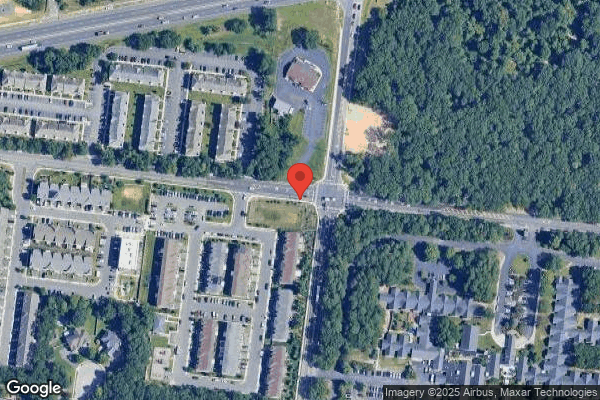




HARROGATE

400 LOCUST STREET, LAKEWOOD, NJ 08701 (732) 905-7070
Non profit - Corporation 68 Beds Independent Data: November 2025
Trust Grade
90/100
#42 of 344 in NJ
Last Inspection: August 2024

Within standard 12-15 month inspection cycle. Federal law requires annual inspections.

Overview

Harrogate nursing home in Lakewood, New Jersey has received an excellent Trust Grade of A, indicating it is highly recommended. It ranks #42 out of 344 facilities in the state, placing it in the top half, and #5 out of 31 in Ocean County, meaning only four local options are better. However, the facility's trend is concerning as the number of issues reported has worsened from 2 in 2022 to 5 in 2024. Staffing is a strength with a low turnover rate of 0%, which is well below the state average, and the facility has good RN coverage, exceeding 84% of state facilities, ensuring better resident care. Despite having no fines recorded, recent inspections found issues with food safety practices, including improper food handling and labeling, as well as a lack of consistent safety interventions for a resident identified as a high fall risk. Overall, while Harrogate has notable strengths, families should be aware of the recent increase in concerns and specific incidents that need addressing.

Trust Score
A
90/100
In New Jersey
#42/344
Top 12%
Safety Record
Low Risk
No red flags
Inspections
Getting Worse
2 → 5 violations
Staff Stability
○ Average
Turnover data not reported for this facility.
Penalties
✓ Good
No fines on record. Clean compliance history, better than most New Jersey facilities.
Skilled Nurses
✓ Good
Each resident gets 55 minutes of Registered Nurse (RN) attention daily — more than average for New Jersey. RNs are trained to catch health problems early.
Violations
○ Average
8 deficiencies on record. Average for a facility this size. Mostly minor or procedural issues.
★★★★★
5.0
Overall Rating
★★★☆☆
3.0
Staff Levels
★★★★★
5.0
Care Quality
★★★★☆
4.0
Inspection Score
Stable
2022: 2 issues
2024: 5 issues

The Good

  • 5-Star Quality Measures · Strong clinical quality outcomes
  • Full Sprinkler Coverage · Fire safety systems throughout facility
  • No fines on record

Facility shows strength in quality measures, fire safety.

The Bad

No Significant Concerns Identified

This facility shows no red flags. Among New Jersey's 100 nursing homes, only 0% achieve this.

The Ugly 8 deficiencies on record

Aug 2024 5 deficiencies
CONCERN (D)

Potential for Harm - no one hurt, but risky conditions existed

Assessment Accuracy (Tag F0641)

Could have caused harm · This affected 1 resident

**NOTE- TERMS IN BRACKETS HAVE BEEN EDITED TO PROTECT CONFIDENTIALITY** Based on observation, interview, and record review it was determined that the facility failed to accurately assess the status of...

Read full inspector narrative →
**NOTE- TERMS IN BRACKETS HAVE BEEN EDITED TO PROTECT CONFIDENTIALITY** Based on observation, interview, and record review it was determined that the facility failed to accurately assess the status of a resident in the Minimum Data Set (MDS), an assessment tool. This deficient practice was identified for 1 of 2 sampled residents reviewed for elopement (Resident #16) and was evidenced by the following: On 08/08/2024 at 10:00 AM, the surveyor observed Resident #16 in the bed with a wander guard/elopement alarm on his/her left ankle. According to the admission Record, Resident #16 was admitted to the facility with diagnoses including of but not limited to dementia and heart disease. Resident #16 had a Physician Order (PO) dated 02/18/2024 to apply a Wander guard to left ankle. A review of the admission MDS dated [DATE] for Resident # 16, indicated under Section P0200 for alarms was coded as 0 indicating there was no wander/elopement alarm. During an interview on 8/12/2024 at 11:37 AM, the MDS Coordinator acknowledged that Resident #16's admission MDS dated [DATE] should have been coded as having a wander/elopement alarm. NJAC 8:39-27.1(a)
CONCERN (D)

Potential for Harm - no one hurt, but risky conditions existed

Comprehensive Care Plan (Tag F0656)

Could have caused harm · This affected 1 resident

C.) On 08/08/2024 at 10:10 AM, Surveyor # 3 observed Resident # 3 in bed, with clean dry and intact bandages to both forearms. A review of the admission Record revealed that Resident #3 had diagnoses ...

Read full inspector narrative →
C.) On 08/08/2024 at 10:10 AM, Surveyor # 3 observed Resident # 3 in bed, with clean dry and intact bandages to both forearms. A review of the admission Record revealed that Resident #3 had diagnoses which included but not limited to Alzheimer's Disease (A brain disorder that causes memory loss, thinking problems and behavior changes) and long-term use of anticoagulants (a blood thinner). A review of the Order Summary Report revealed a physicians order dated 08/06/2024 to cleanse open purpura (red, purple, or brown spots on your skin caused by bleeding under your skin's surface) on left forearm with wound cleanser, pat dry, apply bacitracin (an antibiotic that fights bacteria and prevents infection in minor cuts, scrapes, and burns), and versatel (a contact layer dressing coated with silicone) and a clean dry dressing daily. Versatel is changed every 5 days. There was also a physician's order dated 08/08/2024 to cleanse open purpura on right forearm with wound cleanser, apply bacitracin and clean dry dressing daily. A review of Resident # 3 resident-centered care plan failed to include the actual skin impairment identified on 08/06/2024 for the left forearm and 08/08/2024 for the right forearm. On 08/14/2024 at 09:09 AM during an interview with Surveyor # 3, the Registered Nurse Unit Manager (RN UM) said that we work as a team to get care plans done. The RN UM also stated, When an admission comes in, they are started by nursing, and then all disciplines come in and update. We then review quarterly. When asked what if something new is identified, the RN UM stated, If something new is going on, it should be added that day or the next. On 08/14/2024 at 12:42 PM during an interview with Surveyor # 3 the Director of Nursing (DON) stated, It depends on the resident and what it was when asked if actual skin impairments should be added to the care plan. When the surveyor asked about Resident #3's skin impairment, the DON replied, That just happened on the 9th. When the surveyor asked, should that be on the care plan now, the DON replied, I would hope so. NJAC 8:39-11.2 (d)(e)(h) B.) A review of the Electronic Medical Record (EMR) under, Diagnoses revealed that Resident # 17 was diagnosed with but not limited to urinary tract infection and retention of urine (inability to fully empty the bladder). A review of the EMR revealed orders to but not limited to monitoring urinary output and catheter care every shift. A review of the EMR under Care Plans did not reveal a specific focus or interventions for an indwelling urinary catheter. A review of the quarterly Minimum Data Set (An assessment tool) dated 7/23/2024 revealed under section, H that Resident # 17 had an indwelling catheter. On 08/08/2024 at 9:55 AM during the initial tour of the facility, Surveyor # 2 observed Resident # 17 in their room. At that time, Resident # 17 confirmed to the surveyor that he/she had a catheter. On 08/12/2024 at 9:39 AM during an interview with the Infection Preventionist, Surveyor # 2 asked if someone has a urinary catheter, should they have a specific care plan focus for it. The Infection Preventionist replied, Yes. On 08/13/2024 at 12:07 PM during an interview with the Director of Nursing (DON), Surveyor # 2 asked should a care plan focus for an indwelling urinary catheter care have been initiated. The DON replied, Yes. Surveyor # 2 then asked when should the care plan have been initiated. The DON replied, When [he/she] was readmitted . A review of Resident # 43's Physician's Orders located in the EMR revealed that he/she had an order for a Wander Guard (electronic bracelet used to monitor if a resident approached a facility exit) to the right ankle and to check placement and function every shift for monitoring. A review of Resident # 43's Care Plans located in the EMR did not reveal a Care Plan focus or interventions for a Wander Guard or elopement behaviors. A review of Resident # 43's diagnoses located in the EMR revealed diagnoses of but not limited to Alzheimer's Disease (A progressive disease that destroys memory and other important mental functions) and Dementia (the loss of cognitive functioning, thinking, remembering, and reasoning; to such an extent that it interferes with a person's daily life and activities). On 08/08/2024 at 10:06 AM during the initial tour, Surveyor # 2 observed Resident # 43 in their bed. At that time, Surveyor # 2 observed a Wander Guard attached to Resident # 43's right ankle. At that time, Resident # 43 told Surveyor # 2 that it is used in case [he/she] leaves, they [the facility] can find him/her. Another review of Resident # 43's Care Plans located in the EMR revealed a focus for elopement. The focus included an intervention to check function and placement every shift for a Wander Guard to the left ankle. The focus and intervention were initiated on 08/13/2024. On 08/13/2024 at 12:07 PM during an interview with the Director of Nursing (DON), Surveyor # 2 asked when should a care plan for elopement been initiated. The DON replied, It should have been initiated the day that the Wander Guard went on. We saw that it was not on there so we added it. A review of the facility policy titled, Care Plans, Comprehensive Person-Centered with a revised date of March 2022 revealed under, Policy Interpretation and Implementation that, 2. The comprehensive, person-centered care plan is developed within seven (7) days of the completion of the required MDS [Minimum Data Set] assessment (Admission, Annual or Significant Change in Status), and no more than 21 days after admission. Based on observation, interview, record review, and review of pertinent facility documentation, it was determined that the facility failed to A.) reevaluate and update a resident-centered Care Plan (CP) upon readmission, to include the use of an anticoagulant, B.) failed to develop and implement a comprehensive person-centered care plan that include the use of an indwelling urinary catheter and use of a wander guard, and C.) failed to reevaluate and update a resident-centered CP to include actual skin impairment. The deficient practice was identified for 4 of 4 residents (Resident # 15, # 17, #43, # 3) reviewed for Care Plans. A.) On 08/08/2024 at 9:24 AM, Surveyor # 1 observed Resident #15 in bed. The resident responded when Surveyor # 1 spoke to them. The resident had covers over them and Surveyor # 1 was unable to observe the resident's skin. A review of the admission Record indicated that Resident #15 had diagnoses which included but were not limited to; atrial fibrillation (irregular heart rate), adult failure to thrive, and dementia. A review of the Annual Minimum Data Set (MDS) an assessment tool used to facility resident care dated 03/31/2024, included but was not limited to; Section N0415 - High-Risk Drug Classes: Use and Indication, documented that Resident #15 was taking anticoagulant medication. A review of the Order Summary Report active orders as of 08/09/2024, included but was not limited to; a physician's order dated 03/27/2024 for Eliquis (an anticoagulant) Oral Tablet 5 MG (milligram) (Apixaban) Give 1 tablet by mouth every 12 hours related to atrial fibrillation. Monitor for unusual/unexplained bleeding such as bruising, dark urine and dark tarry stool. A review of the Skin Evaluation dated 03/30/2024, included but was not limited to documentation that Resident #15 had bruising on the right wrist. A review of the facility provided resident-centered care plan failed to include the following: problem/focus area for the use of anticoagulant, goals with target dates, or any interventions/tasks for the use of the anticoagulant medication. On 08/08/24 at 1:45 PM, the Registered Nurse Unit Manager (RN UM) stated the process was to initiate a care plan on admission by the supervisor on duty. The next day each department would review and add their information to the care plan. The RN UM stated, I'm responsible for nursing. and stated that would include things such as anticoagulants and psychoactive medications. When asked about anticoagulants, the RN UM stated, We definitely would care plan Eliquis used for atrial fibrillation. On 08/09/24 at 9:50 AM, the Director of Nursing (DON) stated all staff were responsible for areas of the resident's care plan. She further stated that each department does their own assessment for the care plans. The DON stated that the information would be gathered from face-to-face assessments and identified needs, and that the electronic medical record would trigger things like medications, cardiac care plan, etc. The surveyor inquired about anticoagulant use being on the care plan and the DON stated, probably yes because the resident is at a risk for bleeding, and we need everyone to be aware of what could happen. The DON accessed Resident #15's medical record with the surveyor and showed the surveyor the most current care plan. The DON acknowledged that the use of the anticoagulant medication was not documented in the care plan. On 08/09/24 at 10:17 AM, the DON stated that in November 2023, the facility had a conversion of care plan programs and did not realize until the survey team brought it to their attention, that the care plans were not complete or comprehensive. The DON further stated that Resident #15's previous care plan included the use of anticoagulant, but the facility did not identify that it was not carried over to the current comprehensive care plan. Surveyor # 1 inquired about the quarterly resident interdisciplinary team meetings, and the DON stated that the facility never realized at the meetings that the care plans were not complete. A review of the facility provided policy, Care Plans - Baseline revised March 2022, included but was not limited to; Policy A baseline plan of care to meet the resident's immediate health and safety needs is developed for each resident within forty-eight (48) hours of admission. Interpretation and Implementation 1. The baseline care plan includes instructions needed to provide effective, person-centered care of the resident that meet professional standards of quality care and must include the minimum healthcare information necessary to properly care for the resident including, but not limited to the following: a. initial goals based on admission orders . b. physician orders . 2. The baseline care plan is updated as needed to meet the resident's needs until the comprehensive care plan is developed. 4. the baseline care plan . that includes, but is not limited to the following: a. the stated goals and objectives of the resident; b. a summary of the resident's medications and dietary instructions; . A review of the facility provided policy, Care Plans, Comprehensive Person-Centered revised March 2022, included but was not limited to; Policy A comprehensive, person-centered care plan that includes measurable objectives and timetables to meet the resident's physical, psychosocial and functional needs is developed and implemented or each resident. Interpretation 1. The interdisciplinary team (IDT), . develops and implements a comprehensive, person-centered care plan for each resident. 3. The care plan interventions are derived from a thorough analysis of the information gathered as part of the comprehensive assessment. 7. The comprehensive, person-centered care plan: a. includes measurable objectives and timeframes; b. describes the services that are to be furnished to attain or maintain the resident's highest practicable physical, mental, and psychosocial well-being, . e. reflects currently recognized standards of practice for problem areas and conditions. 12. The interdisciplinary team reviews and updates the care plan: a. when there has been a significant change in the resident's condition; . c. when the resident has been readmitted to the facility from a hospital stay; and d. at least quarterly, in conjunction with the required MDS assessment.
CONCERN (D)

Potential for Harm - no one hurt, but risky conditions existed

Incontinence Care (Tag F0690)

Could have caused harm · This affected 1 resident

Based on observation, interview, record review, and review of pertinent facility documents, it was determined that the facility failed to A.) ensure that a resident received appropriate treatment and ...

Read full inspector narrative →
Based on observation, interview, record review, and review of pertinent facility documents, it was determined that the facility failed to A.) ensure that a resident received appropriate treatment and services to prevent urinary tract infections (UTI) to the extent possible specifically by failing to clean and store a urinary catheter drainage bag according to facility policy and B.) failed to obtain a physician's order to flush an indwelling catheter (a tube inserted into the bladder to assist with emptying the bladder). The deficient practice was identified for 2 of 2 Residents (Resident # 17 and 42) investigated for Urinary Catheter or UTI. The deficient practice was evidenced by the following: A review of the Electronic Medical Record (EMR) under, Diagnoses revealed that Resident # 17 was diagnosed with but not limited to urinary tract infection and retention of urine (inability to fully empty the bladder). A review of the EMR revealed physician's orders to but not limited to monitoring urinary output and catheter care every shift. A review of the EMR under Care Plans revealed a Care Plan focus titled, Risk for Urinary Tract Infection Risk for UTI initiated on 04/10/2024. The Care Plan also revealed a focus titled, Potential for the spread of multi-drug resistant organisms (MDROs) to other residents or staff during high contact related to: history of ESBL [extended spectrum beta-lactamase; bacteria that can't be killed by many of the antibiotics] and [tradename] cath. That focus was initiated on 07/30/2024. A review of the quarterly Minimum Data Set (An assessment tool) dated 7/23/2024 revealed under section, H that Resident # 17 had an indwelling catheter. On 08/08/2024 at 09:55 AM during the initial tour, Surveyor # 1 observed Resident # 17 in his/her wheelchair in their room. At that time, he/she confirmed they use an indwelling urinary catheter (device inserted into the bladder to facilitate the flow of urine). On 08/12/2024 at 9:39 AM during an interview with Surveyor # 1, the Infection Preventionist replied, They [staff] should be getting alcohol wipes to clean the end. They then store the large drain bag in a plastic bag with a cap. when Surveyor # 1 asked how the catheter drainage bags are to be stored. The Infection Preventionist also said that the bag is rinsed with water and then stored in the plastic bag. On 08/13/2024 at 10:04 AM during an interview with Surveyor # 1, the Certified Nurse Aide (CNA) # 1 assigned to Resident # 17 confirmed that the urinary catheter tube itself and the connections are cleaned. The surveyor then asked if a bleach solution is used to clean the catheter drainage bag and tubing. CNA # 1 stated, No bleach. A review of an unopened clear package of the urinary drainage bag revealed a blue end cap at the point of connection. On 08/13/2024 at 10:51 AM, Surveyor # 1 observed Resident # 17's urinary catheter drainage bag in a clear untied trash bag secured to the hand rail in the resident's bathroom. At that time, Surveyor # 1 could observe that there was no cap secured to the end of the tube. The bag also emanated an odor of urine. On the same date at 11:01 AM in the presence of Surveyor # 1, the Infection Preventionist confirmed the catheter drainage bag did not have a cap secured to the end of the tube. On 08/13/24 at 10:59 AM, the surveyor observed Resident # 42's urinary catheter drainage system in a clear open bag in the bathroom. The surveyor did not observe a cap secured to the end of the tube. When asked at that time the Infection Preventionist confirmed there was no cap and stated the tubing should have a cap. A review of the facility policy titled, Catheter Care, Urinary revised August of 2022 revealed under, Cleaning and Disinfecting Drainage Bags to, 1. Disconnect the drainage bag from the catheter; replace with a clean bag. 2. Use a soft, plastic squirt bottle to rinse the used bag with tap water and drain. 3. Cleanse the drainage bag with a dilute solution of 1 part regular household bleach (5.25 % concentration) mixed with 10 parts tap water (i.e., 15 mL bleach diluted with 150mL tap water). a. Instill the diluted bleach solution through the drainage tubing or top of the bag, and agitate the solution in the bag for 30 seconds. b. Drain the bleach solution, and allow the bag to air dry with the clamp open. c. Use bleach that is not scented or concentrated. d. When using a bleach solution, use gloves, aprons, and goggles to protect from fumes and irritation cause by contact. 4. After cleaning, air-dry the bag. After disinfection, cap the drainage bag tubing between uses, and disinfect the end of the tubing before reconnecting it to the catheter. B.) On initial tour of the facility on 08/08/2024 at 10:20 AM, Surveyor # 2 observed Resident # 42 in their wheelchair. According to the admission record, Resident # 42 was admitted with diagnoses which include but are not limited to benign prostatic hyperplasia (an enlarged prostate) with lower tract symptoms and obstructive and reflex uropathy. A review of the Quarterly Minimum Data Set, an assessment tool dated 07/18/2024 reflected that Resident # 42 had moderate cognitive impairment and utilized an indwelling catheter. On 08/09/2024 at 09:06 AM, Surveyor # 2 reviewed the Physician's Orders for Resident # 42 which reflected an order dated 10/27/2023 for catheter care every shift. On 08/12/2024 at 9:32 AM, Surveyor # 2 reviewed health status notes in the electric health record for Resident # 42. The health status notes dated 07/28/2024, 07/29/2024, and 08/03/2024 reflected that Resident # 42's indwelling catheter was flushed to prevent build up of debris in the bladder. The treatment administration records for Resident # 42 dated July and August of 2024 were reviewed and no documentation was observed to flush the indwelling catheter. During an interview on 08/12/2024 at 11:23 AM, the Registered Nurse stated that she is pretty sure that flushing an indwelling catheter is part of the policy. She stated that sometimes we have an order to flush a catheter, but we don't have one for Resident #42. During an interview on 08/12/2024 at 11:30 AM, the Director of Nursing stated that there should be an order to flush an indwelling catheter. A review of the facility-provided policy titled, Catheter Care, Urinary, revised August 2022 reflected that, 5. Catheter irrigation may be ordered to prevent obstruction in residents at risk for obstruction. NJAC 8:39-11.2(b)
CONCERN (D)

Potential for Harm - no one hurt, but risky conditions existed

Infection Control (Tag F0880)

Could have caused harm · This affected 1 resident

Based on observation, interviews, and record review, it was determined that the facility failed a.) to perform hand hygiene as indicated during wound care for 1 of 1 resident, (Resident # 265) reviewe...

Read full inspector narrative →
Based on observation, interviews, and record review, it was determined that the facility failed a.) to perform hand hygiene as indicated during wound care for 1 of 1 resident, (Resident # 265) reviewed for pressure ulcers, and b.) the facility failed to maintain a sanitary environment for 1 of 9 residents, (Resident # 3), observed for infection control. The deficient practice was evidenced by the following: a.) On 08/08/2024 at 09:50 AM, Resident # 265 was observed sleeping in bed. Resident # 265 was observed to be on an air mattress with a scoop overlay. A review of the admission Record revealed that Resident #265 was admitted with diagnoses including but not limited to, Unspecified Severe Protein-Calorie Malnutrition, and Chronic Atrial fibrillation (an irregular and often very rapid heart rhythm). A review of the Minimum Data Set (an assessment tool) dated 08/02/2024, revealed that Resident # 265 had a stage 2 pressure ulcer (an open wound that affects both the top and bottom layers of the skin). A review of the Order Summary Report with active orders as of 08/09/2024 revealed a physician's order dated 08/06/2024 to cleanse the opening on the sacrum with wound cleanser, pat dry, apply Santyl (ointment for wound care) and a clean dry dressing daily. On 08/12/2024 at 11:28 AM the surveyor observed Licensed Practical Nurse (LPN) # 1 preform wound care for Resident # 265. The surveyor observed the LPN #1 remove her gloves after cleansing the wound and she donned a new pair of gloves without preforming hand hygiene. At that time, when asked about hand hygiene by the surveyor LPN replied, I forgot to sanitize my hands. On 08/14/2024 at 09:09 AM during an interview with the surveyor, the Registered Nurse Unit Manger (RN UM) stated, Every time you take off gloves you should wash your hands. On 08/14/2024 at 12:00 PM during an interview with the surveyor the Infection Preventionist (IP) stated, You should perform hand hygiene before and after wearing gloves. On 08/14/2024 at 12:42 PM during an interview with the surveyor the Director of Nursing (DON) replied, Yes, that is part of protocol, when asked if hand hygiene should be performed between glove changes. b.) A review of the admission Record revealed that Resident # 3 had diagnoses which included but were not limited to Alzheimer's Disease (A brain disorder that causes memory loss, thinking problems and behavior changes) and long-term use of anticoagulants (a blood thinner). A review of the Order Summary Report revealed a physician's order dated 08/06/24 to cleanse open purpura (red, purple, or brown spots on your skin caused by bleeding under your skin's surface) on left forearm with wound cleanser, pat dry, apply bacitracin (an antibiotic that fights bacteria and prevents infection in minor cuts, scrapes, and burns), and versatel (a contact layer dressing coated with silicone) and a clean dry dressing daily. Versatel is changed every 5 days. There was also a physician's order dated 08/08/2024 to cleanse open purpura on right forearm with wound cleanser, apply bacitracin and clean dry dressing daily. On 08/08/2024 at 10:10 AM during initial tour, the surveyor observed Resident # 3 sleeping in bed with both forearms wrapped in bandages. The surveyor observed what appeared to a significant amount of blood on the sheets on the left side of the bed. On 08/12/2024 during an interview with the surveyor, the IP was asked if the bed should look like that. The IP replied, No the sheets should have been changed, [he/she] gives us a hard time, [he/she] pulls their bandages off all the time causing more skin tears. On 08/14/2024 during an interview with the surveyor, the DON was showed the picture taken on 08/08/2024 and, the DON replied, No, there should have been a barrier down to protect that dressing until the sheet was able to be changed. A review of a facility provided policy titled Handwashing/Hand Hygiene revised August 2019 revealed under the Policy Interpretation and Implementation that, 2. All personnel shall follow the handwashing/hand hygiene procedures to help prevent the spread of infections to other personnel, residents, and visitors. 7. Use an alcohol-based hand rub containing at least 62% alcohol; or alternatively, soap (antimicrobial or non-antimicrobial) and water for the following situations: m: after removing gloves. Also revealed under the Applying and Removing Gloves that, 1. Preform hand hygiene before applying non-sterile gloves. A review of a facility provided policy titled Infection Prevention and Control Program revised on October 2018 revealed under the Policy Statement that, An infection prevention and control program (IPCP) is established and maintained to provide a safe, sanitary and comfortable environment and to help prevent the development and transmission of communicable diseases and infections. N.J.A.C. 8:39-19.4(n)
CONCERN (F)

Potential for Harm - no one hurt, but risky conditions existed

Food Safety (Tag F0812)

Could have caused harm · This affected most or all residents

Based on observation, interview, and record review, it was determined that the facility failed to handle potentially hazardous food and maintain sanitation in a safe and consistent manner to prevent f...

Read full inspector narrative →
Based on observation, interview, and record review, it was determined that the facility failed to handle potentially hazardous food and maintain sanitation in a safe and consistent manner to prevent food borne illness. This deficient practice was evidenced by the following: On 08/08/2024 from 09:24 AM until 10:00 AM, the surveyor observed the following in the kitchen in the presence of the Dietary Director #1 (DD#1): 1.The DD and the Food Service Worker (FSW#1) had facial hair and were not wearing beard guards. The DD#1 stated the beard guard is only used when on the line or direct handling of food. 2. In the walk-in freezer a frozen strawberry cream pie and a cookies and cream pie had no label and no date. The DD#1 stated it should be dated and he threw them away. On 08/13/2024 from 09:11 AM until 09:26 AM the surveyor observed the following in the satellite kitchen in the presence of the FSW#2 and DD#2: 3. In the refrigerator, a glass of orange juice, 2 glasses of white milk, 4 glasses of honey thick milk, and 4 glasses of honey thickened apple juice were covered. They had no label and no date. The FSW#2 stated I guess they should be dated. 4. In the refrigerator, 4 pieces of sheet cake wrapped in clear plastic wrap on glass dishes had no label and no date. The FSW#2 stated they should be dated. The DD#2 stated she will get rid of them. 5. In the refrigerator, individual pieces of cut watermelon were wrapped in clear plastic on glass dishes. The watermelon had no label and no date. The FSW#2 stated they should be dated. The DD#2 stated she will get rid of them. 6. In the small refrigerator, a prepared ham and cheese and tuna sandwich was on a glass plate wrapped with clear plastic wrap with no label and no date. The FSW#2 stated they should be dated. 7. In the small refrigerator, a container of egg salad and a container of tuna salad had a use by date of 8/12/24. The DD#2 stated they should have been thrown out last night. On 08/13/24 09:26 AM until 09:36 AM the surveyor observed the following in the kitchen with the DD#1. The DD#1 had facial hair and was not wearing a beard guard. The FSW#1 was wearing a beard guard however the mustache was exposed. The DD#1 stated the beard guard should be over mustache. The surveyor reviewed the facility provided policy titled, Food Storage with a revision date of 3/31/20 which reflected: all food items will be tightly covered and clearly labeled and identified. Leftover foods are labeled, dated, immediately placed under refrigeration. The surveyor reviewed the facility provided policy titled, Personal Cleanliness and Personal Hygiene with a revision date of 3/31/20 reflected that food production and dietary staff shall wear hair restraints such as hats, hair coverings or nets that effectively prevent cross contamination of all exposed foods, equipment, and supplies. The surveyor reviewed the facility provided policy titled, Labeling and Dating with a revision date of 5/5/22 which reflected 1. all perishables will be covered so no portion of the item is exposed, labeled with the item name, current date, and use by date. The use by date for perishable items is the current date plus three days or less. 2. Pre-portioned service tray items will be dated with current date and discarded in three days or less. NJAC 8:39-17.2(g)
Dec 2022 2 deficiencies
CONCERN (D)

Potential for Harm - no one hurt, but risky conditions existed

Deficiency F0888 (Tag F0888)

Could have caused harm · This affected 1 resident

Based on interview and review of pertinent facility documents it was determined that the facility failed to ensure there was a consistent process for tracking and securing accurate documentation of th...

Read full inspector narrative →
Based on interview and review of pertinent facility documents it was determined that the facility failed to ensure there was a consistent process for tracking and securing accurate documentation of the vaccination status of all contracted staff for Covid-19, a contagious respiratory infection. This deficient practice was evidenced by the following: A review of the covid vaccination status list reflected that all staff identified as contracted were not listed. On 11/30/22 at 10:59 AM, the surveyor interviewed the Director of Nursing (DON) in the presence of the survey team. The DON stated Laboratory (lab) Technicians (LT) were considered contracted staff but were not on the contracted staff vaccination status list. The DON stated that she did not have copies of the vaccination status of the LTs but had confirmed with the lab company via email that all the contracted LTs were vaccinated. The DON acknowledged she was unable to confirm their vaccination status prior to surveyor inquiry. On 11/30/22 at 12:38 PM, the surveyor interviewed the Registered Nurse/Assistant Director of Nursing/Infection Preventionist (RN/ADON/IP) in the presence of the survey team. The RN/ADON/IP stated LTs were all vaccinated but were not expected to get a covid vaccine booster based on the laboratory company's policy. The RN/ADON/IP stated she was unable to confirm the contracted staff vaccination status as she was not responsible for tracking them and that she would have to ask the DON. On 12/01/22 at 09:53 AM, the surveyor interviewed the DON, who stated, generally two (2) to three (3) regular LTs would come to the facility's long term care unit around 6:00 AM to complete their lab draws, prior to proceeding to the assisted living part of the facility. She further stated that the laboratory company and the facility had an agreement which included all their [lab] staff had to be vaccinated. The DON emphasized the facility hoped that everyone was doing the right thing by being vaccinated. The DON stated that she and the Licensed Nursing Home Administrator (LNHA) were tracking the vaccination status of the contracted staff. The DON concluded they were not diligent in consistently tracking the contracted staff vaccination status. On 12/01/22 at 10:13 AM, the LNHA stated vaccination status tracking was shared responsibility between the DON, the Human Resource (HR) department, and the LNHA. He stated that all contracted staff were required to be vaccinated and that the facility did not allow anyone with vaccination exemption. The LNHA explained to be considered vaccinated, staff must have the first two doses of the covid vaccine, and all employees at the facility were required to have the booster, but the contracted LTs were only required to have the two vaccine doses and not the booster. He stated, upon first entering the facility, contracted staff were required to provide their vaccination card, and he only tracked if they were vaccinated and did not follow up to confirm if they were up to date. The LNHA stated that contracted staff should be following the facility's policy and that he had verbal conversations with the contracted companies to ensure only vaccinated staff were sent to the facility. On 12/02/22 at 09:24 AM, the LNHA, in the presence of the DON and the survey team, stated he was not consistently and accurately tracking the covid vaccination status for the contracted staff. The LNHA explained when it came to consistently and accurately tracking the contracted staff vaccination status, he only listed staff he considered to be contracted instead of listing everyone that was contracted staff in addition to not following up on the accuracy of the vaccination status. The LNHA acknowledged that he should not assume that everyone was following the guidelines and should have consistently and accurately tracked all contracted staff covid vaccination status. A review of the facility policy titled COVID-19 Vaccination effective 09/06/22, included .This policy applies to all employees of Harrogate. This policy goes into effect on September 2, 2021. All employees are required to receive the COVID-19 vaccination . Employee(s) is defined as any regular staff member whether they are full-time, part-time, or PRN [per diem], which may also include, for the purpose of this policy, specified contracted or temporary staff . A review of the facility's updated policy titled COVID-19 Vaccination effective 11/30/22, included .Contractors: All contractors entering Harrogate will be required to show proof of vaccination in-order to provide services . A review of the facility policy titled Skilled Nursing Facility COVID-19 Vaccine-Employees/Staff revised 12/01/22, included . 23. Staff under contract or arrangement who provide services on a regular basis will be required to provide a copy of their vaccine cards upon their first visit .These records will be maintained by the Administrator or designee . Harrogate will follow-up with the providers on a regular basis to ensure their documentation is up to date. The contracted providers will be responsible for following State and Federal guidelines. NJAC 8:39-5.1(a)
CONCERN (E)

Potential for Harm - no one hurt, but risky conditions existed

Food Safety (Tag F0812)

Could have caused harm · This affected multiple residents

**NOTE- TERMS IN BRACKETS HAVE BEEN EDITED TO PROTECT CONFIDENTIALITY** Based on observation, interview and review of facility documentation it was determined that the facility failed to a.) properly ...

Read full inspector narrative →
**NOTE- TERMS IN BRACKETS HAVE BEEN EDITED TO PROTECT CONFIDENTIALITY** Based on observation, interview and review of facility documentation it was determined that the facility failed to a.) properly handle and store potentially hazardous foods in a manner that is intended to prevent the spread of food borne illnesses and b.) maintain equipment and kitchen areas in a manner to prevent microbial growth and cross contamination. This deficient practice was observed and evidenced by the following: On 11/22/22 from 09:43 AM -11:09 AM, the surveyor toured the kitchen in the presence of the Director of Food and Beverage (DFB) and the Executive Chef (EC) and observed the following: 1. In the line refrigerator, there was one sealed clear bag containing tan oval patties, the DFB identified as hash browns, with no label, no use by or expiration date. The DFB stated there should have been a label and use by date then removed the bag from the refrigerator. 2. In the walk-in refrigerator, there was a wheeled metal rack covered with a clear plastic bag with no label or date. The DFB stated the plastic bag was so no debris fell on the food items and that the food on the rack was prepped that day. On the rack there was one tray of individual pastry in pie plates, that the DFB identified as pie shells, that were partially covered with clear plastic wrap with the pie shells visible and exposed to air and marked with a sticker dated 11/21/22 use by 11/25/22. There was one tray of individual pieces of tan dough, that the DFB identified as danish, that were partially covered with clear plastic wrap with the danish visible and exposed to air and marked with a sticker dated 11/21/22 use by 11/25/22. There were two trays of light yellow pieces of meat, that the DFB identified as prepped pieces of chicken, that were partially covered with clear plastic wrap with the chicken visible and exposed to air with no use by or expiration date. There was one tray of light red strips of meat, that the DFB identified as raw bacon, that was partially covered with clear plastic wrap with the bacon visible and exposed to air that was marked with a sticker dated 11/22/22 use by 11/25/22. There was one tray of light red strips of meat, that the DFB identified as raw bacon, with a piece of wax paper resting on the bacon with a sticker marked 11/22/22. The DFB stated that was the date the bacon was prepped. During an interview at that time, the DFB acknowledged the uncovered and partially covered food that was exposed to air. The DFB stated that it was important that the food should have been covered for freshness and dated so everyone would have known when it was made and when it should have been served. 3. In the walk-in refrigerator, on an enclosed metal cart, there was one five pound sealed plastic bag containing small pink bits of meat, that the EC identified as bacon bits, with no label and no use by date. The EC stated that the bag should have had a label and a use by date. The DFB stated it was important to label and date food for proper identification and to know when it was received. There were three undated 6 ounce containers of sauteed vegetable base, two undated 16 ounce containers of clam base, and one undated 16 ounce container of lobster base all with no use by or expiration dates. The DFB acknowledged that the bases should have had a received on date and stated that they were good for one year but that they would not be used because the received date was unknown. The DFB further stated it was important to have a use by and expiration date so that staff were aware that the items were not expired prior to use. The DFB discarded the containers. 4. In the freezer, there was one large strip of frozen red meat, that the EC identified as filet [NAME], in a sealed plastic bag with no label and no received or use by dates. The EC acknowledged there was no label or received or use by dates and stated there should have been a received date and a label so staff would have known what the meat was and how long it was good for. The DFB told the EC that the meat was garbage and the EC discarded the meat in the trash. There was one opened ten pound box of breaded flounder fillets with an unsealed internal plastic bag containing white pieces of fish that were visible and exposed to air. The DFB acknowledged the fish was not stored properly and removed the box from the freezer and discarded it into the trash. The DFB stated it was important to store food correctly so that no debris fell into the product. There were two large loaves of bread wrapped together in clear plastic wrap with no label and no use by date. There was one sealed clear package containing six brown square pieces of dough, the DFB identified as waffles, with no label and no use by dates. The DFB acknowledged the missing labels and dates and stated the bags should have been labeled and dated. There was one opened box of 30 portion beef steak fritters with an unsealed internal plastic bag containing pieces of light tan meat that were visible and exposed to air. The DFB acknowledged the open bag and the exposed meat and threw the box into the trash. 5. In the dry storage room, there was one opened 25 pound bag of brown rice that was wrapped in clear plastic wrap with no open or use by dates. There was one opened 20 pound bag of white rice wrapped in clear plastic wrap with no open or use by dates. The DFB acknowledged the opened bags and stated there should have been a label that stated rice with the date of expiration. The DFB discarded the bags of rice into the trash. On the metal can rack there were two 6.39 pound cans of baby corn with large dents, one 55 ounce can of ripe olives with a large dent, one 7.31 pound can of cranberry sauce with a large dent, and one 5.52 pound can of whole fire roasted red peppers with a large dent. The DFB removed the cans and stated that the dented cans should not have been stored on the can rack and that all dented cans got thrown away. The DFB stated it was important to not use dented cans because residents could have gotten botulism. 6. In the ice machine, on the inside edge of the guard, there was black debris. The DFB acknowledged the debris and stated it should not have been there and that the machine gets cleaned quarterly. The DFB stated it was important to keep the ice machine clean to prevent resident illness. 7. On the clean pot rack, there were five large white cutting boards observed with brown stains, black smudges and gouges. The DFB acknowledged the stains and stated they were from wear and tear and that the cutting boards were cleaned and sanitized each use. 8.The meat slicer was observed to have white debris on the blade and on the base. The DFB stated the slicer was cleaned, acknowledged the debris and then instructed the cook to clean the slicer. The DFB stated it was important to keep the slicer clean to prevent food contamination. The surveyor reviewed the facility's policy, Food Storage, revised 1/20/22, which revealed Procedure: 1) All food items will be tightly covered or packaged and clearly labeled and identified. Leftover foods are labeled, dated .4) All food items must be stored in packages, covered containers, or wrapped . The surveyor reviewed the facility's policy, Labeling and Dating, revised 11/13/17, which revealed Policy: It is the policy of the community to label and date all food items. Standard: Date marking is required for food items that meet the following criteria; Ready to eat, Refrigerated, Held for more than 24 hours, Prepared on site, and Perishables (TCS). Perishables (TCS) include: Leftover food items, Leftovers are; any food that is prepared, cooked, raw, or ready to eat that remains at the end of meal service, end of the recipe preparation, or is the remainder or a food product for a newly opened can, container, or case. All food items removed from their original containers. Procedure: 1) All perishables (TCS) will be labeled with the item name, current date, and USE BY date. The USE BY date for perishable items (TCS) is current date plus three days or less. 3) Fresh Bakery items will be dated upon arrival with a USE BY date of seven days .11) Non potentially hazardous (TCS) food items in dry storage opened, will be labeled and dated with a USE BY date of one month .14) Frozen food items from an opened case that remain frozen will be labeled when opened and dated with a USE BY date . The surveyor reviewed the facility's policy, Dented Cans, revised 1/20/22, which revealed Policy: It is policy of the community to ensure that all dented cans are removed . Procedure 1. When we receive a delivery, if discovered, cans are removed . The surveyor reviewed the facility's policy, Safe Food Preparation & Service, undated, which revealed Procedure: 1) Food shall only contact surfaces of equipment and utensils that are cleaned and sanitized. 7) Cutting boards will be cleaned and sanitized between uses. Once weekly cutting boards will be bleached. NJAC 8:39-17.2(g)
Sept 2020 1 deficiency
CONCERN (E)

Potential for Harm - no one hurt, but risky conditions existed

Accident Prevention (Tag F0689)

Could have caused harm · This affected multiple residents

**NOTE- TERMS IN BRACKETS HAVE BEEN EDITED TO PROTECT CONFIDENTIALITY** Based on observation, interviews, medical record review and review of other pertinent facility documentation, it was determined ...

Read full inspector narrative →
**NOTE- TERMS IN BRACKETS HAVE BEEN EDITED TO PROTECT CONFIDENTIALITY** Based on observation, interviews, medical record review and review of other pertinent facility documentation, it was determined that the facility failed to consistently implement and modify Care Plan safety interventions to prevent falls on a resident who was identified as a high fall risk. This deficient practice was identified for Resident #23, 1 of 3 sampled residents reviewed for incident and accidents, and was evidenced by the following: On 09/24/2020 at 11:30 AM, during facility tour, Resident #23 was observed seated in a chair in the activities room. The surveyor was unable to interview due to the resident's cognitive loss. The surveyor reviewed Resident #23's medical record: According to the Admissions Record, the resident was admitted to the facility with Irritable Bowel Syndrome (IBS), Cognitive Communication Deficit, and Diabetes Mellitus (DM). The significant change Minimum Date Set (MDS), an assessment tool dated 07/30/2020, indicated that the resident had moderate cognitive impairment and required limited assistance with toileting, transfers and ambulation. The MDS also indicated that the resident had a history of falling. The Morse Fall Scale dated 08/06/2020, indicated that the resident was at a high risk of falling. On 09/28/20 11:32 AM, the surveyor reviewed the facility Incident and Accidents Reports (IAR) dated: 06/26/2020, 07/30/2020, 08/08/2020, 08/20/2020, 08/24/2020, 08/31/2020, and 09/05/2020 which revealed that Resident #23 had fallen on each one of these dates and that the CP was not updated to include new interventions to reduce the risk for falls after each fall was identified. The Care Plan (CP), dated 04/23/2020, reflected that the resident was at risk for falling related to (r/t) deconditioning, gait and balance problems. The CP listed dates of actual fall without injury on 06/26/2020, 07/07/2020, 07/30/2020 and an unwitnessed fall on 08/06/2020 that resulted in a bruised nose. There was no revision to the CP to include the date of the resident's fall, as identified in the IARs dated 08/20/2020, 08/24/2020, 08/31/2020, and 09/05/2020, nor was there documentation of an intervention after each of these fall incidents. The Plan of Treatment for Outpatient Rehabilitation form, dated 07/29/2020, reflected that Resident #23 had several falls in the past 12 months and demonstrated gross physical and mobility dysfunction resulting in gait impairment. The form also indicated that when the resident ambulated near and around objects the resident lacked the proper safety awareness and unsafe speed. The Physical Therapy (PT) Discharge summary, dated [DATE], reflected that Resident #23 reached maximum functional potential and displayed a decreased safety awareness, impulsive behavior and was an overall increased risk for falls. On 09/28/2020 at 12:03 PM, the surveyor interviewed the Licensed Practical Nurse Unit Manager (LPN UM) who stated that Resident #23 was cognitively impaired and had poor safety awareness. She stated the resident had a diagnosis of Colitis and was often falling in the bathroom. She stated that the resident had a frequent falls when he/she lived in assisted living and that when the resident attempted to walk in his/her room without assistance, he/she would lose balance and fall. She added that the resident was incontinent at times and that most of his/her falls were related to his/her bowel issues. The LPN UM explained the process for completing the IARs. She said that the nurse, who identified the fall, would complete the IAR. The report would then go to the DON for review and the DON would write up a summary. The DON would then bring the IAR to the morning meeting to review possible new interventions to prevent continued reoccurrences of the resident falling. The following disciplines attended the meeting: Activity Director, LPN UM, Assistant Director of Nursing (ADON), Director of Nursing (DON), Social Worker (SW), Director of Rehabilitation, MDS Coordinator, and Dietician. The LPN UM stated, We go over the incident to see what we could have done better and talk about possible interventions we could put into place to help and reduce the risk for falls. The nurse that fills out the incident report collects statements and would put an intervention to reduce the risk of fall on the CP. On 09/28/2020 at 12:14 PM, the surveyor interviewed the DON who stated that the process for IAR investigations included: the nurse who identified the incident or accident was supposed to fill out the incident report, obtain statements and update the care plan with new interventions that were put into place to prevent further reoccurrences. The IAR packet would then be submitted to the DON for review and compliance. I look at the whole packet for completion and then it is taken to morning meeting for review. The DON confirmed that not every IAR report investigation or CP was completed with new interventions to prevent a further reoccurrence of falls for Resident #23. I could usually argue the point, but I cannot argue that there were no documented interventions on every fall for Resident #23. On 09/29/2020 at 08:24 AM, the surveyor interviewed the DON who stated that she was aware that fall interventions were not documented on the resident's CP after each fall and stated she takes full responsibility for the lack of documentation for fall interventions on the Resident #23 care plan. On 09/29/2020 at 09:40 AM, the surveyor interviewed the primary care Certified Nursing Assistant (CNA) who stated that Resident #23 was cognitively impaired and was impulsive with poor safety awareness. She stated that Resident #23 was a fall risk secondary to unsteady gait and required extensive assistance with toileting and ADLs. She also added that he had occasional incontinence of bladder and bowels and wore protective briefs for vanity and hygiene. She stated that she tried to keep him on a schedule and tries to keep an eye on him because he attempts to get up without assistance and has an unsteady gait. On 09/29/2020 at 11:21 AM, the surveyor interviewed the Licensed practical Nurse (LPN #1) who stated that if a resident falls, We then update the CP and come up with a new intervention to prevent further accidents. LPN #1 revealed that he was caring for Resident #23 when he/she fell on [DATE] at 3:42 PM, and did not know why he did not put in a new intervention on the residents CP to reduce the risk for falls. On 09/29/2020 at 12:09 PM, the surveyor attempted to conduct a telephone interview with LPN #2 but there was no answer. A message was left. The facility policy titled, Fall Risk Assessment, dated March 2018, indicated that the nursing staff, in conjunction with the attending physician, consultant pharmacist, therapy staff, and others will seek to identify and document resident risk factors for falls and establish a resident-centered falls prevention plan based on relevant assessment information. The facility policy titled, Falls-Clinical Protocol, dated March 2018, indicated that if an individual continues to fall, the staff and physician will re-evaluate the situation and reconsider possible reasons for the resident's falling (instead of, or in addition to those that have already been identified) and also reconsider the current interventions. The facility policy titled, Falls and Falls Risk, Managing, dated March 2018, indicated that based on previous evaluations and current date, the staff will identify interventions related to the resident's specific risk and causes to try and prevent the resident from falling and try to minimize complications from falling. NJAC 8:3.9-27.1(a)
Understanding Severity Codes (click to expand)
Life-Threatening (Immediate Jeopardy)
J - Isolated K - Pattern L - Widespread
Actual Harm
G - Isolated H - Pattern I - Widespread
Potential for Harm
D - Isolated E - Pattern F - Widespread
No Harm (Minor)
A - Isolated B - Pattern C - Widespread

Questions to Ask on Your Visit

  • "Can I speak with families of current residents?"
  • "What's your RN coverage like on weekends and overnight?"

Our Honest Assessment

Strengths
  • • Grade A (90/100). Above average facility, better than most options in New Jersey.
  • • No major safety red flags. No abuse findings, life-threatening violations, or SFF status.
  • • No fines on record. Clean compliance history, better than most New Jersey facilities.
Concerns
  • • No significant concerns identified. This facility shows no red flags across CMS ratings, staff turnover, or federal penalties.
Bottom line: Generally positive indicators. Standard due diligence and a personal visit recommended.

About This Facility

What is Harrogate's CMS Rating?

CMS assigns HARROGATE an overall rating of 5 out of 5 stars, which is considered much above average nationally. Within New Jersey, this rating places the facility higher than 99% of the state's 100 nursing homes. This rating reflects solid performance across the metrics CMS uses to evaluate nursing home quality.

How is Harrogate Staffed?

CMS rates HARROGATE's staffing level at 3 out of 5 stars, which is average compared to other nursing homes.

What Have Inspectors Found at Harrogate?

State health inspectors documented 8 deficiencies at HARROGATE during 2020 to 2024. These included: 8 with potential for harm.

Who Owns and Operates Harrogate?

HARROGATE is owned by a non-profit organization. Non-profit facilities reinvest revenue into operations rather than distributing to shareholders. The facility operates independently rather than as part of a larger chain. With 68 certified beds and approximately 60 residents (about 88% occupancy), it is a smaller facility located in LAKEWOOD, New Jersey.

How Does Harrogate Compare to Other New Jersey Nursing Homes?

Compared to the 100 nursing homes in New Jersey, HARROGATE's overall rating (5 stars) is above the state average of 3.3 and health inspection rating (4 stars) is above the national benchmark.

What Should Families Ask When Visiting Harrogate?

Based on this facility's data, families visiting should ask: "Can I visit during a mealtime to observe dining assistance and food quality?" "How do you handle medical emergencies, and what is your hospital transfer rate?" "Can I speak with family members of current residents about their experience?"

Is Harrogate Safe?

Based on CMS inspection data, HARROGATE has a clean safety record: no substantiated abuse findings (meaning no confirmed cases of resident harm), no Immediate Jeopardy citations (the most serious violation level indicating risk of serious injury or death), and is not on the Special Focus Facility watch list (a federal program monitoring the lowest-performing 1% of nursing homes). The facility has a 5-star overall rating and ranks #1 of 100 nursing homes in New Jersey. While no facility is perfect, families should still ask about staff-to-resident ratios and recent inspection results during their visit.

Do Nurses at Harrogate Stick Around?

HARROGATE has not reported staff turnover data to CMS. Staff turnover matters because consistent caregivers learn residents' individual needs, medications, and preferences. When staff frequently change, this institutional knowledge is lost. Families should ask the facility directly about their staff retention rates and average employee tenure.

Was Harrogate Ever Fined?

HARROGATE has no federal fines on record. CMS issues fines when nursing homes fail to meet care standards or don't correct problems found during inspections. The absence of fines suggests the facility has either maintained compliance or corrected any issues before penalties were assessed. This is a positive indicator, though families should still review recent inspection reports for the full picture.

Is Harrogate on Any Federal Watch List?

HARROGATE is not on any federal watch list. The most significant is the Special Focus Facility (SFF) program, which identifies the bottom 1% of nursing homes nationally based on persistent, serious quality problems. Not being on this list means the facility has avoided the pattern of deficiencies that triggers enhanced federal oversight. This is a positive indicator, though families should still review the facility's inspection history directly.