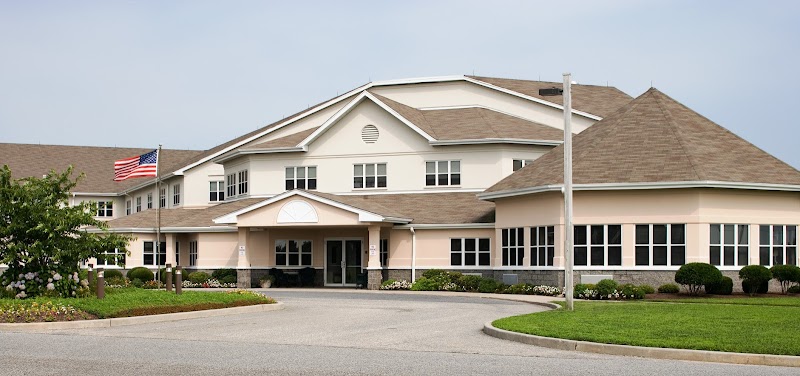

NORTH CAPE CENTER

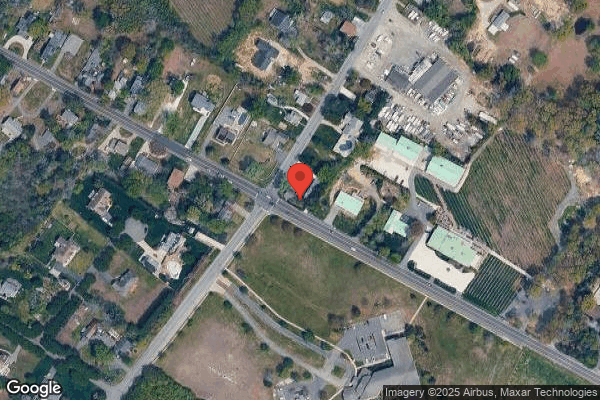
700 TOWN BANK ROAD, NORTH CAPE MAY, NJ 08204 (609) 898-8899
For profit - Corporation 120 Beds GENESIS HEALTHCARE Data: November 2025
Trust Grade
65/100
#214 of 344 in NJ
Last Inspection: March 2025

Within standard 12-15 month inspection cycle. Federal law requires annual inspections.

Overview

North Cape Center has a Trust Grade of C+, indicating it is slightly above average but not outstanding, which suggests it has room for improvement. It ranks #214 out of 344 nursing homes in New Jersey, placing it in the bottom half of facilities statewide, and #5 out of 7 in Cape May County, meaning only two local options are worse. The facility is improving, with a reduction in issues from 11 in 2023 to 7 in 2025. Staffing is rated at 2 out of 5 stars, which is below average, although the turnover rate is good at 38%, lower than the state average. While there have been no fines, which is positive, some concerns were noted in inspections, such as residents not receiving meals according to the schedule, improper storage of nebulizer masks, and a lack of infection control practices that could increase infection risks.

Trust Score
C+
65/100
In New Jersey
#214/344
Bottom 38%
Safety Record
Low Risk
No red flags
Inspections
Getting Better
11 → 7 violations
Staff Stability
○ Average
38% turnover. Near New Jersey's 48% average. Typical for the industry.
Penalties
✓ Good
No fines on record. Clean compliance history, better than most New Jersey facilities.
Skilled Nurses
○ Average
Each resident gets 30 minutes of Registered Nurse (RN) attention daily — about average for New Jersey. RNs are the most trained staff who monitor for health changes.
Violations
⚠ Watch
19 deficiencies on record. Higher than average. Multiple issues found across inspections.
★★★☆☆
3.0
Overall Rating
★★☆☆☆
2.0
Staff Levels
★★★★☆
4.0
Care Quality
★★★☆☆
3.0
Inspection Score
Stable
2023: 11 issues
2025: 7 issues

The Good

  • 4-Star Quality Measures · Strong clinical quality outcomes
  • Full Sprinkler Coverage · Fire safety systems throughout facility
  • No fines on record
  • Staff turnover below average (38%)

    10 points below New Jersey average of 48%

Facility shows strength in quality measures, fire safety.

The Bad

3-Star Overall Rating

Near New Jersey average (3.3)

Meets federal standards, typical of most facilities

Staff Turnover: 38%

Near New Jersey avg (46%)

Typical for the industry

Chain: GENESIS HEALTHCARE

Part of a multi-facility chain

Ask about local staffing decisions and management

The Ugly 19 deficiencies on record

Mar 2025 7 deficiencies
CONCERN (D) 📢 Someone Reported This

A family member, employee, or ombudsman was alarmed enough to file a formal complaint

Potential for Harm - no one hurt, but risky conditions existed

Deficiency F0552 (Tag F0552)

Could have caused harm · This affected 1 resident

**NOTE- TERMS IN BRACKETS HAVE BEEN EDITED TO PROTECT CONFIDENTIALITY** Based on record review and interview, the facility failed to ensure the interdisciplinary team had determined it was appropriate...

Read full inspector narrative →
**NOTE- TERMS IN BRACKETS HAVE BEEN EDITED TO PROTECT CONFIDENTIALITY** Based on record review and interview, the facility failed to ensure the interdisciplinary team had determined it was appropriate for a resident to self-care for a [NAME] tube for one of one resident (Resident (R) 27) out of 27 sample residents. This failure had the potential for R27 to develop a respiratory infection due to no assessment of R27's ability to care for his [NAME] tube. Findings include: Review of R27's undated Face Sheet located under the Profile tab in the electronic medical record (EMR) revealed R27 had been readmitted to the facility on [DATE] with the diagnoses of heart failure, aphonia, and personal history of malignant neoplasm of the larynx. Review of R27's annual Minimum Data Set (MDS) located under the MDS tab in the EMR with an Assessment Reference Date (ARD) of 01/09/25 revealed a Brief Interview for Mental Status (BIMS) score of 15 out of 15 which indicated the resident was cognitively intact. Review of R27's EMR in its entirety revealed there was no documentation for an assessment that had been completed by the staff prior to R27 caring for his [NAME] tube himself. During an interview on 03/03/25 at 12:47 PM, Licensed Practical Nurse (LPN) 4 stated, He [R27] cleans this [[NAME] tube] once every two days when he feels junky. We [nurses] bring him [R27] the things he needs. We open the kits for him [R27] and he cleans it [[NAME] tube] along with putting it back in. He [R27] doesn't need a new one [[NAME] tube]. He [R27] just uses the same one [[NAME] tube] over again. During an interview on 03/03/25 at 2:00 PM, R27 was asked who cleaned the [NAME] tube for him and R27 pointed to himself and mouthed I do. Asked R27 if he needed the staff to assist him in cleaning the [NAME] tube and R27 mouthed No. During an interview on 03/04/25 at 1:30 PM, the Director of Nursing (DON) stated, We cannot find where the resident had been assessed for caring for the [NAME] tube himself. The DON confirmed that an assessment should have been completed prior to the resident being allowed to care for the [NAME] tube. During an interview on 03/06/25 at 5:30 PM, the DON stated the facility did not have a policy but did confirm that before any resident was to care for a special treatment the resident should be cognitively intact, have an assessment prior to caring for this themselves to ensure proper techniques were used by the resident, and then a meeting with the interdisciplinary team should occur to discuss this and agree if the resident was able to perform the self-care. NJAC 8:39-4.1(a)
CONCERN (D) 📢 Someone Reported This

A family member, employee, or ombudsman was alarmed enough to file a formal complaint

Potential for Harm - no one hurt, but risky conditions existed

Grievances (Tag F0585)

Could have caused harm · This affected 1 resident

**NOTE- TERMS IN BRACKETS HAVE BEEN EDITED TO PROTECT CONFIDENTIALITY** Based on record review, facility document review, interview, and facility policy review, the facility failed to provide a resolu...

Read full inspector narrative →
**NOTE- TERMS IN BRACKETS HAVE BEEN EDITED TO PROTECT CONFIDENTIALITY** Based on record review, facility document review, interview, and facility policy review, the facility failed to provide a resolution to the concern for one of nine residents (Resident (R) 151) reviewed for grievances of 27 sample residents. This failure had the potential to affect the outcome of concerns and grievances. Findings include: Review of R151's undated Face Sheet located under the Profile tab in the electronic medical record (EMR) revealed R151 had been admitted to the facility on [DATE] with the diagnosis of left ankle fracture. Review of R151's Grievance/Concern Form provided by the facility was dated 06/25/24 with the following concerns noted on the form: - .States a nurse on night shift tried to give her medications within 2-5 minutes [sic] of having administered them. - .Facility is dirty. States she [R151] saw blood on privacy curtain and blood on the shower grab bar (dates unknown). States there was feces on the floor when she went to take a shower (date unknown, no staff with her). - .Food is cold. The Resolution of Grievance/Concern section on the form was left blank for the question Was the grievance/concern resolved and to know whether the patient and/or patient representative was notified by written notification, phone conversation, or face to face notification as to the resolution of the grievance/concern. The signature of the person filling out the form along with the date was also left blank. During an interview on 03/06/25 at 4:04 PM, the Administrator stated, I met with her [R151] several times, but I don't know if I documented these meetings. The Administrator confirmed there was no documentation on the Grievance/Concern Form dated 06/25/24 in the Resolution of Grievance/Concern section. The Administrator stated, We need to do a better job in getting this completed and documented on the Grievance/Concern form. Review of the facility's policy titled, .Grievance/Concern, dated 10/15/24, revealed .The Administrator will serve as the Grievance Officer who is responsible for overseeing the grievance process, .receiving and tracking grievances through to their conclusion . Written resolution of grievances will be offered per the resident's rights and will include . Date the grievance was received; 7.2 Summary statement of the grievance; 7.3 Steps taken to investigate the grievance; 7.4 Summary of the pertinent findings or conclusions regarding the grievance; 7.5 Statement as to whether the grievance was confirmed or not confirmed; 7.6 [NAME] corrective action(s) taken or to be taken by the Center as a result of the grievance/concern . NJAC 8:39-4.1(a)35 NJAC 8:39-13.2
CONCERN (D) 📢 Someone Reported This

A family member, employee, or ombudsman was alarmed enough to file a formal complaint

Potential for Harm - no one hurt, but risky conditions existed

Comprehensive Care Plan (Tag F0656)

Could have caused harm · This affected 1 resident

**NOTE- TERMS IN BRACKETS HAVE BEEN EDITED TO PROTECT CONFIDENTIALITY** Based on observation, record review, interview, and facility policy review, the facility failed to develop and implement a compr...

Read full inspector narrative →
**NOTE- TERMS IN BRACKETS HAVE BEEN EDITED TO PROTECT CONFIDENTIALITY** Based on observation, record review, interview, and facility policy review, the facility failed to develop and implement a comprehensive care plan for one of one resident (Resident (R) 27) reviewed for care plans out of 27 sample residents. This failure had the potential to not receive the necessary care. Findings include: Review of R27's undated Face Sheet located under the Profile tab in the electronic medical record (EMR) revealed R27 had been readmitted to the facility on [DATE] with diagnoses of heart failure, aphonia, and personal history of malignant neoplasm of the larynx. Review of R27's annual Minimum Data Set (MDS) located under the MDS tab in the EMR with an Assessment Reference Date (ARD) of 01/09/25 revealed a Brief Interview for Mental Status (BIMS) score of 15 out of 15 which indicated the resident was cognitively intact. R25 was also coded for oxygen therapy while a resident in the facility. Review of R27's Care Plan located under the Care Plan tab in the EMR revealed the facility failed to develop a care plan for oxygen, and a [NAME] tube in which R27 was caring for himself. During an observation on 03/03/25 at 12:30 PM, R27 was being administrated oxygen by a trach collar to the resident's [NAME] tube. The oxygen concentrator was five liters per minute that was connected to another machine to obtain a higher concentration of oxygen. During an interview on 03/06/25 at 3:30 PM, Registered Nurse (RN) 2 stated after reviewing R27's EMR, I don't see where he [R27] has been care planned for the [NAME] tube and receiving oxygen. RN2 confirmed these should have been in the care plan for R27. During an interview on 03/06/25 at 5:15 PM, the Director of Nursing (DON) confirmed R27 did not have a care plan for the use of oxygen and the resident had a [NAME] tube in which he was caring for himself. The DON stated, The care plan should reflect the care that the resident [R27] was receiving. The resident [R27] was being administrated oxygen and had a [NAME] tube in which he [R27] was caring for himself. This all should have been care planned. Review of the facility's policy titled, .Person-Centered Care Plan, dated 10/24/22, revealed .A comprehensive person-centered care plan must be developed for each patient and must describe the following . Services that are to be furnished . NJAC 8:39-11.2(e) thru(i) NJAC 8:39-27.1(a)
CONCERN (D) 📢 Someone Reported This

A family member, employee, or ombudsman was alarmed enough to file a formal complaint

Potential for Harm - no one hurt, but risky conditions existed

Deficiency F0688 (Tag F0688)

Could have caused harm · This affected 1 resident

Based on observations, record reviews, interviews, and facility policy review, the facility failed to ensure a splint device was placed according to physician's orders for one of one resident (Residen...

Read full inspector narrative →
Based on observations, record reviews, interviews, and facility policy review, the facility failed to ensure a splint device was placed according to physician's orders for one of one resident (Resident (R) 9) reviewed for range of motion of 27 sample residents. This failure had the potential to lead to further contracture of her right hand. Findings include: Review of R9's admission Record located in the Profile tab of the electronic medical record (EMR) revealed the most recent admission date of 06/15/18 and had diagnoses which included but not limited to right hand contracture, major depression, dry eye syndrome, and morbid obesity. Review of the quarterly Minimum Data Set (MDS) located in the MDS tab of the EMR with an Assessment Reference Date (ARD) of 12/04/24 revealed a Brief Interview for Mental Status (BIMS) score of 15 out of 15 which indicated resident was cognitively intact. Review of R9's Care Plan located in the EMR under the Care Plan tab, initiated on 06/15/18, revealed .[R9] has an ADL [activities of daily living] [R9] requires assistance for ADL care related to CVA [Cerebral Vascular Accident] with right sided weakness, Paralysis/Weakness affecting right side, Limited mobility r/t [related to] Chronic disease/condition .Apply Soft-pro WHFO [wrist hand finger orthosis] to right hand/wrist splint and right elbow extension splint in AM [morning] and remove in PM [evening] (may stay in place up to 9 hours/removed every shift to .). Review of R9 doctor's orders located In the EMR under the Orders tab, initiated of 02/07/23, revealed .apply soft-pro WHFO to right hand/wrist in AM and remove in PM .may stay in place up to nine hours . Review of R9's Medication Administration Record/Treatment Administration Record (MAR/TAR) located in the EMR under the Orders tab for the month of March 2025, revealed documentation of R9's splint being applied in the AM and removed in the PM on the following days: 03/03/25, 03/04/25, and 03/05/25. During an observation and interview on 03/03/25 at 12:11 PM, R9 was resting in her bed and R9's right hand was closed tightly in a fist. R9 was asked to open her right hand. R9 used her left hand and fingers to attempt to open her right hand with great difficulty. R9 stated that she did not have the use of the right side of her body to include her hand due to having a stroke. R9 continued to share that she was not receiving any exercises nor was her splint being applied daily. During this time, the surveyor observed a blue splint placed in a basket located on the resident's bedside table. During an observation on 03/05/25 at 12:08 PM, R9's splint was not applied, and the splint remained in the basket on her bedside table. At this time, R9 retrieved her splint from the basket and attempted to place the splint on her right hand which exerted a lot of energy and was very difficult for R9 to apply. During an interview on 03/05/25 at 1:02 PM, Licensed Practical Nurse (LPN) 7 confirmed R9 would require assistance to apply her splint. In review of the TAR, LPN7 had documented placement of the splint on 03/01/25, 03/02/25, and 03/05/25. LPN7 stated that she documented placement, however, she did not physically apply the splint, nor did she see that the splint had been applied. LPN7 continued to share that a Certified Nurse Aide (CNA) applied the splint. During an interview on 03/06/25 at 12:43 PM, LPN6 revealed she documented in the TAR of R9 splint placement on 3/04/25 from a verbal confirmation from a CNA. LPN6 continued to share that the importance of splint application was to decrease further contractures and ultimately it was the nursing staff responsibility to verify placement. During an interview on 03/06/25 at 12:54 PM, LPN3 confirmed nursing staff was responsible for verifying the placement of any durable medical equipment (DME). She continued to share that the best practice was to always confirm placement prior to documentation of completion. During an interview on 03/06/25 at 1:23 PM, the Director of Nursing (DON) revealed that her expectation of the nursing staff was to follow the doctor's order; and verification of all placements of any DME was verified before documenting in the MAR/TAR. Review of the facility's policy titled, Restorative Nursing Program, dated 08/07/23, revealed .Restorative programs are coordinated by nursing or in collaboration with rehabilitation and are patient specific based on individual patient needs. A licensed nurse must supervise the activities in a restorative nursing program . Under the heading Purpose . To help the patient attain and maintain optimal physical, mental, and psychosocial functioning . NJAC 8:39-27.1(a)
CONCERN (D) 📢 Someone Reported This

A family member, employee, or ombudsman was alarmed enough to file a formal complaint

Potential for Harm - no one hurt, but risky conditions existed

Respiratory Care (Tag F0695)

Could have caused harm · This affected 1 resident

**NOTE- TERMS IN BRACKETS HAVE BEEN EDITED TO PROTECT CONFIDENTIALITY** Based on observation, record review, interview, and facility policy review, the facility failed to obtain a physician's order pr...

Read full inspector narrative →
**NOTE- TERMS IN BRACKETS HAVE BEEN EDITED TO PROTECT CONFIDENTIALITY** Based on observation, record review, interview, and facility policy review, the facility failed to obtain a physician's order prior to the administration of oxygen for one of three residents (Resident (R) 27) reviewed for oxygen of 27 sample residents. This failure had the potential for R27 to have adverse reactions from the administration of oxygen. Findings include: Review of R27's undated Face Sheet located under the Profile tab in the electronic medical record (EMR) revealed R27 had been readmitted to the facility on [DATE] with diagnoses of heart failure, aphonia, and personal history of malignant neoplasm of the larynx. Review of R27's annual Minimum Data Set (MDS) located under the MDS tab in the EMR with an Assessment Reference Date (ARD) of 01/09/25 revealed a Brief Interview for Mental Status (BIMS) score of 15 out of 15 which indicated the resident was cognitively intact. R25 was also coded for oxygen therapy while a resident in the facility. During an observation on 03/03/25 at 12:30 PM, R27 was being administrated oxygen by a trach collar to the resident's [NAME] tube. The oxygen concentrator was five liters per minute that was connected to another machine to obtain a higher concentration of oxygen. During an interview on 03/03/25 at 12:47 PM, Licensed Practical Nurse (LPN) 4 stated, The resident is receiving oxygen that is bled into this machine to get six liters of oxygen which he [R27] is receiving by the trach collar. LPN4 was asked if R27 had orders for oxygen and LPN4 stated she would have to review the computer. LPN4 returned and stated, I can't find that he has orders for the oxygen. During an interview on 03/03/25 at 4:00 PM, the Director of Nursing (DON) confirmed R27 did not have orders for the oxygen. The DON stated, I called the NP [Nurse Practitioner] and clarified the orders for [name of R27] and the order was given for the resident to receive five liters of oxygen instead of six liters. During an interview on 03/03/25 at 4:30 PM, the Medical Doctor (MD) 1 stated, Yes, there should be an order for the patient's oxygen if he is receiving oxygen. Review of the facility's policy titled, Oxygen: Concentrator, dated 01/01/24, revealed .Verify order . NJAC 8:39-27.1(a)
CONCERN (E) 📢 Someone Reported This

A family member, employee, or ombudsman was alarmed enough to file a formal complaint

Potential for Harm - no one hurt, but risky conditions existed

Deficiency F0809 (Tag F0809)

Could have caused harm · This affected multiple residents

**NOTE- TERMS IN BRACKETS HAVE BEEN EDITED TO PROTECT CONFIDENTIALITY** Based on observation, interviews, and facility policy review, the facility failed to ensure the second-floor secure unit were pr...

Read full inspector narrative →
**NOTE- TERMS IN BRACKETS HAVE BEEN EDITED TO PROTECT CONFIDENTIALITY** Based on observation, interviews, and facility policy review, the facility failed to ensure the second-floor secure unit were provided with meals consistent with the meal schedule to include two of two second-floor dining rooms (Back dining room BDR and Front dining room FDR) and two of two residents (Resident (R) 15 and R3) of 42 residents residing on the second-floor secure unit. This failure had the potential to affect residents' routines and preferences. Findings include: Review of the Meal Schedule, dated 03/03/25 and provided by the Dietary Manager (DM), revealed lunch meals were to be delivered to seven residents seated in the second-floor secure unit Back Dining Room (BDR) at 12:00 PM, to the 11 residents seated in the Front Dining Room (FDR) at 12:30 PM, and 31 residents in their room at 12:30 PM. During an observation on 03/04/25 at 12:48 PM, meal tray carts were delivered to the second-floor secure unit. At 1:05 PM, three CNA's and two LPNs began passing the food trays to the residents. During an interview on 03/04/25 at 12:40 PM, R15, while sitting in the FDR, said you never know when you get to eat around here. During an observation on 03/04/25 at 12:45 PM, R3 was observed sitting in the FDR at 11:30 AM until his meal was served at 1:05 PM. He appeared agitated and shouted, let's get this --- game on .come on [NAME] Pan .how does a person get a drink around here .what are we doing here and how do we get out of here. During the observation, the speech therapist became aware of R3's agitation and assisted him to move to another table to wait for his meal. During an interview on 03/05/25 at 1:50 PM, with the DM and the Regional Dietary Manager (RDM), the DM stated she knew meals were always late and that she would make sure the cook had the serving line ready to go earlier in the day prior to lunch. She said she had full dietary staff and had enough staff to serve timely meals to the residents but thought the cook needed to be ready to serve at 11:15 AM instead of 11:30 AM. When asked why the second-floor meal service had been approximately 30 minutes late each day during observations, she said the administrator insisted the meals for the second floor FDR were served last because there were residents that needed staff assistance and staff were not available to feed or set-up resident meals until all the other residents were served. During an observation on 03/06/25 at 12:50 PM, meal tray carts were delivered to the second-floor secure unit. At 1:13 PM, two CNA's and two LPN's began delivering food trays to the 31 in room residents and to the 11 residents seated in the FDR. During an interview on 03/06/25 at 1:10 PM, LPN8 was asked when the meal trays would be passed out. He said, we are passing them out as fast as we can and that the residents in the FDR had to be served last because they required being fed or helped with meal set-up. He said there weren't enough staff to do it all. During an interview on 03/06/25 at 3:10 PM, the Administrator stated she had been aware of the late meal service at lunch and that she would try to resolve the issue with the DM and the RDM to improve meal service. She said that she had instructed the DM to serve the second floor BDR first and to serve the second floor FDR last because all staff were tied up passing trays and could not feed the second-floor residents until all other trays were served. She said she did not have enough staff to serve trays and feed residents at the same time. Review of the facility's policy titled, HCSG Policy 013 for Meal Distribution, dated 09/17, revealed meals would be transported to facility residents in a timely manner. The policy also stated the nursing staff would be responsible for the timely delivery of meals to the residents. NJAC 8:39-17.4(b)
CONCERN (E) 📢 Someone Reported This

A family member, employee, or ombudsman was alarmed enough to file a formal complaint

Potential for Harm - no one hurt, but risky conditions existed

Infection Control (Tag F0880)

Could have caused harm · This affected multiple residents

**NOTE- TERMS IN BRACKETS HAVE BEEN EDITED TO PROTECT CONFIDENTIALITY** Based on observation, interviews, record reviews, and facility policy review, the facility failed to properly store nebulizer ma...

Read full inspector narrative →
**NOTE- TERMS IN BRACKETS HAVE BEEN EDITED TO PROTECT CONFIDENTIALITY** Based on observation, interviews, record reviews, and facility policy review, the facility failed to properly store nebulizer masks for two of two residents (Resident (R) 71 and R78) observed for breathing treatments. In addition, the facility failed to ensure Enhance Barrier Precautions (EBP) for one of one resident (R44) and failed to follow proper infection control protocols while dispensing medication for one of one resident (R16) of 27 sample residents. These failures in infection control practices could significantly increase the risk of infections among residents. Findings include: 1. Review of R71's Face Sheet located in the electronic medical record (EMR) under the Profile tab revealed that R71 was originally admitted to the facility on [DATE] with diagnoses including but not limited to chronic obstructive pulmonary disease, asthma, and unspecified fracture of shaft of humerus, right arm. Review of R71's Physicians Order located in the EMR under the Orders tab, dated 02/20/25, revealed Ipratropium-Albuterol Solution 0.5-2.5 (3) MG/3ML [milligrams/milliliters] inhalation inhale orally via nebulizer three times a day for sob [shortness of breath] . During an observation on 03/03/25 at 11:20 AM, R71's nebulizer machine was on the bedside table and tubing attached to the breathing masks was not stored properly in a bag. During an observation and interview on 03/04/25 at 3:11 PM, R71 was visiting with two family members. R71 stated that she had received breathing treatment earlier in the day. During this same time, R71's nebulizer machine and masks were on the bedside table. The mask was not properly stored in the bag. During an interview on 03/04/25 at 3:38 PM, Registered Nurse (RN) 1 confirmed that R71 had an order to receive her nebulizing treatments three times daily. RN1 continued to share that proper infection control protocol was to date, label, and initial all tubing along with, placing the nebulizer mask in a bag after every use. During an interview on 03/03/25 at 11:13 AM, the Director of Nursing (DON) revealed her expectation of facility staff was to follow physician's order, all tubing to include masks were labeled and dated and after each nebulizing treating the masks were stored in a bag to prevent the spread of infections. 2. Review of R78's Face Sheet located in the EMR under the Profile tab revealed that R78 was originally admitted to the facility on [DATE] with diagnoses including but not limited to chronic obstructive pulmonary disease, unspecified dementia, and history of falling. Review of R78's Physicians Order located in the EMR under the Orders tab, dated 02/26/25, revealed Ipratropium-Albuterol Solution 0.5-2.5 (3) MG/3ML inhalation inhale orally via nebulizer four times a day for sob . During an observation on 03/03/25 at 1:11 PM, R78's nebulizer machine was on the bedside table and tubing attached to the breathing masks were not stored properly in a bag. During an observation and interview on 03/04/25 at 4:16 PM R78 was sitting in his room in his wheelchair and a second observation of R78 nebulizer masks improperly stored. During an observation and interview on 03/04/25 at 4:20 PM, Licensed Practical Nurse (LPN) 1 confirmed R78 had an order to receive nebulizing treatments, she further confirmed that all tubing and masks should be dated, labeled, and stored in a bag when not in use. After observation of R78 mask not being stored, LPN1 stated, I will take care of this right now. During an interview on 03/04/25 at 4:35 PM, the DON revealed her expectation of facility staff was to follow physician's order, all tubing to include masks were labeled and dated and after each nebulizing treating the masks were stored in a bag to prevent the spread of infection. 3. Review of R44's Face Sheet located in the EMR under the Profile tab revealed that R44 was originally admitted to the facility on [DATE] with diagnoses including but not limited to type two diabetes, venous insufficiency, and major depression. Review of R44's Physicians Order located in the EMR under the Orders tab, dated 02/28/25, revealed Left distal lower leg wound care: cleanse with generic wound cleaner, apply xeroform cover with abd [Abdominal Pad], wrap with kling (type of conforming bandage used for wound care) and ace wraps X [times] 14 days then re-evaluate every evening shift every other day for wound care for 14 Days .Right distal lower leg wound care: cleanse with generic wound cleaner, apply xeroform cover with abd [Abdominal Pad], wrap with kling (type of conforming bandage used for wound care) and ace wraps X [times] 14 days then re-evaluate every evening shift every other day for wound care for 14 Days. Review of R44's Care Plan Evaluation located in the EMR under the Progress notes tab, dated 02/28/25, revealed [R44] is at risk for skin breakdown, pressure ulcer, skin tears, bruising related to decreased activity , frail fragile skin, impaired sensation, limited mobility, moisture/excessive perspiration, fungal rash, PVD [Peripheral Vascular Disease] chronic BLE [Bilateral Lower Extremities] stasis dermatitis, poor safety awareness, Plavix therapy. chronic stasis dermatitis bilateral lower extremities [Resident] self-inflicts skin injuries due to picking/scratching BLE will not always comply with wrapping lower extremities Neurodermatitis of bilateral lower legs Trauma wound (from picking) .Resident was seen and evaluated by wound care. Areas to bilateral lower extremities are showing improvement. Continuing with current treatments and interventions. Please note skin/wound evaluations were not completed r/t [related to] connectivity issues. Please refer to the wound NP [Nurse Practitioner] evaluation for full assessments. Review of R44's Medication Administration Record (MAR) and the Treatment Administration Record (TAR), dated March 2025 and located in the EMR under the Orders tab, revealed no orders for EBP. During an observation and interview on 03/03/25 at 12:00 PM, R44 was sitting in her wheelchair in her room with bilateral bandages to her lower legs. No observation was made of any EBP postings. During an observation on 03/04/25 at 4:06 PM, R44's legs were wrapped in bandaging and no EBP postings. During an interview on 03/05/24 at 12:39 PM, the DON confirmed R44 had an order for bilateral wound care and should have been on EBP. She continued to share that any residents receiving wound care should be placed on EBP precautions. During an interview on 03/05/24 at 2:37 PM, the Infection Preventionist (IP) confirmed R44 should have been on EBP precautions. The IP was asked when R44 should have been placed on EBP. The IP stated once treatment began for the bilateral wounds on 02/28/25. 4. Review of R16 undated Face Sheet located under the Profile tab in the EMR revealed R16 was readmitted to the facility on [DATE] with the diagnosis of osteoarthritis and diabetes mellitus. Review of R16's Physician Orders located under the Orders tab in the EMR revealed an order, dated 05/17/23, for Gabapentin 600 mg Give one tablet by mouth three times a day. During the Medication Administration observation on 03/06/25 at 1:05 PM, LPN9 was observed taking the Gabapentin tablet from the medicine cup with her bare hand and placed it in the plastic sleeve for the tablet to be crushed. During an interview on 03/06/25 at 1:25 PM, LPN9 stated, As soon as I took the pill out of the cup with my hand, I knew I should have had a glove on. During an interview on 03/06/25 at 1:32 PM, RN2 confirmed that a nurse should wear gloves before touching a medication they are giving to the residents. During an interview on 03/06/25 at 5:15 PM, the DON stated, The nurse should have worn gloves before touching the pill she was preparing to crush. Review of the facility's policy titled, Medication Administration General Guidelines, dated 01/25, revealed .hands are to be washed with soap and water and gloves applied prior to handling tablets . Review of the facility's policy titled, Nebulizer: Small Volume, revised date 11/23, revealed Upon completion of the treatment. check patient's heart rate, respiratory rate and pulse oximetry .breath sounds .Place in treatment bag labeled with patient name and date . Review of the facility's policy titled, Enhanced Barrier Precautions, revised date 05/24, revealed Enhanced Barrier Precautions (EBP) are an infection control intervention used to reduce transmission of multidrug-resistant organisms . EBP is an extension of standard precautions utilized for residents . all staff must wear gloves and gown during high contact activities for residents .dressing, bathing/showering .transferring . The policy further indicated, PPE (Personal Protective Equipment) used for these situations . wound care; any skin opening requiring dressing . NJAC 8:39-19.4
Feb 2023 11 deficiencies
CONCERN (D)

Potential for Harm - no one hurt, but risky conditions existed

Transfer Notice (Tag F0623)

Could have caused harm · This affected 1 resident

Based on interview and review of other facility documentation, it was determined that the facility failed to notify in writing the representative of the New Jersey Long-Term Care Ombudsman's office of...

Read full inspector narrative →
Based on interview and review of other facility documentation, it was determined that the facility failed to notify in writing the representative of the New Jersey Long-Term Care Ombudsman's office of resident emergency transfers to the hospital/discharges, when practicable, as mandated by Federal law. This deficient practice was evidenced by the following: During an interview with the surveyor on 2/13/2023 at 1:20 PM, the Administrator said normally the Social Worker notifies the Ombudsman of discharges/transfers to the hospital. The Administrator went on to say when she left in September, there was a new Social Worker and she also left, and the current Social Worker has been here for 3 weeks. It seems it was dropped in the transition, and I can't find any reports in the current office but will look in the other office. During a follow-up interview with the surveyor on 2/14/2023 at 10:28 AM, the Administrator said I can't locate the files from the Social Worker who left in September regarding notification of the state Ombudsman's Office. The Administrator confirmed that since September 2022 to present, there has been no State Ombudsman notification of resident discharge/transfers to the hospital. The facility was unable to provide a policy for the notification of the State Ombudsman's office for discharge or transfer. NJAC 8:39-4.1(a) 32
CONCERN (D)

Potential for Harm - no one hurt, but risky conditions existed

Assessment Accuracy (Tag F0641)

Could have caused harm · This affected 1 resident

**NOTE- TERMS IN BRACKETS HAVE BEEN EDITED TO PROTECT CONFIDENTIALITY** Based on observation, interview, record review and review of other facility documentation, it was determined that the facility f...

Read full inspector narrative →
**NOTE- TERMS IN BRACKETS HAVE BEEN EDITED TO PROTECT CONFIDENTIALITY** Based on observation, interview, record review and review of other facility documentation, it was determined that the facility failed to ensure that an accurate Minimum Data Set (MDS), an assessment tool, was completed. This deficient practice was identified for 1 of 26 residents reviewed (Resident # 73) and was evidenced by the following: During the initial tour on 2/6/2023 at 10:47 AM, Resident # 73 was observed lying in bed with the head of bed elevated. The surveyor observed a piston irrigation syringe set (equipment used to provide a bolus tube feeding) at his/her bedside dated 2/6/23 6 am. On 2/7/2023 at 9:23 AM, Resident #73 was observed lying in bed with the head of bed elevated. A piston irrigation syringe set was observed at the bedside dated 2/7/23. According to the admission Record Resident #73 was admitted to the facility with diagnoses including but not limited to; Pneumonitis due to inhalation of food and vomit, Dysphagia (difficulty in swallowing). A review of the admission MDS dated [DATE] revealed Resident # 73 had severely impaired cognition. Section G of the MDS revealed that eating activity did not occur. Section K indicated that Resident # 73 had a feeding tube while a resident and received 51% or more of total calories through Tube Feeding and average fluid intake per day is 501cc or more. A review of a quarterly MDS dated [DATE], revealed Resident # 73 was severely cognitively impaired. Section G revealed under the eating section supervision with 1-person physical assist. Section K was unchanged from the admission MDS. A review of the Order Summary Report with active orders as of 2/13/2023, revealed a physician order for six times a day TwoCal HN/Nutren 2.0 Administer bolus via gravity 165 ML, 6 times per day TV (total volume) 990 cc (cubic centimeters)/24hrs NPO (nothing by mouth) diet NPO texture for NPO - nothing by mouth FLUSH tube with 225ml (milliliter) of water, prior to feeding, every 4 hours. During an interview with the surveyor on 2/13/2023 at 9:10 AM, the interim Clinical Reimbursement Coordinator (CRC) regarding MDS coding. The surveyor requested the CRC to look at the admission MDS dated [DATE]. The CRC said she wasn't here for the 6/20/2022 MDS admission. The CRC said at 9:12 AM, Resident # 73's eating was coded as activity did not occur on admission MDS. She went on to say that residents who receive tube feedings should be coded as dependent for eating. CRC said yes, it was coded incorrectly and should be dependent with assist of 1 person. The surveyor then requested the CRC to look at the quarterly MDS dated [DATE]. The CRC confirmed Resident # 73's eating was coded as supervision. The CRC said I wouldn't think it is coded correctly. The CRC confirmed residents with enteral feedings should be coded as dependent. NJAC 8:39-11.2
CONCERN (D)

Potential for Harm - no one hurt, but risky conditions existed

Comprehensive Care Plan (Tag F0656)

Could have caused harm · This affected 1 resident

Based on observation, interview, review of the medical record and review of other facility documentation, it was determined that the facility failed to develop a person-centered comprehensive care pla...

Read full inspector narrative →
Based on observation, interview, review of the medical record and review of other facility documentation, it was determined that the facility failed to develop a person-centered comprehensive care plan to address the use of Intravenous Medication to treat an infection for 1 of 3 residents reviewed for antibiotic use (Resident # 19). This deficient practice was evidenced by the following: During the initial tour of the facility on 2/6/2023 at 10:58 AM, Resident # 19 was observed lying in bed with the head of the bed elevated, nasal oxygen in use 2 liters per minute. An Intravenous pump and tubing was observed at the bed side. Per the Unit Manager Licensed Practical Nurse (UM/LPN) Resident # 19 was on 3 different antibiotics for an infected Total Knee Replacement and wound. According to the admission Record, Resident #19 was admitted to the facility with diagnoses including but not limited to; Aftercare following Explantation (removal of) of knee joint prothesis, acute osteomyelitis (infection in the bone), and Bacteremia (the presence of bacteria in the bloodstream. Bacteria can sometimes enter your bloodstream). A review of the Order Summary Report with Active Orders as of 2/13/2023 revealed physician orders as follows; Ceftriaxone (an antibiotic used to treat infections) Sodium Solution Reconstituted 2 GM (grams) Use 50 ml (milliliters) intravenously every 24 hours for bacteremia/fungemia, Cellulitis until 02/15/2023. Amoxicillin (antibiotic used to treat infections) Oral Tablet 500 MG (milligrams) (Amoxicillin) Give 1 capsule by mouth three times a day for wound healing until 02/15/2023. Ampicillin (antibiotic used to treat infections) Sodium Intravenous Solution Reconstituted 2 GM (Ampicillin Sodium) Use 2 gram intravenously every 6 hours for bacteremia until 02/15/2023. IV: Observe IV site routinely for S/S infiltration/extravasation at a frequency based on therapy and resident condition. Document in PN at least q shift A review of Resident #19's care plan did not include documentation of the resident having an infection and the use of intravenous antibiotics. During an interview with the surveyor on 2/13/2023 at 11:37 AM, Unit Manager/LPN (UM/LPN#1) said overall it is MDS (Minimum Data Set) staff that is responsible for the care plans. She went on to say we update them quarterly and as needed if falls or skin issues. UM/LPN #1 said Yes, MDS puts all areas of concerns on the baseline care plan. The nurse admitting the resident is responsible for the baseline care plan for skin, activities of daily living (adls), falls and pain. The comprehensive care plan goes through MDS. I am pretty sure MDS would put in the original start date of infection and would update as needed. UM/LPN #1 said Yes, I am responsible to review the care plan to make sure it is all inclusive of resident needs. After admitted I would make sure base line in place and correct. As things come along MDS would add and I would review and add as needed and then quarterly. During an interview with the surveyor on 2/13/2023 at 11:43 AM, the surveyor requested UM/LPN #1 to review Resident #19's care plan in the computer to tell the surveyor if there is care plan for infection. UM/LPN #1 said No, I don't see care plan for infection. I have no idea that there wasn't one in there for him/her. When asked if he/she should have one, UM/LPN #1 said Absolutely. I was told we do the first 4 and update as needed and MDS takes care of the rest. During an interview with the surveyor on 2/13/2023 at 12:26 PM, the Clinical Reimbursement Coordinator (CRC) said for new admission, floor nurses are responsible for the baseline care plan. 4 things I expect to see on there which are falls, skin, adls and nutrition I believe. Then we (CRC) add to the baseline care plan. When asked if CRC would do a care plan for infection, she replied not necessarily would we be doing that. We just got a new Infection Prevention Nurse and would expect it would be part of her responsibilities. The CRC said yes, the floor nurse or unit manager can add to the care plan and it doesn't matter whether it is Registered nurse or Licensed Practical Nurse. During an interview with the surveyor on 2/13/2023 at 1:30 PM, the Director of Nursing (DON) said when someone comes in put in 4 necessary care plans pain, falls, skin and adls. We review care plans as we go along to add what is pertinent to the resident. We look at them during morning meeting. When asked who is responsible to complete care plans for new admission, the DON replied everybody, the admitting nurse, supervisor on night shift reviews admissions, and the CRC. When asked what the expectation would be for a resident admitted on Intravenous antibiotic for infection, the DON replied, That should be care planned. A review of a facility policy titled Person Centered Care Plan with revision date of 10/24/22, revealed under Policy section Care Plan includes measurable objectives and timetables to meet a patient's medical, nursing, nutrition, and mental and psychosocial needs that are identified in the comprehensive assessments. NJAC 8:39-11.2(d)
CONCERN (D)

Potential for Harm - no one hurt, but risky conditions existed

Accident Prevention (Tag F0689)

Could have caused harm · This affected 1 resident

**NOTE- TERMS IN BRACKETS HAVE BEEN EDITED TO PROTECT CONFIDENTIALITY** 2. On 2/7/2023 at 9:11 AM, Resident #52 was interviewed in their room. Resident #52 stated he/she is a smoker and smokes daily a...

Read full inspector narrative →
**NOTE- TERMS IN BRACKETS HAVE BEEN EDITED TO PROTECT CONFIDENTIALITY** 2. On 2/7/2023 at 9:11 AM, Resident #52 was interviewed in their room. Resident #52 stated he/she is a smoker and smokes daily at the following times, 7 AM or 8 AM depending on the time he/she wakes up, 11 AM, 3 PM, and 6:30 PM. On 2/7/2023 at 10:55 AM Resident #52 was observed seated in his/her wheelchair in front of the nurses station awake and alert. Surveyor #2 observed CNA #4 pass an object to Resident #52. Resident #52 proceeded to the outdoor smoking area. During an interview with the Surveyor #2 on 2/7/2023 at 11:10 AM the CNA #5 replied, the nurse gives the residents the lighter and cigarettes, then they [Residents] return them when they [Residents] are finished. During an interview with Surveyor #2 on 2/7/2023 at 11:14 AM, while seated in the smoking area, Resident #52 replied, I keep the lighter on me, when asked where is the lighter kept. On 2/07/2023 at 11:28 AM, Resident #52 returned to his/her unit and went directly to his/her room and did not surrender his/her lighter. During an interview with Surveyor #2 on 02/07/2023 at 1:00 PM, CNA #4 replied, I gave him two cigarettes, he's allowed to have two cigarettes, I believe every 3 hours. When asked what was handed to Resident #52 at 10:55 AM, CNA #4 continued to state that cigarettes are stored behind the nurses station in a drawer and he has his lighter. CNA #4 replied, yes, certain ones are allowed to have a lighter, he's one of them when asked does Resident #52 keep the lighter on his/her person. During an interview with Surveyor #2 on 2/08/2023 at 11:10 AM, while outside in the smoking area, Resident #52 stated the facility allows him to keep his lighter but they keep the cigarettes in the nurses station. Resident #52 continued to state, I told them that's stupid because you can't set your room on fire with a cigarette but you can with a lighter. A review of the admission Record revealed that Resident #52 was admitted to the facility including but not limited to the diagnosis of nicotine dependence, cigarettes. According to the MDS dated [DATE] under Section J, Resident #52 was not a smoker. A review of the comprehensive care plan for Resident #52 revealed that he/she had a care plan with a heading of Focus, initiated on 1/4/2019, [Name of Resident] is independently capable of pursing his own activities without intervention from the facility. Interventions initiated on 6/20/2019: [Name of Resident] is an independent smoker. Encourage [Name of Resident] to not give his cigarettes to other residents. A review of Resident #52's Smoking Evaluation with the Effective Date 12/6/22 revealed the following: under Section D1. Considerations g. Resident has a history of sharing/selling cigarettes or smoking material Under Section E. Evaluation: 1) Independent smoking is allowed 1a. Resident has been educated on sharing [his/her] cigarettes'. He gets 2 every smoke break Under Section F. Care Plan, no interventions were selected. On 2/08/2023 at 11:37 AM, Surveyor #1 entered Resident #52's room after gaining permission to enter. Surveyor #1 whom previously observed Resident #52 smoking outside in the smoking area, asked Resident # 52 if he/she still had possession of their lighter. Resident #52 responded, Lighter? Surveyor #1 clarified that he had just witnessed Resident #52 outside smoking and that Resident #52 told the surveyor that he/she was able to possess their own lighter. Resident # 52 then searched the front pockets of his/her sweatpants but did not find their lighter. Resident then stated, I must have left it in my jacket. Resident # 52 then maneuvered over to a chair next to the television and secured the same blue and yellow satin jacket that Surveyor #1 and Surveyor #2 observed him/her smoking outside with. Resident #52 reached into the coat pocket and obtained a blue cigarette lighter from the coat pocket. During an interview with Surveyor #2 on 2/08/23 at 01:15 PM Unit Manager/Licensed Practical Nurse (UM/LPN #1) replied, the lighter should be kept on the nurses cart or in the bin behind the nurses station, when asked where should the cigarette lighters be stored. UM/LPN #1 was asked should a resident ever have a lighter on his or her person, LPN/UM #1 replied, no, if they do, I'm not aware that they have that. UM/LPN #1 also stated, even if a resident is determined to be an independent smoker, he/she should not have a lighter on his/her person. I feel they should not. I am unaware of what the policy is. I wouldn't want them to light up in their room. Anytime I've seen a resident with a lighter, I've taken it away from them. Its been awhile since I've seen someone with a lighter. On 02/09/2023 at 10:38 AM the surveyor conducted an interview with the facility Licensed Nursing Home Administrator (LNHA). The surveyor asked the LNHA if residents who were allowed to smoke were allowed to possess their own smoking materials (lighter, matches, cigarettes, etc.) The LNHA responded, There supposed to put there smoking materials at the nurse's station and placed in a bin when not smoking (vape, matches, lifters, cigarettes, etc.) The LNHA further stated some of our families provide smoking materials to the residents without our knowledge. We are purchasing a locked box to keep the smoking materials in that will be located at the smoking area and whoever is monitoring the smoking will be responsible for distributing and collecting the smoking materials. Anything that is going to generate heat the residents are not allowed to have. On 02/09/2023 at 2:21 PM the LNHA stated to the surveyors that she had observed Resident #1 and Resident #52 outside smoking. Both residents admitted that they were in possession of their lighters. Resident #1 stated that he/she would give their lighter to the smoking monitor when they were done smoking and Resident #52 stated to the LNHA that he/she wanted to be sent to another facility because he/she didn't want to give up his/her lighter. The surveyor reviewed the facility policy titled OPS 137 Smoking, effective date: 06/01/96 and revision date: 10/24/2022. On page 3 at 2.6.2 the following was revealed: 2.6.2 Patients will not be allowed to maintain their own lighter, lighter fluid, or matches. N.J.A.C. 8:39-31.6 (e) Based on observation, interview, and record review, it was determined that the facility failed to follow their facility policy and procedure for residents who smoke for 2 of 2 residents (Resident #1 and #52) investigated for smoking. This deficient practice was evidenced by the following: 1. On 2/06/2023 at 10:39 AM during the initial tour Resident was interviewed in their room. Resident #1 stated he/she is a smoker and that they can smoke like 7 times a day. Resident #1 stated that he/she is allowed to possess their lighter and cigarettes. When asked by the surveyor if he/she currently had possessed their smoking materials Resident #1 pulled a white lighter out of their right front pocket and presented it to the surveyor. Resident #1 went on to say, Certain people are allowed to hold onto their lighter and cigarettes. According to the admission Record, Resident #1 was admitted to the facility with the following but not limited to diagnoses: Chronic obstructive pulmonary disease (a type of progressive lung disease characterized by long-term respiratory symptoms and airflow limitation), degenerative disease of nervous system, and hypertension (high blood pressure). A review of Resident #1's comprehensive Minimum Data Set (MDS), an assessment tool, dated April 30, 2022, Resident #1 had a Brief Interview for Mental Status score of 15/15, indicating intact cognitive status. According to Section G, Resident #1 required supervision with most activities of daily living, except for dressing, toilet use, and personal hygiene, which required limited assistance of 1-person physical assist. According to Section J of the MDS, Resident #1 was not a current user of tobacco. A review of the comprehensive care plan for Resident #1 revealed that he/she had care plan with a heading of Focus, date initiated: 10/17/2017 and revision date: 10/17/2027 of : [resident name] may smoke independently per smoking assessment. The following was observed under the Goal heading: [resident name] will smoke safely throughout next review period, with an initiated date of 12/02/2022 and revised date of 02/02/2023. Interventions included: Educate [resident name] on the facility's smoking policy, Ensure that there is no oxygen use in smoking area(s), Ensure that appropriate cigarette disposal receptacles are available in smoking areas, and Monitor [resident name] compliance to smoking policy, date initiated: 10/17/2017 and date revised 10/17/2017. A review of Resident #1's Smoking Evaluation, Effective Date: 12/02/2022 revealed the following under Section E Evaluation: 1) Independent smoking is allowed. Also, under the Evaluation section at #3 it revealed the following: 3. Residents are not allowed to keep Lighters, lighter fluid or matches at the bedside, e-cigarette charging must occur at the nurses station. Under Section F. Care Plan, the following Interventions were listed for Resident #1: Educate [resident name] on the facility's smoking policy, Ensure that there is no oxygen use in smoking area(s), and Monitor [resident name] compliance to smoking policy. On 2/07/2023 at 12:39 PM the surveyor observed Resident #1 seated on the bedside when surveyor entered room. Resident #1 was guarded in his/her interactions with the surveyor. Resident #1 stated that he/she Possessed their lighter and cigarettes in their pocket but would not show the surveyor on this occasion. On 2/08/20233 at 08:54 AM the surveyor observed Resident #1 seated on the side of the bed in their room. Resident #! stated that he/she usually smokes at 7 to 9, 1 to 4. The resident then clarified as 1 and 4. The surveyor asked Resident #1 if he/she was in possession of their lighter. Resident #1 stated, Yeah. The surveyor questioned where the lighter was and Resident #1 pointed to the right front pocket of his/her jeans and stated, right here. The surveyor could see a lump in the shape of a lighter in the right front pocket, however, the surveyor did not ask the resident to remove the lighter for the surveyor to see because it may have agitated Resident #1. On 2/08/2023 at 11:13 AM the surveyors interviewed CNA #3 who was responsible for monitoring the designated smoking area for that smoking session. CNA #3 revealed to the surveyor that she was an orientee and had only worked at the facility for 6 days. The surveyor asked CNA #3 what her responsibilities were as the smoking monitor. CNA #3 replied, I supervise them for safety. They have their own cigarettes and their own lighters. I don't light their cigarettes or hold their cigarettes. I just watch them for safety. I make sure no lit cigarettes are coming back in the building. On 2/09/2023 at 09:51 AM the surveyor observed Resident #1 sitting on the side of their bed playing solitaire. Resident #1 stated that he/she smokes at 9:30 and 11:00 AM. The surveyor asked Resident #1 if they were in possession of their lighter and Resident #1 stated that their lighter was in their front pocket but would not show it to the surveyor.
CONCERN (D)

Potential for Harm - no one hurt, but risky conditions existed

Pharmacy Services (Tag F0755)

Could have caused harm · This affected 1 resident

Based on interview and record review it was determined that the facility failed to maintain a detailed record of receipts and accurate reconciliation of controlled medications. This deficient practice...

Read full inspector narrative →
Based on interview and record review it was determined that the facility failed to maintain a detailed record of receipts and accurate reconciliation of controlled medications. This deficient practice was evidenced by the following: 02/08/23 01:35 PM the surveyor requested all Drug Enforcement Administration (DEA) 222 forms (a form used for ordering controlled substances) for the last 6 months from the Director of Nursing (DON). The DON provided the surveyor with three (3) DEA 222 forms. The surveyor reviewed the facility's DEA 222 forms and found three of three forms were not completed and accurately documented as follows: 1. The DEA 222 form # 220481496 was written on 7/19/2022 and contained an order for 0.5 packages of 100 Oxycodone 5 mg tablet, 0.3 packages 100 Hydromorphone 2 mg tablet and 1 package of 30 ml Morphine Sulfate 20mg/ml 30ml bottle. The DEA 222 form was missing the date received. The printed instructions on the front of the DEA 222 form indicated: To BE FILLED IN BY PURCHASER, number of packages received and date received. 2. The DEA 222 form # 221778769, was written on 11/28/2022 and contained an order for 0.5 packages of 100 Oxycodone 5 mg (milligram) tablets and 0.3 packages of 100 Hydromorphone 2mg tablets. The DEA 222 form was missing the date received and the number of packages received. The printed instructions on the front of the DEA 222 form indicated: To BE FILLED IN BY PURCHASER, number of packages received and date received. 3. The DEA 222 form # 221778767 was written on 1/05/2023 and contained an order for 0.3 packages of 100 Hydromorphone 2 mg tablets, ,0.5 packages of 100 Oxycodone 5 mg tablets, 0.3 packages of 100 Morphine Sulfate ER 15 mg tablet, 1(one) 30 milliliter (ml) Morphine Sulfate 20mg/1ml 30 ml bottle and 0.2 packages of 100 Oxycodone 15mg tablets. The DEA 222 form was missing the date received and the number of packages received. The printed instructions on the front of the DEA 222 form indicated: To BE FILLED IN BY PURCHASER, number of packages received and date received. During an interview with the surveyor on 2/8/2023 at 1:57 PM, the DON said yes, the number of medications received and date received should be filled in. At that time the DON confirmed the sheets were not filled in. During a follow up interview with the surveyor on 2/13/2023 at 11:14 AM, the Administrator said, we don't have a policy for DEA 222 forms. NJAC 8:39-29.7
CONCERN (D)

Potential for Harm - no one hurt, but risky conditions existed

Infection Control (Tag F0880)

Could have caused harm · This affected 1 resident

Based on observation, interview, and review of pertinent facility documentation, it was determined that the facility failed to ensure staff properly wore the appropriate personal protective equipment ...

Read full inspector narrative →
Based on observation, interview, and review of pertinent facility documentation, it was determined that the facility failed to ensure staff properly wore the appropriate personal protective equipment (PPE; barriers, such as gowns, face shields, and gloves worn to protect the eyes, mouth, and skin from infectious disease), specifically eye protection and masks. The deficient practice occurred on the first and second floor. The deficient practice was evidenced by the following: On 2/06/2023 at 12:34 PM, during the initial tour on the second floor, Surveyor #2 observed multiple staff members wear their surgical mask below their nose. The staff members pulled the mask over their noses upon seeing Surveyor #2. On the same date at 12:41 PM during the initial tour on the first floor, Surveyor #1 observed three staff members not wearing eye protection while in the hallway. On the same date at 12:42 PM, during an interview with the surveyor, Certified Nurse Aide (CNA) #3 stated, Not that I'm aware of. when asked if eye protection was to be worn while on this floor. On the same date at 12:43 PM, during an interview with the surveyor, Licensed Practical Nurse (LPN) #1 stated, Only in COVID rooms. when asked if eye protection was to be worn while on this floor. On 2/08/2023 at 8:07 AM, while in the second floor hallway, Surveyor #2 observed the Infection Prevention Nurse wearing her mask under her chin exposing her nose and mouth. The Infection Prevention Nurse pulled the mask over her nose and mouth upon seeing Surveyor #2. On 2/13/2023 at 10:45 AM, during an interview with the surveyor, the Infection Prevention Nurse stated, N95 and eye protection. We expect it during patient care and in the hallways. when asked what the expectation of PPE on the first floor is. On the same date at 1:31 PM, during an interview with the surveyor, the Director of Nursing (DON) stated, Yes. when asked if staff should be wearing eye protection when in the hallway on the first floor. The DON said staff have been required to wear eye protection since January; when the COVID-19 (a potentially deadly respiratory virus) outbreak started. Lastly, the DON said that surgical masks should be worn over the nose. A review of a facility document titled, PPE REQUIRED EDUCATION presented to Surveyor #1 by the DON revealed that on the 1st floor, EYE PROTECTION MUST BE WORN WHILE IN THE HALLWAY AND RESIDENT ROOMS. The document further revealed that on the 2nd floor, MASKS MUST BE PULLED UP ON THE NOSE, NO EXCEPTIONS. A review of the facility's undated Outbreak Response Plan revealed under b. Personal Protective Equipment (PPE) that PPE is also an essential element to prevent the spread of an infections disease (including COVID-19) to our residents/patients and to employees, essential workers, healthcare personnel and all other permitted visitors. N.J.A.C. 8:39-19.4(a)
CONCERN (D)

Potential for Harm - no one hurt, but risky conditions existed

Antibiotic Stewardship (Tag F0881)

Could have caused harm · This affected 1 resident

Based on interview, record review and review of other pertinent facility documentation, it was determined that the facility failed to adequately monitor the use of an antibiotic by administering the a...

Read full inspector narrative →
Based on interview, record review and review of other pertinent facility documentation, it was determined that the facility failed to adequately monitor the use of an antibiotic by administering the antibiotic without a duration end date. This deficient practice was identified for 1 of 3 residents that were reviewed for antibiotic stewardship (Resident #44). This deficient practice was evidenced by the following: According to the admission Record, Resident #44 was admitted with the following diagnosis: Unspecified open wound of abdominal wall, encounter for surgical aftercare following surgery on the digestive system, and a urinary tract infection. A review of Resident #44's Physician Order Summary Report revealed an order: Nitrofurantoin Microcrystal Oral Capsule 100 MG. Give 1 capsule by mouth two times a day for UTI (Urinary Tract Infection). The order and start date were 1/12/2023. A further review of the OSR did not include an antibiotic duration or end date. A further review of the Pharmacy Consultant Recommendations dated 1/15/2023, in a report sent to the facility physician for review indicated; Resident is currently receiving an antibiotic Nitrofurantoin without a duration or stop date. Please review this antibiotic and if clinically appropriate please add a duration of therapy for treatment or stop date to the order. ANTIBIOTIC STEWARDSHIP. There was no follow-up by the facility to address the recommendation. During an interview with the surveyor on 2/13/2023 at 10:48 AM, the Infection Prevention Nurse stated that it is not appropriate for an antibiotic order to not have a duration or stop date as per the facility policy. A review of the facility provided policy titled, Infection Control Policies and Procedures-Antibiotic Stewardship, with a review date of 10/24/22, under #2 Accountability; 2.1.2; Medical Providers (physicians and APPs): 2.1.2.4, Document antibiotic orders containing the dose, duration, and indication for use. NJAC 8:39-19.4 (d)
CONCERN (E)

Potential for Harm - no one hurt, but risky conditions existed

Safe Environment (Tag F0584)

Could have caused harm · This affected multiple residents

**NOTE- TERMS IN BRACKETS HAVE BEEN EDITED TO PROTECT CONFIDENTIALITY** Surveyor: [NAME], [NAME] Based on observation, interview, and review of pertinent facility documentation, it was determined that...

Read full inspector narrative →
**NOTE- TERMS IN BRACKETS HAVE BEEN EDITED TO PROTECT CONFIDENTIALITY** Surveyor: [NAME], [NAME] Based on observation, interview, and review of pertinent facility documentation, it was determined that the facility failed to create a homelike environment during dining by not removing food from serving trays and not posting the menu in the dining room. The deficient practice was observed on the first and second floor dining rooms. The deficient practice was evidenced by the following: On 2/06/2023 at 12:49 PM, during lunch in the dining room on the second floor, Surveyor #2 observed that all residents in the dining room had their meals served on trays. Food was not removed from the trays and set on the table during dining. On 2/07/2023 at 12:26 PM, during lunch in the dining room on the first floor, Surveyor #1 observed that the menu display on the wall was empty. Further, Surveyor #2 observed that all residents in the dining room had their meals served on trays. Food was not removed from the trays and set on the table during dining. On the same date at 12:27 PM, during lunch in the dining room on the second floor, Surveyor #2 observed that all residents in the dining room had their meals served on trays. Food was not removed from trays and set on the table during dining. On 2/08/2023 at 8:47 AM, during breakfast in the dining room on the second floor, Surveyor #3 observed 9 residents in the dining room had their meals served on trays. Food was not removed from trays and set on the table during dining. On the same date at 12:48 PM, during lunch in the dining room on the first floor, Surveyor #1 observed six residents in the dining room had their meals served on trays. Food was not removed from the trays and set on the table during dining. On 2/09/2023 at 12:29 PM, during lunch in the dining room on the first floor, the surveyor observed seven residents in the dining room had their meals served on trays. Food was not removed from the trays and set on the table during dining. On 2/13/2023 at 12:17 PM, during lunch in the dining room on the first floor, the surveyor observed five residents in the dining room had their meals served on trays. Food was not removed from the trays and set on the table during dining. On 2/13/2023 at 12:33 PM, during an interview with the surveyor, Certified Nurse Aide (CNA) #1 stated, Most of the time. when asked if residents are served on trays in the dining room. On the same date at 12:35 PM, during an interview with the surveyor, CNA #2 stated, We normally serve them on trays. when asked if residents are served on trays in the dining room. On the same date at 1:31 PM, during an interview with the surveyor, the Licensed Nursing Home Administrator stated, We would like it to come off the tray for a home-like feel. when asked if meals should remain on the tray when being served in the dining room. A review of the facility policy titled, Menus with a revised date of 9/2017 revealed under number 8. that Menus will be posted in the Dining Services department, dining rooms, and resident/patient care areas. The facility was unable to provide a policy for removing meals from trays. 8:39-4.1(a)12
CONCERN (E)

Potential for Harm - no one hurt, but risky conditions existed

Deficiency F0730 (Tag F0730)

Could have caused harm · This affected multiple residents

Based on interviews and record reviews, it was determined that the facility failed to provide documented evidence that the facility had performed annual performance reviews of certified nurse aides (C...

Read full inspector narrative →
Based on interviews and record reviews, it was determined that the facility failed to provide documented evidence that the facility had performed annual performance reviews of certified nurse aides (CNA) employed at the facility at least every 12 months. This deficient practice occurred for 5 of 5 CNA's reviewed for mandatory 12-hour in-service training and performance evaluations and was evidenced by the following: On 02/13/2023 at 8:57 AM, the surveyor reviewed 5 random facility CNA files for mandatory 12 hour in-service education and annual performance evaluations for the period of 1/1/2022 through 12/31/2022. Upon review of the 5 facility provided files it was determined that there was no documentation that the 5 CNA's reviewed received a performance evaluation for the aforementioned timeframe. On 2/14/2023 at 10:18 AM, the surveyor provided the facility Licensed Nursing Home Administrator (LNHA) with the list of 5 CNA's who were reviewed for annual in-service education and performance evaluations. The surveyor requested annual performance evaluations for the 5 CNA's reviewed under the sufficient and competent nurse staffing facility task. The LNHA and facility Director of Nursing agreed that the facility had not completed performance evaluations for the 5 requested staff in the past year. The LNHA stated, We have a new Human Resource department now and we will be doing performance evaluations for our staff going forward this year. On 2/14/2023 at 10:50 AM, the facility Campus Human Resources Manager (CHRM) explained the following to the surveyor, I believe we do an annual performance review as an organization. The DON confirmed that, I believe that it is the company policy to do annual performance reviews. The CHRM further stated, We do not have any performance evaluations from the past year for these 5 CNA employees. On 2/14/2023 at 11:09 AM, the LNHA provided the surveyor with a blank copy of the facility Employee Performance Appraisal Form that was to be used for employee performance evaluations. NJAC 8:39-43.17(b)
CONCERN (E)

Potential for Harm - no one hurt, but risky conditions existed

Food Safety (Tag F0812)

Could have caused harm · This affected multiple residents

Based on observation, interview, and review of other facility documentation, it was determined that the facility failed to handle potentially hazardous foods and maintain sanitation in a safe and cons...

Read full inspector narrative →
Based on observation, interview, and review of other facility documentation, it was determined that the facility failed to handle potentially hazardous foods and maintain sanitation in a safe and consistent manner to prevent food borne illness. This deficient practice was evidenced by the following: On 2/6/2023 from 9:20 to 10:12 AM the surveyor, accompanied by the Account Manager (AM), observed the following in the kitchen: 1. Upon entry to the dry storage room the surveyor observed (3) bulk storage containers. On top of the middle bulk storage container, which contained sugar, the surveyor and AM observed a plastic scoop used to access the bulk containers. The scoop was not covered and was exposed. The AM stated, That doesn't belong there. 2. On an upper shelf in the dry storage room, an opened container of Rainbow Sprinkles had an open date of 6/8/2022. On interview the AM stated, That's good for 6 months. Do you want me to toss that.? 3. Prior to entering the Walk-In Refrigerator, a review of the Refrigerator Temperature Log, Month: February Year: 2023, revealed that no PM temperature was recorded/monitored on 2/3/2023. In addition, there was no temperature recorded/monitored for the AM temperature on 2/5/2023 and 2/6/2023. On interview the AM stated, That was a problem when I started here. 4. In a plastic bin within the walk-in refrigerator, (7) 8 ounce containers of chocolate milk had a sell by date of January 26. The AM stated, There going in the trash. In addition, on a middle rack of a multi-tiered wheeled cart, a tray had 4 vanilla shakes. The shakes had no dates. 5. A review of the walk-in Freezer Temperature Log, dated February 2023, indicated no freezer temp was recorded on 2/4/2023 PM and 2/5/2023 AM. On interview, the AM stated that temperatures were a problem she identified when starting the new job 3 days prior. 6. On a middle shelf in the walk-in freezer a plastic bag contained fish filets. The bag had been previously opened and had no dates. On the same shelf a clear plastic bag with an unidentifiable food had been previously opened. The bag had no dates. The AM threw both undated bags in the trash. An additional bag of the same unidentified food product was on a middle shelf under the refrigeration unit. The bag had no dates. In addition, a white plastic bag that was partially opened contained strawberries, according to the AM. The bag had no dates and was opened, exposing the strawberries to the air. The AM removed both bags to the trash. 7. A stack of (6) 4 -inch 3rd pans, a stack of (10) 4-inch half pans, a stack of (3) 6-inch half pans, a stack of 2 6 3rd pans and a stack of (4) 6th pans were on a middle shelf of the pot and pan storage rack drying rack. All pans were stacked on top of each other in the inverted position. Upon removal of all pans listed, the surveyor and AM observed that all pans were wet with a water like substance visible to the eye. The pans were determined to be wet to the touch by the surveyor and AM. The AM stated, This is wet nesting and explained to the staff that all pans must be air dried prior to stacking on the storage rack. AM stated all pans needed to be re-washed and sanitized. On 2/9/2023 from 9:26 to 9:39 AM, the surveyor, accompanied by the Registered Nurse/Unit Manager (RN/UM #1), observed the following on the first floor nourishment room: 1. On a middle shelf in the refrigerator, a round plastic take out style container was inside a plastic bag. The plastic bag was labeled, Do not throw out [resident last name] 119 B. The bag had no date labeled. On a lower shelf an unidentified food item was in a brown paper bag. The bag was labeled, 107. The bag had no name or date. In an upper cabinet above the sink the surveyor observed what appeared to be a brownie on a white paper plate. The brownie was on an upper shelf, was uncovered and exposed. On visual inspection the surveyor and RN/UM #1 observed a bite out of the brownie. On the same shelf just behind the brownie, a plastic container of what appeared to be chocolate chip cookies was opened and exposed. There were 5 cookies left in the plastic container and the container was opened and exposed to the air. The cookie package had no date, name, or room number. On interview RN/UM #1 agreed that all foods in the unit pantry are to be labeled with name, room number and the date. She also agreed that all food products are good for 7 days from the label date, according to facility policy. RN/UM #1 removed all undated and exposed foods to the trash in the presence of the surveyor. On 2/13/2023 from 11:10 to 11:53 AM, the surveyor, accompanied by the AM, observed the following in the kitchen: 1. In the rear of the dry storage room, an opened cardboard box on a middle shelf in the storage area contained maroon plastic bowls used to serve resident meals. The card board box top was open, and the bowls were exposed to the air and contamination. The bowls were uncovered and not inverted. 2. The surveyor observed the baseboard moulding and floor in the three- compartment sink/manual dishwashing area and adjacent to the steamer in the kitchen. The floor was littered with unidentified debris and brown stains all along the baseboard moulding and on the moulding. The surveyor directed the AM's attention to the area and the AM replied, That needs a little attention. No denying that. The surveyor reviewed the facility policy titled Food: Safe Handling for Foods from Visitors, [company name] Policy 031, revised 7/2019. The following was revealed under the heading Procedures: 4. When food items are intended for later consumption, the responsible facility staff member will: Ensure that the food is stored separate or easily distinguishable from the facility food. Ensure that foods are in a sealed container to prevent cross contamination. Label foods with the resident name and the current date. 5. Refrigerator/freezers for storage of foods brought in by visitors will be properly maintained and: Daily monitoring for refrigerated storage duration and discard of any food items that have been stored for > 7 day. (Storage of frozen foods and shelf stable items may be retained for 30 days). The surveyor reviewed the facility policy titled Food Storage: Cold Foods, [company name] Policy 019, revised 4/2018. The following was revealed under the heading Procedures: 4. An accurate thermometer will be kept in each refrigerator and freezer. A written record of daily temperatures will be recorded. 5. All foods will be stored wrapped or in covered containers, labeled and dated, and arranged in a manner to prevent cross contamination. The surveyor reviewed the facility policy titled Food Storage: Dry Goods, [company name] Policy 018, revised 9/2017. The following was revealed under the heading Procedures: 4. The Dining Services Director or designee regularly inspects the dry storage area to ensure it is well lit, well ventilated and not subject to sewage or wastewater back flow or contamination by condensation, leakage, rodents or vermin. The surveyor reviewed the facility policy titled Manual Warewashing, [company name] Policy 023, revised 9/2017. The following was revealed under the heading Procedures: 3. All serviceware and cookware will be air dried prior to storage. The surveyor reviewed the facility policy titled Warewashing, [company name] Policy 022, revised 9/2017. The following was revealed under the heading Procedures: 4. All dishware will be air dried and properly stored. The surveyor reviewed the facility provided Daily Cleaning Assignments form for the kitchen, undated. The following assignments were revealed: 11-8 Aide #1 Tuesday Detail walls in Pot Room Friday Detail walls in Pot Area Utility Aide #2 Sunday Detail walls in pot Area Friday Detail walls in Pot Room. N.J.A.C. 8:39-17.2 (g)
CONCERN (E)

Potential for Harm - no one hurt, but risky conditions existed

Deficiency F0888 (Tag F0888)

Could have caused harm · This affected multiple residents

Based on interview and review of other facility documentation, it was determined that the facility failed to accurately track and document the COVID-19 vaccination status of the vendors/contracted sta...

Read full inspector narrative →
Based on interview and review of other facility documentation, it was determined that the facility failed to accurately track and document the COVID-19 vaccination status of the vendors/contracted staff . This deficient practice was evidenced by the following: On 2/6/2023, during entrance conference, the facility was asked to provide documentation of their staff and contracted staff vaccination status. During an interview with the surveyor on 2/8/2023 at 10:50 AM, the Infection Prevention Nurse (IPN) and the Director of Nursing (DON) stated that they failed to track and maintain records of COVID-19 vaccinations for outside vendors/contractors. During an interview with the surveyor on 02/08/23 at 1:55 PM, the DON stated they were not tracking the COVID-19 vaccination status of the contracted staff until today (2/8/23). A review of a facility policy titled, HR232 Universal COVID-19 Vaccination effective date 8/2/21, reviewed /revised on 8/15/22, revealed Policy .Administrators/Executive Directors, supervisors, and business location managers are responsible for communicating the requirements of the Universal COVID-19 Vaccination Program to all individuals mentioned above, and for ensuring appropriate compliance.1.6 Students, members of medical staff volunteers, care partners, nonemployed caregivers, physicians/advanced practice providers (APPs), intermittent providers, and contracted personnel must provide proof of vaccination. NJAC 8:39-19.4(a)
Feb 2021 1 deficiency
CONCERN (E)

Potential for Harm - no one hurt, but risky conditions existed

Deficiency F0658 (Tag F0658)

Could have caused harm · This affected multiple residents

**NOTE- TERMS IN BRACKETS HAVE BEEN EDITED TO PROTECT CONFIDENTIALITY** 1. On 02/16/21 at 09:48 AM during a tour of the admission Observation Unit, the surveyor interviewed Resident #66 in their room....

Read full inspector narrative →
**NOTE- TERMS IN BRACKETS HAVE BEEN EDITED TO PROTECT CONFIDENTIALITY** 1. On 02/16/21 at 09:48 AM during a tour of the admission Observation Unit, the surveyor interviewed Resident #66 in their room. The resident was lying in bed. The resident was awake, alert, and speaking clearly. At that time, the surveyor observed the resident was wearing a nasal cannula (oxygen delivery device) that was attached to an oxygen concentrator (device used to produce oxygen). The oxygen concentrator was set at 3 liters per minute (L/Min). During a follow-up interview with the surveyor on 02/19/21 at 10:42 AM, Resident #66 was in his/her room seated in a wheelchair. The resident was awake, alert, and speaking clearly. At this time, the surveyor observed the resident was wearing a nasal cannula that was attached to an oxygen concentrator. The oxygen concentrator revealed a setting of 3L/Min. According to the Face Sheet, Resident #66 was admitted to the facility with diagnoses, which included but were not limited to, chronic congestive heart failure, other forms of dyspnea (difficult or labored breathing), and dependence on supplemental oxygen. Review of Resident #66's admission Minimum Data Set (MDS), an assessment tool, dated 01/29/21, revealed that the resident was receiving oxygen. Review of Resident #66's medical record revealed there were no current physician orders for oxygen. Review of Resident #66's medication administration record (MAR) and treatment administration record (TAR) did not reveal physician orders to administer oxygen. Review of Resident #66's care plan revealed the resident received oxygen via nasal cannula as per order. Review of the Nurse Assessment tools, dated 02/16/21, 02/17/21 and 02/18/21, revealed, Resident #66 received oxygen at 4L/Min. During an interview with the surveyor on 02/22/221 at 10:41 AM, a Licensed Practical Nurse (LPN) #1 confirmed Resident #66 did not have a physician's order for oxygen. LPN #1 confirmed the resident's MAR and TAR did not have a physician's order to administer oxygen. During an interview with the surveyor on 02/24/21 at 11:17 AM, the Administrator stated that there was a typographical error on the resident's Nurse Assessment where 4L/Min was noted. She stated that all other free form documentation for nursing notes indicated Resident #66 received 2L/Min of oxygen. She further stated that documentation recorded by the Nurse Practitioner (NP) revealed Resident #66 was dependent on 3L/Min of oxygen. The Administrator confirmed there was no physician order and further stated that all staff received education on timely order transcription. 2. On 02/19/21 at 11:20 AM, the surveyor interviewed Resident #181 in his/her room. The resident was lying in bed, awake, alert, and speaking clearly. The resident acknowledged that he/she was receiving cream on his/her buttocks. According to the admission Record, Resident #181 was admitted with diagnoses, which included but were not limited to, diabetes mellitus, hypertension, need for assistance with personal care, other reduced mobility and obesity. Review of the Nursing Documentation - V6 Admission, dated 01/30/21, revealed under the Integumentary system reviewed that a skin check was completed and a skin injury/wound was identified. Review of the Nursing Documentation Note, dated 01/30/21 at 7:55 PM, revealed The following New skin injury/wound(s) were identified: .MASD [moisture associated skin damage]: description: left buttocks. The Nursing Documentation Note further revealed Summary of any additional findings: .Buttocks red with small closed blister left side . Review of Resident #181's Order Summary Report, dated 02/23/21, did not reveal a treatment order in place from 01/30/21 through 02/04/21. During an interview with the surveyor on 02/23/21 at 9:30 AM, the Unit Manager (UM) stated that they used a protective barrier cream when the resident was admitted with MASD until the blister opened on 02/05/21. At that time, a new order for Calazime to the right/left buttocks was ordered and the resident was followed by the wound nurse. The UM stated that Calazime needed to have an order from the physician. During an interview with the surveyor on 02/24/21 at 11:28 AM, the Administrator provided two Individual Statement Forms with the handwritten notation of 1/30 - 2/4 to surveyor, one from a Certified Nursing Assistant (CNA) and one from a Licensed Practical Nurse (LPN). The CNA's statement revealed that every time she changed resident, she would apply camamo (Calazime) on his/her bottom. The LPN's statement revealed that the resident was receiving calmo (Calazime) to buttocks with changes due to small blister to left buttocks. The Administrator confirmed that calmo stood for Calazime and that Calazime required a prescription. The Administrator further confirmed that the resident received the Calazime cream without an order. 3. On 02/16/21 at 10:39 AM, during a tour of the admission Observation Unit, the surveyor interviewed Resident #332 in his/her room. The resident was awake, alert, oriented, and spoke clearly. The resident was fully dressed while seated in a wheelchair. Resident #332 confirmed he/she had an indwelling urinary catheter (tube inserted in the bladder to drain urine) for three weeks. During a follow-up interview with the surveyor on 02/19/21 at 10:56 AM, Resident #332 was lying in bed, awake. At this time, the surveyor observed the indwelling urinary catheter tube. It was attached to the drainage bag that contained urine. Resident #332 confirmed that he/she had the indwelling catheter upon admission to the facility. According the Face Sheet, Resident #332 was admitted to the facility with diagnoses, which included but were not limited to, diverticulitis of the large intestine (infection in the digestive tract), retention of urine, and chronic kidney disease. Review of Resident #332's admission MDS, dated [DATE], revealed the resident had an indwelling urinary catheter. The MDS further revealed that Resident #332 was cognitively intact. Review of Resident #332's care plan, dated 02/04/21, revealed the resident required an indwelling urinary catheter for urinary incontinence. Review of Resident #332's current physician orders did not reveal the resident required an indwelling urinary catheter. During an interview with the surveyor on 02/22/21 at 10:25 AM, LPN #1 confirmed the Resident #332's medical record did not contain a physician's order for an indwelling urinary catheter. LPN #1 stated, Looks like someone forgot. During an interview with the surveyor on 02/24/21 at 11:17 AM, the Administrator confirmed the resident's physician's orders were updated on 02/22/21, after surveyor inquiry. She further stated that all nurses received education on process for timely order transcription. Upon multiple requests for a policy related to the obtaining of the physician order, the facility provided a Transcription of Orders policy dated revised 08/31/20. Review of this revealed under Purpose: To communicate all practitioner orders to caregivers regarding patient's/resident's care and treatment. NJAC 8:39-27.1 (a) Based on observation, interview and record review, it was determined that the facility failed to implement physician orders for 3 of 21 residents (Residents #66, #81 and #332) reviewed for physician orders. This deficient practice was evidenced by the following:
Understanding Severity Codes (click to expand)
Life-Threatening (Immediate Jeopardy)
J - Isolated K - Pattern L - Widespread
Actual Harm
G - Isolated H - Pattern I - Widespread
Potential for Harm
D - Isolated E - Pattern F - Widespread
No Harm (Minor)
A - Isolated B - Pattern C - Widespread

Questions to Ask on Your Visit

  • "Can I speak with families of current residents?"
  • "What's your RN coverage like on weekends and overnight?"

Our Honest Assessment

Strengths
  • • No major safety red flags. No abuse findings, life-threatening violations, or SFF status.
  • • No fines on record. Clean compliance history, better than most New Jersey facilities.
  • • 38% turnover. Below New Jersey's 48% average. Good staff retention means consistent care.
Concerns
  • • 19 deficiencies on record. Higher than average. Multiple issues found across inspections.
Bottom line: Mixed indicators with Trust Score of 65/100. Visit in person and ask pointed questions.

About This Facility

What is North Cape Center's CMS Rating?

CMS assigns NORTH CAPE CENTER an overall rating of 3 out of 5 stars, which is considered average nationally. Within New Jersey, this rating places the facility higher than 0% of the state's 100 nursing homes. This mid-range rating indicates the facility meets federal standards but may have areas for improvement.

How is North Cape Center Staffed?

CMS rates NORTH CAPE CENTER's staffing level at 2 out of 5 stars, which is below average compared to other nursing homes. Staff turnover is 38%, compared to the New Jersey average of 46%. This relatively stable workforce can support continuity of care.

What Have Inspectors Found at North Cape Center?

State health inspectors documented 19 deficiencies at NORTH CAPE CENTER during 2021 to 2025. These included: 19 with potential for harm.

Who Owns and Operates North Cape Center?

NORTH CAPE CENTER is owned by a for-profit company. For-profit facilities operate as businesses with obligations to shareholders or private owners. The facility is operated by GENESIS HEALTHCARE, a chain that manages multiple nursing homes. With 120 certified beds and approximately 91 residents (about 76% occupancy), it is a mid-sized facility located in NORTH CAPE MAY, New Jersey.

How Does North Cape Center Compare to Other New Jersey Nursing Homes?

Compared to the 100 nursing homes in New Jersey, NORTH CAPE CENTER's overall rating (3 stars) is below the state average of 3.3, staff turnover (38%) is near the state average of 46%, and health inspection rating (3 stars) is at the national benchmark.

What Should Families Ask When Visiting North Cape Center?

Based on this facility's data, families visiting should ask: "Can you walk me through typical staffing levels on day, evening, and night shifts?" "Can I visit during a mealtime to observe dining assistance and food quality?" "How do you handle medical emergencies, and what is your hospital transfer rate?" "Can I speak with family members of current residents about their experience?" These questions are particularly relevant given the below-average staffing rating.

Is North Cape Center Safe?

Based on CMS inspection data, NORTH CAPE CENTER has a clean safety record: no substantiated abuse findings (meaning no confirmed cases of resident harm), no Immediate Jeopardy citations (the most serious violation level indicating risk of serious injury or death), and is not on the Special Focus Facility watch list (a federal program monitoring the lowest-performing 1% of nursing homes). The facility has a 3-star overall rating and ranks #100 of 100 nursing homes in New Jersey. While no facility is perfect, families should still ask about staff-to-resident ratios and recent inspection results during their visit.

Do Nurses at North Cape Center Stick Around?

NORTH CAPE CENTER has a staff turnover rate of 38%, which is about average for New Jersey nursing homes (state average: 46%). Moderate turnover is common in nursing homes, but families should still ask about staff tenure and how the facility maintains care continuity when employees leave.

Was North Cape Center Ever Fined?

NORTH CAPE CENTER has no federal fines on record. CMS issues fines when nursing homes fail to meet care standards or don't correct problems found during inspections. The absence of fines suggests the facility has either maintained compliance or corrected any issues before penalties were assessed. This is a positive indicator, though families should still review recent inspection reports for the full picture.

Is North Cape Center on Any Federal Watch List?

NORTH CAPE CENTER is not on any federal watch list. The most significant is the Special Focus Facility (SFF) program, which identifies the bottom 1% of nursing homes nationally based on persistent, serious quality problems. Not being on this list means the facility has avoided the pattern of deficiencies that triggers enhanced federal oversight. This is a positive indicator, though families should still review the facility's inspection history directly.