PELICAN POINTE POST ACUTE NURSING & REHABILITATION
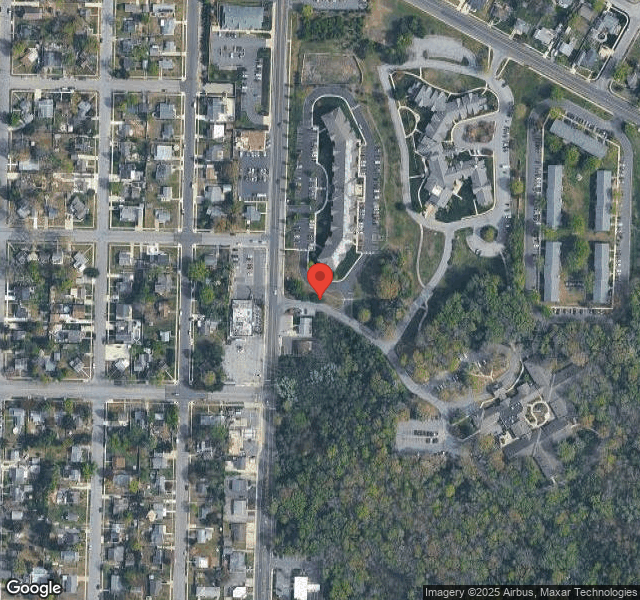
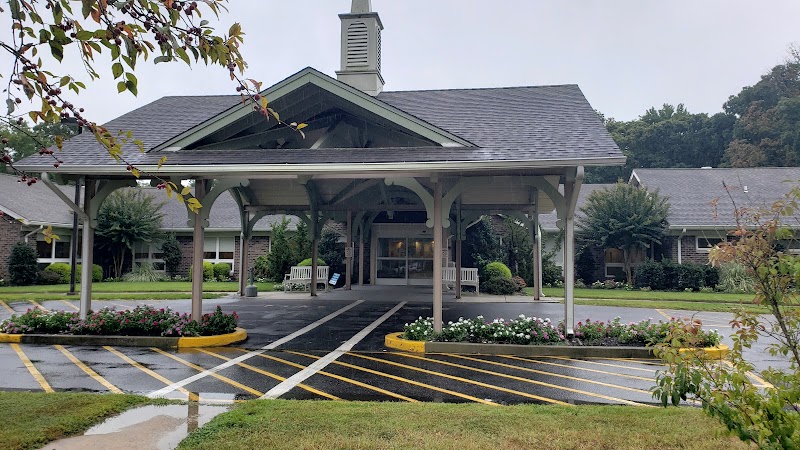
3809 BAYSHORE ROAD, NORTH CAPE MAY, NJ 08204 (609) 898-0677
For profit - Limited Liability company 120 Beds Independent Data: November 2025 1 Immediate Jeopardy citation
Trust Grade
54/100
#217 of 344 in NJ
Last Inspection: March 2025

Within standard 12-15 month inspection cycle. Federal law requires annual inspections.

Overview

Pelican Pointe Post Acute Nursing & Rehabilitation has a Trust Grade of C, which means it is average-neither great nor terrible. It ranks #217 out of 344 facilities in New Jersey, placing it in the bottom half of the state, and #6 out of 7 in Cape May County, indicating only one local option is better. The facility is improving, with issues decreasing from 8 in 2023 to 7 in 2025. Staffing is a relative strength, with a 4/5 star rating and a low turnover of 28%, which is below the state average of 41%. However, there are concerning aspects, including $16,153 in fines, which is average but still indicative of compliance issues. Specific incidents include a critical finding where a cognitively impaired resident with a history of exit-seeking behaviors eloped from the facility due to inadequate supervision. Additionally, there were concerns about not following a physician's ordered pain scale for residents' medication and maintaining kitchen sanitation, which could lead to foodborne illness. While there are strengths in staffing and an excellent quality measure rating, families should weigh these against the facility's history of safety and supervision issues.

Trust Score
C
54/100
In New Jersey
#217/344
Bottom 37%
Safety Record
High Risk
Review needed
Inspections
Getting Better
8 → 7 violations
Staff Stability
✓ Good
28% annual turnover. Excellent stability, 20 points below New Jersey's 48% average. Staff who stay learn residents' needs.
Penalties
⚠ Watch
$16,153 in fines. Higher than 93% of New Jersey facilities. Major compliance failures.
Skilled Nurses
⚠ Watch
Each resident gets only 25 minutes of Registered Nurse (RN) attention daily — below average for New Jersey. Fewer RN minutes means fewer trained eyes watching for problems.
Violations
⚠ Watch
16 deficiencies on record. Higher than average. Multiple issues found across inspections.
★★★☆☆
3.0
Overall Rating
★★★★☆
4.0
Staff Levels
★★★★★
5.0
Care Quality
★★☆☆☆
2.0
Inspection Score
Stable
2023: 8 issues
2025: 7 issues

The Good

  • 4-Star Staffing Rating · Above-average nurse staffing levels
  • 5-Star Quality Measures · Strong clinical quality outcomes
  • Low Staff Turnover (28%) · Staff stability means consistent care
  • Full Sprinkler Coverage · Fire safety systems throughout facility
  • No fines on record
  • Staff turnover is low (28%)

    20 points below New Jersey average of 48%

Facility shows strength in staffing levels, quality measures, staff retention, fire safety.

The Bad

3-Star Overall Rating

Near New Jersey average (3.3)

Meets federal standards, typical of most facilities

Federal Fines: $16,153

Below median ($33,413)

Minor penalties assessed

The Ugly 16 deficiencies on record

1 life-threatening
Jul 2025 1 deficiency
CONCERN (D) 📢 Someone Reported This

A family member, employee, or ombudsman was alarmed enough to file a formal complaint

Potential for Harm - no one hurt, but risky conditions existed

Comprehensive Care Plan (Tag F0656)

Could have caused harm · This affected 1 resident

Based on observations, interviews, medical record review, and review of other pertinent facility documentation on 07/14/2025 and 07/15/2025 it was determined that the facility failed to develop a comp...

Read full inspector narrative →
Based on observations, interviews, medical record review, and review of other pertinent facility documentation on 07/14/2025 and 07/15/2025 it was determined that the facility failed to develop a comprehensive person-centered care plan (CP), and failed to follow the facility Licensed Practical Nurse (LPN), Registered Nurse (RN) and Unit Manager (UM) job descriptions for 1 of 3 residents (Resident #3) reviewed for CPs.This deficient practice was evidenced by the following:According to the admission Record (AR), Resident #3 was admitted to the facility with diagnoses which included but were not limited to hemiplegia (paralysis on one side of the body) and hemiparesis (weakness on one side of the body) following cerebral infarction (a condition where blood flow to the brain is blocked, depriving brain cells of oxygen) affecting right dominant hand; muscle weakness; other abnormalities of gait and mobility; cognitive communication deficit; and noninfective gastroenteritis and colitis, unspecified. According to the Minimum Data Set (MDS), an assessment tool, dated 04/23/2025, Resident #3 had a Brief Interview for Mental Status (BIMS) of 11 out of 15, indicating that the resident's cognition was moderately impaired. The MDS revealed that Resident #3 required substantial/maximal assistance with toileting hygiene, was dependent for toilet transfers, and was frequently incontinent of urine and stool. A review of Resident #3's progress note (PN) dated 06/04/2025 at 11:41 P.M., revealed that the resident had loose stools and received anti-diarrhea medication. A PN dated 06/06/2025 at 2:04 A.M., revealed that Resident #3 had, extensive loose bowel x2 with a foul smell. A PN dated 06/06/2025 at 12:25 P.M. revealed that a physician was contacted due to Resident #3 complaints of chronic diarrhea and lab studies were ordered. A PN dated 06/08/2025 at 7:47 A.M., revealed, Resident sent to ER for loose stools per residents' request. A PN dated 06/08/2025 at 2:51 P.M., revealed that Resident #3 returned from the hospital with a diagnosis of colitis with the recommendation to begin antibiotic treatment. A PN dated 06/17/2025 at 12:32 P.M., revealed [.] reviewed stool bulking food items. [family member] requested appointment with GI [gastroenterology] be moved up [.]. A PN dated 06/21/2025 at 5:55 P.M., revealed that Resident #3 had loose stools and that anti-diarrhea medication was given with positive results. A PN dated 07/11/2025 at 3:41 P.M., revealed that Resident #3 had 4 episodes of diarrhea and received antidiarrheal medication. The same PN revealed that a medication with a side effect of diarrhea was discontinued per doctor's orders. Review of Resident #3's Order Summary Report revealed orders for the following medications:Loperamide HCl Capsule (medication used to treat diarrhea) 2 MG, give 1 capsule by mouth every 8 hours as needed for diarrhea after each loose stool. The order date was 05/23/2025.Lomotil tablet (medication used to treat diarrhea) 2.5-0.025 MG, give 2 tablets by mouth every 4 hours as needed for diarrhea no more than 8 tabs daily. The order date was 06/13/2025.GlycoLax Powder (medication used for the treatment of constipation), Give 17 gram by mouth every 24 hours as needed for constipation. The order date was 04/17/2025. The order was discontinued on 05/23/2025. Review of Resident #3's Medication Administration Record revealed that Resident #3 received 54 doses of as needed diarrhea medications during the months of May, June, and July 2025. Review of Resident #3's CP revealed no Focus, Goals, or Interventions addressing Resident #3's diagnosis of colitis or the resident's diarrhea. An interview was conducted with LPN #1 on 07/15/2025 at 3:56 P.M. LPN #1 stated that Resident #3 had ongoing diarrhea, was diagnosed with colitis, has been seen by a Gastroenterologist, and had an upcoming follow-up appointment for a colonoscopy. During the same interview LPN #1 stated that the process when a resident developed a new issue was for staff to make their leadership during huddles. LPN #1 stated that UMs, the MDS Coordinator, or the Director of Nursing (DON) updated resident CPs. LPN #1 further stated that staff referred to the CP to know what care the resident required and that it was important to add new issues to the CP when the arouse. An interview was conducted with UM #1 on 07/15/2025 at 4:08 P.M. UM #1 stated that CPs were intended to ensure that residents received the care they needed, and that CPs were where, everything comes together. UM #1 stated that Nurses, UMs, MDS Coordinators, and Social Services could all update CPs and the expectation was that CPs were updated when new issues arouse. UM #1 stated that typically, it was the responsibility of the UM to ensure that CPs were updated. UM #1 stated that if a CP was not updated issues might be missed, the care provided would not be reflected, and lack of communication could occur. During the same interview UM #1 stated that she was aware the Resident #3 had been having diarrhea since she (UM #1) began working at the facility on 06/10/2025. Resident #3's CP was reviewed with UM #1. UM #1 confirmed that the CP contained no Focus, or Interventions, related the resident's diarrhea. An interview was conducted with the facility's DON on 07/15/2025 at 5:30 P.M. The DON stated that it was the expectation that staff reviewed CPs to understand the goals for care and to know what interventions were in place for residents. The DON stated that it was the expectation the UMs and the interdisciplinary team kept CPs updated. The DON further stated that the addition of new developments to the CP was important to keep residents safe and provide high quality care. During the same interview the DON confirmed that Resident #3 had several bouts of loose stools and many interventions were implemented for this issue. The DON reviewed Resident #3's CP and confirmed that diarrhea was not included as a CP focus prior to 07/15/2025. The DON further stated that Resident #3's diarrhea should have been a CP focus because it was a health issue that was still being addressed. The facility's LPN job description document, revised 9/2010, was reviewed. Page 2 of the document revealed under, PART I: JOB RESPONSIBILITIES AND STANDARDS, 6. Initiates Plan of Care on admission. Reviews, evaluates & updates plan & interventions as needed. The facility's RN job description document, revised 9/2010, was reviewed. Page 2 of the document revealed under, PART I: JOB RESPONSIBILITIES AND STANDARDS, 6. Initiates Plan of Care on admission. Reviews, evaluates & updates plan & interventions as needed. The facility's UM job description document, revised 9/2010, was reviewed. Page 2 of the document revealed under, PART I: JOB RESPONSIBILITIES AND STANDARDS, 6. Initiates Plan of Care on admission. Reviews, evaluates & updates plan & interventions as needed. N.J.A.C.:8:39-11.2 (e)2
Mar 2025 6 deficiencies 1 IJ
CRITICAL (J) 📢 Someone Reported This

A family member, employee, or ombudsman was alarmed enough to file a formal complaint

Immediate Jeopardy (IJ) - the most serious Medicare violation

Accident Prevention (Tag F0689)

Someone could have died · This affected 1 resident

Complaint # NJ 180316 Based on interview, review of the medical record, and review of other facility documentation, it was determined that the facility failed to provide adequate supervision for a cog...

Read full inspector narrative →
Complaint # NJ 180316 Based on interview, review of the medical record, and review of other facility documentation, it was determined that the facility failed to provide adequate supervision for a cognitively impaired resident with a known history of exit-seeking behaviors which resulted in the resident eloping on 11/20/2024. The deficient practice was identified for 1 of 2 residents reviewed for elopement (Resident #12). Resident #12, who was cognitively impaired with a known history of exit-seeking, eloped from the facility on 11/20/2024. The staff reported last seeing Resident #12 in their room at 6:15 AM on 11/20/2024. The resident wore a wanderguard (a personal alarm that triggers at exits to alert staff) to their right ankle that the physician ordered to be checked for placement and function every shift, and was last checked during the night shift on 11/19/2024. On 11/20/2024 at 6:39 AM, the local police department called the facility to report that Resident #12 was found off the facility's premises at an adjacent assisted living facility. Resident #12 was returned to the facility by the Emergency Medical Technicians (EMT) at approximately 7:15 AM. At that time, a full-body assessment of Resident #12 was completed and no injuries were noted. The facility's failure to provide adequate supervision to a cognitively impaired resident who was at risk for elopement and eloped posed a likelihood of serious harm, injury, impairment, or death. This resulted in an Immediate Jeopardy (IJ) situation. The IJ began on 11/20/2025 at 6:15 AM, when Resident #12 was last seen. The facility's Administration was notified of the IJ on 3/20/2025 at 3:15 PM. The facility submitted an acceptable Removal Plan (RP) on 3/21/2025. The survey team verified the implementation of the RP during the continuation of the on-site survey on 3/21/2025. The evidence is as follows: A review of the facility's policy titled, Elopement of Resident revised on 5/1/2024, revealed under Policy that; Resident will be evaluated for elopement risk upon admission, re-admission, quarterly and with a change in condition as part of the nursing assessment process. Those determined to be at risk will receive appropriate interventions to reduce risk and minimize injury. A review of the electronic Medical Record (EMR) on 3/19/2025 at 11:55 AM, revealed the following: According to the admission Record face sheet (an admission summary), Resident #12 was admitted with diagnoses including but not limited to; senile degeneration of brain (a group of conditions that cause a progressive decline in cognitive abilities, such as memory, thinking, and reasoning) and unspecified dementia, severe, with agitation. A review of the most recent comprehensive Minimum Data Set (MDS), an assessment tool dated 10/15/2024, revealed Resident #12 had a Brief Interview for Mental Status (BIMS) score of 3/15 which indicated that Resident #12's cognition was severely impaired. A further review of the MDS indicated the resident ambulated independently with no assistive devices and used a wander/elopement alarm daily. A review of Resident #12's individualized comprehensive care plan (ICCP) initiated on 7/15/2024, identified the resident as at risk for elopement and was revised on 11/20/2024, for an actual elopement. Interventions included; the resident will not attempt to leave the facility without an escort initiated on 7/15/2024, utilize and monitor security bracelet per protocol initiated on 7/15/2024, and utilize diversion technique as appropriate to redirect the resident if he/she nears exits or doorways. A review of the Order Summary Report revealed a physician's order dated 09/11/2024, for a wanderguard device placed on the resident's right ankle due to poor safety awareness A21350907 (identification number) and expiration: 7/2027 (update order with new date when bracelet is changed); every shift to check for placement. A review of the Treatment Administration Record (TAR) dated 11/01/2024-11/30/2024 revealed the physician's order for the wanderguard was signed as having been checked for placement and function on 11/19/2024, during the 11:00 PM and 7:00 AM shift. A review of an Elopement Evaluation dated 10/14/2024, revealed that a wanderguard device was needed and applied on 7/27/2024, to the right ankle. A review of the Progress Notes (PN) dated 07/13/2024 at 4:31 PM, revealed that the resident was exit seeking due to looking for their spouse. The PN revealed that on the same date at 5:36 AM, the resident was observed walking around the unit asking for an exit and at one time set off the door alarm. A PN dated 8/16/2024 revealed that at 4:11 PM, the Psychiatric Nurse Practitioner documented that the resident was exit-seeking and was redirected at that time. A PN dated 11/4/2024, revealed that the resident had worsening agitation, a failed gradual dose reduction (tapering of a dose to determine if symptoms, conditions, or risks can be managed by a lower dose or if the medication can be discontinued altogether) of an antipsychotic drug, escalating agitation, and was not easily redirected. A review of the facility's Investigation and Summary dated 11/20/2024, revealed the following under the Resident's Pertinent Medical Information: the resident was ambulatory without an assistive device. The resident had a wanderguard device on their ankle for poor safety awareness. Under the Description of the event on 11/20/2024, included the following: The facility staff last reported seeing Resident #12 in their room at 6:15 AM. At 6:39 AM, the local police department received a call that an individual had been found by staff from an adjacent assisted living facility. At approximately 6:50 AM, the local police department called the facility to notify that Resident #12 had been found safe. Resident #12 was returned to the facility by the EMTs at approximately 7:15 AM. At that time, according to the Investigation and Summary, Resident #12 was wearing a wanderguard when they exited the facility. The wandergaurd was checked upon return and was still functioning properly. Resident #12 was assessed and no injuries were determined. At that time, staff checked all residents in the facility to be sure they were accounted for and closely monitored Resident #12 while the facility waited for the Electronic Service Company for the wandergaurd system to arrive. The summary revealed that an audit was completed of all exit doors to ensure they properly closed and latched. It was determined that the wanderguard system on the egress door from the secured unit into the main dining room was functioning intermittently. Staff were assigned to monitor the door until the doors could be assessed by the Electronic Service Company. The company was contacted immediately and came to assess the functionality of the doors. Repairs were made to ensure the doors were safely operating. A review of the facility's Investigation and Summary under Investigation Findings revealed that it was inconclusive how Resident #12 exited the facility. A review of the Investigation and Summary under Conclusion and Resolution revealed that the care plan was reviewed and updated with additional interventions. The medical doctor and family were notified. The Department of Health and Long Term Care Ombudsman were notified. The Electronic Service Company conducted an assessment of all wanderguard doors and made repairs if needed to ensure all doors functioned properly. Daily maintenance checks of all exit doors with a wanderguard to be sure they functioned properly. Nursing staff checked the wanderguard bracelets daily to ensure function. A review of an invoice dated 11/20/2024, from the Electronic Service Company revealed that a wanderguard inspection of all doors was done today due to an elopement. The wanderguard at the door was not working. Door #24 which led to the service corridor was determined to be defective. The invoice revealed Door #28, which led to the parking lot and could be accessed from Door #24, was determined by the company to not be equipped for wander control of wanderguards. The Electronic Service Company installed the wanderguard control system at that time. The invoice revealed that Door #18, which was the entry/exit of the B-Unit, was determined to have a faulty magnetic lock. A review of a typed letter from the Electronic Service Company dated 11/22/2024, revealed: Double doors service corridor 135DE panel found to be faulty. Replaced panel and tested good. Set loiter for 15 seconds. The loading dock was just access control, upgraded from 500 into 135DE as requested. Tested good. Set loiter for 15 seconds. B-Unit double doors entry/exit replaced faulty magnetic lock and tested good. A review of a handwritten statement signed by the Certified Nurse Aide (CNA #1) on duty 11/19/2024, revealed the following: Resident was not see leaving but was noticed [the resident] was missing around 6:45 AM check on [the resident] at 6:15 AM, resident was sitting in room in bed. I was notified by nurse at 6:40 AM. A review of a handwritten statement signed by the Licensed Practical Nurse (LPN #1) on duty on 11/19/2024, revealed the following: I was told by the nurse that police called A wing reporting that they had [Resident #12] in their custody. The last time I saw the above resident was around 5:45 AM while [the resident] was standing by the door to [the resident's] room as I was passing my [medications]. That was the last time I saw [the resident] because I had to go to another hallway to give my [medications]. A review of a handwritten statement signed by CNA #2 on duty on 11/19/2024, revealed the following: The nurse told me that the resident escaped and is with the police. The last time I was with the resident was around a little at 6 AM. Because after my rounds I went on a break to the smoking station. A review of a handwritten statement signed by LPN #2 on duty 11/19/2024, revealed the following: At 645 [AM]-A-wing nurse reported police called to say they have [Resident #12]. Went into room to see [the resident's] bed empty. I last saw [Resident #12] sitting in [their] chair at approximately 5:30 AM in [the resident's] room. I was down the hall with another resident for [approximately] 20 minutes. I did not hear a door alarm. During an interview with the surveyor on 3/20/2025 at 11:09 AM, the Licensed Nursing Home Administrator (LNHA) stated that the egress door (Door #18) from the secure unit into the dining room worked intermittently. The LNHA continued that the door used to be activated by a push button but was now an electronic numeric pad, and the system shut down upon the approach of a wanderguard device. The LHNA stated that the door into the service area (Door #24) that went towards the kitchen was worked on by the Electronic Service Company. The LNHA stated that the camera located over the B-Wing nurses station did not cover Door #18 and that the cameras worked intermittently as well. The LNHA stated there was no camera footage that captured of Resident #12's elopement. During an interview with the surveyor on 3/20/2025 at 12:06 PM, the Maintenance Director (MD) and the LNHA revealed the following information: The MD had been employed at the facility since 2019 and stated that every Sunday, he checked the doors on A-Wing and B-Wing with a wanderguard bracelet at each keypad to ensure it locked and beeped. The MD stated that meant that it was locking and not allowing the doors to open. The MD stated he then put the tag away went back to the lock and tested for a fifteen second push, for emergencies. Once the lock was released, he closed the door, cleared the alarm, and marked that it was checked. The MD stated that every single door that had a keypad was included in the checks. When asked by the surveyor if he was aware that Door #18 functioned intermittently prior to the elopement, the MD replied, Yes, I did. When asked by the surveyor if he was aware that Door #24 was defective prior to the elopement, the MD replied, That thing never worked since I've worked here. The only thing I can say is probably a mistake of human. An acceptable RP was received on 3/21/2025 at 10:48 AM, which indicated the action the facility took to prevent serious harm from occurring or recurring. The facility implemented a corrective action plan to remediate the deficient practice including; Resident #12's skin was assessed without injury, their wanderguard was checked for placement and functioning without identified issues, Resident #12 was seen by psychiatric services within twenty-four hours without medication modifications and their plan of care was updated after Interdisciplinary Team review, the exit door on the unit was monitored by rotating staff pending vendor arrival, the MD conducted a house wide audit of all doors to ensure the wandergaurd system was functioning, the Director of Nursing (DON)/designee performed a house wide audit of all residents at risk for elopement to ensure appropriate monitoring was in place, the DON and Staff Educator completed education and initiated competencies on facility's Elopement Policy. The survey team verified the implementation of the RP during the continuation of the on-site survey on 3/21/2025. NJAC 8:39-27.1(a)
CONCERN (D)

Potential for Harm - no one hurt, but risky conditions existed

Deficiency F0558 (Tag F0558)

Could have caused harm · This affected 1 resident

**NOTE- TERMS IN BRACKETS HAVE BEEN EDITED TO PROTECT CONFIDENTIALITY** Based on observation, interview, and review of pertinent facility documents, it was determined that the facility failed to maint...

Read full inspector narrative →
**NOTE- TERMS IN BRACKETS HAVE BEEN EDITED TO PROTECT CONFIDENTIALITY** Based on observation, interview, and review of pertinent facility documents, it was determined that the facility failed to maintain a homelike environment that accommodated the resident needs and preferences. This deficient practice was identified for 1 of 23 residents reviewed (Resident# 311) and was evidenced by the following: During the initial tour of the facility on 03/18/2025 at 10:04 AM, the surveyor observed Resident #311in bed with both knees bent and the soles of both feet touching the footboard. The surveyor noted that Resident #311 filled the entire length of the bed and was not slouched towards the bottom. When asked if Resident #311 was comfortable, they stated that they have asked for the bed to be lengthened when they entered but nothing was done about it. On 03/19/2015 at 09:26 AM, the surveyor observed the resident in bed with both knees bent and the soles of both feet touching the footboard. The surveyor reviewed the medical record for Resident #311. A review of the admission Record, an admission summary, revealed the resident had diagnoses which included, but were not limited to: Pneumonia, Chronic Obstructive Pulmonary Disease (COPD), and Pulmonary Hypertension. A review of the resident's comprehensive Minimum Data Set (MDS), an assessment tool used to facilitate the management of care, dated 03/15/2025 included the resident had a Brief Interview for Mental Status (BIMS) score of 11 out of 15, which indicated the resident's cognition was moderately impaired. During an interview with the surveyor on 03/19/2025 at 12:09 PM, Certified Nursing Assistant (CNA #1) stated that part of their role is to ensure patient safety in the room. When asked how they would know if a patient is uncomfortable in bed, CNA #1 stated that they would look for positioning, like being scrunched up. During an interview with the surveyor on 03/20/2025 at 10:17 AM, Licensed Nurse Practitioner (LPN #1) explained that residents are always monitored for comfort and that residents should fit their bed. When asked what the procedure would be for those that do not fit in their bed, LPN #1 stated that they would be repositioned and if that did not work all the beds in the facility can be extended. LPN #1 confirmed that nursing would contact maintenance to have the bed extended because it would require an additional cushion to be added to the bed. On the same date and time, the surveyor entered room [ROOM NUMBER] where Resident #311 was seated in the wheelchair next to the bed. Resident #311 stated that they were waiting for the bed to be extended. The surveyor showed a picture depicting Resident # 311 feet against the footboard. LPN #1 confirmed that this should have been completed to meet Resident #311 needs and prevent any injuries or discomfort. During an interview with the surveyor on 03/21/2025 at 10:21 AM, Registered Nurse Unit Manager (RNUM#1) confirmed that it was the nursing staff's responsibility to ensure that resident's fit properly in bed. During an interview with the surveyors on 03/24/2025 at 10:11 AM, the Director of Nursing, in the presence of the Licensed Nursing Home Administration, Infection Preventionist, and Regional Licensed Nursing Home Administrator, confirmed that the nursing department should have contacted maintenance upon recognition that the resident's bed needed to be extended. A review the facility's undated Resident Rights document, included that resident's are to live in safe, clean, comfortable and home-like environment. To be treated with courtesy, dignity, and respect [ .]. The facility was unable to provide any policies regarding resident Accommodation of Needs. NJAC 8:39-4.1(a)11
CONCERN (D)

Potential for Harm - no one hurt, but risky conditions existed

Safe Environment (Tag F0584)

Could have caused harm · This affected 1 resident

**NOTE- TERMS IN BRACKETS HAVE BEEN EDITED TO PROTECT CONFIDENTIALITY** On 3/18/25 at 10:00 AM, Surveyor #2 observed the Central Shower Room on A wing. In the shower on the left side of the shower roo...

Read full inspector narrative →
**NOTE- TERMS IN BRACKETS HAVE BEEN EDITED TO PROTECT CONFIDENTIALITY** On 3/18/25 at 10:00 AM, Surveyor #2 observed the Central Shower Room on A wing. In the shower on the left side of the shower room, the surveyor observed a crack in the floor of the shower. On the wall to the right of the door, the surveyor observed 2 holes in the drywall. During an interview with the surveyors on 03/21/2025 at 11:45 AM, the Director of Maintenance (DOM) stated that they round the building constantly monitoring the general conditions. When shown pictures of the crack in the flooring in the Central Shower Room and the hole in the drywall, the DOM confirmed that he is trying to figure out how to repair it. During an interview with the surveyors on 03/24/2025 at 10:11 AM, the Director of Nursing, in the presence of the Licensed Nursing Home Administration, Infection Preventionist, and Regional Licensed Nursing Home Administrator, confirmed that the crack in the shower room floor and the hole in the drywall will be repaired. A review the facility's undated Resident Rights document, included that resident's are to live in safe, clean, comfortable and home-like environment. To be treated with courtesy, dignity, and respect [ .]. During the initial tour of the facility on 03/18/2025 at 10:04 AM, surveyor #3 entered room [ROOM NUMBER] and observed Resident #311 in bed, who requested to have the windows of their room open. The surveyor opened the sliding window and observed that the outside screen was ripped. Resident #311 stated that they enjoyed having the window open on nice days. Surveyor #3 also observed that the wall across from Resident #311's bed had marking and gouges in the wall that chipped away the paint. During an interview with the surveyors on 03/21/2025 at 11:45 AM, the Director of Maintenance (DOM) stated that they round the building constantly monitoring the general conditions. When shown pictures of Resident #311 screen and wall, the DOM confirmed that the screen should not be torn and that the wall should not present in that fashion. During an interview with the surveyors on 03/24/2025 at 10:11 AM, the Director of Nursing, in the presence of the Licensed Nursing Home Administration, Infection Preventionist, and Regional Licensed Nursing Home Administrator, confirmed that the screen has been replaced. A review the facility's undated Resident Rights document, included that resident's are to live in safe, clean, comfortable and home-like environment. To be treated with courtesy, dignity, and respect [ .]. N.J.A.C. 8:39-31.4(a) Based on observation, interview, and pertinent facility documentation, it was determined that the facility failed to maintain a homelike environment that was clean, safe, and sanitary. This deficient practice was identified for 2 of 2 units (A Unit and B Unit). This deficient practice was evidenced by the following: On 03/19/2025 at 09:30 AM, Surveyor #1 observed the pantry area of A Unit. There was black debris on the floor near the refrigerator, and the microwave had brown debris inside and chipped paint. On 03/19/2025 at 10:14 AM, Surveyor #1 observed the pantry area of B Unit. A cabinet drawer near the refrigerator was missing, another drawer near the sink was off track, and a plunger along with a white rack was stored under the counter in plain sight. Additionally, the microwave contained brown debris. During an interview with Surveyor #1 on 03/21/2025 at 10:21 AM, the Registered Nurse/Unit Manager #1 (RN/UM #1) said that all facility staff are responsible for maintaining cleanliness on the units and throughout the facility. The staff should inform Environmental Services if any issues arise that are beyond their control. If staff notice broken furniture or equipment, they should document it in the maintenance log at the nurses' station so that maintenance can address the repairs or replacements. On 03/21/2025 at 10:33 AM, while reviewing the maintenance logs with RN/UM #1, it was noted that there was no documentation regarding a missing cabinet drawer near the refrigerator or a drawer near the sink that was off track on the B Unit. During an interview with the Maintenance Director (MD) on 03/21/2025 at 11:45 AM, the MD said that he walks around the building daily to check for issues and conducts rounds every Sunday to ensure that all tasks are completed, and everything is functioning properly. Maintenance logs are reviewed daily, and repairs are prioritized based on the availability of supplies and the severity of the issues. Typically, building repairs are finished within a week. A review of a facility undated policy titled, Resident Rights, revealed under physical and personal environment, To live in a safe, clean, comfortable, and home-like environment. N.J.A.C. 8:39-31.3(a)
CONCERN (D)

Potential for Harm - no one hurt, but risky conditions existed

Pharmacy Services (Tag F0755)

Could have caused harm · This affected 1 resident

Based on observation, interview, record review, and review of pertinent documentation, it was determined that the facility failed to establish a system of records for all controlled drugs in sufficien...

Read full inspector narrative →
Based on observation, interview, record review, and review of pertinent documentation, it was determined that the facility failed to establish a system of records for all controlled drugs in sufficient detail to enable an accurate reconciliation for the dispensing of controlled medications for 1 out of 3 medication carts inspected for the Medication Storage and Labeling task. This deficient practice was evidenced by the following: On 03/18/2025 at 10:31 AM, in the presence of the Licensed Practical Nurse (LPN)# 1, the surveyor inspected the medication cart on A wing labeled cart one for storage and labeling of medications. During reconciliation of controlled medications, the surveyor observed 7 Lyrica (a medication used to treat pain due to nerve damage) 75mg (milligram) in the blister pack in the narcotic box, but the Controlled Drug Sheet (CDS) documented 8 were left. The surveyor also observed 18 Oxycodone HCL Oxycontin (a narcotic medication used to treat pain)15 mg in the blister pack in the narcotic box, but the CDS documented 19 were left. Lastly the surveyor observed 37 Tramadol (a medication used to treat pain) 50mg in the blister pack in the narcotic box, but the CDS documented 38 were left. LPN #1 stated I did sign them out on the computer. When asked if the meds should have been signed out on the CDS, the LPN #1 replied, yes. During an interview on 03/19/2025 at 01:09 PM with the surveyor, the Director of Nursing said that narcotics should be signed out in the CDS when they are administered to show that the medications were administered or destroyed. Review of the facility's policy titled Controlled Drugs: Management of revealed under, Policy that The management of controlled drugs - including the ordering, receipt, storage, administration, ongoing inventory, and destruction is conducted under the direction and ultimate responsibility of the Center Executive Director and Center Nurse Executive and follows safe practice and federal/regulations. NJAC 8:39-29.7(c)
CONCERN (D)

Potential for Harm - no one hurt, but risky conditions existed

Deficiency F0761 (Tag F0761)

Could have caused harm · This affected 1 resident

**NOTE- TERMS IN BRACKETS HAVE BEEN EDITED TO PROTECT CONFIDENTIALITY** Based on observation, interview, and review of pertinent facility documents it was determined that the facility failed to a) ens...

Read full inspector narrative →
**NOTE- TERMS IN BRACKETS HAVE BEEN EDITED TO PROTECT CONFIDENTIALITY** Based on observation, interview, and review of pertinent facility documents it was determined that the facility failed to a) ensure all medical supplies were stored in accordance with professional standards by having expired supplies, and b) keep medications labeled properly specifically by not labeling medications with an opened date. The deficient practice was identified in 1 of 1 medication storage rooms inspected and 2 of 3 medication carts reviewed under the Medication Task. The deficient practice was evidenced by the following: a) On [DATE] at 10:01 AM while on Unit B, the surveyor inspected the medication room. At that time 7 culture and sensitivity transfer straw kits were observed with the expiration date of 10/23. At the that time the surveyor interviewed the Unit Manger (UM). The UM said she doesn't think the center uses the kits anymore. When asked if there should be anything expired in the medication room, the UM replied, no there shouldn't be anything expired. b) On [DATE] at 10:23 AM while on Unit A, the surveyor inspected medication cart #2. In the top drawer of the cart, the surveyor observed an opened insulin (a medication to help control blood sugar) multi-dose vial without a date it was opened. In the same drawer the surveyor observed a heparin (a medication that prevents blood clots) multi-dose vial without a date it was opened. At that time of the inspection, the surveyor interviewed Licensed Practical Nurse (LPN) # 1. LPN # 1 said that she thinks the medications came in during the last shift and were open for the 6 am medication pass. LPN # 1 also said that when the medications were opened, they should have been dated. On [DATE] at 10:31 AM while on Unit A the surveyor inspected medication cart #1. In the top drawer of the cart, the surveyor observed 2 opened insulin multi-dose vials without a date they were opened. At the time of inspection, the survey interviewed LPN #2. LPN #2 said they should have open dates on them. During an interview on [DATE] at 01:09 PM with the surveyor, the Director of Nursing (DON) said there should not be anything expired in the medication's rooms. The DON also said the multi-use vials should be labeled when they are opened. A review of a facility provided policy with a review date of [DATE] and titled. Medication Storage Policy revealed under, Policy Statement that, All medications must be stored securely, maintained at appropriate temperatures, and managed to prevent contamination, diversion and improper use. The policy also revealed under, 1. General Medication Storage Requirements: that, multi-dose vials and liquid medications must be labeled with the date of opening and used within the manufacturer's recommended timeframe. N.J.A.C. § 8:39-29.4 (a) (g)
CONCERN (D)

Potential for Harm - no one hurt, but risky conditions existed

Garbage Disposal (Tag F0814)

Could have caused harm · This affected 1 resident

Based on observation, interview, and pertinent facility documentation, it was determined that the facility failed to properly dispose of garbage and refuse. This deficient practice was identified outs...

Read full inspector narrative →
Based on observation, interview, and pertinent facility documentation, it was determined that the facility failed to properly dispose of garbage and refuse. This deficient practice was identified outside on the facility's property. This deficient practice was evidenced by the following: On 03/18/2025 at 10:21 AM, the surveyor observed a garage in the facility's parking lot, where there were several items, including, but not limited to, a cart for oxygen tanks filled with empty portable tanks, a large oxygen tank, wooden pallets, a toilet, and a wheelchair. On 03/18/2025 at 10:22 AM, the surveyor observed several items near the trash can and garbage compactor outside of the facility, including, but not limited to, a folded mattress, a television, tires, crates, and chairs. On 03/18/2025 at 10:23 AM, the surveyor observed several items behind the facility, in the parking lot near a storage bin. These items included, but were not limited to, a shower bed with foam cushioning, a shower chair, trash can lids, a bed frame with a mattress, a pile of leaves, wooden flat pallets, a whirlpool tub with bags of debris, and various gardening supplies. During an interview with the Maintenance Director (MD) on 03/21/2025 at 11:45 AM, the MD said that the maintenance team handles garbage and bulk waste outside of the facility. Oxygen tanks are stored outside once empty, and maintenance contacts the oxygen company to pick them up once the cart is full. Gardening supplies are also kept outside due to a lack of storage space. The Township does not permit bulk trash in regular bins, so the facility must arrange for a container to take the trash to the dumpster. The facility was unable to provide a policy regarding proper dispose of garbage and refuse. NJAC 8:39-19.7
Nov 2023 1 deficiency
CONCERN (D) 📢 Someone Reported This

A family member, employee, or ombudsman was alarmed enough to file a formal complaint

Potential for Harm - no one hurt, but risky conditions existed

Medical Records (Tag F0842)

Could have caused harm · This affected 1 resident

**NOTE- TERMS IN BRACKETS HAVE BEEN EDITED TO PROTECT CONFIDENTIALITY** Complaint #NJ00169106 Based on observation, interview, record review, and review of facility documentation on 11/17/23 and 11/20...

Read full inspector narrative →
**NOTE- TERMS IN BRACKETS HAVE BEEN EDITED TO PROTECT CONFIDENTIALITY** Complaint #NJ00169106 Based on observation, interview, record review, and review of facility documentation on 11/17/23 and 11/20/23, it was determined that the facility failed to: A.) complete neurological evaluations (neuro checks) for a resident who sustained an unwitnessed fall and B.) consistently document on the Documentation Survey Report the Activities of Daily Living (ADL) status and care provided to the residents. In addition, the facility failed to follow the facility's policies titled, Activities of Daily Living, ADLs, and Falls Management. The deficient practice was identified for Residents #1 and #2, 2 of 3 residents reviewed for medical records documentation and was evidenced by the following: A.) On 11/17/23 at 11:11 AM, the surveyor observed Resident #1 near the nurse's station lying in a geriatric chair recliner (a large padded chair with a wheeled base designed to assist people with limited mobility) with their eyes closed. The resident did not respond to the surveyor's greetings. According to the admission Record (AR), Resident #1 was admitted on [DATE], with medical diagnoses that included but were not limited to dementia, severe with other behavioral disturbance, muscle weakness, difficulty in walking, and need for assistance with personal care. The admission Minimum Data Set (MDS), an assessment tool used to facilitate the management of care, dated 10/19/23, revealed a Brief Interview for Mental Status (BIMS) score of 2 which indicated the resident's cognition was severely impaired. The MDS also indicated the resident had fallen in the last two to six months prior to admission and had one fall, with no injury, since being admitted to the facility. Review of Resident #1's care plan revealed a Focus, initiated on 10/17/23, that the resident was at risk for falls and/or had actual falls related to cognitive loss, lack of safety awareness, impaired mobility, a recent hospital stay, dementia with decreased cognitive functioning, anxiety, and agitation. Review of Resident #1's Fall Incident Report (IR), dated 10/29/23 at 2:53 AM, revealed the Certified Nursing Assistant (CNA) found Resident #1 on the floor mat next to their bed. Under the, Incident Description section, the IR continued that the resident was anxious, confused and was unable to, communicate properly. Under the, Mental Status section, the IR also indicated that neuro checks [neurological evaluation] (evaluation of the body's nervous system) had been initiated. Under the Notes section of the IR, dated 11/19/23, indicated that the interdisciplinary care team met to review the 10/29/23 fall and that neuro checks were initiated. Review of the Neurological Evaluation Flow Sheet instructed to, Evaluate Every 15 Minutes for First 2 Hours After Initial Evaluation, After First 2 Hours Completed Above, Evaluate Every 30 Minutes for 2 Hours, After First 4 Hours Completed Above, Evaluate Every Hour for 4 Hours, After First 8 Hours Completed Above, Evaluate Every 8 Hours for At Least 64 Additional Hours, Full Evaluation excluding initial evaluation should total no less than 72 hours. The surveyor was unable to locate the corresponding Neurological Evaluation Flow Sheet form for the 10/29/23 fall in the resident's medical record. Review of the resident's Progress Notes (PN) revealed a 10/30/23 Practitioner PN which indicated the resident was neurologically evaluated during the visit. Further review of the PN failed to reveal any documentation that any additional neuro checks were performed on 10/29, 10/30, or 10/31. Review of Resident #1's IR, dated 11/01/23 and timed 3:30 PM, indicated that the resident had an unwitnessed fall when their geriatric chair recliner flipped backwards with the resident in it. Under the Mental Status section revealed that neuro checks had been initiated. Review of the corresponding Neurological Evaluation Flow Sheet form for the 11/01/23 fall indicated that neuro checks began on 11/01/23 at 4:05 PM. Further review of the PN did not reveal any documentation that any additional neuro checks were performed on 11/01. During an interview with the surveyor on 11/20/23 at 10:16 AM, Licensed Practical Nurse (LPN) #1 stated she remembered the incident where Resident #1 had a fall by his/her bedside. LPN #1 stated she followed the protocol for an unwitnessed fall which included initiating neuro checks. During an interview with the surveyor on 11/20/23 at 12:31 PM, the Registered Nurse/Unit Manager (RN/UM) stated that neuro checks would be initiated after a resident had an unwitnessed fall. The RN/UM stated she believed that neuro checks were initiated after Resident #1's 10/29/23 fall but that she could not locate them. During an interview with the surveyor on 11/20/23 at 1:17 PM, the Licensed Nursing Home Administrator (LNHA) stated she knew that the neuro checks were completed after the 10/29/23 fall but that she could not produce the documentation. During an interview with the surveyor on 11/20/23 at 2:09 PM, the Director of Nursing (DON) stated she expected for neuro checks to be in place after an unwitnessed fall. During a follow-up interview with the surveyor on 11/20/23 at 2:35 PM, the DON stated the purpose of neuro checks was to ensure the resident did not have any additional injuries, altered mental status, or a change from their baseline. The DON continued that the resident might need to go out to the hospital for evaluation if they had a change in their neurological status. B.) 1. The surveyor reviewed the medical record for Resident #1: Review of the admission MDS dated [DATE] indicated the resident was dependent for ADLs. Review of Resident #1's care plan revealed a Focus that the resident required assistance and was dependent for ADLs related to dementia with behavioral disturbances, recent hospitalizations, and poor impulse control and safety awareness. The care plan was initiated on 10/17/23 and indicated the resident required two staff members to assist them with bed mobility and transfers. Review of Resident #1's Documentation Survey Report v2 form (DSR) (a form that documents the ADL care provided by the Certified Nursing Assistants (CNAs)) for November 2023 revealed spaces indicating the tasks were not completed as follows: Behavior Symptoms, Bladder Activity, Bowel Activity, Chair/Bed-to-Chair Transfer, Lower Body Dressing, Lying to Sitting on Side of Bed, Oral Hygiene, Personal Hygiene, Putting on/Taking off Footwear, Roll Left and Right [NAME] Bed, Sit to Stand, Sitting on Side of Bed to Lying, Skin Observation, Toilet Transfer, Toileting Hygiene, Upper Body Dressing, Walk 10 Feet, Wheelchair 150 Feet on 11/06/23, 11/11/23, and 11/16/23 on the day shift, on 11/13/23 on the evening shift, on 11/03/23 and 11/13/23 on the night shift. Eating/Drinking, Meal Percentage on 11/06/23, 11/11/23, and 11/16/23 at 9 AM, on 11/06/23, 11/13/23, and 11/16/23 at 1 PM, on 11/13/23 at 6 PM. Bedtime Snack at 8 PM on 11/13/23. 2. The surveyor reviewed the medical record for Resident #2: According to the AR, Resident #2 was admitted on [DATE], with medical diagnoses that included but were not limited to dementia, repeated falls, and muscle weakness. The quarterly MDS, dated [DATE], revealed a BIMS score of 5 which indicated the resident's cognition was severely impaired. The MDS also indicated the resident required between setup and moderate assistance for ADLs. Review of Resident #2's care plan revealed a Focus, initiated on 06/16/22, that the resident was at risk for decreased ability to perform ADLs in bathing, grooming, personal hygiene, dressing, eating, bed mobility, transfer, locomotion, and toileting related to dementia. Review of Resident #2's DSR form for November 2023 revealed blank spaces indicating the tasks were not completed as follows: Behavior Symptoms, Bladder Activity, Bowel Activity, Chair/Bed-to-Chair Transfer, Lower Body Dressing, Lying to Sitting on Side of Bed, Mood Symptoms, Oral Hygiene, Personal Hygiene, Putting On/Taking Off Footwear, Roll Left and Right in Bed, Sit to Stand, Sitting on Side of Bed to Lying, Skin Observation, Toilet Transfer, Toileting Hygiene, Upper Body Dressing, Walk 10 Feet, Wheelchair 150 Feet on 11/04/23, 11/05/23, 11/10/23, 11/14/23, and 11/17/23 on the night shift. During an interview with the surveyor on 11/17/23 at 12:18 PM, CNA #1 stated that he provided ADL care to residents according to their care plans. CNA #1 continued that CNAs were expected to document the ADL care provided to each resident every day and every shift. During an interview with the surveyor on 11/17/23 at 1:06 PM, the Licensed Practical Nurse (LPN) stated the CNAs should document the care they provide to the residents multiple times throughout the shift. During an interview with the surveyor on 11/20/23 at 2:09 PM, the Director of Nursing (DON) stated that she expected Resident #1 and #2's DSRs to be filled out, 100%, every single day and every single shift. The DON added the purpose of the ADL documentation was to show the different types of ADL care provided. Review of the facility policy, Activities of Daily Living (ADLs), with an effective date of 07/01/21, revealed under the Practice Standards section that, ADL care is documented every shift by the nursing assistant. Review of the facility policy, Falls Management, with a reviewed date of 03/01/22, revealed under the Practice Standards section to, Perform Neurological Evaluation for all unwitnessed falls and witnessed falls with injury to the head or face. NJAC 8:39-35.2 (d)(6).
Jan 2023 7 deficiencies
CONCERN (D)

Potential for Harm - no one hurt, but risky conditions existed

Safe Environment (Tag F0584)

Could have caused harm · This affected 1 resident

**NOTE- TERMS IN BRACKETS HAVE BEEN EDITED TO PROTECT CONFIDENTIALITY** Based on observation, interview, and review of pertinent facility documentation, it was determined that the facility failed to m...

Read full inspector narrative →
**NOTE- TERMS IN BRACKETS HAVE BEEN EDITED TO PROTECT CONFIDENTIALITY** Based on observation, interview, and review of pertinent facility documentation, it was determined that the facility failed to maintain a sanitary environment and ensure that equipment and furniture is clean and in good repair on 1 of 2 units, Unit A. This deficient practice was evidenced by the following: On 1/17/2023 9:47 AM, a tour of the Central Shower room located on A Wing, hallway 3 was conducted and the following was observed: A large yellow stain on the floor in the doorway of the Training Toilet room in the unit shower room. A discolored shower bed cushion containing multiple rips along the front edge. Two blue shower curtains that were hanging in the unit shower room containing multiple brown and black stains. Four rusty shower curtain rods were noted hanging up. On 1/19/2023 at 10:18 AM, on A Wing, hallway 2, two fabric chairs containing multiple stains were noted in the hall near room [ROOM NUMBER]. On 1/19/2023 at 10:37 AM, during an interview with the surveyor, the Director of Housekeeping (DOH) stated that the Central Shower room is cleaned every morning,the high touch areas such as the walls, shower knob, shower chairs/beds, and handrails are disinfected. The DOH further stated the floor is swept and mopped, and supplies are replaced as needed. On 1/19/2023 at 10:58 AM, two days after the initial observation of the Central Shower room located on A Wing, hallway 3, the surveyor conducted a tour with the DOH. All observations remained the same as noted above. During an interview with the surveyor at that time, the Director of Housekeeping stated, yeah, that needs to be cleaned up, referring to the large yellow stain on the floor. The DOH went on to say that anything torn gets reported to maintenance, referring to the shower bed cushion. When asked, was the ripped chair cushion reported, the DOH stated, no. The DOH confirmed that the two shower curtains contained multiple stains and stated, they are to be replaced and that all four shower curtain rods contained rust need to be replaced. On 1/19/2023 at 11:07 AM, a tour of A Wing, hall 2 the DOH stated, while cleaning the floor, if we notice that the chairs are dirty, they are removed from the unit, then placed in the service hallway for cleaning. The DOH confirmed that the two chairs were soiled. A review of the facility policy titled, Housekeeping Procedure, undated, revealed, Mattresses, mattress pads and covering, pillows, bedsprings, and other furnishings shall be properly maintained and kept clean and replaced as needed. They shall be thoroughly cleaned and disinfected on a regular schedule . All equipment and environmental surfaces shall be clean to sight and touch. All toilets and bathrooms shall be kept clean to sight and touch, in good repair, and free of odors.Porter Daily Duties and Responsibility .Shower Room Curtains . N.J.A.C. 8:39-31.4(a)(c)(f)
CONCERN (D)

Potential for Harm - no one hurt, but risky conditions existed

Respiratory Care (Tag F0695)

Could have caused harm · This affected 1 resident

Resident #11 Based on observations, interview, and record review it was determined that the facility failed to maintain respiratory equipment in a sanitary manner. This deficient practice was observed...

Read full inspector narrative →
Resident #11 Based on observations, interview, and record review it was determined that the facility failed to maintain respiratory equipment in a sanitary manner. This deficient practice was observed for 1 of 2 residents (Resident #11) surveyed for respiratory care. The deficient practice was evidenced by the following: On 1/17/2023 at 9:05 AM the surveyor observed an oxygen concentrator (a machine that pulls in the air around you and filters out the nitrogen) in Resident #11's room. The oxygen tubing and nasal cannula (a device used to deliver supplemental oxygen or increased airflow to a patient in need of respiratory help) was observed to be dated but the surveyor was unable to read the label. The surveyor observed a nebulizer mask on the resident's floor. The mask was not protected from contamination. According to Resident #11's admission Record, Resident #11 was admitted to the facility with the following but not limited to diagnoses: Acute on chronic congestive heart failure (a chronic condition in which the heart doesn't pump blood as it should), chronic obstructive pulmonary disease, asthma, and pulmonary fibrosis (a lung disease that occurs when lung tissue becomes damaged and scarred). A review of Resident #11's Order Listing Report, dated January 23, 2023, revealed that Resident #11 had the following and current physician orders: Fluticasone-Umeclidin-Vilant Inhalation Aerosol Powder Breath Activated 100-62.5-25 mcg/act (Fluticasone-Umeclidinium-Vilanterol) 1 puff inhale orally one time a day for COPD (chronic obstructive pulmonary disease), Oxygen at 2L/min (liters per minute) via nasal cannula as needed, and Ipratropium-Albuterol Solution 0.5-2.5 (3) MG/ML (milligrams/milliliter) 1 vial inhale orally three times a day for wheezing. According to the Resident Assessment Instrument Minimum Data Set (MDS), an assessment tool, Resident #11 had a Brief Interview for Mental Status score of 15/15, indicating intact cognition. Section G of the MDS revealed Resident #11 required supervision with all activities of daily living and Section O of the MDS revealed Resident #11 received oxygen therapy. Review of Resident #11's comprehensive care plan revealed the following under Focus: [resident name] exhibits or is at risk for respiratory complications related to pulmonary edema (excessive fluid accumulation in the tissue and air spaces of the lungs), date initiated: 01/03/2023. The following was listed under Interventions: Instruct resident in use and encourage incentive spirometry (a simple handheld gadget that helps keep your lungs clear when you're off your feet for awhile), and O2 (oxygen) as ordered via nasal cannula, date initiated: 01/03/2023. According to the 1/1/2023-1/31/2023 Medication Administration Record (MAR) Resident #11 received Ipratropium-Albuterol Solution 0.5-2.5 (3) MG/ML 1 vial orally three times a day for wheezing for 3 days on 1/11/2023 at 1400 up to and including 1/15/2023 at 1800. On 1/18/2023 at 8:41 AM the surveyor observed Resident #11 sitting in his/her wheelchair eating breakfast. The oxygen tubing was attached to the oxygen concentrator and was dated 1/18 1 AM. The oxygen tubing was resting on the top of the oxygen concentrator and was exposed. The nebulizer mask was on top of the bedside table and was unprotected and in contact with the table surface. On 1/19/2023 at 9:08 AM the surveyor observed Resident #11 in their room seated in their wheelchair. The oxygen concentrator was powered on and observed to be set at 3L/min. The nasal cannula was hanging in front of the control panel and was not covered, leaving it exposed. The nebulizer was on the bedside table as previously observed on the 1/18/2023 observation and was covered with a clear plastic bag. The surveyor asked Resident #11 when he/she had last used his/her oxygen. Resident #11 stated that he/she had not used the oxygen since yesterday. Resident #11 further stated, Is it on, I don't know how to shut it off anyway. On 1/19/2023 at 9:39 AM the surveyor interviewed the Registered Nurse (RN) assigned to Resident #11 for that shift. The surveyor had the RN come to Resident #11's room and asked the RN to observe the oxygen concentrator and nasal cannula and nebulizer. The RN replied, The nebulizer should be bagged when not in use, the mask, right? The oxygen tubing should be bagged when not in use. I'm not sure if he/she was using it today. The RN further stated, I know he/she had it on last night. On 1/20/2023 at 01:18 PM during an interview with the facility administration the facility Director of Nursing (DON) stated the following: We bag the nasal cannula when it is not in use. That is our practice, that is also the same practice for the nebulizer mask. NJAC 8:39-25.2 (3) and 27.1 (a)
CONCERN (D)

Potential for Harm - no one hurt, but risky conditions existed

Deficiency F0761 (Tag F0761)

Could have caused harm · This affected 1 resident

2. On 1/17/2023 at 9:05 AM the surveyor observed an oxygen concentrator (a machine that pulls in the air around you and filters out the nitrogen) in Resident #11's room. The oxygen tubing and nasal ca...

Read full inspector narrative →
2. On 1/17/2023 at 9:05 AM the surveyor observed an oxygen concentrator (a machine that pulls in the air around you and filters out the nitrogen) in Resident #11's room. The oxygen tubing and nasal cannula (a device used to deliver supplemental oxygen or increased airflow to a patient in need of respiratory help) was observed to be dated but the surveyor was unable to read the label. The surveyor observed a nebulizer mask on the resident's floor and in contact with floor. The surveyor also observed what was identified by the resident as an Albuterol inhaler on the bedside table. Resident #11 stated, It's for emergencies. According to Resident #11's admission Record Resident #11 was admitted to the facility with the following but not limited to diagnoses: Acute on chronic congestive heart failure (a chronic condition in which the heart doesn't pump blood as it should), chronic obstructive pulmonary disease, asthma, and pulmonary fibrosis (a lung disease that occurs when lung tissue becomes damaged and scarred). A review of Resident #11's Order Listing Report dated January 23, 2023, Resident #11 had the following physician orders: Albuterol Sulfate HFA (use to prevent and treat wheezing and shortness of breath caused by breathing problems, such as asthma, and chronic obstructive pulmonary disease) Inhalation Aerosol Solution 108 (90 Base) MCG/ACT (micrograms/activated clotting time) (Albuterol Sulfate) 2 puff inhale orally every 6 hours as needed for shortness of breath. According to the Resident Assessment Instrument Minimum Data Set (MDS), an assessment tool, Resident #11 had a Brief Interview for Mental Status score of 15/15, indicating intact cognition. Section G of the MDS revealed Resident #11 required supervision with all activities of daily living and Section O of the MDS revealed Resident #11 received oxygen therapy. According to the 1/1/2023-1/31/2023 Medication Administration Record (MAR) resident #11 received Albuterol Sulfate HFA Inhalation Aerosol Solution 108 (90 Base) MCG/ACT (milligrams/activate clotting time) (Albuterol Sulfate) 2 puff inhale orally every 6 hours as needed for shortness of breath on 1/17/2023 at 0524. On 1/18/23 at 8:41 AM the surveyor observed Resident #11 sitting in his/her wheelchair eating breakfast. An Albuterol inhalation device was on top of the bedside table. On 1/19/23 at 9:08 AM the surveyor observed Resident #11 in their room seated in their wheelchair. The Albuterol inhalation device was observed to be on the bedside table as previously observed on 1/18/2023. On 1/19/2023 at 9:39 AM the surveyor interviewed the Registered Nurse (RN) assigned to Resident #11 for that shift. The surveyor had the RN come to Resident #11's room and observed the asked to observe the oxygen concentrator and nasal cannula, nebulizer, and Albuterol inhaler. When asked if the Albuterol inhaler should be left at the bedside and not stored in the medication cart the RN responded, The Albuterol I'm told, can be kept in the room if it is care planned. A review of Resident #11's comprehensive care plan revealed that there was no care plan initiated for the self-administration of Albuterol Sulfate. On 1/20/2023 at 01:18 PM during an interview with the facility administration the facility Director of Nursing (DON) stated the following when asked if Albuterol inhalers were allowed to be kept in the residents' room, I would have to look up if we have any residents that self-administer medications. It is our facility practice that prescribed inhalers are to be locked in the medication carts when not being used. They should not be left in the resident's room. The facility provided a policy for self-administering medications; however, it was deemed that Resident #11 was not on a self-administering program at the time and there was no care plan or assessment completed for self-administering medications (Albuterol Sulfate) with Resident #11. The surveyor reviewed the facility policy titled 6.0 Medication Storage, Revised: September 2020. The following was revealed under the heading PROCEDURE: A. With the exception of Emergency Drug Kits and medications requiring refrigeration, all medications will be stored in a locked cabinet, cart or medication room that is accessible only to authorized personnel, as defined by facility policy. F. Expired, discontinued and/or contaminated medications will be removed form [sic] (from) the medication storage areas and disposed of in accordance with facility policy. NJAC 8:39-29.4(h) Based on observation, interview and review of other facility documentation it was determined that the facility failed to 1.) date medication when opened and stored for continued use as well as failed to dispose of expired medications and 2.) failed to properly store a respiratory medication according to facility policy. This deficient practice was identified for 1 of 2 medication storage rooms (A wing) and 1 of 2 residents (Resident #11) surveyed for respiratory care. This deficient practice was evidenced by the following: 1. On 1/17/2023 at 8:34 AM, the surveyor reviewed the locked Medication room on A wing with the Licensed Practical Nurse/Unit Manager (LPN/UM). In the locked Medication Refrigerator, the following was observed: 1. Influenza vaccine 5 ml (milliliter) multi dose vial in a broken box dated 12/14/22. The vial was undated, and the LPN/UM said the vial is good for 28 days after it was opened. 2. Lispro Insulin 100/ml opened and undated. It was contained in a hard plastic bottle with a lid. At 8:38 AM LPN/UM said when the vial is opened, we date it with the sticker that pharmacy supplies with the medication and then it is good for 28 days. The LPN/UM shook the plastic bottle and the sticker fell out of the bottle and was not filled out. LPN/UM confirmed the vial was undated and should have been dated. 3. A Bottle of Tamiflu liquid 30 mg (milligram)/5 ml. The bottle had a yellow label on which it was handwritten to Discard unused portion of the medicine after 12/7/22. On 1/17/2023 at 8:41 AM, the LPN/UM confirmed the medications were expired and that the insulin was not dated. During an interview with the surveyor on 1/20/2023 at 1:04 PM, the Director of Nursing said absolutely that the expired medications should have been pulled from the medication refrigerator.
CONCERN (D)

Potential for Harm - no one hurt, but risky conditions existed

Infection Control (Tag F0880)

Could have caused harm · This affected 1 resident

**NOTE- TERMS IN BRACKETS HAVE BEEN EDITED TO PROTECT CONFIDENTIALITY** Based on observation, interview, record review and review of pertinent facility documentation, it was determined that the facili...

Read full inspector narrative →
**NOTE- TERMS IN BRACKETS HAVE BEEN EDITED TO PROTECT CONFIDENTIALITY** Based on observation, interview, record review and review of pertinent facility documentation, it was determined that the facility failed to ensure personal protective equipment (PPE) (equipment such as, but not limited to gowns, gloves, and eye protection worn to protect the wearer from the spread of infection or illness) was used appropriately when entering resident rooms that were under precautions for COVID-19 (a potentially deadly respiratory virus). This deficient practice was evidenced by the following: On 1/13/2023 at 10:34 AM, during the initial tour of the facility, the surveyor observed room [ROOM NUMBER] on A Wing. room [ROOM NUMBER] was within the facility designated Yellow Zone as shown on the facility provided floorplan. Outside of the room was a bin containing gowns, gloves, and masks. There were no signs or notifications on the door or in the doorway. Inside of room [ROOM NUMBER] was a staff member, later identified as the Speech Language Therapist (SLT) sitting down adjacent to Resident #339. The SLT did not have a gown on while sitting with the resident. On the same date at 10:41 AM, during an interview with the surveyor, the SLT confirmed she was in room [ROOM NUMBER] with Resident #339. She said she had no knowledge she was to wear a gown inside that room. On the same date at 11:55 AM, the surveyor observed a blue sign titled, Enhanced Droplet Precautions. placed on the door of room [ROOM NUMBER]. The sign revealed, Wear an N95/approved HN95 Respirator, Gown, Face Shield, and Gloves upon entering this room . On the same date at 12:01 PM, during an interview with the surveyor, the Infection Prevention/Licensed Practical Nurse (IP/LPN) confirmed that a gown must be worn in room [ROOM NUMBER]. During the same interview, the Director of Nursing stated that the Unit Manager removed the sign from room [ROOM NUMBER] because she thought the resident no longer required precautions. On the same date at 12:42 PM, during an interview with the surveyor, the Certified Nursing Assistant (CNA #1) stated, Signs were up this morning. They came down and now are back up. On 1/18/2023 at 1:12 PM, during an interview with the surveyor, the IP/LPN stated that residents within the Yellow Zone are any new admissions who come to the facility unvaccinated or without documentation of vaccination for COVID-19. Further, she said they are isolated in their room and anyone entering the room needs full PPE which includes a gown, gloves, and goggles. On 1/20/2023 at 1:01 PM, during an interview with the surveyor, the Director of Nursing confirmed that staff should be wearing gowns in rooms that are in the Yellow Zone. A review of an undated facility policy titled, Infection Control Precautions for COVID19 revealed, All employees, health care workers and visitors who enter the room of a resident with confirmed or suspected COVID 19 must adhere to Standard, Contact and Droplet/Contact precautions including the use of eye protection. N.J.A.C. 8:39-19.4(a)
CONCERN (D)

Potential for Harm - no one hurt, but risky conditions existed

Antibiotic Stewardship (Tag F0881)

Could have caused harm · This affected 1 resident

Based on interview, record review, and review of pertinent facility documentation, it was determined that the facility failed to adequately monitor the use of an antibiotic by administering 13 of the ...

Read full inspector narrative →
Based on interview, record review, and review of pertinent facility documentation, it was determined that the facility failed to adequately monitor the use of an antibiotic by administering 13 of the prescribed 14 doses. The deficient practice was identified for 1 of 5 residents (Resident #47) reviewed for Unnecessary Medications. This deficient practice was evidenced by the following: A review of Resident #47's physician orders located in the electronic medical record revealed that he/she was prescribed Bactrim 800-160 milligrams (an antibiotic) for a bacterial infection to be given twice a day for seven days. The Bactrim administration started on January 12, 2023, at 9:00 PM. A review of Resident #47's January 2023 Medication Administration Record revealed that on January 13, no dose of Bactrim was given at 9:00 AM. On 1/20/2023 at 9:12 AM, during an interview with the surveyor, the Unit Manager/Licensed Practical Nurse (UMLPN #1) confirmed a Bactrim dose was not administered on January 13 at 9:00 AM. On interview LPN/UM#1 stated I could not tell you when asked if there was a reason Resident #47 did not receive a dose of Bactrim on January 13 at 9:00 AM. On 1/23/2023 at 9:48 AM, during an interview with the surveyor, the Director of Nursing confirmed that a dose of Bactrim was not given on January 13 at 9:00 AM. The facility was unable to provide a policy regarding the antibiotic administration. NJAC 8:39-29.2(d)
CONCERN (E)

Potential for Harm - no one hurt, but risky conditions existed

Deficiency F0658 (Tag F0658)

Could have caused harm · This affected multiple residents

**NOTE- TERMS IN BRACKETS HAVE BEEN EDITED TO PROTECT CONFIDENTIALITY** Based on observation, interview, record review and review of other facility documentation, it was determined that the facility f...

Read full inspector narrative →
**NOTE- TERMS IN BRACKETS HAVE BEEN EDITED TO PROTECT CONFIDENTIALITY** Based on observation, interview, record review and review of other facility documentation, it was determined that the facility failed to follow a physician's ordered pain scale when administering as needed (PRN) pain medication. This deficient practice was observed for 2 of 23 sampled resident's (Resident #76 and #73). This deficient practice was observed by the following: Reference: New Jersey Statutes Annotated, Title 45, Chapter 11. Nursing Board. The Nurse Practice Act for the State of New Jersey states: The practice of nursing as a licensed practical nurse is defined as performing tasks and responsibilities within the framework of case finding; reinforcing the patient and family teaching program through health teaching, health counseling and provision of supportive and restorative care, under the direction of a registered nurse or licensed or otherwise legally authorized physician or dentist. Reference: New Jersey Statutes Annotated Title 45. Chapter 11. New Jersey Board of Nursing Statutes 45:11-23. Definitions b. The practice of nursing as a registered professional nurse is defined as diagnosing and treating human responses to actual or potential physical and emotional health problems, through such services as case finding, health teaching, health counseling, and provision of care supportive to or restorative of life and wellbeing, and executing medical regimens as prescribe by a licensed or otherwise legally authorized physician or dentist. Diagnosing in the context of nursing practice means that identification of and discrimination between physical and psychosocial signs and symptoms essential to effective execution and management of the nursing regimen. Such diagnostic privilege is distinct from a medical diagnosis. Treating means selection and performance of those therapeutic measures essential to the effective management and execution of the nursing regimen. Human response means those signs, symptoms and processes which denote the individual's health need or reaction to an actual or potential health problem 1. On 1/13/2023 at 10:08 AM, during the initial tour of the facility, Licensed Practical Nurse (LPN #1) made the surveyor aware that Resident #76 may not talk with the surveyor and may become agitated and aggressive. The surveyor knocked on Resident #76's door however, at that time the resident declined to speak with the surveyor. According to the admission record Resident #76 was admitted to the facility with diagnoses including but not limited to: Fracture of upper end of right humerus, fracture of scapula, left shoulder, multiple fractures of ribs left side, person injured in motor-vehicle accident, bipolar disorder, paranoid personality disorder and intermittent explosive disorder. A review of the quarterly Minimum Data Set (MDS), an assessment tool, dated 11/15/2022 revealed that Resident #76 had a Brief Interview for Mental Score (BIMS) of 15/15, indicating that Resident #76 was cognitively intact. Section E of the MDS revealed that Resident #76 had no physical or verbal behavior symptoms directed toward others. Resident #76 was independent in all activities of daily living and section J revealed Resident #76 received scheduled pain medication and PRN (as needed) pain medication for almost constant pain of 10 on a 1 to 10 scale (zero being no pain and ten as the worst pain you can imagine). According to Section N of the quarterly MDS, Resident #76 received an opioid daily. A review of Resident #76's January 19, 2023, Order Summary Report revealed the following physician's order: Oxycodone HCl (an opioid generally used for relief of moderate to severe pain) oral tablet 10 mg (milligram) give (1) tablet by mouth every 6 hours as needed for severe pain (7-10). A review of the 1/1/2023-1/31/2023 Medication Administration Record (MAR) for Resident #76 revealed that Resident #76 was administered Oxycodone HCl outside of the prescribed severe pain scale of 7-10 on the following dates: 1/3/2023 at 0040 (12:40 AM) for a pain level of 0, 1/3/2023 at 0720 (7:20 AM) for a pain level of 0, 1/6/2023 at 0356 (3:56 AM) for a pain level of 0, 1/6/2023 at 2213 (10:13 PM) for a pain level of 5, 1/7/2023 at 0418 (4:18 AM) for a pain level of 5, 1/9/2023 at 1730 (5:30 PM) for a pain level of 5, 1/10/2023 at 1730 (5:30 PM) for a pain level of 6, 1/11/2023 at 1616 (4:16 PM) for a pain level of 5, 1/12/2023 at 1349 (1:49 PM) for a pain level of 5, 1/14/2023 at 0410 (4:10 AM) for a pain level of 0, 1/14/2023 at 1050 (10:50 AM) for a pain level of 5, 1/15/2023 at 0852 (8:52 AM) for a pain level of 5, 1/16/2023 at 1012(10:12 AM) for a pain level of 3, 1/17/2023 at 0553 (5:53 AM) for a pain level of 6. A review of Resident #76's comprehensive care plan (documents developed by interdisciplinary care teams that contain specific, actionable information for clinicians and staff to promote communication and continuity of care by suggesting communications strategies and medical plans) revealed that resident #76 had a Focus: [resident name] exhibits alterations in comfort related to fracture multiple ribs and scapula. Resident #76 had a care planned Goal, initiated on 8/17/2022 and revision on 11/16/2022 of [resident name] will achieve acceptable level of pain control x 90 days. The following was revealed under Interventions: Advise [resident name] to request pain medication before pain becomes severe, date initiated: 8/17/2022 and revision on: 8/17/2022, and Monitor frequency of breakthrough pain to determine the need for pain med adjustment, date initiated: 8/17/2022. During an interview with the surveyor on n 1/18/2023 at 8:30 AM, Certified Nursing Assistant (CNA #2) assigned to Resident #76 for that shift, stated, He/she is independent and can perform his/her own ADL's. He/she rarely complains of pain. Resident #76 refused to open their door to speak with surveyor at that time. During an interview with the surveyor on 1/19/2023 at 11:10 AM, Registered Nurse (RN#1) assigned to Resident #76 for that shift was asked why the as needed Oxycodone pain medication was administered to Resident #76 outside of the prescribed pain scale for severe pain of 7-10. RN#1 responded, I believe at times he/she did have pain. He/she needed surgery but refused the surgery. I feel like he/she adapted around the pain. RN#1 went on to say, The doctor tried to decrease the pain med and time between administration, and he/she left the facility because he/she was volatile over the reduction of pain medication and frequency. The surveyor asked RN#1 if she was familiar with the facility pain scale. RN#1 responded, Mild pain is 4-6 and severe pain is 7-10, that's my understanding of it. The surveyor asked RN #1 if she would provide a pain medication ordered for severe pain when the resident verbalized a pain level of less than 7. RN#1 responded, If someone was a 5 on the pain scale, I would give something like Tylenol but [resident name] threatens staff and becomes agitated and aggressive if he/she doesn't get what he/she wants. We're not supposed to give Oxycodone for a pain scale of 5 but he/she would become agitated and at times we would give the medication (Oxycodone) if he/she wasn't a 7-10 on the pain scale. RN#1 further explained that he/she rarely was ever less than a 7 or 8 on the pain scale when assessed. I was always taught to honor what their verbalized pain scale was because we cannot judge the resident's pain. The surveyor asked RN#1 if a pain medication indicated and ordered for severe pain should be provided outside of the severe pain parameters per facility policy. RN#1 stated, I do agree that the Oxycodone should not be provided outside of the severe pain scale parameters. 2. On 1/13/2023 at 10:12 AM, during the initial tour of the facility, Resident #73 refused to speak with the surveyor after surveyor identified themselves to the resident. Resident #73 stated, I'm sleeping. On interview the assigned LPN#1 stated that Resident #73 was awake and alert and oriented and that he/she does attend dialysis but refused to go today. According to Resident #73's admission Record, dated January 18, 2023, he/she was admitted to the facility with diagnoses including but not limited to: End stage renal disease, type 2 diabetes mellitus, anemia (a deficiency of red blood cells or of hemoglobin in the blood), hypertension, and congestive heart failure (a chronic condition in which the heart doesn't pump blood as well as it should). A review of Resident #73's comprehensive MDS, dated [DATE], Resident #73 had a BIMS score of 10/15, indicating mild cognitive impairment. Section G of the MDS revealed Resident #73 required supervision with all activities of daily living. Section I indicated active diagnoses of pain in the left shoulder and pain in right knee. Section J revealed that Resident #73 had frequent pain and that the pain was rated at 6 at worst on the pain scale of 1 to 10. Section revealed Resident #73 received an opioid 1 day of the 7-day assessment period. A review of Resident #73's Order Summary Sheet revealed the following order: Acetaminophen-Codeine Tablet 300-30 mg (milligrams) Give (1) tablet by mouth every 8 hours as needed for severe pain 7-10, order date 11/09/2022. A review of Resident #73's MAR dated 12/1/2022-12/31/2022 revealed the following: Resident #73 was administered Acetaminophen-Codeine 300-30 mg outside the severe pain parameters of 7-10, as ordered by the physician on the following dates: 12/5/2022 at 0930 (9:30 AM) for a pain level of 4, 12/6/2022 at 1615 (4:15 PM) for a pain level of 5, 12/7/2022 at 0900 (9:00 AM) for a pain level of 5, 12/17/2022 at 1118 (11:18 AM) for a pain level of 5, 12/19/2022 at 0930 (9:30 AM) for a pain level of 5, 12/21/2022 at 0857 (8:57 AM) for a pain level of 5, 12/26/2022 at 0852 (8:52 AM)for a pain level of 5, 12/29/2022 at 1934 (7:34 PM) for a pain level of 6, and 12/31/2022 at 0839 (8:39 AM) for a pain level of 5. A review of Resident #73's MAR dated 1/1/2023-1/31/2023 revealed the following: Resident #73 was administered Acetaminophen-Codeine 300-30 mg outside the severe pain parameters of 7-10, as ordered by the physician on the following dates: 1/9/2023 at 0946 (9:46 AM) for a pain level of 6, and 1/11/2023 at 1734 (5:34 PM) for a pain level of 5. A review of Resident #73's comprehensive care plan revealed an active care plan under the heading Focus: [resident name] exhibits or is at risk for alterations in comfort related to acute pain, date initiated: 11/09/2022, revision date: 11/09/2022. The following was observed under the heading Interventions: Utilize pain scale and monitor for non-verbal signs/symptoms of pain and medicate as ordered. On 1/20/2023 at 1:09 PM, the surveyor conducted an interview with the facility Director of Nursing (DON), Licensed Nursing Home Administrator, Regional Administrator and Regional DON. When asked why nursing staff would provide an as needed pain medication for severe pain (7-10) outside of the specified parameters the DON responded, A nurse should not administer a severe pain medication outside the parameters for severe pain, as established by the facility policy. On 1/23/2023 at 9:59 AM, during an interview the facility DON told the surveyor, We acknowledge that we need to work on and document better that we have justification or work with the doctor for providing and documenting pain medication outside of our facility established parameters. The surveyor reviewed the facility policy titles NSG227 Pain Management, review date 3/1/2022. The following was revealed under the heading PURPOSE: To maintain the highest possible level of comfort for patients by providing a system to identify, assess, treat, and evaluate pain. The policy revealed the following under the heading Practice Standards: When a patient asks for a PRN pain medication we must admister (sic) the pain medication based off what the patient states that they have a pain 4/10 they have to be medicated based off that order. NJAC 8:39-27.1(a)
CONCERN (E)

Potential for Harm - no one hurt, but risky conditions existed

Food Safety (Tag F0812)

Could have caused harm · This affected multiple residents

Based on observation, interview, and review of other facility documentation, it was determined that the facility failed to maintain kitchen sanitation in a safe and consistent manner to prevent food b...

Read full inspector narrative →
Based on observation, interview, and review of other facility documentation, it was determined that the facility failed to maintain kitchen sanitation in a safe and consistent manner to prevent food borne illness. This deficient practice was evidenced by the following: On 1/13/2023 from 9:11 AM to 9:47 AM, the surveyor accompanied by the Cook, observed the following in the kitchen: 1. Upon entry to the kitchen the surveyor observed a female dietary aide (DA) without a hairnet. The DA had lengthy hair that extended to the shoulder area and was in a ponytail and exposed. 2. In the dry storage room an opened box of chicken soup base was on top of a wheeled cart near the door. The box contained a plastic bag of yellow soup base that was exposed to the air. When interviewed the cook stated, It should be closed and not exposed to the air. On a middle shelf of a multi-tiered shelf, a 25-pound bag of rice was opened and exposed. On interview the cook agreed it should be sealed to prevent contamination. 3. A can of diced pears was observed on a middle rack on a wheeled can storage cart. The can had a significant dent on the side in the middle of the can. 4. A review of Walk-In Refrigerator temperature log for January 2023 revealed no temperatures were taken in the AM/PM for the walk-in refrigerator. The [NAME] stated that all staff share in recording refrigeration temperatures, and it depends on who is here in the morning and at night. Further review of the refrigeration temperature log revealed that no temperatures were recorded for refrigerators or freezers on January 1, January 2, and January 3 of 2023. 5. In the walk-in refrigerator on a middle shelf (2) trays stacked on top of each other contained plastic beverage cups filled with an orange/yellow liquid and covered with plastic lids. The beverages had no dates. 6. On an upper shelf in the cook's refrigerator box a package of opened hot dogs were wrapped in plastic wrap. The hot dogs had no dates. On 1/18/2023 from 8:47 AM to 8:55 AM, the surveyor accompanied by the Registered Nurse (RN) observed the following in the A-Wing pantry: 1. On a shelf in the pantry refrigerator, a white Styrofoam take out style container in a clear plastic bag was labeled with a room number and had no date, as required per facility policy. In addition, what appeared to be a piece of apple pie covered with plastic wrap also was labeled with a room number and was not dated. According to the RN, The food should be dated and thrown away after 72 hours. The nursing staff is responsible for monitoring food brought in by the residents family. On 1/20/2023 from 11:15 AM to 12:04 PM, the surveyor, accompanied by the Food Service Director (FSD) observed the following in the kitchen: 1. In the dry storage room a cardboard box labeled chicken flavor soup base was on top of a wheeled cart. The box was opened and inside a plastic bag of chicken soup base was opened and exposed. The surveyor reviewed the facility policy titled Infection Control, undated. The following was revealed under the heading FOOD HANDLING: 1. Never use any item, which has been exposed, to an unsanitary area, such as the floor. a. Food, which is suspected of being contaminated, is not served. 2. Can foods that are swollen, dented, rusted, or that bulge, or leak are returned to the purveyor. These cans are stored in the food storeroom in a section labeled DENTED CANS. They are not to be used under any circumstances. The policy revealed the following under the heading FOOD STORAGE: 2. All food must be covered, labeled, and dated before storage. 3. Refrigerator temperatures must be 45 F (Fahrenheit) or below. Freezer temperatures must be 0 F or below. Keep doors closed tightly. Report temperatures above the safe zone to your supervisor. The policy also reflected the following: **HAIRNETS/BEARD GUARDS MUST BE WORN AT ALL TIMES** The surveyor reviewed the facility titled [facility name]. The policy revealed the following under the heading Procedure: 3. Resident and or person bringing in the food will be notified that perishable food will only be kept for 24 hours. All non-perishable food will be kept for 72 hours. 5. Nursing staff will monitor resident's room, unit pantry, and refrigeration units for food and beverage disposal. NJAC 8:39-17.2(g)
Jan 2021 1 deficiency
CONCERN (E)

Potential for Harm - no one hurt, but risky conditions existed

Pharmacy Services (Tag F0755)

Could have caused harm · This affected multiple residents

Based on observation, interview and review of other facility documentation, it was determined the facility failed to ensure a reconciliation of controlled substances in the Automated Medication Dispen...

Read full inspector narrative →
Based on observation, interview and review of other facility documentation, it was determined the facility failed to ensure a reconciliation of controlled substances in the Automated Medication Dispensing System (AMDS) was performed daily from 12/12/20 through 1/25/21. This deficient practice was evidenced by the following; On 1/25/21 at 10:46 AM, the surveyor reviewed the AMDS Controlled Substances Log (a book that contains declining count pages for each narcotic) with the Licensed Practical Nurse (LPN) on Unit B. There were 19 narcotics listed as being in the AMDS. Each declining count page was labeled with the medication and dosage at the top and contained multiple lines for date, time, count correct (had to check yes or no), a line for the coming on duty nurse's signature and a line for the going off duty nurse's signature. On the top line of all 19 pages was the date of 12/12/20 with Book Transfer written. When asked the LPN said the shift count sheets were in the back of the log. The surveyor looked at the back of the Controlled Substances Log and there were no signatures on any of the shift count pages to indicate that the daily count had been completed. The LPN was unable to say why there were no signatures. During an interview on 01/25/21 at 10:50 AM, the Center Nurse Executive (CNE) said the nurses are supposed to sign the back of the book when they do shift count. The DON also said they had recently put a new Controlled Substance Log in the room for the AMDS. The CNE accompanied the surveyor back to the AMDS at 10:52 am and reviewed the AMDS Controlled Substances Log and confirmed there were no signatures for shift count since the book was started. She went on to say that usually the 3-11 shift nurse and the 11-7 shift nurse do the count. The CNE also said her expectation is they do narcotic count every day, 3-11 shift nurse and 11-7 shift nurse. The CNE also said the door to the room with the AMDS, requires a key to enter and each staff nurse has own their passcode and/or uses their fingerprint to access the AMDS. The nurses are the only staff who have keys to this room. The CNE confirmed that she and the Infection Control Nurse did a count of all narcotics in the AMDS, and the count was correct. A review of a facility policy titled Controlled Drugs: Management of-State of New Jersey with effective date of 8/1/05 and revision date of 11/01/19, revealed under Policy section Ongoing Inventory . A complete count of all schedule II-IV controlled drugs is required .performed by two (2) nurses. Under 7. Emergency Supply of Controlled Drugs: 7.3.3.4 Cycle counting of Schedule II drugs is performed daily. NJAC 8:39-29.7
Understanding Severity Codes (click to expand)
Life-Threatening (Immediate Jeopardy)
J - Isolated K - Pattern L - Widespread
Actual Harm
G - Isolated H - Pattern I - Widespread
Potential for Harm
D - Isolated E - Pattern F - Widespread
No Harm (Minor)
A - Isolated B - Pattern C - Widespread

Questions to Ask on Your Visit

  • "What changes have you made since the serious inspection findings?"
  • "Can I speak with families of current residents?"
  • "What's your RN coverage like on weekends and overnight?"

Our Honest Assessment

Strengths
  • • 28% annual turnover. Excellent stability, 20 points below New Jersey's 48% average. Staff who stay learn residents' needs.
Concerns
  • • Multiple safety concerns identified: 1 life-threatening violation(s). Review inspection reports carefully.
  • • 16 deficiencies on record, including 1 critical (life-threatening) violation. These warrant careful review before choosing this facility.
  • • $16,153 in fines. Above average for New Jersey. Some compliance problems on record.
  • • Grade C (54/100). Below average facility with significant concerns.
Bottom line: Mixed indicators with Trust Score of 54/100. Visit in person and ask pointed questions.

About This Facility

What is Pelican Pointe Post Acute Nursing & Rehabilitation's CMS Rating?

CMS assigns PELICAN POINTE POST ACUTE NURSING & REHABILITATION an overall rating of 3 out of 5 stars, which is considered average nationally. Within New Jersey, this rating places the facility higher than 0% of the state's 100 nursing homes. This mid-range rating indicates the facility meets federal standards but may have areas for improvement.
How is Pelican Pointe Post Acute Nursing & Rehabilitation Staffed?

CMS rates PELICAN POINTE POST ACUTE NURSING & REHABILITATION's staffing level at 4 out of 5 stars, which is above average compared to other nursing homes. Staff turnover is 28%, compared to the New Jersey average of 46%. This relatively stable workforce can support continuity of care.

What Have Inspectors Found at Pelican Pointe Post Acute Nursing & Rehabilitation?

State health inspectors documented 16 deficiencies at PELICAN POINTE POST ACUTE NURSING & REHABILITATION during 2021 to 2025. These included: 1 Immediate Jeopardy (the most serious level, indicating potential for serious harm or death) and 15 with potential for harm. Immediate Jeopardy findings are rare and represent the most serious regulatory concerns. They require immediate corrective action.
Who Owns and Operates Pelican Pointe Post Acute Nursing & Rehabilitation?

PELICAN POINTE POST ACUTE NURSING & REHABILITATION is owned by a for-profit company. For-profit facilities operate as businesses with obligations to shareholders or private owners. The facility operates independently rather than as part of a larger chain. With 120 certified beds and approximately 113 residents (about 94% occupancy), it is a mid-sized facility located in NORTH CAPE MAY, New Jersey.
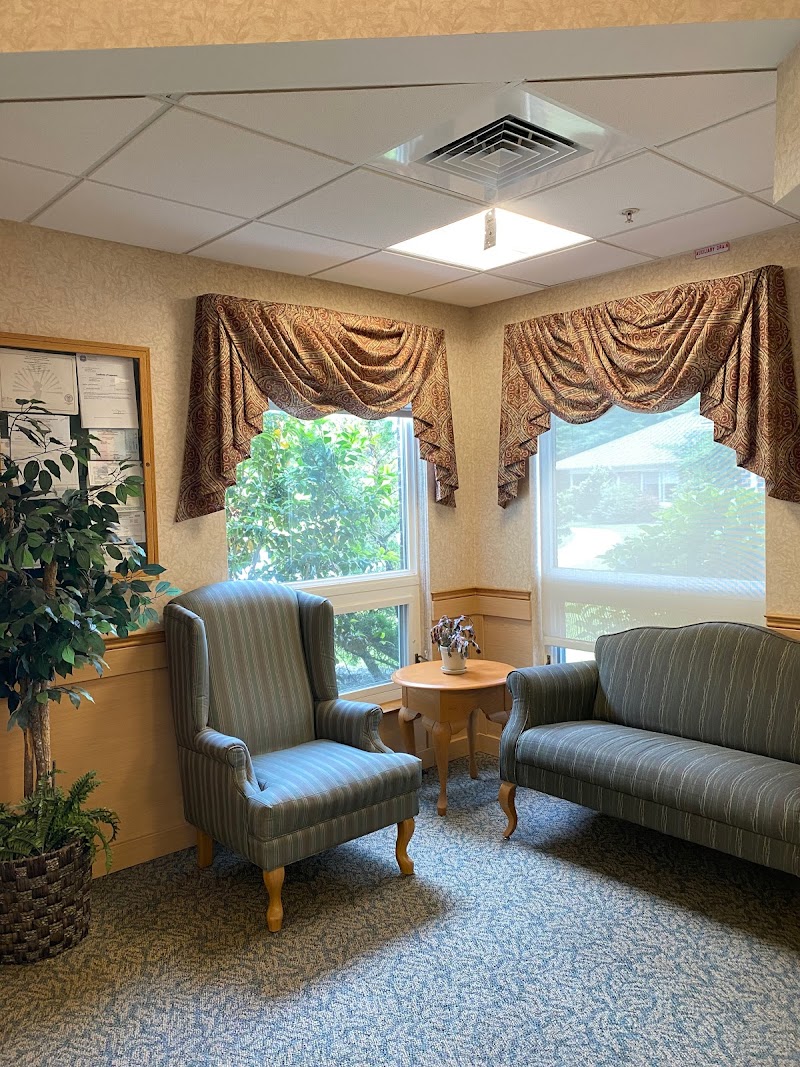
How Does Pelican Pointe Post Acute Nursing & Rehabilitation Compare to Other New Jersey Nursing Homes?

Compared to the 100 nursing homes in New Jersey, PELICAN POINTE POST ACUTE NURSING & REHABILITATION's overall rating (3 stars) is below the state average of 3.3, staff turnover (28%) is significantly lower than the state average of 46%, and health inspection rating (2 stars) is below the national benchmark.

What Should Families Ask When Visiting Pelican Pointe Post Acute Nursing & Rehabilitation?

Based on this facility's data, families visiting should ask: "What changes have been made since the serious inspection findings, and how are you preventing similar issues?" "Can I visit during a mealtime to observe dining assistance and food quality?" "How do you handle medical emergencies, and what is your hospital transfer rate?" "Can I speak with family members of current residents about their experience?" These questions are particularly relevant given the facility's Immediate Jeopardy citations.

Is Pelican Pointe Post Acute Nursing & Rehabilitation Safe?

Based on CMS inspection data, PELICAN POINTE POST ACUTE NURSING & REHABILITATION has documented safety concerns. Inspectors have issued 1 Immediate Jeopardy citation (the most serious violation level indicating risk of serious injury or death). The facility has a 3-star overall rating and ranks #100 of 100 nursing homes in New Jersey. Families considering this facility should ask detailed questions about what corrective actions have been taken since these incidents.

Do Nurses at Pelican Pointe Post Acute Nursing & Rehabilitation Stick Around?

Staff at PELICAN POINTE POST ACUTE NURSING & REHABILITATION tend to stick around. With a turnover rate of 28%, the facility is 18 percentage points below the New Jersey average of 46%. Low turnover is a positive sign. It means caregivers have time to learn each resident's needs, medications, and personal preferences. Consistent staff also notice subtle changes in a resident's condition more quickly. Registered Nurse turnover is also low at 20%, meaning experienced RNs are available to handle complex medical needs.

Was Pelican Pointe Post Acute Nursing & Rehabilitation Ever Fined?

PELICAN POINTE POST ACUTE NURSING & REHABILITATION has been fined $16,153 across 1 penalty action. This is below the New Jersey average of $33,240. While any fine indicates a compliance issue, fines under $50,000 are relatively common and typically reflect isolated problems that were subsequently corrected. Families should ask what specific issues led to these fines and confirm they've been resolved.

Is Pelican Pointe Post Acute Nursing & Rehabilitation on Any Federal Watch List?

PELICAN POINTE POST ACUTE NURSING & REHABILITATION is not on any federal watch list. The most significant is the Special Focus Facility (SFF) program, which identifies the bottom 1% of nursing homes nationally based on persistent, serious quality problems. Not being on this list means the facility has avoided the pattern of deficiencies that triggers enhanced federal oversight. This is a positive indicator, though families should still review the facility's inspection history directly.