DOCTORS SUBACUTE HEALTHCARE, LLC
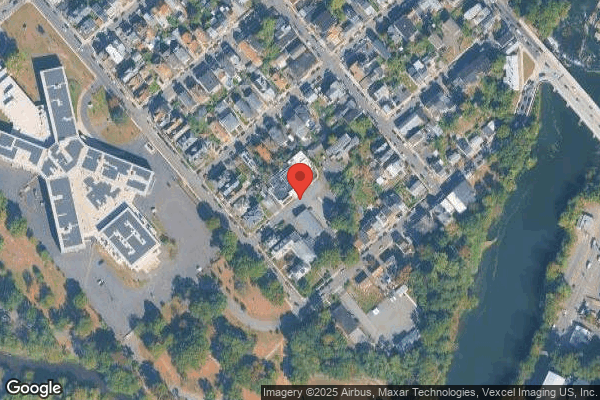
59 BIRCH STREET, PATERSON, NJ 07522 (973) 942-8899
For profit - Limited Liability company 54 Beds MB HEALTHCARE Data: November 2025
Trust Grade
75/100
#129 of 344 in NJ
Last Inspection: April 2024

Within standard 12-15 month inspection cycle. Federal law requires annual inspections.

Overview

Doctors Subacute Healthcare, LLC in Paterson, New Jersey has a Trust Grade of B, indicating it's a good choice among nursing homes but not the top tier. It ranks #129 out of 344 facilities in New Jersey, placing it in the top half, and #5 out of 18 in Passaic County, meaning only four local options are better. The facility's performance trend is worsening, with issues increasing from 3 in 2021 to 7 in 2024. Staffing is a strength, with a 4 out of 5 star rating and a turnover rate of 33%, which is below the state average, suggesting staff familiarity with residents. Although there are no fines on record, which is a positive indicator, the facility has faced concerns such as failing to assess a resident's ability for self-administration of medication and giving one resident another's medication, which raises red flags about medication management practices.

Trust Score
B
75/100
In New Jersey
#129/344
Top 37%
Safety Record
Low Risk
No red flags
Inspections
Getting Worse
3 → 7 violations
Staff Stability
○ Average
33% turnover. Near New Jersey's 48% average. Typical for the industry.
Penalties
✓ Good
No fines on record. Clean compliance history, better than most New Jersey facilities.
Skilled Nurses
✓ Good
Each resident gets 67 minutes of Registered Nurse (RN) attention daily — more than 97% of New Jersey nursing homes. RNs are the most trained staff who catch health problems before they become serious.
Violations
⚠ Watch
14 deficiencies on record. Higher than average. Multiple issues found across inspections.
★★★★☆
4.0
Overall Rating
★★★★☆
4.0
Staff Levels
★★★★☆
4.0
Care Quality
★★★★☆
4.0
Inspection Score
Stable
2021: 3 issues
2024: 7 issues

The Good

  • 4-Star Staffing Rating · Above-average nurse staffing levels
  • 4-Star Quality Measures · Strong clinical quality outcomes
  • Full Sprinkler Coverage · Fire safety systems throughout facility
  • No fines on record
  • Staff turnover below average (33%)

    15 points below New Jersey average of 48%

Facility shows strength in staffing levels, quality measures, fire safety.

The Bad

Staff Turnover: 33%

13pts below New Jersey avg (46%)

Typical for the industry

Chain: MB HEALTHCARE

Part of a multi-facility chain

Ask about local staffing decisions and management

The Ugly 14 deficiencies on record

Apr 2024 7 deficiencies
CONCERN (D)

Potential for Harm - no one hurt, but risky conditions existed

Deficiency F0554 (Tag F0554)

Could have caused harm · This affected 1 resident

Based on observations, interviews, record review, and policy review, the facility failed to ensure that one resident (Resident (R) 35) of one resident observed with medications at the bedside was asse...

Read full inspector narrative →
Based on observations, interviews, record review, and policy review, the facility failed to ensure that one resident (Resident (R) 35) of one resident observed with medications at the bedside was assessed for self-administration of medications, a care plan developed and a physician's order for self-administering medication was obtained. Findings include: Review of the facility's policy, titled Self-Administering Medications, revised 02/23, revealed Policy: A. Each customer is given the opportunity to self-administer his/her medications if the interdisciplinary team (IDT), upon evaluation of a customer's ability to safely self-administer medications, has determined that this practice is safe . Procedure: A. IDT assesses and determines if self-administration of drugs would be a safe practice for each customer. Customers desiring to self-medicate and who are deemed appropriate candidates by the IDT must receive medication education from the nursing staff . B. If the customer is a candidate for self-administration, the IDT asks the customer during his/her care conference whether he/she wishes to self-administer medications. This should be documented in the resident's record: 1. The decision for self-administration is made after the completion of a comprehensive assessment. The decision for self-administration is recommended to be completed and care planned within seven days. 2. The customer is informed that it is his/her right to self-administer medications. C. The physician writes an order for self-administration with a progress note: E. The IDT documents in the customer's care plan who (i.e., the customer or nursing staff) is responsible for storage. Nursing staff documents the self-administration of drug (i.e., which ones, how much, how often), as well as the location (e.g., customer's room in a separate locked compartment or nurses' station) of administered drugs: 1. Facility must provide a secured compartment for storage of medications. 2. Nursing staff and the customer will be the only individuals with access to the locked compartment. During observation on 04/02/24 at 09:50 AM, there was a box that contained 25 medication bottles on R35's overbed table. The box included the following medications or supplements: 1. One liquid bottle of olive leaf extract 2. One bottle of [name of company] yeast and vaginal pelvic health (PH) support probiotic 3. One bottle of [name of company] elm 4. One liquid bottle of felvice recharge 5. One bottle of calcium citrate 6. One bottle of oil of oregano 7. One bottle of clinical gastrointestinal (GI) probiotic 8. Two bottle of vitamin D-3 (One bottle was full and one bottle was half full) 9. One bottle of [name of company] 600 milligrams (mg) mushrooms relish 10. One bottle of black seed oil 11. Two bottles of cranberry (One bottle was full and one bottle was less than half full) 12. One bottle of glutathione 13. One bottle of tapirine 500 mg 14. One bottle of acidophilus probiotic 15. One liquid bottle of molecular progesterone complex 16. One bottle of French grape seed 150 mg 17. One bottle of optimized quercetin 250 mg 18. One black bottle of evening primrose 1300 mg 19. One bottle of papaya 500 mg 20. One bottle of [name of company] purple rice flour 21. One small bottle of Colace 50 mg 22. One bottle of bio active silver hydrosol liquid 23. One [name of company] saline nasal mist Observation on 04/02/24 at 10:08 AM, Licensed Practical Nurse (LPN)1 brought R35's morning medication of nifedipine (calcium channel blocker and antihypertensive medication) 30 mg one tablet in a cup into R35's room and sat the cup on R35's overbed table. During an interview on 04/02/24 at 10:08AM, LPN1 stated when questioned about the box of medications or supplements on R35's overbed table, LPN1 said that she did not think R35 had an order for these medications or supplements. LPN1 left the room without watching R35 take her nifedipine medication. LPN1 stated that R35 will take the medication after she finished the smoothie she was drinking. Interview on 04/02/24 at 10:15 AM, LPN1 stated that she normally does not leave medication with a resident; however, R35 will not take medication with someone watches her. Review of R35's Face Sheet under tab Profile in the electronic medical record (EMR) revealed that R35 was admitted to the facility 07/06/22 with a diagnosis of hypertension. Review of R35's quarterly Minimum Data Set (MDS) with Assessment Reference Date (ARD) date of 01/14/24 indicated that R35 had a Brief Interview for Mental Status (BIMS) score 15 out of 15, which indicate that R35 was cognitively intact. Review of R35's Order Summary in the EMR under the Orders tab dated 04/02/24 revealed Nifedipine extended release (ER) Oral Tablet Extended Release 24 Hour 30 MG, give one tablet by mouth one time a day for hypertension. Further review of the Order Summary did not indicate an order to self-administer her own medications. Review of Assessment under the Assessments tab in the EMR indicated no evidence that R35 was assessed for self-administering medication and/or supplements. Review of R35's Care Plan dated 07/07/22 in the EMR under the Care Plan tab revealed no evidence that R35 could self-administer medications and/or supplements. Interview on 04/04/24 at 08:50 AM, the Director of Nursing (DON) indicated that she expected no medications be left at bedside. The DON confirmed that R35 did not have an assessment, physician order, nor a care plan for self-administering medications. NJAC 8:39-29.2(c)6(d)
CONCERN (D)

Potential for Harm - no one hurt, but risky conditions existed

Deficiency F0602 (Tag F0602)

Could have caused harm · This affected 1 resident

**NOTE- TERMS IN BRACKETS HAVE BEEN EDITED TO PROTECT CONFIDENTIALITY** Based on observations, interviews, record review, and review of facility policy, the facility failed to ensure that one resident...

Read full inspector narrative →
**NOTE- TERMS IN BRACKETS HAVE BEEN EDITED TO PROTECT CONFIDENTIALITY** Based on observations, interviews, record review, and review of facility policy, the facility failed to ensure that one resident (Resident (R) 6) from four residents observed during medication administration were given their medication. Specifically, R6 did not have his amlodipine medication and was given another resident's (R17) amlodipine medication. Findings include: Review of the facility's policy, titled Abuse, Neglect and Mistreatment of Resident's Policy, revised 02/24, revealed, Each resident has the right to be free from .misappropriation of property.misappropriation of property: deliberate misplacement, exploitation or wrongful, temporary, or permanent use of a resident's belongings or money without the resident's consent .Documentation and investigative action .8. The Administrator and Director of Nursing (DON) will be made aware of all such incidents occurring in the facility and will review completed reports. If any accident is of a serious nature, misappropriation, or exploitation, it shall be reported by telephone within two hours regardless of time of day. During medication administration observation on 04/03/24 at 08:43 AM, Licensed Practical Nurse (LPN)1 was preparing R6's medications, including amlodipine (blood pressure medication) 5 milligrams (mg) by mouth (PO). When LPN1 looked in the medication cart, LPN1 said that R6's amlodipine had not been received from the pharmacy. LPN1 pulled R17's blister card of amlodipine 5 mg , and place one pill in a medication cup. LPN1 gave R6, R17's amlodipine medication. 1. Review of R6's Face Sheet under the electronic medical record (EMR) tab Profile indicated that R6 was re-admitted to the facility on [DATE] with a diagnosis including hypertension. Review of R6's Order Summary under the EMR tab Orders dated 04/03/24 indicated amlodipine 5 mg, give one tablet orally one time a day for hypertension. Review of R6's Medication Administration Record (MAR) under the EMR tab Order dated 04/24 revealed R6 was given amlodipine 5 mg between 04/01/24-04/03/24 and signed by LPN1. 2. Review of R17's Face Sheet under the EMR tab Profile indicated that R17 was admitted to the facility on [DATE] with a diagnosis including hypertension. Review of R17's Order Summary under the EMR tab Orders dated 04/03/24 indicated, amlodipine 5 mg, one tablet PO one time a day for hypertension. Review of R17's MAR under the EMR tab Order dated 04/24 revealed that R6 was given amlodipine 5 mg by LPN1 on 04/01/24, 04/02/24 and 04/03/24. Interview on 04/03/24 at 11:44 AM, LPN1 indicated that the EMR system for re-ordering medication indicated that R6's amlodipine was filled and received on 03/30/24; however, LPN1 said that the medication was not on the medication cart and indicated that this would be the only place the medication would be stored. LPN1 said that she borrowed from R17's amlodipine yesterday and today. During the interview, LPN1 and surveyor looked through the medication cart and was unable to locate R6's amlodipine that arrived on 03/30/24. Also, during this observation, review of R17's blister card for amlodipine revealed 11 pills left; however, the pills were not punched out in order. The blister card had pills left in the following slots: 1, 2, 3, 9, 10, 11, 12, 13, 14, 20 and 21. The blister card for R17 had a date of 03/17/24 on the front of the blister card but did not indicate whether this was the fill date. LPN1 said this was the re-order date. LPN1 confirmed that the blister card was filled on 02/19/24 and re-ordered on 03/17/24. Interview on 04/03/24 at 11:50 AM, the DON stated that her expectation was for staff not to share medications between residents. During another interview on 04/03/24 at 12:25 PM, the DON stated what occurred with LPN1 taking R17's amlodipine medication and giving to R6 would be called borrowing and that it was not a reportable concern. Interview on 04/03/24 at 11:59 AM, the Administrator was asked if this would be something that should be reported to the State Agency (SA). He indicated that he would have to refer to corporate. He said that he reports injury of unknown origin and abuse; however, no mention of using another resident's medication for another resident. During another interview on 04/03/24 at 12:45 PM, he indicated that this would be called borrowing and not a reportable concern. Review of the facility provided Packing Slip, dated 03/30/24, revealed no evidence that R6's amlodipine 5 mg was packaged and sent to the facility. Interview with the Administrator and Director of Nursing (DON) on 04/04/24 at 08:40 AM, the pharmacy said that R6's medication was filled on 03/06/24 and sent on 03/06/24 to the facility. The surveyor explained that if R6 started the bingo card on 3/7/24, by 03/31/24 there would have been 25 pills used. The DON was asked what happened to the other five pills. The DON was unaware of R6's five amlodipine 5 mg pills missing but indicated that she would investigate. By the end of the survey, DON had not reported any investigation for the missing pills to the survey team. Interview with the DON on 04/04/24 at 4:55 PM, she indicated that she was unaware of any issues with the nurses until it was brought up during medication pass. The DON indicated that there are 2.5 mg of amlodipine in the Cubex, which LPN1 could have obtained to give to R6; however, LPN1 was unaware of the Cubex. NJAC 8:39-4.1(a)5
CONCERN (D)

Potential for Harm - no one hurt, but risky conditions existed

Report Alleged Abuse (Tag F0609)

Could have caused harm · This affected 1 resident

**NOTE- TERMS IN BRACKETS HAVE BEEN EDITED TO PROTECT CONFIDENTIALITY** Based on observations, record review, interviews, and policy review, the facility failed to ensure an incident of misappropriati...

Read full inspector narrative →
**NOTE- TERMS IN BRACKETS HAVE BEEN EDITED TO PROTECT CONFIDENTIALITY** Based on observations, record review, interviews, and policy review, the facility failed to ensure an incident of misappropriation of resident property for one of one resident (Resident (R) 17) was reported to the State Agency (SA) within two hours of receiving report that a nurse gave R17's medication to another resident (R6) during medication administration. Findings include: Review of the facility's policy titled, Abuse, Neglect and Mistreatment of Resident's Policy, revised 02/24 revealed, Each resident has the right to be free from .misappropriation of property .misappropriation of property: deliberate misplacement, exploitation or wrongful, temporary, or permanent use of a resident's belongings or money without the resident's consent . If any accident is of a serious nature, misappropriation, or exploitation, it shall be reported by telephone within two hours regardless of time of day .Reporting of abuse and Investigation Process: this facility will ensure that all alleged violations involving and misappropriation of resident property will be reported immediately to the Administrator/designee of the facility and to other officials in accordance with state law through established procedures (include the state survey and certification agency). Procedure .3. The Administrator/designee will notify the Department of Health within one business day. During medication administration observation on 04/03/24 at 08:43 AM, Licensed Practical Nurse (LPN)1 was preparing R6's medications, which included amlodipine (blood pressure medication) 5 milligrams (mg) by mouth (PO). When LPN1 looked in the medication cart, LPN1 said that R6's amlodipine had not been received from the pharmacy. LPN1 pulled R17's amlodipine 5 mg that belonged to R17, popped one pill in a medication cup. LPN1 agreed that R6 receives a R17's amlodipine. 1. Review of Face Sheet under the electronic medical record (EMR) tab Profile indicated that R6 was re-admitted to the facility on [DATE] with a diagnosis including hypertension. Review of R6's Order Summary under the EMR tab Orders dated 04/03/24 indicated, amlodipine 5 mg, give one tablet orally one time a day for hypertension. Review of R6's Medication Administration Record (MAR) under the EMR tab Order dated 04/24 revealed, LPN1 documented that R6 was given R17's amlodipine 5 mg on 04/01/24, 04/02/24 and 04/03/24. 2. Review of Face Sheet under the EMR tab Profile indicated that R17 was admitted to the facility on [DATE] with a diagnosis including hypertension. Review of R17's Order Summary under the EMR tab Orders dated 04/03/24 indicated amlodipine 5 mg, one tablet PO one time a day for hypertension. Review of R17's MAR under the EMR tab Order dated 04/24 revealed, R6 was given amlodipine 5 mg on 04/01/24, 04/02/24 and 04/03/24 by LPN1. Interview with LPN1 on 04/03/24 at 11:44 AM, LPN1 said that she borrowed from R17's amlodipine yesterday and today. Interview with the Director of Nursing (DON) on 04/03/24 at 11:50 AM, she indicated that this was not a reportable concern. Interview with the Administrator on 04/03/24 at 12:45PM, the Administrator indicated this incident was not a reportable concern. Interview with the Administrator and DON on 04/04/24 at 08:40 AM, the Administrator indicated that he was waiting to hear back from the survey team before reporting the incident to the SA. Review of facility provided Fax Result Report, dated 04/04/24 at 10:38 AM, revealed four pages sent to the SA and the report indicated the incident dated 04/03/24 Interview with the Administrator on 04/05/24 at 11:30 AM, he said that all abuse is reported as soon as possible to the SA. NJAC 8:39-9.4(f)
CONCERN (D)

Potential for Harm - no one hurt, but risky conditions existed

Comprehensive Care Plan (Tag F0656)

Could have caused harm · This affected 1 resident

**NOTE- TERMS IN BRACKETS HAVE BEEN EDITED TO PROTECT CONFIDENTIALITY** Based on observations, record review, interviews, and policy review, the facility failed to ensure that one (Resident (R) 22) of...

Read full inspector narrative →
**NOTE- TERMS IN BRACKETS HAVE BEEN EDITED TO PROTECT CONFIDENTIALITY** Based on observations, record review, interviews, and policy review, the facility failed to ensure that one (Resident (R) 22) of seven residents reviewed for side rails had a comprehensive care plan developed that addressed the use of side rails. Findings include: Review of the facility's policy, titled Care-Plans Comprehensive, revised 06/23 revealed, An individualized comprehensive care plan that includes measurable objectives and timeframes to meet the resident's medical, nursing, mental and psychological needs is developed for each resident . Review of R22's Face Sheet under the Profile tab in the electronic medical record (EMR) indicated that R22 was re-admitted to the facility on [DATE] with Parkinson's disease, blindness left eye, and difficulty walking. Observation and interview on 04/02/24 at 11:00 AM, R22 was sitting up in his bed with bilateral half side rails in the up position. During this observation, R22 said that he think the side rails are up so that he does not fall off the bed. R22 indicated that he was not sure why the side rails were in the up position. During further observations of R22 in bed on 04/03/24 at 08:32 AM, and 04/05/24 at 09:30 AM, R22's bilateral side rails were in the up position. Review of R22's quarterly Minimum Data Set (MDS) with Assessment Reference Date (ARD) of 01/19/24 indicated a Brief Interview for Mental Status (BIMS) was 13 out of 15, which indicated R22 cognitively intact. Review of R22's Care Plans under the EMR Care Plan tab dated 10/16/21 revealed no evidence of a side rail care plan or side rails as an intervention. Interview on 04/04/24 at 5:15 PM, the Director of Nursing (DON) confirmed that R22 did not have a side rail care plan. NJAC 8:39-11.2(e) thru (i) NJAC 8:39-27.1(a)
CONCERN (D)

Potential for Harm - no one hurt, but risky conditions existed

Deficiency F0657 (Tag F0657)

Could have caused harm · This affected 1 resident

**NOTE- TERMS IN BRACKETS HAVE BEEN EDITED TO PROTECT CONFIDENTIALITY** Based on observation, record review, interview and policy review, the facility failed to ensure one of 12 residents (R)8) care p...

Read full inspector narrative →
**NOTE- TERMS IN BRACKETS HAVE BEEN EDITED TO PROTECT CONFIDENTIALITY** Based on observation, record review, interview and policy review, the facility failed to ensure one of 12 residents (R)8) care plans were reviewed and revised to reflect the correct code status after it was changed and for one of 12 residents (R47) care plans reviewed, failed to ensure the physician's ordered helmet for safety and the resident's refusal to wear the helmet was included in the care plan. Findings include: 1. Review of R8's admission sheet located under the admission tab of the electronic medical record (EMR) revealed admission to the facility on [DATE] and diagnoses of dementia, chronic obstructive pulmonary disease, hypertension, and dysphagia. Review of the resident's quarterly Minimum Data Set (MDS) with an Assessment Reference Date (ARD) of [DATE] revealed a Brief Interview for Mental Status (BIMS) score of seven out of 15 which indicated resident had severe cognitive impairment. Review of the code status listed in the dashboard area of the EMR indicated do not resuscitate (DNR) do not intubate (DNI). The Physician's orders located under the orders tab of the EMR revealed an order to be a DNR DNI dated [DATE]. Review of a purple paper located on the hard chart titled New Jersey Practitioner Orders for Life-Sustaining treatment (POLST) signed by the resident's daughter/responsible party and physician on [DATE] stated the resident wanted to be kept comfortable with symptom treatments only and under part D Cardiopulmonary Resuscitation (CPR) Do not attempt resuscitation/DNAR, allow natural death and Do Not Intubate were marked with an x indicating this was the resident's/responsible party's wishes. Review of the R8'scare plan for advanced directives located under the care plan tab of the EMR indicated, Code status is currently: Full Code POLST in place dated [DATE]. During an interview on [DATE] at 12:55 PM, Licensed Practical Nurse 3 (LPN3) stated that she would look at the dashboard in the EMR to check the code status in the event a resident would be found without a pulse or heartbeat. LPN3 verified the code status indicated on the care plan was incorrect. During an interview on [DATE] at 01:02 PM, Registered Nurse (RN)2 reviewed R8's care plan and verified the code status was not correct. Interview on [DATE] at 08:58 AM, the Administrator and Director of Nursing (DON) verified R8's care plan had not been updated to reflect the correct advanced directive. 2. Review of R47's admission MDS with an ARD of [DATE] revealed a BIMS score of nine out of 15 which indicated R47 cognition was moderately impaired. Review of R47's Fall Risk Assessment dated [DATE] revealed R47 was identified as being at high risk for falls with a score of an 11. He was identified as at risk for falls related to having 1-2 falls in the past 2 months; being chair bound, having balance problems with walking, and standing and jerking or unstable when making turns; and use of medications. Review of R47 physician's order in the EMR under the Orders tab with a start date of [DATE] indicated to wear helmet at all times while out of bed as tolerated. Observation of R47 up in his wheelchair without a helmet on [DATE] at 9:53 AM, on 11:55 AM to 11:59 AM, on 12:39 PM, and 4:38 PM; on [DATE] at 8:39 AM, on 10:19 AM, and 10:39 AM; on [DATE] at 9:08 AM and at 11:15 AM. Observation on [DATE] at 10:22 AM and on [DATE] at 9:44 AM, R47 was walking with a walker in the corridor without wearing a helmet. Interview on [DATE] at 11:20 AM, RN2 verified R47 was not wearing a helmet. She stated he often refuses to wear the helmet. RN2 reviewed R47's care plan and confirmed that there was no documentation to reflect that R47 was supposed to wear a helmet and that R47 would refuse to wear the helmet. Interview on [DATE] at 2:04 PM, the Minimum Data Set Coordinator stated that each department updates their section of the care plan as changes occur and at the quarterly care plan meeting, they review the care plan to ensure it accurately reflects the resident's status. Review of the facility's policy titled, Care-Plans Comprehensive dated 06/2023 revealed the comprehensive care plan is based on a thorough assessment that includes but is not limited to the MDS. The policy stated the care plan is reviewed and revised as information about the resident's condition changes; when the desired outcome is not met; and at least quarterly. NJAC 8:39-11.2(e), (f),(h)
CONCERN (D)

Potential for Harm - no one hurt, but risky conditions existed

Deficiency F0700 (Tag F0700)

Could have caused harm · This affected 1 resident

**NOTE- TERMS IN BRACKETS HAVE BEEN EDITED TO PROTECT CONFIDENTIALITY** NJAC 8:39-27.1(a) Based on observations, record reviews, interviews and policy review, the facility failed to residents' side ra...

Read full inspector narrative →
**NOTE- TERMS IN BRACKETS HAVE BEEN EDITED TO PROTECT CONFIDENTIALITY** NJAC 8:39-27.1(a) Based on observations, record reviews, interviews and policy review, the facility failed to residents' side rails were assessed quarterly according to the facility's policy, failure to ensure alternatives were tried prior to installing a side rail; and failed to ensure bed rails were ordered by the physician prior to use for three (Resident (R) 41, R4, and R22) of 10 residents reviewed for side rails. Findings include: 1. R41 was observed sitting in bed on 04/02/24 at 4:35 PM and on 04/03/24 at 8:36 AM with the half side rails attached to the bed in the up position. Review of R41's Face Sheet under the Profile tab in the Electronic Medical Record (EMR) revealed diagnoses Alzheimer's disease, down syndrome, muscle weakness, difficulty in walking, history of falling and anxiety disorder. Review of R41's Fall Risk Assessment dated 12/24/23 found in the EMR under the Assessment tab indicated that R41 was at low risk for falls with a score of five due to being alert, no falls in the past 3 months, and legally blind and decreased muscular coordination. The only side rail assessment found in the resident's EMR was the Admission/readmission Evaluation dated 03/09/23. The assessment indicated R41 was non-ambulatory; had an altered safety awareness due to cognitive decline; demonstrated poor bed mobility or difficulty moving to sitting position on the side of the bed; was on medications which require increased safety precautions; was currently using the siderails; and was visually challenged. According to the assessment's section C, the recommendation was for half side rails to serve as enablers and to promote independence. Review of R41's Physician Orders in the EMR Orders tab revealed no physician's order for the use of the side rails. The only quarterly assessments for the use of the side rails was found in the EMR dated 12/24/23. Interview on 04/04/24 at 2:40 PM, the Director of Nursing (DON) stated the side rails should be evaluated quarterly. The DON confirmed that the facility policy indicates the side rails should be evaluated on a quarterly basis. 2. Review of R4's Face Sheet under the EMR tab Profile indicated that R4 was re-admitted to the facility on [DATE] with diagnoses including epilepsy, hemiplegia and hemiparesis following cerebral infarction affecting right dominant side. During interview and observation with R4 on 04/02/24 at 09:45 AM, bilateral upper half side rails were in the up position. R4 indicated that she does not know why these side rails were in the up position. During another observation of R4 in bed on 04/03/24 at 09:00 AM, bilateral upper half side rails were observed in the up position. Review of R4's quarterly Minimum Data Set (MDS) assessment with Assessment Reference Date (ARD) of 02/04/24 indicated R4's Brief Interview for Mental Status (BIMS) was eight out of 15, which indicated R4's cognition was moderately impaired. Review of facility provided Side Rail Informed Consent and Release dated 02/05/20, revealed evidence that R4 was educated on the risks and benefits. Review of Order Summary dated 04/02/24 under the EMR tab Orders revealed Padded side rail while in bed every shift for seizures. Review of the Interdisciplinary Care Plan (IDCP) Summary Note, and the Interdisciplinary Team (IDT) Progress Notes, under the Assessments tab in the EMR dated 01/30/23, 04/30/23, 08/01/23, and 01/30/24 revealed no documentation that R4's side rails were reassessed. Interview with the DON on 04/04/24 at 2:40 PM, she indicated that R4's side rail assessments were not reassessed quarterly, as per the facility policy. She indicated that the side rail assessment should be completed quarterly. 3. Review of Face Sheet under the EMR tab Profile indicated that R22 was re-admitted to the facility on [DATE] with a diagnosis including Parkinson's disease. Observation on 04/02/24 at 11:00 AM, R22 was sitting up in his bed with bilateral half side rails in the up position. During this observation, R22 indicated that he was unsure why the side rails were in the up position. Review of R22's quarterly MDS assessment with ARD of 01/19/24 indicated R22's BIMS was 13 out of 15, which indicated R22 was cognitively intact. During further observations of R22 in bed on 04/03/24 at 08:32 AM, and 04/05/24 at 09:30 AM, R22's bilateral side rails were in the up position. Review of R22's facility provided undated Side Rails Informed Consent and Release, which mentions the risks and benefits revealed R22 signed the document, but no facility staff signed the form. Review of Order Summary dated 04/02/24 under the EMR Orders tab revealed no evidence of a physician order for side rails. Review of Assessments under the EMR Assessment tab indicated no quarterly side rail assessment being completed. Review of the IDT Progress Notes dated July 2023 to present located under EMR tab Notes' indicated no evidence of quarterly side rail assessments being completed and no evidence of alternatives prior to side rails being placed. Interview with the DON on 04/04/24 at 2:40 PM, she indicated that R22's side rail assessment were not being reassessed quarterly. On 04/0/2 at 5:15 PM, the DON indicated that there were no alternatives listed, and no order for side rails. Review of the facility's policy titled, Side Rails, revised 12/23 revealed, It is the policy of this facility to provide resident with side rails as an enabler for bed mobility. Procedure: 1. Upon admission, the nurse will assess the need for side rails using the Side Rail Assessment form in [name of electronic medical record]. 2. Side rails will be monitored and re-evaluated on a quarterly basis .or as warranted by the resident's condition .
CONCERN (D)

Potential for Harm - no one hurt, but risky conditions existed

Medical Records (Tag F0842)

Could have caused harm · This affected 1 resident

**NOTE- TERMS IN BRACKETS HAVE BEEN EDITED TO PROTECT CONFIDENTIALITY** Based on observation, record review and staff interview, the facility failed to ensure one of one Resident (R)47) use of a helme...

Read full inspector narrative →
**NOTE- TERMS IN BRACKETS HAVE BEEN EDITED TO PROTECT CONFIDENTIALITY** Based on observation, record review and staff interview, the facility failed to ensure one of one Resident (R)47) use of a helmet was accurately documented in the treatment records and electronic medical record (EMR). In addition, nursing staff failed to document for one of one resident (R23) when a medication was disposed of to ensure that all dosages for the medication was accurately accounted for in the EMR. Findings include: Review of R47's admission Minimum Data Set (MDS) with an Assessment Reference Date (ARD) of 02/01/24 revealed a Brief Interview for Memory (BIMS) score of 9 out of 15 which indicated R47's cognition was moderately impaired. Review of the MBHC-Fall Risk assessment dated [DATE] revealed he was identified as being at high risk for falls with a score of an 11. He was identified as at risk for falls related to having 1-2 falls in the past 2 months; being chair bound, having balance problems with walking, and standing and jerking or unstable when making turns; and use of medications. R47 had a Physician's order in the EMR under the Orders tab with a start date of 02/02/24 to wear helmet at all times while out of bed as tolerated. R47 was observed up in his wheelchair without a helmet on 04/02/23 at 9:53 AM, 11:55 AM to 11:59 AM, 12:39 PM, and 4:38 PM; on 04/03/23 at 8:39 AM, 10:19 AM, 10:39 AM; On 04/04/23 at 9:08 AM and at 11:15 AM. On 04/03/23 at 10:22 AM and on 04/04/23 at 9:44 AM he was observed being assisted by staff to walk with a walker in the corridor without a helmet on. On 04/04/23 at 11:20 AM. Registered Nurse (RN)2 verified R47 was not wearing a helmet. She stated he often refuses to wear the helmet. When asked if they document the refusals, she stated they document them in his EMR. RN2 verified that she worked on both 04/02/24 and on 04/03/24 and that the EMR had no documentation of R47's refusal to wear the helmet. In his Treatment Administration Record (TAR) he had a check mark with the nurse's initials in each space and no documentation of refusals. She stated according to that documentation he was wearing his helmet. She verified the documentation was not accurate. On 04/05/24 at 9:06 AM the Administrator and the Infection Preventionist verified the R47's EMR did not reflect his refusals to wear the helmet on 04/02/24 and 04/03/24. 2. Review of R23's Face Sheet under Profile tab in the EMR indicated that R23 was re-admitted to the facility on [DATE] with a diagnosis including hypertension. Review of R23's Order Summary under Orders tab dated 04/04/24 indicated amlodipine (hypertensive medication) 5 milligrams (MG), give one tablet by mouth (PO) one time a day . Review of R23's Blister Card found in the medication cart dated 03/16/24 indicated 23 pills have been punched out, and seven pills were remaining. Review of R23's Medication Administration Record (MAR) dated 03/24 under Orders indicated that R23 received Fourteen days of amlodipine 5 mg from 03/17/24-03/31/24, while holding the medication on 03/26/24. Review of R23's MAR dated 04/04/24 under tab Orders' indicated that R23 received four days of amlodipine 5 mg. Observation of R23's Blister Card dated 03/16/24 on 04/04/24 at 4:30 PM, indicated 23 pills have been punched out, and seven pills were remaining. The seven pills were in the following numbers: 9, 10, 11, 12, 13, 17, and 18. According to the MARs dated 03/24 and 04/24, there should have been a total of 18 pills punched out, not 23, and there should have been 12 pills remaining, not seven. A total of five pills were unaccounted, due to the lack of documentation in the EMR. Interview with RN1 on 04/04/24 at 4:40 PM, she indicated that medication on the blister cards should be punched in order, starting at 30 and going down. RN1 stated she did not know where the other five pills have gone from R23's blister card. RN1 stated that sometimes pills get dropped into the medication cart and must be wasted. RN1 stated that there is no way of telling what happened because since this medication is not a narcotic, pills wasted do not have to be written down. Interview with the Director of Nursing (DON) on 04/04/24 at 4:55 PM, she indicated that she was unaware of any issues with the nurses until it was brought up during medication pass. The DON stated that the unit managers check the medication carts weekly for any loose pills that might have fallen from the blister cards and there is no system in place for documenting in the EMR routine medications being wasted. The DON confirmed that five pills were missing from R23's blister card, and stated she does not know what happened to these pills. NJAC 8:39-23.2(a) NJAC 8:39-35.2(a),(c),(d),(g),(h),(k)
Dec 2021 3 deficiencies
CONCERN (D)

Potential for Harm - no one hurt, but risky conditions existed

Comprehensive Care Plan (Tag F0656)

Could have caused harm · This affected 1 resident

Based on observation, interview and record review, it was determined that the facility failed to develop a comprehensive care plan to address the indwelling urinary catheter need for 1 of 1 resident (...

Read full inspector narrative →
Based on observation, interview and record review, it was determined that the facility failed to develop a comprehensive care plan to address the indwelling urinary catheter need for 1 of 1 resident (Resident #11) reviewed for catheter care and evidence by the following: On 12/5/21 at 10:30 AM, the surveyor observed Resident #11 in bed with eyes closed. The resident had an indwelling urinary catheter drainage bag hanging at the right side of the bed inside a privacy bag. The surveyor reviewed the Electronic Medical Records for Resident #11 that revealed the following: According to the readmission Progress Notes dated 10/20/21, Resident #11 was readmitted with diagnoses that included Acute Renal Injury and Acute Urinary Retention. The nurses documented that the resident now has an indwelling urinary catheter. The resident's admission Brief Interview for Mental Status dated 10/25/21 revealed that the resident had a of 3 out of 15, which indicated Resident #11 was severely cognitively impaired. According to the physician's Order Summary Sheet, the resident had the following physician's orders to care for the resident indwelling urinary catheter: 1. Change drainage [urinary catheter] every 2 weeks on Wednesdays 11-7 every night shift every 2 weeks for infection control. 2. Change [urinary catheter] bag PRN (when necessary) for blockage, leakage and acute UTI (urinary tract infection) [Urinary Catheter] care every shift for diagnosis of Neurogenic bladder or Obstructive Uropathy. The surveyor reviewed the resident's care plans and observed that there was no care plan to address the care needs for Resident #11 with a indwelling urinary catheter. On 12/08/21 at 12:30 PM, the surveyor interviewed the Licensed Practical Nurse Unit Manager who stated that he sometimes does the care plans and he wasn't aware that there was no care plan in place for the indwelling urinary catheter care needs for the resident. On 12/8/21 at 1:51 PM, the surveyor discussed the above concern with the Administrator and Director of Nursing. No additional information was provided. NJAC 8:39-11.2 (e)
CONCERN (D)

Potential for Harm - no one hurt, but risky conditions existed

Respiratory Care (Tag F0695)

Could have caused harm · This affected 1 resident

Based on observation, interview, and record review, it was determined that the facility failed to provide accountability for the oxygen administered to a resident. This deficient practice was identifi...

Read full inspector narrative →
Based on observation, interview, and record review, it was determined that the facility failed to provide accountability for the oxygen administered to a resident. This deficient practice was identified for Resident #28 1 of reviewed for oxygen services and was evidenced by the following: On 12/05/21 at 10:23 AM, the surveyor observed Resident # 28 in the bed with oxygen via nasal cannula (NC) at 3 liters per minute (LPM) and the oxygen tube was dated 11/29/21. The resident stated that he/she received oxygen when he/she had trouble breathing. On 12/06/21 at 9:16 AM, the surveyor observed Resident # 28 in bed, with oxygen via NC at 3 LPM. The surveyor reviewed Resident #28's electronic medical record (EMR) that revealed the following: According to the admission Record, Resident #28 was admitted with diagnoses which included Iron Deficiency Anemia. The resident was assessed as cognitively intact according to the admission Minimum Data Set, an assessment tool used to facilitate the management of care, dated 10/31/21. Resident # 28's records revealed a Physician's order dated 10/27/21, for O2 [oxygen] at 3 liters per min via nasal annular as needed for shortness of breath. There was no documentation of administration of oxygen in the Electronic Medication Administration Record (EMAR) or the Electronic Treatment Administration Record (ETAR). The care plans available for review revealed there was no comprehensive care plan developed to address the resident's oxygen needs. On 12/08/21 at 9:42 AM, the surveyor interviewed the Licensed Practical Nurse (LPN) who stated that this resident does receive oxygen as needed and gets the resident uses oxygen on occasion. The LPN stated that she has never had to provide the resident with oxygen as it has already been set up prior to her coming in for her shift and that the night shift should document in the ETAR or the EMAR when the oxygen is put into place for the resident. The LPN looked at the EMR with the surveyor and stated that this order should not have been categorized as other because it will not generate as an actual order to be signed in the ETAR or the EMAR. The LPN stated that there should have been a care plan created for the use of oxygen. On 12/08/21 at 12:32 PM, the surveyor interviewed the Registered Nurse, Unit Manager (RN/UM) who stated that the oxygen order should have been carried over to the ETAR or the EMAR so that the nurses could document the administration of the oxygen to the resident. The RN/UM stated that there should have been an oxygen care plan created which she could not locate. On 12/08/21 at 1:50 PM, the surveyor discussed the above concerns with the Administrator and Director of Nursing (DON) stated that the oxygen documentation of accountability should have been in place and the care plan should have been created. NJAC 8:39-29.2(d)
CONCERN (D)

Potential for Harm - no one hurt, but risky conditions existed

Infection Control (Tag F0880)

Could have caused harm · This affected 1 resident

**NOTE- TERMS IN BRACKETS HAVE BEEN EDITED TO PROTECT CONFIDENTIALITY** 2. On 12/5/21 at 10:30 AM, the surveyor observed Resident #11 in bed with eyes closed. The resident had an indwelling urinary ca...

Read full inspector narrative →
**NOTE- TERMS IN BRACKETS HAVE BEEN EDITED TO PROTECT CONFIDENTIALITY** 2. On 12/5/21 at 10:30 AM, the surveyor observed Resident #11 in bed with eyes closed. The resident had an indwelling urinary catheter drainage bag hanging at the right side of the bed inside a privacy bag. On 12/8/21 at 12:08 PM, the surveyor observed the resident in the dining room eating the noon meal. There was no urinary catheter bag observed. At that time the surveyor went to the resident's room to see how the urinary drainage bag was stored. The surveyor observed the urinary drainage bag stored in the privacy bag that was hanging at the side of the bed. At 12:35 PM, the surveyor asked the Licensed Practical Nurse Unit Manager (LPN/UM) if he could lift the urinary drainage bag tubing from the privacy bag. When the LPN/UM lifted the tubing out of the bag, the surveyor observed the open end of the urinary drainage tubing was not capped. The LPN/UM confirmed the observation. At 12:38 PM, the surveyor interviewed CNA #3 who was assigned to the resident about how she stored the urinary drainage bag and tubing. She stated she empted the drainage bag and then places the bag and tubing into the privacy bag. The surveyor asked what she does with the open end of the drainage tubing and she stated she puts a blue cap on it. The surveyor asked CNA #3 to remove the urinary drainage tubing and when she did, she noticed the blue cap was not on the catheter tubing tip and CNA #3 stated, I forgot to put the top on. On 12/8/21 at 1:51 PM, the above concerns were discussed with the Administrator and DON. The DON stated the tip of the tubing should have been capped. A review of the facility's undated policy titled Catheters/Urinary/Application of Leg Bag revealed under Procedure #6 the following, After cleansing the drainage tube with alcohol wipe, cover the cap from top of leg bag. NJAC 8:39-19.4(a)(l) Based on observation, interview, and review of pertinent facility documents it was determined that the facility failed to implement infection control protocols in a manner that would decrease the possibility of the spread of infection. This was found with 1 of 1 residents on transmission based precautions, Resident # 17, and 1 of 1 residents with an indwelling urinary catheter, Resident # 11. The deficient practice was evidenced by the following: 1. On 12/5/21 at 9:15 AM, the weekend nursing supervisor informed the survey team that Resident #17 was on transmission based precautions for suspicion of Covid-19 because the resident was unvaccinated for Covid-19 and was re-admitted to the facility on [DATE] from the hospital. On 12/5/21 at 10:00 AM, the surveyor observed housekeeper #1 wearing a cloth mask with a brand name written across the front of the mask, on the unit where Resident #17 resided. The surveyor asked housekeeper #1 what she wore when she went into the room of resident #17. Housekeeper #1 said she wore a gown, gloves, a face shield, an N95 mask, she showed me the mask she would wear. The surveyor asked housekeeper #1 if she had been fit tested for the N95 mask she was referring to. Housekeeper #1 said she had not been fit tested for the N95 mask but that's what they [the facility] gave her to wear when she entered the room of Resident #17. She said before she came out of the resident's room she would remove the gown and put it in the bin, she would take off the gloves, wash her hands, and clean the face shield with a sanitizing wipe. Housekeeper #1 then said she would replace the N95 mask with the cloth mask she was wearing after leaving the room of Resident #17 but if the state said she had to wear the blue surgical mask she would. On 12/5/21 at 10:20 AM, the surveyor observed the room of Resident #17. There was a cart that had Personal Protective Equipment (PPE) inside of the three drawers. The PPE that was inside of the PPE cart were gowns, gloves, and N95 masks. On the wall outside of the room there were two signs posted. One sign had two stop signs on it and read Airborne Respirator/Contact Precautions (In addition to standard precautions) Everyone Must Perform: Hand Hygiene, wear gown and gloves before entering the room AND Wear PAPR (Powered Air Purifyng Respirator) or fit tested N-95 mask and eye protection prior to entering room. The second sign read Airborne Respirator Contact (ARC) Precautions. Under the heading Personal Protective Equipment it read Standard and tear away gown; Put on in this order: 1. Wash or gel hands 2. Gown 3. PAPR or N-95 mask 4. Gloves. On 12/06/21 at 9:15 AM, the surveyor observed a maintenance worker in the room of Resident #17 while the resident was laying in bed. The maintenance worker was wearing only a surgical mask, no N95 mask, no eye protection except for eye glasses, no gown, no gloves. He came out when the surveyor approached the room. At the same time on 12/06/21 at 9:15 AM, the surveyor observed housekeeper #2 also in the room, with only a surgical mask on and goggles while she cleaned. While housekeeper #2 was cleaning the room the surveyor asked the Unit Manager/Infection Preventionist (UM/IP) if Resident #17 was still on TBP. The UM/IP said yes. The surveyor asked the UM/IP what housekeeper #2 should have been wearing in the room. The UM/IP said a gown, gloves, an N95 mask, and a face shield or goggles. The UM/IP then went to the room and asked housekeeper #2 to come out and speak with her. Housekeeper #2 came out of the room, removed her gloves, and without performing any hand hygiene, she walked down the hall to speak privately with the UM/IP. A few minutes later housekeeper #2 walked back towards the room of Resident #17. The surveyor asked her why she had not performed hand hygiene when she removed her gloves. She said because the UM/IP wanted to speak with her. She then performed hand hygiene. The surveyor asked housekeeper #2 if she was aware that the resident was on TBP. Housekeeper #2 said yes. The surveyor asked housekeeper #2 what she should have been wearing. Housekeeper #2 responded I know but I was in a rush. The surveyor asked which room she cleaned first. Housekeeper #2 said that room and pointed to the room of Resident #17. Housekeeper #2 then went to the room of Resident #17 with her housekeeping cart, donned a gown, gloves, goggles, and an N95 mask, and entered the room. On 12/06/21 at 12:40 PM, the surveyor observed Certified Nursing Assistant #1 (CNA) deliver a lunch tray to Resident #17. CNA #2 held the lunch tray while CNA #1 donned PPE. CNA #1 put an N95 mask on top of her surgical mask, while putting the N95 mask on, the bottom strap of the N95 mask broke. With the broken N95 mask on the CNA reached into the cart to get a gown to put on, leaving the N95 strap dangling. The surveyor asked her if she should wear the N95 mask like that in the room of Resident #17. CNA #1 then got another N95 mask, took off the surgical mask and the N95 mask with the broken strap. CNA #1 then put on a new N95 mask properly, donned a gown, gloves, she was already wearing goggles, and brought the lunch tray in to the resident. On 12/06/21 at 1:14 PM, the surveyor spoke to the Director of Nursing (DON) and the Licensed Nursing Home Administrator (LNHA) aware of the concern with housekeeper #1 wearing a cloth mask in the facility and not being fit tested for the N95 mask she was provided by the facility to wear. The surveyor asked the DON what the facility's policy was for testing residents for Covid-19 upon admission and thereafter. The DON said the resident would be tested upon admission, then on the 7th day, then on the 14th day. The DON provided the surveyor with the resident's negative Covid-19 test results from 11/24/21 and 12/1/21. The DON and the LNHA both explained that housekeeper #1 always worked on a different floor and they didn't know why she was working on the floor where Resident #17 resided. The LNHA confirmed that housekeeper #1 had not been fit tested when the surveyor spoke with her but had been fit tested afterwards on 12/5/21. The LNHA explained that they did have a respiratory protection program in place and did not know why housekeeper #1 had not been fit tested. The surveyor then made the DON and the LNHA aware of the observation of housekeeper #2 and the maintenance worker being in the room of Resident #17 without the proper PPE. The DON stated he wasn't within 6 feet of the resident and wasn't doing anything with the resident. The surveyor also discussed housekeeper #2's answer that she cleaned the room of Resident #17 before all the other rooms on the unit. The LNHA and the DON confirmed that she should have cleaned that room last because she should have followed a well to ill flow. The surveyor then made the DON and the LNHA aware of the observation of CNA #1 donning an N95 mask over a surgical mask then wearing the N95 with a broken bottom strap. On 12/6/21 at 1:50 PM, the LNHA explained that the facility completed a exposure risk assessment prior to the resident being re-admitted to the facility. On 12/7/21 at 9:00 AM, the surveyor reviewed the facility's policy and procedure titled Personal Protective Equipment (PPE). Under Policy it read To ensure that all staff members are informed of the proper use of PPE in order to efficiently protect themselves and their residents from the transmission of Covid-19. Under Procedure number 22 read Staff will be educated as to what PPE should be used for: b. PUI/COVID unit i. N95 in compliance with OSHA's full respiratory protection program, ii. Eye protection (face shield or goggles), iii. [NAME] coats or reusable gowns. On 12/7/21 at 9:30 AM, the surveyor reviewed the facility's policy and procedure tiled Infection Control/Standard Precautions/Transmission-Based Precautions. Under 3. Contact Precautions. b. read Wear gloves when coming in direct contact with patient. Dispose of gloves before leaving the room. Change gloves after contact with material that may have a high microorganism count (fecal material, wound drainage, etc) Wash hands immediately after removing or use waterless antiseptic. On 12/7/21 at 9:45 AM, the surveyor reviewed the exposure risk assessment that was done for resident #17 prior to being re-admitted to the facility from the hospital. The statement above the questionnaire read If you answer yes to any of the questions, the patient/resident may be considered at increased risk for SARS-CoV-2 exposure. The facility should consider additional assessment if needed and/or continue to quarantine the individual for 14 days from the last date of known or suspected exposure. The following question was answered yes; Does the outside healthcare facility treat patients with known or suspected COVID-19? The following question was answered unknown, Does the outside healthcare facility have an outbreak of COVID-19 within the past 14 days or documented transmission among its staff or patients. On 12/7/21 at 9:55 AM, the surveyor reviewed the facility's policy and procedure titled Exposure Risk Assessment. Under Policy it read: The purpose of this policy is to ensure that proper infection prevention procedures are initiated before a resident leaves Doctors Subacute Care and upon return from a medical or non-medical related outing. Under UPON RETURN TO THE FACILITY. Number 2 read: Residents deemed to be of high risk of exposure will be: a. Tested for Covid-19, b. Placed on quarantine, i. X 14 days after date of return to the facility for non-vaccinated residents.
Jan 2020 4 deficiencies
CONCERN (D)

Potential for Harm - no one hurt, but risky conditions existed

ADL Care (Tag F0677)

Could have caused harm · This affected 1 resident

**NOTE- TERMS IN BRACKETS HAVE BEEN EDITED TO PROTECT CONFIDENTIALITY** Based on observation, interview, record review, and review of pertinent facility documents, it was determined that the facility ...

Read full inspector narrative →
**NOTE- TERMS IN BRACKETS HAVE BEEN EDITED TO PROTECT CONFIDENTIALITY** Based on observation, interview, record review, and review of pertinent facility documents, it was determined that the facility failed to ensure: a.) the individualized care plans addressed the resident's showering needs and preferences, and b.) there was accurate accountability for showering. This deficient practice was identified for 1 of 5 residents (Resident #18) reviewed for activities of daily living (ADL) and was evidenced by the following: On 12/31/19 at 10:30 AM, the surveyor conducted a Resident Council group meeting with four residents identified by the facility as being alert and oriented to person, place, and time. During the meeting, Resident #18 expressed to the surveyor that he/she was not offered the opportunity to shower or take a tub bath. Resident #18 stated that he/she needed assistance in all aspects of care due to functional limitations from a stroke and that staff only provided a bed bath. Resident #18 continued to add that he/she never asked the staff for a shower because I didn't know I could ask for a shower. Resident #18 stated he/she never had a shower while at the facility, but that he/she would really like to have one. On 1/2/20 at 9:49 AM, the surveyor observed the Central Bathing shower room on the second floor, which consisted of a walk-in, single stall shower and a large bath tub. There was a functioning reclining shower chair stored in the corner of the shower room. The surveyor reviewed the medical record for Resident #18 which reflected the following: A review of the admission Record face sheet (an admission summary) reflected that the resident was admitted to the facility on [DATE] with diagnoses which included seizures and osteoporosis. A review of the resident's most recent annual Minimum Data Set (MDS), an assessment tool used to facilitate the management of care, dated 11/8/19 indicated that the resident had a Brief Interview for Mental Status (BIMS) score of 13 out of 15, indicating an intact cognition with some forgetfulness. The assessment further reflected that the resident was nonambulatory, required an extensive two person physical assistance with surface to surface transfers, and was totally dependent with bathing, requiring a one person physical assist with the task. The MDS included that the resident had functional range of motion limitations to one upper and lower extremity. A review of the resident's individualized care plan dated 8/14/18 included that the resident had an ADL self-care performance deficit due to a history of a stroke with right sided hemiplegia (weakness or lack of control to one side of the body). Interventions included that the resident was totally dependent on staff to provide a bath but the care plan did not reflect evidence of the resident's showering schedule, preferences for showering and the method (shower chair, shower bed) in which the resident was to be showered. In addition, there was no evidence within the care plan that the resident had a history of refusing care or showers. A review of the physician's orders sheet for January 2020 did not reflect evidence of a physician's order for the resident to shower. A review of the electronic point of care CNA task list (accountability charting system for the CNAs) reflected an active system generated task dated 3/1/19 to provide a PRN [as needed] Shower/Bath. The frequency was indicated as necessary. The instructions for the task was blank. There was no evidence of accountability for routine showers/baths. On 1/2/20 at 9:52 AM, the surveyor interviewed the Certified Nursing Aide (CNA) assigned to care for Resident #18. The CNA stated that she worked for a staffing agency and had been assigned to work at the facility for approximately two weeks. The CNA stated that she received an orientation prior to being given an assignment. The surveyor asked the CNA if residents have assigned schedule days, and the CNA stated that there were assigned shower schedules for each resident. The surveyor inquired how she would know if her resident had a scheduled shower day on her shift, and the CNA stated that the shower schedule was in a binder on the unit. The CNA started looking for the binder on the unit and could not locate it. The surveyor inquired if she could not find the binder with the shower schedules, what would she do. The CNA stated that she would just ask the residents, or she would ask the Licensed Practical Nurse (LPN) what residents needed showers that day. The CNA stated that the electronic charting system for CNA's did not populate each individual resident's assigned shower day, and that it would only get documented as needed. The CNA did not mention the use of a [NAME], (a communication tool for CNA's). On 1/2/20 at 9:55 AM, the surveyor interviewed the LPN assigned to Resident #18. The surveyor asked the LPN about the resident shower schedules, and the LPN stated that the shower schedules were in the Treatment [Administration Record] book under each resident's designated tab. The surveyor inquired if nurses sign for the accountability of the showers in the Treatment Administration Record (TAR), and the LPN indicated that she did not sign for the accountability of the showers, but that the CNA's did that. The surveyor reviewed the TAR for January 2020 for Resident #18. There was no evidence of a shower schedule for the resident. In addition there was no evidence of a shower schedule located within the complete TAR binder. At 10:00 AM, the surveyor showed the LPN that the shower schedule was not on the TAR for Resident #18, and asked where the shower schedules were kept, and the LPN stated that she would know who had to shower based on the 24-hour report sheet, and the staff would be responsible to shower whoever was on that sheet. The LPN stated no residents were on the 24 hour report for having refused the shower last night so there could be a re-attempt this morning. At 10:04 AM, the surveyor interviewed the LPN/Unit Manager (LPN/UM). The LPN/UM stated that she was also typically designated as the medication nurse, but that they had extra assistance today from the LPN. The surveyor asked the LPN/UM about the shower schedules, and the LPN/UM immediately referred to the CNA Assignments book stored on the unit. The surveyor how inquired as to how she ensures CNA staff know to access the resident shower schedules, and the LPN/UM stated that the CNA's and LPN's should know where to find this. She stated that it was not in the electronic charting system for CNA's and that the CNA's only document showering/bathing as needed. She could not speak to why the CNA and the LPN could not speak to where the shower schedules were located. She indicated it was always in the book. A review of the 2nd Floor Shower Schedule sheet reflected a list of room numbers with the shift in which each resident was to receive a shower. According to the sheet, Resident #18 had showers scheduled for Mondays and Fridays during the 3 PM to 11 PM shift. The surveyor asked the LPN/UM if Resident #18 gets showers and the method as to how the resident is showered. The LPN/UM stated that she thought the resident sometimes refused showers, so she could not speak further to the surveyor's question. The surveyor asked to see evidence of accountability for the showers for the last few months. The LPN/UM stated that she would need time to look at the resident's medical record and get back to the surveyor. At 10:07 AM, the LPN stated that the resident would get a bed bath during her shift so she could not speak to the method in which the resident showered. On 1/3/20 at 11:02 AM, the surveyor interviewed the Director of Nursing (DON) and the Licensed Nursing Home Administrator (LNHA) in the presence of the survey team. The DON provided the surveyor a CNA [NAME] with a print date of 1/2/19 for Resident #18 which included under the title for Bathing that the resident was totally dependent on staff to provide a bath and Showers to be given on Monday and Friday 3-11 shift. The [NAME] did not specify how the resident transferred, transferred for bathing, utilized a shower chair or shower bed when showering, or documented evidence that the resident refused showers. The DON acknowledged that the [NAME] did not address the specific showering preferences and needs of the resident regarding showers. The surveyor asked the DON how the resident transferred for showering, and the DON stated that she was not sure. The surveyor asked if the resident used a shower chair or shower bed and the DON could not speak to the surveyor's inquiry. The DON stated I believe she uses a reclining shower chair but that she would have to look into that further. The DON stated that the ADL tracker from the CNAs reflected that the resident received PRN showers, but she did not have a copy to provide the surveyor for review. The DON was unable to provide documented evidence within the electronic progress notes that the resident had received or refused a shower. She further stated that the CNA's only document showers/baths whenever necessary (PRN) in the electronic ADL tracker. She acknowledged that the PRN showers/baths documented by the CNA's was all she had to go on to determine if the resident received a shower. The PRN Shower/Bath reflected documentation that a shower/bath was given daily, and seven days in December 2019 the documentation reflected the resident received two showers/baths in a 24 hour period. The DON was unable to speak to the accuracy of the documentation and why CNA's would be documenting showers/baths twice a day, when the resident's shower days were scheduled for Monday and Friday during the 3 PM to 11 PM shift. The DON was unable to speak to why the resident would say he/she never got a shower or a bath. The DON acknowledged Resident #18 did not have a history of fabricating stories. At 12:20 PM, the LNHA provided the ADL tracker sheets for Resident #18 for the PRN Shower/Bath. The LNHA was unable to provide additional documentation. A review of the facility's policy revised 3/2/19 for Bath/Shower included that the purpose was to remove dirt, odors, and waste products from the skin, promote comfort and relaxation, to stimulate circulation, and to inspect the resident for change in skin condition. The procedure included to document the shower on the flow sheet. There was no documented evidence regarding how the shower schedule and method of showering was communicated to direct care staff, the procedure if the resident refused a shower or the frequency in which showers were to be offered to residents. NJAC 8:39-4.1(a)22; 27.1 (a)
CONCERN (D)

Potential for Harm - no one hurt, but risky conditions existed

Pressure Ulcer Prevention (Tag F0686)

Could have caused harm · This affected 1 resident

**NOTE- TERMS IN BRACKETS HAVE BEEN EDITED TO PROTECT CONFIDENTIALITY** Based on observation, interview, record review and review of pertinent facility documents, it was determined that the facility f...

Read full inspector narrative →
**NOTE- TERMS IN BRACKETS HAVE BEEN EDITED TO PROTECT CONFIDENTIALITY** Based on observation, interview, record review and review of pertinent facility documents, it was determined that the facility failed to: a.) apply a treatment in accordance with manufacturer specifications and b.) ensure accountability for the offloading of heels for the prevention and management of diabetic pressure ulcers. This deficient practice was identified for 1 of 1 resident (Resident #20) reviewed for wounds and was evidence by the following: On 12/30/19 at 9:46 AM, the surveyor observed Resident #20 self-propelling in his/her wheelchair. The surveyor observed that the resident was wearing black foam sandals on both feet. The resident's bilateral calves were exposed. The surveyor observed that the skin on the resident's bilateral calf areas were not the same color pigment and varied in coloration. On 12/31/19 at 9:41 AM, the surveyor observed the resident in his/her room wearing black foam sandals to the bilateral lower extremities. The resident stated that he/she had gone to a doctor's appointment yesterday to check for circulation to the bilateral feet. The resident told the surveyor that the nurses performed wound treatments to his/her feet every day. On 1/2/20 from 9:50 AM to 10:26 AM, the surveyor observed the Clinical/Registered Nurse (C/RN) perform the wound care treatments to the resident's bilateral heels. The following was observed: The resident's left heel wound was approximately the size of a [NAME]. The left heel wound bed was observed to have white colored slough (dead tissue), some black eschar (dead tissue), and a moderate amount of pinkish-red granulation (new connective tissue). The wound had a moderate amount of serous (clear/watery) drainage. The skin throughout the resident's left foot was discolored and the resident was observed to have edema (swelling) throughout his/her left foot. At 10:16 AM, the surveyor observed the C/RN cleanse the resident's left heel with normal saline and apply medihoney gel (a type of gel that supports in the removal of dead tissue and aids in wound healing) directly to the wound bed. The surveyor further observed the C/RN apply a collagen wound dressing (collagen promotes the development of new skin tissue) on top of the medihoney gel, and she wrapped the resident's left heel and foot with a kling dressing. The surveyor observed that the wound to the resident's right heel was also approximately the size of a [NAME]. The right heel wound bed was observed to have slough with a small amount of granulation tissue. The surveyor observed that the skin throughout the resident's right foot was discolored and edematous. At 10:19 AM, the surveyor observed the C/RN perform the same wound treatment to the resident's right heel. The surveyor observed the C/RN cleanse the resident's right heel with normal saline and apply medihoney gel directly to the wound bed. The surveyor further observed the C/RN apply a collagen wound dressing on top of the medihoney gel, and wrap the resident's right heel and foot with a kling dressing. At 10:22 AM, the surveyor interviewed the resident in the presence of the C/RN. The resident stated that he/she had the wounds for a long time. The resident further stated that the one wound started out as a blister and burst and then became a much bigger wound. At 10:27 AM, the surveyor interviewed the C/RN at the treatment cart outside of the resident's room. The surveyor reviewed the directions on the packaging for the collagen wound dressing in the presence of the C/RN. The directions indicated to apply the collagen wound dressing directly to the wound bed. The surveyor asked the C/RN why she applied the medihoney gel prior to the application of the collagen wound dressing. The C/RN stated that she was following the resident's primary care Physician's Order (PO) for the wound treatment. The C/RN further explained that the resident went to an appointment and was seen by a vascular doctor on 12/30/19 who had made recommendations to change the treatment to the resident's bilateral heels. The C/RN stated that the treatment ordered by the vascular doctor was not available in the facility, so they notified the resident's primary care physician to obtain a different treatment order for the resident. The C/RN explained that the vascular doctor had prescribed a type of, prizma dressing (a dressing that absorbs destructive components of chronic wound fluid and creates an optimal environment for cellular growth) to be placed directly on the wound bed. The C/RN stated that the prizma dressing was a type of dressing that was supposed to be applied directly to the wound bed like the collagen dressing because it stimulated the production of new cell growth. The C/RN stated that she was unsure if the resident's heels were being offloaded while the resident was in bed or if there was an order for the resident to wear heel booties while in bed. She indicated she would have to check. On 1/2/20 at 11:15 AM, the surveyor interviewed the resident's Certified Nursing Aide (CNA) who stated that the resident was alert and oriented and could make his/her needs known. The CNA stated that the resident preferred to do things on his/her own and only needed help pulling up his/her pants. The CNA further stated that the resident was an early riser and when she got to work the resident was already up and out of bed in his/her wheel chair. The CNA further stated that she thought maybe she saw the resident wear green booties while the resident was in bed and stated that she thought those booties were for circulation. On 1/2/20 at 11:21 AM, the surveyor interviewed the Licensed Practical Nurse/Unit Manager (LPN/UM) who stated that the resident was alert and oriented to person, place, time, and could make all his/her needs known to staff. The LPN/UM was unsure if the resident was admitted to the facility with wounds to both heels or just one of them. The LPN/UM stated that the resident was a one-person physical assist and was able to independently reposition in bed, and move/elevate his/her lower extremities independently. The LPN/UM further stated that the resident had heel booties that were worn while the resident was in bed and diabetic shoes that the resident wore daily when out of bed. The LPN/UM stated that the resident had a PO for offloading heels while in bed. The LPN/UM told the surveyor that if the resident had a PO for heel booties, the accountability for the booties would be documented in the Treatment Administration Record (TAR). The LPN/UM was unsure what the resident's current treatment order was to his/her bilateral heels and was unable to describe how to appropriately apply a collagen wound dressing upon surveyor inquiry. The surveyor reviewed the medical records for Resident #20. A review of the resident's admission Record face sheet (an admission record) reflected that the resident was admitted to the facility in August of 2019 and re-admitted in November of the same year with diagnoses which included, but were not limited to, osteomyelitis (inflammation of the bone cause by an infection), type two diabetes mellitus with foot ulcer, peripheral vascular disease (a circulatory condition in which narrowed blood vessels reduce blood flow to the limbs), and muscle weakness. A review of the resident's most recent annual Minimum Data Set, (MDS), an assessment tool used to facilitate the management of care dated 11/12/19, reflected that the resident had a Brief Interview of Mental Status (BIMS) score of 12 out of 15 which indicated that the resident had a moderately impaired cognition. A further review of the residents MDS, Section M for Skin Conditions indicated that the resident had diabetic foot ulcer(s). A review of the resident's comprehensive care plan dated 8/15/19 reflected a focus area that the resident had diabetic ulcers to bilateral lower extremities and had the potential for further diabetic ulcer development related to diabetes mellitus. The goal reflected that the foot ulcers would show signs of healing and remain free from infection through the next review date. The interventions included to administer treatments as ordered and monitor for effectiveness, for the resident to wear heel offloading shoes when out of bed, and to monitor dressing to ensure it was intact and adhering. An additional intervention dated 12/31/19 reflected for the resident to utilize a positioning wedge while in bed. A review of the consultation completed by the vascular physician dated 12/30/19, indicated that the resident had bilateral lower extremity edema and peripheral vascular disease. The vascular doctor made recommendations for a prizma moist (dressing) with medihoney to be applied to the resident's bilateral heels daily and not to remove the prizma dressing. The consultation further recommended aggressive offloading of the resident's heels. A review of the December 2019 Physician Order Sheet (POS) reflected a PO dated 12/31/19 to cleanse right heel with normal saline, pat dry, apply medihoney, followed by a collagen sheet and cover with dry sterile dressing daily. An additional PO dated 12/31/19 indicated to apply the exact same treatment to the residents left heel and utilize a positioning wedge while the resident was in bed. The December 2019 POS did not reflect a PO prior to 12/31/19 for the resident's heels to be offloaded while the resident was in bed or for the resident to wear heel booties while in bed. A review of the November and December 2019 TAR did not reflect evidence that the nurses were signing for the accountability for the offloaded of heals while the resident was in bed. A review of the January 2020 TAR reflected a PO dated 12/31/19 for positioning wedge while in bed FYI. A review of the Wound Evaluation & Management Summary (WE&MS) completed by the wound care physician dated 11/13/19, reflected that the right heel wound had improved and the left heel wound had resolved. The plan of care recommended to float heels while in bed and for the resident to wear a heel offloading boot while in bed. A review of the WE&MS completed by the wound care physician dated 12/4/19, reflected that the right heel wound had improved. The plan of care recommended to float heels while in bed and for the resident to wear a heel offloading boot while in bed. A review of the WE&MS completed by the wound care physician dated 12/11/19, reflected that the right heel wound had made no progress. The plan of care recommended to float heels while in bed and for the resident to wear a heel offloading boot while in bed. A review of the WE&MS completed by the wound care physician dated 12/18/19, reflected that the right heel wound had made no progress. The WE&MS further reflected the left heel wound had reopened. The plan of care recommended to float heels while in bed and for the resident to wear a heel offloading boot while in bed. A review of the WE&MS completed by the wound care physician dated 12/27/19 reflected that the right and left heel wounds had made no progress. The plan of care recommended to float heels while in bed and for the resident to wear a heel offloading boot while in bed. On 1/3/20 at 11:13 AM, the surveyor interviewed the Director of Nursing (DON) in the presence of the survey team, who stated that there was no PO or accountability for the daily signing of the resident's heels being offloaded or for the use of heel booties. The DON further stated that the collagen dressing should have been applied directly to the resident's wound bed for the collagen treatment to have been effective. The DON acknowledged that if a physician was prescribing a treatment outside of the manufacturer specifications, a rationale should be documented. The DON was unable to provide such documentation. A review of the facility's Pressure Sore/Documentation Sheet Policy and Procedure revised 5/14/19 did not speak to following a treatment order per manufacturer specifications or for heels to be offloaded for the prevention and management of pressure ulcers. NJAC 8:39-27.1(a)
CONCERN (D)

Potential for Harm - no one hurt, but risky conditions existed

Pharmacy Services (Tag F0755)

Could have caused harm · This affected 1 resident

Based on observation, interview and record review, it was determined that the facility failed to maintain accurate accountability and reconciliation for a controlled drug. The deficient practice was ...

Read full inspector narrative →
Based on observation, interview and record review, it was determined that the facility failed to maintain accurate accountability and reconciliation for a controlled drug. The deficient practice was observed for 1 of 2 controlled drug storage areas for 1 of 6 residents on Methadone (Resident #4) and was evidenced by the following: On 12/30/19 at 10:18 AM, the surveyor along with the Licensed Practical Nurse/Unit manager (LPN/UM) reviewed the medication cart for storage and accountability of controlled drugs. At that time, the surveyor and the LPN/UM reviewed the Controlled Drug Administration Record (CDAR) dated as received on 12/19/19 for Methadone liquid 70 milligram (mg) for Resident #4. The CDAR indicated that three (3) bottles of Methadone liquid containing 70 milligrams (mg) each were in inventory. Then, the surveyor with the LPN/UM obtained the actual Methadone inventory stored in the medication cart which was two (2) bottles of Methadone liquid containing 70 mg each. The LPN/UM acknowledged that the inventory count was inaccurate and that she was unaware that there was a discrepancy. The LPN/UM then stated that she had an idea of what had happened but could not speak to the reason until she verified it. In addition, the LPN/UM acknowledged that the Controlled Drugs Accountability/Count Sheet reflected that an inventory was completed by the incoming nurse on the 7:00 AM to 3:00 PM shift and the outgoing nurse from the 11:00 PM to 7:00 AM shift. There were no discrepancies noted at that time. The LPN/UM added that she was the incoming nurse from the 7:00 AM to 3:00 PM shift who had performed the inventory with the 11:00 PM to 7:00 AM nurse on 12/30/19. The surveyor reviewed the medical record for Resident #4. A review of the significant change Minimum Data Set (MDS), an assessment tool used to facilitate the management of care, dated 9/28/19, reflected that the resident had a brief interview for mental status (BIMS) score of 15 out of 15, indicating an intact cognition. A review of the admission Record face sheet (an admission summary) reflected the resident was admitted in April 2019 and readmitted in July 2019 with diagnoses which included chronic obstructive pulmonary disease (a lung disease that blocks the airflow making it difficult to breathe) and pyrothorax with fistula (an infection in the lungs with an abnormal opening). The December 2019 Physician's Order Form reflected a physician's order dated 7/22/19 for Methadone solution 10 mg/5 ml, 35 ml (70 mg), orally daily for opioid withdrawal. On 12/30/19 at 10:39 AM, the surveyor interviewed Resident #4 who stated that he/she had received Methadone at approximately 6:00 AM on 12/30/19 from the 11 PM -7 AM nurse. On 12/30/19 at 12:38 PM, the surveyor interviewed the LPN/UM who stated that the 11 PM - 7 AM nurse had forgotten to sign the Methadone CDAR for Resident #4 when she removed the Methadone dose for the 6:00 AM administration. The LPN/UM stated that the Medication Administration Record (MAR) was signed for the 6:00 AM administration of Methadone 70 mg. The LPN/UM also stated that she thought the inventory was accurate during the shift to shift controlled drug inventory count because she had counted the Methadone bottles and there were two (2) remaining for Resident #4 and the 11 PM - 7 AM nurse had reconciled the CDAR. The LPN/UM stated that she had not looked at the CDAR which indicated that three (3) bottles were remaining. On 1/2/20 at 10:20 AM, the surveyor interviewed the Consultant Pharmacist (CP) who stated that she knew the nurses did a shift to shift controlled drug inventory count. The CP added that during the count both nurses should be counting the controlled drug and reconciling with the CDAR. The CP also stated that the CDAR must be documented for the removal of a controlled drug at the time the controlled drug is removed and then the MAR documentation after the administration of the controlled drug to the resident. The CP acknowledged there should not have been a discrepancy when the surveyor made the observation because a shift to shift count was signed as being completed and accurate. On 1/3/20 at 11:23 AM, the survey team met with the facility administrative team. The Director of Nursing (DON) stated that when the nurses perform a shift to shift controlled drug inventory count, both nurses were to reconcile the actual count of the controlled drug with the CDAR. In addition, the DON stated that the CDAR must be signed at the time the controlled drug was removed from inventory. A review of the facility policy dated as revised 10/10/19 for Medication Pass Techniques included that Narcotic inventory should be declined at the time the medication is given. NJAC 8:39-29.4(k), 29.7(c)
MINOR (B)

Minor Issue - procedural, no safety impact

Grievances (Tag F0585)

Minor procedural issue · This affected multiple residents

Based on observation, interview, and record review, it was determined that the facility failed to establish a system for residents to file a grievance anonymously. This deficient practice was identifi...

Read full inspector narrative →
Based on observation, interview, and record review, it was determined that the facility failed to establish a system for residents to file a grievance anonymously. This deficient practice was identified during the Resident Council group meeting conducted on 12/31/19 with 4 of 4 residents (Resident #5, #18, #23, and #35) in attendance. The evidence was as follows: On 12/31/19 at 10:30 AM, the surveyor conducted a Resident Council group meeting with 4 of 4 residents (Resident #5, #18, #23, and #35) identified by the facility as being alert and oriented to person, place and time. The 4 of 4 residents stated to the surveyor that there was no method at the facility for filing an internal grievance or complaint anonymously. All four residents indicated that while they were not fearful to report a concern to their facility administration, they wished the facility had such a system in place. Resident #23 stated, It would be a good idea. On 1/2/20 at 12:08 PM, the surveyor interviewed the Licensed Social Worker (LSW) who stated that she had been working at the facility for approximately three to four months. The LSW stated that all grievances were reported to her, including grievances from residents and families. The LSW added that the process was that she would then fill out a grievance form and initiate the process of immediate follow-up. The form then goes to the Nurse or Licensed Nursing Home Administrator (LNHA)for necessary follow-up action. The surveyor inquired if the facility had a process in place for filing grievances anonymously and the LSW stated there was no established method that she was aware of for residents or families to file grievances anonymously. She stated she would have to ask the LNHA On 1/2/20 at 1:30 PM, the surveyor interviewed the LNHA, Director of Nursing (DON), and the facility's Regional Representative in the presence of the survey team. The LNHA acknowledged the facility had no method for filing grievances anonymously. The LNHA stated that the residents can leave a handwritten message in anyone's mail box if they chose, and they don't have to leave their name, but acknowledged there was no formal established method to file grievances anonymously. The LNHA was unable to provide documented evidence written in policy form that reflected an established system for filing a grievance anonymously. NJAC 8:39-4.1(a)35
Understanding Severity Codes (click to expand)
Life-Threatening (Immediate Jeopardy)
J - Isolated K - Pattern L - Widespread
Actual Harm
G - Isolated H - Pattern I - Widespread
Potential for Harm
D - Isolated E - Pattern F - Widespread
No Harm (Minor)
A - Isolated B - Pattern C - Widespread

Questions to Ask on Your Visit

  • "Can I speak with families of current residents?"
  • "What's your RN coverage like on weekends and overnight?"

Our Honest Assessment

Strengths
  • • No major safety red flags. No abuse findings, life-threatening violations, or SFF status.
  • • No fines on record. Clean compliance history, better than most New Jersey facilities.
  • • 33% turnover. Below New Jersey's 48% average. Good staff retention means consistent care.
Concerns
  • • 14 deficiencies on record. Higher than average. Multiple issues found across inspections.
Bottom line: Generally positive indicators. Standard due diligence and a personal visit recommended.

About This Facility

What is Doctors Subacute Healthcare, Llc's CMS Rating?

CMS assigns DOCTORS SUBACUTE HEALTHCARE, LLC an overall rating of 4 out of 5 stars, which is considered above average nationally. Within New Jersey, this rating places the facility higher than 99% of the state's 100 nursing homes. This rating reflects solid performance across the metrics CMS uses to evaluate nursing home quality.

How is Doctors Subacute Healthcare, Llc Staffed?

CMS rates DOCTORS SUBACUTE HEALTHCARE, LLC's staffing level at 4 out of 5 stars, which is above average compared to other nursing homes. Staff turnover is 33%, compared to the New Jersey average of 46%. This relatively stable workforce can support continuity of care.

What Have Inspectors Found at Doctors Subacute Healthcare, Llc?

State health inspectors documented 14 deficiencies at DOCTORS SUBACUTE HEALTHCARE, LLC during 2020 to 2024. These included: 13 with potential for harm and 1 minor or isolated issues.

Who Owns and Operates Doctors Subacute Healthcare, Llc?

DOCTORS SUBACUTE HEALTHCARE, LLC is owned by a for-profit company. For-profit facilities operate as businesses with obligations to shareholders or private owners. The facility is operated by MB HEALTHCARE, a chain that manages multiple nursing homes. With 54 certified beds and approximately 48 residents (about 89% occupancy), it is a smaller facility located in PATERSON, New Jersey.

How Does Doctors Subacute Healthcare, Llc Compare to Other New Jersey Nursing Homes?

Compared to the 100 nursing homes in New Jersey, DOCTORS SUBACUTE HEALTHCARE, LLC's overall rating (4 stars) is above the state average of 3.3, staff turnover (33%) is significantly lower than the state average of 46%, and health inspection rating (4 stars) is above the national benchmark.

What Should Families Ask When Visiting Doctors Subacute Healthcare, Llc?

Based on this facility's data, families visiting should ask: "Can I visit during a mealtime to observe dining assistance and food quality?" "How do you handle medical emergencies, and what is your hospital transfer rate?" "Can I speak with family members of current residents about their experience?"

Is Doctors Subacute Healthcare, Llc Safe?

Based on CMS inspection data, DOCTORS SUBACUTE HEALTHCARE, LLC has a clean safety record: no substantiated abuse findings (meaning no confirmed cases of resident harm), no Immediate Jeopardy citations (the most serious violation level indicating risk of serious injury or death), and is not on the Special Focus Facility watch list (a federal program monitoring the lowest-performing 1% of nursing homes). The facility has a 4-star overall rating and ranks #1 of 100 nursing homes in New Jersey. While no facility is perfect, families should still ask about staff-to-resident ratios and recent inspection results during their visit.

Do Nurses at Doctors Subacute Healthcare, Llc Stick Around?

DOCTORS SUBACUTE HEALTHCARE, LLC has a staff turnover rate of 33%, which is about average for New Jersey nursing homes (state average: 46%). Moderate turnover is common in nursing homes, but families should still ask about staff tenure and how the facility maintains care continuity when employees leave.

Was Doctors Subacute Healthcare, Llc Ever Fined?

DOCTORS SUBACUTE HEALTHCARE, LLC has no federal fines on record. CMS issues fines when nursing homes fail to meet care standards or don't correct problems found during inspections. The absence of fines suggests the facility has either maintained compliance or corrected any issues before penalties were assessed. This is a positive indicator, though families should still review recent inspection reports for the full picture.

Is Doctors Subacute Healthcare, Llc on Any Federal Watch List?

DOCTORS SUBACUTE HEALTHCARE, LLC is not on any federal watch list. The most significant is the Special Focus Facility (SFF) program, which identifies the bottom 1% of nursing homes nationally based on persistent, serious quality problems. Not being on this list means the facility has avoided the pattern of deficiencies that triggers enhanced federal oversight. This is a positive indicator, though families should still review the facility's inspection history directly.