ARBOR RIDGE REHABILITATION AND HEALTHCARE CENTER
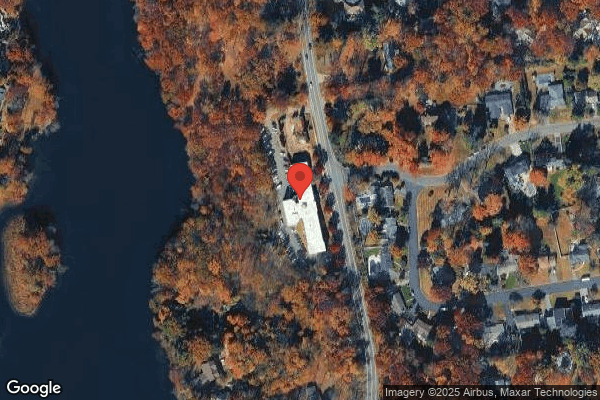

261 TERHUNE DRIVE, WAYNE, NJ 07470 (973) 835-3871
For profit - Limited Liability company 120 Beds MARQUIS HEALTH SERVICES Data: November 2025
Trust Grade
80/100
#90 of 344 in NJ
Last Inspection: October 2024

Within standard 12-15 month inspection cycle. Federal law requires annual inspections.

Overview

Families considering Arbor Ridge Rehabilitation and Healthcare Center in Wayne, New Jersey, will find that it has a Trust Grade of B+, indicating it is above average and recommended for care. Ranking #90 out of 344 facilities in New Jersey places it in the top half, while its #2 rank out of 18 in Passaic County means only one nearby facility is rated higher. However, the facility's trend is concerning, with issues increasing from 3 in 2022 to 11 in 2024. Staffing is a relative strength, with a turnover rate of 23%, well below the New Jersey average, and they have no fines on record, which is promising. Nonetheless, there are areas of concern, such as the repeated administration of expired medication to a resident, and failure to provide necessary notices about Medicare coverage, which could leave residents uninformed about potential costs.

Trust Score
B+
80/100
In New Jersey
#90/344
Top 26%
Safety Record
Low Risk
No red flags
Inspections
Getting Worse
3 → 11 violations
Staff Stability
✓ Good
23% annual turnover. Excellent stability, 25 points below New Jersey's 48% average. Staff who stay learn residents' needs.
Penalties
✓ Good
No fines on record. Clean compliance history, better than most New Jersey facilities.
Skilled Nurses
○ Average
Each resident gets 38 minutes of Registered Nurse (RN) attention daily — about average for New Jersey. RNs are the most trained staff who monitor for health changes.
Violations
⚠ Watch
17 deficiencies on record. Higher than average. Multiple issues found across inspections.
★★★★☆
4.0
Overall Rating
★★★☆☆
3.0
Staff Levels
★★★★★
5.0
Care Quality
★★★☆☆
3.0
Inspection Score
Stable
2022: 3 issues
2024: 11 issues

The Good

  • 5-Star Quality Measures · Strong clinical quality outcomes
  • Low Staff Turnover (23%) · Staff stability means consistent care
  • Full Sprinkler Coverage · Fire safety systems throughout facility
  • No fines on record
  • Staff turnover is low (23%)

    25 points below New Jersey average of 48%

Facility shows strength in quality measures, staff retention, fire safety.

The Bad

Chain: MARQUIS HEALTH SERVICES

Part of a multi-facility chain

Ask about local staffing decisions and management

The Ugly 17 deficiencies on record

Oct 2024 11 deficiencies
CONCERN (D)

Potential for Harm - no one hurt, but risky conditions existed

Deficiency F0582 (Tag F0582)

Could have caused harm · This affected 1 resident

Based on interview, record review and review of facility policy, the facility failed to provide the SNF ABN (skilled nursing facility advance beneficiary notice) for two (Residents (R) 91 and R109) of...

Read full inspector narrative →
Based on interview, record review and review of facility policy, the facility failed to provide the SNF ABN (skilled nursing facility advance beneficiary notice) for two (Residents (R) 91 and R109) of three residents reviewed for beneficiary notices. This failure placed the residents at risk of not knowing the costs or appeals process when they remained at the facility. Findings included. Review of the facility policy titled, Medicare Advanced Beneficiary and Medicare Non-Coverage Notices, dated September 2022 revealed, .The requirement to notify and explain via the SNFABN that the individual is no longer receiving Medicare Part A services based on the SNF's belief that Medicare Part A will not pay for the resident's stay separate and unrelated to the admission and discharge requirement under 42 CFR 483.15, which outlines the notification and requirements under which an individual may be discharged from the facility or when the transfer or discharge is not initiated by the resident .Termination-In the situation in which the facility proposes to stop furnishing all extended care items or services to a beneficiary because it expects the Medicare will not continue to pay for the items or services that a physician has ordered and the beneficiary would like to continue receiving the care the SNF ABN is issues to the beneficiary before such extended care items or services are terminated. The resident or representative is informed that they may choose to continue receiving the skilled services that may not be paid for by Medicare, and assume financial responsibility . 1. Review of the SNF Beneficiary Notification Review for Residents who received Medicare Part A Services form, provided by the Administrator, revealed R91 had a Medicare A start date of 02/07/24 and a last covered Medicare Part A Day of 04/30/24. There was no documentation provided that R91 had received the SNF ABN form. 2. Review of the SNF Beneficiary Notification Review for Residents who received Medicare Part A Services form, provided by the Administrator, revealed R109 had a Medicare A start date of 04/12/24 and a last covered Medicare Part A Day of 04/30/24. There was no documentation provided that R109 had received the SNF ABN form. During an interview on 10/16/24 at 10:05 AM, the Administrator stated, In April, we had a social worker that either lost or threw them away. We had a Medicare audit and that is when we identified there was a problem. He left in July but we just can't find the notices. NJAC 8:39- 5.4(b)(c)
CONCERN (D)

Potential for Harm - no one hurt, but risky conditions existed

Free from Abuse/Neglect (Tag F0600)

Could have caused harm · This affected 1 resident

**NOTE- TERMS IN BRACKETS HAVE BEEN EDITED TO PROTECT CONFIDENTIALITY** Based on record review, interview, and policy review, the facility failed to protect the resident's right to be free from sexual...

Read full inspector narrative →
**NOTE- TERMS IN BRACKETS HAVE BEEN EDITED TO PROTECT CONFIDENTIALITY** Based on record review, interview, and policy review, the facility failed to protect the resident's right to be free from sexual abuse by a resident for one of four residents (Resident(R) 39) reviewed for abuse out of 27 sample residents when R32, who had no cognitive impairment, kissed R39's hand, who lacked any capacity to give consent. This had the potential to affect all the residents on the 2nd floor of the facility who were at risk of abuse. Findings include: 1.Review of R39's ''admission Record,'' located in the ''Profile'' tab of the electronic medical record (EMR), revealed R39 admitted to the facility on [DATE] with diagnoses including dementia, schizophrenia, obsessive compulsive disorder, anxiety disorder, major depressive disorder and mood disorder. Review of R39's quarterly ''Minimum Data Set (MDS)'' with an Assessment Reference Date (ARD) of 07/09/24 revealed a Brief Interview for Mental Status (BIMS) score of zero out of 15 which indicated R39 was severely cognitively impaired. 2. Review of R32's ''admission Record'' located in the ''Profile'' tab of the EMR, revealed R32 admitted to the facility on [DATE] with diagnoses including major depressive disorder, and anxiety. Review of R32's quarterly MDS'' with an ARD of 06/21/24 revealed a BIMS score of 15 out of 15 which indicated no impairment. Review of R32's care plan, located under the ''Care Plan'' tab of the EMR and dated 01/24/20, revealed The resident had a psychosocial wellbeing problem related to ineffective coping skills. Review of ''Nurse's Notes'' located in the EMR under the ''Notes'' tab, revealed no documentation related to the incident that occurred on 10/06/24 between R32 and R39. Review of Investigation Summary and Conclusion provided by the facility, dated 10/16/24, revealed R32 admitted to kissing R39 on the hand but the facility found that abuse did not occur. During an interview on 10/16/24 at 10:27 AM Family Member (FM)1 said he was at the facility on Sunday 10/06/24 sitting and talking in the dining room. He said his mom told him to look over at another table where R32 was touching on R39. He said he looked over and saw R32 kissing R39's hand and he reported it to Recreation Aide (RA)1. She went over to the table and told R32 to stop, and he wheeled himself out of the dining room. During an interview on 10/16/24 at 10:58 AM, RA1 said on 10/06/24 she was in the dining room from about 3:30 PM to 4:00 PM getting ready to take the residents back to their rooms after their church service activity. Another resident and their family were sitting close by, and the resident told her That guy is touching that person over there and when she looked she saw R32 sitting next to R39 but his hands were on the table and she did not see anything. She said R39 was chewing on her clothing, but she went over and told R32 that he had to leave the room, and he did. She did not report the incident to a supervisor because she did not see a supervisor around. During an interview on 10/16/24 at 1:18 PM the Assistant Director of Nursing (ADON) said she became aware od the incident on 10/09/24 after FM1 came to her and reported it. She said he told her on Sunday while he was in the dining room with his mom, along with an activity aide. He said his mom told his look at a resident that was messing with a female resident. When he looked over he said R32 kissing R39's hand. He told her he reported it to RA1 but by the time the aide looked R32 was not touching R39 anymore. He was asked to write a statement but to her knowledge he did not. She spoke with RA1 who told her she did not witness anything but asked R32 to leave. But she did not report it to anyone since she didn't witness anything. During an interview on 10/16/24 at 2:28 PM the Administrator stated he interviewed R32 who admitted to kissing R32's hand and told him it was the 1st time that he had done that, but he did not ask R32 why he decided to do it that day? He stated R32 meant it in a friendly gesture and there was no sexual intention. And that was why they concluded it was not abuse. He stated even though R32 was unable to tell anyone how it affected her he would still agree it was not abuse. NJAC 8:39-9.4(f)
CONCERN (D)

Potential for Harm - no one hurt, but risky conditions existed

Report Alleged Abuse (Tag F0609)

Could have caused harm · This affected 1 resident

**NOTE- TERMS IN BRACKETS HAVE BEEN EDITED TO PROTECT CONFIDENTIALITY** Based on record review, interview, and policy review, the facility failed to an report an allegation of sexual abuse by a reside...

Read full inspector narrative →
**NOTE- TERMS IN BRACKETS HAVE BEEN EDITED TO PROTECT CONFIDENTIALITY** Based on record review, interview, and policy review, the facility failed to an report an allegation of sexual abuse by a resident for one of four residents (Resident (R) 39) reviewed for abuse out of 27 sample residents when R32 kissed R39 hands who lacked the ability to give consent, this had the potential to affect all the residents on the 2nd floor of the facility who were at risk of abuse. Findings include: 1.Review of R39's ''admission Record,'' located in the ''Profile'' tab of the electronic medical record (EMR), revealed R39 admitted to the facility on [DATE] with diagnoses including dementia, schizophrenia, obsessive compulsive disorder, anxiety disorder, major depressive disorder and mood disorder. Review of R39's quarterly ''Minimum Data Set (MDS)'' with an Assessment Reference Date (ARD) of 07/09/24 revealed a Brief Interview for Mental Status (BIMS) score of zero out of 15 which indicated R39 was severely cognitively impaired. 2. Review of R32's ''admission Record'' located in the ''Profile'' tab of the EMR, revealed R32 admitted to the facility on [DATE] with diagnoses including major depressive disorder, and anxiety. Review of R32's quarterly ''MDS'' with an ARD of 06/21/24 revealed a BIMS score of 15 out of 15 which indicated no impairment. Review of Investigation Summary and Conclusion provided by the facility, dated 10/16/24, revealed R32 admitted to kissing R39 on the hand but the facility found that abuse did not occur Further review revealed the incident was not report to the state until 10/09/24 after a family member reported it to the facility. During an interview on 10/16/24 at 10:27 AM Family Member (FM)1 said he was at the facility on Sunday 10/06/24 sitting and talking in the dining room. He said his mom told him to look over at another table where R32 was touching R39. He said he looked over and saw R32 kissing R39's hand and he reported it to Recreation Aide (RA)1 at the time of the incident. During an interview on 10/16/24 at 10:58 AM RA1 said on 10/06/24 she was in the dining room from about 3:30 PM to 4:00 PM when another resident and their family were sitting close by, and the resident told her That guy [R39] is touching that person over there and when she looked she saw R32 sitting next to R39 but his hands were on the table and she did not see anything. She did not report the incident to a supervisor because she did not see a supervisor around. During an interview on 10/16/24 at 1:18 PM the Assistant Director of Nursing (ADON) said she became aware of the incident on 10/09/24 after FM1 came to her and reported it. She saidFM1 told her on Sunday while he was in the dining room with his mom, along with an activity aide his mom told him to look at a resident that was messing with a female resident. When he looked over he said R32 kissing R39's hand. He told her he reported it to RA1 but by the time the aide looked R32 was not touching R39 anymore. She spoke with RA1 who told her she did not witness anything but asked R32 to leave. But she did not report it to anyone since she didn't witness anything. During an interview on 10/16/24 at 2:28 PM the Administrator confirmed the allegation was not reported timely. During an interview on 10/17/24 at 1:36 PM the Director of Nursing (DON) said she expected staff to report any allegations immediately NJAC 8:39-9.4(f)
CONCERN (D)

Potential for Harm - no one hurt, but risky conditions existed

Comprehensive Assessments (Tag F0636)

Could have caused harm · This affected 1 resident

**NOTE- TERMS IN BRACKETS HAVE BEEN EDITED TO PROTECT CONFIDENTIALITY** Based on record review, interview and policy review, the facility failed to ensure that MDS assessment was completed timely for ...

Read full inspector narrative →
**NOTE- TERMS IN BRACKETS HAVE BEEN EDITED TO PROTECT CONFIDENTIALITY** Based on record review, interview and policy review, the facility failed to ensure that MDS assessment was completed timely for one residents R32. This had to affect all the residents with MDS assessments. Findings include: Review of R32's ''admission Record'' located in the ''Profile'' tab of the electronic medical record (EMR), revealed R32 admitted to the facility on [DATE] with diagnoses including major depressive disorder and anxiety. Review on 10/14/24 of R32's Annual Minimum Data Set (MDS) under the MDS tab of the EMR, with an Assessment Reference Date (ARD) of 09/20/24 was listed as Pending. Further review revealed the ARD date for completion was 10/15/24. During an interview on 10/17/24 at 10:00 AM with the MDS Coordinator (MDSC) who stated she has asked for additional help to assist with completing the assessments timely. She knew the 09/20/24 assessment was not completed within the times frames, and it should have been within 14 days. During an interview on 10/17/24 at 1:36 PM the Director of Nursing (DON) said she expected that assessments were completed in a timely manner and completed within the timeframes. NJAC 8:39-11.1
CONCERN (D)

Potential for Harm - no one hurt, but risky conditions existed

Deficiency F0637 (Tag F0637)

Could have caused harm · This affected 1 resident

**NOTE- TERMS IN BRACKETS HAVE BEEN EDITED TO PROTECT CONFIDENTIALITY** Based on record review, interview and review of the Resident Assessment Instrument Manual, the facility failed to ensure that a ...

Read full inspector narrative →
**NOTE- TERMS IN BRACKETS HAVE BEEN EDITED TO PROTECT CONFIDENTIALITY** Based on record review, interview and review of the Resident Assessment Instrument Manual, the facility failed to ensure that a significant change Minimum Data Set (MDS) assessment was completed timely for one residents R27 out of 27 residents reviewed in the sample. This had the potential to affect all residents with a significant change. Findings Include: Review of R27's admission Record, located in the Profile tab of the electronic medical record (EMR) revealed readmission to the facility on [DATE]. Review on 10/14/24 of R27's Significant change MDS under the MDS tab of the EMR, with an Assessment Reference Date (ARD) of 07/30/24. Further review revealed the ARD date for completion was 08/04/24. Review of Physician Orders under the Orders tab of the EMR, dated 07/17/24, revealed an order for hospice. During an interview on 10/17/24 at 10:09 AM with the MDS Coordinator (MDSC) and Regional MDS coordinator (RMDS) the MDSC stated she was on vacation at the time the significant change assessment should have been completed. The RMDS have had problems with hospice notifying them after a resident goes on hospice and has told the nurses to let them know when they make an order for hospice. She stated there are per-diem staff that help when the MDSC is out, and she would periodically check to ensure assessments were being completed timely. She said this one was missed but that she caught it on the 30th and initiated it but she said it was not completed timely within the 14 days and it should have been. During an interview on 10/17/24 at 1:36 PM the Director of Nursing (DON) said she expected that assessments were completed in a timely manner and completed within the timeframes. Review of the Minimum Data Set Resident Assessment Instrument (RAI) revealed, Guidelines for Determining the Need for an SCSA For Residents With Terminal Conditions. The key in determining if an SCSA is required for individuals with a terminal condition is whether or not the change in condition is an expected well-defined part of the disease course and is consequently being addressed as part of the overall plan of care for the individual. If a terminally ill resident experiences a new onset of symptoms or a condition that is not part of the expected course of deterioration, an SCSA assessment is required. Similarly, if the resident enrolls in a hospice (Medicare Hospice program or other structured hospice program), but remains a resident at the facility, an SCSA should be performed if the terminally ill resident experiences a new onset of symptoms or a condition that is not part of the expected course of deterioration. The facility is responsible for providing necessary care and services to assist the resident in achieving his/her highest practicable well-being at whatever stage of the disease process the resident is experiencing. NJAC 8:39-11.2(i)
CONCERN (D)

Potential for Harm - no one hurt, but risky conditions existed

Assessment Accuracy (Tag F0641)

Could have caused harm · This affected 1 resident

**NOTE- TERMS IN BRACKETS HAVE BEEN EDITED TO PROTECT CONFIDENTIALITY** Based on interview, record review, and review of the Resident Assessment Instrument (RAI) manual, the facility failed to ensure ...

Read full inspector narrative →
**NOTE- TERMS IN BRACKETS HAVE BEEN EDITED TO PROTECT CONFIDENTIALITY** Based on interview, record review, and review of the Resident Assessment Instrument (RAI) manual, the facility failed to ensure a quarterly assessment was coded accurately for one (Resident (R)83) in a total sample of 30. The facility failed to accurately code hospice for R83. This failure placed the residents at risk of unmet care needs. Findings included. Review of the October 2024 RAI, manual, page 1-5 revealed, .An accurate assessment requires collecting information from multiple sources, some of which are mandated by regulations .It is important to note here that information obtained should cover the same observation period as specified by the MDS [minimum data set] items on the assessment, and should be validated for accuracy (what the resident's actual status was during the observation period) by the IDT (interdisciplinary team) completing the assessment . Review of the admission Record located in the Profile tab of the electronic medical record (EMR) revealed R83 was admitted to the facility on [DATE] with a diagnosis of a brain tumor. Review of the Physician Orders located in the Orders tab of the EMR revealed R83 was admitted to hospice services on 03/27/24. Review of the quarterly MDS located in the MDS tab of the EMR with and Assessment Reference Date of 06/28/24, Section O revealed R83 was not coded for hospice care. During an interview on 10/15/24 at 11:47 AM, the MDS Coordinator (MDSC) stated, I missed the quarterly assessment indicating hospice. It was an error. NJAC 8:39-33.2(d)
CONCERN (D)

Potential for Harm - no one hurt, but risky conditions existed

Medication Errors (Tag F0758)

Could have caused harm · This affected 1 resident

**NOTE- TERMS IN BRACKETS HAVE BEEN EDITED TO PROTECT CONFIDENTIALITY** Based on interview, record review, and review of facility policy, the facility failed to ensure a psychotropic medication contai...

Read full inspector narrative →
**NOTE- TERMS IN BRACKETS HAVE BEEN EDITED TO PROTECT CONFIDENTIALITY** Based on interview, record review, and review of facility policy, the facility failed to ensure a psychotropic medication contained a 14-day stop date, as required for one (Resident (R)106) of five residents reviewed for unnecessary medications. This failure placed the residents at risk of being administered a medication unnecessarily. Findings included. Review of the facility policy titled, Psychotropic Medication Use, dated July 2022 revealed, .A psychotropic medication is any medication that affects brain activity associated with mental processes and behavior .Psychotropic medications are not prescribed or given on a PRN (as needed) basis unless that medication is necessary to treat a diagnoses specific condition that is documented in the clinical record .PRN orders for psychotropic medications are limited to 14 days . Review of the admission Record located in the Profile tab of the electronic medical record (EMR) revealed R106 was admitted to the facility on [DATE] with a diagnosis of cancer and pneumonia. Review of the admission Minimum Data Set (MDS) located in the MDS tab of the EMR with an Assessment Reference Date of 09/19/24 revealed R106 had a Brief Interview of Mental Status (BIMS) score of 13 out of 15 which indicated he was cognitively intact and had been administered an antianxiety medication during the observation period. Review of the current Physician Orders located in the Orders tab of the EMR revealed a 10/01/24 Order for Alprazolam (an antianxiety medication) 0.25 mg give one table every 12 hours as needed for Anxiety. There was no stop date on the Order. During an interview on 10/16/24 at 1:15 PM the Director of Nursing (DON) stated, R106 should have been reassessed to see if the medication needed to be continued. NJAC 8:39-27.1(a)
CONCERN (D)

Potential for Harm - no one hurt, but risky conditions existed

Deficiency F0760 (Tag F0760)

Could have caused harm · This affected 1 resident

**NOTE- TERMS IN BRACKETS HAVE BEEN EDITED TO PROTECT CONFIDENTIALITY** Based on observation, interview, record review, and review of facility policy, the facility failed to ensure a valid physician o...

Read full inspector narrative →
**NOTE- TERMS IN BRACKETS HAVE BEEN EDITED TO PROTECT CONFIDENTIALITY** Based on observation, interview, record review, and review of facility policy, the facility failed to ensure a valid physician order for a narcotic was obtained for one (Resident (R)25) of six sampled residents reviewed during medication pass. The facility failed to obtain a documented physician order for narcotic medication and failed to ensure there was documentation of symptoms for the use of narcotics. This failure placed the resident at risk of receiving medication Findings included. Review of an undated facility policy titled, Administering Medications, revealed, .Medications are administered in a safe and timely manner and as prescribed .Medications are administered in accordance with prescriber orders, including any required time frames . Review of the admission Record located in the Profile tab of the electronic medical record (EMR) revealed R25 was admitted to the facility on [DATE] with a diagnosis of Alzheimer's disease. Review of a significant change Minimum Data Set (MDS) located in the MDS tab of the EMR with an Assessment Reference Date (ARD) of 06/03/24 revealed R25 had a Brief Interview of Mental Status (BIMS) score of zero out of 15 which indicated she was severely impaired in cognition, had not been administered an antianxiety medication during the observation period and was on hospice. On 10/16/24 at 8:44 AM, the narcotic book on medication cart two-north, cart two was reviewed with Licensed Practical Nurse (LPN) 5. During the observation, the October 2024 Narcotic Sheet revealed missing initials on 10/14/24 for the 3:00 PM to 11:00 PM shift. In addition, there were initials signed out for the 10/16/24 3:00 PM to 11:00 PM, even though that shift had not started yet. On 10/16/24 at 9:04 AM, a full narcotic count was conducted with LPN5 and the Director of Nursing (DON). During the narcotic count, the last page in the narcotic book revealed a sign-out sheet for R25's Lorazepam Oral Concentrate (an anti-anxiety medication) 2 MG/ML (milligrams/milliliter) Give 0.25 ml by mouth every 2 hours as needed for Anxiety for 14 days. Start Date: 07/22/24 and End Date: 08/05/24 The narcotic sign-out sheet revealed that R25 had received two doses of Lorazepam signed out by LPN 3. One for 09/22/24 at 3:30 PM and the other one for 09/22/24 at 6:00 PM (48 days past the discontinued date). There was no documentation the facility notified the doctor of the resident's and obtained an order for the administration of the discontinued medication. On 10/16/24 at 9:17 AM, Unit Manager (UM) 2 confirmed the medication had been signed-out in September despite the medication having been discontinued on 08/05/24. During an interview on 10/16/24 at 9:21 AM, the DON stated, If a medication has been discontinued, then it should not have been administered. During an interview on 10/16/24 at 3:28 PM, with the DON and LPN 3, LPN 3 was asked if she was aware that the Lorazepam order for R25 had been discontinued in August. LPN 3 stated, Yes. LPN 5 was asked to share what happened that evening. LPN 3 stated, I signed it out, she (R25) was like exhausted, like yelling out. I called the doctor because she didn't have an order, so I called R25's physician and she gave me an order for 24 hours and that's what I gave to her. LPN 3 was asked why she did not write the physician's order, knowing that she did not have an order to administer the medication, after speaking with the physician or write a Nursing Progress Note to indicate R25's behavior and if the medication was effective. LPN 5 stated, It was a busy day. I might have forgotten, sorry. During the interview, the DON stated that it was her expectation that a physician order should have been entered into the EMR and a Nursing Progress Note written as to R25's behaviors and effectiveness of the medication. In addition, the discontinued medication should have been removed from the refrigerator and destroyed. NJAC 8:39-29.2(d)
CONCERN (D)

Potential for Harm - no one hurt, but risky conditions existed

Deficiency F0761 (Tag F0761)

Could have caused harm · This affected 1 resident

Based on observation, interview, record review, and review of facility policy, the facility failed to ensure the label on an insulin pen matched the physician order for one (Resident (R) 87) of six re...

Read full inspector narrative →
Based on observation, interview, record review, and review of facility policy, the facility failed to ensure the label on an insulin pen matched the physician order for one (Resident (R) 87) of six residents reviewed during medication pass observation. This failure placed the resident at risk of receiving the wrong dose of medication. Findings included. Review of the facility policy titled, Medication Labeling and Storage, dated 2001 revealed, Labeling of medications and biologicals dispensed by the pharmacy is consistent with applicable federal and state requirements and currently accepted pharmaceutical practices .If medication containers have missing, incomplete, improper or incorrect labels, contact the dispensing pharmacy for instructions regarding returning or destroying these items .Only the dispensing pharmacy may label or alter the label on a medication container or package . During a medication storage observation on 10/16/24 at 7:35 AM, Licensed Practical Nurse (LPN) 5 obtained an insulin pen from the top drawer of the medication cart. He stated that he would be administering the insulin to R87. LPN5 asked how much insulin he would be administering to R87. LPN 5 stated, 15 units. Review of the label on the insulin pen revealed, Glargine insulin (long-acting insulin) 36 units every day. Review of the Medication Administration Record (MAR) for October 2024 revealed the insulin order had changed to 15 units on 10/08/24. During the observation LPN5 was asked what the process was when an order changed to an existing medication. LPN5 stated, Pharmacy will send us a new pen with the correct order. LPN 5 was asked why this had not been done since 10/08/24 when the order changed. LPN 5 stated, I don't know. During an interview on 10/16/24 at 8:41 AM, the Director of Nursing (DON) was asked what her expectation was regarding labeling of medications when the order changed. The DON stated, Staff are to call and verify the order with the physician, if the order is different, and then notify the pharmacy who will send us the corrected label. The DON further stated that we have change stickers to use until the new label arrives. NJAC 8:39-29.4(a)(h)(d)
CONCERN (D)

Potential for Harm - no one hurt, but risky conditions existed

Food Safety (Tag F0812)

Could have caused harm · This affected 1 resident

Based on observation, staff interview, and facility policy review, the facility failed to ensure kitchen staff properly air-dried pans prior to storage. This failure had the potential to increase the ...

Read full inspector narrative →
Based on observation, staff interview, and facility policy review, the facility failed to ensure kitchen staff properly air-dried pans prior to storage. This failure had the potential to increase the risk of foodborne illness and had the potential to affect all 107 residents who resided in the facility and who received dietary services. There were five residents receiving tube feedings, but they also received food from the kitchen. The facility had a census of 107 residents. Findings include: Review of the facility's policy titled, Sanitization, dated 11/2022 (sic), revealed, Policy Statement: The food service area is maintained in a clean and sanitary manner. Policy Interpretation and Implementation: . 7. Food preparation equipment and utensils that are manually washed are allowed to air dry whenever practical. Drying food preparation equipment and utensils with a towel or cloth may increase risks for cross contamination . During an observation and interview on 10/14/24 at 9:22 AM, the Food Service Director (FSD) confirmed five pans, 12 inches by 6 inches by 8 inches deep that had been cleaned and stacked for use were still wet and had food particles on them when they were unstacked. The pans were found to have been stacked wet and not allowed to air dry. The FSD stated, they should be dry before they are put away, my normal dishwasher is on vacation and the person washing everything didn't let them dry before stacking them. They need to be rewashed. During an observation and interview on 10/14/24 at 9:33 AM, the FSD confirmed six pans, 10 inches by 12 inches by 6 inches deep; eight pans 10 inches by 6 inches by 6 inches deep: fifteen pans 12 inches by 24 inches by 4 inches deep that had been cleaned and stacked for use were still wet when they were unstacked. The pans were found to have been stacked wet and not allowed to air dry. The FSD stated, they should be dry before they are put away, we're just going to rewash everything. NJAC 8:39-17.2(g)
CONCERN (D)

Potential for Harm - no one hurt, but risky conditions existed

Medical Records (Tag F0842)

Could have caused harm · This affected 1 resident

**NOTE- TERMS IN BRACKETS HAVE BEEN EDITED TO PROTECT CONFIDENTIALITY** NJAC 8:39-35.2(c)(d)(6)(g) Based on interview, record review, and review of facility policy, the facility failed to maintain a c...

Read full inspector narrative →
**NOTE- TERMS IN BRACKETS HAVE BEEN EDITED TO PROTECT CONFIDENTIALITY** NJAC 8:39-35.2(c)(d)(6)(g) Based on interview, record review, and review of facility policy, the facility failed to maintain a complete and accurate medical record for two residents (Residents (R) 210 and R 90) in a total sample of 30. The facility failed to ensure daily, weekly, and monthly weights were in the medical record to ensure continuity of care. This failure placed the residents at risk of unmet care needs. Findings included. Review of the facility policy titled, Charting and Documentation, dated 2001 revealed, .All services provided to the resident, progress toward the care plan goals, or any changes in the resident's medical, physical, functional, or psychosocial condition, shall be documented in the resident's medical record. The medical record should facilitate communication between the interdisciplinary team regarding the resident's condition and response to care . 1. Review of the admission Record located in the Profile tab of the electronic medical record (EMR) revealed R210 was admitted to the facility on [DATE] with a diagnosis of heart failure. Review of the admission Minimum Data Set (MDS) located in the MDS tab of the EMR with an Assessment Reference Date (ARD) of 09/26/24 revealed R210 had a Brief Interview of Mental Status (BIMS) score of 15 out of 15 which indicated R210 was cognitively intact for daily decision-making and was administered a diuretic medication during the observation period. Review of the Physician Orders located in the Orders tab of the EMR revealed an 09/24/24 Order for Daily weights at 8 am weight (sic) pt [patient] before breakfast. Notify MD [Medical Doctor] if weight is greater than or equal to 3-pound increase in one day or if increase is greater than or equal to 5 lbs. in one week. Review of the daily weights located in the Weights and Vitals tab of the EMR revealed the following: 09/19/24: 126.0 lbs. 09/21/24: 126.1 lbs. There were no daily weights from 09/25/24 to 10/02/24 in the medical record. 10/02/24: 132.8 lbs. No weight documented for 10/03/24. 10/04/24: 134.4 lbs. 10/05/24: 135.8 lbs. No weight documented for 10/06/24. 10/07/24: 133.3 lbs. There were no further weights documented in the medical record. During an interview on 10/15/24 at 1:15 PM, Licensed Practical Nurse (LPN) 2 stated, R210 gets up early and we weigh him when they are getting him ready. We give the aides a list of the weights that are needed on a sheet of paper and the names of who are daily weights. Once they are done, we pass them along to the Unit Manager (UM) for review. During an interview on 10/15/24 at 1:22 PM, UM1 stated, I collect the paper from the nurse and then put all the weights into an excel spreadsheet. The Director of Nursing (DON) then takes it for review. During an interview on 10/15/24 at 1:23 PM, the DON stated, I put the list of daily weights in a binder for the aides, then the aides put the weight in for the day, the nurse compares them for weight changes. UM1 does the tracking (of the weights). The only weights we allow in the PCC (point click care-electronic medical record) are those entered by the dietician. During a follow-up interview on 10/15/24 at 1:51 PM, the DON stated, We have been putting the weights in a binder for safekeeping. The Registered Dietician (RD) and the Physician can review them anytime. 2. Review of the undated admission Record located under the electronic medical record (EMR) under the Profile tab, revealed R90 was admitted to the facility on [DATE] with a diagnosis which included muscle wasting and atrophy, malignant neoplasm and pancreas. Review of R90'S Progress Notes, found under the Progress Notes tab of the EMR a Nutrition Note, dated 08/20/24 indicated, This RD[Registered Dietician] was notified by nursing that R90 is not tolerating bolus feeds . R90 continues with poor appetite.Recommendations . 5. Weekly weights. Review of Resident (R) 90's electronic medical record (EMR) on 10/15/24 at 12:25 PM, under the Vitals tab, weights revealed only three entries: 08/14/24 - 154lbs. 09/04/24 - 131.4 lbs. 10/02/24 - 132 lbs. A request as made for R90'S weekly weights was made on 10/16/24. Further review of R90's EMR on 10/16/24 at 3:06 PM, under the Vitals tab, weights revealed eight entries dated: 08/22/24 - 132 lbs. 08/29/24 - 131.9 lbs. 09/04/24 - 131.4 lbs. 09/11/24 - 132.5 lbs. 09/18/24 - 131.9 lbs. 09/25/24 - 132.2 lbs. 10/02/24 - 132 lbs. 10/09/24 - 131.7 lbs. The additional weight entries were located in a binder at the nurse's station on the second floor and had not been entered into R90's medical record. During an interview on 10/16/24 at 11:05 AM the Registered Dietitian stated, The weights were on a sheet in a notebook and not in the EMR.
Nov 2022 3 deficiencies
CONCERN (D)

Potential for Harm - no one hurt, but risky conditions existed

Drug Regimen Review (Tag F0756)

Could have caused harm · This affected 1 resident

Based on interview, record review, and record review of facility documents, it was determined that the facility failed to ensure the Consultant Pharmacist identified and/or reported a medication inter...

Read full inspector narrative →
Based on interview, record review, and record review of facility documents, it was determined that the facility failed to ensure the Consultant Pharmacist identified and/or reported a medication interaction during the monthly medication regimen review from August to November 2022. This deficient practice was identified for 1 of 4 residents (Resident #26) reviewed for medication administration via tube feeding and was evidenced by the following: A review of the manufacturer's specifications for Levothyroxine under section 7.0 titled, Drug Interactions, Table 2. Drugs That May Decrease T4 Absorption (Hypothyroidism) included .Potential impact: Concurrent use may reduce the efficacy of levothyroxine sodium by binding and delaying or preventing absorption, potentially resulting in hypothyroidism. Phosphate Binders (e.g., calcium carbonate, ferrous sulfate, sevelamer, lanthanum) Phosphate Binders may bind to levothyroxine. Administer levothyroxine sodium tablets at least 4 hours part from these agents. On 11/14/22 at 10:35 AM, during the initial tour, the surveyor observed Resident #26 sleeping, covered with a flat sheet. The bed was positioned at the lowest height and the resident was positioned at approximately a 30-degree incline with a fall mat next to the bed. The surveyor reviewed the medical record for Resident #26. A review of the admission Record face sheet (an admission summary) reflected the resident was originally admitted to the facility in December 2020 with diagnoses which included Parkinson's Disease, dysphagia, heart failure, dementia, hematuria (blood in the urine) and hypothyroidism. A review of the Order Summary Report (OSR) from admission included an initial physician's order (po) dated 7/6/21 for levothyroxine 25 microgram (mcg); give one tablet by mouth one time a day for hypothyroidism, and a po dated 8/27/22 for ferrous sulfate tablet 325 milligram (mg; medication for anemia); give 1 tablet via a feeding tube one time a day for anemia. A review of the corresponding August 2022, September 2022, October 2022, and November 2022 electronic Medication Administration Record (eMAR) revealed levothyroxine and ferrous sulfate were scheduled to be administered both at 9:00 AM daily from 8/28/22 to present. This was not in accordance with manufacturer's recommendations to separate the levothyroxine and ferrous sulfate by at least four hours. A review of the Consultant Pharmacist's Recommendations report from 9/10/22 through 11/15/22 did not reflect a recommendation to separate the administration of levothyroxine and ferrous sulfate by at least four hours apart as indicated on the manufacturer's specifications. On 11/18/22 at 10:42 AM, the surveyor interviewed the Consultant Pharmacist (CP) who stated she was not the regular CP for the facility and that all recommendations made by the CP were documented. The CP continued she was unsure if the recommendation to administer levothyroxine and ferrous sulfate at least four hours apart was made. The CP added that if Resident #26's laboratory values were stable, and the resident had been taking the medications at the same time for some time, then the physician may not have agreed to separate both medications. The CP stated she would look into what occurred and inform the surveyor if a recommendation was made. On 11/23/22 at 9:05 AM, during an interview via telephone, the surveyor asked the resident's Physician/Medical Director if levothyroxine and ferrous sulfate could be administered at the same time. The Physician/Medical Director responded that he relied on the pharmacy for drug interaction recommendations and usually followed them. The Physician/Medical Director could not speak to Resident #26's levothyroxine being administered at the same time as the ferrous sulfate. On 11/23/22 at 10:28 AM, the Director of Nursing (DON) in the presence of the Licensed Nursing Home Administrator (LNHA), Regional Clinical Operations Nurse, Regional Director of Operations, and the survey team confirmed a recommendation was not made by the CP to separate levothyroxine and ferrous sulfate. Review of the facility's undated Medication Regimen Reviews policy included .Policy Interpretation and Implementation: 4. The goal of the MRR is to promote positive outcomes while minimizing adverse consequences and potential risks associated with medication. 5. The MRR [medication regimen review] involves a thorough review of the resident's medical record to prevent, identify, report, and resolve medication related problems, medication errors and other irregularities .9. An irregularity refers to the use of medication that is inconsistent with accepted pharmaceutical services standards of practice; is not supported by medical evidence and/or impedes or interferes with achieving the intended outcomes of pharmaceutical services . NJAC 8:39-29.3(a)(1)(6)
CONCERN (D)

Potential for Harm - no one hurt, but risky conditions existed

Deficiency F0917 (Tag F0917)

Could have caused harm · This affected 1 resident

Based on observation, interview, and record review, it was determined that the facility failed to provide a.) a chair and b.) a clean comfortable mattress to a resident. This deficient practice was id...

Read full inspector narrative →
Based on observation, interview, and record review, it was determined that the facility failed to provide a.) a chair and b.) a clean comfortable mattress to a resident. This deficient practice was identified for 1 of 2 residents reviewed for hospice and end of life care (Resident #1) and was evidenced by the following: On 11/14/22 at 11:05 AM, during the initial tour, the surveyor observed Resident #1 sitting on their bed. Resident #1 informed the surveyor that the bed was not comfortable and that they had previously discussed his/her discomfort with the Licensed Practical Nurse (LPN) and the previous Unit Manager (UM #1). Resident #1 also stated that he/she wanted to sit somewhere else other than their bed but was unable to since he/she has not had a chair for about three weeks. At that time, the surveyor did not observe a chair in the resident's side of the room or the hallway. The surveyor reviewed the medical record for Resident #1. A review of the admission Record face sheet (an admission summary) reflected the resident was admitted to the facility in January of 2018 with diagnoses which included congestive heart failure (CHF), chronic obstructive pulmonary disease (COPD; a chronic inflammatory lung disease that causes obstructed airflow from the lung), chronic embolism and thrombosis (blood clots), diabetes mellitus, major depressive disorder, and paranoid schizophrenia. A review of the most recent significant change Minimum Data Set (MDS; an assessment tool) dated 10/13/22, reflected a Brief Interview for Mental Status (BIMS) score of 13 out of 15, which indicated a fully intact cognition. A review of the Hospice IDG Comprehensive Assessment and Plan of Care Update Report dated 9/29/22, reflected the resident was discharged from hospice on 10/1/22. 1. On 11/15/22 at 11:05 AM, the surveyor observed Resident #1 was transferred from the bed to a chair. On 11/15/22 at 11:14 AM, the surveyor asked Resident #1 where the chair they were in came from, and the Certified Nursing Assistant (CNA) who was present at the time, stated the chair that the resident was in came from the Physical Therapy (PT)/Occupational Therapy (OT) department that day. On 11/15/22 at 11:18 AM, during an interview with the surveyor, the LPN stated the resident was discontinued from hospice and that hospice had taken her chair and the facility had to relinquish hospice provided items once their services ended. On 11/15/22 at 11:37 AM, during an interview with the surveyor, the LPN/UM #2 confirmed that the chair was given by the PT/OT department on that day. On 11/15/22 at 11:40 AM, during an interview with the surveyor, the Director of Nursing (DON) could not recall the date when the chair was ordered. On 11/15/22 at 12:05 PM, during an interview with the surveyor, the CNA stated she transferred the resident out of bed every other day and Resident #1 has not had a chair for about two and a half weeks, since hospice took their recliner back. The CNA continued that she had reported to the previous UM #1 and the DON. The CNA informed the surveyor that when therapy provided a chair, she (CNA) was then able to get the resident out of bed. She also stated that she had to hunt for a chair to get Resident #1 out of bed. On 11/22/22 at 12:57 PM, the Licensed Nursing Home Administrator (LNHA) in the presence of the DON, Regional Director of Operations (RDO), Regional Clinical Nurse, and survey team, stated that Resident #1 was being trialed for a chair by the PT/OT department. The LNHA acknowledged Resident #1 should have had an alternate chair while being trialed by the PT/OT department. The LNHA confirmed that there was breakdown in the communication process and stated this was not their normal practice or process. 2. On 11/15/22 at 11:14 AM, the surveyor in the presence of another surveyor observed Resident #1's mattress had a white stain, a darkened area above the white stain and was sunken in the middle. On 11/15/22 at 11:18 AM, the surveyor interviewed the LPN who indicated that the mattress belonged to hospice but was not relinquished because they had nowhere to move the resident to and at that time Resident #1 did not have a chair. At that time, the LPN assessed the mattress and described the mattress as hard, concaved, and stained. The LPN informed the surveyor that the Maintenance department was aware of the resident's bed. She stated that the process for requesting a new mattress would be the nurse opened an electronic work order in the [name redacted] system for the Maintenance department to check the mattress. On 11/15/22 at 11:55 AM, the surveyor met with the Regional Director of Plant Operations (RDPO) regarding the resident's mattress. The RDPO stated there was not a previous work order in the electronic system for the resident's mattress prior to surveyor inquiry. On 11/15/22 at 11:57 AM, during a follow up interview with the surveyor, the LPN acknowledged the mattress should not have been soiled and was aware of the conversation Resident #1 had with the previous UM #1 and CNA about the uncomfortable bed. The LPN also stated that she reminded the previous UM #1 about the need for a new mattress. On 11/15/22 at 12:09 PM, the surveyor interviewed the CNA who confirmed the resident was complaining about their bed hurting their behind and she (CNA) reported to the previous UM #1. The CNA informed the surveyor that during morning care the cream went onto the bed and that the resident had blood in his/her hands from scratching. The CNA called Housekeeping who cleaned the mattress, but the white stain could not be removed. On 11/15/22 at 12:39 PM, the surveyor interviewed the DON who confirmed the bed should not have been discolored. She informed the surveyor that it was their policy for the CNAs to report items in disrepair and the staff should have reported to the UM. On 11/22/22 at 2:12 PM, the Regional Clinical Nurse informed the survey team the resident's mattress was discarded. On 11/23/22 at 10:19 AM, the LNHA in the presence of the RDO, Clinical Nurse, and survey team confirmed that the facility was aware of the resident's concerns regarding their mattress as of 10/17/22. The LNHA confirmed the resident's mattress had been discarded in the trash. A review of a Staff Statement from the CNA dated 11/15/22, provided by the LNHA, indicated that the CNA was made aware on 10/17/22 during morning care, Resident #1 complained to them about their mattress, and she informed the Supervisor. A review of the facility provided undated Work Orders, Maintenance policy included policy statement: maintenance work orders shall be completed to establish priority of maintenance service. Policy Interpretation and Implementation 1. In order to establish a priority of maintenance service, work orders must be filled out and forwarded to the maintenance director. This may be achieved electronically via the use of [name redacted electronic work order program]. A review of the undated facility provided Assistive Device and Equipment policy included policy statement: our facility maintains and supervises the use of assistive devices and equipment for residents .Policy Interpretation and Implementation .6 .c. Device condition - devices and equipment are maintained on schedule and according to manufacturer's instructions. Defective or worn devices are discarded or repaired. NJAC 8:39-31.8(c)(1)(10); 31.8(f)(3)
CONCERN (E)

Potential for Harm - no one hurt, but risky conditions existed

Pharmacy Services (Tag F0755)

Could have caused harm · This affected multiple residents

Based on observation, interview, and record review, it was determined that the facility failed to provide pharmaceutical services in accordance with professional standards to ensure that a.) an expire...

Read full inspector narrative →
Based on observation, interview, and record review, it was determined that the facility failed to provide pharmaceutical services in accordance with professional standards to ensure that a.) an expired narcotic medication was removed from active inventory that resulted in repeated administration of an expired medication to Resident #93 for three months and b.) discontinued biologicals were removed from active inventory for 3 of 3 unsampled residents (Resident #6, #32, and #34). This deficient practice was identified during 1 of 1 medication rooms inspected (First-floor) and evidenced by the following: 1. On 11/16/22 at 10:23 AM, the surveyor inspected the First-floor medication room in the presence of Licensed Practical Nurse/Unit Manager (LPN/UM). The surveyor observed an expired, opened bottle of lorazepam concentrate 2 milligram (mg)/1 milliliter (ml; a narcotic medication used for anxiety) labeled with Resident #93's name. The LPN/UM confirmed the seal was broken on the bottle. At that time, the surveyor and the LPN/UM reviewed the manufacturer's package that reflected Discard opened bottle after 90 days. The resident's label revealed a pharmacy dispense date of 6/9/22. A review of Resident #93's Controlled Drug Record (a narcotic inventory log) revealed lorazepam was signed received on 6/10/22, and the first dose was deducted from the inventory on 6/10/22. At that time, the LPN/UM confirmed the medication should have been discarded on 9/10/22. A further review of Resident #93's Controlled Drug Record for lorazepam revealed doses on 9/30/22, 10/01/22, and 11/15/22 were deducted from inventory after the expiration date. A review of the Resident #93's corresponding electronic Medication Administration Record for September 2022, October 2022, and November 2022 revealed lorazepam was administered on 9/30/22, 10/1/22, and 11/15/22. On 11/16/22 at 10:52 AM, the surveyor interviewed the LPN/UM who stated it was important for expired medication to be discarded since the potency of the medication may be affected and the medication may not be as effective. On 11/16/22 at 11:21 AM, the surveyor interviewed the Regional Clinical Nurse who confirmed expired medications should have been removed from active inventory. On 11/23/22 at 10:19 AM, the Director of Nursing (DON) in the presence of the Licensed Nursing Home Administrator (LNHA), Regional Director of Operations, Regional Clinical Nurse, and survey team confirmed the expired lorazepam should have been removed from the active inventory. 2. On 11/16/22 at 10:23 AM, the surveyor inspected the First-floor medication room in the presence of the LPN/UM and observed the following: Unsampled Resident #6's sealed Basaglar (insulin glargine) with a dispense date of 6/23/22. Unsampled Resident #32's sealed Novolog (insulin aspart) with a dispense date of 4/27/22. Unsampled Resident #34's sealed Humalog (insulin lispro) with a dispense date of 5/2/22. On 11/16/22 at 11:55 AM, the LPN/UM reviewed the electronic Medical Record and confirmed the insulin found for unsampled Residents #6, #32 and #34 were discontinued. A review of Resident #6's Order Recap Report (ORR) dated 5/1/22 to 11/30/22, reflected that Basaglar was discontinued 8/2/22 A review of Resident #32's ORR dated 3/1/22 to 11/30/22, reflected that Novolog was discontinued on 5/16/22. A review of Resident #34's ORR dated 4/1/22 to 11/30/22, reflected that Humalog was discontinued on 5/16/22. On 11/16/22 at 11:21 AM, the surveyor interviewed the Regional Clinical Nurse who confirmed discontinued medications should have been removed from active inventory. On 11/23/22 at 10:19 AM, the DON in the presence of the LNHA, Regional Director of Operations, Regional Clinical Nurse, and survey team confirmed the discontinued insulin should have been removed from the active inventory. A review of the undated facility provided Storage of Medications policy included .Policy Interpretation and Implementation .4. Drug containers that have missing, incomplete, improper, or incorrect labels are returned to the pharmacy for proper labeling before storing. Discontinued, outdated, or deteriorated drugs or biologicals are returned to the dispensing pharmacy or destroyed . NJAC 8:39- 29.2(d); 29.4(g)
Sept 2020 3 deficiencies
CONCERN (D)

Potential for Harm - no one hurt, but risky conditions existed

Deficiency F0658 (Tag F0658)

Could have caused harm · This affected 1 resident

Based on observation, interview, and record review, it was determined that the facility failed to: a) monitor the behavior of a resident on psychoactive medications for 2 of 5 residents (Resident #23 ...

Read full inspector narrative →
Based on observation, interview, and record review, it was determined that the facility failed to: a) monitor the behavior of a resident on psychoactive medications for 2 of 5 residents (Resident #23 and 74); and, b) clarify a physician's order for ROM (Range of Motion) for 1 of 19 residents (Resident #74) reviewed for adherence to acceptable standards of nursing practice. This deficient practice was evidenced by the following: Reference: New Jersey Statutes Annotated, Title 45. Chapter 11. Nursing Board. The Nurse Practice Act for the State of New Jersey states: The practice of nursing as a registered professional nurse is defined as diagnosing and treating human responses to actual and potential physical and emotional health problems, through such services as case-finding, health teaching, health counseling, and provision of care supportive to or restorative of life and wellbeing, and executing medical regimens as prescribed by a licensed or otherwise legally authorized physician or dentist. Reference: New Jersey Statutes Annotated, Title 45, Chapter 11. Nursing Board. The Nurse Practice Act for the State of New Jersey states: The practice of nursing as a licensed practical nurse is defined as performing tasks and responsibilities within the framework of case finding; reinforcing the patient and family teaching program through health teaching, health counseling, and provision of supportive and restorative care, under the direction of a registered nurse or licensed or otherwise legally authorized physician or dentist. 1. On 9/16/20 at 10:05 AM, the surveyor observed Resident #74 lying in bed. The resident could not remember how long they couldn't use their right leg, which was not something new to the resident. The resident stated that the therapist had told him/her that they were on the list to be seen. On 9/21/20 at 8:36 AM, the Certified Nursing Aide #1 (CNA#1) informed the surveyor that the resident was alert with some forgetfulness, and required extensive assistance with activities of daily living (ADLs), total assists with the transfer, and can feed themselves. CNA #1 stated that the resident had a bilateral (bil) foot drop, which was not something new, and was on active ROM (AROM) both upper extremities (ext). He further stated that the resident had hallucination episodes at sundown, which was not new. He also indicated that Resident #74 was often seen arguing with someone who was not present and referred to the other person as the resident's child. A review of the resident's Face Sheet, an admission summary, indicated that the resident had diagnoses which included but were not limited to Hypertension, Depression, Anxiety, Bipolar (a mental illness characterized by extreme mood swings), and Schizoaffective disorder (a mental disorder in which a person experiences a combination of schizophrenia and mood disorder symptoms). A review of the 8/7/20 Comprehensive Minimum Data Set (CMDS), an assessment tool used to facilitate care management, revealed a Brief Interview for Mental Status (BIMS) score of 13, which indicated that the resident's cognition was intact. The CMDS noted that there was no behavior documented and with bil lower extremities limitations. A review of Resident #74 Psychotropic medications Care Plan (CP), initiated 12/16/19, revealed that the CP Interventions indicated to monitor/record the occurrence of target behavior symptoms and monitor/document for side effects and effectiveness. A review of Resident #74's September 2020 Order Summary Report (OSR) showed an order dated 9/4/19 for Lorazepam 0.5 milligram (mg) at night, Lorazepam 0.25mg in the morning (am), dated 7/23/20 for Risperidone 0.75 mg at bedtime (hs) and Risperidone 1 mg in am. Also, orders dated 9/21/16 for Passive ROM (PROM) on bilateral lower ext daily and dated 12/10/19 PROM/AAROM on bil lower ext during care. The corresponding physician's orders were transcribed into the resident's September 2020 Medication Administration Record (MAR) and Treatment Administration Record (TAR) and signed by the nurses as administered each day. On 9/21/20 at 12:37 PM, the Registered Nurse/Desk Nurse (RN/DN) informed the surveyor that the facility doesn't use a behavior monitoring record for residents who were on Psychoactive meds, which included Lorazepam, Risperidone (used to treat the symptoms of schizophrenia), and Depakote. The RN/DN stated that the nurse only documents the behavior when the resident is first prescribed psychoactive meds, which is to be documented for 14 days. On that same date at 12:46 PM, the Licensed Practical Nurse (LPN) assigned to Resident #74 informed the surveyor that the facility utilized a Behavior Monitoring Form (BMF) located in the MAR binder. The BMF of each resident contained psychoactive meds and targeted behavior for the specific medication. The BMF should be filled out by the nurse every shift to determine if the meds were effective for possible gradual drug reduction (GDR) when the Psychiatric doctor comes in every quarter. At that time, the LPN had no answer why Resident #74 had no BMF for September 2020. The LPN and the RN/DN checked the resident's medical records and could not locate the September 2020 BMF. The LPN was unable to state the targeted behaviors for Resident's #74 for the use of Lorazepam, Risperidone, and Depakote. On 9/21/20 at 1:10 PM, the survey team met with the Licensed Nursing Home Administrator (LNHA), Director of Nursing (DON), and the Regional Registered Nurse (RRN) and discussed the above observations and concerns. On 9/22/20 at 9:09 AM, CNA#3 informed the surveyor that she was the regular aide of Resident #74. CNA#3 stated the resident was cognitively intact, on AROM, and that there was no decline in the resident's functional status. She further noted that there was no unusual behavior that the resident had exhibited. On 9/22/20 at 9:10 AM, the RN/DN informed the surveyor that it was the nurse's responsibility to document and sign the TAR for the resident's ROM, splinting ambulation for a restorative and functional maintenance program. On that same date and time, the RN/DN had no answer why there were two different orders for bil lower ext ROM and both signed by nurses for the whole month of September 2020 for Resident #74. The RN/DN indicated that the orders should have been clarified with the physician. On 9/22/20 at 10:02 AM, the Rehab Manager/Occupational Therapist (RM/OT) informed the surveyor that as facility practice, residents who were discharged (d/c) from Skilled Physical Therapy (PT) and OT would be transitioned to Restorative Nursing Program (RNP) or a Functional Maintenance Program (FMP). The RM/OT stated that the assigned nurse and CNA received educated and signed off on the recommendations for RNP and FMP. She further noted that the residents in the facility were being screened quarterly. She indicated that there was no decline in Resident #74's functional status. On that same date and time, the RM/OT stated that she was made aware by nursing that Resident #74 had two existing different orders for ROM for bil lower extremities that should have been clarified. She further stated that education would be provided to the rehab staff to ensure that previous rehab recommendations would be d/c'd and would re-evaluate, which rehab recommendations will be appropriate at this time. On 9/23/20 at 1:02 PM, the RRN informed the survey team in the presence of the LNHA, DON, and the Administrative Orientee, the facility was still figuring out the behavior monitoring form. She further stated that due to the pandemic, the facility's focus was on the care of each resident; That was why there were some missed documentation. Also, the RRN stated that the 9/21/16 and 12/10/19 orders for bil lower ext of Resident #74 were d/c'd and was picked up by PT to re-evaluate the status of the resident's ROM. On that same date and time, the DON stated that the September 2020 BMF was left in the August 2020 MAR binder; That was why there was no September 2020 BMF in the September 2020 MAR binder. 2. On 9/16/20 at 9:40 AM and 9/21/20 at 8:42 AM, the surveyor, observed Resident #23 in their room seated in a wheelchair, calm and quiet. On 9/21/20 at 8:42 AM, CNA#2 informed the surveyor that the resident was cognitively impaired and required extensive assistance with ADLs. CNA#2 further stated that the resident had no behavior, usually calm and quiet, and stays in their room. A review of the resident's Face Sheet disclosed that the resident had diagnoses which included but were not limited to Hypertension (elevated blood pressure), Depression, Anxiety, and Dementia (describes a group of symptoms affecting memory, thinking, and social abilities severely enough to interfere with daily life). A review of the 6/28/20 Quarterly MDS (QMDS) indicated that the cognitive skills for daily decision making were severely impaired. The QMDS indicated that the resident had wandering behavior, and the mood was being short-tempered and easily annoyed. A review of Resident #23's September 2020 OSR showed an order dated 8/21/20 for Divalproex 125 mg give two capsules (caps) for a total of 250 mg one time a day for Mood Stabilizer, dated 8/18/20 for Lorazepam 0.5 mg with 0.25 mg for a total of 0.75 mg at hs, and Lorazepam 0.5 mg one time a day in the morning for Anxiety Disorder. The corresponding physician's orders were transcribed into the resident's September 2020 MAR and signed by the nurses as administered each day. Further review of the resident's medical record revealed no behavior monitoring initiated for September 2020 with the use of Lorazepam and Depakote for Resident #23. On 9/21/20 at 12:37 PM, the RN/DN informed the surveyor that the facility doesn't use a behavior monitoring record for residents on Psychoactive meds, including Lorazepam and Depakote. The RN/DN stated that the nurse documented the behavior when the resident was on new psychoactive meds for 14 days. On that same date at 12:46 PM, the LPN assigned to Resident #23 informed the surveyor that the facility utilized a BMF located in the MAR binder. The BMF of each resident contained a list of psychoactive meds and targeted behavior for the specific medication that the nurse should fill out every shift to determine if the meds were effective for possible GDR when the Psychiatric doctor comes in every quarter. At that time, the LPN had no answer why Resident #23 had no BMF for September 2020. The LPN and the RN/DN checked the resident's medical records and could not locate the September 2020 BMF. The LPN was unable to state the targeted behaviors for Resident's #23 for the use of Lorazepam and the Depakote. On 9/21/20 at 1:10 PM, the survey team met with the LNHA, DON, and the RRN and discussed the above observations and concerns. On 9/23/20 at 1:02 PM, the RRN informed the survey team in the presence of the LNHA, DON, and the Administrative Orientee, that the facility was still on the process of figuring out the behavior monitoring form. She further stated that due to the pandemic, the facility's focus was on the care of each resident. That was why there were some missed documentations. On that same date and time, the DON stated that the September 2020 BMF was left in the August 2020 MAR binder. That was why there was no September 2020 BMF in the September 2020 MAR binder. A review of the facility's policy for Medication and Treatment Orders provided by the RRN with a revised date of May 2017, reflected that: Orders for medications and treatments will be consistent with principles of safe and effective order writing. The RRN stated that there was no specific policy with regards to clarification of orders. A review of the facility policy and procedure on Behavioral Assessment, Intervention and Monitoring provided by the DON with a revised date of May 2019 indicated: Behavioral symptoms will be identified using facility-approved behavioral screening tools and the comprehensive assessment, If the resident is being treated for altered behavior or mood, the IDT will seek and document any improvements or worsening in the individuals' behavior, mood and function. NJAC 8:39-11.2 (b)
CONCERN (D)

Potential for Harm - no one hurt, but risky conditions existed

Deficiency F0761 (Tag F0761)

Could have caused harm · This affected 1 resident

**NOTE- TERMS IN BRACKETS HAVE BEEN EDITED TO PROTECT CONFIDENTIALITY** Based on observation, interview, and record review, it was determined that the facility failed to: a) properly store and dispose...

Read full inspector narrative →
**NOTE- TERMS IN BRACKETS HAVE BEEN EDITED TO PROTECT CONFIDENTIALITY** Based on observation, interview, and record review, it was determined that the facility failed to: a) properly store and dispose of medications in 2 of 4 medication carts inspected; and b) failed to properly secure narcotic storage boxes in 1 of 2 medication refrigerators inspected. This deficient practice was evidenced by the following: On [DATE] at 9:50 AM, the surveyor inspected the first-floor medication room refrigerator in the presence of a Registered Nurse (RN). The surveyor observed a narcotic box that was secured to the refrigerator but was unlocked. The narcotic box contained four bags of Ativan gel. The surveyor interviewed the RN, who stated that the narcotic box should have been locked. On [DATE] at 10:00 AM, the surveyor inspected the memory unit medication cart in the presence of RN #2. The surveyor observed an opened Basaglar insulin pen and an opened Novolog insulin vial that was not dated. The surveyor also observed an unidentifiable tablet sitting on top of the medication cart; There were no residents observed near the medication cart. The surveyor interviewed RN #2, who stated that she didn't see the unidentifiable tablet, and she didn't know how it ended up on top of the cart. RN #2 said that the unidentifiable tablet should have been destroyed in a drug buster (drug disposable system). RN #2 also stated that an opened Basaglar insulin pen and an opened Novolog vial should have been dated. On [DATE] at 10:15 AM, the surveyor inspected the 2 North medication cart in the presence of a Licensed Practical Nurse (LPN). The surveyor observed an opened Novolog insulin vial that was not dated and an opened Novolog insulin vial with an opened date of [DATE] that was expired. The surveyor interviewed LPN #1, who stated that a Novolog insulin vial should have been dated once opened and that the Novolog insulin vial with an opened date of [DATE] was expired and should have been removed from the medication cart. A review of the Manufacturer's Specifications for the above medications indicated the following: 1. Novolog Insulin vials, once opened, had an expiration date of 28-days 2. Basaglar Insulin pen, once opened, had an expiration date of 28-days A review of the facility's policy titled Controlled Substances indicated the following under number 5. Controlled substances must be stored under double lock, separate from containers for any non-controlled medications. Controlled substances must remain locked at all times, except when it is accessed to obtain medications for residents. A review of the facility's policy titled Storage of Medications indicated the following under number 7. Compartments (including, but not limited to, drawers, cabinets, rooms, refrigerators, carts, and boxes.) containing drugs and biologicals shall be locked when not in use, and trays or carts used to transport such items shall not be left unattended if open or otherwise potentially available to others. NJAC: 8:39-29.4 (a) (h) (d)
CONCERN (E)

Potential for Harm - no one hurt, but risky conditions existed

Deficiency F0688 (Tag F0688)

Could have caused harm · This affected multiple residents

Based on observation, interview, and record review, it was determined that the facility failed to provide appropriate services to a resident with limited mobility for a total of two quarters. This def...

Read full inspector narrative →
Based on observation, interview, and record review, it was determined that the facility failed to provide appropriate services to a resident with limited mobility for a total of two quarters. This deficient practice was identified for 1 of 3 residents (Resident #24) reviewed for a limited range of motion (ROM). This deficient practice was evidenced by: On 9/16/20 at 9:42 AM, the surveyor observed Resident #24 lying in bed with left upper extremity (LUE) limitation. There was no splint in use at that time. The resident stated that they used to have a left-hand splint a long time ago that was taken away with no explanation, and that they hadn't refused its use. The resident was unable to remember the person, and when the splint was taken away. The resident further stated that the left-hand contracture was not new and they didn't feel it had worsened. On 9/21/20 at 8:22 AM, the surveyor observed the resident lying in a Geri-chair with no splint in use at that time. On 9/21/20 at 8:45 AM, the Certified Nursing Aide (CNA) informed the surveyor that she's been working in the facility for over ten years. The CNA stated that Resident #24 was alert with some forgetfulness, able to make needs known, could answer questions, required extensive to total assists with activities of daily living (ADLs), and had a limitation on their left side of the body. The surveyor asked the CNA if resident #24 utilized an assistive device or splints. The CNA stated, I can't answer that. A review of the resident's Face Sheet (an admission summary) reflected that the resident was admitted to the facility with diagnoses which included Hypertension (elevated blood pressure), Functional Quadriplegia (is the complete inability to move due to severe disability or frailty caused by another medical condition without physical injury or damage), and contracture (a state of shortening and hardening of muscles, tendons, or other tissue, often leading to deformity and rigidity of joints). A review of the Quarterly Minimum Data Set (QMDS), an assessment tool, dated 6/28/20, reflected a brief interview for mental status (BIMs) score of 13, which indicated that the resident was cognitively intact. The QMDS reflected that Resident #24 had bilateral upper and lower extremities limitations. A review of the resident's medical records showed a Rehab Referral to Functional Maintenance Program (RR/FMP) dated 10/23/18 for ROM both extremities and left upper extremity (LUE) grip splint with finger separators x 6 hours (hrs) daily that was signed by the therapist and a nurse. Further review of Resident #24's medical records showed an RR/FMP dated 5/8/19 for ROM and to continue the previous Functional Maintenance Program (FMP) that was signed by the nurse, an aide, and therapist. There was no Rehab documentation that the resident was seen for routine screening concerning LUE limitation/contractures after 5/8/19. A review of the resident's Physician's Order Form (POF) for February 2020 reflected an order dated 12/27/18 for AROM RUE and PROM LUE during care, apply splint with finger separator to LUE x 6 hrs 9 AM to 3 PM. There was an order in the Physician's Orders (PO) dated 2/1/20 to transfer Resident #24 to the hospital. On 9/22/20 at 10:02 AM, the Rehab Manager/Occupational Therapist (RM/OT) informed the surveyor that as facility practice, residents who were discharged (d/c) from Skilled Physical Therapy (PT) and OT will be transitioned to Restorative Nursing Program (RNP) or FMP. The RM/OT stated that the assigned nurse and CNA would be educated and signs the recommendations for RNP and FMP. She further noted that the residents in the facility were being screened quarterly. She indicated no decline in Resident #24's functional status, and the LUE contracture was the same. She further stated that she would get back to the surveyor regarding the resident's quarterly screen by rehab. On that same day at 11:03 AM, the RM/OT informed the surveyor that the last time Resident #24 was screened by rehab was in February 2020, according to Therapy Screening Tracking Log. The RM/OT stated that she was responsible for scheduling residents to be seen quarterly by rehab, and I don't know why I missed it. On 9/22/20 at 1:07 PM, the survey team met with the Licensed Nursing Home Administrator (LNHA), Director of Nursing (DON), Regional Registered Nurse (RRN), and the Administration Orientee, who were made aware of the above concerns. On 9/23/20 at 1:02 PM, the RRN informed the survey team in the presence of the LNHA, DON, and the Administrative Orientee that they were not aware that Resident #24 was not screened quarterly and that the last screen by rehab was in February 2020. The RRN further stated that the resident should have been screened quarterly. A review of the facility's policy for Restorative Nursing Services provided by the RN Supervisor with a revised date of July 2017, reflected that: Resident will be monitored, and if the decline is observed, the resident will be referred back to therapy for screen and or evaluation. NJAC 8:39-27.1(a), 27.2(m)
Understanding Severity Codes (click to expand)
Life-Threatening (Immediate Jeopardy)
J - Isolated K - Pattern L - Widespread
Actual Harm
G - Isolated H - Pattern I - Widespread
Potential for Harm
D - Isolated E - Pattern F - Widespread
No Harm (Minor)
A - Isolated B - Pattern C - Widespread

Questions to Ask on Your Visit

  • "Can I speak with families of current residents?"
  • "What's your RN coverage like on weekends and overnight?"

Our Honest Assessment

Strengths
  • • Grade B+ (80/100). Above average facility, better than most options in New Jersey.
  • • No major safety red flags. No abuse findings, life-threatening violations, or SFF status.
  • • No fines on record. Clean compliance history, better than most New Jersey facilities.
  • • 23% annual turnover. Excellent stability, 25 points below New Jersey's 48% average. Staff who stay learn residents' needs.
Concerns
  • • 17 deficiencies on record. Higher than average. Multiple issues found across inspections.
Bottom line: Generally positive indicators. Standard due diligence and a personal visit recommended.

About This Facility

What is Arbor Ridge Rehabilitation And Healthcare Center's CMS Rating?

CMS assigns ARBOR RIDGE REHABILITATION AND HEALTHCARE CENTER an overall rating of 4 out of 5 stars, which is considered above average nationally. Within New Jersey, this rating places the facility higher than 99% of the state's 100 nursing homes. This rating reflects solid performance across the metrics CMS uses to evaluate nursing home quality.
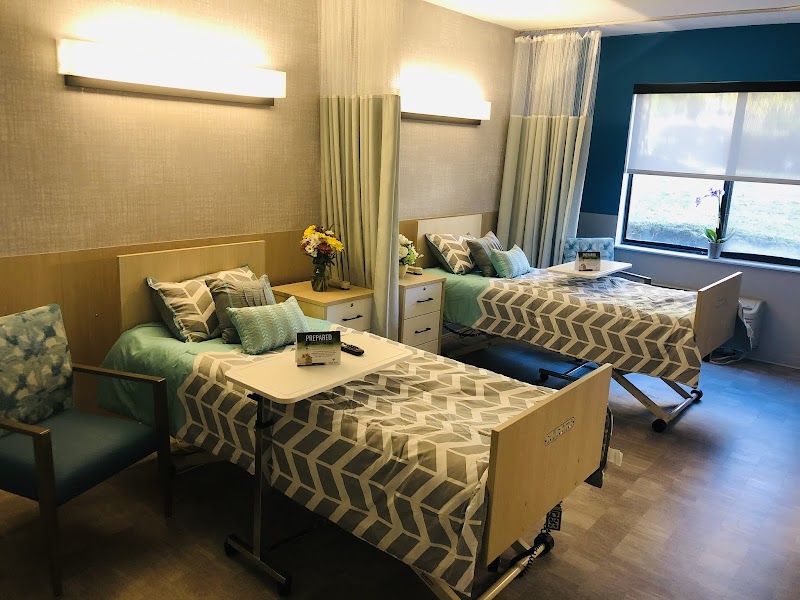
How is Arbor Ridge Rehabilitation And Healthcare Center Staffed?

CMS rates ARBOR RIDGE REHABILITATION AND HEALTHCARE CENTER's staffing level at 3 out of 5 stars, which is average compared to other nursing homes. Staff turnover is 23%, compared to the New Jersey average of 46%. This relatively stable workforce can support continuity of care.

What Have Inspectors Found at Arbor Ridge Rehabilitation And Healthcare Center?

State health inspectors documented 17 deficiencies at ARBOR RIDGE REHABILITATION AND HEALTHCARE CENTER during 2020 to 2024. These included: 17 with potential for harm.

Who Owns and Operates Arbor Ridge Rehabilitation And Healthcare Center?

ARBOR RIDGE REHABILITATION AND HEALTHCARE CENTER is owned by a for-profit company. For-profit facilities operate as businesses with obligations to shareholders or private owners. The facility is operated by MARQUIS HEALTH SERVICES, a chain that manages multiple nursing homes. With 120 certified beds and approximately 111 residents (about 92% occupancy), it is a mid-sized facility located in WAYNE, New Jersey.
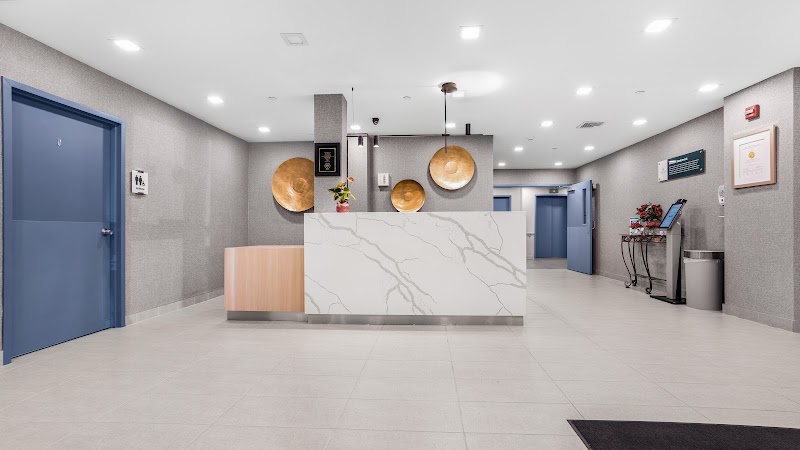
How Does Arbor Ridge Rehabilitation And Healthcare Center Compare to Other New Jersey Nursing Homes?

Compared to the 100 nursing homes in New Jersey, ARBOR RIDGE REHABILITATION AND HEALTHCARE CENTER's overall rating (4 stars) is above the state average of 3.3, staff turnover (23%) is significantly lower than the state average of 46%, and health inspection rating (3 stars) is at the national benchmark.

What Should Families Ask When Visiting Arbor Ridge Rehabilitation And Healthcare Center?

Based on this facility's data, families visiting should ask: "Can I visit during a mealtime to observe dining assistance and food quality?" "How do you handle medical emergencies, and what is your hospital transfer rate?" "Can I speak with family members of current residents about their experience?"

Is Arbor Ridge Rehabilitation And Healthcare Center Safe?

Based on CMS inspection data, ARBOR RIDGE REHABILITATION AND HEALTHCARE CENTER has a clean safety record: no substantiated abuse findings (meaning no confirmed cases of resident harm), no Immediate Jeopardy citations (the most serious violation level indicating risk of serious injury or death), and is not on the Special Focus Facility watch list (a federal program monitoring the lowest-performing 1% of nursing homes). The facility has a 4-star overall rating and ranks #1 of 100 nursing homes in New Jersey. While no facility is perfect, families should still ask about staff-to-resident ratios and recent inspection results during their visit.

Do Nurses at Arbor Ridge Rehabilitation And Healthcare Center Stick Around?

Staff at ARBOR RIDGE REHABILITATION AND HEALTHCARE CENTER tend to stick around. With a turnover rate of 23%, the facility is 22 percentage points below the New Jersey average of 46%. Low turnover is a positive sign. It means caregivers have time to learn each resident's needs, medications, and personal preferences. Consistent staff also notice subtle changes in a resident's condition more quickly.

Was Arbor Ridge Rehabilitation And Healthcare Center Ever Fined?

ARBOR RIDGE REHABILITATION AND HEALTHCARE CENTER has no federal fines on record. CMS issues fines when nursing homes fail to meet care standards or don't correct problems found during inspections. The absence of fines suggests the facility has either maintained compliance or corrected any issues before penalties were assessed. This is a positive indicator, though families should still review recent inspection reports for the full picture.

Is Arbor Ridge Rehabilitation And Healthcare Center on Any Federal Watch List?

ARBOR RIDGE REHABILITATION AND HEALTHCARE CENTER is not on any federal watch list. The most significant is the Special Focus Facility (SFF) program, which identifies the bottom 1% of nursing homes nationally based on persistent, serious quality problems. Not being on this list means the facility has avoided the pattern of deficiencies that triggers enhanced federal oversight. This is a positive indicator, though families should still review the facility's inspection history directly.