Avalon Rehab and Care Center
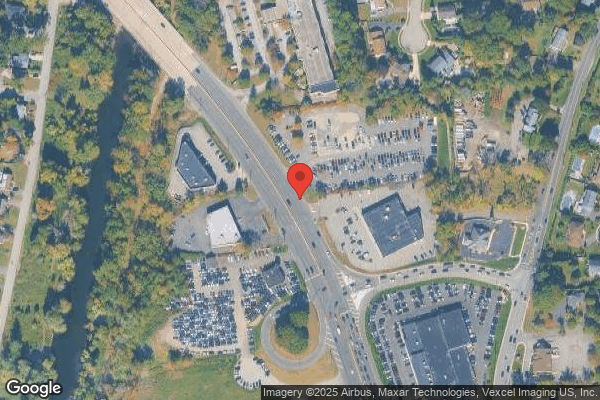
2020 ROUTE 23 NORTH, WAYNE, NJ 07470 (973) 305-8400
For profit - Limited Liability company 170 Beds ACCELA HEALTHCARE Data: November 2025
Trust Grade
70/100
#94 of 344 in NJ
Last Inspection: December 2024

Within standard 12-15 month inspection cycle. Federal law requires annual inspections.

Overview

Avalon Rehab and Care Center in Wayne, New Jersey has a Trust Grade of B, indicating it is a good choice for families, though not the top option available. It ranks #94 out of 344 facilities in New Jersey, placing it in the top half, and #3 out of 18 in Passaic County, suggesting only two local options are better. However, the trend is worsening, with reported issues increasing from 4 in 2022 to 7 in 2024. Staffing is a concern here, with a rating of 2 out of 5 stars and a turnover rate of 58%, significantly higher than the state average. Despite having no fines, which is positive, the facility offers less RN coverage than 93% of New Jersey facilities, which could impact the quality of care. Specific incidents of concern include failing to provide written transfer notices to residents, meaning families might not be informed about where their loved ones are sent during emergencies. Additionally, the facility did not ensure that window screens were properly maintained, leading to a less homelike environment for residents. While there are strengths like the absence of fines, these issues highlight areas that families should consider when choosing care for their loved ones.

Trust Score
B
70/100
In New Jersey
#94/344
Top 27%
Safety Record
Low Risk
No red flags
Inspections
Getting Worse
4 → 7 violations
Staff Stability
⚠ Watch
58% turnover. Above average. Higher turnover means staff may not know residents' routines.
Penalties
✓ Good
No fines on record. Clean compliance history, better than most New Jersey facilities.
Skilled Nurses
⚠ Watch
Each resident gets only 18 minutes of Registered Nurse (RN) attention daily — below average for New Jersey. Fewer RN minutes means fewer trained eyes watching for problems.
Violations
⚠ Watch
13 deficiencies on record. Higher than average. Multiple issues found across inspections.
★★★★☆
4.0
Overall Rating
★★☆☆☆
2.0
Staff Levels
☆☆☆☆☆
0.0
Care Quality
★★★★☆
4.0
Inspection Score
Stable
2022: 4 issues
2024: 7 issues

The Good

  • Full Sprinkler Coverage · Fire safety systems throughout facility
  • No fines on record

Facility shows strength in fire safety.

The Bad

Staff Turnover: 58%

11pts above New Jersey avg (46%)

Frequent staff changes - ask about care continuity

Chain: ACCELA HEALTHCARE

Part of a multi-facility chain

Ask about local staffing decisions and management

Staff turnover is elevated (58%)

10 points above New Jersey average of 48%

The Ugly 13 deficiencies on record

Dec 2024 3 deficiencies
CONCERN (D)

Potential for Harm - no one hurt, but risky conditions existed

Deficiency F0657 (Tag F0657)

Could have caused harm · This affected 1 resident

Based on interviews, record review, and review of facility policy, the facility failed to ensure a care plan was revised quarterly for one of 36 residents (Resident (R) 103) reviewed for care plan rev...

Read full inspector narrative →
Based on interviews, record review, and review of facility policy, the facility failed to ensure a care plan was revised quarterly for one of 36 residents (Resident (R) 103) reviewed for care plan revision. Specifically, the facility failed to schedule quarterly care conferences or invite R103 to the scheduled care conferences. Findings include: Review of the facility's policy titled Care Planning - Interdisciplinary Team, revealed, The resident, the resident's family and/or the resident's legal representative/guardian or surrogate are encouraged to participate in the development of and revisions to the resident's care plan. During an interview on 12/16/24 at 3:48 PM, R103 said she did not know about any care conferences and had never been invited. She said she would like to participate in the care conferences. Review of R103's Face Sheet located in the electronic medical record (EMR) under the Profile tab, revealed an admission date of 10/05/23 with medical diagnoses that included type 2 diabetes, depression, and muscle weakness. Review of R103's annual Minimum Data Set (MDS) located in the EMR under the MDS tab with an assessment reference date (ARD) of 09/06/24, revealed a Brief Interview for Mental Status (BIMS) score of 15 out of 15 indicating R103 had no cognitive impairment. The MDS revealed R103 was dependent on all activities of daily living (ADL) except eating and oral hygiene. Review of the IDCP (Inter-Disciplinary Care Plan) Meeting dated 10/12/23 revealed a care conference was held and R103 attended. Review of the IDCP Meeting dated 01/16/24 revealed a care conference was held and R103 attended. There was no additional documentation of R103 attending the care conference after January 2025 During an interview on 12/18/24 at 3:30 PM, the Director of Social Services (DSS) said normally he would get a list from the MDS Coordinator (MDSC) and schedule the care conferences based on that list. He said he would invite the resident and if they were unable to attend their family would be contacted. He said he would document whether the resident was invited and whether they attended the meeting. He said it was important for the resident to attend the meeting. The DSS said he had started working at the facility in July 2024. During an interview on 12/19/24 at 9:37 AM, the MDSC said she and the other MDS nurse would complete care conferences when there was not a social worker available. The MDSC said they would schedule quarterly care conferences by following the MDS schedule. The Director of Nursing (DON) said it was very important to have the care conference, so residents were updated on their medical status. NJAC 8:39-11.2(e),(f),(h)
CONCERN (E)

Potential for Harm - no one hurt, but risky conditions existed

Transfer Notice (Tag F0623)

Could have caused harm · This affected multiple residents

**NOTE- TERMS IN BRACKETS HAVE BEEN EDITED TO PROTECT CONFIDENTIALITY** Based on record review, interview, and facility policy review, the facility failed to ensure residents were provided with writte...

Read full inspector narrative →
**NOTE- TERMS IN BRACKETS HAVE BEEN EDITED TO PROTECT CONFIDENTIALITY** Based on record review, interview, and facility policy review, the facility failed to ensure residents were provided with written transfer/discharge notice that contained the option to appeal the transfer/discharge for four of four residents (Resident (R) 50, R110, R123, and R57) reviewed for facility initiated emergent hospital transfer of 33 sample residents. This failure had the potential to affect the residents and their Resident Representative by not having the knowledge of where and why a resident was transferred, and/or how to appeal the transfer, if desired. Findings include: 1. Review of a Nursing Progress Note, located in the Progress Note tab of R123's electronic medical record (EMR), dated 10/14/24 and timed 6:40 PM, stated R123 was sent to the hospital emergency room for increased confusion, lethargy, stumbling and getting physically and verbally aggressive. Review a Nursing Progress Note, located in the EMR under the Progress Note tab, dated 10/15/24 and timed 3:03 AM, stated the hospital was called and the nurse was informed R123 was admitted to the hospital with delirium with dementia and acute kidney injury. Review of a Nursing Progress Note, located in the EMR under the Progress Note tab, dated 10/18/24 and timed 3:02 AM, stated she was readmitted to the facility. Review of the issued document titled, Notice of Emergency Transfer dated 10/14/24 and provided by the facility, revealed the document did not include a statement of the resident's appeal rights, including the name, address (mailing and email), and telephone number of the entity which receives such requests; and information on how to obtain an appeal form and assistance in completing the form and submitting the appeal hearing request. 2. A Nursing Progress Note, located in the Progress Note tab of R110's EMR revealed she was transferred/discharged to the hospital from [DATE] to 06/18/24, from 08/21/24 to 08/24/24, and from 11/06/24 to 11/10/24. A Nursing Progress Note, located in the EMR under the Progress Note tab, dated 06/05/24 and timed 12:58 PM, stated she was admitted to the hospital for respiratory failure. Review of the issued document titled, Notice of Emergency Transfer dated 06/05/24 and provided by the facility, revealed she was transferred to the hospital for shortness of breath. The document did not include a statement of the resident's appeal rights, including the name, address (mailing and email), and telephone number of the entity which receives such requests; and information on how to obtain an appeal form and assistance in completing the form and submitting the appeal hearing request. Review of a Nursing Progress Note, located in the EMR under the Progress Note tab, dated 08/21/24 and timed 8:39 AM, stated at around 5:45 AM the resident was noted to have shortness of breath, was wheezing, and was using her accessory muscle to breath. According to the note she was transferred to and admitted to the hospital for congestive heart failure. Review of the issued document titled, Notice of Emergency Transfer dated 08/21/24 and provided by the facility, revealed she was transferred to the hospital for shortness of breath. The document did not include a statement of the resident's appeal rights, including the name, address (mailing and email), and telephone number of the entity which receives such requests; and information on how to obtain an appeal form and assistance in completing the form and submitting the appeal hearing request. Review of a the Nursing Progress Note, located in the EMR under the Progress Note tab, dated11/06/24 and timed 10:24 PM, stated the resident was sent out to the hospital at 9:45 PM. Review of the Nursing Progress Note, located in the EMR under the Progress Note tab, dated 11/07/24 and timed 1:50 AM, stated the hospital was called and stated she was admitted to the hospital with congestive heart failure and respiratory distress. Review of the issued document titled, Notice of Emergency Transfer dated 11/06/24 and provided by the facility, revealed she was transferred to the hospital for shortness of breath and was admitted for congestive heart failure and respiratory distress. The document did not include a statement of the resident's appeal rights, including the name, address (mailing and email), and telephone number of the entity which receives such requests; and information on how to obtain an appeal form and assistance in completing the form and submitting the appeal hearing request. 3. Review of R50's Nursing Progress Note, located in the EMR under the Progress Note tab, dated 11/05/24 and timed 9:25 AM, stated R50 was sent to the emergency room because she had low blood pressure, low oxygen saturation, low hemoglobin, elevated blood urea nitrogen and creatine. Review of a Nursing note dated 11/11/24 and timed 4:12 PM revealed she remained in the hospital until 11/11/24 at 12:35 PM when she was readmitted to the facility. Review of the issued document titled, Notice of Emergency Transfer dated 11/05/24 and provided by the facility, revealed she was transferred to the hospital for decreased oxygen saturation and decreased vital signs. The document did not include a statement of the resident's appeal rights, including the name, address (mailing and email), and telephone number of the entity which receives such requests; and information on how to obtain an appeal form and assistance in completing the form and submitting the appeal hearing request. 4. Review of R57's Nursing Progress Note, located in the Progress Note tab of R57's EMR dated 12/10/24 and timed 2:21 PM, stated R57 was sent to the hospital emergency room because of abnormal blood work. A Nursing Progress Note, dated 12/11/24 and timed 1:09 AM, stated he was admitted to the hospital for acute renal failure. Review of the issued document titled, Notice of Emergency Transfer dated 12/10/24 and provided by the facility, revealed she was transferred to the hospital for abnormal bloodwork. The document did not include a statement of the resident's appeal rights, including the name, address (mailing and email), and telephone number of the entity which receives such requests; and information on how to obtain an appeal form and assistance in completing the form and submitting the appeal hearing request. On 12/19/24 at 9:54 AM the notices were reviewed with the Regional Nurse and she verified the discharge notices did not include the explanation of the residents/responsible parties right to appeal and corresponding documentation. Review of the facility's policy titled, Transfer or Discharge Notice with a revised date of 03/2021 stated, The resident and his/her representative would be given a transfer/discharge notice as soon as practicable before a transfer or discharge. Five (5) d of the policy stated the notice would include an explanation of the resident's right to appeal the transfer or discharge to the state, including: the name, address, email, and telephone number of the entity which receives appeal hearing requests; information about how to obtain, complete, and submit an appeal; and how to get assistance completing the appeal process. NJAC 8:39-4.1(a)31
CONCERN (E)

Potential for Harm - no one hurt, but risky conditions existed

Deficiency F0625 (Tag F0625)

Could have caused harm · This affected multiple residents

**NOTE- TERMS IN BRACKETS HAVE BEEN EDITED TO PROTECT CONFIDENTIALITY** Based on record review, interview, and facility policy review, the facility failed to ensure residents and/or resident represent...

Read full inspector narrative →
**NOTE- TERMS IN BRACKETS HAVE BEEN EDITED TO PROTECT CONFIDENTIALITY** Based on record review, interview, and facility policy review, the facility failed to ensure residents and/or resident representatives were provided with a written bed hold notice for facility initiated emergent hospital transfer for four of four residents (Resident (R) 50, R110, R123, R57) reviewed for facility initiated emergent hospital transfers of 33 sample residents. This failure had the potential for the residents to be denied return to their original room or denial of the resident returning to the facility. Findings include: 1.Review of Nursing Progress Note, located in the Progress Note tab of R123's electronic medical record (EMR) revealed she had a Nursing Note dated 10/15/24 and timed 6:40 PM stated she was sent to the hospital emergency room for increased confusion, lethargy, stumbling and getting physically and verbally aggressive. Review of the Nursing Progress Note, located in the Progress Note tab of R123's EMR, dated 10/15/24 and timed 3:03 AM, stated the hospital was called and the nurse was informed R123 was admitted to the hospital with delirium with dementia and acute kidney injury. Review of the Nursing Progress Note, located in the Progress Note tab of R123's EMR,dated 10/18/24 and timed 3:02 AM, stated she was readmitted to the facility. The EMR was reviewed in its entirety and was silent for a bed hold notice related to this transfer/discharge. 2. Review Nursing Progress Note, located in the Progress Note tab of R110's EMR revealed she was transferred/discharged to the hospital from [DATE] to 06/18/24, from 08/21/24 to 08/24/24, and from 11/06/24 to 11/10/24. A Nursing Progress Note, located in the EMR under the Progress Note tab, dated 06/05/24 and timed 12:58 PM, stated she was admitted to the hospital for respiratory failure. Review of a Nursing Progress Note, located in the EMR under the Progress Note tab, dated 08/21/24 and timed 8:39 AM, stated, at around 5:45 AM the resident was noted to have shortness of breath, was wheezing, and was using her accessory muscle to breath. According to the note she was transferred to and admitted to the hospital for congestive heart failure. Review of the Nursing Progress Note, located in the EMR under the Progress Note tab, dated 11/06/24 and timed 10:24 PM, stated the resident was sent out to the hospital at 9:45 PM. Review of the Nursing Progress Note, located in the EMR under the Progress Note tab, dated 11/07/24 and timed 1:50 AM, stated the hospital was called and stated she was admitted to the hospital with congestive heart failure and respiratory distress. The record was reviewed in its entirety and was silent for a bed hold notice being issued to the resident or the resident's responsible party at the time of each transfer/discharge. 3. Review of R50's nursing progress note located in the progress note tab of R50's EMR dated 11/05/24 and timed 9:25 AM stated R50 was sent to the emergency room because she had a low blood pressure, low oxygen saturation, low hemoglobin, elevated blood urea nitrogen and creatine. Review of a nursing note dated 11/11/24 and timed 4:12 pm revealed she remained in the hospital until 11/11/24 at 12:35 PM when she was readmitted to the facility. The record was reviewed in its entirety and was silent for a bed hold notice related to this transfer/discharge. 4. Review of R57's nursing progress note located in the progress note tab of R57's EMR dated 12/10/24 and timed 2:21 PM stated R57 was sent to the hospital emergency room because of abnormal blood work. A nursing progress note dated 12/11/24 and timed 1:09 AM stated he was admitted to the hospital for acute Renal failure. The record was reviewed in its entirety and was silent for a bed hold notice related to this transfer/discharge. On 12/19/24 at 9:54 AM each of the above discharges/transfers were reviewed with the Regional Nurse, and she verified the residents/residents' responsible parties were not given a bed hold notice at the time of each discharge/transfer to the hospital. Review of the facility's policy titled Bed-Holds and Returns with a revised date of 03/22 stated, All residents/representatives are provided written information regarding the facility bed-hold policies, which address holding and reserving a resident's bed during periods of absence (hospitalization or therapeutic leave) at the time of transfer and it the transfer was an emergency within 24 hours. NJAC 8:39-5.3
May 2024 4 deficiencies
CONCERN (D) 📢 Someone Reported This

A family member, employee, or ombudsman was alarmed enough to file a formal complaint

Potential for Harm - no one hurt, but risky conditions existed

Report Alleged Abuse (Tag F0609)

Could have caused harm · This affected 1 resident

**NOTE- TERMS IN BRACKETS HAVE BEEN EDITED TO PROTECT CONFIDENTIALITY** C#NJ 172626 Based on observation, record review, interview, and review of the facility's policy, the facility failed to ensure a...

Read full inspector narrative →
**NOTE- TERMS IN BRACKETS HAVE BEEN EDITED TO PROTECT CONFIDENTIALITY** C#NJ 172626 Based on observation, record review, interview, and review of the facility's policy, the facility failed to ensure an Injury of Unknown origin was immediately reported to the State Survey Agency in accordance with the required timeframes for one of five residents (Resident (R) 20) reviewed for injuries of unknown origin out of a total sample of 24. R20 was found with redness and swelling to the right foot on 03/26/24 which resulted in a fracture of the fifth metatarsal bone. The facility did not report the injury of unknown origin until 03/29/24, which was four days later. This failure placed the resident at risk of possible abuse when. Findings include: Review of the facility's policy titled, Abuse, Neglect, Exploitation or Misappropriation-Reporting and Investigating, revised April 2021, indicated, All reports of resident abuse (including injuries of unknown origin) .are reported to local, state and federal agencies (as required by current regulations) .Reporting Allegations to the Administrator and Authorities- 1. If resident .injury of unknown source is suspected, the suspicious must be reported immediately to the administrator and to the other officials according to state law. 2. The administrator or the individual making the allegation immediately reports his or her suspicion to the following persons or agencies: a. The state licensing/certification agency responsible for surveying/licensing the facility, b. The local/state ombudsman .3. 'Immediately' is defined as: a. within two hours of an allegation involving abuse or result in serious bodily injury; or b. within 24 hours of an allegation that does not involve abuse or result in serious bodily injury. During an observation and interview on 05/14/24 at 9:55 AM, R20 was observed in her room sitting in a wheelchair. Further observation revealed R20's right foot had a white bandage on it. R20 was asked what happened and stated, I was trying to get in bed, or out. I don't remember. I yelled out for help. I must have hit my toes because I broke two toes. This was awhile back. Review of R20's undated Face Sheet located in the resident's electronic medical record (EMR) under the Resident tab indicated R20 was admitted to the facility on [DATE]. Review of R20's medical diagnoses located in the resident's EMR under the Med Diag [Diagnoses] tab indicated diagnoses to include muscle weakness, nondisplaced fracture of the shaft of right clavicle, abnormalities of gait, osteoarthritis, Parkinsons disease, unspecified dementia, repeated falls, and aftercare following joint replacement surgery. Review of R20's significant change Minimum Data Set (MDS) with an assessment reference date (ARD) of 03/30/24 and located in the resident's EMR under the MDS tab revealed the facility assessed R20 to have a Brief Interview for Mental Status (BIMS) score of 14 out of 15 which indicated the resident was cognitively intact. The MDS further indicated R20 had an impairment on one side to the upper extremity and on one side of the lower extremity. The MDS further indicated R20 required Partial/Moderate assistance for transfers. Review of R20's Reportable Event Record/Report provided by the Administrator indicated Date of Event 03/26/24 at 2:00 PM. Today's date: 03/29/24. Was this a significant event? Yes. Was Significant event called in? Yes. Date: 03/29/24 at 1:55 PM. Person reporting: [name of former Administrator]. Location of Incident: Resident room. Type of Incident: Injury. Narrative: Describe the event: Resident noted with redness and swelling to right foot on 03/26/24. When resident was asked what happened to her foot, she stated that she must have bumped it during a fall she had on 03/14/24. What interventions were implemented after the incident/event? X-ray was ordered to the right foot with impression of fracture of the fifth metatarsal. Further review of the incident report revealed this incident was not reported until 03/29/24 (four days after it was identified). Review of R20's X-ray Results dated 03/28/24 and located in the resident's EMR under the Misc [Miscellaneous] tab revealed an x-ray was not conducted until 03/28/24 (three days after finding the resident with redness and swelling to the right foot) which revealed, Findings: Marked osteopenia is noted. There is a deformity of the fifth metatarsal bone with fracture suspected. Impression: Fracture of the 5th metatarsal. Review of the facility's Investigation Summary dated 03/29/24 and provided by the facility indicated, Resident [R20] with swelling and redness to the right foot on 03/26/24, x-ray done to right foot with impression Fracture of 5th metatarsal. During an interview on 05/14/24 at 1:49 PM, the Director of Nursing (DON) stated, This was reported on 03/29/24. Initially she [referring to R20] had swelling to the foot on 03/26/24. We did an x-ray and sent her to the hospital on [DATE]. She returned the same day with splinting and [the facility] reported [it] the next day. When the DON was asked why the delay in reporting, she stated, We were gathering all the information and as soon as we completed it, we reported it to the state. Most of the time reportables or any types of injuries of unknown origin, we complete an incident report and report within 24-48 hours. NJAC 8:39-9.4(f)
CONCERN (D) 📢 Someone Reported This

A family member, employee, or ombudsman was alarmed enough to file a formal complaint

Potential for Harm - no one hurt, but risky conditions existed

Deficiency F0761 (Tag F0761)

Could have caused harm · This affected 1 resident

**NOTE- TERMS IN BRACKETS HAVE BEEN EDITED TO PROTECT CONFIDENTIALITY** Based on observation, interview and review of the facility's policy, the facility failed to ensure medications were locked in a ...

Read full inspector narrative →
**NOTE- TERMS IN BRACKETS HAVE BEEN EDITED TO PROTECT CONFIDENTIALITY** Based on observation, interview and review of the facility's policy, the facility failed to ensure medications were locked in a secure storage area and only authorized personnel had access to the medications. Observation revealed medications delivered by the pharmacy was left at a nurses' station where residents, visitors, and unauthorized employees had access to the medications. This had the potential to cause injury to residents who would ingest them or to residents who need them in the event they are stolen due to not being supervised. This had the potential to affect the 93 residents residing on the second floor with a census of 119. Findings include: Observation on 05/16/23 at 6:05 AM of the second floor nurses' station revealed four brown paper bags of medications sitting on the nursing station within plain view and within reach of anyone standing at the nursing station. Continued observation revealed no staff around were in the line of sight of the bags of medications and Resident (R) 24 was sitting in a chair across from the nursing station. During the continuous observation on 05/16/23, at 6:10 AM Certified Nurse Aide (CNA) 9 came behind the nursing station and sat down and began working on the computer next to the bags of medications. At 6:12 AM Licensed Practical Nurse (LPN) 6 arrived at the nurses' station. LPN6 stated the medications had arrived from the pharmacy that morning and they should have been locked up. She verified CNA9 was sitting in the nursing station and R24 was sitting in the hall directly across from the nurses' station where the medications were sitting. Three of the bags were open with easy access to any of the medications and one of the bags was stapled shut. Observation on 05/16/24 of the bags of medications with LPN6 revealed the bags contained the following medications: Humalog insulin, a card containing 24 tablets of pantoprazole, Finasteride (one card of 24 tablets)a urinary retention medication; Amlodipine (two cards of 24 pills) a high blood pressure medication, Gabapentin (three cards of 24 tablets) an anticonvulsant, Midodrine (three cards of 24 tablets) a blood pressure medication, Torsemide (one card) a diuretic, Paliperidone (one card) a antipsychotic, singular (one card)a leukotriene receptor antagonists, escitalopram (one card) antidepressant, [NAME] (one card) a anticholinergic, Lipitor (three cards) a statin, amantadine (one card) Parkinson's medication, Prevacid (two cards) a stomach acid reducer, entacapone (three cards) a Parkinson's medication, Catapres (two cards) a high blood pressure medication, ibuprofen (one card) a pain reducer, Pepcid (one card) an acid reducer for reflux, Vitamin D (one card), Depakote (one card) an anticonvulsant, and (Keflex one card) an antibiotic. R24's quarterly Minimum Data Set (MDS) with an assessment reference date (ARD) of 02/08/24 located in the MDS tab of the electronic medical record (EMR) revealed the facility assessed the resident to have a Brief Interview for Mental Status score of 15 out of 15 which indicated the resident was cognitively intact. The MDS also indicated the resident was independent with ambulating/walking. Review of the facility's Census sheet dated 05/13/24 and provided by the facility revealed 93 residents resided on the second floor. Review of the facility's policy titled Storage of Medications revised date of 2020 stated, .Drugs and biologicals used in the facility are stored in locked compartments .only persons authorized to prepare and administer the medications have access to the locked medications. NJAC 8:39-29.4(h)
CONCERN (E) 📢 Someone Reported This

A family member, employee, or ombudsman was alarmed enough to file a formal complaint

Potential for Harm - no one hurt, but risky conditions existed

Safe Environment (Tag F0584)

Could have caused harm · This affected multiple residents

**NOTE- TERMS IN BRACKETS HAVE BEEN EDITED TO PROTECT CONFIDENTIALITY** C#NJ 148344 C#NJ 148677 Based on observation, interview, and facility policy review, the facility failed to ensure window screen...

Read full inspector narrative →
**NOTE- TERMS IN BRACKETS HAVE BEEN EDITED TO PROTECT CONFIDENTIALITY** C#NJ 148344 C#NJ 148677 Based on observation, interview, and facility policy review, the facility failed to ensure window screens were in good repair, open windows had screens; and failed to ensure walls and floors in resident rooms were maintained in clean condition for 10 of 53 rooms. This failure created a non-homelike environment. Findings include: Observation on 05/14/24 at 3:38 PM of resident room [ROOM NUMBER] revealed the window screen in the window had a hole that extended the entire width of the window. Observation on 05/15/24 at 10:58 AM of resident room [ROOM NUMBER] revealed the window screen was torn all the way across the window. Observation on 05/15/25 at 2:41 PM of resident room [ROOM NUMBER] revealed the window screen was torn all the way across the window. Observation on 05/15/24 at 11:47 AM of resident rooms [ROOM NUMBER] revealed the window screens were torn and had several holes. Observation on 05/15/24 at 2:14 PM of resident room [ROOM NUMBER] revealed the window screen 232 was torn all the way across the window. Observation on 05/14/24 at 11:06 AM of resident room [ROOM NUMBER] revealed the window did not contain a window screen. Continued observation revealed the window was opened approximately two inches. The window did not have a screen to prevent the entrance of insects. Observation on 05/15/24 at 3:39 PM of the window in the resident activity room on unit B3 was open approximately two inches. Continued observation revealed there was no screen in place to prevent the entrance of insects. Observation on 05/15/24 at 11:05 AM of resident room [ROOM NUMBER] revealed the wall by the door and under the window was soiled with dried, yellow-colored drips. The floor had brown dirt built up along the walls all the way around the room. Observation on 05/15/24 at 11:17 AM of resident room [ROOM NUMBER] revealed what appeared to be dirt build up on the floor along the wall in room. During an observation and interview on 05/15/24 at 2:41 PM, the Director of Maintenance (DOM) and the Administrator verified the walls and floor were both soiled. The DOM stated it appeared as if someone waxed over the dirt on the floor along the walls. Continued observation of the above identified rooms revealed both the DOM and the Administrator verified the concerns. Review of the facility's policy titled Environment Care revised 05/01/23, stated the Maintenance Department would maintain the building in good repair. Review of the facility's policy titled, Housekeeping revised 09/01/23. The policy indicated the facility would have enough equipment and supplies required to meet the needs of the housekeeping services. NJAC 8:39-4.1(a)11, 31.4(a)
CONCERN (E) 📢 Someone Reported This

A family member, employee, or ombudsman was alarmed enough to file a formal complaint

Potential for Harm - no one hurt, but risky conditions existed

Menu Adequacy (Tag F0803)

Could have caused harm · This affected multiple residents

C#NJ 148344 Based on observation interview, and facility policy review, the facility failed to ensure the meal menu was followed. This failure had the potential to result in weight loss and/or continu...

Read full inspector narrative →
C#NJ 148344 Based on observation interview, and facility policy review, the facility failed to ensure the meal menu was followed. This failure had the potential to result in weight loss and/or continued hunger for 40 of 119 residents. Findings include: Observation and interview on 05/14/24 at 11:45 AM in the kitchen revealed Dietary Employee (DE) 1 placed the scoops/serving utensils in the food items located on the steam table. He placed a #10 scoop (3.2-ounce scoop) in the sausage paella. He was observed to serve the residents on the first three carts the 3.2 ounce serving when the menu stated a 6-ounce portion should have been given. At 11:45 AM DE1 verified he used the #10 scoop to serve the sausage paella. At 11:54 AM the scoop size was again verified with DE1 and the Dietary Manager (DM). The DE used the 3.2-ounce scoop to serve the trays on the first and second carts to the first floor, and to the residents on the first cart to the second floor. During an interview on 05/16/24 at 9:12 AM the menu for the lunch meal on 05/14/24 meal was reviewed with the DM and the Regional Corporate Manager. Review of the menu revealed the regular and chopped diets were supposed to receive six ounces of the sausage paella. The DM verified DE1 should have used a six-ounce scoop for the sausage paella. Review of the list of residents on the carts with there diets was requested. On 05/16/24 at 10:30 AM the list was provided. Review of the list revealed 26 residents on regular diets were on the first two carts to the first floor and 14 resident trays for residents on regular diets was sent to the second floor. Review of the facility's policy titled Menu Accuracy Policy dated 12/10/23 stated the Facility kitchen staff will follow menu in place as provided, as approved by the dietitian to meet nutritional requirements and regulations .menu items and portion sizes listed on the menu must be served. NJAC 8:39-17.4 (a)3
Dec 2022 4 deficiencies
CONCERN (D)

Potential for Harm - no one hurt, but risky conditions existed

Deficiency F0658 (Tag F0658)

Could have caused harm · This affected 1 resident

Based on observation, interview, and record review, it was determined that the facility failed to follow physician orders for blood pressure (BP) parameters according to standards of clinical practice...

Read full inspector narrative →
Based on observation, interview, and record review, it was determined that the facility failed to follow physician orders for blood pressure (BP) parameters according to standards of clinical practice for one of 24 residents reviewed (Resident #18). This deficient practice was evidenced by the following: Reference: New Jersey Statutes Annotated, Title 45. Chapter 11. Nursing Board. The Nurse Practice Act for the State of New Jersey states: The practice of nursing as a registered professional nurse is defined as diagnosing and treating human responses to actual and potential physical and emotional health problems, through such services as case finding, health teaching, health counseling, and provision of care supportive to or restorative of life and wellbeing, and executing medical regimens as prescribed by a licensed or otherwise legally authorized physician or dentist. Reference: New Jersey Statutes Annotated, Title 45, Chapter 11. Nursing Board. The Nurse Practice Act for the State of New Jersey states: The practice of nursing as a licensed practical nurse is defined as performing tasks and responsibilities within the framework of case finding; reinforcing the patient and family teaching program through health teaching, health counseling and provision of supportive and restorative care, under the direction of a registered nurse or licensed or otherwise legally authorized physician or dentist. On 12/06/22 at 9:45 AM, the surveyor observed Resident #18 in bed watching television. The surveyor reviewed the medical records of Resident #18. Resident #18's admission Record (Face sheet; an admission summary) revealed that the resident was admitted to the facility with diagnoses that included: dependence on renal dialysis, end stage renal disease (a condition in which a person's kidney ceases to function), and malignant neoplasm of the kidney (cancer of the kidney). The Annual Comprehensive Minimum Data Set, an assessment tool used to facilitate the management of care, dated 12/02/22 reflected that the resident had a Brief Interview for Mental Status (BIMS) score of 13 out of 15, indicating that the resident's cognition was intact. The December 2022 Order Summary Report (OSR) revealed an original physician order dated 11/17/22 and was updated on 11/29/22 for Midodrine (a medication used to treat low blood pressure) 10 mg (milligrams) to give one tablet (tab) by mouth three times daily every Tuesday, Thursday, Saturday, and Sunday for hypotension to be given for Systolic Blood Pressure (SBP) (top number on a blood pressure reading) less than 100. The December 2022 OSR also showed a physician order dated 11/29/22 for Midodrine 10 mg give one tab by mouth two times a day on Monday, Wednesday, and Friday for hypotension for SBP less than 100. The above orders for Midodrine were transcribed to the November and December 2022 electronic Medication Administration Record (eMAR) and signed by the nurses as administered. The November and December 2022 eMAR revealed that the Midodrine was administered when the medication should have been held on: 11/18/22 at 9 AM the SBP was documented as 156 11/21/22 at 9 PM the SBP was documented as 111 12/01/22 at 1 PM the SBP was documented as 116 12/04/22 at 9 AM the SBP was documented as 103 12/04/22 at 5 PM the SBP was documented as 109 A review of the eMAR revealed that this deficient practice was first noticed on 11/18/22. The medical records showed that there were three nurses administered the medications when the medication should have been held. On 12/07/22 at 9:15 AM, the surveyor was unable to interview Licensed Practical Nurse#1 (LPN#1) because she called out sick. On 12/07/22 at 11:00 AM, the surveyor left a message with LPN #2 who did not return the surveyor call. On 12/07/22 at 12:00 PM, the surveyor interviewed a LPN #3 who stated that when the resident's SBP is above 100 the nurse must hold the Midodrine. The LPN reviewed the November and December 2022 eMARs with the surveyor and acknowledge that on five occasions in November and December 2022 that Midodrine was administered when it should have been held for Resident #18. Furthermore, LPN#3 acknowledged that administering Resident #18's Midodrine when the resident's SBP was above 100 could have elevated the resident's SBP. LPN#3 further stated that there was no negative effect to the resident. A review of the facility's policy for Administering Medications that was dated 5/31/21 and was provided by the DON indicated the following: 3. Medications must be administered in accordance with the orders, including any required time frame 8. The following information must be checked/verified for each resident prior to administering medications: a. Allergies to medications; and b. Vitals signs, if necessary. On 12/08/22 at 01:40 PM, the surveyor met with the Licensed Nursing Home Administrator (LNHA), the Director of Nursing (DON), and the Assistant Director of Nursing (ADON). The surveyor presented his findings to the administration. The DON acknowledged that administering Midodrine when Resident #18's SBP was above 100 could have potentially elevated the resident's SBP. The DON stated that there was no negative effect to the resident. No further documentation was provided to the survey team to refute theses findings. NJAC 8:39-11.2(b)
CONCERN (D)

Potential for Harm - no one hurt, but risky conditions existed

Staffing Information (Tag F0732)

Could have caused harm · This affected 1 resident

Based on observation, interview, and review of pertinent facility documents it was determined that the facility failed to routinely and accurately post the nurse staffing information on four of 10 day...

Read full inspector narrative →
Based on observation, interview, and review of pertinent facility documents it was determined that the facility failed to routinely and accurately post the nurse staffing information on four of 10 days during the survey period in a place within the facility readily accessible to the residents and the visitors. This deficient practice was evidenced by the following: On 11/28/22 at 8:48 AM, upon entry into the facility, the surveyor observed that the Nursing Home Staffing Report Form (NHSRF) that was posted in the reception area of the lobby showed a staffing report dated 11/28/22 with the census of 115 for Day Shift 7 AM - 3 PM. On that same date and time, the Licensed Nursing Home Administrator (LNHA) provided a copy of the facility's census in the presence of the Regional LNHA (RLNHA) and the Regional Director of Nursing (RDON). The provided copy of the facility's census showed 118 with one bed hold. The surveyor asked the facility management why the posted NHSRF in the reception area and the provided census copy did not match. The LNHA stated that she will get back to the surveyor. On 11/28/22 at 10:00 AM, during the Entrance Conference of the surveyor with the LNHA, DON, RDON, and RLNHA, the LNHA confirmed that the facility census was 117 with two bed hold. On Monday, 12/05/22 at 8:12 AM, the surveyor observed the NHSRF that was posted in the reception area of the facility lobby dated 12/02/22, three days prior on Friday, 12/02/22 with a census of 118 for the Day Shift 7 AM-3 PM, Evening Shift 3 PM-11 PM, and Night Shift 11 PM-7 AM. The 12/05/22 NHSRF was not posted for the day shift. On 12/05/22 at 8:13 AM, the surveyor interviewed the Receptionist regarding the posted NHSRF. The Receptionist informed the surveyor that she was not responsible for posting the NHSRF. She further stated that it was the Staffing Coordinator's responsibility to post the updated NHSRF during weekdays and the Nursing Supervisor's responsibility to post it during the weekends in the facility lobby. On 12/07/22 at 10:58 AM, the surveyor copied and reviewed the posted 12/07/22 NHSRF in the reception area and showed that on the Day Shift the total number of patients (census) was 120. The surveyor reviewed the facility-provided schedule, revealed a conflicting resident census of 122 for 12/07/22 for the Day Shift. On 12/07/22 at 11:05 AM, the surveyor interviewed the Staffing Coordinator (SC) who informed the surveyor that she was also a Certified Nursing Aide (CNA). The SC stated that her job responsibilities included creating the schedule of nurses and CNAs, entering information into the NHSRF, and posting the NHSRF in the facility lobby. On that same date and time, the surveyor asked the SC why the census that was posted on 11/28/22 and 12/07/22 NHSRF did not match the actual census report for those days. In addition, the surveyor asked why on Monday, 12/05/22 there was still the Friday 12/02/22 staffing posted? The SC stated that it was probably my mistake, I'm sorry. The SC further stated that on the days that she was not working, it will be the Nursing Supervisor's responsibility to post the correct and updated NHSRF. At that time, the SC stated that she receives the census daily via email from admission, then she entered the information to the NHSRF, and post it in the lobby area. Furthermore, the surveyor asked the SC who was responsible for posting the updated and correct NHSRF this weekend, on 12/03/22 and 12/04/22. The SC stated that she worked on 12/03/22 and 12/04/22, then the surveyor asked the SC why the updated and correct NHSRF was not posted. The SC responded, I cannot remember why. On 12/07/22 at 12:57 PM, the survey team met with the DON, LNHA, and RLNHA who were made aware of the above findings. A review of the facility's Posting of Nurse Staffing Information Policy and Procedure dated 11/22/22 that was provided by the LNHA showed that it was the facility's policy to post the nurse staffing information on a daily basis, to make nurse staffing information readily available in a readable format to residents and visitors at any given time. The procedure included that the SC will post the notice of nurse staffing daily, placed at the first-floor receptionist desk (lobby), and the notice will include the following information: facility name, current date, the total number and the actual hours worked by the following categories of licensed and unlicensed nursing staff directly responsible for resident care per shift: Registered nurses, Licensed practical nurses, Certified nurse aide, current resident census. On 12/12/22 at 02:44 PM, the survey team met with the LNHA, DON, and Regional LNHA. The facility management acknowledged the above findings and there was no further documentation was provided to the survey team to refute these findings. NJAC 8:39-41.2 (a)(b)(c)(1)
CONCERN (D)

Potential for Harm - no one hurt, but risky conditions existed

Infection Control (Tag F0880)

Could have caused harm · This affected 1 resident

**NOTE- TERMS IN BRACKETS HAVE BEEN EDITED TO PROTECT CONFIDENTIALITY** Based on observation, interview, and review of pertinent facility documents, it was determined that the facility failed to perfo...

Read full inspector narrative →
**NOTE- TERMS IN BRACKETS HAVE BEEN EDITED TO PROTECT CONFIDENTIALITY** Based on observation, interview, and review of pertinent facility documents, it was determined that the facility failed to perform handwashing appropriately for two of five staff (agency Certified Nursing Aide (aCNA) and Supply Clerk/CNA) observed during incontinence care in accordance with the Centers for Disease Control and Prevention (CDC) guidelines for infection control and facility policy. This deficient practice was evidenced by the following: According to the U.S. CDC guidelines, Hand Hygiene Recommendations, Guidance for Healthcare Providers for Hand Hygiene and COVID-19, page last reviewed 01/18/2021 included, Hands should be washed with soap and water for at least 20 seconds when visibly soiled, before eating, and after using the restroom. Immediately after glove removal. It further specified the procedure for hand hygiene which included, When cleaning your hands with soap and water, wet your hands first with water, apply the amount of product recommended by the manufacturer to your hands, and rub your hands together vigorously for at least 15 seconds, covering all surfaces of the hands and fingers. Rinse your hands with water and use disposable towels to dry. Use a towel to turn off the faucet. Other entities have recommended that cleaning your hands with soap and water should take around 20 seconds. On 12/05/22 at 6:27 AM, the surveyor observed an aCNA in front of room [ROOM NUMBER] with a supply cart of linens, towels, and incontinence pads. The aCNA informed the surveyor that she was an agency nursing aide that had been working in the facility for two weeks now, worked the 11 PM-7 AM night shift last night, and was about to perform morning care for the two residents in the room. Upon entry inside the resident's room, the aCNA immediately went inside the bathroom and washed both hands with water. The aCNA did not apply soap and proceeded to wash her hands for five seconds and then dried both hands with the use of clean paper towels. Then, the aCNA took a new pair of gloves. At that time, the surveyor asked the aCNA if she was done with hand hygiene and the aCNA stated yes, I did wash my hands when I came out of the other room but my hands were sticky that is why I just washed them now with water. Why? You want me to see me wash my hands again? At that same time, the aCNA then turned on the faucet, without wetting both hands with water. The aCNA lathered her hands with soap, then washed off the soap under the stream of running water, and dried hands with clean paper towels. During an interview of the surveyor with the aCNA regarding hand washing, the aCNA stated that no hand hygiene education and competency was provided to her by the facility since she started two weeks ago. She further stated that she knew how to wash her hands from her other job. The surveyor then asked the aCNA why she did not wet her hands prior to applying soap and the aCNA responded: this is how we do handwashing in my other job, we do not need to wet our hands first. On 12/05/22 at 6:40 AM, the surveyor interviewed the Infection Preventionist Nurse (IPN) immediately of the above concern. The IPN informed the surveyor that she worked last night during the 11 PM-7 AM nigh shift as the Nursing Supervisor because she was on-call. The IPN stated that as per facility protocol, she believed that the aCNA should have been educated and provided a competency for hand hygiene and PPE (personal protective equipment) use. The surveyor then asked the IPN why the aCNA had not received education or a competency on hand hygiene, the IPN replied, I have to find out. On that same date and time, the IPN stated that the aCNA should have wet her hands first before applying soap and performed handwashing with soap and water before applying gloves or PPE. Immediately, the IPN went to room [ROOM NUMBER] and spoke to the aCNA. On 12/05/22 at 6:55 AM, the surveyor observed the Supply Clerk/CNA (SC/CNA) enter a resident's room and donned (applied) a new pair of gloves without performing hand hygiene. On that same date and time, the surveyor asked the SC/CNA for an interview and he immediately removed gloves and performed handwashing inside the resident's bathroom. The surveyor observed the SC/CNA perform handwashing under the stream of running water for 10 seconds, applied soap to both hands which immediately washed off the soap, dried both hands with clean paper towels, and left the resident's room. During an interview with the surveyor, the SC/CNA stated that the Assistant Director of Nursing (ADON) provided him an education and competency with regard to hand hygiene. He further stated that it was appropriate for him to lather his hands with soap under the stream of running water at the same time and to apply soap immediately rinse under water. Furthermore, he stated that he should wash his hands before applying a new pair of gloves. At that time, the Registered Nurse (RN) in the nursing station informed the supply clerk that he should lather his hands with soap outside the stream of running water. On 12/05/22 at 7:13 AM, the surveyor interviewed the IPN in the presence of another surveyor. The surveyor discussed the findings of the hand hygiene breaches with the IPN. The IPN stated that after speaking with the aCNA about the above concerns, the aCNA acknowledged that she did not wet her hands before applying soap because she was following the hand hygiene procedure from another job. At this time, the surveyor notified the IPN that both the aCNA and the SP/CNA did not use ABHR (alcohol base hand rub) during hand hygiene observations. On 12/05/22 at 9:06 AM, the survey team met with the Licensed Nursing Home Administrator (LNHA) and the Director of Nursing (DON) and were made aware of the above findings. On 12/07/22 at 11:37 AM, the LNHA provided the surveyor a copy of the Competency Validation for PPE, Competency Skills Checklist signed/dated on 11/23/22 (this did not correspond with the aCNA's interview on 12/05/22 in which the aCNA told the surveyor she had not had a competency). The surveyor inquired with the LNHA regarding that discrepancy. The LNHA replied that the competency date should have been dated 12/05/22, and not 11/23/22. She acknowledged that there was no education and competencies done to aCNA by the facility until the surveyor's inquiry. On 12/08/22 at 01:41 PM, the survey team met with the Regional LNHA (RLNHA), LNHA, and DON. The RLNHA acknowledged that the aCNA should have followed the appropriate hand hygiene guidelines to wet hands first before applying soap. The facility management acknowledged that the hand hygiene breaches included performing hand hygiene for less than the minimum of 20 seconds according to their facility policy, lathering hands under the stream of running water, and hand hygiene not done after removal of PPE. A review of the facility's Handwashing/Hand Hygiene Policy that was provided by the LNHA with the last update date of May 2021 included Policy Interpretation and Implementation: .2. All personnel shall follow the handwashing/hand hygiene procedures to help prevent the spread of infections to other personnel, residents, and visitors .9. The use of gloves does not replace hand washing/hand hygiene. Integration of glove use along with routine hand hygiene is recognized as the best practice for preventing healthcare-associated infections .Procedure: Washing Hands 1. Vigorously lather hands with soap and rub them together, creating friction to all surfaces, for a minimum of 20 seconds (or longer) under a moderate stream of running water, at a comfortable temperature .2. Rinse hands thoroughly under running water.Applying and Removing Gloves 1. Perform hand hygiene before applying non-sterile gloves On 12/12/22 at 02:44 PM, the survey team met with the LNHA, RLNHA, and the DON and no further documentation was provided to the survey team to refute these findings. NJAC 8:39-19.4 (a)(1)
MINOR (C)

Minor Issue - procedural, no safety impact

Deficiency F0836 (Tag F0836)

Minor procedural issue · This affected most or all residents

Based on observation, interview, and review of pertinent facility documents it was determined that the facility failed to notify CMS (Centers for Medicare & Medicaid Services) and apply for a change i...

Read full inspector narrative →
Based on observation, interview, and review of pertinent facility documents it was determined that the facility failed to notify CMS (Centers for Medicare & Medicaid Services) and apply for a change in ownership upon 30 days of their sale in April 2022 in accordance with 42 CFR (Code of Federal Regulations) 424.516. This deficient practice was evidenced by the following: According to 42 CFR 424.516 Additional provider and supplier requirements for enrolling and maintaining active enrollment status in the Medicare Program: (a) Certifying compliance. CMS enrolls and maintains an active enrollment status for a provider or supplier when that provider or supplier certifies that it meets, and continues to meet, and CMS verifies that it meets, and continues to meet, all of the following requirements: (1) Compliance with title XVIII of the Act and applicable Medicare regulations. (2) Compliance with Federal and State licensure, certification, and regulatory requirements, as required, based on the type of services or supplies the provider or supplier type will furnish and bill Medicare. (3) Not employing or contracting with individuals or entities that meet either of the following conditions: (i) Excluded from participation in any Federal health care programs, for the provision of items and services covered under the programs, in violation of section 1128 A(a)(6) of the Act. (ii) Debarred by the General Services Administration (GSA) from any other Executive Branch procurement or nonprocurement programs or activities, in accordance with the Federal Acquisition and Streamlining Act of 1994, and with the HHS Common Rule at 45 CFR part 76 (d) Reporting requirements for physicians, nonphysician practitioners, and physician and nonphysician practitioner organizations. Physicians, nonphysician practitioners, and physician and nonphysician practitioner organizations must report the following reportable events to their Medicare contractor within the specified timeframes: (1) Within 30 days - (i) A change of ownership; (ii) Any adverse legal action; or (iii) A change in practice location. (2) All other changes in enrollment must be reported within 90 days. On 11/28/22 at 8:48 AM, upon arrival of the surveyors to the facility, the surveyor observed a stone mantel facility entrance sign that had a name that did not correspond with the CMS approved name and provider registered name. Covering that sign was a banner with another facility name indicating Springhills Post Acute Wayneview written on top of it indicating Under New Management. The facility name indicating on the banner and was listed as Avalon Rehabilitation Care Center did not correspond with a CMS approved name change. On 11/28/22 at 10:00 AM, during the Entrance Conference with the Licensed Nursing Home Administration (LNHA), Director of Nursing (DON), and the Regional LNHA (RLNHA), the surveyor asked the facility management why the signs outside the facility in the entrance of the parking lot showed two different facility names Springhills Post Acute Wayneview with a banner over that with a new name of Avalon Rehab & Care Center both of which do not match with the CMS approved name of Atrium Post Acute Care of Wayneview. On that same date and time, the surveyor asked the facility management about the website which reflects that the CMS approved name of Atrium Post Acute Care of Wayneview reflects it was permanently closed. At that same time, the RLNHA stated that the facility transitioned to a new facility name and new management of Avalon Rehabilitation & Care Center since 4/25/22 and that the facility had been using the new company's name and logo. She further stated that the other name Springhills Post Acute Wayneview was changed from the current license name for unspecified number of years, and then under the new management of Avalon Rehabilitation & Care Center. On 12/07/22 at 12:57 PM, the survey team met with the DON, LNHA, and RLNHA and were made aware of the above findings. On 12/08/22 at 01:16 PM, the surveyor reviewed documents and the facility's policies that were provided by the LNHA and showed that the facility name and logo that were used were not according to the facility's licensed name and CMS approved name/change of ownership approval. On 12/12/22 at 8:46 AM, the surveyor notified the LNHA that the team was requesting any and all communication with CMS, including the CMS-855 form (application for change of ownership) submitted to the CMS for a change of ownership. The LNHA stated that she will get back to the surveyor. On 12/12/22 at 01:34 PM, the RLNHA and the LNHA both stated to the surveyor that they will follow up again with the corporate office about communications with the CMS Medicare Administrative Contractor (MAC). On 12/12/22 at 01:52 PM, the RLNHA informed the surveyor that the application for a change in ownership was not submitted according to their Corporate Representative (CR) who was responsible for applying for the change of name and other facility's licensing because the CR thought form 855 was only to be submitted once closing happened and the facility did not receive the final approval from NJDOH (New Jersey Department of Health). A review of the facility license that was issued by the New Jersey Department of Health Division of Certificate of Need and Licensing with an issue date of 3/4/22 and an expiration date of 2/28/23. The NJDOH issued the license for the facility name of Atrium Post Acute Care of Wayneview, not Springhills or Avalon Rehab & Care Center. On 12/12/22 at 02:44 PM, the survey team met with the LNHA, RLNHA, and the DON and no further documentation was provided to the survey team to refute these findings. NJAC 8:39-5.1 (a)
Sept 2020 2 deficiencies
CONCERN (D)

Potential for Harm - no one hurt, but risky conditions existed

Respiratory Care (Tag F0695)

Could have caused harm · This affected 1 resident

Based on observation, interview, and record review, it was determined that the facility failed to: a.) provide oxygen therapy in accordance with the physician's order and b.) date oxygen equipment wee...

Read full inspector narrative →
Based on observation, interview, and record review, it was determined that the facility failed to: a.) provide oxygen therapy in accordance with the physician's order and b.) date oxygen equipment weekly when changed. This deficient practice was identified for 1 of 3 residents (Resident # 21) reviewed for respiratory therapy and was evidenced by the following: On 9/23/20 at 11:15 AM, the surveyor observed Resident #21 in bed. The resident had a tracheostomy (a surgical opening in the windpipe). There was a tracheostomy mask over the tracheostomy that was attached to ribbed tubing which was connected to a humidification compressor (a machine that humidifies oxygen) which was attached to oxygen tubing and connected to the oxygen concentrator (a machine that delivers oxygen). The oxygen concentrator was set to deliver 5 liters of oxygen per minute (lpm). The humidification compressor was set at 35%. There was no date written on the cannister of sterile water and no date on the tubing to indicate when they were changed last. The the resident's eyes were open but the resident did not make eye contact and did not answer when spoken to, On 9/28/20 at 9:16 AM, the surveyor entered the resident's room with the Licensed Practical Nurse (LPN) who was assigned to the resident. The surveyor observed the tracheostomy tubing dated 9/28, the oxygen tubing dated 9/28, the sterile water bottle dated 9/27, the oxygen was set at 5 lpm, the humidification compressor was set at 35%. The LPN confirmed the settings. The surveyor asked the LPN how often the tubing was to be changed. She stated weekly on Sunday by the 11 PM to 7 AM shift. The surveyor asked if they usually dated the oxygen tubing and sterile water bottles and she replied yes. The surveyor reviewed Resident #21's medical record which revealed the following: According to the face sheet Resident # 21 was admitted to the facility with diagnoses which included Persistent Vegetative State, Anoxic Brain Damage, and Tracheostomy Status. The current physician's order sheet (POS) had an order which read; Change O2 tubing one time a day every 7 days. The order had a start date of 2/1/20. There was also an order which read; Oxygen 5 lpm via trach collar with humidifier 40% every shift. The September 2020 Electronic Treatment Administration Record was initialed every day from 9/1/20 to 9/27/20 to indicate the setting for the humidifier was at 40%. The care plan, which had an initiation date of 6/5/19 and a revision date of 2/5/20 revealed the following: The Focus was; TRACH: Resident is oxygen dependent with trach status post hemorrhagic stroke resulting in anoxic encephalopathy. The second intervention on that care plan read; Administer oxygen via trach @ 5 L/min continuous with humidifier 40%. On 9/29/20 at 9:40 AM, the surveyor reviewed the facility's policy and procedure titled Oxygen Administration which read; 1. Verify that there is a physician's order for this procedure. Review the physician's orders or facility protocol for oxygen administration. 2. Review the resident's care plan to assess for any special needs of the resident. There was no mention in the policy and procedure of labeling or dating the oxygen tubing or sterile water bottle. On 9/28/20 at 10:00 AM, the surveyor asked the Assistant Director of Nursing (ADON) about the order on the POS for the Humidifier to be set at 40% and added that when the surveyor observed the resident with the LPN earlier that day and on 9/23/20 it was set at 35%. The LPN overheard the conversation and stated I fixed it. After you asked me to verify the setting I checked the order and I changed it to 40%. On 9/28/20 at 1:30 PM, the survey team met with the Administrator, the Director of Nursing, the ADON, and the Regional Nurse to discuss the concern with the oxygen humidification set incorrectly and the oxygen tubing not having been dated when changed. The Administrator said the dating of the oxygen tubing and bottles of sterile water was not in their policy but it was their protocol. NJAC 8:38-27.1 (a)
CONCERN (D)

Potential for Harm - no one hurt, but risky conditions existed

Deficiency F0761 (Tag F0761)

Could have caused harm · This affected 1 resident

**NOTE- TERMS IN BRACKETS HAVE BEEN EDITED TO PROTECT CONFIDENTIALITY** Based on observation and interview and review of pertinent facility documentation, it was determined that the facility failed to...

Read full inspector narrative →
**NOTE- TERMS IN BRACKETS HAVE BEEN EDITED TO PROTECT CONFIDENTIALITY** Based on observation and interview and review of pertinent facility documentation, it was determined that the facility failed to a.) label and date Glucometer strips when opened in 2 of 5 medication carts inspected, b.) remove antibiotic medications from the medication cart that had no label in 1 of 5 medication carts inspected, and c.) replace the second floor emergency kit #2 (E-kit) when expired for 1 of 2 E-kits inspected. The deficient practice was evidenced by the following observed during the unit inspections: 1. On [DATE] 9:30 AM, the surveyor inspected the middle cart on the unit 2 B with Licensed Practical Nurse #1 (LPN#1) and observed a Glucometer strip container that was opened but not dated. LPN #1 stated she wasn't aware when the Glucometer strips container was opened and that the Glucometer strips would expire in three months once opened. In addition, the surveyor observed inside the top drawer of the medication cart five Cephalexin (an antibiotic) 500 mg capsules in a blister pack with no resident's name. LPN #1 stated she floats the different units and did not know where the medication came from. 2. On [DATE] 9:40 AM, the surveyor inspected the top medication cart on unit 2 B with the Registered Nurse (RN). The surveyor observed the Glucometer strip container opened and not dated. The RN stated she had only been back to work approximately two weeks prior to the survey and did not know when the Glucometer strip container was opened. The manufacturer specifications for the Glucometer strips indicated to use the Glucometer strips within three months of opening. On [DATE] at 2:25 PM, the surveyor asked the Administrator (LNHA) and Director of Nursing (DON) who was doing the unit inspections since the Consultant Pharmacist was unable to come into the facility to perform this function. The LNHA stated that the nurse managers were performing the unit inspections daily and monthly. On [DATE] at 9 AM, the LNHA provided the audit tool used by the nurse managers for the unit inspections from [DATE]-[DATE] and the policy for Storage of Medications. According to the audit tool for [DATE], the nurse managers documented that the unit inspections were performed every shift from [DATE] to [DATE]. Included in the audit tool instructions under #1 and #3 the following: 1. Check all open vials/flex pens for date of expiration, and IV solutions and antibiotics for expiration. 3. Check E-kit for expiration and proper lock and replacement. The facility policy titled Storage of Medications with a revision date of [DATE], indicated under Policy Interpretation and Implementation #3 the following: Drug containers that have been missing, incomplete, improper, or incorrect labels shall be returned to the pharmacy for proper labeling before storing. Medications that are stored in more than one layer of packaging will have both the medication containers as well as the outer medication box/wrapper labeled with appropriate date opened on a II layers of storage. 3. The surveyor inspected the B 3 medication storage room in the presence of the unit LPN #2 on [DATE] at 10:02 AM. The E-kit #2 located in the B 3 storage room was noted to have expired on [DATE]. LPN #2 confirmed the expiration date. The surveyor interviewed the Unit Manager LPN (UMLPN) on [DATE] at 12:02 PM. The UMLPN stated she had identified the expired E-kit prior to the surveyor identifying that the kit had expired on [DATE]. The UMLPN stated she called the pharmacy for a replacement and the new kit had been delivered to the facility. The surveyor interviewed the LNHA on [DATE] at 1:00 PM regarding the expired E-kit #2. The LNHA stated there was always a 'swing kit' available in the facility to replace an expired or incomplete E-kit. The LNHA stated nurse managers were responsible for inspecting unit medication storage rooms during the time that Consultant Pharmacists were not permitted to enter the facility due to the COVID 19 pandemic. The LNHA provided the surveyor with the undated Provider Pharmacy policy regarding Emergency Pharmacy Service and Emergency Kits on [DATE] at 11:52 AM. The policy indicated the following: kits are monitored/inventoried by the consultant pharmacist at least every thirty days for completeness and expiration dating of the contents. the opened emergency kit is exchanged for the unopened 'swing kit' in the nursing office and the pharmacy is notified that a replacement kit is needed. NJAC 8:39-29.3 and 29.4(h)
Understanding Severity Codes (click to expand)
Life-Threatening (Immediate Jeopardy)
J - Isolated K - Pattern L - Widespread
Actual Harm
G - Isolated H - Pattern I - Widespread
Potential for Harm
D - Isolated E - Pattern F - Widespread
No Harm (Minor)
A - Isolated B - Pattern C - Widespread

Questions to Ask on Your Visit

  • "Why is there high staff turnover? How do you retain staff?"
  • "Can I speak with families of current residents?"
  • "What's your RN coverage like on weekends and overnight?"

Our Honest Assessment

Strengths
  • • No major safety red flags. No abuse findings, life-threatening violations, or SFF status.
  • • No fines on record. Clean compliance history, better than most New Jersey facilities.
Concerns
  • • 13 deficiencies on record. Higher than average. Multiple issues found across inspections.
  • • 58% turnover. Above average. Higher turnover means staff may not know residents' routines.
Bottom line: Mixed indicators with Trust Score of 70/100. Visit in person and ask pointed questions.

About This Facility

What is Avalon Rehab And Care Center's CMS Rating?

CMS assigns Avalon Rehab and Care Center an overall rating of 4 out of 5 stars, which is considered above average nationally. Within New Jersey, this rating places the facility higher than 99% of the state's 100 nursing homes. This rating reflects solid performance across the metrics CMS uses to evaluate nursing home quality.

How is Avalon Rehab And Care Center Staffed?

CMS rates Avalon Rehab and Care Center's staffing level at 2 out of 5 stars, which is below average compared to other nursing homes. Staff turnover is 58%, which is 11 percentage points above the New Jersey average of 46%. High turnover can affect care consistency as new staff learn residents' individual needs.

What Have Inspectors Found at Avalon Rehab And Care Center?

State health inspectors documented 13 deficiencies at Avalon Rehab and Care Center during 2020 to 2024. These included: 12 with potential for harm and 1 minor or isolated issues.

Who Owns and Operates Avalon Rehab And Care Center?

Avalon Rehab and Care Center is owned by a for-profit company. For-profit facilities operate as businesses with obligations to shareholders or private owners. The facility is operated by ACCELA HEALTHCARE, a chain that manages multiple nursing homes. With 170 certified beds and approximately 151 residents (about 89% occupancy), it is a mid-sized facility located in WAYNE, New Jersey.

How Does Avalon Rehab And Care Center Compare to Other New Jersey Nursing Homes?

Compared to the 100 nursing homes in New Jersey, Avalon Rehab and Care Center's overall rating (4 stars) is above the state average of 3.3, staff turnover (58%) is significantly higher than the state average of 46%, and health inspection rating (4 stars) is above the national benchmark.

What Should Families Ask When Visiting Avalon Rehab And Care Center?

Based on this facility's data, families visiting should ask: "How do you ensure continuity of care given staff turnover, and what is your staff retention strategy?" "Can you walk me through typical staffing levels on day, evening, and night shifts?" "Can I visit during a mealtime to observe dining assistance and food quality?" "How do you handle medical emergencies, and what is your hospital transfer rate?" These questions are particularly relevant given the facility's high staff turnover rate and the below-average staffing rating.

Is Avalon Rehab And Care Center Safe?

Based on CMS inspection data, Avalon Rehab and Care Center has a clean safety record: no substantiated abuse findings (meaning no confirmed cases of resident harm), no Immediate Jeopardy citations (the most serious violation level indicating risk of serious injury or death), and is not on the Special Focus Facility watch list (a federal program monitoring the lowest-performing 1% of nursing homes). The facility has a 4-star overall rating and ranks #1 of 100 nursing homes in New Jersey. While no facility is perfect, families should still ask about staff-to-resident ratios and recent inspection results during their visit.

Do Nurses at Avalon Rehab And Care Center Stick Around?

Staff turnover at Avalon Rehab and Care Center is high. At 58%, the facility is 11 percentage points above the New Jersey average of 46%. High turnover means new staff may not know residents' individual needs, medications, or preferences. It can also be disorienting for residents, especially those with dementia who rely on familiar faces. Families should ask: What is causing the turnover? What retention programs are in place? How do you ensure care continuity during staff transitions?

Was Avalon Rehab And Care Center Ever Fined?

Avalon Rehab and Care Center has no federal fines on record. CMS issues fines when nursing homes fail to meet care standards or don't correct problems found during inspections. The absence of fines suggests the facility has either maintained compliance or corrected any issues before penalties were assessed. This is a positive indicator, though families should still review recent inspection reports for the full picture.

Is Avalon Rehab And Care Center on Any Federal Watch List?

Avalon Rehab and Care Center is not on any federal watch list. The most significant is the Special Focus Facility (SFF) program, which identifies the bottom 1% of nursing homes nationally based on persistent, serious quality problems. Not being on this list means the facility has avoided the pattern of deficiencies that triggers enhanced federal oversight. This is a positive indicator, though families should still review the facility's inspection history directly.