OPTIMA CARE FOUNTAINS
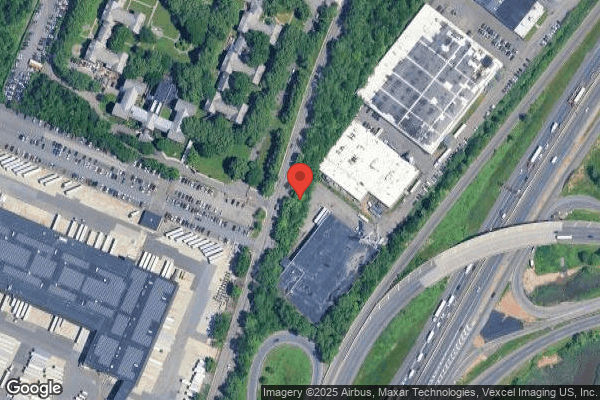
505 COUNTY AVENUE, SECAUCUS, NJ 07094 (201) 863-8866
For profit - Limited Liability company 334 Beds OPTIMA CARE Data: November 2025 1 Immediate Jeopardy citation
Trust Grade
8/100
#330 of 344 in NJ
Last Inspection: October 2024

Within standard 12-15 month inspection cycle. Federal law requires annual inspections.

Overview

Optima Care Fountains has a Trust Grade of F, indicating significant concerns about the facility's care and safety practices. Ranking #330 out of 344 in New Jersey places it in the bottom half of all nursing homes in the state, and it is the lowest-ranked facility out of 14 in Hudson County. Although the facility is improving, having reduced its issues from 18 in 2024 to 5 in 2025, it still has serious concerns, including $424,416 in fines, which is higher than 95% of New Jersey facilities. On a positive note, staffing received a rating of 4 out of 5 stars, suggesting that staff generally stay longer, though the turnover rate of 51% is around the state average. However, there have been alarming incidents, such as a cognitively impaired resident being able to leave the unit unsupervised, and a resident not receiving pain management during a medical procedure, resulting in unnecessary suffering. Additionally, the facility failed to maintain proper food temperatures, which poses a risk of foodborne illness.

Trust Score
F
8/100
In New Jersey
#330/344
Bottom 5%
Safety Record
High Risk
Review needed
Inspections
Getting Better
18 → 5 violations
Staff Stability
⚠ Watch
51% turnover. Above average. Higher turnover means staff may not know residents' routines.
Penalties
⚠ Watch
$424,416 in fines. Higher than 86% of New Jersey facilities, suggesting repeated compliance issues.
Skilled Nurses
○ Average
Each resident gets 31 minutes of Registered Nurse (RN) attention daily — about average for New Jersey. RNs are the most trained staff who monitor for health changes.
Violations
⚠ Watch
33 deficiencies on record. Higher than average. Multiple issues found across inspections.
★☆☆☆☆
1.0
Overall Rating
★★★★☆
4.0
Staff Levels
★☆☆☆☆
1.0
Care Quality
★☆☆☆☆
1.0
Inspection Score
Stable
2024: 18 issues
2025: 5 issues

The Good

  • 4-Star Staffing Rating · Above-average nurse staffing levels
  • Full Sprinkler Coverage · Fire safety systems throughout facility
  • No fines on record

Facility shows strength in staffing levels, fire safety.

The Bad

1-Star Overall Rating

Below New Jersey average (3.2)

Significant quality concerns identified by CMS

Staff Turnover: 51%

Near New Jersey avg (46%)

Higher turnover may affect care consistency

Federal Fines: $424,416

Well above median ($33,413)

Significant penalties indicating serious issues

Chain: OPTIMA CARE

Part of a multi-facility chain

Ask about local staffing decisions and management

The Ugly 33 deficiencies on record

1 life-threatening 1 actual harm
Jul 2025 2 deficiencies
CONCERN (D) 📢 Someone Reported This

A family member, employee, or ombudsman was alarmed enough to file a formal complaint

Potential for Harm - no one hurt, but risky conditions existed

Comprehensive Care Plan (Tag F0656)

Could have caused harm · This affected 1 resident

**NOTE- TERMS IN BRACKETS HAVE BEEN EDITED TO PROTECT CONFIDENTIALITY** C#NJ183884Based on interviews, medical record review and pertinent facility documents reviewed on 7/18/2025 and 7/21/2025, it wa...

Read full inspector narrative →
**NOTE- TERMS IN BRACKETS HAVE BEEN EDITED TO PROTECT CONFIDENTIALITY** C#NJ183884Based on interviews, medical record review and pertinent facility documents reviewed on 7/18/2025 and 7/21/2025, it was determined that facility staff failed develop and implement an oxygen Care Plan (CP) with appropriate interventions for a resident (Resident #2) receiving oxygen. This deficient practice was identified for 1 of 3 residents reviewed for CP and was evidenced by the following: Review of the Electronic Medical Record (EMR) was as follows:According to the admission Record (AR), Resident #2 was admitted to the facility with diagnoses which included but were not limited to Parkinson's, Chronic Obstructive Pulmonary Disease, Diabetes Mellitus, and Atrial Flutter.A review of the Minimum Data Set (MDS), an assessment tool used to facilitate the management of care, dated 12/18/2024, Resident #2 had a Brief Interview of Mental Status (BIMS) score of 5/15, which indicated the resident was moderately cognitively impaired.A review of Resident #2's Order Summary Report (OSR), revealed an order for Oxygen Inhalation (via nasal cannula @ 2 liters per minute) every shift check every shift with an order start date of 12/12/2024.A review of Resident #2's CP initiated on 12/13/2024 did not reveal evidence of an oxygen CP being placed.During an interview on 7/21/2025 at 12:41 p.m. the Surveyor asked if residents with an order for oxygen should have a CP in place, The Registered Nurse (RN) stated, If a resident has an order for oxygen they should be care planned for it. She further stated that residents need to have an order and CP for oxygen to ensure staff is checking on the residents' breathing and respiratory status.During an interview on 7/21/2025 at 12:54 p.m., the Director of Nursing (DON) verified there was no oxygen CP for Resident #2 and stated there should have been an oxygen CP as oxygen is a medication.A review of the facility's policy Oxygen Administration revised 7/2024 under Policy: Oxygen is administered to residents who need it, consistent with professional standard of practice, the comprehensive person-centered care plans, and the residents' goals and preferences.A review of the facility's policy Comprehensive, Person-Centered revised 7/2024 under Policy : It is the policy of this facility to develop and implement a comprehensive person-centered care plan for each resident, consistent with resident rights, that includes measurable objectives and time frames to meet a resident's medical, nursing, and mental and psychosocial needs that are identified in the resident's comprehensive assessment.N.[NAME].C.: 8:39-11.2(d)(2)
CONCERN (D) 📢 Someone Reported This

A family member, employee, or ombudsman was alarmed enough to file a formal complaint

Potential for Harm - no one hurt, but risky conditions existed

Medical Records (Tag F0842)

Could have caused harm · This affected 1 resident

Complaint #NJ183644Based on interviews, medical record review and pertinent facility documents reviewed on 7/18/2025 and 7/21/2025, it was determined that facility staff facility failed to maintain a ...

Read full inspector narrative →
Complaint #NJ183644Based on interviews, medical record review and pertinent facility documents reviewed on 7/18/2025 and 7/21/2025, it was determined that facility staff facility failed to maintain a complete and accurate medical record (MR) for 1 (Resident # 3) of 11 sampled residents. This deficient practice is evident by the following:According to the facility admission Record (AR), Resident #3 was admitted to the facility with the following diagnoses which included but not limited to: Atrial Fibrillation, Anogenital Warts, Hypertension, Diabetes Mellitus, and Nontraumatic Intracerebral Hemorrhage.A review of the Minimum Data Set (MDS), an assessment tool used to facilitate the management of care, dated 3/17/2025, Resident #3 had a Brief Interview of Mental Status (BIMS) score of 14/15, which indicated that the resident's cognitive function was intact.A review of Resident #3's Care Plan (CP), initiated 11/6/2024, included a focus, Resident #3 has Cerebral Vascular Accident (Stroke) r/t Hemorrhage. Interventions included but were not limited to, Monitor/document residents abilities for Activities of Daily Living (ADLs) and assist resident as needed. Encourage resident to do what he/she is capable of doing for self.The surveyor reviewed an ADL Record for the months of 2/2025 for Resident #3 and it revealed blank spots for all ADLs during the 07:00 A.M-03:00 P.M. shift on the following dates: February 10,16,22,23 and blank spots for all ADLs during the 11:00 P.M shift to 07:00 A.M shift on February 28.During an interview on 7/21/2025 at 12:41 p.m. the Surveyor asked who fills out the ADL Record. The Registered Nurse (RN) stated that typically the Certified Nurse Aides (CNAs) are responsible for filling out the ADL sheets and that ADL sheets should not be blank because blanks mean that the task was not done.During an interview on 7/21/2025 at 12:54 p.m., the Director of Nursing (DON) verified there should not be blanks on the ADL sheets. She further stated that while there should not be blanks on the ADL sheets, the care is being performed it is just not being documented.Review of facility's Documentation, Resident Record policy, revised 7/2023, revealed under Procedure: 2. Certified Nursing Assistants may only make entries in the resident's medical chart e.g. Point of Care / Kiosk on the care they provided the resident on the shift they are assigned to care for the resident. Activities of daily living include, but are not limited to, eating, toileting, transfers, showers, bed mobility etc. Any refusals or unusual occurrences must be reported to the nurse assigned for further intervention.NJAC: 8:39-27.1(a); 35.2(d)6
Jan 2025 3 deficiencies 1 IJ
CRITICAL (J) 📢 Someone Reported This

A family member, employee, or ombudsman was alarmed enough to file a formal complaint

Immediate Jeopardy (IJ) - the most serious Medicare violation

Accident Prevention (Tag F0689)

Someone could have died · This affected 1 resident

**NOTE- TERMS IN BRACKETS HAVE BEEN EDITED TO PROTECT CONFIDENTIALITY** Complaint #: NJ00181722, NJ00181697 Based on observation, interview, record review and review of other pertinent facility docume...

Read full inspector narrative →
**NOTE- TERMS IN BRACKETS HAVE BEEN EDITED TO PROTECT CONFIDENTIALITY** Complaint #: NJ00181722, NJ00181697 Based on observation, interview, record review and review of other pertinent facility documents on 1/16/2025, 1/17/2025 and 1/22/2025, it was determined that the facility failed to provide adequate supervision to ensure a safe environment for a cognitively impaired, exit seeking resident. The facility failed to ensure exit doors were secured to prevent the resident's exit from the unit. This resulted in Resident #2 eloping from the nursing unit on 12/13/2024. This deficient practice was identified for 1 of 1 resident (Resident #2) reviewed for elopement. The facility failed to ensure a safe environment for Resident #2, posed a serious and immediate risk to the health, safety and wellbeing of the resident. The findings were as follows: The New Jersey Department of Health received a Facility Reportable Event (FRE) dated 12/19/24 at 10:51a.m. According to the FRE, on 12/13/24, at approximately 11:15 p.m., a nurse conducting rounds noticed that Resident #2 was not in the room. After searching the unit, the nurse called a Code Gray, alerting all staff of the missing resident. After searching the entire facility and perimeter, 911 was called. The resident could not be found at that time. On 12/14/24, at approximately 7:00 a.m. while conducting rounds, a nurse heard a loud voice coming from the attic asking for help. Resident #2 was found in the attic. The staff assisted Resident #2 down from the attic. The resident was noted with redness to the forehead. Resident #2 was sent to the emergency room for further evaluation. Upon returning from the hospital on [DATE] Resident #2 was assigned 1 staff member to supervise the resident each shift (7:00 a.m.-3:00 p.m.; 3:00 p.m.-11:00 p.m. and 11:00 p.m.-7:00 a.m.) According to the facility this is a 1:1 staff to resident assignment. According to the admission Record (AR), Resident #2 was admitted to the facility with diagnoses which included but were not limited to: Unspecified Dementia with Behavioral Disturbance, Psychotic Disturbance, Mood Disturbance, and Anxiety. The resident's primary language is Spanish. According to the Minimum Data Set (MDS), an assessment tool, dated 11/04/2024, Resident #2 had a Brief Interview for Mental Status (BIMS) score of 13/15, which indicated that the Resident's cognition is intact. The MDS also indicated Resident #2 is independent with most Activities of Daily Living (ADLs). A review of the Resident's Care Plan (CP) initiated on 11/04/2024 with a revision date of 12/18/2024 revealed under Focus: [Resident] is an elopement risk/wanderer, [Resident] is new to the facility, verbalizing wanting to leave or go home. A second Focus dated 12/13/2024 documented attempted elopement. The Goal included [Resident] will not leave facility unattended through the review date. The CP interventions dated 11/04/2024 included but was not limited to: Assess for fall risk, assess risk for elopement on admission and change in condition and quarterly, distract Resident from wandering by offering pleasant diversions, structured activities, food, conversation, television, book. Resident prefers. Document wandering behavior and attempted diversional intervention in behavior log. Place picture at reception desk and provide structured activities: toileting, reorientation strategies including signs and picture. Interventions dated 11/07/2024 included 15 minute check; 11/06/2024: transferred to a locked unit. Interventions dated 12/14/2024 included: assessment for pain and injury; transferred to ER (Emergency Room) for evaluation; 1:1 monitoring after hospital evaluation; psychosocial evaluation by social worker to ensure wellbeing. On 1/16/2025 at 10:43 a.m., the Surveyor entered unit 11 and observed Resident #2 with an assigned staff member. The surveyor interviewed the Unit Manager (UM) stated three weeks ago Resident #2 went through the exit door by the nurse's station and was found in the ceiling attic which is in the stairway. She further stated, all residents are allowed to go upstairs, ambulatory residents can go up and down the steps through the unsecured door by themselves. On 1/16/2025 at 12:00 p.m., the Surveyor toured unit 11 with the Assistant Director of Nursing (ADON). The surveyor observed an exit door down the hallway which had a sign that read: stop door has alarm do not push in English and Spanish. The surveyor also observed a sign: exit door facing the nurse's station on unit 11. The ADON stated the exit door is used for the residents on the unit 12. The surveyor observed a ladder leading to the attic on the second floor. A sign was posted: danger do not climb on ladder in English and Spanish. The ADON further stated Resident #2 attempted to leave the facility on 11/06/2024, was found at the receptionist desk. On 11/08/2024 resident was transfer from unit 9 to unit 11 locked unit. On 1/17/2025 at 10:40 a.m., the Surveyor interviewed the Director of Maintenance (DM) who stated he was made aware of the incident on 12/16/2024 upon arrival to the facility. The DM went on second floor and observed the attic door was unsecured. On 1/17/2025 at 11:08 a.m., the Surveyor observed a lock applied to the ladder preventing it from being pulled down and preventing resident access to the ladder and attic. On 1/17/2025 at 1:00 p.m., the Surveyor observed resident #2 in his/her room with the assigned Certified Nurse's Aide (CNA) for this shift. On 1/17/2025 at 1:40 p.m., the Surveyor interviewed Certified Nurse's Aide (CNA) #2 who was aware of the incident on 12/13/2024. The CNA further stated upon arrival on unit 11 while making rounds, she heard the nurse state Resident #2 was missing. The staff searched for the resident throughout the building and outside of the building. Police were summoned and were also searching for the resident. The Resident was found over seven hours later in the attic. On 1/17/2025 at 2:30 p.m., the Surveyor attempted to contact 3 staff members involved in the care of Resident #2. The CNA caring for the resident on the 3-11 shift, another CNA caring for the resident on the 11-7 shift and an LPN were not able to be reached for interview despite the surveyor's attempts. On 1/22/2025 at 10:33 a.m., the Surveyor observed residents and staff from unit 11 going through an unsecured door onto the stairway to unit 12. According to the DM during an interview with the surveyor on 1/22/2025 at 11:07 a.m., the exit door that leads to the second floor has a keypad that does not work. The exit door allows the residents to use the stairs when they want to. On 1/22/2025 at 11:10 a.m., the Surveyor interviewed the ADON who stated unit 11 and 12 are locked units however, the door was not secured. The ADON further stated the residents go up and down from the second floor to the first floor through this unsecured door. The facility was unable to provide evidence that the unit door was secured. Review of an undated facility policy titled; Elopement Policy, included the following: Under: Policy Statement: This Facility ensures that residents who exhibit wandering behavior and/or at risk for elopement receive adequate supervision to prevent accidents and receive care in accordance with their person-centered plan of care addressing the unique factors contributing to wandering or elopement. The facility was notified of the IJ situation on 1/22/25 at 4:52 p.m. The Director of Nursing (DON) was presented with the IJ template. The Administrator was not available to attend. An acceptable removal plan was electronically mailed to the surveyor on 1/28/2025 at 5:30 p.m. indicating the action the facility will take to prevent serious harm from occurring or recurring. The facility implemented a corrective action plan to remediate the deficient practice. The surveyor verified the removal plan during an onsite revisit 1/30/2025 and determined the Immediate Jeopardy for F689 was removed as of 1/22/2025. The Removal Plan is as follows: 1. The facility implemented 24/7 monitoring of Unit 11's stairwell door from the first floor to ensure that Residents at risk of wandering and elopement will have the necessary supervision for preventing unsafe access to the stairwell door. 2. The Administrator reviewed the daily staffing sheet for 1/30/2025 with surveyor for Unit 11 section which contained: 1 nurse, 4 CNAs and 2 Behavioral Specialists (BSPEC) The role of the BSPEC is to monitor the door. Further review of the daily staffing noted 3-11 shift 1 BSPEC and 11-7 shift 1 BSPEC. An Elopement Binder was put in place for high-risk Residents including photos of residents who are not allowed upstairs. 3. Initiating in-services for all staff on the facility's policy on Elopement and Wandering. The Immediate Jeopardy began on 12/13/2024 to 1/22/2024 and was lowered to no actual harm with the potential for more than minimal harm that is not an Immediate Jeopardy. N.J.A.C 8:39: 27.1(a)
CONCERN (D) 📢 Someone Reported This

A family member, employee, or ombudsman was alarmed enough to file a formal complaint

Potential for Harm - no one hurt, but risky conditions existed

Pharmacy Services (Tag F0755)

Could have caused harm · This affected 1 resident

**NOTE- TERMS IN BRACKETS HAVE BEEN EDITED TO PROTECT CONFIDENTIALITY** Complaint #: NJ00182050 Based on interviews, review of medical records, and other pertinent facility documentation on 1/16/2025 ...

Read full inspector narrative →
**NOTE- TERMS IN BRACKETS HAVE BEEN EDITED TO PROTECT CONFIDENTIALITY** Complaint #: NJ00182050 Based on interviews, review of medical records, and other pertinent facility documentation on 1/16/2025 and 1/17/2025, it was determined that the facility failed to: a.) administer medications as prescribed within the appropriate medication administration timeframe and b.) notify the physician when a medication was not available for administration. The facility also failed to follow its policy titled Medication Administration Policy. This deficient practice was identified for 2 of 3 residents reviewed for medication administration documentation. This deficient practice was evidenced by the following: 1. According to the admission Record (AR), Resident #1 was admitted to the facility on [DATE], with diagnoses that included but were not limited to: Parkinson's Disease, Unspecified Dementia, and Unspecified Depression. A review of Resident #1's Minimum Data Set (MDS), an assessment tool dated 10/12/2024, revealed a Brief Interview of Mental Status (BIMS) of 14 out of 15, which indicated the resident's cognition was intact. A review of Resident #1's Order Summary Sheet (OSR) with active orders as of 12/1/2024 revealed the following medication orders: Ativan 0.5 milligrams (mg)-give one tablet by mouth every 12 hours with an active order date of 04/07/2024. Carbidopa-Levodopa 25-100mg-give one tablet by mouth three times a day with an active order date of 04/05/2024. Mirtazapine 7.5mg-give one tablet by mouth at bedtime with an active order date of 04/05/2024. Rosuvastatin Calcium 10mg- give one tablet by mouth in the evening with an active order date of 07/29/2024. A review of Resident #1's Medication Administration Record (MAR) for December 2024 revealed a code of NN for Ativan 0.5mgs at 8:00 PM, Carbidopa-Levodopa 25-100mg at 9:00 PM, Mirtazapine 7.5mgs at 9:00 PM, and Rosuvastatin Calcium 10mg at 10:00 PM on 12/9/2024, 12/12/2024, 12/19/2024, 12/22/2024 at 9:00 PM. Further review of the MAR revealed that code NN meant other/see nurse notes. A review of Resident #1's Progress Notes (PNs) dated 12/9/2024 at 6:43 PM, 12/12/2024 at 6:59 PM and 12/22/2024 at 6:35 PM revealed a note from the nurse that stated, due meds given. A PN dated 12/12/2024 at 6:59 PM revealed a note from the nurse that stated, meds given. During an interview with the surveyor on 1/16/2025 at 2:18 PM, the Assistant Director of Nursing (ADON) stated that the standard of practice was that medications should be administered an hour before or an hour after the administration time. The ADON stated that medications should not be given outside the medication administration timeframe. The ADON indicated she could not speak to why the nurse documented in the progress note that medications were administered to the resident more than one hour before the administration time. The ADON indicated that if the resident requested medications outside of the medication administration timeframe, then it was the nurse's responsibility to notify the physician to get an order to change the administration time. The ADON further stated it was important to stay within the hour before and the hour after administration timeframe to ensure there were no potential medication interactions. During a follow-up interview with the surveyor on 1/17/2025 at 11:30 AM, the ADON indicated that the code NN' on the MAR meant the nurse had to document a reason to why a medication was not given at that time. The ADON further stated that if there was a check mark on the MAR that indicated the medication was administered. 2. According to the AR, Resident #4 was admitted to the facility on [DATE], with diagnoses that included but were not limited to: Human Immunodeficiency Virus (HIV), Diabetes, and Anxiety Disorder. A review of Resident #4's MDS dated [DATE] revealed a BIMS of 8 out of 15, which indicated the resident's cognition was moderately impaired. A review of Resident #4's OSR with active orders as of 12/20/2024 revealed the following medication orders: Dolutegravir Sodium 50 mg-give one tablet by mouth one time a day for HIV with an active order date of 12/20/2024. Emtricitabine-Tenofovir Disoproxil Fumarate 200-300 mg- give one tablet by mouth one time a day for HIV with an active order date of 12/20/2024. Sitagliptin 50mg-give one tablet by mouth one time a day for diabetes with an active order date of 12/20/2024. A review of Resident #4's MAR for December 2024 revealed a code NN for the following medications: Dolutegravir Sodium 50 mg on 12/21/2024, 12/22/2024, and 12/25/2024 at 8:00 AM. Emtricitabine-Tenofovir Disoproxil Fumarate 200-300 mg and Sitagliptin 50mg on 12/25/2024 at 8:00 AM. A review of Resident #4's PN dated 12/21/2024 at 9:56 AM revealed a nurse's note that indicated Dolutegravir Sodium 50 mg was just ordered, has not arrived yet from pharmacy. PNs on 12/25/2024 at 11:07 AM, 11:08 AM, and 11:10 AM revealed a nurse's note that the medication was on order. There was no PN dated 12/22/2024 for a reason to why the medications were not given. There were no PNs which indicated the physician was notified about the medications not being available for the resident. During an interview with the surveyor on 1/16/2025 at 1:42 PM, the Licensed Practical Nurse (LPN#1) stated if a medication was not delivered by the pharmacy and not in the facility back up, the nurse should have called the pharmacy and then notified the physician. LPN #1 further stated that the nurse should document in the progress notes that they contacted the physician, and the medication was not given. During an interview with the surveyor on 1/17/2025 at 11:30 AM, the ADON stated that if medications were not available, the nurse was responsible for calling the pharmacy to find out when medication would be delivered. The ADON stated the nurse would call the physician and make them aware that the medication was not available. She further stated that the nurse was responsible for documenting that the physician was made aware that a resident's medication was not available for administration. The ADON confirmed that there was no documentation in the resident's medical record that reflected the nurses' notified the physician that Resident #4's medications were not given on the dates specified. The ADON stated Resident #4's HIV medications were delivered and that it was the nurses' fault for not looking for the medications. The ADON stated she could not speak to why the nurses did not notify the physician or administer the medications that had been delivered. Review of the facility policy titled Medication Administration Policy, dated 3/2023, reflected under Policy, It is the policy of this facility to ensure that facility staff follows the guidelines for a safe, timely and accurate administration of resident medications. Under Procedure, 2. Medications are to be administered in a timely manner following physician's order. 6. The licensed nurse is responsible to follow: e. follows appropriate medication administration guidelines. 18. Uses prudent professional judgement by informing physician in a timely manner when medications held, refused, or otherwise unavailable for administration. Review of the facility document titled Medication Pass Observation, revised 12/6/2019, reflected Medications are given one hour before to one hour after the charted time. NJAC 8:39-29.2 (d)
CONCERN (D) 📢 Someone Reported This

A family member, employee, or ombudsman was alarmed enough to file a formal complaint

Potential for Harm - no one hurt, but risky conditions existed

Medical Records (Tag F0842)

Could have caused harm · This affected 1 resident

**NOTE- TERMS IN BRACKETS HAVE BEEN EDITED TO PROTECT CONFIDENTIALITY** Complaint #: NJ00182050 Based on interviews, medical record review, and review of other pertinent facility documents on 1/16/202...

Read full inspector narrative →
**NOTE- TERMS IN BRACKETS HAVE BEEN EDITED TO PROTECT CONFIDENTIALITY** Complaint #: NJ00182050 Based on interviews, medical record review, and review of other pertinent facility documents on 1/16/2025 and 1/17/2025 it was determined that the facility staff failed to consistently document in the Documentation Survey Report (DSR) the Activities of Daily Living (ADL) status and care provided to the residents. This deficient practice was identified for 3 of 3 residents reviewed for ADL documentation. This deficient practice was evidenced by the following: 1. According to the admission Record (AR), Resident #1 was admitted to the facility on [DATE], with diagnoses that included but were not limited to: Parkinson's Disease, Unspecified Dementia, and Unspecified Depression. A review of Resident #1's Minimum Data Set (MDS), an assessment tool dated 10/12/2024, revealed a Brief Interview of Mental Status (BIMS) of 14 out of 15, which indicated the resident's cognition was intact. The MDS further revealed that the resident was independent with toileting hygiene and dressing but requires supervision and set-up assistance with bathing and personal hygiene. A review of Resident #1's Care Plan (CP) initiated on 4/5/2024 revealed that the resident had an ADL self-care performance deficit related to weakness. A review of Resident #1's DSR (ADL Record) and the progress notes (PN) for the month of December 2024 revealed lack of documentation to indicate that the resident's ADL care was provided and/or the resident refused care on the following dates and shifts: Bed Bath: 7:00 AM- 3:00 PM shift on 12/23/2024 and 12/29/2024. Bed Mobility: 7:00 AM-3:00 PM shift on 12/23/2024 and 12/29/2024. 3:00 PM-11:00 PM shift on 12/31/2024. 11:00 PM- 7:00 AM shift on 12/5/2024, 12/6/2024, 12/11/2024, 12/12/2024, 12/23/2024, 12/27/2024, and 12/29/2024. Bladder and Bowel Continence: 7:00 AM-3:00 PM shift on 12/23/2024 and 12/29/2024. 3:00 PM-11:00 PM shift on 12/31/2024. 11:00 PM- 7:00 AM shift on 12/5/2024, 12/6/2024, 12/11/2024, 12/12/2024, 12/23/2024, 12/27/2024, and 12/29/2024. Dressing: 7:00 AM-3:00 PM shift on 12/23/2024 and 12/29/2024. 3:00 PM-11:00 PM shift on 12/31/2024. Personal Hygiene: 7:00 AM-3:00 PM shift on 12/23/2024 and 12/29/2024. 3:00 PM-11:00 PM shift on 12/31/2024. Toilet Use: 7:00 AM-3:00 PM shift on 12/23/2024 and 12/29/2024. 3:00 PM-11:00 PM shift on 12/31/2024. 11:00 PM- 7:00 AM shift on 12/5/2024, 12/6/2024, 12/11/2024. 12/12/2024, 12/23/2024, 12/27/2024, and 12/29/2024. GG Mobility: 7:00 AM-3:00 PM shift on 12/23/2024 and 12/29/2024. 3:00 PM-11:00 PM shift on 12/31/2024. 11:00 PM- 7:00 AM shift on 12/5/2024, 12/6/2024, 12/11/2024. 12/12/2024, 12/23/2024, 12/27/2024, and 12/29/2024. GG Self Care (includes dressing, oral hygiene, personal hygiene, and toilet hygiene): 7:00 AM-3:00 PM shift on 12/23/2024 and 12/29/2024. 3:00 PM-11:00 PM shift on 12/31/2024. 11:00 PM- 7:00 AM shift on 12/5/2024, 12/6/2024, 12/11/2024. 12/12/2024, 12/23/2024, 12/27/2024, and 12/29/2024. Locomotion on and off unit: 7:00 AM-3:00 PM shift on 12/23/2024 and 12/29/2024. 3:00 PM-11:00 PM shift on 12/31/2024. 11:00 PM- 7:00 AM shift on 12/5/2024, 12/6/2024, 12/11/2024. 12/12/2024, 12/23/2024, 12/27/2024, and 12/29/2024. Transferring: 7:00 AM-3:00 PM shift on 12/23/2024 and 12/29/2024. 3:00 PM-11:00 PM shift on 12/31/2024. 11:00 PM- 7:00 AM shift on 12/5/2024, 12/6/2024, 12/11/2024. 12/12/2024, 12/23/2024, 12/27/2024, and 12/29/2024. Walk in Room/ Walk in Corridor: 7:00 AM-3:00 PM shift on 12/23/2024 and 12/29/2024. 3:00 PM-11:00 PM shift on 12/31/2024. 11:00 PM- 7:00 AM shift on 12/5/2024, 12/6/2024, 12/11/2024. 12/12/2024, 12/23/2024, 12/27/2024, and 12/29/2024. Eating: 7:15 AM on 12/23/2024 and 12/29/2024. 11:30 AM on 12/23/2024 and 12/29/2024. 4:30 PM on 12/31/2024. 2. According to the AR, Resident #4 was admitted to the facility on [DATE] with diagnoses that included but were not limited to: Human Immunodeficiency Virus (HIV), Diabetes, and Anxiety Disorder. A review of Resident #4's MDS dated [DATE] revealed a BIMS of 8 out of 15 which indicated the resident's cognition was impaired. The MDS further revealed that the resident needed assistance with ADLs. A review of Resident #4's CP initiated on 12/21/2024 revealed that the resident had deficits with performing ADLs related to intermittent confusion and weakness. A review of Resident #4's DSR (ADL Record) and the progress notes (PN) for the month of December 2024 revealed lack of documentation to indicate that the resident's ADL care was provided and/or the resident refused care on the following dates and shifts: Bed Bath: 7:00 AM- 3:00 PM shift on 12/29/2024. Bed Mobility: 7:00 AM- 3:00 PM shift on 12/29/2024. 3:00 PM-11:00 PM shift on 12/21/2024. 11:00 PM- 7:00 AM shift on 12/20/2024 and 12/29/2024. Bladder Continence: 7:00 AM-3:00 PM shift on 12/29/2024. 3:00 PM-11:00 PM shift on 12/21/2024. 11:00 PM- 7:00 AM shift on 12/20/2024 and 12/29/2024. Toilet Use: 7:00 AM-3:00 PM shift on 12/29/2024. 3:00 PM-11:00 PM shift on 12/21/2024. 11:00 PM- 7:00 AM shift on 12/20/2024 and 12/29/2024. Locomotion on Unit: 7:00 AM- 3:00 PM shift on 12/29/2024. 3:00 PM- 11:30 PM shift on 12/21/2024. 11:00 PM- 7:00 Am shift on 12/20/2024 and 12/29/2024. Personal Hygiene: 7:00 AM- 3:00 PM shift on 12/29/2024. 3:00 PM-11:00 PM shift on 12/21/2024. Bowel Continence and Movements: 7:00 AM- 3:00 PM shift on 12/29/2024. 3:00 PM- 11:00 PM shift on 12/21/2024. 11:00 PM- 7:00 AAM shift on 12/20/2024 and 12/29/2024. Dressing: 7:00 AM-3:00 PM shift on 12/29/2024. 3:00 PM-11:00 PM shift on 12/21/2024. GG Mobility: 7:00 AM -3:00 PM shift on 12/29/2024. 3:00 PM-11:00 PM shift on 12/21/2024. 11:00 PM- 7:00 AM shift on 12/20/2024 and 12/29/2024. GG Self Care (includes dressing, oral hygiene, personal hygiene, and toilet hygiene): 7:00 AM -3:00 PM shift on 12/29/2024. 3:00 PM-11:00 PM shift on 12/21/2024. 11:00 PM- 7:00 AM shift on 12/20/2024 and 12/29/2024. Locomotion on and off Unit: 7:00 AM -3:00 PM shift on 12/29/2024. 3:00 PM-11:00 PM shift on 12/21/2024. 11:00 PM- 7:00 AM shift on 12/20/2024 and 12/29/2024. Transferring: 7:00 AM -3:00 PM shift on 12/29/2024. 3:00 PM-11:00 PM shift on 12/21/2024. 11:00 PM- 7:00 AM shift on 12/20/2024 and 12/29/2024. Walk In Room/Walk in Corridor: 7:00 AM -3:00 PM shift on 12/29/2024. 3:00 PM-11:00 PM shift on 12/21/2024. 11:00 PM- 7:00 AM shift on 12/20/2024 and 12/29/2024. Eating: 7:15 AM on 12/29/2024. 11:30 AM on 12/29/2024. 4:30 PM on 12/21/2024. 3. According to the AR, Resident #5 was admitted to the facility on [DATE] with diagnoses that include but were not limited to: Unspecified Dementia, Anemia, and Anxiety. A review of Resident #5's MDS dated [DATE] revealed a BIMS of 13 out of 15 which indicated the resident's cognition was intact. The MDS further revealed the resident required assistance with ADLs. A review of Resident #5's CP initiated on 09/06/2024 revealed that the resident had an ADL self-care performance deficit related to weakness and deconditioning. A review of Resident #5's DSR (ADL Record) and the progress notes (PN) for the month of December 2024 revealed lack of documentation to indicate that the resident's ADL care was provided and/or the resident refused care on the following dates and shifts: Bladder Continence: 7:00 AM- 3:00 PM shift on 12/1/2024, 12/7/2024, 12/11/2024, 12/28/2024, 12/29/2024. 11:00 PM- 7:00 AM shift on 12/5/2024, 12/6/2024, 12/11/2024, 12/12/2024. Bowel Continence and Movements: 7:00 AM-3:00 PM shift on 12/1/2024, 12/7/2024, 12/11/2024, 12/28/2024, and 12/29/2024. 11:00 PM- 7:00 AM shift on 12/5/2024, 12/6/2024, 12/11/2024, 12/12/2024. GG Mobility: 7:00 AM-3:00 PM shift on 12/1/2024, 12/7/2024, 12/11/2024, 12/28/2024, and 12/29/2024. 11:00 PM- 7:00 AM shift on 12/5/2024, 12/6/2024, 12/11/2024, and 12/12/2024. GG Self Care (includes dressing, oral hygiene, personal hygiene, and toilet hygiene): 7:00 AM-3:00 PM shift on 12/1/2024, 12/7/2024, 12/11/2024, 12/28/2024, and 12/29/2024. 11:00 PM- 7:00 AM shift on 12/5/2024, 12/6/2024, 12/11/2024, and 12/12/2024. Eating: 7:15 AM on 12/1/2024, 12/7/2024, 12/11/2024, 12/28/2024, and 12/29/2024. 11:30 AM on 12/1/2024, 12/7/2024, 12/11/2024, 12/28/2024, and 12/29/2024. During an interview with the surveyor on 1/16/2025 at 11:05 AM, the Certified Nursing Assistant (CNA #1) stated that the CNAs were responsible for documenting showers and ADL care into the Point of Care (POC), a mobile enable app that runs on wall mounted kiosks that enables care staff to document ADLs at the end of their shift. CNA #1 stated that every task on the POC must be addressed, and blank spaces were not acceptable. CNA #1 further stated that if there were a blank space on the DSR that would mean either someone did not do the task in the POC, or they had not completed the task yet. During an interview with the surveyor on 1/17/2025 at 11:30 AM, the Assistant Director of Nursing (ADON) stated the CNAs were responsible for completing all ADL documentation before the end of their shift. The ADON could not explain why there was blank spaces in the residents' DSRs. The ADON indicated that it was the CNAs, nurses, supervisor, and Unit Manager (UM) responsibility to ensure that ADL documentation was completed at the end of each shift and reflected on the DSR. The facility was unable to provide the surveyor with a policy on ADL documentation.
Oct 2024 18 deficiencies 1 Harm
SERIOUS (G)

Actual Harm - a resident was hurt due to facility failures

Deficiency F0697 (Tag F0697)

A resident was harmed · This affected 1 resident

Based on observation, interview, and record review, the facility failed to ensure one (1) of one (1) residents (Resident #157) reviewed for pain management received pain management related to pressure...

Read full inspector narrative →
Based on observation, interview, and record review, the facility failed to ensure one (1) of one (1) residents (Resident #157) reviewed for pain management received pain management related to pressure ulcer treatments. Resident #157 exhibited signs and symptoms of pain during their dressing change and staff failed to stop the treatment. The resident was not pre-medicated for pain which caused Resident #157 to suffer unnecessary pain. Findings Include: Review of Resident #157's admission Record, located under the Profile tab of the electronic medical record (EMR), revealed Resident #157 was admitted to the facility with diagnoses which included but not limited to stroke; impaired thought process, and anxiety. Review of Resident #157's Care Plan, located under the Care Plan tab of the EMR and dated 06/29/23, revealed the resident had potential for pain related to their disease process. Interventions included administering pain medications as ordered, anticipating the need for pain relief, responding immediately to any complaint of pain, and notifying the physician if interventions were unsuccessful or if the resident's current complaint was a significant change in their pain level. Review of Resident #157's quarterly Minimum Data Set (MDS), with an Assessment Reference Date (ARD) of 08/21/24, and located under the MDS tab of the EMR, revealed Resident #157 had a Brief Interview for Mental Status (BIMS) score of 14 out of 15, which indicated the resident was cognitively intact. Further review of the MDS revealed that Resident # 157 had one stage II pressure ulcer was not on a scheduled pain medication regimen, did not receive as needed (PRN) pain medication, and did not report pain. Review of Resident #157's Medication Administration Record (MAR), dated October 2024, and located under the Orders tab of the EMR, revealed Resident #157 had a physician order for Tylenol 325 milligrams (mg) two tablets, two times a day at 9:00 AM and 5:00 PM and Tylenol 325 mg two tablets every six hours as needed for pain. There was no documented evidence that Resident #157 received either the scheduled or as needed Tylenol from 10/01/24 through 10/15/24. On 10/15/24 at 10:15 AM, the surveyor observed Resident #157 was lying in bed and was facial grimacing. The resident stated they had pain in both of their heels. The surveyor observed that Resident #157 had gauze wrapped around their heels and their heels were resting on the mattress with no heel protectors in use. On 10/15/24 at 1:36 PM, the surveyor observed the Licensed Practical Nurse (LPN #8) providing a dressing change to Resident #157's stage II pressure ulcer on the right heel. Resident #157 did not have heel protectors on prior to start of the dressing change. LPN #8 began to remove the gauze covering the pressure ulcer, and the gauze was stuck to the ulcer. Resident #157 was observed facial grimacing, moaning, and grabbed the side rail very tightly until the resident's knuckles were white. LPN #8 asked Resident #157 if they wanted her to stop but continued with the dressing change. Resident #157 did not respond. Resident # 157 continued to grimace, moan, and tightly held onto the side rail during the entire dressing change. On 10/15/24 at 2:15 PM, the surveyor interviewed the LPN #8 who confirmed Resident #157 had pain during the dressing change. LPN #8 confirmed she had not given any pain medication to Resident #157 prior to the dressing change. She stated she did not know if any medication was available for Resident #157 prior to the dressing change. On 10/17/24 at 8:21 AM, the surveyor interviewed the Certified Nursing Assistants (CNA #19) and (CNA #21) who stated Resident #157 only cried out or showed pain was when the resident's feet were moved. On 10/17/24 at 12:10 PM, the surveyor interviewed the Assistant Director of Nursing (ADON #1) and Minimum Data Set Coordinator (MDSC #1) who stated they were not aware of Resident #157's pain with dressing changes and movement of their feet. They confirmed that Resident # 157 should have been medicated for pain prior to the dressing change. The survey team met with the administrative staff requesting policies on pain management and pressure ulcer(s). There was no additional information provided. NJAC 8:39-27.1(a)
CONCERN (D)

Potential for Harm - no one hurt, but risky conditions existed

Resident Rights (Tag F0550)

Could have caused harm · This affected 1 resident

Based on observation, interview, policy review, and record review, the facility failed to ensure one of 45 (Resident (R) 26) sampled residents observed while dining were treated with dignity. Specific...

Read full inspector narrative →
Based on observation, interview, policy review, and record review, the facility failed to ensure one of 45 (Resident (R) 26) sampled residents observed while dining were treated with dignity. Specifically, staff failed to sit while feeding R265. This failure had the potential to cause residents to feel undignified. Findings include: Review of the facility's policy titled, Promoting/Maintaining Resident Dignity, revised 07/2023, revealed, . It is the practice of this facility to protect and promote resident rights and treat each resident with respect and dignity as well as care for each resident in a manner and in an environment, that maintains or enhances resident's quality of life by recognizing each resident's individuality. All staff members are involved in providing care to residents to promote and maintain resident dignity and respect resident rights . Review of R265's admission Record, found in the electronic medical record (EMR) Profile tab, showed a facility admission date of 08/14/24 with diagnoses that included acute stroke with right-sided weakness and aphasia. Review of R265's admission Minimum Data Set (MDS), with an Assessment Reference Date (ARD) of 08/20/24 and located under the MDS tab of the EMR, revealed R265 required partial to moderate assistance with eating. It was recorded that R265 was severely impaired in cognitive skills for daily decision making. During an observation on 10/14/24 at 12:04 PM in the dining hall, R265 was observed in the dining room being fed the noon meal. Certified Nursing Assistant (CNA) 15 was standing over R 265 feeding him. At 12:11 PM, Registered Nurse Supervisor (RNS1) walked up to CNA15 and spoke with her. At this time, CNA15 sat down and continued to assist the resident in feeding. During an interview on 10/14/24 at 12:17 PM, RNS1 stated that CNA 15 is a very good worker and knows better than to stand over a resident while assisting in feeding. NJAC 8:39-4.1(A)
CONCERN (D)

Potential for Harm - no one hurt, but risky conditions existed

Deficiency F0583 (Tag F0583)

Could have caused harm · This affected 1 resident

**NOTE- TERMS IN BRACKETS HAVE BEEN EDITED TO PROTECT CONFIDENTIALITY** Based on observation, interview, record review, and facility policy review, the facility failed to ensure personal privacy durin...

Read full inspector narrative →
**NOTE- TERMS IN BRACKETS HAVE BEEN EDITED TO PROTECT CONFIDENTIALITY** Based on observation, interview, record review, and facility policy review, the facility failed to ensure personal privacy during care for two of 47 (Resident (R) 75 and R110) residents observed. This had the potential to cause embarrassment or shame for the residents. Findings include: Review of the facility's policy titled, Resident Privacy and Confidentiality, dated 07/2023, revealed, . During the delivery of personal care and services, staff must remove residents from public view, pull privacy curtains or close doors, and provide clothing or draping to prevent exposure of body parts . 1. Review of R75's admission Record, located under the Profile tab of the electronic medical record (EMR), revealed R75 was admitted to the facility on [DATE] with diagnoses that included cerebral infarction due to embolism, chronic congestive heart failure, and Alzheimer's dementia. Review of R75's significant change Minimum Data Set (MDS), with an Assessment Reference Date (ARD) of 08/26/24, revealed R75 had a Brief Interview for Mental Status (BIMS) score of 12 out of 15, which indicated he had moderate cognitive impairment. During an observation on 10/14/24 at 2:19 PM, Certified Nursing Assistant (CNA) 20 and Quality Assurance (QA)/CNA 3 were in R75's room, and the door was closed. CNA20 opened R75's door. When the door was opened, R75's private body parts were exposed and could be seen from the hall. CNA20 yelled for Unit Manager (UM) 1 to bring the resident's cream to the room, calling the resident by name. UM1 entered the room, leaving the door open, provided the resident's cream, and then left the room, shutting the door. 2. Review of R110's admission Record, located under the Profile tab of the EMR, revealed R110 was admitted to the facility on [DATE] with diagnoses including cerebrovascular disease (brain condition) and personality disorder. Review of R110's quarterly MDS, with an ARD of 08/13/24 and located under the MDS tab of the EMR, revealed R110 had a BIMS score of 13 out of 15, which indicated the resident was cognitively intact. During an observation on 10/14/24 at 3:01 PM, CNA20 and QA/CNA 3 were in R110's room, and the door was closed. CNA20 opened R110's door. When the door was opened, R110's private body parts were exposed and could be seen from the hall. CNA20 left the room and did not close the door. CNA20 returned to R110's room and did not close the door. R110 remained exposed as CNA20 and QA/CNA3 resumed providing personal care. Registered Nurse (RN) 1 passed the room and immediately shut the door. During an interview on 10/14/24 at 3:30 PM, QA/CNA3 and CNA 20 stated they were not aware they had left R75 and R110's doors open, exposing both residents. They confirmed both residents' privacy was compromised. During an interview on 10/14/24 at 4:00 PM, RN1 confirmed the door to R110's room had been open, and she could tell he was exposed. RN1 stated that was why she immediately closed the door. RN1 stated she had not talked with the CNAs as they had left their shift. NJAC 8:39-4.1(a)
CONCERN (D) 📢 Someone Reported This

A family member, employee, or ombudsman was alarmed enough to file a formal complaint

Potential for Harm - no one hurt, but risky conditions existed

Safe Environment (Tag F0584)

Could have caused harm · This affected 1 resident

Deficiency Text Not Available

Read full inspector narrative →
Deficiency Text Not Available
CONCERN (D)

Potential for Harm - no one hurt, but risky conditions existed

Pressure Ulcer Prevention (Tag F0686)

Could have caused harm · This affected 1 resident

**NOTE- TERMS IN BRACKETS HAVE BEEN EDITED TO PROTECT CONFIDENTIALITY** Based on observation, interview, record review, and policy review, the facility failed to ensure interventions to aid in the hea...

Read full inspector narrative →
**NOTE- TERMS IN BRACKETS HAVE BEEN EDITED TO PROTECT CONFIDENTIALITY** Based on observation, interview, record review, and policy review, the facility failed to ensure interventions to aid in the healing of pressure ulcers were implemented as per the plan of care for one of five residents (Resident (R) 157) reviewed for pressure ulcers out of a total sample of 45. This failure had the potential to contribute to delayed healing of the resident's pressure ulcer. Findings include: Review of the facility's policy titled, Pressure Injury Prevention Policy, dated 07/2023, revealed, . Interventions will be implemented in accordance with physician orders, including the type of prevention devices to be used . Review of R157's admission Record, located under the Profile tab of the electronic medical record (EMR), revealed R157 was admitted to the facility on [DATE] with diagnoses that included stroke, impaired thought process, and anxiety. Review of R157's Care Plan, dated 05/06/24 and located under the Care Plan tab of the EMR, revealed R157 had a pressure ulcer to her right heel. Interventions included treatments as ordered, referral to the wound physician and dietician, and heel offloading measures. Review of R157's quarterly Minimum Data Set (MDS), with an Assessment Reference Date (ARD) of 08/21/24 and located under the MDS tab of the EMR, revealed R157's 'Brief Interview for Mental Status (BIMS) score was a 14 out of 15, which showed she was cognitively intact. It was recorded R157 had one stage II pressure ulcer, and treatments included pressure reducing chair cushion and bed mattress, turning and repositioning program, nutrition, and hydration to manage skin problems, pressure ulcer care, and application of dressings to feet with or without topical medications. During an observation on 10/15/24 at 10:15 AM, R157 was observed lying in bed with the head of her bed elevated, and she was slumped down and to the right in the bed. R157 stated she had pain in her heels at that time. She did not have protective heel boots on. There was gauze wrapped around both of her heels, and both of her heels were resting on the low air loss mattress. The heels were not elevated to reduce pressure. During an observation on 10/15/24 at 11:28 AM, R157 did not have protective heel boots on. Her heels were lying on the mattress and were not elevated to reduce pressure. During an observation on 10/15/24 at 1:36 PM, Licensed Practical Nurse (LPN) 8 was observed providing a dressing change to R157's stage II pressure ulcer on her right heel. R157 did not have protective heel boots on. LPN8 stated R157 should have heel protectors on. LPN8 searched the resident's room and found the protective heel boots in the resident's closet. During an interview on 10/17/24 at 12:10 PM, the Assistant Director of Nursing (ADON) 1 and Minimum Data Set Coordinator (MDSC) 1 confirmed R157 should have protective heel boots on at all times. NJAC 8:39-27.1(e)
CONCERN (D) 📢 Someone Reported This

A family member, employee, or ombudsman was alarmed enough to file a formal complaint

Potential for Harm - no one hurt, but risky conditions existed

Deficiency F0761 (Tag F0761)

Could have caused harm · This affected 1 resident

**NOTE- TERMS IN BRACKETS HAVE BEEN EDITED TO PROTECT CONFIDENTIALITY** Based on observations, interviews, record review, and facility policy review, the facility failed to ensure that two residents (...

Read full inspector narrative →
**NOTE- TERMS IN BRACKETS HAVE BEEN EDITED TO PROTECT CONFIDENTIALITY** Based on observations, interviews, record review, and facility policy review, the facility failed to ensure that two residents (Resident (R) 110 and R76) from a sample of 45 residents had a way of making sure that medications were secured. This failure has the potential to expose residents to hazards of unsecure medications. Findings include: Review of the facility's policy titled, Medication Administration Policy, dated 03/2023, indicated, It is the policy of this facility to ensure that facility staff follows the guidelines for a safe, timely and accurate administration of resident medications. Procedure . The licensed nurse is responsible to . Assures medications are not left unattended. Keeps medications secured in a locked area or in visible control at all times . 1. Review of R110's admission Record, located under the Profile tab of the electronic medical record (EMR), indicated that R110 was re-admitted to the facility on [DATE] with diagnoses that included corneal edema. Review of R110's Order Summary Report, dated 08/20/24 and located under the Orders tab of the EMR, indicated, Muro (this medication is used to reduce the swelling of the surface of the eye (cornea) in certain eye conditions) 128 Ophthalmic Solution 2 % (Sodium Chloride Hypertonic), Instill one drop in left eye four times a day for left eye corneal edema . During a medication pass observation on 10/14/24 at 12:35 PM, Unit Manager (UM) 1 retrieved the eye drops out of the medication drawer and placed them on top of the medication cart. UM1 shut the medication drawer, locked the medication cart, went into R110's room, and washed his hands. The UM1 came back two minutes later, obtained the eye drops, went back into R110's room, and administered the eye drops to R110. 2. Review of R76's admission Record, located under the Profile tab in the EMR, indicated that R76 was admitted to the facility on [DATE] with diagnoses that included major depressive disorder (MDD), anxiety, mood affective disorder, and mild neurocognitive disorder. During an observation on 10/14/24 at 12:45 PM with R76, there was a clear cup of at least four different medications on the resident's overbed table. The medication cup was filled medication, including one small round white pill, one oblong red pill, one medium white pill, and one small tan pill. The surveyor was unable to identify the other medications. R76 told the surveyor to get out of her room. During an interview on 10/14/24 at 12:50 PM, Licensed Practical Nurse (LPN) 2 confirmed that she had given R76 her medication this morning. LPN2 stated the resident did not take the medications at that time and twice refused to give the medications back to her. LPN2 stated that she just could not take the medication cup from R76, and that was the reason R76 still had the medications. LPN2 was unable to tell the surveyor what medications were in the medication cup. During an interview on 10/17/24 at 9:18 AM, the Director of Nursing (DON) confirmed that no medications should be left either with a resident and/or on top of the medication cart and out of the nurse's line of sight. The DON stated that if the resident did not take their medication when the nurse was present, then the nurse was to remove the medication from the resident. NJAC 8:39-29.4(h)
CONCERN (D)

Potential for Harm - no one hurt, but risky conditions existed

Infection Control (Tag F0880)

Could have caused harm · This affected 1 resident

**NOTE- TERMS IN BRACKETS HAVE BEEN EDITED TO PROTECT CONFIDENTIALITY** Based on observation, record review, interview, and review of facility policy, the facility failed to ensure staff donned the ap...

Read full inspector narrative →
**NOTE- TERMS IN BRACKETS HAVE BEEN EDITED TO PROTECT CONFIDENTIALITY** Based on observation, record review, interview, and review of facility policy, the facility failed to ensure staff donned the appropriate personal protective equipment (PPE) when providing direct care to two of 13 residents (Resident (R) 110 and R157) on Enhanced Barrier Precautions (EBP) out of a total sample of 48. This failure could promote the spread of multi-drug-resistant organisms throughout the facility. Findings include: Review of the facility's policy titled, Enhanced Barrier Precautions, dated 04/01/24, revealed, . All staff must wear gloves and gowns during high-contact activities for residents identified. Examples of high-contact activities are: Dressing, Bathing/showering, Transferring, Providing hygiene, Changing linens, Changing briefs or assisting with toileting, Device are or use: central line, urinary catheter, feeding tube, tracheostomy/ventilator. Wound care: any skin opening requiring a dressing . 1. Review of R110's admission Record, located under the Profile tab of the EMR, revealed R110 was admitted to the facility on [DATE] with diagnoses including cerebrovascular disease (brain condition) and personality disorder. Review of R110's EMR revealed R110 had an open wound on his left lower leg that required a dressing. During an observation on 10/14/24 at 2:50 PM, a sign was noted outside R110's door that indicated the resident was on EBP. Certified Nursing Assistants (CNA) 3 and CNA20 were observed providing personal care for R110. They did not have gowns on. During the care, both CNAs held soiled linens against their uniforms. During an interview on 10/14/24 at 3:15 PM, CNA 3 and CNA 20 confirmed they were aware R110 was on EBP due to his wound. They stated they had not used protective gowns as it was the end of their shift, and they were just helping the next shift out by providing care for R110. 2. Review of R157's admission Record, located under the Profile tab of the electronic medical record (EMR), revealed R157 was admitted to the facility on [DATE] with diagnoses that included stroke, impaired thought process, and anxiety. During an observation on 10/15/24 at 1:36 PM, R157 was observed to have a stage II pressure ulcer to her right heel that required a dressing. During an observation on 10/17/24 at 8:25 AM, a sign was noted outside R157's door that indicated the resident was on EBP. CNA19 and CNA21 were observed providing a bed bath for R157. They did not wear gowns during the care. CNA21 was observed holding soiled linens against her uniform. During an interview on 10/17/24 at 8:45 AM, CNA19 and CNA21 stated they were aware R157 was on EBP in place due to her wound. They stated they had forgotten to put on gowns prior to the care. CNA21 stated she had just gone into the room to help, so she did not feel she had to put on a gown. CNA21 stated she had not seen the EBP signage outside of R157's door. During an interview on 10/17/24 at 5:30 PM, the Infection Preventionist (IP) confirmed all residents who needed EBP had the proper signage and supplies outside of their doors. The IP confirmed the CNAs had received education on the proper procedure for EBP. NJAC 8:39-19.4
CONCERN (E) 📢 Someone Reported This

A family member, employee, or ombudsman was alarmed enough to file a formal complaint

Potential for Harm - no one hurt, but risky conditions existed

Grievances (Tag F0585)

Could have caused harm · This affected multiple residents

Deficiency Text Not Available

Read full inspector narrative →
Deficiency Text Not Available
CONCERN (E) 📢 Someone Reported This

A family member, employee, or ombudsman was alarmed enough to file a formal complaint

Potential for Harm - no one hurt, but risky conditions existed

Free from Abuse/Neglect (Tag F0600)

Could have caused harm · This affected multiple residents

**NOTE- TERMS IN BRACKETS HAVE BEEN EDITED TO PROTECT CONFIDENTIALITY** 3. a. Review of R140's significant change MDS, with an ARD of 06/21/24 and located under the MDS tab of the EMR, revealed R140 ...

Read full inspector narrative →
**NOTE- TERMS IN BRACKETS HAVE BEEN EDITED TO PROTECT CONFIDENTIALITY** 3. a. Review of R140's significant change MDS, with an ARD of 06/21/24 and located under the MDS tab of the EMR, revealed R140 was admitted to the facility on [DATE] with diagnoses that included major depressive disorder; schizophrenia unspecified; bipolar disorder; and dementia in other diseases classified elsewhere, unspecified severity with behavioral disturbances. It was recorded R140 had a BIMS score of five out of 15, which indicated the resident was severely cognitively impaired. b. Review of R142's quarterly MDS, with an ARD of 05/23/24 and located under the MDS tab of the EMR, revealed R142 was admitted to the facility on [DATE] with diagnoses that included schizophrenia, mood disorder, bipolar disorder, and major depressive disorder. It was recorded R142 had a BIMS score of 10 out of 15, which indicated the resident was moderately cognitively impaired. Review of R140's Progress Notes, dated 05/21/24 and located under the Progress Notes tab of the EMR, revealed R140 became verbally aggressive towards R142 at which time a staff member stepped in between both residents. Review of the facility's investigation of the incident revealed, . Upon investigation, according to Staff, [R140] . was angrily speaking in Spanish in the unit hallway saw [R142] and started charging at him unprovoked, staff saw it and immediately got in between the two residents to ensure no physical contact, but [R140] got more upset and tried to hit the staff and missed the staff and hit [R142] who was backing out from the situation. He was immediately placed on 1:1 supervision pending psychiatry evaluation . Review of R140's Physician Orders, dated 05/21/24 and located under the Orders tab of the EMR, revealed buspirone, an anxiolytic medication, 15 milligrams (mg) three times daily was added to R140's medication regimen as an intervention for the outburst. c. Review of R66's quarterly MDS, with an ARD of 05/27/24 and located under the MDS tab of the EMR, revealed R66 was admitted to the facility on [DATE] with diagnoses that included depression. It was recorded that R66 had a BIMS score of four out of 15, which indicated the resident was severely cognitively impaired. Review of R66's Progress Notes, dated 06/15/24, revealed R66 apparently by mistake tried to enter R140's room. R140 went to the doorway to prevent R66 from entering the room. The two residents started arguing about whose room it was, and R140 struck R66 on the back of his head. The staff were able to intervene and separated them immediately. R140 told staff using a Spanish speaking interpreter that he did not want R66 entering his room. Interventions for R140 included a psychiatry evaluation, ongoing supervision every 15 minutes, staff to ensure both residents were kept apart from each other in common shared areas and activities, and reassigning rooms. d. Review of R128's quarterly MDS, with an ARD of 06/27/24, revealed R128 was admitted to the facility on [DATE] with diagnoses that included diabetes mellitus and hypertension. It was recorded R128 had a BIMS score of 14 out of 15, which indicated the resident was cognitively intact. Review of R140's Progress Notes, dated 09/26/24 and located under the Progress Notes tab of the EMR, revealed R140 struck R128 in the face causing a small scratch. The facility staff immediately separated the two residents. R140 was put on one-on-one monitoring, pending a psychological evaluation, and a medication review was made. R128 was assessed for injuries and moved to another unit for psychological wellbeing and safety with follow-up by social services. The psychiatrist saw and examined R140 and started him on Seroquel, an antipsychotic medication, 50 mg by mouth once daily and on Ativan, an anxiolytic medication, 0.5 mg intramuscularly as needed every six hours for anxiety for 14 days. Review of R140's Progress Notes, dated 09/30/24 and located under the Progress Notes tab of the EMR, revealed R140 was sent to the hospital on [DATE] due to aggressive behavior. R140 was treated for pneumonia and was readmitted to the facility on [DATE]. It was recorded one-on-one monitoring was discontinued on October 04, 2024, as per psychiatrist recommendation. During an interview on 10/15/24 at 8:43 AM, R128 reported there had been no further problems with R140. During an interview on 10/15/24 at 2:46 PM, Unit Manager (UM) 3 stated that R140 was on one-to-one monitoring until 10/04/24 and after his last psychiatric treatment, monitoring had been changed to every 15-minute checks. UM3 reported that R140 had been a totally different person since starting the Seroquel and had not shown any type of aggression or agitation. During an interview on 10/16/24 at 10:00 AM, the Behavior Specialist (BS) stated R140 has had a significant change in mood and behaviors since starting the Seroquel. The BS stated the psychiatrist made adjustments to the medication that have leveled out R140's moods, and R140 is calmer and interacts better with others now. NJAC 8:39-4.1 (a)5 Based on interviews, record review, review of facility reported incidents (FRI), and review of facility policy, the facility failed to protect the residents' right to be free from physical abuse by other residents for five (Resident (R) 262, R426, R424, R66, and R128) of eight residents reviewed for abuse out of a total sample of 45 residents. R262 scratched R76 on the face with a broken comb; R426 pulled R424's hair; and R140 struck R142, R66, and R128 with his hand. The facility's failure to protect residents from abuse placed resident at continued risk of harm. Findings include: Review of the facility's policy titled, Abuse, Neglect and Exploitation, reviewed 07/2024, indicated, It is the policy of this facility to provide protection for the health, welfare and rights of each resident by developing and implementing written policies and procedures that prohibit and prevent abuse, neglect, exploitation and misappropriation of resident property. 1. a. Review of R262's admission Record, located under the Profile tab in the electronic medical record (EMR), indicated that R262 was admitted to the facility on [DATE] with diagnoses including dementia and mood affective disorder. Review of R262's admission Minimum Data Set (MDS), with an Assessment Reference Date (ARD) of 08/13/24 and located under the MDS tab in the EMR, revealed R262 had a Brief Interview for Mental Status (BIMS) score of three out of 15, which indicated R262 was severely cognitively impaired. b. Review of R76's admission Record, located under the Profile tab in the EMR, indicated that R76 was admitted to the facility on [DATE] with diagnoses including mood affective disorder and anxiety. Review of R76's quarterly MDS, with an ARD of 07/19/24 and located under the MDS tab of the EMR, indicated a BIMS of 15 out of 15, which indicated R76 was cognitively intact. Review of a facility provided Long-term Care (LTC) Reportable Event Survey (initial reporting), dated 08/27/24, indicated, . Date of Event: 08/25/24 at 3:30 PM, significant event, called in on 08/25/24 at 7:50 PM . Type of incident: Resident-to-Resident abuse . Review of a facility provided Privileged and Confidential Quality Assurance (QA) Document, dated 08/25/24, indicated, . At 3:30 PM, [R262] keep [sic] going to other resident rooms. She went four times to [R76]'s room and [R76] said to [R262] to get out of my room and [R262] got aggressive and broke a comb and scratch [sic] on [R76]'s face. No bleeding, no injury noted. Noted redness under left eye. Size: 3.1x2 . Immediate Action Taken: Separated both residents, every 15-minute checks, skin assessment done, physician and families notified .'' Review of the facility provided Concern Investigation (5-day summary), dated 08/26/24, indicated, On August 25, 2024, at approximately 7:30 PM, the Registered Nurse (RN) supervisor informed the facility that our residents ([R76] and [R262]) were involved in peer physical altercation in which [R262] scratched [R76]'s face with her broken comb. Both residents were immediately separated by staff to ensure safety. [R76] sustained scratches on her face and [R262] with no injury from the incident. Both residents denied any pain upon nurses' assessment and interview. Their emergency contacts made aware, and the incident was reported to [name of state] Department of Health (NJDOH). Upon investigation, according to staff, [R76] an [AGE] year-old female who is alert and oriented x three, with BIMS score of 15 and able to make her needs known with history of depression, anxiety, and mood affective disorder, and mostly independent with all her activities of daily living (ADL)'s and ambulates independently on the unit, reported to staff that her peer [R262] just came into her room about four times and when she asked her to leave her room, [R262] became aggressive and scratch her face with a comb that she broke. [R76] sustained multiple scratch marks with no bleeding or opening. Staff ensured that both residents were kept apart and called the RN supervisor. [R76] was educated and encouraged to always call staff to intervene with any issue she has with her peer to prevent further peer physical altercation. She verbalized understanding. Neuro-check and every 15-supervision initiated for three days to ensure her safety and wellbeing. [R262] on the other hand is an [AGE] year-old female who is alert and oriented x three with BIMS score of three with periods of confusion and able to make her needs known when oriented with diagnosis of dementia with behavioral disturbances, history of mood affective disorder, anxiety, depression, and wanders on the unit apparently went in to [R76]'s room by mistake and when [R76] asked her to leave room she became upset, may be thinking she was in her room and another person asking her to leave the room. Hence, she [meaning R262] attacked [R76]. [R262], who is currently on every 15 minutes monitoring was seen by staff in her room relaxing in her bed about 10 minutes before [R76] reported the incident. Upon nurse's assessment, [R262] denied any pain and no visible injury noted on her. She was encouraged and redirected to an area with high staff observation. Psychiatry consultants for further evaluation requested for both residents. Every 15 minutes supervision initiated [R76] for three days for safety, and [R262] continues an ongoing every 15 minutes supervision. Staff will ensure that both residents are kept apart from each other in common shared areas and activities. Management re-adjusted the rooming by moving [R262] to the first floor of the unit for more observation and will ensure to reorientate her to the new room to prevent confusion and further incident occurrence. Neuro-check was initiated for [R76] without any changes in her level of consciousness. Social workers will follow up with them to ensure their safety and well-being. Intervention: Emergency contacts made aware of the incident, involved resident were maintained separated, staff will continue to keep both residents apart from each other in common shared areas and activities whenever possible, social worker will continue to follow up the involved residents to ensure their safety and well-being, management re-adjusted rooming to separate both residents' rooms and promote close monitoring for [R262], psychiatry consult in place for further evaluation for both residents and [R262] medication adjusted as per psychiatrist recommendation, and neuro-check and every 15 minutes check in place for three days for [R76]. Conclusion: From investigation, interviews, and review of records, both [R76] and [R262] have psychiatry diagnosis but have not been in any physical altercation with each other and other peers, and no prior animosity. Hence, abuse is ruled out in this incident. [R76] was educated and encouraged to report her concern with her peers to staff so that appropriate interventions can be put in place to prevent incidents such as this and she verbalized understanding. Both residents are currently followed by an in-house psychiatrist and maintained on psychotropic medication and [R262] medication adjusted as per psychiatrist recommendation. Social workers will continue to follow both residents to ensure their safety and well-being.'' Review of a facility provided Employee Statement for Licensed Practical Nurse (LPN) 3, dated 08/25/24, indicated, At 3:30 PM, [R76] reported that [R262] keep coming to room and [R76] said to [R262] to get out of my room x four. [R262] got aggressive and broke [R76]'s comb and scratched in face. No bleeding, injury noted, under left eye, redness noted, size: 2x3.1 cm. No complaint of pain, clean eye with normal saline solution (NSS). Applied [NAME] oxide. Notified supervisor, both families and physician. [R76]'s family did not respond, so left a message. Separated both residents. 1:1 monitor for [R262], and every 15 minutes monitor for [R76].'' On 10/16/24 at 9:18 AM, an attempt to contact LPN3 was made, and a voice message was left. No return phone call was received by the end of survey. During an interview on 10/15/24 at 4:15 PM, the Risk Manager (RM) stated that this incident was a misunderstanding of someone confused because R262 went into a different room. 2. a. Review of R426's admission Record, located under the Profile tab in the EMR, indicated R426 was re-admitted to the facility on [DATE] with diagnoses including dementia with agitation symptoms. b. Review of R424's admission Record, located under the Profile tab in the EMR, indicated that R424 was re-admitted to the facility on [DATE] with diagnoses including bipolar disorder and dementia. Review of a facility provided Reportable Event Record/Report (initial report), dated 05/15/23, indicated, Date of Event: 05/12/23, time of event: 5:10 PM . Was significant event called in: yes, Date: 05/15/23, and time: 10:30 AM . Type of incident: resident to resident abuse . On 05/12/23, at approximately 5:10 PM, the Registered Nurse (RN) Supervisor informed the facility that our residents ([R426] and [R424]) were involved in peer physical altercation in which [R426] pulled [R424] on her hair. The incident was witnessed by unit nurse and the Certified Nursing Assistant (CNA) redirecting [R424]. The aide was unable to stop the pull because [R426] was fast. They were both separated immediately for safety. No injury, no pain noted on both residents. Emergency contacts made aware, and incident called in to [name of state] Department of Health (NJDOH) . Interventions: Both residents separated immediately, nurse's assessment for pain and injury, neurocheck initiated for [R424], psych consult for further evaluation for both residents, social workers follow up to ensure residents safety and well-being, staff will continue to ensure both residents are kept apart in common shared areas and activities, and emotional support provided. Review of a facility provided Concern Investigation (5-day summary), dated 05/15/23, indicated, On 05/12/23, at approximately 5:10 PM, the RN Supervisor informed the facility that our residents ([R426] and [R424]) were involved in peer physical altercation in which [R426] pulled [R424] on her hair. The incident was witnessed by unit nurse and the CNA redirecting [R424]. The aide was unable to stop the pull because [R426] was fast. They were both separated immediately for safety. No injury, no pain noted on either residents. Emergency contacts made aware, and incident called in to NJDOH. Upon investigation, according to RN Supervisor, [R424] who is alert and confused with staff anticipating all her needs, with diagnosis of terminal cancer, anxiety, and depression, and able to walk in the day room with supervision was having a shouting episode for no apparent cause in the day room and while the aide in the day room was redirecting her, [R426] who is alert and oriented x three with Brief Interview for Mental Status (BIMS) score of five and able to make most of her needs known, with diagnosis of depression and multiple cardiac diseases, and requires staff assistance with activity of daily living (ADL)'s was irritated by [R424]'s noise, pulled her hair telling her to stop disturbing her. Staff separated them immediately. RN assessment showed there was no pain and injury noted on both residents. [R426] was encouraged not to put her hands on anyone and report to staff any issue she has with her peers. Psychiatry consult ordered for both residents for further evaluation. Neurocheck initiated for [R424]. [R426] on follow up indicated that she was trying to get [R424]'s attention to stop her from shouting. Staff to ensure both residents are kept apart in common shared areas and activities whenever possible. Conclusion: From investigation, interview, and review of records, [R426]'s action apparently was triggered by [R424]'s continuous shouting for no reason. Both residents have never been involved in peers dispute and prior animosity. Hence abuse was ruled out by the facility. Psych consult in place for both residents for further evaluation. Staff will ensure that both residents are kept apart in common shared areas and activities whenever possible and ensure the safety of all other residents maintained. Both residents are currently followed by an in-house psychiatrist. Social workers will continue to follow both residents to ensure their safety and well-being. Review of R424's facility provided Skin Assessment, dated 05/12/23, indicated no evidence of skin concerns. Review of facility provided Employee Statement for CNA3, dated 05/12/23, indicated, I was in the day room watching over the patients at about 5:00 PM then [R424] in room [room number] was brought to the day room after her shower and was seated at the table and make her noises as she usually do. Then about 5:10 PM the [R426] in room [room number] wheeled over with her wheelchair yelled shut up and pulled on [R424] by her hair. I then called the nurses for assistance and the residents were then separated from each other. During an interview on 10/17/24 at 9:54 AM, CNA3 stated that R424 would mainly stay in her room but when she came out, she would be loud. CNA3 stated that she was unsure of the incident. During an interview on 10/15/24 at 4:15 PM, the RM stated that resident-to-resident interactions were not considered abuse. During an interview on 10/16/24 at 8:50 AM, the Director of Nursing (DON) confirmed that any time two residents touch, that would be considered a resident-to-resident altercation, which is considered abuse.
CONCERN (E) 📢 Someone Reported This

A family member, employee, or ombudsman was alarmed enough to file a formal complaint

Potential for Harm - no one hurt, but risky conditions existed

Report Alleged Abuse (Tag F0609)

Could have caused harm · This affected multiple residents

**NOTE- TERMS IN BRACKETS HAVE BEEN EDITED TO PROTECT CONFIDENTIALITY** Based on interview, record review, review of facility reported incidents (FRI), and review of facility policy, the facility fail...

Read full inspector narrative →
**NOTE- TERMS IN BRACKETS HAVE BEEN EDITED TO PROTECT CONFIDENTIALITY** Based on interview, record review, review of facility reported incidents (FRI), and review of facility policy, the facility failed to ensure allegations of resident-to-resident abuse involving four of eight residents (Resident (R) 262, R76, R426, and R424) reviewed for abuse out of a total sample of 45 were reported to the state agency (SA) within two hours of knowledge of the alleged incidents. This failure had the possibility of negatively impacting all 277 residents currently residing in the facility. Findings include: Review of the facility's policy titled, Abuse, Neglect and Exploitation, reviewed 07/2024, indicated, . Reporting/Response: A. The facility will have written procedures that include: 1. Reporting of all alleged violations to the Administrator, state agency (SA), adult protective services (APS) and to all other required agencies (e.g., law enforcement when applicable) within specified timeframes: a. Immediately, but not later than two hours after the allegation is made, if the events that cause the allegation involve abuse or result in serious bodily injury . 1. Review of R262's admission Record, located under the Profile tab in the electronic medical record (EMR), indicated that R262 was admitted to the facility on [DATE] with diagnoses that included dementia and mood affective disorder. Review of R76's admission Record, located under the Profile tab in the EMR, indicated that R76 was admitted to the facility on [DATE] with diagnoses including mood affective disorder and anxiety. Review of the facility provided Privileged and Confidential Quality Assurance (QA) Document, dated 08/25/24, indicated, . At 3:30 PM, [R262] keep going to other resident rooms. She went four times to [R76]'s room and [R76] said to [R262] to get out of my room and [R262] got aggressive and broke a comb and scratch on [sic] [R76]'s face. No bleeding, no injury noted. Noted redness under left eye. Size: 3.1x2 [centimeters (cm)] . Immediate Action Taken: Separated both residents, every 15-minute checks, skin assessment done, physician and families notified .'' Review of the facility provided Long-term Care (LTC) Reportable Event Survey [initial reporting], dated 08/27/24, indicated, . Date of Event: 08/25/24 at 3:30 PM, significant event, called in on 08/25/24 at 7:50 PM . Type of incident: Resident-to-Resident abuse . During an interview on 10/15/24 at 4:15 PM, the Risk Manager (RM) stated that R76 had minor injuries, and only major injuries and allegations of abuse were reported to the state survey agency (SA) within two hours. The RM stated resident-to-resident allegations were not considered abuse. The RM confirmed that the initial report to the SA was not sent within two hours of learning about the incident. 2. Review of R426's admission Record, located under the Profile tab in the EMR, indicated R426 was re-admitted to the facility on [DATE] with a diagnosis including dementia with agitation symptoms. Review of R424's admission Record, located under the Profile tab in the EMR, indicated that R424 was re-admitted to the facility on [DATE] with diagnoses that included bipolar disorder and dementia. Review of the facility provided Reportable Event Record/Report [initial reporting], dated 05/15/23, indicated, . Date of Event: 05/12/23, time of event: 5:10 PM . Was significant event called in: yes, Date: 05/15/23, and time: 10:30 AM . Type of incident: resident to resident abuse . On 05/12/23, at approximately 5:10 PM, the Registered Nurse (RN) Supervisor informed the facility that our residents ([R426] and [R424]) were involved in peer physical altercation in which [R426] pulled [R424] on her hair. The incident was witnessed by unit nurse and the Certified Nursing Assistant (CNA) redirecting [R424]. The aide was unable to stop the pull because [R426] was fast. They were both separated immediately for safety. No injury, no pain noted on both residents. Emergency contacts made aware, and incident called in to [name of state] Department of Health (NJDOH) . Interventions: Both residents separated immediately, nurse's assessment for pain and injury, neurocheck initiated for [R424], psych consult for further evaluation for both residents, social workers follow up to ensure residents safety and well-being, staff will continue to ensure both residents are kept apart in common shared areas and activities, and emotional support provided . During an interview on 10/17/24 at 11:45 AM, the Assistant Director of Nursing (ADON), stated that he did not remember when the incident on 05/12/23 was called into the SA, and he had no documentation. During an interview on 10/17/24 at 11:45 AM, the RM stated the ADON was good about calling into the SA; however, this incident occurred over the weekend, and it was not until the following Monday when the initial form was sent to the SA. During an interview on 10/17/24 at 3:45 PM, the Director of Nursing (DON) stated that abuse is reported to the SA within two hours, and she considered resident-to-resident incidents to be abuse. NJAC 8:39-9.4(f)
CONCERN (E) 📢 Someone Reported This

A family member, employee, or ombudsman was alarmed enough to file a formal complaint

Potential for Harm - no one hurt, but risky conditions existed

Investigate Abuse (Tag F0610)

Could have caused harm · This affected multiple residents

**NOTE- TERMS IN BRACKETS HAVE BEEN EDITED TO PROTECT CONFIDENTIALITY** Based on interview, record review, review of facility reported incidents (FRI), and review of facility policy, the facility fail...

Read full inspector narrative →
**NOTE- TERMS IN BRACKETS HAVE BEEN EDITED TO PROTECT CONFIDENTIALITY** Based on interview, record review, review of facility reported incidents (FRI), and review of facility policy, the facility failed to ensure allegations of resident-to-resident abuse involving four of eight residents (Resident (R) 262, R76, R426, and R424) reviewed for abuse out of a total sample of 45 were thoroughly investigated. The failure to thoroughly investigate allegations of abuse had the potential to cause other residents to be at risk of abuse. Findings include: Review of the facility's policy titled, Abuse, Neglect and Exploitation, reviewed 07/2024, indicated, . Investigation of alleged abuse, neglect and exploitation: A. An immediate investigation is warranted when suspicion of abuse, neglect or exploitation, or reports of abuse, neglect or exploitation occur. B. Written procedures for investigations include: . 4. Identifying and interviewing all involved persons, including the alleged victim, alleged perpetrator, witnesses, and others who might have knowledge of the allegations . 6. Providing complete and thorough documentation of the investigation . 1. Review of R262's admission Record, located under the Profile tab in the electronic medical record (EMR), indicated that R262 was admitted to the facility on [DATE] with diagnoses that included dementia and mood affective disorder. Review of R262's admission Minimum Data Set (MDS), with an Assessment Reference Date (ARD) of 08/13/24 and located under the MDS tab in the EMR, revealed R262 had a Brief Interview for Mental Status (BIMS) score of three out of 15, which indicated R262 was severely cognitively impaired. Review of R76's admission Record, located under the Profile tab in the EMR, indicated that R76 was admitted to the facility on [DATE] with diagnoses including mood affective disorder and anxiety. Review of R76's quarterly MDS, with an ARD of 07/19/24 and located under the MDS tab of the EMR, revealed R76had a BIMS score of 15 out of 15, indicated that R76 was cognitively intact. Review of the facility provided Concern Investigation [five-day summary], dated 08/26/24, indicated, On August 25, 2024, at approximately 7:30 PM, the Registered Nurse (RN) supervisor informed the facility that our residents ([R76] and [R262]) were involved in peer physical altercation in which [R262] scratched [R76]'s face with her broken comb. Both residents were immediately separated by staff to ensure safety. [R76] sustained scratches on her face and no [sic] [R262] with no injury from the incident . [R76] . reported to staff that her peer [R262] just came into her room about four times and when she asked her to leave her room, [R262] became aggressive and scratch [sic] her face with a comb that she broke. [R76] sustained multiple scratch marks with no bleeding or opening. Staff ensured that both residents were kept apart and called the RN supervisor. [R76] was educated and encouraged to always call staff to intervene with any issue she has with her peer to prevent further peer physical altercation . [R262] on the other hand . wanders on the unit apparently went in to [R76]'s room by mistake and when [R76] asked her to leave room she became upset, may be thinking she was in her room and another person asking her to leave the room. Hence, she [meaning R262] attacked [R76]. [R262], who is currently on every 15 minutes monitoring was seen by staff in her room relaxing in her bed about 10 minutes before [R76] reported the incident . Conclusion: From investigation, interviews, and review of records, both [R76] and [R262] have psychiatry diagnosis but have not been in any physical altercation with each other and other peers, and no prior animosity. Hence, abuse is ruled out in this incident. [R76] was educated and encouraged to report her concern with her peers to staff so that appropriate interventions can be put in place to prevent incidents such as this and she verbalized understanding . Review of the facility's investigative file of the incident revealed employee statements were obtained from five staff members, including the staff member to whom the incident was reported. There was no documentation other residents were interviewed in an effort to identify anyone else who may have been similarly affected. During an interview on 10/15/24 at 4:15 PM, the Risk Manager (RM) stated that this incident was a misunderstanding of someone confused because R262 went into a different room. The RM stated that since this happened in a room, there were no other residents interviewed. 2. Review of R426's admission Record, located under the Profile tab in the EMR, indicated R426 was re-admitted to the facility on [DATE] with diagnoses including dementia with agitation symptoms. Review of R424's admission Record, located under the Profile tab in the EMR, indicated that R424 was re-admitted to the facility on [DATE] with diagnoses including bipolar disorder and dementia. Review of facility provided Concern Investigation [five-day summary], dated 05/15/23, indicated, . On 05/12/23, at approximately 5:10 PM, the RN Supervisor informed the facility that our residents ([R426] and [R424]) were involved in peer physical altercation in which [R426] pulled [R424] on her hair. The incident was witnessed by unit nurse and the CNA redirecting [R424]. The aide was unable to stop the pull because [R426] was fast. They were both separated immediately for safety. No injury, no pain noted on either residents . Upon investigation, according to RN Supervisor, [R424] who is alert and confused . was having a shouting episode for no apparent cause in the day room and while the aide in the day room was redirecting her, [R426] . was irritated by [R424]'s noise, pulled her hair telling her to stop disturbing her. Staff separated them immediately. RN assessment showed there was no pain and injury noted on both residents. [R426] was encouraged not to put her hands on anyone and report to staff any issue she has with her peers . Conclusion: From investigation, interview, and review of records, [R426]'s action apparently was triggered by [R424]'s continuous shouting for no reason. Both residents have never been involved in peers dispute and prior animosity. Hence abuse was ruled out by the facility . Review of the facility's investigative file of the incident revealed employee statements were obtained from five staff members, including the staff member who was present at the time of the incident. There was no documentation other residents were interviewed in an effort to conduct a thorough investigation in an effort to identify anyone else who may have been similarly affected. During an interview on 10/17/24 at 12:20 PM, the Assistant Director of Nursing (ADON) indicated he helped with abuse investigations. He stated other residents are interviewed sometimes as part of an investigation if they were in the area at the time of the incident. During an interview on 10/16/24 at 3:30 PM, the RM confirmed that there were no resident interviews conducted for this resident-to-resident altercation. NJAC 8:39-9.4(f)
CONCERN (E)

Potential for Harm - no one hurt, but risky conditions existed

Deficiency F0625 (Tag F0625)

Could have caused harm · This affected multiple residents

**NOTE- TERMS IN BRACKETS HAVE BEEN EDITED TO PROTECT CONFIDENTIALITY** Based on interview and record review, the facility failed to provide written information regarding the facility's bed-hold polic...

Read full inspector narrative →
**NOTE- TERMS IN BRACKETS HAVE BEEN EDITED TO PROTECT CONFIDENTIALITY** Based on interview and record review, the facility failed to provide written information regarding the facility's bed-hold policy for six of nine residents (Resident (R) 75, R111, R127, R209, R90, and R186) reviewed for hospitalization out of a total sample of 45. The failure had the potential to cause confusion for residents planning on returning to the facility. Findings include: Review of the facility's policy titled, readmission To Facility, revised 07/2023, indicated, It is the policy of this facility to protect the resident's rights to readmission by initiating a bed-hold and permitting each resident to return to the facility after they are hospitalized or placed on therapeutic leave, regardless of payment source . Procedure: 1. The facility will initiate a bed-hold and permit residents to return to the facility and resume residence after they are hospitalized or placed on therapeutic leave . 4. Residents who seek to return to the facility within the bed-hold period in the state plan are allowed to return to their previous room, if available . 1. Review of R75's Progress Notes, dated 08/14/24 and located under the Progress Notes tab of the electronic medical record (EMR), revealed he had been transferred to the hospital for a possible neurological event. It was recorded R75 returned to the facility on [DATE]. Review of R75's Progress Notes and Misc (Miscellaneous) tabs of the EMR revealed no documentation R75 or his representative were provided with written notice of the state or facility's bed-hold policies when transferred to the hospital. 2. Review of R111's Face Sheet, located under the Profile tab of the electronic medical record (EMR) indicated R111 was re-admitted to the facility on [DATE] with diagnoses including gastro-esophageal reflux disease (GERD) without esophagitis. Review of R111's Progress Note, dated 08/27/24 and located under the Notes tab of the EMR, indicated, . Around 4:00 PM, [R111] complained of left upper abdominal pain of eight at the pain scale of zero to 10. [R111] alert oriented times three, verbally responsive, able to make needs known . [R111] wants to go to emergency room (ER) for evaluation . Around 4:40 PM [R111] was transferred to ER [emergency room] . Review of R111's Notice of Emergency Transfer, dated 08/27/24 and provided by the facility, indicated, . The reason for the transfer was: abdominal pain . Review of the EMR Misc (Miscellaneous) tab indicated no evidence of a bed hold notice was provided to the resident when transferred to the emergency room. 3. Review of R127's Face Sheet, located under the Profile tab of the EMR, indicated R127 was re-admitted to the facility on [DATE] with diagnoses that included major depressive disorder (MDD) and cancer of the larynx. Review of R127's Progress Notes, dated 05/29/24 and located under the Notes tab of the EMR, indicated, . [R127] noted alert staring in space when asked questions . orders to transfer to hospital for evaluation . Review of R127's Notice Emergency Transfer, dated 05/29/24 and provided by the facility, indicated, . The reason for the transfer was: Evaluation for Altered Mental Status (AMS) . Review of the EMR Misc tab indicated no evidence of a bed hold notice was provided to the resident when transferred to the hospital. During an interview on 10/16/24 at 2:00 PM, the Director of Nursing (DON) confirmed that bed hold notices were not provided to residents and/or their responsible parties.4. Review of R209's significant change MDS, with an ARD of 07/28/24 and located under the MDS tab of the EMR, revealed R209 was readmitted to the facility on [DATE]; had diagnoses of heart failure, hypertension, and dementia; and had a BIMS score of 12 out of 15, which indicated R209 was moderately cognitive impaired. Review of R209's Progress Notes, dated 08/02/24 at 2:00 PM and located under the Progress Notes tab of the EMR, revealed R209 was transferred to the hospital for pneumonia. The Progress Notes, dated 08/06/24 at 7:13 PM and located under the Progress Notes tab of the EMR, revealed R209 returned to the facility. Review of R209's Misc and Progress Notes tabs of the EMR revealed no documentation R209 and/or her responsible party were provided a bed-hold notice at the time of transfer to the hospital. During an interview on 10/17/24 at 10:30 AM, R209 stated she remembered going to the hospital, but she did not remember receiving any bed-hold paperwork. 5. Review of R90's admission Record, located under the Profile tab of the EMR, revealed R90 was readmitted to the facility on [DATE] with diagnoses that included chronic obstructive pulmonary disease (COPD). Review of R90's Progress Notes, dated 07/27/24 at 1:07 PM and located under the Progress Notes tab of the EMR, revealed R90 was transferred to the hospital and there admitted with diagnoses that included urinary tract infection and pneumonia. The Progress Notes, dated 07/31/24 at 10:33 PM and located under the Progress Notes tab of the EMR, revealed the resident returned to the facility. Review of R90's Misc and Progress Notes tabs of the EMR revealed no documentation R90 and/or her responsible party were provided a bed-hold notice at the time of transfer to the hospital. During an interview on 10/17/24 at 10:50 AM, R90 stated she remembered going to the hospital, but she did not remember getting any bed hold paperwork or having the policy explained. 6. Review of R186's quarterly MDS, with an ARD of 08/13/24 and located under the MDS tab of the EMR, revealed R186 was readmitted to the facility on [DATE] with diagnoses that included heart failure and essential hypertension. Review of R186's Progress Notes, tab revealed that on 09/19/24, R186 was transferred to the hospital and admitted there for congestive heart failure. It was recorded that the resident returned to the facility on [DATE]. Review of R186's Misc and Progress Notes tabs of the EMR revealed no documentation R186 and/or his responsible party were provided a bed-hold notice at the time of transfer to the hospital. During an interview on 10/14/24 at 1:30 PM, R186 stated he remembered going to the hospital, but he did not remember getting any bed hold paperwork or having the policy explained. During an interview on 10/17/24 at 1:35 PM, the facility's Regional Director stated that the facility did not have a bed hold policy. NJAC 8:39-5.1(a) NJAC 8:39-5.2(a)
CONCERN (E) 📢 Someone Reported This

A family member, employee, or ombudsman was alarmed enough to file a formal complaint

Potential for Harm - no one hurt, but risky conditions existed

Deficiency F0804 (Tag F0804)

Could have caused harm · This affected multiple residents

**NOTE- TERMS IN BRACKETS HAVE BEEN EDITED TO PROTECT CONFIDENTIALITY** Based on observations, interviews, record review, and test tray sample, the facility failed to provide food that was palatable, ...

Read full inspector narrative →
**NOTE- TERMS IN BRACKETS HAVE BEEN EDITED TO PROTECT CONFIDENTIALITY** Based on observations, interviews, record review, and test tray sample, the facility failed to provide food that was palatable, flavorful and at proper temperature for nine of nine residents (Resident (R) 111, R162, R117, R23, R44, R140, R152, R177, and R200) reviewed for food palatability. This failure had the potential for residents who disliked a meal to experience nutritional problems or dissatisfaction with their meals. Findings include: Review of the facility's policy and procedure for Holding Hot Food Prior to Service, last revised 04/20/2022, revealed, . It is the policy of this facility to hold hot food at acceptable temperature range prior to service . Upon removal from the oven or stove, cooked meats are to be kept at an internal temperature of 140 degrees or higher in a steamtable, or suitable device . 1. Review of R111's admission Record, located under the Profile tab in the EMR, indicated that R111 was re-admitted to the facility on [DATE] with a diagnosis of dysphagia. Review of R111's quarterly Minimum Data Set (MDS), with an Assessment Reference Date (ARD) of 07/30/24 and located under the tab MDS in the EMR, indicated that R111's Brief Interview for Mental Status (BIMS) score was 13 out of 15, which indicated that R111 was cognitively intact. Review of R111's Order Summary Report, located under the Orders tab of the EMR and dated 10/16/24, indicated, No added salt (NAS) diet, regular texture, thin consistency. During an interview on 10/14/24 at 12:16 PM, R111 stated that sometimes the food was cold. R11 stated it could happen on all meals. 2. Review of R162's admission Record, located under the Profile tab of the EMR, indicated that R162 was admitted to the facility on [DATE] with diagnoses that included unspecified focal traumatic brain injury and cerebral infarction. Review of R162's quarterly MDS, located under the tab MDS in the EMR and with an ARD' of 08/17/24, revealed R162 had a BIMS score of 15 out of 15, which indicated that R162 was cognitively intact. Review of Order Summary Report, dated 10/16/24 and located under the Orders tab of the EMR, indicated, NAS/Consistent Carbohydrate Diet (CCD) diet, regular texture, thin consistency. During an interview on 10/14/24 at 12:23 PM, R162 stated that the food was overcooked and had no taste. 3. Review of R117's admission Record, located under the Profile tab in the EMR, indicated R117 was admitted to the facility on [DATE] with a diagnosis of major depressive disorder (MDD). Review of R117's annual MDS, located under the MDS tab in the EMR and with an ARD of 07/26/24, revealed R117 had a BIMS score of 15 out of 15, which indicated R117 was cognitively intact. Review of R117's Order Summary Report, dated 10/16/24 and located under the Orders tab in the EMR, indicated, Regular diet, regular texture, thin consistency. During an interview on 10/14/24 at 11:53 AM, R117 stated that the food is sometimes cold and sometimes bland. R117 stated that sometimes the food is not cooked enough, but did not give an example. R117 stated that he was the resident council president, and food concerns had been brought up during the meeting, and the dietary manager had come to the meetings as well. 4. Review of Resident Council Minutes, dated October 2023 through October 2024 and provided by the Administrator, revealed the following documentation regarding food quality: October 2023 - hot foods are lukewarm. November 2023 - . understand food cannot have a lot of spices but needs more flavor . February 2024 - . Need better quality food . Better quality meals, more varieties . March 2024 - . Variety of foods. Requesting more hot meals . Food quality needs to be improved. Better quality meals. Not tasty . April 2024 - . Sometimes cold . and . Food needs to be tasty - better variety . May 2024 - . Better quality foods . June 2024 - . Food quality is not satisfying . July 2024 - . Needs better quality meals and menus . Interview with Resident Council President and six Residents (R23, R44, R117, R140, R152, R177, and R200) during the Resident Council interview on 10/15/2024 at 2:00 PM revealed that there were frequent complaints from residents about the food being cold and tasteless. The residents stated that it was a continuing problem, and the facility had not addressed the problem. Interview with the Food Service Director (FSD) on 10/16/24 at 11:15 AM revealed that the FSD did not attend any of the Resident Council meetings. The FSD was unaware of any concerns about the hot food temperatures being cold and the food quality being tasteless. During the noon meal preparation on 10/16/24 at 11:30 AM., food for the meal was removed from the oven, temperatures were obtained, and the food was placed on the steam table. The food temperatures when removed from the oven were: Seasoned chicken thighs- 160 degrees Fahrenheit (F) Italian green beans - 200 degrees F. Carrots - 170 degrees F. The meal trays were prepared and then loaded onto covered carts at 11:35 AM to begin delivery to resident rooms. No temperatures were observed to be taken during this time. During an interview at 11:40 AM, the FSD was asked for the food temperature logbook for the steam table. The FSD stated that they did not have one. While still in the kitchen, samples were taken for the test tray, which was the final tray from lunch at 1:00 PM. The FSD and the Assistant Food Service Director (AFSD) were present. The FSD tested the food temperature using the facility's food thermometer. The temperature of the seasoned chicken thighs was 117 degrees F. The temperature of the Italian green beans was 114 degrees F. The temperature of the carrots was 112 degrees F. The tray was then covered and placed in the food cart. The cart was taken to the last unit and the last room to be served. At 1:15 PM, the food temperatures were taken again by the FSD. The temperature of the seasoned chicken thighs was 113 degrees F. The temperature of the Italian green beans was 112 degrees F. The temperature of the carrots was 110 degrees F. At 1:15 PM, the surveyor, FSD, and AFSD each tasted the seasoned chicken thigh. All agreed that it was cold and was not flavorful. The surveyor, FSD, and AFSD each tasted the Italian green beans and carrots. All agreed that they were cold and not flavorful. When questioned about the food temperature and quality, there was no response from the FSD or AFSD. During an interview on 10/17/24 at 10:30 AM, the Registered Dietician (RD), who stated there were Morning Meetings/QA meetings that were attended by department heads, including the FSD. The RD stated that they were aware of the food complaints. The RD stated several conversations had occurred with the FSD about the food quality during the morning meetings. The RD supplied three examples of recent Morning Meeting/QA notes where food issues were discussed. Review of Morning Meeting/QA notes dated 09/12/24, 09/25/24, and 10/03/24, revealed, . Units one and two complain about food temperatures ., . Issues with food temps on Units two and eight . FSD to check temps ., and . Residents complain about food temps being low . During an interview on 10/17/24 at 11:30 AM, the FSD stated that starting today, they would be taking periodic temperatures on the steam table, while they are loading the food trays. NJAC 8:39-17.4(a) (2)(d)
CONCERN (E)

Potential for Harm - no one hurt, but risky conditions existed

Deficiency F0865 (Tag F0865)

Could have caused harm · This affected multiple residents

Based on record review, interviews, and observations, the facility failed to maintain documentation and demonstrated evidence of its' ongoing Quality Assessment and Performance Improvement (QAPI) prog...

Read full inspector narrative →
Based on record review, interviews, and observations, the facility failed to maintain documentation and demonstrated evidence of its' ongoing Quality Assessment and Performance Improvement (QAPI) program. This failure had the potential to negatively affect 277 of 277 residents who resided at the facility. Findings include: Review of the facility's policy titled, QAPI Plan Quality Assessment and Performance Improvement, updated 04/01/24, indicated, . Optima Care Fountains maintains a coordinated quality assessment and assurance program which integrates the review activities of all nursing home programs and services to enhance the quality of life and resident care and treatment. The purpose of the QAPI at Optima Care Fountains is to take a proactive approach to continually improving the way we care for and engage with our residents, caregivers, and other partners. To do this we study, plan, analyze, and validate specific areas of improvement for positive resident care outcomes. This will allow us to realize our Vision and carry out our Mission Statement. The QAPI will meet monthly. QAPI activities and outcomes will be on the agenda of every staff meeting and shared with residents and family members through their respective council and monthly newsletter. The minutes for all meetings will be posted throughout the facility. The QAPI committee will report all activities to the governing board during regularly scheduled meetings . Review of the Second Quarter QA Meeting Agenda, dated 07/18/24 and provided by the facility, revealed topics for accident/incident report, weight report, quality measures report, pharmacy report, food temperatures, lab reports, social services report, infection control, audits, and departments reports. In attendance were the Administrator, Director of Nursing (DON), Assistance Director of Nursing (ADON) 3, the Medical Director, ADON1, Social Services Behavior Specialist (SSB), Food Service Director, Medfax, Nurse Educator, Pharmacy Consultant, the Dietician, and Regional Consultant. Observations on 10/14/24 at 4:31 PM in the South day room did not reveal any meeting minutes from QAPI or the monthly newsletter. Observations on 10/16/24 at 1:34 PM of the South dining room and activities area did not reveal any meeting minutes from QAPI or the monthly newsletter. Throughout the days of the survey, from 10/14/24 through 10/17/24, no QAPI meeting minutes were observed posted in the facility. During an interview on 10/17/24 at 4:57 PM, the DON, Regional Nurse, and ADON3, were asked for the last two quarters' QAPI meeting minutes. ADON3 stated they might have to go around to each department to gather the information. The DON stated they only have an agenda. The DON stated they do not keep meeting minutes. NJAC 8:39-33.1 NJAC 8:39-33.2
CONCERN (E)

Potential for Harm - no one hurt, but risky conditions existed

QAPI Program (Tag F0867)

Could have caused harm · This affected multiple residents

Based on interviews and record reviews, the facility failed to obtain feedback, use data, and take action to conduct systematic investigations and analyses of underlying causes or contributing factors...

Read full inspector narrative →
Based on interviews and record reviews, the facility failed to obtain feedback, use data, and take action to conduct systematic investigations and analyses of underlying causes or contributing factors of problems affecting facility-wide processes. Specifically, the facility failed to use feedback and data from resident council meetings to address food palatability concerns. This failure had the potential to affect the nutritional status of 273 of 273 residents who ate food from the kitchen. Findings include: Review of the facility's policy titled, QAPI Plan Quality Assessment and Performance Improvement, updated 04/01/24, indicated, Optima Care Fountains maintains a coordinated quality assessment and assurance program which integrates the review activities of all nursing home programs and services to enhance the quality of life and resident care and treatment. The purpose of the QAPI at Optima Care Fountains is to take a proactive approach to continually improving the way we care for and engage with our residents, caregivers, and other partners. To do this we study, plan, analyze, and validate specific areas of improvement for positive resident care outcomes. This will allow us to realize our Vision and carry out our Mission Statement. Review of the Resident Council Meeting minutes, dated October 2023 through October 2024, revealed residents lodged complaints about food palatability and temperatures during eight of 12 meetings. Review of a sample meal tray revealed the food was cold and was not palatable. (Cross-Reference F804) Review of the second quarter QA Meeting Agenda, dated07/18/24, revealed topics for accident/incident report, weight report, quality measures report, pharmacy report, food temperatures, lab reports, social services report, infection control, audits, and departments reports. In attendance were the Administrator, Director of Nursing (DON), Assistant Director of Nursing (ADON)3, the Medical Director, ADON1, Social Services Behavior Specialist (SSB), Food Service Director, Medfax, Nurse Educator, Pharmacy Consultant, the Dietician, and Regional Consultant. During an interview on 10/17/24 at 4:57 PM, the DON, Regional Nurse, and ADON3, were asked about the concerns that had been made by the residents regarding food palatability. The DON revealed, Food service is not my department. That would be up to the Food Service Manager to create the root cause and an action plan to handle that. The DON stated, I'm not sure what plans or measures are in place. ADON3 stated that residents are always complaining about the food, it was just an ongoing issue, and you can't please everyone. When asked about the prioritizing opportunities for improvement and determining which performance improvement projects were initiated, the group made no response. When asked what had been done about providing a solution for residents or a response to the grievances related to food palatability, the group made no response. NJAC 8:39-33.1 NJAC 8:39-33.2
CONCERN (F)

Potential for Harm - no one hurt, but risky conditions existed

Food Safety (Tag F0812)

Could have caused harm · This affected most or all residents

Based on observation, interview, record review, and facility policy review, the facility failed to maintain proper food holding temperatures. This had the potential to affect 273 of 273 residents who ...

Read full inspector narrative →
Based on observation, interview, record review, and facility policy review, the facility failed to maintain proper food holding temperatures. This had the potential to affect 273 of 273 residents who ate food from the kitchen. This failure had the potential to cause food borne illness in the facility. Findings include: Review of the facility's policy and procedure for Holding Hot Food Prior to Service, last revised 04/20/2022, revealed, . It is the policy of this facility to hold hot food at acceptable temperature range prior to service . Upon removal from the oven or stove, cooked meats are to be kept at an internal temperature of 140 degrees or higher in a steamtable, or suitable device . During the noon meal preparation on 10/16/24 at 11:30 AM., food for the meal was removed from the oven, temperatures were obtained, and the food was placed on the steam table. The food temperatures when removed from the oven were: Seasoned chicken thighs- 160 degrees Fahrenheit (F). Italian green beans - 200 degrees F. Carrots - 170 degrees F. The meal trays were prepared and then loaded onto covered carts at 11:35 AM to begin delivery to resident rooms. No temperatures were observed to be taken during this time. During an interview at 11:40 AM, the FSD was asked for the food temperature logbook for the steam table. The FSD stated that they did not have one. While still in the kitchen, samples were taken for the test tray, which was the final tray from lunch at 1:00 PM. The FSD and the Assistant Food Service Director (AFSD) were present. The FSD tested the food holding temperatures using the facility's food thermometer. The temperature of the seasoned chicken thighs was 117 degrees F. The temperature of the Italian green beans was 114 degrees F. The temperature of the carrots was 112 degrees F. The tray was then covered and placed in the food cart. During an interview on 10/17/24 at 10:30 AM, the Registered Dietician (RD), who stated there were Morning Meetings/QA meetings that were attended by department heads, including the FSD. The RD stated that they were aware there were food complaints. The RD stated several conversations had occurred with the FSD about the food quality during the morning meetings. The RD supplied three examples of recent Morning Meeting/QA notes where food issues were discussed. Review of Morning Meeting/QA notes dated 09/12/24, 09/25/24, and 10/03/24, revealed, . Units one and two complain about food temperatures ., . Issues with food temps on Units two and eight . FSD to check temps ., and . Residents complain about food temps being low . During an interview on 10/17/24 at 11:30 AM, the FSD stated that starting today, they would be taking periodic temperatures on the steam table, while they are loading the food trays. NJAC 8:39-17.2(g)
CONCERN (F)

Potential for Harm - no one hurt, but risky conditions existed

Deficiency F0847 (Tag F0847)

Could have caused harm · This affected most or all residents

Based on interview and record review, the facility failed to inform three of three residents and/or their responsible parties (Resident (R) 380, R112, and R265) reviewed for arbitration agreements out...

Read full inspector narrative →
Based on interview and record review, the facility failed to inform three of three residents and/or their responsible parties (Resident (R) 380, R112, and R265) reviewed for arbitration agreements out of a total sample of 45 of their right to rescind the arbitration agreement within 30 calendar days and their right to not be required to enter into a binding arbitration agreement as a condition of admission. Findings include: Review of the facility's undated admission Agreement revealed in section 9. Miscellaneous Category G, Disputes, Any controversy, dispute or disagreement arising out of or in connection with this Agreement, the breach thereof, or the subject matter thereof including Facility's obligation thereof shall be settled by binding arbitration, which shall be conducted in Jersey City, New Jersey in accordance with the American Health Lawyers Association Alternative Dispute Resolution Service Rules of Procedure for Arbitration, and which to the extent of the subject matter of the arbitration shall be binding not only on all the parties to this Agreement, but on any other entity controlled by, in control of or under common control with the party to the extent that such affiliates joins in the arbitration, and judgment on the award rendered by the arbitrator may be entered in any court having jurisdiction thereof. The admission Agreement and Arbitration Agreement did not have language informing the resident or responsible party of their right to rescind the arbitration agreement with 30 calendar days. The agreement failed to contain language which clearly informed the residents or their representative they were not required to sign the agreement as a condition of admission to, or as a requirement to continue to receive care at the facility. Review of the facility's undated binding Arbitration Agreements Policy revealed, This facility asks all residents to enter into an agreement for binding arbitration. We do not require binding arbitration as a condition of admission to or as a requirement to continue to receive care at, this facility. During an interview on 10/15/24 at 3:20 PM with the Administrator, Director of Nursing (DON), and Regional Nurse, the Administrator stated there was a clause in the admission packet regarding arbitration and the Admissions Director went over that with the families. During an interview on 10/16/24 at 3:53 PM, the admission Director stated the facility's Arbitration Agreement was in the admission Agreement. She stated it was explained to the residents that if they had concerns or needed to contest something, they can find resolutions before involving the court systems, and the facility has that right as well. The admission Director stated information related to patients' rights, consent to treatment, and financial information was all in the admission packet. The admission Director stated they tried to get residents to sign within 24 to 48 hours of admission. She stated some resisted at first, but if the admission Agreement was not signed, then the consent to treat was not signed either. The admission Director was asked if signing the admission Agreement was also signing the Arbitration Agreement. She stated, Yes. Review of R112's admission Minimum Data Set (MDS), with an Assessment Reference Date (ARD) of 06/24/24 and located under the MDS tab of the EMR, revealed R112 scored 12 out of 15 on the Brief Interview for Mental Status (BIMS), which indicated the resident was moderately cognitively impaired. During an interview on 10/17/24 at 12:03 PM, R112 stated she had signed her admission Agreement. She stated the admission Director had explained things, she had understood what they were saying, and if she did not, they would explain them to her. R112 was asked if she remembered signing an Arbitration Agreement. She stated she did not remember that. NJAC 8:39-13.1(a)
CONCERN (F)

Potential for Harm - no one hurt, but risky conditions existed

Deficiency F0848 (Tag F0848)

Could have caused harm · This affected most or all residents

Based on interview and record review, the facility failed to ensure their arbitration agreement informed three of three residents and/or their responsible parties (Resident (R) 380, R112, and R265) re...

Read full inspector narrative →
Based on interview and record review, the facility failed to ensure their arbitration agreement informed three of three residents and/or their responsible parties (Resident (R) 380, R112, and R265) reviewed for arbitration agreements out of a total sample of 45 of their right to the selection of a neutral arbitrator agreed upon by both parties. The agreement also failed to inform the residents and/or their representatives of their right to select a venue for arbitration that was convenient to both parties. Findings include: Review of a copy of the facility's undated admission Agreement revealed in section 9. Miscellaneous Category G, Disputes, Any controversy, dispute or disagreement arising out of or in connection with this Agreement, the breach thereof, or the subject matter thereof including Facility's obligation thereof shall be settled by binding arbitration, which shall be conducted in Jersey City, New Jersey in accordance with the American Health Lawyers Association Alternative Dispute Resolution Service Rules of Procedure for Arbitration, and which to the extent of the subject matter of the arbitration shall be binding not only on all the parties to this Agreement, but on any other entity controlled by, in control of or under common control with then party to the extent that such affiliates joins in the arbitration, and judgment on the award rendered by the arbitrator may be entered in any court having jurisdiction thereof. Review of the facility's undated binding Arbitration Agreements Policy revealed, This facility asks all residents to enter into an agreement for binding arbitration. We do not require binding arbitration as a condition of admission to or as a requirement to continue to receive care at this facility. During an interview on 10/16/24 at 3:53 PM, the admission Director revealed, The Arbitration Agreement is in the admission packet. The admission Director stated that by signing the admission packet, the residents would be signing the arbitration agreement as well. She stated they explained the arbitration agreement during the admission process. The admission Director was asked if per the facility's Arbitration Agreement, the facility would select the location of Arbitration and the arbitrator. She stated, Yes. The admission Director stated it was a corporate admission packet. Review of R112's admission Minimum Data Set (MDS), with an Assessment Reference Date (ARD) of 06/24/24 and located under the MDS tab of the EMR, revealed R112 scored 12 out of 15 on the Brief Interview for Mental Status (BIMS), which indicated the resident was moderately cognitively impaired. During an interview on 10/17/24 at 12:03 PM, R112 stated she had signed her admission Agreement. She stated the admission Director had explained things, she had understood what they were saying, and if she did not, they would explain them to her. R112 was asked if she remembered signing an Arbitration Agreement. She stated she did not remember that. NJAC 8:39-13.1(a)
Oct 2023 1 deficiency
MINOR (B) 📢 Someone Reported This

A family member, employee, or ombudsman was alarmed enough to file a formal complaint

Minor Issue - procedural, no safety impact

Medical Records (Tag F0842)

Minor procedural issue · This affected multiple residents

**NOTE- TERMS IN BRACKETS HAVE BEEN EDITED TO PROTECT CONFIDENTIALITY** Complaint #: NJ000163659 and NJ000164821 Based on interviews, and record review, as well as review of pertinent facility documen...

Read full inspector narrative →
**NOTE- TERMS IN BRACKETS HAVE BEEN EDITED TO PROTECT CONFIDENTIALITY** Complaint #: NJ000163659 and NJ000164821 Based on interviews, and record review, as well as review of pertinent facility documentation on 10/17/23, it was determined that the facility failed to consistently implement their policy on Charting and Documentation for 2 of 4 residents (Resident #1 and #2) reviewed for documentation. This deficient practice is evidenced by the following: 1. According to the admission RECORD (AR), Resident #1 was admitted to the facility on [DATE], with a diagnosis that included but was not limited to: Multiple Sclerosis. The Minimum Data Set (MDS) an assessment tool dated 7/15/23, Resident #1's cognition was intact and required total assistance from staff with Activities of Daily Living (ADLs). The Care Plan (CP) revised 8/16/23, indicated that Resident #1 had the potential for skin breakdown secondary to impaired mobility and incontinence. The Documentation Survey Report (DSR) for 5/2023, 6/2023, and 10/2023 and the progress notes (PN) indicated no documented evidence that the care was provided by the staff on the following dates and shifts which was not according to their policy: On Toilet Use: During the 7:00 a.m. - 3:00 p.m. shift on 5/27/23. During the 11:00 p.m. - 7:00 a.m. shift on 5/1/23, 5/7/23, 5/21/23, 5/28/23, 5/31/23, 6/10/23, 6/14/23, and 10/4/23. 2. According to the AR, Resident #2 was admitted to the facility on [DATE] and was discharged on 12/27/22, with diagnoses that included but were not limited to: Schizoaffective Disorders and Mood Disorder. In the MDS dated [DATE], Resident #2's cognition was severely impaired and needed assistance from staff with ADLs. The DSR and the PNs from 11/1/2021 to 12/27/22 showed no documented evidence completed by the staff that Resident #2's ADL was provided on the following dates and shifts which was not according to their policy. On Toilet Use: During the 7:00 a.m. - 3:00 p.m. shift on 12/4/22 During the 3:00 p.m. - 11:00 p.m. shift on 11/18/22, During the 11:00 p.m. - 7:00 a.m. shift on 11/2/22, 11/6/22, 11/8/22, 12/2/22, 12/10/22, 12/13/22, 12/19/22, and 12/24/22. The surveyor conducted an interview with Certified Nursing Assistant (CNA #1 and CNA #2) on 10/17/23 from 12:15 p.m. to 12:28 p.m. The CNAs stated that they were responsible for documenting the ADL care provided in the Point of Care (POC), (a mobile-enabled app that runs on wall-mounted kiosks or mobile devices that enables care staff to document activities of daily living at or near the point of care to help improve accuracy and timeliness of documentation). The CNAs further stated that they would document even if the care was not provided due to refusal. They both explained that the documentation must be completed in the residents' DSR by the end of each shift to show that the care was provided to the residents. The surveyor conducted an interview with the Unit Managers (UM #1) on 10/17/23 at 2:17 p.m. The UM #1 stated that residents were provided care every day and that the CNAs are required to document in the POC at the end of each shift that the care was provided to the residents and the UMs should ensure that the CNA's required documentation was implemented at the end of the shift. The Job Description for CNA, undated, indicated .to follow all facility policies related to administering care to residents .record all documentation on flow sheets and electronic medical record . The Job Description for UM, undated, showed To function at a professional nursing level using both administrative leadership and clinical expertise in order to assure the comprehensive care and treatment is rendered to the resident population, collaborates with the interdisciplinary team in the design, implementation, and evaluation of various programs within the unit. Twenty-four-hour responsibility for the continuity of nursing care and the management of the resident welfare .6. Encourages nursing staff to perform their jobs to the fullest of their potential; 7. Provides professional guidance and supervision to both professional and nonprofessional unit staff . The facility's policy titled Charting and Documentation dated on 11/2/21, showed All services provided to the resident, or any changes in the resident's medical or mental condition, shall be documented in the resident's medical record .Documentation of procedures and treatments shall include care-specific details and shall include at a minimum: a. The date and time the procedure/treatment was provided, b. The name and title of the individual(s) who provided the care c. The assessment data and/or any unusual findings obtained during the procedure/treatment e. Whether the resident refused the procedure/treatment . NJAC 8:39-27.1(b)
May 2023 1 deficiency
CONCERN (E) 📢 Someone Reported This

A family member, employee, or ombudsman was alarmed enough to file a formal complaint

Potential for Harm - no one hurt, but risky conditions existed

Accident Prevention (Tag F0689)

Could have caused harm · This affected multiple residents

Complaint #: NJ00164286 Based on observation, interview, and review of facility documentation on 05/23/23, it was determined that the facility failed to ensure that emergency exit doors were unobstruc...

Read full inspector narrative →
Complaint #: NJ00164286 Based on observation, interview, and review of facility documentation on 05/23/23, it was determined that the facility failed to ensure that emergency exit doors were unobstructed for 3 of 10 emergency exit doors observed on Units 7, 8, and 9. The deficient practice was evidenced by the following: On 5/23/23 at 8:52 AM, the surveyors toured the facility with the Maintenance Director (MD). During the tour of Unit 9 on 05/23/23 at 8:56 AM, the surveyors observed a high- backed wheelchair and a patient lift (a device designed to lift and transfer people from one place to another) in the alcove in front of the Unit 9 fire escape door. The surveyors observed that the front left wheels on the patient lift were directly in front of the emergency exit door. The surveyors observed a sign on the door which indicated, In Case of An Emergency Push and Hold For 15 Seconds Door Will Open. At this time the MD stated, This should not be here, we don't block exits. The MD stated that the patient lift and the wheelchair were left there by nursing staff and that they should be removed because, in case it's an emergency we need to get out and that having equipment in the way would slow down the process of exiting the building. During an interview with the surveyors on 05/23/23 at 9:04 AM, the MD stated that usually if he sees medical equipment in front of the emergency exits he asks the staff to remove the equipment because it does not belong there. During the tour of Unit 8 on 05/23/23 at 9:08 AM, the surveyors observed two wheelchairs and a patient lift in the alcove in front of the Unit 8 fire escape door. The surveyors observed that one of the wheelchairs was positioned sideways and that one of the wheelchairs was positioned front facing directly in front of the emergency exit door. During the tour of Unit 7 on 05/23/23 at 9:12 AM, the surveyors observed two patient lifts and a wheelchair in the alcove in front of the Unit 7 fire escape door. The surveyors observed that the path to the door was completely blocked by the wheelchair and the two patient lifts directly in front of the door. During an interview with the surveyors on 05/23/23 at 09:23 AM, the MD stated that the patient lifts should be stored in the shower room. The MD stated that he was responsible to do environmental rounds for the facility including ensuring that emergency exits were unblocked. He added his department was short staffed and he could not be everywhere in the building. The MD stated that he did not document when these environmental rounds were completed. The MD stated that he kept repeating to the nursing staff that they cannot block the emergency exits but stated that he did not tell the Licensed Nursing Home Administrator (LNHA) about the blocked emergency exits because he works it out with the staff on the units. During an interview with the surveyor on 05/23/23 at 9:37 AM, the Licensed Practical Nurse/Unit Manager (LPN/UM) for Unit 8 stated that in the event of the need to evacuate the building they would bring residents who could walk to the nearest emergency exit. The LPN/UM stated that the emergency exits should not be blocked because it was a fire hazard and that it would delay people in exiting the building. The LPN/UM stated that a minute of delay during a fire could cost lives. The LPN/UM stated that wheelchairs and patient lifts should be stored in the hallway when not in use but stated that he believed that a patient lift was in the alcove near the emergency exit door on Unit 8 because a resident across the hall needed it. The LPN/UM stated that if he saw equipment in front of the emergency exit door he should remove it. During an interview with the surveyor on 05/23/23 at 9:49 AM, the Certified Nursing Assistant (CNA) #1 on Unit 7 stated that the alcoves leading to the the fire escapes were emergency exits and that they should not be blocked. CNA #1 stated that emergency exits should be clear because in the event of an emergency you want to leave the building through the nearest exit because if you attempt to go to a different exit then you might not make it out of the building. During an interview with the surveyor on 05/23/23 at 9:59 AM, CNA #2 on Unit 8 stated that nothing should be stored in front of the emergency exits because they should be clear at all times in case the fire department had to come in through the door or in case they had to take residents outside through the exit doors to get them to safety. During an interview with the surveyors on 05/23/23 at 10:08 AM, the Assistant Director of Nursing (ADON #1) stated that she was responsible to check for the safety of the units on the north side of the building including Units 7, 8, and 9. The ADON stated that her safety checks included that emergency exit doors were unobstructed. The ADON continued that she checked Units 7 and 8 that morning and she removed medical equipment from Unit 7 and she was not sure why it was in the alcove again. The ADON stated she did not yet check the safety of Unit 9. The ADON stated that emergency exit doors should not be blocked and that to block them was dangerous to the residents because they would not be able to get out with, easy access. The ADON stated that most of the time she saw medical equipment stored in the alcoves in front of the fire escapes. The ADON stated that she did not tell the Director of Nursing or LNHA about the blocked fire doors, but that fire safety was discussed by administration during staff meetings. During an interview with the surveyors on 5/23/23 at 3:03 PM, the LNHA stated that he expected the emergency exit doors to be clear and unblocked for the safety of the residents. The facility's job description for Maintenance Director included under the Responsibilities/Accountabilities section: Concerns his/herself with the safety of all facility residents in order to minimize the potential for fire and accidents. The facility's job description for Assistant Director of Nursing Services included under the Responsibilities/Accountabilities section: Concerns his/herself with the safety of all facility residents in order to minimize the potential for fire and accidents. Review of the facility's Floor Plan indicated that the fire escapes on Units 7, 8, and 9 were designated as, evacuation stairwells. The facility policy titled, Emergency Preparedness Plan Evacuation Procedures and Responsibilities with a reviewed date of 11/22 indicated that Ambulatory residents will be evacuated first using all appropriate exits .All wheelchair and Geri-chair residents will be evacuated second to the exit areas .Non-ambulatory (bed residents) will be evacuated using any available wheelchairs, Geri chairs or carried utilizing the two man blanket carry' . NJAC 8:39-31.4(a)
Dec 2022 7 deficiencies
CONCERN (D)

Potential for Harm - no one hurt, but risky conditions existed

Deficiency F0658 (Tag F0658)

Could have caused harm · This affected 1 resident

**NOTE- TERMS IN BRACKETS HAVE BEEN EDITED TO PROTECT CONFIDENTIALITY** 2. On 11/18/22 at 8:58 AM, the surveyor observed Resident #204 sitting in a chair in their room. A review of the resident's adm...

Read full inspector narrative →
**NOTE- TERMS IN BRACKETS HAVE BEEN EDITED TO PROTECT CONFIDENTIALITY** 2. On 11/18/22 at 8:58 AM, the surveyor observed Resident #204 sitting in a chair in their room. A review of the resident's admission Record indicated that Resident #204 had diagnoses that included but were not limited to Hypertension (High Blood Pressure), Hypotension (Low Blood Pressure), Heart Failure, and Diabetes Mellitus. On 11/18/22 at 8:58 AM, the surveyor observed the Unit 1 Licensed Practical Nurse (LPN) prepare medication for administration to resident #204. The surveyor noted orders documented on the Electronic Medical Record (EMR) for Resident #204, Metoprolol Tartrate 50 MG, Give 1 tablet by mouth one time a day for Hypertension Hold for Systolic Blood Pressure (SBP) less than 100 and or Heart Rate (HR) less than 60, and an order for Lisinopril 10 MG, Give 1 tablet by mouth one time a day for Hypertension Hold for SBP less than 100 and or HR less than 60. At this time the LPN informed the surveyor that she had previously checked the resident's SBP and HR. The LPN demonstrated to the surveyor that the SBP and HR were documented on the daily, Room Roster Long Term Care. The surveyor observed that the resident's SBP was 147 and that the HR was 82. The surveyor asked the LPN what time she checked the resident's SBP and HR. The LPN stated that she checked the resident's SBP and HR between 7:15 AM and 7:30 AM. The LPN administered the medication to Resident #204. On 11/18/22 at 9:10 AM, the surveyor expressed concern to the LPN that she administered medications that had hold parameters to a resident based off a SBP and HR that were checked an hour and a half ago. The LPN stated that it was her regular practice to check the SBP and HR for this resident between 7:15 and 7:30 AM. On 11/21/22 at 1:24 PM, the surveyor expressed her concerns to the Licensed Nursing Home Administrator and Director of Nursing (DON). The DON stated that the SBP and HR should have been assessed as close as possible to the time of medication administration, because an hour and a half later it could have changed. No further information was provided. The facility policy, Medication Administration with a review date of 7/24/22 indicated under Key Points, M.D. order required Medications requiring vital signs- take vital signs before pouring dose. NJAC 8:39-27.1(a) Based on observation, interview and record review, it was determined that the facility failed to maintain professional standards of nursing practice by not following a physician's order for 2 of 10 sampled residents, Resident #94 and #204. This deficient practice was evidenced by the following: Reference: New Jersey Statutes Annotated, Title 45, Chapter 11. Nursing Board. The Nurse Practice Act for the State of New Jersey states: The practice of nursing as a licensed practical nurse is defined as performing tasks and responsibilities within the framework of casefinding; reinforcing the patient and family teaching program through health teaching, health counseling and provision of supportive and restorative care, under the direction of a registered nurse or licensed or otherwise legally authorized physician or dentist. 1. On 11/15/22 at 9:20 AM, the surveyor interviewed Resident #94 at bedside. Resident #94 stated they are a Diabetic and their blood sugars have not been taken in a long time but use to be taken twice per day. According to the admission record, Resident #94 was admitted to the facility with diagnoses that included but were not limited to Type 1 Diabetes Mellitus without complications, Covid-19, and Schizophrenia. A review of the most recent Quarterly Minimum Data Set (MDS) an assessment tool used to facilitate the management of care, dated 11/5/2022, identified that Resident #94 had a Brief Interview for Mental Status (BIMS) of 13 out of 15, indicating that the resident was cognitively intact. A review of the resident's physician orders (PO) revealed an order with a start date of 11/30/2021, for Accucheck (blood sugar monitor) every 6:00 AM and 4:30 PM without coverage. The order indicated to call the attending physician for blood sugar below 70 mg/dl and above 300 mg/dl. Review of the September 2022 Electronic Medication Administration Record (EMAR), reflected that the Accucheck order was discontinued on 8/31/22, at the time Resident #94 was transferred to the hospital. When Resident #94 was re-admitted to the facility on [DATE], there was no new PO noted for any Accuchecks. A review of Resident #94's August 2022 EMAR and progress notes, revealed that the resident had blood sugars above 300 mg/dl on five occasions. The blood sugar levels above 300 mg/dl were noted on 8/29/22 at 6:06 AM 313.0 mg/dl, 8/10/22 at 5:29 PM 380.0 mg/dl, 8/7/22 at 5:12 PM 340.0 mg/dl, 8/3/22 at 5:48 PM 476.0 mg/dl, and 8/2/22 at 5:12 PM 369.0 mg/dl. Review of the progress notes showed no indication or documentation that the physician was alerted. On 11/15/22 at 9:36 AM, the surveyor interviewed the Units seven and eight Manager (UM). The UM stated that Resident #94 had a PO to alert the physician if the resident's blood sugar was below 70 mg/dl or above 300 mg/dl. The UM acknowledged that Resident #94 had five instances where their blood sugar was above 300 mg/dl. The UM acknowledged that the physician had not been contacted (documentation was not found) and could not locate any documentation addressing the elevated blood sugar. On 11/17/22 at 11:55 AM, the Surveyor conducted a phone interview with the resident's Physician who stated, I don't recall the facility calling me for any elevated blood sugars, they should have alerted me when it occurred. The MD could not attest to the resident having blood sugars monitored in the hospital, but stated the hospital should have been monitoring Resident #94's blood sugars since the resident was diabetic. The MD On 11/21/22 at 1:10 PM, the surveyor interviewed the Director of Nursing (DON) who said, they would have expected the nurse to contact the doctor and make them aware of the issue and document. The DON could not provide any information as to why the Accucheck order was not reordered after Resident #94 was readmitted to the facility.
CONCERN (D)

Potential for Harm - no one hurt, but risky conditions existed

Deficiency F0692 (Tag F0692)

Could have caused harm · This affected 1 resident

Based on observation, interview, and record review, it was determined that the facility failed to ensure that residents were weighed monthly in accordance with physician's orders and facility policy. ...

Read full inspector narrative →
Based on observation, interview, and record review, it was determined that the facility failed to ensure that residents were weighed monthly in accordance with physician's orders and facility policy. This deficient practice was identified for 2 of 11 residents, Residents #154 and #127 reviewed for nutrition. The deficient practice was evidenced by the following: 1. On 11/14/22 at 12:18 PM, the surveyor observed Resident #154 lying in bed on a pressure relieving mattress. Resident #154 responded to conversation in English and Spanish (main language). Resident #154 appeared comfortable, awake and alert. The surveyor reviewed the resident's hybrid paper and electronic medical record (EMR). The surveyor reviewed the admission Record (A one-page summary of important information about a resident) belonging to Resident #154. Resident #154 was admitted to the facility with diagnoses that included but were not limited to Hypothyroidism (when the thyroid gland doesn't produce enough thyroid hormone), Hyperlipidemia (high levels of fat in the blood), and Diabetes Mellitus. Review of the Quarterly Minimum Data Set (MDS) (an assessment tool used to facilitate the management of care) dated 8/17/22, revealed a Brief Interview for Mental Status (BIMS) score of 15 out of 15. This score indicated that Resident #154 had an intact cognitive response. Review of the Nutrition area of the Care Plan (CP) initiated on 5/19/22, indicated that the resident's weight should be monitored, documented, and reported to the physician as needed for signs and symptoms of Dysphagia (difficulty or discomfort in swallowing). A review of Resident #154's weights documented in their Electronic Medical Record (EMR), revealed that Resident #154 weighed 222.0 pounds (lbs.) on 01/09/22, 221.0 lbs. on 2/11/22, 164.06 lbs. on 5/16/22, 164.4 lbs. on 5/21/22, 165.0 lbs. on 9/07/22, 165.3 lbs. on 10/11/22, 168.4 lbs. on 11/9/11, and 167.0 lbs. on 11/22/22. Review of the March 2022, April 2022, June 2022, July 2022, and August 2022 EMR failed to reveal any documented monthly weights. Review of the Nursing Progress Notes (PN) failed to indicate that Resident #154 refused to be weighed in March 2022, April 2022, June 2022, July 2022, and August 2022. Review of the Nutrition Notes area of the PN found for 11/7/22, 9/7/22, 5/23/22 and 5/16/22 revealed that the Registered Dietician (RD) included weights in her documentation. On 8/15/22 the RD failed to document any information related to weights in her Nutrition Notes. There were no further Nutrition Notes found for March 2022, April 2022, June 2022, July 2022, and August 2022. Review of the 5/23/22 PN titled Weight Change Note written by the RD, indicated that Resident #154 had weight loss, May be related to previous edema (swelling caused by excess fluid trapped in your body's tissues) noted that has improved. Review of the Nurse Practitioner PN dated 4/13/22, 4/15/22, 4/25/22, 5/1/22, and 5/5/22 had no documentation referring to Resident #154 having upper or lower extremities (arms and legs) edema. Further review of the PN for Resident #154, failed to reveal any documentation referring to edema from any source other than the RD. On 11/21/22 at 10:33 AM, the surveyor interviewed the RD and the Facility Regional Registered Dietitian (RRD) regarding the missing weights for the months of March, April, June, July, and August 2022. The RRD stated that the resident refused to be weighed. The RRD could not provide any documentation that Resident #154 had refused weights during the missing months. On 11/21/22 at 10:40 AM, the surveyor interviewed the RD and the RRD regarding the 25% weight loss from February to May 2022. The RRD explained that Resident #154 was weighed in their wheelchair and the weight of the wheelchair was not subtracted from the resident's weight reflecting a 65 lb. to 66 lb. weight loss. The RRD stated that the resident did not lose weight. The surveyor continued the interview with the RD who documented that the resident lost weight in their 5/23/22 PN describing the cause as due to the resident's edema, which had improved. The RD explained that she heard from facility staff that the resident had edema. The RD did not respond when questioned about documenting hear say and could not provide any written documentation to show that Resident #154 had ever experienced any form of edema. On 11/21/22 at 11:05 AM, the surveyor interviewed the Certified Nurse Assistant (CNA #1) who was responsible for weighing Resident #154. CNA #1 explained that her responsibility was to weigh the resident and then provide the information to the Unit 2 Registered Nurse/ Unit Manager (RN/UM) the information. CNA #1 informed the surveyor that Resident #154 never refused to be weighed and added that the resident never refused care from her. CNA #1 stated that she gave the weight results to the RN/UM, who was responsible for documenting the weights On 11/21/22 at 11:15 AM, the surveyor interviewed the RN/UM, who was responsible for documenting resident weights. The RN/UM stated that she obtained the monthly weights on the first week of each month, documented them on the resident roster. The RN/UM added that she gave the original copies of the resident roster with documented weights to the dietitian (for March 2022, April 2022, June 2022, July 2022, and August 2022), and that the dietitian should have documented them in the EMR. The RN/UM stated that the dietitian was responsible for the documentation of the weights in the EMR. On 11/22/22 at 12:46 PM, the surveyor interviewed the RD and the RRD in the presence of the survey team. The RRD acknowledged that the missing weights for March, April, June, July, and August were not done. Review of Resident #154's care plan had no documented care plan interventions related to the missing weights or possible weight refusal. On 11/21/22 at 1:24 PM, the surveyor expressed her concern to the Licensed Nursing Home Administrator (LNHA) and Director of Nursing (DON). No additional information was provided. The surveyor reviewed the facility policy named, Weight Policy with a revision date of 3/2022, which indicated under the Procedure number 1 that Each resident will be weighed monthly between the first day of the month and the last day of the month. Review of number 7. under this policy revealed, The RD will review the resident's weight and medical record for a weight gain/loss of five percent (5%) in one month, seven and one-half percent (7.5%) in 3 months, and/or ten percent (10%) in six months. 2. On 11/15/22 at 9:40 AM, the surveyor observed Resident #127 awake in bed in their room. The surveyor reviewed the resident's hybrid paper and EMR. The admission Record revealed medical diagnoses which included but were not limited to Abnormal Weight Loss and Adult Failure to Thrive. Review of the 10/8/22 quarterly MDS indicated that Resident #127 had a BIMS score of 12 out of 15. This score indicated that Resident #127 had a moderately impaired cognition. The Order Summary Report revealed a 7/11/22 active physician order (PO) for weekly weights, every day shift every Mon for weight for 4 Weeks until finished. The Weights and Vitals Summary revealed that on 7/5/22 the resident weighed 73 pounds (lbs.) and on 8/3/22 that the resident weighed 74.8 lbs. The Nutrition Care Plan initiated on 7/6/22 indicated that staff should monitor the resident's weight. The July 2022 Electronic Medication Administration Record (EMAR) revealed an order for, weekly weights every day shift every Mon for weight for 4 Weeks until finished. Review of the July 2022 EMAR failed to reveal any documented weights or refusals on 7/11, 7/18, or 7/25 (the dates that should have reflected weights on the EMAR). The August 2022 EMAR revealed an order for, weekly weights every day shift every Mon for weight for 4 Weeks until finished. Review of the August 2022 EMAR failed to reveal any documented weight or refusal on 8/1/22 (the date that should have reflected the resident's weight on the EMAR). The Progress Notes failed to reveal documentation that staff attempted to weigh Resident #127 on 7/11, 7/18, 7/25, 8/1 or any other dates. Review of the Progress Notes did not indicate any documentation that Resident #127 refused being weighed at any time. On 11/21/22 at 10:32 AM, the surveyor interviewed CNA #2. CNA #2 stated that she was the usual day shift CNA assigned to Resident #127. CNA #2 explained that the procedure for resident's on weekly weights includes the nurse verbally instructing the CNA. CNA #2 indicated that to her knowledge weights for Resident #127 were never taken. On 11/21/22 at 10:41 AM, the surveyor interviewed the RN/UM. The surveyor asked where weekly weights were documented for residents. RN/UM stated that the nurses document the weights directly in the resident's EMAR, as this was a PO. On 11/21/22 at 10:46 AM, the surveyor interviewed the Unit 2 Licensed Practical Nurse (LPN). The surveyor asked where weekly weights are documented for residents. The LPN stated that the weekly weights associated with the PO are documented on the EMAR. The LPN explained that Resident #127 was located on Unit 1 when the weekly weights were ordered. The LPN could not explain what happened with the documentation on the EMAR of the weekly weights after Resident #127 was transferred to Unit 2. On 11/21/22 at 10:57 AM, the surveyor interviewed the Unit 1 RN/UM #1. The RN/UM #1 stated that all weekly weights would be documented in the EMAR. The RN/UM #1 stated that she did not know why the weekly weights were not documented and stated that it was her expectation that ordered weekly weights were completed when Resident #127 was on Unit 1. On 11/23/22 at 9:59 AM, the surveyor interviewed the RD and the RRD. The RRD explained that if there was an active PO for weekly weights, the weights should be documented on the EMAR. If the resident refuses weights, it should be documented as such in the EMAR as well as documenting the refusal in the Progress Notes. The RRD indicated that Resident #127 had blanks on their EMAR. The documentation on the EMAR should have included a R if Resident #127 had refused. Review of the Weight Change facility policy with a reviewed date of 3/2022 indicated, Additional weight monitoring throughout the month may be recommended by the RD and will be followed. On 11/23/22 at 10:25 AM, the surveyor expressed concern about the missing weights for Resident #127 to the DON and the Assistant Director of Nursing (ADON). There was no additional information provided to explain why weights were not completed or documented for Resident #127. NJAC 8:39- 11.2(b), 27.1(a), 27.2(a)
CONCERN (D)

Potential for Harm - no one hurt, but risky conditions existed

Respiratory Care (Tag F0695)

Could have caused harm · This affected 1 resident

**NOTE- TERMS IN BRACKETS HAVE BEEN EDITED TO PROTECT CONFIDENTIALITY** Based on observation, interview, and record review, it was determined that the facility failed to maintain respiratory equipment...

Read full inspector narrative →
**NOTE- TERMS IN BRACKETS HAVE BEEN EDITED TO PROTECT CONFIDENTIALITY** Based on observation, interview, and record review, it was determined that the facility failed to maintain respiratory equipment in a sanitary manner for a resident who was receiving continuous oxygen (O2) and utilizing a BiPap machine (helps push air into your lungs). The deficient practice was identified for 1 of 2 residents (Resident #202) reviewed for respiratory care. This deficient practice was evidenced by the following: On 11/14/22 at 11:35 AM, the surveyor observed Resident #202 laying on bed with O2 in use via a nasal cannula (n/c) set at 2 liters per minute (LPM) attached to the humidified O2 concentrator (a medical device used for delivering O2). The surveyor observed the oxygen tubing was touching the floor. The nurse assigned to Resident #202 was brought inside the room and during the interview, the nurse stated that the oxygen tubing must not be touching the floor. On 11/15/22 at 10:45 AM, the surveyor observed Resident #202 laying on bed with O2 in use via n/c at 2 LPM attached to the humidified O2 concentrator. The surveyor also observed the back of the O2 concentrator where the foam filter (serves to clean the air before it enters the machine) was located. The foam filter was noted with a heavy buildup of dust surrounding it. At that time, the surveyor also observed the resident's Bipap mask stored uncovered and placed inside one of the drawers in the nightstand next to Resident #202's bed. The mask was not in use and not kept sanitary by storing it in a bag. The Registered Nurse (RN) assigned to care for Resident #202 was asked to observe and comment on the conditions that were observed by the surveyor. The RN verified that the Bipap mask must be stored in a bag when not in use. The surveyor also showed the foam filter to the nurse who agreed that there was evidence of dust buildup around the foam filter. A review of the resident's Face Sheet (an admission summary) reflected that Resident #202 was admitted to the facility with diagnoses that included but were not limited to Seizures, Schizophrenia, Anxiety Disorder and Hyperlipidemia. A review of the Quarterly Minimum Data Set, dated [DATE], an assessment tool used to facilitate care management, revealed a Brief Interview for Mental Status score of 2 out of 15 indicating that the resident had a severely impaired cognition. A review of the November 2022 Physician's Order (PO) Form revealed that there was a Physician's Order dated 6/14/22 for O2 at 2 LPM via NC, and a PO dated 6/7/22 for Bipap 12/06 (ipap at 12 and epap at 06) setting for the Bipap machine at 40%. The surveyor asked for any storage policies referring to the the Bipap mask. The Administrator could not present any specific policies or procedures related to Bipap mask storage. On 11/18/22 at 1:35 PM, the surveyor discussed the above concerns to the Administrator and the Director of Nursing who did not provide any further information. NJAC 8:39-19.4 (a)(k)
CONCERN (D)

Potential for Harm - no one hurt, but risky conditions existed

Deficiency F0730 (Tag F0730)

Could have caused harm · This affected 1 resident

Based on interview and record review, it was determined that the facility failed to evaluate the performance of all Certified Nursing Assistants (CNA) on an annual basis. This deficient practice occur...

Read full inspector narrative →
Based on interview and record review, it was determined that the facility failed to evaluate the performance of all Certified Nursing Assistants (CNA) on an annual basis. This deficient practice occurred with 5 of 5 CNAs whose personnel records were reviewed and was evidenced by the following: 1. According to data provided by the facility, CNA #1 was hired at the facility on 11/8/16. When reviewed, there were no current annual performance evaluations available in CNA #1's personnel file. When interviewed by the surveyor on 11/23/22 at 1:30 p.m., the Director of Nurses (DON) stated that CNA #1 was due for having her performance reviewed. The DON could not explain why there had been no annual performance evaluations conducted with CNA #1. 2. According to data provided by the facility, CNA #2 was hired at the facility on 11/7/05. When reviewed, there were no current performance evaluations in her personnel file. When interviewed by the surveyor on 11/23/22 at 1:30 p.m., the DON stated that CNA #2 was due for having her performance reviewed. The DON could not explain why there had been no annual performance evaluations conducted with CNA #2. 3. According to data provided by the facility, CNA #3 was hired at the facility on 3/16/79. When reviewed, there were no current performance evaluations in her personnel file. When interviewed by the surveyor on 11/23/22 at 1:30 p.m., the DON stated that CNA #3 was due for having her performance reviewed. The DON could not explain why there had been no annual performance evaluations conducted with CNA #3. 4. According to data provided by the facility, CNA #4 was hired at the facility on 1/10/17. When reviewed, there were no current performance evaluations in her personnel file. When interviewed by the surveyor on 11/23/22 at 1:30 p.m., the DON stated that CNA #4 was due for having her performance reviewed. The DON could not explain why there had been no annual performance evaluations conducted with CNA #4. 5. According to data provided by the facility, CNA #5 was hired at the facility on 5/5/80. When reviewed, there were no current performance evaluations in her personnel file. When interviewed by the surveyor on 11/23/22 at 1:30 p.m., the DON stated that CNA #5 was due for having her performance reviewed. The DON could not explain why there had been no annual performance evaluations conducted with CNA #5. On 11/29/22 at 9:30 AM, the surveyor asked the DON for a facility policy or procedures related to the annual performance evaluation. The DON stated that the facility did not have policies or procedures related to CNA annual performance evaluation. NJAC 8:39-43.17(b)
CONCERN (D)

Potential for Harm - no one hurt, but risky conditions existed

Deficiency F0761 (Tag F0761)

Could have caused harm · This affected 1 resident

Based on observation and interview, it was determined that the facility failed to label multidose medication containers with the open date. This was found in 1 of 9 medication carts inspected. The de...

Read full inspector narrative →
Based on observation and interview, it was determined that the facility failed to label multidose medication containers with the open date. This was found in 1 of 9 medication carts inspected. The deficient practice was evidenced by the following: On 11/16/22 at 11:45 AM the surveyor inspected the Unit 11 medication cart in the presence of the Registered Nurse (RN) who was assigned to the cart. The following multidose medication containers were open and not dated with the open date: Latanoprost ophthalmic solution 2.5 ml multidose bottle Risperdal oral solution 10 ml multidose vial 1 mg/1 ml. Haldol 10 ml multidose vial 5 mg/1 ml. The RN stated the medications should have been dated when they were opened. The RN discarded the medications. On 11/16/22 at 11:30 AM the surveyor reviewed the facility's policy and procedure which was titled Medication Storage with a review date of 7/24/22. The policy included the statement Medications are labeled & dated upon opening, PPD vials/Insulin/Multidose vials. On 11/17/22 at 10:00 AM the surveyor discussed the labeling concern with the Director of Nursing (DON). The DON confirmed that the facility policy requires the dating of multidose bottles when opened. The DON agreed that the medications found should have been dated when opened. NJAC 8:39-29.4 (h)
CONCERN (E)

Potential for Harm - no one hurt, but risky conditions existed

Deficiency F0711 (Tag F0711)

Could have caused harm · This affected multiple residents

15. The surveyor reviewed the PO for resident #146 which revealed that the physician did not physically or electronically sign the monthly PO for July 2022, August 2022, September 2022, and October 20...

Read full inspector narrative →
15. The surveyor reviewed the PO for resident #146 which revealed that the physician did not physically or electronically sign the monthly PO for July 2022, August 2022, September 2022, and October 2022. 12. The hybrid medical records of Resident #58 revealed the resident's physician had not physically signed or electronically signed the monthly physician's orders for August 2022, September 2022, and October 2022. 13. The hybrid medical records of Resident #148 revealed the resident's physician had not physically signed or electronically signed the monthly physician's orders for August 2022, September 2022, and October 2022. 14. The hybrid medical records of Resident #152 revealed the resident's physician had not physically signed or electronically signed the monthly physician's orders for August 2022, September 2022, and October 2022. On 11/21/22 at 11:00 AM, the surveyor interviewed the ADON about where the physicians signed their orders. The ADON stated the physicians' signed their orders in the EHR and that there were no physician orders summaries kept in the paper chart for the physician to sign. The surveyor reviewed the EHR with the ADON for Resident #58, #148, and #152. The ADON acknowledged that the physicians had not signed the orders for August 2022, September 2022, and October 2022 for the residents reviewed. The ADON explained that management would follow up with the physicians for orders to be signed and that it was expected for physicians to sign their orders at least monthly. 8. Resident #245's hybrid medical records were reviewed and revealed that the resident's physician had not physically signed or electronically signed the monthly physician orders for July, August, September, and October 2022. In fact, there were no Physician Order Sheets (POS) in the resident's medical record for July, August, September, and October 2022. 9. Resident #257's hybrid medical records were reviewed and revealed that the resident's physician had not physically signed or electronically signed the monthly physician orders for August, September, and October 2022. In fact, there were no POS in the resident's medical record for September 2022. 10. Resident #165's hybrid medical records were reviewed and revealed that the resident's physician had not physically signed or electronically signed the monthly physician orders for October 2022. In fact, there was no POS in the resident's medical record for October 2022. 11. Resident #236's hybrid medical records were reviewed and revealed that the resident's physician had not physically signed or electronically signed the monthly physician orders for July, August, and October 2022. In fact, there were no POS in the resident's medical record for July, August, September, and October 2022. On 11/17/22 at 11:31 AM, the surveyor interviewed the Assistant Director of Nursing (ADON). The ADON stated that the physicians review and electronically sign orders monthly in the Electronic Health Record (EHR). The surveyor and the ADON reviewed the EHR for Resident #245, #257, #165, and #236. The ADON acknowledged that the physicians had not electronically signed the monthly orders for the residents reviewed with the surveyor. 16. The surveyor reviewed the PO for Resident #127 which revealed that the physician did not physically or electronically sign the monthly PO for August 2022, September 2022, and October 2022. 17. The surveyor reviewed the PO for resident #111 which revealed that the physician did not physically or electronically sign the monthly PO for August 2022, September 2022, and October 2022. On 11/16/22 at 10:33 AM, the surveyor interviewed the Unit 2 Registered Nurse/ Unit Manager (RN/UM). During the interview, the RN/UM opened the electronic medical record for Resident #111 and viewed the physician's orders electronically. The RN/UM stated that they were not signed and stated that they should be signed monthly within the first 10 days of the month. A review of facility policy titled MD Orders & Visits Policy and Procedures with a revised date of June 1, 2022 revealed the following: In order to help our residents achieve the highest practicable level of wellbeing, it is the policy of this facility that residents shall be evaluated by their Attending Physician/Designee at minimum on a monthly basis with subsequent review of all Medical Orders. Procedure: The order will be signed off by a Medical Doctor. On 11/21/22 at 1:24 PM, the surveyors expressed their concerns to the Licensed Nursing Home Administrator (LNHA) and the Director of Nursing (DON) about the physician's orders that were not signed for several residents over several months. The DON stated that the physicians are expected to review and electronically sign the residents' orders monthly in the EHR. The DON added that the ADON is mainly responsible to make sure that physicians sign their orders and acknowledged that the orders should have been signed monthly. On 11/28/22 at 10:39 AM, two surveyors interviewed the Medical Director (MD) in the presence of the LNHA. The MD stated that it was his expectation that resident's PO including medication regimen be reviewed monthly when the physicians see the residents or when the physicians are performing the monthly review of medications. The MD stated that the PO should be signed monthly within the first few days of the month. NJAC 8:39- 23.2 (b) Based on interview and record review, it was determined that the facility failed to ensure that the resident's primary physician reviewed, signed and dated the monthly physician orders (PO) to ensure that the resident's current medical regimen was appropriate. This deficient practice was observed for 17 of 35 residents. Resident #202, #239, #29, #30, #53, #137, #157, #245, #257, #165, #236, #58, #148, #152, #146, #127, and #111 were reviewed and found that for several months physicians did not sign resident's monthly POs. This deficient practice was evidenced by the following: The surveyors reviewed the hybrid medical records (paper and electronic) for the residents listed above which revealed that the resident's primary physician had not physically signed the Order Summary Reports (monthly physician's orders) located in the residents' chart. In addition, there were no electronic signatures under the physician's orders for the following residents: 1. On 11/16/22, during the review of Resident #202's hybrid medical records, the surveyor observed that the resident's physician had not physically signed nor electronically signed the monthly physician's orders (PO). On 11/16/22 at 11:32 AM, the surveyor interviewed the unit 9 Registered Nurse (RN) assigned to the resident, who stated that the facility does not print the physician's order summary monthly. The RN added that the physician reviews and signs electronically. The RN reviewed the chart in the presence of the surveyor but could not locate any signed monthly PO. A review of the electronic medical records revealed that under the monthly PO 103 days overdue was documented. 2. On 11/23/22, during the review of Resident #239's hybrid medical records, the surveyor observed that the resident's physician had not physically signed nor electronically signed the monthly PO. A review of the electronic medical records revealed that under the monthly PO 110 days overdue was documented. 5. Resident #53's hybrid medical records revealed the resident's physician had not physically signed or electronically signed the monthly physician's orders for October 2022. 6. Resident #137's hybrid medical records revealed the resident's physician had not physically signed or electronically signed the monthly physician's orders for October 2022. 7. Resident #157's hybrid medical records revealed the resident's physician had not physically signed or electronically signed the monthly physician's orders for October 2022. 3. Resident #29's hybrid medical records revealed that the resident's physician had not physically signed or electronically signed the monthly physician's orders since July 20, 2022. On 11/18/22 at 10:22 AM the surveyor spoke with the Unit Manager/Licensed Practical Nurse of Unit 12 (UM/LPN of Unit 12) and asked where the physicians signed their orders. The UM/LPN of Unit 12 said the physicians signed their orders in the computer. The surveyor asked her if the physicians ever signed orders on the paper chart. The UM/LPN of Unit 12 said no. She said the facility did not print out the Physician's Order Sheets. The surveyor asked her about Resident # 29. The UM/LPN of Unit 12 looked in the computer at the Physician's Orders and the Order Review History and confirmed that there were no physician's orders signed since 7/20/22. The UM/LPN of Unit 12 said the Nurse Practitioner would come in periodically to see the resident but did not sign the Physician's orders. 4. Resident #30's hybrid medical records revealed that the resident's physician had not physically signed or electronically signed the monthly physician's orders. There were no signed physician's orders in the hybrid medical record at all. On 11/18/22 at 10:25 AM the surveyor asked the UM/LPN of Unit 12 about Resident # 30. The UM/LPN of Unit 12 looked in the computer and agreed that there were no signed orders. The UM/LPN of Unit 12 said the Nurse Practitioner came in to see the resident periodically but she did not sign the orders.
CONCERN (E)

Potential for Harm - no one hurt, but risky conditions existed

Infection Control (Tag F0880)

Could have caused harm · This affected multiple residents

5. On 11/14/22 at 12:03 PM, the surveyor observed unit 7 Housekeeper (HK #1) cleaning Resident #94's room located on the Covid positive section of the unit. HK#1 was a surgical mask, N 95 mask, eye pr...

Read full inspector narrative →
5. On 11/14/22 at 12:03 PM, the surveyor observed unit 7 Housekeeper (HK #1) cleaning Resident #94's room located on the Covid positive section of the unit. HK#1 was a surgical mask, N 95 mask, eye protection, gloves yet not wearing a protective gown. Resident #94's room had signage designating that it was an isolation room and that full PPE (N 95 mask, eye protection, gloves and gown) must be worn when entering the room. The surveyor requested the accompaniment of unit 7 LPN UM #1 to observe HK#1 cleaning Resident #94's room, without wearing a protective gown. The surveyor interviewed unit 7 LPN UM #1 and confirmed that Resident #94 and their roommate were both Covid positive. The unit 7 LPN UM #1 acknowledged that HK #1 should be wearing a protective gown when cleaning a COVID positive room. The surveyor conducted an interview with HK #1 who stated she was not aware that the room was a Covid positive room. HK #1 acknowledged they should be wearing a gown while in a Covid positive room. On 11/28/22 at 9:20 AM, the Licensed Nursing Home Administrator (LNHA) provided the surveyors with a copy of the facility policy titled, Infectious Disease Precautions, which was revised on 6/6/22. The policy states that under Standard Precautions/PPE: under 4. Gowns a. Gowns will be worn for any resident-care activity when contact with blood body fluids, secretions (including respiratory), or excretions is anticipated. b. Gown will be removed and hand hygiene performed before leaving the resident's environment. c. The same gown will not be worn for care of more than one resident. The policy states that under Transmission-based Precautions (TBP): Droplet Precautions/PPE under 4. Staff with don a facemask while in the facility at all times. Staff will don N 95 facemask when entering resident rooms or Unit of PUI/confirmed Covid-19 Positive cases. Another section of the policy documented, Residents placed on Droplet Precautions TBP require the following: 1. Visible Signage displaying appropriate PPE required to DON prior to entering the room 2. PPE Available within close distance of resident room 3. PPE required to enter resident area shall include: (Gloves, N 95 Mask, Eye Shield/Eye Protection, Gown) Use personal protective equipment (PPE) appropriately, including a fit-tested National Institute for Occupational Safety and Health (NIOSH)-approved N 95 or higher level respirator for healthcare personnel. 4. Receptacle for Doffing of PPE prior to exiting resident room. Continued explanation within the policy stated, Contact Precautions: a) Place patient in a private room if possible. VISIBLE Signage should be displayed on Door indicating appropriate PPE to be donned prior to entrance. PPE Required to enter resident room and provide care shall include (Gloves, N 95, Mask, Gown). b) Wear gloves when coming in direct contact with patient. Dispose of gloves before leaving the room. c) Wear a gown when entering the room if you anticipate substantial contact with the patient. On 11/18/22 at 1:35 PM, the surveyor discussed their infection control concerns with the DON and the Licensed Nursing Home Administrator. No further information was supplied. N.J.A.C. 8:39-19.4(a) Based on observation, interview, and record review, it was determined that the facility failed to ensure proper use of personal protective equipment (PPE) for staff in accordance with the Centers for Disease Control and Prevention guidelines for infection control. This deficient practice was evidenced by the following: 1. On 11/14/22 at 11:21 AM, the surveyor observed the unit 2 Licensed Practical Nurse, Unit Manager (LPN UM) wearing an N 95 mask (a respirator mask) with both of the yellow straps cut and tied behind her ears. The LPN UM stated that she was fit tested to wear this N 95 mask but that it felt too tight to wear so she cut the straps and tied them so the straps go behind her ears. 2. On 11/14/22 at 11:29 AM, the surveyor observed a unit 2 Housekeeper (HK) wearing an N 95 mask on top of a surgical mask. The HK stated that the N 95 mask causes her to have marks on her skin so she wore the surgical mask under it. She stated that she was fit tested for this N 95 mask and had in-services but thought that it was okay to wear the surgical mask under the N 95 mask. 3. On 11/14/22 at 11:34 AM, the surveyor observed a unit 2 Certified Nursing Assistant (CNA) wearing an N 95 mask with both of the yellow straps cut and tied behind her ears. She stated that she was fit tested for this mask but that the mask is too tight to wear so she cut the straps and tied this so the straps go behind her ears. 4. On 11/14/22 at 11:38 AM, the surveyor observed a Physical Therapist (PT) enter Resident # 127's room wearing on Unit 2 only an N 95 mask and eye protection. There was a stop sign for contact and droplet precautions outside the resident's room and a PPE bin next to the resident's door which contained gowns, gloves, N 95 masks and eye protection. On 11/14/22 at 11:45 AM, the surveyor interviewed the Unit 2 Registered Nurse (RN), Unit Manager (UM) who stated that Resident #127 had a C. Diff infection (also known as Clostridioides difficile or C. difficile which is a germ (bacterium) that causes diarrhea and colitis (an inflammation of the colon). The RN UM informed the surveyor that anyone entering the resident's room should wear full PPE including gown and gloves. The surveyor reviewed Resident #127's medical records which revealed a Diagnosis of C. diff infection and an order dated 8/18/22 for Contact and droplet precaution: Staff must wear gown, gloves, N 95 with face shield and all services must be done in resident's room every shift for possible COVID exposure. The surveyor reviewed another order dated 7/8/22 for Contact precautions Q (every) shift every shift for C-diff precautions.
Dec 2019 1 deficiency
CONCERN (D)

Potential for Harm - no one hurt, but risky conditions existed

Safe Environment (Tag F0921)

Could have caused harm · This affected 1 resident

Complaint NJ 00117978 Based on observation and interview on 12/4/19, it was determined that the facility failed to provide a safe and sanitary environment for 1 of 2 dining rooms on the South unit. T...

Read full inspector narrative →
Complaint NJ 00117978 Based on observation and interview on 12/4/19, it was determined that the facility failed to provide a safe and sanitary environment for 1 of 2 dining rooms on the South unit. This deficient practice was evidenced by the following: The surveyor conducted a tour of the facility's South Wing, in the presence of the facility's Maintenance Director (MD) and Regional Physical Plant Manager (RPM). At 12:00 PM, while touring the main dining room, the surveyor observed a section of wood panel that had a vertical crack in the middle from top to bottom (approximately 3-feet). The surveyor removed the panel and found patches of a dark unidentifiable substance on sections of the sheetrock wall behind the panel. The surveyor observed that the sheetrock was slightly damp due to moisture that had collected between the sheetrock wall and wood panel. The surveyor noted that the dining room was partially constructed below grade (below ground), thus producing a way and means for moisture to occur on the interior surface of exterior walls if the walls were not water-proof to prevent water penetration during rain or snow conditions. The surveyor noted that there was no evidence that the inside and outside of the walls were water-proofed. The area behind the panel was damp and concealed from light exposure. This condition created an environment for the onset and occurrence of mold. In an interview during the tour observations, the facility's MD and RPM indicated that they were unaware of this issue and agreed with the findings. Also, the MD confirmed that the walls were not water-proofed and reported that wood panels were repaired routinely due to damage caused by equipment (e.g., wheelchair, food-carts, etc.) The MD further stated that the walls behind the wood panel were not monitored for the accumulation of moisture and the occurrence of mold when the wood panels were repaired or replaced. Although the surveyor could not conclude that the dark substance was some form of mold without proper professional testing, prime conditions existed for the presence of mold. The occurrence of mold spores could affect the health and safety of residents and staff who use the dining room daily. The surveyor verbally informed the facility's Administrator of this finding during the Life Safety Code exit conference on 12/5/19 at 1:00 PM. NJAC 8:39-31.2(e)
Understanding Severity Codes (click to expand)
Life-Threatening (Immediate Jeopardy)
J - Isolated K - Pattern L - Widespread
Actual Harm
G - Isolated H - Pattern I - Widespread
Potential for Harm
D - Isolated E - Pattern F - Widespread
No Harm (Minor)
A - Isolated B - Pattern C - Widespread

Questions to Ask on Your Visit

  • "What changes have you made since the serious inspection findings?"
  • "Can I speak with families of current residents?"
  • "What's your RN coverage like on weekends and overnight?"

Our Honest Assessment

Strengths
  • • Licensed and certified facility. Meets minimum state requirements.
Concerns
  • • Multiple safety concerns identified: 1 life-threatening violation(s), 1 harm violation(s), $424,416 in fines, Payment denial on record. Review inspection reports carefully.
  • • 33 deficiencies on record, including 1 critical (life-threatening) violation. These warrant careful review before choosing this facility.
  • • $424,416 in fines. Extremely high, among the most fined facilities in New Jersey. Major compliance failures.
  • • Grade F (8/100). Below average facility with significant concerns.
Bottom line: Trust Score of 8/100 indicates significant concerns. Thoroughly evaluate alternatives.

About This Facility

What is Optima Care Fountains's CMS Rating?

CMS assigns OPTIMA CARE FOUNTAINS an overall rating of 1 out of 5 stars, which is considered much below average nationally. Within New Jersey, this rating places the facility higher than 0% of the state's 100 nursing homes. A rating at this level reflects concerns identified through health inspections, staffing assessments, or quality measures that families should carefully consider.
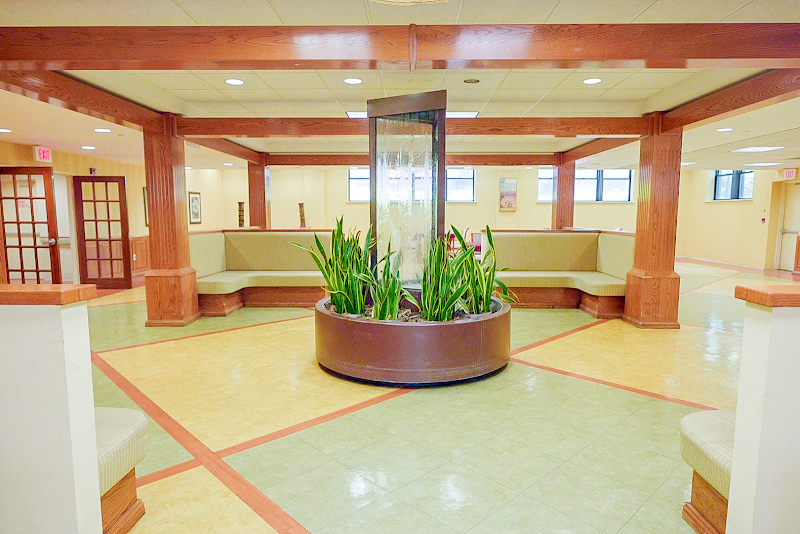
How is Optima Care Fountains Staffed?

CMS rates OPTIMA CARE FOUNTAINS's staffing level at 4 out of 5 stars, which is above average compared to other nursing homes. Staff turnover is 51%, compared to the New Jersey average of 46%.

What Have Inspectors Found at Optima Care Fountains?

State health inspectors documented 33 deficiencies at OPTIMA CARE FOUNTAINS during 2019 to 2025. These included: 1 Immediate Jeopardy (the most serious level, indicating potential for serious harm or death), 1 that caused actual resident harm, 30 with potential for harm, and 1 minor or isolated issues. Immediate Jeopardy findings are rare and represent the most serious regulatory concerns. They require immediate corrective action.
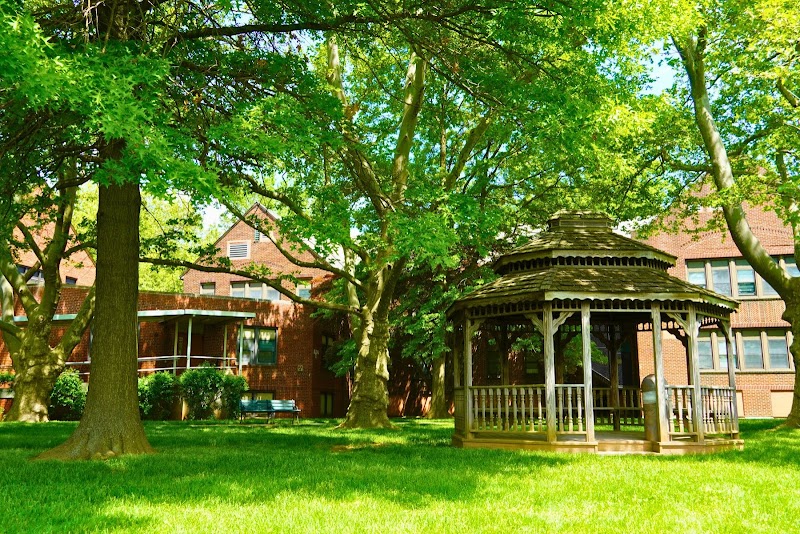
Who Owns and Operates Optima Care Fountains?

OPTIMA CARE FOUNTAINS is owned by a for-profit company. For-profit facilities operate as businesses with obligations to shareholders or private owners. The facility is operated by OPTIMA CARE, a chain that manages multiple nursing homes. With 334 certified beds and approximately 287 residents (about 86% occupancy), it is a large facility located in SECAUCUS, New Jersey.
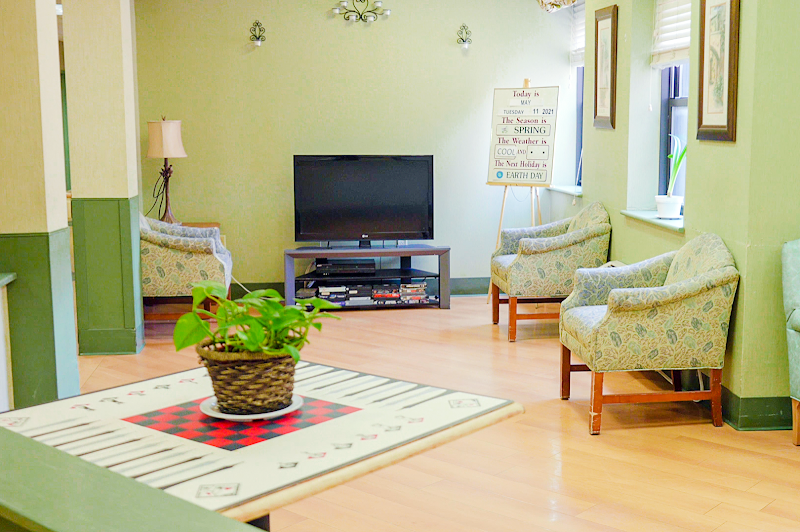
How Does Optima Care Fountains Compare to Other New Jersey Nursing Homes?

Compared to the 100 nursing homes in New Jersey, OPTIMA CARE FOUNTAINS's overall rating (1 stars) is below the state average of 3.2, staff turnover (51%) is near the state average of 46%, and health inspection rating (1 stars) is much below the national benchmark.

What Should Families Ask When Visiting Optima Care Fountains?

Based on this facility's data, families visiting should ask: "What changes have been made since the serious inspection findings, and how are you preventing similar issues?" "Can I visit during a mealtime to observe dining assistance and food quality?" "How do you handle medical emergencies, and what is your hospital transfer rate?" "Can I speak with family members of current residents about their experience?" These questions are particularly relevant given the facility's Immediate Jeopardy citations.

Is Optima Care Fountains Safe?

Based on CMS inspection data, OPTIMA CARE FOUNTAINS has documented safety concerns. Inspectors have issued 1 Immediate Jeopardy citation (the most serious violation level indicating risk of serious injury or death). The facility has a 1-star overall rating and ranks #100 of 100 nursing homes in New Jersey. Families considering this facility should ask detailed questions about what corrective actions have been taken since these incidents.

Do Nurses at Optima Care Fountains Stick Around?

OPTIMA CARE FOUNTAINS has a staff turnover rate of 51%, which is about average for New Jersey nursing homes (state average: 46%). Moderate turnover is common in nursing homes, but families should still ask about staff tenure and how the facility maintains care continuity when employees leave.

Was Optima Care Fountains Ever Fined?

OPTIMA CARE FOUNTAINS has been fined $424,416 across 7 penalty actions. This is 11.4x the New Jersey average of $37,323. Fines at this level are uncommon and typically indicate a pattern of serious deficiencies, repeated violations, or failure to correct problems promptly. CMS reserves penalties of this magnitude for facilities that pose significant, documented risk to resident health or safety. Families should request specific documentation of what issues led to these fines and what systemic changes have been implemented.

Is Optima Care Fountains on Any Federal Watch List?

OPTIMA CARE FOUNTAINS is not on any federal watch list. The most significant is the Special Focus Facility (SFF) program, which identifies the bottom 1% of nursing homes nationally based on persistent, serious quality problems. Not being on this list means the facility has avoided the pattern of deficiencies that triggers enhanced federal oversight. This is a positive indicator, though families should still review the facility's inspection history directly.