GREENWOOD HOUSE HOME FOR THE JEWISH AGED
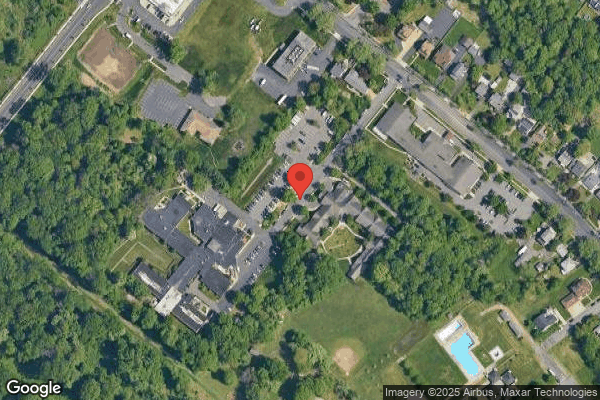
53 WALTER STREET, TRENTON, NJ 08628 (609) 883-5391
Non profit - Church related 137 Beds Independent Data: November 2025 2 Immediate Jeopardy citations
Trust Grade
0/100
#275 of 344 in NJ
Last Inspection: August 2024

Within standard 12-15 month inspection cycle. Federal law requires annual inspections.

Overview

Greenwood House Home for the Jewish Aged has received a Trust Grade of F, indicating significant concerns about the quality of care provided. Ranking #275 out of 344 facilities in New Jersey places it in the bottom half of nursing homes in the state, and #11 out of 16 in Mercer County means there are only five local options considered worse. The facility is worsening, with issues increasing from 4 in 2022 to 11 in 2024, and has a concerning staff turnover rate of 92%, far above the New Jersey average. Additionally, the home has incurred $323,570 in fines, higher than 98% of facilities in the state, suggesting ongoing compliance problems. Specific incidents include failing to ensure that all residents received nourishing snacks during long gaps between meals, which raises potential health risks for the residents. While the home has strong quality measures rated 5/5, the overall picture shows serious weaknesses that families should consider carefully.

Trust Score
F
0/100
In New Jersey
#275/344
Bottom 21%
Safety Record
High Risk
Review needed
Inspections
Getting Worse
4 → 11 violations
Staff Stability
⚠ Watch
92% turnover. Very high, 44 points above average. Constant new faces learning your loved one's needs.
Penalties
✓ Good
$323,570 in fines. Lower than most New Jersey facilities. Relatively clean record.
Skilled Nurses
○ Average
Each resident gets 40 minutes of Registered Nurse (RN) attention daily — about average for New Jersey. RNs are the most trained staff who monitor for health changes.
Violations
⚠ Watch
18 deficiencies on record. Higher than average. Multiple issues found across inspections.
★★☆☆☆
2.0
Overall Rating
★★★☆☆
3.0
Staff Levels
★★★★★
5.0
Care Quality
★☆☆☆☆
1.0
Inspection Score
Stable
2022: 4 issues
2024: 11 issues

The Good

  • 5-Star Quality Measures · Strong clinical quality outcomes
  • Full Sprinkler Coverage · Fire safety systems throughout facility
  • No fines on record

Facility shows strength in quality measures, fire safety.

The Bad

2-Star Overall Rating

Below New Jersey average (3.2)

Below average - review inspection findings carefully

Staff Turnover: 92%

45pts above New Jersey avg (46%)

Frequent staff changes - ask about care continuity

Federal Fines: $323,570

Well above median ($33,413)

Significant penalties indicating serious issues

Staff turnover is very high (92%)

44 points above New Jersey average of 48%

The Ugly 18 deficiencies on record

2 life-threatening
Aug 2024 10 deficiencies 2 IJ (2 facility-wide)
CRITICAL (L) 📢 Someone Reported This

A family member, employee, or ombudsman was alarmed enough to file a formal complaint

Immediate Jeopardy (IJ) - the most serious Medicare violation

Free from Abuse/Neglect (Tag F0600)

Someone could have died · This affected most or all residents

⚠️ Facility-wide issue

Deficiency Text Not Available

Read full inspector narrative →
Deficiency Text Not Available
CRITICAL (L) 📢 Someone Reported This

A family member, employee, or ombudsman was alarmed enough to file a formal complaint

Immediate Jeopardy (IJ) - the most serious Medicare violation

Investigate Abuse (Tag F0610)

Someone could have died · This affected most or all residents

⚠️ Facility-wide issue

Deficiency Text Not Available

Read full inspector narrative →
Deficiency Text Not Available
CONCERN (D)

Potential for Harm - no one hurt, but risky conditions existed

Resident Rights (Tag F0550)

Could have caused harm · This affected 1 resident

Based on observation, interview, and review of pertinent facility documents, it was determined that the facility failed to store the resident's urinary drainage bag in a dignified manner. This deficie...

Read full inspector narrative →
Based on observation, interview, and review of pertinent facility documents, it was determined that the facility failed to store the resident's urinary drainage bag in a dignified manner. This deficient practice was identified for 1 of 2 residents reviewed for urinary catheter (Resident #15), and was evidenced by the following: A review of the facility's Catheter Care - Foley policy, dated revised August 2024, did not include covering the foley catheter bag with a privacy cover. On 8/5/24 at 10:45 AM, during initial tour of the facility, the surveyor observed Resident #15 in their bedroom sitting in a wheelchair. Resident #15 stated that they had a suprapubic (SP) catheter (flexible tube that is inserted into the bladder through the abdominal wall to drain urine) and wore a leg bag during the day. The resident further stated that at night, the urinary bag was switched to a foley catheter bag (drainage collection bag). On 8/6/24 at 10:13 AM, the surveyor reviewed the medical record for Resident #15. A review of the admission Record face sheet (an admission summary) reflected that the resident was admitted to the facility with diagnoses including but not limited to; retention of urine (when the bladder does not empty completely), type II diabetes mellitus (pancreas does not make enough insulin), and obstructive and reflux uropathy (flow of urine is blocked). A review of the most recent comprehensive Minimum Data Set (MDS), an assessment tool dated 7/8/24, indicated that the resident had a brief interview for mental status (BIMS) score of 15 out of 15, which indicated cognitively intact cognition. A review of Section H - Bladder and Bowel, indicated that the resident had an indwelling catheter. A review of the Physician Order Summary Report revealed an order dated 3/31/23, to attach the suprapubic catheter to the leg bag when out of bed; attach foley catheter to foley bag when in bed per [facility] policy two times a day for urinary retention. On 8/7/24 at 10:30 AM, the surveyor observed Resident #15 sitting up in bed. The surveyor observed the resident's urinary catheter collection bag attached to the bed rail on the resident's left side of the bed, which was visible from the hallway. The urinary collection bag contained urine and did not have a privacy cover. On 8/7/24 at 12:10 PM, the surveyor interviewed the Licensed Practical Nurse (LPN) who stated the nurses were responsible for changing the foley bags and leg bags daily. The LPN further stated that a foley bag was used when a resident was in bed and should be covered with a privacy cover. On 8/8/24 at 9:10 AM, the surveyor observed Resident #15 sitting up in bed eating breakfast. The surveyor observed the resident's urinary catheter collection bag attached to the bed rail on the resident's left side of the bed, which was visible from the hallway. The foley bag contained urine and did not have a privacy cover. On 8/8/24 at 9:15 AM, the LPN in the presence of the surveyor confirmed that the foley urinary collection bag did not have a privacy cover, and it should be covered with a privacy bag. The LPN acknowledged it was important for it to be covered for the resident's privacy. On 8/8/24 at 2:13 PM, the surveyor interviewed the Registered Nurse/Unit Manager (RN/UM) who stated that a foley bag was used when the resident was in bed, and it was changed to a leg bag when they get out of bed. The RN/UM further stated that when a foley bag is used it should be covered with a privacy cover. When the surveyor asked why it was important for the foley bag to be covered, the RN/UM replied, for the resident's dignity and privacy. On 8/12/24 at 12:28 PM, the surveyor interviewed the Assistant Director of Nursing (ADON) in the presence of the Licensed Nursing Home Administrator (LNHA), the Assistant Administrator, and the survey team who stated that a foley bag should be covered with a privacy cover and the nurse was responsible to ensure it was covered. NJAC 8:39-4.1(a)(12)
CONCERN (D) 📢 Someone Reported This

A family member, employee, or ombudsman was alarmed enough to file a formal complaint

Potential for Harm - no one hurt, but risky conditions existed

Notification of Changes (Tag F0580)

Could have caused harm · This affected 1 resident

Deficiency Text Not Available

Read full inspector narrative →
Deficiency Text Not Available
CONCERN (D)

Potential for Harm - no one hurt, but risky conditions existed

Abuse Prevention Policies (Tag F0607)

Could have caused harm · This affected 1 resident

Based on interviews, review of facility policy, and review of pertinent facility documents, it was determined that the facility failed to implement their abuse policy by completing a criminal backgrou...

Read full inspector narrative →
Based on interviews, review of facility policy, and review of pertinent facility documents, it was determined that the facility failed to implement their abuse policy by completing a criminal background check prior to the start of employment. This deficient practice was identified for 1 of 10 employee files reviewed (Employee #4) and was evidenced by the following: A review of the facility's Abuse Policy dated January 2024, included . A. Screening Components Abuse Policy Requirements: It is the policy of this facility to screen employees and volunteers prior to working with residents. Screening components include verification of references, certification and verification of license and criminal background check . On 8/8/24 at 12:00 PM, the surveyor reviewed Employee #4's employment file which revealed the following: Employee #4, a physical therapist (PT), was hired on 9/6/23. There was no criminal background check. On 8/8/24 at 12:52 PM, the surveyor reviewed Employee #4's personnel file with the Medical Secretary (MS), who confirmed the criminal background check was not done for the employee. The MS stated they did not have a criminal background check for the employee, so it was not done. The MS also stated that the background check should have been completed when Employee #4 was interviewed and hired, so if there was a problem with their background check, the facility would have known. On 8/9/24 at 10:10 AM, the surveyor interviewed the Human Resources Manager (HRM), who stated that she was ultimately responsible for ensuring that the criminal background checks were completed, and the criminal background check should have been completed upon hire. The HRM stated a background check was completed for Employee #4 on 8/8/24 (after surveyor inquiry). On 8/9/24 at 12:35 PM, the surveyor reviewed Employee #4's timesheet. The timesheet revealed that she worked on the following days: 9/29/23, 7 hours; 10/13/23, 7 hours; 10/20/23, 6.25 hours; 10/24/23, 4.75 hours; 11/3/23, 8.5 hours; 11/13/23, 8 hours; 11/15/23, 7 hours; and 11/24/23 7.25 hours. On 8/9/24 at 12:50 PM, the surveyor interviewed the Director of Nursing (DON), who stated that a criminal background check should have been completed prior to Employee #4 working with residents. NJAC 8:39-4.1(a)5
CONCERN (D)

Potential for Harm - no one hurt, but risky conditions existed

Accident Prevention (Tag F0689)

Could have caused harm · This affected 1 resident

2. A review of the facility's Smoking Policy - Residents, dated revised December 2023, included .residents will not be permitted to hold their smoking devices or lighters/matches. The facility will ke...

Read full inspector narrative →
2. A review of the facility's Smoking Policy - Residents, dated revised December 2023, included .residents will not be permitted to hold their smoking devices or lighters/matches. The facility will keep the items in a safe and secure location . On 8/5/24 at 11:45 AM, during initial tour of the facility, the surveyor observed Resident #84 sitting in his/her room. The resident stated that they used to smoke cigarettes, but now they smoked an electronic cigarette (e-cigarette; a vape). The resident stated that they held their own vape. On 8/6/24 at 12:25 PM, the surveyor observed the resident independently ambulating via wheelchair towards their bedroom. Resident #84 stated that they just finished vaping outside. At that time, the surveyor observed the e-cigarette in the resident's right hand. On 8/6/24 at 1:01 PM, the surveyor reviewed the medical record for Resident #84. A review of the admission Record face sheet (an admission summary) reflected the resident was admitted to the facility with diagnoses including but not limited to; multiple sclerosis (neurological condition, meaning it affects your nerves) and anxiety disorder (mental health condition). A review of the Minimum Data Set (MDS), an assessment tool dated 7/18/24, indicated that the resident had a brief interview for mental status (BIMS) score of 11 out of 15, which indicated moderately impaired cognition. A review of the admission Smoking Safety Evaluation dated 2/16/23, indicated that Resident #84 was a current tobacco user. A review of the individualized comprehensive care plan (ICCP) initiated on 2/16/23, and revised on 12/20/23, indicated that the resident smoked an electronic cigarette. Interventions included that the resident received their e-cigarette from the nurse when they wanted to smoke; and the resident could not keep their e-cigarette in their room. A further review of Resident #84's medical records did not indicate a history of having smoked in their room. On 8/7/24 at 10:24 AM, the surveyor observed Resident #84 in lying in their bed. Resident #84 stated that once they were dressed, they would go outside to smoking area to vape. The surveyor observed the e-cigarette in the resident's right hand. On 8/7/24 at 12:15 PM, the surveyor interviewed the Licensed Practical Nurse (LPN #2), who stated that residents who smoked had a smoking assessment completed. LPN #2 further stated that Resident #84 held on to their e-cigarette and when the resident wanted to vape, staff escorted them to the designated smoking area. On 8/8/24 at 2:13 PM, the surveyor interviewed Unit Manager/Registered Nurse (UM/RN #3) and the Unit Manager/Licensed Practical Nurse (UM/LPN). UM/RN #3 stated that smoking assessments were completed annually and quarterly for any resident that smoked or used an e-cigarette. UM/RN #3 further stated that Resident #84 was allowed to hold on to their e-cigarette, and staff took the resident to the smoking area when they wanted to vape. UM/RN #3 also stated that there had been no incidents of the resident vaping in their room or inside the facility. The surveyor asked the UM/LPN to review Resident #84's ICCP, and the UM/LPN confirmed that the resident's ICCP indicated that they were to receive their e-cigarette from the nurse when they wanted to smoke and could not keep their e-cigarette in their room. On 8/12/24 at 12:28 PM, the Assistant Director of Nursing (ADON) in the presence of the Licensed Nursing Home Administrator (LNHA), Assistant Administrator (AA) and the survey team stated that a smoking assessment was completed upon admission, quarterly, and annually to determine if a resident was deemed appropriate to smoke. The ADON further stated that she thought Resident #84's representative held onto the e-cigarette. When asked who was responsible for holding onto the smoking device, the AA replied the staff were responsible to hold onto them. The AA stated that she was under the impression that the resident's represetative held on to the e-cigarette and charged it. The LNHA stated that Resident #84 was alert and oriented and went outside to smoke. LNHA further stated that it was explained to Resident #84 that they could not smoke in the facility. On 8/13/24 at 10:32 AM, the AA in the presence of the LNHA, ADON, and the survey team stated that they had a care conference with Resident #84 and their representative to discuss that the resident's e-cigarette had to be turned into staff, and that the resident could not hold onto it. The AA confirmed that per facility policy, Resident #84 was not supposed to hold onto their e-cigarette. NJAC 8:39-27.1(a) Based on observation, interview, and review of pertinent facility documents, it was determined that the facility failed to a.) ensure the plan of care was updated and interventions were implemented to reduce hazards and risks for a resident with a high risk of injury during dining who burned themself with soup (Resident #37); and b.) implement the facility's smoking policy and procedure for a resident who smoked (Resident #84). This deficient practice was identified for 2 of 5 residents reviewed for accidents and hazards (Resident #37 and Resident #84), and was evidenced by the following: 1. A review of the facility's Incident/Accident Report Investigation (Resident) policy, dated revised January 2024, included when an accident or incident occurs to a resident, an investigation is conducted followed by documentation of the incident, cause and effect and the recommendation and intervention that were implemented to prevent or minimize future incidents .initiate interventions/recommendations to minimize or prevent future occurrences . A review of the facility's Care Plan policy, dated revised January 2024, included the purpose was to establish guidelines for providing individualized patient care that is multidisciplinary, consistent, and coordinated and to facilitate communication among the members of the multidisciplinary team providing care to the resident . On 8/5/24 at 10:52 AM, during the initial tour of the facility, the surveyor observed Resident #37 resting in bed with the bed in the lowest position. On 8/6/24 at 9:30 AM, the surveyor reviewed the medical record for Resident #37. A review of the admission Record face sheet (an admission summary) reflected that the resident was admitted to the facility with diagnoses which included but were not limited to; dementia, hypertension (high blood pressure), and major depressive disorder. A review of the most recent comprehensive Minimum Data Set (MDS), an assessment tool dated 4/19/24, reflected that the resident had a brief interview for mental status (BIMS) score of 3out of 15, which indicated the resident had severe cognitive impairment. On 8/7/24 at 10:36 AM, the resident was observed in the sitting in a wheelchair in the day room during activities with their eyes closed. On 8/8/24 at 8:46 AM, the surveyor reviewed the incidents/accidents for Resident #37. On 5/30/24, it was documented that the resident was eating dinner and spilled soup on their chest. The nurse assessed the resident, and it was noted that there was redness to the chest, and a cool compress was applied to the area. The soup was described by the nursing staff as warm to touch. On 8/8/24 at 12:03 PM, the resident was observed in the day room having lunch with no clothing protector. At that time, the surveyor then interviewed the Licensed Practical Nurse (LPN #1) regarding the resident and history of the incident. LPN #1 stated that they were a travel nurse, and they were unfamiliar with the incident. On 8/8/24 at 12:27 PM, the surveyor reviewed the resident's individualized comprehensive care plan (ICCP) which did not include the incident on 5/30/24, or any interventions that were implemented as a result to prevent the resident from burning themself again during meals. On 8/8/24 at 12:36 PM, the surveyor reviewed the Progress Notes dated 5/30/24, which included around dinner time, while resident started to have dinner, the Certified Nursing Aide (CNA #1) had already set up resident's dinner tray, and the resident accidentally spilled soup on their chest area. Some redness was noted to left chest, and a cool compress was applied as a nursing measure. The family was made aware. On 8/9/24 at 11:58 PM, the resident was observed sitting with a visitor in the unit day room having lunch. Resident #37 did not have on a clothing protector at the time of the observation. On 8/12/24 at 10:47 AM, the surveyor interviewed the Unit Manager/Registered Nurse (UM/RN #1) for the [NAME] nursing unit regarding residents and clothing protectors. UM/RN #1 stated if a clothing protector was available from laundry, the resident received one, or staff just used a napkin if unavailable. UM/RN #1 stated clothing protectors were not included in a resident's ICCP because all residents would need it. On 8/12/24 at 12:06 PM, the surveyor interviewed UM/RN #2 for the North nursing unit regarding clothing protectors, and how a CNA would know if a resident needed a clothing protector during meals for safety or dignity. UM/RN #2 replied, the information was included on the CNA's assignment, and it could be included on a sign that was kept behind a resident's door. The surveyor asked if a resident needed a protector for safety, should it be included on the ICCP, and the UM/RN #2 confirmed yes. On 8/12/24 at 12:40 PM, during a meeting with the Licensed Nursing Home Administrator (LNHA), Assistant Administrator, Assistant Director of Nursing (ADON), and survey team, the surveyor asked if a resident should be care planned for a clothing protector, and the ADON responded yes, it should be included on the ICCP.
CONCERN (D)

Potential for Harm - no one hurt, but risky conditions existed

Respiratory Care (Tag F0695)

Could have caused harm · This affected 1 resident

**NOTE- TERMS IN BRACKETS HAVE BEEN EDITED TO PROTECT CONFIDENTIALITY** Based on observation, interview, and review of pertinent facility documents, it was determined that the facility failed to a.) e...

Read full inspector narrative →
**NOTE- TERMS IN BRACKETS HAVE BEEN EDITED TO PROTECT CONFIDENTIALITY** Based on observation, interview, and review of pertinent facility documents, it was determined that the facility failed to a.) ensure respiratory equipment was stored and dated in accordance with professional standards when not in use, and b.) ensure an individualized comprehensive care plan included oxygen therapy. This deficient practice was identified for 2 of 2 residents reviewed for respiratory care (Resident #101 and #319), and the evidence was as follows: A review of the facility's Oxygen Administration policy dated revised January 2024, included date the humidifier when put into use .a plastic zip-lock bag is to be attached to the side of the concentrator so the nasal cannula or oxygen mask can be stored there when not in use . A review of the facility's Care Plan Policy dated revised August 2024, included the Multidisciplinary Care team shall review the comprehensive care plan no less than every three months (more often if there is a significant change); the assessments will be updated and revised as necessary to assure continued accuracy, progress in meeting goals and changing goals, when appropriate . 1. On 8/5/24 at 10:16 AM, during initial tour of the facility, the surveyor observed Resident #319 resting in bed, awake and alert. The surveyor observed the resident's nightstand had a bilevel positive airway pressure (BiPAP) machine (a type of device that helps with breathing and deliver oxygen while you sleep) and face mask on top. The BiPAP mask was placed on top of the nightstand without being stored in a plastic bag. The oxygen tubing which connected the mask to the oxygen concentrator, was not stored in a plastic bag and was lying on the floor next to a partially opened trash receptacle. The oxygen tubing also was not labeled or dated when in use. On 8/6/24 at 11:36 AM, the surveyor reviewed the medical record for Resident #319. A review of the admission Record face sheet (an admission record) which reflected the resident was admitted to the facility with diagnosis which included but was not limited to; chronic obstructive pulmonary disease (COPD), chronic respiratory failure, and morbid (severe) obesity. A review of the most recent comprehensive Minimum Data Set (MDS), an assessment tool dated 5/21/24, indicated the resident had a brief interview for mental status (BIMS) score of 15 out of 15, which indicated a fully intact cognition. A further review reflected the resident used a non-invasive mechanical ventilator (BiPAP). A review of the Order Summary Report reflected the following physician orders (PO): A PO dated 6/1/24, to administer oxygen per nasal cannula at 2 liters per minute as needed for pulse oxygen (blood oxygen level) less than 91% (may titrate oxygen flow rate to keep saturation above 91%). A PO dated 6/1/24, to change oxygen tubing and humidifier bottle every day shift every Thursday. A PO dated 6/6/24, to date and initial tubing and humidifier bottle. A PO dated 6/1/24, to change oxygen tubing and humidifier bottle as needed; date and time tubing and humidifier bottle when changed. A PO dated 6/1/24, for BIPAP set-up: BIPAP to be used on programmed settings oxygen 2 liters per minute bled in at bedtime and removed per schedule. A review of the corresponding June, July, and August 2024 Medication Administration Record (MAR) reflected that the resident was administered oxygen and BiPAP therapy as ordered. A review of the individualized comprehensive care plan (ICCP) included a focus area dated revised on 6/2/24, for increased risk of impaired oxygenation. Interventions included to administer BIPAP and oxygen as ordered. On 8/8/24 at 10:08 AM, the surveyor observed Resident #319 in their room resting in bed. Alongside the resident's bed was the BIPAP machine with a mask on top of the nightstand. The mask was not stored in plastic bag, and the oxygen tubing that connected the BIPAP to the concentrator, the tubing was lying on the floor not in a protective plastic bag while not in use. On 8/8/24 at 10:24 AM, the surveyor interviewed the Certified Nursing Aide (CNA #1), who stated the facility's nurses were responsible for maintenance and care of oxygen equipment for the residents. On 8/8/24 at 10:30 AM, the surveyor interviewed the Licensed Practical Nurse (LPN #1), who stated oxygen tubing and other respiratory equipment were stored in a plastic bag and hung when not in use to keep clean and maximize infection control. LPN #1 acknowledged that if not stored properly, it could be considered contaminated and could cause illness. LPN #1 stated that the oxygen tubing was changed weekly, and it should be dated. At that time, the surveyor and LPN #1 entered Resident #319's room, and the LPN confirmed that the oxygen tubing was not dated, not stored properly, and should not be on the floor. LPN #1 acknowledged that the BIPAP mask should have been cleaned, in a protective bag, and stored inside the nightstand drawer. On 8/8/24 at 11:06 AM, the surveyor interviewed the Infection Preventionist/LPN (IP/LPN), who stated no equipment should be stored on the floor since that could cause unnecessary infection. The IP/LPN stated that oxygen equipment and tubing should be stored in a bag off the floor when not in use, and it should be labeled with the date it was changed. The surveyor showed the IP/LPN photos of how the oxygen tubing was stored to which she stated it absolutely should not be stored that way. On 8/8/24 at 11:24 AM, the surveyor interviewed the Director of Nursing (DON) and the Assistant DON (ADON), who both confirmed that oxygen tubing and equipment should be stored in clean plastic bags when not in use to prevent contamination for infection control purposes. They also confirmed that oxygen tubing should be labeled and dated once opened for use. 2. During initial tour of the facility on 8/5/24 at 10:22 AM, the surveyor observed Resident #101 in bed with their eyes closed. The surveyor observed next to the resident's bed an oxygen concentrator which had nasal cannula tubing attached to it, that was lying on the floor not in use. The oxygen tubing was not stored in a plastic bag or labeled and dated. On 8/8/24 at 11:45 AM, the surveyor reviewed the medical record for Resident #101. A review of the admission Record face sheet reflected the resident was admitted to the facility with diagnosis which included but was not limited to; dementia and history of pneumonia. A review of the most recent comprehensive MDS dated [DATE], reflected the resident had a BIMS score of 3 out of 15, indicating severe cognitive impairment. A review of the Order Summary Report included the following physician orders (PO): A PO dated 7/16/24, to administer oxygen per nasal cannula at 2 liters per minute as needed for comfort. A PO dated 6/16/24, to change oxygen tubing and humidifier bottle as needed; date the humidifier bottle when changed. A review of the corresponding June, July, and August 2024, MAR reflected the resident was administered oxygen as ordered. A review of the ICCP did not include a focus area for oxygen. On 8/8/24 at 10:24 AM, the surveyor interviewed the CNA #1 who stated the facility's nurses were responsible for maintenance and care of oxygen equipment for the residents. On 8/8/24 at 10:30 AM, the surveyor interviewed LPN #1, who stated oxygen tubing and other respiratory equipment were stored in a plastic bag and hung when not in use to keep clean and maximize infection control. LPN #1 acknowledged that if not stored properly, it could be considered contaminated and could cause illness. LPN #1 stated that the oxygen tubing was changed weekly, and it should be dated. At that time, the surveyor and LPN #1 entered Resident #319's room, and the LPN confirmed that the oxygen tubing was not dated, not stored properly, and should not be on the floor. LPN #1 acknowledged that the BIPAP mask should have been cleaned, in a protective bag, and stored inside the nightstand drawer. On 8/8/24 at 11:06 AM, the surveyor interviewed the IP/LPN, who stated no equipment should be stored on the floor since that could cause unnecessary infection. The IP/LPN stated that oxygen equipment and tubing should be stored in a bag off the floor when not in use, and it should be labeled with the date it was changed. The surveyor showed the IP/LPN photos of how the oxygen tubing was stored to which she stated it absolutely should not be stored that way. On 8/8/24 at 11:24 AM, the surveyor interviewed the DON and the ADON, who both confirmed that oxygen tubing and equipment should be stored in clean plastic bags when not in use to prevent contamination and for infection control purposes. They also confirmed that oxygen tubing should be labeled and dated once opened for use. On 8/8/24 at 12:09 AM, the surveyor and ADON reviewed Resident #101's ICCP. The ADON confirmed the resident was not care planned for oxygen therapy. On 8/13/24 at 10:32 AM, the ADON, in the presence of the Licensed Nursing Home Administrator (LNHA), Assistant Administrator (AA), and survey team stated that Resident #101's ICCP had been updated to include oxygen therapy after surveyor inquiry. NJAC 8:39 - 11.2(e)2, 27.1(a)
CONCERN (D)

Potential for Harm - no one hurt, but risky conditions existed

Pharmacy Services (Tag F0755)

Could have caused harm · This affected 1 resident

Based on observation, interview, and review of pertinent facility documents, it was determined that the facility failed to maintain a system of record keeping that ensures an accurate inventory of con...

Read full inspector narrative →
Based on observation, interview, and review of pertinent facility documents, it was determined that the facility failed to maintain a system of record keeping that ensures an accurate inventory of controlled medications. This deficient practice was identified on 3 of 7 medication carts reviewed and was evidenced by the following: A review of facility's Controlled Substances policy dated January 2024, included all scheduled II, II, IV and V controlled substances are to be stored under double locks, separate from all other medications. Schedule II through V are counted by incoming and outgoing nurses each shift and signatures documented . On 8/7/24 at 10:28 AM, during medication storage observation, the surveyor, in the of the Licensed Practical Nurse (LPN #1), observed the controlled substances inventory and count logs for the B Wing North nursing unit's medication. A review of the Record of Narcotic Count log (a log used track the count of controlled medications) for August 2024, revealed the following nurses' signatures were missing: On 8/1/24, the 7:00 AM to 3:00 PM (7-1) shift, the outgoing nurse. On 8/2/24, the 11:00 PM to 7:00 AM (11-7) shift, outgoing nurse. On 8/6/24, the 7-3 shift, the outgoing nurse. On 8/6/24, the 11-7 shift, outgoing nurse. At that time, LPN #1 confirmed that the signatures were missing, and that there should not have been any missing signatures on the Record of Narcotic Count log. On 8/7/24 at 10:57 AM, during a medication storage observation, the surveyor, in the presence of the Registered Nurse (RN), observed the controlled substances inventory and count logs for the A Wing North nursing unit's medication. A review of the Record of Narcotic Count log for August 2024, revealed the following nurses' signatures were missing: On 8/6/24, the 11-7 shift, the outgoing nurse. On 8/7/24, the 7-3 shift, incoming nurse. At that time, the RN stated, I didn't count this morning because they had already counted when I asked. The RN also confirmed that signatures were missing, and there should not be any missing signatures. On 8/7/24 at 11:40 AM, during a medication storage observation, the surveyor, in the presence of LPN #2, observed the controlled substances inventory and count logs for the E Wing South nursing unit's medication. A review of the Record of Narcotic Count log for August 2024, revealed the following nurses' signatures were missing: On 8/1/24, the 7-3 shift, outgoing nurse. On 8/2/24, the 3:00 PM to 11:00 PM (3-11) shift, incoming and outgoing nurses. On 8/9/24 at 12:01 PM, the surveyor interviewed the Director of Nursing (DON), who stated the incoming and outgoing nurses counted the narcotic inventory together, and signed that the count was completed and correct. NJAC 8:39-29.7(c)
CONCERN (D)

Potential for Harm - no one hurt, but risky conditions existed

Infection Control (Tag F0880)

Could have caused harm · This affected 1 resident

**NOTE- TERMS IN BRACKETS HAVE BEEN EDITED TO PROTECT CONFIDENTIALITY** Based on observation, interview, and review of pertinent facility records, it was determined that the facility failed to impleme...

Read full inspector narrative →
**NOTE- TERMS IN BRACKETS HAVE BEEN EDITED TO PROTECT CONFIDENTIALITY** Based on observation, interview, and review of pertinent facility records, it was determined that the facility failed to implement infection control protocols for residents on enhanced barrier precautions to prevent the spread of infection. This practice was identified for 1 of 3 residents observed on enhanced barrier precautions (Resident# 87), and was evidenced by the following: A review of the facility's Enhanced Barrier Precautions (EBP) policy dated revised August 2024, included enhanced barrier precautions (EBP) will be used in conjunction with standard precautions by implementing the expanded use of personal protective equipment [PPE] to the donning of gowns and gloves during high contact resident care activities for residents who have an indwelling medical device (urinary catheter, feeding tube etc.) wound or known to be colonized (no active infection) with an organism. EBP is a transmission-based precaution measure focusing on the use of gown and gloves during high contact resident care activities that have been demonstrated to result in the transfer of multi-drug resistant organisms [MDRO] to the hands and clothing of health care personnel, even if blood and body fluid exposure is not anticipated .postage signage on the door or wall outside of the resident's room Enhanced Barrier Precaution. An orange dot will be applied next to the resident's name indicating he/she is on EBP . there are no special precautions for visiting except for hand hygiene that we emphasis for you to practice during all resident visits. Hand hygiene is the number one way to prevent spread of infection . A review of the facility's Hand Hygiene policy dated revised March 2023, included glove use .wearing gloves is not a substitute for hand hygiene. Dirty gloves can soil hands. Always use hand hygiene after removing gloves . On 8/5/24 at 10:53 AM, during initial tour of the facility, the surveyor observed Resident #87's room having an EBP signage on the door frame with an orange dot next to the names of both residents occupying the room. At that time, the surveyor observed the Certified Nursing Aide (CNA #1) exit Resident #87's room, and she doffed (took off) her disposable gloves, and disposed of them. Then CNA #1, without performing hand hygiene, walked to Resident room [ROOM NUMBER], knocked on the door, and entered. CNA #1 was observed to have spent approximately one minute in the room as she spoke to another staff member. CNA #1 the exited the room and without performing hand hygiene entered Resident room [ROOM NUMBER], and quickly exited with no observed hand hygiene as she went directly into Resident room [ROOM NUMBER] and obtained a handful of clean disposable gloves that she placed in her scrub top pocket (shirt). CNA #1 then exited the room with no observed hand hygiene, and entered Resident room [ROOM NUMBER]. At that time, the surveyor interviewed CNA #1, who stated EBP meant that you had to put on gloves, wash your hands, and use a gown when performing resident care because the resident might have an infection. The surveyor asked about about hand hygiene, and CNA #1 stated that she had removed her gloves, but I'm not done yet. The CNA confirmed she entered other residents' rooms, and she stated that she did not perform resident care in other rooms so she did not need to perform hand hygiene. The CNA then excused herself, donned (put on) gloves and a disposable gown from the PPE bin hanging from the resident's door, and entered the resident room to perform care on Resident #87. On 8/8/24 at 1:01 PM, the surveyor interviewed CNA #2 who stated EBP signs indicated the need to use PPE which included gown and gloves to care for a resident, as well as, the proper way to dispose of the PPE. CNA #2 stated upon exiting a resident's room, you disposed of the PPE at the exit of the room, and performed hand hygiene. CNA #2 stated hand hygiene was also performed using alcohol-based hand rub (ABHR) upon entering the resident's room, removing gloves, and exiting the resident's room to prevent the spread of germs. On 8/8/24 at 1:14 PM, the surveyor interviewed the Licensed Practical Nurse (LPN #1) who confirmed hand hygiene was required and indicated on the EBP signage upon entering and exiting the resident's room. LPN #1 stated it was not appropriate to enter a resident's room without performing hand hygiene with ABHR for infection control purposes. On 8/8/24 at 1:27 PM, the surveyor reviewed the medical record for Resident #87. A review of the admission Record face sheet (an admission summary) reflected the resident was admitted to the facility with diagnosis which included but was not limited to; pressure ulcer (bed sore) of the sacral region, need for assistance with personal care, and neuromuscular dysfunction of the bladder. A review of the most recent quarterly Minimum Data Set (MDS), an assessment tool dated 6/21/24, reflected the resident had a brief interview for mental status (BIMS) score of 15 out of 15, indicating a fully intact cognition. The MDS further indicated that the resident had an indwelling urinary catheter and a stage four (full tissue thickness) pressure ulcer. A review of the Order Summary Report included the following physician orders (PO): A PO dated 7/8/24, for EBP; wear PPE (gown, gloves) when providing high contact activities at bedside including dressing, bathing/showering, transferring, changing bed linens, providing hygiene, changing briefs/assisting with toileting, device care and/or use, or wound care. May additionally wear face protection (goggles, face shield, face mask) if there is a risk of splash or spray or circulating respiratory viruses in the community every shift for EBP. On 8/8/24 at 2:30 PM, the surveyor interviewed the Director of Nursing (DON) and Assistant DON (ADON), who stated to prevent spread of infection, staff were expected to perform hand hygiene after doffing gloves. The DON and ADON further stated that it was not acceptable for CNA #1 to doff gloves and not perform any hand hygiene, even if she was expecting to return to the same resident upon exiting the resident's room. On 8/12/24 at 12:33 PM, the ADON in the presence of the Licensed Nursing Home Administrator (LNHA), Assistant Administrator (AA), and survey team, confirmed that CNA #1 should have performed hand hygiene upon doffing gloves and exiting an EBP room. NJAC 8:39-19.4
CONCERN (E)

Potential for Harm - no one hurt, but risky conditions existed

Deficiency F0809 (Tag F0809)

Could have caused harm · This affected multiple residents

Based on observation, interview, and review of pertinent facility documents, it was determined that the facility failed to serve all residents a nourishing snack when there was more than a fourteen-ho...

Read full inspector narrative →
Based on observation, interview, and review of pertinent facility documents, it was determined that the facility failed to serve all residents a nourishing snack when there was more than a fourteen-hour span of time between the dinner and breakfast mealtimes. This deficient practice was identified for 3 of 3 residents sampled for bedtime snacks (Resident #29, Resident #46, and Resident #65), and was evidenced by the following: A review of the facility's Nourishment Between Meals policy dated reviewed/revised August 2024, included nursing staff are responsible for offering each resident and afternoon and evening snack to the extent medically possible . During initial tour of the kitchen on 8/5/24 at 9:31 AM, the surveyor accompanied by the Dietary General Manager (DGM) observed half sandwiches on a tray in the walk-in refrigerator. The DGM stated the sandwiches were for hour of sleep (HS) snacks. The surveyor asked if all residents received HS snacks, and the DGM stated no, that some residents had physician ordered snacks. On 8/5/24 at 9:50 AM, the surveyor interviewed the Unit Manager/Registered Nurse (UM/RN) who stated the facility had in the back crackers, pretzels, and ice cream. The UM/RN stated staff asked residents if they wanted a snack, but snacks were not provided unless requested. During entrance conference on 8/5/24 at 9:54 AM, the surveyor asked the Licensed Nursing Home Administrator (LNHA) and the Director of Nursing (DON) to provide a copy of the facility's mealtime schedule. On 8/7/24 at 9:00 AM, the surveyor reviewed the facility provided Tray Line Schedule - Cart Order dated updated 12/18/23, which indicated dinner tray line began at 4:45 PM, and C [NAME] Unit was the first to receive the dinner meal and 100 Hall received dinner last. The schedule indicated that breakfast tray line began at 7:30 AM, with 100 Hall was the first to receive the breakfast meal, and C [NAME] Unit received the meal last. This indicated that there was a fourteen hour and forty-five-minute (14.75) gap between dinner and breakfast meal service. On 8/8/24 at 10:38 AM, the surveyor conducted a Resident Council meeting which included three residents (Resident #29, #45, and #65). All three residents informed the surveyor during the meeting that bedtime (HS) snacks were not offered; that snacks were only offered during the day. On 8/8/24 at 11:02 AM, the surveyor interviewed the DGM who confirmed there were afternoon snacks of chips cookies, ice cream, pudding, peanut butter jelly sandwiches, tuna fish sandwiches, and egg salad sandwiches in the pantries on the North, South, and C [NAME] nursing units. The DGM stated certain residents had HS snacks that were labeled with their name because there was a physician order. The DGM stated if anyone else wanted a snack or asked staff for a snack, staff could provide them one from the pantry. At that time the surveyor requested a list of residents who received HS snacks. On 8/8/24 at 1:00 PM, the surveyor reviewed the HS snack list provided by the DGM, which indicated out of the facility's 114 residents, 41 residents received HS snacks. The three residents from Resident Council were not included on the list. On 8/12/24 at 10:18 AM, the surveyor interviewed the Certified Nursing Aide (CNA), who confirmed they occasionally worked the 3:00 PM to 11:00 PM (3-11) shift. The CNA stated that HS snacks usually had the resident's name on it that they handed out. The CNA stated if a resident requested a snack, the staff provided them with one. On 8/12/24 at 10:39 AM, the surveyor interviewed the Registered Dietitian (RD), who stated HS snacks were sent out with labels to residents who requested a snack be provided or have a medical condition such as diabetes where the resident benefited from the snack. There were additional snacks that if an alert and oriented resident asked for a snack, staff provided. The surveyor asked what was considered a nourishing snack, and the RD stated a piece of fruit, milk with a half a sandwich, milk with graham crackers, and cottage cheese with fruit. The RD stated the snack should have two to three macronutrients which were carbohydrates, fat, and protein. The surveyor asked if there was a certain time span that should be between dinner and breakfast, and the RD stated less than fourteen hours, or the residents needed a snack. The surveyor informed the RD that the reported mealtimes provided by the facility was a 14.75-hour time span, and the RD stated that residents usually received their dinner starting at 5:00 PM. On 8/12/24 at 10:48 AM, the surveyor interviewed the Assistant Director of Nursing (ADON), who stated the dietary department usually sent out HS snacks on a tray with dinner service, and the nurse and CNAs offered the snacks. The ADON stated unsure if the facility had a policy; the facility used to have someone who passed out snacks. On 8/13/24 at 10:32 AM, the Licensed Nursing Home Administrator (LNHA) in the presence of the ADON, Assistant Administrator (Assist Admin), and survey team stated the facility had HS snacks for any resident who wanted a snack. The LNHA stated the mealtimes were not accurately provided on entrance, and he would check the mealtimes. No additional information was provided. NJAC 8:39-17.2 (f)(1)(i-ii)
Mar 2024 1 deficiency
CONCERN (D) 📢 Someone Reported This

A family member, employee, or ombudsman was alarmed enough to file a formal complaint

Potential for Harm - no one hurt, but risky conditions existed

Report Alleged Abuse (Tag F0609)

Could have caused harm · This affected 1 resident

COMPLAINT#: NJ00171710 Based on observations, interviews, medical records review, and review of other pertinent facility documentation on 03/07/24 and 03/08/2024, it was determined that the facility f...

Read full inspector narrative →
COMPLAINT#: NJ00171710 Based on observations, interviews, medical records review, and review of other pertinent facility documentation on 03/07/24 and 03/08/2024, it was determined that the facility failed to report within the required timeframe an incident involving an alleged abuse allegation to the New Jersey Department of Health (NJDOH) and b.) follow the facility's Abuse Policy. The alleged violation was reported to staff regarding an incident that involved a resident that was found to have a discoloration on the left arm. When the resident was asked how that happened, the resident said that a staff member had grabbed the arm. This deficient practice was identified for 1 of 4 sampled residents (Resident #1) and was evidenced by the following: During a tour of the unit on 03/07/24 at 10:36 a.m., the surveyor knocked on Resident #1's door and was granted entry by the resident. Resident #1 was observed wearing a long-sleeved shirt and pants, while seated in a wheelchair at the bedside, watching television. Resident #1 stated that the resident does not get along with some of the aides and staff; the resident did not name anyone. The surveyor asked the resident if he/she recalled an incident when a staff had grabbed the arm of the resident, the resident stated that the incident occurred overnight and that staff had entered the room to change the bedding and one of them grabbed the resident's left arm and made my arm black. As the resident described the incident the surveyor observed as Resident #1 took his/her right arm and reached over to grab his/her left forearm to show the surveyor how the resident was grabbed. Resident #1 further stated, I don't remember their name. When the surveyor asked how many staff members had entered the room, the resident stated that he/she could not recall. The resident also could not recall the exact date of the incident. Resident #1 stated that this had never happened before. Resident #1 stated feeling safe at the facility. According to the face sheet, Resident #1 was admitted to the facility with diagnoses which included but were not limited to: hypertension, hypothyroidism (a condition where the thyroid gland doesn't release enough thyroid hormone into the bloodstream), and dysphagia (difficulty swallowing). Review of Resident #1's Comprehensive Minimum Data Set (MDS), an assessment tool used to facilitate the management of care, dated 02/23/2024, revealed that Resident #1 had a Brief Interview for Mental Status (BIMS) score of 12 out of 15, which indicated that the resident's cognition was moderately impaired. Review of the Reportable Event Record provided by the facility revealed that the incident occurred on 02/15/24 at 5 A.M. and it was submitted to the NJDOH on 02/23/24. The reportable revealed that Resident #1 was noted to have a purpura (a condition of red or purple discolored spots on the skin that do not blanch on applying pressure) on his/her left arm. The reportable further revealed that the resident stated that five people came into the room to change his/her and the resident had said, no. One staff member had reportedly grabbed the arm, causing the purpura. The reportable also revealed that an investigation was initiated, and camera footage was reviewed, at no time did five people enter the room and the incident was unsubstantiated. The reportable included a timeline of the camera footage and statements from staff identified on the footage. Statements from staff that had been assigned to the resident up to a few days prior to the incident were also reviewed. Review of Resident #1's Incident/Accident Report, dated 02/15/24, revealed a diagram of a body that required a person to indicate where an injury was noted; the surveyor observed that there was an x on the left forearm of the body diagram. The surveyor observed that under the Type of Injury section, the box checked was Bruise with a description of Purpura on left arm. During an interview with the surveyor on 03/07/24 at 12:25 P.M., the Administrator's Assistant (AA) reported that she had been informed of the incident the day after it occurred, on 2/15/24. The AA stated that the social worker informed her. The AA further stated that she was a nurse and that her title is considered clinical support. The AA stated that she completed a Nursing Assessment on Resident #1, on 02/15/24 at 3:30 P.M., I saw a purpura. She stated that when she asked Resident #1 what happened, Resident #1 told her that the resident had peed, I got the impression that the [Resident #1] did not want to be changed. The DON further stated that the resident stated to her, I pulled away from them, while care was attempting to be provided. The AA said that the resident did not state how many staff had entered the room or who had grabbed the resident. During an interview with the surveyor on 03/07/24 at 1:06 P.M., the Certified Nurse Assistant (CNA) stated that she had participated in in-services on Abuse and Neglect recently. The CNA recalled working the day after the incident on 2/15/24. She stated that she was walking in the hallway of the unit and she saw the assigned nurse walk into the room, as the CNA was walking past the door the nurse had called her into the room as the resident said look at my arm. The CNA further stated, I walked in behind the nurse and saw a bruise on her left arm. She stated that Resident #1 said that 5-6 girls came into her room and roughed her up. The CNA stated that she was asked to provide a statement the next day, which she did. The CNA further stated that she had worked the day before the incident [7 A.M. - 3 P.M on 2/14/24] and that her assignment involved providing daily care for residents that included getting them up and dressed for the day. The CNA stated, [Resident #1] did not have the bruise the day before. The CNA further added that this is the first time that she is aware that Resident #1 had made this type of allegation. During an interview with the surveyor on 03/07/24 at 2:40 P.M., the Director of Nursing (DON) stated that if abuse and/or neglect were reported to a staff member on the floor, staff was to notify the chain of command. The DON stated that once notified, an investigation was to begin, and statements were to be obtained. She further stated that the resident's representative was to be contacted along with the physician, the Ombudsman, and the NJDOH who were to be contacted immediately. The surveyor asked the DON when this incident had been reported, to which the DON asked to see the Reportable that had been provided to the surveyor. After reviewing the documentation in the presence of the surveyor the DON stated that it was reported by her on 02/23/24. The surveyor then asked the DON why it was reported on 02/23/24 when the incident occurred on 02/15/24, to which the DON stated, I was on vacation [02/12/24 - 02/19/24] during that time and I called it in as soon as I returned, when it was brought to my attention on 02/23/24. The surveyor asked the DON if the DON was the only person in the facility that was responsible for calling in a reportable to the NJDOH? The DON stated, No. During a follow-up interview with the surveyor on 03/08/24 at 2:57 P.M., the AA stated that reports of abuse and/or neglect were to be immediately reported to the NJDOH. When asked who was responsible for notifying the NJDOH the AA stated that Nursing Administration is tasked with calling the NJDOH. The DON said that Nursing Administration is composed of the DON and the Assistant Director of Nursing (ADON). The AA further stated, The DON was on vacation, so I reported it to the ADON on 02/15/24 around 3:30 P.M. During an interview with the surveyor on 03/07/24 at 3:05 P.M., the ADON stated that reports of abuse and/or neglect were to be immediately reported to the NJDOH. The ADON stated that she was made aware of the incident around 3:30 P.M. on 02/15/24, but she was not sure who informed her. The ADON stated that she was told that Resident #1 had reported that five people [staff] entered the room, grabbed Resident #1's arm, and bruised her. When asked if the ADON thought that this incident qualified as a report of abuse and neglect, the ADON stated, Yes. The ADON further stated that the investigation was started immediately. The surveyor asked if the ADON had called the NJDOH, to which the ADON stated, I did not call. The ADON further added that she was unsure if the Administrator was going to call. When asked if she had a conversation with the Administrator on the day of the incident, the ADON stated, No. During an interview with the surveyor on 03/07/24 at 3:20 P.M., the Administrator stated that it was the responsibility of the DON or the ADON to call in the reportable. Review of the facility's Abuse Policy, revised January 2024, revealed under the G. Reporting and Response section that the facility was to ensure that all alleged violations that involve abuse and neglect were to be reported . immediately, but not later than two hours after the allegation is made . NJAC 8:39-9.4(f)
Dec 2022 4 deficiencies
CONCERN (D)

Potential for Harm - no one hurt, but risky conditions existed

Deficiency F0700 (Tag F0700)

Could have caused harm · This affected 1 resident

Based on observation, interview, record review, and review of other pertinent facility documents, it was determined that the facility failed to ensure informed consent was obtained, an assessment was ...

Read full inspector narrative →
Based on observation, interview, record review, and review of other pertinent facility documents, it was determined that the facility failed to ensure informed consent was obtained, an assessment was completed, and inspections were completed for side rails. The deficient practice was identified for 1 of 2 residents (Resident #72) reviewed for side rails and was evidenced by the following: On 11/29/22 at 11:03 AM, the surveyor observed Resident #72 in bed with his/her eyes open. The surveyor observed the resident's bed had two half-length side rails in the up position on both upper sides of the bed. On 12/2/22 at 12:00 PM, the surveyor observed Resident#72 out of bed sitting in a geri chair (an adaptive chair) in the hallway just outside of his/her room. At that time, the surveyor observed two half side rails in the up position on both upper sides of the resident's bed. On 12/5/22 at 10:52 AM, the surveyor observed Resident #72 in bed with their eyes closed with two half side rails up on both upper sides of the bed. The surveyor reviewed the medical record for Resident #72. A review of the admission Record face sheet (an admission summary) reflected that the resident was admitted to the facility in September of 2022 with diagnoses which included acute respiratory failure, diabetes mellitus, and Parkinson's Disease. A review of the most recent quarterly Minimum Data Set (MDS), an assessment tool dated 10/7/22, reflected a brief interview of mental status (BIMS) score of 12 out of 15 which indicated the resident had a mild cognitive impairment. A review of the November 2022 Order Summary Report reflected a physician order dated 11/17/22 for bilateral half side rails. On 12/5/22 at 10:47 AM, the surveyor interviewed the Director of Maintenance who confirmed he was in charge of the installation and inspection of side rails. The DM stated he inspected the side rails upon installation only and it was not part of their routine to check afterwards. The DM stated if the side rail was loose, he expected the nurses to inform him since nursing staff saw the resident daily. At this time, the Maintenance worker confirmed he did not inspect side rails after installation, it was not part of his routine inspections. On 12/5/22 at 11:44 AM, the surveyor interviewed the Registered Nurse/Unit Manager (RN/UM) on the North Unit who stated that Resident #72 used the side rails for bed mobility. The RN/UM stated that a side rail assessment should be completed for every resident upon admission and then quarterly. The RN/UM further stated consent for side rails should be obtained upon admission and quarterly. The RN/UM stated both forms should be in the resident's hybrid (paper) chart. On 12/5/22 at 11:46 AM, the RN/UM informed the surveyor that she was unable to locate a consent form or a side rail assessment for Resident #72. On 12/7/22 at 11:47 AM, the surveyor interviewed the RN/UM who acknowledged that the side rail assessment for Resident #72 was never completed, nor was consent obtained from the resident or resident representative. On 12/8/22 at 1:31 PM, the survey team discussed the above concerns with the Licensed Nursing Home Administrator (LNHA), Assistant Administrator (Assist Admin), and the Director of Nursing (DON). The DON acknowledged that the facility was not following their Side Rails policy and that Resident #72 should have had a side rail assessment and consent for the use of side rails. At this time, the Assist Admin confirmed that the facility had not been inspecting the side rails quarterly per the facility's policy. A review of the facility's Side Rails policy dated revised August/September 2019, included the following: the objective of the bed rail policy is to determine if the use of side rails are safe and appropriate for that resident. Information from the routine bed inspections and the individual resident evaluation will be used to determine the need and use of bed rails in order to promote positive outcomes .prior to admission, prospective residents will be screened to determine if care needs require the use of specialized beds and the possible need for side rails. A comprehensive side rail screening will be done upon admission .Residents will further be assessed to identify appropriate alternatives prior to installing/using side rails. If side rails are indicated, each resident will be assessed for the risk of entrapment from bed rails prior to installation or use .Informed consent will be obtained prior to the use of any bed rail/ side rail .Physician orders will be obtained for the use of the bed rail/side rail and will include the medical symptom necessitating the need .The facility will conduct quarterly inspections of all bed frames, mattresses and bed rails as part of the facility's regular preventative maintenance program to identify areas of possible risks and entrapment. Results of inspections will be recorded and incorporated into the facility's QAPI and Preventative Maintenance Programs .Resident care plans will be initiated/updated to include the use of side rails and the reason for the use . NJAC 8:39-27.1(a)
CONCERN (D)

Potential for Harm - no one hurt, but risky conditions existed

Pharmacy Services (Tag F0755)

Could have caused harm · This affected 1 resident

**NOTE- TERMS IN BRACKETS HAVE BEEN EDITED TO PROTECT CONFIDENTIALITY** Based on observation, interview, and record review it was determined the facility failed to accurately document the administrati...

Read full inspector narrative →
**NOTE- TERMS IN BRACKETS HAVE BEEN EDITED TO PROTECT CONFIDENTIALITY** Based on observation, interview, and record review it was determined the facility failed to accurately document the administration of controlled medication for an unsampled resident. This deficient practice was identified on 1 of 5 medication carts (North A-Wing) reviewed and evidenced by the following: On 12/5/22 at 9:49 AM, the surveyor in the presence of the Registered Nurse (RN) inspected North A-Wing medication cart. The surveyor in the presence of the RN reviewed the narcotic medication located in the secured and locked narcotic box. When the narcotic medication inventory was compared to the declining inventory sheet, the surveyor identified an unsampled resident's pregabalin 150 milligram (mg) capsules, a medication used for anxiety, epilepsy and nerve pain, did not match. The blister pack contained 22 capsules and the declining inventory sheet indicated there should be 23 capsules remaining. The RN stated she had forgotten to sign the declining inventory sheet for the dose she had administered that morning. She further acknowledged she should have documented on the declining inventory sheet immediately after she had removed the medication from inventory. On 12/8/22 at 12:01 PM, the surveyor interviewed the Director of Nursing (DON) who acknowledged the nurse should have signed the declining inventory sheet immediately following medication administration. A review of the facility provided policy Controlled Substances with a revised date of Aug/[DATE] included . Separate records will be maintained on all dose-controlled drugs. This will be in the form of declining inventory records. Such records will be accurately maintained . NJAC 8:39- 29.2(d)
CONCERN (D)

Potential for Harm - no one hurt, but risky conditions existed

Deficiency F0761 (Tag F0761)

Could have caused harm · This affected 1 resident

Based on observation, interview, and record review, it was determined that the facility failed to a.) maintain a refrigerator temperature log to ensure medications were stored at appropriate temperatu...

Read full inspector narrative →
Based on observation, interview, and record review, it was determined that the facility failed to a.) maintain a refrigerator temperature log to ensure medications were stored at appropriate temperature and b.) properly label and date medications in accordance with manufacturer recommendations. This deficient practice was observed in 1 of 2 medication (C-West) storage rooms and 1 of 5 medication carts (C-West) inspected and was evidenced by the following: 1. On 12/5/22 at 10:16 AM, the surveyor in the presence of the Registered Nurse/Unit Manager (RN/UM) inspected the C-West medication cart. The surveyor observed an opened and undated insulin lispro syringe in active inventory. The RN/UM stated the pen was supposed to be dated when it was opened. The RN/UM acknowledged the pen did not have an opened date or expiration date indicated on the pen. The RN/UM further acknowledged that the nurses needed to make sure they dated the medication once removed from the refrigerator because the medication had shortened dating once opened. A review of the manufacture's storage instructions for insulin lispro revealed once opened, vials and prefilled pens and cartridges should be thrown away after 28 days. 2. On 12/5/22 at 10:38 AM, the surveyor in the presence of the RN/UM inspected the C-west medication room. Upon inspection of the medication refrigerator the surveyor did not observe a temperature log. On 12/5/22 at 10:40 AM, the RN/UM was able to provide a temperature log for the medication refrigerator. The RN/UM stated the 11-7 shift was responsible for filling out the log. The RN/UM stated the last log was dated September/October, which included dates for September, October, November, and December of 2022, but was not completed daily. The RN/UM acknowledged there should be logs for the medication refrigerator daily because you need to maintain the integrity of the medications by making sure the medications do not get too hot or too cold. A review of the RN/UM provided Med Refrigerator Temperatures Accountability log dated September/October revealed the log had been completed on the following dates: 9/30/22, 10/1/22, 10/2/22, 10/3/22, 10/4/22, 10/7/22, 10/11/22, 10/12/22, 10/15/22, 10/16/22, 10/18/22, 10/26/22, 10/28/22, 11/1/22, 11/4/22, 11/8/22, 11/10/22, 11/18/22, 11/27/22, 11/28/22, 12/2/22, 12/4/22. On 12/8/22 at 11:52 AM, the surveyor interviewed the Director of Nursing (DON) who stated when the nurse removed insulin from the refrigerator for the first dose, the nurse should date the insulin pen upon opening because insulin had shortened dating. The DON further stated the medication refrigerator temperature logs were to be maintained by the night nurse daily. The DON acknowledged the temperature log provided by the RN/UM was incomplete and had many dates missing starting in September of 2022 up until December 2022. A review of the undated facility provided Refrigerated Drug Storage policy included .C. Inspect once a day for correct temperature range . NJAC 8:39- 29.4(d)(h)
CONCERN (D)

Potential for Harm - no one hurt, but risky conditions existed

Food Safety (Tag F0812)

Could have caused harm · This affected 1 resident

Based on observation, interview, and review of pertinent facility documentation, it was determined that the facility failed to a.) handle potentially hazardous foods and maintain sanitation in a safe,...

Read full inspector narrative →
Based on observation, interview, and review of pertinent facility documentation, it was determined that the facility failed to a.) handle potentially hazardous foods and maintain sanitation in a safe, consistent manner designed to prevent foodborne illness and b.) maintain kitchen equipment in a manner to prevent microbial growth. This deficient practice was evidenced by the following: On 11/29/22 at 9:28 AM, the surveyor toured the kitchen with the Director of Dietary (DD) and observed the following: In the walk-in refrigerator: 1. One five-pound container of sour cream with an expiration date of 11/22/22. The DD confirmed it needed to be discarded. 2. One opened cottage cheese container with an expiration date of 1/2/23. The container was not labeled the date opened or when to discard. The DD stated that cottage cheese should be discarded three days after it was opened. In the meat preparation refrigerator, the bottom had a pinkish liquid and white debris. The DD stated the facility cleaned the refrigerator once a week and confirmed the refrigerator needed to be cleaned. On a rack, there were one large green, three large white, and one small green cutting boards all deeply pitted and discolored. The DD stated cutting board were replaced every six months and confirmed these cutting boards should not be in use for risk of cross-contamination and bacteria. On 12/7/22 at 1:47 PM, the survey in the presence of the Licensed Nursing Home Administrator, Director of Nursing, Assistant Director of Nursing, and Assistant Administrator informed them of the above findings. A review of the facility's Section 11: Sanitation & Infection Control Labeling & Dating policy dated 1/2016, included all foods are labeled, dated, and securely covered and use-by dates are monitored and followed . A review of the facility provided Greenwood House Policy and Procedure Dietary Manual dated revised March 2020, included .Equipment and utensils must be cleaned regularly and effective .All equipment should be stored, cleaned, and maintained according to Chapter 24 of the Retail Food Establishment Code of New Jersey . NJAC 8:39-17.2(g)
Oct 2020 3 deficiencies
CONCERN (D)

Potential for Harm - no one hurt, but risky conditions existed

Comprehensive Care Plan (Tag F0656)

Could have caused harm · This affected 1 resident

**NOTE- TERMS IN BRACKETS HAVE BEEN EDITED TO PROTECT CONFIDENTIALITY** Based on observation, interview, record review, and review of pertinent facility documents, it was determined that the facility ...

Read full inspector narrative →
**NOTE- TERMS IN BRACKETS HAVE BEEN EDITED TO PROTECT CONFIDENTIALITY** Based on observation, interview, record review, and review of pertinent facility documents, it was determined that the facility failed to develop a comprehensive person-centered care plan for residents who were treated with psychotropic medications. This deficient practice was identified for Resident #88 and #52, 2 of 22 residents reviewed for CPs and was evidenced by the following: 1. On 09/25/2020 at 11:53 AM, the surveyor observed Resident #88 in his/her room, lying in bed and watching television. The surveyor interviewed the resident at that time and the resident was alert and answered questions appropriately. On 09/29/2020 at 8:47 AM, the surveyor observed Resident #88 lying in bed, looking out the window and counting. The surveyor inquired about the counting. The resident stated he/she was counting birds. The surveyor looked outside the window and was unable to see the birds. Resident #88 pointed to a fence right outside the window and stated to the surveyor the birds were right there. The surveyor did not observe birds on the fence. The resident appeared upset and stated that he/she wanted to go home because he/she afraid he/she would be going to the hospital to have his/her foot cut off. Review of Resident #88's admission Information sheet revealed the resident had diagnoses which included spinal stenosis (narrowing of the spaces within the spine, which can put pressure on the nerves), osteomyelitis (an infection in the bone) and pneumonitis due to inhalation of food and vomit. Review of the admission 5-day Interdisciplinary Summary Notes revealed one of the resident's diagnoses as depression. Review of Resident #88's admission Minimum Data Set (MDS), an assessment tool used to facilitate the provision of care, dated 09/07/20, revealed the resident had a Brief Interview for Mental Status (BIMS) of 14, which indicated the resident was cognitively intact. The MDS revealed an active diagnosis of depression. The MDS indicated the resident received antipsychotic and antidepressant medications 6 of 7 days. Review of Resident #88's Physician's Orders, dated 09/01/2020, revealed the following medication orders: Cymbalta (antidepressant) 30 milligrams (mg) one capsule a day which was increased on 09/28/2020 to 60 mg a day and given for the diagnosis of major depressive disorder, mood disorder due to known physiological condition with depressive features; Lunesta (hypnotic) 3 mg one tablet at hour of sleep (hs) diagnosis insomnia; Risperdal (antipsychotic) 1 mg one tablet daily which was changed on 09/30/20 to be given at hs diagnosis delirium due to known physiological condition; Wellbutrin XL (antidepressant) 300 mg one tablet daily diagnosis depressive disorder; Ativan (antianxiety) 0.5 mg one tablet at hs as needed for anxiety for 14 days. Review of Resident #88's CP revealed problem areas which included activities, risk for falling, nutritional needs, risk for infection, risk for impaired gas exchanged, risk for impaired skin integrity, and risk for pain. The CP did not address the resident's antidepressants, antianxiety, psychotropic or hypnotic medications. During an interview with the surveyor on 09/30/2020 at 11:40 AM, the Registered Nurse Unit Coordinator (RN/UC #1) for Resident #88, stated the nurse who completed the admission for the resident would initiate the resident's care plan (CP) within the first 24-48 hours. The RN/UC #1 stated she would be responsible to complete the comprehensive CP. The RN/UC #1 stated things that should be included in a resident CP were fall risks, skin issues, comorbidity, oxygen, any antidepressants or psychotropic medications, nutrition, and pain. RN/UC #1 stated the CP was important so the nurses would know how to care for the resident, what the focus of care would be and what the assessments that would need to be completed. RN/UC #1 further stated she would obtain the information for the CP from things like the hospital records, medication lists and by talking to the resident if the resident was able. RN/UC #1 reviewed Resident #88's CP and acknowledged that the antidepressants, antianxiety, psychotropic and hypnotic medications were not on the CP. RN/UC #1 stated that they should have all been included. During an interview with the surveyor on 09/30/2020 at 12:05 PM, the Assistant Director of Nursing (ADON) stated the initial baseline CP would be the responsibility of the nurse who admitted the resident. The ADON stated that the comprehensive CP would be done by all disciplines involved. The ADON further added the CP should include things such as, risks, falls, safety, mood, medications, dietary, psychotropic medications, depression, and any medications that risk safety. 2. On 09/25/2020 at 11:00 AM, the surveyor observed Resident #52 seated in a wheelchair in the unit day room. The resident's eyes were closed, and an activity was being held at the time of observation. On 09/28/2020 at 10:50 AM, the surveyor observed Resident #52 seated in a wheelchair in the hallway. The wheelchair was positioned in front of a window to the unit day room. The resident's eyes were closed. On 09/28/2020 at 1:01 PM, the surveyor observed Resident #52 seated in a wheelchair in front of the nurses' station. The resident's mouth was open, and eyes were closed. Review of Resident #52's admission Record revealed the resident had diagnoses which included Alzheimer's disease, unspecified dementia with behavioral disturbance and pulmonary hypertension. Review of Resident #52's significant change MDS, dated [DATE], included a Staff Assessment for Mental Status which revealed the resident had severely impaired cognitive skills for decision making. Review of a Psychiatric Evaluation (PE), completed by a Physician Assistant, dated 09/11/2020, revealed Resident #52 was occasionally combative with care and anxious during care which escalated into aggression. The PE further revealed the resident received the following medications: Ativan 0.25 mg twice daily for anxiety; Buspar 10 mg three times daily for anxiety, Paxil 10 mg daily for depression, and Trazadone 50 mg at hour of sleep for depression. The PE recommended to discontinue Trazadone and start Remeron 15 mg at hour of sleep for depression and may also help with anxiety symptoms. Review of Resident #52's CP revealed problem areas for Dementia/Alzheimer's and difficulty remembering, Activities, Falls, Skin Impairment, and Weight loss. The CP did not address the resident's use of physician prescribed psychotropic medications, anxiety/depression or behaviors. On 09/29/2020 at 11:53 AM, the surveyor interviewed a Certified Nurse Aide (CNA) #1 who stated Resident #52 sometimes nods off during the day. On 09/29/2020 at 1:02 PM, the surveyor interviewed the RN/UC #2 who stated Resident #52 had occasional tearfulness and became feisty at times. On 09/30/2020 at 9:28 PM, the surveyor observed Resident #52 seated in a wheelchair in the unit day room with eyes closed. The surveyor engaged the resident who responded to his/her name, opened his/her eyes and said hello. The resident repeated the surveyor's name during the conversation. The resident stated he/she liked the music. On 09/30/2020 at 9:58 AM, the surveyor interviewed a Licensed Practical Nurse (LPN #1) who stated Resident #52 could become combative and would swing at any staff. She stated the resident cried a lot and that the crying could last for ten minutes. She stated the resident liked music and that sometimes, if the resident didn't want to be bothered, he/she would swing at you. On 09/30/2020 at 12:03 PM, the surveyor interviewed CNA #2 who stated Resident #52 varied between happy and sad. She added the resident would pinch staff because the resident doesn't like to receive care. She stated the resident's eyes were always closed and she thought that was one of the resident's behaviors. On 09/30/2020 at 12:49 PM, the surveyor interviewed the RN/UC #2 regarding the purpose of resident care plans. The RN/UC #2 stated the care plans were for the staff, especially floaters, so they can look to see the care that the resident needs. She stated the care plan would list resident behaviors and interventions for the behaviors. On 09/30/2020 at 12:52 PM, the surveyor interviewed CNA #3 regarding Resident #52's the care needs. CNA #3 stated she was a float and she knew they had a care plan book but did not know any details related to the book, including where it was located. On 10/01/2020 at 9:31 AM, during a meeting between the survey team and the facility representatives, the Director of Nursing (DON) stated the CP was for all staff to look at regarding any problems that a resident may have. She stated a CP will have interventions and approaches. The DON acknowledged a CP for Resident #52's behaviors was not created and that it should have been done. Review of the facility's Baseline/Initial Care Plan policy and procedure, dated February 2020, revealed the purpose was to establish a guideline for providing individualized patient care that was multidisciplinary, consistent and coordinated. The objective was to ensure consistent and individualized care from the time of admission that will encompass the preferences and goals of the resident to the fullest extent. One of the procedures included, but was not limited to, that baseline care plans should be reviewed, revised and updated as needed until the comprehensive care plan was devised. Review of the facility's Care Plan Policy, dated January 2006, revealed the policy was to develop a patient centered plan of care based on the Resident Comprehensive Assessment. Each member of the Multidisciplinary team contributed to the care plan based on the resident and/or family needs and goals. The care plan was initiated as clinically indicated and documented accordingly. The purpose was to establish guidelines for providing individualized patient care that was multidisciplinary, consistent and coordinated. The objective was to ensure consistent and individualized care to the resident in order to meet the resident's preference and desired goals to the fullest extent. The initial care plan would list priority problems which included, but was not limited to, resident specific problems based on the resident's needs and diagnoses. NJAC 8:39-11.2(e)(1-2)(f)
CONCERN (E)

Potential for Harm - no one hurt, but risky conditions existed

Food Safety (Tag F0812)

Could have caused harm · This affected multiple residents

**NOTE- TERMS IN BRACKETS HAVE BEEN EDITED TO PROTECT CONFIDENTIALITY** Based on observation, interview, and review of pertinent facility documentation, it was determined that the facility failed to h...

Read full inspector narrative →
**NOTE- TERMS IN BRACKETS HAVE BEEN EDITED TO PROTECT CONFIDENTIALITY** Based on observation, interview, and review of pertinent facility documentation, it was determined that the facility failed to handle potentially hazardous foods and maintain kitchen sanitation in a safe, consistent manner designed to limit the potential of foodborne illness. This deficient practice was evidenced by the following: On 09/25/2020 at 8:34 AM, the surveyor entered the kitchen. The surveyor observed a person, who identified himself as a [NAME], in the salad preparation area. The [NAME]'s beard was observed past his chin and protruding below his face mask and was not wearing a beard restraint. At that time, the surveyor interviewed the cook supervisor (CS) who was in the dairy cooking area. The CS stated that a beard restraint was not needed for a beard less than two inches. On 09/25/2020 at 8:40 AM, the surveyor toured the kitchen with the night-time dietary supervisor (NDS) and observed the following: 1. A meat slicer in the food preparation area was uncovered with dried debris noted on the slicer. The NDS identified the debris on the slicer as dried meat. The NDS said the slicer was used the previous night and was not cleaned properly and the slicer should be covered after use. 2. There were 11, half-sized stainless steel pans and 7, quarter-sized stainless steel pans on a drying rack in the meat area. The pans were stacked wet and nested together. The NDS stated the stainless steel pans should have been separated on the drying rack and allowed to dry. At 9:12 AM, the Director of Dietary (DOD) joined the tour: 3. There were four, 46-ounce containers of honey thickened juice past the manufacturers use by date. Three of the honey thickened juice containers were dated 09/16/2020 and one was dated 08/20/2020. The DOD stated that the stock was not rotated appropriately. On 09/30/2020 at 8:54 AM, the surveyor interviewed the Registered Dietician (RD) who stated that the facility had a policy which indicated beard guards were necessary and hair should be covered in the food preparation areas. The RD stated that food items transferred to smaller containers should be labeled and dated in covered containers. The RD further stated that the meat slicer should have been cleaned and covered when it was not in use. The RD stated that that the facility kitchen had plenty of room to dry items and the stainless-steel pans should not have been wet nested together. The RD stated that staff knew how to rotate stock. Review of the facility's Dietary Manual Policy and Procedure, revised March 2020, indicated, All foods are rotated to ensure the older items are used first. The Dietary Manual Policy and Procedure further indicated, Individuals with facial hair should cover facial hair appropriately. In addition, the manual indicated, All pots and pans will be air dried. Do not wipe dry as this will contaminate newly sanitized equipment and utensils. Make sure all pots and utensils are allowed to thoroughly dry. Utilizing drying racks and lean items on their side to avoid wet nesting. NJAC 8:39-17.2(g)
CONCERN (E)

Potential for Harm - no one hurt, but risky conditions existed

Infection Control (Tag F0880)

Could have caused harm · This affected multiple residents

**NOTE- TERMS IN BRACKETS HAVE BEEN EDITED TO PROTECT CONFIDENTIALITY** 1. On 09/25/2020 at 10:55 AM and 12:16 PM, the surveyor observed observed Resident #29 lying in bed with eyes closed. The reside...

Read full inspector narrative →
**NOTE- TERMS IN BRACKETS HAVE BEEN EDITED TO PROTECT CONFIDENTIALITY** 1. On 09/25/2020 at 10:55 AM and 12:16 PM, the surveyor observed observed Resident #29 lying in bed with eyes closed. The resident was receiving humidified oxygen via a tracheal mask covering the resident's tracheostomy (an artificial opening in the neck to facilitate breathing) tube. The surveyor attempted to speak to the resident, but the resident did not respond. On 09/28/2020 at 1:36 PM, the surveyor observed Resident #29 lying in bed, eyes closed. The resident was receiving humidified oxygen via a tracheal mask over the resident's tracheostomy tube. On 09/29/2020 at 8:30 AM, the surveyor observed Resident #29's oxygen tubing connected to an oxygen delivery face mask, lying on top of a piece of respiratory equipment. The oxygen tubing and face mask were not contained in a protective covering or bag and were exposed to the environment. On 09/29/2020 at 10:27 AM, the surveyor and the Licensed Piratical Nurse (LPN) caring for Resident #29 entered the resident's room. Resident #29 was lying in bed with his/her eyes closed and was receiving humidified oxygen via a tracheal mask over the resident's tracheostomy tube. The LPN stated she saw the oxygen tubing and oxygen delivery face mask on the respiratory equipment and moved it. The LPN showed the surveyor the tubing and face mask, that was not contained in a protective covering or bag, now on a wooden shelf. The LPN stated she had not used the tubing and mask and did not know who did or when it was last used. The LPN stated the respiratory face mask should always be in a protective bag when not in use. The LPN stated the tubing and face mask were going to be discarded because they were contaminated. During an interview with the surveyor on 09/29/2020 at 12:00 PM, the RN/IP stated a resident on oxygen should have the nasal cannula or face mask stored in a plastic bag when not in use. The surveyor reviewed Resident #29's medical record: The admission Information sheet revealed the resident had diagnoses that included COVID-19 and hypoxemia (abnormally low level of oxygen in the blood.) The admission Minimum Data Set, dated [DATE], revealed the resident's Brief Mental Interview Status was not determined and that the resident was rarely/never understood. The Care Plan (CP) included an intervention related to the resident's risk for infection related to a compromised status with a goal of the caregivers to be able to identify interventions to prevent and reduce the risk of infection. The Physician's Orders revealed an order dated 06/26/2020 for humidified oxygen continuous at 2 liters per minute via tracheal mask/collar. Review of the Oxygen Administration policy and procedure, dated Aug/[DATE], revealed a plastic zip-lock bag was to be attached to the side of the concentrator so the nasal cannula or oxygen mask can be stored there when not in use. 2. On 09/25/2020 at 12:07 PM, the surveyor observed a staff member in the 200-unit hall wearing a respirator type mask. The surveyor observed the bottom yellow elastic strap hanging from the front, down below the chin. At the time of the observation, the surveyor interviewed the staff member who identified herself as a Certified Nurse Aide (CNA #4) who had worked at the facility for about five years. CNA #4 stated her mask was a N95 mask and that she had received a PPE [personal protective equipment] in-service which included the proper donning of masks. CNA #4 stated that both yellow elastic straps should have been around the back of her head and that she left the bottom strap off because it was too hard to breath. Review of CNA #4's Competency Evaluation for Donning and Doffing PPE, dated 06/24/2020, revealed CNA #4 was competent in applying a mask/respirator: secure ties/elastic bands at middle of head and neck. On 09/28/2020 at 11:26 AM, the surveyor observed a staff member wearing a respirator mask as he/she walked in the hall toward the A Wing 100-unit. The surveyor observed the bottom yellow elastic strap of the mask was hanging from the front, down below the chin. During an interview with the surveyor at that time, the staff member identified herself as a housekeeper. The housekeeper stated her N95 mask was worn to protect her and the residents from infection. The housekeeper stated she had been in-serviced on wearing PPE, including masks. The housekeeper stated she had just come from her locker and would only wear the mask on the PUI [person under investigation for COVID] units. Review of the housekeeper's Competency Evaluation Donning and Doffing PPE for the housekeeper, dated 07/06/2020, revealed the housekeeper was competent in applying a mask/respirator: secure ties/elastic bands at middle of head and neck. On 09/29/2020 at 9:27 AM, the surveyor observed a staff member in front of the North Unit nurses' station wearing a respirator mask. The surveyor observed the bottom yellow elastic strap of the mask was hanging from the front, down below the chin. During an interview with the surveyor at that time, the staff member was identified as a CNA (CNA #5). CNA #5 stated the reason the bottom strap was not secured was that the N95 mask hurts her. The CNA stated the N95 masks were a precaution for infection to protect herself and the residents she cared for. The CNA stated she had been in-serviced how to wear PPE, including masks. Review of CNA #5's Competency Evaluation Donning and Doffing PPE, dated 06/24/2020, revealed CNA #5 was not competent in applying a mask/respirator: secure ties/elastic bands at middle of head and neck. The Competency Evaluation included a handwritten note, Explained proper way of don/doff PPE. Had return demonstration. Given a pamphlet. There was no documentation of an evaluator signature noted on the competency form. On 09/29/2020 at 11:49 AM, the surveyor, in the presence of the Director of Nursing (DON) and Assistant Director of Nursing (ADON) who were at the nurses' desk, observed a person sitting with a resident on the 300-unit Long Term Care. The person was observed wearing a N95 mask with the bottom white strap in front of her chin and tucked under the top strap. During an interview with the surveyor at that time, the person identified herself as the resident's private companion (PC). The PC stated she was hired by the resident's family and worked with the resident at the facility for two years. The PC stated the facility provided her with the N95 mask and instructed her on the proper way to wear the mask. The PC stated she was aware both of the straps should go behind her head and could not say why she did not secure both straps of the mask behind her head. The PC stated the purpose of the mask was to protect herself and the resident from germs. At that time, both the DON and ADON stated that the PC should have been wearing both straps behind her head for the mask to be effective. During an interview with the surveyor on 09/29/2020 at 11:55 AM, the Registered Nurse/Infection Preventionist (RN/IP) stated she had thought the PC was from an agency and that she had been in-serviced by the agency on PPE. The RN/IP stated that the facility instructs non-staff, who come to the facility, on PPE and how to wear it. The RN/IP stated it was important to wear the respirator masks the right way to prevent the spread of infection. On 09/30/2020 at 9:44 AM, the RN/IP informed the surveyors she had educated the four staff members the surveyor had observed and two additional staff that she had observed wearing their PPE masks incorrectly. The facility provided a written statement from a facility LPN that the PC had been in-serviced on donning and doffing the N95 mask. The statement was dated 10/01/2020. Review of the facility's information posting, How to Properly Put on and Take off a Disposable Respirator revealed the top strap goes over and rests at the top back of your head and the bottom strap was positioned around the neck and below the ears. The posting included a picture of the straps around the back of the head and neck. Review of the facility's information posting, Sequence for Putting on Personal PPE revealed that the ties or elastic bands of the mask or respirator were to be secured at the middle of the head and neck. The posting included a picture of the ties/bands around the back of the head and neck. The surveyor observed these informational postings located throughout the facility. NJAC-8:39 19.4(a)(1,2,6), 27.1(a) Based on observation, interview, record review, and review of pertinent facility documents, it was determined that the facility failed to ensure staff follow infection control practices for appropriately donning (put on) respirator masks and for the proper storage of oxygen delivery equipment for Resident #29, 1 of 5 residents reviewed for infection control. This deficient practice was evidenced by the following:
Understanding Severity Codes (click to expand)
Life-Threatening (Immediate Jeopardy)
J - Isolated K - Pattern L - Widespread
Actual Harm
G - Isolated H - Pattern I - Widespread
Potential for Harm
D - Isolated E - Pattern F - Widespread
No Harm (Minor)
A - Isolated B - Pattern C - Widespread

Questions to Ask on Your Visit

  • "What changes have you made since the serious inspection findings?"
  • "What safeguards are in place to prevent abuse and neglect?"
  • "Why is there high staff turnover? How do you retain staff?"
  • "Can I speak with families of current residents?"
  • "What's your RN coverage like on weekends and overnight?"

Our Honest Assessment

Strengths
  • • Licensed and certified facility. Meets minimum state requirements.
Concerns
  • • Multiple safety concerns identified: Federal abuse finding, 2 life-threatening violation(s), $323,570 in fines. Review inspection reports carefully.
  • • 18 deficiencies on record, including 2 critical (life-threatening) violations. These warrant careful review before choosing this facility.
  • • $323,570 in fines. Extremely high, among the most fined facilities in New Jersey. Major compliance failures.
  • • Grade F (0/100). Below average facility with significant concerns.
Bottom line: This facility has a substantiated abuse finding. Extreme caution advised. Explore alternatives.

About This Facility

What is Greenwood House Home For The Jewish Aged's CMS Rating?

CMS assigns GREENWOOD HOUSE HOME FOR THE JEWISH AGED an overall rating of 2 out of 5 stars, which is considered below average nationally. Within New Jersey, this rating places the facility higher than 0% of the state's 100 nursing homes. A rating at this level reflects concerns identified through health inspections, staffing assessments, or quality measures that families should carefully consider.
How is Greenwood House Home For The Jewish Aged Staffed?

CMS rates GREENWOOD HOUSE HOME FOR THE JEWISH AGED's staffing level at 3 out of 5 stars, which is average compared to other nursing homes. Staff turnover is 92%, which is 45 percentage points above the New Jersey average of 46%. High turnover can affect care consistency as new staff learn residents' individual needs. RN turnover specifically is 100%, which is notably high. RNs provide skilled clinical oversight, so turnover in this role can affect medical care quality.

What Have Inspectors Found at Greenwood House Home For The Jewish Aged?

State health inspectors documented 18 deficiencies at GREENWOOD HOUSE HOME FOR THE JEWISH AGED during 2020 to 2024. These included: 2 Immediate Jeopardy (the most serious level, indicating potential for serious harm or death) and 16 with potential for harm. Immediate Jeopardy findings are rare and represent the most serious regulatory concerns. They require immediate corrective action.
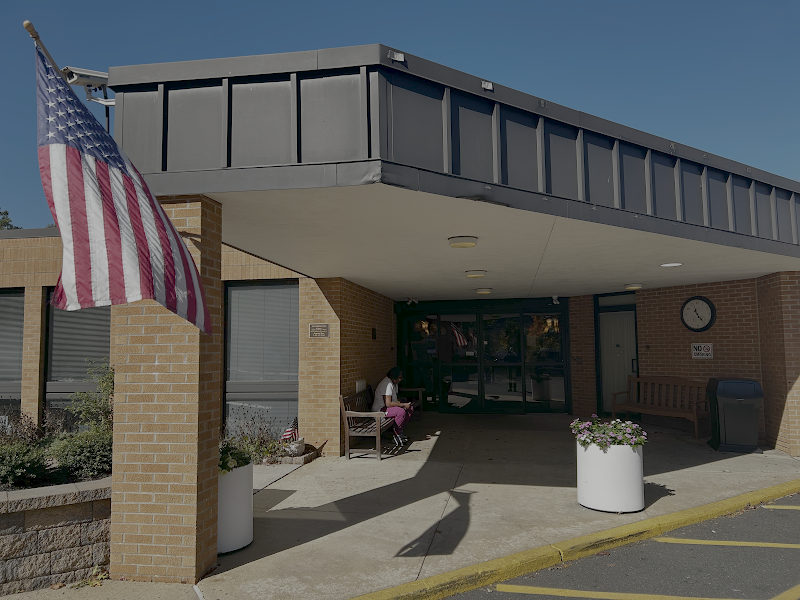
Who Owns and Operates Greenwood House Home For The Jewish Aged?

GREENWOOD HOUSE HOME FOR THE JEWISH AGED is owned by a non-profit organization. Non-profit facilities reinvest revenue into operations rather than distributing to shareholders. The facility operates independently rather than as part of a larger chain. With 137 certified beds and approximately 113 residents (about 82% occupancy), it is a mid-sized facility located in TRENTON, New Jersey.
How Does Greenwood House Home For The Jewish Aged Compare to Other New Jersey Nursing Homes?

Compared to the 100 nursing homes in New Jersey, GREENWOOD HOUSE HOME FOR THE JEWISH AGED's overall rating (2 stars) is below the state average of 3.2, staff turnover (92%) is significantly higher than the state average of 46%, and health inspection rating (1 stars) is much below the national benchmark.

What Should Families Ask When Visiting Greenwood House Home For The Jewish Aged?

Based on this facility's data, families visiting should ask: "What changes have been made since the serious inspection findings, and how are you preventing similar issues?" "What safeguards and monitoring systems are in place to protect residents from abuse or neglect?" "How do you ensure continuity of care given staff turnover, and what is your staff retention strategy?" "Can I visit during a mealtime to observe dining assistance and food quality?" These questions are particularly relevant given the facility's Immediate Jeopardy citations, the substantiated abuse finding on record, and the facility's high staff turnover rate.

Is Greenwood House Home For The Jewish Aged Safe?

Based on CMS inspection data, GREENWOOD HOUSE HOME FOR THE JEWISH AGED has documented safety concerns. The facility has 1 substantiated abuse finding (meaning confirmed case of resident harm by staff or other residents). Inspectors have issued 2 Immediate Jeopardy citations (the most serious violation level indicating risk of serious injury or death). The facility has a 2-star overall rating and ranks #100 of 100 nursing homes in New Jersey. Families considering this facility should ask detailed questions about what corrective actions have been taken since these incidents.

Do Nurses at Greenwood House Home For The Jewish Aged Stick Around?

Staff turnover at GREENWOOD HOUSE HOME FOR THE JEWISH AGED is high. At 92%, the facility is 45 percentage points above the New Jersey average of 46%. Registered Nurse turnover is particularly concerning at 100%. RNs handle complex medical decisions and coordinate care — frequent RN changes can directly impact care quality. High turnover means new staff may not know residents' individual needs, medications, or preferences. It can also be disorienting for residents, especially those with dementia who rely on familiar faces. Families should ask: What is causing the turnover? What retention programs are in place? How do you ensure care continuity during staff transitions?

Was Greenwood House Home For The Jewish Aged Ever Fined?

GREENWOOD HOUSE HOME FOR THE JEWISH AGED has been fined $323,570 across 1 penalty action. This is 8.9x the New Jersey average of $36,315. Fines at this level are uncommon and typically indicate a pattern of serious deficiencies, repeated violations, or failure to correct problems promptly. CMS reserves penalties of this magnitude for facilities that pose significant, documented risk to resident health or safety. Families should request specific documentation of what issues led to these fines and what systemic changes have been implemented.

Is Greenwood House Home For The Jewish Aged on Any Federal Watch List?

GREENWOOD HOUSE HOME FOR THE JEWISH AGED is not on any federal watch list. The most significant is the Special Focus Facility (SFF) program, which identifies the bottom 1% of nursing homes nationally based on persistent, serious quality problems. Not being on this list means the facility has avoided the pattern of deficiencies that triggers enhanced federal oversight. This is a positive indicator, though families should still review the facility's inspection history directly.