RIVERSIDE HEALTH AND REHABILITATION CENTER LLC
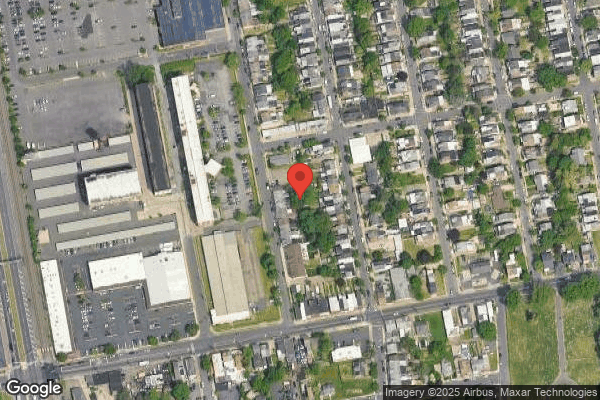
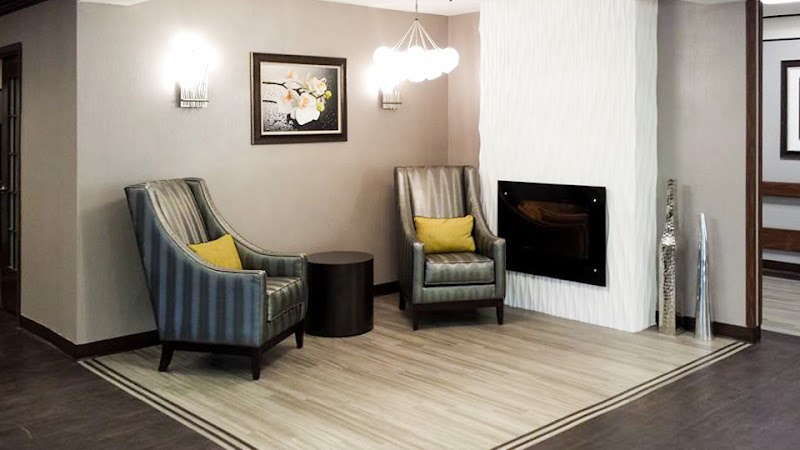
325 JERSEY STREET, TRENTON, NJ 08611 (609) 394-3400
For profit - Limited Liability company 141 Beds CHAMPION CARE Data: November 2025
Trust Grade
38/100
#335 of 344 in NJ
Last Inspection: November 2024

Within standard 12-15 month inspection cycle. Federal law requires annual inspections.

Overview

Riverside Health and Rehabilitation Center LLC has received a Trust Grade of F, indicating significant concerns about the quality of care provided. They rank #335 out of 344 facilities in New Jersey, placing them in the bottom half of nursing homes in the state and #15 out of 16 in Mercer County, meaning there are very few local options that are better. While the facility is showing improvement in some areas, having reduced reported issues from 13 in 2024 to 2 in 2025, it still has a lot of room for growth. Staffing is rated average with a turnover rate of 41%, which is on par with the state average, but the facility has concerning RN coverage, being lower than 88% of New Jersey facilities, which may hinder the quality of care. While the facility has incurred a moderate amount of fines totaling $13,000, specific incidents highlight critical areas of concern, such as the improper storage of potentially hazardous food, which can lead to foodborne illnesses, and a malfunctioning call bell system that may prevent residents from getting timely assistance. These issues suggest that while there are some strengths, such as a reduction in overall problems, families should carefully consider these weaknesses before making a decision.

Trust Score
F
38/100
In New Jersey
#335/344
Bottom 3%
Safety Record
Low Risk
No red flags
Inspections
Getting Better
13 → 2 violations
Staff Stability
○ Average
41% turnover. Near New Jersey's 48% average. Typical for the industry.
Penalties
✓ Good
$13,000 in fines. Lower than most New Jersey facilities. Relatively clean record.
Skilled Nurses
⚠ Watch
Each resident gets only 18 minutes of Registered Nurse (RN) attention daily — below average for New Jersey. Fewer RN minutes means fewer trained eyes watching for problems.
Violations
⚠ Watch
34 deficiencies on record. Higher than average. Multiple issues found across inspections.
★☆☆☆☆
1.0
Overall Rating
★★★☆☆
3.0
Staff Levels
★☆☆☆☆
1.0
Care Quality
★★☆☆☆
2.0
Inspection Score
Stable
2024: 13 issues
2025: 2 issues

The Good

  • Full Sprinkler Coverage · Fire safety systems throughout facility
  • No fines on record
  • Staff turnover below average (41%)

    7 points below New Jersey average of 48%

Facility shows strength in fire safety.

The Bad

1-Star Overall Rating

Below New Jersey average (3.2)

Significant quality concerns identified by CMS

Staff Turnover: 41%

Near New Jersey avg (46%)

Typical for the industry

Federal Fines: $13,000

Below median ($33,413)

Minor penalties assessed

Chain: CHAMPION CARE

Part of a multi-facility chain

Ask about local staffing decisions and management

The Ugly 34 deficiencies on record

Mar 2025 2 deficiencies
CONCERN (D) 📢 Someone Reported This

A family member, employee, or ombudsman was alarmed enough to file a formal complaint

Potential for Harm - no one hurt, but risky conditions existed

Abuse Prevention Policies (Tag F0607)

Could have caused harm · This affected 1 resident

COMPLAINT#: NJ0018543 Based on interview and review of pertinent documentation provided by the facility on 3/21/25 and 3/25/25, it was determined that the facility failed to implement the facility's A...

Read full inspector narrative →
COMPLAINT#: NJ0018543 Based on interview and review of pertinent documentation provided by the facility on 3/21/25 and 3/25/25, it was determined that the facility failed to implement the facility's Abuse, Neglect and Exploitation policy to ensure that existing staff received annual education for 1 of 2 employee files reviewed. This deficient practice was evidenced by the following: The surveyor reviewed the Social Worker Assistant's (SWA) employee file, which included a General Orientation Checklist for All Employees dated 12/15/09. The checklist indicated that the SWA had an in-service on Resident Neglect and Abuse as part of her orientation. The employee file did not contain any additional in-services regarding this topic. On 3/21/25 at 1:02 P.M., during an interview with the SWA, she stated that although she could not recall the exact date she received an in-service on Abuse and Neglect (A/N), she knew it had been over a year. On 3/21/25, at 3:18 P.M., during an interview with the Assistant Director of Nursing (ADON), she stated that all staff were to be in-service on A/N upon hire and annually thereafter. She stated that she was responsible for in-serving staff. Additionally, the ADON said that although she kept records of the in-services for the nursing department, the head of each of the other departments was responsible for making sure that their staff were up-to-date on their trainings. The surveyor requested that the ADON provide a copy of the SWA's most recent training on A/N, and she stated that she would check. During an interview on 3/21/25, at 3:45 P.M., the Administrator stated that he expected all staff to be trained on A/N upon hire and then annually. On 3/25/25, at 10:15 A.M., the Administrator provided the surveyor with a Resident Rights/Abuse & Neglect Post Test, for the SWA, dated 3/24/25. On 3/25/25 at 10:21 A.M., during an interview with the Social Worker (SW), she stated that the department was fully staffed and consisted of herself and the SWA. She further stated that in-services on A/N were to be done at least annually, but they do them all the time at the facility. The surveyor asked if she reviewed and/or provided any in-services to the SWA regarding A/N and she stated that she never had. She also said that she did not know when the SWA last had an A/N in-service prior to 3/24/25. On 3/25/25, at 11:36 A.M., during a follow-up interview with the ADON, she stated that she had provided an A/N in-service with the SWA on the previous day [3/24/25]. According to the ADON, she searched and could not find any training for the SWA beyond the one completed in 2009 that was in the employee file, so she immediately provided the in-service. She stated that it was her expectation that all staff were to be trained annually and that they should be kept on file. She added that the purpose of the in-services was to remind staff of their obligation to report and that the main purpose was to protect the patients. A review of the facility's undated Abuse, Neglect and Exploitation policy, included under the Employee Training section, . B. Existing staff will receive annual education through planned in-services and as needed . A review of the SW's signed job description, dated 11/14/23, under the Essential Functions section, revealed that the SW was to Assume the authority, responsibility, and accountability of directing the social service department and Review and check the competence of social services personnel . NJAC 8:39-9.3(a), 13.4(c)2
CONCERN (D) 📢 Someone Reported This

A family member, employee, or ombudsman was alarmed enough to file a formal complaint

Potential for Harm - no one hurt, but risky conditions existed

Investigate Abuse (Tag F0610)

Could have caused harm · This affected 1 resident

COMPLAINT#: NJ00184543 Based on interview, medical record review, and review of pertinent documentation provided by the facility on 3/21/25 and 3/25/25, it was determined that the facility failed to: ...

Read full inspector narrative →
COMPLAINT#: NJ00184543 Based on interview, medical record review, and review of pertinent documentation provided by the facility on 3/21/25 and 3/25/25, it was determined that the facility failed to: a.) immediately initiate an investigation of an allegation of verbal abuse, and b.) implement the facility's Abuse, Neglect and Exploitation policy. This deficient practice was identified for 1 of 1 resident (Resident #2) reviewed for abuse and was evidenced by the following: Resident #2 was not at the facility at the time of the survey. A closed record review was conducted. A review of the admission Record (AR) revealed that Resident #2 was admitted to the facility with diagnoses that included but were not limited to: paraplegia, acute pyelonephritis (a bacterial infection causing inflammation of the kidneys), anxiety, and depression. A review of the admission Minimum Data Set (MDS), an assessment tool used to facilitate the management of care, dated 1/23/25, indicated that Resident #2 had a Brief Interview for Mental Status (BIMS) score of 15 out of 15, indicating that the resident's cognition was intact. Further review of Resident #2's medical record revealed a progress note created by the Assistant Director of Nursing (ADON) on 1/11/25 at 4:36 P.M., which indicated that Resident #2, .started yelling that I had talked junk on [him/her] . On 3/21/25 at 3:45 P.M., during an interview with the Administrator, he stated that verbal abuse was a type of abuse and that it was a reportable event. He further stated that allegations of abuse and neglect were to be investigated immediately and, if a staff member was involved, they would have been suspended pending the outcome of the investigation. The Administrator stated that he was not informed that the ADON had been verbally abusive towards Resident #2. On 3/25/25 at 10:21 A.M., during an interview with the Social Worker (SW), she stated that she had been trained on Abuse and Neglect (A/N) and that if she suspected abuse she would immediately initiate an investigation and report it to the Administrator and the Director of Nursing (DON). The SW further stated that verbal abuse was a form of abuse. When asked if she had received any concerns regarding the ADON being verbally abusive towards Resident #2, she stated that sometime in January, more than one staff member reported to her that Resident #2 and the ADON had words, and, I think [the ADON] went back to apologize to the resident. The SW stated that she could not recall the exact date/time she was informed nor the names of the staff members. The SW further stated that she did not follow up with the resident or the ADON regarding what was told to her, nor did she report it to the Administrator. A review of the facility's Abuse, Neglect and Exploitation policy, implemented on 9/18/23, included under the Definitions section, 'Verbal Abuse' means the use of oral, written or gestured communication or sounds that willfully includes disparaging and derogatory terms to residents . The policy further revealed under the Investigation of Alleged Abuse, Neglect and Exploitation section, A. An immediate investigation is warranted when suspicion of abuse, neglect or exploitation, or reports of abuse, neglect or exploitation occur . A review of the SW's signed job description, dated 11/14/23, under the Essential Functions section revealed that the SW was to Assume the authority, responsibility, and accountability of directing the social service department . NJAC 8:39-27.1(a)
Nov 2024 13 deficiencies
CONCERN (D)

Potential for Harm - no one hurt, but risky conditions existed

Resident Rights (Tag F0550)

Could have caused harm · This affected 1 resident

**NOTE- TERMS IN BRACKETS HAVE BEEN EDITED TO PROTECT CONFIDENTIALITY** Based on observation, interview, and review of other facility documentation it was determined that the facility failed to mainta...

Read full inspector narrative →
**NOTE- TERMS IN BRACKETS HAVE BEEN EDITED TO PROTECT CONFIDENTIALITY** Based on observation, interview, and review of other facility documentation it was determined that the facility failed to maintain an environment that protected and valued a residents' private space along with their personal property. This deficient practice was identified for 1 of 28 residents reviewed for Resident Rights (Resident #77). During initial tour of the Fourth Floor on 11/18/2024 at 10:55 AM, the surveyor observed a housekeeper wiping the inside of Resident #77's bedside drawer that was located across from the resident's bed. The surveyor immediately requested the assistance of the Registered Nurse Unit Manager (RN/UM#1) and upon the return to the resident's room, the surveyor and RN/UM#1 heard Resident #77 yell to the housekeeper to get out of the drawer and that they didn't give permission to go in there. The surveyor inquired if housekeeping has permission to go inside of resident's personal drawers. RN/UM #1 responded that they can open resident's drawers if the room was set to be carbolized (terminal cleaned). The surveyor inquired if room [ROOM NUMBER] was scheduled to be carbolized, to which RN/UM#1 denied and confirmed that housekeeping should not go into resident drawers without permission. The surveyor attempted to interview the housekeeper, but was unable due to language barrier. On the above date and time, the surveyor requested to speak with the Housekeeping Director (HD). The HD confirmed that room [ROOM NUMBER] was not scheduled to be terminally cleaned and that it was common knowledge that Resident #77 did not like for her room to be cleaned or touched. HD also confirmed that housekeeping should not open and enter resident's personal drawers. The surveyor reviewed the medical record for Resident #77. A review of the admission Record face sheet (an admission summary) reflected that Resident #77 was admitted to the facility with diagnosis that included, but not limited to paranoid schizophrenia, anxiety disorder, and bipolar disorder. A review of the most recent quarterly Minimum Data Set (MDS), an assessment tool dated 8/31/24, reflected a brief interview for mental status (BIMS) score of 15 out of 15, which indicated the resident is cognitively intact. On 11/21/2024 at 12:00 PM, the surveyor interviewed the Director of Nursing (DON) who advised that housekeeping should not be in resident drawers without permission. The DON further acknowledged that she is familiar with the Resident #77 and can tell you [they] would not have wanted [their] drawer cleaned. On 11/22/24 at 11:45 AM, the Licensed Nursing Home Administrator (LNHA), in the presence of the (Director of Nursing) DON and the survey team, acknowledged that residents have an expectation of privacy when it comes to personal property. A review of the facility's Environmental Services Operational Manual document, revised 6/2016, included under Daily Patient Room Cleaning section Additional Information included: Remember, the housekeeper may be the major part of the Resident's social contact; be kind and courteous . A review of the facility's undated Resident Rights policy identified that Employees shall treat all residents with kindess, respect, and dignity and included: Our facility will make every effort to assist each resident in exercising his/her rights to assure that the resident is always treated with respect, kindness, and dignity . NJAC 8:39-4.1(a)12
CONCERN (D)

Potential for Harm - no one hurt, but risky conditions existed

Deficiency F0558 (Tag F0558)

Could have caused harm · This affected 1 resident

Based on observation, interview, and review of other facility documentation, it was determined that the facility failed to maintain the call bell within reach for 1 of 28 sampled residents, (Resident ...

Read full inspector narrative →
Based on observation, interview, and review of other facility documentation, it was determined that the facility failed to maintain the call bell within reach for 1 of 28 sampled residents, (Resident #90). This deficient practice was evidenced by the following: On 11/18/2024 at 10:49 AM, upon initial tour of the Fourth Floor, the surveyor observed Resident #90's call bell on the floor under the bed. When asked about their call bell, Resident #90 was unsure where it was and if they had one. On 11/19/2024 at 11:17 AM, the surveyor observed the call bell on the floor underneath the resident's bed. On 11/20/2024 at 12:26 PM, the surveyor observed the call bell on the floor underneath the resident's bed. The surveyor reviewed the medical record for Resident #90. A review of the admission Record, an admission summary, revealed the resident had diagnoses which included, but were not limited to: delusional disorder, psychotic disorder with delusions due to known physiological disorder and Diabetes Mellitus. A review of the resident's comprehensive Minimum Data Set (MDS), an assessment tool used to facilitate the management of care, dated 9/28/2024, included the resident had a Brief Interview for Mental Status (BIMS) score of 13 out of 15, which indicated the resident's cognition was intact. A review of the resident's individual comprehensive care plan (ICCP) included a focus area, that the Resident is at risk for falls/injury related to: impaired balance, impaired mobility with interventions that included: place call light within reach at all times and remind resident to use call light when attempting to ambulate or transfer. On 11/20/2024 at 12:48 PM, the surveyor interviewed the Certified Nursing Assistant (CNA#1) who confirmed that call lights are to be within resident's reach at all times. On 11/20/2024 at 1:04 PM, the surveyor interviewed the Registered Nurse (RN#1) who stated that call bells are to be on the bed at all times. On 11/20/2024 at 1:21 PM, the surveyor requested Registered Nurse Unit Manager (RN/UM#1) to accompany them to Resident #90's room. The surveyor inquired about the location of the call bell where RN/UM#1 located it on the floor under Resident #90's bed. RN/UM#1 confirmed that the call bell should be located within Resident #90's reach and it should not be on the floor under the bed. On 11/21/2024 at 12:00 PM, the surveyor interviewed the Director of Nursing (DON) who confirmed that call bells should be within reach of the resident and that the call bells have clips that secure them to the bed. On 11/22/24 at 11:45 AM, the Licensed Nursing Home Administrator (LNHA), in the presence of the (Director of Nursing) DON and the survey team, acknowledged that call bells should be within reach of the resident. A review of the facility's Call Lights, Accessibility and Timely Response policy, revised 8/28/24, included 5. Staff will ensure he call light is within reach of the resident and secured, as needed [ .]. NJAC 8:39-31.8 (c) (9)
CONCERN (D)

Potential for Harm - no one hurt, but risky conditions existed

Investigate Abuse (Tag F0610)

Could have caused harm · This affected 1 resident

Based on interview, record review and document review it was determined that the facility failed to maintain documentation and ensure that a complete and thorough investigation was conducted for resid...

Read full inspector narrative →
Based on interview, record review and document review it was determined that the facility failed to maintain documentation and ensure that a complete and thorough investigation was conducted for residents that had a witnessed fall. This deficient practice was identified for 1 of 4 Residents (Resident #8) reviewed for accidents and was evidenced by the following: On 11/19/2024 at 12:PM, the surveyor requested all accidents and/or investigations during the timeframe of 10/14/2024 to 11/17/20204. The facility provided information related to Resident #8 sustaining a fall without injury on 11/9/2024. Upon review of the fall investigation titled, Witnessed Fall with Head Injury dated 11/9/2024 at 2:19 PM revealed under Incident Description: Heard a noise from the hall and got up to check and saw resident sitting on the floor. There was an aide sitting in the hallway and witness resident falling. Per aide resident's shoe came off while walking and she saw resident going on the floor and the back of [their] head hit the wall. The surveyor reviewed the medical record for Resident #8. A review of the admission Record face sheet (an admission summary) reflected that Resident #8 was admitted to the facility with diagnosis that included, but not limited to cerebral infarction (stroke), hemiplegia (complete paralysis of one entire side of the body.) and hemiparesis (weakness of one entire side of the body) and dementia. A review of the most recent quarterly Minimum Data Set (MDS), an assessment tool dated 8/31/24, reflected a brief interview for mental status (BIMS) score of 3 out of 15, which indicated the resident's cognition was severely impaired. A review of the electronic medical record progress notes did not include a nurse's note for the witnessed fall. On 11/19/2024 at 3:34 PM, the surveyor interviewed Licensed Practical Nurse Supervisor (LPN/S#1), who advised that they were familiar with Resident #8's fall on 11/9/2024. LPN/S#1 recounted that she was called to the floor by the nurse assigned to Resident #8 and that the fall was witnessed by the certified nursing assistant. LPN/S#1 confirmed that vital signs were obtained, and the resident was evaluated for injuries. The LPN/S#1 acknowledged that the assigned nurse was responsible for entering the assessment into the progress notes. On 11/21/2024 at 11:22 AM, the surveyor interviewed Licensed Practical Nurse Unit Manager (LPN/UM#1) who advised that they were familiar with Resident #8's fall on 11/9/2024. LPN/UM#1 explained that following a fall, everyone that was a witness is expected to write a statement including the assigned nurse and certified nursing assistant. LPN/UM#1 advised that the nurse assigned to the fallen resident will start the investigation and gather all the statements. The supervisor was expected to then review everything for completeness and submit to the Director of Nursing (DON). The surveyor requested that LPN/UM#1 review the fall investigation that was provided by the DON on 11/19/2024. The LPN/UM#1 confirmed that Resident #8's assigned nurse did not provide a statement detailing the fall. On 11/21/2024 at 12:00 PM, the surveyor interviewed the Director of Nursing (DON) who confirmed that a thorough fall investigation was not completed since all witness statements were not obtained and the lack of documentation in the progress notes. On 11/22/24 at 11:45 AM, the Licensed Nursing Home Administrator (LNHA), in the presence of the (Director of Nursing) DON and the survey team, acknowledged that a thorough fall investigation was not completed. A review of the facility's Accidents and Supervision policy, implemented 12/29/2022, did not provide guidance or specifics on how to conduct a thorough investigation. NJAC 8:39-9.4(f)
CONCERN (D)

Potential for Harm - no one hurt, but risky conditions existed

Assessment Accuracy (Tag F0641)

Could have caused harm · This affected 1 resident

**NOTE- TERMS IN BRACKETS HAVE BEEN EDITED TO PROTECT CONFIDENTIALITY** 2. On 11/18/24 at 10:37 AM, the surveyor observed Resident #41 wearing oxygen via nasal cannula while walking in the hallway. On...

Read full inspector narrative →
**NOTE- TERMS IN BRACKETS HAVE BEEN EDITED TO PROTECT CONFIDENTIALITY** 2. On 11/18/24 at 10:37 AM, the surveyor observed Resident #41 wearing oxygen via nasal cannula while walking in the hallway. On 11/19/24 at 11:11 AM, the surveyor observed Resident #41 laying in their bed. Resident #41 stated that they relied on oxygen for breathing due to history of Chronic Obstructive Pulmonary Disorder (also known as COPD a chronic lung disease). The surveyor reviewed the medical record for Resident #41. A review of the admission Record face sheet (an admission summary) reflected that Resident #41 was admitted to the facility with diagnosis that included, but not limited to respiratory failure, COPD, and Myocardial Infection (heart attack). A review of the most recent quarterly Minimum Data Set (MDS), an assessment tool dated 10/6/24, reflected a brief interview for mental status (BIMS) score of 13 out of 15, which indicated the resident is cognitively intact. Section O of the MDS for Oxyen was coded as No, which identified that the resident did not use oxygen. A review of the Order Summary Report (OSR), dated as of 11/24/2024, included the following physician orders (PO): A PO, dated 3/4/2020 for [Oxygen] at 2 [liters per minute] continuous every shift for [shortness of breath] . A review of the resident's individual comprehensive care plan (ICCP) included a focus area, that the [Resident is] on oxygen therapy [related to] smoking, lifestyle choices with interventions that included: [ .oxygen] via nasal prongs/mask [at] 2 [liters per minute] continuously . On 11/22/24 at 10:44 AM, the survey team interviewed the MDS Coordinator who confirmed that Resident #41 had a PO for continuous oxygen since 3/4/2020 and acknowledged that the October MDS Quarterly Assessment was coded No for oxygen use. On 11/22/24 at 11:45 AM, the Licensed Nursing Home Administrator (LNHA), in the presence of the (Director of Nursing) DON and the survey team, acknowledged that Resident #41 wears oxygen that it should have been identified as yes in Section O on the MDS. A review of the facility's Conducting an Accurate Resident Assessment policy, dated 10/22/2023, stated, to assure that all residents receive an accurate assessment refeclective of the resident's status at the time of the assessment, by staff qualified to assesss relevant care areas. NJAC 8:39-11.1 Complaint # 172764 Based on observation, interview, and record review it was determined that the facility failed to accurately assess the status of a resident in the Minimum Data Set (MDS), an assessment tool used to facilitate care. This deficient practice was identified for 2 of 31 residents (Residents #98 and #41) reviewed and was evidenced by the following: 1.On 11/21/2024 at11:49 AM, the surveyor observed Resident #98 with a Wander guard to his/her left ankle. According to the admission Record, Resident #98 was admitted to the facility with diagnoses including but not limited to dementia and cerebral vascular accident (stroke). Resident #98 had a Physician Order (PO) dated 04/10/24 to apply a Wander guard to the left ankle. A review of the April 2024, June 2024, and September 2024 Medication Administration Record reflected that the Wander guard was signed out as completed. A review of the Quarterly MDS dated [DATE] for Resident # 98 reflected under Section P0200 that the resident was coded as 0 indicating there was no wander/elopement alarm. A review of the Annual MDS dated [DATE] for Resident #98 reflected under Section P0200 that the resident was coded as 0 indicating there was no wander/elopement alarm. . During an interview on 11/22/2024 at 10:45 AM, the MDS Coordinator stated that alarms are coded on the MDS. She confirmed that Resident has a PO for a wander guard dated 04/10/24. The MDS Coordinator further confirmed that the Quarterly MDS dated [DATE] and the Annual MDS dated [DATE] were coded incorrectly. During an interview with the Director of Nursing on 11/22/2024 at 11:54 AM, she acknowledged that Resident #98's wanderguard should have been coded on the MDS's. NJAC 8:39-11.1
CONCERN (D)

Potential for Harm - no one hurt, but risky conditions existed

Comprehensive Care Plan (Tag F0656)

Could have caused harm · This affected 1 resident

**NOTE- TERMS IN BRACKETS HAVE BEEN EDITED TO PROTECT CONFIDENTIALITY** A review of Resident #21's admissions record revealed that, Resident #21 was admitted with but not limited to Benign Prostatic H...

Read full inspector narrative →
**NOTE- TERMS IN BRACKETS HAVE BEEN EDITED TO PROTECT CONFIDENTIALITY** A review of Resident #21's admissions record revealed that, Resident #21 was admitted with but not limited to Benign Prostatic Hyperplasia (enlarged prostate), and Unspecified Protein-Calorie Malnutrition (a nutritional status in which poor intake of nutrients lead to changes in body composition and function). A review of the Resident #21's admission Minimum Data Set (MDS) dated [DATE] revealed under section K that the resident had a weight loss greater then 5% or more in a month or loss of 10% or more in six months. A review of the current Care Plan (CP) for Resident #21 did not include documentation of a CP focus area or interventions for a significant weight loss. During an interview on 11/21/2024 at 11:45 AM with the surveyor the Registered Dietitian (RD) said if a resident has a significant weight change there would be a focus added to their care plan. The dietitian who is writing the note on the change would also be responsible for updating the care plan. When asked to look at Resident #21's CP the RD stated, it doesn't look like there is one When asked if there should be a CP focus for weight loss for Resident # 21 the RD replied, Yes. During an interview on 11/22/2024 at 11:45 AM with the surveyor the Director of Nursing stated, Yes, the RD should be adding that focus to the CP, when asked if there should be a focus for significant weight loss on a resident's care plan. A review of a facility provided policy titled Comprehensive Care Plans implemented on 06/12/2024 revealed under section Policy that, It is the policy of this facility to develop and implement a comprehensive person-centered care plan for each resident, consistent with resident rights, that includes measurable objectives and timeframes to meet a resident's medical, nursing and mental psychosocial needs that are identified in the resident's comprehensive assessment. The policy also revealed under Policy Explanation and compliance Guidelines: That, 3. The comprehensive care plan will describe, at a minimum the following: a. The service that are to be furnished to attain or maintain the resident's highest practicable physical, mental, and psychosocial well-being. NJAC 8:39-11.2 Based on interview, record review, and pertinent facility documentation, it was determined that the facility failed to develop a comprehensive person-centered care plan that includes measurable objectives to meet the resident's medical, nursing, mental, and psychosocial needs specifically by failing to include what the Care Plan focuses are related to. The deficient practice was identified for 2 of 3 residents (Resident # 124 & 21) reviewed for Development/Implementation of Care Plans. A review of Resident # 124's admission Record located in the Electronic Medical Record (EMR) revealed that he/she had a diagnoses including but not limited to Major Depression Disorder and Anxiety. A review of Resident # 124's Order Summary Report located in the EMR revealed that he/she had physician's orders including but not limited to bupropion (medication used to treat major depressive disorder), seroquel (medication used to treat bipolar disorder), and trazodone (medication used for depression). A review of Resident # 124's Care Plans located in the EMR revealed an incomplete care plan focus for, The resident is at risk for mood impairment r/t [relate to]. The focus did not specify what the risk for mood impairment was related to. Further, the Care Plans revealed a focus for, The resident uses psychotropic medications (SPECIFY medications) r/t [related to]. The focus did not specify what medications it was related to. Another Care Plan focus revealed, The resident uses anti-anxiety medications (SPECIFY medications) r/t [related to] High anxiety related to [his/her] current living situation. The focus did not specify any medications. Lastly, the Care Plans revealed a focus for, The resident uses antidepressant medication (SPECIFY medications) r/t [related to]. The focus did not specify any medications and what it was related to. On 11/20/2024 during an interview with the surveyor, Resident # 124 stated he/she could not recall if the facility ever discussed his/her care plan with him/her. On 11/22/2024 at 11:45 AM during an interview with the surveyor, the Director of Nursing (DON) replied, Detail oriented about behaviors, non-pharmaceutical interventions, activities, and food preferences. after the surveyor asked how should comprehensive care plans be individualized. The DON replied, No when asked by the surveyor if she would consider a care plan complete if a focus for psychotropic medications did not specify the medications. A review of the facility policy titled, Comprehensive Care Plans with an implemented date of 06/10/2024 revealed, 1. The care planning process will include an assessment of the resident's strengths and needs, and will incorporate the resident's personal and cultural preferences in developing goals of care. Services provided or arranged by the facility, as outlined by the comprehensive care plan, shall be culturally-competent and trauma-informed. § 8:39-11.2
CONCERN (D)

Potential for Harm - no one hurt, but risky conditions existed

Deficiency F0658 (Tag F0658)

Could have caused harm · This affected 1 resident

Based on interview, record review and document review it was determined that the facility failed to maintain thorough documentation following a witnessed fall according to professional standards of cl...

Read full inspector narrative →
Based on interview, record review and document review it was determined that the facility failed to maintain thorough documentation following a witnessed fall according to professional standards of clinical practice. This deficient practice was identified for 1 of 4 Residents (Resident #8) reviewed for accidents and was evidenced by the following: Reference: New Jersey Statutes, Annotated Title 45, Chapter 11. Nursing Board. The Nurse Practice Act for the state of New Jersey states: The practice of nursing as a registered professional nurse is defined as diagnosing and treating human responses to actual or potential physical and emotional health problems, through such services as case finding, health teaching, health counseling and provision of care supportive to or restorative of life and wellbeing, and executing medical regimes as prescribed by a licensed or otherwise legally authorized physician or dentist. Reference: New Jersey Statutes, Annotated Title 45, Chapter 11 Nursing Board, The Nurse Practice Act for the State of New Jersey state: The practice of nursing as a licensed practical nurse is defined as performing tasks and responsibilities within the framework of case finding; reinforcing the patient and family teaching program through health teaching, health counseling and provision of supportive and restorative care, under the direction of a registered nurse or licensed or otherwise legally authorized physician or dentist. On 11/19/2024 at 12:16 PM, the surveyor requested all accidents and/or investigations during the timeframe of 10/14/2024 to 11/17/20204. The facility provided information related to Resident #8 sustaining a fall without injury on 11/9/2024. Upon review of the fall investigation titled, Witnessed Fall with Head Injury dated 11/9/2024 at 2:19 PM revealed under Incident Description: Heard a noise from the hall and got up to check and saw resident sitting on the floor. There was an aide sitting in the hallway and witness resident falling. Per aide resident's shoe came off while walking and she saw resident going on the floor and the back of [their] head hit the wall. The surveyor reviewed the medical record for Resident #8. A review of the admission Record face sheet (an admission summary) reflected that Resident #8 was admitted to the facility with diagnosis that included, but not limited to cerebral infarction (stroke), hemiplegia (complete paralysis of one entire side of the body.) and hemiparesis (weakness of one entire side of the body) and dementia. A review of the most recent quarterly Minimum Data Set (MDS), an assessment tool dated 8/31/24, reflected a brief interview for mental status (BIMS) score of 3 out of 15, which indicated the resident's cognition was severely impaired. A review of the electronic medical record progress notes did not include a nurse's note for the witnessed fall. On 11/19/2024 at 3:34 PM, the surveyor interviewed Licensed Practical Nurse Supervisor (LPN/S#1), who advised that they were familiar with the Resident #8's fall on 11/9/2024. LPN/S#1 recounted that she was called to the floor by the nurse assigned to Resident #8 and that the fall was witnessed by the certified nursing assistant. LPN/S#1 confirmed that vital signs were obtained, and the resident was evaluated for injuries. The LPN/S#1 acknowledged that the assigned nurse was responsible for entering the assessment into the progress notes. On 11/20/2024 at 1:04 PM, the surveyor interviewed Registered Nurse (RN#1) who advised that it was the facilities' expectation that every patient encounter has a resident note. When asked what encounter would require a nursing note RN#1 reported, change in condition such a fall. RN#1 explained that the nursing note should include: vital signs (blood pressure, respiratory rate, pulse, pain, blood sugar level), the time of the fall, where it happened, what happened, range of motion, what condition the resident was in, if the resident was taking blood thinners, the name/time the physician was contacted, and name/time family was contacted. RN #1 confirmed that all parties who witnessed the fall were to provide statements. On 11/21/2024 at 11:22 AM, the surveyor interviewed Licensed Nurse Unit Manager (LPN/UM#1) who advised that they were familiar with Resident #8's fall on 11/9/2024. LPN/UM#1 confirmed that following a resident fall, the cart nurse should enter a progress note that included documentation of any injury, range of motion, vital signs (especially after the fall), approximation of time when fall occurred, time physician was contacted, location of the fall. The surveyor requested that LPN/UM#1 review the progress notes for the witnessed fall that occurred on 11/9/2024. The LPN/UM#1 confirmed that there was no documentation of the fall. On 11/21/2024 at 12:00 PM, the surveyor interviewed the Director of Nursing (DON) who confirmed that there was no progress note or electronic medical documentation from the Resident #8's assigned nurse that detailed the fall that occurred on 11/9/2024. On 11/22/24 at 11:45 AM, the Licensed Nursing Home Administrator (LNHA), in the presence of the (Director of Nursing) DON and the survey team, acknowledged there should have been progress note or documentation that fully detailed Resident #8's fall. A review of the facility's Falls-Clinical Protocol document, revised 10/2010, included under Assessment and Recognition section included: .the nurse shall assess and document/report the following: a. vital signs; b. recent injury, especially fracture or head injury; c. musculoskeletal function, observing for change in normal range of motion, weight bearing, etc; d. change in cognition or level of consciousness; e. neurological status; f. pain; g. frequency and number of falls since last physician visit; h. precipitating factors, details on how fall occurred; i. all current medications, especially those associated with dizziness or lethargy; j. all active diagnosis . A review of the facility's Assessing Falls and their Causes document, revised 10/2010, included under Steps in the Procedure section included: f. Documentation will include any observed signs or symptoms of pain, swelling, bruising, deformity, and/or decreased mobility; and any changes in level of responsiveness/consciousness and over all function. It will note the presence or absence of significant findings. NJAC 8:39-9.4(f)
CONCERN (D)

Potential for Harm - no one hurt, but risky conditions existed

Incontinence Care (Tag F0690)

Could have caused harm · This affected 1 resident

**NOTE- TERMS IN BRACKETS HAVE BEEN EDITED TO PROTECT CONFIDENTIALITY** B. During the initial tour of the unit on 11/18/2024 at 09:45 AM, Resident #21 was in bed with a urinary catheter drainage bag i...

Read full inspector narrative →
**NOTE- TERMS IN BRACKETS HAVE BEEN EDITED TO PROTECT CONFIDENTIALITY** B. During the initial tour of the unit on 11/18/2024 at 09:45 AM, Resident #21 was in bed with a urinary catheter drainage bag in laying on top of the bed with no privacy bag, and visible from the hallway. It was not secured to the bed frame. On 11/19/2024 at 11:13 AM Resident #21 was observed in the activities room. Resident #21's urinary catheter drainage bag was observed hooked on to the right arm of the resident's wheelchair located above the resident's bladder. A review of Resident # 21's admissions record revealed that, Resident # 21 was admitted with diagnoses but not limited to Benign Prostatic Hyperplasia with Lower Urinary Tract Symptoms (enlarged prostate), and Sepsis due to Escherichia Coli (a bacterial infection). A review of the Resident #21 admission Minimum Data Set (MDS) dated [DATE] revealed under section H that the resident had an indwelling catheter. A review of Resident # 21's Treatment Administration Record (TAR) revealed 3 blanks for the order to Monitor Foley Catheter output every shift. 11/03/2024 night shift 11/08/2024 night shift 11/17/2024 evening shift During an interview on 11/21/2024 at 10:10 AM with the surveyor, the 3rd floor Unit Manager (UM) said that catheters should be below the level of the bladder so that they don't reflux back into the bladder and cause an infection. The UM also said there should always be a privacy bag on the urinary drainage bag. Lastly the UM stated, If it wasn't signed out it wasn't done referring to blanks on the TAR. During an interview on 11/21/2024 at 11:14 AM with the surveyor, the Infection Preventionist said the foley bags should be hung lower than the bladder and in privacy bags, to properly drain and not cause an infection. A review of a facility policy title Catheter Care implemented on 04/12/2023 revealed under Policy Explanation that, 2. Privacy bags will be available and catheter drainage bags will be covered at all times while in use, and 9. Ensure drainage bag is located below the level of the bladder to discourage back flow of urine. A review of a facility policy titled Wound Treatment Management implemented on 02/12/2023 revealed that 7. Treatments will be documented on the Treatment Administration Record or in the electronic health record. N.J.A.C. 8:39-27.1 (a) Based on observation, interview, record review, and review of pertinent facility documents it was determined that the facility failed to ensure that residents with indwelling urinary catheters received appropriate treatment and services to prevent urinary tract infections to the extent possible specifically by leaving the urinary catheter drainage bag in contact with the floor, unsecured to a bed, resting on top of a mattress while a resident was lying in bed, and failing to document whether the urinary catheter output was collected as ordered by the physician. The deficient practice was identified for 2 of 2 residents (Resident # 120 & 21). The deficient practice was evidenced by the following: A.) A review of Resident # 120's Electronic Medical Record (EMR) revealed a physician's order to maintain a 16 french/10 cubic centimeter catheter to OSD bag secondary to urinary retention related to neurogenic bladder. The EMR further revealed a physician's order to document catheter output every shift, every 8 hours for [catheter] care. A review of Resident # 120's Care Plan located in the EMR revealed a focus that the resident has a [catheter] related to neurogenic bladder. The focus revealed an intervention to, monitor/record/report to MD [Medical Doctor] for s/sx [signs and symptoms] UTI [Urinary Tract Infection] pain, burning, blood tinged urine, cloudiness, no output . A review of Resident # 120's Treatment Administration Record located in the EMR revealed blank administration sections for the following dates and times: 11/10/2024 at 06:00 (6:00 AM) 11/11/2024 at 14:00 (2:00 PM) 11/14/2024 at 14:00 (2:00 PM) On 11/20/2024 at 9:59 AM, the surveyor observed Resident # 120 in bed. At that time, the surveyor observed the catheter drainage bag not secured to the bed and resting on the floor. There was also a disposable glove on the floor near the door. On the same date at 10:18 AM while in the resident's room during an interview with the surveyor, Licensed Practical Nurse # 1 said the bag should not be on the floor. At that time, LPN # 1 secured the bag to the bed frame. ON 11/22/2024 at 11:45 AM during an interview with the surveyor, the Director of Nursing (DON) replied, The little clip on the bed frame. when the surveyor asked how should a catheter drainage bag be secured when a resident is in bed. Secondly, the DON replied Absolutely not . after the surveyor asked if the catheter drainage bag should be in contact with the floor and unsecured to the bed. Lastly, the DON replied, For infection control reasons. when the surveyor asked, Why? During the same interview, the DON replied, Absolutely not. after the surveyor asked if there is an order to document catheter output every shift, should there be blanks on the administration record. The surveyor then asked if there is no documentation, would you consider it administered. The DON replied, No. § 8:39-27.1 (a)
CONCERN (D)

Potential for Harm - no one hurt, but risky conditions existed

Respiratory Care (Tag F0695)

Could have caused harm · This affected 1 resident

On 11/18/2024 at 10:00 AM during initial tour the surveyor observed in Resident #19's room, a nebulizer mask (mask used to deliver aerosolized medication to assist with breathing) on the nightstand no...

Read full inspector narrative →
On 11/18/2024 at 10:00 AM during initial tour the surveyor observed in Resident #19's room, a nebulizer mask (mask used to deliver aerosolized medication to assist with breathing) on the nightstand not secured in a bag and exposed to air. The surveyor also observed a nasal cannula (tubing used to deliver oxygen through the nasal passage) hanging from the oxygen concentrator not secured in a bag and exposed to air. On 11/18/2024 at 11:00 AM while in Resident # 19's room, the surveyor observed a nasal cannula connected to the oxygen concentrator laying on the floor not secured in a bag. On 11/20/2024 Resident #19 was observed sitting in front of their room. The nasal cannula was hanging from the back if the resident's chair not secured in a bag and open to air. A review of Resident # 19's admission Record revealed the resident was admitted to the facility with the diagnoses which included but were not limited, Acute Respiratory Failure (a condition where there's not enough oxygen or to much carbon dioxide in the body), and Chronic Obstructive Pulmonary Disease (a progressive lung disease that makes it difficult to breath). A review of Resident # 19's Order Summary located in the Electronic Medical Record (EMR) revealed orders for, Albuterol Sulfate Inhalation Nebulization Solution 1.25 MG/3ML (Albuterol Sulfate) 3 milliliter inhale orally via nebulizer two times a day for COPD, and O2 at 2L continuous via NC every shift related to COPD. During an interview on 11/21/2024 at 10:10 AM with the surveyor, the 3rd floor Unit Manger (UM) said that when nasal cannulas and nebulizers are not in use they should be placed in bags. When asked if tubing or masks should be left open to air or on the floor, the UM replied, No. During an interview on 11/21/2024 at 11:14 AM with the surveyor, the Infection Preventionist stated, In bags closed and dated when they were last changed, when asked where nasal cannulas and nebulizer masks should be kept when not in use. During an interview on 11/22/2024 at 11:45 AM with the surveyor, the Director of Nursing stated, Absolutely not, when asked if nasal cannulas and nebulizer masks should be left open to are or laying on the floor. A review of the facility policy titled, Administering Medications through a Small Volume Nebulizer with a revised date of October 2010 under section, Steps in the Procedure revealed, 29. When equipment is completely dry, store in a plastic bag with the resident's name date on it. § 8:39-27.1 (a) Based on observation, interview, record review, and review of pertinent facility documents, it was determined that the facility failed to properly store respiratory equipment, specifically a nebulizer, in accordance with professional standards of practice by leaving it unsecured, open to air. The deficient practiced was identified for 2 of 3 residents (Resident # 72 & 19) investigated under Respiratory Care. The deficient practice was evidenced by the following: A review of Resident # 72's Order Summary located in the Electronic Medical Record (EMR) revealed an order for, Oxygen Tubing Change: Please change oxygen tubing and Nebulizer mask weekly for infection prevention and patency. Label and date. On 11/19/2024 at 11:18 AM while in Resident # 72's room, the surveyor observed a nebulizer mask (mask used to deliver aerosolized medication to assist with breathing) in an opened drawer not secured in a bag and exposed to air. On 11/20/2024 at 10:03 AM while in Resident # 72's room, the surveyor observed the nebulizer tubing extending into a close drawer. No date was observed on the mask or tubing at that time. On the same date at 10:07 AM during an interview with the surveyor while in Resident # 72's room, the Registered Nurse/Unit Manager stated, [Resident # 72] does what [he/she] wants. Normally, it should be in a bag. On the same date at 12:46 PM during an interview with the surveyor, the Unit Manager Registered Nurse said the bag for the nebulizer was in the back of the drawer. On 11/22/2024 at 11:45 AM during an interview with the surveyor, the Infection Preventionist replied, Everything should be in a bag. everything should be stored that way. when the surveyor asked how should a nebulizer be stored when not in use. A review of the facility policy titled, Administering Medications through a Small Volume Nebulizer with a revised date of October, 2010 under section, Steps in the Procedure revealed, 29.When equipment is completely dry, store in a plastic bag with the resident's name date on it. § 8:39-27.1 (a)
CONCERN (D)

Potential for Harm - no one hurt, but risky conditions existed

Drug Regimen Review (Tag F0756)

Could have caused harm · This affected 1 resident

Based on interview, record review, and review of pertinent facility documents, it was determined that the facility failed to address the recommendations made by the Consultant Pharmacist (CP) in a tim...

Read full inspector narrative →
Based on interview, record review, and review of pertinent facility documents, it was determined that the facility failed to address the recommendations made by the Consultant Pharmacist (CP) in a timely manner. This deficient practice was identified for 1 of 5 residents (Resident # 81). reviewed for medication management. The deficient practice was evidenced by the following: A review of the admission Record for Resident # 81 revealed the resident was admitted to the facility with diagnoses which included but were not limited to Alzheimer's Disease (a brain disorder that slowly destroys memory and thinking skills, and eventually the ability to carry out daily tasks), and Protein-Calorie Malnutrition (a nutritional status in which poor intake of nutrients lead to changes in body composition and function). The facility-provided CP Recommendation dated 05/22/2024, indicated to clarify the Resident # 81's liquid Colace (medication used to soften stool) order to include concentration milligram/milliliter (mg/ml), dose (mg), and volume (10ml). The order needing clarifaction was written, Docusate Sodium Liquid ( Colace) 50 MG/5ML, give 10 ml by mouth one time a day for Constipation The same recommendation was also noted on the CP Recommendation dated 06/24/2024. This recommendation was not completed or acted upon by the facility until 07/06/2024, when the orignal order was discontinued and a new order was written stating Docusate Sodium Liquid (Colace) 50 MG/5ML, give 10 ml by mouth one time a day for Constipation 10ml = 100mg During an interview on 11/21/2024 at 10:22 AM with the surveyor, the Assistant Director of Nursing (ADON) said that she was responsible for completing the CP recommendations. The ADON said when the recommendations come in, she immediately sends them to the doctor to review, and they are completed with in a day or two. The ADON said the recommendation should have been done in May but did not remember why they weren't completed. During an interview on 11/22/2024 at 11:45 AM with the surveyor, the Director Of Nursing (DON) said they [the facility] try to complete the recommendations as soon as possible, and that they try to get them done within the week. The DON acknowledged that the CP recommendation for Resident # 81 should have been completed sooner. A review of a facility provided policy titled, Documentation and Communication of Consultant Pharmacist Recommendations, implemented 08/2020 reflected, The consultant pharmacist works with the facility to establish a system whereby the consultant pharmacist's observations and recommendations regarding residents' medication therapies are communicated to those with authority and/or responsibility to implement the recommendations and are responded to in an appropriate and timely fashion. NJAC 8:39-29.3 (a)
CONCERN (E)

Potential for Harm - no one hurt, but risky conditions existed

Safe Environment (Tag F0584)

Could have caused harm · This affected multiple residents

**NOTE- TERMS IN BRACKETS HAVE BEEN EDITED TO PROTECT CONFIDENTIALITY** On 11/19/2024 at 11:49 AM, Surveyor # 4 observed lunch in the dining room on the 4th floor. Surveyor # 4 observed staff serve th...

Read full inspector narrative →
**NOTE- TERMS IN BRACKETS HAVE BEEN EDITED TO PROTECT CONFIDENTIALITY** On 11/19/2024 at 11:49 AM, Surveyor # 4 observed lunch in the dining room on the 4th floor. Surveyor # 4 observed staff serve the residents on meal trays and not remove the items from the tray as well as not inquiring the residents' preferences. On 11/20/2024 at 1:27 PM, Surveyor # 4 observed lunch in the dining room on the 2nd floor. Surveyor # 4 observed staff serve the residents on meal trays and not remove the items from the tray as well as not inquiring the residents' preferences. On 11/20/2024 at 1:29 PM, during an interview with the surveyor, the Licensed Practical Nurse/Unit Manager (LPN/UM) on 2nd floor said that normally, meals are served on the trays in the dining room area. On 11/20/2024 at 1:30 PM, during an interview with Surveyor # 4, the Certified Nurse Aide (CNA) said that meals are served on the trays to residents in the dining room area. A review of the facility's undated Quality of Life- Homelike Environment policy identified that Residents are provided with safe, clean, comfortable and homelike environment [ .] and included: 2. The facility staff and management shall maximize, to the extent possible, the characteristics of the facility that reflect a personalized, homelike setting. These characteristics include: a. cleanliness and order; b. comfortable (minimum glare) yet adequate (suitable to the task) lighting [ .]. A review of the facility's undated Quality of Life- Dignity policy identified that Each resident shall be cared for in a manner that promotes and enhances quality of life, dignity, respect and dignity and included: 1. Resident shall be treated with dignity and respect at all times; 2. Treated with dignity means the resident will be assisted in maintaining and enhancing his or her self-esteem and self-worth [ .]. NJAC 8:39-4.1 (a), 11, 12, 21.3 (a) (b), 27.2 (j), 31.2 (a-e), 31.3, 31.4 (a-f) On 11/19/2024 at 11:17 AM during initial while doing rounds Surveyor # 2 observed a missing drawer on the wardrobe in room [ROOM NUMBER]. During an interview on 11/21/2024 at 10:10 AM with Surveyor # 2, the 3rd floor Unit Manger (UM) said when they notice broken or missing pieces of furniture, they would send a request to maintenance through the Tells system. When Surveyor # 2 showed the UM the missing drawer the UM said she didn't know the drawer was missing. During an interview on 11/22/2024 at 10:34 AM with Surveyor # 2 the Maintenance Director (MD) said they do room rounds every three to six months and that the last one was done in July of 2024. The MD said there should be no broken furniture for the safety of the residents. During an interview on 11/22/2024 at 11:45 AM with Surveyor # 2, the Director of Nursing said there should be no missing or broken furniture in the rooms. The Licensed Nursing Home Administrator then said the nurse had reported to maintenance that day after the surveyor had brought it to her attention, and the drawer had been replaced. Based on observation, interview, and review of other facility documentation it was determined that the facility failed to to maintain the resident's environment, equipment, and living areas in a safe, sanitary, and homelike manner. This deficient practice was identified for 3 of 3 nursing units observed for environment. This deficient practice was evidenced by the following: The surveyor conducted a tour of the Fourth Floor on 1/18/2024 at 9:42 AM. Surveyor # 1 interviewed Registered Nurse/Unit Manager (RN/UM #1) who explained that the Fourth Floor consisted mostly of long term care residents. RN/UM #1 informed Surveyor # 1 that Housekeeping was responsible for cleaning/maintaining the resident rooms and daily touch surfaces and the certified nursing assistants (CNAs) were responsible for making beds, changing bed linens, and general cleanliness of the rooms. During the tour the surveyor observed the following: 1. In the central bath across from room [ROOM NUMBER], Surveyor # 1 observed two dirty wash cloths or towels on top shower chair with a dirty hair brush underneath the shower chair. 2. In room [ROOM NUMBER]-A, the surveyor observed Resident #77's mattress to have sections of blue plastic worn through to the white fibers. 3. In room [ROOM NUMBER], Surveyor # 1 interviewed Resident #90 who stated that their bathroom light does not work. Surveyor # 1 observed Resident #90 enter the room and attempt to turn on the light with no success. Resident #90 also advised that their television does not work because they do not have a remote control. Resident #90 confirmed that they have made the staff aware of the light and television but nothing came of it. On 11/20/2024 at 12:48 PM, Surveyor # 1 interviewed the Certified Nursing Assistant (CNA#1) who stated that they were responsible for ensuring the general safety and condition of the resident's room. When asked if they would check to ensure the condition of the resident mattresses and function of lights, CNA #1 confirmed. If they found something that was unsafe or broken in the room, CNA #1 stated that they would report it to the nurse and unit manager. On 11/20/2024 at 1:04 PM, Surveyor # 1 interviewed Registered Nurse (RN#1) who confirmed that they were responsible for safety checks, including the functionality of lights and condition of beds/mattresses. On 11/20/2024 at 1:13 PM, Surveyor # 1 conducted a follow-up interview with RN/UM#1 who stated that any resident room concerns would be submitted through a computerized system by the nurses. RN/UM#1 stated that the CNA's did not have access to the computer system. When asked about the functionality of resident bathroom lights or televisions, RN/UM#1 reported that he checks all the equipment in the room and would make a note if anything was out of order. On 11/20/2024 at 1:21 PM, Surveyor # 1 requested RN/UM#1 to room [ROOM NUMBER] where he confirmed that the bathroom light cannot be easily turned on and that Resident# 90's television could not be turned on since there was no remote control. On 11/20/2024 at 1:27 PM, Surveyor # 1 showed a picture of Resident #77's mattress where the plastic was worn through to white fibers. RN/UM#1 stated, I find it hard to believe the mattress [was] like that. Upon entering room [ROOM NUMBER] and viewing the mattress RN/UM#1 responded, Oh my God it is. RN/UM#1 indicated that the mattress should have been reported long ago. On 11/21/2024 at 12:00 PM, Surveyor # 1 interviewed the Director of Nursing (DON) who confirmed upon viewing the picture of the central bath that it should have been cleaned after resident use; Resident #77's mattress should have been reported by housekeeping, CNAs, everyone; and Resident #90's television and light should have been in working order. On 11/22/24 at 11:45 AM, the Licensed Nursing Home Administrator (LNHA), in the presence of the (Director of Nursing) DON and the survey team, acknowledged that the central bath should have been cleaned after resident use; Resident #77's mattress should have been reported; and Resident #90's television and light should have been in working order.On 11/18/2024 at 10:34 AM during the initial tour on the second floor in the low side shower room, Surveyor # 3 observed a trash can without a bag liner. The surveyor observed disposable gloves discarded in the whirlpool tub. The sharps bin on the wall was full and not emptied. The plastic lid indicated, Full. On 11/20/2024 at 10:09 AM in the second floor shower room, Surveyor # 3 observed the sharps bin still indicating, full. On 11/20/2024 at 10:10 AM in room [ROOM NUMBER], Surveyor # 3 observed the plastic on the foot board of Resident # 229's bed separated. Resident # 229 was asleep in the bed at that time. On 11/20/2024 at 10:13 AM, Surveyor # 3 observed the high side medication cart on the second floor. At that time, Surveyor # 3 observed hair tangled in the wheels of the cart. Surveyor # 3 observed residual stains and wrappers in the attached disposable glove holder on the side of the cart. On the same date at 10:15 AM, Surveyor # 3 observed the low side medication cart on the second floor. At that time, Surveyor # 3 observed hair tangled in the wheels of the cart.
CONCERN (E)

Potential for Harm - no one hurt, but risky conditions existed

Infection Control (Tag F0880)

Could have caused harm · This affected multiple residents

2.) On 11/19/2024 at 11:49 AM, Surveyor # 2 observed 3 Certified Nurse Aides (CNAs) on the 4th floor distributing meal trays to residents during lunchtime without performing hand hygiene beforehand, a...

Read full inspector narrative →
2.) On 11/19/2024 at 11:49 AM, Surveyor # 2 observed 3 Certified Nurse Aides (CNAs) on the 4th floor distributing meal trays to residents during lunchtime without performing hand hygiene beforehand, and the CNAs did not assist residents with hand hygiene before, during, or after the meal. On 11/19/2024 at 11:55 AM, during an interview with the Surveyor # 2, CNA # 1 said that she should have performed hand hygiene before passing out meal trays to residents. On 11/19/2024 at 12:00 PM, during an interview with Surveyor # 2, the Registered Nurse Unit Manager (RNUM # 1) on 4th floor said that CNAs should be performing hand hygiene before passing out meal trays to residents and residents should have been provided hand hygiene to prevent infection. On 11/21/2024 at 11:14 AM, during an interview with Surveyor # 2, the Infection Preventionist (IP) said that staff should wash their hands before delivering trays to residents and after any contact with residents or food. Staff should assist residents with hand hygiene before meals. On 11/23/2024 at 11:51 AM, during an interview with the surveyor, the License Nursing Home Administrator (LNHA) said that staff should wash their hands before delivering trays to residents. On 11/23/2024 at 11:51 AM, during interviews with Surveyor # 2, the Licensed Nursing Home Administrator (LNHA) said that staff should wash their hands before delivering trays to residents and the Director of Nursing (DON) added that staff should assist residents with hand hygiene before meals if they are unable to do so independently. A review of the dated facility policy 12/23/2022 titled, Hand Hygiene, revealed under Hand Hygiene Table before and after eating. A review of the dated facility policy 10/2009 titled, Assistance with Meals, revealed under Training in Safe Food Handling Practices that, All employees who provide resident assistance with meals will be trained and shall demonstrate competency in the prevention of foodborne illness, including personal hygiene practices and safe food handling. A review of the dated facility policy 11/29/2023 titled, Serving a Meal, revealed under 1, Prepare the room or serving area for mealtime (decrease noise level, provide lighting, position comfortably) and make sure hands and face are clean. Based on observation, interview, record review, and review of pertinent facility documents it was determined that the facility staff failed to use appropriate infection control practices specifically by 1). failing to wear a gown when providing wound care, and 2). Performing hand hygiene for residents and staff during meal service. The deficient practice was identified for 1 of 1 (Resident # 22) residents reviewed for Pressure Ulcer/Injury, and 1 of 3 floors observed for dining. (4th Floor) The deficient practice was evidenced by the following: 1.) A review of Resident # 22's diagnoses located in the Electronical Medical Record (EMR), revealed a diagnosis of but not limited to a pressure ulcer of the sacral region. A review of Resident # 27's physician's orders located in the EMR revealed that he/she was receiving Collagen (a dressing that maintains a moist wound environment that fosters healing) applied every day shift for pressure ulcer. The order further revealed to cleanse sacrum with normal saline solution, apply collagen and cover with a bordered gauze dressing. On 11/22/2024 at 08:55 AM, with permission from Resident # 22, the surveyor observed their wound care provided by the 3rd Floor Unit Manager (UM). At that time, the surveyor observed an orange sign on the room door that read, Enhanced Barrier Precautions. The sign revealed that, Everyone Must: clean their hands including before entering and when leaving the room. Providers and Staff must also: Wear gloves and a gown for following high-contact resident care activities: Dressing Bathing/showering, transferring, changing linens, providing hygiene, changing briefs, or assisting with toileting device care or use: central line, urinary catheter, feeding tube, tracheostomy, Wound care: any skin opening requiring a dressing. The UM entered the room without wearing a gown. During the observation of the wound care, the UM did not wear a gown throughout the entire process. At the time the wound care concluded, the surveyor asked the UM whether Resident #22 was on Enhanced Barrier Precautions. The UM replied saying I should have worn a gown. The surveyor did not observe a bin outside of the room containing any personal protective equipment such as gowns. During an interview on 11/22/2024 at 09:52 AM with the surveyor, the Infection Preventionist (IP) said staff should be wearing gowns when ever doing wound care or any direct care on residents that are on Enhanced Barrier Precautions. During an interview on 11/22/24 at 11:45 AM with the surveyor, when asked if a gown is to be worn when performing wound care on a resident on Enhanced Barrier Precautions, the Director of Nursing stated, Absolutely, and when providing any direct care. A review of the facility provided policy titled, Enhanced Barrier Precautions implemented 12/23/2022 revealed Enhanced barrier precautions refer to the use of gown and gloves for use during high-contact resident care activities for residents known to be colonized or infected with multi-drug resistant organisms (MDROs) as well as those at risk for MDRO acquisition (e.g., residents with wounds or indwelling medical devices). The policy also revealed under 4. High-contact ace activities include h. Wound care: any skin opening requiring a dressing. § 8:39-19.4 (a)
CONCERN (F)

Potential for Harm - no one hurt, but risky conditions existed

Food Safety (Tag F0812)

Could have caused harm · This affected most or all residents

Based on observation, interview, and review of other facility documents, it was determined that the facility failed to handle potentially hazardous food and maintain sanitation in a safe and consisten...

Read full inspector narrative →
Based on observation, interview, and review of other facility documents, it was determined that the facility failed to handle potentially hazardous food and maintain sanitation in a safe and consistent manner to prevent food borne illness. This deficient practice was evidenced by the following: On 11/18/2024 from 9:25 AM to 10:14 AM, the surveyor, accompanied by the Dietary Director (DD), and observed the following: 1.) In the refrigerator referred to as the reach in cooler, there were two egg salad sandwiches labeled with a use by date of 11/16/2024, but no made on date. The DD said that egg salad sandwiches should be discarded because sandwiches can cause illness. 2.) In the dry storage area, there were four bags of unopened marshmallows with a manufacture's expiration date of 07/2024. The DD said that marshmallows should be discarded because of the expiration date. 3.) In the overstock storage area, there were 70 cases (6 gallon per case) of water with a manufacture's expiration date of 07/31/2024. The DD said that the Licensed Nursing Home Administrator (LNHA) is aware of the expired overstock water supply and is working on obtaining a new supply. On 11/20/2024 at 11:35 AM, the surveyor observed the Speech Therapist (SP) in the kitchen area. The SP was not wearing a hair restraint. When interviewed by the surveyor at that time, the SP said that she is required to wear a hairnet while in the kitchen. On 11/20/2024 at 11:49 AM, the surveyor observed the Administrator of Pediatric Medical Daycare (APMC) in the kitchen area. The APMC was not wearing a hair restraint. When interviewed by the surveyor at that time, the APMC said that she is required to wear a hairnet while in the kitchen. On 11/20/2024 at 11:50 AM, during an interview with the surveyor, the District Dietary Director (DDD) said that the staff should have worn hair restraints while in the kitchen. The APMC always comes to the kitchen without a hairnet, and he will provide reeducation to the staff. A review of the undated facility policy titled, HCSG Label and Date In-Service, revealed under labeling food All products should be marked with a made on and use by date. A review of the facility policy dated 02/2017 titled, Food Storage and Retention Guide, revealed Specialty Items Dry Storage Manufacturer Guideline. N.J.A.C 8:39-17.2 (g)
CONCERN (F)

Potential for Harm - no one hurt, but risky conditions existed

Deficiency F0919 (Tag F0919)

Could have caused harm · This affected most or all residents

**NOTE- TERMS IN BRACKETS HAVE BEEN EDITED TO PROTECT CONFIDENTIALITY** Based on observations and interviews on 11/20/2024 and 11/21/2024 in the presence of the Director of Maintenance (DOM), it was d...

Read full inspector narrative →
**NOTE- TERMS IN BRACKETS HAVE BEEN EDITED TO PROTECT CONFIDENTIALITY** Based on observations and interviews on 11/20/2024 and 11/21/2024 in the presence of the Director of Maintenance (DOM), it was determined that the facility failed to ensure that the resident call bell system properly functioned by a.) ensuring the call bell system volume was set to a level to be heard and b.) devices used to identify call bell notifications were functioning properly. This deficient practice had the potential to affect all residents and was evidenced by the following: An observation at on 12/20/2024 at 12:55 PM revealed the call bell light outside of room [ROOM NUMBER] turned on when tested by the DOM, but there was no audible notification and the activation did not register at the nurse's station call bell annunciator. An observation at 1:00 PM revealed the call bell light outside of room [ROOM NUMBER] turned on when tested by the DOM, but there was no audible notification and the activation did not register at the nurse's station call bell annunciator. Additionally, visual notification of the activation is not possible from the nurse's station because it is being blocked by the hallway wall. One of 2 residents were in the room at the time of testing. An observation on 11/21/2024 at 10:47 AM revealed the call bell in room [ROOM NUMBER] did not function when tested by the DOM. In an interview at the time, the DOM confirmed that the call bell did not function and stated that the call bell box had broken pins. The resident in room [ROOM NUMBER] was in the bed at the time of the testing. NJAC 8:39-31.2(e), 31.8(c) 9
Sept 2023 13 deficiencies
CONCERN (D) 📢 Someone Reported This

A family member, employee, or ombudsman was alarmed enough to file a formal complaint

Potential for Harm - no one hurt, but risky conditions existed

Resident Rights (Tag F0550)

Could have caused harm · This affected 1 resident

Deficiency Text Not Available

Read full inspector narrative →
Deficiency Text Not Available
CONCERN (D)

Potential for Harm - no one hurt, but risky conditions existed

Deficiency F0561 (Tag F0561)

Could have caused harm · This affected 1 resident

Based on observation, interviews, review of medical records and other facility documentation, it was determined that the facility failed to promote and facilitate resident self-determination through s...

Read full inspector narrative →
Based on observation, interviews, review of medical records and other facility documentation, it was determined that the facility failed to promote and facilitate resident self-determination through support of resident choices to have personal needs allowance (PNA) and to have use of the laundry room during the evening hours and on the weekends. This deficient practice was identified for 6 of 6 residents. This deficient practice was evidenced by the following: On 08/31/23 at 10:30 AM, the resident council meeting was held and 6 out of 6 residents stated there was no PNA available in the evenings during the week and not available at all on the weekends, and the resident laundry room on the first floor was not available in the evenings during the week or on the weekends. On 08/31/23 at 02:09 PM, the surveyor interviewed the Administrator (Admin) and the Director of Nursing (DON) regarding the PNA and the Admin's response to the PNA was that PNA is available on the weekends and in the evenings. He stated that a locked box is kept at the front desk for the residents to be able to get money after hours and the same goes for the laundry room. The Admin stated residents can ask the front desk staff or a supervisor to use the laundry room, the staff have a key to open it for the residents to use it after 5 PM. The DON was present and agreed with this. On 08/31/23 at 02:12 PM, the surveyor observed the PNA sign at the front desk which stated that PNA was available M-F (Monday to Friday) 9-12 PM. There was nothing additional posted that indicated PNA was available at any other times. The surveyor then interviewed the front desk receptionist and asked about the laundry room and was advised the hours for the laundry room were everyday Monday- Sunday from 9-5 PM. The receptionist confirmed they close at 5 PM and it does not get open again until 9 AM. The receptionist stated there is a key left at the front desk with the 3-11 PM staff but that was for the staff to lock the door at 5 PM. The receptionist stated the 5 PM time came from the Maintenance Director (MD). On the same date at 2:22 PM, the MD confirmed the laundry room was open from 9-5 PM everyday Monday-Sunday and the residents did not have access to the laundry room after 5 PM because there are a lot of behavioral residents, and they may come down and get hurt. The MD confirmed there have not been any issues but the facility was just trying to be preventative. The surveyor reinterviewed the Admin and DON regarding the PNA sign as well as the laundry room not being available after 5 PM daily and referenced that two staff were just interviewed. The Admin stated there was a lock box at the front desk which the staff have access to provide money to the residents in the evenings and on the weekends and confirmed that staff were aware that the laundry room was available to the residents in the evenings. On 08/31/23 at 2:38 PM, the surveyor interviewed the Business Manager (BM) who confirmed that the sign posted at the front desk stated PNA was only available from 9-12 PM but stated that the BM works until 5 PM and money is available until 5 PM and when the BM was not in, a nurse will provide the funds to the resident and the nurse can get reimbursed. The BM further confirmed there was a lock box at the front desk but was removed a month and a half ago because there were new staff hired for the front desk and BM did not want the funds to disappear. On 08/31/23 at 02:42 PM, the surveyor interviewed a resident who was coming out of the laundry room and confirmed that the laundry room was only open until 5 PM daily even after asking and stated how he/she wished it was open for 24 hours because they would love to do laundry in the evenings so they can put clothes in the washer and watch television in the hallway located near the laundry room. On 08/31/23 at 02:48 PM, the surveyor reinterviewed the Admin and DON and brought up the resident's interview regarding the laundry room. The Admin stated they would look into the laundry room being open 24 hours since there was 24 hour coverage at the front desk and the laundry room is near the front desk. Review of the facility policy titled, Resident Funds revealed our facility protects the resident's funds maintained or managed by the facility. 3. The objectives of our resident fund policies are to: c. provide a means for the resident to access his or her funds or to have a guardian or other legally appropriate representative do so. Review of the facility policy dated for 08/01/23 titled, Resident Rights . revealed the following: It is the policy of this facility to support and facilitate a resident's right. Any decision making regarding the resident's choices will be documented in the resident's medical record and communicated to the interdisciplinary team and staff responsible for the resident's care. NJAC-8:39 4.1(a), 10
CONCERN (D)

Potential for Harm - no one hurt, but risky conditions existed

Comprehensive Assessments (Tag F0636)

Could have caused harm · This affected 1 resident

Based on interview and record review, it was determined that the facility failed to complete the Annual Minimum Data Set (MDS), a periodic and federally mandated, standardized assessment tool, within ...

Read full inspector narrative →
Based on interview and record review, it was determined that the facility failed to complete the Annual Minimum Data Set (MDS), a periodic and federally mandated, standardized assessment tool, within the required time frame. This deficient practice was identified for 1 of 3 residents (Residents #51 ) reviewed for timing of assessments and was evidenced by the following: The Centers For Medicare and Medicaid (CMS) Resident Assessment Instrument (RAI) Version 3.0 Manual indicates that at a minimum, facilities are required to complete a comprehensive assessment for each resident not less than once every 12 months while a resident, where 12 months refers to a period within 366 days. This deficient practice was evidenced by the following: On 8/29/23 a review of the electronic health record (EHR) reflects that resident #51 was admitted to the facility in July 2017. The MDS schedule revealed the most recent MDS assessments completed were: Annual MDS 7/15/22 Quarterly MDS 10/14/22 Quarterly MDS 1/14/23 Quarterly MDS 4/13/23 The annual MDS due 7/13/23 for Resident # 51 was not completed nor scheduled. On 8/29/23 at 11:38 am, the surveyors interviewed the Lead MDS Coordinator and the Part time MDS Coordinator. They stated that they split the process for MDS's. An annual assessment is due at least every 365 days. They stated that Resident #51 is still a resident at this facility. When they reviewed his MDS assessments, they stated that his annual is missing. The Part time MDS Coordinator stated that he was on the (paper) calendar, but was missed and that they are going to do it now. NJAC 8:39-11.2 (e)
CONCERN (D)

Potential for Harm - no one hurt, but risky conditions existed

Deficiency F0637 (Tag F0637)

Could have caused harm · This affected 1 resident

Based on resident observation, interview and record review, it was determined that the facility failed to complete a significant change in status assessment (SCSA) for a hospice resident. This deficie...

Read full inspector narrative →
Based on resident observation, interview and record review, it was determined that the facility failed to complete a significant change in status assessment (SCSA) for a hospice resident. This deficient practice was identified for 1 of 1 residents (Resident #93) reviewed for hospice and was evidenced by the following: The Centers For Medicare and Medicaid (CMS) Resident Assessment Instrument (RAI) Version 3.0 Manual indicates that a SCSA is required to be performed when a terminally ill resident enrolls in a hospice program (Medicare-certified or State-licensed hospice provider) or changes hospice providers and remains a resident at the nursing home. The assessment reference date (ARD) must be within 14 days from the effective date of the hospice election (which can be the same or later than the date of the hospice election statement, but not earlier than). This deficient practice was evidenced by the following: On 08/29/23 at 11:25 AM, during the tour of the facility the surveyor observed Resident #93 in bed. At that time the resident was receiving care from a staff member who identified herself as the hospice aide. The family was at the bedside and told the surveyor they were pleased with the care received from the hospice people. Review of the admission Record revealed Resident #93 was admitted to the facility in March 2021. Medical diagnoses included, but were not limited to Alzheimer's disease, depressive disorder, hypertension (high blood pressure), and chronic pain syndrome. The resident had a Brief Interview of Mental Status of 99, meaning the resident was not able to complete the assessment due to cognitive impairment. On 08/30/23 at 11:17 AM, the surveyor observed the resident in bed receiving care from the hospice aide. On 08/30/23 at 11:24 AM, the surveyor reviewed the facility hospice agreement which showed they utilized Vitality hospice, a Medicare certified hospice agency. On 08/30/23 at 11:57 AM, the surveyor reviewed the physician orders which showed an order for hospice to evaluate and treat. The order was written on 02/09/23. The surveyor then reviewed the hospice agreement which revealed Resident #93 was admitted to hospice on 02/11/23. On 08/30/23 at 12:11 PM, the surveyor reviewed Minimum Data Sets (MDS), assessment tools. Review of the 12/27/22 quarterly MDS section O, titled special procedures and treatments was selected as no for hospice, which was prior to admission to hospice. Review of the 3/28/23 quarterly MDS section O revealed a yes for hospice. The resident became hospice on 2/11/23, the surveyor could not locate a significant change MDS following Resident #93 admission to hospice. On 09/11/23 at 11:57 AM, a surveyor interviewed the MDS Coordinators. They told the surveyor that the Resident went on hospice in February 2023. One MDS Coordinator was not at the facility at that time, however the other coordinator had no knowledge that a significant change needed to be completed. It was identified in June and the MDS coordinator completed a significant change on ARD 06/27/23. NJAC 8:39-11.2 (i)
CONCERN (D)

Potential for Harm - no one hurt, but risky conditions existed

Comprehensive Care Plan (Tag F0656)

Could have caused harm · This affected 1 resident

Based on observation, interview and record review it was determined the facility failed to implement a comprehensive care plan for Resident #23, 1 of 29 residents reviewed for care plans and was evide...

Read full inspector narrative →
Based on observation, interview and record review it was determined the facility failed to implement a comprehensive care plan for Resident #23, 1 of 29 residents reviewed for care plans and was evidenced by the following: On 08/29/23 at 12:29 PM, during the initial tour of the facility Resident #23 told the surveyor that he/she fell out of bed about week ago because the bed is small, and they were used to a king-sized bed. The surveyor asked if there was a floor mat next to the bed at the time of the fall and resident said, I don't want a mat, I have rails on the side of the bed. Resident #23 denied any major injuries from falls and said he/she already had hip damage. On 09/06/23 at 10:00 AM, the surveyor observed Resident #23 in bed. The bed was in the low position. On 09/06/23 at 10:40 AM, the surveyor reviewed Resident #23 incidents/accidents which revealed the resident had falls on 10/4/22, 11/11/22, 11/23/22, 5/11/23 and 8/23/23. On 09/06/23 at 11:00 AM, the surveyor reviewed Resident #23 current care plan. The care plan had a focus of an actual fall related to poor impulse control, safety awareness and chronic anxiety. Interventions included but were not limited to the following: continue interventions on the fall at risk plan, bilateral fall mats, and re-educate on the use of the call bell. The care plan was initiated on 11/16/22, with the most recent revision on 08/28/23. On 09/06/23 at 12:30 PM, the surveyor observed the resident in the bed, prior to entering the room, the surveyor observed that there was not a star on the outside of the door indicating the resident was on a falls program. The resident did have bilateral fall mats in the room. On 09/07/23 at 12:27 PM, the surveyor went to the unit to see the resident. The resident was observed in bed. Prior to entering the room, the surveyor looked for the fall prevention star on the door jamb or name plate and it was not present. On 09/08/23 at 12:30 PM, the surveyor interviewed unit Licensed Practical Nurse (LPN) regarding the fall prevention program and at-risk residents. The surveyor asked how the staff would know if a resident was a high fall risk and the LPN responded, I look at how they follow instructions, I'm not sure what paper scoring they use. The Unit Manager (UM) who was present during the interview said, If they have a falling star next to the door, they are a fall risk. The LPN said, We round on them as much as possible and when the light is on, we get there as soon as possible. Not everyone is a high fall risk, it depends on the resident and the situation. The surveyor then reviewed the policy titled, Fall Prevention Program, dated 08/01/23. The policy indicated that each resident will be assessed for fall risk and will receive care and services in accordance with their individualized level of risk to minimize the likelihood of falls. Number six of the policy, High Risk Protocols indicated the resident with high fall risk would be placed on the facility's Fall Prevention Program which included placing a fall prevention indicator, such as a star or color-coded sticker on the name plate to the resident room. Number seven of the policy indicated that when a resident who does not have a history of falling experiences a fall, the resident will be placed on the facility's Fall Prevention Program. NJAC-8:39-11.2 (f)
CONCERN (D)

Potential for Harm - no one hurt, but risky conditions existed

Unnecessary Medications (Tag F0759)

Could have caused harm · This affected 1 resident

Based on observation, interview, and review of pertinent facility documents, it was determined that the facility failed to ensure all medications were administered without an error of 5% or less. Duri...

Read full inspector narrative →
Based on observation, interview, and review of pertinent facility documents, it was determined that the facility failed to ensure all medications were administered without an error of 5% or less. During the medication observation on 7/21/23, the survey team observed two (2) nurses administer medications to three (3) residents. There were 25 opportunities, and two (2) errors were observed which calculated a medication administration error rate of 8%. This deficient practice was identified for 1 of 3 residents (Unsampled Resident #1) that were administered medications by 1 of 2 nurses on the second-floor low side nursing unit. On 8/31/23 from 8:18 AM through 9:47 AM, the surveyor, in the presence of a second surveyor, during medication pass observation of the Licensed Practical Nurse (LPN) made the following observations: At 8:18 AM, a certified nursing assistant (CNA) was collecting eaten breakfast meal trays from resident rooms and placing on the tray cart in the hallway. The CNA informed the surveyor that breakfast was served to residents at approximately 7:50 AM that day. At 8:38 AM, the LPN prepared to obtain Unsampled Resident #1's vitals including blood pressure (bp) and blood sugar (bs) as required for medications to be administered. There was no meal tray in the resident's room at this time, and the nurse documented the resident's bs to be 210 milligrams per deciliter (mg/dL). At 9:10 AM, the LPN checked the medication administration record (MAR) for physician orders, which included: 1.) Humalog Kwikpen (insulin Lispro) subcutaneous (under the skin) solution pen injector 200 Units per milliliter (U/ml) - inject 5 units subcutaneously with meals for diabetes management, administer 5 units plus sliding scale order. 2.) Humalog Kwikpen (insulin Lispro) subcutaneous solution pen injector 100 U/ml - inject as per sliding scale: if 170-200 = 1 unit; 201-230 = 2 units . At this time, the LPN obtained the resident's Humalog Kwikpen 200 U/ml pen and informed the surveyor she is dialing the pen to administer seven (7) total units, five (5) for the standing order and two (2) for the sliding scale dose as ordered since the bs was 210. (Error #1) At 9:34 AM, the LPN entered the resident's room and administered the oral medications as prescribed. At 9:41 AM, the LPN prepped the resident's left arm with an alcohol prep pad, installed the needle to the Humalog Kwikpen 200 U/ml pen, and brought the insulin pen to the resident's arm to administer. At this time the surveyor stopped the LPN prior to administering this medication and asked the LPN to recheck the physician orders. The LPN returned to the medication cart and acknowledged to the surveyor that the sliding scale order is for Humalog Kwikpen 100 U/ml and the standing order was for Humalog Kwikpen 200 U/ml and they should not have been combined on the Humalog Kwikpen 200 U/ml pen. The nurse also confirmed the resident had eaten his meal that morning, which was approximately one hour and forty minutes earlier. (Error #2) A review of the Face Sheet (an admission summary) reflected that Unsampled Resident #1 was originally admitted to the facility in August 2023 with diagnoses which included type 2 diabetes. A review of the resident's individualized resident-centered Care Plan initiated on 8/31/23, included a focused care area of a diagnosis of diabetes and is insulin dependent. Review of the resident's Physician Order Summary Report included an active order started on 8/27/23 for Humalog Kwikpen (insulin Lispro) subcutaneous solution pen injector 200 Units/ml inject 5 units subcutaneously with meals for diabetes management, administer 5 units plus sliding scale order, and an order started on 8/27/23 for Humalog Kwikpen (insulin Lispro) subcutaneous solution pen injector 100 U/ml - inject as per sliding scale: if 170-200 = 1 unit; 201-230 = 2 units; 231-260 = 3 units; 261-290 = 4 units; 291-320 = 5 units; 321-350 = 6 units; above 350 call MD, subcutaneously with meals for DM management administer sliding scale order PLUS 5 units standing order. On 8/31/23 at 11:32 AM, the surveyor interviewed the LPN who stated, when I got to the sliding scale, I only looked at the name of the medication and sliding scale. On 9/6/23 at 1:07 PM, the surveyor interviewed the Director of Nursing (DON) who acknowledged insulin should be given within 15-30 minutes after eating at the latest. She stated that obtaining blood sugar over an hour after eating may not be accurate and administering insulin at 9:41 AM is not even within the hour time period. The DON also acknowledged that the LPN did not check the order. Review of the facility's Medication Administration policy with a revised date of 8/1/23 included, medications are administered by licensed nurses, or other staff who are legally authorized to do so in this state, as ordered by the physician and in accordance with professional standards of practice, in a manner to prevent contamination or infection. The section labeled policy explanation and compliance guidelines includes, compare medication source (bubble pack, vial, etc.) with MAR to verify resident name, medication name, form, dose, route, and time . administer within 60 minutes prior to or after scheduled time unless otherwise ordered by physician . administer medication as ordered in accordance with manufacturer specifications. Provide appropriate amount of food and fluid. NJAC 8:39-11.2(b); 29.2(d)
CONCERN (D)

Potential for Harm - no one hurt, but risky conditions existed

Deficiency F0868 (Tag F0868)

Could have caused harm · This affected 1 resident

Based on interview and document review of pertinent facility documentation, the facility failed to have the medical director present for two out of six Quality Assurance and Performance Improvement (Q...

Read full inspector narrative →
Based on interview and document review of pertinent facility documentation, the facility failed to have the medical director present for two out of six Quality Assurance and Performance Improvement (QAPI) meetings as evidenced by the following: On 08/29/23 at 11:49 AM, the Director of Nursing (DON) provided the surveyor with six quarterly sign in sheets for the four most recent quarterly meetings which revealed: -Reporting Month of June 2022 Quality Assurance Performance Improvement (QAPI) Quarterly Meeting dated July 21, 2022, Medical Director's (MDs) signature was blank. - Reporting Month of December 2022/4th Quarter 2022 (QAPI) Sign In, the Medical Director's (MDs) signature was blank. During an interview on 09/01/23 at 12:56 PM, the DON stated the Medical Director did not attend the July 21, 2022 meeting and she did not attend the December 2022 meeting because she left the company. She furthered that the Medical Director should be attending the QAPI meetings. The Quality Assessment Performance Improvement Policy, implemented on 02/28/23 23 reflects that the committee shall a.consist at a minimum of ii. The Medical Director or his/her designee. NJAC 8:39-33.1(b)
CONCERN (D)

Potential for Harm - no one hurt, but risky conditions existed

Infection Control (Tag F0880)

Could have caused harm · This affected 1 resident

Based on observation, interviews, and review of pertinent facility documents, it was determined that the facility failed to 1.) follow appropriate infection control practices and perform hand hygiene ...

Read full inspector narrative →
Based on observation, interviews, and review of pertinent facility documents, it was determined that the facility failed to 1.) follow appropriate infection control practices and perform hand hygiene as indicated during a medication pass, and 2.) ensure respiratory equipment was kept in a clean and sanitary condition and stored properly to reduce the risk of infection. This deficient practice was identified for 1 of 3 residents reviewed for medication pass (Unsampled Resident #1), and for 1 of 1 resident reviewed for respiratory care (Resident #337). 1.) On 8/31/23 from 8:18 AM through 9:47 AM, the surveyor, in the presence of a second surveyor, during medication pass observation of Licensed Practical Nurse (LPN) made the following observations: At 8:18 AM a certified nursing assistant (CNA) was collecting breakfast meal trays from resident rooms and placing on the tray cart in the hallway. The CNA informed the surveyor that breakfast was served to residents at approximately 7:50 AM that day. At 8:38 AM, LPN prepared to obtain Unsampled Resident #1's vitals including blood pressure (bp) and blood sugar (bs) as required for medications to be administered. There was no meal tray in the resident's room at this time. LPN brought into the room from her medication cart, a digital blood pressure cuff, glucometer (device used to check blood sugar) along with items needed to check bs (a lancet (needle), test strip and alcohol prep pads), box of disposable gloves, and a container of disinfectant wipes. She then, without first clearing or disinfecting the surface, placed all these items on the bedside tray table which was visibly soiled with small food like particles, used tissues, cups of water, and other belongings of the resident. Then, after washing her hands, donning (putting on) gloves, and identifying the resident, obtained the resident's bp, using the same gloves, obtained a disinfectant wipe, wiped the bp cuff, doffed (took off) the gloves, and without performing hand hygiene, donned new gloves. Wiped the glucometer with alcohol pad, doffed the gloves, without hand hygiene went into the resident's shared bathroom, gathered a short length of toilet paper from the dispenser (next to the toilet which had brown substance smeared on the seat). Without performing hand hygiene, donned new gloves, then stuck the resident's finger to get a small amount of blood for the bs check. Once the blood was collected on the test strip, LPN used the toilet paper to wipe the finger stick site to stop the bleeding. Using the same gloves, grabbed the disinfectant wipes to tear off a sheet, wiped the glucometer, grabbed the wipes container again to get another sheet and wiped the glucometer. She then doffed the gloves, no hand hygiene, gathered the bp cuff, glucometer, box of gloves, and wipes container off the tray table, and without wiping each item with disinfectant wipe, brought and placed them back on her medication cart. At this time, the LPN stated she could not recall the resident's bp, brought the bp cuff and container of disinfectant wipes back to the resident's tray table donned new gloves which she brought with her from the cart and rechecked the bp. Using the same gloves, tore out a sheet of wipes, disinfected the bp cuff, doffed gloves, without hand hygiene or disinfecting these supplies, brought them back to the medication cart, placed on top of the cart before placing into the drawer. At this point she looked at the medication orders, gathered the medications, and brought them along with the box of gloves and placed them onto the same tray table (still not disinfected or cleared). She then administered the oral medication, one of the insulins ordered before the surveyor stopped the LPN to recheck the second insulin order. The LPN then brought the box of gloves and insulin pen back to the medication cart. On 8/31/23 at 11:32 AM, the surveyor, in the presence of a second surveyor, interviewed LPN who acknowledged the tray table probably wasn't clean and should have been disinfected prior to use, and bringing items back and forth from the resident's room without disinfecting could cause contamination, and stated, the cart being locked is a hassle getting them out with dirty things. LPN also acknowledged that using toilet paper to wipe the fingerstick could infect the wound. On 9/6/23 at 1:07 PM, the surveyor, in the presence of a second surveyor, interviewed the Director of Nursing (DON) who acknowledged that the surface used to place supplies for resident care should first be disinfected with a sanitizer wipe. She also stated that only the supplies needed should be brought into the room and not the entire containers, stating bringing them in and out of every room would be a break in infection control. The DON also acknowledged that using toilet paper to wipe a fingerstick is not ok because of cross contamination and infection control, especially with residents that share bathrooms. 2.) On 8/28/23 at 12:00 PM, during initial tour of the facility, the surveyor observed Resident #337 resting in bed. The resident was actively receiving oxygen therapy with a nasal cannula (nc) from an oxygen concentrator. The surveyor also observed a nebulizer treatment face mask hanging by its elastic strap, not in a bag, from the handle of the nightstand top drawer next to the resident's bed. The mask had tubing which was connecting it to a nebulizer machine on top of the nightstand. On 8/29/23 at 11:23 AM, the surveyor observed Resident #337 resting in their room. The nightstand top drawer was open and the nebulizer face mask, still connected to the nebulizer machine with tubing, was laying in the drawer with no protective bag. On 9/5/23 at 10:38 AM, the surveyor, observed Resident #337 in their room. A personal belongings bag was hanging from the nightstand's top drawer's handle by its drawstring, with the bag resting on the floor. The resident confirmed that the bag contained the nebulizer mask, and stated, they only started putting my mask in bags and doing sanitary stuff since you came, they never did it before. A review of the admission Record face sheet (an admission summary) reflected that the resident was admitted to the facility in August of 2023 with diagnosis which included acute respiratory failure with hypoxia (sudden onset of inability to breath with decrease in oxygen in the blood), chronic obstructive respiratory disease (COPD, a long term lung disease), emphysema (a lung condition that causes shortness of breath (SOB)), and dependence on supplemental oxygen. Review of the physician Order Summary Report revealed an active physician's order (PO) with start date 8/10/23 for Ipratropium-Albuterol Inhalation Solution 0.5-2.5 (3) MG/3ML (Ipratropium-Albuterol) 1 unspecified inhale orally every 4 hours as needed for SOB. A review of the corresponding August 2023 Medication Administration Record (MAR) reflected the above physician's order and was documented as administered. On 9/6/23 at 10:43 AM, the surveyor interviewed the LPN Unit Manager (LPN/UM) who acknowledged that the nebulizer mask should not be stored this was and should be in an appropriate bag. On 9/6/23 at 1:07 PM, the surveyor interviewed the DON who acknowledged that nebulizer masks should always be stored in a bag when not in use to keep clean and comply with infection control practices. Review of the facility's Infection Prevention and Control Program policy with an implemented date of 5/16/23 included, this facility has established and maintains an infection prevention and control program designed to provide a safe, sanitary, and comfortable environment and to help prevent the development and transmission of communicable diseases and infections as per accepted national standards and guidelines . all staff shall assume that all residents are potentially infected or colonized with an organism that could be transmitted during the course of providing care services. Hand hygiene shall be performed in accordance with our facility's established hand hygiene procedures . environmental cleaning and disinfection shall be performed according to facility policy. All staff have responsibilities related to the cleanliness of the facility and are to report problems outside of their scope to the appropriate department. Review of the facility's Medication Administration policy with a revised date of 8/1/23 included, medications are administered by licensed nurses, or other staff who are legally authorized to do so in this state, as ordered by the physician and in accordance with professional standards of practice, in a manner to prevent contamination or infection. Review of the facility's Nebulizer Therapy policy with a revised date of 8/1/23 under the section labeled care of equipment included, 1. Clean after each use. 2. Wash hands before handling equipment. 3. Disassemble parts after every treatment. 4. Rinse the nebulizer cup and mouthpiece with sterile or distilled water. 5. Shake off excess water. 6. Air dry on an absorbent towel. 7. Once completely dry, store the nebulizer cup and the mouthpiece in a zip lock bag. NJAC 8:39 - 19.4(a)(n); 27.1 (a)
CONCERN (E) 📢 Someone Reported This

A family member, employee, or ombudsman was alarmed enough to file a formal complaint

Potential for Harm - no one hurt, but risky conditions existed

Safe Environment (Tag F0584)

Could have caused harm · This affected multiple residents

**NOTE- TERMS IN BRACKETS HAVE BEEN EDITED TO PROTECT CONFIDENTIALITY** Complaint number: NJ00158868, NJ00159302, and NJ00158245 Based on observation, interview, and review of facility documentation i...

Read full inspector narrative →
**NOTE- TERMS IN BRACKETS HAVE BEEN EDITED TO PROTECT CONFIDENTIALITY** Complaint number: NJ00158868, NJ00159302, and NJ00158245 Based on observation, interview, and review of facility documentation it was determined the facility failed to maintain a clean, safe, and sanitary environment for the residents. This deficient practice was identified on the a.third and b.fourth floor of the facility and was evidenced by the following: a. On 08/29/23 12:09 PM, the surveyor toured the third-floor unit, the high and low side. During the tour the surveyor observed the following: In rooms 303, 304, 309, and 315 the surveyor observed cracks in the glass windows. The cracks were covered with silver tape; they were semi-private rooms. room [ROOM NUMBER] had brown substance spots on the floor which appeared dry. room [ROOM NUMBER] there was a nightstand with a broken door handing from the hinge. room [ROOM NUMBER] there was a four-drawer dresser and one of the drawers was missing from the dresser. On 08/31/23 at 11:58 AM, the surveyor went into the third-floor shower room and observed the following: A vanity which had a missing doorknob, paint chipping, and the door on the left hanging off the hinges. Under the vanity in the shower room were 10 boxes of gloves on the floor, there were no shelves in the vanity. There was a shower chair with a red fabric cover with black substances on the back of the fabric in four areas, the left arm of the shower chair had a dried brown substance. There were three showers in room. Shower #1 was missing a shower head, shower #2 was missing a knob to turn on the water, shower #3 had rust colored substance on all the walls and three cracked tiles on the wall in the area that met the floor. On 09/06/23 at 10:53 AM, during a wound care observation in room [ROOM NUMBER] the surveyor observed a four-drawer dresser and two of the drawers did not have handles. The surveyor asked the nurse who was performing wound care if the dresser should have handles and she said Yes. In the same room the window screen on the left had large tear from corner to corner and was hanging down. There was a nightstand in the room that had the drawer off, was laying on top of nightstand. On 09/06/23 at 12:45 PM, the surveyor interviewed a housekeeper (HK#1) from the fourth floor regarding cleaning assignments. HK#1 said there were two housekeepers on the fourth floor every day. The surveyor asked who was responsible for cleaning the shower rooms and HK#1 said, Whatever housekeeper is up there is supposed to do it. The surveyor then interviewed the third-floor housekeeper (HK#2) regarding the cleaning assignments on the third floor. HK#2 told the surveyor there were two house keepers on the third floor and the one assigned to the hall with shower does the shower room. The surveyor asked how often the showers were cleaned and HK#2 said, Should be done every day, some do it, some don't. The surveyor asked if a log was kept for the shower cleaning and HK#2 said, No, but that's what we need. On 09/06/23 at 12:55 PM, the surveyor interviewed the unit Licensed Practical Nurse (LPN) regarding the process for any repairs needed in resident rooms or on the unit.The LPN told the surveyor We have a maintenance log we write in; they check it a few times a day. The Unit Manager (UM) was also present during the interview who told the surveyor the facility will soon be going to electronic maintenance requests. The surveyor asked if the maintenance department responded quickly, and the UM said, They respond quickly, especially if it's an urgent matter. On 09/06/23 at 12:59 PM, the surveyor, in the presence of another surveyor entered the third-floor shower room. One shower remained with no knob, gloves were on the floor under a vanity, the shower chair had a black substance on the back of the chair on the material and there was a reddish pink color observed on the white plastic part of the shower chair legs and on the back of the toilet seat. On 09/07/23 at 12:44 PM, the surveyor interviewed the Maintenance Director (MD) regarding the process for repairs. The MD said the logbooks on each unit were checked four times daily and the maintenance department rounded on each room monthly. The MD said if anything is needed quickly the staff can call the department. On 09/07/23 at 01:46 PM, the surveyor interviewed MD regarding the cracked windows. The MD said, The windows were cracked for about 3 months, the MD could not tell the surveyor how the windows became cracked but did say they were on order. On 09/11/23 at 10:15 AM, the surveyor reviewed the policy titled, Shower Room Cleaning Policy, an undated policy. The policy indicated that all shower rooms are to be cleaned daily in the morning (start of shift) and afternoon (after lunch break). The policy procedures section included dust mop, empty trash, fill soap dispensers, sanitize sinks, sanitize commode, and clean shower chairs. The surveyor then reviewed the wheelchair cleaning schedule with indicated third floor shower chairs were cleaned on 08/09/23 for a deep cleaning. On 09/12/23 at 10:28 AM, the surveyor reviewed the policy titled, Preventative Maintenance Program, the policy was dated 08/01/23. The policy indicated a preventative maintenance program shall be developed and implemented to ensure the provision of a safe, functional, sanitary, and comfortable environment for residents, staff, and the public. b. On 08/31/23 at 8:10 AM the surveyor observed the right side of the door jam of rooms [ROOM NUMBERS] with peeling tan paint exposing the blue paint underneath. The surveyor observed the overlay of the doors to rooms [ROOM NUMBERS] peeling off exposing the wood underneath. On 09/07/23 at 12:35 PM, the surveyor interviewed the third floor Nurse Manager regarding repairs she stated we page maintenance, and we have a book. She stated the door jams on rooms [ROOM NUMBERS] had stop signs on that ripped off the paint. She doesn't know if maintenance is aware, but she will make them aware. Regarding the doors to rooms [ROOM NUMBERS] the wheelchairs often rub against door exposing the wood. She will make maintenance aware. On 09/07/23 at 01:19 PM, the surveyor interviewed the MD regarding the paint on the door jams of 415 and 416 and the door to rooms [ROOM NUMBERS]. He was not aware however will see if he has other covers and will replace. Surveyor: McCrayReid, [NAME] c. On 09/11/23 at 12:02 PM, the surveyor reviewed the pest control log and there were bugs listed under the dates of 7/28/22, 08/08/22, and 09/01/22 and there were roaches listed on the log under 09/12/22 and on 09/13/22 there was a mouse listed in the second floor pantry. Further review of the pest log revealed roaches on the second floor on 09/27/22, 10/10/22, and again on 10/11/22. Review of the facility's policy dated for 08/01/23, titled Pest Control Program, revealed it is the policy of this facility to maintain an effective pest control program that eradicates and contains common household pests and rodents. NJAC 8:39-4.1 (a), 31.4 (a,c,f)
CONCERN (E)

Potential for Harm - no one hurt, but risky conditions existed

Deficiency F0658 (Tag F0658)

Could have caused harm · This affected multiple residents

Based on observations, interviews, review of medical records and other facility documentation, it was determined that the facility failed to follow professional standards of nursing practice by incorr...

Read full inspector narrative →
Based on observations, interviews, review of medical records and other facility documentation, it was determined that the facility failed to follow professional standards of nursing practice by incorrectly transcribing a physician's order for the appropriate dose of insulin medication. This deficient practice was identified for 9 out of 10 administered insulin doses for Unsampled Resident #1 observed during medication administration. This deficient practice was evidenced by the following: Reference: New Jersey Statutes, Annotated Title 45, Chapter 11 Nursing Board, The Nurse Practice Act for the State of New Jersey state: The practice of nursing as a registered professional nurse is defined as diagnosing and treating human responses to actual or potential physical and emotional health problems, through such services as case finding, health teaching, health counseling, and provision of care supportive to or restorative of life and well-being, and executing a medical regimen as prescribed by a licensed or otherwise legally authorized physician or dentist. Reference: New Jersey Statutes, Annotated Title 45, Chapter 11 Nursing Board, The Nurse Practice Act for the State of New Jersey state: The practice of nursing as a licensed practical nurse is defined as performing tasks and responsibilities within the framework of case finding; reinforcing the patient and family teaching program through health teaching, health counseling and provision of supportive and restorative care, under the direction of a registered nurse or licensed or otherwise legally authorized physician or dentist. On 8/31/23 at 8:38 AM, the surveyor, accompanied by a second surveyor, observed Licensed Practical Nurse #1 (LPN #1) as she began to start medication administration to Unsampled Resident #1. The LPN reviewed physician orders and started with obtaining the resident's pertinent vital signs which included blood sugar, which was 210 at the time of this check. Once completed, at 9:10 AM, she began to review and dispense and gather the medications for the resident, which included insulin. The LPN reviewed the order and informed the surveyor that the resident is to receive Humalog KwikPen (a prefilled insulin pen with a dial to adjust the number of units to be given) insulin on a sliding scale (a physician ordered scale of insulin to be given depending on the resident's current blood sugar) in addition to five units that are on a standing order to be given with meals. The surveyor observed the insulin order on the medication administration record (MAR) on the nurse's computer to be: 1.) Humalog Kwikpen (insulin Lispro) subcutaneous (under the skin) solution pen injector 200 Units per milliliter (U/ml) - inject 5 units subcutaneously with meals for diabetes management, administer 5 units plus sliding scale order. 2.) Humalog Kwikpen (insulin Lispro) subcutaneous solution pen injector 100 U/ml - inject as per sliding scale: if 170-200 = 1 unit; 201-230 = 2 units . LPN #1 obtained the insulin pen which the surveyor observed to be Humalog Kwikpen 200 Units/ml. She then dialed the pen to seven (7) units and proceeded with the continuation of the medication administration process. At 9:41 AM, LPN #1 prepped the resident's left upper arm with an alcohol prep pad and was about to administer the 7 units of Humalog 200 u/ml to the resident. The surveyor stopped the LPN and asked to recheck the physician's order before administering this medication. At 9:47 AM, LPN #1 went back to medication cart outside the resident's room door and confirmed the two different strengths of insulin ordered and confirmed that it was incorrect to have combined the two doses on the 200 u/ml insulin pen. She looked through the medication cart for the resident's Humalog Kwikpen 100 unit/ml pen but was unable to find it. She proceeded to the medication storage room to check the refrigerator, and informed the surveyor there was no 100u/ml insulin pen for this resident. At 9:53 AM, LPN #1 asked the LPN Unit Manager (LPN/UM) about the order, to which the LPN/UM stated to LPN #1 and the surveyor the resident's order should both be for Humalog Kwikpen 100 u/ml not 200u/ml. At this time, LPN/UM provided the surveyor a copy of the resident's hospital discharge orders which he/she was admitted with and indicated a new order for insulin lispro (insulin lispro 100 units/ml injectable solution) 5 units subcutaneously three times a day with meals. The LPN/UM confirmed that the 200 units/ml insulin order in the MAR was incorrect, and she will have to complete a med error form, since this was the order being carried out since the resident arrived four days earlier. A review of the Face Sheet (an admission summary) reflected that Unsampled Resident #1 was originally admitted to the facility in August 2023 with diagnoses which included type 2 diabetes. A review of the resident's individualized resident-centered Care Plan initiated on 8/31/23, included a focused care area of a diagnosis of diabetes and is insulin dependent. Review of the resident's Physician Order Summary Report included an active order started on 8/27/23 for Humalog Kwikpen (insulin Lispro) subcutaneous solution pen injector 200 Units/ml inject 5 units subcutaneously with meals for diabetes management, administer 5 units plus sliding scale order. Review of the resident's hospital discharge documents, under Medications was a new order for insulin lispro (insulin lispro 100 units/ml injectable solution) 5 units subcutaneously three times a day with meals. Review of the resident's blood sugar readings, since admission to the facility, in the Weights and Vitals Summary revealed no harm had occured. On 8/31/23 at 10:46 AM, the surveyor interviewed the LPN/UM who stated this was a transcription error, and the order was put in by the weekend nursing supervisor. She stated that the 11 PM - 7 AM nurse should have done a chart check since it was for a new admission, and clearly it was not done. On 9/6/23 at 1:07 PM, the surveyor interviewed the Director of Nursing (DON) who stated that during a new resident admission, the admitting nurse goes over the medication list with the physician, gets approval for the medications and puts them into the MAR. Usually the 3 PM- 11 PM supervisor puts in the order, and then 11 PM- 7 AM nursing goes back to review meds and complete a chart check. The DON confirmed that this process did not occur by stating, the nurses who put in the order and did not do the chart check will both be disciplined and educated. Review of the facility's Medication Reconciliation policy with a revised date of 8/1/23 included the facility reconciles medication frequently throughout a resident's stay to ensure that the resident is free of any significant medication errors, and that the facility's medication error rate is less than 5 percent. The section labeled policy explanation and compliance guidelines includes, 1. medication reconciliation involves collaboration with the resident/representative and multiple disciplines, including admission liaisons, licensed nurses, physicians, and pharmacy staff . 4. admission processes: a. Verify resident identifiers on the information received. b. compare orders to hospital records, etc. obtain clarification orders as needed. c. transcribe orders in accordance with procedures for admission orders. d. have a second nurse review transcribed orders for accuracy and cosign the orders, indicating the review. e. order medications from pharmacy in accordance with facility procedures for ordering medications. f. verify medications received match the medication orders. g. obtain home list of medications from resident/representative. place on chart for physician review and revision of medication regimen, if warranted. NJAC 8:39- 27.1(a)
CONCERN (E)

Potential for Harm - no one hurt, but risky conditions existed

Pharmacy Services (Tag F0755)

Could have caused harm · This affected multiple residents

Based on observation, interview, and pertinent record review, it was determined that the facility failed to: 1.) ensure the accountability of the Narcotic Shift Count logs were completed in accordance...

Read full inspector narrative →
Based on observation, interview, and pertinent record review, it was determined that the facility failed to: 1.) ensure the accountability of the Narcotic Shift Count logs were completed in accordance with facility policy and 2.) accurately account for and document the administration of controlled medications. This deficient practice was identified on 3 of 3 medication carts and was evidenced by the following: 1. On 9/1/23 at 11:19 AM, the surveyor, in the presence of the Licensed Practical Nurse #1 (LPN #1) and a second surveyor, reviewed the narcotic logbook for the fourth floor's low side medication cart. The Record of Narcotic Count shift log revealed the following incomplete or blank sections: 8/1/23 - 7 AM incoming nurse and outgoing nurse signature and total number of narcotics remaining - cards, bottles, gels, and patches. 8/1/23 - 3 PM outgoing nurse signature and total number of narcotics remaining - cards, bottles, gels, and patches. 8/2/23 - 7 AM outgoing nurse signature 8/3/23 - 7 AM total number of narcotics remaining - patches. 8/26/23 - 11 PM total number of narcotics remaining - gels. 8/27/23 - 7 AM, 3 PM, and 11 PM total number of narcotics remaining - gels. 8/28/23 - 7 AM total number of narcotics remaining - gels. 9/1/23 - 7 AM incoming nurse signature At this time, the surveyor interviewed LPN #1 who stated that both the incoming and outgoing nurses on the shift were to complete the narcotic count and the narcotic count log together at the time of the count. The LPN further confirmed that if not documented it's not done. On 9/1/23 at 12:33 PM, the surveyor, in the presence of the Licensed Practical Nurse Unit Manager #1 (LPN/UM #1) and a second surveyor, reviewed narcotic logbook for the second floor's high side medication cart. The Record of Narcotic Count shift log revealed the following incomplete or blank sections: 8/5/23 - 7 AM outgoing nurse signature 8/8/23 - 7 AM outgoing nurse signature 8/9/23 - 7 AM total number of narcotics remaining - patches. 8/15/23 - 11 PM outgoing nurse signature 8/16/23 - 3 PM incoming nurse signature 8/17/23 - 7 AM outgoing nurse signature 8/20/23 - 7 AM incoming nurse signature 8/21/23 - 3 PM outgoing nurse signature 8/31/23 - 11 PM outgoing nurse signature On 9/1/23 at 1:10 PM, the surveyor, in the presence of LPN #2 and a second surveyor, reviewed narcotic logbook for the second floor's high side medication cart. The Record of Narcotic Count shift log revealed the following: 9/1/23 - 3 PM pre-signed outgoing nurse section, and total number of narcotics remaining - cards, bottles, gels, and patches prefilled count. At this time, the LPN acknowledged that she had prefilled and pre-signed the log, and it should not be pre-signed. On 9/6/23 at 12:47 PM, the surveyor, in the presence of a second surveyor, interviewed the Director of Nursing (DON). The DON stated that the narcotic shift log should be completed and signed by two nurses together, the incoming and the outgoing nurses, when the shift-to-shift narcotic count is completed. The DON also stated that it is not appropriate or acceptable for a nurse to pre-sign or have missing signatures or sections on the log. She confirmed that this process is in place to ensure counts and narcotics are correct and accounted for. A review of the facility's Controlled Substance Administration & Accountability policy revised on 8/1/23 under the section labeled General Protocols included all controlled substances obtained from a non-automated medication cart or cabinet are recorded on the designated usage form. Written documentation must be clearly legible with all applicable information provided. Under the section labeled Inventory Verification the policy included .for areas without automated dispensing systems, two licensed nurses account for all controlled substances and access keys at the end of each shift. 2. On 9/1/23 at 12:33 PM, the surveyor, in the presence of the Licensed Practical Nurse Unit Manager #1 (LPN/UM #1) and a second surveyor, reviewed the narcotic logbook for the second floor's high side medication cart. At this time the LPN/UM stated to the surveyor that she had administered narcotic medications that morning and had not yet signed them out of the individual narcotic logs (declining inventory log). The LPN/UM was able to show the surveyor at the time of this review the administration record recorded in each resident's electronic medical record (EMR). The surveyor identified the following missing signatures on the individual declining inventory logs: Unsampled Resident #2A received morphine (a pain medication) 20 milligrams per milliliter (mg/ml) concentrate on 9/1/23 at 9:01 AM Unsampled Resident #3 received diazepam 2 mg tablet (a medication used to treat anxiety), and 70ml of methadone HCl 10mg/5ml solution (a medication used to treat drug addiction) on 9/1/23 at 9 AM Unsampled Resident #4 received clonazepam 1mg tablet (a medication used to treat anxiety) on 9/1/23 at 8 AM, and 50ml of methadone HCl 10mg/5ml solution at 9 AM. Further comparison of the declining inventory logs and the resident's medication administration record (MAR) for August 2023 revealed the following discrepancies: Unsampled Resident #2A was administered morphine 20mg/ml concentrate on 8/10 at 10 PM, 8/12 at 9 PM, 8/15 at 1 AM, 8/15 at 7 AM, 8/17 at 2:54 PM, 8/22 at 1 AM, 8/28 at 10 AM, 8/27 at 12 AM, 8/28 with undocumented time, and 8/28 at 12 AM. These administrations were recorded on the medication declining inventory log, but were not documented as being administered in the resident's MAR. On 9/6/23 at 12:47 PM, the surveyor, in the presence of a second surveyor, interviewed the Director of Nursing (DON). The DON stated nurses are expected to sign out the controlled medications at the time they are dispensed to the patient. She further stated I know some nurses like to take the logbook and wait till later to fill it out, but that's not ok. It should be filled out at the time of dispensing to the resident. A review of the facility's Controlled Substance Administration & Accountability policy revised on 8/1/23 under the section labeled General Protocols included the controlled drug record (or other specified form) serves the dual purpose of recording both narcotic disposition and patient administration. The controlled drug record is a permanent medical record document and in conjunction with the MAR is the source for documenting any patient-specific narcotic dispensed from the pharmacy. NJAC 8:39-29.7(c)
CONCERN (E)

Potential for Harm - no one hurt, but risky conditions existed

Deficiency F0761 (Tag F0761)

Could have caused harm · This affected multiple residents

**NOTE- TERMS IN BRACKETS HAVE BEEN EDITED TO PROTECT CONFIDENTIALITY** Based on observation, interview, and review of pertinent facility documentation, it was determined that the facility failed to 1...

Read full inspector narrative →
**NOTE- TERMS IN BRACKETS HAVE BEEN EDITED TO PROTECT CONFIDENTIALITY** Based on observation, interview, and review of pertinent facility documentation, it was determined that the facility failed to 1.) properly store medications including controlled substances, 2.) maintain clean and sanitary medication storage areas, and 3.) properly label opened multidose medications. This deficient practice was observed in 2 of 2 medication storage rooms and 3 of 3 medication carts reviewed for medication storage and labeling and was evidenced by the following: On [DATE] at 10:06 AM, the surveyor, in the presence of Licensed Practical Nurse Unit Manager #1 (LPN/UM #1) and a second surveyor, observed the fourth-floor medication storage room. The following observations were made: The medication storage refrigerator had a locking mechanism on the door which was left unlocked allowing the refrigerator door to be opened. In the refrigerator was a narcotic lock box which was secured to the inside of the refrigerator with a chain, had an unlocked hasp and padlock on the lid. Without the use of a key, the surveyor was able to open the narcotic which was found to contain fifteen (15) prefilled syringes of lorazepam 2 milligrams per milliliter (mg/ml) concentrate gel (a medication used to treat anxiety and seizures), and two (2) 1ml vials of lorazepam 2mg/ml injectable solution. At this time, the surveyor interviewed LPN/UM #1 who stated the medication fridge and narcotic box should be locked, being unlocked could be a problem as someone could steal meds, or they can go missing. The LPN/UM stated all nurses have the key to the med fridge. On [DATE] at 10:38 AM, the surveyor, in the presence of LPN/UM #2 and a second surveyor, observed the third-floor medication storage room. The medication storage refrigerator in the room had a locking mechanism on the door which was left unlocked allowing the refrigerator door to be opened. In the refrigerator was a narcotic lock box which was secured to the inside of the refrigerator with a chain. The box had a hasp, but the padlock used to secure the box was off the hasp and placed on the fridge shelf next to the box. The surveyor opened the box and found it to be empty. At this time, the surveyor interviewed LPN/UM #2 who stated the narcotic box should remain locked even if it does not contain any medication, because we have (resident) wanderers and if the med room door is left open accidentally, they can get it and meds can go missing. Upon further observation of the medication storage room, the surveyor observed the following items: One (1) amber colored medication bottle which had no identifying label and contained 14 unidentifiable purple and white capsules. To which LPN/UM #2 stated should be labeled, I don't know what that is or why it's back here. Two (2) small sample medication boxes of Vraylar 3mg (a medication used to treat schizophrenia and bipolar disorder) each containing 7 capsules, with no pharmacy label or resident name. Four (4) meropenem 1 gram per 100 ml (g/ml) (an antibiotic) with normal saline solution labeled with a best by date of [DATE] to which LPN/UM #2 stated the resident it was prescribed for was not on it any longer and should have been returned to the pharmacy. One (1) expired box of ten (10) inner cannulas (device used for tracheostomy care). Five (5) expired sterile needleless intravenous (IV) connectors. Thirty (30) expired sterile IV catheters of various sizes. One (1) expired IV start kit. During these observations, LPN/UM #2 informed the surveyor regarding these items, they just toss them in here, not the right thing to do. The LPN/UM further stated that it's probably my responsibility to look at needles and stuff for expiration. The pharmacy consultant come in monthly and look at medication, I don't think they look at expirations. The consultant was in this week. On [DATE] at 11:19 AM, the surveyor, in the presence of LPN #1 and a second surveyor, reviewed the fourth-floor low side's medication cart. The surveyor observed the following: One (1) bottle of artificial tears, which LPN #1 confirmed as being opened and not properly labeled with resident name or date opened. Two (2) foil packages of ipratropium bromide and albuterol sulfate inhalable solution 0.5mg and 3mg /3ml (a medication used to treat lung disease) each containing 3 out of 5 single use vials, opened and not dated. Each foil package was labeled with a manufacturer's instructions indicating one week expiration once foil is opened. One (1) opened multidose vial of Lantus 100 units/ml (insulin), not labeled or dated. Nine (9) loose pills of varying sizes and colors in the bottom of the cart drawers. The controlled substance/narcotic lockbox, which has an open bottom, was not secured to the cart drawer and was able to be lifted and removed out of the cart by the surveyor. At this time LPN #1 informed the surveyors that everything should be labeled appropriately, multidose vials should be labeled with patient name and date of opening, and there should not be loose pills in the medication cart. The LPN further states nurses clean the carts but was unsure of the frequency. On [DATE] at 12:33 PM, the surveyor, in the presence of LPN/UM #3 and a second surveyor, reviewed the second-floor high side's medication cart. The surveyor observed one (1) box of artificial tears dated with an opened date of [DATE], but the bottle of eye drop medication inside was not labeled with the open date or resident name, and ten (10) loose pills of varying sizes and colors in the bottom of the cart drawers. On [DATE] at 1:10 PM, the surveyor, in the presence of LPN #2 and a second surveyor, reviewed the second-floor low side's medication cart, which contained seventeen (17) loose pills of varying sizes and colors in the bottom of the cart drawers. At this time, LPN #2 stated the nurse assigned to the cart should be checking for loose pills. On [DATE] at 12:47 PM, the surveyor, in the presence of a second surveyor, interviewed the Director of Nursing (DON). The DON stated medication carts, rooms, medication fridges, and narcotic boxes should be always locked. Narcotic or controlled substance boxes should also be double locked and secured to the drawer for safety reasons so that patients, staff, or anyone else could not get to them to minimize diversion of medication because someone could just grab it and go. The DON also included that there should never be loose pills in the carts, if pills come loose during handling of the cards, they should be collected and destroyed with another nurse. Multidose vials and medications should be dated and labeled when opened for use, and standard practice is to label the actual device especially inhalers and insulin. The DON included that the unit managers and central supply person check supplies for expiration dates usually weekly. The DON informed the surveyor that sample medications are usually brought in by the nurse practitioner to be used if there is a delay in obtaining the medication from the specialty pharmacy. She states, these medications should still be labeled with the resident's name and room number and any medication or prescription bottle containing medication should be labeled. The medication bottle with no label containing 14 capsules should not be like that, absolutely not. A review of the facility's Controlled Substance Administration & Accountability policy revised on [DATE], under the section labeled General Protocols, included controlled substances are stored in a separate compartment of an automated dispensing system or other locked storage unit with access limited to approved personnel. The section labeled Storage and Security included areas without automated dispensing systems utilize a substantially constructed storage unit with two locks and a paper system for 24-hour recording of controlled substance use. Patient specific controlled substances (e.g., narcotic/epidural infusion, tablets, etc.) are stored under double lock until administered to the patient. A review of the facility's Medication Storage policy revised [DATE], included It is the policy of this facility to ensure all medications housed on our premises will be stored in the pharmacy and/or medication rooms according to the manufacturer's recommendations and sufficient to ensure proper sanitation, temperature, light, ventilation, moisture control, segregation, and security. Under the section labeled General Guidelines, included all drugs and biologicals will be stored in locked compartments (i.e., medication carts, cabinets, drawers, refrigerators, medication rooms) under proper temperature controls. Narcotics and controlled substances: Schedule II drugs and back-up stock of schedule III, IV, and V medications are stored under double-lock and key. Schedule II controlled medications are to be stored within a separately locked permanently affixed compartment when other medications are stored in the same area, such as in refrigerator. Unused medications: the pharmacy and all medication rooms are routinely inspected by the consultant pharmacist for discontinued, outdated, defective, or deteriorated medications with worn, illegible, or missing labels. These medications are destroyed in accordance with our destruction of unused drug policy. Review of the facility's Medication Administration policy with revised date of [DATE] included keep medication cart clean, organized, and stocked with adequate supplies. N.J.A.C. 8:39-29.4
CONCERN (F)

Potential for Harm - no one hurt, but risky conditions existed

Food Safety (Tag F0812)

Could have caused harm · This affected most or all residents

Based on observation, interview, and review of documentation, it was determined that the facility failed to store, label, and date potentially hazardous food and maintain kitchen sanitation in a manne...

Read full inspector narrative →
Based on observation, interview, and review of documentation, it was determined that the facility failed to store, label, and date potentially hazardous food and maintain kitchen sanitation in a manner intended to limit the spread of food-borne illnesses. The deficient practice was evidenced by the following: On 08/28/23 at 09:55 AM, the surveyor entered the kitchen and toured with the Certified Dietary Manager (CDM). The surveyor observed several items throughout the kitchen that were not labeled properly to include a full case of bacon, several loaves of bread, boxes of tea bags, crackers in a yellow box, a bag of chips, and a metal container of grape jelly that was unlabeled. The jelly container contained peanut butter inside the jelly. The meat slicer was stored on the counter uncovered. The CDM made the observations alongside of the surveyor and confirmed the items should have been labeled,that separate spoons should have been used for the jelly and the peanut butter, and after the meat slicer was cleaned, it should have been covered. On the same day at 09:55 AM, the surveyor observed coffee filters in a dirty uncovered box with coffee grinds and other unknown particles. The coffee filters were laying in the bottom of the box on top of the dirty particles, outside of the plastic bag, and exposed to the air. On 08/28/23 at 10:15 AM, the surveyor observed two types of potatoes (roasted and white) that were stored in two separate boxes under the food prep table next to the chemical sanitizing bucket. There were two small insects observed flying around the two boxes. The CDM confirmed that the potatoes were normally stored next to the santitizing bucket and also confirmed that there were two flying insects. On the same day at 10:42 AM, there was a personal water bottle in the food prep area on the counter and an empty apple juice container in the refrigerator. Upon surveyor inquiry, the CDM confirmed that the water bottle and the apple juice container belonged to staff and should have been discarded. The outside dumpster area contained four dumpsters and two of the four dumpster door lids were left open. On 09/06/23 at 12:56 PM, the surveyor observed the dish washing area and there were three dietary aides (DA) working in that area without gloves on. The first DA was scraping food off the plates into the garbage, the second DA started to use the dish machine to run dishes through the cycle, and the third was removing the dishes after the cycle was ran. The Regional CDM advised all three to put on gloves. A review of the facility's policy, Food Storage and Labeling reviewed/revised 02/2023, revealed food storage areas shall be maintained in a clean, safe, and sanitary manner. A review of the facility's policy, Dish Machine the Dietary Manager will train dish washing staff to wear gloves throughout the dishwashing process. NJAC 8:39-17.2(g)
Dec 2022 1 deficiency
CONCERN (F)

Potential for Harm - no one hurt, but risky conditions existed

Infection Control (Tag F0880)

Could have caused harm · This affected most or all residents

**NOTE- TERMS IN BRACKETS HAVE BEEN EDITED TO PROTECT CONFIDENTIALITY** Based on observation, interview, and review of other facility documentation, it was determined that the facility failed to: a) u...

Read full inspector narrative →
**NOTE- TERMS IN BRACKETS HAVE BEEN EDITED TO PROTECT CONFIDENTIALITY** Based on observation, interview, and review of other facility documentation, it was determined that the facility failed to: a) utilize appropriate personal protective equipment (PPE) for two staff members on 1 of 3 units; b) failed to post facility information about the COVID-19 outbreak; c) failed to perform handwashing appropriately 3 of 3 visitors and 1 of 1 staff, observed during the screening process; d) failed to follow the facility screening process for COVID-19 for 1 of 3 visitors; e) failed to disinfect and sanitize the equipment used in the COVID-19 screening process for 3 of 3 visitors in accordance with the facility protocol and Centers for Disease Control and Prevention (CDC) guidelines for infection control to mitigate the spread of COVID-19; and, f) failed to utilize appropriate PPE for 3 of 5 rooms on 1 of 3 units to prevent the potential spread of infection in accordance with the facility policy and acceptable standards of practice. This deficient practice was evidenced by the following: 1. During an interview with the surveyor on 12/28/2022 at 10:10 AM, the third-floor Licensed Practical Nurse (LPN) stated there are Covid-19 positive residents on the unit. Each room is identified with a plastic curtain. All staff is required to wear an N95 respirator with a surgical mask over the N95 in the facility. She stated that the staff needed to wear a gown, gloves, goggles, and an N95 respirator mask with a surgical mask over the N95 when entering residents' rooms who are Covid-19 positive. When exiting the rooms, staff must remove the surgical mask, gown, and gloves and replace the surgical mask over the N95. During the tour of the high side of the third floor on 12/28/2022 at 10:25 AM, the surveyor observed a Certified Nursing Assistant (CNA #1) wearing two surgical masks under a KN95 in the hallway. At that time, the surveyor interviewed the CNA, who stated that what he was wearing was not supposed to be worn in the facility. He said staff must wear an N95 with a surgical mask over the N95. He stated he knew it was wrong, but he had worn his masks that way because he moved too quickly in and out of the rooms. He said he was trained on PPE and how to use it appropriately. He stated he was educated on applying an N95 and the proper use of the masks and would wear them properly. During meal tray delivery on the high side of the third floor on 12/28/2022 at 12:05 PM, the surveyor observed a CNA #2 wearing an N95 with a surgical mask, eye protection, gloves, and a plastic gown enter room [ROOM NUMBER], an isolation room with a lunch tray. The CNA exited the room and did not remove the plastic gown, gloves, or surgical mask or perform hand hygiene after leaving the room. The surveyor then observed CNA #2 removing a lunch tray from the food cart and enter room [ROOM NUMBER], another isolation room. She exited the room without doffing the PPE. At that time, the surveyor interviewed CNA #2, who stated she did not know if she had to doff (remove) her PPE when exiting rooms, when passing lunch trays, and would have to ask the nurse on the unit. The CNA walked to the nurse's station and the nurse instructed her that she had to don (put on) and doff PPE when entering and exiting rooms during meal tray delivery. During an interview with the surveyor on 12/28/2022 at 2:00 PM, the Infection Control Preventionist stated that the staff was educated on the proper use of an N95 and when to don and doff PPE. She further noted that CNA #2 should have removed her gown, gloves, and surgical mask when exiting the room. She further stated that (CNA #1) should have known better and that wearing a surgical mask underneath an N95 would not create a correct seal. A review of the facility's Personal Protective Equipment (PPE) competency dated and signed on 9/6/2022 indicated that both CNA #1 and #2 were appropriately trained on how to don and doff PPE. A review of the [NAME] and Doff PPE with sequence in-service sign-in sheet dated 9/6/2022 indicated that both CNA #1 and CNA #2 had signed that they received the in-service. A review of the facility's policy Coronavirus Disease (Covid-19) using Personal Protective Equipment dated September 2022 indicated personnel who enter the room of a resident with suspected or confirmed SARS-CoV-2 infection adhere to standard precautions and use an approved N95. A review of the facility's Infection Control Policy: Outbreak Plan dated 3/22/2021 indicated that the staff would be educated on exposure risks, symptoms, and prevention of the infectious disease, with special emphasis on reviewing the basic infection prevention and control, use of PPE, and other infection prevention such as hand washing. The Outbreak response plan further indicated that the staff would be re-educated on donning and doffing of PPE, respiratory protection plan would be conducted. During an outbreak, the staff will adhere to the standard and transmission-based precautions, including the use of facemasks, gowns, gloves, and eye protection for confirmed or suspected cases. 2. According to U.S. CDC Interim Infection Prevention and Control Recommendations for Healthcare Personnel During the Coronavirus Disease 2019 (COVID-19) Pandemic, updated 9/23/22 included, .Ensure everyone is aware of recommended IPC practices in the facility. Post visual alerts (e.g., signs, posters) at the entrance and in strategic places (e.g., waiting areas, elevators, cafeterias). These alerts should include instructions about current IPC recommendations. Dating these alerts can let help ensure people know that they reflect current recommendations: Visitation: However, facilities should adhere to local, territorial, tribal, state, and federal regulations related to visitation; Counsel patients and their visitor(s) about the risks of an in-person visit; Facilities should provide instruction, before visitors enter the patient's room, on hand hygiene, limiting surfaces touched, and use of PPE according to current facility policy. Visitors should be instructed to only visit the patient room. They should minimize their time spent in other locations in the facility . According to the U.S. CDC Hand Hygiene in Healthcare Settings, Hand Hygiene Guidance, page last reviewed 1/30/20 included, . Healthcare personnel should use an alcohol-based hand rub or wash with soap and water for the following clinical indications: Immediately before touching a patient, Before performing an aseptic task (e.g., placing an indwelling device) or handling invasive medical devices, Before moving from work on a soiled body site to a clean body site on the same patient, After touching a patient or the patient's immediate environment . According to the U.S. CDC Clinical Questions about COVID-19: Questions and Answers, updated 9/26/22 included, .Cleaning and Disinfection of Environmental Surfaces. Surfaces can become contaminated with microorganisms and potential pathogens. However, many of these surfaces are generally not directly associated with the transmission of infections to either healthcare workers or patients. The transfer of pathogens from environmental surfaces is largely due to hand contact with the surface (e.g., frequently touched surfaces). Touch contamination may lead to cross-contamination of patient care items, and other environmental surfaces, self-contamination, and possible infection after touching one's face or mouth. Both hand hygiene and the cleaning and disinfection of environmental surfaces are fundamental practices to reduce the incidence of healthcare-associated infections On 12/29/22 at 10:45 AM, the surveyor entered the facility entrance (lobby/reception) and was instructed by the Receptionist to use the kiosk (automated temperature screening machine to read body temperature as well as store information regarding COVID-19 screening questions). There were no signs posted about the facility's COVID-19 outbreak information to notify staff and visitors. During an interview on 12/29/22 at 11:04 AM with the surveyor, the Receptionist stated that the facility was on COVID outbreak. The Receptionist could not say what date the COVID-19 outbreak started and how many staff and residents tested positive. On that same date and time, the surveyor asked the Receptionist why there were no posted signs to alert the visitors and staff about the facility's COVID-19 outbreak information indicating how many staff or residents tested positive for COVID-19 when they should enter the facility, information to those who enter to monitor for signs and symptoms of COVID-19, and appropriate actions to take if signs or symptoms occur. The Receptionist did not respond. On 12/29/22 at 11:08 AM, the surveyor observed Visitor#1 (V#1) enter the facility entrance, who did not perform hand hygiene before and after using the kiosk. There was an alcohol-based hand rub (ABHR) container at the reception desk; V#1 immediately walked away from the kiosk. V#1 declined to be interviewed. At that time, the surveyor interviewed the Receptionist. The Receptionist stated that V#1 visits Resident #1 almost every day and that the facility was familiar with V#1. The Receptionist acknowledged that V#1 did not perform hand hygiene before and after the use of the kiosk and that the kiosk was not disinfected. The Receptionist immediately ran after V#1 with a container of ABHR. Upon return of the Receptionist to the reception desk, V#2 entered the facility entrance, did not perform hand hygiene before and after the use of the kiosk, and the kiosk was not disinfected; V#2 immediately walked away. The Receptionist stated that V#2 visits Resident #2 frequently. The Receptionist let V#2 leave the reception desk without performing hand hygiene. On that same date and time, the Receptionist stated that it was his responsibility to ensure that all staff and visitors followed the protocol to perform hand hygiene before and after using the kiosk and to wear an appropriate mask. On 12/29/22 at 11:17 AM, the surveyor observed V#3 enter the facility and was instructed by the Receptionist to use the kiosk for COVID-19 screening. The Receptionist asked V#3 for a reason for the visit, and V#3 responded that she was scheduled for a physical examination because she was a new employee. V#3 did not perform hand hygiene before and after the use of the kiosk, and the kiosk was not disinfected. On that same date and time, the surveyor interviewed V#3. V#3 informed the surveyor that she was a new employee to start on 01/03/23 as an OTA (Occupational Therapist Assistant). The surveyor asked V#3 about hand hygiene and why she did not perform hand hygiene when the kiosk voice command and instructions prompted her to perform hand hygiene, and V#3 did not respond. At that same time, the surveyor interviewed the Receptionist. The Receptionist acknowledged that V#1, #2, and #3 did not perform hand hygiene before and after the use of the kiosk. The Receptionist stated he should have stopped the three visitors from leaving the reception desk and ensured they followed the protocol to perform hand hygiene. He also acknowledged that he should have disinfected the kiosk after each use, especially since the three visitors did not perform hand hygiene. Then, the surveyor observed the Receptionist immediately disinfect the kiosk after the surveyor's inquiry. Afterward, the surveyor observed the Receptionist use the telephone and computer without performing hand hygiene after disinfecting the kiosk. At this time, the surveyor asked the Receptionist if he should perform hand hygiene after disinfecting the kiosk. The Receptionist stated, No one told me that I should do hand hygiene after disinfecting the kiosk. He further stated that Staff Development educated him about infection control, which included hand hygiene. However, performing hand hygiene after disinfecting frequently touched surfaces like the kiosk was not discussed. On 12/29/22 at 11:36 AM, the surveyor interviewed a Licensed Practical Nurse/Staff Development (LPN/SD). The LPN/SD informed the surveyor that she was responsible for staff education and helped the Infection Preventionist (IP) with regard to infection control which included PPE use, hand hygiene, and other infection control issues. The LPN/SD stated that as per facility protocol, staff and visitors must follow the posted information upon entry to the facility using appropriate PPE and hand hygiene which can also be found using the kiosk. The LPN/SD further stated that the IP was not at the facility because she was on vacation. Furthermore, in the presence of the survey team, the surveyor asked the LPN/SD how visitors knew there was an outbreak in the facility when it started and how many tested positive for COVID-19. The LPN/SD stated that the facility utilized the automated system via text message to the staff, residents, and family representatives (listed on the resident's contact list) to notify them of the facility's outbreak and information about the date and how many tested positive for COVID-19. The surveyor then asked the LPN/SD about other visitors not included in the resident's list of responsible parties to contact and how they would get the information when they entered the facility to visit. The LPN/SD stated that because of HIPAA (Health Insurance Portability and Accountability Act of 1996 is a Federal Law that protects patient (or resident) sensitive health information from being disclosed without the patient's consent or knowledge; for example, the patient's name and birthdate), the above information will not be provided to other visitors who were not on the contact list when they enter the facility. In addition, the LPN/SD was unaware of the CDC guidelines about posting COVID-19 information at the facility entrance and in strategic places that do not include residents' sensitive health information. The LPN/SD further stated that she was not sure if it was in their facility policy and procedure to post signs in the entrance and strategic places in the facility COVID-19 information about the date an outbreak started and how many staff and residents tested positive to alert staff and visitors and that she would get back to the surveyor. On 12/29/22 at 12:26 PM, the Licensed Nursing Home Administrator (LNHA) provided a copy of the Update on COVID-19 as of 12/28/22, which included information about the COVID-19 outbreak date and how many staff and residents tested positive that was addressed to the team and family and friends. The LNHA stated that this should have been posted in the facility lobby area to notify all staff (team), family, and friends that enter the facility to alert them of the COVID-19 outbreak. The LNHA did not provide additional information why this was not posted until the surveyor's inquiry. On 12/29/22 at 12:59 PM, the surveyor notified the LNHA of the above regarding staff not performing appropriate hand hygiene and not disinfecting the kiosk after each use; The LNHA did not refute the findings. The surveyor asked the LNHA to provide a copy of the visitor log for today, and she said she would get back to the surveyor. On 12/29/22 at 01:08 PM, the surveyor received a copy of the visitor logs from the LNHA. The surveyor and the LNHA reviewed the visitors' log and could not find V#1's information to show that she did the screening for COVID-19. The LNHA stated that it was the Receptionist's responsibility to ensure visitors and staff follow the screening process, including answering the screening COVID-19 questions in the kiosk that will register the staff and visitors' names in the log that was provided to the surveyor. On 12/29/22 at 01:34 PM, the surveyor followed up with the LNHA about the requested policy and protocol for screening visitors and staff. The LNHA stated that it should be the same as the previously provided copy of Visitation instructions. The LNHA did not provide additional documents and information to dispute the above findings. A review of the facility's Handwashing/Hand Hygiene Policy that the LNHA provided with a revised date of August 2019 showed that all personnel shall follow handwashing/hand hygiene procedures to help prevent the spread of infections to other personnel, residents, and visitors. The facility policy also included that residents, family members, or visitors will be encouraged to practice hand hygiene through the use of fact sheets, pamphlets, or other written materials provided at the time of admission or posted throughout the facility and to perform hand hygiene after handling contaminated equipment. The undated policy titled Visitation Instructions that the LNHA provided showed that staff and visitors are required to perform hand hygiene upon entry and after touching any surfaces. 3. During the initial tour of the 2nd-floor unit on 12/28/22 at 09:47 AM, upon stepping off the elevator, the surveyor observed two security officers sitting in the hallway. One security officer was wearing an N95 mask that was not properly secured around his head; the bottom strap of the N95 mask was hanging down below his chin and not properly secured around the back of his head. The surveyor interviewed the security officer about the proper use of the N95, which he was aware of, and upon the surveyor's inquiry, he properly secured the N95. On that same date and time, the surveyor observed five rooms that had a Red Zone sign affixed to the outside of the doors; 3 of the 5 Red Zone rooms had a plastic curtain hanging over the doors, but two of the rooms on the high side did not. The signs read standard/droplet/contact precautions; The following PPE is required: N95 mask must be changed between each room, surgical mask over N95 must be changed, gown or equivalent, goggles or face shield, gloves, and surgical masks can be worn in the hallways. The surveyor observed plastic bins in the hallway outside 2 of the 5 rooms on the low side, but no plastic bins were set up outside the doors of the three resident rooms on the high side where the three Red Zone signs were posted. The plastic bins contained PPE gowns, surgical masks, eye protection, and gloves, but there were no N95 masks available in the bins with the other PPE. On 12/28/22 at 10:25 AM, the surveyor interviewed a Certified Nurse Assistant (CNA) who stated that there were times when they did not have enough PPE on the unit, especially N95 masks and that the masks were kept locked at the nurse's station. The CNA stated there is PPE in the central supply when staff is available to bring it to the unit. The CNA added, but things are definitely improving. On the same day and time, the surveyor toured with the Unit Manager Licensed Practical Nurse (LPN), who stated that the Red Zone signs and the plastic curtains hanging on the outside of the doors in the unit were the Covid-19 positive residents and the plastic bins contained the PPE to put on before entering the room. The surveyor showed the plastic bins available outside 2 of the room doors on the low side. On the high side, the three doors that displayed the Red Zone signs did not have plastic bins set up outside the doors. There were also no plastic bins in the high-side hallway, and there were no N95's in any of the five plastic bins placed outside the 5 Red Zone rooms. The LPN further stated it was her first day but confirmed there should be plastic bins outside each room, and all the PPE should be available in the plastic bins. The LPN stated she would speak with the DON to have the plastic bins and N95 masks put in place. On 12/28/22 at 11:00 AM, the surveyor interviewed Staffing Coordinator (SC), who stated she was the backup to the Infection Preventionist (IP) because the IP was on vacation. The SC confirmed that PPE should be readily available, and N95 masks should be available in the carts if there is signage outside the doors. In the review of the Infection Prevention and Control policy - PPE for standard and droplet precautions-PPE is used to prevent contact of the COVID-19 virus. PPE that may be used to provide care, including N95 respirators, surgical or procedural masks, gloves, and gowns for standard precautions and to prevent the spread to other residents. Signs will be posted on the door signifying an isolation status, and an isolation cart will be set up outside the patient's room. Staff will perform handwashing prior to leaving the room. NJAC 8:39-19.4(a)(2)
Jul 2021 5 deficiencies
CONCERN (D)

Potential for Harm - no one hurt, but risky conditions existed

Safe Environment (Tag F0584)

Could have caused harm · This affected 1 resident

**NOTE- TERMS IN BRACKETS HAVE BEEN EDITED TO PROTECT CONFIDENTIALITY** 4. During the initial tour of the second floor on 07/06/21 at 10:22 AM, the surveyor observed room [ROOM NUMBER]. There was debr...

Read full inspector narrative →
**NOTE- TERMS IN BRACKETS HAVE BEEN EDITED TO PROTECT CONFIDENTIALITY** 4. During the initial tour of the second floor on 07/06/21 at 10:22 AM, the surveyor observed room [ROOM NUMBER]. There was debris and garbage on the floor including two incontinence briefs and an empty bottle of soda. The mattress on the bed did not have a sheet. There was brown matter and fluid stains on the mattress. During the initial tour of the second floor on 07/06/21 at 10:34 AM, the surveyor observed two bags of garbage on the floor against the hallway wall. There was no staff in the area. During the same tour of the second floor at 11:28 AM, the surveyor observed an opened bag of garbage on the floor in the hallway. There was no staff in the area. During a tour of the second floor on 07/07/21 at 09:52 AM, the surveyor observed two bags of garbage on the floor in the hallway. There was no staff in the area. During a tour of the second floor on 07/08/2021 at 11:55 AM, the surveyor observed bed linen on the floor in a small corner, not in a plastic bag. At the same time the surveyor observed a garbage bag containing linens on the floor in the hallway. Two blue carts used to transport bags of linen and garbage were observed to be adjacent to the bag on the floor. During an interview with the surveyor on 07/08/2021 at 12:56 PM, Resident #73 stated that housekeeping does not clean his/her room everyday. He/She further stated that the debris on his/her floor the surveyor observed on 07/06/2021 at 10:22 AM was cleaned later in the day. During an interview on 07/14/21 at 09:47 AM, the Director of Housekeeping (DH) said the process for cleaning resident rooms is the housekeepers empty the trash, then wipe down all horizontal surfaces- bedside tables and tray tables then the vertical surfaces- closet doors, spot clean the walls, dust mop then damp mop. She went on to say the windows are done as needed and the mirrors in the bathroom are cleaned. They also stock paper products and clean the bathroom before they wet mop as they use the wet mop in the bathroom last. The DH said she does Quality Control Inspections (CQI) weekly and try to do them every day. I review the completed checklist for each housekeeper and check 2-3 rooms on their assignment. The base boards they do with wet mop and doors when they do vertical surfaces. This is done every day every room. Window sills part of vertical surfaces, and we aren't allowed to touch their stuff so we clean around it as best as possible. We can ask resident to move their things so we can clean but we can't touch it. She went on to say the housekeepers do a walk thru in AM and PM and they determine where they need to start cleaning. The shower rooms are cleaned in the morning first and at the end of their shift. I do my rounds every hour and before they get to the floor and as soon as they come off unit. I document on the QCI's. The DH said the hallways are cleaned every morning by floor techs and they dust mop then auto scrub (automated mopper). I do QCI's for floor tech as well. DH said that housekeeping wipes table tops in am and then floor techs dust mop and auto scrub the floors. I always have a floor tech until 8 PM who does hallways, the dining room, 1st floor and trash along with second floor linen. The DH said Deep cleans/Carbolization for each room is done once a month and that includes bed, bedframe and same cleaning process the rooms get daily. We get behind the beds and furniture to get to the walls, privacy curtains are changed in deep clean rooms and with each new admission. She said the window curtains are blinds that are wiped down. A review of the Job Routine: 2 Light Housekeeper revealed that at 8:45 AM, resident rooms will begin to be cleaned using the 5 & 7 step method. room [ROOM NUMBER] is included in the list of rooms. A review of the Job Routine: 2M Light Housekeeper revealed that at 9:30 AM, resident rooms will begin to be cleaned using the 5 & 7 step method. room [ROOM NUMBER] is included in the list of rooms. A review of an undated facility policy titled 5-Step Daily Room Cleaning revealed the following 5 steps; 1. Empty Trash- collect trash from all rooms as a first priority 2. Horizontal Surfaces-disinfected Table Tops, headboards, window sills, chairs should all be done 3. Spot Clean Walls- Vertical surfaces are not completely wiped down daily-but must be spot cleaned daily, walls will need attention 4. Dust Mop-the entire floor must be dust mopped especially behind dressers and beds, all corners and along the baseboards must be dust mopped to prevent buildup. 5. Damp Mop- The procedure is to damp mop not wet mop. NJAC 8:39-31.4(a) 3. On 7/7/2021 at 9:02 AM during tour of the fourth floor dining room the surveyor observed the following: Unidentified food debris on the dining room floor. The breakfast meal for 7/7/2021 had not been served at the time of this observation. The surveyor observed what appeared to be scrambled eggs on the floor under the dining table, Unidentified brown stains were observed on the dining room floor throughout the dining room. Debris was observed on the floor throughout the dining area. Dining chair cushions were observed to be worn for 5 of 6 chairs observed. On 7/8/2021 at 9:01 AM during tour of the fourth floor the surveyor observed the following in room [ROOM NUMBER]: the floor mats on the the right and left side of the bed were stained with an unidentifiable brown substance. The floor mat to the door side of the bed had a used tissue on the mat and what appeared to be a paper straw wrapper. The floor of the private room was stained in several areas with an unidentifiable brown substance and an unidentifiable orange substance. The corner of the exterior bathroom wall corner had multiple gouges in the drywall, the left side of the interior wall next to the entry door had multiple paint chips and the waste receptacle had no trash bag and had multiple unidentified stains on the interior and exterior of the receptacle. On 7/9/2021 at 9:31 AM upon entry to room [ROOM NUMBER] the surveyor made the following observations: The over the bed table was observed to be leaning downward. Upon closer inspection the surveyor observed that 1 out of 4 wheels on the table was broken. Adjacent to the broken wheel was a large unidentifiable brown, spill type stain. Multiple dry wall gouges were observed throughout the room on all of the walls. 07/09/21 10:18 AM Surveyor entered fourth floor from the elevator. As the surveyor was walking down the hallway Resident #10 was observed to be screaming in the doorway of their room (room [ROOM NUMBER]) from his/her wheelchair , I want my room clean. He hasn't cleaned my room in 3 days and I don't want to live in this filth. The surveyor entered room [ROOM NUMBER] and observed unidentifiable, brownish dried stains on the floor, gouges in the dry wall on the corner of the bathroom wall that had been previously spackled but not painted, unidentifiable black stains on multiple walls, used surgical type mask on the floor next to the bed, plastic trash bag on the floor beneath the over the bed table, unemployed waste basket that had unidentifiable stains on the exterior of the waste basket, and unidentifiable brown stains between the beds and the wall on the floor. The exterior metal door jamb to the bathroom had an unidentifiable brown and black substance. On interview Resident #10 stated, They haven't cleaned my room in at least 3 days, I don't want to live in this filth, I'm not a dirty person. 2. On 7/12/21 at 9:26 AM the surveyor observed the following on the 3rd floor: 1. In room [ROOM NUMBER] observed what appeared to be drywall compound on the wall next to B bed. 2. In room [ROOM NUMBER] observed a black substance on the light switch. 3. In room [ROOM NUMBER] observed what appeared to be drywall compound on the wall to the left of entering the room. 4. In room [ROOM NUMBER] observed splatters of a dried brown substance on the wall to the right of entering the room. 5. In room [ROOM NUMBER] observed on the wall to the left of the entrance to the room. Also observed thick white substance on the same wall. 6. In room [ROOM NUMBER] observed black debris on the floor near the base cove covering in the right corner of the room. 7. In room [ROOM NUMBER] observed what appeared to be drywall compound on the wall next to the corkboard behind the bed. 8. In room [ROOM NUMBER] observed what appeared to be drywall compound on the wall to the left of entering the room. 9. Observed stains and drips on the the door to the central supply room. 10. In room [ROOM NUMBER] observed food debris on the wall to the right of entering the room and a trash can with no bag under the food debris. 11. In room [ROOM NUMBER] observed a small clear bag of trash on the floor to the left of the entrance of the room. 12. In room [ROOM NUMBER] observed a large area of paint discoloration on the door below the handle. 13. In room [ROOM NUMBER] observed a large clear bag of trash next to the bed and a trash can with no bag in it. 14. In room [ROOM NUMBER] observed a small trash can filled with trash to the right of entering the room. There is no bag in the trash can. 15. In room [ROOM NUMBER] observed a black substance and wall damage on the wall to the left of entering the room. A wheelchair is stored next to the same wall. 16. Observed a torn and ripped dining chair in the hallway next to room [ROOM NUMBER]. During an interview on 7/12/21 10:49 AM, the administrator stated that she did not see any environmental concerns on the third floor when she did rounds at 7:30 AM today. During an interview 7/14/21 01:09 PM the administrator acknowledged that she did not do room rounds on the 3rd floor rooms on 7/12/2021 at 7:30 AM. Based on observation, interview and review of other facility documentation, it was determined that the facility failed to maintain a clean and sanitary environment. This deficient practice was identified for 3 of 3 units and was evidenced by the following: During the initial tour of the 4th floor on 07/06/21 at 10:47 AM, there was black pieces of debris on the floor outside room [ROOM NUMBER]. In room [ROOM NUMBER] A, the fitted bottom bed sheet was observed with dry brown stains with stains at the head of bed and along the side of the mattress and the area where your knees would be. 1. On 07/07/21 the following was observed on the fourth (4th) floor At 8:47 AM, the surveyor observed room [ROOM NUMBER]A bottom fitted sheet with the same dried brown stains. The floor outside of room [ROOM NUMBER] was observed to have scattered dark colored and white colored debris. At 09:03 AM, the low hall medication cart wheels were observed with hair and fuzz debris on the left side of the cart. The cart also had dried tan stain on the side. The high hall medication cart also had fuzz and hair on the right side wheels. At 09:12 AM, a armless chair across from nurses station that residents were observed to sit in, has the upholstery picked off the seat cushion. On 07/08/21 during medication pass in room [ROOM NUMBER], dinner trays from the prior day were observed to be left on over bed table. On 07/09/21 at 10:05 AM during a tour of the 4th floor lower hallway the following was observed: 1. dried dark stain on the wall paper down to below handrail between rooms 410 and room [ROOM NUMBER] 2. torn wall paper between rooms 405-406 3. dark mark on lower wall between rooms 406-407, 4. under the handrail between rooms 410 and kiosk is a dark red orange debris and a dark stain on the lower wall area, 5. door to room [ROOM NUMBER] has dark stains 6. corners of an alcove on 4th floor with dust and debris where the hoyer lift and sit to stand lift is stored. On 7/09/21 at 10:30 AM, during a tour of the 4th floor resident rooms the following was observed; 1. room [ROOM NUMBER] wall as you enter the room on left has missing wallboard and dark marks, cove base to left as entering the room was ripped 2. room [ROOM NUMBER] at base of the door trim where the floor meets the trim had a build up of dust and debris 3. room [ROOM NUMBER] the door to room had dark stains on the lower door 4. room [ROOM NUMBER] on the wall to the right upon entering the room had white patched area and rest of the wall is painted tan , A bed with no visitor chair, 5. room [ROOM NUMBER] had no chairs for visitors, 6. room [ROOM NUMBER] had no chairs for visitors On 07/13/21 at 09:56 AM, the surveyor observed two (2) small tan trash cans in room [ROOM NUMBER] did not contain trash bags and there was trash in the cans. The cans inside were stained with dark brown debris. On 07/13/21 at 10:02 AM, the privacy curtain in room [ROOM NUMBER] A was observed with dark brown stains. During an interview on 07/13/21 at 11:26 AM, the fourth (4th) floor housekeeper said when we clean the rooms, we sweep floors with broom and dustpan, then dry dust the floor and then wet mop. We also clean the window sill and dust the top of cabinets. Then we clean the toilet and sink. He went on to say the floor person does the hallways. The housekeeper also said when he finds things needing repair or resident reports something broken, he puts it in the maintenance book to be fixed. He further said they do a deep clean monthly for every room.
CONCERN (D)

Potential for Harm - no one hurt, but risky conditions existed

Garbage Disposal (Tag F0814)

Could have caused harm · This affected 1 resident

Based on observation, interview and review of other facility documentation, it was determined that the facility failed to provide a sanitary environment for residents, staff and the public by failing ...

Read full inspector narrative →
Based on observation, interview and review of other facility documentation, it was determined that the facility failed to provide a sanitary environment for residents, staff and the public by failing to keep the garbage container area free of garbage and debris and failed to have a cover over the opening of 1 of 2 garbage containers/dumpster's . This deficient practice was evidenced by the following: On 7/6/2021 at 9:47 AM, the surveyor, accompanied by the District Manager (DM) and Director of Maintenance (DOM) observed the facility's designated garbage area. The surveyor observed 2 green dumpster's at the end of a concrete ramp. 8 bags of garbage were on the ground and in front of dumpster #1. The DM stated on interview, Those bags should have been put in the dumpster and not left on the ground. 1 of 2 lids on garbage dumpster #2, located directly behind garbage dumpster #1, was open and exposed the garbage contents of dumpster #2. A 4 wheeled cart with 3 walls and an open wall was located outside next to dumpster #1. On interview the DM stated, I believe that cart is used to transport linens. The surveyor observed 2 empty milk cartons, 2 used vinyl gloves, an opened box of vinyl disposable gloves, a towel and an adult brief used for incontinence care inside the linen cart. The surveyor also observed a clear plastic garbage bag that contained a used adult brief, adult briefs, 5 used bed mattresses, an empty soft drink can, plastic beverage lids, plastic straws, used vinyl disposable gloves, plastic forks, wash cloths, plastic cups, towels, a non-skid sock, empty plastic shampoo bottles, and empty plastic 4 oz juice cups on the ground surrounding the garbage dumpster's. The surveyor interviewed the DM and the DOM. The DM stated, It should be a shared responsibility between dietary and maintenance to monitor and maintain the garbage area. Yes, we are getting this cleaned up right away. The DOM responded, You caught us on a holiday weekend, we'll get this cleaned up right away. Usually we do it every night. The surveyor reviewed the facility policy titled Environment, HCSG policy 031, May 2014. The following was revealed under the heading Action Steps: 7. The Food Services Director will ensure that all trash is properly disposed in external receptacles (dumpster's) and that the area is free of debris. On 7/15/2021 at 9:12 AM during an interview with the facility administrator the facility administrator stated, We do not have a policy or procedure for maintenance of our garbage area. We need to clean it every day. NJAC 8:39-19.3(c)
CONCERN (E)

Potential for Harm - no one hurt, but risky conditions existed

Food Safety (Tag F0812)

Could have caused harm · This affected multiple residents

Based on observation, interview, and record review, it was determined that the facility failed to handle potentially hazardous food and maintain sanitation in a safe and consistent manner to prevent f...

Read full inspector narrative →
Based on observation, interview, and record review, it was determined that the facility failed to handle potentially hazardous food and maintain sanitation in a safe and consistent manner to prevent food borne illness: This deficient practice was evidenced by the following: On 7/6/2021 from 9:20 to 10:40 AM the surveyor, accompanied by the [NAME] and the District Manager (DM) observed the following in the kitchen: 1. A cleaned and sanitized meat slicer on top of a wheeled cart had unidentified food debris on the blade area and base of the slicer, as well as the slice deflector area. The slicer was uncovered and exposed. On interview the [NAME] stated, yeah, I see that. It was cleaned this morning. 2. A cleaned, and sanitized stand-up mixer was on a wheeled cart next to the meat slicer. The mixer was uncovered and exposed. The mixer had unidentified food debris on the stand base, bowl attachment arm and safety guard. On interview the [NAME] stated, That is dirty still. 3. In a corner of the dry storage room a clear plastic storage bin contained white sugar. The scoop used to get the sugar out of the bin was observed in the bin. There was a blue scoop holder attached to the wall above the sugar bin used to store the scoop when not in use. On interview the [NAME] stated, The scoop should not be stored in the sugar bin. It should be stored in the scoop holder to avoid contamination. The scoop was then removed from the bin by the cook. 4. In the dry storage room a can of shredded sauerkraut on the can rack had a significant dent on the side of the can. The can was not put in the designated dented can area. On interview the [NAME] stated, That one must have gotten missed. The cook removed the can of sauerkraut to the designated dented can area in the dry storage room. 5. In the walk-in freezer on an upper shelf, a sweet potato pie was removed from its original container. The pie had no dates. On interview The DM stated, We should maintain a received date, I don't see anything on here. We just had these for Father's Day. We should date it when removed from the original package. 6. On a rear middle shelf, a clear plastic bag was removed from its original container. The bag contained an unidentifiable food product. The bag had no dates. The DM stated, we should maintain a received date when the food is removed from its original container. I think this is swiss teak that we used for dinner last night. The DM labeled the swiss steak bag in the presence of the surveyor. On 7/13/2021 from 9:34 to 10:11 AM the surveyor, accompanied by the Account Manager (AM) and the District Manager, observed the following in the kitchen: 1. On a shelf just above the floor under the steam table, 3 stacks of 6 dessert plates were not in the inverted position or covered and were exposed to contamination. On the same shelf 6 three-compartment plates (a plate used to keep food separated) were cleaned and sanitized and were not in the inverted position/covered and were exposed. The DM stated, to the cook, Can you cover them. On interview the DM stated, They were getting ready to use them, but they started the dishwashing. They are six inches off the floor. The cook was then observed to remove the exposed plates and divided plates from the shelf below the steam table and placed on a wheeled cart. The surveyor reviewed the facility policy titled Food Storage: Cold Foods, HCSG Policy 019, revised 9/2017. Under the Procedures heading the following was revealed at 5. All foods will be stored wrapped or in covered containers, labeled and dated, and arranged in a manner to prevent cross-contamination. The surveyor reviewed the facility policy titled Equipment, HCSG Policy 03, May 2014. Under the heading Action Steps the following was revealed: 1. The Food Services Director will ensure that all equipment is routinely cleaned and maintained in accordance to manufacturer directions and training materials. 2. The Food Service Director will ensure that all staff members are properly trained in the cleaning and maintenance of all equipment. 3. The Food Service Director ensures that all food contact equipment is cleaned and sanitized after every use. The surveyor reviewed the facility policy titled Receiving, HCSG Policy 020, May 2014. Under the heading Action Steps the following was revealed: 5. The Food Services Director or designee inspects all canned goods appropriately for dents, rust or bulges; segregates and clearly identifies all damaged goods for return to vendor or disposal as indicated. 6. All food items will be appropriately labeled and dated either through manufacturer packaging or staff notation. NJAC 8:39-17.2 (g)
CONCERN (E)

Potential for Harm - no one hurt, but risky conditions existed

Deficiency F0836 (Tag F0836)

Could have caused harm · This affected multiple residents

Based on interviews and facility document review, the facility failed to ensure staffing ratios were met for 41 of 54 shifts reviewed. There was no increase in the resident census for a period of nine...

Read full inspector narrative →
Based on interviews and facility document review, the facility failed to ensure staffing ratios were met for 41 of 54 shifts reviewed. There was no increase in the resident census for a period of nine consecutive shifts. This deficient practice had the potential to affect all residents. Findings include: Reference: New Jersey Department of Health (NJDOH) memo, dated 01/28/2021, Compliance with N.J.S.A. (New Jersey Statutes Annotated) 30:13-18, new minimum staffing requirements for nursing homes, indicated the New Jersey Governor signed into law P.L. 2020 c 112, codified at N.J.S.A. 30:13-18 (the Act), which established minimum staffing requirements in nursing homes. The following ratio(s) were effective on 02/01/2021: One Certified Nurse Aide (CNA) to every eight residents for the day shift. One direct care staff member to every 10 residents for the evening shift, provided that no fewer than half of all staff members shall be CNAs, and each direct staff member shall be signed in to work as a CNA and shall perform nurse aide duties: and One direct care staff member to every 14 residents for the night shift, provided that each direct care staff member shall sign in to work as a CNA and perform CNA duties. A review of the facility provided Nursing Home Resident Care Staffing Reports from 6/27/21 to 7/14/21 included the following: 6/27/21-(Census-124) Day Shift 1 Certified Nursing Assistant (CNA): 17.7 Residents 6/28/21-(Census- 122) Day Shift 1 CNA:13.6 Residents 6/29/21-(Census-122) Day Shift 1 CNA:10.2 Residents 6/30/21-(Census-124) Day Shift 1 CNA:13.8 Residents 7/1/21-(Census-121) Day Shift 1 CNA:11 Residents 7/2/21-(Census-122) Day Shift 1 CNA:12.2 Residents 7/3/21-(Census-122) Day Shift 1 CNA:11.1 Residents 7/4/21-(Census-121) Day Shift 1 CNA:9.3 Residents 7/5/21-(Census-119) Day Shift 1 CNA:17 Residents 7/6/21-(Census-119) Day Shift 1 CNA: 9.9 Residents 7/7/21-(Census-118) Day Shift 1 CNA:11.8 Residents 7/8/21-(Census-118) Day Shift 1 CNA:10.7 Residents 7/9/21-(Census-119) Day Shift 1 CNA:9.9 Residents 7/10/21-(Census-119) Day Shift 1 CNA:11.9 Residents 7/11/21-(Census-119) Day Shift 1 CNA:10.8 Residents 7/12/21-(Census-118) Day Shift 1 CNA:13.1 Residents 7/13/21-(Census-118) Day Shift 1 CNA:10.7 Residents 7/14/21-(Census-117) Day Shift 1 CNA:9.8 Residents 6/28/21-(Census-122) Evening Shift 1 CNA:11.1 Residents 7/1/21-(Census-121) Evening Shift 1 CNA:11 Residents 7/3/21-(Census-121) Evening Shift 1 CNA:11 Residents 7/4/21-(Census-119) Evening Shift 1 CNA:14.9 Residents 7/5/21-(Census-119) Evening Shift 1 CNA:11.9 Residents 7/6/21-(Census-119) Evening Shift 1 CNA:13.2 Residents 7/9/21-(Census-120) Evening Shift 1 CNA:10.9 Residents 7/10/21-(Census-119) Evening Shift 1 CNA:10.8 Residents 7/12/21-(Census-120) Evening Shift 1 CNA:12 Residents 7/13/21-(Census-117) Evening Shift 1 CNA:11.7 Residents 6/28/21-(Census-122) Night Shift 1 CNA:20.3 Residents 6/29/21-(Census-121) Night Shift 1 CNA:17.3 Residents 7/1/21-(Census-122) Night Shift 1 CNA:15.3 Residents 7/4/21-(Census-119) Night Shift 1 CNA:23.8 Residents 7/5/21-(Census-119) Night Shift 1 CNA:14.9 Residents 7/6/21-(Census-119) Night Shift 1 CNA:19.8 Residents 7/7/21-(Census-118) Night Shift 1 CNA:16.9 Residents 7/9/21-(Census-120) Night Shift 1 CNA:20 Residents 7/10/21-(Census-119) Night Shift 1 CNA:14.9 Residents 7/11/21-(Census-119) Night Shift 1 CNA:14.9 Residents 7/12/21-(Census-120) Night Shift 1 CNA:17.1 Residents 7/13/21-(Census-117) Night Shift 1 CNA:16.7 Residents 7/14/21-(Census-119) Night Shift 1 CNA:14.9 Residents During an interview with the surveyor on 7/14/21 at 9:12 AM, the Staffing and HR Coordinator stated that she is aware of the minimum staffing requirement. During the same interview with the surveyor, the Staffing and HR Coordinator stated that she has never used a nurse as an aide. She further stated that she is aware of the option but did not know why the facility has not used it. During an interview on 7/14/21 at 12:20 PM, the Director of Nursing acknowledged that the minimum staffing requirement went into effect in February of 2021. During the same interview with the surveyor, the Administrator stated, We are when asked who was responsible for the staffing. A review of a facility policy titled Staffing Policy Statement dated 5/11/2019, revealed under Policy; 1. Our facility maintains adequate staffing on each shift to ensure that our resident's needs and services are met. The facility policy did not include information regarding the state mandated minimum direct care staff (CNA) to resident ratio. NJAC: 8:39-5.1(a)
MINOR (B)

Minor Issue - procedural, no safety impact

Assessment Accuracy (Tag F0641)

Minor procedural issue · This affected multiple residents

Based on observation, interview, review of the medical record and other facility documentation, it was determined that the facility failed to ensure that an accurate Minimum Data Set (MDS), an assessm...

Read full inspector narrative →
Based on observation, interview, review of the medical record and other facility documentation, it was determined that the facility failed to ensure that an accurate Minimum Data Set (MDS), an assessment tool, was completed. This deficient practice was identified for 2 of 27 residents reviewed (Residents #123 and # 84) and was evidenced by the following: 1. Resident #123 was a resident in the facility with diagnoses which included migraines and myalgia. A review of the Order Summary Report and observed physician's orders for the resident to receive Gabapentin (a medication used for nerve pain) 300 mg orally three times a day for neuropathic pain and Fiorinal (a medication used for pain) Capsule 50-325-40 MG (Butalbital-Aspirin-Caffeine) every 12 hours as needed for headaches/migraines. A review of the electronic Medication Administration Record (eMAR) dated June 2021 for Resident #123, revealed the physician's order for Gabapentin with scheduled times of administration. The eMAR showed signatures indicating that the Gabapentin was administered. A further review of the eMAR revealed the physician's order for Fiorinal. The eMAR showed signatures indicating the administration of the Fiorinal on June 18, 19, and 22. On 7/7/21 at 11:28 AM the surveyor reviewed the 6/22/2021 MDS for Resident #123. The section for pain management was coded as 0 indicating that this resident did not receive scheduled or as needed pain medication at any time in the last 5 days. During an interview with the Registered Nurse MDS Coordinator on 7/15/2021 at 8:54 AM, she acknowledged that the pain section for Resident #123's June 22/2021 MDS is inaccurate. She stated that Resident #123 received scheduled pain medication and as needed pain medication. 2. Resident #84 was a resident in the facility with diagnoses which included migraines and chronic pain. The surveyor reviewed the Order Summary Report and observed physician's orders for the resident to receive Amitriptyline HCl Tablet 25 MG orally in the afternoon for neuropathy and migraine prophylaxis, Lidocaine Patch 4 % Apply to lower back topically in the morning for pain remove at night, and Gabapentin Tablet 600 MG orally three times a day for nerve pain. A review of the (eMAR) dated June 2021 for Resident #84, revealed the physician's order for Amitriptylline, Lidocaine Patch, and Gabepentin with scheduled times of administration. A further review of the eMAR showed signatures indicating that the scheduled pain was administered. The eMAR did not contain documentation that the as needed pain medication was administered. On 7/8/21 at 11:06 AM the surveyor reviewed the 6/6/2021 MDS for Resident #84. The section for pain management was coded as 0 indicating that this resident did not receive scheduled pain medication at any time in the last 5 days. The section was also coded as 1 indicating that the resident received as needed pain medication within the last 5 days. During an interview with the Registered Nurse MDS Coordinator at 7/15/2021 at 8:54 AM, she acknowledged that Resident #84's 6/6/2021 MDS should have been coded as the resident receiving scheduled pain medication and not receiving as needed pain medication. NJAC 8:39-11.1
Understanding Severity Codes (click to expand)
Life-Threatening (Immediate Jeopardy)
J - Isolated K - Pattern L - Widespread
Actual Harm
G - Isolated H - Pattern I - Widespread
Potential for Harm
D - Isolated E - Pattern F - Widespread
No Harm (Minor)
A - Isolated B - Pattern C - Widespread

Questions to Ask on Your Visit

  • "Can I speak with families of current residents?"
  • "What's your RN coverage like on weekends and overnight?"

Our Honest Assessment

Strengths
  • • No major safety red flags. No abuse findings, life-threatening violations, or SFF status.
  • • 41% turnover. Below New Jersey's 48% average. Good staff retention means consistent care.
Concerns
  • • 34 deficiencies on record. Higher than average. Multiple issues found across inspections.
  • • $13,000 in fines. Above average for New Jersey. Some compliance problems on record.
  • • Grade F (38/100). Below average facility with significant concerns.
Bottom line: Trust Score of 38/100 indicates significant concerns. Thoroughly evaluate alternatives.

About This Facility

What is Riverside Center Llc's CMS Rating?

CMS assigns RIVERSIDE HEALTH AND REHABILITATION CENTER LLC an overall rating of 1 out of 5 stars, which is considered much below average nationally. Within New Jersey, this rating places the facility higher than 0% of the state's 100 nursing homes. A rating at this level reflects concerns identified through health inspections, staffing assessments, or quality measures that families should carefully consider.
How is Riverside Center Llc Staffed?

CMS rates RIVERSIDE HEALTH AND REHABILITATION CENTER LLC's staffing level at 3 out of 5 stars, which is average compared to other nursing homes. Staff turnover is 41%, compared to the New Jersey average of 46%. This relatively stable workforce can support continuity of care. RN turnover specifically is 56%, which is notably high. RNs provide skilled clinical oversight, so turnover in this role can affect medical care quality.

What Have Inspectors Found at Riverside Center Llc?

State health inspectors documented 34 deficiencies at RIVERSIDE HEALTH AND REHABILITATION CENTER LLC during 2021 to 2025. These included: 33 with potential for harm and 1 minor or isolated issues.
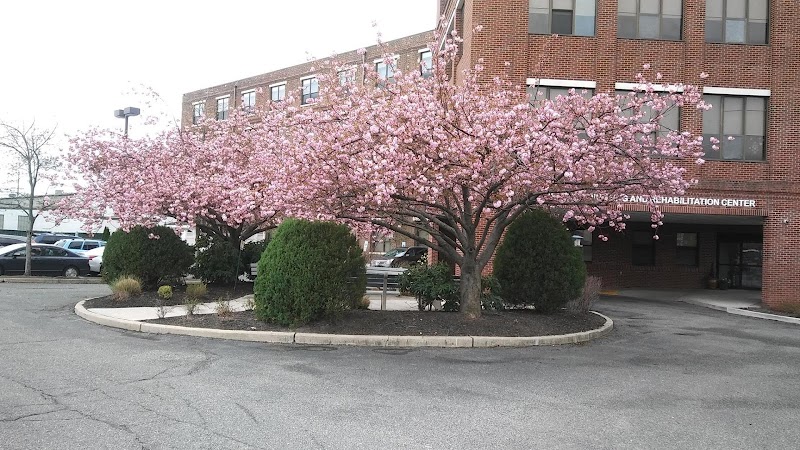
Who Owns and Operates Riverside Center Llc?

RIVERSIDE HEALTH AND REHABILITATION CENTER LLC is owned by a for-profit company. For-profit facilities operate as businesses with obligations to shareholders or private owners. The facility is operated by CHAMPION CARE, a chain that manages multiple nursing homes. With 141 certified beds and approximately 127 residents (about 90% occupancy), it is a mid-sized facility located in TRENTON, New Jersey.
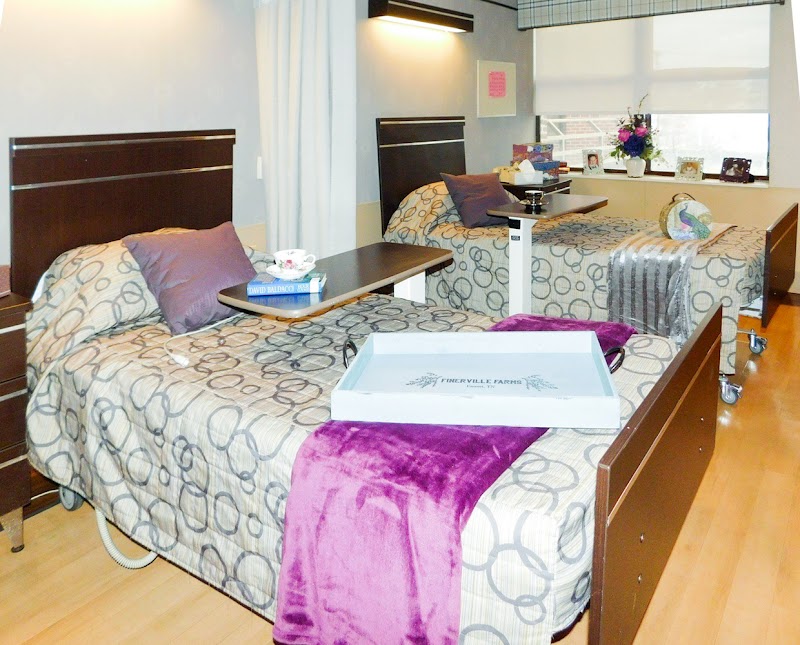
How Does Riverside Center Llc Compare to Other New Jersey Nursing Homes?

Compared to the 100 nursing homes in New Jersey, RIVERSIDE HEALTH AND REHABILITATION CENTER LLC's overall rating (1 stars) is below the state average of 3.2, staff turnover (41%) is near the state average of 46%, and health inspection rating (2 stars) is below the national benchmark.

What Should Families Ask When Visiting Riverside Center Llc?

Based on this facility's data, families visiting should ask: "Can I visit during a mealtime to observe dining assistance and food quality?" "How do you handle medical emergencies, and what is your hospital transfer rate?" "Can I speak with family members of current residents about their experience?"

Is Riverside Center Llc Safe?

Based on CMS inspection data, RIVERSIDE HEALTH AND REHABILITATION CENTER LLC has a clean safety record: no substantiated abuse findings (meaning no confirmed cases of resident harm), no Immediate Jeopardy citations (the most serious violation level indicating risk of serious injury or death), and is not on the Special Focus Facility watch list (a federal program monitoring the lowest-performing 1% of nursing homes). The facility has a 1-star overall rating and ranks #100 of 100 nursing homes in New Jersey. While no facility is perfect, families should still ask about staff-to-resident ratios and recent inspection results during their visit.

Do Nurses at Riverside Center Llc Stick Around?

RIVERSIDE HEALTH AND REHABILITATION CENTER LLC has a staff turnover rate of 41%, which is about average for New Jersey nursing homes (state average: 46%). Moderate turnover is common in nursing homes, but families should still ask about staff tenure and how the facility maintains care continuity when employees leave.

Was Riverside Center Llc Ever Fined?

RIVERSIDE HEALTH AND REHABILITATION CENTER LLC has been fined $13,000 across 1 penalty action. This is below the New Jersey average of $33,209. While any fine indicates a compliance issue, fines under $50,000 are relatively common and typically reflect isolated problems that were subsequently corrected. Families should ask what specific issues led to these fines and confirm they've been resolved.

Is Riverside Center Llc on Any Federal Watch List?

RIVERSIDE HEALTH AND REHABILITATION CENTER LLC is not on any federal watch list. The most significant is the Special Focus Facility (SFF) program, which identifies the bottom 1% of nursing homes nationally based on persistent, serious quality problems. Not being on this list means the facility has avoided the pattern of deficiencies that triggers enhanced federal oversight. This is a positive indicator, though families should still review the facility's inspection history directly.