TRENTON GARDENS REHABILITATION AND NURSING CENTER
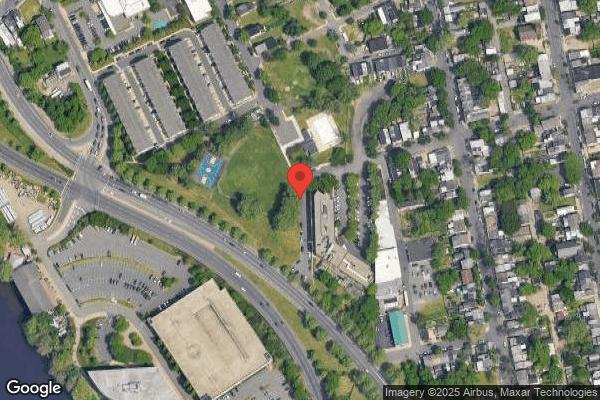
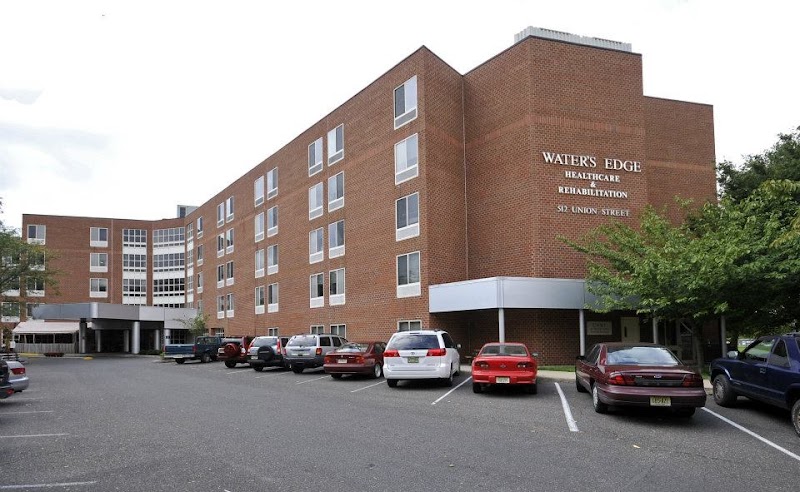
512 UNION STREET, TRENTON, NJ 08611 (609) 393-8622
For profit - Limited Liability company 215 Beds Independent Data: November 2025 7 Immediate Jeopardy citations
Trust Grade
0/100
#341 of 344 in NJ
Last Inspection: May 2024

Within standard 12-15 month inspection cycle. Federal law requires annual inspections.

Overview

Trenton Gardens Rehabilitation and Nursing Center has received a Trust Grade of F, indicating significant concerns about the quality of care provided. Ranked #341 out of 344 facilities in New Jersey and #16 out of 16 in Mercer County, it falls in the bottom tier of options available. The facility's situation is worsening, as the number of issues reported increased from 4 to 10 over the past year. Staffing is rated as average, with a turnover rate of 33%, which is better than the state average, suggesting some stability among staff. However, the facility has incurred a concerning $311,471 in fines, higher than 96% of New Jersey facilities, which indicates ongoing compliance problems. Specific incidents include failures to prevent drug overdoses and a lack of thorough investigations into allegations of sexual abuse and physical harm among residents. For example, there were reports of a resident with a scratch and swelling on their face after an alleged altercation and another resident experiencing a drug overdose that went unreported to authorities. Overall, while there are some strengths in staffing, the facility's serious safety concerns and negative trends raise significant alarms for families considering care for their loved ones.

Trust Score
F
0/100
In New Jersey
#341/344
Bottom 1%
Safety Record
High Risk
Review needed
Inspections
Getting Worse
4 → 10 violations
Staff Stability
○ Average
33% turnover. Near New Jersey's 48% average. Typical for the industry.
Penalties
○ Average
$311,471 in fines. Higher than 56% of New Jersey facilities. Some compliance issues.
Skilled Nurses
⚠ Watch
Each resident gets only 25 minutes of Registered Nurse (RN) attention daily — below average for New Jersey. Fewer RN minutes means fewer trained eyes watching for problems.
Violations
⚠ Watch
26 deficiencies on record. Higher than average. Multiple issues found across inspections.
★☆☆☆☆
1.0
Overall Rating
★★★☆☆
3.0
Staff Levels
★★★★☆
4.0
Care Quality
★☆☆☆☆
1.0
Inspection Score
Stable
2024: 4 issues
2025: 10 issues

The Good

  • 4-Star Quality Measures · Strong clinical quality outcomes
  • Full Sprinkler Coverage · Fire safety systems throughout facility
  • No fines on record
  • Staff turnover below average (33%)

    15 points below New Jersey average of 48%

Facility shows strength in quality measures, fire safety.

The Bad

1-Star Overall Rating

Below New Jersey average (3.2)

Significant quality concerns identified by CMS

Staff Turnover: 33%

13pts below New Jersey avg (46%)

Typical for the industry

Federal Fines: $311,471

Well above median ($33,413)

Significant penalties indicating serious issues

The Ugly 26 deficiencies on record

7 life-threatening
Jul 2025 1 deficiency 1 IJ
CRITICAL (J) 📢 Someone Reported This

A family member, employee, or ombudsman was alarmed enough to file a formal complaint

Immediate Jeopardy (IJ) - the most serious Medicare violation

Accident Prevention (Tag F0689)

Someone could have died · This affected 1 resident

**NOTE- TERMS IN BRACKETS HAVE BEEN EDITED TO PROTECT CONFIDENTIALITY** Complaint #: 2562900 Based on interviews, medical record reviews, and review of pertinent facility documentation on 7/22/25 and ...

Read full inspector narrative →
**NOTE- TERMS IN BRACKETS HAVE BEEN EDITED TO PROTECT CONFIDENTIALITY** Complaint #: 2562900 Based on interviews, medical record reviews, and review of pertinent facility documentation on 7/22/25 and 7/23/25, it was determined that the facility failed to ensure the safety of a resident (Resident #3) with a known history of illicit drug use with multiple overdoses in the facility who overdosed in the facility on 7/11/25, by: A) monitoring and supervising the resident to ensure illicit drugs were not obtained or used and B.) developing and/or implementing care plan interventions to protect the resident from obtaining illicit drugs and preventing overdoses. This deficient practice was identified for 1 of 14 residents reviewed (Resident #14). On 7/11/25 at approximately 4:30 PM, the Registered Nurse (RN) Supervisor was called to main lobby regarding Resident #3 being found unresponsive with pinpoint pupils by the main elevator. Emergency services (911) were called, and the resident was administered Narcan (a medication to reverse opioid overdose). The resident was transported to the hospital for evaluation and the facility was notified that the resident received Narcan in the emergency room (ER) and was now stable. Interviews with staff on 7/22/25, confirmed that the resident had overdosed on illicit drugs in the facility. A review of the medical record revealed this was the resident's seventh overdose in the facility since November of 2024. The facility's failure to monitor and supervise Resident #3 who had a known history and six previous illicit drug overdoses in the facility placed Resident #3 and all other residents at risk for accidental drug overdoses. This posed the likelihood for serious harm, impairment, or death. This resulted in an Immediate Jeopardy (IJ) situation. The IJ began on 7/11/25 at 4:30 PM, when Resident #3 was found unresponsive in the main lobby and administered Narcan. The facility's Administration was notified of the IJ on 7/23/25 at 5:37 PM. An acceptable Removal Plan was received on 7/25/25 at 10:26 AM. The Removal Plan was verified on-site by the surveyor on 7/29/25. The deficient practice was evidenced by the following:A review of the facility's undated policy titled Policy on Illegal Drug Use included the facility complies with all laws, regulations, and other requirements related to substance abuse. Policy Interpretations and Implementation: 1. All residents admitted to the facility will be asked to sign a contract showing they understand that illegal drugs use (possession, taking of drugs or possession with intent to sell) is not allowed in the facility [.] 2. All residents may be subject to random room searches to ensure illegal substances are not being held within the facility. Any items found during the search will be removed, logged and locked in a designated area until the police are able to collect the items found.4. Residents identified as high risk for illegal drug use by the nursing department will be subject to be searched/have their bags searched by Security or Nursing upon return from authorized Out on Pass Visit. Security is to inform the Nurse in charge/ Director of Nursing (DON) immediately if any resident is found with illegal substances and police will be called. 5. In the event illegal drugs are found on a resident the following procedure must occur: [.] Incident report to be completed-Investigate how the resident received the illegal drugs and put interventions in place to prevent reoccurrence. The surveyor reviewed the medical record for Resident #3. According to the admission Record face sheet (admission summary), Resident #3 was admitted to the facility with diagnoses which included but were not limited to: opioid dependence, hypertension (high blood pressure), and muscle weakness. According to the Minimum Data Set (MDS), an assessment tool dated 7/13/25, Resident #3 had a Brief Interview for Mental Status (BIMS) score of 13 out of 15, which indicated the resident's cognition was intact. A review of the Progress Notes (PN) revealed the resident had overdosed from illicit drugs in the facility on 11/1/24, 11/28/24, 1/18/25, 1/28/25, 3/7/25, 3/30/25, and 7/11/25. A review of the PN dated 7/11/25 at 5:51 PM, completed by the Registered Nurse (RN), revealed that at approximately 4:30 PM, she was called to the main lobby regarding a resident's current status. Upon assessment, the resident was found unresponsive by main elevator. The resident was brought to the unit and sternal rub (rubbing the flat bone (sternum) of the chest) was performed and emergency services (911) was called. The resident's vital signs were obtained, and their pupils were pinpoint. Upon Emergency Medical Services' (EMS) arrival, the resident was placed on a non-rebreather (a mask that provides high amounts of oxygen in an emergency situation) and put on a stretcher and sent to the hospital for evaluation. A review of the PN dated 7/11/25 at 5:57 PM, indicated that a call was placed to the hospital at 5:40 PM, to obtain the resident's status. The resident was given Narcan in the emergency room (ER) and was now stable. A review of Resident #3's Care Plan (CP) included a focus area dated 10/17/24, and revised 6/12/25, that the resident had a history of opioid dependence, chronic back pain, on 5/9/25, had a history and potential risk for illicit drug abuse and overdose. The goal initiated on 10/17/24, with a target date of 7/15/25, was to verbalize relief of pain. Interventions included to encourage repositioning in bed to relieve pain; if confirmed diagnosis of overdose, facility will consider revoking out on pass and or may issue a thirty day discharge notice; reinforce facility support groups, virtual [name redacted alcohol and drug support groups] meetings can be arranged; educate the risks of overdose and/or possible death with use of illegal substances; if receiving methadone, methadone clinic also offers meetings; monitor for signs and symptoms of constipation which may be related to pain medication; and provide resident with pain medication as ordered by physician. The CP included an additional focus area dated 10/17/24 and revised 7/14/25, that the resident came from [previous facility's name redacted], has a history of opioid dependence; has a history and potential risk for illicit drug use abuse and overdose dated 7/11/25, and the resident was sent to the ER on [DATE], due to unresponsiveness and returned with diagnosis of opioid overdose. The goal initiated 10/17/24, with a target date of 7/15/25, was the resident will be safe. Interventions prior to the resident's overdose on 7/11/25, were all dated 10/17/24, and included: answer resident's questions honestly and factually to promote trust; assist in relaxation techniques, visualizations, and diversions; discuss consequences of continued substance abuse; encourage and support the resident's ability to take responsibility for their recovery; encourage resident to verbalize fears, feelings, and anxiety; increased staff supervision as needed; and Narcan as ordered. The following interventions were put in place on 7/14/25, current interventions reviewed and remain appropriate; care plan revised and updated; and Administration discussed consideration of thirty-day letter discharge. The Care Plan did not address how a resident with a history of six overdoses in the facility would be supervised and monitored to ensure their safety prior to their seventh overdose in the facility on 7/11/25. A review of the Order Summary Report dated active orders as of 7/1/25, included a physician's order (PO) dated 10/11/24, for Narcan nasal liquid 4 milligrams per 0.1 milliliter (4 mg/0.1 mL); to spray in nostril every twenty-four hours as needed for overdose. An additional PO dated 3/11/25, revealed that the resident was able to Leave the Facility independently even though the resident had multiple drug overdoses at the facility. The PO did not include an order for methadone or methadone clinic as the CP indicated if goes to methadone clinic, they hold meetings. A review of the Facility Reportable Event (FRE) for the illicit drug overdose dated 7/11/25, revealed that on 7/11/25, the resident was found unresponsive in the lobby and emergency services were called. The resident was administered Narcan and brought to the emergency room (ER). Per the ER nurse, the resident received Narcan there too. Included in the investigation and conclusion, Resident #3 indicated that they understood the reason they would be given a thirty-day discharge notice if they violated the drug policy again and the resident promised that [they] would not do this again. On 7/22/25 at 11:45 AM, the surveyor interviewed Resident #3, who stated that they did not recall the date or the exact time of their overdose but stated that they overdosed around smoke time. The resident stated they received what they assumed was a cigarette from another resident, and they smoked it. The resident further stated that after a few minutes, whatever it was took effect and they started to feel dizzy. The resident did not remember anything more except for waking up in the hospital. Resident #3 was unable to provide the surveyor with a name or a description of the resident they received the drugs from. On 7/22/25 at 12:58 PM, the surveyor interviewed the RN Supervisor, who stated that during her evening shift on 7/11/25, she observed Resident #3 went out to the smoking section on the patio to smoke around 3:00 PM. The RN Supervisor stated around 4:30 PM, she received a call from the Receptionist that Resident #3 had passed out, and when she responded to the call, Resident #3 was unresponsive. The RN Supervisor stated they brought the resident to the 3rd floor and provided oxygen and was instructed to administer a dose of Narcan by the DON, and the resident was still unresponsive. The RN Supervisor stated when EMS arrived, an additional dose of Narcan was administered, and Resident #3 remained unresponsive. The EMS placed a non-rebreather mask on the resident and transported them to the hospital. On 7/22/25 at 1:22 PM, the surveyor interviewed the DON, who stated that Resident #3 was given a thirty-day discharge notice after their overdose because they refused to tell the facility what they took or where they got it from. The DON stated the resident would only say they smoked something. The DON stated on the day of the incident, she saw the resident prior to their overdose and that the resident was fine. The DON stated that it had been a been a long time since the resident's last overdose. The DON stated the facility was not actively looking to place the resident in another facility at that time because the Licensed Nursing Home Administrator (LNHA) said the thirty-day notice could be lifted. On 7/22/25 at 1:42 PM, the surveyor interviewed the Social Worker (SW #1), who stated for residents with a history of drug use, they reviewed the drug policy with them, and that they had support groups there that the activities department could set up. SW #1 stated that the facility also posted signs about the groups. SW #1 stated if a resident violated the drug policy, she spoke to them and re-educated them on the drug policy and informed them that their out on pass could be affected or a thirty-day discharge notice could be given. On 7/22/25 at 2:00 PM, the surveyor interviewed SW #2, who stated when residents were first admitted to the facility, she went over the drug policy and had them sign it and informed the resident of the support offered. SW #2 stated if someone violated the drug policy, she met with the resident to re-educate them on the policy and reminded them that they had signed it. SW #2 stated that the DON and LNHA were responsible for revoking the resident's out on pass privileges or issuing a thirty-day discharge notice. On 7/23/25 at 3:07 PM the surveyors interviewed Assistant Director of Nursing (ADON), who stated that drug overdoses were discussed in the meetings, and they reviewed their care plans and interventions. The ADON further stated that if the current interventions in the care plan were appropriate, they add in documentation in the care plan indicating care plan was reviewed, and current interventions are appropriate. The ADON stated that all the care plans for individuals who had a history of drug overdose were reviewed and the interventions were updated. The surveyor inquired if the interventions in the care plan for Resident #3 were appropriate for Resident #3's drug abuse and overdose history. The ADON stated that she felt that Resident #3's current interventions were appropriate. The facility submitted an acceptable Removal Plan on 7/25/25 at 10:25 AM, indicating the action the facility will take to prevent serious harm from occurring or recurring. The facility implemented a corrective action plan to remediate the deficient practice which included: the care plan for Resident #3 was reviewed and updated; daily behavioral monitoring was implemented; random room checks, room checks after going out on pass, and room checks after visitors leaved were implemented. Resident #3 was re-educated by the LNHA and the SW on the policy to prevent illicit drugs from entering the facility, which includes suspension of pass and potential 30-day discharge. The SW re-educated Resident #3 on the availability of counseling/cessation support/ and invited Resident #3 to weekly support groups to ensure safety. The care plans for Resident #3 and residents with history of having overdosed and who have overdosed at the facility were reviewed and updated to include daily behavior monitoring, random room checks, and checks made after visitors leave, in addition to reoffering of cessation support/invitation to support groups/counseling as appropriate. Signage on units to announce support group and advertise available support services. The staff caring for Resident #3 and residents with history of having overdosed and who have overdosed in the facility were re-educated on the prevention of illicit drug abuse and new care plan interventions. The surveyor verified the implementation of the Removal Plan on-site on 7/29/25. NJAC 8:39-27.1 (a)
May 2025 9 deficiencies 5 IJ (1 facility-wide)
CRITICAL (J) 📢 Someone Reported This

A family member, employee, or ombudsman was alarmed enough to file a formal complaint

Immediate Jeopardy (IJ) - the most serious Medicare violation

Free from Abuse/Neglect (Tag F0600)

Someone could have died · This affected 1 resident

Deficiency Text Not Available

Read full inspector narrative →
Deficiency Text Not Available
CRITICAL (J) 📢 Someone Reported This

A family member, employee, or ombudsman was alarmed enough to file a formal complaint

Immediate Jeopardy (IJ) - the most serious Medicare violation

Deficiency F0657 (Tag F0657)

Someone could have died · This affected 1 resident

Complaint #: NJ185458 Based on interviews, medical record reviews, and review of other pertinent facility documentation on 5/8/25, it was determined that the facility failed to a.) update the care pla...

Read full inspector narrative →
Complaint #: NJ185458 Based on interviews, medical record reviews, and review of other pertinent facility documentation on 5/8/25, it was determined that the facility failed to a.) update the care plan (CP) with interventions for a resident (Resident #6) who had multiple drug overdose incidents while at the facility and b.) follow the facility's policy titled Policy on Resident Care Planning. On 2/21/25 at approximately 6:30 PM, the Infection Preventionist (IP) observed Resident #6 slumped in his/her wheelchair. Resident #6's fingertips, lips, and lower half of face were cyanotic (blue), and he/she had loud breathing. The IP stated she administered Narcan to the resident. Approximately three minutes later, the resident responded to the Narcan and was sent to the hospital. On 2/22/25, Resident #6 returned to the facility from the hospital with a diagnosis of opiate overdose. On 4/1/25, the resident was found sitting in his/her wheelchair unable to be aroused. Multiple attempts were made to arouse the resident, and he/she remained unresponsive. The doctor was notified, and the resident was sent to the hospital via 911. Resident #6 returned to the facility from the hospital with a diagnosis of opiate overdose. On 5/6/25, the resident was found slumped in his/her wheelchair during rounds. The resident was noted to have twitching in his/her bilateral upper extremities. The doctor was notified, and the resident was sent to the hospital. The Registered Nurse Manager (RNM) stated that the Paramedics gave Resident #6 Narcan. According to the hospital emergency room (ER) documentation dated 5/6/25, the resident's diagnosis for the visit was opioid overdose. The facility did not update Resident #6's CPs to manage the resident's substance abuse after the resident overdosed on 2/21/25, 4/1/25, and 5/6/25. The facility's failure to update the CP with interventions for Resident #6 to prevent further drug usage and overdoses placed all residents in an Immediate Jeopardy (IJ) situation. The IJ began on 2/21/25, was identified on 5/8/25 at 6:00 PM., and was reported to the Licensed Nursing Home Administrator (LNHA). The LNHA was presented with the IJ template at that time. An acceptable removal plan was electronically mailed to the surveyor on 5/13/25 at 4:23 PM, indicating the facility's actions to prevent serious harm from occurring or recurring. The facility implemented a corrective action plan to remediate the deficient practice. On 5/8/25, Resident #6's care plan was updated. On 5/9/25, the DON, Assistant Director of Nursing (ADON), and IP educated the administrative nursing staff and social workers (SW) were educated on updating and implementing care plans when incidents occur. The DON implemented a process to occur during daily morning clinical meeting to ensure that care plans were updated when incidents occur. The surveyor verified the removal plan on site on 5/15/25 and determined the IJ for F657 was removed as of 5/15/25. After the IJ removal plan, the non-compliance continued from 5/15/25 for no actual harm with the potential for more than minimal harm that is not an immediate jeopardy. This deficient practice was identified for 1 of 3 residents (Resident #6) reviewed for care plans and evidenced by the following: According to the admission Record (AR), Resident #6 was admitted to the facility with diagnoses which included but were not limited to: Opioid Abuse, Hypertension, and Bipolar Disorder. According to the Quarterly Minimum Data Set (MDS), an assessment tool dated 4/6/25, Resident #6 had a Brief Interview for Mental Status (BIMS) score of 14 out of 15, which indicated the resident's cognition was intact. A review of Resident #6's PN dated 2/21/25 revealed the IP was called into the resident's room at 6:30 PM by staff. The resident was slumped in his/her wheelchair with loud breathing. The resident's fingertips, lips, and lower half of face were cyanotic(blue). Sternal rub was not effective. Narcan was administered at 6:43 PM with positive effect at 6:46 PM. The resident was transferred to the hospital. A review of Resident #6's Emergency Department Documentation (EDD) with a visit date of 2/21/25 revealed under Diagnosis from Today's Visit, Opiate or related narcotic overdose. A review of the PN dated 4/1/25 revealed that Resident #6 was found sitting in his/her wheelchair and unable to be aroused. Multiple attempts were done to arouse the resident, and he/she remained unresponsive. The doctor was notified, and the resident was sent out 911. The resident returned from the hospital and was treated for an overdose. A review of Resident #6's EDD with a visit date of 4/1/25 revealed under Diagnosis from Today's Visit, Opioid overdose. A review of the PN dated 5/6/25 completed by the IP revealed that during rounds Resident #6 was noted to be slumped in his/her wheelchair. Twitching was noted to the resident's bilateral upper extremities. The doctor was notified, and a new order given to send to hospital for change in mental status. 911 was called and the resident was sent to the emergency room (ER). A review of Resident #6's EDD with a visit date of 5/6/25 revealed under Diagnosis from Today's Visit, Overdose opiate. A review of Resident #6's CP revealed a Focus revised on 4/29/25, that Resident #6 had a history of opioid and fentanyl use. admitted to using fentanyl 2 days prior to ER visit to deal with his/her pain. Urine Drug screen (UDS) positive for opioids. Resident #6 had an incident here where he/she was sent to the ER due to AMS (altered mental status) possibly due to use of illegal substance. Resident #6's CP revealed no updated CP interventions after the resident overdosed on 2/21/25, 4/1/25, and 5/6/25. On 5/8/25 at 10:33 AM, the Registered Nurse Unit Manager (RN/UM) stated that the care plans were updated after an incident occurred such as falls, drug overdoses, or any unusual change occurred. The RN/UM stated that she thought that Resident #6's care plans had been updated but she would have to check into it. On 5/8/25 at 2:35 PM, the surveyor interviewed the Director of Nursing (DON) who acknowledged that Resident #6's care plan interventions were not updated after the resident's multiple drug overdoses. The DON stated that the care plan interventions that were already in place for the resident were appropriate for his/her multiple drug overdoses and did not need to be updated after the drug overdoses occurred. The DON further stated Obviously, the interventions didn't work if he/she had another overdose. The DON indicated that the care plans were updated when there is a change in condition or a significant event. The DON stated Yes, the care plan should have been updated. The DON further indicated that it was important to update the care plans because it gives an accurate picture of the resident. On 5/8/25 at 4:16 PM, the surveyor conducted a follow-up interview with the DON. The DON stated that the expectation was that the care plans should be updated the first business day after an incident occurred. The DON indicated that the Nurse Manager or Assistant Director of Nursing were responsible for updating the resident care plans. The DON further indicated I think it wasn't updated because we as a team felt he/she had everything in place. A review of the facility's policy titled Policy on Resident Care Planning dated June 2024 revealed under Purpose, The main purpose of the Care Plan is the resident's quality of life and safety and updated with any changes in diagnosis or condition. Under Procedure, 2. The care plan will be reviewed and updated by the unit manager and other departments as changes in the resident occur. 3. The Care Plan is updated as warranted by the resident's changes and preferences. NJAC 8:39-11.2 (e) (1) (2)
CRITICAL (K) 📢 Someone Reported This

A family member, employee, or ombudsman was alarmed enough to file a formal complaint

Immediate Jeopardy (IJ) - the most serious Medicare violation

Investigate Abuse (Tag F0610)

Someone could have died · This affected multiple residents

**NOTE- TERMS IN BRACKETS HAVE BEEN EDITED TO PROTECT CONFIDENTIALITY** Complaint #: NJ182907, NJ186028 Based on interviews, medical records reviews, and review of other pertinent facility documentat...

Read full inspector narrative →
**NOTE- TERMS IN BRACKETS HAVE BEEN EDITED TO PROTECT CONFIDENTIALITY** Complaint #: NJ182907, NJ186028 Based on interviews, medical records reviews, and review of other pertinent facility documentation on 5/7/25, 5/8/25, and 5/9/25 it was determined that the facility failed to complete thorough investigations when A) Resident #15 was observed to have bruising, swelling and a scratch to her/his face. B) when a resident reported witnessing an alleged sexual abuse between another resident (Resident #3) and the Licensed Practical Nurse (LPN #1). The facility also failed to ensure its policy titled Abuse, Resident Behavior and Facility Practice was implemented for the alleged physical abuse and alleged sexual abuse allegations. 1. On 10/12/24 at approximately 8:30 P.M, the Unit Manager (UM) was notified by LPN #6 that Resident #15 had a scratch on his/her face. LPN #6 reported that Resident #8 left the room that he/she shared with Resident #15 cursing and stating he/she had punched the resident (Resident #15). The DON failed to conduct a thorough investigation. The DON stated that Resident #15 was alert and oriented and denied being hit by their roommate (Resident #8). The DON also said, I spoke with both of them (Resident #8 and Resident #15) but they both denied that Resident #15 was hit. No follow-up investigation was conducted outside of the grievance filed for Resident #15. The facility failed to follow its policy titled, Abuse, Resident Behavior and Facility Practice and protect facility residents when the DON failed to immediately implement the abuse policy for the alleged physical abuse and to conduct a thorough investigation for the alleged physical abuse. This placed Resident #15 and all residents in an Immediate Jeopardy (IJ) situation. The IJ began on 10/12/24, was identified on 5/9/25 at 5:04 P.M. At this time, the IJ Template was presented to the DON. An acceptable removal plan was electronically emailed to the surveyor on 5/13/25 at 4:24 P.M., indicating the facility's actions to prevent serious harm from occurring or recurring. The facility implemented a corrective action plan to remediate the deficient practice. All the facility staff were educated on the facility's policy abuse- prevention, recognition of and types of abuse, reporting urgency and reporting to the regulatory agencies. The LNHA and DON audited all incidents and accidents from 1/25 to 5/25, to assure there were no additional unresolved allegations of abuse identified. On 5/12/2025, the LNHA implemented an auditing process to assess potential abuse and ensure concerns are addressed through the policy. Auditing of all incidents/accidents will occur Monday through Friday, with weekend (Saturday and Sunday) incidents/accidents included in the Monday audit. 2. On 4/25/25, Resident #2 told LPN #1 that he/she was going to report her for raping Resident #3. LPN #1 reported this immediately to the Director of Nursing (DON) and LPN #1 was suspended. The DON stated that Resident #2 informed her on 4/25/25 that the alleged sexual abuse with LPN #1 and Resident #3 had occurred three weeks prior and then later stated the incident occurred six weeks ago. The DON stated she conducted an investigation and suspended LPN #1 immediately after the sexual abuse allegation was reported to her. The DON stated she did not conduct interviews or assessments for residents on LPN #1's assignment and did not obtain witness statements from other staff that worked on the unit when the sexual abuse allegation was made. The facility failed to follow its policies and procedures and protect the facility residents by not conducting a thorough investigation into whether other residents or staff members had any reports of abuse allegations involving LPN #1. This placed the residents being cared for by this staff member in an immediate jeopardy (IJ) situation. The IJ began on 4/25/25, was identified on 5/8/25 at 6:00 P.M., and was reported to the Licensed Nursing Home Administrator (LNHA). The LNHA was presented with the IJ template at that time. An acceptable removal plan was electronically mailed to the surveyor on 5/13/25 at 4:23PM, indicating the facility's actions to prevent serious harm from occurring or recurring. The facility implemented a corrective action plan to remediate the deficient practice. On 5/8/25, the residents that were on LPN #1's schedule were interviewed and assessed for any complaints of inappropriate behaviors requested or witnessed by LPN #1. On 5/9/25, the DON and the LNHA educated the social workers (SW) and administrative nursing staff on the facility's policy on reporting of abuse and conducting a thorough investigation. The LNHA and the DON conducted an investigation into incidents and accidents from January 2025. On 5/12/2025, the LNHA implemented an auditing process to assess potential abuse and ensure concerns are addressed through the policy. Auditing of all incidents/accidents will occur Monday through Friday, with weekend (Saturday and Sunday) incidents/accidents included in the Monday audit. The surveyor verified the removal plan on site on 5/15/25 and determined the IJ for F610 was removed as of 5/15/25. After the IJ removal plan, the non-compliance continued from 5/15/25 for no actual harm with the potential for more than minimal harm that is not an immediate jeopardy. This deficient practice was identified for 4 of 18 residents (Resident #2, Resident #3, Resident #8, and Resident #15) reviewed and was evidenced by the following: According to the Facility Reportable Event (FRE), a New Jersey Department of Health (NJDOH) document used by healthcare facilities to report incidents with an event date of unknown and a today's date of 4/25/2025 revealed that Resident #2 came up to LPN #1 and told her that he/she was going to report her for having sex with Resident #3. LPN #1 informed the DON and was suspended immediately pending an investigation. A review of the medical records for Resident #2 and #3 indicated the following: Resident #2 was admitted to the facility with diagnoses which included but were not limited to: Anxiety Disorder, Persistent Mood Disorder, and Hypertension. According to the Quarterly Minimum Data Set (MDS), an assessment tool dated 4/14/25, Resident #2 had a Brief Interview for Mental Status (BIMS) score of 15 out of 15, which indicated the resident's cognition was intact. Resident #3 was admitted to the facility with diagnoses which included but were not limited to: Anoxic Brain Damage, Tracheostomy, and Epilepsy. According to the Quarterly MDS, and assessment tool dated 3/19/25, Resident #3 had a BIMS score of 99 which indicated the assessment could not be completed. The MDS further revealed the resident was non-verbal and dependent on staff with all activities of daily living (ADLs). On 5/7/25 at 10:17 AM, the surveyor interviewed Resident #2, who stated he/she went into the hallway at 3:00 AM and observed the medication cart in front of Resident #3's room. Resident #2 could not provide the surveyor with the exact date the alleged incident occurred. Resident #2 stated he/she waited about half an hour for LPN #1 to come out Resident #3's room. Resident #2 then went back to his/her room for a brief period and then returned to the hallway. Resident #2 stated he/she still observed the medication cart in front of Resident #3's room. Resident #2 stated he/she pushed the medication cart and went into Resident #3's room and observed LPN #1 pull the privacy curtain and jump off Resident #3's bed while fixing her shirt and pants. Resident #2 stated he/she observed Resident #3 with an erection. Resident #2 further indicated he/she asked LPN #1 what she was doing. The resident stated that the LPN #1 told him/her that she was giving medical attention to Resident #3. Resident #2 indicated he/she reported the alleged incident the next day to the Ombudsman and the supervisor but was unsure of the supervisor's name. On 5/7/25 at 2:30 PM, the surveyor interviewed the DON who stated that on 4/25/25, LPN #1 reported to the supervisor that Resident #2 had alleged that she raped Resident #3. The DON stated she immediately suspended LPN #1 pending an investigation. The DON stated she spoke with Resident #2, and he/she stated that LPN #1 had sex with Resident #3. She further stated she asked him/her when the incident occurred, and Resident #2 stated three weeks ago and then changed it to six weeks ago. The DON indicated she conducted a physical assessment on Resident #3 and interviewed Resident #2, LPN #1, the Assistant Director of Nursing (ADON), Infection Preventionist (IP), and the clinical manager (CM). The DON stated No, I did not speak to any residents she (LPN #1) cared for. No, I did not speak to any other staff members. I felt the people I spoke with gave me an honest report. The DON indicated that in the past she had collected resident and staff statements but denied collecting them for this incident. The DON further stated If I feel it is warranted, I would interview the residents. I did not feel it was warranted because I did not have a time frame of when the allegation occurred. I didn't interview other staff because I did not have a timeframe of when the incident happened. On 5/8/25 at 4:29 PM, the surveyor interviewed the Licensed Nursing Home Administrator (LNHA) who stated that a thorough investigation should be conducted for all abuse allegations. The LNHA further indicated All residents on a staff member's assignment for an abuse allegation should be interviewed. The LNHA stated that the staff working when the sexual abuse allegation occurred should have been interviewed as well. On 5/8/25 at 4:42 PM, the surveyor conducted a follow-up interview with the DON. The DON stated there has never been an abuse allegation in past involving LPN #1. The surveyor left a voicemail message for LPN #1 on 5/8/2025 and LPN #1 did not return the surveyor's phone call. A review of the medical records for Resident #8 and #15 indicated the following: Resident #8 was admitted to the facility with diagnoses which included but were not limited to: Opioid Abuse, Depression, and Anemia. According to the Annual MDS, dated [DATE], Resident #8 had a BIMS score of 15 which indicated the resident's cognition was intact. Resident #15 was admitted to the facility with diagnoses which included but were not limited to: Cerebrovascular disease, Hypertension, Aphasia. According to the Quarterly MDS, an assessment tool dated 3/2/25, Resident #15 had a BIMS score of 14, which indicated the resident's cognition was intact. On 5/9/25 at 12:02 P.M, during an interview with the DON and the LNHA, the DON stated, I spoke with Resident #8 on the day I found out about the incident. I thought I wrote that on the incident report, but I guess I didn't. When the surveyor asked if an investigation was conducted, the DON said, I spoke with both of them (Resident #8 and Resident #15) but they both denied that Resident #15 was hit. No follow up investigation was conducted outside of the grievance filed for Resident #15. When the surveyor asked the DON if she spoke to witnesses, she stated, I spoke to staff but I didn't document. Nobody had witnessed any altercation. Speaking with staff I should have documented and collected witness statements. Our policy was not followed. The LNHA and DON both acknowledged a thorough investigation was not completed for the physical abuse and their policy was not followed. A review of the facility's policy titled Abuse, Resident Behavior and Facility Practice with a revised date of 5/24 revealed under Purpose, To ensure timely and thorough investigation of abuse, neglect, and/or mistreatment of residents. Under Investigation, 3. The DON/designee: a. Review the accident/incident report; b. Obtains written statements of staff assigned to the Resident for: i. the shift during which the allegation is noted; ii, a minimum of 16 hours prior to the incident if indicated or appropriate; c. Interview witnesses, in any; d. Reviews the Resident's record; e. Reviews staff assignments and staff performance; f. Corrective action is taken including but not limited to progressive counseling, education, increased supervision, up to and including termination as appropriate; g. Polices are re-evaluated and revisited if necessary to prevent recurrences; h. Reports findings to the Administrator. NJAC 8:39-9.3 (a)
CRITICAL (K) 📢 Someone Reported This

A family member, employee, or ombudsman was alarmed enough to file a formal complaint

Immediate Jeopardy (IJ) - the most serious Medicare violation

Accident Prevention (Tag F0689)

Someone could have died · This affected multiple residents

Complaint #: NJ185458 Based on interviews, medical record reviews, and review of pertinent facility documentation on 5/8/25 and 5/9/25, it was determined that the facility failed to: A) ensure the res...

Read full inspector narrative →
Complaint #: NJ185458 Based on interviews, medical record reviews, and review of pertinent facility documentation on 5/8/25 and 5/9/25, it was determined that the facility failed to: A) ensure the residents' safety by failing to implement interventions to prevent drugs from entering the facility and overdose incidents from occurring while in the facility, B) conduct a thorough investigation into a resident's (Resident #6) drug overdoses, and C) notify the police and the New Jersey Department of Health (NJDOH) of the residents' drug overdoses. 1. On 2/21/25 at approximately 6:30 PM, the Infection Preventionist (IP) observed Resident #6 slumped in his/her wheelchair. Resident #6's fingertips, lips, and lower half of face were cyanotic (blue), and he/she had loud breathing. The IP stated she administered Narcan to the resident. Approximately three minutes later, the resident responded to the Narcan and was sent to the hospital. On 2/22/25, Resident #6 returned to the facility from the hospital with a diagnosis of an opiate overdose. 2. On 4/1/25, Resident #6 was found sitting in his/her wheelchair unable to be aroused. Multiple attempts were made to arouse the resident, and he/she remained unresponsive. The doctor was notified, and the resident was sent to the hospital via 911. Resident #6 returned to the facility from the hospital with a diagnosis of opiate overdose. 3. On 5/6/25, Resident #6 was found slumped in his/her wheelchair during rounds. The resident was noted to have twitching in his/her bilateral upper extremities. The doctor was notified, and the resident was sent to the hospital. The Registered Nurse Unit Manager (RN/UM) stated that the Paramedics gave Resident #6 Narcan. According to the hospital emergency room (ER) documentation dated 5/6/25, the resident's diagnosis for the visit was opioid overdose. The facility had knowledge that Resident #6 had a history of opioid dependence and failed to implement interventions that ensured the residents safety and prevent illicit drugs from entering the facility. This resulted in Resident #6 having multiple drug overdoses while in the facility and being sent to the hospital for treatment of their symptoms. The facility failed to report Resident #6's multiple drug overdoses that occurred while in the facility to the NJDOH and the local police. The facility's failure to protect Resident #6 from drug overdoses placed all residents with a history of opioid dependence in an Immediate Jeopardy (IJ) situation. The IJ began on 8/24/24, was identified on 5/8/25 at 6:00 PM, and was reported to the Licensed Nursing Home Administrator (LNHA). The LNHA was presented with the IJ template at that time. An acceptable removal plan was electronically mailed to the surveyor on 5/13/25 at 4:23 PM, indicating the facility's actions to prevent serious harm from occurring or recurring. The facility implemented a corrective action plan to remediate the deficient practice. The Social Worker (SW) provided education to all residents with a history of drug overdose on the medical risks with illegal drug use, police involvement, possible discharge from the facility, and revoking of facility leave privileges. Education was provided to the residents on cessation programs and psychiatric consultations. Signage was placed at the entrance of the facility stating that drugs and alcohol were not allowed in the facility. Facility staff were educated that any drug overdose is to be reported to the appropriate regulatory agencies immediately. The facility staff were educated on the new interventions implemented to help prevent illegal drug use. These new interventions included education to the residents on the risks of a drug overdose, room searches, police involvement, possible discharge from the facility and revoking of facility leave privileges. The LNHA and the DON implemented an audit process that occurred during the morning daily clinical meeting that will identify the residents with a new history of opioid use and any drug overdoses that occur in the facility and that the police were called, and the appropriate regulatory agencies were notified. The surveyor verified the removal plan on site on 5/15/25 and determined the IJ for F689 was removed as of 5/15/25. After the IJ removal plan, the non-compliance continued from 5/15/25 for no actual harm with the potential for more than minimal harm that is not an immediate jeopardy. The deficient practice was evidenced by the following: According to the AR, Resident #6 was admitted to the facility with diagnoses which included but were not limited to: Opioid Abuse, Hypertension, and Bipolar Disorder. According to the Quarterly MDS, an assessment tool dated 4/6/25, Resident #6 had a BIMS score of 14 out of 15, which indicated the resident's cognition was intact. A review of Resident #6's PN dated 2/21/25 completed by the IP revealed the IP was called into the resident's room at 6:30 PM by staff. The resident was slumped in his/her wheelchair with loud breathing. The resident's fingertips, lips, and lower half of face were cyanotic (blue). A sternal rub was not effective (used to assess a person's level of consciousness) Narcan was administered at 6:43 PM with positive effect at 6:46 PM. The resident was transferred to the hospital. A review of Resident #6's Emergency Department Documentation (EDD) with a visit date of 2/21/25 revealed under Diagnosis from Today's Visit, Opiate or related narcotic overdose. A review of the PN dated 4/1/25 completed by the Licensed Practical Nurse (LPN) revealed that Resident #6 was found sitting in his/her wheelchair and unable to be aroused. Multiple attempts were made to arouse the resident, and he/she remained unresponsive. The doctor was notified, and the resident was sent out 911. The resident returned from the hospital and was treated for an overdose. A review of Resident #6's EDD with a visit date of 4/1/25 revealed under Diagnosis from Today's Visit, Opioid overdose. A review of the PN dated 5/6/25 completed by the IP revealed that during rounds Resident #6 was noted to be slumped in his/her wheelchair. Twitching was noted to the resident's bilateral upper extremities. The doctor was notified, and a new order given to send to hospital for change in mental status. 911 was called and the resident was sent to the emergency room (ER). A review of Resident #6's EDD with a visit date of 5/6/25 revealed under Diagnosis from Today's Visit, Overdose opiate. A review of Resident #6's CP revealed a Focus revised on 4/29/25, that Resident #6 had a history of opioid and fentanyl use. admitted to using fentanyl 2 days prior to ER visit to deal with his/her pain. Urine Drug screen (UDS) positive for opioids. Resident #6 had an incident here where he/she was sent to the ER due to AMS (altered mental status) possibly due to use of illegal substance. On 5/8/25 at 9:24 AM, the surveyors interviewed Resident #7 who stated he/she was the facility's resident council President. Resident #7 stated that he/she had seen the nurses, and the Paramedics give Narcan to Resident #6 who had overdosed on Tuesday 5/6/25. On 5/8/25 at 10:33 AM, the surveyors interviewed the RN/UM who stated, Yes, he/she went to the hospital because he/she appeared high. The RN/UM stated she was unaware if the resident had taken any illegal drugs. The RN/UM further stated Resident #6 went to the Methadone Clinic on 5/5/25 for an initial dose. The RN/UM stated Yes, he/she signs himself/herself out on pass. He/she is alert and oriented and is his/her own responsible party. On 5/8/25 at 11:55 AM, the surveyors interviewed Resident #6 who stated that he/she was at the end of the facility's driveway on 5/6/25, when the staff reported that he/she was nodding out. The resident stated that he/she received Narcan. Resident #6 further stated I refused to go to the hospital, and they said I had to go. Resident #6 stated I smoked some weed that day. I bought it from a friend of mine. My friend was coming by, and I asked him to get it for me. Resident #6 further stated Between the blunt and the other meds, I nod out. Resident #6 indicated that he/she had received Narcan in the facility before. The resident stated Last time, it was a couple months. I didn't take anything, but they said I did and they Narcan me. On 5/8/25 at 1:21 PM, the surveyors interviewed the IP who stated Resident #6 was hypertensive, lethargic, and had twitching while sitting outside of his/her room on 5/6/25. The IP stated she immediately called 911. The IP indicated I am not sure if he/she received Narcan. The IP stated that on 2/21/25 she administered Narcan to Resident #6. The IP further stated the resident's fingers were cyanotic (blue) and was noted to had snored breathing. The resident wasn't completely unresponsive, but he/she was moaning. Resident #6 responded to the Narcan. I had my stopwatch on and literally three minutes later, he/she woke up. The IP stated she completed an incident report for the overdose that occurred on 2/21/25. The IP further indicated that she did not complete an incident report for the drug overdose that occurred on 5/6/25 because she wasn't sure if Resident #6 had overdosed at that time. On 5/8/25 at 1:44 PM, the surveyors interviewed the DON in the presence of the LNHA. The DON stated that Resident #6 went to the hospital on 5/6/25 because the resident had high blood pressure and twitching. The DON further stated she would have to review Resident #6's medical record to find out further information. The DON stated, Any resident with a BIMs score 12 or above can go out of the facility to drink and do drugs. She further stated, This was made clear to me by the Ombudsman. The DON stated that the facility worked with Resident #6 to get him/her to go to the Methadone Clinic and that the resident agreed to go within the last week. On 5/8/25 at 1:44 PM, the surveyors interviewed the LNHA in the presence of the DON. The LNHA stated I can't say for a fact that the residents are bringing in drugs. We can't search them. The LNHA further stated We understand we are in a drug infested neighborhood. We are doing the best we can to prevent the drug problem, but we can't infringe on the resident's rights. On 5/8/25 at 2:35 PM, the surveyors conducted a follow-up interview with the DON who reviewed Resident #6's PNs in the presence of the surveyors. The DON stated she did not investigate Resident #6's multiple drug overdoses that occurred at the facility. The DON stated that she thought that drug overdose that occurred on 4/1/25 was from the resident's prescribed medication and that was why an investigation was not conducted. The DON indicated that at that time, the facility changed the resident's plan of care by discontinuing his/her prescribed opioid medications. The DON stated that after the drug overdose that occurred in February, she had a discussion with the resident about his/her actions. The DON indicated No, I did not do an investigation. He/she was allowed outside and was not forthcoming about using drugs. The DON stated I have not reported drug overdoses to the DOH because I have not seen that in the regulations. The DON further indicated I would call the police if I suspected someone was selling drugs. The DON stated that she was made aware by staff but could not remember who Resident #6 visited at the end of the facility's property recently and were suspicious that the resident was getting drugs. The DON further stated, I have not investigated this matter so far because I didn't have proof it happened. A review of the facility's policy titled Illegal Drug Use dated 6/2024 revealed The facility recognizes that we have an increase in admission of residents with a history or recent active drug use. If drug use is suspected, resident assessment and follow up treatment, if warranted is provided. A review of the facility's policy titled Policy and Protocol for Incident Reporting with a revised date of 9/2024 revealed The Administrator and/or Director of Nursing will process all Reportable Events to the advocacy agencies required by state and federal regulations. NJAC 8:39-27.1 (a)
CRITICAL (L) 📢 Someone Reported This

A family member, employee, or ombudsman was alarmed enough to file a formal complaint

Immediate Jeopardy (IJ) - the most serious Medicare violation

Administration (Tag F0835)

Someone could have died · This affected most or all residents

⚠️ Facility-wide issue

Complaint #: NJ185458 Based on interviews, medical record reviews, and review of other pertinent facility documentation on 5/8/25, it was determined that the facility's Licensed Nursing Home Administr...

Read full inspector narrative →
Complaint #: NJ185458 Based on interviews, medical record reviews, and review of other pertinent facility documentation on 5/8/25, it was determined that the facility's Licensed Nursing Home Administrator (LNHA) and the administrative staff failed to ensure resident safety and well-being by failing to A) prevent illicit drugs from entering the facility and drug overdose incidents from occurring, B) ensure a thorough investigation was completed for a staff to resident sexual abuse allegation involving Resident #3 and multiple drug overdoses that occurred in the facility involving Resident #6, and C) ensure that the police and the New Jersey Department of Health (NJDOH) were notified of any drug overdoses that occurred in the facility. The facility's administrative staff failed to develop safety measures to ensure illicit drugs were not used by its residents and ensure that thorough investigations were completed for a staff to resident sexual abuse allegation and multiple drug overdoses that occurred, which placed all facility residents in an Immediate Jeopardy (IJ) situation. The IJ began on 2/21/25 and was identified on 5/8/25 at 6:00 PM and was reported to the LNHA. The LNHA was presented with the IJ template at that time. An acceptable removal plan was electronically mailed to the surveyor on 5/13/25 at 4:23 PM, indicating the facility's actions to prevent serious harm from occurring or recurring. The facility implemented a corrective action plan to remediate the deficient practice. The Corporate Officer re-educated the LNHA and the Director of Nursing (DON) on their job descriptions and the facility's policies on conducting a thorough investigation and the facility's elimination efforts on illicit drugs at the facility. Signage was posted in the front of the building that no alcohol or drugs were allowed in the facility. The DON or designee educated all the facility staff on elimination of illicit drug use in the facility and to report any illicit drug use to the DOH and the police. The LNHA and the DON audited all incidents and accidents from January 2025 to ensure there were no additional unresolved allegations of abuse, neglect, and illicit drug use identified. The LNHA and the DON implemented an audit process that occurred during the morning daily clinical meeting to assess potential abuse and any illicit drug activity and ensure these concerns were addressed per the facility policy. The surveyor verified the removal plan on site on 5/15/25 and determined the IJ for F835 was removed as of 5/15/25. After the IJ removal plan, the non-compliance continued from 5/15/25 for no actual harm with the potential for more than minimal harm that is not an immediate jeopardy. The deficient practice was evidenced by the following: A review of the facility's undated job description titled Administrator revealed under Purpose of Your Job Description, The primary purpose of your position is to direct the day-to-day functions of the facility in accordance with current federal, state, and local standard guidelines, and regulations that govern nursing facilities to assure that the highest degree of quality care can be provided to our residents at all times. Under Administrative Functions, Assist department directors in the development, use, and implementation of departmental policies and procedures and professional standards of practice. A review of the facility's undated job description titled Director of Nursing revealed under Essential Duties and Responsibilities, Direct, develop, implement, review and revise nursing service goals and objectives. Establish and maintain standards of quality nursing practice. Maintain and enforce department and facility procedures and safety standards aimed at accident prevention . 1. According to the AR, Resident #6 was admitted to the facility with diagnoses which included but were not limited to: Opioid Abuse, Hypertension, and Bipolar Disorder. According to the Quarterly MDS, an assessment tool dated 4/6/25, Resident #6 had a BIMS score of 14 out of 15, which indicated the resident's cognition was intact. A review of Resident #6's PN dated 2/21/25 completed by the IP revealed the IP was called into the resident's room at 6:30 PM by staff. The resident was slumped in his/her wheelchair with loud breathing. The resident's fingertips, lips, and lower half of face were cyanotic(blue). Sternal rub (used to assess a person's level of consciousness) was not effective. Narcan was administered at 6:43 PM with positive effect at 6:46 PM. The resident was transferred to the hospital. A review of Resident #6's Emergency Department Documentation (EDD) with a visit date of 2/21/25 revealed under Diagnosis from Today's Visit, Opiate or related narcotic overdose. A review of the PN dated 4/1/25 completed by the Licensed Practical Nurse (LPN) revealed that Resident #6 was found sitting in his/her wheelchair and unable to be aroused. Multiple attempts were made to arouse the resident, and he/she remained unresponsive. The doctor was notified, and the resident was sent out 911. The resident returned from the hospital and was treated for an overdose. A review of Resident #6's Emergency Department Documentation (EDD) with a visit date of 4/1/25 revealed under Diagnosis from Today's Visit, Opioid overdose. A review of the PN dated 5/6/25 completed by the IP revealed that during rounds Resident #6 was noted to be slumped in his/her wheelchair. Twitching was noted to the resident's bilateral upper extremities. The doctor was notified, and a new order given to send to hospital for change in mental status. 911 was called and the resident was sent to the emergency room (ER). A review of Resident #6's EDD with a visit date of 5/6/25 revealed under Diagnosis from Today's Visit, Overdose opiate. A review of Resident #6's CP revealed a Focus revised on 4/29/25, that Resident #6 had a history of opioid and fentanyl use. admitted to using fentanyl 2 days prior to ER visit to deal with his/her pain. Urine Drug screen (UDS) positive for opioids. Resident #6 had an incident here where he/she was sent to the ER due to AMS (altered mental status) possibly due to use of illegal substance. On 5/8/25 at 1:44 PM, the surveyors interviewed the LNHA in the presence of the DON. The LNHA stated I can't say for a fact that the residents are bringing in drugs. We can't search them. The LNHA further stated We understand we are in a drug infested neighborhood. We are doing the best we can to prevent the drug problem, but we can't infringe on the resident's rights. On 5/8/25 at 2:35 PM, the surveyors interviewed the DON who stated she did not investigate Resident #6's multiple drug overdoses that occurred at the facility. The DON stated that she thought that the drug overdose that occurred on 4/1/25 was from the resident's prescribed medication and that was why an investigation was not conducted. The DON indicated that at that time, the facility changed the resident's plan of care by discontinuing his/her prescribed opioid medications. The DON stated that after the drug overdose that occurred in February, she had a discussion with the resident about his/her actions. The DON indicated No, I did not do an investigation. He/she was allowed outside and was not forthcoming about using drugs. The DON stated I have not reported drug overdoses to the DOH because I have not seen that in the regulations. The DON confirmed she did not notify the police regarding Resident #6's multiple drug overdoses that occurred in the facility. The DON stated that she was made aware by staff but could not remember who Resident #6 visited at the end of the facility's property recently and were suspicious that the resident was getting drugs. The DON further stated, I have not investigated this matter so far because I didn't have proof it happened. According to the admission Record (AR), Resident #2 was admitted to the facility with diagnoses which included but were not limited to: Anxiety Disorder, Persistent Mood Disorder, and Hypertension. According to the Quarterly Minimum Data Set (MDS), an assessment tool dated 4/14/25, Resident #2 had a Brief Interview for Mental Status (BIMS) score of 15 out of 15, which indicated the resident's cognition was intact. According to the AR, Resident #3 was admitted to the facility with diagnoses which included but were not limited to: Anoxic Brain Damage (a brain injury that occurs when the brain is completely deprived of oxygen), Tracheostomy (an opening of the trachea to facilitate breathing), and Epilepsy (seizures). According to the Quarterly MDS, and assessment tool dated 3/19/25, Resident #3 had a BIMS score of 99 which indicated the assessment could not be completed. The MDS further revealed the resident was non-verbal and dependent on staff with all activities of daily living (ADLs). On 5/7/25 at 10:17 AM, the surveyor interviewed Resident #2, who stated he/she went into the hallway at 3:00 AM and observed the medication cart in front of Resident #3's room. Resident #2 could not provide the surveyor with the exact date the alleged incident occurred. Resident #2 stated he/she waited about half an hour for LPN #1 to come out Resident #3's room. Resident #2 then went back to his/her room for a brief period and then returned to the hallway. Resident #2 stated he/she still observed the medication cart in front of Resident #3's room. Resident #2 stated he pushed the medication cart and went into Resident #3's room and observed LPN #1 pull the privacy curtain and jump off Resident #3's bed while fixing her shirt and pants. Resident #2 stated he observed Resident #3 with an erection. Resident #2 further indicated he/she asked LPN #1 what she was doing. The resident stated that the LPN told him/her that she was giving medical attention to Resident #3. Resident #2 indicated he/she reported the alleged incident the next day to the Ombudsman and the supervisor but was unsure of the supervisor's name. On 5/7/25 at 2:30 PM, the surveyor interviewed the DON who indicated she conducted a physical assessment on Resident #3 and interviewed Resident #2, LPN #1, the Assistant Director of Nursing (ADON), Infection Preventionist (IP), and the clinical manager (CM). The DON stated No, I did not speak to any residents she (LPN #1) cared for. No, I did not speak to any other staff members. I felt the people I spoke with gave me an honest report. The DON indicated that in the past she had collected resident and staff statements but denied collecting them for this incident. The DON further stated If I feel it is warranted, I would interview the residents. I did not feel it was warranted because I did not have a time frame of when the incident happened. On 5/8/25 at 4:29 PM, the surveyor interviewed the Licensed Nursing Home Administrator (LNHA) who stated that a thorough investigation should be conducted for all abuse allegations. The LNHA further indicated All residents on a staff member's assignment for an abuse allegation should be interviewed. The LNHA stated that the staff should have been interviewed as well. The LNHA acknowledged that the facility's policy was not followed regarding conducting a thorough investigation. NJAC 8:39-9.2 (a)
CONCERN (D) 📢 Someone Reported This

A family member, employee, or ombudsman was alarmed enough to file a formal complaint

Potential for Harm - no one hurt, but risky conditions existed

Safe Environment (Tag F0584)

Could have caused harm · This affected 1 resident

Complaint # NJ 185458, NJ179424 Based on observations, interviews, and review of other facility documentation on 5/7/2025, it was determined that the facility failed to maintain a clean and homelike ...

Read full inspector narrative →
Complaint # NJ 185458, NJ179424 Based on observations, interviews, and review of other facility documentation on 5/7/2025, it was determined that the facility failed to maintain a clean and homelike environment for the residents. The deficient practice was identified for 2 of 3 units, (floor 2 and floor 4) and was evidenced by the following: During a tour of the 2nd floor unit on 5/7/2025 at 11:08 AM, the surveyor observed the following: 1. Inside 2nd floor Central Bath, sink filled with isolation gown, black pad, wash sponge, and grey basin. 2. Inside 2nd floor Central Bath, shower bed noted to have hair clippings, toilet paper, shaving cream can, a covered razor, a shampoo and a lotion bottle on it. 3. Inside 2nd floor Central Bath, visible water on the floor outside of the shower stall and in the shower stall. 4. Inside 2nd floor Central Bath 1st stall, noted to have a brown hard substance to left outer dividing wall corner where the silver molding is missing. 5. Inside 2nd floor Central Bath 1st stall, brown, green, and black colored substance on bottom left corner of the shower where the walls meet and near grout. 6. Inside 2nd floor Central Bath 1st stall, build-up of brown and red color substance on the back left corner of the shower stall. 7. Inside 2nd floor Central Bath 1st stall, wet towels and socks were noted to the back right corner of the shower stall. 8. Inside 2nd floor Central Bath 1st stall, noted to have a build-up of unknown debris and hair in the shower drain grate. 9. Inside 2nd floor Central Bath 2nd stall, brown, green, and black colored substance to the shower floor at entrance under curtain. 10. Inside 2nd floor Central Bath 2nd stall, brown, green, and black colored substance to the bottom corner of the shower where the walls meet and near grout. 11. Inside 2nd floor Central Bath 2nd stall, brown and black colored substance on the shower floor beside the silver middle strip. During a tour of the 4th floor unit 5/9/2025 at 11:13 AM, the surveyor observed the following: 1. Inside 4th floor Central Bath1st stall, green and black colored substance to the left corner of the shower stall where the walls meet. On 5/7/2025 at 11:10 AM, on the second-floor unit, an interview with License Practical Nurse (LPN) #3 was conducted by the surveyor. She stated that both shower stalls were in use and Certified Nurses Aids (CNA) were responsible for gathering belongings after the resident's shower. She further stated belongings should not be left in the sink or on the shower bed. LPN #3 stated that housekeeping staff were responsible for cleaning the shower room. The hard brown substance to wall does not wash off. The LPN stated there should not have been belongings in the sink and there should not be debris on the shower bed. During an interview with the surveyor on 5/7/2025 at 11:20 AM, the Housekeeping Director (HD) stated that the housekeeping staff were responsible for cleaning and disinfecting the shower rooms daily. The HD stated he was unsure of what the brown, green, and black substance was in the shower stalls. The HD was unsure of what the brown substance on the wall was and referred to the missing molding and maintenance as the cause. The HD was unsure of who is responsible for cleaning the shower grate. The HD stated the above findings did not create a homelike environment for the residents. During an interview with the surveyor on 5/9/2025 at 11:13 AM, the Housekeeper (HK) stated the showers are cleaned daily and is unsure what the black and green colored substance was. The HK stated the nursing staff are responsible for gathering belongings from shower area. The HK confirmed the above findings did not create a homelike environment for the residents. On 5/9/2025 at 12:03 PM, the Director of Nursing (DON) in the presence of Licensed Nursing Home Administrator (LNHA), the surveyor announced the above findings. The DON conveyed she was not aware of any substance in the shower rooms and if there were, it should be addressed by housekeeping. The DON confirmed the above findings would not create a homelike environment for the residents. On 5/9/2025 at 12:03 PM, The LNHA in the presence of the DON stated the above findings would not create a homelike environment for the residents. A review of the facility's undated housekeeping job description revealed, Key Responsibilities: Cleaning and sanitation: perform cleaning and sanitizing of patient rooms, bathrooms, hallways, and common areas, and staff areas to maintain a safe, clean, and comfortable environment. This includes sweeping, moping, dusting, and vacuuming. Routine Inspections: Conduct regular inspections of the facility to ensure cleanliness standards are met and promptly address any areas requiring attention. Collaboration: Work closely with other team members, including nursing staff and management, to ensure that cleaning and sanitation needs are met in a timely manner, especially during high-traffic hours. A review of the facility's undated Director of Environmental services job description revealed, The director of environmental services supervises a variety of activities in housekeeping and laundry in maintaining the facility in an orderly, clean, and sanitary condition . NJAC 8:39-31.4 (a) (f)
CONCERN (D) 📢 Someone Reported This

A family member, employee, or ombudsman was alarmed enough to file a formal complaint

Potential for Harm - no one hurt, but risky conditions existed

Deficiency F0627 (Tag F0627)

Could have caused harm · This affected 1 resident

Complaint #NJ184250 Based on interview and record review it was determined that the facility failed to appropriately discharge a resident from the facility. This deficient practice was identified for ...

Read full inspector narrative →
Complaint #NJ184250 Based on interview and record review it was determined that the facility failed to appropriately discharge a resident from the facility. This deficient practice was identified for 1 of 18 residents who was discharged without a 30-day discharge notice. This deficient practice was evidenced by the following: According to Resident #16's admission Record (AR), the resident was admitted with diagnoses that included but were not limited to: Polyneuropathy, Bipolar, Chronic PTSD, Frontotemporal Neurodegenerative Disorder, Neuroleptic Induced Parkinsonism. According to the Minimum Data Set (MDS), an assessment tool dated 1/27/25, Resident #16 had a Brief Interview of Mental Status (BIMS) score of 15 out of 15, which indicated the resident was cognitively intact. On 5/8/25 at 12:26 P.M, during an interview with the Social Worker (SW #2) she stated, Resident #16 had an incident with her/his roommate which led to a physical fight. Resident #16 didn't return back to the facility because it was domestic violence, and the roommate didn't want her/him back. Resident #16's sister was notified via phone call by Director of Nursing (DON) that he/she would not be allowed back. Resident #16 ended up in a homeless shelter and then the emergency department. When the surveyor asked SW #2 if she would consider this a safe discharge she said, It's a shelter. It's safe because he/she had nowhere else to go. On 5/8/25 at 12:46 P.M, during an interview with SW #1 the surveyors asked if Resident #16 was refused readmission after the incident. SW #1 stated, We don't have the authority to refuse a resident as social workers. Refusing to have them (residents) back, that's up to admission and administration. On 5/8/25 at 1:44 P.M, during an interview with the DON she said, Resident #16 assaulted a resident, so we decided not to take him/her back. I spoke to Resident #16's sister and notified her. Resident #16 had a history of bad behavior. The sister was disappointed because we were working on discharging Resident #16 to a group home. When the surveyor asked the DON if she would consider this a safe discharge she stated, I do consider it a safe discharge because we gave all of Resident #16's meds and electronic Medication Administration Record (eMAR) to the police as he/she left. I didn't think Resident #16 would be returning when he/she left with the police. Record review showed no documented evidence that a 30-day advanced notification was given to Resident #16 or her/his responsible party. NJAC 8:39-4.1(32)
CONCERN (D) 📢 Someone Reported This

A family member, employee, or ombudsman was alarmed enough to file a formal complaint

Potential for Harm - no one hurt, but risky conditions existed

Deficiency F0658 (Tag F0658)

Could have caused harm · This affected 1 resident

C#175920 Based on interviews, medical record reviews, and other pertinent facility documentation on 5/7/2024, 5/8/2024, and 5/9/2024, it was determined that the facility failed to follow a Physician's...

Read full inspector narrative →
C#175920 Based on interviews, medical record reviews, and other pertinent facility documentation on 5/7/2024, 5/8/2024, and 5/9/2024, it was determined that the facility failed to follow a Physician's Order (POs) for a treatment to the Resident's (Resident #5) wound. The facility also failed to follow its policies titled P&P Physician Order and Medication Administration Policy and Protocol. This deficient practice was identified for 1 of 18 residents and was evidenced by the following: Reference: The practice of nursing as a Licensed Practical Nurse is defined as performing tasks, and responsibilities within the framework of case finding, reinforcing the patient and family teaching program through health teaching, health counseling, and provision of supportive and restorative care, under the direction of a Registered Nurse, or otherwise legally authorized Physician or Dentist. A review of the Electronic Medical Record (EMR) was as follows: According to the admission Record (AR), Resident #5 was admitted to the facility with diagnoses which included but were not limited to: Quadriplegia, Motor Vehicle Accident, Hypotension, History of Venous Thrombosis and Embolism, and Stage 4 Ulcer. According to the Minimum Data Set (MDS), an assessment tool dated 2/15/25 Resident #2 had a Brief Interview of Mental Status (BIMS) score of 15/15, indicating the resident was cognitively intact. The MDS also showed the resident needed maximal assistance with Activities of Daily Living (ADLs). Review of the Order Summary Report (OSR) for Resident #2 dated 7/31/2024 included the following Physician's Order (PO's): Santyl External Ointment 250 Unit/Gram (Collagenase). Apply to coccyx topically every day shift for wound care cleanse open area with NSS, pat dry, apply Santyl then Calcium alginate and cover with Bordered foam dressing. Review of the Treatment Administration Record (TAR) for Resident #5 dated 7/2024 showed medication and treatment was not administered for the Santyl External Ointment on July 6,7,20,25,31 of 2024. A review of Resident #2's Progress Notes (PNs) for the month of July PNs showed no documentation that the resident's Physician was notified of the above-missed doses of medication and treatment. During the survey, the Licensed Practical Nurses (LPNs) who failed to administer the above medications as ordered by the Physician were not available for interview. During an interview on 5/7/2025 at 2:02 p.m., the Unit Manager (UM) of the fourth floor where Resident #5 resides stated, Regarding wound care treatment should be done per orders. I'd sign the TAR and document. A blank means that it wasn't done. My expectation for the nurses on my unit is to follow the orders and then document on the TAR and to notify the doctor and nurse practitioner if necessary for changes to the wound. That's the facility's policies. If a patient refuses, expectation is to document the refusal in the TAR as well. LPN #4 called the surveyor, and a phone interview was conducted on 5/7/2025 at 2:05 P.M. LPN #4 stated, We do wound care and treatment per orders. I document how the wound looks on the TAR. I would document a refusal and sign TAR. No blanks on TAR. If it's not documented, it meant it's not done, and I need to sign to let others know care was provided. If it's blank, it's considered not done and it's not following the facility's policy. LPN #5 called the surveyor, and a phone interview was conducted on 5/7/2025 at 2:14 P.M. LPN #5 stated, If you don't document you didn't do it. If they refuse, document it on TAR. There should be no blanks on the TAR. Blanks mean it's not done. It's important to document to make sure treatment is being done so wounds will heal. If there are empty spots facility policy wasn't followed. During an interview on 5/7/2024 at 2:55 p.m., the Surveyor asked the Director of Nursing (DON) the expectation of her nurses for wound care, medication, and treatment orders. The DON stated, My expectation is that they perform care as given as per orders, as well as refusal via TAR, wound care assessment and progress note. I would check TAR and progress note and if there's no documentation then care was not performed. If wound cares not done it could lead to infection or the wound getting worse. If it's not documented, it's not done. Facility Policy was not followed if there are blanks, even if there's a progress note. A review of the facility policy last revised June 2024 titled P & P Physician Order policy revealed: Treatment orders are transcribed and documented on the ETAR. A review of the facility policy last revised 10/2024 titled Medication Administration Policy and Protocol revealed, The medication nurse must document any medication not given and the reason why, and if refused by the resident must notify the physician as appropriate depending on the medication. N.J.A.C:8:39-27.1(a)
CONCERN (E) 📢 Someone Reported This

A family member, employee, or ombudsman was alarmed enough to file a formal complaint

Potential for Harm - no one hurt, but risky conditions existed

Report Alleged Abuse (Tag F0609)

Could have caused harm · This affected multiple residents

Complaint #: NJ182907, NJ185458, NJ186028 Based on interviews, medical record reviews, and review of other pertinent facility documentation on 5/7/25, 5/8/25, and 5/9/25 it was determined that the fac...

Read full inspector narrative →
Complaint #: NJ182907, NJ185458, NJ186028 Based on interviews, medical record reviews, and review of other pertinent facility documentation on 5/7/25, 5/8/25, and 5/9/25 it was determined that the facility failed to: a.) report a to the New Jersey Department of Health (NJDOH) on 10/12/24 when Resident #15 was observed to have bruising, swelling and a scratch to her/his face. b.) report to law enforcement when a resident (Resident #2) reported witnessing an alleged sexual abuse between Licensed Practical Nurse (LPN #1) and another resident (Resident #3), and c.) report a staff to resident verbal abuse allegation involving LPN #7 and Resident #1 to the NJDOH in a timely manner. The facility also failed to follow its policy titled Abuse, Resident Behavior and Facility Practice. The deficient practice was evidenced by the following: A.) According to the facility's Grievance/Concern Communication Form, filled out by the Director of Nursing (DON), with an event date of 10/14/24, revealed under Description of concern, This writer met with Resident #15 this date. Nursing reported he/she had some bleeding: redness to the right side of her/his face over the weekend. This writer observed some discoloration to her/his Right eye. Resident #15 insisted he/she does not know what happened. He/she denied being hit by anyone. He/she did ask for a room change. Under Grievance Officer Conclusion, it revealed Resident #15 ' s room was changed on 10/14/24. According to the admission Record (AR), Resident #15 was admitted to the facility with diagnoses which included but were not limited to: Cerebrovascular, Hypertension, Aphasia. According to the Quarterly MDS, an assessment tool dated 3/2/25, Resident #15 had a BIMS score of 14, which indicated the resident's cognition was intact. The facility was unable to provide the surveyors documentation that a Facility Reportable Event (FRE) was completed and submitted to the NJDOH for this event involving Resident #15. On 5/9/24 at 12:03 P.M, during an interview with the DON and the Licensed Nursing Home Administrator (LNHA), the DON stated, I wouldn't consider it (bruising, swelling and a scratch) a reportable event because Resident #15 is alert, and oriented and didn't recall how he/she got the bruise on his/her eye, scratch or swelling. When questioned whether injuries of unknown origin should be reported to the NJDOH, the LNHA stated, injuries of unknown origin should be reported to the NJDOH. The LNHA also said, We (LNHA and DON) are both responsible to investigate and report incidents. B.) According to the Facility Reportable Event Record (FRE), (a document used by health care facilities to report incidents to the New Jersey Department of Health) with an event date of unknown and a today's date of 4/25/2025 revealed that Resident #2 came up to LPN #1 and told her that he/she was going to report her for having sex with Resident #3. LPN #1 informed the DON and was suspended immediately pending an investigation. The FRE did not indicate whether the local police department was made aware of the sexual abuse allegation involving LPN #1 and Resident #3. According to the AR, Resident #2 was admitted to the facility with diagnoses which included but were not limited to: Anxiety Disorder, Persistent Mood Disorder, and Hypertension. According to the Quarterly Minimum Data Set (MDS), an assessment tool dated 4/14/25, Resident #2 had a Brief Interview for Mental Status (BIMS) score of 15 out of 15, which indicated the resident's cognition was intact. According to the AR, Resident #3 was admitted to the facility with diagnoses which included but were not limited to: Anoxic Brain Damage, Tracheostomy, and Epilepsy. According to the Quarterly MDS, and assessment tool dated 3/19/25, Resident #3 had a BIMS score of 99 which indicated the assessment could not be completed. The MDS further revealed the resident was non-verbal and dependent on staff with all activities of daily living (ADLs). On 5/7/25 at 2:30P.M., the surveyor interviewed the Director of Nursing (DON). The DON stated I would notify police of any abuse allegation. No, I did not notify police because I felt it was not substantiated. C.) According to the FRE, with an event date of 2/26/25 and today's date of 3/3/25, Resident #1 told the social worker and the Ombudsman on 2/27/25 that LPN #7 spoke to him/her disrespectfully on 2/26/25. The resident stated that the nurse told him/her that he/she had a drug problem. The FRE further indicated this event was called into the NJDOH on 3/3/25 at 1:45 PM. According to the AR, Resident #1 was admitted to the facility in December 2024 with diagnoses which included but were not limited to: Generalized Anxiety Disorder, Bipolar Disorder, and Major Depressive Disorder. According to the Quarterly MDS, an assessment tool dated 3/20/25, the resident had a BIMS score of 15 out of 15, which indicated the resident's cognition was intact. On 5/7/25 at 2:30 PM, the surveyor interviewed the DON who confirmed that according to the FRE the verbal abuse allegation between Resident #1 and LPN #7 was reported to the NJDOH on 3/3/25. The DON stated that an abuse allegation was supposed to be reported to the DOH within an hour. The DON further stated I can't give you an answer to why it was reported on March 3. Yes, it should have been reported to the DOH sooner because it is the regulation. A review of the facility's policy titled Abuse, Resident Behavior and Facility Practice with a revised date of 5/24 revealed under Reporting, 1. The Director of Nursing/Administrator /designee will report to the Department of Health and Ombudsman program according to regulatory requirements if there is reason to suspect abuse, neglect or mistreatment. Reporting will also include any incident which result in an adverse event. 6. All appropriate law enforcement agencies will be notified of any allegations of abuse or neglect according to required timeframes. 7. All appropriate regulatory agencies will be notified of any allegations of abuse and neglect according to required timeframes. NJAC 8.39-9.4
May 2024 4 deficiencies
CONCERN (D)

Potential for Harm - no one hurt, but risky conditions existed

Accident Prevention (Tag F0689)

Could have caused harm · This affected 1 resident

**NOTE- TERMS IN BRACKETS HAVE BEEN EDITED TO PROTECT CONFIDENTIALITY** Based on observation, interview, and review of pertinent documents it was determined that the facility failed to ensure the smok...

Read full inspector narrative →
**NOTE- TERMS IN BRACKETS HAVE BEEN EDITED TO PROTECT CONFIDENTIALITY** Based on observation, interview, and review of pertinent documents it was determined that the facility failed to ensure the smoking policy was followed to screen and assess a resident for the ability to safely smoke cigarettes. The deficient practice occurred for 1 of 5 residents reviewed for accidents (Resident #127) and was evidenced by the following: On 4/30/24 at 10:18 AM, during the entrance conference, the facility provided a Smoking Policy and Procedure and the Smoking Schedule which revealed that Resident #127 was listed as smoking during shift #1 from 9:00 AM-9:10 AM, 10:30 AM-10:40 AM, 2:00 PM-2:10 PM, 5:00 PM-5:10 AM. On 5/2/24 at 8:40 AM, Resident #127 was observed self-propelling from the designated smoking area onto the elevator. On 5/2/24 at 8:59 AM, the surveyor reviewed the electronic medical record (EMR) which revealed the most recent signed Smoking assessment dated [DATE] indicated 1. Is Resident a Smoker, and No was checked off. A review of the admission Record for Resident #127 revealed diagnoses which included, but were not limited to, traumatic subdural hemorrhage, tobacco use and other seizures. A review of the most recent 48-page Interdisciplinary Care Plan (including canceled items) initiated 2/1/24 did not contain a focus area for smoking. A review of the most recent quarterly Minimum Data Set, dated [DATE], revealed the resident scored 6 out of 15 on the Brief Interview of Mental Status which indicated the resident was cognitively impaired. On 5/2/24 at 10:44 AM, the surveyor interviewed the Receptionist about Resident #127 and asked if the resident smoked, as the Receptionist was observed distributing cigarettes to residents. The Receptionist stated Resident #127 smoked and he/she smoked this morning. The surveyor asked what the process entailed, and the Receptionist stated there was a Smoke Aide outside who lit the cigarettes, and at that time, the surveyor observed the Smoke-Aide sitting in the smoking area. The Receptionist stated all the residents received two cigarettes in the morning, and except for one resident who was blind and needed help smoking, and stated everyone else was independent. On 5/2/24 at 11:46 AM, the surveyor reviewed the paper medical record for Resident #127 which revealed a document titled Smoking Contract which had a hand-written slash over it, and Do Not Smoke was written on the documented which was dated, 12/20/23 and signed by staff. On 5/2/24 at 11:51 AM, in the presence of another surveyor the, the surveyors interviewed Resident #127 in the resident's room. The surveyors asked if the resident was a smoker and the resident confirmed that he/she smoked. Resident #127 informed the surveyors that the facility held the cigarettes at the front desk. On 5/2/24 at 11:54 AM, the surveyor, in the presence of another surveyor, conducted an interview with the Unit Manager/Registered Nurse (UM/RN). The surveyors asked the UM/RN if there were residents that she was aware of that smoked on the unit, and the UM/RN stated, yes we do. The surveyors asked how she would know, and she stated, it was included in the admission assessment and if residents are alert, they could tell you. The UM/RN stated we have a Smoking Contract and the surveyor asked if the resident was required to sign it and the UM/RN stated, yes, they have to sign it. The UM/RN stated the resident was informed that they needed to adhere to the smoking schedule and they were not allowed to have smoking paraphernalia in the room. The UM/RN stated we have a Smoking Assessment, and that was completed on admission, then repeated quarterly and annually. On 5/2/24 at 11:57 AM, the surveyor asked the UM/RN if Resident #127 was a smoker, and they replied [the resident] doesn't smoke. The surveyor asked the UM/RN if she was aware that Resident #127 was listed on the smoking schedule and smoked. The UM/RN looked at the most recent smoking assessment and confirmed that it was documented that Resident #127 was not a smoker, and confirmed that she had not been aware, and she completed the assessment. The surveyor asked the UM/RN if she should have been aware and she stated, I should be aware, and maybe he just started smoking again. The UM/RN stated, [he/she] probably told me [he/she] was not smoking, because when I asked [him/her] and [he/she] stated [he/she] doesn't smoke. The surveyor asked where the breakdown in communication occurred and the UM/RN stated, that she was not sure since it was a team effort. On 5/2/24 at 12:04 PM, the surveyor asked the UM/RN if the resident was care planned for smoking and the UM/RN stated, we don't care plan smoking. The UM/RN stated the Social Worker reviewed the contract and confirmed that the only contract in effect was the one that was crossed off. The UM/RN confirmed that the smoking contract dated 12/20/23 was completed on admission and when asked if there was another contract, the UM/RN stated, I don't see anything here. On 5/6/24 at 12:40 PM, the facility administration was made aware of the above concerns. On 5/7/24 at 10:42 AM, the Director of Nursing, in the presence of the Licensed Nursing Home Administrator, confirmed that there was no smoking contract that was located in the medical record and confirmed the smoking was not in Resident #127's Interdisciplinary Care Plan. The Smoking Policy and Procedure, Revised 11/2024, provided during the entrance conference on 04/30/24 at 10:18 AM revealed: Purpose: To provide a safe environment for all at [Facility Name] and provide clear directions for residents that are active cigarette smokers. Procedure/Protocol: 1. Residents will be screened for the use of tobacco products and for their ability to smoke safely upon admission, and a smoking assessment will be completed with the admission MDS, Quarterly .; 2. All Residents will be places into one of the following categories based on the most recent smoking assessment: a. Independent-requires no supervision, b. line of sight supervision or c. direct supervision; 3. Based on the most recent assessment the IDC [Interdisciplinary] team will address smoking interventions the care plan for those Resident's assessed as requiring line of sight or direct supervision. Determination of the Resident's level of supervision when smoking will also be noted on the Nursing Assistant Kardex; 4. All resident who smoke will sign the facility smoking contract upon admission prior to being allowed to smoke. NJAC 8:39-27.1(a)
CONCERN (D)

Potential for Harm - no one hurt, but risky conditions existed

Deficiency F0804 (Tag F0804)

Could have caused harm · This affected 1 resident

Based on observation, interview, and review of pertinent facility documentation, it was determined that the facility failed to ensure safe and appetizing temperatures of food for 3 of 4 entree meals o...

Read full inspector narrative →
Based on observation, interview, and review of pertinent facility documentation, it was determined that the facility failed to ensure safe and appetizing temperatures of food for 3 of 4 entree meals observed on 1 of 3 nursing units (Third Floor). This deficient practice was evidenced by the following: On 5/3/24 at 10:07 AM, the surveyor conducted a Resident Council meeting which included four residents (Resident #13, #27, #46, and #48). Resident #46 stated lunch and dinner were served cold and in takeout containers and not on hot plates since February of 2024. On 5/8/24 at 11:32 AM, the surveyor informed the Dietary Director (DD) they wanted to observe the lunch meal for the day including food temperatures. The surveyor asked the [NAME] to calibrate two thermometers in their presence; which the [NAME] completed using an ice bath, and the thermometers reached 32 degrees Fahrenheit (F). On 5/8/24 at 11:33 AM, the surveyor observed the [NAME] using one of the thermometers calibrated to 32 F and took the following temperatures for the lunch meal: Barbecue chicken 178 F Scalloped potatoes 178 F Lima beans 160 F Sausage and peppers 170 F Chopped chicken 168 F Pureed lima beans 168 F Mashed potato 182 F Pureed chicken 158 F Carrots 200 F Yogurt 47 F Milk 41 F On 5/8/24 at 11:47 AM, the surveyor observed dietary staff began plating lunch. The DD stated the facility used insulated bases and dome lids, pellets (plate liner), and heated plates to maintain food temperatures. The DD stated the facility currently did not have enough insulated bases and dome lids to plate all the residents food, so they used disposable Styrofoam containers with lids to serve residents at all three meals. On 5/8/24 at 12:40 PM, the surveyor observed the dietary staff began to plate the last food cart using disposable trays. At 12:44 PM, the last meal was plated, and the surveyor requested four test tray meals; a regular texture, alternative regular texture, and ground texture meals. The regular meal contained barbecue chicken, lima beans, scalloped potatoes, milk, and yogurt; the alternative regular meal included sausage and pepper sandwich, lima beans, and lactaid milk; the mechanical soft meal contained chopped chicken, scalloped potatoes, and lima beans; and the pureed meal contained pureed chicken, mashed potatoes, and pureed lima beans. At this time, the Dietary Aide accompanied by the surveyor and DD left the kitchen with the dining cart and proceeded to the Third-floor nursing unit. On 5/8/24 at 12:45 PM, the lunch meal arrived on the Third-floor nursing unit. On 5/8/24 at 12:50 PM, the Certified Nursing Aide (CNA) began delivering the meal trays to the residents. On 5/8/24 at 12:57 PM, the CNA delivered the last resident meal. On 5/8/24 at 12:58 PM, the DD informed the surveyor that hot food should be served at 135 F or higher, and cold food should be 41 F or lower. At this time, the DD using the calibrated thin probe digital thermometer obtained the following food temperatures: Regular meal texture: Barbecue chicken 145 F Scalloped potatoes 141 F Lima beans 129 F Whole milk 56 F Yogurt 69 F Regular alternative meal texture: Sausage and pepper sandwich 121 F Lima beans 129 F Mechanical soft meal texture: Chopped chicken 108 F Scalloped potatoes 141 F Lima beans 124 F Pureed meal texture: Pureed chicken 114 F Mashed potatoes 132 F Pureed lima beans 105 F At this time, the DD acknowledged the only food served at acceptable temperature was the barbecue chicken and scalloped potatoes. On 5/10/24 at 10:21 AM, the Licensed Nursing Home Administrator (LNHA) in the presence of the Director of Nursing and survey team acknowledged the food and beverages were served at unacceptable temperatures. A review of the facility's Food Serving Policy and Procedure dated revised May 2024, included food items will be served to the residents at proper temperatures; hot food will be served at a minimum temperature of 135 degrees when the resident receives their tray; cold food items will be served at a maximum temperature of 41 degrees . NJAC 8:39-17.4(a)(2)
CONCERN (E)

Potential for Harm - no one hurt, but risky conditions existed

Food Safety (Tag F0812)

Could have caused harm · This affected multiple residents

Based on observation, interview, and review of pertinent facility documents, it was determined that the facility failed to a.) store, label, and date potentially hazardous foods to prevent food-borne ...

Read full inspector narrative →
Based on observation, interview, and review of pertinent facility documents, it was determined that the facility failed to a.) store, label, and date potentially hazardous foods to prevent food-borne illness; b.) discard potentially hazardous foods past their date of expiration; and c.) maintain storage areas in a sanitary manner. This deficient practice was evidenced by the following: On 5/2/24 at 8:49 AM, the surveyor with the Dietary Director (DD) toured the kitchen and observed the following: 1. The handwashing sink had no paper towels. The DD acknowledged there should be paper towels by the sink at all times. 2. In the walk-in refrigerator, one gallon of ranch dressing dated opened 3/30/24. The rim of the bottle, lid, and outside of the container all contained ranch dressing spillage. The DD acknowledged the bottle should have been cleaned after use to prevent bacterial growth. 3. In the walk-in refrigerator, one opened jug of salsa dated received 1/18/24. The was no opened date, and the packaging indicated best within seven to ten days after opening. 4. In the walk-in refrigerator, one gallon of hot sauce dated opened 4/30/24. The outside of the container and rim contained hot sauce spillage. 5. In the walk-in refrigerator, one-gallon jar of dill pickle chips. The lid of the container had a large slit in the top exposing the inside contents to air, and there was visible condensation in the bottle. The DD stated the slit was made with a knife to open the jar more easily. The DD confirmed the contents should not be exposed to air. 6. In the walk-in refrigerator, one opened gallon of sweet relish dated received 7/6/23 with no opened date. The packaging indicated to use by 4/20/24. There was green fuzzy debris on the outside packaging and the inside contents. 7. In the walk-in refrigerator, one opened gallon of French dressing dated received 1/8/24. There was no date when opened. The DD stated dressing was good for three months after opening. 8. In the reach-in refrigerator, one five-pound container of sour cream opened with no date. The packaging indicated to use by 5/28/24. 9. In the reach-in refrigerator, two opened boxes of portion control packets of sour cream dated use by 2/2/24. The one box contained approximately twenty packets, and the second box contained approximately forty packets. 10. In the reach-in refrigerator, one opened box of portion control containers of cream cheese. The box contained approximately twenty containers, and was dated received 10/19/23 with no use by date. 11. The ice cream freezer chest had ice accumulation on the sides approximately one-inch thick as well as the inside of the sliding glass doors. The ice accumulation prevented the DD from sliding the freezer door opened from the left side. The DD acknowledged the ice accumulation prevented air circulation and was a sanitation concern. 12. In the milk refrigerated box, one opened half gallon container of milk not dated when opened. 13. In the Cook's refrigerator, one portion control container of cole slaw with no date when prepared or when to use by. 14. In the Cook's refrigerator, a bin which contained sliced provolone cheese dated opened 3/6/24, and additional undated package that was dried that contained no date. The DD identified the second packaging as provolone cheese and stated both packages should be discarded. 15. In the Cook's refrigerator, a container of sliced tomatoes labeled prepared 4/28/24 and discard 5/1/24. 16. In dry storage, the door was being held open by a box of condensed tomato soup that was placed directly on the floor. The box contained five fifty-ounce cans of soup with the lids that contained black debris. The DD acknowledged food should not be stored on the floor, and the lids should remain free of debris and dust. 17. In dry storage on the can rack, one large can with no manufacture's product label. The can contained a label that indicated pears, and there was a large visible dent on the can. The DD acknowledged dented cans should not be with inventory. 18. In dry storage on the can rack, one large can with no manufacture's label or written label. The can was written in black marker TD, and the DD stated he did not know what the product was or how long it had been there. On 5/8/24 at 10:40 AM, the surveyor interviewed the DD in the presence of the Licensed Nursing Home Administrator (LNHA) who confirmed the cream cheese packets were only good for six months so should have been discarded; milk was only good for seven days once opened; salad dressing was good for two months after opening; and sour cream was only good for two weeks after opening. On 5/10/24 at 10:21 AM, the LNHA in the presence of the Director of Nursing (DON) and survey team, acknowledged the kitchen findings. A review of the facility's Food Storage policy dated reviewed February 2018, included dry food and food supplies shall be stored in a clean, dry location not exposed to splash, dust, or other contamination .all foods and supplies will be stored at least six feet off the floor .food packages shall be in good condition and protect the integrity of the contents so that the food is not exposed to adulteration or potential contaminants .the inside surfaces of any refrigeration units must be free of chipping, cracking, corrosion, debris, moisture, ice build-up, and condensation . A review of the facility's Labeling and Dating Procedure in the Dietary Department dated revised July 2023, included food items as appropriate will be labeled and dated upon by dietary staff using the facility labeling system .all perishable products will be dated using the date of production, dated product will be used up to and including the third day of production unless otherwise marked. All products after this date will be discarded; perishable foods are checked daily for spoilage by the [Food Service Director]/designee .food items will be labeled with an open date once individual item is opened for use . NJAC 8:39-17.2(g)
CONCERN (E)

Potential for Harm - no one hurt, but risky conditions existed

Infection Control (Tag F0880)

Could have caused harm · This affected multiple residents

**NOTE- TERMS IN BRACKETS HAVE BEEN EDITED TO PROTECT CONFIDENTIALITY** Based on observations, interviews, and review of pertinent facility documents, it was determined that the facility failed to a.)...

Read full inspector narrative →
**NOTE- TERMS IN BRACKETS HAVE BEEN EDITED TO PROTECT CONFIDENTIALITY** Based on observations, interviews, and review of pertinent facility documents, it was determined that the facility failed to a.) perform hand hygiene during and after medication administration; b.) perform hand hygiene before and after serving residents meals; and c.) maintain enhanced barrier precautions to maintain infection control standards. This deficient practice was identified on 2 of 3 nursing units (Second and Third Floor), and was evidenced by the following: 1. On 5/8/24 at 10:29 AM, the surveyor observed Unit Manager/Licensed Practical Nurse (UM/LPN #1) perform tracheostomy (a small surgical opening that is made through the front of the neck into the windpipe) care on Resident #47 and observed the following: UM/LPN #1 performed hand hygiene with soap and water lathering outside the flow of running water for thirteen seconds and put on a pair of gloves. UM/LPN #1 then cleaned the bedside table and removed the pair of gloves, and performed hand hygiene with soap and water lathering outside the flow of running water for ten seconds. At 10:40 AM, UM/LPN #1 opened the tracheostomy kit and touched the inside of the sterile items with their gloved hand; then proceeded to change gloves without performing hand hygiene. UM/LPN #1 then applied the left sterile glove by touching the palm area with the right non-sterile glove hand. During tracheostomy care from 10:44 AM to 10:48 AM, UM/LPN #1 completed a glove change without performing hand hygiene in between. On 5/8/24 at 11:00 AM, the surveyor interviewed UM/LPN #1 who confirmed that handwashing was not completed for the required 15-20 seconds lathering outside the flow of running water, and that alcohol based hand rub (ABHR) should have been used between glove changes. UM/LPN #1 also admitted that sterility was broken upon opening the tracheostomy kit and while applying gloves. On 5/8/24 at 11:02 AM, the surveyor interviewed the Infection Preventionist/Registered Nurse (IP/RN) who stated that hand sanitizing using ABHR was required between every resident, but was not able to answer if hand hygiene was necessary between glove changes. When asked regarding opening sterile packing, if touching the inside items with a gloved hand or applying a sterile glove with a non sterile glove was best practice, the IP/RN answered no, sterile was sterile. The IP also confirmed that hand washing should be at least 20 to 30 seconds lathering outside the flow of running water. On 5/8/24 at 1:39 PM, the surveyor interviewed the Director of Nursing (DON) who acknowledged that hand hygiene should be completed between glove changes; hand hygiene with soap and water lathering for twenty second outside the flow of running water, and and you would not touch the inside of a sterile object or glove with a non-sterile glove. A review of the facility's undated Competency Tracheostomy Care document included .remove gloves and perform hand hygiene . A review of the facility's undated Protocol for Suctioning of Tracheostomy Tube document included .use sterile technique to open package .designate a sterile and non-sterile hand . 2. During medication pass on 5/2/24 at 8:40 AM, the surveyor observed Licensed Practical Nurse (LPN #1) administer medications to Resident #31, and then proceed to perform hand hygiene using soap and water lathering outside the flow of running water for ten seconds. LPN #1 then picked up oxygen tubing from the floor, and performed hand hygiene again lathering with soap outside the flow of running water for five seconds. On 5/2/24 at 8:53 AM, the surveyor interviewed LPN #1 who acknowledged that handwashing should be completed by lathering with soap outside the flow of running water for thirty seconds, and confirmed that they did not wash their hands for that amount of time. On 5/8/24 at 1:39 PM, the surveyor interviewed the Director of Nursing (DON) who stated when performing hand hygiene with soap and water, you lathered outside the flow of running water for twenty seconds. On 5/10/24 at 10:21 AM, the Licensed Nursing Home Administrator (LNHA), in the presence of the DON, acknowledged the surveyor's above identified concerns. 3. On 5/3/24 at 12:03 PM, while on the Second Floor nursing unit identified as the high end, the surveyor attempted to use ABHR at the dispensers located in between Resident room [ROOM NUMBER] and #222; #229 and #230; and #217 and the Activity Room. All three dispensers were empty. On 5/3/24 at 12:24 PM, the surveyor interviewed LPN #2 and LPN #3 who were seated together, and stated hand hygiene was to be completed all the time both in between and during patient care. LPN #2 and #3 acknowledged that hand hygiene could be completed either by washing with soap and water for twenty-six seconds or by ABHR. Both LPN's confirmed that they were not required to carry ABHR on their person since it was available on the medication cart or on the walls. On 5/3/24 at 12:26 PM, the surveyor in the presence of UM/LPN #1 attempted to use the above identified ABHR dispensers and confirmed that they were empty. UM/LPN #1 confirmed that they needed to be filled. On 5/10/24 at 10:21 AM, the Licensed Nursing Home Administrator (LNHA), in the presence of the DON, acknowledged the surveyor's above identified concerns. 4. On 5/2/24 at 11:39 AM, the surveyor observed outside Resident #51's room, a sign that indicated the resident was on Enhanced Barrier Precautions (EBP) which included: everyone must clean their hands, including before entering and when leaving the room; wear gloves and a gown for the following high-contact resident care activities which included .dressing, bathing, showering, transferring, changing linens, providing hygiene, changing briefs or assisting with toileting, device care or use including central line, urinary catheter, feeding tube (gastrostomy tube; a tube inserted through the belly that brings nutrition directly to the stomach ), tracheostomy; wound care including any skin opening requiring a dressing. The surveyor observed a bag containing personal protective equipment (PPE) hanging on the closet door. At that time, the surveyor knocked on the door and upon entering observed a staff member behind the resident's curtain wearing only gloves on both hands. The staff member stated that she was a Licensed Practical Nurse (LPN #4), and had just completed flushing the resident's gastrostomy tube (g-tube). LPN #4 then stated that she should have been wearing a gown with the gloves when she performed care. The surveyor interviewed the Registered Nurse (RN) who stated the resident was on EBP and LPN #4 should have been wearing a gown with the gloves when providing direct care such as flushing the g-tube (the process of flushing a g-tube with water to help prevent clogging.). On 5/6/24 at 9:04 AM, the surveyor interviewed UM/LPN #1 who stated that when a resident was on EBP, the nurse wore a gown and gloves when providing direct care. When asked if flushing a g-tube was providing direct care, LPN/UM #1 stated No, only gloves were needed when flushing a g-tube. On 5/6/24 at 9:51 AM, the surveyor interviewed the IP/RN who stated that EBP were used for any resident that had a break in their skin, such as g-tubes, wounds, Foley catheters; the staff were to wear a gown and gloves when doing direct care to that particular area. The IP/RN further stated that flushing a g-tube was providing direct care and a gown and gloves were to be worn. The IP/RN then stated that it was important to wear a gown and gloves when providing direct care to a resident on EBP because it decreased the spread of potential multi drug resistant organisms (MDRO's). The IP/RN stated that all the staff including LPN #4, RN and UM/LPN #1 were educated on EBP and provided the sign-in sheets for the education completed in April 2024. On 5/7/24 at 10:27 AM, the DON stated that a gown and gloves should have been worn when flushing a g-tube. A review of the facility's policy titled Policy and Procedure Infection Control Program Standards, dated 07/2023, revealed that Contact Precautions/Enhanced Barrier Precautions are used to prevent transmission of illnesses easily spread through contact with residents or contaminated items in their environment. Enhanced Barrier Precautions are used when a resident has any break in the skin and direct care is being administered. 5. On 5/2/24 at 9:56 AM, the surveyor observed Resident #51's oxygen nasal cannula tubing dated 4/15/24, attached to the oxygen concentrator. The oxygen tubing dated 4/15/24 was observed again on 5/2/24 at 11:39 AM and on 5/3/24 at 9:06 AM. On 5/3/24 at 11:08 AM, the DON provided the surveyor with a policy titled Oxygen Administration, dated March 2024, which did not include when the oxygen tubing should be changed. On 5/6/24 at 9:04 AM, the surveyor interviewed UM/LPN #1 who stated that the oxygen tubing should have a date on it that it was changed and should be changed weekly. UM/LPN #1 stated that there was not a physician's order to change the oxygen tubing weekly, we just follow our policy. On 5/6/24 at 9:51 AM, the surveyor interviewed the IP/RN who stated that the oxygen tubing should be changed and dated every two weeks and as needed and was not documented in the Electronic Medical Record (EMR). The IP/RN further stated that it was important to change the oxygen cannula tubing because the nasal prongs contained bacteria and you need to keep the airways clean. On 5/6/24 at 12:41 PM, during an interview with the DON and the LNHA in the presence of the survey team, the DON stated that the oxygen tubing should be changed and dated every two weeks. The DON further stated that the oxygen tubing change did not need a physician's order and they did not document the tubing change in the EMR. On 5/7/24 at 9:38 AM, during an interview with the IP/RN and DON, the DON stated that the facility had a Respiratory Therapist (RT) until February of 2024 who had changed all the oxygen tubing every two weeks. The RT had her own calendar and schedule for oxygen tubing changes, but they did not have a chance to put the respiratory protocols on paper until yesterday. The DON provided the surveyor with a protocol titled Protocol on Resident Respiratory Equipment, dated May 2024, which revealed that oxygen tubing was to be changed every two weeks and as needed. The oxygen tubing change will be documented in the computer under Respiratory and the oxygen tubing will be tagged with the resident name and date of change. On 5/7/24 at 10:27 AM, during an interview with the DON and the LNHA in the presence of the survey team, the DON confirmed that Resident #51's oxygen tubing should have been changed and dated on 4/30/24. The DON stated that the nurses should be checking the oxygen tubing expiration date when performing respiratory care. 6. On 5/2/24 at 8:30 AM, the surveyor during Medication Pass observation with LPN #5 on the Third Floor nursing unit made the following observations: LPN #5 prepared Resident #295's medications; administered the medications; and signed for the administration in the resident's electronic medical record (eMR). The surveyor did not observe LPN #5 sanitize her hands with alcohol-based hand rub (ABHR) before or after she administered the medications. On 5/2/24 at 11:19 AM, the surveyor interviewed LPN #5 who confirmed that prior to preparing Resident #295's medications and after she administered the medications, she should have performed hand hygiene before moving on to the next resident. On 5/2/24 at 8:45 AM, the surveyor during Medication Pass observation of LPN #5 made the following observations: LPN #5 prepared Resident #133's medications; administered the medications; and signed for the administration in the resident's eMR. The surveyor did not observe LPN #5 sanitize her hands ABHR before or after she administered the medications. On 5/2/24 at 11:19 AM, the surveyor interviewed LPN #5 who confirmed that prior to preparing Resident #133's medications and after she administered the medications, she should have performed hand hygiene before moving on to the next resident. On 5/2/24 at 9:00 AM, the surveyor during Medication Pass observation of LPN #5 made the following observations: LPN #5 prepared Resident #85's medications; administered the medications; and signed for the administration in the resident's eMR. The surveyor did not observe LPN #5 sanitize her hands with ABHR before she administered the medications. After LPN #5 administered the medications, she stated that she would now wash her hands with soap and water since it was the facility policy to wash her hands after every third resident. On 5/2/24 at 11:19 AM, the surveyor interviewed LPN #5 who confirmed that prior to preparing Resident #85's medications, she should have performed hand hygiene and sanitized her hands between residents. The LPN further stated that the facility's policy was to sanitize hands between residents and in addition to sanitizing between residents she should wash her hands with soap and water after passing medications to every three residents. On 5/6/24 at 10:35 AM, the surveyor interviewed the IP/RN who stated LPN #5 should have sanitized her hands between residents during medication administration. On 5/8/24 at 10:53 AM, the surveyor interviewed the DON who confirmed that LPN #5 should have sanitized her hands with ABHR before she prepared the medications and after she administered the medications to each resident. The DON further stated that the LPN should have washed her hands with soap and water after administering the medications to the third resident per the facility policy. Review of LPN #5's Medication Pass Observation dated 3/19/24 provided by the DON revealed .during the medication pass . hands washed appropriately per facility policy; before and after the use of gloves .after direct contact and when visibly soiled; after 3 uses of alcohol gel/per facility policy. 7. On 4/30/24 at 12:26 PM, the surveyor observed outside Resident room [ROOM NUMBER] a sign that indicated the resident was on EBP. The surveyor observed PPE which included but not limited to isolation gowns, disposable gloves and ABHR stored in a container that was affixed to the outside of the resident's bathroom door. At that time, the surveyor observed Certified Nursing Assistant (CNA #1) enter Resident room [ROOM NUMBER] without performing hand hygiene or using ABHR. The surveyor observed CNA #1 set up the lunch tray for the resident in bed A. CNA #1 removed the lid, buttered the bread, opened the drinks, and then left the room without performing hand hygiene or using an ABHR. CNA #1 re-entered the room with a towel and proceeded to feed the resident without performing hand hygiene or using an ABHR. On 5/2/24 at 12:00 PM, the surveyor observed outside Resident room [ROOM NUMBER] a sign that indicated the resident was on EBP. The surveyor observed PPE which included but not limited to isolation gowns, disposable gloves and ABHR stored in a container that was affixed to the outside of the resident's bathroom door. At that time, the surveyor observed the Home Health Aide (HHA) entered Resident room [ROOM NUMBER] without performing hand hygiene or using an ABHR. The surveyor observed the HHA placed a cup of tea on the resident in bed A's bed side table (BST) . The HHA moved the resident's BST closer to the resident and left the room without performing hand hygiene or using an ABHR. On 5/2/24 at 12:10 PM, the surveyor interviewed the HHA who stated that hand hygiene only had to be performed when providing direct care to the resident. The surveyor asked the HHA if she should be following the sign outside Resident room [ROOM NUMBER] which instructed before entering and exiting the room, you must perform hand hygiene. The HHA did not respond to the surveyor. On 5/2/24 at 12:15 PM, the surveyor observed the Unit Manager/Registered Nurse (UM/RN) who approached the food cart, removed a tray and entered Resident room [ROOM NUMBER]. The surveyor observed the UM/RN place the tray on the BST of the resident in bed B and moved the BST closer to the resident. The UM/RN left the room and went directly to the food cart, removed a tray for the resident in Resident room [ROOM NUMBER] with no observed hand hygiene. On 5/2/24 at 12:20 PM, the surveyor observed the UM/RN approach the food cart, removed a tray, entered Resident room [ROOM NUMBER] and placed the tray on the BST of the resident in bed B. The UM/RN, opened the milk and poured it into a cup, removed the silverware from the plastic and moved the BST closer to the resident. The UM/RN then left the room with no observed hand hygiene. On 5/2/24 at 12:25 PM, the surveyor observed the UM/RN approach the food cart, removed a tray, entered Resident room [ROOM NUMBER] and placed the tray on the BST of the resident in bed A. The UM/RN removed the top and moved the BST closer to the resident. The surveyor observed the UM/RN then left the room and picked up the hall phone with no observed hand hygiene. On 5/2/24 at 12:34 PM, the surveyor observed LPN #5 entered Resident room [ROOM NUMBER] with no observed hand hygiene. The surveyor observed LPN #5 feed the resident in bed B with no observed hand hygiene. On 5/2/24 at 12:37 PM, the surveyor interviewed LPN #5 who stated that staff were not required to perform hand hygiene unless providing direct care. The surveyor asked LPN #5 if serving trays and feeding residents were considered direct care, and LPN #5 did not respond. On 5/2/24 at 12:44 PM, the surveyor interviewed the UM/RN who stated that the facility policy was that staff performed hand hygiene before they pass the first meal tray and then again after the last tray was passed. The surveyor asked the UM/RN if staff should perform hand hygiene between residents including setting up meal trays and feeding residents, and the UM/RN replied, only if their hands were visibly soiled. On 5/6/24 at 10:35 AM, the surveyor interviewed the IP/RN who confirmed that staff were expected to perform hand hygiene using ABHR before entering and exiting the rooms of all of the residents, especially those residents who were on EBP. On 5/9/24 at 10:45 AM, the surveyor observed outside Resident room [ROOM NUMBER] a sign that indicated the resident was on EBP. The surveyor observed PPE which included but not limited to isolation gowns, disposable gloves and alcohol-based hand rub (ABHR) stored in a container that was affixed to the outside of the resident's bathroom door. At that time, the surveyor observed CNA #2 enter Resident room [ROOM NUMBER] without sanitizing her hands or using ABHR. CNA #2 repositioned the resident in bed A, handled items on the bedside table, and removed items from their dresser. The surveyor observed CNA #2 exit Resident room [ROOM NUMBER] without performing hand hygiene or using an ABHR. On 5/9/24 at 10:55 AM, the surveyor interviewed CNA #2 who confirmed that she should have sanitized her hands before entering and exiting the room. A review of the facility's Policy and Procedure Infection Control Program Standards dated 7/2023, included Contact Precautions/Enhanced Barrier Precautions (EBP) are used to prevent transmission of illnesses easily spread through contact with residents or contaminated items in their environment. Enhanced Barrier Precautions are used when a resident has any break in the skin and direct care is being administered .personnel should demonstrate a high standard of hygienic practice .hand washing is to be performed before and after each resident contact and according to the hand washing policy and procedures. 8. On 4/30/24 at 11:59 AM, the surveyor observed staff deliver lunch meal trays to the residents on the Third Floor nursing unit and observed the following: The surveyor observed the HHA who approached the food cart, removed a tray and entered Resident room [ROOM NUMBER]. The HHA placed the food tray on the bed side table (BST) of the resident in bed B; applied a clothing protector, removed the plate cover, opened the juice and the fruit, and moved the BST closer to the resident with no observed hand hygiene. On 4/30/24 at 12:17 PM, the surveyor observed the HHA enter the dining room and stated that she was going to feed the resident in Resident room [ROOM NUMBER] bed A. The surveyor observed the HHA applied soap to her hands, and immediately placed her hands under the stream of water without lathering and applying friction to her hands outside the water. The surveyor observed the HHA then dried her hands, and proceeded to feed the resident. On 5/2/24 at 12:10 PM, the surveyor interviewed the HHA who acknowledged that she should have performed hand hygiene by applying soap and lathering outside the stream of running water for at least 20 seconds. On 5/8/24 at 10:53 AM, the surveyor interviewed the DON who stated that staff should perform hand hygiene between residents when serving meal trays, setting up trays, and feeding residents. The DON further stated that staff should be lathering their hands with soap outside the stream of water for at least 20-30 seconds before placing their hands under the stream of water. On 5/10/24 at 10:21 AM, the LNHA in the presence of the DON and survey team acknowledged the surveyor's above identified concerns. A review of the facility's undated Outbreak Response Plan document included monitor all soap, paper towels, and hand sanitizer dispensers' multiple times throughout the day and replenish as needed. A review of the facility's undated Licensed Practical Nurse Staff Nurse Job Description document include .thorough knowledge of principles and methods involved in handling of sterile/clean materials and daily hygienic care of residents . A review of the facility's Hand Washing policy dated revised June 2023, included .hand hygiene products and supplies (sinks, towels, alcohol-based hand rub, etc) shall be readily accessible and convenient for staff use to encourage compliance with hand hygiene policies .employees must wash their hands for at least 20 seconds using antimicrobial or non-antimicrobial soap .The use of gloves does not replace hand washing/hand hygiene . NJAC 8:39-19.4 (a-c)(k)(n); 27.1 (a)
Jun 2023 2 deficiencies
CONCERN (D) 📢 Someone Reported This

A family member, employee, or ombudsman was alarmed enough to file a formal complaint

Potential for Harm - no one hurt, but risky conditions existed

Comprehensive Care Plan (Tag F0656)

Could have caused harm · This affected 1 resident

**NOTE- TERMS IN BRACKETS HAVE BEEN EDITED TO PROTECT CONFIDENTIALITY** Complaint #: NJ00159167 Based on interview, record review, and review of other facility documentation, it was determined that th...

Read full inspector narrative →
**NOTE- TERMS IN BRACKETS HAVE BEEN EDITED TO PROTECT CONFIDENTIALITY** Complaint #: NJ00159167 Based on interview, record review, and review of other facility documentation, it was determined that the facility failed to develop a comprehensive person-centered care plan for a resident who developed a change in skin condition. This deficient practice was identified for 1 of 4 residents (Resident #4) reviewed for comprehensive person-centered care plans. The deficient practice was evidenced by the following: The surveyor reviewed the closed medical record for Resident #4: According to the admission Record, Resident #4 was initially admitted to the facility on [DATE] and was readmitted to the facility 10/29/22, with diagnoses that included but were not limited to Vascular Dementia, Epilepsy (seizures), and Aphasia (loss of ability to understand or express speech). The quarterly Minimum Data Set, an assessment tool used to facilitate the management of care, dated 09/04/22, revealed that the resident had short-term and long-term memory problems. The MDS also indicated the resident had no pressure ulcers, other ulcers, wounds, or other skin problems. The 10/19/22 Health Status Note indicated, skin change noted on resident mid upper left side of back, blister that has an opening [ .]. The 10/26/22 Clinical Manager Note indicated, [Resident #4] was reported with an open blister to [his/her] upper mid to left side of [his/her] back on 10/19/22 [ .]. On 10/26/22 the blister to [Resident #4]'s back had now spread across [ .] the width of [his/her] back and appears to be more inflamed. [ .] Orders carried out and [Resident #4] placed on contact isolation until resolved. The 10/26/22 Health Status Note indicated, resident on isolation for shingles (painful, usually itchy rash that develops on one side of the face or body) [ .]. The 10/27/22 Infection Note indicated, The suspected shingles rash continues to worsen and has now spread to the opposing side of the upper back. I consulted with ID [Infectious Disease] Dr. [ .]. Per Dr. [ .] resident will require ER [Emergency Room] evaluation to confirm the diagnosis and for possible IV [intravenous] treatment. The 10/27/22 Clinical Manager Note indicated, [ .] PCP [Primary Care Provider] [ .] has also been made aware of ID recommendation and is agreeable for [Resident #4] to be sent out. Call placed to [Ambulance Company] for transport, advised pickup time 12:45 pm [ .]. The 10/27/22 Clinical Manager Note indicated, [Ambulance Company] on unit at 1:40 pm. Transferred Resident #4 via stretcher to [Hospital]. The 10/29/22 Health Status Note indicated, Resident returned to floor [ .] hospital gave report that the infection team evaluated resident and determined that resident did not have shingles or cellulitis and that resident has a skin tear on [his/her] back [ .]. The 10/31/22 Health Status Note indicated, This writer did resident's tx [treatment] today and the left scapula [ .] is still opened and is clean looking no drainage no odor. Tx done as ordered and did not appear to be in pain. The 11/11/22 Skin/Wound Note indicated, Tx to left scapula is discontinued. Skin tear is re-epith (healed). Review of Resident #4's Medication Administration Records and Treatment Administration Records for 10/22 and 11/22 revealed that nurses signed that they administered treatments to the Resident's left back area on 10/20/22-10/24/22, 10/26/22, 10/30/22, 10/31/22, and 11/1/22-11/10/22. Review of Resident #4's individualized comprehensive care plan initiated on 03/18/2015 failed to include the change in skin condition for the resident's back. During an interview with the surveyor on 06/14/23 at 1:09 PM, the Licensed Practical Nurse/Unit Manager (LPN/UM) stated that she was the UM when Resident #4 resided at the facility. The LPN/UM stated she remembered Resident #4 from when they were at the facility and she remembered the change in skin condition to the resident's back. The LPN/UM stated that originally the physician thought that the skin condition was shingles and that they prescribed her medication for it in the facility before the physician ordered to have the resident checked in the hospital. The LPN/UM stated that Resident #4 came back from the hospital with a diagnosis of cellulitis and that it continued to be treated in the facility. The LPN/UM stated that a change of skin condition usually it can be something that goes in the care plan. The LPN/UM stated that the purpose of a care plan was to identify what was going on with a resident, what their goal or outcome was, and what interventions the facility would put in place to help the resident reach that goal. During an interview with the surveyor on 06/14/23 at 1:36 PM, the Director of Nursing (DON) stated, sure, it should have been care planned. During an interview with the surveyor on 06/14/23 at 2:19 PM, the Licensed Nursing Home Administrator confirmed that Resident #4's change in skin condition was never care planned. During a follow up interview with the surveyor on 06/14/23 at 2:29 PM, the DON stated that the LPN/UM was responsible for updating the care plan and that she should have updated Resident #4's care plan. The facility policy, Resident Care Planning with a reviewed date of 07/22 indicated under the Process section, All Care Plans are reviewed and updated at least quarterly and as necessitated by the resident's condition and events. NJAC 8:39-11.2(f).
CONCERN (E) 📢 Someone Reported This

A family member, employee, or ombudsman was alarmed enough to file a formal complaint

Potential for Harm - no one hurt, but risky conditions existed

Medical Records (Tag F0842)

Could have caused harm · This affected multiple residents

**NOTE- TERMS IN BRACKETS HAVE BEEN EDITED TO PROTECT CONFIDENTIALITY** Complaint #: NJ00158370 Based on interviews, medical record review, and review of other pertinent facility documents, it was det...

Read full inspector narrative →
**NOTE- TERMS IN BRACKETS HAVE BEEN EDITED TO PROTECT CONFIDENTIALITY** Complaint #: NJ00158370 Based on interviews, medical record review, and review of other pertinent facility documents, it was determined that the facility staff failed to consistently document on the Documentation Survey Report (DSR) the Activities of Daily Living (ADL) status and care provided to the residents according to the facility policy and protocol for 4 of 4 residents (Resident #1, Resident #2, Resident #3, and Resident #4) reviewed for documentation. This deficient practice was evidenced by the following: 1. According to the admission Record (AR), Resident #1 was admitted on [DATE], with diagnoses that included but were not limited to Quadriplegia (paralysis of all four limbs) and Cerebral Infarction (disrupted blood flow to the brain). The quarterly Minimum Data Set (MDS), an assessment tool used to facilitate the management of care, dated 04/18/23, revealed a Brief Interview of Mental Status (BIMS) score of 2 out of a possible 15 which indicated the resident's cognition was severely impaired. The MDS also indicated the resident needed extensive to total assistance with ADLs including bed mobility, transfer, and toilet use. A quality-of-life Care Plan (CP), initiated on 10/14/22 included that the resident was dependent on staff for mobility and locomotion, was incontinent of bowel and bladder, and transferred out of bed with the use of a mechanical lift. Review of Resident #1's DSR (ADL Record) and the progress notes (PN) for the months of 05/2023 and 06/2023 lacked any documentation to indicate that the care for bed mobility, transferring, or toilet use was provided and/or that the resident refused care on the following dates and shifts: 7:00 am-3:00 pm shift on 05/01/23, 05/02/23, 05/05/23, 05/07/23, 05/14/23-05/16/23, 05/18/23, 05/25/23, 06/04/23, 06/06/23, 06/08/23, 06/09/23, and 06/13/23. 3:00 pm-11:00 pm shift on 05/21/23. 11:00 pm-7:00 am shift on 05/01/23, 05/04/23, 05/09/23, 05/11/23-05/13/23, 05/17/23, 05/28/23, 05/31/23, 06/2/23, 06/04/23, and 06/12/23. 2. According to the AR, Resident #2 was admitted on [DATE], with diagnoses that included but were not limited to Cerebral Infarction, Multiple Sclerosis (a disease of the brain and spinal cord), and Pressure Ulcer of Sacral Region, Stage 4 (full-thickness skin loss). The annual MDS, dated [DATE], revealed a BIMS score of 15 out of a possible 15 which indicated the resident's cognition was intact. The MDS also indicated the resident needed extensive to total assistance with ADLs including bed mobility, transfer, and toilet use. A quality-of-life CP, initiated on 04/06/22 included that the resident was dependent on staff for mobility, needed the assistance of staff for toileting needs, and transferred out of bed with the use of a mechanical lift. Review of Resident #2's DSR and the PN for the months of 05/2023 and 06/2023 lacked any documentation to indicate that the care for bed mobility, transferring, or toilet use was provided and/or that the resident refused care on the following dates and shifts: 7:00 am-3:00 pm shift on 05/01/23-05/05/23, 05/07/23, 05/08/23, 05/10/23, 05/14/23, 05/16/23-05/18/23, 05/20/23, 05/22/23, 05/24/23, 05/25/23, 05/29/23, 05/31/23, 06/01/23, 06/03/23, 06/04/23, 06/07/23, 06/08/23, and 06/13/23. 3:00 pm-11:00 pm shift on 05/06/23, 05/07/23, 05/12/23, 05/16/23, 05/17/23, 05/19/23, 05/21/23, 05/23/23, 05/25/23, 05/26/23, 06/03/23, and 06/04/23. 11:00 pm-7:00 am shift on 05/01/23, 05/11/23, 05/12/23, 05/14/23, 05/17/23, 05/21/23, 05/29/23, and 06/04/23. 3. According to the AR, Resident #3 was admitted on [DATE], with diagnoses that included but were not limited to Unspecified Dementia with Behavioral Disturbance, and History of Falling. The annual MDS, dated [DATE], revealed a BIMS score of 0 out of a possible 15 which indicated the resident's cognition was severely impaired. The MDS also indicated the resident needed extensive to total assistance with ADLs including bed mobility, transfer, and toilet use. A preferences CP, initiated on 08/02/22 included that the resident was dependent on staff for toileting needs and that they transferred to their recliner with the assistance of staff. Review of Resident #3's DSR and the PN for the months of 09/2022 and 10/2022 lacked any documentation to indicate that the care for bed mobility, transferring, or toilet use was provided and/or that the resident refused care on the following dates and shifts: 7:00 am-3:00 pm shift on 09/01/22-09/30/22, and 10/01/22-10/16/22. 3:00 pm-11:00 pm shift on 09/01/22-09/29/22, 10/3/22-10/7/22, and 10/9/22-10/16/22. 11:00 pm-7:00 am shift on 09/01/22, 09/03/22, 09/04/22, 09/06/22, 09/08/22-09/11/22, 09/13/22, 09/14/22, 09/19/22-09/26/22, 09/29/22, 10/03/22-10/05/22, and 10/10/22. 4. According to the AR, Resident #4 was was initially admitted to the facility on [DATE] and was readmitted to the facility 10/29/22 with diagnoses that included but were not limited to Vascular Dementia, Epilepsy (seizures), and Aphasia (loss of ability to understand or express speech). The quarterly MDS, dated [DATE], revealed that the resident had short-term and long-term memory problems. The MDS also indicated the resident needed total assistance with ADLs including bed mobility, transfer, and toilet use. A quality-of-life CP, initiated on 05/16/19 and revised on 11/30/22 included that the resident was total care, that they were incontinent of bowel and bladder, and that they transferred with a mechanical lift. Review of Resident #4's DSR and the PN for the months of 10/2022 and 11/2022 lacked any documentation to indicate that the care for bed mobility, transferring, or toilet use was provided and/or that the resident refused care on the following dates and shifts: 7:00 am-3:00 pm shift on 10/01/22-10/14/22, 10/16/22-10/25/22, 10/27/22, 10/28/22, 10/31/22, 11/01/22-11/03/22, 11/05/22, 11/08/22-11/10/22, 11/12/22-11/17/22, 11/19/22, 11/20/22, 11/23/22, and 11/28/22. 3:00 pm-11:00 pm shift on 10/09/22, 10/14/22, 10/17/22, 10/23/22, 10/28/22, 11/05/22, and 11/06/22. 11:00 pm-7:00 am shift on 10/03/22, 10/10/22, 10/15/22, 10/16/22, 10/18/22, 10/24/22, 10/29/22, 10/30/22, 11/06/22, 11/12/22, 11/14/22, 11/21/22, and 11/28/22. During an interview with the surveyor on 06/14/23 at 9:22 AM, Resident #2 stated that they receive assistance with all their ADL needs in a timely manner including being turned and repositioned every two hours and with toileting as necessary. During an interview with the surveyor on 06/14/23 at 9:31 AM, the Certified Nursing Assistant (CNA) #1 stated that she was able to provide ADL care for the residents on her assignment. CNA #1 stated that turning and repositioning or incontinence care were on each resident's plan of care and that the expectation was to always document on every resident. CNA #1 stated that the purpose of documenting ADL care was to prove that the care was provided. During an interview with the surveyor on 06/14/23 at 9:44 AM, the Licensed Practical Nurse (LPN) #1 stated that ADL care was documented in the resident's electronic medical record and that each CNA had assigned documentation every shift. LPN #1 stated that ADL care should be documented every shift and that the purpose is to see that the care was done. During an interview with the surveyor on 06/14/23 at 1:09 PM, the Licensed Practical Nurse/ Unit Manager (LPN/UM) stated that the CNAs on her unit were able to provide ADL care to all their assigned residents. The LPN/UM stated that the purpose of documenting ADL care was to document that care was indeed provided. The LPN/UM continued that the CNA, the nurse, and herself as the Unit Manager were all responsible to make sure that the documentation was completed. During an interview with the surveyor on 06/14/23 at 1:36 PM, the Director of Nursing (DON) stated that she recognized that there were a lot of undocumented blank spaces on the resident's ADL sheets. The DON stated that her expectation was for a hundred percent completeness. During an exit conference on 06/14/23 at 2:51 PM, the surveyor expressed her concern to the Licensed Nursing Home Administrator (LNHA), DON, and Assistant LNHA. No additional information was provided. Review of the facility's Job Description for Certified Nurse's Aide revealed under the Administrative Functions section, Accurately record all entries in the electronic medical records system throughout the shift. Review of the facility policy, Charting and Documentation dated 03/23 revealed under the Policy Statement section, All services provided to the resident, progress toward the care plan goals, or any changes in the resident's medical, physical, functional or psychosocial condition, shall be documented in the resident's medical record. NJAC 8:39-35.2 (d)(6).
Mar 2023 1 deficiency 1 IJ
CRITICAL (J) 📢 Someone Reported This

A family member, employee, or ombudsman was alarmed enough to file a formal complaint

Immediate Jeopardy (IJ) - the most serious Medicare violation

Accident Prevention (Tag F0689)

Someone could have died · This affected 1 resident

**NOTE- TERMS IN BRACKETS HAVE BEEN EDITED TO PROTECT CONFIDENTIALITY** Complaint Intake #NJ162088 Based on observations, interviews, record reviews, document review, and facility policy review, it wa...

Read full inspector narrative →
**NOTE- TERMS IN BRACKETS HAVE BEEN EDITED TO PROTECT CONFIDENTIALITY** Complaint Intake #NJ162088 Based on observations, interviews, record reviews, document review, and facility policy review, it was determined the facility failed to ensure adequate supervision was provided to prevent elopement for 1 (Resident #1) of 5 sampled residents reviewed for elopement. The lack of an effective audible alarm on an exit door and lack of adequate supervision resulted in Resident #1 eloping from the facility and being found deceased on a local highway on [DATE]. The facility door alarmed when the resident exited; however, facility staff did not hear the alarm, allowing the resident to exit the facility without staff's knowledge. At the time of the survey, there were 3 residents identified as at risk for elopement. It was determined the facility's non-compliance with one or more requirements of participation had caused, or was likely to cause, serious injury, harm, impairment, or death to residents. The Immediate Jeopardy (IJ) was related to State Operations Manual, Appendix PP, 483.25(d)(2) Accidents/Supervision at a scope and severity of J. The IJ was determined to have existed on [DATE], when Resident #1 exited the building without staff knowledge and was found by law enforcement outside the facility, deceased . The facility developed and implemented a corrective action plan, and the IJ was determined to have been removed and the noncompliance corrected on [DATE], prior to the survey entrance date. On [DATE] at 5:38 PM, the Administrator, Director of Nursing (DON), Corporate Consultant #2, Administration Consultant, and Social Service Consultant were informed of the Past Noncompliance Immediate Jeopardy situation. Findings included: Review of a facility policy titled, Door Check, revised 10/2022, revealed, Purpose: To ensure the security of facility residents and personnel and door closure integrity. Policy: Facility exit stairwell doors will be monitored monthly with door code changes by the Maintenance Department. Procedure: A. Maintenance personnel shall perform rounds of facility to evaluate the integrity/security of exit doors and stairwells on a monthly basis, or more often as necessary. B. Monthly rounds shall be documented on a log form with date and result. Comments will be added as necessary. Any problems must be reported on the log form and immediately reported to the Director of Maintenance and Administrator. Review of an admission Record revealed the facility admitted Resident #1 on [DATE] with diagnoses that included dementia without behavioral disturbance and Alzheimer's disease. Review of an Elopement Assessment, dated [DATE], revealed Resident #1 could follow instructions, was ambulatory, could communicate, had a history of wandering, and had a diagnosis of dementia/cognitive impairment. Review of the Standard Assessments screen in the resident's electronic medical record indicated Resident #1 scored 8 on this elopement assessment. The scoring tool on the assessment indicated a score of 0 to 8 indicated a low risk for elopement. Review of Progress Notes, dated [DATE] at 4:58 PM, revealed Resident #1 was oriented to person, extremely confused, wandered, and walked frequently inside and outside of their room. Review of a Care Plan, dated as initiated [DATE], revealed Resident #1 had memory loss. Interventions directed staff to cue, reorient, and supervise or assist the resident as needed and to continue to anticipate Resident #1's needs. Review of Progress Notes, dated [DATE] at 4:14 PM, revealed Resident #1 was alert with some confusion and wandered around the floor at times. Review of Progress Notes, dated [DATE] at 4:33 PM, revealed Resident #1 was alert and able to make their needs known. The resident was in their room most of day watching television, and would sometimes go into a relative's room. Review of Progress Notes, dated [DATE] at 3:19 PM, revealed Resident #1 was alert with some confusion, walked around for a while, and stayed in their own room most of the shift. Review of Progress Notes, dated [DATE] at 2:30 PM, revealed Resident #1 was alert, confused, and visited a relative's room often. Review of a facility-reported incident report, dated [DATE], revealed Resident #1 eloped from the facility on [DATE] and was hit by a car and expired. Review of Progress Notes, dated [DATE] at 11:00 PM, revealed an entry written by Registered Nurse (RN) #1 that indicated Resident #1 was received in the resident's room watching television. The resident was oriented to self and confused. Resident #1 walked back and forth from their room and a relative's room. Around 8:00 PM, Resident #1 was sitting in a chair watching television with a relative. RN #1's note indicated the medication nurse provided information that Resident #1 was sitting in a chair watching television with their relative when the medication nurse provided a supplement to the resident's relative around 9:00 PM, and Resident #1 had shown pictures to a nursing assistant around the same time. The note revealed two law enforcement officers arrived at around 9:45 PM and informed RN #1 of Resident #1's unfortunate passing. Review of the evening shift staffing schedule, dated [DATE], revealed Licensed Practical Nurse (LPN) #8, LPN #9, Certified Nurse Aide (CNA) #11, CNA #12, and RN #1 were on duty during the shift when Resident #1 eloped from the facility. During an interview on [DATE] at 3:16 PM, LPN #8 stated Resident #1 was confused at times. The resident stayed in their room or their relative's room and watched television. LPN #8 stated there had been no issues with Resident #1 attempting to leave the floor or go out the exit doors to the stairwells. When asked the last time the LPN had observed Resident #1, she stated it was between 9:00 PM and 9:15 PM, and the resident was in a recliner in their relative's room. The LPN stated she then went to another floor to get some medication and did not hear an alarm when she returned to the floor. LPN #8 stated she was shocked when RN #1 told her what happened. During an interview on [DATE] at 4:00 PM, RN #1 stated she was the supervising nurse the night Resident #1 left the floor by going down the stairs. The RN stated the resident suffered from dementia and stayed in the resident's room or their relative's room, and on occasion would come as far as the nurses' station. The RN stated she supervised all floors and was not on the floor when the resident left the facility. RN #1 stated the guard at the front did not see anyone go out the front door. The RN stated the alarm worked but she could not hear it from the nurses' station when she came back onto the floor. During an interview on [DATE] at 4:22 PM, LPN #9 stated she was the charge nurse the night Resident #1 got out of the building. The LPN stated Resident #1 would wander from the resident's room to their relative's room, and to the nurses' station. The LPN stated Resident #1 was at the nurses' station between 9:00 and 9:15 PM before the incident. LPN #9 stated Resident #1 was in their relative's room when medications were provided to the relative about 9:30 PM by LPN #8. LPN #9 stated she could not hear the alarm when Resident #1 opened the door. LPN #9 indicated she talked with the two aides working on the hall, and they were providing care in other resident' rooms and did not hear the alarm. LPN #9 revealed she could not hear the door alarm from the nurses' station because the doors were too far away. During an interview on [DATE] at 9:36 AM, CNA #11 stated she was working the night Resident #1 left the building. The CNA stated she last saw Resident #1 between 9:00 PM and 9:15 PM watching television in their relative's room. CNA #11 stated she and CNA #12 were in another resident's room providing care and did not hear the alarm on the door sounding. The CNA stated they were in the other room [ROOM NUMBER] to 15 minutes and did not hear the alarm sound. CNA #11 stated she received training on elopement and residents who wandered upon being hired. The CNA stated when asked by the Administrator, she did let him know the CNAs could not hear the alarm sounding. During an interview on [DATE] at 9:55 AM, CNA #12 stated she worked on the 3:00 PM to 11:00 PM shift with Resident #1 on [DATE]. The CNA stated the last time she saw Resident #1 was between 8:00 PM and 8:30 PM in the resident's relative's room watching television. CNA #12 stated she was in another resident's room providing care with CNA #11 between 9:30 PM and 10:00 PM. CNA #12 stated when they had completed care, LPN #8 was crying and told them what happened. The CNA stated she never heard the alarm sounding on [DATE]. On [DATE] at 3:40 PM, the egress doors where Resident #1 exited the facility were observed with the Administrator present. The Administrator stated the resident had gone down the stairwell, out the egress doors, and through the unlocked gate. The Administrator stated the resident went along the building and through another fenced area where the dumpster and compactor were located. The Administrator pointed to the street to indicate the area where the incident with Resident #1 happened. During an interview on [DATE] at 4:40 PM, the Maintenance Director stated before the incident involving Resident #1, he would check the doors but did not document those checks anywhere. He stated the alarms were not loud enough to be heard at the end of the hallways with all the noise in the facility. During an interview on [DATE] at 4:55 PM, the Administrator stated he arrived at the facility at approximately 10:30 PM on [DATE], and the alarm was still sounding. The Administrator stated he entered the floor near the nurses' station and could not hear the alarm until he was right next to the door. He stated the staff could not hear the alarm when going into and out of rooms to provide resident care. During an interview on [DATE] at 7:05 PM, the Administrator stated the back patio was for barbecues and activities during the warm months. The Administrator stated he did not know if a lock had been in place on the gate in the past or if it was ever checked. On [DATE] at 8:45 AM, the area outside the compactor was observed. The area was approximately 50 feet from Highway 29. There was a sidewalk from the compactor area that led to the street. During an interview on [DATE] at 9:25 AM, the Assistant Director of Nursing (ADON) stated the interdisciplinary team discussed the elopement risk for Resident #1 on admission and determined the resident wandered to and from their relative's room and had no exit-seeking behaviors. On [DATE] at 10:24 AM, the Maintenance Director clarified the facility's old policy for checking alarm doors. He stated the old policy was to check the doors once a month to make sure they sounded and change the code to open the door. The Maintenance Director stated the alarms all sounded the same, but he never went down the hall to see if it could be heard. On [DATE] at 11:00 AM, the compactor area was observed with the Administrator and the Maintenance Director. The Administrator stated the gate must have been ajar because the approximate six-inch gap the gate had when closed would not be wide enough for the resident to get through. The Administrator confirmed the speed limit on Highway 29 where the incident occurred was 40 miles per hour. On [DATE] at 2:40 PM, the video surveillance footage from [DATE] was viewed with Corporate Consultant #2. The video showed Resident #1 walking across the concrete patio located on the south side of the building at 9:28 PM and 38 seconds. The resident left the camera view at 9:29 and 16 seconds. At 9:33 PM, the resident was observed on the inside of the gated area where the dumpster and compactor were located. Resident #1 stepped sideways and was outside the gated area. The resident turned left and walked toward Highway 29. Resident #1 was observed walking down the sidewalk towards Highway 29, reaching the road, and crossing the road at 9:34 PM. Resident #1 turned right, headed north on the median, and went out of camera view. Resident #1 entered the camera view heading south on the median at 9:44 PM, attempted to cross the street again at 9:46 PM, and was struck by an oncoming car. Resident #1 was pushed approximately thirty feet, landing on the road. Resident #1 was then struck by two additional cars. On [DATE] at 6:20 PM, the facility provided a copy of a corrective action plan that was developed and implemented beginning on [DATE] after Resident #1 got out of the facility. Review of the plan revealed the following: Trenton police notified facility in person at approximately 9:50 p.m. [PM] to speak with nursing supervisor [RN #1]- [DATE] [[DATE]]. Nursing supervisor, [RN #1] contacted DON. DON notified Administrator. [DATE] Full house resident census head count completed on all units. [DATE] DON on site to commence investigation and conducted resident unit check, interview staff and obtain statements. [DATE] DON met with [local] Police Office answering questions related to demographics. [DATE] DON rounds with staff on all units. [DATE] Increased supervision and monitoring of second floor unit by nursing staff and supervisors until door checks completed. started [DATE] Administrator on site [DATE] around 10:30 pm [PM]. Third party door alarm vendor contacted at 11:45 p.m. on [DATE]. NJDOH [New Jersey Department of Health] notified approximately 11:50 p.m. on [DATE] via phone call. Family notification by administrator approximately 12:15 a.m. on [DATE] [[DATE]]. Voice message notification left for MD [medical doctor] approximately between 12-1am [12:00 - 1:00 AM] on [DATE]. Maintenance Director called in to facility to perform door checks 12:18 am [AM] [DATE], arrived at facility around 12:30 am. Third party alarm company arrived to facility around 3:30 am on [DATE] conducts full house audit of all unit, stairwell and door alarms and found all other door alarms to be sufficient volume. Maintenance Director conducted full house audit/check of all unit stairwell, door alarms and locking mechanism on [DATE]. Secondary alarm installed on second floor unit north and south unit stairwell at around 4 am on [DATE]. Initiation of exit door, stairwell alarm and door lock checks twice daily by maintenance started on [DATE]. Nurse practitioner contacted by DON approximately 6-7 am on [DATE]. DON contacted medical director at approximately 7:30 am on [DATE]. [DATE] starting at 6 am: Review of the following policies and procedures: elopement policy and procedure, exit door egress alarm policy and procedure, elopement risk assessment policy and procedure, elopement risk assessment on all in house residents, facility education on response to alarms policy and procedures for elopement, purposeful rounding, dementia, wandering behaviors. Whole house elopement risk assessment completed on [DATE]. Ad hoc QAPI [Quality Assurance and Performance Improvement] meeting completed on [DATE]. Care plans for those residents deemed at risk for elopement reviewed and revised as necessary on [DATE]. Reportable event form submitted to NJDOH via email at 3:47 pm on [DATE]. Outdoor rounds completed on [DATE] and [DATE]. Lock installed on patio gate on [DATE]. Audits to commence: New Admissions Elopement Risk Audit commenced on [DATE]. Additional audits to be started included: Staff Knowledge of Elopement Prevention and Management, Staff Knowledge to response to egress door alarms, Audit to monitor proper function for all egress doors and alarms. Care plan agenda checklist reviewed and revised to include the quarterly elopement risk assessment. One elopement drill per shift per month. The surveyor conducted onsite verification on [DATE] to confirm the facility had implemented all components of the corrective action plan. After conducting the following interviews and record/document reviews, it was determined the facility implemented all components of the action plan and the deficient practice was corrected on [DATE] prior to the survey entrance. Review of statements from RN #1, LPN #9, CNA #11, CNA #12, LPN #8, dated [DATE] and [DATE], revealed each staff member working on Resident #1's floor on the evening of [DATE] provided a witness statement and signed it. The DON signed each statement. Review of a third-party alarm company invoice dated [DATE], indicated the company made an emergency service call at the facility and tested all the doors to ensure they were functioning properly. Review of an email to the Administrator, dated [DATE] at 6:47 AM, indicated a third-party alarm company arrived at the facility at 3:30 AM and performed a site inspection to make sure all the doors were working properly with the delayed egress and alarms. Further review of the email indicated all doors were tested and working as they should with proper equipment on them as of 6:45 AM. Review of a document titled, Simulated Elopement drill done on [DATE] with Nursing staff revealed between 1:30 AM and 5:00 AM, the facility reviewed the elopement policy with staff present in the facility, and the staff gave verbal feedback on what to do when a resident was missing and the importance of alarm response and rounding. Review of in-service documents titled, Elopement Risk Prevention: Dementia, wandering restless behaviors, and purposeful rounding, dated 03/2023, revealed staff received education on identifying elopement, wandering, and unsafe wandering. Staff members were given examples of elopement and elopement prevention interventions and educated on practices that would promote resident safety and prevent elopement. Facility staff members signed attendance forms indicating they attended the in-service. During an interview on [DATE] at 3:16 PM, LPN #8 stated after the incident with Resident #1, the facility provided in-services on elopement and knowing where the at-risk residents were located. The LPN further stated they were to go and check on an alarming door and go into the stairwell to check and make sure no residents had exited. On [DATE] from 3:24 PM through 3:31 PM, egress doors were observed with LPN #13. All three stairwell alarms were activated on the second floor, resulting in a loud audible alert. A red light also flashed when the doors were opened. Staff came to the door promptly to check the alarm. On [DATE] at 3:40 PM, the egress doors where Resident #1 exited the facility were observed with the Administrator present. Outside the doors, there was a fence around a concrete platform. There was a locked gate on the left side of the patio. During an interview on [DATE] at 4:00 PM, RN #1 stated there had been training on elopement and checking the doors when they alarmed since the incident with Resident #1. The RN stated a louder alarm was added to the doors so it could be heard throughout the unit. During an interview on [DATE] at 4:22 PM, LPN #9 stated the facility provided training on elopement after the incident and what to do if the alarm went off. The LPN stated they must not only check the door but go into the stairway to check for residents. LPN #9 stated the alarms on the doors were now very loud. During an interview on [DATE] at 4:40 PM, the Maintenance Director stated louder alarms were installed on Monday, [DATE], so the alarms could be heard throughout the unit. During an interview on [DATE] at 7:05 PM, the Administrator stated a new lock was put on the patio gate. During an interview on [DATE] at 9:25 AM, the Assistant Director of Nursing (ADON) stated new elopement assessments were completed on all residents on [DATE] because of the incident with Resident #1. During an interview on [DATE] at 9:36 AM, CNA #11 stated she received training on elopement and residents who wandered after the incident with Resident #1. During an interview on [DATE] at 9:55 AM, CNA #12 stated she had received training on elopement and door alarms sounding since the incident. On [DATE] at 10:24 AM, the Maintenance Director stated since the incident occurred with Resident #1, the facility's new policy for checking doors alarms was to check the alarms twice a day, document the findings, and make sure the alarms could be heard down the hall. The Maintenance Director stated the doors had booster alarms put in, so they were a lot louder. When asked about the open gate, he stated the gate had never been locked in the past, and they had placed a lock on it after the incident with Resident #1. Review of the facility's new policy titled, Exit Doors, Stairwell, and Egress Passageway Checks, dated 03/2023, indicated, Policy: Facility exit and stairwell doors and egress passageways will be monitored on a daily basis by maintenance personnel to ensure that the doors are effectively secured and locking mechanisms and/or alarms in place and active. The policy also indicated, Maintenance will document their findings on a daily log and any discrepancies, corrections, needed remediation will be documented in the comment section. Procedure: A. Maintenance personnel shall perform rounds of the facility to evaluate the security of the exit doors and stairwells daily and document their findings on the attached log. B. Rounds shall be documented daily to ensure that all door alarms and locks are in proper function, proper door locking release signage is present, and stairwell doors are secure on the forms entitled 'Exit Doors, Stairwells, Egress Passageways - Daily Log' & 'Door Alarm Daily Log/Egress Passageway Check'. The date and time of rounds will be entered by Maintenance Personnel, and a check mark placed in each box to indicate the door is secure and the door alarm/electronic maglock is in proper function. Any problems must be reported to the Director of Maintenance immediately for immediate follow up and repair/resolution and forwarded it to the administrator. Additionally, the policy indicated, C. Any unsecured or obstructed egress area shall immediately be reported to the Director of Facilities for immediate resolution and the surrounding area searched for Residents or any potential unauthorized persons (i.e. [that is] if a door is found to be breached and or [an] alarm is sounding). The Nursing Supervisor must be notified to account for all residents in the event of any discrepancies. Review of the Door Alarm Daily Log/Egress Passageway Check, forms indicated all floors were checked on each shift on [DATE] through [DATE] to ensure doors were armed, the alarms modules were secure, the alarms would go off when the doors were opened, and the alarms would reset. Review of the forms indicated all problems were immediately addressed. Review of the facility's QA [Quality Assurance] Minutes, dated [DATE] revealed a QA meeting was held and the committee examined the elopement and conducted a root cause analysis. New Jersey Administrative Code § 8:39-27.1(a)
Apr 2022 8 deficiencies
CONCERN (D)

Potential for Harm - no one hurt, but risky conditions existed

Deficiency F0578 (Tag F0578)

Could have caused harm · This affected 1 resident

**NOTE- TERMS IN BRACKETS HAVE BEEN EDITED TO PROTECT CONFIDENTIALITY** 2. On [DATE] at 10:00 AM, the surveyor observed Resident #62 self-propelling in their wheelchair to the Nurse's Station. The res...

Read full inspector narrative →
**NOTE- TERMS IN BRACKETS HAVE BEEN EDITED TO PROTECT CONFIDENTIALITY** 2. On [DATE] at 10:00 AM, the surveyor observed Resident #62 self-propelling in their wheelchair to the Nurse's Station. The resident asked the nurse to read the lunch menu. The surveyor reviewed the medical records for Resident #62. A review of the admission Record reflected the resident was admitted to the facility with diagnoses which included schizophrenia, hypertension, and psoriasis. The record indicated the resident had a Power of Attorney responsible for their care. The section for Advance Directive reflected there was no advanced directive, resident was a full code A review of the electronic Medical Record included under the resident's profile, a section to enter the resident's life sustaining treatment wishes (i.e., full code, do not resuscitate (DNR), do not hospitalize (DNH), do not intubate (DNI)) called, Code Status was no advanced directive. A review of the current physician's orders revealed an order dated [DATE] for no advanced directives- full code. A review of the resident's individualized care plan did not include the resident's life sustaining treatment wishes or code status. On [DATE] at 11:13 AM, the surveyor interviewed Resident #62's Licensed Practical Nurse/Unit Manager (LPN/UM) who stated the facility does use a POLST form that can be found on the resident's chart. LPN/UM stated if there was no POLST in the chart it was assumed the resident was a full code. She further stated the code status information was reviewed with the residents quarterly at the Interdisciplinary team (IDT) meetings. On [DATE] at 1:09 PM, the surveyor interviewed the DSS who stated every year the facility sent out notices to all resident and their families that provided instructions for forming an advanced directive. The DSS could not provide evidence that either Resident #62 or his/her family had been given the education to complete an advanced directive. On [DATE] at 11:55 AM, the surveyor interviewed the DON who stated if we do not have an advanced directive or a POLST, then we considered the resident a full code. The SW addressed on the quarterly IDT meeting document that advanced directives were discussed and should be able to discuss the process of forming an advanced directive and provided the education for forming one. The DON stated she was unsure if Resident #62 had a POLST form and acknowledged code status was not the same as an advanced directive. A review of the facility provided policy and procedure, Advance Directives dated [DATE], included Purpose: the staff will assist the residents and their families/friends in understanding and being sensitive to end-of-life decisions. Procedure: upon admission the admitting nurse will question the existence of an advance directive; if the resident does not have an advance directive, the social services director or designee will provide information concerning the right to make decisions concerning medical care, including the right to accept or refuse medical or surgical treatment, and the right to formulate advance directives. In accordance with current OBRA (Omnibus Budget Reconciliation Act) definitions and guidelines governing advance directives, our facility has defined advanced directives as preferences regarding treatment options and include but are not limited to: Living Will- preferences about measure used to prolong life when there is a terminal prognosis . Do Not Resuscitate- indicates in a case of respiratory or cardiac failure, no cardiopulmonary resuscitation or other life-saving methods are to be used. Do Not Intubate- indicates a resident will not have a tracheal intubation performed for ventilator or manual respiratory support if in respiratory failure. Do Not Hospitalize- indicates the resident is not to be hospitalized even if the medical condition that would usually require hospitalization. Organ Donation- indicates the resident wishes his/her organs be available for transplantation upon his/her death. Autopsy Request- indicates an autopsy be performed upon death. Feeding Restrictions- indicates wishes to be fed by artificial means if he/she is not able to be nourished by oral means. Medication Restrictions- indicates a wish to not receive life-sustaining medications. Other Treatment Restrictions- indicates other wishes for the resident to not receive certain medical treatments. The interdisciplinary team will review the resident's advance directives to ensure that the directives are still the wishes of the resident. These reviews will be done quarterly and with significant changes as defined by the MDS (Minimum Data Set). The attending Physician will be informed of advance directives, or changes to an existing directive, so that appropriate orders can be documented in the resident's medical record and plan of care. Written information on advance directives will be provided and will include, a summary of the state law outlining the rights of residents to formulate advance directives. NJAC 8:39-4.1(a)(3)(4); 9.6(a) Based on observation, interview, record review and review of other pertinent documentation, it was determined that the facility failed to a.) inform and offer educational material regarding advance directives (written instruction including but not limited to living will, medication restrictions, and treatment restriction for the provision of healthcare when an individual is incapacitated) with a resident's legal representative, and b.) ensure life-sustaining treatment wishes were reviewed with the residents or their representatives and documented consistently within the medical record. This deficient practice was identified for 2 of 2 residents (Resident #96 and #62) reviewed for advance care planning and directives and was evidenced by the following: On [DATE] at 9:12 AM, the surveyor observed Resident #96 in a recliner chair in the 3rd unit day room. The surveyor attempted to talk to the resident, but the resident did not respond. The surveyor reviewed the medical record for Resident #96. A review of the admission Record (an admission summary) reflected that the resident was admitted to the facility in May of 2017 with diagnoses which included dementia with behavioral disturbance, delusional disorders, absence of kidney, and unspecified injury of cervical spinal cord. The admission Record indicated Resident #96 had a guardian and under Advance Directive, the resident was listed as a full code. A review of the Judgement of Incapacity and Appointment of Guardian of Person and Estate filed [DATE] included the Guardian shall ascertain and consider characteristics which define uniqueness and individuality; encourage the incapacitated person to express preferences and participate in decision-making; and promote the incapacitated person's right to privacy, dignity, respect, and self-determination. The document further indicated any advance directive for healthcare previously executed by [Resident #96] was voided, but the Guardian shall consider the preferences expressed in such advance directive. A review of the resident's individualized care plan focus area, did not include the resident's life sustaining treatment wishes or code status. A review of the Acknowledgement of Receipt Resident Rights Advance Directives packet of information, included but was not limited to a page for the resident or responsible party to sign with a facility representative. The acknowledgment page included acknowledging receipt of a copy of the resident rights, informed of rights under the Federal and State law to execute an Advance Directive, have an Advance Directive on file, or do not have an Advance Directive and do not want to execute one. There was no opportunity offered on the acknowledgement page to have the Advance Directive education discussed, explained or offered. The packet included that if the resident was unable to make decisions, they directed loved ones and healthcare providers to follow my (resident) instructions as set forth below. (Initial all those that apply.) The packet contained six options and the opportunity to check only a.) direct that life-sustaining treatment which would serve only to artificially prolong dying be withheld or ended. Also, all medically appropriate treatment and care necessary to make me comfortable and to relieve pain. b.) direct that life-sustaining treatment be continued if medically appropriate. The packet covered the definition of brain death and to initial only if applies to declare death on the basis of the whole brain death standard would violate personal religious believes. Therefore, with my death to be declared only when my heartbeat and breathing have irreversibly stopped. The packet concluded with signatures witnessed by two people or notarized. On [DATE] at 9:46 AM, the surveyor interviewed the Social Worker (SW) who stated she had worked at the facility for nine years. The SW stated when a resident was admitted that the medical records department would let her know about POLST (New Jersey Practitioner Orders for Life-Sustaining Treatment) and code status. If there were no advance directive, we (the facility) asked during the initial assessment. If a resident was confused, the family member was contacted. The SW went on to state that a family member was not able to establish advance directives except if they were the legal guardian. The SW stated that advance directives would be discussed every three months during the care plan meeting. On [DATE] at 12:55 PM, the surveyor re-interviewed the SW who stated I do believe when we do our care plan meeting we documented that we asked the resident if they were interested (in an advance directive). When asked what a POLST was, the SW replied family being able to make a short term decision what they would like done. The SW acknowledged that a POLST and advance directive were different; that an advance directive was 'the patient and/or family are letting us know what the resident desired. The SW further stated if the resident or family stated they were not interested in advance directives, I do not have a next step to give to provide anything. She stated in resident council, the facility informed the residents they were doing an annual resident rights review and advance directive review meaning we provided or sent out the advance directive to the residents and families. The SW stated there would be a paper for the resident if able or family to sign. On [DATE] at 1:21 PM, the surveyor interviewed the Director of Social Services (DSS) who provided and reviewed the form that was given to residents and/or their family on an annual basis. She stated that the form did not cover such things as DNH (Do Not Hospitalize) because that would be part of the POLST. She further acknowledged that the form was a form and packet were given to check off the information but there were no educational pieces that would be provided with the form. On [DATE] at 1:29 PM, the surveyor interviewed the SW who stated she discussed with those (residents) and asked the residents if they were interested in advance directives. The SW stated the discussion was in regard to if the resident wanted to be DNR (do not resuscitate), intubate, have a feeding tube, kept comfortable, and going to hospital. The SW stated she could not say she followed up if a family had not returned the forms and that the importance of the advance directive was to let the family and facility know the resident wishes. On [DATE] at 9:26 AM, the surveyor interviewed the Assistant Director of Nursing (ADON) who stated if there were no advance directives on admission, the facility would offer them. She stated that the SW discussed the advance directives quarterly, but she was unaware if any education was provided. The ADON stated she was not aware of documentation about education or additional information if no advance directives were on the chart. On [DATE] at 9:39 AM, the surveyor interviewed the DSS who stated she could not provide information on advance directives for Resident #96 because his/her resident representative stated they wanted the resident to be a Full Code. The DSS stated that SW documented nothing about advanced directives education, only noted about code status. The DSS stated she needed to look further into it Resident #96's advance directives because the Social Services Department had focused on code status and POLST. The DSS further stated that Resident #96 was incapacitated and only a resident could make their advance directives not the family. On [DATE] at 10:25 AM, the surveyor called Resident #96's resident representative who was the legal guardian, but there was no answer and no message availability. On [DATE] at 9:28 AM, the DON in the presence of the Licensed Nursing Home Administrator (LNHA), ADON, and survey team acknowledged that Resident #96 did not have an advance directive and there was no documentation the resident representative was educated.
CONCERN (D)

Potential for Harm - no one hurt, but risky conditions existed

Comprehensive Care Plan (Tag F0656)

Could have caused harm · This affected 1 resident

**NOTE- TERMS IN BRACKETS HAVE BEEN EDITED TO PROTECT CONFIDENTIALITY** Based on observation, interview, record review and review of other documentation, it was determined that the facility failed to ...

Read full inspector narrative →
**NOTE- TERMS IN BRACKETS HAVE BEEN EDITED TO PROTECT CONFIDENTIALITY** Based on observation, interview, record review and review of other documentation, it was determined that the facility failed to implement a Care Plan (CP) intervention for a resident with an actual fall. This deficient practice was identified for 1 of 4 residents (Resident #96) reviewed for falls and was evidenced by the following: On 4/5/22 at 9:12 AM, the surveyor observed Resident #96 in a recliner chair in the 3rd floor day room. The surveyor attempted to interview the resident, but the resident did not respond. On 4/6/22 at 8:52 AM, the surveyor observed Resident #96 awake lying in bed. The bed was in the low position, there was a foot cushion at the foot board, a perimeter cover (a mattress cover used for fall prevention) on the mattress, but no floor mats. The surveyor noted there were no floor mats in the room. On 4/11/22 at 8:15 AM, the surveyor observed Resident #96 awake and calm lying in bed. The bed was in the low position and there were no floor mats down by either side of the bed or in the room at all. The surveyor reviewed the medical record for Resident #96. A review of the admission Record (an admission summary) reflected that the resident was admitted to the facility in May of 2017 with diagnoses which included dementia with behavioral disturbances, delusional disorders, hypertension (elevated blood pressure), and anemia. A review of the most recent quarterly Minimum Data Set (MDS), an assessment tool dated 2/15/22, reflected a Brief Interview for Mental Status (BIMS) score of 9 out of 15, which indicated moderately impaired cognition. The MDS section G. Functional Status reflected for Balance During Transitions and Walking, the resident was not steady with surface-to-surface transfers. The MDS further reflected in Section J. Health Conditions that the resident had a fall with no injury, since admission/entry or reentry or prior assessment. The MDS reflected under Section O. Therapies, that the resident had ended Occupational Therapy on 10/21/2020. A review of the Order Summary Report revealed a physician's order dated 2/16/22 for B/L (bilateral) floor mats. A review of the facility provided Resident Accident/Incident Report revealed Resident #96 was found on the floor next to his/her bed on 2/3/22 at 3:00 PM. The fall was deemed unwitnessed and no injuries to the resident were noted. The report further indicated that the resident was a risk for falls due to poor safety awareness and a history of intentionally putting his/herself on the floor. A review of the resident's individualized CP included a focus area initiated on 8/20/2020 and last revised on 8/26/2020, that the resident was at risk for falls due to episodes of agitation, and restlessness with a history of intentionally putting self to the floor, placing [him/herself] in a supine position (laying down) with a pillow under [his/her] head on the floor. The goal initiated on 5/23/17 with a target date of 5/16/22 included the resident would suffer no fall related injuries over the next 90 days. There was a new intervention date initiated 2/16/22, for bilateral floor mats. The Position noted to monitor the intervention was the Registered Nurse (RN) and Licensed Practical Nurse (LPN). A review of the facility provided resident care [NAME] (a care plan for CNAs [Certified Nursing Assistant] to refer to), did not include the bilateral floor mats. A review of the facility provided, Fall Assessment dated 2/3/22, revealed Resident #96 scored a 55 which indicated a high fall risk. A review of the facility provided, Fall Assessment dated 2/15/22, revealed Resident #96 scored a 55 which indicated a high fall risk. On 4/5/22 at 11:02 AM, the surveyor interviewed the resident's CNA who stated she had worked at the facility for five years and was familiar with the resident. The CNA stated the resident was total care for Activities of Daily Living (ADL), used a reclining chair, spoke mainly Spanish but a little English, and required a special lift device to transfer. The CNA stated if there was anything new with the resident, the nurses would let her know what to do. The CNA further stated Resident #96 had no falls she was aware of but was a fall risk so the staff would use the perimeter cover on the bed. On 4/11/22 at 9:18 AM, the surveyor interviewed the resident's LPN who stated she had worked at the facility for 25 years and normally worked on the 3rd floor unit. The LPN stated the process after a fall would be to do an incident report, call the physician and family, and document on the 24-hour report to monitor the resident. The LPN stated the Unit Manager (UM) would be responsible to update the CP. The LPN further stated she looked through the CPs only when needed and would find out about a new fall mat order from the UM. The LPN stated the UM would put the floor mat in place. The LPN stated she would monitor to see that floor mats were down. At this time, the LPN and surveyor walked down the low hall and observed various resident's rooms with floor mats. The LPN stated she knew Resident #96 fell in the past few months and that the only intervention was the scoop [perimeter] mattress and to keep the bed in the low position. The LPN and surveyor went to Resident #96's room and the LPN acknowledged there were no floor mats in the room at all. On 4/11/22 at 9:26 AM, the surveyor interviewed the 3rd floor RN/UM who stated Resident #96 was at risk for falls with an actual fall at the facility. She stated the fall was on 2/3/22 and interventions put in place were to keep the resident out of bed on Tuesday, Thursday, and Saturday; to do frequent checks when the resident was in their room; to keep the bed in the low position; and to anticipate the resident needs. She stated the CP would be updated and would show any new interventions. The surveyor and the RN/UM reviewed the CP. The RN/UM stated Resident #96 had a special mattress as a new intervention. When inquired, the RN/UM confirmed the resident should have floor mats and the RN/UM verified this by looking in the physician orders. At this time, the RN/UM and surveyor went to Resident #96's room where the RN/UM acknowledged there were no floor mats. The RN/UM stated the staff nurse, and I (RN/UM) should monitor floor mats. The RN/UM stated there would be no log and no documentation but that it was just done. The RN/UM further stated that new interventions were on the CP and would be reported to the staff. She stated she obtained the floor mats from housekeeping. The RN/UM stated the floor mats were important to prevent injury in case of a fall. The RN/UM stated if the floor mats were taken off the resident's floor, they should be still be in the resident's room. On 4/12/22 at 9:04 AM, the surveyor interviewed the Director of Housekeeping who stated he had worked at the facility for 10 years. He stated if the nurses needed a floor mat, we (housekeeping) would go to storage and bring them to the nurses. He stated the facility always had floor mats in stock and currently had two full cases. The Director of Housekeeping stated that housekeeping would deliver the floor mats immediately but that he did not keep a record of who received a floor mat or when they were requested. He stated that yesterday he was asked to deliver floor mats to Resident #96's room. He further stated that he remembered the floor mats there before but not sure when he had seen them last in the resident's room. On 4/12/22 at 11:17 AM, the surveyor interviewed the Director of Nursing (DON) who stated any resident fall would have an assessment done and that once a resident had a fall, the facility would look at the cause and decided which interventions to put in place. She stated the facility checked if anything were clinically wrong like an infection. The DON stated the team would meet every morning of every fall. The team would take the information from the clinical meeting to the department director meeting, and falls would be reviewed when they happen and quarterly. She stated if a resident was a frequent faller, the team would take a look at the time of day and location to determine factors. The DON stated if a resident were issued a fall mat, the clinical UM would order it from housekeeping and the UM would make sure the staff was aware of the intervention. She stated the intervention would be on CP and CNA [NAME]. The DON further stated that the fall mats should be audited by the UM and if missing, should be noticed because the UM made rounds daily. A review of the facility provided policy and procedure, Policy on Resident Care Planning dated revised July 2021, included . plan of the resident's care is based on clinical, psychosocial, teaching/learning, spiritual, behavioral, and cultural needs and identified individual needs . the care plan will be reviewed and updated by the unit manager and other departments as changes in the resident occur . the care plan is updated as warranted by the resident's changes and preferences. NJAC 8:39- 11.2(e)(1)(2); 27.1(a)
CONCERN (D)

Potential for Harm - no one hurt, but risky conditions existed

Deficiency F0657 (Tag F0657)

Could have caused harm · This affected 1 resident

**NOTE- TERMS IN BRACKETS HAVE BEEN EDITED TO PROTECT CONFIDENTIALITY** 2. On 3/31/22 at 11:06 AM, the surveyor observed Resident #31 resting in bed in their room. The surveyor observed that the resid...

Read full inspector narrative →
**NOTE- TERMS IN BRACKETS HAVE BEEN EDITED TO PROTECT CONFIDENTIALITY** 2. On 3/31/22 at 11:06 AM, the surveyor observed Resident #31 resting in bed in their room. The surveyor observed that the resident's room had a transmission-based precaution (TBP) sign by the room's entrance which indicated enhanced barrier precautions and a door mounted storage container containing personal protective equipment (PPE) including disposable isolation gowns, gloves, and hand sanitizer dispenser. On 4/1/22 at 11:00 AM, the surveyor interviewed the Licensed Practical Nurse/Unit Manager (LPN/UM) who stated this resident was on TBP for a diagnosis of extended spectrum beta-lactamase UTI (ESBL; an infectious form of bacterial UTI) and had received two rounds of antibiotics with a physician's order for repeat labs to confirm if the UTI had been resolved scheduled on 4/4/22. On 4/5/22 at 10:15 AM, the LPN/UM informed the surveyor that the resident's care was a collaboration with the Primary Care Physician as well as the Infectious Disease Physician, and the facility was still awaiting the lab results from the most recent culture and sensitivity urine analysis to determine what the next course of treatment or action was. The LPN/UM stated until then, the resident remained on TBP, but was no longer symptomatic. The surveyor reviewed the medical record for Resident #31. A review of the admission Record reflected the resident was admitted to the facility in November of 2020 with diagnoses that included cerebral infarction due to unspecified occlusion or stenosis of the right middle cerebral artery (a stroke as a result of disrupted blood flow to the brain due to problems with the blood vessels that supply it). A review of the most recent quarterly MDS dated [DATE], reflected that the resident had a Brief Interview for Mental Status (BIMS) score of 7 out of 15, which indicated a severely impaired cognition. A further review of Section H. Bladder and Bowel reflected that the resident did not have an indwelling urinary catheter in place and was always incontinent of urine and bowel. A review of the resident's individualized comprehensive CP sheet initiated 6/15/21 and last revised 2/3/22, did not include the resident's current UTI or TBP. On 4/12/22 at 11:46 AM, the surveyor interviewed the LPN/UM who stated that CP can be initiated and updated by the DON, Assistant Director of Nursing (ADON), Infection Preventionist nurse (IP), or Unit Managers (UM). The LPN/UM and surveyor reviewed the resident's current CP and the LPN/UM confirmed that the CP did not include the current UTI or TBP. The LPN/UM stated UTI's should be care planned and this one should have been captured, but just got missed. On 4/14/22 at 9:25 AM, the DON in the presence of the ADON, LNHA, and the survey team, confirmed that Resident #31 did not have an updated CP to include care for their most recent UTI and TBP. A review of the facility's Policy on Resident Care Planning dated revised 7/2021, included . the care plan will be reviewed and updated by the unit manager and other departments as changes in the resident occur . NJAC 8:39-11.2(i) Based on observations, interview, record review, and review of pertinent facility documents, it was determined that the facility failed to update and revise the Care Plan (CP) for 1 of 4 residents (Resident #112) reviewed for falls and 1 of 1 resident (Resident #31) reviewed for urinary tract infections (UTI). This deficient practice was evidenced by the following: 1. On 3/31/22 at 10:20 AM, the surveyor observed Resident #112 in his/her room in bed with the head of the bed elevated and knees bent with call bell within reach. The surveyor attempted to interview the resident, and the resident shook their head yes to surveyor, however resident did not respond verbally to the surveyor's questions. On 4/1/22 at 12:17 PM, the surveyor observed the resident in bed, dressed in socks on their feet, head of bed elevated and knees bent. Again, the surveyor attempted to interview the resident, but the resident did not respond to surveyor's greetings, only shook their head. The surveyor observed a high back wheelchair in the room with non-slip cushion on the seat. On 4/4/22 at 11:32 AM, surveyor interviewed the resident's family member who was waiting outside the resident's room. The family member stated they were waiting for the resident to be dressed because the family was taking the resident out of the facility. The family member further stated the last time the resident sustained a fall was last year, which resulted in a minor injury to the leg, but had not fallen since. The family member stated that the resident required help getting into their wheelchair and could not operate the wheelchair on their own. On 4/7/22 at 1:19 PM, the surveyor interviewed Certified Nursing Aide (CNA #1) who stated she cared for the resident occasionally, but not recently. CNA #1 explained the resident used the sit to stand machine for transfers and demonstrated that the staff placed a belt around the resident while in the wheelchair and the resident was assisted up by the machine. CNA #1 stated if the resident was in bed, the resident was assisted to the side of the bed and then the belt was placed around the resident's waist and the machine assisted the resident to stand and then sit into the wheelchair. On 4/7/22 at 01:33 PM, the surveyor interviewed CNA #2 who stated she had been taking care of the resident for about three years. CNA #2 stated the resident had a lot of anxiety, could be confused, and did not speak English. CNA #2 also stated the resident relied on her for care, could not walk and required a stand-up lift to transfer into a wheelchair. CNA #2 stated she was unsure if the resident had any recent falls. On 4/7/22 at 1:42 PM, the surveyor interviewed Resident #112's Licensed Practical Nurse Unit Manager (LPN/UM) who stated the resident had been a long-term care resident for a while and the resident liked familiarity, and would get anxious otherwise, and had some falls as a result, but not lately. The previous falls were during transfer when the resident would get nervous and would have to be lowered to the floor. The LPN/UM stated a fall was anytime the butt hits the floor. After a fall there would be an investigation and an incident report would be completed, if we put new interventions into place, we would update the care plan. A fall would be a reason to update the care plan with interventions, but not every fall required an intervention, and the facility did not account for all falls in the care plan. A review of the facility provided Resident Accident/ Incident Report for Resident #112 dated 2/26/22, revealed at 12:20 PM there was a witnessed fall. Staff reported the resident was assisted to the floor during transfer from bed to wheelchair with no reported injury. The investigation report revealed the immediate interventions implemented were to continue with safe transfers, call another staff member for help if any prior signs of any increased confusion or agitation. Inform the nurse of any changes if noted prior to care to follow with physician The surveyor reviewed the medical record for Resident #112. A review of the admission Record (an admission summary) revealed Resident #112 was admitted to the facility with diagnoses that included but were not limited to unspecified Dementia without behavioral disturbance, insomnia, hypertension, and difficulty in walking. A review of the annual Minimum Data Set (MDS), an assessment tool dated 2/20/22, reflected in Section J Health Conditions, that the resident experienced a fall since admission without injury. The MDS also reflected that the resident had moderately impaired cognition and required extensive to total dependence with activities of daily living (ADLs). Further review of the MDS in Section G Functional Status, reflected the resident required extensive one-person assistance with bed mobility, total dependence and two-person assistance to transfer between surfaces including to and from bed, chair, wheelchair and standing position and also required a wheelchair as a mobility device. A review of the resident's individualized comprehensive CP included a focused area initiated 2/20/19 and last revised 11/26/21, that the resident was a risk for falls due to multiple falls at home in which last fall resulted in fractured left hip; [he/she] now has ambulatory dysfunction (changes in normal walking); fearful when attempt to stand; remains at risk for falls due to poor safety awareness, [he/she] scoops self downward in [his/her] high-back wheelchair and fear of falling; shown increased anxiety when [his/her] routine aide has days off. The goal initiated on 2/20/19 with a target date of 5/20/22 included that the resident will have no fall related injuries for ninety days. The interventions included to provide with an electric low bed kept in the lowest position when in bed; to transfer to wheelchair with use of sit/stand lift; and to make sure the resident is wearing the proper footwear to include non-skid socks during all transfers. The CP was not updated to include the new interventions from the most recent fall on 2/26/22. On 4/11/22 at 12:13 PM, the surveyor interviewed the Director of Nursing (DON) who stated the definition of a fall would be anytime you change plane. The DON stated some residents placed themselves on the fall and we processed that as a fall as well. The DON continued that the cause of Resident #112's fall on 2/26/22 was their anxiety when using the sit to stand machine and that there had not been subsequent falls, and there was no fall history. The DON also added the review team did not feel Resident #112 needed to change their type of transfer, the current sit to stand method of transfer was deemed appropriate. The DON stated she did not believe the CP was updated after the fall on 2/26/22, that the team had discussed the fall, but there was nothing else to do. On 4/14/22 at 9:28 AM, the DON in the presence of the Licensed Nursing Home Administrator (LNHA), Assistant DON, and survey team, acknowledge that the resident's CP had not been updated and should have been updated after the fall on 2/26/22. A review of the facility's Policy Resident Care Planning) dated revised July 2021, included . The care plan will be reviewed and updated by the unit manager and other departments as changes in the resident occur .
CONCERN (D)

Potential for Harm - no one hurt, but risky conditions existed

Pharmacy Services (Tag F0755)

Could have caused harm · This affected 1 resident

Based on observation, interview, and record review, it was determined that the facility failed to ensure Peridex (a prescribed germicidal mouthwash) was administered and documented in accordance with ...

Read full inspector narrative →
Based on observation, interview, and record review, it was determined that the facility failed to ensure Peridex (a prescribed germicidal mouthwash) was administered and documented in accordance with professional standards of practice. This deficient practice was identified for 1 of 27 (Resident #39) sampled residents reviewed for medication management and was evidenced by the following: On 4/1/22 at 9:58 AM, the surveyor observed Resident #39 lying in bed asleep. At that time, the surveyor observed a graduated unit dose cup (used to administer medications) containing a light blue liquid on the resident's bedside table. At that time, the surveyor was unable to locate the nurse assigned to Resident #39. On 4/1/22 at 10:02 AM, the surveyor observed an ancillary staff walk through the hallway who informed the surveyor that she would call the unit manager (UM) to the resident's room. At that time, the Registered Nurse/Unit Manager (RN/UM) walked into Resident #39's room and stated she was unable to identify the light blue liquid in the graduated unit dose cup but would look at the electronic Medication Administration Record (eMAR) to identify the liquid. She further stated the medication administration nurse for the resident was on break. The RN/UM reviewed the eMAR and identified that the light blue liquid in the unit dose cup was Peridex (Chlorhexidine; a germicidal mouthwash that reduces bacteria in the mouth). She further stated that the mouthwash was a prescribed medication by the doctor and the dentist for his/her diagnosis. The RN/UM acknowledged medications must be administered to the resident in the presence of the medication nurse. On 4/1/22 at 10:09 AM, the surveyor interviewed Resident #39 who stated, I did not request for the medication to be left. On 4/1/22 at 12:29 PM, the surveyor interviewed Licensed Practical Nurse (LPN #1) who acknowledged that she poured the resident's Peridex and left it with the resident but had not observed the resident take it. LPN #1 confirmed that she signed that the Peridex was administered with the rest of the resident's medications that morning on the eMAR, even though she had not observed the resident take the Peridex. LPN #1 further stated Resident #39 was able to perform his/her own mouth hygiene and on that day the resident wanted to use the prescribed mouthwash after he/she brushed his/her teeth. LPN #1 emphasized she does not always leave medications at the bedside. On 4/1/22 at 12:38 PM, the surveyor and LPN #1 reviewed the active Order Summary Report (OSR) for April 2022 which reflected the following: Peridex Solution (Chlorhexidine) 0.12% dated 5/28/21: give 15 milliliters (mls) by mouth two times a day for tooth plaque. At that time, LPN #1 removed the prescribed bottle from the medication cart and identified the light blue liquid to be Peridex for Resident #39. The surveyor reviewed the medical record for Resident #39. A review of the admission Record (an admission summary) reflected the resident was admitted to the facility in May of 2021 with diagnoses which included, aphasia (impairment of language, speech and comprehension) following cerebral infarction (stroke), disease of upper respiratory tract, , hemiplegia (paralysis of one side of the body), hemiparesis (weakness of one side of the body) following cerebral infarction affecting left non dominant side, gastroesophageal disease without esophagitis (inflammation of the esophagus, and other dental procedure status. A review of the most recent annual Minimum Data Set (MDS), an assessment tool dated 12/30/21, reflected a Brief Interview for Mental Status (BIMS) score of 15 out of 15, which indicated a fully intact cognition. A review of the individualized Care Plan initiated 2/1/18 and revised on 7/14/21, included a focus area on presentation of decrease motor control left upper extremity (LUE)/left lower extremity related to her cerebrovascular accident (CVA - stroke). On 4/4/22 at 9:28 AM, the surveyor observed Resident #39 lying in bed asleep. At that time, the surveyor observed a graduated unit dose cup containing light blue liquid on the resident's bedside table. On 4/4/22 at 9:52 AM, the surveyor observed the speech therapist (ST) enter the resident's room walked right back out. The ST stated she would return later once the resident was awake. The graduated dosing cup containing the light blue liquid was still on the resident's bedside table. On 4/4/22 at 9:59 AM, the surveyor observed the Certified Nursing Aide (CNA) enter Resident #39's room and closed the door. On 4/4/22 at 10:37 AM, the surveyor observed the CNA exit Resident #39's room. At that time, the surveyor interviewed the CNA who stated she provided morning care for the resident which included bathing, dressing, transferring the resident into his/her motorized wheelchair, hair care and set up for oral hygiene. The CNA acknowledged she moved the resident's bedside table but did not recall seeing the light blue liquid and confirmed she did not touch or give the liquid to the resident. On 4/4/22 at 10:45 AM, the surveyor and CNA reviewed the contents of the resident's bedside table and observed the light blue liquid in a graduated dosing cup still there. The CNA stated, I do not know what that is. I will ask the nurse. On 4/4/22 at 10:46 AM, the surveyor accompanied by the CNA approached LPN #2 who was on the medication cart. LPN #2 identified the blue liquid in the graduated unit dose cup was the resident's mouthwash. LPN #2 stated the resident was alert and oriented to person, place, and time and they requested for the medication to be left on the bedside table. LPN #2 acknowledged medications should not be left unattended because the resident could swallow the medication if the resident had not known to swish and spit. In addition, LPN #2 confirmed she signed the eMAR without observing the resident used the medication appropriately. She further stated, technically swish and spit should occur in front of the nurse. LPN #2 stated that signing the eMAR meant the medication was administered even for mouthwash, but she had not observed the resident use the Peridex. On 4/4/22 at 10:53 AM, the surveyor observed LPN #2 retrieve the light blue liquid in the graduated medication cup from Resident #39's room and poured it into a drug disposal bottle. LPN #2 stated that she would administer the Peridex to the resident after tracheal care. On 4/4/22 at 12:34 PM, the surveyor re-interviewed Resident #39 who stated he/she had not asked the staff to leave the mouthwash on his/her bedside table and used it after brushing his/her teeth. On 4/5/22 at 11:42 AM, the Director of Nursing (DON) in the presence of the survey team acknowledged that nurses conducting the medication pass were expected to follow their facility protocol, which was to pour the medication, observe the resident take the medication as ordered, and assessed for efficacy. The DON confirmed that medications should not be left unattended and signed for as administered. Review of the facility's Medication Administration Policy and Protocol dated 1/2022, included that The medication nurse will immediately document the administration of each resident's medication after administration before going onto the next resident .the medication nurse must document any medication not given and the reason why and if refused by the resident must notify the physician as appropriate depending on the medication . all pharmacy cautionaries will be followed . no medications will ever be pre-poured. No medications will ever be left in a resident's room or on the medication cart unattended. NJAC 8:39-29.2(a)(d)
CONCERN (D)

Potential for Harm - no one hurt, but risky conditions existed

Deficiency F0810 (Tag F0810)

Could have caused harm · This affected 1 resident

Based on observation, interview, and record review it was determined that the facility failed to ensure an adaptive cup was provided to a resident during meal service. This deficient practice was iden...

Read full inspector narrative →
Based on observation, interview, and record review it was determined that the facility failed to ensure an adaptive cup was provided to a resident during meal service. This deficient practice was identified for 1 of 4 residents (Resident #62) reviewed for nutrition and the evidence was as follows: On 3/31/22 at 10:00 AM, the surveyor observed Resident #62 seated in a wheelchair using their feet to propel themselves to the Nurse's Station. The resident then asked the nurse at the Nurse's Station to change their lunch meal to pork roll, French fries, and ginger ale. The surveyor observed both of the resident's hands appeared to be contracted. On 3/31/22 at 12:17 PM, the surveyor observed Resident #62 in their room with their lunch tray. The resident's pork roll and French fries were on a scoop dish (adaptive dish with raised sides to aide in feeding) and the resident was using a standard fork and knife to cut the pork roll. There was also a can of ginger ale, a foam cup of coffee, a foam cup of iced tea, and a small carton of milk. There was no observed adaptive equipment for liquids. The surveyor reviewed the medical record for Resident #62. A review of the admission Record (an admission summary) reflected the resident was admitted to the facility in August of 2021 with diagnoses which included schizophrenia, hypertension (high blood pressure) and contracture of muscle (a shortening of muscle that can cause deformity) at multiple sites. A review of the most recent annual Minimum Data Set (MDS), an assessment tool dated 1/28/22, reflected that the resident had a Brief Interview for Mental Status (BIMS) score of 12 out of 15, which indicated a moderately impaired cognition. The assessment further reflected that the resident was independent of staff with supervision for eating. A review of the active Order Summary Report reflected a physician's order (PO) dated 8/31/21, for a regular diet, regular texture with scoop dish and Kennedy cup (adaptive cup with a handle and a lid with hole for a straw, meant to prevent spills) with all meals. A review of the resident's individualized care plan initiated 1/31/22 and last revised on 1/31/22 for a history of poor appetite and weight loss with refusal of supplements. Interventions included for staff to assist resident with feeding, if he/she agrees to the help; staff will continue to at minimum, set resident's meal tray up and open foods and liquids. The care plan did not include the use of adaptive equipment. On 4/1/22 at 12:09 PM, the surveyor observed the resident's lunch tray which contained coffee in a hard plastic cup with a handle, scoop dish with pork roll, iced tea in a hard plastic cup with a handle, two cans of ginger ale, a small carton of milk, and multiple straws but no adaptive cup. On 4/1/22 at 12:30 PM, the surveyor interviewed the Certified Nursing Aide (CNA) who delivered the lunch tray to Resident #62 who stated she had worked at the facility for a couple of months. The CNA stated the lunch meal trucks arrived on the unit around 11:50 AM and she assisted in passing out the trays in the south hallway. The CNA stated she helped set up the trays and opened containers, cut up food, and handed out utensils. She further stated no one on the south side needed assistance with feeding or required a special bowl, cup, or utensil to eat. On 4/4/22 at 12:45 PM, the surveyor observed Resident #62's meal tray on the meal truck waiting to be returned to the kitchen. The surveyor reviewed the meal ticket which indicated the resident was to receive a regular diet, Kennedy cup and scoop dish. The surveyor observed a scoop dish on the resident's tray, but not a Kennedy cup. On 4/6/22 at 10:55 AM, the surveyor attempted to interview Resident #62, but the resident stated no, they were on their way outside. When the surveyor asked if the resident would speak to the surveyor later, the resident stated, I don't think so. The surveyor continued to review the medical record for Resident #62. A review of Resident #62's meal tickets dated 4/3/22 through 4/16/22 reflected to include a Kennedy cup and scoop dish to all meals. On 4/11/22 at 9:39 AM, the surveyor interviewed the Food Service Director (FSD) who stated each resident had a meal slip ticket that indicated which type of diet the resident was to receive, portion size, the menu items and any adaptive equipment required. The FSD added the dietary aides were responsible for adding the adaptive equipment to the meal trays. The surveyor and FSD reviewed Resident #62's meal tickets. In bold letters at the top was listed equipment required was a scoop dish and a Kennedy cup. The FSD acknowledged on each meal tray, at each meal the resident should be supplied a scoop dish and a Kennedy cup. On 04/11/22 at 11:40 AM, the surveyor interviewed the Director of Nursing (DON) who stated the meal tickets were made in the Dietary Department, and the trays were assembled in the kitchen. The tickets were used as a reference guide as to what needed to be on the resident's meal tray. One dietary aide prepared the tray, and another dietary aide checked the tray for accuracy. Everything ordered on the meal ticket should be on the meal tray. The CNAs or nurses assigned to the residents were responsible for checking the trays for accuracy as well. The DON acknowledged she had been made aware earlier that day that Resident #62 had not been receiving their Kennedy cup last week. She further stated she knew the kitchen had received a delivery the previous week of Kennedy cups and the kitchen was very happy when they had come in. At that time the surveyor reviewed the meal tickets dated 4/3/22- 4/16/22 for Resident #62 with the DON who stated that the Kennedy cup should have been on Resident #62's meal tray for each meal and that the physician's order that should have been carried out. NJAC 8:39-27.5 (b)
CONCERN (D)

Potential for Harm - no one hurt, but risky conditions existed

Food Safety (Tag F0812)

Could have caused harm · This affected 1 resident

Based on observation, interview, and review of facility documentation, it was determined that the facility failed to maintain kitchen equipment and store/maintain food items to prevent microbial growt...

Read full inspector narrative →
Based on observation, interview, and review of facility documentation, it was determined that the facility failed to maintain kitchen equipment and store/maintain food items to prevent microbial growth. This deficient practice was evidenced by: On 4/13/22 at 11:13 AM, the surveyor in the presence of the Food Service Director (FSD) conducted a follow-up kitchen tour and observed the following: 1. In the three compartment sink, the sink designated as the sanitizing sink, a black residue in the drain and a brown discoloration in the corner of the the sink. The FSD used a clean paper towel to wipe off the black residue in the drain which transferred onto the paper towel. The FSD stated the sanitizing chemical does that to stainless steel of the sink. The FSD further stated the three compartment sink was cleaned after every shift, and then he stated twice a day. The FSD confirmed there were no documentation for the sink cleaning. 2. At 11:31 AM, the surveyor observed an uncovered large multi-gallon garbage receptacle (trash can) without a lid which was halfway full of various trash located next to the food preparation table, across from the walk-in refrigerator. The FSD stated the table was not currently in use and he did not think the trash can needed to be covered. The FSD further stated, the trash cans did not have lids because the lids get dirty and disgusting. The FSD stated it was his understanding that trash cans did not need to be covered if they were not in direct contact and changed often. The surveyor did not observe garbage can lids near the garbage receptacle during the tour. At 11:38 AM, the surveyor and FSD observed on the bread storage rack the following: 1. Two full bags of cinnamon raisin bread and one hot dog bun package that contained small insects flying in the bag. 2. Four packages of hot dog buns labeled discard 4/10/22. One of the packages had a dark green furry substance on the hot dog bun. At that time, the surveyor interviewed the FSD who stated he believed the flying insects inside the cinnamon raisin bread and hot dog bun packages were fruit flies. The FSD confirmed there were four bags of hot dog buns expired and identified the green furry substance was mold. The FSD stated the supply of bread was checked three times a week on Monday, Tuesday, and Thursday by him. He further stated, he was responsible for discarding the expired bread. The FSD stated the exterminator was just there and that the log was contained in the Maintenance Director's office. On 4/14/22 at 9:33 AM, the Licensed Nursing Home Administrator (LNHA) in the presence of the DON, the Assistant Director of Nursing (ADON), and survey team acknowledged these findings. The LNHA stated that the facility at the time of the observation had no policy and procedure regarding the maintance and sanitation of the three compartment sink. A review of the Service Inspection Report revealed a service work date of 3/24/22 which included under General Comments/ Instructions . treated kitchen, ants seen around the juice machine. No other reported problems throughout the service. A review of the facility's Bread Receiving and Storage policy dated reviewed 3/19/21, included . any out of date bread, or bread that appears molded or otherwise not safe, will be discarded . the Food Service Director, or designee will be responsible for ensuring that this policy will be followed. A review of the facility's Labeling and Dating Procedure in the Dietary Department policy dated reviewed September 2021 included . perishable foods are checked daily for spoilage by FSD/designee; dated products are checked daily for expiration by FSD/designee . There was no additional information provided regarding the uncovered garbage can receptacle found in the kitchen. NJAC 8:39-17.2 (g)
CONCERN (D)

Potential for Harm - no one hurt, but risky conditions existed

Deficiency F0888 (Tag F0888)

Could have caused harm · This affected 1 resident

Based on observation, interview, and review of pertinent facility documentation, it was determined that the facility failed to track and securely document the COVID-19 vaccination status for all staff...

Read full inspector narrative →
Based on observation, interview, and review of pertinent facility documentation, it was determined that the facility failed to track and securely document the COVID-19 vaccination status for all staff, both direct facility hires and contracted hires/outside vendors. The deficient practice was evidenced by the following: Reference: Centers for Medicare and Medicaid Services (CMS) QSO-22-07 ALL, dated 12/28/21, included the following: Within 30 days after issuance of this memorandum 2, if a facility demonstrates that: Policies and procedures are developed and implemented for ensuring all facility staff, regardless of clinical responsibility or patient or resident contact are vaccinated for COVID-19; and 100% of staff have received at least one dose of COVID-19 vaccine, or have a pending request for, or have been granted qualifying exemption, or identified as having a temporary delay as recommended by the CDC, the facility is compliant under the rule; or Less than 100% of all staff have received at least one dose of COVID-19 vaccine, or have a pending request for, or have been granted a qualifying exemption, or identified as having a temporary delay as recommended by the CDC, the facility is non-compliant under the rule. Reference: CMS QSO-22-07 ALL Attachment A included the following: Definitions: . Staff refers to individuals who provide any care, treatment, or other services for the facility and/or its residents, including employees; licensed practitioners; adult students, trainees, and volunteers; and individuals who provide care, treatment, or other services for the facility and/or its residents, under contract or by other arrangements. This also includes individuals under contract or by arrangement with the facility, including hospice and dialysis staff, physical therapists, occupational therapists, mental health professionals, licensed practitioners, or adult students, trainees, or volunteers Facilities have the flexibility to use the tracking tools of their choice; however, they must provide evidence of this tracking for surveyor review. Additionally, facilities' tracking mechanism should clearly identify each staff's role, assigned work area, and how they interact with residents. This includes staff who are contracted, volunteers, or students. Reference: CMS COVID-19 STAFF VACCINATION MATRIX INSTRUCTIONS FOR PROVIDERS included the following: The Matrix is used to identify the vaccination status for all staff. The facility completes this form, including section I, staff name, and columns 1-11, which are described in detail below, or provide a list containing the same information required in the matrix. Unless stated otherwise, for each staff mark an X for all columns that are pertinent. 1. Direct facility hire (DH), Contracted hire (C), or Other (O): Direct facility hires (DH) are employees who are directly hired by the facility. Contracted hires (C) provide care, treatment, or other services for the facility and/or its residents under contract or by other arrangements. Other (O) includes adult students, trainees, and volunteers. On 3/31/22 during entrance conference, the Team Coordinator of the survey team requested the COVID-19 Staff Vaccination Matrix (used to identify the vaccination status for all staff) as per the CMS Entrance Conference Worksheet (guide given to the facility which lists all the documentation the facility must provide to the survey team). On 4/4/22 at 10:00 AM, the Licensed Nursing Home Administrator (LNHA) provided the surveyor a document titled Staff Vaccination Status for Providers with an attached untitled document which included the COVID-19 vaccination status of 200 facility staff. The attached document included 197 direct hire staff. The document also included one (1) contracted hire, the Medical Director, and two (2) other staff, the Assistant Administrator and the Business Office Manager. The document did not include other contracted hires that provided care, treatment or other services for the facility and/or its residents under contract or by other arrangements which included but was not limited to physicians and hospice providers. The document also did not include volunteers that provided services which included but was not limited to pet therapy. The document included an X to indicate if the staff member received the COVID-19 vaccination and a booster. The document also included if the staff member was granted an exemption from the COVID-19 vaccination. On 04/11/22, the surveyor reviewed the National Healthcare Safety Network (NHSN) (a data tracking system which provides facilities, states, regions, and the nation with data needed to identify problem areas, measure progress of prevention efforts, and ultimately eliminate healthcare-associated infections) data, that the facility was required to report, for the week ending 3/27/22 which included the following: Staff fully vaccinated 95.6%. On 4/11/22 at 11:51 AM, the surveyor interviewed the LNHA regarding the vaccination status of all staff. The LNHA stated that he reported only the in house staff to NHSN. The surveyor then asked the LNHA if the 200 number that was listed on the COVID-19 Staff Vaccination Matrix that was provided to the surveyor included all contracted hires/outside vendors. The LNHA responded that the 200 staff did not include physicians or hospice staff. He then added that all the physicians have been vaccinated because that was the requirement at the hospital. He then stated that the facility had a contract with one hospice company and that he would now get the information on the vaccination status of their staff that came to the facility. The surveyor then asked the LNHA if the facility had a pet therapy program and the LNHA responded that there was one animal that came in but not routinely and that he did not have the vaccination status of the pet handler. On 4/14/22 at 9:39 AM, in the presence of the survey team, the LNHA confirmed that the COVID-19 Staff Vaccination Matrix did not contain all staff, which included contracted hires/outside vendors. He also confirmed that all staff had not been included in the weekly report to NHSN. The facility did not provide a complete COVID-19 Staff Vaccination Matrix which included both direct hires and contracted hires/outside vendors. A review of the facility provided policy titled COVID-19 Vaccination Policy for Mandatory Vaccinations, dated effective 1/27/22, included this policy applies to all personnel that could potentially expose other staff and/or residents .Purpose: Considering the ongoing COVID-19 pandemic, CMS regulation and as part of our continued efforts to maintain a safe workplace for employees, [facility] is requiring all personnel, as defined below, to receive an FDA authorized and/or approved COVID-19 vaccination as a condition of continued employment .The Home fully intends this policy to comply with all applicable federal, state, and local laws and applicable guidance. The Home is monitoring guidance from all appropriate public health authorities and we reserve the right to modify this policy as we deem necessary. Time Frame & Confirmation of Vaccination: Employees vaccinated prior to implementation of this policy shall provide documentation of vaccination status to Human Resources. This documentation must be presented no later than the effective date of this policy. Deadline for COVID-19 Vaccinations: Single dose and the First Dose of a Multi-Dose COVID-19 vaccine series must be completed by January 27, 2022. Second Dose of a multi-dose COVID-19 vaccine must be completed consistent with recommendations of medical provider and current accepted practice and no later than February 28,2022. This was extended to April 11, 2022 by the Governor on 3.2.2022 .Failure to Comply or Cooperate with Vaccination Policy: Depending upon individual circumstances and applicable law, failure to comply or cooperate with this vaccination policy may result in denied access to the facility, disciplinary action, up to and including termination of employment, it may also result in placement on medical or administrative leave. The policy did not include the process the facility would use to track and securely document the COVID-19 vaccination status for all staff, both direct facility hires and contracted hires/outside vendors. The facility did not have a policy regarding reporting the COVID-19 vaccination status for all staff, both direct facility hires and contracted hires/outside vendors to NHSN. NJAC 8:39-5.1(a)
MINOR (B)

Minor Issue - procedural, no safety impact

Deficiency F0582 (Tag F0582)

Minor procedural issue · This affected multiple residents

Based on interview and record review, it was determined that the facility failed to issue the required Notice to Medicare Provider Non-coverage (NOMNC) for 2 of 3 residents (Resident #382 and #383) re...

Read full inspector narrative →
Based on interview and record review, it was determined that the facility failed to issue the required Notice to Medicare Provider Non-coverage (NOMNC) for 2 of 3 residents (Resident #382 and #383) reviewed for change notifications. This deficient practice was evidenced by the following: On 4/5/22 at 9:00 AM, the surveyor reviewed three residents (Resident #79, #382, and #383) who were discharged from the Medicare Part A stay with benefit days remaining within the past six months and should have received Beneficiary Notices. Resident #382 was admitted to the facility in December 2021. The last documented covered day of Medicare Part A service coverage was 2/12/22 from a voluntary discharge when benefit days were not exhausted. The facility did not present the resident with the required NOMNC form to notify them their right to an expedited review of a service termination. Resident #383 was admitted to the facility in December of 2021. The last documented covered day of Medicare Part A service coverage was 2/3/22 from a facility initiated discharge when benefit days were not exhausted. The facility did not present the resident with the required NOMNC form to notify them their right to an expedited review of service termination. On 4/7/22 at 1:05 PM, the surveyor interviewed the Social Worker (SW) who stated that the NOMNC form was given to the resident or their representative to inform them their last day of Medicare Part A coverage and their right to appeal. The SW stated that the Minimum Data Set (MDS) Coordinator who was out of the facility for the survey was in charge of providing the NOMNC forms for Resident #382 and #383. On 4/7/22 at 1:36 PM, the surveyor interviewed the Licensed Nursing Home Administrator (LNHA) who stated that the MDS Coordinator was in charge of the NOMNC forms for Resident #382 and #383, and they were out of the facility for the survey so he could not speak to why the forms were not provided. The LNHA confirmed that both residents should have received a NOMNC form. NJAC 8:39-5.4(b)(c)
Nov 2019 1 deficiency
CONCERN (E)

Potential for Harm - no one hurt, but risky conditions existed

Safe Environment (Tag F0584)

Could have caused harm · This affected multiple residents

**NOTE- TERMS IN BRACKETS HAVE BEEN EDITED TO PROTECT CONFIDENTIALITY** 2. On 11/22/19 at 10:05 AM, during the resident council meeting, Resident #114 stated that there was a leak in his/her room over...

Read full inspector narrative →
**NOTE- TERMS IN BRACKETS HAVE BEEN EDITED TO PROTECT CONFIDENTIALITY** 2. On 11/22/19 at 10:05 AM, during the resident council meeting, Resident #114 stated that there was a leak in his/her room over his/her bed and that the tiles and walls needed to be repaired. On 11/26/19 at 09:45 AM, the surveyor interviewed Resident #114 in his/her room, located on the third floor, and observed the wall paper in the room where the leak had occurred. The surveyor noted that the wall was buckled and lifted off the wall and was peeling off the wall over the residents' bed. The resident stated that the facility fixed the leak a long time ago but did not replace the wall paper. On 11/26/19 at 10:00 AM, the surveyor interviewed Resident #60, who attended the resident council meeting. He/she stated that the central bath on the third floor had a large open hole next to the [NAME] pool tub. The surveyor toured the third floor central bath area and observed a large square opened area on the wall, with exposed pipes. On 11/27/19 at 10:43 AM, the surveyor interviewed the MD who stated that the wall was opened to gain access to the pipes for repair, approximately two weeks ago. The MD stated that the wall needed to be repaired. NJAC 8:39-31.2(b) Based on observation, interview and review of facility documents, it was determined that the facility failed to maintain a clean/homelike and sanitary environment for the residents. This deficient practice was identified on 2 of 4 nursing units and was evidenced by the following: 1. The surveyor inspected the fourth floor nursing unit and residents' rooms during the initial tour on 11/20/19 from 10:30 AM to 11:00 AM and on 11/26/19 from 12:00 PM to 12:30 PM in the presence of Licensed Practical Nurse Unit Manager (LPN/UM #1). The surveyor again observed the fourth floor unit on 11/27/19 from 9:45 AM to 10:15 AM in the presence of the Housekeeping Director (HD) and the Maintenance Director (MD). The following were observed on the nursing unit and in the residents' rooms: On the fourth floor nursing unit Activity/Dining room, the carpet was torn, there were several areas of spackle patches on the wall near the window. The cabinets were cracked and exposed the substrate (the underlying layer where organisms can live and grow). The hallway floor tile, located between rooms 425 to 427, was cracked and uneven. Near the elevator, the wall paper was torn away from the wall. room [ROOM NUMBER] bed-2, the wall behind the bed had several patches of spackled areas. room [ROOM NUMBER] bed-1, there was a large area of spackle on the wall behind the bed. room [ROOM NUMBER], the cove base molding was loose and not affixed to the wall, with exposed sheet rock. room [ROOM NUMBER], the cove base molding was not affixed to the wall, with exposed sheet rock. room [ROOM NUMBER], the wall near the window had several patches of spackle. room [ROOM NUMBER] bed-1, the wall behind the bed had a large area of spackle. room [ROOM NUMBER] bed-1, there was a night stand that was missing trim, with exposed substrate. room [ROOM NUMBER], the window blinds were broken and missing. room [ROOM NUMBER], the corner molding near the bathroom was loose and torn. room [ROOM NUMBER], the corner molding near the door was loose and torn. When interviewed at this time, LPN/UM #1 stated that she conducts daily nursing rounds and she looked at residents rooms and the environment and that she was not aware of the areas. LPN/UM #1 stated that all staff were responsible for reporting damaged residents' rooms and areas to her or to the MD. LPN/UM #1 also stated that she was responsible for reporting to the MD, any area/equipment needing to be fixed. On 11/26/19 at 2:45 PM in the presence of the Administrator and Director of Nursing, the Administrator stated that the HD and the MD were responsible for conducting daily rounds and repairing the damaged residents' room and other areas on the unit. The Administrator stated that he was aware of the condition of the fourth floor nursing unit and was preparing to have the unit repaired. On 11/27/19 at 10:25 AM, the surveyor interviewed the HD and MD regarding the fourth floor nursing unit. They both stated that they were responsible for the environment. The MD stated that staff was supposed to document any environmental concerns in the log book. At that time, the surveyor reviewed the log book in the presence of the MD, from June 2019 through November 2019. The log bookdid not contain any documentation regarding the residents' rooms or environment from above. The MD stated that he spackled walls in the rooms but had not returned to the rooms to paint them. The MD stated that he also had not had a chance to repair the kitchen area inside the Activity/Dining room or the hallway floor tiles. According to the document titled, Job Description Director Environmental Services, the MD was to communicate effectively with other departments concerning issues about maintenance, laundry, and safety. The document also included that the MD was to assure that preventative maintenance and work order programs were implemented.
Understanding Severity Codes (click to expand)
Life-Threatening (Immediate Jeopardy)
J - Isolated K - Pattern L - Widespread
Actual Harm
G - Isolated H - Pattern I - Widespread
Potential for Harm
D - Isolated E - Pattern F - Widespread
No Harm (Minor)
A - Isolated B - Pattern C - Widespread

Questions to Ask on Your Visit

  • "What changes have you made since the serious inspection findings?"
  • "What safeguards are in place to prevent abuse and neglect?"
  • "Can I speak with families of current residents?"
  • "What's your RN coverage like on weekends and overnight?"

Our Honest Assessment

Strengths
  • • 33% turnover. Below New Jersey's 48% average. Good staff retention means consistent care.
Concerns
  • • Multiple safety concerns identified: Federal abuse finding, 7 life-threatening violation(s), Special Focus Facility, $311,471 in fines. Review inspection reports carefully.
  • • 26 deficiencies on record, including 7 critical (life-threatening) violations. These warrant careful review before choosing this facility.
  • • $311,471 in fines. Extremely high, among the most fined facilities in New Jersey. Major compliance failures.
  • • Grade F (0/100). Below average facility with significant concerns.
Bottom line: This facility has a substantiated abuse finding. Extreme caution advised. Explore alternatives.

About This Facility

What is Trenton Gardens Rehabilitation And Nursing Center's CMS Rating?

CMS assigns TRENTON GARDENS REHABILITATION AND NURSING CENTER an overall rating of 1 out of 5 stars, which is considered much below average nationally. Within New Jersey, this rating places the facility higher than 0% of the state's 100 nursing homes. A rating at this level reflects concerns identified through health inspections, staffing assessments, or quality measures that families should carefully consider.
How is Trenton Gardens Rehabilitation And Nursing Center Staffed?

CMS rates TRENTON GARDENS REHABILITATION AND NURSING CENTER's staffing level at 3 out of 5 stars, which is average compared to other nursing homes. Staff turnover is 33%, compared to the New Jersey average of 46%. This relatively stable workforce can support continuity of care.

What Have Inspectors Found at Trenton Gardens Rehabilitation And Nursing Center?

State health inspectors documented 26 deficiencies at TRENTON GARDENS REHABILITATION AND NURSING CENTER during 2019 to 2025. These included: 7 Immediate Jeopardy (the most serious level, indicating potential for serious harm or death), 18 with potential for harm, and 1 minor or isolated issues. Immediate Jeopardy findings are rare and represent the most serious regulatory concerns. They require immediate corrective action.
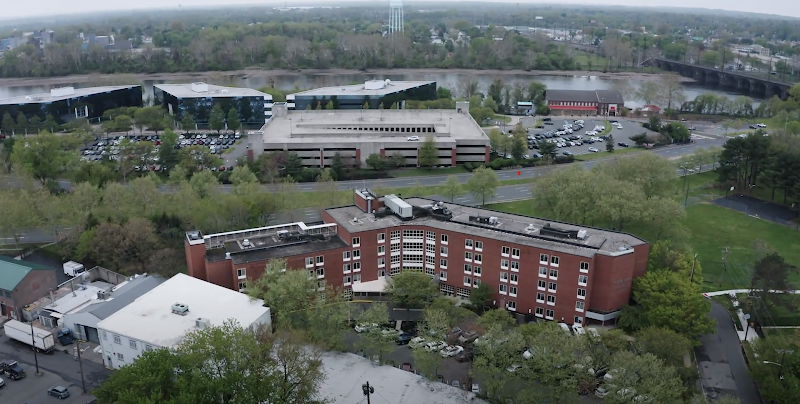
Who Owns and Operates Trenton Gardens Rehabilitation And Nursing Center?

TRENTON GARDENS REHABILITATION AND NURSING CENTER is owned by a for-profit company. For-profit facilities operate as businesses with obligations to shareholders or private owners. The facility operates independently rather than as part of a larger chain. With 215 certified beds and approximately 166 residents (about 77% occupancy), it is a large facility located in TRENTON, New Jersey.
How Does Trenton Gardens Rehabilitation And Nursing Center Compare to Other New Jersey Nursing Homes?

Compared to the 100 nursing homes in New Jersey, TRENTON GARDENS REHABILITATION AND NURSING CENTER's overall rating (1 stars) is below the state average of 3.2, staff turnover (33%) is significantly lower than the state average of 46%, and health inspection rating (1 stars) is much below the national benchmark.

What Should Families Ask When Visiting Trenton Gardens Rehabilitation And Nursing Center?

Based on this facility's data, families visiting should ask: "What changes have been made since the serious inspection findings, and how are you preventing similar issues?" "What safeguards and monitoring systems are in place to protect residents from abuse or neglect?" "Can I visit during a mealtime to observe dining assistance and food quality?" "How do you handle medical emergencies, and what is your hospital transfer rate?" These questions are particularly relevant given the facility's Immediate Jeopardy citations and the substantiated abuse finding on record.

Is Trenton Gardens Rehabilitation And Nursing Center Safe?

Based on CMS inspection data, TRENTON GARDENS REHABILITATION AND NURSING CENTER has documented safety concerns. The facility has 1 substantiated abuse finding (meaning confirmed case of resident harm by staff or other residents). Inspectors have issued 7 Immediate Jeopardy citations (the most serious violation level indicating risk of serious injury or death). The facility is currently on the Special Focus Facility watch list (a federal program monitoring the lowest-performing 1% of nursing homes nationwide). The facility has a 1-star overall rating and ranks #100 of 100 nursing homes in New Jersey. Families considering this facility should ask detailed questions about what corrective actions have been taken since these incidents.

Do Nurses at Trenton Gardens Rehabilitation And Nursing Center Stick Around?

TRENTON GARDENS REHABILITATION AND NURSING CENTER has a staff turnover rate of 33%, which is about average for New Jersey nursing homes (state average: 46%). Moderate turnover is common in nursing homes, but families should still ask about staff tenure and how the facility maintains care continuity when employees leave.

Was Trenton Gardens Rehabilitation And Nursing Center Ever Fined?

TRENTON GARDENS REHABILITATION AND NURSING CENTER has been fined $311,471 across 3 penalty actions. This is 8.6x the New Jersey average of $36,194. Fines at this level are uncommon and typically indicate a pattern of serious deficiencies, repeated violations, or failure to correct problems promptly. CMS reserves penalties of this magnitude for facilities that pose significant, documented risk to resident health or safety. Families should request specific documentation of what issues led to these fines and what systemic changes have been implemented.

Is Trenton Gardens Rehabilitation And Nursing Center on Any Federal Watch List?

TRENTON GARDENS REHABILITATION AND NURSING CENTER is currently an SFF Candidate, meaning CMS has identified it as potentially qualifying for the Special Focus Facility watch list. SFF Candidates have a history of serious deficiencies but haven't yet reached the threshold for full SFF designation. The facility is being monitored more closely — if problems continue, it may be added to the official watch list. Families should ask what the facility is doing to address the issues that led to this status.