BISHOP MCCARTHY CENTER FOR REHAB & HEALTHCARE
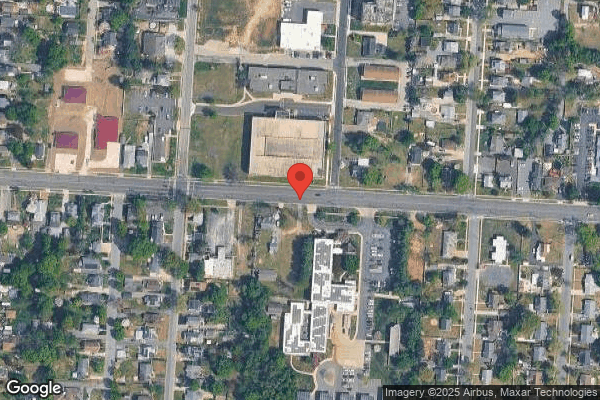
1045 E CHESTNUT AVE, VINELAND, NJ 08360 (856) 692-2850
For profit - Corporation 182 Beds CENTER MANAGEMENT GROUP Data: November 2025
Trust Grade
60/100
#97 of 344 in NJ
Last Inspection: June 2025

Inspected within the last 6 months. Data reflects current conditions.

Overview

Bishop McCarthy Center for Rehab & Healthcare has a Trust Grade of C+, indicating it is decent and slightly above average compared to other facilities. It ranks #97 out of 344 in New Jersey, placing it in the top half, and #2 out of 6 in Cumberland County, meaning only one local facility performs better. The facility is improving, as the number of issues decreased from 8 in 2024 to 6 in 2025, but it faces challenges with staffing, earning a poor rating of 1 out of 5 stars and a concerning turnover rate of 60%, significantly higher than the state average. While it has more quality measures rated 5 out of 5, it has incurred $26,685 in fines, which is average for the state but indicates some compliance issues. Additionally, there is less RN coverage than 90% of New Jersey facilities, which raises concerns about potential oversight in resident care. Recent inspector findings highlighted issues such as improper food storage without dates, which poses a risk for foodborne illness, and failure to document medication administration correctly for most residents. Overall, the facility shows strengths in quality measures but has critical areas needing improvement, especially in staffing and food safety practices.

Trust Score
C+
60/100
In New Jersey
#97/344
Top 28%
Safety Record
Low Risk
No red flags
Inspections
Getting Better
8 → 6 violations
Staff Stability
⚠ Watch
60% turnover. Above average. Higher turnover means staff may not know residents' routines.
Penalties
✓ Good
$26,685 in fines. Lower than most New Jersey facilities. Relatively clean record.
Skilled Nurses
⚠ Watch
Each resident gets only 17 minutes of Registered Nurse (RN) attention daily — below average for New Jersey. Fewer RN minutes means fewer trained eyes watching for problems.
Violations
⚠ Watch
24 deficiencies on record. Higher than average. Multiple issues found across inspections.
★★★★☆
4.0
Overall Rating
★☆☆☆☆
1.0
Staff Levels
★★★★★
5.0
Care Quality
★★★★☆
4.0
Inspection Score
Stable
2024: 8 issues
2025: 6 issues

The Good

  • 5-Star Quality Measures · Strong clinical quality outcomes
  • Full Sprinkler Coverage · Fire safety systems throughout facility
  • No fines on record

Facility shows strength in quality measures, fire safety.

The Bad

Staff Turnover: 60%

14pts above New Jersey avg (46%)

Frequent staff changes - ask about care continuity

Federal Fines: $26,685

Below median ($33,413)

Moderate penalties - review what triggered them

Chain: CENTER MANAGEMENT GROUP

Part of a multi-facility chain

Ask about local staffing decisions and management

Staff turnover is elevated (60%)

12 points above New Jersey average of 48%

The Ugly 24 deficiencies on record

Jun 2025 6 deficiencies
CONCERN (D)

Potential for Harm - no one hurt, but risky conditions existed

Comprehensive Care Plan (Tag F0656)

Could have caused harm · This affected 1 resident

Based on observation, interview, and review of pertinent facility documents, it was determined that the facility failed to develop and implement a comprehensive plan of care for a resident on long-ter...

Read full inspector narrative →
Based on observation, interview, and review of pertinent facility documents, it was determined that the facility failed to develop and implement a comprehensive plan of care for a resident on long-term use of anti-depressant and anti-psychotic medications. This deficient practice was identified for 1 of 4 residents (Resident #81) reviewed for behavioral and emotional care and was evidenced by the following: On 6/6/2025 at 10:36 AM, during the initial tour of the facility, Resident #81 was observed by Surveyor #1 resting in bed fully dressed but did not respond to the surveyor's greeting. On 6/9/2025 at 9:11 AM, Surveyor #2 observed the resident awake in bed and fully dressed. The resident did not engage in conversation with the surveyor. On 6/9/2025 at 11:00 AM, Surveyor #2 reviewed the electronic medical record for Resident #81. A review of the admission Record revealed that the resident had diagnoses which included but were not limited to dementia, bipolar disorder (a mental illness characterized by extreme shifts in mood, energy, and activity levels), and depression. A review of the resident's most recent comprehensive Minimum Data Set (MDS), an assessment tool, dated 6/4/2025 reflected the resident had short-term and long-term memory problem. Further review of the MDS indicated that the resident was receiving antidepressant and antipsychotic medications. A review of the discontinued and active Clinical Physician Orders as of 6/6/2025 reflected the following physician orders for risperidone, an antipsychotic medication: Risperidone tablet (tab) 2 milligram (mg), give 1 tab by mouth (PO) at bedtime (HS) for bipolar disorder (d/o) started on 3/10/2023 and discontinued on 4/17/2023. Risperidone tab 0.5 mg, give 1 tab PO 1 time a day for bipolar d/o started on 3/11/2023 and discontinued on 6/21/2023. Risperidone tab 1 mg, give 1 tab PO at HS for bipolar d/o started on 4/17/2023 and discontinued on 5/3/2023. Risperidone tab 0.5 mg, give 1 tab PO at HS for bipolar d/o started on 5/3/2023 and discontinued on 11/9/2023. Risperidone tab 0.25 mg, give 1 tab PO at HS for bipolar d/o started on 11/18/2023 and discontinued on 3/1/2024. Risperidone tab 0.25 mg, give 1 tab PO at HS for bipolar d/o started on 3/1/2024 and discontinued on 3/15/2024. Risperidone tab 0.5 mg, give 1 tab PO at HS for bipolar d/o started on 3/2/2024 and discontinued on 3/9/2024. Risperidone tab 2 mg, give 1 tab PO at HS for bipolar d/o started on 5/20/2024. A review of the discontinued and active Clinical Physician Orders as of 6/6/2025 reflected the following physician orders (PO) for amitriptyline, an antidepressant medication: Amitriptyline HCl tab 25 mg, give 1 tab PO at HS for depression started on 3/17/2023 and discontinued on 3/1/2024. Amitriptyline HCl tab 25 mg, give 2 tabs PO at HS for depression started on 3/1/2024. A review of Medication Administration Record (MAR) revealed that Resident #81 has been receiving Risperidone as ordered since 3/10/2023 and Amitriptyline as ordered since 3/17/2023. A review of the resident's active and completed comprehensive care plans since admission in March 2023 did not reveal a focus including goal and interventions for use of antipsychotic or antidepressant medications. On 6/16/2025 at 1:56 PM, during an interview with the survey team, the Director of Nursing (DON) stated that the use of psychotropic medications (medications including antipsychotic and antidepressant medications) needs to be care planned as soon as they are ordered. A review of facility-provided policy titled Comprehensive Care Plan dated March 2020, included under Policy Statement: A plan of care will be created for each resident that included but not limited to measurable objectives and timetables to meet the resident's physical, psychosocial and functional needs. N.J.A.C.8:39 - 11.1
CONCERN (D)

Potential for Harm - no one hurt, but risky conditions existed

Deficiency F0658 (Tag F0658)

Could have caused harm · This affected 1 resident

Based on observation, interview and record review, and review of other facility documentation, it was determined that the facility failed to; a) ensure proper administration of medication during medic...

Read full inspector narrative →
Based on observation, interview and record review, and review of other facility documentation, it was determined that the facility failed to; a) ensure proper administration of medication during medication pass observation for 1 of 4 residents observed (Resident #164); b) document the notification to the physician when a medication was not administered as ordered for 1 of 2 residents sampled for dialysis (Resident #24); c) administer pain medications within scheduled parameters on various shifts for 1 of 3 residents investigated for pain management (Resident #141); d) provide antibiotic therapy according to a physician's orders for 1 of 1 resident's reviewed for antibiotic therapy (Resident #222), in accordance with professional standards of practice. This deficient practice was evidenced as follows: Reference: New Jersey Statutes Annotated, Title 45. Chapter 11. Nursing Board. The Nurse Practice Act for the State of New Jersey states: The practice of nursing as a registered professional nurse is defined as diagnosing and treating human responses to actual and potential physical and emotional health problems, through such services as casefinding, health teaching, health counseling, and provision of care supportive to or restorative of life and wellbeing, and executing medical regimens as prescribed by a licensed or otherwise legally authorized physician or dentist. Reference: New Jersey Statutes Annotated, Title 45, Chapter 11. Nursing Board. The Nurse Practice Act for the State of New Jersey states: The practice of nursing as a licensed practical nurse is defined as performing tasks and responsibilities within the framework of casefinding; reinforcing the patient and family teaching program through health teaching, health counseling and provision of supportive and restorative care, under the direction of a registered nurse or licensed or otherwise legally authorized physician or dentist. 1. On 06/09/2025 at 09:15 AM, the surveyor observed the Licensed Practical Nurse (LPN #4) prepare seven medications for Resident #164, for medication pass observation. One of the medications was omeprazole DR (delayed release) 40 mg (milligram) tablet; give one tablet in the morning for GERD (gastroesophageal reflux disease) (a digestive disease where the stomach acid or bile irritates the food pipe lining). LPN #4 removed from a bulk stock bottle labeled omeprazole 20 mg tablets one tablet and placed that one tablet into a medicine cup, then LPN #4 proceeded to add the additional medications into the medicine cup. On 06/09/2025 at 09:25 AM, the surveyor stopped LPN #4 just before she was about to administer the Resident #164's medication, and both returned to the nursing cart. Together LPN #4 and the surveyor reviewed the medication bottle for omeprazole. LPN #4 acknowledged the dose was for omeprazole 40mg and the bottle she had in the medication cart was omeprazole 20mg tablets. LPN #4 stated she would call the physician to make them aware and have the order changed to omeprazole 20 mg tablet give #2 to make the omeprazole 40 mg dose. On 06/16/2025 at 02:13 PM, the survey team met with facility Administration. The Director of Nursing (DON) stated the nurse should have clarified the order to ensure what was available at the facility matched what the physician ordered. 2. On 06/06/2025 the surveyor observed Resident #24 in bed with their eyes closed, and did not respond to surveyor inquiry. A review of the admission Record face sheet (an admission summary) reflected the resident was admitted to the facility with diagnoses which included end stage renal disease, dependence on renal dialysis, anxiety disorder, and diabetes. A review of the most recent annual Minimum Data Set (MDS), an assessment tool dated 6/11/25, reflected the resident had a brief interview for mental status score of 13 out of 15, which indicated a fully intact cognition and was receiving dialysis treatments. A review of the Order Summary Report, included the following medications: Epoetin Alpha injection solution 10000 unit/ml (milliliter); inject 10000 unit subcutaneously (injected beneath the skin) one time a day every Tue, Thu, Sat for acute or chronic anemia (lower than normal amount of healthy red blood cells). Retacrit 10000 unit/ml solution; inject 1 ml subcutaneously one time a day every Tue, Thu, Sat for chronic anemia. A review of the June 2025 Medication Administration Record (MAR) revealed on five occasions the nurse documented 9, 3 or 2. According to the key 9 indicated other-see nurses note, 3 indicated Out on pass and 2 indicated drug refused. 06/05/2025 12:00 PM, 9 06/07/2025 12:00 PM, 3 06/10/2025 11:00 AM, 2 06/12/2025 11:00 AM, 2 06/14/2025 11:00 AM, 2 A review of the corresponding Progress Notes for the referenced dates above did not reveal documentation the physician had been notified that the resident had not received their prescribed medication. A review of the dialysis communication forms for the above referenced days also did not reveal the dialysis center was made aware the resident had not received either Epoetin Alpha or Retacrit. On 06/12/2025 at 01:06 PM. the surveyor interviewed the resident's Licensed Practical Nurse #5. The nurse indicated the resident received medications upon their return to the facility on dialysis days and listed a number of medications, but did not indicate either Epoetin Alpha or Retacrit. On 06/17/25 at 9:09 AM, the survey team met with the facility Administration regarding concerns. At that time the Director of Nursing (DON) confirmed a physician must be notified when a resident missed a dose of medication for any reason. She further stated she had reviewed the resident's medical record and could not locate any documentation the physician had been made aware the resident had not been receiving their Epoetin Alpha or their Retacrit. A review of the facility's Facility Medications policy dated revised 12/23, included if a drug is withheld, refused, or given at a time other than the scheduled time, the individual administering the medication will utilize the correct code in the electronic medical record (EMR) . A review of the facility's Administering Medications policy dated revised 3/2020, included . Notification of physician and documentation required if not given during prescribed time frame . NJAC 8:39-11.2(b); 27.1(a) 3. On 06/06/2025 at 11:19 AM the surveyor observed Resident #141 in therapy during the initial tour of the facility. Resident #141 was observed to be tall and thin. The surveyor had previously looked for Resident #141 in their assigned room. Resident #141's spouse told the surveyor that he/she was in a lot of pain today. According to the admission Record, Resident #141 was admitted to the facility with the following but not limited to diagnoses: Hemiplegia and hemiparesis following cerebral infarction affecting left on-dominant side, vascular dementia, osteoarthritis and muscle weakness. A Review of the quarterly Resident Assessment Instrument Minimum Data Set (MDS), an assessment tool, dated 5/31/2025, Resident #141 had a Brief Interview for Mental Status score of 13 indicating intact cognition. Section GG of the MDS revealed that Resident #141 required setup or clean-up assistance with eating and oral hygiene, supervision/touch assist was required with upper body dressing, substantial/maximal assist with toileting hygiene, shower/bathe self and lower body dressing. Resident #141 was dependent with putting on/taking off footwear and personal hygiene. Section J revealed that Resident #141received scheduled pain medication regimen and received PRN (as needed) pain medications. Pain was identified in Section J as frequent and was described on a zero to 10 scale (with zero being no pain and ten as the worst pain you can imagine) as a 5. Section N of the MDS revealed that Resident #141 received an opioid daily during the assessment period. According to the Order Summary Report Resident #141 had the following physician orders: Pain assessment every shift for pain management Verbal pain scale: 0 = no pain, 1-4 mild pain, 5-7 moderate pain, 8-10 severe pain. Order Date: 10/29/2024. Acetaminophen Oral Tablet 325 MG (milligrams) (Acetaminophen) Give 2 tablets by mouth every 4 hours as needed for pain. Order Date: 02/22/2025. Acetaminophen Tablet 325 MG Give 2 tablet by mouth every 6 hours as needed for mild pain (0-5). Order Date: 02/22/2025. Percocet Oral Tablet 5-325 MG (Oxycodone w/ (with) Acetaminophen Give 1 tablet by mouth every 6 hours as needed for severe pain. Order Date: 05/22/2025 at 0923. Review of the comprehensive care plan for Resident #141 revealed the following care plan Focus: The resident has pain r/t (related to) OA (osteoarthritis). Interventions included: Monitor/record pain characteristics (FREQ (frequency)) and PRN: Quality (e.g. sharp burning); Severity (1 to 10 scale); Anatomical location; Onset; Duration (e.g., continuous, intermittent); Aggravating factors; Relieving factors. Date Initiated: 02/22/2025 Cancelled Date: 06/09/2025. In addition, Resident #141 had another care plan with the following Focus: Pain legs related to bilateral leg pain, neuropathy Date Initiated: 02/22/2025 Cancelled Date: 06/09/2025. Interventions included: Administer pain medication per physician orders. On 06/10/2025 at 09:58 AM the surveyor was made aware by the unit manager that Resident #141 was admitted to acute care over the weekend. Resident #141 was transferred to acute care for vascular occlusion. On 06/11/2025 at 10:10 AM the surveyor reviewed the Electronic Medical Record (EMR). The 6/1/2025-6/30/2025 Medication Administration Record (MAR) revealed that Resident #141 was provided Percocet 5-325 for severe pain on 6/6/2025 for pain level of 5 at 1336 and on 6/7/2025 at 0535 for a pain level of 4. Review of the 5/1/2025-5/31/2025 MAR revealed that Resident #141 received Percocet on 5/25/2025 at 0922 for a pain level of 6 and on 5/31/2025 at 2028 for a pain level of 4. On 06/16/2025 at 08:41 AM the surveyor conducted an interview with the Licensed Practical Nurse (LPN#3) assigned to Resident #141's previous unit. The surveyor asked LPN # how staff determines a resident pain level for administering pain medication. LPN # told the surveyor we have a pain scale which is 0-10. Mild pain is 0-3, moderate is 4-6 and severe to me is 7-10. It is also included in the order (pain scale). LPN #3 then told the surveyor that some orders have it, and some do not have it in the order (pain scale). The surveyor then asked LPN # if she would you give Percocet for a pain scale of 4. LPN # told the surveyor, No. Absolutely not because Percocet is for severe pain versus mild/moderate. LPN #3 further told the surveyor I would give Tylenol first and assess the pain and effectiveness. I would also use non-pharmacological interventions as well. On 06/16/2025 at 09:24 AM the surveyor again reviewed the May 2025 MAR for Resident #141. The MAR revealed that Resident #141 had an order for pain assessment every shift that identified pain on the following scale 0 = no pain, 1-4 = mild pain, 5-7 moderate pain, and 8-10 for severe pain. Resident #141 was prescribed Percocet Oral Tablet 5-325 MG (Oxycodone w/Acetaminophen) Give 1 tablet by mouth every 6 hours as needed for severe pain. Order Date: 5/22/2025 0923 and D/C Date: 06/07/2025 2030. The MAR revealed that Resident #141 was provided Percocet on 5/25/2025 at 0922 for a pain scale of 6. In addition, Resident #141 was also provided Percocet on 5/31/2025 at 2028 for a pain scale of 4. Review of the 6/1/2025-6/30/2025 MAR revealed the following: Resident #141 received Percocet on 6/2/2025 at 0920 for a pain scale of 7, received Percocet on 6/4/2025 at 0906 for a pain scale of 7, received Percocet on 6/5/2025 at 0446 for a pain scale of 7, received Percocet on 6/6/2025 at 1336 for a pain scale of 5 and received Percocet on 6/7/2025 at 0535 for a pain scale of 4. These values were not consistent with facility pain scale of 8-10 for severe pain. On 06/16/2025 at 1:04 PM the surveyor conducted an interview with the Licensed Practical Nurse/Unit Manager (LPN/UM #) of the Sub Acute Rehabilitation Unit that Resident #141 previously resided. The surveyor asked LPN/UM #1 what severe pain was on a numerical scale according to facility practice. LPN/UM #1 told the surveyor that severe pain was 6-10 on a numerical scale. The surveyor then told LPN/UM #1 that according to their pain assessment scale severe pain was indicated to be 8-10 on a numerical scale. LPN/UM # then told the surveyor that going by the scale I would not have given the Percocet for pain less than 8-10. On 06/16/2025 at 01:55 PM during a meeting with facility administration the surveyor asked the facility Director of Nursing (DON) why Resident #141 was prescribed medication for severe pain outside of the severe pain scale parameters. The DON told the surveyor that those pain scales were, I assume, provided by the resident verbally. I agree that it was out of parameters. On 6/17/2025 at approximately 9:00 AM during another meeting with facility administration, the DON told the surveyor that Resident #141 received Percocet on those days (previously mentioned outside of parameters). The DON said that Resident #141 requested pain medication for lower extremity pain and that he/she considered a pain of 5 to be extreme. The surveyor reviewed the facility policy titled Pain Management, revised date: 05/2024. The following was revealed under Purpose: The purpose of this procedure are (sic) to help the staff identify pain in the resident, and to develop interventions that are consistent with the resident's goals and needs to address his or her pain. In addition, the following was revealed under Implementing Pain Management Strategies: 6. Implement the medication regimen as ordered, documenting the results of the interventions. 3. On 6/11/25 at 12:37 PM, the surveyor reviewed the closed medical records for Resident #222 who had been discharged from the facility. A review of the admission Record (an admission summary) reflected that the resident was admitted to the facility with diagnoses that included but limited to, acute osteomyelitis of the left ankle and foot, orthopedic aftercare following surgical amputation, complete traumatic amputation of two or more left lesser toes, and Type 1 diabetes. Review of a physician order summary report (POS) included an order for Vancomycin HIC Intravenous Solution 1750 MG/350ML (milligrams/milliliters), two times a day for osteomyelitis with a start date of 11/14/24 and an end date of 12/19/24. A review of the November and December 2024 Medication Administration Record (MAR) included Vancomycin HCI to be administered at 10:00 AM and 22:00 PM. The following dates were blank, indicating that the medication was not given: -11/25/24 10:00 AM dose -12/6/24 22:00 PM dose -12/12/24 22:00 PM dose -12/17/24 22:00 PM dose On 6/16/25 at 10:27 AM, the survey team met with the administration. The Director of Nursing stated that she reviewed the medical records but was unable to offer an explanation regarding the missing antibiotic doses. A review of the facility's policy titled. Administering Medications, with a revised dated of 3/2020 included: #3 Medications must be administered in accordance with the orders, including any required time frame. Also included, #12 If a drug is withheld, refused, or given at a time other than the scheduled time, the individual administering the medication will utilize the correct code in the electronic medical record (EMR), and #14 As required or indicated for a medication, the individual administering the medication will record in the resident's EMR. N.J.A.C 18:39-27.1(a)
CONCERN (D) 📢 Someone Reported This

A family member, employee, or ombudsman was alarmed enough to file a formal complaint

Potential for Harm - no one hurt, but risky conditions existed

Pressure Ulcer Prevention (Tag F0686)

Could have caused harm · This affected 1 resident

Complaint # NJ181256 Based on observation, interview, review of closed medical records and review of other facility documentation, it was determined that the facility failed to provide a resident with...

Read full inspector narrative →
Complaint # NJ181256 Based on observation, interview, review of closed medical records and review of other facility documentation, it was determined that the facility failed to provide a resident with pressure ulcers the necessary treatment and services consistent with professional standards of practice, to promote healing, prevent infection and prevent new ulcer development for 1 of 4 residents reviewed for pressure ulcers (Resident #222). The evidence was as follows: On 6/11/2025 at 12:37 PM, the surveyor reviewed the closed electronic medical records (EMR) for Resident #222 who had been discharged from the facility. A review of the admission Record (an admission summary) reflected that Resident #222 was admitted to the facility with diagnoses that included but limited to, acute osteomyelitis of the left ankle and foot, orthopedic aftercare following surgical amputation, complete traumatic amputation of two or more left lesser toes, and Type 1 Diabetes. A review of the Minimum Date Set, an assessment tool, dated 12/31/2024, indicated that Resident #222 was cognitively intact and was on an antibiotic for osteomyelitis of the left ankle and foot. A review of the Order Summary Report for the period of 11/1/2024 through 12/31/02 had the following physician order: Dress left foot with collagen in open areas of incision and apply ABD pad (a highly absorbent dressing used for wound care for managing large, heavily draining wounds), and DSD (dry sterile dressing), change every Tuesday, Thursday, and Saturday. In addition, a physician order with an order date of 11/14/2024 included: Left foot: flush with saline/betadine and pack with ¼ inch iodoform packing, xeroform over incision site with sutures, gauzes, ABD, Kerlix, and ACE (elastic bandage), daily in the evening for wound care. A review of the Treatment Administration Record for the months of November and December 2024, did not reflect treatment for the left foot flush with saline/betadine, packing, ABD, Kerlix and ACE on the following dates: -11/17/24 and 11/18/24. During an interview on 6/16/2025 at 10:27 AM, the Director of Nursing stated that she reviewed the medical records for Resident #222 but was unable to provide any additional explanation or documentation to explain why the wound treatment was not administered. A review of the facility provided policy titled, Wound Care Treatment, dated 4/2024, did not address documentation of wound care. NJAC 8:39-27.1 (e)
CONCERN (D)

Potential for Harm - no one hurt, but risky conditions existed

Deficiency F0761 (Tag F0761)

Could have caused harm · This affected 1 resident

Based on observation, interview, and review of pertinent facility documents it was determined that the facility failed to store medications securely in their packaging inside the medication cart. The ...

Read full inspector narrative →
Based on observation, interview, and review of pertinent facility documents it was determined that the facility failed to store medications securely in their packaging inside the medication cart. The deficient practice was identified for 2 of 8 medication carts reviewed under the Medication Storage task. The deficient practice was evidenced by the following: On 6/9/2025 at 12:00 PM, in the presence of Licensed Practical Nurse (LPN #1), the surveyor inspected the short hall medication cart. The surveyor found 3 loose tablets. LPN #1 stated that there should not be loose medications in the cart. On 6/9/2025 at 12:12 PM, in the presence of LPN #2, the surveyor inspected the long hall medication cart. The surveyor found 11 loose tablets. LPN #2 stated that there should not be loose medications in the cart because it was a safety hazard and sanitation issue. On 6/16/2025 at 1:50 PM, during an interview with the survey team, the Director of Nursing stated that there should not be loose pills in the medication carts. A review of the facility-provided policy titled Medication Storage dated March 2020, included under Policy Interpretation and Implementation: 1. Drugs and biologicals shall be stored in the packaging, containers or other dispensing systems in which they are received. N.J.A.C. 8:39 - 29.4 (h)
CONCERN (D)

Potential for Harm - no one hurt, but risky conditions existed

Infection Control (Tag F0880)

Could have caused harm · This affected 1 resident

**NOTE- TERMS IN BRACKETS HAVE BEEN EDITED TO PROTECT CONFIDENTIALITY** Based on observation, interview, and review of pertinent facility documents, it was determined that the facility failed to preve...

Read full inspector narrative →
**NOTE- TERMS IN BRACKETS HAVE BEEN EDITED TO PROTECT CONFIDENTIALITY** Based on observation, interview, and review of pertinent facility documents, it was determined that the facility failed to prevent the potential for cross contamination by not initiating and implementing Enhanced Barrier Precautions (EBP) (an infection control intervention designed to reduce transmission of multidrug-resistant organisms) for a resident with an infected wound in accordance with the Center for Disease Control and Prevention (CDC) guidelines and standards of clinical practice. This deficient practice was identified for 1 of 5 residents (Resident #166) reviewed for pressure ulcers and was evidenced by the following: According to the CDC Frequently Asked Questions (FAQs) about Enhanced Barrier Precautions in Nursing Homes, dated 6/28/2024, EBP are recommended for residents with indwelling devices or wounds . because devices and wounds are risk factors that place these residents at higher risk for carrying or acquiring a MDRO (multidrug-resistant organisms) and many residents colonized with a MDRO are asymptomatic or not presently known to be colonized. EBP expand the use of gown and gloves beyond anticipated blood and body fluid exposures. They focus on use of gown and gloves during high-contact resident care activities that have been demonstrated to result in transfer of MDROs to hands and clothing of healthcare personnel, even if blood and body fluid exposure is not anticipated. EBP are recommended for residents known to be colonized or infected with a MDRO as well as those at increased risk of MDRO acquisition (e.g., residents with wounds or indwelling medical devices) .https://www.cdc.gov/long-term-care-facilities/hcp/prevent-mdro/faqs.html On 6/6/2025 at 10:58 AM, during the initial tour of the facility, the surveyor observed Resident #166 awake in bed who stated that they had a wound in the buttocks area which they acquired from the hospital. No signage for EBP was noted inside or outside the resident's room. There was no personal protective equipment (PPE) immediately available near the resident's room aside from gloves. On 6/6/2025 at 11:30 AM, the surveyor reviewed the resident's electronic medical record (EMR). A review of the admission Record revealed that the resident was admitted to the facility with diagnoses which included but not limited to chronic ulcerative proctitis (inflammation of the rectum) and spinal stenosis (narrowing of the spinal canal). A review of the most current comprehensive Minimum Data Set (MDS), an assessment tool dated 5/10/2025, revealed that the resident had moisture associated skin damage (MASD). A review of the Nursing Evaluation 8.2 report dated 5/4/2025, revealed an assessment which noted an open area with tan slough at the top of coccyx. A review of the Clinical Physician Orders (CPO) completed and active as of 6/6/2025 revealed the following orders: Doxycycline Monohydrate Oral Capsule 100 MG (Doxycycline (Monohydrate), give 1 capsule by mouth every 12 hours for sacral wound infection for 10 Days started on 5/8/2025 and completed on 5/18/2025. Cleanse sacral wound with normal saline solution, apply Santyl (a wound treatment ointment) then pack with Dakin's solution (a wound treatment solution) moist gauze, abd (abdominal) pad, and tape daily on day shift and as needed started on 5/9/2025. The CPO did not reveal a physician order for EBP. A review of the Medication Administration Record (MAR) for May 2025 and June 2025 as of 6/6/2025 revealed that the resident received the ordered Doxycycline antibiotic for sacral wound infection and treatments to the sacral wound. Neither the MAR nor the TAR (Treatment Administration Record) for the months of May 2025 and June 2025 reveal EBP was implemented. A review of the resident's comprehensive care plan as of 6/6/2025 did not include an EBP as an intervention for the risk of infection related to the resident's sacral wound. A review of the progress notes by the Wound Nurse Practitioner dated 5/8/2025 reflected the following: Wound Location: Sacrum into left buttock Etiology: unstageable Signs of infection: + odor, + cellulitis Size: 15 x 5 x 1 cm Tissue type: grossly necrotic Drainage: scant serous Peri wound: intact Edema: none Description: stable, Kennedy ulcer appearing On 6/16/2025 at 1:15 PM, during an interview with the survey team, the Director of Nursing (DON) stated that the facility process for EBP included getting a physician order, care plan and setup for EBP outside the resident's room. The DON further stated that EBP would be implemented during high-contact activities including wound care. On 6/16/2025 at 1:30 PM, the surveyor relayed to the facility administration the concern for lack of EBP order and care plan for the resident from the time treatments were ordered and antibiotics were started for the infected sacral wound. On 6/17/2025 at 9:10 AM, during an interview with the survey team, the Infection Preventionist (IP) stated that CDC recommendations are incorporated in our policies. The IP further stated that there was an order and care plan for EBP upon admission on [DATE] and presented to the surveyor a printed order sheet showing EBP was ordered on 5/4/2025 and a printed care plan for EBP showing it was initiated on 5/5/2025. On 6/17/2025 at 9:13 AM, the surveyor reviewed the resident's EMR, specifically the order history and care plan history, which revealed that the EBP order was backdated to 5/4/2025 by the IP but was created and revised on 6/9/2025. Further review of the comprehensive care plans revealed the EBP intervention was backdated as initiated on 5/5/2025 but was created on 6/9/2025 by the IP. On 6/17/2025 at 9:33 AM, the findings were shown to the Regional Director of Clinical Services who did not refute them. A review of the facility-provided policy titled Transmission Based Precautions dated March 2020 included under Enhanced Barrier Precautions: 2. EBP are used in conjunction with standard precautions and is utilized for residents with .b. Major wounds and/ or indwelling medical devices even if the resident is not known infect [sic] or colonized with a MDRO. N.J.A.C. 8:39 - 19.4 (a)
CONCERN (E)

Potential for Harm - no one hurt, but risky conditions existed

Food Safety (Tag F0812)

Could have caused harm · This affected multiple residents

Based on observation, interview, and record review, it was determined that the facility failed to maintain kitchen sanitation in a safe and consistent manner to prevent food borne illness. This defici...

Read full inspector narrative →
Based on observation, interview, and record review, it was determined that the facility failed to maintain kitchen sanitation in a safe and consistent manner to prevent food borne illness. This deficient practice was evidenced by the following: On 06/06/2025 from 09:54 to 10:27 AM the surveyor, accompanied by the Food Service Director (FSD), observed the following in the kitchen: 1. Upon entry to the kitchen the surveyor went to observe the high temperature dish machine that was actively washing dishes at the time. The surveyor requested to see the dish machine temperature log. The June 2025 Dish Machine Temperature Log indicated that on 6/6/25 at breakfast the high temperature dish machine had the following temperatures prior to washing dishes: Wash = 180 and Rinse = 16 (confirmed by FSD to be 160 degrees Fahrenheit(F)). The surveyor asked the FSD what the minimum temperatures were for the wash and rinse on the high temperature dish machine and the FSD replied wash was to be at least 160 degrees F and rinse was to be at least 180 degrees F. On 06/06/2025 at 10:06 AM the surveyor observed the wash and rinse temperature in the presence of the FSD and the Dietary Aide (DA #1) who was assigned to run the machine on this occasion. The surveyor asked the DA#1 to run a rack of dishes through the high temperature dish machine and the following temperatures were observed: Wash = 126 F and Rinse = 130 F. The surveyor asked the DA#1 if the gauge had malfunctioned, and DA#1 stated the gauge was good when I started. The surveyor asked DA#1 if he monitored the wash and rinse gauge throughout the breakfast dish washing service. The DA replied, No. The DA did not monitor the dish machine temperature gauges and continued to wash dishes when the high temperature dish machine was not meeting minimum required temperatures of 160 F for wash and 180 F for rinse, as told to the surveyor by the FSD. The FSD shut down the dish machine and contacted the vendor. The FSD agreed that the temperatures of the wash and rinse should be always monitored and if not meeting the minimum required temperatures the machine should be shut down immediately and go to paper until the machine functions within normal temperature range. The surveyor asked (DA#2), who had documented on the dish machine temperature log for 6/6/2025 at breakfast, according to the FSD, what time the dish machine temperatures were recorded on the log. DA#2 told the surveyor that she recorded the temperature of 160 F for wash and 180 F at approximately 5:30 AM on 6/6/2025. 2. On a lower shelf in the walk-in freezer a previously opened bag of French Fries was inside an opened cardboard box. The French Fry bag was opened, and the contents were exposed to contamination. In addition, the French fries had no open or use by dates. 3. On an upper shelf of the walk-in refrigerator, a half-pound plastic container contained peeled garlic. The open date was 5/13/25. The container of garlic had a manufacturer's date of BUB May/20/2025 (best if used by). On 06/12/2025 at 08:43 AM the surveyor, accompanied by the Registered Nurse/Unit Manager (RN/UM#1) observed the following on the North Hall Pantry: 1. (2) Yoplait yogurts in a clear and sealed plastic bag had a Best By 03 JUN 2025 manufacturer dates on the lower shelf of the pantry refrigerator in addition, a brown paper bag contained an unidentified food item. RN/UM #1 removed the yogurts to trash in presence of surveyor and agreed that they should have been removed by the manufacturer's date. On 06/16/2025 at 12:45 PM the surveyor, accompanied by the FSD, observed the following in the kitchen: 1. Upon entry to the kitchen the surveyor observed a male DA standing in the steam table area during the lunch meal. The DA had a lengthy beard and hair braids that extended to the mid-back. The DA had a black wave cap that only partially covered the hair on their head. The DA did not have a beard restraint, and the braids were exposed. On interview the FSD agreed that the DA should have restrained the braids and beard while working around food. 2. On a middle shelf of the walk-in refrigerator two (2) deep 1/4 pans with clear plastic wrap contained chopped fruit in liquid. The 1/4 pans were dated 6/10 and 6/13. The FSD stated that the pans of fruit should have been thrown away after the 13th and stated that the fruit t was from the weekend. The FSD removed the fruit to the trash in the presence of the surveyor. The surveyor reviewed the facility policy titled Food Safety, undated. The following was revealed under Policy Explanation and Compliance Guidelines for Staffing: 2. The food shall be clearly marked to indicate the date or day by which the food shall be consumed or discarded. 3. The individual opening or preparing a food shall be responsible for date marking the food at the time the food is opened or prepared. 4. The marking system shall consist of a color-coded label, the day/date of opening, and the day/date the item must be consumed or discarded. 5. The Head Cook, or designee, shall spot check refrigerators weekly for compliance, and document accordingly. Corrective action shall be taken as needed. The surveyor reviewed the facility policy titled Cleaning Dishes/Dish Machine, undated. The following was revealed under Policy: All flatware, serving dishes, and cookware will be washed, rinsed, and sanitized after each use. Dish machines will be checked prior to meals to assure proper functioning and appropriate temperatures for cleaning and sanitation. In addition, the following was revealed at the bottom of the policy page: Note: Hopkins Center staff should check the dish machine gauges throughout the cycle to assure proper temperatures for sanitation. The surveyor reviewed the facility provided policy/procedure titled Resource: Sanitation of Dishes/Dish Machine, undated. The following was observed under Type of Dish Machine: High Temperature Dishwasher: Wash Temperature: 150 to 165 F Final Rinse Temperature or Sanitization: 180 F. The surveyor reviewed the facility provided policy titled Dish Machine Temperature Log, undated. The following was observed under Procedure: 2. The food service manager will train dishwashing Hopkins Center staff to monitor dish machine temperatures throughout the dishwashing process. 4. Dishwashing Hopkins Center staff will be trained to report any problem with the dish machine to the food service manager as soon as they occur. The surveyor reviewed the facility policy titled Foods Brought by Family/Visitors, revised July 2017. The following was revealed under Policy Interpretation and Implementation: 8. The nursing staff will discard perishable foods on or before the use by date. N.J.A.C. 18:39-17.2 (g)
Sept 2024 1 deficiency
CONCERN (E) 📢 Someone Reported This

A family member, employee, or ombudsman was alarmed enough to file a formal complaint

Potential for Harm - no one hurt, but risky conditions existed

Deficiency F0658 (Tag F0658)

Could have caused harm · This affected multiple residents

Complaint #: NJ00175475 Based on observations, interviews, medical record review, and review of other pertinent facility documentation on 09/26/2024, it was determined that the facility failed to foll...

Read full inspector narrative →
Complaint #: NJ00175475 Based on observations, interviews, medical record review, and review of other pertinent facility documentation on 09/26/2024, it was determined that the facility failed to follow standards of clinical practice for documenting the administration of medication in the electronic Medication Administration Record (MAR). The facility also failed to follow its policy titled Administering Medications. This deficient practice was identified for 26 of 29 residents reviewed on MAR and was evidenced by the following: Reference: New Jersey Statutes Annotated, Title 45, Chapter 11. Nursing Board. The Nurse Practice Act for the State of New Jersey states: The practice of nursing as a licensed practical nurse is defined as performing tasks and responsibilities within the framework of case finding; reinforcing the patient and family teaching program through health teaching, health counseling and provision of supportive and restorative care, under the direction of a registered nurse or licensed or otherwise legally authorized physician or dentist. On 09/26/2024 at 10:00 AM, the surveyor observed the Licensed Practical Nurse (LPN #1) perform medication administration for two residents. During an interview with the surveyor on 09/26/2024 at 10:10 AM, LPN #1 stated there was only one resident left for medication pass. The surveyor asked to review LPN #1's MAR screen for all assigned residents. The surveyor reviewed the MAR screen and observed 27 residents highlighted in pink and 2 residents highlighted in yellow. LPN #1 stated that if residents' names were highlighted in pink that indicated the medications were not yet signed out. LPN #1 further stated she adminstered medications to all residents on her assignment except one resident who was in physical therapy during medication observation. LPN #1 stated she was unable to sign out medications after administration because she usually floated around the facility and was not familiar with this particular medication cart. LPN #1 further stated that after administering medications to her assigned residents, she kept track of who received medications on her census sheet. LPN #1 stated the intention was to sign out the medications on the MAR after medication pass was completed. LPN #1 further stated medication should be signed out after medication administration. LPN #1 stated a resident could be harmed if medications were not signed out after administration and another nurse had to take the medication cart in an emergency. LPN #1 further stated, I did not follow the policy by not signing the MAR after giving medications. On 09/26/2024 at 10:18 AM, the surveyor observed LPN #1 administer medications to one resident that was left for medication pass. During an interview with the surveyor on 09/26/2024 at 10:20 AM, the Licensed Practical Nurse Unit Manager (UM #1) confirmed 26 resident names highlighted in pink and 3 resident names highlighted in yellow on LPN#1's screen. UM #1 stated that if names were highlighted in pink that meant that the medications were not given or not signed out. UM #1 further stated that if names were highlighted in yellow that meant the medications were given. UM #1 stated that once medications were given to the resident, the MAR must be signed out. UM #1 stated that the facility policy was that once medications were given, medications were expected to be signed out on the MAR. UM #1 stated that if medications were not administered to a resident, the MAR would still be signed with reason to why medications were not administered. UM #1 stated that if medications were not documented on the MAR, it was assumed medications were not given. UM #1 further stated that it was not standard of practice to sign out medications on the MAR at the end of the medication pass. During an interview with the surveyor on 09/26/2024 at 10:54 AM, the Director of Nursing (DON) stated that if medications were not signed out on the MAR, the nurse either forgot to sign out the medications or the medications were not administered. The DON further stated the expectation was to sign out medications on the MAR immediately after medication administration. Review of the facility policy titled Administering Medications with revised date of 3/2020 revealed under Policy Interpretation and Implementation, 13. The individual administering the medication must initial the resident's MAR on the appropriate location after giving each medication and before administering the next ones. Review of undated facility document titled Long Term care Department-Job Description revealed under Job Title, LPN/RN. Under Essential Functions revealed, Administer prescribed medications and treatments in accordance with approved nursing policies and procedures. Maintain residents' medical records on nursing observations and actions taken such as medications and treatments given . NJAC 8:39-29.2 (d)
Mar 2024 7 deficiencies
CONCERN (D)

Potential for Harm - no one hurt, but risky conditions existed

Deficiency F0688 (Tag F0688)

Could have caused harm · This affected 1 resident

Based on observation, interview, and review of medical records and other facility documentation, it was determined that the facility failed to a.) obtain a physician's order for application and remova...

Read full inspector narrative →
Based on observation, interview, and review of medical records and other facility documentation, it was determined that the facility failed to a.) obtain a physician's order for application and removal times of an orthotic device and b.) develop a comprehensive care plan for the use of an orthotic brace for 1 of 3 residents (Resident # 153) reviewed for positioning/mobility. This deficient practice was evidenced by the following: The admission Record indicated that Resident #153 was admitted to the facility with diagnoses that included, but were not limited to, cerebral infarction (stroke), cyclist injured in a collision with car, and traumatic brain injury. The admission Minimum Data Set (MDS), an assessment tool that facilitates the care of a resident, dated 02/20/24, indicated that Resident #153 rarely understood verbal content and rarely had the ability to make him/herself understood. The MDS also reflected that Resident #153 had limited range of motion to the lower extremities. On 03/18/24 at 12:37 PM, the surveyor observed Resident #153 sitting up in the geri-chair (reclining chair) at the nurse's station with a hinged brace on the right lower leg. The resident was sitting up in the chair and communicated with gestures and head nods. The resident had no complaints of pain or discomfort and no issues concerning the brace on the right lower leg. On 03/21/24 at 02:05 PM, the surveyor observed the resident sitting at the nurse's station watching a video on his/her phone and the resident was wearing a hinged brace on the right lower leg. The surveyor reviewed the Physicians Order (PO), dated 03/04/24, which indicated the following: hinged brace to right leg. The surveyor reviewed Resident #153's Care Plan (CP) which did not include the resident's usage of a hinged brace to the right leg. On 03/22/24 at 11:16 AM, the surveyor interviewed the Certified Nursing Assistant (CNA) who stated that she had been employed in the facility for eight (8) months. She stated that Resident #153 was alert and oriented, non-verbal and could follow directions. She continued to add that the resident could understand writing and required total care with all aspects of activities of daily living (ADLs). She stated that the resident also required complete assistance with feeding and was incontinent of bladder and bowel and had intact skin. She stated that the resident had a right lower leg brace which remained intact to the right lower leg and did not get removed. She stated that the resident even wore the brace during the hours that he/she slept. She stated that the brace could be removed when the resident got a shower, but then physical therapy had to re-apply the brace. She stated that the brace was only removed for showers and that therapy provided training on how to remove the brace. On 03/22/24 at 11:23 AM, the surveyor interviewed the Director of Rehabilitation (DOR) who stated that Resident #153 wore a hinged brace on the right leg and the brace was utilized to prevent flexion contracture (the inability to fully straighten or extend the knee) of the right knee. She stated that the facility was trialing the brace to see how long the resident tolerated the brace. The treating Physical Therapist (PT) was present during the interview and explained that Resident #153 was tolerating wearing the brace 24 hours a day. The DOR then added that the brace could be removed for care and for skin checks. The DOR reviewed the flexion brace order with the surveyor and confirmed that the order needed to be revised and clarified to include how long the brace could remain intact, when it could be removed and then stated that it could be removed for care and for skin checks. On 03/22/24 at 11:32 AM, the surveyor interviewed the Licensed Practical Nurse (LPN) regarding Resident #153's right lower leg brace. The LPN stated that the hinged brace was to be always worn 24-hours a day, but could be removed for care, skin checks and weekly body checks. The LPN reviewed the PO with the surveyor and confirmed that the order for the right lower leg brace was an incomplete order and did not tell the reader all the information that should be included, such as when it should be applied and when it should be removed. She also stated that it should be documented on the CP and the Treatment Administration Record (TAR) regarding the application of the brace and removal times. The LPN stated that it would have been important to have a complete order so that staff knew why the brace was being used and any precautions associated with the use of the brace and so that the resident could be monitored for skin issues associated with the use of the brace. On 03/22/24 at 11:38 AM, the surveyor interviewed the Registered Nurse/Unit Manager (RN/UM) who stated that she would clarify the order for the right lower leg brace to include time of application and when to remove the brace. The RM/UM also confirmed that there was no documentation on the CP regarding the potential contracture of the right knee and application and trialing of the right lower leg brace. On 03/25/24 at 09:06 AM, the surveyor interviewed the Director of Nursing (DON) who stated that residents were screened on admission for any special needs associated with the use of braces or splints. She stated that therapy (physical therapy and occupation therapy) was responsible to set up a schedule for splint or brace usage to include when the resident was supposed to wear the device and when the device was to be removed. She stated that the therapist would then educate the staff on the device and how to apply and remove the device. She confirmed that nurses were then responsible to get a physician's order for the device and put the order on the Treatment Administration Record (TAR) so that the device could be signed off by the nurse. She stated that the device use would then be included in the resident's CP. She confirmed that it would be important to get a physician's order for the device so that there is follow through. She continued to add that it would also be important to put the usuage of the brace on the CP because the CP directs the care of the resident. The facility policy dated 04/2023 and titled, Orthotic Devises indicated that if limitations were evident and an orthotic device was indicated, a physician's order for such treatment would be requested. When the orthotic device was obtained, the orthotic device would be applied and observed. The policy also indicated that findings and recommendations would be documented in the resident's medical record. The wearing time for an orthotic device is based on the individual residents need (per physician's order therapist recommendations). The comprehensive Care Plan would be updated to include any changes in status, goals and recommendations which reflect the wearing of the orthotic device. NJAC 8:39 27.2 (m)
CONCERN (D)

Potential for Harm - no one hurt, but risky conditions existed

Medical Records (Tag F0842)

Could have caused harm · This affected 1 resident

Based on interview, record review, and review of facility documents, it was determined that the facility failed to maintain medical records that were accurate and consistent for 1 of 32 (Resident # 89...

Read full inspector narrative →
Based on interview, record review, and review of facility documents, it was determined that the facility failed to maintain medical records that were accurate and consistent for 1 of 32 (Resident # 89) medical records reviewed. This deficient practice was evidenced by the following: According to the admission Record, Resident #89 was admitted to the facility with diagnoses that included, but were not limited to, end stage renal failure. The admission Minimum Data Set (MDS), an assessment tool that facilitated a resident's care, dated 02/22/2024, reflected that the resident had moderate cognitive impairment and required moderate to dependent assistance with activities of daily living. The MDS also indicated that the resident received hemodialysis (process that filters waste, salts, and fluid from the blood when the kidneys are no longer healthy enough to do this work adequately). On 03/18/24 at 10:34 AM, during tour, Resident #89 was not present in his/her room because he/she was at dialysis. The Certified Nursing Assistant (CNA) indicated that the resident went to dialysis on Monday, Wednesday, Friday, and had an AV fistula (where an artery and vein are connected directly, causing blood to flow between them) in the left upper arm. Review of Resident #89s Care Plan, dated 02/17/24, indicated that the resident was on dialysis and had a limb alert to the left upper extremity (LUE). Review of the Medication Administration Record (MAR), dated 03/03/24 - 03/31/24, reflected a physician's order: Dialysis Limb Alert NO Blood Pressure (BP)/Venipuncture in the LUE. There were nursing signatures on the MAR that indicated that the nurses were documenting that they were not taking the resident's blood pressure in the left arm. On 03/19/24 at 09:25 AM, the surveyor reviewed the vital signs (VS) record and there was documentation that nurses were taking blood pressures in the resident's left arm. The physicians order dated 02/16/2024 indicated that Resident #89 was on left upper extremity limb alert and there were to be no blood pressures (BPs) taken in the left arm nor vena punctures in the left arm. Review of the Electronic Medical Record (EMR) blood pressure exceptions indicated that the facility documented that blood pressures were taken in the resident's left arm on the following dates: -03/01/24 at 10:26 AM. -03/02/24 at 09:54 AM. -03/15/24 at 21:12 (09:12 PM). -03/17/24 at 06:59 AM. On 03/19/24 at 09:45 AM, the surveyor interviewed Resident #89 who showed the surveyor his/her left arm AV fistula site. The surveyor asked the resident if the nurses took the resident's BPs in the left arm and the resident stated, once in a while and then stated, but it's OK. On 03/19/24 at 09:47 AM, the surveyor interviewed the Licensed Practical Nurse (LPN) who stated that she had worked in the facility for seven (7) years. The LPN stated that the resident was alert and was able to answer questions. She also explained that the resident required extensive assistance with activities of daily living (ADLs) and was incontinent and wore protective briefs. The LPN stated that the resident had an AV fistula in the left arm. She explained that the nurse was responsible to check for bruit and thrill (an audible vascular sound associated with turbulent blood flow usually heard with the stethoscope) to make sure the AV fistula was functional. She stated that the resident was on left arm precautions and that no blood pressures were to be taken in the left arm. She stated that the resident goes out to dialysis of Monday, Wednesday, and Friday. The surveyor reviewed the VS sheet with the LPN and asked the LPN why she documented on 03/17/2024 at 06:59 AM, that she took the resident's blood pressure in the left arm. The LPN stated that she must have documented in error and that she knew that she should not take the resident's blood pressure in the left arm. She stated that it was an error in documentation. On 03/19/24 at 12:40 PM, the surveyor interviewed the Registered Nurse/Unit Manager (RN/UM) who stated the nurses should not be documenting that they are taking blood in the resident's left arm because the resident was on left arm precautions related to the residents AV fistula. He stated that it would be important to document accurately and completely in the medical record because it was a legal document. He stated that he could not speak to why the nurses were not documenting correctly in the electronic medical record (EMR) pertaining to what arm they took the residents blood pressure in. He continued to add that the resident had not had any issues associated with his/her AV fistula and was sure that the nurses were just documenting incorrectly. On 03/25/24 at 12:30 PM, the surveyor interviewed the Director of Nursing (DON) who stated that the nurses should have been documenting the correct arm in which they took Resident #89's blood pressure, and it would be especially important since the resident had restrictions ordered not to take the resident's blood pressures in the left arm. The facility policy with a date of 03/2024 and titled, Charting Documentation indicated that the medical record should facilitate communication between the interdisciplinary team regarding the resident condition and response to care. Nursing documentation provides evidence of the care given to our residents. The policy also indicated that documentation in the medical record would be objective, complete, and accurate. NJAC 8:39-35.2 (d)
CONCERN (E)

Potential for Harm - no one hurt, but risky conditions existed

Respiratory Care (Tag F0695)

Could have caused harm · This affected multiple residents

Based on observation, interview, and record review, it was determined that the facility failed to provide the necessary respiratory care and services for 1 (one) of 2 (two) residents (Resident # 100) ...

Read full inspector narrative →
Based on observation, interview, and record review, it was determined that the facility failed to provide the necessary respiratory care and services for 1 (one) of 2 (two) residents (Resident # 100) reviewed for respiratory services. This deficient practice was evidenced by the following: According to the admission Record (AR) Resident #100 was admitted to the facility with diagnoses that included, but were not limited to, cerebral infarction (stroke) and chronic respiratory failure. The quarterly Minimum Data Set (MDS), an assessment tool, dated 02/23/24, indicated that the resident was cognitively intact and required extensive to total care with all aspect of activities of daily living (ADLs). The MDS also indicated that the resident required tracheostomy care (a surgical opening in your neck that delivers oxygen to your lungs). On 03/18/24 at 10:13 AM, during tour, the surveyor observed Resident #100 lying in bed with a tracheostomy (trach). The resident was pleasant and did not have any complaints. The resident communicated by typing on his/her phone. The surveyor did not observe an emergency tracheostomy kit [The emergency tracheostomy kit should contain a spare tracheostomy tube (same size) with obturator and ties assembled and normal saline (e.g., nebules; a water-soluble lubricant)] in sight near the resident. There was a suction machine close to the resident's bed and an emergency ambu bag (a medical tool which forces air into the lungs of patients who have either ceased breathing completely or who are struggling to breathe properly and need additional assistance) next to the resident's bedside. On 03/19/24 at 10:02 AM, the surveyor interviewed the Licensed Practical Nurse (LPN #1) who stated that Resident #100 received trach care every shift. LPN #1 stated that the necessary supplies that should be located at the resident's bedside was a suction machine and trach supplies. She also stated there should be an emergency trach set up located in the resident's room in case the resident decannulated (when a tracheostomy tube becomes dislodged from a person's neck). LPN #1 accompanied the surveyor to the resident's room and located an emergency trach care kit size 6CFS in the resident's bedside drawer. The LPN reviewed the physicians order in the presence of the surveyor and confirmed that the emergency trach kit that was observed in the resident's drawer was the wrong size trach, size 6CFS. Another nurse (LPN #2) was standing at the nurse's station and stated that Resident #100 used to have a trach size 6CFS, however, the resident had tracheostomy surgery on 2/23/24 and the trach size was changed a size 4 UN65R trach. Both LPNs confirmed that the emergency trach care kit trach size 6CFS was not the right size and should have been the correct size of 4 UN65R or a size smaller. LPN #1 further reviewed Resident #100's Treatment Administration Record (TAR) in the presence of the surveyor and stated that the current treatment order dated 03/11/23 to Clean inner cannula Q shift and PRN [as needed] for airway management every shift for Trach Care was not a clear order and that the order did not specify how the cannula was supposed to be cleaned and with what solution the inner cannula was to be cleaned with. LPN #1 continued to explain that the resident had disposable inner cannulas, and she did not think that it needed to be cleaned. The LPN stated that it should be thrown away and replaced with a new one. The Order Summary Report (OSR) dated 12/06/23, indicated that the resident had a trach size of 4 UN65R cuffless. The OSR also reflected a physician's order dated 03/11/23: Trach Care: Clean the inner cannula every shift and as needed for airway management. This order was not reconsiled or clarified for over 1 year. The resident Care Plan (CP) dated 11/16/21, reflected an intervention to maintain replacement tracheostomy tube and ambu bag at the resident's bedside. On 03/19/24 at 10:40 AM, the surveyor interviewed LPN #2 who stated that the current order to clean the inner cannula q shift and PRN for airway management needed to be clarified because the resident had a disposable inner cannula that was not supposed to be cleaned. The inner cannula was to be thrown away and replaced with a new inner cannula every shift. LPN #2 stated that the order did not reflect that, however, when she was assigned to the resident, she changed the disposable inner cannula for a new one every day. LPN #2 confirmed that the emergency trach care kit that was in the resident's drawer was the wrong size and needed to be the correct size in case the resident accidently decannulated him/herself. Stated a spare tracheostomy kit should always be the correct size or a size smaller. LPN #2 further stated it was important to assure correct sizing in case of an emergency and to maintain the resident's airway. On 03/19/24 at 10:41 AM, the surveyor interviewed the Director of Nursing (DON) who stated that Resident #100 had surgery to his tracheostomy site and that when the resident's trach size changed, the orders should have changed to reflect the new size of the resident's trach. She confirmed that the emergency trach kit that was at the resident's bedside should have been the correct size or size smaller for airway management in case of an emergency. The DON also reviewed the tracheostomy care treatment order with the surveyor and confirmed that the resident had a disposable inner cannula and that the order to clean the inner cannula q shift and PRN for airway management needed to be clarified because the staff should not be cleaning the disposable inner cannula, they should be replacing it. On 03/19/24 at 12:28 PM, the surveyor interviewed the Registered Nurse/Unit Manager (RN/UM) regarding Resident #100's respiratory care. The RN/UM stated the resident had surgery in February and had a follow-up next week. He stated that emergency supplies that should be kept at the resident's bedside would be the appropriate size trach, or a size smaller, and an ambu bag. He stated that it would be important to have this equipment for emergencies in case the resident de-cannulates and staff needed to keep the resident's airway patent. The RN/UM also confirmed that the order to clean the inner cannula q shift and PRN for airway management was an inaccurate order and should have been discontinued. He stated that there should have been an order to change the disposable inner cannula during trach care every shift. The facility policy dated 04/2022 and titled, Emergency Tracheostomy Care indicated that the purpose of this procedure was to guide nursing for the need of emergent tracheostomy care should extubation (refers to removal of the endotracheal tube) occur. The policy specified that emergency intervention to prevent respiratory complications are to be implemented immediately to include: a replacement tracheostomy tube must be available at the bedside at all times should tracheostomy become dislodged. The facility policy with a revised date 03/2024 and titled, Care of a Tracheostomy Resident indicated Care of the resident included: Ensure that there is an emergency tracheostomy set up at the patient's bedside which includes a tracheostomy care kit, ambu bag, and a smaller size tracheostomy tube for immediate use. NJAC 8:39-19.4(a)
CONCERN (E)

Potential for Harm - no one hurt, but risky conditions existed

Deficiency F0804 (Tag F0804)

Could have caused harm · This affected multiple residents

Complaint: NJ171634 Based on observation, interview, and review of pertinent facility documentation it was determined that the facility failed to serve hot and cold foods at an acceptable temperature ...

Read full inspector narrative →
Complaint: NJ171634 Based on observation, interview, and review of pertinent facility documentation it was determined that the facility failed to serve hot and cold foods at an acceptable temperature for the residents. This deficient practice was identified on 1 of 3 nursing units (Third Floor Dining Room) during the lunch meal service. The deficient practice was evidenced by the following: On 03/27/24 at 11:15 AM, the surveyor met with the Dietary Director (DD) in the kitchen and informed her a temperature test tray was requested for the Third Floor. On 03/27/24 at 11:31 AM, the dining staff started plating trays for the food cart for the Third floor. The surveyor observed the DD calibrate a digital thermometer in a cup of ice water, and the temperature read 32 degrees Fahrenheit (F). On 03/27/24 at 11:43 AM, the surveyor observed the cook plate a regular meal and the DD tested the food temperatures on the test tray: Sliced roast beef, 144.9 degrees F. Mashed potatoes with gravy, 146.5 degrees F. Mixed vegetables, 146.5 degrees F. Individual cups of pineapple chunks, 60.3 degrees F. During an interview at that time, the DD stated that the pineapple chunks should have been 41 degrees F or below. On 03/27/24 at 11:49 AM, the Third Floor food cart left the kitchen. The surveyor and the DD accompanied the cart to the Third Floor. On 03/27/24 at 11:51 AM, the food cart arrived on the Third Floor. On 03/27/24 at 11:59 AM, all the trays were delivered from the cart. The DD then tested the food temperatures on the test tray: Sliced roast beef, 118.9 degrees F. Mashed potatoes with gravy, 126.3 degrees F. Mixed vegetables, 103.5 degrees F. Individual cups of pineapple chunks, 65.3 degrees F. During an interview at that time, the DD stated that the hot food temperatures when they left the kitchen should have been between 120-130 degrees F and stated that the cold food temperature, can go up to 50, I have to double check, at least 50 or below. The DD stated that it was important to maintain proper food temperatures so foodborne illnesses were prevented and food complaints were avoided. On 03/27/24 at 12:36 PM, the surveyors met with the administration team, and they were made aware of the test tray food temperature concerns. A review of the facility document entitled, Cooks Temp Log, Date: 3/27/24, Day: Wednesday, revealed under Lunch section: Menu Item: Roast Beef, [NAME] Temp: 170 Menu Item: Mash Pot, [NAME] Temp 188 Menu Item: Mix veg, [NAME] Temp 185 Menu Item: Pineapple Tidbits, [NAME] Temp 37 A review of the undated facility policy titled, Food Temperatures, revealed, Procedure: 1.b. Hot food items may not fall below 135 degrees after cooking .2. All cold food items must be maintained and served at a temperature of 41 degrees F or below. 6. Foods sent to the units for distribution (such as meals, snacks, nourishments, oral supplements) will be transported and delivered to maintain temperatures at or below 41 degrees F for cold foods and at or above 135 degrees F for hot foods. NJAC 8:39-17.4 (a)
CONCERN (E)

Potential for Harm - no one hurt, but risky conditions existed

Food Safety (Tag F0812)

Could have caused harm · This affected multiple residents

Based on observation, interview, and review of facility documentation it was determined that the facility failed to maintain equipment and kitchen areas in a manner to prevent microbial growth and cro...

Read full inspector narrative →
Based on observation, interview, and review of facility documentation it was determined that the facility failed to maintain equipment and kitchen areas in a manner to prevent microbial growth and cross-contamination. This deficient practice was observed and evidenced by the following: On 03/18/24 from 09:43 AM until 10:33 AM, the surveyor toured the kitchen in the presence of the Dietary Director (DD) and observed the following: 1. On the clean pots and pans drying rack, there were two sets of two 4-inch long pans nested, with clear liquid between the pans. The DD acknowledged that the pans were wet nested and stated that it was important to make sure the pans were dried correctly for bacterial prevention. 2. On the clean pots and pans rack there were: two large red cutting boards with brown smudges and scratches; one white cutting board with brown stains, black smudges, and scratches; one green cutting board with black smudges; two white cutting boards with brown stains and black smudges; and one dark green cutting board with black smudges and scratches. The DD acknowledged the smudges, stains, and scratches and stated that it was important for infection control that the cutting boards were cleaned and sanitized. 3. The DD lifted the lid to the ice machine and on the inside of the ice machine, on the white plastic guard, there was pink and black debris. The surveyor wiped the area with a white paper towel and the pink and black debris was observed on the towel. The DD acknowledged the debris and stated that it should not have been on the ice machine. The DD stated that the ice machine was used for resident hydration and that the staff was responsible for cleaning and sanitizing the machine monthly and that maintenance was responsible for cleaning the machine quarterly. The DD further stated that it was important that the ice machine was cleaned and sanitized for infection control. 4. On a metal table was an uncovered deli slicer. There was white debris on the handle and on the slicer blade, and there was pink debris on the slicer arm. The DD stated that the slicer was cleaned each time it was used and that it was cleaned this morning. The DD acknowledged the debris and stated that it should not have been there. The DD further stated that it was important that the slicer was cleaned correctly for infection control. 5. On the floor of the bottom oven there was black debris, and on the inside of the oven doors there was brown greasy debris. The DD acknowledged that the debris should not have been there and that it was important that the ovens were cleaned for infection control. 6. On the cook area, there was an uncovered box of clear plastic wrap. The DD stated that the wrap was used to cover food and acknowledged that the box should have had a cover. The DD stated that it was important that the plastic wrap was covered so no debris fell on to the wrap. 7. On the utensil rack, there was one large box that contained a clear bag of large coffee filters with a stack of filters resting on top of the clear bag. The filters were uncovered and exposed to air. The DD acknowledged the filters were exposed to air and stated that it was important for infection control to keep the coffee filters covered. On 03/27/24 at 12:36 PM, the surveyors met with the administration team and were made aware of the kitchen concerns. A review of the undated facility policy, General Food Preparation and Handling, revealed, Procedure: 1.a. The kitchen and equipment are clean and sanitized as appropriate. 5. Equipment, a. All food service equipment should be cleaned, sanitized, dried, and reassembled after each use. A review of the undated facility policy, Cleaning Instructions: Ice Machine and Equipment, revealed, Policy: The ice machine and equipment (scoops, etc.) will be cleaned on a regular basis to maintain a clean, sanitary condition. Procedure: 2. Wash the interior thoroughly . A review of the undated facility policy, Production, Storage and Dispensing of Ice, revealed, Procedure: 1. The ice dispenser is cleaned and sanitized at least monthly, and/or as needed. Inside and outside of the machine are cleaned. A review of the undated facility policy, Cleaning Instructions: Cutting Boards, revealed, Policy: Cutting boards will be cleaned and sanitized after each use. NJAC 8:39-17.2(g)
CONCERN (E)

Potential for Harm - no one hurt, but risky conditions existed

Infection Control (Tag F0880)

Could have caused harm · This affected multiple residents

Based on observation, interviews, and review of facility documentation, it was determined that the facility failed to follow appropriate infection control practices and perform hand hygiene as indicat...

Read full inspector narrative →
Based on observation, interviews, and review of facility documentation, it was determined that the facility failed to follow appropriate infection control practices and perform hand hygiene as indicated during meal tray pass for 1 of 3 units (Third Floor unit) observed. The deficient practice was evidenced as follows: On 03/18/24 the surveyor observed the following in the Dining area: At 11:52 AM, the Certified Nursing Assistant (CNA) approached the lidded trash can with a plastic dome plate cover and trash in her hand then lifted the trash can lid with her hand and discarded the trash into the can. The CNA went to the food cart, removed a meal tray from the cart and placed it in front of Resident #22. The CNA then opened the resident's soda can, removed the lid from the pudding, removed the slice of bread from the plastic packaging and placed it on the plate, opened the juice lid, removed the silverware from the paper bag and placed them on the tray next to the plate, then cut up the food for the resident. The CNA then took the plastic dome plate cover and trash and approached the trash can, lifted the lid with her hand, and discarded the trash. The CNA then went to the food cart, removed a meal tray, and placed it in front of Resident #97. The CNA opened the lid of the pudding, opened the juice, removed the food items off the tray and placed them on the table in front of the resident. The CNA then took the tray and plastic dome plate cover in one hand and trash in the other, placed the tray and plate cover on a metal table and returned to the trash can, lifted the lid with her hand and discarded the trash. The CNA went to the sink in the dining area, turned on the water, attempted to dispense soap but the soap dispenser was empty, attempted to obtain a paper towel but the towel dispenser was empty, turned off the water and went to Resident #113 who was seated at a table with their tray in front of them. The CNA opened the resident's juice, removed the silverware from the paper bag, handed the spoon to the resident, and placed the remaining silverware on the table next to the plate. The CNA removed the trash from the table, approached the trash can, lifted the lid with her hand and discarded the trash. The CNA returned to Resident #97, moved the resident's plate closer to them and repositioned the fork on the plate. No hand hygiene (HH) was observed during the observation. On 03/18/24 at 11:59 AM, the surveyor interviewed the CNA who stated that hand hygiene during tray pass was always completed before and after passing each tray. The surveyor informed the CNA of the meal tray pass observation and that there was no HH observation. The CNA acknowledged she should have performed HH and that it was important to prevent contamination. On 03/18/24 at 12:08 PM, the surveyor interviewed the Licensed Practical Nurse (LPN) who stated that the CNAs were responsible for serving the meal trays and that staff should have performed HH when in contact with something dirty, and that hand wipes were used in between residents. The surveyor informed the LPN of the meal tray pass observation and the LPN acknowledged that the CNA did not perform HH correctly. The LPN stated that it was important to perform HH correctly to prevent cross contamination. On 03/18/24 at 12:16 PM, the surveyor interviewed the LPN Unit Manager (LPN/UM) who stated that the CNAs were responsible for serving meal trays and that HH was performed once the resident's tray was passed, if the resident wanted items removed from the tray, and when trash was discarded. The surveyor informed the LPN/UM of the meal tray pass observation and the LPN/UM acknowledged that the CNA did not perform HH correctly. She stated that it was important for infection control that HH was done prior to tray pass, in between each resident, and especially when the trash can was touched. On 03/18/24 at 12:26 PM, the surveyor interviewed the Assistant Director of Nursing (ADON) who stated that the CNA and nursing staff were responsible for serving meal trays and that HH was performed between each resident and any time that they touched anything the resident touched. The surveyor informed the ADON of the meal tray pass observation and the ADON acknowledged that the CNA did not perform HH correctly. She stated that it was important for infection control that HH was performed before the resident's meal or silverware was touched, and after trash was touched. On 03/18/24 at 12:32 PM, the surveyor interviewed the Director of Nursing (DON) who stated that the CNA was responsible for serving meal trays and that HH was performed in between each resident and as needed. The surveyor informed the DON of the meal tray pass observation and the DON acknowledged that the CNA did not perform HH correctly. She stated that it was important for cross contamination prevention that HH was performed between each resident, after food items were opened and any time the trash was touched. A review of the facility policy, Hand Hygiene, revised date 2/2024, revealed, Policy Interpretation and Implementation, 6. Hand hygiene needs to be performed before and after patient contact, for meals and as needed when hands are visibly soiled. A review of the facility policy, Assisting Residents with Meals, revised date 9/2022, revealed, Preparation: 11. Employees must wash their hands before serving food to residents. It is not necessary to wash hands between each resident tray; however, if there is contact with soiled dishes, clothing or the resident's personal effects, the employee must wash his/her hands before serving food to the next resident. A review of facility documentation entitled, Infection Control Inservice 2024, Department: Nursing/CNA revealed the CNA's name, signature and dated 2/28/24. The page CNA's Inservice, revealed, General: 2. The best way to prevent infections is by following the policies and procedures of the facility; performing hand hygiene (Most important) . NJAC 8:39-19.4 (m)(n)
CONCERN (E) 📢 Someone Reported This

A family member, employee, or ombudsman was alarmed enough to file a formal complaint

Potential for Harm - no one hurt, but risky conditions existed

Safe Environment (Tag F0921)

Could have caused harm · This affected multiple residents

Complaint: NJ171634 Based on observations, interviews, and review of other facility documentation, it was determined the facility failed to maintain medication and treatment carts in a sanitary manner...

Read full inspector narrative →
Complaint: NJ171634 Based on observations, interviews, and review of other facility documentation, it was determined the facility failed to maintain medication and treatment carts in a sanitary manner for 2 of 2 medication carts and 2 of 3 treatment carts on the Subacute unit, and 1 of 2 medication carts and 2 of 2 treatment carts on the North Hall unit. This deficient practice was evidence by the following: On 03/20/24 at 10:00 AM, the surveyor observed visible amounts of human hair built up in all 4 wheels of the North Hall Front medication cart. On 03/21/24 at 10:01 AM, the surveyor inspected all medication and treatment carts for the Subacute unit and observed the following: - Visible human hair in 2 of 4 wheels of the Even (side) Subacute medication cart. - Visible human hair in all 4 wheels on the Odd (side) Subacute medication cart. - Visible human hair in all 4 wheels of the Even (side) Subacute treatment cart. - Visible human hair in all 4 wheels of the Odd(side) Subacute treatment cart. On 03/21/24 at 10:06 AM, the surveyor inspected the medication and treatment carts for the North Hall unit and observed the following: - Visible human hair in all 4 wheels of the North Hall Front treatment cart. - Visible human hair in all 4 wheels of the North Hall Back treatment cart. On 03/21/24 at 10:01 AM, the surveyor interviewed Licensed Practical Nurse (LPN #1) who stated that housekeeping was responsible for cleaning the medication carts and thought they cleaned the carts overnight, but was not sure. On 03/21/24 at 10:06 AM, the surveyor interviewed LPN #2 who stated she and the other nurses cleaned the outside surfaces of the medication and treatment carts before and after their shifts. On 03/21/24 at 10:07 AM, the surveyor interviewed the Registered Nurse (RN) who stated the nurses cleaned the carts before their shift and between every shift. She continued to explain that the nurses cleaned the inside areas of the cart if something spilled, otherwise the nurses kept the inside of the cart clean and organized as they worked. The RN further stated that the cleaning of the carts entailed wiping down all equipment and surfaces including the drawer faces, top, sides, and back of the carts. On 03/21/24 at 10:16 AM, the surveyor interviewed the Housekeeper for the North Hall and Subacute units who stated that the housekeeping department cleaned the outside of the medication carts. The Housekeeper further stated that cleaning of the medication carts was housekeeping's responsibility and the Porters (supports services in various settings, such as hotels and hospitals have duties that include maintaining cleanliness) cleaned the medication carts at night. The Housekeeper stated that she cleaned the medication carts by cleaning the entire outside of the cart, but did not know who cleaned the wheels on the carts. On 03/21/24 at 10:19 AM, the surveyor interviewed the Unit Secretary for the North Hall unit who stated that the 3:00 PM to 11:00 PM shift had a schedule for cleaning the medication and treatment carts and that housekeeping would inform the nursing staff to remove all items out of the medication cart so it could be cleaned inside and out. On 03/21/24 at 10:23 AM, the surveyor interviewed the Director of Housekeeping and Laundry (DHL) who stated that it was housekeeping's responsibility to clean the medication carts and that nursing performed a daily cleaning of the carts as well. She stated that the [NAME] wiped down the medication carts a few times a week and had a quarterly schedule to do a detailed cleaning inside and outside of the carts. She continued to explain that housekeeping conducted thorough cleaning of two medication and treatment carts per week and had all items removed from the drawers so that the carts could be cleaned. She stated that sometimes housekeeping would take the carts outside and hose them down, but they usually just wipe them down with cleaner. The DHL stated that they had a generic quarterly cleaning schedule, but it was not completed for this year (2024) because she hasn't done it yet. The DHL provided the surveyor with a blank copy of the cleaning schedule. The surveyor asked the DHL if the facility had policy and procedures for medication and treatment cart cleaning and the DHL said yes but was not able to provide a copy to the surveyor. Following the interview, the DHL accompanied the surveyor to the North Hall Front medication cart. In the presence of surveyor, the DHL observed the visible human hair built up in the 4 wheels of the medication cart and confirmed the observation of hair in all 4 wheels. The surveyor asked the DHL why it was important to clean the hair out of the wheels and the DHL replied because of infection control. The DHL later stated they did not have policy and procedure for medication and treatment cart cleaning, so the DON told the Housekeeping Director to write down what she did and that was provided to the surveyor as the Med and Tx Cart Cleaning Policy. On 03/22/24 at 10:00 AM, the surveyor interviewed the Licensed Nursing Home Administrator (LNHA) who stated that the facility did not have a policy and procedure for the Medication and Treatment Cart cleaning, however she instructed the Director of Housekeeping and Laundry to write what she did to clean the carts and label it as a policy. The LNHA signed a copy of this typed housekeeping cleaning procedure and provided this document to the surveyor and stated that this was not an actual policy. The surveyor reviewed the typed document that the DHL provided to the surveyor titled, Med and TX Cart Cleaning Policy which indicated the following: -Wipe outside of the carts 3 times per week. -Deep Cleaning is quarterly or as needed. -If any broken drawers or part observed, notify nurse/supervisor. The facility policy with a revised date of 11/2022 and titled, Cleaning and Disinfection of Care Items and Equipment indicated that resident-care equipment, including reusable items and durable medical equipment will be cleaning and disinfected according to current CDC recommendations for disinfection and OSHA blood born pathogen standard. The surveyor reviewed the policy and there was no documentation regarding cleaning of the medication carts or treatment carts. The facility could not provide any additional information. NJAC 8:39-19.8
Jan 2022 10 deficiencies
CONCERN (D)

Potential for Harm - no one hurt, but risky conditions existed

Deficiency F0558 (Tag F0558)

Could have caused harm · This affected 1 resident

Based on observation, interview, record review and review of other facility documentation, it was determined that the facility failed to maintain the nurse call light within in reach of a resident. Th...

Read full inspector narrative →
Based on observation, interview, record review and review of other facility documentation, it was determined that the facility failed to maintain the nurse call light within in reach of a resident. This deficient practice was identified for 1 of 25 sampled resident's, (Resident #86) and was evidenced by the following: During the initial tour on 12/10/2021 at 11:28 AM, the surveyor observed Resident #86's call light was wedged between the mattress and bedframe of the bed. The call light was observed to hang down towards the floor and was not accessible to the resident in this position. The call light was observed to be on the right side of the bed. According to the admission Record Resident #86 had the following diagnoses: hemiplegia and hemiparesis following cerebral infarction affecting right dominant side, muscle weakness and unspecified abnormalities of gait and mobility. A review of the quarterly Minimum Data Set (MDS), an assessment tool, dated 11/3/21, revealed Resident #86 had a Brief Interview for Mental Status score of 8/15, which indicates moderate cognitive impairment. Section G of the MDS revealed Resident #86 had no impairment of the upper extremities and impairment on one side for the lower extremities. A review of Resident #86's care plan, last revised on 11/17/2021 revealed that Resident #86 was at risk for falls due to history of falls, unsteady gait, amputation, and decreased mobility. Care planned interventions included: Reinforce the need to call/ring for assistance. On 12/13/2021 at 12:45 PM, the surveyor observed Resident #86 lying in bed after the lunch meal. Resident #86's call light was observed to be hanging above the floor and wedged between the bed frame/side rail and mattress on the right side of the bed, as previously seen on the initial tour on 12/10/2021. The surveyor asked Resident #86 if he/she could activate their call light. The resident stated, I'll have to get one of the staff to get it for me the next time they come in. Resident #86 attempted to lift his/her right hand by using their left hand to the assist the right arm/hand. Resident #86 was unable to access the call light with either hand on this attempt. On 12/16/21 at 9:56 AM, Resident #86 was observed lying on the bed and watching television. The call light was observed to be wedged between the mattress and the right-side rail and suspended downward towards the floor. The surveyor asked Resident #86 if he/she was able to access the call light. Resident #86 attempted to lift his/her right hand by using their left hand to the assist the right arm/hand. Resident #86 was unable to access the call light with either hand on this attempt and stated to the surveyor, I can't get it. On 12/21/21 at 8:50 AM, Resident #86 was observed to be lying in bed watching television. Resident #86's call light was observed on the right side of the bed to be wedged between the mattress and bed frame/right siderail and hanging downward towards the floor. The surveyor asked Resident #86 if they could turn on their call light. Resident #86 was unable to turn on their call light due to inability to reach it. Resident #86 stated, I can't. I can't reach it. The surveyor questioned Resident #86 how they notify the nurse or staff when they need help, Resident #86 shrugged their shoulders and stated, I yell. During an interview with the surveyor on 12/21/21 at 9:04 AM, the Certified Nursing Assistant (CNA #3) who was responsible for Resident #86's care that shift stated, The call light should be on his/her strong side. We should make the call light accessible so that if he/she needs help he/she can use his/her left hand to put the call light on. During an interview with the surveyor on 12/21/21 at 1:09 PM, the facility Administrator was asked what the expectation would be for resident call light accessibility. The Administrator responded, The expectation would be that the call bell is accessible to all residents, of course. The surveyor reviewed the facility provide policy with SUBJECT: Call Bell Response, with revised date of 5/2017. The policy did not address the placement and accessibility of resident call lights. N.J.A.C. 8:39-31.8 (c)(9)
CONCERN (D)

Potential for Harm - no one hurt, but risky conditions existed

Report Alleged Abuse (Tag F0609)

Could have caused harm · This affected 1 resident

Based on observation, interviews, review of medical records and other facility documentation, it was determined that the facility failed to report an elopement to the New Jersey Department of Health (...

Read full inspector narrative →
Based on observation, interviews, review of medical records and other facility documentation, it was determined that the facility failed to report an elopement to the New Jersey Department of Health (NJDOH) in accordance state requirements for 1 of 1 resident reviewed for elopement, (Resident #73). This deficient practice was evidence by the following: According to the admission Record, Resident #73 was admitted to the facility with diagnoses that included but not limited to, Dementia, Major Depressive Disorder with behavior disturbance. A review of the most recent Minimum Data Set (MDS), an assessment tool used to manage care dated 11/3/21, revealed that Resident #73 had severe cognitive impairment and had a Wander Guard alarm bracelet (an alarm that will sound if the resident gets close to a door with the sensor) in place. An Elopement Risk conducted and initiated on 10/28/21, indicating that the resident was at risk for elopement related to dementia and a history of wandering. The Physician Order Summary dated 11/1/21-11/30/21, included an order for a Wander Guard, with orders to check every shift for placement (Roam Alert) every night shift for dementia. A review of the Treatment Administration Record (TAR) for November 2021 and December 2021 indicated that the physician order was consistently documented as having been done. A review of an Interdisciplinary Note (IN) dated 11/28/21, indicated that at approximately 12:30 PM, the facility Administrator was notified by the charge nurse that she was unable to locate a resident. The IN further revealed that a Code gray was called; (a message announced over the facility's public address system, indicating the need for an emergency response to a security emergency). The IN reflected that the resident was located outside of building, unharmed or injured, alert and verbally responsive, ambulating. A full body assessment was unremarkable, no distress or complaints of pain. A review of Resident #73's care plan with an initiated date of 11/3/21, identified the elopement risk and included checking the placement and function of the security bracelet and redirecting to an appropriate area with supervision when exhibiting exit seeking behaviors. The facility provided an untitled form that was referred to as an incident report, dated 11/28/21 and timed at 12:30 pm, that described that Resident #73 wandered off the unit and was located outside of the facility. There were no injuries reported, no witnesses found. The form indicated that the Physician and family member were notified on 11/28/21 at 1:00 PM. During an interview with the surveyor on 12/20/21 at 11:32 AM, the Administrator stated that she did not feel the elopement warranted notifying the NJ Department of Health (NJDOH). The Administrator stated, I take full responsibility for not reporting the elopement to the NJDOH as required by state and federal regulations. A review of a facility policy titled Elopement and Missing Resident dated 03/2020, included under the steps to follow; The person in command will notify the proper authorities. This is to include but not limited to the local police department, the Department of Health and Senior Services and the resident's family members. NJAC 8:39 -5.1 (a)
CONCERN (D)

Potential for Harm - no one hurt, but risky conditions existed

Investigate Abuse (Tag F0610)

Could have caused harm · This affected 1 resident

Based on interview, record review and review of other facility documentation, it was determined that the facility failed to complete a thorough investigation of an elopement for 1 of 1 resident review...

Read full inspector narrative →
Based on interview, record review and review of other facility documentation, it was determined that the facility failed to complete a thorough investigation of an elopement for 1 of 1 resident reviewed for elopement (Resident #73). The deficient practice was evidenced by the following: According to the admission Record, Resident #73 was admitted to the facility with diagnoses that included but not limited to, Dementia, Major Depressive Disorder with behavior disturbance. A review of the most recent Minimum Data Set (MDS), an assessment tool used to manage care, dated 11/3/21, revealed that Resident #73 had severe cognitive impairment and had a Wander Guard alarm bracelet (an alarm that will sound if the resident gets close to a door with the sensor) in place. An Elopement Risk dated 10/28/21, indicated that the resident was at risk for elopement related to dementia and a history of wandering. A Physician Order Summary for the period of 11/1/21-11/30/21, included a physician order for a Wander Guard, with orders to check every shift for placement (Roam Alert) every night shift for dementia. A review of the Treatment Administration Record (TAR) for November 2021 and December 2021 indicated that the physician order to check every shift for placement (Roam Alert) every night shift for dementia was consistently documented as having been done. A review of an Interdisciplinary Note (IN) dated 11/28/21 and timed at 12:30 PM, revealed the facility Administrator was notified by the charge nurse that she was unable to locate a resident. The IN further revealed that a Code gray was called; (a message announced over the facility's public address system, indicating the need for an emergency response to a security emergency). The IN reflected that the resident was located outside of building, unharmed or injured, alert and verbally responsive, ambulating. A full body assessment was unremarkable, no distress or complaints of pain. A review of Resident #73's care plan with an initiated date of 11/3/21, identified the elopement risk and included checking the placement and function of the security bracelet and redirecting to an appropriate area with supervision when exhibiting exit seeking behaviors. The facility provided an untitled form that was referred to as an incident report, dated 11/28/21 and timed at 12:30 pm, that described that Resident #73 wandered off the unit and was located outside of the facility. There were no injuries reported, no witnesses found. The form indicated that the Physician and family member were notified on 11/28/21 at 1:00 PM. During an interview with the surveyor on 12/20/21 at 11:32 AM, the Administrator stated that it was undetermined as to which door the resident eloped from and that the resident was found within 15 minutes, outside the building near the front door Gazebo. The administrator added that she did not follow the facility policy to conduct a thorough investigation including any corrective actions taken or follow-up information. A review of a facility undated policy titled, Accidents and Incident-Investigating and Reporting revealed that the following data, as applicable, shall be included on the Report of Incident/Accident form that includes, corrective action taken, follow-up information, other pertinent data as necessary or required NJAC 8:39-5.1(a)
CONCERN (D)

Potential for Harm - no one hurt, but risky conditions existed

Incontinence Care (Tag F0690)

Could have caused harm · This affected 1 resident

**NOTE- TERMS IN BRACKETS HAVE BEEN EDITED TO PROTECT CONFIDENTIALITY** Based on observation, interview, record review, and review of other facility documentation, it was determined that the facility ...

Read full inspector narrative →
**NOTE- TERMS IN BRACKETS HAVE BEEN EDITED TO PROTECT CONFIDENTIALITY** Based on observation, interview, record review, and review of other facility documentation, it was determined that the facility failed to place a resident's urinary catheter bag inside of a privacy bag, according to facility policy, to maintain resident dignity. This deficient practice was identified for 1 of 2 residents (Resident #116) reviewed for urinary catheters and was evidenced by the following: During the initial on 12/10/2021 at 11:17 AM, the surveyor observed room [ROOM NUMBER] with the door closed and a sign posted on the outside of the doorway indicating Resident #86 was on contact precautions. On interview the Unit Manager stated, He/she had a suprapubic catheter (a surgically created connection between the urinary bladder and the skin used to drain urine from the bladder in individuals with obstruction of normal urinary flow) placed recently. According to the admission Record Resident #116 had the following diagnoses: Obstructive and reflex uropathy and retention of urine. A review of the most recent Minimum Data Set (MDS), an assessment tool dated 11/22/21, revealed Resident #116 had a Brief Interview for Mental Status score of 0/15, indicating severe cognitive impairment. The MDS further revealed Resident #116 had an indwelling catheter. During an interview with the surveyor on 12/13/21 at 8:47 AM, with the Licensed Practical Nurse (LPN #4) regarding resident #116, LPN #4 responded, He/ she is no longer on contact precautions. They are finished the antibiotic. The surveyor entered the room and observed Resident #116 lying in bed and was verbally non-responsive to the surveyor's voice. The suprapubic catheter bag was observed to be attached to the bedframe. The catheter bag was not in a privacy bag and was visible from the hallway. On 12/16/2021 at 10:06 AM, Resident #116 was observed lying in bed. The surveyor observed Resident #116's catheter bag was attached to the bedframe. The catheter bag was not in a privacy bag and was visible from the hallway. During an interview with the surveyor on 12/16/21 at 10:19 AM, LPN #4 stated, I see that the catheter bag is out of the privacy bag and it should be in the privacy bag. The CNA's (certified nursing assistants) are responsible for placing the catheter bag back in the privacy bag after they empty the bag. The surveyor then questioned LPN #4 if any other staff besides a CNA could be responsible for placing a catheter bag in the privacy bag. LPN #4 responded, No, anybody could do it. During an interview with the surveyor on 12/16/2021 at 2:05 PM, the Director of Nursing (DON) asked if catheter bags were to be kept in privacy bags. The DON stated, All catheter bags are required to be in privacy bags. During a follow-up interview with the surveyor on 12/21/2021 at 1:11 PM, the DON, in the presence of the facility Administrator and survey team, again asked whether resident catheter bags are required to be contained in a privacy bag. The DON replied, All catheters are to be in a privacy bag. A review of a facility policy with SUBJECT: Emptying Urinary Drainage Bag, EFFECTIVE DATE: 2/2016, the following was revealed under the heading General Guidelines: 10. Replace dignity bag after emptying. N.J.A.C. 8:39-27.1(a)
CONCERN (D)

Potential for Harm - no one hurt, but risky conditions existed

Respiratory Care (Tag F0695)

Could have caused harm · This affected 1 resident

Based on observation, interview, record review and review of other facility documentation, it was determined that the facility failed to implement infection control measures for the handling and stora...

Read full inspector narrative →
Based on observation, interview, record review and review of other facility documentation, it was determined that the facility failed to implement infection control measures for the handling and storage of respiratory equipment by leaving a tracheostomy mask exposed to the environment and having a corrugated tube on the floor that was connected a resident for two of five residents reviewed for respiratory care, (Resident #112 & Resident #115. Resident #112 and Resident #115 both have tracheostomies (a hole that surgeons make through the front of the neck and into the windpipe for a person to breathe). The deficient practice was evidenced by the following: During the initial tour on 12/10/21 at 10:16 AM, the surveyor observed on Resident #112, a blue, corrugated tube connected to a tracheostomy mask (mask that allows for the delivery of oxygen therapy to patients who have had a tracheostomy) covering his/her tracheostomy. The blue tube was connected to a compressor (a compressor is a machine used for administering medication by nebulization and humidification) that was in operation. A portion of the blue tube was on the floor. On 12/13/21 at 9:50 AM, in Resident #112's room, the surveyor observed the blue, corrugated tube connected to the tracheostomy mask covering his/her tracheostomy. The blue tube was connected to the compressor that was in operation. A portion of the blue tube was observed to be on the floor on top of a linen towel that was also on the floor. On 12/14/21 at 10:35 AM in Resident #112's room, the surveyor observed the blue, corrugated tube connected to the tracheostomy mask covering his/her tracheostomy. The blue tube was connected to the compressor that was in operation. A portion of the blue tube was on the floor on top of a linen towel. On 12/20/21 at 10:35 AM, in Resident #112's room, the surveyor observed a nasal cannula (tube device used to deliver supplemental oxygen) placed in Resident #112's nostrils. The other end of the nasal cannula was attached to a running oxygen concentrator (medical device that gives extra oxygen to a person). A portion of the nasal cannula tube was on the floor. A review of Resident #112's electronic medical record revealed under the medical diagnosis section, a diagnoses including but not limited to; History of COVID-19, Dependence on Supplemental Oxygen, and Sequelae of Other Specified Infectious and Parasitic Diseases. A review the most recent Minimum Data Set, an assessment tool dated 11/17/21, revealed Resident #112 received oxygen and had a tracheostomy. A review of the physician's orders revealed Resident #112 was to receive 5 liters of oxygen per minute via the tracheostomy every shift. During the initial tour on 12/10/21 at 10:37 AM, the surveyor observed a nebulizer (a small machine that turns liquid medicine into a mist) connected to a tracheostomy mask set on top of a bed side table in Resident #115's room. The mask was not covered and was exposed. On 12/13/21 at 9:55 AM, the surveyor observed the nebulizer connected to a tracheostomy mask set on top of a bed side table in Resident #115's room. The mask was not covered and was exposed. A review of Resident #115's electronic medical record revealed under the medical diagnosis section, diagnoses including but not limited to; chronic respiratory failure with hypercapnia (a buildup of carbon dioxide in your bloodstream), and encounter for attention to tracheostomy. A review of the most recent Minimum Data Set. an assessment tool dated 11/21/21, revealed that Resident #115 was receiving tracheostomy care while a resident in the facility. A review of the physician's orders revealed Resident #115 had an order for albuterol sulfate (aerosolized medicine used to treat spasms and contractions of airways) 1.25mg (milligram)/3mL(milliliter) via the tracheostomy once daily for chronic respiratory failure. During an interview with the surveyor on 12/21/21 at 9:07 AM, the Infection Prevention Nurse (IPN) said nebulizers, including tracheostomy masks should be stored in a plastic bag. The IPN further stated tubes should never be on the floor. A review of a facility policy titled, Respiratory Equipment Care dated 12/2019, revealed, Nebulizer equipment to be dated when provided to pt (patient) and kept at bedside in bag. The policy also revealed, Unit to be kept in plastic bag at bedside for individual pt. and Date and placed in bag for patient use. N.J.A.C. 8:39-19.4(k)
CONCERN (D)

Potential for Harm - no one hurt, but risky conditions existed

Infection Control (Tag F0880)

Could have caused harm · This affected 1 resident

Based on observation, interview, record review, and review of other facility documentation, it was determined the facility failed to a.) to ensure visitors and staff members wore the appropriate perso...

Read full inspector narrative →
Based on observation, interview, record review, and review of other facility documentation, it was determined the facility failed to a.) to ensure visitors and staff members wore the appropriate personal protective equipment (barriers, such as gowns, face shields, and gloves worn to protect the eyes, mouth, and skin from infectious disease) in a resident's room, b.) ensure appropriate hand hygiene was followed by visitors and staff members, and c.) ensure a urinary drainage bag was not in contact with the floor to prevent the possibility of disease transmission. This deficient practice was identified for 1 out of 4 residents reviewed for the infection control task, (Resident #72) and 1 of 2 residents reviewed for indwelling urinary catheters (Resident #429). The deficient practice was evidenced by the following: a.) During the initial tour on 12/10/21 at 11:38 AM, Surveyor #1 observed Licensed Practice Nurse (LPN) #1 and LPN #2 inside Resident #72's room. On the door of room was a sign labeled Contact Enteric Precautions. The sign indicated, Everyone Must: Clean hands with sanitizer when entering room. Wash with Soap and water upon leaving room. Gown and glove when entering the room. Both nurses were not wearing gowns while inside the room. Surveyor #1 observed a bin outside the doorway of the room containing gowns. A Review of laboratory results in Resident #72's medical record revealed a positive result on 12/8/21 for Clostridium Difficile (C-Diff) (contagious bacterium that causes an infection of the large intestine) through a polymerase chain reaction test (A test to detect genetic material from a specific organism, such as a virus). On 12/13/21 at 12:00 PM, Surveyor #1 observed a visitor, who later identified themselves as Resident #72's daughter, inside Resident #72's room. The visitor had no gown on. At that time, the visitor said she was never told to wear a gown when visiting. After speaking to Surveyor #1, the visitor exited the room without performing any hand hygiene. She then, with her bare hands, accessed the water dispenser in the hallway and returned to Resident #72's room. On 12/14/21 at 9:14 AM, Surveyor #1 observed Certified Nurse Aide (CNA)#1 and CNA #2 inside Resident #72's room. The Contact Enteric Precautions sign was on the door to the room. The CNAs were not wearing gowns. At that time, during an interview with Surveyor #1, CNA #1 said they did not have any gowns when they first entered the room. The surveyor observed gowns inside the drawers of the bin outside of the room. CNA #1 said she should not have entered the room without a gown. On the same date and approximate time, after speaking with CNA #1, Surveyor #1 observed two transport employees enter Resident 72's room. The transport employees did not wear gowns upon entering. At this time, the surveyor spoke to the Infection Prevention nurse (IPN) who was outside of the room. The IPN said the transport employees should not be in the room without wearing gowns. On 12/14/2021 12:16 PM, Surveyor #2 observed Resident #72's daughter in the room sitting in a chair next to the resident's bed with no gown or gloves on. During an interview with Surveyor #2, the daughter said she had no idea she was required to wear a gown. b.) During an interview with Surveyor #1 on 12/10/2021 at 11:40 AM, in the doorway of the room, LPN #1 confirmed Resident #72, who resides in the room was diagnosed with C-Diff. After speaking with the surveyor, LPN #1 and LPN #2 used alcohol-based hand sanitizer (ABHR) after exiting the room. At that time, LPN #1 said she did use ABHR but should have used soap and water. During an interview with Surveyor #1 on 12/14/21 at 9:45 AM, the IPN said staff are required to wash their hands with soap and water when exiting a room under Contact Precautions for C-Diff. The IPN added that visitors should have worn gowns in the room under Contact Precautions. During an interview with Surveyor #1 on 12/14/2021 1:10 PM, the IPN confirmed that Resident #72 has C-Diff and staff should have used soap and water when exiting room. She acknowledged that the daughter should wear gown and gloves when entering resident room. A review of a facility policy titled, Clostridium Difficile with an effective date of 6/2016, revealed under Policy Interpretation and Implementation; under number 10(a.), Healthcare workers will wear gloves and gowns upon entering the room of a resident with C. difficile infection, and will remove gowns and gloves prior to exiting the room. The policy also revealed under 10(c.), Visitors will be encouraged to wear gowns and gloves, and to perform proper hand hygiene. The policy revealed after number 11., When caring for residents with diarrhea or fecal incontinence caused by C. difficile, staff will maintain vigilant hand hygiene. Hand washing with soap and water is superior to ABHR (alcohol-based hand rub) for the mechanical removal of C. difficile spores from hands. c.) On 12/13/2021 at 1:35 PM, Surveyor #3 observed Resident #429's urinary catheter (tube inserted into the bladder through the urethra) drainage bag and tubing lying floor on the door side of the bed. On 12/14/2021 at 10:07 AM, Surveyor #3 observed Resident #429's urinary catheter drainage bag and tubing lying on the floor on the door side of the bed. During an interview with Surveyor #3 on 12/20/2021 at 11:37 AM, LPN #3 said it was not acceptable for the urinary catheter drainage bag to be on the floor. A review of a facility policy titled, Catheter Care, Urinary, revealed under section Infection Control, 2(b), Be sure the catheter tubing and drainage bag are kept off the floor. A review of a facility policy titled, Emptying Urinary Drainage Bag, with an effective date of 2/2016, revealed under the section General Guidelines, 9. Keep the drainage bag and tubing off the floor at all times to prevent contamination and damage. N.J.A.C. 8:39-19.4(a)
CONCERN (E)

Potential for Harm - no one hurt, but risky conditions existed

Deficiency F0804 (Tag F0804)

Could have caused harm · This affected multiple residents

Based on observation, interview, and review of other facility documentation, it was determined that the facility failed to consistently serve foods at a safe and appetizing temperature. This deficient...

Read full inspector narrative →
Based on observation, interview, and review of other facility documentation, it was determined that the facility failed to consistently serve foods at a safe and appetizing temperature. This deficient practice was evidenced by the following: On 12/14/2021 at 10:30 AM, the surveyor conducted the Resident Council Meeting with seven alert and oriented residents. 7 of 7 residents in attendance stated the food was often not served hot enough for their preference. The residents stated that less than warm meals occurred at all mealtimes. On 12/16/2021 at 11:15 AM, the surveyors entered the kitchen to monitor food temperatures for the lunch meal. At 11:30 AM, an interview was conducted with the [NAME] who confirmed that food temperatures are not obtained prior to food being placed into the steam table or prior to plating. However, the cook confirmed that food temperatures are taken upon completion of the cooking process. At 12:06 PM, at the request of the surveyors, a test tray was plated from the lunch tray line. At 12:07 PM, the test tray was placed on the meal cart and exited the kitchen. This was the last meal cart that was to be delivered to residents on the third floor. At 12:10 PM, the food cart arrived on the third floor and staff immediately began to distribute resident meals. The last resident meal tray was delivered at 12:16 PM. At 12:19 PM the cook, in the presence of the surveyors, tested the food temperatures on the test tray using the same digital thermometer the cook used to take temperatures in the kitchen prior to the lunch meal service. The following temperatures were obtained: Barbeque Chicken- 125.2 degrees Mashed potatoes- 121.9 degrees Carrots- 119 degrees Chilled peaches- 55 degrees Coffee- 160 degrees Cranberry juice- 45 degrees At 12:20 PM, the surveyor observed the test tray after the cook had completed the food temperatures. The surveyor observed that the entree was plated and covered with a plastic pellet lid (a system used in food service to keep hot foods at safe temperatures), and the plate sat on the tray. There was no bottom pellet to enclose the meal plate. On interview the cook stated, We only have lids, we never had bottoms (pellets). The food service director wondered why we didn't have bottoms, either. We never had them in the 3 years I have been here. During an interview at 12:26 PM, with the Food Service Director, who confirmed that the appropriate food temperature should be a minimum now of 135 degrees. A review of a facility policy titled Food Temperatures, effective 11/30/2017, revealed under the heading Process: 4. During transportation of food from the kitchen to the dining rooms, patient/resident rooms, or other dining locations, care is taken to keep hot food hot and cold food cold and protected from contamination. NJAC 8:39-17.4(a)2,(e)
CONCERN (F)

Potential for Harm - no one hurt, but risky conditions existed

Food Safety (Tag F0812)

Could have caused harm · This affected most or all residents

Based on observation, interview, and review of other facility documentation, it was determined that the facility failed to handle potentially hazardous food and maintain sanitation in a safe and consi...

Read full inspector narrative →
Based on observation, interview, and review of other facility documentation, it was determined that the facility failed to handle potentially hazardous food and maintain sanitation in a safe and consistent manner to prevent foodborne illness. This deficient practice was evidenced by the following: On 12/10/2021 at 9:53 AM, the surveyors, accompanied by the Head [NAME] (HC) observed the following in the kitchen: 1. In the Dry Storage area on a lower shelf, (1) open bag of shell pasta and (2) open bags of rotini pasta did not have an open or use by dates. On the shelf above, (1) open bag of spaghetti wrapped in plastic wrap had no open or use by date. When interviewed the HC stated, We usually have an open and use by date on anything that is opened and not completely used. 2. In the Walk-In Refrigerator on a rear shelf, one half onion was observed in a plastic container. The container had no dates. On the same shelf, a turkey sandwich in a plastic disposable container had no dates. Both items were removed and thrown away by the HC in the presence of the surveyors. 3. In the Double Door Reach-In Refrigerator on the top shelf, (2) packages of opened sliced cheese wrapped in plastic wrap had no dates. On the middle shelf, an opened (5) pound bag of low moisture shredded mozzarella cheese had no dates. On a bottom shelf, a half sheet pan contained (9) turkey sandwiches in individual plastic containers. The containers had no dates. On the same shelf, a block of unidentified cheese wrapped in plastic wrap had no dates. 4. A review of the Double Door Reach-In Refrigerator Temperature Log revealed that internal temperatures were not recorded for 12/7/21 PM and 12/9/21 AM. When interviewed the HC stated, Temperatures are to be recorded twice a day. 5. In the Single Door Reach-In Refrigerator, a white bucket contained hard boiled eggs. The bucket had a use by date of 12/8/2021. On interview the HC stated, I will throw them away. 6. A box of plastic wrap on a table was observed with the top removed, the plastic wrap was exposed to contamination. A cleaned, sanitized, and bagged stand-up mixer in the prep area had unidentified food debris on the black splash. 7. (2) stacks of 1/3 pans were on a middle shelf of the drying rack across from the three-compartment sink. The (2) stacks of 1/3 pans were stacked on top of each other in a perpendicular and non-inverted position. The surveyor separated several pans of each stack and determined that the pans were wet with a water like substance on the inside and outside of the pans. The Food Service Director (FSD) stated, They're wet. That's wet nesting. They need to be air dried prior to stacking and they should be in the inverted position. I'm going to show this to my staff and then I will conduct an in-service. 8. A cleaned, sanitized, and bagged meat slicer had unidentified yellow debris on both the front and bottom slicer guide. The FSD stated, Yes, that is cleaned and sanitized. The surveyor then showed the FSD the meat slicer guide. The FSD stated, Yeah, that's dirty. 9. On a mobile multi-tiered cart, a tray contained (11) chocolate puddings, 6 apple sauces and 1 vanilla pudding. All were labeled use on or by 12/15. The FSD stated, Yeah, they are expired. The items were removed and thrown away by the FSD in the presence of the surveyors. On 12/21/2021 at 10:18 AM, the surveyors observed the following on second floor pantry: 1. In the refrigerator, a sandwich had its container lid open, exposing the sandwich to the air and had an expiration date of 12/21/21. On the same shelf, an additional sandwich in a plastic container had an expiration date of 12/20/21. No names were labeled on the containers. 2. Inside a plastic bag was a plastic take-out style container of unidentified food. The container and bag had no name or dates. 3. On the same shelf an unidentified food item wrapped in aluminum foil had no name or dates. 4. A second plastic bag contained unidentified food and was labeled with a resident's name and a date of 12/16/21. 5. A plastic zip-lock bag contained unidentified food. The bag was dated 12/13/21. 6. A Ziploc type bag appeared to contain a slice of bread, an open bag of potato chips, and two oranges. The bag had no name or dates. On 12/21/2021 at 10:32 AM, the surveyors observed the following on first floor pantry: 1. In the freezer, a frozen chocolate milkshake had no name or date. 2. In the refrigerator, a wrapper with a receipt identifying item as Classic Italian Hoagie had no name or date. 3. A plastic storage style container with a blue lid contained unidentified food. The container had no name or date. 4. A plastic take-out style container contained unidentified food and had no name or date. 5. A pizza box that appeared to have pizza inside had no name or date. 6. Two individual portion-controlled containers contained what appeared to be banana and sweet peppers were in a plastic bag. Neither the bag or containers had a name or date. 7. A white plastic bag contained a white styrofoam take out style container with unidentified food. Neither the bag or container had a name or date. 8. A pizza box appeared to contain pizza slices. The box was labeled with a resident's name and room number. The box had no date. A review of a facility policy titled Labeling and Dating, effective 11/28/2017, revealed the following under the heading Process: 1. All food items must be labeled with either a manufacturer label or handwritten label. 2.1 Foods that are marked with the manufacturer's use by date, that are properly stored, can be used until that date as long as the product has not been combined with any other food or prepared in any way including portioning. Once a product has been prepared or portioning. Once a product has been prepared or portioned, a new used by date is established. 2.3 Once prepared or portioned (individually wrapped) food items will be dated with compliance of the 72-hour rule and labeled with a use on or by date. 2.5 All bulk pre-packaged prepared items, i.e., mayonnaise, salad dressing, pickles, barbeque sauce, etc. will be marked with an opened date and discarded per FDA regulations. 3. Any item which is found not properly dated and labeled shall be discarded. A review of a facility policy titled Use & Storage of Foods brought in by Family/Others, last updated December 25, 2016, revealed under the heading Procedure: If the prepared food is not served immediately to the resident, the food must be stored in a container, clearly labeled with the resident's name and the date the food was brought to the resident. The policy also included if the food is not eaten within the 48 hours, the refrigerated foods should be discarded. These foods may not be stored in the Dietary Department. A review of a facility policy titled Cleaning Schedule, effective 11/30/2017. revealed under the heading Process: The Director of Dining Services establishes a Department Cleaning Schedule. The Department Cleaning Schedules includes all equipment and areas in the department, frequency of cleaning, and position assigned. It is not intended for after-use or daily cleaning. Employees clean the assigned equipment/area as scheduled following the established cleaning procedures. A review of a facility policy titled Refrigeration/Freezer Temperatures Standards, effective 11/30/2017, revealed under the heading Process: The Director of Dining Services or designee observes and records the temperatures of refrigerator and freezers daily using the Refrigeration/Freezer Temperature Log. Temperatures are not taken during the defrost cycle. N.J.A.C. 18:39-17.2(g)
MINOR (B)

Minor Issue - procedural, no safety impact

Deficiency F0582 (Tag F0582)

Minor procedural issue · This affected multiple residents

Based on interview and review of other facility documentation, it was determined that the facility failed to issue the required beneficiary notices for 2 of 3 residents reviewed for Beneficiary Protec...

Read full inspector narrative →
Based on interview and review of other facility documentation, it was determined that the facility failed to issue the required beneficiary notices for 2 of 3 residents reviewed for Beneficiary Protection Notification (Resident # 93 and Resident # 123. This deficient practice was evidenced by the following: On 12/20/21 at 1:06 PM, the surveyor reviewed the SNF Beneficiary Protection Notification Review (SNFBPNR) completed by the facility for Resident #93. The SNFBPNR indicated that Resident #93's last covered Medicare day was 6/29/21 and Resident #93 remained in the building. The SNFBPNR further revealed that a Notice of Medicare Non-Coverage-Form CMS 10123 (NOMNC) was not provided to Resident #93. The section of the SNFBPNR #2 indicated the NOMNC was not given as Resident #93 still had Medicare A time available. On 12/20/21 at 1:06 PM, the surveyor reviewed the SNFBPNR completed by the facility for Resident #123. The SNFBPNR indicated that Resident #123's last covered Medicare day was 7/13/21 and Resident #123 remained in the building. The SNFBPNR further revealed that a Notice of Medicare Non-Coverage-Form CMS 10123 (NOMNC) was not provided to Resident #123. The section of the SNFBPNR #2 indicated the NOMNC was not given as Resident #123 still had Medicare A time available. During an interview with the surveyor on 12/22/21 at 9:28 AM the Administrator said they did not give NOMNC to Resident #93 and Resident #123 as they still had Medicare A time available. NJAC 8:39-4.1(a)(8)
MINOR (C)

Minor Issue - procedural, no safety impact

Transfer Notice (Tag F0623)

Minor procedural issue · This affected most or all residents

Based on interview and record review, it was determined that the facility failed to notify the Office of the State Long-Term Care Ombudsman for 3 of 3 residents reviewed for hospitalization, Resident ...

Read full inspector narrative →
Based on interview and record review, it was determined that the facility failed to notify the Office of the State Long-Term Care Ombudsman for 3 of 3 residents reviewed for hospitalization, Resident # 127, Resident # 129, and Resident #97. This deficient practice was evidenced by the following: On 12/10/21 at 11:27 AM, the surveyor performed a record review of Resident #127. A review of the progress note dated 11/10/2021, indicated that Resident #127 was transferred to the hospital for labored breathing. There was no documented evidence that the Ombudsman was notified of the resident's transfer to the hospital. On 12/21/2021 at 9:25 AM, the surveyor performed a closed record review of Resident #129. A review of the Progress Notes dated 11/3/2021, indicated that Resident #129 was transferred to the hospital for a change in mental status. There was no documented evidence that the Ombudsman was notified of the resident's transfer to the hospital. On 12/21/21 at 9:30 AM, the surveyor performed a record review of Resident #97. A review of the Progress Note dated 8/29/2021, indicated Resident #97 was transferred to the hospital for seizure activity. There was no documented evidence that the Ombudsman was notified of the resident's transfer to the hospital. On 12/21/2021, the facility was unable to provide any documentation to show that the Ombudsman had been notified of Resident # 127, Resident #129, and Resident # 97's transfer to the hospital. During an interview with the surveyor on 12/21/2021 at 10:00 AM, the facility Administrator stated that she is the person responsible for notifying the Office of the State Long Term Care Ombudsman of a resident's transfer to the hospital. She acknowledged that she did not send the notification to the Office of the State Long-Term Care Ombudsman as required for Resident #129. During an interview with the surveyor on 12/21/21 at 10:25 AM, the Administrator stated she was aware the facility was supposed to notify the Ombudsman's office when a resident is sent to the hospital. She then acknowledged they did not notify the Ombudsman when Resident #97 was transferred to the hospital on 8/29/21. When asked why the facility failed to notify the Ombudsman's office she stated with Covid, notifications have dropped off for the past two years. During an interview with the surveyor on 12/21/21 at 11:45 AM, the Director of Nursing confirmed the Ombudsman was not contacted regarding Resident #127's transfer to the hospital because of the pandemic. It sorta dropped off On 12/21/2021 at 10:43 AM, the Administrator stated that there is no facility policy for notifying the Ombudsman. N.J.A.C. 8:39-4.1(a) 31
Understanding Severity Codes (click to expand)
Life-Threatening (Immediate Jeopardy)
J - Isolated K - Pattern L - Widespread
Actual Harm
G - Isolated H - Pattern I - Widespread
Potential for Harm
D - Isolated E - Pattern F - Widespread
No Harm (Minor)
A - Isolated B - Pattern C - Widespread

Questions to Ask on Your Visit

  • "Why is there high staff turnover? How do you retain staff?"
  • "Can I speak with families of current residents?"
  • "What's your RN coverage like on weekends and overnight?"

Our Honest Assessment

Strengths
  • • No major safety red flags. No abuse findings, life-threatening violations, or SFF status.
Concerns
  • • 24 deficiencies on record. Higher than average. Multiple issues found across inspections.
  • • $26,685 in fines. Higher than 94% of New Jersey facilities, suggesting repeated compliance issues.
  • • 60% turnover. Above average. Higher turnover means staff may not know residents' routines.
Bottom line: Mixed indicators with Trust Score of 60/100. Visit in person and ask pointed questions.

About This Facility

What is Bishop Mccarthy Center For Rehab & Healthcare's CMS Rating?

CMS assigns BISHOP MCCARTHY CENTER FOR REHAB & HEALTHCARE an overall rating of 4 out of 5 stars, which is considered above average nationally. Within New Jersey, this rating places the facility higher than 99% of the state's 100 nursing homes. This rating reflects solid performance across the metrics CMS uses to evaluate nursing home quality.
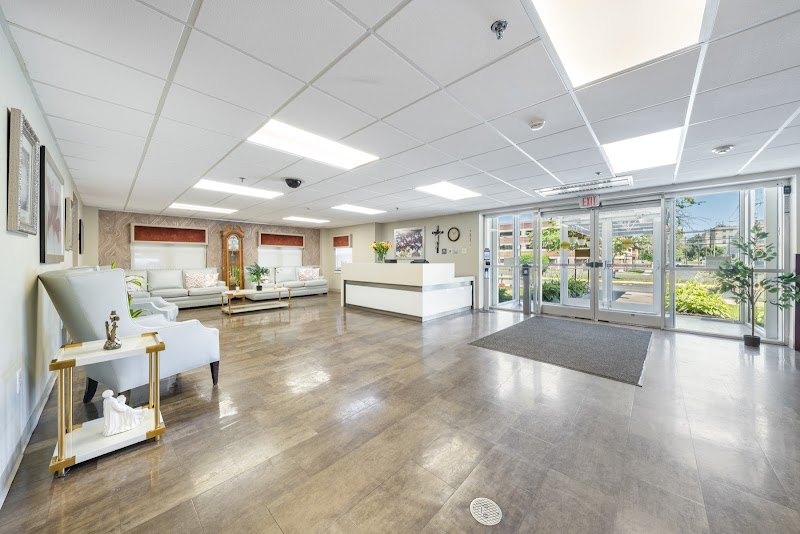
How is Bishop Mccarthy Center For Rehab & Healthcare Staffed?

CMS rates BISHOP MCCARTHY CENTER FOR REHAB & HEALTHCARE's staffing level at 1 out of 5 stars, which is much below average compared to other nursing homes. Staff turnover is 60%, which is 14 percentage points above the New Jersey average of 46%. High turnover can affect care consistency as new staff learn residents' individual needs. RN turnover specifically is 65%, which is notably high. RNs provide skilled clinical oversight, so turnover in this role can affect medical care quality.

What Have Inspectors Found at Bishop Mccarthy Center For Rehab & Healthcare?

State health inspectors documented 24 deficiencies at BISHOP MCCARTHY CENTER FOR REHAB & HEALTHCARE during 2022 to 2025. These included: 22 with potential for harm and 2 minor or isolated issues.

Who Owns and Operates Bishop Mccarthy Center For Rehab & Healthcare?

BISHOP MCCARTHY CENTER FOR REHAB & HEALTHCARE is owned by a for-profit company. For-profit facilities operate as businesses with obligations to shareholders or private owners. The facility is operated by CENTER MANAGEMENT GROUP, a chain that manages multiple nursing homes. With 182 certified beds and approximately 172 residents (about 95% occupancy), it is a mid-sized facility located in VINELAND, New Jersey.
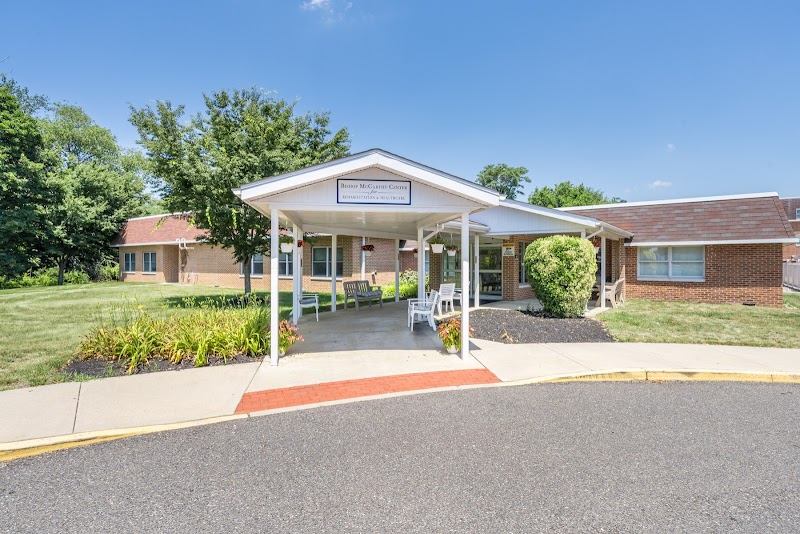
How Does Bishop Mccarthy Center For Rehab & Healthcare Compare to Other New Jersey Nursing Homes?

Compared to the 100 nursing homes in New Jersey, BISHOP MCCARTHY CENTER FOR REHAB & HEALTHCARE's overall rating (4 stars) is above the state average of 3.3, staff turnover (60%) is significantly higher than the state average of 46%, and health inspection rating (4 stars) is above the national benchmark.

What Should Families Ask When Visiting Bishop Mccarthy Center For Rehab & Healthcare?

Based on this facility's data, families visiting should ask: "How do you ensure continuity of care given staff turnover, and what is your staff retention strategy?" "Can you walk me through typical staffing levels on day, evening, and night shifts?" "Can I visit during a mealtime to observe dining assistance and food quality?" "How do you handle medical emergencies, and what is your hospital transfer rate?" These questions are particularly relevant given the facility's high staff turnover rate and the below-average staffing rating.

Is Bishop Mccarthy Center For Rehab & Healthcare Safe?

Based on CMS inspection data, BISHOP MCCARTHY CENTER FOR REHAB & HEALTHCARE has a clean safety record: no substantiated abuse findings (meaning no confirmed cases of resident harm), no Immediate Jeopardy citations (the most serious violation level indicating risk of serious injury or death), and is not on the Special Focus Facility watch list (a federal program monitoring the lowest-performing 1% of nursing homes). The facility has a 4-star overall rating and ranks #1 of 100 nursing homes in New Jersey. While no facility is perfect, families should still ask about staff-to-resident ratios and recent inspection results during their visit.

Do Nurses at Bishop Mccarthy Center For Rehab & Healthcare Stick Around?

Staff turnover at BISHOP MCCARTHY CENTER FOR REHAB & HEALTHCARE is high. At 60%, the facility is 14 percentage points above the New Jersey average of 46%. Registered Nurse turnover is particularly concerning at 65%. RNs handle complex medical decisions and coordinate care — frequent RN changes can directly impact care quality. High turnover means new staff may not know residents' individual needs, medications, or preferences. It can also be disorienting for residents, especially those with dementia who rely on familiar faces. Families should ask: What is causing the turnover? What retention programs are in place? How do you ensure care continuity during staff transitions?

Was Bishop Mccarthy Center For Rehab & Healthcare Ever Fined?

BISHOP MCCARTHY CENTER FOR REHAB & HEALTHCARE has been fined $26,685 across 1 penalty action. This is below the New Jersey average of $33,346. While any fine indicates a compliance issue, fines under $50,000 are relatively common and typically reflect isolated problems that were subsequently corrected. Families should ask what specific issues led to these fines and confirm they've been resolved.

Is Bishop Mccarthy Center For Rehab & Healthcare on Any Federal Watch List?

BISHOP MCCARTHY CENTER FOR REHAB & HEALTHCARE is not on any federal watch list. The most significant is the Special Focus Facility (SFF) program, which identifies the bottom 1% of nursing homes nationally based on persistent, serious quality problems. Not being on this list means the facility has avoided the pattern of deficiencies that triggers enhanced federal oversight. This is a positive indicator, though families should still review the facility's inspection history directly.