ATRIUM POST ACUTE CARE OF WAYNE
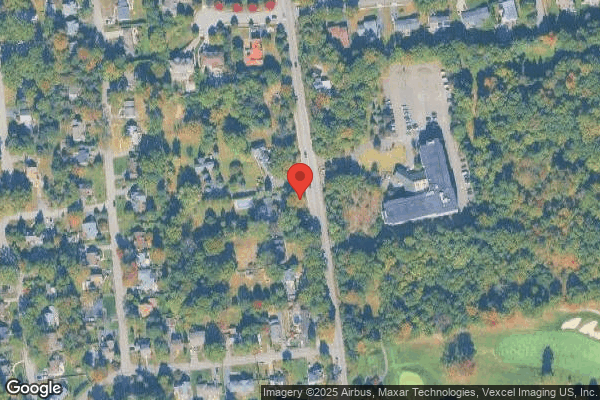
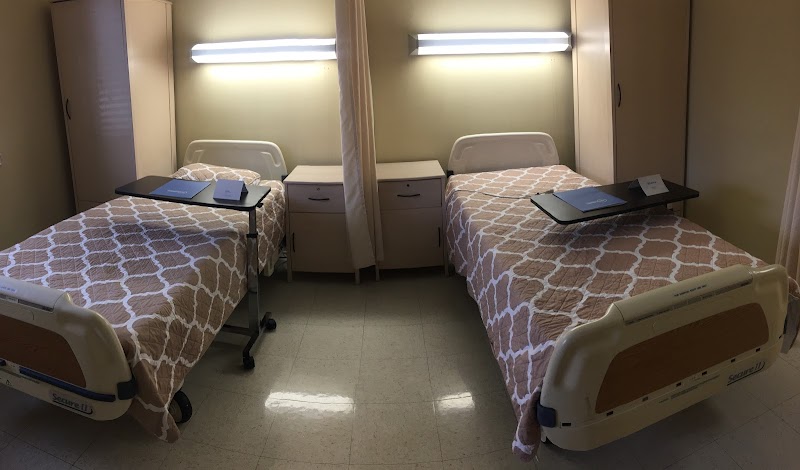
1120 ALPS ROAD, WAYNE, NJ 07470 (973) 694-2100
For profit - Limited Liability company 209 Beds Independent Data: November 2025 1 Immediate Jeopardy citation
Trust Grade
46/100
#171 of 344 in NJ
Last Inspection: February 2025

Within standard 12-15 month inspection cycle. Federal law requires annual inspections.

Overview

Atrium Post Acute Care of Wayne has a Trust Grade of D, indicating below-average performance with some concerning issues. They rank #171 out of 344 nursing homes in New Jersey, which places them in the top half of facilities, and #7 out of 18 in Passaic County, meaning only six local options are better. Unfortunately, the facility is worsening, with issues increasing from 1 in 2024 to 8 in 2025. Staffing is a relative strength with a 3/5 rating and a turnover rate of 40%, which is slightly below the state average. However, they have faced significant concerns, including an allegation of physical abuse that was not thoroughly investigated and failures to ensure accurate medical assessments for several residents, which could lead to unmet care needs. On a positive note, their RN coverage is average, which helps monitor residents' conditions. Overall, while there are some strengths, the facility has notable weaknesses that families should carefully consider.

Trust Score
D
46/100
In New Jersey
#171/344
Top 49%
Safety Record
High Risk
Review needed
Inspections
Getting Worse
1 → 8 violations
Staff Stability
○ Average
40% turnover. Near New Jersey's 48% average. Typical for the industry.
Penalties
○ Average
$14,507 in fines. Higher than 58% of New Jersey facilities. Some compliance issues.
Skilled Nurses
○ Average
Each resident gets 37 minutes of Registered Nurse (RN) attention daily — about average for New Jersey. RNs are the most trained staff who monitor for health changes.
Violations
⚠ Watch
23 deficiencies on record. Higher than average. Multiple issues found across inspections.
★★★☆☆
3.0
Overall Rating
★★★☆☆
3.0
Staff Levels
★★★☆☆
3.0
Care Quality
★★★☆☆
3.0
Inspection Score
Stable
2024: 1 issues
2025: 8 issues

The Good

  • Full Sprinkler Coverage · Fire safety systems throughout facility
  • No fines on record
  • Staff turnover below average (40%)

    8 points below New Jersey average of 48%

Facility shows strength in fire safety.

The Bad

3-Star Overall Rating

Near New Jersey average (3.3)

Meets federal standards, typical of most facilities

Staff Turnover: 40%

Near New Jersey avg (46%)

Typical for the industry

Federal Fines: $14,507

Below median ($33,413)

Minor penalties assessed

The Ugly 23 deficiencies on record

1 life-threatening
Feb 2025 8 deficiencies
CONCERN (D) 📢 Someone Reported This

A family member, employee, or ombudsman was alarmed enough to file a formal complaint

Potential for Harm - no one hurt, but risky conditions existed

MDS Data Transmission (Tag F0640)

Could have caused harm · This affected 1 resident

**NOTE- TERMS IN BRACKETS HAVE BEEN EDITED TO PROTECT CONFIDENTIALITY** Based on record review, staff interview, and facility policy review, the facility failed to complete a discharge Minimum Data Se...

Read full inspector narrative →
**NOTE- TERMS IN BRACKETS HAVE BEEN EDITED TO PROTECT CONFIDENTIALITY** Based on record review, staff interview, and facility policy review, the facility failed to complete a discharge Minimum Data Set (MDS) tracking form within 14 days of a resident's discharge and submit it to the Centers for Medicare and Medicaid Services (CMS) system for one resident out of 37 sampled residents (Resident (R) 7) reviewed for MDS completion. This failure prevented the transmission and compilation of resident-specific information for payment and quality measure purposes. Findings include: Review of R7's undated admission Record located in the Profile tab of the electronic medical record (EMR) revealed she was admitted to the facility on [DATE] with diagnoses including clostridium difficile, pressure ulcers of the right and left buttocks, chronic kidney disease, and diabetes. Review of R7's Census tab of the EMR revealed the resident discharged on 09/04/24. Review of a Social Service note, dated 09/03/24 and located in the Prog Note tab of the EMR revealed, [R7] requesting discharge home tomorrow 9/4 . Referral made to [home health company]. Review of R7's MDS tab of the EMR revealed the most recent assessments that had been completed and transmitted were admission and Medicare - 5 Day MDSs with an Assessment Reference Date (ARD) of 08/26/24. During an interview on 02/21/25 at 2:44 PM, the MDS Coordinator (MDSC) stated a discharge tracking MDS should be opened and completed within 14 days of the resident discharging. During an interview on 02/21/25 at 3:41 PM, the Director of Nursing stated she expected MDSs to be completed timely. Review of the facility's policy titled RAI Process-MDS Completion, reviewed July 2024, revealed, The MDSs will be filled out accurately, after proper collection of data, in a timely manner according to the RAI manual standards and Periodic checks will be performed to ensure the MDS is being opened, filled out and transmitted timely and accurately, according to the RAI requirements. Review of the RAI Manual, dated 10/01/24, revealed a Discharge Assessment-Return Not Anticipated must be completed within 14 days after the discharge date . NJAC 8:39-11.2
CONCERN (D) 📢 Someone Reported This

A family member, employee, or ombudsman was alarmed enough to file a formal complaint

Potential for Harm - no one hurt, but risky conditions existed

Deficiency F0645 (Tag F0645)

Could have caused harm · This affected 1 resident

**NOTE- TERMS IN BRACKETS HAVE BEEN EDITED TO PROTECT CONFIDENTIALITY** Based on observations, interviews, record reviews, and facility policy reviews, the facility failed to ensure one out of two res...

Read full inspector narrative →
**NOTE- TERMS IN BRACKETS HAVE BEEN EDITED TO PROTECT CONFIDENTIALITY** Based on observations, interviews, record reviews, and facility policy reviews, the facility failed to ensure one out of two resident (Resident (R)4) had an accurate Pre-admission Screening and Resident Review (PASRR) done out of the 37 sampled residents. This failure put R4 at risk of not receiving the services needed. Findings include: Review of R4's admission Record face sheet located under the admission Record tab of the electronic medical record (EMR) revealed he was readmitted to the facility on [DATE], from an acute care hospital with diagnoses of Parkinson's, hemiplegia, diabetes mellitus, nephropathy, angina pectoris, schizoaffective disorder, hypertension, atherosclerosis of coronary artery bypass, bipolar, depression, anxiety, convulsions, and spinal stenosis. Review of R4's annual Minimum Data Set (MDS) assessment located in the MDS tab of the electronic medical record (EMR) with an Assessment Reference Date (ARD) of 05/10/24, revealed R4 had a Brief Interview for Mental Status (BIMS) 15 out of 15 which indicated intact cognition. Review of the comprehensive care plan, located in the EMR under the Care Plan tab with a review date of 12/08/24 revealed a problem for behaviors and an intervention for psych consults. Review of the PASRR Level I screen assessment, dated 05/15/23, revealed a bipolar diagnosis had been marked no instead of yes for the mental illness screen. The screening further revealed R4 did not qualify for a Level II screening. During an interview on 02/21/25 at 11:42 AM with the Social Services Director (SSD) revealed the PASRR came with the admission packet from the hospital. The SSD revealed she did not review the PASRR for accuracy. During an interview on 02/21/25 at 11:51 AM with the admission Coordinator revealed she did not review the Level I for accuracy. The admission Coordinator revealed she only uploaded the PASRR into the computer system. The admission Coordinator further revealed the Liaison Person would review the PASRR level II. During an interview on 02/21/25 at 12:01 PM with the Director of Nursing (DON) revealed she reviewed the clinical chart on admissions and she would check the PASARR if it was included in the packet. The DON confirmed the PASARR was inaccurate because R4 had a diagnosis of bipolar and it was marked no on the screening. The DON revealed a PASARR Level II would indicate if a resident needed special services that the facility would be able to offer. The DON revealed she did not know who was responsible for ensuring the PASARR Level I and II were accurate. Review of the facility's policy titled, Preadmission Screening and Annual Resident Review (PASRR) created on 08/14 and reviewed on 08/24, revealed the PASARR process consisted of a Level I screen and a review and implementation of the Level II recommendations upon admission to the facility. The policy further revealed the PASRR process required that all applicants to the Medicaid certified Nursing Facilities be given a preliminary assessment to determine whether they might have a pertinent diagnosis which was called a Level I screen. The policy revealed those individuals who test positive at Level I will be evaluated in depth, which was called a PASRR Level II and a determination would be made of the need for an appropriate setting and a set of recommendations for services. NJAC 8:39-5.1(a)
CONCERN (D) 📢 Someone Reported This

A family member, employee, or ombudsman was alarmed enough to file a formal complaint

Potential for Harm - no one hurt, but risky conditions existed

Comprehensive Care Plan (Tag F0656)

Could have caused harm · This affected 1 resident

**NOTE- TERMS IN BRACKETS HAVE BEEN EDITED TO PROTECT CONFIDENTIALITY** Based on observations, interviews, record reviews, and facility policy review, the facility failed to ensure comprehensive care ...

Read full inspector narrative →
**NOTE- TERMS IN BRACKETS HAVE BEEN EDITED TO PROTECT CONFIDENTIALITY** Based on observations, interviews, record reviews, and facility policy review, the facility failed to ensure comprehensive care plans were initiated for two out of three residents (Resident (R) 63 and R128) of the 37 sampled residents. Specifically, R63 was on Intravenous (IV) medication and fluids, and R128 had religious and cultural preferences that were not addressed in the care plan. Findings include: 1. Review of R63's admission Record face sheet located in the admission Record tab of the electronic medical record (EMR), revealed R63 was admitted to the facility on [DATE] with diagnoses of diabetes mellitus, peripheral vascular disease, pleural effusion, cardiomyopathy, hypertension, benign prostatic hyperplasia, hypothyroidism, chronic kidney disease stage 2, atrial fibrillation, and acute respiratory failure. Review of R63's admission MDS under the MDS tab in the EMR, with an ARD of 06/25/24 revealed a BIMS of 15 out of 15 which indicated his cognition was intact. Review of the comprehensive care plan located under the Care Plan tab in the EMR, with a review date of 12/20/24 revealed there was not any problem for hydration or interventions for IV fluid and IV medication usage. Review of the physician orders, dated 02/17/25 for Sodium Chloride 0.45% use one liter intravenously one time only for 60 cubic centimeters (cc) at one hour for one day for IV hydration. Review of the physician orders revealed an order for a sodium chloride flush 0.9% to use ten cc IV every shift for IV hydration for one day before and after medication administration. Another physician order was for Venofer (which was iron sucrose) IV solution 200 milligram (mg) IV one time a day for low hemoglobin for five days. The physician orders included Piperacillin 3.375 grams IV every six hours for infection for seven days. A physician order was obtained on 02/18/25 for a midline insertion. During an observation on 02/18/25 at 10:03 AM R63 was lying in bed in his room and normal saline was infusing per IV. During an interview on 02/21/25 at 2:40 PM with LPN1 revealed there should be a care plan due to a change in condition and IV use for R63. LPN1 revealed, after she reviewed the care plan, there was not any care plan for the IV hydration and IV medication use and there should be. LPN1 stated a care plan informed the staff of R63's needs. During an interview on 02/21/25 at 3:30 PM with the MDSC revealed R63 should have a care plan for IV medication and IV fluids and after she reviewed the care plan state R63 did not have a care plan for IV medication and IV fluids. LPN1 revealed the purpose of the care plan was to guide the staff on R63's care. LPN1 revealed the staff that took the order should have put it on the care plan. During an interview on 02/21/25 at 12:30 PM with the DON revealed IV fluids and IV medications should be included in R63's care plan. Record review of the facility's policy titled, Care Plan Process, with a last reviewed and revised date of 09/24, revealed a care plan should be developed that was appropriate for each resident's needs. The policy further revealed a care plan should incorporate identified problems with appropriate interventions. The care plan policy further revealed the plan of care must describe the services that were to be furnished to attain or maintain the resident's highest practicable physical, mental, and social well-being. 2. Review of R128's admission Record, located in the resident's electronic medical record (EMR) section titled Profile, revealed the resident was admitted to the facility on [DATE] and had diagnoses that included unspecified fracture of unspecified femur. R128's religion was listed as Muslim. Review of the Orders tab of the EMR revealed R128 had an order on admission, 08/30/24 for no pork or chicken. Review of a Dietary Assessment, dated 09/03/24 and located in the resident's EMR section titled Assmnts revealed no response to the Ethnic/Religious/Cultural area and none; per nurse via phone as the response for Diet Preferences/Dislikes. Review of the R128's quarterly Minimum Data Set (MDS), with an Assessment Reference Date (ARD) of 12/07/24 and located in the resident's EMR section titled MDS, revealed she scored 15 out of 15 on the Brief Interview for Mental Status (BIMS), indicating intact cognition. Review of R128's Care Plan, located in the resident's EMR section titled Care Plan, revealed [R128] is at risk for malnutrition r/t [related to] varied intakes, revised on 12/09/24. Interventions included to monitor intakes, provide diet as ordered, and obtain food preferences as needed. The Care Plan did not address R128's religion/culture and corresponding dietary restrictions or the need for a female caregiver. During an interview on 02/18/25 at 1:59 PM, R128 stated due to her religion and culture she could not eat chicken or pork and needed female staff to provide cares. She stated she had to order other foods on days there was chicken or pork on the menu, and so she often ate cereal. During an interview on 02/19/25 at 3:55 PM, Certified Nurse Aide (CNA) 10 stated only females could assist R128 with cares. If a male CNA was assigned to R128's room, a female CNA switched out a resident and provided cares. During an interview on 02/20/25 at 4:00 PM, the Registered Dietician stated she had worked at the facility for one month and could not state what alternatives were offered to R128 for chicken and pork. The facility had an always available menu. During an interview on 02/21/25 at 11:48 AM, the Dietary Manager (DM) stated she was aware of R128's dietary restrictions and that R128 frequently requested yogurt, cereal, and milk, sometimes twice for one meal. The DM said she was not involved in care planning. During an interview on 02/21/25 at 2:32 PM, Registered Nurse/Unit Manager (RN) 5 stated she or the Assistant Director of Nursing initiated care plans for the floor. Care plans were then updated as needed through report at morning meetings and as changes occurred. Updates were completed by whoever got to them first. RN5 expected cultural/religious needs and preferences to be included in the care plan. During an interview on 02/21/25 at 2:44 PM, the MDS Coordinator (MDSC) stated nursing management initiated the care plans. The care plans were then updated quarterly with MDS assessments and as needed. The MDSC stated it was a team effort to maintain the accuracy of the care plans. Preferences, such as religious/cultural, should be on the care plan. During an interview on 02/21/25 at 3:41 PM, the Director of Nursing (DON) said she expected cultural and religious preferences to be care planned and verified that R128's were not. Review of the facility's Care Plan Process policy, reviewed 09/2024, stated, The plan of care must describe the services that are to be furnished to attain or maintain the resident's highest practicable physical, mental, and social well-being. NJAC 8:39-11.2(e)thru(i) NJAC 8:39-27.1(a)
CONCERN (D) 📢 Someone Reported This

A family member, employee, or ombudsman was alarmed enough to file a formal complaint

Potential for Harm - no one hurt, but risky conditions existed

Deficiency F0657 (Tag F0657)

Could have caused harm · This affected 1 resident

**NOTE- TERMS IN BRACKETS HAVE BEEN EDITED TO PROTECT CONFIDENTIALITY** Based on observations, interviews, record reviews, and facility policy review, the facility failed to ensure comprehensive care ...

Read full inspector narrative →
**NOTE- TERMS IN BRACKETS HAVE BEEN EDITED TO PROTECT CONFIDENTIALITY** Based on observations, interviews, record reviews, and facility policy review, the facility failed to ensure comprehensive care plans were revised for one out of three residents (Resident (R91) of the 37 sampled residents. Specifically, R91 had a contracture to the left hand and it was not addressed in the care plan. Findings include: Review of the admission Record face sheet located in the admission Record tab of the electronic medical record (EMR), revealed R91 was admitted to the facility on [DATE] with diagnoses of contracture of the left hand, diabetes mellitus, Alzheimer's disease, dementia, heart failure, hypertension, dysphagia. Review of R91's annual Minimum Data Set (MDS) assessment located in the MDS tab of the EMR with an Assessment Reference Date (ARD) of 11/30/24 revealed R91 had a Brief Interview for Mental Status (BIMS) of zero out of 15 which indicated R91 was severely cognitively impaired. R91 had a functional limitation of the range of motion on the left upper extremity. Review of the comprehensive care plan, located in the EMR under the Care Plan tab with an initiated date of 12/09/22 and revised on 04/10/24 revealed a problem for limited physical mobility. Interventions included ambulation with the assistance of one, wheelchair, bed mobility was to have the assist of one, and a mechanical lift was to be used for transfers. The contracture of the left hand was not addressed. Record review of the physician orders, dated 02/14/25 located under the Orders tab of the EMR revealed R91 had an order for Restorative Nursing Program (RNP) to use a left carrot hand splint for four hours on and four hours off daily for flexion contracture management. During an interview on 02/21/25 at 2:33 PM with LPN1 revealed the initial care plan was initiated by the Social Worker and the MDS Coordinator, nurses, dietary, rehab, and activities update the care plan. LPN1 further revealed the contracture of the left hand should be addressed on the care plan and it was not addressed. During an interview on 02/21/2025 at 2:48 PM, MDS Coordinator (MDSC) revealed the managers on the unit initiated the care plan, and social services, dietary, and activities all initiated and updated care plans. The MDSC revealed the team all oversaw that the care plan was accurate. The MDS further revealed R91 should be care planned for contractures and she reviewed the care plan, which included a problem for limited physical mobility and an intervention was for a left hand carrot, but was added to the care plan on 02/19/25. The MDSC stated the nurse that took the order for RNP, which included a left hand carrot, should have updated the care plan. NJAC 8:39-11.2(e)(h)
CONCERN (D) 📢 Someone Reported This

A family member, employee, or ombudsman was alarmed enough to file a formal complaint

Potential for Harm - no one hurt, but risky conditions existed

Deficiency F0688 (Tag F0688)

Could have caused harm · This affected 1 resident

**NOTE- TERMS IN BRACKETS HAVE BEEN EDITED TO PROTECT CONFIDENTIALITY** Based on observations, interviews, record reviews, and facility policy review, the facility failed to ensure one out of the 37 s...

Read full inspector narrative →
**NOTE- TERMS IN BRACKETS HAVE BEEN EDITED TO PROTECT CONFIDENTIALITY** Based on observations, interviews, record reviews, and facility policy review, the facility failed to ensure one out of the 37 sampled residents (Resident (R)91) who had a contracture to the left hand was provided restorative services. This failure put R91 at risk for worsened contracture. Findings include: Review of the admission Record face sheet located in the admission Record tab of the electronic medical record (EMR), revealed R91 was admitted to the facility on [DATE] with diagnoses of contracture of the left hand, diabetes mellitus, Alzheimer's disease, dementia, heart failure, hypertension, and dysphagia. Review of R91's annual Minimum Data Set (MDS) assessment located in the MDS tab of the EMR with an Assessment Reference Date (ARD) of 11/30/24 revealed R91 had a Brief Interview for Mental Status (BIMS) of zero out of 15 which indicated R91 was severely cognitively impaired. R91 had a functional limitation of the range of motion on the left upper extremity. Review further revealed R91 had received occupational therapy that started on 08/16/24. Review revealed R91 had not received any restorative therapy for splint or brace assistance. Review of the comprehensive care plan, located in the EMR under the Care Plan tab with an initiated date of 12/09/22 and revised on 04/10/24 revealed a problem for limited physical mobility. Interventions included ambulation with the assistance of one, wheelchair, bed mobility was to have the assist of one, and a mechanical lift was to be used for transfers. The contracture of the left hand was not addressed. Record review of the physician orders, dated 02/14/2025 located under the Orders tab of the EMR revealed R91 had an order for Restorative Nursing Program (RNP) to use a left carrot hand splint for four hours on and four hours off daily for flexion contracture management. During an observation on 02/19/2025 at 8:38 AM, R91 was lying in bed in her room and did not have any carrot or splint in her left hand which the fingers were partially closed. Observation further revealed a carrot splint was not laying around in the room. During an observation on 02/19/25 at 2:50 PM R91 was up in her modified wheelchair at the nurses station and did not have a carrot hand splint on her left hand. During an observation on 02/20/25 at 10:25 AM, R91 was lying in her bed in her room and the left hand did not have a carrot hand splint on the left hand. During an observation on 02/20/25 at 3:57 PM, R91 was sitting in her modified wheelchair up at the nurse's station and she did not have a carrot hand splint on the left hand. During an interview on 02/21/25 at 8:46 AM with the Restorative Aide revealed he did not do splint or carrot application to the left hand of R91 because it was the nurse's responsibility to apply them. The Restorative Aide revealed he did restorative for range of motion for R91 but since occupational therapy had picked her up, he would not be performing range of motion to her. The Restorative Aide revealed the nursing staff knew they were supposed to apply the carrot hand splint to the left hand of R91. During an interview on 02/21/25 at 8:46 AM with the Assistant Director of Therapy revealed an occupational therapy evaluation had been done on 02/20/25 and they would be working on the left hand contracture. The Assistant Director of Therapy revealed the carrot hand splints should have been applied to R91's left hand, by the nurses, up until the occupational therapy evaluation was completed. The Assistant Director of Therapy revealed R91 was at risk of not maintaining her previous level of range of motion. During an interview on 02/21/25 at 9:18 AM with Certified Nursing Assistant (CNA)9 revealed he had not applied any carrots to R91's left hand and it was not on the [NAME] to apply any. Review of the [NAME] as of 02/19/25 indicated the carrot hand splints were not listed on the document. During an interview on 02/21/25 at 9:25 AM with Licensed Practical Nurse (LPN)2 revealed R91 should have had carrots on to the left hand but the carrot hand splint was supposed to be applied by therapy. During an interview on 02/21/25 at 10:31 AM RN4 revealed restorative was not done until rehab therapy educated the staff on how to apply the carrots and splints to the left hand of R91 even though the physician ordered the restorative nursing program on 02/14/25 and initially on 12/27/24. RN4 revealed R91 was on a trial program right now with occupational therapy and would not be receiving any restorative. RN4 revealed an occupational therapy evaluation was done on 02/20/25. During an interview on 02/21/25 at 12:30 PM with the Director of Nursing (DON) revealed when the physician ordered the carrot hand splint on 02/14/25 it should have been applied on that day to prevent any further contracture. During an interview on 02/21/25 at 2:48 PM, MDS Coordinator (MDSC) revealed R91 should have been care planned for contractures and she reviewed the care plan, which included a problem for limited physical mobility and an intervention was for a left hand carrot but was added to the care plan on 02/19/25. Review of the undated Policy and Procedure Manual for Functional Maintenance/Restorative Nursing Program, revealed the restorative nursing program was developed to assist in the delivery of interventions that promote a resident's ability to function at their highest level. The policy further revealed a resident's ability to perform active or passive range of motion exercises would not diminish unless the clinical condition demonstrated that diminution was unavoidable. NJAC 8:39-27.1(a)
CONCERN (D) 📢 Someone Reported This

A family member, employee, or ombudsman was alarmed enough to file a formal complaint

Potential for Harm - no one hurt, but risky conditions existed

Infection Control (Tag F0880)

Could have caused harm · This affected 1 resident

**NOTE- TERMS IN BRACKETS HAVE BEEN EDITED TO PROTECT CONFIDENTIALITY** Based on observations, interviews, record review, and facility policy review, the facility failed to ensure infection control pr...

Read full inspector narrative →
**NOTE- TERMS IN BRACKETS HAVE BEEN EDITED TO PROTECT CONFIDENTIALITY** Based on observations, interviews, record review, and facility policy review, the facility failed to ensure infection control procedures were followed while lunch trays were being passed on one of the three floors. This failure puts residents at risk for infections. Findings include: Review of the facility's policy titled, Infection Control Transmission Precautions-Enhanced Barrier Precautions dated 05-2024, revealed the policy was to provide guidance on when to implement enhanced barrier precautions. The policy further revealed the facility was committed to providing a safe and healthy environment for residents to minimize or prevent the spread of disease. The policy revealed clear signage should be on the door or wall by the resident's room indicating the type of precautions. During an observation on 02/18/25 at 12:26 PM on the third-floor unit revealed lunch trays were being passed by staff. Certified Nursing Assistant (CNA)2 passed a tray to room [ROOM NUMBER] which had signage on the wall that said Enhanced Barrier Precautions (EBP) and to sanitize your hands upon entry and exit to the room. CNA2 did not sanitize his hands before going into the room and leaving the room. CNA2 continued to pass tray to room [ROOM NUMBER] which did not have EBP, and he did not sanitize his hands. CNA2 continued to pass trays to room [ROOM NUMBER], which did not have any signage, and moved the bedside table, and did not sanitize his hands. CNA2 continued to pass trays to room [ROOM NUMBER] which had EBP signage, and he did not sanitize his hands going into the room or exiting the room. CNA2 continued passing trays to room [ROOM NUMBER] and did not sanitize his hands going into the room but did us the sanitizer when he exited the room. Interview on 02/18/25 at 2:10 PM with CNA2 revealed he had never heard of enhanced barrier precautions, but he did sanitize his hands before he went into a room to pass trays and after he came out. CNA2 revealed he used the sanitizers on the wall, and he kept one in his pocket, however he checked, and he did not have any in his pocket. During an interview on 02/20/25 at 8:38 AM with the Infection Preventionist (IP) revealed if a resident was on EBP then staff should sanitize their hands before going into the room to pass a tray and then sanitize their hands when they exit, but if the resident needed assistance, then staff would have to put a gown on and gloves. The IP further revealed if staff did not follow proper precautions, it would put the residents and staff at risk to spread an infection. The IP further revealed the residents were already at risk for infection due to their conditions and if improper precautions were used it increased the risk. The IP revealed staff were educated on proper personal protective equipment (PPE). During an interview on 02/20/25 at 3:00 PM with the Director of Nursing (DON) revealed EBP protected the residents. The DON revealed before you went into a room with EBP signage you should sanitize your hands, take the tray in, and sanitize your hands when you exit the room. The DON further revealed when a resident was on contact precautions anytime you cross that barrier your hands should be sanitized, gloves, and gown should be worn even passing trays. The DON revealed improper precautions put the residents at risk for the spread of infection. The DON revealed she had been monitoring correct isolation application of PPE Review of the Handwashing, PPE in-service done on 12/23/23 revealed CNA 2 had attended the in-service. Review of the signage for EBP on the walls revealed EBP everyone must clean their hands including before entering the room and when leaving the room. Review of the contact precautions signage revealed everyone must clean their hand, including before entering the room and when leaving the room. The signage further revealed providers and staff must also put on gloves before room entry and discard gloves before room exit, put on gown before room entry. Discard gown before room exit. NJAC 8:39-19.4
CONCERN (E) 📢 Someone Reported This

A family member, employee, or ombudsman was alarmed enough to file a formal complaint

Potential for Harm - no one hurt, but risky conditions existed

Assessment Accuracy (Tag F0641)

Could have caused harm · This affected multiple residents

**NOTE- TERMS IN BRACKETS HAVE BEEN EDITED TO PROTECT CONFIDENTIALITY** Based on observation, interview, record review, facility policy, and review of the Resident Assessment Instrument (RAI) Manual, ...

Read full inspector narrative →
**NOTE- TERMS IN BRACKETS HAVE BEEN EDITED TO PROTECT CONFIDENTIALITY** Based on observation, interview, record review, facility policy, and review of the Resident Assessment Instrument (RAI) Manual, the facility failed to ensure five residents (Resident (R) 89, 138, 293, 295, and R299) out of 37 sampled residents had an accurate Minimum Data Set (MDS) assessment. This had the potential to cause the residents to have unmet care needs. Findings include: 1. Review of R138's admission Record, located in the resident's electronic medical record (EMR) section titled Profile, revealed the resident was admitted to the facility on [DATE] and had diagnoses that included aftercare following explanation of hip joint prosthesis. Review of R138's Prog Note tab in the EMR revealed a Physician Note dated 12/05/24, which stated [discharge] in [morning] . [follow up] with [primary medical doctor] as [outpatient] for regular screening and checkup . [discharge] to home. A Nurses Notes, dated 12/06/24 stated Patient picked up by family member via private care. Review of the R138's discharge Minimum Data Set (MDS), with an Assessment Reference Date (ARD) of 12/06/24 and located in the resident's EMR section titled MDS, documented R138 discharged to home, return anticipated. During an interview on 02/20/25 at 2:05 PM, Registered Nurse (RN) 6 stated R138 had discharge home and was not expected to return to the facility. During an interview on 02/21/25 at 2:44 PM, the MDS Coordinator (MDSC) stated if a resident returned home, their MDS should reflect discharge return not anticipated. 2. Review of R293's admission Record, located in the resident's EMR section titled Profile, revealed the resident was admitted to the facility on [DATE] and had diagnoses that included chronic respiratory failure with hypoxia and tracheostomy status. Review of R293's Orders tab in the EMR revealed no orders for a ventilator. Review of the R293's admission MDS, with an ARD of 01/23/25 and located in the resident's EMR section titled MDS, revealed he scored 15 out of 15 on the Brief Interview for Mental Status (BIMS), indicating intact cognition. It further documented the resident used invasive mechanical ventilator while a resident or within the last 14 days. During an observation and interview on 02/18/25 at 10:12 AM, R293 had a tracheostomy tube in place with oxygen flowing at 4 liters per minutes via a tracheostomy mask. No ventilator was used, and R293 reported not utilizing a ventilator since admission or during the 14 days prior to admission. During an interview on 02/20/25 at 2:00 PM, Licensed Practical Nurse (LPN) 6 stated R293 did not use a ventilator, and the facility admitted no residents on ventilators. Review of the Facility Assessment dated January 2025 revealed the facility did not admit residents on ventilators or respirators. During an interview on 02/21/25 at 2:44 PM, the MDSC stated unless a resident was on a ventilator, invasive mechanical ventilator should not be coded on the MDS. The MDSC was unaware of anyone in the facility who used a ventilator. 3. Review of R295's admission Record, located in the resident's EMR section titled Profile, revealed the resident was admitted to the facility on [DATE] and had diagnoses that included metabolic encephalopathy. Review of R295's Care Plan located in the Care Plan section of the EMR revealed the resident required a foley catheter and had a colostomy. Review of the R295's admission MDS, with an ARD of 01/18/25 and located in the resident's EMR section titled MDS, revealed she scored 15 out of 15 on the BIMS, indicating intact cognition. It further documented the resident had an indwelling catheter and an ostomy and was frequently incontinent of bowel and bladder. During an observation and interview on 02/18/25 at 3:42 PM, R295 had a drainage bag from her foley catheter hanging from the bed. R295 reported the catheter was placed in the hospital prior to her admission to the facility. R295 also reported she had a colostomy. During an interview on 02/21/25 at 2:44 PM, the MDSC stated when a resident had a urinary catheter and colostomy, bowel and bladder continence needed coded as not rated. 4. Review of R299's admission Record, located in the resident's EMR section titled Profile, revealed the resident was admitted to the facility on [DATE] and had diagnoses that included pneumonia, respiratory failure, and tracheostomy status. Review of R299's Orders tab in the EMR revealed no orders for a ventilator. Review of the R293's admission MDS, with an ARD of 01/22/25 and located in the resident's EMR section titled MDS, revealed he scored zero out of 15 on the BIMS, indicating severe cognitive impairment. It documented the resident used invasive mechanical ventilator while a resident or within the last 14 days. During an observation on 02/18/25 at 12:30 PM, R299 had a tracheostomy tube in place with oxygen flowing at 8 liters per minutes via a tracheostomy mask. No ventilator was in use. During an interview on 02/20/25 at 2:00 PM, LPN6 stated the facility admitted no residents on ventilators. Review of the Facility Assessment dated January 2025 revealed the facility did not admit residents on ventilators or respirators. During an interview on 02/21/25 at 2:44 PM, the MDSC stated unless a resident was on a ventilator, invasive mechanical ventilator should not be coded on the MDS. The MDSC was unaware of anyone in the facility who used a ventilator. During an interview on 02/21/25 at 3:41 PM, the Director of Nursing (DON) stated she expected MDSs to be coded accurately. The facility's RAI Process - MDS Completion policy, last reviewed 07-2024, stated The MDSs will be filled out accurately, after proper collection of date, in a timely manner according to the RAI manual standards. Review of the RAI Manual, dated 10/01/24, indicated, . It is important to note here that information obtained should cover the same observation period as specified by the MDS items on the assessment and should be validated for accuracy (what the resident's actual status was during that observation period) by the IDT completing the assessment. 5. Review of R89's admission Record face sheet located in the EMR under the admission Record tab revealed she was admitted to the facility on [DATE] with diagnoses of urinary tract infection, anxiety, dysphagia, malnutrition, acidosis, neuropathy, peripheral vascular disease, and osteoarthritis. Review of R89's annual MDS assessment located in the MDS tab of the EMR with an ARD of 05/04/24, revealed R89 had a BIMS of 15 out 15 which indicated R89 was cognitively intact. Review further revealed R89 had not received Hospice treatment. Review of R89's quarterly MDS assessment located in the MDS tab of the EMR with an ARD of 11/04/24 revealed R89 received Hospice treatment. Review of R89's quarterly MDS assessment located in the MDS tab of the EMR with an ARD of 02/04/25 revealed R89 had not received Hospice treatment. During an interview on 02/21/25 at 3:49 PM with the MDS Coordinator revealed R89 had never been with Hospice and the quarterly MDS was inaccurate. During an interview on 02/21/25 at 4:00 PM with the DON revealed the MDS coding should be accurate and timely. Review of the facility's policy titled, RAI Process-MDS Completion, revealed it was their policy to follow the requirements and standards of the latest published RAI manual. The policy further revealed all disciplines would assess all aspects of the resident's care and needs accurately. The policy revealed the MDS would be filled out accurately. NJAC 8:39-33.2(d)
MINOR (C) 📢 Someone Reported This

A family member, employee, or ombudsman was alarmed enough to file a formal complaint

Minor Issue - procedural, no safety impact

Deficiency F0836 (Tag F0836)

Minor procedural issue · This affected most or all residents

**NOTE- TERMS IN BRACKETS HAVE BEEN EDITED TO PROTECT CONFIDENTIALITY** Based on observation, record review and staff interview, the facility failed to ensure the facility received licensure and certi...

Read full inspector narrative →
**NOTE- TERMS IN BRACKETS HAVE BEEN EDITED TO PROTECT CONFIDENTIALITY** Based on observation, record review and staff interview, the facility failed to ensure the facility received licensure and certification approval prior to changing the name of the facility on the facility sign located outside the facility. Failure to get approval prior to changing the name of the facility on the sign had the potential to result in confusion among visitors, employees, and residents. This had the potential to affect 144 of 144 residents in the facility. Findings include: Review of the facility State license titled New Jersey Department of Health Division of Certification of Need and Licensing License stated the facility was licensed to operate as Atrium Post Acute Care of [NAME] consisting of 209 Long-Term Care Beds. Observations upon the facility at 8:15 AM on 02/18/25, 02/29/25, 02/20/25, and 02/21/25, revealed the sign located at the driveway to the facility read Alps at [NAME]. The sign was a banner that completely covered the facility's original sign. Interview with the Administrator on 02/19/24 at 1:04 PM, revealed they were in the application process and were unable to provide approval for the name change. When asked if she had a CMS-855B form she stated they had not completed one because that gets completed further in the approval process. When asked about the name change and the Administrator stated the name change was not official, and they were in the process of getting the name changed. Further interview on 02/19/25 at 1:34 PM the Administrator provided the following documents: A letter from an attorney, dated 01/03/25, titled Change of Information referring to exhibits that were not attached to the letter. Review of a letter from an attorney. dated 01/29/25, with the Application for a Long-Term Care Facility License with attachments. The attachments include an Application for a Long-Term Care Facility License, a certificate of a Merger, and an Interim Management Agreement. A letter from an attorney, dated 02/18/25, revealed the transfer of ownership application again referred to attachments that were not attached or provided with the information she gave me. Review of an undated document titled, CHOW [Change of Ownership] application from the New Jersey Department of Health thanking them for submitting their application. The facility did not provide CMS 855B or any documentation showing the name change was approved. On 02/20/25 at 2:00 PM, the Administrator verified they did not have an approval letter from the State Licensure agency approving the name change. NJAC 8:39-2.1 thru2.7
Apr 2024 1 deficiency
CONCERN (E) 📢 Someone Reported This

A family member, employee, or ombudsman was alarmed enough to file a formal complaint

Potential for Harm - no one hurt, but risky conditions existed

Deficiency F0711 (Tag F0711)

Could have caused harm · This affected multiple residents

**NOTE- TERMS IN BRACKETS HAVE BEEN EDITED TO PROTECT CONFIDENTIALITY** NJ00172016 Based on observation, interview, and record review, it was determined that the facility failed to assure that the Phy...

Read full inspector narrative →
**NOTE- TERMS IN BRACKETS HAVE BEEN EDITED TO PROTECT CONFIDENTIALITY** NJ00172016 Based on observation, interview, and record review, it was determined that the facility failed to assure that the Physician responsible for supervising the care of residents signed and dated monthly physician's orders. This deficient practice was observed for 4 of 4 residents (Resident #1, 2, 3, and 4) reviewed and was evidenced by the following: 1.According to the admission RECORD (AR), Resident #1 has diagnoses of including but not limited to Toxic Encephalopathy, Megaloblastic Anemia, Urinary Tract Infection, and Malignant Neoplasm of Breast and Ovary. A review of the Minimum Data Set (MDS), an assessment tool dated 01/05/24, showed that Resident #1 had a Brief Interview for Mental Status (BIMS) score of 15, indicating that Resident #1 had intact cognition and was independent with Activity of Daily Living (ADLs). A review of Resident #1's Order Summary Report (OSR), dated 03/2024, 02/2024, and 01/2024, revealed that the physician did not sign and date the monthly orders. 2. According to the AR, Resident #2 has diagnoses of including but not limited to Low Back Pain, Depression, Anxiety Disorder, Osteoarthritis, and Narcolepsy. A review of Resident #2's MDS, dated [DATE], showed that Resident #2 had a Brief Interview for Mental Status (BIMS) score of 15, indicating that Resident #2 had intact cognition and required minimal assistance with Activity of Daily Living (ADLs). A review of Resident #2's OSR, dated 02/2024, 01/2024, and 12/2023, revealed that the physician did not sign and date the monthly orders. 3. According to the AR, Resident #3 has diagnoses of including but not limited to Schizoaffective Disorder, Hypertension, Type 2 Diabetes Mellitus, and Hyperlipidemia. A review of Resident #3's MDS, dated [DATE], showed that Resident #3 had a Brief Interview for Mental Status (BIMS) score of 09, indicating that Resident #3 cognition was moderately impaired and required assistance with Activity of Daily Living (ADLs). A review of Resident #3's OSR, dated 03/2024, 02/2024, and 01/2024, revealed that the physician did not sign and date the monthly orders. 4. According to the AR, Resident #4 has diagnoses of including but not limited to Anxiety Disorder, Hyperglycemia, Hypertension, and Peripheral Vascular Diseases. A review of the Minimum Data Set (MDS), dated [DATE], showed that Resident #4 had a BIMS score of 13, indicating that Resident #4's cognition was intact and required minimal assistance with Activity of Daily Living (ADLs). A review of Resident #4's OSR, dated 03/2024, 12/2023, 11/2023, and 10/2023, revealed that the physician did not sign and date the monthly orders. During the interview on 04/05/24 at 3:52 p.m., the DON stated that all medication orders were signed electronically. She further stated that the physician was to sign orders every thirty days or monthly. The DON agreed that the orders for Residents #1, #2, #3 and #4 were not signed and dated by the physician. During the interview on 04/05/24 at 4:58 p.m., the Regional Clinical Nursing Services (RCNS) Registered Nurse (RN) stated physicians came and saw their Residents but they did not write their notes on that day. She further stated physician orders were signed but was unable to provide the documentation. The RCNS RN acknowledged that physician orders have to be signed monthly. A review of the facility's policy titled, Medication Orders, revised 2014, Under Supervision by a Physician Number 4. read Physician Orders/Progress Notes must be signed and dated every thirty (30) days . A review of the facility's policy titled, Physician Visits and Physician Delegation, reviewed and revised 07/2023, under Policy Explanation and Compliance Guidelines: 1. The Physician should: e. Sign and date all orders . NJAC-8:39 23.2
Jul 2023 2 deficiencies 1 IJ
CRITICAL (J) 📢 Someone Reported This

A family member, employee, or ombudsman was alarmed enough to file a formal complaint

Immediate Jeopardy (IJ) - the most serious Medicare violation

Investigate Abuse (Tag F0610)

Someone could have died · This affected 1 resident

**NOTE- TERMS IN BRACKETS HAVE BEEN EDITED TO PROTECT CONFIDENTIALITY** Complaint#: NJ00164781 Based on interviews, medical records (MRs), and review of other pertinent facility documentation on 7/13/...

Read full inspector narrative →
**NOTE- TERMS IN BRACKETS HAVE BEEN EDITED TO PROTECT CONFIDENTIALITY** Complaint#: NJ00164781 Based on interviews, medical records (MRs), and review of other pertinent facility documentation on 7/13/23, it was determined the facility failed to thoroughly investigate an alleged staff-to-resident physical abuse allegation involving the Certified Nursing Aide (CNA #1) and Resident #1. The facility also failed to ensure its policy titled Abuse, Neglect, Mistreatment, and Misappropriation of Resident Property was consistently implemented; when, on 6/4/23 (time unknown), a visitor (Visitor #1) reported to the Licensed Practical Nurse/Unit Manager (LPN/UM) that CNA #1 hit Resident #1. The LPN/UM then reported the abuse allegation to the Registered Nurse/Evening Supervisor (RN/ES). At approximately 4:30 PM that same day, a second visitor (Visitor #2) reported to the RN/ES that Resident #1 hand was bleeding, and someone might have hit the Resident's hand or the Resident. The RN/ES interviewed the LPN/UM, LPN #1, and CNA #1. According to the RN/ES, she was not notified of the alleged physical abuse reported by Visitor #1. However, she started an investigation focusing on CNA #1 because she was the last person with Resident #1 in the dining room. The RN/ES confirmed that CNA #1 was not immediately suspended when she initiated an investigation because it was not alarming at that time. During the investigation, the RN/ES reassigned CNA #1 to provide care to residents in another unit for the rest of the evening shift (3 PM-11 PM) without the CNA being monitored or supervised for approximately 6 hours. The facility's failure to immediately remove and/ or suspend CNA #1 until the outcome of the investigation and thoroughly investigate the allegations of abuse, per the facility's abuse policy, posed a likelihood of serious harm to the health and well-being of Resident #1 and potentially all other residents that CNA #1 provided care. This resulted in an Immediate Jeopardy (IJ) situation. This IJ was identified, and an IJ template was presented to the Administrator on 7/13/23 at 6:03 PM. The IJ began on 6/4/2023 and continued until 7/13/2023. The facility presented an acceptable removal plan which included initiating in-services for all staff on the facility's abuse policy. This was verified on-site on 7/20/23. The non-compliance remained on 7/14/23 for no actual harm, with the potential for more than minimal harm that is not an immediate jeopardy. This deficient practice was identified for 1 of 5 residents (Resident #1) and was evidenced by the following: According to the admission Record, Resident #1 was admitted to the facility on [DATE] with diagnoses that included but were not limited to Dementia with Other Behavioral Disturbances, Hypertension, and Atrial Fibrillation. Review of the Minimum Data Set (MDS), an assessment tool, dated 5/19/23, revealed the Resident had a Brief Interview for Mental Status (BIMS) score of 14/15, which indicated intact cognition, and the Resident required assistance with activities of daily living (ADLs). A review of the Care Plan (CP) dated 9/28/22 indicated that Resident #1 had a behavior problem, including yelling out without provocation/cause. Interventions included but were not limited to Psychiatry consult, explaining all procedures before starting and allowing to adjust to changes, attempting non-pharmacological approaches including 1:1 observation, and developing more appropriate methods of coping and interacting. A review of the nursing progress notes (NPN) dated 6/4/23 at 2:49 PM revealed Resident #1 was agitated, yelling, screaming, calling staff, and racial slurs. Redirection [was] ineffective. The responsible party (RP) was notified. Further review of the NPN, a late entry dated 6/6/23 at 2:20 PM, revealed Resident #1 was noted with multiple previous scabs opened in the left leg. The physician and the Resident's RP were notified. A review of the Investigational Summary dated 6/4/23 (timeline of events unknown) signed by the DON, revealed on 6/4/23, under the description of the event, she received a call from the supervisor [RN/ES] that Visitor #1 made an accusation that CNA #1 hit a resident. The investigation findings indicated an investigation was conducted, and the statement was immediately collected. The supervisor was told to make sure not to assign CNA #1 to the alleged Resident. The investigation findings revealed that statements from all staff present during the alleged abuse denied witnessing the incident. CNA #1 denied the allegation. According to CNA #1 interview, she was redirecting Resident #1 due to behavior when a family member (Visitor #1) saw the blood on the legs and assumed CNA #1 hit the Resident (Resident #1). Visitor #1, who made the allegation, stated they did not witness the alleged incident but referred to another (Visitor #2) who was also a witness. Visitor #2 denied witnessing the alleged abuse. The conclusion (time unknown) included that there was no substantial evidence to substantiate the alleged abuse. A review of a typewritten witness statement dated 7/4/23, unsigned, prepared by the RN/ES, revealed on 6/4/23, around 4:30 PM, Visitor #1 asked her to check on the [NAME] unit because something was happening. The RN/ES indicated the [NAME] unit was ok and nothing to report. The statement further showed that another visitor (Visitor #2) questioned if someone hit Resident #1 because there was blood on the Resident's hand. According to the statement, the RN/ES assessed the Resident, and no bruises or injuries were noted. The nurses (LPN #1 and LPN/UM) who were there stated Resident #1 was yelling, and when CNA #1 went to assist the Resident, who patient refused to have any contact, and the CNA came back to continue with her documentation without having skin contact with the resident. The DON told RN/ES to collect everybody's statement for her to start an investigation. A review of a handwritten statement dated 6/4/23 signed by the LPN/UM showed, On the day in question, I was working as a floor nurse; I did not see CNA #1 hit the resident (Resident #1). A review of a handwritten statement dated 6/4/23 (untimed) and unsigned, prepared by CNA #1 per DON, revealed that on 6/4/23, while in the dining room, Resident #1 was having an outburst. Visitor #1 and Visitor #2 were nearby, having a conversation. Another Visitor with Visitor #2 asked why Resident #1 was bleeding. CNA #1 responded that it was from a skin tear. After that, while CNA #1 and LPN/UM were talking to Visitor #2, Visitor #1 alleged somebody hit Resident #1. CNA #1 replied, No, Resident #1 always outbursts like that . he/she was not touched. According to CNA #1, during an interview on 7/24/23 at 11:06 AM, she confirmed Visitor #1 alleged that she hit Resident #1. A review of CNA #1 Detailed Hours, an employee timecard report, revealed CNA #1 worked the following hours: on 6/4/23 from 6:18 AM to 9:01 PM, 6/5/23 from 6:29 AM to 2:30 PM, 6/6/23 from 7:30 AM to 3:57 PM, and 6/7/23 from 7:37 AM to 10:13 PM. During an interview on 7/13/23 at 12:15 PM and 7/20/23 at 9:45 AM, the LPN/UM stated on 6/4/23 (time unknown), Visitor #1 alleged CNA #1 hit Resident #1. She stated she informed the RN/ES of the alleged abuse incident. During the first and second interviews on 7/13/23 at 2:40 PM, the RN/ES stated CNA #1 was not immediately suspended when she initiated an investigation because it was not alarming at that time. During the investigation, CNA #1 was reassigned to care for residents in another unit for the rest of the evening shift (3 PM-11 PM). The RN/ES stated CNA #1 was not told to go home because there was no abuse, and staff did not witness it. RN/ES confirmed she only interviewed LPN #1 and LPN/UM. Additionally, the RN/ES stated she notified the Director of Nursing (DON) immediately of the allegation made by Visitor #2, and the DON instructed her to collect written statements. The DON did not instruct her to suspend CNA #1 but reassigned her to another unit. The RN/ES confirmed she was aware of the facility's policy on abuse which included immediately removing and/or suspending staff members accused of the alleged abuse pending the investigation outcome; however, she was unable to explain why it was not followed and stated, I missed that part .I misunderstood that part. During an interview on 7/13/23 at 3:30 PM, the DON stated she completed the abuse allegation investigation summary dated 6/4/23 involving CNA #1 and Resident #1. The DON and the Administrator confirmed the alleged incident was not reported to the New Jersey Department of Health (NJDOH), and CNA #1 was not immediately suspended because it was determined within two hours of the allegation that there was no abuse. Therefore, CNA #1 was reassigned to another unit instead. However, there was no documented evidence in the MRs, including witness statements and investigation summary, that a thorough investigation was completed within two hours after the physical abuse allegation. The DON further stated all staff on the [NAME] unit were interviewed immediately after the allegation was made. Statements from these staff were all collected. However, the DON could not provide documented evidence that CNA #2, LPN #1, Resident #1, and other residents assigned to CNA #1 were interviewed or submitted witness statements. The Administrator confirmed that both visitors' statements were obtained the next day, on 6/5/23, when she was informed of the allegations. During a second interview on 7/14/23 at 2:30 PM, the DON stated she couldn't speak to the investigation summary, they may be misused words, but the investigation findings were accurate. According to the DON, the RN/ES notified her about Visitor #1's allegation to check on the [NAME] unit, and within 2 hours, the RN/ES notified her again that the issue was about Resident #1's wound. The DON stated she was not aware of a second visitor allegation until the next day when she interviewed CNA #1. The DON acknowledged she failed to prepare an accurate investigation report but asserted the alleged incident was thoroughly investigated. During an on 7/14/23 at 3:00 PM, the Administrator stated she was unaware of the alleged incident until the next day. She stated the DON or Administrator is responsible for reporting and conducting a thorough investigation of an abuse allegation. She added she could not speak for the investigation summary for 6/4/23 but confirmed she is the last person to review and approve each investigation summary. During an interview on 7/20/23 at 10:00 AM, CNA #2, assigned to Resident #1 on 6/4/23 during the day shift (7 AM-3 PM), confirmed the RN/ES or the DON did not interview or ask her to write a witness statement. During an interview on 7/24/23 at 11:06 AM, CNA #1 stated on 6/4/23 (time unknown), while she was in the dining room trying to calm Resident #1, Visitor #1 alleged she hit Resident #1. The allegation was made in front of Visitor #2 and LPN/UM. CNA #1 could not recall if she informed the RN/ES of the alleged incident but stated that LPN/UM witnessed the incident and spoke with the RN/ES. During the survey, the surveyor attempted to interview Resident #1, but he/she refused to be interviewed. Review of facility policy updated on 5/2022, titled; Abuse, Neglect, Mistreatment, and Misappropriation of Resident Property, included but was not limited to: It is the policy of (Center) that each Resident will be free from abuse .include verbal, mental, sexual, or physical abuse .No abuse or harm will be tolerated . Investigation Components: It is the policy of this center that reports of abuse .are promptly and thoroughly investigated. Procedure: The center will immediately begin a thorough investigation of any reported incident and collect information that corroborates or disproves the incident. a. When an incident or suspected incident of abuse is reported, the Administrator or designee will investigate the incident with the assistance of appropriate personnel. The investigation will include: ii. Who was involved iii What happened: a. Resident's statements, b. Resident's roommate statements, c. interviewing the alleged perpetrator, d. Involved team members and witness statements of [the] event: i. identifying and interviewing other team members and residents in the immediate area at the time of the incident who may have witnessed what occurred, ii. Interviewing team members who worked the previous shift . iv. Where did it happen? v. How did it happen . x. Conclusion based upon findings. Additional Investigation Protocols. The Administrator or designee will inform the Resident and/ or his/her representative of the findings of the investigation and corrective action plan. Protection Components: Immediately upon receiving a report of alleged abuse, the Administrator and or designee will coordinate [the] delivery of appropriate medical and/or psychosocial care and attention. Ensuring the safety and well-being of vulnerable individuals .The center will take necessary steps to protect residents . a. Procedures must be in place to provide the Resident with a safe, protected environment during the investigation: i. The alleged perpetrator will immediately be removed, and the Resident will be protected. Team members accused of alleged abuse will be immediately removed from the center and will remain removed pending the results of a thorough investigation. (Decision of the extent of the immediate disciplinary action will be made by the Administrator or designee.), iv. Examine, assess, and interview the Resident and other residents potentially affected immediately .Notify the physician. Reporting and Response Component: It is the policy of the [center] that abuse allegations .are reported per Federal and State Law. The center will ensure that all alleged violations involving abuse, neglect .are reported immediately, but not later than 2 hours after the allegation is made, if the events that cause the allegation involve abuse or result in serious bodily injury, or no later than 24 hours if the events that cause the allegation do not involve abuse and do not result in serious bodily injury, to the Administrator of the center and the Department of Health to in accordance with State law through established procedures. NJAC- 8:39-4.1 (a)5
CONCERN (D) 📢 Someone Reported This

A family member, employee, or ombudsman was alarmed enough to file a formal complaint

Potential for Harm - no one hurt, but risky conditions existed

Report Alleged Abuse (Tag F0609)

Could have caused harm · This affected 1 resident

**NOTE- TERMS IN BRACKETS HAVE BEEN EDITED TO PROTECT CONFIDENTIALITY** Complaint#: NJ00164781 Based on interviews and a review of the medical records (MRs) and other facility documentation on 7/13/23...

Read full inspector narrative →
**NOTE- TERMS IN BRACKETS HAVE BEEN EDITED TO PROTECT CONFIDENTIALITY** Complaint#: NJ00164781 Based on interviews and a review of the medical records (MRs) and other facility documentation on 7/13/23, it was determined that the facility failed to immediately report an allegation of staff to resident physical abuse to the New Jersey Department of Health (NJDOH) and follow its policy titled; Abuse, Neglect, Mistreatment, and Misappropriation of Resident Property. This deficient practice was identified for 1 of 5 residents (Resident #1) and was evidenced by the following: According to the admission Record, Resident #1 was admitted to the facility on [DATE] with diagnoses that included but were not limited to; Dementia with Other Behavioral Disturbances, Hypertension, and Atrial Fibrillation. A Minimum Data Set (MDS), an assessment tool, dated 5/19/23, revealed the Resident had a Brief Interview for Mental Status (BIMS) score of 14, which indicated intact cognition, and the Resident required assistance with activities of daily living (ADLs). A review of the Order Summary Report (OSR) included a Physician Order (PO) initiated on 6/9/23 for wound care to the left lower extremity and right lower extremity with xeroform and Vitamin A and D to peri-wound and cover with dry dressing everyday shift. A review of the Care Plan (CP) dated 9/28/22 indicated that Resident #1 had a behavior problem, including yelling out without provocation/cause. Interventions included but were not limited to Psychiatry consult, explaining all procedures before starting and allowing to adjust to changes, attempting non-pharmacological approaches including 1:1 observation, and developing more appropriate methods of coping and interacting. A review of nursing progress notes (NPN) dated 6/4/23 at 2:49 pm revealed Resident #1 was agitated, yelling, screaming, calling staff, and racial slurs. Redirection [was] ineffective. The responsible party (RP) was notified. Further review of the NPN, a late entry dated 6/6/23 at 2:20 pm, revealed Resident #1 was noted with multiple previous scabs opened in the left leg. The physician and RP were notified. A review of the Investigational Summary dated 6/4/23 (timeline of events unknown) signed by the DON, revealed on 6/4/23, under the description of the event, she received a call from the supervisor [RN/ES] that Visitor #1 made an accusation that CNA #1 hit a resident. The investigation findings indicated an investigation was conducted, and the statement was immediately collected. The supervisor was told to make sure not to assign CNA #1 to the alleged Resident. The investigation findings revealed that statements from all staff present at the time of the alleged abuse denied witnessing the alleged incident. CNA #1 denied the allegation. According to CNA #1 interview, she was redirecting Resident #1 due to behavior when a family member (Visitor #1) saw the blood on the legs and assumed CNA #1 hit the Resident (Resident #1). Visitor #1, who made the allegation, stated they did not witness the alleged incident but referred to another (Visitor #2) who was also a witness. Visitor #2 denied witnessing the alleged abuse. The conclusion (time unknown) included that no substantial evidence substantiated the alleged abuse. A review of the typewritten witness statement dated 7/4/23, unsigned, prepared by the RN/ES, revealed on 6/4/23, around 4:30 pm, Visitor #1 asked her to check on [the] [NAME] unit because something was happening. The RN/ES indicated the [NAME] unit was ok and nothing to report. The statement further showed that another visitor (Visitor #2) questioned if someone hit Resident #1 because there was blood on the Resident's hand. According to the statement, the RN/ES assessed the Resident, and no bruises or injuries were noted. The nurses (LPN #1 and LPN/UM) who were there stated Resident #1 was yelling, and when CNA #1 went to assist the Resident, who patient refused to have any contact, and the CNA came back to continue with her documentation without having skin contact with the resident. The DON told RN/ES to collect everybody's statement for her to start an investigation. A review of a handwritten statement dated 6/4/23 signed by LPN/UM revealed, On the day in question, I was working as a floor nurse; I did not see CNA #1 hit the resident (Resident #1). A review of a handwritten statement dated 6/4/23 (untimed), unsigned, prepared by CNA #1 per DON, revealed that on 6/4/23, while in the dining room, Resident #1 was having an outburst. Visitor #1 and Visitor #2 were nearby, having a conversation. Another Visitor with Visitor #2 asked why Resident #1 was bleeding. CNA #1 responded that it was from a skin tear. After that, while CNA #1 and LPN/UM were talking to Visitor #2, Visitor #1 alleged somebody hit Resident #1. CNA #1 replied, No, Resident #1 always outbursts like that .he/she was not touched. According to CNA #1, during an interview on 7/24/23 at 11:06 am, she confirmed Visitor #1 alleged she hit Resident #1. Further review of the investigation summary and attached witness statements did not include documented evidence that CNA #1, LPN #1, Resident #1, and other residents assigned to CNA #1 were interviewed and/or submitted a statement. LPN #1 was not employed at the facility during the survey. A review of CNA #1 Detailed Hours, an employee timecard report, revealed CNA #1 worked the following hours after an allegation of abuse was made on 6/3/23 at about 4:30 pm: on 6/4/23 from 6:18 am to 9:01 pm, 6/5/23 from 6:29 am to 2:30 pm, 6/6/23 from 7:30 am to 3:57 pm, and 6/7/23 from 7:37 am to 10:13 pm. During an interview on 7/13/23 at 3:30 pm, the DON stated she completed the abuse allegation investigation summary dated 6/4/23 involving CNA #1 and Resident #1. The DON and the Administrator confirmed the alleged incident was not reported to the New Jersey Department of Health (NJDOH), and CNA #1 was not immediately suspended because it was determined within two hours of the allegation that there was no abuse. However, there was no documented evidence in the MRs, including witness statements and investigation summary, that a thorough investigation was completed within two hours after the physical abuse allegation. When the surveyor asked if the facility's policy on abuse to report to the NJDOH timely any abuse allegation and immediately remove and/or suspend team members accused of alleged abuse pending the investigation outcome was followed, the DON and Administrator refused to answer. During an interview on 7/14/23 at 1:00 pm, the RN/ES stated she notified the Director of Nursing (DON) immediately of the allegation made by Visitor #2, and the DON instructed her to collect written statements. During an interview on 7/14/23 at 3:00 pm, the Administrator stated she was unaware of the alleged incident until the next day. She stated the DON or Administrator is responsible for reporting and conducting a thorough investigation of an abuse allegation. During an interview on 7/20/23 at 9:45 am, the LPN/UM stated on 6/4/23 (time unknown), Visitor #1 alleged CNA #1 hit Resident #1, and she informed the RN/ES of the alleged abuse incident. During an interview on 7/24/23 at 11:06 am, CNA #1 stated on 6/4/23 (time unknown), while she was in the dining room trying to calm Resident #1, Visitor #1 alleged she hit Resident #1. The allegation was made in front of Visitor #2 and LPN/UM. CNA #1 was unable to recall if she informed the RN/ES of the alleged incident but stated that LPN/UM witnessed the allegation and spoke with the RN/ES. Review of facility policy updated on 5/2022, titled; Abuse, Neglect, Mistreatment, and Misappropriation of Resident Property included but was not limited to; It is the policy of (Center) that each Resident will be free from abuse .include verbal, mental, sexual, or physical abuse .No abuse or harm will be tolerated . Reporting and Response Component: It is the policy of the [center] that abuse allegations .are reported per Federal and State Law. The center will ensure that all alleged violations involving abuse, neglect .are reported immediately, but not later than 2 hours after the allegation is made, if the events that cause the allegation involve abuse or result in serious bodily injury, or no later than 24 hours if the events that cause the allegation do not involve abuse and do not result in serious bodily injury, to the Administrator of the center and the Department of Health to in accordance with State law through established procedures. NJAC 8:39-9.4(f)
Dec 2022 6 deficiencies
CONCERN (D)

Potential for Harm - no one hurt, but risky conditions existed

Transfer Notice (Tag F0623)

Could have caused harm · This affected 1 resident

**NOTE- TERMS IN BRACKETS HAVE BEEN EDITED TO PROTECT CONFIDENTIALITY** 5. The surveyor reviewed the medical record of Resident # 135 which revealed that the resident was transferred to the hospital o...

Read full inspector narrative →
**NOTE- TERMS IN BRACKETS HAVE BEEN EDITED TO PROTECT CONFIDENTIALITY** 5. The surveyor reviewed the medical record of Resident # 135 which revealed that the resident was transferred to the hospital on [DATE] with a high fever, high blood pressure and low blood oxygen level. On 12/02/22 at 11:55 AM, the surveyor interviewed the Administrator. The Administrator confirmed neither the resident, the responsible party or the LTCO was notified in writing of the reason for transfer. On 12/2/22 the surveyor was provided with the 11/28/17 facility policy titled Transfer and Discharge from the Center. Section C included the following verbiage. Before the center will transfer or discharge a resident, the center will provide a written notice to the resident and resident representative in a manner and language in which is understood [sic]. The center will send a copy of the notice to a representative of the Office of the State Long-Term Care Ombudsman and identified state agencies per requirements. NJAC 8:39-5.3; 5.4 Based on record review and interview it was determined that the facility did not provide written notification of an emergency transfer to the resident, resident representative, and/or the Office of the Long-Term Care Ombudsman (LTCO) for 5 of 7 residents reviewed for hospitalization, Residents #98, 86, 76, 69, 135. The findings are as follows: 1.The surveyor reviewed Resident #98's medical record. The Census List indicated the resident was transferred out of the facility on 10/12/22. On 12/05/22 at 1:06 PM the surveyor interviewed the Social Worker (SW) regarding written notification of emergency transfer. The SW provided documentation indicating that the LTCO was notified. However, neither the resident nor the responsible party was notified of the reason for emergency transfer for the 10/12/22 transfer. On 12/05/22 at 12:51 PM the surveyor interviewed the Administrator. The Administrator confirmed neither the resident nor the responsible party was notified in writing of the reason for transfer. 2.The surveyor reviewed Resident #86's medical record. The Census List indicated the resident was transferred out of the facility on 11/2/22. On 12/05/22 at 1:06 PM the surveyor interviewed the Social Worker (SW) regarding written notification of emergency transfer. The SW stated neither the resident, the responsible party nor the LTCO was notified of the reason for emergency transfer for the 11/2/22 transfer. On 12/05/22 at 12:51 PM the surveyor interviewed the Administrator. The Administrator confirmed neither the resident, the responsible party or the LTCO was notified in writing of the reason for transfer. 3.The surveyor reviewed Resident #76's medical record. The Census List indicated the resident was transferred out of the facility on 11/27/22. On 12/05/22 at 1:06 PM the surveyor interviewed the Social Worker (SW) regarding written notification of emergency transfer. The SW was unable to provide written documentation indicating that the resident or the responsible party was notified in writing of the reason for emergency transfer on 11/27/22 transfer. The SW provided written documentation of the LTCO notification. On 12/05/22 at 12:51 PM the surveyor interviewed the Administrator. The Administrator confirmed neither the resident or the responsible party was provided with written notification of the emergency transfer on 11/27/22. 4.The surveyor reviewed Resident #69's medical record. The Census List indicated the resident was transferred out of the facility on 11/5/22. On 12/05/22 at 1:06 PM the surveyor interviewed the Social Worker (SW) regarding written notification of emergency transfer. The SW was unable to provide written documentation indicating that the resident or the responsible party or the LTCO was notified in writing of the reason for emergency transfer on 11/5/22 transfer. On 12/05/22 at 12:51 PM the surveyor interviewed the Administrator. The Administrator confirmed the resident, the responsible party, and the LTCO weren't notified in writing of the reason for transfer.
CONCERN (D)

Potential for Harm - no one hurt, but risky conditions existed

Deficiency F0625 (Tag F0625)

Could have caused harm · This affected 1 resident

**NOTE- TERMS IN BRACKETS HAVE BEEN EDITED TO PROTECT CONFIDENTIALITY** Based on interview, and record review, it was determined that the facility failed to provide residents and/or their representati...

Read full inspector narrative →
**NOTE- TERMS IN BRACKETS HAVE BEEN EDITED TO PROTECT CONFIDENTIALITY** Based on interview, and record review, it was determined that the facility failed to provide residents and/or their representatives with the facility's notice of bed hold policy. This was found with for 5 of 7 residents reviewed for hospitalization, Residents #98, 86, 76, 69, and 135. The deficient practice was evidenced by the following: 1. The surveyor reviewed the medical record of Resident # 135 which revealed that the resident was transferred to the hospital on [DATE] with a high fever, high blood pressure and low blood oxygen level. On 12/02/22 at 11:55 AM, the surveyor interviewed the Administrator. The Administrator confirmed written notification of the bed hold policy is not provided to residents or their representatives when transferred. 2. The surveyor reviewed Resident #98's medical record. The Census List indicated the resident was transferred out of the facility on 10/12/22. On 12/05/22 at 1:06 PM the surveyor interviewed the Social Worker (SW). The SW stated written notification of the facility bed hold policy was not provided to the resident or resident representative. On 12/05/22 at 12:51 PM the Administrator confirmed written notification of the bed hold policy is not provided to residents or their representatives when transferred. 3. The surveyor reviewed Resident #86's medical record. The Census List indicated the resident was transferred out of the facility on 11/2/22. On 12/05/22 at 1:06 PM the surveyor interviewed the SW who stated the written bed hold policy was not provided to the resident or their representative at the time of emergency transfer. On 12/05/22 at 12:51 PM the Administrator confirmed written notification of the bed hold policy is not provided to residents or their representatives when transferred. 4. The surveyor reviewed Resident #76's medical record. The Census List indicated the resident was transferred out of the facility on 11/27/22. On 12/05/22 at 1:06 PM the SW stated written notification of the bed hold policy is not provided to the resident or their representative upon transfer. On 12/05/22 at 12:51 PM the Administrator confirmed written notification of the bed hold policy is not provided upon transfer. 5. The surveyor reviewed Resident #69's medical record. The Census List indicated the resident was transferred out of the facility on 11/5/22. On 12/05/22 at 1:06 PM the SW stated written notification of the bed hold policy was not provided to the resident or their representative. On 12/05/22 at 12:51 PM the Administrator confirmed written notification of the bed hold policy is not provided to residents or their representatives when transferred. The surveyor reviewed the facility's Bed Hold and Return to Center Policy which revealed Residents and their representative will be provided with bed hold and return information at admission and upon a hospital transfer or therapeutic leave. NJAC 8:39-5.3
CONCERN (D)

Potential for Harm - no one hurt, but risky conditions existed

Deficiency F0658 (Tag F0658)

Could have caused harm · This affected 1 resident

Based on observation, interview, and record review, it was determined that the facility failed to monitor and maintain accountability for the use of a bed alarm as an intervention to prevent falls for...

Read full inspector narrative →
Based on observation, interview, and record review, it was determined that the facility failed to monitor and maintain accountability for the use of a bed alarm as an intervention to prevent falls for Resident # 120. This was found with 1 of 31 residents reviewed for professional standards of practice. Reference: New Jersey Statutes Annotated, Title 45. Chapter 11. Nursing Board. The Nurse Practice Act for the State of New Jersey states: The practice of nursing as a registered professional nurse is defined as diagnosing and treating human responses to actual and potential physical and emotional health problems, through such services as casefinding, health teaching, health counseling, and provision of care supportive to or restorative of life and wellbeing, and executing medical regimens as prescribed by a licensed or otherwise legally authorized physician or dentist. Reference: New Jersey Statutes Annotated, Title 45, Chapter 11. Nursing Board. The Nurse Practice Act for the State of New Jersey states: The practice of nursing as a licensed practical nurse is defined as performing tasks and responsibilities within the framework of casefinding; reinforcing the patient and family teaching program through health teaching, health counseling and provision of supportive and restorative care, under the direction of a registered nurse or licensed or otherwise legally authorized physician or dentist. The deficient practice was evidenced by the following: On 12/09/22 at 8:59 am, the surveyor reviewed the hybrid [electronic and paper] medical record for Resident #120 which revealed the following: According to the admission Record, the resident was admitted with diagnoses that included malignant neoplasm of the occipital lobe [cancerous tumor in visual processing area of the brain] and epilepsy [a neurological disorder of abnormal brain activity causing seizures]. The Significant Change Minimum Data Set (MDS), an assessment tool dated 11/07/22, revealed that the facility performed a Brief Interview for Mental Status (BIMS) which indicated that the resident had a score of 6 out of 15. The resident was assessed as having severely impaired cognition. A review of progress notes indicated the resident had a fall incident on 10/31/22 and 11/6/22. An Interdisciplinary Team (IDT) Committee Meeting note, dated 11/7/22, indicated that an intervention of a bed alarm would be implemented. A review of care plans for Resident #120 included a care plan titled, The resident is at risk for fall. The care plan had an intervention that read, FALL RISK- BED ALARM for the resident, with an initiation date of 11/7/22. On 12/9/22 at 9:36 am, the surveyor observed the resident lying in bed resting. The resident was alert, verbally responsive to simple questions but was unable to state their name when asked. The resident was on a low air mattress and there was no bed alarm observed. On 12/9/22 at 9:39 am, the surveyor interviewed the Licensed Practical Nurse (LPN) assigned to care for Resident #120 about fall prevention and interventions in place. The LPN stated the staff monitored the resident more often, used wedge cushion for their wheelchair if applicable, and bed alarms may be used for residents with high risk for falls. The surveyor asked the LPN if Resident #120 had a bed alarm intervention. The LPN replied that she was not sure if the resident had a bed alarm in place. The surveyor accompanied the LPN to the resident's room, to check for a bed alarm. The LPN did not find a bed alarm for Resident #120. The LPN reviewed the EHR and stated there was no order for a bed alarm. The LPN further stated the resident had not had a fall since last occurrence and the resident had not tried to get out of bed on their own since their room change. On 12/9/22 at 9:49 am, the surveyor interviewed the Registered Nurse Unit Manager (RN/UM) asked about fall prevention interventions for Resident #120. The RN/UM reviewed the care plan for Resident #120 in the EHR and stated interventions included anticipating the residents needs and a bed alarm. The surveyor informed the RN/UM that the surveyor checked the resident's bedside with the LPN and there was no bed alarm found in use. The RN/UM stated it may have been misplaced, that the resident will remove and place somewhere else. The RN/UM stated she would get another bed alarm for the resident. The surveyor asked the RN/UM if it was expected for there to be an order for the bed alarm. The RN/UM stated that there was not usually an order for bed alarms and that it was found in the care plan. The surveyor asked the RN/UM how a nurse would know that a resident was to have a bed alarm in place. The RN/UM stated that nurses were updated on resident interventions and care plans. On 12/9/22 at 10:08 am, the surveyor interviewed the LPN about how nurses would know that a resident was to have a bed alarm. The LPN stated it was communicated in the 24 hours report. The LPN was asked if the nurses would document elsewhere that a resident was using a bed alarm. The LPN stated in the Treatment Administration Record (TAR), the nurses would sign for every shift that a bed alarm is in place. The LPN acknowledged an order would need to be entered to document in the TAR. 12/9/22 at 1:57 pm, the surveyor interviewed the Director of Nursing (DON) about the resident's intervention of a bed alarm not being in place and the accountability of resident using a bed alarm. The DON was informed of the interview with the LPN and RN/UM. The DON stated bed alarm interventions were documented in the care plans. The DON further stated it would not be found in the TAR and did not have to be written as an order. The DON stated the nurses were aware of residents who were fall risk or used a bed alarm from the 24-hour reports between nurses. The DON stated she would re-educate the LPN on the facility's procedure. The DON stated the resident at times removed the bed alarm and would provide nurses' progress notes. On 12/12/22 at 9:45 am, the DON provided a nurse progress note from 11/8/22, that documented the resident removed their bed alarm. The DON stated there were no other progress notes related to the resident's bed alarm use. The DON acknowledged the nurses were expected to check the resident's bed alarm every shift and they would work on a process for the documentation of bed alarm use. The surveyor reviewed the facility's policy and procedure with a revised date of 12/12/22, titled Falls-Clinical Protocol. Under Monitoring and Follow-Up, it read 2. The staff and physician will monitor and document the individual's response to interventions intended to reduce falling or the consequences of falling. The surveyor also reviewed the facility's policy and procedure with a revised date of 12/12/22, titled Falls and Fall Risk, Managing. Under Monitoring Subsequent Falls and Fall Risk, it read The staff will monitor and document each resident's response to interventions intended to reduce falling or the risks of falling. NJAC 8:39 - 27.1 Based on observation, interview, and record review, it was determined that the facility failed to obtain a physician's order and maintain accountability for the use of a bed alarm to ensure it's use for Resident # 120. This was found with 1 of 31 residents reviewed for professional standards of practice. Reference: New Jersey Statutes Annotated, Title 45, Chapter 11. Nursing Board. The Nurse Practice Act for the State of New Jersey states: The practice of nursing as a licensed practical nurse is defined as performing tasks and responsibilities with in the framework of case finding; reinforcing the patient and family teaching program through health teaching, health counseling and provision of supportive and restorative care, under the direction of a registered nurse or licensed or otherwise legally authorized physician or dentist. The deficient practice was evidenced by the following:
CONCERN (D)

Potential for Harm - no one hurt, but risky conditions existed

Deficiency F0698 (Tag F0698)

Could have caused harm · This affected 1 resident

Based on observation, interview, and record review, it was determined that the facility failed to assess a resident returning from the dialysis center for any complications. The deficient practice was...

Read full inspector narrative →
Based on observation, interview, and record review, it was determined that the facility failed to assess a resident returning from the dialysis center for any complications. The deficient practice was observed for 1 of 3 residents (Resident # 141), reviewed for dialysis care. The deficient practice was evidenced by the following: 1. On 11/30/22 at 12:11 pm, the surveyor observed Resident #141 lying in bed and the resident had a tracheostomy collar. The tracheostomy collar delivered the oxygen to the resident via the tracheostomy (a surgical opening in the windpipe). The resident had unclear speech related to their tracheostomy, but the resident was able to communicate with simple gestures. On 11/30/22 at 1:26 pm, the surveyor reviewed the electronic health record (EHR) of Resident #141 which revealed: According to the admission Record, Resident #141 was admitted with diagnoses that included Acute Kidney Failure, Unspecified. A physician's order, dated 11/10/22, indicated the resident received hemodialysis (a process of purifying the blood of a person whose kidneys are not working normally) every Tuesday, Thursday, and Saturday. On 12/5/22 at 11:26 AM, the surveyor interviewed a Licensed Practical Nurse (LPN) who stated the resident goes to dialysis on Tuesdays, Thursdays, and Saturdays via stretcher and with supplementary oxygen. The LPN stated Resident #141 had a right chest permacath (a hemodialysis access site) which was monitored for signs and symptoms of bleeding, drainage, and infection. The LPN showed the surveyor the dialysis communication report form, titled Dialysis Center Communication Report, that was found in the resident's chart. The LPN explained to the surveyor the first section was to be filled out by the facility nurse prior to the resident going to their dialysis session. The first section would include up to date information on the resident's status, including access site assessment and vital signs. The second section was to be filled out by the dialysis center nurse. It included for the dialysis nurse to document the resident's pre and post dialysis weights and vital signs, medications given to the resident and any pertinent information of the resident's condition. The last section of the form was to be filled out by the facility nurse upon the resident's return from the dialysis center. The LPN stated that when the resident returned from dialysis the vital signs, dialysis access site and the resident's condition were assessed and documented on the Dialysis Center Communication Report. The surveyor asked the LPN if there was anywhere else a nurse would document other than the dialysis communication report. The LPN said that the nurses may sometimes write a progress note in the EHR. On 12/5/22 at 11:40 am, The surveyor interviewed the RN Unit Manager (RN/UM) about the nurses' responsibilities for the care of dialysis residents and documentation. The RN/UM stated that the nurses were expected to fill out the appropriate sections on the Dialysis Center Communication Report form and it should be completed upon the resident's return from dialysis. The surveyor reviewed the dialysis communication forms located in the resident's chart with the RN/UM. The RN/UM acknowledged the post dialysis section on several of the forms were not completed. The RN/UM stated she would review if progress notes were written by the nurses for those days. The surveyor reviewed the Dialysis Center Communication Report forms in the resident's chart for November and December 2022. For 10 of 15 dialysis days, the post dialysis section on the Dialysis Center Communication Report were not completed and there were no nurses' progress note documented for those days upon the resident's return to facility from dialysis. On 12/6/22 at 11:00 am, the surveyor interviewed the Director of Nursing (DON) about the expectations and policy for nurses' documentation for residents receiving dialysis. The DON stated that the nurses were to complete the dialysis communication report form and if not able to, a progress note should be written in the EHR. The DON stated she followed up with the nurses who did not complete the post dialysis section of the dialysis communication form. The DON stated the nurses did assess the resident upon their return from dialysis but did not fill out the dialysis communication form. The DON further stated the nurses documented a late progress note entry after she spoke with them. On 12/7/22 at 1:41 pm, the surveyor informed the DON, Licensed Nursing Home Administrator (LNHA), and Assistant LNHA, about the concern of assessments not being documented for Resident #141 upon their return from dialysis. The DON acknowledged the post assessment on the Dialysis Communication Report should have been completed upon the resident's return to the facility. The DON further stated if it could be documented on the form, a progress note should have been written by the nurse. On 12/8/22 at 10:30 am, the surveyor reviewed the facility's policy and procedure with a revised date of April 2022, titled End-Stage Renal Disease, Care of Resident with, provided by the. The policy did not address documentation by nurses for dialysis residents. NJAC 8:39 - 27.1(a)
CONCERN (D)

Potential for Harm - no one hurt, but risky conditions existed

Food Safety (Tag F0812)

Could have caused harm · This affected 1 resident

Based on observation, interview, record review and policy review, it was determined that the facility failed to a.) store potentially hazardous foods in a manner to prevent food borne illness, b.) fai...

Read full inspector narrative →
Based on observation, interview, record review and policy review, it was determined that the facility failed to a.) store potentially hazardous foods in a manner to prevent food borne illness, b.) failed to sanitize and air-dry steam table pans and sheets pans in a manner to prevent microbial growth and c.) failed to maintain the kitchen equipment in a sanitary manner to prevent contamination from foreign substances and potential for the development a food borne illness. This deficient practice was evidenced by the following: On 11/30/22 at 10:02 AM, in the presence of the Food Service Director the surveyor observed the following: 1. In the dry storage area, the surveyor observed a random sampling of dented cans which were in rotation for use. The surveyor observed the following: - One #10 sized cans of grape jelly with 1/4-inch sized dent on the upper lip, - One #10 sized can of blueberry pie filling with 1-inch sized dent on the body of the cans, -One #10 sized can of mandarin oranges with a 1/2-inch sized dent on the upper lip of the can. 2. In the food preparation area, on metal dishware drying shelving unit, the surveyor observed seven ½ sized steam table pans which were stacked with water between them, seven full sized steam table which were stacked with water between them, nine sheet pans which were greasy to the touch and stacked with water between them. The surveyor interviewed the Food Service Worker (FSW) who was responsible for washing the dishware and the FSW stated that he stacked the dishware because there was no space for dishware to be air dried. 3. In the food preparation area, the surveyor observed that the can opener blade was soiled with black and white colored debris and it had paper stuck to the blade as well. On 11/30/22 at 11:35 AM, the surveyor discussed the above concerns with the Administrator and the Assistant Administrator. The surveyor reviewed the facility's Dented Can policy which revealed all cans must be inspected for dented imperfections and placed into designated dented can bin or discarded and the Sanitization policy and procedure which revealed all utensils, counter, shelves and equipment shall be kept clean and all equipment, food contact surfaces and utensils shall be washed to removed or completely loosen soil by using manual or mechanical means necessary. NJAC 8:39-17.2(g)
CONCERN (E)

Potential for Harm - no one hurt, but risky conditions existed

Deficiency F0711 (Tag F0711)

Could have caused harm · This affected multiple residents

6. The hybrid medical records of Resident #135 revealed the resident's physician had not hand signed or electronically signed the monthly physician's orders for September 2022, October 2022, and Novem...

Read full inspector narrative →
6. The hybrid medical records of Resident #135 revealed the resident's physician had not hand signed or electronically signed the monthly physician's orders for September 2022, October 2022, and November 2022. 7. The hybrid medical records of Resident #136 revealed the resident's physician had not hand signed or electronically signed the monthly physician's orders for November 2022. 8. The hybrid medical records of Resident #133 revealed the resident's physician had not hand signed or electronically signed the monthly physician's orders for September 2022, October 2022, and November 2022. 9. The hybrid medical records of Resident #120 revealed the resident's physician had not hand signed or electronically signed the monthly physician's orders for September 2022, October 2022, and November 2022. 10. The hybrid medical records of Resident #28 revealed the resident's physician had not hand signed or electronically signed the monthly physician's orders for November 2022, and September 2022. October 2022 monthly physician's orders not found in chart. On 12/09/22 at 11:14 am, the surveyor interviewed Licensed Practical Nurse (LPN). about where the physicians sign the orders for residents. LPN stated the physicians may sign electronically or in the paper chart. LPN further stated the physicians signed monthly physician orders sheet in the paper chart. On 12/09/22 at 11:20 am, the surveyor interviewed the RN/Unit Manager (RN/UM) about where the physician sign orders. The RN/UM stated the physicians signed monthly physician orders sheet in the paper chart. The surveyor reviewed Resident #136 chart with the RN/UM and acknowledged physician orders were not found signed. The surveyor informed the RN/UM there were several residents with physician order sheets not signed and Resident #28's October 2022 monthly physician's orders were not found in the chart. The RN/UM stated she would look for Resident #28 October 2022 physician orders sheet. The RN/UM further stated physicians are expected to sign their orders at least monthly. 11. Resident #73's hybrid medical record revealed the resident's physician had not hand signed or electronically signed the monthly physician's orders for November 2022. 12. Resident #84's hybrid medical record revealed the resident's physician had not hand signed or electronically signed the monthly physician's orders for November 2022. 13. Resident #9's hybrid medical record revealed the resident's physician had hand signed or electronically signed the monthly physician's orders for October, or November 2022. 14. Resident #112's hybrid medical record revealed the resident's physician had not hand signed or electronically signed the monthly physician's orders for September, October, or November 2022. 15. Resident #59's hybrid medical record revealed the resident's physician had not hand signed or electronically signed the monthly physician's orders for September, or October 2022. 16. Resident #95's hybrid medical record revealed the resident's physician had not hand signed or electronically signed the monthly physician's orders for September, October, or November 2022. 17. Resident #12's hybrid medical record revealed the resident's physician had not hand signed or electronically signed the monthly physician's orders for September, October, or November 2022. 18. Resident #66's hybrid medical record revealed the resident's physician had not hand signed or electronically signed the monthly physician's orders for November 2022. On 12/9/22 at 11:02 AM, the surveyor asked the Unit Manager/Licensed Practical Nurse how the physicians signed their orders. She said very few signed electronic. Mostly all of them signed the paper Physician's Order Sheet (POS) that the facility printed out once a month. She explained that the 11 pm -7 am shift printed the orders out and put them in the charts for the physicians to sign monthly. On 12/9/22 at 1:55 PM, the survey team spoke with the Administrator and the Director of Nursing (DON) about the concern with the physician's not signing orders for months. The DON stated This is not an issue we were aware of. When I remind the physician's please check your orders they say yes they will. The DON confirmed that the nurses should make sure they have valid, signed orders. On 12/12/22 at 12:15 PM the surveyor reviewed the facility's policy and procedure titled Physician's Medication Orders/Consultant Physician's Under Policy Interpretation and Implementation Number 2. read All drug and biological orders shall be written, dated, and signed by the person lawfully authorized to give such and order. The signing of orders shall be by signature. NJAC-8:39 23.2 Based on observation, interview, and record review, it was determined that the facility failed to assure that the physician responsible for supervising the care of residents signed and dated monthly physician's orders. This deficient practice was observed for 18 of 32 residents (Resident # 81, 98, 86, 11, 5, 135, 136, 133, 120, 28, 73, 84, 9, 112, 59, 95, 12, and 66) reviewed and was evidenced by the following: 1. The surveyor reviewed the 9/2022, 10/2022, and 11/2022 Order Summary Reports for Resident #81 which revealed that the physician did not sign and date the monthly orders for these months. 2. The surveyor reviewed the 9/2022, 10/2022, and 11/2022 Order Summary Reports for Resident #98 which revealed that the physician did not sign and date the monthly orders for these months. 3. The surveyor reviewed the 9/2022, 10/2022, and 11/2022 Order Summary Reports for Resident #86 which revealed that the physician did not sign and date the monthly orders for these months. 4. The surveyor reviewed the 9/2022, 10/2022, and 11/2022 Order Summary Reports for Resident #11 which revealed that the physician did not sign and date the monthly orders for these months. 5. The surveyor reviewed the 9/2022, 10/2022, and 11/2022 Order Summary Reports for Resident #5 which revealed that the physician did not sign and date the monthly orders for these months. On 12/09/22 at 11:35 AM the unit Registered Nurse (RN #1) stated the doctor should sign the orders every month. She stated the doctors are called to remind them, but it is difficult to get them to come in.
Oct 2020 6 deficiencies
CONCERN (D)

Potential for Harm - no one hurt, but risky conditions existed

Resident Rights (Tag F0550)

Could have caused harm · This affected 1 resident

**NOTE- TERMS IN BRACKETS HAVE BEEN EDITED TO PROTECT CONFIDENTIALITY** Based on observation, interview, and facility documentation review, it was determined that the facility failed to ensure the res...

Read full inspector narrative →
**NOTE- TERMS IN BRACKETS HAVE BEEN EDITED TO PROTECT CONFIDENTIALITY** Based on observation, interview, and facility documentation review, it was determined that the facility failed to ensure the resident's right to be treated with dignity and respect. This deficient practice was identified for 2 of 25 residents observed; Resident #49 and #58. This deficient practice was evidenced by the following: 1. On 10/5/20 at 10:40 AM, the surveyor, observed Resident #49 in bed with their head and neck leaning to the left side. The alert resident greeted the surveyor, speaking in a low voice with slurred speech, and informed the surveyor that they had Parkinson's disease and had no neck muscle control. The surveyor reviewed the admission Record indicating that Resident # 49 was admitted to the facility with diagnoses, including Parkinson's Disease, Muscle Weakness, Depression, and Dysphagia (difficulty swallowing). A review of the Quarterly Minimum Data Set (MDS), an assessment tool, indicated a Brief Interview for Mental Status (BIMS) score of 9 out of 15, which reflected that the resident had moderately impaired cognition. On 10/5/20 at 11:05 AM, the surveyor observed Certified Nursing Assistant (CNA) #1 enter Resident #49's room without knocking or obtaining permission before entering the room. When the surveyor questioned CNA#1, she responded that she was delivering ice water and was not the resident's assigned CNA. On that same day at 11:06 AM, CNA #2 entered Resident #49's room without knocking or obtaining permission before entering the room. When the surveyor questioned CNA #2, she responded that she was assigned to Resident 49's care. On that same day at 12:33 PM, during an interview, the surveyor asked CNA #2 if her routine practice was to enter resident rooms without first knocking. CNA #2 stated that she usually knocks on the door and should have knocked on Resident #49's door before entering. On 10/9/20 at 11:53 AM, the surveyor interviewed CNA #1, who acknowledged that she should not enter resident rooms without knocking first, and that she should have knocked before she entered Resident #49's room. On 10/9/20 at 9:15 AM, the surveyor observed Resident # 49's door open. The surveyor knocked on the door, and CNA #3 told the surveyor to come in. The surveyor observed Resident #49 seated on the toilet in the bathroom with the door wide open. At that time, the surveyor asked CNA #3 why she had not closed Resident #49's bathroom door to ensure privacy. CNA #3 stated that she provided morning hygiene care for Resident #49 and left the bathroom to obtain powder. CNA #3 further acknowledged that she should have provided privacy by closing both the bathroom door and the resident's room door. 2. On 10/05/20 at 11:47 AM, the surveyor observed Resident #58 lying in bed. Resident #58 greeted the surveyor and agreed to an interview. After obtaining the resident's permission, the surveyor closed the door and began the interview. At that time, CNA#2 opened Resident #58's door without first knocking and said, wrong room. CNA#2 then left the room, closing the door behind her. Resident #58 stated that sometimes staff enter the room without knocking and further said, it's rude. The surveyor reviewed the admission Record indicating that Resident #58 was admitted to the facility with diagnoses that included Osteoarthritis of Right Shoulder, Status Post Right Shoulder Replacement Surgery, and Hypertension. The surveyor reviewed the Annual Minimum Data Set (MDS), an assessment tool, that reflected a Brief Interview for Mental Status (BIMS) score of 14, indicating that Resident #58 was cognitively intact, alert, and oriented. On 10/5/20 at 12:33 PM, during an interview, the surveyor asked CNA #2 if her routine practice was to enter resident rooms without first knocking. CNA#2 stated that she usually knocked before entering and acknowledged that she should have knocked on Resident #58's door before entering. On 10/14/20 at 1:31 PM, the surveyor discussed the above observations and concerns with the Administrator, Director of Nursing (DON), and Regional Nurse. No further documentation was provided. On 10/15/20 at 11:46 AM, the surveyor and Team Coordinator spoke with the Administrator and DON via a phone conference call at the facility's request. The DON stated that residents' [room] doors should be closed when hygiene and personal care were being rendered. N.J.A.C. 27.1 (a)
CONCERN (D)

Potential for Harm - no one hurt, but risky conditions existed

Deficiency F0558 (Tag F0558)

Could have caused harm · This affected 1 resident

Based on observation, interview, and record review, it was determined that the facility failed to accommodate the needs of a resident (dependent on staff) to utilize their call bell system for assista...

Read full inspector narrative →
Based on observation, interview, and record review, it was determined that the facility failed to accommodate the needs of a resident (dependent on staff) to utilize their call bell system for assistance. This deficient practice was identified for 1 of 25 residents reviewed; Resident #49, and was evidenced by the following: On 10/5/20 at 10:40 AM, the surveyor observed Resident #49 in bed with their head and neck leaning to the left side. The alert resident greeted the surveyor, stated that they had Parkinson's disease, and had no neck muscle control. Resident #49 stated that they wanted to get out of bed, but the Certified Nursing Assistant (CNA) had not yet come to assist. The surveyor asked the resident if they were able to use the call bell to obtain assistance. The resident replied that they were unable to reach it and gestured toward the call system. The surveyor observed that the call bell was inaccessible to Resident #49 as it was wedged behind the bed that was pushed against the wall. The surveyor reviewed the resident's admission Record that indicated Resident #49 was admitted to the facility with diagnoses that included but were not limited to Parkinson's Disease, Muscle Weakness, Depression, and Dysphagia (difficulty swallowing). A review of the 4/26/20 Part C of the Quarterly Minimum Data Set (MDS), an assessment tool, Brief interview for Mental Status (BIMS) documented a score of 9 out of 15, indicating that the resident had moderate cognitive impairment. The 4/26/20 MDS also assessed Resident #49 as requiring extensive assistance from staff for transfers and that the resident was occasionally incontinent of bowel and bladder. On 10/5/20 at 11:06 AM, the surveyor observed the CNA enter Resident #49's room. The CNA assisted the resident out of bed to a standing position and stated, you're very wet. The surveyor asked the CNA if she had provided incontinence care for the resident that morning. The CNA replied, no, the resident will usually call when they need to be changed. The surveyor asked how the resident would typically call for assistance. CNA #1 replied that the resident uses the call bell. The resident then stated, I can't reach the call bell. The CNA did not acknowledge or respond to the resident's statement and assisted Resident #49 into the bathroom and provided morning care. On 10/5/20 at 12:33 PM, the surveyor and the CNA entered Resident #49's room to find that the call bell was still wedged behind Resident #49's bed frame and would be inaccessible to the resident. The CNA stated she did not check to ensure that Resident #49's call bell was within their reach at any time that morning, and further stated, I just assumed she could reach it; I should have checked. On 10/9/20 at 2:15 PM, the surveyor discussed the above observations and concerns with the Administrator, Director of Nursing, and Regional Nurse. No further documentation was provided. N.J.A.C. 8:39-27.1 (a)
CONCERN (D)

Potential for Harm - no one hurt, but risky conditions existed

Deficiency F0583 (Tag F0583)

Could have caused harm · This affected 1 resident

Based on observation, interview, and record review, it was determined that the facility failed to respect the resident's right to mail delivery privacy. This deficient practice was identified for 1 of...

Read full inspector narrative →
Based on observation, interview, and record review, it was determined that the facility failed to respect the resident's right to mail delivery privacy. This deficient practice was identified for 1 of 25 residents reviewed; Resident #58, and was evidenced by the following. On 10/5/20 at 11:47 AM, the surveyor observed Resident #58 lying in bed. Resident #58 greeted the surveyor, and after obtaining the resident's permission, agreed to be interviewed. At that time, Resident #58 told the surveyor that the facility Social Worker (SW) delivered a letter that was opened on 10/2/20. The resident explained that it was a letter from a law firm suing for monies owed to the facility. Resident #58 further stated that it was upsetting that someone would have the nerve to open mail addressed to the resident. The resident showed the surveyor the letter that was clearly addressed to Resident #58. The surveyor reviewed the admission Record that indicated Resident #58 was admitted to the facility with diagnoses that included Osteoarthritis of right shoulder, s/p right shoulder replacement surgery, and hypertension. The surveyor reviewed the Annual Minimum Data Set (MDS), an assessment tool that reflected a Brief Interview for Mental Status (BIMS) score of 14, indicating that Resident #58 was cognitively intact. On 10/6/20 at 1:15 PM, the surveyor interviewed Resident #58, who stated that they had spoken to the Business Office Manager (BOM) yesterday in the late afternoon. The BOM informed the resident that she had opened the letter by mistake. The resident mentioned that the letter came inside another large envelope addressed to him/her. The resident showed the envelope to the BOM, which was addressed to the resident, stamped and postmarked September 30, 2020. The resident stated that the BOM then apologized for opening the resident's mail. On 10/7/20 at 11:10 AM, the surveyor asked the administrator to meet with the BOM. The administrator replied that the BOM would be in the following day and that she was aware of the issue. On 10/8/20 at 11:01 AM, the surveyor met with the BOM. During the interview, the BOM stated that the resident's open letter came inside another envelope and that she thought it was addressed to her and mistakenly opened it. The BOM further noted that in the late afternoon on 10/2/20, she was running late and asked the SW to hand-deliver the opened piece of mail to Resident #58, without any explanation as to why the letter was opened. The BOM acknowledged that on 10/2/20, she should have delivered the letter to Resident #58 with an explanation as to why the letter was mistakenly opened. On 10/8/20 at 11:35 AM, the surveyor met with the SW, who explained that the activities staff generally deliver mail to residents. On Friday, 10/2/20, the BOM asked her to do her a favor and hand-deliver the envelope to Resident #58. The SW further stated that the BOM did not tell her that she had mistakenly opened the resident's letter nor informed her to speak to Resident #58 about it. On 10/8/20 at 11:56 AM, the surveyor met with the Administrator, who stated that she was not certain how she first became aware of the open mail being delivered, and noted that she thought the resident called her Monday, 10/5/20. The Administrator further stated that the resident informed her that she didn't understand what the letter was about in the phone call. On 10/8/20 at 12:30 PM, Resident #58 informed the surveyor that the phone call to the Administrator was made on Monday 10/5/20 in the morning before the resident had informed the surveyor about the opened letter. Resident #58 further stated that he/she told the administrator that receiving the opened private letter on Friday 10/2/20, made the resident very upset. The resident said that the Administrator suggested speaking to the SW about it. On 10/9/20 at 2:15 PM, the surveyor discussed the above observations and concerns with the Administrator, Director of Nursing (DON), and Regional Nurse. On 10/15/20 at 11:46 AM, the surveyor and Team Coordinator met with the Administrator and DON at the facility's request. The Administrator stated that she now remembered that the resident had called her Monday morning before 9:30 AM. She noted that she did not recall the resident mentioning the mail being opened. The Administrator stated that she asked both the SW and BOM to go to Resident #58's room to discuss the nature of the letter. The surveyor asked the Administrator why she had sent both the BOM and SW to Resident #58's room if she wasn't aware of the concern. The administrator did not answer that question. The administrator then stated, maybe the [BOM] should have waited until Monday and delivered the opened letter herself. The surveyor requested the facility Policy and Procedure for mail delivery to residents. The facility provided no further information. N.J.A.C. 8:39-4.1 (a) 16, 19
CONCERN (D)

Potential for Harm - no one hurt, but risky conditions existed

Deficiency F0658 (Tag F0658)

Could have caused harm · This affected 1 resident

**NOTE- TERMS IN BRACKETS HAVE BEEN EDITED TO PROTECT CONFIDENTIALITY** Based on observation, interview, and record review, it was determined that the facility failed to maintain professional standard...

Read full inspector narrative →
**NOTE- TERMS IN BRACKETS HAVE BEEN EDITED TO PROTECT CONFIDENTIALITY** Based on observation, interview, and record review, it was determined that the facility failed to maintain professional standards of nursing practice by not following a physician's order for 2 of 28 residents reviewed; Resident #6 and #49. This deficient practice was evidenced by the following: 1. On 10/9/20 at 10:20 AM, the surveyor observed Resident #6 seated on the bed in the resident's room. The resident smiled and responded to the surveyor's greeting in Spanish. On 10/9/20 at 11:00 AM, the surveyor reviewed the records for Resident #6 who was admitted to the facility on [DATE] and readmitted on [DATE] with diagnosis that included but were no limited to End-Stage Renal Disease, Respiratory Failure Diastolic (Congestive) Heart Disease, Acute Respiratory Failure and Dependence on Renal Dialysis. On 10/13/20 at 11 AM, the surveyor reviewed the September and October 2020 Electronic Medication Administration Record (EMAR) for Resident #6, which revealed an order dated 6/29/20 and discontinued on 10/4/20 for Midodrine HCl Tablet 5 mg daily before meals for hypotension (Low Blood Pressure) hold if greater than 130. This Physician's order was documented to be administered at 7:00 AM, 11:30 AM, and 5:00 PM. A review of the October 2020 EMAR, revealed a 10/5/20 Physician order change to Midodrine HCl 5 mg two times a day every Monday, Wednesday, and Friday for hypotension hold for Systolic Blood Pressure (SBP) greater than 130 before meals. The surveyor reviewed the September and October 2020 EMAR that revealed documentation that the nurses administered the Midodrine HCL 5 mg to Resident #6, on numerous occasions when the SBP was greater than 130. The Midodrine was administered to Resident #6 on 9/4 at 11:30 AM with the SBP at 135, 9/10 at 5:00 PM with the SBP at 138, 9/16 at 11:30 AM with the SBP at 135, 9/27 at 7:00 AM with the SBP at 132, 10/2 at 11:30 AM with the SBP at 149, 10/3 at 5:00 PM with the SBP at 156, 10/7 at 11:30 AM with the SBP at 140, and 10/9 at 11:30 AM with the SBP at 137; There were no adverse consequences noted after receiving the medication against parameters. On 10/14/20 at 12:00 PM, the surveyor interviewed a Medication Nurse responsible for administering Midodrine to Resident #6, who stated that Midodrine is administered to Resident #6 if the SBP is less than 130 and held when the SBP is more than 130. 2. On 10/9/20 at 12:30 PM, the surveyor observed Resident #49 seated in a wheelchair, head leaning to the left side, eating lunch in the common area. The resident was approachable, responding quietly to the surveyor. On 10/14/20, the surveyor reviewed the records belonging to Resident #49, who was admitted to the facility on [DATE] and readmitted on [DATE] with a diagnosis that included but were not limited to Parkinson's Disease, Muscle Weakness, and Major Depressive Disease. On 10/14/20, the surveyor reviewed Resident #49's October EMAR, which revealed an order dated 8/1/19 for Midodrine HCl Tablet 10 MG orally once daily for hypotension hold for SBP Greater than 130. This Physician's order was documented to be administered at 9:00 AM. The surveyor reviewed the October 2020 EMAR that revealed documentation that the nurses held administration of the Midodrine HCL 10 mg to Resident #49 on numerous occasions when the SBP was less than 130. The Midodrine was held and not administered to Resident #49 on 10/3 at 9:00 AM with the SBP at 130 and 10/14 at 9:00 AM with the SBP at 125. There were no adverse consequences noted after receiving the medication against parameters. On 10/13/20 at 2:20 PM and again on 10/14/20 at 2:30 PM, the irregularity associated the administration of Midodrine to Resident #6 and Resident #49 was discussed with the facility Director of Nursing (DON) and the Administrator. The (DON) and the Administrator could not provide any further information as to why the parameters set by the Physician's order were not accurately followed by the facility nursing staff. NJAC 8:39-27.1(a)
CONCERN (D)

Potential for Harm - no one hurt, but risky conditions existed

ADL Care (Tag F0677)

Could have caused harm · This affected 1 resident

Based on observation, interview, and record review, it was determined that the facility failed to provide the necessary services to maintain adequate grooming for a resident who was dependent on the s...

Read full inspector narrative →
Based on observation, interview, and record review, it was determined that the facility failed to provide the necessary services to maintain adequate grooming for a resident who was dependent on the staff for activities of daily living. This deficient practice was observed for 1 of 25 residents reviewed; Resident #32, and was evidenced by the following: On 10/01/20 at 1:07 PM, the surveyor observed Resident #32 lying in bed. Resident #32's was observed having long hair and a thick, long beard. The resident told the surveyor that they had asked the Unit Manager (UM) for a shave over a week ago. Resident #32 stated that the UM informed the resident that he had someone who would do it, but the UM never followed through. The surveyor reviewed the admission Record that indicated Resident #32 was admitted to the facility with diagnoses which included: hypertension, dementia without behavioral disturbances, and gastrostomy status. The surveyor reviewed the Quarterly Minimum Data Set (MDS), an assessment tool that reflected Resident #32 had a Brief Interview for Mental Status (BIMS) of 10, indicating the resident had a moderate cognitive impairment. The MDS further assessed that Resident #32 required extensive staff assistance for personal hygiene, including combing hair, brushing teeth, and shaving. On 10/6/20 at 11:41 AM, the surveyor observed the resident still with long, disheveled facial hair and in need of grooming. The resident informed the surveyor that there were several requests to several staff members to be shaved and to have their haircut. Resident #32 added that staff had not made any attempt to shave or have the resident's hair cut. On 10/7/20 at 11:40 AM, the surveyor observed that Resident #32's hair was cut, and facial hair was groomed but still had facial whiskers. The resident informed the surveyor that they wanted a close shave but that the staff member told the resident that she did not have a razor. On 10/7/20 at 11:44 AM, the Unit Manager (UM) stated that he had no recollection of Resident #32 asking for a shave/haircut. The UM said that it was the Certified Nursing Assistant's (CNA) responsibility to shave residents. The UM further stated that he had noticed that Resident #32 was very scruffy yesterday, and he told the CNA on the 3-11 PM shift to shave the resident. The UM stated that male residents should be shaved regularly if it is their preference and was unsure why the resident had not been shaved. On 10/7/20 at 11:55 AM, during an interview with the Assistant Director Of Nursing (ADON), she stated that she had noticed yesterday that Resident #32's facial hair was scruffy and needed tending to, so she cut only the beard off as she was concerned about using a razor on the resident's face. The ADON further stated that someone should have noticed, as she had, that the resident needed a shave. On 10/7/20 at 12:18 PM, the surveyor observed the UM shaving resident #32. The surveyor asked the resident if he ever grew his hair long or wore a beard or mustache before coming to the facility. The Resident replied, oh, no, never. On 10/7/20 at 1:40 PM, during an interview, the CNA routinely assigned to Resident #32's care stated that she usually shaved her residents every 2-3 days unless they refused. The surveyor asked the CNA when she last shaved Resident #32. The CNA replied, he refuses; you want to go in now and see that he refuses? At that time, the surveyor accompanied the CNA into the resident's room. The CNA said to the resident, don't you refuse to be shaved? The resident replied, well no, I have never refused, I may be on the phone with my daughter and say not right now, but I have never refused. I wanted to be shaved. I feel so much better. The surveyor observed the resident was smiling as he rubbed his clean-shaven face. The CNA turned and walked out of the room. The surveyor viewed the resident's admission picture with an admission date of 3/17/20 and observed that the resident had short hair and short facial whiskers; no beard or mustache. The surveyor reviewed the CNA assignment/tablet, which reflected the resident had a self-care performance deficit and required staff assistance for personal hygiene. On 10/9/20 at 2:15 PM, the surveyor discussed the above observations and concerns with the Administrator, DON, and Regional Nurse. No further information was provided by the facility. NJAC 8:39-27.1 (a)
CONCERN (D)

Potential for Harm - no one hurt, but risky conditions existed

Infection Control (Tag F0880)

Could have caused harm · This affected 1 resident

Based on observation, interview, and record review, it was determined that the facility failed to: a) ensure that contracting agents who provided services to residents were familiar and adhered to inf...

Read full inspector narrative →
Based on observation, interview, and record review, it was determined that the facility failed to: a) ensure that contracting agents who provided services to residents were familiar and adhered to infection practice guidelines according to the facility's policy, Contracting Agents Policy and Center for Disease Control (CDC) identified for 2 of 25 residents, (Resident's #227, #226) observed during lab procedures rendered by a Certified Phlebotomy Technician (trained professional that draws blood for medical testing) (CPT); and, b.) ensure that staff perform hand washing as per the facility's policy to prevent the spread of infection while rendering care for resident for 1 of 25 residents (Resident #49). This deficient practice was evidenced by the following: 1. On 10/5/20 at 9:13 AM, the surveyor observed the CPT, wearing gloves and facemask, completing the blood draw for Resident #227. Resident #227 was observed lying in bed. The CPT's plastic supply carrier with attached sharps container (hard plastic container used to safely dispose of blood-contaminated needles) was noted on the resident's overbed table. On 10/5/20 at 9:14 AM, the surveyor observed the CPT removing her gloves and remaining in the room, conversing with Resident #227. On 10/5/20 at 9:25 AM, the surveyor observed the CPT exit Resident #227's room, carrying the supply carrier with sharps container attached and entering the room of Resident #226. The CPT did not wash or sanitizing her hands nor clean the supply carrier with the sharps container attached before exiting Resident #227's room or entering Resident #226's room. The CPT was then observed, placing the plastic supply carrier with sharps container attached on Resident #226's nightstand located near the resident's bed. On 10/5/20 at 9:28 AM, the surveyor observed as the CPT put on a new pair of surgical gloves without washing or sanitizing her hands. The surveyor interrupted the CPT and asked if she could step out of the resident's room to speak. The surveyor interviewed the CPT, who stated that she should wash her hands before and after each resident, putting on and removing gloves. The CPT also showed the surveyor disinfectant wipes, Hype Wipe, stored in the plastic supply carrier with a sharps container. The CPT stated that the Hype Wipe should be used to wipe down the plastic supply carrier with a sharps container before leaving one resident and entering another resident's room. The CPT stated that she was in a rush and forgot to wash her hands or disinfect the plastic supply carrier with sharps container, I'm supposed to do that. I did clean the carrier before I came into the facility. The CPT immediately left the facility and did not enter other units or have contact with any other residents. A review of Resident #227's Face Sheet documented that the resident had diagnoses that included but were not limited to Diabetes Mellitus (DM), Hypertension (HTN), Hyperlipidemia, and Epilepsy. Difficulty walking with muscle weakness. Resident #213's room was located in an Observation Quarantine Unit to rule out COVID-19 infection for facility newly admitted residents. Resident's remain on the Observation Quarantine Unit for 14 days until they are cleared of any COVID 19 infection or any other infectious disease state. A review of Resident #226's Face Sheet documented that the resident had diagnoses that included but was not limited to HTN, Hyperlipidemia, and Gastro-Esophageal Reflux Disease (GERD). Resident #226's room was also located in the Observation Quarantine Unit to rule out COVID-19 infection for facility newly admitted residents. On 10/5/20 at 10:30 AM, the surveyor met with the facility Administrator and Director of Nursing, who stated that the CPT should be wiping down all the equipment entering the facility, between each resident and washing or sanitizing hands before and after putting on gloves. On 10/5/20 at 1:30 PM, the Administrator presented the policies related to infection control and phlebotomy care. The surveyor reviewed the vendor policy dated 3/30/20 Cleaning your Phlebotomy Kit and Personal Protective Equipment policies supplied to the facility by the vendor and presented to the surveyor by the facility Administrator. The policy stated, Only bring with you the needed phlebotomy supplies into the room. Place needed supplies into plastic bag, Place paper towels on table and place equipment on the towels. Once drawn, place tubes into biohazard bag and then double bag it and Hands should be washed with soap and water or hand sanitizer when changing or removing gloves. 2. On 10/5/20 at 10:40 AM, the surveyor observed Resident #49 lying in bed with head leaning to the left side. The resident greeted the surveyor and stated that they had Parkinson's Disease. Resident #49 explained that because of Parkinson's Disease, they had no neck muscle control. Resident #49 also stated that they wanted to get out of bed, and were waiting for the Certified Nursing Assistant (CNA) to come in and assist them. The surveyor reviewed the resident's admission record, which indicated that Resident #49 was admitted to the facility with diagnoses, including Parkinson's Disease, Muscle Weakness, Depression, and Dysphagia (difficulty swallowing). A review of the 4/26/20 Quarterly Minimum Data Set (MDS), an assessment tool, reflected a Brief interview for Mental Status (BIMS) score of 9 out of 15, which indicated that the resident had a moderate cognitive impairment. The MDS further reflected that Resident #49 required extensive staff assistance for transfers and was occasionally incontinent of bowel and bladder. On 10/5/20 at 11:06 AM, CNA #1 entered Resident 49's room and put on gloves without first washing her hands or using hand sanitizer. CNA #1 gathered supplies and stated she needed to go and get a basin. CNA #1 removed her gloves, and the surveyor accompanied her to the supply room where she obtained the basin and then went back into Resident #49's room. CNA #1 again put on a new set of gloves without first washing or sanitizing her hands. CNA #1 then transferred the resident from their bed to the wheelchair and assisted the resident with incontinence and hygienic care. On 10/5/20 at 12:22 PM, the surveyor observed CNA #1 leave Resident #49's room without washing or sanitizing her hands. On 10/14/20 at 1:31 PM, the surveyor reviewed the facility policy for Hand Hygiene dated 10/5/2020, which read: * Employee should perform hand hygiene before and after all resident contact, contact with potentially infectious material, and before putting on and after removing PPE, including gloves. Hand hygiene after removing PPE is particularly important to remove any pathogens that might have been transferred to bare hands during the removal process. *Employee should perform hand hygiene by using ABHR with 60-95% alcohol or washing hands with soap and water and vigorously scrubbing with soap for at least 20 seconds. If hands are visibly soiled, use soap and water before returning to ABHR. *Hand hygiene supplies should be available to all personnel in every care location. NJAC 8:39-19.4 (a)
Understanding Severity Codes (click to expand)
Life-Threatening (Immediate Jeopardy)
J - Isolated K - Pattern L - Widespread
Actual Harm
G - Isolated H - Pattern I - Widespread
Potential for Harm
D - Isolated E - Pattern F - Widespread
No Harm (Minor)
A - Isolated B - Pattern C - Widespread

Questions to Ask on Your Visit

  • "What changes have you made since the serious inspection findings?"
  • "Can I speak with families of current residents?"
  • "What's your RN coverage like on weekends and overnight?"

Our Honest Assessment

Strengths
  • • 40% turnover. Below New Jersey's 48% average. Good staff retention means consistent care.
Concerns
  • • Multiple safety concerns identified: 1 life-threatening violation(s). Review inspection reports carefully.
  • • 23 deficiencies on record, including 1 critical (life-threatening) violation. These warrant careful review before choosing this facility.
  • • $14,507 in fines. Above average for New Jersey. Some compliance problems on record.
  • • Grade D (46/100). Below average facility with significant concerns.
Bottom line: Trust Score of 46/100 indicates significant concerns. Thoroughly evaluate alternatives.

About This Facility

What is Atrium Post Acute Care Of Wayne's CMS Rating?

CMS assigns ATRIUM POST ACUTE CARE OF WAYNE an overall rating of 3 out of 5 stars, which is considered average nationally. Within New Jersey, this rating places the facility higher than 0% of the state's 100 nursing homes. This mid-range rating indicates the facility meets federal standards but may have areas for improvement.
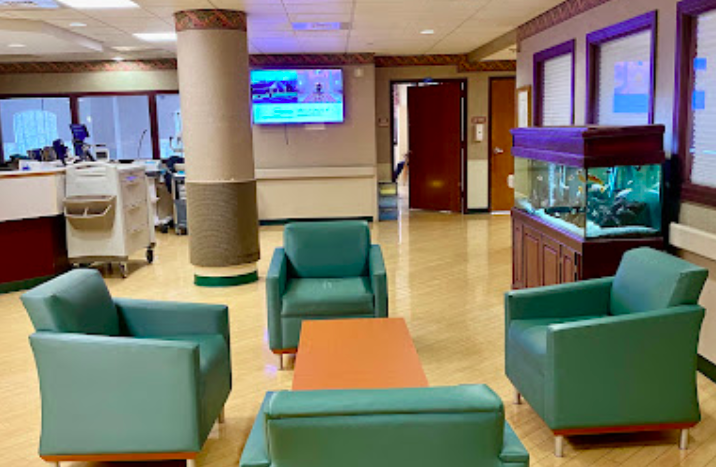
How is Atrium Post Acute Care Of Wayne Staffed?

CMS rates ATRIUM POST ACUTE CARE OF WAYNE's staffing level at 3 out of 5 stars, which is average compared to other nursing homes. Staff turnover is 40%, compared to the New Jersey average of 46%. This relatively stable workforce can support continuity of care.

What Have Inspectors Found at Atrium Post Acute Care Of Wayne?

State health inspectors documented 23 deficiencies at ATRIUM POST ACUTE CARE OF WAYNE during 2020 to 2025. These included: 1 Immediate Jeopardy (the most serious level, indicating potential for serious harm or death), 21 with potential for harm, and 1 minor or isolated issues. Immediate Jeopardy findings are rare and represent the most serious regulatory concerns. They require immediate corrective action.

Who Owns and Operates Atrium Post Acute Care Of Wayne?

ATRIUM POST ACUTE CARE OF WAYNE is owned by a for-profit company. For-profit facilities operate as businesses with obligations to shareholders or private owners. The facility operates independently rather than as part of a larger chain. With 209 certified beds and approximately 142 residents (about 68% occupancy), it is a large facility located in WAYNE, New Jersey.
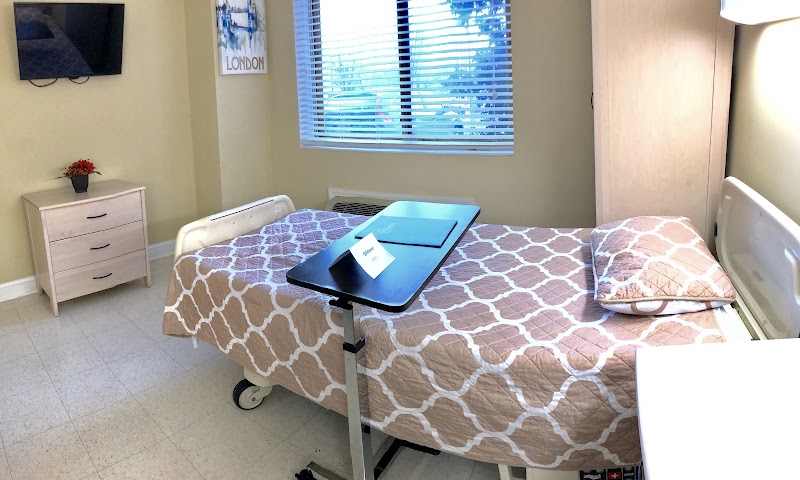
How Does Atrium Post Acute Care Of Wayne Compare to Other New Jersey Nursing Homes?

Compared to the 100 nursing homes in New Jersey, ATRIUM POST ACUTE CARE OF WAYNE's overall rating (3 stars) is below the state average of 3.3, staff turnover (40%) is near the state average of 46%, and health inspection rating (3 stars) is at the national benchmark.

What Should Families Ask When Visiting Atrium Post Acute Care Of Wayne?

Based on this facility's data, families visiting should ask: "What changes have been made since the serious inspection findings, and how are you preventing similar issues?" "Can I visit during a mealtime to observe dining assistance and food quality?" "How do you handle medical emergencies, and what is your hospital transfer rate?" "Can I speak with family members of current residents about their experience?" These questions are particularly relevant given the facility's Immediate Jeopardy citations.

Is Atrium Post Acute Care Of Wayne Safe?

Based on CMS inspection data, ATRIUM POST ACUTE CARE OF WAYNE has documented safety concerns. Inspectors have issued 1 Immediate Jeopardy citation (the most serious violation level indicating risk of serious injury or death). The facility has a 3-star overall rating and ranks #100 of 100 nursing homes in New Jersey. Families considering this facility should ask detailed questions about what corrective actions have been taken since these incidents.

Do Nurses at Atrium Post Acute Care Of Wayne Stick Around?

ATRIUM POST ACUTE CARE OF WAYNE has a staff turnover rate of 40%, which is about average for New Jersey nursing homes (state average: 46%). Moderate turnover is common in nursing homes, but families should still ask about staff tenure and how the facility maintains care continuity when employees leave.

Was Atrium Post Acute Care Of Wayne Ever Fined?

ATRIUM POST ACUTE CARE OF WAYNE has been fined $14,507 across 2 penalty actions. This is below the New Jersey average of $33,224. While any fine indicates a compliance issue, fines under $50,000 are relatively common and typically reflect isolated problems that were subsequently corrected. Families should ask what specific issues led to these fines and confirm they've been resolved.

Is Atrium Post Acute Care Of Wayne on Any Federal Watch List?

ATRIUM POST ACUTE CARE OF WAYNE is not on any federal watch list. The most significant is the Special Focus Facility (SFF) program, which identifies the bottom 1% of nursing homes nationally based on persistent, serious quality problems. Not being on this list means the facility has avoided the pattern of deficiencies that triggers enhanced federal oversight. This is a positive indicator, though families should still review the facility's inspection history directly.