COMPLETE CARE AT WAYNE HILLS REHAB & RESP CENTER
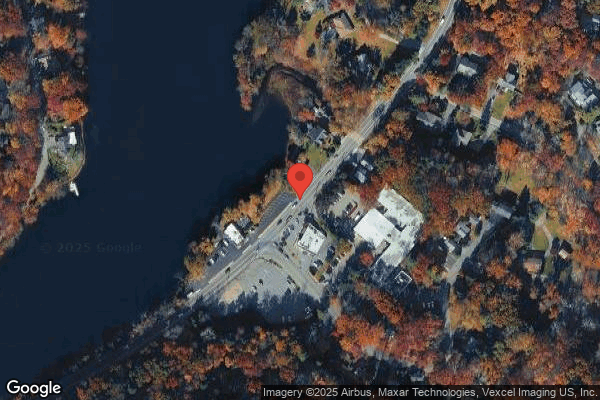
130 TERHUNE DRIVE, WAYNE, NJ 07470 (973) 839-4500
For profit - Individual 120 Beds COMPLETE CARE Data: November 2025 1 Immediate Jeopardy citation
Trust Grade
53/100
#189 of 344 in NJ
Last Inspection: May 2024

Within standard 12-15 month inspection cycle. Federal law requires annual inspections.

Overview

Complete Care at Wayne Hills Rehab & Resp Center has a Trust Grade of C, which indicates it is average compared to other facilities, sitting in the middle of the pack. It ranks #189 out of 344 nursing homes in New Jersey, placing it in the bottom half, and #8 out of 18 in Passaic County, meaning there are only seven facilities in the county that perform better. The facility is currently improving, with issues decreasing from seven in 2024 to just one in 2025. Staffing is a weakness, with a rating of 1 out of 5 stars and a turnover rate of 50%, which is concerning as it is higher than the state average. On a positive note, the facility has no fines on record, indicating compliance with regulations, and it has average RN coverage, which is crucial for catching potential health issues. However, there are significant concerns regarding specific incidents. For example, a cognitively impaired resident was found tied to their wheelchair by a roommate, and this incident was not reported for over 24 hours, raising serious safety issues. Additionally, the facility failed to follow infection control practices during a recent outbreak of multi-drug resistant organisms, which could jeopardize resident health. While there are strengths in some areas, these critical findings highlight the need for families to carefully consider the safety and quality of care at this facility.

Trust Score
C
53/100
In New Jersey
#189/344
Bottom 46%
Safety Record
High Risk
Review needed
Inspections
Getting Better
7 → 1 violations
Staff Stability
⚠ Watch
50% turnover. Above average. Higher turnover means staff may not know residents' routines.
Penalties
✓ Good
No fines on record. Clean compliance history, better than most New Jersey facilities.
Skilled Nurses
⚠ Watch
Each resident gets only 26 minutes of Registered Nurse (RN) attention daily — below average for New Jersey. Fewer RN minutes means fewer trained eyes watching for problems.
Violations
⚠ Watch
19 deficiencies on record. Higher than average. Multiple issues found across inspections.
★★★☆☆
3.0
Overall Rating
★☆☆☆☆
1.0
Staff Levels
★★☆☆☆
2.0
Care Quality
★★★★☆
4.0
Inspection Score
Stable
2024: 7 issues
2025: 1 issues

The Good

  • Full Sprinkler Coverage · Fire safety systems throughout facility
  • No fines on record

Facility shows strength in fire safety.

The Bad

3-Star Overall Rating

Near New Jersey average (3.3)

Meets federal standards, typical of most facilities

Staff Turnover: 50%

Near New Jersey avg (46%)

Higher turnover may affect care consistency

Chain: COMPLETE CARE

Part of a multi-facility chain

Ask about local staffing decisions and management

The Ugly 19 deficiencies on record

1 life-threatening
Jul 2025 1 deficiency 1 IJ
CRITICAL (J) 📢 Someone Reported This

A family member, employee, or ombudsman was alarmed enough to file a formal complaint

Immediate Jeopardy (IJ) - the most serious Medicare violation

Free from Abuse/Neglect (Tag F0600)

Someone could have died · This affected 1 resident

Complaint #: NJ00183653 Based on observation, interviews, and review of pertinent facility documents on 07/14/2025, 07/15/2025, and 07/18/2025, it was determined that the facility failed to implement ...

Read full inspector narrative →
Complaint #: NJ00183653 Based on observation, interviews, and review of pertinent facility documents on 07/14/2025, 07/15/2025, and 07/18/2025, it was determined that the facility failed to implement their abuse policy and procedure to ensure all residents were protected from abuse when a cognitively impaired resident (Resident #1) was discovered tied to their wheelchair by their roommate (Resident #3) on 01/15/2025, and the incident was not reported and Resident #1 remained with their roommate until 01/16/2025. This deficient practice was identified for 1 of 7 residents reviewed for abuse (Resident #1). A review of the Facility Reportable Event (FRE), dated 01/17/2025, revealed that Resident #1's Representative (RR #1) reported observing Resident #1 tied to their wheelchair on 01/15/2025. Interview with the Certified Nursing Aide (CNA #1) revealed that on 01/15/2025, when she went to provide incontinence care on Resident #1 prior to bed, she observed Resident #1 tied to their wheelchair by a bedsheet. CNA #1 immediately removed the restraint, and asked who tied the resident up? The resident's roommate (Resident #3) responded, I tied [them] up because [they] keeps roaming in the room touching stuff. CNA #1 did not report the incident to anyone, and Resident #1 remained in the same room as Resident #3 until 01/16/2025, when the Director of Nursing (DON) reviewed RR #1's email and moved Resident #1. The facility's failure to implement their abuse policy including protecting Resident #1 from abuse, and immediately reporting and investigating all allegations of abuse, placed all residents at risk for abuse. This posed the likelihood of serious physical and psychosocial harm, or impairment which resulted in an Immediate Jeopardy (IJ) situation. The IJ began on 01/15/2025, during the 3:00 PM to 11:00 PM shift, after Resident #1 was observed tied to their wheelchair by Resident #3, and CNA #1 did not report the incident leaving the two residents in the same room. The facility was notified of the IJ on 07/15/2025 at 7:30 PM. The facility submitted an acceptable Removal Plan (RP) on 07/17/2025 at 11:01 AM. The survey team verified the implementation of the RP on-site during the continuation of the survey on 07/18/2025 at 1:30 PM. The evidence was as follows:A review of the facility's policy titled Compliance with Reporting Allegations of Abuse/Neglect/Exploitation with an implementation date of 09/1/2024, included Policy: It is the policy of this facility to report all allegations of abuse/neglect/exploitation or mistreatment [.] immediately to the Administrator of the facility. Compliance Guidelines.4. Identification. b. Abuse: The willful infliction of injury, unreasonable confinement, intimidation, or punishment [.] which can include [.] resident to resident altercations. 7. Protection: The facility will protect residents from harm during an investigation.Procedure for Response and Reporting Allegations of Abuse/Neglect/Exploitation.When suspicion of abuse/neglect/exploitation occur, the following procedure will be initiated [.] 1. The Licensed Nurse will: a. Respond to the needs of the resident and protect him/her from further incident. c. Notify the Administrator or designee. The surveyor reviewed the closed medical record for Resident #1. According to the admission Record face sheet (an admission summary), Resident #1 was admitted to the facility with diagnoses which included but were not limited to: acute and chronic respiratory failure with hypoxia (body does not get enough oxygen), generalized muscle weakness, Alzheimer's Disease, and insomnia (sleep disorder with trouble sleeping). According to the quarterly Minimum Data Set (MDS), an assessment tool dated 02/06/2025, Resident #1 had a Brief Interview for Mental Status (BIMS) score of 00 out of 15, indicating the resident was severely cognitively impaired. A review of the Facility Reported Event (FRE) dated 01/17/2025, revealed the following: On 01/16/2025 at 2:30 PM, the DON received an email from RR #1, who stated that Resident #1 was tied to their wheelchair with a blanket during the previous evening shift. RR #1 stated that Resident #1 indicated that it was a [race and gender redacted] who tied them up. The facility interviewed the resident's Licensed Practical Nurse (LPN #1), who stated that RR #1 reported to her on 01/15/2025, that Resident #1 was playing with pants, twisting and making knots, and had shoulder pain. LPN #1 stated that she checked on Resident #1, who was in their wheelchair at bedside, twisting clothes, and she provided the resident with as needed pain medication. The facility interviewed CNA #1, who stated at the beginning of her shift, Resident #1 was observed at bedside in their wheelchair fidgeting with a cloth talking loudly but seemed pleasant. CNA #1 stated at bedtime, she went to provide incontinence care to Resident #1, and the resident was observed in their wheelchair with the flat [bed] sheet tied around them to the back of their chair. CNA #1 stated that she asked out loud who tied [them] to the chair? CNA #1 stated that Resident #1's roommate (Resident #3) replied, I tied [them] up because [they] keeps roaming in the room and touching stuff. The resident [Resident #1] was calm, smiling, and free from pain. The facility indicated that the Social Worker (SW) interviewed Resident #3, who stated that their roommate (Resident #1) was pacing around the room, touching belongings and disturbing [Resident #3]. Resident #3 stated that they proceeded to help [Resident #1] to the wheelchair, took a bedsheet, wrapped around [Resident #1] and the wheelchair. The SW indicated when she asked Resident #3 why they tied Resident #1 up, Resident #3 stated they did not want the resident to fall. The FRE did not indicate that after CNA #1 untied Resident #1, that she reported the incident to anyone, and Resident #1 remained in the same room as Resident #3. The conclusion indicated that CNA #1 was suspended pending investigation, and later cleared of abuse, but she was re-educated on types of abuse, reporting abuse, and preventing and protecting residents from abuse. The conclusion also indicated that Resident #1's room was changed (on 01/16/2025). During an interview on 07/14/2025 at 1:45 PM, Resident #3 was observed lying on their bed watching television. Resident #3 stated that they did not want their roommate (Resident #1) to sit on Resident #3's bed, that [tying up Resident #1] was not done out of anger; just wanted [their] roommate to leave [them] alone. Resident #3 stated that the nurse and other facility staff had spoken to them already about the incident, and the resident questioned why the incident was being brought up. During a telephone interview on 07/14/2025 at 2:00 PM, the surveyor attempted to interview CNA #1, but when questioned about the incident, CNA #1 hung up the telephone. The surveyor attempted to call again, and CNA #1 did not answer. On 07/14/2025 at 2:04 PM, the surveyor attempted to conduct a telephone interview with LPN #1, who did not answer. During a telephone interview on 07/15/2025 at 11:57 AM, RR #1 stated that they visited Resident #1 on 01/15/2025, and saw a blanket tied around the resident and the wheelchair with the knot at the back of the wheelchair. RR #1 stated that they told a nurse (could not recall who), and that nurse (unknown) untied Resident #1 right away. A review of the visitor's screening log indicated that RR #1 checked into the building on 01/15/2025 at 8:03 PM, and the log was blank for their checkout time. A review of CNA #1's employee file revealed that she resigned from the facility effective 06/23/2025. During an interview on 07/15/2025 at 12:38 PM, the DON, in the presence of the Licensed Nursing Home Administrator (LNHA), stated that the Business Manager provided her with an email from RR #1. The email indicated that RR #1 observed Resident #1 tied to their wheelchair with a sheet. The DON stated that she obtained statements from LPN #1 and CNA #1, and CNA #1 stated that she observed Resident #1 tied to their wheelchair and she untied the resident. The DON stated that when CNA #1 asked who tied the resident up, their roommate (Resident #3) stated that they did. The DON acknowledged that CNA #1 should have immediately reported the incident to the LNHA and herself on 01/15/2025. The DON also acknowledged that Resident #1 should have immediately been separated from Resident #3. The DON stated leaving Resident #1 with Resident #3 was considered abuse, because more harm could have happened being left in the room with their abuser. The facility submitted an acceptable Removal Plan (RP) on 07/17/2025 at 11:01 AM, indicating the action the facility will take to prevent serious harm from occurring or recurring. The facility implemented a corrective action plan to remediate the deficient practice to include: Resident #1 no longer resides in facility, but they were assessed post incident; Resident #3 was evaluated post incident by psychiatric (psych) services and hourly monitoring was discontinued after psych determined they were not a threat to self or others; Resident #3 was educated about not abusing other residents and acknowledged understanding. On 07/16/2025, the DON and Social Services Director interviewed residents with a BIMS score of 12 or above for potential abuse. On 07/16/2025, all abuse policies and procedures were reviewed, the DON and/or designee re-educated all staff on the facility's Compliance with Reporting Allegation of Abuse/Neglect/Exploitation and Abuse, Neglect, Exploitation policies, and in the event of any future resident-to-resident abuse, the perpetrating resident will immediately be placed on one-to-one supervision until primary care, nursing, and psych evaluations can be completed. The survey team verified the implementation of the RP on-site during the continuation of the survey on 07/18/2025 at 1:30 PM. NJAC 8:39-4.1(a)(5)
Sept 2024 2 deficiencies
CONCERN (D) 📢 Someone Reported This

A family member, employee, or ombudsman was alarmed enough to file a formal complaint

Potential for Harm - no one hurt, but risky conditions existed

Report Alleged Abuse (Tag F0609)

Could have caused harm · This affected 1 resident

**NOTE- TERMS IN BRACKETS HAVE BEEN EDITED TO PROTECT CONFIDENTIALITY** Complaint #: NJ00176749 Based on interviews and a review of the medical records and other facility documentation, it was determi...

Read full inspector narrative →
**NOTE- TERMS IN BRACKETS HAVE BEEN EDITED TO PROTECT CONFIDENTIALITY** Complaint #: NJ00176749 Based on interviews and a review of the medical records and other facility documentation, it was determined that the facility staff failed to report an allegation of sexual abuse made by a resident (Resident #2) to the New Jersey Department of Health (NJDOH) as required. This deficient practice was identified for 1 of 4 residents (Resident #2) and was evidenced by the following: The surveyor reviewed Resident #2's medical record on 09/10/2024. The admission Record reflected the Resident #2 was admitted to the facility with medical diagnoses which included but not limited to: Type 2 Diabetes, Acute and Chronic Respiratory Failure, Morbid Obesity, Tracheostomy Status, Hypertension, Anxiety Disorder, Chronic Obstructive Pulmonary Disorder, and Other Seizures. Review of the most recent quarterly Minimum Data Set (MDS), an assessment tool dated 5/29/24, reflected the resident had a Brief Interview for Mental Status (BIMS) score of 0 out of 15, which indicated severely impaired cognition. The resident's care plan initiated on 06/02/24 and revised on 07/24/24, indicated that Resident #2 had a history of false accusations towards staff. Resident #2's care plan also indicated that Resident #2 utilized nonverbal communication to communicate resident's needs. Review of resident #2's Progress Notes (PNs) revealed that resident #2 was admitted to the hospital on [DATE] with Tracheostomy Malfunction and Respiratory Distress. During the entrance interview with the surveyor on 09/10/2024, the Director of Nursing (DON) in the presence of the Licensed Nursing Home Administrator (LNHA) stated that the administrative staff was gathering for morning rounds meeting on 09/02/2024 when the Admissions Director received a text from the social worker at the hospital stating that Resident # 2 reported to have been sexually assaulted while at the nursing facility. The DON stated that after learning about the alleged sexual abuse during the morning meeting, she did not address the sexual abuse allegation because the social worker had not gotten in touch with her directly to report it, and the resident was not in the facility during the timeframe of the sexual abuse allegation. The DON and LNHA acknowledged that they should have reported the sexual abuse allegation to the appropriate agencies within the stipulated timeframe, as per state and federal regulations. The DON and LNHA further acknowledged that they did not follow their facility's policy for reporting and investigating allegations of abuse. A review of the facility's policy titled Compliance with Reporting Allegations of Abuse/Neglect/Exploitation states It is the policy of this facility to report all allegations of abuse/neglect/exploitation or mistreatment, including injuries of unknown sources and misappropriation of resident property are reported immediately to the Administrator or the facility and to other appropriate agencies in accordance with state and federal regulations within prescribed timeframes. The policy further states: 5. Alleged violation - A situation or occurrence that is observed or reported by staff, resident, relative, visitors or others but has not yet been investigated and, if verified, could be noncompliance with the Federal requirements related to mistreatment, exploitation, neglect, or abuse, including injuries of unknown source, and misappropriation of resident property. 6. Investigation - The facility will investigate all allegations and types of incidents as listed above in accordance with facility procedure for reporting/response as described below. 7. Reporting/Response - The facility will report all alleged allegations and all substantiated incidents to the state agency and to all other agencies as required and take all necessary corrective actions depending on the results of the investigation. The facility will analyze the occurrences to determine what changes are needed, if any, to policies and procedures to prevent further occurrences. NJAC 8:39-9.4(f)
CONCERN (D) 📢 Someone Reported This

A family member, employee, or ombudsman was alarmed enough to file a formal complaint

Potential for Harm - no one hurt, but risky conditions existed

Investigate Abuse (Tag F0610)

Could have caused harm · This affected 1 resident

**NOTE- TERMS IN BRACKETS HAVE BEEN EDITED TO PROTECT CONFIDENTIALITY** Complaint #: NJ00176749 Survey Dates: 09/10/2024 Census: 85 Sample Size: 4 Based on interviews and a review of the medical recor...

Read full inspector narrative →
**NOTE- TERMS IN BRACKETS HAVE BEEN EDITED TO PROTECT CONFIDENTIALITY** Complaint #: NJ00176749 Survey Dates: 09/10/2024 Census: 85 Sample Size: 4 Based on interviews and a review of the medical records and other facility documentation, it was determined that the facility staff failed to investigate an alleged incident of sexual abuse made by a resident (Resident #2) to the New Jersey Department of Health (NJDOH) as required. This deficient practice was identified for 1 of 4 residents (Resident #2) and was evidenced by the following: The surveyor reviewed Resident #2's medical record on 09/10/2024. The admission Record reflected the Resident #2 was admitted to the facility with medical diagnoses which included but not limited to: Type 2 Diabetes, Acute and Chronic Respiratory Failure, Morbid Obesity, Tracheostomy Status, Hypertension, Anxiety Disorder, Chronic Obstructive Pulmonary Disorder, and Other Seizures. Review of the most recent quarterly Minimum Data Set (MDS), an assessment tool dated 5/29/24, reflected the resident had a Brief Interview for Mental Status (BIMS) score of 0 out of 15, which indicated severely impaired cognition. The resident's care plan initiated on 06/02/24 and revised on 07/24/24, indicated that Resident #2 had a history of false accusations towards staff. Resident #2's care plan also indicated that Resident #2 utilized nonverbal communication to communicate resident's needs. Review of resident #2's Progress Notes (PNs) revealed that resident #2 was admitted to the hospital on [DATE] with Tracheostomy Malfunction and Respiratory Distress. During the entrance interview with the surveyor on 09/10/2024, the Director of Nursing (DON) in the presence of the Licensed Nursing Home Administrator (LNHA) stated that the administrative staff was gathering for morning rounds meeting on 09/02/2024 when the Admissions Director received a text from the social worker at the hospital stating that Resident # 2 reported to have been sexually assaulted while at the nursing facility. The DON stated that after learning about the alleged sexual abuse during the morning meeting, she did not address the sexual abuse allegation because the social worker had not gotten in touch with her directly to report it, and the resident was not in the facility during the timeframe the sexual abuse allegation. The DON and LNHA acknowledged that they should have reported the sexual abuse allegation to the appropriate agencies within the stipulated timeframe, as per state and federal regulations. The DON and LNHA further acknowledged that they did not follow their facility's policy for reporting and investigating allegations of abuse. During an interview with the surveyor on 09/10/2024 at 12:53 P.M., the social worker stated that the sexual abuse allegation was not reported to her, but she heard about the sexual abuse allegation during morning rounds meeting. The social worker stated that she did not investigate the sexual abuse allegation because the information did not come to her directly. She stated that it is the responsibility of the Administrator and the DON to report any sexual abuse allegations. The social worker did acknowledge that her role as a social worker is to ensure the safety of the residents and she acknowledged that she should have taken the necessary steps to investigate the alleged sexual abuse. A review of the facility's policy titled Compliance with Reporting Allegations of Abuse/Neglect/Exploitation states It is the policy of this facility to report all allegations of abuse/neglect/exploitation or mistreatment, including injuries of unknown sources and misappropriation of resident property are reported immediately to the Administrator or the facility and to other appropriate agencies in accordance with state and federal regulations within prescribed timeframes. The policy further states: 5. Alleged violation - A situation or occurrence that is observed or reported by staff, resident, relative, visitors or others but has not yet been investigated and, if verified, could be noncompliance with the Federal requirements related to mistreatment, exploitation, neglect, or abuse, including injuries of unknown source, and misappropriation of resident property. 6. Investigation - The facility will investigate all allegations and types of incidents as listed above in accordance with facility procedure for reporting/response as described below. NJAC 8:39-9.4(f)
May 2024 5 deficiencies
CONCERN (D)

Potential for Harm - no one hurt, but risky conditions existed

MDS Data Transmission (Tag F0640)

Could have caused harm · This affected 1 resident

**NOTE- TERMS IN BRACKETS HAVE BEEN EDITED TO PROTECT CONFIDENTIALITY** Based on the interview and record review, it was determined that the facility failed to complete and submit electronically the M...

Read full inspector narrative →
**NOTE- TERMS IN BRACKETS HAVE BEEN EDITED TO PROTECT CONFIDENTIALITY** Based on the interview and record review, it was determined that the facility failed to complete and submit electronically the Minimum Data Set (MDS), an assessment tool used to facilitate the management of care of all residents, within 14 days of completing the resident's assessment and in accordance with the Center's for Medicare and Medicaid Services (CMS) Resident Assessment Instrument (RAI) Manual. This deficient practice was identified for 1 of 20 residents (Residents #136). This deficient practice was evidenced by the following: On 05/14/24, at 9:41 AM, the surveyor observed Resident #63 lying in bed watching television. The resident was able to answer the surveyor's inquiry. Resident #63's electronic medical record (eMR) revealed the following information: According to the admission Record (an admission summary) (AR), Resident #63 was admitted to the facility with diagnoses that included but were not limited to urinary tract infections. The Quarterly Minimum Data Set (QMDS), dated [DATE], indicated that the facility assessed the resident's cognitive status using a Brief Interview for Mental Status (BIMS). The resident scored 14 out of 15, which indicates that the resident is cognitively intact. Further review of QMDS with an ARD on 3/22/24 was due to be transmitted to CMS no later than 4/04/24. However, the QMDS was not submitted until 4/26/24. A review of Significant Change MDS (SCMDS) with an ARD on 9/28/23 was due to be transmitted to CMS no later than 10/12/24. However, the SCMDS was not submitted until 10/21/23. A review of the undated Final Validation Report for Resident #36 given by the Regional MDS Coordinator (MDSC) revealed that Assessment Completed Late: Z0500B (assessment completion date) is more than 14 days after A2300 (assessment reference date). On 5/21/24 at 10:01 AM, the surveyor met with the Regional MDSC regarding the late MDS submission but did not provide further information. NJAC 8:39 - 11.2(e)3
CONCERN (D)

Potential for Harm - no one hurt, but risky conditions existed

Assessment Accuracy (Tag F0641)

Could have caused harm · This affected 1 resident

**NOTE- TERMS IN BRACKETS HAVE BEEN EDITED TO PROTECT CONFIDENTIALITY** 2. On 5/15/24 at 11:34 AM the surveyor interviewed Resident #85. The surveyor asked the resident if they get assistance to use t...

Read full inspector narrative →
**NOTE- TERMS IN BRACKETS HAVE BEEN EDITED TO PROTECT CONFIDENTIALITY** 2. On 5/15/24 at 11:34 AM the surveyor interviewed Resident #85. The surveyor asked the resident if they get assistance to use the toilet. The resident stated no that they wear an incontinence brief. The resident also stated that the staff comes to clean and care for him in the mornings, and when they rings the call bell. Resident #85's eMR revealed the following information: The resident's AR reflects the resident was admitted with diagnoses including but not limited to Acute Respiratory Failure with Hypoxia (a sudden inability to correctly breathe and related lack of oxygen), and Essential Hypertension (increased blood pressure). An admission MDS dated [DATE], indicated that the facility assessed the resident's cognitive status using a BIMS. The resident scored a seven (7) out of fifteen (15) which indicated that the resident had severe cognitive impairment. Section H Bowel Continence is 9. Not rated. A Modified MDS dated [DATE], indicated that Section H Bowel Continence is rated 3 (three), which indicates Always Incontinent. The Care Plan initiated dated 4/9/24 revealed under Focus that Elimination: I am totally dependent on staff for incontinent care. A Review of the CNA Documentation Survey Report (documentation that CNA's use for daily tasks) for April 2024 dated 5/22/24 reflects dates 4/18/24 through 4/24/24 are either blank or coded 2 which indicates no bowel movement. A review of Resident #85 nursing progress notes revealed a note dated 4/21/24 that reflected + BM and Incontinent of B & B which reflects a positive bowel movement and that the resident is incontinent of bowel and bladder. NJAC 8:39-33.2(d) Based on the interview and record review, it was determined that the facility failed to accurately code the Minimum Data Set (MDS), an assessment tool used to facilitate the management of care of all residents, in accordance with the federal guidelines for 2 of 20 residents (Resident #63, and #85) reviewed for the accuracy of MDS coding. The deficient practice was evidenced by the following: 1. On 5/14/24, at 9:41 AM, the surveyor observed Resident #63 lying in bed watching television, able to answer the surveyor's inquiry. The resident stated that they had a bowel movement at least once daily and had no problem. Resident #63's electronic Medical Record (eMR) revealed the following information: According to the admission Record (an admission summary) (AR), Resident #63 was admitted to the facility with diagnoses that included but were not limited to urinary tract infections. The Quarterly Minimum Data Set (QMDS), dated [DATE], indicated that the facility assessed the resident's cognitive status using a Brief Interview for Mental Status (BIMS). The resident scored 14 out of 15, which indicates that the resident is cognitively intact. Section H Bowel Continence is 9. Not rated. The Care Plan initiated dated 1/21/23 revealed under Focus that Elimination: I am totally dependent on staff for incontinent care. On 5/21/24 at 9:53 AM, the surveyor interviewed the MDS Coordinator/Registered Nurse (MDSC/RN), who stated that she had returned from maternity leave and could only speak for herself. The March MDS was done by MDSC, who works remotely. The MDSC/RN stated that the resident was incontinent of bowel elimination and added that the MDS was modified from not rated to always incontinent of bowel elimination. The staff was interviewed and found out that the resident was incontinent of bowel elimination and was re-educated regarding the documentation of bowel elimination. On 5/21/24 at 9:14 AM, the surveyor interviewed the Director of Clinical Services (DCS), who said they did the phone interview with the Certified Nurse Assistant (CNA) caring for Resident #63. The CNA stated that the resident had regular bowel movements for at least 1-2 days and added that if the resident went longer than 3 days, she would notify the nurse. The DCS added that the CNA was educated on the importance of documentation. The DCS presented documentation of the interview from the Nurse Practitioner (NP) that she is seeing the resident and asked about bowel movements, and the resident always reports no concern. Upon assessment of the NP, the resident's abdomen is always soft and non-tender, with bowel sounds in all four quadrants. Further review of the QMDS dated [DATE] section J Pain Presence is - Not assessed. The Progress Notes dated 3/18/24 at 4:24 PM stated, No complaint of pain. The Progress Notes dated 3/19/24 at 16:52 stated that there was no complaint. The Progress Notes dated 3/20/24 at 23:24 stated, Denies pain. The Progress Notes dated 3/21/24 at 22:11 stated, No complaint of pain. The electronic Medication Administration Record (eMAR) in March 2024 revealed under Pain assessment every shift stated during the look-back period from March 18 to March 22, 2024, as 0 (zero) or no pain for each shift. Furthermore, the QMDS dated [DATE], section J Fall History on admission Entry/Reentry, has - Not assessed. The Fall Risk Assessment, effective 3/15/24 at 12:51, was revealed under Fall History stated 1. Choose one of the following: 1. No falls. On 5/21/24 at 9:53 AM, the surveyor interviewed the MDSC/RN, who stated that she usually interviews the resident with the 5-day look back period of the MDS, and another option was looking at the pain assessment done under the assessment tab of the eMR if there's none it could find in the eMAR wherein there's a pain assessment every shift by the nurses. Not assessed means not addressed, and it is an incorrect assessment. She added that the MDSC should interview the resident if there is no assessment for pain or fall. Further review of the QMDS dated [DATE] section M Determination of Pressure Ulcer/Injury Risk under B. Formal assessment instrument/tool (e.g., Braden, [NAME], or other) the answer is B. No. The Braden Assessment, effective 3/22/24 at 10:08, revealed a Braden score of 16 (sixteen) and a low-risk category. The eMAR in March 2024, with an order date of 2/22/24, revealed, Skin check once weekly every day every Thursday document any abnormal finding in progress notes. On 5/21/24 at 9:53 AM, the surveyor interviewed the MDSC/RN, who stated that a Braden and weekly assessment was done on the eMR. The MDS assessment should be accurate, and we are not allowed to include anything if we cannot justify it. On 5/21/24 at 10:00 AM, the Regional MDSC/RN stated that there is a formal assessment done by the NP who comes weekly, and she added that in the eMAR, there is also a weekly skin assessment.
CONCERN (D)

Potential for Harm - no one hurt, but risky conditions existed

Deficiency F0658 (Tag F0658)

Could have caused harm · This affected 1 resident

**NOTE- TERMS IN BRACKETS HAVE BEEN EDITED TO PROTECT CONFIDENTIALITY** Based on observation, interview, and record review, it was determined that the facility failed to maintain the nursing professio...

Read full inspector narrative →
**NOTE- TERMS IN BRACKETS HAVE BEEN EDITED TO PROTECT CONFIDENTIALITY** Based on observation, interview, and record review, it was determined that the facility failed to maintain the nursing professional standard of clinical practices by not accurately documenting the bowel elimination status of 1 of the 20 residents (Resident #63) who had been reviewed for urinary catheter. Reference: New Jersey Statutes Annotated, Title 45, Chapter 11. Nursing Board. The Nurse Practice Act for the State of New Jersey states: The practice of nursing as a licensed practical nurse is defined as performing tasks and responsibilities within the framework of case finding; reinforcing the patient and family teaching program through health teaching, health counseling and provision of supportive and restorative care, under the direction of a registered nurse or licensed or otherwise legally authorized physician or dentist. The deficient practice was evidenced by the following: On 5/14/24, at 9:41 AM, the surveyor observed Resident #63 lying in bed watching television, able to answer the surveyor's inquiry. The resident stated that they had a bowel movement at least once daily and had no problem. Resident #63's electronic medical record (eMR) revealed the following information: According to the admission Record (an admission summary) (AR), Resident #63 was admitted to the facility with diagnoses that included but were not limited to urinary tract infections. The Quarterly Minimum Data Set (QMDS), dated [DATE], indicated that the facility assessed the resident's cognitive status using a Brief Interview for Mental Status (BIMS). The resident scored 14 out of 15, which indicated that the resident was cognitively intact. Section H Bowel Continence is 9. Not rated. A Review of the CNA Documentation Survey Report (documentation that CNAs use for daily tasks) for March 2024, dated 5/20/24, given by the Director of Nursing (DON), reflected that the dates 3/12/24 through 3/23/24 revealed No Bowel Movement. A review of the Progress Notes during the look-back period of March 12 to March 23, 2024, did not reflect the bowel elimination status of Resident #63. A review of the Care Plan initiated dated 1/21/23 revealed under Focus that Elimination: I am totally dependent on staff for incontinent care. On 05/21/24 at 9:34 AM, the surveyor interviewed the CNA regarding the resident's bowel movement schedule. The CNA stated that the resident usually called for help if the resident needed to be changed and the resident ususally had a bowel movement often. She stated that she would document that information into the electronic medical record in the document task. On 05/21/24 at 9:36 AM, the surveyor interviewed the Registered Nurse/Unit Manager (RN/UM), who stated that the resident usually called if they needd to be changed. The RNUM stated that the resident had no problem with bowel movements and they would go regularly. On 5/21/24 at 9:53 AM, the surveyor interviewed the MDS Coordinator/Registered Nurse (MDSC/RN), who stated that she had returned from maternity leave and could only speak for herself. The March MDS was done by MDSC, who worked remotely. The MDSC/RN stated that the resident was incontinent of bowel elimination and added that the MDS was modified from not rated to always incontinent of bowel elimination. On 5/21/24 at 9:14 AM, the surveyor interviewed the Director of Clinical Services (DCS), who said they did the phone interview with the Certified Nurse Assistant (CNA) caring for Resident #63. The CNA stated that the resident had regular bowel movements for at least 1-2 days and added that she would notify the nurse if the resident went longer than three (3) days. The DCS said that the CNA was educated on the importance of documentation. The DCS presented documentation of the interview from the nurse practitioner (NP), who said that she is seeing the resident and asked about bowel movements, and the resident always reports no concern. Upon assessment of the NP, the resident's abdomen is always soft and non-tender, with bowel sounds in all four quadrants. A review of the policy titled Charting and Documentation, updated in January 2024 under Policy Statement, revealed that All services provided to the resident, progress toward the care plan goals, or any changes in the resident's medical, physical, functional, or psychosocial condition shall be documented in the resident's medical record. The medical record should facilitate communication between the interdisciplinary team regarding the resident's condition and response to care. NJAC 8:39-27.1(a)
CONCERN (D)

Potential for Harm - no one hurt, but risky conditions existed

Respiratory Care (Tag F0695)

Could have caused harm · This affected 1 resident

Based on observation, interview, and review of other pertinent provided facility documents, it was determined that the facility failed to ensure that oxygen care and services were provided according t...

Read full inspector narrative →
Based on observation, interview, and review of other pertinent provided facility documents, it was determined that the facility failed to ensure that oxygen care and services were provided according to the standard of clinical practice in one (1) of (1) residents observed for respiratory care. The deficient practice was evidenced by the following: On 5/15/24 at 11:34 AM, the surveyor interviewed Resident #85. During the interview, the surveyor observed that the resident was receiving oxygen by a nasal cannula (a tube attached to an oxygen source that delivers oxygen to the resident via the nostrils). The surveyor observed that the nasal cannula was not positioned in the nostrils of the resident and was located to the left of the resident's nose, on the cheek. Further observation of the oxygen supply tubing revealed that it was attached to a central wall supply and there were no other markings on the tubing or nasal cannula denoting when the tubing and nasal cannula was applied. The resident stated that they are feeling okay with no concerns. On 5/16/24 at 12:55 PM, the surveyor observed Resident #85, in the presence of the Registered Nurse Unit Manager (RNUM). The surveyor and the RNUM observed that the resident's oxygen nasal cannula was not in the resident's nostrils and was located to the left of the resident's nose, on the cheek. They surveyor also observed that oxygen tubing and cannula did not have any markings denoting when it was applied. The surveyor observed RNUM adjust the oxygen nasal cannula on the resident, so it was correctly placed in the resident's nostrils. The RNUM stated she would return with new tubing and a nasal cannula as she could not verify when the tubing and cannula was applied. On 5/16/24 at 12:58 PM, the surveyor interviewed RNUM. The RNUM stated that all oxygen tubing should be dated when it is attached or applied as it is changed weekly or sooner if needed. The RNUM also stated that the nasal cannula should be in nostrils. The surveyor reviewed the electronic medical record (eMR) for Resident #85. The resident's admission Record, a summary of important information about the resident, (AR) reflects the resident was admitted with diagnoses including but not limited to Acute Respiratory Failure with Hypoxia (a sudden inability to correctly breathe and related lack of oxygen), and Essential Hypertension (increased blood pressure). An admission Minimum Data Set (MDS), an assessment tool to facilitate care, dated 4/24/24, indicated that the facility assessed the resident's cognitive status using a Brief Interview for Mental Status (BIMS). The resident scored a 7 out of 15 which indicated that the resident had severe cognitive impairment. Section O of the MDS documented the resident received oxygen therapy. The resident's Care Plan, a document that identifies a resident's needs or risks, dated 4/9/24, reflected that the resident had oxygen ordered and was to be provided by nasal cannula. A review of the resident's Order Summary Report (a list of the resident's medical orders) and the resident's medical order details reflected that the resident had an order to change oxygen tubing and nebulizer equipment every Tuesday 11-7 shift and had orders for oxygen administration. On 5/16/24 at 1:30 PM, the surveyor in the presence of the survey team interviewed the facility administrative team, including Regional Clinical Registered Nurse (RCRN), the Regional Administrator (RA), Director of Nursing (DON) and Administrator. The surveyor informed the facility administrative team of the concerns with the oxygen nasal cannula and the interview with the RNUM. The surveyor reviewed the facility Oxygen Administration policy. The surveyor reviewed the policy which reflected under General Guidelines 1. Line 3, The nasal cannula is a tube that is placed approximately one-half inch into the resident's nose. NJAC 8:39-25.2(c)3
CONCERN (E)

Potential for Harm - no one hurt, but risky conditions existed

Deficiency F0711 (Tag F0711)

Could have caused harm · This affected multiple residents

9. A review of the hybrid medical record for Resident #1 revealed the resident's primary physician had not hand signed or electronically signed the monthly physician's orders for December 2023, Januar...

Read full inspector narrative →
9. A review of the hybrid medical record for Resident #1 revealed the resident's primary physician had not hand signed or electronically signed the monthly physician's orders for December 2023, January 2024, February 2024, and April 2024. In addition, a review of the Physician Progress Notes (PPN) revealed that the primary physician did not conduct face to face visits and did not write any progress notes from the months of December 2023 through April 2024. 10. A review of the hybrid medical record for Resident #78 revealed the resident's primary physician had not hand signed or electronically signed the monthly physician's orders for April 2024. On 5/22/24 at 11:14 AM, the surveyor interviewed the RN #2 in the South Wing, who has been working in the facility since 2020. She stated, Dr [name redacted], was here yesterday, he comes three or more times a week and his Nurse Practitioner (NP), [name redacted] also comes. On 5/22/24 at 1:30 PM, the survey team met with the administration: Licensed Nursing Home Administrator (LNHA), Director of Nursing (DON), Regional [NAME] President of Clinical Services, Director of Clinical Services, to discuss concerns for physician visits and physician signage for monthly orders. Requested for the facility Policy and Procedure for physician visits and physician monthly orders signage. On 5/23/24 at 9:00 AM, the survey team received the facility policies and procedures titled, Physician Orders dated 3/2024 and Physician Visits dated 2/2024. The Physician Orders policy stated, To ensure all medication and treatment orders are received from a credentialed practitioner before implementing. The Physician Visits policy stated, The attending Physician must make visits in accordance with applicable state and federal regulations . at least every 60 days. No additional information was provided by the facility. NJAC 8:39-23.2 (b), 23.2 (d) 8. A review of the hybrid medical record for Resident #63 revealed the physician electronically signed the March 2024 monthly physician orders. There were no other signed monthly physician orders in the past 6 months. Additionally, no monthly physician progress notes were written by the physician in the previous 6 months. 6. A review of the hybrid medical record for Resident #16 revealed the physician electronically signed monthly physician orders for the month of March 2024. There were no other monthly physician orders signed within the past 6 months. Additionally, there were no monthly progress notes written by the physician in the previous 6 months. 7. A review of the hybrid medical record for Resident #41 revealed the physician electronically signed the March 2024 monthly physician orders. There were no other signed monthly physician orders in the past 6 months. Additionally, there were no monthly physician progress notes written by the physician in the previous 6 months. 3. A review of the hybrid medical record for Resident #45 revealed the physician electronically signed monthly physician orders for the month of March 2024. There were no monthly physician orders signed for April and there were previous signed physician orders dated 10/2023. Additionally, there were no monthly progress notes written by the physician in the previous 6 months. 4. A review of the hybrid medical record for Resident #72 revealed the physician electronically signed monthly physician orders for the month of March 2024. There were no other signed monthly physician orders. Additionally, there were no monthly physician progress notes written by the physician in the previous 6 months. 5. A review of the hybrid medical record for Resident #74 revealed there were no monthly physician orders signed after 10/2023. Based on the interview and record review, it was determined that the facility failed to ensure that the resident's primary physicians a.) signed and dated monthly physician orders and b.) wrote physician progress notes every other month alternating with the nurse practitioner. The deficient practice was observed for 10 of 20 residents (Resident #38, 37, 45, 72, 74, 16, 41, 63, 1, and 78) reviewed and occurred over a 6-month period. The deficient practice was evidenced by the following: 1. A review of the hybrid medical record for Resident #38 revealed the physician electronically signed monthly physician orders for the month of March 2024. There were no other monthly physician orders signed within the past 6 months. Additionally, there were no monthly progress notes written by the physician in the previous 6 months. 2. A review of the hybrid medical record for Resident #37 revealed the physician electronically signed the March 2024 monthly physician orders. There were no other signed monthly physician orders in the past 6 months. Additionally, there were no monthly physician progress notes written by the physician in the previous 6 months.
Sept 2023 1 deficiency
CONCERN (F) 📢 Someone Reported This

A family member, employee, or ombudsman was alarmed enough to file a formal complaint

Potential for Harm - no one hurt, but risky conditions existed

Infection Control (Tag F0880)

Could have caused harm · This affected most or all residents

Complaint NJ # 167624 Based on observation, interview, and review of pertinent documentation, it was determined that the facility failed to follow Centers for Disease Control (CDC) guidance and implem...

Read full inspector narrative →
Complaint NJ # 167624 Based on observation, interview, and review of pertinent documentation, it was determined that the facility failed to follow Centers for Disease Control (CDC) guidance and implement infection control practices to mitigate the spread of multiple multi-drug resistant organisms (MDROs) during an outbreak which began on 09/15/23. The facility failed to: a) implement infection control surveillance per facility policy for MDROs- Carbapenem-Resistant Acinetobacter Baumannii (CRAB-bacteria resistant to nearly all antibiotics and difficult to control and irradicate from the environment), and Candida Auris (CA- a dangerous fungus that can be difficult to identify and treat), and b) staff donned (put on) the required personal protective equipment (PPE) prior to entry to a resident room who was on Transmission Based Precautions. This deficient practice was identified on 1 of 2 resident units, for 2 of 2 employees observed in TBP resident rooms and was evidenced by the following: Reference: https://www.cdc.gov/hai/pdfs/cre/crab-handout-v7-508.pdf https://www.cdc.gov/fungal/candida-auris/c-auris-surveillance.html On 09/25/23 at 10:30 AM, two surveyors toured the South Wing of the facility and observed a Registered Nurse (RN) wearing PPE in the hallway. The RN was observed standing in front of the medication cart, was wearing a surgical mask and a PPE gown which was unsecured at the neck with both shoulders exposed. The RN was observed walking from the medication cart and was carrying a medication cup in her left hand along with a bottle in her right hand wearing the same PPE gown. She continued walking past room # 40 and then entered room # 39. The surveyors observed the RN walked into the room, without first preforming hand hygiene or donning gloves. The room sign had two red STOP signs and indicated Enhanced Barrier Precautions which was posted on room # 39's door. The posted signage which indicated Everyone must: clean their hands, including before entering and when leaving the room. It was also observed that there was a PPE bin directly outside of room # 39. Upon exiting the room, the RN removed her PPE gown and used alcohol-based hand rub. On 09/25/23 at 10:32 AM, during an interview with the surveyors at that time, the RN stated, I don't have a reason as to why she didn't tie the neck of the PPE gown. She also stated that she should not be in the hallway wearing PPE because of cross contamination. The RN stated, I didn't tie the top of the PPE gown because I was just dropping off mouthwash. The RN stated that she had been educated on CRAB, how to wear proper PPE and was aware the room contained two residents infected with CRAB. On 09/25/23 at 11:34 AM, the surveyors conducted an interview with the Licensed Practical Nurse Infection Preventionist (LPN-IP) and the Director of Nursing (DON). The LPN-IP stated that the PPE gown needed to be tied at the top and the waist and be completely covering staff upon entering the room to prevent cross contamination. The DON stated that no PPE gown should be worn in the hallways and that it could cause cross contamination. On 09/25/23 at 11:45 AM, during an interview with the surveyors, the LPN-IP and the DON were made aware that the RN did not secure the PPE gown around the neck. On 09/25/23 at 12:40 PM, the surveyors observed an LPN inside of room # 62, and she was past the threshold of the door inside the room beginning to don a PPE gown. The surveyors observed an Enhanced Barrier Precaution sign affixed to the door of the room. The LPN stated that she had been oriented on PPE use and that the PPE should have been donned prior to entering the room. The LPN acknowledged the sign which indicated to don PPE before entering the room. On 09/25/23 at 12:42 PM, the DON was present in the hallway and stated that the PPE should be donned before entering the room to prevent cross contamination. On 09/25/23 at 1:43 PM, the LPN-IP provided a Line List For CRAB (a table that contains key surveillance information about each case of infectious disease during an outbreak) which the surveyors were informed the facility created the document for the surveyors and did not have one prior. The document included but was not limited to; 16 resident names, 14 of the 16 residents were indicated as having date positive test results on 08/03/23. The facility also provided Line List to C Auris which indicated 8 resident names. On 09/25/23 at 2:35 PM, the LPN-IP provided a corrected Line List for CRAB with the same 16 resident names, 14 of the 16 residents were now indicated as having date positive test results of 09/03/23. On 09/26/23 at 8:34 AM, the LPN-IP provided a second corrected Line List for CRAB with 12 resident names, and 10 of the 12 residents were indicated with date positive test results of 08/3/23. The facility provided a corrected Line List for C. Auris with 7 resident names. On 09/26/23 at 10:52 AM, the LPN-IP stated the previous line lists were wrong because they were in a rush and did not maintain a surveillance listing for CRAB and C. Auris. The LPN-IP acknowledged the test confirmation dates from the laboratory were 09/14/23. On 09/26/23 at 11:00 AM, the facility provided a third corrected Line List for CRAB with 11 resident names, and 9 of the 11 residents indicated with date positive test results of 09/13/23. A review of the facility provided Infection Control Policy and Procedure Manual, Revised August 2020, revealed: Surveillance for Infections, the Infection Preventionist will conduct ongoing surveillance for Healthcare-Associated Infections (HAIs) and other epidemiologically significant infections that have substantial impact on potential resident outcome and that may require transmission-based precautions and other preventative interventions. 1. The purpose of the surveillance of infections is to identify both individual cases and trends of epidemiologically significant organisms and Healthcare -Associated Infections, to guide appropriate interventions, and to prevent future infections. 3. Infections that will be included in routine surveillance include those with: a. Evidence of transmissibility in a healthcare environment, b. Available processes and procedures that prevent or reduce the spread of infection . d. Pathogens associated with serious outbreaks . A review of the facility Enhanced Barrier Precaution education included but was not limited to; A risk-based approach to PPE use designed to reduce the spread of Multidrug-Resistant Organisms MDRO. A review of the facility provided sequence for donning PPE education included but was not limited to; Gown fasten in the back of neck and waist. Use safe work practices to protect yourself and limit the spread of contamination such as perform hand hygiene and limit surfaces touched. A review of the facility provided CDC recommendations regarding contact precautions and or Enhanced Barrier Precautions included but was not limited to; Novel and targeted MDOs may cause long lasting outbreaks in healthcare facilities and can live in the environment without proper cleaning and disinfection. Enhanced Barrier Precautions intended for nursing homes for use as part of a containment strategy for novel and targeted MDROs. Healthcare personnel interacting with patients on contact precautions, or their environment, are required to wear gowns and gloves. A review of the facility provided, CRAB Carbapenem-Resistant Acinetobacter Baumanni An Urgent Public Health Threat Information of Facilities undated, included but was not limited to; large outbreaks of CRAB have been reported in US hospitals and nursing homes. CRAB has the potential to spread rapidly and is frequently associated with outbreaks. CRAB spreads through direct and indirect contact with patients infected or colonized with CRAB or contaminated environmental surfaces and equipment. CRAB can contaminate your hands and clothes while you care for a patient infected or colonized with CRAB or work in their environment. This puts the patients who you care for afterward at risk of getting CRAB. A review of the facility provided, Multidrug-Resistant Organisms revised august 2019, included but was not limited to; administrative 5. Implement a multi-disciplinary process to monitor and improve staff adherence to recommended practices for Standard and Contact Precautions. Surveillance 2. Establish systems to ensure that clinical micro labs promptly notify infection control or a medical director/designee when a novel resistance pattern for that facility is detected. NJAC 8:39-19.4 (a)(b)(g), 27.1 (a)
Feb 2022 7 deficiencies
CONCERN (D)

Potential for Harm - no one hurt, but risky conditions existed

Deficiency F0658 (Tag F0658)

Could have caused harm · This affected 1 resident

Based on observation, interview, and record review, it was determined that the facility failed to maintain professional standards of clinical practice by failing to document injection sites on the ele...

Read full inspector narrative →
Based on observation, interview, and record review, it was determined that the facility failed to maintain professional standards of clinical practice by failing to document injection sites on the electronic Medication Administration Record (eMAR) for 1 of 18 residents (Resident #70) reviewed. The deficient practice was evidenced by the following: Reference: New Jersey Statutes Annotated, Title 45. Chapter 11. Nursing Board. The Nurse Practice Act for the State of New Jersey states: The practice of nursing as a registered professional nurse is defined as diagnosing and treating human responses to actual and potential physical and emotional health problems, through such services as case finding, health teaching, health counseling, and provision of care supportive to or restorative of life and wellbeing, and executing medical regimens as prescribed by a licensed or otherwise legally authorized physician or dentist. Reference: New Jersey Statutes Annotated, Title 45, Chapter 11. Nursing Board. The Nurse Practice Act for the State of New Jersey states: The practice of nursing as a licensed practical nurse is defined as performing tasks and responsibilities within the framework of case finding; reinforcing the patient and family teaching program through health teaching, health counseling and provision of supportive and restorative care, under the direction of a registered nurse or licensed or otherwise legally authorized physician or dentist. On 2/11/22 at 10:15 AM, the surveyor observed Resident #70 in his room, the resident was in bed listening to music on their electronic tablet. The surveyor reviewed Resident #70's electronic medical records that revealed the following: According to the admission Record, Resident #70 was admitted to the facility with diagnoses which included Cerebral Infarction, Diabetes Mellitus and Hypertension. The February 2022 Physician's Orders report revealed an order dated 1/5/22 for Basaglar Kwik pen Insulin inject 10 units subcutaneous route daily at bedtime for Diabetes. The February 2022 eMAR revealed an order dated 1/5/22 for Basaglar Kwik pen to inject 10 units subcutaneous once daily at bedtime for Diabetes. The eMAR contained slots for medication to be administered at 9:30 AM and a slot for the site of the injection to be documented. The February 2022 eMAR revealed that the nurses documented the injection site only two days (2/11 and 2/12) out of 16 days. On 2/17/22 at 1:30 PM, the surveyor met with the Licensed Nursing Home Administrator, the Assistant Director of Nursing, Regional Clinical Specialist and Regional Administration to discuss the above concerns. No further information was provided by the facility. A review of the facility's policy for Administering Medications dated 1/22/22, indicated the following: As required of indicated for a medication, the individual administering the medication records in the resident medical record: d. The injection site (if applicable). NJAC: 8-39-27.1 (a)
CONCERN (D)

Potential for Harm - no one hurt, but risky conditions existed

Respiratory Care (Tag F0695)

Could have caused harm · This affected 1 resident

**NOTE- TERMS IN BRACKETS HAVE BEEN EDITED TO PROTECT CONFIDENTIALITY** Based on observation, interview, and record review, it was determined that the facility failed to ensure that oxygen therapy was...

Read full inspector narrative →
**NOTE- TERMS IN BRACKETS HAVE BEEN EDITED TO PROTECT CONFIDENTIALITY** Based on observation, interview, and record review, it was determined that the facility failed to ensure that oxygen therapy was administered to a resident in accordance with physician's orders. This was found with 2 of 6 residents reviewed, Resident #63 and Resident #61. The deficient practice was evidenced by the following: 1. On 2/11/22 at 11:00 AM, the surveyor observed Resident #63 walking from the bathroom to sit on bed. The surveyor observed Resident #63 putting on a tracheostomy collar over the tracheostomy (a surgical opening in the windpipe). The tracheostomy collar delivered the oxygen to the resident via the tracheostomy. The resident stated that he/she was encouraged to keep the oxygen on. The surveyor reviewed the electronic medical record (EMR) of Resident #63 which revealed the following: According to the Resident Face Sheet, Resident #63 was admitted with diagnoses that included Respiratory Failure and Chronic Obstructive Pulmonary Disease. The Annual Minimum Data Set (MDS), an assessment tool dated 12/3/21, indicated that the facility assessed the resident's cognitive status using a Brief Interview for Mental Status (BIMS) which the resident scored a 15 out of 15. The February 2022 Physician's Orders form revealed there was no order for the oxygen that the resident was currently receiving. However, on the February 2022 electronic Resident Respiratory Therapy Administration Record (eRRTAR) indicated a physician's order dated 3/10/20 the following: O2 saturation Q-Shift and PRN if O2 sat below 88% on room air, give FIO2 40% PRN. Further review of the eRRTAR revealed that there was no documentation that the oxygen was being administered to the resident as needed. The care plan titled Tracheostomy Post Admit initiated on 12/9/19 did not have interventions that addressed how the oxygen would be delivered to the resident whether to given as needed or continuously. On 2/11/22 at 11:06 AM, the surveyor interviewed the Licensed Practical Nurse (LPN) who was assigned to the resident. LPN stated that she assesses the resident's oxygen saturation (Indicates the amount of oxygen traveling through your body with your red blood cells) level and she stated, the saturation was ok. On 02/15/22 at 12:43 PM, the surveyor interviewed the Respiratory Therapist (RT) who was assigned to the resident. RT stated Resident #63 was encouraged to always wear the tracheostomy collar to prevent respiratory distress. RT #1 went over the resident's equipment and oxygen settings, and stated the resident uses oxygen and tracheostomy collar as needed. RT stated that the O2 saturation level was usually greater than 95%. On 2/16/22 at 11:45 AM, the surveyor interviewed with Respiratory Therapist Director (RTD) about oxygen therapy order for Resident #63. The RTD stated the RTs would follow the oxygen therapy orders and further stated the RTs can adjust the oxygen settings upon the resident's needs. 2. On 2/11/22 at 1:24 PM, the surveyor observed Resident #61 in bed receiving oxygen via a Nasal Cannula (NC) at 2 liters per minute (LPM) from an oxygen concentrator. On 2/14/22 at 10:45 AM, the surveyor observed Resident #61 lying in a recliner receiving oxygen via a NC at 2 LPM from an oxygen concentrator. On 2/16/22 at 10:38 AM, the surveyor observed Resident #61 lying in their bed receiving oxygen a NC at 2 LPM from an oxygen concentrator. The surveyor reviewed the EMR of Resident #61 which revealed the following: According to the Resident Face Sheet, Resident #61 was admitted with diagnoses that included Shortness of Breath and Hypertension. The Quarterly MDS, dated [DATE], indicated that the facility assessed the resident's cognitive status using BIMS which the resident scored a 5 out of 15 that indicated the resident's cognition is severely impaired. The February 2022 Physician's Order form revealed there was an order dated 1/18/22 for oxygen to be administered via NC at 2 LPM as needed for pulse oxygen less than 92% for shortness of breath. The February 2022 electronic Medication admission Record (eMAR) revealed there was an order dated 9/2/21 for monitoring: Blood Pressure; Oxygen Saturation; Pulse; Respiration; and Temperature. The documentation on the eMAR revealed that Resident #61's Oxygen saturation was under 92% once on 2/15/22 7-3 shift from 2/1/22 to 2/17/22. The February 2022 electronic Treatment Administration Record (eTAR) revealed there was an order dated 1/18/22 for oxygen via NC at 2 LPM as needed for pulse oxygen less than 92%. The was no documentation by the nurses for three shifts on the eTAR showing that Resident #61 was receiving oxygen. The Care Plan Activity Report revealed there was no comprehensive care plan for Resident #61's need for oxygen. On 2/17/22 at 9:55 AM, the surveyor interviewed the facility Respiratory Therapist (RT) who stated that Resident #61 was receiving Oxygen via a NC at 2 LPM as needed for an oxygen saturation rate less than 92%. The surveyor informed the RT that the resident was observed on multiple occasions receiving oxygen and when the the surveyor reviewed the oxygen saturation levels, the resident's level went under 92% once from 2/1/22 to 2/17/22. The RT stated that if the resident wasn't receiving oxygen that their oxygen saturation level would have been below 92%. The RT further stated that the resident should be on continuous oxygen. The surveyor inquired about the lack of a comprehensive care plan to address the resident's need for oxygen. The RT stated that it's the responsibility of the RT to review oxygen orders and to create an oxygen care plan. The RT was also unable to find an oxygen care plan for Resident #61. On 2/17/22 at 1:42 PM, the survey team met with the Administrator, Assistant Director of Nursing, Regional Clinical Specialist and Regional Administrator to discuss the above concerns. There was no additional information provided. A review of the facility's policy and procedure titled Oxygen Administration revised 2022. The Policy Statement read Oxygen will be administered as per MD order to aid in breathing. Emergency oxygen may be administered by licensed nurse without an M.D. order. The M.D. will be consulted as soon as possible and order oxygen if continuation is required. Under Procedure #9 indicated Document initiation of oxygen in nursing notes including time, indications and method: cannula or mask. Document use and resident reaction to oxygen. NJAC 8:39-25.2(b)(c)4
CONCERN (D)

Potential for Harm - no one hurt, but risky conditions existed

Deficiency F0698 (Tag F0698)

Could have caused harm · This affected 1 resident

Based on observation, interview, and record review, it was determined the facility failed to consistently assess a resident upon return from the dialysis center. The deficient practice was observed fo...

Read full inspector narrative →
Based on observation, interview, and record review, it was determined the facility failed to consistently assess a resident upon return from the dialysis center. The deficient practice was observed for 1 resident, #74, of 1 reviewed for dialysis and is evidenced by the following. On 2/11/22 at 1:08 PM, the surveyor observed the resident in bed with eyes closed. The resident was discharged from the facility on 2/14/22. On 2/15/22 at 9:54 AM, the surveyor interviewed the unit Licensed Practical Nurse (LPN). The LPN stated the pre dialysis resident assessment was documented on the top of the Nursing Facility/Dialysis Center Communication Record (a paper which travels with the resident to and from the dialysis clinic). She stated the post dialysis assessment is documented in the electronic medical record nursing progress notes. On 2/15/22 at 10:07 AM, the surveyor interviewed the Registered Nurse Unit Manager (RNUM). The RNUM stated there is no hard documented resident assessment performed after the resident returned from the dialysis center. There is no specific place for it on the electronic record. The RNUM stated the nurses definitely do an assessment, but it is not hard documented. A review of the hybrid medical record revealed the following information: The Resident Face Sheet included the following diagnoses present at the time of admission: end stage renal disease, dependence on dialysis. The 1/2022 Physician's Orders report included the following orders related to dialysis: Ensure dressing is in place at all times to right upper chest Shiley (a central venous catheter used for the dialysis access site); dialysis every Tuesday and Saturday, pick up at 5 am; dialysis every Sunday, pick up time at 5:30 am; ensure the dialysis communications form goes with the resident to and from dialysis and is completed with the most recent vital signs; 7-3 shift nurse to ensure to check the dialysis communication sheet when resident returns from the dialysis session. The 1/28/2022 quarterly Minimum Data Set assessment tool indicated the resident had moderate cognitive impairment as evidenced by a score of 9 on the Brief Interview for Mental Status. Additionally, the resident was noted to have received dialysis prior to admission and while a resident at the facility. The 2/15/2022 care plan addressing dialysis included an intervention for nursing staff - my HD (dialysis) access site will be monitored for bleeding and dressing in place every shift. The 1/2022 and 2/2022 Treatment Administration Record section regarding assessment of the right upper chest Shiley catheter was not documented as having been checked during the period of 1/8/22 through 2/14/22 during all of the three shifts. Nursing Progress Notes reviewed for the period of 1/1/2022 through 2/14/2022 failed to reveal an assessment of the resident's dialysis access site upon return from dialysis. On 2/15/22 at 01:13 PM, the surveyor discussed the post dialysis assessment omissions with Administrator, Assistant Director of Nursing, Regional Clinical Specialist, and Regional Administrator. On 2/16/22 at 09:25 AM, the Administrator provided the facility policy for dialysis. Additionally, the Administrator stated there was a dialysis progress note template in the electronic software program which was not being utilized by nursing. The 2022 Dialysis Policy and Procedure indicated staff will assess the dialysis access site every hour for four hours after return from the dialysis center. Documentation would include assessing for bleeding, pain, redness, and swelling. NJAC 8:39-27.1(a)
CONCERN (D)

Potential for Harm - no one hurt, but risky conditions existed

Deficiency F0761 (Tag F0761)

Could have caused harm · This affected 1 resident

**NOTE- TERMS IN BRACKETS HAVE BEEN EDITED TO PROTECT CONFIDENTIALITY** Based on observation, interview, and record review, it was determined that the facility failed to properly label, store and disp...

Read full inspector narrative →
**NOTE- TERMS IN BRACKETS HAVE BEEN EDITED TO PROTECT CONFIDENTIALITY** Based on observation, interview, and record review, it was determined that the facility failed to properly label, store and dispose of medications in 3 of 6 medication carts inspected. This deficient practice was evidenced by the following: On [DATE] at 10:20 AM, the surveyor inspected the East wing medication cart #1 in the presence of a Licensed Practical Nurse (LPN#1). The surveyor observed an opened bottle of Glucose testing solution and an opened Anoro Ellipta Inhaler that were not dated. The surveyor interviewed LPN #1 who stated that once a bottle of Glucose testing solution and an Anoro Ellipta inhaler are opened they should have been dated. On [DATE] at 11:15 AM, the surveyor inspected the East wing medication cart #2 in the presence of LPN #2. The surveyor observed an opened Humalog insulin vial that had an opened date of [DATE] and was expired. The surveyor also observed a Levemir insulin pen that was in a bag with another resident's name and that was label for Basaglar insulin pen. The surveyor also observed a Basaglar insulin pen that was in a plastic bag with a different resident's name and was labeled for Levemir Insulin pen. The surveyor also observed that narcotic box inside the medication cart was unlocked. The surveyor interviewed LPN #2 who stated that the Humalog insulin vial was expired and should have been removed from the medication cart. LPN#2 also noted that both the Basaglar and Levemir insulin pens were in the wrong bag. She told the surveyor that the evening nurse should have double check the name and medication on the bag before placing the insulin pens inside the bag. She told the surveyor that when she administers insulin that she will always check the name on the vial or pen. LPN #2 also stated that the narcotic box was opened, and it should have been lock. On [DATE] at 11:25 AM, the surveyor inspected the South wing medication cart #1 in the presence of LPN #3. The surveyor observed an unlocked narcotic box inside the medication cart. The surveyor interviewed LPN #3 who stated that the narcotic box should have been lock. A review of the Manufacturer's Specifications for the following medications revealed the following: 1. Blood Glucose Test Solution once opened have an expiration date of 90-days 2. Anoro Ellipta inhaler once opened have an expiration date of 42-days. 3. Humalog Insulin vial once opened have an expiration date of 28-days. On [DATE] at 1:30 PM, the surveyor met with the Administrator, Assistant Director of Nursing, Regional Clinical Specialist and Regional Administrator. No further information was provided by the facility. A review of the facility's policy for Labeling of Medication Containers that was undated and was provided by the LNHA indicated the following: 3. Labels for individual resident medications include all necessary information, such as: h. The expiration date when applicable. A review of the facility's policy for Storage of Medications that was undated and was provided by Administrator indicated the following: 4. Drug containers that have missing, incomplete, improper, or incorrect labels are returned to the pharmacy for proper labeling before storing. Discontinued, outdated, or deteriorated drugs or biologicals are returned to the dispensing pharmacy or destroyed. 8. Schedule II-V controlled medications are stored separately locked, permanently affixed compartments. NJAC: 8:39-29.4 (a) (h) (d)
CONCERN (D)

Potential for Harm - no one hurt, but risky conditions existed

Food Safety (Tag F0812)

Could have caused harm · This affected 1 resident

Based on observation, interview, record review and policy review, it was determined that the facility failed to a.) store potentially hazardous foods in a manner to prevent food borne illness, b.) fai...

Read full inspector narrative →
Based on observation, interview, record review and policy review, it was determined that the facility failed to a.) store potentially hazardous foods in a manner to prevent food borne illness, b.) failed to sanitize and air-dry steam table pans in a manner to prevent microbial growth and c.) failed to maintain the kitchen environment and equipment in a sanitary manner to prevent contamination from foreign substances and potential for the development a food borne illness. This deficient practice was evidenced by the following: On 2/14/22 at 9:47 AM, in the presence of the Dietary Supervisor and Regional Food Service Director, the surveyor observed the following: 1. In the food preparation area, on a shelf over top of the convection ovens, the surveyor observed three full sized sheet pans which were stacked with water between them. 2. The surveyor observed two of three red sprinkler caps and fire suppression poles above the cook top area, which were soiled with gray colored dust-like particles. 3. In the dry storage area, the surveyor observed a random sampling of dented cans which were in rotation for use. The surveyor observed the following: - A #10 sized can of chili con carne with two separate 2-inch sized dents on the body of the can, - A #10 sized can of green beans with a 1-inch sized dent on the upper lip of the can and a 1-inch sized dent on the lower lip of the can, -A #10 sized can of diced pears with a 1/2-inch sized dent on the body of the can. On 2/14/22 at 1:55 PM, the surveyor discussed the above concerns with the Administrator, the Assistant Director of Nursing, Regional Clinical Specialist and Regional Administrator. The surveyor reviewed the facility's policy with a revised date of 2/2022 titled, Sanitation. The policy indicated that the food service area shall be maintained in a clean and sanitary manner and to clean after each task before proceeding to the next assignment. The surveyor reviewed the facility's policy and procedure titled Dented Cans, with a revised date of 2/2022. The policy indicated to identify unacceptable dented cans and placed the dented can in a designated area. NJAC 8:39-17.2(g)
CONCERN (E)

Potential for Harm - no one hurt, but risky conditions existed

Pharmacy Services (Tag F0755)

Could have caused harm · This affected multiple residents

Based on observation interview and review of facility records, it was determined that the facility failed to ensure an accurate inventory of controlled medications (narcotic medications) dispensed fro...

Read full inspector narrative →
Based on observation interview and review of facility records, it was determined that the facility failed to ensure an accurate inventory of controlled medications (narcotic medications) dispensed from the facility's automated medication dispensing system (AMDS). The deficient practice was observed on the automatic medication dispensing system located on the South Wing nursing office and evidenced by the following: On 2/18/22 at 10:05 AM, the surveyor reviewed the facility's DEA 222 forms and asked the Regional Clinical Specialist (RCS) a Registered nurse if he could provide the surveyor signed off logs showing that narcotics are being accounted for in the facility's AMDS. On 2/18/22 at 11:55 AM, the Licensed Nursing Home Administrator (LNHA) told the surveyor team that the Assistant Director of Nursing (ADON) were unable to locate the accountability form for the controlled medications accountability for the month of February 2022. On 2/18/22 at 12:05 PM, the surveyor in the presence of the LNHA was brought to the Nursing office on the South wing nursing unit which contained the facility AMDS. The surveyor observed the ADON and a South wing Registered Nurse Unit Manager (RNUM) checking the narcotic count in the AMDS. The surveyor interviewed the ADON who stated that the narcotic counts are done daily, and they don't have a specific time, but it's usually done on the 11-7 shift with the 7-3 shift nurse. She informed the surveyor that she's unable to find the February 2022 accountability form and that the form was hung on a clip board that's located on the side of the AMDS. She showed the surveyor the clip board that also contained the facility AMDS policy and procedures. The surveyor observed that there was no February accountability form on the clipboard. The ADON and RNUM could not explain why the accountability form for February wasn't on the clipboard. The ADON stated that the previous months accountability forms were kept by the Director of Nursing (DON). On 2/18/22 at 12:30 PM, the surveyor interviewed the RCS who told the surveyor that he would provide the survey team with the previous months accountability forms. The surveyor asked the RCS, ADON and RNUM who was responsible to ensure that the narcotic counts were being done daily. All three stated the DON was responsible. The surveyor was informed that the DON was on leave. The surveyor asked both ADON and RNUM if the facility had the ability to print out a report showing which controlled medications were being dispensed from the AMDS. The ADON and RNUM stated that the facility does not have the ability to print out a controlled medication usage report. They were unable to explained to the surveyor how controlled medications are being accounted for inside the AMDS. On 2/18/22 at 12:45 PM, the surveyor interviewed the RSC who stated that the facility did not have the ability to print out reports from the [AMDS]. He told the surveyor that the Provider Pharmacy was responsible for the [AMDS]. On 2/18/22 at 12:50 PM, the surveyor interviewed the Provider Pharmacy Account Manager (PPAM) via telephone. The PPAM informed the surveyor that the Provider Pharmacy was responsible for filling the machine with non-controlled medications. The PPAM stated that the facility was responsible for all the controlled medications inside the [AMDS]. The PPAM stated that only designated nursing staff, such as DON, ADON or Nursing Supervisor have the authority to fill the [AMDS] with controlled medications. The PPAM further stated that the facility does not have the ability print out any reports from the [AMDS]. The facility would be able to request a report to be printed out by the Pharmacy Provider and the Pharmacy Provider would email the report to the facility. The RCS provided the surveyor with the December 2020 through December 2021 accountability forms but stated that he couldn't find the January 2022 and February 2022 accountability forms. The RCS, LNHA and ADON confirmed there was no January and February 2022 forms available for review. Upon review of the narcotic count accountability forms, the surveyor observed the following dates that were missing nurse signatures: 10/11/21, 10/12/21, 10/14/21, 10/16/21, 10/17/21, 10/18/21, 10/19/21, 10/20/21, 10/21/21, 10/23/21, 10/24/21, 10/25/21, 10/28/21, 10/30/21, 10/31/21, 11/1/21, 11/2/21, 11/4/21, 11/5/21, 11/6/21, 11/7/21, 11/11/21, 11/13/21, 11/14/21, 11/15/21, 11/16/21, 11/17/21, 11/18/21, 11/20/21, 11/21/21, 11/22/21, 11/26/21, 11/27/21, 11/28/21, 11/29/21, 11/30/21, 12/2/21, 12/3/21, 12/4/21, 12/5/21, 12/6/21, 12/7/21, 12/8/21, 12/10/21, 12/11/21, 12/12/21, 12/13/21, 12/14/21, 12/15/21, 12/16/21, 12/17/21, 12/18/21, 12/19/21, 12/20/21, 12/21/21, 12/22/21, 12/23/21, 12/24/21, 12/25/21, 12/26/21, 12/27/21, 12/28/21, 12/29/21, 12/30/21 and 12/31/21. On 2/18/22 at 1:45 PM, the survey team met with the LNHA, ADON, RCS and Regional Administrator about the above concern. No additional information was provided. A review of the facility's policy for [AMDS] Station Policies and Procedures that was undated and was provided by the LNHA indicated the following: Under Reports Controlled Substance Activity Report-Both pharmacy and the facility will retain the report as required by federal and/or state regulations. Under [AMDS] Quality Assurance-monitoring by the pharmacy To assure compliance with policy and procedures and appropriate use of the [AMDS] system the following items are to be monitored by the pharmacy [AMDS] manager: This included reviewing the Narcotic Inventory Reports. The surveyor requested the facility's Controlled Substances Policy which was not provided by the facility NJAC 8:39-29.4(n)
CONCERN (E)

Potential for Harm - no one hurt, but risky conditions existed

Infection Control (Tag F0880)

Could have caused harm · This affected multiple residents

2. On 2/17/22 at 9:59 AM, the surveyor observed the LPN #2 perform a wound treatment to the right heel of Resident #21. LPN #2 cut the resident's soiled bandage from around the heel and ankle, with a ...

Read full inspector narrative →
2. On 2/17/22 at 9:59 AM, the surveyor observed the LPN #2 perform a wound treatment to the right heel of Resident #21. LPN #2 cut the resident's soiled bandage from around the heel and ankle, with a pair of scissors she removed from her jacket pocket. LPN #2 did not sanitize the scissors before or after cutting off the soiled bandage. Following the removal of the soiled dressing, LPN #2 used a pile of gauze that she moistened with normal saline to clean the wound. LPN #2 used the full surface area of the open gauze to wipe around the wound multiple times and then discarded the pile. LPN #2 repeated with another pile of gauze wiping around the wound. When LPN #2 finished the wound treatment she removed her gloves, tied the trash bag, and carried the trash bag out of the resident's room. LPN #2 stopped at the nurses' station, picked up a key from the unit clerk, opened the soiled utility room and put the trash bag in the garbage receptacle. She handed the key back to the unit clerk. LPN #2 did not perform hand hygiene until she returned to the resident's room. On 2/17/22 at 10:45 AM, the surveyor interviewed LPN #2 about the surveyor's observation regarding using scissors she removed from her pocket without sanitizing them before and after use. The surveyor also inquired of LPN #2 the process of cleaning a wound. LPN #2 acknowledged that she did not sanitize the scissors before or after using them to cut the soiled bandage and she wasn't aware of how she cleansed the wound. On 2/17/22 at 1:20 PM, the surveyor informed the Administrator and Assistant Director of Nursing (ADON) of the above concerns. The Administrator provided the surveyor with the policy as requested. The surveyor reviewed the undated facility's policy and procedure titled Skin and Wound Management. The policy did not address handling of scissors and wound cleaning technique. In addition, the Administrator provided the surveyor with a sample Treatment Competency that revealed under Performance Criteria #17 Cleanse the wound from inner to outer. The surveyor reviewed the facility's policy and procedure dated 1/28/22 titled Dressings, Dry/Clean, provided by the Administrator. Under Procedure, it read: 2. Place the clean equipment on the clean field. Arrange the supplies so they can be easily reached., 15. Cleanse the wound with ordered cleanser. If using gauze, use clean gauze for each cleansing stroke. Clean from the least contaminated area to the most contaminated area (usually, from the center outward). The policy and procedure provided did not address the cleansing and storage of the scissors. The surveyor reviewed the facility's policy and procedure dated 2022 titled Handwashing/Hand Hygiene. Under Policy Interpretation and Implementation, it read: #7 Use an alcohol-based hand rub containing at least 62% alcohol; or alternatively, soap (antimicrobial or non-antimicrobial) and water for the following situations: b. before and after direct contact with residents, g. before handling clean or soiled dressings, gauze pads, k. after handling used dressings, contaminated equipment . m. after removing gloves. 3. On 2/16/22 at 12:00 PM, the surveyor observed personal protective equipment (PPE) hanging on Resident #125's door and a STOP sign on the door which indicated Contact Precautions: To prevent the spread of infection, anyone entering this room must wear: gloves, mask and an isolation gown. The surveyor also observed two additional signs on the door which indicated Donning (putting on) PPE: 1. Gown, 2. Respirator mask, 3. Goggles or face shield and 4. Gloves and a sign which indicated Doffing (taking off) PPE: 1. Gloves, 2. Hand hygiene, 3. Goggles or face shield, 4. Gown, 5. Hand hygiene, 6. Respirator mask and 7. Wash hands. The surveyor reviewed Resident #125's medical records which revealed the following: According to the Resident Face Sheet, Resident #125 was admitted to the facility with diagnoses that included Candida Auris. There was a Physician's Order dated 2/10/22 for Contact precautions for Candida Auris. On 2/17/22 at 9:45 AM, the surveyor observed a Housekeeper (HK #1) put on gloves, a respirator mask, a gown and did not put on eye protection. HK #1 entered into Resident #125's room in the south unit, took the garbage bag out of the resident's garbage can, placed it on the floor. The HK #1, with his soiled gloves and gown still on, walked into the hallway, opened the PPE bin drawer, took out a whole roll of new garbage bags, grabbed one new garbage bag, placed the roll inside the drawer, closed the drawer, and went back inside the resident's room. HK #1 placed the new garbage bag into the resident's garbage can and removed and discarded his soiled gloves and gown into the garbage. The HK #1 took the garbage bag from the resident's floor, walked into the hallway and without any hand hygiene, he opened the soiled utility room door and threw out the garbage bag. The HK #1 then put on a new pair of gloves to pick up something from the floor. The HK#1 removed and discarded those gloves and then closed the soiled utility room door without performing any hand hygiene. HK #1 proceeded to walk down the hallway when the surveyor stopped and asked what should have been done. HK #1 stated that he should have worn eye protection and he forgot to put them on. HK #1 also stated that he should have done hand hygiene before and after glove usage. At 9:55 AM, the surveyor observed HK #2 in a recently discharged resident's room in the south unit wearing a gown, gloves, respirator mask and no eye protection. HK #2 was observed cleaning the room. HK #2 was observed removing a pair of goggles and a face shield from a bin labeled used eye protection. HK #2 walked into the hallway wearing his gown and gloves and placed the two used eye protection equipment onto a box that was on the floor in the hallway. HK #2 shut the resident's door. At 10:09 AM, the surveyor interviewed HK #2 who stated that he should have worn eye protection in the room and did not know where he should have put the two used eye protection equipment that he removed from the used eye protection bin. At 11:40 AM, the surveyor observed HK #3 in a resident's room wearing a respirator mask and gloves on her hands. HK #3 removed the garbage bag from the resident's garbage can, placed it on the floor and then removed and discarded her gloves in another garbage. HK #3 did not perform hand hygiene and was observed grabbing a new pack of paper towels which she placed into the paper towel dispenser in the resident's room. HK #3 picked up the garbage bag from the resident's floor, walked down the hallway, opened the soiled utility room door and placed the garbage bag inside the room. HK #3 closed the soiled utility room door and walked down the hallway back toward the south unit when the surveyor interviewed HK #3. HK #3 stated that she should have performed hand hygiene after removing her gloves and forgot to do so. At 12:05 PM, the surveyor interviewed the Housekeeping Director (HKD), who stated that eye protection is to be worn in every resident's room in the facility and that the staff should have followed appropriate infection control techniques. The HKD stated that all the staff were recently educated regarding infection control. The surveyor reviewed the policy and procedure titled Isolation, which was reviewed on 1/28/22. The policy and procedure indicated that gloves are to be removed before leaving the room and to perform hand hygiene. The surveyor reviewed the policy and procedure titled Hand Washing/Hand Hygiene, which was reviewed on 1/28/22. The policy and procedure indicated that hand hygiene is the final step after removing and disposing of personal protective equipment and specifically after removing gloves. On 2/17/22 at 1:47 PM, the surveyor discussed the above concerns with Administrator, Assistant Director of Nursing, Regional Clinical Specialist and Regional Administrator who agreed that these breaches in infection control should not have occurred. NJAC 8:39-19.4 (a) Based on observation, interview, and record review it was determined the facility failed to follow accepted standards of infection control to reduce the spread of infection as observed for 2 of 2 Licensed Practical Nurses (LPN #1 and LPN #2) and 3 of 3 Housekeepers (HK #1, HK #2, and HK #3). The deficient practice is evidenced by the following. 1. On 2/16/22 at 11:00 AM the surveyor observed LPN #1 perform a pressure ulcer treatment on Resident #42. The surveyor and LPN #1 reviewed the physician's order on the electronic record - cleanse sacral pressure ulcer with normal saline solution, pat dry, pack wound with calcium alginate and cover with a dry dressing daily and as needed if soiled, initiated 12/25/21. LPN #1 stated the resident had a stage 4 (full thickness) pressure ulcer on the sacrum. LPN #1 performed hand hygiene, donned gloves, and sanitized the over bed table with an antiseptic wipe. LPN #1 removed her gloves and, without performing hand hygiene, assembled supplies for the treatment. LPN #1 entered the resident's room, donned gloves, and began the treatment. LPN #1 removed the resident's soiled dressing, removed her gloves, and performed hand hygiene. LPN #1 donned gloves and cleansed the wound according to the physician's order. She removed her gloves and left the bedside to perform hand hygiene. During the time away from the resident's bedside, the uncovered and cleansed sacral pressure ulcer touched the inside of the incontinence brief. LPN #1 completed the treatment as ordered by the physician and wearing the same gloves, bundled the trash in a plastic bag and exited the room. LPN #1 walked to the soiled utility room, obtained the key to the door, and entered the room while wearing the gloves worn during the treatment. LPN #1 then removed her gloves and performed hand hygiene. The surveyor spoke with LPN #1 on 2/16/22 at 11:25 AM regarding failure to perform hand hygiene after removing gloves, allowing the open wound to touch the incontinence brief, and wearing soiled gloves outside of the resident's room and touching the key and door to the soiled utility room with the soiled gloves. She verbalized understanding. The surveyor spoke with the Administrator, Assistant Director of Nursing, and corporate staff on 2/16/22 01:21 PM and explained the breaches in infection control practices.
Jan 2020 3 deficiencies
CONCERN (D)

Potential for Harm - no one hurt, but risky conditions existed

Deficiency F0658 (Tag F0658)

Could have caused harm · This affected 1 resident

**NOTE- TERMS IN BRACKETS HAVE BEEN EDITED TO PROTECT CONFIDENTIALITY** Based on observation, interview and record review, it was determined that the facility staff failed to follow physician's orders...

Read full inspector narrative →
**NOTE- TERMS IN BRACKETS HAVE BEEN EDITED TO PROTECT CONFIDENTIALITY** Based on observation, interview and record review, it was determined that the facility staff failed to follow physician's orders to accurately document in the electronic Medication Administration Record (eMAR) the amount of a nutritional supplement administered to 1 of 26 residents reviewed, Resident #47. This deficient practice was evidenced by the following: On 12/27/19 at 10:20 AM, the surveyor observed the resident in bed awake and watching television. A review of the resident's Face Sheet (an admission summary), reflected that the resident was admitted to the facility on [DATE] and readmitted on [DATE] with diagnoses that included but were not limited to Nutritional Deficiency; Anorexia and Hypertension. The surveyor reviewed the Physician's Order Sheet (POS) which revealed that Resident #47 had a Physician's Order (PO) dated 9/14/19 for the nutritional supplement Ensure Original 0.04 gm-1.05 kcal/mL oral liquid to give 237 milliliters (ml) by mouth 3 times per day. The PO further indicated to document the quantity (ml) that the resident consumed. Ensure Original is a type of supplement providing complete and balanced nutrition. A review of the October 2019 through December 2019 eMAR showed that the supplement was signed by nursing that it was administered as ordered by the Physician but there was no consistent documentation as to the quantity consumed by the resident as was also ordered by the physician. Review of the October 2019 eMAR revealed 49 undocumented amounts consumed, November 2019 revealed 11 undocumented amounts consumed and December 2019 revealed 42 undocumented amounts consumed. On 12/31/19, the surveyor discussed the above concern with the Director of Nursing (DON) who agreed that there were many missing documented consumed quantities of Ensure from October 2019 through December 2019 that should have been noted. On 1/3/20 at 9:28 AM, the surveyor interviewed the Registered Nurse assigned to Resident #47 who agreed that the all nurses providing the Ensure to the resident must document the amount the resident consumes in the eMAR. On 1/3/20 at 1:30 PM, the surveyor spoke to the Administrator and DON regarding the discrepancy. There was no additional information provided. NJAC 8:39 - 27.1
CONCERN (D)

Potential for Harm - no one hurt, but risky conditions existed

Deficiency F0688 (Tag F0688)

Could have caused harm · This affected 1 resident

**NOTE- TERMS IN BRACKETS HAVE BEEN EDITED TO PROTECT CONFIDENTIALITY** Based on observation, interview, and record review, it was determined that the facility failed to assess and develop an individu...

Read full inspector narrative →
**NOTE- TERMS IN BRACKETS HAVE BEEN EDITED TO PROTECT CONFIDENTIALITY** Based on observation, interview, and record review, it was determined that the facility failed to assess and develop an individualized care plan for a resident with limited mobility, having a trapeze bar. This deficient practice was identified for 1 of 2 residents (Resident #71) reviewed for limited range of motion (ROM). This deficient practice was evidenced by: On 12/27/19 at 10:11 AM, the surveyor observed Resident #71 lying in bed and noted the resident had limited Range of Motion (ROM) to the right arm. The surveyor also noted there was an overhead trapeze bar available for the resident's use. On 12/31/19 at 8:39 AM, the surveyor observed the resident lying in bed positioned towards his/her left side and with the overhead trapeze bar available for use. Resident #71 was unable to use the overhead trapeze for repositioning when prompted by the surveyor. A review of the resident's Face Sheet (an admission summary), reflected that the resident was admitted to the facility on [DATE], with diagnoses which included but was not limited to Cerebrovascular Attack (CVA), Aphasia (difficulty expressing self), Hypertension (elevated blood pressure), Hemiplegia and hemiparesis affecting right dominant side (paralysis or weakness on one side of the body following stroke). A review of the Quarterly Minimum Data Set (QMDS), an assessment tool, with an Assessment Reference Date (ARD) of 11/18/19, reflected that a brief interview for mental status (BIMs) was not conducted because the resident was rarely or never understood and indicated that the resident's cognition was moderately impaired. The QMDS showed that the resident required total two person assistance with bed mobility, transfers, and toileting. In addition, the QMDS indicated that the resident had one upper extremity and bilateral lower extremities impairments. A review of the Occupational Therapy Discharge Summary (OTDS) provided by the Occupational Therapist/Rehab Director (OT/RD) dated 7/18/17 documented that the goal for Resident #71 was to transfer out of bed with use of side rails and trapeze with maximum assist. The transfer was documented on the OTDS as was attempted but unable to complete tasks due to refusal and apprehension. A review of the individualized care plan included, 2 1/2 side rails as enabler for bed mobility but did not include the use of an overhead trapeze bar. The surveyor reviewed the 11/19/19 Rehabilitation Screen for Occupational Therapy (OT) which did not indicate that the resident had used a trapeze bar. Further review of the electronic medical record revealed that there was no other assessment related to the use of the trapeze bar after the 7/18/17 OTDS. Review of the Physician's Progress Notes (PN) dated 11/15/19 revealed that Resident #71 was a long-term care resident diagnosed with an old CVA, having right Hemiplegia and Aphasia. The 11/15/19 Physician's Progress Note did not include any order or documentation related to the use of the trapeze bar. On 12/31/19 at 8:58 AM, the OT/RD informed the surveyor that any resident with equipment similar to the trapeze bar, should be assessed at least annually for it's use and safety as a standard of practice. The OT/RD provided the surveyor the OTDS dated 9/21/18 which did not include any documentation related to the use of the trapeze bar. The OT/RD stated that 9/21/18 was the last time the resident was on Skilled Occupational Therapy. On 12/31/19 at 9:33 AM, the Certified Nursing Assistant (CNA) informed the surveyor that the resident experienced some forgetfulness, required total assistance with activities of daily living (ADLs) and utilized the bedside rail (with their left hand) for positioning with staff assistance. The CNA stated that she had never witnessed Resident #71 use the trapeze for bed mobility and that there were no significant changes noted with the resident's functional ability. On 12/31/19 at 1:17 PM, the survey team met with the Administrator, Director of Nursing (DON) and the Regional Nurse and were made aware of the above concerns. On 1/2/2020 at 8:45 AM, both the MDS Coordinators #1 and 2 stated that Resident #71's cognition was moderately impaired and the resident continues to be a 2 person assist with bed mobility. On 1/3/2020 at 12:18 PM, the Administrator, DON, and OT/RD both acknowledged that there was no care plan and order for the trapeze bar and that there should be an annual assessment of the resident's use of the trapeze bar. A review of the undated facility policy regarding Assistive Devices and Equipment provided by the Administrator indicated: Recommendations for the use of devices and equipment are based on the comprehensive assessment, and the resident will be assessed for lower extremity and upper extremity strength, range of motion, balance and cognitive abilities when determining the safest use of devices and equipment. A review of the undated facility policy regarding Comprehensive Person-Centered Care Plans provided by the DON indicated: The comprehensive, person-centered care plan will: aid in preventing or reducing decline in the resident's functional status and/or functional levels; enhance the optimal functioning of the resident by focusing on a rehabilitative program. NJAC 8:39-27.1(a)
CONCERN (D)

Potential for Harm - no one hurt, but risky conditions existed

Medication Errors (Tag F0758)

Could have caused harm · This affected 1 resident

**NOTE- TERMS IN BRACKETS HAVE BEEN EDITED TO PROTECT CONFIDENTIALITY** Based on observation, interview, and record review it was determined that the facility failed to consistently monitor, document ...

Read full inspector narrative →
**NOTE- TERMS IN BRACKETS HAVE BEEN EDITED TO PROTECT CONFIDENTIALITY** Based on observation, interview, and record review it was determined that the facility failed to consistently monitor, document and evaluate the ongoing benefits of an increased dose of Seroquel, an anti-psychotic medication. This deficient practice was identified for 1 of 2 residents (Resident #14) reviewed for antipsychotic use. The deficient practice was evidenced by the following: On 12/30/19 at 9:55 AM, the surveyor observed the resident seated on the side of the bed. The resident told the surveyor that he/she did not want to talk to anyone. On 12/30/19 at 9:46 AM, the surveyor interviewed the RN who cares for Resident #14 who informed the surveyor that the resident was cognitively intact, independent with activities of daily living (ADLs) with minimal set up from the staff and preferred to stay in her room with door closed at all times. On 12/30/19 at 9:58 AM, the Registered Nurse/Unit Manager (RN/UM) informed the surveyor that the resident was cognitively intact with a diagnosis of schizophrenia and preferred to stay in the room. The RN/UM stated that Resident #14 does not get along with other people. A review of the resident's Face Sheet (an admission summary), revealed that the resident was admitted to the facility on [DATE] with diagnoses which included but were not limited to anxiety, depression, and schizophrenia (is a chronic mental disorder in which people interpret reality abnormally). The surveyor reviewed the Quarterly Minimum Data Set (MDS), an assessment tool, with an Assessment Reference Date (ARD) dated 9/14/19. The included Brief Interview for Mental Status (BIMS) referenced a score of 15, which identified that the resident's cognition was intact. The MDS further identified that Resident #14 had received an antipsychotic medication on a routine basis. A review of the Physician's Progress Notes dated 5/31/19 for Psychiatric Consultation follow up revealed that Resident #14 was cognitively intact and continued to experience auditory and visual hallucinations at times and recommended to increase Seroquel from 100 milligrams (mg) to 150 mg. In addition, the 5/31/19 Psychiatric Consultation indicated to call the doctor if symptoms worsen. A review of the December 2019 Physician's Orders dated 5/31/19 documented an order for the increase in Seroquel to 150 mg in the evening. Further review of the medical records revealed that there was no documented evidence that the resident was monitored after the resident's Seroquel dose was increased. On 1/2/2020 at 10:53 AM, the Director of Nursing (DON) informed the surveyor that the behavior monitoring should be documented in the electronic medical record. She stated that the Monthly Psychiatric Summary (MPS) should be done monthly. On 1/2/2020 at 12:59 PM, the DON informed the surveyors that there were no MPS notes and monitoring that was done from June 2019 through September 2019 when the Seroquel dose was increased on 5/31/19 for Resident #14. She further stated, unfortunately we only have MPS that were completed for October and November 2019. The DON acknowledged that there should have been MPS monitoring for the use of Seroquel monthly. On 1/3/2020 at 9:34 AM, the Licensed Practical Nurse (LPN) informed the surveyor that Resident #14 was cognitively intact and currently treated with Seroquel. The LPN stated that the resident was noted to have some behavior improvement. The LPN further stated that there had been no hallucinations noted for Resident #14. On 1/3/2020 at 9:42 AM, the Registered Nurse/Unit Manager (RN/UM) informed the surveyor that the episodic behavior documentation should be done in the electronic medical record when behaviors are noted and the MPS should be done monthly. She further stated that the MPS and monitoring for use of Seroquel for Resident #14 were not being done accurately. On 1/3/2020 at 12:18 PM, the survey team met with the Administrator, DON, and Regional Nurse and were made aware of the concerns. On 1/6/2020 at 10:52 AM, there was no further information provided by the facility. A review of the undated facility's Psychotropic Medication Use Policy provided by the DON reflected, Residents will be monitored for effectiveness and potential adverse consequences related to psychotropic medication use, and A psychotropic Drug Monitoring Summary progress note will be completed monthly. NJAC 8:39-11.2 (b); 27.1 (a)
Understanding Severity Codes (click to expand)
Life-Threatening (Immediate Jeopardy)
J - Isolated K - Pattern L - Widespread
Actual Harm
G - Isolated H - Pattern I - Widespread
Potential for Harm
D - Isolated E - Pattern F - Widespread
No Harm (Minor)
A - Isolated B - Pattern C - Widespread

Questions to Ask on Your Visit

  • "What changes have you made since the serious inspection findings?"
  • "Can I speak with families of current residents?"
  • "What's your RN coverage like on weekends and overnight?"

Our Honest Assessment

Strengths
  • • No fines on record. Clean compliance history, better than most New Jersey facilities.
Concerns
  • • Multiple safety concerns identified: 1 life-threatening violation(s). Review inspection reports carefully.
  • • 19 deficiencies on record, including 1 critical (life-threatening) violation. These warrant careful review before choosing this facility.
  • • Grade C (53/100). Below average facility with significant concerns.
Bottom line: Mixed indicators with Trust Score of 53/100. Visit in person and ask pointed questions.

About This Facility

What is Complete Care At Wayne Hills Rehab & Resp Center's CMS Rating?

CMS assigns COMPLETE CARE AT WAYNE HILLS REHAB & RESP CENTER an overall rating of 3 out of 5 stars, which is considered average nationally. Within New Jersey, this rating places the facility higher than 0% of the state's 100 nursing homes. This mid-range rating indicates the facility meets federal standards but may have areas for improvement.

How is Complete Care At Wayne Hills Rehab & Resp Center Staffed?

CMS rates COMPLETE CARE AT WAYNE HILLS REHAB & RESP CENTER's staffing level at 1 out of 5 stars, which is much below average compared to other nursing homes. Staff turnover is 50%, compared to the New Jersey average of 46%. RN turnover specifically is 68%, which is notably high. RNs provide skilled clinical oversight, so turnover in this role can affect medical care quality.

What Have Inspectors Found at Complete Care At Wayne Hills Rehab & Resp Center?

State health inspectors documented 19 deficiencies at COMPLETE CARE AT WAYNE HILLS REHAB & RESP CENTER during 2020 to 2025. These included: 1 Immediate Jeopardy (the most serious level, indicating potential for serious harm or death) and 18 with potential for harm. Immediate Jeopardy findings are rare and represent the most serious regulatory concerns. They require immediate corrective action.

Who Owns and Operates Complete Care At Wayne Hills Rehab & Resp Center?

COMPLETE CARE AT WAYNE HILLS REHAB & RESP CENTER is owned by a for-profit company. For-profit facilities operate as businesses with obligations to shareholders or private owners. The facility is operated by COMPLETE CARE, a chain that manages multiple nursing homes. With 120 certified beds and approximately 90 residents (about 75% occupancy), it is a mid-sized facility located in WAYNE, New Jersey.

How Does Complete Care At Wayne Hills Rehab & Resp Center Compare to Other New Jersey Nursing Homes?

Compared to the 100 nursing homes in New Jersey, COMPLETE CARE AT WAYNE HILLS REHAB & RESP CENTER's overall rating (3 stars) is below the state average of 3.3, staff turnover (50%) is near the state average of 46%, and health inspection rating (4 stars) is above the national benchmark.

What Should Families Ask When Visiting Complete Care At Wayne Hills Rehab & Resp Center?

Based on this facility's data, families visiting should ask: "What changes have been made since the serious inspection findings, and how are you preventing similar issues?" "Can you walk me through typical staffing levels on day, evening, and night shifts?" "Can I visit during a mealtime to observe dining assistance and food quality?" "How do you handle medical emergencies, and what is your hospital transfer rate?" These questions are particularly relevant given the facility's Immediate Jeopardy citations and the below-average staffing rating.

Is Complete Care At Wayne Hills Rehab & Resp Center Safe?

Based on CMS inspection data, COMPLETE CARE AT WAYNE HILLS REHAB & RESP CENTER has documented safety concerns. Inspectors have issued 1 Immediate Jeopardy citation (the most serious violation level indicating risk of serious injury or death). The facility has a 3-star overall rating and ranks #100 of 100 nursing homes in New Jersey. Families considering this facility should ask detailed questions about what corrective actions have been taken since these incidents.

Do Nurses at Complete Care At Wayne Hills Rehab & Resp Center Stick Around?

COMPLETE CARE AT WAYNE HILLS REHAB & RESP CENTER has a staff turnover rate of 50%, which is about average for New Jersey nursing homes (state average: 46%). Moderate turnover is common in nursing homes, but families should still ask about staff tenure and how the facility maintains care continuity when employees leave.

Was Complete Care At Wayne Hills Rehab & Resp Center Ever Fined?

COMPLETE CARE AT WAYNE HILLS REHAB & RESP CENTER has no federal fines on record. CMS issues fines when nursing homes fail to meet care standards or don't correct problems found during inspections. The absence of fines suggests the facility has either maintained compliance or corrected any issues before penalties were assessed. This is a positive indicator, though families should still review recent inspection reports for the full picture.

Is Complete Care At Wayne Hills Rehab & Resp Center on Any Federal Watch List?

COMPLETE CARE AT WAYNE HILLS REHAB & RESP CENTER is not on any federal watch list. The most significant is the Special Focus Facility (SFF) program, which identifies the bottom 1% of nursing homes nationally based on persistent, serious quality problems. Not being on this list means the facility has avoided the pattern of deficiencies that triggers enhanced federal oversight. This is a positive indicator, though families should still review the facility's inspection history directly.