Preakness Healthcare Center
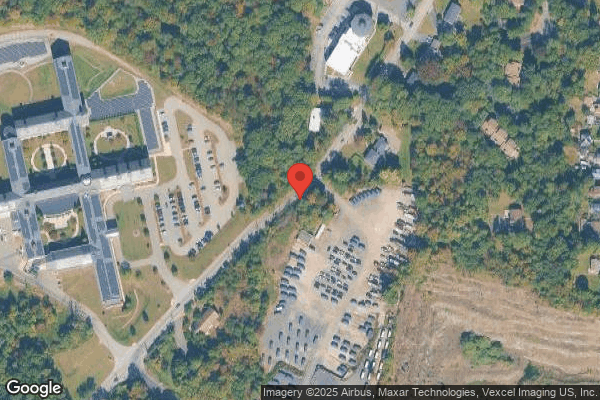
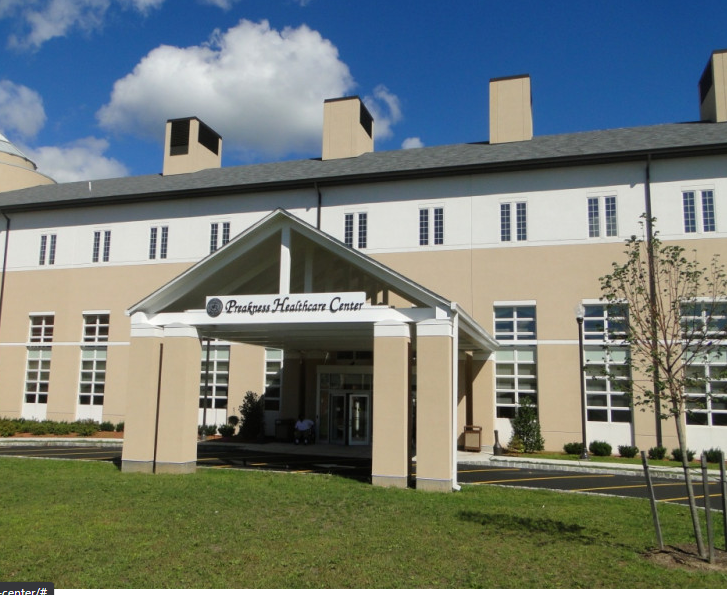
305 OLDHAM ROAD, WAYNE, NJ 07470 (973) 585-2132
Government - County 406 Beds Independent Data: November 2025 1 Immediate Jeopardy citation
Trust Grade
26/100
#333 of 344 in NJ
Last Inspection: January 2025

Within standard 12-15 month inspection cycle. Federal law requires annual inspections.

Overview

Preakness Healthcare Center has received a Trust Grade of F, indicating significant concerns about care quality and safety. They rank #333 out of 344 facilities in New Jersey, placing them in the bottom half, and #18 out of 18 in Passaic County, meaning there are no better local options. The facility's trend is worsening, with issues increasing from 2 in 2024 to 17 in 2025. Staffing is relatively strong with a 4 out of 5 star rating and a 37% turnover rate, which is below the state average, but there are serious issues such as failing to follow emergency response procedures for a resident in respiratory distress and not maintaining proper kitchen sanitation, which raises concerns about overall safety and hygiene. Additionally, while the fines of $15,646 are average, the facility has critical issues that need immediate attention to ensure resident safety.
Trust Score
F
26/100
In New Jersey
#333/344
Bottom 4%
Safety Record
High Risk
Review needed
Inspections
Getting Worse
2 → 17 violations
Staff Stability
○ Average
37% turnover. Near New Jersey's 48% average. Typical for the industry.
Penalties
○ Average
$15,646 in fines. Higher than 66% of New Jersey facilities. Some compliance issues.
Skilled Nurses
✓ Good
Each resident gets 64 minutes of Registered Nurse (RN) attention daily — more than 97% of New Jersey nursing homes. RNs are the most trained staff who catch health problems before they become serious.
Violations
⚠ Watch
34 deficiencies on record. Higher than average. Multiple issues found across inspections.
★☆☆☆☆
1.0
Overall Rating
★★★★☆
4.0
Staff Levels
★★☆☆☆
2.0
Care Quality
★☆☆☆☆
1.0
Inspection Score
Stable
2024: 2 issues
2025: 17 issues

The Good

  • 4-Star Staffing Rating · Above-average nurse staffing levels
  • Full Sprinkler Coverage · Fire safety systems throughout facility
  • No fines on record
  • Staff turnover below average (37%)

    11 points below New Jersey average of 48%

Facility shows strength in staffing levels, fire safety.

The Bad

1-Star Overall Rating

Below New Jersey average (3.2)

Significant quality concerns identified by CMS

Staff Turnover: 37%

Near New Jersey avg (46%)

Typical for the industry

Federal Fines: $15,646

Below median ($33,413)

Minor penalties assessed

The Ugly 34 deficiencies on record

1 life-threatening
May 2025 1 deficiency
CONCERN (D) 📢 Someone Reported This

A family member, employee, or ombudsman was alarmed enough to file a formal complaint

Potential for Harm - no one hurt, but risky conditions existed

Investigate Abuse (Tag F0610)

Could have caused harm · This affected 1 resident

Based on interviews, review of medical records, and review of pertinent documentation provided by the facility on 05/02/2025, it was determined that the facility failed to thoroughly investigate an al...

Read full inspector narrative →
Based on interviews, review of medical records, and review of pertinent documentation provided by the facility on 05/02/2025, it was determined that the facility failed to thoroughly investigate an allegation of physical abuse and follow the facility's Resident Abuse policy. This deficient practice was identified for 1 of 3 residents (Resident #2) reviewed for abuse and was evidenced by the following: A Facility Reported Event (FRE), a document used to report incidents, submitted to the New Jersey Department of Health (NJDOH) by the facility's Director of Nursing (DON) on 04/15/2025 was reviewed. The FRE revealed that on 04/15/2025 at 4:20 P.M., the facility's Executive Director (ED) listened to a voice message left by Resident #2 at 6:29 A.M., the same day. The voice message was described in the FRE as follows: [She/He] stated that [Certified Nursing Assistant (CNA) #1] beat the living hell out of [her/him], she is vicious and dangerous. Review of the facility's INVESTIGATORY SUMMARY AND CONCLUSION, written by the facility's DON about the allegation made by Resident #2 against CNA #1 was conducted. Under Investigation: the facility report revealed that the DON conducted interviews with Resident #2 and a resident that she/he was friendly with. Further review of the facility report revealed that interviews were conducted with CNA #1 and the Registered Nurse assigned to Resident #2 on day shift of 04/14/2025. The report contained no documentation that additional staff or resident interviews were conducted. Review of the admission Record (AR) revealed that Resident #2 was admitted to the facility with diagnoses that included but were not limited to: bladder neck obstruction (blockage that slows or stops urine flow out of the bladder), delusional disorder (condition in which a person cannot tell what is real from what is imagined), dysthymic disorder (mild, long-lasting form of depression that affects mood, body, and thoughts), and unspecified cord compression (pressure on the spinal cord, causing pain, numbness, weakness, and other problems). A review of the most recent Minimum Data Set (MDS), an assessment tool used to facilitate the management of care, indicated that Resident #2 had a Brief Interview for Mental Status (BIMS) score of 15 out of 15, indicating that the resident's cognition was intact. During an interview on 05/02/2025 at 10:45 A.M., Resident #2 stated that she/he left a voice message for the ED in April, approximately two weeks ago. The resident stated that she/he left the voice message to let the ED know that staff was rough, and that her/his body was fragile. The resident further stated that she/he called to complain specifically about care received from CNA #1 on 04/14/2025. During an interview on 05/02/2025 at 12:04 P.M., CNA #1 stated that on 04/14/2025 she performed care for Resident #1, and she/he did not make any complaints. CNA #1 stated that on 04/15/2025 the DON called and informed her not to come to work for the overtime she was scheduled for on 04/16/2025. CNA #1 stated that on 04/18/2025 she provided a written statement about the incident to the facility's DON. CNA #1 stated that on 04/19/2025 she returned to the facility and received education related to abuse, resident rights, and transferring. During an interview on 05/02/2025 at 12:55 P.M., Resident #1 (who was cared for by CNA #1 on 04/14/2025) stated that she/he did not recall being interviewed recently by facility staff about rough treatment. During an interview on 05/02/2025 at 1:00 P.M an unsampled resident (who was cared for by CNA #1 on 04/14/2025) stated that no facility staff had interviewed her/him about rough treatment by staff in the last few weeks. During an interview on 05/02/2025 at 2:07 P.M., CNA #2 confirmed that he worked in the facility's 1-300 unit on day shift on 04/14/2025. CNA #2 stated that he had not given any statements or been interviewed about the incident on 04/14/2025 involving Resident #2 and CNA #1. During an interview on 05/02/2025 at 2:13 P.M., CNA #3 confirmed that she has worked in the facility's 1-300 unit regularly on day shift for approximately the last month. CNA #3 stated that she was not interviewed or asked to provide any statements about the incident on 04/14/2025 involving Resident #2 and CNA #1. During an interview on 05/02/2025 at 2:52 P.M., CNA #4 confirmed that she has worked in the facility's 1-300 unit on day shift routinely. CNA #4 stated that she was not asked to provide any statements or interviews about the incident on 04/14/2025 involving Resident #2 and CNA #1. During an interview on 05/02/2025 at 2:25 P.M., the DON stated that his investigation of the 04/14/2025 allegation by Resident #2 included an interview and statement from the nurse who cared for Resident #2 when the alleged incident occurred. The DON stated that his investigation also included interviews with CNA #1 and Resident #2. The DON stated that other residents were interviewed about the care they received from CNA #1 but a statement was documented from only one of those residents. The DON further stated that Resident #1 was the only resident in CNA #1's assignment that was assessed after the alleged rough treatment on 04/14/2025. During a follow-up interview on 05/02/2025 at 3:08 P.M., the DON stated that not following the facility's abuse policy could result in an abuser not being identified. The DON further stated that this could impact the mental and physical health of residents in every way. During an interview on 05/02/2025 at 3:19 P.M., The ED stated that she became aware of Resident #2's allegation against CNA #1 on 04/15/2025 at 4:20 P.M. The ED stated that an investigation of the allegation was started right away. During the same interview, the ED explained the expectations for investigation of an abuse allegation. The ED explained that statements should be taken from alert, verbal residents in the CNA's assignment. The ED stated that it was important to check the condition of non-interviewable residents in the CNA's assignment to ensure that there was not a bigger issue. The ED stated that this was not done. During a follow-up interview on 05/02/2025 at 5:07 P.M., the DON stated that he did not have documentation of any other interviews or statements from other residents in CNA #1's assignment on 04/14/2025. The DON further stated that he did not have documentation of statements from staff members, other than a nurse, who worked with CNA #1 on 04/14/2025. Review of the facility's policy Resident Abuse with a last reviewed date of 9/26/23, under DEFINITIONS: on page 1 revealed, Allegation- Is defined as a statement or a gesture made by someone (regardless of capacity or decision making ability) that indicates that abuse, neglect, exploitation or misappropriation of resident property may have occurred, and requires a thorough investigation to substantiate that it did or did not occur. The same facility policy revealed on page 6 under E. Investigation, Preakness Healthcare Center will investigate all incidents with injuries of unknown origin and all alleged violations. Allegations of abuse must be investigated by a professional, and, if applicable, in the primary language of the resident. The reports will include: [ .] f. Written statements from the resident (if able), possible suspect, eye witnesses and any circumstantial witnesses. [ .] h. any other information which may be helpful in the investigation as well as the protection of the resident. N.J.A.C. 8:39- 4.1 (a) (5)

Jan 2025 15 deficiencies
CONCERN (D)

Potential for Harm - no one hurt, but risky conditions existed

Resident Rights (Tag F0550)

Could have caused harm · This affected 1 resident

Based on observation, interview, record review, and review of pertinent facility documents, it was determined the facility failed to treat a resident with respect and dignity in a manner that promotes...

Read full inspector narrative →
Based on observation, interview, record review, and review of pertinent facility documents, it was determined the facility failed to treat a resident with respect and dignity in a manner that promotes maintenance or enhancement of their quality of life specifically by ensuring staff able to communicate with the resident in the language that the resident understood and preferred according to plan of care. This deficient practice was identified for 1 of 2 residents, Resident #158, reviewed for communication. This deficient practice was evidenced by the following: On 1/17/25 at 9:40 AM, the surveyor observed Resident #158 laying on an air mattress (a specialized mattress) and the resident spoke Spanish. The surveyor also observed that there was no communication board (alternative communication methods designed to overcome communication barriers) at the bedside and the resident's television (TV) was on the English Channel. On 1/17/25 at 9:56 AM, the Licensed Practical Nurse (LPN) asked the Certified Nursing Aide (CNA) to help her reposition Resident#158 for the surveyor to observe the dressing in the sacrum. Inside the resident's room, the surveyor observed the CNA and LPN were unable to communicate with the resident in Spanish for the resident to comply with positioning. Both the CNA and the LPN were unable to understand the resident's request to change the TV channel to Spanish. The LPN confirmed that the resident spoke Spanish, and that the resident should have a communication board in the room as the facility's practice in order to understand the resident and respond to the resident's needs. The LPN further stated that she would notify the Maintenance department to assist the resident to have a Spanish channel. On 1/17/25 at 10:14 AM, the surveyor notified the Registered Nurse Supervisor (RNS) regarding the above findings and concerns. Both the surveyor and the RNS went inside the resident's room. The RNS informed the surveyor that Resident #158 spoke Spanish and should have a Spanish communication board inside the room as per the facility's practice. She further stated that she was unsure why there was no communication board inside the room. On that same date and time, the surveyor observed the RNS had difficulty communicating with the resident. The RNS stated that she was unsure what channel the Spanish channel was. The surveyor observed the RNS changed the channels multiple times to find a Spanish channel. The surveyor reviewed the medical records of Resident #158 and revealed: A review of the admission Record (an admission summary) reflected that the resident was admitted to the facility with diagnoses that included but were not limited to, type 2 diabetes mellitus (a chronic condition characterized by insulin resistance and elevated blood sugar levels) and essential hypertension (cases of high blood pressure in which the cause is unknown). A review of the most recent comprehensive Minimum Data Set (MDS), an assessment tool, with an assessment reference date of 10/2/24, reflected in Section A Identification Information that the resident's preferred language was Spanish and that needed or wanted an interpreter to communicate with doctor or health care staff. Section C Cognitive Patterns reflected that the resident's cognitive skills for decision-making were coded 3 as severely impaired cognition. A review of the provided Plan of Care by the Director of Nursing (DON) reflected that the resident had difficulty communicating because the resident speaks and understands, was created and updated on 10/2/24. The interventions included: provide a communication book and provide a translator if needed, were created and updated on 10/2/24. A review of the facility's Resident's Rights Policy, with a review date of 1/30/18 that was provided by the DON reflected that it was the facility's policy to protect and promote the rights of each resident, particularly those rights that pertain to a dignified existence, self-determination, and communication with access to persons and services within and outside the facility. On 1/21/25 at 12:19 PM, the survey team met with the Licensed Nursing Home Administrator (LNHA), DON, and Assistant DON. The LNHA stated Resident #158 should have a communication board. N.J.A.C. 8:39-4.1
CONCERN (D)

Potential for Harm - no one hurt, but risky conditions existed

Deficiency F0658 (Tag F0658)

Could have caused harm · This affected 1 resident

Based on observation, interview, and record review, it was determined that the facility failed to follow standards of clinical practice to ensure, a.) a physician's order (PO) for a heel booties 2 of ...

Read full inspector narrative →
Based on observation, interview, and record review, it was determined that the facility failed to follow standards of clinical practice to ensure, a.) a physician's order (PO) for a heel booties 2 of 2 residents, Residents #72 and #158, were followed, and b.) a PO to document weekly vital signs for 1 of 5 residents was followed, Resident #88, reviewed for unnecessary medications. This deficient practice was evidenced by the following: Reference: New Jersey Statues, Annotated Title 45, Chapter 11 Nursing Board, The Nurse Practice Act for the State of New Jersey states; The practice of nursing as a registered professional nurse is defined as diagnosing and treating human responses to actual or potential physical and emotional health problems, through such services as case finding, health teaching, health counseling, and provision of care supportive to or restorative of life and wellbeing, and executing a medical regimens as prescribed by a licensed or otherwise legally authorized physician or dentist. Reference: New Jersey Statutes Annotated, Title 45, Chapter 11. Nursing Board. The Nurse Practice Act for the State of New Jersey states: The practice of nursing as a licensed practical nurse is defined as performing tasks and responsibilities within the framework of case finding; reinforcing the patient and family teaching program through health teaching, health counseling and provision of supportive and restorative care, under the direction of a registered nurse or licensed or otherwise legally authorized physician or dentist. 1. On 1/16/25 at 10:00 AM and 12:15 PM, the surveyor observed the resident in bed, the resident's feet were offloaded and was not wearing their bilateral heel float booties. A review of the admission Record (AR, an admission summary) for Resident #72, reflected that the resident was admitted to the facility with diagnoses which included but not limited to; Parkinson's disease (a disorder of the central nervous system that affects movement, often including tremor), bipolar disorder (a disorder associated with episodes of mood swings ranging from depressive lows to manic highs), and fracture of the lower left femur. A review of the January 2025 Physician's Order Form revealed a PO, dated 5/19/24, for heel float booties on at all times. A review of the January 2025 Treatment Administration Record (TAR) reflected that the above PO for heel float bootties were transcribed and signed by nurses. The TAR revealed that a nurse signed that the resident was wearing their heel float booties on 1/16/25 during the 7am-3PM shift. On 1/16/25 at 11:44 AM, the surveyor interviewed the Licensed Practical Nurse (LPN#1) who acknowledge that the resident was not wearing their heel float booties. LPN#1 also stated that the resident was supposed to always wear their heel float booties due to issues with the resident's legs and according to the PO. On 1/17/25 at 1:30 PM, the surveyor presented the above concerns to the Licensed Nursing Home Administrator (LNHA) and the Director of Nursing (DON). A review of the facility's Pressure Injury Prevention and Management Policy that was provided by the DON, with a revision date 8/2020, which revealed the following: Under section F. Pressure Injury Preventive Devices; Float Gel Booties, good to prevent pressure injury on heels. Recommended for stage I, stage II and residents with high Braden scale (a validated tool designed to assess a patient's risk of developing pressure ulcers). Under Pressure Injury Documentation: d). Document resident choice or non-compliance, addressing the condition, treatment options, expected outcomes and consequences of refusing treatment or following an appropriate plan of care. Address resident's concerns and offer relevant alternatives. 3. On 1/17/25 at 9:40 AM, the surveyor observed Resident #158 laying on an air mattress (a specialized mattress), covered with a blanket, and spoke Spanish. A review of the AR reflected that the resident was admitted to the facility with diagnoses that included but were not limited to, type 2 diabetes mellitus (a chronic condition characterized by insulin resistance and elevated blood sugar levels) and essential hypertension (cases of high blood pressure in which the cause is unknown). A review of the most recent comprehensive Minimum Data Set (MDS), an assessment tool, with an assessment reference date of 10/2/24, reflected in Section C Cognitive Patterns that the resident's cognitive skills for decision-making were coded 3 as severely impaired. A review of the PO revealed an order dated 2/19/24, for heel booties at all times. On 1/17/25 at 9:56 AM, LPN#3 asked the Certified Nursing Aide (CNA) to help her reposition Resident#158 for the surveyor to see the sacral dressing. Inside the resident's room, the surveyor observed LPN#3 removed the blanket and Resident #158 had no bilateral heel booties in use. LPN#3 stated that she was unsure why the resident did not have bilateral heel booties. On 1/17/25 at 10:14 AM, the surveyor notified the RNS regarding the above findings and concerns. Both the surveyor and the RNS went inside the resident's room, and the RNS did not find the resident's bilateral heel booties. The RNS informed the surveyor that she would ask the Central Supply department to provide new heel booties to the resident. On 1/21/25 at 12:19 PM, the survey team met with the LNHA, DON, and ADON, and the DON stated that the facility developed a policy that both nurses and CNAs were responsible for heel booties after the surveyor's inquiry. A review of the facility's Prescribing and Ordering of Medications Policy and Procedure Manual (adapted from the pharmacy vendor's policy), revised on February 2023, that was provided by the DON, did not include information with regard to following PO. On 1/22/25 at 1:15 PM, the survey team met with the LNHA, DON, and ADON, and there was no additional information provided by the facility. NJAC 8:39-11.2 (b); 29.2(d); 29.4(a)(b) 2. On 1/21/25 at 9:57 AM, the surveyor reviewed the paper chart and electronic medical record (EMR) of Resident #88. A review of the AR revealed that Resident #88 had diagnoses that included but were not limited to; hypertension (elevated blood pressure), history of transient ischemic attack (mini stroke), and urinary tract infection. A review of the PO dated 10/16/24, the order was to Monitor vital signs (VS, are useful in detecting or monitoring medical problems such as temperature, respiration, heart rate, and blood pressure) weekly. A review of the December 2024 and January 2025 Medication Administration Record (MAR) revealed the entry for monitoring VS weekly were blank and included no scheduled day or frequency. A review of the VS in the EMR, there were no entries for December 2024 and January 2025. On 1/21/25 at 10:26 AM, the surveyor interviewed LPN#2 who was assigned to care for Resident #88. The LPN stated routine monitoring of VS was done according to the PO and would be documented in the MAR. LPN#2 reviewed with the surveyor the resident's MAR and reviewed the weekly monitoring of VS entry. LPN#2 stated she was unsure why the entry was blank as it was her first time on the assignment and acknowledged that it should indicate when VS should be checked weekly and on which shift. On 1/21/25 at 10:28 AM, the surveyor interviewed the Registered Nurse (RN) working on the same unit. The RN stated it was expected for nurses to follow PO for routine monitoring of VS. The surveyor reviewed with the RN the MAR of Resident #88. The RN replied, the blank VS entry should have been clarified to indicate what day of the week and what shift VS were to be obtained. On 1/21/25 at 10:30 AM, the surveyor interviewed the RN Supervisor (RNS), about VS protocol. The RNS stated that it was expected for nurses to follow PO for VS. The surveyor reviewed with the RNS the MAR of Resident #88 and asked about the blank weekly VS entry. The RNS acknowledged the nurses should have clarified the entry to indicate the frequency and should not have left the entry blank. The RNS further stated she would clarify the order. On 1/21/25 at 11:09 AM, the surveyor interviewed the DON about VS protocol. The DON stated routine VS monitoring would be entered per PO. The DON further explained VS were documented in the MAR. The surveyor reviewed with the DON the MAR of Resident #88. The DON acknowledged it would be expected for the nurses to clarify the order as there was no frequency indicated and that the entry should have been completed as per PO. On 1/21/25 at 12:37 PM, the surveyor informed the Executive Director (ED, also known as LNHA), the DON and the Assistant DON (ADON) about the concern that the weekly VS entry were not completed for December 2024 and January 2025. The surveyor requested any policy regarding VS and PO. On 1/21/25 2:00 PM, the DON informed the surveyor that the weekly VS order was clarified with the physician for the weekly VS to be completed on Wednesday every 3:00 PM-11:00 PM shift. The DON stated there was no VS policy and that a policy for PO would be provided to the survey team.
CONCERN (D)

Potential for Harm - no one hurt, but risky conditions existed

Quality of Care (Tag F0684)

Could have caused harm · This affected 1 resident

Based on observation, interview, and record review, it was determined that the facility failed to ensure that the resident receive care and treatment in accordance with professional standards of pract...

Read full inspector narrative →
Based on observation, interview, and record review, it was determined that the facility failed to ensure that the resident receive care and treatment in accordance with professional standards of practice by developing and implementing a comprehensive person-centered care plan (CP), and the resident's choices that included refusal of care. This deficient practice was identified for 1 of 39 residents, (Resident #262), reviewed for quality of care. This deficient practice was evidenced by the following: Reference: New Jersey Statues, Annotated Title 45, Chapter 11 Nursing Board, The Nurse Practice Act for the State of New Jersey states; The practice of nursing as a registered professional nurse is defined as diagnosing and treating human responses to actual or potential physical and emotional health problems, through such services as case finding, health teaching, health counseling, and provision of care supportive to or restorative of life and wellbeing, and executing a medical regimens as prescribed by a licensed or otherwise legally authorized physician or dentist. Reference: New Jersey Statutes Annotated, Title 45, Chapter 11. Nursing Board. The Nurse Practice Act for the State of New Jersey states: The practice of nursing as a licensed practical nurse is defined as performing tasks and responsibilities within the framework of case finding; reinforcing the patient and family teaching program through health teaching, health counseling and provision of supportive and restorative care, under the direction of a registered nurse or licensed or otherwise legally authorized physician or dentist. On 1/15/25 at 10:48 AM, the surveyor observed Resident #262 sitting in the chair, alert and oriented. The resident stated that they did not feel like going to dialysis today. Resident #262 added that they did not like the food served in the facility and sometimes they ordered food outside. On 1/15/25 at 10:58 AM, the surveyor interviewed the Registered Nurse (RN), who confirmed that the resident did not attend dialysis today. RN#1 stated that Resident #262 was non-compliant with care, including dialysis, medication (med), food preference, and the resident ordered food from outside. On 1/21/25 at 10:46 AM, the surveyor reviewed the medical records of Resident #262, which revealed the following: A review of the admission Record (an admission summary) reflected that Resident #262, was admitted to the facility with diagnoses that included, but were not limited to, end-stage renal disease (ESRD; a condition in which the kidney loses the ability to remove waste and balance fluids). A review of the quarterly Minimum Data Set (qMDS), an assessment tool, with an assessment reference date of 11/17/24, reflected that the resident had a Brief Interview for Mental Status (BIMS) score of 14 out of 15, indicating intact cognition. Section O-Special Treatments, Procedures, and Programs-dialysis-while a resident was checked. A review of the December 2024 Physician's Order form for Resident #262, reflected a Physician Order (PO) dialysis order dated 6/20/24, for Hemodialysis for ESRD on Monday-Wednesday-Friday at 5:30 PM pick up at 4:45 PM. A review of the Progress Notes in December 2024 revealed that Resident #262, documented a refusal to attend dialysis four times, refused to eat breakfast, lunch, and dinner five times, ordered food outside, and refused med. A review of Resident #262's CP did not reflect a CP for the refusal of care, med, and non-compliance with dialysis and diet. On 1/21/25 at 11:25 AM, the surveyor interviewed the Licensed Practical Nurse (LPN), who stated that the resident refused care and was non-compliant with diet. The LPN added that that refusal should be documented and added in the CP. On 1/21/25 at 12:29 PM, the survey team met with the Licensed Nursing Home Administrator, Director of Nursing (DON), and Assistant DON (ADON) to discuss the above concern. No additional information was provided. A review of the facility's MDS 3.0 Policy with a reviewed date of 6/22/23, given by the ADON on 1/22/25, stated under Procedure: 12. Any changes in the resident's status will be reflected in the Interdisciplinary CP as necessary . NJAC 8:39-27.1(a)
CONCERN (D)

Potential for Harm - no one hurt, but risky conditions existed

Incontinence Care (Tag F0690)

Could have caused harm · This affected 1 resident

Based on observations, interviews, record review, and review of pertinent facility documents, it was determined that the facility failed to ensure that the foley urinary catheter drainage bag was stor...

Read full inspector narrative →
Based on observations, interviews, record review, and review of pertinent facility documents, it was determined that the facility failed to ensure that the foley urinary catheter drainage bag was stored in a manner to prevent Urinary Tract Infection (UTI) for 1 of 4 residents, Resident #77, reviewed for urinary catheter or UTI. The deficient practice was evidenced by the following: On 1/17/25 at 9:08 AM, the surveyor observed Resident #77's urinary catheter drainage bag hung from the bed's side rail that was in the up position and not in a privacy bag. The tubing leading to the drainage bag was above the bed. On 1/17/25 at 9:09 AM, the surveyor interviewed the Registered Nurse (RN) after the RN also observed Resident #77's urinary catheter drainage bag. The RN stated that the drainage bag and tubing should be lowered. She added that when she had done rounds that morning the resident was sleeping and had not checked that side of the bed and that the Certified Nurses Aide (CNA) on the night shift probably placed it there after emptying it. The RN then lowered the urinary catheter drainage bag to the bar that was under the bed. A review of Resident #77's admission Record (an admission summary) reflected that the resident was admitted to the facility with diagnoses which included but were not limited to; paraplegia (paralysis of the legs and lower body, typically caused by spinal injury or disease), neuromuscular dysfunction of the bladder (a condition that causes bladder control problems due to nerve damage), and hyperlipidemia (an abnormally high concentration of fats or lipids in the blood). A review of Resident #77's most recent comprehensive Minimum Data Set (MDS), an assessment tool, indicated a Brief Interview for Mental Status (BIMS) score of 15 out of 15, which reflected that the resident's cognition was intact. Further review indicated the resident had an indwelling catheter. A review of Resident #77's Physician Order Form included an order for suprapubic cath (a flexible tube that drains urine from the bladder through a small incision in the lower abdomen) french #24 for neurogenic bladder (a condition where normal bladder function is disrupted due to nerve damage). On 1/17/25 at 12:12 PM, the surveyor notified the Licensed Nursing Home Administrator (LNHA), Director of Nursing (DON) and Assistant DON (ADON) the concern that Resident #77's urinary catheter bag was observed hanging from the siderail that was up on the bed and the tubing was above the bed. On 1/21/25 at 12:22 PM, in presence of the LNHA and ADON, the DON stated that the staff were inserviced about the catheter placement. The facility did not provide any additional information. A review of the facility's Indwelling Catheters Policy with a reviewed date of 5/2019, included the following: 8. Prevention of Catheter-related complications . B. CNA will secure the catheter to facilitate the flow of the urine and the bag is below the level of the bladder . N.J.A.C. 8:39-27.1 (a)
CONCERN (D)

Potential for Harm - no one hurt, but risky conditions existed

Respiratory Care (Tag F0695)

Could have caused harm · This affected 1 resident

Based on observation, interview, record review, and review of pertinent facility documents, it was determined that the facility failed to maintain proper infection control practices during tracheostom...

Read full inspector narrative →
Based on observation, interview, record review, and review of pertinent facility documents, it was determined that the facility failed to maintain proper infection control practices during tracheostomy care. This deficient practice was identified for 1 of 1 resident observed for tracheostomy care, (Resident #92), and was evidenced by the following: On 1/15/25 at 10:46 AM, the surveyor observed Resident #92 in a reclined lounge chair in their room. The resident had a tracheostomy (trach, a surgically made hole through the front of the neck into the trachea (windpipe) with a tube placed through the hole to help the person breathe), which was attached to a ventilation system (a breathing machine that helps or breathes for a person). The surveyor reviewed the medical record for Resident #92. A review of the admission Record face sheet (an admission summary) reflected the resident was admitted to the facility and had diagnoses that included tracheostomy, anoxia (absence of oxygen), brain damage, and dependence on respirator (ventilator) status. A review of the quarterly Minimum Data Set (MDS), an assessment tool, dated 9/28/24, reflected that the resident was in a persistent vegetative state, indicating no signs of awareness. A further review of Section GG reflected that the resident was dependent on all activities of daily living (ADLs). A review of Section O reflected the resident received the following respiratory treatments: oxygen (O2) therapy, suctioning, trach care, and mechanical ventilation. A review of the Physician Order (PO)forms dated January 2025, included the following physician's orders (PO): A PO dated 7/17/19, trach care; to change gauze/dressing around the trach and the inner cannula (liner that fits into the trach tube) twice daily. A PO dated 5/18/20, to change trach ties (straps that hold the trach in place) twice weekly, on Mondays and Thursdays, and when dirty as needed. On 1/17/25 at 9:45 AM, the surveyor observed the Respiratory Therapist (RT) provide trach care for Resident #92 and observed the following: The RT gathered the trach supplies from the dresser in the room, which included a sterile trach clean and care tray, normal saline vials, four packages of drain sponge gauze, and the inner cannula, and placed them on top of the dresser. The RT performed hand hygiene: He turned on the water, wet his hands with soap, and lathered by rubbing his hands. Then, using his wet, bare hands, he turned the water faucet off and dried his hands with a paper towel. The RT donned (put on) a plastic gown and a pair of gloves, gathered the equipment, and placed it on the overbed table. The RT then used disinfecting cleaning wipes to wipe the table, moving the supplies on the table while wiping the table and placing the equipment back down on the table. The RT opened the sterile trach clean and care tray with the same gloved hands removed the sterile waterproof drape and placed the drape on the resident's chest under the vent tubing below the trach. The RT also untied the trach ties and removed the gauze between the trach and the neck with the same gloved hands. The RT opened the drain sponge gauze and moistened it with the normal saline vial, cleansing the right side of the resident's neck and trach area. Then, the same gauze was moistened with normal saline to cleanse the left side of the resident's neck and around the trach area. The RT retied the neckties and doffed (removed) the gloves and gown. The RT performed hand hygiene, using a 10-second lather and scrub with soap and water. He then rinsed his hands and turned the water off by touching the faucets with his bare hands. He then removed a piece of paper towel while touching the paper towel dispenser and dried his hands with a paper towel. The RT donned gloves and a plastic gown, returned to the overbed table, wiped the table with disinfectant wipes, opened two drainage sponges, and replaced the trach gauze dressing around the stoma. The RT disconnected the ventilation tubing, removed the inner cannula of the trach, opened a new inner cannula, and replaced it without changing gloves. The RT then secured the ties to the vent tubing. The RT moved the overbed table toward the window, used the bed controller, and then touched the wall switch to turn off the lights. The RT doffed his gloves and plastic gown and performed hand hygiene. He touched the faucets to turn off the water and touched the paper towel dispenser while removing a piece of paper towel to dry his hands. On 1/17/25 at 10:15 AM, the surveyor interviewed the RT, who stated that he should have used a paper towel to shut off the water and changed his gloves between cleansing the overbed table with the disinfectant wipes. The RT further stated that he believed he did not have to use different pieces of gauze when cleaning each side of the resident's trach area because the neck was one area. On 1/17/25 at 11:25 AM, the surveyor interviewed the Vent Program Manager (VPM), who stated that the RT should use an alcohol-based hand rub (ABHR) before entering the resident's room. The RT should have gathered the equipment and put on gloves, wiped the overbed table, removed gloves, used ABHR, put new gloves on, opened the kit, removed the drape, covered the table, and placed the inner cannula onto the drape. He further stated that the gloves that disconnected the trach tubing or the gauze that was removed made the gloves dirty, and that the RT should have used hand hygiene and changed the gloves after each time that would happen. The VPM further stated that when washing hands, the RT should not touch the faucets with bare hands and should use a paper towel to turn them off. The VPM stated that trach care should have been performed this way because of infection control and patient safety and acknowledged that the RT did not perform trach care correctly. On 1/17/25 at 12:10 PM, the surveyor notified the Licensed Nursing Home Administrator (LNHA), the Director of Nursing (DON), and the Assistant Director of Nursing (ADON) of the concerns with trach care observation. On 1/22/25 at 9:39 AM, the surveyor interviewed the Registered Nurse Infection Preventionist (RN/IP), who stated that he was disappointed the RT would have performed trach care that way. The RN/IP further stated that trach care was not performed that way, that the staff were given in-services and with demonstrations return demonstrations from the staff, and that the RT was in-serviced on the proper trach care techniques to prevent the spread of infections. A review of the facility's RT Practice Resource Guide, Tracheostomy and Transtracheal Care document dated 6/2013, included . the staff should use proper hand washing technique and don personal protective equipment. A review of the Clinical Competency Validation Tracheostomy care form, revised on 1/23, included that the RT met all the critical elements, including cleansing hands and maintaining standard precautions on 12/10/24. A review of the facility's Handwashing/Hand Hygiene policy with a revision date of 8/19/24, included .the facility's staff follow the handwashing/hand hygiene procedures to prevent the spread of infections to other staff, residents, and visitors . facility staff must perform hand hygiene .before and after direct contact with residents, before handling clean or soiled dressing, gauze pads, before and after removal of gloves, and before and after aseptic procedures .when washing hands .use a new dry paper towel to turn off the faucet .never turn off the faucet with clean, washed hands . NJAC 8:39-25.2(b), (c)4
CONCERN (D)

Potential for Harm - no one hurt, but risky conditions existed

Deficiency F0698 (Tag F0698)

Could have caused harm · This affected 1 resident

Based on observation, interview and record review, it was determined that the facility failed to; a) complete the Hemodialysis Communication Record (HCR) to include a signature by the facility nurse t...

Read full inspector narrative →
Based on observation, interview and record review, it was determined that the facility failed to; a) complete the Hemodialysis Communication Record (HCR) to include a signature by the facility nurse that acknowledged review of the HCR for 14 of 14 days reviewed; b) document a complete assessment of vital signs and/or disposition of access site post dialysis treatment in the medical record; c) follow a recommendation for a change in medication; and d) had a diet order for 1 of 3 residents, Resident #169. This deficient practice was evidenced by the following: On 1/15/25 at 10:52 AM, the surveyor observed Resident #169 lying in bed, who stated that they were going to dialysis today and that they had a communication binder (binder for HCRs) that they took with to dialysis. A review of Resident #169's admission Record (an admission summary) reflected that the resident was admitted to the facility with diagnoses which included but were not limited to; dependence on renal dialysis (a state of chronic dependence on a machine and medical professionals to maintain life when the kidneys are no longer able to function properly), hyperlipidemia (condition in which there are high levels of fat particles (lipids) in the blood), and anemia (a blood disorder that occurs when the body doesn't have enough healthy red blood cells or hemoglobin, which carries oxygen throughout the body). A review of Resident #169's most recent comprehensive Minimum Data Set (MDS), an assessment tool, reflected that the resident had a Brief Interview for Mental Status (BIMS) score of 15 out of 15, which indicated that Resident #169's was cognitively intact. Further review of the MDS indicated the resident received dialysis. On 1/17/25 at 9:29 AM, the surveyor interviewed the Registered Nurse (RN) regarding the process for a resident that received dialysis services. The RN stated that the HCR was filled out by the facility nurse prior to going to dialysis and that when the resident returned the HCR should be reviewed and should be signed by the facility nurse. He added that vital signs were taken and the dialysis site was checked and documented in the medical record. On 1/17/25 at 10:03 AM, the surveyor reviewed Resident #169's binder that contained the HCR's which indicated the following: HCRs dated 1/15/25, 1/13/25, 1/10/25, 1/8/25, 1/6/25, 1/3/25, 12/31/24, 12/29/24, 12/27/24, 12/24/24, 12/22/24, 12/20/24, 12/18/24 and 12/16/24, did not have a facility nurse signature to acknowledge that the HCR was reviewed. The HCR did not have a section on the form for an assessment of vital signs and disposition of dialysis site post dialysis. Further review of the HCR's reflected the following: 12/16/24 HCR included we do not give epogen (medication used to treat anemia (low red blood cell count) in people with long-term serious kidney disease), anymore. Medication (med) changed to mircera (used to treat anemia in people with long-term serious kidney disease) 30 mcg (microgram) every 2 weeks. 12/22/24 HCR included under med: given mircera 30. A review of Resident #169's Physician Order Form (POF) and Med Administration Record reflected an order for Epogen inject 1 ml (milliliters) (10000 Unit) IVP (Intravenous push) three times weekly (Monday, Wednesday, Friday) at dialysis. Further review of the POF did not have a diet order. A review of Resident #169's progress notes (PN) in the electronic medical record indicated the following: 12/27/24, did not include vital signs or disposition of dialysis site upon return to the facility from dialysis. 12/24/24, did not include disposition of dialysis site upon return to the facility from dialysis. 12/20/24, did not include vital signs or disposition of dialysis site upon return to the facility from dialysis. 12/18/24, there was no note post dialysis. 12/16/24, there was no note post dialysis. On 1/17/25 at 10:53 AM, the surveyor interviewed the Registered Nurse Supervisor (RNS) regarding HCRs. The RNS stated that the resident would bring the binder with HCRs to dialysis and that dialysis would write in it vital signs and any recommendations. She added if anything urgent they would call us. The RNS stated that the nurse would review the HCR. The RNS was not sure if there was a section post dialysis for the facility to write the assessment but that the nurse would document the vital signs and site check in the medical record. The surveyor showed the RNS Resident #169's HCRs that did not have a facility nurse signature. The RNS stated that there should be a signature for accountability that it was reviewed. On 1/17/25 at 11:04 AM, the surveyor interviewed the Registered Dietician (RD) regarding Resident #169's diet. The RD confirmed that there was no diet order on the POF and that there should be an order for the resident's diet. On 1/17/25 at 12:10 PM, the surveyor notified the Licensed Nursing Home Administrator(LNHA) , Director of Nursing (DON) and Assistant DON (ADON) the concerns that Resident #169's HCRs were not signed as reviewed, there was no documented evidence that the vital signs and/or dialysis site was assessed upon return to facility on 4 days of the 14 days reviewed, that a recommendation for a med change was not followed and there was no diet order on the POF/POS. On 1/21/25 at 12:21 PM, in the presence of the survey team, LNHA and ADON, the DON stated that they inserviced all nurses on the policy when a resident returned from dialysis to check the HCR and carry out any recommendations. The facility did not provide any additional information. A review of the facility's Dialysis Care of Resident on Hemodialysis with End Stage Renal Disease (ESRD) Policy, with a reviewed date of 4/18/23, included the following: Procedure: 6. The nurse updates the attending physician of any new recommendation from dialysis center and obtains the physician's orders from the dialysis center to the P.O.S. (Physician Order Set) and implements accordingly. Care of Resident with ESRD 4. Obtain and document vital signs pre and post dialysis in the medical record on dialysis days. 5. Observe the access site post dialysis and document results in the Interdisciplinary PN of the Medical Record. Dialysis Progress Notes Binder 1. Daily Communication PN Binder is sent will all residents to Hemodialysis. 2. When the resident returns from hemodialysis, the receiving nurse must review the Dialysis Communication PN for any recommendations and sign to acknowledge that the notes have been reviewed. N.J.A.C. 8:39-27.1 (a)
CONCERN (D)

Potential for Harm - no one hurt, but risky conditions existed

Deficiency F0725 (Tag F0725)

Could have caused harm · This affected 1 resident

Based on observation, interview, record review, and review of pertinent facility documents, it was determined that due to a shortage of staff, the facility failed to a.) honor the resident's shower sc...

Read full inspector narrative →
Based on observation, interview, record review, and review of pertinent facility documents, it was determined that due to a shortage of staff, the facility failed to a.) honor the resident's shower schedule for 1 of 5 residents, Resident #141 and b.) ensure residents were provided morning care in a timely manner for 2 of 5 residents, Residents #141 and #213 of Resident Council group. This deficient practice was evidenced by the following: On 1/17/25 at 11:01 AM, the surveyor conducted a resident group meeting with five residents who were alert and oriented and were selected by the facility to attend the group meeting. Resident#141 informed the surveyor that two weeks ago, not this past Monday (1/13/25), the resident did not get showered. Resident #141 did not mention the name of the Certified Nursing Aide (CNA) who told them that it was because of the shortage of staff which was why the resident did not get a shower. On that same date and time, Resident #141 informed the surveyor that there were concerns with short staff that affected the timeliness of care and caused the resident to be late for the Christmas lunch meal. Resident #141 stated that on 12/25/24, 7:00 AM-3:00 PM (7 AM-3 PM) shift, there was one staff in each wing on the 1st floor. Resident #141 further stated that they notified the Licensed Nursing Home Administrator (LNHA) about the concerns at that time, and the LNHA did not say anything about it. At that same time, Resident #213 informed the surveyor that the facility needed more CNAs because it affected care. Resident #213 stated that this weekend (1/11/25 and 1/12/25), morning care was late in their unit, and that there was a total of four CNAs for the entire 3rd floor. A review of Resident #141's most recent comprehensive Minimum Data Set (MDS), an assessment tool, with an assessment reference date (ARD) of 10/6/24, revealed a brief interview for mental status (BIMS) score of 15 out of 15, and reflected that the resident's cognitive status was intact. A review of Resident #213's most recent quarterly MDS, with an ARD of 10/2/24, revealed a BIMS score of 15 out of 15. On 1/17/25 at 11:50 AM, the surveyor asked the Director of Nursing (DON) for the last two weeks' and 12/25/24 CNAs' assignments and the DON responded that he would get back to the surveyor. On 1/21/25 at 9:35 AM, the surveyor asked Secretary #1 (S#1) for the 1st-floor unit showers for the last 2 months, and she stated that she would get back to the surveyor. On 1/21/25 at 10:01 AM, the surveyor interviewed the 1st floor Registered Nurse (RN) about the shower, and the RN stated that showers were given once a week and that if the resident requested more than once a week, it would be provided. The RN provided the surveyor unit's shower book for January 2025. The surveyor asked for the December and November shower book, and the RN responded that she would get back to the surveyor. On 1/21/25 at 10:07 AM, S#2 informed the surveyor that a shower was provided once a week and as needed if requested for more showers according to the resident's care plan. S#2 also stated that the other months' showers were filed in the resident's medical records. Both the surveyor and S#2 reviewed the medical records and found that the weekly Body Inspection paper for November 2024 had the 3rd-week missing signatures while December 2024 had the 3rd and 4th-week missing signatures for both CNAs and Nurses. On that same date and time, S#2 informed the surveyor that the Weekly Body Inspection paper should have been signed by nurses and CNAs when showers or bed baths were provided or refused as indicated in the paper. She further stated that she had to get back to the surveyor as to why there was no signature to reflect that showers were provided on those dates. On 1/21/25 at 11:28 AM, the surveyor interviewed CNA#1 who stated that she was the aide on 12/23/24 assigned to Resident#141. The surveyor notified CNA#1 of the above findings and concern that on 12/23/24, Resident #141 did not get a shower, and there was no documented evidence that the shower was provided. CNA#1 responded that on 12/23/24, the shower was probably not provided due to short staff. A review of the provided Nursing Home Resident Care Staffing Report revealed: Monday, 12/23/24 for the Day Shift, 7 AM-3 PM, revealed a ratio of 1 CNA:9.6 Residents. Saturday, 1/11/25 for the Day Shift, 7 AM-3 PM, revealed a ratio of 1 CNA:8.7 Residents. Sunday, 1/12/25 for the Day Shift, 7 AM-3 PM, revealed a ratio of 1 CNA:10 Residents. A review of the 7 AM-3 PM Unit 1-200 schedule for the date 12/25/24 revealed that CNA#2 had a total of 11 residents including Resident #141. On 1/21/25 at 12:19 PM, the survey team met with the LNHA, DON, and Assistant DON (ADON), and the surveyor notified the above findings and concerns. On 1/22/25 at 11:08 AM, the survey team met with the LNHA, DON, and ADON. The DON stated, I don't have anything for that except that Resident #141 was offered a bed bath, and there was no evidence it was given. A review of the facility's Residents Showers Policy with a review date of 4/19/18 that was provided by the DON revealed: Policy: All residents will receive showers at least once per week in accordance with resident's preference unless the resident declines a shower. Procedures: 5. Weekly skin assessment will be done by a nurse in the shower room and with the help of the CNA. Findings will be documented by the nurse on the Weekly Body Inspection Form . On 1/22/25 at 1:15 PM, the survey team met with the LNHA, DON, and ADON for an exit conference, and there was no additional information provided by the facility. NJAC 8:39-25.2(b)
CONCERN (D)

Potential for Harm - no one hurt, but risky conditions existed

Pharmacy Services (Tag F0755)

Could have caused harm · This affected 1 resident

Based on interviews, and review of pertinent facility documents, it was determined that the facility failed to provide pharmaceutical services in accordance with professional standards to ensure accur...

Read full inspector narrative →
Based on interviews, and review of pertinent facility documents, it was determined that the facility failed to provide pharmaceutical services in accordance with professional standards to ensure accurate documentation of the receipt of a controlled substance for 4 of 4 Schedule II controlled substance medications ordered and received by the facility for use as an emergency backup supply, on three Drug Enforcement Agency (DEA) 222 Forms (a form used to order controlled substances from a provider) reviewed. The deficient practice was evidenced by the following: Reference: 21 CFR 1305.13 Procedure for filling DEA Forms 222. Reference: New Jersey Statutes Annotated, Title 45. Chapter 11. Nursing Board. The Nurse Practice Act for the State of New Jersey states: The practice of nursing as a registered professional nurse is defined as diagnosing and treating human responses to actual and potential physical and emotional health problems, through such services as case finding, health teaching, health counseling, and provision of care supportive to or restorative of life and wellbeing, and executing medical regimens as prescribed by a licensed or otherwise legally authorized physician or dentist. On 1/17/25, the surveyor reviewed a binder provided by the Director of Nursing (DON), containing, but not limited to; facility DEA 222 Forms, copies of medical director state and federal controlled substance registration certificates, and packing slips associated with the DEA 222 Forms for controlled substance deliveries. A review of the facility DEA 222 Forms that were filled out and used to order controlled substances (CDS) revealed the following: DEA 222 Form with order form # 2317211189 dated 5/5/24, for one package of 20 morphine sulfate 10 mg (milligram)/0.5 ml (milliliters) syringes (a schedule II-CDS used for pain) with the section Part 5: to be filled in by purchaser, number received, date received, not filled in. A supplier packing slip for the items was present. DEA 222 Form with order form # 231721190 dated 7/25/24, for one package of 20 morphine sulfate 10 mg/0.5 ml syringes with the section Part 5: to be filled in by purchaser, number received, date received, not filled in. A supplier packing slip for the items was present. DEA 222 Form with order form # 2317211182 dated 9/4/24, for one package of 30 oxycodone 5 mg/325 mg (a schedule II-CDS used for pain) and one (1) package of 10 oxycontin 10 mg (a schedule II-CDS used for pain) with the section Part 5: to be filled in by purchaser, number received, date received, not filled in. A supplier packing slip for the items was present, On 1/21/25 at 11:15 AM, the surveyor met with the facility Consultant Pharmacist (CP) to discuss the concerns with the completion of the DEA 222 forms. The CP stated the facility must have missed those and they do know how to fill them in since they did so on others. On 1/21/25, at 12:15 PM, the surveyor met with the Licensed Nursing Home Administrator (LNHA), DON, and Assistant DON (ADON) to discuss the concerns with the DEA 222 forms. The DON acknowledged that Part 5 on the forms were not filled in and should be completed when the items were received. On 1/22/25 at 11:08 AM, the survey team met with the LNHA, DON and ADON, and the DON stated that the incomplete information will be addressed and agreed that the forms should be completed per the instructions, but there were packing slips showing delivery attached. The facility offered no further pertinent information. A review of the instructions for completing the DEA 222 Forms located in the Code of Federal Regulations at 21 CFR1305.13, revealed the following: Section (e) The purchaser must record on its copy of the DEA Form 222 the number of commercial or bulk containers furnished on each item and the dates on which the containers are received by the purchaser. A review of the facility's Policy and Procedure Manual, revised February 2023, revealed: 5. Prescribing and Ordering of Medications 5.6 Controlled Dangerous Substance Inventory for Backup Box and Emergency Kits. The policy reflected under section 5.6, Policy, A. (Provider Pharmacy name redacted) and the facility will properly distribute, maintain and dispense controlled substances that are stored within the backup box and emergency kit. All CDS are dispensed and handled in accordance with state and federal regulations. The policy also reflected under Procedure, A. CDS Inventory in Back Up Supply- Schedule II CDS: 1. The DEA form 222 must be completed to obtain the par level quantity of Schedule II CDS in back up supply. Upon signature of the Medical Director or his/her designee, the facility makes a copy then sends the original to the pharmacy to the attention of the Pharmacist In Charge. NJAC 8:39-29.3(a)6, 29.4(g), 29.7(c) 21 CFR 1305.13(e)
CONCERN (D)

Potential for Harm - no one hurt, but risky conditions existed

Deficiency F0757 (Tag F0757)

Could have caused harm · This affected 1 resident

Based on observation, interview, record review, and review of facility documentation, it was determined that the facility failed to ensure that the resident did not receive an unnecessary medication f...

Read full inspector narrative →
Based on observation, interview, record review, and review of facility documentation, it was determined that the facility failed to ensure that the resident did not receive an unnecessary medication for 1 of 7 residents, Resident #43. The deficient practice was evidenced by the following: The surveyor reviewed Resident #43's medical record (MR) and revealed the following: A review of Resident #43's admission Record (an admission summary) reflected that the resident was admitted to the facility with diagnoses which included but were not limited to acute kidney failure, (when the kidneys are damaged and can't filter blood the way they should) and urinary tract infection. A review of Resident #43's Minimum Data Set (MDS), an assessment tool, dated 1/20/25, reflected that the resident had a Brief Interview for Mental Status (BIMS) score of 13 out of 15, which indicated that Resident #43 was cognitively intact. A review of the resident's list of medications (meds) reflected a Physician's order (PO) for Ondansetron 4 mg (milligram), 1 tablet (tab) orally every 6 hours as needed (PRN) for nausea or vomiting with a date of 12/6/2023, and a PO for Tigan injection 100 mg/ml (milliliter) inject 2 mls (200 mg) intramuscularly every 6 hours PRN for nausea or vomiting, with a date of 5/16/2024. Further review of the MR, revealed a Medication Regimen Reviews (MRR) from the facility's Consultant Pharmacist (CP). The MRR reflected a recommendation by the CP to the physician (MD) dated 12/17/24, to discontinue both meds due to not being used in over 60 days. The MR reflected that the MD indicated on the CP recommendation disagree. There was no reason given on the sheet by the MD which revealed dates of 1/8/25 by the Registered Nurse (RN) and 1/12/25, by the MD signature. On 1/17/25 at 12:09 PM, the survey team met with the Licensed Nursing Home Administrator (LNHA), Director of Nursing (DON) and the Assistant Director of Nursing (ADON) to discuss the concerns with the duplicate meds. On 1/17/25 at 1:23 PM, the surveyor interviewed the RN on the unit where the resident resided. The surveyor asked the RN how they would tell which of the meds that both PRN for nausea or vomiting to give if the resident was experiencing those symptoms. The RN stated that he knows the resident. The surveyor asked what would happen if they were not there, or other staff that were not familiar with the resident were on duty and the resident required medication (med). The RN stated they would have to call the MD to clarify, so it might not be right away. The surveyor asked if the treatment would end up being delayed. The RN stated, yes, it was possible it could be. On 1/21/25 at 12:03 PM, the surveyor met with the CP in person to discuss the concerns with duplicate meds, and the CP stated that they were aware of the concern as the facility had contacted them. The CP was able to provide to the surveyor, evidence, that the CP had recommended to the MD, dated 7/16/24, a request to indicate how the meds should be given, which to administer first or second. The MR did not reflect any response by the MD to that recommendation. On 1/21/25 at 12:19 PM, the survey team met with the LNHA, DON and ADON, and the DON stated that the CP was called and informed of the concern and the MD was called and discontinued (d/c) the Ondansetron order. The surveyor reviewed the resident's MR that reflected a telephone PO to d/c the Ondansetron, dated 1/17/25, after the surveyor's inquiry. A review of the facility's Department: Nursing, Subject: Pharmacy Services Policy, last review date 6/14/16, under page 1, Policy: number 11. Each drug regimen must be free of unnecessary drugs. Page 5, L. Sequencing Med Orders, 1. When a resident has 2 or more med orders with the same indication of use (i.e. pain, constipation, nausea/vomiting, cough, etc,) indicate on each med order the specific instruction of use. The facility did not provide any further pertinent information. N.J.A.C. 8:39-27.1(a)
CONCERN (D)

Potential for Harm - no one hurt, but risky conditions existed

Deficiency F0761 (Tag F0761)

Could have caused harm · This affected 1 resident

Based on observation, interview, and record review, it was determined that the facility failed to properly a.) label, dispose and secure medications in 3 of 9 medication carts inspected and b.) store ...

Read full inspector narrative →
Based on observation, interview, and record review, it was determined that the facility failed to properly a.) label, dispose and secure medications in 3 of 9 medication carts inspected and b.) store medication for 1 of 4 medication carts inspected according to facility's policy and standard of clinical practice. This deficient practice was evidenced by the following: Reference: New Jersey Statutes Annotated, Title 45. Chapter 11. Nursing Board. The Nurse Practice Act for the State of New Jersey states: The practice of nursing as a registered professional nurse is defined as diagnosing and treating human responses to actual and potential physical and emotional health problems, through such services as case-finding, health teaching, health counseling, and provision of care supportive to or restorative of life and wellbeing, and executing medical regimens as prescribed by a licensed or otherwise legally authorized physician or dentist. Reference: New Jersey Statutes Annotated, Title 45, Chapter 11. Nursing Board. The Nurse Practice Act for the State of New Jersey states: The practice of nursing as a licensed practical nurse is defined as performing tasks and responsibilities within the framework of case finding; reinforcing the patient and family teaching program through health teaching, health counseling, and provision of supportive and restorative care, under the direction of a registered nurse or licensed or otherwise legally authorized physician or dentist. 1. On 1/17/25 at 10:45 AM, the surveyor inspected the 2-300 medication (med) cart A in the presence of the Registered Nurse (RN). The surveyor observed an opened and undated vial of Novolog insulin that had a pharmacy date of 12/31/24, and was stored in the med cart. The surveyor also observed an opened bottle of blood glucose test strips that was undated. At that time, the surveyor interviewed the RN who acknowledged that both the Novolog insulin vial and a bottle of blood glucose test strips should have been dated once opened. On 1/17/25 at 11:00 AM, the surveyor inspected the 2-300 med cart B in the presence of a Licensed Practical Nurse (LPN#1). The surveyor observed an opened and undated bottle of blood glucose test strips. At that time, the surveyor interviewed LPN#1 who stated that once a bottle of blood glucose test strips was opened that it should have been dated. A review of the manufacturer's specifications for the following medications (meds) revealed that the bottle of blood glucose test strips had an expiration date of 90 days once opened and Novolog Insulin Pen had an expiration date of 28 days once opened. On 1/21/25 at 1:30 PM, the survey team met with the Licensed Nursing Home Administrator (LNHA), Director of Nursing (DON), and the Infection Preventionist to discuss the above concerns. There was no additional information provided. A review of the facility's Med Storage Policy that and a revision date of 2/2023, and was provided by the DON revealed that the meds will be stored in a manner that maintains the integrity of product, ensures the safety of the customers, in accordance with state department of Health guidelines and are accessible only to be licensed nursing and pharmacy personnel. 2. On 1/17/25 at 10:20 AM, the surveyor began to inspect selected med storage areas in the facility. The surveyor observed the following: The surveyor in the presence of LPN#2, the surveyor inspected the med cart identified as Cart A located on the 1-300 Unit. The surveyor observed a box containing a foil package of Arformoterol inhalation solution (an inhaled med used to open lung passages) that did not reflect a date when the foil was originally opened. The manufacturer labeling on the box reflected: Store unopened pouched unit-dose vials in a refrigerator. Unopened pouched unit dose vials can also be stored at room temperature (temp) for up to 6 weeks. Do not use past the expiration date or after 6 weeks storage at room temp, whichever is sooner. Keep refrigerated or store at room temp for up to 6 weeks. The surveyor asked LPN#2 if the box or foil should have a date when it was opened on it. LPN#2 stated, yes we usually date nebulizer solutions. The surveyor asked LPN#2 if there was no date on it, could it be easily determined how long it was in the cart. LPN#2 stated not, not really. The surveyor also observed, in the 2nd drawer of the med cart a quantity of loose tablets and capsules on the bottom rear of the drawer along with scraps of papers. The surveyor counted the loose meds which amounted to 14 items. The surveyor asked LPN#2 if they could positively identify any of the meds. LPN#2 stated they could not. The surveyor asked LPN#2 if meds should be stored that way. LPN#2 stated, no they should be disposed of. The surveyor observed LPN#2 disposed of the loose med in the drug disposal device located in the bottom of the med cart. On 1/21/25 at 1:30 PM, the surveyor met with the LNHA, DON and ADON for responses related to concerns with med storage. The DON stated for the storage of meds that were not dated and opened and the loose meds, we are just going to inservice the staff and move forward with that. The facility did not provide any further pertinent information. A review of the facility's policy manual titled: Dept: Nursing, Subject: Pharmacy Services, Last review date 6/14/16. The manual revealed, under POLICY: 7. Drugs and biologicals used in the facility must be labeled in accordance with the currently accepted professional principles and include the appropriate accessory and cautionary instructions and expiration date when applicable. A review of the facility's Policy and Procedure Manual, revised February 2023, page 84, Section 6.8 Med Storage. Which reflected under: Med Storage, Policy, A. Meds will be stored in a manner that maintains the integrity of the product, ensures the safety of the customers, in accordance with the state Department of Health guidelines and are accessible to only licensed nursing and pharmacy personnel. Procedure: C. Meds will be stored in an orderly, organized manner in a clean area. E. Meds will be stored in in the original, labeled containers received from the pharmacy. G. Meds will be stored at the appropriate temp in accordance with the pharmacy and/or manufacturer labeling. NJAC 8:39-29.4 (a)(d)(g)(h)
CONCERN (E)

Potential for Harm - no one hurt, but risky conditions existed

Abuse Prevention Policies (Tag F0607)

Could have caused harm · This affected multiple residents

Based on interview and review of pertinent documentation provided by the facility, it was determined that the facility failed to ensure reference checks were completed for 10 out of 10 newly hired sta...

Read full inspector narrative →
Based on interview and review of pertinent documentation provided by the facility, it was determined that the facility failed to ensure reference checks were completed for 10 out of 10 newly hired staff (Staff #1, #2, #3, #4, #5, #6, #7, #8, #9, and #10) prior to their start date of employment. This deficient practice was evidenced by the following: The surveyor reviewed 10 randomly selected new employee files for reference checks for 10 of the 10 new employees revealed the following: A review of Staff #1's file, a Recreation Activity Aide (RA), date of hire (doh) on 10/30/23, showed there were no reference checks in their file. A review of Staff #2's file, a Licensed Practical Nurse (LPN), doh on 1/29/24, showed there were no reference checks in their file. A review of Staff #3's file, a Registered Dietician, doh on 5/28/24, showed there were no reference checks in their file. A review of Staff #4's file, a LPN doh on 5/28/24, showed there were no reference checks in their file. A review of Staff #5's file, a RA, doh on 6/3/24, showed there were no reference checks in their file. A review of Staff #6's file, an Occupational Therapist, doh on 6/26/24, showed there were no reference checks in their file. A review of Staff #7's file, a Maintenance staff, doh on 7/29/24, showed there were no reference checks in their file. A review of Staff #8's file, a Food Service Worker, doh on 10/28/24, showed there were no reference checks in their file. A review of Staff #9's file, a Registered Nurse, doh on 12/23/24, showed there were no reference checks in their file. A review of Staff #10's file, a Physical Therapist, doh on 12/23/24, showed there were no reference checks in their file. On 1/17/25 at 12:09 PM, the surveyor notified the Executive Director (also known as the Licensed Nursing Home Administrator [LNHA]), Director of Nursing (DON) and Assistant DON (ADON) of the concern that there was no documentation of reference checks being completed for 10 of the 10 new hire files. The surveyor asked who was responsible for new hire files. The LNHA stated the Human Resources (HR) department which was located off the facility campus. The surveyor requested the contact number to speak with HR staff and the policy for new hire screening including reference checks. The LNHA provided the contact number for HR. On 1/17/25 at 12:53 PM, the surveyor interviewed over the phone with an HR Secretary (HRS). The HRS stated that the beginning of last year, the person responsible left and she temporarily took over the responsibility. The HRS further explained another staff was currently responsible and was not in the office at the time. The HRS stated new hires would list references on their application. The surveyor asked if references were called as part of the new hire process. The HRS stated HR did not follow up with references, criminal background checks were done prior to employment, and references were listed on the application if needed. The HRS referred the surveyor to the LNHA regarding any policy for new hire screening for the facility. On 1/21/25 at 12:23 PM, the LNHA, the DON, and the ADON met with survey team. The LNHA stated there were no references for the new hires as per the HR department. The surveyor asked about policy for new hire screening, and the LNHA replied that the facility referred to their Abuse prevention policy for new hire screening protocol and there was no separate policy. A review of the facility's Abuse Policy indicated that at least one reference should be obtained. The LNHA confirmed that it was the facility policy and acknowledged it was not completed for the new hires. A review of the facility's Resident Abuse Policy, with a last reviewed date of 9/26/23, under Procedure for Screening revealed, .4. Obtain references (one) employment reference of prospective employees from previous and/or current employers . N.J.A.C. 8:39-9.3 (a), (b)
CONCERN (E)

Potential for Harm - no one hurt, but risky conditions existed

MDS Data Transmission (Tag F0640)

Could have caused harm · This affected multiple residents

Based on interview and record review, it was determined that the facility failed to complete and transmit a Minimum Data Set (MDS) in accordance with the federal guidelines. This deficient practice wa...

Read full inspector narrative →
Based on interview and record review, it was determined that the facility failed to complete and transmit a Minimum Data Set (MDS) in accordance with the federal guidelines. This deficient practice was identified for 17 of 17 system selected residents, Resident #2, #12, #34, #38, #46, #48, #69, #70, #139, #166, #199, #205, #209, #220, #233, #267, and #271) and was evidenced by the following: On 1/21/25 at 9:09 AM, the surveyor reviewed the facility assessment task that included the Resident's MDS assessment. The MDS was a comprehensive tool that was federal mandated process for clinical assessment of all residents that must be completed and transmitted to the Quality Measure System. The facility must electronically transmit the MDS within 14 days of the assessment being completed. After transmission of the MDS, a quality measure will be transmitted to enable a facility to monitor the residents decline or progress. On 1/16/25 at 10:21 AM, the surveyor provided the MDS Consultant (MDSC) with the list of seventeen (17) system-selected residents who had not completed an MDS in over 120 days. The surveyor also requested a copy of the resident's final validation report (a report that generates after every MDS transmission) from the Centers for Medicare and Medicaid Services (CMS). On 1/21/25 at 10:05 AM, the surveyor interviewed the MDS Coordinator (MDS/C) who stated that she was a Registered Nurse (RN) who reviewed the MDS assessments before transmitting them. The MDS/C also stated there was an RN who signed and completed the MDS's. On 1/21/25 at 10:15 AM, the surveyor interviewed the MDS/C, who stated that she was aware it was submitted late. The MDS/C added that she tried to submit it at least once every week. The MDS/C further stated that they followed the RAI (Resident Assessment Instrument, a tool that helps gather information about a resident's strengths and needs, which is used to create an individualized care plan) Manual. The surveyor and the MDS/C reviewed the 17 residents MDS assessments that were not submitted within fourteen days of completion as follows: 1. Resident #205 had a comprehensive assessment with an assessment reference date (ARD) of 9/13/24, that was signed as completed on 9/20/24 and was not transmitted until 10/15/24. 2. Resident #209 had a comprehensive assessment with an ARD of 9/15/24, that was signed as completed on 9/20/24, and was not transmitted until 10/15/24. 3. Resident #2 had a comprehensive assessment with an ARD of 9/15/24, that was signed as completed on 9/20/24, and was not transmitted until 10/15/24. 4. Resident #48 had a comprehensive assessment with an ARD of 9/10/24 that was signed as completed on 9/17/24, and was not transmitted until 10/15/24. 5. Resident #271 had a comprehensive assessment with an ARD of 9/12/24, that was signed completed on 9/19/24, and was not transmitted until 10/15/24. 6. Resident #38 had a quarterly assessment with an ARD of 9/13/24, that was signed completed on 9/17/24, and was not transmitted until 10/15/24. 7. Resident #199 had a quarterly assessment with an ARD of 9/13/24, that was signed completed on 9/20/24, and was not transmitted until 10/15/24. 8. Resident #69 had a quarterly assessment with an ARD of 9/12/24, that was signed completed on 9/19/24, and was not transmitted until 10/15/24. 9. Resident #34 had a quarterly assessment with an ARD of 9/14/24, that was signed completed on 9/20/24, and was not transmitted until 10/15/24. 10. Resident #220 had a quarterly assessment with an ARD of 9/10/24, that was signed completed on 9/17/24, and was not transmitted until 10/15/24. 11. Resident #267 had a quarterly assessment with an ARD of 9/15/24, that was signed completed on 9/20/24, and was not transmitted until 10/15/24. 12. Resident #233 had a quarterly assessment with an ARD of 9/12/24, that was signed completed on 9/17/24, and was not transmitted until 10/15/24. 13. Resident #46 had a quarterly assessment with an ARD of 9/10/24, that was signed completed on 9/17/24, and was not transmitted until 10/15/24. 14. Resident #166 had a quarterly assessment with an ARD of 9/13/24, that was signed completed on 9/19/24, and was not transmitted until 10/15/24. 15. Resident #139 had a quarterly assessment with an ARD of 9/15/24, that was signed completed on 9/18/24, and was not transmitted until 10/15/24. 16. Resident #12 had a quarterly assessment with an ARD of 9/15/24, that was signed completed on 9/20/24, and was not submitted until 10/15/24. 17. Resident #70 had a quarterly assessment with an ARD of 9/15/24, that was signed completed on 9/19/24, and was not transmitted until 10/15/24. A review of the facility's MDS 3.0 Policy, with a review date of 6/22/23, did not address the transmission of MDS data. On 1/21/25 at 12:29 PM, the survey team met with the Licensed Nursing Home Administrator, Director of Nursing (DON), and Assistant DON regarding the above concern. There was no further information provided. NJAC 8:39-11.1
CONCERN (E)

Potential for Harm - no one hurt, but risky conditions existed

Unnecessary Medications (Tag F0759)

Could have caused harm · This affected multiple residents

2. On 1/17/25 at 8:25 AM, during the med administration observation, the surveyor observed the Registered Nurse (RN) preparing to administer meds to Resident #122. The surveyor observed the resident's...

Read full inspector narrative →
2. On 1/17/25 at 8:25 AM, during the med administration observation, the surveyor observed the Registered Nurse (RN) preparing to administer meds to Resident #122. The surveyor observed the resident's MAR which reflected an order for Senna-Plus 8.6-50 mg (a combination of Sennoside, a natural vegetable laxative and Docusate Sodium, a stool softener), give 1 tablet (tab) by mouth every 12 hours for constipation. The surveyor observed the RN prepare 1 tab of Senna 8.6 mg for Resident #122. The surveyor observed the RN looked at the Senna 8.6 mg bottle and pointed to the MAR and stated that the resident was supposed to get 8.6 mg of Senna and that she pulled the correct med. The surveyor continued to observe the RN enter Resident #122's room and just prior to administering the med asked the RN if she could step outside of the resident's room with the med. The RN reviewed the resident's MAR and acknowledged that the resident had an order for Senna-plus 8.6-50 mg. The surveyor observed the RN pull out of the med a bottle of Senna 8.6 mg and a bottle of Senna-Plus from the med cart. The RN compared the ingredients of both bottles with the MAR and stated that she should have prepared Senna-Plus for Resident #122 instead of Senna 8.6 mg. On 1/17/25 at 1:30 PM, the surveyor discussed the above concerns with the LNHA and the DON. No further information was provided. A review of the facility's Med Administration Policy, with a revision date of 2/2023, and was provided by the DON revealed the following: 3. Nurse reviews each resident's MAR to determine which meds need to be administered at the given time. The nurse observes the six rights in administering each med; a. The right resident b. The right time c. The right med d. The right dose e. The right route of administration f. documentation. N.J.A.C 8:39-29.2 (d) REPEAT DEFICIENCY Based on observation, interview, and record review, it was determined that the facility failed to ensure that all medications were administered without error of 5% or more during the medication administration, 4 nurses administered medications to 5 residents. There were 25 opportunities for error, 2 errors were observed which calculated to a medication administration error rate of 8%. This deficient practice was identified for 2 of 5 residents, (Resident #55 and Resident #122), that were administered medications by 2 of 5 nurses that were observed. The deficient practice was evidenced by the following: Reference: New Jersey Statutes Annotated, Title 45. Chapter 11. Nursing Board. The Nurse Practice Act for the State of New Jersey states: The practice of nursing as a registered professional nurse is defined as diagnosing and treating human responses to actual and potential physical and emotional health problems, through such services as case-finding, health teaching, health counseling, and provision of care supportive to or restorative of life and wellbeing, and executing medical regimens as prescribed by a licensed or otherwise legally authorized physician or dentist. Reference: New Jersey Statutes Annotated, Title 45, Chapter 11. Nursing Board. The Nurse Practice Act for the State of New Jersey states: The practice of nursing as a licensed practical nurse is defined as performing tasks and responsibilities within the framework of case finding; reinforcing the patient and family teaching program through health teaching, health counseling, and provision of supportive and restorative care, under the direction of a registered nurse or licensed or otherwise legally authorized physician or dentist. 1. On 1/17/25 at 8:40 AM, the surveyor observed the Licensed Practical Nurse (LPN) prepare medications (meds) for Resident #55. The meds included an active physician's orders (PO) for the Divalproex (a medication [med] used for seizures in a dose form that can be taken as a capsule or opened and the contents placed on food) 125 mg (milligram) sprinkle give 2 capsules (caps) orally twice daily (AM [morning]-HS [bedtime]) for dementia with behavior disturbance. The LPN stated that the resident needs their meds crushed and given with pudding or applesauce to aid in swallowing. The surveyor observed the LPN appropriately open the caps but empty them in a pouch used for crushing meds with other meds. The LPN then proceeded to crush the contents of the pouch, including the contents of the Divalproex caps. The surveyor asked the LPN to check the cautionary warning under the med order. The LPN stated that it said swallow whole or sprinkle capsule contents on small amount of food but thought it meant not to crush the whole capsule. The surveyor completed the med pass observation. On 1/17/25, the survey team met with the Licensed Nursing Home Administrator (LNHA), Director of Nursing (DON) and the Assistant Director of Nursing (ADON) to discuss the concerns with the med pass that the contents of the capsule should not be crushed or chewed per the cautionary warning on the Resident #55's Medication Administration Record (MAR). On 1/21/25, the survey team met with the LNHA, DON and ADON for responses to concerns. The LNHA stated that the nurses in question were observed for med pass and 1 of 2 did not pass. The facility did not provide any further pertinent information. The surveyor reviewed the facility policy manual titled: Dept: Nursing, Subject: Pharmacy Services, Last review date 6/14/16. The manual revealed, under page 1, Policy: 2. Med administered is free of significant error rate of 5% or greater. Page 6 II. A. Med Administration. 7. Meds should not be crushed unless the manufacturer allows it to be crushed
CONCERN (F)

Potential for Harm - no one hurt, but risky conditions existed

Food Safety (Tag F0812)

Could have caused harm · This affected most or all residents

**NOTE- TERMS IN BRACKETS HAVE BEEN EDITED TO PROTECT CONFIDENTIALITY** Based on observation, interview, and review of facility policies, it was determined that the facility failed to maintain proper ...

Read full inspector narrative →
**NOTE- TERMS IN BRACKETS HAVE BEEN EDITED TO PROTECT CONFIDENTIALITY** Based on observation, interview, and review of facility policies, it was determined that the facility failed to maintain proper kitchen sanitation practices in a manner to prevent food borne illness. This deficient practice was observed and evidenced by the following: On 1/15/25 at 9:24 AM, the surveyor in the presence of the Dietary Supervisor (DS#1) and the Registered Dietitian (RD) observed the following during the kitchen tour: 1. The surveyor observed in the dry storage room: a dented can of sliced potatoes in the regular rotation of non-dented canned goods; 3 boxes stored above 18 inches (in) from the ceiling, and the following items were observed opened without an open/use by label: one 3 pound (lb.) bag of tri-color pasta, 1 gallon container of white vinegar, one 32 oz (ounces) bottle of imitation vanilla, one 32 oz bottle of green food coloring, three 16 oz containers of chili powder, one 16oz container of ground thyme, one 16 oz container of Italian seasoning, one 16 oz container of oregano, one 16 oz container of sage, and one 32 oz bottle of egg yellow food coloring. Neither the DS#1 or RD could explain why the dented can was not placed in the dented can area or why the opened items had not been labeled with an open/use by labels. 2. The surveyor observed a four-shelf bread storage rack located outside the dry storage room with four opened bags of bread without an open/use by labels. The breads that were observed were: 1 bag of white bread, 2 bags of wheat bread, and 1 bag of rye bread. DS#1 stated the bags of bread should have been labeled once they were opened. 3. The surveyor observed in the combined walk-in refrigerator and freezer #1. The combined walk-in refrigerator fans was observed with a black colored debris on the fan cover and freezer #1 had multiple boxes stored above 18 in from the ceiling. 4. The surveyor observed in the combined walk-in refrigerator and freezer #2. Freezer #2 had multiple boxes stored above 18 in from the ceiling. 5. The surveyor observed the combined walk-in refrigerator and freezer #4. The combined walk-in refrigerator had 3 boxes stored above 18in from the ceiling. 6. The surveyor observed the cooking area with a double stacked steamer and a 3 standing dual ovens, all had a sticky brown colored substance on the top on the cooking equipment. DS#1 could not provide information when the equipment was last cleaned. On 1/16/25 at 10:52 AM, in the presence of the Dietary Supervisor #2 (DS#2) observed the following during the follow up kitchen tour: 7. The surveyor observed DS#2 and the Chef both wearing a large hooped earrings. The surveyor asked DS#2 and the Chef about dress code for the kitchen regarding jewelry. DS#2 stated the earrings that both DS#2 and the Chef were wearing were not allowed in the kitchen. 8. The surveyor observed the Chef checked the temperature of the pork chop without sanitizing the thermometer prior to use. The Chef stated they had sanitized the thermometer earlier but acknowledged once the thermometer was set down on the counter, the thermometer was considered contaminated and should be sanitized prior to use. On 1/17/25 at 12:09 PM, the survey team met with the Licensed Nursing Home Administrator (LNHA), Director of Nursing (DON) and Assistant Director of Nursing (ADON) to review kitchen observation concerns. On 1/21/25 at 12:20 PM, LHNA provided the surveyor with multiple facility policies for the kitchen. A review of the Dented Cans policy with a revised date of 1/20/25, stated under the procedure section, 4. If any dented cans are observed, they will be deposited in a crate which will be labeled dented cans only, and Do Not Use. A review of the Spices policy with a revised date of 1/20/25, stated under the procedures section, 2. Once opened the spice container with be dated, closed, wiped cleaned, and place back on the shelf. 3. No more than one spice of the same kind will be opened and placed back on the shelf. A review of the Food Storage policy with a revised date on 1/20/25, stated under the procedure section on the policy, 5. Store food away from the walls and at least six inches off the floor and at a height of 18 or below the ceiling line. This applies to storage in storerooms, freezers, walk-in boxes/refrigeration. A review of the Large Kitchen Equipment Cleaning and Handling policy stated under the procedure section, Ovens, 4. Wipe down the outside of then oven with a clean washcloth wrung out with a detergent solution. Rinse and wipe dry. Refrigerator, 2. At least once a month or as needed, dust off compressor, condenser, coiled, motor and related areas. A review of the Dress Code for Food Service Workers policy with a revised date of 1/20/25, stated under the procedure section, Jewelry, [NAME] jewelry is not permitted except for a plain ring. Employees with pierced ears may wear small post earrings. A revie of the Food Thermometer Sanitization policy with a revised date of 1/21/25, stated under the procedure section, 1. Prior to thermometer use, ensure it is clean and free from any debris. Sanitize using an alcohol prep pad or an approved food-safe sanitizer. On 1/22/25 at 12:30 PM, the survey team met with the LNHA, DON, and ADON. The facility did not provide any further information. NJAC 8:39-17.2(g)
MINOR (C)

Minor Issue - procedural, no safety impact

Deficiency F0577 (Tag F0577)

Minor procedural issue · This affected most or all residents

Based on observation, interview, and record review, it was determined that the facility failed to maintain the prior year's Federal and State of New Jersey (State) inspection results and post the loca...

Read full inspector narrative →
Based on observation, interview, and record review, it was determined that the facility failed to maintain the prior year's Federal and State of New Jersey (State) inspection results and post the location of those results in an area that was readily accessible to residents, families, and the public. The deficient practice was evidenced by the following. On 1/16/25 at 8:29 AM, the surveyor observed a binder in the reception desk for Licensure Reports (survey results) which the Security Staff (SS) confirmed that the survey results were for date 8/12/21. On 1/16/25 at 11:08 AM, the surveyor interviewed the Director of Nursing (DON), who stated that the facility's most recent Federal and State surveys were from 2023. He further stated that it was the facility's practice that the survey results should be at the reception desk by SS and that the 2023 survey results should always be available to residents, staff, and visitors. At that time, the surveyor notified the DON of the above findings and concerns. The DON stated that he was not sure why the survey results that were posted was from 2021, and it should be for 2023. The DON further stated that he would get back to the surveyor about the policy for posting survey results. On 1/16/25 at 12:57 PM, the DON informed the surveyor that the facility had no policy about posting survey results. He further stated that they do follow the regulation that the facility had to post the most recent survey results at the reception desk, which was from 9/8/23. On 1/22/25 at 1:15 PM, the survey team met with the Licensed Nursing Home Administrator (LNHA), DON, and Assistant DON, and there was no additional information provided by the facility. NJAC 8:39-9.4(a, b)
Jan 2025 1 deficiency
CONCERN (D) 📢 Someone Reported This

A family member, employee, or ombudsman was alarmed enough to file a formal complaint

Potential for Harm - no one hurt, but risky conditions existed

Comprehensive Care Plan (Tag F0656)

Could have caused harm · This affected 1 resident

**NOTE- TERMS IN BRACKETS HAVE BEEN EDITED TO PROTECT CONFIDENTIALITY** Complaint # NJ00 181747 Based on interview, medical records (MR) review, and review of pertinent facility documents on 01/14/202...

Read full inspector narrative →
**NOTE- TERMS IN BRACKETS HAVE BEEN EDITED TO PROTECT CONFIDENTIALITY** Complaint # NJ00 181747 Based on interview, medical records (MR) review, and review of pertinent facility documents on 01/14/2025, it was determined that the facility failed to develop and implement a care plan (CP) focus to include behaviors for residents who were on psychoactive medications. The deficient practice was found in 2 of 4 residents, (Resident #1 and #2), reviewed for behavior monitoring and comprehensive care planning and was evidenced by the following: 1.According to the admission Face Sheet Record (AFSR), Resident #1 had diagnoses which included but were not limited to: Chronic Obstructive Pulmonary Disease, Atrial Fibrillation, Hypothyroidism, Essential Hypertension, and Hyperlipidemia. A review of Resident #1's Minimum Data Set (MDS), an assessment tool that provides a comprehensive assessment of a resident's functional capabilities, dated 09/21/2024, under Section C showed Resident #1 had a Brief Interview for Mental Status (BIMS) Score of 08 indicating Resident's cognition was moderately impaired. The MDS further revealed in Section GG-Functional Abilities and Goals that Resident required maximal assistance in his/her completion of Activities of Daily Living (ADLs). The Resident's MDS further showed under Section N- Medications that Resident was taking antipsychotic medication (class of drugs that treat mental health conditions) and an indication (a diagnosis) was noted. A review of the Resident #1's Physician's Order Form (POF) with Review Date of 12/2024 indicated an order originally dated 09/16/2024: OLANZAPINE TAB 5MG For Zyprexa, 1 TABLET ORALLY AT BEDTIME FOR DEMENTIA/DELIRIUM. A review of Resident #1's Medication Administration Record (MAR) Routine Medications dated from months of September 2024 to December 2024 indicated a medication order entry of: OLANZAPINE TAB 5MG (RP: ZYPREXA) 1 TABLET ORALLY AT BEDTIME FOR DEMENTIA/DELIRIUM with HOUR [of administration] at 8:30pm [evening]. The MAR revealed the medication OLANZAPINE on the aforementioned months were signed and initialed by staff indicating the medication was administered to the Resident. A review of the document PSYCHIATRIC ASSESSMENT/EVALUATION FORM (PA/EF) dated on 9/21/24 and signed by Psychiatrist #1 [name] under History of Present Illness: 81 y/o/w [widow] .She has been on Zyprexa [Olanzapine] for hallucinations and delusions .; under Current Psychotropic Meds: Olanzapine 5 mg hs [bedtime]; Diagnosis (Justification per Med): Dementia with hallucinations; Target Behavior (per med): hallucinations. A review of the PA/EF dated 12/28/24 signed by Psychiatrist #1 [name] under History of Present Illness: Staff still reports intermittent episodes of hallucinations and paranoia. No side effects to .; under Current Psychotropic Meds .Diagnosis (Justification per Med): Dementia with delusions; Target Behavior (per med): paranoia. A review of Resident #1's document titled Psychotropic Use Review (PUR) dated 12-04-2024 revealed under Target behavior: Hallucinations delusion affecting primary daily activities - # of Episodes: 6. A review of Resident #1's CP with CP Reference Date of 06-10-24 did not indicate a Focus [Problem Area] addressing the Resident's Target Behaviors as mentioned above in the PA/EF and PUR. The CP furthermore did not indicate a corresponding Goal and Interventions to address the target behaviors. 2.According to the admission Face Sheet Record (AFSR), Resident #2 had diagnoses which included but were not limited to: End Stage Renal Disease, Paroxysmal Atrial Fibrillation, Anemia, Essential Hypertension, and Type 2 Diabetes Mellitus. A review of Resident #2's Minimum Data Set (MDS), an assessment tool that provides a comprehensive assessment of a resident's functional capabilities, dated 10/23/2024, under Section C showed Resident #1 had a Brief Interview for Mental Status (BIMS) Score of 15 indicating Resident's cognition was intact. The MDS further revealed in Section GG-Functional Abilities and Goals that Resident required maximal assistance in his/her completion of Activities of Daily Living (ADLs). The Resident's MDS further showed under Section N- Medications that Resident was taking an antianxiety medication (type of medication used to treat anxiety and related conditions) and an indication (a diagnosis) was noted. A review of the Resident #2's Physician's Order Form (POF) with Review Dates of 09/2024, 10/2024, 11/2024, and 12/2024 indicated an order with original date of 09/18/2024: ALPRAZOLAM TAB 0.25MG For: XANAX, 1 TABLET ORALLY THREE TIMES WEEKLY MON-WED-FRI (30 MIN BEFORE HD [hemodialysis] FOR ANXIETY. A review of Resident #2's Medication Administration Record (MAR) Routine Medications with dates of September 2024, October 2024, November 2024, December 2024, and January 2025 indicated a medication order entry of: ALPRAZOLAM TAB 0.25MG (RP: XANAX) 1 TABLET ORALLY THREE TIMES WEEKLY MON-WED-FRI (30 MIN BEFORE HD [hemodialysis]) FOR ANXIETY with HOUR [of administration] at 10:30am [morning]. The MAR revealed the medication ALPRAZOLAM on the aforementioned months were signed and initialed by staff indicating the medication was administered to the Resident. A review of Resident #2's document PSYCHIATRIC ASSESSMENT/EVALUATION FORM (PA/EF) dated on 10/8/24 and signed by Psychiatrist #2 [name] under History of Present Illness: 67 y/o/w AAF [alert, awake, female] .On Dialysis .Anxiety while attending Dialysis; Prescribed Xanax [dose] 30 min before dialysis .can be fidgety and easily frustrated .under Current Psychotropic Meds: Xanax [dose] 30 min before dialysis; with Updated Diagnosis: Generalized Anxiety Disorder, Adjustment Disorder. A review of Resident #2's Progress Notes (PN) dated 10-17-24 11:20 am [morning] documented by Registered Nurse (RN #1), 7:10am [morning] Resident noted screaming inside her/his room asking for help .resident in no distress noted .assessment done claimed that [Resident] was given a shower this morning and that she/he was having a very bad experience .8am [morning] resident noted yelling again saying that her/his heart is about to explode resident noted anxious .assessed resident, no tachycardia [abnormal heart rate] .10:45am [morning] pick up for therapy went down to rehab .Resident will be seen by Psychiatrist tomorrow, will continue to monitor resident . Further review of Resident #2's PN revealed that on 10-29-24 and as documented by RN #1, 12:45pm [afternoon] resident noted screaming in the room & crying, saying she wants to go home .talked to resident regarding her condition and she was redirected .continue to monitor behavior. A review of Resident #2's CP with CP Reference Date of 09-16-24 did not indicate a Focus [Problem Area] addressing the Resident's Behaviors [Anxiety while attending dialysis] was initiated as mentioned in the PA/EF and PN on the above-mentioned dates. In the interview of the Surveyor with the Executive Director [Administrator], Director of Nursing (DON), and the Assistant Director of Nursing (ADON) on 01/14/2025 at 11:59am [morning], the DON and ADON stated the nurses do psychotropic charting every month and a psychiatrist follows up the residents with psychotropic medications regularly. When asked regarding the absence of Care Plan on the behaviors of residents with psychotropic medications, the DON and ADON were unable to provide statements. A review of the facility's Policy Manual under Subject: Psychotropic Drug Use; under Objective: 1) To assure that all behavior problems are assessed properly and that every alternative to the use of psychoactive medications has been attempted to eliminate problem behaviors; 3) To assure that all residents receiving psychoactive medications are monitored daily for target behaviors, adverse side effects, and drug reactions; 4) The IDCP [inter-disciplinary care plan] assess, monitor, evaluate the resident's behavior and the use of psychoactive medications .under Procedure: .3) Upon completion of behavioral assessment the nurse will initiate an interdisciplinary team meeting to implement non-pharmacological interventions .These interventions will be entered onto the Interdisciplinary Careplan and the Care Needs Form, and the twenty four hour report .6) If psychoactive medications are initiated .c) The interdisciplinary team must initiate a care plan for psychoactive medications and update the behavioral care plan. N.J.A.C: 8:39-11.2 (d)(e)1,2
Nov 2024 1 deficiency 1 IJ
CRITICAL (J) 📢 Someone Reported This

A family member, employee, or ombudsman was alarmed enough to file a formal complaint

Immediate Jeopardy (IJ) - the most serious Medicare violation

Quality of Care (Tag F0684)

Someone could have died · This affected 1 resident

Complaint#: NJ00179720 Based on interviews and review of pertinent facility documents, it was determined that the facility failed to follow the Medical Emergency Response policy for a resident (Reside...

Read full inspector narrative →
Complaint#: NJ00179720 Based on interviews and review of pertinent facility documents, it was determined that the facility failed to follow the Medical Emergency Response policy for a resident (Resident #2) in respiratory distress. This deficient practice was identified for 1 of 3 residents reviewed for medical emergency response procedures. The facility also failed to provide the needed emergency transportation services to manage the acute respiratory symptoms of Resident #2, which resulted in the Resident's failure to improve. In addition, the facility failed to develop a policy and procedure for the staff to follow to determine the use of emergency or non-emergency transportation services based on residents presenting symptoms. The facility's failure to implement its Medical Emergency Response policy and to develop a policy and procedure for the staff to follow to determine the use of emergency or non-emergency transportation services based on residents presenting symptoms placed Resident #2 and all other residents in an immediate jeopardy (IJ) situation related to the State Operations Manual, Appendix PP, 483.25 (Quality of Care) at a scope and severity of J. This IJ was identified and reported to the facility's Executive Director (ED) and Director of Nursing (DON) on 11/21/2024 at 5:52 PM. The ED was presented with the IJ template that included information about the issue. The IJ began on 11/15/2024 and continued through 11/25/2024 when the facility submitted an acceptable Removal Plan (RP)the New Jersey Department of Health. On 11/26/2024, the Surveyor verified the Removal Plan was implemented, which included educating all staff on the Non-Emergent Medical Transportation Policy and the revised Emergency Medical Response Policy. The staff interviewed revealed knowledge of what a medical emergency is and the protocol for using 911 vs non-emergent transport for medical emergencies. The staff indicated that the Certified Nursing Assistance or nurse who identified the Resident in distress would first call 911, ensuring EMS services were dispatched as soon as possible. So, the noncompliance remained on 11/26/2024 for no actual harm with the potential for more than minimal harm that is not immediate jeopardy. Findings included the following: On 11/21/2024, the Surveyors reviewed the following in the electronic medical record (EMR): According to the admission Record, Resident #2 was re-admitted to the facility with diagnoses that included but was not limited to chronic obstructive pulmonary disease (COPD), acute and chronic respiratory, and heart failure. The annual Minimum Data Set (MDS), an assessment tool, dated 11/15/2024, indicated Resident #2 was cognitively intact, required substantial/ maximal assistance with Activities of Daily Living (ADLs), and depended on transfers. According to the progress note (PN) dated 11/15/2024 at 2:50 PM, written by the Licensed Practical Nurse (LPN) #1, at 9:25 AM, Resident #2 was found to be lethargic but was responsive to staff. The Resident's oxygen level was 96% (percent), but the Resident was using his/ her accessory muscles (use of muscles other than those typically used for breathing to take in and expel air) while breathing. The PN further showed the RN/ANS (Registered Nurse/Assistant Nursing Supervisor) assessed Resident #2 and r/t (Respiratory Therapy) assisted with re-applying the Resident's bi-pap machine (bilevel positive airway pressure machine, which is a noninvasive breathing machine that helps people with breathing difficulties). Resident #2's temperature (T) was 98, heart rate (HR) was 84, respirations (RR) were 20, blood pressure (BP) was 157/81, and the oxygen level (SPO2) was 100 %, while the Resident was wearing a bi-pap machine. In addition, the PN revealed that at approximately 9:30 AM, the nurse called the doctor and was waiting for the return call. At 9:52 am, the Nurse Practitioner (NP) returned the call to the facility. After she was given an update on Resident #2's status by LPN #1, the NP gave an order to send the Resident to the emergency room (ER) for evaluation for Acute Respiratory Distress. LPN #1 notified the RN/ANS of the order and received assistance from LPN#2 by calling the Pulse ambulance service and notifying the ER of the transfer. At 10:57 AM, Pulse ambulance representatives arrived to pick up Resident #2 for transport and were given a report of Resident #2's status. Resident #2 waited from 9:52 AM to 10:57 AM for transport to the hospital with symptoms of Respiratory Distress. A review of the New Jersey Universal Transfer Form (a document prepared by the facility for the Resident's transfer to the hospital), dated 11/15/2024 and timed at 10:45 AM, revealed the Resident's vital signs were BP 157/81, HR 84, RR 28, T 98, SPO2=100% with BiPAP. A review of the Physician's Orders for Resident #2 revealed an untimed telephone order from the NP dated 11/15/24 to send to [Acute care hospital] ER for evaluation of Acute Respiratory Distress . A review of the ED Nursing Note from 11/15/2024, signed at 4:43 PM, revealed, 1100 pt (patient) brought in via BLS (Basic Life Support) to ED from [Nursing Facility] for c/o (complaint of) AMS (Altered mental status). On arrival to ED pt was found to be in respiratory distress with agonal breathing, (an abnormal breathing that's characterized by gasping, labored breathing, and strange vocalizations, usually a symptom of a medical emergency). Pt (patient) on NRB (Non-rebreather) at 10L (Liters) by BLS. Pt intubated (a procedure that involves inserting a tube into the trachea (windpipe) to help a person breathe) by MD. RT at bedside to adjust ventilator along with this RN . During an interview with the Surveyor on 11/19/2024 at 1:04 PM, the RN/ANS stated he was the Supervisor on the day Resident #2 was sent to the ER. He said that, around 9:30 AM, he received a call from Resident #2's nurse, who stated that Resident #2 was short of breath and wanted to be placed back on the bi-pap machine. RN/ANS stated that he assessed Resident #2 and ruled out a cardiovascular accident (CVA), but Resident #2 appeared weak, was breathing rapidly, but calmed down after receiving his/her medication. The RN/ANS stated that respiratory therapy was called to put the BiPAP back on the Resident and that LPN #1 called the doctor because Resident #2 was short of breath. RN/ANS stated he went back to see Resident #2 around 9:45 AM, and the Resident had a bipap back on and appeared calmer. He further stated that while re-assessing the Resident, the doctor called back and ordered him to send the Resident to the hospital. The RN/ANS further stated that LPN #1 and LPN #2 gathered the paperwork to send to the Resident and called the ambulance, ER, and Resident #2's family. In addition, RN/ANS stated that if a resident is stable, the protocol is to send them out using Pulse ambulance service. He explained that if they cannot stabilize the Resident or the ambulance cannot come in less than one hour; they call 911. According to the RN/ANS, they did not call 911 because there was no code blue, 911 would need to be called for code blues. RN/ANS stated that Resident #2 appeared stable and had normal vitals. During an interview on 11/19/2024 at 1:43 PM, LPN #2 stated LPN #1 asked her to look at Resident #2. LPN #2 stated that the Resident had a glazed look on his/ her face and was staring; it appeared that the Resident wasn't focusing. She further stated that Resident #2 did not look or act normal, but all the vitals were normal. LPN #2 also stated that Resident #2 was usually more interactive and would communicate and tell you if he/ she needed anything. LPN#2 said she was unsure if the NP specified which transport to call. She explained that 911 would be called for an emergency such as respiratory distress. The Surveyor and LPN#2 reviewed the NP's order to send Resident #2 to the ER for evaluation of Acute Respiratory Distress. LPN #2 stated that she was unaware that the NP's order stated to send the Resident out for evaluation of Acute Respiratory Distress. During an interview with the Surveyor on 11/19/2024 at 1:54 pm, the NP stated they received a call at 9:50 AM from the nurse (LPN #1) taking care of Resident #2. The LPN stated Resident #2 was in distress. The NP said she requested Resident #2 to be sent to the hospital and recalled the order for Acute Respiratory Distress. The NP stated they should have called 911 if the vital signs had changed. On 11/19/2024 at 3:19 PM, the Director of Nursing (DON) and Executive Director (ED) were interviewed. The DON and the ED stated that the administration is notified when a resident is transported to the hospital. The ED stated security sends an email notification each time a resident enters and leaves the building for census purposes. The DON stated that the Nursing Supervisors also notify them when a resident is transported to the hospital during report. The ED and the DON stated they use Pulse, Life Ride, and TLC for stable residents requiring transport and 911 for emergencies. According to the DON, a nurse does not need to call a Supervisor to call 911; they can use their nursing judgment in an emergency. The DON further stated that he is familiar with Resident #2 and was notified by the RN/ANS of the Resident being transported to the ER for issues with their respirations after the Resident had left the building. According to the DON, he was informed that the Resident's breathing had improved and was not aware of Resident #2's condition at the time of pick up. The DON stated that if the vital signs change at any time while waiting for transport to the hospital, he expects the staff to call 911. During an interview on 11/21/2024 at 1:31 PM, the Assistant Director of Nursing (ADON) stated that if the transport did not have an ambulance or if the wait was too long, they would call 911. She said that 2 hours would be too long of a wait time for an ambulance to pick up any resident for transport for evaluation, and in that situation, 911 would be called for the Resident to be transported. The ADON further stated that if the Resident's status changes, 911 should be called instead of waiting for medical transportation. She also stated that if a resident is experiencing respiratory distress, then the Resident should be sent to this hospital via 911. During an interview on 11/21/2024 at 2:12 pm, LPN#1 stated she recalled the day Resident #2 was sent to the hospital. She stated while she was doing her rounds around 8 am, the Resident's bipap was removed, and a nasal cannula (a device to deliver oxygen through nostrils) was applied to the Resident through respiratory therapy. She stated that when she returned to give Resident #2 their medication, the Resident did not appear to be focusing and appeared to be using his/ her abdominal muscles while breathing. She stated she called the Supervisor to assess the Resident because the Supervisor was able to speak to Resident #2 in Spanish. While Resident #2 spoke with the Supervisor, the Resident requested that the bipap machine be placed back on. She informed the Supervisor that she would call the Resident's doctor. LPN #1 stated that the NP returned her call and told her to send the Resident out for respiratory evaluation. She stated that she called the family and completed the paperwork, and LPN #2 called the ER and for the ambulance. During a telephone interview on 11/21/2024 at 3:23 pm, the Medical Director (MD) stated that staff should assess the Resident and provide clinical information to the doctor to discuss what orders are needed. For instance, if the Resident needs stat (immediate) orders or if they need to go out to the hospital. She explained that if a resident is unstable and their vital signs are abnormal, they should be transported to the hospital via 911. If a resident is in Acute Respiratory Distress, she expects the staff to call 911. The MD further stated that anyone on oxygen or bipap should be transported by paramedics, which should be a standard of care, and anyone on a ventilator, trach, or bipap should be transported by 911. Review of the facility's Policy titled Code Blue Medical Emergency Response, with a last revised date of 12/9/2020, revealed the following: Under Policy: (The Facility) will utilize standard procedure in responding promptly to a medical emergency. Definitions included: Medical Emergency- Examples include but not limited to: An unconscious person; a person in respiratory distress; a person who is choking; a person who us having seizures; a person with severe bleeding; a person who falls which leads to a serious injury. Procedure: Medical Emergency Response 1. A person in a medical emergency is identified and code blue is initiated. 2. Identify code status of a resident. NOTE: The medical record will also be checked to verify the code status of the Resident. If you are the first responder in an emergency situation: - Check the person for responsiveness, breathing and pulse. - Page Code Blue (x6164) and direct staff to call for ambulance and paramedics. NJAC 8:39-27.1(a)
Mar 2024 1 deficiency
CONCERN (D) 📢 Someone Reported This

A family member, employee, or ombudsman was alarmed enough to file a formal complaint

Potential for Harm - no one hurt, but risky conditions existed

Pharmacy Services (Tag F0755)

Could have caused harm · This affected 1 resident

Complaint #: NJ171754 Based on observation, interview, record review, and review of other facility documentation on 3/1/2024, it was determined that the facility failed to notify and obtain a physicia...

Read full inspector narrative →
Complaint #: NJ171754 Based on observation, interview, record review, and review of other facility documentation on 3/1/2024, it was determined that the facility failed to notify and obtain a physician's order to change the form of a medication from liquid to tablets. The Physician order for this medication could not be filled by the Pharmacy because this medication did not come in liquid form. The facility failed to follow its policy titled Prescribing and Ordering of Medications. The deficient practice was identified for 1 of 4 residents( Resident #2) reviewed for medication administration, and was evidenced by the following deficient practice: Reference: New Jersey Statutes Annotated, Title 45. Chapter 11. Nursing Board. The Nurse Practice Act for the State of New Jersey states: The practice of nursing as a registered professional nurse is defined as diagnosing and treating human responses to actual and potential physical and emotional health problems, through such services as case-finding, health teaching, health counseling, and provision of care supportive to or restorative of life and wellbeing, and executing medical regimens as prescribed by a licensed or otherwise legally authorized physician or dentist. Reference: New Jersey Statutes Annotated, Title 45, Chapter 11. Nursing Board. The Nurse Practice Act for the State of New Jersey states: The practice of nursing as a licensed practical nurse is defined as performing tasks and responsibilities within the framework of case finding; reinforcing the patient and family teaching program through health teaching, health counseling, and provision of supportive and restorative care, under the direction of a registered nurse or licensed or otherwise legally authorized physician or dentist. A review of the admission Record reflected that the resident was admitted to the facility with diagnoses that included but not limited to Diabetes Mellitus (a disease in which the body does not produce enough or respond normally to insulin), Pressure Ulcer of the Left Buttocks, Parkinson's Disease (A disorder of the central nervous system that affects movement, often including tremors) A review of the Quarterly Minimum Data Set (MDS), an assessment tool used to facilitate the management of care, dated 3/1/2024, reflected that the resident's cognitive skills for daily decision-making score was 15 out of 15, which indicated that the resident was cognitively intact. The MDS also revealed the resident had a diagnosis of Parkinson's Disease. A review of the resident's Physician Order Sheet (POS) revealed a telephone order dated 2/16/2024 for Baclofen 50 mg(milligram)/5 ml (milliliter) Po (by mouth) q (every) 8 hrs. (hours). Dx (diagnosis) Muscle Spasm. Another review of the resident's POS dated 2/19/2024 revealed: D/C Baclofen 50 mg/5 ml. Start: Baclofen tablet 20 mg give 2 tablets total of 40 mg Po q 8 hrs. Dx: Muscle Spasm, give at 12:30 a.m., 8:30 a.m., and 4:30 p.m. Baclofen tablet 10 mg give 1 tablet Po q 8 hrs Dx: Muscle Spasm, give at 12:30 a.m., 8:30 a.m., and 4:30 p.m. (TORB (telephone order read back) indicated that RN received the order from the Physician. Review of Resident #2's February 2024 Medication Administration Record (MAR) revealed the aforementioned order. The MAR also revealed on 2/20/2024, the 12:30 a.m. dose was initialed by the Nurse. During an interview with the Surveyor on 3/1/2024 at 1:15 p.m., the Registered Nurse (RN#1) stated on 2/16/2024, Resident #2 returned from their Neurologist appointment with written recommendation for Baclofen 50 mg/5 ml Po every 8 hours for muscle spasm. He further stated the above recommendation was reviewed with the covering MD and faxed to the pharmacy. During the same interview, the Surveyor asked what is the process for a medication that is unavailable at the pharmacy in the form initially ordered by the MD. RN #1 stated if the pharmacy calls and said a medication was unavailable or does not come in the form ordered by the MD, the nurse is responsible to call the MD, make them aware that the medication is unavailable or does not come in the form ordered. The Surveyor asked if a nurse is allowed to write an order or change the form of a medication without speaking with the MD and the RN #1 replied No. During an interview on 3/1/2024 at 1:43 p.m., RN #2 said the above order was unavailable on the morning of 2/19/2024 during her scheduled work shift. She called the pharmacy to follow up on the delivery and was informed by the Pharmacist that the medication was unavailable in the liquid form and the order needed to be changed to tablet. She said the Pharmacist gave instructions that the order should be written as: Baclofen tablet 20 mg give 2 tablets total of 40 mg Po Q 8 hrs Dx: Muscle Spasms, give at 12:30 a.m., 8:30 a.m., and 4:30 p.m. Baclofen tablet 10 mg give 1 tablet Po Q 8 hrs Dx: Muscle Spasms give at 12:30 a.m., 8:30 a.m., and 4:30 p.m. to equal a total of Baclofen 50 mg. RN #2 said she wrote a telephone order for the above order and faxed to the pharmacy. When asked if she notified the MD that Baclofen liquid was unavailable at the pharmacy as previously ordered, RN #2 said No, I did not call or speak with the MD prior to writing the new order to change the form of Baclofen liquid to Baclofen tablet. Yes, I should have notified the MD that Baclofen liquid was unavailable, and as per the Pharmacist, Baclofen was available in tablet form. RN #2 continued to state, I just wanted the resident to have their medication, I did not change the route, dose, or time of the medication, I only change the form from liquid to tablet. During an interview on 3/1/2024 at 2:54 p.m., the Director of Nursing (DON) in the presence of the Licensed Nursing Home Administrator (LNHA) stated a nurse should not change the form of a medication as ordered by the MD. A nurse needs a physician's order to change the form of a medication. He further stated RN #2 should have called the MD, notify him that Baclofen was unavailable in liquid form, and obtain an order to change the order from Baclofen liquid to Baclofen tablets. A review of the facility's Policy and Procedure Manual Section V: Prescribing and Ordering Medications under Policy revealed: Medications will be dispensed and administered only upon the writing or verbal order by individuals that are legally authorized, duly licensed, and granted clinical privileges by the facility. Under Procedure revealed: A. No medications or biological's are dispensed or administered except upon the order of a person lawfully authorized to prescribe for and treat human illness. NJAC 8:39-11.2 (b), 29.2 (d)
Sept 2023 12 deficiencies
CONCERN (D)

Potential for Harm - no one hurt, but risky conditions existed

Resident Rights (Tag F0550)

Could have caused harm · This affected 1 resident

**NOTE- TERMS IN BRACKETS HAVE BEEN EDITED TO PROTECT CONFIDENTIALITY** Based on interviews, record review, and facility policy review, the facility failed to ensure that one (Resident (R) 218) of 34 ...

Read full inspector narrative →
**NOTE- TERMS IN BRACKETS HAVE BEEN EDITED TO PROTECT CONFIDENTIALITY** Based on interviews, record review, and facility policy review, the facility failed to ensure that one (Resident (R) 218) of 34 sampled residents were treated with respect and dignity by providing care in a manner to enhance R218's quality of life. Findings include: During an interview with R218 on 09/04/23 at 10:50 AM, she said that on the night shift back in the summer, she had to be changed because she had a bowel movement (BM) in her incontinent brief. R218 said that staff took 30 minutes to answer the call light. R218 said that this made her feel like shit. R218 said that she does not like to sit in her own urine and/or feces. She said that mainly on the 3-11 shift staff do not ask her if she is wet and/or do not offer to change her throughout the shift until 8:30 PM when the staff lay her down for the night. R218 said that this makes her feel not good. R218 said that she would like to be changed more often. Continued interview revealed R218 said this past Friday (09/01/23), an agency nurse worked on the 7-3 shift and forgot to give R218 her allergy relief medication. R218 said that the agency nurse had a nasty attitude, putting her off to another staff member who never gave her the medication. R218 said that this made her feel bad, I am a resident too and I am here to get help also. R218 indicated that these concerns have been addressed with the Administrator. Review of R218's facility provided Face Sheet revealed that R218 was re-admitted on [DATE] with a diagnosis including Cerebral palsy (CP), chronic obstructive pulmonary disease (COPD), and diabetes mellitus (DM). Review of R218's Quarterly Minimum Data Set (MDS) assessment, with Assessment Reference Date (ARD) 07/19/23, revealed R218 had a Brief Interview for Mental Status (BIMS) of15 out of 15, which indicated R218 was cognitively intact for interview. Continued review revealed that R218 had no documented behaviors during the seven day look back period. Review of R218's facility provided Progress Notes indicated no evidence of behaviors. Review of R218's facility provided Care Plan indicated no evidence of behaviors. Interview with the Director of Nursing (DON) on 09/07/23 at 2:38 PM, said that all residents should be treated with dignity and respect indicating that dignity is taken very seriously at the facility. Review of facility policy titled, Resident Rights, revised 01/30/18, revealed, It is the policy of the facility to protect and promote the rights of each resident, particularly those rights that pertain to a dignified existence, self-determination and communication with an access to persons and services within and outside the facility. The resident has the right to be free of interference, coercion, discrimination, and reprisal from the facility in exercising his/her rights. The Social Service Department functions as an advocate in protecting the rights of the residents. These rights mean that the residents should have autonomy and choices, to the extent feasible, in determining how they wish to live their everyday lives. Procedures: 1. Each resident and/or representative is informed during the admission process of his/her rights and responsibilities as defined in the Resident's [NAME] of Rights in accordance with (but not limited to) regulatory requirement which include: -Be informed about what rights and responsibilities he or she has -Exercise his or her rights -Voice grievances/complaints and have the facility respond to those grievances/complaints -Medical care -Freedom from abuse, neglect, exploitation, and restraints -Finances -Physical and personal environment -Receipt of such information will be acknowledged in writing -Visits and activities -Privacy and confidential treatment -Discharges and transfers -Mail and telephones -To personalize their rooms within safety guidelines -Change in room or roommate. NJAC 8:39-4.1(a)12
CONCERN (D)

Potential for Harm - no one hurt, but risky conditions existed

Safe Environment (Tag F0584)

Could have caused harm · This affected 1 resident

**NOTE- TERMS IN BRACKETS HAVE BEEN EDITED TO PROTECT CONFIDENTIALITY** Based on observations, interviews, and record review, the facility failed to ensure that tube feeding poles were maintained in a...

Read full inspector narrative →
**NOTE- TERMS IN BRACKETS HAVE BEEN EDITED TO PROTECT CONFIDENTIALITY** Based on observations, interviews, and record review, the facility failed to ensure that tube feeding poles were maintained in a sanitary manner for three (Residents (R) 51, R160 and R203) of 34 sampled residents. Findings include: 1. Review of R51's facility provided Face Sheet revealed that R51 was admitted to the facility on [DATE] with a diagnosis including dysphagia, anoxic brain damage, and dysphagia. Review of facility provided Physician Orders for September 2023 revealed R51 was to receive Diabetisource AC 1000 milliliters (ML)/day via gastrostomy (g-tube) using at 75 ml/hour (hr), to start at 6:00 PM until total volume infused. During the initial tour of the facility on 09/05/23 between 10:30 AM-12:00 PM, revealed the tube feeding pole had an unknown cream-colored substance all over the pole. During an observation on 09/06/23 at 09:10 AM, 12:17 PM and 2:30 PM, R51's tube feeding pole had unknown cream-colored unknown substance all over the pole. During an observation on 09/08/23 at 1:00 PM, R51's tube feeding pole had an unknown cream-colored substance all over. During the observation, Registered Nurse (RN) 6 confirmed that the pole was dirty and should be cleaned by housekeeping; however, if the nurses notice them dirty, then the nurses should clean. 2. Review of R160's facility provided Face Sheet revealed that R160 was re-admitted with a diagnosis including persistent vegetative state, Alzheimer's disease, and Adult Failure to Thrive (AFTT). Review of R160's facility provided Physician Oder's for September 2023 revealed R160 was to receive Peptamen 1.5 with probiotic 750 ml/day via g-tube using pump at 50 ml/hr start at 6:00 PM until total volume infused. During the initial tour of the facility 09/05/23 between 10:30 AM-12:00 PM, revealed the tube feeding pole had unknown brunt red colored crusty substance all over the pole and cream-colored unknown substance throughout the pole. During an observation on 09/06/23 at 09:00 AM, 12:00 PM, and 2:45 PM, R160's tube feeding pole had unknown burnt red colored crusty substance all over the pole and cream-colored unknown substance throughout the pole. During an observation and interview on 09/08/23 at 1:04 PM, R160's tube feeding pole had unknown burnt red colored crusty substance all over the pole and cream-colored unknown substance throughout the pole. During an interview, RN6 confirmed that the tube feeding pole was dirty, and RN6 indicated that either housekeeping or nursing should clean the poles. 3. Review of facility provided Face Sheet for R203 revealed R203 was re-admitted to the facility on [DATE] with a diagnosis including encephalopathy, and muscle spasms. Review of facility provided Physician Orders for September 2023 revealed R203 was to receive Diabetisource AC 1200 ml/day via gastrostomy (g-tube) using at 75 ml/hr, start at 6:00 PM, run until total volume infused. During the initial tour of the facility on 09/05/23 between 10:30 AM-12:00 PM, R203's tube feeding pole had gray colored tape in the middle and unknown burnt red colored crusty substance and cream-colored unknown substance all over the pole. During observations on 09/06/23 at 09:12 AM, 12:30 PM, and 2:35 PM, R203's tube feeding pole had gray colored tape in the middle and unknown brunt red colored crusty substance and cream-colored unknown substance all over the pole. During observation on 09/08/23 at 1:01 PM, R203's tube feeding pole had gray colored tape in the middle and unknown brunt red colored crusty substance and cream-colored unknown substance all over the pole. During walking rounds with RN6, at the time of the observation, he confirmed the tube feeding pole was dirty, indicating that either housekeeping and/or nurses should clean the poles. Review of facility provided Housekeeping Cleaning Sheets dated July 2023-present revealed indicated no evidence of tube feeding poles being cleaned. NJAC 8:39-4.1(a)11
CONCERN (D) 📢 Someone Reported This

A family member, employee, or ombudsman was alarmed enough to file a formal complaint

Potential for Harm - no one hurt, but risky conditions existed

Investigate Abuse (Tag F0610)

Could have caused harm · This affected 1 resident

**NOTE- TERMS IN BRACKETS HAVE BEEN EDITED TO PROTECT CONFIDENTIALITY** Based on record review, interview, review of Facility Reported Incidents (FRI), and policy review, the facility failed to ensure...

Read full inspector narrative →
**NOTE- TERMS IN BRACKETS HAVE BEEN EDITED TO PROTECT CONFIDENTIALITY** Based on record review, interview, review of Facility Reported Incidents (FRI), and policy review, the facility failed to ensure that a thorough investigation was conducted regarding staff-to-resident abuse allegations involving one (Resident (R) 409) of 34 sampled residents. There was no evidence that the facility interviewed other current residents regarding the allegations. Findings include: 1. During an interview with R218 on 09/04/23 at 10:50 AM, R218 said that she witnessed agency staff grab R409's arm to go to the bathroom. R218 said that she let staff know but does not know the staff's name. R218 said that it happened a couple of days ago on the night shift. Review of R409's facility provided Face Sheet revealed R409 was admitted to the facility on [DATE] with a diagnosis including dementia, anxiety, and depression. Review of R409's facility provided Progress Note dated 08/14/23 revealed New admission day one hard of hearing (HOH) with periods of confusion. Ambulatory via rollator with slow movements. Patient has some resistance to care. Has false accusatory behavior towards staff. Ate dinner with good appetite. Able to feed self but requires set up assistance. Assisted by [family member] into her pajamas. Toileted wearing pullups. Bilateral hearing aids placed on top medication cart in case. Took medications without difficulties. Fall precautions with bilateral floor alarmed mats to floor, functioning. Eyeglasses placed on bedside table. During an interview on 09/05/23 at 11:40 AM, the Executive Director stated that R409's [family member] had reported an alleged abuse incident to the facility and the facility investigated. She said that she would provide the paperwork to the surveyor. During an interview with the Director of Nursing (DON) on 09/05/23 at 12:00 PM, the DON brought one sheet of paper to surveyor that had a hand-written employee statement from RN 2. The DON stated he investigated the allegation, and he felt it was a language barrier, not abuse. He said that he spoke with R409's family member, and she felt that R409 was having some confusion, and that could have been it. He indicated that he spoke with R409, using a Spanish speaking staff member; however, was unable to produce any evidence of this conversation. The DON said he had not finished his summary of the incident yet. Review of facility provided Employee Statement for Registered Nurse (RN) 2, dated 08/17/23, revealed I noticed patient was trying to sit on chair by bedside. I offered to assist the patient into bed and patient was agreeable. Patient wanted to go to the bathroom for assistant. While instructing patient and giving guidelines during transfer to hold on to handles of rollator. The patient divulged false accusatory behavior and started accusing nurse of pulling her hands and stated that she would report to her [family member] that I grabbed her and pulled her hands. I assisted patient into the bathroom. Patient was not cooperative with the process of assisting into bed. I then went to nurses' station and asked Licensed Practical Nurse (LPN) 1 and RN3 for assistance. Both assisted, slowly to assist patient into bed. Patient was left comfortable with bedside floor alarm in place and functional. Review of facility provided Email from the DON, dated 09/05/23, revealed, On 08/15/23 at approximately 10:30 AM [RN 2] called to report that [R409's] [family member] reported that [R409] informed her that the CNA who assisted her to bed last night pulled her hands. Undersigned quickly reported to unit [number of unit] to talk to [R409] regarding her complaint. Upon arrival, [R409]'s [family member] was at bedside. After speaking with [family member], I summoned a bilingual Secretary Assistant who is fluent in Spanish to come to [R409]'s room to translate. [R409] stated in Spanish that the aide who assisted her to bed pushed her. I asked [R409] to demonstrate how the aide pushed her. [R409] said she was sitting down in her chair and the aide came to take to the bathroom, she took [R409] by the hands. [R409] pulled her hands from aide and told aide that she will report her to her [family member]. I asked [R409] if the aide pushed or pulled her hands. [R409] did not respond. I asked [R409] if the aide assisted her to the bathroom. [R409] replied yes. I asked [R409] again if the aide pushed or pulled her. [R409] did not respond. [R409] was wearing short sleeves blouse. I assessed her hands and elbows. No redness, bruise or discoloration noted. I check the staffing sheet for the 3-11 shift on 08/14/23 to see who was assigned to [R409]. ]R409]'s name was noted on the staffing sheet. I interviewed [RN2] who was the assigned nurse to [R409] on 08/14/23 from 3:00 PM to 11:00 PM. According to [RN2], [R409]'s daughter assisted her to put on [R409']s pajamas. [RN2] said, she noticed [R409] looked tired, she noticed [R409] name under [Certified Nursing Assistant (CNA) 1] and instructed [CNA 1] to put [R409] to bed. [RN2] said [CNA1] was busy with another resident, [RN2] offered to assist [R409] to bed. R409 asked to go to the bathroom. RN2 stated that while in the bathroom, she instructed R409 to hold on the grab bar. R409 was not cooperating. RN2 said, she quickly goes to the nursing station and summoned [Licensed Practical Nurse (LPN1)] and [RN3] to assist her to finish toileting [R409] and assisted her back to bed. [RN2] stated the process was slow, but they were able to calm [R409] down and assisted her back to bed. I spoke with [LPN1], who confirmed that [RN2] called him to assist with [R409]. [LPN1] stated that he is not fluent in Spanish, but he managed to direct [R409] from the bathroom to her bed. [RN3] also confirmed that [RN2] summoned her to [R409]'s room to assist her with [R409] on 08/14/23. [R409] was provided with a communication binder. I spoke with [R409]'s family member after the investigation explaining the resolution. [name of family member] said [R409] used to live alone in an apartment, she thinks her [R409] needs a little time to adjust. When I told her that it was the nurse who assisted [R409] to bed, she said that she spoke with the nurse before she left, she told the nurse about [R409]'s routines. During an interview on 09/07/23 at 2:38 PM, the DON stated that the email he provided was his summary of the investigation. The DON stated that he concluded that it was a misunderstanding because of the language barrier. The DON stated that he could not substantiate that abuse occurred, and that was the reason he did not report to the state survey agency (SSA). He stated he was unaware of the timeframes for reporting and/or sending in the final summary after investigation, and that the facility put different interventions into place, such as a communication board with common pictures written in Spanish for R409 and/or the staff to point to ensure that R409's needs were met. Also, the DON said that he has a Spanish speaking staff member work with R409 when possible. The DON denied any further incidents. The DON, when asked, said that he reports to the SSA as soon as possible. He said if abuse is reported to the supervisors, then they contact him and the Administrator, the supervisors make a file and indicate on the inside of the file the date and time that the SSA and Ombudsman were notified, and they that file on his desk, so that he can began the investigation the next morning. He indicated that sometimes the supervisors will begin the interviews with the resident and staff involved and place them in the folder too. He said that if the resident is interviewable, he will speak with that resident, and then speak with nurses and CNAs. The DON stated if other residents were directly involved, he will speak with them; however, if no other resident was involved, he did not speak with other interviewable residents. The DON stated that after he finishes his investigation, he sends an email summary to the Administrator who faxes to the SSA and Ombudsman. The DON stated that he tries to get the investigation done as soon as possible, but sometimes due to staff being off or on vacation, he completes it as fast as he can. The DON confirmed in the 08/14/23 incident with R409 that he did not speak with other residents and indicated that he spoke with only R409. The DON indicated that while speaking with RN2, RN2 confirmed that she was assisting R409 to the bathroom when R409 pushed her away. Review of the facility policy titled Resident Abuse, revised 02/07/17, revealed, Every resident has the right to be free from all types of abuse, neglect, misappropriation of resident property exploitation. [name of facility] will protect the health and safety of every resident including those that are incapable of perception or who are unable to express themselves in a manner that can convey their intent .E. Investigation 1. [name of facility] will investigate all incidents with injuries of unknown origin and all alleged violations. Allegations of abuse must be investigated by a professional, and, if applicable, in the primary language of the resident. The report will include: a. Name of the resident who is the subject of the suspected abuse/exploitation. b. Name of the person suspected or accused of committing the alleged violation. c. Description of the nature of the suspected violation. d. Date, time and specific location of the occurrence. e. Name (s) of all witnesses to the suspected abuse/exploitation f. Written statements from the resident (if able), possible suspect, eyewitnesses, and any circumstantial witnesses. g. Information on injuries that require medical treatment and photographs if applicable. h. Any other information which may be helpful in the investigation as well as the protection of the residents. i. Social Service representative to encourage resident to express the incident and monitor the resident's feelings. j. Steps taken to protect the alleged victim from further abuse. 2. A resident incident checklist and supervisory investigatory summary report will be completed 3. The alleged victim will be promptly examined if applicable, and findings documented in the investigation report. 4. Original investigation report of the alleged violation will be forwarded to the Executive Director's office within 24 hours of the incident. 5. All phases of the investigations are to be kept with the Executive Director and remain confidential. NJAC 8:39-9.4(f)
CONCERN (D)

Potential for Harm - no one hurt, but risky conditions existed

Transfer Notice (Tag F0623)

Could have caused harm · This affected 1 resident

**NOTE- TERMS IN BRACKETS HAVE BEEN EDITED TO PROTECT CONFIDENTIALITY** Based on record review and interview, the facility failed to provide to the resident and/or their representative, a written noti...

Read full inspector narrative →
**NOTE- TERMS IN BRACKETS HAVE BEEN EDITED TO PROTECT CONFIDENTIALITY** Based on record review and interview, the facility failed to provide to the resident and/or their representative, a written notice of the reason for transfer for two (Residents (R) 191 and R98) of three residents transferred to the hospital and provided that notice to the Ombudsman. Findings include: 1.Review of R191's paper chart revealed an admission date of 12/30/22 with diagnoses including dementia, depression, and schizophrenia. R191 experienced a change in condition on 08/12/23 and was transferred to the hospital. The paper record lacked evidence the facility provided the resident and/or representative, in writing, of the reason R#191 was transferred to the hospital. The record also lacked evidence the Ombudsman was notified of R#191's transfer. 2. Review of R98's paper chart revealed an admission date of 03/09/23 with diagnoses including diabetes, respiratory failure, and dependence on a ventilator for respiratory support. R98 was transferred to the hospital for a change in condition on 04/05/23. The paper record lacked evidence the facility provided the resident and/or representative, in writing, of the reason R98 was transferred to the hospital. The record also lacked evidence the Ombudsman was notified of R98's transfer. R98 was readmitted [DATE]. R98 was transferred to the hospital for a change in condition on 05/02/23. The paper record lacked evidence the facility provided the resident and/or representative, in writing, of the reason R98 was transferred to the hospital. The record also lacked evidence the Ombudsman was notified of R98's transfer. R98 was readmitted to the facility on [DATE] and was again transferred to the hospital due to a change in condition on 06/28/23. The paper record lacked evidence the facility provided the resident and/or representative, in writing, of the reason R98 was transferred to the hospital. The record also lacked evidence the Ombudsman was notified of R98's transfer. Interview with the Director of Nursing (DON) on 09/06/23 at 4:19 PM confirmed the facility failed to develop and implement policies and procedures for the notification of resident and/or their representatives of the reason the resident was transferred to the hospital and notification to the Ombudsman. NJAC 8:39-4.1(a)32 NJAC 8:39-5.3(b)
CONCERN (D)

Potential for Harm - no one hurt, but risky conditions existed

Deficiency F0625 (Tag F0625)

Could have caused harm · This affected 1 resident

**NOTE- TERMS IN BRACKETS HAVE BEEN EDITED TO PROTECT CONFIDENTIALITY** Based on record review and interview, the facility failed to provide to the resident and/or their representative, a bed hold pol...

Read full inspector narrative →
**NOTE- TERMS IN BRACKETS HAVE BEEN EDITED TO PROTECT CONFIDENTIALITY** Based on record review and interview, the facility failed to provide to the resident and/or their representative, a bed hold policy to two (Residents (R) 191 and R98) of three residents transferred to the hospital. Findings include: 1.Review of R191's paper chart revealed an admission date of 12/30/22 with diagnoses including dementia, depression, and schizophrenia. R191 experienced a change in condition on 08/12/23 and was transferred to the hospital. The paper record lacked evidence the facility provided the facility's bed hold policy. 2. Review of R98's paper chart revealed an admission date of 03/09/23 with diagnoses including diabetes, respiratory failure, and dependence on a ventilator for respiratory support. R98 was transferred to the hospital for a change in condition on 04/05/23. The paper record lacked evidence the facility provided R98 and/or representative the bed hold policy. R98 was readmitted [DATE]. R98 was transferred to the hospital for a change in condition on 05/02/23. The paper record lacked evidence the facility provided R98 and/or representative the facility's bed hold policy. R98 was readmitted to the facility on [DATE] and was again transferred to the hospital due to a change in condition on 06/28/23. The paper record lacked evidence the facility provided the resident and/or representative the facility's bed hold policy. Interview with the Director of Nursing (DON) on 09/06/23 at 4:19 PM confirmed the facility failed to develop and implement bed hold policies and procedures for the notification of resident and/or their representatives of the facility's bed hold process. The DON confirmed the facility did not give a bed policy notice to R191, R98 or to the representative. NJAC 8:39-5.4(c)
CONCERN (D)

Potential for Harm - no one hurt, but risky conditions existed

Deficiency F0700 (Tag F0700)

Could have caused harm · This affected 1 resident

**NOTE- TERMS IN BRACKETS HAVE BEEN EDITED TO PROTECT CONFIDENTIALITY** Based on observation, interview, record review, and facility policy review, the facility failed to ensure that three of three re...

Read full inspector narrative →
**NOTE- TERMS IN BRACKETS HAVE BEEN EDITED TO PROTECT CONFIDENTIALITY** Based on observation, interview, record review, and facility policy review, the facility failed to ensure that three of three residents (Resident (R) 18, R140, and R232) and/or Resident Representative (RR) reviewed for bed rail use had documented safety assessment for the use of bed rails and were advised of the risks and/or benefits of rail use. This failure had the potential for residents with bed rails to be uninformed of the risk of severe injury and/or death associated with bed rail use. Findings include: 1. Review of R18's printed Face Sheet showed a facility admission date of 12/19/17, readmission on [DATE], with medical diagnoses (from a printed Diagnosis list) that included acute respiratory failure, multiple sclerosis, polyneuropathy, trigeminal neuralgia, and lower extremity embolism and thrombosis. During an interview on 09/04/23 at 12:04 PM, it was noted R18 had bilateral assist bars, or bed rails. When asked about them, R18 stated his wife and he had to fight to get them and thought his wife had to sign something. In response to a request for a bed rail assessment (for need and safety), risk/benefit notification, and consent for R18 on 09/06/23 at 2:05 PM, the Director of Nursing (DON) provided a Fall Risk Assessment. When asked about the rail assessment, the DON stated, We only do that for side rails, we don't do the assessment for assist bars. The DON explained they have been going by the Minimum Data Set (MDS) physical restraint definition but after reading the regulation confirmed the practice did not meet the regulation. 2. Review of R140's printed Face Sheet showed a facility admission date on 02/26/21, readmission on [DATE], with medical diagnoses (from a printed Diagnosis list) that included rheumatoid arthritis, anemia, hemiplegia, type II diabetes, major depressive disorder, ataxia, and long-term steroidal use. During an observation on 09/05/23 at 10:23 AM it was noted that R140 had bilateral assist bars on the bed. In response to a request for a bed rail assessment, risk/benefit notification, and consent on 09/06/23 at 12:05 PM, the DON provided printed progress notes for R140 dated 02/26/21 and 03/10/21 that revealed, requested for b/l [bilateral] grab assist bars for positioning and [R140] has bilateral grab bars. respectively. In an interview on 09/06/23 at 2:05 PM, the DON confirmed no bed rail assessment was completed. 3. Review of R232's printed Face Sheet showed a facility admission date of 01/28/22, readmission on [DATE], with medical diagnoses (from a printed Diagnosis list) that included hip pain, right femur fracture, hypertension, bradycardia, atherosclerotic heart disease, and cancer. During an interview on 09/04/23 at 4:00 PM, R232 was asked about the observed bilateral assist bars on the bed. R232 responded that they had been on the bed for a long time. When asked if he used them, R232 stated he did not. When queried if R232 had been advised of the risks / benefits of bed rails, he did not remember. In response to a request for a bed rail assessment (for need and safety), risk/benefit notification, and consent for R232 on 09/06/23 at 2:05 PM, the Director of Nursing (DON) provided a Fall Risk Assessment. When asked about the rail assessment, the DON stated, We only do that for side rails, we don't do the assessment for assist bars. The DON explained they have been going by the Minimum Data Set (MDS) physical restraint definition but after reading the regulation confirmed the practice does not meet the regulation. Review of the facility policy titled, Bed Side Rails, reviewed 01/10/18, showed: .2. Upon admission, readmission, change of condition, or request of the resident and/or resident representative, residents will be assessed using the Assessment for Side Rail(s) Use Form by staff indicated on the form to: -Assess the resident to identify appropriate alternatives prior to installing side rails. Alternatives must be attempted and evaluated based on clinical assessment with the findings documented in the medical record. -Assess the resident for risk of entrapment from side rails prior to installation. -Assess the resident to determine if the use of a side rail is a restraint using the CMS definition of restraints as outlined in Federal regulations and the MOS RAI Manual. -Assess the resident to determine if the use of a side rail may enhance a resident's ability to move independently in bed or when transferring in or out of bed. 4. Based upon the Resident Assessment if it is determined that the side rail is the least restrictive alternative for the least amount of time, the Nursing Supervisor will review the risk and benefits with the resident and/or resident representative and obtain the written informed consent from the resident and/or resident representative. NJAC 8:39-5.1(a) NJAC 8:39-27.1(a)
CONCERN (D)

Potential for Harm - no one hurt, but risky conditions existed

Infection Control (Tag F0880)

Could have caused harm · This affected 1 resident

Based on observations, interviews, and facility policy review, the facility failed to ensure medications were administered in a manner that prevented cross-contamination for one (Resident (R) 410) of ...

Read full inspector narrative →
Based on observations, interviews, and facility policy review, the facility failed to ensure medications were administered in a manner that prevented cross-contamination for one (Resident (R) 410) of 34 sampled residents. Findings include: During an observation on 09/08/23 at 12:18 PM, Registered Nurse (RN) 1, without performing hand hygiene, prepared medications for R410, which included vitamin B-12 extended release (ER) 1000 micrograms (mcg) one tablet, vitamin D-3 25 mcg one tablet, Depakote 125 milligrams (mg) one tablet, Eliquis 2.5 mg one tablet, Cozaar 25 mg one tablet, Memantine 10 mg one tablet, Oxybutynin 15 mg one tablet at 08:30 AM, and Pot Citrate 10 milliequivalent (mEq) one tablet. After RN1 obtained all the medications needed for R410, he administered the medications. R410 did not swallow Pot Citrate, vitamin B-12 ER and vitamin D-3 pills. At 12:30 PM, RN1 placed on a pair of gloves, and had R410 spit the medications in his gloved left hand, while cleaning R410's mouth with a 4x4 gauze square with his gloved right-hand. Then he threw the gauze square into the trash, and RN1 started opening drawers on the medication cart without removing his right glove, while he continued to hold the medications in his gloved left hand. At 12:36 PM, RN1 removed his gloved right hand, and went to another medication cart on the hall to destroy the three medications in his gloved left hand. Upon returning to the medication cart, RN1 removed his gloved left hand, and did not perform hand hygiene. RN1 picked up his pen and started signing off the medication in the Medication Administration Record (MAR). RN1 had not performed hand hygiene by the time surveyor left the medication cart. Interview with RN6, on 09/08/23 at 1:05 PM, revealed that hand hygiene should have been performed before and after medications, and after removing gloves. Interview with the Director of Nursing (DON), on 09/08/23 at 1:28 PM, revealed hand hygiene should have been performed before and after preparing and/or administering medication, and after removal of gloves. Review of facility policy Handwashing/Hand Hygiene, revised 11/17/17, revealed, [name of facility] policy considers hand hygiene the primary means to prevent the spread of infections and healthcare associated infections (HAI) .2. All personnel shall follow the handwashing/hand hygiene procedures to help prevent the spread of infections to other personnel, residents, and visitors .3. Hand hygiene products and supplies (sinks, soap, towels, alcohol-based hand rub, etc.) shall be readily accessible and convenient for staff use to encourage compliance with hand hygiene policies .4. Hand sanitizer is the preferred method of hand hygiene. Use soap and water for hand hygiene if hands are visibly soiled or after caring for a resident with known or suspected C. Deficile (C. Diff), or Norovirus infection, or hands are visibly soiled from blood and body fluids .6. Perform hand hygiene when: .After contact with a resident .Before and after direct contact with residents .After removing gloves. NJAC 8:39-19.4(a)1 NJAC 8:39-19.4(n)
CONCERN (E) 📢 Someone Reported This

A family member, employee, or ombudsman was alarmed enough to file a formal complaint

Potential for Harm - no one hurt, but risky conditions existed

Report Alleged Abuse (Tag F0609)

Could have caused harm · This affected multiple residents

**NOTE- TERMS IN BRACKETS HAVE BEEN EDITED TO PROTECT CONFIDENTIALITY** Complaint #: NJ157711, NJ159758, NJ162870, NJ162871 Based on interview, record review, and policy review, the facility failed to...

Read full inspector narrative →
**NOTE- TERMS IN BRACKETS HAVE BEEN EDITED TO PROTECT CONFIDENTIALITY** Complaint #: NJ157711, NJ159758, NJ162870, NJ162871 Based on interview, record review, and policy review, the facility failed to ensure allegations of abuse / neglect and/or the investigations were submitted to the New Jersey Department of Health (NJDOH) within the time limits of the policy and federal regulation for three of seven residents (Resident (R)18, R409, R458) with NJDOH reportable incidents. Findings include: 1. Review of R18's printed Face Sheet showed a facility admission date of 12/19/17, readmission on [DATE], with medical diagnoses (from a printed Diagnosis list) that included acute respiratory failure, multiple sclerosis, polyneuropathy, trigeminal neuralgia, and lower extremity embolism and thrombosis. On 09/06/23 at 4:29 PM, a review of a Facility Reported Event (FRE) showed an incident reported by R18 of a nursing assistant using a full body lift without an assist on 03/22/23, however, the report was not sent to the State Agency until 03/24/23. During an interview on 09/06/23 at 6:42 PM, the Director of Nursing (DON) confirmed the NJDOH report form (AAS45) for R18 was sent in late. 2. R409 a. During an interview with R218 on 09/04/23 at 10:50 AM, R218 said that she witnessed agency staff grab R409's arm to go to the bathroom. R218 said that she let staff know but does not know the staff's name. R218 said that it happened a couple of days ago on the night shift. Attempted to interview R409 on 09/05/23 at 11:30 AM, who was sitting in her bedroom; however, when approached, R409 did not understand English. Review of R409's facility provided Face Sheet revealed R409 was admitted to the facility on [DATE] with a diagnosis including dementia, anxiety, and depression. Review of R409's facility provided Progress Note, dated 08/14/23, revealed, New admission day one hard of hearing (HOH) with periods of confusion. Ambulatory via rollator with slow movements. Patient has some resistance to care. Has false accusatory behavior towards staff. Ate dinner with good appetite. Able to feed self but requires set up assistance. Assisted by [family member] into her pajamas. Toileted wearing pullups. Bilateral hearing aids placed on top medication cart in case. Took medications without difficulties. Fall precautions with bilateral floor alarmed mats to floor, functioning. Eyeglasses placed on bedside table. Review of facility provided Department Health Senior Services (DHSS)/Ombudsman Reportable Incidents dated 01/03/22-present, revealed no evidence of the alleged abuse on 08/14/23 being reported. During an interview on 09/05/23 at 11:40 AM, the Executive Director stated that R409's [family member] had reported an alleged abuse incident to the facility and the facility investigated. She said that she would provide the paperwork to the surveyor. Review of facility provided Employee Statement for Registered Nurse (RN) 2, dated 08/17/23, revealed I noticed patient was trying to sit on chair by bedside. I offered to assist the patient into bed and patient was agreeable. Patient wanted to go to the bathroom for assistant. While instructing patient and giving guidelines during transfer to hold on to handles of rollator. The patient divulged false accusatory behavior and started accusing nurse of pulling her hands and stated that she would report to her [family member] that I grabbed her and pulled her hands. I assisted patient into the bathroom. Patient was not cooperative with the process of assisting into bed. I then went to nurses' station and asked Licensed Practical Nurse (LPN) 1 and RN3 for assistance. Both assisted, slowly to assist patient into bed. Patient was left comfortable with bedside floor alarm in place and functional. During an interview with the Director of Nursing (DON) on 09/05/23 at 12:00 PM, the DON brought one sheet of paper to surveyor that had a hand-written employee statement from RN 2. After reading the employee statement, the DON was asked if this was reported to the State Survey Agency (SSA), and he stated no. He said that it was investigated by him, and he felt it was a language barrier, not abuse. He said that he spoke with R409's family member, and she felt that R409 was having some confusion, and that could have been it. He indicated that he spoke with R409, using a Spanish speaking staff member; however, was unable to produce any evidence of this conversation. The DON said he had not finished his summary of the incident yet. Review of R409's facility provided Care Plan revealed no evidence of making false allegations against staff. Review of facility provided Email from the DON, dated 09/05/23, revealed, On 08/15/23 at approximately 10:30 AM [RN 2] called to report that [R409's] [family member] reported that [R409] informed her that the CNA who assisted her to bed last night pulled her hands. Undersigned quickly reported to unit [number of unit] to talk to [R409] regarding her complaint. Upon arrival, [R409]'s [family member] was at bedside. After speaking with [family member], I summoned a bilingual Secretary Assistant who is fluent in Spanish to come to [R409]'s room to translate. [R409] stated in Spanish that the aide who assisted her to bed pushed her. I asked [R409] to demonstrate how the aide pushed her. [R409] said she was sitting down in her chair and the aide came to take to the bathroom, she took [R409] by the hands. [R409] pulled her hands from aide and told aide that she will report her to her [family member]. I asked [R409] if the aide pushed or pulled her hands. [R409] did not respond. I asked [R409] if the aide assisted her to the bathroom. [R409] replied yes. I asked [R409] again if the aide pushed or pulled her. [R409] did not respond. [R409] was wearing short sleeves blouse. I assessed her hands and elbows. No redness, bruise or discoloration noted. I check the staffing sheet for the 3-11 shift on 08/14/23 to see who was assigned to [R409]. ]R409]'s name was noted on the staffing sheet. I interviewed [RN2] who was the assigned nurse to [R409] on 08/14/23 from 3:00 PM to 11:00 PM. According to [RN2], [R409]'s daughter assisted her to put on [R409']s pajamas. [RN2] said, she noticed [R409] looked tired, she noticed [R409] name under [Certified Nursing Assistant (CNA) 1] and instructed [CNA 1] to put [R409] to bed. [RN2] said [CNA1] was busy with another resident, [RN2] offered to assist [R409] to bed. R409 asked to go to the bathroom. RN2 stated that while in the bathroom, she instructed R409 to hold on the grab bar. R409 was not cooperating. RN2 said, she quickly goes to the nursing station and summoned [Licensed Practical Nurse (LPN1)] and [RN3] to assist her to finish toileting [R409] and assisted her back to bed. [RN2] stated the process was slow, but they were able to calm [R409] down and assisted her back to bed. I spoke with [LPN1], who confirmed that [RN2] called him to assist with [R409]. [LPN1] stated that he is not fluent in Spanish, but he managed to direct [R409] from the bathroom to her bed. [RN3] also confirmed that [RN2] summoned her to [R409]'s room to assist her with [R409] on 08/14/23. [R409] was provided with a communication binder. I spoke with [R409]'s family member after the investigation explaining the resolution. [name of family member] said [R409] used to live alone in an apartment, she thinks her [R409] needs a little time to adjust. When I told her that it was the nurse who assisted [R409] to bed, she said that she spoke with the nurse before she left, she told the nurse about [R409]'s routines. In an interview with R409's family member on 09/07/23 at 12:26 PM, she stated that R409's first night there was very traumatic for me. The family member said that R409 reported to her (the family member) when she visited in the morning, that during the night shift someone pushed R409. The family member said that she reported this to the DON and thought it had been forgotten about because she had not heard anything else about it. Attempts were made to contact RN2 via phone on 09/07/23 at 12:53 PM, 1:17 PM and 2:30 PM; however, the call went straight to a voice message that said the voicemail box has not been set up as of yet. Attempted another call on 09/08/23 at 3:11 PM, without any answer and the same message as before. There was no contact prior to exiting the facility. During a phone interview on 09/07/23 at 12:54 PM, CNA1 stated that she does not remember anything about the 08/14/23 incident. Attempts were made to contact RN3 via phone on 09/07/23 at 1:04 PM; and a message was left; however, there was no return call prior to exiting the facility. During an interview on 09/07/23 at 2:07 PM, LPN1 said that RN2 did come and get him to assist with getting R409 back to bed. He said that when he arrived in R409's bedroom, R409 was on her bed, with her foot on the floor. He indicated that he speaks a little Spanish but was able to speak enough to assist R409's position in bed without any issues. During an interview on 09/07/23 at 2:38 PM, the DON stated that the email he provided was his summary of the investigation. The DON stated that he concluded that it was a misunderstanding because of the language barrier. The DON stated that he could not substantiate that abuse occurred, and that was the reason he did not report to the state survey agency (SSA). He stated he was unaware of the timeframes for reporting and/or sending in the final summary after investigation, and that the facility put different interventions into place, such as a communication board with common pictures written in Spanish for R409 and/or the staff to point to ensure that R409's needs were met. Also, the DON said that he has a Spanish speaking staff member work with R409 when possible. The DON denied any further incidents. The DON, when asked, said that he reports to the SSA as soon as possible. He said if abuse is reported to the supervisors, then they contact him and the Administrator, the supervisors make a file and indicate on the inside of the file the date and time that the SSA and Ombudsman were notified, and they that file on his desk, so that he can began the investigation the next morning. He indicated that sometimes the supervisors will begin the interviews with the resident and staff involved and place them in the folder too. He said that if the resident is interviewable, he will speak with that resident, and then speak with nurses and CNAs. The DON stated if other residents were directly involved, he will speak with them; however, if no other resident was involved, he did not speak with other interviewable residents. The DON stated that after he finishes his investigation, he sends an email summary to the Administrator who faxes to the SSA and Ombudsman. The DON stated that he tries to get the investigation done as soon as possible, but sometimes due to staff being off or on vacation, he completes it as fast as he can. The DON confirmed in the 08/14/23 incident with R409 that he did not speak with other residents and indicated that he spoke with only R409. The DON indicated that while speaking with RN2, RN2 confirmed that she was assisting R409 to the bathroom when R409 pushed her away. b. During an interview on 09/07/23 at 12:26 PM, R409's family member stated that a few days ago, in the middle of the night, R409 reported to her that the staff was verbally aggressive with R409. The family member stated reported this to the aide and the nurse who said that she reported this event. The family member was unable to recall staff names that she reported the incident to. Review of facility provided Progress Note dated 09/04/23, revealed Alert responsive confused with accusatory behavior towards staff, keep saying somebody push me. RN8 notified. R409 is not compliant with rolling walker and toileting, R409 walking in her room going to the toilet by herself. Reminded R409 to call for help when she needs help. Eyeglasses and bilateral hearing aid on in morning, denies pain. There was no indication of the alleged abuse. Review of facility provided Department Health Senior Services (DHSS)/Ombudsman Reportable Incidents, dated 01/03/22-present, revealed no evidence of the alleged abuse on 09/04/23 being reported. Review of R409's facility provided Care Plan revealed no evidence of R409 making false allegations against staff. During an interview on 09/07/23 at 2:38 PM, the DON revealed that he was unaware of the 09/04/23 progress note in R409's medical record. After reading the progress note, he said that R409 should have become a two person assist for care to prevent further incidents. The DON said that he would investigate, and then if he felt it was concrete, he would report to SSA. At 4:00 PM, the DON stated that he was going to report the 09/04/23 incident to the SSA since he was just informed of this concern. Attempts were made to contact RN8 via phone on 09/08/23 at 5:55 PM; however, there was no answer and/or answering machine. 3. Review of R458's printed Face Sheet showed a facility admission date of 09/30/21, readmission on [DATE], with medical diagnoses (from a printed Diagnosis list) that included internal device hemorrhage, dementia, unspecified stomach/duodenal disease, atherosclerotic heart disease, atrial fibrillation, hypotension, and deep tissue injury. On 09/06/23 at 12:19 PM, a FRE was reviewed that R458 reported to the physician a fear of a nursing assistant on 03/22/23 (there was a date discrepancy in part of the report that stated 03/21/23; the date was verified by the physician's notes) and the report was sent to the NJDOH on 03/24/23. During an interview on 09/06/23 at 6:42 PM, the Director of Nursing (DON) confirmed the State Agency report form (AAS45) for R458 was sent in late. Review of the facility's policy titled Resident Abuse, revised 02/07/17, revealed, Every resident has the right to be free from all types of abuse, neglect, misappropriation of resident property exploitation. [name of facility] will protect the health and safety of every resident including those that are incapable of perception or who are unable to express themselves in a manner that can convey their intent .G. Reporting 1. All allegations involving mistreatment, neglect, exploitation, or abuse, including injuries of unknown source and misappropriation of resident property must be reported to the Executive Director and to other officials in accordance with the state law through established procedures and local law enforcement: New Jersey Department of Health Office of the Ombudsman for the Institutionalized Elderly (for residents age [AGE] or older). 2. All alleged violations involving abuse, neglect, exploitation or mistreatment, including injuries of unknown source and misappropriation of resident property, must be reported immediately, but not later than two hours after the allegation is made, if the events that caused the allegation involve abuse or result in serious bodily injury, or not later than 24 hours if the events that caused the allegation do not involve abuse and do not result in serious bodily injury, to the Executive Director of [name of facility] and to other officials (including to the SSA and adult protective services where state law provides for jurisdiction in long-term care facilities) in accordance with state law through established procedures. 3. Allegations of crime are reported in accordance with section 1150B of the Social Security Act (the Elder Justice Act reporting requirements). 4. The results of abuse investigations must be reported to the Executive Director within five working days. 5. The Executive Director will forward the results of all abuse investigations within five working days of the incident to all officials in accordance with State Law (including state survey and certification agency). If the allegation is verified, appropriate corrective action must be taken. 6. The Executive Director will send the completed Mandatory Reporting of Abuse, Neglect and or Misappropriation of Resident Property by (Certified) Medication Aides, Nurses' Aides and Personal Care Assistant form and a copy of the entire investigative report to the program manager of the certification program at the [name of state] Department of Health within 15 calendar days from the date of the incident. 7. The Director of Human Resources shall report to the State Nurse Aide Registry or Licensing Authorities/Board any knowledge it has of any actions by a court of law or findings, which would indicate an employee is unfit for service or has a history of resident abuse. NJAC 8:39-5.1(a)
CONCERN (E) 📢 Someone Reported This

A family member, employee, or ombudsman was alarmed enough to file a formal complaint

Potential for Harm - no one hurt, but risky conditions existed

Unnecessary Medications (Tag F0759)

Could have caused harm · This affected multiple residents

**NOTE- TERMS IN BRACKETS HAVE BEEN EDITED TO PROTECT CONFIDENTIALITY** Based on observations, document review, interviews, and facility policy review, the facility failed to ensure a medication error...

Read full inspector narrative →
**NOTE- TERMS IN BRACKETS HAVE BEEN EDITED TO PROTECT CONFIDENTIALITY** Based on observations, document review, interviews, and facility policy review, the facility failed to ensure a medication error rate of less than five percent. During observation of medication pass, there were eight errors observed out of 29 opportunities, resulting in a 27.59% error rate. This had the potential to place one (Residents (R) 410) at risk of not receiving the full benefit of their medication therapy. Findings include: Observation on 09/08/23 at 12:18 PM, Registered Nurse (RN) 1 prepared medications for R410, which included vitamin B-12 extended release (ER) 1000 micrograms (mcg) one tablet, vitamin D-3 25 mcg one tablet, Depakote 125 milligrams (mg) one tablet, Eliquis 2.5 mg one tablet, Cozaar 25 mg one tablet, Memantine 10 mg one tablet, Oxybutynin 15 mg one tablet at 08:30 AM, and Pot Citrate 10 milliequivalent (mEq) one tablet. After RN1 obtained all the medications needed for R410, he administered the medications. During medication pass, RN1 said that these medications were R410's morning medication that should have been given at 08:30 AM. R410 did not swallow her Pot Citrate, vitamin B-12 ER and vitamin D-3. RN1 did obtain the three medications from R410's mouth and did not attempt to give R410 these three medications. RN1 said since the medication was late already, he was not going to attempt them again; however, said if it was earlier, he would have offered them again. Review of R410's facility provided Face Sheet revealed R410 was admitted to the facility on [DATE] with a diagnosis that includes hypertension (HTN), dementia, overactive bladder, mood disorder, Alzheimer's, hypokalemia, vitamin B-12 deficiency, and vitamin D deficiency. Review of R410's facility provided September 2023 Physician Orders revealed vitamin B-12 (medication for vitamin B-12 deficiency) ER 1000 mcg one tablet orally daily, vitamin D-3 (medication for vitamin D deficiency) 25 mcg one tablet orally daily, Depakote (mood stabilizer medication) 125 mg one tablet orally daily, Eliquis (anti-coagulant medication) 2.5 mg one tablet twice a day (BID), Cozaar (high blood pressure medication) 25 mg one tablet orally daily, Memantine (dementia medication) 10 mg one tablet BID, Oxybutynin (overactive medication) 15 mg one tablet daily, and Pot Citrate (medication for hypokalemia)10 mEq one tablet BID. Review of facility provided September 2023 Medication Administration Record (MAR) revealed vitamin B-12 ER 1000 mcg one tablet at 08:30 AM, vitamin D-3 25 mcg one tablet at 08:30 AM, Depakote 125 mg one tablet at 08:30 AM, Eliquis 2.5 mg one tablet at 08:30 AM and 4:30 PM, Cozaar 25 mg one tablet at 08:30 AM, Memantine 10 mg one tablet at 08:30 AM and 4:30 PM, Oxybutynin 15 mg one tablet at 08:30 AM, and Pot Citrate 10 milliequivalent (mEq) one tablet at 08:30 AM and 4:30 PM. Interview with RN6, on 09/08/23 at 1:05 PM, revealed that medications were given one hour before to one hour after the medication was ordered. He confirmed that morning medications should not be given in the afternoon. Interview with the Director of Nursing (DON), on 09/08/23 at 1:28 PM, revealed he confirmed that medications are given as the physician ordered. If ordered in the morning, then should be given in the morning. Said that medications could be given one hour before and one hour afterwards. Review of facility policy titled Administering Medications, revised 04/19, read in pertinent part, Medications are administered in a safe and timely manner, and as prescribed. Policy Interpretation and Implementation .7. Medications are administered within one (1) hour of their prescribed time, unless otherwise specified (for example, before and after meal orders) .21. If a drug is withheld, refused, or given at a time other than the scheduled time, the individual administering the medication shall initial and circle the MAR space provided for that drug and dose. NJAC 8:39-29.2(d)
CONCERN (E)

Potential for Harm - no one hurt, but risky conditions existed

Deficiency F0909 (Tag F0909)

Could have caused harm · This affected multiple residents

**NOTE- TERMS IN BRACKETS HAVE BEEN EDITED TO PROTECT CONFIDENTIALITY** Based on observation, interview, and review of manufacturer's instructions, the facility failed to ensure bed frames and rails, ...

Read full inspector narrative →
**NOTE- TERMS IN BRACKETS HAVE BEEN EDITED TO PROTECT CONFIDENTIALITY** Based on observation, interview, and review of manufacturer's instructions, the facility failed to ensure bed frames and rails, if present, were inspected and serviced per the Manufacturer's Instructions for Use (MIFU) for three of three residents (Resident (R) 18, R140, and R232) to minimize the risks of bed malfunction or resident injury. This failure had the potential to affect 267 of 267 residents who reside at the facility. Findings include: 1. Review of R18's printed Face Sheet showed a facility admission date of 12/19/17, readmission on [DATE], with medical diagnoses (from a printed Diagnosis list) that included acute respiratory failure, multiple sclerosis, polyneuropathy, trigeminal neuralgia, and lower extremity embolism and thrombosis. During an interview on 09/04/23 at 12:04 PM, it was noted R18 had bilateral assist bars, or bed rails. When asked about them, R18 stated his wife and he had to fight to get them and thought his wife had to sign something. 2. Review of R140's printed Face Sheet showed a facility admission date on 02/26/21, readmission on [DATE], with medical diagnoses (from a printed Diagnosis list) that included rheumatoid arthritis, anemia, hemiplegia, type II diabetes, major depressive disorder, ataxia, and long-term steroidal use. During an observation on 09/05/23 at 10:23 AM it was noted that R140 had bilateral assist bars on the bed. 3. Review of R232's printed Face Sheet showed a facility admission date of 01/28/22, readmission on [DATE], with medical diagnoses (from a printed Diagnosis list) that included hip pain, right femur fracture, hypertension, bradycardia, atherosclerotic heart disease, and cancer. During an interview on 09/04/23 at 4:00 PM, R232 was asked about the observed bilateral assist bars on the bed; R232 responded that they had been on the bed for a long time. When asked if he used them, R232 stated he did not. When queried if R232 had been advised of the risks / benefits of bed rails, he did not remember. In response to a request for bed MIFUs and maintenance/inspection logs on 09/08/23 at 2:35 PM the Director of Nursing provided: Zenith bed, on page six through eight showed Inspection /Maintenance Plan /Packaging /Handling Inspection Notice that showed the side rail assembly was to be inspected every three months, three other elements to be inspected every six months, and two elements to be inspected annually. Zenith II bed, on page D7 showed a Recommended Maintenance/Inspection that specified four elements that should be inspected at six-month intervals and the mechanical inspection of casters annually. Zenith III bed, on page P52 showed Recommended Maintenance & Inspection Schedules that had the same six month and annual elements as the Zenith II. The inspection/maintenance logbook provided showed the last inspections were completed in June of 2022, and the Director of Nursing (DON) stated, When [name of the prior Maintenance Director] retired and [name of the current Maintenance Director] took over it [bed inspections] got dropped. Review of the facility policy titled, Bed Side Rails, reviewed 01/10/18, showed: .Equipment Management and Maintenance 1. When installing or maintaining bed rails, the Facilities staff will follow the manufacturer's recommendations and specifications. The bed, mattress, side rails will be inspected by the Facilities staff prior to use to identify and remove potential fall and entrapment hazards and appropriately match the equipment to resident needs, considering all relevant risk factors. 2. The Facilities staff will conduct semi-annual inspections of all bed frames, mattresses, and bed rails, as part of a regular maintenance program to identify areas of possible entrapment. NJAC 8:39-31.8(e)
CONCERN (E)

Potential for Harm - no one hurt, but risky conditions existed

Deficiency F0949 (Tag F0949)

Could have caused harm · This affected multiple residents

Based on record review and interview, the facility failed to ensure six of six Certified Nurse Aides (CNA), two of two Licensed Practical Nurses (LPN), and two of two Registered Nurse's (RN) reviewed ...

Read full inspector narrative →
Based on record review and interview, the facility failed to ensure six of six Certified Nurse Aides (CNA), two of two Licensed Practical Nurses (LPN), and two of two Registered Nurse's (RN) reviewed had received behavioral health training to care for residents diagnosed with mental health illnesses indicated as admittable in the facility assessment. This failure had the potential for direct care staff to lack current knowledge to work with the unique challenges mental health illnesses present. Findings include: Review of the Facility Assessment, reviewed 01/09/23, showed: .Preakness Healthcare Center accepts residents with the following diseases/conditions, physical and cognitive disabilities or combinations of these conditions that require complex medical care and management. Under the category of Psychiatric/Mood Disorders stated: If not a danger to self or others: Psychosis, Impaired Cognition, Mental Disorder, Depression, Bipolar, Schizophrenia, PTSD, Anxiety, Behavior that Needs Interventions . Review of the facility completed Resident Census and Conditions of Residents form showed the facility had 71 residents with psychiatric diagnoses and 93 residents with behavioral healthcare needs. Review of the personnel files requesting abuse training, dementia care training, and behavioral health training revealed: CNA1: Date of Hire (DOH) 06/05/17 had documented dementia and abuse training, however, no documented behavioral health training. CNA4: DOH 05/01/13, had documented dementia and abuse training, however, no documented behavioral health training. CNA5: DOH 09/24/18, had documented dementia and abuse training, however, no documented behavioral health training. CNA6: DOH 11/16/15, had documented dementia and abuse training, however, no documented behavioral health training. CNA7: DOH 10/12/20, had documented dementia and abuse training, however, no documented behavioral health training. CNA8: DOH 11/23/21, had documented dementia and abuse training, however, no documented behavioral health training. LPN1: DOH 04/16/07, had documented dementia and abuse training, however, no documented behavioral health training. LPN2: an agency nurse started 06/28/23 and received an orientation for agency nurses that included abuse and dementia training, however, no behavioral health training was documented. RN3: DOH 06/13/18, had documented dementia and abuse training, however, no documented behavioral health training. RN10: agency nurse with first trainings documented on 07/24/23, however, no documented behavioral health training. After clarification of behavioral health training not being equivalent to behaviors of dementia training, on 09/08/23 at 2:20 PM the Director of Nursing (DON) provided the same training records and stated that there was no behavior training other than for dementia. The DON stated there was no policy regarding staff behavioral health training. NJAC 8:39-Appendix B XI.5
MINOR (C)

Minor Issue - procedural, no safety impact

Staffing Information (Tag F0732)

Minor procedural issue · This affected most or all residents

**NOTE- TERMS IN BRACKETS HAVE BEEN EDITED TO PROTECT CONFIDENTIALITY** Based on observation and interviews, the facility failed to ensure the daily nursing staffing hours were included in the promine...

Read full inspector narrative →
**NOTE- TERMS IN BRACKETS HAVE BEEN EDITED TO PROTECT CONFIDENTIALITY** Based on observation and interviews, the facility failed to ensure the daily nursing staffing hours were included in the prominently displayed nurse staffing for residents, visitors, and/or staff. This failure could affect the knowledge of the availability of staff to care for the 50 residents, their family members, or their representatives. Findings include: During an observation of the nursing staff posting on 09/08/23 at 11:45 AM, the 09/08/23 day shift posting was observed in a locked glass case next to the elevator. The posting included the census, the number of the different types of nursing staff, and the total number of hours for each category. During an interview on 09/08/23 at 11:45 AM regarding who was responsible for changing the posting, the Director of Nursing (DON) stated [Name] does it. and proceeded to contact her to come to the elevators. During an interview on 09/08/23 at 11:48 AM regarding who was responsible for changing the posting, the Nursing Secretary Assistant (NSA) responded that she changed it out for evening shift. When questioned who posts the night shifts, NSA stated, We don't do it for nights. When asked who was responsible for posting on weekends, NSA responded, I do Saturday morning because I'm here, but it is not done the rest of the weekend. During an interview on 09/08/23 at 12:09 PM, NSA stated, There is no policy regarding the staff posting. NJAC 8:39-41.2(a)(b)(c)
Jul 2021 3 deficiencies
CONCERN (D)

Potential for Harm - no one hurt, but risky conditions existed

Deficiency F0711 (Tag F0711)

Could have caused harm · This affected 1 resident

**NOTE- TERMS IN BRACKETS HAVE BEEN EDITED TO PROTECT CONFIDENTIALITY** Based on observation, interview, and record review, it was determined that the facility failed to assure that the physician resp...

Read full inspector narrative →
**NOTE- TERMS IN BRACKETS HAVE BEEN EDITED TO PROTECT CONFIDENTIALITY** Based on observation, interview, and record review, it was determined that the facility failed to assure that the physician responsible for supervising the care of residents signed and dated monthly physician's orders and resident's lab results. This deficient practice continued over numerous months for 2 of 35 residents reviewed, Resident #54 and #153 residing on two different facility units. The deficient practice was evidenced by the following: 1. On 7/7/21 at 10:47 AM, the surveyor observed Resident #54 seated in a wheelchair with eyes closed. The surveyor approached the resident for an interview, but the resident was not alert or oriented. The surveyor was unable to interview Resident #54. The surveyor reviewed the admission Record Face sheet (one-page summary of important information about a resident) for Resident # 54. The resident was admitted to the facility on [DATE] and readmitted on [DATE] with diagnosis that included but were not limited to Multiple Sclerosis, Hypertension, Anxiety, Depression, Dysphagia, Peg (feeding tube) Placement, Mood Disorders, and Hyponatremia. A review of the Minimum Data Set (MDS), an assessment tool used to facilitate the management of care, dated 7/13/2021, revealed a Brief Interview for Mental Status (BIMS) for Resident #54 documenting Rarely/Never Understood. A review of Resident #54's Physician's Order Sheets (POS), from April 2021 through June 2021, revealed that the resident's physician did not sign and date the monthly Physician's Orders. On 7/8/21 at 11:42 AM, the surveyor interviewed the nurse in charge of Resident #54 who stated that the Physician was supposed to sign and date the monthly POS's during the physician's visit. 2. On 7/6/21 at 9:30 AM, the surveyor observed Resident #153 in bed receiving ventilator (an appliance for artificial respiration) support. The surveyor approached the resident for an interview, but the resident was not alert or oriented. The surveyor was unable to interview the resident, who did not respond to the surveyor, when attempted to engage in conversation. The surveyor reviewed the admission Record Face sheet (one-page summary of important information about a resident) for Resident #4. Resident #4 was initially admitted to the facility on [DATE], readmitted on [DATE] and once again readmitted on [DATE] with diagnosis that included but were not limited to Chronic Respiratory Failure, Persistent Vegetative State, Epilepsy, Tracheostomy and Epilepsy. A review of the admission Minimum Data Set (MDS), an assessment tool used to facilitate the management of care, dated 4/29/21, revealed that Resident #153 was in a Persistent vegetative state with no discernible consciousness. A review of the Monthly Physician's Order Sheets (POS) belonging to Resident #153, from April 2021 through July 2021, revealed that the resident's physician did not sign and date the monthly Physician's Orders for 5/2021, 6/2021 and 7/2021. A review of the Physician's Orders belonging to Resident #153, dated 5/14/21 to 7/2/21 and documented to be telephone orders from the Nurse Practitioner and Physician were not reviewed or signed by the Physician or Nurse Practitioner. A review of Laboratory results belonging to Resident #153, dated 5/5/21 to 7/5/21 with documentation, Call placed to MD service. NP aware no new orders. Were found awaiting review in the Doctor Sleeve Only insert of the resident's medical chart. On 7/12/21 at 11:45 AM, the surveyor interviewed the Vent Unit Registered Nurse (VURN) who stated that she reached out to the Physician and NO on numerous occasions. The VURN stated that she left all paperwork needed for review in the Doctor Sleeve Only. The VURN revealed that the Physician or NP have not been in to see Resident #153 in a while. A review of the facility's policy titled, Physician Visits and Services under Procedure #3. During subsequent physician's visits, the attending physician will: review his/her medications, treatments, diagnostic reports, consult. On 7/9/2021 at 1:45 PM, the surveyors met with the Administrator and the Director of Nursing who could not provide any further information to explain why the Physician did not sign or date the facility resident's POS. On 7/12/21 at 12:45 PM, the surveyors met with the Director of Nursing and the Licensed Nursing Home Administrator who could not provide any further information to explain why the physicians did not review, sign, or date the facility resident's POS, telephone orders or Laboratory results. NJAC 8:39-27.1
CONCERN (D)

Potential for Harm - no one hurt, but risky conditions existed

Deficiency F0712 (Tag F0712)

Could have caused harm · This affected 1 resident

**NOTE- TERMS IN BRACKETS HAVE BEEN EDITED TO PROTECT CONFIDENTIALITY** Based on observation, interview, and record review, it was determined that the facility failed to ensure in person physician vis...

Read full inspector narrative →
**NOTE- TERMS IN BRACKETS HAVE BEEN EDITED TO PROTECT CONFIDENTIALITY** Based on observation, interview, and record review, it was determined that the facility failed to ensure in person physician visits were conducted in and documented at required intervals. This deficient practice was identified for 2 of 35 residents, Resident #54, #153 reviewed. The deficient practice was evidenced by the following: 1. On 7/7/21 at 10:47 AM, the surveyor observed Resident #54 seated in a wheelchair with eyes closed. The surveyor approached the resident for an interview, but the resident was not alert or oriented. The surveyor was unable to interview Resident #54. The surveyor reviewed the admission Record Face sheet (one-page summary of important information about a resident) for Resident # 54. The resident was admitted to the facility on [DATE] and readmitted on [DATE] with diagnosis that included but were not limited to Multiple Sclerosis, Hypertension, Anxiety, Depression, Dysphagia, Peg (feeding tube) Placement, Mood Disorders, and Hyponatremia. A review of the Minimum Data Set (MDS), an assessment tool used to facilitate the management of care, dated 7/13/2021, revealed a Brief Interview for Mental Status (BIMS) for Resident #54 documenting Rarely/Never Understood. The surveyor reviewed the Physician's progress notes available, dated 1/26/21 as the last documented physician visit. On 7/8/21 at 11:40 AM, the surveyor interviewed the nurse in charge of Resident #54 who stated that there were no further progress notes from the Physician after 1/26/21. 2. On 7/6/21 at 9:30 AM, the surveyor observed Resident #153 in bed receiving ventilator (an appliance for artificial respiration) support. The surveyor approached the resident for an interview, but the resident was not alert or oriented. The surveyor was unable to interview the resident, who did not respond to the surveyor, when attempted to engage in conversation. The surveyor reviewed the admission Record Face sheet (one-page summary of important information about a resident) for Resident #153. Resident #153 was initially admitted to the facility on [DATE], readmitted on [DATE] and once again readmitted on [DATE] with diagnosis that included but were not limited to Chronic Respiratory Failure, Persistent Vegetative State, Epilepsy, Tracheostomy and Epilepsy. A review of the admission Minimum Data Set (MDS), an assessment tool used to facilitate the management of care, dated 4/29/21, revealed that Resident #153 was in a Persistent vegetative state with no discernible consciousness. On 7/12/21 at 11:45 AM, the surveyor interviewed the Vent Unit Registered Nurse (VURN) who stated that she reached out to the Physician and NP on numerous occasions. The VURN revealed that the Physician or Nurse Practitioner have not been in to see Resident #153 in a while. The surveyor reviewed Progress Notes dated from 4/23/21 to 7/12/21 stored in the computerized medical records. The surveyor could not find any progress notes related to visits evaluating Resident #153 from the Physician or Nurse Practitioner for that period of time. A review of the facility's policy titled, Physician Visits and Services under Procedure #4: Resident's will be assessed by their attending Physician's and/or Nurse Practitioners every month. After initial visit, the attending Physicians may alternate with their nurse practitioners provided that there will be no consecutive visits done by the nurse practitioners without alternating with the attending physician after every other month. On 7/9/2021 at 1:45 PM, the surveyors met with the Administrator and the Director of Nursing. No further information was provided. On 7/12/21 at 12:45 PM, the surveyors met with the Director of Nursing and the Licensed Nursing Home Administrator who could not provide any further information to explain why the physicians did not review, sign, or date the facility resident's POS, telephone orders or Laboratory results. NJAC 8:39-27.1
CONCERN (D)

Potential for Harm - no one hurt, but risky conditions existed

Infection Control (Tag F0880)

Could have caused harm · This affected 1 resident

**NOTE- TERMS IN BRACKETS HAVE BEEN EDITED TO PROTECT CONFIDENTIALITY** Based on observation, interview, record review and review of facility documents, it was determined that the facility failed to: ...

Read full inspector narrative →
**NOTE- TERMS IN BRACKETS HAVE BEEN EDITED TO PROTECT CONFIDENTIALITY** Based on observation, interview, record review and review of facility documents, it was determined that the facility failed to: a.) utilize disposable dining ware for a resident on Transmission Based Precautions (TBP) in accordance with facility policy; and, b.) practice appropriate use of personal protective equipment (PPE) in accordance with the Centers for Disease Control and Prevention guidelines for infection control to mitigate the spread of COVID-19. This was identified for 1 of 2 residents reviewed for TBP (Resident #12). This deficient practice was evidenced by the following: According to the U.S. CDC guidelines Interim Infection Prevention and Control Recommendations for Healthcare Personnel During the Coronavirus Disease 2019 (COVID-19) Pandemic, updated February 23, 2021, included 2. Recommended infection prevention and control (IPC) practices when caring for a patient with suspected or confirmed SARS-CoV-2: Personal Protective Equipment-HCP who enter the room of a patient with suspected or confirmed SARS-CoV-2 infection should adhere to Standard Precautions and use a NIOSH-approved N95 or equivalent or higher-level respirator, gown, gloves, and eye protection. On 7/6/21 at 12:35 PM, two surveyors observed Resident #12 in bed. The surveyors observed a Certified Nurse's Aide (CNA) wearing a surgical mask and putting on a disposable gown, hair and shoe coverings and gloves. The CNA proceeded to enter the room with the resident's reusable dishware, utensils and lunch tray. The surveyors observed a sign on the resident's door which indicated DROPLET PRECAUTIONS. The CNA stated that the resident was on droplet precautions because they were readmitted from the hospital. The CNA stated that she was going to feed the resident lunch. On 7/6/21 at 12:36 PM, in presence of another surveyor, the surveyor interviewed the Registered Nurse (RN#1) who stated that residents who had not been vaccinated and are readmitted to the facility are placed in a single occupancy room. RN#1 added that all residents readmitted to the facility are also placed on droplet precautions for 14 days. RN#1 stated that Resident #12 had not been vaccinated. RN#1 added that the CNA should have worn an N95 mask under her surgical mask as well as goggles for eye protection. RN#1 acknowledged that the droplet precaution sign indicated that eye protection should be worn to enter the room and that even though use of an N95 was not indicated on the sign, it was required. RN#1 informed the surveyor that all facility staff were fit tested for N95 masks, educated on how and when to use the N95 mask. RN#1 further explained that all staff were supplied with N95 masks as well as goggles. RN#1 stated that it was his responsibility to ensure that the CNAs and all staff wear the appropriate Personal Protective Equipment (PPE) before entering a droplet precaution room. On 7/6/21 at 1:07 PM, in presence of another surveyor, the surveyor interviewed the CNA who stated that she had been educated on the use of PPE and that she had been given N95 masks as well as goggles. She further acknowledged that she was told during the morning report that Resident #12 was on droplet precautions because the unvaccinated resident was readmitted to the facility from the hospital. The CNA stated that she did not have her N95 mask or goggles with her, however she was aware that additional PPE was available in the nursing office. The CNA agreed that she should have been wearing an N95 mask under her surgical mask as well as goggles. On 7/6/21 at 1:15 PM, in the presence of two surveyors, the surveyor interviewed the Licensed Practical Nurse/Assistant Nursing Supervisor (LPN/ANS) and RN#1 regarding the resident's reusable lunch tray, dishware and utensils. The LPN/ANS and RN#1 stated both agreed that Resident #12 should have received the meal on a disposable tray with disposable dish and flatware. The LPN/ANS and RN#1 stated that the facility process was to notify all department heads, which included the Food Service Director (FSD) and Registered Dietitian (RD), that a resident was on any TBP. The LPN/ANS stated that an email was sent to the FSD and RD notifying them of Resident #12's TBP status. The LPN/ANS could not provide the surveyors with a copy of that email when requested. A review of an email provided by the Food Service Director (FSD) dated 6/25/21 timed at 4:18 PM, indicated that Resident #12 would be readmitted at 7 PM. The email did not indicate whether or not, the resident would be on TBP or droplet precautions. A review of Resident #12's Face Sheet (an admission summary), reflected that Resident #12 was admitted on [DATE] and readmitted on [DATE], with diagnoses that included but were not limited to Cerebral Infarction (stroke). A review of the residents Quarterly Minimum Data Set (MDS), an assessment tool used to facilitate the management of care, dated 7/14/21, reflected that the resident required total of one person assistance for eating. A review of the resident's Brief Interview for Mental Status (BIMS) section of the MDS, reflected a score of 15, interpreted as an intact cognition. A review of the resident's readmission physician's orders (PO) dated 6/25/21, reflected an order for transmission-based precautions for droplet/contact x 2 weeks, 14 days. On 7/9/21 at 9:34 AM, in the presence of another surveyor, the Chief Clinical Registered Dietitian (CCRD) stated that both she and the FSD receive email notifications when a resident is admitted or readmitted to the facility. The CCRD stated that the procedure would include receiving an additional email notifying the CCRD and FSD if a resident is placed on TBP. The CCRD stated that she never received email notification that Resident #12 was readmitted on TBP or droplet precautions. The CCRD stated that Resident #12 should have received all meals utilizing disposable items, food tray, dishware and utensils. On 7/9/21 at 10:00 AM, in the presence of another surveyor, the FSD and the Dietitian's Assistant stated that they normally receive email notifications for new and readmitted residents that include information related to TBP placement and requirements for disposable items for the resident's meals. The FSD and Dietitian's Assistant both acknowledged that they had not received TBP placement notification for Resident #12. The FSD stated that the emails were usually sent from the admitting nurse supervisor. The FSD stated that he was told the email was sent to the wrong email group explaining why he had not received that information. The FSD acknowledged that he was not aware that Resident #12 was on TBP or droplet precautions, requiring disposable trays, dishware, and utensils. On 7/13/21 at 11:00 AM, in the presence of another surveyor, the surveyor interviewed the Acting Director of Nursing/RN (ADON) who stated that unvaccinated residents admitted or readmitted to the facility, are placed on a 14 day quarantine in a private room. The ADON added that the admitting nurse supervisor was responsible for sending an email to notify all department heads, including the FSD if residents are on TBP. The ADON informed the surveyors that notifying the FSD about a resident on TBP, would ensure that meals were served on disposable trays with disposable dishware and utensils. The ADON emphasized that anyone entering a resident's droplet precaution room must wear an N95 mask covered with a surgical mask over it, goggles, gloves, gown, hair, and shoe coverings. On 7/13/21 at 11:26 AM, the surveyor interviewed the Infection Control Preventionist RN (ICP/RN) who stated that when an unvaccinated resident was admitted or readmitted to the facility, the resident would be on quarantined for 14 days in a private room. The ICP/RN stated that the admitting nurse supervisor was responsible for sending an email to notify all department heads, including the FSD if the resident was on TBP. The ICP/RN stated that if a resident was placed on TBP, the FSD would be responsible to serve all meals on disposable trays with disposable dishware and utensils. The ICP/RN added that to enter a droplet precaution room, staff must wear an N95 mask with a surgical mask over it, goggles, gloves, gown, hair, and shoe coverings. The ICP/RN also stated that the nursing supervisor who admitted Resident #12 had not sent the email notification to the correct group email and that was why the FSD was not notified of the TBP status for Resident #12. The surveyor along with the ICP/RN reviewed the policy noted below, Infection Prevention/Transmission Based Precaution, with a review date of 7/12/21. The Infection Prevention/Transmission Based Precaution policy reflected that disposable dishes, cups, fork, spoon, and knives would be provided for residents on TBP. It also reflected that when on droplet precautions staff were required to wear a mask, face shield, gown, and gloves. The ICP/RN clarified that when residents are placed on TBP, all staff entering the resident's room, are required to wear a N95 mask, covered by a surgical mask. Review of the facility Outbreak Management Plan, (OMP) revised 9/14/20, reflected that droplet precautions were used to prevent transmission of infectious agent spread through close respiratory or mucous membrane contact with respiratory secretions. The OMP also reflected that all staff were required to wear full PPE, a gown, gloves, respiratory protection N95 which employees must be fit tested for use and eye goggles. It also reflected that the facility determines who and how-to cohort based on CDC, as well as state and local health department guidelines. In addition, the OMP documented that residents under observation for Covid-19 were to be placed in private rooms, were to remain in their room for 14 days, and would receive meals on disposable trays with disposable products. In addition, the OMP emphasized that PPE must be worn by everyone entering the observation room. NJAC 8:39-19.4 (a)
Understanding Severity Codes (click to expand)
Life-Threatening (Immediate Jeopardy)
J - Isolated K - Pattern L - Widespread
Actual Harm
G - Isolated H - Pattern I - Widespread
Potential for Harm
D - Isolated E - Pattern F - Widespread
No Harm (Minor)
A - Isolated B - Pattern C - Widespread

Questions to Ask on Your Visit

  • "What changes have you made since the serious inspection findings?"
  • "Can I speak with families of current residents?"
  • "What's your RN coverage like on weekends and overnight?"

Our Honest Assessment

Strengths
  • • 37% turnover. Below New Jersey's 48% average. Good staff retention means consistent care.
Concerns
  • • Multiple safety concerns identified: 1 life-threatening violation(s). Review inspection reports carefully.
  • • 34 deficiencies on record, including 1 critical (life-threatening) violation. These warrant careful review before choosing this facility.
  • • $15,646 in fines. Above average for New Jersey. Some compliance problems on record.
  • • Grade F (26/100). Below average facility with significant concerns.
Bottom line: Trust Score of 26/100 indicates significant concerns. Thoroughly evaluate alternatives.

About This Facility

What is Preakness Healthcare Center's CMS Rating?

CMS assigns Preakness Healthcare Center an overall rating of 1 out of 5 stars, which is considered much below average nationally. Within New Jersey, this rating places the facility higher than 0% of the state's 100 nursing homes. A rating at this level reflects concerns identified through health inspections, staffing assessments, or quality measures that families should carefully consider.

How is Preakness Healthcare Center Staffed?

CMS rates Preakness Healthcare Center's staffing level at 4 out of 5 stars, which is above average compared to other nursing homes. Staff turnover is 37%, compared to the New Jersey average of 46%. This relatively stable workforce can support continuity of care.

What Have Inspectors Found at Preakness Healthcare Center?

State health inspectors documented 34 deficiencies at Preakness Healthcare Center during 2021 to 2025. These included: 1 Immediate Jeopardy (the most serious level, indicating potential for serious harm or death), 31 with potential for harm, and 2 minor or isolated issues. Immediate Jeopardy findings are rare and represent the most serious regulatory concerns. They require immediate corrective action.

Who Owns and Operates Preakness Healthcare Center?

Preakness Healthcare Center is owned by a government entity. Government-operated facilities are typically run by state, county, or municipal agencies. The facility operates independently rather than as part of a larger chain. With 406 certified beds and approximately 281 residents (about 69% occupancy), it is a large facility located in WAYNE, New Jersey.

How Does Preakness Healthcare Center Compare to Other New Jersey Nursing Homes?

Compared to the 100 nursing homes in New Jersey, Preakness Healthcare Center's overall rating (1 stars) is below the state average of 3.2, staff turnover (37%) is near the state average of 46%, and health inspection rating (1 stars) is much below the national benchmark.

What Should Families Ask When Visiting Preakness Healthcare Center?

Based on this facility's data, families visiting should ask: "What changes have been made since the serious inspection findings, and how are you preventing similar issues?" "Can I visit during a mealtime to observe dining assistance and food quality?" "How do you handle medical emergencies, and what is your hospital transfer rate?" "Can I speak with family members of current residents about their experience?" These questions are particularly relevant given the facility's Immediate Jeopardy citations.

Is Preakness Healthcare Center Safe?

Based on CMS inspection data, Preakness Healthcare Center has documented safety concerns. Inspectors have issued 1 Immediate Jeopardy citation (the most serious violation level indicating risk of serious injury or death). The facility has a 1-star overall rating and ranks #100 of 100 nursing homes in New Jersey. Families considering this facility should ask detailed questions about what corrective actions have been taken since these incidents.

Do Nurses at Preakness Healthcare Center Stick Around?

Preakness Healthcare Center has a staff turnover rate of 37%, which is about average for New Jersey nursing homes (state average: 46%). Moderate turnover is common in nursing homes, but families should still ask about staff tenure and how the facility maintains care continuity when employees leave.

Was Preakness Healthcare Center Ever Fined?

Preakness Healthcare Center has been fined $15,646 across 1 penalty action. This is below the New Jersey average of $33,235. While any fine indicates a compliance issue, fines under $50,000 are relatively common and typically reflect isolated problems that were subsequently corrected. Families should ask what specific issues led to these fines and confirm they've been resolved.

Is Preakness Healthcare Center on Any Federal Watch List?

Preakness Healthcare Center is not on any federal watch list. The most significant is the Special Focus Facility (SFF) program, which identifies the bottom 1% of nursing homes nationally based on persistent, serious quality problems. Not being on this list means the facility has avoided the pattern of deficiencies that triggers enhanced federal oversight. This is a positive indicator, though families should still review the facility's inspection history directly.