ATLAS REHABILITATION & HEALTHCARE AT WEST DEPTFOR
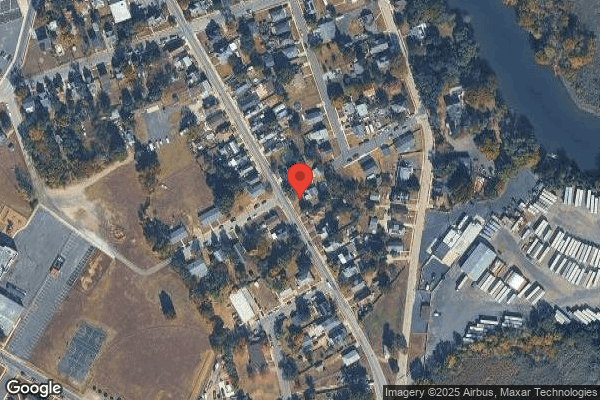
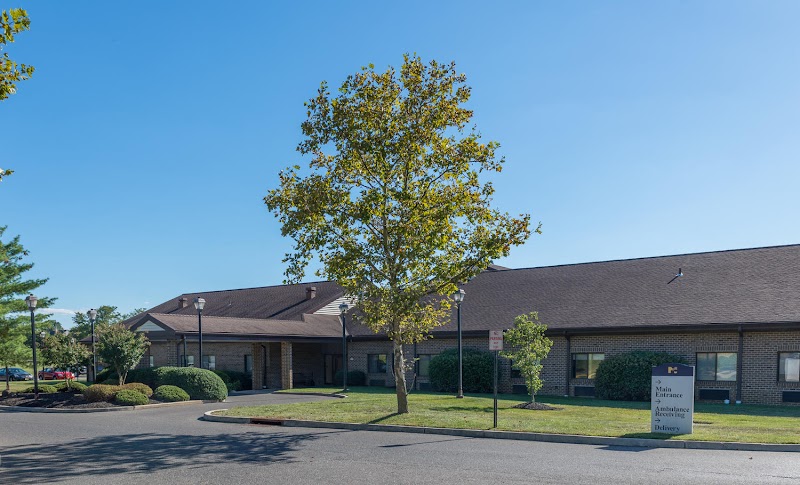
550 JESSUP ROAD, WEST DEPTFORD, NJ 08066 (856) 848-9551
For profit - Limited Liability company 156 Beds ATLAS HEALTHCARE Data: November 2025
Trust Grade
85/100
#6 of 344 in NJ
Last Inspection: July 2024

Within standard 12-15 month inspection cycle. Federal law requires annual inspections.

Overview

Atlas Rehabilitation & Healthcare at West Deptford has received a Trust Grade of B+, indicating it is above average and recommended for families considering care options. It ranks #6 out of 344 nursing homes in New Jersey, placing it well within the top half, and is the top facility in Gloucester County. The facility’s trend is improving, with reported issues decreasing from three in 2024 to two in 2025, suggesting ongoing efforts to enhance care quality. However, staffing is a concern, with a low rating of 2 out of 5 stars and a turnover rate of 50%, which is higher than the state average. While there have been no fines reported, which is a positive sign, there are several areas needing attention. For example, the kitchen sanitation practices have been criticized, with incidents such as staff not washing hands before preparing food and improper storage of food items, which could lead to foodborne illnesses. Additionally, not all Certified Nursing Assistants received the required training hours, potentially affecting the quality of care provided. Overall, while the facility has strengths in its ranking and lack of fines, the staffing and specific incidents raise valid concerns for families considering this nursing home.

Trust Score
B+
85/100
In New Jersey
#6/344
Top 1%
Safety Record
Low Risk
No red flags
Inspections
Getting Better
3 → 2 violations
Staff Stability
⚠ Watch
50% turnover. Above average. Higher turnover means staff may not know residents' routines.
Penalties
✓ Good
No fines on record. Clean compliance history, better than most New Jersey facilities.
Skilled Nurses
⚠ Watch
Each resident gets only 21 minutes of Registered Nurse (RN) attention daily — below average for New Jersey. Fewer RN minutes means fewer trained eyes watching for problems.
Violations
⚠ Watch
18 deficiencies on record. Higher than average. Multiple issues found across inspections.
★★★★★
5.0
Overall Rating
★★☆☆☆
2.0
Staff Levels
★★★★★
5.0
Care Quality
★★★★☆
4.0
Inspection Score
Stable
2024: 3 issues
2025: 2 issues

The Good

  • 5-Star Quality Measures · Strong clinical quality outcomes
  • Full Sprinkler Coverage · Fire safety systems throughout facility
  • No fines on record

Facility shows strength in quality measures, fire safety.

The Bad

Staff Turnover: 50%

Near New Jersey avg (46%)

Higher turnover may affect care consistency

Chain: ATLAS HEALTHCARE

Part of a multi-facility chain

Ask about local staffing decisions and management

The Ugly 18 deficiencies on record

Aug 2025 1 deficiency
CONCERN (D) 📢 Someone Reported This

A family member, employee, or ombudsman was alarmed enough to file a formal complaint

Potential for Harm - no one hurt, but risky conditions existed

Medical Records (Tag F0842)

Could have caused harm · This affected 1 resident

COMPLAINT#: NJ00187516 / 402411Based on interview and review of medical records and other pertinent facility documents it was determined that the facility failed to maintain an accurately documented a...

Read full inspector narrative →
COMPLAINT#: NJ00187516 / 402411Based on interview and review of medical records and other pertinent facility documents it was determined that the facility failed to maintain an accurately documented and complete medical records in accordance with acceptable standards and practice.This deficient practice was identified for 1 of 3 residents (Resident #2) reviewed and was evidenced by the following: A review of Resident #2's admission Record revealed that that the resident was admitted to the facility with diagnoses that included but were not limited to: quadriplegia, neurogenic bowel (a condition where the nerves that control bowel function are impaired, leading to abnormal bowel movements), and neuromuscular dysfunction of bladder. A review of the comprehensive Minimum Data Set (MDS), an assessment tool dated 6/30/25, indicated that Resident #2 had a Brief Interview for Mental Status (BIMS) score of 15 out of 15, indicating that the resident's cognition was intact. A further review of Resident #2's medical record revealed that the resident filed a grievance on 4/30/25, which indicated that a nurse had changed their wound dressing. A review of Resident #2's Treatment Administration Record (TAR) for April 2025 revealed an order dated 4/4/25, that the wound vacuum dressing was to be changed, along with an order for the application of skin prep dated 3/8/25. Both indicated that they were to be completed as needed for soilage. A further review of the TAR revealed no documentation that the dressing was changed nor the that the skin prep was applied on 4/30/25. A review of Resident #2's Progress Notes did not reveal any documentation that the resident's treatments were completed or not completed on 4/30/25. During an interview with Resident #2 on 8/26/25 at 2:35 P.M., the resident recalled filing the grievance because the primary nurse did not change the wound vacuum after a bowel movement, but that the next shift had taken care of it. The resident stated that they could not recall the exact date of the grievance at the time of the interview. During an interview with the Licensed Practical Nurse (LPN) Shift Supervisor on 8/26/25 at 3:55 P.M., in the presence of the surveyor, she reviewed the grievance for Resident #2 dated 4/30/25. The LPN stated that she recalled the incident and that while completing her rounds, she was approached by a Certified Nursing Assistant (CNA) who stated that there was a concern with Resident #2. The LPN stated that she immediately went to the resident's room, where the resident told her that wound care needed to be provided due to a bowel movement. The LPN stated that she immediately gathered the necessary supplies and went in with another nurse to provide the treatment. The LPN also stated that it was important to document all care provided to a resident, because others may think it wasn't done if it wasn't documented. In the presence of the surveyor, she also reviewed the Resident's TAR for April 2025 and stated, I made sure it got done and with it being change of shift, I forgot to document it. She further stated that she should have signed the TAR. During an interview on 8/26/25 at 4:16 P.M., the Director of Nursing (DON) stated that she expected that all care provided to a resident to be documented as done, So that everyone knows it was done. In the presence of the surveyor, the DON reviewed Resident #2's TAR for April 2025, and stated that the nurse should have signed a treatment if it was done. A review of the facility's Charting and Documentation policy, revised July 2023, revealed that all services provided to the resident would be documented in a resident's medical record, including, . Treatment or services performed. N.J.A.C. 8:39-27.1(a)
Jun 2025 1 deficiency
MINOR (B) 📢 Someone Reported This

A family member, employee, or ombudsman was alarmed enough to file a formal complaint

Minor Issue - procedural, no safety impact

Grievances (Tag F0585)

Minor procedural issue · This affected multiple residents

Complaint #: NJ186633 Based on interviews, Medical Record (MR) review, and review of other pertinent facility documentation on 5/28/25 and 5/30/25, it was determined that the facility failed to provid...

Read full inspector narrative →
Complaint #: NJ186633 Based on interviews, Medical Record (MR) review, and review of other pertinent facility documentation on 5/28/25 and 5/30/25, it was determined that the facility failed to provide a resident (Resident #2), who voiced a grievance, a written summary of the investigation in accordance with the facility's Grievance Policy. The deficient practice was identified for 1 of 3 residents, Resident #2, and evidenced by the following: According to the Admitting Face Sheet, Resident #2 had diagnoses which included but were not limited to: Iron Deficiency Anemia, Unspecified, Encounter for Orthopedic Aftercare Following Surgical Amputation, Acquired Absence of Right Leg Below Knee, and Morbid (Severe) Obesity Due to Excess Calories. According to the resident's Minimum Data Set (MDS), an assessment tool dated 3/7/25, Resident #2 had a Brief Interview Mental Status score of 15/15, which indicated that Resident # was cognitively intact. The MDS also indicated that the Resident required assistance with activities of daily living (ADLs). A review of a facility document titled Grievance/Concern Form dated 12/30/24, with date of occurrence on 12/27/24, revealed that Resident #2 reported to the facility that he/she knows customer service and is tired of these rude young kids taking care of him/her. During interview with surveyor on 5/30/25 at 1:55 p.m., Resident #2 stated, I have never received anything in writing with the outcome of the grievance. Not once have I received anything in writing. During interview with surveyor on 5/30/25 at 2:58 p.m., the Administrator stated, We do not have a response in writing regarding the 12/30/24 grievance for Resident #2. Yes, there should have been a response in writing per policy. During Exit Conference on 5/30/25 at 3:44 p.m., the Director of Nursing (DON) stated, There was nothing that showed that a copy of the resolution was given to the resident (Resident #2) in writing. Yes, according to the policy, there should have been something in writing what the resolution was. Review of facility's policy titled, Grievances/Complaints, Filing with a Revision Date of 4/2024, Policy Interpretation and Implementation, included but were not limited to the following: 12. The resident, will be informed (verbally and in writing) of the findings of the investigation and the actions that will be taken to correct any identified problems. b. A written summary of the investigation will be provided to the resident NJAC 8:39-13.2(c)
Jul 2024 3 deficiencies
CONCERN (D)

Potential for Harm - no one hurt, but risky conditions existed

Incontinence Care (Tag F0690)

Could have caused harm · This affected 1 resident

Based on observation, interview, review of the medical record, and review of other facility documentation, it was determined that the facility failed to ensure that there was a physician order for the...

Read full inspector narrative →
Based on observation, interview, review of the medical record, and review of other facility documentation, it was determined that the facility failed to ensure that there was a physician order for the use of a Foley catheter for 1 of 2 residents reviewed for catheter use (Resident #115). This deficient practice was evidenced by the following: On 06/26/2024 at 09:49 AM the Licensed Practical Nurse/Unit Manager (LPN/UM) told the surveyor that we tried a voiding trial and the resident failed and then the Foley catheter was reinserted. The LPN/UM then told the surveyor Resident #115 was scheduled for a surgical procedure in July. On 06/26/2024 at 12:15 PM, Resident # 115 was observed self-propelling in their wheelchair in the hallway. The catheter bag was noted inside a privacy bag. A review of the admission Record revealed Resident #115 was admitted to the facility with diagnoses including but not limited to: Benign Prostatic Hyperplasia with Lower Urinary Symptoms. A review of the most recent Minimum Data Set (MDS), an assessment tool, dated 6/13/2024, revealed Resident #115 had a Brief Interview for Mental Status (BIMS) score 15/15 indicating the resident had intact cognition. The MDS further indicated the resident used an indwelling catheter. A review of the Physician Order sheet revealed the following orders: AHC: Foley Bag Privacy cover in place at all times every shift for Care with a start date of 06/07/2024 and discontinued (d/c) date of 06/19/2024. AHC: Foley Catheter Care every shift for care with a start date of 06/07/2024 and d/c date of 06/19/2024. AHC: Foley catheter Output monitoring: Monitor catheter output every shift. Every shift for monitoring with a start date of 06/07/2024 and d/c date of 06/19/2024. AHC: Foley Catheter change PRN (as needed) change Foley catheter (size 16 Fr (French) 10 cc balloon) change prn based on clinical indications such as infection, obstruction, leakage, deterioration, or when the closed system is compromised with a start date of 06/07/2024 and d/c date of 06/19/2024. There were no further orders regarding the use and care of Resident #115's Foley catheter after having been discontinued on 06/19/2024. A review of the Treatment Administration Record (TAR) dated 6/1/2024-6/30/2024 revealed the following physician orders: AHC: Foley Bag Privacy cover in place at all times every shift for Care with a start date of 06/07/2024 and discontinued (d/c) date of 06/19/2024. AHC: Foley Catheter Care every shift for care with a start date of 06/07/2024 and d/c date of 06/19/2024. AHC: Foley catheter Output monitoring: Monitor catheter output every shift. Every shift for monitoring with a start date of 06/07/2024 and d/c date of 06/19/2024. AHC: Foley Catheter change PRN (as needed) change Foley catheter (size 16 Fr (French) 10 cc balloon) change prn based on clinical indications such as infection, obstruction, leakage, deterioration, or when the closed system is compromised with a start date of 06/07/2024 and d/c date of 06/19/2024. A review of the TAR for 7/1/2024-7/31/2024 did not include the above orders. A review of a Progress Note (PN) dated 6/19/2024 at 10:20 AM revealed the Foley catheter was removed without difficulty. A PN dated 6/20/2024 at 12:07, revealed pt (patient) foley was removed 6/18. pt was bladder scanned today by this nurse. pt is retaining at 452cc (cubic centimeters). this nurse was instructed by MD (physician) to place foley. pt was able to tolerate foley. foley is draining. During an interview with the surveyor on 07/01/2024 at 01:02 PM, Licensed Practical Nurse (LPN #1) was asked what physician orders are required for the care of residents. LPN #1 responded, In general we need physician orders for medications, if Foley placed or taken out, and if Foley remains in place, diet order, oxygen, BP, vital signs, wound treatments. When asked who is responsible for getting the orders LPN #1 said the nurses are responsible to obtain physician orders. During an interview with the surveyor on 07/01/2024 at 02:13 PM, the Director of Nursing (DON) was asked what physician orders are required for the care of residents. The DON replied, Orders to provide care, medications, treatment orders, oxygen, and Foley. The surveyor asked if the DON saw a physician order for the use and care of the Foley for Resident #115 and the DON responded I did not see a physician order for the Foley catheter. The DON confirmed, There should have been a physician order for the Foley catheter. A review of a facility policy titled Catheter Care, Urinary with a revised date of August 2022, did not include that a resident requires a physician order for use of a Foley. NJAC 8:39 27.1(a)
CONCERN (D)

Potential for Harm - no one hurt, but risky conditions existed

Pharmacy Services (Tag F0755)

Could have caused harm · This affected 1 resident

Based on interview and review of other facility documents, it was determined that the facility failed to maintain a detailed record of receipts and accurate reconciliation of controlled medications. T...

Read full inspector narrative →
Based on interview and review of other facility documents, it was determined that the facility failed to maintain a detailed record of receipts and accurate reconciliation of controlled medications. This deficient practice was evidenced by the following: On 06/27/2024 at 01:38 PM, the surveyor requested and reviewed all the Drug Enforcement Administration (DEA) 222 forms (a form used for ordering controlled substances) for the last 6 months from the Director of Nursing (DON) for the past 6 months. At that time the surveyor also requested copies of those seven forms. The DON provided the surveyor with seven (7) DEA 222 forms. A review of the DEA 222 forms showed there was no entered delivery amount and date for 7 of 7 DEA 222 forms and 2 of 7 NO. (number) of packages were not completed and accurately documented as follows: 1. DEA 222 Order form #230109741 dated 1/22/2024 contained an order for package size 6 Hydrocodone-Acetaminophen 5-325, package size 25 Oxycodone HCL 5 mg (milligrams), package size 6 oxycodone HCL 10 mg, package size 25 Oxycodone HCL 15 mg, package size oxycodone-Acetaminophen 7.5-325, package size 17 Oxycodone-acetaminophen 5-325, and package size 2 Oxycontin ER (extended release) 10 mg. 2. DEA 222 Order Form 230109749 dated 2/12/2024 contained an order for 1 package of 50 Oxycodone HCL 5mg, 1 package of 21 Oxycodone HCL 10 mg, 1 package of 9 Oxycodone HCL 15 mg, 1 package of 10 Oxycodone-Acetaminophen 7.5-325, 1 package of 14 Oxycontin 10mg and 1 package of oxycontin 20mg. A review of the DEA 222 form did not include the number of packages received and the date received. 3.DEA 222 Order Form #230109748 dated 3/18/2024 contained an order for 1 package of 30 Morphine Sulfate ER 15mg, 1 package 24 Morphine Sulfate 30mg, 1 package Oxycodone HCL 5mg, 1 package of 14 Oxycodone HCL 10mg, 1 package of 21 Oxycodone HCL 15 mg, 1 package 34 Oxycontin 10 mg, and 1 package of 30 Oxycontin 20 mg. A review of the DEA 222 form did not include the number of packages received and the date received. 4. DEA 222 Order form 230109747 dated 4/22/2024, contained an order for 1 package 16 Hydrocodone-Acetaminophen 5-325, 1 package 24 Morphine Sulfate 15 mg, 1 package 26 Morphine Sulfate 30 mg, 1 package 36 Oxycodone HCL 5 mg and 1 package Oxycodone HCL 10 mg. A review of the DEA 222 form did not include the number of packages received and the date received. 5. DEA 222 Order Form # 240397650 dated 5/1/2024, contained an order for an order for package size 3 Morphine Sulfate liquid 20mg/ml (milliliter). The DEA 222 dorm did not include the number of packages ordered. A further review of the DEA 222 form did not 5/24 contained an order for 1 package of 50 Oxycodone HCL 5 mg, and 1 package of 32 Oxycodone HCL 10 mg. A review of the DEA 222 form did not include the number of packages received and the date received. 6. DEA 222 Order Form 240397649 dated 5/15/2024 contained and order for 1 package of 50 Oxycodone HCL 5 mg and 1 package of 32 Oxycodone HCL 10 mg. A review of the DEA 222 form did not include the number of packages received or the date received. 7. DEA 222 Order Form # 03202024 dated 6/10/2024 contained an order for 1 package of 50 Oxycodone HCL 5 mg and 1 package of 40 Oxycodone 10mg. A review of the DEA 222 form did not include the number of packages received and the date received. During an interview with the surveyor on 07/01/2024 at 02:15 PM, the DON was asked who is responsible for completing the DEA 222 forms when the medications are ordered. The DON replied that she was, and she kept a copy of the form, and the original was sent to the pharmacy. The DON said she kept the delivery slips when the medications came and attached them to the copy. The surveyor asked why Part 5 was not completed on the forms and the DON responded, I didn't know I had to fill that in as I kept copies of delivery slips. On 07/02/2024 at 10:44 AM, the surveyor requested a copy of facility policy for DEA 222 form from the Licensed Nursing Home Administrator LNHA). On 07/02/2024 at 11:07 AM, the LNHA said the facility does not have a policy for DEA 222 forms. A review of the printed instructions on the front of the DEA 222 form indicated: Part 1: to be filled in by the Purchaser. A further review of the instructions revealed Part 5: To BE FILLED IN BY PURCHASER, number of packages received, and date received. NJAC 8:39-27.9(c)
CONCERN (F)

Potential for Harm - no one hurt, but risky conditions existed

Food Safety (Tag F0812)

Could have caused harm · This affected most or all residents

Based on observation, interview, and review of other facility documentation, it was determined that the facility failed to maintain kitchen sanitation in a safe and consistent manner to prevent food b...

Read full inspector narrative →
Based on observation, interview, and review of other facility documentation, it was determined that the facility failed to maintain kitchen sanitation in a safe and consistent manner to prevent food borne illness. This deficient practice was evidenced by the following: On 6/26/2024 from 9:17 to 9:56 AM, the surveyor, accompanied by the Food Service Director (FSD), observed the following in the kitchen: 1. Upon entry to the kitchen a dietary aide (DA) was observed to have lengthy braids extending to the shoulder area. The braids on either side of the head were not contained in the hair net and were exposed. 2. In the dry storage room on an upper shelf a can of Pear Diced had a significant dent on the upper seam of the can. The FSD removed the dented can to the designated dented/damaged can area on a lower shelf of the room. 3. A stack of 5 half pans on the middle rack of the pot/pan storage rack were in the inverted position. The surveyor lifted the top pan on the stack and felt the bottom of the pan below. The pan was wet to the touch and there was a watery substance on the bottom edge of the pan a condition known as wet nesting (occurs when wet dishes or pots and pans are stacked, preventing them from drying, and creating conditions that are ripe for microorganisms to grow). The FSD agreed that the pans were wet and proceeded to remove the half pans from the rack. When interviewed the FSD agreed that all dishware should be air dried prior to storage. The FSD removed the effected half pans from the storage rack to be rewashed and sanitized and air dried before storage. 4. At 9:34 AM the surveyor and FSD went to observe the high temperature dish machine which was actively in use at the time washing dishware used for resident meals. The surveyor upon arrival to the dishwasher area reviewed the June 2024 [facility name] DISHWASHER TEMPERATURE LOG. Observation of the log reveled the following: Minimum temperature for wash cycle: 160 F (Fahrenheit) rinse cycle: 180 F. The log further revealed that If temperatures were below standard, the person in charge was notified and dish machine was stopped. A review of the log for breakfast on 6/26/2024 revealed the following temperatures: Wash: 160 and Rinse: 180. At 9:34 AM, the surveyor observed the high temperature dishwasher wash and rinse temperatures while staff were actively washing dishware and the FSD was present. The surveyor observed a wash temperature of 140 F and a rinse temperature of 140 F. The surveyor immediately conducted an interview with the DA responsible for loading dirty dishware into the dishwasher and monitoring machine temperatures. The DA stated that she had observed and recorded the wash and rinse temperature of the high temperature dishwasher at approximately 9:15 AM and recorded a wash temperature of around 150 F and a rinse temperature of around 140 F. The surveyor then asked the DA what the minimum temperature requirements were for the high temperature dishwasher to effectively clean and sanitize dishware. The DA responded, The rinse should be around 180 F and the wash around 160 F. The surveyor asked the DA what should happen if the dishwasher is not meeting minimum temperatures for the wash and rinse. The DA stated, I should've shut it down and notified the FSD. At that time the FSD agreed that the machine was not meeting minimum temps for wash and rinse. On 06/26/2024 at 09:43 AM, the surveyor accompanied by the FSD and DA observed the high temperature dishwasher again for the wash and rinse temperatures. The following temperatures were observed: Wash = 142 F rinse = 140 F. The FSD agreed that the high temperature dishwasher was not meeting minimum wash and rinse temperatures and the dishwasher was shut down at 9:45 AM. The FSD stated that the facility had a sufficient supply of paper products to serve the lunch meal. The FSD also told the surveyor that all dishes that had been washed up to shutting down the dishwasher would be rewashed and that he would call the facility contracted service company immediately to service and fix the high temperature dishwasher. On 06/27/2024 at 9:16 AM, the facility Licensed Nursing Home Administrator (LNHA) provided the surveyor with a copy of the Extra Service Request for the dishwasher that was dated 6/26/2024 at 1:53 PM. The request sheet revealed the following under the Service Comments: Arrived and tested rinse. Did not register on gauge. Replaced rinse gauge. Tested. Did reach sanitation temp (error, should read did not). Tested booster power. There was no power. Found circuit breaker in off position. Turned on and tested. Reached 180. Reviewed with staff. 5. In the walk-in refrigerator on an upper shelf a clear plastic bag contained whole parsley. The parsley was darker green and slimy on the bottom of the clear plastic bag. On the same shelf a cardboard box was opened and contained heads of lettuce. A clear plastic bag in the box contained 2 separate romaine lettuces. The bag was opened, and the lettuce was exposed. The lettuce was noted to be brown and slimy. The FSD removed the parsley and lettuce to the trash. On 06/27/2024 from 08:32 to 8:38 AM, the surveyor, accompanied by the Registered Nurse/Unit Manager (UM/RN#1) observed the following on the 1st floor/East Wing pantry: 1. Observation of the Non Dietary Dept. Refrigerator/Freezer/Cold Pack Machine Temperature Log, dated 6/24 revealed that no temperatures were documented on 6/26/2024 for the refrigerator and freezer and no temperatures were recorded for 6/27/2024 for the refrigerator and freezer. According to UM/RN#1, temperatures are to be recorded for the refrigerator and freezer daily by the 11-7 nursing staff. 2. Inside the refrigerator four (4) what appeared to be salami sandwiches on white bread were stored on the refrigerator door shelf. The sandwiches were in wax paper bags. The bags had no dates. A resident designated, zippered, food storage/carry bag contained a clear plastic container with what appeared to be cucumber/tomato/onion salad. The container was labeled eat by 6/18. In addition, an unidentified food item wrapped in tin foil had no date. RN/UM #1 removed all unlabeled, undated, and expired food to the trash. In addition, RN/UM #1 stated to the surveyor, The temperatures should be done daily for the freezer and refrigerator by the 11-7 nursing staff. I checked it yesterday, but I must have forgotten to write it down. The surveyor reviewed the facility policy titled Dishwasher Temperature, Date Reviewed/Revised: 4/9/24. The following was revealed under the heading Policy: It is the policy of this facility to ensure dishes and utensils are cleaned under sanitary conditions through adequate dishwasher temperatures. The policy further revealed under Policy Explanation and Compliance Guidelines: 1. All items cleaned in the dishwasher will be washed in water that is sufficient to sanitize any and all items. 2. Manufacturer's instructions shall be followed for machine washing and sanitizing. 3. For high temperature dishwashers (heat sanitization): a. The wash temperature shall be 150-165 degrees F: b. The final rinse temperature shall be 180 degrees F or above but not to exceed 194 degrees F (165 degrees F for stationary rack, single temperature machine). Corrective actions shall be taken for final temperatures below the required final rinse temperatures. 6. Water temperatures shall be measured and recorded prior to each meal and/or after the dishwasher has been emptied or re-filled for cleaning purposes. The surveyor reviewed the facility policy titled Food Safety Requirements, Date Reviewed/Revised: 4/9/24. The following was revealed under Policy: It is the policy of this facility to procure food from sources approved or considered satisfactory by federal, state and local authorities. Food will also be stored, prepared, distributed and served in accordance with professional standards for food service safety. The following was revealed under Policy Explanation and Compliance Guidelines: 1. Food safety practices shall be followed throughout the facility's entire food handling process. This process begins when food is received from the vendor and ends with delivery of the foods to the resident. Elements of the process include the following: b. Storage of food in a manner that helps prevent deterioration or contamination of the food, including from growth of microorganisms. e. Equipment used in the handling of food, including dishes, utensils, mixers, grinders, and other equipment that comes in contact with food. 3. Facility staff shall inspect all food, food products, and beverages for safe transport and quality upon delivery/receipt and ensure timely and proper storage. c. Refrigerated storage - foods that require refrigeration shall be refrigerated immediately upon receipt or placed in freezer, whichever is applicable. Practices to maintain safe refrigerated storage include: iv. Labeling, dating, and monitoring refrigerated food, including, but not limited to leftovers, so it is used by its use-by date, or frozen (where applicable)/discarded and v. Keeping foods covered or in tight containers. 6. All equipment used in the handling of food shall be cleaned and sanitized and handled in a manner to prevent contamination. a. Staff shall follow facility procedures for dishwashing and cleaning fixed cooking equipment. 7. Staff shall adhere to safe hygienic practices to prevent contamination of foods from hands or physical objects. d. Dietary staff must wear hair restraints (e.g., hairnet, hat, and/or beard restraint) to prevent hair from contacting food. e. Hairnets should be worn during cooking, preparing, or assembling food, such as stirring pots or assembling the ingredients of a salad. However, staff do not need to wear hairnets when distributing foods to residents at the dining table(s) or when assisting residents to dine. The surveyor reviewed the facility policy titled Use and Storage of Food Brought in by Family or Visitors, Date Reviewed/Revised: 4/2/24. The following was revealed under the heading Policy Explanation and Compliance Guidelines: 2. All food items that are already prepared by the family or visitor brought in must be labeled with content and dated. a. The facility may refrigerate labeled and dated prepared items in the nourishment refrigerator. b. The prepared food must be consumed by the resident within 3 days. c. If not consumed within 3 days, food will be thrown away by facility staff. NJAC 18:39-17.2(g)
Nov 2022 8 deficiencies
CONCERN (D)

Potential for Harm - no one hurt, but risky conditions existed

Safe Environment (Tag F0584)

Could have caused harm · This affected 1 resident

**NOTE- TERMS IN BRACKETS HAVE BEEN EDITED TO PROTECT CONFIDENTIALITY** Based on observation, interview, and review of pertinent facility documents, it was determined the facility failed to maintain a...

Read full inspector narrative →
**NOTE- TERMS IN BRACKETS HAVE BEEN EDITED TO PROTECT CONFIDENTIALITY** Based on observation, interview, and review of pertinent facility documents, it was determined the facility failed to maintain an orderly environment when wallpaper was observed peeling from the wall, a closet was off the hinges, and various dried, liquid stains were observed on the floor. The observations were made in 5 resident rooms. On 10/26/22 at 08:51 AM, inside room [ROOM NUMBER], surveyor #1 observed the wall paper peeling at the seams in at least five different areas. The surveyor further observed dried brown liquid on the floor. On the same date at 09:17 AM inside room [ROOM NUMBER], surveyor #1 observed wallpaper peeling from the wall. The area peeling was approximately 48 inches long. On the same date at 09:20 AM inside room [ROOM NUMBER], surveyor #1 observed wallpaper peeling from the wall in three areas. Each peeling area was approximately 24 inches long. On the same date at 11:05 AM inside room [ROOM NUMBER], surveyor #2 observed wallpaper peeling from the wall near the room entrance. The surface behind the wallpaper revealed a dark substance. On the same date and approximate time inside room [ROOM NUMBER], surveyor #2 observed the closet door off the hinges and peeled wallpaper near the base board. On 10/31/2022 at 1:01 PM, during an interview with surveyor #1, the Licensed Nursing Home Administrator stated that wallpaper is replaced or maintained as needed when it is identified. The facility did not present a policy referencing wallpaper. N.J.A.C. 8:39-31.3
CONCERN (D)

Potential for Harm - no one hurt, but risky conditions existed

Assessment Accuracy (Tag F0641)

Could have caused harm · This affected 1 resident

**NOTE- TERMS IN BRACKETS HAVE BEEN EDITED TO PROTECT CONFIDENTIALITY** Based on interview and medical record review, it was determined that the facility failed to complete a resident assessment that ...

Read full inspector narrative →
**NOTE- TERMS IN BRACKETS HAVE BEEN EDITED TO PROTECT CONFIDENTIALITY** Based on interview and medical record review, it was determined that the facility failed to complete a resident assessment that accurately reflected the resident's status/behaviors. This was identified during a review of the Minimum Data Set (MDS), an assessment tool, for 1 of 31 residents reviewed (Resident #51). This deficient practice was evidenced by the following: On 10/24/2022 at 10:29 a.m. the surveyor reviewed an admission MDS Assessment that had a reference date of 8/25/2022. According to Section C0500 Resident #51 scored a 3 on a Brief Interview for Mental Status which indicated that the resident was severely cognitively impaired. Review of Section E0200 revealed that the resident had not displayed any physical, verbal, or other behavioral symptoms. Review of section E0800 revealed that Resident#51 did not reject care and section E0900 revealed that resident had not wandered. The MDS further indicated in Section I that Resident #51's diagnoses included Non-Alzheimer's Dementia and adjustment disorder with anxiety. On 10/24/2022 at 10:29 AM the surveyor reviewed a Progress Note (PN) dated 8/19/2022 at 4:19 AM in which a facility nurse documented that Resident # 51 was found wandering in the hallway and was constantly asking to go home. The resident complained of a backache but refused to take prn pain medicine as per patient she doesn't trust the nurse. The resident behaviors that were described in the PN were not documented in the admission MDS assessment dated [DATE] as required. A PN dated 8/19/2022 at 5:49 AM documented that Resident #51 refused to take her medicine. The resident behaviors that were described in the PN were not documented in the admission MDS assessment dated [DATE] as required. A PN dated 8/20/22 at 2:39 AM documented that Resident #51 wanted to leave and wanted to go to a door to leave. Another PN on that same day at 1:42 AM documented that Resident #51 had been going in and out of other patient rooms and was exit seeking. The resident behaviors that were described in the PN were not documented in the admission MDS assessment dated [DATE] as required. A PN dated 8/21/2022at 6:30 documented that Resident #51 was exit seeking during the night, wandering through the unit, and was looking tired. The resident behaviors that were described in the PN were not documented in the admission MDS assessment dated [DATE] as required. A PN dated 8/23/2022 at 4:12 AM documented that Resident #51 was walking into other resident rooms and banging on locked doors screaming that he/she has to get out and go home. The resident behaviors that were described in the PN were not documented in the admission MDS assessment dated [DATE] as required. A PN dated 8/25/2022 at 9:50 PM documented that Resident #51 was wandering through the unit, seeking the exit door to the point of exhaustion. The resident behaviors that were described in the PN were not documented in the admission MDS assessment dated [DATE] as required. On 10/26/2022 at 12:07 PM the MDS Coordinator confirmed that Resident #51 had exhibited behaviors during the look back period. He stated that wandering, rejection of care, and other behavioral symptoms should have been coded in the admission MDS dated [DATE] as required. NJAC 8.39-11.1
CONCERN (D)

Potential for Harm - no one hurt, but risky conditions existed

Accident Prevention (Tag F0689)

Could have caused harm · This affected 1 resident

Based on observations on 10/31/2022 in the presence of facility management, it was determined the facility failed to provide a safe environment for the residents. This deficient practice was indentifi...

Read full inspector narrative →
Based on observations on 10/31/2022 in the presence of facility management, it was determined the facility failed to provide a safe environment for the residents. This deficient practice was indentified for 1 of 3 shower rooms, 2nd floor. This deficient practice was evidenced by the following: During the tour of the facility in the presence of the facility's Maintenance Director (MD) at 10:56 AM,an inspection inside the second floor Resident shower room was performed. The corridor door had a passage (no means to lock) door knob installed on the door. The surveyor observed inside the shower room a sharps container cabinet that was mounted to a wall with no evidence of the inner puncture proof sharps container with a one way drop down tray. Further inspection identified that the cabinet door was unlocked and the cabinet contained approximately 35 razors and a nail clipper. The shower room was accessible to Residents. The MD confirmed the findings at the time of observations. The facility's Administrator was informed of these findings during the Life Safety Code survey exit conference at 1:32 PM on 11/01/2022. NJAC 8:39-31.2(e)
CONCERN (D)

Potential for Harm - no one hurt, but risky conditions existed

Incontinence Care (Tag F0690)

Could have caused harm · This affected 1 resident

Based on observation, interview, record review, and pertinent facility documentation, it was determined that the facility failed to provide the appropriate care and services to prevent potential injur...

Read full inspector narrative →
Based on observation, interview, record review, and pertinent facility documentation, it was determined that the facility failed to provide the appropriate care and services to prevent potential injury to a resident with an indwelling, suprapubic catheter (tube inserted into the bladder to facilitate the flow of urine) by not securing the tube properly to the securement device (plastic device used to secure the tube to prevent the catheter from being pulled). The deficient practice was observed for 1 of 3 residents (Resident #1) investigated for Catheter and was evidenced by the following: On 10/24/2022 at 10:26 AM, the surveyor obtained permission from Resident #1 to observe the catheter securement device applied to the upper, left thigh. At this time, the surveyor observed that the tube was not secured properly and could move freely within the securement device. On 10/25/2022 at 11:18 AM, the surveyor obtained permission from Resident #1 to observe the catheter securement device again. At this time, the surveyor observed that a new securement device was applied to Resident #1's upper, left thigh. The surveyor further observed that the securement device tab was not secured in place, allowing the tube to move freely. On 10/25/2022 at 11:27 AM, during an interview with the surveyor, the Unit Manager Registered Nurse #1 stated, No when asked if the securement device was secured correctly in both observations. She further stated, I'll fix it now. I don't want it to pull on him. On 10/31/2022 at 1:01 PM, during an interview with the surveyor, the Director of Nursing stated, Yes when asked if the catheter tube should be secured in a securement device. A review of Resident #1's admission Minimum Data Set (a tool used for assessments) dated 2/18/2022 revealed Resident #1 had an indwelling catheter because of a diagnosis of neurogenic bladder (lack of bladder control due to nerve problems). A review of the Foley Anchor securement kit package revealed a diagram showing the tube is supposed to be secured using flexible tabs on the securement device. A review of the policy titled, Indwelling urinary catheter (Foley) care and management with a revised date of November 19, 2021 revealed under the heading Implementation: Make sure that the catheter is secured properly. N.J.A.C 8:39-27.1(a)
CONCERN (D)

Potential for Harm - no one hurt, but risky conditions existed

Deficiency F0698 (Tag F0698)

Could have caused harm · This affected 1 resident

Based on observation, interview, review of the medical record and review of other facility documentation, it was determined that the facility failed to ensure a resident's medication times were adjust...

Read full inspector narrative →
Based on observation, interview, review of the medical record and review of other facility documentation, it was determined that the facility failed to ensure a resident's medication times were adjusted to accommodate their dialysis schedule for 1 of 2 residents (Resident #38) reviewed for dialysis. This deficient practice was evidenced by the following: On 10/24/2022 at 9:41 AM, Resident #38 was observed lying in bed. Resident #38 said he/she goes to dialysis on Tuesday, Thursday, and Saturday in the AM. A review of the Electronic Medical Record revealed Resident #38 was admitted to the facility with diagnoses including but not limited to, End Stage Renal Disease, Dependence on dialysis and Hypertension. A review of the most recent Minimum Data Set (MDS), an assessment tool used to facilitate care, dated 8/10/22, revealed a Brief Interview for Mental Status score of 11/15, indicating Resident #38 has moderately impaired cognition. The MDS further revealed Resident #38 received dialysis while a resident at the facility. A review of the Clinical Physicians Orders revealed a physician order for Hemodialysis, per physician order: Tuesday/Thursday/Saturday Chair time for 5AM. A further review of the physician's order revealed the following orders. Hydralazine HCl Tablet (medication used for high blood pressure) 100 MG (milligram) Give 100 mg by mouth every 8 hours for HTN (hypertension). A review of the Medication Administration Record (MAR) dated 9/1/2022-9/30/2022 showed the physician order for Hydralazine 100 mg by mouth every 8 hours for HTN. There were nurses' initials and a check mark to indicate the medication was given at 6:00 AM on the following dates: 9/1/2022, 9/3/2022, 9/6/2022, 9/8/2022, 9/10/2022, 9/13/2022, 9/15/2022, 9/17/2022, 9/20/2022, 9/22/2022, 9/24/2022, and 9/27/2022. All the above dates are resident scheduled dialysis days. A review of the October MARs dated 10/1/2022-10/31/2022 showed the physician order for Hydralazine 100 mg by mouth every 8 hours for HTN. There were nurses' initials and a check mark to indicate the medication was given at 6:00 AM on the following dates:10/1/2022, 10/4/2022, 10/6/2022, 10/8/2022, 10/13/2022, 10/15/2022, 10/18/2022, 10/20/2022, 10/22/2022, 10/25/2022, 10/27/2022. All the above dates are Resident # 38's scheduled dialysis days. A review of the Progress Notes (PN) dated 9/1/2022-10/31/2022 indicated resident #38 refused (1) dialysis treatment on 10/11/2022 and attended all other scheduled dialysis days. During an interview with the surveyor on 10/26/2022 at 9:25 AM, Resident #38 said he/she leaves at 5 AM daily and returns by lunch. During an interview with the surveyor on 10/27/2022 at 11:33 AM, the Unit Manager Registered Nurse #2 (UM/RN #2) said the resident leaves for dialysis between 4:00 AM-5:00 AM. During an interview with the surveyor on 10/27/2022 at 1:12 PM, the UM/RN #2 said I came up here to the 2nd floor in early September and I readjusted the resident's medication times when I saw it was a problem. I adjusted the medication times appropriately based on his/her dialysis schedule. Resident #38 returns from dialysis sometimes at 10 AM maybe 11 AM. Today was 12:30 PM. UM/RN #2 went on to say Resident #38's Hydralazine should be given at 5:00 AM. UM/RN #2 confirmed the Hydralazine was signed as administered at 6:00 AM on the MARS. UM/RN #2 went on to say that the expectation is medications are timed around the dialysis schedule. During an interview with the surveyor on 10/31/2022 at 1:19 PM, the facility Director of Nursing said, We audit the chair time and time of return from dialysis and adjust medications around that time. She went on to say that the nurses know the process and it wasn't communicated to me that the resident wasn't getting back by 9 AM. The facility was unable to provide a policy regarding the scheduling of medications and a resident dialysis schedule. NJAC 8:39-27.1(a)
CONCERN (D)

Potential for Harm - no one hurt, but risky conditions existed

Pharmacy Services (Tag F0755)

Could have caused harm · This affected 1 resident

**NOTE- TERMS IN BRACKETS HAVE BEEN EDITED TO PROTECT CONFIDENTIALITY** Based on observation, interview, record review, and review of other facility documentation, it was determined that the facility ...

Read full inspector narrative →
**NOTE- TERMS IN BRACKETS HAVE BEEN EDITED TO PROTECT CONFIDENTIALITY** Based on observation, interview, record review, and review of other facility documentation, it was determined that the facility failed to supervise the administration of medication for 1 of 31 sampled residents, (Resident #34). This deficient practice was evidenced by the following: Upon entering Resident #34's room on 10/24/2022 at 9:18 AM, the surveyor, in the presence of another surveyor, observed an inhaler and nasal spray sitting on the bedside table. There was no nurse observed in the room. The surveyor questioned Resident #34 if he/she keeps the medications at their bedside. Resident #34 said, No, the nurse brought them and leaves them. Resident #34 said, Most nurses leave the inhaler and nasal spray. The nurse watched me take my pills and I do these (motioning to the inhaler and nasal spray) and then they pick them up. On 10/24/2022 at 9:20 AM, a nurse entered the room and went to assist a roommate and then stopped and picked up the inhaler and nasal spray on Resident #34's bedside table. At that time during an interview with the surveyor, Licensed Practical Nurse (LPN #1) said I made a mistake. I meant to grab them (inhaler and nasal spray). LPN #1 said she left them at the bedside at 8:28 AM when she administered the oral meds (medications). According to the admission Record Report, Resident #34 was admitted with diagnosis of Chronic Obstruction Pulmonary Disease. A review of the most recent Minimum Data Set, dated [DATE], an assessment tool used to facilitate care, revealed a Brief Interview for Mental Status (BIMS score of) 14/15 indicating Resident #34 was cognitively intact. A review of the current Clinical Physicians Orders revealed an order for Advair Diskus Aerosol Powder Breath Activated (medication used to treat ongoing lung disease) 250-50 Micrograms (MCG)/ACT 1 puff orally every 12 hours for asthma rinse mouth after use. The physician's order also revealed an order for Fluticasone Propionate Suspension 50 MCG/ACT 1 application in both nostrils two times per day for Allergy. A review of the Clinical Physicians Orders did not include an order for Resident #34 to self-administer medications. During a follow-up interview with LPN #1 on 10/24/2022 at 12:40 PM, LPN #1 said no we are not supposed to leave medications at the bedside and confirmed the medications were the Advair inhaler and Fluticasone During an interview with the surveyor on 10/27/2022 at 10:00 AM, the Director of Nursing (DON) stated, We typically don't put medications at the bedside unless the patient is capable of self-administering medications and then they are locked in a bag, and they keep them in their drawer. The physician also evaluates if the patient can self-administer. The surveyor asked the DON if that would include an inhaler and nasal spray. The DON went on to say, Yes, that would include an inhaler if the resident says I can do it myself. The DON also explained, When she (LPN #1) came to me and said I forgot the medications and I meant to take them after Resident #34 was done. Resident #34 is able to take his/her own inhaler and I forgot it. The DON then stated to the surveyor, That would not be considered self-administering and typically we don't leave it (inhaler) on the bedside table. A review of a facility policy titled General Dose Preparation and Medication Administration with revised date of 08/2018, revealed the following under procedure section 3: dose preparation • Nursing Center should not leave medications or chemicals unattended. A review of a facility policy titled Storage and expiration dating of drugs, biologicals, syringes And Needles revealed the following under procedure section 2.: • The nursing center that all drugs and biologicals, including treatment items, are securely stored in locked cabinet/cart or locked medication room NJAC 8:3927.1(a) 29.2(d)
CONCERN (D)

Potential for Harm - no one hurt, but risky conditions existed

Deficiency F0761 (Tag F0761)

Could have caused harm · This affected 1 resident

**NOTE- TERMS IN BRACKETS HAVE BEEN EDITED TO PROTECT CONFIDENTIALITY** Based on observation, interview, and record review, it was determined that the facility failed to detect and remove opened expi...

Read full inspector narrative →
**NOTE- TERMS IN BRACKETS HAVE BEEN EDITED TO PROTECT CONFIDENTIALITY** Based on observation, interview, and record review, it was determined that the facility failed to detect and remove opened expired medication from active inventory in 1 of 2 medication storage areas reviewed. This deficient practice was evidenced by the following: On [DATE] 09:13 AM the surveyors reviewed the first-floor medication storage room and observed a used vial of tuberculin purified protein solution (PPD solution) in the opened manufacturer's box. The surveyor observed the box dated [DATE] in blue pen. The vial and the box reflected to discard opened product after 30 days. During an interview with the surveyor on [DATE] at 9:13 AM, the Licensed Practical Nurse #2 stated the PPD solution should have been discarded on the 16th or 17th of October. During an interview with the surveyor on on [DATE] at 09:28 AM, the Assistant Director of Nursing stated the PPD solution should have been discarded on [DATE]. During an interview with the surveyor on on [DATE] at 10:26 AM, the Director of Nursing stated the PPD solution should have been discarded within 30 days. On [DATE] 11:24 AM the surveyor reviewed the facility policy for Storage and Expiration Dating of Drugs, Biologicals, Syringes and Needles dated 08/2018. According to the policy 3. The Nursing Center should ensure drugs and biologicals: Have not been retained longer than recommended by manufacturer or supplier guidelines. 4. Once any biological package is opened, the Nursing Center should follow manufacturer guidelines with respect to expiration dates for opened medications. Nursing Center staff should record the date opened on the medication container when the medication has a shortened expiration date once opened. NJAC 8:39 - 29.1(e)
CONCERN (E)

Potential for Harm - no one hurt, but risky conditions existed

Food Safety (Tag F0812)

Could have caused harm · This affected multiple residents

FACILITY Based on observation, interview, and record review, it was determined that the facility failed to maintain kitchen sanitation in a safe and consistent manner to prevent food borne illness. Th...

Read full inspector narrative →
FACILITY Based on observation, interview, and record review, it was determined that the facility failed to maintain kitchen sanitation in a safe and consistent manner to prevent food borne illness. This deficient practice was evidenced by the following: On 10/31/2022 from 11:24 to 11:50 AM the surveyors, accompanied by the Food Service Director (FSD) observed the following in the kitchen: 1. The surveyors were in the kitchen to assess food temperatures prior to start of the lunch meal. The surveyor observed the cook behind the steam table. The cook proceeded to walk down to the end of the steam table and removed a pair of disposable gloves from a box. The cook was not observed to perform hand washing prior to entering the steam table area. The cook proceeded to don the disposable gloves and grab the thermometer and alcohol wipes that were on the counter. Upon donning the gloves, the surveyor then stopped the cook and asked what the correct procedure was when donning a new pair of gloves. The FSD stated, Hand washing is to be performed before putting on gloves or changing gloves. The cook then stated, I washed my hands before putting on the gloves. The surveyor then explained to the cook and FSD that the surveyor did not observe the cook perform hand washing prior to donning gloves. The cook then proceeded to doff her gloves and perform handwashing at the designated handwashing sink according to facility policy. The surveyor reviewed the facility policy titled Glove Usage, Original Date: 11/2020. The policy revealed the following under the GUIDELINES heading: 4. Hands are washed before putting on gloves and when changing into a fresh pair of gloves. See guidelines on hand washing in this manual. The surveyor reviewed the facility policy titled Hand Washing, Original Date: 11/2020. The policy revealed the following under the heading GUIDELINES: 1. The following list includes, but is not limited to, when hands are washed: Before applying gloves NJAC 8:39-17.2 (g)
Mar 2020 5 deficiencies
CONCERN (D)

Potential for Harm - no one hurt, but risky conditions existed

Incontinence Care (Tag F0690)

Could have caused harm · This affected 1 resident

Based on observation, interview, and record review, it was determined that the facility failed to provide incontinence care for a resident who required staff assistance. This deficient practice was id...

Read full inspector narrative →
Based on observation, interview, and record review, it was determined that the facility failed to provide incontinence care for a resident who required staff assistance. This deficient practice was identified for 1 of 1 residents reviewed for bladder and bowel incontinence (Resident #188) and was evidenced by the following: The surveyor reviewed the medical record for Resident #188. The 2/14/2020 Minimum Data Set (MDS), an assessment tool, identified the resident as having a BIMS (mental status) score of 13 which identified the resident as cognitively intact. The MDS also identified that the resident required extensive staff assistance with toileting and hygiene and was frequently incontinent of bowel and bladder. The resident's careplan included a Focus area of Urinary incontinence with an intervention of Provide incontinent care as needed. During a tour of the facility on 2/25/2020 at 9:23 AM the surveyor knocked on the door of Resident #188 and heard someone say comein. The surveyor walked in and observed Resident #188 lying in the second bed in the room. At that time the resident asked if the surveyor was there to get him/her washed and dressed. When entering the room, the surveyor had observed a Certified Nursing Assistant (CNA) assisting the other resident in the room into the bathroom. The surveyor answered Resident #188 no and said there was a staff member with his/her roommate and that the CNA who was with the other resident might be coming to help him/her shortly. Resident #188 then said I am wet, I've been wet for a long time, the last time I was changed was during the night. The CNA came out of the bathroom and the surveyor asked if she was going to help Resident #188 next. The CNA said no, (he's/she's) therapy. The surveyor asked the CNA what that meant and the CNA said OT (Occupational Therapy). The surveyor then asked the CNA who would be getting Resident #188 washed and dressed and the CNA said OT. To clarify that, the surveyor said so OT will be washing and dressing (him/her)? The CNA said yes. The surveyor then asked the CNA what time would OT be coming and the CNA said around 10. The surveyor then asked the CNA if she had changed this resident's incontinence brief yet. The CNA said I checked (him/her). When asked what time had she checked the resident, the CNA said around 7:45. When asked if the resident was wet then, the CNA said the resident was wet. The surveyor then asked the CNA why she hadn't changed the resident at that time. The CNA said I was passing trays. The surveyor asked the CNA to check the incontinence brief at that time. The CNA opened the brief and the surveyor observed that the disposable incontinence brief was more than just slightly wet. The CNA then said she would help the resident. At 9:44 AM the CNA went behind the pulled curtain and started to wash and dress the resident. On 2/28/2020 at 1:15 PM the Director of Nursing (DON) provided the surveyor with the facility's policy entitled INCONTINENCE CARE with Orig Date 12/2005, Revised: 08/2014. Upon review, the surveyor observed that the policy included the procedure for cleaning a resident after being incontinent but did not include any procedure for providing incontinence care at meal times. On 3/2/2020 at 9:15 AM the surveyor asked the DON what her expectations were for a staff member who was passing meal trays and a resident was requesting incontinence/toileting care. The DON said they can stop passing trays and get someone to take over to help pass the trays. When asked if there was a facility policy for that, the DON said she would look. On 2/2/2020 at 10:39 AM the DON told the surveyor there was no policy. NJAC 8:39-27.2(h)
CONCERN (E)

Potential for Harm - no one hurt, but risky conditions existed

Deficiency F0730 (Tag F0730)

Could have caused harm · This affected multiple residents

Based on interview and record review, it was determined that the facility failed to ensure that all Certified Nursing Assistants (CNA) received 12 hours of mandatory in-service training as required. T...

Read full inspector narrative →
Based on interview and record review, it was determined that the facility failed to ensure that all Certified Nursing Assistants (CNA) received 12 hours of mandatory in-service training as required. This deficient practice was identified for 4 of 5 CNA files reviewed and was evidenced by the following: On 2/28/2020 at 8:34 AM the surveyor reviewed in-service records for 5 randomly selected CNAs and observed that 4 of the 5 CNAs did not have the required 12 hours of in-service training for the calendar year 2019. The surveyor observed the following: CNA #1 had 6.18 hours CNA #2 had 5.33 hours CNA #3 had 7.57 hours CNA #4 had 0.32 hours When interviewed on 2/28/2020 at 12:50 PM, the Human Resources Director (HRD) stated that the required in-service training for the CNAs was tracked based on the calendar year. The HRD also said the facility dispersed the yearly training in 4 quarters to make it manageable for the CNAs to complete the training. The HRD stated she printed training reports that went to the different department heads responsible for each of the CNAs on their unit and the Unit Managers were supposed to be monitoring the in-service training on a quarterly basis to ensure that the CNAs were compliant with the annual in-service training. The HRD said the Director of Nursing (DON) was responsible for overseeing all the units to make sure the CNAs were meeting the requirements. The HRD said she provided the DON with a quarterly report that would show if the CNAs were on track for yearly compliance. The HRD said that when she started at the facility in November 2019, she realized there was a problem with in-service compliance and started to look at how to get the CNA staff (and all staff) compliant with in-service training. The HRD stated that almost all of the CNAs were not in compliance with the in-service hours for the previous calendar year. When asked, the DON told the surveyor there was no facility policy for CNA in-servicing. NJAC 8:39-43.17(b)
CONCERN (E)

Potential for Harm - no one hurt, but risky conditions existed

Pharmacy Services (Tag F0755)

Could have caused harm · This affected multiple residents

Based on observation, interview, and record review, it was determined that the facility failed to maintain narcotic medication countdown logs as required. This deficient practice was identified for 7 ...

Read full inspector narrative →
Based on observation, interview, and record review, it was determined that the facility failed to maintain narcotic medication countdown logs as required. This deficient practice was identified for 7 of 7 narcotic log books observed on 3 of 3 units and was evidenced by the following: On 2/27/2020 at 10:25 AM the surveyor observed the Medbridge [NAME] Wing medication cart #3 with the Licensed Practical Nurse (LPN). During review of the narcotic count log book the surveyor observed missing signatures on the Narcotic and Controlled Substance Shift-to-Shift Count Sheet. On 2/27/2020 at 10:40 AM the surveyor observed the Medbridge [NAME] Wing medication cart #1 with the Registered Nurse. During review of the narcotic count log book the surveyor observed missing signatures on the Narcotic and Controlled Substance Shift-to-Shift Count Sheet. On 2/27/2020 at 10:45 AM the surveyor observed the Medbridge [NAME] Wing cart #2. During review of the narcotic count log book the surveyor observed missing signatures on the Narcotic and Controlled Substance Shift-to-Shift Count Sheet. On 2/27/2020 at 11:34 AM and 11:47 AM the surveyor observed medication cart#1 and medication cart #2, respectively, on the East Wing first floor. The surveyor also observed medication cart #1 and #3 on the second floor unit. During review of the narcotic count log books the surveyor observed missing signatures on the Narcotic and Controlled Substance Shift-to-Shift Count Sheet. On 2/28/2020 at 12:47 PM the surveyor received the Inventory of Controlled Substances policy with a revision date of 8/2018 from the Director of Nursing (DON). The policy included The Nursing Center should ensure that the incoming and outgoing nurses count all controlled substances at the change of each shift and whenever there is an exchange of medication cart keys, and document on a Narcotic and Controlled Substance Shift-to-Shift Count Sheet. On 3/2/2020 at 1:24 PM the surveyor interviewed the LPN on the Medbridge [NAME] unit. The surveyor asked the LPN what the procedure was for narcotic count at the change of shift. The LPN stated The procedure for count off is to count off the narcotic bingo cards with two nurses and then sign off in the narcotic book. Both nurses have to sign before we exchange the medication cart. The person going off signs and the person coming on signs. On 3/2/2020 at 1:29 PM the surveyor interviewed the LPN on the East Wing unit. When asked what the policy was on giving narcotics, the LPN stated When I give a narcotic, I pull the narcotic bingo card, check to make sure it's the right patient, sign out I pulled the med, ask the pain level, then administer it (the narcotic). At the change of shift, the LPN counts with the oncoming nurse (2 nurses). Both nurses sign the narcotics log after the count is completed. On 3/2/20 at 1:33 PM the surveyor interviewed the LPN on the 2nd floor nursing unit. When asked what the policy was for administering narcotics, the LPN stated When I administer the narcotic, I ask the resident the pain level, watch them take the medications, then I sign it out. During the change of shift, I count the narcotics with another nurse and make sure the count is correct. The nurse receiving the cart signs in and the nurse leaving signs out at the time of exchange, not later. Two nurses need to sign the narcotic book when the change of shift occurs. On 3/2/2020 at 3:00 PM the surveyor interviewed the ADON regarding narcotic count logs with missing signatures. The ADON stated she was aware of the missing signatures and they were looking into it to identify the problem. NJAC 8:39-29.7 (c)
CONCERN (E)

Potential for Harm - no one hurt, but risky conditions existed

Food Safety (Tag F0812)

Could have caused harm · This affected multiple residents

Based on observation, interview, and record review, it was determined that the facility failed to maintain kitchen sanitation in a safe and consistent manner in order to prevent food borne illness. Th...

Read full inspector narrative →
Based on observation, interview, and record review, it was determined that the facility failed to maintain kitchen sanitation in a safe and consistent manner in order to prevent food borne illness. This deficient practice was evidenced by the following: On 2/25/2020 from 8:18 AM to 8:53 AM the surveyor, accompanied by the Food Service Director (FSD), observed the following in the kitchen: 1. Upon entry to the kitchen the surveyor observed a kitchen staff member with a lengthy beard. The kitchen worker had no beard net and the beard was exposed. 2. On a middle shelf in the dry storage area a stack of Styrofoam bowls were removed from their original package and were not inverted. The eating surface of the bowls were exposed. The FSD threw the bowls in the trash. 3. On an upper shelf in the dry storage area (2) cans of Classic Tomato Sauce had dents on the upper seams. The FSD stated Are they dented? The FSD then removed the cans to the designated dented can area. 4. On an upper shelf of the snack refrigerator a container of Smucker's Plate Scrapers, a decorating sauce, was opened and exposed. The FSD threw it in the trash. 5. The surveyor observed a kitchen staff member enter the employee locker area which was adjacent to the food production area and required the staff to travel across the kitchen to access. The staff member had a lengthy beard. The staff member had no beard guard and the beard was exposed. 6. In the cook's freezer on a lower shelf a box of frozen beef patties was opened and exposed. The FSD stated we just opened them yesterday. They should be sealed, I'll close them up. The FSD sealed the frozen beef patties to prevent exposure. 7. In the cook's prep area the surveyor observed a wooden handled knife stored in the knife storage rack. On interview the FSD stated I'm getting rid of that, we shouldn't be using those because of bacterial issues. The FSD removed the wooden handled knife from the knife storage rack and instructed a staff member to discard the knife. 8. A cleaned, sanitized and reassembled robot coupe (a type of food processor) was on the cook's prep counter. The surveyor removed the sealed top lid of the robot coupe and observed an unidentified watery substance on the inside of the bowl. On interview the FSD stated We used that for breakfast but they should have dried it before putting it away. On 2/28/2020 from 8:52 AM to 9:12 AM the surveyor, accompanied by the Licensed Practical Nurse/Unit Manager (LPN/UM), observe the following in the 2nd Floor Pantry: 1. The surveyor opened the microwave oven in the presence of the LPN/UM. The surveyor observed an unidentified liquid substance on the inside bottom of the microwave that had also dripped down the front of the microwave. The LPN/UM stated somebody must have spilled something. On interview the LPN/UM stated That should have been cleaned up. Housekeeping usually cleans this area up. However, if you spill something that person who spilled it should clean it up. The surveyor overheard the LPN/UM state I'm gonna need a little something stronger to clean the microwave. It's grease. On 2/28/2020 from 9:37 AM to 9:47 AM the surveyor, accompanied by the Assistant Director of Nursing (ADON), observed the following in the Medbridge/West Wing Pantry: 1. On a middle shelf in the pantry refrigerator a take out style, white Styrofoam container had unidentifiable food contents and was dated 2/24. The ADON stated That's trash, it's only supposed to be in there for 3 days then thrown out. On the same shelf a plastic bag contained a take out style container with unidentified food contents. The container was dated 2/22/2020. The ADON stated I'm gonna let the Residents know I'm throwing the food away. The ADON threw the food in the trash. On interview the ADON stated Our night shift is responsible for maintaining the unit refrigerator and throwing outdated food away. On 2/28/2020 from 1:13 PM to 1:27 PM the surveyor, accompanied by the FSD, observed the following in the kitchen: 1. In the dry storage area on an upper shelf, a can of Applesauce had a significant dent on the upper seam. On interview the FSD stated That's not another dented can up there, is it? The FSD put the can in the designated dented can area. The surveyor reviewed the facility policy titled Hair Restraints, Date: January 2015. The policy Guidelines included the following: 1. Hair restraints are worn by anyone in the kitchen. 5. Hair restraints include: clean hats that cover all hair such as caps and chef's hats hair coverings such as fine nets and surgical caps beard or facial hair coverings. The surveyor reviewed the facility policy titled Cleaning Procedure - Blender/Food Process, Date: September, 2014. The policy revealed the following at Guideline 6: Air dry. The surveyor reviewed the facility policy titled Receiving, Date: September, 2014. The policy revealed the following at Guideline 10. Check for dented cans. NJAC 8:39-17.2 (g)
MINOR (C)

Minor Issue - procedural, no safety impact

Deficiency F0625 (Tag F0625)

Minor procedural issue · This affected most or all residents

3. The surveyor reviewed Resident #101's 1/9/2020 MDS and observed the resident score of 11 on the Brief Interview for Mental Status which reflected the resident's cognition was moderately impaired. ...

Read full inspector narrative →
3. The surveyor reviewed Resident #101's 1/9/2020 MDS and observed the resident score of 11 on the Brief Interview for Mental Status which reflected the resident's cognition was moderately impaired. The surveyor observed a progress note written 1/9/2020 at 22:57 that Resident #101 had been sent to the hospital and admitted . There was no documentation in the medical record that the resident's representative was provided written notice regarding the facility's bed hold policy. When asked on 3/3/2020 at 10:23 AM if a written bed hold notice was given to the resident's representative upon transfer to the hospital, the Administrator stated, I can't say it was. Review of the facility's Discharge policy dated 12/2009, included, Provide bed hold policy as required by state or county regulations (available from admissions office). Review of another facility provided document titled Beholds and Transfer/Discharge Notices dated September 2019, included, When a patient is transferred out of the facility, the facility must provide certain notices including: . Bedhold Agreement. Further review of the document included, the Bedhold Agreement should be issued with the Facility Initiated Discharge Transfer or Discharge Notice. Provision of both of these documents should be documented in a progress note. NJAC 8:39-4.1 (a)(31) 2. The surveyor reviewed Resident #20's medical record. The 2/10/2020 MDS Brief Interview for Mental Status documented that the resident had a score of 4 which reflected severe cognitive impairment. The surveyor also observed a 2/25/2020 progress note that Resident #20 had been transferred and admitted to the hospital via the Medical Emergency System (911). The surveyor interviewed the Licensed Nursing Home Administrator (LNHA) on 3/3/20 at 9:35 AM. The LNHA stated We did not provide the resident with a bed hold notice prior to transfer to the hospital because it was in our admission agreement. We did not attempt to mail the form to the resident's legal guardian. Do we still have to provide the notice if we send the resident out of the facility 911? When asked who provides/handles the bed hold notice when residents are transferred from the facility, the LNHA stated I can't say we have a system for that because we have always provided the bed hold policy upon admission. That is a process that we are going to have to work on going forward. We don't have a designated staff that is responsible for providing the bed hold policy upon transfer at this time. Based on interview and record review, it was determined that the facility failed to notify, in writing, the resident or the resident's representative of the facility's bed hold policy upon the resident's transfer to the hospital. This deficient practice was identified for 3 of 3 residents (Resident #48, #20, and #101) reviewed for hospitalization and was evidenced by the following: 1. The surveyor reviewed Resident #48's 1/5/2020 discharge Minimum Data Set (MDS), an assessment tool. The Staff Assessment for Mental Status assessed the resident as having short term memory deficits and modified independence for daily decision making. The surveyor reviewed a progress note written 1/5/2020 at 21:32 that documented Resident #48 had been sent to the hospital and admitted . There was no documentation in the medical record that the resident's representative was provided written notice regarding the facility's bed hold policy. When asked on 3/3/2020 at 12:24 PM if a written bed hold notice was given to the resident's representative upon transfer to the hospital, the Director of Nursing said it was not.
Understanding Severity Codes (click to expand)
Life-Threatening (Immediate Jeopardy)
J - Isolated K - Pattern L - Widespread
Actual Harm
G - Isolated H - Pattern I - Widespread
Potential for Harm
D - Isolated E - Pattern F - Widespread
No Harm (Minor)
A - Isolated B - Pattern C - Widespread

Questions to Ask on Your Visit

  • "Can I speak with families of current residents?"
  • "What's your RN coverage like on weekends and overnight?"

Our Honest Assessment

Strengths
  • • Grade B+ (85/100). Above average facility, better than most options in New Jersey.
  • • No major safety red flags. No abuse findings, life-threatening violations, or SFF status.
  • • No fines on record. Clean compliance history, better than most New Jersey facilities.
Concerns
  • • 18 deficiencies on record. Higher than average. Multiple issues found across inspections.
Bottom line: Generally positive indicators. Standard due diligence and a personal visit recommended.

About This Facility

What is Atlas Rehabilitation & Healthcare At West Deptfor's CMS Rating?

CMS assigns ATLAS REHABILITATION & HEALTHCARE AT WEST DEPTFOR an overall rating of 5 out of 5 stars, which is considered much above average nationally. Within New Jersey, this rating places the facility higher than 99% of the state's 100 nursing homes. This rating reflects solid performance across the metrics CMS uses to evaluate nursing home quality.
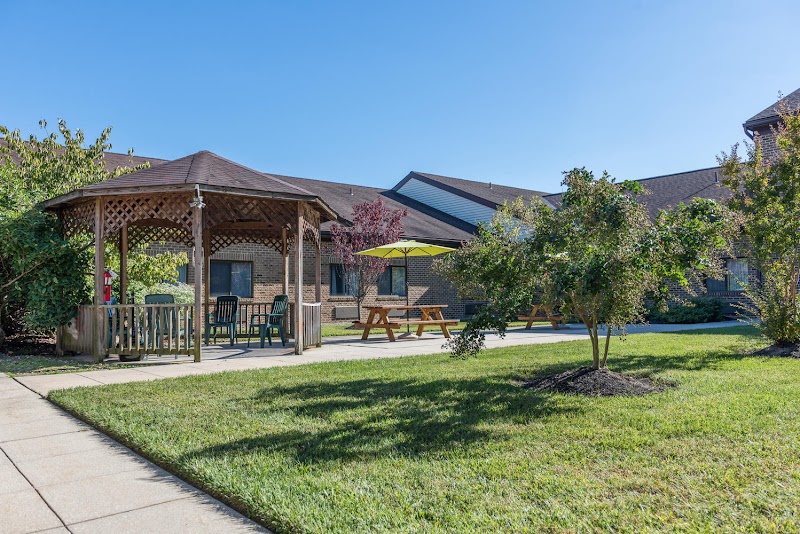
How is Atlas Rehabilitation & Healthcare At West Deptfor Staffed?

CMS rates ATLAS REHABILITATION & HEALTHCARE AT WEST DEPTFOR's staffing level at 2 out of 5 stars, which is below average compared to other nursing homes. Staff turnover is 50%, compared to the New Jersey average of 46%.

What Have Inspectors Found at Atlas Rehabilitation & Healthcare At West Deptfor?

State health inspectors documented 18 deficiencies at ATLAS REHABILITATION & HEALTHCARE AT WEST DEPTFOR during 2020 to 2025. These included: 16 with potential for harm and 2 minor or isolated issues.
Who Owns and Operates Atlas Rehabilitation & Healthcare At West Deptfor?

ATLAS REHABILITATION & HEALTHCARE AT WEST DEPTFOR is owned by a for-profit company. For-profit facilities operate as businesses with obligations to shareholders or private owners. The facility is operated by ATLAS HEALTHCARE, a chain that manages multiple nursing homes. With 156 certified beds and approximately 145 residents (about 93% occupancy), it is a mid-sized facility located in WEST DEPTFORD, New Jersey.
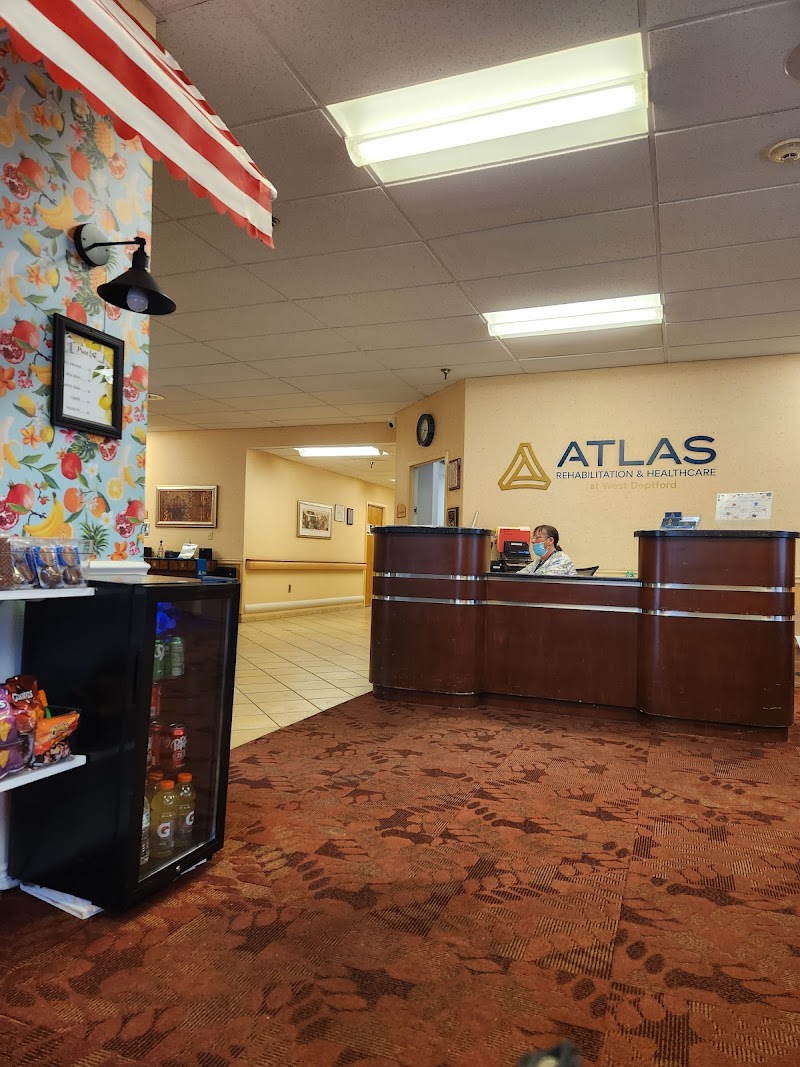
How Does Atlas Rehabilitation & Healthcare At West Deptfor Compare to Other New Jersey Nursing Homes?

Compared to the 100 nursing homes in New Jersey, ATLAS REHABILITATION & HEALTHCARE AT WEST DEPTFOR's overall rating (5 stars) is above the state average of 3.3, staff turnover (50%) is near the state average of 46%, and health inspection rating (4 stars) is above the national benchmark.

What Should Families Ask When Visiting Atlas Rehabilitation & Healthcare At West Deptfor?

Based on this facility's data, families visiting should ask: "Can you walk me through typical staffing levels on day, evening, and night shifts?" "Can I visit during a mealtime to observe dining assistance and food quality?" "How do you handle medical emergencies, and what is your hospital transfer rate?" "Can I speak with family members of current residents about their experience?" These questions are particularly relevant given the below-average staffing rating.

Is Atlas Rehabilitation & Healthcare At West Deptfor Safe?

Based on CMS inspection data, ATLAS REHABILITATION & HEALTHCARE AT WEST DEPTFOR has a clean safety record: no substantiated abuse findings (meaning no confirmed cases of resident harm), no Immediate Jeopardy citations (the most serious violation level indicating risk of serious injury or death), and is not on the Special Focus Facility watch list (a federal program monitoring the lowest-performing 1% of nursing homes). The facility has a 5-star overall rating and ranks #1 of 100 nursing homes in New Jersey. While no facility is perfect, families should still ask about staff-to-resident ratios and recent inspection results during their visit.

Do Nurses at Atlas Rehabilitation & Healthcare At West Deptfor Stick Around?

ATLAS REHABILITATION & HEALTHCARE AT WEST DEPTFOR has a staff turnover rate of 50%, which is about average for New Jersey nursing homes (state average: 46%). Moderate turnover is common in nursing homes, but families should still ask about staff tenure and how the facility maintains care continuity when employees leave.

Was Atlas Rehabilitation & Healthcare At West Deptfor Ever Fined?

ATLAS REHABILITATION & HEALTHCARE AT WEST DEPTFOR has no federal fines on record. CMS issues fines when nursing homes fail to meet care standards or don't correct problems found during inspections. The absence of fines suggests the facility has either maintained compliance or corrected any issues before penalties were assessed. This is a positive indicator, though families should still review recent inspection reports for the full picture.

Is Atlas Rehabilitation & Healthcare At West Deptfor on Any Federal Watch List?

ATLAS REHABILITATION & HEALTHCARE AT WEST DEPTFOR is not on any federal watch list. The most significant is the Special Focus Facility (SFF) program, which identifies the bottom 1% of nursing homes nationally based on persistent, serious quality problems. Not being on this list means the facility has avoided the pattern of deficiencies that triggers enhanced federal oversight. This is a positive indicator, though families should still review the facility's inspection history directly.