COMPLETE CARE AT MILFORD MANOR LLC
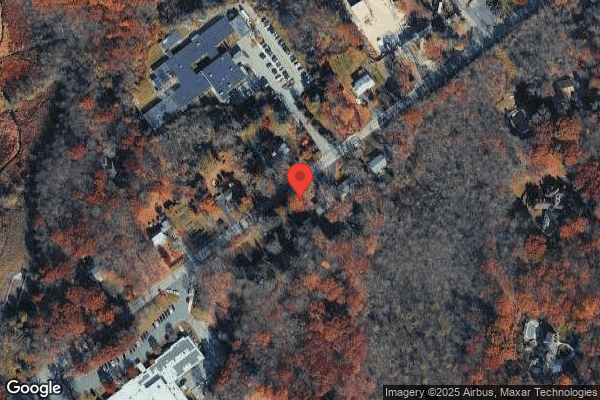

69 MAPLE ROAD, WEST MILFORD, NJ 07480 (973) 697-5640
For profit - Corporation 120 Beds COMPLETE CARE Data: November 2025
Trust Grade
43/100
#261 of 344 in NJ
Last Inspection: March 2025

Within standard 12-15 month inspection cycle. Federal law requires annual inspections.

Overview

Complete Care at Milford Manor LLC has a Trust Grade of D, which indicates it is below average and raises some concerns about care quality. The facility ranks #261 out of 344 in New Jersey, placing it in the bottom half, and #14 out of 18 in Passaic County, meaning there are only a few local options that are better. The trend is worsening, with issues increasing from 1 in 2024 to 14 in 2025. Staffing is a concern, with a rating of 2 out of 5 stars and a turnover rate of 54%, significantly higher than the state average of 41%, which can impact the consistency of care. Additionally, there were significant incidents, including a failure to provide timely pain medication to a resident, resulting in withdrawal symptoms, and improper cleaning of food thermometers, which poses a risk of foodborne illness to residents. While the facility does show strength in some quality measures, the overall performance raises red flags for families considering this option.

Trust Score
D
43/100
In New Jersey
#261/344
Bottom 25%
Safety Record
Moderate
Needs review
Inspections
Getting Worse
1 → 14 violations
Staff Stability
⚠ Watch
54% turnover. Above average. Higher turnover means staff may not know residents' routines.
Penalties
✓ Good
$3,595 in fines. Lower than most New Jersey facilities. Relatively clean record.
Skilled Nurses
⚠ Watch
Each resident gets only 26 minutes of Registered Nurse (RN) attention daily — below average for New Jersey. Fewer RN minutes means fewer trained eyes watching for problems.
Violations
⚠ Watch
26 deficiencies on record. Higher than average. Multiple issues found across inspections.
★★☆☆☆
2.0
Overall Rating
★★☆☆☆
2.0
Staff Levels
★★★★☆
4.0
Care Quality
★★☆☆☆
2.0
Inspection Score
Stable
2024: 1 issues
2025: 14 issues

The Good

  • 4-Star Quality Measures · Strong clinical quality outcomes
  • Full Sprinkler Coverage · Fire safety systems throughout facility
  • No fines on record

Facility shows strength in quality measures, fire safety.

The Bad

2-Star Overall Rating

Below New Jersey average (3.2)

Below average - review inspection findings carefully

Staff Turnover: 54%

Near New Jersey avg (46%)

Higher turnover may affect care consistency

Federal Fines: $3,595

Below median ($33,413)

Minor penalties assessed

Chain: COMPLETE CARE

Part of a multi-facility chain

Ask about local staffing decisions and management

The Ugly 26 deficiencies on record

1 actual harm
Jun 2025 1 deficiency
CONCERN (D) 📢 Someone Reported This

A family member, employee, or ombudsman was alarmed enough to file a formal complaint

Potential for Harm - no one hurt, but risky conditions existed

Quality of Care (Tag F0684)

Could have caused harm · This affected 1 resident

Complaint #: NJ187267 Based on observation, interviews, review of medical records, and review of other pertinent facility documents on 6/24/2025, it was determined that the facility failed to ensure t...

Read full inspector narrative →
Complaint #: NJ187267 Based on observation, interviews, review of medical records, and review of other pertinent facility documents on 6/24/2025, it was determined that the facility failed to ensure that a resident received the treatment and care in accordance with professional standards of practice by failing to follow a Physician's order for a Stat (immediate ) x-ray. This deficient practice was identified for 1 of 5 residents reviewed (Resident #2), as evidenced by the following: A review of the medical record according to the admission sheet, Resident #2 was admitted with diagnoses that included but were not limited to: Type 2 Diabetes Mellitus Without Complications. According to the Minimum Data Set (MDS), an assessment tool dated 4/14/25 (Comprehensive), Resident #2 had a Brief Interview for Mental Status (BIMS) score of 3/15 indicating severe cognitive impairment and needed supervision or touching assistance with eating. A review of Resident #2's Order Summary Report (OSR) with a print date of 6/23/25, received from the Licensed Nursing Home administrator (LNHA), revealed a diet order NCS (No Concentrated Sweets) diet Regular texture, Thin Liquids consistency, . with an order date of 3/15/2022. A review of the Order Details for Resident #2 revealed on 6/10/25 at 1923 (7:23 p.m.), a Physician phone order was received for STAT Chest X-ray. A review of Resident #2's Progress Note (PN) dated 6/10/25 at 22:12 (10:12 p.m.) revealed Undersigned nurse alerted to dining room. Resident noted coughing up a lot of phlegm and being suctioned by RN supervisor New order for STAT chest X-ray A review of the Incident Report for Resident #2 received on 6/23/25 from the LNHA, with a date of 6/10/25 at 18:40 (6:40 p.m.) revealed under Incident Description, At approximately 6:30 p.m., staff alerted RN to the dining room where a patient was in distress and choking. Resident stated that did not chew properly. Under Immediate Action Taken revealed, Upon arrival, RN administered multiple backblows initiated. Stat CXR pending. During interview with surveyor on 6/23/25 at 10:00 a.m., the LNHA stated that when she came in the following day after Resident #2's choking incident, she had asked the Director of Nursing (DON) if the x-ray was done and if she had a chance to to speak to the 3:00 p.m. - 11:00 p.m. or 11:00 p.m. - 7:00 a.m. nurse about the x-ray that was ordered, and the DON said no. The LNHA further stated, The expectation was for the nurse on the unit to follow up with the x-ray company after the Physician ordered the x-ray, to follow up when the x-ray technician would come. It was important for the nurse to follow up because it was a doctor's order. During interview with the surveyor on 6/23/25 at 11:56 a.m., LPN #2 who was the assigned nurse for Resident #2 on 6/10/25 on the 3:00 p.m. - 11:00 p.m. shift, stated, The x-ray was not done when I left my shift. They were still awaiting the arrival of the x-ray technician. When the surveyor asked LPN #2 the process after an x-ray order was received, LPN #2 stated that the nurse would put the order in, call the x-ray company for a routine follow up, and to get the estimated time of arrival (ETA). During interview with the surveyor on 6/23/25 at 2:26 p.m., LPN #3 stated that she called Resident #2's doctor and reported the incident. The doctor ordered a STAT portable chest x-ray at 6:40 p.m. and LPN #3 stated that she entered the order in the computer system. LPN #3 stated that she printed the order and usually when she refreshed the page, she would see an X which means a technician was not assigned. LPN #3 stated that just as she was about to call the x-ray company, she refreshed the page and noticed that a technician was assigned, so she did not call. During an interview with the surveyor on 6/23/25 at 3:51 p.m., the DON stated, That once a verbal Physician order was received, the expectation was for the nurse to write the physician's order in computer system, call the x-ray company because it was stat order. The DON further stated, when a tech is assigned, it means someone received the requisition, it does not say when the tech was coming. During an interview with surveyor on 6/24/25 at 10:57 a.m., the [NAME] President (VP) stated that the x-ray order for Resident #2 was received. She further stated, the facility can always pick up the phone to get an exact ETA. During interview with surveyor on 6/24/25 at 12:48 p.m., Resident #2's doctor stated that for a stat order, the expectation is for it to get done as soon as possible, call the radiology and if there is a hold up, to notify me of the delay, especially for a stat order I expect the facility to call me back and let me know the status if there was a delay. A review of the Verbal Orders policy with a date Implemented on 9/1/2024, under Policy Explanation and Compliance Guidelines revealed: 5. Follow through with orders by making appropriate contact or notification (e.g., lab or pharmacy). N.J.A.C. : 8:39-27.1 (a)
Mar 2025 13 deficiencies 1 Harm
SERIOUS (G)

Actual Harm - a resident was hurt due to facility failures

Deficiency F0697 (Tag F0697)

A resident was harmed · This affected 1 resident

Based on observation, interview, and record review, it was determined that the facility failed to ensure methadone (an opioid pain medication) was ordered in a timely manner to provide a resident with...

Read full inspector narrative →
Based on observation, interview, and record review, it was determined that the facility failed to ensure methadone (an opioid pain medication) was ordered in a timely manner to provide a resident with chronic pain their methadone for three days (03/01/25 through 03/03/25) which caused the resident to miss six doses of the pain medication that resulted in the resident experiencing withdrawal symptoms including; mental pain and physical pain all over their body. This deficient practice was identified for 1 of 38 residents reviewed for pain (Resident #1), and was evidenced by the following: On 03/03/25 at 11:19 AM, Resident #1 was observed awake in bed and stated they did not feel well enough to talk, but wanted to talk later. On 03/03/25 at 1:26 PM, Resident #1 was observed awake in bed and stated that they wanted to talk tomorrow, but they were still not feeling well enough to talk at that time because they were recuperating from the weekend. On 03/04/25 at 11:43 AM, Resident #1 was observed in their room sitting in a chair, dressed in a night gown. Resident #1 stated they were experiencing withdrawals from running out of their methadone over the weekend. Resident #1 stated they had pain from Lyme's disease that had caused other health problems. Resident #1 stated the facility knew they were about to run out of their methadone on Friday (2/28/25) as they had one pill left, and the nurses did not reorder timely. Resident #1 stated they received no methadone over the weekend and [Resident #1] had to go without it. Resident #1 stated that the physician ordered another drug, tramadol, but that did not help. The surveyor reviewed the medical record for Resident #1. A review of the quarterly Minimum Data Set (MDS), an assessment tool dated 01/21/25, revealed a Brief Interview for Mental Status (BIMS) score of 14 out of 15, which indicated Resident #1's cognition was intact. The MDS assessment further indicated that Resident #1 had diagnoses that included; cancer, nonfamilial hypogammaglobulinemia (a condition that lowers your immunoglobulin levels making you more prone to infections), and Barrett's esophagus without dysplasia (intestinal cells are replacing esophageal cells). A further review of the MDS revealed Resident #1 had frequent pain at 07 on a numeric rating scale (00-10) and received an opioid. A review of Resident #1's orders included a physician's order dated 10/14/24, for methadone hydrochloride (HCl) oral tablet 5 milligram (mg); administer one tablet by mouth every 12 hours for pain management. A review of Resident #1's individualized comprehensive care plan dated revised 10/21/24, included a focus area that the resident had acute/chronic/potential for pain related to general pain/nerve pain; decreased mobility function. The goal included for the resident to not have an interruption in normal activities due to pain through the review date. Interventions included to administer pain medication(s) per orders and notify physician if goal was not met with regime. A review of the Progress Notes included a Nurse Practitioner Note dated 01/13/25, that the resident had chronic pain syndrome; to continue methadone and gabapentin (anticonvulsant medication used to relieve nerve pain) as prescribed for pain management. A review of a Medication Administration Note dated 03/01/25 at 9:58 PM, included methadone HCl oral tablet 5 mg; administer one tablet by mouth every twelve hours for pain management was awaiting for the pharmacy. A review of the March 2025 Medication Administration Record (MAR), revealed six doses of the methadone were not administered from 03/01/25 through 03/03/25. The MAR also revealed a physician's order dated 03/03/25, for tramadol HCl oral tablet 50 mg; administer one tablet by mouth every six hours as needed for pain for one day administer until methadone was received from the pharmacy. This order was obtained two days after Resident #1's methadone was out. A review of the Nurses Note dated 03/03/25, and provided by the facility, revealed pending pharmacy drop off of pain management, physician notified. A new order was received to start tramadol 50 mg; administer one tablet as needed every six hours until methadone was received. endorsed and carried out. On 03/04/25 at 5:56 PM, the Medical Director was observed making rounds and discussing with Resident #1 the problem of the facility running out of the methadone over the weekend, 03/01/25 through 03/03/25. After the Medical Director left Resident #1's room, the surveyor asked the Medical Director if the facility ran out of Resident #1's methadone for several days over the weekend. The Medical Director stated he was aware, and he ordered tramadol until the methadone could be filled. The Medical Director stated the nursing staff needed to order the medication three days before running out to give time for the reordering process. During an interview on 03/05/25 at 2:52 PM, the Director of Nursing (DON) was asked if she was aware Resident #1's methadone ran out of over the weekend and Resident #1 missed six doses. The DON stated she was informed yesterday, 03/04/25. The DON stated the nurse called the physician, but the prescription was not sent to the pharmacy. The DON was asked what the process was for reordering narcotic medications, and the DON stated the nurses reordered the medication eight days ahead of time, before the last dose, and the nurse called the physician first for an electronic prescription (e-script). The DON stated the physician then sent the e-script to the pharmacy and the nurse followed-up with the pharmacy. The DON stated that her staff should not wait until the last day to start the process. During a follow-up interview on 03/06/25 at 4:56 PM, Resident #1 was asked to describe how it made them feel being without the methadone over the weekend. Resident #1 stated I felt terrible mental pain, like your body is falling apart, physical pain all over the body. Resident #1 stated, It affects my eyesight and every part of my body. Resident #1 was unable to provide a pain level, stating that my body aches and has stabbing pain. Resident #1 stated the methadone dulled their pain significantly. Resident #1 stated they were unable to get comfortable or get good sleep giving me twilight sleep. Resident #1 stated the tramadol worked in a different way and did not alleviate their usual pain whereas the methadone hits a different part of the body. A review of the facility's policy titled, Pain Management, revised 01/25, revealed, The facility must ensure that pain management is provided to residents who require such services, consistent with professional standards of practice, the comprehensive person-centered care plan, and the residents' goals and preferences. A review of the facility's policy titled, Medication Reordering, revised 06/24, revealed, Acquisition of medications should be completed in a timely manner to ensure medications are administered in a timely manner. NJAC 8:39- 27.1(a)
CONCERN (D)

Potential for Harm - no one hurt, but risky conditions existed

Notification of Changes (Tag F0580)

Could have caused harm · This affected 1 resident

**NOTE- TERMS IN BRACKETS HAVE BEEN EDITED TO PROTECT CONFIDENTIALITY** Based on interview, record review, and facility policy review, the facility failed to: 1.) notify the physician of a hypoglycemi...

Read full inspector narrative →
**NOTE- TERMS IN BRACKETS HAVE BEEN EDITED TO PROTECT CONFIDENTIALITY** Based on interview, record review, and facility policy review, the facility failed to: 1.) notify the physician of a hypoglycemic event that required medication intervention for one of one resident (Resident (R) 40) reviewed for diabetic management out of a total sample of 38. This placed R40 at risk of harm related to hypoglycemia; and 2.) notify the Responsible Party (RP) of an alteration in treatment for one of one (Resident (R) 76) reviewed for notification out of a total sample of 38. R76 was started on a prophylactic regime of Tamiflu without the RP's notification. This prevented the RP from having input into R76's treatment. Findings include: 1. Review of R40's admission Record, located under the Profile tab of the electronic medical record (EMR), indicated R40 was admitted to the facility on [DATE], with diagnoses that included diabetes mellitus. Review of R40's quarterly Minimum Data Set (MDS), located in the EMR under the MDS tab and with an Assessment Reference Date (ARD) of 02/18/25, revealed the resident had a Brief Interview for Mental Status (BIMS) score of eight out of 15, which indicated R40 was cognitively impaired. Review of R40's MAR, located in the EMR under the Orders tab and dated 02/28/25, revealed . Glucagon Emergency Kit 1 MG [milligram] . Inject 1 mg intramuscularly every 15 minutes as needed for hypoglycemic symptoms difficulty to arouse or unconscious. Administer Immediately repeat BS [blood sugar] in 15 min[utes] if not response to 1st admin[stration] repeat Glucagon if no response to 2nd inj[ection]. In 15 min repeat blood glucose and start IV access if not presently established and go to next step based on results . 02/28/25 - . May do dextro checks [blood glucose monitoring with a glucose meter and test strips] as needed if suspected hyper/hypoglycemia, notify MD if below 40 or above 350 unless otherwise specified as needed . Review of R40's MAR, dated 03/01/25 at 6:49 PM, revealed R40 received one dose of Glucagon. Review of R40's Progress Notes and Orders tabs of the EMR revealed no documented evidence of why R40 received the Glucagon on 03/01/25 at 6:49 PM. There were no documented blood sugar levels, assessments, or monitoring recorded for either before or after the administration of Glucagon. There was no documentation to show why R40 required Glucagon. There was no documented evidence that the physician was notified. During an interview on 03/06/25 at 6:00 PM, LPN4 stated she was responsible for R40 during the evening shift on 03/01/25. She stated she remembered working with R40 and that her blood sugar was slow. She stated that R40's Dexcom (continuous glucose monitoring unit (CGM)) was beeping so she gave R40 orange juice and then checked her blood sugar 15 to 20 minutes later. She stated it went even lower so she administered the Glucagon. She stated the blood sugar should have been documented, a note should have been written, and the physician should have been called. During an interview on 03/06/25 at 6:51 PM, the Director of Nursing (DON) confirmed the physician should have been notified of the need to administer Glucagon to the resident. During an interview on 03/06/25 at 7:35 PM, the physician stated he was very frustrated with the whole thing, she's a brittle diabetic, which is why she has the CGM . [R40] had just been readmitted a day or two before . there is a huge risk including death of not telling me, I was already concerned about her [R40]. 2. Review of the facility's policy titled, Notification of Changes, dated October 2024, indicated, The purpose of this policy is to ensure the facility promptly informs . the resident's representative when there is a change requiring notification . circumstances that require a need to alter treatment. That may include: New treatment . Review of R76's admission Record, located in the electronic medical record (EMR) under the Profile tab, indicated R76 was admitted to the facility on [DATE] with diagnoses of displaced fracture of left lower leg. Review of R76's quarterly Minimum Data Set (MDS), located in the EMR under the MDS tab and with an Assessment Reference Date (ARD) of 01/08/25, revealed the resident had a Brief Interview for Mental Status (BIMS) score of nine out of 15, which indicated R76 was moderately cognitively impaired. Review of R76's Medication Administration Record (MAR), dated 12/21/24 and located in the EMR under the Orders tab, revealed R76 had an order to receive Tamiflu Oral Capsule 75 MG (milligrams). Give 1 capsule by mouth one time a day for Prophylaxis for 10 Days. During an interview on 03/04/25 at 1:03 PM, Responsible Party (RP) stated she was unaware that R76 was receiving Tamiflu until the doctor told her. She stated she felt stupid that she did not know and expected to be told before her mother started any medication. During an interview on 03/05/25 at 3:56 PM, Licensed Practical Nurse (LPN) 2 stated the responsible party should be informed if a resident starts Tamiflu. She stated if residents started Tamiflu, then it was the responsibility of the Infection Preventionist to inform all responsible parties. During an interview on 03/05/35 at 4:06 PM with the Administrator and the Infection Preventionist (IP), the IP stated the responsible party should be notified if a resident started Tamiflu. She stated with R76, her nurse should have notified the family. The Administrator stated she thought they had told the family since they talked to the family member so frequently. She stated it probably was not documented. The Administrator stated R76's responsible party should have been made aware that R76 started Tamiflu prior to starting it. NJAC 8:39-4.1(a)3 NJAC 8:39-13.1(c)
CONCERN (D)

Potential for Harm - no one hurt, but risky conditions existed

Deficiency F0583 (Tag F0583)

Could have caused harm · This affected 1 resident

**NOTE- TERMS IN BRACKETS HAVE BEEN EDITED TO PROTECT CONFIDENTIALITY** Based on observation, interviews, and policy review, the facility failed to protect a resident's right to privacy during care fo...

Read full inspector narrative →
**NOTE- TERMS IN BRACKETS HAVE BEEN EDITED TO PROTECT CONFIDENTIALITY** Based on observation, interviews, and policy review, the facility failed to protect a resident's right to privacy during care for one of 38 sampled residents (Resident (R) 8). This failure had the potential to have a negative impact on the residents' psychosocial well-being. Findings: Review of the facility's Statement of Residents Rights, located in the admission packet, revealed, Right to Privacy: Each resident shall have the right to personal privacy and confidentiality of his or her personal care and clinical records . The facility's foremost concern is to achieve and to maintain the optimum level of independence and dignity of our residents while, at the same time, providing a safe and secure environment . During an observation on 03/05/25 at 5:23 AM, Certified Nursing Aide (CNA)4 was performing personal care for R8. The door of the resident's room was ajar, and the resident's privacy curtain was not drawn. R8 was visible from the hallway and was fully undressed. Review of 8's quarterly Minimum Data Set (MDS), with an Assessment Reference Date (ARD) of 02/27/25 and located in the MDS tab of the electronic medical record (EMR), revealed R8 was admitted to the facility on [DATE] with diagnoses that included major depressive disorder, reduced mobility, and the need for assistance with personal care. It was recorded R8 had a Brief Interview for Mental Status (BIMS) score of 15 out of 15, which indicated R8 was cognitively intact. During an interview on 03/05/25 at 5:46 AM, CNA4 stated he was not familiar with R8 and her roommate and preferred to leave the door open during personal care because the residents can yell out at times, and he did not have another CNA with him as a witness. During an interview on 03/05/25 at 9:03 AM, R8 stated she recalled the aide bathing her earlier in the morning. R8 stated if she were paying attention, she would have told the aide to close the door or at least her curtain. R8 stated she would like her privacy protected. During an interview on 03/05/25 at 3:40 PM, the Director of Nursing (DON) stated it was her expectation that residents' privacy be protected at all times and that CNA4 should have closed the door and the curtain while providing care for R8. NJAC 8:39-4.1(a)16
CONCERN (D)

Potential for Harm - no one hurt, but risky conditions existed

Pressure Ulcer Prevention (Tag F0686)

Could have caused harm · This affected 1 resident

**NOTE- TERMS IN BRACKETS HAVE BEEN EDITED TO PROTECT CONFIDENTIALITY** Based on observation, interview, record review, and policy review, the facility failed to ensure pressure relieving intervention...

Read full inspector narrative →
**NOTE- TERMS IN BRACKETS HAVE BEEN EDITED TO PROTECT CONFIDENTIALITY** Based on observation, interview, record review, and policy review, the facility failed to ensure pressure relieving interventions were consistently implemented and weekly skin assessments were completed for one (Resident (R)37) of two residents reviewed for pressure ulcers out of a total sample of 38 residents. This failure increased the risk of existing pressure ulcers worsening and/or the development of new pressure ulcers. Findings include: Review of the facility policy titled Pressure Ulcer Management, dated 01/24, revealed c. Licensed nurses will conduct a full body skin assessment on all residents upon admission/readmission, weekly, and after any newly identified pressure injury. Findings will be documented in the medical record . c. Evidence-based interventions for prevention will be implemented for all residents who are assessed at risk or who have a pressure injury present. Basic or routine care interventions could include, but are not limited to: i. Redistribute pressure (such as repositioning, protecting and/or offloading heels, etc.) . Review of R37's quarterly Minimum Data Set (MDS) with an Assessment Reference Date (ARD) of 12/20/24 located in the electronic medical record (EMR) under the MDS tab revealed an admission date of 06/12/23 and had no Brief Interview for Mental Status (BIMS), indicating R37's cognition was severely impaired. The MDS assessment indicated R37 had diagnosis of dementia, moderate mental retardation, Down syndrome, unspecified, had a pressure sore and deep tissue injury, and was dependent on staff for toilet hygiene and mobility. Review of R37's Nurses Notes, dated 02/19/25, located in the EMR under the Progress Note tab revealed Dr [name] notified order given to send her [R37] to the hospital. [Company] Ride responding. Review of R37's Nurses' Note, dated 02/23/25, located in the EMR under the Progress Note tab revealed Nursing admission note: arrived via: Stretcher. admitted from: Hospital Braden score: 14.0. Skin integrity: Left ankle (outer) Pressure Stage IV, Coccyx Stage II, Right heel Pressure: Stage Suspected Deep Tissue Injury, - Other (specify): R lateral great toe: - Pressure: Stage Suspected Deep Tissue Injury. Review of R37's Comprehensive Assessments, dated 02/23/25, located in the EMR under the Assessment tab, revealed a Braden Assessment with a score of 14 and a pressure wound to the left lateral malleolus (ankle bone) and a pressure wound to the right heel. A Braden Assessment of 14 indicated moderate risk of developing a pressure ulcer. Review of R37's care plan, revised 03/06/25, located in the EMR under the Care Plan tab revealed R37 has actual impairment to skin . readmitted on 2.23.25- Noted with Skin Breakdown to Left Lateral Malleolus-Stage 4, Right Lateral great toe- DTI, Right Heel- DTI, Right Heel- Left Lateral ankle . Interventions included 3/5/25-Apply Heel Booties to Right and Left Heels while in bed and when OOB to R/C [reclining chair]. Monitor for placement Q shift, [R37's] skin will be assessed on a weekly basis on my scheduled bath day and document findings on a weekly skin assessment, and Encourage [R37] to off my load heels. Review of R37's orders, located in the EMR under the Order tab revealed: Off load heels while in bed every shift for pressure relief, dated 03/13/24; Off load left outer ankle to promote wound healing, dated 08/27/24. During R37's wound care observation on 03/05/25 at 11:10 AM, Licensed Practical Nurse (LPN) 3 removed the dressing from R37's left foot and stated that the redness to the outermost lateral toe (little toe) and joint area beside the little toe was new. The area was observed to be bright pink in color. After LPN3 and Registered Nurse (RN)2 completed the wound care procedure RN2 and LPN3 straightened the bed linens and covered R37. During an interview on 03/05/24 at 11:40 AM, when asked what was being done to prevent skin breakdown for R37, neither RN2 nor LPN3 responded. When asked if R37's heels were supposed to be offloaded (remove pressure from surfaces of the skin or existing wounds) both RN2 and LPN3 stated that they did not know. When asked if R37 had special pressure reducing boots, both RN2 and LPN3 stated that R37 had house slippers that covered her ankle and kept her feet warm. During an interview on 03/05/25 at 3:30 PM with the Administrator and the Director of Nurses (DON) after being informed of the new redness to R37's left toe and foot, the DON stated that R37 was on an air bed [for pressure relief] and she would make sure that R37's heels were offloaded. Further review of the Orders revealed the following order dated 03/06/25: Apply Heel Booties to Right and Left Heels while in Bed and OOB [out of bed] to R/C [] to enhance healing of the wound. Monitor placement Q shift. every shift for Pressure relieving Heel Booties On 03/06/25 at 4:38 PM, R37 was observed sitting in a Broda chair in the dining room with her heels against a pad. R37 was wearing thick socks. No heel booties were in place or offloading of the heels. During an interview on 03/06/25 at 4:41 PM, LPN5 was asked what interventions were in place for prevention. LPN5 stated they use skin prep and wrap, offload her heels with pillows, and now they use boots [ordered on 03/06/25]. During an interview on 03/06/25 at 5:26 PM, LPN5 was asked who was responsible to complete the weekly skin assessments. LPN5 states it's the floor nurse on that shift. LPN5 confirmed the most recent weekly skin assessments were completed on 01/07/25 and 02/18/25. During an interview on 03/06/25 at 7:02 PM, the Administrator was asked about current weekly skin evaluations, per the care plan and policy, as last evaluations were 01/07/25 and 02/19/25. The Administrator stated she had instructed the wound care service to also complete the weekly skin evaluation during their visits. The Administrator reviewed the wound consultant notes and acknowledged there were no notes confirming the wound care service had completed a full body skin evaluation. During an interview on 03/06/25 at 10:45 PM, the DON was asked why did R37's wounds develop. The DON stated it was due to her medical condition.[deformed feet]. However, the DON could not provide an explanation associated with her diagnoses as R37 was dependent on staff for her total care including offloading pressure to prevent further skin breakdown. NJAC 8:39-27.1(a) NJAC 8:39-27.1(e)
CONCERN (D)

Potential for Harm - no one hurt, but risky conditions existed

Deficiency F0692 (Tag F0692)

Could have caused harm · This affected 1 resident

**NOTE- TERMS IN BRACKETS HAVE BEEN EDITED TO PROTECT CONFIDENTIALITY** 2. Review of R85's electronic medical record (EMR) admission Record, located under the Profile tab, indicated R85 was admitted t...

Read full inspector narrative →
**NOTE- TERMS IN BRACKETS HAVE BEEN EDITED TO PROTECT CONFIDENTIALITY** 2. Review of R85's electronic medical record (EMR) admission Record, located under the Profile tab, indicated R85 was admitted to the facility on [DATE] with diagnoses that included malnutrition. Review of R85's Medical Nutrition Therapy Assessment, dated 12/13/24, located in the EMR under the Assessments tab and completed by the Registered Dietician (RD) revealed the resident was independent with eating and did not receive supplements. The summary revealed R85 had a 21.2% weight loss in less than one month . does not desire further weight loss . will place on weekly weight monitoring x4 (four times) weeks. Meds and labs reviewed low Albumin noted. Will order Ensure (dietary supplement) QD (daily) in view of low Albumin level, wight loss. Review of R85's admission Minimum Data Set (MDS), located in the EMR under the MDS tab with an Assessment Reference Date (ARD) of 12/19/24, revealed the resident had a Brief Interview for Mental Status (BIMS) score of seven out of 15, which indicated R85 was cognitively impaired. It was recorded that R85 had a weight loss of more than 5% in the last month, was not on physician prescribed weight-loss regimen, and received a therapeutic diet. Review of R85's Weight Summary, located under the Wts/Vitals tab in the EMR revealed R85 weighed: 12/12/24 - 108.8 pounds (lbs.) 12/18/24 - 101.6 lbs. 01/16/25 - 100 lbs. 02/21/25 - 93 lbs. This constituted a 14.52% (15.8 lbs) weight loss from 12/12/24 through 02/21/25 and a 7% weight loss from 01/16/25 through 02 /21/25. Review of R85's Care Plan, located in the EMR under the Care Plan tab and dated 02/17/25, revealed R85 meets criteria for severe malnutrition r/t (related to) weight loss. The goal was, will gain 1-2# (pounds) per wk (week). The intervention was to provide diet as ordered. Magic Cup (ice cream like, dietary supplement) with lunch and dinner and weight monitoring. Review of the Orders, Wt/Vitals, Progress Notes, and MAR (Medication Administration Record) tabs of the clinical record revealed no documented evidence to show that weekly weights were obtained or that Ensure was ordered as noted by the RD on 12/13/24. There was no documented evidence that R85 received a Magic Cup, as per the Care Plan. Review of R85's Progress Note, located in the EMR under the Progress Note tab dated 03/03/25, and documented by the RD, revealed R85 had a 7% weight loss from 01/16/25 to 02/21/25. It was recorded, . Will order Ensure Plus QD to supplement diet in view of weight loss. Continue on weekly weight monitoring x3 (three times) weeks. Resident continues to meet criteria for severe malnutrition r/t (related to) muscle mass wasting, fat loss, variable PO (by mouth) intake and weight loss. Review of R85's POC (Plan of Care) Response History, located in the EMR under the Tasks tab and dated 02/04/25 through 03/04/25, revealed on 13 of 30 days, there was no documentation of R85's meal intake for any meal. There were 90 opportunities to document R85's intake. On 03/04/25, at the request of the surveyor, R85's weight was obtained and was noted to be 99.3 lbs. During an observation on 03/05/25 at 1:05 PM and 5:45 PM the Magic Cup was not observed on R85's room tray. During an interview on 03/05/25 at 1:05 PM, R85 stated she knew she was losing weight but was not sure why. She stated she probably should not lose anymore. During an interview on 03/06/35 at 2:26 PM, the Registered Dietician (RD) confirmed the kitchen was out of Magic Cups and stated she did not know that until the evening of 03/05/25. The RD stated the Magic Cup could have been replaced by a health shake and R85 should have received something. The RD stated she was aware R85 had a significant weight loss from 01/16/25 - 02/21/25. She stated normally she would initiate weekly weights, discuss resident preferences, request larger portions, and add another supplement. The RD confirmed she had not implemented weekly weights but should have and had only ordered Ensure Plus as of 03/03/25. The RD stated she relied on the intake reports when reviewing residents. During an observation on 03/06/25 at 5:48 PM, the Magic Cup was not observed on R85's room tray. NJAC 8:39-17.1(c) NJAC 8:39-27.1(a) Based on observations, interviews, record review, and facility policy review, the facility failed to implement interventions to prevent weight loss for two of five residents (Resident (R) 85 and R80) reviewed for nutrition out of a total sample of 38. This had the potential to cause harm to R85 and R80 related to unaddressed weight loss. Findings include: Review of a policy provided by the facility titled Weight Policy, dated December 2024, indicated Based on the resident's comprehensive assessment, the facility will ensure that all residents maintain acceptable parameters of nutritional status, such as usual body weight or desirable god weight range . If nutritional goals are not achieved, care planned interventions will be reevaluated for effectiveness and modified as appropriate. 1. Review of R80's quarterly Minimum Data Set (MDS), with an Assessment Reference Date (ARD) of 02/16/25 and located in the Electronic Medical Record (EMR) under the MDS tab, revealed an admission date of 11/10/24 and a Brief Interview for Mental Status (BIMS) score of 10 out of 15, which indicated R80's cognition was moderately impaired. It was recorded R80 required supervision or touching assistance with eating, helper provides verbal cues or touching/steadying assistance as resident completes activity, had no weight loss, received a mechanically altered and therapeutic diet, and had diagnoses that included moderate protein-calorie malnutrition, metabolic encephalopathy, and dysphagia, oropharyngeal phase. Review of R80's Care Plan, revised 02/14/25 and located in the EMR under the Care Plan tab, revealed, . Nutrition, [R80] has severe malnutrition r/t [related to] muscle mass wasting, fat loss and low BMI [body mass index]. Diet texture has been altered per SLP [speech-language pathologists] rec [recommendation]. [R80] is on a restricted diet due to HTN [hypertension]. Is at risk for dehydration r/t thickened liquids. [R80] has an independent feeding deficit. Interventions included, Will provide diet as ordered. Magic cup [frozen nutritional supplement] with lunch and dinner. Review of R80's Nutrition Assessment, dated 02/14/25 and located in the EMR under the Assessment tab, revealed R80 had a BMI of 15.1 [underweight], Severe malnutrition with 2 or more criteria needed, [R80] is due for his quarterly review. Diet remains Low fat/low cholesterol, mechanical soft texture, nectar thick liquids with good PO [oral] intake, consuming >75% of meals. Prostat SF [sugar-free] (protein/calorie supplement) in place BID [twice daily] to aid in wound healing and in view of low BMI. Res [resident] is able to feed himself independently following tray set up. Review of R80's Order, located in the EMR under the Order tab, revealed Regular diet Mechanical Soft texture, Thickened Liquid Nectar consistency, Magic cup with L [lunch] and D [dinner], dated 02/21/25, Prostat SF two times a day for 30ml [milliliters] for wound, dated 02/21/25, and Provide divided plate/scoop dish for all mealtimes, dated 02/01/25. Review of R80's weight history, located in the EMR under the Weight/Vitals tab, revealed the following weights for R80: 11/26/24 - 111.5 pounds (lbs.), sitting 12/02/24 - 109.5 lbs., mechanical lift 12/11/24 - 111.0 lbs., mechanical lift No January 2025 weight was recorded 02/21/25 - 101.6 lbs., sitting This constituted an 8.87% (9.9 lbs.) weight loss in three months. Review of R80's Nutrition Note, dated 02/21/25, revealed, Weight: Res [resident] noted with a weight loss this month. CBW [current body weight]: 101.6# [pounds] BMI: 13.8 indicating underweight. Weight Hx [history]: (12/11) 111#; (11/15) 110.5#. This is a 8.9#/8% sig [significant] weight loss x3m [months]. Weight loss likely d/t [due to] variable PO intake. Diet remains low fat/low cholesterol, mechanical soft texture, nectar thick liquids with variable PO intake between 25-50% of meals. Res appreciates assistance with meal times to optimize PO intake. Res is being followed by wound care for an improving pressure ulcer to his sacrum-wound regimen and Prostat SF in place BID to aid in wound healing. Will liberalize diet to regular, mechanical soft texture, NTLs [necter thick liquids] to optimize PO intake. Magic cup added BID to better meet estimated energy needs. Res continues to meet criteria for severe malnutrition r/t [related to] Low BMI, muscle mass wasting, fat loss and weight loss > [greater than]7.5% in 3m. CP [care plan] reviewed and updated. Review of R80's Nutrition: amount eaten, dated 02/04/25 through 03/02/25 (26 days) and located in the EMR under the Task tab, revealed only nine days included meal consumption documentation. Of these nine days, only 16 meals were documented. During an observation on 03/03/25 at 1:30 PM, R80 was sitting in his wheelchair feeding himself lunch. His meal included chicken salad, fruit, a roll, two four-ounce cups of thickened juice, and four-ounce cups of thickened milk. There was not a Magic cup on the tray, and R80 did not receive meal assistance. R80's meal consumption was less than 25%. poor. During an observation on 03/04/25 at 1:09 PM, R80 was asleep in bed, and his lunch tray was observed on the hall cart with uneaten pureed spinach, macaroni and cheese, chopped chicken, two four-ounce cups of thickened juice, and a four-ounce cup of thickened milk. There was not a Magic cup on the tray. R80's meal consumption was less than 25% poor. During an observation on 03/04/25 at 5:22 PM, R80 was asleep in bed, and his supper tray had been served. The meal included a hamburger with ground meat, French fries, a salad, soup, two four-ounce cups of thickened juice, a four-ounce cup of thickened milk, a mug of hot tea, fruit. There was not a Magic cup on the tray. At 5:47 PM, R80 was still asleep in bed, and his meal was covered with the tray lid. At 6:09 PM, Certified Nurse Aide (CNA) 3 walked into the room and attempted to wake R80, and R80 remained asleep. R80 ate 0%. During an observation on 03/05/25 at 8:20 AM, R80 was asleep in bed asleep, and his breakfast tray was on his overbed table, positioned out of reach away from the bed. At 8:25 AM, CNA10 came into the room and set up R80's tray that included pancakes, ground bacon, two four-ounce cups of thickened juices, a four-ounce cup of thickened milk, bread, and coffee. CNA10 spoon-fed R80, and he accepted the food. R80 ate 75% of his meal well. During an observation on 03/05/25 at 12:40 PM, R80 was served lunch while up in his wheelchair. CNA10 set up his tray and spoon-fed R80 his meal that included beef stew over rice, mixed vegetables, apple sauce, juice, thickened milk, and a mug of hot tea. No Magic cup was on the tray. CNA10 was asked about providing R80 meal assistance. CNA10 stated R80 starts feeding himself but then she steps in to help further and he does well. CNA10 was asked about the meal ticket listing Magic cup at lunch and supper. CNA10 confirmed the Magic cup was not on the tray as the kitchen puts it on the tray before the tray leaves the kitchen. CNA10 stated she would get him one from the kitchen after he ate because R80 liked Magic cups. Review of R80's Nutrition: amount eaten, dated 03/03/25 through 03/05/25 and located in the EMR under the Task tab, revealed no meal consumption documentation. During an interview on 03/05/25 at 1:45 PM, the Dietary Manager (DM) was asked about the Magic cup and why R80 had not received one on his tray for several meals during the week of the survey. The DM stated, Maybe they didn't put one on the tray but they've only been out since yesterday. During an interview on 03/05/25 at 3:02 PM, the Director of Nursing (DON) was asked if she was aware of R80's weight loss. The DON stated she was not sure but would need to check the records. The DON was asked if she was aware the kitchen was out of the Magic cups. The DON and Administrator stated, No, but they could have used a comparable replacement or go to the store and get more. The DON and Administrator were asked if meal consumptions should be documented. The DON and Administrator stated, Yes. The DON reviewed R80's meal consumption documentation under the task tab and confirmed the documentation was not consistent. The DON confirmed meal consumption information was important in assessing weight loss. On 03/05/25 at 5:34 PM, R80's served supper in bed and his meal did not include a Magic cup. CNA6 confirmed no Magic cup was provided. During an interview on 03/06/25 at 2:20 PM, the Registered Dietitian (RD) was asked if she was aware of R80's weight loss. The RD stated, Yes. The RD was asked why R80 was losing weight, and R80 stated because R80 was compromised and she ordered for him to have a Magic cup and Prostat for wound healing was in place. The RD was asked why there was no weight in January 2025. The RD stated she was not sure, but she did tell the staff to obtain the weight. The RD stated R80 received staff assist with meals and he will eat if you sit with him. The RD was asked if she had conducted a Risk/Cause/Analysis, and the RD stated she was not sure what that was. The RD was asked if she was aware the kitchen was out of Magic cups and that R80 did not receive one for several meals during the week of the survey. The RD stated she was only made aware last night, 03/05/25 and staff could have replaced it with a health shake. The RD confirmed R80 had declined in his ability to feed himself and now needed to be fed, since probably last month. The RD was asked if she was aware the meal consumption logs under the task tab were incomplete. The RD stated, No. The RD was asked if she used the meal information in her assessments. The RD stated, Not all the time, because not all information is there, so she would talk with the CNAs. The RD stated she made observations every morning at breakfast and had noticed sometimes R80's tray just sitting. The RD was asked if she was aware the weights should be obtained using the same method and R80's weight were obtained sometimes sitting and other times using the mechanical lift. The RD stated, No, not aware of that.
CONCERN (D)

Potential for Harm - no one hurt, but risky conditions existed

Deficiency F0757 (Tag F0757)

Could have caused harm · This affected 1 resident

Based on observation, interview, and record review, the facility failed to monitor for side effects of an anticoagulant (blood thinner) for one of five residents (Resident #98) reviewed for unnecessar...

Read full inspector narrative →
Based on observation, interview, and record review, the facility failed to monitor for side effects of an anticoagulant (blood thinner) for one of five residents (Resident #98) reviewed for unnecessary drugs out of a total sample of 38. The deficient practice could potentially result in unnoticed bleeding. Findings include: Review of the facility policy titled High Risk Medications- Anticoagulants, dated 09/01/24, revealed, . The resident's plan of care shall alert staff to monitor for adverse consequences. Risks associated with anticoagulants include: a. Bleeding and hemorrhage (bleeding gums, nosebleed, unusual bruising, blood in urine or stool) b. Fall in hematocrit or blood pressure c. Thromboembolism . Review of R98's admission Minimum Data Set (MDS), with an Assessment Reference Date (ARD) of 01/20/25 and located in the electronic medical record (EMR) under the MDS tab, revealed as admission date of 01/13/25 and a Brief Interview for Mental Status (BIMS) score of five out of 15, which indicated R98's cognition was severely impaired. The MDS assessment indicated R98 had diagnoses that included atrial fibrillation, coronary artery disease, and dementia. It was recorded R98 received an anticoagulant. Review of R98's Nursing Comprehensive Assessment, dated 01/13/25 and located in the EMR under the Assessment tab, revealed under the Skin Integrity section that R98 had bruising to his right arm, right antecubital, right hand, let arm and left inner arm. No other skin assessments were found in the EMR. Review of R98's Orders, dated 01/14/25and located in the EMR under the Order tab, revealed R98 was to receive Eliquis [an anticoagulant] Oral Tablet 5 MG [milligram] (Apixaban) Give 1 tablet by mouth two times a day for preventing blood clots . Review of R98's Physician's Order Note, dated 01/28/25 and located in the EMR under the Progress Note tab, revealed, . The system has identified a possible drug interaction with the following orders: Eliquis Oral Tablet 5 MG Give 1 tablet by mouth two times a day for preventing blood clots Severity: Severe Interaction: Use of Eliquis Oral Tablet 5MG with Celebrex Oral Capsule 100MG may increase the risk of bleeding . Review of R98's Care Plan, located in the EMR under the Care Plan tab, revealed no care plan addressing anticoagulants and/or adverse reactions. Review of R98's Progress Notes, dated 01/13/25 to 03/06/25 and located in the EMR under the Progress Note tab, revealed no anticoagulant monitoring. Review of R98's Medication Administration Record (MAR), dated 03/2025 and located in the EMR under the Order tab, revealed no anticoagulant monitoring. On 03/05/25 at 8:03 AM, R98 was observed in his room sitting in a wheelchair eating breakfast. R98 was noted to have a small bruise on his left hand. During an interview on 03/05/25 at 2:33 PM, the Director of Nursing (DON) and Administrator were asked if the use of anticoagulant medications should be care planned. The DON and Administrator stated, Yes. The DON and Administrator were asked why R98's Eliquis was not care planned, The DON stated the unit managers added the care plans. The DON and Administrator were asked if anticoagulants should be monitored for adverse reactions. The DON and Administrator stated, Yes. The DON and Administrator were asked how anticoagulants were monitored. The DON and Administrator stated certified nurse aides were to report any unusual occurrence such as bruising, tarry stools, bleeding gums, blood in the urine, etc. to the nurse. The DON and Administrator were asked how the certified nurse aides (CNAs) knew to monitor for these adverse reactions. The DON stated, they are in-serviced. During an interview on 03/06/25 at 10:14 AM, CNA16 was asked if she knew what adverse reactions related to blood thinners she was to monitor for. CNA16 stated, No. CNA16 was asked if she was aware of which residents, including R98, on a blood thinner. CNA16 stated No, and it's not on their POC [plan of care]. CNA16 stated the POC included bowel and bladder, description of the bowel movement, behaviors, diet and liquids, and transfers. CNA stated she had not received an in-service on adverse reactions to anticoagulants. During an interview on 03/06/25 at 4:53 PM, Licensed Practical Nurse (LPN)2 was asked about adverse reactions to anticoagulants. LPN2 stated if she observed bleeding or other side effects of an anticoagulant, she called the physician and documented it in the progress notes because they did not have a place to document on the MAR. LPN2 confirmed R98 received an anticoagulant and had bruises due to him hitting his wheelchair and bed. During an interview on 03/06/25 at 5:10 PM, CNA15 stated she did not have a resident on her caseload on a blood thinner. CNA15 stated she looked for bruises only. CNA15 was asked if she knew which residents were on a blood thinner on her hall. CNA15 stated the nurse tells her. CNA15 was asked if R98 was on a blood thinner. CNA15 stated she was not sure. During an interview on 03/06/25 at 7:03 PM, the Administrator was asked why there were no weekly skin evaluations for R98 as he was on an anticoagulant and had bruises. The Administrator confirmed there should be weekly skin assessments and acknowledged the importance of skin evaluations, especially for a resident on anticoagulants. The Administrator provided a wound care report that did not include a full body assessment. NJAC 8:39-29.3(a) NJAC 8:39-29.8
CONCERN (D)

Potential for Harm - no one hurt, but risky conditions existed

Medical Records (Tag F0842)

Could have caused harm · This affected 1 resident

**NOTE- TERMS IN BRACKETS HAVE BEEN EDITED TO PROTECT CONFIDENTIALITY** Based on interview and record review, the facility failed to maintain an accurate and complete medical record for one (Resident ...

Read full inspector narrative →
**NOTE- TERMS IN BRACKETS HAVE BEEN EDITED TO PROTECT CONFIDENTIALITY** Based on interview and record review, the facility failed to maintain an accurate and complete medical record for one (Resident (R) 40) of 38 sampled residents. R40 suffered a hypoglycemia incident requiring medication intervention. The clinical record contained no documentation of the event. Findings include: Review of the facility's policy titled, Nursing Care of the Resident with Diabetes Mellitus, dated October 2019, indicated . The management of individuals with diabetes mellitus should follow relevant protocols and guidelines . The nurse will closely monitor the diabetes management . Review of R40's admission Record, located under the Profile tab of the electronic medical record (EMR), indicated R40 was admitted to the facility on [DATE] with diagnoses that included diabetes mellitus. Review of R40's quarterly Minimum Data Set (MDS), located in the EMR under the MDS tab and with an Assessment Reference Date (ARD) of 02/18/25, revealed the resident had a Brief Interview for Mental Status (BIMS) score of eight out of 15, which indicated R40 was cognitively impaired. Review of R40's MAR, located in the EMR under the Orders tab and dated 02/28/25, revealed, . Glucagon Emergency Kit 1 MG [milligram] . Inject 1 mg intramuscularly every 15 minutes as needed for hypoglycemic symptoms difficulty to arouse or unconscious. Administer Immediately repeat BS [blood sugar] in 15 min[utes] if not response to 1st admin[stration] repeat Glucagon if no response to 2nd inj[ection]. In 15 min repeat blood glucose and start IV access if not presently established and go to next step based on results. Review of R40's MAR, dated 03/01/25 at 6:49 PM, revealed R40 received one dose of Glucagon. Review of R40's Progress Notes and Orders tabs of the EMR revealed no documented evidence of why R40 received the Glucagon on 03/01/25 at 6:49 PM. There were no documented blood sugar levels, assessments, or monitoring recorded for either before or after the administration of Glucagon. There was no documentation to show why R40 required Glucagon. During an interview on 03/06/25 at 6:00 PM, LPN4 stated she was responsible for R40 during the evening shift on 03/01/25. She stated she remembered working with R40 and that her blood sugar was slow. She stated that R40's Dexcom (continuous glucose monitoring unit) was beeping so she gave R40 orange juice and then checked her blood sugar 15 to 20 minutes later. She stated it went even lower so she administered the Glucagon. She stated the blood sugar should have been documented, and a note should have been written. During an interview on 03/06/25 at 6:51 PM, the Director of Nursing (DON) confirmed there was no documentation regarding the Glucagon administration on 03/01/25 and there should have been. She stated there should be a note as to what the blood sugar was and a note indicating the physician was notified. NJAC 8:39-35.2
CONCERN (D)

Potential for Harm - no one hurt, but risky conditions existed

Infection Control (Tag F0880)

Could have caused harm · This affected 1 resident

**NOTE- TERMS IN BRACKETS HAVE BEEN EDITED TO PROTECT CONFIDENTIALITY** Based on observations, record review, interviews, and facility policy review, the facility failed to: 1. Ensure staff appropriat...

Read full inspector narrative →
**NOTE- TERMS IN BRACKETS HAVE BEEN EDITED TO PROTECT CONFIDENTIALITY** Based on observations, record review, interviews, and facility policy review, the facility failed to: 1. Ensure staff appropriately donned and doffed gloves and perform hand hygiene during care for three of three residents (Resident (R) 3, R62, and R37) out of a total sample of 38 residents and 2. Ensure five of five staff observed (Certified Nurse Aide) (CNA #1), and CNA #5, (Licensed Practical Nurse) (LPN #1) and (Registered Nurse) (RN #1) and RN #4 wore face masks as indicated. This had the potential to affect all 107 residents who resided at the facility. Findings include: Review of the policy titled Transmission-Based Precautions, dated 09/01/24 revealed: 11. Droplet Precautions- . a. Intended to prevent transmission of pathogens spread through close respiratory or mucous membrane contact with respiratory secretions (i.e., respiratory droplets that are generated by a resident who is coughing, sneezing, or talking) . e. Healthcare personnel will wear a facemask for close contact with an infectious resident . Review of the policy titled Personal Protective Equipment - Using Gloves dated 05/2024 revealed: Miscellaneous - 4. Use non-sterile gloves primarily to prevent the contamination of the employee's hands when providing treatment or services to the patient and when cleaning contaminated surfaces. 5. Wash hands after removing gloves. (Note: Gloves do not replace handwashing.) 1.a.During R3's incontinent care observation on 03/05/25 at 5:20 AM, CNA1 donned two pairs of gloves. CNA1 prepared supplies then doffed the outer layer of gloves. CNA1 did not perform hand hygiene. CNA1 positioned R3 on R3's left side and used moistened disposable towels to remove urine, removed the soiled wet brief and discarded it in the trash. CNA1 doffed her gloves and donned a new pair of gloves without performing hand hygiene and then placed a clean brief on R3. b. During R62's incontinent care observation on 03/05/25 at 5:50 AM, CNA1 donned two pairs of gloves. CNA1 prepared supplies then doffed the outer layer of gloves. CNA1 did not perform hand hygiene. CNA1 positioned R62 on R62's left side and used moistened disposable towels to remove feces from R62's perineal area. CNA1 placed the soiled brief in the trash bag. CNA1 doffed her gloves and donned a new pair of gloves without performing hand hygiene, then placed a clean incontinent pad and brief under R62. During an interview on 03/05/25 at 6:15 AM when asked about donning two pairs of gloves, CNA1 stated that she always donned two pairs of gloves and knew that she was not supposed to. When asked why she did not wash her hands before and after glove changes CNA1 stated that that was the way she performed care and that she had gloves on and did not need to wash her hands. c. During R37's wound care observation on 03/05/25 at 11:10 AM, LPN3 cleaned an unstageable pressure ulcer to the left lateral ankle with normal saline, doffed her gloves and donned a clean pair of gloves without performing hand hygiene. After applying betadine to the wound bed, LPN3 discarded the right glove and applied a new glove to her right hand without performing hand hygiene. During an interview on 03/05/25 at 11:40 AM when asked what her understanding of glove use and hand hygiene protocol was, LPN3 stated that she is supposed to wash hands after changing gloves. 2. Upon entrance to the facility on [DATE] at 9:45 AM, surveyors were informed that the facility had had an outbreak of a respiratory infection and still had a mask mandate for all staff and visitors. During observations on 03/05/25 on nightshift, the following were observed: On 03/05/25 at 5:18 AM, RN1 was wearing a mask on her chin and pulled it over her mouth as the surveyor approached. When asked why she was not wearing a mask when the facility was under a mask mandate, she denied that she had had her mask on her chin. On 03/05/25 at 5:19 AM, CNA1 was not wearing a mask. When asked if she was aware that there was a mask mandate in the facility due to the recent respiratory infection outbreak, CNA1 stated she would get a mask. On 03/05/25 at 5:20 AM, RN4 was observed at the nurse's station not wearing a mask. RN4 stated she was aware that she should be wearing a mask, but she was not performing any patient care at the time; she was just returning medications. On 03/05/25 at 5:21 AM, LPN1 was observed in the hallway at the medication cart not wearing a mask. LPN1 stated she had not been told she had to wear a mask. On 03/05/25 at 5:22 AM, CNA5 was observed not wearing a mask. CNA5 stated she had just started working at the facility and that no one told her she should be wearing a mask. During an interview with the Infection Preventionist (IP) on 03/05/25 at 11:00 AM, the IP stated it was her expectation that staff should be wearing masks, that although the outbreak was over, precautions were not yet concluded, and that staff was aware. During an interview with the DON on 03/05/25 at 3:43 PM, the DON stated it was her expectation that all staff wear masks at all times in compliance with the facility's outbreak protocol. When asked when and how staff were notified of the mask mandate, the DON stated there was a clipboard at every nurses' station with the instructions. NJAC 8:39-19.4
CONCERN (E)

Potential for Harm - no one hurt, but risky conditions existed

Menu Adequacy (Tag F0803)

Could have caused harm · This affected multiple residents

Based on observation, interview, and record review, the facility failed to plan menus for two of 46 residents (Resident (R #1 and R #80) reviewed for menus and for puree and mechanical soft diets. Thi...

Read full inspector narrative →
Based on observation, interview, and record review, the facility failed to plan menus for two of 46 residents (Resident (R #1 and R #80) reviewed for menus and for puree and mechanical soft diets. This deficient practice could cause residents to choke on food and/or lose weight. Findings include: A facility policy for menus was requested and not provided. Review of the facility policy titled Food: Quality and palatability, dated 02/02/03, provided by the facility revealed 1. The Dining Services Director and Cook(s) are responsible for food preparation. Menu items are prepared according to the menu, production guidelines, and standardized recipes. Review of the facility's 2024-25 Fall/Winter North Week 1 menu extensions for the week of 03/02/25 through 03/08/25 provided by the facility, revealed diets were planned only regular, NAS [no added salt], CCD [carbohydrate-controlled diet], Renal, and Veg [vegetarian] diet. Review of the facility's diet roster, dated 03/06/25, revealed 35 residents were prescribed a mechanical soft diet and 11 residents were prescribed a pureed diet. 1. Review of R80's quarterly Minimum Data Set (MDS), with an Assessment Reference Date (ARD) of 02/16/25 and located in the Electronic Medical Record (EMR) under the MDS tab, revealed an admission date of 11/10/24 and a Brief Interview for Mental Status (BIMS) score of 10 out of 15, which indicated R80's cognition was moderately impaired. It was recorded R80 received a mechanically altered and therapeutic diet and had diagnoses that included moderate protein-calorie malnutrition and dysphagia, oropharyngeal phase. Review of R80's Order, dated 02/21/25 and located in the EMR under the Order tab of the EMR, revealed, . Regular diet Mechanical Soft texture, Thickened Liquid Nectar consistency . On 03/03/25 at 1:30 PM, R80 was sitting in his wheelchair in his room feeding himself lunch. His meal was regular texture and included chicken salad, fruit, a roll, two four-ounce cups of thickened juice, and four-ounce cups of thickened milk. Review of the lunch Week 1 menu extensions for 03/03/25 provided by the facility revealed no menus for a mechanical soft textured diet. 2. Review of R1's quarterly MDS, with an ARD of 01/21/25 and located in the EMR under the MDS tab, revealed R1 had an admission date of 10/14/24 and a BIMS score of 14 out of 15, which indicated R1's cognition was intact. The MDS assessment indicated R1 had diagnoses that included cancer, nonfamilial hypogammaglobulinemia, and Barrett's esophagus without dysplasia. Review of R1's Order, dated 10/14/24 and located in the EMR under the Order tab, revealed, . NAS [No Added Salt] diet Mechanical Soft texture, Thin Liquids consistency . During an observation on 03/04/25 05:49 PM, R1 was served the evening meal in her room. Her meal included a regular texture hamburger bun with ground meat, French fries, soup, fruit, and 4oz of lactose-free milk. R1 stated she requested egg salad from the alternate menu for the evening meal on 03/03/25 and 03/04/25 and did not receive it. R1 stated she did not like what was served, and the egg salad was easy to eat. Review of the evening meal Week 1 menu extensions for 03/04/25, provided by the facility, revealed no menus for a mechanical soft textured diet. During an interview on 03/04/25 02:57 PM, the Dietary Manager (DM) was asked for all the menu extensions for all diets prescribed in the facility. The DM stated they were in the survey book. During an interview on 03/06/25 at 3:07 PM, the Registered Dietitian (RD) was asked why there were no menus planned for pureed and mechanical soft diets. The RD stated she was not aware there were not any. The RD stated the menu company provided them, and they have an RD that approves the menus as she does not. During an interview on 03/06/25 at 5:35 PM, the Administrator was asked for menus and extensions for pureed and mechanical soft diets. The Administrator stated the kitchen used the regular menu and pureed those foods. The Administrator was asked if the regular menu was a salad, what would the pureed diets consist of. The Administrator stated they just puree the salad. The Administrator was informed that this may not be appropriate and the RD would have to approve the food item to ensure it was balanced and nutritious. The Administrator stated she would attempt to get the menus from the menu company. During an interview on 03/06/25 at 6:04 PM, the Dietary Manager (DM) was asked why the menus and extensions did not include diets for pureed and mechanical soft. The DM confirmed they did not have any menus for the pureed and mechanical soft diet. The DM stated he called the old menu company and they did not have them. During a follow up interview on 03/06/25 at 8:16 PM, the Administrator was asked again for the menus for the pureed and mechanical soft diets. None were provided by the end of the survey. NJAC 8:39-17.2
CONCERN (E)

Potential for Harm - no one hurt, but risky conditions existed

Deficiency F0883 (Tag F0883)

Could have caused harm · This affected multiple residents

**NOTE- TERMS IN BRACKETS HAVE BEEN EDITED TO PROTECT CONFIDENTIALITY** Based on interview, record review, and facility policy review, the facility failed to ensure residents had accurate vaccine reco...

Read full inspector narrative →
**NOTE- TERMS IN BRACKETS HAVE BEEN EDITED TO PROTECT CONFIDENTIALITY** Based on interview, record review, and facility policy review, the facility failed to ensure residents had accurate vaccine records and were current with their pneumococcal vaccines for five of five residents (Resident #1, #7, #39, #45, and #91 reviewed for pneumonia vaccinations out of a total sample of 38 residents. This practice had the potential to increase the risk for these residents to contract pneumonia. Findings include: Review of the facility's policy titled, Pneumococcal vaccine (Series), dated 09/01/24 and reviewed 05/09/24 revealed, . It is our policy to offer residents and staff immunization against pneumococcal disease in accordance with current CDC guidelines and recommendations. 1. Each resident will be assessed for pneumococcal immunization upon admission. Self-report of immunization shall be accepted. Any additional efforts to obtain information shall be documented, including efforts to determine date of immunization or type of vaccine received . The type of pneumococcal vaccine (PCV15, PCV20, PCV21 or PPSV23) offered will depend upon the recipient's age, having certain risk conditions, and previously received pneumococcal vaccines, in accordance with current CDC guidelines and recommendations . 9. Adults 50 years or older: a. Routine vaccination: 1. Administer PCV15, PCV20, or PCV21 for all adults 50 years or older who have never received any pneumococcal conjugate vaccine or whose previous vaccination history is unknown. b. PCV15: Additional vaccination needed: 1. If PCV15 is used, administer a dose of PCV23 one year later, if needed. n. The minimal interval is 8 weeks and can be considered in adults with an immunocompromising condition, cochlear implant, cerebrospinal fluid leak. c. PCV20 or PCV21: Additional vaccination not recommended: i. If PCV20 or PCV21 is used, a dose of PPSV23 is not indicated. Regardless of which vaccine is used (PCV20 or PCV21), their pneumococcal vaccinations are complete. 10. Based on shared clinical decision-making, adults 65 years or older have the option to get PCV20 or PCV21, or to not get additional pneumococcal vaccines. They can get PCV20 or PCV21 if they have received both PCV13 (but not PCV15, PCV20, or PCV21) at any age and PPSV23 at or after the age of [AGE] years old. 1. Review of R1's admission Record, located in electronic medical record under the Profile tab, revealed R1 was admitted to the facility on [DATE] with diagnoses that included pulmonary hypertension, moderate protein-calorie malnutrition, and type 2 diabetes mellitus. Review R1's Immunization Record, located under the Immunization tab of the EMR, revealed R1 received Pneumo-PCV13 (Prevnar 13) on 09/11/19 when R1 was [AGE] years old. The immunization record failed to indicate whether R1 had since been offered subsequent pneumococcal vaccine doses to complete R1's pneumococcal immunization status per facility policy and CDC guidelines. 2. Review of R7's admission Record, located under the Profile tab of the EMR, revealed R7 was admitted to the facility on [DATE] with diagnoses that included type 2 diabetes and major depressive disorder. Review R1's Immunization Record, located under the Immunization tab of the EMR, revealed R7 received Pneumovax Dose 1 on 10/10/18 when R7 was [AGE] years old. R7's immunization record failed to identify the kind of pneumococcal vaccine R7 received, nor did the record indicate whether the facility had offered or provided further dosages to complete the pneumococcal series per facility policy and CDC guidelines. 3. Review of R39's admission Record, located under the Profile tab of the EMR, revealed R39 was admitted to the facility on [DATE] with diagnoses that included urinary tract infection, type 2 diabetes, and chronic obstructive pulmonary disease. Review R39's Immunization Record, located under the Immunization tab of the EMR, revealed R39 received Pneumovax Dose 2 on 06/11/21 when R39 was [AGE] years old. R39's immunization record failed to identify the kind of pneumococcal vaccine R39 received, nor did the record indicate whether the facility had offered or provided further dosages to complete the pneumococcal vaccine series per facility policy and CDC guidelines. 4. Review of R45's admission Record, located under the Profile tab of the EMR, revealed R45 was admitted to the facility on [DATE] with diagnoses that included stage 1 through stage 4 chronic kidney disease and paroxysmal atrial fibrillation. Review of R45's Immunization Record, located under the Immunization tab of the (EMR) revealed R45 received Pneumovax Dose 1 on 11/20/18 when R45 was [AGE] years old. R45's immunization record failed to identify the kind of pneumococcal vaccine R39 received, nor did the record indicate whether the facility had offered or provided further dosages to complete the pneumococcal vaccine series per facility policy and CDC guidelines. 5. Review of R91's admission Record, located under the Profile tab of the EMR, revealed R91 was originally admitted to the facility on [DATE] with the latest admission on [DATE] with diagnoses that included stage 1 through stage 4 chronic kidney disease and paroxysmal atrial fibrillation. Review of R91's Immunization Record, located under the Immunization tab of the EMR, failed to reveal R91 had received any pneumococcal vaccine, nor did the record document a refusal or a contraindication to the vaccine. R91 was [AGE] years old at the time of admission to the facility. During an interview on 03/05/25 at 4:25 PM, the Infection Preventionist (IP) presented a spreadsheet of residents' immunization records. When told the spreadsheet was inaccurate and did not match the residents' medical records, the IP stated the spreadsheet was started by her predecessor. The IP stated she had been the facility's IP since December 2024. When asked about the pneumococcal vaccination statuses of R1, R7, R39, R45, and R91, the IP admitted she was unaware of the latest CDC guidelines for pneumococcal vaccines and did not know why the residents were not up to date with their pneumococcal vaccines per facility policy and CDC guidelines. During an interview on 03/05/25 at 5:06 PM, Licensed Practical Nurse (LPN) 7, who was the previous IP, stated she had started a spreadsheet of residents' vaccination statuses, but it was a work in progress and was not accurate. LPN7 stated she was entering the information manually and did not have access to the state vaccine portal. During an interview on 03/06/25 at 5:26 PM, the Administrator stated it was her expectation that the transition between the previous IP and the current IP would have been smooth and that residents should be up to date with their vaccinations. NJAC 8:39-19.4(i)
CONCERN (E)

Potential for Harm - no one hurt, but risky conditions existed

Deficiency F0945 (Tag F0945)

Could have caused harm · This affected multiple residents

Based on interview, personnel files review, and document review, the facility failed to ensure four of five Certified Nurse Aides (CNA #7, #18, #19, and #14) whose personnel files were reviewed receiv...

Read full inspector narrative →
Based on interview, personnel files review, and document review, the facility failed to ensure four of five Certified Nurse Aides (CNA #7, #18, #19, and #14) whose personnel files were reviewed received training on the facility's infection control program, including standards, policies, and procedures of the program. This had the potential to affect all 107 residents in the facility related to Infection Control. Findings include: 1. Review of CNA18's personnel files revealed CNA 18 had a date of hire (DOH) 05/23/22. Review of CNA18's personnel file revealed she had not received Infection Control training since her hire date at the facility. 2. Review of CNA19's personnel files revealed CNA 19 had a DOH of 11/27/23. Review of CNA 19's personnel file revealed she had not received Infection Control training since his hire date at the facility. 3. Review of CNA14's personnel files revealed CNA 14 had a DOH of 05/23/22. Review of CNA14's personnel file revealed she had not received Infection Control training since her hire date at the facility. 4. Review of CNA7's personnel files revealed CNA 7 had a DOH of 11/06/23. Review of CNA 7's personnel file revealed he had not received Infection Control since his hire date at the facility. Review of the facility's 2024 Annual Education Record, revealed Infection Control: Essential Principles should be included in the staff training. A review of the 2024 Annual Education Record for CNA 18, CNA 19, CNA 12, CNA 14, and CNA 7 revealed no documented evidence that the CNAs had received Infection Control Essential Principles Training. During an interview on 03/05/25 at 10:17 AM, the Infection Preventionist (IP) and the Director of Nursing stated they were responsible for ensuring all nursing staff had training. They stated they would look for additional training documentation for the five CNAs. No further training records were provided by the end of the survey. NJAC 8:39-13.4(b) NJAC 8:39-33.4
CONCERN (E)

Potential for Harm - no one hurt, but risky conditions existed

Deficiency F0946 (Tag F0946)

Could have caused harm · This affected multiple residents

Based on interview, personnel files review, and document review, the facility failed to ensure five of five Certified Nurse Aides (CNA #7, #18, #19, #12, and #14) received education related to the fac...

Read full inspector narrative →
Based on interview, personnel files review, and document review, the facility failed to ensure five of five Certified Nurse Aides (CNA #7, #18, #19, #12, and #14) received education related to the facility's Compliance and Ethics program. This had the potential to affect 107 residents who resided at the facility. Findings include: Review of the undated, Certified Nursing Assistant Job Description, revealed . Compliance as a condition of employment and performance appraisal. Agreement to abide by all standards, policies and procedures of the facility, including the facility's compliance and ethics program, is a condition of employment . 1. Review of CNA 18's personnel files revealed CNA 18 had a date of hire (DOH) 05/23/22. Review of CNA18's personnel file revealed she had not received Compliance and Ethics training since her hire date at the facility. 2. Review of CNA19's personnel files revealed CNA 19 had a DOH of 11/27/23. Review of CNA 19's personnel file revealed she had not received Compliance and Ethics training since his hire date at the facility. 3. Review of CNA12's personnel files revealed CNA 12 had a DOH of 05/23/22. Review of CNA12's personnel file revealed she had not received Compliance and Ethics training since her hire date at the facility. 4. Review of CNA14's personnel files revealed CNA 14 had a DOH of 05/23/22. Review of CNA14's personnel file revealed she had not received Compliance and Ethics training since her hire date at the facility. 5. Review of CNA7's personnel files revealed CNA 7 had a DOH of 11/06/23. Review of CNA 7's personnel file revealed he had not received Compliance and Ethics training since his hire date at the facility. Review of the facility's 2024 Annual Education Record, revealed Ethics and Corporate Compliance should be included in the staff training. A review of the 2024 Annual Education Record for CNA #18, CNA #19, CNA #12, CNA #14, and CNA #7 did not include Ethics and Corporate Compliance. During an interview on 03/05/25 at 10:17 AM, the Infection Preventionist (IP) and the Director of Nursing stated they were responsible for ensuring all nursing staff had training. They stated they would look for additional training documentation for the five CNAs. No further training documentation was provided by the end of the survey. NJAC 8:39-5.1(a)
CONCERN (E)

Potential for Harm - no one hurt, but risky conditions existed

Deficiency F0949 (Tag F0949)

Could have caused harm · This affected multiple residents

Based on interview, personnel files review, and document review, the facility failed to ensure five of five Certified Nurse Aides (CNA #7, #18, #19, #12, and #14) received mandatory Behavior Health tr...

Read full inspector narrative →
Based on interview, personnel files review, and document review, the facility failed to ensure five of five Certified Nurse Aides (CNA #7, #18, #19, #12, and #14) received mandatory Behavior Health training. This had the potential to impact all 107 residents in the facility. Findings include: 1. Review of CNA18's personnel files revealed CNA 18 had a date of hire (DOH) 05/23/22. Review of CNA18's personnel file revealed she had not received Behavior Health training since her hire date at the facility. 2. Review of CNA19's personnel files revealed CNA 19 had a DOH of 11/27/23. Review of CNA 19's personnel file revealed she had not received Behavior Health training since his hire date at the facility. 3. Review of CNA12's personnel files revealed CNA 12 had a DOH of 05/23/22. Review of CNA12's personnel file revealed she had not received Behavior Health training since her hire date at the facility. 4. Review of CNA14's personnel files revealed CNA 14 had a DOH of 05/23/22. Review of CNA14's personnel file revealed she had not received Behavior Health training since her hire date at the facility. 5. Review of CNA7's personnel files revealed CNA 7 had a DOH of 11/06/23. Review of CNA 7's personnel file revealed he had not received Behavior Health since his hire date at the facility. Review of the facility's 2024 Annual Education Record, revealed Behavior Health should be included in the staff training. A review of the 2024 Annual Education Record for CNA 18, CNA 19, CNA 12, CNA 14, and CNA 7 did not include Behavior Health. During an interview on 03/05/25 at 10:17 AM, the Infection Preventionist (IP) and the Director of Nursing stated they were responsible for ensuring all nursing staff had training. They stated they would look for additional training documentation for the five CNAs. No further training documentation was provided by the end of the survey. NJAC 8:39-5.1(a)
Jan 2024 1 deficiency
CONCERN (D) 📢 Someone Reported This

A family member, employee, or ombudsman was alarmed enough to file a formal complaint

Potential for Harm - no one hurt, but risky conditions existed

Infection Control (Tag F0880)

Could have caused harm · This affected 1 resident

**NOTE- TERMS IN BRACKETS HAVE BEEN EDITED TO PROTECT CONFIDENTIALITY** Complaint #s: NJ00154300, NJ00164616, NJ00164923, NJ00166227, NJ00167635, and NJ00169867. Based on observations, policy review, ...

Read full inspector narrative →
**NOTE- TERMS IN BRACKETS HAVE BEEN EDITED TO PROTECT CONFIDENTIALITY** Complaint #s: NJ00154300, NJ00164616, NJ00164923, NJ00166227, NJ00167635, and NJ00169867. Based on observations, policy review, and interviews, the facility failed to ensure that staff changed gloves when going from a dirty area to a clean area during incontinent care for two of two residents (Resident (R)9 and R4) observed out of a total sample of 11 residents. Failure to appropriately change gloves increases the risk of infection. Findings include: Review of facility policy, title Standard Precautions, revised 03/23, revealed, Standard precautions will be used in the care of all residents regardless of their diagnoses, or suspected or confirmed infection status. Standard precautions presume that all blood, body fluids, secretions, and excretions (except sweat), non-intact skin and mucous membranes may contain transmissible infectious agents .Standard precautions include the following practices .2. Gloves .e. Change gloves, as necessary, during the care of a resident to prevent cross-contamination from one body site to another (when moving from a dirty site to a clean one). 1. Review of R9's Face Sheet revealed that R9 was admitted on [DATE] with diagnoses including depression, anxiety, difficulty walking, and dementia. Review of the admission Minimum Data Set (MDS) assessment with Assessment Reference Date (ARD) of 12/13/23 revealed R9 was always incontinent of bowel and bladder. Review of R9's electronic medical record (EMR) revealed no evidence of urinary tract infection (UTI). During incontinent care with Certified Nursing Assistant (CNA) 1 on 01/03/24 at 9:58 AM, upon entering R9's bedroom, CNA1 was observed gathering incontinent supplies and placing them on R9's over bed table. CNA1 then was observed putting on her gloves, after placing disposable washcloths in R9's basin of water. CNA1 removed linen from R9, including her gown. CNA1 did not change her gloves, and washed R9's upper body. After finishing with R9's upper body, CNA1 removed R9's soiled brief and proceeded to wash R9's bottom area, then assisted R9 in turning over to her right side, and then left side, finishing up cleaning R9. After finishing cleaning R9, CNA1 placed a new brief on R9. With the same gloves, CNA1 assisted R9 into her wheelchair. CNA1 removed her gloves and washed her hands prior to moving R9 over to the sink. 2. Review of R4's Face Sheet revealed that R4 was re-admitted to the facility on [DATE] with a UTI. Review of a quarterly MDS assessment with ARD of 11/15/23 revealed R4 was always incontinent of bowel and bladder. Review of a Urinalysis Report (facility provided), dated 06/07/23, revealed Escherichia Coli (E. Coli). E. coli is a bacteria found in the gastrointestinal tract and stool. Review of hospital Summary of Care Document (facility provided), dated 12/14/23, revealed a urinalysis culture positive for E. Coli. During incontinent care with CNA1 on 01/03/24 at 10:20 AM, upon entering R4's side of the bedroom, CNA1 was observed gathering incontinent supplies and placing them on R4's over bed table. CNA1 then was observed putting on her gloves, after placing disposable washcloths in R4's basin of soapy water. CNA1 then removed linen off R4, removed R4's gown and R4's soiled brief. Without changing her gloves, CNA1 washed R4's bottom and assisted rolling R4 over to her right side. After R4 was rolled over, CNA1 finished cleaning up R4. Without changing her gloves, CNA1 placed a new brief on R4 and placed baby powder inside bilateral thigh area. Then CNA1 placed R4's pants on her. After this, with the same gloves, CNA1 adjusted her glasses on her head, and washed R4's upper half of her body. Continuing with the same gloves, CNA1 put R4's shirt on her, then moved R4's wheelchair to the other side of the bed. Along with R4's wheelchair, CNA1 obtained R4's slide board, and shoes. CNA1 placed R4's shoes on her feet, and assisted R4 on her sideboard, assisting her to her wheelchair. CNA1 removed her gloves prior to exiting the room. Interview with the Director of Nursing (DON) and Assistant Director of Nursing (ADON) on 01/05/24 at 10:45 AM, both indicated that gloves should be changed when going from a dirty area to a clean area. NJAC-8:39-19.4
Feb 2023 8 deficiencies
CONCERN (D)

Potential for Harm - no one hurt, but risky conditions existed

Deficiency F0578 (Tag F0578)

Could have caused harm · This affected 1 resident

**NOTE- TERMS IN BRACKETS HAVE BEEN EDITED TO PROTECT CONFIDENTIALITY** Based on record review, interviews, and facility policy review, the facility failed to ensure the electronic medical record (EMR...

Read full inspector narrative →
**NOTE- TERMS IN BRACKETS HAVE BEEN EDITED TO PROTECT CONFIDENTIALITY** Based on record review, interviews, and facility policy review, the facility failed to ensure the electronic medical record (EMR) reflected the resident's code status and failed to completed a Physician's Orders for Life Sustaining Treatment (POLST) form for one (Resident (R)31) of 28 residents reviewed for code status. Findings include: Review of R303's EMR under the Clinical dashboard tab revealed R303 was admitted to the facility on [DATE]. R303's code status was not on the dashboard or on the Face Sheet. Review of R303's POLST located in the EMR under the Misc tab revealed the POLST was not completed, signed, or dated. Review of R303's Care Plan located in the EMR under the Care Plan tab dated 02/11/23 revealed there was no advanced directive or code status listed. Interview on 02/15/23 at 11:30 AM with the Director of Nursing (DON) stated that anyone who does not have an advanced directive or code status is a FULL CODE. She confirmed R303 did not have code status on her Face Sheet, physician's Orders or Care Plan. Interview on 02/15/23 at 12:38 PM R303 stated that she entered into the facility in the evening on 02/10/23 and no one had discussed advanced directives or code status with her. Interview on 02/15/23 at 12:40 PM with Licensed Practical Nurse (LPN)1 and LPN6 confirmed upon admission they will verify resident's code status, through hospital records. If a resident did not have code status, they would contact doctor and family. They would assume the resident was full-code and would enter it into the EMR. Interview on 02/15/23 at 12:52 PM with Social Services Director (SSD) and confirmed she hadn't spoken with the resident about advanced directives or code status, yet due to being out last week. She stated when she isn't available the nursing staff or her assistance will assist. Review of the facility's policy titled Advanced Directives review dated 12/2022 revealed 1. Upon admission, the resident will be provided with written information concerning the right to refuse or accept medical or surgical treatment and to formulate an advance directive if he or she chooses to do so. 2. Written information will include a description of the facility's policies to implement advance directives and applicable state law. 6. Prior to or upon admission of a resident, the Social Services Director or designee will inquire of the resident, his/her family members and/or his or her legal representative. about the existence of any written advance directives. 7. information about whether or not the resident has executed an advance directive shall be displayed prominently in the medical record. NJAC 8:39-4.1(a)2 NJAC 8:39-9.6(e) NJAC 8:39-35.2(d)14
CONCERN (D)

Potential for Harm - no one hurt, but risky conditions existed

Comprehensive Care Plan (Tag F0656)

Could have caused harm · This affected 1 resident

Based on record review and interview, the facility failed to develop comprehensive plan of care that included a plan of care for pain for one (Resident (R)305) of two residents reveiwed for a plan of ...

Read full inspector narrative →
Based on record review and interview, the facility failed to develop comprehensive plan of care that included a plan of care for pain for one (Resident (R)305) of two residents reveiwed for a plan of care for pain. Findings include: Review of R305's Face Sheet located in the electronic medical record (EMR) revealed an admission date of 01/23/23. Review of R305's comprehensive Care Plan located in the EMR under the Care Plan tab dated 01/24/23 revealed no evidence of a plan of care for pain. Review of R305's current physician Orders located in the EMR under the Orders tab revealed an order for Tramadol (narcotic pain medication) 50 milligrams (mg) give one tablet at bedtime for pain, and an order for Tramadol, 25 mg, give one tablet every six hours, as needed (PRN) for moderate to severe pain. Interview on 02/14/23 at 1:07 PM with R305's representative (RR) revealed her Dad was always in pain. Interview on 02/17/23 at 12:11 PM with the Minimum Data Set Assistant (MDSA) stated the Care Plans are completed as a group effort and she is unsure why the resident was not care planned for pain. NJAC 8:39-11.2(e)2 NJAC 8:39-27.1(a)(d)
CONCERN (D)

Potential for Harm - no one hurt, but risky conditions existed

Deficiency F0660 (Tag F0660)

Could have caused harm · This affected 1 resident

Based on record review, interview, and facility policy review, the facility failed to ensure two of three sampled residents (Resident (R)153 and R305) reviewed for discharge planning had a plan of car...

Read full inspector narrative →
Based on record review, interview, and facility policy review, the facility failed to ensure two of three sampled residents (Resident (R)153 and R305) reviewed for discharge planning had a plan of care related to discharge to the community. Findings include: 1. Review R153's Face Sheet located in the electronic medical record (EMR) revealed an admission date of 01/30/23. Review of R153's initial Care Plan located in the EMR under the Care Plan tab revealed no plan of care related to the resident's discharge to the community. Interview with R153 on 02/14/23 at 11:00 AM revealed she was concerned about moving back home and had not heard anything from the facility. She further stated on 02/16/23 at 1:20 PM that she was due to go home and needed a new boot. She revealed she had not heard anything from the facility about discharge plans. Review of the EMR under the Progress Notes tab for R153 revealed no note related to discharge until 02/16/23 at which time a discharge meeting was held to address the resident's discharge. Interview with Licensed Practical Nurse (LPN)5 on 02/16/23 at 1:15 PM revealed R153 was a short term stay resident. She revealed R153 had a walking boot that needed to be refitted due to the wound on her left leg. The appointment for the new boot was canceled by the resident last week due to an illness and has been rescheduled for 02/28/23. Interview with the Social Services Director (SSD) on 02/16/23 at 1:40 PM confirmed there was not a plan for discharge for R153 and she would put one together. Interview with the Administrator and Regional Director of Clinical Services (RDCS) on 02/17/23 at 10:15 AM indicated their expectation was that a discharge plan of care be developed in cases of imminent discharge. 2. Review of R305's Face Sheet located in the EMR revealed an admission date of 01/23/23. Review of R305's comprehensive Care Plan located in the EMR under the Care Plan tab dated 01/24/23 revealed no evidence of a plan of care for discharge. Interview on 02/14/23 at 1:07 PM with R305's representative (RR) revealed she would like to receive assistance in getting home health for her dad and have him come home. Interview on 02/17/23 at 12:11 PM with the Minimum Data Set Assistant (MDSA) stated the Care Plans are completed as a group effort and she is unsure why R305 was not care planned for discharge. Review of the facility policy titled Complete Care Management Discharge Policy dated 09/30/22 did not address a discharge plan of care. NJAC 8:39-35.2(d)16
CONCERN (D)

Potential for Harm - no one hurt, but risky conditions existed

Accident Prevention (Tag F0689)

Could have caused harm · This affected 1 resident

**NOTE- TERMS IN BRACKETS HAVE BEEN EDITED TO PROTECT CONFIDENTIALITY** Based on record review and interview, the facility failed to ensure one resident (Resident (R)306) of one reviewed for elopement...

Read full inspector narrative →
**NOTE- TERMS IN BRACKETS HAVE BEEN EDITED TO PROTECT CONFIDENTIALITY** Based on record review and interview, the facility failed to ensure one resident (Resident (R)306) of one reviewed for elopement with a history of wandering and risk for elopement was provided supervision and a monitoring system in place to potentially prevent an elopement. Findings include: Review of R306's electronic medical record (EMR) under the Diagnosis tab revealed the resident was admitted to the facility on [DATE] with diagnoses of dementia and psychotic disorder with delusions. Review of R306's Nursing Comprehensive Assessment located in the EMR under the Assessment tab dated 01/23/23, revealed Resident made attempts to elope from current or previous living situations, resident has conditions which contribute to elopement risk and 6. Wanders - NOT seeking exit. Review of R306's Care Plan located under the Care Plan tab in the EMR dated 01/23/23 revealed the resident had decreased safety awareness, and was at risk for elopement related to: wandering, assess for risk of elopement per policy on 01/29/23, redirect resident away from doors, wanderguard bracelet on. Placement checked every shift and function checked daily. Review of R306's admission Minimum Data Set (MDS) located in the EMR under the MDS tab with an Assessment Reference Date (ARD) of 01/29/23 revealed the resident had a Brief Interview for Mental Status (BIMS) score of five out of 15 indicating the resident was severely cognitive impaired. The MDS indicated R306 was independent with walking and required no setup help. Review of R306's Nurses Notes located in the EMR under the Progress Notes tab dated 02/05/23 at 10:22 PM revealed R306 with multiple and frequent attempts to exit the facility, wandering and attempting to go through doors and able to ambulate independently. Wanderguard in place and functioning. Able to redirect. Staff monitoring closely for safety. At 10:50 PM the note revealed, R306 exited the facility via the fire exit door at the end of long hall of unit one. Nursing was alerted by the sound of the door alarm. Staff immediately responded to the alarm and noted that R306 was not in his bed where he was seen approx. [approximately] 10 minutes prior. Staff exited the door and saw R306 walking alongside the building towards the parking lot. Staff assisted him back to the facility safely without incident. No injuries noted. skin intact. wanderguard intact and functioning on his right ankle. 1:1 [one on one] supervision immediately implemented for safety. Interview on 02/14/23 at 3:50 PM with R306's spouse stated she was told by the facility that she and her sons had to find placement for the resident because he cannot stay in the facility after his elopement. She stated she was told that if she cannot find placement for the resident then she would have to hire someone to come sit with the resident 24/7 or she or her family could do it. Interview on 02/14/23 at 4:15 PM and observation with Maintenance Director (MD) confirmed the back exit door where R306 went out did not have a wanderguard system and only the door alarms when it is opened. Interview on 02/14/23 at 4:50 PM with the Director of Nursing (DON) confirmed R306 had a wanderguard and the wanderguard system did not work on all doors. She stated that she assumed the system was on all doors. She stated when the resident left out of the facility they initiated one on one supervision. Interview on 02/14/23 at 5:03 PM with the Social Services Director (SSD) confirmed the facility gave a list of facilities to R306's son to get the resident placement and she is helping the family with finding placement. Interview on 02/14/23 at 5:14 PM with the Administrator stated there was a discussion about placing an elopement system on the door but the decision was not to place it on the door. Interview on 02/16/23 at 3:46 PM with Registered Nurse (RN) 1 stated R306 had a wanderguard and the front door alarm alerted them when the resident was near the front door, so they were able to redirect the resident from opening the door and leaving. She stated the resident left out of the building through the back door and it was not equipped to alert staff when he was near the door. RN1 further revealed the resident was found on the side of the building and brought back into the facility with no injuries. NJAC 8:39-27.1(a)
CONCERN (D)

Potential for Harm - no one hurt, but risky conditions existed

Deficiency F0697 (Tag F0697)

Could have caused harm · This affected 1 resident

**NOTE- TERMS IN BRACKETS HAVE BEEN EDITED TO PROTECT CONFIDENTIALITY** Based on observations, record review, staff interview, and facility policy review, the facility failed to ensure one of 28 sampl...

Read full inspector narrative →
**NOTE- TERMS IN BRACKETS HAVE BEEN EDITED TO PROTECT CONFIDENTIALITY** Based on observations, record review, staff interview, and facility policy review, the facility failed to ensure one of 28 sampled residents (Resident (R) 69) reviewed for pain received appropriate pain assessments, pain medication, and pain evaluations. This had the potential for an increase in the resident's risk for pain. Findings include: Review of R69's admission Record located in the Profile tab of the electronic medical record (EMR), revealed R69 was admitted to the facility on [DATE]. R69's diagnoses included seizures, history lumbar vertebrae fracture and spinal stenosis. Review of R69 's Physician's Orders under the Orders tab located in the EMR dated 04/14/22 revealed an order for Asper creme Lidocaine Patch 4 % (Lidocaine) Apply to right shoulder topically in the morning for pain and Tramadol (opioid pain medication) 50 milligrams (mg) give two tablets every six hours as needed (PRN) for pain. Review of R69's comprehensive Care Plan under the Care Plan tab dated 07/14/22 located in the EMR revealed Anticipate my need for pain relief and respond immediately to any complaint of pain . Complete pain assessment on admission and per facility policy to determine the nature of the discomfort, my desired response and any previously successful strategies used. Evaluate the effectiveness of pain interventions. Review for compliance, alleviating of symptoms, dosing schedules and resident satisfaction with results . Review of R69's Brief Interview for Mental Status (BIMS) located in the Minimum Data Set (MDS) with an Assessment Reference Date (ARD) of 11/25/22 located in the Assessment tab of the EMR, revealed R69 scored a 15 out of 15 which indicated R69 was cognitively intact. During medication pass observation on 02/15/23 at 5:42 AM, Licensed Practical Nurse (LPN)2 said the Asper creme Lidocaine Patch 4 % (Lidocaine patch) was not available and they were waiting for a shipment. LPN did not assess R69 for pain or see if a patch was on the resident. During an interview using a communication board and observation on 02/15/23 at 10:35 AM, R69 did not have a Lidocaine patch to her right shoulder. R69 said her pain was not being managed and complained of right hip, right shoulder and neck pain. R69 said the pain can be very bad at times. Using the numeric pain scale from zero to ten (a score of zero means no pain and ten means the worst pain) R69 said the pain has been an eight at times. R69 said most days she does not get enough pain medicine especially in the morning when it is needed the most. Review of R69s EMR revealed pain assessments were not completed when R69 had an increase pain or change in condition. During a concurrent interview using a communication board and observation on 02/15/23 at 12:02 PM, LPN6 confirmed that R69 did not a have Lidocaine patch on her right shoulder as ordered. R69 told LPN6 that when she does not get the Lidocaine patch, she has right shoulder pain. LPN6 asked R69 if she was in pain and R69 said yes. R69 complained of pain to the right hip. LPN6 looked in both the medication cart and the medication room but did not find R69s Lidocaine patches. During an interview on 02/15/23 at 12:30 PM LPN6 said the Lidocaine patch was found and it was put on R69s shoulder. LPN6 also revealed nurses did not perform pain assessments. During an interview on 02/16/23 at 2:01 PM the Minimum Data Set Coordinator (MDSC) said the only time pain assessments are done is during the quarterly assessments. We are in the process of changing things; the nurses should be doing monthly pain assessments. During an interview on 02/16/23 at 2:17 PM the Director of Nursing (DON) stated, It's a shame because we have Lidocaine patches in our supply room. She [LPN2] could have put her [R69] patch on. If somebody is having a change in pain more than mild, we should complete a pain assessment. Review of facility undated policy revealed The facility must ensure that pain management is provided to residents who require such services, consistent with professional standards of practice, the comprehensive person centered care plan, and the resident's goals and preferences . Evaluate the resident for pain upon admission, during periodic scheduled assessments, and with change in condition or . Evaluate the resident for pain .during periodic scheduled assessments, and with change in condition . Assess patients with pain regularly based on the facility's established intervals. lf re-assessment findings indicate pain is not adequately controlled, revise the pain management regimen and plan of care as indicated . NJAC 8:39-27.1(a)
CONCERN (D)

Potential for Harm - no one hurt, but risky conditions existed

Pharmacy Services (Tag F0755)

Could have caused harm · This affected 1 resident

Based on record review, interview, observation, and review of facility policy, the facility failed to ensure medications were available for administering as ordered to meet the needs of one (Resident ...

Read full inspector narrative →
Based on record review, interview, observation, and review of facility policy, the facility failed to ensure medications were available for administering as ordered to meet the needs of one (Resident (R)83) of 11 residents observed during medication pass observation. Findings include: Review of R83's Physician's Orders under the Orders tab located in the EMR dated 06/27/22 revealed an order for Apixaban (blood thinner) 5 milligrams (mg) one tablet by mouth twice a day. During medication pass observation on 02/15/23 at 8:30 AM LPN5 was unable to fine R83's Apixaban medication. LPN5 said the medication was not available and she would call the pharmacy. LPN5 said the medication was ordered and they did not receive enough medication. LPN5 said, the medication is important since it is a blood thinner. During an interview on 02/16/23 at 12:03 PM the Director of Nursing (DON) said We ordered the Eliquis [Apixaban] on 01/26/23 and they only sent 14 and they should have sent 30. The medication was supposed to come in the overnight delivery on 01/15/23, but it did not. During a phone interview on 02/17/23 at 2:46 PM the Pharmacist said, I can't speak to why the medications were not there, but they should be available as ordered. Review of facility's Administrating Medications policy dated 02/2023 revealed Medications shall be administered in a safe and timely manner, and as prescribed .Medications must be administered in accordance with the orders, including any required time frame .Medications must be administered within one (l) hour of their prescribed time . NJAC 8:39-29.6(a)
CONCERN (D)

Potential for Harm - no one hurt, but risky conditions existed

Unnecessary Medications (Tag F0759)

Could have caused harm · This affected 1 resident

Based on observation, interview, record review, and review of facility policy, the facility failed to ensure the medication error rate was less than 5 percent (%). Observation of medication administra...

Read full inspector narrative →
Based on observation, interview, record review, and review of facility policy, the facility failed to ensure the medication error rate was less than 5 percent (%). Observation of medication administration revealed out of 26 opportunities two errors were observed resulting in a medication error rate of 7.69%. Specifically, medications were not available for two residents (Resident (R) 69 and (R) 83) out of 11 residents observed during medication pass. Findings include: 1. Review of R69's Physician's Orders under the Orders tab located in the electronic medical record (EMR) dated 04/14/22 revealed an order for Asper creme Lidocaine Patch 4 % (Lidocaine) Apply to right shoulder daily for pain. During medication pass observation and interview on 02/15/23 at 5:42 AM, Licensed Practical Nurse (LPN)2 said R69's Asper creme Lidocaine Patch 4 % (Lidocaine patch) was not available and they were waiting for a shipment. 2.Review of R83's current Physician's Orders under the Orders tab located in the EMR revealed an order for Apixaban (blood thinner) five milligrams (mg) one tablet by mouth twice a day. During medication pass observation on 02/15/23 at 8:30 AM, LPN5 was unable to find R83's Apixaban during medication pass. LPN5 said the medication was not available and she would call the pharmacy. LPN5 said the medication was ordered and they did not receive enough medication. LPN5 said, the medication is important since it is a blood thinner. During an interview on 02/16/23 at 12:03 PM, the Director of Nursing (DON) said We ordered the Eliquis (Apixaban) on 01/26/23 and they sent only 14. The medication was supposed to come in the overnight delivery on 01/15/23, but it did not. During a phone interview on 02/17/23 at 2:46 PM the Pharmacist said, I can't speak to why the medications were not there but they should be available as ordered. Review of facilities Administrating Medications dated 02/2023 revealed Medications shall be administered in a safe and timely manner, and as prescribed .Medications must be administered in accordance with the orders, including any required time frame .Medications must be administered within one (l) hour of their prescribed time . NJAC 8:39-29.2(d)
CONCERN (F)

Potential for Harm - no one hurt, but risky conditions existed

Food Safety (Tag F0812)

Could have caused harm · This affected most or all residents

Based on observation, interview, review of the Food and Drug Administration website (www.fda.gov) food guide, and facility policy review, the facility failed to ensure proper cleaning of the food ther...

Read full inspector narrative →
Based on observation, interview, review of the Food and Drug Administration website (www.fda.gov) food guide, and facility policy review, the facility failed to ensure proper cleaning of the food thermometer between taking temperatures of different food items. This had the potential to create foodborne illness for 107 of 109 residents who consume food from the kitchen. Findings include: Observation on 02/16/23 at 11:50 AM of [NAME] (CK) and the Dietary Manager (DM) taking temperatures of food for the lunch meal revealed the CK took the temperature of the salisbury steak and wiped off the thermometer probe with a clean white towel and then took the temperature of the roasted chicken. Interview on 02/16/23 at 11:57 AM, the CK stated he was not educated on the cleaning the thermometer probe after each food item. Interview on 02/16/23 at 12:06 PM, the DM stated he did not educate staff on wiping the probe after taking the temperature of each food item. The DM further revealed the thermometer probe should be cleaned with an alcohol wipe between checking the temperatures of food items. Review of the FDA Food Code found at www.fda.gov revealed, equipment food-contact surfaces and utensils shall be cleaned before using or storing a food temperature measuring device, and at any time during the operation when contamination may have occurred. Review of the facility policy titled Preventing Foodborne Illness - Food Handling dated 10/19 revealed l. This facility recognizes that the critical factors implicated in foodborne illness are c. Contaminated equipment. 2. With these factors as the primary focus of preventative measures, this facility strives to minimize the risk of foodborne illness to our residents. 3. All employees who handle, prepare, or serve food will be trained in the practices of safe food handling and preventing foodborne illness. Employees will demonstrate knowledge and competency in these practices prior to working with food or serving food to residents. 9. All food service equipment and utensils will be sanitized according to current guidelines and manufacturers' recommendations. NJAC 8:39-17.2(g) NJAC 8:39-19.7(d)
Mar 2021 3 deficiencies
CONCERN (D)

Potential for Harm - no one hurt, but risky conditions existed

Deficiency F0761 (Tag F0761)

Could have caused harm · This affected 1 resident

Based on observation, interview and review of facility documentation, it was determined that the facility failed to a.) date eye drops bottle when opened and discard unused eye drops and b.) failed to...

Read full inspector narrative →
Based on observation, interview and review of facility documentation, it was determined that the facility failed to a.) date eye drops bottle when opened and discard unused eye drops and b.) failed to utilize the medication refrigerator solely to store appropriate medications. The deficient practice was observed in 1 of 5 medication carts inspected and 1 of 2 medication refrigerators inspected and evidenced by the following: On 3/02/21 11:45 AM, the surveyor inspected the medication cart on the short hall of Unit two in the presence of the Licensed Practical Nurse Unit Manager (LPNUM) who was also the medication nurse. The surveyor observed three bottles of Timolol Maleate 0.5% eye drops used to treat Glaucoma for Resident #7. The first bottle had an open date of 12/29/20 and had approximately one drop in the bottle. The second bottle was opened and not dated, but had a delivery date from the Pharmacy Provider of 1/22/21. The bottle was nearly full. The third bottle was not opened and had a delivery date from the Pharmacy Provider of 2/24/21. The LPNUM stated the medication was scheduled to be given during the 11- 7 shift and he had no knowledge of why the bottle dated 12/29/20 wasn't discarded or why the opened bottle with a delivery date of 1/22/21 was opened and not dated. After the medication cart was inspected the surveyor inspected the medication refrigerator on Unit 2 in the presence LPNUM, who observed along with the surveyor, an 8 ounce container of chocolate ice cream with a resident's name stored in the freezer. The LPNUM stated that there shouldn't be any food inside the medication refrigerator. The surveyor reviewed Resident #7's March 2021 Physician's Order Form and December 2020 - March 2021 Electronic Medication Administration Record (EMAR). The resident had a physician's order for Timolol Maleate Ophthalmic (eye drops) solution 0.5% one drop to both eyes to be given every day at 6:50 AM. The December 2020 - March 2021 EMARs revealed that the nurses documented every day a 6:50 AM the administration of the Timolol Maleate 0.5% to both eyes. On 3/3/21 at 1:39 the surveyor discussed the above concern with the Administrator, Director of Nursing and MDS Coordinator. The surveyor asked for the Consultant Pharmacist (CP) unit inspection report and policy and procedures related to labeling and dating and medication refrigerator storage. On 3/4/21 at 9:30 AM, the Administrator provided the surveyor with the most recent CP's Monthly Nursing Station Review dated 2/11/21. Under Medication Cart: Short, included a italic statement must write date on product (eg vial, inhaler) when opened. The CP had no concerns documented under All expired and discontinued medications out of the cart and all drugs properly labeled. The CP did not comment on the eye drop bottle #2 that was opened and not dated. The facility did not provide a policy regarding medication refrigerator storage. A review of the facility's undated policy titled Labeling of Medication Containers under Policy Interpretation and Implementation #3-h indicated The expiration date when applicable; There was no instruction to date the label when opened. NJAC 8:39-29.2(d),29.3(a)1
CONCERN (D)

Potential for Harm - no one hurt, but risky conditions existed

Food Safety (Tag F0812)

Could have caused harm · This affected 1 resident

Based on observation, interview, record review and policy review, it was determined that the facility failed to a.) failed to sanitize and air dry steam table pans in a manner to prevent microbial gro...

Read full inspector narrative →
Based on observation, interview, record review and policy review, it was determined that the facility failed to a.) failed to sanitize and air dry steam table pans in a manner to prevent microbial growth and b.) failed to maintain the kitchen environment in a sanitary manner to prevent contamination from foreign substances and potential for the development a food borne illness. This deficient practice was evidenced by the following: The surveyor reviewed the facility's policy titled, Dietary Pot Washing Procedure and Emergency Manual Dishwashing Procedure dated 1/2021. The policy indicated that items are to be air dried on drying rack. On 3/2/2021 at 10:00 AM, in the presence of the Food Service Director (FSD), the surveyor observed the following: 1. The surveyor observed five of five red sprinkler caps above the cook top area soiled with a brown grease-like substance and white particles. 2. On a shelf in the dishwashing area of the kitchen, the surveyor observed four half sheet pans stacked with water between them, four one quarter sheet pans stacked with water between them, six 4 inch full sized sheet pans stacked with water between them and two one quarter sheet pans stacked with red particles dried to each of the pans. The FSD stated that these sheet pans are supposed to be clean and should have been fully air dried prior to stacking them. During an interview on 3/3/2021 at 1:55 PM, the surveyor brought the above concerns to the attention of the Administrator and Director of Nursing. NJAC 8:39-17.2(g)
CONCERN (D)

Potential for Harm - no one hurt, but risky conditions existed

Infection Control (Tag F0880)

Could have caused harm · This affected 1 resident

Based on observation, interview, and review of facility documentation, it was determined that two nurses, a Licensed Practical Nurse (LPN) and Registered Nurse (RN), observed during a medication pass ...

Read full inspector narrative →
Based on observation, interview, and review of facility documentation, it was determined that two nurses, a Licensed Practical Nurse (LPN) and Registered Nurse (RN), observed during a medication pass observation failed to perform hand hygiene in a manner to reduce the transmission of infection. The deficient practice was evidenced by the following: On 3/4/2021 at 8:15 AM, the surveyor observed the LPN perform handwashing prior to administering oral medications to a resident. The LPN wet her hands, applied soap, lathered outside of running water for 8 seconds, rinsed under running water, dried her hands with a paper towel, and closed the faucet with a dry paper towel. When questioned by the surveyor, the LPN stated she should sing the Happy Birthday song twice while lathering outside of running water. On 3/4/2021 at 8:30 AM, the surveyor observed the RN perform handwashing prior to administering oral medications to a resident. The RN wet her hands, applied soap, lathered for 7 seconds, rinsed under running water, dried her hands with a paper towel, and closed the faucet with a dry paper towel. On 3/4/2021 at 8:45 AM, the surveyor observed the RN don gloves and sanitize a blood pressure (BP) machine. The RN doffed gloves and donned clean gloves without performing hand hygiene. The RN measured the resident's BP and doffed gloves. The RN applied hand soap and immediately placed her hands under running water and scrubbed under water for 30 seconds. After administering oral medications to the resident, the RN applied soap to her hands, lathered for 3 seconds outside of running water, rinsed for 30 seconds under running water, dried her hands, and turned off the faucet with a dry paper towel. When interviewed by the surveyor, the RN stated she should have lathered outside of running water for at least 20 seconds. On 3/4/2021 at 9:30 AM, the surveyor interviewed the MDS Coordinator and requested the facility policy for hand hygiene. The MDS Coordinator stated it is the facility policy to scrub lathered hands outside of running water for at least 20 seconds. Additionally, she stated the LPN and RN had successfully completed hand hygiene competencies in 10/2020 and 2/2021. The surveyor reviewed the copies of the hand washing competencies that were provided by the MDS Coordinator. A review of the undated facility handwashing/hand hygiene policy under Procedure revealed the following: Under Applying and Removing Gloves #1. hand hygiene must be performed after removing gloves. Under Washing Hands #1- #4: Wet hands first with water, then apply an amount of product recommended by the manufacturer to hands. Rub hands together vigorously for at least 20 seconds, covering all surfaces of the hands and fingers. Rinse hands with water; dry with a disposal towel; use a towel to turn off the faucet. According to the U.S. CDC guidelines Hand Hygiene Recommendations, Guidance for Healthcare Providers for Hand Hygiene and COVID-19, updated 5/17/2020, included, Hands should be washed with soap and water for at least 20 seconds when visibly soiled, before eating, and after using the restroom. It further specified the procedure for hand hygiene which included, When cleaning your hands with soap and water, wet your hands first with water, apply the amount of product recommended by the manufacturer to your hands, and rub your hands together vigorously for at least 15 seconds, covering all surfaces of the hands and fingers. Rinse your hands with water and use disposable towels to dry. Use a towel to turn off the faucet. NJAC 8:39-19.4(a)1.
Understanding Severity Codes (click to expand)
Life-Threatening (Immediate Jeopardy)
J - Isolated K - Pattern L - Widespread
Actual Harm
G - Isolated H - Pattern I - Widespread
Potential for Harm
D - Isolated E - Pattern F - Widespread
No Harm (Minor)
A - Isolated B - Pattern C - Widespread

Questions to Ask on Your Visit

  • "Can I speak with families of current residents?"
  • "What's your RN coverage like on weekends and overnight?"

Our Honest Assessment

Strengths
  • • $3,595 in fines. Lower than most New Jersey facilities. Relatively clean record.
Concerns
  • • 26 deficiencies on record, including 1 serious (caused harm) violation. Ask about corrective actions taken.
  • • Grade D (43/100). Below average facility with significant concerns.
Bottom line: Trust Score of 43/100 indicates significant concerns. Thoroughly evaluate alternatives.

About This Facility

What is Complete Care At Milford Manor Llc's CMS Rating?

CMS assigns COMPLETE CARE AT MILFORD MANOR LLC an overall rating of 2 out of 5 stars, which is considered below average nationally. Within New Jersey, this rating places the facility higher than 0% of the state's 100 nursing homes. A rating at this level reflects concerns identified through health inspections, staffing assessments, or quality measures that families should carefully consider.
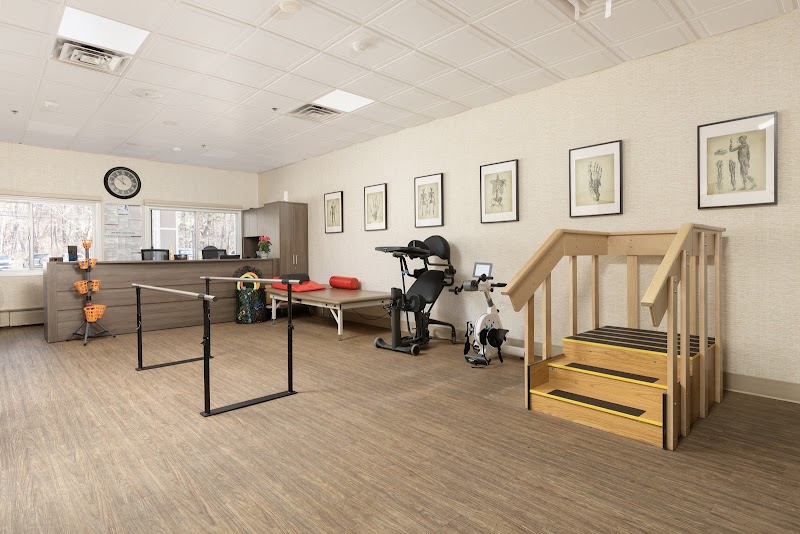
How is Complete Care At Milford Manor Llc Staffed?

CMS rates COMPLETE CARE AT MILFORD MANOR LLC's staffing level at 2 out of 5 stars, which is below average compared to other nursing homes. Staff turnover is 54%, compared to the New Jersey average of 46%. RN turnover specifically is 79%, which is notably high. RNs provide skilled clinical oversight, so turnover in this role can affect medical care quality.

What Have Inspectors Found at Complete Care At Milford Manor Llc?

State health inspectors documented 26 deficiencies at COMPLETE CARE AT MILFORD MANOR LLC during 2021 to 2025. These included: 1 that caused actual resident harm and 25 with potential for harm. Deficiencies causing actual harm indicate documented cases where residents experienced negative health consequences.
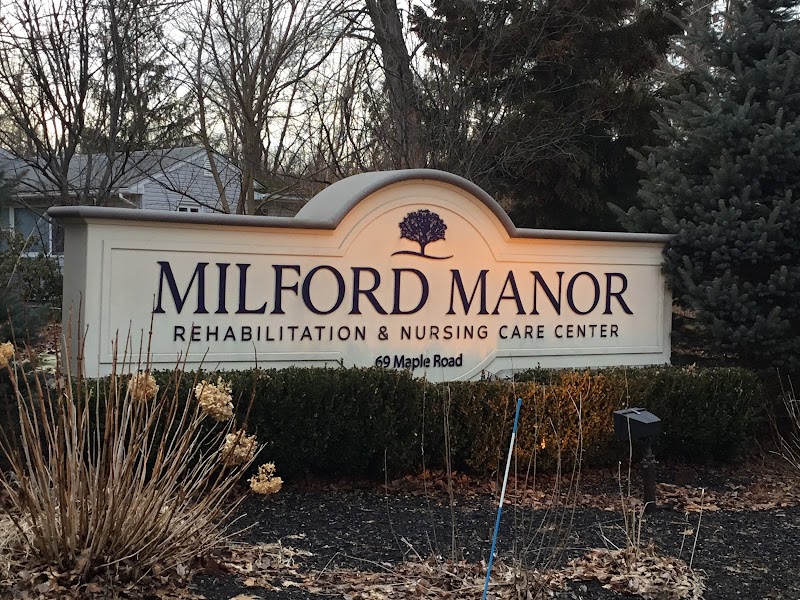
Who Owns and Operates Complete Care At Milford Manor Llc?

COMPLETE CARE AT MILFORD MANOR LLC is owned by a for-profit company. For-profit facilities operate as businesses with obligations to shareholders or private owners. The facility is operated by COMPLETE CARE, a chain that manages multiple nursing homes. With 120 certified beds and approximately 103 residents (about 86% occupancy), it is a mid-sized facility located in WEST MILFORD, New Jersey.
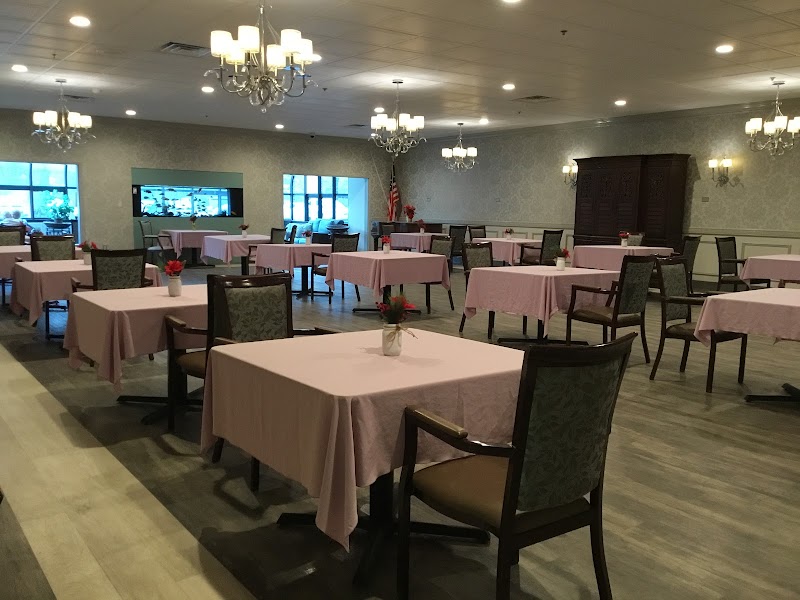
How Does Complete Care At Milford Manor Llc Compare to Other New Jersey Nursing Homes?

Compared to the 100 nursing homes in New Jersey, COMPLETE CARE AT MILFORD MANOR LLC's overall rating (2 stars) is below the state average of 3.2, staff turnover (54%) is near the state average of 46%, and health inspection rating (2 stars) is below the national benchmark.

What Should Families Ask When Visiting Complete Care At Milford Manor Llc?

Based on this facility's data, families visiting should ask: "Can you walk me through typical staffing levels on day, evening, and night shifts?" "Can I visit during a mealtime to observe dining assistance and food quality?" "How do you handle medical emergencies, and what is your hospital transfer rate?" "Can I speak with family members of current residents about their experience?" These questions are particularly relevant given the below-average staffing rating.

Is Complete Care At Milford Manor Llc Safe?

Based on CMS inspection data, COMPLETE CARE AT MILFORD MANOR LLC has a clean safety record: no substantiated abuse findings (meaning no confirmed cases of resident harm), no Immediate Jeopardy citations (the most serious violation level indicating risk of serious injury or death), and is not on the Special Focus Facility watch list (a federal program monitoring the lowest-performing 1% of nursing homes). The facility has a 2-star overall rating and ranks #100 of 100 nursing homes in New Jersey. While no facility is perfect, families should still ask about staff-to-resident ratios and recent inspection results during their visit.

Do Nurses at Complete Care At Milford Manor Llc Stick Around?

COMPLETE CARE AT MILFORD MANOR LLC has a staff turnover rate of 54%, which is 8 percentage points above the New Jersey average of 46%. Moderate turnover is common in nursing homes, but families should still ask about staff tenure and how the facility maintains care continuity when employees leave.

Was Complete Care At Milford Manor Llc Ever Fined?

COMPLETE CARE AT MILFORD MANOR LLC has been fined $3,595 across 1 penalty action. This is below the New Jersey average of $33,115. While any fine indicates a compliance issue, fines under $50,000 are relatively common and typically reflect isolated problems that were subsequently corrected. Families should ask what specific issues led to these fines and confirm they've been resolved.

Is Complete Care At Milford Manor Llc on Any Federal Watch List?

COMPLETE CARE AT MILFORD MANOR LLC is not on any federal watch list. The most significant is the Special Focus Facility (SFF) program, which identifies the bottom 1% of nursing homes nationally based on persistent, serious quality problems. Not being on this list means the facility has avoided the pattern of deficiencies that triggers enhanced federal oversight. This is a positive indicator, though families should still review the facility's inspection history directly.