Advanced Health Care of Albuquerque


2701 Richmond Drive NE, Albuquerque, NM 87107 (505) 967-4200
For profit - Limited Liability company 47 Beds ADVANCED HEALTH CARE Data: November 2025 2 Immediate Jeopardy citations
Trust Grade
46/100
#1 of 67 in NM
Last Inspection: March 2025

Within standard 12-15 month inspection cycle. Federal law requires annual inspections.

Overview

Advanced Health Care of Albuquerque has a Trust Grade of D, indicating below-average performance with some concerns about the quality of care provided. They rank #1 out of 67 facilities in New Mexico, which places them in the top half of the state, and #1 out of 18 in Bernalillo County, showing they are a leading option locally. Unfortunately, the facility is worsening, with issues increasing from 3 in 2024 to 4 in 2025. Staffing is rated average, with a 3/5 star rating and a turnover rate of 48%, which is better than the state average. However, the facility has accumulated concerning fines of $39,880, higher than 76% of New Mexico facilities, suggesting compliance issues. Specific incidents include critical failures to notify physicians about missed doses of essential heart medications, which likely contributed to a resident's death, as well as a failure to properly assess a resident with a history of heart problems, leading to unnecessary distress and delays in treatment. On a positive note, the facility offers good RN coverage, exceeding 77% of New Mexico nursing homes, which can help catch potential problems early. Overall, while there are strengths in staffing and local ranking, the concerning trends and serious incidents highlight significant areas for improvement.
Trust Score
D
46/100
In New Mexico
#1/67
Top 1%
Safety Record
High Risk
Review needed
Inspections
Getting Worse
3 → 4 violations
Staff Stability
⚠ Watch
48% turnover. Above average. Higher turnover means staff may not know residents' routines.
Penalties
⚠ Watch
$39,880 in fines. Higher than 78% of New Mexico facilities, suggesting repeated compliance issues.
Skilled Nurses
✓ Good
Each resident gets 62 minutes of Registered Nurse (RN) attention daily — more than 97% of New Mexico nursing homes. RNs are the most trained staff who catch health problems before they become serious.
Violations
⚠ Watch
18 deficiencies on record. Higher than average. Multiple issues found across inspections.
★★★★★
5.0
Overall Rating
★★★☆☆
3.0
Staff Levels
★★★★★
5.0
Care Quality
★★★★☆
4.0
Inspection Score
Stable
2024: 3 issues
2025: 4 issues

The Good

  • 5-Star Quality Measures · Strong clinical quality outcomes
  • Full Sprinkler Coverage · Fire safety systems throughout facility
  • No fines on record

Facility shows strength in quality measures, fire safety.

The Bad

Staff Turnover: 48%

Near New Mexico avg (46%)

Higher turnover may affect care consistency

Federal Fines: $39,880

Above median ($33,413)

Moderate penalties - review what triggered them

Chain: ADVANCED HEALTH CARE

Part of a multi-facility chain

Ask about local staffing decisions and management

The Ugly 18 deficiencies on record

2 life-threatening 2 actual harm
Mar 2025 4 deficiencies
CONCERN (D)

Potential for Harm - no one hurt, but risky conditions existed

MDS Data Transmission (Tag F0640)

Could have caused harm · This affected 1 resident

**NOTE- TERMS IN BRACKETS HAVE BEEN EDITED TO PROTECT CONFIDENTIALITY** Based on record reviews and interviews, the facility failed to ensure staff completed and transmitted a discharge Minimum Data S...

Read full inspector narrative →
**NOTE- TERMS IN BRACKETS HAVE BEEN EDITED TO PROTECT CONFIDENTIALITY** Based on record reviews and interviews, the facility failed to ensure staff completed and transmitted a discharge Minimum Data Set assessment (MDS; a federally mandated assessment instrument completed by facility staff) 14 days after discharge for 1 (R #39) of 1 (R #39) resident reviewed for MDS assessments. This failed practice could lead to the facility not reporting accurate information to the Centers for Medicare & Medicaid Services (CMS). The findings are: A. Record review of R #39's Face Sheet, undated, revealed the following: - An admission date of 11/14/24. - A discharge date of 12/13/24. B. Record review of R #39's Electronic Health Record (EHR) revealed the following: - The MDS Licensed Practical Nurse (LPN) completed R #39's admission MDS, dated [DATE]. - The MDS LPN did not initiate a discharge MDS. C. On 03/26/25 at 11:27 am, during an interview, the facility's MDS LPN stated she expected the previous MDS LPN, who does not work with them any longer, to complete R #39's discharge MDS. She stated the Director of Nursing (DON)/Registered Nurse (RN) Assessment Coordinator should sign off on the discharge MDS to verify completion within 14 days of R #39's discharge. She stated R #39's discharge MDS should have been completed and transmitted 14 days after discharge. D. On 03/26/25 at 11:35 am, during an interview, the Director of Nursing (DON)/Registered Nurse (RN) Assessment Coordinator stated she expected the previous MDS LPN to complete R #39's discharge MDS. She stated she should have verified the discharge MDS was completed, but she forgot to review the discharge MDS.
CONCERN (D)

Potential for Harm - no one hurt, but risky conditions existed

Deficiency F0809 (Tag F0809)

Could have caused harm · This affected 1 resident

Based on observation and interview, the facility failed to ensure 1 (R #9) of 1 (R #9) resident received a meal at lunch time. This deficient practice could likely cause hunger and weight loss. The fi...

Read full inspector narrative →
Based on observation and interview, the facility failed to ensure 1 (R #9) of 1 (R #9) resident received a meal at lunch time. This deficient practice could likely cause hunger and weight loss. The findings are: A. On 03/24/25 at 1:00 pm, during observation and interview, staff finished lunch service to the north hall, and the residents ate their lunch. Residents on the north hall were finishing their lunch meals. Further observation revealed R #9 did not have a meal tray on her table. R #9 stated she did not eat lunch yet, because staff did not bring her a meal tray. She stated she would like to eat lunch, because she was hungry. B. On 03/24/25 at 1:05 pm, during an interview with Certified Nursing Assistant (CNA) #6, she stated she thought R #9's tray was on the food cart, but she did not find it on there. She stated she could not find a meal refusal by R #9. C. On 03/24/25 at 1:12 pm, during an observation and interview, CNA #6 brought a lunch meal tray for R #9. CNA #6 stated the kitchen staff stated R #9 marked her meal ticket as she did not want a lunch tray. D. On 03/27/25 at 10:23 am, during an interview with the Kitchen Manager (KM), she stated it was expected for staff to check with the resident if a meal ticket was marked that the resident did not want a meal. E. On 03/27/25 at 12:08 pm, during an interview with Director of Nursing (DON), she stated if a meal ticket came into the kitchen and indicated a resident wanted to skip any meal, then the CNAs should check with residents on whether they wanted a meal. She stated if the resident refused the meal, then staff would not ask the resident again. The DON stated she was not aware there was an issue with a resident's meal.
CONCERN (E)

Potential for Harm - no one hurt, but risky conditions existed

Infection Control (Tag F0880)

Could have caused harm · This affected multiple residents

Based on observations, interviews, and record review, the facility failed to keep the facility's eye washing stations (EWS, units for washing off chemicals or substances that might have splashed into ...

Read full inspector narrative →
Based on observations, interviews, and record review, the facility failed to keep the facility's eye washing stations (EWS, units for washing off chemicals or substances that might have splashed into an individual's eyes before they can seek further medical attention) free from dust, debris, and other microscopic organisms from contaminating the water outlets when staff failed to maintain the protective caps on the spray heads for 2 (EWS #1, EWS #2) of 2 (EWS #1, EWS #2) eye washing stations. This deficient practice is likely to lead to staff being exposed to water that may contain contaminants such as rust, scale, chemicals buildup, and harmful microbes. The findings are: A. Record review of the EWS's manufacturer's guidelines, dated 2023, following: - Periodic cleaning of the eyewash aerators (screens at the end of a faucet. The revealed the devices reduce the amount of water that comes out of a faucet and controls the stream) is advisable to ensure proper water flow. - Keep plastic dust covers on spray heads when the unit is not in use. - The EWS unit, like all emergency eyewash and shower equipment, should be tested weekly. B. Record review of the facility's Eye Wash Policy, undated, revealed the following: - Eye wash stations to be installed in areas where employees may be exposed to hazardous chemicals, cleaning agents, or other potentially harmful substance. - In the event of eye contamination, the affected individual will immediately proceed to the nearest eye wash station. - Keep eyes open and flush with water. - The policy did not state the required maintenance and periodic inspection for the EWSs, to include maintenance of the protective caps on the spray heads. C. On 03/26/25 at 12:57 pm, during an observation, the eye washing station, located on the dirty side of the laundry room, did not have a dust cover on the right spray heads. Further observation revealed the sink did not have any signs to instructing staff not to use the EWS or the location of an alternate EWS. The area also did not have any emergency eye wash bottles (a portable, self-contained unit designed to provide immediate flushing of the eyes in case of a chemical splash or other eye injury). D. On 03/27/25 at 8:55 am, during an interview, the Director of Nursing (DON) stated she expected staff to maintain dust covers on the EWSs spray heads. She stated staff should post a sign over the EWS instructing staff not to use the EWS if the station was not in working condition. She stated it was expected for emergency eye washing bottles to be available for use until the EWS was in working condition again. She stated staff could go to the second EWS, located in the kitchen, in case of exposure, or they could use the EWS in the laundry room. She stated she was not worried about a little dust in the spray heads in an emergency. E. On 03/27/25 at 9:00 am, during an observation, the eye washing station, located on the dirty side of the laundry room, did not have a dust cover on the right outlet head. The laundry technician actively washed dirty clothes and moved around the room near the EWS. Further observation revealed the sink did not have any signs to instructing staff not to use the EWS or the location of an alternate EWS. The area also did not have any emergency eye washing bottles (stand alone bottles of water to wash eyes in case of emergency.) Shelves of various cleaning chemicals were also located on the dirty side of the laundry room. F. On 03/27/25 at 9:02 am, during an interview, the laundry technician stated she worked at the facility as a laundry technician for the past six years. She stated she did not know when the EWS dust cover went missing. She stated she used detergents and other types of chemicals in her job duties. She stated if she needed to wash her eyes, then she would use the available EWS in the laundry room. She stated she did not know if there were any backup eye washing bottles to use. She stated she did not see a sign instructing staff not to use the EWS or the location of an alternate EWS. She stated she was not aware of the location of any other EWS in the facility. G. On 03/27/25 at 9:10 am, during observation, the facility's kitchen was located across the facility from the laundry room, down a hallway and through the lobby and main dining room. Further observation of the EWS located in the kitchen revealed the following: - The eye wash station was located adjacent to the stove. - The EWS contained two spray heads, and there were not dust covers on any of the spray heads. - Staff actively preparing meals around the unprotected water outlets. - The spray heads contained material buildup and yellowish, brown discoloration. - The sink did not have any signs to instructing staff not to use the EWS or the location of an alternate EWS - The area also did not have any emergency eye wash bottles H. On 03/27/25 at 9:14 am, during an interview, the Kitchen [NAME] and the Nutritional Services Director stated they worked at the facility in their positions for several years. They stated they did not recall when the dust covers on the eye washing spray heads went missing. They stated they would use the available unprotected eye washing station if they needed to rinse their eyes in case of an emergency. They stated they were not aware they should not use the unprotected eye wash outlets, and they did not know the location of any emergency eye washing bottle to use as a backup. I. On 03/26/25 at 12:58 pm and 03/27/25 at 10:12 am, during an interview, the facility's Administrator stated the eye washing stations should have caps on the outlet heads. He stated staff inspected and tested the eye wash stations monthly, and staff should report missing caps. He stated he expected staff to maintain dust covers on the outlet heads on EWSs.
CONCERN (F)

Potential for Harm - no one hurt, but risky conditions existed

Food Safety (Tag F0812)

Could have caused harm · This affected most or all residents

Based on observation and interview, the facility failed to store food under sanitary conditions when staff failed to: 1. Label and date all items in the kitchen refrigerator. 2. Cover foods in the re...

Read full inspector narrative →
Based on observation and interview, the facility failed to store food under sanitary conditions when staff failed to: 1. Label and date all items in the kitchen refrigerator. 2. Cover foods in the refrigerator and the storage room . 3. Remove dented, expired can of olives from the ready-to-use rack. 4. Wear hairnets and beard guards in a manner to cover all their hair while in the kitchen. These deficient practices are likely to affect all residents listed on the resident census provided by the Administrator on 03/27/25. Failure to store food under safe and sanitary conditions could likely to lead to foodborne illnesses in residents. The findings are: Food Storage A. On 03/24/25 at 7:45 am, during an initial walk through the kitchen, observation revealed the following: In the dry storage room: -A large, uncovered plastic container of sliced almonds. -A dented can of sliced ripe olives, expired 12/29/23. -A sweet potato was cut in half, not covered, and very dried out. In the refrigerator and freezer: -Meatballs were not in a sealed container and frost bitten. -A bag of corn and a bag of peas were not sealed. -A tray of deserts was not covered and was undated. -Sliced cheese was not covered and was hard and discolored. -A container labeled gluten was expired with a date of 03/15/25. -A container of BBQ sauce expired on 03/24/25. -Two containers of beans expired on 03/24/25 and on 03/14/25. -Packaged deli turkey expired 03/22/25. - Packaged deli ham expired 03/23/25. -A package of flour tortillas was open and undated. - A container of pudding expired on 03/22/25. -A container of pumpkin filling expired on 03/22/25. - A large pitcher of orange juice undated. -A container of tomato juice undated. B. On 03/24/25 at 8:00 am and 03/26/25 at 2:30 pm, during an interview with the Kitchen Manager (KM), she stated there should not be any uncovered food, expired food in the storage room, the refrigerator, and the freezer. She stated staff should have removed the dented can from the shelf of foods to use. The KM also stated the sweet potato should not have been cut in half and thrown back in the box with the other sweet potatoes. She stated the container of almonds should have a lid. She stated every person who worked in the kitchen was responsible to remove the expired food and make sure the food was covered. She stated every Friday kitchen staff checked the walk-in refrigerator for expired and undated food. Hairnets C. On 03/25/25 at 8:40 am, during observation of the kitchen, staff prepared breakfast plates for the residents. Further observation revealed the [NAME] wore a hairnet, but it did not cover all of the hair on his head. The [NAME] had facial hair which measured greater than 1/4 inch (in) and wore a beard guard. The beard guard did not cover all of the Cook's facial hair. Additional observation revealed an unidentified staff stood in a kitchen and wore a hat. The unidentified staff had a goatee which measured greater than 1/4 in., but he did not wear a beard guard. D. On 03/26/25 at 11:35 am, during an interview, the Administrator stated staff should wear hairnets and beard guards anytime they are in the kitchen, and the hairnets and beard guards should cover all the staff's hair. E. On 03/26/25 at 11:40 am, during an observation of the kitchen, staff prepared breakfast plates for the residents. Further observation revealed the [NAME] wore a hairnet, but it did not cover all of the hair on his head. The [NAME] had facial hair which measured greater than 1/4 inch (in) and wore a beard guard. The beard guard did not cover the all the Cook's facial hair. F. On 03/27/25 at 9:10 am, during observation of the kitchen, the [NAME] stood near the stove and food preparation tables. Further observation revealed the [NAME] wore a hairnet, but it did not cover all of the hair on his head. The [NAME] had facial hair which measured greater than 1/4 inch (in) and wore a beard guard. The beard guard did not cover the all the Cook's facial hair.
Oct 2024 3 deficiencies 2 IJ
CRITICAL (J) 📢 Someone Reported This

A family member, employee, or ombudsman was alarmed enough to file a formal complaint

Immediate Jeopardy (IJ) - the most serious Medicare violation

Notification of Changes (Tag F0580)

Someone could have died · This affected 1 resident

**NOTE- TERMS IN BRACKETS HAVE BEEN EDITED TO PROTECT CONFIDENTIALITY** Based on record review and interview, the facility failed to notify the physician for 1 (R #1) of 3 (R #1, R #2 and R #3) reside...

Read full inspector narrative →
**NOTE- TERMS IN BRACKETS HAVE BEEN EDITED TO PROTECT CONFIDENTIALITY** Based on record review and interview, the facility failed to notify the physician for 1 (R #1) of 3 (R #1, R #2 and R #3) residents when staff did not administer multiple doses of heart medication to R #1 as ordered. If the facility is not notifying the physician of significant medications being missed due to the resident's schedule, then the physician may be unaware of any issues with the resident receiving medication that is important to the resident's wellbeing and recovery. This deficient practice likely contributed to multiple missed doses of heart medication and likely contributed to R #1's death. The findings are: A. Record review of R #1's hospital records, dated 06/04/24, indicated the following: - Non-ST-elevation myocardial infarction (NSTEMI; a type of heart attack), - Multivessel coronary artery disease (MVCAD; involves two or more major arteries and occurs when too much plaque builds up within the arteries, making it harder for blood to circulate to supply oxygen and nutrients to the heart muscle) status post complex percutaneous coronary intervention (PCI; a minimally invasive non-surgical procedure used to treat narrowing of the coronary arteries using coronary stents), - Left anterior descending artery (LAD; the largest coronary artery that supplies blood to the front of the left side of the heart. Complete blockage of this artery is often fatal), - Drug-eluting stent (DES; a small mesh tube that is placed in the arteries to keep them open), - Percutaneous transluminal coronary angioplasty (PTCA; a minimally invasive procedure to open blocked coronary arteries) through minimally invasive surgery, - Clogged coronary arteries, - Left circumflex (an artery) with Impella (device that helps the heart pump blood when it is weak or failing). - Resident discharged to the facility [nursing home] on 06/17/24. B. Record review of R #1's face sheet indicated she was admitted to the facility on [DATE], went out to the hospital on [DATE], and was re-admitted to the facility on [DATE]. R #1 had the following diagnoses: - Acute respiratory failure with hypoxia (when lungs cannot deliver enough oxygen or remove enough carbon dioxide from your blood), - Hypotension (low blood pressure), - Peripheral vascular disease (slow and progressive disorder of the blood vessels), - Stage 5 kidney disease (kidneys no longer have ability to function) with dependence on dialysis (blood filtered by machine), - Chronic systolic (congestive) heart failure (heart cannot pump blood well enough to give the body a normal supply), - Arteriosclerotic heart disease of coronary artery without angina pectoris (reduction of blood flow to the cardiac muscle due to build-up of plaque in the arteries of the heart), - Type II diabetes (a problem with how the body regulates sugar and insulin resistance). - This is not an all-inclusive list. C. Record review of R #1's hospital discharge records, dated 07/01/24, indicated R #1 had been admitted to the hospital on [DATE] with what was described as an anxiety attack and was associated with shortness of breath and chest pain. R #1 reported that she has been having intermittent chest pain, worse with movement and deep breathing since her previous in-hospital cardiac arrest with chest compressions that occurred prior to her being admitted to this facility on 06/17/24. R #1 had last dialysis treatment yesterday [06/30/24] with no complications. admitted to the intensive care unit (ICU) for management of her hypoxic respiratory failure (respiratory failure is a condition where there is not enough oxygen or too much carbon dioxide in your body) and hypotension (low blood pressure). R #1 was discharged on 07/01/24 [back to the nursing home] with orders for Aspirin and Plavix. D. Record review of R #1's physician orders indicated the following: - An order for dialysis on Tuesday, Thursday, and Saturday. Depart the facility at 7:00 am. Start date 07/02/24. - Aspirin, 81 milligrams, for heart health once per day. To be administered between 6:00 am and 9:00 am. Start date of 07/01/24. - Plavix, 75 mg for CAD (coronary artery disease). Once per day from 6:00 am to 9:00 am. Start date 07/01/24 E. Record review of R #1's Medication Administration Record (MAR), dated 07/01/24 through 07/23/24, indicated staff did not administer the following medications to R #1: - Aspirin, 81 mg, once per day on 07/02/24, 07/13/24, 07/16/24, 07/18/24 and 07/20/24. Further review showed the dates corresponded with R #1's dialysis days. - Plavix, 75 mg, once per day on 07/04/24, 07/09/24, 07/13/24, 07/16/24, 07/18/24, 07/20/24. Further review showed the dates corresponded with R #1's dialysis days. F. Record review of R #1's medical record progress notes and history and physical notes revealed staff did not notify the physician that R #1 has missed any medications. G. On 10/17/24 at 10:00 am, during an interview with the physician, he stated staff did not make him aware that R #1 missed medications. He stated he would have liked for staff to notify him, because he could have scheduled R #1's medication for a different time. He also stated Plavix medication should not be skipped or missed. He said if the resident missed doses of Plavix for new treatment, like a new stent that was put in recently, then that would be serious. The physician stated Plavix given with aspirin was designed to stop blood clots from forming after a new stent placement. H. On 10/17/24 at 2:26 pm, during an interview with Nurse #5, she stated R #1 did not get the medications on the dates she marked R #1 was not available. Nurse #5 also stated she did not notify the physician that R #1 missed the medications due to being at dialysis, and she did not ask the physician to schedule them at a different time. I. On 10/16/24 at 3:04 pm, during an interview with Family Member #2, she stated that when she arrived at the facility on 07/21/24 around noon, she found R #1 on her bed, and she was crying out God, please help me. Please help me. FM #2 walked in asked R #1 what was wrong, and R #1 appeared scared and was not aware that they [family] were in the room. R #1 answered FM #2 stating she did not feel well. FM #2 stated that the nurse came in and started discussing R #1's discharge [which was scheduled for that day]. When FM #2 asked N #5 why R #1 was acting the way she was, (weak and with altered mental status) she stated that R #1 was really anxious and this started after she signed the discharge paperwork. FM #2 stated that she was trying to sit R #1 up in bed and she just kept falling back over. She was too weak to sit up independently and was losing consciousness. FM #2 stated that she made the decision to have the ambulance called and have R #1 to sent to the hospital. She stated that the ambulance arrived quickly after 911 was called and she knew based upon how the paramedics were acting that something serious was wrong with R #1. FM #2 confirmed that R #1 passed away soon after arriving at the hospital and that the hospital physician reported that R #1 likely passed from cardiac arrest. Based on interview and record review, Immediate Jeopardy (IJ) was identified on 10/17/24 at 3:30 pm and presented to the Administrator and the Director of Nursing, in person. The facility took corrective action by providing an acceptable Plan of Removal (POR) on 10/18/24 at 4:00 pm. Implementation of the POR was verified onsite. On-going training for staff regarding notifying the provider of changes, such as a resident not receiving medications, and a full sweep of all residents was completed to identify any other resident who may not be getting medications as prescribed. Plan of Removal: Resident #1 has been discharged from the facility. Other Patients: No other patients are currently receiving dialysis, where medications could have been missed. All new patients who receive dialysis will have a medication review of appropriate times to be given around chair time. All patients' medication administration compliance report have been audited. MD was notified of findings and appropriate documentation was added. One patient was routinely out of the facility for an appointment, their entire administration record was audited, there were eight missed medication administrations. The provider was notified. Systemic Changes: Licensed nurses, on shift, have been educated regarding the policy. If a patient is out of the facility when a medication is due then the provider will be contacted, the facility will follow providers orders, and document notification in patients' progress notes. Education will be provided ongoing as nurses report to work. Surveillance: The Administrator will audit three times a week for four weeks to validate the completion of the training. The Director of Nursing will audit all patient's medication administration record for compliance three times a week for four weeks. Date of Compliance: 10/18/24
CRITICAL (J) 📢 Someone Reported This

A family member, employee, or ombudsman was alarmed enough to file a formal complaint

Immediate Jeopardy (IJ) - the most serious Medicare violation

Deficiency F0760 (Tag F0760)

Someone could have died · This affected 1 resident

**NOTE- TERMS IN BRACKETS HAVE BEEN EDITED TO PROTECT CONFIDENTIALITY** Based on record review and interview, the facility failed to administer significant medication of plavix and aspirin (plavix and...

Read full inspector narrative →
**NOTE- TERMS IN BRACKETS HAVE BEEN EDITED TO PROTECT CONFIDENTIALITY** Based on record review and interview, the facility failed to administer significant medication of plavix and aspirin (plavix and aspirin a medication used to prevent heart attacks and strokes in persons with heart disease, recent stroke, or blood circulation disease. It is also used with aspirin to treat new or worsening chest pain, to keep blood vessels open, and to prevent blood clots after certain procedures, such as cardiac stent.) ordered by the physician for 1 (R #1) of 3 (R #1, #2 and #3 ) residents reviewed for medications. This deficient practice has the potential to jeopardize the resident's health and safety could likely have contributed to R #1's death. The findings are. A. Record review of R #1's hospital records, dated 06/04/24, indicated the following: - Non-ST-elevation myocardial infarction (NSTEMI; a type of heart attack), - Multivessel coronary artery disease (MVCAD; involves two or more major arteries and occurs when too much plaque builds up within the arteries, making it harder for blood to circulate to supply oxygen and nutrients to the heart muscle) status post complex percutaneous coronary intervention (PCI; a minimally invasive non-surgical procedure used to treat narrowing of the coronary arteries using coronary stents), - Left anterior descending artery (LAD; the largest coronary artery that supplies blood to the front of the left side of the heart. Complete blockage of this artery is often fatal), - Drug-eluting stent (DES; a small mesh tube that is placed in the arteries to keep them open), - Percutaneous transluminal coronary angioplasty (PTCA; a minimally invasive procedure to open blocked coronary arteries) through minimally invasive surgery, - Clogged coronary arteries, - Left circumflex (an artery) with Impella (device that helps the heart pump blood when it is weak or failing). - Resident discharged to the facility [nursing home] on 06/17/24. B. Record review of R #1's face sheet indicated she was admitted to the facility on [DATE], went out to the hospital on [DATE], and was re-admitted to the facility on [DATE]. She had the following diagnoses: - Acute respiratory failure with hypoxia (when lungs cannot deliver enough oxygen or remove enough carbon dioxide from the blood), - Hypotension (low blood pressure), - Peripheral vascular disease (slow and progressive disorder of the blood vessels), - Stage 5 kidney disease (kidneys no longer have ability to function) with dependence on dialysis (blood filtered by machine), - Chronic systolic (congestive) heart failure (heart cannot pump blood well enough to give the body a normal supply), - Arteriosclerotic heart disease of coronary artery without angina pectoris (reduction of blood flow to the cardiac muscle due to build-up of plaque in the arteries of the heart), - Type II diabetes (a problem with how the body regulates sugar and insulin resistance). - This is not an all-inclusive list. C. Record review of R #1's hospital discharge records, dated 07/01/24, indicated R #1 had been admitted to the hospital on [DATE] with what was described as an anxiety attack and was associated with shortness of breath and chest pain. R #1 reported that she has been having intermittent chest pain, worse with movement and deep breathing since her previous in-hospital cardiac arrest with chest compressions that occurred prior to her being admitted to this facility on 06/17/24. R #1 had last dialysis treatment yesterday [06/30/24] with no complications. admitted to the intensive care unit (ICU) for management of her hypoxic respiratory failure (respiratory failure is a condition where there is not enough oxygen or too much carbon dioxide in your body) and hypotension (low blood pressure). R #1 was discharged on 07/01/24 [back to the nursing home] with orders for Aspirin and Plavix. D. Record review of R #1's physician orders indicated the following: - An order for dialysis on Tuesday, Thursday, and Saturday. Depart the facility at 7:00 am. Start date 07/02/24. - Aspirin, 81 milligrams (mg), for heart health once per day. To be administered between 6:00 am and 9:00 am. Start date of 07/01/24. - Plavix, 75 mg for CAD (coronary artery disease). Once per day from 6:00 am to 9:00 am. Start date 07/01/24 E. Record review of R #1's Medication Administration Record (MAR), dated 07/01/24 through 07/23/24, indicated staff did not administer the following medications to R #1: - Aspirin, 81 mg, once per day on 07/02/24, 07/13/24, 07/16/24, 07/18/24 and 07/20/24. Further review showed the dates corresponded with R #1's dialysis days. - Plavix, 75 mg, once per day on 07/04/24, 07/09/24, 07/13/24, 07/16/24, 07/18/24, 07/20/24. Further review showed the dates corresponded with R #1's dialysis days. F. On 10/16/24 at 11:20 am, during an interview with the Director of Nursing (DON), she stated if a resident was out of the facility when their medications were scheduled for administration, then staff should administer their medications when the resident returned to the facility. The DON stated the delayed administration depended on the medications the resident missed. She stated if the resident was due for another dose of the medications, then staff should skip the missed dose and give the next dose. The DON stated if the medication was given once per day, then staff should administer the medication when the resident returned to the facility. The DON acknowledged that missing a medication that is scheduled for one time per day should not happen. She stated that R #1's time to administer medications was when R#1 was at dialysis and that the medication should have been changed to another time [after dialysis] by the physician. G. On 10/17/24 at 9:40 am, during an interview with N #5, she stated that on R #1's dialysis days she would be out of the facility before she even started working at 6:00 am. That is the reason that she did not get her medications on those days. She confirmed that she did not notify the physician of the medications that R #1 missed or request from the physician to have the administration time changed. H. On 10/17/24 at 10:00 am, during an interview with the facility's Physician, he stated Plavix medication should not be skipped or missed. He said if the resident missed doses of Plavix for new treatment, like a new stent that was put in recently, then that would be serious. The physician stated Plavix given with aspirin was designed to stop blood clots from forming after a new stent placement. I. On 10/16/24 at 3:04 pm, during an interview with Family member #2, she stated that when she arrived at the facility on 07/21/24 around noon, she found R #1 on her bed, and she was crying out God, please help me. Please help me. FM #2 walked in asked R #1 what was wrong, and R #1 appeared scared and wasn't aware that they [family] were in the room. R #1 answered FM #2 stating she did not feel well. FM #2 stated that the nurse came in and started discussing R #1's discharge [which was scheduled for that day]. When FM #2 asked N #5 why R #1 was acting the way she was, (weak and with altered mental status) she stated that R #1 was really anxious and this started after she signed the discharge paperwork. FM #2 stated that she was trying to sit R #1 up in bed and she just kept falling back over. She was too weak to sit up independently and was losing consciousness. FM #2 stated that she made the decision to have the ambulance called and have R #1 to sent to the hospital. She stated that the ambulance arrived quickly after 911 was called and she knew based upon how the paramedics were acting that something serious was wrong with R #1. FM #2 confirmed that R #1 passed away soon after arriving at the hospital and that the hospital physician reported that R #1 likely passed from cardiac arrest. Based on interview and record review, Immediate Jeopardy (IJ) was identified on 10/17/24 at 3:30 pm and presented to the Administrator and the Director of Nursing, in person. The facility took corrective action by providing an acceptable Plan of Removal (POR) on 10/18/24 at 4:00 pm. Implementation of the POR was verified onsite. On-going training for staff regarding notifying the provider of changes, such as a resident not receiving medications, and a full sweep of all residents was completed to identify any other resident who may not be getting medications as prescribed. Plan of Removal: Resident #1 has been discharged from the facility. Other Patients: No other patients are currently receiving dialysis, where medications could have been missed. All new patients who receive dialysis will have a medication review of appropriate times to be given around chair time. All patients' medication administration compliance report have been audited. MD was notified of findings and appropriate documentation was added. One patient was routinely out of the facility for an appointment, their entire administration record was audited, there were eight missed medication administrations. The provider was notified. Systemic Changes: Licensed nurses, on shift, have been educated regarding the policy. If a patient is out of the facility when a medication is due then the provider will be contacted, the facility will follow providers orders, and document notification in patients' progress notes. Education will be provided ongoing as nurses report to work. Surveillance: The Administrator will audit three times a week for four weeks to validate the completion of the training. The Director of Nursing will audit all patient's medication administration record for compliance three times a week for four weeks. Date of Compliance: 10/18/24
SERIOUS (G) 📢 Someone Reported This

A family member, employee, or ombudsman was alarmed enough to file a formal complaint

Actual Harm - a resident was hurt due to facility failures

Quality of Care (Tag F0684)

A resident was harmed · This affected 1 resident

**NOTE- TERMS IN BRACKETS HAVE BEEN EDITED TO PROTECT CONFIDENTIALITY** Based on record review and interview, the facility failed to provide quality care to 1 (R #1) of 1 (R #1) resident when they fai...

Read full inspector narrative →
**NOTE- TERMS IN BRACKETS HAVE BEEN EDITED TO PROTECT CONFIDENTIALITY** Based on record review and interview, the facility failed to provide quality care to 1 (R #1) of 1 (R #1) resident when they failed to properly assess a resident with history of mycardial infarction (heart attack) after the resident began to experience anxiety for a couple hours before transferring the resident to the emergency room. If the facility fails to properly assess a resident with heart issues, then the resident may experience unidentified life-threatening conditions such as a heart attack. This deficient practice likely resulted in unnecessary distress and delay in treatment. The findings are: A. Record review of R #1's hospital records, dated 06/04/24, indicated the following: - Non-ST-elevation myocardial infarction (NSTEMI; a type of heart attack), - Multivessel coronary artery disease (MVCAD; involves two or more major arteries and occurs when too much plaque builds up within the arteries, making it harder for blood to circulate to supply oxygen and nutrients to the heart muscle) status post complex percutaneous coronary intervention (PCI; a minimally invasive non-surgical procedure used to treat narrowing of the coronary arteries using coronary stents), - Left anterior descending artery (LAD; the largest coronary artery that supplies blood to the front of the left side of the heart. Complete blockage of this artery is often fatal), - Drug-eluting stent (DES; a small mesh tube that is placed in the arteries to keep them open), - Percutaneous transluminal coronary angioplasty (PTCA; a minimally invasive procedure to open blocked coronary arteries) through minimally invasive surgery, - Clogged coronary arteries, - Left circumflex (an artery) with Impella (device that helps the heart pump blood when it is weak or failing). - Resident discharged to the facility on [DATE]. B. Record review of R #1's face sheet indicated she was admitted to the facility on [DATE], went out to the hospital on [DATE] for acute respiratory failure and was re-admitted to the facility on [DATE]. She had the following diagnoses: - Acute respiratory failure with hypoxia (when lungs cannot deliver enough oxygen or remove enough carbon dioxide from the blood), - Hypotension (low blood pressure), - Peripheral vascular disease (slow and progressive disorder of the blood vessels), - Stage 5 kidney disease (kidneys no longer have ability to function) with dependence on dialysis (blood filtered by machine), - Chronic systolic (congestive) heart failure (heart cannot pump blood well enough to give the body a normal supply), - Arteriosclerotic heart disease of coronary artery without angina pectoris (reduction of blood flow to the cardiac muscle due to build-up of plaque in the arteries of the heart), - Type II diabetes (a problem with how the body regulates sugar and insulin resistance). - This is not an all-inclusive list. C. Record review of the R #1's Care Plan did not identify R #1's cardiac diagnosis or monitoring for signs and symptoms of a heart attack. D. Record review of R #1's nursing progress notes dated 07/21/24 dated indicated R #1 was going to be discharged from the facility on 07/21/24, and the resident's family was going to pick her up around noon. R #1 signed discharge paperwork and verbalized understanding of the medications that she was taking home. After R #1 signed paperwork and before the family arrived to pick up her up, the resident started to show symptoms of high anxiety, shaking and holding her breath, and exhibited signs of potential loss of consciousness. R #1 would be in the wheelchair and her arm would just hang off the side of the wheelchair. R #1 was alert and oriented times (x) four (A&O; a way of measuring the extent of a person's awareness. There are four levels - person, place, time, and situation - with A&Ox 4 meaning fully alert.) Staff took the resident's vital signs [body temperature, pulse rate, respiration rate (rate of breathing), oxygen saturation (amount of oxygen in the blood), and blood pressure], and they were in normal range. The resident's family arrived, and R #1 stated her chest felt heavy. The family packed up the resident's belongings and stated they would like for staff to call emergency medical services (EMS) to transported R #1 to the emergency room (ER). The nurse called and the R #1 left via stretcher at approximately 2:12 pm. Nurse #3 asked R #1 if she wanted to go out to the hospital, and R #1 stated she did not want to go. E. On 10/16/24 at 11:20 am, during an interview with the Director of Nursing (DON), she read the progress note dated 07/21/24, and stated it appeared R #1 had normal vital signs. She stated R #1 was answering questions. The DON stated R #1 had some behaviors and was anxious, but she did not take any medications for anxiety. F. On 10/16/24 at 12:15 pm, during an interview with R #1's Family Member (FM) #1, she stated she spoke to R #1 the morning of 07/21/24 via telephone since R #1 was scheduled to discharge home and she was fine. She stated R #1 seemed to be happy to go home. She said the last time she spoke with R #1 was around 10:24 am. FM #1 stated she arrived at the facility around noon time and found R #1 lying halfway down in her bed, trying to catch her breath. FM #1 stated R #1 woke up when they arrived, and she seemed scared. FM #1 stated the resident said, Help me, help me. FM #1 stated she went to find the nurse, and the nurse told her R #1 was having anxiety about going home. FM #1 stated she did not feel it was anxiety, because it seemed like R #1 was losing consciousness. She said she asked staff to take R #1's vital signs, and they did. FM #1 stated she did not know what R #1's vital signs were, but she knew they were low. FM #1 stated staff called an ambulance to take R #1 to the hospital. G. On 10/16/24 at 3:04 pm, during an interview with Family Member (FM) #2, she stated R #1 was in a good mood, happy and seemed totally fine on the phone the morning of 07/21/24. FM #2 stated they arrived to the facility a little after noon on 07/21/24. She stated she walked into R #1's room, and she was taken back. FM #2 stated R #1's night gown was pulled up and her brief was visible. She said R #1 lay on the bed and cried out for help. FM #2 stated R #1 said, God, please help me. FM #2 said she asked R #1 what was wrong, and R #1 responded she did not know. She stated R #1 said she just did not feel good. FM #2 stated Nurse #3 came into the room talked to the family about discharge. FM #2 stated Nurse #3 reported R #1 was like that [anxious] for a couple hours, and R #1 was anxious after she signed the paperwork. FM #2 said she tried a few times to help R #1 sit up in bed, but R #1 would just fall back again. FM #2 stated R #1 could not hold herself up and complained of someone sitting on her chest. She said they requested staff to take R #1's vital signs, and staff did. FM #2 stated they did not know what R #1's vitals signs were. FM #2 said Nurse #3 told the family if R #1 did not discharge from the facility, then R #1 would need to be sent out to the hospital. FM #2 stated she made the decision to send R #1 out to the hospital. She stated that she could not believe Nurse #3 kept telling her that it was anxiety. H. On 10/16/24 at 2:35 pm, during an interview with Nurse #3, she stated R #1 had anxiety over going home on the morning of 07/21/24. She stated she was with R #1 a lot that morning, because R #1 was going to discharge from the facility that day. She stated R #1 signed the discharge paperwork and then she started to act differently. Nurse #3 stated R #1 would close her eyes and go limp in her wheelchair. Nurse #3 stated she would touch R #1 and ask the resident what was wrong, and R #1 would answer her. Nurse #3 stated she did a sternal rub (a painful stimulus to assess a resident's responsiveness) on R #1, but she then clarified it was more like touching the resident's chest to see if R #1 was alright. Nurse #3 stated she felt like R #1 was nervous about going home and was having a lot of anxiety. She stated R #1 never lost consciousness and always answered questions when asked. She said she addressed R #1's anxiety by distracting her with conversation. Nurse #3 stated she did not see R #1 fall over in bed after the family sat her up. She stated she did not recall if R #1 said she could not breathe or if R #1 expressed that her chest was heavy. Nurse #3 said R #1 never had abnormal vitals she did not think R #1 was having a change in condition since the resident's vitals were never abnormal. Nurse #3 confirmed R #1 was not provided anxiety medication on 07/21/24.
Dec 2023 5 deficiencies 1 Harm
SERIOUS (G)

Actual Harm - a resident was hurt due to facility failures

Pressure Ulcer Prevention (Tag F0686)

A resident was harmed · This affected 1 resident

**NOTE- TERMS IN BRACKETS HAVE BEEN EDITED TO PROTECT CONFIDENTIALITY** Based on record review and interview, the facility failed to enter a new wound care order to prevent skin breakdown which result...

Read full inspector narrative →
**NOTE- TERMS IN BRACKETS HAVE BEEN EDITED TO PROTECT CONFIDENTIALITY** Based on record review and interview, the facility failed to enter a new wound care order to prevent skin breakdown which resulted in a pressure sore (skin and soft tissue injuries that form as a result of constant or prolonged pressure exerted on the skin) and did not enter in new orders for the treatment of a pressure wound for 2 (R #11 and R #54) of 3 (R #11, R #37 and R #54) residents looked at for wounds. This deficient practice did contribute to resident's decline in condition and resulted in the resident going to the hospital. The findings are: R #11 A. Record review of R #11's face sheet indicated the resident was admitted from the hospital to the facility on [DATE]. She was admitted for pneumonia (lung infection) and sepsis (a serious condition in which the body responds improperly to an infection). Resident also had atrial fibrillation [A-fib; an irregular and often very rapid heart rhythm (arhythmia that can lead to blood clots in the heart)], type 2 diabetes mellitus (the body does not use insulin properly) with diabetic neuropathy (nerve damage caused by high blood sugar levels), and osteoporosis (weakens the bones and makes them brittle). This was not an all inclusive list of diagnoses. B. Record review of R #11's admit progress note, dated [DATE], indicated the resident had some redness on her intergluteal area (the groove between the buttocks that runs from just below the sacrum [bone located at the base of the spine] downward) of her tailbone. The area was blanchable (when the skin temporarily loses color where pressure is applied) when touched and was covered with a optifoam gentle bandage (protects bony areas) to prevent further breakdown. C. Record review of R #11's progress note, dated [DATE], indicated staff cleaned the resident's buttock, applied skin prep (a film to protect the skin by reducing friction during the frequent removal of tapes and films) to the surrounding area, and applied opti-foam dressing. The resident had redness and skin breakdown to sacrum. D. Record review of R #11's nursing progress note, dated [DATE], indicated the resident had skin breakdown to the tailbone area. Staff applied skin prep to surrounding area and barrier ointment to wound. Staff to inform Assistant Director of Nursing (ADON) the resident should be evaluated by wound care team tomorrow. E. Record review of R #11's physician orders, dated [DATE], indicated an order to apply therahoney (wound treatment), calcium alginate (wound dressing) to coccyx breakdown, and cover with optifoam dressing once per day. F. Record review of the Medication Administration Record (MAR) for R #11 dated on [DATE] indicated the following order was in place: - Wound care to sacral wound every Monday, Wednesday and Friday and as needed. 1. Wash area with wound cleanser. 2. Apply skin prep to periwound (is the skin around the wound that has been affected by the wound) site. 3. Apply therahoney to wound beds. 4. Apply sections of calcium alginate to wounds. 5. Cover area with bordered optifoam gentle 4 x (by) 4 foam dressing. G. Record review of the initial wound care note for R #11, dated [DATE], indicated the wound measured length 3.0 cm, width 2.5 cm with slough (tissue damage and infection, and it can be black, tan, or brown in color) and the wound was unstageable (an ulcer that has full thickness tissue loss but is either covered by extensive dead tissue). H. Record review of the physician orders for R #11, dated [DATE], indicated that orders for the following: - Reposition or turn patient every 2 hours while in bed. - Pressure reduction cushion to wheelchair verify placement every shift. - Air mattress to bed. - Barrier cream to peri area (is the space between the anus and scrotum in the male, or between the anus and the vulva in the female) after each incontinent episode. I. Record review of a nursing progress note for R #11, dated [DATE], indicated the the nurse checked the resident's coccyx area and noted the previous dressing was dated 11/29. The nurse cleaned the open area with wound cleanser, applied medihoney and calcium alginate, and covered with an opti-foam dressing. J. Record review of the MAR for R #11 on [DATE], [DATE], and [DATE] indicated staff completed wound care as ordered. K. Record review of the wound care note for R #11, dated [DATE], revealed the wound on the coccyx measured 3.5 cm in length and 5.0 cm in width, with eschar (collection of dry, dead tissue within a wound), and a large amount of drainage with odor evident on entering the room. Wound #2 on the right ischium (lower back region of the hip bone) measured 5.0 cm length, 2.5 cm in width, and was a deep tissue injury (DTI; a pressure injury that appeared as a localized area of discoloration, usually purple or maroon, with the skin remaining intact). Wound #3 on the left ischium measured 0.3 in length, 0.2 width, and was a deep tissue injury. Resident was referred to the emergency room for immediate imaging and possible debridement (removes unhealthy tissue) with bone biopsy (removal of bone tissue for further examination), wound culture (test to see if there is infection in the wound), and IV antibiotics. L. On [DATE] at 8:57 am, during an interview with the ADON, she stated she was not aware of the redness to R #11's coccyx area on [DATE], and she was not aware of R #11's redness and skin breakdown on [DATE]. She stated the first time staff made her aware of R #11's wound was on [DATE]. An order for wound care was put into place at that time. The ADON stated the process for wounds was for staff to tell her if the resident had a wound that was worse or a new wound. The ADON could not remember if staff told her about R #11's wound before [DATE]. She stated the wound care team would not get involved unless it was necessary because they do not see every wound. She did not feel that the wound care needed to be involved until the DON told her to involve them on [DATE]. The ADON stated she did not see the wound until [DATE] when the Director of Nursing (DON) told her the resident needed a consult from the wound specialist. The ADON stated that was when she noted that the wound was 3.5 centimeters (CM) length, 2 cm width, and it was unstageable (full-thickness wound in which the base is obscured by dead tissue). She did not have give a reason why she did not see the wound before [DATE]. M. On [DATE] at 9:28 am, during an interview with DON, she stated she had worked on Thanksgiving day, [DATE], and she provided wound care for R #11. She stated at that time she felt like the wound was probably a Stage II (wound had broken the skin and appeared as an open wound or blister) The DON stated she was first made aware of the wound when she did the dressing change on [DATE] The DON stated she told the ADON on [DATE] that R #11 needed to get on the list to be seen by the wound specialist. The DON stated a nurse made her aware on [DATE] or [DATE] that staff marked wound care off on the MAR as completed, but the dressing on the wound was dated [DATE]. Resident #54 N. Record review of the physician orders for R #54 indicated the following orders: - Start date [DATE] and end date [DATE]. Cleanse coccyx ulcer right buttock and surrounding area with normal saline (supply water and salt to the body), apply skinprep to periwound (tissue surrounding the wound), and cover with foam dressing once per day. - Start date [DATE]. Cleanse with wound cleanser, apply skin prep to periwound, apply therahoney to wound bed cover with optifoam dressing every Monday, Wednesday and Friday and as needed. O. Record review of the MAR for R #54, dated [DATE], indicated the following: On [DATE] through [DATE], there were not any wound care orders in place. P. Record review of a wound care note, dated [DATE], for R #54, indicated the wound care specialist came in to evaluate a chronic, non-healing, stage 3 pressure sacral ulcer (wound may go into the skin's fatty layer) that has existed for over three months. Q. On [DATE] at 1:18 pm, during an interview with the wound care specialist/Family Nurse Practitioner (FNP), she stated the new orders were written on [DATE], because the order was discontinued. She said the previous orders did not change; they expired. She stated the order dated [DATE] was faxed to the facility. She stated she was not aware of who received the orders at the facility or who was responsible to enter them into the electronic medical record for R #54. R. On [DATE] at 8:43 am, during an interview with the ADON, she stated R #54 was admitted to the facility with a right buttock wound. She stated she put wound orders into the medical record, but the nurses were responsible to do the wound care. The ADON confirmed that she did not see an order from [DATE] to [DATE]. The ADON stated she did not find a wound care order for [DATE] to [DATE]. She stated she may have missed the order. The ADON stated the nursing staff would continue to do the wound care if the wound was not healed yet, even if they did not see an order. S. On [DATE] at 10:27 am, during an interview with the Licensed Practical Nurse (LPN) #1, she stated she would not automatically continue wound care without an order. She stated even if the wound was not healed, she would not automatically assume the wound care was the same. She would let the ADON know since she handled the wound care and see what wound care should be in place.
CONCERN (E)

Potential for Harm - no one hurt, but risky conditions existed

Respiratory Care (Tag F0695)

Could have caused harm · This affected multiple residents

Based on record review, observation and interview, the facility failed to meet professional standards of care for 3 (R #55, R #165, and R #169) of 3 (R #55, R #165, and R #169) residents reviewed for ...

Read full inspector narrative →
Based on record review, observation and interview, the facility failed to meet professional standards of care for 3 (R #55, R #165, and R #169) of 3 (R #55, R #165, and R #169) residents reviewed for respiratory care by not properly dating and monitoring the oxygen delivery tubing for residents and not dating the humidifier bottle (bottle of water that provides water to the oxygen to prevent the air from being too dry) for residents. This deficient practice has the likelihood of residents developing bacterial and viral infections if the oxygen tubing and humidifiers were not changed as ordered and nursing staff may be unaware as to when the tubing and humidifiers were changed last. A. Record review of R #165's physician's orders revealed the following: -An order with date of 12/08/23 for oxygen per nasal cannula (a device that delivers extra oxygen through a tube and into your nose) to maintain SpO2 (oxygen saturation-a measurement of how much oxygen your blood is carrying as a percentage of the maximum oxygen it could carry) greater than 90%. Document LPM (liters per minute) each shift. -An order with date of 12/08/23 to change oxygen tubing and humidifier bottle each week on Saturday during the evening shift and to date and initial the long and short oxygen tubing and the humidifier bottle B. On 12/11/23 at 10:44 am, during an observation, R #165 was in his room receiving oxygen by nasal cannula. The oxygen tubing and the humidifier bottle were not dated. C. On 12/11/23 at 1:12 pm, during an interview, Certified Nursing Assistant, CNA, #5 confirmed R #165's nasal cannula and humidifier bottle were not dated. D. Record review of R #55's physician's orders revealed the following: -An order with date of 11/16/23 for oxygen per nasal cannula. Document LPM each shift. -And order with date of 11/16/23 to change oxygen tubing and humidifier bottle each week on Saturday during the evening shift and to date and initial the long and short oxygen tubing and the humidifier bottle. E. On 12/11/23 at 1:24 pm, during an observation, R #55 was receiving oxygen by nasal cannula in her room. The nasal cannula tubing was not dated. F. Record review of R #169's physician's orders revealed the following: -An order dated 12/05/23 for oxygen per nasal cannula) to maintain SpO2 greater than 90%. Document LPM each shift. -An order dated 12/05/23 to change oxygen tubing and humidifier bottle each week on Saturday during the evening shift and to date and initial the long and short oxygen tubing and the humidifier bottle G. On 12/11/23 at 2:20 pm, during an observation, R #169 was receiving oxygen by nasal cannula in her room. The oxygen tubing and the humidifier bottle was not dated. H. On 12/12/23 at 11:05 am, during an interview with the Director of Nursing, she confirmed oxygen tubing and humidifiers were missing dates of when last changed.
CONCERN (E)

Potential for Harm - no one hurt, but risky conditions existed

Deficiency F0761 (Tag F0761)

Could have caused harm · This affected multiple residents

**NOTE- TERMS IN BRACKETS HAVE BEEN EDITED TO PROTECT CONFIDENTIALITY** Based on observation and interview the facility failed to properly store medications in a medication cart by allowing loose medi...

Read full inspector narrative →
**NOTE- TERMS IN BRACKETS HAVE BEEN EDITED TO PROTECT CONFIDENTIALITY** Based on observation and interview the facility failed to properly store medications in a medication cart by allowing loose medications to be found under the medication cards. This deficient practice has the likelihood to result in all residents that have medications in medication cart #1 that were identified on the census list provided by the administrator on [DATE], to receive expired or improperly temperature-controlled medications that have either lost their potency or effectiveness. The findings are: A. On [DATE] at 8:19 am, during an observation of medication cart #1, loose medications were found under the medication cards (medication stored in vertical cards). Loose medications found under the medication cards included a yellow oval tablet, white capsule, pink capsule, orange capsule, white tablet, and a pink tablet. B. On [DATE] at 8:20 am, during an interview with Registered Nurse #1, she stated loose medications should not be in the medication carts.
CONCERN (E) 📢 Someone Reported This

A family member, employee, or ombudsman was alarmed enough to file a formal complaint

Potential for Harm - no one hurt, but risky conditions existed

Infection Control (Tag F0880)

Could have caused harm · This affected multiple residents

Findings for oxygen tubing on floor F. On 12/11/23 at 10:55 AM, during an observation of R #55 being pushed down the hallway in her wheelchair, Occupational Therapist (OT) #1 was observed carrying an ...

Read full inspector narrative →
Findings for oxygen tubing on floor F. On 12/11/23 at 10:55 AM, during an observation of R #55 being pushed down the hallway in her wheelchair, Occupational Therapist (OT) #1 was observed carrying an oxygen cannula (a device that delivers extra oxygen through a tube and into a person's nose) and the connecting tubing was dragging behind her on the hallway floor. OT #1 was then observed connecting this tubing to portable oxygen (transportable device used to deliver supplemental oxygen to a person) on the back of R #55's wheelchair and assisting her in donning the cannula. G. On 12/14/23 at 09:56 AM, during an interview Director of Nursing/Infection Preventionist (DON/IP) confirmed the oxygen tubing should not be touching the floor, and doing so was not consistent with the facility's infection control expectations. Findings for nursing care provided without gloves on H. On 12/13/23 at 2:48 pm, during an interview with a resident representative (RR) for R #37, RR stated that a RN (Registered Nurse) identified by RR as RN #2 provided wound care to R #37 without wearing gloves. I. On 12/14/23 at 08:47 AM during an interview with Assistant Director of Nursing (ADON), she acknowledged there was an incident involving a nurse providing care without gloves while smoothing the adhesive on the wound vac (a machine that provides vacuum assisted therapy to help a wound heal). ADON added that regardless of the care being provided there was patient contact, and the nurse should have been wearing gloves. J. On 12/14/23 at 09:56 AM during an interview with DON, she confirmed that RN #2 admitted to providing care to the resident without donning (putting on) gloves and as a result RN #2 was re-educated on the facility's infection control expectations regarding PPE (personal protective equipment) and corrective action (a set of actions taken to rectify errors) was taken. Based on observation, record review, and interview the facility failed to maintain proper infection prevention measures by: 1. Not disinfecting the glucose meter (device to measure sugar in the blood) correctly for medication cart #1. 2. Dragging oxygen tubing on the floor. 3. Not wearing gloves prior to providing nursing care. Failure to adhere to an infection control program could likely cause the spread of infections and illness to all residents of unit 2 listed on the census provided by the Nursing Home Administrator (NHA) on 12/11/23. The findings are: A. On 12/11/23 at 12:58, during an observation of a blood glucose check, Registered Nurse (RN) #1 was cleaning medication cart #1's glucose meter with alcohol wipes. B. On 12/11/23 at 1:00 pm, during an interview of RN #1, she stated she always cleaned her glucose meter with alcohol wipes. C. On 12/11/23 at 1:05 pm, during an interview of the Director of Nursing (DON), she stated alcohol wipes are not to be used to clean the glucose meter. The DON further stated the only approved wipes used to disinfect (remove viruses and bacteria) from the glucose meters are the Medline Micro-Kill (Trademark) Bleach Germicidal Bleach Wipes (EPA Registration Number: 69687-1). D. Record review of the Evencare G2 glucose meters manufacturer approved disinfectants include: Dispatch® Hospital Cleaner Disinfectant Towels with Bleach (EPA Registration Number: 56392-8), Medline Micro-Kill+ (Trademark) Disinfecting, Deodorizing, Cleaning Wipes with Alcohol (EPA Registration Number: 59894-10), Clorox Healthcare® Bleach Germicidal and Disinfectant Wipes (EPA Registration Number: 67619-12), and Medline Micro-Kill (Trademark) Bleach Germicidal Bleach Wipes (EPA Registration Number: 69687-1). E. Record review of the CDC website lists alcohol wipes as not being approved to disinfect glucose meters (https://www.cdc.gov/injectionsafety/blood-glucose-monitoring.html#anchor_1556215586).
CONCERN (F)

Potential for Harm - no one hurt, but risky conditions existed

Food Safety (Tag F0812)

Could have caused harm · This affected most or all residents

Based on observation and interview, the facility failed to store foods under sanitary conditions and follow safe food handling practices by not ensuring food items in the walk in freezer were properly...

Read full inspector narrative →
Based on observation and interview, the facility failed to store foods under sanitary conditions and follow safe food handling practices by not ensuring food items in the walk in freezer were properly labeled and dated. These deficient practices are likely to affect all 47 residents listed on the resident census list provided by the Administrator on 12/11/23 and are likely to lead to foodborne illnesses in residents if food is not being stored properly and safe food handling practices are not adhered to. The findings are: A. On 12/11/23 at 8:34 am, during an initial tour of the kitchen, the following observations were made of the walk-in freezer: - Two (2) boxes of beef steak variety packs, and a package of cage free chicken were not dated. -Several packages of unlabeled vacuum sealed meats and one open package of an unknown meat, stored in a milk crate, were not dated and labeled. -A milk crate was filled with several, sealed packages of unknown rolls or buns and did not have dates and labels. B. On 12/11/23 at 8:38 am, during an observation and interview with the Dietary Manager, she observed and identified the opened package of meat as Salisbury steak, and the unsealed packages of meats as ham, 2 packages of pork loin, and ribs. She identified the sealed and unlabeled bread packages as hoagies. She confirmed the unlabeled and undated items were missing dates and labels. She stated all meats and frozen items in the freezer should have a label and a date.
Jul 2023 2 deficiencies
CONCERN (D) 📢 Someone Reported This

A family member, employee, or ombudsman was alarmed enough to file a formal complaint

Potential for Harm - no one hurt, but risky conditions existed

Deficiency F0655 (Tag F0655)

Could have caused harm · This affected 1 resident

**NOTE- TERMS IN BRACKETS HAVE BEEN EDITED TO PROTECT CONFIDENTIALITY** Based on record review and interview, the facility failed to develop a baseline care plan that included communication instructio...

Read full inspector narrative →
**NOTE- TERMS IN BRACKETS HAVE BEEN EDITED TO PROTECT CONFIDENTIALITY** Based on record review and interview, the facility failed to develop a baseline care plan that included communication instructions for 1 (R #2) of 3 (R #'s 1, 2, and 3) residents reviewed for care plan development. This deficient practice could likely result in resident preferences and needs not being clearly established and possibly result in an interruption of care and services. The findings are: A. Record review of the facility's policy titled, Baseline care plans last revised 07/26/23, revealed the following: 1. The Interim Care Plan is developed from a nursing assessment of the patient's needs, strengths and weaknesses 3. The interim care plan is written to include care to be given, goals to be accomplished, and actions necessary to attain the goals. B. Record review of R #2's face sheet revealed that R #2 was admitted to the facility on [DATE] with the following pertinent diagnoses: traumatic subdural hemorrhage (bleeding between the brain and the skull as a result of impact) without loss of consciousness and aphasia (loss of ability to understand or express speech, caused by brain damage) following cerebral infarction (disrupted blood flow to the brain due to problems with the blood vessels that supply it). C. Record review of R #2's nursing progress notes, dated 07/17/23, revealed that R #2 is alert and able to voice needs through text on his phone. Pt [patient] also gives thumbs up for when he is ok with what is being asked or explained to him . Pt is aphasic [a language disorder caused by damage in a specific area of the brain that controls language expression and comprehension], it's very hard to understand, in reporting from the hospital PT (Physical Therapist) whispers but mainly text for communication. D. Record review of R #2's baseline care plan revealed that R #2's communication methods were not documented. E. On 07/27/23 at 11:57 am, during an interview, the MDS (Minimum Data Set- a collection of health information that explain a patient's level of function) Nurse, she confirmed that R #2's communication methods should be in the baseline care plan.
CONCERN (D) 📢 Someone Reported This

A family member, employee, or ombudsman was alarmed enough to file a formal complaint

Potential for Harm - no one hurt, but risky conditions existed

Comprehensive Care Plan (Tag F0656)

Could have caused harm · This affected 1 resident

**NOTE- TERMS IN BRACKETS HAVE BEEN EDITED TO PROTECT CONFIDENTIALITY** Based on record review and interview, the facility failed to maintain a continuation of practice when creating comprehensive car...

Read full inspector narrative →
**NOTE- TERMS IN BRACKETS HAVE BEEN EDITED TO PROTECT CONFIDENTIALITY** Based on record review and interview, the facility failed to maintain a continuation of practice when creating comprehensive care plans while staff are out of office for 1 (R #3) of 3 (R #'s 1, 2, and 3) residents reviewed for comprehensive care plans. This deficient practice could likely result in residents' goals and objectives not being clearly identified and established which may potentially result in residents not reaching their highest level of function. The findings are: A. Record review of R #3's face sheet revealed that he was admitted to the facility on [DATE] with the pertinent diagnosis of fracture of unspecified part of neck of femur (part of the bone that connects the femoral shaft with the femoral head). B. Record review of R #3's care plan revealed fifteen (15) documented objectives. Fourteen (14) of the fifteen (15) objectives were revised on 10/24/19, from a previous stay. Further review of R #3's care plan revealed that only one (1) entry was related to his current stay and was last revised on 07/27/23. C. On 07/27/23 at 11:57 am, during an interview, the MDS (Minimum Data Set- a collection of health information that explain a patient's level of function) Nurse explained that she normally completes all comprehensive care plans before the twenty-first (21st) day of the patient's stay. She confirmed that all but one (1) of R #3's care plan objectives were from his previous stay and that his current comprehensive care plan should be completed, but it was not. She then explained that she has been out of the office for an extended period of time.
Jun 2023 1 deficiency
CONCERN (D) 📢 Someone Reported This

A family member, employee, or ombudsman was alarmed enough to file a formal complaint

Potential for Harm - no one hurt, but risky conditions existed

Deficiency F0761 (Tag F0761)

Could have caused harm · This affected 1 resident

Based on observation and interview, the facility failed to ensure that medications were stored safely and labeled properly. This deficient practice has the potential to result in resident injury, by l...

Read full inspector narrative →
Based on observation and interview, the facility failed to ensure that medications were stored safely and labeled properly. This deficient practice has the potential to result in resident injury, by leaving medications unattended and available to be taken or tampered with. The findings are: A. On 06/28/23 at 9:24 am during initial facility walk through and observation of the medication carts, it was noted that there was a medication cart left in the middle area between two resident hallways. On top of the cart, was an inhaler (a prescribed medication that delivers a measured dose of medication to assist breathing) that was attached to a spacer (a device the attaches to an inhaler to assist in the dosing and inhaling of medication delivered from the inhaler). There were no staff or nurses attending the cart, or nearby watching the cart. It was also observed that residents and other staff were walking past, or in near proximity to the medication cart. B. On 06/28/23 at 9:32 am during interview with Director of Nursing (DON), she confirmed that the devices sitting on the top of the medication cart were an inhaler, attached to a spacer. She confirmed that the inhaler was a prescribed medication that was neither labeled and could not be identified as belonging to any particular resident. The DON further confirmed that the inhaler and spacer should not be left unattended and lying out on the top of the medication cart.
Oct 2022 3 deficiencies
CONCERN (D)

Potential for Harm - no one hurt, but risky conditions existed

Drug Regimen Review (Tag F0756)

Could have caused harm · This affected 1 resident

Based on record review and interview, the facility failed to document in the medical record, for any of the 47 residents listed on the resident census provided by the Administrator on 10/03/22, the ph...

Read full inspector narrative →
Based on record review and interview, the facility failed to document in the medical record, for any of the 47 residents listed on the resident census provided by the Administrator on 10/03/22, the physician response to pharmacy recommendations. This deficient practice could likely cause residents to be on unnecessary medications and could likely cause confusion on whether or not the recommendations were seen by the physician and followed up on. The findings are: A. Record review of the physician orders dated 09/21/22 (also the date of admission to the facility for R #85) indicated that Wellbutrin SR (sustained-release) (is used for the treatment of major depressive disorder) 150 milligrams (mg) every 12 hr; three times per day was ordered for R #85. B. Record review of the Medication Administration Record from 09/21/22 to 09/30/22 indicated that R #85 was taking the Wellbutrin SR medication between 6:00 am and 9:00 am, 11:00 am and 1:00 pm and 4:00 pm and 6:00 pm. C. Record review of the pharmacy recommendation for R #85 dated 09/21/22 indicated that medications had been reconciled (to check against another for accuracy) The recommendation indicated the following Wellbutrin 150 mg SR is BID (two times per day) not TID (three times per day). D. On 10/06/22 at approximately 10:10 am, during an interview with the Administrator, he stated that the response in the physicians History and Physical (H and P) (the administrator was speaking in general terms not specific to a resident) that the physician reconciles the medications and if there is no response in the H and P than the physician made no changes. E. On 10/06/22 at 10:10 am, during an interview with the Director of Nursing, she stated that the facility no longer does paper pharmacy reviews. They are now all electronic. She stated that upon admission both the pharmacist and physician review the medications for the resident being admitted . She stated that when another recommendation comes in after admission, the physician will review it and either changes/agrees with the recommendation or not. If no changes are made than the physician didn't agree with it. She stated that she doesn't have the documentation piece for R #85 or any of the recommendations that the pharmacist has made since R #85 was admitted . She agreed that there was no indication of whether or not the physician saw the recommendation to change the Wellbutrin SR frequency from TID to BID and no indication of what the physicians response or rationale was, if he did see the recommendation, and whether or not he agreed with it.
CONCERN (E)

Potential for Harm - no one hurt, but risky conditions existed

Deficiency F0658 (Tag F0658)

Could have caused harm · This affected multiple residents

**NOTE- TERMS IN BRACKETS HAVE BEEN EDITED TO PROTECT CONFIDENTIALITY** I. Record review of recommendations for care of PICC accessed on 10/12/22 at 12:30 pm at, https://vascufirst.com/piccs/periphera...

Read full inspector narrative →
**NOTE- TERMS IN BRACKETS HAVE BEEN EDITED TO PROTECT CONFIDENTIALITY** I. Record review of recommendations for care of PICC accessed on 10/12/22 at 12:30 pm at, https://vascufirst.com/piccs/peripherally-inserted-central-catheters-piccs-best-practice/ revealed, Catheter [refers to the PICC line] patency must be verified prior to each access [each time it is used]. To assess patency, aspirate the catheter to obtain blood return. The aspirated blood should be the color [dark red] and consistency of whole [not watery or diluted] blood. Findings for R #100: J. On 10/06/22 at 8:00 am, during an observation of Registered Nurse (RN) #1 administering medication through R #100's PICC, the PICC line was not aspirated [to draw back on the line and confirm a swift blood return] prior to flushing it and then administering the ordered medication through the PICC. K. On 10/06/22 at 10:40 am, during an interview with RN #1, she confirmed she had not aspirated the PICC for R #100 prior to flushing it during the medication administration at 8:00 am that morning (10/06/22). She reported, I do sometimes, but I didn't that time. Findings for R #144: L. On 10/06/22 at 8:17 am, during an observation of RN #2 administering medication through R #144's PICC, the PICC line was not aspirated prior to flushing it and then administering the ordered medication through the PICC. M. On 10/06/22 at 8:25 am, during an interview with RN #2, he confirmed he had not aspirated the PICC for R #144 prior to flushing it during the medication administration at 8:17 am that morning (10/06/22). He reported, I forgot that, yes, I'm supposed to aspirate [the PICC prior to flushing it and administration of medication]. Based on observation, record review and interview, the facility failed to meet professional standards of quality for 3 (R #'s 99, 100 and 144) of 3 (R #'s 99, 100 and 144) resident's reviewed for skin issues and medications: 1. R #99 for skin issues/pressure sores (sores that occur after prolonged pressure), by not assessing and monitoring a skin blister on R #99's right heel and not informing the attending physician of the new wound and, 2. R #'s 100 and 144, failing to verify patency [condition of being open or unobstructed] by aspiration [drawing back on the line and confirming a swift blood return] of the Peripherally Inserted Central Catheter (PICC) [a thin tube that's inserted through a vein usually in your arm and passed through to the larger veins near your heart] prior to flushing [pushing fluid into] the PICC. If staff fails to assess for or respond to a residents' signs/symptoms of a potential negative outcome, then the affected resident may likely experience declining health issues and a failure to obtain their optimal level of well being. The findings are: Findings for R #99: A. Record review of the face sheet for R #99 indicated that he was admitted on [DATE] and was not admitted with a wound to his right heel. B. Record review of R #'99's History and Physical (H and P) notes dated 09/29/22 indicated, nursing wound care and monitoring to affected areas including his right heel . C. Record review of R #99's nursing progress notes dated 09/30/22 indicated the following: Advised by night shift that pt (patient) had sores to Bilateral (both) heels - heel dressings put in place. R (right) heel has a very large blister that is still closed. L (left) heel is red but no open sores . D. On 10/06/22 at 7:26 am, during an interview with Registered Nurse (RN) #1, she stated that he (R #99) had one wound on his right heel. She stated that it was a blister and was now open. She stated that it is about the size of a quarter or a little bigger. She stated that the wound was being wrapped. E. On 10/06/22 at 1:30 pm, during an observation of R #99's right heel, wound appeared to be a healing stage II (shallow with a reddish base) pressure wound. No measurements were taken. F. On 10/06/22 at 2:45 pm, during an interview with the Assistant Director of Nursing (ADON), she stated that she was not aware of R #99's blister/right heel wound before today (10/06/22). She stated that she wasn't sure when the blister started, but thought it was there when R #99 arrived at the facility on 09/08/22. She stated that a dressing was in place, but the physician orders were not in place before today. G. Record review of R #99's nursing progress notes dated 10/06/22 indicated the following information for R #99's right heel wound: Length - head to toe direction (centimeters) 4 Width - hip to hip direction (centimeters) 3.5 Wound Management documentation occurred today on 10/06/22 Date/Time Observed 10/06/2022 09:06 (9:06 am) Wound healing status: Improving H. Record review of R #99's physician orders initiated on 10/06/22 indicated the following: apply skin prep and cover with protective covering until all dry skin is cleared every three days for the right heel wound.
CONCERN (E)

Potential for Harm - no one hurt, but risky conditions existed

Infection Control (Tag F0880)

Could have caused harm · This affected multiple residents

Based on record review, interview, and observation, the facility failed to ensure infection control practices were followed by staff observed for the following infection control practices: 1. staff n...

Read full inspector narrative →
Based on record review, interview, and observation, the facility failed to ensure infection control practices were followed by staff observed for the following infection control practices: 1. staff not doffiing (removing or taking-off an item of clothing) Personal Protective Equipment (protective items or garments worn to protect the body or clothing from hazards that can cause injury and to protect residents from cross-transmission of diseases or germs) gowns prior to exiting a resident's room, 2. not sanitizing hands after removal of gloves 3. contaminated eye protection goggles left for re-use for resident care 4. no sanitizing wipes available at PPE station outside resident's door, 5. no trashbin large enough to contain contaminated gowns and other PPE in resident's room 6. not using proper method to disinfect glucometers [a medical device for determining the approximate concentration of glucose in the blood], between use on residents. These deficient practices could likely affect all residents on quarantines units and those residents who use glucometers by putting them at increased risk for infectious diseases. The findings are: A. On 10/04/22 at 12:51 pm, during an observation, hanging hooks with multiple pairs of eye protection goggles were observed outside the rooms of residents on Precautions: Quarantine (to stay away from others for a period of time because you have a disease, or may have one, in order to prevent the spread of the disease) at the facility. These rooms were identified with the Precautions: Quarantine signage. Also observed outside these rooms were red biohazard trashcans. B. On 10/04/22, record review of the Precautions: Quarantine signage revealed the following: detailed, written instructions for both donning (to put on clothing) and doffing (to remove clothing) PPE. PPE required are a gown, a respirator mask, eye protection and gloves prior to entering into the resident's room. Doffing instructions revealed gloves, then gowns are doffed (removed) prior to exiting the room. Hands are to be sanitized after exiting the room. After closing the resident's door and prior to removing eye protection hands are to be sanitized again. Once eye protection is removed, the eye protection needs to be disinfected. The next instruction is to remove the face mask and then sanitize hands before putting on a new mask. C. On 10/04/22 at 12:51 pm, during an observation, Certified Nursing Assistant (CNA) #1 was observed exiting the room of a resident on quarantine precautions, wearing a disposable gown, gloves, eye protection goggles and an N95 facemask. She was observed to doff the disposable gown outside the resident's room, placing it in a red biohazard trash can directly outside the resident's door. CNA #1 was observed placing the goggles she was wearing when exiting the room, on a hanging hook. She did not disinfect the goggles. She then removed the N95 face mask she had worn into the room and placed it in the biohazard bucket. CNA #1 had not removed the disposable gloves worn into the resident's room. CNA #1 put on a different N95 mask, handling that mask while wearing the same gloves worn into the resident's room. CNA #1 doffed her gloves and did not sanitize her hands. D. On 10/04/22 at 12:56 pm, during an interview, CNA #1 acknowledged she had doffed her gown after coming out of the resident's room. She stated that she was confused about the doffing process. She stated she had seen other staff doffing their gowns in the hallways instead of the rooms. She stated that the red biohazard trash cans for the used gowns were in the hallway and that their location contributed to her confusion. CNA #1 confirmed that she had not sanitized the goggles after wearing them, stating the sanitization wipes for the goggles were located midway down the hallway, on a cart, and not in the drawers of the PPE station. CNA #1 acknowledged she did not sanitize her hands after doffing her gloves and had gone to answer another resident's call light. E. On 10/04/22 at 12:56 pm during an observation, the trash can in the quarantine room CNA #1 had exited, was observed to be a small bathroom trash can, approximately 1 gallon sized. It was not large enough to hold more than 1 or 2 used gowns. The sanitization wipes were observed to be down the hallway. No sanitization wipes were observed in the drawers located at the PPE station. F. On 10/04/22 at 1:18 pm, during an interview, the Infection Preventionist (IP) stated gowns worn into the quarantine rooms should be doffed prior to exiting the room and the biohazard trash cans should be placed in the resident's room. She also stated that used goggles worn by the staff into the room should be sanitized by the staff who wore them. The goggles on the hooks are assumed to have been properly disinfected prior to the next use of resident care. The goggles are to be disinfected by the staff after exiting the resident's room. G. Record review of Centers for Disease Control and Prevention (CDC) of 2007 Guideline for Isolation Precautions: Preventing Transmission of Infectious Agents in Healthcare Settings, Last update: May 2022, Sequence for Putting on Personal Protective Equipment and How to Safely Remove Personal Protective Equipment (https://www.cdc.gov/hai/pdfs/ppe/PPE-Sequence.pdf accessed May 2016) revealed the following: .Remove all PPE before exiting the patient room except a respirator, if worn. Remove the respirator after leaving the patient room and closing the door . 2. GOGGLES OR FACE SHIELD · Outside of goggles or face shield are contaminated! · If your hands get contaminated during goggle or face shield removal, immediately wash your hands or use an alcohol-based hand sanitizer · Remove goggles or face shield from the back by lifting head band or ear pieces · If the item is reusable, place in designated receptacle for reprocessing. Otherwise, discard in a waste container. H. Record review of CDC Strategies for Optimizing the Supply of Eye Protection Updated Sept. 13, 2021 found at https://www.cdc.gov/coronavirus/2019-ncov/hcp/ppe-strategy/eye-protection.html revealed the following about disinfecting and sanitizing eye protection: Selected Options for Reprocessing Eye Protection Adhere to recommended manufacturer instructions for cleaning and disinfection. When manufacturer instructions for cleaning and disinfection are unavailable, such as for single use disposable face shields or goggles, consider: While wearing a clean pair of gloves, carefully wipe the inside, followed by the outside of the face shield or goggles using a clean cloth saturated with neutral detergent solution or cleaner wipe. Carefully wipe the outside of the face shield or goggles using a wipe or clean cloth saturated with EPA-registered hospital disinfectant solution. Wipe the outside of face shield or goggles with clean water or alcohol to remove residue. Fully dry (air dry or use clean absorbent towels). Remove gloves and perform hand hygiene. Cleaned and disinfected eye protection can be stored onsite, in a designated clean area within the facility. I. On 10/06/22 at 11:42 am during an observation, Registered Nurse (RN) #3 was observed leaving a resident room while rubbing a glucometer [a device for measuring the concentration of glucose [sugar] in the blood] with alcohol based hand rub [ABHR] [a product for disinfection of hands] observed to have been obtained from the dispenser in the residents room. She then used an alcohol pad [a small disinfectant wipe saturated with an alcohol] and rubbed it over the surfaces of the glucometer followed by laying the device on the top of the medication cart. J. On 10/06/22 at 11:44 am during an interview with RN #3 she confirmed her usual practice for disinfection [process of removing infection causing elements] of glucometers is to use ABHR on the glucometer to disinfect it then rubs it again with an alcohol wipe, just to be sure, between using it on different residents. K. On 10/06/22 at 12:01 pm during an interview with RN #1 she revealed, she uses, Microkill [a brand of disinfectant, in this case on wet wipes formulated to disinfect surfaces and remove bacteria, can effectively kill many viruses and harmful bacteria in as little as 30 seconds to three minutes], to disinfect them [the glucometers] she revealed she is unsure how long Microkill has to remain wet to disinfect. L. Record review of product information for Micro-Kill disinfectant accessed at https://www.medline.com/product/micro-kill-bleach-germicidal-bleach-wipes-disinfectants, lists a range from 30 seconds to 3 minutes for kill [wet/dwell] time to disinfect, depending on the microorganism.
Understanding Severity Codes (click to expand)
Life-Threatening (Immediate Jeopardy)
J - Isolated K - Pattern L - Widespread
Actual Harm
G - Isolated H - Pattern I - Widespread
Potential for Harm
D - Isolated E - Pattern F - Widespread
No Harm (Minor)
A - Isolated B - Pattern C - Widespread

Questions to Ask on Your Visit

  • "What changes have you made since the serious inspection findings?"
  • "Can I speak with families of current residents?"
  • "What's your RN coverage like on weekends and overnight?"

Our Honest Assessment

Strengths
  • • Licensed and certified facility. Meets minimum state requirements.
Concerns
  • • Multiple safety concerns identified: 2 life-threatening violation(s), 2 harm violation(s), $39,880 in fines. Review inspection reports carefully.
  • • 18 deficiencies on record, including 2 critical (life-threatening) violations. These warrant careful review before choosing this facility.
  • • $39,880 in fines. Higher than 94% of New Mexico facilities, suggesting repeated compliance issues.
  • • Grade D (46/100). Below average facility with significant concerns.
Bottom line: Trust Score of 46/100 indicates significant concerns. Thoroughly evaluate alternatives.

About This Facility

What is Advanced Health Care Of Albuquerque's CMS Rating?

CMS assigns Advanced Health Care of Albuquerque an overall rating of 5 out of 5 stars, which is considered much above average nationally. Within New Mexico, this rating places the facility higher than 99% of the state's 100 nursing homes. This rating reflects solid performance across the metrics CMS uses to evaluate nursing home quality.
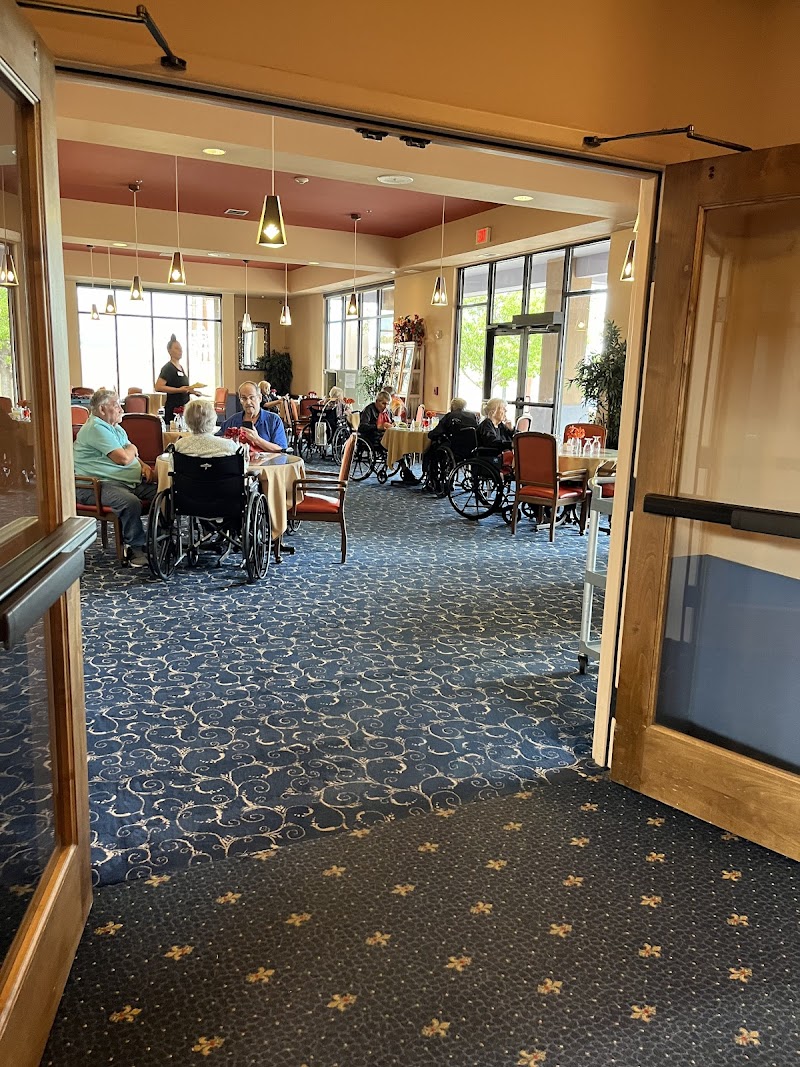
How is Advanced Health Care Of Albuquerque Staffed?

CMS rates Advanced Health Care of Albuquerque's staffing level at 3 out of 5 stars, which is average compared to other nursing homes. Staff turnover is 48%, compared to the New Mexico average of 46%.

What Have Inspectors Found at Advanced Health Care Of Albuquerque?

State health inspectors documented 18 deficiencies at Advanced Health Care of Albuquerque during 2022 to 2025. These included: 2 Immediate Jeopardy (the most serious level, indicating potential for serious harm or death), 2 that caused actual resident harm, and 14 with potential for harm. Immediate Jeopardy findings are rare and represent the most serious regulatory concerns. They require immediate corrective action.

Who Owns and Operates Advanced Health Care Of Albuquerque?

Advanced Health Care of Albuquerque is owned by a for-profit company. For-profit facilities operate as businesses with obligations to shareholders or private owners. The facility is operated by ADVANCED HEALTH CARE, a chain that manages multiple nursing homes. With 47 certified beds and approximately 45 residents (about 96% occupancy), it is a smaller facility located in Albuquerque, New Mexico.

How Does Advanced Health Care Of Albuquerque Compare to Other New Mexico Nursing Homes?

Compared to the 100 nursing homes in New Mexico, Advanced Health Care of Albuquerque's overall rating (5 stars) is above the state average of 2.9, staff turnover (48%) is near the state average of 46%, and health inspection rating (4 stars) is above the national benchmark.

What Should Families Ask When Visiting Advanced Health Care Of Albuquerque?

Based on this facility's data, families visiting should ask: "What changes have been made since the serious inspection findings, and how are you preventing similar issues?" "Can I visit during a mealtime to observe dining assistance and food quality?" "How do you handle medical emergencies, and what is your hospital transfer rate?" "Can I speak with family members of current residents about their experience?" These questions are particularly relevant given the facility's Immediate Jeopardy citations.

Is Advanced Health Care Of Albuquerque Safe?

Based on CMS inspection data, Advanced Health Care of Albuquerque has documented safety concerns. Inspectors have issued 2 Immediate Jeopardy citations (the most serious violation level indicating risk of serious injury or death). The facility has a 5-star overall rating and ranks #1 of 100 nursing homes in New Mexico. Families considering this facility should ask detailed questions about what corrective actions have been taken since these incidents.

Do Nurses at Advanced Health Care Of Albuquerque Stick Around?

Advanced Health Care of Albuquerque has a staff turnover rate of 48%, which is about average for New Mexico nursing homes (state average: 46%). Moderate turnover is common in nursing homes, but families should still ask about staff tenure and how the facility maintains care continuity when employees leave.

Was Advanced Health Care Of Albuquerque Ever Fined?

Advanced Health Care of Albuquerque has been fined $39,880 across 3 penalty actions. The New Mexico average is $33,478. While any fine indicates a compliance issue, fines under $50,000 are relatively common and typically reflect isolated problems that were subsequently corrected. Families should ask what specific issues led to these fines and confirm they've been resolved.

Is Advanced Health Care Of Albuquerque on Any Federal Watch List?

Advanced Health Care of Albuquerque is not on any federal watch list. The most significant is the Special Focus Facility (SFF) program, which identifies the bottom 1% of nursing homes nationally based on persistent, serious quality problems. Not being on this list means the facility has avoided the pattern of deficiencies that triggers enhanced federal oversight. This is a positive indicator, though families should still review the facility's inspection history directly.