Manzano Del Sol by Purehealth

5201 Roma Avenue NE, ALBUQUERQUE, NM 87108 (505) 262-2311
Non profit - Corporation 117 Beds PUREHEALTH Data: November 2025
Trust Grade
65/100
#10 of 67 in NM
Last Inspection: May 2024

Within standard 12-15 month inspection cycle. Federal law requires annual inspections.

Overview

Manzano Del Sol by Purehealth has received a Trust Grade of C+, indicating that it is slightly above average but still has room for improvement. It ranks #10 out of 67 nursing homes in New Mexico, placing it in the top half of facilities, and #4 out of 18 in Bernalillo County, meaning only three local options are better. The facility is showing an improving trend in its performance, with issues decreasing from four in 2024 to two in 2025. Staffing is rated as average with a 3/5 star rating and a turnover rate of 60%, which is close to the state average. However, the facility has incurred $31,962 in fines, which is concerning, and they have reported serious incidents, including a delay in hospitalizing a resident who suffered from dehydration and severe infection, as well as concerns about food safety practices that could expose residents to foodborne illnesses. On a positive note, the facility has more RN coverage than 92% of New Mexico nursing homes, which is a strong point in ensuring quality care.

Trust Score
C+
65/100
In New Mexico
#10/67
Top 14%
Safety Record
Moderate
Needs review
Inspections
Getting Better
4 → 2 violations
Staff Stability
⚠ Watch
60% turnover. Above average. Higher turnover means staff may not know residents' routines.
Penalties
✓ Good
$31,962 in fines. Lower than most New Mexico facilities. Relatively clean record.
Skilled Nurses
✓ Good
Each resident gets 64 minutes of Registered Nurse (RN) attention daily — more than 97% of New Mexico nursing homes. RNs are the most trained staff who catch health problems before they become serious.
Violations
⚠ Watch
38 deficiencies on record. Higher than average. Multiple issues found across inspections.
★★★★★
5.0
Overall Rating
★★★☆☆
3.0
Staff Levels
★★★★★
5.0
Care Quality
★★★★★
5.0
Inspection Score
Stable
2024: 4 issues
2025: 2 issues

The Good

  • 5-Star Quality Measures · Strong clinical quality outcomes
  • Full Sprinkler Coverage · Fire safety systems throughout facility
  • No fines on record

Facility shows strength in quality measures, fire safety.

The Bad

Staff Turnover: 60%

14pts above New Mexico avg (46%)

Frequent staff changes - ask about care continuity

Federal Fines: $31,962

Below median ($33,413)

Moderate penalties - review what triggered them

Chain: PUREHEALTH

Part of a multi-facility chain

Ask about local staffing decisions and management

Staff turnover is elevated (60%)

12 points above New Mexico average of 48%

The Ugly 38 deficiencies on record

1 actual harm
Aug 2025 1 deficiency
CONCERN (D) 📢 Someone Reported This

A family member, employee, or ombudsman was alarmed enough to file a formal complaint

Potential for Harm - no one hurt, but risky conditions existed

Investigate Abuse (Tag F0610)

Could have caused harm · This affected 1 resident

**NOTE- TERMS IN BRACKETS HAVE BEEN EDITED TO PROTECT CONFIDENTIALITY** Based on record reviews and interview, the facility failed to complete and submit a Five Day Report (a report sent to the State ...

Read full inspector narrative →
**NOTE- TERMS IN BRACKETS HAVE BEEN EDITED TO PROTECT CONFIDENTIALITY** Based on record reviews and interview, the facility failed to complete and submit a Five Day Report (a report sent to the State Survey Agency which includes the results of the facility's investigation into alleged violations) to the State Agency regarding allegations of neglect (the failure of the facility, its employees, or service providers to provide goods and services to a resident that are necessary to avoid physical harm, pain, mental anguish, or emotional distress) for 1 (R #77) of 1 (R #77) resident. If the facility does not submit follow-up reports, then the State Agency cannot assure the residents are safe and free of neglect. The findings are:A. Record review of R #77's Face Sheet revealed an initial admission date of 06/20/25 with the following diagnoses:- Cardiomyopathy (heart disease),- Type 2 diabetes mellitus (DM2, a condition which results from insufficient production of insulin, causing high blood sugar),- Unspecified Dementia (a group of conditions characterized by impairment of at least two brain functions, such as memory loss and judgment),- Hypoxemia (low levels of oxygen in the blood),- Atherosclerosis heart disease (the build-up of fats, cholesterol, and other substances in and on the artery walls). B. Record review of the facility's Facility Reported Incident (FRI), dated 06/24/25, revealed R #77 fell shortly after admission on [DATE] and fell again later that evening. The FRI did not report the time of the falls. The FRI documented R #77 complained of pain on 06/24/25, which resulted in the diagnosis of a right femoral neck fracture (a break in the neck of the right thigh bone, located just below the ball of the right hip joint). C. Record review of R #77's Electronic Health Record, revealed R #77 was discharged to the hospital on [DATE]. Further review revealed the facility did not document any evidence the facility completed an investigation into the resident's falls or fracture of the right thigh. D. On 08/07/25 at 1:50 pm, during an interview, Director of Nursing (DON) stated she did not complete an investigation into the resident's falls, because the resident did not return to the facility after being hospitalized . The DON stated she was aware the Five Day Follow-Up report was due on the fifth day after an incident was reported to the State Agency.
Jan 2025 1 deficiency
CONCERN (D) 📢 Someone Reported This

A family member, employee, or ombudsman was alarmed enough to file a formal complaint

Potential for Harm - no one hurt, but risky conditions existed

Assessment Accuracy (Tag F0641)

Could have caused harm · This affected 1 resident

**NOTE- TERMS IN BRACKETS HAVE BEEN EDITED TO PROTECT CONFIDENTIALITY** Based on record review and interview, the facility failed to ensure a comprehensive Minimum Data Set Assessment (MDS; a federall...

Read full inspector narrative →
**NOTE- TERMS IN BRACKETS HAVE BEEN EDITED TO PROTECT CONFIDENTIALITY** Based on record review and interview, the facility failed to ensure a comprehensive Minimum Data Set Assessment (MDS; a federally mandated assessment instrument completed by facility staff) was accurate for 1 (R #1) of 1 (R #1) residents reviewed for accurate MDS Assessments. If resident assessments are not complete and accurate, the facility could misidentify clinical complications and fail to provide adequate care to treat the resident's medical condition. The findings are: A. Record review of R #1's admission MDS, dated [DATE], indicated the resident did not have any pressure ulcers (PU; an injury to skin and underlying tissue resulting from prolonged pressure on the skin) upon admission. B. Record review of R #1's progress notes, dated 05/26/24, revealed R #1 had a pressure ulcer to coccyx (tail bone) which measured 2 centimeters (cm) by 1.4 cm by 0.2 cm on admission. C. Record review of R #1's progress notes, dated 06/06/24, revealed R #1 had a stage 3 pressure ulcer (full thickness skin loss that extends into deeper tissue and fat but not into muscle, tendon, or bone) at the time of discharge. D. Record review of R 1's discharge MDS Assessment, dated 06/06/24, indicated the resident did not have any pressure ulcers upon discharge. E. On 01/30/24 at 12:11 pm, during an interview with the Director of Nursing (DON), she stated R #1 had a pressure ulcer on his coccyx at admission and at discharge, staff incorrectly coded R #1's MDS.
Jun 2024 1 deficiency 1 Harm
SERIOUS (G) 📢 Someone Reported This

A family member, employee, or ombudsman was alarmed enough to file a formal complaint

Actual Harm - a resident was hurt due to facility failures

Quality of Care (Tag F0684)

A resident was harmed · This affected 1 resident

**NOTE- TERMS IN BRACKETS HAVE BEEN EDITED TO PROTECT CONFIDENTIALITY** Based on record review and interview, the facility failed to provide quality of care for 1 (R #1) of 1 (R #1) resident reviewed ...

Read full inspector narrative →
**NOTE- TERMS IN BRACKETS HAVE BEEN EDITED TO PROTECT CONFIDENTIALITY** Based on record review and interview, the facility failed to provide quality of care for 1 (R #1) of 1 (R #1) resident reviewed for dehydration and nutrition when: 1. Staff failed to identify the decrease in nutritional intake and weight loss for R #1 as a change in condition. 2. Staff delayed to send R #1 to the hospital for two days after significant change in vitals. These deficient practices likely resulted in R #1's admission to the hospital with dehydration, urinary tract infection and sepsis (severe infection). The findings are: A. Record review of R #1's face sheet indicated she was admitted on [DATE] with the following diagnoses: - Fetal alcohol syndrome (condition in a child that results from alcohol exposure during the mother's pregnancy), - Severe intellectual disabilities [intelligence quotient (IQ) below 70 and deficits in at least two adaptive behaviors that affect everyday, general living], - Urinary tract infection, - Retention of urine (not fully draining urine from your bladder), - Dysphagia (difficulty swallowing). - This is not all inclusive list of diagnoses. B. Record review of the physician's orders for R #1 revealed the following, an order for house supplement (nutritional drink which includes carbohydrates, protein, fat, vitamins, and minerals and meant to provide a boost of nutrition to someone who is unable to get what they need from regular eating) four times a day for poor intake start date 01/26/24; and to weigh every Tuesday in the morning start date 04/23/24. C. Record review of the nursing progress notes for R #1, dated 04/12/24, indicated R #1 did not eat or drink much. On admission to the facility, staff had a conversation with the resident's Guardian (a person who is legally responsible for the care of another person) about hospice. Staff entered an order on 04/12/24 for hospice to evaluate R #1 since the resident declined over the past several months and continued to decline. D. Record review of a progress note for R #1 written by the Registered Dietician, dated 04/12/24, revealed R #1's weight was 143 pounds. Significant weight gain of 8 pounds (5.9%) in 1 day, likely due to inaccuracy. Weight fluctuated but trending decline. Close to weight at admission. Average intake 40 percent (%) with recent decline to below 25%. House supplement four times per day at 85% intake. Continue current plan of care. Continue weekly weight and referral to hospice. E. Record review of a nutritional progress note written by the Registered Dietician (RD) for R #1, dated 04/19/24, indicated the resident weighed 136 pounds (lbs), which was a 10 lb weight loss in 30 days. The resident's average intake was around 35 percent (%). The resident received a house supplement four times a day, and her intake averaged 95%. The resident is dependent on staff and required eating assistance She also required encouragement and supervision during and between mealtime for fluid, food, and snacks. F. Record review of the care plan for R #1, indicated the following care plan items: - R #1 had a communication problem due to a weak and absent voice, rarely or never understood, and rarely or never understands. - Initiated date 04/26/24, R #1 should be up in a wheelchair and in the dining room for all meals. The care plan directed staff to monitor weights weekly, poor intakes during meals, hydration, and supplements. - Acitivities of daily living (ADL) - R #1 was totally dependent on facility staff for bathing, bed mobility, dressing, eating, and personal hygiene. - R #1 had bladder incontinence, urinary retention, and recurrent urinary tract infections. - Monitor fluid intakes and for urinary tract infection (UTI) such as pain, burning, blood tinged urine, cloudiness, no output, urine color, change in eating, mental status and vitals. G. Record review of the Medication Administration Record (MAR) for R #1, dated 05/01/24 to 05/10/24, indicated staff documented the following: - Staff gave the resident 40 supplements. - R #1 drank 100 percent (%) of 22 of them. - R #1 drank 50% of 9 of them - R #1 drank 25% or less of 9 of them. H. Record review of the meal consumption percentages for R #1 indicated staff documented the following: - 05/14/24, one meal at 0-25%. - 05/13/24, two meals at 0-25%. - 05/12/24, one meal refused and two meals at 0-25%. - 05/11/24, one meal at 0-25% and one meal at 26-50%. - 05/10/24, one meal at 0-25% and one meal at 26-50%. - 05/09/24, one meal at 0-25% and one meal at 51-75%. - 05/08/24, one meal at 0-25% and one meal at 51-75%. - 05/07/24, two meals at 0-25%. - 05/06/24, staff did not document the resident's consumption percentages. - 05/05/24, one meal documented at 0-25%. - 05/04/24, one meal at 26- 51% and one meal at 76-100%. - 05/03/24, one meal at 51-76% and two meals at 76-100%. - 05/02/24, two meals at 76-100%. - 05/01/24, two meals at 76-100%. - 04/30/24, one meal at 0-25%. I. Record review of the daily, total fluid consumption percentage during meals and supplements for R #1 indicated staff documented the following: (The average woman should drink between 91 and 95 ounces per day of water/fluid): - 05/14/24, for two meals 960 cc / 32.5 ounces (oz). - 05/13/24, for one meal 80 cc / 2.70 oz. - 05/12/24, for two meals 960 cc / 32.5 oz. - 05/11/24, for two meals 900 cc / 34.93 oz. - 05/10/24, for two meals 1080 cc / 36.51 oz. - 05/09/24, for three meals 1200 cc / 40.56 oz. - 05/08/24, for two meals 360 cc / 12.17 oz. - 05/07/24, for two meals 240 cc / 8.11 oz. - 05/06/24, staff did not document the resident's consumption percentages. - 05/05/24, for one meal 200 cc / 6.76 oz. - 05/04/24, for two meals 760 cc / 25.69 oz. - 05/03/24, for two meals 960 cc / 32.5 oz. - 05/02/24, for two meals 960 cc / 32.5 oz. - 05/01/24, for two meals 960 cc / 32.5 oz. - 04/30/24, for one meal 480 cc / 16.23 oz. J. Record review of weights in the electronic medical record for R #1 indicated the resident weighed the following: - On 05/09/24, 125.0 lbs. - On 05/07/24, 127.0 lbs. - On 04/30/24, 140.0 lbs. - On 04/19/24, 143.0 lbs. - On 04/15/24, 136.0 lbs. K. Record review of the nursing progress notes for R #1 indicated the following: - On 05/10/24, staff called the resident's guardian. The resident had significant (a greater than 5% weight loss in 30 days) weight loss of 13 lbs (9.3% body weight loss) in a week. Resident recently started pocketing food and drink (where food is held in the mouth, especially in the cheeks, without being swallowed), and she had an average food intake of less than 25% in the past week. Supplement intakes two weeks ago were at 95% but declined to ~ 65% this week. Will collaborate with nursing, Speech-Language Pathology (SLP), and dietary department to offer additional supplements and snacks. The resident likes root beer. Staff should offer supplement with root beer, additional root beer float , additional supplement, and boost pudding (nutritional supplement in a pudding format) or magic cup (nutritional supplement in a frozen format) when available would be beneficial. - On 05/12/24, Certified Nursing Assistant (CNA) reported to the nurse on-call that the resident was warm to touch. Staff took the resident's vital signs on 05/12/24 at 9:36 pm, and they were as follows: Blood pressure (BP; normal blood pressure for adults ages 20 and older is 120/80): 123/68, heart rate [HR; normal heart rate in an individual is 60 to 100 beats per minute (bpm)]: 138 bpm, respiration rate (RR; rate of breathing. Normal RR 16 to 20 breaths per minute): 37, oxygen saturation (O2 sat; measure of how much oxygen is traveling through your body in your red blood cells. Normal O2 sat is between 95% and 100%): 79 to 85% room air (RA), temperature [temp; normal temperature for adults is in the range of 97 degrees (°) Fahrenheit (F) to 99° F]: 100.5° F. The resident's urine appeared to have some blood clots and sediments. The resident's skin was warm to touch and was clammy. Staff removed all blankets off the resident and placed supplemental oxygen via nasal cannula (NC; medical device to provide supplemental oxygen therapy to people who have lower oxygen level) at 4 liters per minute (L/min) via NC. Staff attempted to give the resident her scheduled medications, including Tylenol, to decrease elevated temperature; however, resident did not swallow the medication. The resident kept her mouth open and did not listen to verbal instructions. In order to prevent the resident from choking or aspirating (to breathe in or to breathe a substance into your lungs by accident), staff cleaned the resident's mouth with a toothette (disposable, single-use sponges attached to a stick and used for oral care) to remove medication mixed with yogurt. L. Record Review of the physician orders for R #1, dated 05/14/24, indicated an order to transfer R #1 to hospital immediately for possible sepsis (serious infection). Patient had a fever yesterday, and now she had tachycardia (increased heart rate), hypoxia (low oxygen), hypernatremia (having too much sodium in the blood), acute kidney injury (AKI; a sudden decrease in kidney function that develops rapidly over a few hours or days. It may be fatal.), and hyperglycemia (high blood sugar). M On 06/18/24 at 12:30 pm during interview with Nurse Practitioner (NP), she stated she was aware of R #1's condition on 05/13/24. She stated the on-call physician made the decision not to send the resident to the emergency room and placed orders for an IV, labwork, and antibiotics instead. She stated R #1's vitals were more stable later when she came to see R #1 on the 05/13/24, and she wanted to wait to see what the lab work indicated. The NP stated the resident's lab work came back on 05/14/24. She said the resident's vitals were not stable on 05/14/24, and the lab results indicated the resident had high neutrophils (white blood cells; if high it may be due to medical conditions like infection.) The NP stated she decided to send R #1 out to the hospital. She stated she probably should have sent R #1 out to the hospital sooner. N. On 06/17/24 at 12:37 pm, during an interview with the Tribal Services Guardian, she stated R #1 was malnourished and dehydrated when she was admitted to the hospital on [DATE]. The Guardian stated the facility called sometime in April and told her they wanted to get a hospice consult. She stated she was surprised, because the facility did not give her the impression that R #1 had declined to the point of needing hospice. The Guardian stated hospice denied R #1, because there was not a reason for her to be on hospice. She stated she received mixed messages from the facility about R #1's weight and food intakes. She stated R #1 ate 80 % of her meals; yet, R #1 still lost weight. The guardian stated R #1 required full assistance with eating her meals, (meaning she required full assistance with eating and drinking and was not able to feed or intake any fluids on her own) O. On 06/18/24 at 9:20 am, during an interview with the Registered Dietician (RD), she stated she reviewed all documentation related to the resident's food and hydration intakes, spoke to staff, and reviewed the resident's weights when she made assessments for residents. The RD reviewed R #1's intake percentages for April and May and stated that she would not think R #1 would continue to lose that much weight. The RD stated, that to her knowledge, the staff assisted the resident with eating in the resident's room. She stated that once a resident declined to the point of not eating, the staff usually considered hospice. P. On 06/17/24 at 9:55 am, during an interview with CNA #8, she stated she assisted R #1 with eating a few time, and she was taught to give R #1 a bite of food and then a sip of water. She stated the food and fluids would come out of the side of the resident's mouth, and sometimes the resident would not swallow her food at all. CNA #8 stated this went on for about one month prior to the resident going out to the hospital. She stated she assisted the resident with eating in her room, not the dining room, and it took around thirty minutes. CNA #8 stated the resident liked to eat in her room. CNA #8 was not aware of the signs of dehydration. Q. On 06/17/24 at 12:45 pm, during an interview with the Tribal Services Director/Guardian, she stated R #1 was admitted to the hospital on Tuesday, 05/14/24, and she was told R #1 was still dehydrated on Friday, 05/17/24. The Guardian stated the resident had a urinary tract infection [UTI; an infection in any part of the urinary system, usually the bladder or urethra (the tube that lets urine leave your body)], kidney stones [when a solid piece of material (renal calculus) develops in the urinary tract], and her electrolytes (keep your nervous system and muscles functioning and your internal environment balanced) were totally off. She stated the hospital was not able to draw any labs on the resident, because she was so dehydrated. She stated the hospital voiced concerns about medical neglect because of the condition R #1 was in when she arrived at the hospital. The Guardian stated she was often given mixed messages about R #1's food intakes and weight loss when she spoke to the facility staff, like one conversation would be that she has gained weight and the next would be that she needed to go on hospice. She stated the resident was totally dependent on staff for all food and fluid intakes. She also stated R #1 was still in the hospital, and now she had a gastrostomy tube (G-tube; a tube surgically inserted through the abdomen into the stomach and used to provide fluids, nourishment, and medications). R. On 06/17/24 at 1:20 pm, during an interview with the Hospital Social Worker (HSW), she stated R #1 was very sick when she showed up to the hospital . The HSW stated R #1 was not eating or drinking, and the doctor decided to place a feeding tube. She stated that was the only way the resident would get nutrition, because she had not been eating or drinking enough. The HSW stated there were also concerns the resident might aspirate. S. On 06/17/24 at 4:02 pm, during an interview with the Hospital Physician, she stated R #1 was admitted to the hospital with high sodium levels, a urinary infection, kidney stones, and sepsis due to an infection. She stated she spoke to someone (unknown person) from the facility,and they told her R #1 had not been eating for approximately six weeks. The Physician stated it was not acceptable for a person, who is not on hospice, to not eat much for around six weeks. She stated the resident was dehydrated and required 13 liters of fluid. She stated this seemed like neglect to her. T. On 06/17/24 at 10:14 am, during an interview with the Director of Nursing (DON), she stated they talked to the R #1's Guardian sometime in April, and they suggested Hospice services. The DON stated the facility felt like the resident was declining and was at end of life, due to R #1 not eating and her weight loss. She stated the resident did not receive Hospice services, and she was not sure why. The DON stated that when R #1 did not go on hospice services, the facility wasn't able to do anything else for R #1. The DON stated how do you make someone eat? She stated the resident was on supplements and was assisted with eating. U. On 06/18/24 at 10:22 am, during an interview with Nurse #5, she stated sometimes R #1 ate in the dining room and sometimes in her room. She stated sometimes the CNAs did not get the resident out of bed, and that is why she ate in her room. She stated R #1 stopped eating and was pocketing her food, but she was not sure for how long. The nurse stated the resident also pocketed her medications. V. On 06/18/24 at 1:07 am, during an interview with Speech Therapy (ST), she stated R #1 needed full assistance with eating. She stated the resident did not have issues with fluids, but she did pocket her food when she ate. The ST stated she worked with staff on this and showed them how to use the toothette (soft piece of foam on stick to assist with oral issues) to swipe the food away and to limit the pocketing. ST stated she trained the CNAs on that shift and the information was passed along to the next shift. The ST stated did not conduct a full training with all the staff around this issue. She stated staff needed to take the time with R #1 when she ate. She stated R #1 needed to be in an upright position so the food would not trickle out of her mouth. She stated if staff had the resident in an upright position and utilized the toothette, then R #1 would not have the issue of pocketing her food or trickling out the side of the mouth. The ST stated when she saw staff assisting R #1 with eating the resident was usually in bed.
May 2024 3 deficiencies
CONCERN (D)

Potential for Harm - no one hurt, but risky conditions existed

Deficiency F0688 (Tag F0688)

Could have caused harm · This affected 1 resident

Based on record review, and interview, and observation the facility failed to ensure residents received appropriate treatment and services to prevent decrease in range of motion and mobility to the ex...

Read full inspector narrative →
Based on record review, and interview, and observation the facility failed to ensure residents received appropriate treatment and services to prevent decrease in range of motion and mobility to the extent possible, for 1 (R #26) of 4 (R #2, R #26, R #36 and R #13) residents reviewed for range of motion and mobility, when they failed to provide a restorative nursing program [a nursing service with the goal to maximize function and prevent functional decline in residents who require assistance from staff for mobility and activities of daily living (ADLs)] for residents with limited range of motion and/or mobility. This deficient practice could likely result in residents' decreased ability to participate in ADLs and thus failing to reach their highest practicable level of wellbeing. The findings are: A. Record review of the Journal of the American Medical Directors Association's article titled, Contractures in Nursing Home Residents, dated February 2010, stated Contractures are highly prevalent but preventable in nursing homes. It further stated Contractures will get worse over time without passive range of motion therapy and or a restorative nursing therapy program. B. Record review of R #26's electronic medical record (EMR) revealed the following diagnoses: Contractures (occurs when the muscles, tendons, joints, or other tissues tighten or shorten causing a deformity) of left shoulder, left lower leg, left ankle and foot, left elbow, and right foot and ankle. C. Record review of R #26's care plan, revised on 04/19/24, revealed R #26 was not able to perform ADLs independently and required assistance. R #26's goal was to improve current level of function in bed mobility and muscle Contractures by the review date and to be able to improve range of motion of both upper arms and both legs from 30 to 45 degrees. D. On 05/06/2024 at 10:45 am an during observation of R #26 in her room, the resident lay in bed, in the fetal position (elbows and knees tucked into her chest), and unable to get out of bed. E. During an interview on 05/09/24 at 10:34 am, Director of Rehabilitation (DOR) stated R #26 received rehabilitation therapy services in the past, but those services ended on 10/17/2023. The DOR stated R #26 was cooperative with passive range of motion exercises and showed some improvement. The DOR stated R #26 has not received any physical, occupational, or restorative therapy since 10/17/2023. The DOR further stated R #26 would benefit from a restorative nursing program, as this would prevent her contractures from getting worse and could possibly improve.
CONCERN (E)

Potential for Harm - no one hurt, but risky conditions existed

Accident Prevention (Tag F0689)

Could have caused harm · This affected multiple residents

**NOTE- TERMS IN BRACKETS HAVE BEEN EDITED TO PROTECT CONFIDENTIALITY** Based on record review and interview, the facility failed to prevent an accident and to provide a safe transfer when the facilit...

Read full inspector narrative →
**NOTE- TERMS IN BRACKETS HAVE BEEN EDITED TO PROTECT CONFIDENTIALITY** Based on record review and interview, the facility failed to prevent an accident and to provide a safe transfer when the facility failed to: 1. Ensure beds were locked. 2. Ensure staff used equipment correctly 3. Ensure staff supervised residents needing help during transfers. 4. Ensure staff used the lift properly and with the appropriate equipment. These failures had the potential to affect 4 (R #5, R #21, #34, and R #58) out of 4 (R #5, R #21, R #34, R #58) residents reviewed for falls. These deficient practices could likely result in the residents falling and injuring themselves. The findings are: Findings for R #21 A. Record review of the face sheet for R #21 revealed the resident was admitted to the facility on [DATE] with multiple diagnoses to include: - Hypotension (low blood pressure), - Anemia (deficiency of healthy red blood cells in blood and they carry oxygen to all parts of the body), - Depression (sadness and loss of interest), - Malnutrition (not taking enough calories). B. Record review of the care plan for R #21, dated 04/18/24, indicated the following: - The resident was at risk for falls due to weakness and deconditioning, opioid use, and cognition. - Ensure to provide a safe environment: Bed locked and tray table with personal items within reach. C. Record review of the nursing progress notes for R #21, dated 05/06/24 at 1:04 pm, revealed the resident had a fall on 04/17/24. Staff documented a late entry: The Nursing Assistant (NA) reported to the Nurse that R #21 was found on the floor next to his bed. The Nurse went in the resident's room, and R #21 lay on his right side with his blanket and pillow under him. Medication Technician/Certified Nursing Assistant (CNA) reported that R #21 stated he reached for his water, and the bed moved. The CNA stated the bed was not locked when she checked it. D. On 05/10/24 at 9:33 am, during an interview with Nurse #3, she stated R #21 was on floor when she entered the room. She stated the bed was little higher than normal, and the bed control was on the other side of the bed. Nurse #3 stated the CNA told her the bed was not locked. Nurse #3 stated there was a lever at the foot of the bed that staff can push with their foot to lock the bed and keep it from moving. Nurse #3 stated the CNA told her R #21 said he reached for his water and fell out of bed. She stated there were several reasons staff move the beds in resident rooms, like changing the sheets on the bed and housekeeping will move them to clean. E. On 05/09/24 at 1:18 pm, during an interview with CNA #8, she stated the residents' bed need to be locked at all times. CNA #8 stated they unlock the beds to move them sometimes, but staff should relock the bed when they are finished. She stated if the bed was unlocked when a resident tried to get out of bed or reach for something, then the bed could shift causing the resident to fall. F. On 05/09/24 at 1:46 pm, during an interview with the Administrator, she stated that she would expect to see an investigation into a fall to indicate the bed was unlocked. but she did not see one for R #21's fall from the bed. She expects that any staff who moves the bed for any reason to relock it so it doesn't move. Ensuring staff used equipment correctly G. Record review of the comprehensive Minimum Data Set (MDS; a federally mandated assessment instrument completed by the facility staff) for R #34, dated 04/23/24, revealed R #34 was totally dependent on staff for assistance. R #34 could not use both her upper and lower extremities and required the assistance of two staff and a Hoyer lift for transfers. H. Record review of a progress note in the electronic medical record for R #34, dated 04/22/24, revealed staff documented R #34 fell from the Hoyer lift (medical equipment designed to lift and transfer patients from one place to another) when staff transferred him from his bed to his wheelchair. The record also revealed the Hoyer lift grazed R #34's head when it tipped over. I. Record review of the incident report for R #34's fall, dated 05/02/24, revealed the Director of Nursing (DON) documented certified nursing aide (CNA) #1 and CNA #2 assisted R #34 with a transfer from his bed to his wheelchair using the Hoyer lift on 04/22/24. The report revealed the Hoyer lifts legs were under the resident's wheelchair as the CNAs transferred the resident. The report further revealed CNA #1 pulled hard on R #34 to assist him into his wheelchair, the Hoyer lift tipped over, R #34 landed in his wheelchair hard, and the Hoyer lift grazed the resident's head. An injury was not reported. J. Record review of the facility's in-service training for proper usage of Hoyer lifts, dated 04/26/24, showed CNA #1 and CNA #2 attended the class at the facility on that date. K. On 05/06/24 at 12:54 pm, during an interview with R #34, he stated he fell into his wheelchair when the Hoyer lift tipped over on 04/22/24, when staff transferred him from his bed and into his wheelchair. R #34 stated the Hoyer hit his head but did not cause any injury. R #34 stated he did not think the CNAs used the Hoyer lift correctly, because it should never tip over when used right. R #34 further stated while he was in the air, above his wheelchair, in the Hoyer lift, one of the CNAs pulled on him hard, which caused his weight to shift and the Hoyer lift tipped over. L. On 05/07/24 at 11:35 am, during an interview with the DON, she stated the only way a Hoyer can tip over during operation is if staff use it incorrectly. The DON investigated the incident and found that one of the CNAs moved R #34 while he was being lifted in the Hoyer instead of moving the Hoyer. Ensure staff supervised residents needing help during transfers M. Record review of the progress note in the electronic medical record for R #58, dated 05/04/2024, revealed the resident fell onto the floor when staff transferred her from the wheelchair to a shower chair on 05/04/24. N. Record review of the comprehensive MDS for R #58, dated 04/29/24, revealed R #58 required supervision or touching assistance from staff during transfers from wheelchair to shower chair. Staff to provide verbal cues, touching, steadying, and contact guard assistance as the resident transfers from one chair to another. O. Record review of the care plan for R #58, dated 04/26/24, revealed R #58 was at risk for falls related to reduced mobility with the intervention of reminders about safety. P. Record review of the fall investigation for R #58's fall, dated 05/04/24, revealed CNA #3 witnessed R #58 slide out of her wheelchair in the shower room, and R #58 stated I forgot to lock my brakes. The resident had a new bruise to the back of her right forearm and a small scrape on her right elbow. Staff assisted the resident back into her chair, and the resident continued with her shower. Q. On 05/06/24 at 3:05 pm, during an interview with R #58, she stated she slipped out of her wheelchair in the shower room while she transferred herself to the shower chair. R #58 stated she forgot to lock her wheelchair brakes, and that is why she slipped out onto the floor. R #58 did not remember if CNA #3 reminded her to lock her wheelchair brakes or not. R #58 further stated CNA #3 and herself were in the shower room during the incident. R. On 05/9/24 at 11:07 am, during an interview with the DOR (Director of Rehabilitation), he stated that since R #58 required supervision or touching assistance during transfers, CNA #3 should have verbally asked R #58 to lock her wheelchair before transferring or the CNA should have locked the wheelchair. Findings for R #5 S. On 05/06/24 at 8:45 am, during an interview with R #5, she stated recently staff transferred her from the wheelchair to her bed with a Hoyer lift. She said the Hoyer lift tilted, and she fell on the floor. She stated she refused to go to the hospital, because she was not hurt. R #5 stated she thinks the fall had something to do with the sling, but she was not sure. T. Record review of the incident report for R #5, dated 03/25/24, revealed staff documented they transferred the resident from the shower chair to her bed using a Hoyer lift. The Hoyer lift tipped to the left, and the resident fell to the floor. The CNAs assisted with the transfer. Resident did not hit her head and refused to go to the hospital. In the witness section it revealed we were transferring resident from the shower chair to the bed using a Hoyer lift, and when we moved residents legs, the Hoyer titled over to the left side. U. On 05/07/24 at 11:35 am, during an interview with the DON, she stated the only way a Hoyer can tip over during operation is if staff use it incorrectly. V. On 05/09/24 at 1:46 pm, during an interview with the Administrator, she stated she would expect to see an investigation into a fall that included a Hoyer lift. She stated staff completed an incident report for the Hoyer lift incident with R #5, but she could not find an investigation of why it happened.
CONCERN (E)

Potential for Harm - no one hurt, but risky conditions existed

Deficiency F0761 (Tag F0761)

Could have caused harm · This affected multiple residents

**NOTE- TERMS IN BRACKETS HAVE BEEN EDITED TO PROTECT CONFIDENTIALITY** Based on observation and interviews, the facility failed to: 1. Ensure expired supplies were not kept with unexpired supplies. 2...

Read full inspector narrative →
**NOTE- TERMS IN BRACKETS HAVE BEEN EDITED TO PROTECT CONFIDENTIALITY** Based on observation and interviews, the facility failed to: 1. Ensure expired supplies were not kept with unexpired supplies. 2. Ensure staff documented the medication refrigerator temperatures. These deficient practices are likely to result in all 11 residents who resided on the 100 hall, as identified on the census list provided by the Executive Director (ED) on [DATE], to have expired supplies that have lost either their potency or effectiveness used on them, or to receive medication that has lost either their potency or effectiveness. The findings are: Ensure expired supplies were not kept with unexpired supplies. A. On [DATE] at 9:25 am, observation of 100 hall medication room revealed a Medstream dressing change kit expired on [DATE]. The expired supplies were stored with other non-expired supplies and not in the area used for the disposal of expired supplies. B. On [DATE] at 9:30 am, during an interview, medication technician (MT) #1 confirmed the supplies were expired. MT #1 stated it was expected the nursing staff to go through the medication storage rooms from time to time and remove any expired or soon to expire supplies. Ensure staff documented temperatures for medication refrigerator. C. Record review of the 100 hall medication room's refrigerator temperature logs revealed staff did not document the temperatures as follows: 1. [DATE] am or pm. 2. [DATE] am or pm. 3. [DATE] am or pm. 4. [DATE] am. D. On [DATE] at 9:25 am, during observation of the 100 hall medication room refrigerator, insulin and other medications that required refrigeration were in the refrigerator. Further observation revealed an analog (dial type) temperature gauge and a digital temperature sensor inside the refrigerator. E. On [DATE] at 1:32 pm, during an interview with the Director of Nursing (DON), she stated staff must check all medication storage rooms refrigerator and freezer temperatures once a day and document the temperatures on the temperature log. She stated staff checked to make sure the refrigerators maintained a temperature range of 36 to 46 degrees Fahrenheit, which preserved temperature controlled medications.
Jan 2023 12 deficiencies
CONCERN (D) 📢 Someone Reported This

A family member, employee, or ombudsman was alarmed enough to file a formal complaint

Potential for Harm - no one hurt, but risky conditions existed

Deficiency F0602 (Tag F0602)

Could have caused harm · This affected 1 resident

Based on interview and record review, the facility failed to prevent misappropriation of resident money, when money wasn't deposited onto R #14's debit card and money was taken by staff for one reside...

Read full inspector narrative →
Based on interview and record review, the facility failed to prevent misappropriation of resident money, when money wasn't deposited onto R #14's debit card and money was taken by staff for one resident (R #14) of 3 (R #14, 26 and 49) residents looked at for misappropriation/missing of property. This deficient practice could likely cause residents to feel unsafe, not trust the staff at the facility, and to experience anger and frustration. The findings are: Resident #14 A. Record review of the Minimum Data Set (MDS) completed on 11/20/22 indicated that resident had a BIMS (Brief Interview for Mental Status) of 14. The total possible BIMS score ranges from 0 to 15. 13 -15: cognitively intact. 8 -12: moderately impaired. 0 - 7: severe impairment. B. On 01/24/23 at 3:50 pm during an interview with the Administrator (ADM), ADM indicated that when he found out about the missing money/card in November which was $100 dollars and it went missing on 09/30/22, he stated that the BOM (Business Office Manager) and R #14 came to him to tell him about the missing money. He stated that Activities Assistant (AA) had been handling, putting money on residents cards so they could shop. He said that when he asked R #14 why she didn't report this sooner she stated that she left it in God's hands. He stated that AA went on personal leave two days after the money was given to her to put on R #14's card. So she (AA) never worked at the facility again. He stated that AA did come in briefly to drop off the card but never really spoke to them about the incident, she only denied that any money was given to her. He (ADM) did call the police and they spoke to R #14 and she told them she didn't want to press charges. The Administrator stated that he had submitted a reimbursement for R #14 but he would look into whether or not it had come through. ADM stated that they didn't have a policy in place around this issue but it is clear now the only the Business Office Manager would handle anything to do with residents money. C. On 01/24/23 at 10:15 am, during an interview with R #14, she stated that she remembers the money being taken. She stated that she had spoken to the staff (doesn't remember her name) awhile back and the staff member apologized to her for taking her money. She stated that AA admitted to taking the money and used it for her own personal use. She stated that she did not get reimbursed for the money. D. On 01/25/23 at 9:30 am during an interview with the Administrator, he stated that AA had not officially been terminated in their system, so there was no official termination date. He stated that she had not worked in the facility since taking leave around the time of the incident. The administrator also said that R #14 was re-imbursed the money today 01/25/23. E. On 01/25/23 at 2:15 pm, during an interview with the BOM she stated that AA was assisting with getting funds onto R #14's card. She stated that there had not been issues or problems with this staff member (AA) doing this for the residents. She stated that AA had a personal emergency situation and did not return with the money or card. The BOM stated that she tried at least five times to get the (see dates below in finding F) card/money back. For about two weeks the AA indicated that she would bring back the card with the money on it then she wouldn't show up. On the 12th of October the BOM text the AA about bringing the money with a receipt and the AA responded that she would bring it today. On October 13th the BOM text AA and said I will meet you somewhere to pick up the card and money and received a text back stating that the AA was out of town and can we do it tomorrow. The AA was a no show on the 13th of Oct. On October 25th the AA stopped responding to any texts that the BOM sent. On November 7th the BOM told AA that if you don't bring the card she was going to file a grievance. On the 9th of November she told the AA that if she didn't bring the money and the card by the end of day she was filing a grievance. That is when she went to the Administrator about it. F. Record review of the Timeline of events: 1. Record review of the (name of) card transaction report indicated that R #14 had a balance of $18.39 on the card 09/30/23. 2. Record review dated 09/30/22 indicated that $100 was taken out of R #14's Resident Funds Account. 3. On 09/30/22 $100 was given to AA in front of BOM and R #14 to put on (name of) card for R #14. 4. On 10/04/22 AA did not return to work with R #14's card or the money. Sometime between 09/30/22 and 10/04/22 AA had a family emergency and needed personal leave time. (AA did not work in the building again after the 09/30/22). 5. Contact was made from BOM to AA via text message on 10/12/22 and 10/13/22 trying to set up a time to get card and money back. AA stopped responding when attempts were made to collect 10/25/22, 11/07/22 and 11/09/22. 6. On 11/11/22 BOM and R #14 notified Administrator of the incident and AA was officially suspended. G. Record review of the email sent from BOM to the Administrator on 11/11/23 indicated that AA deposited $65 on or around 10/01/22 on the (name of) card for R #14, (not the $100 that was supposed to be deposited). H. Record review of the (name of) card transaction report for R #14 indicated the following: 1. 10/12/22 $7.95 fee was taken out (this is a normal monthly fee) leaving a total of $75.44. 2. 10/18/22 $68.01 was used leaving a balance of $7.43 on the card. 3. 10/19/22 $7.43 was used leaving a balance of $0 on the card. 4. Total amount R #14 lost was $118.39.
CONCERN (D)

Potential for Harm - no one hurt, but risky conditions existed

Deficiency F0657 (Tag F0657)

Could have caused harm · This affected 1 resident

Based on record review and interview the facility failed to complete a revised care plan to include interventions for 1 (R #48) of 1 (R #48) resident who was receiving renal dialysis (process of remov...

Read full inspector narrative →
Based on record review and interview the facility failed to complete a revised care plan to include interventions for 1 (R #48) of 1 (R #48) resident who was receiving renal dialysis (process of removing waste products and excess fluid from the body). This deficient practice could likely result in residents not receiving the care and services needed for renal dialysis. The findings are: A. Record review of R #48's Face Sheet revealed, admission date 02/01/22, Diagnosis: dependence on renal dialysis. B. Record review of R #48's physician's order for Dialysis to begin on 05/19/22. C. Record review of R #48's Care Plan dated 02/02/22 and a revised date 05/19/22 revealed, no intervention documentation for scheduled days/times that resident will be going to dialysis to receive services. D. On 01/25/23 at 9:33 am, during an interview with R #48, she stated that she goes on a weekly basis to dialysis on Tuesday, Thursday, and Saturday for 4-hour sessions. E. On 01/25/23 at 10:03 am, during an interview with Director of Nursing (DON), she confirmed that R #48's care plan did not have any documentation for interventions stating scheduled days/times that resident will be going to dialysis to receive service.
CONCERN (D)

Potential for Harm - no one hurt, but risky conditions existed

Accident Prevention (Tag F0689)

Could have caused harm · This affected 1 resident

Based on observation, interview and record review, the facility failed to ensure that the facility was free from accident hazards for 1 (R #19) of 1 ( R# 19) resident by having a bed side table placed...

Read full inspector narrative →
Based on observation, interview and record review, the facility failed to ensure that the facility was free from accident hazards for 1 (R #19) of 1 ( R# 19) resident by having a bed side table placed on top of a fall mat (thick padded floor mat for the prevention of injuries due to falls from beds ext .). This deficient practice could most likely result in harm from injuries if resident was to fall from his/her bed. The findings are: A. Record review of R #19's face sheet initial admission date 02/26/16, diagnosis: hypertension (high blood pressure), constipation (difficulty in emptying the bowels), type 2 diabetes with plyneuropathy (high blood sugars with nerve damage), atherosclerotic heart disease (hardening of the arteries), hyperlipidemia (abnormally high concentration of fats or lipids in the blood), disorders of bone density and structure (bone mineral density and bone mass decreases, structure and strength of bone changes), polyosteoarthrities ( joint disease in which arthritis affects five or more joints), post traumatic stress disorder, (a disorder in which a person has difficulty recovering after experiencing or witnessing a terrifying event), cardiac arrhythmia (irregular heartbeat), chronic obstructive pulmonary disease (chronic inflammatory lung disease that causes obstructed airflow from the lungs), edema (swelling caused by fluid in your body's tissues), iron deficiency (condition of too little iron in the body), dorsalgia (severe back pain), morbid (severe) obesity (excessive body fat), asthma (airways become inflamed, narrow, and swell, difficult to breathe), chronic diastolic heart failure (heart's main pumping chamber (left ventricle) becomes stiff and unable to fill properly), end stage renal disease (disease of the kidneys in which they cannot remove wastes and fluids from the blood stream), muscle weakness (lack of strength in the muscles), unsteadiness on feet (losing your balance while walking), cognitive communication deficit (impairment in thought organization, sequencing, attention, memory, planning, problem-solving, and safety awareness), dysarthria (slowed or slurred speech) and anarthria (speech disorder that occurs when someone cannot coordinate or control the muscles used for speaking), hypoxemia (low concentration of oxygen in the blood), and chronic pain. B. Record review of R #19's Care Plan dated 03/08/16 with a revision on 05/06/23 stated, that resident is at risk for falls, has a history of falls, frequently slides off her bed. Intervention: place fall mat by bedside. C. On 01/23/23 at 11:05 am, during an observation of R #19's room, a bedside table was on a fall mat next to R #19's bed. D. On 01/23/23 at 11:08 am, during an interview with License Practical Nurse (LPN #1), she confirmed that the bedside table was on the fall mat and stated that the bed side table is not supposed to be on the fall mat.
CONCERN (D)

Potential for Harm - no one hurt, but risky conditions existed

Respiratory Care (Tag F0695)

Could have caused harm · This affected 1 resident

**NOTE- TERMS IN BRACKETS HAVE BEEN EDITED TO PROTECT CONFIDENTIALITY** Based on observation, record review, and interview, the facility failed to ensure that oxygen tubing was changed and dated for 2...

Read full inspector narrative →
**NOTE- TERMS IN BRACKETS HAVE BEEN EDITED TO PROTECT CONFIDENTIALITY** Based on observation, record review, and interview, the facility failed to ensure that oxygen tubing was changed and dated for 2 (R #35 and R #210) of 2 (R #35 and R #210) residents reviewed for oxygen care. This deficient practice could likely result in residents using old or contaminated oxygen tubing. The findings are: Resident #210 A. On 01/23/23 at 11:42 am, during an observation of R #210's oxygen tubing, it was observed that the oxygen tubing was not dated (making it unclear or unknown when it was last changed) B. Record review of the EHR (Electronic Health Record) revealed that R #210 was admitted to the facility on [DATE] with the following pertinent diagnosis: chronic obstruction pulmonary disease (A group of lung diseases that block airflow and make it difficult to breathe), chronic respiratory failure with hypoxia (a condition where the lungs are unable to effectively exchange oxygen with carbon dioxide leading to consistently low levels of oxygen in the tissues), and pulmonary fibrosis (scar tissue in the lungs). C. Record review of physician orders, dated 01/11/23, revealed an order to Change oxygen tubing and humidifier every Tuesday and PRN (as needed), ( night shift duty). Ensure tubing is dated and in plastic bag when not in use one time a day every Tue. Resident #35 D. On 01/23/23 at 11:27 am, during an observation of R #35's oxygen tubing, it was observed that the oxygen tubing was dated 11/29 [November 29, 2022]. E. Record review of the EHR revealed that R #35 was admitted to the facility on [DATE] with the following pertinent diagnosis: chronic obstructive pulmonary disease, dyspnea (shortness of breath and feeling of suffocation), and chronic respiratory failure with hypoxia. F. On 01/26/23 at 4:04 pm, during an interview with the DON, when asked when oxygen tubing should be changed, she explained Oxygen tubing should be changed out once a week. It should be dated the day they change it. When asked if the oxygen tubing for R#210 and R #35 were changed as expected, she explained that staff must have missed those oxygen tubings.
CONCERN (D)

Potential for Harm - no one hurt, but risky conditions existed

Deficiency F0760 (Tag F0760)

Could have caused harm · This affected 1 resident

Based on observation, record review and interview, the facility failed to ensure that medications were administered as ordered for 1 (R # 28) of 10 (R #'s 3, 6, 13, 18, 28, 33, 36, 42, 44, and 51) res...

Read full inspector narrative →
Based on observation, record review and interview, the facility failed to ensure that medications were administered as ordered for 1 (R # 28) of 10 (R #'s 3, 6, 13, 18, 28, 33, 36, 42, 44, and 51) residents reviewed for medication administration, as ordered by the physician. This deficient practice can result in a resident failing to obtain maximum wellness and/or suffering prolonged illness. The findings are: A. On 01/24/23 at 2:34 pm during observation of medication administration, Registered Nurse (RN) #3 was observed providing medications to R #28. She was observed crushing all ordered medications and mixing them with applesauce prior to administering them. B. Record review of physician orders for R #28 dated 01/03/23 revealed that there was no order to crush medications. The current order, which was dated 11/17/22, from Hospice is as follows: Please continue current medications unless otherwise indicated. C. On 01/24/23 at 2:48 pm during interview with RN #3, she confirmed that R #28 did not have an order to crush medications at this time. She further stated she crushed the medication in order to make it easier for R #28 to swallow.
CONCERN (D) 📢 Someone Reported This

A family member, employee, or ombudsman was alarmed enough to file a formal complaint

Potential for Harm - no one hurt, but risky conditions existed

Deficiency F0825 (Tag F0825)

Could have caused harm · This affected 1 resident

**NOTE- TERMS IN BRACKETS HAVE BEEN EDITED TO PROTECT CONFIDENTIALITY** Based on record review and interview, the facility failed to notify the Therapy Department of a referral for 1 (R #40) of 3 (R #...

Read full inspector narrative →
**NOTE- TERMS IN BRACKETS HAVE BEEN EDITED TO PROTECT CONFIDENTIALITY** Based on record review and interview, the facility failed to notify the Therapy Department of a referral for 1 (R #40) of 3 (R #14, R #40, and R #48) residents reviewed for PT, OT, and ST (PT- physical therapy is the treatment of disease, injury, or deformity by physical methods such as massage, heat treatment, and exercise. OT- occupational therapy is a form of therapy that encourages rehabilitation through the performance of activities required in daily life. ST- speech therapy is a form of therapy to improve speaking and swallowing). This deficient practice could likely result in residents not receiving therapy services as requested to improve or maintain their physical functional ability. The findings are: A. Record review of New Mexico complaint #60331 revealed Member's POA [Power of Attorney] stated nursing facility is not providing the recommended therapies . B. Record review of EHR (Electronic Health Record) revealed that R #40 was admitted to the facility on [DATE] with the following pertinent diagnosis: other muscle spasms, dystonia (a movement disorder that causes the muscles to contract involuntarily), contracture (a fixed tightening of muscle, tendons, ligaments, or skin) of muscle- right upper arm, contracture of muscle- left upper arm, contracture of muscle- right forearm, contracture of muscle- left forearm, unsteadiness of feet, contracture of muscle- right hand, and contracture of muscle- left hand. C. Record review of R #40's care plan revealed the following as a focus: Date initiated 09/27/22 . [name of R #40] has impaired ability to manage hot beverages and soups R/T [related to] contractures and muscle spasms. Date initiated 04/27/22 . The resident has alteration in musculoskeletal [the compilation of bones, cartilage, ligaments, tendons and connective tissues that support the body and help it move] status R/T her Paralysis syndrome and she is unable to grip a call light bell. D. On 01/23/23 at 11:02 am, during an interview with R #40, she explained I wasn't receiving therapy so my daughter helped me get services outside of the facility for OT [Occupational Therapy] . I worked with OT on my hands. E. On 01/24/23 at 1:48 pm, during an interview with R #40's daughter/POA, she explained She [R #40] entered the facility in December of 2021 and had been evaluated by therapy and the therapist indicated that there was nothing they could do for her due to contractions in her hands and feet. I insisted that she go see ortho [orthopedics- specialists who focus on the musculoskeletal system such as bones, cartilage, ligaments, tendons and connective tissues] for her leg and hip and for her hands. Now she is standing up and able to walk short distances and able to feed herself. That is because I had to go outside the facility to get these services started. She has completed therapy outside. When asked to explain when her request for therapy was submitted, she explained It was discussed during her care plan meetings. The very first one that she had, is when we discussed it. F. Record review of care conference notes, dated 03/31/22, revealed the following . Not currently working with therapy but order was inputted on the 22nd for PT/OT/ST evaluate and treat. Daughter request therapy address hand contractures and pain . G. Record review of physician orders, dated 03/22/22, revealed the following order PT/OT/ST evaluate and treat. H. Record review of EHR revealed that Physical Therapy performed an evaluation and began treatment on 03/31/22 with goals related to sitting, standing, and walking. Further review revealed that therapy for her hand contractures was not performed nor was an evaluation for OT. I. On 01/27/23 at 1:18 pm, during an interview with the Occupational Therapist, when asked how referrals and orders for evaluations are received, he explained that the Therapy Department receives notification of referrals or orders verbally, he then stated We don't scan [name of EHR platform] for orders. If we don't get a verbal notification, then we don't know that there are orders in [name of EHR platform] for the eval. When asked if he received notification of the order dated 03/22/22 for an OT evaluation due to her daughter's concerns regarding hand weakness and contractures, he explained As far as I know we were not informed of that. We usually follow up within 3-7 days that we get those orders in. This is conveyed to us verbally through case meeting or by the DON [Director of Nursing]. It's typically talked about during stand up (meetings) or through UR [Utilization Review] meetings. Often times we have to request that they [the order to evaluate and treat] get put in [into the EHR platform]. When asked if there is some type of system that would ensure that all referrals and orders get delivered to therapy, he explained, When we receive the verbal, we put people up on our board and it lists which discipline should be evaluating them then that therapist should coordinate that with the resident. For this evaluation [R #40's], most commonly we will see that in skilled [skilled nursing residents], this general order is not common in long-term care. It's a very general order and I would have had to inquire about the concerns [what issues therapy would be focusing on].
CONCERN (D)

Potential for Harm - no one hurt, but risky conditions existed

Medical Records (Tag F0842)

Could have caused harm · This affected 1 resident

Based on interview and record review the facility failed to consistently document tube feedings (is a medical device used to feed a person who is unable to eat or drink) on the Medication Administrati...

Read full inspector narrative →
Based on interview and record review the facility failed to consistently document tube feedings (is a medical device used to feed a person who is unable to eat or drink) on the Medication Administration Record for 1 (R #2) of 1 (R #2) resident looked at for tube feedings. This deficient practice could likely cause confusion on who is caring for the resident and if that staff member is aware of where to find and document the care they are giving. The findings are: A. Record review of the Medication Administration Record order for January 2023 indicated the following: Enteral Feed Order every shift Jevity 1.2 cal,(fiber-fortified therapeutic nutrition that provides complete, balanced nutrition for long- or short-term tube feeding) 70 ml (milliliters)/hr (hour) for 20 hr and water flushes of 48 ml/hr for 20 hr start time 1300 (1:00 pm) to end time 9:00 am; 30 ml flushes before and after medication and 10 ml between medications. Start Date 03/03/22 at 700 am. B. Record review of the Medication Administration Record order for January 2023 indicated the following documentation: Day shift: 1st, 4th, 6th, 10th, 11th, 13th, 14th, 15th, 17th, 20th, 21st, 22nd, 23rd and 25th were marked off as being completed. Leaving 11 days as not having any documentation at all. Night shift: the 1st through 26th were all marked off as being completed. C. Record review of the Medication Administration Record order for December 2022 indicated the following documentation: Day shift: 1st, 2nd, 4th through the 12th, 14th, 17th, 19th, 20th, 21st, 22nd, 23rd and 25th, 28th and 30th, and 31st were marked off as being completed. Leaving 10 days as not having any documentation at all. Night shift: the 1st through 25th and the 27th through the 31st were all marked off as being completed. The 26th was the only day with no documentation. D. On 01/27/23 at 11:42 am, during an interview with Director of Nursing (DON), she stated that she isn't sure why there is no documentation on those days in the MAR. She stated that the orders aren't clear and that it might be getting checked off and then unchecked when trying document what the order states. E. On 01/27/23 at 11:44 am, during an interview with Registered Nurse #10, he stated that he wasn't sure why there were so many holes in the record. He stated that this floor is divided into back hall and front hall. He is assigned to the back hall. But when he is giving medications to the back hall residents there are a few of the residents on the back hall that are assigned to the front hall nurse for nursing care and medications. He stated that it can be confusing if you are working the front hall because the residents that you are assigned that reside on the back hall don't come up for you on the front hall MAR. You have to go into the back hall residents to document the medications and treatments that being given. RN #10 thinks that might be why there are holes in MAR because they aren't going into the back hall residents to document on the MAR. He doesn't know for sure that is the problem he is just guessing. F. On 01/27/23 at 12:00 pm, during an interview with Licensed Practical Nurse (LPN) #9, she stated that there is an issue with the way medications on the MAR are displayed and set up in the system. She stated that there is a front hall and back hall on the MAR. If you are working the front hall then you know that you are assigned some of the residents who reside on the back hall. So when you need to document on the MAR you have to go into the back hall residents to document because they don't show up on the MAR with the front hall residents. LPN #9 stated that this is probably the problem with missing documentation.
CONCERN (E)

Potential for Harm - no one hurt, but risky conditions existed

Deficiency F0578 (Tag F0578)

Could have caused harm · This affected multiple residents

**NOTE- TERMS IN BRACKETS HAVE BEEN EDITED TO PROTECT CONFIDENTIALITY** Based on record review and interview, the facility failed to ensure that residents had accurate and complete advanced directives...

Read full inspector narrative →
**NOTE- TERMS IN BRACKETS HAVE BEEN EDITED TO PROTECT CONFIDENTIALITY** Based on record review and interview, the facility failed to ensure that residents had accurate and complete advanced directives (a written statement of a person's wishes regarding medical treatment) on file for 2 (R #22 and R #52) of 4 ( R #22, R #40, R #52, and R #210) residents reviewed. This deficient practice could likely result in residents receiving a response and/or treatment that is not to their preference during a medical emergency. The findings are: Resident #22 A. Record review of R #22's EHR (Electronic Health Record) revealed that his code status (the type of emergent response and treatment a person would receive if they were experiencing a situation that would result in death) to be CPR (Cardiopulmonary Resuscitation is a type of treatment and response to provide and restore blood circulation and breathing). Further review of his NM MOST New Mexico Medical Orders for Scope of Treatment- a document that is reviewed by the resident and physician that allows the resident to indicate what type of treatment they would prefer if they become seriously ill) form revealed his wishes to be Do Not Resuscitate (DNR), dated and signed [DATE]. Resident #52 B. Record review of the NM MOST form revealed that it was singed by the resident on [DATE] C. On [DATE] at 4:01 pm, during an interview with the DON (Director of Nursing), she confirmed that the R #22's signed preference did not match what was entered into the EHR. She also confirmed that the physician did not sign the NM MOST form for R#52.
CONCERN (E)

Potential for Harm - no one hurt, but risky conditions existed

Deficiency F0655 (Tag F0655)

Could have caused harm · This affected multiple residents

Based on record review and interview, the facility failed to create an accurate Baseline Care Plan within 48 hours of admission for 1 (R #11) of 4 (R #'s 8, 11, 17 and 42) residents reviewed for Basel...

Read full inspector narrative →
Based on record review and interview, the facility failed to create an accurate Baseline Care Plan within 48 hours of admission for 1 (R #11) of 4 (R #'s 8, 11, 17 and 42) residents reviewed for Baseline Care Plans. If the facility fails to include care, treatment, services, and goals the residents may not receive the appropriate care. This deficient practice could likely result in a decline in the residents condition due to staff not being aware of needed care and/or residents not being able to attain or maintain their highest practicable level of well-being. The finding are: A. Record review of Face Sheet dated 12/12/22 for R #11 revealed an initial admission date of 08/11/22 and included the following diagnoses: Acute Kidney Failure (when your kidneys suddenly become unable to filter waste products from your blood), Obstructive and Reflux Uropathy (condition in which the flow of urine is blocked and causes urine to back up and injure the kidneys), Chronic Prostatitis (inflammation [swelling] of the prostate [male reproductive organ] that lasts for at least 3 months), Abdominal Pain, and Constipation (difficulty clearing the bowels). B. Record review of Baseline Care Plans dated 08/11/22 for R #11 revealed no care plan addressing constipation and no care plan addressing urinary incontinence and catheter care. C. On 01/27/23 at 2:22 pm during an interview, the Director of Nursing (DON) confirmed that there were no baseline care plans addressing constipation or catheter (a flexible tube that is places into the bladder to drain urine) care and stated that there should have been baseline care plans created for these issues for R #11.
CONCERN (E)

Potential for Harm - no one hurt, but risky conditions existed

Comprehensive Care Plan (Tag F0656)

Could have caused harm · This affected multiple residents

**NOTE- TERMS IN BRACKETS HAVE BEEN EDITED TO PROTECT CONFIDENTIALITY** Resident #49 D. Record review of the EHR (Electronic Health Record) revealed that R #49 was admitted on [DATE] with the pertinen...

Read full inspector narrative →
**NOTE- TERMS IN BRACKETS HAVE BEEN EDITED TO PROTECT CONFIDENTIALITY** Resident #49 D. Record review of the EHR (Electronic Health Record) revealed that R #49 was admitted on [DATE] with the pertinent diagnosis of anxiety disorder (a mental health disorder characterized by feelings of worry or fear that are strong enough to interfere with one's daily activities), unspecified. E. Record review of physician's orders, dated 04/28/22, revealed that R #49 was prescribed Buspirone HCl [an anti-anxiety medication]Tablet 7.5 MG (milligrams), Give 1 tablet by mouth two times a day for Anxiety. F. Record review of the MDS (Minimum Data Set- a collection of data relating to a resident's needs and care), dated 11/19/22, revealed that during the 7-day look back period, R #49 was administered an antianxiety medication for 7 days. G. Record review of R #49's care plan, dated 11/29/22, revealed that R #49 did not have an entry related to her diagnosis of anxiety or physician's order for the use of Busiprone HCl. H. On 01/26/23 at 10:05 am, during an interview with RN (Registered Nurse) #1, when asked if anxiety should be listed as a focus on a resident's care plan, she confirmed yes. When asked if a resident who is prescribed to receive an anti-anxiety medication should have that information on their care plan, she confirmed yes. When asked if busiprone should be on the care plan, she confirmed yes. Based on record review and interview, the facility failed to develop and implement (put into place) a comprehensive person-centered care plan for 2 (R #s 11 and 49) of 4 (R #s 8, 11, 40 and 49) residents reviewed for care plans. This deficient practice could likely result in staff's failure to understand and implement the needs and treatments of the residents. The findings are: Resident #11 A. Record review of Face Sheet dated 12/12/22 for R #11 revealed an initial admission date of 08/11/22 and included constipation (difficulty clearing the bowels) as a diagnosis. B. Record review of Care Plans dated 12/13/22 for R #11 revealed no comprehensive care plan for constipation. C. On 01/27/23 2:22 pm during an interview, the Director of Nursing (DON) confirmed that there was no comprehensive care plan for R #11 addressing constipation. She further stated that there should have been a care plan to address this issue and acknowledged that R #11 was admitted to this facility with a diagnosis of constipation.
CONCERN (E)

Potential for Harm - no one hurt, but risky conditions existed

Deficiency F0761 (Tag F0761)

Could have caused harm · This affected multiple residents

Based on observation and interview, the facility failed to: 1. Ensure that expired medications were not being stored with unexpired medications on the second floor inside of the medication storage roo...

Read full inspector narrative →
Based on observation and interview, the facility failed to: 1. Ensure that expired medications were not being stored with unexpired medications on the second floor inside of the medication storage room. 2. Ensure that products used to clean and disinfect surfaces were not expired. This deficient practice is likely to negatively impact the health of all the residents on the second floor by receiving expired medications could likely result in residents receiving medications that have lost their potency and effectiveness leaving them vulnerable to acquiring infections. Using expired products to clean and disinfect patient care areas can leave residents vulnerable to acquiring infections due to ineffective of the expired products. The findings for the second-floor medication room are: A. On 01/24/23 at 10:00 AM during observation of the second floors medication storage room, the following was observed: 1. One 8oz [ounce] bottle of Pepto- Bismol (This medication is used to treat occasional upset stomach, heartburn, and nausea.) which expired on 01/10/23 was found inside a cabinet in the medication room. 2. One container of Germicidal Disposable wipes with Bleach [disposable wipe used to clean and disinfect surfaces] expired on 12/01/21 found on the countertop inside of the medication storage room. 3. One container of Sani- Cloth [Brand Name] Super [disposable wipe used to clean and disinfect surfaces] which expired on 06/01/22 found on the countertop inside of the medication storage room. B. On 01/24/23 during interview with Registered Nurse (RN #2) it was verified that both the expired medication and the expired disposable disinfecting wipes should be disgaurded and not used.
CONCERN (F)

Potential for Harm - no one hurt, but risky conditions existed

Food Safety (Tag F0812)

Could have caused harm · This affected most or all residents

**NOTE- TERMS IN BRACKETS HAVE BEEN EDITED TO PROTECT CONFIDENTIALITY** Based on observation and interview, the facility failed to store food under sanitary conditions by not ensuring food stored in r...

Read full inspector narrative →
**NOTE- TERMS IN BRACKETS HAVE BEEN EDITED TO PROTECT CONFIDENTIALITY** Based on observation and interview, the facility failed to store food under sanitary conditions by not ensuring food stored in refrigerators were covered, labeled, dated, and not expired. This deficient practice is likely to affect all 59 residents listed on the facility census provided by the administrator on 01/23/23. If the facility fails to adhere to safe food handling practices, then residents are likely to be exposed to foodborne illnesses (illness caused by food contaminated with bacteria, viruses, parasites, or toxins). The findings are: A. On 01/23/23 at 8:48 am during an observation of kitchen refrigerators revealed the following: 1. One uncovered metal container labeled egg salad dated 1/12/23 - good through 1/20/23. 2. One covered metal container labeled chili dated 1/17/23 good thru 1/20/23. 3. One covered unlabeled metal container with some kind of white sauce dated 1/17 good thru 1/22. 4. One uncovered and unlabeled metal container with some kind of breaded wraps dated 1/11. 5. One covered and unlabeled container, of what looked like raw chicken, thawing dated 1/19. 6. One uncovered, unlabeled, and undated metal containers with sliced raw mushrooms. 7. One uncovered, unlabeled and undated metal container with raw cherry tomatoes. 8. One uncovered, unlabeled and undated metal container with sliced raw cucumbers. 9. One open package of cheddar cheese slices dated 1/17 good thru 1/22. 10. One open package of [NAME] jack cheese slices dated 1/17 good thru 1/20. 11. One covered metal container with salmon dated 1/21 good thru 1/21. 12. Numerous undated dessert trays with individually covered plates that had strawberry cake, bread pudding, chocolate cake and marble cake. B. On 01/23/23 at 9:10 am during an interview, the Dietary Manager (DM) stated that he has not yet done his walk through this morning and acknowledged that there may be some expired/outdated foods.
Mar 2022 20 deficiencies
CONCERN (D)

Potential for Harm - no one hurt, but risky conditions existed

Deficiency F0561 (Tag F0561)

Could have caused harm · This affected 1 resident

Based on interview and record review, the facility failed to ensure 1 (R #11) of 1 (R #11) resident interviewed had a right to make a choice about keeping her Keurig (brand name) coffee maker in her r...

Read full inspector narrative →
Based on interview and record review, the facility failed to ensure 1 (R #11) of 1 (R #11) resident interviewed had a right to make a choice about keeping her Keurig (brand name) coffee maker in her room as requested. This deficient practice could likely result in adverse feelings for the resident in making choices that are significant to the residents well-being. The findings are: A. On 2/22/22 at 09:08 AM during interview with R #11, stated she was told that she could not keep her Keurig coffee pot because it was a fire hazard (danger or risk) and to gave it away by DON (director of nursing) and that any electric or battery operated coffee pots are not allowed. B. On 2/23/22 at 09:34 AM during interview with R #11 she advised that the staff who received her Keurig should be very happy with it however R #11 remarked, wish I could have kept it. D. On 02/28/22 at 10:50 AM during interview with DON (Director of Nursing) verified that R#11 had a Keurig and a CNA (certified nursing assistant) told her that when she plugged the Keurig in it sparked so we told resident she could not have it. It was offered to another staff member (in housekeeping) that asked to take it and the resident gave it to him. F. On 02/28/22 at 10:45 AM during interview with Administrator, he mentioned that a Keurig has never been asked for by a resident, but if there is no heating element plate (exterior part of a coffee maker that produces heat), it should be okay for a resident to have. The Administartor confirmed that he was not aware as to what happened with R #11. G. Record review of gift policy provided by the Administrator, revealed that staff are not permitted to receive gifts from a resident.
CONCERN (D)

Potential for Harm - no one hurt, but risky conditions existed

Transfer Notice (Tag F0623)

Could have caused harm · This affected 1 resident

Based on record review and interview, the facility failed to provide advance notice in writing of resident discharge to resident/resident representative and the State Ombudsman for 1 (R #6) of 1 (R #6...

Read full inspector narrative →
Based on record review and interview, the facility failed to provide advance notice in writing of resident discharge to resident/resident representative and the State Ombudsman for 1 (R #6) of 1 (R #6) resident reviewed for discharges. The deficient practice is likely to result in residents/resident representatives not having an opportunity to adequately prepare for discharge or exercise appeal options. The findings are: A. Record review of the Pre-admission Data Collection dated 11/18/21 identified resident has the following diagnosis: CVA Left Hemiplegia (complete paralysis-loss of muscle function in one or more muscles due to a stroke-condition in which the blood supply to part of the brain is interrupted or reduced, preventing brain tissue from getting oxygen and nutrients), Dysphagia (diffculty swallowing), and Arteriosclerosis of coronary artery (plaque buildup in the wall of the arteries that supply blood to the heart). Regarding discharge is documented Respite (a short period of rest) 11 day [intended to be short term stay at nuring home]. B. Record review of the Discharge Summary revealed 11/23/21 17:01 (5:01 pm) as the date and time of discharge. C. On 02/24/22 at 1:02 pm during interview with R #6's daughter she reported that it was a difficult decision to move her mother into the facility and they met with [name of Hospice Nurse (HN) #1] and agreed to move her mother into the facility with the idea that she would spend her last days there. She further reported that her mother had to leave due to insurance and they were provided less than one day notice to pick up her mother or be charged. She reported that her mother later went to another Nursing Home and passed away 2 months later. D. On 02/25/22 at 12:54 pm during interview with the Social Services Director (SSD) she confirmed that the Ombudsman is notified of only discharges in which residents leave AMA (Against Medical Advice) or when there are problems related to discharge. Regarding R #6, she reported that they were just notified by Hospice that the resident would be picked up by the family and they [Social Services] did not assist with the discharge plan or notifying the Ombudsman. E. On 02/25/22 at 1:33 pm during interview with the Hospice Nurse (HN) #1 she confirmed that Hospice paid for 5 days of respite with the hope that R #6 would transition to long term care. She stated that the facility deemed her inappropriate to stay there. HN #1 stated that R #6 was end stage dementia and she was Spanish speaking and there were difficulties with communication and behaviors transpired; threw a remote at a staff member. Per HN #1 the facility decided that she wasn't a good candidate and they would not keep her for long term care. Per HN #1 This wasn't a very good transition. F. On 02/25/22 at 2:18 pm during interview with the Director of Nursing (DON), she confirmed that she did not remember R #6 but that she is usually involved in decisions about admissions. She stated Normally when they [residents] come from [Name of facility Hospice], it is given that we take them [residents] and care for them [resident]. DON confirmed We do take Spanish speaking residents only. We have quite a few staff that speak Spanish. It doesn't make sense to take her [R #6] respite and not keep her. We have a good relationship with hospice. If she was having behaviors, we would work to ensure we are taking care of her the best way possible. G. On 02/28/22 at 9:13 am during interview with the Administrator, he reported that R #6 was admitted on respite. He confirmed that the facility would not have expected to provide written notice for a resident admitted on respite. H. On 03/01/22 at 1:10pm during interview with the State Ombudsman, she confirmed that she was not notified about R #6's discharge however she would have wanted to be informed.
CONCERN (D)

Potential for Harm - no one hurt, but risky conditions existed

Assessment Accuracy (Tag F0641)

Could have caused harm · This affected 1 resident

**NOTE- TERMS IN BRACKETS HAVE BEEN EDITED TO PROTECT CONFIDENTIALITY** Based on observation, interview, and record review the facility failed to ensure that the Minimum Data Set (MDS) assessment [par...

Read full inspector narrative →
**NOTE- TERMS IN BRACKETS HAVE BEEN EDITED TO PROTECT CONFIDENTIALITY** Based on observation, interview, and record review the facility failed to ensure that the Minimum Data Set (MDS) assessment [part of a federally mandated process for clinical assessment of all residents in Medicare or Medicaid certified nursing homes] accurately reflected the residents status for 1 (R #53) of 1 (R #53) resident reviewed for weight loss. If significant resident care areas are not included in the MDS assessments, then it could likely result in residents not having important care needs met. The findings are: Resident #53 A. Record review of Face Sheet dated 02/01/22 for R #53 revealed an initial admission date of 03/22/21 and included he following diagnoses: Type 2 Diabetes Mellitus (high blood sugar), Muscle Weakness, Osteoporosis (weak bones), Hypertension (high blood pressure), Nephrotic Syndrome (condition caused when too much protein is excreted in the urine which causes swelling, foamy urine, obesity, and fatigue), Acute Posthemorrhagic Anemia (a condition where the body doesn't have enough healthy red blood cells after major blood loss), Localized Edema (swelling due to excess fluid), Hyperlipdemia (high blood fat), Epilepsy (disorder of the nervous system that causes seizures or unusual sensations and behaviors), Gastrointestinal Hemorrhage (bleeding in the gastrointestinal tract - digestive system from the mouth to the anus), Noninfective Gastoenteritis and Colitis (inflammation and irritation of the gut) and Chronic Kidney Disease Stage 3 (kidney damage with mild to moderate loss of function). B. Record review of Mini-Nutritional Assessment for R #53 revealed, .moderate decrease in food intake . Weight loss during the last three months: weight loss greater than 3 kg (kilograms - unit of measure) [3 kg = 6.6 pounds] . Screening Score (12 - 14 points: Normal nutritional status, 8 - 11 points: At risk of malnutrition (the condition that develops when the body is deprived of vitamins, minerals and other nutrients it needs to maintain healthy tissues and organ function), 0 - 7 points: Malnourished (suffering from malnutrition)) 1. 09/11/21: scored 8 (at risk of malnutrition) 2. 10/18/21: scored 5 (malnourished) 3. 12/11/21: scored 4 (malnourished) 4. 01/18/22: scored 4 (malnourished) 5. 02/03/22: scored 6 (malnourished) C. Record review of Dietician assessment dated [DATE] for R #53 revealed, .significant weight loss and significant weight gain . BMI (Body Mass Index - a screening tool for overweight and obesity - below 18.1 = underweight, 18.5 - 24.9 = healthy, 25.0 - 29.9 = overweight, 30 and above = obesity) 24.8 - overweight, not representational of actual dry body weight because of edema . inadequate caloric intake . 0-25% PO (by mouth) intake, will occasionally be >50% . D. Record review of Dietitian assessment dated [DATE] for R #53 revealed, .significant weight loss, trending weight change, trending for weight loss, BMI 18.1 - underweight for age . 25-50% PO (by mouth) E. Record review of Dietitian assessment dated [DATE] for R #53 revealed, .significant weight loss, trending weight change, trending for weight loss, BMI 18 - low, sig (significant) weight loss . inadequate protein intake . 25-50% - inadequate PO intake, will refuse -50% of meals . F. Record review of annual MDS dated [DATE] for R #53 revealed Nutritional Status (the condition of the body resulting from the food we eat and our bodys ability to digest and use nutrients) was not triggered for Care Planning. G. On 02/28/22 at during an interview, Registered Nurse (RN) #1 stated that R #53's weight does fluctuate and that part of it is disease process. She verified that the MDS for January 2022 doesn't show that there are concerns for Nutrition and stated that since R #53 does have consistently fluctuating weight that should be reflected in the MDS.
CONCERN (D)

Potential for Harm - no one hurt, but risky conditions existed

Deficiency F0687 (Tag F0687)

Could have caused harm · This affected 1 resident

**NOTE- TERMS IN BRACKETS HAVE BEEN EDITED TO PROTECT CONFIDENTIALITY** Based on observation and interview, the facility failed to provide appropriate foot care for 1(R #13) of 1(R #13) who during ran...

Read full inspector narrative →
**NOTE- TERMS IN BRACKETS HAVE BEEN EDITED TO PROTECT CONFIDENTIALITY** Based on observation and interview, the facility failed to provide appropriate foot care for 1(R #13) of 1(R #13) who during random observation was noted to have distorted [crooked] nails on the great toes bilaterally [both] with a thick yellow build up underneath them. This deficient practice may likely result in any affected resident to experience discomfort and/or be at risk for infection progressing to other toes or the feet. The findings are: A. Record review of census document revealed, resident was admitted [DATE]. B. On 02/22/22 at 2:35 pm, during an interview with the resident she revealed, she had not been to a podiatrist (medical specialist who treats disorders of the foot, ankle, and related structures of the leg) for, a long time, not since coming here [to the facility] at all. C. On 02/22/22 at 2:30 pm, during observation of resident while she was in her bed, her bilateral [both feet] big toes had thick yellow crusty debris build up under the nail and the nail itself was lifted up off the normal nail bed at an unnatural angle. D. On 02/23/22 at 10:48 am, during interview with Licensed Practical Nurse #3 she confirmed that the resident may need to be seen by a podiatrist for the yellow build up under her big toes. E. On 02/28/22 at 11:25 am, during an interview with the resident appointment scheduler, she revealed, that it is the responsibility of the clinical staff to let her know if a resident needs to be scheduled for an appointment but that now that she was aware of the issue she was working on obtaining a podiatry appointment for R #13. She confirmed the resident may have benefited from an appointment at an earlier date.
CONCERN (D)

Potential for Harm - no one hurt, but risky conditions existed

Unnecessary Medications (Tag F0759)

Could have caused harm · This affected 1 resident

Based on observation, record review and interview, the facility failed to ensure the medication error rate did not exceed 5% by failing to administer medication separately with water flushes in betwee...

Read full inspector narrative →
Based on observation, record review and interview, the facility failed to ensure the medication error rate did not exceed 5% by failing to administer medication separately with water flushes in between them, for 1 (R #12) of 2 (R #12 and 37) residents reviewed for medication administration through a percutaneous endoscopic gastrostomy (PEG) [tube placed in the stomach and exiting through the abdomen, to give food, medication or water, when a person is unable to swallow] tube. This resulted in a medication error rate of 7.89 percent. If medications are not administered with correct technique, residents may likely experience an unwanted interaction between the medications administered and/or complications related to use of PEG tubes [such as blockage of the tube]. The findings are: A. On 02/24/22 at 8:20 am, during observation of medication administration to R #12 by Registered Nurse (RN) #1, the following medications were, mixed together in one container of water and administered through a PEG tube. Famotidine 2.5 milliliters (ml's) [40 milligrams (mg) per 5 ml] [blocks acid in the stomach and intestine], Hydroxurea (medication used to reduce the number of painful crises caused by the disease and to reduce the need for blood transfusions and can be used to treat certain types of cancer) 500 mg, 1 capsule opened and contents placed in cup with crushed Aspirin (ASA) 81 mg, crushed and Famotidine. B. On 02/24/22 at 8:25 am, during an interview with RN #1, she confirms that mixing multiple medications in water is the usual method for administration medications through PEG tubes. C. Record review of policy titled, Medication: Tube Administration- Rehab [rehabilitation] / Skilled, date reviewed/revised: 02/10/2021. revealed, Administer each medication separately and flush the tubing between each medication. Flush with 5 ml of purified or sterile water after each individual medication is given.
CONCERN (D)

Potential for Harm - no one hurt, but risky conditions existed

Deficiency F0790 (Tag F0790)

Could have caused harm · This affected 1 resident

**NOTE- TERMS IN BRACKETS HAVE BEEN EDITED TO PROTECT CONFIDENTIALITY** Based on observations, interview and record review, the facility failed to ensure 1 (R#20) of 1 (R#20) residents reviewed had ob...

Read full inspector narrative →
**NOTE- TERMS IN BRACKETS HAVE BEEN EDITED TO PROTECT CONFIDENTIALITY** Based on observations, interview and record review, the facility failed to ensure 1 (R#20) of 1 (R#20) residents reviewed had obtained routine dental care from an outside source to meet the needs of the resident and was not provided dental care consistent with comprehensive assessments. This deficient practice could likely result in resident experiencing mouth discomfort from decay and can have a negative impact on the residents function (how the body operates), mood (how a person is feeling) and cognition (a person's ability to understand). The findings are: A. Record review of resident record revealed Resident #20, admitted on [DATE] with diagnosis of Multiple Sclerosis. (a disease that affects the central nervous system) B. On 02/22/22 at 09:40 AM R#20 was observed in bed, her teeth appeared covered in tartar ( a hard calcified deposit that forms on teeth and contributes to tooth decay) , R#20 also appeared to have dry lips. C. Record review of care plan identified the following instructions for oral care (practice of keeping the mouth in a healthy condition): R#20 requires total care (resident unable to assist) of 1 staff for oral care often for moisturizing (to make less dry) mouth and brushing teeth bid (twice a day). D. Record review of MDS (Minimum Data Set) indicates R#20 as requiring extensive assistance with personal hygiene (combing hair, brushing teeth, shaving, applying makeup, washing and drying face and hands) and support of at least 2 staff. E. Record review of R#20 Oral/Dental Assessments : 1. 09/22/21 Completed by RN (Registered Nurse)#2, no identification of dental service need and no date of last dentist appointment 2. 12/22/21 Completed by MDS Coordinator, no identification of dental service need and no date of last dentist appointment F. On 02/25/22 at 08:55 AM during interview with LPN #2, staff assist R#20 with oral care using mouthwash and tooth-Ette's ( a foam swab used to maintain oral hygiene) and showers. I do not know who we would report any dental needs to. We also do oral care every 2 hours with just water. F. On 02/25/22 at 01:38 PM during interview with CNA#1. R#20 needs total care. CNA's provide assistance, for R#20's oral care using mouthwash and tooth-Ette's. G. On 02/25/22 at 01:59 PM during interview with CNA #3 / Patient Access Coordinator; CNA's do oral care for R#20 as she grinds her teeth a lot; CNA #3 stated had not recommended dental services but will recommend. The facility is contracted with True Dental (local dentist) and they have not been coming into the facility because of COVID. I think a recommendation for dental services was made by RN#2, at the end of December 2021. H. On 3/1/22 at 8:10 AM during observation of DON looking at R#20 teeth. DON confirmed that R#20 teeth has what appears to have tartar on them and should be seen by a dentist. I. Record review of R#20 medical records did not identify a referral or notation of dental service recommendations in December 2021.
CONCERN (E)

Potential for Harm - no one hurt, but risky conditions existed

Deficiency F0558 (Tag F0558)

Could have caused harm · This affected multiple residents

Based on observation and interview, the facility failed to ensure 3 (R#20, 28 and 30) of 3 (R#20, 28, and 30) residents reviewed in their rooms, had environmental safety accommodations by keeping the ...

Read full inspector narrative →
Based on observation and interview, the facility failed to ensure 3 (R#20, 28 and 30) of 3 (R#20, 28, and 30) residents reviewed in their rooms, had environmental safety accommodations by keeping the call light (used by residents to notify staff that assistance is required) within the resident's reach. This deficient practice could likely result in a resident not being able to ask for assistance in the event of of an emergency. The findings are: A. On 02/22/22 at 8:20 am During observation, R #20 was in bed and call light out of reach and wrapped around bed rail on residents left side; surveyor observed resident as having a contracture (a permanent tightening of the muscles, tendons, skin, and nearby tissues that causes the joints to shorten and become very stiff) of left arm and hand. B. On 02/22/22 at 10:06 am During observation, R #28 in bed and call light was wrapped around bed rail, far out of reach from resident. C. On 02/22/22 at 10:30 am during interview with CNA (Certified Nurse Aid) #1 she said that R #28 call light should be located on her chest and should not be wrapped around the bed rail or R #28 cannot call for assistance. D. On 03/01/22 at 8:24 am during interview with DON (Director of Nursing) she confirmed that R #20 is capable of using her call light if the call light was within her reach. E. On 02/22/22 at 10:30 am during an observation of R #30's bathroom, the call light next to the sink was tied up into a knot making the string 23 inches from the floor. F. On 02/22/22 at 10:50 am, during an interview with R #30 she stated that she uses the bathroom without any assistance and did not realize the pull cord next to the sink was tied up and was made shorter from the floor. G. On 02/23/22 at 3:51 PM, during an interview with CNA #6 confirmed that the call light next to the sink was tied up into a knot making the string shorter than the required length of 18 inches from the floor.
CONCERN (E)

Potential for Harm - no one hurt, but risky conditions existed

Deficiency F0577 (Tag F0577)

Could have caused harm · This affected multiple residents

Based on observation, interview and record review, the facility failed to ensure all 53 residents identified on the census provided by administrator on 02/22/22 were able to examine the results of the...

Read full inspector narrative →
Based on observation, interview and record review, the facility failed to ensure all 53 residents identified on the census provided by administrator on 02/22/22 were able to examine the results of the most recent survey results of the facility and associated plans of correction. This deficient practice could likely result in residents and their families not being having knowledge (facts, information) remove of prior facility surveys, certifications and complaint investigations. The findings are: A. On 02/24/22 at 02:29 pm during interview with Resident Council members, the following comments from residents were noted: 1. R#53, #22, #14, #46, and# 50 all said they were never told about a survey binder (notebook containing prior survey results) available for residents and families to look at. B. On 02/28/22 at 01:30 pm and again on 03/01/22 at 03:15 pm during observation of the survey binder, located on the second floor outside conference room identified no updates to surveys posted since July 2020. C. On 02/28/22 at 5:06 pm during interview with the Administrator, he confirmed that the survey book should be updated for the last 3 years and that it had not been updated for any of the surveys in 2021. D. Record review of most recent surveys conducted by DOH (Department of Health), for the facility, the following surveys were completed and not identified in facility Survey Binder : 1. 11/06/20- Complaint Survey 2. 12/04/20- Focused Infection Control Survey 3. 12/21/20- Focused Infection Control Survey 4. 06/29/21- Complaint Survey 5. 10/29/21- Complaint Survey
CONCERN (E)

Potential for Harm - no one hurt, but risky conditions existed

Deficiency F0578 (Tag F0578)

Could have caused harm · This affected multiple residents

Based on record review and interview, the facility failed to ensure that 3 (R#22, 28, 30) of 3 (R#22, 28, 30) residents were notified of their right to request, refuse, and/or discontinue treatment as...

Read full inspector narrative →
Based on record review and interview, the facility failed to ensure that 3 (R#22, 28, 30) of 3 (R#22, 28, 30) residents were notified of their right to request, refuse, and/or discontinue treatment as formulated in Advanced Directives (legal document in which a person specifies what actions should be taken for their health if they are no longer able to make decisions for themselves because of illness or incapacity (physical or mental inability to do something or manage one's affairs). This deficient practice could likely result in the facility not providing appropriate actions as the patient desires and the inability of a resident to have control over decisions and wishes regarding their medical care in the event of illness or incapacity. The findings are: A. Record review of the medical record for R #28 did not identify an Advanced Directive for R #28. B. On 02/23/22 at 12:16 PM during interview with the Administrator, he reported that he was unable to locate the Advanced Directives for R #28 when he also reviewed the medical record. The Administrator provided a History and Physical (exam by physician) dated 12/23/21 that identified advanced directives as discussed with the resident but not formally instituted (completed) in writing. Findings for R # 22 C. Record review of electronic medical record for R #22 revealed, 1. Advanced directive: Resuscitate (take measures to prolong life) 2. Resident did not have a MOST form uploaded. 3. No evidence that the R #22 participated in the development or acknowledgement of the advanced directive identified. D. Record review of R #22 physicians order dated 09/20/21 revealed, Advanced Directives: Resuscitate. E. On 02/23/22 at 2:14 PM, during an interview with Administrator, he confirmed that the code status listed in the resident profile section of the electronic medical record for was Full Code (if a person's heart stopped beating and/or they stopped breathing all resuscitation procedures will be provided to keep them alive] and that he was unable to locate the MOST form for advanced directives. Findings for R #30 F. Record review of electronic medical record for R #30 revealed, 1. Advanced directive: Resuscitate 2. Resident did not have a MOST form uploaded. 3. No evidence that the R #30 participated in the development or acknowledgement of the advanced directive identified. G. Record review of R #30 physicians order dated 12/14/21 revealed, Advanced Directives: Resuscitate. H. On 02/23/22 at 2:17 PM, during an interview with Administrator, he confirmed that the code status listed in the resident profile section of the electronic medical record for R# 30 was Full Code and that he was unable to locate the MOST form for advanced directives.
CONCERN (E)

Potential for Harm - no one hurt, but risky conditions existed

Notification of Changes (Tag F0580)

Could have caused harm · This affected multiple residents

Based on record review and interview, the facility failed to notify the medical provider of low blood sugar for 1 (R #211) of 1 (R #211) resident reviewed for repeated early morning blood sugars, resu...

Read full inspector narrative →
Based on record review and interview, the facility failed to notify the medical provider of low blood sugar for 1 (R #211) of 1 (R #211) resident reviewed for repeated early morning blood sugars, results below 70 milligrams/deciliter (mg/dl). If the physician/provider is not notified of a residents low blood glucose results, they cannot evaluate if further medical intervention is needed. This deficient practice may likely result in residents affected not attaining their highest practicable level of wellbeing. The findings are: For R #211: A. Record review of admission Record revealed that the resident was admitted to the facility after a hospital stay on 02/15/22. Diagnosis included, diabetes mellitus (DM) [a disease of inadequate control of blood levels of glucose]. B. In the US, it remains as the seventh leading cause of death .The prognosis of DM gets significantly influenced by the degree of glucose management. https://www.ncbi.nlm.nih.gov/books/NBK551501/ article last updated 09/18/21 obtained via Internet 03/03/22 at 3:07 pm. C. Record review of the American Diabetes Association, web site accessed at, https://diabetes.org/healthy-living/medication-treatments/blood-glucose-testing-and-control/hypoglycemia on 03/04/22 at 8:34 am , revealed, Low blood sugar is when your blood sugar levels have fallen low enough that you need to take action to bring them back to your target range. This is usually when your blood sugar is less than 70 mg/dL . If blood sugar stays low for too long, starving the brain of glucose, it may lead to seizures, coma and very rarely death. D. Record review of the electronic health record (EHR) found capillary [smallest blood vessels] blood glucose (CBG) [a bedside test of blood from capillaries to check glucose [sugar] levels for low readings recorded primarily in the, Blood Sugar Summary, (BSS) [a log of days and times of readings with the results of the CBG test], but also sometimes only in the nursing progress notes as follows: 1. on 02/17/22 at 8:02 am, CBG was 59 mg/dl in BSS 2. on 02/19/2022 at 6:15 am, in nursing progress notes, At 0300 [3:00 am], resident c/o [complained of] feeling sweating, shaky and abnormal feeling. Resident's CBG was checked, 51 mg/dl] 3. on 02/19/22 at 7:52 am, 59 mg/dl in BSS. E. Record review of provider orders revealed on 02/15/22, Hypoglycemia protocol: Initiate if CBG <70. If resident tolerant of oral [by mouth] intake: give 15gm of fast acting carbohydrate (i.e. [for example] 4 oz [ounces] of fruit juice/regular soda, 8 oz of fat free milk or 15gm [grams] of dextrose [sugar] oral gel. If resident not tolerant of oral intake: give glucagon 1mg IM for one dose ASAP, then recheck CBG every 15 minutes until CBG greater than or equal to 70mg/dl. Notify provider and obtain further orders as needed. F. On 02/24/22 at 3:10 pm, during an interview with the residents' physician at the facility (Medical Doctor (MD) #1,] he revealed he was first notified of the resident having low CBG results on 02/21/22 and [in response] decreased the long acting insulin [in this case, Insulin Glargine Solution (medication used with a proper diet and exercise program to control high blood sugar in people with diabetes) 100 units per milliliter, which begins to lower blood sugar in about 4 hours and continues to be active in the body for approximately 24 hours] by one half [from 20 units to 10 units at bedtime each day] as well as discontinued the fast acting insulin [in this case Humalog Solution 100 UNIT/ML (Insulin Lispro), an insulin that starts to work about 15 minutes after injection [administration], and keeps working for approximately 2 to 4 hours]. He revealed he had not been made aware of the resident having low CBGs since that time. G. Record review of the electronic health record (EHR) for low readings recorded after 02/21/22: 1. on 02/22/22 at 4:20 am, in nursing progress notes, Resident called this nurse to room and asked to check blood sugar. Results were 47 mg/dl. This nurse provided juice and high protein snack of crackers and peanut butter. 2. on 02/24/22 at 4:39 am, nursing progress note, Resident became hypoglycemic during the night with a CBG of 56 @ [at] 0330 [3:30 am], 3. on 02/25/22 at 5:51 am, in nursing progress notes, Resident requested to have blood sugar checked @ 0445 [4:45 am], CBG 62. H. On 02/25/22 at 9:35 am during an interview with R #211 she revealed she will be going home today with her daughter. She revealed she was happy to be going home because she has not been able to sleep well at the facility due to waking up with low blood sugar and having to call the nurse for help. I. On 02/25/22 at 10:20 am - during interview with Physicians' Assistant and Provider for the facility she confirmed that she was not aware of the residents' hypoglycemia in the early morning today [02/25/22]. J. On 02/28/22 at 8:15 am, during an interview with the Director of Nursing she revealed, the nurses should have called [name of medical group] each time the CBG readings were 70 mg/dl or less.
CONCERN (E)

Potential for Harm - no one hurt, but risky conditions existed

Deficiency F0657 (Tag F0657)

Could have caused harm · This affected multiple residents

**NOTE- TERMS IN BRACKETS HAVE BEEN EDITED TO PROTECT CONFIDENTIALITY** Based on record review and interview, the facility failed to ensure that the care plan had been revised for 2 (R #59 and 211] of...

Read full inspector narrative →
**NOTE- TERMS IN BRACKETS HAVE BEEN EDITED TO PROTECT CONFIDENTIALITY** Based on record review and interview, the facility failed to ensure that the care plan had been revised for 2 (R #59 and 211] of 3 (R #'s 53, 59 and 211) residents reviewed for comprehensive individualized care planning by: 1. Not identifying and implementing interventions to prevent low blood sugar in the early mornings for R #211. 2. Not identifying each time R #59 received a skin tear and the interventions implemented. This deficient practice is likely to result in resident not getting the care and assistance they need to gain their highest practicable level of wellbeing. The findings are: Findings for R #211 A. Record review of admission Record revealed that the resident was admitted to the facility on [DATE] after a hospital stay. Diagnosis included, Diabetes Mellitus (DM) [a disease of inadequate control of blood levels of glucose]. B. Record review of the Electronic Health Record (EHR) found Capillary Blood Glucose (CBG) [a bedside test of blood from capillaries (the smallest blood vessels in the body) to check glucose [sugar] levels that may impact a persons' health if high or low] for low readings recorded primarily in the, Blood Sugar Summary, (BSS) [a log of days and times of readings with the results of the CBG test], but also sometimes only in the nursing progress notes as follows: 1. On 02/17/22 at 8:02 am, the BSS revealed that the CBG was 59 mg/dl [milligrams/deciliter]. Normal blood sugar range for adults is 72-99 mg/dl. 2. On 02/19/2022 at 6:15 am, the nursing progress notes revealed, At 0300 [3:00 am], resident c/o [complained of] feeling sweating, shaky and abnormal feeling. Resident's CBG was checked, 51 mg/dl. 3. On 02/19/22 at 7:52 am, the BSS revealed that the CBG was 59 mg/dl 4. On 02/20/22 at 7:33 am, the BSS revealed that the CBG was 45 mg/dl. 5. On 02/22/22 at 4:20 am, the nursing progress notes revealed, Resident called this nurse to room and asked to check blood sugar [CBG]. Results were 47 mg/dl. 6. On 02/24/22 at 4:39 am, the nursing progress notes revealed, Resident became hypoglycemic (a condition in which your blood sugar (glucose) level is lower than normal during the night with a CBG of 56 7. On 02/25/22 at 5:51 am, the nursing progress notes revealed, Resident requested to have blood sugar checked @ 0445 [4:45 am], CBG 62. C. On 02/24/22 at 2:25 pm, during an interview with the Dietary Manager he revealed, Yes we talked about her low blood sugar, [in the Interdisciplinary team] At some point the doctor was supposed to be notified. D. Record review of R # 211's care plan found the following related to diabetes management: 1. Focus: Resident has diabetes mellitus. Date Initiated: 02/20/2022 2. Goal : Resident will have no complications related to diabetes through the review date. Date Initiated: 02/20/2022 3. Interventions/Tasks: a. Check all of body for breaks in skin and treat promptly as ordered by health care provider. Date Initiated: 02/20/2022. b. Licensed nurse to provide foot & nail care. Refer to podiatrist (medical specialist who treats disorders of the foot, ankle, and related structures of the leg) for complications. Date Initiated: 02/20/2022 c. Inspect feet daily for open areas, sores, pressure areas, blisters, edema or redness and report abnormalities to nurse. Date Initiated: 02/20/2022 d. Ensure socks/hosiery are clean and dry. Make sure that socks/shoes are not too tight. Date Initiated: 02/20/2022 e. Ensure the resident is wearing non-slip footwear when out of bed. Toes should be protected. Date Initiated: 02/20/2022 f. Diabetic nail care provided by licensed nurse. Date Initiated: 02/20/2022 E. On 03/01/22 at 2:35 pm, during an interview with Case Manager #1 she confirmed there was no guidance in the care plan regarding hypoglycemia (lower than normal blood sugar) management. Findings for R #59: F. Record review of Skin Observations sheets for R #59 identified the following: 05/07/21, 05/14/21, 06/24/21: hemosesiderin staining (shows up in the lower legs as a dark purple or rusty discoloration on the skin occurs when red blood cells pill out of blood vessels and stored in the tissue beneath the skin) and dry skin on BLE (bilateral lower extremities). 08/19/21: Right leg has steri- strips in place sore is intact at this time, leg has multiple bruises throughout leg. Applied skin protective cream. 08/23/21: Right lower leg front- Scabbed ST [sic] with steristrips. 10/11/21: Right lower leg front- reopen old skin tear. 11/25/21: Popped blood blister, scabbed over. Cleansed with NS [ointment], patted dry. 12/09/21: Left lower leg front- Blood blister noted, scabbed over G. Record review of the care plan for R #59 dated 07/26/21 revealed [Name of R #59] has skin tear R/T (related to) fragile skin E/B (evidence by) skin tear to RLE (right lower extremity). Interventions included High risk for skin injury-use caution during transfers and bed mobility to prevent striking arms, legs and hands against any sharp or hard surface. There were no revisions identifying additional skin tears. H. On 02/28/22 at 5:12 pm during interview with Registered Nurse (RN) #3, nurse she reported that R #59 had a small open wound on her legs and she applied wound dressing on 12/20/21. RN #3 confirmed that the wound occurred during transfer from her bed to the wheelchair and that R #59's skin on her legs was really sensitive and always had light bruise coloring. RN #3 reported that she would put cream on R #59's legs every day and at times she would have a skin tear which would heal after about a week. RN #3 confirmed R #59 had multiple small skin tears on her legs during her stay at the facility which were healed at the time of her discharge. I. On 03/02/22 at 12:17 pm during interview with the Director of Nursing (DON), she confirmed that R #59 received multiple skin tears during transfers which were witnessed by staff. Per the DON, the facility was providing cream to moisturize R #59's skin to prevent it from being more fragile and they added padding on her wheelchair on the side to also prevent skin tears. The DON confirmed that each incident in which the skin re-opened and interventions were not updated on R #59's care plan.
CONCERN (E)

Potential for Harm - no one hurt, but risky conditions existed

Quality of Care (Tag F0684)

Could have caused harm · This affected multiple residents

Based on interview and record review, the facility failed to provide professional care and services to 1 (R #211) of 1 (R #211) resident noted to have repeated incidents of blood glucose [sugar] readi...

Read full inspector narrative →
Based on interview and record review, the facility failed to provide professional care and services to 1 (R #211) of 1 (R #211) resident noted to have repeated incidents of blood glucose [sugar] readings below 70 milligrams per deciliter (mg/dl) in early morning hours by not following ordered hypoglycemia [low blood sugar] protocol, not notifying the medical provider after multiple low blood sugar readings and not rechecking the blood sugar levels after treatment for low readings in time frames ordered. These deficient practices may likely result in any affected resident failing to obtain their highest practicable wellbeing. The findings are: Findings for R 211: A. Record review of nursing progress notes for R #211 revealed: 1. On 02/15/22 at 4:31 pm, R #211 was admitted from a hospital where she was treated for pneumonia [inflammation of lung tissue caused by bacterial or viral infection] from COVID-19 [an infectious disease caused by a virus named SARS-CoV-2, people infected can experience multiple mild to severe symptoms of illness often affects the lungs] and she was not walking due to [muscle] weakness. 2. On 02/16/22 at 12:30 am her diagnoses were noted to include diabetes mellitus [condition in which the body no longer produces enough insulin [in this case a product of living cells that circulates in body fluids (such as blood) and produces a specific often stimulatory effect on the activity of cells in this case lowers the amount of sugar in your bloodstream] or insulin producing cells stop responding to the insulin that is produced, so that glucose [sugar] in the blood cannot be absorbed into the cells of the body]. B. On 02/22/22 at 10:10 am, during an interview with R #211 she revealed, I can't get any sleep here because of my diabetes .I wake up and have to call the nurse to check my sugar [blood sugar], I shake, and it wakes me up. No dietitian [expert on diet and nutrition] has come and talked to me. I'm sick of peanut butter. At night before bed, I can get the crackers and peanut butter. They don't bring a snack [at night before bed], I can go get one at the nurse ' station if I want, but it is just the peanut butter and crackers C. Record review of the Order Recap Report [a short summary of physicians orders] dated 02/15/22 revealed, Hypoglycemia protocol: Initiate if CBG [capillary blood glucose] <70 [mg/dl]. If resident tolerant of oral [by mouth] intake: give 15 gm [grams] of fast acting carbohydrate [a simple sugar that the body can use almost immediately] (i.e. [that is to say] 4 oz [ounces] of fruit juice/regular soda, 8 oz of fat free milk or 15 gm [grams] of dextrose [simple sugar] oral gel. If resident not tolerant of oral intake: give glucagon [medication that is the same as a natural substance in the body that raises blood sugar rapidly] 1 mg [milligram] IM [in the muscle] for one dose ASAP [as soon as possible], then recheck CBG every 15 minutes until CBG greater than or equal to 70 mg/dl. Notify provider and obtain further orders as needed. D. Record review of the electronic health record (EHR) found capillary blood glucose (CBG) [a bedside test of blood from capillaries to check glucose [sugar] levels that may impact a persons' health if high or low] for low readings recorded primarily in the, Blood Sugar Summary, (BSS) [a log of days and times of readings with the results of the CBG test], but also sometimes only in the nursing progress notes as follows: 1. On 02/17/22 at 8:02 am, the BSS revealed that the CBG was 59 mg/dl and at 10:51 am the BSS revealed that the CBG was 188 mg/dl. 2. On 02/19/2022 at 6:15 am, the nursing progress notes revealed, At 0300 [3:00 am], resident c/o [complained of] feeling sweating, shaky and abnormal feeling. Resident's CBG was checked, 51 mg/dl. Resident was given orange juice and a Ham/cheese sandwich. Residents CBG was rechecked at 0345 [3:45 am], [and was] 131 mg/dl. 3. On 02/19/22 at 7:52 am, the BSS revealed that the CBG was 59 mg/dl and at 11:53 am the BSS revealed that the CBG was 310 mg/dl. 4. On 02/20/22 at 7:33 am, the BSS revealed that the CBG was 45 mg/dl. 5. On 02/22/22 at 4:20 am, the nursing progress notes revealed, Resident called this nurse to room and asked to check blood sugar. [CBG] Results were 47 mg/dl. This nurse provided juice and high protein snack of crackers and peanut butter. 6. On 02/24/22 at 4:39 am, the nursing progress notes revealed, Resident became hypoglycemic during the night with a CBG of 56 @ 0330 [3:30 am], rechecked @ 0430 [4:30 am], CBG 136. 7. On 02/25/22 at 5:51 am, the nursing progress notes revealed, Resident requested to have blood sugar checked @ 0445 [4:45 am], CBG 62. Orange juice and cookies given for hypoglycemia. Rechecked CBG @ 0545, CBG 121. E. On 02/24/22 at 2:15 pm during an interview with Registered Dietician (RD (#1) she revealed, When I do my interview [with the resident] I don't ask if they want a HS [bedtime] snack unless they bring it up. We have some sugar free pudding we have sandwiches with meat and cheese and they can get those if they ask [the staff]. We are working with the nurses and the interdisciplinary team the DON [Director of Nursing], MDS [Minimum Data Set, the staff person who is responsible to complete the required assessment documentation for the Centers for Medicare and Medicaid] the Case Manager [a care coordinator responsible to ensure care provided to the resident is safe, timely, effective, efficient, equitable, and client-centered], doctor to figure out her insulin. We talked about her sugars being low [in the Interdisciplinary Team Meeting] at least a couple of times. No, I haven't gone back to talk with her [R #211] about that. F. On 02/24/22 at 2:25 pm, during an interview with the Dietary Manager he revealed, My staff don't pass out snacks but our two refrigerators [one in the dining area and one on the skilled unit by the medication room] and the snack cart are always available at any time to any resident who wants something. There are always meat and cheese sandwiches in the refrigerator. G. On 02/24/22 at 3:10 pm, during an interview with the residents' physician at the facility (Medical Doctor (MD) #1, he revealed he was first notified of the resident having low CBG results on 02/21/22 and [in response] decreased the long acting insulin [in this case, Insulin Glargine Solution 100 units per milliliter which begins to lower blood sugar in about 4 hours and continues to be active in the body for approximately 24 hours] by one half as well as discontinued the fast acting insulin [in this case Humalog Solution 100 UNIT/ML (Insulin Lispro), an insulin that starts to work about 15 minutes after injection, and keeps working for approximately 2 to 4 hours]. He revealed he had not been made aware of the resident having low CBGs since that time [02/21/22]. H. Record review of Order Recap Report, revealed that on 02/21/22 at 11:14 am, the Insulin Glargine at HS [bedtime] was decreased from 20 units to 10 units and the short acting insulin was discontinued. I. Record review of Medication Administration Record (MAR) dated 02/21/22 revealed R #211 received Insulin Glargine 20 units at HS [bedtime]. J. On 02/25/22 at 09:31 am, during an interview with R #211, she stated Glad to go home today. I can't sleep because my diabetes doesn't let me sleep. I keep waking up because of my blood sugar [being low]. I always wake up. I call the nurses and they bring me juice. [What if you didn't wake up to tell someone?] I might die. I don't care. It is up to God. K. On 02/25/22 at 10:20 am - 11:08 am, during interview with Physicians' Assistant she reported she was not aware of the residents' hypoglycemia in the early morning today [02/25/22].She confirmed the resident should not have received 20 units of long acting insulin at HS on 02/21/22 after MD #1 had ordered the dose decreased in the am of 02/21/22. L. On 02/28/22 at 8:15 am, during an interview with the DON she revealed, they [nurses] should have called [name of medical group] when the CBG readings were low. She revealed that the EHR has a method of triggering the nurse to call for high blood sugars, but not for low as far as she knows and that she believes that would be helpful [if low blood sugar levels triggered in the EHR], particularly for agency staff.
CONCERN (E)

Potential for Harm - no one hurt, but risky conditions existed

Deficiency F0757 (Tag F0757)

Could have caused harm · This affected multiple residents

Based on record review and interview, the facility failed to ensure that the pharmacist recommendations were reviewed and acted on in a timely manner for 1 (R #53) of 1 (R #53) resident noted to have ...

Read full inspector narrative →
Based on record review and interview, the facility failed to ensure that the pharmacist recommendations were reviewed and acted on in a timely manner for 1 (R #53) of 1 (R #53) resident noted to have medication administered without the ordered laboratory studies used to monitor it for safety and without timely review of pharmacist recommendations by the provider. This deficient practice can lead to adverse health consequences for any resident experiencing the practice. The findings are: A. Record review of Face Sheet dated 02/01/22 for R #53 revealed an initial admission date of 03/22/21 and included the following diagnoses: Type 2 Diabetes Mellitus (high blood sugar), Osteoporosis (weak bones), Hypertension (high blood pressure), Nephrotic Syndrome (condition caused when too much protein is excreted in the urine which causes swelling, foamy urine, obesity, and fatigue), Acute Posthemorrhagic Anemia (a condition where the body doesn't have enough healthy red blood cells after major blood loss), Localized Edema (swelling due to excess fluid) Hyperlipidemia (high blood fat), Epilepsy (disorder of the nervous system that causes seizures (involuntary body movements) or unusual sensations and behaviors), Gastrointestinal Hemorrhage (bleeding in the gastrointestinal tract - the digestive system from the mouth to the anus), Noninfective Gastroenteritis and Colitis (inflammation and irritation of the gut) and Chronic Kidney Disease Stage 3 (kidney damage with mild to moderate loss of function). B. Record review of Medication Regimen Review (MRR) dated 01/01/22 through 01/25/22 for R #53 revealed, the resident is receiving statin (medication used to treat high blood fat). Please consider baseline and annual LFTs (liver function tests) and lipid panel (blood test to check blood fat levels) to monitor for therapeutic effects and side effects of Atorvastatin (medication used to treat high blood fat) 40 mg (milligrams). Note written to physician. [there is no physician response] C. Record review of MRR dated 12/1/21 through 12/22/21 for R #53 revealed the following: This resident is currently receiving the opioid medication (narcotic pain medication) Oxycodone (prescription narcotic pain medication). Please add a standing order for naloxone (medication used to treat opioid overdose) to this resident's Medication Administration Record. [there is no physician/nurse response] This resident has been taking the antidepressant Sertraline (medication used to treat depression) 100 mg since 4/16/21. Note written to physician. [there is no physician/nurse response] D. Record review of Medication Regimen Review dated 07/01/21 through 07/27/21 for R #53 revealed, Patient is taking an oral iron supplementation more than once daily . Consider administration of only one dose of oral daily along with orange juice or ascorbic acid (Vitamin C) . Note written to physician. [there is no physician response] E. On 02/28/22 at 10:26 am during an interview, the Director of Nursing (DON), stated that the physician keeps his copies somewhere else and she will ask him when he comes in today. She verified that there is no physicians signatures or responses to MRR dated 12/1/21 - 12/22/21, 07/01/21 - 07/27/21 and 01/01/22 - 01/25/22. F. On 02/28/22 at 11:27 am during an interview, the DON stated that the physician has told her that he has a stack of MRRs on his desk that he needs to review and respond to.
CONCERN (E)

Potential for Harm - no one hurt, but risky conditions existed

Medication Errors (Tag F0758)

Could have caused harm · This affected multiple residents

Based on record review and interview, the facility failed to ensure that consultant pharmacist recommendations regarding gradual dose reductions of psychotropic medication (a medication that is prescr...

Read full inspector narrative →
Based on record review and interview, the facility failed to ensure that consultant pharmacist recommendations regarding gradual dose reductions of psychotropic medication (a medication that is prescribed for the treatment of symptoms of certain mental disorders) were reviewed responded to by a physician for 2 (R #5 and 53) of 3 (R #s 5, 9 and 53) residents reviewed for unnecessary medications. If consultant pharmacist recommendations are not reviewed by the physician and implemented in a timely manner, residents are likely to be administered medications they do not need, experience potential unnecessary drug interactions and adverse side effects. The findings are: Resident #5 A. Record review of Face Sheet dated 05/13/21 for R #5 revealed this as an initial admission date and included the following diagnoses: Chronic Kidney Disease Stage 3 (kidney damage with mild to moderate loss of function), Anemia (when there is not enough iron in the blood) in Chronic Kidney Disease (kidney damage that occurs over time), Chronic Pain, Opioid (prescription narcotic pain medication) Dependence, Hypertension (high blood pressure), Hyperlipidemia (high blood fat), Sick Sinus Syndrome (the inability of the heart's natural pacemaker to create a heart rate that's appropriate for the body's needs), Presence of Cardiac Pacemaker (a small device that is implanted in your chest to help control your heartbeat), Diabetes Mellitus (high blood sugar), Generalized Anxiety Disorder (excessive, ongoing anxiety and worry that are difficult to control and interfere with day-to-day activities), Hallucinations (when you see, hear, feel, or smell something that does not exist), Disorientation (confusion), Repeated Falls, and Hypothyroidism (low levels of thyroid hormone). B. Record review of Physicians Orders for R #5 revealed the following: Haloperidol Lactate Concentrate (medication used to treat certain mental/mood disorders) Give 0.5 milligram by mouth every 4 hours as needed for anxiety. Start date: 11/08/2021 End date: Open ended Haloperidol Lactate Concentrate Give 0.5 milligram by mouth two times a day for anxiety. Start date: 11/09/21 End date: Open ended. Trazodone HCl Tablet (medication used to treat depression) 100 MG (milligrams) Give 1 tablet by mouth one time a day for Insomnia (difficulty falling asleep or staying asleep). Start date: 05/13/21 End date: Open ended. C. Record review of Medication Regimen Review (MRR) dated 05/29/21 for R #5 revealed, Recommend Discontinuation/Re-evaluation of the following: Lorazepam (medication used to treat anxiety)1 mg (milligram) every 4 hours as needed, Haloperidol 0.5 mg every 6 hours as needed. [There is a physician's signature, however there is no response as to whether the physician agrees/disagrees with recommendation.] D. Record review of MRR for R #5 dated 12/01/21 - 12/22/21 revealed, This resident is receiving the muscle relaxant, Robaxin (medication used to treat muscle spasms) 500 mg q6h prn (every six hours as needed). Current clinical guidelines indicate that these drugs are poorly tolerated in the elderly, leading to anticholinergic (medication used to treat urinary, lung and stomach issues) side effects, sedation (state of calm or sleep), and weakness. Additionally, their effectiveness at doses tolerated by the elderly is questionable. Please consider one of the following options: - Medication should be continued, patient responds well to this medication, and it improves the quality of the resident's life. The benefits of therapy outweigh the risks of adverse effects. - Taper Robaxin to discontinuation. [There is no physician response.] E. Record review of MRR dated 01/01/22 - 01/25/22 revealed, This resident has been taking the antidepressant Trazodone (medication used to treat depression)100 mg since 5/13/21. Please evaluate the current dose and consider a dose reduction . [There is no physician response] Resident #53 F. Record review of Face Sheet dated 02/01/22 for R #53 revealed an initial admission date of 03/21/21 for R #53 and included the following diagnoses: Adjustment Disorder (difficulty adjusting to stressful life changes) with Mixed Anxiety (intense, excessive and persistent worry and fear about everyday situations) and Depressed Mood (a mental state of low mood and aversion [dislike] to activity). G. Record review of Physicians Orders dated 04/01/21 for R #53 revealed, Sertraline HCl Tablet (medication used to treat depression) 100 MG (milligrams). Give 1 tablet by mouth one time a day for depression. H. Record review of MRR dated 12/1/21 through 12/22/21 for R #53 revealed the following: This resident has been taking the antidepressant Sertraline 100 mg since 4/16/21. Note written to physician. [there is no physician/nurse response] I. On 02/28/22 at 10:26 am during an interview, the Director of Nursing (DON), she stated that the physician keeps his copies somewhere else and she will ask him when he comes in today. She verified that there is no physicians signatures or responses to MRR dated 12/1/21 - 12/22/21 for R #53 and no physicians responses to MRR dated 05/29/21 for R #5 and no physicians signatures or responses for MRRs dated 12/01/21 - 12/22/21 and 01/01/22 - 01/25/22 for R #5. J. On 02/28/22 at 11:27 am during an interview, the DON stated that the physician has told her that he has a stack of MRRs on his desk that he needs to review and respond to.
CONCERN (E)

Potential for Harm - no one hurt, but risky conditions existed

Deficiency F0761 (Tag F0761)

Could have caused harm · This affected multiple residents

Based on observation and interview, the facility failed to ensure that drugs (medications) and biological's ( a vaccine not chemically made) were secure (cannot be moved or lost) and inaccessible (una...

Read full inspector narrative →
Based on observation and interview, the facility failed to ensure that drugs (medications) and biological's ( a vaccine not chemically made) were secure (cannot be moved or lost) and inaccessible (unable to get to) to unauthorized (not permitted)staff/ residents and labeled in accordance (as directed) with currently accepted professional principles (conducting yourself with integrity and responsibility in the workplace), including instructions and medication expiration date (date the medication is no longer to be used). This deficient practice could likely result in residents accessing (getting a hold of) and ingesting (taking in by mouth) medications that can cause clinically significant adverse consequences (a harmful or unpleasant reaction resulting from the use of a medicine), staff administering (giving out) the wrong medications, and unsafe administration of medications with risk of contamination (to be made impure, polluted) and altered efficacy (how effective a medicine is) an discarded (thrown away) 28 days after being opened. The findings are: A. On 02/22/22 at 08:36 AM during initial walkthrough of unit, an opened office door, with an accessible (easy to get to) refrigerator, contained food, drinks and medications. Medications identified: 1. Fluzone (Influenza vaccine) (15) pre-filled (a single-dose packet of vaccine to which a needle has been fixed by the manufacturer) syringes expiration 6/2022 2. Tubersol (test used to determine if a person has been exposed to tuberculosis- a serious infection affecting the lungs) (1) Vial unopened unexpired 3. Tubersol (1) labeled as opened 2/15/22 4. Tubersol (1) labeled as opened 11/19/21 B. On 02/22/22 at 08:50 AM during interview with MDS (Minimum Data Set) coordinator, confirmed that, once opened, the vaccine would only be good for 30 days and the vial of Tubersol opened on 11/19/21 was expired. C. On 02/24/22 at 10:00 AM observation of LTC refrigerator on second floor there were 4 insulin (medication used to treat diabetes) pens, not labeled with a resident name. 1. Lantus (medication to treat diabetes) insulin pens (2) not labeled with resident name 2. Basaglar (medication to treat diabetes) insulin pens (2) not labeled with resident name D. On 02/24/22 at 10:42 AM during interview with DON (Director of Nursing), she said the Lantus pens and Basaglar pens were for the e-kit. (emergency kit). DON verified insulin pens were not in e-kit, The insulin pens should be in there The DON also confirmed they should be labeled with a resident name but most likely was from the stock supply (available for future use). E. On 02/24/22 at 11:42 AM observation of the Medication cart for skilled care on first floor checked and found: 1. Lispro (medication to treat diabetes) (1) bottle not labeled with resident name 2. Acidophilus (a medication used to promote the growth of good bacteria in the body) (1) bottle opened and labeled as 'refrigerate after opening' F. On 02/24/22 at 11:42 AM during interview with LPN (Licensed Practical Nurse) #1, Confirmed that the bottle of Lispro was not labeled with a resident name G. On 02/24/22 at 11:42 AM during interview with LPN #1, confirmed that the Acidophilus bottle was opened and unrefrigerated as indicated on the medication bottle
CONCERN (E)

Potential for Harm - no one hurt, but risky conditions existed

Infection Control (Tag F0880)

Could have caused harm · This affected multiple residents

Based on observation and interview the facility failed to: 1. Implement a process to ensure any person entering the facility was screened for COVID-19 virus [an infectious disease caused by the SARS-...

Read full inspector narrative →
Based on observation and interview the facility failed to: 1. Implement a process to ensure any person entering the facility was screened for COVID-19 virus [an infectious disease caused by the SARS-CoV-2 virus, that can cause symptoms that vary from unnoticeable to life threatening] as per current guidance prior to being allowed access to the building, past the entry check point. 2. Implement evidence-based surveillance [systematic collection, analysis {breaking down something into it's parts} and interpretation {an explanation or opinion of what something means} criteria for infection prevention and control (IPC) data reporting such as as revised McGeer Criteria [an evidence based surveillance tool for infections,] or National Healthcare Safety Network (NHSN) [an evidence based surveillance tool for infections] . These failed practices may likely result in residents or staff being unnecessarily exposed to contagious infections including COVID-19 and/or residents may be counted in the facility IPC data as having infections when they did not according to standardized/reproducible definitions. The findings are: A. Record review of Centers for Disease Control (CDC) guidance on screening for COVID-19 at nursing homes revealed, Establish a process to identify anyone entering the facility, regardless of their vaccination status, who has any of the following three criteria so that they can be properly managed: 1) a positive viral test for SARS-CoV-2, 2) symptoms of COVID-19, [ Fever or chills, Cough, Shortness of breath or difficulty breathing, Fatigue, Muscle or body aches, Headache, New loss of taste or smell, Sore throat, Congestion or runny nose, Nausea or vomiting, Diarrhea or 3) close contact with someone with SARS-CoV-2 infection (for patients and visitors) or a higher-risk exposure (for healthcare personnel (HCP). Options could include (but are not limited to): individual screening on arrival at the facility; or implementing an electronic monitoring system in which individuals can self-report any of the above before entering the facility. Guidance updated as of 02/02/22 accessed on 03/07/22 at 12:18 pm https://www.cdc.gov/coronavirus/2019-ncov/hcp/infection-control-recommendations.html#anchor_1604360738701 B. Record review of Facility Screening Form for visitors entrance into the facility revealed the following questions: 1. Fever of 100.0 or greater _ 2. New onset of symptoms including chills, shortness of breath, difficulty breathing, new or change in cough, sore throat or new loss of taste or smell, new sputum production or cough, runny nose (rhinorrhea), fatigue or muscle or body aches, headache, nausea vomiting or diarrhea 3. In the last 14 days, contact with someone who has a confirmed diagnosis of COVID-19, is under investigation for COVID-19 or is Ill with-respiratory Illness (regardless of vaccination status) 4. International travel within the last 14 days. C. Record review of the Facility Screening Tool for staff revealed the following questions: 1. Fever 100.0 or greater 2. new onset of symptoms 3. Exposure to 14 in the last 14 days without PPE (regardless of vaccination status) 4. Positive covid test in the last 5 days 5. Travel outside of the state of NM in the last 14 days D. On 02/22/22 at 9:55 am during interview with the Administrator, he confirmed that the screening tool questions were outdated based upon questions prohibiting admission for exposure regardless of vaccination status and prohibition based upon international/out of state travel. E. On 02/22/22 at 1:28 pm during an observation, one state surveyor was not screened upon entry to the facility due to there being no staff available at entry. F. On 02/23/22 at 9:31 am during observation, one state surveyor was not screen upon entry to the facility due to there being no staff available at entry. G. On 02/25/22 at 7:27 am during an observation, one state surveyor was not screened upon entry to the facility due to there being no staff available at entry. H. On 03/01/22 at 7:59 am during an interview and observation, Infection Preventionist (IP) stated that visitors are screened and are allowed to enter if they pass the screening tool and are wearing masks. IP verified that the screening form for visitors was not updated in accordance with changes to regulation and guidance. IP stated that there is surveillance and infections are logged. and verified that some of the data that is logged is inaccurate - IV line infections were charted and there were no actual IV line infections. IP stated that she was not aware that the facility was required to use a process like the McGeer or NHSN for surveillance of infections.
CONCERN (F)

Potential for Harm - no one hurt, but risky conditions existed

Deficiency F0886 (Tag F0886)

Could have caused harm · This affected most or all residents

Based on interview and record review the facility failed to ensure staff unvaccinated for COVID-19 [an infectious disease caused by the SARS-CoV-2 virus, that can cause symptoms that vary from unnotic...

Read full inspector narrative →
Based on interview and record review the facility failed to ensure staff unvaccinated for COVID-19 [an infectious disease caused by the SARS-CoV-2 virus, that can cause symptoms that vary from unnoticeable to life threatening ] were tested for COVID -19 twice weekly as per current national guidance. If COVID-19 testing is not conducted according to standards it may likely cause increased risk of COVID-19 infections for any staff or residents exposed by staff not identified as infectious. The findings are: A. Record review of, Center for Clinical Standards and Quality/Survey & Certification Group (QSO) guidance Reference: QSO-20-38-NH, revised 09/10/2021 revealed, Routine testing [for COVID-19] of unvaccinated staff should be based on the extent of the virus in the community/county level of community transmission. Minimum testing frequency of unvaccinated staff when level of COVID-19 community transmission is high is two times per week. B. Record review of level of community transmission for 02/15/22-02/28/22 for county the facility is located in obtained from https://cv.nmhealth.org/wp-content/uploads/2022/03/County_Data_Report_03.01.22.pdf on 03/07/22 at 1:39 pm revealed the county has a high community transmission rate. C. On 03/01/22 at 7:59 am during an interview with the facility Infection Prevention and Control nurse (IP), she revealed that right now all unvaccinated staff are tested for COVID-19 twice a week. D. Record review of the facility testing, tracking log [not dated or labeled but identified as such by the facility administrator on 02/28/22] for the dates 02/20/22 thru 02/26/22 revealed that two (S #s 4 and 8) of the ten unvaccinated staff eligible to be tested for COVID-19 twice during that week were tested on ly once in that time period. E. On 03/01/22 at approximately 11:20 am the Administrator confirmed that two unvaccinated staff were tested on ly once the week of 02/20/22 thru 02/26/22.
CONCERN (F)

Potential for Harm - no one hurt, but risky conditions existed

Deficiency F0888 (Tag F0888)

Could have caused harm · This affected most or all residents

Based on observation and interview the facility failed to ensure a contingency plan/policy [a plan designed to take a possible future event or circumstance into account] was developed and implemented ...

Read full inspector narrative →
Based on observation and interview the facility failed to ensure a contingency plan/policy [a plan designed to take a possible future event or circumstance into account] was developed and implemented to address the 14 staff working in the facility, as identified by the administrator on 02/28/22, who were not vaccinated for COVID-19 [an infectious disease caused by the SARS-CoV-2 virus, that can cause symptoms that vary from unnoticeable to life threatening] were taking additional precautions to protect the residents and their co-workers from infection with COVID-19. This deficient practice may likely result in all 53 residents identified on the facility census list provided by the Administrator on 02/22/22 to be at risk of COVID-19 infection that may have been prevented. The findings are: A. On 02/22/22 between 8:20 am, and 9:10 am, during observation on the 100 nursing unit it was noted that the Certified Nursing Assistant (CNA) #'s 2 and 4 and the Licensed Practical Nurse (LPN) #3 were wearing surgical masks. B. Record review of the facility staff vaccination log identified that CNAs #2 and 4 and LPN #3 had not been vaccinated for Covid 19. C. On 02/22/22 at 10:15 am, during interview with LPN #3, she revealed that all staff are all allowed to wear surgical masks unless going into an isolation room where an N-95 is required. D. On 02/25/22 at 2:40 pm during an interview with the facility Administrator he revealed they have not required unvaccinated staff to implement wearing N-95 [a type of face mask that filters 95 percent of particles from air if utilized and worn correctly] masks or other contingency actions while working beyond the twice a week testing for COVID-19. E. On 02/28/22 at 3:03 pm, during an interview with the Administrator he revealed that they do not have a written policy or protocol to address a contingency plan for COVID-19 unvaccinated staff. F. On 03/01/22 at 7:59 am, during an interview with the Infection Prevention and Control Nurse (IP) at the facility she revealed, she is not vaccinated, she gets tested twice a week and to protect other staff and residents she always has masks [surgical] on, hand hygiene and distancing [when possible]. She stated that all staff wear surgical masks whether they are vaccinated or not, N-95 face masks are only required when going into isolation rooms for residents who may have or do have COVID-19. G. On 03/01/22 at 10:25 am, during observation and an interview with CNA #6 she was wearing a surgical mask. She revealed, Yes, I'm unvaccinated [for COVID-19], [I've] had COVID-19 twice basically right when it happened and I got it [again] in January [2022]. I was really sick the first time and the second time didn't have any symptoms. They don't test us for 90 days after we have COVID [19]. H. On 03/01/22 at 10:38 am, during observation and an interview with CNA #4, she is wearing a surgical mask. She revealed, I didn't want one [ COVID-19 vaccine] since they came out with it [for protection of resident's and other staff] we wash our hands and wear all the correct PPE [personal protective equipment, such as masks and gloves].
MINOR (C)

Minor Issue - procedural, no safety impact

Resident Rights (Tag F0550)

Minor procedural issue · This affected most or all residents

Based on observation and interview, the facility failed to support residents and dignity while eating for almost all 53 residents identified on the resident census list provided by the Administrator o...

Read full inspector narrative →
Based on observation and interview, the facility failed to support residents and dignity while eating for almost all 53 residents identified on the resident census list provided by the Administrator on 02/22/22 by giving residents disposable plastic utensils to eat their meals for the convenience of staff. This deficient practice could likely to result in residents feeling disrespected and unimportant to the facility staff. The findings are: A. On 02/22/22 at 11:30 am during an observation of meal service of R #27 and R #159's eating in their room and were eating their lunch using disposable plastic utensils while their meals were served on non-disposable plates. B. On 02/22/22 at 11:45 am during an observation of the eastside dining room on the second floor, R #'s 17, 38, 50, and 53 were eating their lunch time meal with disposable plastic utensils while their meals were served on non-disposable plates. C. On 02/22/22 at 11:58 am, during an interview with the Dietary Manager (DM), confirmed that R #17, 27, 38, 50, 53, and 159 residents were eating their lunch time meal with disposable plastic utensils. DM also stated, The resident are given disposable plastic utensils with all their meals except the residents that are care-planned for regular and modified (metal) silverware. When we [facility] started to take trays into residents rooms about two (2) years ago the silverware was going missing. We [facility] were losing a lot of silverware. The trays are still going into residents rooms and that is why we are still using disposable plastic utensils with all meals.
MINOR (C)

Minor Issue - procedural, no safety impact

Deficiency F0565 (Tag F0565)

Minor procedural issue · This affected most or all residents

Based on record review and interview, the facility failed to ensure that the Resident Council had an opportunity to discuss and offer suggestions about facility policies and proceed related to residen...

Read full inspector narrative →
Based on record review and interview, the facility failed to ensure that the Resident Council had an opportunity to discuss and offer suggestions about facility policies and proceed related to resident care and to receive feedback from the facility related to any identified grievances or recommendations. This deficient practice likely affects all 53 residents identified on the census list provided by the Administrator on 02/22/22. If the Resident Council does not have an opportunity to express grievances as a group and provide feedback, then residents are likely to not able to influence or improve facility practices that affect their quality of care and quality of life. The findings are: A. Record review of the Resident Council Meeting Minutes dated 02/09/2021 thru 02/08/22 revealed the following content: 1. Opening Devotion 2. Review of Resident Rights and Ombudsman information 3. Compliments for each of the following departments: Administration, Therapy, Nursing, CNA (certified Nurse Aide), Housekeeping, Social Services, Spiritual, Activities and Maintenance, such as [name of staff member] is doing a great job B. On 02/24/22 at 02:29 PM during interview with the resident Council when asked about concerns at the facility, the following concerns were identified: 1. Call light responsiveness 2. Missing personal items 3. Rude staff 4. Food 5. Per R# 14, she stated I still think we need to get the food committee (a group of people appointed for a specific function) going again. She further explained that sometimes after the Resident Council meeting they [staff] held the food committee meeting. It has been a couple of months [since they had the food committee], we discussed food changes and things were changing for the better and then they stopped, I don't know why. C. On 02/25/22 at 12:02 pm during interview with the Dietary Manager (DM) when asked about the Food Committee, he stated that they stopped doing the Food Committee during Covid because residents weren't allowed to meet in groups. When informed that the Resident Council was meeting monthly, he confirmed that he was unaware that this was now allowed. DM confirmed that he had not received any concerns lately regarding the food from residents. D. On 02/28/22 at 3:22 pm during interview with the Activity Director (AD) in Training, she confirmed that in Resident Council they [residents] mostly give everyone praise for what is being done around here. E. On 02/28/22 at 3:31 during interview with former Activities Director who has been leading the Resident Council Meetings, he stated that during the Resident Council meetings, he asks the residents what they think about the different departments. He stated we only really get compliments and also get shopping lists [for future shopping trips conducted by Activities]. When asked about the Food Committee, he stated Usually the Food Committee comes down [to the Resident Council] on their own. Former AD confirmed that the Food Committee is not included in the Resident Council Meetings. F. On 02/28/22 at 3:31 pm during interview with the Administrator when shown the Resident Council Meeting minutes for the last year, he confirmed that [minutes] is not representative of the intent of Resident Council to express concerns.
Understanding Severity Codes (click to expand)
Life-Threatening (Immediate Jeopardy)
J - Isolated K - Pattern L - Widespread
Actual Harm
G - Isolated H - Pattern I - Widespread
Potential for Harm
D - Isolated E - Pattern F - Widespread
No Harm (Minor)
A - Isolated B - Pattern C - Widespread

Questions to Ask on Your Visit

  • "Why is there high staff turnover? How do you retain staff?"
  • "Can I speak with families of current residents?"
  • "What's your RN coverage like on weekends and overnight?"

Our Honest Assessment

Strengths
  • • Licensed and certified facility. Meets minimum state requirements.
Concerns
  • • 38 deficiencies on record, including 1 serious (caused harm) violation. Ask about corrective actions taken.
  • • $31,962 in fines. Higher than 94% of New Mexico facilities, suggesting repeated compliance issues.
  • • 60% turnover. Above average. Higher turnover means staff may not know residents' routines.
Bottom line: Mixed indicators with Trust Score of 65/100. Visit in person and ask pointed questions.

About This Facility

What is Manzano Del Sol By Purehealth's CMS Rating?

CMS assigns Manzano Del Sol by Purehealth an overall rating of 5 out of 5 stars, which is considered much above average nationally. Within New Mexico, this rating places the facility higher than 99% of the state's 100 nursing homes. This rating reflects solid performance across the metrics CMS uses to evaluate nursing home quality.
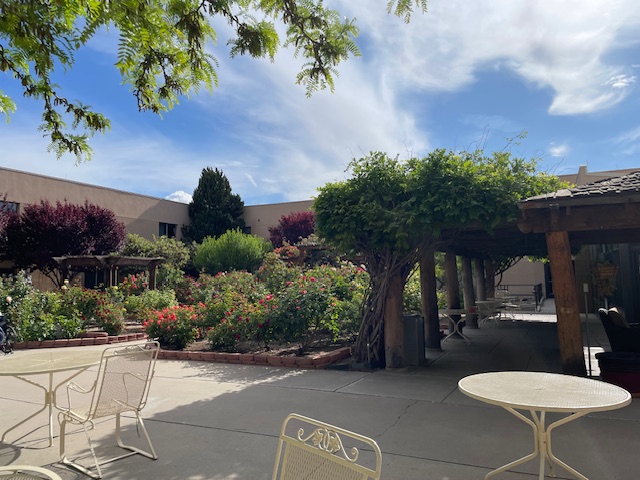
How is Manzano Del Sol By Purehealth Staffed?

CMS rates Manzano Del Sol by Purehealth's staffing level at 3 out of 5 stars, which is average compared to other nursing homes. Staff turnover is 60%, which is 14 percentage points above the New Mexico average of 46%. High turnover can affect care consistency as new staff learn residents' individual needs. RN turnover specifically is 64%, which is notably high. RNs provide skilled clinical oversight, so turnover in this role can affect medical care quality.

What Have Inspectors Found at Manzano Del Sol By Purehealth?

State health inspectors documented 38 deficiencies at Manzano Del Sol by Purehealth during 2022 to 2025. These included: 1 that caused actual resident harm, 35 with potential for harm, and 2 minor or isolated issues. Deficiencies causing actual harm indicate documented cases where residents experienced negative health consequences.
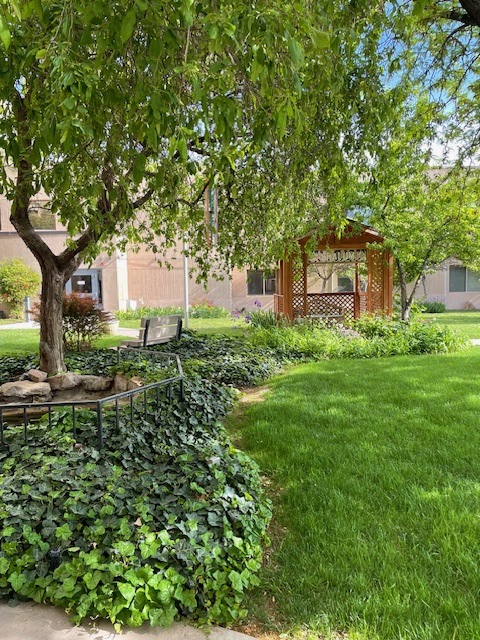
Who Owns and Operates Manzano Del Sol By Purehealth?

Manzano Del Sol by Purehealth is owned by a non-profit organization. Non-profit facilities reinvest revenue into operations rather than distributing to shareholders. The facility is operated by PUREHEALTH, a chain that manages multiple nursing homes. With 117 certified beds and approximately 78 residents (about 67% occupancy), it is a mid-sized facility located in ALBUQUERQUE, New Mexico.

How Does Manzano Del Sol By Purehealth Compare to Other New Mexico Nursing Homes?

Compared to the 100 nursing homes in New Mexico, Manzano Del Sol by Purehealth's overall rating (5 stars) is above the state average of 2.9, staff turnover (60%) is significantly higher than the state average of 46%, and health inspection rating (5 stars) is much above the national benchmark.

What Should Families Ask When Visiting Manzano Del Sol By Purehealth?

Based on this facility's data, families visiting should ask: "How do you ensure continuity of care given staff turnover, and what is your staff retention strategy?" "Can I visit during a mealtime to observe dining assistance and food quality?" "How do you handle medical emergencies, and what is your hospital transfer rate?" "Can I speak with family members of current residents about their experience?" These questions are particularly relevant given the facility's high staff turnover rate.

Is Manzano Del Sol By Purehealth Safe?

Based on CMS inspection data, Manzano Del Sol by Purehealth has a clean safety record: no substantiated abuse findings (meaning no confirmed cases of resident harm), no Immediate Jeopardy citations (the most serious violation level indicating risk of serious injury or death), and is not on the Special Focus Facility watch list (a federal program monitoring the lowest-performing 1% of nursing homes). The facility has a 5-star overall rating and ranks #1 of 100 nursing homes in New Mexico. While no facility is perfect, families should still ask about staff-to-resident ratios and recent inspection results during their visit.

Do Nurses at Manzano Del Sol By Purehealth Stick Around?

Staff turnover at Manzano Del Sol by Purehealth is high. At 60%, the facility is 14 percentage points above the New Mexico average of 46%. Registered Nurse turnover is particularly concerning at 64%. RNs handle complex medical decisions and coordinate care — frequent RN changes can directly impact care quality. High turnover means new staff may not know residents' individual needs, medications, or preferences. It can also be disorienting for residents, especially those with dementia who rely on familiar faces. Families should ask: What is causing the turnover? What retention programs are in place? How do you ensure care continuity during staff transitions?

Was Manzano Del Sol By Purehealth Ever Fined?

Manzano Del Sol by Purehealth has been fined $31,962 across 2 penalty actions. This is below the New Mexico average of $33,398. While any fine indicates a compliance issue, fines under $50,000 are relatively common and typically reflect isolated problems that were subsequently corrected. Families should ask what specific issues led to these fines and confirm they've been resolved.

Is Manzano Del Sol By Purehealth on Any Federal Watch List?

Manzano Del Sol by Purehealth is not on any federal watch list. The most significant is the Special Focus Facility (SFF) program, which identifies the bottom 1% of nursing homes nationally based on persistent, serious quality problems. Not being on this list means the facility has avoided the pattern of deficiencies that triggers enhanced federal oversight. This is a positive indicator, though families should still review the facility's inspection history directly.