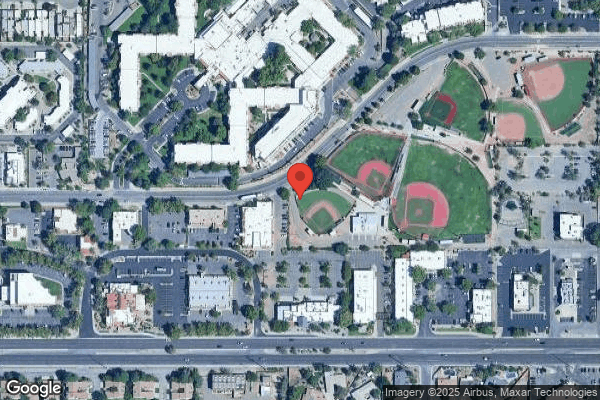
La Vida Llena

10501 Lagrima De Oro NE, Albuquerque, NM 87111 (505) 296-6700
Non profit - Corporation 50 Beds Independent Data: November 2025
Trust Grade
80/100
#8 of 67 in NM
Last Inspection: September 2024

Within standard 12-15 month inspection cycle. Federal law requires annual inspections.

Overview

La Vida Llena has a Trust Grade of B+, which means it is above average and generally recommended for families considering a nursing home. It ranks #8 out of 67 facilities in New Mexico, placing it in the top half of the state, and #2 out of 18 in Bernalillo County, indicating only one local option is better. The facility is improving, with issues decreasing from 2 in 2024 to 1 in 2025. Staffing is rated at 4 out of 5 stars, with a turnover rate of 46%, which is lower than the state average, suggesting that staff members are stable and familiar with residents' needs. On the downside, there have been concerns regarding food safety practices, such as raw salmon being improperly stored above salsa, which poses a risk of cross-contamination. Additionally, staff failed to maintain proper infection control practices, including not performing hand hygiene between resident care and not disinfecting medical equipment correctly. However, the facility has not incurred any fines, and it provides more RN coverage than 79% of other nursing homes in New Mexico, which helps catch potential issues that may be missed by CNAs.

Trust Score
B+
80/100
In New Mexico
#8/67
Top 11%
Safety Record
Low Risk
No red flags
Inspections
Getting Better
2 → 1 violations
Staff Stability
⚠ Watch
46% turnover. Above average. Higher turnover means staff may not know residents' routines.
Penalties
✓ Good
No fines on record. Clean compliance history, better than most New Mexico facilities.
Skilled Nurses
✓ Good
Each resident gets 52 minutes of Registered Nurse (RN) attention daily — more than average for New Mexico. RNs are trained to catch health problems early.
Violations
⚠ Watch
21 deficiencies on record. Higher than average. Multiple issues found across inspections.
★★★★★
5.0
Overall Rating
★★★★☆
4.0
Staff Levels
★★★★☆
4.0
Care Quality
★★★★★
5.0
Inspection Score
Stable
2024: 2 issues
2025: 1 issues

The Good

  • 4-Star Staffing Rating · Above-average nurse staffing levels
  • 4-Star Quality Measures · Strong clinical quality outcomes
  • Full Sprinkler Coverage · Fire safety systems throughout facility
  • No fines on record

Facility shows strength in staffing levels, quality measures, fire safety.

The Bad

Staff Turnover: 46%

Near New Mexico avg (46%)

Higher turnover may affect care consistency

The Ugly 21 deficiencies on record

May 2025 1 deficiency
CONCERN (D) 📢 Someone Reported This

A family member, employee, or ombudsman was alarmed enough to file a formal complaint

Potential for Harm - no one hurt, but risky conditions existed

Deficiency F0602 (Tag F0602)

Could have caused harm · This affected 1 resident

**NOTE- TERMS IN BRACKETS HAVE BEEN EDITED TO PROTECT CONFIDENTIALITY** Based on interviews, observation ,and record review, the facility failed to protect 1 (R #1) of 1 (R #1) resident from exploitat...

Read full inspector narrative →
**NOTE- TERMS IN BRACKETS HAVE BEEN EDITED TO PROTECT CONFIDENTIALITY** Based on interviews, observation ,and record review, the facility failed to protect 1 (R #1) of 1 (R #1) resident from exploitation and misappropriation of property by a sales consultant (SC) at a sister facility (a facility owned by the same company) who fraudulently obtained a $1,569 refund for R #1's hearing aids after her death. If the facility fails to prevent employees from misusing their positions to access and exploit resident financial information, then residents are at risk for financial harm. The findings are: A. Record review of the facility's Abuse Prevention Policy, dated 05/2024, revealed the following: - All forms of exploitation and financial abuse were prohibited, to include misappropriation of resident property. - Staff to report all suspected abuse immediately Administrator, Director of Nursing, or their designee. - Any staff involved in such allegations will be removed from their assigned duties, pending the outcome of the investigation, pending investigation. B. On [DATE] at 8:00 am, observation of the campus revealed the campus had an independent living facility, an assisted living facility, and a skilled nursing facility. Visitors did not need to sign a log to show they were in the facility and who they visited. Further observation revealed, staff and visitors could move freely throughout the three facilities. C. Record review of R #1's Minimum Data Set (MDS; a federally mandated assessment instrument completed by facility staff), dated [DATE], revealed a Brief Interview for Mental Status (BIMS; a screening for cognitive impairment) score of 00, severe cognitive impairment. D. Record review of R #1's medical record revealed the following: - admission date of [DATE] to the Skilled Nursing facility. - Diagnoses of metabolic encephalopathy (any disease or disorder which affects the brain's function or structure), altered mental status, and congestive heart failure. - The name and contact information for three emergency contacts: Power of Attorney for Finance (POA-F; a person legally authorized to manage another individual's financial matters), Power of Attorney for Health Care (POA-HC), and another emergency contact (The emergency contact was not an employee of the facility or the corporation.) E. Record review of R #1's progress notes revealed the following: - Dated [DATE], resident was on her second day of admission. She was hard of hearing. The resident was very confused. - Dated [DATE] psychiatric evaluation. The resident came from the Assisted Living facility/Independent Living facility due to altered mental status. On [DATE], the resident was found wandering and was brought back to the facility. Facility staff requested a psychiatric evaluation and reported the resident was unstable. They reported the resident experienced confusion, anxiety, agitation, and disorganization. The resident had a comprehensive workup, but her confusion was ongoing and consistent with dementia. Assessment and Plan: altered mental status related to dementia and at risk of depression. - Dated [DATE], at 10:07 am communication with physician: the resident was lethargic, responded to her name and then went back to sleep. At 10:48 am, received verbal orders from the on-call provider to send the resident to the emergency room (ER) for evaluation and treatment. At 1:57, staff notified POA of the resident's condition and the ambulance arrived to take the resident to the hospital. - Dated [DATE], resident admitted to the hospital. - Dated [DATE], at 10:45 pm, resident was readmitted to the facility and was nonresponsive. - Dated [DATE], resident on hospice with comfort measures. At 8:02 pm, resident was visited by a POA. - Dated [DATE], resident was visited by her brother. - Dated [DATE], Resident's friend (did not state who) stepped out of the resident's room to request a nurse. Resident pronounced deceased at 4:05 pm. - Dated [DATE], Social Worker called R #1's POA-F regarding resident's purse was in the Social Services safe. F. Record review of documentation from an outside company where R #1 had a hearing aid fitting appointment revealed the following: - Internal note, dated [DATE] at 10:15 am, R #1 had an appointment and purchased new hearing aids. Fitting appointment scheduled in two weeks. - Internal note, dated [DATE] at 12:00 pm, member's grandson called to advise that R #1 was not feeling well and could not make it to the fitting appointment. The resident had heart failure and was on hospice. Grandson asked if the outside company could dispense the hearing aids without a measurement or the resident present. - Internal note, dated [DATE] at 5:30 pm, R #1 passed away before returning for fitting. Return of the purchased hearing aids to be processed by the outside company. - Receipt, dated [DATE] at 5:41 pm, the store issued a $1,569 refund for R #1's hearing aids. - Internal note, dated [DATE] at 3:30 pm, R #1's legal guardian (POA- HC) contacted the store to cancel R #1's hearing aid appointment. Store staff informed the guardian that R #1's grandson already canceled the appointment and processed the refund. The guardian stated they were unfamiliar with the grandson and requested more information. Store staff provided to the legal guardian the name and contact information of SC #1, who told the outside company he was R #1's grandson. G. On [DATE] at 12:38 pm and on [DATE] at 12:38 pm,, during an interview, R #1's POA-F stated R #1 used to be her own responsible party, but she became R #1 POA-F about in the Spring of 2024. She stated an anonymous staff alerted her around (did not remember exact date) that SC #1 purchased R#1's private residence under suspicious circumstances in [DATE]. She stated SC #1 had access to R #1's personal financial and social information through the Independent Living facility's intake process, and SC #1 used this knowledge to take advantage of R #1's vulnerability. The POA-F stated she called R #1, and the resident said she felt like she was isolated from her trusted financial and legal advisors and was discouraged from contacting them during the sale of her house. The POA-F stated she was not aware the resident's house was for sale, so she conducted research regarding the sale. She stated she found the paperwork for the sale of the house, and it showed SC #1 bought R #1's house for less than market value. She stated the resident was charged over $25,000 in closing fees from the sale of the house. The POA-F stated she believed the sales money was deposited into R #1's personal bank account. She stated could not verify the money was deposited in the resident's personal bank account, because she could not yet access that account. She stated the facility staff told her the sale of the house was approved by the corporation who owned the Independent Living and the Skilled Nursing facilities. She stated she was told the entire chain of command at the corporation and the Independent Living facility approved the sale. The POA-F stated she was not informed the house was for sale, but she expected to be notified. She stated the resident signed paperwork during the sale of the house, but she most likely signed it because she was told to sign it. She stated she met with R #1 a couple times a year, and she did not believe the resident fully understood what was happening. She stated the R #1 did not have the level of understanding to comprehend the settlement statements and representation during the sale of her house. She stated the resident was vulnerable and easily manipulated. The POA-F stated the resident was on Medicare, and the facility knew how much money the resident had. She stated the resident did not need to sell anything in order to move from the Independent Living facility into the Skilled Nursing facility, because R #1 had plenty of money. She stated there was not a reason for the resident to sell her house below market value. The POA-F stated she contacted the real estate agent who assisted with the sale of R #1's house. She stated the real estate agent became very angry and refused to speak to her. The POA-F stated she went to the visit R #1 at the Skilled Nursing facility three or four days before her death. She stated the resident was asleep when she arrived at the facility. She stated the resident could not hear and preferred to receive text messages. The POA-F stated she texted the resident a message to let her know she stopped by to see her. The POA-F stated the resident's cell phone was on her bedside table, and she saw the message come into the resident's phone. She stated the facility called her after R #1's death and said the resident's belongings were ready for pickup. The POA-F stated the resident's phone was not with her personal belongings. She stated the facility told her they could not find R #1's cell phone. The POA-F stated she still has not received R #1's cell phone. The POA-F stated she was not present at the facility when R #1 passed away, and she knew the POA-HC was not present at the facility at that time. The POA-F stated R #1 did not have any friends, and she did not know who the friend was present in the room when R #1 passed away. R #1's POA-F stated she learned of the hearing aid refund from R #1's POA-HC. She stated the POA-HC called the outside company to cancel R #1's hearing aid fitting appointment, and the outside company told him R #1's grandson already canceled the appointment and collected the refund. The POA-F stated POA-HC asked for more information about the grandson, and the outside company gave him SC #1's contact information. The POA-F stated she contacted SC #1 after she learned SC #1 deposited the $1,569 refund into his personal account rather than R #1's estate account. She stated SC #1 initially denied any knowledge of the refund. She stated SC #1 called her back several days later and admitted to collecting the refund. The POA-F stated she received a cashier's check from SC #1 by certified mail, but the check was made out to the wrong entity. SC #1 stated she was unable to cash the check. The POA-F stated SC #1 mailed the cashier's check without contacting her first, and that was why the information on the cashier's check was incorrect. The POA-F stated she did not contact the facility regarding the hearing aid refund, because she thought the online complaint report (for the State Agency) went to the facility. H. Record review of the home selling/buying website on which R #1's house was listed for sale revealed the resident's house was listed at $353,800 and was sold. I. Record review of R #1's Title Company Record of Sale for R #1's house, settlement date [DATE] and reimbursement date [DATE], revealed the following: - The seller of the house was R #1, Trustee of the R #1 revocable trust dated [DATE]; - The buyer of the house was SC #1 and one female. - Sale price of property $275,000. - The seller paid $25,082.17 in various fees. - The seller received $249, 917 for her house. J. Record review of R #1's Inventory of Personal Effects, dated [DATE], revealed the resident had one cell phone on admission to the facility. K. On [DATE] at 11:45 am, during an interview with the Executive Director, R #1's Life Care Plan [long term care service which residents can purchase which allows them to move between the levels of care (independent, assisted, skilled) as required by their medical needs] and medical record from the Independent Living facility was requested. The Executive Director stated R #1 lived in the Independent Living facility, and the Life Care Plan was a part of her records for that facility. The Executive Director stated R #1's Life Care Plan and medical record while at the Independent Living facility did not have anything to do with the resident's time at the Skilled Nursing facility. He stated the facility did not have any banking documents or statements for R #1 for her time at the Skilled Nursing facility. The Executive Director did not provide R#1's Life Care Plan, medical, and financial records from the Independent Living facility. L. On [DATE] at 12:20 pm and on [DATE] at 2:00 pm, during an interview, the Social Worker stated she was responsible to coordinate the communication with hospitals during resident discharges and admissions, to oversee the Social Services Department, and served as the facility's Admissions Administrator. She stated R #1 moved onto the campus as a resident in the Independent Living facility in [DATE]. She stated R #1 invested in the Life Care Plan while living at the Independent Living Facility. She stated SC #1 assisted R #1 with admission into Independent Living facility and with the purchase of her Life Care Plan in [DATE]. She stated R #1 lived in the Independent Living facility, went to the hospital, and then admitted into the Skilled Nursing facility. She stated R #1 moved to the Long Term Care facility on [DATE]. She stated she spoke with the discharging hospital when R #1 transferred from the Independent Living facility to the Skilled Nursing facility. The Social Worker stated the hospital staff referred to R #1's nephew, and they clarified the nephew was SC #1. The Social Worker stated SC #1 was not R #1's nephew. She stated the only staff who should speak to the hospital were the Social Worker, Administrator, or the Director of Nursing (DON). The Social Worker stated she did not know if anyone reported the hospital staff's statement to the Administration. She stated she might have mentioned it to someone, but she could not remember if she did or who she would have told. M. On [DATE] at 12:25 pm, during an interview, SC #1 stated he currently worked at the facility as a Sales Consultant at the Independent Living facility, and he was familiar with R #1. He stated he and R #1 developed a close friendship during her time at the facility. He stated he met R #1 in [DATE], and he quickly became friends with her. He stated R #1 asked him to buy her house in [DATE], and he decided that it was a good idea. He stated the Executive Administrator was aware of the purchase of the resident's home. He stated R #1 did not have any known family. He stated R #1 passed away in [DATE]. He stated he went to the outside company (where R #1 had a hearing aid fitting appointment) on [DATE], and he received a $1,569 refund deposited to his personal bank account for R #1's hearing aides. He stated he helped R #1 arrange the original purchase of the hearing aides, and he believed he acted in good faith by retrieving the refund. He stated he did not notify the facility's administration that he was going to return the hearing aides for a refund, and he stated he did not request direction from the facility's administration regarding how to handle the resident's property. SC #1 stated he mailed a reimbursement check to R #1's estate in [DATE]. He stated he communicated with the outside company before and after R #1's death regarding the canceled hearing aid order and refund. He stated he identified himself to the outside company as R #1's grandson in order to facilitate the return and refund process. N. Record review of SC #1's receipt, dated [DATE], revealed SC #1 sent a $1,569.95 cashiers' check to R #1's POA-F by certified mail. O. On [DATE] at 12:47 pm, during an interview, an Anonymous Staff stated he first met R #1 in [DATE] when the resident moved into the Independent Living facility. The Anonymous Staff stated a couple months later, R #1 told him that SC #1 bought her house in [DATE], and the resident stated He took my house. He took my house. The Anonymous Staff stated he looked up the house on a home selling/buying website and noted the market value of the house was $353,800. He stated he did his own research and found out the house was never on the market. The Anonymous Staff stated he did not mention this conversation to anyone, because he was a new employee in the Independent Living facility at the time. The Anonymous Staff stated on another occasion (did not remember the date) the resident was still living in the Independent Living facility, and her call light went off. The Anonymous Staff stated he went into R #1's apartment and found SC #1 in there with R #1. He stated SC #1 asked him to check on the resident, because he did not think the resident looked well. The Anonymous Staff stated he checked R #1, and she exhibited some confusion but was fine. The Anonymous Staff stated shortly after the incident the resident went to the hospital, and he called the hospital to check on the resident. He stated the hospital staff asked if he was the resident's POA, SC #1. The Anonymous Staff stated he was alarmed by this question so he brought his concerns to the Human Resource Director (HRD) and the Executive Director. He stated he told them R #1 reported SC #1 took her house from her. The Anonymous Reporter stated he felt uneasy, because his training as a Registered Nurse and a Mandated Reporter emphasized the importance of these concerns and how exploitation can occur. He stated the HRD and the Executive Director said Corporate staff said all was okay with the sale of the house. The Anonymous Staff stated the resident moved to the Skilled Nursing facility when she returned from the hospital. He stated he spoke to the Skilled Nursing facility's Social Worker (SW), and he told the SW about the hospital staff asking him if he was SC #1, the resident's POA. He stated the skilled nursing facility's Social Worker stated she also had a conversation with the hospital, and the hospital also told her SC #1 was R #1's nephew. The Anonymous Staff stated he was aware he was a mandated reporter and he should have reported the information to the appropriate authorities. P. On [DATE] at 2:30 pm and on [DATE] at 2:40 pm, during an interview, the Executive Director stated SC #1 worked as a Sales Consultant on the Independent Living facility side of the campus, and he was aware SC #1 purchased R #1's home in [DATE]. He stated the transaction was reported internally and investigated to ensure it was conducted by an external [NAME] and not through facility influence. The Executive Director stated it would be a concern for an employee to purchase property from a resident of the facility, so it was expected such matters would be handled with full transparency and external oversight. He stated he did not have the facility's investigation records of R #1 home sale, and the records were most likely stored at the corporate level. The Executive Director stated the sale of R #1's home was not relevant to her time at the Skilled Nursing facility, because it occurred while she was a resident at the Independent Living facility. The Executive Director stated residents sell their homes all the time to live in the facility. The Executive Director stated he did not know who the hospital contacted at the facility, because R #1 went to the hospital when she lived in the Independent Living facility. The Executive Director stated the facility's Internal Home Health Team followed up on any residents in the hospital. He stated the Internal Home Health Team coordinated services if the resident needed to go to the Skilled Nursing facility. He stated the team did not provide the hospital updates about the residents' POA matters. The Executive Director stated the hospital contacted whoever was listed as R #1's POA in her medical record. He stated he was not aware SC #1 was listed as the emergency contact/POA for R #1 while at the hospital, and he said it was not his expectation for SC #1 to be listed as R #1's emergency contact/POA. The Executive Director stated it was not his expectation for any staff from the Skilled Nursing facility or the Independent Living facility to be listed as a resident's emergency contact or Power of Attorney. The Executive Director stated he was not aware SC #1 collected $1569 for R #1's hearing aids and deposited the money into his personal bank account. He stated it was not his expectation staff would collect any money for a resident unless they were authorized, such as the Social Worker. He stated if SC #1 did collect R #1's money, then it would trigger a facility investigation involving the Corporate Compliance Team, Legal Counsel, and possibly Adult Protective Services. The Executive Director stated the facility did not require visitors to sign-in in order to enter the skilled nursing facility. He stated there were not any visitor logs to show who visited the residents during their stay. The Executive Director refused to provide R #1's records while she was a resident at the Independent Living facility, because it did not have anything to do with R #1's time at the Skilled Nursing facility
Sept 2024 2 deficiencies
CONCERN (D)

Potential for Harm - no one hurt, but risky conditions existed

Infection Control (Tag F0880)

Could have caused harm · This affected 1 resident

**NOTE- TERMS IN BRACKETS HAVE BEEN EDITED TO PROTECT CONFIDENTIALITY** Based on observation, record review, and interview the facility failed to maintain proper infection prevention measures when the...

Read full inspector narrative →
**NOTE- TERMS IN BRACKETS HAVE BEEN EDITED TO PROTECT CONFIDENTIALITY** Based on observation, record review, and interview the facility failed to maintain proper infection prevention measures when the facility failed to ensure a resident's oxygen nasal cannula [device that gives you additional oxygen (supplemental oxygen or oxygen therapy) through your nose] did not drag on the hallway floor while the resident sat in her wheelchair and headed to an activity for 1 (R #3) of 1 (R #3) residents. Failure to ensure nasal cannulas are not dragging on the floor of the facility could likely cause the spread of infections and illness to the resident. The findings are: A. Record review of R #3's physician orders revealed an order, dated 07/11/2023, for 2 liters per minutes continuous oxygen via nasal cannula for hypoxia (low levels of oxygen in the blood stream). B. On 09/09/24 at 10:07 am during observation of the 600 hall, R #3 sat in her wheelchair in the middle of the hallway near room [ROOM NUMBER] and propelled herself toward an activity. R #3's nasal cannula and oxygen line drug behind her on the facility floor. C. On 09/09/24 at 10:08 am during an interview with R #3, she stated she did not know her oxygen drug on the floor behind her. R #3 further stated she was grossed out the oxygen cannula that she put in her nose drug on the floor that everyone walked on. D. On 09/12/24 at 9:25 am during an interview with the facility Infection Preventionist Registered Nurse, he stated the oxygen tubing and nasal cannula should never drag on the floor. He stated it was an infection control issue due to the possible contamination of the floor with bacteria, viruses, and germs.
CONCERN (F)

Potential for Harm - no one hurt, but risky conditions existed

Food Safety (Tag F0812)

Could have caused harm · This affected most or all residents

Based on observation and interview, the facility failed to store and serve food under sanitary conditions when staff failed to: 1. Properly store raw salmon. 2. Maintain expired dry storage items. Thi...

Read full inspector narrative →
Based on observation and interview, the facility failed to store and serve food under sanitary conditions when staff failed to: 1. Properly store raw salmon. 2. Maintain expired dry storage items. This deficient practice is likely to affect all 50 residents listed on the resident census list, provided by the Administrator on 09/09/24, and could likely lead to foodborne illnesses in residents if food is not stored properly and safe food handling practices are not adhered to. The findings are: Food storage: A. On 09/09/2024 at 10:00 am during an inspection of the kitchen, raw salmon was stored in a zip-lock bag above small cups of salsa in the refrigerator. B. On 09/09/2024 at 10:15 am during an interview, the Director of Dining Services stated staff should not store the raw salmon above the cups of salsa, because it can contaminate the salsa. The Director of Dining Services stated all staff are responsible to check and make sure food was stored in the correct places so there was not cross-contamination. C. On 09/09/2024 at 10:19 am during observation of the dry storage, revealed the following: - Four unopened and expired bottles of salad dressings were mixed with unexpired ones. - A bottle of liquid smoke with a broken seal and without a lid. D. On 09/09/2024 at 10:20 am during an interview, Kitchen Staff (KS) #1 stated expired salad dressing should not be in the dry storage area. KS #1 stated staff should throw the salad dressing away when it expires. E. On 09/09/2024 at 10:23 am during an interview, the Director of Dining Services stated staff should check the dry storage area every two days to ensure that expired items were not stored there. The Director of Dining Services stated unsealed items were unacceptable in the dry storage area. He stated the liquid smoke could be retained if it was adequately sealed and labeled with the date.
Jun 2023 7 deficiencies
CONCERN (D)

Potential for Harm - no one hurt, but risky conditions existed

Deficiency F0655 (Tag F0655)

Could have caused harm · This affected 1 resident

**NOTE- TERMS IN BRACKETS HAVE BEEN EDITED TO PROTECT CONFIDENTIALITY** Based on record review and interview, the facility failed to complete an accurate baseline care plan for 1 (R #193) of 1 (R #193...

Read full inspector narrative →
**NOTE- TERMS IN BRACKETS HAVE BEEN EDITED TO PROTECT CONFIDENTIALITY** Based on record review and interview, the facility failed to complete an accurate baseline care plan for 1 (R #193) of 1 (R #193) resident reviewed for baseline care plans. This deficient practice could likely result in staff not being aware or familiar with resident needs and/or preferences. The findings are: A. Record review of the facility's policy titled Care plans - Preliminary [baseline], last revised 05/22/17, maintained A preliminary [baseline] plan of care to meet the resident's immediate needs shall be developed for each resident within twenty-four (24) hours of admission. B. Record review of R #193's face sheet revealed that she was admitted to the facility on [DATE] with the following pertinent diagnoses: Enterocolitis (a serious inflammation of the colon) due to Clostridium difficile (C. diff- a type of bacteria that requires patient isolation and healthcare workers caring for the patient need to wear gloves and a gown), anxiety disorder (a mental health condition where individuals feel fearful or dread), Insomnia unspecified (a sleep disorder that prevents you from sleeping at night), chronic obstructive pulmonary disease (COPD- a group of diseases that cause airflow blockage and breathing-related problems), and chronic respiratory failure with hypoxia (a condition where the lungs cannot get enough oxygen into the blood or eliminate enough carbon dioxide from the body). C. Record review of R #193's physician visit, dated 06/09/23, revealed that R #193 had tested positive for C. diff and was being treated prior to admission. The signs and symptoms of C. diff were still present so the plan to treat included continue isolation until without diarrhea x [for] 48 hours D. Record review of the baseline care plan, dated 06/08/23, revealed the following documented items: 1. Resident requires assistance with activities of daily living . 2. Potential for falls/injuries . 3. Potential for skin breakdown . 4. Potential for weight loss . 5. New [to] facility and needs time to adjust . E. On 06/28/23 at 11:07 am, during an interview with the Minimum Data Set (MDS) nurse, she explained that upon admission, the floor nurse creates a baseline care plan after completing their admission assessment. When asked if the 48 hour baseline care plan should include information that is pertinent to the resident's reason for admission, she confirmed yes. When asked if isolation and contact precautions should be be included on the 48 hour care plan, she confirmed yes.
CONCERN (D)

Potential for Harm - no one hurt, but risky conditions existed

Deficiency F0657 (Tag F0657)

Could have caused harm · This affected 1 resident

**NOTE- TERMS IN BRACKETS HAVE BEEN EDITED TO PROTECT CONFIDENTIALITY** Based on record review and interview, the facility failed to provide a comprehensive care plan after seven (7) days of completin...

Read full inspector narrative →
**NOTE- TERMS IN BRACKETS HAVE BEEN EDITED TO PROTECT CONFIDENTIALITY** Based on record review and interview, the facility failed to provide a comprehensive care plan after seven (7) days of completing the MDS assessment for 1 (R #193) of 1 (R #193) resident reviewed for comprehensive care plans. This deficient practice could likely result in staff not being aware of a resident's needs and preferences. The findings are: A. Record review of the facility's policy titled Care Plans--Comprehensive, last revised 05/22/17, revealed [Item] 7. The resident's comprehensive care plan is developed within seven (7) days of the completion of the resident's comprehensive assessment (MDS- Minimum Data Set- a collection of information that reflect the resident's status). B. Record review of R #193's face sheet revealed that she was admitted to the facility on [DATE] for the following pertinent diagnoses: Enterocolitis (a serious inflammation of the colon) due to Clostridium difficile (commonly referred to as C. diff- a type of bacteria that requires patient isolation and healthcare workers caring for the patient need to wear gloves and a gown); anxiety disorder (a mental health condition where individuals feel fearful or dread), unspecified; Insomnia, unspecified (a sleep disorder that prevents you form sleeping at night); chronic obstructive pulmonary disease (COPD- a group of diseases that cause airflow blockage and breathing-related problems), unspecified; and chronic respiratory failure with hypoxia (a condition where the lungs cannot get enough oxygen into the blood or eliminate enough carbon dioxide from the body). C. Record review of R #193's Physician's note, dated 06/09/23, revealed that R #193 had tested positive for C. diff and was being treated prior to and during admission. The signs and symptoms of C. diff were still present so the plan to treat included continue isolation until without diarrhea x [for] 48 hours D. Record review of Physician orders revealed the following medications: Physician's order, dated 06/08/23, Temazepam - Schedule IV (a controlled substance that acts as a sedative for sleeping), capsule; 15 mg; amount: 1 tab; oral Physician's order, dated 06/08/23, Oxygen 2.5L (liter) via NC (nasal cannula) QHS (every night at bedtime), Twice A Day, 08:30 PM - 10:30 PM, 10:30 PM - 06:30 amPhysician's order, dated 06/08/23, Escitalopram oxalate (an antidepressant/anti-anxiety medication) for anxiety tablet; 20 mg; amount: 1 tab; oral E. Record review of the Minimum Data Set (MDS) assessments revealed that R #193 had a completed assessment on 06/15/23. F. Record review of care plan, last revised on 06/20/23, revealed that the following items were documented: 1. Activities deficit r/t (related to) decreased interest in group activities d/t (due to) gastrointestinal disorders, pain and weakness 2. [Name of resident] is independent with feeding self. She is at potential risk for altered nutrition . Further review of the care plan revealed that the care plan did not include information related to: 1. C. diff isolation precautions 2. The resident's physician order for antidepressant medications 3. The resident's physician order for oxygen. G. On 06/28/23 at 11:07 am, during an interview with the MDS nurse, she explained that seven (7) days after the resident is admitted , she completes the initial MDS assessment. She then collects all data required to complete the care plan 14 days after admission. By the 21st day after admission, the full care plan is made.
CONCERN (D)

Potential for Harm - no one hurt, but risky conditions existed

Deficiency F0761 (Tag F0761)

Could have caused harm · This affected 1 resident

Based on observation, interview, and record review, the facility failed to complete an accurate Medication pass for 1 (R #7) of 8 (R #5, R #7, R #18, R #34, R #193, R #293, R #294, and R #295) residen...

Read full inspector narrative →
Based on observation, interview, and record review, the facility failed to complete an accurate Medication pass for 1 (R #7) of 8 (R #5, R #7, R #18, R #34, R #193, R #293, R #294, and R #295) residents reviewed for medication pass by not: 1. Ensuring narcotics (pain medications) were placed behind two (2) locks; 2. Ensuring medications remained in the original container. These deficient practices could likely result in missing medications, or residents not receiving the correct medication. The findings are: Narcotics not being locked appropriately: A. On 06/27/23 at 9:23 am, during an observation of the medication pass on hall #1, Registered Nurse (RN) #1 had a medication pass cup (small cup that holds pills) that held five (5) pills, one of them was Morphine Sulfate (pain medication) 30 MG (milligrams) for R #7. The medications had been pre-poured and stored in the top of the medication cart. RN #1 pulled the small cup out of the top drawer where he had pre-poured the five (5) pills to administer to the resident. B. Record Review of the facility procedure: Medication Storage, last revised 02/05/20, revealed, I. Controlled medications (strong pain medications tightly controlled by the government) are stored separately from other medications in a locked drawer or compartment designated for that purpose. Controlled medications must be stored in a separately locked permanently affixed (attached to something else) compartment. Medications not being stored in their original container: C. On 06/27/23 at 9:23 am, during an observation of the medication pass on hall #1, a medication pass cup held five (5) pills in a medication pass, unlabeled: 1. 1 tablet Duloxetine (used for depression) 30 mg. 2. 1 tablet Morphine sulfate (used for pain) 30 mg. 3. 1 tablet Pepcid (Used for heartburn) 20 mg. 4. 1 tablet Diltiazem (Used to prevent chest pain and lower blood pressure) 180 MG. 5. 1 tablet Lasix (used to treat fluid buildup) 20 MG. D. On 06/27/23 at 9:30 am, during an interview with RN #1, he reported that he had prepared the medications for R #7 and took them to give to R #7 however, when he got to the resident's room R #7 was in the shower. RN #1 stated, I didn't want to waste the medication, so I put the medications in the top drawer. I wouldn't normally prepare the medication unless I knew the resident was in the room and ready to take them, but her door was closed, and I didn't know she wasn't in the room. E. On 06/27/23 at 1:30 pm, during an interview with the Director of Nursing (DON), she revealed that it is not acceptable to pre-pour a medication into medication pass cups (medication is dispensed at the time you are going to give it). F. Record review of the facility procedure: Medication Storage, last revised on 02/05/23, revealed, A. The provider pharmacy dispenses medications in containers that meet legal requirements, including requirements of good manufacturing practices. Medications are kept in these containers. G. Review of the CEUfast.com (continuing education unit) revealed, Medication errors are serious and can cause resident harm or even death. It is human nature to want to simplify things when there is much to be done. In an attempt to do this, sometimes shortcuts are made. However, this is not good practice. ESPECIALLY when it comes to medications. Do not take shortcuts. More specifically, do NOT, under any circumstances, try to pre-pour medications to save time. Pre-pouring medications are against regulations. In addition, it increases the risk of making mistakes.
CONCERN (E)

Potential for Harm - no one hurt, but risky conditions existed

Comprehensive Care Plan (Tag F0656)

Could have caused harm · This affected multiple residents

Resident #17: F. Record review of Physician's orders dated 05/04/23, revealed R #17 was on oxygen PRN (as needed) 2 liters via nasal cannula (tubing placed in the nose) as needed for hypoxia (a below-...

Read full inspector narrative →
Resident #17: F. Record review of Physician's orders dated 05/04/23, revealed R #17 was on oxygen PRN (as needed) 2 liters via nasal cannula (tubing placed in the nose) as needed for hypoxia (a below-normal level of oxygen in your blood). G. Record review of care plan dated 04/26/23 for R #17 revealed no care plan addressing R #17's oxygen use. Resident #39: H. Record review of Physician's order dated 06/14/23, revealed R #39 was on continuous (all the time) oxygen 2 liters-4 liters via nasal cannula. I. Record review of care plan dated 06/05/23, revised on 06/15/23 for R #39, revealed no care plan addressing R #39's oxygen use. Resident #40: J. Record Review of Physician's orders dated 05/25/23 revealed R #40 was on Oxygen 2L/min (liter per minute) via nasal cannula at bedtime. K. Record review of care plan dated 06/14/23, revealed no care plan addressing R #40's oxygen use. L. On 06/28/23 at 4:29 pm during an interview with the MDS Coordinator, she stated that she does the care plans for nursing and that if a resident has a diagnosis that is being treated, then that resident's care plan should address the use of medications or treatments for the condition/diagnosis. Based on record review and interview, the facility failed to develop and implement a comprehensive person-centered care plan for 4 (R #'s 17, 19, 39 and 40 ) of 8 (R #'s 17, 19, 25, 32, 35, 37, 39 and 40) residents. Failure to develop and implement a person-centered care plan could likely result in staff's failure to understand the needs, and implement the appropriate treatments for residents; possibly resulting in decline in abilities and a failure to thrive. The findings are: Resident #19: A. Record review of Face Sheet dated 11/08/21 (initial admission date), and included the following diagnosis: Dry eye syndrome (a condition that occurs when your tears aren't able to provide enough lubrication for your eyes) of bilateral (both eyes) lacrimal glands (tear-making glands in the eyes). B. Record review of Minimum Data Set (MDS - tool used to assess the health and needs of nursing home residents) dated 11/16/22 revealed, Section I - Active Diagnoses . Dry Eye Syndrome . C. Record review of Care Plan dated 05/24/23 for R #19 revealed no care plan addressing R #19's Dry Eye Syndrome diagnosis or treatment. D. On 06/26/23 at 9:16 am during an interview with R #19's son, he stated that sometimes it seems like he (R #19) doesn't always get his eye drops. E. On 06/28/23 at 4:29 pm during an interview with the MDS Coordinator, she stated that she does the care plans for nursing and that if a resident has a diagnoses that is being treated; then the resident's care plan should address the use of medications for that condition/diagnosis.
CONCERN (F)

Potential for Harm - no one hurt, but risky conditions existed

Food Safety (Tag F0812)

Could have caused harm · This affected most or all residents

Based on observation, interview, and record review, the facility failed to ensure that: 1. Raw poultry and fish were stored on the bottom shelf inside the walk-in refrigerator 2. Food items were store...

Read full inspector narrative →
Based on observation, interview, and record review, the facility failed to ensure that: 1. Raw poultry and fish were stored on the bottom shelf inside the walk-in refrigerator 2. Food items were stored 18 inches below the ceiling inside the walk-in refrigerator 3. Staff preparing food were wearing hair restraints for their facial hair These deficient practices could lead to foodborne illnesses that could affect all 44 residents identified on the census list provided by the Administrator on 06/26/23 who eat food prepared in the kitchen. The findings are: A. Record review of the facility's policy titled Food Receiving and Storage, last revised 04/01/16, reported [Item] 12. Uncooked and raw animal products and fish will be stored separately in drip-proof containers and below fruits, vegetables, and other ready-to-eat foods. B. Record review of the facility's policy titled, Food Preparation and Service, last revised July 2014, reported [Item] 7. Dietary staff shall wear hair restraints (hair net, hat, beard restraint, etc.) so that hair does not contact food. C. On 06/26/23 at 11:05 am, during an observation of the walk-in refrigerator, it was observed that a drip-proof container of raw chicken and a drip-proof container of raw fish were placed on the middle shelf above other food items including; cucumbers and pies. Additional observation of the food on the shelf revealed that food was stacked in boxes on the top shelf above the 18 inch clearance line from the sprinkler heads. D. On 06/26/23 at 11:05 am, during an interview with the Executive Chef, he confirmed that the raw meat items should be placed on the bottom food shelf. He also confirmed that when a sprinkler head is present in a room, the food should be stored 18 inches below the ceiling. E. On 06/28/23 3:30 pm, during an observation of the Sous Chef (a chef who is second in command of a kitchen), he was observed to have a beard that was approximately 2 inches in length without a hair restraint. F. On 06/28/23 3:31 pm, during an interview with the Sous Chef, he confirmed that he usually wears a beard covering but the beard coverings have been on back order. G. On 06/28/23 3:34 pm, during an interview with the Executive Chef, he confirmed that the beard coverings were on back order. He then confirmed that staff with facial hair should be wearing beard coverings and if the covering is not available, they should use a hair net instead. H. On 06/28/23 at 3:59 pm, during an interview with the Infection Prevention Coordinator, when asked what is expected for kitchen staff who have facial hair, she explained I make sure the staff are wearing beard covers. If they don't have the beard covers, I tell them to wear a mask. When asked what her expectations are for the storage of raw meats, she explained, The raw foods should be stored on the bottom shelf.
CONCERN (F)

Potential for Harm - no one hurt, but risky conditions existed

Infection Control (Tag F0880)

Could have caused harm · This affected most or all residents

**NOTE- TERMS IN BRACKETS HAVE BEEN EDITED TO PROTECT CONFIDENTIALITY** Based on record reviews, interviews, and observations, the facility failed to provide proper infection control practices by: 1...

Read full inspector narrative →
**NOTE- TERMS IN BRACKETS HAVE BEEN EDITED TO PROTECT CONFIDENTIALITY** Based on record reviews, interviews, and observations, the facility failed to provide proper infection control practices by: 1. Not performing hand hygiene between resident care 2. Failing to ensure the glucometer's (a medical device to measure glucose [sugar] levels in the blood) are disinfected by manufacturer's protocol 3. Failing to properly disinfect the mobile vital signs machine after use in a resident room who was on isolation precautions (create barriers between people and germs) 4. Failing to cover clean clothes while delivering them 5. Failing to correctly pick up dirty laundry These deficient practices could likely result in the spread of infection agents (viruses and bacteria) between residents and/or staff. The findings are: Hand hygiene: A. Record review of R #193's face sheet revealed that she was admitted to the facility on [DATE] for the following pertinent diagnoses: Enterocolitis (a serious inflammation of the colon) due to Clostridium difficile (C. diff- a type of bacteria that requires patient isolation and healthcare workers caring for the patient need to wear gloves and a gown). B. On 06/26/23, at 12:09 pm, during a observation of the hall #2, Certified Nursing Assistant (CNA) #3 was observed exiting a resident's room, after delivering a lunch meal to R #193 in her room. Signage on the R #193's door identified R #193 to be on contact isolation precautions (used for infections, diseases, or germs that are spread by touching the patient or items in the room) and that a gown and gloves were required to be worn prior to entering the resident's room. CNA #3 was observed to remove gloves and gown prior to exiting the room. CNA #3 sanitized her hands using the alcohol based solution dispensed from a dispenser in the hallway, after exiting the R #193's room. No hand washing was observed to be done by CNA #3 before moving on to care tasks for other residents. C. Record review of Centers for Disease Control (CDC) and Prevention's website titled Hand Hygiene in Healthcare Settings found at https://www.cdc.gov/handhygiene/science/index.html stated the following: 1. Under the sub-section titled C. difficile [also known as Clostridioides difficile or C. difficile) is a germ (bacterium) that causes diarrhea and colitis (an inflammation of the colon)] and Alcohol-Based Hand Sanitizer stated that C. difficile forms spores that are not killed by an alcohol-based hand sanitizer. 2. In the CDC's Provider Infographic (digital tool [visual aid] used that enables patients to have the required knowledge to understand information on specific diseases, procedures, and trending healthcare topics), last reviewed 05/03/16, titled C. difficile Requires Special Care stated .Always use gloves when caring for patients with C. difficile. In addition, when there is a an outbreak of C. difficile in your facility, wash your hands with soap and water after removing your gloves. D. On 06/27/23 at 8:52 am, during an observation, Licensed Practical Nurse (LPN) #1 was observed not performing hand hygiene before giving medication to R #294. E. On 06/27/23 at 8:57 am, during an observation, Registered Nurse (RN) #1 was observed placing gloves on to rub Voltaren gel (used to relieve joint pain from arthritis) on R #34's back. No hand hygiene was completed prior to putting gloves on. F. On 06/27/23 at 11:05 am, during an observation, LPN #1 was observed giving an injection to R #293 in the right upper arm. The medication given was Humalog (insulin that is fast acting used to control blood sugar), 1 unit. Gloves were put on; however, no hand hygiene was done prior to putting on her gloves. LPN #1 took the gloves off after the injection was completed, and no hand hygiene was performed. G. On 06/27/23 at 1:30 pm, during an interview with the Director of Nursing (DON), she indicated that she expects nursing staff to do handwashing before and after medications/treatments are given and hand sanitize before and after each resident. H. On 06/28/23 at 11:07 am, during an observation, RN #2 was observed going into R #293's room to obtain a blood sugar. No hand hygiene was performed prior to her placing gloves on. I. On 06/29/23 at 11:23 am, during an interview with the Infection Prevention Coordinator (IP), she indicated she expects all staff to perform hand hygiene before entering the resident's room, and when they leave the resident's room. J. Record review of the facility's policy titled, Handwashing/Hand Hygiene, revised date of 04/25/17, stated Use alcohol-based hand rub containing 62% alcohol; or, alternatively, soap and water for the following situations: Before and after direct contact with the residents Before preparing or handling medication After removing gloves Disinfecting the Glucometer: K. On 06/28/23 at 11:07 am, during an observation LPN #1 was observed going into R #293's room to obtain a blood glucose reading. After she completed the reading, the LPN #1 wiped the glucometer down with a single alcohol wipe while in R #293's room. It was observed LPN #1 didn't allow the glucometer to dry and placed the machine back into the small, black case the machine came in. After LPN #1 completed this, she walked out of the resident's room and placed the glucometer back into the hall #2 medication cart dirty. L. On 06/28/23 at 11:15 am, during an interview with LPN #1, she was asked what she was supposed to clean the glucometer with. LPN #1 replied that she is to use an alcohol pad, and then the glucometer will be placed back in the cart. LPN #1 was also asked if this one glucometer was used on all residents. LPN #1 commented that if they had more than one resident who needed a blood sugar taken, they would use the same glucometer. At this time only one resident needed a blood glucometer reading. M. On 06/29/23 at 11:23 am, during an interview with the Infection Prevention Coordinator, she indicated that nurses should be using bleach wipes before and after they use a glucometer to ensure it is clean. Disinfecting the mobile vital signs machine: N. On 06/28/23 at 2:52 pm, during an observation, Certified Nursing Assistant (CNA) #4 was pushing a rolling vital signs machine into the isolation room of R#193 who had Clostridium difficile (C-Diff) (a bowel infection caused by toxin producing bacteria and is a serious infection that can range from mild diarrhea to severe inflammation of the colon that can be life threatening). When the CNA #4 came out of R #193's room, it was observed CNA #4 wiped down the top face (the part with the monitor), but she didn't wipe down the base, the blood pressure cuff, or the wheels of the machine and placed it back at the nurse's station on [name of unit] for others to use. O. On 06/29/23 at 11:23 am, during an interview with the Infection Prevention Coordinator, she stated that there should be dedicated equipment in the room for residents that are in isolation. If they (staff) do take the rolling vital signs machine in the room, it should be wiped down good (as expected). P. Record review of the facility's policy titled, Isolation-Categories of Transmission- Based Precautions, revised date 02/03/17, stated: Resident care equipment. When possible, dedicate the use of non-critical resident-care equipment items such as a stethoscope (a medical device used for listening to sounds of the human body), or a sphygmomanometer (a device used to measure blood pressure) If use of common items is unavoidable, then adequately clean and disinfect them before use for another resident. Z. Record review of the Accreditation Standards for Processing Reusable (capable of being used again or repeatedly) Textiles (any material made of interlacing fibers) for Use in Healthcare Facilities, by The Healthcare Laundry Accreditation Council, implementation date 01/01/2016, stated on page 40: 7. Delivery of Cleaned Healthcare Textiles 7.1. Clean healthcare textiles must be transported, delivered to the customer's storage area, and stored by methods designed to minimize microbial [relating to microbes (very small living things, especially ones that cause disease)] contamination from surface contact or airborne deposition . 7.2 Delivery methods: 7.2.1. Clean textiles shall be transported in containers used exclusively for this purpose and/or including, but not limited to, any of the following methods: 7.2.1.3. Clean textiles shall be placed on a wire rack and covered with a suitable cover . W. On 06/27/23 at 11:57 am, during an observation of the laundry staff, it was observed that Laundry Aide #1 was pushing an uncovered rack of clean clothes down the hall to return the clothing items to residents. X. On 06/27/23 at 11:58 am, during an interview with Laundry Aide #1, when asked if she covers the rack of clean clothes while transporting them in the hallways, she confirmed no and explained that she was never instructed to cover the clean clothes while in transport. Y. On 06/29/23 at 11:31 am, during an interview with the Infection Prevention Coordinator, when asked if clean clothing should be covered while in transport to the resident rooms, she confirmed, yes. Q. On 06/26/23, at 12:02 pm, during an observation of [name of residential unit], Laundry Aide #1 was observed to be delivering clean laundry to residents on the unit. The cleaned clothes were observed to be on hangers on a rolling, uncovered garment rack. The rack was pushed down the length of the unit's hallway as the clothes were delivered to several different residents' rooms. The unit was observed to be busy as several various staff members who walked by and around the garment rack in the hallway. R. On 06/27/23 at 11:54 am during observation, Laundry Aide #1 (LA) was delivering clean clothes to resident rooms; clean clothes were hanging on the cart/rack and were not covered. S. On 06/27/23 at 11:58 am during observation, a rack of clean clothes was parked in the hallway with four items of clean clothing hanging on hangers and the rack was uncovered. T. On 06/27/23 at 12:06 pm, during observation, LA #1 was observed pushing the laundry cart with clean clothes (uncovered) while carrying a clear bag containing dirty clothes in the other hand. U. On 06/29/23 at 11:23 am during an interview, Infection Prevention Coordinator stated that there are temporary disposable blood pressure cuffs (medical equipment used to for measuring a person's blood pressure) in R #193's room that are available for staff to use and then dispose of. She stated that it is not acceptable for the portable vital signs machine to be taken into isolation rooms and then not being completely disinfected after bringing it out of the isolation room. She stated that hand hygiene is expected to be done with every procedure with residents. She further stated that staff are supposed to clean the blood glucose machines (device that measures the amount of sugar in blood) every night, and after they are used; they are cleansed with the bleach wipe/cleansers; hand hygiene for rooms on isolation is expected to be done with hand sanitizer every time before they enter the room and sanitize before exiting rooms, then wash their hands at a hand washing station. She stated that the clean laundry is supposed to be covered while being delivered to resident rooms and the dirty laundry is to be taken out in closed bags. There should be a drape (a cloth cover) that goes over the clean laundry rack and that dirty laundry in bags should not be touching the ground or staff's clothing. V. On 06/29/23 at 12:24 pm during an interview, Laundry Aide #2 stated that she was not sure as to whether or not the clean laundry that is being delivered back to residents' rooms should be covered or not because she has received conflicting information from her manager and the Infection Prevention Coordinator.
CONCERN (F)

Potential for Harm - no one hurt, but risky conditions existed

Deficiency F0925 (Tag F0925)

Could have caused harm · This affected most or all residents

Based on observation, interview, and record review, the facility failed to maintain an effective pest control program by not ensuring the facility was free from pests. This deficient practice could li...

Read full inspector narrative →
Based on observation, interview, and record review, the facility failed to maintain an effective pest control program by not ensuring the facility was free from pests. This deficient practice could likely expose all 44 residents listed on the resident census, provided by the Administrator on 06/26/23, to contaminated food products and spread of disease/infection [by way of a carrier (cockroaches)], which could lead to illness in the residents. The findings are: A. On 06/26/23 at 10:51 am, during an observation of the dishwasher, small cockroaches were observed crawling on the wall behind the dishwasher. B. On 06/26/23 at 10:51 am, during an interview with [NAME] #1, he confirmed that cockroaches have been observed in the dishwashing area. He then explained that every first of the month they [pest control staff] spray the area for pest control but he doesn't think that is often enough. C. On 06/26/23 at 11:05 am, during an interview with the Executive Chef, he confirmed that the dishwashing area is where the cockroaches have been seen due to the moisture from the dishwashing machine. D. On 06/26/23 at 1:30 pm, during an interview with the Maintenance Staff #1, he confirmed that cockroaches in the dishwashing area have been brought to his attention and that a pest control company comes out once a month. He explained, The cockroaches come up from the sewer. We have to put screens on the drain to make sure they don't get in. The screen prevents the big bugs from getting in but it does not prevent the small bugs from getting in. E. On 06/26/23 at 1:35 pm, during a kitchen observation, the screen on the drain under the dishwashing machine was observed to not be sitting on the drain correctly. A maintenance worker had to move the food trap to fit the screen in the drain correctly. F Record review of pest control reports January 2023-June 2023 revealed that monthly treatments occur where the main kitchen area is treated for German cockroaches. G. On 06/29/23 at 12:38 pm, during an observation of the dishwashing area, the screen for the drain was not sitting properly on the drain. H. On 06/29/23 at 12:40 pm, during an interview with the Executive Chef, when asked if staff are familiar with the purpose of the screen placement on the drain, he answered no.
Apr 2022 11 deficiencies
CONCERN (D)

Potential for Harm - no one hurt, but risky conditions existed

Grievances (Tag F0585)

Could have caused harm · This affected 1 resident

**NOTE- TERMS IN BRACKETS HAVE BEEN EDITED TO PROTECT CONFIDENTIALITY** Based on record review, interview, and facility policy review, the facility failed to document a grievance regarding a resident'...

Read full inspector narrative →
**NOTE- TERMS IN BRACKETS HAVE BEEN EDITED TO PROTECT CONFIDENTIALITY** Based on record review, interview, and facility policy review, the facility failed to document a grievance regarding a resident's concern with lost clothing items, and failed to provide a resolution to the concern. This affected one resident (R) 12 reviewed for grievances out of a sample of 13 residents. Findings include: Review of R 12's electronic medical record (EMR) undated Face Sheet under the Face Sheet tab revealed R 12 was admitted to the facility on [DATE]. Review of R 12's annual Minimum Data Set (MDS) with an Assessment Reference Date (ARD) of 11/15/21 located in the EMR revealed R 12's Brief Interview for Mental Status (BIMS) score was 15 out of 15 which indicated R 12 was cognitively intact. During an interview on 04/11/22 at 10:08 AM with R 12, revealed the resident had shirts and pants missing for a couple of months. R 12 stated that the items were reported missing to the nurse and laundry department and the items were never found or replaced. Review of the facility's Grievance Log provided by the facility, revealed that a grievance had not been completed for R 12 for missing items. During an interview on 04/12/22 at 2:15 PM with the Social Services Director (SSD) revealed she was aware of R 12's missing items but did not fill out a grievance form for the missing items. SSD stated that if a resident had a missing item, she lets the Certified Nursing Assistants (CNAs) know to look for the items and sends an email to the Environmental Services Supervisor so that laundry staff can look for the item. The SSD stated that if the missing item was not found, the facility would reimburse the resident for the missing item. SSD stated that she would fill out a grievance for items that have a lot of value. When asked what makes an item have a lot of value, SSD stated wedding rings or something that the resident paid a lot of money for. During an interview on 04/12/22 at 2:30 PM with Registered Nurse (RN) 57 revealed the facility had an inventory sheet to document a resident's personal belongings. RN 57 stated staff filled out the form out at the time of admission and once it was completed, the Unit Secretary scans it into the resident's chart. During an interview on 04/12/22 at 2:35 PM with Unit Secretary (US) 1, verified that an inventory sheet for R 12 had not been completed or scanned into R 12's chart. During an interview on 04/12/22 at 4:39 PM with the facility Administrator revealed that it was her expectation that if a resident was missing an item, the facility would investigate to determine if the item was missing and contact the family if the item wasn't found. The Administrator also stated it was her expectation the SSD fill out paperwork indicating the facility had completed the investigation and the outcome of the investigation. Review of facility policy dated 03/24/17 and titled Personal Property revealed . 5. The resident's personal belongings and clothing shall be inventoried and documented upon admission and as such items are replenished .6. The facility will promptly investigate any complaints of misappropriation or mistreatment of resident property. Review of facility policy dated 03/24/17 and titled Grievances/Complaints-Staff Responsibility revealed . 1. Should a staff member overhear or be the recipient of a complaint voiced by a resident, a resident's representative (sponsor), or another interested family member of a resident concerning the resident's medical care, treatment, food, clothing, or behavior of other residents, etc., the staff member is encouraged to guide the resident, or person acting on the resident's behalf, as to how to file a written complaint with the facility. Review of facility policy dated 03/24/17 and titled Investigation Grievances/Complaints revealed . 3. The Resident Grievance/Complaint Investigation Report Form must be filed with the Administrator within five (5) working days of the incident . 4. The resident, or person acting on behalf of the resident, will be informed of the findings of the investigation, as well as any corrective action recommended, within 7 working days of the filing of the grievance or complaint.
CONCERN (D)

Potential for Harm - no one hurt, but risky conditions existed

Transfer Notice (Tag F0623)

Could have caused harm · This affected 1 resident

**NOTE- TERMS IN BRACKETS HAVE BEEN EDITED TO PROTECT CONFIDENTIALITY** Based on record review, interview, and facility policy review, the facility failed to ensure one of one resident (Resident (R) 3...

Read full inspector narrative →
**NOTE- TERMS IN BRACKETS HAVE BEEN EDITED TO PROTECT CONFIDENTIALITY** Based on record review, interview, and facility policy review, the facility failed to ensure one of one resident (Resident (R) 31) reviewed for hospitalization, from a sample of 13 residents, and the Resident Representative (RR) received a written transfer/discharge notice upon emergent transfer to the hospital and also failed to notify the Ombudsman's office of transfer/discharges. Findings include: Review of R 31's Electronic Medical Record (EMR) under the Resident tab, and Face Sheet subtab, showed a facility admission date of 11/07/13 and a readmission date of 03/16/22, with medical diagnoses that included Parkinson's disease [A disorder of the central nervous system that affects movement, often including tremors], anorexia nervosa [lack or loss of appetite for food], major depressive disorder, restless leg syndrome, dyspnea [difficult or labored breathing], general anxiety disorder, dementia, and insomnia. Review of R 31's Resident tab, Progress Notes subtab, in the EMR showed: 03/11/2022 1:14 PM .At about 1215 [PM] resident fount [sic] on floor in her room bleeding from nose cyanotic no pulse unresponsive lifted on bed . DR [name] notified order received to transfer resident to ED [emergency department] for evaluation ambulanced [sic] called resident transferred to hospital. Further review of R 31's EMR Resident tab, Progress Notes and Resident Documents subtabs, did not reveal documentation that R 31 and R 31's RR received a written notice of transfer or discharge regarding the transfer on 03/11/22. During a telephone interview on 04/12/22 at 1:41 PM regarding if she had been receiving a copy of transfer/discharge notices, or a list of residents transferred or discharged , the Ombudsman stated No, they're [the facility] not doing that. On 04/12/22 at 3:10 PM, the Administrator, Director of Nursing (DON), and Infection Preventionist (IP) met with the survey team. The Administrator stated, We haven't done Ombudsman transfer notice since before COVID. When asked why, the Administrator responded, Because it stopped with COVID, everything changed with COVID. During a follow up interview on 04/13/22 at 10:33 AM, the Administrator stated that, Usually when they [a resident] transfer out it's a 911 [emergency]. Some resident families live out of state so how do we give it to them at time of transfer and to give to resident? Well, what do we do, tuck it under their arm on their way out the door? We document it in the chart that the resident is going out and we contact the POA [power of attorney, or RR], depending on the situation we may even call the doctor. When asked if she felt what the facility was doing met the regulation requirements, the Administrator stated, I feel like we're meeting that. Review of the facility policy, the footnote on the page Resident Rights and Abuse Prevention Policy and Procedure Manual, Revised August 2011 showed: .Notice Before Transfer Before a facility transfers or discharges a resident, the facility must-(i) Notify the resident and, if known, a family member or legal representative of the resident of the transfer or discharge and the reasons for the move in writing an in a language and manner they understand. (ii) Record the reasons in the resident's clinical record; .
CONCERN (D)

Potential for Harm - no one hurt, but risky conditions existed

Deficiency F0625 (Tag F0625)

Could have caused harm · This affected 1 resident

**NOTE- TERMS IN BRACKETS HAVE BEEN EDITED TO PROTECT CONFIDENTIALITY** Based on record review and interview, the facility failed to ensure one of one resident (Resident (R) 31) reviewed for hospitali...

Read full inspector narrative →
**NOTE- TERMS IN BRACKETS HAVE BEEN EDITED TO PROTECT CONFIDENTIALITY** Based on record review and interview, the facility failed to ensure one of one resident (Resident (R) 31) reviewed for hospitalization, from a sample of 13 residents, or the Resident Representative (RR) received a written bed hold policy upon emergent transfer to the hospital. Findings include: Review of R 31's Electronic Medical Record (EMR) under the Resident tab, and Face Sheet subtab, showed a facility admission date of 11/07/13 and a readmission date of 03/16/22, with medical diagnoses that included Parkinson's disease, anorexia nervosa, major depressive disorder, restless leg syndrome, dyspnea, general anxiety disorder, dementia, and insomnia. Review of R 31's Resident tab, Progress Notes subtab, showed: 03/11/2022 1:14 PM .At about 1215 [PM] resident fount [sic] on floor in her room bleeding from nose cyanotic no pulse unresponsive lifted on bed . DR [name] notified order received to transfer resident to ED [emergency department] for evaluation ambulanced [sic] called resident transferred to hospital Further review of R 31's EMR Resident tab, Progress Notes and Resident Documents subtabs, did not reveal documentation that R 31 and R31's RR received a written bed hold policy regarding the transfer on 03/11/22. On 04/12/22 at 3:10 PM, interview with the Administrator and Director of Nursing (DON) stated there was no policy for bed hold notice and confirmed one was not provided to R 31 upon transfer or anyone else. They are here for a lifetime; their beds are held. The Administrator stated, We do not charge extra, but they are still paying monthly for the bed even if not here, because they've paid for the bed, we let them know verbally we will hold their bed. When [Social Services Director's name] does an admission, she talks with the resident and POA [power of attorney or RR], usually the POA, and lets them know if they transfer out, we will hold their bed.
CONCERN (D)

Potential for Harm - no one hurt, but risky conditions existed

Comprehensive Care Plan (Tag F0656)

Could have caused harm · This affected 1 resident

Based on observation, interview, record review, and facility policy review, the facility failed to ensure that three of four residents (Resident (R) 6, R 20, and R 31) reviewed for accident hazards wi...

Read full inspector narrative →
Based on observation, interview, record review, and facility policy review, the facility failed to ensure that three of four residents (Resident (R) 6, R 20, and R 31) reviewed for accident hazards with side rail use was care planned for the use of side rails. Findings include: 1. Review of R 6's electronic medical record (EMR) Resident tab, Face Sheet subtab showed a facility admission date of 10/15/20, with medical diagnoses that included hemiplegia (paralysis) and hemiparesis following cerebral infarct (stroke). During an interview and observation on 04/11/22 at 12:00 PM it was noted R 6 had bilateral upper side rails on the bed. R 6 revealed he used the side rails to get in and out of bed. Review of R 6's Side Rail Assessment & Consent forms from the Resident Observations tab in the EMR showed assessments completed 01/12/22, 10/27/21, 07/09/21, 04/28/21, and 01/20/21, with recommendation for side rails for bed mobility. Review of R 6's Minimum Data Set [MDS] assessments with assessment reference dates (ARD) showed the following coding for bed mobility: Quarterly ARD 04/24/21 Extensive assistance of one person Quarterly ARD 07/25/21 Extensive assistance of one person Annual ARD 10/23/21 Limited assistance of one person Quarterly ARD 01/23/22 Extensive assistance of one person Review of R 6's RAI [Resident Assessment Instrument] tab, under the Care Plan subtab, in the EMR did not show any care planning regarding bed mobility or use of a side rail. 2. Review of R 20's EMR under the Resident tab, and Face Sheet subtab, showed a facility admission date of 02/25/20 with medical diagnoses that included osteoporosis [a medical condition in which the bones become brittle and fragile from loss of tissue], osteoarthritis [degeneration of joint cartilage and the underlying bone, most common from middle age onward], and dementia with behavioral disturbances. Observation of R 20's bed on 04/11/22 at 1:54 PM showed bilateral upper side rails. On 04/13/22 8:44 AM R 20 was in bed with one upper side rail up and one down. At 11:55 AM both side rails were in the up position on the bed. Review of R 20's Side Rails Assessment and Consent forms, printed by the facility from the EMR under the Residents Observations tab showed: 03/09/22, 12/03/21, 09/18/21, 06/24/21, and 03/15/21 assessments were all completed for bed mobility, bilateral quarter (size) rail use. Review of R 20's MDS assessments with ARD showed the following coding for bed mobility: Quarterly ARD 06/04/21 Limited assistance of one person Quarterly ARD 09/04/21 Extensive assistance of two people Quarterly ARD 12/05/21 Extensive assistance of one person Annual ARD 03/03/22 Extensive assistance of one person Review of R 20's RAI tab, Care Plan subtab in the EMR did not show any care planning regarding bed mobility or use of a side rail. 3. Review of R 31's EMR under the Resident tab, and Face Sheet subtab, showed a facility admission date of 11/07/13 and a readmission date of 03/16/22, with medical diagnoses that included Parkinson's disease, restless leg syndrome, and dementia. Observation on 04/11/22 at 11:30 AM showed R 31's bed had bilateral upper side rails. At 3:09 PM, R 31 was asleep in bed with both side rails up. On 04/12/22 at 12:50 PM, R 31 was lying on the bed with both side rails down, and on 04/13/22 at 8:37 AM R 31 was observed in bed with both side rails in the up position. Review of R 31's Side Rails Assessment and Consent form assessments provided by the facility, dated 03/16/22, 03/13/22, 12/09/21, 09/18/21, 06/25/21, and 03/31/21 showed R 31 should use quarter side rails for bed mobility. Review of R 31's MDS assessments with ARD showed the following coding for bed mobility: Quarterly ARD 06/18/21 Limited assistance of one person Annual ARD 09/16/21 Extensive assistance of one person Quarterly ARD 12/17/21 Extensive assistance of one person re-admission ARD 03/29/22 Limited assistance of one person Review of R 31's RAI tab, under the Care Plan subtab located in the EMR, did not show any care planning regarding bed mobility or use of a side rail. During an interview on 04/14/22 at 2:22 PM with the Director of Nursing (DON) stated, I wouldn't necessarily expect it to be care planned, been [doing this] 15 years, and we didn't write every ADL [Activities of Daily Living] on the care plan. Review of the facility policy titled Care Plans - Comprehensive, revised 05/22/17, showed: Policy Statement, An individualized comprehensive care plan that includes measurable objectives and timetables to meet the resident's medical, nursing, mental and psychological needs is developed for each resident. Policy Interpretation and Implementation: 1. Our facility's Care Planning/Interdisciplinary Team, in coordination with the resident, his/her family or representative (sponsor), develops and maintains a comprehensive care plan for each resident that identifies the highest level of functioning the resident may be expected to attain. 2. The comprehensive care plan is based on a thorough assessment that includes, but is not limited to, the MDS. 3. Each resident's comprehensive care plan is designed to: a. Incorporate identified problem areas; b. Incorporate risk factors associated with identified problems; . g. Aid in preventing or reducing declines in the resident's functional status and/or functional levels; . i. Reflect currently recognized standards of practice for problem areas and conditions Review of the facility policy titled Using the Care Plan, revised 05/22/17, showed: Policy Statement, The care plan shall be used in developing the resident's daily care routines and will be available to staff personnel who have responsibility for providing care or services to the resident.
CONCERN (D)

Potential for Harm - no one hurt, but risky conditions existed

Quality of Care (Tag F0684)

Could have caused harm · This affected 1 resident

**NOTE- TERMS IN BRACKETS HAVE BEEN EDITED TO PROTECT CONFIDENTIALITY** Based on record review, interview, and facility policy review, the facility failed to ensure neurological checks (neuro) were co...

Read full inspector narrative →
**NOTE- TERMS IN BRACKETS HAVE BEEN EDITED TO PROTECT CONFIDENTIALITY** Based on record review, interview, and facility policy review, the facility failed to ensure neurological checks (neuro) were completed to rule out a head injury in accordance with the care plan and facility policy after one of 13 sampled residents (Resident (R) 34 experienced an unwitnessed fall. This failure may cause a serious head injury not to be identified. Findings include: Review of the quarterly Minimum Data Set (MDS) with an Assessment Reference Date (ARD) of 03/25/22 located in the Electronic Medical Record (EMR) revealed R 34 had a Brief Interview for Mental Status (BIMS) score of four out of 15, which indicated severe cognitive impairment. R 34 was admitted to the facility on [DATE] with diagnosis of Alzheimer's disease. R 34 required one person physical assist with bed mobility, transfers, toileting and for balance during transitions and walking, R 34 was not steady and was able to stabilize only with staff assistance. Review of the Accident/Incident Report, provided by the facility, dated 04/01/22 at 5:00 AM revealed Resident was found on the floor by his bathroom. Upon assessment R 34 stated I went to bathroom, and I was on my way back and fell. There were no apparent injuries. Power of Attorney (POA) and Medical Doctor notified at 9:53 AM. There was no evidence in the EMR that neuro checks were implemented. Interview on 04/14/22 at 9:50 AM with the Executive Director (ED) stated, They looked for the neuro checks for the resident but could not find them. I know what our policy states, but it was not done, and I will have to look into what I can do to implement this being done going forward. The ED confirmed there was no documentation in the record to show the neuro checks were completed after R 34 had an unwitnessed fall. Review of the facility policy titled, Neurological Assessment dated 02/03/17 revealed, The purpose of this procedure is to provide guidelines for a neurological assessment: 1) upon physician order, 2) when following an unwitnessed fall, 3) subsequent to a fall with a suspected head injury; or 4) when indicated by resident condition.
CONCERN (E)

Potential for Harm - no one hurt, but risky conditions existed

Deficiency F0700 (Tag F0700)

Could have caused harm · This affected multiple residents

**NOTE- TERMS IN BRACKETS HAVE BEEN EDITED TO PROTECT CONFIDENTIALITY** Based on observation, interview, and record review, the facility failed to ensure that four of four residents (Resident (R) 6, R...

Read full inspector narrative →
**NOTE- TERMS IN BRACKETS HAVE BEEN EDITED TO PROTECT CONFIDENTIALITY** Based on observation, interview, and record review, the facility failed to ensure that four of four residents (Resident (R) 6, R 20, R 31, and R 36) reviewed for accident hazards were advised of the risks and benefits of side rail use and failed to obtain a signed consent from the resident or resident representative (RR). Findings include: 1. Review of R 6's electronic medical record (EMR) under the Resident tab, and Face Sheet subtab showed a facility admission date of 10/15/20, with medical diagnoses that included hemiplegia (paralysis) and hemiparesis following cerebral infarction (stroke). During an interview and observation on 04/11/22 at 12:00 PM it was noted R 6 had bilateral upper side rails on the bed. When asked if he used them, R 6 responded he used them to get in and out of bed. When asked if anyone had reviewed the risks and benefits of having the side rails, R 6 stated, I don't think so. Review of R 6's Side Rail Assessment & Consent forms from the Resident/Observations tab in the EMR showed assessments were completed on 01/12/22, 10/27/21, 07/09/21, 04/28/21, and 01/20/21 and none of the forms had a signature and only the one forms dated 01/12/22 revealed the Risk and benefits were explained to the resident/family, including the risk of significant injury if a fall occurs. 2. Review of R 20's EMR under the Resident tab, and Face Sheet subtab, showed a facility admission date of 02/25/20 with medical diagnoses that included osteoporosis, osteoarthritis, dementia with behavioral disturbances, and insomnia. Observation of R 20's bed on 04/11/22 at 1:54 PM showed bilateral upper side rails. On 04/13/22 at 8:44 AM R 20 was observed in bed with one upper side rail up and one down. At 11:55 AM both side rails were in the up position on the bed. Review of R 20's Side Rails Assessment and Consent forms, printed by the facility from the EMR Residents / Observations tab showed On 03/09/22, 12/03/21, 09/18/21, 06/24/21, and 03/15/21 assessments were all completed for bed mobility, quarter (size of rails). There was no indication if one or two side rails were to be used. There was no evidence the risk and benefits were explained to resident/family, including the risk of significant injury if a fall occurs. The section for the informed consent by the resident or family was blank. 3. Review of R 31's EMR under the Resident tab, and Face Sheet subtab, showed a facility admission date of 11/07/13 and a readmission date of 03/16/22, with medical diagnoses that included Parkinson's disease, restless leg syndrome, and insomnia. Observation on 04/11/22 at 11:30 AM showed R 31's bed had bilateral upper side rails. At 3:09 PM, R 31 was in bed with both side rails up. On 04/12/22 at 12:50 PM, R 31 was lying on the bed, with both side rails down, and on 04/13/22 at 8:37 AM R 31 was observed in bed with both side rails in the up position. Review of R 31's Side Rails Assessment and Consent form noted the Risks and Benefits category dated 03/16/22, 12/09/21, 09/18/21, 06/25/21, and 03/31/21 did not indicated if the risks and benefits were explained to the resident or family. There was no signature for the informed consent by the resident or family for the use of the side rails. 4. Review of R 36's Face Sheet under the tab Resident, in the EMR revealed the resident was admitted to the facility on [DATE], diagnoses included Parkinson Disease, Chronic Pain and Muscle Spasms. Review of the Orders in the EMR under the Resident Orders tab, dated 04/14/22 revealed R 36 did not have a Physician's Order for bed rails. Observations on 04/12/22 at 10:38 AM, and on 04/13/22 at 9:07 AM, revealed R 36 was in bed and the upper bed rails were up. During an interview on 04/12/22 at 12:59 PM, Certified Nursing Assistant (CNA) 32 stated R 36 was not able to assist with any of her care and the siderails were for mobility to assist in turning. Observation of a brief change revealed when rolling the resident from side to side revealed she was unable to grip the siderail to hold it. Review of the facility provided Side Rails Assessment and Consent, dated 02/24/22 for R 36 revealed the medical symptoms requiring use of side rails was blank. The reason for side rails was checked indicating the side rails were used for bed mobility. There was no documentation or signatures under the Risks and Benefits. During an interview on 04/12/22 at 3:20 PM, the Director of Nursing (DON) stated There is no policy for Side Rails - We're restraint free here [and provided a restraint free policy] they are used to enhance bed mobility. The DON confirmed there were no signatures on the Side Rails Assessments and Consent Forms, because it's a computer form.
CONCERN (E)

Potential for Harm - no one hurt, but risky conditions existed

Deficiency F0741 (Tag F0741)

Could have caused harm · This affected multiple residents

Based on interview, personnel record review, review of the Facility Assessment, and facility policy review, the facility failed to ensure five of five personnel records reviewed had documented behavio...

Read full inspector narrative →
Based on interview, personnel record review, review of the Facility Assessment, and facility policy review, the facility failed to ensure five of five personnel records reviewed had documented behavioral health training for mental health issues identified in the facility assessment. This has the potential to affect any resident in the facility with behavioral health issues. Findings include: Review of the Facility Assessment, provided by the facility dated 06/15/21, showed: Conditions that are stable or under treatment: Category: Psychiatric/Mood Disorders Common Diagnoses: Psychosis (Hallucinations, Delusions, etc.), Impaired Cognition [thinking], Mental Disorder, Depression, Bipolar Disorder (i.e., Mania/Depression), Schizophrenia, Post-Traumatic Stress Disorder, Anxiety Disorder Resident Support/Care Needs General Care: Mental Health and Behavior Specific Care or Practices: Manage the medical conditions and medication-related issues causing psychiatric symptoms and behavior, identify and implement interventions to help support individuals with issues such as dealing with anxiety, care of someone with cognitive impairment, care of individuals with depression, trauma/PTSD (Post Traumatic Stress Disorder), other psychiatric diagnoses, intellectual or developmental disabilities Review of five randomly chosen personnel records showed: 1. Certified Nurse Aide (CNA) 26's personnel file showed a hire date of 11/18/13. Review of CNA 26's Relias computerized training transcript did not show behavioral health training. 2. CNA 44's personnel file showed a hire date of 10/08/87. Review of CNA 44's Relias computerized training transcript did not show behavioral health training. 3. CNA 32's personnel file showed a hire date of 05/25/04. Review of the Relias computerized training transcript did not show behavioral health training. 4. CNA 56's personnel file showed a hire date of 08/09/21. Review of the Relias computerized training transcript did not show behavioral health training. 5. Licensed Practical Nurse (LPN) 52's personnel file showed a hire date of 02/07/22. The orientation paperwork and Relias computerized training transcript for LPN 52 did not show behavioral health training. During an interview on 04/13/22 at 2:18 PM regarding behavioral health training for the diagnoses as outlined in the facility assessment, the Director of Nursing (DON) stated, I can tell you, you will not find that. We don't have any training for that. In an interview on 04/13/22 at 3:05 PM with CNA 12 revealed they had no training for schizophrenia, bipolar disorder, or PTSD training while employed at the facility. In an interview on 04/13/22 at 3:08 PM with CNA 44 revealed they did a lot of training on the computer for abuse, but not for schizophrenia, bipolar disorder, or PTSD training, During an interview on 04/13/22 at 4:35 PM, regarding behavioral health training, the Administrator stated, No, I don't think you'll find anything behavioral. I will talk to our educator to get something set up. During an interview on 04/14/22 at 8:32 AM, Registered Nurse (RN) 57 revealed Relias has training on dementia, but she had not had any training regarding bipolar disorder, schizophrenia, and/or PTSD while employed at the facility. Review of the facility policy titled Mandatory Education & Training (Skills, Abilities, and Knowledge), revised 03/05/21, showed: Purpose, To ensure each employee has and maintains the skills, abilities, and knowledge to provide quality care and safety to each resident, family member, and fellow staff person. The policy did not show anything regarding behavioral health training. Review of the facility policy titled Staff Development Scope of Services, revised 10/10/16, did not address staff behavioral health training. Review of the facility provided flyer Relias Learning Management System Education Course Calendar for the facility staff did not show any courses addressing behavioral health training.
CONCERN (E)

Potential for Harm - no one hurt, but risky conditions existed

Food Safety (Tag F0812)

Could have caused harm · This affected multiple residents

Based on observation, interview, and facility policy review, the facility failed to ensure the kitchen was maintained and operated in a safe manner to prevent the potential spread of foodborne illness...

Read full inspector narrative →
Based on observation, interview, and facility policy review, the facility failed to ensure the kitchen was maintained and operated in a safe manner to prevent the potential spread of foodborne illness to all 33 residents who consumed food from the facility kitchen. Failures included not storing food properly, failure to clean equipment properly, and failure to ensure an employee's hair was covered while preparing food. Findings include: The initial kitchen tour was conducted on 04/11/22 from 9:45 AM through 11:45 AM. The Certified Dietary Manager (CDM) was present during the tour. The following concerns were noted and verified by the CDM. 1. The scoop for the oats was directly on top of the oats in the storage bin. It was not stored in a clean container or on a clean surface. The ice machine's scoop was stored touching the top of the ice machine that was noted to have dust on the surface. 2. There was a box of frozen pulled pork on the top shelf of the freezer in an open plastic bag stored directly under ice accumulated on the top of the freezer. During a follow up observation on 04/13/22 the box of pork remained in the freezer in a different location and a pan was placed under accumulated ice drippings. There was also a pan of cooked meat that had clear wrap over the top with a large tear and ice accumulated over meat. 3. Observation revealed containers of what appeared to be broth with chicken was noted in the refrigerator of the kitchenette labeled with a person's name and dated 04/04/22 and 04/06/22. 4. The manual can opener had built up residue adhered to the blade. 5. An employee (Baker 2) in the baking area had a cap on with a shoulder length ponytail hanging loose without a hairnet. Interview at the time of the observation revealed [NAME] 2 stated the first thing she did when she came to work was apply her hairnet and wash her hands. she said it must have fallen off today. CDM confirmed hair should be restrained when working in the kitchen. Interview with Dietary Manager (DM) on 04/13/22 at 11:26 AM revealed the containers marked with a person's name in the refrigerator with the date of 04/06/22 and 04/04/22 belonged to a resident. The DM revealed the dates on the containers was the date they were put in refrigerator. The DM revealed the food should only be in the refrigerator three days. Review of the facility's policy dated 04/14/22 titled, Bulk Food Storage Policy revealed, The bulk container must be labeled .Scoops. Measuring cups, spoons, etc. Must never be stored inside the bin!. Review of the facility's policy dated 04/14/22 titled, Equipment Cleaning and Sanitation Process and Schedule-Sandia Kitchen. Can Opener Cleaning, .Use a rag soaked in water to clean the exterior .scraping off any food residue/particles .wire brush moistened with soap and water to get any hard to reach food particles that have stuck to blade . Review of the undated facility's policy titled Policy and Procedure for Properly Covering and Storing Cooked Foods-Sandia Kitchen revealed. Cover all items. Wrap them in airtight packaging .These practices help keep bacteria out .
CONCERN (F)

Potential for Harm - no one hurt, but risky conditions existed

Antibiotic Stewardship (Tag F0881)

Could have caused harm · This affected most or all residents

Based on interview, document review, and policy review, the facility failed to accurately track antibiotic use and infections for residents residing in the facility for the past 12 months. This failur...

Read full inspector narrative →
Based on interview, document review, and policy review, the facility failed to accurately track antibiotic use and infections for residents residing in the facility for the past 12 months. This failure increased the potential of the risk of transmission of infections and/or the improper use of antibiotics for all residents in the facility. Findings include: Review of facility policy dated 10/15/21 and titled Policies and Practices-Infection Control revealed that the facility's infection control policies and procedures are intended to facilitate a safe, sanitary, and comfortable environment and to help prevent and manage transmission of diseases and infections . 2. The objectives of our infection control policies are to . a. Prevent detect, investigate, and control infections in the facility . e. Maintain records of incidents and corrective actions related to infections. Review of the facility's Antibiotic Stewardship Program documents provided by the facility revealed no monthly line listings for infections or the antibiotics prescribed for the infections in the facility had been documented for the past 12 months. Further review revealed that no mapping or trending of infections and the antibiotics prescribed had been completed for the facility for the past 12 months. During an interview on 04/13/22 at 1:51 PM with the Infection Preventionist (IP) revealed that the Antibiotic Stewardship Program is intended to educate residents, families, and nurses when an antibiotic is prescribed to treat an infection. The IP also stated that the antibiotic use must meet the McGreer criteria (surveillance definitions of infections in long term care facilities) The IP verified that she knew that a monthly line listing should be completed to be compliant with the Antibiotic Stewardship Program but had not completed the monthly lines listing for the past 12 months. During the interview, the IP also verified that no mapping or trending of the infections had been completed either. During an interview on 04/13/22 at 2:00 PM with the Director of Nursing (DON), verified that monthly line listings had not been completed for the past 12 months. The DON stated that she thought the line listings only had to be completed during an outbreak. The DON revealed it was her expectation the Antibiotic Stewardship monthly lines listings, mapping, trending of infections, and antibiotics prescribed documentation to be completed monthly.
CONCERN (F)

Potential for Harm - no one hurt, but risky conditions existed

Deficiency F0909 (Tag F0909)

Could have caused harm · This affected most or all residents

**NOTE- TERMS IN BRACKETS HAVE BEEN EDITED TO PROTECT CONFIDENTIALITY** Based on observation, interview, review of the Hill-Rom 100 Low Bed Service Manual, and review of the Plant Operations Life Safe...

Read full inspector narrative →
**NOTE- TERMS IN BRACKETS HAVE BEEN EDITED TO PROTECT CONFIDENTIALITY** Based on observation, interview, review of the Hill-Rom 100 Low Bed Service Manual, and review of the Plant Operations Life Safety Preventative Maintenance document, the facility failed to ensure resident beds were inspected regularly to potentially minimize the risks of resident entrapment and accidents. This had a potential to affect any of the 33 residents of the facility. Findings include: Random observations of resident rooms from 04/11/22 through 04/12/22 revealed a majority of resident beds with upper quarter side rails on each side of the bed. During an interview on 04/12/22 at 3:22 PM with the Administrator he stated, We don't do maintenance on side rails. When queried if bed inspections were being done, the Administrator responded No. Observations on 04/13/22 from 8:35 AM to 9:07 revealed each room on the Autumn and Winter halls had beds with attached upper quarter side rails. In an interview on 04/13/22 at 1:22 PM the Maintenance Supervisor (MS) 64 stated he was not aware of bed maintenance time frames or requirements for inspection and would provide the manufacturer instructions for the beds. MS 64 stated they (maintenance personnel) are constantly going through the room and checking things and they keep an eye out to ensure the beds are functioning properly, the rule of thumb was if a coke can is able to fit between the headboard and mattress or between the rails and mattress, a resident could suffocate. MS 64 stated side rails should not be loose and thought some of the beds were only a week old. The Director of Plant Operations (DPO) joined the interview and confirmed the bed side rails came with the beds. The DPO stated, We do have inspections. Not yet for these new beds, we've not done it for these beds. I will look for previous ones. An observation was made of the bed in room [ROOM NUMBER] by MS 64, DPO, and two surveyors on 04/13/22 at 1:55 PM revealed the right rail was tight, but the left rail was loose and wiggled approximately two inches back and forth. The DPO stated if he had a tool with him, he would tighten it; and verified the rail needed to be tightened. The DPO stated he would look for documentation of previous bed inspections. In a follow-up interview on 04/13/22 at 2:05 PM, DPO stated he had no evidence of bed inspections having been done previously and he would look for policy related to this. The DPO returned with a blank form Plant Operations Life Safety Preventative Maintenance which showed four columns below the year 2021 with rows that included Resident Room Beds .Inspect monthly for damaged cords, rails are secure, cords are secure and bed rails are within four inches of the mattress. The DPO stated he did not have any past or current records of routine bed checks or servicing. Review of the facility provided Hill-Rom 100 Low Bed Service Manual, 2021 revision, page 6-1 showed: Inspection Do a periodic inspection to make sure all bed functions operate correctly, especially the safety features. Safety features include, but are not limited, to these: -Connectors where the bed sections bolt together; tighten as necessary -Siderail latching mechanisms -Caster braking systems -Edge guards; make sure that edge guards are not broken or loose
MINOR (C)

Minor Issue - procedural, no safety impact

Staffing Information (Tag F0732)

Minor procedural issue · This affected most or all residents

Based on observation, interview and staff posting review, the facility failed to ensure the daily staff posting contained the total number of hours for each nursing staff type and that the postings we...

Read full inspector narrative →
Based on observation, interview and staff posting review, the facility failed to ensure the daily staff posting contained the total number of hours for each nursing staff type and that the postings were kept for 18 months. This had the potential to affect all the residents and visitors of the facility. Findings include: Observation of the Winter and Autumn halls on 04/11/22 at 5:35 PM, 04/12/22 at 8:35 AM, and 04/12/22 at 5:30 PM did not reveal a posted staffing. Staff posting was requested and provided for 04/12/22 and consisted of three pages; one for 6:00 AM to 2:00 PM, a second for 2:00 PM to 10:00 PM, and a third for 10:00 PM to 6:00 AM. When asked where it was posted, the Director of Nursing (DON) stated it was down by the other nurse's station. (We were located near the Autumn hall nursing station at the time.) A review of the 04/12/22 posting showed the title of Healthcare Census, the date and shift times, the SNF (skilled nursing facility) census number, the ICF (Intermediate Care Facility) census number, and the staff categories of RN (Registered Nurse) LPN (Licensed Practical Nurse), CNA (Certified Nurse Aide), and NA (Nurse Aide) with the number of staff, but no total amount of staff hours. Observation of the hallway by Winter hall nurse's station, with the DON on 04/13/22 at 5:33 PM, showed the posting located in the hallway by the executive offices near an exit door. On 04/13/22 at 1:22 PM the Administrator provided the 04/13/22 three-page staff posting. When asked for the past three months of the posted staffing, the Administrator stated, We don't have a policy about staff posting. We follow the regulation and post the census, and I can show you that, but we shred the staffing posting. I have today's but everything else is shredded. When asked about visitor and resident access where the staffing was posted, the Administrator stated the location was due to construction and that it would be moved and placed in prominent area by the new resident dining room. When queried about all three shift sheets being posted in the morning and about updates for staff call out updates, the Administrator confirmed they were all posted in the morning and responded she assumed the DON updated it. At 1:30 PM the Administrator brought in a three-ring binder titled CNAs and Nurses Assignment book and stated, This is what we keep. A review of the sheets in the three-ring binder showed the pages were the hall/room assignment sheets for each shift. During an interview on 04/14/22 at 2:33 PM the DON revealed the Secretary changes the staff posting and the Secretary is here all week. [The Infection Preventionist's (IP) name] is in charge of the secretaries. In a follow-up interview on 04/14/22 at 4:05 PM, the IP confirmed the secretarial staff changed the postings during the weekdays to the correct shift. When asked about weekends, the IP stated, I tell the secretaries to put it [clarified, the 3 pages of each day of the posting] in there [the plastic holder] and make sure they tell somebody. The nurses change them out. When asked about saving the posted pages, the IP responded, I was saving them, the secretaries were shredding them.
Understanding Severity Codes (click to expand)
Life-Threatening (Immediate Jeopardy)
J - Isolated K - Pattern L - Widespread
Actual Harm
G - Isolated H - Pattern I - Widespread
Potential for Harm
D - Isolated E - Pattern F - Widespread
No Harm (Minor)
A - Isolated B - Pattern C - Widespread

Questions to Ask on Your Visit

  • "Can I speak with families of current residents?"
  • "What's your RN coverage like on weekends and overnight?"

Our Honest Assessment

Strengths
  • • Grade B+ (80/100). Above average facility, better than most options in New Mexico.
  • • No major safety red flags. No abuse findings, life-threatening violations, or SFF status.
  • • No fines on record. Clean compliance history, better than most New Mexico facilities.
Concerns
  • • 21 deficiencies on record. Higher than average. Multiple issues found across inspections.
Bottom line: Generally positive indicators. Standard due diligence and a personal visit recommended.

About This Facility

What is La Vida Llena's CMS Rating?

CMS assigns La Vida Llena an overall rating of 5 out of 5 stars, which is considered much above average nationally. Within New Mexico, this rating places the facility higher than 99% of the state's 100 nursing homes. This rating reflects solid performance across the metrics CMS uses to evaluate nursing home quality.

How is La Vida Llena Staffed?

CMS rates La Vida Llena's staffing level at 4 out of 5 stars, which is above average compared to other nursing homes. Staff turnover is 46%, compared to the New Mexico average of 46%. This relatively stable workforce can support continuity of care.

What Have Inspectors Found at La Vida Llena?

State health inspectors documented 21 deficiencies at La Vida Llena during 2022 to 2025. These included: 20 with potential for harm and 1 minor or isolated issues.

Who Owns and Operates La Vida Llena?

La Vida Llena is owned by a non-profit organization. Non-profit facilities reinvest revenue into operations rather than distributing to shareholders. The facility operates independently rather than as part of a larger chain. With 50 certified beds and approximately 49 residents (about 98% occupancy), it is a smaller facility located in Albuquerque, New Mexico.

How Does La Vida Llena Compare to Other New Mexico Nursing Homes?

Compared to the 100 nursing homes in New Mexico, La Vida Llena's overall rating (5 stars) is above the state average of 2.9, staff turnover (46%) is near the state average of 46%, and health inspection rating (5 stars) is much above the national benchmark.

What Should Families Ask When Visiting La Vida Llena?

Based on this facility's data, families visiting should ask: "Can I visit during a mealtime to observe dining assistance and food quality?" "How do you handle medical emergencies, and what is your hospital transfer rate?" "Can I speak with family members of current residents about their experience?"

Is La Vida Llena Safe?

Based on CMS inspection data, La Vida Llena has a clean safety record: no substantiated abuse findings (meaning no confirmed cases of resident harm), no Immediate Jeopardy citations (the most serious violation level indicating risk of serious injury or death), and is not on the Special Focus Facility watch list (a federal program monitoring the lowest-performing 1% of nursing homes). The facility has a 5-star overall rating and ranks #1 of 100 nursing homes in New Mexico. While no facility is perfect, families should still ask about staff-to-resident ratios and recent inspection results during their visit.

Do Nurses at La Vida Llena Stick Around?

La Vida Llena has a staff turnover rate of 46%, which is about average for New Mexico nursing homes (state average: 46%). Moderate turnover is common in nursing homes, but families should still ask about staff tenure and how the facility maintains care continuity when employees leave.

Was La Vida Llena Ever Fined?

La Vida Llena has no federal fines on record. CMS issues fines when nursing homes fail to meet care standards or don't correct problems found during inspections. The absence of fines suggests the facility has either maintained compliance or corrected any issues before penalties were assessed. This is a positive indicator, though families should still review recent inspection reports for the full picture.

Is La Vida Llena on Any Federal Watch List?

La Vida Llena is not on any federal watch list. The most significant is the Special Focus Facility (SFF) program, which identifies the bottom 1% of nursing homes nationally based on persistent, serious quality problems. Not being on this list means the facility has avoided the pattern of deficiencies that triggers enhanced federal oversight. This is a positive indicator, though families should still review the facility's inspection history directly.