Canyon Transitional Rehabilitation Center, LLC
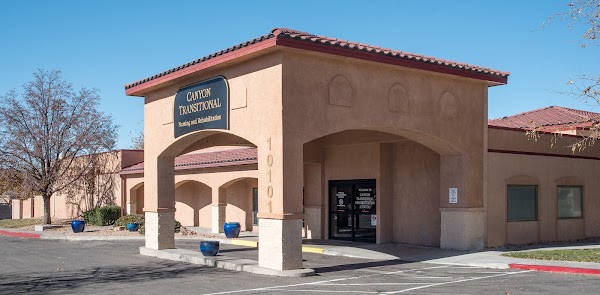
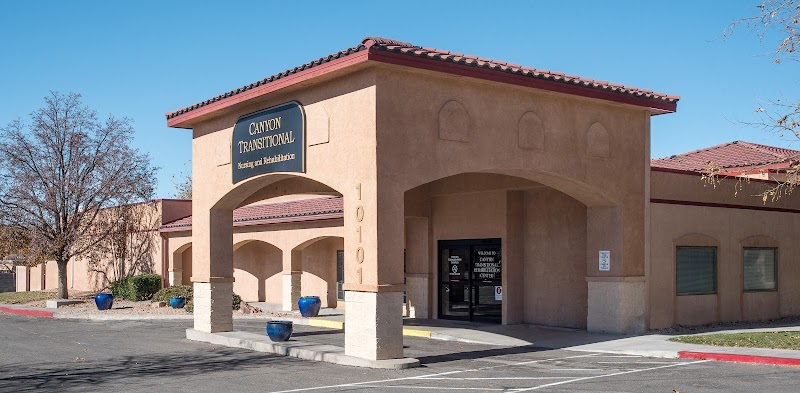
10101 Lagrima De Oro Road NE, Albuquerque, NM 87111 (505) 298-1231
For profit - Limited Liability company 74 Beds GENESIS HEALTHCARE Data: November 2025
Trust Grade
50/100
#28 of 67 in NM
Last Inspection: December 2024

Within standard 12-15 month inspection cycle. Federal law requires annual inspections.

Overview

Canyon Transitional Rehabilitation Center in Albuquerque, New Mexico has a Trust Grade of C, which means it is average and sits in the middle of the pack among similar facilities. It ranks #28 out of 67 nursing homes in the state, putting it in the top half, and #10 out of 18 in Bernalillo County, meaning only nine local options are better. The facility is improving, as it reduced the number of issues from 24 in 2023 to 11 in 2024. Staffing is a weakness, with a rating of 2 out of 5 stars and a turnover rate of 56%, which is about average for the state. However, the center has no fines on record, indicating compliance with regulations, and it boasts more RN coverage than 85% of New Mexico facilities, which is a strength as RNs can catch potential issues. On the downside, recent inspections revealed some concerning incidents. For example, the kitchen was not maintained properly, with opened food items lacking labels and dates, which could lead to cross-contamination and foodborne illness. Additionally, the facility failed to notify the resident's advocate when a resident was transferred to the hospital, potentially leaving the resident uninformed about their care options and rights. These issues highlight the need for improvement in certain operational areas while the facility shows promise with its overall trends and RN support.

Trust Score
C
50/100
In New Mexico
#28/67
Top 41%
Safety Record
Moderate
Needs review
Inspections
Getting Better
24 → 11 violations
Staff Stability
⚠ Watch
56% turnover. Above average. Higher turnover means staff may not know residents' routines.
Penalties
✓ Good
No fines on record. Clean compliance history, better than most New Mexico facilities.
Skilled Nurses
✓ Good
Each resident gets 49 minutes of Registered Nurse (RN) attention daily — more than average for New Mexico. RNs are trained to catch health problems early.
Violations
⚠ Watch
43 deficiencies on record. Higher than average. Multiple issues found across inspections.
★★★☆☆
3.0
Overall Rating
★★☆☆☆
2.0
Staff Levels
★★★☆☆
3.0
Care Quality
★★★☆☆
3.0
Inspection Score
Stable
2023: 24 issues
2024: 11 issues

The Good

  • Full Sprinkler Coverage · Fire safety systems throughout facility
  • No fines on record

Facility shows strength in fire safety.

The Bad

3-Star Overall Rating

Near New Mexico average (2.9)

Meets federal standards, typical of most facilities

Staff Turnover: 56%

10pts above New Mexico avg (46%)

Frequent staff changes - ask about care continuity

Chain: GENESIS HEALTHCARE

Part of a multi-facility chain

Ask about local staffing decisions and management

Staff turnover is elevated (56%)

8 points above New Mexico average of 48%

The Ugly 43 deficiencies on record

1 actual harm
Dec 2024 11 deficiencies
CONCERN (D)

Potential for Harm - no one hurt, but risky conditions existed

Deficiency F0578 (Tag F0578)

Could have caused harm · This affected 1 resident

**NOTE- TERMS IN BRACKETS HAVE BEEN EDITED TO PROTECT CONFIDENTIALITY** Based on record review and interview the facility failed to ensure advance directives (a document which provides an individual's...

Read full inspector narrative →
**NOTE- TERMS IN BRACKETS HAVE BEEN EDITED TO PROTECT CONFIDENTIALITY** Based on record review and interview the facility failed to ensure advance directives (a document which provides an individual's wishes for emergency and life saving care) were complete for 1 (R #45) of 1 (R #45) resident reviewed for advance directives when staff failed to ensure the resident signed the advance directive. This deficient practice is likely to result in residents receiving unwanted or unplanned treatment during a medical emergency. The findings are: A. Record review of R #45 electronic medical record (EMR) revealed R #45 elected a code status of do not resuscitate [DNR; a medical order that instructs healthcare providers not to perform cardiopulmonary resuscitation (CPR) if a patient's heart stops beating or breathing stops.] B. Record review of R #45's Medical Orders for Scope of Treatment (MOST; an advance directive) form, dated [DATE], revealed the resident did not sign it. C. On [DATE] at 3:48 PM during an interview, the Director of Nursing (DON) stated R #45's MOST form should be signed by the resident, but it was not.
CONCERN (D)

Potential for Harm - no one hurt, but risky conditions existed

Comprehensive Care Plan (Tag F0656)

Could have caused harm · This affected 1 resident

Based on interview and record review, the facility failed to ensure staff completed the comprehensive care plans for 2 (R #23 and R #166) of 2 (R #23 and R #166) residents reviewed for care plans, whe...

Read full inspector narrative →
Based on interview and record review, the facility failed to ensure staff completed the comprehensive care plans for 2 (R #23 and R #166) of 2 (R #23 and R #166) residents reviewed for care plans, when staff failed to: 1. Complete care plans for R #23 for the following areas: Activities of daily living (ADL; basic self-care tasks) care, psychotropic medications (medications that affect behavior, mood, thoughts and perception), and respiratory complications; and 2. Complete care plans for R #166 for the following areas: ADL care, cardiovascular (heart) symptoms or complications, oral health, diabetes (high blood sugar levels), anemia (not having enough healthy red blood cells), and anticoagulant (medication that thins the blood) medication use. This failure has the potential to adversely affect staff's ability to implement preventative measures for the residents' health and well-being. The findings are: Resident #23 A. Record review of face sheet for R #23 revealed an admission date of 07/31/24 and included the following diagnoses: - Muscle weakness; - Lack of coordination; - Unsteadiness on feet; - Reduced mobility; - Conduct disorder (a behavioral and emotional disorder that presents as repetitive, disruptive and violent behavior); - Fatigue (a feeling of tiredness or lack of energy); - Mental disorders due to known physiological condition (a broad group of severe mental and behavioral disorders); - Respiratory failure with hypoxia (when you don't have enough oxygen in your blood); and - Need for assistance with personal care. B. Record review of Physicians Orders for R #23 revealed the following: - Sertraline (medication used to treat anxiety) oral tablet, 25 milligrams (mg). Give one tablet by mouth in the morning for anxiety. Start date: 11/14/24. End date: 11/22/24. - Sertraline oral tablet 50 mg. Start date: 11/23/24. - Trazodone (medication used to treat depression) oral tablet, 50 mg. Start date: 11/21/24. - Buspirone (medication used to treat anxiety). Start date 11/13/24. - Olanzapine (medication used to treat mental disorders and depression) oral tablet, 2.5 mg. C. Record review of Care Plan dated 10/15/23 for R #23 revealed that R #23 required assistance with ADL care. Staff did not complete any additional information to include ADSs, goals and interventions. - Dated 09/23/24, Focus: Resident was at risk for complications related to the use of psychotropic drugs. Staff did not complete the Goal Section. - Dated 10/15/24, Focus: Resident exhibited or was at risk for respiratory complications related to recent hospitalization. Staff did not complete the Goal Section to include the number of days the resident would not have signs or symptoms of respiratory distress. Resident #166 D. Record review of face sheet for R #166 revealed an admission date of 11/22/24 and included the following diagnoses: - Type 2 diabetes mellitus with the following complications: 1) diabetic retinopathy (eye disease caused by diabetes) with macular edema (swelling in the eye), 2) diabetic nephropathy (kidney disease caused by diabetes), and 3) hyperglycemia (high blood sugar); - Cerebrovascular disease (conditions that affect blood flow to the brain); - Hyperlipidemia (high levels of fat in the blood); - Hypertension (high blood pressure); - History of venous thrombosis (formation of blood clots in the veins) and embolism (blood clot that blocks the flow of blood). E. Record review of the care plan for R #166 revealed the following: - Dated 11/25/24, R #166 required assistance with ADL care. Staff did not complete any additional information to include ADLs, goals, and interventions. - Dated 11/25/24, Focus: Resident exhibited or was at risk for cardiovascular symptoms or complications related to diagnosis of hypertension, hyperlipidemia, and history of stroke. Staff did not complete the Goal Section to include the number of times a day the resident would participate in skilled physical therapy/occupational therapy without any signs or symptoms of activity intolerance. - Dated 11/25/24, Focus: The resident had a diagnosis of diabetes and was insulin dependent. Staff did not complete the Goal Section to include the number of days the resident would not have signs or symptoms of hypo/hyperglycemia (low/high blood sugar). - Dated 11/25/24, Focus: Resident was at risk for injury or complications related to the use of anticoagulation therapy medication, Apixaban (brand name.) Staff did not complete the Goal Section to include the number of days the resident would not have signs or symptoms of bleeding. E. On 12/02/24 at 1:43 pm during an interview, the Director of Nursing (DON) stated the care plans were incomplete for R #23 and #166, and staff should have completed the care plans.
CONCERN (D)

Potential for Harm - no one hurt, but risky conditions existed

Deficiency F0697 (Tag F0697)

Could have caused harm · This affected 1 resident

Based on observation, record review, and interview the facility failed to provide adequate and timely pain relief for 1 (R #29) of 2 (R #29 and #132) residents reviewed for pain. This deficient practi...

Read full inspector narrative →
Based on observation, record review, and interview the facility failed to provide adequate and timely pain relief for 1 (R #29) of 2 (R #29 and #132) residents reviewed for pain. This deficient practice likely resulted in R #29 to be in significant pain. The findings are: Resident #29 A. On 11/25/24 at 11:14 am, during an observation and interview of R #29, she rubbed her hand and cried. R #29 stated she was in a lot of pain. She stated staff gave her Tylenol a little bit ago, but it did not help. She asked the Certified Nursing Assistant (CNA) #6 to ask the nurse to bring her the medication for her nerve pain, and the CNA stated he would tell the nurse. R #29 stated that sometimes the Tylenol worked and sometimes it did not. She stated her pain level was an 11. B. Record review of the physicians orders for R #29 indicated an order for Tylenol extra strength, oral tablet 500 milligrams (mg). Give two tablets by mouth every eight hours as needed for generalized pain. C. Record review of the medical record for R #29 indicated staff documented the resident's pain level to be a 10 (the pain scale indicates pain based on 1 being the lowest and 10 being highest) on 11/25/24 at 10:52 am. D. Record review of the Medication Administration Record (MAR) for R #29 revealed the following: - Dated 11/25/24 at 10:50 am, staff administered two Tylenol 500 mg to R #29 for pain. - Dated 11/25/24 at 12:18 pm, staff noted the Tylenol was ineffective for the resident's pain. - Staff did not document anything else after the medication was determined to be ineffective. E On 11/25/24 at 11:35 am, during an interview with CNA #6, he stated he informed the nurse of R #29's pain and requested her pain medication. F. On 11/25/24 at 11:45 am, during an interview with Nurse #1, she stated she was aware R #29 asked for another medication for her pain, but R #29 did not have another pain medication on order. She stated R #29 only had Tylenol for pain, and she gave the resident some Tylenol a little bit ago. She stated R #29 was not due to receive another dose of Tylenol at this time. She stated R #29 did not have anything else ordered for pain, like another as needed (PRN) pain medication. She stated R #29 did not have an order for an as needed (PRN) pain medication. Nurse #1 stated she did not notifythe provider. G. On 12/02/24 at 2:32 pm, during an interview with the Unit Manager, he stated he expected staff to document a progress note regarding notification of the physician of R #29's pain. He stated staff should have documented a change in condition (CIC; a change in what is baseline or normal for a person) due to pain of an 11 and notified the physician. He stated if the nurse found the Tylenol was not effective then the nurse should have notified the physician.
CONCERN (D)

Potential for Harm - no one hurt, but risky conditions existed

Infection Control (Tag F0880)

Could have caused harm · This affected 1 resident

Based on observation and staff interview, the facility failed to maintain proper infection prevention practices when a staff did not perform hand hygiene prior to and after handling medications for 1 ...

Read full inspector narrative →
Based on observation and staff interview, the facility failed to maintain proper infection prevention practices when a staff did not perform hand hygiene prior to and after handling medications for 1 (R #132) of 1 (R #132), This deficient practice could likely result in the spread of infectious agents (viruses and bacteria) between the 23 residents in 100 hall. The findings are: A. On 11/25/24 at 9:53 am, during an observation of Nurse #1, she did not perform hand hygiene (a general term that applies to hand washing, antiseptic handwash, and alcohol-based hand rub) prior to administering medications to R #132. B. On 11/25/24 at 9:55 am, during an interview with Nurse #1, she stated she should have performed hand hygiene prior to and after administering medications to R #132.
CONCERN (E)

Potential for Harm - no one hurt, but risky conditions existed

Notification of Changes (Tag F0580)

Could have caused harm · This affected multiple residents

Resident #132 F. Record review of R #132's provider's orders, dated 11/12/24, revealed an order to administer vancomycin (an antibiotic medication) IV solution, 750 milligrams (mg)/150 milliliter (ml)...

Read full inspector narrative →
Resident #132 F. Record review of R #132's provider's orders, dated 11/12/24, revealed an order to administer vancomycin (an antibiotic medication) IV solution, 750 milligrams (mg)/150 milliliter (ml) for discitis/osteomyelitis (a serious condition that causes inflammation of the discs in the spine) every eight hours. G. Record review of R #132's medication administration record (MAR), dated November 2024, revealed staff did not administer R #132 the vancomycin on 11/25/24 at 6:00 am, 2:00 pm, and 10:00 pm due to medication was not received. H. On 11/25/24 at 9:53 am and 11/25/24 at 2:31 pm, during an interview with Nurse #1, she stated vancomycin was not available to administer to R #132, because the pharmacy did not deliver it. Nurse #1 stated she called the pharmacy on 11/24/24 and the morning of 11/25/24 to request a vancomycin delivery. I. On 11/27/24 9:16 am and 9:25 am, during an interview with the Nurse Practitioner (NP), he stated he was not aware R #132 missed doses of the vancomycin, because the nursing staff did not notify him. He stated he became aware when he saw the on-call provider's report in his email on the morning of 11/27/24. The NP stated he was on the floor during the time when R #132 missed his vancomycin doses, and a communication book was available by his office door. He stated the communication book did not contain any mention of the situation. He stated he expected nurses and other healthcare staff at the facility to notify him of any missed medications doses for R #132. He added he would contact the Infectious Disease Team (a medical clinic that R #132 follows up with regarding his infection) if staff made him aware. He stated if the staff had notified him, then he would also call the pharmacy to order a vancomycin trough blood level test (a test that measures the concentration of vancomycin in the blood) in order to see if the pharmacy staff needed to make an adjustment on the vancomycin's course of treatment. J. On 11/27/24 at 9:38 am during an interview with Nurse #2, she stated she was expected to notify the floor NP regarding any missed medications doses for R #132. Based on observation, interview and record review, the facility failed to notify the physician or the nurse practitioner for 2 (R #29 and #132) of 2 (R #29 and #132) residents for: 1. R #29 who had significant amount of pain. 2. R #132 who did not receive several doses of his intravenous (IV; a tube inserted into a blood vessel and used to administer medications, fluids, or nutrition into the bloodstream) antibiotic. If the facility is not notifying the physician or nurse practitioner of changes in a residents medical condition then the resident will not receive prompt medical care and could cause a delay in treatment, unnecessary pain, and could create more serious health complications. The findings are: Resident #29 A. On 11/25/24 at 11:14 am, during an observation and interview of R #29, she rubbed her hand and cried. R #29 stated she was in a lot of pain. She stated staff gave her Tylenol (pain medication) a little bit ago, but it did not help. She stated her pain level was an 11 (the pain scale indicates pain based on 1 being the lowest and 10 being highest.) B. Record review of R #29's medical record indicated staff documented the resident's pain level was a 10 on 11/25/24 at 10:52 am, and staff administered Tylenol. C. Record review of R #29's medication administration note revealed that staff gave R #29 two Tylenol 500 mg on 11/25/24 at 10:50 am and at 12:18 pm, and staff noted the medication was ineffective. Staff did not document anything else in the progress notes after the medication was found to be ineffective. D. On 11/25/24 at 11:45 am, during an interview with Nurse #1, she stated she was aware R #29 asked for another medication for her pain, but R #29 did not have an order for another pain medication. She stated R #29 only had an order for Tylenol for pain, and she gave the resident some Tylenol a little bit ago. She stated R #29 was not due to receive another dose of Tylenol at this time. She stated R #29 did not have an order for an as needed (PRN) pain medication. Nurse #1 stated she did not notify the provider. E. Record review on 11/26/24 of R #29's medical record physician progress notes, nursing progress notes, and physician orders revealed staff did not notify the physician or nurse practitioner of R #29's pain level. F. On 12/02/24 at 2:32 pm, during an interview with the Unit Manager, he stated he expected staff to document a progress note regarding notification of the physician of R #29's pain. He stated staff should have documented a change in condition (CIC; when there is a change from what is a person's normal baseline) due to pain of an 11 and notified the physician. He stated if the nurse found the Tylenol was not effective then the nurse should have notified the physician.
CONCERN (E) 📢 Someone Reported This

A family member, employee, or ombudsman was alarmed enough to file a formal complaint

Potential for Harm - no one hurt, but risky conditions existed

Safe Environment (Tag F0584)

Could have caused harm · This affected multiple residents

Based on interviews and observations, the facility failed to provide a clean, homelike environment for all 21 residents who lived on the 400 hall. This deficient practice is likely to result in reside...

Read full inspector narrative →
Based on interviews and observations, the facility failed to provide a clean, homelike environment for all 21 residents who lived on the 400 hall. This deficient practice is likely to result in residents not feeling comfortable, which could affect their psychological well-being. The findings are: A. On 11/25/24 at 8:00 a.m., observation during the initial tour of the building revealed the 400 hall had a strong odor of urine and feces throughout. B. On 11/27/24 at 11:06 a.m., during an interview, R #266 stated she had a bedside commode. She stated she did not always put the lid down, because she frequently needed to use the bathroom. She stated she missed the bedside commode in the past while she tried to open the lid. C. On 11/237/24 at 11:06 a.m., it was observed that R#266 bedside commode sat next to the resident's bed, the lid was up, and urine was in the commode. D. On 11/27/24 at 11:15 a.m., during an interview with Certified Nursing Assistant (CNA) #1, she stated R #266 did not keep the lid on her bedside commode down after she used it, which made the 400-hallway smell of urine. E. On 11/27/24 at 2:00 p.m., during an interview, R #20 stated he could smell the odors in the hallway, and it bothered him.
CONCERN (E)

Potential for Harm - no one hurt, but risky conditions existed

Deficiency F0658 (Tag F0658)

Could have caused harm · This affected multiple residents

**NOTE- TERMS IN BRACKETS HAVE BEEN EDITED TO PROTECT CONFIDENTIALITY** Based on record review and interview, the facility failed to provide care that met professional standards for 1 (R #60) of 3 (R ...

Read full inspector narrative →
**NOTE- TERMS IN BRACKETS HAVE BEEN EDITED TO PROTECT CONFIDENTIALITY** Based on record review and interview, the facility failed to provide care that met professional standards for 1 (R #60) of 3 (R #23, #60 and #16) residents when the facility failed to maintain and care for R #60's gastrostomy tube (g-tube; a tube surgically inserted through the abdomen into the stomach and used to provide fluids, nourishment and medications.) This deficient practice is likely to result in residents not receiving proper nutritional needs and also places residents at risk for complications and infections that may affect their quality of life. The findings are: A. Record review of the facility's policy, Enteral Management, dated 03/01/22, revealed staff to provide safe and effective management of enteral tubes. B. Record review of the facility's policy, Enteral Tubes Medication Administration, dated 03/01/22, revealed guidelines for managing complications. Staff directed to do the following: 1. Check first to see the tube was not kinked. 2. If the feeding tube became clogged, then interventions should occur immediately. Warm water should be tried first. 3. Clogged tube - Clogging can occur from internal blockage. a. If the clog was still present, then gently milk the tube from top to bottom to release any clog that may be in that part of the tube. b. Do not force-flush the tube or use a rigid object in an attempt to clear the tube. If the clog was persistent, then contact the medical doctor (MD) if the above techniques fail. Resident #60 C. Record review of the face sheet for R #60, dated 11/23/24, revealed an initial admission date of 10/25/24 and included the following diagnoses: - Severe protein-calorie malnutrition, - Aphasia (disorder that impairs the ability to process language), - Dysphasia (difficulty swallowing), - Dysarthria (when the muscles used for speech are weak or hard to control) and anarthria (severe form of dysarthria), - Aphasia (language disorder that affects the ability to speak and understand what others say), - Gastrostomy status (surgical procedure for inserting a tube through the abdomen into the stomach for administration of food, fluids and medications), - Ileus (condition where your intestines can't push food and waste out of the body). D. Record review of physician's orders for R #60, various dates, revealed orders for staff to administer R #60's medications via g-tube. E. Record review of Change in Condition for R #60, dated 11/10/24 at 9:14 pm, revealed the resident's percutaneous endoscopic gastrostomy (PEG; a type of g-tube) was clogged. Staff unable to unclog the PEG and notified the on-call provider. Provider ordered medication to aid unclogging PEG. Will attempt as soon as the medication becomes available. F. Record review of the physician's progress notes, dated 11/10/24 at 11:00 pm, revealed the resident's PEG was clogged. Previously had medication ordered to unclog PEG tube, but it was unavailable from pharmacy. Order given to go ahead with Creon (medication that contains a combination of enzymes that help digest fats, proteins, and sugars) medication to assist with unclogging PEG tube. G. Record review of progress notes for R #60 revealed the following: - Dated 11/11/24 at 12:45 pm, Nurse Management note: Review of change in condition, dated 11/10/24. Clogged g-tube noted. Attempted multiple ways to unclog g-tube, to include declogger soda and pressure unsuccessfully. Resident sent to emergency room for possible new tube. - Dated 11/11/24 at 3:35 pm, Patient was transferred to hospital 2:23 pm on this day due to his g-tube became clogged. This nurse, as well as other nurses, tried to unclog the g-tube. Using pressure, carbonated beverages, warm water, and wand to unclog tube. H. Record review of hospital discharge documentation for R #60, dated 11/11/24, revealed the resident had a past medical history of stroke, status post (after) g-tube placement, and was brought in by emergency medical services (EMS) from the nursing facility for an evaluation of a g-tube issue. Patient's g-tube got clogged last night. Today the nursing facility staff attempted to unclog this with five cleaners and Dr. Pepper; however, they were unsuccessful. Patient did not report abdominal pain and did not have any complaints today. He acknowledged there was a clog in his g-tube. On chart review, patient had a gastrostomy tube placed on 10/22/2024. Initial vital signs revealed tachycardia, and that resolved without intervention. Physical exam revealed a soft, non-tender abdomen. Attempted to flush the catheter without success. Then placed an endotracheal stylette (small, unbreakable, plastic coated metal rod) also without success. Contacted interventional radiology (offers patients an image guided minimally invasive procedure to alleviate a condition that could be otherwise be potentially life-threatening) for assistance. They used a [NAME] syringe (a disposable syringe used for irrigating wounds and catheters) with pressure and dislodged the clot. Patient was stable for discharge back to his facility. Recommend he follow-up with his primary care provider and return to the hospital with any concerns. I. On 12/02/24 1:48 pm during an interview, the Director of Nursing (DON) stated the staff used declogger wands to unclog the resident's PEG, and the Nurse Practitioner (NP) #1 advised them to use the soda method. The DON stated using soda or carbonated beverages to unclog a g-tube was probably not considered best practice.
CONCERN (E)

Potential for Harm - no one hurt, but risky conditions existed

Unnecessary Medications (Tag F0759)

Could have caused harm · This affected multiple residents

Based on observation, record review, and interview, the facility failed to ensure the medication error rate did not exceed 5 percent (%) for 7 residents (R #25, #32, #52, #130, #131, #132, and #317) o...

Read full inspector narrative →
Based on observation, record review, and interview, the facility failed to ensure the medication error rate did not exceed 5 percent (%) for 7 residents (R #25, #32, #52, #130, #131, #132, and #317) of 11 residents (R #3, #16, #25, #31, #32, #45, #52, #130, #131, #132, and #317) reviewed during medication administration. Staff administered 80 medications with 39 errors, which resulted in a medication error rate of 48.75 %. If medications are administered in error, residents are likely to experience less than optimal results from their medication regimen. The findings are: R #25 A. Record review of R #25's physician orders, dated 12/2/24, revealed the following: - Potassium oral tablet (treats hypokalemia; a condition where the level of potassium in blood is lower than normal), 20 milliequivalents (meq). Give one tablet by mouth for hypokalemia at 8:00 am. - Sotalol oral tablet (manages blood pressure), 80 milligrams (mg). Give one tablet by mouth for high blood pressure at 8:00 am. - Sertraline oral tablet (treats depression; a mood disorder that causes a persistent feeling of sadness and loss of interest), 50 mg. Give one tablet by mouth for depression at 8:00 am. - Furosemide oral tablet (treats congestive heart failure; impaired heart function), 40 mg. Give one tablet by mouth for congestive heart failure at 8:00 am. - Flovent inhaler (treats shortness of breath). One puff inhaled orally for shortness of breath at 8:00 am. - Lidocaine patch (relieves nerve pain). Apply one patch to right hip topically for pain at 8:00 am. B. On 11/25/24 at 09:15 am during observation of Nurse #1, she administered the following morning medications to R #25: - Potassium oral tablet, 20 meq. - Sotalol oral tablet, 80 mg. - Sertraline oral tablet, 50 mg. - Furosemide oral tablet, 40 mg. - Flovent inhaler, one puff. - Lidocaine patch. C. On 11/25/24 at 9:15 am during an interview with Nurse #1, she stated she passed the morning medications for the 100 hall late, because the Certified Medication Aide (CMA) assigned to the hall did not come to work. D. On 11/25/24 at 9:15 am during observation, Nurse #1 attempted to administer medication to R #23, but the resident asked if she could postpone her medications. Nurse #1 took R #25's medications and put them in the medication cart. Nurse #1 then went to ask the Nurse Manager to talk to the resident. The resident decided to take her medications without delaying them. Nurse #1 did not inform R #25 about the medications being administered. R #32 E. Record review of R #32's physician orders, dated 12/2/24, revealed the following: - Lidocaine patch (relieves nerve pain). Apply one patch to affected area topically for pain at 8:00 am. -Apixaban oral tablet (treats vascular accident (CVA; a condition when an area of the brain becomes damaged from lack of blood supply to the brain) 5 mg. Give one tablet by mouth for CVA at 8:00 am. -Benzonatate oral capsule (treats cough), 100 mg. Give one capsule by mouth for cough at 8:00 am. -Guaifenesin oral tablet (treats cough), 600 mg. Give one tablet by mouth for cough at 8:00 am. -Sulfasalazine oral tablet (treats rheumatoid arthritis; a chronic disease where body's immune system mistakenly attacks the lining of joints), 500 mg. Give one tablet by mouth for rheumatoid arthritis at 8:00 am. -Furosemide oral tablet, 40 mg. Give one tablet by mouth as a diuretic at 8:00 am. -Nebulization treatment solution (treats cough and shortness of breath), 3 milliliter (ml) inhale orally via nebulizer for cough and shortness of breath at 8:00 am. F. On 11/25/24 at 9:27 am during observation of Nurse #1, she administered the following morning medications to R #32: - Lidocaine patch. -Apixaban oral tablet, 5 mg. -Benzonatate oral capsule, 100 mg. -Guaifenesin oral tablet, 600 mg. -Sulfasalazine oral tablet, 500 mg. -Furosemide oral tablet, 40 mg. -Nebulization treatment solution. G. On 11/25/24 at 9:27 am during observation of Nurse #1, she did not inform R #32 about the medications being administered. R #317 H. Record review of R #317's physician orders, dated 12/2/24, revealed the following: -Losartan oral tablet (manages high blood pressure), 50 mg. Give one tablet by mouth for high blood pressure at 8:00 am. -Carvedilol oral tablet (manages high blood pressure), 12.5 mg. Give one tablet by mouth for high blood pressure at 8:00 am. -Ticagrelor oral tablet (prevents blood clots), 90 mg. Give one tablet by mouth to prevent blood clots at 8:00 am. I. On 11/25/24 at 9:32 am during observation of Nurse #1, she administered the following morning medications to R #317: -Losartan oral tablet, 50 mg. -Carvedilol oral tablet, 12.5 mg. -Ticagrelor oral tablet, 90 mg. R #130 J. Record review of R #130's physician orders, dated 12/2/24, revealed the following: -Venlafaxine oral tablet (treats depression), 75 mg. Give one tablet by mouth for depression at 8:00 am. -Baclofen oral tablet (relieves muscle spasms), 10 mg. Give one tablet by mouth for muscle spasm at 8:00 am. K. On 11/25/24 at 9:40 am during observation of Nurse #1, she administered the following morning medications to R #130: -Venlafaxine oral tablet, 75 mg. -Baclofen oral tablet, 10 mg. R #131 L. Record review of R #131's physician orders, dated 12/2/24, revealed the following: -Protonix oral tablet (treats gastroesophageal reflux disease (GERD; a condition in which the stomach contents move up into the esophagus), 40 mg. Give one tablet by mouth for GERD at 8:00 am. -Wellbutrin oral tablet (treats depression), 150 mg. Give one tablet by mouth for depression at 8:00 am. M. On 11/25/24 at 9:40 am during observation of Nurse #1, she administered the following morning medications to R #131: -Protonix oral tablet, 40 mg. -Wellbutrin oral tablet, 150 mg. R #132 N. Record review of R #132's physician orders, dated 12/2/24, revealed the following: -Oxcarbazepine oral (treats seizures; a disorder in which nerve cell activity in the brain is disturbed, causing seizures), 300 mg. Give one tablet for seizures at 8:00 am. -Tylenol oral tablet (relieves pain), 325 mg. Give two tablets for pain at 8:00 am. -Gabapentin oral capsule (relieves pain), 300 mg. Give one capsule for pain at 7:00 am. -Paroxetine oral tablet (treats mood disorder; a mental health condition that affects a person's emotional state, causing long periods of extreme sadness, happiness, or both), 40 mg. Give one tablet for mood disorder at 8:00 am. -Amantadine oral tablet (treats intellectual disability; a chronic condition that limits a person's ability to learn, think, and perform daily activities) and traumatic brain injury (TBI; a brain injury caused by an outside force, such as a blow or jolt to the head, or an object piercing the skull), 100 mg. Give one tablet for intellectual disability and TBI at 8:00 am. -Metoprolol oral tablet (manages high blood pressure), 25 mg. Give one tablet for high blood pressure at 8:00 am. - Vancomycin intravenous (IV; into a vein), (treats discitis/osteomyelitis; infection of the spine), 750 mg/150 ml. Infuse 150 ml intravenously for discitis/osteomyelitis at 6:00 am. O. On 11/25/24 at 9:53 am during observation of Nurse #1, she administered the following morning medications to R #132: -Oxcarbazepine oral tablet, 300 mg. -Tylenol oral tablet, 650 mg. -Gabapentin oral capsule, 300 mg. -Paroxetine oral tablet, 40 mg. -Amantadine oral tablet, 100 mg. -Metoprolol oral tablet, 25 mg. -Vancomycin intravenous, 750 mg/150 ml. P. On 11/25/24 at 9:53 am, during an interview with Nurse #1, she stated she contacted the pharmacy to deliver vancomycin on 11/24/24 and again on 11/25/24. She stated the vancomycin was not delivered yet. She stated R #132 missed his 6:00 am dose of vancomycin. Nurse #1 stated we will be lucky if we receive it by the end of this week. R #52 Q. Record review of R #52's physician orders, dated 12/2/24, revealed the following: -Amoxicillin-pot clavulanate oral tablet (treats gangrene on medial right ankle; means that the inner side of the right ankle is affected by gangrene; a serious condition that occurs when body tissue dies), 875-125 mg. Give one tablet by mouth for gangrene on medial right ankle at 8:00 am. -Cilostazol oral tablet (treats symptoms of intermittent claudication; is a muscle pain during activity that stops when the person rests), 100 mg. Give one tablet by mouth for symptoms of intermittent claudication at 8:00 am. -Escitalopram oral tablet (treats depression), 20 mg. Give one tablet by mouth for depression at 8:00 am. -Gabapentin oral capsule (relieves pain), 300 mg. Give three capsules by mouth for pain at 8:00 am. -Isosorbide oral tablet (treats coronary artery disease; a heart disease that occurs when the arteries supplying blood to the heart narrow due to plaque buildup), 30 mg. Give one tablet by mouth for coronary artery disease at 8:00 am. -Losartan oral tablet (manages high blood pressure), 50 mg. Give one tablet by mouth for high blood pressure at 8:00 am. -Metoprolol oral tablet (manages high blood pressure), 100 mg. Give one tablet by mouth for high blood pressure at 8:00 am. -Tapazole oral tablet (treats hyperparathyroidism; a disorder in which 1 or more of the parathyroid glands in the neck produce too much parathyroid hormone) , 10 mg. Give one tablet by mouth for hyperparathyroidism at 8:00 am. R. On 11/26/24 at 8:10 am during observation of Certified medication Aid (CMA) #1, she administered the following morning medications to R #52: -Amoxicillin-pot clavulanate oral tablet, 875-125 mg. -Cilostazol oral tablet, 100 mg. -Escitalopram oral tablet, 20 mg. -Gabapentin oral capsule, 900 mg. -Isosorbide oral tablet, 30 mg. -Losartan oral tablet, 50 mg. -Metoprolol oral tablet, 100 mg. -Tapazole oral tablet, 10 mg. S. On 11/26/24 at 8:10 am during observation of CMA #1, she did not inform R #52 about the medications being administered. CMA #1 stated she would inform R #52 about her medications if she asked. T. On 12/02/24 at 2:52 pm during interview with Nurse #4, she stated staff should administer resident medications within a two hour period, one hour before to one hour after the time stated on the resident's orders.
CONCERN (E)

Potential for Harm - no one hurt, but risky conditions existed

Deficiency F0760 (Tag F0760)

Could have caused harm · This affected multiple residents

**NOTE- TERMS IN BRACKETS HAVE BEEN EDITED TO PROTECT CONFIDENTIALITY** Based on record review, observation, and interview, the facility failed to keep a resident free from significant medication erro...

Read full inspector narrative →
**NOTE- TERMS IN BRACKETS HAVE BEEN EDITED TO PROTECT CONFIDENTIALITY** Based on record review, observation, and interview, the facility failed to keep a resident free from significant medication errors for 1 (R #132) of 1 (R #132) residents when they failed to administer R #132's vancomycin (an antibiotic medication) intravenous (IV; a tube that is inserted into a blood vessel and used to administer medications, fluids, or nutrition into the bloodstream) medication in a timely manner as per the physician's order. This deficient practice is likely to cause R #132 to have adverse drug effects including but not limited to lowering the effectiveness of the antibiotic treatment and potentially contributes to antimicrobial resistance (when microorganisms, like bacteria, viruses, fungi, and parasites, change and are no longer affected by the drugs used to treat them). The findings are: A. Record review of R #132's face sheet, dated 11/12/24, revealed he was admitted to the facility on [DATE] with multiple diagnoses including but not limited to: - Osteomyelitis of vertebra, lumber region (a rare bone infection of the spine that can occur when bacteria or fungi spread to the bones.) - Discitis, unspecified, lumber region (a serious condition that causes inflammation of the discs in the spine.) - Bacteremia (the presence of bacteria in the blood.) B. Record review of R #132's provider's orders revealed the following: - Dated 11/12/24, administer vancomycin intravenous solution, 750 milligrams (mg)/150 milliliter (ml) for discitis/osteomyelitis every eight hours. - Dated 11/13/24, use 10 ml of normal saline (a solution of water and salt that's 0.9% sodium chloride commonly used in the clinical setting) flush solution to flush the PICC line intravenously every shift prior to medication administration. C. On 11/25/24 at 9:53 am, during observation of Nurse #1 administering medications to R #132, the resident had a peripherally inserted central catheter (PICC; a thin, flexible tube that is inserted into a vein in the upper arm and threaded into a large vein near the heart, is used for long-term IV antibiotics, nutrition or medications, and for blood draws) in the right upper arm. D. On 11/25/24 at 9:53 am and 2:31 pm, during an interview with Nurse #1, she stated the vancomycin was not available to administer to R #132 since the pharmacy did not deliver it. Nurse #1 stated she called the pharmacy on 11/24/24 and the morning of 11/25/24 to request a vancomycin delivery. E. Record review of R132's Medication Administartion Record (MAR), dated November 2024, revealed R #132 missed vancomycin doses as follows: - On 11/25/24 at 6:00 am, 2:00 pm, and 10:00 pm due to medication was not received from the pharmacy. - On 11/26/24 at 2:00 pm and 10:00 pm due to PICC line was clogged and not usable for medications or fluids administration. - On 11/27/24: 6:00 am due to PICC line was clogged and not usable for medications or fluids administration. F. On 11/26/2024 at 8:30 am, during an interview with Nurse #2, she stated R #132's PICC line was clogged, and she was not able to administer the vancomycin dose on time. She stated a specialized nurse from an outside agency attempted to unclogg R #132's PICC line but did not succeed. G. Record review of R #132's progress notes ,dated 11/27/24, revealed the specialized nurse attempted to unclog the PICC line at 2:33 am with no success. He then advised that another specialized nurse needed to insert a new PICC line in the morning of 11/27/24. H. On 11/27/2024 at 8:55 am, during an interview with the Director of Nursing (DON), she stated she was not aware of R #132's PICC line situation. She stated the Nurse Manager would handle similar situations. She stated if staff had notified her of the incident, then she would have called the pharmacy and the specialized team who were supposed to come over and unclog the PICC line. She also stated the medication room might have vancomycin in stock, and the facility nurses were expected to check if vancomycin was available in the medication room stock I. On 11/27/24 at 9:03 am, during an interview with Nurse #2, she stated that vancomycin, 750 mg, was not available in stock. She stated she called the pharmacy three times on three different occasions on 11/26/24. She stated she inquired regarding when the pharmacy would send the alteplase (a medication that dissolves blood clots, and was ordered to be used in an attempt to unclog the PICC line by a specialized nurse from outside the facility.) She added the alteplase arrived on 11/26/24 around 4:00 pm, and she called the specialized nurse to come and attempt to unclog the PICC line. She stated that attempt was unsuccessful. J. On 11/27/24 9:16 am and 9:25 am, during an interview with the Nurse Practitioner (NP), he stated he was not aware R #132 missed doses of the vancomycin, because the nursing staff did not notify him. He stated he became aware when he saw the on-call provider's report in his email on the morning of 11/27/24. The NP stated he was on the floor during the time when R #132 missed his vancomycin doses, and a communication book was available by his office door. He stated the communication book did not contain any mention of the situation. The NP stated he reviewed the on-call report (a medical report where the on-call providers write their notes and send them to the NP on daily basis) dated 11/26/24 and he found out the floor nurse called the on-call provider to report the clogged PICC line. He stated he expected nurses and other healthcare staff at the facility to notify him of any missed medications doses for R #132. He added he would contact the Infectious Disease Team (a medical clinic that R #132 follows up with regarding his infection) if staff made him aware. He stated if the staff had notified him, then he would also call the pharmacy to order a vancomycin trough blood level test (a test that meausures the concentration of vancomycin in the blood) in order to see if the pharmacy staff needed to make an adjustment on the vancomycin's course of treatment.
CONCERN (E)

Potential for Harm - no one hurt, but risky conditions existed

Deficiency F0761 (Tag F0761)

Could have caused harm · This affected multiple residents

Based on observations, interviews and record review, the facility failed to: 1. Ensure medication refrigerators did not contain medications that belonged to discharged residents. 2. Ensure nurses and ...

Read full inspector narrative →
Based on observations, interviews and record review, the facility failed to: 1. Ensure medication refrigerators did not contain medications that belonged to discharged residents. 2. Ensure nurses and CMAs dated opened insulin (a medication prescribed to help the body turn food into energy and manages blood sugar levels) vials and discarded them within 28 days of opening. 3. Ensure medication carts did not contain medications that belonged to discharged residents. These deficient practices are likely to result in residents receiving medications that are less effective or expired for all 70 residents who reside in the facility, as identified on the census list provided by the facility Administrator on 11/25/24. The findings for the medication refrigerator: A. On 11/26/24 at 10:50 am, during observation of medication refrigerator located inside the medication room, revealed the following: 1. Lispro 10 milliliter multiple-dose vial insulin (a short-acting insulin) vial was open and did not have an opening date. The insulin vial belonged to R #8. 2. Vancomycin (an antibiotic medication) syrup bottle was open and did not have an opening date. The medication belonged to R #316. B. Record review of the manufacturer's instructions for Lispro multiple dose vial insulin revealed staff to throw away all opened vials after 28 days of use, even if there is insulin left in the vial. C. Record review of R #8's physician orders, dated 11/26/24, revealed R #8 was actively receiving lispro insulin. D. Record review of R #316's face sheet, dated 10/27/24, revealed R #316 was discharged from the facility on 10/27/24. E. On 11/26/24 at 10:55 am, during an interview with the Nurse Manager, he stated staff must date the opened Lispro insulin vial and discard it within 28 days from the opening date. He stated staff must discard medications that belonged to discharged residents, and staff should not leave them in the medication fridge. The findings for the medication cart. F. On 11/26/24 at 1:30 pm, during observation of medication cart in the 100 hall, a multivitamin bottle was open and not dated. The bottle belonged to R #43. G. Record review of R #43's face sheet, dated 11/23/24, revealed R #43 was discharged from the facility on 11/23/24. H. On 11/26/24 at 1:30 pm, during an interview with CMA #2, he stated the multivitamin bottle belonged to R #43 who was discharged on 11/23/24. He stated he should have removed R #43's medications from the medication cart.
CONCERN (F)

Potential for Harm - no one hurt, but risky conditions existed

Food Safety (Tag F0812)

Could have caused harm · This affected most or all residents

Based on observation, interview, and record review, the facility failed to maintain the kitchen in a sanitary manner when staff failed to: - Store opened food with labels and dates to prevent cross co...

Read full inspector narrative →
Based on observation, interview, and record review, the facility failed to maintain the kitchen in a sanitary manner when staff failed to: - Store opened food with labels and dates to prevent cross contamination and outdated usage, - Store meat in a manner to prevent leakage and contamination of other food items, These failures had the potential to result in cross contamination and foodborne illness which could affect all residents who ate food from the kitchen. The findings are: A. On 11/25/24 at 7:53 am, observation during a walk-through of the kitchen refrigerator revealed the following: that multiple items were either not dated or were past the date to be served and should have been thrown out. - Unidentified sandwiches did not have a label on them. - Mashed potatoes with a date of 11/19/24 and use by 11/24/24. - Egg salad with unclear dates written on the label. - Sliced cheese was partially wrapped and was hard and discolored. - Container of deli ham not sealed. - A large container of leftovers was not labeled and dated. - Ham stored in a cardboard box sat on a shelf above a large container of unidentified, undated leftovers. Juice from the ham leaked onto the foil which covered the leftovers. B. On 11/25/24 at 8:00 am, during an interview with Kitchen Assistant #2, he stated he removed a tray of unlabeled food, and there was more food in the refrigerator that was not labeled properly. He stated the juice on top of the leftovers was from the ham sitting on the shelf above it. He stated the ham was not stored properly and leaked through the box. C. On 12/02/24 at 11:32 am, the Kitchen Manager said all of his staff knew better than to leave the kitchen the way the staff found it after the weekend. He said they must have been in a rush to leave. D. On 12/02/24 at 11:40 am, during an interview with the Interim Registered Dietician, she stated she did a sanitary audit of the kitchen on 11/19/24. She stated she found unlabeled food in the refrigerator.
Oct 2023 2 deficiencies
CONCERN (D) 📢 Someone Reported This

A family member, employee, or ombudsman was alarmed enough to file a formal complaint

Potential for Harm - no one hurt, but risky conditions existed

Medical Records (Tag F0842)

Could have caused harm · This affected 1 resident

**NOTE- TERMS IN BRACKETS HAVE BEEN EDITED TO PROTECT CONFIDENTIALITY** Based on record review and interview, the facility failed to ensure staff maintained accurate medical records for 1 (R # 3) of 7...

Read full inspector narrative →
**NOTE- TERMS IN BRACKETS HAVE BEEN EDITED TO PROTECT CONFIDENTIALITY** Based on record review and interview, the facility failed to ensure staff maintained accurate medical records for 1 (R # 3) of 7 (R # 1, R # 2, R # 3, R #4, R #5, R #6, and R #7) reviewed for charted pain medications in the electronic medication administration record (EMAR). This deficient practice could likely result in residents receiving more narcotic [a drug that in moderate doses dulls the senses, relieves pain, and induces profound sleep, but in excessive (more than necessary) doses causes coma (a deep state of not being awake or aware of things around you), convulsions (a medical condition in which muscles contract and relax rapidly and repeatedly resulting in uncontrolled shaking), or seizures (sudden, uncontrolled electrical disturbance in the brain which can cause changes in behavior, movements, feelings, and consciousness)]. The findings are: A. Record review of R # 3's face sheet revealed she was admitted to the facility on [DATE]. B. Record review of R #3's Physician orders revealed: 1. Oxycodone HCL (narcotic pain reliever for moderate to severe pain), oral tablet, 5 milligrams (MG). Take one tablet every 4 hours as needed for pain levels 5-10 (oral pain score rating with 10 being the highest level of pain). Start date 09/15/23. 2. Oxycodone HCI, oral tablet, 5 MG. Take two tablets by mouth every 4 hours as needed for pain levels 5-10. Start date 09/15/23. C. Record review of Omnicare (facility pharmacy) sheet for Controlled Drug Record (narcotic drug record) revealed: 1. On 09/17/23, staff administered R #3 two, 5 MG tablets of oxycodone at 5:00 pm, but staff did not document on the EMAR. 2. On 09/18/23, staff administered R #3 one, 5 MG tablet of oxycodone at 1:00 am, but staff did not document on the EMAR. 3. On 09/18/23, staff administered R #3 two, 5 MG tablets of oxycodone at 9:30 am, but staff did not document on the EMAR. 4. On 09/21/23, staff administered R #3 two, 5 MG tablets of oxycodone at 8:00 am, but staff did not document on the EMAR. 5. On 09/21/23, staff administered R #3 two, 5 MG tablets of oxycodone at 12:00 pm, but staff did not document on the EMAR. 6. On 09/21/23, staff administered R #3 two, 5 MG tablets of oxycodone at 4:30 pm, but staff did not document on the EMAR. 7. On 09/22/23, staff administered R #3 two, 5 MG tablets of oxycodone at 12:00 pm, but staff did not document on the EMAR. 8. On 09/22/23, staff administered R #3 one, 5 MG tablet of oxycodone at 4:00 pm, but staff did not document on the EMAR. 9. On 09/22/23, staff administered R #3 one, 5 MG tablet of oxycodone at 8:22 pm, but staff did not document on the EMAR. 10. On 09/23/23, staff administered R #3 two, 5 MG tablets of oxycodone at 7:00 am, but staff did not document on the EMAR. D. On 10/31/23 at 10:23 am, during an interview, Director of Nursing (DON) #1who was training DON #2, confirmed staff did not document on the EMAR that they administered oxycodone to R#3 on 09/17/23, 09/18/23, 09/21/23, 09/22/23, and 09/23/23. The DON explained she went through R #3's progress notes and EMAR, but she did not find any documentation to show staff administered oxycodone to the resident. DON #1 stated the EMAR and the Controlled Drug Sheet should match.
CONCERN (E) 📢 Someone Reported This

A family member, employee, or ombudsman was alarmed enough to file a formal complaint

Potential for Harm - no one hurt, but risky conditions existed

Safe Environment (Tag F0584)

Could have caused harm · This affected multiple residents

**NOTE- TERMS IN BRACKETS HAVE BEEN EDITED TO PROTECT CONFIDENTIALITY** Based on observation and interview, the facility failed to maintain an environment that was clean and homelike for 2 (R #7, R #8...

Read full inspector narrative →
**NOTE- TERMS IN BRACKETS HAVE BEEN EDITED TO PROTECT CONFIDENTIALITY** Based on observation and interview, the facility failed to maintain an environment that was clean and homelike for 2 (R #7, R #8) of 2 (R #7, R #8) residents reviewed for homelike environment. This failure had the potential to affect all 69 residents identified on the resident census provided by the administrator on 10/30/31. If the facility fails to maintain resident rooms in a safe and homelike environment then residents are likely to feel uncomfortable and could exacerbate (make worse) health issues. The findings are: A. On 10/30/23 at 1:38 pm, during an interview, Family Member (FM) #1 expressed concerns about the the physical environment of R #7's room. FM #1 stated the temperature in R #7's room was too high, and R #7 was completely soaked in sweat. She stated R #7 asked her to turn down the thermostat, but that did not seem to affect the temperature. FM #1 also stated the second concern was a problem with the sink. There was an odor, and it appeared that sewage was backing up. Things were not draining down the sink. B. On 10/30/23 at 2:05 pm, during an interview with the Maintenance Director (MD), he stated he had to open up the sink in R #7's room, but he did not have anything small enough to snake (a tool used to remove clogs that are blocking drains and piping) the drain. He said he tried to push the clogs through, but he may need to call a plumber. The MD said the drains become clogged from staff washing dishes in the resident's room sink. C. On 10/30/23 at 2:45 pm, during an observation of resident rooms #112 and #110, a facility bed sheet was observed covering the window in resident room [ROOM NUMBER], and a facility bath towel (a large towel used for drying the body, similar in size to a bed sheet) was observed covering the window in resident room [ROOM NUMBER]. No other window coverings or window dressings were observed. Both rooms were located adjacent to each other and each window with covering was visible from the hallway. D. On 10/30/23 at 3:08 during an interview and observation, R # 8 stated the bed sheet had been on the window since his arrival into room [ROOM NUMBER]. He pointed to the bucket under the visible drain pipe of his sink (located directly in resident's room, not the bathroom) and stated it was there since he arrived at the facility a week ago. He believed there might be a plumbing problem due to the presence of the bucket. An observation revealed that it was a five gallon bucket filled with standing gray water inside the bucket. The water had a greasy, milk-colored film on top of the water. Paper towels and other trash floated in the water. The bucket was approximately 1/3 filled with dirty water. E. On 10/30/23 at 3:20 pm, during an interview and observation, R #7 stated there was a supposed to be a knob to adjust his window blinds, in room [ROOM NUMBER], but there was not one. The vertical slats could not be adjusted (open or closed, or raised up or down) and were enclosed within double pane glass of the window. R #7 stated he would get hot from the sun shining directly on his bed, and he was not able to adjust the blinds to control the amount of sunlight shining on him. A white facility bed sheet hung over R #7's window. Sunlight shone through the closed slats of the blinds onto the R #7's bed where the bedsheet did not fully cover the window. R #7 stated the CNAs had to scrounge around to find the tacks to tack the bedsheet over the window. R # 7 also stated that his sink was slow to drain. F. On 10/31/23 at 2:18 pm, during an observation and interview with MD, he stated he was not aware of the standing water in the bucket underneath the resident's sink in room [ROOM NUMBER] and that the bucket of dirty water should not be there. DM turned on the water in room [ROOM NUMBER] and the water was observed to drain very slowly. DM stated the water was draining slow. He stated the facility was replacing the resident room windows due to the vertical blinds inside the windows were not adjustable. He stated the window in R #7's room was missing the piece that adjusted the blind, and that was another reason the windows were being switched out. MD stated he was not aware it was a problem for the windows to not have covering. The MD stated the window blinds were on order. He stated the project to replace the windows started in 2019 but stopped due to the pandemic. The facility did not provide documentation to show they ordered blinds for the residents' windows.
Aug 2023 18 deficiencies
CONCERN (D)

Potential for Harm - no one hurt, but risky conditions existed

Resident Rights (Tag F0550)

Could have caused harm · This affected 1 resident

Based on observation and interview, the facility failed to promote care with dignity and respect, for 1 (R #36) of 1 (R #36) resident reviewed, by attempting to restrict R #36's interactions with anot...

Read full inspector narrative →
Based on observation and interview, the facility failed to promote care with dignity and respect, for 1 (R #36) of 1 (R #36) resident reviewed, by attempting to restrict R #36's interactions with another resident (R #50) under threat of discharge from facility. This deficient practice could likely result in feelings of living in a hostile environment and feelings of helplessness and fear. The findings are: A. On 08/21/23 at 9:43 am, during an interview R #36 stated he was approached by a previous resident about R #50's problems with her bank account. He stated he was given permission by R #50 to talk to her bank about her account. He stated R #50 was looking for her checks and debit card, which were physically missing from her possession. He stated the representative from R #50's bank later reached out to him to ask if R #50 was still living at the facility. The representative from R #50's bank called R #36, because the bank representative wanted to talk to R #50 about money missing from her account. The bank represented informed R #36 the money missing was from ATM withdrawals. R #36 stated he was the person who reported R #50's missing debit card (to the facility). R #50 asked R #36 if he could be her Power of Attorney (POA- a legal document that allows someone else to act on your behalf). R #36 stated he had been talking with R #50's bank since 05/2023. He did not believe anyone from the facility was helping R #50. He believed they were covering up R #50's missing money, because Social Services had stopped talking to him. He also called Police Department to make a report, because he did not think the facility was doing anything. R #36 stated the Social Services Director (SSD) threatened to kick him out of the facility on 08/03/23 and said he was .going to be removed from here, the facility, if I did not back off from that lady . and leave her alone .I did nothing wrong. He stated many residents come to him asking him for help with their personal matters. He stated that SSD informed him a team from the facility was now working on R #50's case. Before this, there was not a team working on R #50's case. R #36 learned, two days ago (08/18/23) during a Resident Council meeting, it was a conflict of interest and that he could not be R #50's POA. He stated it still bothered him that he was threatened with being kicked out of the facility when he tried to help R #50 find her missing money. R #36 was willing to be R #50's because her house had burnt down, and she had nobody (no family or other friends) else to represent her interests. R #36 stated the facility could have told him he could not be her POA a different way and not threaten to discharge him from the facility. He stated he did not inform the Administrator of being threatened by the SSD, because he was concerned about how the Administrator would react if the SSD was already being threatening. He stated the Administrator asked him what he knew about R #50's missing money. R #36 stated he shared the information about the bank representative reaching out to him about the missing money from R #50's account from ATM withdrawals. R #36 stated an employee had been fired by the facility related to R #50's missing money. B. On 08/21/23 at 11:18 am, during an interview, the Social Services Assistant (SSA) stated she was present at the meeting when R #36 was told by the SSD not to be involved in R #50's business. SSA stated R #36 was not being kicked out. The SSA stated that the SSD was just letting R #36 know that if he continued to involve himself in R #50's business then that would be grounds for removing him from the facility. C. On 08/21/23 at 11:44 am, during an interview, the Administrator stated it was not appropriate to threaten a resident with a discharge, and she was not aware that had happened to R #36.
CONCERN (D)

Potential for Harm - no one hurt, but risky conditions existed

Deficiency F0552 (Tag F0552)

Could have caused harm · This affected 1 resident

Based on record review and interview, the facility failed to ensure that residents were aware of and/or understood the risks and benefits of medication they were receiving for 1 (R #11) of 1 (R #11) r...

Read full inspector narrative →
Based on record review and interview, the facility failed to ensure that residents were aware of and/or understood the risks and benefits of medication they were receiving for 1 (R #11) of 1 (R #11) residents by not informing residents of why a medication was being prescribed and administered and what diagnosis/condition it was treating. This deficient practice could likely result in residents feeling anxious and potentially receiving unnecessary treatment/medication. The findings are: A. Record review of Physicians Orders, dated 08/03/23, for R #11 revealed: - Risperidone (used to treat certain mental/mood disorders) oral tablet, 1 milligram (mg), give 1 tablet at bedtime every day for delusional disorder (is a type of serious mental illness. One can't tell what's real from what is imagined); - Quetipine Fumarate [a medication used for schizophrenia (false beliefs, seeing or hearing things that don't exist, unusual physical behavior, and disorganized thinking and speech), acute manic episodes, and adjunctive treatment for major depressive disorder] oral tablet 50 mg, give 1 tablet at bedtime everyday for delusional disorder. B. Record review of R #11's Psychotropic Medication Administration Disclosure Form [Consent form to receive specified antipsychotic (drug used to treat psychotic disorders), anti-depressants (Drug used to treat depression and anxiety), Anti-anxiety (Drug used to treat anxiety), Anti-manic (drug used to treat bipolar disorders), and hypnotics (drug used to treat insomnia) medication] revealed the form did not contain a date and/or physician's signature, and staff did not administer one of the circled medications to the resident. D. On 08/21/23 at 11:59 am, during an interview, the Director of Nursing (DON) stated he did expect the Psychotropic form to be signed by the physician.
CONCERN (D)

Potential for Harm - no one hurt, but risky conditions existed

Comprehensive Care Plan (Tag F0656)

Could have caused harm · This affected 1 resident

Based on record review and interview, the facility failed to develop and implement a comprehensive person care plan for 1 (R #6) of 1 (R #6) residents. Failure to develop and implement a person-center...

Read full inspector narrative →
Based on record review and interview, the facility failed to develop and implement a comprehensive person care plan for 1 (R #6) of 1 (R #6) residents. Failure to develop and implement a person-centered care plan could likely result in staff's failure to understand the needs and implement the appropriate treatments for residents; possibly resulting in decline in abilities and failure to thrive. The findings are: A. Record review of Physician's orders, dated 01/24/23, states, Oxygen at 1-6 liters per minute via nasal cannula (tubing placed in the nose) continuously. B. Record review of care plan, dated 01/24/23 and last revised on 07/12/23, revealed the care plan did not address R #6's oxygen use. C. On 08/21/23 at 11:59 am, during an interview, the Director of Nursing (DON) stated oxygen use should be care planned.
CONCERN (D)

Potential for Harm - no one hurt, but risky conditions existed

Quality of Care (Tag F0684)

Could have caused harm · This affected 1 resident

**NOTE- TERMS IN BRACKETS HAVE BEEN EDITED TO PROTECT CONFIDENTIALITY** This is cited at Past Non-compliance Based on record review and interview the facility failed to initiate a change in condition ...

Read full inspector narrative →
**NOTE- TERMS IN BRACKETS HAVE BEEN EDITED TO PROTECT CONFIDENTIALITY** This is cited at Past Non-compliance Based on record review and interview the facility failed to initiate a change in condition prompting the physician to be notified for 1 (R #63) of 5 (R # 29, 34, 47, 63 and 120) residents looked at for change in condition. This deficient practice could likely contribute to residents suffering a decline in their health, hospitalization, and death if a change in condition is not identified timely. The findings are: While on survey the facility provided sufficient evidence that the facility corrected the non-compliance and was in substantial compliance at the time of the survey on 08/14/23. On 06/02/23 the facility identified deficient practice, on 06/05/23 the facility began auditing, and initiated a PIP (Performance Improvement Plan) around the facility failing to identify a change in condition (CIC). R #63 passed away on 06/02/23 and there was evidence of ongoing monitoring conducted on a monthly basis and reviewed during the monthly Quality Assessment Performance Improvement (QAPI) meetings. Surveyors onsite did not identify non-compliance for any other sampled residents. A. Record review of R #63's face sheet revealed that R #63 was sent out on 03/29/23 to the hospital for altered mental status and increased confusion She was re-admitted to the facility on [DATE]. She had the following diagnoses: Chronic Kidney disease stage 4 (the last stage of kidney disease before kidney failure in which the kidney is not working as it should, so there are more waste, fluids, and toxins in the body), Hypokalemia (low potassium), Diabetes Type II (a condition that happens because of a problem in the way the body regulates and uses sugar as a fuel), Meniere's Disease (is disease of inner ear due to accumulation of fluid), Depression (is a mood disorder that causes a persistent feeling of sadness and loss of interest), Anxiety (persistent and excessive distress that affects daily life), Pain, Heart Disease, Hypertension (high blood pressure that affects the heart) and Unspecified Dementia (symptoms affecting memory, thinking and social abilities severely enough to interfere with your daily life). B. Record review of R #63's nursing progress notes dated 05/27/23 at 12:00 pm, indicated the following: Resident with very poor appetite, sleeping most of time, has to be awaken to take medication and will sometimes go back to sleep before taking all her meds. Increasingly difficult to keep resident awake. C. Record review of R #63's nursing progress notes dated 05/30/23 at 9:47 am, indicated the following: Resident watched tv, scratched head, and played with bed remote instead of taking medications. This (nurse) asked if resident was going to take medications and she stated in a minute, just leave them here. This nurse stated that meds could not be left at bedside. Resident became upset and stated to just take them. D. Record review of R #63's nursing progress notes dated 05/31/23 at 12:58 pm indicated the following: Resident refused breakfast, medications, lunch, and shower attempts x (times) 3 this shift. Resident finally agreed to CNA (Certified Nursing Assistant) cleaning her up and changing gown after several attempts. E. Record review of the Medication Administration Record (MAR) for May 2023 indicated that on 05/30/23 and 05/31/23, R #63 declined to take her morning medications. F. Record review of R #63's nursing assessment dated [DATE] revealed Resident was met very weak and obeys simple command with eyes closed. Vital signs monitored as per chart. G. Record review of R #63's nursing assessment dated [DATE] revealed, R #63 received all due medications and did not have any new complaints. General condition of R #63 was not good, as resident still very weak. H. Record review of R #63's Activities of Daily Living Task List for May 2023 indicated the following: On 05/28/23 it is documented that R #63 did not eat breakfast or lunch and ate 25% at dinner. On 05/29/23 it is documented that R #63 did not eat a meal that day. On 05/30/23 it is documented that R #63 did not eat a meal that day. On 05/31/23 it is documented that R #63 did not eat a meal that day. On 06/01/23 it is documented that R #63 did not eat breakfast or lunch and ate 25% at dinner. On 06/02/23 there is no documentation that R #63 ate breakfast or lunch and R #63 passed away at 16:25 (4:25 pm). I. Record review of R #63's nursing progress notes dated 06/02/23 at 16:25 (4:25 pm) RN (Registered Nurse) at bedside. Auscultated (listened to sounds made by the body) lung sounds, heart sounds, assessed pupils, corneal reflex and pulses. All were absent. Pupils were non-reactive. Pt (patient) did not respond or arouse (awaken). Time of death 16:25. J. Record review of R #63's physician History and Physical (H and P) and/or physician progress notes indicated that no assessments or notes were completed or documented after the re-admission (hospital to facility on 04/20/23) note on 05/24/23. K. Record review of R #63's nursing progress notes from 05/25/23 to 06/02/23 did not reveal that nursing staff did a CIC assessment for R #63 even though there is documentation that she was declining meals, was very weak and not easily arousable. L. Record review of R #63's nursing progress notes dated 05/25/23 to 06/02/23 did not reveal that the physician was notified of R #63's refusing meals, weak status and not being easily arousable. M. On 08/16/23 at 8:34 am, during an interview with Licensed Practical Nurse (LPN) #3, he stated that R #63 had been very independent when she was first here (at the facility). He stated that at least one month ago, if not longer she started to go south (meaning declining and not doing well). He stated that she (R #63) was unresponsive, had an altered mental status (a change in mental function such as awareness, movement or behavior), her verbal responses were slower than they used to be, she was hard to arouse and her appetite was decreased. She was sent out to the hospital several times and she did have labwork completed over the last couple of months. N. On 08/18/23 at 1:30 pm during an interview with Certified Nursing Assistant (CNA) # 8, he stated that R #63 had been really independent and was very social, but her energy level started to go down, probably over several months, and she stopped wanting to get out of bed. She went out to the hospital several times and she came back with a catheter (a thin tube made inserted to collect urine) which she didn't have before. CNA #8 stated that sometimes urine output was low like 100 to 200 cc (cubic centimeter) and was very dark yellow color. CNA #8 stated that he would tell the nurse (doesn't remember who) about her (R #63) low urine output and he was told to keep an eye on it and he stated that the charting for the urine output doesn't allow you to put in a number for how much urine you dumped from the Foley bag (attached to a drainage tube to catch the contents of the bladder) it just allowed you to say yes or no. CNA #8 stated that that around one week before R #63 passed she was really foggy (unclear) about things you would ask her, she would forget what she was saying and then just become silent and the silence became longer and longer before she would answer a question. CNA #8 stated that R #63 then she passed away on 06/02/23 and he doesn't know why she passed or really what the cause of it was. O. On 08/21/23 at 11:14 am, during an interview with Nurse Practitioner (NP) #1, she stated that she was very aware of R #63's status and her decline which had been going on for many months. She was aware that R #63 was going to need dialysis (the process of removing excess water and toxins from the blood in people whose kidneys can no longer perform these functions naturally), probably within the next 6 months. She stated that R #63 was seeing Nephrology (kidney specialist) for her Kidney disease. NP #1 stated what she was not made aware of the meals that R #63 was refusing 05/28/23 thru 06/02/23 and that it was several days in a row and the medications that R #63 was also refusing during that time frame. P. On 08/17/23 at 4:16 pm, during an interview with the Center Executive Director (CED), she stated that after R #63 passed away on 06/02/23, they identified that there were a few things that weren't done or there was missing pieces such as that a CIC assessment wasn't completed and they don't believe that the physician was notified, so these things prompted them (the facility) to do a PIP (Performance Improvement Project). Q. PIP (Performance Improvement Project) Date 06/22/23: Persons responsible for oversight CED and CNE/DON (Director of Nursing) Plan is specific to: Change in condition/notification of provider with SBAR information. What was done 1. A 72-hour lookback of all progress notes and CIC to ensure all documented CIC and process was followed. 2. Licensed nurses will be reeducated on: CIC process, notifying the provider with CIC/all pertinent information related to CIC, risk management documentation and einteract CIC documentation. Education will also include notification of CIC to the DON/nurse manager to assist in decision making, along with basic assessments/vital signs that could be considered critical or a rapid decline that would warrant a 911 call. 3. All staff will be educated on CIC and how to notify changes to the nurse for that resident including stop and watch documentation. 4. All current residents will be reviewed for CIC to ensure notification and process is followed. 5. Nurse management will be reeducated on clinical meeting process to identify change in condition to ensure process is followed. R. Record review and verification of the PIP was completed on sight. On 06/05/23 the facility began auditing all residents in the building for any missed CIC's. Trainings, auditing and verification started immediately after the facility identified the failed practice on 06/02/23. Trainings and education of staff are documented in the PIP. Training's and education included vital signs focusing on trends of vitals, an abnormal reading which maybe a gradual decline or an urgent vital reading which may require emergent action for the resident. Stop and watch forms for the CNA's to complete and notification of the nurse and training on change in condition. 72 hour chart check was completed to identify any missed CIC's that had not been done and any findings of failed practice or missing CICs and notification of the provider were completed. Audits were conducted to ensure that for every CIC the process was followed. While on survey random residents were chosen from incident reports to ensure that CIC's and notification of provider was continuing to be completed. No other residents were identified with this deficienct practice at the time of the survey.
CONCERN (D)

Potential for Harm - no one hurt, but risky conditions existed

Tube Feeding (Tag F0693)

Could have caused harm · This affected 1 resident

Based on record review and interview the facility failed to ensure a residents feeding tube was properly taken care of for 1 (R #121) of 1 (R #121) reviewed for feeding tubes. This deficient practice ...

Read full inspector narrative →
Based on record review and interview the facility failed to ensure a residents feeding tube was properly taken care of for 1 (R #121) of 1 (R #121) reviewed for feeding tubes. This deficient practice could likely cause infection at the site of the feeding tube if there are no physician orders to continue to clean the area around the feeding tube; and the order to remove the feeding tube had not been followed through with. The findings are: A. On 08/15/23 at 9:22 am, during an interview with Family Member, she stated that her mother's (R#121) feeding tube is not always cleaned. She stated that she is not currently using the feeding tube and it is supposed to be removed. It hasn't been removed yet and it's not getting cleaned as often as it should. B. Record review of the care plan updated on 07/31/23 indicated to continue cleaning peg tube (feeding tube) until removed. C. Record review of the physician orders indicated that on 08/03/23 to remove PEG tube and apply compression dressing. D. Record review of the progress notes dated 08/03/23 at 15:34 (3:34 pm) faxed to [name of hospital] for appointment to remove g-tube. E. Record review of the physician orders indicated that on 08/10/23 a revision to the order Resident needs an appointment to take out her g-tube (feeding tube). F. On 08/16/23 at 8:34 am, during an interview with Licensed Practical Nurse (LPN) #3, stated that R #121 didn't know when her feeding tube was coming out. He stated that he was not aware of an appointment yet. He stated that the paperwork to have it taken out was faxed to [name of hospital]. He stated that he needed to look into it. G. Record review of the physician orders indicated the following orders were discontinued on 08/03/23, Enteral Feed: Cleanse site daily with soap and water every day shift H. Record review of the Medication Administration Record (MAR) indicated that when the feeding tube/PEG tube was discontinued on 08/03/23 it is no longer on the MAR to prompt the daily cleaning. I. On 08/21/23 at 12:14 pm, during an interview with Director of Nursing (DON), he stated that there should be a physician order to continue to clean the feeding tube until it is removed. J. On 08/21/23 at 1:09 pm, during an interview with R #121 she stated that nursing staff clean her feeding tube sometimes. If she asks for it to be cleaned they will do it. She stated that it needs to be cleaned now and was unable to recall the last time it has been cleaned.
CONCERN (D)

Potential for Harm - no one hurt, but risky conditions existed

Deficiency F0805 (Tag F0805)

Could have caused harm · This affected 1 resident

Based on observation, record review, and interview the facility failed to ensure that food was prepared in a form that met a resident's required textured diet (an appropriate consistency of food that ...

Read full inspector narrative →
Based on observation, record review, and interview the facility failed to ensure that food was prepared in a form that met a resident's required textured diet (an appropriate consistency of food that can be easily chewed and swallowed) for 1 (R #18) of 1 (R #18) resident observed during random observation. This deficient practice could likely result in a choking incident. The findings are: A. On 08/14/23 at 1:02 pm, during an observation and interview, R #18 received her lunch meal. She stated I can't eat that. I need it shredded. I'm missing part of my dentures and can't chew that good . It was observed that she had a breaded chicken fillet patty on a roll. B. Record review of R #18's meal ticket for 08/14/23 lunch meal, revealed the following: R #18 is on a regular (one that does not include any dietary restrictions)/liberalized (a diet that takes into account not only the person's state of health, physician's orders, and treatments, but also the individual's food preferences) with a dysphagia advanced texture (dysphagia advanced diet includes food that is nearly regular textures with the exception of very hard, sticky or crunchy foods) and grd (ground) meat breaded chicken fillet for roll. C. Record review of R #18's clinical physician order dated 06/14/23 revealed the following: Regular diet, Dysphagia Advanced texture ground meats special consistency . ****Lactose Intolerant**** D. On 08/14/23 at 1:16 pm, during an interview, the Dietary Manager (DM) confirmed that R #16 had received a whole chicken fillet sandwich for lunch. He stated that R #18 should have received a sandwich with ground chicken meat. He stated that sometimes the cook is in a hurry. He stated usually the dietary aide opens up the lid (insulated dome cover for individual plates of food) and checks the ticket and the food for room meals. Certified Nursing Assistants (CNAs) can catch it too and will bring the meal back to the kitchen to correct it. He thinks they .just missed it.
CONCERN (D)

Potential for Harm - no one hurt, but risky conditions existed

Medical Records (Tag F0842)

Could have caused harm · This affected 1 resident

**NOTE- TERMS IN BRACKETS HAVE BEEN EDITED TO PROTECT CONFIDENTIALITY** Based on interview and record review the facility failed to have complete and up to date resident records for 1 (R #62) of 1 (R ...

Read full inspector narrative →
**NOTE- TERMS IN BRACKETS HAVE BEEN EDITED TO PROTECT CONFIDENTIALITY** Based on interview and record review the facility failed to have complete and up to date resident records for 1 (R #62) of 1 (R #62) resident looked at for discharge. This deficient practice could cause confusion if minimal documentation is found in the chart for a resident who left Against Medical Advice (AMA). The findings are: A. Record review of medical record indicated that R #62 was admitted on [DATE] and discharged on 06/24/23. B. Record review of the nursing progress notes dated 06/24/23 at 11:34 am indicated that R #62 left Against Medical Advice (AMA) .with meds this morning, all personal items taken by resident. Left facility at approx. 1115H (11:15 am) with sister, denied any pain or discomfort. C. On 08/21/23 at 2:44 pm, during an interview with Licensed Practical Nurse (LPN) #3, he stated that he does remember her (R #62) and that he did discharge her that day 06/24/23. He stated that he doesn't know why she discharged that day but he doesn't remember her being angry. He thinks she was just ready to go home. LPN #3 stated that even when a resident leaves AMA they will give them their medications, everything except narcotics. He did give her medications to her. He stated that the AMA form is then filled out and usually they will also do a discharge summary. He also stated that if someone leaves AMA you would notify the physician and management. LPN #3 stated that these forms should be in the chart but that he doesn't see them. D. On 08/21/23 at 2:51 pm, during an interview with the Center Executive Director (CED,) she stated that when someone wants to leave they do everything they can to make it a safe discharge. They will call the physician and ask about the resident who wants to leave and if they could be discharged safely at this time. If the physician states that they aren't able to discharge them safely at this time they will still do everything they can to make it as safe as possible. They will talk to physical therapy if they are able. They will usually give them their medications (not the narcotics). They will try to put into place home health care for the resident. Social Services will usually do a discharge summary. The CED stated that she doesn't see one in the medical record. She said that R #62 discharged on Saturday, so that was probably why she didn't see one. The CED stated that if the discharge seems really unsafe they will make a Adult Protective Services (APS) report. She said that since she wasn't aware of this discharge it isn't clear whether or not an APS referral should have been made. E. Record review of the medical record did not reveal any documentation of an AMA form or a discharge summary, any referrals that might have been or were made to a home health agency, or any notification to management staff at the facility, to the physician/on-call physician or APS (Adult Protective Services).
CONCERN (E)

Potential for Harm - no one hurt, but risky conditions existed

Deficiency F0559 (Tag F0559)

Could have caused harm · This affected multiple residents

R #48 E. On 08/16/23 at 11:53 am during an observation, R #48 was in the front, by the entrance of the facility. She complained about her room being cold. The Receptionist/Administrative assistant sta...

Read full inspector narrative →
R #48 E. On 08/16/23 at 11:53 am during an observation, R #48 was in the front, by the entrance of the facility. She complained about her room being cold. The Receptionist/Administrative assistant stated, I believe they are moving your room right now. You're going into a residents room. R #48 looked a little surprised and said, I didn't know they were going to move me. I had better go to my room. F. Record review of R #48's nursing progress notes dated 08/16/23 at 12:00 pm revealed the facility had not informed the resident of the move. G. On 08/16/23 at 2:54 pm, during an interview, the Social Services Director (SSD) stated Admissions was responsible for moving the resident and contacting the family. The SSD stated, R #48 hasn't been notified yet, and I will make sure she is contacted if she hasn't been already. We fill out an UDA (assessments and evaluations) when they are moved. If I am involved, I will go in and ask the residents if they want to be moved then I will call the family, let them know, and then do the UDA. H. Record review of R #48's nursing progress notes and UDAs dated 08/16/23 at 3:34 it stated, Spoke with Resident and let her know that she will be moving to room (number). I. Record Review of R #48 census revealed she had been moved 4 times with no progress notes or UDA to state they contacted family or resident prior to moving the resident. Dates for these moves were 02/10/23, 06/01/23, 07/28/23, and 08/16/23. J. Record review of the facility's policy titled, Room Transfers, revealed, Notification of room change, or new roommate, will be provided with reasonable/required time frames when necessary to meet state regulation and to protect patient health. Process: - 1. Patients are notified upon admission that room changes may take place during the course of their stay. - 3. Social Services or designee will process and coordinate all requests for the room changes in accordance with state and federal regulations. K. On 08/17/23 at 2:03 pm, during an interview, R #48 stated they just move her, and they tell her after they do it. L. On 08/21/23 at 11:59 am, during an interview, the Director of Nursing (DON) stated he was unaware they had to be informed in writing; however, there should be documentation to the room change notiying the resident/resident representative. Based on observation, interview, and record review, the facility failed to notify and give written notification to residents for 2 (R #7 and R #48) of 2 (R #7 and R #48) residents reviewed for notification of room change. This deficient practice could likely result in a resident being unprepared for the room change and may lead to feelings of helplessness, anxiety, and frustration. The findings are: R #7 A. On 08/15/23 at 12:30 PM, during an interview, R #7 stated, I didn't know they (the facility) can keep changing my rooms. I was surprised when I came over here (to his current room), and they did not tell me before (moving him and his belongings). R #7 stated he came back from lunch one day and all his things were not in his room. His things had been moved to his current room. R #7 stated he was not made aware that he would be changing rooms, prior to his belongings being moved by the facility. B. On 08/21/23 at 12:29 PM, during an interview, the Director of Nursing (DON) stated residents should be informed prior to being moved to another room, and it should be documented the resident was informed prior to the move. The DON stated R #7 requested a new roommate during his last room change of 08/07/23; however, R #7 was moved instead. He also stated the resident's record did not contain a note documenting R #7 was notified prior to the move. C. Record review of R #7's census revealed there was a bed change for R #7 on 08/08/23 at 11:23 am. D. Record review of R #7's nursing progress notes revealed the following: - A note, dated 08/07/23, documented R #7 wanted his roommate out of the room. - No documentation/progress notes of bed change occurred and notice was not provided to R #7 or his family representative prior to R #7 being moved on 08/08/23. -No other documentation related to the room transfer of 08/07/23 was found in the resident record.
CONCERN (E) 📢 Someone Reported This

A family member, employee, or ombudsman was alarmed enough to file a formal complaint

Potential for Harm - no one hurt, but risky conditions existed

Deficiency F0602 (Tag F0602)

Could have caused harm · This affected multiple residents

Based on interview and record review the facility failed to prevent staff to resident exploitation by staff members using a resident's bank debit card to make unauthorized (without the account holders...

Read full inspector narrative →
Based on interview and record review the facility failed to prevent staff to resident exploitation by staff members using a resident's bank debit card to make unauthorized (without the account holders permission) money withdrawal or purchases for 2 (R #50 and #134) of 3 ( R #50, 134 and 136) residents looked at for abuse/neglect. This deficient practice caused undue stress and anxiety for the residents when it was discovered that they had money missing. The findings are: A. Record review of a complaint received on 07/10/23, with allegations of misappropriation (wrongful use of another's belongings, money, etc.) of property, revealed the alleged Perpetrator (a person who commits an illegal or harmful act) was the Business Office Manager Assistant (BOMA) of (name of facility), and she had stolen up to $9000 from the alleged victim R #50. An assignment by the State of NM complaints team was made, and the complaint was investigated along with a re-certification survey starting on 08/14/23. B. On 08/14/23 at 11:30 am, during an interview, R #50 stated she did remember something about her personal property going missing while residing at (name of facility). She stated money was taken from her, and she was reimbursed (paid back the missing money) by her bank. She stated she is satisfied with the outcome and did not have any other concerns about it. C. On 08/16/23 at 9:30 am, during an interview, the Center Executive Director (CED) stated she found out on 07/07/23 about the money that R #50 was missing when the Social Services Director (SSD) told her about the missing/stolen money. The CED stated the SSD and R #50 came to her office and told her what happened. That is when the investigation began. The CED stated a police report was filed, but she has never been able to get the police out here to take any statements. The CED stated she went to the Business Office where the safe was located and held some of the residents' personal items, to include bank cards. The CED stated the Business Office Manager (BOM) and Business Office Manager Assistant (BOMA) both stated they were not aware R #50 was missing any money. The CED stated R #50's bank debit card was in the Business Office, in a folder located in a desk drawer, and the card was not in the safe were it belonged. The CED stated later that evening, she received a text message from the BOMA admitting she was the one that had taken R #50's money. The CED stated the total amount of money the BOMA stole from R #50 was $8,960.39. The CED stated the BOMA disclosed that the Medical Records staff was also involved. The CED stated she immediately suspended both the BOM and the BOMA, and they were eventually fired. D. On 08/16/23 at 10:15 am, during an interview, the BOM stated she was unaware of the situation until she was called into the CED's office on 07/07/23. The BOM stated that both her and the BOMA were called into the office and were asked about the missing funds (money) from R #50's bank account. The BOM stated she told the CED she didn't know anything about it (R #50's missing money). The BOM stated the CED told them the places that the card was used, and the BOM stated she thought it sounded a lot like the places/businesses the BOMA frequents. The BOM also stated the bank debit card for R #50 had not ever been activated. She had not thought about it and did not have any concerns with it, until that moment when the CED was telling them about the stolen money. The BOM confirmed R #50's bank debit card was not in the safe where it belonged, and it was in a folder located in a desk drawer. The BOM stated there is a safe in the Business Office where they can lock up the resident's personal items. The BOM stated later that day, on 07/07/23 around 6:00 pm, she received a call from the CED, who stated that the BOMA confessed to stealing R #50's money in a text message. The BOM stated she was shocked when she found out who had stolen R #50's money. E. On 08/16/23 at 3:00 pm, during an interview, the SSD stated she went to the bank with R #50 to find out if there had been any checks that had been used since R #50 had lost her check book. While they were at the bank, they discovered no checks were written but there were a bunch of charges on her debit cart that she had not made. The SSD stated when the bank statement was printed off at the bank, that is when R #50 saw the charges that had been made. The SSD stated when she and R #50 returned to the facility, they went and told the CED what they discovered while at R #50's bank. The CED took it from there. F. Record review of R #50's bank statement, date range 06/06/23 to 07/07/23, indicated a total of 19 transactions occurred at various locations, that R #50 reported she did not make. The transactions were typically in the amount of $500.00, two transactions were for $203.50, and the total amount of money stolen was $8,960.39. G. Record review of the text message transcript, dated 07/07/23, from the BOMA to the CED revealed: - BOMA: Hi (name of CED) On my way home I thought about the situation that happened today but I am sorry to say that I was the one who was doing the transactions and I do own up to it. At least I admit it, and told you the truth before your start the whole legal process and you would find out sooner or later. It's best that I do not come back to (name of facility). I owned up to my actions and if you could please not pursue legal action at this moment because I am being honest and own up to what I did. I will return the funds if I have too, I was in a deep financial situation during this time which also led to these poor attendances. So I will not be returning to (name of facility) on Monday. - CED: The money will have to be returned immediately. I can meet you to collect the funds. - BOMA: I'm so sorry but the funds have already been used like I had said earlier I was in a bind and I know that doesn't make it okay but I'm willing to pay it back I understand the situation and what it caused to the facility and I'm so sorry but I'm more than willing to own it and pay it back. - CED: Was anyone else involved - BOMA: Will the legal action be taken? Being that I stepped up to what I have done. I don't know if the individual will own up to the matter, the same way I owned up to what I did. - CED: I appreciate your honesty and I really need transparency to all parties involved. - BOMA: I hate to say the individuals name but sooner or later they will come to you. I just don't want word to slip that I mentioned the individual. - CED: Any information you can give me will remain anonymous. - BOMA: Again, I am sorry for what I have done and cause a huge mess. I do owe up to what I did and I was in a bind and did what I did and can't go back and fix it because it's already done with. But I do hope this person comes forward just like I did and I don't want to be the only one in a huge mess. But Medical Records was involved. - CED: Thank you This does result in termination and you cannot return to the facility but thank you for you honesty. - BOMA: Understood. I would like to clear my personal items at my desk or someone to do so. Quickly, this is pretty much it right? No other action is being done besides this termination? - CED: I will have someone clear your items and get then to you. I have no power over what else may come of this. H. On 08/16/23 at 9:30 am, during an interview, the CED stated, during their investigation of R #50's missing money, R #134 was identified as being at risk, because the Business Office held his card in the safe in the Business Office where the BOMA had access. The CED stated when R #134 was initially asked about any missing money he stated he was not sure. The CED stated the SSD assisted R #134 in calling his bank, and he stated there were several transactions he had not made. The CED stated R #134 sat down with SSD and compared the charges to the times when he went out to (name of store) or to get food. Most of the transactions could be accounted for except for two cash transactions. The CED stated they investigated and found R #134 allowed the Medical Records staff to take his card to (name of store) to buy items or food for him. The CED stated that R #134 and medical records were very close and he trusted her with using his card. The CED stated R #134's card would either go back into the safe or the Medical Records staff would keep the card. She stated R #134's card went missing and was re-ordered four times. The CED stated there were three transactions. Two transactions for $145.98, and 155.33 were for a purchase with cash back at (name of store), the third transaction was for $15.87 at (name of store) on 06/09/23. The total amount was $317.18 on 06/09/23. R #134 did not have a trip to Wal-Mart that day, he did not receive any cash back, or have Medical Records staff go to the store for him. R #134 named Medical Records staff as having access to his card. The CED stated she asked Medical Records staff about the transactions that were made on 06/09/23 and she also asked if she had any involvement with R #50's missing money. Medical Records staff denied stealing money from R #134 and denied being involved in anyway with R #50's missing money. Medical Records staff stated the only involvement she had was awareness of the situation for R #50 and that she had not reported it as abuse. The CED stated the Medical Records staff also indicated she told the BOMA to come forward, admit what she had done, and to be honest. The CED stated the BOMA was fired for exploitation of resident funds, Medical Records staff was fired for not reporting abuse, and police reports were filed. I. Record review of a statement written by SSD, on 07/14/23, revealed R #134 went to the SSD to report his credit card had been used without his permission. The SSD helped R #134 call the police on 07/14/23. The police came out and took R #134's statement about two hours later. J. Record review of R #134's bank statement indicated numerous transactions were made. The facility verified the only transactions that R #134 did not make, or did not authorize Medical Records staff to make on his behalf, were on 06/09/23 in the amounts of $145.98, $155.33 and $15.87. K. Record review of the text message transcript written from Medical Records staff to the Director of Nursing (DON) revealed the following: I feel saddened by the situation because I had no involvement with any of that situation. After our conversation I feel that me being on an administrative leave it really has me feeling uneasy! I feel that me being put on leave is putting a target on me and how people are gonna view me! I'm not a bad person. I understand I didn't come to you guys but I feel like I made sure she told the truth and that's what mattered! I don't want our team to look at me different for a situation I had nothing to do with! L. On 07/10/23 through text message Medical Records staff was terminated from her position.
CONCERN (E)

Potential for Harm - no one hurt, but risky conditions existed

Accident Prevention (Tag F0689)

Could have caused harm · This affected multiple residents

R #29 K. On 08/15/23 at 12:26 pm, during a random observation, a fall mat was observed on the floor next to the bed of R #29. R #29 was not observed in the bed at the time of the observation. R #164 ...

Read full inspector narrative →
R #29 K. On 08/15/23 at 12:26 pm, during a random observation, a fall mat was observed on the floor next to the bed of R #29. R #29 was not observed in the bed at the time of the observation. R #164 L. On 08/15/23 at 12:54 pm, during an observation of R #164, a fall mat fully opened was observed on the floor. R #164 was fully dressed for the day and had returned to her room for the purposes of conducting the interview for the survey. R #164 remained in her wheelchair and was not in the bed at the time the mat was observed on the floor. M. On 08/17/23 at 9:35 am, the fall mat for R #164 was observed on floor, bed side. R #164 was not in the bed. N. On 08/18/23 at 11:28 am, during a random observation, the fall mat for R #164 was observed on the floor. R #164 was not in her bed at the time of the observation. O. On 08/18/23 at 11:39 am, during an interview, LPN #1 confirmed that R #164's fall mat was on the floor. She stated it should be picked up. P. On 08/18/23 at 11:41 am, during an interview, Certified Nursing Assistant (CNA) #1 stated the fall mat in R #164's room should be picked up but when he tried to pick up in the past, and moved it, he was told that it was not a safe place to put it. He stated he cannot put it in the tiny closet because the mat is too big and he cannot put it on the bed because the mat is dirty. He did not know where to put the fall mat. Based on observations, record review, and interview the facility failed to provide a safe environment free of hazards for 4 (R #31, 29, 121, and 164) of 4 (R #31, 29, 121, and 164) residents reviewed for accident hazards due to: 1. A floor mat that was on the floor in a residents room while the resident wasn't in bed R #164, 2. A wheelchair weight machine not being folded and in it's locked position taking up a large portion of the hallway; 3. By not providing one resident with her helmet when she was out of bed for R #121. These deficient practices could likely cause residents to trip and fall causing bruising, scratches, lacerations (a cut on the skin thought to be a wound) or even broken bones and had the potential to cause R #121 to suffer severe brain damage if she wasn't wearing her helmet and fell, hitting her head where she currently has a soft spot because a portion of her skull was removed. The findings are: R #31 A. On 08/14/23 at 3:56 pm, an observation was made of the wheelchair weight machine being in the down position; meaning a wheelchair could be rolled onto the machine to take a weight. It is a large piece of equipment and takes up about half the hallway when in the down position. Observation of the hall indicated that residents do walk up and down the hall. R #31 was observed walking up and down the hall numerous times. From 08/14/23 through 08/18/23 the weight machine was observed to be in the down position on the floor. B. On 08/17/23 around 10:30 am an observation was made of rehab staff member leaving the rehab room (the door is right in front of the where the weight machine is parked) and the staff member stepped on the weight machine and it slipped causing the staff member to almost fall. C. On 08/21/23 at 12:14 pm, during an interview with the Director of Nursing (DON), he stated yes, the weight machine should be folded up and secured when not in use, otherwise it is a tripping hazard. R #121 D. Record review of the nursing progress notes dated 06/06/23 indicated the following: [name of R #121] had a un-witnessed fall in her bathroom around 1856 (6:56 pm). Resident indicated losing her balance while attempting to transfer back into her wheelchair. Neuro checks (assess an individual's neurological functions, motor and sensory response, and level of consciousness) were started. Called on-call provider at 2356 (11:56 pm) leaving a message. The provider has not returned my call so no new orders. The resident is stable at this time. E. Record review of a progress note dated 06/15/23, indicated the following: Patient being seen for right basal ganglia hemorrhage (defined as a form of hemorrhage that occurs inside the brain, being primarily caused by a hypertension (high blood pressure) that was poorly kept under control), with a Past Medical History (PMHx) of Cerebrovascular Accident (CVA medical term for a stroke. A stroke is when blood flow to a part of your brain is stopped either by a blockage or the rupture of a blood vessel) with Left hemi (left side of the body is weakened), Basal Ganglia Hemorrhage, Anxiety (persistent and excessive distress that affects daily life), Depression (is a mood disorder that causes a persistent feeling of sadness and loss of interest), Dysphagia, Hypertension (high blood pressure), Polysubstance abuse (mixed substance abuse), Insomnia (problems with sleeping). Patient reports she has been discharged from therapy services due to insurance. She has not been able to resume walking and continues to use WC (wheelchair). She wears helmetat [sic] all times when out of bed. She is able to self-propel in WC around facility . F. On 08/14/23 at 2:38 pm an observation was made of R #121 in her wheelchair out in the hall. She was not wearing her helmet. G. On 08/15/23 at 8:45 am, an observation was made of R #121 in her wheelchair exiting her room. Her wheelchair was stuck on another piece of equipment in her room and asked for assistance. She did not have her helmet on. H. Record review of the EInteract Note Nursing observations, evaluation, and recommendations dated 08/15/23 are: Resident found sitting on the floor after unwitnessed fall. Resident reported she slid down from her wheelchair to the floor when she was trying to transfer to the bed on her own. Resident is awake, A&O x (times) 4 (refers to a person's level of orientation to situation, time, place, and person x 4 means alert to all areas), not in distress, no complaints of headache, pain described as pressure-like only 2/10 (1 being not a lot of pain and 10 being extreme pain) on her left buttock which hit the floor when she fell. Resident able to move extremities (arms and legs) on RUE (right upper extremity) and RLE (right lower extremity), has weakness on LUE (left upper extremity) and LLE (Left lower extremity) at baseline. No wounds or injuries noted anywhere else. I. On 08/16/23 at 8:34 am, during an interview with Licensed Practical Nurse (LPN) #3, stated that R #121, should be wearing her helmet, she has a part of her skull sewn into stomach. She will be having surgery to repair that part of her skull. She has had a couple of falls but has not hit her head. LPN #3 stated that he wasn't aware if she was wearing her helmet or not when she had her falls, but stated that this is the reason that she should have her helmet on. He stated that whomever sees her will remind her. Lots of time it will be the nurse who will remind. J. On 08/16/23 at 12:33 pm, during an interview with Activities Director (AD) she stated that R #121 is always in her chair and when she was new to the facility she used to wear her helmet all the time. Now she doesn't because she likes to look nice and the staff will braid her hair.
CONCERN (E)

Potential for Harm - no one hurt, but risky conditions existed

Respiratory Care (Tag F0695)

Could have caused harm · This affected multiple residents

**NOTE- TERMS IN BRACKETS HAVE BEEN EDITED TO PROTECT CONFIDENTIALITY** R #11 H. On 08/14/23 at 1:59 pm during an observation with the R #11 it was observed that she had an oxygen concentrator in her ...

Read full inspector narrative →
**NOTE- TERMS IN BRACKETS HAVE BEEN EDITED TO PROTECT CONFIDENTIALITY** R #11 H. On 08/14/23 at 1:59 pm during an observation with the R #11 it was observed that she had an oxygen concentrator in her room. The oxygen tubing was not dated with the date that the tubing was changed out. I. Record review of R #11's Physicians order dated 07/20/23 stated, Oxygen at 1-2 liters per minute via nasal cannula (tubing that supplies oxygen to an individual through the nose) as needed. R #39 J. On 08/14/23 at 1:42 pm during an observation with the resident it was observed that he had an oxygen concentrator in his room. The oxygen tubing was not dated with the date that the tubing was changed out. K. Record review R #39's of Physicians order dated 03/29/23 revealed, Oxygen at 1-6 liters per minute via nasal cannula continuously. L. Record review of Physicians order dated 03/29/23 revealed, Oxygen tubing change weekly label each component with date and initials. This should be done on the day shift, every Sunday. M. On 08/21/23 at 11:59 am, during an interview with the DON, he stated that he does expect the oxygen tubing to be changed weekly, and that the oxygen tubing should be dated and initialed with the individual who changed the oxygen tubing. Based upon observation, record review, and interview, the facility failed to meet professional standards of care for 4 (R #11, R # 39, R #166, and R #168) of 4 (R #11, R # 39, R #166, and R #168) residents reviewed for respiratory care by: 1. Not properly dating and monitoring the oxygen delivery tubing for R #166, R #11, and R #39; and dating the humidifier bottle (bottle of water that provides water to the oxygen to prevent the air from being too dry) for R #168 and R #166. These deficient practices could lead to hypoxia (decreased oxygen to the body) by not supplying enough oxygen and could lead to possible respiratory infections by the oxygen tubing becoming clogged, filled with water condensation, or becoming dirty leading to the reduced flow of oxygen. R #168 A. On 08/15/23 at 10:37 AM, during an observation, R #168 was observed to be taking oxygen. No date was observed on the humidifier bottle (bottle of water that provides water to the oxygen to prevent the air from being too dry). B. Record review of the Electronic Health Record (EHR) revealed that R #168 was admitted on [DATE] with the pertinent diagnosis of chronic obstructive pulmonary disease, unspecified (a lung diseases that block airflow and make it difficult to breath). C. On 08/15/23 at 1:43 pm, during an interview, Respiratory Therapist (RT) #1 confirmed R #168's humidifier bottle was undated and should have been labeled with a date. R #166 D. Record review of the Electronic Health Record (EHR) revealed that R #166 was admitted on [DATE] with the pertinent diagnosis of hypoxemia (low levels of oxygen in the blood). E. 08/15/23 at 12:54 pm, during an observation, R #166 was observed to be on oxygen therapy. No date was observed on her nasal cannula tubing (oxygen delivery tubing that provides oxygen to the patient by the nose) or the humidifier bottle. F. Record review of physician orders, dated 08/10/23 revealed the following: -Oxygen tubing change weekly Label each component with date and initials. Every day shift every Sun [Sunday] Label each component with date and initials. -Physician orders, dated 08/14/23, instruct staff to provide the resident with Oxygen at 1-6 L/min [liters of oxygen flowing per minute] via Nasal Cannula continuously every day and night shift post Tx (after treatment/therapy) G. On 08/21/23 at 12:01 pm, during an interview with the Director of Nursing (DON) he stated that oxygen tubing and humidifiers should be labeled with a date.
CONCERN (E)

Potential for Harm - no one hurt, but risky conditions existed

Deficiency F0698 (Tag F0698)

Could have caused harm · This affected multiple residents

**NOTE- TERMS IN BRACKETS HAVE BEEN EDITED TO PROTECT CONFIDENTIALITY** Based on interview and record review, the facility failed to ensure ongoing communication and collaboration with the dialysis (c...

Read full inspector narrative →
**NOTE- TERMS IN BRACKETS HAVE BEEN EDITED TO PROTECT CONFIDENTIALITY** Based on interview and record review, the facility failed to ensure ongoing communication and collaboration with the dialysis (clinical purification of blood as substitute for normal kidney functioning) facility regarding dialysis care and services for 1 (R #134) of 1 (R #134) resident reviewed for dialysis. If the facility is unaware of residents status, current condition, or any barriers or complications, then residents are likely to not receive the appropriate monitoring and care they need. The findings are: A. Record review of R #134's face sheet indicated that he was re-admitted to the facility on [DATE]. B. Record review of the hospital medical records dated 08/04/23 indicated that R #134 was placed permanently on dialysis. C. Record review of the physician orders indicated that R #134 Dialysis days were: (M/W/F) Monday, Wednesday and Friday Pick up: 1100 Transport to: [name of company] D. Record review of the Medical Records Documents Section indicated that there was one dialysis communication form in the chart dated 08/14/23. The form was not completely filled out. E. On 08/21/23 at 12:14 pm, during an interview with the Director of Nursing (DON), he stated that yes there should always be communication between the dialysis company and the facility. He stated that the form should be completely filled out by the facility before he goes to dialysis and filled out by the dialysis company after he has completed his treatment and send back with him or the driver. The DON confirmed that there was only one communication form in the medical record and there should be one every time he goes out to dialysis.
CONCERN (E)

Potential for Harm - no one hurt, but risky conditions existed

Pharmacy Services (Tag F0755)

Could have caused harm · This affected multiple residents

**NOTE- TERMS IN BRACKETS HAVE BEEN EDITED TO PROTECT CONFIDENTIALITY** Based on observation, interview, and record review, the facility failed to maintain records of controlled substances (drugs that...

Read full inspector narrative →
**NOTE- TERMS IN BRACKETS HAVE BEEN EDITED TO PROTECT CONFIDENTIALITY** Based on observation, interview, and record review, the facility failed to maintain records of controlled substances (drugs that are subject to strict government control because they may cause addiction) on each medication cart. This deficient practice could case the likelihood of controlled substances being diverted (a medical and legal concept including the transfer of any illegal prescribed controlled substances from the individual for whom it was prescribed to another person for any illicit use) and expired medication was found in the medication storage room. The findings are: Narcotic (controlled substance) Logbook: A. On 08/14/23 at 11:35 am during an observation of the 400-medication cart Narcotic book (This is a book used to manually track inventories of prescription medications. This tracks resident prescription intake. It will record when the facility receives the medication for each schedule 2 controlled substance received from the pharmacy, and shift pages to count at the beginning and end of each shift), the medication blister pill cards single dose pack that has the medication name, pill information, expiration dates, and a number next to each blister that allows one to count the number that is remaining) was viewed. Nurses didn't sign the book to count the number of medication blister pill cards or the matching sheets in the narcotic book for numerous dates between 05/10/23-08/14/23. B. On 08/14/23 at 11:35 am, during an interview with Registered Nurse (RN) #1 who confirmed there were missing signatures in the narcotic book. She stated, We should sign at the beginning and the end of our shifts. C. On 08/14/23 at 11:53 am, during a record review of the 300 medications cart the Narcotic book was viewed. This revealed that nurses didn't sign the book to count for numerous dates between 06/23/23 through 08/14/23. D. On 08/14/23 at 11:53 am, during an interview with Certified Medical Assistant (CMA) #1 was able to confirm the missing signatures on the sheets. She stated, We are suppose to sign coming on to a shift and going off a shift. This would occur prior to the keys going to the nurse or the CMA. E. On 08/21/23 at 11:59 am, during an interview with the Director of Nursing (DON) he stated, I expect the book to be signed in and out at the change of shift. I knew there was some missing signatures, and they have been educated. F. Record review of the facility's policy, Inventory of Controlled Substances, last reviewed 01/01/22, revealed: Facility should ensure that the incoming and outgoing nurses count all schedule II-controlled substances and other medications with a risk of abuse and diversion at the change of each shift or once daily, and document the results on a controlled substance count verification/shift count sheet. Expired Medications in Med storage: G. On 08/14/23 at 12:37 pm, during an observation the medication storage room [ROOM NUMBER] box of bio patches (is a small foam circle that contains a powerful antimicrobial (an agent that kills microorganisms) and antifungal (An agent that kills fungus) and it keeps bacteria from growing around the picc-line (a line inserted in the arm and runs to the heart for delivery of antibiotics)) there was three left out of ten bio patches in the box. They had an expiration date of 07/23. H. On 08/14/23 at 12:37 pm, during an interview with the DON, he stated that it (bio patches) were expired and should have been removed. I. On 08/14/23 at 12:37 pm, during an observation of the over-the-counter medication closet it was observed that two boxes of ear wax remover were expired. They had an expiration date of 07/23. J. On 08/14/23 at 12:37 pm, during an interview with the DON, he stated that they (ear wax remover) were expired and that they should have been taken off the shelf.
CONCERN (E)

Potential for Harm - no one hurt, but risky conditions existed

Laboratory Services (Tag F0770)

Could have caused harm · This affected multiple residents

Based on interview and record review, the facility failed to obtain laboratory testing for 1 (R #6) of 1 (R #6) residents reviewed for laboratory services. If the facility fails to obtain labs that ha...

Read full inspector narrative →
Based on interview and record review, the facility failed to obtain laboratory testing for 1 (R #6) of 1 (R #6) residents reviewed for laboratory services. If the facility fails to obtain labs that have been ordered, this could likely cause a delay in services related to her anticoagulant therapy, (commonly known as blood thinners) causing harm to the resident. The findings are: A. Record review R #6's Physicians order dated 01/23/23 revealed she was on Enoxaparin Sodium Injection (is an anticoagulant that helps prevent the formation of blood clots) 40 milligram (MG) two times a day, everyday for DVT (deep vein thrombosis, blood clots in the legs) with no stop date. B. Record review of R #6's pharmacy recommendations revealed she (R #6) had accepted recommendations from her physician on 05/18/23 for the following: Monitor a CBC (Complete blood count is a blood test. It's used to look at overall health and find a wide range of conditions, including anemia, infection and leukemia.) and BMP (basic metabolic panel is a test that measures eight different substances in your blood) at baseline and every 2 weeks for the duration of therapy, and a stop date. The physician did sign this recommendation. C. Record review of R #6's Labs revealed there has been no labs collected since the date of the order. D. On 08/21/23 at 11:59 am, during an interview with the DON, he stated, I would expect the suggestion to be given to the provider. If they agreed to it, then I would expect the labs to be drawn.
CONCERN (F)

Potential for Harm - no one hurt, but risky conditions existed

Transfer Notice (Tag F0623)

Could have caused harm · This affected most or all residents

Based on record review and interview, the facility failed to notify the Ombudsman (long term care advocate for residents) in writing with the reason for the transfer/discharge to the hospital for 1 (R...

Read full inspector narrative →
Based on record review and interview, the facility failed to notify the Ombudsman (long term care advocate for residents) in writing with the reason for the transfer/discharge to the hospital for 1 (R #61) of 1 (R #61) residents. This deficient practice is likely to cause the resident the inability to make informed decisions about the resident's care and not have access to an advocate who can inform them of their options and rights. The findings are: A. Record review of R #61's face sheet, dated 08/12/23, revealed an initial admission date of 07/12/23 and included the following diagnoses: - Metabolic Encephalopathy (chemical imbalance in the brain. Caused by a chemical imbalance in the blood); - Hypo-osmolality (condition where the levels of electrolytes, proteins, and nutrients in the blood are lower than normal); - Weakness; - Difficulty walking; - Dysphagia, Oral phase (swallowing difficulties); - Cognitive communication deficit (difficulty with thinking and how someone uses language); - Unspecified Asthma (condition in which your airways narrow and swell and may produce extra mucus); - Chronic Obstructive Pulmonary Disease (group of diseases that cause airflow blockage and breathing related problems); grows near the top of a testicle); - Alcohol dependence (unhealthy alcohol use);- Benign Cysts of testis (typically painless, noncancerous, fluid filled sac); - Personal history of urinary tract infections ( infection in the urinary tract); - Nicotine dependence, cigarettes (involves physical and psychological factors that make it hard to stop using tobacco); - Homelessness - Pneumonitis Due to inhalation of food and vomit (is an infection in the lungs caused by inhaling saliva, food, liquid, vomit and even small foreign objects). B. Record review of nursing progress notes, dated 07/18/23 at 4:28 pm, stated Social Services Director (SSD) called the family several times today. Left messages for daughter and son for them to come and pick him up for discharge to home. Resident is stating he no longer wanted to be in the facility and wanted to go home. SSD ordered a front wheel walker, and it was delivered today. He is ready to be discharged with home healthcare. C. Record review of nursing progress notes, dated 07/18/23 at 5:50 pm, written by the Director of Nursing (DON) revealed the resident is discharged at this time in stable condition. Alert and self-ambulatory with the assistance of a walker. All personal belongings went with this resident, and he left with the police department transporting him to the hospital for a Psych evaluation. D. Record review of R #61's medical record revealed the facility staff did not contact the Ombudsman regarding the resident's transfer. E. On 08/21/23 at 8:00 am, during an interview, the Center Executive Director (CED) stated they did not have an Ombudsman, and they have not been notifying them of discharges from the facility. She submitted an email, dated 08/21/23, that she had sent to the ombudsman office wanting to know how they preferred to be notified.
CONCERN (F)

Potential for Harm - no one hurt, but risky conditions existed

Deficiency F0658 (Tag F0658)

Could have caused harm · This affected most or all residents

**NOTE- TERMS IN BRACKETS HAVE BEEN EDITED TO PROTECT CONFIDENTIALITY** Based on record review, observation, and interviews, the facility failed to provide services that meet professional standards fo...

Read full inspector narrative →
**NOTE- TERMS IN BRACKETS HAVE BEEN EDITED TO PROTECT CONFIDENTIALITY** Based on record review, observation, and interviews, the facility failed to provide services that meet professional standards for 3 (R #18, R #63, and R #135) of 3 (R #18, R #63 and R #135) by: 1. Staff did not follow physician orders (R #135), 2. Staff did not document urine output for a resident with severe chronic kidney disease (R #63); 3. Staff did not provide a swallow evaluation and treatment services for a resident with swallowing difficulties/dysphagia (R #18) when indicated. These deficient practices may cause aspiration of a liquid causing the resident to choke if staff do not follow physicians' orders, progressing kidney failure could be occur without staff or the physician being aware if resident urinary outputs are not documented, and choking and aspiration if swallowing difficulties are not screened and treated. The findings are: R #135 A. Record Review of R #135 diet order, dated 08/10/23, read, Consistent carbohydrate (CCD) diet, dysphagia advanced texture, thick liquids-nectar consistency. B. On 08/17/23 at 1:02 pm, during observation and interview, Registered Nurse (RN) #2 administer medication with unthickened water to R #135. Observation also revealed the resident had a water pitcher of thin liquid next to his bed. During an interview, RN #2 stated the resident should not have the pitcher of thin water by his bed, and she removed the water pitcher from the room. C. On 08/17/23 at 2:18 pm, during an interview, the Speech Therapist (ST) #1 was asked if she was aware of the change in his order, and she replied No, I wasn't. I do my orders with my evaluations. I did my evaluation on 07/27/23. D. On 08/21/23 at 11:59 am, during an interview, the Director of Nursing (DON) stated, The original order was changed by the Unit Manger to nectar thick on 08/10/23. ST #1 went in and changed it back today to thin liquids. He nodded his head yes when asked if a swallow study should have been done prior to changing R #135 from thin to nectar thick. R #18 K. On 08/15/23 at 2:27 pm, during an interview, R #18 stated she was having problems with her throat lately, and she had a bad upper throat infection and asthma. She stated she only had the top plate of her dentures, and now she gets a catch in her throat when she eats. There are also times when she eats that she inhales the food, and it goes down her windpipe. She stated she didn't have that problem before and now I get chunks in my throat that go down her windpipe until she washes it out with a drink. R #16 stated she also struggled with scrambled eggs and must mix it with peanut butter to get the eggs to go down her throat. L. Record review of R #16's electronic medical record revealed the following: - A Nutritional Assessment completed for admission/readmission, dated 11/09/22, with a diet type of regular (one that does not include any dietary restrictions /liberalized (a diet that takes into account not only the person's state of health, physician's orders, and treatments, but also the individual's food preferences) and Full dentures. No swallowing/chewing issues identified. - A Nutritional Assessment completed for quarterly review, dated 02/07/23, with a diet type, regular diet with ground meat. - A Nutritional Assessment completed for quarterly review, dated 05/12/23, with a diet type regular/liberalized diet texture, dysphagia advanced (dysphagia advanced diet includes food that is nearly regular textures with the exception of very hard, sticky or crunchy foods). - A clinical physician dietary order, dated 06/14/23, for Regular diet, dysphagia advanced texture, ground meats, special consistency for ****LACTOSE INTOLERANT**. -No orders for speech evaluation or speech services were found prior to the start date of the current survey. M. On 08/15/23 at 2:46 pm, during an interview with Registered Dieticians (RD) #1 and RD #2, RD #2 stated that R #18 had been on the regular diet, advanced dysphagia texture, since 06/14/23. RD #1 stated, at the time he completed the nutritional assessment for R #18, dated 05/12/23, he indicated the diet type of regular/liberalized, dysphagia advanced texture. He made the nutritional assessment match the diet that was already identified in R #16's records. He stated nurses can make a downgrade [to reduce an individual's food or liquid consistency to a more restrictive (controlled) one] to a resident's diet if there are swallowing concerns. RD #2 stated R #16 had not been treated by Speech Therapy at the facility. N. Record review of R #18's order summary revealed a dietary order, dated 03/20/23, Regular diet, dysphagia advanced texture, ground meats, special consistency. This was a downgrade from R 18's previous diet of regular/liberalized. O. On 08/17/23 at 2:21 pm, during an interview, Speech Language Pathologist (SLP) #2 stated a speech evaluation would be indicated when a resident has a downgrade in their diet. P. On 08/21/23 at 12:19 pm , during an interview, the DON stated residents should be seen by speech once they are downgraded by nursing. He said preferably within a day or two, the sooner, the better. Q. Record Review of facility policy titled NSG212 Dysphagia Management revealed the following: - Policy: Patients who have swallowing difficulties/dysphagia will be referred to Rehabilitation for evaluation and treatment interventions to promote adequate nutrition and hydration. - Purpose: To identify and provide treatment management for swallowing difficulties/dysphagia. - Practice Standards: 1. Identify signs and symptoms of swallowing/dysphagia and request Rehabilitation Services to perform dysphagia screen. Signs and symptoms of dysphagia include, but are not limited to: 1.1 Coughing or gagging during and/or eating; 2. Contact physician/advanced practice provider (APP) to request order for Speech-Language Pathology (SLP) consultation for Swallow Evaluation and Treatment, if indicated . 4. Collaborate with Dietician on determining the most appropriate diet based on nutrition assessment and dysphagia evaluation. R #63 E. Record review of the physician orders indicated the following: On 05/09/23 an order to discontinue Foley catheter. Patient to void spontaneously within 4 hours. If no urine, bladder scan, If retention (holding urine) <350 milliliters (ML), place new indwelling Foley catheter and notify medical provider. This order was discontinued on 05/10/23. F. Record review of the face sheet revealed staff sent R #63 to the hospital on [DATE] for altered mental status, increased confusion, and needs. The resident was re-admitted to the facility on [DATE]. She had a diagnosis of chronic kidney disease, stage 4 [kidney function declines, waste products build up in the blood causing a condition known as uremia. In stage 4, a person is likely to develop complications of kidney disease such as high blood pressure, anemia (a shortage of red blood cells), bone disease, heart disease and other cardiovascular diseases (heart issues), Hypokalemia (low potassium), Diabetes Type II (means that your body doesn't use insulin properly) , Meniere's Disease (is disease of inner ear due to accumulation of fluid), Depression (is a mood disorder that causes a persistent feeling of sadness and loss of interest), Anxiety (persistent and excessive distress that affects daily life), Pain, Heart Disease Hypertension (high blood pressure that affects the heart), Unspecified Dementia (symptoms affecting memory, thinking and social abilities severely enough to interfere with your daily life]. G. Record review of the Treatment Administration Record (TAR), dated May 2023, indicated staff marked all entries with only a Y indicating a yes response that there was urine output but there was no documentation of how much urine output there was. H. On 08/21/23 at 11:14 am, during an interview, Nurse Practitioner (NP) stated R #63 did not have a Foley catheter before she went out to the hospital. When R #63 came back from the hospital, she had a Foley catheter. R #63 stated the fact she did not have one before she went to the hospital would have been the reason to trial her off the Foley to see if she needed it or not. The NP said she really was not clear what happened around that (meaning the trial off the Foley). She said she did continue to have the Foley catheter. When asked about the urine output being documented, the NP stated that I'm not sure what the facility policy is around documenting urine outputs. She stated it really was not that important to her, because R #63 had end stage renal disease. The NP stated that she would have expected the urine output to be less. I. On 08/18/23 at 1:30 pm, during an interview, Certified Nursing Assistant #8 (CNA) stated he did not remember R #63's urine outputs exactly, but sometimes it was around 100 to 200 cc. The urine output would be dark yellow. He stated, where they do their charting, there is not a place to document milliliters for urine output, and it only allows you to document yes or no. He said they might write it down or just tell the nurse what it was. He said R #63 did not like water much, but she did like ice. She would request ice a lot. J. On 08/21/23 at 12:14 pm, during an interview, the DON stated, Yes, when a resident has a Foley catheter, and they have some sort of chronic kidney disease/renal failure, staff should absolutely be documenting outputs. He stated R #63 would be a candidate to have her urine output monitored.
CONCERN (F)

Potential for Harm - no one hurt, but risky conditions existed

Food Safety (Tag F0812)

Could have caused harm · This affected most or all residents

**NOTE- TERMS IN BRACKETS HAVE BEEN EDITED TO PROTECT CONFIDENTIALITY** K. On 08/21/23 at 11:39 pm, during an interview with the Director of Nursing (DON) he stated, My expectations are that they perf...

Read full inspector narrative →
**NOTE- TERMS IN BRACKETS HAVE BEEN EDITED TO PROTECT CONFIDENTIALITY** K. On 08/21/23 at 11:39 pm, during an interview with the Director of Nursing (DON) he stated, My expectations are that they perform hand hygiene per guidelines and the teachings they have received. L. On 08/21/23 at 1:14 pm, during an interview with the Infection Preventionist (IP), he stated, Hand hygiene should occur after contact with residents, before and after. Based on observation and interview, the facility failed to serve food under sanitary conditions by: 1. Not ensuring all food items of residents' plated meals were covered while being transported from the the meal cart in the hallway into residents' rooms for in-room dining. 2. Not using proper handling techniques when handling cups and glasses when drinks were distributed to residents dining in their rooms. 3. Gloves not being removed and hands not being sanitized by staff. These deficient practices are likely to affect all 70 residents listed on the resident census list provided by the Administrator on 08/14/23 and could likely lead to foodborne illnesses in residents if safe food handling practices are not adhered to. The findings are: A. On 08/14/23 at 12:06 pm, during an observation of the lunch meal in the dining room, Certified Nursing Assistant (CNA) #4 was observered adjusting R #29's wheelchair lock at his table. After adjusting the locks, CNA #4 continued to pour juice and water from pitchers for residents, set out drinks, and setting out individual plated meals on tables for residents in the dining room without removing gloves and sanitizing her hands. B. On 08/14/23 at 12:06 pm, during an observation in the dining room, it was observed that the Speech Therapist #1 was sitting with R #135 and R #166 at a table. SLP #1 had on gloves. SLP #1 would help R #135 touching his hand, and then switching to R #166 cutting her food. SLP #1 got up to take R #135's tray to the trash, she came back with the same gloves on. SLP #1 never performed hand hygiene. SLP #1 then started to cut up R #166's food and assisted in feeding her. SLP #1 never changed her gloves, and no hand hygiene was performed. C. On 08/14/23 at 12:22 pm, during an interview with CNA #4, she stated that she did have gloves on when adjusting R #29's wheelchair. She stated that she should have taken them off before she continued to serve the other residents' their food. D. On 08/14/23 at 12:23 pm, during an observation, Speech Therapist (SLP) #1 was observed wearing gloves while scraping food from residents plates in the dining room. SLP #1 did not remove gloves and returned to residents' dining table. She assisted residents with their meals without removing gloves. E. On 08/14/23 at 12:27 pm, during an observation, SLP #1 was observed to continue wearing same gloves while assisting a resident by pulling the resident's wheel chair away from the dining table using the wheelchair handles. F. On 08/14/23 at 12:29 pm, during an interview, SLP #1 when asked if she had changed her gloves after scraping residents' plates and before assisting residents with dining stated, I change my gloves so often I can't remember. G. On 08/14/23 at 12:35 pm, during an observation on the 200 unit, CNA #5 was observed delivering meals into room [ROOM NUMBER]. A resident's drink for the meal was observed to be carried in the crook of CNA #5's left elbow, against her torso into the room while the plate was carried in the right hand into the resident room. H. On 08/14/23 at 12:39 pm, during an observation, CNA #5 was observed to don (put on) Personal Protective Equipment (gloves, gown, faceshield, in addition to mask already being worn) for a room that was on contact plus airborne precautions (when additional personal protective equipment must be worn to prevent transmission of infectious agents transmitted by touch or by air) prior to entering room [ROOM NUMBER]. She was observed to deliver the resident's meal into the room and transported the resident's drink into the room in the crook of her left elbow and against her torso while wearing a PPE gown and carrying the plated meal in the right hand. I. On 08/14/23 at 12:50 pm, during an observation of the 400 unit the following were observed: 1. CNA #6 was observed wearing gloves as she exited room [ROOM NUMBER] after delivering a meal. The gloves were not removed after exiting the room and no hand hygiene was performed. CNA #6 then retrieved a meal from the food cart. She carried the plate directly with a gloved hand. The plated meal was observed to be delivered to the resident in room [ROOM NUMBER], uncovered. After delivering the meal, CNA #6 used the bed remote to adjust the resident into an upright position to eat. CNA #6's gloves were not removed after handling the remote and exiting room [ROOM NUMBER]. No hand hygiene was observed. 2. At 12:53 pm, CNA #6 was observed to return to the meal cart and to remove the dome insulated cover for the next resident's meal in the hallway. The door to room [ROOM NUMBER] was observed to be closed. CNA #6 used the door handle to open the door with a gloved hand and delivered the meal, uncovered, carrying the resident's plate in her gloved hand. The gloves were not removed and no hand hygiene was performed after closing the door by the door handle and exiting the room. 3. At 12:55 pm, CNA # 6 wore the same gloves when opening the closed room door by the door handle for room [ROOM NUMBER]. The food was also uncovered in the hallway and was carried by the plate with the gloved hands. Gloves were not removed and hands were not sanitized after exiting room [ROOM NUMBER]. 4. At 12:57 pm, the next meal was delivered to room [ROOM NUMBER], uncovered (insulated dome removed in the hallway), with the plate being carried directly with the gloved hands. CNA #6 continued to wear the same gloves and did not remove the gloves or perform hand hygiene after exiting room [ROOM NUMBER]. 5. At 1:01 PM, CNA #6 delivered the next meal, uncovered to room [ROOM NUMBER]. She carried the plate into the room with gloved hands and did not remove the gloves or perform hand hygiene after exiting room [ROOM NUMBER]. The same process continued for the remaining residents and their meals on the unit. J. On 08/21/23 at 12:11 pm, during an interview, the Director of Nursing stated CNAs should not be wearing gloves during meals. He also stated gloves, when worn, should be removed when exiting a resident's room and hands sanitized. Meals should be covered during transport to rooms and drinks should not be transported against the body.
CONCERN (F)

Potential for Harm - no one hurt, but risky conditions existed

Infection Control (Tag F0880)

Could have caused harm · This affected most or all residents

**NOTE- TERMS IN BRACKETS HAVE BEEN EDITED TO PROTECT CONFIDENTIALITY** Based on interview, observation, and record review, the facility failed to provide infection control practices by not: 1. Perfor...

Read full inspector narrative →
**NOTE- TERMS IN BRACKETS HAVE BEEN EDITED TO PROTECT CONFIDENTIALITY** Based on interview, observation, and record review, the facility failed to provide infection control practices by not: 1. Performing hand hygiene between residents 2. Changing out gloves between direct care 3. Not Donning (applying personal protective equipment) and Doffing (taking off PPE) between residents on isolation 4. Cleaning the glucometer (an instrument used to measure sugar in the blood) after resident use. These deficient practices could likely result in the spread of infectious agents (viruses and bacteria) between the residents and/or staff. The findings are: Hand Hygiene: A. Record review of the facility's policy control titled, Hand hygiene, revealed Adherence to hand hygiene practices is maintained by all center personnel. Purpose: To improve hand hygiene and reduce the transmission of pathogenic microorganisms (bacterium, virus, or other microorganisms). Process: 1. Perform hand hygiene: 1.1 Before patient/resident care; 1.4 After patient care; 1.5 After contact with the patient's environment. B. On 08/18/23 at 7:57 am, during an observation of the medication pass on the 300-hall revealed that Licensed Practical Nurse (LPN) #1 Took R # 69 medication. LPN #1 failed to perform hand hygiene prior to starting her medication pass, upon entering the R #169 room, or when she had completed the medication pass. LPN #1 then entered R #137 room and no hand hygiene was performed upon entering or leaving the room. LPN #1 then went into R #166's room who was on isolation precautions for Covid-19 (is a mild to severe respiratory illness, including death). She failed to complete hand hygiene prior to entering the room. C. On 08/18/23 at 8:03 am, during an observation in hall 300, it was observed that Certified Nursing Assistant (CNA) #1 came out of a room that was on isolation for Covid-19, he failed to perform hand hygiene prior to leaving. D. On 08/18/23 at 8:05 am, during an observation in hall 300, it was observed that CNA #1 and CNA #2 went into a resident's room. The CNAs were observed getting residents dirty trays bringing them out of the room, and no completing hand hygiene before going into other resident rooms down the hall. They (CNAs) went from room to room, grabbing dirty breakfast trays, and walking out with outperforming hand hygiene. Not Donning and Doffing PPE: E. On 08/18/23 at 10:58 am, during an observation on 100 hall, it was observed that CNA #3 went into a resident's room who was on isolation precautions for Covid-19. She had a gown in her hand. She failed to DON any PPE prior to going into the room, and no hand hygiene was performed. CNA #3 walked out of the resident's room with the gown, she had walked into the room with and went into another resident room with the gown in her hand. The second room was on isolation, CNA #3 didn't put on PPE , and no hand hygiene was performed. CNA #3 came out of the second room and no hand hygiene was performed. F. On 08/21/23 at 10:57 am, during an observation in the laundry room, it was observed that the laundry attendant (LA) #1 was in the soiled utility, she didn't have on any PPE, and she wasn't wearing a mask. The building was in a Covid-19 outbreak. As soon as the LA #1 seen this surveyor, she pulled her mask from the top of her head and put it over her mouth and nose. G. On 08/21/23 at 1:14 pm, during an interview with the Infection Preventionist (IP), he stated, During an outbreak people should have been wearing their masks, and especially in laundry. Glucometer cleaning: H. Record review of the facility's policy titled, Fingerstick Glucose Measurement, last revised 06/15/22, revealed the following procedure for cleaning and infection control standards. Clean and disinfect the meter before use with an EPA (The Environmental Protection Agency) approved disinfectant, following manufacturer's instructions. Clean and disinfect the blood glucosemeter after use with an EPA approved disinfectant, following manufacturer's instructions. I. On 08/17/23 at 11:17 am, during an observation, it was observed that Registered Nurse (RN) #2 walking back up to the nursing cart, she had a glucometer in her hand. She reached into her cart and pulled out an alcohol pad. She wiped over the glucometer once and placed the glucometer back into the cart. J. On 08/17/23 at 11:17 am, during an interview with RN #2 she was asked if she had just completed a blood glucose test (a test used to measure the amount of sugar in the blood stream) she stated, Yes, I did. K. On 08/21/23 at 11:59 am, during an interview with the Director of Nursing (DON) he stated, My expectation is for them (glucometers) to be wiped down with a bleach wipe and left out to dry for at least 3 minutes in the air to dry. When he was asked about using an alcohol pad to clean the glucometer, the DON stated, I do not expect them to clean the glucometer with an alcohol pad. L. On 08/21/23 at 1:14 pm, during an interview with the IP, he stated, Glucometer cleaning needs to be done with bleach wipes, and let it air dry. Alcohol should not be used. O. On 08/18/23 at 11:12 am, during an observation of the 200 unit, CNA #2 was observed exiting R #164's room with gloves on. CNA #2 did not doff (remove) the gloves she was wearing and did not perform hand hygiene. She was observed opening the supply closet with gloves on. CNA #2 then exited the unit, using gloved hands to push the doors to the unit open. She returned to the unit with a box of personal wipes and was still wearing gloves. She took the wipes into R #164's room. P. On 08/18/23 at 11:16 am, CNA #2 re-exited R #164's room. CNA #2 still had gloves on and did not doff the gloves or perform hand hygiene after leaving R #164's room a second time. CNA #2 was heard stating she needed trash bags and went down the unit hallway to look for them in the drawers containing Personal Protective Equipment (PPE). Q. On 08/18/23 at 11:18 am, during an interview, Licensed Practical Nurse #1 stated CNA #2 did exit the resident's room with gloves on and that gloves should be doffed after exiting a resident's room and hands should be sanitized and washed. R. On 08/18/23 at 11:28 am, during an observation of the 200 unit, Housekeeping (HK) #1 was observed in room [ROOM NUMBER] doing a deep cleaning of the B bed side of the 2 bed room. HK #1 did not have a gown on or a face shield. R #166 was observed to be in the room sitting in her wheelchair on her side of the room. The room had signage posted on the outside of the room identifying the room as a patient specific contact plus airborne precautions (when additional personal protective equipment [PPE] must be worn to prevent transmission of infectious agents transmitted by touch or by air). S. Record review of the signage on the door revealed the following: Patient-Specific Contact plus Airborne Precautions for Special Respiratory Circumstances .Wear an N95 approved KN95 Respirator, Gown, Face Shield and Gloves upon entering this room T. On 08/18/23 at 11:30 am, during an interview with the IP, he confirmed HK #1 should have had a gown on while she was cleaning the room. The room was on contact and airborne precautions. U. On 08/18/23 at 11:47 am, during an interview, HK #1 stated that she thought it was just bed B that needed deep cleaning and that if the patient (bed B resident) was not in the room she did not need to put on PPE. HK #1 stated she did not know R #166, who was in the room, was on COVID precautions. She stated that in addition to putting on a gown, she was also required to wear a face shield while working in R #166's room. M. On 08/18/23 at 11:34 am observations of the 100 hall indicated the following: 1. Certified Nursing Assistant (CNA) #3 walking into a newly diagnosed COVID positive room without a gown or gloves on. 2. CNA #2 walked out of the room without sanitizing her hands and walked a family member down the hall to put the bag of dirty/wet items into the dirty laundry. Neither CNA #3 or the Unknown family member was observed washing or sanitizing their hands. 3. room [ROOM NUMBER] did not have an infection control sign on her door and the door was wide open. She is COVID positive. 4. R #165 requested some ice water. CNA #3 went into the room and touched various items including resident and then grabbed the water pitcher off the night stand. CNA was observed to walk to the ice chest sitting out in the hall, scooped ice into the water pitcher, placed the scooper back into the holder, returned the water pitcher to R #165 and left the room. She was never observed to have used sanitizer or wash her hands. 5. CNA #3 was asked by Licensed Practical Nurse (LPN) #3 to fill up a portable oxygen container. CNA #3 grabbed the o2 (portable oxygen container) to fill it up. As she was walking down the hall she grabbed the IV pole that had been in one of the COVID positive rooms and took both the IV pole and the Oxygen container off the hall into the lobby area. Upon the CNA's return she was never observed to wash or sanitize her hands. 6. A different staff member was observed dragging a bag of dirty items down the hall and was never observed to sanitize or wash her hands. N. On 08/21/23 at 12:14 pm, during an interview with the DON) he stated that Yes they should always sanitize after leaving a resident room or removing something from a resident room. Equipment should be cleaned once taken off the hall especially if it was on the COVID outbreak hall. Should be cleaned before using it on another resident and cleaned before spreading it through out the facility.
Apr 2023 4 deficiencies
CONCERN (D) 📢 Someone Reported This

A family member, employee, or ombudsman was alarmed enough to file a formal complaint

Potential for Harm - no one hurt, but risky conditions existed

Deficiency F0657 (Tag F0657)

Could have caused harm · This affected 1 resident

**NOTE- TERMS IN BRACKETS HAVE BEEN EDITED TO PROTECT CONFIDENTIALITY** This was identified as past non-compliance Based on interview and record review, the facility failed to ensure that the care pla...

Read full inspector narrative →
**NOTE- TERMS IN BRACKETS HAVE BEEN EDITED TO PROTECT CONFIDENTIALITY** This was identified as past non-compliance Based on interview and record review, the facility failed to ensure that the care plan was revised to accurately reflect the status of 1 (R #10) of 1 (R #10) resident reviewed for pressure ulcers [also called, bedsore or decubitus (act of lying down) ulcers are injuries to skin and underlying tissue resulting from prolonged pressure, friction and/or shear forces on the skin]. If the facility is not ensuring that care plans are updated and accurate, the resident may not be getting the treatment and assistance he or she needs. The findings are: A. Record review of R #10's medical records and face sheet revealed R #10 was admitted to the facility on [DATE] with the following diagnoses: displaced (the pieces of bone have moved so that a gap has formed around the break) comminuted fracture (refers to a bone that is broken in at least two places) of shaft of right tibia (the shinbone, the larger of the two bones in the lower leg), subsequent encounter for closed fracture with routine healing, history of falling, COVID-19 (illness caused by a novel coronavirus called severe acute respiratory syndrome coronavirus 2), and anxiety disorder (a condition in which a person has excessive worry and feelings of fear, dread, and uneasiness), unspecified. These diagnoses are not all-inclusive and do not include all of R #10's diagnoses. B. Record review of R #10's nursing progress notes revealed the following: 1. On 07/23/22 at 10:42 pm, a progress note was written indicating there was a change in condition for R #10 and that the change in condition was a skin wound or ulcer. The resident had an open area to upper right buttock and her left iliac crest (the top of the hip bone). 2. On 07/25/22 at 9:41 am, a progress note was written indicating a deteriorating pressure wound Stage 3 (worsening bedsores that have broken completely through the top two layers of the skin and into the fatty tissue below) in-house acquired on the coccyx (tailbone) of R #10 had been assessed. C. Record review of R #10's care plan, with last revision date of 07/13/22, revealed no documentation of a change in care related to R #10's change in condition related to the in-house acquired stage 3 pressure ulcer documented on 07/23/22. D. On 04/05/23 at 10:56 am, during an interview with Unit Manager (UM) #1, UM #1 stated that changes in condition for residents should be care planned for. He confirmed the care plan had not been updated to reflect R #10's stage 3 pressure ulcer. E. Record review of the facility policy titled Skin Integrity and Wound Management, with revision date of 02/01/23, revealed the following: 6.7 Notify interdisciplinary team members for a comprehensive approach to care including prevention and wound treatments, as indicated . 11. Review care plan and revise as indicated. F. Based on record review there was sufficient evidence that the facility corrected the non-compliance and was in substantial compliance at the time of the survey. On 12/13/22, new Administrator identified deficient practice and initiated a whole house care plan sweep and audits 3x's weekly for 4 weeks began on 12/22/22 and thereafter weekly audits began on 02/17/23. Staff training regarding updating the care plans began on 01/05/23. Evidence identified that the facility achieved substantial compliance by 03/27/23. Resident #10 discharged from the facility on 07/29/22 so the care plan was not updated for this resident. There was evidence of ongoing monitoring conducted on a monthly basis and reviewed during the monthly QAPI meetings. Surveyors onsite did not identify non-compliance for any other sampled residents.
CONCERN (D) 📢 Someone Reported This

A family member, employee, or ombudsman was alarmed enough to file a formal complaint

Potential for Harm - no one hurt, but risky conditions existed

Pressure Ulcer Prevention (Tag F0686)

Could have caused harm · This affected 1 resident

**NOTE- TERMS IN BRACKETS HAVE BEEN EDITED TO PROTECT CONFIDENTIALITY** This was identified as past non-compliance Based on record review and interview, the facility failed to monitor and assess an ex...

Read full inspector narrative →
**NOTE- TERMS IN BRACKETS HAVE BEEN EDITED TO PROTECT CONFIDENTIALITY** This was identified as past non-compliance Based on record review and interview, the facility failed to monitor and assess an existing pressure ulcer [injury to skin and underlying tissue resulting from prolonged pressure, friction and/or shear forces on the skin] for 1 (R #10) of 3 (R #s 10, 11 and 12) residents reviewed for pressure ulcer injuries. This deficient practice can likely result in existing ulcers worsening and failing to heal, and new ulcers developing and causing the affected resident increased time to reach maximal wellness if pressure injuries are not being monitored and assessed after significant changes. The findings are: A. Record review of R #10's medical records and face sheet revealed R #10 was admitted to the facility on [DATE] with the following diagnoses: displaced (the pieces of bone have moved so that a gap has formed around the break) comminuted fracture (refers to a bone that is broken in at least two places) of shaft of right tibia (the shinbone, the larger of the two bones in the lower leg), subsequent encounter for closed fracture with routine healing, history of falling, COVID-19 (illness caused by a novel coronavirus called severe acute respiratory syndrome coronavirus 2), and anxiety disorder (a condition in which a person has excessive worry and feelings of fear, dread, and uneasiness), unspecified. These diagnoses are not all-inclusive and do not include all of R #10's diagnoses. R #10 was discharged from the facility on 07/29/22. B. Record review of R 10's wound care documentation revealed the following: 1. On 06/16/22, a completed Skin & Wound Evaluation identified Moisture Associated Skin Damage (MASD) to R #10's left and right buttocks, and groin that were present on R #10's admission. 2. On 06/22/22, a completed Skin & Wound Evaluation identified a new in-house stage 2 (Partial-thickness skin loss with exposed dermis) pressure ulcer on the coccyx (tailbone). The area was 68.0 cm2 (centimeters squared - a unit of measurement). Length was 10.8 cm (centimeters) and the width was 10.8 cm. 3. On 06/28/22, a completed Skin & Wound Evaluation for the Stage 2 pressure ulcer located on the coccyx identified the progress of the wound as deteriorating (declining or getting worse). The area was 49.0 cm2. The length was 8.2 cm. The width was 7.5 cm. 4. On 07/06/22, a completed Skin & Wound Evaluation for the Stage 2 pressure ulcer located on the coccyx identified the progress of the wound as stable (no change in the healing process, not improving and not getting worse). The area was 2.0 cm2. The length was 3.6 cm. The width was 0.7 cm. 5. On 07/12/22, a completed Skin & Wound Evaluation for the Stage 2 pressure ulcer located on the coccyx identified the progress of the wound as improving. The area was 2.6 cm2. The length was 1.2 cm. The width was 2.8 cm. 6. On 07/13/22, a completed Skin Check was documented as completed. No depth was identified or documented on these evaluations. C. Record review of the nursing progress notes dated 07/23/22 documented a change in condition. The change of condition was a skin ulcer located on the upper right buttock and left iliac crest (the bones of the hip) of R #10. D. Record review of R 10's wound care documentation revealed the following: 1. On 07/25/22 a completed Skin & Wound Evaluation assessed the previously identified Stage 2 pressure ulcer on the coccyx was now a Stage 3 pressure ulcer (bedsores that have broken completely through the top two layers of the skin and into the fatty tissue below) that was deteriorating. The area measured 46.2 cm2. The length was 9.3 cm, and the width was 9.0 cm. The pressure ulcer was treated with an autolytic debridement [Autolytic debridement uses dressings to promote moist wound healing. The wound dressing provides a moisture balanced environment that allows the body's natural enzymes to liquify devitalized tissue (also called slough or necrotic tissue)] and covered with maxorb ag (name brand of alginate dressing-alginate dressings absorb wound fluid resulting in gels that maintain a physiologically moist environment and minimize bacterial infections at the wound site). 2. A new pressure ulcer located on the left buttock was identified as a Stage 2 pressure ulcer. The area measurement was 2.3 cm2. The length was 1.6 cm and the width was 2.0 cm. No depth was identified in the evaluation. There was a 13-day lapse in time between the Skin and Wound Evaluation of 07/12/22 and the Skin and Wound Evaluation of 07/25/22. There was a 10-day lapse in time between the Skin Check dated 07/13/22 and the change in condition documented on 07/23/22, and a 12-day gap between the Skin Check of 07/13/22 to the Skin and Wound Evaluation of 07/25/22. There was a 2 day lapse in time between the documented change in condition documented for the worsening wound and the new pressure wound of the left buttock on 07/13/22 until it was evaluated on 07/25/22 and new orders and interventions were implemented. E. On 04/05/23 at 10:56 am, during an interview, Unit Manager (UM) stated that Skin and Wound Evaluations and skin checks should be done weekly. The previous Skin Check was completed on 07/13/22, so the next skin check or skin and wound evaluation should have been completed by 07/20/22 or 07/21/22. UM stated because a skin related change of condition was identified on 07/23/22, this meant the skin was evaluated and that the skin check had been missed by about 2 days. He stated that it had been a constant education of the agency nursing staff to complete assessments. As a Unit Manager, he frequently had to go back in and make sure that skin assessments and evaluations have been completed by the agency nurses. UM stated it was a Certified Nurse Assistant (CNA) who had observed the change in skin condition for R #10 and had notified the nurse on shift of the worsening pressure ulcer and new pressure ulcer. It was unclear to him why nurses had missed them if they had been treating the wound, as documented, on the Medication and Treatment Administration Record. G. Record review of the facility policy titled Skin Integrity and Wound Management, with revision date of 02/01/23, revealed the following: 6.5. Complete wound evaluation upon admission/readmission, new in-house acquired, weekly, and with unanticipated decline in wounds. H. Based on record review there was sufficient evidence that the facility corrected the non-compliance and was in substantial compliance at the time of the survey. On 12/13/22, new Administrator identified deficient practice and initiated a whole house wound sweep and weekly audits began on 12/22/22. Another wound sweep was conducted on 12/28/23 due to discrepancies identified. Staff training began on 01/05/23. A Market (floating company employee) Skin Health Team Lead was brought in to the facility to assist the Director of Nursing (DON) from 12/28/22 to 01/16/23. The facility hired their own Skin Health Team Lead on 01/17/23. The weekly audits that began on 12/22/22 were conducted for 3 months through 03/27/23, which is the date the facility achieved substantial compliance. Ongoing monitoring conducted on a monthly basis and reviewed during the monthly QAPI meetings. Resident #10 discharged from the facility on 07/29/22 so corrections were not able to be made for this resident. Surveyors onsite did not identify non-compliance for any other sampled residents.
CONCERN (D) 📢 Someone Reported This

A family member, employee, or ombudsman was alarmed enough to file a formal complaint

Potential for Harm - no one hurt, but risky conditions existed

Deficiency F0742 (Tag F0742)

Could have caused harm · This affected 1 resident

**NOTE- TERMS IN BRACKETS HAVE BEEN EDITED TO PROTECT CONFIDENTIALITY** Based on record review and interview, the facility failed to ensure that the mental health needs of 1 [R #10] of 1 [R #10] resid...

Read full inspector narrative →
**NOTE- TERMS IN BRACKETS HAVE BEEN EDITED TO PROTECT CONFIDENTIALITY** Based on record review and interview, the facility failed to ensure that the mental health needs of 1 [R #10] of 1 [R #10] resident reviewed for mental health needs was assessed and care was offered/provided to ensure their highest practicable well being. This deficient practice is likely to negatively impact the health and well being of residents. The findings are: A. Record review of R #10's medical records and face sheet revealed, R #10 was admitted to the facility on [DATE] with the following diagnoses: displaced (the pieces of bone have moved so that a gap has formed around the break) comminuted fracture (refers to a bone that is broken in at least two places) of shaft of right tibia (the shinbone, the larger of the two bones in the lower leg), subsequent encounter for closed fracture with routine healing, history of falling, COVID-19 (illness caused by a novel coronavirus called severe acute respiratory syndrome coronavirus 2), and anxiety disorder (a condition in which a person has excessive worry and feelings of fear, dread, and uneasiness), unspecified. These diagnoses are not all-inclusive and do not include all of R #10's diagnoses. R #10 discharged from the facility on 07/29/22. B. On 04/04/23 at 12:57 pm, during an interview, Family Representative #1 stated that she noticed that there was decline of food and water intake with R #10. She stated that she believed R #10 may be depressed and that a psychiatric evaluation would be beneficial for R #10. She stated she had requested a psychiatric evaluation for R #10. C. Record review of the activities of daily living meal intake task list for the month of July 2022 revealed the following: of the 45 meals documented for R #10, 6 of the documented meals for July are documented as refusals, 07/06/22, 07/08/22, 07/12/22, 07/20/22, 07/22/22, 07/27/22, and 07/28/22. 7 different meals are documented as 0% eaten, 07/18/22, 07/22/22 (breakfast and dinner), 07/23/22, 07/24/22, 07/25/22 and 07/28/22. There were 10 meals that documented R #10 as eating 25% of the meal, 07/10/22, 07/14/22 (breakfast and lunch), 07/15/22, 07/17/22, 07/18/22, 07/19/22, 07/26/22, and 07/28/22. D. Record review of medical records for R #10 revealed that an order for a psychiatric evaluation consultation order for depression was written for R #10 on 07/06/22. Further record review revealed no psychiatric consultation was documented for R #10. E. Record review of R #10's face sheet, R #10 discharged from the facility on 07/29/23. R #10 had not been seen by a psychiatric provider by the time she discharged from the facility. F. On 04/03/23 at 3:48 pm, during an interview with Unit Manager (UM), UM stated that the family had expressed concern that R #10 may be depressed and would benefit from a psychiatric evaluation, during a care planning conference. He stated an order was put in on 07/06/22 during the care planning conference. He confirmed that R #10 had not been evaluated by psychiatry in the time she had been at the facility. He stated in the past, when an order was put in for a psychiatry evaluation for a resident, the resident was usually seen within the week by the facility's previous psychiatric provider. He was not sure why R #10 was not seen and stated that the facility had been transitioning from the previous psychiatry provider to the services of the current medical providers, at the time the resident was residing at the facility.
CONCERN (D) 📢 Someone Reported This

A family member, employee, or ombudsman was alarmed enough to file a formal complaint

Potential for Harm - no one hurt, but risky conditions existed

Medical Records (Tag F0842)

Could have caused harm · This affected 1 resident

**NOTE- TERMS IN BRACKETS HAVE BEEN EDITED TO PROTECT CONFIDENTIALITY** This was identified as past non-compliance Based on record review and interview, the facility failed to maintain accurate docume...

Read full inspector narrative →
**NOTE- TERMS IN BRACKETS HAVE BEEN EDITED TO PROTECT CONFIDENTIALITY** This was identified as past non-compliance Based on record review and interview, the facility failed to maintain accurate documentation by not maintaining accurate vital sign records for patient weights, for 1 (R #10) of 1 (R #10) resident reviewed for weight measurements. This deficient practice could likely result in resident's malnourishment (being weak and in bad health because of having too little food or too little of the types of food necessary for good health) and increased healing or recovery times for existing health conditions if health care professionals do not have accurate information about the resident's weight and health status. The findings are: A. Record review of R #10's medical records and face sheet revealed R #10 was admitted to the facility on [DATE] with the following diagnoses: displaced (the pieces of bone have moved so that a gap has formed around the break) comminuted fracture (refers to a bone that is broken in at least two places) of shaft of right tibia (the shinbone, the larger of the two bones in the lower leg), subsequent encounter for closed fracture with routine healing, history of falling, COVID-19 (illness caused by a novel coronavirus called severe acute respiratory syndrome coronavirus 2), and anxiety disorder (a condition in which a person has excessive worry and feelings of fear, dread, and uneasiness), unspecified. The medical record also indicated there were special instructions for assisted eating. These diagnoses are not all-inclusive and do not include all of R #10's diagnoses. R # 10 discharged from the facility on 07/29/22. B. On 04/04/23 at 12:57 pm, during an interview, Family Representative (FR) #1 stated that she noticed R #10 was eating and drinking less. C. Record review of R #10's progress note dated 06/14/22 from (name of hospital) revealed resident weighed 181 lbs (pounds), one day prior to her admission to the facility. D. Record review of the weight summary for R #10 revealed the following: 1. On 06/15/22, R #10's weight was documented as 181.0 lbs (pounds) using a wheelchair scale. This was R #10's weight on admission. 2. On 06/19/22, the weight was documented as 180.6 lbs using a wheelchair scale. 3. On 06/27/22, the weight was documented as 153.8 lbs using a mechanical lift scale (an instrument that determines the weight of a person suspended from a portable patient lift mechanism). This was a 15.03 % weight loss difference from the first weight of 181.0 lbs. 4. On 07/03/22, her weight was 167.4 lbs. The type of scale used to take the weight was not documented for this reading. This was a 7.51% weight loss difference from the first weight of 181.0 lbs in a one month time frame. 5. On 07/28/22, R #10's weight was documented at 163.2 lbs using a mechanical lift scale. F. Record review of the progress notes, care plan, and assessments for R #10 revealed no notes of notification of the Registered Dietician of the resident's irregular weights, no re-assessment of the resident, and no recommendations or interventions being implemented to address the irregular weights. G. Record review of the activities of daily living meal task (a care area where the amount of a meal consumed, and the amount of assistance required for a resident to consume a meal that is documented by Certified Nursing Assistants as part of the record documentation system for a resident) for R #10 for the month of June 2022 revealed missing documentation (no record of meals being consumed or refused, information left blank or not provided) for breakfast meals on 06/16/22, 06/17/22, 06/18/22, 06/19/22, 06/20/22, 06/22/22, 06/23/22, 06/24/22, 06/26/22, 06/28/22, 06/29/22, and 06/30/22. There were 11 missed breakfast documentation out of 15 opportunities to document breakfast in the month of June. The lunch meal documentation was missing (no documentation of meals being consumed or refused) for the dates of 06/16/22, 06/17/22, 06/18/22, 06/19/22, 06/20/22, 06/22/22, 06/23/22, 06/24/22, 06/26/22, 06/27/22, 06/28/22, 06/29/22, and 06/30/22. There were 13 missed lunch meal documentation dates out of 15 opportunities to document lunch. The dinner meal documentation was missing for the dates of 06/18/22, 06/22/22, 06/29/22, and 06/30/22. H. Record review of the activities of daily living meal task for R #10 for the month of July 2022 revealed the following: 1. Missing documentation (no record of meals being consumed or refused, information left blank or not provided) for breakfast meals on 07/01/22, 07/02/22, 07/03/22, 07/05/22, 07/07/22, 07/09/22, 07/11/22, 07/21/22, 07/23/22, 07/24/22, 07/25/22, 07/26/22, 07/28 and 07/29/22. There were 14 missed breakfast documentation out of 29 opportunities to document breakfast. The lunch meal documentation was missing (no documentation of meals being consumed or refused) for the dates of 07/01/22, 07/02/22, 07/03/22, 07/03/22, 07/04/22, 07/05/22, 07/06/22, 07/07/22, 07/08/22, 07/09/22, 07/11/22, 07/12/22, 07/21/22, 07/23/22, 07/24/22, 07/25/22, 07/26/22, and 07/27/22. There were 17 missed lunch documentation dates out of 28 opportunities to document lunch. The dinner meal documentation was missing for the dates of 07/06/22, 07/07/22, 07/08/22, 07/09/22, 07/13/22, 07/14/22, 07/15/22, 07/17/22, and 07/21/22. There were 9 missed dinner meal documentation dates out of 28 opportunities to document dinner. 2. Six of the documented meals for July are documented as refusals, 07/06/22, 07/08/22, 07/12/22, 07/20/22, 07/22/22, 07/27/22, and 07/28/22. 3. Seven different meals are documented as 0% eaten, 07/18/22, 07/22/22 (breakfast and dinner), 07/23/22, 07/24/22, 07/25/22 and 07/28/22. 4. There were 10 meals that documented R #10 as eating 25% of the meal, 07/10/22, 07/14/22 (breakfast and lunch), 07/15/22, 07/17/22, 07/18/22, 07/19/22, 07/26/22, and 07/28/22. I. On 04/04/23 at 12:57 pm, during an interview, the current Registered Dietician (RD) stated that it was not possible for a resident to sustain the weight loss that was documented between 06/19/22 - 06/27/22 (from 180.6 lbs to 153.8 lbs, a loss of 26.8 lbs over a period of 8 days for 15.03% weight loss difference). She informed that this amount of weight loss was usually only seen with an amputation (the physical removal of a body limb such as leg, foot, arm, hand). R #10 had all of her limbs and was not a resident who had an amputation. The RD stated a resident may not have the admissions weight documented accurately if CNAs (Certified Nurse Assistants) were using the weight values from the hospital for the resident. RD reviewed the hospital record weight and confirmed that R #10 weighed 181 lbs at the hospital, just prior to being admitted to the facility. RD was asked if these unusual weight discrepancies or a weight loss from 181 lbs to 167 lbs would be a reason for a dietician to be notified. She stated yes. The resident would then be reweighed, re-interviewed and re-assessed by the dietician to determine if there were any nutritional deficiencies and health concerns for the resident. K. On 04/06/23 at 8:56 am, during an interview with ADMIN (Administrator), she stated that the facility had a lot of residents who were unnecessarily triggering for weight loss. The wrong weight should have been struck out. ADMIN confirmed that did not happen for R #10's weights. The wrong or incorrect weight values had not been struck out in R #10's record. L. Record review of the facility policy titled NSG244 Weights and Heights, effective date 06/01/01 and revision date of 06/15/22 states the following: Patients are weighed upon admission and/or re-admission, then weekly for four weeks and monthly thereafter . 1. Obtaining and Documenting the Weight: 1.1.1 A licensed nurse or designee will weigh the patient . 1.1.4 If the body weight is not as expected, re-weigh the resident. M. Based on record review there was sufficient evidence that the facility corrected the non-compliance and was in substantial compliance at the time of the survey. A whole house (all residents) weight sweep was conducted on 03/07/23 and any issues identified were corrected by 03/15/23. Staff education/training began on 03/06/23 and another session was conducted on 03/16/23. The facility achieved substantial compliance by 03/27/23. Resident #10 discharged from the facility on 07/29/22 so the corrections were not made for this resident. There was evidence of ongoing monitoring conducted on a monthly basis and reviewed during the monthly QAPI meetings. Surveyors onsite did not identify non-compliance for any other sampled residents.
Apr 2022 8 deficiencies 1 Harm
SERIOUS (G)

Actual Harm - a resident was hurt due to facility failures

Notification of Changes (Tag F0580)

A resident was harmed · This affected 1 resident

Deficiency Text Not Available

Read full inspector narrative →
Deficiency Text Not Available
CONCERN (D)

Potential for Harm - no one hurt, but risky conditions existed

Deficiency F0582 (Tag F0582)

Could have caused harm · This affected 1 resident

Based on interview, record review, and policy review, the facility failed to ensure two of three residents (Resident (R) 3 and R 30) reviewed for beneficiary notices out of a total sample of 23 receiv...

Read full inspector narrative →
Based on interview, record review, and policy review, the facility failed to ensure two of three residents (Resident (R) 3 and R 30) reviewed for beneficiary notices out of a total sample of 23 received the Skilled Nursing Facility (SNF) Advanced Beneficiary Notice (ABN) of Non-Coverage forms when skilled therapy was being discontinued for these two residents who planned to remain in the facility. This failure did not allow residents/responsible parties to decide whether to get the care that might not be paid for by Medicare if they chose to assume financial responsibility. Findings include: Review of the Form Instructions Skilled Nursing Facility Advanced Beneficiary Notice of Non-Coverage (SNF ABN) Form CMS-10055, dated 2018, provided by the facility, and served as the facility's policy for completion of the SNF ABN, revealed Medicare requires SNFs to issue the SNF ABN to Original Medicare, also called fee-for-service (FFS), beneficiaries prior to providing care that Medicare usually covers, but may not pay for in this instance because the care is: not medically reasonable and necessary; or is considered custodial. The SNF ABN provides information to the beneficiary so that s/he can decide whether or not to get the care that may not be paid for by Medicare and assume financial responsibility. 1. Review of R 3's admission Record, from the electronic medical record (EMR) Profile tab, showed an admission date of 01/10/22 with diagnoses including coronavirus (COVID) 19 Acute respiratory failure, dementia, and hypertensive heart disease. Review of R 3's EMR Census tab showed he started Medicare A benefits on 01/10/22 with an end date of 01/26/22. Review of the survey facility task form for issuance of the NOMNC [Notice of Medicare Non-Coverage] and Skilled Nursing Facility Advanced Beneficiary Notice (SNF ABN) showed R 3 was not issued a SNF ABN that advised the cost of skilled services if he desired to continue when Medicare discharged him from skilled services. The Business Office Manager (BOM) verified that no ABN had been issued and documented on the form, Facility has not issued ABN Forms. 2. Review of R 30's admission Record, from the EMR Profile tab, showed an admission date of 03/16/22 with medical diagnoses including encephalopathy (disease of brain function), hyperkalemia (elevated potassium), acute respiratory failure, diabetes mellitus type 2, end stage renal [Kidney] disease, and dependence on renal dialysis [a procedure to remove waste products and excess fluid from the blood when the kidneys stop working properly]. Review of R 30's EMR Census tab showed he started Medicare A benefits on 03/16/22 with an end date of 04/14/22. Review of the survey facility task form for issuance of the NOMNC and Skilled Nursing Facility Advanced Beneficiary Notice (SNF ABN) showed R 30 was not issued a SNF ABN that advised the cost of skilled services if he desired to continue when Medicare discharged him from skilled services. The Business Office Manager (BOM) verified that no ABN had been issued and documented on the form, Facility has not issued ABN Forms. During an interview on 04/26/22 at 4:29 PM, the Business Office Manager (BOM) stated she had been in her position for approximately a year. The BOM stated she had not issued any SNF ABN CMS-10055 forms since she had been in her position. The BOM stated she was not aware of the SNF ABN form or the need to issue it to residents in the event they were staying in the facility beyond the termination of skilled services. The BOM stated she had not been trained on issuing the SNF ABN CMS-10055 form. During a follow up interview on 04/26/22 at 5:14 PM, the BOM stated both R 3 and R 30 stayed in the facility after the termination of skilled services. The BOM stated the facility used information from the CMS website as their policy; they did not have a specific facility policy. The BOM provided printed documents from the website and stated these were the policies. When the BOM reviewed the Form Instructions Skilled Nursing Facility Advanced Beneficiary Notice of Non-Coverage (SNF ABN) Form CMS-10055, she verified the form should have been issued to R 3 and R 30 or their representatives so they could decide whether to get the skilled care that might not be paid for by Medicare. During an interview on 04/28/22 at 10:54 AM, the Social Service Director (SSD) stated she was a backup to the business office for issuing Notice of Medicare Non-Coverage forms and stated she explained to residents what the NOMNC form meant if the BOM was out. The SSD stated she did not know what the SNF ABN form was and had not issued one. The SSD stated she trained herself and had not gone to the CMS web site or referred to any policies regarding issuing NOMNC or SNF ABN forms. During an interview on 04/28/22 at 4:57 PM, the Center Executive Director (CED) stated she reviewed the requirements for the SNF ABN notice after it was brought to her attention during the survey. The CED stated she had spoken with the SSD and the BOM. The CED stated if a resident were to stay in the facility for a post Medicare stay, the resident should be issued the SNF ABN so the resident would know s/he could pay for continued services if s/he desired.
CONCERN (D)

Potential for Harm - no one hurt, but risky conditions existed

Medication Errors (Tag F0758)

Could have caused harm · This affected 1 resident

Based on interview, record review, and facility policy review, the facility failed to provide an appropriate diagnosis for psychotropic medication use (any drug that affects brain activities associate...

Read full inspector narrative →
Based on interview, record review, and facility policy review, the facility failed to provide an appropriate diagnosis for psychotropic medication use (any drug that affects brain activities associated with mental processes and behavior) in one of five residents (Resident (R) 24) reviewed for unnecessary medication use in a total sample of 23 residents. Findings include: Review of the facility's policy titled, 3.8 Psychotropic Medication Use, revised 01/01/22, indicated All medications used to treat behaviors must have a clinical indication and be used in the lowest possible dose to achieve the desired therapeutic effect. Review of R 24's admission Record, located in the electronic medical record (EMR) under the Profile tab, revealed an admission date of 03/16/22 with medical diagnoses that included vascular dementia without behavioral disturbance and major depressive disorder. Review of R 24's admission Minimum Data Set (MDS) located in the EMR under the MDS tab with an Assessment Reference Date (ARD) of 03/22/22, revealed a Brief Interview for Mental Status (BIMS) score of ten out of 15, indicating R 24 was moderately impaired cognitively. Review of R 24's Order Summary Report, located in the EMR under the Orders tab, revealed the following order: dated 03/16/22 Quetiapine (an antipsychotic medication used to treat serious mental illness) tablet - give 25 milliequivalent (mEq) [sic] at bedtime for vascular dementia. Review of the March and April 2022 Medication Administration Record (MAR), located in the EMR under the Orders tab, revealed the nursing staff administered the Quetiapine daily as ordered by the physician. Review of the EMR Tasks tab revealed R 24 was being monitored for agitation and depression. During an interview on 04/28/22 at 9:37 AM, the Consultant Pharmacist stated vascular dementia was not an appropriate diagnosis or indication for use of Quetiapine. The Consultant Pharmacist stated a recommendation needed to be completed to obtain an appropriate diagnosis. During an interview on 04/28/22 at 9:38 AM, the Center Nurse Executive (CNE) stated vascular dementia without behaviors was not an appropriate diagnosis for use of Quetiapine. The CNE stated he would contact the physician to obtain an appropriate diagnosis.
CONCERN (D)

Potential for Harm - no one hurt, but risky conditions existed

Medical Records (Tag F0842)

Could have caused harm · This affected 1 resident

**NOTE- TERMS IN BRACKETS HAVE BEEN EDITED TO PROTECT CONFIDENTIALITY** 2. Observation on 04/25/22 at 12:01 PM revealed emergency medical services (EMS) staff outside of a room, assessing and assistin...

Read full inspector narrative →
**NOTE- TERMS IN BRACKETS HAVE BEEN EDITED TO PROTECT CONFIDENTIALITY** 2. Observation on 04/25/22 at 12:01 PM revealed emergency medical services (EMS) staff outside of a room, assessing and assisting R 209 onto the EMS gurney for transport. Review of the facility electronic medical record (EMR) Progress Notes tab showed: Effective Date: 4/25/2022 11:42 Type: General Note: Resident came to nurse station related to the nodule on his chest, writer noted it to be warm to touch and flaming red, big change from previous day. Nodule was noted on admission, . resident stated he was had that area for many year . then spoke with DON [Director of Nursing], with the flaming redness and swelling and hot to touch resident will be sent out to [hospital name] ER [emergency room] for treatment and evaluation. Resident agree [sic] to ER visit and informed [resident representative]. When ready for discharge from ER resident will be sent to another facility with arrangement made with SW [social worker]. Further review of the EMR on 04/25/22 at 3:30 PM showed R 209's record had been moved to a discharged status without further notation of when he left or where EMS was taking him. Observation the morning of 04/26/22 at 9:00 AM showed R 209 was back in the facility in a different room. Review of the EMR Progress Notes showed: Effective Date: 4/26/2022 08:25 Type: General Note: Resident returned to facility at 0800 [8:00 AM] via medical transport. Abcessed [sic] area packed and dressing to be removed in 48-72 hours. Do not return to ED, may be removed at facility. MD did not feel antibiotics were needed at this time. Will continue to monitor . Observation of R 209's room on 04/28/22 at 10:30 AM showed the room was empty. Review of R 209's EMR at the time showed: Effective Date: 4/26/2022 12:13 [12:13 PM] Type: Nursing Documentation Note General: Daily/Skilled Note, reason for skilled care/stay/documentation: Exacerbation of Respiratory Condition Teaching and Training Therapy, Nutrition management Infection Aspiration PNA [pneumonia] and Dysphagia . and 4/26/2022 08:46 [AM] Type: Social Service SS [social services] sent letter of Notice of out to hospital to [Resident Representative name.] In an interview on 04/27/22 at 9:52 AM, the DON confirmed for the transfer on 04/25/22, there was nothing in the progress notes to show where he [R 209] is at or how he got there and that R 209 was sent to the sister facility on 04/26/22. In a follow up interview on 04/28/22 at 10:32 AM, the DON confirmed the record documentation did not reflect the status and where abouts of R 209. Based on interview, record review, and policy review, the facility failed to ensure medical records were complete and accurate for two residents (Resident (R) 357 and R 209) out of a total sample of 23 residents. Findings include: Review of the Clinical Record: Charting and Documentation policy, dated 07/01/19 and provided by the facility, revealed Only authorized personnel or individuals may provide documentation in the clinical record that will include the medical plan of treatment, assessments, interventions, response to care and treatment by multiple health care providers, or identification of significant changes, accidents, or unusual occurrences that may impact the patient's physical or emotional well being and the plans for the plans for the patient at discharge. Purpose: To provide a complete account of the patient's total stay from admission through discharge, provide information about the patient that will be used in developing a plan of care, and as a tool for measuring the quality of care provided to the patient. 1. Review of the undated admission Record, in the electronic medical record (EMR) under the Profile tab, revealed R 357 was admitted to the facility on [DATE]; he was discharged on 11/15/21. admission diagnoses included coronavirus (COVID)19, fracture of the right patella (small bone located in front of the knee), cirrhosis [a late-stage liver disease], type two diabetes mellitus, weakness, glaucoma [a condition that damages the eyes optic nerve], hypertensive heart disease, GERD [gastro esophageal reflux disease], chronic kidney disease stage three [mild to moderate damage to the kidneys], and pain. Review of the admission Minimum Data Set (MDS) with an Assessment Reference Date (ARD) of 11/08/21 in the EMR under the MDS tab, revealed R 357 was unimpaired in cognition with a Brief Interview for Mental Status (BIMS) score of 15 out of 15 (score of 13 - 15 indicates intact cognition). R 357 required limited assistance of one person for walking in the room and corridor, and locomotion on and off the unit. R 357 required extensive assistance of one person for bed mobility, transfers, dressing, toilet use, and hygiene. Both the resident and staff believed R 357 was capable of increased independence in activities of daily living (ADLS). R 357 was prescribed oxygen. R 357 participated in the assessment and expected to be discharged to the community. Review of the Nursing Documentation Note, dated 11/02/21 in the EMR under the Notes tab, revealed R 357 was admitted from another nursing home to the facility due to exacerbation of respiratory condition, COVID 19. R 357 was admitted for skilled therapy. Review of the Temperature Summary under the Wts [weights]/Vitals tab in the EMR dated 11/02/21 - 11/15/21 showed R 357 spiked a temperature of 102.8 degrees Fahrenheit (F) on 11/08/21 at 7:00 PM. A second temperature was measured on 11/08/21 at 7:17 PM and it continued to be 102.8 degrees F. Subsequent temperatures were within normal limits. Review of the Nursing Documentation Notes dated 11/08/21 in the EMR under the Notes tab failed to document R 357's elevated temperature of 102.8 degrees or the call to family (F) 1 to notify her. During an interview on 4/26/22 at 3:04 PM, Licensed Practical Nurse (LPN) 1 stated he was working on 11/08/21 when R 357's temperature became elevated. LPN 1 stated he administered Tylenol for the resident's temperature of 102.8 degrees and verified it was normal the next day. LPN 1 verified there was no nursing documentation under notes regarding the elevated temperature, administration of Tylenol, or call to F 1. During an interview on 4/28/22 at 1:23 PM, the Center Nurse Executive (CNE) verified he did not find a nurse's note about R357's elevated temperature occurring on 11/08/21. He stated if he were the nurse on duty, he would have documented the temperature and whether the physician was called in a nursing note. Review of a late entry (for 11/11/21 at 2:36 PM) Practitioner Note, in the EMR under the Notes tab, revealed R 357 was noted to have nausea and vomiting, upper quadrant pain, and chest pain. The noted revealed, Patient is being seen today for an acute issue. Nursing staff had reported patient had thrown up yesterday and had a fever. Patient complain [sic] a little bit of chest pain little bit of apical and abdominal pain . Patient states he overall just does not feel good. I told nursing staff to order an x-ray of the chest along with KUB [kidney, ureter, and bladder x-ray]. Patient was febrile [had a fever] yesterday but not today. Review of the Radiology Results Report X-Ray Abdominal 1 View Chest X-Ray 1 View dated 11/12/21 in the EMR under the Results tab revealed, No evidence of ileus [temporary lack of muscle contractions in the intestines] or bowel obstruction . no pleural effusion or pneumonthorax . pneumonitis. No additional testing or treatment was prescribed. Review of the Nursing Documentation Notes dated 11/10/21-11/11/21 failed to document R 357's nausea, vomiting, or chest pain. During an interview on 4/26/22 at 3:04 PM, LPN 1 stated vomiting should be documented by the nurse on duty and it would be found under the Notes tab and should be documented under change of condition. During an interview on 4/28/22 at 1:23 PM, the CNE stated there was no nursing note documenting the resident's vomiting. He stated this should have been documented. During an interview on 04/26/22 at 4:48 PM, the F1 stated R 357 complained of vomiting, and he complained his ribs were hurting from coughing and he continued to be weak. F1 stated she called the facility and talked to the Social Service Director (SSD) on 11/10/21 and expressed concern about R 357's condition and asked that he be sent to the hospital. Review of the SSD's documentation in the EMR showed no documentation of the conversation with F1 and the family's request that R 357 be sent to the hospital. During an interview on 04/27/22 at 9:05 AM, the SSD stated she talked with F 1 twice on 11/10/21 about R 357's condition and the family's desire to have the resident sent to the hospital. The SSD reviewed the EMR and stated she had not documented the conversations or concerns voiced by the family members of R 357 or their desire to send him to the hospital. Review of a late entry (for 11/14/21 at 3:13 PM) Practitioner Note, in the EMR under the Notes tab, revealed, I was called today by nursing staff in relation to this patient. Nursing staff called to report the patient has had an oxygen saturation of 30%. Nursing staff put him on 5 L [liters] of oxygen and his oxygen saturation came up slightly. The patient has COVID but has not been hypoxic [low blood oxygen] during his stay in the facility and at this time nursing staff is requesting that the patient be transferred to the emergency department . ER transfer due to hypoxia. Review of a General Note written by a registered nurse, dated 11/15/21 at 2:20 AM in the EMR under the Notes tab, revealed Patient had difficulties breathing and oxygen went down to 34%. We elevated the head of the bed and gave the patient 5 L of oxygen but still it did not go up. We changed the oxygen tubing and put on a mask and still this did not help. I increase the oxygen to 10 L and the saturation went up to 97%. This happened and I already called 911 . The [ambulance] crew started yelling at me saying the patient was now stable and why where [sic] we sending a COVID patient to hospital .They later took the patient to [name] hospital . Both the Practitioner Note late entry for 11/14/21 at 3:13 PM and the General note dated 11/15/21 at 2:20 AM described the same incident. The Practitioner Note late entry was inaccurate regarding when the incident occurred. During an interview on 4/28/22 at 1:23 PM, the CNE stated he remembered R 357 and the instance of him being sent to the hospital. The CNE stated the resident went to the hospital on [DATE] and not on 11/14/21. The CNE verified the late entry time documented by the Nurse Practitioner was inaccurate. The CNE stated the nursing staff should complete a change in condition assessment (titled Interact form) prior to when R 357 was sent to the hospital. The CNE stated the Interact form was not completed and that it was important to guide the nurse through the assessment and functioned primarily as a hand off tool.
CONCERN (E)

Potential for Harm - no one hurt, but risky conditions existed

Deficiency F0578 (Tag F0578)

Could have caused harm · This affected multiple residents

**NOTE- TERMS IN BRACKETS HAVE BEEN EDITED TO PROTECT CONFIDENTIALITY** Based on interview, record review, and policy review, the facility failed to ensure five of five residents (Residents (R) 31, R ...

Read full inspector narrative →
**NOTE- TERMS IN BRACKETS HAVE BEEN EDITED TO PROTECT CONFIDENTIALITY** Based on interview, record review, and policy review, the facility failed to ensure five of five residents (Residents (R) 31, R 211, R 159, and R 17) were provided written information regarding Advance Directives out of a total sample of 23 residents. Findings include: Review of the facility policy Health Care Decision Making, revised [DATE], showed: Policy: It is the right of all patients/residents (hereinafter patient) to participate in their own health care decision-making, including the right to decide whether they wish to request, accept, refuse, or discontinue treatment, and to formulate or not formulate an advance directive. Centers must: Inform and provide written information to all patients concerning the right to accept or refuse medical or surgical treatment and, at the patient's option, formulate an advance directive .Practice Standards .If the patient does not have an advance directive: .Inform the patient/patient representative of their rights under state law regarding health care decision making, including the right to prepare advance directives. .Provide advance directive information. .Document that information has been provided to the patient/patient representative. .Throughout the stay, advance care planning conversations will be conducted as part of the care plan process and with significant change in condition to identify, clarify, and review existing advance directives and/or portable medical orders and determine whether the patient wishes to change or continue these instructions. 1. Review of R 31's admission Record from the electronic medical record (EMR) Profile tab showed an admission date of [DATE] with medical diagnoses that included encephalopathy (brain dysfunction), sepsis (severe infection), acute and chronic respiratory failure, obstructive sleep apnea, pulmonary hypertension, and pain. Further review of R 31's EMR Miscellaneous tab and Notes tab did not show any Advance Directives on file or documented written education regarding Advance Directives having been provided to R 31. In an interview on [DATE] at 3:13 PM, after explanation of what an Advance Directive was, R 31 stated she did not have one. When asked if the facility had provided written information about Advance Directives, R 31 stated, Never got anything until yesterday. Yesterday they [facility staff] came around with a pamphlet. 2. Review of R 211's admission Record from the EMR Profile tab showed a facility admission date of [DATE] with medical diagnoses that included spinal cord neoplasm (growth of tissue), thoracic lumbar fractures (mid to lower back), sepsis, [Chronic Obstructive Pulmonary Disease] COPD, heart failure, and hypertension [High Blood Pressure]. Review of R 211's EMR Misc and Notes tab showed a resuscitation form but no documentation that written education regarding Advance Directives had been provided to R 211. During an interview on [DATE] at 4:20 PM, R 211, after an explanation regarding the difference between a resuscitation and an Advance Directive, responded No, they [the facility] haven't given me anything [about Advanced Directives] here. 3. Review of the EMR for R 159, under the Census tab, revealed an admission date of [DATE] with diagnoses including encephalopathy (brain dysfunction), sepsis (infection), diabetes Type 2, and hemiplegia (one sided paralysis). Review of the Order Summary Report, revealed orders written on [DATE] that indicated R 159 was to be Do Not Resuscitate (in the event of cardiac or respiratory arrest no CPR). The Order Summary Report also contained orders written on [DATE] that indicated R 159 was to be a Full Code (all resuscitative measures are to be provided in the event of cardiac or respiratory arrest). During an interview on [DATE] at 3:30 PM, R 159 revealed he desired to be a Full Code and stated he is not ready to die. R 159 confirmed the facility had not provided any education regarding Advance Directives and he had not formulated an Advance Directive (written statement of end of life wishes). Review of the EMR under the Assessments tab, the Progress Notes tab, and the Miscellaneous tab revealed no documentation that R 159 was provided education regarding the resident's right to formulate an Advance Directive. Interview with the Center Nurse Executive (CNE) on [DATE] at 3:45 PM confirmed the facility failed to provide and document information given to the residents regarding the formulation of an Advance Directive and failed to confirm R 159's wishes for Do Not Resuscitate or Full Code. 4. Review of the EMR for R 17, under the Census tab, revealed an admission date of [DATE] with diagnoses including depression, anxiety, and leg pain. Review of the Physician Orders, under the Order tab, revealed R 17 was Do Not Resuscitate. Review of the Order Summary Report revealed R 17's orders were changed on [DATE] to Full Code status. During an interview on [DATE] at 3:00 PM, R 17 revealed she wanted to be a Full Code and confirmed the facility had not provided education regarding the resident's right to formulate an Advance Directive. Interview with the CNE on [DATE] at 3:45 PM confirmed the facility failed to provide and document information given to the residents regarding the formulation of an Advance Directive and failed to confirm R 17's wishes for Do Not Resuscitate or Full Code. On [DATE], in response to a request for what written information the facility provided to residents and/or resident representatives, the Director of Nursing (DON) brought in a 2020 admission booklet and referenced page 12 that discussed the facility's acceptance of an Advance Directive but did not discuss what constituted an Advance Directive. The DON stated that the admission booklet provided was the only information he could find that discussed Advanced Directives.
CONCERN (E)

Potential for Harm - no one hurt, but risky conditions existed

Deficiency F0655 (Tag F0655)

Could have caused harm · This affected multiple residents

Based on interview, record review, and policy review, the facility failed to provide a written summary of the baseline care plans to four residents (Residents (R) 207, R 209, R 210, and R 17) of four ...

Read full inspector narrative →
Based on interview, record review, and policy review, the facility failed to provide a written summary of the baseline care plans to four residents (Residents (R) 207, R 209, R 210, and R 17) of four reviewed for baseline care planning in a total sample of 23 residents. Findings include: Review of the facility's policy titled, Person-Centered Care Plan, revised 07/01/19, indicated, The Center must develop and implement a baseline person-centered care plan within 48 hours for each patient that includes the instructions needed to provide effective and person-centered care that meet professional standards of quality care . 3. The Center must provide the patient and his/her resident representative with a summary of the baseline care plan that includes, but is not limited to: 3.1 Initial goals of the patient; 3.2 Medications and dietary instructions; 3.3 Any services and treatments to be administered by the Center and personnel acting on behalf of the Center; and 3.4 Any updated information based on the details of the comprehensive care plan, as necessary, if the comprehensive care plan is developed within 48 hours. 3.5 The medical record must contain evidence that the summary was given to the patient and resident representative, if applicable. 1. Review of R 207's admission Record, located in the electronic medical record (EMR) Profile tab, showed a facility admission date of 04/12/22 with medical diagnoses that included lupus (autoimmune disease), gout, chronic obstructive pulmonary disease (COPD), acute respiratory failure, congestive heart failure, chronic kidney disease, and lymphedema (swelling caused by fluid from lymph nodes). During an interview on 04/26/22 at 10:46 AM with R 207 and her Resident Representative (RR) 1, they stated there had been a care plan meeting the previous Tuesday. When asked if either/both had received a written copy of a summary or goals of the care plan, both stated they had not received anything in writing about goals of care. 2. Review of R 209's admission Record from the EMR Profile tab showed a facility admission date of 04/12/22 with medical diagnoses that included COPD, acute respiratory failure, pneumonitis (lung inflammation), protein calorie malnutrition [not consuming enough calories], and adult failure to thrive. During an interview on 04/26/22 at 9:41 AM, when asked if he had received a written summary of his care plan goals, R 209 responded They talked to me, but I've not received anything in writing. Review of R 209's EMR showed a Post admission Care Plan in the Notes tab, dated 04/13/22 at 8:03 AM that showed a checked box that stated, Copy given to resident and/or resident representative. In an interview on 04/26/22 at 4:00 PM, the Director of Nursing (DON) was asked what the facility provided to R 209 indicated by the box that was checked. On 04/27/22 at 11:43 AM the DON stated, Residents/Representatives are not being given a copy of their care plan goals. 3. Review of R 210's admission Record, from the EMR Profile Tab, showed an admission date of 04/22/22 with medical diagnoses that included surgical amputation, rheumatoid arthritis, disc degeneration of the lumbar spine, anxiety disorder, and major depressive disorder. In an interview on 04/26/22 at 11:18 AM, R 210 was found to cognitive and stay on task during conversation. When asked if he had received a written summary about goals of care, R 209 responded They talked to me, but I've not received anything in writing. Review of R 210's EMR showed a Post admission Care Plan in the Notes tab, dated 04/25/22 at 2:49 PM that showed an unchecked box that stated, Copy given to resident and/or resident representative.4. Review of the EMR for R 17 revealed, under the Census tab, an admission date of 04/22/22 with diagnoses including encephalopathy (damage or a disease that effects the brain), sepsis (a severe infection), diabetes Type 2, and hemiplegia (one sided paralysis). Interview on 04/27/22 at 3:00 PM, revealed R 17 was not aware of her baseline plan of care or what type of care she would be receiving and denied receiving a document informing her of the care the facility would provide. Interview with the Center Nurse Executive (CNE) on 04/27/22 at 3:45 PM confirmed the facility failed to provide residents and representatives a written copy of the baseline care plan used to direct resident care. During a follow-up interview on 04/27/22 at 12:27 PM, the DON stated he had asked those who were responsible for giving out the written summary, the Social Worker, the Unit Manager, both MDS Coordinators (Minimum Data Set), and the Infection Preventionist, None of them are giving them out and I know I'm not handing them out.
CONCERN (E)

Potential for Harm - no one hurt, but risky conditions existed

Infection Control (Tag F0880)

Could have caused harm · This affected multiple residents

3. During observations and a screening interview on 04/25/22 at 3:41 PM; and observation with full resident interview on 04/26/22 at 11:15 AM, R210's room was not identified as being on isolation (or ...

Read full inspector narrative →
3. During observations and a screening interview on 04/25/22 at 3:41 PM; and observation with full resident interview on 04/26/22 at 11:15 AM, R210's room was not identified as being on isolation (or transmission-based precautions TBP). During the medication administration observation on 04/27/22 at 11:54 AM, R210's room had an isolation sign for bed two (R210's bed). During an interview and observation on 04/27/22 at 2:04 PM regarding R210 being put on isolation on this date, the Infection Preventionist (IP) stated R210 was naïve which was clarified as Naive is when they do not have COVID, came in negative for COVID, and they [resident] could be vaccinated or unvaccinated. [R210] was naive and he should have been in isolation when he came in on Friday. On 04/27/22 at 2:28 PM, the IP commented Everyone gets the seven days [quarantine] unless COVID positive then ten plus whatever days quarantine. On 04/28/22 at 7:52 AM, Certified Nurse Aide (CNA)2 was observed to enter R210's room carrying a tray with a covered cups of coffee to offer coffee to the residents in the room but did not don any Personal Protective Equipment (PPE) as noted on the isolation signage posted by the door of the room. CNA2 exited the room, did not use hand sanitizer, and was asked about the PPE. CNA 2 looked at the signage by the door, and stated, I'm sorry . I was just offering coffee. In a follow-up interview on 04/28/22 at 5:14 PM, the IP confirmed R210 was admitted on Friday and I wasn't here, I didn't notice it until Wednesday. The isolation signs should have gone up Friday when he came in. Monday, I reviewed it, [unit manager name] reviewed it, and we both missed it. When asked to clarify, the IP stated she and another staff member reviewed the admissions on Monday and they both missed that he was not on TBP. Based on observation, interview, and policy review, the facility failed to implement policies and procedures for four of four residents (Resident (R) 160, R 157, R 158, and R 210) reviewed for isolation precautions in a total sample of 23 residents. This failure increased the risk of transmission of COVID-19 to other residents and staff. Findings include: Review of the facility policy titled Airborne Isolation Precautions, revised 11/15/21, directed staff to wear N95 or higher face mask, eye protection, gloves, and gown, keep door to room closed, and before exiting remove and bag Personal Protective Equipment (PPE) and perform hand hygiene. Review of the Patient Specific Contact Plus Airborne Precautions signage revealed all who enter the resident's room to Stop and Please see the Nurse before entering the Patient's room! The sign further directed hand hygiene was to be performed before and after patient contact, contact with environment, and after removal of PPE. A N95 mask, gown, face shield and gloves were to be worn upon entering the room, and the room door was to be closed. 1. Observation on 04/25/22 at 2:01 PM, revealed R160 lying in bed with the door to the room more than half-way open. The signage posted on the door indicated R160 was in Patient Specific Contact Plus Airborne Precautions and directed staff and visitors that enter the room to wear a face shield, N95 of higher mask or respirator, gloves, and an isolation gown. Nursing Assistant (NA) 1 knocked and entered R160's room wearing a mask, but not the required face shield, gloves, or isolation gown. NA1 confirmed there was no storage cart with isolation supplies outside of R160's room and with the door partially opened, she did not see the isolation precautions signage. Interview with NA1 and Certified Nursing Aide (CNA) 3 confirmed there was no isolation personal protective equipment (PPE) trash receptacle at the door of the room for disposal of the PPE. 2. Observation on 04/28/22 at 1:30 PM, revealed R157 and R158 were in their shared room with the door closed and a sign posted on the door indicating they were in Patient Specific Contact Plus Airborne Precautions. Observation of the room revealed the trash can for placing the used PPE was under the counter, near the sink of the room. There was no trash can near the door to place the used PPE as individuals exited the residents' room. Interview with the facility's Infection Preventionist on 04/28/22 at 2:30 PM confirmed R160, R157, and R158 were under contact and airborne precautions, isolation carts with PPE were to be outside of resident rooms, all required PPE was to be donned (put on) prior to entering the rooms under precautions, PPE was to be doffed (taken off) inside the room and disposed of in a trash receptacle near the door of residents' room, and hand hygiene was to be performed after removing the PPE.
CONCERN (F)

Potential for Harm - no one hurt, but risky conditions existed

Food Safety (Tag F0812)

Could have caused harm · This affected most or all residents

Based on observations, interview, record review, and policy review, the facility failed to ensure the kitchen was maintained in a sanitary manner to prevent the potential spread of foodborne illness t...

Read full inspector narrative →
Based on observations, interview, record review, and policy review, the facility failed to ensure the kitchen was maintained in a sanitary manner to prevent the potential spread of foodborne illness to 58 of 60 residents (two residents were fed via feeding tubes). Failures included improper sanitizer solution levels, unlabeled chemicals, inadequate food holding temperatures, unclean areas and equipment, and improper handling of ready to eat foods. Findings include: Review of the Food and Nutrition Services Policies and Procedures, 3.8 Production Tools document, dated 10/27/19 and provided by the facility, revealed 4. Holding temperatures for all hot and cold foods are taken and recorded on the Production Worksheets prior to meal service. 4.1 [NAME] or designee takes action on unacceptable temperatures; food is not served until temperature is correct. Review of the Food and Nutrition Services Policies and Procedures, 2.2 Personal Hygiene document, dated 06/15/18 and provided by the facility, revealed 9. Disposable gloves are single use items and are changed between tasks. Review of the Food and Nutrition Services Policies and Procedures, 4.7 Food Handling document, dated 06/15/18 and provided by the facility, revealed Foods are stored, prepared and served in a safe and sanitary manner . Employees wear disposable gloves when handling food. Disposable gloves are considered a single-use item and are discarded when damaged, soiled, and after each use . Appropriate utensils are used to serve food and vary according to the type of food served (tongs, scoops, spoodles, and ladles, etc.) Review of the undated Overview of Proper Chemical Use policy, provided by the facility, revealed In order to help prevent accidents from occurring, you must follow these guidelines: . Always make sure that all bottles have proper labels. If not, immediately report it to your manager. Review of the Food and Nutrition Services Policies and Procedures, 4.7 Food Handling document, dated 06/15/18, revealed All time/temperature control for safety of food must maintain an internal temperature of 41 degrees F or lower-, or 135-degrees F or higher while being held for service. Review of the undated How to Make .1% Chlorine Solution to Disinfect Surfaces in Healthcare Settings provided by the RD in support of mixing chlorine wiping rag sanitizer solution to 1000 PPM revealed, Use .1% (1,000 PPM) chlorine solution to disinfect frequently touched surfaces and items. The document did not indicate this level of sanitizer applied to food service application. 1. The initial kitchen inspection was conducted on 04/25/22 at 12:52 PM with the Dietary Manager (DM) present for most of the inspection. Observations revealed the following concerns: a. The top of the dish machine was coated with a layer of beige debris, resembling saw dust. b. An unlabeled spray bottle with a yellow/green solution was located on the counter of the dish machine. Dietary 1 was washing dishes and stated the solution was peroxide and it was used to sanitize the carts. Dietary 1 verified there should have been a label on the spray bottle to identify the contents; however, there was no label. c. The DM took a test strip and dipped it into the bucket for the wiping rag sanitizer solution. The strength of the chlorine sanitizer solution was dark black in color indicating the solution of chlorine was stronger than the highest level that could be measured with the test strip (200 parts per million was the highest level per the test strip container). The DM stated the sanitizer solution was used to wipe down kitchen surfaces such as counter tops and equipment. The DM explained the procedure included two steps: wiping the surface first with a soap solution and then wiping the surface with the sanitizer solution. The DM stated staff did not rinse the surface following use of the sanitizer solution. The DM stated he was waiting for high concentration test strips to come in because the solution was mixed at a level of 1000 parts per million (PPM) and he could not determine the strength of the sanitizer using the test strips he had in stock. The DM stated, We use 1/3 cup [of bleach] to one gallon of water. d. The slicer was stored as clean, verified by the DM, with a plastic bag covering it. There was a coating of white granules on the horizontal bottom surface. This was brought to the attention of the DM. 2. A second observation was made on 04/26/22 at 10:58 AM in the kitchen with the Dietary Manager present for most of the observation. a. The top of the dish machine was coated with a layer of beige debris, resembling saw dust. b. The strength of the wiping rag solution was evaluated using a chlorine test strip and the test strip showed a dark black color. The DM stated at 10:58 AM it was mixed at a concentration of 1000 PPM due to coronavirus (COVID)19. The DM stated dietary staff would continue to use a solution of 1000 PPM until he was instructed otherwise. The DM showed the surveyor the bottle of chlorine bleach and the DM and surveyor read the label which indicated the recommended concentration for food contact surfaces was between 200 - 600 PPM. The DM verified there were no instructions on the label for food contact surfaces to support mixing the solution to a strength of 1000 PPM. c. The slicer was stored as clean with a plastic bag covering it. The coating of white granules on the horizontal bottom surface observed on 04/25/22 continued to be present. 3. A third observation was made in the kitchen and in the dining room on 04/26/22 beginning at 11:44 AM. a. At 11:44 AM, the DM was working as a cook and was preparing grilled cheese sandwiches for lunch. The DM was wearing disposable gloves and touched the bread and sliced cheese with his gloved hands while preparing the sandwiches and he placed them into the steamtable pan once cooked touching them with his gloved hands. The DM wore the same gloves continuously while preparing and serving the sandwiches. In between touching the sandwiches (bread and slices of American cheese), he also touched the exterior of the plastic bags of the bread, the exterior plastic wrapper of the sliced cheese, and the exterior surface of plastic soufflé cups (that held mayonnaise), which were all items that could be potentially unclean or contaminated. b. Temperatures of the tray line foods were taken by the DM prior to the start of the meal service during this observation with the following cold items being outside of safe food holding range (41 degrees or less): -Marinated carrots 78 degrees Fahrenheit (F) -Marinated cauliflower 79 degrees F The carrots and cauliflower were served without further cooling to an acceptable temperature range. c. At 12:28 PM, a cart with large pitchers of juice, tea, and milk was observed in the dining room. The pitchers had been placed in a bin with a thin layer of ice (approximately two inches deep) surround the bottom of the pitchers. Approximately 20% of the beverages were surrounded by ice. The pitchers were all at least ¾ full. The pitchers of beverages remained in the dining room and at 1:28 PM, the temperature of the milk was measured, and it was 53.3 degrees F. The pitchers of the beverages remained in the dining room and at 2:53 PM, the temperature of the milk was measured, and it was 63.7 degrees F. One resident was eating his meal in the dining room at this time. 4. Observation of breakfast meal service on the 400 hall was made on 04/28/22 beginning at 7:45 AM. Six meals had been served and eight more remained on the cart. A sheet pan cart was in use; the cart was not enclosed, and the trays were open to the air. The plates were covered with lids and drinks were poured into cups and had plastic disposable lids on them. At 7:54 AM Certified Nurse Aide (CNA) 1 finished passing trays on the 400 hall with the last resident being served. The temperatures of the meal were evaluated at this time. The beverage temperatures were 58 degrees F for the milk and 65 degrees F for the juice, both verified by CNA 1. An interview was conducted on 04/27/22 at 1:44 PM with the Registered Dietitian (RD) and the DM. The RD stated her role was clinical; however, she completed kitchen sanitation audits on a monthly basis. The DM stated he had been instructed to mix the wiping rag sanitizer solution to a concentration of 1000 PPM due to COVID 19. The RD stated she was not sure if a level of 1000 was appropriate for food contact surfaces. The RD stated surfaces would have to be rinsed off with water if a sanitizer solution of 1000 PPM was used because the solution was too strong and verified it could leave a toxic residue. The DM stated the unlabeled spray bottle observed during the initial kitchen tour should have had a label on it. He stated it could be dangerous if staff did not know what the contents were. The DM stated the temperatures of the marinated carrots and cauliflower observed on 04/26/22 during lunch were too warm. He stated the marinated cauliflower and carrots were cooked on 04/26/22 prior to the lunch and there hadn't been enough time to cool them to 35 - 40 degrees F, the desired cold holding temperature. The Dietary Manager stated the beverages in the pitchers, except for milk, in the dining room during and after lunch were thrown out. He indicated only the milk was saved and served again. The DM stated he should have changed his gloves and washed his hands when preparing and serving the grilled cheese sandwiches on 04/26/22 for lunch, acknowledging he touched multiple items (bread, cheese, the bread bag) with his gloved hands. The RD stated the exterior of the bag of bread could have been unclean or contaminated because anyone could have touched it. The DM and the surveyor went and looked at the slicer. It continued to be covered with a plastic bag and had the granulated white pieces on the bottom surface. The DM stated he thought it was thickener. The DM and the surveyor then walked over to the dish machine and the top of the machine continued to be covered with beige particles resembling saw dust. The DM stated he did not know what the beige substance was and stated the top of the dish machine should be cleaned off daily.
Understanding Severity Codes (click to expand)
Life-Threatening (Immediate Jeopardy)
J - Isolated K - Pattern L - Widespread
Actual Harm
G - Isolated H - Pattern I - Widespread
Potential for Harm
D - Isolated E - Pattern F - Widespread
No Harm (Minor)
A - Isolated B - Pattern C - Widespread

Questions to Ask on Your Visit

  • "Why is there high staff turnover? How do you retain staff?"
  • "Can I speak with families of current residents?"
  • "What's your RN coverage like on weekends and overnight?"

Our Honest Assessment

Strengths
  • • No fines on record. Clean compliance history, better than most New Mexico facilities.
Concerns
  • • 43 deficiencies on record, including 1 serious (caused harm) violation. Ask about corrective actions taken.
  • • Grade C (50/100). Below average facility with significant concerns.
  • • 56% turnover. Above average. Higher turnover means staff may not know residents' routines.
Bottom line: Mixed indicators with Trust Score of 50/100. Visit in person and ask pointed questions.

About This Facility

What is Canyon Transitional Rehabilitation Center, Llc's CMS Rating?

CMS assigns Canyon Transitional Rehabilitation Center, LLC an overall rating of 3 out of 5 stars, which is considered average nationally. Within New Mexico, this rating places the facility higher than 99% of the state's 100 nursing homes. This mid-range rating indicates the facility meets federal standards but may have areas for improvement.

How is Canyon Transitional Rehabilitation Center, Llc Staffed?

CMS rates Canyon Transitional Rehabilitation Center, LLC's staffing level at 2 out of 5 stars, which is below average compared to other nursing homes. Staff turnover is 56%, which is 10 percentage points above the New Mexico average of 46%. High turnover can affect care consistency as new staff learn residents' individual needs. RN turnover specifically is 62%, which is notably high. RNs provide skilled clinical oversight, so turnover in this role can affect medical care quality.

What Have Inspectors Found at Canyon Transitional Rehabilitation Center, Llc?

State health inspectors documented 43 deficiencies at Canyon Transitional Rehabilitation Center, LLC during 2022 to 2024. These included: 1 that caused actual resident harm and 42 with potential for harm. Deficiencies causing actual harm indicate documented cases where residents experienced negative health consequences.
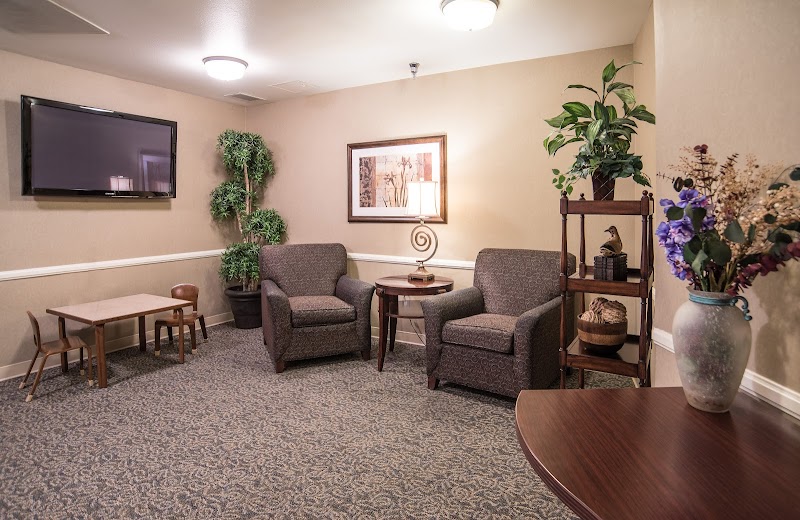
Who Owns and Operates Canyon Transitional Rehabilitation Center, Llc?

Canyon Transitional Rehabilitation Center, LLC is owned by a for-profit company. For-profit facilities operate as businesses with obligations to shareholders or private owners. The facility is operated by GENESIS HEALTHCARE, a chain that manages multiple nursing homes. With 74 certified beds and approximately 70 residents (about 95% occupancy), it is a smaller facility located in Albuquerque, New Mexico.
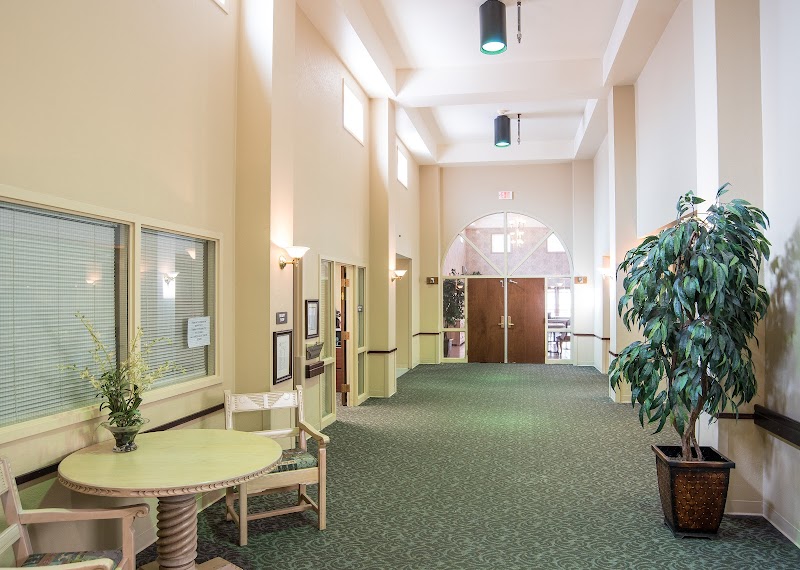
How Does Canyon Transitional Rehabilitation Center, Llc Compare to Other New Mexico Nursing Homes?

Compared to the 100 nursing homes in New Mexico, Canyon Transitional Rehabilitation Center, LLC's overall rating (3 stars) is above the state average of 2.9, staff turnover (56%) is significantly higher than the state average of 46%, and health inspection rating (3 stars) is at the national benchmark.

What Should Families Ask When Visiting Canyon Transitional Rehabilitation Center, Llc?

Based on this facility's data, families visiting should ask: "How do you ensure continuity of care given staff turnover, and what is your staff retention strategy?" "Can you walk me through typical staffing levels on day, evening, and night shifts?" "Can I visit during a mealtime to observe dining assistance and food quality?" "How do you handle medical emergencies, and what is your hospital transfer rate?" These questions are particularly relevant given the facility's high staff turnover rate and the below-average staffing rating.

Is Canyon Transitional Rehabilitation Center, Llc Safe?

Based on CMS inspection data, Canyon Transitional Rehabilitation Center, LLC has a clean safety record: no substantiated abuse findings (meaning no confirmed cases of resident harm), no Immediate Jeopardy citations (the most serious violation level indicating risk of serious injury or death), and is not on the Special Focus Facility watch list (a federal program monitoring the lowest-performing 1% of nursing homes). The facility has a 3-star overall rating and ranks #1 of 100 nursing homes in New Mexico. While no facility is perfect, families should still ask about staff-to-resident ratios and recent inspection results during their visit.

Do Nurses at Canyon Transitional Rehabilitation Center, Llc Stick Around?

Staff turnover at Canyon Transitional Rehabilitation Center, LLC is high. At 56%, the facility is 10 percentage points above the New Mexico average of 46%. Registered Nurse turnover is particularly concerning at 62%. RNs handle complex medical decisions and coordinate care — frequent RN changes can directly impact care quality. High turnover means new staff may not know residents' individual needs, medications, or preferences. It can also be disorienting for residents, especially those with dementia who rely on familiar faces. Families should ask: What is causing the turnover? What retention programs are in place? How do you ensure care continuity during staff transitions?

Was Canyon Transitional Rehabilitation Center, Llc Ever Fined?

Canyon Transitional Rehabilitation Center, LLC has no federal fines on record. CMS issues fines when nursing homes fail to meet care standards or don't correct problems found during inspections. The absence of fines suggests the facility has either maintained compliance or corrected any issues before penalties were assessed. This is a positive indicator, though families should still review recent inspection reports for the full picture.

Is Canyon Transitional Rehabilitation Center, Llc on Any Federal Watch List?

Canyon Transitional Rehabilitation Center, LLC is not on any federal watch list. The most significant is the Special Focus Facility (SFF) program, which identifies the bottom 1% of nursing homes nationally based on persistent, serious quality problems. Not being on this list means the facility has avoided the pattern of deficiencies that triggers enhanced federal oversight. This is a positive indicator, though families should still review the facility's inspection history directly.