Fiesta Park Wellness & Rehabilitation

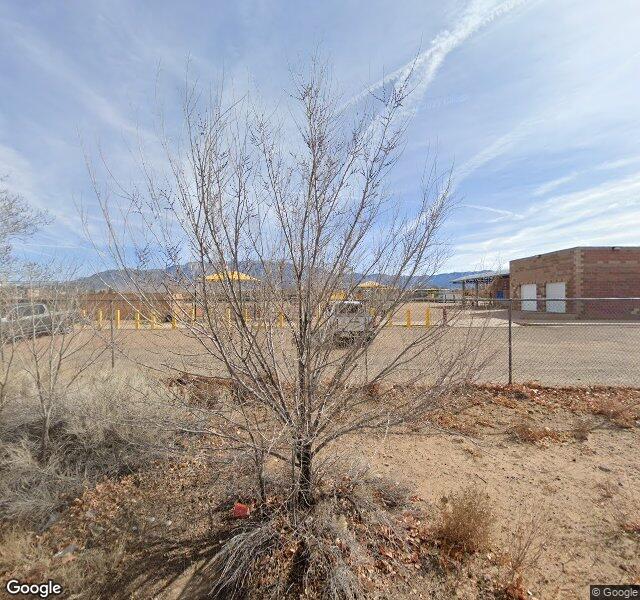
8820 Horizon Boulevard NE, Albuquerque, NM 87113 (505) 998-1551
For profit - Corporation 105 Beds OPCO SKILLED MANAGEMENT Data: November 2025 1 Immediate Jeopardy citation
Trust Grade
51/100
#16 of 67 in NM
Last Inspection: January 2025

Within standard 12-15 month inspection cycle. Federal law requires annual inspections.

Overview

Fiesta Park Wellness & Rehabilitation in Albuquerque, New Mexico has a Trust Grade of C, which means it is average-middle of the pack but not particularly impressive. It ranks #16 out of 67 facilities in New Mexico, placing it in the top half, and #7 out of 18 in Bernalillo County, indicating that there are only six local options that are better. Unfortunately, the facility is worsening, with issues increasing from 10 in 2023 to 12 in 2025. Staffing is relatively stable, with a 4 out of 5 star rating and a turnover rate of 38%, significantly below the state average of 53%. However, the facility has faced $21,154 in fines, which is average but still raises concerns about compliance. Specific incidents reported include a failure to properly assess a resident's risk for elopement, leading to an unauthorized departure from the facility, and neglecting to send another resident to the emergency room for 10 days despite symptoms of a stroke. Additionally, there were issues with food safety practices, such as failing to label and store food properly, which could pose health risks to residents. Overall, while there are some strengths, such as good staffing ratings, the facility's compliance issues and rising number of incidents are concerning factors for families to consider.

Trust Score
C
51/100
In New Mexico
#16/67
Top 23%
Safety Record
High Risk
Review needed
Inspections
Getting Worse
10 → 12 violations
Staff Stability
○ Average
38% turnover. Near New Mexico's 48% average. Typical for the industry.
Penalties
⚠ Watch
$21,154 in fines. Higher than 81% of New Mexico facilities, suggesting repeated compliance issues.
Skilled Nurses
○ Average
Each resident gets 33 minutes of Registered Nurse (RN) attention daily — about average for New Mexico. RNs are the most trained staff who monitor for health changes.
Violations
⚠ Watch
40 deficiencies on record. Higher than average. Multiple issues found across inspections.
★★★★☆
4.0
Overall Rating
★★★★☆
4.0
Staff Levels
★★★★☆
4.0
Care Quality
★★★★☆
4.0
Inspection Score
Stable
2023: 10 issues
2025: 12 issues

The Good

  • 4-Star Staffing Rating · Above-average nurse staffing levels
  • 4-Star Quality Measures · Strong clinical quality outcomes
  • Full Sprinkler Coverage · Fire safety systems throughout facility
  • No fines on record
  • Staff turnover below average (38%)

    10 points below New Mexico average of 48%

Facility shows strength in staffing levels, quality measures, fire safety.

The Bad

Staff Turnover: 38%

Near New Mexico avg (46%)

Typical for the industry

Federal Fines: $21,154

Below median ($33,413)

Minor penalties assessed

Chain: OPCO SKILLED MANAGEMENT

Part of a multi-facility chain

Ask about local staffing decisions and management

The Ugly 40 deficiencies on record

1 life-threatening 1 actual harm
May 2025 2 deficiencies
CONCERN (D) 📢 Someone Reported This

A family member, employee, or ombudsman was alarmed enough to file a formal complaint

Potential for Harm - no one hurt, but risky conditions existed

Deficiency F0658 (Tag F0658)

Could have caused harm · This affected 1 resident

**NOTE- TERMS IN BRACKETS HAVE BEEN EDITED TO PROTECT CONFIDENTIALITY** Based on record review and interview the facility failed to complete an initial skin assessment for 1 (R #1) of 3 (R #1, #2 and ...

Read full inspector narrative →
**NOTE- TERMS IN BRACKETS HAVE BEEN EDITED TO PROTECT CONFIDENTIALITY** Based on record review and interview the facility failed to complete an initial skin assessment for 1 (R #1) of 3 (R #1, #2 and #3) residents reviewed for skin assessments, during the initial admission. If the facility fails to complete a skin assessments then facility is unable to provide proper care and treatment for the residents. The findings are: A. Record review of the State Agency complaint received on 05/13/25 stated that R #1 had been discharged AMA (against medical advice) from facility on 05/12/25 for physical abuse by facility staff and had been transported by [name of transport service] to [name of local hospital] at 6:00 pm with bruising, swollen genitals and penile bleeding along with various bruising on the body. B. Record review of R #1's facesheet revealed R #1 was admitted on [DATE]. C. On 05/14/25 at 11:17 am during a telephone interview with R #1's daughter, she stated that she believed her father was physically abused by the facility staff due to the amount of bruising present when she took R #1 out of the facility AMA (05/12/25). She further stated that R #1 had recently had a procedure at local hospital to have a de-fibulator implant (implanted to help monitor heart activity, delivers electrical shock to reset the heart to a normal rhythm) prior to admission to facility. Daughter stated that after taking her father home and seeing the extensive bruising she called an ambulance to transport R #1 to [name of local hospital] he was admitted and remains hospitalized (05/16/25). D. On 05/13/25 upon record review of R #1's medical chart a skin assessment was not available for review. E. On 05/15/25 at 10:57 am during an interview, the Director of Nursing (DON) stated that an initial skin assessments are completed upon admission by the admitting nurse, upon review of R #1's medical chart the DON did not observe that a skin assessment had been completed by the admitting nurse and should have been done. F. On 05/15/25 at 2:43 pm during an interview with Licensed Practical Nurse (LPN) #1, he stated that he had not completed a skin assessment upon admission because the resident (R #1) was fatigued and extremely tired and he was attempting to complete paperwork with the family and the unit was very busy that night. LPN #1 further stated that he did not remove R #1's clothing to check his body for any bruising or surgical sites. LPN did notice that R #1 had tugged on his foley catheter (a thin flexible tube inserted into the bladder to drain urine) and the tip of the penis did have some excoriation (wearing away of the skin, resulting in a raw, irritated lesion). LPN #1 did not recall if he had let anyone know that he had not completed the skin check and he did not document any of his initial assessments as he should have, therefore it did not trigger on the system for another nurse to know that it had not been done. LPN #1 stated that he did not know reason for admission he had glanced at paperwork, but did not have time to read it extensively.
CONCERN (D) 📢 Someone Reported This

A family member, employee, or ombudsman was alarmed enough to file a formal complaint

Potential for Harm - no one hurt, but risky conditions existed

Medical Records (Tag F0842)

Could have caused harm · This affected 1 resident

**NOTE- TERMS IN BRACKETS HAVE BEEN EDITED TO PROTECT CONFIDENTIALITY** Based on record review and interview, the facility failed to ensure medical records were updated with necessary documents and ar...

Read full inspector narrative →
**NOTE- TERMS IN BRACKETS HAVE BEEN EDITED TO PROTECT CONFIDENTIALITY** Based on record review and interview, the facility failed to ensure medical records were updated with necessary documents and are accurate for 1 (R #4) of 1 (R #4) resident reviewed, when the facility failed to update and upload hospital discharge orders into the electronic medical record (EMR). This deficient practice is likely to result in residents not receiving accurate care and having an inaccurate medical record. The findings are: A. Record review of R #4's face sheet revealed she was admitted on [DATE]. B. On 05/14/25 at 10:23 AM, during an interview with R #4, she stated that intravenous (IV) antibiotics had been discontinued earlier than her hospital discharge orders indicated. She explained that the antibiotics should have continued for four weeks after her hospital discharge. C. On 05/15/25 at 10:28 AM, during an interview with the Nurse Practitioner (NP) #1, she stated that R #4 had been on IV antibiotics for a severe infection. She noted that R #4's hospital discharge orders dated 03/25/25 clearly stated that the IV antibiotics should continue until 04/25/25. She further explained that the facility had discontinued the antibiotics on 04/01/25 and did not restart them until she re-ordered them on 04/11/25. D. On 05/15/25 at 1:24 PM, during an interview with Licensed Practical Nurse (LPN) #2, he stated that he had received incomplete hospital discharge orders for R #4's admission. He explained that the orders for the IV antibiotics were not included in the discharge orders he had been given. LPN #2 further stated that he contacted the facility liaison to obtain updated discharge orders orders for R #4. He was emailed the updated discharge orders for R #4 on 03/25/25 which were then used for R #4's admission. The discharge orders were reviewed with NP #2 and entered into the EMR with. E. Record review of R #4's EMR revealed discharge orders dated 03/20/25. No updated discharge orders were available for state agency's review. F. On 05/15/25 at 2:25 PM, during an interview, the Director of Nursing stated that the discharge documents uploaded into the EMR were the original discharge orders sent by the hospital case manager. She further explained that, after researching and reviewing the message thread between the admissions nurse and facility liaisons, it was revealed that updated discharge orders had been emailed directly to LPN #2, the admitting nurse for R #4. LPN #2 was able to provide the updated orders to the Director of Nursing, who stated that they should have been uploaded into R #4's EMR but were not.
Jan 2025 10 deficiencies
CONCERN (D)

Potential for Harm - no one hurt, but risky conditions existed

Report Alleged Abuse (Tag F0609)

Could have caused harm · This affected 1 resident

Based on interview and record review, the facility failed to investigate an allegation of missing money for 1 (R #121) of 1 (R #121) resident reviewed for missing money. This deficient practice is lik...

Read full inspector narrative →
Based on interview and record review, the facility failed to investigate an allegation of missing money for 1 (R #121) of 1 (R #121) resident reviewed for missing money. This deficient practice is likely to result in resident financial hardship. The findings are: A. On 01/14/25 at 2:07 PM during an interview with R #121, she stated she had $150.00 in a green baggie under her mattress and it was missing. She further stated that she did not remember the exact date that the money went missing but it was sometime in December 2024. She did not file a formal grievance but she verbally reported the missing money to the Administrator. B. Record review of the facility's incidents and grievances for the months of August 2024 through January 2025 revealed there was not any documentation of R #121's missing money. C. On 01/15/25 at 2:04 PM during an interview with the Administrator, she stated she was aware of the alleged missing money. She was told about the missing money by R #121. She further stated she had asked R #121 if she wanted to file a police report or file a formal grievance in regard to the money and R #121 refused. D. On 01/16/25 at 1:25 PM during an interview with the Administrator, she stated R #121 did not say that she thought someone took the money. R #121 told her the money was under her mattress before she had left to [name of local Behavioral Health Hospital] and when she came back to the facility the money was missing. Administrator stated they did look for R #121's money, it was not found and no further investigation was done.
CONCERN (D)

Potential for Harm - no one hurt, but risky conditions existed

Deficiency F0624 (Tag F0624)

Could have caused harm · This affected 1 resident

**NOTE- TERMS IN BRACKETS HAVE BEEN EDITED TO PROTECT CONFIDENTIALITY** Based on record review and interview, the facility failed to provide sufficient preparation for 1 (R #81) of 1 (R #81) resident ...

Read full inspector narrative →
**NOTE- TERMS IN BRACKETS HAVE BEEN EDITED TO PROTECT CONFIDENTIALITY** Based on record review and interview, the facility failed to provide sufficient preparation for 1 (R #81) of 1 (R #81) resident reviewed by not ensuring that referral for services had been received, accepted and was scheduled to provide care for the resident upon her discharge home. This deficient practice could likely result in resident not receiving needed services and having to navigate referral process for services unassisted. The findings are: A. Record review of R #81's Face Sheet dated revealed R #81 was admitted to the facility on [DATE] with multiple diagnoses including: -Spina Bifida (a birth defect that causes the spinal column to not develop properly usually leaving an open hole to the spinal cord) with hydrocephalus (fluid collecting at the base of the brain). -Pressure Ulcer (a wound that develops over a boney area of the body) of Sacral (lower back just above the buttocks) Region. Face sheet also revealed R #81 was discharged from facility on 01/07/25 B. Record review of R #81's skin assessments (a nursing assessment that reports of noted wounds found on a resident's body) dated 01/07/25, revealed a pressure ulcer to Coccyx (area of body just above the buttocks), pressure ulcer to right gluteal fold (buttock) and deep tissue injury (a pressure ulcer that is not open but affects the deeper skin) of the left heel. D. Record review of R #81's insurance denial of service with rights to appeal dated 01/01/25, revealed R #81's insurance notified her of her insurance provider's refusal to continue payment of services. The letter included a phone number to appeal the decision for denial of care. E. Record review of R #81's daily care notes revealed the following: -01/03/25 a general note stated R #81 was given a letter of denial that her insurance provider would refuse to pay for any further care. The note indicated that the Social Services Assistant discussed R #81's options regarding her pending discharge. -01/03/25 a social services note stated R #81 was provided a denial letter (a letter from insurance notifying R #81 of their refusal to continue payment of care). The note indicated that R #81 would be discharged on 01/04/25. -01/06/25 a general note stated R #81 met with multiple staff including Social Services Director (SSD) and Social Services Assistant (SSA) who explained that her insurance will no longer pay for her care at the facility and she had been set up for care with a home health agency upon discharge. R #81 stated she refused to leave on her expected discharge date of 01/04/25. -01/06/25 a general note stated R #81 informed the Assistant Director of Nursing (ADON2) #2 that her boyfriend would be picking her up the next day (01/07/25). -01/07/25 a social services note stated R #81 would be discharged to her home with medications on 01/07/25 at 11:00 am and [name of home health agency (HH#1)] was to provide in home therapy and health aide services. F. Record review of R #81's Discharge Planning Review dated 01/07/25, revealed R #81 was to be discharged on 01/07/25 due to non-payment. R #81 was to return to her home. R #81 was to receive Home Health nurse/aide and home health therapy. R #81 was referred to [name of HH#1] with a phone number provided. G. On 01/06/25 at 4:11 pm during interview with R #81 in her facility room, she stated she was aware that she had been notified of her pending discharge from the facility. She stated she needed home health services upon discharge. She stated she had a large pressure ulcer located on her back end and she was unable to tend to the necessary dressings and changes without help. R #81 stated she had not been told by any staff of her planned discharge services, whether home health had been arranged for her. She stated she did not know if the home health services had been confirmed or how to contact the home health agency upon discharge. R #81 stated she had not been contacted by any home health agency to discuss her needs and care plan. She stated she did not have a phone number to contact any assigned home health agency. H. On 01/14/25 at 11:15 am during phone call interview with HH #1 admission clerk, she stated she had received an email referral from the facility regarding R #81. The clerk stated they did not accept R #81 for home health care because R #81's insurance would not cover her costs. The clerk stated she passed R #81's referral to another [name of HH #2]. I. On 01/14/25 at 11:22 am during phone call interview with HH #2 admission clerk, she stated a referral from HH #1 had not been received nor had a referral from the facility been received for R #81. HH #2 clerk confirmed that R #81 was not reviewed or placed on home health services. J. On 01/14/25 at 11:24 am during interview with the SSD, he stated that a resident who is being discharged due to non-payment would still receive a safe discharge. He stated this would include a referral to a home health agency if needed. He stated the home health referral would be followed up to assure that the resident had been accepted by the receiving home health agency before discharge. SSD further stated R #81's referral to HH #1 was sent on 01/07/25 about 9:00 am. SSD confirmed that two hours later (11:00 am) R #81 was discharged from the facility. SSD could not confirm if R #81 had been accepted by [name of HH #1]. SSD confirmed that R #81's discharge had been planned on 01/04/25, and that R #81 refused to be discharged on that day. SSD stated that HH #1 has a representative who is in the facility daily and he assumed that the representative would have notified him if R #81 had been denied services. SSD stated he did not try to contact HH #1 representative before R #81 was discharged . K. On 01/23/25 at 11:30 am during phone interview with R #81, she stated she was discharged from the facility, and she had been home for two weeks. R #81 stated she read in her documentation provided to her upon discharge that she had been referred to [Name of HH #1] for home health needs. R #81 stated she had not started any home health care services since her discharge. She stated she was now trying to arrange for services on her own. She stated she was very frustrated by the lack of help and communication from the facility either before or after her discharge from the facility.
CONCERN (D) 📢 Someone Reported This

A family member, employee, or ombudsman was alarmed enough to file a formal complaint

Potential for Harm - no one hurt, but risky conditions existed

Quality of Care (Tag F0684)

Could have caused harm · This affected 1 resident

**NOTE- TERMS IN BRACKETS HAVE BEEN EDITED TO PROTECT CONFIDENTIALITY** Based on record review and interview, the facility failed to provide appropriate interventions for 1 (R #241) of 1 (R #241) resi...

Read full inspector narrative →
**NOTE- TERMS IN BRACKETS HAVE BEEN EDITED TO PROTECT CONFIDENTIALITY** Based on record review and interview, the facility failed to provide appropriate interventions for 1 (R #241) of 1 (R #241) residents reviewed for injury when the facility did not send R #241 to the emergency room (ER) for several hours after R #241 fell and experienced a head laceration (a tear or ragged cut in skin or flesh) with bleeding from her head, and was taking blood thinners. This deficient practice could likely result in R #241's head laceration becoming worse with additional bleeding. The findings are: A. Record review of R #241's face sheet revealed R #241 was admitted into the facility on [DATE] and was discharged on 11/04/24. B. Record review of R #241's physician orders dated 10/16/24, revealed R #241 was ordered Apixaban Oral Tablet (blood thinner) 2.5 mg (milligrams) by mouth two times a day. C. Record review of R #241's nursing progress notes revealed the following: -10/20/24 at 6:01 am: R #241 was found on the floor after R #241's called for help. R #241 stated she was getting out of bed without assistance. She tripped and fell to the floor. R #241 hit the back of her head on her roommates bedside table which caused a laceration on the back of the head and a skin tear to her right forearm. R #241's injuries were cleaned with a pressure dressing applied to the back of R #241's head. The provider was notified with the recommendations to send R #24 to the emergency room (ER) due to bleeding. - 10/20/24 at 5:09 pm: R #241 returned from the hospital at about 4:40 pm with her head laceration repaired with staples. D. Record review of R #241's of the hospital transfer form dated 10/20/24 revealed the following: - 10/20/24 at 7:26 am: Emergency Medical Services (EMS) were contacted by Licensed Practical Nurse (LPN) #2 to schedule a transport for R #241 to the ER after R #241 obtained injuries post fall. - 10/20/24 at 9:48 am: R #241 was transported by EMS to the ER. E. Record review of R #241's ER note dated 10/20/24, revealed R #241's head laceration was repaired by staples in the ER. F. Record review of R #241's medication administration record (MAR) dated 10/16/24 through 10/31/24 revealed R #241 received Apixaban every day as ordered, including the days prior to her fall on 10/20/24. G. On 01/07/25 at 12:26 pm during an interview with R #128 (R #241's former roommate), she stated R #241 fell (on 10/20/24) and hit her head. R #128 stated R #241 fell at approximately 6:00 am, but was not taken to the hospital until almost 10:00 am that morning. R #128 also stated that R #241 was on blood thinners and required staples to the back of her head after her fall. R #128 confirmed she was the one that called staff into the room the morning of R #241's fall on 10/20/24. H. On 01/15/25 at 3:02 pm during an interview with LPN #2, she stated she was called to R #241's room after R #241 fell on [DATE]. LPN #2 stated R #241 had a significant amount of bleeding coming from her head after the fall and she could not remember if she called 911 or scheduled an EMS transport to take R #241 to the ER. LPN #2 confirmed R #241 returned to the facility later that night with several staples on her head to seal R #241's laceration. I. On 01/15/25 at 4:28 pm during an interview with LPN #3, he stated he sent R #241 to the ER on [DATE] after she fell, but he did not remember if he dialed 911 for an emergent transport to the ER or if another nurse scheduled an ER transport for R #241. LPN #3 also stated that R #241 required a higher level of care at the ER due to her being on blood thinners and experiencing a large laceration on her head that required several staples to seal. J. On 01/16/25 at 1:20 pm during an interview with Nurse Practitioner (NP) #1, she stated R #241's fell on [DATE], the facility nursing staff should have called 911 instead of scheduling EMS transport, since R #241 had a head laceration and was taking a blood thinner. K. On 01/16/25 at 2:00 pm during an interview with the Assistant Director of Nursing (ADON), she stated when the facility schedules EMS transport, they will call the EMS provider with all pertinent information and they will come to the facility as soon as possible, but it can take several hours. The ADON also stated she trusts the nurses judgement on whether or not to schedule EMS transport or call 911.
CONCERN (D)

Potential for Harm - no one hurt, but risky conditions existed

Menu Adequacy (Tag F0803)

Could have caused harm · This affected 1 resident

Based on observation, record review, and interview, the facility failed to ensure the nutritional needs and preferences were met for 1 (R #11)of 1 (R #11) resident reviewed, when staff failed to serve...

Read full inspector narrative →
Based on observation, record review, and interview, the facility failed to ensure the nutritional needs and preferences were met for 1 (R #11)of 1 (R #11) resident reviewed, when staff failed to serve the food items listed on the meal ticket. If the facility is not providing a meal as listed on the meal tickets, then residents are likely to experience weight loss, frustration, and depression. The findings are: A. Record review of R #11's meal ticket dated 01/07/25, revealed R #11 was on a Consistent Carbohydrate (CCHO) diet (Spreading carbohydrate consumption throughout the day to prevent blood sugar spikes) and was to be served salad with his dinner. B. On 01/07/25 at 1:32 pm during an interview with R #11, he stated that the kitchen staff does not always follow instructions and he is supposed to be getting a side salad with his dinner, but that does not happen. R #11 confirmed he had mentioned this to the nursing staff, who informed the dietary staff, but he still does not receive a side salad. C. On 01/07/25 at 5:08 pm during a dinner observation, R #11 was served a meatball sub on a bun, potato chips, and a vegetable blend and without a side salad present. D. On 01/07/25 at 5:10 pm during an interview with Licensed Practical Nurse (LPN) #7, she confirmed R #11 was not served the side salad and should have been served that. E. On 01/07/25 at 5:13 pm during an interview with the Dietary Manager (DM), he confirmed R #11 was not served a side salad with his dinner and he was not aware that R #11 wanted a side salad. The DM confirmed R #11 should have received the side salad since it was on his meal ticket.
CONCERN (E)

Potential for Harm - no one hurt, but risky conditions existed

Deficiency F0657 (Tag F0657)

Could have caused harm · This affected multiple residents

**NOTE- TERMS IN BRACKETS HAVE BEEN EDITED TO PROTECT CONFIDENTIALITY** Based on record review and interview, the facility failed to ensure staff revised the care plan for 2 (R #'s 11 and 112) of 2 (R...

Read full inspector narrative →
**NOTE- TERMS IN BRACKETS HAVE BEEN EDITED TO PROTECT CONFIDENTIALITY** Based on record review and interview, the facility failed to ensure staff revised the care plan for 2 (R #'s 11 and 112) of 2 (R #'s 11 and 112) residents reviewed when staff failed to: 1. Conduct a quarterly care plan meeting as required for R #11 in accordance with his admission date and Minimum Data Set (MDS)assessment. 2. Update R #11's plan of care to include Libre2 ([NAME] based glucose monitor embedded in the skin) use for diabetic management. 3. Update R #112's plan of care to include oxygen (O2) use. These deficient practices are likely to result in residents' care and needs not being addressed if care plans are not updated. The findings are: Care Plan Meeting: R #11: A. Record review of R #11's face sheet revealed R #11 was admitted into the facility on [DATE]. B. Record review of R #11's social service progress notes dated 10/06/24 revealed R #11's Emergency Contact (EC) was notified of the scheduled care plan meeting, but it did not contain a date of the schedule care plan meeting. C. Record review of R #11's MDS page located in R #11's Electronic Health Record (EHR) revealed R #11's quarterly MDS assessment occurred on 12/11/24. D. Record review of R #11's assessments page located in R #11's EHR, revealed R #11 did not have a care plan meeting assessment completed in his record. E. On 01/07/25 at 1:43 pm during an interview with R #11, he stated that neither him nor his EC had ever been a part of a care plan meeting and that is something that he would like to have. R #11 also stated that he had researched the rules regarding care plan meetings in the past and wanted one to occur. F. On 01/15/25 at 10:57 am during an interview with the Social Services Assistant (SSA) #1, she stated she was not sure why R #11's care plan meeting did not occur, but a care plan meeting for R #11 should have been in December 2024. The SSA confirmed R #11 did not have a quarterly care plan meeting as required, should have had a care plan meeting completed by now, and documented in R #11's EHR under the assessment section. Updating Care Plans: R #11: G. Record review of R #11's provider note dated 01/08/25, revealed R #11 informed the Physician's Assistant (PA) #1 that he had his Libre2 blood glucose monitor and he wanted nursing staff to use that when checking his blood sugar, rather than using the finger stick method. H. Record review of R #11's physician orders dated 01/08/25, revealed staff were to place R #11's Libre2 monitor on his arm and utilize the Libre2 to monitor R #11's blood sugars. I. Record review of R #11's care plan reviewed on 01/15/25 revealed there was no care plan present for Libre2 use. J. On 01/09/25 at 1:43 pm during an interview with R #11, he stated that his Libre2 blood glucose device had been approved for use, but the facility nursing staff was not using it and still checking his blood sugar via finger sticks. R #11 also stated that the reason he got the Libre2 was to avoid getting his blood sugar taken via finger sticks so often. K. 01/16/25 at 2:03 pm during an interview with the Assistant Director of Nursing (ADON), she stated R #11's Libre2 order was not care planned and should have been. R #112: L. Record review of R #112's face sheet revealed R #112 was admitted into the facility on [DATE]. M. Record review of R #112's physician orders dated 01/04/25, revealed R #112 use of O2 as needed to keep her O2 saturations greater than or equal to 90% (percent). N. Record review of R #112's care plan dated 01/05/25 revealed the care plan did not contain any documentation of R #112's use of O2. O. On 01/16/25 at 2:03 pm during an interview with the ADON, she stated R #112's O2 order should have be care planned and it was not.
CONCERN (E)

Potential for Harm - no one hurt, but risky conditions existed

Deficiency F0658 (Tag F0658)

Could have caused harm · This affected multiple residents

**NOTE- TERMS IN BRACKETS HAVE BEEN EDITED TO PROTECT CONFIDENTIALITY** Based on record review and interview, the facility failed to provide a quality care that meets professional standards for 1 (R #...

Read full inspector narrative →
**NOTE- TERMS IN BRACKETS HAVE BEEN EDITED TO PROTECT CONFIDENTIALITY** Based on record review and interview, the facility failed to provide a quality care that meets professional standards for 1 (R # 11) of 1 (R #11) resident when the facility failed to: 1. Communicate with a provider (Physician Assistant- PA, Nurse Practitioner- NP) the discontinuation of a medication (sodium zirconium- medication that binds potassium and treats Hyperkalemia- elevated potassium). 2. Review and implement R #11's Nephrologist (a doctor who specializes in diagnosing and treating kidney conditions) medication recommendations. 3. Follow physician orders to utilize R #11's Libre2 ([NAME] based glucose monitor embedded in the skin) when performing diabetic management. These deficient practices are likely to result in residents not receiving the appropriate medications and treatments if facility staff is not communicating with providers, ordering the appropriate medications for residents, and following physician orders. The findings are: Provider Communication and Medication Implementation: A. Record review of R #11's face sheet revealed R #11 was admitted into the facility on [DATE]. B. Record review of R #11's physician orders dated 09/11/24, revealed R #11 ordered 10 GM (grams) of Sodium Zirconium daily. C. Record review of R #11's physician orders dated 09/26/24, revealed R #11 order for Sodium Zirconium was discontinued. D. Record review of R #11's provider progress notes assessment and plan section revealed the following: - 11/22/24: Hyperkalemia-Continue Sodium Zirconium. - 12/15/24: Hyperkalemia-Continue Sodium Zirconium. - 01/14/25: Hyperkalemia-Continue Sodium Zirconium. - This indicated that the provider (Physician's Assistant- PA #1) did not know that R #11's Sodium Zirconium had been discontinued for Hyperkalemia use as it was still included in his current plan of care/treatment. E. Record review of R #11's Nephrologist consultation report dated 01/03/25, revealed a recommendation to start a potassium binder medication after latest CMP (Comprehensive Metabolic Panel- blood test that measures proteins, enzymes, electrolytes, minerals and other substances in your body), indicating R #11's need for a potassium binder with the amount to be determined by his latest lab values. F. Record review of R #11's physician orders dated 01/15/25, revealed R #11 was to have CMP completed. Lab values were not available as of 01/16/25. G. On 01/07/25 at 1:38 pm during an interview with R #11, he stated that there has been a delay getting certain medications, with the potassium binder being one of them. R #11 further stated that his Nephrologist informed him that he need to be on a potassium binder medication, but that has not happened yet and he would like that to happen. H. On 01/16/25 10:24 am during an interview with Licensed Practical Nurse (LPN) #8, he stated he entered R #11's Sodium Zirconium ordered on 09/11/24, but he did not remember why the Sodium Zirconium would have been discontinued. LPN #8 confirmed when an order was discontinued, the provider should have been made aware but he did not remember informing the provider of the discontinuation as he was unaware himself why the medication was discontinued. I. On 01/16/25 at 11:15 am during an interview with PA #1, she stated she thought R #11 was still taking the potassium binding medication Sodium Zirconium, and does not know why the Sodium Zirconium was discontinued. PA #1 also stated that she was not made aware of the discontinuation of Sodium Zirconium and she should have been made aware of that. PA #1 confirmed R #11's potassium binder request from the Nephrologist should have been reviewed and ordered if necessary sooner. Diabetic Management: J. Record review of R #11's provider note dated 01/08/25, revealed R #11 informed the PA #1 that he had his Libre2 blood glucose monitor and he wanted nursing staff to use that when checking his blood sugar, rather than using the finger stick method. K. Record review of R #11's physician order dated 01/08/25, revealed staff were to place R #11's Libre2 monitor on his arm and utilize the Libre2 to monitor R #11's blood sugars. L. On 01/09/25 at 1:43 pm during an interview with R #11, he stated his Libre2 blood glucose device had been approved for use, but the facility nursing staff had not been using the Libre2 and is still checking his blood sugar via finger sticks. R #11 further stated that the reason he got the Libre2 was to avoid getting his blood sugar taken via finger sticks so often. M. On 01/15/25 at 4:47 pm during an interview with LPN #4, she stated she was aware of R #11's Libre2, but she did not know there was an order to begin using the Libre2. LPN #4 confirmed she checked R #11's blood glucose earlier that day and used the finger stick method. N. On 01/16/25 at 10:24 am during an interview with LPN #9, she stated she did not know R #11 very well and did not know about R #11's Libre2 device. LPN #9 confirmed she checked R #11's blood sugar level in the morning and used the finger stick. O. On 01/16/25 at 2:01 pm during an interview with the Assistant Director of Nursing (ADON), she stated R #11's Libre2 order did not notify the nursing staff when they access R #11's records and it should have, meaning the order was not entered correctly to notify the nursing staff of the new order. The ADON confirmed nursing staff should have checked R #11's orders to see any new orders and the nurses should have been using R #11's Libre2 to check his blood sugar per physician orders. P. On 01/16/25 at 11:19 am during an interview with PA #1, she stated she was aware of R #11's Libre2 and she educated nursing staff on using the Libre2 when she put in the order on 01/08/25. PA #1 also stated that both her and R #11 prefer staff to use the Libre2 to check his blood sugar.
CONCERN (E)

Potential for Harm - no one hurt, but risky conditions existed

Deficiency F0698 (Tag F0698)

Could have caused harm · This affected multiple residents

**NOTE- TERMS IN BRACKETS HAVE BEEN EDITED TO PROTECT CONFIDENTIALITY** Based on interview and record review, the facility failed to ensure ongoing communication and collaboration with the dialysis (c...

Read full inspector narrative →
**NOTE- TERMS IN BRACKETS HAVE BEEN EDITED TO PROTECT CONFIDENTIALITY** Based on interview and record review, the facility failed to ensure ongoing communication and collaboration with the dialysis (clinical purification of blood as substitute for normal kidney functioning) facility regarding dialysis care and services for 1 (R #51) of 1 (R #51) resident reviewed for dialysis. If the facility is unaware of the status, condition or complications that arise during dialysis treatment, then residents are likely to not receive the appropriate monitoring and care they need. The findings are: A. Record review of the facility's dialysis care policy dated 06/2020, revealed facility nursing staff will utilize dialysis communication records or similar forms to convey information regarding dialysis care to the dialysis provider, and keep those documents in the residents Electronic Health Record (EHR). B. Record review of R #51's face sheet revealed R #51 was admitted into the facility on [DATE]. C. Record review of the physician order dated 12/11/24, revealed R #51 received dialysis on Mondays, Wednesdays, and Fridays at 10:30 am. D. Record review of R #51's care plan dated 12/11/24, revealed R #51 received dialysis on Mondays, Wednesdays, and Fridays at 10:30 am. The care plan further stated facility staff was to assess for any signs and symptoms of bleeding as needed, along with other post dialysis symptoms. E. Record review of R #51's EHR revealed dialysis communication forms revealed the communication forms were missing for the following dates 12/13/24, 12/16/24, 12/18/24, 12/20/24, 12/29/24, 01/08/25, and 01/10/25. F. On 01/07/25 at 5:51 pm during an interview with R #51, he stated that he goes to dialysis on Mondays Wednesdays, and Fridays. R #51 also stated that he does not miss his dialysis appointments. G. On 01/14/25 at 3:04 pm during an interview with Licensed Practical Nurse (LPN) #1, she stated the facility nursing staff are to complete the dialysis communication forms before and after each dialysis appointment. The LPN #1 also stated that sometimes the dialysis center will not send the dialysis communication form back, but nurses should contact the dialysis center to get all pertinent information for that resident. The LPN #1 confirmed dialysis communication forms help the nursing staff tremendously because they are aware of any changes made by the dialysis facility during treatment, or any symptoms or changes experienced by R #51 after the dialysis treatment. H. On 01/15/25 at 4:23 pm during an interview with LPN #3, he stated R #51 goes to dialysis on Mondays, Wednesdays, and Fridays. The LPN #3 confirmed a dialysis communication form should be completed before and after each of R #51's dialysis appointments and then documented in R #51's EHR. I. On 01/16/25 at 1:55 pm during an interview with the Assistant Director of Nursing (ADON), she stated her expectation is for nursing staff to complete a dialysis communication form before and after each of R #51's dialysis appointments, and then document in R #51's EHR. The ADON confirmed R #51 had missing dialysis communication forms in his EHR and should not have had any forms missing.
CONCERN (E)

Potential for Harm - no one hurt, but risky conditions existed

Unnecessary Medications (Tag F0759)

Could have caused harm · This affected multiple residents

Based on observation, record review and interview, the facility failed to ensure that medications were administered with an error rate less than 5%. Medications were observed being administered to 2 (...

Read full inspector narrative →
Based on observation, record review and interview, the facility failed to ensure that medications were administered with an error rate less than 5%. Medications were observed being administered to 2 (R #61 and R #97) of 4 (R #61, R #97, R #192, and R #365) During observation there were 26 medications administered with 13 medication errors observed. This resulted in a medication error rate of 50%. If medications are not administered at the scheduled ordered times, the treatment may be less effective and residents will receive less than optimal care. The findings are: A. On 01/09/24 at 8:40 am during an observation of R #61's medication administration, Certified Medication Aide (CMA) #1 administered the following medications: -Aspirin (an over the counter medication administered to manage blood coagulation and pain) 81 mg (milligrams). -Furosemide (a prescribed medication to reduce fluid and water from the body) 80 mg. -Gabapentin (a prescribed medication to reduce pain) 100 mg. -Sertraline (a prescribed medication to mange symptoms of depression) 25 mg. B. Record review of R #61's medication administration record (MAR) dated January 2025, revealed the aspirin, furosemide, gabapentin and sertraline were scheduled to be administered at 7:00 am. C. On 01/09/24 at 8:55 am during an observation of R #97's medication administration and interview, CMA #2 administered the following medications: -Gabapentin 300 mg. -Losartan (a prescribed medication to reduce high blood pressure) 100 mg. -Flomax (a prescribed medication to reduce treat Benign Prostatic Hyperplasia (BPH) (medical condition that causes the prostate to swell) 0.4 mg. -Senna (an over the counter medication administered to manage constipation) 8.6 mg gave two tablets. -Duloxetine (a prescribed medication to treat symptoms of depression) 60 mg. -Fluticasone Spray (an over the counter medication administered to reduce symptoms of allergies) 2 sprays in both nostrils of the nose. -Magnesium (an over the counter medication administered to supplement bodily needs) 400 mg. -Miralax (an over the counter medication administered to manage constipation) 17 grams mixed with water. -Lidocaine Patch (an over the counter medication administered to reduce pain is a specific location of the body) 4% patch. During the administration of medication, CMA #2 stated she was late administering each medication and that each of the medication was due at 7:00 am. D. Record review of R #97's MAR dated January 2025 revealed that each of R # 97's medications were scheduled to be administered at 7:00 am. E. On 01/16/25 at 2:06 pm during interview with Assistant Director of Nursing (ADON) #2, she stated the medications scheduled to be administered at 7:00 am should be administered within one hour before to one hour after the scheduled times. She stated that R #61 and R #97's medications should have been administered by 8:00 am or they would be considered late.
CONCERN (E)

Potential for Harm - no one hurt, but risky conditions existed

Medical Records (Tag F0842)

Could have caused harm · This affected multiple residents

Based on record review and interview, the facility failed to maintain accurate and complete records in accordance with accepted professional standards and practices for 7 (R #'s 34, 54, 69, 193, 194,1...

Read full inspector narrative →
Based on record review and interview, the facility failed to maintain accurate and complete records in accordance with accepted professional standards and practices for 7 (R #'s 34, 54, 69, 193, 194,195, and 196) of 7 (R #'s 34, 54, 69, 193, 194,195, and 196) residents. The facility failed to properly document that pharmacist recommendations were reviewed by the facility providers. this could adversely impact resident medication needs by not have accurate information. A. Record review of the monthly pharmacist reviews dated December 2023 to December 2024 of R #'s 34, 54, 69, 193, 194,195, and 196 medications revealed the following recommendations: -Note to Attending Physician/Prescriber dated 12/21/23 for R #34 recommended Paroxetine (medication for symptoms of depression) 40 mg (milligrams) and Trazodone (medication for symptoms of depression and sleep disturbance) 50 mg be reviewed for benefit versus risk and consider for periodic dose reduction trials. The response to the recommendation stated that patient has a good response to treatment and requires dose for conditions stability. Where physician/provider response was indicated, it was document that R #34 is being followed by psychiatric services and dose maintains patients depression with no adverse side effects. The recommendation was signed by the Assistant Director of Nursing (ADON2) #2. The document was not signed by the provider and the documentation did not have any indication that the provider reviewed and responded to the pharmacist's recommendation. -Note to Attending Physician/Prescriber dated 12/21/23 for R #54 revealed R #54 had been taking Lamotrigine (a prescribed medication that treats symptoms of seizures and mood) 100 mg for manic depression and recommended a gradual dose reduction be attempted. The response to the recommendation stated the resident has had a good response, maintain current dose-see progress notes. The recommendation was signed by the ADON2. The document was not signed by the provider and the documentation did not have any indication that the provider reviewed and responded to the pharmacist's recommendation. -Note to Attending Physician/Prescriber dated 08/27/24 for R #69 revealed the resident had been taking lorazepam (a prescription medication that treats symptoms of anxiety) 0.5 mg for anxiety to be taken as needed. The recommendation was the medication must have an ending date not to exceed 14 days unless the prescriber provides a rational to continue the medication. The response to the recommendation stated resident was on hospice and medication was changed to be given on as scheduled. The recommendation was signed by the ADON2. The document was not signed by the provider and the documentation did not have any indication that the provider reviewed and responded to the pharmacist's recommendation -Note to Attending Physician/Prescriber dated 10/29/24 regarding R #193 which recommended resident had been taking lorazepam 0.5 mg to be taken as needed. The recommendation was the medication must have an ending date not to exceed 14 days unless the prescriber provides a rational to continue the medication. The response to the recommendation stated add 14 day stop date. The recommendation was signed by the ADON2. The document was not signed by the provider and the documentation did not have any indication that the provider reviewed and responded to the pharmacist's recommendation. -Note to Attending Physician/Prescriber dated 04/19/24 regarding R #194 which recommended resident had been taking Benzonatate (a prescribed medication that treats persistent cough) 100 mg three times daily. The recommendation was to provide the medication as needed. The response to the recommendation stated hospice service opted to discontinue the medication. The recommendation was signed by the ADON2. There was no signature by the provider and no indication the provider reviewed and responded to the pharmacist's recommendation. -Note to Attending Physician/Prescriber dated 08/27/24 regarding R #195 which recommended resident had been taking lorazepam 0.5 mg to be taken as needed. The recommendation was the medication must have an ending date not to exceed 14 days unless the prescriber provides a rational to continue the medication. The response to the recommendation stated patient was on hospice. Lorazepam is now scheduled. The recommendation was signed by the ADON2. The document was not signed by the provider and the documentation did not have any indication that the provider reviewed and responded to the pharmacist's recommendation -Note to Attending Physician/Prescriber dated 03/22/24 regarding R #196 which recommended resident had been taking Levemir (a long acting insulin that treats symptoms of diabetes) 12 units daily. The recommendation was the medication is not reliably available from the pharmacy and is no longer being covered by insurance. The recommendation offered an alternate long term insulin. The response to the recommendation stated discontinue Levemir and begin Lantus (a long acting insulin that treats symptoms of diabetes) 10 units twice daily-permission granted. The recommendation was signed by the ADON2. The document was not signed by the provider and the documentation did not have any indication that the provider reviewed and responded to the pharmacist's recommendation' -All above pharmacist recommendations failed to include any indication the provider had been contacted, that an order had been provided or that the order had been read back to the prescriber. B. On 01/15/24 at 11:03 am during interview with ADON2, she stated that she received and reviewed the monthly pharmacist recommendations. She stated she then contacts the appropriate provider, reviews the recommendation with the provider then selects the recommended changes as given by the provider. She stated she considers this to be a telephone review and order which she is allowed to do as a Registered Nurse. She acknowledged that the pharmacy recommendations did not indicate the recommendations were done by telephone and any changes were done as a result of a telephone order. C. Record review of the facility's policy dated 06/2020, labeled Telephone Orders for Medications. The policy stated verbal communication of prescription or medication orders, and test results is limited to urgent situations in which immediate written or electronic communication is not feasible. The procedure for receiving telephone orders requires the nurse receiving the telephone order to document the order including date/time received, patient name, drug name, strength or concentration, dose, frequency, route, quantity/duration, name of prescriber and signature of recipient. Before terminating a conversation, the order will be repeated back to clarify and ensure correct information is provided and received. The authorized prescriber must countersign the order within a reasonable timeframe after communicating the order.
CONCERN (F)

Potential for Harm - no one hurt, but risky conditions existed

Food Safety (Tag F0812)

Could have caused harm · This affected most or all residents

Based on observation and interview, the facility failed to store and serve food under sanitary conditions when staff failed to ensure: 1. Food items were labeled and dated in the kitchen refrigerator ...

Read full inspector narrative →
Based on observation and interview, the facility failed to store and serve food under sanitary conditions when staff failed to ensure: 1. Food items were labeled and dated in the kitchen refrigerator and freezer. 2. Food items were stored off the kitchen floor and appropriately in the dry storage. 3. Dietary staff were wearing appropriate hairnets while in the kitchen. 4. Frozen meats were thawed in a safe manner (under running water and not in stagnate water). These deficient practices are likely to affect all 107 residents listed on the resident census list provided by the Administrator on 01/06/25 and are likely lead to foodborne illnesses in residents if food is not being stored properly and safe food handling practices are not adhered to. The findings are: A. On 01/06/25 at 9:59 am, observation of the kitchen revealed the following: - Six plastic bags of diced potatoes were not dated and stored in the kitchen refrigerator. - Six plastic bags of salad mix (iceberg lettuce, carrots, and purple cabbage) were not dated and stored in the kitchen refrigerator. - Two plastic packages of diced ham were not labeled or dated and stored in the kitchen freezer. - Two plastic packages of ground pork were not labeled or dated and stored in the kitchen freezer. - Seven plastic packages of chicken breast were not labeled or dated and stored in the kitchen freezer. - One flour scoop was stored on top the on a bag a flour and out in the open in the dry storage. B. On 01/06/25 at 10:11 am during an interview with the Dietary Manager (DM), he stated the frozen food items labels do not stay on the product because of them being in the freezer, but they should still be labeled. The DM confirmed all labeling, dating, and storage findings, and stated all food items should be labeled and dated, and all flour scoops should be stored in a sanitary place. C. On 01/16/25 at 11:13 am, observation of the kitchen revealed the following: - Six plastic packs of meat were stored on the kitchen floor. - Dietary Aide (DA) #1 was not wearing a hairnet. - Packages of bologna and turkey were thawing in a kitchen sink in stagnate water instead of running water. D. On 01/16/25 at 11:18 am during an interview with the DM, he confirmed the meat storage, hairnet, and meat thawing findings, and stated food should not be stored on the floor, staff should be wearing hairnets while in the kitchen, and frozen meats should be thawed in a safe manner.
Nov 2023 7 deficiencies
CONCERN (D)

Potential for Harm - no one hurt, but risky conditions existed

Assessment Accuracy (Tag F0641)

Could have caused harm · This affected 1 resident

Based on record review and interview, the facility failed to ensure the Smoking Assessment was accurate for 1 (R #57) of 1 (R #57) residents reviewed for smoking. If the facility is not accurately ass...

Read full inspector narrative →
Based on record review and interview, the facility failed to ensure the Smoking Assessment was accurate for 1 (R #57) of 1 (R #57) residents reviewed for smoking. If the facility is not accurately assessing residents it is likely that the residents needs are not being met. The findings are: A. On 11/06/23 at 3:08 PM, during an interview, R#57 stated she was a smoker. B. Record review of R #57's Safe Smoking Evaluation, dated 09/02/2023, documented the resident was not a smoker. C. Record review of R #57's Care Plan dated 05/02/23 revealed: - Focus: The resident wished to smoke despite facility non-smoking policy. At risk for/potential for burns and for impaired gas exchange, related to history of smoking and strength. The resident understood the center's smoking policy. Date Initiated: 05/02/23 - Goal: Staff educated the resident about safety while smoking against policy. - Interventions: Educate resident on facility smoking policy. Encourage resident not to smoke to prevent injuries. Instruct and educate resident about the facility was a non-smoking facility. The staff offered the resident smoking cessation (alternatives to quit smoking). The resident continued to refuse and smoke despite facility smoking policy. Resident was offered to go to smoking facility and declined facility transfer. D. On 11/08/23 at 5:02 PM during interview with LPN #2, she stated R #57 did smoke. E. On 11/08/23 at 5:34 PM during interview with Administrator, she stated R #57 was a smoker. Administrator confirmed the smoking assessment in R #57's medical record was not accurate.
CONCERN (E)

Potential for Harm - no one hurt, but risky conditions existed

Deficiency F0561 (Tag F0561)

Could have caused harm · This affected multiple residents

Based on record review and interview, the facility failed to provide reasonable accommodations of resident needs and preferences for 2 (R #30 and 77) of 2 (R #30 and 77) residents reviewed by: 1. Not ...

Read full inspector narrative →
Based on record review and interview, the facility failed to provide reasonable accommodations of resident needs and preferences for 2 (R #30 and 77) of 2 (R #30 and 77) residents reviewed by: 1. Not accommodating R #30's preference to have a refrigerator in her room. 2. Not accommodating R #77's preference for showers instead of bed baths as often as she would prefer. If facility is not honoring resident preferences then residents are not able to make choices about aspects of their lives that are important to them. This deficient practice is likely to result in the resident's life style, personal choices, needs and preference not being met which could result in loss of dignity and resident rights. The findings are: Concerning the refrigerator: A. On 11/07/23 at 10:05 AM during an interview with R #30, she stated she would like a refrigerator in her room. She further stated maintenance told her there was not an issue with her having a refrigerator in her room. She ordered a refrigerator on-line, and it was delivered to the facility. R #30 said the administrtor came and informed her that she was not allowed to have a refrigerator in her room and said the policy for no refrigerators was given to her upon admission. The resident said staff stored the refrigerator in the maintenace office and at some point returned it back to the store. B. On 11/09/23 4:00 PM during an interview, the Maintenance Director (MD) stated R #30 asked if she could have a refrigerator in her room, and he told her that he had no concerns with it. The MD said there were no fire codes against refrigerators in resident rooms, and he was okay with a refrigerator in her room. The MD said he spoke to nursing staff the same day, and they were supposed to talk to the resident. The MD said a few days after their conversation a refrigerator was delivered to the facility. He said staff moved it to the back and stored it. C. On 11/08/23 at 5:46 PM during an interview with the Administrator, she stated it was her understanding that the facility did not allow personal refrigerators in the resident rooms. She said there was a list of items in the in the admission packet that were not allowed, and the admission packet was given to every resident at time of admission. The Administrator said refrigerators were on that list. D. Record review of the facility's current admission packet revealed refrigerators were not on the list of items that were not allowed in resident rooms. E. On 11/08/23 at 5:59 PM during an interview with the Administrator, she confirmed refrigerators were not on the not allowed items list in the admission packet. Administrator further stated R#30 was not allowed to have a refrigerator in her room, because she was blind. She said the resident might leave the refrigerator door open and cause the food to go bad. Concerning Shower Preference: F. On 11/06/23 at 3:41 PM during an interview with R #77, she stated she would like more showers instead of bed baths. She further stated she was scheduled to get showers two times a week but would like one every other day. The resident said there was only one Certified Nurse Aide (CNA) who gave her a shower, and the others gave her a bed bath. The resident said she brought up in care plan meetings that she would like to be up and showered more often. R #77 stated she filed a grievance about not getting showers, but staff still gave her bed baths. She said staff did not give her bed baths as often as she would like them. G. Record review of resident grievances revealed R #77 filed a grievance on 10/09/23. The grievance stated R #77 was not out of bed or showered as often as she would like . The facility's response to the grievance was for staff to offer the resident a shower and to put the task into the electronic medical record software program. Staff were also to have the resident up twice per day and as requested. H. Record review of Tasks in the electronic medical record software program revealed staff did not enter the tasks from grievance until 11/06/23. I. On 11/09/23 at 4:22 PM during interview with the Director of Nursing, she stated the expectation was that if R #77 wanted a shower instead of a bed bath that staff give her a shower. The administrator said the staff should update the shower schedule to to reflect the resident's preference. The administrator said the issue was never been brought to her attention.
CONCERN (E)

Potential for Harm - no one hurt, but risky conditions existed

Deficiency F0565 (Tag F0565)

Could have caused harm · This affected multiple residents

Based on interview and record review, the facility failed to give the resident council feedback on their concerns for 5 (R #28, 30, 47, 53 and 64) residents interviewed in the resident Council Meeting...

Read full inspector narrative →
Based on interview and record review, the facility failed to give the resident council feedback on their concerns for 5 (R #28, 30, 47, 53 and 64) residents interviewed in the resident Council Meeting. If the facility is not ensuring the Resident Council grievances are responded to and resolved then residents are likely to feel that their issues and concerns are not taken seriously. The findings are: A. On 11/07/23 at 10:33 am during a meeting with R #28, R #30, 47, 53 and 64, the residents stated there have been concerns about meals served late and cold, and the concerns have not been resolved. The residents said it was an ongoing issue, and it has been brought up many times in the meetings with the Dietary Manager. The other concern is that there are not any snacks delivered or available at night. B. Record review of Quality Assurance Resident Council form, dated 08/23/23 at 1:30 PM, revealed the residents had dietary concerns and documented they still received cold food and coffee. There were no responses from Administration or Dietary Department. C. Record review of Quality Assurance Resident Council form, dated 09/21/23 at 1:10 PM, revealed the residents had dietary concerns and documented the food was cold. The form documented that the residents said the food cart stayed in hallway for a long time, and Certified Nurse Aides (CNA) took a long time to serve the meals. D. Record review of Resident Council/Family Council Department Response form, dated 09/21/23, revealed the CNA's needed an in-service about how to pass trays immediately when food carts are delivered to prevent cold food. Response form did not indicate when or who would provide the in-service or the correction date. E. On 11/09/23 at 4:39 PM during an interview with the Administrator, she stated her understanding was the Activities Director distributed the grievances to each department and requested the responses from those departments. The Administrator said the only grievances she received were the grievances that had to do with the administration. The Administrator further stated she did not do any follow-up on grievances or responses to the grievances. F. On 11/09/23 at 4:56 PM during an interview with the Activity Assistant (AA), she stated she was responsible to take the notes in the resident council meeting. She wrote out the grievances and gave them to the respective departments. Her expectation was that the response form would be returned to her within five days. She said, the following month, the resident council would go over old business and determine what was resolved. She further stated the cold and late food has been an on-going issue for some months now, and she will keep writing out a grievance forms until the residents think that it is resolved. AA also stated she did not talk to any of the residents about their issues until the following resident council meeting; therefore, she did not know what was resolved until a month after the grievance was filed. She said she did not follow up with the department managers or the Administrator about the issues that kept coming up, such as late and cold food.
CONCERN (E)

Potential for Harm - no one hurt, but risky conditions existed

ADL Care (Tag F0677)

Could have caused harm · This affected multiple residents

**NOTE- TERMS IN BRACKETS HAVE BEEN EDITED TO PROTECT CONFIDENTIALITY** Based on record review and interview, the facility failed to provide activities of daily living (ADL) assistance for baths/showe...

Read full inspector narrative →
**NOTE- TERMS IN BRACKETS HAVE BEEN EDITED TO PROTECT CONFIDENTIALITY** Based on record review and interview, the facility failed to provide activities of daily living (ADL) assistance for baths/showers for 2 (R #'s 29 and 76) of 2 (R #'s 29 and 76) residents reviewed for ADL care. This deficient practice is likely to affect the dignity and health of the residents. The findings are: Findings for R #29: A. Record review of R #29's face sheet revealed R #29 was admitted into the facility on [DATE]. B. Record review of the facility shower schedule revealed R #29 was to be offered a bed bath or shower every Tuesday and Friday. C. Record review of R #29's Documentation Survey Report (ADL tracking in the Electronic Health Record- EHR), dated 10/06/23 to 10/31/23, revealed R #29 received a bed bath/shower for 4 out of 7 opportunities for the entire month. D. Record review of R #29's facility shower sheets revealed R #29 received a bed bath/shower for 4 out of 7 opportunities for the entire month of October. E. Record review of R #29's Documentation Survey Report, dated 11/01/23 to 11/09/23, revealed staff did not document any bed baths/showers for R #29. F. Record review of R #29's facility shower sheets, dated 11/01/23-11/09/23, revealed R #29 received a bed bath/shower for 2 out of 3 opportunities. G. Record review of R #29's care plan, dated 11/08/23, revealed R #29 had an ADL self-care performance deficit related to quadriplegia [the condition in which both the arms and legs are paralyzed and lose normal motor function]. H. On 11/07/23 at 11:20 am during an interview with R #29, he stated he needed three showers a week, but staff barely gave him two. I. On 11/09/23 at 11:19 am during an interview with Certified Nursing Assistant (CNA) #1, she stated the residents got two baths/showers a week unless they wanted more. J. On 11/09/23 at 4:20 pm during an interview with the Director of Nursing (DON), she stated R #29 was admitted to the facility on [DATE], but he did not receive his first shower until 10/14/23. The DON confirmed R #29 did not receive the amount of bed baths/showers expected. Findings for R #76: K. Record review of R #76's face sheet revealed R #76 was admitted into the facility on [DATE]. L. Record review of the facility shower schedule revealed R #76 was to be offered a bed bath or shower every Wednesday and Saturday. M. Record review of R #76's care plan, dated 08/03/23, revealed R #76 had an ADL self-care performance deficit related to activity intolerance and pain following a fall and fracture of the lower left leg. N. Record review of R #76's Documentation Survey Report, dated 09/01/23 to 09/30/23, revealed R #76 received a bed bath/shower for 5 out of 9 opportunities. O. Record review of R #76's facility shower sheets, dated 09/01/23 to 09/30/23, revealed shower sheets were not available for the entire month. P. Record review of R #76's Documentation Survey Report, dated 10/01/23 to 10/31/23, revealed R #76 received a bed bath/shower for 6 out of 8 opportunities. Q. Record review of R #76's facility shower sheets, dated 10/01/23 to 10/31/23, revealed R #76 received a bed bath/shower for 6 out of 8 opportunities. R. Record review of R #76's Documentation Survey Report dated, 11/01/23 to 11/09/23, revealed R #76 received a bed bath/shower for 1 out of 3 opportunities. S. Record review of R #76's facility shower sheets, dated 11/01/23 to 11/09/23, revealed R #76 received a bed bath/shower for 3 out of 3 opportunities. T. On 11/07/23 at 10:48 am during an interview with R #76, she stated she went multiple days without receiving a bed bath/shower and wanted to receive at least 2 showers a week. R #76 stated, I felt dirty. U. On 11/09/23 at 11:12 am during an interview with CNA #1, she stated R #76 always wanted to take a bath/shower. V. On 11/09/23 at 4:19 pm during an interview with the DON, she stated R #76 liked to take two bed baths/showers a week. The DON said staff missed showers for R #29 and R #76.
CONCERN (E)

Potential for Harm - no one hurt, but risky conditions existed

Deficiency F0740 (Tag F0740)

Could have caused harm · This affected multiple residents

**NOTE- TERMS IN BRACKETS HAVE BEEN EDITED TO PROTECT CONFIDENTIALITY** Based on record review and interview, the facility failed to ensure 1 (R #55) of 1 (R #55) residents reviewed for behavioral hea...

Read full inspector narrative →
**NOTE- TERMS IN BRACKETS HAVE BEEN EDITED TO PROTECT CONFIDENTIALITY** Based on record review and interview, the facility failed to ensure 1 (R #55) of 1 (R #55) residents reviewed for behavioral health concerns received necessary behavioral health care to meet their needs by not: 1. Ensuring effective communication between the facility and psychiatric (psych) providers regarding R #55's psych service needs. 2. Ensuring R #55's behavioral health/psych progress notes were documented for facility staff. These deficient practices are likely to result in the residents not receiving the behavioral or mental health care and assistance needed to improve mood and reduce depression and anxiety. The findings are: A. Record review of R #55's face sheet revealed R #55 was admitted into the facility on [DATE] with the following diagnoses: 1. Major depressive disorder, 2. Anxiety disorder. B. Record review of R #55's care plan, dated 08/03/23, revealed: - Focus: R #55 used antidepressant medication related to depression. - Interventions: Monitor/document/report to doctor as needed. Ongoing signs and symptoms of depression that are unaltered by antidepressant medications are sad, irritable, anger, never satisfied, crying, shame, worthlessness, guilt, suicidal ideation's, negative mood/comments, slowed movement, agitation, disrupted sleep, fatigue, lethargy, does not enjoy usual activities, changes in cognition, changes in weight/appetite, fear of being alone or with others, unrealistic fears, attention seeking, concern with body functions, anxiety, and constant reassurance. C. Record review of R #55's Psych Services progress note, dated 07/21/23, revealed resident to have a follow-up appointment in one week for anxiety. The facility did not provide documentation to show the psych provider saw R #55 again in 07/2023, 08/2023, and/or 09/2023. D. Record review of R #55's Psych Services progress notes, dated 10/27/23, revealed an initial evaluation because the resident felt anxious most of the time and worried constantly. The psych provider noted R #55's last appointment with them was on 7/21/23. E. On 11/07/23 at 11:12 am during an interview with R #55, he stated someone came around occasionally and asked about his medications, but he would like to talk to someone regularly about his depression and anxiety. During the interview, R #55 appeared anxious. F. On 11/09/23 at 11:12 am during an interview with Certified Nursing Assistant (CNA) #1, she stated R #55 always fidgeted and appeard anxious. G. On 11/09/23 at 3:30 pm during an interview with the Social Services Director (SSD), he stated the nursing staff should let the provider know if a resident needed psych services. The SSD said she could not find any documentation in R #55's progress notes to show the resident received psych services. H. On 11/09/23 at 3:40 pm during an interview with the Director of Nursing (DON), she stated the psych provider did not have access to the facility's electronic health records (EHR) program. The DON did not know how often the psych providers saw the residents or what their work schedules were. She said she knew R #55 saw the psych provider, because he had orders for anxiety medication. The DON said the facility and the psych providers did not have a plan for R #55. She confirmed R #55's EHR should contain his psych consult notes. She said the facility and the psych provider needed to communicate better.
CONCERN (E)

Potential for Harm - no one hurt, but risky conditions existed

Deficiency F0761 (Tag F0761)

Could have caused harm · This affected multiple residents

**NOTE- TERMS IN BRACKETS HAVE BEEN EDITED TO PROTECT CONFIDENTIALITY** Based on observation and interview, the facility failed to ensure that medications stored in medication storage rooms and inside...

Read full inspector narrative →
**NOTE- TERMS IN BRACKETS HAVE BEEN EDITED TO PROTECT CONFIDENTIALITY** Based on observation and interview, the facility failed to ensure that medications stored in medication storage rooms and inside of the emergency medication kits (e-kit) were not expired. This deficient practice is likely to result in all residents who receive these medications that have lost their potency and effectiveness more vulnerable to acquiring infections. The findings are: Findings for Pecos Unit Medication Room E-Kit A. On 11/08/23 at 09:47 AM, observation of the Pecos Unit's medication storage room revealed the ekit contained the following: 1. Four glass vials of Ceftazidime (used to treat a wide variety of bacterial infections) contained 1 gram (basic unit for measurement of weight and mass) for injection,was expired on 09/2023. 2. Two glass single dose vials of Piperacillin and Tazobactam (used to treat a wide variety of bacterial infections) contained 3.375 grams for injection expired on 07/2023. B. On 11/08/23 at 10:00 am, during an interview, Certified Medication Aide (CMA) #1 confirmed all expired medications. Findings for [NAME] Unit Medication Room and E-kit C. On 11/08/23 at 10:13 AM during observation of the [NAME] Unit 's medication storage room the following was observed: 1. One bag of 1000 mL(milliliter) normal saline (NS; used to replenish lost water and salt in your body) for intravenous (IV; through the vein) use expired on 09/23 and found in bottom cabinet. 2. One vial 30mL, multiple dose vial of Bacteriostatic 0.9 % (calculation of percent found in solution) sodium chloride (a preservative that prevents bacteria from growing in a solution) for IV administration expired on [DATE] and pulled from e-kit. 3. Four glass vials of Ceftazidime (used to treat a wide variety of bacterial infections) contained 1 gram of powdered medication expired on 09/2023 and pulled from e-kit. D. On 11/08/23 at 10:30 am, during an interview, CMA #1 confirmed all expired medications.
CONCERN (F)

Potential for Harm - no one hurt, but risky conditions existed

Deficiency F0804 (Tag F0804)

Could have caused harm · This affected most or all residents

Based on observations and interviews, the facility failed to ensure staff served meals at an appetizing temperature for 6 (R#'s 28, 2, 47, 30, 53, 2) of 6 (R#'s 28, 2, 47, 30, 53, 2) residents reviewe...

Read full inspector narrative →
Based on observations and interviews, the facility failed to ensure staff served meals at an appetizing temperature for 6 (R#'s 28, 2, 47, 30, 53, 2) of 6 (R#'s 28, 2, 47, 30, 53, 2) residents reviewed for meal temperatures. If the facility is not serving meals at residents desired temperatures then residents are likely to not eat their meals and be at risk for weight loss.The findings are: A. On 11/07/23 at 10:33 am, during an interview with R #2, she stated she preferred to eat her meals in her room. She stated the food was not hot. It's cold. The resident said if she asked the staff to warm it up then they take too long to bring it back to her. B. On 11/07/23 at 10:33 am, during an interview with R #47, she stated she preferred to eat her meals in her room. She stated the food was not hot . It's always cold. The resident said she did not ask the stafff to warm it up, because it took too long. C. On 11/07/23 at 10:33 am, during an interview with R #30, she stated she preferred to eat her meals in her room. She stated the food was not hot , it's cold. D. On 11/07/23 at 10:33 am, during an interview with R #53, she stated she preferred to eat her meals in her room. She stated that the food was not hot, it's cold. E. On 11/08/23 5:29 pm during observation of R #53s dinner tray, the Dietary Manager took the following temperatures: 1. BBQ pork (1/2 cup) temperature was 120 degrees (°) Fahrenheit (F). 2. Fried okra temperature was 99° F. 3. Coleslaw, temperature was 81° F. 4. Milk was at temperature of 41° F. F. On 11/08/23 at 5:35 pm during an interview with the Dietary Manager, he confirmed hot foods should be served at the temperature of 135° F or above and cold foods at 41° F or below G. On 11/09/23 at 4:01 pm, during interview with R #28, she stated she preferred to eat her meals in her room. She stated the food was not hot. It's cold as soon as I take the cover off.
Aug 2023 1 deficiency 1 IJ
CRITICAL (J) 📢 Someone Reported This

A family member, employee, or ombudsman was alarmed enough to file a formal complaint

Immediate Jeopardy (IJ) - the most serious Medicare violation

Accident Prevention (Tag F0689)

Someone could have died · This affected 1 resident

**NOTE- TERMS IN BRACKETS HAVE BEEN EDITED TO PROTECT CONFIDENTIALITY** Based on observation, record review and interview, the facility failed to ensure that one (R #1) of 3 (R #1-3) residents reviewe...

Read full inspector narrative →
**NOTE- TERMS IN BRACKETS HAVE BEEN EDITED TO PROTECT CONFIDENTIALITY** Based on observation, record review and interview, the facility failed to ensure that one (R #1) of 3 (R #1-3) residents reviewed for elopement (an unauthorized departure of a patient from an around-the-clock care setting) were free from accidents/hazards by not accurately assessing R #1 for risk and not providing adequate supervision by not: 1. Accurately assess R #1 for elopement risk upon admission from an acute care facility for worsening neurocognitive decline and confusion, paranoid delusions, and attempts to leave the acute care facility; 2. Reassess R #1 for elopement risk after exhibiting increased wandering behavior and actual wandering into facility parking lot on [DATE]; 3. Notify appropriate facility staff and administration of R #1's elopement attempt on [DATE]; 4. Implement interventions and supervision to prevent reoccurrence of elopement for R #1 after an attempted elopement on [DATE]; and 5. Prevent R #1 from eloping from the facility on [DATE]. This deficient practice likely resulted in R #1 eloping from the facility on [DATE] at approximately 1:22 pm out of the main entrance of the facility passed facility staff. R #1 was found in an [NAME] (dry river bed) outside of the facility, more than 3 hours later at 5:29 pm with no pulse or signs of life. Resuscitation efforts were unsuccessful by facility staff, and the resident was pronounced deceased at the scene by emergency medical personnel. The findings are: A. Record review of R #1's Hospital Documents revealed the following: 1. [DATE]- Reason for consultation: Pt [patient] is a 81 y.o. [year old] M [male] with progressively worsening neurocognitive decline over the past year, now admitted after being brought here by his family for safety concerns, recent falls at home. On my exam pt having delusions, paranoid, perseverative. Gets confused and tries to leave so placed a sitter order. Needs a psych [psychiatric] eval (evaluation), also to eval for decisionality (decision making capacity). 2. [DATE]- Patient has neither understanding or appreciation of his hospitalization. He has a notable memory deficit, currently believing that his son and POA [Power Of Attorney], [Name of R #1's son] is 17 and in high school, and his late siblings are still alive. He lacks capacity for medical decision and has an active POA. 3. [DATE]- Upon review of PCP [Primary Care Physician] notes, [Name of R #1] has been experiencing memory loss since last year, has undergone workup and has been referred to the memory clinic. Appt [appointment] [DATE]. 4. [DATE]- Pt tolerates mobility in room with good standing balance at sink. Due to recent falls and reports of pt having difficulty caring for himself at this time, OT [Occupational Therapy] recs [recommends] are for SNF [Skilled Nursing Facility] to address functional deficits and consider 24/7 supervision in living arrangement. 5. [DATE]- Patient admitted [DATE] for safety concern after falls occurring at home. There was also a concern for not eating adequately at home per family (loss of 8-10 pounds per VS [vital signs] record). 1 instance of PRN [as needed] given for agitation/attempting to leave hospital shortly after admission, given Ativan, was sedated afterwards [ .]. 6. [DATE]- When asked how he is doing this morning he [R #1] says 'I'm not sure how to respond to that question, everyone is treating me like I'm a criminal.' States that he is upset that he is unable to 'leave freely' and urges me to look up his background, stating he does not have any criminal hx [history] but that 'someone must have said something because they're holding me here.' Says he [R #1] notices 'people looking at me sideways.' Unable to say if he is having auditory or visual hallucinations. 7. [DATE]- Patient will be discharged from the inpatient medicine service with the following discharge diagnosis(es) that were present on admission; Dementia (Alzheimer's v. Microvascular v. Lewy body). Recommend the following as outpatient: Long-term care facility. B. Record review of R #1's Face Sheet revealed R #1 was admitted into the facility on [DATE] with the following diagnoses: 1. SPINAL STENOSIS, CERVICAL REGION (narrowing of the spinal canal) 2. ANEMIA, UNSPECIFIED (Deficiency of healthy red blood cells in blood) 3. VITAMIN D DEFICIENCY, UNSPECIFIED 4. HYPERLIPIDEMIA, UNSPECIFIED ( abnormally elevated levels of any or all lipids or lipoproteins in the blood) 5. UNSPECIFIED DEMENTIA (a group of symptoms affecting memory, thinking and social abilities), UNSPECIFIED SEVERITY, WITHOUT BEHAVIORAL DISTURBANCE, PSYCHOTIC DISTURBANCE, MOOD DISTURBANCE, AND ANXIETY 6. GENERALIZED ANXIETY DISORDER 7. INSOMNIA (common sleep disorder that can make it hard to fall asleep, hard to stay asleep, or cause you to wake up too early and not be able to get back to sleep), UNSPECIFIED 8. OTHER CHRONIC PAIN 9. ESSENTIAL (PRIMARY) HYPERTENSION (high blood pressure) 10. UNSPECIFIED ASTHMA (a condition in which your airways narrow and swell and may produce extra mucus), UNCOMPLICATED 11. PAIN IN RIGHT HIP 12. MUSCLE WEAKNESS (GENERALIZED) 13. BENIGN PROSTATIC HYPERPLASIA (the flow of urine is blocked due to the enlargement of prostate gland) WITH LOWER URINARY TRACT SYMPTOMS 14. REPEATED FALLS 15. ALTERED MENTAL STATUS, UNSPECIFIED 16. COGNITIVE COMMUNICATION DEFICIT 17. ADULT FAILURE TO THRIVE 18. BODY MASS INDEX [BMI] 20.0-20.9, ADULT 19. NEED FOR ASSISTANCE WITH PERSONAL CARE 20. PERSONAL HISTORY OF COLONIC POLYPS (a small clump of cells that forms on the lining of the colon) C. Record review of R #1's Elopement Risk Evaluation dated [DATE] revealed R #1 was considered a Moderate Risk for facility elopement due to patient is cognitively impaired and ambulates or propels self. Patient may go outdoors on occasion but makes no attempt to leave grounds. Imminent Risk criteria was documented as No for Patient ambulates and propels self, and/or wanders. Patient has intentionally or unintentionally attempted to leave the community. There were no other Elopement Risk Evaluations completed for R #1. D. Record review of R #1's Care Plan dated [DATE] revealed, Focus: Resident is at risk for elopement related to Elopement Evaluation Risk score. Interventions: Discuss and educate resident/family risks of elopement and additional risk reduction strategies, and engage resident in activities of choice. Care Plan also identified that R #1 had history of falls. E. Record review of R #1's Nursing Progress Notes dated [DATE] at 7:24 pm revealed, Today at approximately 1415 [2:15 pm] [Name of R #1] was reported missing. Immediate CODE PINK [missing person notification] was called via intercom and all staff immediately began looking for resident. Multiple staff searched around the building and down through the baseball park and down to the balloon fiesta park. Multiple staff got into their vehicles and began to search. [R #1's] Daughter was contacted by primary nurse to notify her of father missing. Police were contacted at around 1425 [2:25 pm] to report [Name of R #1] missing. [R #1's] Daughter was again contacted by Administrator at approximately 1634 [4:34 pm]. [R #1's] Daughter reported everything and everywhere she was looking. Medical Director notified resident missing at 1725 [5:25 pm] and updated on all efforts being made to locate pt [patient]. At approximately 1729 [5:29 pm] liaison contacted this writer stating that [R #1's] son had contacted her and found pt [R #1] in ditch ([NAME]) about 1 mile from building. This writer, ADON [Assistant Director of Nursing], UM [Unit Manager], Transport Supervisor, headed to the area. Pt [R #1] was discovered on ground in ditch assessed and no signs of life present, no pulse at this time. CPR (Cardiopulmonary Resuscitation) started immediately at 1737 [5:37 pm] by nurse. CPR continued until EMT (Emergency Medical Technicians) arrived on scene and assessed. Police arrived on scene at approximately 1749 [5:49 pm]. EMT's about 10 minutes after 1st officer arrived. EMT assessed and gave immediate orders to stop CPR as pt [R #1] was deceased . Police on scene got all information from everyone on scene and asked that we leave the site at this time [ .]. F. On [DATE] at 3:15 pm during a video observation, R #1 was observed walking out the front entrance of the facility on [DATE] at 1:22 pm. The facility Receptionist (REC) #1 and two visitors were seen at the front entrance. Facility Receptionist did not attempt to re-direct R #1. G. On [DATE] at 3:45 pm during an interview with the REC #1, she stated, I did not see him [R #1] walk by [on [DATE] at 1:22 pm]. I knew who he [R #1] was by pictures. He [R #1] got here on the weekend and I wasn't here to familiarize myself with him. I did not see him [R #1] leave the building. I was on the phone and I had 4 people standing in front of me. I just saw a picture of him. REC #1 confirmed she was not aware of R #1 exiting the front entrance on [DATE] at 1:22 pm because she was helping people in the front lobby. REC #1 also confirmed she was busy at the front desk and does not see everyone leave the building. H. On [DATE] at 11:29 am during an interview with the Clinical Intake Coordinator (CIC), he stated, I know they [facility] don't have a locked unit or they don't have a memory care area focus. If there was a concern that he [R #1] was a wanderer or elopement risk, I would have said no [to R #1 admitting into the current facility]. I. On [DATE] at 12:13 pm during an interview with Licensed Practical Nurse (LPN) #1, he stated, We were told he [R #1] was a moderate risk from prior situations. The conversation I had with him [R #1] was pretty on queue. He [R #1] didn't want to take his medications and I was asking him about that. It seemed like a pretty normal conversation. We're [facility] obviously not a lock down unit and we wouldn't be able to handle a high risk [elopement resident]. It appeared he [R #1] was doing okay in the beginning and it didn't seem like he would take off. We do an elopement risk assessment on admission. If they're [resident's an imminent elopement risk], we would do one to one care until we find a different facility appropriate for that. J. On [DATE] at 12:29 pm during an interview with Certified Nursing Assistant (CNA) #1, she stated, He [R #1] was walking towards [Name of 200 unit] after 8 am [on [DATE]] and the nurse brought him back. I spoke to him [R #1] in the morning [[DATE]] when I took his [R #1's] vitals and he was in bed. When I took him breakfast, he was sitting in bed. He [R #1] didn't want it [breakfast] and I offered him other things but he didn't want it. I gave him [R #1] his lunch tray and he didn't refuse it. He [R #1] was leaving his room at the time [the last time CNA #1 saw him on [DATE]]. He [R #1] didn't mention anything to me [about leaving the facility]. I knew he [R #1] walked around [the facility] a lot and was very mobile. I only saw him [R #1] leave his room door after me [on [DATE]] because I had to give a shower and when I came out [from giving a resident a shower], that's when everyone was looking for him [R #1]. It was about 1:10 pm to 1:15 pm [on [DATE]] when I think he [R #1] walked out [of his room]. K. On [DATE] at 1:17 pm during an interview with the Director of Nursing (DON), she stated, I was in the office and [Name of LPN #1] came to the office around 2:15 pm [on [DATE]] and they said they couldn't find [Name of R #1]. I asked if they started searching and they said yes. I called a Code Pink. I asked for all staff at the nurses station to assist. We had his [R #1's] face sheet printed. [Name of CNA #1] said she had given him [R #1] his lunch tray and went back to get it a few minutes before he walked out. He [R #1] hadn't eaten his lunch. He said he didn't want lunch. After 30-40 minutes from when I last saw him at lunch, they [LPN #1 and CNA #1] came in and said he [R #1] was gone. I got the keys to my car and we drove around [looking for R #1]. We left the parking lot and went by the baseball fields. We turned into the [nearby] parking lot and searched in there. We started driving towards his [R #1] home. We went by his [R #1's] house and knocked on the door, but nobody came and we turned back around. We were out [looking for R #1 for] 2-3 hours. At 5:29 pm, [Name of facility staff member] texted me and said they found him [R #1] a mile from the building in an [NAME]. [Name of Wound Care Registered Nurse (WCRN)] had already started CPR on him [R #1] immediately. We continued CPR and they called 911 and the police showed up. We started CPR at [around] 5:37 pm. We continued CPR between the three of us and the cops got there and the EMT's (Emergency Medical Technicians) got there and they said they needed to stop [CPR], and he [R #1] was clearly gone [dead]. DON reported that R #1 had visible skin tears on his arms and dirt on his face when he was found face down in the [NAME]. The DON stated it looked like he had fallen. [Name of R #1] was a moderate risk [for elopement]. He [R #1] knew he had a room here and yes he had some dementia. He [R #1] knew he was at the facility for therapy. He [R #1] wasn't asking how to get out or where to get out. This patient [R #1] was doing jumping [NAME] in his room when he was admitted . The family wanted him [R #1] to get stronger in therapy and they would look at placement here or somewhere else. He [R #1] was accepted [to the facility] because they removed the one to one [observation at the hospital] prior [to being admitted into the facility]. When they brought him here [on [DATE]], they [facility staff] said he [R #1] was pleasant and nice, I heard nothing through the weekend [about R #1 wandering and attempting to elope]. [When R #1 was found] he clearly had fallen and had skin tears on his arms and dirt on his face. DON confirmed they were aware that R #1 was on a one-to-one at the hospital prior to his admission. L. On [DATE] at 1:08 pm during an interview with LPN #2, she stated that on [DATE], He [R #1] was around [Name of 200 unit] and he asked if I could show him where his room is. He [R #1] pulled a paper out of his pocket and showed me his room number and I took him. He [R #1] said 'oh yeah this is my room'. He [R #1] didn't say anything that he actively wanted to leave. [Name of CNA #1] saw me take him back and I know she was taking care of him. M. On [DATE] at 10:22 am during an interview with R #1's son, he stated, I work nights and I had a really loud knocking on my window by my mom and she said my father [R #1] was missing [on [DATE]]. It was about 4:30 pm [on [DATE]]. They [facility] contacted my sister at 2:30 pm [on [DATE]] and said he [R #1] was missing. As we were driving out from the [NAME] on the east side [near the facility], I saw my father face down in the dirt. We flipped around and ran up to him. I was yelling 'Dad! Dad!' I could tell he [R #1] was deceased already and he was bloating and purple. It was terrible. I called them [facility] back and said I found him and told them he's dead. I called 911 and it took like 17 minutes [for the EMT's to arrive]. They [EMT's] showed up and did not resuscitate him [R #1]. My father [R #1] left the faciity on that Saturday [[DATE]] and they [facility staff] found him in the parking lot. My sister witnessed it [R #1's elopement attempt on [DATE]] and they brought him inside. At the [Name of Local Hospital], they [hospital staff] checked on him [R #1] constantly and his bed had an alarm. He [R #1] was calling my sister mom and it was obvious he had dementia, so we took him to the [Name of Local hospital on [DATE]] because he was out of it that day. N. On [DATE] at 10:38 am during an interview with R #1's Daughter, she stated, That Saturday [[DATE]] morning when I arrived [to the facility], it was around 9 [am] and I look up and see my dad right there [in the parking lot]. They [facility staff] were trying to talk him [R #1] back, going into the facility. A male nurse shows up and talks him [R #1] into going back to the facility. [Name of Director of Rehab (DOR)] came in [to R #1's room]. I said [to the DOR], 'did you know that he [R #1] tried to leave this morning?' She [DOR] said she would inform the doctor, those were her [DOR] words. She [DOR] said, 'Do they [facility] know how advanced [in cognitive decline] he [R #1] is?' He [R #1] tried to leave that Saturday [[DATE]] morning. When I went to the nurses station [to tell staff about R #1's elopement attempt on [DATE]], everyone was gone. [On [DATE]] It was 2:34 pm [when the facility called to inform her that R #1 was missing] and it was a nurse named [Name of LPN #1]. He [LPN #1] said we tried to call your brother, so we're calling you next, but your dad [R #1] is missing. My family and I were in separate cars looking for him [R #1]. O. On [DATE] at 10:55 am during an interview with the Director of Rehab (DOR) confirmed that R #1's daughter spoke with her on Saturday [[DATE]] and she stated, She [R #1's daughter] was not specific to what day [R #1 attempted to elope prior to [DATE]]. What I remember the conversation was, she [R #1's daughter] said, 'He [R #1] followed me out [of the facility].' I wasn't sure if it happened the Friday [[DATE]] or Saturday [[DATE]]. She [R #1's daughter] was worried he [R #1] might wander. I told nursing that he [R #1] was confused and they were aware and when everything happened on Monday [[DATE]], they [staff] all said they are aware. I didn't specifically say wandering [to nursing staff]. She [R #1's daughter] wasn't specific about the time frame [when R #1 attempted to elope on [DATE]] and I assumed it was the day before. DOR confirmed she did not specifically tell nursing staff R #1 was confused or attempted to elope, it was only in passing. P. On [DATE] at 11:20 am, the DOR returned and stated, At the time [[DATE]], she [R #1's daughter] said he [R #1] might wander and I'm not clear on the timeline. I said if that's [R #1 wandering in and out of the facility] a concern, we [facility] don't provide that level of care. I told her we can't do one to one's [observations] here. It [R #1's daughters concern for R #1's safety] didn't come across as [R #1 being in] imminent danger. I didn't know he [R #1] was so mobile. He [R #1] just sat in a wheelchair and didn't say he wanted to leave [the facility]. I didn't have that knowledge about the mobility. Yes, we all knew he [R #1] was confused, but I didn't say he was a wander risk. I heard he [R #1] tried to get out of the hospital too [before admitting to the facility] and I wasn't aware of it. I didn't know there was a history of wandering [for R #1]. She [R #1's daughter] said he [R #1] tried to follow her out to the parking lot [on [DATE]]. I thought it [R #1 following R #1's daughter into the parking lot] was some prior incident. I told them [R #1's family] that this [facility] might not be the best place for him. I told her [R #1's daughter] if she has concerns [about R #1 eloping], this might not be the best place for him. Q. On [DATE] at 11:54 am during an interview with LPN #3, he stated, Nobody came to me and told me he was in the parking lot [on [DATE]]. Saturday [[DATE]], he [R #1] was kind of wandering around the building, he [R #1] said he wanted to go to church and it was a lot of reorienting [R #1] that day. He [R #1] wasn't exit seeking. Sunday [[DATE]], he [R #1] was really calm. I would go in and check on him. I would encourage him [R #1] to eat. For the most part, he [R #1] stayed in his room. I actually got him in the elopement book (entered all information and picture of R #1 in a book maintained for any residents that are at risk for elopement). I notified my manager [Name of Weekend Manager (WM) about R #1's increased facility wandering on [DATE]]. I believe I notified her [WM] and I put him [R #1] in the elopement book. He [R #1] was a moderate [elopement] risk due to his dementia and when he said he wanted to go to church, I asked where the elopement book was and that was the extent to it. LPN #3 confirmed R #1 had increased wandering throughout the facility on [DATE] and he had to redirect R #1 several times. R. On [DATE] at 12:22 pm during an interview with the Weekend Manager (WM), she stated, He [R #1] was a moderate elopement risk and he was ambulatory. I was never told that he was wandering [throughout the facility on [DATE]] besides his room. I would have had to call [Name of DON and Administrator (ADM)] immediately [to notify them of R #1's increased wandering]. I work on the weekends. If anybody [residents] would have been out [of the facility], I would have to call them [DON and ADM] immediately. I knew dementia was a diagnoses [for R #1], but that's because I looked at the chart. I was just told of the moderate elopement risks and he [R #1] was ambulatory. I never heard anyone complain about him [R #1] or say anything. WM confirmed she was not informed of R #1's increased wandering on [DATE]. S. On [DATE] at 12:49 pm during an interview with CNA #2, she stated, I know he [R #1] was going towards [Name of 200 unit] and I would redirect him to go to his room and he would stay. He [R #1] was moderate [elopement risk]. I feel like he [R #1] had some dementia because he was confused. I told the nurse and the person up front [Name of Receptionist #2] and we were on the look out for him [R #1 eloping]. It was just one time during the morning [on [DATE] when R #1 was wandering to the 200 unit]. T. On [DATE] at 1:03 pm during an interview with the Administrator (ADM), she stated, What was communicated to me is she [DOR] had a conversation with the daughter on Saturday [[DATE]] and he [R #1] was an elopement risk. She [DOR] had a conversation [with R #1's daughter] that we [facility] don't do one to one [observations]. The [R #1's] daughter said, 'he [R #1] followed me out to the car', but didn't say when and that wasn't communicated to me by [Name of DOR]. I talked to [Name of LPN #3] and he mentioned that he [R #1] was wanting to go to church and I was under the impression it was a one time occurrence. It [R #1's facility wandering] wasn't anything that was abnormal. [Name of LPN #3] said he [R #1] was going to church and was redirecting him [R #1]. He [R #1] was already in the elopement book and we weren't constantly redirecting him. We would expect them to let the nurse know [if family takes resident out of facility]. ADM confirmed R #1 would have had his elopement risk assessment changed to high risk if the nursing staff would have notified her or the Director of Nursing (DON) that R #1 eloped on [DATE] into the parking lot and was brought back into the facility. U. On [DATE] at 1:38 pm during an interview with Receptionist (REC) #2, she stated that she was working on Saturday, [DATE], I do know that he [R #1] was a new admission on Friday [[DATE]]. The [front] desk is kind of busy. I don't have a recollection [if R #1 left the faciity on the morning of [DATE] and was brought in by staff] and if he [R #1] did [leave the facility]. I was busy helping people at the desk. We have an elopement book and if they [resident's] are a [elopement] risk, they'll be in there. I don't recall that [R #1 leaving the facility on [DATE]], there could have been people going in and out. When I'm at the desk, I try to be aware but if I have visitors, I'm helping them screen [into the facility]. These deficient practices resulted in Immediate Jeopardy being identified on [DATE]. The facility Administrator was first notified of the Immediate Jeopardy on [DATE] at 1:29 pm. Implementation of the Plan of Removal was validated on [DATE] onsite through observation and interview. The Plan of Removal Included: 1. On [DATE] center staff to receive immediate re-education regarding assessing new residents for elopement upon admission, elopement prevention, notification to Admin/DON upon a resident seen wandering or exit seeking and immediate notification to Admin/DON should a resident with cognitive impairment get outside of the center. 2. On [DATE] re-education began to include interventions to immediately implement for wandering and exit seeking behavior when noted at the center. Also re-education regarding completing elopement assessment with a score of moderate or imminent risk with immediate interventions put in place and care plan these interventions to include supervision and notification to the Admin/DON. 3. On [DATE] a timeline was created to assist in the investigation of the occurrence. 4. On [DATE] staff members that cover the reception desk to receive education regarding priority of visitors leaving and ensuring they sign out. Staff members who cover reception desk to also receive education that anyone who does not sign out, the staff member needs to go follow them to determine if a visitor or the resident is leaving and intervene to bring back into the center. 5. On [DATE] visitors/residents coming into center and leaving center will be asked to sign in and out. 6. On [DATE] center staff began to complete test to show understanding of education given. 7. On [DATE] a dome mirror was ordered to be installed at the front desk to aid receptionist in seeing who is leaving the center. 8. On [DATE] an elopement drill was conducted. On [DATE] during observation at the receptionist desk, an unknown visitor was observed to walk out of building without checking-out at the front desk and no staff were observed to have noticed or stopped the visitor. 9. On [DATE], Administrator re-educated receptionist. Refer to POR #4. Record review of an email sent by the ADM dated [DATE] revealed the following: Through my investigation I was able to determine the following: 1. Two therapists reported that [R #1's] daughter stated on Saturday [[DATE]] morning during their OT [Occupational Therapy] evaluation, 'Last time I [R #1's daughter] left, he [R #1] followed me. I got to my car and I waited to see what he [R #1] would do. Two staff members came out to get him.' Both therapists confirmed that is what the daughter stated, but both were unclear at the time where or when this occurred, and did not understand that it had just occurred. 2. The only day the daughter visited was Saturday [[DATE]]. 3. [Name of R #1] was seen outside by two staff members on Saturday [[DATE]] morning. The two staff members that saw him outside Saturday morning were [Name of staff and Name of LPN #3]. [Name of LPN #3] is a new employee and was his [R #1's] assigned nurse. [Name of LPN #3] would like to recant his statement he made to the surveyors last week, as it was not truthful. He [LPN #3] was worried about getting into trouble. [Name of staff member] stated she thought his assigned nurse would report it. Neither nurse informed anyone that he [R #1] had been found outside, nor did any of the necessary documentation. Neither staff were aware if the [R #1's] daughter was present at the time, but stated they saw him [R #1] outside on Saturday [[DATE]] morning at about 9:45 [am], around the same time the daughter was visiting. He [R #1] was brought back inside. 4. Both nurses have been disciplined according to policy and we continue to follow through with our plan of correction to ensure this never happens again.
Jun 2023 2 deficiencies
CONCERN (D) 📢 Someone Reported This

A family member, employee, or ombudsman was alarmed enough to file a formal complaint

Potential for Harm - no one hurt, but risky conditions existed

Deficiency F0806 (Tag F0806)

Could have caused harm · This affected 1 resident

Based on observation, record review, and interview, the facility failed to provide food that accommodates resident allergies, intolerances, and preferences for 1 (R #1) of 2 (R #'s 1 and #2) resident'...

Read full inspector narrative →
Based on observation, record review, and interview, the facility failed to provide food that accommodates resident allergies, intolerances, and preferences for 1 (R #1) of 2 (R #'s 1 and #2) resident's observed for food preferences. This deficient practice is likely to result in weight loss due to the resident not eating and/or an allergic reaction to the food being served to the resident. The findings are: A. Record review of R #1's physician orders dated 10/06/22 revealed, Regular diet, Regular texture, Thin consistency [liquids]. B. Record review of R #'1's Lunch Meal Ticket dated 06/28/23 revealed, Menu: Salisbury Steak, Loaded Baked Potato, Buttered Carrots, Blueberry Crumble Bar, Dinner Roll/Margarine, Milk/Beverage, and Water. C. On 06/28/23 at 11:43 am during a lunch observation of R #1, he was observed being served a Salisbury Steak, Buttered Carrots, a Dinner Roll, and a Blueberry Crumble Bar. R #1 was not observed being served a Loaded Baked Potato. D. On 06/28/23 at 11:48 am during an interview with R #1, he confirmed he did not receive the baked potato with his lunch meal tray and he would have liked to have received the loaded baked potato. R #1 stated that staff often do forget things on meal trays and staff are hard to track down. E. On 06/28/23 at 2:16 pm during an interview with the Dietary Manager (DM), after shown a picture of R #1's lunch (06/28/23), he stated, This [R #1's lunch tray] doesn't have that [loaded baked potato] and it should.
CONCERN (E) 📢 Someone Reported This

A family member, employee, or ombudsman was alarmed enough to file a formal complaint

Potential for Harm - no one hurt, but risky conditions existed

Deficiency F0800 (Tag F0800)

Could have caused harm · This affected multiple residents

Based on observation, record review, and interview, the facility failed to ensure that residents receive their meals in accordance with the menu schedule for 2 residents (R #'s 2, and 3) of 3 (R #'s 1...

Read full inspector narrative →
Based on observation, record review, and interview, the facility failed to ensure that residents receive their meals in accordance with the menu schedule for 2 residents (R #'s 2, and 3) of 3 (R #'s 1, 2, and 3) residents reviewed during meal observations on the 200 unit. If the facility is not ensuring that meals are served timely as scheduled, then residents are likely to be at risk of malnutrition and frustration. The findings are: A. Record review of the Facility Meal Schedule revealed, [Name of 200 Unit] Breakfast: 7:15 am to 7:35 am, [Name of 200 Unit] Lunch: 11:15 am to 11:35 am, and [Name of 200 Unit] Dinner: 4:15 pm to 4:35 pm. B. On 06/27/23 at 11:42 am during a 200 unit lunch observation, Certified Nursing Assistant (CNA) #1 was observed taking two half ham and cheese sandwiches and butter scotch pudding to R #2 in his room. C. On 06/27/23 at 11:43 am during an interview with CNA #1, she stated, It [lunch] usually comes around noon [12:00 pm on the 200 unit]. CNA #1 confirmed lunch had not been served yet for 200 unit and she brought R #2 snacks because R #2 stated she was hungry. D. On 06/27/23 at 11:45 am during an interview with R #2, she stated, I was pretty hungry. R #2 confirmed she did not want to wait any longer to eat. R #2 was observed eating two ham and cheese sandwiches and butterscotch pudding. E. On 06/27/23 at 11:53 am during a 200 unit lunch observation, dietary staff was observed bringing the meal tray cart to the 200 unit nursing station. F. On 06/27/23 at 12:12 pm during a 200 unit lunch observation, R #2 was observed receiving her lunch tray by CNA #2. G. On 06/27/23 at 4:58 pm during an 200 unit dinner observation, R #3 was observed being served her dinner tray. H. On 06/28/23 at 10:02 am during an interview with CNA #4, she stated, Sometimes they [dietary staff] are on time [with meal service], but it's [meals taken to nursing staff to pass out to residents] not consistent. I. On 06/28/23 at 10:21 am during an interview with CNA #5, he stated, They [dietary staff] bring meals [lunch] at about 12 pm. I don't think they [dietary staff] bring lunch around 11:15 or 11:35 am. J. On 06/28/23 at 10:33 am during an interview with CNA #3, she stated, The past couple of days, they [dietary staff] haven't been [delivering meals to the nursing staff to pass to residents] on time. We will get them sandwiches and stuff on hand. Most of the people [residents] are hungry. K. On 06/28/23 at 2:14 pm during an interview with the Dietary Manager (DM), he stated, Yesterday [06/27/23], we did run into an issue [that prevented lunch from being served timely]. It is our expectation [that resident trays are served according to the meal schedule]. DM confirmed meals should be served to residents as per the Facility Meal Service schedule.
Aug 2022 18 deficiencies 1 Harm
SERIOUS (H)

Actual Harm - a resident was hurt due to facility failures

Quality of Care (Tag F0684)

A resident was harmed · This affected multiple residents

**NOTE- TERMS IN BRACKETS HAVE BEEN EDITED TO PROTECT CONFIDENTIALITY** Based on record review and interview, the facility failed to ensure that residents receive treatment and care in accordance with...

Read full inspector narrative →
**NOTE- TERMS IN BRACKETS HAVE BEEN EDITED TO PROTECT CONFIDENTIALITY** Based on record review and interview, the facility failed to ensure that residents receive treatment and care in accordance with professional standards of practice for 3 (R #'s 37, 164, 167) of 3 (R#'s 37, 164, 167) residents reviewed by: 1. Failing to send R #37 to the emergency room (ER) at the onset of numbness for 10 days where R #37 was diagnosed with having a Stroke (Damage to the brain from interruption of its blood supply). 2. Failing to provide adequate pain relief causing R #164 to experience unrelieved pain for more than 12 hours. 3. Failing to identify chronic constipation and providing treatment for R #167 likely resulting in fecal impaction These deficient practices resulted in residents experiencing worsened conditions of leg mobility, pain, constipation, and psychosocial harm (harm that causes mental or emotional trauma). The findings are: Findings for R #37: A. Record review of R #37's face sheet revealed R #37 was initially admitted into the facility on [DATE] with multiple diagnosis that did not include a stroke. B. Record review of R #37's Nursing Progress Notes dated 05/29/22 at 2:44 pm revealed, Provider on call called again for the possible management of the numbness of the right side she is having. C. Record review of R #37's Provider Progress Notes dated 05/30/22 revealed, Today patient is in bed doing a word find. States that she feels well, 'considering what happened yesterday.' She states that instead of the 'orange drink' which she thinks is fiber she was given something else and that she felt 'numb all over.' Says that she's regained sensation now, but that it was very scary. She denies any change in mental status or cognition, any decrease in muscle strength, or any other neurological effects [effects to nervous system especially regarding structure, functions, and abnormalities]. D. Record review of R #37's Provider Progress Notes dated 06/01/22 revealed, Today Pt [patient] is chatting w/ [with] nephew at bedside. She's hoping she can see the Internal Medicine Team soon, she's concerned re [regarding]: episode of 'numbness' she had a few days ago. Today, she states that when it happened she was given a drink that 'paralyzed her completely' and that 'it's only today that she has some feeling back. When asked if her muscles are affected, she says no, they recovered within minutes, 'but that she still feels numb on her right side.' When asked if she can still use her hand and arm, leg, chew etc she says 'yes, she can do everything' but that she just feels numb. [ .] She states she declined to go to the hospital, and just thinks she needs to be seen by internal medicine. E. Record review of R #37's History and Physical dated 06/03/22 revealed, Patient states the numbness and pain have not gone away. She says the left side of her body has resolved however the right side is still numb from her bottom lip all the way down to her toes. Patient is moving all extremities [a limb of the body, such as the arm or leg] well when speaking to me. I explained that this is probably not an emergency for an allergic reaction. I explained this is possibly most likely from a pinched nerve from laying in bed too often. She states she does not want to get out of bed because she was left in a wheelchair for too long a month ago. Patient requested to go to ER for further evaluation. DON [Director of Nursing] notified of patient's request. Plan: New orders- Patient sent to ER for further evaluation. F. Record review of R #37's Provider Progress Notes dated 06/06/22 revealed, Today Pt [Patient] is resting in bed. Says that she had a fever all night that is gone now, so she's been sleeping all day today. She says that she saw internal medicine a few days ago, but doesn't understand why she hasn't been sent to the hospital for work up. We discuss that by all accounts and appearances she seems fine now, and that Pt is welcome to leave at any time in order to go to the hospital if she wishes to do so. She is concerned that she'll have surgery on her pannus [type of extra growth in your joints that can cause pain, swelling, and damage to your bones, cartilage, and other tissue], and wake up paralyzed, numb. We discuss that all surgeries have risks, but that her surgeon will give her a full work up prior to surgery, and that she doesn't have to have any surgical procedure if she doesn't want to. She again states that she declines to go to the hospital (to have the surgery on her pannus), and just thinks she needs to be seen by internal medicine. G. Record review of R #37's History and Physical dated 06/07/22 revealed, Patient states the numbness and pain have not gone away. She says the left side of her body has resolved however the right side is still numb from her bottom lip all the way down to her toes. Patient requested to go to the ER for further evaluation. H. Record review of R #37's Nursing Progress Notes dated 06/07/22 at 2:03 pm revealed, Residents sister, [Name of R #37's sister], spoke with this nurse regarding her sister. Asking when 'CT [computed tomography scan is a medical imaging technique used to obtain detailed internal images of the body] and MRI [an image obtained by magnetic resonance imaging]' would be scheduled. She went on to state that her sister [R #37] is not getting any better and she [R #37] 'needs to have the surgery'. She stated that her sister [R #37] has been having 'numbness' on the right side and now it has gone over to the left side. Advised that I would speak to the resident and review her complaints with her. I. Record review of R #37's Nursing Progress Notes dated 06/07/22 at 2:45 pm revealed, Interview with resident-Spoke with resident regarding her current complaints. She [R #37] stated that she had a fever last night but today feels better. Also states that she is waiting for surgery to remove the mass in her lower abdominal area. She [R #37] stated that she spoke to a 'doctor' last week and was told that a CT scan and MRI would be ordered to encompass the area from the neck to her feet. Resident states she is 'numb' on both sides of her body from the neck down and has some numbness in her lips. She [R #37] relates this to taking a 'medication' last week but doesn't know what it was. In review, when resident states last week, she means the last week of May per her clarification. Provider called and message left to speak with her regarding the complaints. J. Record review of R #37's Provider Progress Notes dated 06/08/22 revealed, Today Pt [Patient] is resting in bed. She is very irritable that 'everyone keeps telling her she's fine,' believes that something must be very wrong. Says that she had a 103 fever last night (EMR [Electronic Medical Record] shows 100.1 degree fever), is still 'numb on one half of her body.' While both internal medicine providers also feel that the Pt's current physical exam does not warrant a hospital visit, spoke w/ [with] interim DON who says she'll send the Pt out anyway to help rule out anything serious and to help assuage (lessen the intensity of something that pains or distresses) Pt's fears. Relayed to Pt that she will be sent to hospital. There is no evidence that R #37 was seen by Internal medicine doctor and there are no new orders or results from any visits. K. Record review of R #37's Nursing Progress Notes dated 06/09/22 at 11:50 pm revealed, Seen patient [R #37] in her bed lying comfortably, complaining of numbness in her left side of face. Patient vital signs is within normal limits. Patient is waiting for transfer. 911 [Emergency Medical Services] came in the facility @ [at] 2150 [11:50 pm]. Called sister to inform that the patient is ready to go to the hospital for further management and care related to chief complaint of numbness. Patient [R #37] left the facility via stretcher @ [at] 2153 [11:53 pm]. L. Record review of R #37's Hospital History and Physical Notes dated 06/10/22 revealed, As per patient [R #37] her symptoms of weakness and numbness insidiously started happening about 10 days back and continued to get worse. Patient apparently spoke with the staff at the SNF [Skilled Nursing Facility] on multiple occasions however did not receive adequate attention. Patient also reports that around the same time patient was also given MiraLAX [medication to treat occasional constipation] after which she had difficulty breathing and initially thought it was secondary to the MiraLAX leading to allergy. Patient adds that she was able to walk with a walker however it is progressively getting difficult for her to walk. In the ER [Emergency Room] she had an NIH [National Institutes oh Health Stroke Scale- a tool used by healthcare providers to quantify the impairment caused by a stroke] score of 6 [5-15 equals moderate stroke] and brain MRI showed left hippocampal acute ischemic stroke [sudden loss of blood circulation to an area of the brain, typically in a vascular territory, resulting in a corresponding loss of neurological function] along with an older hemorrhagic [bleeding] component in the same vascular territory. Hospitalist service was consulted for admission. Neurologist was also consulted. Patient was deemed not a candidate for tPA [a drug used to break up a blood clot and restore blood flow to the brain and can only be administered a within a few hours when stroke symptoms appear] given her late presentation. M. On 07/26/22 at 9:50 am during an interview with R #37, she stated, In June [2022], I had a stroke. I started to feel weird and numb. I felt like I was choking. The guy [staff] that was passing medicine said it looked like a stroke. They [facility] wouldn't take me to the hospital because they said it [numbness] will pass. They [facility] waited until I was half dead until they finally sent me out. The hospital said I had a stroke. They [facility] waited a week [until sending R #37 to the hospital]. They [facility] were changing companies and they [facility] should have sent me [to the hospital]. My sister came in and told them I was getting worse. I knew I wasn't getting better, I was getting worse. I lost the use of my legs after the stroke. R #37 confirmed she could not use her legs as well as she could prior to experiencing the stroke and she was upset that she was not sent to the emergency room sooner. N. On 07/27/22 at 10:27 am during an interview with R #37's sister, she stated, They [facility] said it was all in her [R #37's] head. They [facility] said they looked at her [R #37] and she was ok. I said no, she [R #37] knows her body and there's something wrong and she needs a hospital. [Name of Certified Nurse Practioner (CNP) #1] told her [R #37] that all of those symptoms are in your head. It [R #37's numbness] lasted for ten days. I went to the head nurse [Name of DON] and she saw her and I talked to the administrator. I told them about it and they took her in. I told them [facility] that I think she [R #37] was having a stroke, and she [R #37] was having a stoke. It took 10 days before they [facility] sent her [R #37] out [to the hospital]. The hospital said she had a full blown stroke. I spoke to them [facility] constantly. They [facility] would say they would look into it [sending R #37 to the hospital] and call the doctor. She [R #37] said no one ever came in. I would talk to the nurses in that area and they didn't know anything. It [R #37's stroke] wouldn't have been as bad if they [facility] sent her [R #37] to the hospital sooner. O. On 07/27/22 at 11:25 am during an interview with Licensed Practical Nurse (LPN) #1, she stated, Apparently she [R #37] had that numbness and tingling for awhile and attributed it to taking Metamucil [fiber]. I believe she was seen by the provider [Certified Nurse Practioner (CNP) #1] and was talking and using her extremities. A couple of days later, she was sent to the hospital. There is no evidence that the facility physician had seen R #37. P. On 07/27/22 at 12:09 pm during an interview with the Director of Nursing (DON), she stated, I'm not sure who she [R #37] spoke to. I came in and was making rounds and was talking to patients. I referred it [R #37's symptoms] back to the Nurse Practioner. In this building the provider puts in their orders. If I would have seen that order [CNP's order in R #37 06/03/22 History and Physical to send R #37 to the ER] on the 3rd [06/03/22], I would have sent her [R #37 to the hospital], but I did not see that order. We don't know when that stroke happened. Q. On 07/27/22 at 12:21 pm during an interview with the [NAME] President of Clinical Operations (VPCO), she stated, The first week when we [facility] were in acquisition [act of acquiring something], we made a big point to get to know the residents. [Name of R #37] stated she was having numbness and tingling. It was brought up to the Nurse Practioner [CNP #1]. She [CNP #1] was adamant she was following the situation and it was in [Name of R #37's] head. She [CNP #1] was convinced she [R #37] was having an allergic reaction [to a fiber supplement]. They [CNP #1 and Physician Assistant] both were assessing her [R #37] weekly and they both felt it was psychosomatic [caused or aggravated by a mental factor such as internal conflict or stress]. I finally pushed it to the point where I said, 'you guys if there is something going on, we need to rule it out.' I kept watching her's [CNP #1] and [Name of Physician Assistant (PA) #1's] notes and saw they were following the signs and symptoms. They [CNP #1 and PA #1] weren't going to send her [R #37] out [to the hospital]. She [CNP #1] kept saying she wasn't going to send her [R #37] to get the CT. There was nothing showing an acute change in condition. It was my understanding she [R #37] didn't want to go the hospital. I had the conversations and the [CNP #1] said it was in her [R #37's] head and she [CNP #1] wasn't sending her [R #37] out [to the hospital]. At the time, I did glance at that [R #37's 06/03/22 History and Physical], but I didn't go down that far [in R #37's 06/03/22 History and Physical to see order to send R #37 to ER] . I went to talk to her [R #37] to see if she had eye droop. She [R #37] just wanted the CT scan but I didn't ask her [R #37 if she wanted to go to the ER]. VPCO confirmed CNP #1 and PA #1 did not want to send R #37 to the ER and VPCO did not ask R #37 if she wanted to go to the ER. R. On 07/27/22 at 4:44 pm during an interview with [NAME] President of Regulatory Compliance (VPRC), she stated, Nursing documentation could be improved. On 06/03/22, the Nurse Practioner [CNP #1] did do an assessment on this patient [R #37] and she would send her [R #37] to the ER if wanted. According to staff, she [R #37] didn't want to go to the ER, she [R #37] just wanted a CT. There wasn't an order for transfer [R #37 to the hospital] between the 06/06/22 to 06/09/22. At times we [facility] have therapy assist with transfers and the therapist said she [R #37] was more weak. VPRC confirmed she was unaware of CNP #1 order to send R #37 to the ER on [DATE], but there were no orders to send R #37 to the ER from 06/06/22-06/09/22. S. On 07/27/22 at 4:49 pm during an interview with the VPCO, she stated, She [R #37] wanted a CT and she had a lot of anxiety. We [facility] really advocated for her [R #37] and got a lot of pushback from [Name of CNP #1]. I wish I could have documented better. We [facility] were saying if she [R #37] wants to go [to the ER], she needs to get an exam. I did assess [R #37] and I didn't document it [R #37's assessment]. She [R #37] didn't say she didn't want to go to the ER to me. She [R #37] just said she wanted a CT. She [R #37] was wanting her body imaged, not her brain because she was having anxiety. Because we failed to document, it appears we did nothing but it wasn't that way. I still don't believe she [CNP #1] gave an order to go [send R #37 to the ER], but it would have to be on a form to be scanned in. I was not given anything [order to send R #37 to the ER]. She [CNP #1] said it's all in her [R #37's] head, but she'll [CNP #1] go and see her [R #37]. VPCO confirmed she did not specifically ask R #37 if she wanted to go to the ER when she assessed R #37. T. On 07/27/22 at 4:50 pm during an interview with the DON, she stated, It was on the afternoon on the 3rd [06/03/22] where they [facility providers] had access [to put in orders]. She [R #37] indicated she wanted a full body CT. The nursing notes are terrible. I never asked her [R #37 if she wanted to go to the ER] and I didn't know about the 06/03/22 [R #37 History and Physical] documentation. The best practice is if they're [providers] standing in front of you, they [providers] need to write it [orders] into the system [Resident's Electronic Health Record (EHR). U. On 07/27/22 at 5:41 pm during an interview with CNP #1, she stated, That's why she [R #37] wanted to see me because she [R #37] was requesting to go to the ER. She [R #37] said she was having pain from her her tongue to her right side and numbing and tingly. I thought she [R #37] had a pinched nerve. That was the only complaint over and over again, a numbing to the side. I said 'she [R #37] was going to go [to the ER on [DATE] right?' She [VPCO] said, 'Yes, I'll [VPCO] take care of it [send R #37 to the ER on [DATE]].' I noticed she [R #37] was still here [on 06/07/22 and not in the ER]. I think everything was a mistake and I don't know why she [R #37] wasn't sent out [to the ER]. I honestly didn't think she [R #37] was having a stroke. The symptoms she [R #37] was complaining about, she [R #37] had for a week. I didn't have access to the computer [to put in orders] until 06/08/22. It was a verbal order [given to VPCO on 06/03/22 to send R #37 to the ER]. The first week or so [after the new company took over the facility], I didn't have [computer] access [for orders] at all. I should have done a written order [to send R #37 to the ER on [DATE]] with the nurse. CNP #1 confirmed R #37 told her that she wanted to go to the ER on [DATE] and the CNP #1 gave a verbal order to the VPCO on 06/03/22 to send R #37 to the ER. Resident #164 V. Record review of R #164 physician order dated 07/07/22 revealed she was admitted to the facility on [DATE]. W. Record review of R #164 physician order dated 07/07/22 revealed an order to administer Norco (a narcotic pain medication) 5-325 mg (milligrams) give 1 tablet by mouth every 4 hours as needed for pain administer for moderate pain 4-6 (a numeric rating of pain with 0 being no pain and 10 being excessive pain). X. Record review of R #164 Medication Administration Record (MAR) dated July 2022 revealed the following: 07/07/22 at 15:58 (3:58 pm) administered acetaminophen (a non-narcotic pain medication) 2 tablets for pain level rated 7. The medication was rated as ineffective. There was no evidence any other pain medication was administered. 07/07/22 at 21:58 (9:58 pm) administered acetaminophen 2 tablets for pain level rated 7. The medication was rated as effective. 07/08/22 at 4:05 am Norco administered for pain level rated 10. The medication was rated as effective. Y. Record review of R #164 daily care notes revealed that on 07/08/22 Interval History: Today this clinician is told to see Pt (R #164) because she arrived in great pain during the evening prior and because there has been some sort of clerical error and she arrived w/no (with no) pain medication . Z. On 07/25/22 at 2:33 pm during interview with R #164, she stated that she was a resident of another long term care facility but chose to transfer to this facility. She stated that on the day she arrived she was in a great deal of pain. She stated she asked for pain medication and was told her pain medication had not come from her last facility. She stated she was given something but she felt no relief from the pain until early the next morning. AA. On 07/26/22 at 3:25 pm during interview with Administrator (ADM) and Executive Nurse (EN), they stated that R #164 did transfer from another facility and that there was some problem with her medications. Both stated that R #164 was provided two doses of Acetaminophen and that per their knowledge the second dose was effective. They stated the nurse did provide Norco about 4:00 am. Both stated that Norco was available and could have been drawn from another source had the nurse chosen to do so upon admission. Resident #167 BB. Record review of R #167 face sheet dated 07/27/22 revealed she was admitted to the facility on [DATE] with multiple diagnoses including but not limited to constipation (a condition in which a person has difficulty having a bowel movement). CC. Record review of R#167 care plan dated 07/25/22 revealed no care plan prior to 07/25/22 to monitor or report signs or symptoms of constipation. DD. Record review of physician orders dated 07/19/22 revealed an order to administer Docusate Sodium (medication that is a stool softener) 1 tablet by mouth in evening for bowel care. EE. Record review of daily point of care documentation revealed that R#167 was monitored for daily bowl movements with the following observations: 07/11/22: No bowel movement 07/12/22: Incontinent of bowel 07/13/22: No bowel movement 07/14/22: Incontinent of bowel 07/15/22: Incontinent of Bowel 07/16/22: No Documentation 07/17/22: No Documentation 07/18/22: No Bowel movement 07/19/22: No Bowel movement 07/20/22: No Bowel movement FF. Record Review of daily care note dated 07/21/22 revealed R #167 was transported by her daughter to the hospital ER. GG. Record Review of (Name of Hospital) care notes dated 07/21/22 revealed R #167 was admitted , and diagnosis was Fecal Impaction (hardened bowel that cannot be moved normally) HH. On 07/26/22 at 2:20 pm during interview with R #167's daughter, she stated she had been aware for several days that her mother was constipated. Daughter stated that she was visiting with her mother on 07/21/22 and noted that her mother was very uncomfortable and complaining that she was unable to have a bowel movement. Daughter felt that her mother's condition required immediate attention, so she went to staff and told them she was taking her mother to the emergency room. Daughter stated that she then assisted her mother out the building and drove her to a nearby hospital where she was diagnosed with a fecal impaction. She was treated and released and daughter returned R #167 to the facility. II. On 07/28/22 at 9:22 am during interview with Director of Nursing (DON) she stated that nursing staff should have contacted the medical provider as soon as a condition is noted. She stated this included R #167 being constipated. DON stated nurses on duty should have completed a communication form and left the form for the provider. DON stated she was unable to find any such communication form for R #167 to be assessed for constipation.
CONCERN (D)

Potential for Harm - no one hurt, but risky conditions existed

Deficiency F0554 (Tag F0554)

Could have caused harm · This affected 1 resident

Based observation, record review, and interview the facility failed to have the Interdisciplinary Team (IDT) (a facility team composed of various professionals who review and determine resident needs ...

Read full inspector narrative →
Based observation, record review, and interview the facility failed to have the Interdisciplinary Team (IDT) (a facility team composed of various professionals who review and determine resident needs and abilities) determine if residents could self-administer medication for one (R #173) of one (R #173) random residents sampled. This deficient practice is likely to result in residents self-administering medication inappropriately or incorrectly causing harm. The findings are: A. On 07/27/22 at 9:08 am during interview R #173 stated that her medical provider had given her permission to keep her Creon (a medication taken for the treatment of deficient production of pancreatic enzymes) medication in her room and self administer the medication with each meal. B. Record review of R #173's Electronic Medical Record (EMR) failed to reveal any physician order for R #173 to self administer any medications was ordered or that an assessment had been conducted to assess the ability for R #173 to self administer her own medication. C. On 08/01/22 at 3:30 pm during interview with Director of Nursing (DON) she confirmed that no order for R #173 to self administer medications had been entered into her medical record, she also confirmed that no assessment or review of R #173's ability to self administer her medications had been completed on or before 07/27/22 at 9:08 am.
CONCERN (D)

Potential for Harm - no one hurt, but risky conditions existed

Respiratory Care (Tag F0695)

Could have caused harm · This affected 1 resident

**NOTE- TERMS IN BRACKETS HAVE BEEN EDITED TO PROTECT CONFIDENTIALITY** Based on observation, record review, and interview, the facility failed to provide respiratory care consistent with professiona...

Read full inspector narrative →
**NOTE- TERMS IN BRACKETS HAVE BEEN EDITED TO PROTECT CONFIDENTIALITY** Based on observation, record review, and interview, the facility failed to provide respiratory care consistent with professional standards for 1 (R #37) of 1 (R #37) resident reviewed by not having oxygen (O2) or CPAP (Continuous Positive Airway Pressure- a form of positive airway pressure ventilation in which a constant level of pressure above atmospheric pressure is continuously applied to the upper airway) readily available for resident use as ordered by a physician. If the facility is not providing oxygen and CPAP as ordered, then residents are likely to experience hypoxia (deficiency in the amount of oxygen reaching the tissues). The findings are: A. Record review of R #37's physician order dated 06/13/22 revealed, CPAP at bedtime every night shift for SOB [Shortness of Breath]. B. Record review of R #37's care plan dated 06/14/22 revealed, Focus- [Name of R #37] Oxygen Therapy r/t [related to] Ineffective gas exchange/sleep apnea [a potentially serious sleep disorder in which breathing repeatedly stops and starts]. Interventions- For residents who should be ambulatory, provide extension tubing or portable oxygen apparatus; Give medications as ordered by physician; Monitor/document side effects and effectiveness; and [Name of R #37] requires oxygen via N/C [nasal cannula] to be administered at 2 liters per minute. C. Record review of R #37's physician order dated 06/27/22 revealed, O2 @ [at] 2 L [Liters], via N/C [Nasal Cannula- O2 tubing that provides oxygen to the patient through the nose] or mask PRN [as needed] respiratory distress and/or RA [room air] saturation < [less than] 88% [percent], notify MD [Medical Doctor] of changes in respiratory status as needed for Shortness of Breath. D. Record review of R #37's O2 Saturation Summary dated 06/13/22- 07/28/22 revealed the following: 1. R #44 used the CPAP on 06/25/22 and 07/02/22. 2. R #44 used O2 on 07/03/22. E. On 07/26/22 at 10:10 am during an interview with R #37, she stated that she used to wear O2 as needed and the CPAP at night, but hasn't in awhile and she does not know why. R #37 stated, I guess my oxygen is better or something like that? O2 equipment and CPAP machine was not observed to be present in R #47's room. F. On 07/28/22 at 9:30 am during an interview with Certified Nursing Assistant (CNA) #2, she confirmed R #37 did not have CPAP and/ or O2 equipment present in her room. G. On 07/28/22 at 10:02 am during an interview with the Director of Nursing (DON), she stated, She [R #37] should wear it [CPAP at night and O2], unless she [R #37] refuses [to wear CPAP at night and O2]. If she [R #37] refuses [to wear CPAP at night and O2], we [staff] should write that. DON confirmed R #37 should have O2 equipment and a CPAP machine present in her room to be used by R #37, per physician orders.
CONCERN (D)

Potential for Harm - no one hurt, but risky conditions existed

Medication Errors (Tag F0758)

Could have caused harm · This affected 1 resident

**NOTE- TERMS IN BRACKETS HAVE BEEN EDITED TO PROTECT CONFIDENTIALITY** Based on record review and interview, the facility failed to ensure that the facility was monitoring for the use of psychotropic...

Read full inspector narrative →
**NOTE- TERMS IN BRACKETS HAVE BEEN EDITED TO PROTECT CONFIDENTIALITY** Based on record review and interview, the facility failed to ensure that the facility was monitoring for the use of psychotropic medications (any medication that affects brain activity associated with mental processes and behavior) for 1 (R # 44) of 2 (R #2 and 44 ) residents reviewed by not attempting to gradually reduce the dose (lower dose/quantity of medication administered) for a psychotropic medication. This deficient practice is likely to result in residents being administered unnecessary medication and being over medicated. The findings are: A. Record review of R #44's face sheet revealed R #44 was admitted into the facility on [DATE]. B. Record review of R #44's physician orders dated 06/07/21 revealed, Wellbutrin SR Tablet Extended Release [Bupropion- antidepressant] 12 Hour 150 MG [milligrams] (buPROPion HCl ER (SR)) Give 1 tablet by mouth two times a day for depression aeb [as evidenced by] lack of motivation in plan of care related to BIPOLAR DISORDER [a disorder associated with episodes of mood swings]. C. Record review of R #44's Note To Attending Physician/ Prescriber Medication Regimen Review (MRR) dated 06/18/22 revealed, This resident [R #44] has a history of chronic depression and has been receiving the current dose Bupropion SR 12 hour 150 mg twice daily for depression AEB lack of motivation in plan of care related to bipolar disorder since 06/18/2020. Federal guidelines require assessment of medication therapy showing benefit to risk for continuing therapy and periodic dose reduction trials when medications may no longer be necessary. Please check the appropriate response and add additional information as requested. Physician/ Prescriber Response was not completed or signed by a physician. D. Record review of R #44's Medication Administration Record (MAR) dated 06/03/22-06/30/22 revealed R #44 was administered Wellbutrin SR Tablet Extended Release 12 Hour 150 MG (buPROPion HCl ER (SR) twice a day, every day for the entire month [June 2022]. E. Record review of R #44's Medication Administration Record (MAR) dated 07/01/22-07/31/22 revealed R #44 was administered Wellbutrin SR Tablet Extended Release 12 Hour 150 MG (buPROPion HCl ER (SR)) twice a day, every day except only once on 07/17/22 for the entire month [July 2022]. F. On 08/01/22 at 2:44 pm during an interview with the Director of Nursing (DON), she stated, That's [R #44's Bupropion MRR dated 06/18/22] the one where I'm not sure where the doctors notes are. DON confirmed R #44's Bupropion Gradual Dose Reduction (GDR) request should have been acknowledged by a physician and/or a GDR should have been completed for R #44.
CONCERN (D)

Potential for Harm - no one hurt, but risky conditions existed

Deficiency F0760 (Tag F0760)

Could have caused harm · This affected 1 resident

Based on observation, interview, and record review, the facility failed to ensure that medication was administered per prescriber's order for 1 (R #173) of 1 (R #173) resident reviewed for medication ...

Read full inspector narrative →
Based on observation, interview, and record review, the facility failed to ensure that medication was administered per prescriber's order for 1 (R #173) of 1 (R #173) resident reviewed for medication administration. This deficient practice is likely to result in a resident failing to obtain maximum wellness and/or suffering prolonged illness. The findings are: A. On 07/27/22 at 9:08 am during observation of medication administration, Certified Medication Aide (CMA) #4 drew three capsules of Creon (a medication that aids in the digestion of certain foods and is necessary for persons with pancreatic deficiency) along with other medications. CMA #4 provided the medications to R #173. B. Record review of physician order dated 07/08/22 revealed an order to take Creon 3 capsules by mouth before meals for pancreatic enzymes C. On 07/02/22 at 9:08 am during interview with R #173, she stated she had already eaten her morning meal, that she received her breakfast about 8:15 am and that she should receive the Creon before her meal.
CONCERN (D)

Potential for Harm - no one hurt, but risky conditions existed

Deficiency F0806 (Tag F0806)

Could have caused harm · This affected 1 resident

Based on observation, record review, and interview the facility failed to provide food that accommodates resident preferences for 1 (R #9) of 4 (R #'s 9, 14, 46, and 60) resident's observed for food p...

Read full inspector narrative →
Based on observation, record review, and interview the facility failed to provide food that accommodates resident preferences for 1 (R #9) of 4 (R #'s 9, 14, 46, and 60) resident's observed for food preferences. This deficient practice is likely to result in weight loss due to resident's not eating. The findings are: A. Record review of R #9's care plan dated 07/27/22 revealed, Focus- [Name of R #9] has a diet order other than regular and is at risk for unplanned weight loss and gain. She prefers to have her chopped meats chopped in front of her by the staff. Intervention- Provide, serve diet as ordered. Monitor intake and record q [every] meal. B. On 07/26/22 at 11:06 am during an interview with R #9, she stated, The quality of food has changed and they [facility] no longer carry soup. I like a soup and sandwich. They've taken the daily soup off the menu. I would eat tomato soup and grilled cheese a lot. We no longer have soup available. They have a menu of food that should be available every time. R #9 confirmed the facility is unable to provide her with soup and other food requests. C. On 07/28/22 at 12:29 pm during an interview with Certified Nursing Assistant (CNA) #4, she stated, That [soup] was a very popular item. Residents loved having tomato soup with a grilled cheese. CNA #4 confirmed residents request soup often and it is not available. D. On 07/28/22 at 12:30 pm during an interview with CNA #2, she stated, They [facility] don't let them [dietary staff] buy soup and a lot of residents like eating soup. They're [residents] sick and sometimes all they want is soup, but they can't have that because it is not available. E. On 07/28/22 at 12:37 pm during an observations, R #9 was observed refusing enchilada lunch that was being served. CNA #2 stated, She [R #9] wants a ham sandwich and chips, but we don't have chips. F. On 07/28/22 at 1:07 pm during an interview with R #9, she stated, They [facility] don't have soup, they don't have chips. I just don't understand. R #9 was observed being served a ham sandwich without chips. G. On 07/28/22 at 1:55 pm during an interview with the Dietary Manager (DM), he stated, Chicken noodle soup, we don't have it. Sometimes we carry different things and sometimes they want tomato soup. We have cream of mushroom and cream of chicken soup right now, and we rotate them [soups]. Now [with the new company], we have the big cans [of soup] only and it's hard for us and we have to rotate. I didn't order the chips. The previous company said I could get small bags [of chips] and soup, but not yet with the new company. Every company is different. DM confirmed he carries some soups and has to rotate them. DM also confirmed he has not been given the approval to purchase small bags of chips yet.
CONCERN (D)

Potential for Harm - no one hurt, but risky conditions existed

Deficiency F0825 (Tag F0825)

Could have caused harm · This affected 1 resident

Based on record review and interview, the facility failed to meet professional standards of care for 1 (R #9) of 4 (R #'s 9, 37, 46, and 60) residents reviewed by not providing physical therapy servic...

Read full inspector narrative →
Based on record review and interview, the facility failed to meet professional standards of care for 1 (R #9) of 4 (R #'s 9, 37, 46, and 60) residents reviewed by not providing physical therapy services as ordered by a physician. This deficient practice is likely to result in the resident experiencing psychosocial harm (harm to someone's mental health) and despair. The findings are: A. Record review of R #9's physician orders dated 07/07/22 revealed, Order Summary: Physical therapy attempt to be resumed. B. Record review of R #9's Speech Therapy Evaluation and Plan of Treatment dated 07/25/22 revealed R #9 began to receive therapy services on 07/25/22. C. On 07/26/22 at 11:21 am during an interview with R #9, she stated, I needed therapy and they [facility] weren't giving it [therapy] to me. I was sick when I first got here [to the facility] and they [therapy] said they would start therapy after I got better, but they [therapy] didn't. R #9 confirmed she waited weeks for therapy to begin. D. On 08/01/22 at 1:03 pm during an interview with the Director of Rehab (DOR), she stated, She [R #9] is doing speech [therapy]. We [therapy] just picked her [R #9] up [for therapy services] the 25th [07/25/22]. She [Speech Therapist (ST) #1] was our only Speech Therapist and we had a change of [rehab] directors. We have been getting support, but [therapy] staffing was challenging. DOR confirmed R #9's therapy should not have been delayed until 07/25/22 and should have begun sooner. E. On 08/01/22 at 1:04 pm during an interview with Speech Therapist (ST) #1, she stated, That [R #9's therapy] was probably on me for the delay. That [R #9's therapy delay] was on me. ST #1 confirmed R #9's therapy should have started sooner.
CONCERN (E)

Potential for Harm - no one hurt, but risky conditions existed

Deficiency F0657 (Tag F0657)

Could have caused harm · This affected multiple residents

**NOTE- TERMS IN BRACKETS HAVE BEEN EDITED TO PROTECT CONFIDENTIALITY** Based on record review and interview, the facility failed to ensure that the care plan had been revised for 2 (R #'s 37 and 40) ...

Read full inspector narrative →
**NOTE- TERMS IN BRACKETS HAVE BEEN EDITED TO PROTECT CONFIDENTIALITY** Based on record review and interview, the facility failed to ensure that the care plan had been revised for 2 (R #'s 37 and 40) residents of 2 (R #'s 37 and 40) residents reviewed by: 1. Not updating a care plan to reflect CPAP (Continuous Positive Airway Pressure- a form of positive airway pressure ventilation in which a constant level of pressure is continuously applied to the upper respiratory tract) use and a recent stroke diagnosis for R #37. 2. Not conducting an initial care plan meeting for R #40 as required. These deficient practices are likely to result in staff not being aware of residents care needs, preferences, and residents not receiving the needed care. The findings are: R #37 CPAP Use: A. Record review of R #37's physician orders dated 06/13/22 revealed, CPAP at bedtime every night shift for SOB [Shortness of Breath]. B. Record review of R #37's Care Plan dated 06/21/22 revealed no care plan for R #37 CPAP use. C. On 07/28/22 at 10:02 am during an interview with the Director of Nursing (DON), she stated, That [R #37 CPAP use] should be care planned. R #37 Stroke Diagnosis: D. Refer to F0684 for pertinent findings related to R #37's stroke diagnosis (R #37 was diagnosed with a stroke on 06/10/22). E. Record review of R #37's care plan dated 06/14/22 did not include R #37's recent stroke diagnosis. F. On 07/28/22 at 10:05 am during an interview with the DON, she stated, Yes, it [R #37's recent stroke diagnosis] should have been [care planned] and it is not. R #40's Care Conference: G. Record review of R #40's face sheet revealed R #40 was admitted into the facility on [DATE]. H. Record review of R #40's progress notes dated 05/22/22-07/26/22 revealed no progress note present that indicated R #40 had a care conference completed while in the facility. I. Record review of R #40's Minimum Data Set Section C- Cognitive Patterns dated 06/03/22 revealed, BIMS [Brief Interview for Mental Status] Summary Score- 00 [score is 00 to 15, 00 suggesting severe impairment and 15 suggesting resident is cognitively intact]. J. On 07/26/22 at 1:21 pm during an interview with R #40's Emergency Contact (EC) #1, she stated, We have not been invited [to a care conference]. EC #1 confirmed neither her nor EC #2 had been invited to a care conference for R #40. K. On 07/27/22 at 11:16 am during an interview with the Social Services Coordinator (SSC), she stated, We did miss it [R #40's care conference] during the transition. He [R #40] wasn't scheduled [for a care conference]. SSC confirmed R #40 has not had a care conference as of 07/27/22 and should have.
CONCERN (E)

Potential for Harm - no one hurt, but risky conditions existed

Deficiency F0658 (Tag F0658)

Could have caused harm · This affected multiple residents

Based on observation, record review, and interview, the facility failed to meet professional standards of care for 2 (R #'s 2 and 264) of 2 (R #'s 2 and 264) residents reviewed by not labeling, dating...

Read full inspector narrative →
Based on observation, record review, and interview, the facility failed to meet professional standards of care for 2 (R #'s 2 and 264) of 2 (R #'s 2 and 264) residents reviewed by not labeling, dating, and changing oxygen (O2) tubing weekly per physician orders. If the facility is not labeling, dating and changing O2 tubing, then residents are likely to not get the therapeutic results of medication/treatment needed. The findings are: Findings for R #2: A. Record review of R #2's physician orders dated 06/27/22 revealed, Change and date Oxygen tubing and humidifier weekly and PRN [as needed] every day shift every Thu [Thursday] for Shortness of Breath AND as needed for Shortness of Breath. B. On 07/25/22 at 4:46 pm during an interview with R #2, R #2 is observed is wearing O2. R #2's O2 tubing was not labeled or dated. R #2 confirmed she wears O2 every day. C. On 07/25/22 at 4:47 pm during an interview with Registered Nurse (RN) #2, she stated, No, it's [R #2's O2 tubing] not there [labeled and dated] and it's supposed to be. RN #2 confirmed R #2's O2 tubing was not labeled and dated and should have been. D. On 07/28/22 at 10:00 am during an interview with the Director of Nursing (DON), she stated, It's [residents O2 tubing labeled and dated] supposed to be done weekly. DON confirmed all O2 tubing should be labeled and dated. Findings for R #264 E On 07/25/22 at 3:37 pm R #264 was observed to be receiving oxygen via nasal cannula (tubing used to deliver oxygen via the nose). The tubing was observed to be undated. F. Record review of physicians order dated 07/08/22 revealed change and date oxygen tubing and humidifier weekly and PRN (as needed) on Thursday . G. On 07/28/22 at 10:55 AM during an interview with Director of Nursing (DON), she verified that all oxygen delivery tubing should be dated and labeled according to physicians orders.
CONCERN (E)

Potential for Harm - no one hurt, but risky conditions existed

Deficiency F0676 (Tag F0676)

Could have caused harm · This affected multiple residents

Based on record review and interview, the facility failed to ensure that 2 residents (R #46 and 60) of 2 (R #'s 46 and 60) residents are receiving Restorative Therapy (therapy in which a patient train...

Read full inspector narrative →
Based on record review and interview, the facility failed to ensure that 2 residents (R #46 and 60) of 2 (R #'s 46 and 60) residents are receiving Restorative Therapy (therapy in which a patient trains on abilities they already have to perfect them, and helps maintain physical abilities to perform activities of daily living (ADL's)). If the facility does not ensure that residents receive restorative services then the residents are likely to experience a decrease in their ability to walk, transfer, and do other activities of daily living. The findings are: Findings for R #46: A. Record review of R #46's physician orders dated 03/31/22 revealed, PT [Physical Therapy] and OT [Occupational Therapy] consults. Try and help straighten legs, or work on improving his contractures [a condition of shortening and hardening of muscles, tendons, or other tissue, often leading to deformity and rigidity of joints] in legs. B. Record review of R #46's Care Plan dated 06/02/22 revealed, Focus- [Name of R #46] has an ADL [Activities of Daily Living] Self Care Performance Deficit and limited mobility related to Activity intolerance, Weakness. Interventions- Mobility: [Name of R #46] mobilizes with therapy. C. On 07/25/22 at 12:48 pm during an observation and interview with R #46, R #46 is observed laying in bed with contractures present in both of R #46's legs. R #46 stated, At the beginning [of R #46's stay in the facility], I had some PT for about three months. I need some exercise. I shouldn't just lay here [in bed]. I need some therapy. R #46 confirmed he completed PT/OT as ordered, but staff does not provide restorative therapy to help with his leg contractures. D. On 08/01/22 at 1:06 pm during an interview with Physical Therapy Assistant (PTA) #1, she stated, The therapist will put in a restorative plan and we put that plan into nursing and they [nursing] are in charge of restorative [therapy]. They [therapy] will put a handout of what exercises need to be done and nursing is responsible for that [completing exercises]. We fill out a paper copy of that and give it to nursing, but I don't know how that is logged into the computer. PTA #1 confirmed facility nursing staff is responsible for completing restorative with residents. E. On 08/01/22 at 1:09 pm during an interview with the Rehab Coordinator (RC), she stated, Ideally yes, we [therapy] would have referred him [R #46] to restorative. I don't know if we have restorative aides. I don't know if it [restorative services] was paused in our minds because there wasn't a restorative program. RC confirmed R #46 should be receiving restorative services, but RC could not find restorative referral form/plan. F. On 08/01/22 at 1:17 pm during an interview with the Director of Rehab (DOR), she stated, They [facility] didn't have the CNA's [Certified Nursing Assistants] to do the restorative to begin with. They [facility] had a [restorative] program up to some point, but that [restorative] staff was no longer doing it. The last time we saw him [R #46] was on 04/04/22 and it looks like he [R #46] was seen for about 5 weeks [in PT] and an evaluation only by OT. Physically, it [R #46 receiving restorative services] would make sense. DOR confirmed R #46 completed the PT/OT that was ordered and R #46 should be receiving restorative services, there is not restorative staff in the facility. Findings for R #60: G. Record review of R #60's physician orders dated 12/08/21 revealed, Physical Therapy (PT)- Eval (evaluation) and Treat as Indicated. Occupational Therapy - Eval and Treat as indicated. H. Record review of R #60's Therapy Referral Form dated 12/28/21 revealed, Goals: Seated BUE [Bilateral Upper Extremity [limb]. Frequency: 3-5 x [times]/week. I. On 07/25/22 at 1:35 pm during an interview with R #60, she stated, They [facility] did [provide restorative care], but they ran out of staff. R #60 confirmed she has not received restorative services in a long time. J. On 08/01/22 at 1:18 pm during an interview with the DOR, she confirmed R #60 should be receiving restorative services. K. On 08/01/22 at 1:27 pm during an interview with the [NAME] President of Clinical Operations (VPCO), she stated, Therapy puts in the [referral for] restorative programs. The CNA's provide the restorative duties. It's [restorative programs] on our list of system tools [to be completed]. In August [2022], we'll [facility] have our own [restorative] staff. We [facility] generally roll it [restorative therapy] out as one of the initial things. VPCO confirmed the facility did not have restorative CNA's and restorative therapy was not being completed for residents.
CONCERN (E)

Potential for Harm - no one hurt, but risky conditions existed

ADL Care (Tag F0677)

Could have caused harm · This affected multiple residents

**NOTE- TERMS IN BRACKETS HAVE BEEN EDITED TO PROTECT CONFIDENTIALITY** Based on observation, record review, and interview, the facility failed to provide ADL (Activities of Daily Living) assistance f...

Read full inspector narrative →
**NOTE- TERMS IN BRACKETS HAVE BEEN EDITED TO PROTECT CONFIDENTIALITY** Based on observation, record review, and interview, the facility failed to provide ADL (Activities of Daily Living) assistance for baths/showers for 3 (R's #'s 9, 40 and 60) of 3 (R's #9, 40, and 60) residents reviewed for ADL care. This deficient practice is likely to affect the dignity and health of the residents. The findings are: Findings for R #9: A. Record review of R #9's face sheet revealed R #9 was admitted into the facility on [DATE] in Room (RM) #225-A. B. Record review of the facility shower scheduled revealed RM #225 (R #9's room) is to be offered a shower/bed bath on Tuesday's and Saturday's. C. Record review of R #9's Care Plan dated 05/12/22 revealed, Focus- [Name of R #9] has an ADL Self Care Performance Deficit and limited mobility related to Activity intolerance, Hemiplegia paralysis of one side of the body], Impaired balance. Intervention- BATHING: 1 person to provide some physical assist. D. Record review of R #9's Documentation Survey Report dated 07/01/22-07/27/22 revealed R #9 was offered 1 shower/bed bath (07/18/22) for the month. R #9 had 0 showers/bed baths out of 8 opportunities. E. Record review of R #9's shower sheets dated 07/01/22-07/27/22 revealed no shower sheets were available for R #9. F. On 07/26/22 at 11:19 am during and interview with R #9, she stated, I've been here since May [2022] and I've only had one shower. I would like two [showers/ bed baths] a week. It has to be a bed shower. R #9 confirmed staff has not offered her a shower and she cannot bathe herself due to a stroke. R #9 is observed to have disheveled and greasy hair. G. On 07/28/22 at 11:52 am during an interview with Certified Nursing Assistant (CNA) #3, she stated, I believe we documented her [R #9] showers. CNA #3 confirmed all residents showers and bed baths should be documented in residents Electronic Health Records (EHR) and shower sheets. Findings for R #40: H. Record review of R #40's face sheet revealed R #40 was admitted into the facility on [DATE] and in RM #205-A. I. Record review of the facility shower scheduled revealed RM #205 (R #40 room) is to be offered a shower/bed bath on Monday's and Thursday's. J. Record review of R #40's Care Plan dated 06/09/22 revealed, Focus- [Name of R #40] has an ADL Self Care Performance Deficit and limited mobility related to Activity intolerance, Hemiplegia, Weakness. Intervention- BATHING: Shower and shampoo 3 x [times] week and as needed per CNA. Nail care weekly and as needed per nursing staff. Requires staff total physical assistance. K. Record review of R #40's Documentation Survey Report dated 06/01/22-06/30/22 revealed R #40 was offered 6 showers/bed baths for the month. R #40 had 6 showers/bed baths out of 9 opportunities. L. Record review of R #40's shower sheets dated 06/01/22-06/30/22 revealed no shower sheets were available for R #40. M. Record review of R #40's Documentation Survey Report dated 07/01/22-07/27/22 revealed R #40 was offered 4 showers/bed baths for the month. R #40 had 4 showers/bed baths out of 7 opportunities. N. Record review of R #40's shower sheets dated 07/01/22-07/27/22 revealed no shower sheets were available for R #40. O. On 07/26/22 at 1:23 pm during an interview with R #40's daughter, she stated, He [R #40] can't take a shower so it's a bed bath, and I would like him to be bathed a little more often. I'd say they try and bathe him [R #40] 1-2 times a week, but I'd like 3 times. P. On 07/28/22 at 11:49 am during an interview with CNA #3, she stated, I had told the agency CNA he [R #40] needed a shower. He [agency CNA] didn't know how to do a bed bath. I told the agency CNA to document [Name of R #40] bed baths. CNA #3 confirmed if residents showers/bed baths are not documented in the EHR or shower sheet then showers/bed baths did not occur. Findings for R #60: Q. Record review of R #60's face sheet revealed R #60 was admitted into the facility on [DATE] and in RM #200-A. R. Record review of the facility shower scheduled revealed RM #200 (R #'s 60 room) is to be offered a shower/bed bath on Sunday's and Wednesday's. S. Record review of R #60's Care Plan dated 01/21/22 revealed, Focus- [Name of R #60] has an ADL self care performance deficit related to impaired mobility, fear (i.e. 'I'm afraid of getting into the shower'), weakness, pain and paraplegia [paralysis of the legs and lower body]. Intervention-BATHING: Shower and shampoo 2 x week and as needed per CNA. Nail care weekly and as needed per nursing staff. Requires physical assistance from 1-2 staff. T. Record review of R #60's Documentation Survey Report dated 06/01/22-06/30/22 revealed R #60 was offered 4 showers/bed baths for the month. R #60 had 4 showers/bed baths out of 9 opportunities. U. Record review of R #60's shower sheets dated 06/01/22-06/30/22 revealed no shower sheets were available for R #60. V. Record review of R #60's Documentation Survey Report dated 07/01/22-07/27/22 revealed R #60 was offered 7 showers/bed baths for the month. R #60 had 7 showers/bed baths out of 8 opportunities. W. Record review of R #60's shower sheets dated 07/01/22-07/27/22 revealed R #60 was given 5 showers/bed baths for the month. X. On 07/25/22 at 1:27 pm during an interview with R #60, she stated, I've gone 4 weeks without being bathed. Last week, I finally got two [showers/bed baths], but I would only get one [shower/bed bath] once a month if I was lucky. I felt really bad [after not being given a shower/bed bath]. I would like two baths a week. Y. On 07/28/22 at 5:21 pm during an interview with the Director of Nursing (DON), she stated, [Resident's should be offered or given] At least two [showers/bed baths] a week or more if they choose to. Z. On 07/28/22 at 5:22 pm during an interview with the [NAME] President of Clinical Operations (VPCO), she stated, We found the [shower/bed bath] compliance has dropped. I believe mostly it's documentation. If the resident's stated there's no shower and there's no documentation to back that up, then we would assume a shower wasn't given.
CONCERN (E)

Potential for Harm - no one hurt, but risky conditions existed

Drug Regimen Review (Tag F0756)

Could have caused harm · This affected multiple residents

Based on record review and interview, the facility failed to ensure that the consultant pharmacist recommendations were reviewed by a physician and implemented in a timely manner for 5 (R# 2, 9, 167, ...

Read full inspector narrative →
Based on record review and interview, the facility failed to ensure that the consultant pharmacist recommendations were reviewed by a physician and implemented in a timely manner for 5 (R# 2, 9, 167, 263, 266) of 5 (R# 2, 9, 167, 263, 266) residents reviewed for medication regimen. If consultant pharmacist's recommendations are not reviewed by the health care provider in a timely manner, residents are likely to experience a potential for unnecessary drug interactions and adverse side effects. The findings are: A. Record review of consultant pharmacist's documentation of medication review revealed documents that were available for the months of June and July 2022. These documents did not include all recommendations made by the pharmacist. The documentation did not include the review and response by the resident's health care provider. There was no documentation available for the past months of July, August, September, October, November or December 2021. There was no documentation of any pharmacist review for the months of January, February, March, April or May 2022. B. On 08/01/22 at 2:44 pm during interview with the Director of Nursing (DON), she confirmed that there was no documentation of any monthly pharmacy review available prior to June 2022. She could not provide documentation of a medical provider having reviewed any past pharmacy recommendations.
CONCERN (E)

Potential for Harm - no one hurt, but risky conditions existed

Unnecessary Medications (Tag F0759)

Could have caused harm · This affected multiple residents

Based on observation, interview, and record review, the facility failed to ensure the medication error rate did not exceed 5% by performing 3 medication errors out of 25 opportunities for 3 (R # 15, 3...

Read full inspector narrative →
Based on observation, interview, and record review, the facility failed to ensure the medication error rate did not exceed 5% by performing 3 medication errors out of 25 opportunities for 3 (R # 15, 35, 173) of 7 (R # 3, 15, 35, 61, 173, 174, 175) residents reviewed during medication administration. This resulted in a medication error rate of 12%. If medications are administered in error, residents are less likely to experience the optimal benefits of their prescribed medications. The findings are: Findings for R# 173: A. Record review of R #173 physician orders dated 07/23/22 revealed an order to administer Creon (a medication that aids in the digestion of certain foods and is necessary for persons with pancreatic deficiency) three capsules before each meal. B. On 07/27/22 at 9:08 am during observation of medication administration, Certified Medication Aide (CMA) #4 drew three capsules of Creon, along with other medications. CMA #4 provided the medications to R #173. R#173 refused to take the medication. C. On 07/27/22 at 9:08 am during interview R #173 stated she had already taken her morning dose of Creon. She stated that she must take the medication before each meal. She stated she had already received her meal, that she had taken the necessary dose of Creon prior to eating and that her medical provider had given her permission to keep the medication in her room and self administer the medication with each meal. CMA #4 stated she was unaware of this change. CMA #4 acknowledged that morning meals are provided at about 8:00 am and that R #173 had probably already received her meal. D. On 08/01/22 at 3:30 pm during interview with Director of Nursing (DON) she stated that Creon is a medication that should be administered before each meal. She confirmed that this was the physician's order for administering the medication Findings for R# 15 E. On 07/28/22 at 8:30 am during observation of medication administration to R #15 by CMA #1 drew a bottle of Refresh Eye Drops (moisturizing drops to help relieve dry eye) .05% and stated the medication was not the correct dose. CMA #1 reviewed her medication cart and then asked the Registered Nurse on duty if the correct dose was available. The Registered Nurse reviewed the medication and the order then went to the medication storage room and returned, and stated the medication in the required dose was not available and she would have to call the medical provider to clarify the order. F. Record review of physician orders dated 06/24/22 revealed an order to administer Carboxymethylcellulose (Refresh Eye Drop) 1%, 1 drop in each eye four times daily. Findings for R #35 G. On 07/28/22 at 8:51 am during observation of medications administered to R #35 by CMA #2, she proceeded to draw his medication. As she did so she noted that there were two separate orders for the same medication, Amlodipine (Alternate name Norvasc- a medication prescribed to control blood pressure). She reviewed both orders and did not provide either. CMA #2 administered all other medications then went to consult with the licensed nurse. H. On 07/28/22 at 8:51 am during interview with CMA #2 she stated that she was uncertain what she should do as there were two separate orders for Amlodipine and she wasn't sure if she should only administer one order or both. She stated that neither medication had been administered. I. Record review of R #35's physician orders revealed the following orders: 07/06/22 Norvasc tablet 5 mg (amlodipine Besylate) give 2 tablets by mouth daily 07/26/22 Amlodipine Besylate tablet 10 mg give 1 tablet by mouth daily J. Record review of R #35's Medication Administration Record (MAR) dated July 2022 revealed the following: Amlodipine Besylate tablet 10 mg give 1 tablet by mouth one time a day at 7-10 (between 7:00 and 10:00 am) Norvasc tablet 5 mg give 2 tablets by mouth one time a day at 0700 (7:00 am) K. Record review of MAR dated 07/28/22 revealed the medication Norvasc 5 mg give 2 tablets by mouth was administered late.
CONCERN (E)

Potential for Harm - no one hurt, but risky conditions existed

Infection Control (Tag F0880)

Could have caused harm · This affected multiple residents

**NOTE- TERMS IN BRACKETS HAVE BEEN EDITED TO PROTECT CONFIDENTIALITY** Based on observation, record review, and interview the facility failed to maintain proper infection prevention measures by: 1. F...

Read full inspector narrative →
**NOTE- TERMS IN BRACKETS HAVE BEEN EDITED TO PROTECT CONFIDENTIALITY** Based on observation, record review, and interview the facility failed to maintain proper infection prevention measures by: 1. Facility staff storing R #40's oral (airway) suction equipment on the floor and not covered. 2. Having a used blood glucose strip in the middle of the 400 short hall. Failure to adhere to an infection control program is likely to cause the spread of infections and illness to all 67 residents listed on the census as provided by the Director of Nursing (DON) on 07/25/22. The findings are: R #40's Airway Suction Equipment: A. Record review of R #40's care plan dated 05/21/22 revealed, Focus: [Name of R #40] has Oxygen Therapy r/t [related to] tachycardia [fast heart rate]. Interventions: Suction as needed. B. On 07/26/22 at 10:45 am during an observation of R #40's room, R #40's oral suction canister, tubing, and suction catheter were present on R #40's dresser uncovered and with R #40's suction catheter touching the floor. C. On 07/26/22 at 1:09 pm during an interview with Certified Nursing Assistant (CNA) #1, she stated, No, it [R #40's oral suction equipment] should be in the packaging and if it's [R #40's oral suction equipment] used, it should be discarded after. CNA #1 confirmed R #40's oral suction equipment should not be left exposed and against the wall and floor. D. On 07/28/22 at 10:07 am during an interview with the Director of Nursing (DON), she stated, It [R #40's suction equipment] should have been covered and not on the floor. Used Blood Glucose Test Strip: E. On 07/26/22 at 5:10 pm during an observation of the 400 hall, 1- used blood glucose level test strip was observed to be on the floor in the middle of the hallway between room [ROOM NUMBER] and #418. F. On 07/26/22 at 5:11 pm during an interview with Registered Nurse (RN) #3, she stated, It [blood glucose test strip] is used. RN #3 confirmed the blood glucose test strip had blood on it, was in the middle of the hall floor, and shouldn't have been. G. On 08/01/22 at 3:46 pm during an interview with the [NAME] President of Clinical Operations (VPCO), she stated, It [used blood glucose test strip] should be thrown in any red receptacle or sharps container. It would be a blood product. VPCO confirmed used blood glucose test strips should not be left in the middle of a hallway on the floor.
CONCERN (F)

Potential for Harm - no one hurt, but risky conditions existed

Deficiency F0761 (Tag F0761)

Could have caused harm · This affected most or all residents

Based on observation and interview the facility failed to ensure that medications in the medication carts and medication storage rooms were not expired. These deficient practices are likely to affect ...

Read full inspector narrative →
Based on observation and interview the facility failed to ensure that medications in the medication carts and medication storage rooms were not expired. These deficient practices are likely to affect all 67 residents listed on the resident census list provided by the Administrator (ADM) on 07/25/22 by dosing with expired medications. The findings are: A. On 07/28/22 at 8:26 am during observation of Wing #1 medication storage room and interview with the Registered Nurse (RN) #1, RN #1 stated, expired medications should be removed and not kept in the storage rooms. The following was observed: 1. 1 bottle of Vancomycin (medication used to treat infections) was expired on 07/11/22 2. 1 bottle of Oxcarbazepine (medication used to treat epileptic seizures) was expired on 10/27/21 3. Four 18-gauge (size of the hole in needle) safety needles expired on 5/2020 4. 50 replacement caps for oral medication syringes expired on 07/31/2020 B. On 07/28/22 at 1:15 pm during observation of Wing #2 medication cart and interview with Certified Medical Assistant (CMA) #1, CMA #1 stated expired medications should not be in the medication carts, they should be thrown away. The following was observed: 1. 1 bottle of Naproxen (medication used to treat fever and pain) expired on 5/2022 2. 1 bottle Vitamin C (supplement used to prevent or treat low levels of vitamin c) expired on 6/2022 C. On 07/28/22 at 2:10 pm during interview with the Director of Nursing she confirmed that all medications in the medication carts or in the medication storage rooms should not be expired.
CONCERN (F)

Potential for Harm - no one hurt, but risky conditions existed

Menu Adequacy (Tag F0803)

Could have caused harm · This affected most or all residents

Based on observation, record review, and interview, the facility failed to ensure the nutritional needs and preferences were met for all 67 residents listed on the facility census provided by the Dire...

Read full inspector narrative →
Based on observation, record review, and interview, the facility failed to ensure the nutritional needs and preferences were met for all 67 residents listed on the facility census provided by the Director of Nursing (DON) on 07/25/22 by: 1. Not providing an alternative meal to residents that request an alternate meal. 2. Not providing a substantial Always Available menu for the residents to choose from. If the facility is not providing an alternative meal or offering a substantial Always Available menu, then residents are likely to experience weight loss, frustration, and depression. The findings are: Alternative Meal Findings: A. Record review of the facility menu revealed no alternative meal listed. B. On 07/25/22 at 12:53 pm during an interview with R #46, he stated, They [facility] used to give you a choice [of meal], but not now. I don't know what I'm eating until I'll lift the [plate] lid up. I guess I have to eat it. C. On 07/25/22 at 1:24 pm during an interview with R #60, she stated, Before this administration came in, it [food] was wonderful. Before, we had choices. D. On 07/25/22 at 5:15 pm during an interview with R #14, she stated, The old company had two choices for every meal. We get the main menu and not alternative choice now. We take it or leave it. They [facility] used to post the menu where you could decide. No [meal] choice [now] and we don't get an advanced notice what it [meal] is. When you lift the lid [of the plate] that's when you find out. You don't get a choice and I miss that. E. On 07/28/22 at 9:14 am during an interview with Certified Nursing Assistant (CNA) #2, she stated, With the old company, they [old company] had the main [meal] and the alternative [meal], but now they just have the main [meal]. There's the alternative [Always Available] menu, but it's not a lot. They [residents] have to take what they are given [served]. We take the ticket and the tray to them [residents]. We try to get them [residents] what they want. CNA #2 confirmed residents are not given a choice for meals and CNA's do not take residents orders before each meal is served. F. On 07/28/22 at 9:20 am during an interview with CNA #5, she stated, I just passed out the trays this morning. I'm not sure their process here because I know at other facilities we take residents orders for meals. CNA #5 confirmed she was not instructed to take residents order before each meal. G. On 07/28/22 at 10:45 am during an interview with the Registered Dietitian (RD), she stated, We've had supply chain issues from our vendors. It's their [residents] menu. That's what they chose [always available menu instead of alternate]. It's their [residents] menu and they choose that [Always Available] so they don't have to eat that [main meal]. If they want to eat from the always available, that's their right. They are offered it [main meal], but they don't have to take it. We are working on that [residents pre-ordering each meal]. Are we going around and taking orders? I don't think so. You can't do it to far in advanced because they [residents] forget [what they order]. Any changes to a meal have to be approved by the dietitian. [Name of DM] was mentioning the lack of ethnic foods for New Mexico and we can change it. H. On 07/28/22 at 11:59 am during an interview with CNA #3, she stated, We used to have the main and alternative [meals]. Now they're [residents] just served the main and it stays that way. CNA #3 confirmed residents are not given a choice with meals and CNA's do not take the orders of each resident prior to meal service. I. On 07/28/22 at 1:55 pm during an interview with the Dietary Manager (DM), he stated, [Name of RD] sends us the menu and we have no alternative. Yeah, they [CNA's] are supposed to take their [residents] orders. They [residents] can order a grilled ham and cheese and we have a lot [of always available options for residents to choose from]. DM confirmed the facility does not have an alternative menu and CNA's are supposed to take residents meal orders prior to meal service. Always Available Findings: J. Record review of the facility Always Available Menu revealed the following available items: 1. Ham Sandwich (Lettuce, Tomato, and Potato Chips). 2. Turkey Sandwich (Lettuce, Tomato, and Potato Chips). 3. Peanut Butter and Jelly Sandwich 4. Grill [sic] Cheese 5. Cheese Quesadilla 6. Chef Salad (Slice Meat, Eggs, Tomato, and Cheese 7. House Salad (Mix Lettuce, Tomato, Shredded Carrots and Cucumber) 8. Cottage Cheese and Fruit 9. Orange K. On 07/28/22 at 1:55 pm during an interview with the Dietary Manager (DM), he stated, Chicken noodle soup, we don't have it. Sometimes we carry different things and sometimes they want tomato soup. We have cream of mushroom and cream of chicken soup right now, and we rotate them [soups]. Now [with the new company], we have the big cans [of soup] only and it's hard for us and we have to rotate. I didn't order the chips. The previous company said I could get small bags [of chips] and soup, but not yet with the new company. Every company is different. DM confirmed the facility does not have chips, which is listed on the always available menu.
CONCERN (F)

Potential for Harm - no one hurt, but risky conditions existed

Deficiency F0809 (Tag F0809)

Could have caused harm · This affected most or all residents

D. On 07/28/22 at 11:44 am during an observation of the 200 unit snack tray located at the nursing station, the following amount of snacks were observed to be available: 1. 6- 2 count (ct) Kellogg's ...

Read full inspector narrative →
D. On 07/28/22 at 11:44 am during an observation of the 200 unit snack tray located at the nursing station, the following amount of snacks were observed to be available: 1. 6- 2 count (ct) Kellogg's Honey [NAME] crackers 2. 3- 2 ounce (oz) containers on Peanut Butter 3. 7- 1/2 oz containers of Smucker's Grape and Strawberry Jelly 4. Approximately 20 Kellogg's Club Crackers original 2 count (ct) No other snacks were available for the unit. E. On 07/28/22 at 11:55 am during an observation of the 400 unit snack tray located at the nursing station, the following amount of snacks were observed to be available: 1. 5- 2 ct Kellogg's Honey [NAME] crackers 2. 4- 2 oz containers on Peanut Butter 3. 5- 1/2 oz containers of Smucker's Grape and Strawberry Jelly 4. Approximately 20 Kellogg's Club Crackers original 2 ct No other snacks were available for the unit. F. On 07/28/22 at 11:57 am during an observation of the 400 unit short hall snack tray located at the nursing station, the following amount of snacks were observed to be available: 1. 12- 2 ct Kellogg's Honey [NAME] crackers 2. 5- 2 oz containers on peanut butter 3. 6- 1/2 oz containers of Smucker's Grape and Strawberry Jelly 4. Approximately 22 Kellogg's club crackers original 2 ct No other snacks were available for the unit. G. On 07/28/22 at 1:49 pm during an interview with the Dietary Manager (DM), he stated, The night [shift] is 6 turkey sandwiches and 6 peanut butter and jelly sandwiches cut in half [for each unit]. Sometimes we have yogurt. The [nursing] staff was eating the snacks, and they [snacks] weren't going to the residents. I don't know if we provide diet sodas or not. With the last company, we had any type of soda available. DM confirmed the only snacks offered to residents are the snacks that are available in each units snack tray, but the kitchen will provide 12 half sandwiches for each unit as well. Based on observation and interview the facility failed to deliver snacks consistently and timely for all 67 residents residing in the facility. This deficient practice is likely to cause anger and frustration with the residents and the issue continues to go unresolved. The findings are: A. On 07/27/22 at 4:00 pm during a Resident Council meeting, R #50 stated that there weren't snacks available for residents to access if they were to get hungry or wanted something small to eat before the meals were served. She further stated that if a resident wanted a snack at night there was a limited amount of food available to them in the refrigerators. There were no set snacks for the residents that were diabetic, all the snacks that were available in the refrigerator were snacks that all the residents had access to. B. On 07/27/22 at 4:05 pm during a Resident Council meeting R #49 stated that he would like for their to be sugar-free soft drinks and diabetic friendly snacks. He stated that since the new company had taken over, the availability and variety of snacks/foods has changed. He stated he has requested on several occasions sugar-free snacks and soft drinks and was told by staff that it is not available and will no longer be provided. C. On 07/28/22 at 1:55 PM during an interview with the Dietary Manager, he stated, We used to deliver snacks to the nurses station and the nursing staff would deliver the snacks. We have changed company, this company does things different. We no longer take snacks to the nurses station. If the resident wants a snack they have to request the snacks. We do deliver snacks to the refrigerators and we will replace as needed. What we take are 6 sandwiches cut in half of a select variety and some orange juice and graham crackers. Snacks are not available like they used to be. We are not allowed to order sugar-free soft drinks.
CONCERN (F)

Potential for Harm - no one hurt, but risky conditions existed

Food Safety (Tag F0812)

Could have caused harm · This affected most or all residents

Based on observation and interview, the facility failed to store and serve food under sanitary conditions by not: 1. Ensuring food items in the refrigerator, freezer, and dry storage were properly lab...

Read full inspector narrative →
Based on observation and interview, the facility failed to store and serve food under sanitary conditions by not: 1. Ensuring food items in the refrigerator, freezer, and dry storage were properly labeled and dated. 2. Ensuring food items in the freezer and refrigerator were properly stored. 3. Ensuring the freezer floor was free from ice and water puddles. 4. Ensuring staff did not use resident nourishment refrigerators for personal use. 5. Ensuring the dry storage floor was clean and did not have trash and debris present. These deficient practices are likely to affect all 67 residents listed on the resident census list provided by the Director of Nursing (DON) on 07/25/22. If the facility fails to adhere to safe food handling practices residents are likely to be exposed to foodborne illnesses (illness caused by food contaminated with bacteria, viruses, parasites, or toxins). The findings are: A. On 07/25/22 at 10:45 am during the initial tour of facility kitchen, the following was observed: 1. Approximately 0.5 inch sheet of ice with large ice chunks and a puddle of water present on floor inside the freezer and next to the freezer door. 2. 1- box A Markon First Crop California Blend vegetables was left open to air and stored in the freezer. 3. 2- plastic bags of chopped spinach were not labeled or dated and stored in the freezer. 4. 3- packages of corn tortillas were not labeled or dated and stored in the freezer. 5. 1- package of hotdog's was not labeled or dated and stored in the freezer. 6. 2- large pork shoulders were not labeled or dated and stored in the freezer. 7. 1- box Rich's Cinn-Sational Gourmet Cinnamon Roll Dough was left open to air and stored in the freezer. 8. 1- plastic bag of cookie dough was not labeled or dated and stored in the freezer. 9. 1- plastic bin of cut cantaloupe was left open to air and stored in the refrigerator. 10. Approximately 25- 2 ounce (oz) cups of tartar sauce were not labeled or dated and stored in the reach-in refrigerator. 11. 3- Large plastic storage bins, 2- white rice and 1- sugar was not labeled or dated and stored in the dry storage. B. On 07/25/22 at 11:10 am during an interview with the Dietary Manager (DM), he confirmed all findings. DM stated all food should be labeled, dated, and stored appropriately. C. On 07/28/22 at 1:50 pm during a 200 unit observation, the resident nourishment refrigerator was observed to have staff lunch present in the refrigerator. DM confirmed findings and stated, They [staff] have their own refrigerator for their [staff] stuff. DM also stated staff food should not be present in resident nourishment refrigerators. D. On 08/01/22 at 4:50 pm during a kitchen follow-up observation, the following was observed: 1. Dry storage floor had trash, a dead insect, and other debris present. E. On 08/01/22 at 4:52 pm during an interview with the DM, he confirmed findings and stated the dry storage floor should be clean.
Understanding Severity Codes (click to expand)
Life-Threatening (Immediate Jeopardy)
J - Isolated K - Pattern L - Widespread
Actual Harm
G - Isolated H - Pattern I - Widespread
Potential for Harm
D - Isolated E - Pattern F - Widespread
No Harm (Minor)
A - Isolated B - Pattern C - Widespread

Questions to Ask on Your Visit

  • "What changes have you made since the serious inspection findings?"
  • "Can I speak with families of current residents?"
  • "What's your RN coverage like on weekends and overnight?"

Our Honest Assessment

Strengths
  • • 38% turnover. Below New Mexico's 48% average. Good staff retention means consistent care.
Concerns
  • • Multiple safety concerns identified: 1 life-threatening violation(s), 1 harm violation(s). Review inspection reports carefully.
  • • 40 deficiencies on record, including 1 critical (life-threatening) violation. These warrant careful review before choosing this facility.
  • • $21,154 in fines. Higher than 94% of New Mexico facilities, suggesting repeated compliance issues.
  • • Grade C (51/100). Below average facility with significant concerns.
Bottom line: Mixed indicators with Trust Score of 51/100. Visit in person and ask pointed questions.

About This Facility

What is Fiesta Park Wellness & Rehabilitation's CMS Rating?

CMS assigns Fiesta Park Wellness & Rehabilitation an overall rating of 4 out of 5 stars, which is considered above average nationally. Within New Mexico, this rating places the facility higher than 99% of the state's 100 nursing homes. This rating reflects solid performance across the metrics CMS uses to evaluate nursing home quality.

How is Fiesta Park Wellness & Rehabilitation Staffed?

CMS rates Fiesta Park Wellness & Rehabilitation's staffing level at 4 out of 5 stars, which is above average compared to other nursing homes. Staff turnover is 38%, compared to the New Mexico average of 46%. This relatively stable workforce can support continuity of care.

What Have Inspectors Found at Fiesta Park Wellness & Rehabilitation?

State health inspectors documented 40 deficiencies at Fiesta Park Wellness & Rehabilitation during 2022 to 2025. These included: 1 Immediate Jeopardy (the most serious level, indicating potential for serious harm or death), 1 that caused actual resident harm, and 38 with potential for harm. Immediate Jeopardy findings are rare and represent the most serious regulatory concerns. They require immediate corrective action.

Who Owns and Operates Fiesta Park Wellness & Rehabilitation?

Fiesta Park Wellness & Rehabilitation is owned by a for-profit company. For-profit facilities operate as businesses with obligations to shareholders or private owners. The facility is operated by OPCO SKILLED MANAGEMENT, a chain that manages multiple nursing homes. With 105 certified beds and approximately 100 residents (about 95% occupancy), it is a mid-sized facility located in Albuquerque, New Mexico.

How Does Fiesta Park Wellness & Rehabilitation Compare to Other New Mexico Nursing Homes?

Compared to the 100 nursing homes in New Mexico, Fiesta Park Wellness & Rehabilitation's overall rating (4 stars) is above the state average of 2.9, staff turnover (38%) is near the state average of 46%, and health inspection rating (4 stars) is above the national benchmark.

What Should Families Ask When Visiting Fiesta Park Wellness & Rehabilitation?

Based on this facility's data, families visiting should ask: "What changes have been made since the serious inspection findings, and how are you preventing similar issues?" "Can I visit during a mealtime to observe dining assistance and food quality?" "How do you handle medical emergencies, and what is your hospital transfer rate?" "Can I speak with family members of current residents about their experience?" These questions are particularly relevant given the facility's Immediate Jeopardy citations.

Is Fiesta Park Wellness & Rehabilitation Safe?

Based on CMS inspection data, Fiesta Park Wellness & Rehabilitation has documented safety concerns. Inspectors have issued 1 Immediate Jeopardy citation (the most serious violation level indicating risk of serious injury or death). The facility has a 4-star overall rating and ranks #1 of 100 nursing homes in New Mexico. Families considering this facility should ask detailed questions about what corrective actions have been taken since these incidents.

Do Nurses at Fiesta Park Wellness & Rehabilitation Stick Around?

Fiesta Park Wellness & Rehabilitation has a staff turnover rate of 38%, which is about average for New Mexico nursing homes (state average: 46%). Moderate turnover is common in nursing homes, but families should still ask about staff tenure and how the facility maintains care continuity when employees leave.

Was Fiesta Park Wellness & Rehabilitation Ever Fined?

Fiesta Park Wellness & Rehabilitation has been fined $21,154 across 1 penalty action. This is below the New Mexico average of $33,290. While any fine indicates a compliance issue, fines under $50,000 are relatively common and typically reflect isolated problems that were subsequently corrected. Families should ask what specific issues led to these fines and confirm they've been resolved.

Is Fiesta Park Wellness & Rehabilitation on Any Federal Watch List?

Fiesta Park Wellness & Rehabilitation is not on any federal watch list. The most significant is the Special Focus Facility (SFF) program, which identifies the bottom 1% of nursing homes nationally based on persistent, serious quality problems. Not being on this list means the facility has avoided the pattern of deficiencies that triggers enhanced federal oversight. This is a positive indicator, though families should still review the facility's inspection history directly.