Las Estancias by Pure Health
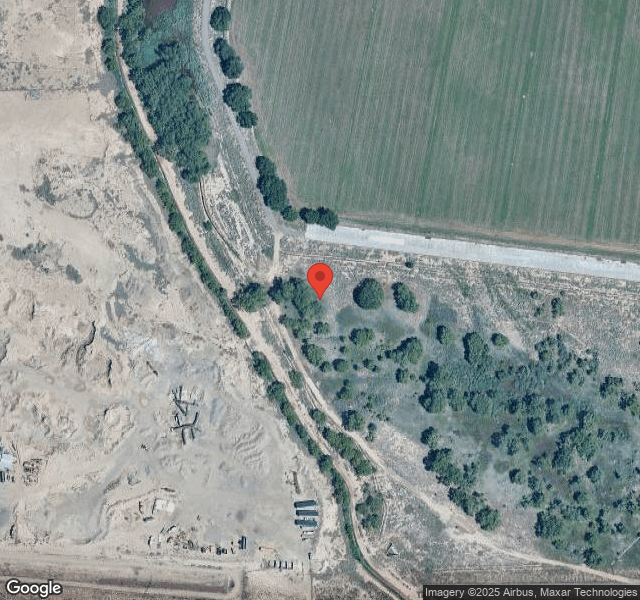
3620 Las Estancias Dr Sw, Albuquerque, NM 87121 (505) 632-3018
For profit - Corporation 120 Beds PUREHEALTH Data: November 2025
Trust Grade
76/100
#9 of 67 in NM
Last Inspection: February 2025

Within standard 12-15 month inspection cycle. Federal law requires annual inspections.

Overview

Las Estancias by Pure Health has a Trust Grade of B, indicating it is a good choice among nursing homes, but not without its issues. It ranks #9 out of 67 facilities in New Mexico, placing it in the top half, and #3 out of 18 in Bernalillo County, suggesting there are only two local options that are better. However, the facility's trend is worsening, with reported issues increasing from 5 in 2023 to 10 in 2025. Staffing is relatively strong, rated at 4 out of 5 stars with a turnover rate of 29%, which is significantly lower than the state average of 53%. On the downside, the home has incurred $7,901 in fines, which is average, and the RN coverage is concerning, being less than that of 85% of other facilities in the state. Families should be aware of specific incidents that raise red flags, such as a failure to manage pain for a resident with a leg fracture, leading to prolonged discomfort. Additionally, there were concerns about food safety practices in the kitchen, including unlabelled and unclean items, which could risk foodborne illnesses. Lastly, the facility did not develop proper care plans for some residents, potentially leaving staff unaware of their specific needs. Overall, while there are strengths in staffing and overall ratings, the increasing number of deficiencies and specific incidents should be considered carefully.

Trust Score
B
76/100
In New Mexico
#9/67
Top 13%
Safety Record
Moderate
Needs review
Inspections
Getting Worse
5 → 10 violations
Staff Stability
✓ Good
29% annual turnover. Excellent stability, 19 points below New Mexico's 48% average. Staff who stay learn residents' needs.
Penalties
⚠ Watch
$7,901 in fines. Higher than 84% of New Mexico facilities, suggesting repeated compliance issues.
Skilled Nurses
⚠ Watch
Each resident gets only 28 minutes of Registered Nurse (RN) attention daily — below average for New Mexico. Fewer RN minutes means fewer trained eyes watching for problems.
Violations
⚠ Watch
29 deficiencies on record. Higher than average. Multiple issues found across inspections.
★★★★★
5.0
Overall Rating
★★★★☆
4.0
Staff Levels
★★★★★
5.0
Care Quality
★★★★☆
4.0
Inspection Score
Stable
2023: 5 issues
2025: 10 issues

The Good

  • 4-Star Staffing Rating · Above-average nurse staffing levels
  • 5-Star Quality Measures · Strong clinical quality outcomes
  • Low Staff Turnover (29%) · Staff stability means consistent care
  • Full Sprinkler Coverage · Fire safety systems throughout facility
  • No fines on record
  • Staff turnover is low (29%)

    19 points below New Mexico average of 48%

Facility shows strength in staffing levels, quality measures, staff retention, fire safety.

The Bad

Federal Fines: $7,901

Below median ($33,413)

Minor penalties assessed

Chain: PUREHEALTH

Part of a multi-facility chain

Ask about local staffing decisions and management

The Ugly 29 deficiencies on record

1 actual harm
Feb 2025 10 deficiencies
CONCERN (D)

Potential for Harm - no one hurt, but risky conditions existed

Deficiency F0645 (Tag F0645)

Could have caused harm · This affected 1 resident

**NOTE- TERMS IN BRACKETS HAVE BEEN EDITED TO PROTECT CONFIDENTIALITY** Based on record review and interview, the facility failed to ensure the Pre-admission Screening and Resident Review (PASRR; a sc...

Read full inspector narrative →
**NOTE- TERMS IN BRACKETS HAVE BEEN EDITED TO PROTECT CONFIDENTIALITY** Based on record review and interview, the facility failed to ensure the Pre-admission Screening and Resident Review (PASRR; a screening to help ensure that individuals are not inappropriately placed in nursing homes for long term care) assessment was accurate for 1 (R #3) of 4 (R #3, R #8, R #37, and R #112) residents reviewed for PASRR accuracy. This deficient practice is likely to result in the residents not receiving the services they need. The findings are: A. Record review of R #3's admission Record revealed R #3 was admitted into the facility on [DATE] with multiple diagnoses including: 1. Major depressive disorder (a mental health disorder characterized by persistently depressed mood or loss of interest in activities, causing significant impairment in daily life), 2. Unspecified psychosis (mental disorder) not due to a substance or known condition, 3. Schizoaffective disorder (a mental condition that causes both psychosis and mood problems), 4. Other specified anxiety (feelings of fear or apprehension) disorder, 5. Delusional disorders (condition in which a person can't tell what's real from imagined), 6. Bipolar disorder (a disorder associated with episodes of mood swings ranging from depressive lows to manic highs). B. Record review of R #3's PASRR, dated 11/06/15, revealed staff documented R #3 does not have a diagnosis or suspected mental illness. C. On 02/21/25 at 2:11 pm, during an interview with the [NAME] President of Clinical Services,she confirmed R #3's PASRR was not correct.
CONCERN (D)

Potential for Harm - no one hurt, but risky conditions existed

Deficiency F0657 (Tag F0657)

Could have caused harm · This affected 1 resident

**NOTE- TERMS IN BRACKETS HAVE BEEN EDITED TO PROTECT CONFIDENTIALITY** Based on record reviews and interviews, the facility failed to ensure staff revised the care plan for 1 (R # 21) of 1 (R # 21) r...

Read full inspector narrative →
**NOTE- TERMS IN BRACKETS HAVE BEEN EDITED TO PROTECT CONFIDENTIALITY** Based on record reviews and interviews, the facility failed to ensure staff revised the care plan for 1 (R # 21) of 1 (R # 21) resident reviewed when staff failed to: 1. Update R 21's plan of care to include fall prevention and interventions. 2. Update R #21's plan of care to include oxygen therapy. 3. Update R #21's plan of care to include vision loss under ADL (activities of daily living) self-care performance deficit. This deficient practice is likely to result in staff not being aware of residents' care needs and preferences, and residents not receiving the needed care. The findings are: A. Record review of R #21's admission Record revealed R #21 was admitted to the facility on [DATE] with the following multiple diagnoses: 1. Type 2 diabetes mellitus (DM2, a condition that results from insufficient production of insulin, causing high blood sugar) with diabetic chronic kidney disease (CKD; impaired kidney function), and polyneuropathy (a type of neuropathy (general diseases or malfunctions of the nerves) that affects many peripheral nerves in the body), 2. End Stage Renal Disease (ESRD; chronic irreversible kidney failure), 3. Major Depressive Disorder, a mental health disorder characterized by persistently depressed mood or loss of interest in activities, causing significant impairment in daily life), 4. History of falling, 5. Osteoporosis without current pathological fracture (bones become extremely porous and are subject to fracture and slow healing). B. Record review of R #21's care plan dated 08/10/23 revealed the following: 1. Focus are of The resident is at risk for falls AEB (as evidenced by) actual falls. 2. Follow facility fall protocol. R #21's care plan does not list specific interventions that are in place to assist R #21 with his fall risk. C. Record review of R #21's medical orders revealed an order dated 01/14/25 for continuous oxygen at two liters per nasal canula (a small, flexible tube that delivers oxygen to the nose through soft prongs). D. Record review of R #21's care plan dated 11/07/23 revealed R #21 has as needed (PRN) order for oxygen therapy that is not consistent with current order for continuous oxygen therapy. E. Record review of R #21's progress note dated 01/09/25, revealed R #21 had acute vision loss after dialysis (a procedure to remove waste products and excess fluid from the blood when the kidneys stop working properly) and was sent to emergency room for evaluation. F. Record review of R #21's care plan dated 08/10/23, revealed R #24 had an ADL (activities of daily living) self-care performance deficit. This care plan did not include interventions to assist R #21 with his recent vision loss. G. On 02/21/25 at 11:15 AM, during an interview with the DON, she confirmed R #21's care plan was not accurately revised because of the following: 1. The DON was not able to produce a facility fall protocol and stated there was not individualized fall protocol for R #21 [fall protocol is listed on care plan but does not include what fall protocol include. Example: wear non-skid socks, non-skid shoes, fall mat etc ]. 2. R #21's care plan for the use of oxygen does not match with R #21's current order for the continuous use of oxygen. 3. R #21's care plan for ADL self-care performance deficit and impaired visual function do not include specific interventions that R #21 needs to deal with his recent visual impairment.
CONCERN (D)

Potential for Harm - no one hurt, but risky conditions existed

Deficiency F0757 (Tag F0757)

Could have caused harm · This affected 1 resident

Based on record review and interview, the facility failed to adequately monitor for the stop on the antibiotic for 1 (R #109) of 1 (R #109) resident reviewed for stop date on an antibiotic. This defic...

Read full inspector narrative →
Based on record review and interview, the facility failed to adequately monitor for the stop on the antibiotic for 1 (R #109) of 1 (R #109) resident reviewed for stop date on an antibiotic. This deficient practice could likely lead to overuse of an antibiotic and lead to multi-drug-resistant infections, antibiotic resistance and poor patient outcomes. The findings are: A. Record review of the facility's resident dashboard (an overview of the electronic health record) dated 02/07/25 revealed R #109 was admitted on this date. admission diagnosis includes, malignant neoplasm of the tongue (cancer of the tongue), unspecified; dysphagia (difficulty swallowing), unspecified; otitis media (inflammation of the ear) of the ear; other lack of coordination (poor muscle control); dehydration (lack of total body water); malignant neoplasm of the head, neck and face (cancer that has spread to the neck, head and face); and cognitive communication deficit (brain's inability to communicate effectively). B. Record review of R #109's Progress Note dated 02/18/25 at 11:33 am, revealed the physicians order for Ofloxacin otic solution 0.3% instill 5 drops in the right ear one time a day for ear infection, was to be continued. There was no stop date given for the antibiotic physician's order. C. Record review of R #109's history and physical dated 02/19/25, revealed the order to continue antibiotic and does not have a recommended stop date. D. On 02/21/25 at 12:55 pm, during an interview, the DON confirmed there was no care plan for the use of an antibiotic. The DON's expectations were that the care plan would include the reason for the antibiotic use, the start and stop dates, and all interventions to help prevent infection (harmful bacteria entering the body). E. Record review of R #109's progress notes from the Medical Director (MD) dated 02/18/25 at 11:33 am, revealed the antibiotic was given for otitis media (inflammation of the ear) and the physician was not sure if the infection was related to his cancer diagnosis. According to policy and procedure for antibiotic stewardship, all antibiotics require a stop and require reassessment. F. On 02/19/25 at 1:00 pm, during an interview, the DON stated according to the policy and procedure for antibiotic stewardship, all antibiotics must have a stop date and be reassessed for any changes. The DON would have expected the nurse to ask the Certified Nurse Practitioner (CNP) for a stop date. The DON stated the administration team completes a review of all antibiotics during the morning clinical meeting and they must have overlooked there was no stop date.
CONCERN (D)

Potential for Harm - no one hurt, but risky conditions existed

Deficiency F0883 (Tag F0883)

Could have caused harm · This affected 1 resident

Based on record review and interview, the facility failed to offer the influenza (for Flu virus, a highly contagious viral respiratory infection that affects the nose, throat, and sometimes the lungs)...

Read full inspector narrative →
Based on record review and interview, the facility failed to offer the influenza (for Flu virus, a highly contagious viral respiratory infection that affects the nose, throat, and sometimes the lungs) vaccine for 1 (R #8) of 5 (R #3, R #4, R #8, R #15, and R #46) residents reviewed for immunizations. If residents are not given the opportunity to consent or decline the vaccine as appropriate against the flu, then they have a higher likelihood of contracting the illness and spreading it to other residents in the facility. The findings are: A. Record review of R #8's Electronic Health Record (EHR) revealed staff failed to offer the influenza vaccination to R #8. B. On 02/21/25 at 11:15 am, during an interview with the DON, she confirmed R #8's EHR does not contain any evidence that the facility offered the influenza vaccination to R #8.
CONCERN (E)

Potential for Harm - no one hurt, but risky conditions existed

Comprehensive Care Plan (Tag F0656)

Could have caused harm · This affected multiple residents

**NOTE- TERMS IN BRACKETS HAVE BEEN EDITED TO PROTECT CONFIDENTIALITY** Based on observation, record review, and interview, the facility failed to develop and implement an accurate, person-centered co...

Read full inspector narrative →
**NOTE- TERMS IN BRACKETS HAVE BEEN EDITED TO PROTECT CONFIDENTIALITY** Based on observation, record review, and interview, the facility failed to develop and implement an accurate, person-centered comprehensive care plan for 4 (R #4, R #72, R #109, and R #164) of 9 (R #3, R #4, R #8, R #37, R #46, R #62, R #72, R #109 and R #164) residents reviewed for care plans. This deficient practice is likely to result in staff being unaware of the current and actual needs of the residents. The findings are: R #4 A. Record review of R #4's face sheet revealed R #4 was admitted to the facility on [DATE] with the following diagnoses: 1. Acute osteomyelitis (a bone infection that develops rapidly and is characterized by inflammation and destruction of bone tissue), right ankle and foot, 2. Abnormalities of gait and mobility (a deviation from the normal pattern of walking), 3. Lack of coordination, 4. Chronic pain syndrome (a condition characterized by persistent pain that lasts for at least three months and significantly impacts daily life), 5. Muscle wasting and atrophy (a condition where muscles lose mass and strength), 6. Age-related physical debility (a gradual decline in physical function and overall health that occurs with advancing age), 7. Acquired absence (the loss of a limb, organ, or body part due to injury, disease, or surgery) of right leg below knee, 8. Rheumatoid arthritis (a chronic inflammatory autoimmune disease that primarily affects the joints). B. Record review of R #4's bed rail assessment dated [DATE] revealed the following: 1. R #4 consented to bed rails for safety and comfort. 2. Bilateral (horizontal metal bars that attach to the side of a bed, extending a quarter of the length of the bed) rails indicated to serve as an enabler for independence. C. Record review of R #4's care plan dated 6/22/24 revealed there was not a care plan for bed rail use. D. On 02/18/25 at 11:21 am during an observation of R #4's bed revealed quarter side rails on each side of the bed. E. On 02/18/25 at 11:33 am during an interview, R #4 stated she was aware she had bed rails on each side of the bed and used the rails to help with repositioning herself and bed mobility. F. On 02/21/25 at 12:16 pm during an interview with the DON, she stated R #4 did not have a care plan for bed rails and should have. R #72 G. Record review of R #72's face sheet revealed R #72 was admitted to the facility on [DATE] with the following multiple diagnoses: 1. Muscle wasting and atrophy (a condition where muscles lose mass and strength), 2. Abnormalities of gait and mobility (a deviation from the normal pattern of walking), 3. Muscle weakness, 4. Pain in left hip, 5. Pain in right knee, 6. Lack of coordination. 7. Age-related osteoporosis (a condition that weakens bones and increases the risk of fractures) H. Record review of R #72's bed rail assessment dated [DATE] revealed the following: 1. R #4 consented to bed rails for safety and comfort. 2. Bilateral (having or relating to two sides) rails indicated to serve as an enabler for independence. I. Record review of R #72's care plan dated 07/15/24 revealed there was not a care plan for bed rail use. J. On 02/18/25 at 11:03 AM, during an observation of R #72's bed revealed quarter side rails on each side of the bed. K. On 02/18/25 at 11:03 AM during an interview, R #72 stated she was aware she had bed rails on each side of the bed to help reposition herself and bed mobility. L. On 02/21/25 at 12:16 pm during an interview with the DON, she stated R #4 did not have a care plan for bed rails and should have. R #109 M. Record review of R #109's face sheet revealed R #109 was admitted to the facility on [DATE] with the following diagnoses: 1. Malignant neoplasm of the tongue (cancer of the tongue), 2. Unspecified; dysphagia (difficulty swallowing), 3. Unspecified; otitis media (inflammation of the ear), 4. Other lack of coordination (poor muscle control); 5. Dehydration (lack of total body water); 6. Malignant neoplasm of the head, neck and face (cancer that has spread to the neck, head and face); 7. Cognitive communication deficit (brain's inability to communicate effectively). N. Record review of R #109's care plan dated 02/07/25, revealed the antibiotic was not care planned. O. Record review of the Minimum Data Set (MDS) dated [DATE] (Entry MDS) shows the antibiotic was a hospital physician's order upon admission to the facility. P. Record review of R #109's progress note dated 02/07/25 at 3:20 pm, revealed the antibiotic was entered on the electronic medical record (EMR) for his admission. The antibiotic did not have a stop date. Q. On 02/21/25 at 12:55 PM, during an interview, the DON confirmed R #109's care plan did not contain any documentation of antibiotics. DON stated her expectations are the care plan would include all aspect of antibiotic management and monitoring. R #164 R. Record review of R #164's face sheet revealed R #164 was admitted to the facility on [DATE] with the following diagnoses: 1. Fracture of sacrum (a break in the sacrum bone, located at the base of the spine and forming the back wall of the pelvis), 2. Abnormalities of gait (a person's manner of walking) and mobility (a deviation from the normal pattern of walking), 3. Lack of coordination, 4. Polyosteoarthritis (a condition where multiple joints experience osteoarthritis, a form of degenerative joint disease), 5. Spinal stenosis (a condition where the spinal canal, the space within the spine that houses the spinal cord and nerve roots, becomes narrowed), cervical (neck) region. S. Record review of R #164's bed rail assessment dated [DATE] revealed the following: 1. R #164 consented to bed rails for safety and comfort. 2. Bilateral rails indicated to serve as an enabler for independence. T. Record review of R #164's care plan dated 02/13/25, revealed there was not a care plan for bed rail use. U. On 02/18/25 at 1:27 PM, during an observation of R #164's bed revealed quarter sized rails on each side of the bed. V. On 02/18/25 at 1:27 PM, during an interview, R #164 stated she was aware she had bed rails on each side of the bed and used them for bed mobility. W. On 02/21/25 at 12:16 PM, during an interview with the DON, she stated R #164 did not have a care plan for bed rails and should have.
CONCERN (E)

Potential for Harm - no one hurt, but risky conditions existed

Deficiency F0804 (Tag F0804)

Could have caused harm · This affected multiple residents

Based on interview, record review, and observation, the facility failed to ensure staff served meals that were attractive and palatable (pleasant to taste) for 8 (R #'s 4, 12, 37, 46, 99, 105, 108, an...

Read full inspector narrative →
Based on interview, record review, and observation, the facility failed to ensure staff served meals that were attractive and palatable (pleasant to taste) for 8 (R #'s 4, 12, 37, 46, 99, 105, 108, and 165) of 10(R #'s 4, 8, 12, 37, 46, 48, 99, 105, 108, and 165) residents reviewed for meal quality. This deficient practice reduces residents' ability to eat and enjoy meals, may decrease their quality of life, and could likely lose weight. The findings are: A. On 02/17/25 at 11:17 am, during an interview, R #108 stated the food does not taste good, it is overcooked. R #108 stated that the food is not palatable. R #108 stated that they are not getting vegetables very often either and when they do they are usually overcooked. B. On 02/17/25 at 11:22 am, during an interview, R #46 stated the food is not hot, always cold, is poor quality of food, not abiding by national diets. Every time they change managers the food gets worse. There have been three managers in three years. C. On 02/17/25 at 11:55 am, during lunch observation, residents were served shredded pork roast, oven fried potatoes, yellow squash medley, a wheat dinner roll, an iced brownie and a drink for lunch. The food was served to residents on an dinnerware that was the same neutral coloring as the food. The food was not appealing to the eye and lacked color. D. On 02/17/25 at 12:43 pm, during an interview, R #12 stated the eggs are tough and we had pasta yesterday with one big noodle and a bowl of peas. R #12 also stated for breakfast I had biscuits and gravy and I was not quite sure what it was until I poked it. E. On 02/18/25 at 11:21 am during an interview, R #4 she stated the food is not very good. F. On 02/18/25 at 11:49 am during an interview, R #99 stated the food is horrible, it is not like home cooking at all and lacks flavor. G. On 02/18/25 at 11:55 am, during a lunch observation, staff asked R #99 if she was going to eat lunch, R #99 declined to got to lunch. Staff then asked R #99 if someone was bringing her food as usual which R #99 replied a friend is bringing her food. H. On 02/18/25 at 12:34 pm during an interview, R #165 stated the food is awful, the food does not have any flavor, and the potatoes are really dry. R #165 also stated the food does not look good most days. I. On 02/18/25 at 2:33 pm, during an interview, R #105 stated she doesn't like the food it doesn't taste good and doesn't eat it very often. J. On 02/18/25 at 3:08 pm, during an interview, R #37 stated he does not like the food, the food is horrible. He stated he has food delivered to facility and keeps his own butter and cinnamon for his toast in his room. He stated the food has no flavor. K. Record review of the facility's policies and procedures for Dietary Management revised July 2017 under Assistance with Meals revealed Hot foods shall be held at a temperature of 136 degrees or above until served. L. Record review of Resident Council minutes revealed the following: 1. On 09/06/24 dietary was requested to attend the next meeting due to food concerns. 2. On 10/04/24 residents talked about what they like to eat and what food they want. 3. On 11/01/24 residents complained about cold food being cold. The concern form was filled out and given to the DON to discuss with dietary staff. 4. On 02/07/25 residents complained about cold food and being unappetizing; food is always the same and does not taste good; same food all the time, always chicken and pork. Concern form filled out and given to dietary. M. On 02/21/25 at 9:38 am during an interview, the Culinary Supervisor (CS) confirmed the prepared menu offers a lot of foods that lack color and appeal. He stated he will ask residents about food choices when there is a complaint, otherwise he will make changes to meals for the residents when they arrive in the dining area on an as needed basis.
CONCERN (E)

Potential for Harm - no one hurt, but risky conditions existed

Infection Control (Tag F0880)

Could have caused harm · This affected multiple residents

Based on observation, interview, and record review, the facility failed to provide respiratory care (health care discipline specializing in the promotion of optimum cardiopulmonary (promotion of healt...

Read full inspector narrative →
Based on observation, interview, and record review, the facility failed to provide respiratory care (health care discipline specializing in the promotion of optimum cardiopulmonary (promotion of health and wellness in the respiratory system (lungs)) function, that was consistent with professional standards of practice for 2 (R #46 and R #62) of 5 (R #4, R #8, R #46, R #62 and R #72) resident sampled for respiratory care when staff failed to change R #46's and R #62's nasal cannula (medical device to provide supplemental oxygen therapy to through the nose) within seven days of the previous change. This deficient practice could likely cause the nasal cannula to become obstructed, non-functional, and unsanitary and not provide the resident with the oxygen needed. The findings are: R #46 A. On 02/17/25 at 11:35 AM, during an observation of R #46's room, revealed R #46 had an oxygen concentrator (a device that removes nitrogen from the air to provide oxygen-enriched air) by his bed and nasal cannulas (a thin, flexible tube that delivers oxygen through the nose) hanging on his bed. The nasal cannula was not dated with a date indicating the date the cannula had been changed. B. Record review of R #46's Physicians Orders dated 02/20/22, revealed oxygen at 2 Liters administered via nasal cannula every shift. C. On 02/17/25 at 11:16 AM, during an interview, the Assistant Director of Nursing-Facility Wide (ADON-FW) stated the oxygen cannulas are changed once a week, usually on Sundays. The ADON said there should be a piece of tape on the tubing with a date to document when the tubing was changed. The ADON stated that the tape on the tubing is how they document when the cannulas were changed. The ADON confirmed that R #72's cannula does not have a date indicating when the cannula was changed, and she could not confirm if R #72's cannula had been changed. D. On 02/17/25 at 1:55 PM, during an interview, CNA #6 confirmed R #46's nasal cannula does not have a date indicating when the nasal cannula was changed. CNA #6 said that the nasal cannulas are usually changed on Sundays, and she could not confirm if R #46's nasal cannula had been changed. R #62 E. On 02/17/25 at 11:05 AM, during an observation of R #62's room, revealed R #62 had an oxygen concentrator and nasal cannula next to her bed. The nasal cannula was not dated with a date indicating the date the cannula had been changed. F. Record review of R #62's Physicians Order dated 01/17/25 revealed oxygen at 2 Liters administered via nasal cannula every shift.
CONCERN (E)

Potential for Harm - no one hurt, but risky conditions existed

Deficiency F0887 (Tag F0887)

Could have caused harm · This affected multiple residents

Based on record review and interview, the facility failed to offer COVID-19 (an acute respiratory disease in humans characterized mainly by fever and cough and capable of progressing to severe symptom...

Read full inspector narrative →
Based on record review and interview, the facility failed to offer COVID-19 (an acute respiratory disease in humans characterized mainly by fever and cough and capable of progressing to severe symptoms and in some cases death, especially in older people and those with underlying health conditions) vaccinations to 1 (R #8) of 5 (R #3, R #4, R #8, R #15, and R #46) residents reviewed for COVID-19 vaccinations. This deficient practice could likely result in residents getting COVID-19. The findings are: A. Record review of R #8's Electronic Health Record (EHR) revealed the record did not contain any COVID-19 vaccine forms which indicated staff offered or administered the COVID-19 vaccine to the resident. B. On 02/21/25 at 11:15 am, during an interview with the DON, she confirmed R #8's EHR does not contain any evidence that the facility offered the COVID-19 vaccination to R #8.
CONCERN (E)

Potential for Harm - no one hurt, but risky conditions existed

Deficiency F0947 (Tag F0947)

Could have caused harm · This affected multiple residents

Based on record review and interview, the facility failed to ensure Certified Nurse Aides (CNAs) received the required in-service training of 12 hours per year for 3 (CNA #1, CNA #2, and CNA #3) of 5 ...

Read full inspector narrative →
Based on record review and interview, the facility failed to ensure Certified Nurse Aides (CNAs) received the required in-service training of 12 hours per year for 3 (CNA #1, CNA #2, and CNA #3) of 5 (CNA #1, CNA #2, CNA #3, CNA #4, and CNA #5) CNAs reviewed for required in-service training. This deficient practice is likely to result in the CNAs not receiving the necessary training to meet the care needs of the residents. The findings are: CNA #1 A. Record review of CNA #1's personnel file revealed CNA #1's Caregiver Criminal History Screening (background check for employment at the facility) was cleared on 07/31/22. B. Record review of CNA #1's in-service training Transcript Report, dated 02/21/25, revealed CNA #1 did not complete any training past 08/07/23. C. On 02/21/25 at 1:23 pm, during an interview with the Administrator (ADM), she confirmed the facility does not have any evidence of CNA #1 completing any training past 08/07/23. The ADM confirmed CNA #1 continued to work shifts providing care for residents in the facility even though the facility has no proof of ongoing training. The ADM stated she expects all CNAs to complete at least 12 hours of training per year. CNA #2 D. Record review of CNA #2's personnel file revealed CNA #2's Caregiver Criminal History Screening was cleared on 12/13/22. E. Record review of CNA #2's in-service training Transcript Report, dated 02/21/25, revealed CNA #2 did not complete any training past 08/16/23. F. On 02/21/25 at 1:23 pm, during an interview with the ADM, she confirmed the facility does not have any evidence of CNA #2 completing any training past 08/16/23. The ADM confirmed CNA #2 continued to work shifts providing care for residents in the facility even though the facility has no proof of ongoing training. CNA #3 G. Record review of CNA #3's personnel file revealed CNA #3's Caregiver Criminal History Screening was cleared on 04/09/21. H. Record review of CNA #3's in-service training Transcript Report, dated 02/21/25, revealed CNA #3 did not complete any training past 08/07/23. I. On 02/21/25 at 1:23 pm, during an interview with the ADM, she confirmed the facility does not have any evidence of CNA #3 completing any training past 08/07/23. The ADM confirmed that CNA #3 continued to work shifts providing care for residents in the facility even though the facility has no proof of ongoing training.
CONCERN (F)

Potential for Harm - no one hurt, but risky conditions existed

Food Safety (Tag F0812)

Could have caused harm · This affected most or all residents

Based on observation and interview, the facility failed to store and serve food under sanitary conditions when staff failed to ensure: 1. All items were labeled and dated in the kitchen refrigerator. ...

Read full inspector narrative →
Based on observation and interview, the facility failed to store and serve food under sanitary conditions when staff failed to ensure: 1. All items were labeled and dated in the kitchen refrigerator. 2. The counter tops and shelves were clean. 3. The floors throughout the kitchen were clean. 4. The heated plate dispenser (a device used to heat and store plates prior to use) was clean. These deficient practices are likely to affect all 115 residents listed on the resident census provided by the Administrator on 02/17/25 and are likely to lead to foodborne illnesses in residents. The findings are: A. On 02/17/25 at 10:15 am, observation of the kitchen revealed the following: 1. Two liquid pitchers, one was full of red liquid, and one was full of white liquid, on the bottom shelf in the refrigerator was not labeled to indicate the type of contents and not dated with the date the liquid was made. 2. The counter tops and shelves throughout the kitchen had food particles, spilled liquid, and dust on them. 3. The floors throughout the kitchen had food particles, spilled liquid, trash, and dust on them. 4. The heated plate dispenser had food particles, spilled liquid, and dust on the top and in the inserts that hold the plates. B. On 02/17/25 at 11:17 am, during an interview with the Culinary Manager (CM), he stated that all food and drink items should be labeled and dated. The CM confirmed that counter tops, shelves, floors, and heated plate dispenser did not meet his expectations. He stated his expectations are for the kitchen and everything in it to be clean.
Nov 2023 4 deficiencies
CONCERN (D)

Potential for Harm - no one hurt, but risky conditions existed

Medication Errors (Tag F0758)

Could have caused harm · This affected 1 resident

**NOTE- TERMS IN BRACKETS HAVE BEEN EDITED TO PROTECT CONFIDENTIALITY** Based on record review and interview, the facility failed to maintain a process of ensuring antipsychotic medications (medicatio...

Read full inspector narrative →
**NOTE- TERMS IN BRACKETS HAVE BEEN EDITED TO PROTECT CONFIDENTIALITY** Based on record review and interview, the facility failed to maintain a process of ensuring antipsychotic medications (medications that alter brain chemistry to help reduce psychotic symptoms like hallucinations, delusions and disordered thinking) are prescribed to treat a specific condition as diagnosed and documented in the clinical record for 1 (R #55) of 2 (R #26 and R #55) residents reviewed for the use of psychotropic medication. This deficient practice could likely result in residents receiving a psychotropic medication without a corresponding active diagnosis. The findings are: A. Record review of R #55's electronic health record (EHR) revealed R #55 was admitted to the facility on [DATE] with the diagnosis of schizophrenia [a disorder that affects a person's ability to think, feel, and behave clearly, including delusions (false beliefs), hallucinations (seeing or hearing things that don't exist), unusual physical behavior, and disorganized thinking and speech], date of onset 09/22/23. B. Record review of R #55's physician orders revealed an order for Abilify (an antipsychotic medication that helps treat several kinds of mental health conditions) from 01/19/23 through 10/23/23 for signs of aggression, depression, and psychosis. C. Record review of R #55's pharmacy recommendation, dated 07/10/23, revealed the resident received an antipsychotic medication, Abilify. The pharmacist noted the antipsychotic should only be used for certain diagnoses, to include schizophrenia, and asked the doctor to indicate which diagnosis the resident had. On 09/19/23, the physician documented the resident had an active diagnosis of schizophrenia. D. On 11/16/23 at 8:50 am, during an interview with the DON and the Clinical Specialist, they said R #55 did not have a diagnosis of schizophrenia, and it should not be listed on his EHR. They explained the pharmacist provided a recommendation, and the Nurse Practitioner checked the box for schizophrenia. The staff entered the information into the EHR, and it pulled over onto his Minimum Data Set (MDS; a collection of information that reveals a patient's mental and physical abilities and limitations). The DON and the Clinical Specialist confirmed antipsychotic medication should be used for a corresponding active diagnosis.
CONCERN (D)

Potential for Harm - no one hurt, but risky conditions existed

Infection Control (Tag F0880)

Could have caused harm · This affected 1 resident

**NOTE- TERMS IN BRACKETS HAVE BEEN EDITED TO PROTECT CONFIDENTIALITY** Based on observation, record review, and interview, the facility failed to maintain proper infection prevention measures by: 1....

Read full inspector narrative →
**NOTE- TERMS IN BRACKETS HAVE BEEN EDITED TO PROTECT CONFIDENTIALITY** Based on observation, record review, and interview, the facility failed to maintain proper infection prevention measures by: 1. Not wearing the proper personal protective equipment (PPE) before entering a resident's room under droplet precautions (set of measures to prevent the transmission of bacteria and viruses that are spread through respiratory liquid). 2. Not performing hand hygiene between residents. This deficient practice could likely result in the spread of infectious agents (viruses and bacteria) between the 36 residents in the 100 hall. The findings are: Findings: A. Review of the CDC guidance, titled Use Personal Protective Equipment (PPE) When Caring for Patients with Confirmed or Suspected COVID-19, dated 06/03/2020, health care workers shall wear N95 mask, face shield or goggles, clean gloves, and isolation gown when treating covid positive patients. B. On 11/16/23 at 10:10 observation on the 100 hall revealed the central supply aide (CS) wore a surgical mask and gloves and entered room [ROOM NUMBER], which was occupied by covid positive residents. Observation also showed a sign posted outside the room which indicated the room was under droplet/covid precautions, and staff should wear N95 mask, gown, and face shield/goggles to enter. Further observation showed the aide exited room [ROOM NUMBER], removed their gloves, and entered another resident room. The aide did not perform hand hygiene after exiting room [ROOM NUMBER], removing their gloves, and before entering the next resident room. C. On 11/16/23 at 10:23, during an interview, the Director of Nursing (DON) stated the CS aide should perform hand hygiene between patient rooms and should wear the CDC required PPE when they go into rooms with posted precautions.
CONCERN (E) 📢 Someone Reported This

A family member, employee, or ombudsman was alarmed enough to file a formal complaint

Potential for Harm - no one hurt, but risky conditions existed

Deficiency F0658 (Tag F0658)

Could have caused harm · This affected multiple residents

**NOTE- TERMS IN BRACKETS HAVE BEEN EDITED TO PROTECT CONFIDENTIALITY** Based on record review and interview, the facility failed to: 1. Reconcile medications (to identify active medications and remov...

Read full inspector narrative →
**NOTE- TERMS IN BRACKETS HAVE BEEN EDITED TO PROTECT CONFIDENTIALITY** Based on record review and interview, the facility failed to: 1. Reconcile medications (to identify active medications and remove discontinued medications) during discharge; 2. Follow physician's order to create a referral. This deficient practice affected 2 (R #265 and R #6) of 5 (R #6, R #13, R #55, R #85, and R #265) residents reviewed for safe discharge and disease management. This deficient practice could likely result in an erroneous administration of medication and residents not feeling well due to a lack of consultation. Findings related to Medication Reconciliation: A. On 11/14/23 at 11:19 am, during an interview, the family member of R #265 said the discharge nurse at the facility gave her the resident's medication in a plastic bag, but the nurse did not tell her what to do with the medications. The family member said the resident had a doctor's appointment on the Friday after her discharge. The doctor told them to go to the emergency room, because the resident's heart rate was high. The family member showed the ER staff the medication in the plastic bag from the facility, and they said the resident took a blood thinner medication which belonged to another resident. The family member said she thought the name on the medication was a doctor's name. She did not know it was another resident. B. Record review of the electronic health record (EHR) revealed R #265 was admitted to the facility on [DATE] and discharged on 10/11/23. C. Record review of the Discharge summary, dated [DATE], revealed R #265 did not have a physician's order for an anticoagulant. D. On 11/16/23 at 1:21 pm, during an interview with Unit Manager #1, he explained during a discharge, the nurse should review the active medications and reconcile all medications. He stated the facility did not normally provide medications at discharge. They instruct the resident to acquire the medications from their pharmacy unless there is an unusual medication that may be difficult to acquire. He explained that during R #265's discharge, the nurse did not thoroughly go through the medications, and they later discovered the nurse gave R #265 a medication that did not belong to her. Findings related to a Referral: E. Record review of the EHR revealed R #6 was admitted to the facility on [DATE] with diagnoses of morbid (severe) obesity (abnormal or excessive fat accumulation that presents a risk to health) with alveolar hypoventilation (a way of breathing that does not allow a sufficient exchange of carbon dioxide with oxygen) and type 2 diabetes mellitus (a disease that affects the way the body processes blood sugar). F. Record review of R #6's physician orders, dated 08/04/23, revealed a referral to an endocrinology specialist (a branch of medicine that focuses on the endocrine system- the body's hormones and associated organs) for persistent low thyroid stimulating hormone (TSH; a hormone that tells the thyroid gland how much thyroid hormone to make. The thyroid hormones control the way the body uses energy). The physician's order instructed staff to discontinue the order once the referral was completed. G. Record review of R #6's physician visit documentation, dated 11/10/23, revealed the resident had low TSH levels, and the physician noted it may be due to a hyperthyroid [overactive thyroid] condition. The physician made another referral to an endocrinology specialist due to the resident's persistently low TSH levels. H. On 11/17/23 at 12:10 pm, during an interview with the facility's Appointment Scheduler, she explained she made outside appointments for the residents when the physician placed an order and the nursing staff handed her a printed out referral form. She stated she did not schedule R #6 an endocrinology appointment, because she did not receive a referral form. The scheduler confirmed R #6 should have an endocrinology appointment.
CONCERN (E)

Potential for Harm - no one hurt, but risky conditions existed

Deficiency F0761 (Tag F0761)

Could have caused harm · This affected multiple residents

**NOTE- TERMS IN BRACKETS HAVE BEEN EDITED TO PROTECT CONFIDENTIALITY** Based on observation and interview the facility failed to properly store medications in a medication cart. This deficient practi...

Read full inspector narrative →
**NOTE- TERMS IN BRACKETS HAVE BEEN EDITED TO PROTECT CONFIDENTIALITY** Based on observation and interview the facility failed to properly store medications in a medication cart. This deficient practice has the likelihood to result in all 36 residents in 100 hall, and all 18 residents in the 300 hall that were identified on the census list provided by the administrator on [DATE], to receive expired or improperly temperature-controlled medications that have either lost their potency or effectiveness. The findings are: A. On [DATE] at 9:43 am, one white loose tablet, stamped with C5, lay under the medication cards in the 300 hall medication cart. B. On [DATE] at 9:54 am, two yellow tablets, labeled SG and LT, one large white tablet labeled SG, and one white tablet labeled M10, lay under the medication cards in the 100 hall medication cart. C. On [DATE] at 9:45 am, during an interview, Licensed Practical Nurse (LPN) #1 stated loose medications are not allowed in the medication carts and must be destroyed when found according to facility policy. LPN #1 did not know how long the loose tablet was in the 300 hall medication cart. D. On [DATE] at 9:55 am, during an interview, Certified Medication Aide (CMA) #1 stated loose medications are not allowed in the medication carts and must be destroyed when found according to facility policy. CMA #1 did not know the loose tablets were in the 100 hall medication cart. E. On [DATE] at 10:15 am, during an interview, the Director of Nursing (DON) stated loose medications are not allowed in the medication carts.
Jul 2023 1 deficiency 1 Harm
SERIOUS (G) 📢 Someone Reported This

A family member, employee, or ombudsman was alarmed enough to file a formal complaint

Actual Harm - a resident was hurt due to facility failures

Deficiency F0697 (Tag F0697)

A resident was harmed · This affected 1 resident

**NOTE- TERMS IN BRACKETS HAVE BEEN EDITED TO PROTECT CONFIDENTIALITY** Based on record review and interview, the facility failed to provide pain management for 1 (R #1) of 1 (R #1) resident reviewed ...

Read full inspector narrative →
**NOTE- TERMS IN BRACKETS HAVE BEEN EDITED TO PROTECT CONFIDENTIALITY** Based on record review and interview, the facility failed to provide pain management for 1 (R #1) of 1 (R #1) resident reviewed by: Not recognizing, responding to, and treating a significant injury in a timely manner. This deficient practice likely resulted in R #1 experiencing undo and prolonged discomfort from the pain caused by a fracture (broken bone) of her leg. The findings are: A. Record review of R #1's face sheet revealed she was admitted to the facility on [DATE] with multiple diagnoses including but not limited to: History of Falling Unspecified Fracture (break) of Right Femur (long bone of upper leg) Dementia (a chronic progressive condition that results in diminished mental capacity) B. Record review of daily care notes revealed the following: 1. 05/14/23 6:51 pm (the date and time when the note was entered) Nursing Incident Note: Resident (R #1) reportedly fell per care attendant. Resident found sitting on the floor in the bathroom. Resident assessed no injuries observed, moves all extremities. Resident complained of mild discomfort in (L) hip, no deformities observed 2. 05/14/23 8:24 pm Nursing Note: Post Fall Evaluation was completed. Per note: fall occurred 05/14/23 at 6:00 pm. (The fall was witnessed in R #1's bathroom by a private in-room caregiver. Residents was found in a sitting position on the floor .The note included information regarding pain as follows: Pain: indicators of pain: Vocal complaints of pain. Pain Issue: #001: New. Location: Left Thigh-Generalized. Pain Note: Resident complains of pain in left hip. 3. 05/15/23 2:06 pm Nursing Note Health Status Note-Pt. (patient) (R #1) experienced a fall on 05/14/23 and states she is having severe left hip pain and a 2 view left femur x-ray is ordered and result is negative (there is no date or time given for when this x-ray was done or when results were returned). [name of Nurse Practitioner] is notified and sees patient this AM. Pt family requested her to be sent to ER (Emergency Room) for MRI (Magnetic Resonance Imaging-a medical test that produces an image of an internal area of the body) and physical therapy does an assessment and does not recommend discharge r/t (related to) severe pain and now pt. declines with ADL's (Activities of Daily Living-those daily care needs necessary to maintain health and movement) regarding bed mobility. Provider gives the order to send pt. to ER for severe uncontrolled left hip pain. [Name of ambulance service] is called and notified and they set up transport for 3:45 pm and family is notified of transport time. C. Record review of Nurse Practitioner (NP) #1 note revealed the following: 1. 05/14/23 I (NP #1) was called today by nursing staff in relation to this patient (R #1): Nursing staff called to report patient with a fall earlier today which was initially known injury. Patient is now complaining of severe left-sided hip pain that is worsening. Nurse states that the patient (R #1) is in severe pain, concern for fracture. 2 view hip x-ray ordered. Results came back showing no acute fracture. Nurse states that the patient is still in significant pain, yelling out in agony. I (NP #1) reviewed the patient's (R #1) vital signs with the patient's nurse, and reviewed the patient's medical record. Assessment: Severe Pain Plan of Care: Oxycodone (a narcotic pain relieving drug) 5 mg (milligrams) one-time dose now Oxycodone 2.5 mg P.O. (by mouth) every 6 hours as needed x 3 days (available for the next 3 days) Document e-signed (electronic signature) by (name of NP #1) Internal Medicine May 15, 2023 at 1:06 AM PDT (pacific daylight time) D. Record review of R #1's physician orders revealed no order to provide or administer Oxycodone of any dose at any time. E. Record review of R #1's Medication Administration Record (MAR) dated May 2023 revealed: 1. No Oxycodone was available to be administered to R #1 and therefore none was given to R #1. 2. Ativan (a prescribed medication to help reduce anxiety) 0.5 MG (milligrams) was administered as scheduled on 05/14/15 at 5:00 pm 3. Ativan 0.5 MG was administered again on 05/15/23 at 14:42 (2:42 pm) 4. Tylenol (tradename for Acetaminophen-a anti-inflammatory medication that can provide mild pain relief) 325 mg tablets give 2 tablets by mouth as needed for pain was given at 1240 (1:40 pm). The MAR notes that R #1's pain was a '4' (on a scale of 0-10) and the medication was not effective. F. Record review of hospital medical records dated 05/15/23 with X-ray and MRI results and physician recommendations revealed the following physician notes: 1. MRI Hip w/o Contrast (an injected medication to assist in visualizing structures during an MRI exam) Performed 05/15/23 2320 (11:30 pm) Narrative: Clinical history/Indication for Exam: Fall, severe left hip pain, cannot range of motion or ambulate, films from earlier today negative for fracture per POA (Power of Attorney-Daughter) 2. This is an [AGE] year old female with Alzheimer's Dementia who presents following a fall at her rehab (rehabilitation) facility. She had a recent right hip ORIF (open reduction internal fixation-a surgical procedure that repairs broken bones) and was undergoing therapy for this. She presented to the emergency department with left hip pain and was found to have a fracture on MRI . 3. Intertrochanteric (bony protrusions located at the head of the femur-that portion of the bone that attaches to the pelvic hip bones) fracture of the left femur .My (physician) recommendation was for intramedullary (middle cavity of a long bone) nail (a long metal rod) fixation (surgical procedure that forces a long metal rod into the cavity of a long bone to help stabilize and repair breaks). 4. (This medical record did not indicate any pain assessment nor did it indicate whether pain medication was administered. The medical record did indicate that Morphine (a narcotic drug administered to control pain) was ordered, but no notes indicate the Morphine was administered.) G. Record review of R #1's Minimum Data Set (MDS-a standardized test administered to all long-term care residents of a nursing home to help establish resident care needs and strengths) section C (mental capacity) revealed R #1 BIMS (Brief Interview for Mental Status-a standardized test that reveals a score that indicates a resident's mental capacity that ranges from 0-unable to understand or complete the exam to 15-considered to have clear cognitive powers) score of 8 (indicates a mostly limited capacity to understand and respond mentally). H. Record review of R #1 daily pain assessment revealed the following daily notes: 1. 05/13/23 at 12:51 am: pain level 0 (pain level assessed by using a 0-10 scale with 0 being no pain and 10 being the most extreme pain level) 2. 05/14/23 at 12:43 am: pain level 0 3. 05/15/23 at 1:21 pm: pain level 2 4. 05/15/23 at 1:40 pm: pain level 4 5. 05/15/23 at 2:08 pm: pain level 0 I. On 07/07/23 at 10:07 am during interview with R #1's daughter (D), she provided the following information: She described her mother as demented and often confused. On 05/14/23 her mother was being monitored by a person who was hired by family to sit with R #1. In late afternoon, she was called and informed that her mother had fallen and daughter went to the facility to be with her mother. D noted her mother was indicating pain by moaning but that she had been given Ativan and D felt this helped her to relax and rest. D was informed that an x-ray had been completed and there was no indication of a fracture from the fall. D informed the facility staff that the Resident's last fall required an MRI to recognize her fracture and she asked if this could be done. Staff attempted to contact an on-call provider with no response. D left the facility that evening and returned early the next morning about 8:00 am, and found her mother still in a great deal of pain. R #1 was restless and moaning. D asked about further testing and was told by staff nothing would be done until a physical therapist would arrive and assess her mother. At 1:00 pm, the physical therapist arrived and assessed R #1 and she yelled out in pain. By 2:30 pm, R #1 was being transported to the local hospital. D stated that she felt R #1 was in significant pain for 24 hours without any relief. D stated she had asked that her mother (R #1) be taken to hospital on Sunday (05/14/23) evening and again on Monday (05/15/23) morning, but this did not occur until mid-afternoon on 05/15/23. J. On 07/07/23 at 3:35 pm during interview with the facility interim Director of Nursing, reviewed the medical record of R #1 and confirmed that R #1 had a fall. She stated that R #1 had a caregiver who was provided by the family to sit and monitor R #1. DON confirmed that R #1 fell on [DATE] during the later afternoon hour. DON confirmed that R #1 was assessed, she confirmed there was a note from a provider to prescribe and administer Oxycodone to R #1. She confirmed this plan was not implemented-no order was entered and no Oxycodone was administered. DON could not offer any explanation as to why this medication was not provided. DON stated that Ativan 0.5 mg was administered at a scheduled time around 5:00 pm on 05/14/23 and another dose given on 05/15/23 at 2:42 pm. DON also noted that Tylenol was given on 05/15/23 at 1:40 pm only. K. On 07/10/23 at 9:45 am during interview with interim DON, she stated that she had met with and discussed R #1's fall and after care with the nurse on duty during the night 05/14/23 to 05/15/23. DON stated that the nurse was a reliable and experienced nurse. DON stated that the nurse had confirmed his awareness of the fall and that he felt R #1 was not experiencing any significant pain. DON stated this nurse spoke with the on-call provider late 05/14/23 and per the nurse, there was no mention of provider's plan to prescribe Oxycodone and there was no order received by phone or electronically to administer Oxycodone. DON could not explain why this provider's note indicated R #1 was in extreme pain. DON stated the nurse [when questions about the incident later] did not recall any discussion with R #1's daughter to send R #1 to hospital for an MRI. DON stated that the next morning, 05/15/23, the unit nurse manager could not recall that R #1 was experiencing significant pain or discomfort. DON confirmed that when R #1 was assessed by the Physical Therapist. R #1 was in pain and the provider present at the time was notified and that Nurse Practitioner (NP #1) gave order for R #1 to be taken to hospital. L. On 07/10/23 at 10:08 am during interview with NP #2, she stated she arrived at the facility for her normal rounds in the morning of 05/15/23. NP #2 stated that she was asked to assessed R #1 following a fall and pain. NP #2 reviewed R #1's x-ray and her medical record. NP #2 stated that she then asked for a Physical Therapist to assess R #1. NP #2 stated that after this exam, it was noted that R #1 had significant pain and the decision was then made to send R #1 to hospital for assessment. NP #2 reviewed the provider note of 05/14/23 and confirmed the note indicated a plan of Oxycodone for immediate administration and Oxycodone for as needed administration. NP #2 confirmed that this order had not been entered by on call [NP#1] provider. NP #2 stated that this should have been entered electronically by the practitioner [NP #1] and this would be the standard procedure. NP #2 also stated that with a negative x-ray, she would not have suspected a fractured femur, she stated that when she met with R #1 on the morning of 05/15/23 that she felt it was best for R #1 to be assessed by a Physical Therapist before determining that R #1 should be transferred to hospital. NP #2 stated this occurred during the early afternoon of 05/15/23 after which NP #2 directed that R #1 be transported to hospital.
Dec 2022 1 deficiency
CONCERN (E) 📢 Someone Reported This

A family member, employee, or ombudsman was alarmed enough to file a formal complaint

Potential for Harm - no one hurt, but risky conditions existed

Deficiency F0661 (Tag F0661)

Could have caused harm · This affected multiple residents

**NOTE- TERMS IN BRACKETS HAVE BEEN EDITED TO PROTECT CONFIDENTIALITY** Based on record review and interview, the facility failed to compose a complete discharge summary for 3 (R #'s 1, 2, and 3) of 3...

Read full inspector narrative →
**NOTE- TERMS IN BRACKETS HAVE BEEN EDITED TO PROTECT CONFIDENTIALITY** Based on record review and interview, the facility failed to compose a complete discharge summary for 3 (R #'s 1, 2, and 3) of 3 (R #'s 1, 2, and 3) residents reviewed for discharge. This deficient practice could likely result in residents not receiving medications or care that is needed for them to thrive after being discharged from the facility. The findings are: A. Record review of facility policy titled Discharge Summary and Plan, last revised October 2022, indicated that When a resident's discharge is anticipated, a discharge summary and post-discharge plan is developed to assist the resident with discharge. 1. The discharge summary includes a recapulation of the resident's stay at the facility and a final summary of the resident's status at the time of the discharge in accordance with established regulations governing release of the resident information and as permitted by the resident. The discharge summary shall include a description of the resident's: a. current diagnosis; b. medical history .; c. course of illness, treatment and/or therapy since entering facility; . 2. As part of the discharge summary, the nurse reconciles all pre-discharge medication with the resident's post-discharge medications. The medication reconciliation is documented. 12. A copy of the following is provided to the resident and receiving facility and a copy will be filed in the resident's medical records: a. An evaluation of the resident's discharge needs; b. The post-discharge plan; c. The discharge summary Findings for R #1: B. On 12/27/22 at 9:00 am, during an interview with a family member of R #1, she explained that at the time of discharge, the facility only gave her ( R#1) a 7 day supply of Apixaban (an anticoagulant medication used to treat and prevent blood clots and to prevent strokes) and she ( R #1) had a hard time refilling this prescription. She also explained that she had a hard time getting medical records from the facility to her (R #1) Primary Care Physician (PCP). C. Record review of R #1's Electronic Health Record (EHR) revealed that she was admitted to the facility on [DATE] with the following pertinent diagnosis; other acute osteomyelitis (an infection in the bone), unspecified intellectual disability, paraplegia (the loss of muscle function in the lower half of the body, including both legs), and methicillin resistant staphylococcus aueus infection (MRSA- a bacterial infection that is difficult to treat because of resistance to some antibiotics). Further review reveled that she was admitted to the facility to receive antibiotic treatment via a PICC line (Peripherally Inserted Central Catheter- a type of long catheter that is inserted through a peripheral vein, often in the arm, which then reaches a larger vein in the body when intravenous treatment is required over a long period) and on 08/04/22, she was found to have developed a DVT (Deep Vein Thrombosis- a blood clot that forms in a deep vein) near the site of the PICC line which prompted a physician's order for a blood thinner. D. Record review of physician order, dated 08/04/22, revealed Apixaban Tablet 5 MG (milligrams). Give 2 tablet by mouth two times a day for DVT to LUE [Left Upper Extremity] for 7 Days AND Give 1 tablet by mouth two times a day for LUE DVT. E. Record review of R #1's Discharge Summary revealed that R #1 was discharged home on [DATE] with a list of medication orders attached to her discharge summary along with a list of medications that were physically given to the resident's family. Further review of the medication orders and the list of medications that were given to to the resident revealed that Apixaban was not on either list. Additional review of the discharge summary revealed that physical, occupational and speech therapy information was not included. Findings for R #2: F. Record review of R #2's EHR revealed that R #2 was discharged on 12/09/22. During her stay she was being treated for the following pertinent diagnosis: displaced intertrochanteric fracture of left femur (fracture of the bony protrusions on the thighbone near the hip area), and unspecified fracture of fourth metacarpal bone (the long bone of the ring finger), right hand. G. Record review of R #2's discharge summary revealed that a recapitulation of her stay was not documented. Further review of her list of medications that were released to her at the time of discharge revealed that an unknown medication was given as listed on the Discharge RX Sending Medications Home page, which read; Script # or refill label #3990556.00. From the cart QTY 34, Direction Change 2 tab [tablets] by mouth 3 times daily for pain. Additional review of the discharge summary revealed that physical, occupational and speech therapy information was not included. Findings for R #3: H. Record review of EHR revealed that R #3 was discharged from the facility on 12/03/22. During his stay he was being treated for the following pertinent diagnosis: nondisplaced intertrochanteric fracture of left femur (fracture of the bony protrusions on the thighbone near the hip area), type 2 diabetes mellitus with hyperglycemia (a condition that affects the way the body processes blood sugar where blood sugar elevates to potentially dangerous levels that require medical treatment), and chronic systolic (congestive) heart failure. I. Record review of R #3's discharge summary revealed that a recapitulation of his stay was not documented. Further review revealed that a medication list was missing. Additional review of the discharge summary revealed that physical, occupational and speech therapy information was not included. J. On 12/28/22 at 9:16 am, during an interview with Licensed Practical Nurse (LPN)/Nurse Manager #1, when asked to explain the responsibilities of the nursing when discharging a resident, he explained, The nurses are responsible for going over the meds [medications] with the patient. Having them (residents) sign the necessary paper work. We give them a medication list. The Social Worker sends the list to the pharmacy. The pharmacy will send us a 14 day supply of medications, minus the over-the-counter medications. The nurse goes over the medications with them. Tell them about any PCP follow-up appointments. Nurses will also explain to the family how to take care of the resident at home. Pack up the belongings and assist them out to the vehicle. When asked if a discharge summery is completed, he explained, We have an assessment; a discharge assessment and a therapy summary of how they did with therapy. It will include emergency contacts, a list of medication, PCP follow-up information, and home healthcare information that the Social Worker set up for the patient. Its like a multidisciplinary approach. When asked to confirm if the records that were reviewed were the records that he was referring to, he confirmed yes. When asked if he saw any therapy documentation in the discharge summary, he confirmed no. When asked to explain the portion of the discharge summary titled Medication Education, he explained, that it would be a summary of the resident's medication. When asked to explain the portion of the discharge summary titled Brief Medical History, he explained summary of the resident's stay would be there. When asked if these were completed for R #'s 2, and 3, he confirmed no. When asked to explain what is the standard supply of medication that a resident is sent home with, he explained, The pharmacy will just send a 14 day supply but I guess it will depend on the insurance as well. When asked what the resident should do after the supply is exhausted, he explained, They would be able to call the PCP to request refills on medications. We do send them with the medication list so they can take it to their PCP follow-up. When asked if a resident is order to receive Apixaban, would they expect a 14 day supply, he explained The Apixaban would only be a 7 day supply- the pharmacy will run it by insurance and they approve or decline. If they decline, then it would be up to the nurse to call the provider and say that the resident needs the meds [medications] and maybe call into the local pharmacy. When asked if he could recall R #1, he explained She had a wound to her lower extremity, she was on an IV antibiotics, she developed a DVT, and was started on blood thinners for that. The day of her discharge, her mother was unable to come in so, I did call her mother and I went over all the meds [medications] with her. When asked to review her discharge summary to explain what medications were sent home with her, he explained, Her blood thinner wasn't charted that she went home with it. I called the mother and asked her what pharmacy she uses and I called in refills for all her meds [medications] including the blood thinner and I went over that with the mother and I made sure that she was able to get the meds [medications] through her local pharmacy. When asked if the pharmacy call was documented, he confirmed no. When asked why her medication list did not have Apixaban on it, he explained, the list was printed prior to when the anticoagulant [blood thinner] was started. When asked to review the medication list for R #2, LPN/Nurse Manager #1 confirmed that the medication listed on the Discharge RX Sending Medications Home page was unable to be identified. When asked if the discharge summaries are reviewed for completion and quality, he explained I don't think that we audit the discharge summary. Its just expected that everyone is doing their part. K. On 12/28/22 at 10:11 am, during an interview with LPN/Nurse Manager #2, when asked if a medication list for R #3 was available, he explained I did not find the form that has the attached medication list with the patient's signature. When asked to explain the role of nursing staff at the time of discharge, he explained When we see that the Social Worker has uploaded the form, 95% of it is completed. There should be some information about what was discussed with the patient [by the nurse]. A lot of times were not filling this in with a lot of information and it doesn't paint a good picture but we typically fill it in with the diagnosis. I don't ever see a summary of their stay. I look at it as a tool primarily for follow-up appointment, home care, and things of that nature . I don't think we were trained to do a summary of their stay. L. On 12/28/22 at 11:38 am, during an interview with the Social Worker, when asked to explain the discharge process, she explained, In the 48 hours [after receiving notice that insurance will no longer cover a skilled stay] we do all we have to do to arrange everything. I immediately order medications which our process is to print the medication list, download it and send it to the pharmacy. They fulfill it, with typically 5-7 days of meds [medications]. I get referrals and orders from the physician and set up follow-up appointments with their PCP. When asked what the resident is expected to do, she explained We let the PCP know that they only have a certain amount of meds [medications]. They will say that the resident can call them for refills. We send them the medication list. We do not always send the PCP a med list, not all PCP offices ask for the med list. We only send it upon request. When asked how often they receive a request, she stated Probably about 30-35% of the time. When asked if therapy has a role, she explained They do not go into the form to add anything. It's a joint action between nurses and therapy where the nurses say what type of therapy residents had. M. On 12/28/22 at 12:10 pm, during an interview with the Director of Therapy, when asked to explain the discharge process, she explained We meet with the resident and family and discuss the discharge information and answer any questions. When asked about the documentation portion of the discharge process, she explained It is independent of the nursing discharge process. We usually write the discharge summary a day before the facility discharges the person. N. On 12/28/22 at 1:06 pm, during an interview with the Director of Nursing (DON), when asked to explain the discharge process, she stated We get our packet from Social Services, it has the list of medications and the referrals. We go through the list with the patient and the family. Let them know what to get over-the-counter and what we are sending them home with, and then that paper goes with them to their PCP. Also on that summary is their diagnosis, a recap, an order summary report, treatments, special things that we had to do, anything that was an order is on that summary with their medications. We let them know if they have a PCP follow up, if they have questions, who home health is and they sign the forms. When asked if an audit is done to ensure the discharge process and summary are complete, she stated I don't do it myself.
Aug 2022 13 deficiencies
CONCERN (D)

Potential for Harm - no one hurt, but risky conditions existed

Deficiency F0658 (Tag F0658)

Could have caused harm · This affected 1 resident

Based on record review and interview, the facility failed to provide care and treatment in accordance with professional standards of practice 1 (R #60) of 1 (R #60) resident looked at for medication i...

Read full inspector narrative →
Based on record review and interview, the facility failed to provide care and treatment in accordance with professional standards of practice 1 (R #60) of 1 (R #60) resident looked at for medication issues. This deficient practice could likely cause confusion with nursing staff around when to give and not give certain medications and cause the resident to receive inconsistent treatment. The findings are: A. On 08/15/22 at 11:41 am, during an interview with R #60, she stated that she is not getting all of her medications. B. Record review of the physician orders indicated that the resident was taking the following medications: (this does not include all medications that resident is taking). The physician orders do not indicate to hold for any reason. -Spironolactone (Spironolactone is used to reduce swelling from liver disease and nephrotic syndrome. It's also used to treat high blood pressure and heart failure) Tablet 25 mg (milligrams) Give 1 tablet by mouth one time a day for hf (heart failure). Start date 07/10/22. This is scheduled for AM administration. -Metoprolol Tartrate (is a beta-blocker that affects the heart and circulation (blood flow through arteries and veins) tablet 25 MG. Give 12.5 mg by mouth two times a day for htn (hypertension). Start date 07/09/22. This medication is scheduled for AM and PM administration. -Bumetanide (is used to reduce extra fluid in the body (edema) caused by conditions such as congestive heart failure, liver disease, and kidney disease) tablet 1 mg. Give 1 tablet by mouth two times a day for hf (heart failure). Start date 7/9/22. C. Record review of the Medication Administration Record for the month of July 2022 indicated the following: -Spironolactone Tablet 25 mg on July 14th, 16th, 20th -24th, 26th, 28th, 29th, R #60 did not receive AM dose of medication. There is a number 4 noted on MAR indicating the reason medication was not given vitals outside parameters for administration. On the August MAR it indicated that R #60 did not receive the AM. dose on the 4th, 7th, 9th-11th 13th and one PM dose on the 8th. -Metoprolol Tartrate 25 mg on July 14th, 16th, 20th -24th, 26th, 28th, 29th R #60 did not receive AM dose of the medication but did receive the PM dose. There is a number 4 noted on MAR indicating the reason medication was not given vitals outside parameters for administration. On the August MAR it indicated that R #60 did not receive the AM dose on the 1st, 4th, 5th, 7th, 9th-11th 13th and one PM dose on the 8th. -Bumetanide 1 mg on July 14th, 16th, 20th -24th, 26th, 28th, 29th R #60 did not receive AM dose of medication. There is a number 4 noted on MAR indicating the reason medication was not given vitals outside parameters for administration. On the August MAR it indicated that R #60 did not receive the AM dose on the 4th, 7th, 9th-11th 13th and one PM dose on the 8th. D. On 08/18/22 at 11:05 am, during an interview with Licensed Practical Nurse (LPN) #2 she stated that the entry for vitals out of range for parameters of administration was for blood pressure. She stated that if you take vitals and systolic blood pressure is under 100, you would hold any medication that would make your blood pressure low. She stated that in order for a nurse or medication aide to hold the medication there would need to be physician orders in place outlining what those parameters are. E. On 08/18/22 at 11:51 am, during an interview with Unit Manager #3, he stated that no orders were in place by the physician to outline the parameters of when to give and not give these three medications. He stated yes it should be an order and it should be laid out in clear language.
CONCERN (D)

Potential for Harm - no one hurt, but risky conditions existed

ADL Care (Tag F0677)

Could have caused harm · This affected 1 resident

Based on observation, record review, and interview the facility failed to provide ADL (Activities of Daily Living) with trimming toenails for 1 (R #37) of 1(R #37) resident sampled for ADL care. This ...

Read full inspector narrative →
Based on observation, record review, and interview the facility failed to provide ADL (Activities of Daily Living) with trimming toenails for 1 (R #37) of 1(R #37) resident sampled for ADL care. This deficient practice could likely result in residents becoming depressed (mood disorder that causes a persistent feeling of sadness and loss of interest) anxious (experiencing worry, unease, and nervousness about an uncertain outcome), and lacking self-worth. The findings are: A. On 08/22/22 at 11:29 am, during an observation and interview with R #37, she stated that she needs her toenails cut they have not been cut for a while. It was observed that R #37's toenails were long and some of her nails were curled under her toes on both feet. B. Record review of R #37's nursing progress notes dated 02/10/22 revealed that R #37 has not had her nails trimmed since 02/10/22. C. On 08/22/22 11:37 am, during an interview with License Practical Nurse (LPN) #3, she confirmed that R #37's toenails were long and curled under her toes and that her toenails needed to be cut.
CONCERN (D)

Potential for Harm - no one hurt, but risky conditions existed

Deficiency F0685 (Tag F0685)

Could have caused harm · This affected 1 resident

**NOTE- TERMS IN BRACKETS HAVE BEEN EDITED TO PROTECT CONFIDENTIALITY** Based on observation, record review, and interview, the facility failed to ensure that 1 (R #76) of 1 (R #76) resident reviewed ...

Read full inspector narrative →
**NOTE- TERMS IN BRACKETS HAVE BEEN EDITED TO PROTECT CONFIDENTIALITY** Based on observation, record review, and interview, the facility failed to ensure that 1 (R #76) of 1 (R #76) resident reviewed for hearing, kept track of proper assistive devices to maintain his hearing. If the facility is not assisting residents in accessing treatment and devices to maintain their hearing, residents are likely to lose their ability to hear and communicate. The findings are: A. Record review of Face Sheet dated 07/19/22 for R #76 revealed this as the initial admission date. B. Record review of MDS dated [DATE] for R #76 revealed, Section B - Hearing, Speech, and Vision - Ability to hear (with hearing aid or appliance, if normally used) - Minimal Difficulty. Hearing Aid or other appliance used - Yes . Section V - Care Area Assessment Summary - Communication triggered [due to hearing impairment]. C. Record review of Care Plans for R #76 revealed no care plan to address Hearing Concerns. D. On 08/16/22 at 11:52 am, during an interview, R #76 stated that without his hearing aids he could not hear me very well. He stated that he let them [staff] know that his hearing aids aren't working well. He stated that he is not sure if someone here just doesn't know how to plug them in or adjust them, but that they were working fine before when he was at [name of facility] in [name of city]. R #76 was observed not to be wearing his hearing aids. He stated that they don't do any good for him to wear them if they are not working right. No hearing devices were available in room. E. On 08/22/22 at 3:55 pm during an interview, Licensed Practical Nurse (LPN) #1 stated that R #76 has never complained about his hearing aids. LPN #1 stated that he has never seen R #76 with hearing aids on. F. On 08/22/22 at 3:59 pm during an interview, Assistant Director of Nursing (ADON) #2 stated that R #76 has never complained about his hearing aids and that he has never seen R #76 wearing any. He verified there was no inventory sheet in R #76 medical records and stated that he is unsure whether or not R #76 had any when he was admitted .
CONCERN (D)

Potential for Harm - no one hurt, but risky conditions existed

Deficiency F0698 (Tag F0698)

Could have caused harm · This affected 1 resident

Based on record review and interview the facility failed to have physician orders for monitoring the shunt site (a hemodialysis shunt, graft, or fistula provides vascular access for hemodialysis, a tr...

Read full inspector narrative →
Based on record review and interview the facility failed to have physician orders for monitoring the shunt site (a hemodialysis shunt, graft, or fistula provides vascular access for hemodialysis, a treatment that cleans the blood by removing wastes and excess water from the body) for 1 (R #16) of 3 (R #16, 161 and 162) residents reviewed for dialysis care. This failed practice could potentially result in staff not being unaware of changes that could occur for a resident on dialysis. The findings are: A. Record review of the physician orders indicated that R #16 goes out to dialysis on Tuesday, Thursday and Saturdays in the morning. B. Record review of the Treatment Administration Record (TAR) for the month of August 2022, indicated that R #16 had the following orders: -Dialysis - Check site (shunt site) for bleeding and signs or symptoms of infection every shift. Start date 07/01/22. Discontinue date 08/05/22. -Dialysis - Check Thrill and Bruit (a rumbling or swooshing sound caused by the flow of blood through the fistula. the bruit can be felt on the overlying skin as a vibration, also referred to as a thrill), every shift. Start date 07/01/22. Discontinue date 08/05/22. -Dialysis - Monitor Dialysis Site (shunt site) Post Dialysis for Sx/Sx (signs and symptoms) of bleeding or swelling every shift every Tue, Thu, Sat. Start date 07/02/22. Discontinue date 08/05/22. C. Record review of the medical record, progress notes and History and Physical and the physician orders did not indicate any reason the orders (stated above) were discontinued on 08/05/22. D. On 08/17/22 at 8:23 am, during an interview with Registered Nurse (RN) #1, she stated that R #16 doesn't always go to dialysis. Sometimes she refuses to go. She stated that R #16 doesn't like to be touched and that she has some scarring around her shunt site. She stated that they will check for thrill and bruit , redness/infection and bleeding. E. On 08/18/22 at 11:20 am, during an interview with Licensed Practical Nurse (LPN) #2, she stated that there should always be physician orders for checking the thrill and bruit daily at a minimum, bleeding when the resident returns from dialysis and for signs of infection. F. On 08/18/22 at 2:22 pm, during an interview with the Director of Nursing (DON), she stated that yes, their should be orders in the R #16's medical record to check thrill and bruit, check site for infection, and check for bleeding after dialysis. She verified that there was no current orders.
CONCERN (D)

Potential for Harm - no one hurt, but risky conditions existed

Deficiency F0744 (Tag F0744)

Could have caused harm · This affected 1 resident

Based on record review and interview the facility failed to ensure that 1 (R #63) of 1 (R #63) residents who were diagnosed with Dementia [a group of symptoms that together affect the memory, normal t...

Read full inspector narrative →
Based on record review and interview the facility failed to ensure that 1 (R #63) of 1 (R #63) residents who were diagnosed with Dementia [a group of symptoms that together affect the memory, normal thinking, communicating and reasoning ability of a person] had a comprehensive care plan developed/implemented to address the resident's individual needs. This deficient practice could lead to residents experiencing an avoidable decline in their physical and mental health. The findings are: A. Record review of Face Sheet dated 05/17/22 for R #63 revealed an initial admission date of 10/05/18 and included a Dementia (a group of symptoms affecting memory, thinking and social abilities severely enough to interfere with your daily life) with Behavioral Disturbance diagnosis. B. Record review of MDS (Minimum Data Set) dated 07/15/22 for R #63 revealed, Section I - Active Diagnoses - Neurological (relating to the nervous system) - Non-Alzheimer's Dementia (term referring to changes in the brain that affect memory and the ability to perform daily abilities) . Section V - Care Area Assessment Summary - Care Plan was triggered and Care Planning Decision is checked indicating that the care area is addressed in the the Care Plan. C. Record review of Care Plans for R #63 revealed no Care Plan for Dementia Care. D. On 08/18/22 at 2:23 pm during an interview Director of Nursing (DON) verified that there was not a Care Plan for Dementia available for R #63.
CONCERN (D)

Potential for Harm - no one hurt, but risky conditions existed

Deficiency F0745 (Tag F0745)

Could have caused harm · This affected 1 resident

**NOTE- TERMS IN BRACKETS HAVE BEEN EDITED TO PROTECT CONFIDENTIALITY** Based on record review and interview the facility failed to ensure medically-related social services were provided for 1(R #102)...

Read full inspector narrative →
**NOTE- TERMS IN BRACKETS HAVE BEEN EDITED TO PROTECT CONFIDENTIALITY** Based on record review and interview the facility failed to ensure medically-related social services were provided for 1(R #102) of 1 (R #102) resident that was identified as needing assistance with funding for services repairing his broken electric wheelchair. This deficient practice could likely result in a residents decline in physical functioning and the onset of feelings of depression (mood disorder that causes a persistent feeling of sadness and loss of interest) and isolation (the sense of being alone, separated from others, either socially or emotionally. The findings are: A. Record review of R #102's face sheet revealed admission date of 05/02/19 with diagnoses: Respiratory disease (disorders of the airways and the lungs that affect breathing), neuromuscular dysfunction of bladder (lacks bladder control), retention of urine (condition in which you cannot empty all the urine from your bladder), cognitive communication deficit (an impairment in thought organization, sequencing, attention, memory, planning, problem-solving, and safety awareness), muscle weakness, dysphasia (difficulty in swallowing), lack of coordination (Loss of voluntary muscle movements), major depressive disorder (a disorder characterized by a persistently depressed mood and long-term loss of pleasure or interest in life), multiple sclerosis (progressive disease involving damage to the sheaths of nerve cells in the brain and spinal cord, whose symptoms may include numbness, impairment of speech and of muscular coordination, blurred vision, and severe fatigue). B. On 08/15/22 at 09:22 am, during an interview with R #102 he stated, Wheelchair has been broken for months and I have been in bed, because of wheelchair broken. It's been left in the corner over there in my room. I'm not sure what is broken on it. C. On 08/17/22 at 10:27 am, during an interview with Case Manager (CM) #1, she confirmed that there have been no more discussions since 05/11/22 in regards to repairing R #102's wheel chair. CM #1 also stated, People from the wheelchair company came out and serviced R #102's wheelchair stating its the battery that needs replacing. The [name of health insurance company] denied paying for repairs on his wheelchair stating he does not qualify next step in the process would be to talk to the Administrator to see if the facility could pay for it. If the facility could not pay for the wheelchair repairs, the next step would be to inform family to see if they would want to pay for the repairs. I have not talked to R #102's family who are living in Florida about the repairs needed on his wheelchair. R #102's sister who lives here in [NAME] is hard to get hold off I also have not talked to his sister about the repairs for his wheelchair. Physical therapy wants him to be in his wheelchair, he could decline in his functioning. D. Record review of Administrator progress notes dated 05/11/22, stated, Wheelchair battery not working. The patient is being seen by OT (occupational therapy) and was to do an electric wheelchair assessment, but unable to complete at this time as the electric wheelchair is not working. OT is working with social services to see if insurance can assist with payment to fix electric wheelchair as the family do not want to pay privately to get wheelchair fixed. E. On 08/18/22 at 2:30 pm, during an interview with R #102, he stated, Not feeling great just lying-in bed watching the TV (television) all the time. Days are kind off blending together. When I was using my wheelchair, I went outside for fresh air and sunshine. Cannot remember the last time I was able to use my chair. Not sure if my parents or my sister knows about my broken wheelchair. The facility had not informed me on what's happening with my wheelchair. My Wheelchair has been in the corner the whole time. I would like it (electric wheelchair) to be fixed. F. On 08/18/22 at 2:36 pm, during an interview with the Administrator, she stated, For the facility to pay for R #102's electric wheelchair to be fixed we have to get more information what is wrong with the chair. Follow up of the status then the next steps, how much does this mean to the resident. Many times, we wait on the answer to come back from [name of health insurance] if they would pay for the repairs. Because it's the resident's property, as long as there are needs. For the facility to pay for repairs of wheelchairs we look at case by case and what are the needs of the resident.
CONCERN (D)

Potential for Harm - no one hurt, but risky conditions existed

Drug Regimen Review (Tag F0756)

Could have caused harm · This affected 1 resident

Based on record review and interview, the facility failed to ensure that the attending physician accurately documented in the resident's medical record his or her rationale for not following the pharm...

Read full inspector narrative →
Based on record review and interview, the facility failed to ensure that the attending physician accurately documented in the resident's medical record his or her rationale for not following the pharmacist recommendations for 1 (R #63) of 1 (R #63) sampled for drug (medication) regimen review (thorough evaluation of the medication regimen of a resident, with the goal of promoting positive outcomes and minimizing adverse consequences [undesirable effects of medication]). This deficient practice could likely result in residents receiving medications that may have adverse consequences, receiving medications longer than needed or at a higher or incorrect dose. The findings are: A. Record review of Face Sheet dated 05/17/22 for R #63 revealed an initial admission date of 10/05/18 and included the following diagnoses: Dementia (a group of symptoms affecting memory, thinking and social abilities severely enough to interfere with your daily life) with Behavioral Disturbance, Developmental Disorder of Scholastic Skills (conditions characterized by a significant difference between an individual's perceived level of intellect and their ability to acquire new language and other cognitive [thinking, reasoning or remembering] skills), Affective Mood Disorder (mental health disorders that primarily affects emotional state), Severe Major Depressive Disorder (mental disorder that affects mood, behavior, and overall health, and causes prolonged feelings of sadness, emptiness, or hopelessness, and a loss of interest in activities that were once enjoyed) with Psychotic Symptoms (when a person sees or interprets things differently than others), and Anxiety Disorder (causes intense, excessive and persistent worry and fear about everyday situations). B. Record review of MRR (Medication Regimen Review) dated 06/12/22 for R #63 revealed, Priority: Normal. Antipsychotics (prescription medication used to treat mental and emotional disorders) have the capacity to cause tardive dyskinesia (side effect from some antipsychotic medications that causes involuntary, repetitive body movements) and other movement disorders. Recommend movement test, such as AIMS (test used to detect tardive dyskinesia and to follow the severity) or DISCUS (Dyskinesia Identification System Condensed User Scale - test used to detect tardive dyskinesia), be performed at least every six months while this resident continues on antipsychotic therapy. This resident continues on Quetiapine (medication used to treat certain mental/mood disorders). Follow-through [blank]. C. Record review of current Physicians Orders Summary for R #63 revealed the following: - QUEtiapine Fumarate (antipsychotic medication used to treat mental and mood disorders) Tablet 100 MG (milligrams) Give 2 tablet by mouth at bedtime for mood stabilization. - QUEtiapine Fumarate Tablet 25 MG Give 1 tablet by mouth one time a day for depression. D. Record review of Electronic Medical Record for R #63 revealed no record of AIMS or DISCUS being completed. E. On 08/18/22 at 2:23 pm during an interview, Director of Nursing (DON) stated that AIMS should be in the electronic medical record and verified that there was no AIMS available for R #63.
CONCERN (E)

Potential for Harm - no one hurt, but risky conditions existed

Notification of Changes (Tag F0580)

Could have caused harm · This affected multiple residents

**NOTE- TERMS IN BRACKETS HAVE BEEN EDITED TO PROTECT CONFIDENTIALITY** Based on interview and record review, the facility failed to notify the physician of oxygen saturation levels falling below and ...

Read full inspector narrative →
**NOTE- TERMS IN BRACKETS HAVE BEEN EDITED TO PROTECT CONFIDENTIALITY** Based on interview and record review, the facility failed to notify the physician of oxygen saturation levels falling below and failed to notify the physician of a conflict with a residents dialysis schedule and not receiving some medications for 3 (R #156, 161 and 164) of 3 (R #s 156, 161 and 164) residents being looked at for vitals and medications. This deficient practice could likely cause an underlying condition to go untreated and a resident to receive medications inconsistently, causing harm to the residents. The findings are: Resident #156 A. Record review of the face sheet for R #156 indicated that he had an out of normal range oxygen saturation level (normal is above 90%) of 72% on room air (was not using supplemental oxygen) dated 08/15/22 documented at 4:26 am. B. Record review of the physician orders for R #156 indicated that resident was not prescribed supplemental oxygen for day or night time use. C. Record review of the progress notes did not reveal any documentation or notification for the low O2 saturation level. Findings for R #164 D. Record review of the vitals oxygen saturation (O2) indicated that R #164 had an O2 level on 8/17/22 documented at 4:43 am of 68.0 % on room air. E. On 08/18/22 at 10:15 am, during an interview with Licensed Practical Nurse (LPN) #2, she stated that Certified Nursing Assistants are taught that if oxygen is below 90% for a resident then it must be brought to the nurses attention. LPN #2 stated that if it was her she would re-check 02 levels with a different machine. If it is still low even if that person is not on oxygen regularly she would put them O2 to get the saturation back within a normal range. She stated that she would then let the provider know about the low O2 for that resident and get orders. LPN #2 confirmed that she did not see a note in R #156's chart about the low O2 reading or that the physician was notified. F. On 08/18/22 at 11:38 am, during an interview with Unit Manager #3, he stated that he looked at the orders for R #156 when he arrived from the hospital and R #156 did not come into the facility on oxygen. He looked at the orders for R #164 and stated that she has Nebulizer treatments ordered twice per day. He stated that he doesn't see a note for either R #156 or R #164 about the low O2 levels. He stated that he had not been notified by any staff about the low O2 levels, and he doesn't see where the physician was notified of the low O2 levels. He stated that he would expect to see the resident placed on O2 and it was not clear if that happened. He would like to see a note about it in the residents charts, that the physician was notified and that the next shift was also notified so they could follow up with the physician. He would have liked to have seen an immediate intervention. Resident #161 G. Record review of the face sheet for R #161 indicated that he was admitted on [DATE]. H. Record review of the nursing progress notes indicated that R #161 goes out to dialysis on Tuesday, Thursday and Saturdays in the morning. I. Record review of the Medication Administration Record (MAR) dated August 2022 indicated that R #161 was currently taking the following: -Finasteride (used to shrink an enlarged prostate) Tablet 5 mg (milligrams) give 1 tablet by mouth in the morning for BPH (Benign prostatic hyperplasia blocks the flow of urine due to the enlargement of prostate gland). Start Date 08/03/22. -Omeprazole (treat certain stomach and esophagus problems) Capsule Delayed Release 20 mg give 1 capsule by mouth one time a day for GERD (Gastroesophageal Reflux Disease occurs when stomach acid repeatedly flows back into the tube connecting your mouth and stomach). Start Date 08/03/22. -Carvedilol (used to treat high blood pressure and heart failure) tablet 6.25 mg give 1 tablet by mouth two times a day for CAD (Coronary Artery Disease is when major blood vessels supplying the heart are narrowed. The reduced blood flow can cause chest pain and shortness of breath). Start date 08/03/22. -Furosemide (is known as a diuretic (like a water pill). It helps your body get rid of extra water by increasing the amount of urine you make) tablet 40 mg give 1 tablet by mouth two times a day for edema Start date 08/03/22. -Calcium Acetate (Phos Binder) Capsule 667 mg give 3 capsule by mouth three times a day for ESRD (End Stage Renal Disease) /phosphate binder (helps to control lower phosphate levels in ESRD patients) after meals Start date 08/03/22. Review of the MAR indicated that on the days that R #161 has dialysis he does not receive the above listed medications in the morning. J. On 08/18/22 at 2:22 pm, during an interview with the Director of Nursing (DON), she stated that some of the medications it wouldn't matter if the resident got them or not because through the dialysis process it would get flushed out. She did agree that the physician should be notified of R #161 missing doses of his medication while at his dialysis appointments, and the physician orders should have the times changed or a hold order put in for the medications that he is going to miss due to dialysis.
CONCERN (E)

Potential for Harm - no one hurt, but risky conditions existed

Deficiency F0655 (Tag F0655)

Could have caused harm · This affected multiple residents

**NOTE- TERMS IN BRACKETS HAVE BEEN EDITED TO PROTECT CONFIDENTIALITY** Findings for R #254: H. Record review of admission Record revealed, R #254 was admitted to the facility on [DATE] with primary d...

Read full inspector narrative →
**NOTE- TERMS IN BRACKETS HAVE BEEN EDITED TO PROTECT CONFIDENTIALITY** Findings for R #254: H. Record review of admission Record revealed, R #254 was admitted to the facility on [DATE] with primary diagnosis of Sepsis [serious infection] due to Escherichia coli (e coli) [a bacteria usually located in the intestines] and a secondary of renal [kidney]and perinephric [occurring around the kidney] abscess [a mass filled with pus]. I. Record review Provider orders from the hospital for admitting facility to follow post hospitalization revealed, in pertinent parts: 1. Start: 06/16/22 at 1245 (12:45 pm) Date First Scheduled: 06/16/22 1330 [1:30 pm] Order Comments: Drain perinephric [located around the kidney] flush 1 time a day with 10 cc (cubic centimeters) sterile saline, using push pause technique, do not aspirate [apply suction through a syringe] - Leave to drain to gravity - Document daily IN/OUT [residents fluid intake and fluid output] even if output is O [nothing] - Change bandages PRN [as needed/soiled/not intact] Patient to return to IR [Interventional Radiology, a doctor who does invasive procedures utilizing X-rays] when drain output is less than 15-20 cc [the volume of liquid that would fit into a container that measures 1 cm {centimeter} by 1 cm by 1 cm] a day for 24 hours for 3 consecutive days for an abscessogram [radiology picture of abscess] to assess for possible removal or repositioning [of the perinephric drain] at that time. 2. Date First Scheduled: 06/16/22 [at] 1245 [pm] . Line [peripherally inserted central catheter (PICC), a type of intravenous (IV){in a vein} catheter that goes into large vessels by the heart}] . Change PICC/midline [midline, a different type of intravenous line] dressing when moist or loose Change tegaderm [a clear occlusive dressing meant to protect the IV insertion site from infection dressing every 7 days. If site [PICC insertion site] develops moisture under dressing (perspiration, blood, etc.) or is loose, change dressing as needed. If persistent moisture is a problem, switch from tegaderm dressing to sterile gauze dressing (4 x 4 gauze, STAT-LOCK [brand name of an IV line securement device], biopatch[brand name of a product to prevent infection at IV insertion site] and kerlix [a type of roll gauze]); change gauze dressing every 48 hrs or when moisture soaks through. Change securement device with every dressing change. Change positive pressure endcap . every 96 hrs with tubing change, or whenever disconnected from line. J. Record review of facility care plan for R #254 revealed no plans, goals or interventions directed at meeting the needs of R #254's invasive perinephric abscess drain or his PICC line. Based on record review and interview, the facility failed to develop a baseline care plan within 48 hours after admission to include the minimum healthcare information for 3 (R #'s 161, 162, and 254) of 4 (R #'s 76, 161, 162, and 254 ) residents reviewed for baseline care plans. This deficient practice may likely result in a lack of appropriate and consistent care for any affected resident. The findings are: Findings for R #161: A. Record review of the face sheet indicated that R #161 was admitted on [DATE] and the baseline plan was opened on 08/03/22. B. Record review of the hospital discharge document dated 08/01/22 indicated that R #161 was going to Dialysis (a process of filtering and removing waste products from the bloodstream) three times per week prior to admission to the facility. C. Record review of the baseline care plan revealed that no Focus, Goal or Intervention was listed for Dialysis on R #161's base line care plan. Findings for R #162: D. Record review of the face sheet for R #162 indicated that he was admitted on [DATE] and the baseline care plan was opened on 08/12/22. E. Record review of the hospital discharge documents 08/10/22 indicated that R #162 was going to Dialysis three times per week and had a fluid restriction (restrict fluids) of 1.5 liters prior to admission to the facility. F. Record review of the baseline care plan revealed that no Focus, Goal or Intervention was listed for Dialysis or the fluid restriction of 1.5 liters on R #162's base line care plan. G. On 08/22/22 at 8:59 am, during an interview with Unit Manager #3, he stated that yes, Dialysis is something that should be noted on the base line care plan. He stated that whoever did the admissions for R #161 and R #162 should have added it (Dialysis) to the care plan. He stated that he didn't know why it (Dialysis) wasn't on there (the care plan).
CONCERN (E)

Potential for Harm - no one hurt, but risky conditions existed

Comprehensive Care Plan (Tag F0656)

Could have caused harm · This affected multiple residents

**NOTE- TERMS IN BRACKETS HAVE BEEN EDITED TO PROTECT CONFIDENTIALITY** Based on record review and interview, the facility failed to develop and implement (put into place) a comprehensive person-cente...

Read full inspector narrative →
**NOTE- TERMS IN BRACKETS HAVE BEEN EDITED TO PROTECT CONFIDENTIALITY** Based on record review and interview, the facility failed to develop and implement (put into place) a comprehensive person-centered care plan for 2 (R #63 and #76) of 3 (R #63, #76 and #305) residents reviewed for care plans. This deficient practice could likely result in staff's failure to understand and implement the needs and treatments of the residents. The findings are: R #63 A. Record review of Face Sheet dated 05/17/22 for R #63 revealed an initial admission date of 10/05/18 and included Dementia (a group of symptoms affecting memory, thinking and social abilities severely enough to interfere with your daily life) with Behavioral Disturbances as a diagnosis. B. Record review of Minimum Data Set (MDS) dated [DATE] for R #63 revealed, Section I - Active Diagnoses - Neurological (Nervous System) - Non-Alzheimer's Dementia (dementia not caused by Alzheimer's Disease [a specific progressive disease of the brain that slowly causes impairment in memory and cognitive function]); Section V - Care Area Assessment Summary - Care Plan triggered for Cognitive Loss/Dementia. C. Record review of Care Plans for R #63 revealed no Care Plan for Dementia Care. D. On 08/18/22 at 2:23 pm during an interview, the Director of Nursing verified that there was not a Care Plan for Dementia for R #63. Resident #76 E. Record review of Face Sheet dated 07/19/22 for R #76 revealed this as the initial admission date. F. Record review of Minimum Data Set (MDS) dated [DATE] for R #76 revealed, Section B - Hearing, Speech, and Vision - Ability to hear (with hearing aid or appliance, if normally used) - Minimal Difficulty. Hearing Aid or other appliance used - Yes . Section V - Care Area Assessment Summary - Communication triggered for a Care Plan [due to hearing impairment]. G. Record review of Care Plans for R #76 revealed no care plan to address Hearing Concerns. H. On 08/22/22 at 3:59 pm during an interview, Assistant Director of Nursing (ADON) #2 stated that he has never seen R #76 wearing any hearing aids and wasn't sure if R #76 has any hearing aids.
CONCERN (E)

Potential for Harm - no one hurt, but risky conditions existed

Pharmacy Services (Tag F0755)

Could have caused harm · This affected multiple residents

**NOTE- TERMS IN BRACKETS HAVE BEEN EDITED TO PROTECT CONFIDENTIALITY** Based on record review and interview, the facility failed to provide medications as per physicians' orders for 2 (R #80 and 255)...

Read full inspector narrative →
**NOTE- TERMS IN BRACKETS HAVE BEEN EDITED TO PROTECT CONFIDENTIALITY** Based on record review and interview, the facility failed to provide medications as per physicians' orders for 2 (R #80 and 255) of 2 (R # 80 and 255) residents noted to have missed ordered doses of medication because the medications were not available to administer at the times that they were scheduled to be given This deficient practice may likely result in residents failing to achieve their highest level of well being. The findings are: A. Record review of admission Record revealed R #80 was admitted to the facility on [DATE] with a diagnosis of fractures of the right and the left patellas [knee caps]. B. Record review of admission Record revealed R #255 was admitted to the facility on [DATE] with the following diagnoses: osteomyelitis of vertebrae [bone infection in spine] as well as respiratory failure with hypoxia [do not have enough oxygen in your blood]. C. On 08/17/22 at 8:20 am, during an interview with Certified Medication Aide (CMA) #2 she stated she did not have one of the provider ordered medications available to give to R #80 and she did not have six of the provider ordered medications available to give R #255 that they were scheduled to be given this morning. The medications not available for administration were: 1. For R #80, Tylenol enteric- coated [dissolves in the intestnes instead of in the stomach] 2. For R #255: Midodrine HCL (hydrochloride) [for low blood pressure] Gabapentin [for nerve related pain] Rifampin [an antibiotic for a bone infection] Asmanex [a steroid {to decrease inflammation} inhaler {medication used by breathing it into your lungs}] Wellbutrin [an antidepressant] Duloxetine [an antidepressant]. CMA #2 stated she gives the nurse on the floor a list of the medications not available for residents and that nurse can sometimes obtain them from a machine in the medication room or can order them from the pharmacy. CMA #2 reported that she plans to make a list of the medications needed for residents and give the list to the nurse when she completes this mornings medication pass. D. On 08/17/22 at 8:24 am, during an interview with Assistant Director of Nursing (ADON) #3, he stated that he knew an order for the medication CMA #2 does not find available for R # 80 was placed a few days ago and would expect that it would have been delivered [made available from the pharmacy] before this time. ADON #3 stated the pharmacy delivers ordered medications 2 times a day to the facility and the next delivery should arrive about 2:00 pm this afternoon. He reported that the medications due this morning for R #80 and R #255 should be available after 2:00 pm today with the next pharmacy delivery. E. On 08/17/22 at 3:24 pm, during an interview with ADON #3 he stated that the medication delivery from the pharmacy had arrived at about 3:00 pm today and reported that some of the medications for R # 80 and R #255 that was not administered this morning were now available. F. On 08/18/22 at 12:38 pm, during an interview with the Director of Nursing (DON), she stated that some of the missed medications for R #255 were available in the ASCRIBE [brand name for a secure system to store prescription medications as stock for facilities] and that the nurse who admitted the resident [the previous day] had a responsibility to get these from the system and make them available to administer to the residents as well as let the pharmacy know of any medications that would need to be delivered prior to the next scheduled delivery to the facility so the residents receive their medications timely.
CONCERN (E)

Potential for Harm - no one hurt, but risky conditions existed

Unnecessary Medications (Tag F0759)

Could have caused harm · This affected multiple residents

Based on observation, record review, and interview, the facility failed to ensure the medication error rate did not exceed 5% by failing to give ordered medications timely for 2 (R #80 and 255) of 7 (...

Read full inspector narrative →
Based on observation, record review, and interview, the facility failed to ensure the medication error rate did not exceed 5% by failing to give ordered medications timely for 2 (R #80 and 255) of 7 (R #'s 52, 80, 85, 93, 154, 158 and 255) residents reviewed for medication administration. This resulted in seven errors out of forty opportunities for error and an error rate of 17.5 percent. If medications are not administered as ordered, residents are likely to experience an exacerbation [sudden worsening] or lack of relief from symptoms that the medication was ordered to prevent. The findings are: Findings for R # 80: A. Record review of Provider orders for Tylenol for R #80 revealed, on 08/10/22 the following was ordered, Tylenol Extra Strength Tablet (Acetaminophen) Give 500 mg (milligrams) by mouth every 4 hours for Pain (enteric coated) while awake. B. On 08/17/22 at 8:17 am, during observation of medication administration by Certified Medication Aide (CMA) # 2, she prepared a dose of 500 milligrams (mg.) non-enteric [enteric dissolves in intestines instead of stomach] coated Tylenol [pain reliever] for administration and was taking it to R #80 to administer when the surveyor made CMA #2 aware that enteric coated Tylenol was ordered. At that point, CMA #2 consulted with Assistant Director of Nursing (ADON) # 3 who directed that the dose of Tylenol be held. C. On 08/17/22 at 8:22 am, during and interview with ADON #3, he stated that it had been a few days since he had spoken to the Nurse Practitioner about the resident receiving the enteric coated Tylenol rather than the regular [non enteric -coated] Tylenol for R # 80 and he had anticipated it would have been available for administration to the resident before now. He would check into why it was not available at this time. Findings for R #255: D. On 08/17/22 at 7:32 am, during observation of medication administration by CMA #2, The following scheduled medications were not given to R #255: Midodrine HCL (hydrochloride) [for low blood pressure] Gabapentin [for nerve related pain] Rifampin [an antibiotic for a bone infection] Asmanex [a steroid {to decrease inflammation} inhaler {medication used by breathing it into your lungs}] Wellbutrin [an antidepressant] Duloxetine [an antidepressant]. E. On 08/17/22 at 7:38 am, CMA #2 confirmed the medications noted in finding D were scheduled to be administered to R #255 at this time, but were not administered. CMA #2 reported I don't have those (medications) yet. F. Record review of medication orders for R #255 revealed: 1. Asmanex (14 metered doses) Aerosol Powder Breath Activated 220 MCG/INH [Micrograms/inhalation] 2 puff inhale orally one time a day for asthma [a breathing disorder] Ordered 8/16/2022 . Start 8/17/2022 at 07:30 (7:30 am) 2. Duloxetine HCL capsule Delayed Release Particles 30 MG Give one capsule by mouth 2 times a day for depression [a mood disorder] Ordered 8/16/2022 .Start 8/16/2022 at 18:00 (6:00 pm) 3. Gabapentin tablet 600 MG Give 1 tablet by mouth every 8 hours for neuropathy [nerve pain] .Ordered 8/16/2022 .Start 8/17/2022 at 06:00 (6:00 am) 4. Midodrine Tablet 5 MG tablet Give 5 mg by mouth before meals for HTN (high blood pressure) .Ordered 8/16/2022 .Start 8/17/2022 at 07:00 (7:00 am) 5. Rifampin 300 mg capsule Take 2 capsules by mouth every morning for MSSA (Methicillin Sensitive Staphylococcus aureus, a type of germ] (600 mg) .Ordered 8/16/2022 .Start 08/17/22 at 07:30 6. Wellbutrin XL Tablet Extended Release 24 Hour 300 MG Give 1 tablet by mouth in the morning for depression .Ordered 8/16/2022 .Start 8/17/2022 at 07:30 G. Record review of Medication Administration Record for R #255 revealed: 1. Asmanex was first administered to the resident in the morning on 08/18/22 2. Duloxetene was first administered to the resident in the evening of 08/17/22 3. Gabapentin was first administered to the resident in the evening on 08/17/22 4. Midodrine was first administered to the resident in the morning on 08/18/22 5. Rifampin was first administered to the resident in the morning on 08/18/22 6. Wellbutrin was first administered to the resident in the morning on 08/18/22 H. On 08/17/22 at 3:30 pm, during an interview with ADON #3 he stated that he had spoken to the Provider about an intravenous [administered into a vein] antibiotic ordered for R #255, but it was not available as ordered and it was placed on hold by the Provider. The ADON #3 reported that no other medications for R #255 that were missed were discussed with the Provider.
CONCERN (E)

Potential for Harm - no one hurt, but risky conditions existed

Medical Records (Tag F0842)

Could have caused harm · This affected multiple residents

**NOTE- TERMS IN BRACKETS HAVE BEEN EDITED TO PROTECT CONFIDENTIALITY** Based on record review and interview, the facility failed to ensure that medical records were complete and accurate for 3 (R #'s...

Read full inspector narrative →
**NOTE- TERMS IN BRACKETS HAVE BEEN EDITED TO PROTECT CONFIDENTIALITY** Based on record review and interview, the facility failed to ensure that medical records were complete and accurate for 3 (R #'s 37, 80 and 254) of 3 (R #'s 37, 80 and 255) residents noted to lack the necessary documentation or have inaccurate documentation in their medical records. This deficient practice may likely have a negative impact on the well being of any resident affected as caregivers may not have the information needed to provide optimum care. The findings are: Findings for R #80: A. Record review of admission Record revealed R #80 was admitted on [DATE] with the diagnosis of fractures of the right and the left patella [knee caps]. B. Record review of Provider medication orders revealed on 08/10/22, Tylenol Extra Strength Tablet (Acetaminophen) [pain relief medication] Give 500 mg by mouth every 4 hours for Pain (enteric coated) [enteric coated medications are meant to dissolve in the intestine instead of the stomach] while awake. C. On 08/17/22 at 8:20 am, during an interview with the Certified Medication Aide (CMA) #2, she revealed she had been giving non-enteric coated Tylenol at the times she was administering medication to R #80 as she had not noticed the updated order for enteric coated Tylenol on the medication administration record (MAR) until this time and revealed she could not have given the enteric coated Tylenol because it was not available to give. D. Record review of the MAR (Medication Administration Record) for R #80 revealed CMA # 2 had documented giving enteric coated Tylenol 8 times since the order was written on 08/10/22. E. Record review of August 2022, MAR for R # 80 documented that the resident was receiving the enteric coated Tylenol as per Provider order three times on 08/10/22, six times a day on 08/11/22 - 08/16/22. However the enteric-coated Tylenol was not available to administer Findings for R #254: F. Record review of admission Record revealed, R #254 was admitted to the facility on [DATE] with primary diagnosis of Sepsis [serious infection] due to Escherichia coli (e coli) [a bacteria usually located in the intestines] and a secondary of renal [kidney]and perinephric [occurring around the kidney] abscess [a mass filled with pus] G. Record review of acute care [hospital] Provider progress notes dated 06/13/22 revealed, Left perinephric abscess, status post IR [Interventional Radiology, a specialized radiological practice that performs certain invasive procedures guided by radiograph {X-ray}] drainage on June 11, 2022 [IR placed a drain into the abscess] H. Record review of Provider orders from the hospital for admitting facility post hospitalization revealed, in pertinent part, Start: 06/16/22 at 1245 (12:45 pm) Date First Scheduled: 06/16/22 1330 [1:30 pm] Order Comments: Drain [perinephric] flush 1 time a day with 10 cc sterile saline, using push pause technique, do not aspirate [apply suction through a syringe] - Leave to drain to gravity - Document daily IN/OUT [residents fluid intake and fluid output] even if output is O [nothing] - Change bandages PRN [as needed/soiled/not intact] Patient to return to IR when drain output is less than 15-20 cc [the volume of liquid that would fit into a container that measures 1 cm {centimeter} by 1 cm by 1 cm] a day for 24 hours for 3 consecutive days for an abscessogram [radiology picture of abscess] to assess for possible removal or repositioning [of the perinephric drain] at that time. I. Record review of Electronic Health Records for R #254, revealed no documentation of daily flush of perinephric drain nor of daily measuring of intake and output. J. On 08/22/22 at 10:58 am, during an interview with Assistant Director of Nursing #2, he stated, I guess I didn't chart it, but we would check it [perinephric drain output] every day, it wasn't draining more than the 25 mls (milliliters) a day so we sent him to have it removed to Interventional Radiology. Findings for R #37 K. Record review of R #37's face sheet revealed admission date of 06/23/21. L. On 08/15/22 at 1:33 pm, during an interview with R #37's family member, he stated that his mother hard-of-hearing. M. Record review of R #37's Minimum Data Set (MDS) resident assessment and care screening, dated 06/28/22 Section B, Hearing, stated, Moderate difficulty - difficulty in some environments (e.g., when person speaks softly or setting is noisy). N. Record review of R #37's care plan dated 07/19/22 revealed no documentation for diagnosis hard- of-hearing and no care planning for goals and interventions for hard-of-hearing. O. On 08/22/22 11:06 am, during an interview with Director of Nursing (ADON) #4, she confirmed that R #37's care plan dated 07/19/22 no documentation listed for diagnosis: hard-of-hearing or care planning, goals, or interventions for hard-of-hearing.
Understanding Severity Codes (click to expand)
Life-Threatening (Immediate Jeopardy)
J - Isolated K - Pattern L - Widespread
Actual Harm
G - Isolated H - Pattern I - Widespread
Potential for Harm
D - Isolated E - Pattern F - Widespread
No Harm (Minor)
A - Isolated B - Pattern C - Widespread

Questions to Ask on Your Visit

  • "Can I speak with families of current residents?"
  • "What's your RN coverage like on weekends and overnight?"

Our Honest Assessment

Strengths
  • • 29% annual turnover. Excellent stability, 19 points below New Mexico's 48% average. Staff who stay learn residents' needs.
Concerns
  • • 29 deficiencies on record, including 1 serious (caused harm) violation. Ask about corrective actions taken.
Bottom line: Generally positive indicators. Standard due diligence and a personal visit recommended.

About This Facility

What is Las Estancias By Pure Health's CMS Rating?

CMS assigns Las Estancias by Pure Health an overall rating of 5 out of 5 stars, which is considered much above average nationally. Within New Mexico, this rating places the facility higher than 99% of the state's 100 nursing homes. This rating reflects solid performance across the metrics CMS uses to evaluate nursing home quality.

How is Las Estancias By Pure Health Staffed?

CMS rates Las Estancias by Pure Health's staffing level at 4 out of 5 stars, which is above average compared to other nursing homes. Staff turnover is 29%, compared to the New Mexico average of 46%. This relatively stable workforce can support continuity of care.

What Have Inspectors Found at Las Estancias By Pure Health?

State health inspectors documented 29 deficiencies at Las Estancias by Pure Health during 2022 to 2025. These included: 1 that caused actual resident harm and 28 with potential for harm. Deficiencies causing actual harm indicate documented cases where residents experienced negative health consequences.

Who Owns and Operates Las Estancias By Pure Health?

Las Estancias by Pure Health is owned by a for-profit company. For-profit facilities operate as businesses with obligations to shareholders or private owners. The facility is operated by PUREHEALTH, a chain that manages multiple nursing homes. With 120 certified beds and approximately 110 residents (about 92% occupancy), it is a mid-sized facility located in Albuquerque, New Mexico.

How Does Las Estancias By Pure Health Compare to Other New Mexico Nursing Homes?

Compared to the 100 nursing homes in New Mexico, Las Estancias by Pure Health's overall rating (5 stars) is above the state average of 2.9, staff turnover (29%) is significantly lower than the state average of 46%, and health inspection rating (4 stars) is above the national benchmark.

What Should Families Ask When Visiting Las Estancias By Pure Health?

Based on this facility's data, families visiting should ask: "Can I visit during a mealtime to observe dining assistance and food quality?" "How do you handle medical emergencies, and what is your hospital transfer rate?" "Can I speak with family members of current residents about their experience?"

Is Las Estancias By Pure Health Safe?

Based on CMS inspection data, Las Estancias by Pure Health has a clean safety record: no substantiated abuse findings (meaning no confirmed cases of resident harm), no Immediate Jeopardy citations (the most serious violation level indicating risk of serious injury or death), and is not on the Special Focus Facility watch list (a federal program monitoring the lowest-performing 1% of nursing homes). The facility has a 5-star overall rating and ranks #1 of 100 nursing homes in New Mexico. While no facility is perfect, families should still ask about staff-to-resident ratios and recent inspection results during their visit.

Do Nurses at Las Estancias By Pure Health Stick Around?

Staff at Las Estancias by Pure Health tend to stick around. With a turnover rate of 29%, the facility is 17 percentage points below the New Mexico average of 46%. Low turnover is a positive sign. It means caregivers have time to learn each resident's needs, medications, and personal preferences. Consistent staff also notice subtle changes in a resident's condition more quickly. Registered Nurse turnover is also low at 19%, meaning experienced RNs are available to handle complex medical needs.

Was Las Estancias By Pure Health Ever Fined?

Las Estancias by Pure Health has been fined $7,901 across 1 penalty action. This is below the New Mexico average of $33,158. While any fine indicates a compliance issue, fines under $50,000 are relatively common and typically reflect isolated problems that were subsequently corrected. Families should ask what specific issues led to these fines and confirm they've been resolved.

Is Las Estancias By Pure Health on Any Federal Watch List?

Las Estancias by Pure Health is not on any federal watch list. The most significant is the Special Focus Facility (SFF) program, which identifies the bottom 1% of nursing homes nationally based on persistent, serious quality problems. Not being on this list means the facility has avoided the pattern of deficiencies that triggers enhanced federal oversight. This is a positive indicator, though families should still review the facility's inspection history directly.