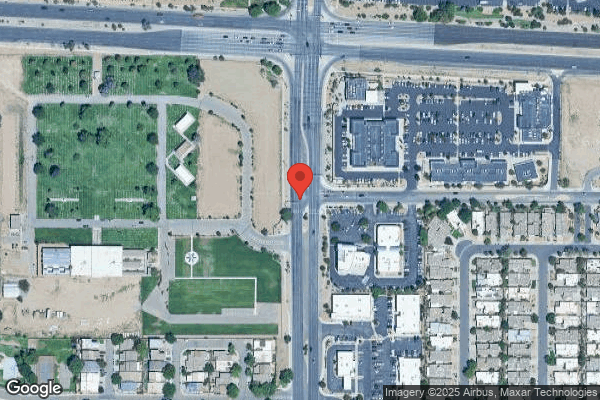




Las Palomas Center

8100 Palomas Avenue Ne, Albuquerque, NM 87109 (505) 821-4200
For profit - Limited Liability company 120 Beds GENESIS HEALTHCARE Data: November 2025 3 Immediate Jeopardy citations
Trust Grade
0/100
#61 of 67 in NM
Last Inspection: July 2024

Within standard 12-15 month inspection cycle. Federal law requires annual inspections.

Overview

Families considering Las Palomas Center should be aware that it has received a Trust Grade of F, indicating significant concerns about the facility's performance. Ranking #61 out of 67 nursing homes in New Mexico places it in the bottom half, and #17 out of 18 in Bernalillo County suggests that there is only one local option that is better. While the facility's trend is improving, with a slight decrease in reported issues from 26 in 2024 to 25 in 2025, the staffing situation is troubling, with a high turnover rate of 67%, significantly above the state average. The facility has incurred $297,364 in fines, which is higher than 98% of facilities in New Mexico, pointing to ongoing compliance problems. Additionally, there have been critical incidents, including a resident suffering a third-degree burn acquired in-house and another resident experiencing untreated eye irritation despite requests for care, highlighting both serious issues and the need for improvement in resident care.

Trust Score
F
0/100
In New Mexico
#61/67
Bottom 9%
Safety Record
High Risk
Review needed
Inspections
Getting Better
26 → 25 violations
Staff Stability
⚠ Watch
67% turnover. Above average. Higher turnover means staff may not know residents' routines.
Penalties
✓ Good
$297,364 in fines. Lower than most New Mexico facilities. Relatively clean record.
Skilled Nurses
⚠ Watch
Each resident gets only 28 minutes of Registered Nurse (RN) attention daily — below average for New Mexico. Fewer RN minutes means fewer trained eyes watching for problems.
Violations
⚠ Watch
84 deficiencies on record. Higher than average. Multiple issues found across inspections.
★☆☆☆☆
1.0
Overall Rating
★☆☆☆☆
1.0
Staff Levels
★★★☆☆
3.0
Care Quality
★☆☆☆☆
1.0
Inspection Score
Stable
2024: 26 issues
2025: 25 issues

The Good

  • Full Sprinkler Coverage · Fire safety systems throughout facility
  • No fines on record

Facility shows strength in fire safety.

The Bad

1-Star Overall Rating

Below New Mexico average (2.9)

Significant quality concerns identified by CMS

Staff Turnover: 67%

21pts above New Mexico avg (46%)

Frequent staff changes - ask about care continuity

Federal Fines: $297,364

Well above median ($33,413)

Significant penalties indicating serious issues

Chain: GENESIS HEALTHCARE

Part of a multi-facility chain

Ask about local staffing decisions and management

Staff turnover is elevated (67%)

19 points above New Mexico average of 48%

The Ugly 84 deficiencies on record

3 life-threatening 1 actual harm
Jun 2025 7 deficiencies
CONCERN (D) 📢 Someone Reported This

A family member, employee, or ombudsman was alarmed enough to file a formal complaint

Potential for Harm - no one hurt, but risky conditions existed

Deficiency F0583 (Tag F0583)

Could have caused harm · This affected 1 resident

**NOTE- TERMS IN BRACKETS HAVE BEEN EDITED TO PROTECT CONFIDENTIALITY** Based on observation and interview the facility failed to safeguard clinical record information by leaving Private Health Inform...

Read full inspector narrative →
**NOTE- TERMS IN BRACKETS HAVE BEEN EDITED TO PROTECT CONFIDENTIALITY** Based on observation and interview the facility failed to safeguard clinical record information by leaving Private Health Information (PHI) where unauthorized persons had access to it for the residents of Unit 1 and Unit 2 during random observations. If the resident's clinical information is not sufficiently safe guarded, resident's PHI is likely to be viewed by unauthorized residents, visitors, and staff. The findings are: A. On 06/02/25 at 8:50 AM, during a routine observation of Unit 1 nurses' station, a vital sign sheet was face-up on the counter, displayed the vital signs and names of all the residents in Unit 1. This information was visible to any unauthorized persons approaching the nurses' station. B. On 06/02/25 at 8:53 AM, during an interview with Licensed Practical Nurse (LPN) #1, he confirmed that the vital sign sheet had been left face-up on the counter, making the information visible to all. He stated that it should have been placed face-down. C. On 06/02/25 at 9:17 AM, during a routine observation of Unit 2 nurses' station, a daily resident census sheet was face-up on the counter, displaying the names and room numbers of all residents in the facility. This information was visible to any unauthorized persons approaching the nurses' station. D. On 06/02/25 at 9:19 AM, during an interview with LPN #2, she confirmed that the daily census sheet had been left face-up on the counter, making it visible to all. She stated that it should not have been left face-down. E. On 06/02/25 at 9:23 AM, during a routine observation of Unit 1, a weight list containing the weights of all residents in the facility was found on a clipboard hanging outside room [ROOM NUMBER], facing outward, where it was visible to anyone passing by. F. On 06/02/25 at 9:25 AM, during an interview with LPN #1, he confirmed that the weight list sheet had been left hanging facing outward and should not have been.
CONCERN (D) 📢 Someone Reported This

A family member, employee, or ombudsman was alarmed enough to file a formal complaint

Potential for Harm - no one hurt, but risky conditions existed

Deficiency F0804 (Tag F0804)

Could have caused harm · This affected 1 resident

Based on observation and interview, the facility failed to serve food at a safe and appetizing temperature for 1 (R #2) of 1(R #2) resident reviewed for food preference. This deficient practice is lik...

Read full inspector narrative →
Based on observation and interview, the facility failed to serve food at a safe and appetizing temperature for 1 (R #2) of 1(R #2) resident reviewed for food preference. This deficient practice is likely to result in residents consuming less food causing weight loss and malnutrition. The findings are: A. On 06/03/25 during observation of the meal service in the 120 hallway, meal trays arrived at the unit at 12:36 pm for the midday meal service. Meals were on trays that were being held in a tray cart that was closed. Staff began to serve the meals at 12:39 pm. The cart doors were opened and closed as meals were removed from the cart and taken to the assigned room. Each tray removed had a main plate that was covered by a warming cover. All trays were passed out by 12:41 pm. The last tray was held to serve as a test tray. B. On 06/03/25 at 12:44 pm during observation of the the 120 hallway, the Dietary Manager (DM) arrived to the area and he took the test tray from the cart and took the temperatures of the food contained on the test tray. The tray contained a hamburger, broccoli, tater tots (a form of French-fried potatoes), a cookie and several cold drinks. C. On 06/03/25 at 12:45 pm during interview with the DM, he stated that the temperature of the hamburger was 96.8 degrees Fahrenheit and the temperature of the broccoli was measured at 94.7 degrees Fahrenheit. He stated he could not measure the temperature of the tater tots. DM acknowledged that these temperatures were too cool, and the temperatures of the last tray served should be about 130 degrees Fahrenheit. D. On 06/03/25 at 1:00 pm during interview with R #2, she stated that she had just received her meal and that most days her tray arrived with food that was cool to the taste and touch.
CONCERN (D) 📢 Someone Reported This

A family member, employee, or ombudsman was alarmed enough to file a formal complaint

Potential for Harm - no one hurt, but risky conditions existed

Medical Records (Tag F0842)

Could have caused harm · This affected 1 resident

Based on record review and interview, the facility failed to ensure medical records were updated and accurate for 1 (R #2) of 1 (R #2) resident reviewed. If resident medical records are not complete, ...

Read full inspector narrative →
Based on record review and interview, the facility failed to ensure medical records were updated and accurate for 1 (R #2) of 1 (R #2) resident reviewed. If resident medical records are not complete, accurate and up to date, then resident care may be delayed or duplicated. The findings are: A. Record review of R #2's face sheet dated 06/05/25 revealed he was admitted to the facility on on 04/01/25. B. Record review of R #2's provider order dated 04/25/25 stated: give Imodium A-D (a medication that treats diarrhea (a condition of frequent watery stools) 1 tablet by mouth every four hours as needed. C. Record review of R #2's daily medication administration record (MAR) dated June 2025 revealed that on 06/03/25, no Imodium A-D had been given as of 06/03/25 at 12:00 pm when the MAR was reviewed. D. On 06/03/25 at 12:10 pm during interview with Licensed Practical Nurse (LPN) 2, she stated that she had given R #2 a dose of Imodium A-D during the morning medication pass at about 8:00 am. She reviewed the MAR and acknowledged the dose of Imodium A-D had not been documented. She stated she had not documented the administration of the medication because she was very busy and stated she would be documenting the medication as soon as possible. E. On 06/03/25 at 1:45 pm during interview with the Director of Nursing, she stated that all medications should be documented at the time they are given. She stated that nurses are instructed to draw a medication from the cart and administer the medication immediately and to then document the administration of the medication immediately afterward. She stated that there should be no delay between giving and documenting medications.
CONCERN (D) 📢 Someone Reported This

A family member, employee, or ombudsman was alarmed enough to file a formal complaint

Potential for Harm - no one hurt, but risky conditions existed

Deficiency F0849 (Tag F0849)

Could have caused harm · This affected 1 resident

**NOTE- TERMS IN BRACKETS HAVE BEEN EDITED TO PROTECT CONFIDENTIALITY** Based on record review and interview, the facility failed to ensure that there was a coordinated plan of care for 1 (R #2) of 1 ...

Read full inspector narrative →
**NOTE- TERMS IN BRACKETS HAVE BEEN EDITED TO PROTECT CONFIDENTIALITY** Based on record review and interview, the facility failed to ensure that there was a coordinated plan of care for 1 (R #2) of 1 (R #2) resident reviewed for hospice services. This deficient practice is likely to result in the resident not receiving the services that he needs. The findings are: A. Record review of R #2's admission Minimum Data Set (MDS), dated [DATE], Section O, Special Treatments, Procedures and Programs revealed the resident was on hospice care. B. On 06/02/25 at 12:25 PM during an interview with Hospice Registered Nurse (HRN) #1, he stated that hospice charting is done on a tablet and then printed and given to the facility. He further stated that a hospice binder was brought upon R #2's admission that contained the hospice coordinated plan of care and admitting documentation. C. On 06/03/25 at 8:34 AM during an interview with Licensed Practical Nurse (LPN) #3, she stated that the facility does not have hospice binders, and all hospice documentation is in the Electronic Medical Record (EMR). D. Record review of R #2's EMR revealed that the Coordinated Plan of Care was not present in the Medical Record. E. On 06/03/25 at 1:40 PM during interview, the Director of Nursing confirmed that there was not a coordinated plan of care available for review.
CONCERN (E) 📢 Someone Reported This

A family member, employee, or ombudsman was alarmed enough to file a formal complaint

Potential for Harm - no one hurt, but risky conditions existed

Deficiency F0658 (Tag F0658)

Could have caused harm · This affected multiple residents

**NOTE- TERMS IN BRACKETS HAVE BEEN EDITED TO PROTECT CONFIDENTIALITY** Based on record review and interview, the facility failed to provide care that met professional standards for 1 (R #2) of 1 (R #...

Read full inspector narrative →
**NOTE- TERMS IN BRACKETS HAVE BEEN EDITED TO PROTECT CONFIDENTIALITY** Based on record review and interview, the facility failed to provide care that met professional standards for 1 (R #2) of 1 (R #2) resident when medications were administered which were contraindicated (medications that counteract each other) resulting in the resident experiencing diarrhea (a condition characterized by excessive and loose, watery bowel movements). This deficient practice is likely to result in residents being uncomfortable, developing skin damage and becoming dehydrated (a condition where the body loses more fluids than it takes in). The findings are: A. Record review of R #2 face sheet dated 06/05/25 revealed he was admitted to the facility on [DATE] with the following diagnoses: -Aneurysm (a weak spot of the wall of an artery) of Iliac Artery (a major artery in the lower body that supplies oxygenated blood to the lower limbs). -Hemiplegia (paralysis or severe weakness of one side of the body) Left side B. Record review of R #2's provider orders revealed the following medication orders: -Started 04/01/25, Sennosides-Docusate (medication prescribed to treat and reduce constipation (infrequent and hard to pass bowel movements) 8.6 -50 MG (milligrams) give 1 tablet twice daily for constipation. Discontinued and replaced on 06/04/25 to give 1 tablet every 12 hours as needed for constipation. -Started 04/25/25 Loperamide (medication prescribed to treat and reduce diarrhea) 2 MG give 1 tablet every 4 hours as needed for diarrhea. -Started 04/01/25 Morphine (narcotic medication that treats pain) 20 mg/ml give 0.25 mil every 4 hours as needed for pain. C. Record review of R #2's Medication Administration Record (MAR) revealed the following medication administrations: Loperamide -05/08/25 Loperamide 1 tablet given at 10:03 am and listed as E (effective). -05/18/25 Loperamide 1 tablet given at 9:57 pm and listed as E. -05/19/25 Loperamide 1 tablet given at 7:29 am and listed as E. -05/22/25 Loperamide 1 tablet given at 5:22 am and listed as I (ineffective). -05/28/25 Loperamide 1 tablet given at 4:35 am and listed as U (ineffective). -05/29/25 Loperamide 1 tablet given at 9:21 am and listed as E. -05/31/25 Loperamide 1 tablet given at 5:28 am and listed as E. -06/02/25 Loperamide 1 tablet given at 2:18 am. -06/03/25 Loperamide 1 tablet given at 8:29 am. -06/03/25 Loperamide 1 tablet given at 12:36 pm. -Sennoside-Docusate 1 tablet was given at 8:00 am and 8:00 pm on all of the days during the month of May except: 05/09/25 at 8:00 am. D. Record review of R #2's daily care notes revealed the following: -05/18/25 at 10:14 pm nurse note: writer was called to R #2's room because he had diarrhea for the past month. Writer did not know about ongoing diarrhea. The oncall provider was notified and was told to give Loperamide and if no relief contact the PCP (Primary Care Provider). -05/19/25 at 12:30 am On-Call provider note: Assessment-Diarrhea, give Imodium (trade name for Loperamide) and hold Senna (Sennosides-Docusate) for the morning. -05/19/25 at 5:31 am nurse note: Resident (R #2) had two more episodes of diarrhea after medication (Loperamide) was given. Will pass on to oncoming nurse. -05/22/25 at 5:40 am nurse note: resident had two episodes of loose stools this shift Loperamide given. E. On 06/02/25 at 10:30 am during an interview with R #2, he stated, that he feels dirty and smells horrible, he does not want to get out of bed or go out of his room because of his diarrhea. He is not able to control when he goes to the bathroom. He further stated that he needs to be changed several times a day and the staff is not always available to change him and he is left dirty for long periods of time. He has requested that he be showered instead of bed baths because he would feel much cleaner, but they have not honored that request. F. On 06/03/25 at 11:50 am during interview with Certified Nurse Aide (CNA) #1, she stated that she was usually assigned to the unit where R #2 was a resident. She stated she was very familiar with him and his care. She stated that she was aware during her days on the unit that R #2 was complaining of diarrhea almost daily. She stated she had completed brief changes for R #2 several times each day that she had worked. She stated with each brief change, she noted that his bowels were very loose and watery, had a foul smell and was sometimes green in color. She stated she had passed this information on to R #2's assigned nurse with each shift she worked. She stated that from her observations, R #2 was having frequent daily bouts of diarrhea for at least the last two weeks. G. On 06/03/25 at 12:10 pm during interview with Licensed Practical Nurse (LPN #2), she stated that she was the nurse assigned to R #2 today, 06/03/25. She stated that she was also assigned to his care the past two days on 06/01/25 and 06/02/25. She stated she was aware that R #1 has had diarrhea on each of the past two days. She stated she had given him Loperamide today 06/03/25 and yesterday 06/02/25. She stated she had held R #1's morning dose of Sennosides-Docusate each day since 06/01/25. She stated the two medications should not be given together. H. On 06/03/25 at 1:00 pm during phone interview with the facility assigned Nurse Practitioner (NP), she stated that common medical practice would be to order the Sennosides-Ducosate daily for a resident who is prescribed narcotic pain medications. She stated that if a resident receiving Sennosides-Ducosate started having diarrhea then common medical practice would be to hold or discontinue the Sennosides-Ducosate and administer Loperamide as needed until the diarrhea ends. She stated that administering both medications at the same time on a daily basis over an extended period of time would be contraindicated as one medication would counteract the other. I. On 06/03/25 at 1:47 pm during interview with Director of Nursing (DON), she reviewed R #2's medical record and his record of medication administration. DON stated that R #2 had an order to administer Sennosides-Ducosate daily. She stated this was a common order for any resident who was receiving narcotic medications to prevent a resident from becoming constipated. She also acknowledged that R #2 had received multiple doses of Loperamide. She stated a resident should not receive both medications at the same time and that a resident who is having diarrhea should not be administered Sennosides-Ducosate at the same time. DON stated that the nurses should have held his Sennosides-Ducosate until the diarrhea had cleared or contacted the provider to notify them of the diarrhea and the contraindicated medications.
CONCERN (E) 📢 Someone Reported This

A family member, employee, or ombudsman was alarmed enough to file a formal complaint

Potential for Harm - no one hurt, but risky conditions existed

ADL Care (Tag F0677)

Could have caused harm · This affected multiple residents

**NOTE- TERMS IN BRACKETS HAVE BEEN EDITED TO PROTECT CONFIDENTIALITY** Based on record review, and interview, the facility failed to provide activities of daily living (ADL; activities related to per...

Read full inspector narrative →
**NOTE- TERMS IN BRACKETS HAVE BEEN EDITED TO PROTECT CONFIDENTIALITY** Based on record review, and interview, the facility failed to provide activities of daily living (ADL; activities related to personal care such as bathing, showering, dressing, walking, toileting, and eating) assistance for baths and showers for 1 (R #2) of 1 (R #2) resident reviewed for ADL care. This deficient practice is likely to affect the dignity and health of the residents. The findings are: A. Record review of R #2's face sheet revealed R #2 was admitted into the facility on [DATE]. B. On 06/02/25 at 10:30 AM during an interview with R #2, he stated that he was not receiving showers which he prefers and has requested showers. Instead, he has been given bed baths, and those are inconsistent. He further stated that he had not received a bed bath in about two weeks and that he cannot stand his own stench, which makes him feel like a pig. C. Record review of R #2's care plan dated 10/03/22 revealed, Focus: [Name of R #2] requires assistance for ADL care in bathing, grooming, personal hygiene, dressing, eating, bed mobility, transfer, locomotion, toileting related to CVA (Cerebrovascular accident-medical term for a stroke or brain attack) with limited mobility. Focus: [Name of R #2] is at risk for falls R/T (related to) debility (physical weakness), sedating medications and history of CVA . Interventions: Assistance of two staff members for all transfers. D. Record review of the Shower Schedule revealed R #2 is scheduled to shower on Wednesdays and Saturdays. E. Record review of R #2's Documentation Survey Report (used to chart on resident care) dated April 2025 revealed the report did not contain any documented showers or refusals for the month of April. F. Record review of R #2's Documentation Survey Report dated May 2025 revealed the report did not contain any documented showers or refusals for the month of May. G. Record review of R #2's Shower Sheets revealed R #2 was given four bed baths in the month of May 2025 and for the month of April 2025 shower sheets were not available to review. H. On 06/03/25 at 11:52 AM, during an interview with Certified Nurse Aid (CNA) #1, she stated that hospice is responsible for R #2's showers. She further stated that R #2 had informed her that he would like showers instead of bed baths and she let the floor nurse know of R #2's preference, CNA was unsure of the date she let the floor nurse know. I. On 06/03/25 at 12:09 PM, during an interview with Licensed Practical Nurse (LPN) #2, she stated that she has called hospice multiple times because no one has come here to give R #2 a shower, that is (giving R #2 a shower) part of his hospice care. She further stated facility CNA's will give him a bed bath when hospice does not come in. LPN #2 then confirmed R #2 has not had a shower and I do not know why. J. On 06/03/25 at 1:40 PM during an interview with the Director of Nursing (DON), she stated residents should be getting showers if that is their preference and he should be offered showers on the day he is scheduled to have a shower. She further stated that even if hospice is providing showers the facility should still be offering showers to hospice residents.
CONCERN (F) 📢 Someone Reported This

A family member, employee, or ombudsman was alarmed enough to file a formal complaint

Potential for Harm - no one hurt, but risky conditions existed

Food Safety (Tag F0812)

Could have caused harm · This affected most or all residents

Based on observation and interview, the facility failed to store and serve food under sanitary conditions when staff failed to ensure: 1. Food items were labeled and dated in the kitchen refrigerator ...

Read full inspector narrative →
Based on observation and interview, the facility failed to store and serve food under sanitary conditions when staff failed to ensure: 1. Food items were labeled and dated in the kitchen refrigerator and freezer. 2. Eggs should be refrigerated, kept cold or on ice when out of the refrigerator. 3. Floor in the facility freezer was clean (spilled milk) and free of debris (paper) These deficient practices are likely to affect all 95 residents listed on the resident census list provided by the Administrator on 06/02/25 and are likely lead to foodborne illnesses in residents if food is not being stored properly and safe food handling practices are not adhered to. The findings are: A. On 06/02/25 at 9:15 am during a walk through of the facility's kitchen revealed the following: 1. 2 large serving trays with what appeared to be pieces of cake were unlabeled and undated. 2. 3 bags of whipped topping were undated 3. 1 container of what appeared to be sugar was on the shelf unlabeled and undated 4. Pitcher of juice in the refrigerator was unlabeled and undated 5. A tray of what appeared to be thickened juice was unlabeled and undated in the refrigerator. 6. 1 tray of eggs was out and was not sitting on ice, was under the food warmer then staff removed the tray of eggs and placed back in the refrigerator. (Eggs were warm to the touch) 7. Floor in the freezer had spilled milk and paper and plastic wrappers were on the floor . B. On 06/02/25 at 9:20 am during an interview with the Dietary Manager (DM), he confirmed the findings listed above, and stated foods should be labeled and dated, eggs should be on ice or refrigerated and freezers should be kept free of debris.
Apr 2025 14 deficiencies 2 IJ (1 affecting multiple)
CRITICAL (J) 📢 Someone Reported This

A family member, employee, or ombudsman was alarmed enough to file a formal complaint

Immediate Jeopardy (IJ) - the most serious Medicare violation

Notification of Changes (Tag F0580)

Someone could have died · This affected 1 resident

**NOTE- TERMS IN BRACKETS HAVE BEEN EDITED TO PROTECT CONFIDENTIALITY** Findings related to R #6 Cross reference to F684. R. Record review of R #6's Wound Evaluation, dated 11/28/24, revealed the foll...

Read full inspector narrative →
**NOTE- TERMS IN BRACKETS HAVE BEEN EDITED TO PROTECT CONFIDENTIALITY** Findings related to R #6 Cross reference to F684. R. Record review of R #6's Wound Evaluation, dated 11/28/24, revealed the following: - Burn, third degree. - Staged by in-house nursing. - Located on sacrum (a large flat bone in the lower part of the spine.) - Minutes old and acquired in-house (at the facility.) - Measurements: length 6.64 centimeters (cm), width 4.2 cm, depth 0.2 cm, area 15.95 cm². - Wound bed: Epithelial tissue (a thin, continuous layer of cells) present, granulation tissue (new connective tissue and blood vessels, a sign of wound healing) present. - Moderate serosanguineous (clear or light pink, thin, watery fluid) exudate (body fluid discharged by the body in response to tissue damage and wound healing.) - Edges attached, surrounding tissue erythema (redness.) - Temperature was hot, localized. - Resident reported pain at a 7 out of 10 during dressing. - Treatment: Generic wound cleanser, composite dressing, and Xeroform bordered gauze. - Notes: Resident's skin was hot to touch with a heating pad under her. The resident's skin was thin and fragile. Removed the heating pad. - Education: The resident was educated about the risk factors involved in using a heating pad. Resident was strongly advised to discontinue use of the heating pad and to shift weight in bed frequently. - Notification: None documented. - Digitally signed by the facility's Skin Health Team Lead (SHTL) on 11/29/24 at 12:33 pm. S. Record review of R #6's medical record revealed the following the record did not contain documentation staff notified the resident's doctor of the third degree burn on the resident's sacrum. T. Record review of R #6's Progress Note, dated 12/02/25, revealed the following: - Visit type was acute follow-up. - Chief complaint and nature of the presenting problem: Follow-up of admitting medical diagnoses, including depression. - Resident was a fairly inconsistent historian but at time of encounter denied complaint or concern. - Nursing staff denied new or worsening behaviors, recent fall or injury, unstable vital signs, or other complaint or concern. - The record did not mention the resident's sacrum burn or treatment for the burn. - Digitally signed and dated by the Nurse Practitioner on 12/03/24 at 4:55 pm. U. Record review of R #6's Wound Evaluation, dated 12/04/24, revealed the following: - Burn, third degree. - Staged by in-house nursing. - Located on sacrum. - Six days old and acquired in-house. - Measurements: length 6.24 cm, width 3.9 cm, depth 0.2 cm, area 18.24 cm². - Wound bed 70 percent (%) epithelial, 70% granulation, 20% slough (yellow stringy tissue adhered to wound bed.) - Evidence of infection: increased drainage, increased pain. - Bleeding. - Moderate serosanguineous exudate with faint odor after cleaning. - Edges attached, surrounding tissue erythema. - Resident reported pain at a 7 out of 10 during dressing. - Dressing appeared saturated. - Treatment: Vashe (wound cleanser), Medihoney (wound and burn gel), foam, incontinence management. - Healable. - Stable. - Notification: None documented. - Digitally signed and dated by the facility's SHTL on 11/4/25 at 1:05 pm. V. Record review of R #6's Progress Note, dated 12/06/25, revealed the following: - Visit type: Discharge. - Chief complaint and nature of the presenting problem: Discharge summary and plan. - The resident was initially to be seen today for discharge summary and plan. The NP was contacted by the wound care nurse and notified the resident had a burn to her back. The burn reported had an odor and greenish discharge. The resident was asymptomatic without indication of sepsis or systemic infection. Patient lay in bed, and did not appear to be in acute distress. Resident was a poor historian secondary to dementia, and the NP was unable to reposition the resident at the time of the encounter in order to examine the resident's back. Order to apply silver sulfadiazine cream (antibiotic cream for serious skin infections and burns) 1% placed with wound care nurse. No other concerns noted at time of encounter. - Discharge home. - Discharge condition stable. - Diagnosis: Superficial burn. - Plan for superficial burn: No signs of systemic infection. Continue silver sulfadiazine 1% cream twice daily. Follow-up with primary care physician for further management. - Digitally signed by the NP on 12/9/25 at 8:24 pm. W. On 03/05/25 at 2:17 pm, during an interview, R #6's daughter stated her mother was admitted to the facility on [DATE] for rehabilitation to get her strength up. She stated she was not aware of any of her mother's wounds when her mother arrived at the facility. The daughter stated there was a care plan meeting on 11/18/24, and the staff told her about her mother's pressure ulcers. The daughter stated she visited her mother almost every day, sometimes in the morning and sometimes in the afternoon. She stated she visited her mother early in the day on 12/04/24, and the wound nurse stated she did not like the way her mother's sacrum wound looked because it was turning green. The daughter stated the wound nurse took a picture and sent it to her and told her she would send the picture to the doctor. The daughter stated it had been four days since she saw her mother and it looked a lot worse than the last time she saw the wound. She stated she asked the wound nurse what she was looking at in the picture, and the wound nurse told her it was slough, which could lead to infection. The daughter stated she spoke to a Certified Nursing Assistant (CNA) on 12/07/25, and the CNA stated her mother was not feeling well and did not go to dialysis. The daughter stated the CNA reported she applied a salve to her mother's wound twice a day, and her mother's wound had a smell to it. The daughter stated over the next couple days her mother did not look well. She stated by the day she discharged (12/09/24) her mother looked horrible and was sweating. She stated the CNAs did not know why her mom was sweating. The daughter stated they tried to move her mother into a chair, but her mother begged to get back into bed. The daughter stated her mother was supposed to discharge from the nursing home at noon on 12/09/24, but she was not ready on time. She stated her mother was in an unusual amount of pain when the two CNAs transferred her into a wheelchair, and her mother was confused and agitated. She stated her mother was not mentally herself, and her back was covered with sweat. The daughter stated the facility did not have transportation to take her mother to the Assisted Living Facility (ALF) which was right down the street from the facility. She stated two CNAs from the facility were not able to transfer her mother into her car, because her mother was in a lot of pain. She stated her mother was propelled in a wheelchair up the street to the ALF. She stated when her mother got to the ALF, staff put her right to bed, and her mother calmed down. The daughter stated her mother was in too much pain to sit up. The daughter stated her mother was scheduled for dialysis on 12/10/24, but the dialysis center sent her mother to the emergency room, because her heart rate was very low. The daughter stated her mother was admitted to the hospital with a diagnosis of septic shock. They told her that her mother had a racing heart rhythm, low blood pressure, and was incoherent. The daughter stated her mother was too weak for a full session of dialysis, and she passed away in the hospital eight days later. X. On 03/06/25 at 11:26 am, during an interview, the Physician Assistant (PA) stated she was at the facility Monday through Friday, every week; and she was responsible for seeing each resident, evaluating new conditions, diagnosing, prescribing treatments, and following-up with the residents. She stated it was expected for staff to notify her if a resident had a change of condition, medication issue, or a physical condition which required her attention. She stated staff could notify her while she was at the facility or call her at the on-call number if she was not at the facility. The PA reviewed R #6's initial wound documentation, dated 11/28/24, and stated she would expect staff to notify her of a wound like that. The PA stated she would have prescribed a barrier cream for the wound. Y. On 03/07/25 at 11:38 am, during an interview, the Medical Director (MD) stated she has been the facility's MD for several years. She stated she was not familiar with R #6, but she reviewed the resident's discharge summary. The MD reviewed R #6's initial wound documentation, dated 11/28/24, and stated she would expect staff to notify her of the wound. She stated she did not recall if staff notified her of the wound. She stated the wound care nurse would decide and implement the treatment for the wound, but she still wanted to be notified of the wound. The MD reviewed R #6's wound documentation, dated 12/03/24, and stated she was not notified of the resident's wound at this point. She stated the wound appeared to be worsening, and the measurements did not appear to be accurate. The MD stated she needed to see and smell the resident's wound in order to make a treatment decision. She stated she expected the NP to give the resident some pain medication and look at the wound. She stated the NP should not have prescribed a treatment without looking at the wound. The MD stated it was not acceptable to treat the wound without looking at it. She stated she would not have discharged the resident with a wound like that, because the resident needed care. Z. On 03/06/25 at 1:27 pm and 03/07/25 at 1:45 pm, during an interview, the Skin Health Team Lead stated a Certified Nursing Assistant (CNA) told her about R #6's sacrum wound. She stated after she looked at the wound, she contacted a wound care company and the facility's Administrator regarding the wound. She stated she tried to text a number the nurse gave her for R #6's doctor. The SHTL stated she did not contact the facility's NP or the Medical Director, because she did not have a number for them. She stated she did not follow-up with the number the nurses gave her for the resident's doctor to ensure she had the right number or information. The SHTL stated she did not contact the resident's family regarding the wound. Based on record reviews and interviews, an Immediate Jeopardy (IJ) was identified. The facility Administrator was notified on 03/05/25 at 3:21 pm. The facility took corrective action by providing an acceptable Plan of Removal (POR). The Plan of Removal was approved on 03/06/25 at 12:10 pm. Plan of Removal All residents have the potential to be affected by this alleged deficient practice. - A whole house audit of heated electrical devices, completed on 02/27/25. - A whole house skin sweep audit to identify any undocumented wounds, completed on 12/30/25. - A second whole house skin sweep was conducted to identify undocumented wounds, completed on 02/03/25. - Direct care staff were educated on wound documentation, starting 01/08/25. - CNAs were educated on the Stop and Watch Process, from 01/21/25 through 01/27/25. - Nurses and CNAs were educated on prohibiting on the use of electrical appliances, completed 02/27/25. - Center Nurses were re-educated on skin assessments weekly per schedule, starting on 03/05/25. - Nurses were educated on their responsibility with communication with management and provider for the change in condition process/documentation, starting on 03/05/25. - Nurses were educated on the facility's wound processes, timely and accurate identification of wounds, documentation for wound/wound changes, change in condition process, and appropriate treatment/intervention implementation upon identification of new or worsening wounds, starting on 03/05/25. - CNAs were educated on change in condition process for CNAs and Stop and Watch, starting on 03/05/25. - The DON/Designee will perform audit education sign-off sheets to ensure all nursing staff receive education as outlined, starting 03/05/25. - The DON/Designee will conduct five random audits on heated electrical devices and skin assessment accuracy weekly for wound care process abidance, starting 03/05/25. - An Ad Hoc QAPI meeting was held on 03/05/25 to approve the POR. - The DON/Designee and the Administrator/Designee will bring the results of the audits to the QAPI committee for three months. - The Administrator will oversee the QAPI committee. Implementation of the POR was verified onsite on 03/07/25 by conducting observations, record reviews, and staff interviews. Scope and Severity was reduced to Level 2, G. Implementation was verified through: Record review of skin sweeps, dated 12/30/25 and 02/03/25. Record review of electrical appliance audits, dated 02/27/25. Record review of skin assessment audits, date 03/05/25. Observations of wound care on 03/06/25 at 1:27 pm for R #4 and on 03/06/25 at 2:40 pm for R #5. Record review for R #4 and R #5 regarding wounds and wound care. Interviews of four CNAs regarding in-services and Stop and Watch process. Interviews of two nurses regarding in-services and wound documentation and communication. Interview with the SHTL regarding in-services and processes regarding wound documentation and orders for treatment. Interview with the Administrator and DON regarding POR, audits, and wound processes. Based on observation, record review, and interview, the facility failed to notify the resident's physician for 2 (R #2 and #6) of 2 (R #2 and #6) residents reviewed when: 1. R #2 began having difficulty feeding herself with low meal intake percentages 2. R #6 developed a sacrum wound These deficient practices likely resulted in R #2 not getting the assistance she needed resulting in a decrease in meal intake and a delay in treatment and deterioration in R #6's wound likely resulting in the wound becoming septic. The findings are: Findings for R #2 A. Record review of R #2's face sheet revealed R #2 was admitted into the facility on [DATE]. B. Record review of R #2's care plan dated 01/27/25 revealed the following: 1. R #2 exhibits impaired swallowing related to dementia; Provide assistance during meals and provide supervision during meals. 2. R #2 is a nutritional risk related to skin breakdown; Weigh per policy and as needed, and alert dietitian and physician to any significant weight loss or gain. C. Record review of the facility meal consumption percentage (%) tracking form dated 02/03/25 through 02/20/25 (breakfast), revealed the following: - 02/03/25: R #2 ate 25% of her breakfast, 50% of her lunch, and 25% of her dinner. - 02/04/25: R #2 ate 50% of her breakfast, 75% of her lunch, and 25% of her dinner. - 02/05/24: R #2's meal intake was not recorded. - 02/06/25: R #2 ate 50% of her breakfast, 50% of her lunch, and 75% of her dinner. - 02/07/25: R #2 ate 50% of her breakfast, 25% of her lunch, and 75% of her dinner. - 02/08/25: R #2 ate 100% of her breakfast, 25% of her lunch, and 25% of her dinner. - 02/09/25: R #2 ate 50% of her breakfast, 25% of her lunch, and 75% of her dinner. - 02/10/25: R #2 ate 50% of her breakfast, 50% of her lunch, and 75% of her dinner. - 02/11/25: R #2 ate 50% of her breakfast, 50% of her lunch, and 75% of her dinner. - 02/12/25: R #2 ate 50% of her breakfast, 25% of her lunch, and 50% of her dinner. - 02/13/25: R #2 ate 25% of her breakfast, 25% of her lunch, and 0% of her dinner. - 02/14/25: R #2 ate 25% of her breakfast, 25% of her lunch, and 25% of her dinner. - 02/15/25: R #2 ate 50% of her breakfast, 25% of her lunch, and 100% of her dinner. - 02/16/25: R #2 ate 75% of her breakfast, 25% of her lunch, and 25% of her dinner. - 02/17/25: R #2 ate 25% of her breakfast, 50% of her lunch, and 25% of her dinner. - 02/18/25: R #2 ate 50% of her breakfast, 50% of her lunch, and 50% of her dinner. - 02/19/25: R #2 ate 100% of her breakfast, lunch was not recorded, and 100% of her dinner. - 02/20/25: R #2 ate 75% of her breakfast. R #2's meal consumption percentage was not recorded prior to 02/03/25. D. Record review of R #2's Electronic Health Record (EHR) banner reviewed on 02/19/25 revealed Set-up for all meals and no feeding assistance required. E. On 02/19/25 at 2:08 pm during an interview with R #2's Power of Attorney (POA; authority to act for another person in specified or all legal or financial matters), she stated that on multiple occasions, R #2's meal tray was left in front of her untouched by R #2. R #2's POA also stated that R #2 requires assistance with feeding, but the facility is not helping with that. F. On 02/19/25 at 3:41 pm during an interview with Licensed Practical Nurse (LPN) #2, she stated that R #2 is a set-up help only for meals. LPN #2 confirmed that she was not aware of R #2 experiencing difficulty feeding herself. G. On 02/19/25 at 4:37 pm during an interview with LPN #3, she stated that the majority of the time the facility CNAs (Certified Nursing Assistant's) will only set up R #2's meal and they will not assist her with feeding. LPN #3 also stated that R #2 usually needs help with feeding, and will require supervision when eating as well. LPN #3 confirmed she would help R #2 with feeding as often as she could, but R #2 required feeding assistance and meal supervision on a consistent basis. H. On 02/19/25 at 5:14 pm during a dinner observation, R #2 was observed lying in bed and then being woken up by CNA #3 for dinner. CNA #3 moved R #2's bed up so R #2 could eat. I. On 02/19/25 at 5:15 pm during an interview with CNA #3, she stated that R #2 was a set-up assist only and the CNAs will check on R #2 as often as they can during the meal service. CNA #3 was observed leaving R #2's room shortly after the interview to continue to pass out resident meal trays in the unit. J. On 02/19/25 at 5:19 pm during a dinner observation, R #2 was observed sitting upright in her bed attempting to eat without staff presence. R #2's spoon was in the middle of her plate and she was trying to eat her orange dessert by licking the side of the dessert dish. R #2 was not successful in doing so. K. On 02/19/25 at 5:28 pm during a dinner observation, CNA #3 is observed returning to R #2's room to assist R #2 with her meal. L. On 02/19/25 at 5:30 pm during an interview with CNA #3, she stated that R #2 was just playing with her food and not eating it, which R #2 does a lot. CNA #3 also stated that R #2 is more dependant on staff assisting her with her meals because she can't feed herself that well anymore. M. On 02/20/25 at 11:49 am during an interview with the Physician's Assistant (PA), she stated that she was not made aware of R #2's inability to feed herself and she would expect the facility nursing staff to notify the facility providers, including the DON of this, especially if there is weight loss. N. On 02/20/25 at 12:38 pm during an interview with the RD, she stated that she was unaware of R #2's low meal consumption percentage and she was also unaware of R #2's self feeding limitations. The RD stated that had not reviewed the facility meal consumption percentage tracking form, and would find out about dietary issues from the facility nursing staff. The RD confirmed that she should have been made aware of R #2's inability to consistently feed herself, and R #2 should be reassessed by the speech therapist to get a better understanding of R #2's feeding limitations. O. On 02/20/25 at 1:04 pm during an interview with the Administrator (ADM), he stated that he would expect the RD to be monitoring the facility meal consumption percentage tracking form. The ADM also stated that the CNAs should be notifying the nursing staff, who should be notifying facility providers of a residents decline in self feeding so it can be addressed in the morning clinical meeting. P. On 02/20/25 at 2:41 pm during an interview with Registered Nurse (RN) #1, she stated that R #2 can raise her hand and wipe her mouth, but she does not believe that R #2 could feed herself successfully. RN #1 stated that she does not think the RD has been made aware of this, but she was unsure. Q. On 02/20/25 at 3:07 pm during an interview with the DON, she stated that if CNAs notice R #2 is struggling to feed herself, then they need to notify nursing staff who should then notify her, the RD, and any provider that needs to be informed of that.
CRITICAL (K) 📢 Someone Reported This

A family member, employee, or ombudsman was alarmed enough to file a formal complaint

Immediate Jeopardy (IJ) - the most serious Medicare violation

Quality of Care (Tag F0684)

Someone could have died · This affected multiple residents

**NOTE- TERMS IN BRACKETS HAVE BEEN EDITED TO PROTECT CONFIDENTIALITY** Findings related to R #7 L. Record review of the complaint allegation received by the State Agency on 01/09/25 revealed that dur...

Read full inspector narrative →
**NOTE- TERMS IN BRACKETS HAVE BEEN EDITED TO PROTECT CONFIDENTIALITY** Findings related to R #7 L. Record review of the complaint allegation received by the State Agency on 01/09/25 revealed that during the holiday (Christmas), three different family members visited R #7 either in person of via Zoom and all three mentioned that her eyes were red, irritated and making R #7 uncomfortable. The cousin who visited in person alerted staff to this and they brought some eye drops. The complainant stated that she specifically requested care for R #7's eyes via email on 12/24/24 and 12/31/24 however there was no response until 01/07/25. M. On 02/15/25 at 12:33 pm during interview with R #7 when asked about her eyes being irritated, she stated Only thing I remember was they were cutting grass and the window was open. She confirmed that her eyes were itchy but it wasn't painful. R #7 remembered the symptoms only lasting one day. N. On 03/05/25 during interview with R #7's daughter, she stated that she her mother has stroke damage and struggles with short term memory loss. She reported that her cousin and niece had visited her mother in December and noticed that her eye was red and bothering her. R #7's daughter stated that she made outreach to the Director of Nursing during Christmas week and she [DON] didn't get back to her. She stated that R #7 looks forward to her hair appointments and was told she was not allowed to go to her hair appointment she had pink eye. This was on 01/07/25. She stated that she came to visit in January and everyone including the executive Director (Administrator) apologized. She stated that when she came to the facility [on 01/07/25], the issue was finally addressed. O. Record review of email provided by R #7's daughter dated 12/26/24 identified that R #7's other daughter had informed her sister that R #7 had itchy runny eyes that was assumed to be attributed to allergies. Another email identified that R #7's daughter had emailed the Unit Manager on 12/31/24 regarding R #7's eyes and received no response until 01/07/25. P. Record review of the Change in Condition Evaluation for R #7 dated 01/07/25 revealed Eye are red along the upper and lower lids. Inside her eyes they are full of mucus. Dr. (Doctor) seen her today and prescribed medicine for 10 days. Date and time of of clinician notification was identified as 01/07/25. Q. Record review of the Medication Administration Record for R #7 dated January 2025 identified an order Pataday Ophithalmic Solution 0.1 % (antihistamine) one drop in both eye s two times a day for allergic conjunctivitis (pink eye) for 10 days started on 01/07/25. R. On 03/05/25 at 12:33 pm during interview with the Administrator regarding R #7, he stated the issue with her eyes was brought up in the morning clinical meeting as a change in condition (01/07/25) and that the provider saw R #7 and then prescribed an ointment. When asked if the family had brought concerns to his attention prior to 01/07/25, he stated that no one had told him about it but that the Activities Director did received an email on 12/26/24 and should have informed the nurse to tell the doctor. The Administrator confirmed that it would be his expectation that staff should have immediately informed the nurse of a change in condition to the resident however there was no evidence that this was done for R #7. R #6 Cross reference to F580, F641, F658, F686, and F880. Z. Record review of R #6's admission Minimum Data Set (MDS; a federally mandated assessment instrument completed by facility staff), dated 11/19/24, revealed the following: - admission date of 11/13/24 from hospital. - Brief Interview of Mental Status (BIMS; a screening for cognitive impairment) score of 15, cognitively intact. - Always incontinent of bladder and bowels. - Diagnoses of end stage renal disease (ESRD; chronic irreversible kidney failure), dependence on renal dialysis renal dialysis (the process of removing extra fluid and waste products from the blood when the kidneys are not able to function properly), and depression. - The resident was at risk of developing pressure ulcers (PU; an injury to skin and underlying tissue resulting from prolonged pressure on the skin.) - The resident had two Stage 1 pressure ulcers (intact skin over a bony prominence with a reddened, painful area of skin that does not turn white when pressed.) - The resident had one Stage 4 pressure ulcer (full thickness tissue loss with exposed bone, tendon, or muscle) present on admission. - The resident had a skin tear (a type of injury where the skin is torn from the body.) - Staff did not document any other skin issues, ulcers, or wounds. AA. Record review of R #6's Wound Evaluation, dated 11/28/24, revealed the following: - Burn, third degree. - Staged by in-house nursing. - Location: Sacrum (a large flat bone in the lower part of the spine.) - Minutes old and acquired in-house (at the facility.) - Measurements: length 6.64 centimeters (cm), width 4.2 cm, depth 0.2 cm, area 15.95 cm² (square centimeters.) - Wound bed: Epithelial tissue (a thin, continuous layer of cells) present, granulation tissue (new connective tissue and blood vessels, a sign of wound healing) present. - Moderate serosanguineous (clear or light pink, thin, watery fluid) exudate (body fluid discharged by the body in response to tissue damage and wound healing.) - Edges attached, surrounding tissue erythema (redness.) - Temperature was hot, localized. - Resident reported pain at a 7 out of 10 during dressing. - Treatment: Generic wound cleanser, composite dressing, and Xeroform bordered gauze. - Notes: Resident's skin was hot to touch with a heating pad under her. The resident's skin was thin and fragile. Removed the heating pad. - Education: The resident was educated about the risk factors involved in using a heating pad. Resident was strongly advised to discontinue use of the heating pad and to shift weight in bed frequently. - Notification: None documented. - Electronically signed by the facility's Skin Health Team Lead (SHTL) on 11/29/24 at 12:33 pm. BB. Record review of R #6's Physician Orders, dated November 2024, revealed the following: - Order dated 11/13/24, pressure redistribution cushion to chair. - Order dated 11/13/24, pressure redistribution mattress to bed. - Order dated 11/29/24, wound care for sacrum lower back. Cleans with generic wound cleanser, pad dry, apply small amount of xeroform, and apply bordered gauze. CC. Record review of R #6's Medication Administration Record (MAR) and Treatment Administration Record (TAR), dated November 2024, the record did not contain wound care orders or documentation staff administered the orders, dated 11/28/25, for the resident's third degree burn to the sacrum. DD. Record review of R #6's medical record revealed the record did not contain any documentation staff administered wound treatments, dated 11/28/25, for the resident's third degree burn to sacrum. EE. Record review of R #6's care plan revealed the following: - Dated 11/13/24, last updated 11/19/24. - The resident was at risk for skin breakdown related to advanced age, decreased activity, frail fragile skin, and limited mobility. - The resident would not show signs of skin breakdown for 90 days. - Interventions: Pressure redistribution surface to chair and bed, weekly skin check by licensed nurse, offload heels while in bed, observe skin condition daily with ADL care and report abnormalities, apply barrier cream with each cleansing. - The record did not document the resident's third degree burn on her sacrum. FF. Record review of R #6's Nursing Skilled Evaluation, dated 11/29/24, revealed the following: - Pain: Indicators of pain: None. - The record did not contain any information in the following areas: skin, special care, safety, completed clinical suggestions, comments. - The record did not address the resident's third degree burn on her sacrum and her wound treatments. - Electronically signed by an agency licensed nurse. GG. Record review of R #6's Progress Note, dated 12/02/25, revealed the following: - Visit type was acute follow-up. - Chief complaint and nature of the presenting problem: Follow-up of admitting medical diagnoses, including depression. - Resident was a fairly inconsistent historian but at time of encounter denied complaint or concern. - Nursing staff denied new or worsening behaviors, recent fall or injury, unstable vital signs, or other complaint or concern. - The record did not address the resident's third degree burn on her sacrum and her wound treatments. - Electronically signed by the Nurse Practitioner on 12/03/24 at 4:55 pm. HH. Record review of R #6's nutrition progress note, dated 12/03/24, revealed the following: - Resident had multiple pressure wounds. - The record did not address the resident's sacrum wound. II. Record review of R #6's Wound Evaluation, dated 12/04/24, revealed the following: - Burn, third degree. - Staged by in-house nursing. - Located on sacrum. - Six days old and acquired in-house. - Measurements: length 6.24 cm, width 3.9 cm, depth 0.2 cm, area 18.24 cm². - Wound bed 70 percent (%) epithelial, 70% granulation, 20% slough (yellow stringy tissue adhered to wound bed.) - Evidence of infection: increased drainage, increased pain. - Bleeding. - Moderate serosanguineous exudate with faint odor after cleaning. - Edges attached, surrounding tissue erythema. - Resident reported pain at a 7 out of 10 during dressing. - Dressing appeared saturated. - Treatment: Vashe (wound cleanser), Medihoney (wound and burn gel), foam, incontinence management. - Healable. - Stable. - Notification: None documented. - Electronically signed by the facility's SHTL on 11/04/24 at 1:05 pm. JJ. Record review of R #6's Physiatry (related to physical medicine and rehabilitation) progress notes, date 12/05/24, revealed the following: - The resident's plan and progress was discussed with nursing staff and therapy. Resident was sitting up in bed and she reported pain at right leg. Resident stated she slept on and off throughout the night. No complaints of fever, chills, nausea, vomiting. - Pain: Resident reported pain at right lower extremity at hip region. Continue lidocaine patch to affected area once daily. - Electronically signed by the Consultant. KK. Record review of R #6's Physician Orders, dated December 2024, revealed the following: - Order dated 12/04/24, for lower back sacrum wound. Cleanse wound with Vashe, soak gauze in Vashe. Lace on wound and allow to soak area for 20 minutes. Pat dry. Apply Medihoney and cover with bordered gauze. Every day and night shift, and as needed for when soiled or dressing is removed. - Order dated 12/05/24, silver sulfadiazine cream 1%. Apply to burn on sacrum topically every day and night shift for wound care. Cleanse with generic wound cleanser, pat dry. Apply thin layer of silver sulfadiazine cream, cover with border gauze. - Order dated 12/05/24, lidocaine external patch. Apply to right hip topically in the morning for pain. End date 12/12/24. - Order dated 12/05/24, remove lidocaine patch from right hip at bed time for pain. End date 12/12/24. LL. Record review of R #6's MAR and TAR, dated December 2024, revealed the following: - Silver Sulfadiazine cream 1%. Staff did not document they applied the cream on the night of 12/06/25. - Lidocaine external patch. Apply to right hip topically in the morning for pain. Staff documented they applied the patch 12/06/24, 12/07/24, 12/08/24, and 12/09/24. - Remove lidocaine patch from right hip at bedtime for pain. Staff documented they removed the patch on 12/05/24, 12/06/24, 12/07/24, 12/08/24, and 12/09/24. - The record did not contain the wound care orders or documentation staff administered the orders, dated 12/04/24, for the resident's third degree burn to sacrum. MM. Record review of R #6's medical record revealed it did not contain any documentation staff administered the wound treatments, dated 12/04/24, for the resident's third degree burn to sacrum. NN. Record review of R #6's Progress Note, dated 12/06/25, revealed the following: - Visit type: Discharge. - Chief complaint and nature of the presenting problem: Discharge summary and plan. - The resident was initially to be seen today for discharge summary and plan. The NP was contacted by the wound care nurse and notified the resident had a burn to her back. The burn reported had an odor and greenish discharge. The resident was asymptomatic without indication of sepsis or systemic infection. Patient lay in bed, and did not appear to be in acute distress. Resident was a poor historian secondary to dementia, and the NP was unable to reposition the resident at the time of the encounter in order to examine the resident's back. Order to apply silver sulfadiazine cream (antibiotic cream for serious skin infections and burns) 1% placed with wound care nurse. No other concerns noted at time of encounter. - Discharge home. - Discharge condition stable. - Diagnosis: Superficial burn. - Plan for superficial burn: No signs of systemic infection. Continue silver sulfadiazine 1% cream twice daily. Follow-up with primary care physician for further management. - Electronically signed by the NP on 12/09/24 at 8:24 pm. OO. Record review of R #6's Nursing Skilled Evaluation, dated 12/07/24, revealed the following: - Pain: Indicators of pain: None. - The record did not contain any information in the following areas: skin, special care, safety, completed clinical suggestions, and comments. - The record did not address the resident's third degree burn on her sacrum and her wound treatments. - Electronically signed by an agency licensed nurse. PP. Record review of R #6's discharge progress note, dated 12/09/24, revealed the following: - Wound care: redness on buttock bilaterally. - Medications were given to daughter at discharge. - Resident was transferred by wheelchair and two nurse aides assisted. - Resident remained stable. - Resident was discharged to assisted living with family support. QQ. Record review of R #6's Discharge Plan Documentation, dated 12/09/24, revealed the following: - Discharge time 12:00 pm. - Next doctor appointment with primary care doctor on 12/23/24. - No other doctor appointments were documented. - Skin intact. - Infections: Not applicable. - Resident was stable at time of discharge. - Electronically signed by facility nurse on 12/10/24. RR. Record review of R #6's discharge MDS, dated [DATE], revealed staff documented the following: - Discharge, return not anticipated. - discharge date [DATE]. - discharged home under care of organized home health service organization. - Staff did not mark the resident was discharged to Home/Community to include assisted living facility. - Did not receive scheduled pain medication regimen. - Staff did not document the resident received schedule lidocaine external patch. - The resident had one unstageable pressure ulcers, noted at the time of admission. - The resident had one Stage 4 pressure ulcer, noted at the time of admission. - The resident had one unstageable pressure ulcer that was not present at admission. - Staff did not document the resident's sacrum wound. SS. On 03/05/25 at 2:17 pm, during an interview, R #6's daughter her mother was admitted to the hospital on [DATE] for peritonitis (inflammation of the tissue that lines the abdomen), which made her blood pressure drop. She stated her mother was in the hospital from [DATE] through 11/12/24. The daughter stated her mother was admitted to the facility on [DATE] for rehabilitation to get her strength up. She stated she was not aware of any of her mother's wounds when her mother arrived at the facility. The daughter stated there was a care plan meeting on 11/18/24, and the staff told her about her mother's pressure ulcers. The daughter stated she visited her mother almost every day, sometimes in the morning and sometimes in the afternoon. She stated she visited her mother early in the day on 12/04/24, and the wound nurse stated she did not like the way her mother's sacrum wound looked because it was turning green. The daughter stated the wound nurse took a picture and sent it to her and told her she would send the picture to the doctor. The daughter stated it had been four days since she saw her mother and it looked a lot worse than the last time she saw the wound. She stated she asked the wound nurse what she was looking at in the picture, and the wound nurse told her it was slough, which could lead to infection. The daughter stated she spoke to a Certified Nursing Assistant (CNA) on 12/07/25, and the CNA stated her mother was not feeling well and did not go to dialysis. The daughter stated the CNA reported she applied a salve to her mother's wound twice a day, and her mother's wound had a smell to it. The daughter stated over the next couple days her mother did not look well. She stated by the day she discharged (12/09/24) her mother looked horrible and was sweating. She stated the CNAs did not know why her mom was sweating. The daughter stated they tried to move her mother into a chair, but her mother begged to get back into bed. The daughter stated her mother was supposed to discharge at noon on 12/09/24, but she was not ready on time. She stated her mother was in an unusual amount of pain when the two CNAs transferred her into a wheelchair, and her mother was confused and agitated. She stated her mother was not mentally herself, and her back was covered with sweat. The daughter stated the facility did not have transportation to take her mother to the Assisted Living Facility (ALF) which was right down the street from the facility. She stated two CNAs from the facility were not able to transfer her mother into her car, because her mother was in a lot of pain. She stated her mother was propelled in a wheelchair up the street to the ALF. She stated when her mother got to the ALF, staff put her right to bed, and her mother calmed down. The daughter stated her mother was in too much pain to sit up. The daughter stated her mother was scheduled for dialysis on 12/10/24, but the dialysis center sent her mother to the emergency room, because her heart rate was very low. The daughter stated her mother was admitted to the hospital with a diagnosis of septic shock. They told her that her mother had a racing heart rhythm, low blood pressure, and was incoherent. The daughter stated her mother was too weak for a full session of dialysis, and she passed away in the hospital eight days later. The daughter stated while her mother was at the facility, she brought a heating pad for her mother to use. She stated her mother used it for a little while, but then the heating pad disappeared. She stated that was around the beginning of December. The daughter stated she did not remember staff telling her that her mother was burned by the heating pad. She stated her mother used it all the time at home and was responsible with it. TT. On 03/06/25 at 11:26 am, during a record review and interview, the Physician Assistant (PA) stated she began working at the facility in January 2025, and she was not present when R #6 was at the facility. The PA stated she worked at the facility Monday through Fridays, and she conducted resident visits every day. She stated her responsibilities included evaluating the residents, following up on diagnosis, and prescribing treatments. She stated staff update her on resident conditions while she is at the facility or they call her on the on-call number. She stated she would expect staff to notify her of any changes in condition, medication issues, and physical conditions. The PA reviewed R #6's wound documentation dated 11/28/24. She stated she would not have said the wound was a burn, because it looked like skin breakdown to her. She stated if it was a burn due to a wet brief on a heating pad then it would be a bigger area. She stated all the areas in contact with the heating pad should have burn marks. She stated she would have expected staff to notify her of that wound. She stated she would have prescribed a barrier treatment for the wound. The PA reviewed R #6's wound documentation dated 12/04/24, and stated she saw necrosis (dead tissue), an enlarging of the wound, and she thought the tissue looked different. She stated the wound looked deeper, but it was hard to tell if there was depth with that type of ulcer. She stated the wound was getting worse, and it was not a burn wound at that point. She stated she would have wanted to see the wound, and she would have sent the resident out to the ER if she had seen it. The PA stated a prescription for burn cream would not have hurt the resident's wound, but it would not have helped it either. She stated a wound like that could result in osteomyelitis (inflammation of bone and bone marrow) and sepsis. She stated the signs of sepsis was tachycardia, fever, confusion, and sweating. She stated R #6 should not have been discharged to an ALF with that wound. She stated the resident should have went to the hospital. UU. On 03/07/25 at 11:38 am, during a record review and interview, the Medical Director (MD) stated she has been the facility's MD for several years. She stated she was not familiar with R #6, but she reviewed the resident's discharge summary. The MD reviewed the R #6's wound documentation dated 11/28/25. She stated she agreed with the wound assessment of a burn. She stated she would expect the staff to report the wound to her, but she did not recall staff notifying her. She stated she did not provide treatment orders. She stated the wound care nurse decided and implemented treatments for wounds. She stated she expected the treatment for the wound to begin at this stage. The MD reviewed R #6's wound documentation dated 12/4/24. She stated the wound was getting worse and bigger. She stated the wound should have been reported to her before it got to that state. She stated treatments should have been implemented before the wound got to that state. The MD stated the wound was not reported to her. She stated the measurements in the record did not appear to be accurate. She stated the wound needed to be debrided. She stated she needed to see and smell the wound to determine the best course of action. She stated she expected the PA to administer pain medication and observe the resident's wound before prescribing treatment. She stated the PA should not have prescribed a medication without looking at the wound. She stated she was not aware the PA did not look at the wound because she could not turn the resident due to pain. The MD stated that was not acceptable. The MD stated the resident should not have been discharged to an ALF. She stated R #6 needed care for her wound. The MD stated she was not aware of staff's failure to follow protocol and processes for R #6. She stated she was not aware the resident was in too much pain to get in a car for discharge to the ALF or of what happened to the resident after discharge. She stated the resident's care was egregious and was not indicative of the care she provided and expected. VV. On 03/06/25 at 1:27 pm and 03/07/25 at 1:45 pm, during a record review and interview, the Skin Health Team Lead (SHTL) stated she began working at the facility on 11/18/24. She stated she was in training at that time. She stated she began working immediately as the SHTL. She stated her duties included identifying wounds at admission, conducting a full assessment of the resident's skin, taking measurements of any wounds she finds, documenting the wound in the resident's record, putting orders in for treatments, and collaborating with the doctor on the treatments. She stated her training involved observing another SHTL at a sister facility. She stated she trained at the sister facility to see what the other SHTL's day looked like, how to measure and take pictures of wounds, wound care, and entering orders. She stated she did rounds with the doctor. She stated at the end of her training she came to the facility for a couple hours and did audits. She stated she thought it was important to begin working at her facility. She stated she came into the facility on her day off, 11/27/24, to take pictures and complete audits. She stated the facility's previous SHTL stopped working at the facility months before she began employment, and the Unit Managers were doing the resident skin assessments. The SHTL stated her job duties included seeing residents with wounds once weekly and entering treatments into the resident's record. She stated the facility nurses provided the resident's treatments on the days in between her visits. The SHTL stated she was familiar with R #6, and she met the resident on her first day at the facility. The SHTL stated a CNA notified her of R #6's sacrum wound on 11/28/24, and she sent an email to the Administrator regarding what she found. She stated she believed the wound was caused by a heating pad. She stated she immediately removed the heating pad from under the resident and notified the primary nurse. The SHTL stated the picture of the wound in the resident's record was a good representation of the wound. She stated heat from the heating pad and the resident's wet brief caused the wound to the resident's skin. She stated the other areas had less pressure on them than the resident's sacrum, and that was why they were not red. She stated she referred to her own burns when she made the diagnosis of a burn. She stated the resident's skin was still very hot. The SHTL stated the first thing she did was call a wound care company which trained her and was a resource for her. She stated she reported what she found on R #6, and they assisted her with making a treatment decision. She stated she then emailed the Administrator. She stated she asked the nurses for R #6's physician's contact information, and they gave her a number. She stated she texted R #6's physician, but she did not follow up with the physician to confirm receipt of the text message. The SHTL stated she did not contact R #6's family. The SHTL stated she did not contact the facility's Medical Director or PA. She stated it was her first week, and she was not aware of the process at that time. The SHTL stated she put the treatment orders for R #6's sacrum wound into the program the next day (11/28/24.) She stated the nurses were supposed to continue the treatment in between her weekly skin assessments. The SHTL stated the nurses did not continue the treatment, because the order did not go into R #6's MAR/TAR. The SHTL stated there was a drop down box in the program, and she choose auxiliary in the drop down. She stated she was not aware she should have chosen TAR in order for the order to carry over to R #6's TAR. The SHTL stated the nurses referred to the resident's TAR in order to provide treatment for wounds in between her visits. She stated since the treatment was not transferred, there was not any evidence that staff completed R #6's sacrum wound treatments. The SHTL reviewed R #6's wound documentation, dated 12/04/24. She stated the wound was worse, and it opened. She stated R #6's daughter was standing in the room when she saw the wound on 12/04/24. She stated she told the daughter about the resident's heating pad. She stated the daughter seemed aware of the wound at this time. She stated she showed the daughter the sacrum wound, and the daughter did not say anything. She stated the daughter said R #6 was discharging from the facility the following Monday. The SHTL stated she contacted the NP regarding the resident's wound. She stated she reported to the NP the sacrum wound had some growth, was light green in color, and had odor. She stated she asked the NP if she wanted a culture (a test to identify the cause of an infection) or any other interventions. She stated the NP ordered silver sulfadiazine cream twice a day, and the NP asked if the resident was symptomatic (showed symptoms of an infection.) She stated she told the NP the resident was not symptomatic, and NP did not order a culture. The SHTL stated she could not recall if she saw R #6 again before the resident was discharged . She stated she did not have any other notes regarding R #6's sacrum wound. The SHTL stated she questioned if the resident should be discharged and if the ALF could care for R #6's sacrum wound. WW. On 03/07/25 at 3:00 pm, during an interview, the Social Services Director (SSD) stated she began employment at the facility on 02/28/24. She stated her job duties included the post admission care conference and the discharge plan documentation. The SSD stated she worked with R #6 and her family during admission and discharge. She stated the post admission care conference included the MDS Coordinator, Recreation, Director of Rehabilitation, and the Unit Manager Nurse. She stated during the post admission care conference they discussed the resident's medication, therapy, and discharge plan. She stated R #6 wanted to go home, but the resident's daughters were not able to care for the resident at home. She stated the resident agreed to go to an Assisted Living Facility. She stated they did not discuss the resident's wounds at that time, but they did discuss the resident's wounds at her care plan meeting on 11/18/24. The SSD stated she was the only one in R #6's discharge meeting. She stated she consulted with rehabilitation staff and spoke to the family. The SSD stated the nurses discussed R #6's wounds and treatment with the family. The SSD stated she did not pay much attention to that part. The SSD stated R #6's daughters did most of the work at discharge. She stated the facility gave the family a packet with the physician's orders and current needs. She stated they ordered a hospital bed, home health, therapies, skilled nursing, and made a primary care appointment. She stated they did not arrange transportation for the resident, because the daughter said they did not need transportation, a week prior to discharge. The SSD stated she saw the resident earlier in the day before discharge (12/09/24), and the resident appeared to be herself. She stated R #6 appeared happy to leave. XX. On 03/07/25 at 4:01 pm, during an interview with the Administrator (ADM) and the Director of Nursing (DON), the DON stated she began her position on 12/24/24, and the Administrator stated he began his position 11 months ago. The DON stated the SHTL received training from the SHTL at a sister facility, she trained with the Corporate SHTL, and she had health stream trainings she completed. The DON stated the SHTL received training at hire and quarterly. She stated the SHTL received training on how to enter the residents' treatment orders during clinicals. The DON and the Administrator stated the SHTL was responsible to oversee the residents' wounds, take pictures of the wounds, conduct skin and wound evaluations, enter wound care orders, and oversee the interventions for potential or actual issues. They stated the SHTL evaluated the residents on admission, weekly thereafter, and as needed. The DON stated the facility nurses were responsible to provide wound care in between the SHTL visits and to document the treatment administration in the residents' records. The DON stated the wound care orders should be on the resident's TAR, and the nurses should sign off that the treatment was administered. The DON stated if there was not any documentation in the resident's MAR/TAR, then she would question the staff. She stated she reviewed the MAR/TAR when she had a concern, and she did not have a set schedule. The DON stated she was not at the facility while R #6 was a resident, but the Administrator was. The Administrator stated he was present while R #6 was at the facility, and he spoke to the resident several times. The DON stated staff did not complete Braden assessments at the time she began (12/24/24), and that was why R #6 did not have a Braden assessment in her record. The Administrator stated R #6 did not have an initial wound assessme
CONCERN (D) 📢 Someone Reported This

A family member, employee, or ombudsman was alarmed enough to file a formal complaint

Potential for Harm - no one hurt, but risky conditions existed

Safe Environment (Tag F0584)

Could have caused harm · This affected 1 resident

Based on observation, record review, and interview, the facility failed to maintain an environment that was clean, in good condition, and free from clutter for 1 (R #1) of 1 (R #1) residents sampled f...

Read full inspector narrative →
Based on observation, record review, and interview, the facility failed to maintain an environment that was clean, in good condition, and free from clutter for 1 (R #1) of 1 (R #1) residents sampled for a homelike environment by facility staff leaving a bag of soiled linens on the floor in front of the residents doorway. Failure to maintain the building in a clean and comfortable manner is likely to result in unsafe conditions and prevent residents from enjoying everyday activities. The findings are: A. Record review of R #1's care plan dated 07/16/24 revealed R #1 required assistance with ADL (Activities of Daily Living) care such as bathing, grooming, personal hygiene, dressing, eating, bed mobility, transfer, and toileting due to chronic disease related to Congestive Heart Failure (CHF- when your heart can't pump blood well enough to give your body a normal supply). B. On 02/14/25 at 11:55 am during an observation of R #1's room, a plastic bag filled with soiled linen was left on the floor in front of R #1's doorway. C. On 02/14/25 at 12:01 pm during an interview with Certified Nursing Assistant (CNA) #1, she stated that all dirty linens should be put in a dirty linens bin down the hall and not left on the floor of a residents room. D. On 02/20/25 at 3:04 pm during an interview with the Director of Nursing (DON), she stated that nursing staff are supposed to take soiled linens to the biohazard room and they should not be leaving them on floor in residents rooms.
CONCERN (D) 📢 Someone Reported This

A family member, employee, or ombudsman was alarmed enough to file a formal complaint

Potential for Harm - no one hurt, but risky conditions existed

Assessment Accuracy (Tag F0641)

Could have caused harm · This affected 1 resident

**NOTE- TERMS IN BRACKETS HAVE BEEN EDITED TO PROTECT CONFIDENTIALITY** Cross reference to F684 and F686. Based on record review and interview, the facility failed to ensure the discharge Minimum Data...

Read full inspector narrative →
**NOTE- TERMS IN BRACKETS HAVE BEEN EDITED TO PROTECT CONFIDENTIALITY** Cross reference to F684 and F686. Based on record review and interview, the facility failed to ensure the discharge Minimum Data Set (MDS; a federally mandated assessment instrument completed by facility staff) was accurate for 1 (R #6) out of 1 (R #6) residents. If staff do not accurately reflect a resident's status in the MDS, then residents are at risk of not receiving the necessary care to maintain or improve their conditions. The findings are: A. Record review of R #6's admission MDS, dated [DATE], revealed the following: - admission date of 11/13/24 from hospital. - Brief Interview of Mental Status (BIMS; a screening for cognitive impairment) score of 15, cognitively intact. - Diagnoses of end stage renal disease (ESRD; chronic irreversible kidney failure), dependence on renal dialysis renal dialysis (the process of removing extra fluid and waste products from the blood when the kidneys are not able to function properly), and depression. - The resident was at risk of developing pressure ulcers (PU; an injury to skin and underlying tissue resulting from prolonged pressure on the skin.) - The resident had two Stage 1 pressure ulcers (intact skin over a bony prominence with a reddened, painful area of skin that does not turn white when pressed.) - The resident had one Stage 4 pressure ulcer (full thickness tissue loss with exposed bone, tendon, or muscle) present on admission. - The resident had a skin tear (a type of injury where the skin is torn from the body.) - Staff did not document any other skin issues, ulcers, or wounds. B. Record review of R #6's Wound Evaluations, dated 12/04/24, revealed the following: - Unstageable pressure ulcer [a wound that has full thickness tissue loss but is covered with slough (dead tissue) or eschar (dark scab or falling away of dead skin) so that the true depth of the wound cannot be determined] to right lateral heel (Documented as a Stage 1 pressure ulcer on admission.) - Stage 4 pressure ulcer to right medial ankle. - Unstageable pressure ulcer to left heel (Documented as a Stage 1 pressure ulcer on admission.) - Stage 1 pressure ulcer to rear left ankle. - Third degree burn to sacrum. C. Record review of R #6's Physiatry (related to physical medicine and rehabilitation) progress notes, date 12/05/24, revealed the following: - The resident's plan and progress was discussed with nursing staff and therapy. Resident was sitting up in bed and she reported pain at right leg. Resident stated she slept on and off throughout the night. No complaints of fever, chills, nausea, vomiting. - Pain: Resident reported pain at right lower extremity at hip region. Continue lidocaine patch (a local anesthetic that prevents pain by blocking the signals at the nerve endings in the skin) to affected area once daily. - Electronically signed by the Consultant. D. Record review of R #6's Physician Orders, dated December 2024, revealed the following: - Order dated 12/05/24, lidocaine external patch. Apply to right hip topically (on the skin) in the morning for pain. End date 12/12/24. - Order dated 12/05/24, remove lidocaine patch from right hip at bedtime for pain. End date 12/12/24. E. Record review of R #6's MAR and TAR, dated December 2024, revealed the following: - Lidocaine external patch. Apply to right hip topically in the morning for pain. Staff documented they applied the patch 12/06/24, 12/07/24, 12/08/24, and 12/09/24. - Remove lidocaine patch from right hip at bedtime for pain. Staff documented they removed the patch on 12/05/24, 12/06/24, 12/07/24, 12/08/24, and 12/09/24. F. Record review of R #6's discharge progress note, dated 12/09/24, revealed the following: - Wound care: redness on buttock bilaterally (both sides.) - Medications were given to daughter at discharge. - Resident was transferred by wheelchair and two nurse aides assisted. - Resident remained stable. - Resident was discharged to Assisted Living Facility with family support. G. Record review of R #6's discharge MDS, dated [DATE], revealed staff documented the following: - Discharge, return not anticipated. - discharge date [DATE]. - discharged home under care of organized home health service organization. - Did not receive scheduled pain medication regimen. - The resident had one unstageable pressure ulcers, noted at the time of admission. - The resident had one Stage 4 pressure ulcer, noted at the time of admission. - The resident had one unstageable pressure ulcer that was not present at admission. - Staff did not document the resident was discharged to Home/Community to include Assisted Living Facility. - Staff did not document the resident received schedule lidocaine external patch. - Staff did not document the unstageable (Stage 1) pressure ulcer present on admission. - Staff did not document the Stage 1 pressure ulcer that was not present on admission. H. On 04/04/25 at 10:30 am during an interview with the Director of Nursing (DON) and the MDS Coordinator, the MDS Coordinator stated the MDS includes information regarding the resident's status during the five day look back period (The time period over which staff observe a resident to capture the resident's condition or status for the MDS assessment. Unless otherwise stated, the look back period is seven days, and only those occurrences during the look back period will be captured on the MDS.) She stated the information in the MDS should be an accurate depiction of the last five days of the resident's care. The MDS stated she reviewed the resident's medical record to include the orders, the physician notes, the nursing notes, and the MAR/TAR. She stated she also asks the staff for information. The MDS Coordinator stated she assumed the medical records were accurate, but she will question the nursing staff if something in the records is changed or seems out of place.
CONCERN (D) 📢 Someone Reported This

A family member, employee, or ombudsman was alarmed enough to file a formal complaint

Potential for Harm - no one hurt, but risky conditions existed

Deficiency F0655 (Tag F0655)

Could have caused harm · This affected 1 resident

**NOTE- TERMS IN BRACKETS HAVE BEEN EDITED TO PROTECT CONFIDENTIALITY** Based on record review and interview, the facility failed to create an accurate baseline care plan (minimum healthcare informati...

Read full inspector narrative →
**NOTE- TERMS IN BRACKETS HAVE BEEN EDITED TO PROTECT CONFIDENTIALITY** Based on record review and interview, the facility failed to create an accurate baseline care plan (minimum healthcare information necessary to properly care for a resident immediately upon their admission to the facility) within 48 hours of admission for 1 (R #3) of 1 (R #3) resident reviewed for baseline care plans. This deficient practice could likely result in residents not receiving the appropriate care and may place residents at risk of an adverse event (undesirable experience, preventable or non-preventable, that caused harm to a resident because of medical care or lack of medical care) or worsening of current condition after admission. The findings are: A. Record review of R #3's face sheet revealed R #3 was admitted into the facility on [DATE] and was discharged on 01/28/25. B. Record review of R #3's care plan dated 01/23/25 revealed the following care areas were care planned: 1. R #3 had an infection related to a Mutlidrug-resistant Organisms (MDRO). 2. R #3 was at nutritional risk due to inadequate oral intake. No other care areas were care planned for R #3. C. Record review of R #3's oxygen (O2) saturations summary dated 01/22/25 through 01/26/25 revealed R #3 was provided O2 at 2 LPM each day. D. On 02/19/25 at 2:30 pm during an interview with R #3's Power of Attorney (POA- medical decision maker), she stated R #3 was placed on O2 when he was at the hospital and when he was admitted into the facility. R #3's POA confirmed R #3 wore O2 while in the facility. E. On 02/20/25 at 3:07 pm during an interview with the Director of Nursing (DON), she confirmed R #3's O2 use was not care planned on his baseline care plan, and stated that it should have been.
CONCERN (D) 📢 Someone Reported This

A family member, employee, or ombudsman was alarmed enough to file a formal complaint

Potential for Harm - no one hurt, but risky conditions existed

Pressure Ulcer Prevention (Tag F0686)

Could have caused harm · This affected 1 resident

Based on record review and interview, the facility failed to ensure 1 (R #6) of 1 (R #6) resident reviewed for pressure ulcers (a wound caused by prolonged pressure occurring in bony areas of the body...

Read full inspector narrative →
Based on record review and interview, the facility failed to ensure 1 (R #6) of 1 (R #6) resident reviewed for pressure ulcers (a wound caused by prolonged pressure occurring in bony areas of the body) received the necessary treatment and services to promote healing and prevent new ulcers from developing when staff failed to perform wound care for multiple days. Failure to provide treatment for pressure ulcer could cause the wound to worsen and develop sepsis or osteomyelitis (bone infection.) The findings are: A. Record review of R #6's admission Minimum Data Set (MDS; a federally mandated assessment instrument completed by facility staff), dated 11/19/24, revealed the following: - admission date of 11/13/24 from hospital. - Brief Interview of Mental Status (BIMS; a screening for cognitive impairment) score of 15, cognitively intact. - Diagnoses of end stage renal disease (ESRD; chronic irreversible kidney failure), dependence on renal dialysis renal dialysis (the process of removing extra fluid and waste products from the blood when the kidneys are not able to function properly), and depression. - The resident was at risk of developing pressure ulcers (PU; an injury to skin and underlying tissue resulting from prolonged pressure on the skin.) - The resident had two Stage 1 pressure ulcers (intact skin over a bony prominence with a reddened, painful area of skin that does not turn white when pressed.) - The resident had one Stage 4 pressure ulcer (full thickness tissue loss with exposed bone, tendon, or muscle) present on admission. - The resident had a skin tear (a type of injury where the skin is torn from the body.) - Staff did not document any other skin issues, ulcers, or wounds. B. Record review of R #6's Post admission Patient Family Conference, dated 11/16/24, revealed the following: - R #6 and her family attended. - Projected length of stay was 15-21 days. - The resident had services and treatments for wound care. - Post skilled nursing disposition: Assisted living. - The resident was considering an assisted living facility. - The record did not document the resident's wounds present on admission. - The care plan was reviewed and given to the resident and/or resident representative. C. Record review of R #6's medical record revealed staff did not complete a Braden assessment (assessment tool used to determine the resident's risk of pressure ulcer development). D. Record review of R #6's Wound Evaluation, dated 11/13/24, revealed the following: - Pressure ulcer, Stage 1. - Location: Right lateral heel. - Present on Admission. - Measurements: Length 7.6 cm, width 2.8 cm, depth not documented, area 6.67 cm². - Staged by facility nurse. - Boggy with no open areas. - Surrounding tissue dry and flaky. - Treatment: Generic wound cleanser. No dressing. Foam mattress, heel suspension/protection device, repositioning program. - Healable. - Notification: None documented. - Electronically signed by the Nurse. E. Record review of R #6's Wound Evaluation, dated 11/13/24, revealed the following: - Pressure ulcer, Stage 4. - Location: Right medial malleolus (ankle.) - Present on Admission. - Measurements: Length 1.15 cm, width 0.58 cm, depth not documented, area 0.51 cm². - Staged by facility nurse. - Granulation present 50%, Sough Present 0%, Eschar present 0%. - Evidence of infection: Redness, inflammation. - Light, serous exudate. - Edges attached, surrounding tissue with erythema, induration less than 2 cm around the wound, no swelling or edema. - Treatment: Foam mattress, heel suspension/protection device, and repositioning program. - Healable. - Notification: None documented. - Electronically signed by the Nurse. F. Record review of R #6's Wound Evaluation, dated 11/13/24, revealed the following: - Pressure ulcer, Stage 1. - Location: Left heel. - Present on admission. - Measurements: Length 1.55 cm, width 1.13 cm, depth not documented, area 1.32 cm². - Staged by facility nurse. - Wound bed: Boggy, intact skin. - Surrounding tissue: Dry, flaky, intact. - Treatment: Generic wound cleanser, foam mattress, heel suspension/protection device, repositioning program. - Healable. - Notification: None documented. - Electronically signed by the Nurse. G. Record review of R #6's Physician Orders, dated November 2024, revealed the following: - Order dated 11/13/24, pressure redistribution cushion to chair. - Order dated 11/13/24, pressure redistribution mattress to bed. - The record did not contain any treatment orders for the resident's right lateral heel pressure ulcer, right medial ankle pressure ulcer, left heel pressure ulcer, and left ankle pressure ulcer. H. Record review of R #6's Medication Administration Record (MAR) and Treatment Administration Record (TAR), dated November 2024, the record did not contain the following wound care orders or documentation staff administered the orders: - Stage 1 pressure ulcer to right heel. Orders dated 11/13/24. - Unstageable pressure ulcer to left heel. Orders dated 11/13/24. I. Record review of R #6's Doctor's Progress Note, dated 11/14/24, revealed the following: - Initial history and physical visit to establish care, review the medical chart, reconcile medications, assess medical problems, initiate treatment plans, and discuss treatment with resident and staff. - Conferred with nursing staff. No acute concerns, complaints, or issues were brought forth at the time. - Skin: Warm, dry. - Wound: None. - Diagnoses did not include the resident's pressure ulcers. - Continue facility skin break down prevention protocol. - Full chart reviewed since last seen. - The Doctor did not document the resident's pressure ulcers or skin tear. - The Doctor did not document any treatment orders for the resident's pressure ulcers or skin tear. - Electronically signed by the Doctor. J. Record review of R #6's Nurse Assessment, dated 11/15/24, revealed the following: - Skin warm and dry. Skin color within normal limits. Turgor (relates to skin elasticity, the ability of skin to restore its shape after being pinched) is normal. - Special care: The nurse did not document any information. - The nurse did not document the resident's pressure ulcers or skin tear. - Electronically signed by the LPN. K. Record review of R #6's Doctor's Progress Note, dated 11/15/24, revealed the following: - Acute follow-up visit. Follow-up on admitting medical complaints, to include leg redness. - Examined both lower extremities and there was not any sign of infection, redness, pain, vascular change, or other symptoms concerning. Resident had a dressing in place which was clean, dry, and intact. It was not removed at time of encounter. Resident denied complaint. Spoke with nursing staff and other concerns were not noted. - Skin warm and dry. - Diagnoses did not include the resident's pressure ulcers. - The Nurse Practitioner (NP) did not document the resident's pressure wound treatments. - Electronically signed by the NP. L. Record review of R #6's Wound Evaluation, dated 11/28/24, revealed the following: - Unstageable pressure ulcer. (Documentation dated 11/13/24 showed this was a Stage 1 pressure ulcer.) - Location: Right lateral heel. - Present on admission. - Measurements: Length 1.18 cm, width 0.77 cm, depth 0.1 cm, area 0.66 cm². - Staged by in-house nursing. - Wound bed: Epithelial tissue. - Edges attached, surrounding tissue erythema (redness.) - Treatment: Generic wound cleanser, skin prep. - Healable. - Progress: Stalled. - Notification: None documented. - Electronically signed by the SHTL. M. Record review of R #6's Wound Evaluation, dated 11/28/24, revealed the following: - Stage 4 pressure ulcer. - Location: Right medial ankle. - Present on Admission. - Measurements: length 1.11 cm, width 0.66 cm, depth 0.1 cm, area 0.55 cm². - Wound bed: Epithelial and granulation. - Moderate serosanguineous exudate. - Surrounding tissue erythema. - Low pain with dressing. - Treatment: Generic wound cleanser, composite dressing, Medihoney. - Healable. - Stable. - Notification: None documented. - Electronically signed by the SHTL. N. Record review of R #6's Wound Evaluation, dated 11/28/24, revealed the following: - Unstageable pressure ulcer. (Documentation dated 11/13/24 showed this was a Stage 1 pressure ulcer.) - Location: Left heel. - Minutes old and acquired in-house. (Pictures and documentation dated 11/13/24 showed this wound was present on admission.) - Measurements: length 0.8 cm, width 0.62 cm, depth not documented, area 0.27 cm². - Staged by in-house nursing. - Wound bed: Epithelial tissue. - Edges attached, surrounding tissue erythema (redness.) - Treatment: Generic wound cleanser, skin prep. - Healable. - Notification: None documented. - Electronically signed by the SHTL. O. Record review of R #6's Wound Evaluation, dated 11/28/24, revealed the following: - Stage 1 pressure ulcer. - Location: Rear left ankle. - Present on admission. (Pictures and documentation dated 11/13/24 showed this wound was not present on admission.) - Measurements: length 0.59 cm, width 0.33 cm, depth 0.1 cm, area 0.14 cm². - Staged by in-house nursing. - Wound bed: Epithelial tissue. - Edges attached, surrounding tissue normal in color. - Treatment: Skin prep. - Healable. - Improving. - Notification: None documented. - Electronically signed by the SHTL. P. Record review of R #6's Medication Administration Record (MAR) and Treatment Administration Record (TAR), dated November 2024, the record did not contain the following wound care orders or documentation staff administered the orders: - Stage 1 pressure ulcer to right heel. Orders dated 11/28/24. - Stage 1 pressure ulcer to left ankle. Orders dated 11/28/25. Q. Record review of R #6's medical record revealed the following: - The record did not contain any documentation staff administered the following wound treatments: - Stage 1 pressure ulcer to right heel. Orders dated 11/13/24 and 11/28/24. - Unstageable pressure ulcer (Stage 1) to left heel. Orders dated 11/13/24 and 11/28/24. - Stage 1 pressure ulcer to left ankle. Orders dated 11/28/25. - The record did not contain documentation staff notified the resident's doctor of the new pressure wound on the resident's ankle. R. Record review of R #6's care plan revealed the following: - Dated 11/13/24, updated 11/19/24. - The resident was at risk for skin breakdown related to advanced age, decreased activity, frail fragile skin, and limited mobility. - The resident would not show signs of skin breakdown for 90 days. - Interventions: Pressure redistribution surface to chair and bed, weekly skin check by licensed nurse, offload heels while in bed, observe skin condition daily with ADL care and report abnormalities, apply barrier cream with each cleansing. - The record did not document the resident's pressure ulcers to her heels and ankles. S. Record review of R #6's Nursing Skilled Evaluation, dated 11/29/24, revealed the following: - Pain: Indicators of pain: None. - The record did not contain any information in the following areas: skin, special care, safety, completed clinical suggestions, comments. - The record did not address the resident's pressure wounds on her ankles and heels and her wound treatments. - Electronically signed by an agency licensed nurse. T. Record review of R #6's Progress Note, dated 12/02/25, revealed the following: - Visit type was acute follow-up. - Chief complaint and nature of the presenting problem: Follow-up of admitting medical diagnoses, including depression. - Resident was a fairly inconsistent historian but at time of encounter denied complaint or concern. - Nursing staff denied new or worsening behaviors, recent fall or injury, unstable vital signs, or other complaint or concern. - The record did not address the resident's pressure wounds on her ankles and heels and her wound treatments. - Electronically signed by the Nurse Practitioner on 12/03/24 at 4:55 pm. U. Record review of R #6's nutrition progress note, dated 12/03/24, revealed the following: - Resident had multiple wounds: Unstageable pressure wound to left heel, Stage 1 pressure wound to left ankle improving, unstageable pressure to right lateral heel stalled, and Stage 4 pressure wound to right medial ankle. V. Record review of R #6's Wound Evaluation, dated 12/04/24, revealed the following: - Unstageable pressure ulcer. (Documentation dated 11/13/24 showed this was a Stage 1 pressure ulcer.) - Location: Right lateral heel. - Present on admission. - Measurements: Length 4.18 cm, width 1.53 cm, depth 0.1 cm, area 2.06 cm². - Staged by in-house nursing. - Wound bed: Epithelial tissue. - Edges attached, surrounding tissue erythema (redness.) - Treatment: Generic wound cleanser, skin prep. - Healable. - Progress: Stable - Notification: None documented. - Electronically signed by the SHTL. X. Record review of R #6's Wound Evaluation, dated 12/04/24, revealed the following: - Stage 4 pressure ulcer. - Location: Right medial ankle. - Present on Admission. - Measurements: length 1.28 cm, width 0.97 cm, depth 0.1 cm, area 0.88 cm². - Wound bed: Epithelial. - Edges attached, surrounding tissue erythema (redness.) - Treatment: Generic wound cleanser, skin prep. - Healable. - Stable. - Notification: None documented. - Electronically signed by the SHTL. Y. Record review of R #6's Wound Evaluation, dated 12/04/24, revealed the following: - Unstageable pressure ulcer. (Documentation dated 11/13/24 showed this was a Stage 1 pressure ulcer.) - Location: Left heel. - Acquired in-house. (Pictures and documentation dated 11/13/24 showed this wound was present on admission.) - Measurements: Length 1.13 cm, width 0.95 cm, depth 0.1 cm, area 0.71 cm². - Staged by in-house nursing. - Wound bed: Epithelial tissue. - Edges attached. - Treatment: Generic wound cleanser, skin prep. - Healable. - Notification: None documented. - Electronically signed by the SHTL. Z. Record review of R #6's Wound Evaluation, dated 12/04/24, revealed the following: - Stage 1 pressure ulcer. - Location: Rear left ankle. - Present on admission. (Pictures and documentation dated 11/13/24 showed this wound was not present on admission.) - Measurements: length 0.58 cm, width 0.39 cm, depth 0.1 cm, area 0.15 cm². - Staged by in-house nursing. - Wound bed: Epithelial tissue. - Edges attached. - Treatment: Generic wound cleanser, skin prep. - Healable. - Improving. - Notification: None documented. - Electronically signed by the SHTL. AA. Record review of R #6's Physician Orders, dated December 2024, revealed the following: - Order dated 12/04/24, for right heel wound. Clean with generic wound cleanser every day and night shift. Pat dry and apply skin prep. Leave open to air. - Order dated 12/04/24, for right ankle wound. Clean with generic wound cleanser every day and night shift. Pat dry and apply skin prep. Leave open to air. - Order dated 12/04/24, for left heel wound. Clean with generic wound cleanser every day and night shift. Pat dry and apply skin prep. Leave open to air. - Order dated 12/04/24, for left ankle wound. Clean with generic wound cleanser every day and night shift. Pat dry and apply skin prep. Leave open to air. BB. Record review of R #6's MAR and TAR, dated December 2024, revealed the following: - The record did not contain the following wound care orders or documentation staff administered the orders: - Stage 1 pressure ulcer to right heel. Orders dated 12/04/24. - Unstageable pressure ulcer (Stage 1) to left heel. Orders dated 12/04/24. - Stage 1 pressure ulcer to left ankle. Orders dated 12/04/24. CC. Record review of R #6's medical record revealed it did not contain any documentation staff administered the following wound treatments: - Stage 1 pressure ulcer to right heel. Orders dated 12/04/24. - Unstageable pressure ulcer (Stage 1) to left heel. Orders dated 12/04/24. - Stage 1 pressure ulcer to left ankle. Orders dated 12/04/24. DD. Record review of R #6's Nursing Skilled Evaluation, dated 12/07/24, revealed the following: - Pain: Indicators of pain: None. - The record did not contain any information in the following areas: skin, special care, safety, completed clinical suggestions, comments. - The record did not address the resident's pressure wounds on her ankles and heels and her wound treatments. - Electronically signed by an agency licensed nurse. EE. On 03/06/25 at 1:27 pm and 03/07/25 at 1:45 pm, during a record review and interview, the Skin Health Team Lead (SHTL) stated she began working at the facility on 11/18/24. She stated she was in training at that time. She stated she began working immediately as the SHTL. The SHTL stated her job duties included seeing residents with wounds once weekly and entering treatments into the resident's record. She stated the facility nurses provided the resident's treatments on the days in between her visits. The SHTL stated she came into the facility on her day off, 11/27/24, to take pictures of resident wounds and complete audits. She stated the facility's previous SHTL stopped working at the facility months before she began employment, and the Unit Managers were doing the resident skin assessments. The SHTL stated she was familiar with R #6, and she met the resident on her first day at the facility. The SHTL stated she assessed the resident's wounds and entered the treatments into the resident's record. She stated the nurses were supposed to continue the treatment in between her weekly skin assessments. The SHTL stated the nurses did not continue the treatment, because the order did not go into R #6's MAR/TAR. The SHTL stated there was a drop down box in the program, and she chose auxiliary in the drop down. She stated she was not aware she should have chosen TAR in order for the order to carry over to R #6's TAR. The SHTL stated the nurses referred to the resident's TAR in order to provide treatment for wounds in between her visits. She stated since the treatment was not transferred, there was not any evidence that staff completed R #6's wound treatments. FF. On 03/07/25 at 4:01 pm, during an interview with the Administrator (ADM) and the Director of Nursing (DON), the DON stated she began her position on 12/24/24, and the Administrator stated he began his position 11 months ago. The DON stated the SHTL received training from the SHTL at a sister facility, she trained with the Corporate SHTL, and she had health stream trainings she completed. The DON stated the SHTL received training at hire and quarterly. She stated the SHTL received training on how to enter the residents' treatment orders during clinicals. The DON and the Administrator stated the SHTL was responsible to oversee the residents' wounds, take pictures of the wounds, conduct skin and wound evaluations, enter wound care orders, and oversee the interventions for potential or actual issues. They stated the SHTL evaluated the residents on admission, weekly thereafter, and as needed. The DON stated the facility nurses were responsible to provide wound care in between the SHTL visits and to document the treatment administration in the residents' records. The DON stated the wound care orders should be on the resident's TAR, and the nurses should sign off that the treatment was administered. The DON stated if there was not any documentation in the resident's MAR/TAR, then she would question the staff. She stated she reviewed the MAR/TAR when she had a concern, and she did not have a set schedule. The DON stated she was not at the facility while R #6 was a resident, but the Administrator was. The Administrator stated he was present while R #6 was at the facility, and he spoke to the resident several times. The DON stated staff did not complete Braden assessments at the time she began (12/24/24), and that was why R #6 did not have a Braden assessment in her record. The Administrator stated staff did not complete R #6's Braden assessment.
CONCERN (E) 📢 Someone Reported This

A family member, employee, or ombudsman was alarmed enough to file a formal complaint

Potential for Harm - no one hurt, but risky conditions existed

Report Alleged Abuse (Tag F0609)

Could have caused harm · This affected multiple residents

Based on record review and interview, the facility failed to ensure the results of all investigations of allegations of abuse, neglect, exploitation, misappropriation and injuries of unknown source we...

Read full inspector narrative →
Based on record review and interview, the facility failed to ensure the results of all investigations of allegations of abuse, neglect, exploitation, misappropriation and injuries of unknown source were submitted to the State Survey Agency within 5 working days of the incident. This deficient practice likely affects all residents identified on the facility census list. If the facility is not timely investigating allegations of abuse, then residents are at risk of further abuse. The findings are: A. Record review of notice sent to the facility Administrator by the State Survey Agency dated 11/27/24 identified that the 5 day follow up investigations were still pending despite efforts to reach out to the Administrator for (26) facility self reports in which the 5 day follow up investigation was not received. B. On 03/05/25 at 12:56 pm during interview with the facility Administrator and record review of facility self reports and 5 day investigation reports, he confirmed that he is the abuse coordinator and he is the only one responsible for reporting allegations of abuse to the state survey agency and for submitting the 5 day follow up investigation reports. In reviewing the facility records, the Administrator confirmed the following investigation reports were not submitted within 5 working days requirement: 1. R #2 (incident date 10/06/24 related to care concern) wasn't submitted to the SA until 01/24/25. 2. R #9 (incident date 11/02/24 related to deept tissue injury on her heel) wasn't submitted to the SA until 02/07/25 3. R #19 (incident date 01/13/25 related to resident altercation). No evidence it had been submitted to the SA. 4. R #18 (incident date 09/25/24 related to allegation that staff put something in his coffee) wasn't submitted to the SA until 12/10/24 5. R #17 (incident on 12/23/24 related to resident altercation) wasn't submitted until 01/24/25. 6. R #10 (incident on 11/6/24 related to fall) wasn't submitted until 01/24/25.
CONCERN (E) 📢 Someone Reported This

A family member, employee, or ombudsman was alarmed enough to file a formal complaint

Potential for Harm - no one hurt, but risky conditions existed

Deficiency F0658 (Tag F0658)

Could have caused harm · This affected multiple residents

**NOTE- TERMS IN BRACKETS HAVE BEEN EDITED TO PROTECT CONFIDENTIALITY** R #6 P. Record review of R #6's physician progress note, dated [DATE], revealed the following: - Resident was started on rifaxim...

Read full inspector narrative →
**NOTE- TERMS IN BRACKETS HAVE BEEN EDITED TO PROTECT CONFIDENTIALITY** R #6 P. Record review of R #6's physician progress note, dated [DATE], revealed the following: - Resident was started on rifaximim (antibiotic) 550 milligrams (mg) twice daily. Unclear where order originated. - Nursing staff ordered rifaximin under Nurse Practitioner's (NP) name without order or permission. NP spoke to Nurse Manager (NM) who confirmed the medication was a prior home medication but expired prior to hospitalization [prior to admission.] Family requested medication be resumed without medical review. No available documentation to support rifaximin at this time. Placed on hold pending appropriate records and lab work. - Electronically signed by the NP on [DATE]. Q. Record review of R #6's Medication Administration Record (MAR), dated [DATE], revealed staff documented the following: - Xifaxan Oral Tablet (Rifaximin) 550 mg. Give one tablet by mouth two times a day for chronic kidney disease (CKD.) - Start date [DATE]. - Hold Date [DATE] through [DATE]. - Staff administered the medication as entered in the [DATE]/21/24 pm through [DATE] am. R. On [DATE] at 10:30 am, during an interview, the Director of Nursing (DON) stated the provider entered medication orders in the resident's record, or the nurse entered the orders if the providers gave the orders over the phone. She stated medications orders for new admissions come from the hospital and are verified and confirmed by the provider before they are entered into the resident's record by the provider or nurse. The DON stated she was not aware of staff entering a medication order into the resident's record without a provider's order. She stated if a family member requested a medication, then staff should call the provider and request an order. She stated staff should not order medication under the provider's name without permission. She stated that was a violation of the nurses' license and corrective action should be taken. Based on observation, record review, and interview, the facility failed to provide a quality care that meets professional standards for 4 (R # 1, 2, 3 and 6) of 4 (R #1, 2, 3 and 6) residents when the facility failed to: 1. Ensure R #1's oxygen (O2) amount was provided as per physician orders. 2. Label and date O2 tubing per physician orders for R #1 and R #2. 3. Ensure there was a physician order for oxygen use before being provided to R #3. 4. Ensure there was a physician order before providing medication/treatment to R #6. If the facility is not following physician orders, then residents are at risk of adverse outcomes and inadequate monitoring of treatment. The findings are: R #1: A. Record review of R #1's face sheet revealed R #1 was admitted into the facility on [DATE]. B. Record review of R #1's physician orders dated [DATE] revealed an order for O2 at 5 liters per minute (LPM) via nasal cannula (thin, flexible tube that provides O2 through ones nose) continuously. C. Record review of R #1's physician orders dated [DATE] revealed an order for R #1's O2 tubing to be changed, and label each component with date and initials weekly. D. On [DATE] at 11:54 am during an observation of R #1's room, R #1 was observed to be wearing O2 at 2.5 LPM via a nasal cannula. R #1's O2 tubing was not labeled or dated. E. On [DATE] at 12:00 pm during an interview with Certified Nursing Assistant (CNA) #1, she stated that she did not know what LPM R #1's O2 should be at and the CNAs put R #1's O2 at 2.5 LPM. CNA #1 confirmed R #1's O2 tubing was not labeled or dated and should have been. F. On [DATE] at 12:03 pm during an interview with Licensed Practical Nurse (LPN) #1, he confirmed R #1's O2 was not set at 5 LPM and her physician orders indicated it should be at 5 LPM. G. On [DATE] at 3:02 pm during an interview with the Director of Nursing (DON), she stated her expectation was for nursing staff to provide O2 at the LPM that is ordered by a physician, and if there are concerns, the facility nursing staff should contact a provider. The DON also stated all O2 tubing should be labeled and dated as ordered. R #2: H. Record review of R #2's face sheet revealed R #2 was admitted into the facility on [DATE]. I. Record review of R #2's physician orders dated [DATE] revealed an order for R #2's O2 tubing to be changed, and label each component with date and initials weekly. J. On [DATE] at 5:18 pm during an observation of R #2's room, R #2's O2 tubing was not labeled or dated. K. On [DATE] at 5:25 pm during an interview with CNA #2, he confirmed R #2's O2 tubing was not labeled or dated, and should have been. R #3: L. Record review of R #3's face sheet revealed R #3 was admitted into the facility on [DATE] and was discharged on [DATE]. M. Record review of R #3's O2 saturations summary dated [DATE] through [DATE] revealed R #3 was provided O2 at 2 LPM each day. N. Record review of R #3's physician orders reviewed on [DATE] revealed no order was present for O2 use. O. On [DATE] at 3:05 pm during an interview with the DON, she confirmed R #3 did not have physician orders for O2 use and stated R #3 should have had physician orders for O2 use.
CONCERN (E) 📢 Someone Reported This

A family member, employee, or ombudsman was alarmed enough to file a formal complaint

Potential for Harm - no one hurt, but risky conditions existed

Deficiency F0711 (Tag F0711)

Could have caused harm · This affected multiple residents

**NOTE- TERMS IN BRACKETS HAVE BEEN EDITED TO PROTECT CONFIDENTIALITY** Extended Survey Based on record review and interview, the facility failed to ensure residents had a written, signed, and dated p...

Read full inspector narrative →
**NOTE- TERMS IN BRACKETS HAVE BEEN EDITED TO PROTECT CONFIDENTIALITY** Extended Survey Based on record review and interview, the facility failed to ensure residents had a written, signed, and dated progress note from their physician after each visit for 8 ( R #'s 8, 9, 10, 11, 12, 13, 14, 15) of 8 ( R #'s 8, 9, 10, 11, 12, 13, 14, 15) residents reviewed for current physician progress notes and documentation. This deficient practice is likely to result in resident's records being incomplete and resident care not being documented and reviewed. The findings are: R #16 A. Record review of R #8 face sheet dated 04/09/25 revealed she was admitted to the facility on [DATE] with multiple diagnoses including: -Acute and Chronic Respiratory Failure. -Chronic Kidney Disease. -Difficulty walking. The face sheet also revealed that primary care provider (PCP) was a doctor of a senior service agency, not a provider connected to the facility. B. Record review of R #8 electronic medical record (EMR) for the past six months revealed there were no progress notes that had been submitted by the PCP or the PCP's agency for any visits. R #17 C. Record review R #9 face sheet dated 04/09/25 revealed she was admitted to the facility on [DATE] with multiple diagnoses including: -Encephalopathy (Any disease that alters brain function or activity). -Acute and Chronic Respiratory Failure. -Dementia (a chronic progressive disease that causes loss of memory and thought) The face sheet also revealed that primary care provider (PCP) was a doctor of a senior service agency, not a provider connected to the facility. D. Record review of R #9 electronic medical record (EMR) for the past six months revealed there were no progress notes that had been submitted by the PCP or the PCP's agency for any visits. R #10 E. Record review of R #10 face sheet dated 04/01/25 revealed she was admitted to the facility on [DATE] with multiple diagnoses including: -Cerebral (brain) Infarction (death of tissue due to lack of oxygen-stroke) -Acute Kidney Failure -Alzheimer's Disease (a chronic progressive disease that causes loss of memory and thought) The face sheet also revealed that primary care provider (PCP) was a doctor of a senior service agency, not a provider connected to the facility. F. Record review of R #10 electronic medical record (EMR) for the past six months revealed there were no progress notes that had been submitted by the PCP or the PCP's agency for any visits. R #11 G. Record review of R #11 face sheet dated 04/09/25 revealed she was admitted to the facility on [DATE] with multiple diagnoses including: -Fracture (break) of left lower leg -Alzheimer's Disease -Chronic Kidney Disease The face sheet also revealed that primary care provider (PCP) was a doctor of a senior service agency, not a provider connected to the facility. H. Record review of R #11 electronic medical record (EMR) for the past six months revealed there were no progress notes that had been submitted by the PCP or the PCP's agency for any visits. R #12 I. Record review of R #12 face sheet dated 04/02/25 revealed he was admitted to the facility on [DATE] with multiple diagnoses including: -Fracture of right Femur (upper leg bone) -End Stage Renal (Kidney) Disease -Dependence on Renal Dialysis (a mechanical process of cleansing blood) The face sheet also revealed that primary care provider (PCP) was a doctor of a senior service agency, not a provider connected to the facility. J. Record review of R #12 electronic medical record (EMR) for the past six months revealed there were no progress notes that had been submitted by the PCP or the PCP's agency for any visits. R #13 K. Record review of R #13 face sheet dated 04/02/25 revealed she was admitted to the facility on [DATE] with multiple diagnoses including: -Fracture of Right Femur -Heart Failure -Dementia The face sheet also revealed that primary care provider (PCP) was a doctor of a senior service agency, not a provider connected to the facility. L. Record review of R #13 electronic medical record (EMR) for the past six months revealed there were no progress notes that had been submitted by the PCP or the PCP's agency for any visits. R #14 M. Record review of R #14 face sheet dated 04/09/25 revealed she was admitted to the facility on [DATE] with multiple diagnoses including: -Encephalopathy -Muscle Weakness -Acute Respiratory (breathing) Failure -Pneumonia (a bacterial infection of the lungs)The face sheet also revealed that primary care provider (PCP) was a doctor of a senior service agency, not a provider connected to the facility. N. Record review of R #14 electronic medical record (EMR) for the past six months revealed there were no progress notes that had been submitted by the PCP or the PCP's agency for any visits. R #15 O. Record review of R #15 face sheet revealed she was admitted to the facility on [DATE] with multiple diagnoses including: -Cardiomegaly (enlarged heart) -Bipolar (a psychiatric condition characterized by changes in mood and affect) Disorder -Obsessive-Compulsive (a psychiatric condition characterized by repetitive behaviors and motion) Disorder The face sheet also revealed that primary care provider (PCP) was a doctor of a senior service agency, not a provider connected to the facility. P. Record review of R #15 electronic medical record (EMR) for the past six months revealed there were no progress notes that had been submitted by the PCP or the PCP's agency for any visits. Q. On 04/02/25 at 12:00 pm during interview with the facility Director of Nursing (DON), she reported that the facility had a total of 8 residents who's care was managed by a senior service agency. She identified these residents as R #8-15. She stated the agency had an assigned PCP and other providers who would come to the facility and conduct in person visits with the 8 residents. She also stated that this senior service transported some of these 8 residents from the facility to their own agency clinic where they were also visited by their PCP. She stated these visits occurred frequently-and estimated each resident was seen by a PCP weekly. R. On 04/03/25 at 11:00 am during interview with DON, she stated that the senior agency seldom provided written, signed, dated progress notes of these visits. She reviewed the resident records and confirmed that there were very few progress notes in the EMR for any of the possible visits.
CONCERN (E) 📢 Someone Reported This

A family member, employee, or ombudsman was alarmed enough to file a formal complaint

Potential for Harm - no one hurt, but risky conditions existed

Deficiency F0760 (Tag F0760)

Could have caused harm · This affected multiple residents

**NOTE- TERMS IN BRACKETS HAVE BEEN EDITED TO PROTECT CONFIDENTIALITY** PAST NON-COMPLIANCE Based on record review and interview, the facility failed to ensure medications were monitored and administe...

Read full inspector narrative →
**NOTE- TERMS IN BRACKETS HAVE BEEN EDITED TO PROTECT CONFIDENTIALITY** PAST NON-COMPLIANCE Based on record review and interview, the facility failed to ensure medications were monitored and administered as ordered for 1 (R #s 16) of 1 (R #s 16) resident reviewed for medications not given as ordered by the physician. This deficient practice can result in a resident receiving an excessive dose of the medications that could cause harm and possible death. The findings are: A. Record Review of R #16 face sheet dated 04/01/25 revealed she was admitted to the facility on [DATE] with multiple diagnoses including: -Parkinson's (a chronic, progressive disease of the nervous system) Disease -Age-Related Physical Debility (age related decline of physical function) B. Record review of R #16 provider orders revealed the following orders: -03/10/25 Morphine Sulfate (a narcotic pain relieving medication) 20 mg (milligrams) per 5 ml (milliliter) oral (by mouth) solution. Give 1.3 ml every 4 hours for pain. -03/10/25 Morphine Sulfate 20mg/5ml oral solution. give 1.3 ml every two hours as needed for pain. -03/13/25 Morphine Sulfate 20mg/5ml oral solution. Give 1.3 ml every hour for pain. C. Record review of R #16 Medication Administration Record (MAR) dated March 2025 revealed the following administrations: Morphine Sulfate 20mg/5ml give 1.3 ml every 4 hours. -03/10/25 given at 6:00 pm and 10:00 pm. -03/11/25 given at 2:00 am, 6:00 am, 10:00 am, 2:00 pm, 6:00 pm and 10:00 pm. -03/12/25 given at 2:00 am, 6:00 am, 10:00 am, 2:00 pm, 6:00 pm and 10:00 pm. -03/13/25 given at 2:00 am, 6:00 am, 10:00 am, 2:00 pm, and 6:00 pm. Morphine Sulfate 20mg/5ml give 1.3 ml every 2 hours as needed -03/13/25 given at 7:30 am Morphine Sulfate 20mg/5ml give 1.3 ml every hour. -03/13/25 at 7:00 pm, 8:00 pm, 9:00 pm, 10:00 pm, 11:00 pm -03/14/25 administered every hour as ordered. D. Record review of daily care notes revealed the following: -03/15/25 at 12:05 am a nursing note that identified a medication error. The note stated that a pharmacist from the pharmacy service had called the nurse to clarify the Morphine order. The pharmacist told the nurse that the wrong dose had been sent and that the medication sent was Morphine 20 mg/1 ml. The note further stated that the pharmacy and the facility staff failed to verify that the medication sent matched the medication order and that a total of 47 doses of the wrong medication had been administered before the error had been discovered. Vital signs of R #16 were stated as blood pressure 80/51 (normal is 120/80), O2 (blood oxygen level-a measure of the oxygen in the blood) 61% (normal is 90% or greater) pulse (heart rate) 101 (normal is 76). The on-call provider and facility nursing managers were notified of the error. -03/15/25 at 12:11 am a nursing note that Morphine Sulfate was being held per direction of the on call provider until the correct dose can be received. -03/15/25 at 1:58 am stated correct Morphine dose received and resumed administration per provider orders. -03/15/25 at 2:03 am a nursing note that family was notified of the medication error and correction and that the corrected dose of 5.2 mg was being administered instead of the 26 mg that had been administered. E. On 04/01/25 at 2:00 pm during phone interview with R #16's son, he stated that his mother was admitted to the facility for end of life care. He stated after his mother's admission to the facility the nurses began to administer Morphine to manage her pain. He stated as the days passed, his mother began to decline-her breathing became shallow, her oxygen levels began to drop, she became slow to respond and slept almost constantly. He stated the nursing staff and provider all told him and his family his mother was at end of life and she was expected to die within hours. He stated that when the medication error was discovered and the dose changed, she became more alert and responsive. F. On 04/02/25 at 10:00 am during interview with the Director of Nursing (DON) she stated that R #16 had been admitted to receive end of life care. DON stated that the provider ordered Morphine 20 mg/5 ml was to be administered per provider ordered schedule. She stated the pharmacy sent the wrong dose of 20 mg/1 ml. She stated this was not discovered until 03/15/25. DON confirmed that the medication should have been checked by the nurse receiving the medication to confirm that it was the right dose per the provider order. She further confirmed that with the administration of each dose after, the nurse administering the medication should have checked to assure that the medication and dose being administered was the medication and dose that was ordered. DON further stated that beginning on the morning of 03/15/25, staff were reeducated as to the proper administration of all resident medications to assure that all nurses checked that all medications were the right dose and medication as ordered. DON also stated that the facility reviewed all resident medications and found there were no other medication errors. DON provided copies of all trainings and audits of medications and medication administrations and stated that all nursing staff who passed medications had been educated as to monitoring and recognizing errors. G. On 04/03/25 at 11:30 am during interview with Registered Nurse (RN) #1 and Licensed Practical Nurse (LPN) #1, both stated they had been made aware of a medication error and that each had been educated to check resident medications dose, time and person with each administration.
CONCERN (E) 📢 Someone Reported This

A family member, employee, or ombudsman was alarmed enough to file a formal complaint

Potential for Harm - no one hurt, but risky conditions existed

Administration (Tag F0835)

Could have caused harm · This affected multiple residents

**NOTE- TERMS IN BRACKETS HAVE BEEN EDITED TO PROTECT CONFIDENTIALITY** Based on record review and interview, the facility administration failed to ensure a system of receiving timely response from th...

Read full inspector narrative →
**NOTE- TERMS IN BRACKETS HAVE BEEN EDITED TO PROTECT CONFIDENTIALITY** Based on record review and interview, the facility administration failed to ensure a system of receiving timely response from the provider for 8 (R's #8, #9, #10, #11, #12, #13, #14, #15, #16, #17, #18) of 8 (R's #8, #9, #10, #11, #12, #13, #14, #15, #16, #17, #18) residents reviewed for physician communications. This deficient practice is likely to result in residents not receiving optimal care and the facility not have knowledge of physician plans and directives. Cross reference to F684 and F711 for further information A. Record review of R #8-15 revealed that each resident was being provided medical care through a senior service provider. B. On 04/02/25 at 12:10 pm during interview with the Director of Nursing (DON), stated that R #10 is one of several residents who are managed by a PCP who is not connected with the facility. She stated that the facility nurses must call this service for orders. DON stated that there have been times when the staff reported to her that the PCP from this service failed to respond to requests for directions and orders from the PCP. She stated there have been times that she has been contacted by staff and then she had to call the PCP on their personal cell phone to get directions and orders for resident care. She further stated that the PCP has failed to enter orders for medication changes or new medications causing delay of care for residents. She stated this is what happened with R #10 in November and December of 2024. DON further stated that the senior service PCP's don't provide results of visits, results of diagnostic tests or medical plans. C. On 04/01/25 at 4:40 pm during interview with Licensed Practical Nurse (LPN) #2, she stated that she had had to call the PCP for R #10 and other residents who receive care from the same PCP. LPN #2 stated that on weekdays the PCP will usually respond within 20 -30 minutes to phone calls to discuss resident changes. LPN #2 stated that on weekends she has called this PCP and did not receive a call back for 12 to 24 hours. LPN #2 stated this was not unusual but could not recall specific dates, times or residents. D. On 04/01/25 at 4:50 pm during interview with LPN #3, she stated that she has had to call the PCP for R #10 and other residents who receive care from the same PCP. LPN #3 stated that she has had many occasions when she has called the PCP and left a message. She stated the PCP would respond back but there were times when she had to wait for 2-3 hours. LPN #3 stated this had not happened recently. She could recall an instance in December 2024 or January 2025 when this happened but could not recall the resident or specifics of the call. E. On 04/02/25 at 12:30 pm during phone interview with the facility Medical Director (MD) she stated that she is the MD for multiple facilities. She stated she is aware of R #10's PCP. She stated the PCP is part of a senior (persons over [AGE] years of age) service that provides care to a large number of seniors in the area. MD stated that she has had several instances where she has contacted and discussed with the PCP to be available and respond to nursing staff calls. She stated the service and their PCP's continue to be slow to respond. MD stated this has been discussed with the facility administrator in the past. F. On 04/03/25 at 1:30 pm during interview with the facility administrator (ADM) he stated that he was aware of R #10's PCP and the senior service. He stated that the facility had other residents who were managed by the same senior service. ADM stated that he had been told on several occasions of residents whose care had been delayed because of the PCP's failure to respond to the calls of facility nurses. ADM confirmed that the facility should be requiring the senior service and PCP's to provide information about resident care, medical plans and test results. ADM stated that he had met with staff from the senior service on 04/02/25 to discuss this and other issues.
CONCERN (E) 📢 Someone Reported This

A family member, employee, or ombudsman was alarmed enough to file a formal complaint

Potential for Harm - no one hurt, but risky conditions existed

Infection Control (Tag F0880)

Could have caused harm · This affected multiple residents

Based on observations, interviews, and record reviews, the facility failed to utilize enhanced barrier precautions (an infection control intervention) when performing wound care to 2 (R #4, #5) out of...

Read full inspector narrative →
Based on observations, interviews, and record reviews, the facility failed to utilize enhanced barrier precautions (an infection control intervention) when performing wound care to 2 (R #4, #5) out of 2 (R #4, #5) residents. Failure to utilize enhanced barrier precautions when performing wound care has the potential to expose the residents to multidrug resistant organisms. The findings are: A. Review of Centers for Medicare and Medicaid Services' (CMS') Enhanced Barrier Precautions in Nursing Homes to Prevent Spread of Multidrug-resistant Organisms (MDROs), dated 03/20/24, revealed the following: - MDRO transmission is common in long term care (LTC) facilities. - Enhance Barrier Precautions (EBP) refer to an infection control intervention designed to reduce transmission of MDRO that employs targeted gown and glove use during high contact resident care activities. - EBP are indicated for residents with wounds, even if the resident is not known to be infected or colonized with a MDRO. B. Record review of R #4's medical record revealed the following: - admission date of 03/25/24. - Stage 3 pressure ulcer (full thickness skin loss that extends into deeper tissue and fat but not into muscle, tendon, or bone) to right heel. - Treatment order, dated 12/25/24, for right heel. Cleanse with Vashe (wound cleanser) solution, pat dry, place calcium alginate and apply Optifoam bordered gauze (wound dressing.) Cover with elastic tubular bandage. C. On 03/06/25 at 1:27 pm, during an observation of wound care, the Skin Health Team Lead (SHTL) provided wound care to R #4. The SHTL used hand sanitizer and donned (put on) gloves, but the SHTL did not don a gown before providing wound care to the resident's heel. D. Record review of R #5's medical record revealed the following: - admission date of 02/07/25. - Arterial wound (caused by decreased blood circulation) to left ankle amputation site. - Treatment order, dated 03/05/25, for left ankle amputation site. Cleanse wound with Vashe. Pat dry. Apply hydrogel cover (wound dressing designed to provide a moist environment for wound healing) with collagen pad (wound dressing made from collagen to stimulate new tissue growth.) Cover with ABD pad (large wound dressing) and kerlix (bandage roll.) - Diabetic wound to right dorsum (upper surface) toe. - Treatment order, dated 02/15/25, for right dorsum toe. Cleanse wound with Vashe. Pat dry. Apply betadine. Cover with bandaid. E. On 03/06/25 at 2:40 pm, during an observation of wound care, the SHTL provided wound care to R #5. The SHTL used hand sanitizer and donned gloves, but the SHTL did not don a gown before providing wound care to the resident's leg and toe. F. On 04/04/25 at 10:30 am during an interview with the Director of Nursing (DON) and the Infection Control Coordinator, the Infection Control Coordinator stated the facility had a list of targeted concerns that required EBP, which included open wounds. She stated staff were to use a gown and gloves whenever they entered the room of a resident with open wounds. She stated staff have been trained to EBP procedures, and they make random observations to monitor if staff follow the policy. She stated staff are re-educated if they observe the staff not following EBP.
MINOR (C) 📢 Someone Reported This

A family member, employee, or ombudsman was alarmed enough to file a formal complaint

Minor Issue - procedural, no safety impact

Deficiency F0577 (Tag F0577)

Minor procedural issue · This affected most or all residents

Based on observation and interview, the facility failed to have the most recent survey results and any plan of corrections available in a place that was readily accessible to residents, family members...

Read full inspector narrative →
Based on observation and interview, the facility failed to have the most recent survey results and any plan of corrections available in a place that was readily accessible to residents, family members, legal representatives and visitors. This deficient practice likely affects all resident identified on the census list provided by the Administrator on 02/14/25. If residents are unable to locate the latest survey results conducted by State Surveyors then residents, representatives, and visitors are unable to know how the facility is doing and make placement decisions accordingly. The findings are: A. On 02/14/25 at 10:01 am during observation of the facility lobby and interview with the Administrator, the survey report binder was not observed. When asked where the survey report binder is kept, the Administrator stated that the binder was in his office so that he would be able to update it. The Administrator pulled a binder from his bookshelf that was labeled Survey 2021-2023. The Administrator confirmed that the survey report binder was not updated with the most recent surveys including all reports after 2023 and was not available to residents and visitors to review. B. Record review of the State Agency Tracking database revealed that there were (7) survey investigations conducted between 2024 through January 2025 that resulted in a survey report.
MINOR (C) 📢 Someone Reported This

A family member, employee, or ombudsman was alarmed enough to file a formal complaint

Minor Issue - procedural, no safety impact

Food Safety (Tag F0812)

Minor procedural issue · This affected most or all residents

Based upon observation and interview, the facility failed to ensure that food was prepared and served to prevent cross contamination when kitchen aides were not wearing hairnets during the lunch meal ...

Read full inspector narrative →
Based upon observation and interview, the facility failed to ensure that food was prepared and served to prevent cross contamination when kitchen aides were not wearing hairnets during the lunch meal services. This deficient practice could likely affect all residents identified on the facility census provided by the Administrator on 02/14/25. The findings are: A. On 02/15/25 at 12:12 pm, during lunch meal service, staff were standing in the doorway of the kitchen, waiting to be handed lunch meal trays to be passed out to residents sitting in the dining room. Upon observation, there was an unidentified staff member inside the kitchen and not wearing a hairnet. Near the kitchen entrance, there were no hairnets available. Surveyor requested a hairnet for the Dietary Manager (DM) and the DM went to the back of the kitchen and returned with a hairnet. B. On 02/15/25 at 12:16 pm during observation. Kitchen Aide (KA) #1, KA #2 and KA #3 and were observed preparing the lunch meal service in the facility kitchen by being handed plates with served food, and they placed food items and plate lids on the plates and then placed plates on a meal tray. KA #1-3 were not wearing hairnets. C. On 12/15/25 at 12: 23 pm during observation, KA #1 was now wearing a hairnet. Interview with the District Manager confirmed that kitchen staff should be wearing hairnets when preparing and serving food.
Jan 2025 4 deficiencies
CONCERN (D) 📢 Someone Reported This

A family member, employee, or ombudsman was alarmed enough to file a formal complaint

Potential for Harm - no one hurt, but risky conditions existed

Deficiency F0602 (Tag F0602)

Could have caused harm · This affected 1 resident

PAST NON-COMPLIANCE Based on record review and interview, the facility failed to ensure residents were free from misappropriation of property for 2 (R #2 and #3) of 2 (R #2 and #3) residents reviewed ...

Read full inspector narrative →
PAST NON-COMPLIANCE Based on record review and interview, the facility failed to ensure residents were free from misappropriation of property for 2 (R #2 and #3) of 2 (R #2 and #3) residents reviewed when a nurse removed the residents' oxycodone (narcotic pain medication) from the medication card for her own personal use. This deficient practice could likely result in a delay or residents not getting the care and treatment needed. The findings are: A. Record review of the facility's self-report for medication diversion, dated 10/24/24, revealed a nurse removed discharged meds [medications] from the med cart and stated she would give them to the DON [Director of Nursing]. B. On 01/02/25 at 2:01 pm during interview with the Administrator and DON, they stated a nurse contacted the former DON regarding Registered Nurse (RN) / Wound Care Nurse #1 taking medications out of the medication cart. The Administrator and DON stated the nurse reported RN #1 told him the medications were discontinued, and she was going to give them to the DON. The Administrator and DON stated the nurse asked the DON later if RN #1 brought the medications to her (DON), but the DON said RN #1 did not bring them. The Administrator and DON stated an investigation was started immediately. The Administrator and DON stated RN #1 was still in the building when she was confronted about the missing medications. The Administrator and DON stated RN #1 eventually admitted that she took the medications for R #2 and R #3 and later returned the medication cards with 13 oxycodone pills missing from medication cards (combined.) The Administrator and DON stated RN #1 did not provide any resident care during that time, and the entire incident occurred within approximately 40 minutes. The ADMIN and DON stated RN #1 was terminated, law enforcement was contacted, and a referral was made to the Board of Nursing for RN #1. The Administrator and DON confirmed staff assessed both residents, and there were not any adverse reactions or unrelieved pain. The Administrator and DON stated staff audited all four medication carts and confirmed there was not any other missing medication. C. Record review of the facility's follow-up investigation report, dated 12/02/24, substantiated (found evidence of) drug diversion and identified the following corrective actions: 1. The nurses within the facility received chain of custody education to ensure other nurses should not be removing medication from the medication carts. 2. Reviewed all medications carts, compared Medication Administration Records (MARs) for all controlled substances, and did not find any other discrepancies. D. Record review of the Employee Training Sign-In Sheet, dated 10/23/24, revealed 18 nurses received training that included Nursing staff must keep their medications carts locked every time they step away. Do not lend your keys to anyone. Only UM (Unit Managers) and [Name of DON] are allowed to remove narcotics for destruction. E. Record review of R #2's Medication Administration Record, dated October 2024, revealed the following: 1. An order to receive oxycodone 10 milligrams (mg) every six hours as needed for pain. 2. Dated 10/23/24, staff administered two doses of oxycodone to R #2 and documented the medication was effective. F. On 01/02/25 at 11:31 am during interview and observation with R #2, she confirmed she received pain medication, and it was effective. R #2 did not have any concerns related to her pain medication and did not show any visible signs of pain or distress during the interview. G. Record review of R #3's Narcotic Sheet, dated October 2024, revealed an order for oxycodone 10 mg every six hours for pain. H. On 01/02/25 at 11:35 am, during an attempt to interview, R #3 did not respond to questions. Observations revealed the resident did not have any visible signs of distress or pain during the interview. I. On 01/02/25 at 12:05 pm during observation of a random narcotic count with RN #2 of the medication cart on South unit, medication discrepancies were not identified.
CONCERN (D) 📢 Someone Reported This

A family member, employee, or ombudsman was alarmed enough to file a formal complaint

Potential for Harm - no one hurt, but risky conditions existed

Deficiency F0919 (Tag F0919)

Could have caused harm · This affected 1 resident

Based on observation and interview, the facility failed to ensure call light were in working order for 1 (R #1) of 1 (R #1) resident reviewed during random observation. If the facility is not ensuring...

Read full inspector narrative →
Based on observation and interview, the facility failed to ensure call light were in working order for 1 (R #1) of 1 (R #1) resident reviewed during random observation. If the facility is not ensuring a working call light system, then residents and staff are unable to request immediate assistance when needed. The findings are: A. On 01/02/25 at 9:50 am during observation, R #1 sat upright in bed and ate breakfast. R #1 mouthed the word help. Surveyor pressed the call light pinned to the side of R #1's bed. B. On 01/02/25 at 9:51 am during observation, the call light was pressed again, but there was not an audible sound or a light outside R #1's room above the door way. C. On 01/02/25 at 10:04 am during interview with the Licensed Practical Nurse (LPN) #1, he stated R #1 was unable to use his call light. He stated they considered getting the resident a pad (call light trigger), but did not do it yet. LPN #1 confirmed that he was unaware the call light for R #1 was not functional.
CONCERN (E) 📢 Someone Reported This

A family member, employee, or ombudsman was alarmed enough to file a formal complaint

Potential for Harm - no one hurt, but risky conditions existed

Accident Prevention (Tag F0689)

Could have caused harm · This affected multiple residents

Based on record review, observation, and interview, the facility failed to provide the required assistance for 1 (R #1) of 1 (R #1) resident reviewed during a random observation of meal time. This def...

Read full inspector narrative →
Based on record review, observation, and interview, the facility failed to provide the required assistance for 1 (R #1) of 1 (R #1) resident reviewed during a random observation of meal time. This deficient practice could likely result in R #1 being at risk for aspiration (accidental inhale food or liquid into the lungs) and choking. The findings are: A. On 12/02/25 at 9:50 am during observation. R #1 ate his breakfast in bed. Staff were not present. B. On 12/02/25 at 10:04 am during an interview with Licensed Practical Nurse (LPN) #1, he stated R #1 was able to feed himself; however, staff check on him to monitor his swallowing. LPN #1 stated R #1 did not require supervision while he ate. C. Record review of R #1's Care Plan, initiated 11/25/24, revealed R #1 was a nutritional risk due to need for thickened liquids and dependence on staff for feeding. Interventions included the following: 1. Feeding assist with all means in upright position. 2. Monitor for signs/symptoms of aspiration. D. Record review of R #1's Nutritional Assessment revealed the following: 1. Dated 08/05/24, August weight was 141 pounds (lbs), which was a 33.4 lb weight loss in 60 days. Will request reweigh. R #1 needed assistance with feeding for all meals. The nurse reported the resident's by mouth intake was good; however, the resident was coughing at breakfast. Will notify Speech and Language Pathologist (SLP.) Liquid protein not warranted. May need calories supplement if weight re-check indicates a weight loss. E. Record review of R #1's Order Summary revealed: 1. Dated 08/05/24, a dysphagia order per SLP. Direct Assistance and supervision due to high aspiration risk. Sit upright for all by mouth intake. F. On 01/02/25 at 12:44 pm during an interview with the Registered Dietician (RD), she stated R #1 had a pressure wound on his sacrum, and she recently increased his meal portions. The RD stated, My understanding is he cannot feed himself. G. On 01/02/25 at 1:20 pm during an interview with the Speech Therapist (ST), she confirmed she had evaluated R #1 on 08/05/24, and R #1 needed direct assistance from care givers for meals. The ST stated that meant One-on-one. Someone feeding him. The ST stated the order was based on the resident's ability to feed himself and his aspiration risk. H. On 01/02/25 at 1:31 pm during an observation, R #1 sat in his bed and ate his lunch. Staff were not present. R #1's meal ticket included a gelatin supplement, but a supplement was not on his meal tray. I. On 01/02/25 from 1:31 pm through 1:50 pm, during an observation, R #1 ate his lunch in his room. Staff did not check on R #1 during this time. J. On 01/02/25 at 1:51 pm during an observation and interview, R #1 drank a liquid and coughed. CNA #1 walked into R #1's room to check on him. CNA #1 stated R #1 fed himself, and he liked to keep his meal trays for a long time. CNA #1 stated the nurses tell them (CNAs) what kind of assistance the residents require when eating. CNA #1 stated that lately R #1 did not eat as much, but sometimes he received a healthshake for snack. CNA #1 stated she had not seen a Gelatein on the resident's meal tray before.
CONCERN (E) 📢 Someone Reported This

A family member, employee, or ombudsman was alarmed enough to file a formal complaint

Potential for Harm - no one hurt, but risky conditions existed

Deficiency F0692 (Tag F0692)

Could have caused harm · This affected multiple residents

Based on observation, record review, and interview, the facility failed to ensure 1 (R #1) of 1 (R #1) resident reviewed maintained acceptable parameters of nutritional status when they did not: 1. Mo...

Read full inspector narrative →
Based on observation, record review, and interview, the facility failed to ensure 1 (R #1) of 1 (R #1) resident reviewed maintained acceptable parameters of nutritional status when they did not: 1. Monitor R #1's meal intakes, 2. Ensure R #1 received his ordered nutritional supplement. This deficient practice could likely result in resident weight loss and adverse effects. The findings are: A. On 12/02/25 at 9:50 am during observation, R #1 ate breakfast in bed, and staff were not present. R #1 struggled to reach his tray, put food on the utensil, and move his beverage to his mouth. B. On 12/02/25 at 10:04 am during interview with Licensed Practical Nurse (LPN) #1, he stated R #1 was able to feed himself; however, staff check on the resident to monitor his swallowing. LPN #1 stated R #1 did not require supervision while he ate. C. Record review of R #1's Care Plan, initiated 11/25/24, revealed R #1 was at nutritional risk due to the need for thickened liquids and dependence on staff for feeding. Interventions included the following: 1. Encourage resident to chew and swallow each bite. 2. Monitor for changes in nutritional status (changes in intake, ability to feed self, unplanned weight loss/gain, abnormal labs) and report to nutrition/physician as indicated. 3. Monitor intake at all meals, offer alternative choices as needed, alert dietician and physician to any decline in intake. 4. Feeding assist with all means in upright position. 5. Monitor for signs/symptoms of aspiration. D. Record review of R #1's Nutritional Assessment revealed the following: 1. Dated 08/05/24, August weight was 141 pounds (lbs), which was a 33.4 lb weight loss in 60 days. Will request reweigh. R #1 needed assistance with feeding for all meals. The nurse reported the resident's by mouth intake was good; however, resident was coughing at breakfast. Will notify Speech and Language Pathologist (SLP.) Liquid protein not warranted. May need calories supplement if weight re-check indicates a weight loss. 2. Dated 11/06/24, the resident's weight was decreasing over the past few months. Eleven pound loss in one month (7.1% decrease), 18 lb loss in three months (11.1% decrease). No recorded meals at this time. Per nursing staff, resident consumed 100% of meals. Nurse felt that weight change may be inaccurate. Will reweigh to verify weight changes. E. Record review R #1 weights revealed staff documented the following: 1. On 06/03/24, 174.5 lbs, 2. On 08/06/24, 162.9 lbs, 3. On 10/02/24, 156.3 lbs, 4. On 11/03/24, 144.8 lbs, 5. On 12/04/24, 144.9 lbs. F. Record review of R #1's Order Summary revealed an order, dated 12/05/24, for Gelatein Plus (high protein gelatin) from central supply, two times a day with lunch and dinner, for weight loss. G. Record review of R #1's Medication Administration Record and Treatment Administration Record, dated December 2024 and January 2025, revealed the records did not contain the order for Gelatein Plus. H. On 01/02/25 at 12:44 pm during an interview with the Registered Dietician (RD), she stated R #1 had a pressure wound on his sacrum, and she recently increased his meal portions. She stated staff told her R #1 ate well, but she did not see any documentation of the resident's meal intake percentages. The RD confirmed she relied on staff feedback regarding how much the resident ate. The RD stated, My understanding is he cannot feed himself. The RD stated she ordered R #1 to receive Gelatein Plus honey thick twice a day at lunch and in the evening. The RD stated she was not sure if the resident received it. The RD stated other interventions for the resident could be for staff to weigh the resident more often, but she did not order that. I. On 01/02/25 at 1:09 pm during interview with the Minimum Data Set (MDS) Coordinator, she reviewed R #1 medical record and stated staff did not document R #1's meal intake percentages. J. On 01/02/25 from 1:31 pm through 1:50 pm, during an observation, R #1 ate his lunch in his room. Staff did not check on R #1 during this time. K. On 01/02/25 at 1:51 pm during an observation and interview, R #1 drank a liquid and coughed. CNA #1 walked into R #1's room to check on him. CNA #1 stated R #1 fed himself, and he liked to keep his meal trays for a long time. CNA #1 stated that lately R #1 did not eat as much, but sometimes he received a health shake for snack. CNA #1 stated she had not seen a Gelatein on the resident's meal tray before. L. On 01/02/25 at 1:54 pm during an interview with LPN #1, he confirmed that he has not seen Gelatein on R #1's meal tray before. M. On 01/02/25 at 2:44 pm during an interview with the Dietary Manager (DM), he stated the Dietary staff did not provide the Gelatein for the residents, but it was available to the nurses in Central Supply (facility storage). N. On 01/02/25 at 2:47 pm during an interview with LPN #1, he stated he asked another nurse about Gelatein, and they said it was in Central Supply. LPN #1 stated he did not know R #1 was suppose to get Gelatein, because it was not on R #1's MAR.
Jul 2024 20 deficiencies 1 IJ (1 affecting multiple)
CRITICAL (K)

Immediate Jeopardy (IJ) - the most serious Medicare violation

Accident Prevention (Tag F0689)

Someone could have died · This affected multiple residents

**NOTE- TERMS IN BRACKETS HAVE BEEN EDITED TO PROTECT CONFIDENTIALITY** 3. Review of R10's quarterly MDS located in the EMR under the MDS tab with an ARD of 04/29/24 indicated R10 scored a 15 out of 1...

Read full inspector narrative →
**NOTE- TERMS IN BRACKETS HAVE BEEN EDITED TO PROTECT CONFIDENTIALITY** 3. Review of R10's quarterly MDS located in the EMR under the MDS tab with an ARD of 04/29/24 indicated R10 scored a 15 out of 15 on the BIMS, indicating no cognitive impairment. Review of Physician Orders, dated 07/17/24 and located in R10's EMR under the Orders tab, indicated, Oxygen at 3 lpm via Nasal Cannula continuously. Review of the Smoking Evaluation, dated 07/18/24 and located in R10's EMR under the Assessments tab, indicated, Independent smoking is allowed. It further indicated, Upon observation, R10 is able to light, smoke, and dispose of smoking materials safely. Review of the Care Plan, initiated on 07/18/24 and located in R10's EMR under the Care Plan tab, indicated, Patient may smoke independently per smoking evaluation. Interventions are: Ensure that there is no oxygen use in smoking area(s), monitor patients' compliance to smoking policy, inform and remind patient of location of smoking areas and times. During an interview on 07/18/24 at 5:40 PM, R10 stated he kept two to three cigarettes in his room in his eye glass case. He further revealed staff did not lock up his cigarettes or lighter. 4. Review of R31's admission MDS located in the EMR under the MDS with an ARD date of 06/19/24, indicated R31 scored a 12 out of 15 on the BIMS, indicating no cognitive impairment. Review of the Smoking Evaluation, dated 07/03/24 and located in R31's EMR under the Assessments tab, indicated R31 did not wear oxygen, and independent smoking is allowed. Review of the Care Plan, initiated on 07/03/24 and located in R31's EMR under the Care Plan tab, indicated . Patient may smoke independently per smoking evaluation . educate patient on the facility's smoking policy . monitor patients' compliance to smoking policy. During an observation and interview on 07/18/24 at 7:28 PM, R31 stated he was a smoker. R31 revealed he kept his cigarettes and lighters, and they were not locked up by staff. 5. Review of R34's quarterly MDS located in the EMR under the MDS tab with an ARD date of 07/03/24 indicated R34 scored a 15 out of 15 on the BIMS, which indicated no cognitive impairment. Review of the Smoking Evaluation, dated 07/18/24 and located in R34's EMR under the Assessments tab, indicated R34 did not wear oxygen, and Independent smoking is allowed. The smoking evaluation further indicated R34 is able to safely light, smoke and dispose of smoking materials. Review of the Care Plan, revised on 06/20/24 and located in R34's EMR under the Care Plan tab, indicated, R34 may smoke independently per smoking assessment. Interventions are Educate [name of R34] on the facility's smoking policy, inform and remind patient of location of smoking areas and times, ensure there is no oxygen use in smoking area(s). During an interview on 07/18/24 at 6:00 PM, R34 said he kept his cigarettes and lighter on his person and staff allowed him to do so. Staff has never locked up any of my items for me. During an interview on 07/18/24 at 6:45 PM, CNA15 said R10's cigarettes and lighters are locked up and had never seen them in his room. During an interview on 07/18/24 at 6:53 PM, LPN4 said she thought resident cigarettes and lighters were kept at the desk in a small toolbox. The way it was supposed to work is they would come up to the nurse's desk on the approved smoking time, get a cigarette, and go smoke. During an interview on 07/18/24 at 7:31 PM, CNA14 stated, With R31, he has never kept any of his cigarettes and lighters locked up. He keeps them in his fanny pack. We have never kept them locked up. On 07/19/24 at 9:45 AM, the Administrator and Director of Nursing (DON) were notified that Immediate Jeopardy (IJ) existed due to the failure to ensure safety precautions were taken to decrease the risk of burns and/or serious injury when residents were keeping their smoking materials (i.e., cigarettes and lighters) on their person, and smoking in their room with oxygen. This included R78, R36, R10, R31 and R34. The IJ at F689 also constituted Substandard Quality of Care at 42CFR 483,12. The IJ was determined to first exist on 10/29/23 when the Medical Director noted an incident in which staff reported R78 lit a cigarette in her room. The facility presented an acceptable plan for removal of the IJ on 07/19/24 at 4:27 PM. The survey team validated that the IJ was removed on 07/19/24 at 6:50 PM following verification conducted onsite that the facility implemented the plan of removal. The deficient practice remained at an E (pattern with potential for minimal harm) scope and severity following the removal of the IJ. The Plan of Removal included: Resident #78's smoking assessment was updated 7 /19/24 at to ensure accuracy and has been identified as a supervised smoker. Her care plan was updated to reflect this. Her room and person were observed for smoking material and none was found, as she was compliant in providing her smoking material to the staff when asked. She was re-educated on the smoking policy and agreed to follow the policy. Family was notified of policy as well (highlighted on the list of emails provided). She does have a history of non-compliance and was given a behavioral contract on 7 /18/24. If she does not adhere to the policy, she will be given a 30-day discharge notice. All residents who smoke were assessed by licensed nursing staff on 7/18/2024 with no injury identified related to smoking. The Administrator/designee began individual meetings with smokers on 7/18/2024 and completed meeting on 7 /19/24 by 3:00pm for the identified residents who smoke at the center to review the smoking policy/process, and/or initiate behavioral contract which includes the following (notes will be in chart that indicate the smoking policy review, and behavior contracts will be uploaded in the chart) The Administrator/designee compiled a list of residents who smoke at the center 7/19/2024 to be placed at the nurses station and will be updated as needed. A whole house sweep of resident smoking materials will be completed on 7 /19/24 by 3:30pm by the Administrator/designee to ensure no items are observed in the resident rooms or observed on the resident and will be obtained if found, or a behavioral contract will be initiated if they do not agree to give up items. Based on facility policy review, record review, observation, and interview, the facility failed to develop and implement interventions to reduce accident hazards and risk when the facility failed to ensure safety precautions were taken to decrease the risk of burns or injury while smoking for 5 (Residents (R) 78, R36, R10, R31, and R34) of 21 residents reviewed for smoking out of a total sample of 46 residents. Facility policies and procedures related to the storage of smoking material were not enforced, residents were not appropriately assessed for safe smoking, and the facility's smoking area was not adequately supervised. The facility's failure to develop and implement interventions to reduce accident hazards and risks when facility residents were smoking places residents at risk of burns and/or severe injury. The findings are: Review of the facility's Smoking Policy dated most recently revised on 05/01/24 read, Evidence supports the myriad of health risks associated with tobacco and electronic cigarette (e-cigarette) use, both for the smokers and for those exposed to secondhand smoke and aerosol exposure; and For Centers that allow smoking, smoking (including the use of e-cigarettes) will be permitted in designated areas only. Patients/Residents (hereinafter patient) will be assessed on admission, quarterly, and with change in condition for the ability to smoke safely and, if necessary, will be supervised; and 2. For Centers that allow smoking: 2.1 Smoking (including e-cigarettes) will only be allowed in designated areas. 2.1.1 An area designated as a smoking area will be environmentally separate from all patient care areas (e.g., outdoors or a smoking lounge), will be well ventilated, and, if outdoors, will protect patients from weather conditions. 2.1.2 A primary gathering place for patients will not be designated as a smoking area so that non-smokers are not subjected to secondhand smoke. 2.1.3 Oxygen use is prohibited in smoking areas. Precautionary signage will be posted in the designated smoking areas. 2.1.4 Ashtrays made of non-combustible materials and safe design, and metal containers with self-closing covers into which ashtrays can be emptied, shall be provided in al designated smoking areas as well as at all entrances. 2.1.5 Safety equipment such as a fire blanket and portable fire extinguishers will be available within or near the designated smoking area(s). 2.2 The admissions designee will explain the Center's smoking policy to the patients and their families, and inform them that patients will be assessed to determine if supervision is needed. 2.3 The admitting nurse will perform a Smoking Evaluation on each patient who chooses to smoke. 2.3.1 Patients will be re-evaluated with a change in condition. 2.4 The patient will be allowed to smoke only with direct supervision until the interdisciplinary team has evaluated them. 2.5 A care plan for patients who smoke shall include such elements as the need for supervision or physical assistance while smoking and safety devices that are needed, such as a smoking apron to prevent burns. The care plan will be updated, as necessary. 2.6 Smoking supplies (including but not limited to, tobacco, matches, lighters, lighter fluid, batteries, refill cartridges, etc.) will be labeled with the patient's name, room number, and bed number, maintained by staff, and stored in a suitable cabinet kept at the nursing station. 2.7 Center leadership will consider special circumstances on an individual basis (e.g., the need for a smoking apron). 2.8 Patients will be offered education on the risks of smoking. 2.8.1 Education offered/provided will be documented in the medical record. 3. It may be necessary to counsel patients or patient representatives who violate the smoking policy. 4. If there is a willful disregard for safety to others or the Center is jeopardized by a patient's disregard for the smoking policy, termination of smoking privileges and/or initiation of a discharge plan may occur. 4.1 Such action will be documented in the medical record. Review of the facility's Smoking List, provided by the facility, indicated there were 21 smokers in the facility (identified above). 1. Review of R78's admission Record, found in the Electronic Medical Record (EMR) under the Admissions tab, indicated the resident was admitted to the facility on [DATE] with a diagnosis of Chronic Obstructive Pulmonary Disease (COPD). Review of R78's significant change Minimum Data Set (MDS) assessment, with an Assessment Reference Date (ARD) of 06/11/24 and found in the EMR under the MDS tab, indicated a Brief Interview for Mental Status (BIMS) score of 13 out of 15 which indicated the resident was cognitively intact. Review of R78's Social Services Progress Note, dated 07/20/23 and found in the EMR under the Progress Notes tab, read, in pertinent part, Resident was found smoking in her room. Lighters and cigarettes were confiscated by this worker and given to the nurses station for safe keeping. Resident was educated on the dangers of smoking in her room and was educated on building policy on smoking in the building. Review of R78's Physician Order Report, dated 07/19/24 and found in the EMR under the Orders tab, indicated an order for the resident to receive oxygen continuously via nasal cannula 13 liters per minute (lpm) per oxygen concentrator. Review of R78's Smoking Care Plan, dated 06/17/24 and found in the EMR under the Care Plan tab, indicated the following interventions: Patient will smoke safely x [times] 90 days per smoking assessment. Educate patient/health care decision maker on the facility's smoking policy. Ensure that appropriate cigarette/e-cigarette device(s) disposal receptacles are available in smoking areas. Ensure that there is no oxygen use in smoking areas. Inform and remind patient of location of smoking areas and times. Maintain patients smoking materials at nurse's station. Educate patient/health care decision maker on the facility's smoking policy. Inform family and significant others of the patient's inability to smoke. Review of R78's only Smoking Safety Evaluation dated 03/18/24, and found in the EMR under the Assessment tab, revealed the resident was a smoker. The evaluation indicated the resident had a poor memory and had a history of unsafe smoking practices. The assessment indicated supervised smoking was required for the resident. Review of R78's Physician Encounter Note, dated 10/29/23 and found in the EMR under the Progress Notes tab, read, in pertinent part, (R78) is seen sitting up in her wheelchair looking out the window. She states she is not well but does not know why. She denies pain at this time. Patient became upset and refused to answer any more questions. Returned to patient after staff reports patient lit a cigarette in her room. Patient states she lit it to get someone in her room because she has been waiting for assistance hours. She states she called for water since yesterday and is dehydrated. Unable to complete full interview patient upset. Review of R78's Care Plan Meeting Note, dated 01/04/24 and found in the EMR under the Progress Notes tab, read, in pertinent part, Not aloud (sic) to have cigarettes or lighters. has been found smoking in her room to get Certified Nursing Assistant (CNA) attention last month. Review of R78's Care Plan Meeting Note, dated 04/25/24 and found in the EMR under the Progress Notes tab, read, in pertinent part, Discussed residents over all wellbeing, smoking behaviors, weekly activities, and hygiene. Son stated he would talk with his mother about smoking cigarettes in her room is a danger hazard. Review of R78's EMR revealed no evidence that a Behavior Contract had been initiated with R78 related to not following smoking rules. Smoking related incident reports/investigations involving R78 for the previous 12 months were requested of facility Administration on 07/18/24. During an interview with the Director of Nursing (DON) on 07/18/24 at 6:10 PM, she stated she was not aware of any smoking incident occurring in this facility until 07/18/24. Observation of R78 on 07/15/24 at 10:01 AM revealed the resident was in bed sleeping. An unsmoked cigarette was observed in a plastic cup on the resident's overbed table. Smoking related incident reports/investigations involving R78 for the previous 12 months were requested of facility Administration on 07/18/24. During an interview with the Director of Nursing (DON) on 07/18/24 at 6:10 PM, she stated she was not aware of any smoking incident occurring in this facility until 07/18/24. During an interview with R78's family member (FM) 78 on 07/19/24 at 12:55 PM, he stated he had received several calls from the facility related to smoking concerns. He stated staff reported several events, such as when R78 had lit up a cigarette in her room or in her bathroom. He stated the last call he had received related to his mother smoking somewhere other than the designated smoking area had been approximately one month ago (in May or June of 2024). He stated he had been told R78 had been caught smoking in her room, and he was asked to speak to her about it. He stated he told R78 she was going to be in trouble if she continued to smoke in her room. R78's FM stated R78 started a fire at her home prior to being admitted to the facility when she had been smoking with her oxygen on. He stated she had burned the bottom of her foot during the incident and the oxygen tubing had melted during the event. During an interview with CNA 16, Licensed Practical Nurse (LPN)1, and LPN2 on 07/18/24 at 4:34 PM, the staff members were asked if R78 followed the facility's smoking rules, CNA16 stated, I am not going to lie to you. I told them I wouldn't lie. I am not willing to risk my license by not telling the truth. She (R78) gets up at night to smoke and is in bed most of the day. Sometimes, she follows the rules. I have seen cigarettes in her room recently. She usually has them on her person. They are not in the box at the nurse's station. CNA16 removed the metal box used to store resident smoking materials from a drawer at the nurse's station and showed it to the surveyor. The box was empty (no smoking supplies were in the box despite several residents on the unit being active smokers). LPN1 stated all of the residents who smoked on the unit kept their own cigarettes and lighters on their person. LPN2 confirmed R78's oxygen was running in her room continuously all or most of the time due to her order to receive continuous oxygen. LPN2 stated, She has three (oxygen) concentrators there, and she keeps her own lighter and cigarettes in a little black bag in her room. During an interview with the DON on 07/17/24 at 4:07 PM, she stated she did not know what happened with the smokers in the facility because she did not go out there (to the designated smoking area). She confirmed cigarettes had been found in residents' possession, but staff was not allowed to search a resident's room without permission. She stated if smoking materials were found on a resident or in a resident's room and could be confiscated, they would be. She stated, however, an incident report was not generated for any of those events. The DON stated it was not her expectation that staff would tell her or the Administrator when smoking materials were found on a resident or in a resident's room. She stated her expectation was that the nurses would just take the cigarette away from that person. The DON stated she was aware residents were currently not abiding by the facility's smoking rules and that a lot of residents had been found with random cigarettes. The DON stated facility policy was that all resident smoking material was to be kept at the nurse's station. She stated no residents were allowed to keep their own smoking materials. The DON stated residents could be placed on a Behavior Contract related to smoking if they were not following the smoking rules. However, she was unaware of whether R78 had been placed on a behavior contract related to smoking or not. The DON acknowledged residents not following the facility's smoking rules had the potential to lead to fires and/or serious injury/burns. However, she stated, Between you and I, these residents are going to do what they are going to do. During an interview with the Administrator on 07/18/24 at 5:23 PM, he stated he was not aware of any recent incident reports/investigations related to residents not following smoking rules. He confirmed R78 had not been placed on a Behavior Contract related to smoking previously, but that one had been initiated that day (07/18/24). The Administrator stated he was aware smokers had been keeping their own smoking materials on them. He confirmed his expectation was facility policies and procedures would be followed related to smoking. He stated, What is supposed to be happening is we should be monitoring the cigarettes and lighters more closely. 2. Review of the admission Record for R36 found in the EMR located under the Profile tab indicated R36 was admitted to the facility on [DATE] with diagnoses of Chronic Obstructive Pulmonary Disease (COPD), Chronic Respiratory Failure with Hypoxia (an absence of oxygen in the tissues to sustain bodily function), and Obstructive Sleep Apnea. Review of the admission MDS admission assessment found in the EMR located under the MDS tab revealed an ARD of 04/22/24. The BIMS score was 15 out of 15, revealing intact cognition. Review of the Care Plan for R36 found in the EMR located under the Care Plan tab revealed a care plan for smoking dated 07/10/24 with an intervention of Monitoring patients' compliance to smoking policy. Review of the Smoking Evaluation for R36 found in the EMR located under the Assessment tab dated 07/10/24 indicated R36 could smoke independently and that R36 was made aware of the smoking policies, time, and location. During an interview on 07/17/24 at 9:56 AM, R36 was up in her motorized wheelchair, returning to her room from outside smoking. R36 wore a lanyard around her neck that held a lighter in it. R36 was asked if she kept her own smoking materials. She stated, Yes, I do. I understand keeping them for residents who are not quite all there, but I am, and I can keep them myself. I know I do not comply with the rules. The resident also stated, Sometimes I go out front and smoke because there are too many that will try and bum a cigarette from me. The resident was asked if she wore oxygen. R36 stated, I do, but not when I'm smoking. During an interview on 07/17/24 at 3:2 PM, Licensed Practical Nurse (LPN)6 revealed R36 could smoke independently, and she would go out and smoke at various times. LPN6 was asked how the resident got her smoking materials to smoke. LPN6 stated, I'm not sure because she does not come to the desk to get them. LPN6 was made aware that R36 kept them with her, and she wears the lighter around her neck. LPN6 stated she was not aware the resident had her own smoking materials. During an interview on 07/17/24 at 3:22 PM, the DON revealed, I am sure that they have their own cigarettes. The staff can do their best to get the materials from the residents, but if we do not have permission to look in their room, then we cannot do anything about it. If the materials are laying out in the open, then we can pick them up. The DON stated, I do not expect an incident report to be done for finding someone with cigarettes. All we can do is talk to the resident, and if it continues, place them on a Behavior Contract. The Administrator makes the decision whether a resident stays or not. I only know of one female resident who has been found with smoking materials, and I cannot remember who it was now. The nurse's station should have everybody's smoking materials. There are blatant people who will not follow the policy. During an interview on 07/18/24 at 7:24 PM, the Administrator said he was not aware of residents keeping smoking materials in their rooms or on their person.
CONCERN (D)

Potential for Harm - no one hurt, but risky conditions existed

Resident Rights (Tag F0550)

Could have caused harm · This affected 1 resident

**NOTE- TERMS IN BRACKETS HAVE BEEN EDITED TO PROTECT CONFIDENTIALITY** Based on record review, observation, interview, and facility policy review, the facility failed to ensure one of two residents (...

Read full inspector narrative →
**NOTE- TERMS IN BRACKETS HAVE BEEN EDITED TO PROTECT CONFIDENTIALITY** Based on record review, observation, interview, and facility policy review, the facility failed to ensure one of two residents (Resident (R)81) out of a total sample of 46 residents observed was cared for in a dignified way by allowing his Foley catheter bag to be viewed from the doorway of his room. This deficient practice had the potential to cause the resident to be treated and cared for in an undignified manner. Findings include: Review of the facility policy titled, Treatment: Considerate and Respectful, revised on 07/01/19, revealed, Policy: Centers will promote respectful and dignified care for patients in a manner and in an environment that promotes maintenance or enhancement of their quality of life while recognizing each patient's individuality. Purpose: To provide patients the rights to a quality of life that supports independent expression, decision making, and respect. 1.9 Demeaning practices: Staff will refrain from practices that are demeaning to patients such as: 1.0.1 Keeping urinary catheter bags uncovered. Review of the admission Record for R 81 located in the electronic medical record (EMR) under the Profile tab revealed R81 was readmitted to the facility on [DATE]. Review of R81's quarterly Minimum Data Set (MDS) with an Assessment Reference Date (ARD) 06/08/24 located in the EMR under the MDS tab revealed a Brief Interview for Mental Status (BIMS) score of three out of 15, indicating severe cognitive impairment. During an observation on 07/15/24 at 11:00 AM, while walking into R81's room, R81 was lying in bed, and the catheter bag was hanging on the bed with the dark-colored urine in the bag. During an observation on 07/16/24 at 3:00 PM, R81 was lying in bed, and the catheter bag was hanging in view of the doorway. During an interview on 07/17/24 at 12:17 PM, Licensed Practical Nurse (LPN)1 confirmed R81's catheter could be seen from the hallway. LPN1 stated it should be in a privacy bag. LPN1 was asked if it was considered a dignity issue, LPN1 stated, Yes, that is a dignity issue. During an interview on 07/19/24 at 6:36 PM, the Director of Nursing (DON) was asked what the expectation was regarding a catheter bag being in view of anyone passing by the resident's room. The DON stated the catheter bag should have been in a dignity bag.
CONCERN (D)

Potential for Harm - no one hurt, but risky conditions existed

Deficiency F0554 (Tag F0554)

Could have caused harm · This affected 1 resident

**NOTE- TERMS IN BRACKETS HAVE BEEN EDITED TO PROTECT CONFIDENTIALITY** Based on observation, record review, interview, and facility policy review, the facility failed to ensure medications were not b...

Read full inspector narrative →
**NOTE- TERMS IN BRACKETS HAVE BEEN EDITED TO PROTECT CONFIDENTIALITY** Based on observation, record review, interview, and facility policy review, the facility failed to ensure medications were not being left at the bedside for one of two residents (Resident (R)78) observed who was not assessed to self-administer medications out of 46 sampled residents. This had the potential for the resident not to receive their ordered medications and create unmet care needs. Findings include: Review of the facility's policy titled, Medications: Self-Administration, revised 03/01/22, revealed, Policy: Patients who request to self-administer medications will be evaluated for safe and clinically appropriate capability based on the patient's functionality and health condition. If it is determined that the patient is able to self-administer, A physician/advanced practice provider (APP) order is required. Self-administration and medication self-storage must be care planned. When applicable, patient must be provided with a secure, locked area to maintain medications. Patients must be instructed in self-administration. Evaluation of capability must be performed initially, quarterly, and with any significant change in condition. Self-administration of narcotics, including Schedule 1 Controlled Drugs (e.g., medical marijuana), is not permitted. Medications which require refrigeration are not eligible for bedside storage . Review of R78's admission Record dated 07/19/24 and found in the Electronic Medical Record (EMR) under the Admissions indicated the resident was admitted to the facility on [DATE] with diagnoses including Chronic Obstructive Pulmonary Disease (COPD). Review of R78's significant change Minimum Data Set (MDS) with an Assessment Reference (ARD) date of 06/11/24, found in the EMR under the MDS tab, indicated a Brief Interview for Mental Status (BIMS) score of 13 out of 15, which indicated the resident was cognitively intact. Review of R78's Order Summary Report dated 01/20/24 and found in the EMR under the Orders did not indicate any orders for the resident to receive any type of MDI (Metered Dose Inhaler) medication or did it indicate any orders for the resident to self-administer her own medication. Review of R78's comprehensive Care Plan, located in the EMR under the Care Plan tab was reviewed and indicated no Care Plan related to the resident self-administering her own medications. There was no evidence in R78's EMR to show an assessment was completed to determine the resident was able to self-administer her own medication. During an observation on 07/18/24 at 8:25 AM, R78 was observed dozing off in her bed. A medication cup with six unidentified pills was sitting on the table next to the resident's bed. There was no nursing staff observed to be in the room with R78. During an interview on 07/18/24 at 8:36 AM, Licensed Practical Nurse (LPN)1 approached the surveyor with a cup of unidentified pills and stated the pills were sitting on R78's table when she entered the room to administer the resident's morning medications. LPN1 stated the medication must have been left on the resident's table unattended by the night nurse. She stated pills were not supposed to be left unattended with residents. She stated the medications should not be left on the table like that. During an interview with the Unit Manager (UM) on 07/18/24 at 8:38 AM, she stated medication was not to be left unattended at any resident's bedside. She stated no resident in the facility had been assessed to safely self-administer their own medication. She stated nursing was expected to keep all medications in the medication cart. During an interview with the Administrator on 07/19/24 at 5:40 PM, he confirmed his expectation was nursing was to observe all residents taking their medications and medications were not to be left unattended at a resident's bedside.
CONCERN (D)

Potential for Harm - no one hurt, but risky conditions existed

Deficiency F0578 (Tag F0578)

Could have caused harm · This affected 1 resident

**NOTE- TERMS IN BRACKETS HAVE BEEN EDITED TO PROTECT CONFIDENTIALITY** Based on record review, interview, and facility policy review, the facility failed to ensure Code Status was correct throughout ...

Read full inspector narrative →
**NOTE- TERMS IN BRACKETS HAVE BEEN EDITED TO PROTECT CONFIDENTIALITY** Based on record review, interview, and facility policy review, the facility failed to ensure Code Status was correct throughout the electronic medical record (EMR) for one (Resident (R) R209) out of four residents reviewed for Advance Directives/Code Status. Physician's orders in the EMR indicated the resident's code status as Full Code rather than his preferred Do Not Resuscitate (DNR) in the event the resident was found not breathing and/or without a pulse. This failure created the potential for Cardiopulmonary Resuscitation (CPR) to be performed on the resident when it was not desired. A total of 46 residents were reviewed in the sample. Findings include: Review of the facility's policy titled Code Status Orders Policy dated [DATE] read, in pertinent part, Patient identification mechanisms and information about each patient's code status (Full Code vs. Do Not Resuscitate (DNR) will be easily accessible to the clinical staff for all patients; and Upon admission/re-admission, a code status order is required as soon as possible a part of the patient's admission process; and 2. Staff should verify the patient's wishes with regard to code status (Full Code vs. DNR) upon admission. 2.4 If the patient's wishes are different than the admission orders, immediately document the patient's wishes in the medical record, notify the physician, and obtain the correct order; and Staff should honor the documented verbal wishes of the patient or if applicable, the resident representative regarding CPR while awaiting physician's order. Review of R209's admission Record, dated [DATE] and found in the EMR under the Profile tab, revealed the resident was admitted to the facility on [DATE]. The record revealed the resident was admitted to hospice services. Review of R209's admission Minimum Data Set (MDS) with an Assessment Reference Date (ARD) of [DATE] indicated a Brief Interview for Mental Status (BIMS) score of 13 out of 15, which indicated the resident was cognitively intact. Review of two separate New Mexico Orders For Scope of Treatment (MOST) forms, both dated [DATE] were found in R209's EMR. One of the MOST forms was completed with the resident by his hospice team, indicated the resident wished his code status to be DNR. The other form, completed with the resident by the facility team, indicated the resident's designated code status as Full Code. R209 signed both MOST forms. Review of R209's Advance Directive Care Plan dated [DATE], and found in the EMR under the Care Plan tab was reviewed and indicated the resident's designated code status was DNR. Review of R209's Hospice Physician Orders dated [DATE] indicated an order for the resident's code status to be DNR. Review of R209's Initial History and Physical, dated [DATE], and found in the EMR under the Notes tab, indicated the resident's Code Status was DNR. Review of R209's Physician's Order Report dated [DATE], in the EMR under the Orders tab, indicated orders for the resident's code status to be Full Code. The report indicated the resident's Code Status order was originally DNR upon his admission to the facility on [DATE]. The report revealed the resident's Code Status was incorrectly changed to Full Code on [DATE]. The full code order remained in effect until [DATE]. During an interview with Licensed Practical Nurse (LPN)1 on [DATE] at 8:20 AM, she confirmed she was familiar with R209. She stated the resident's designated code status orders would be found in the EMR. During an interview with the Director of Nursing (DON) on [DATE] at 3:39 PM, she confirmed the resident's code status had been entered as Full Code rather than DNR from [DATE] through [DATE]. She stated her expectation was that each resident's desired code status be reflected correctly in the record. During an interview with the Administrator on [DATE] at 5:49 PM, he stated each resident's code status was expected to be accurately reflected in their record.
CONCERN (D)

Potential for Harm - no one hurt, but risky conditions existed

Deficiency F0582 (Tag F0582)

Could have caused harm · This affected 1 resident

Based on record review, interview, and facility policy review, the facility failed to have written documentation of the Skilled Nursing Facility Advanced Beneficiary Notice of Non-Coverage (SNFABN) CM...

Read full inspector narrative →
Based on record review, interview, and facility policy review, the facility failed to have written documentation of the Skilled Nursing Facility Advanced Beneficiary Notice of Non-Coverage (SNFABN) CMS [Centers for Medicare and Medicaid Services]-10055 and the Notice of Medicare Non-coverage (NOMNC) CMS-10123 for two of three for two of three residents (Resident (R)40 and R86) out of a sample of 46 residents. This had the potential for the residents to be unable to make an informed decision and to be unaware of additional costs and services when skilled services are ending and their right to appeal decisions. Findings include: Review of an undated list of Beneficiary Notice- Residents discharged Within the Last Six Months, document provided by the Administrator, listed residents who were discharged from Medicare covered Part A services with benefit days remaining who either were discharged home or chose to remain in the facility. On the list R40 and R86 were marked as Remaining in the facility. 1. Review of an undated document titled SNF Beneficiary Notification Review for R40, indicated .Medicare Part A Skilled Services Episode State date was: 06/07/24. The last covered day of Part A Services was 07/02/24. The form indicated, The facility-provider initiated the discharge from Medicare Part A Services when benefit days were not exhausted. Further review of the document indicated, Was an SNF/ABN, Form (CMS-10055) provided to the resident? It was marked, No. The explanation given was, facility not doing them. Also, a review of the form revealed the NOMNC was provided and acknowledged by the beneficiary or the representative. A comment was written, but no copy on file. Review of the complete medical record for R40 revealed no documentation that communication took place between R40 and/or the representative to discuss potential additional costs that the resident might have to pay if they chose to continue to receive services. 2. Review of an undated document titled, SNF Beneficiary Notification Review for R86, indicated .Medicare Part A Skilled Services Episode State date was: 03/10/24. The last covered day of Part A Services was 04/20/24. The form indicated, The facility-provider initiated the discharge from Medicare Part A Services when benefit days were not exhausted. Further review of the document indicated, Was an SNF/ABN, Form (CMS-10055) provided to the resident? It was marked, No. The explanation given was, facility not doing them. Also, review of the form revealed the NOMNC was provided and acknowledged by the beneficiary or the representative. A comment was written, But no copy on file. Review of the complete medical record for R86 revealed no documentation that communication took place between R86 and/or the representative to discuss potential additional costs that the resident might have to pay if they chose to continue to receive services. During an interview on 07/18/24 at 8:22 AM, the Social Service Assistant (SSA) was asked about the notices. The SSA stated she did not know anything about the notices. She has been at the facility for three and a half months and had not been trained on how to do them. During an interview on 07/18/24 at 8:31 AM, the Administrator was asked about the notices and the policy. The Administrator stated, The SNF ABN have not been done, but that will change. The NOMNCs cannot be located, and there are no policies. We follow CMS guidance.
CONCERN (D)

Potential for Harm - no one hurt, but risky conditions existed

Transfer Notice (Tag F0623)

Could have caused harm · This affected 1 resident

**NOTE- TERMS IN BRACKETS HAVE BEEN EDITED TO PROTECT CONFIDENTIALITY** Based on record review, interview and facility policy review, the facility failed to ensure two out of three sampled residents o...

Read full inspector narrative →
**NOTE- TERMS IN BRACKETS HAVE BEEN EDITED TO PROTECT CONFIDENTIALITY** Based on record review, interview and facility policy review, the facility failed to ensure two out of three sampled residents out of a total sample of 46 residents reviewed for hospitalization (Resident (R)19, and R81) and/or their representatives were provided with written transfer notices upon emergent transfer to the hospital. Also, notification was not provided to the ombudsman. This deficient practice could allow a resident to be transferred without knowing their rights. Findings include: Review of the facility policy titled, Discharge and Transfer, revised on 11/14/22 revealed, Policy. For patients transferred to the hospital: 5.1 For unplanned acute transfers for the patient must be permitted to return to the Center. Prior to the transfer, the patent and the patient representative will be notified verbally followed by written notification using the Notice of Hospital or state specific transfer form. 5.2.1 Written notice must also be provided to the Ombudsman. 1. Review of R19's significant change Minimum Data Set (MDS) with an assessment reference date (ARD) of 06/14/24 located in the electronic medical record (EMR) under the MDS tab revealed the facility assessed R19 to have a Brief Interview for Mental Status (BIMS) score of 15 out of 15 which indicated the resident was cognitively intact. Review of R19's Progress Note dated 05/30/24 in the EMR under the Progress Notes tab revealed that the nurse was made aware that R19 was not at baseline vitals. R19 was transported to the hospital via emergency medical services (EMS) due a drop in blood pressure and a low oxygen saturation level of 88% on 4 liters of oxygen. The resident was sent back to the facility on [DATE]. Review of the complete medical record for R19 revealed no evidence that a written transfer was provided to the resident. During an interview on 07/16/24, at 9:30 AM, R19 was asked if he had received written notice of the transfer. R19 stated, No. 2. Review of R81's significant change MDS with an ARD of 06/08/24 in the EMR under the MDS tab revealed the facility assessed R81 to have a BIMS score of three out of 15, indicated the resident had severe cognitive impairment. Review of R81's Progress Note dated 06/30/24 in the EMR under the Progress Notes tab revealed the resident was sent to the hospital after a change in vital signs. The resident was sent back to the facility on [DATE]. Review of the complete medical record for R81 revealed no evidence that a written transfer was provided to the resident and/or representative. During an interview on 07/16/24 at 3:15 PM, Family Member (FM)21 was asked if she had received anything in writing when the resident was sent to the hospital. FM21 stated, No. A request was made on 07/17/24 at 1:30 PM for the transfer provided to the resident or representative for R19 and R81. During an interview on 07/18/24 at 2:30 PM, Licensed Practical Nurse (LPN)6 was asked what forms are completed when a resident is sent out to the hospital. LPN6 stated, We fill out a transfer form, gather the face sheet and medication list, call in the report to the hospital, and tell the EMS and we give the EMS the paperwork. I have not given any forms to the resident or representative. During an interview on 07/19/24 at 5:30 PM, the Administrator was asked about the notification of transfer in writing to residents/representatives and notification to the ombudsman. The Administrator stated, We have not been doing that.
CONCERN (D)

Potential for Harm - no one hurt, but risky conditions existed

Deficiency F0625 (Tag F0625)

Could have caused harm · This affected 1 resident

**NOTE- TERMS IN BRACKETS HAVE BEEN EDITED TO PROTECT CONFIDENTIALITY** Based on interview, record review, and review of facility policy, the facility failed to ensure two of two residents (Resident (...

Read full inspector narrative →
**NOTE- TERMS IN BRACKETS HAVE BEEN EDITED TO PROTECT CONFIDENTIALITY** Based on interview, record review, and review of facility policy, the facility failed to ensure two of two residents (Resident (R) 19 and R81) and/or their representatives out of a sample of 46 residents reviewed for hospitalization were given a written copy of a bed hold notice prior to or within 24-hours of transfer to the hospital. This failure creates the potential for residents and responsible parties not to have the information needed to safeguard their return to the facility. Findings include: Review of the facility policy titled Bed Hold Notice-Deliver Upon Transfer, revised August 2022, revealed, Process. Prior to a resident's transfer out of the center to a hospital for therapeutic leave, the staff member conducting the transfer out will provide both the resident and representative, if applicable, with the Bed Hold Policy Notice & Authorization form. Notice must be given regardless of payer. Resident copy is given directly to the resident prior to transfer and noted in the medical record. Representative copy can be delivered electronically via email/secure fax or hard copy via mail if the representative is not present at the time of transfer. (Must be done within 24 hours. 1. Review of R19's significant change in the Minimum Data Set (MDS) with an assessment reference date (ARD) of 06/14/24 in the electronic medical record (EMR) under the MDS tab revealed the facility assessed R19 to have a Brief Interview for Mental Status (BIMS) score of 15 out of 15 which indicated the resident was cognitively intact. Review of R19's Progress Note dated 05/30/24 in the EMR under the Progress Notes tab revealed R19 was transferred to the hospital due to low blood pressure and oxygen saturation level. The resident was discharged back to the facility on [DATE]. Review of the EMR for R19 revealed no evidence that a copy of the bed hold was provided to the resident and/or representative. During an interview on 07/16/24, R19 was asked if he had received the bed hold policy prior to transfer to the hospital. R19 stated, No. 2. Review of R81's significant change MDSwith an ARD of 06/08/24 in the EMR under the MDS tab revealed the facility assessed R81 to have a BIMS score of three out of 15, indicated the resident had sever cognitive ability. Review of R81's Progress Note dated 06/30/24 in the EMR under the Progress Notes tab revealed R81 was transferred to the hospital due to a significant change in his vital signs. The resident was discharged back to the facility on [DATE]. Review of the EMR for R81 revealed no evidence that a written transfer was provided to the resident and/or representative. During an interview on 07/16/24 at 3:15 PM, Family Member (FM)21 was asked if she had received a copy of the bed hold policy when the resident was sent to the hospital. FM21 stated, No. A request was made on 07/17/24 at 1:30 PM, for the bed hold policy provided to the resident or representative for R19 and R81. During an interview on 07/18/24 at 2:30 PM, Licensed Practical Nurse (LPN)6 was asked what forms are completed when a resident is sent out to the hospital. LPN6 stated, We fill out a transfer form, gather the face sheet medication list, call in the report to the hospital, tell the EMS, and we give the EMS the paperwork. I have not given any forms to the resident or representative. During an interview on 07/19/24 at 5:30 PM, the Administrator was asked about the bed hold policy provided to the residents/representatives prior to transfer. The Administrator stated, We have not been doing that.
CONCERN (D)

Potential for Harm - no one hurt, but risky conditions existed

Deficiency F0645 (Tag F0645)

Could have caused harm · This affected 1 resident

**NOTE- TERMS IN BRACKETS HAVE BEEN EDITED TO PROTECT CONFIDENTIALITY** Based on record review and staff interview, the facility failed to ensure that a Preadmission Screening and Resident Review (PAS...

Read full inspector narrative →
**NOTE- TERMS IN BRACKETS HAVE BEEN EDITED TO PROTECT CONFIDENTIALITY** Based on record review and staff interview, the facility failed to ensure that a Preadmission Screening and Resident Review (PASARR) Level I assessment was completed accurately for two residents (Resident (R)16 and R46) out of two residents reviewed for PASARR screenings out of a total sample of 46 residents. This had the potential for the residents to prevent or delay additional services to the residents that should have had a Level II PASARR completed. Findings include: 1. Review of R16's admission Record, located in the Profile tab of the electronic medical record (EMR) revealed she was admitted to the facility on [DATE] with diagnoses including depression, obsessive compulsive disorder, schizophrenia, bipolar disorder, post-traumatic stress disorder (PTSD), anxiety disorder, pseudobulbar affect, and psychosis. All of these diagnoses were present upon admission to the facility. Review of R16's quarterly Minimum Data Set (MDS) located under the MDS tab of the EMR, with an Assessment Reference Date (ARD) of 06/08/24, revealed she scored 13 out of 15 on the Brief Interview for Mental Status (BIMS), indicating no cognitive impairment. Further review revealed the resident had active diagnoses of schizophrenia, bipolar disorder, post-traumatic stress disorder (PTSD), anxiety, and psychotic disorder. Review of R16's Level One Nursing Facility Preadmission Screening for Mental Illness, Intellectual Disability, or Related Condition (PASARR) located under the Resident Documents tab in the EMR, dated and submitted on 04/10/23 indicated no mental illness diagnosis, and it was negative for a Level II PASARR to be completed. This was the only Level I PASARR found in the resident's EMR, even though the resident was admitted on [DATE]. 2. Review of R46's admission Record, located in the Profile tab of the EMR, revealed she was readmitted to the facility on [DATE] with diagnoses including post-traumatic stress disorder (PTSD) as of 01/03/21, anxiety disorder as of 12/04/20, and major depressive disorder as of 12/04/20. Review of R46's quarterly MDS located under the MDS tab of the EMR, with an ARD of 04/24/24, revealed she scored 14 out of 15 on the BIMS, indicating no cognitive impairment. Further review revealed it indicated an active diagnosis of post-traumatic stress disorder (PTSD), anxiety, and major depressive disorder. Review of R46's Level One Nursing Facility Preadmission Screening for Mental Illness, Intellectual Disability, or Related Condition (PASARR), located under the Resident Documents tab in the EMR, dated and submitted on 12/28/21 indicated no mental illness diagnosis, and it was negative for a Level II PASARR to be completed. During an interview on 07/18/24 at 9:40 AM, the Admissions Director (AD) said it was his responsibility to ensure when a new resident was admitted to the facility, there was a PASARR in the system before the resident was admitted to the facility. He said he received some training on ensuring PASARR Level I screenings were completed accurately about four months after his start date. He said prior to that, he only had a vague understanding of PASARR. He said when reviewing them, he looked at the first main section (B & C), which is where he found the most errors. He said he was looking for any contradictions between what was on the PASARR form and what was in the medical record. However, he has not completed a PASARR audit to identify PASARR Level I screenings that were never completed accurately. He said he would expect if a resident had a Mental Illness diagnosis or Intellectual Developmental Disability that, it should be reflected on the PASARR Level I screening, and It should be completed accurately. He said both R46 and R16's PASARR Level I screenings were completed before he started, and he had not identified they were not completed correctly. During an interview on 07/18/24 at 2:48 PM, the Director of Nursing (DON) said she did not have a lot of knowledge related to PASARR screenings; however, she expected them to be done accurately.
CONCERN (D)

Potential for Harm - no one hurt, but risky conditions existed

Deficiency F0679 (Tag F0679)

Could have caused harm · This affected 1 resident

**NOTE- TERMS IN BRACKETS HAVE BEEN EDITED TO PROTECT CONFIDENTIALITY** Based on review of facility policy, record review, and interview, the facility failed to ensure two Residents (R) R18 and R80 of...

Read full inspector narrative →
**NOTE- TERMS IN BRACKETS HAVE BEEN EDITED TO PROTECT CONFIDENTIALITY** Based on review of facility policy, record review, and interview, the facility failed to ensure two Residents (R) R18 and R80 of four residents reviewed for activities were provided with an appropriate ongoing program of activities to meet their needs. This failure created the potential for both residents to experience social isolation related to the lack of activity involvement. A total of 46 residents were reviewed in the sample. Findings include: Review of the facility's policy titled Recreation Services Policy and Procedure, dated most recently revised on 08/07/23, read, in pertinent part, Center/Communities must provide, based on the comprehensive assessment and care plan and the preferences of each patient/resident (hereinafter patient), an ongoing program to support residents/patients in their choice of activities, both facility sponsored group and individual activities and independent activities, designed to meet the interests of an support the physical, mental, and psychosocial well being of each patient, encouraging both independence and interaction in the community. Recreation services will be designed to meet the individual's interests, abilities, and preferences through group and individual programs and independent leisure activities. Review of R80's admission Record dated 07/19/24 and found in the Electronic Medical Record (EMR) under the Admissions Tab, indicated the resident was admitted to the facility on [DATE] with diagnoses including hemiplegia and hemiparesis following a stroke. Review of R80's quarterly Minimum Data Set (MDS) with an Assessment Reference (ARD) date of 04/06/24, found in the EMR under the MDS tab, indicated a Brief Interview for Mental Status (BIMS) score of 13 out of 15, which indicated the resident was cognitively intact. Review of R80's Activities Care Plan dated 06/19/24 and found in the EMR under the Care Plan tab indicated it was important for the resident to have the opportunity to engage in daily routines that were meaningful relative to her preferences. The care plan indicated staff was to plan to visit with R80 a few times during the week to offer items of interest. The care plan indicated it was important to the resident to have access to reading materials such as books and magazines, the resident enjoyed listening to a variety of music, and the resident liked to keep up with the news by discussions with another person, group discussions, listening to the radio, reading magazines, reading the newspaper, using the computer, and watching TV. The care plan indicated R80 liked to use a computer, do crosswords/puzzles/games, listen to music, look out the window, lay down/rest, read, think, and watch TV/movies. Review of R80's Initial Activities Assessment, dated 01/05/24 and found in the EMR under the Assessment tab, indicated magazines, e-books/magazines on computer, music (variety), keeping up with news, spending time by self, watching television, going outside, and voting were all somewhat or very important to the resident. Review of R80's Quarterly Activities Assessment, dated 07/04/24 and found in the EMR under the Assessment Tab, indicated the resident did not participate in group activities. The assessment indicated R80 participated in daily individual activities, such as TV and chat. The assessment read, in pertinent part, (R80) is a sweet lady who chooses not to get out of bed. She watches TV in her room. We visit a few times during the week to offer items of interest. We delivered some reading to her to thumb through. Review of R80's Activity Participation Logs, dated 05/01/24 through 07/19/24 and provided by the facility, revealed that they were completely blank. There was no documentation of R80's participation in the facility's activities program during that time period. Observation of R80 on 07/15/24 at 11:16 AM and 4:20 PM, on 07/16/24 at 1:32 PM and 4:15 PM, on 07/17/24 at 8:28 AM, 10:34 AM, and on 07/18/24 at 8:56 AM revealed the resident was laying in her bed. The resident's television was on during the observations; however, the resident was not watching the television. No books, magazines, or other activities were observed near the resident or in the resident's room during any of the observations. R80 was not observed to participate in any group activities between 07/15/24 and 07/19/24. During an interview with R80 on 07/16/24 at 10:27 AM, she stated she had not been out of bed. She stated, I want to go to (group) activities. They (staff) don't take me. They don't get me up. During an interview with the Activities Assistant (AA) and the Senior Activity Director (SAD) on 07/17/24 at 12:15 PM, the SAD stated the current AA was new to her job and had not been documenting resident participation in activities correctly. She stated she had been reviewing resident participation records and stated, There is not much in them (the records) at all. During a follow-up interview with the SAD and the AA on 07/17/24 at 12:34 PM, the AA stated she had been employed at the facility as the AA for about three months and had not received facility/job orientation since her date of hire. She stated she had been in R80's room, had met the resident, and stated she tried to get into the resident's room to visit with her once every week or two. The AA stated she was not aware she was supposed to be documenting resident participation in/refusal to participate in activities. When asked if R80 had been provided with a radio or other music source or a computer/tablet to work on per her documented preferences, the AA stated the facility did not have radios or another music source to put in resident rooms and did not have computers to offer. The AA stated, We tried to do karaoke this morning, but we could not find the charger (for the karaoke machine) and could not do it. The AA confirmed group activities were offered in the facility, however, R80 did not attend these activities. 2. Review of R18's admission Record located in the EMR under the Profile tab revealed the resident was readmitted to the facility on [DATE] with diagnoses of congestive heart failure, cerebral infarction, and cognitive communication deficit. Review of R18's quarterly MDS with an ARD of 07/07/24 located in the EMR under the MDS tab revealed a BIMS score of three out of 15, indicating severe cognitive impairment. The assessment for activities indicated she liked pets, going outside, doing crafts, and socializing. Review of R18's Care Plan located in the EMR under the Care Plan tab revealed it was important for the resident to have the opportunity to engage in daily routines that were meaningful relative to her preference. Approaches listed included having reading materials at bedside, and the resident liked to listen to music and go outside when the weather was good. Review of the Recreation Participation Record, provided by the facility revealed blanks for July 2024 and no record for June 2024. During observations on 07/15/24 at 11:45 AM, R18 was in a wheelchair at the nurses' station. At 3:00 PM, R18 was observed in her room in the wheelchair. She was not watching TV she was looking at the wall. There were reading materials at the bedside or any music being played. During an observation on 07/16/24 at 10:39 AM, R18 was observed in her room in the wheelchair. She was not watching TV she was looking at the wall. There were reading materials at the bedside or any music being played. During an observation on 07/17/24 at 10:13 AM, R18 was observed in her room in the wheelchair. She was not watching TV; she was looking at the wall. There were reading materials at the bedside or any music being played. During the observations of R18 in her room or at the nurse's station, activities of crafts and games were going on in the activity room. During an interview on 07/17/24 at 12:34 PM, the SAD and AA were asked about the activities, The AA stated R18 will come to activities and color, but it had not been documented.
CONCERN (D)

Potential for Harm - no one hurt, but risky conditions existed

Deficiency F0685 (Tag F0685)

Could have caused harm · This affected 1 resident

**NOTE- TERMS IN BRACKETS HAVE BEEN EDITED TO PROTECT CONFIDENTIALITY** Based on record review, and interview, the facility failed to ensure one Resident (R) 80 of one resident reviewed for vision ser...

Read full inspector narrative →
**NOTE- TERMS IN BRACKETS HAVE BEEN EDITED TO PROTECT CONFIDENTIALITY** Based on record review, and interview, the facility failed to ensure one Resident (R) 80 of one resident reviewed for vision services had glasses available to her per her plan of care. This failure created the potential for the resident to experience negative effects related to not being able to see adequately. A total of 46 residents were reviewed in the sample. Findings include: The facility's policy related to the provision of ancillary services, including vision services, was requested by the survey team on 07/18/24. The policy was not provided to the survey team prior to exit on 07/19/24. Review of R80's admission Record dated 07/19/24 and found in the Electronic Medical Record (EMR) under the Admissions tab, indicated the resident was admitted to the facility on [DATE] with diagnoses including Hemiplegia and Hemiparesis following a stroke. Review of R80's quarterly Minimum Data Set (MDS) with an Assessment Reference (ARD) date of 04/06/24 and found in the EMR under the MDS tab indicated a Brief Interview for Mental Status (BIMS) score of 13 out of 15, which indicated the resident was cognitively intact. The assessment incorrectly indicated the resident's vision was adequate without glasses. Review of R80's Vision Impairment Care Plan, dated 06/19/24 and found in the EMR under the Care Plan tab, indicated the resident had a vision impairment and required the use of glasses. Review of R80's LTC (Long-Term Care) Evaluation dated 07/06/24 and found in the EMR under the Assessment tab, indicated the resident wore glasses. Review of R80's Physicians Order Report dated 07/19/24 and found in the EMR under the Orders tab, indicated orders for the resident to see the ophthalmologist as needed as needed/indicated for patient health and comfort. Observation of R80 on 07/15/24 at 11:16 AM and 4:20 PM, on 07/16/24 at 10:32 AM and 1:32 PM and 4:15 PM, on 07/17/24 at 8:28 AM, 10:34 AM, and on 07/18/24 at 8:56 AM revealed the resident was not wearing glasses during any of the observations and no glasses were observed in the resident's room. During an interview with R80 on 07/16/24 at 10:32 AM, she stated, I need to see the eye doctor, and (staff) haven't been in to talk to me about that. I wear glasses. I need them to see. The resident stated she did not have her glasses and was not sure the last time she had access to them. During an interview with Certified Nursing Assistant (CNA)12 and CNA16 on 07/18/24 at 10:07 AM, both stated they had never seen the resident wearing glasses. Observation of R80 with CNA 12 on 07/18/24 at 10:09 AM revealed CNA 12 searched the resident's room for her glasses and confirmed she was unable to find them. R80 stated she would wear her glasses if they could be located. During an interview with the Director of Nursing (DON) on 07/18/24 at 1:57 PM, she stated staff was expected to follow up if an assessment of a resident indicated the resident wore glasses and no glasses could be found. She stated an appointment would be made for R80 to see an ophthalmologist or optometrist, and glasses would be ordered for the resident if her glasses could not be found.
CONCERN (D)

Potential for Harm - no one hurt, but risky conditions existed

Deficiency F0700 (Tag F0700)

Could have caused harm · This affected 1 resident

**NOTE- TERMS IN BRACKETS HAVE BEEN EDITED TO PROTECT CONFIDENTIALITY** Based on record review, interview, and review of facility policy, the facility failed to ensure one (Resident (R) 80) of one res...

Read full inspector narrative →
**NOTE- TERMS IN BRACKETS HAVE BEEN EDITED TO PROTECT CONFIDENTIALITY** Based on record review, interview, and review of facility policy, the facility failed to ensure one (Resident (R) 80) of one resident reviewed for side rail use had appropriate physicians orders, provided informed consent form, and was appropriately assessed for her use of side rails. This had the potential for possible injury to the resident. A total of 46 residents were reviewed in the sample. Findings include: Review of the facility's policy titled, Bed Rails Policy dated most recently revised on 09/01/22 read, in pertinent part, Centers will only use bed rails as mobility enablers .The Bed Rail Evaluation will be completed upon admission, re-admission, quarterly, change in bed or mattress, and with a significant change in condition. Prior to use/installation of a bed rail, staff will attempt the use of appropriate alternatives. If the alternatives were not adequate to meet the patient's needs, the patient will be evaluated for the use of bed rails; and After appropriate alternatives have been attempted and prior to installation, the Center must obtain informed consent from the patient or patient representative for the use of the bed rails; and If the Bed Rail Evaluation determines that the patient would benefit from bed rails: 2.2 Review the risks and benefits of bed rails with the patient or, if applicable, the patient representative; 2.3 Obtain informed consent from the patient or, if applicable, patient representative, prior to installation using the Consent for Use of Bed Rails form that is part of the Bed Rail Evaluation; 2.3.1 Maintain the consent in the patient's medical record; 2.4 Obtain physician or advance practice provider (APP) order for the use of a bed rail; 2.5 Update care plan and [NAME] to reflect use of a bed rail. Review of R80's admission Record dated 07/19/24 and found in the Electronic Medical Record (EMR) under the Admissions tab, indicated the resident was admitted to the facility on [DATE] with diagnoses including hemiplegia and hemiparesis following a stroke. Review of R80's quarterly Minimum Data Set (MDS) with an Assessment Reference (ARD) Date of 04/06/24 and found in the EMR under the MDS tab, indicated a Brief Interview for Mental Status (BIMS) score of 13 out of 15, which indicated the resident was cognitively intact. The assessment indicated the resident was dependent upon staff to move in her bed and was dependent upon staff for transfers in and out of her bed. The assessment indicated R80 was not using side rails on her bed. Review of R80's Physicians Order Report dated 07/19/24 and found in the EMR under the Orders tab, indicated no orders for the resident's use of side rails on her bed. Review of R80's comprehensive Care Plan dated 06/19/24 and found in the EMR under the Care Plan tab, indicated nothing to reflect the resident's use of side rails Review of R80's most recent Bed Rail Evaluation dated 12/29/23 and found in the EMR under the Assessment tab, indicated bed rails were not recommended for R80. There was no evidence in R80's EMR to indicate the resident had been provided with information related to the risk and benefits of using side rails and had given informed consent for the use of side rails on her bed. Observation of R80 revealed the resident's bed had bilateral ½ side rails in the raised position at the head of her bed on 07/15/24 at 11:16 AM and 4:20 PM, on 07/16/24 at 1:32 PM and 4:15 PM, on 07/17/24 at 8:28 AM, 10:34 AM, and on 07/18/24 at 8:56 AM. During an interview with the Director of Nursing (DON) on 07/17/24 at 3:30 PM, she confirmed the only side rail assessment in the resident's record (dated 12/29/23) indicated no rails were recommended for R80 on her bed. She confirmed she was unable to locate documentation to indicate a physician's order was in place for the rails, a care plan had been generated for the resident's use of the bed rails, or informed consent for the use of the bed rails had been obtained from the resident. She stated her expectation was a bed rail assessment be conducted for each resident, and if the assessment indicated the resident would benefit from bed rails, informed consent from the resident and a physician's order were to be obtained, and a care plan was to be generated for the use of the rails.
CONCERN (D)

Potential for Harm - no one hurt, but risky conditions existed

Unnecessary Medications (Tag F0759)

Could have caused harm · This affected 1 resident

Based on record review, observation, interview, and facility policy review, the facility failed to ensure a medication error rate of less than 5%. Two errors were made with a total of 25 opportunities...

Read full inspector narrative →
Based on record review, observation, interview, and facility policy review, the facility failed to ensure a medication error rate of less than 5%. Two errors were made with a total of 25 opportunities for error, resulting in an 8.0% error rate. The errors involved one (Resident (R) 58) of four residents observed during medication administration. This had the potential for R58 to experience negative effects related to errors with their medication administration. A total of 46 residents were reviewed in the sample. Findings include: Review of the facility policy titled, Medication Errors dated most recently revised on 07/01/24 read, Medication Error means the observed or identified preparation or administration of medication or biologicals which is not in accordance with the prescriber's order; manufacturer's specifications (not recommendations) regarding the preparation and administration of the medication or biological; or accepted professional standards and principles which apply to professional providing services. Types of errors include; medication omission; wrong patient, dose, route, rate, or time; incorrect preparation; and/or incorrect administration technique; and The Center shall ensure medications will be administered as follows; 1.1 According to prescriber's orders; 1.2 Per manufacturer's specifications regarding the preparation and administration of the drug or biological; 1.3 In accordance with accepted standards and principles which apply to professionals providing services. Review of R58's Physicians Order Report, dated 07/19/24 and found in the EMR under the Orders tab, indicated orders for Eye Drops AR Ophthalmic Solution 0.05-0.25% Tetrahydrozoline with Zinc Sulfate) instill one drop in each eye one time daily for dry eyes and Polyethylene Glycol Powder [Miralax] give 17 grams by mouth two times a day for constipation. The manufacturer's directions for use of the Miralax indicated the medication was to be mixed with four to eight ounces of fluid for administration to ensure proper effect. Observation of Licensed Practical Nurse (LPN)3 on 07/17/24 at 8:47 AM revealed LPN3 was not able to administer the resident's Eye Drops AR because the eye drop solution was not available in the facility. R58's Miralax was dissolved in approximately three ounces of water in a four ounce cup and administered to the resident. During an interview with LPN3 on 07/17/24 at 9:17 AM, she confirmed medications were expected to be available in the facility for administration. She stated cups large enough to accommodate Miralax with four to eight ounces of fluid were not available in the facility. After reading the label on the container of Miralax powder she confirmed the medication was expected to be administered with four to eight ounces of water. During an interview with the Director of Nursing (DON) on 07/19/24 at 6:35 PM, she confirmed Miralax was expected to be administered with four to eight ounces of fluid and stated medication was expected to be available in the facility for administration.
CONCERN (D)

Potential for Harm - no one hurt, but risky conditions existed

Infection Control (Tag F0880)

Could have caused harm · This affected 1 resident

**NOTE- TERMS IN BRACKETS HAVE BEEN EDITED TO PROTECT CONFIDENTIALITY** 3. Review of R86's admission Record, located in the Profile tab of the electronic medical record (EMR) revealed admission to the...

Read full inspector narrative →
**NOTE- TERMS IN BRACKETS HAVE BEEN EDITED TO PROTECT CONFIDENTIALITY** 3. Review of R86's admission Record, located in the Profile tab of the electronic medical record (EMR) revealed admission to the facility on [DATE] and with diagnosis of pulmonary hypertension, chronic obstructive pulmonary disease (COPD), acute respiratory failure with hypercapnia. Review of R86's quarterly Minimum Data Set (MDS) under the MDS tab of the EMR, with an Assessment Reference Date (ARD) of 05/07/24, revealed the Brief Interview for Mental Status (BIMS), revealed a score of 15 out of 15 which indicated no cognitive impairment. The resident was coded as receiving oxygen therapy. During observations on 07/15/24 at 10:56 AM, on 07/16/24 at 10:40 AM and 3:52 PM the resident's nebulizer machine and mask was lying on top of the dresser at the bedside uncovered. R86 said she did use her nebulizer mask at times. 4. Review of R33's admission Record, located in the Profile tab of the EMR revealed admission to the facility on [DATE] and with diagnosis of acute respiratory failure with hypoxia. Review of R33's significant change MDS under the MDS tab of the EMR, with an ARD of 05/22/24, revealed the BIMS revealed a score of 13 out of 15 which indicated no cognitive impairment. The resident was coded as receiving oxygen therapy. During observations on 07/15/24 at 10:56 AM, on 07/16/24 at 10:40 AM and 3:54 PM the resident's nebulizer machine and mask placed on bedside dresser uncovered. During an observation and interview on 03/06/24 at 2:37 PM, Licensed Practical Nurse (LPN)5 stated the nebulizer mask went in a plastic bag that was dated and the bag was ziplocked closed to prevent air from getting in which was an infection control issue. LPN5 observed R33's nebulizer mask in an unsealed bag and stated that the tubing was still attached to the mask so there was no way to seal the zip lock bag. During an observation and interview on 07/16/24 at 03:57 PM LPN 10 verified that R86 and R33's nebulizer masks were lying uncovered in the open on their bedside dressers. She stated the masks should be discarded or stored properly in a sealed bag to prevent possible infection and prevent it from coming into contact with stuff on the floor which could spread germs. During an interview on 07/18/24 at 2:48 PM the Director of Nursing (DON) said she expected nebulizer masks and oxygen tubing to be stored in a Ziploc bag when not in use with dent's name and date and changed out weekly. Based on observation, interview, record review, and review of facility policy, the facility failed to ensure staff were trained in regard to enhanced barrier precautions (EBP) for two of six sampled residents (Resident (R)212 and R208) who had indwelling urinary catheters out of sample of 46 residents. The facility further failed to ensure infection control was maintained related to catheters being observed on the floor for R208 and R212, and lastly the facility failed to properly store respiratory equipment when not in use for R33 and R86. This had the potential for all the residents to acquire infections. Findings include: Review of the facility's policy titled, Procedure: Enhanced Barrier Precautions, revised 05/01/24, revealed, 1. Post the appropriate Enhanced Barrier Precautions (EBP) sign on the patient's room door. 1.1 Enhanced Barrier Precautions (EBP) are to be utilized for the duration of the patient's stay. 1.1.1 Gown and gloves would not be required for patient care activities other than those listed below . The policy further indicated, Follow the CDC guidance per table below. Enhanced Barrier Precautions applies to-All patients with any of the following: Infection of colonization with a targeted MDRO [multidrug-resistant organism] when Contact Precautions do not apply, Chronic Wounds and/or indwelling medical devices (e.g., central line, urinary catheter, enteral feeding tube, tracheostomy, ventilator) regardless of the MDRO colonization status .PPE [personal protective equipment] Used for these situations: During high contact patient care activities: Dressing, bathing/showering, transferring, providing hygiene, changing linens, changing briefs or assisting with toileting, device care of use, central line, urinary catheter, enteral feeding tube, wound care; any skin opening requiring a dressing .Required PPE: Gown, gloves prior to high contact care activity (change PPE before caring for another patient) (Face protection may also be needed if performing activity with risk of splash or spray). 4. Personal protective equipment (PPE) should be accessible and located outside of the patient's room .12. Document: 12.1 Type of precautions in care plan; 12.2 Specific targeted MDRO identification in Special Instructions section of Care Profile in PCC. Review of the facility's policy titled Oxygen Concentrator revised 08/07/23 revealed, it did not indicate how oxygen supplies such as nebulizer masks should be stored when not in use. 1. Review of R208's admission Record, dated 07/19/24 and found in the EMR under the Profile tab, revealed the resident was admitted to the facility on [DATE] with diagnoses including stage four pressure ulcer to the left buttock and urinary retention. Review of R208's admission MDS with an ARD of 07/03/24, indicated a BIMS score of 13 out of 15 indicating the resident was cognitively intact. The assessment indicated the resident had an indwelling urinary catheter. Observation of R208 07/15/24 at 4:05 PM, on 07/16/24 at 8:53 AM, 9:48 AM, 1:23 PM, 3:55 PM, and 4:48 PM revealed the resident's catheter tubing was observed to be in contact with the floor under her bed and the catheter drainage bag was observed to be laying flat on the floor next to the resident's bed during all of the observations. The drainage bag was not observed to be inside a privacy bag during any of the observations. Observation of R208 with Licensed Practical Nurse (LPN) 1 and Certified Nursing Assistant (CNA) 19 on 07/16/24 at 4:48 PM revealed the resident's catheter tubing and drainage bag were on the floor. Both staff members confirmed catheter bags and tubing were not supposed to be in contact with the floor. LPN 1 stated catheter bags and tubing should never be in contact with the floor to prevent potential infection. Additionally, review of R208's comprehensive Care Plan most recently dated 06/28/24 and found in the EMR under the Care Plan tab indicated nothing to indicate the resident had been placed on EBP related to the use of her indwelling catheter. 2. Review of R212's admission Record, dated 07/19/24 and found in the EMR under the Profile tab, revealed the resident was admitted to the facility on [DATE] with diagnosis of obstructive uropathy. Review of R212's admission MDS with an ARD of 07/12/24, indicated a Brief Interview for Mental Status (BIMS) score of 13 out of 15 (cognitively intact). The assessment indicated the resident had an indwelling urinary catheter in his bladder. Review of R212's comprehensive Care Plan most recently dated 07/16/24 and found in the EMR under the Care Plan Tab indicated nothing to show the resident had been placed on EBP related to his indwelling catheter. During an interview on 07/16/24 at 1:16 PM, with the Senior Infection Control Preventionist (SIP) (who was assisting this facility in the absence of the current IP) revealed when residents came in the facility they do a chart audit, and most of the time, [name of the current IP] will let us know if anyone is on EBP. The SIP further revealed if there were chronic wounds, catheters, PICC lines they would expect the resident to be on EBP. During an interview with Certified Nursing Assistant (CNA) 12 on 07/16/24 at 4:08 PM, she started she was very familiar with the residents in the facility, but had not been educated about EBP or informed of who on the unit was on EBP until that day when administrative staff had conducted education with staff on EBP. During an interview on 07/16/24 at 4:14 PM, the Director of Nursing (DON) stated, We had a misunderstanding of EBP and what that means, and who is supposed to be on EBP. From our part, we identified those people with Foley catheters, IVs, receiving enteral feeding, chronic wounds, suprapubic or indwelling catheters all need to be placed on EBP. We did an audit just today and will be taking care of that right now. The DON revealed she had not been keeping up with the newest guidance from the Centers of Medicare and Medicaid Services (CMS) regarding EBP. During an interview with LPN 3 on 07/16/24 at 4:19 PM, she stated she had been working in the facility for six weeks as a contract nurse. She stated she was aware of what EBP were because she had been trained on it at other facilities, however this facility had not provided any training to her related to EBP or informed her of which residents were on EBP.
CONCERN (D)

Potential for Harm - no one hurt, but risky conditions existed

Deficiency F0943 (Tag F0943)

Could have caused harm · This affected 1 resident

**NOTE- TERMS IN BRACKETS HAVE BEEN EDITED TO PROTECT CONFIDENTIALITY** Based on review of personnel records, interview, and review of facility policy, the facility failed to ensure three employees (A...

Read full inspector narrative →
**NOTE- TERMS IN BRACKETS HAVE BEEN EDITED TO PROTECT CONFIDENTIALITY** Based on review of personnel records, interview, and review of facility policy, the facility failed to ensure three employees (Activities Assistant (AA), Certified Nursing Assistant (CNA) 22 and CNA 23) of 31 staff members reviewed for the completion of required training were trained related to the facility's abuse processes and procedures prior to working in direct contact with residents. This failure created the potential for residents to be abused and/or for facility policies and procedures to not be followed in the event of potential abuse. A total of 46 residents were reviewed in the sample. Findings include: Review of the facility's Abuse Prohibition Policy and Procedures most recently dated revised on 10/24/22 read, in pertinent part, Purpose: To ensure the Center staff are doing all that is within their control to prevent occurrences of abuse, mistreatment, neglect, exploitation, involuntary seclusion, injuries of unknown source, and misappropriation of property for all patients; and Training and reporting obligations will be provided to all employees - through orientation, Code of Conduct training, and a minimum of annually - and will include: 4.1 the abuse prohibition policy; 4.2 appropriate interventions to deal with aggressive and/or catastrophic reactions of patients; 4.3 how staff should report their knowledge related to allegations without fear of reprisal; 4.4 how to recognize signs of burnout, frustration, and stress that may lead to abuse; 4.5 effective communication skills with patients, caregivers and patients' representatives; 4.6 what constitutes abuse, neglect, and misappropriation of patient property; 4.7 prohibition of staff from suing any type of equipment (e.g. cameras, smart phones, and other electronic devices) to take, keep, or distribute photographs and recordings of patients that are demeaning or humiliating; 4.8 dementia management and patient abuse prevention; and 4.9 understanding behavioral symptoms patients that may increase the risk of abuse and neglect and how to respond. 1. Review of AA's personnel record revealed the AA was hired on 04/22/24. The record revealed the AA had been working in direct contact with residents on a full-time basis since her date of hire and there was no evidence of the employee completing any abuse training prior to 07/17/24 when the survey [NAME] requested it. During an interview with the AA and the Corporate Activities Director on 07/17/24 at 12:34 PM, the AA stated she had never received the facility's employee orientation. She confirmed no facility training related to abuse and neglect had ever been conducted with her since her date of hire and confirmed she had been working directly with residents since her date of hire. The Corporate Activities Director stated all employees were expected to receive the facility's abuse training prior to working in direct contact with any resident. During an interview on 07/17/24 at 1:56 PM, the Administrator indicated the AA had been through some of the training required for orientation to the facility and she had 90 days after her date of hire to finish all of the required training. The Administrator was not able to provide any documentation to show any of the completed training included the facility's required abuse training. 2. Review of CNA22's personnel record revealed the CNA was hired on 11/18/22. The record revealed CNA22 had been working in direct contact with residents on an as needed basis since her date of hire. The CNA's personnel record revealed no evidence the CNA had received the facility's required annual abuse training at any time during the previous 12 months prior to 07/17/24. 3. Review of CNA23's personnel record revealed the CNA was hired on 08/01/17. The record revealed CNA22 had been working in direct contact with residents on an as needed basis since her date of hire. The CNA's personnel record revealed she had not received the facility's required annual abuse training at any time during the previous 12 months prior to 07/17/24. During an interview with the Director of Nursing (DON) and the Facility Nurse Educator (NE) on 07/19/24 at 6:22 PM, both confirmed no documentation could be found to show the AA, CNA 22, and CNA 23 had received their required abuse training upon hire and/or within the last 12 months. The DON confirmed the staff members had been working in the facility in direct contact with residents recently. During a follow-up interview with the DON on 07/19/24 at 6:51 PM, she stated her expectation was all staff members were to complete the facility's required abuse training upon hire prior to working in direct contact with residents and at least annually thereafter to ensure protection of residents from abuse.
CONCERN (E)

Potential for Harm - no one hurt, but risky conditions existed

Safe Environment (Tag F0584)

Could have caused harm · This affected multiple residents

**NOTE- TERMS IN BRACKETS HAVE BEEN EDITED TO PROTECT CONFIDENTIALITY** Based on observation, review of maintenance audits, interviews, and review of facility policy, the facility failed to ensure a c...

Read full inspector narrative →
**NOTE- TERMS IN BRACKETS HAVE BEEN EDITED TO PROTECT CONFIDENTIALITY** Based on observation, review of maintenance audits, interviews, and review of facility policy, the facility failed to ensure a comfortable and safe environment throughout the building. Broken/shattered windows and windows without screens were observed in a main hallway and in 18 resident rooms (room [ROOM NUMBER], 111, 115, 117, 118, 119, 120, 121, 122, 123, 126, 128, 130, 132, 139, 143, 153, and 161). This failure created the potential for residents to be injured related to broken glass and created the potential for pests to enter the facility through windows without screens. A total of 46 residents were reviewed in the sample. Findings include: Review of the facility's Preventative Maintenance Policy, most recently revised 01/08/24, read, in pertinent part, Each site will have a program in place that schedules preventative maintenance on equipment and the physical plant. Review of an email exchange between the MD and the facility's corporate office dated 04/02/24 was provided to the survey team and read, in pertinent part, We (the facility) did a resident room by room inspection on all of the windows, we need the following: 28 screens, 18 handles, seven sashes, six crank mechs (mechanisms), two glass is broken (sic), two are falling out of the frame, one broken glass (in the hallway), most are hard to open and close; and response I have a bid to replace the windows at your facility I'm just waiting for the higher-ups to approve it. Observations were conducted of resident rooms on the North wing of the building on 07/18/24 at 12:07 PM. The window by the exit door at the end of the northwest hallway was shattered. The window in room [ROOM NUMBER] was observed to have a diagonal crack measuring approximately 24 inches long on the bottom half of the window. The crack was observed to be secured with tape to prevent the window from breaking completely. The windows in rooms 122, 128, 131, and 132 were observed to have missing window screens. Review of an audit of damaged or missing window screens conducted by the Maintenance Director (MD) on 07/18/24 was provided to the survey team on 07/18/24 and indicated the following resident rooms were without window screens on the windows or had broken window screens on the windows: Rooms 107, 111, 115, 117, 118, 119, 120, 121, 122, 123, 126, 128, 130, 132, 139, 143, 153, and 161. During an interview with the MD on 07/18/24 at 12:07 PM, he confirmed screens were missing from windows and windows throughout the facility were broken. He stated he had received quotes to fix the windows and replace screens for approximately six months, but the quotes had never been approved by individuals in the facility/at the corporate office. He stated, They need to do something about this. The MD stated he thought the facility's recent fly problem (cross reference F925 Pest Control) was, in part, due to windows in residents' rooms being opened with no screens on the windows. During an interview with the Administrator on 07/18/24 at 4:24 PM, he confirmed broken windows and missing screens had been a problem the facility had been aware of since February of 2024. He stated the concerns were on his list of things to deal with. He indicated the issue was something that needed to be addressed.
CONCERN (E)

Potential for Harm - no one hurt, but risky conditions existed

Respiratory Care (Tag F0695)

Could have caused harm · This affected multiple residents

**NOTE- TERMS IN BRACKETS HAVE BEEN EDITED TO PROTECT CONFIDENTIALITY** Based on observation, record review, and interview, the facility failed to ensure eight residents (Resident (R)86, R11, R33, R81...

Read full inspector narrative →
**NOTE- TERMS IN BRACKETS HAVE BEEN EDITED TO PROTECT CONFIDENTIALITY** Based on observation, record review, and interview, the facility failed to ensure eight residents (Resident (R)86, R11, R33, R81, R209, R20, R44 and R70) of eight reviewed for oxygen administration out of a total sample of 46 residents received oxygen per nasal cannula according to the physician's order. They failed to ensure there was an order in place for a resident receiving oxygen. This failure had the potential for the resident to receive increased oxygen causing hyperoxia (cells, tissues and organs are exposed to an excess supply of oxygen.) Findings include: 1. Review of R86's admission Record, located in the Profile tab of the electronic medical record (EMR) revealed admission to the facility on [DATE] with diagnoses of Pulmonary Hypertension, Chronic Obstructive Pulmonary Disease (COPD), Acute Respiratory failure with Hypercapnia. Review of R86's quarterly Minimum Data Set (MDS) under the MDS tab of the EMR, with an Assessment Reference Date (ARD) of 05/07/24, revealed the Brief Interview for Mental Status (BIMS), revealed a score of 15 out of 15 which indicated no cognitive impairment. The resident was coded as receiving oxygen therapy. Review of R86's Care Plan, located under the Care Plan tab of the EMR dated 11/08/23, revealed that the resident is dependent on supplemental oxygen and uses a Continuous Positive Airway Pressure (CPAP) at night. The intervention was to administer oxygen per physician orders. Review of R86 Physician Orders located under the Orders, tab in the EMR, dated 03/10/24, revealed oxygen at two Liters per Minute (lpm) via nasal cannula continuously. Review of July 2024 Treatment Administration Record (TAR) located under the Records tab in the EMR revealed on 07/16/24, Licensed Practical Nurse (LPN)1 documented that R86 was on oxygen at two lpm continuously. During observations on 07/15/24 at 10:56 AM, and on 07/16/24 at 10:40 AM and 3:52 PM, the resident was lying in bed using a nasal cannula, and the oxygen cannister was set at four lpm. 2. Review of R33's admission Record, located in the Profile tab of the EMR revealed admission to the facility on [DATE] and with diagnosis of acute respiratory failure with hypoxia. Review of R33's significant change MDS under the MDS tab of the EMR, with an ARD of 05/22/24, revealed the BIMS which revealed a score of 13 out of 15, which indicated no cognitive impairment. The resident was coded as receiving oxygen therapy. Review of R33's Care Plan, located under the Care Plan tab of the EMR dated 05/17/24, revealed, Resident is at risk for respiratory complications. The intervention was to administer oxygen per physician orders. Review of R33 Physician Orders located under the Orders, tab in the EMR, dated 05/16/24, revealed oxygen at 2 lpm via nasal cannula continuously. Review of July 2024 Medication Administration Record (MAR) located under the Records tab in the EMR revealed on 07/16/24, Licensed Practical Nurse (LPN)1 documented that R33 was on oxygen at two lpm continuously. During observations on 07/15/24 at 10:56 AM, and on 07/16/24 at 10:40 AM and 3:54 PM the resident was lying in bed using a nasal cannula and the oxygen cannister was set at 4.5 lpm. 3. Review of R70's admission Record, located in the Profile tab of the EMR revealed admission to the facility on [DATE] and with diagnosis of COPD. Review of R70's annual MDS under the MDS tab of the EMR, with an ARD of 05/21/24, revealed the BIMS revealed a score of 14 out of 15 which indicated no cognitive impairment. The resident was coded as receiving oxygen therapy. Review of R70's Care Plan, located under the Care Plan tab of the EMR dated 05/17/24, revealed, Resident is at risk for respiratory complications. The intervention was to administer oxygen per physician orders. Review of R70 Physician Orders located under the Orders, tab in the EMR, dated 05/24/24, revealed oxygen at 5 lpm via nasal cannula continuously. Review of July 2024 TAR located under the Records tab in the EMR revealed on 07/16/24, LPN 1 documented that R70 was on oxygen at 5 lpm continuously. During observations on 07/15/24 at 10:56 AM, and on 07/16/24 at 10:40 AM and 3:55 PM the resident was lying in bed using a nasal cannula and the oxygen cannister was set at 8 lpm. 4. Review of R11's admission Record, located in the Profile tab of the EMR revealed admission to the facility on [DATE] and with diagnosis of chronic respiratory failure with hypoxia. Review of R11's quarterly MDS under the MDS tab of the EMR, with an ARD of 05/14/24, revealed the BIMS revealed a score of four out of 15 which indicated severe cognitive impairment. The resident was coded as receiving oxygen therapy. Review of R11's Care Plan, located under the Care Plan tab of the EMR dated 05/17/24, revealed, the resident did not have a Care Plan for oxygen use. Review of R11 Physician Orders located under the Orders tab in the EMR, dated 07/15/24, revealed no current order for oxygen. Review of July 2024 TAR located under the Records tab in the EMR revealed there were no orders for oxygen. During observations on 07/15/24 at 10:56 AM, and on 07/16/24 at 10:40 AM and 3:52 PM the resident was lying in bed using a nasal cannula and the oxygen cannister was set at two lpm. During an observation and interview on 07/16/24 at 3:57 PM Licensed Practical Nurse (LPN) 10 walked into room R86's room and verified the resident's oxygen was set at 4 lpm and admitted she documented on the TAR that it was on 2 lpm per the order. She said she must not have looked at it and that Certified Nursing Assistants (CNAs) were the ones who checked oxygen saturation and wrote down the lpm. However, she agreed she should be verifying a resident was on the correct lpm per the order since she is the one who is documenting it. LPN 10 went into R33's room and verified her oxygen was on 4.5 lpm and that she also documented on the MAR that it was at 2 lpm. We walked into R11's room and verified the resident was receiving oxygen at 2 lpm. She said she was unaware R11 did not have an order for oxygen and that there should be an order. She was unsure how staff were able to know how to monitor the residents' oxygen use without an order. Lastly we looked at the roommate who was R70's who was on oxygen and LPN 10 verified the oxygen setting was set at 8 lpm but the order was for 5 lpm. She said she must not have paid attention when she documented on the TAR that it was on 5 lpm per the order. During an interview on 07/18/24 02:48 PM the Director of Nursing (DON) said it was the responsibility of the nurse to understand the orders for each resident. She expected staff to follow physician orders for oxygen administration. Nurses should be verifying when they were documenting, and if they were unsure they need to go look at the order and make sure. She said they should not be documenting on the MAR or TAR without verifying the orders for themselves. 7. Review of R20's Face Sheet located in the EMR under the Med Diag' tab, indicated diagnosis of dependence on supplemental oxygen. Review of Physician Orders, dated 05/16/20, and located the EMR under the Orders tab, indicated, Oxygen tubing change weekly. Label each component with date and initials every night shift every Sun [Sunday]. Label each component with date and initials. An order was noted to also Clean filter on oxygen concentrator weekly every night shift every Sun [Sunday]. During an observation and interview on 07/15/24 at 1:55 PM, R20 was observed in his room not wearing oxygen. A filter located on the right side of R20's oxygen concentrator was observed to have a thick buildup of white dirt and lint that could be visibly seen from the resident's doorway. R20 stated, I wear oxygen at night when I sleep. He further revealed staff changed out the oxygen tubing usually on Sundays. He was not sure about the care of the filter on the concentrator. During a second observation made on 07/16/24 at 9:43 AM, R20 was not observed in his room at this time. However, R20's oxygen concentrator filter located on the right side of the concentrator was again observed to have the same thick white buildup of lint and dirt on the right side of the concentrator as the day before. During an observation and interview on 07/17/24 at 8:13 AM, the Director of Nursing (DON) stated, The oxygen filters are done by the CNAs (Certified Nursing Assistants). They are changed out by the CNAs on Sundays. No particular shift. The DON further stated, As far as the filters on the oxygen concentrators, there is no log that I know of. The CNAs generally work on the same hall, and everybody assigned would be responsible for their own halls. During an observation with the DON in R20's room, R20's oxygen concentrator filter was again observed to have a thick white buildup of dust and lint. At this time, the DON stated, Yes, it's dirty. I was not aware of this. Nobody told me about that. The CNAs should change those out when they are dirty like this. I can see it was not done. We will have to do some education with our staff. 8. Review of R44's Face Sheet located in the EMR under the Med Diag tab, indicated diagnoses to include obstructive sleep apnea, and chronic respiratory failure with hypoxia. Review of Physician Orders, dated 07/09/23, and located in R44's EMR under the Orders tab indicated, Clean external filter on oxygen concentrator weekly on Sunday nights every night shift every Sunday for Infection control. Review of the Care Plan, revised on 06/03/24 and located in R44's EMR under the Care Plan tab, indicated, Resident is at risk for respiratory complications related to CHF [congestive heart failure]. Interventions on the care plan included, O2 as ordered via nasal cannula. During an observation made on 07/15/24 at 10:31 AM, R44 was not observed in her room. At this time, a black oxygen concentrator was observed at the foot of R44's bed. Further observation of the filter of the oxygen concentrator revealed it to be full of a heavy buildup of white dust and lint buildup in the entire filter and back area. During a second observation made on 07/16/24 at 9:25 AM, R44 was observed to be lying in bed. R44 was not interviewable. Observation of the black oxygen concentrator still located near the foot of R44's bed revealed it to have the same thick heavy buildup of white lint and dirt as the day before. During an observation and interview with the DON on 07/17/24 at 8:22 AM, R44's black oxygen concentrator was again observed with the same heavy buildup of white lint and dirt was observed with the DON. The DON stated, That is dirty and dusty. I was not aware of this either. It does not look like it has been changed out at all. Surveyor: [NAME] Based on observation, record review, and interview, the facility failed to ensure eight residents (Resident (R)86, R11, R33, R81, R209, R20, R44 and R70) of eight reviewed for oxygen administration out of a total sample of 46 residents received oxygen per nasal cannula according to the physician's order and failed to ensure there was an order in place for a resident receiving oxygen. This failure had the potential for the resident to receive increased oxygen causing hyperoxia (cells, tissues and organs are exposed to an excess supply of oxygen.) Findings include: 1. Review of R86's admission Record, located in the Profile tab of the electronic medical record (EMR) revealed admission to the facility on [DATE] with diagnoses of pulmonary hypertension, chronic obstructive pulmonary disease (COPD), acute respiratory failure with hypercapnia. Review of R86's quarterly Minimum Data Set (MDS) under the MDS tab of the EMR, with an Assessment Reference Date (ARD) of 05/07/24, revealed the Brief Interview for Mental Status (BIMS), revealed a score of 15 out of 15 which indicated no cognitive impairment. The resident was coded as receiving oxygen therapy. Review of R86's Care Plan, located under the Care Plan tab of the EMR dated 11/08/23, revealed, Resident is dependent on supplemental oxygen as well as using a Continuous Positive Airway Pressure (CPAP) at night. The intervention was to administer oxygen per physician orders. Review of R86 Physician Orders located under the Orders, tab in the EMR, dated 03/10/24, revealed oxygen at 2 Liters per Minute (lpm) via nasal cannula continuously. Review of July 2024 Treatment Administration Record (TAR) located under the Records tab in the EMR revealed on 07/16/24, Licensed Practical Nurse (LPN)1 documented that R86 was on oxygen at two lpm continuously. During observations on 07/15/24 at 10:56 AM, and on 07/16/24 at 10:40 AM and 3:52 PM the resident was lying in bed using a nasal cannula and the oxygen cannister was set at four lpm. 2. Review of R33's admission Record, located in the Profile tab of the EMR revealed admission to the facility on [DATE] and with diagnosis of acute respiratory failure with hypoxia. Review of R33's significant change MDS under the MDS tab of the EMR, with an ARD of 05/22/24, revealed the BIMS revealed a score of 13 out of 15 which indicated no cognitive impairment. The resident was coded as receiving oxygen therapy. Review of R33's Care Plan, located under the Care Plan tab of the EMR dated 05/17/24, revealed, Resident is at risk for respiratory complications. The intervention was to administer oxygen per physician orders. Review of R33 Physician Orders located under the Orders, tab in the EMR, dated 05/16/24, revealed oxygen at 2 lpm via nasal cannula continuously. Review of July 2024 Medication Administration Record (MAR) located under the Records tab in the EMR revealed on 07/16/24, Licensed Practical Nurse (LPN)1 documented that R33 was on oxygen at two lpm continuously. During observations on 07/15/24 at 10:56 AM, and on 07/16/24 at 10:40 AM and 3:54 PM the resident was lying in bed using a nasal cannula and the oxygen cannister was set at 4.5 lpm. 3. Review of R70's admission Record, located in the Profile tab of the EMR revealed admission to the facility on [DATE] and with diagnosis of COPD. Review of R70's annual MDS under the MDS tab of the EMR, with an ARD of 05/21/24, revealed the BIMS revealed a score of 14 out of 15 which indicated no cognitive impairment. The resident was coded as receiving oxygen therapy. Review of R70's Care Plan, located under the Care Plan tab of the EMR dated 05/17/24, revealed, Resident is at risk for respiratory complications. The intervention was to administer oxygen per physician orders. Review of R70 Physician Orders located under the Orders, tab in the EMR, dated 05/24/24, revealed oxygen at 5 lpm via nasal cannula continuously. Review of July 2024 TAR located under the Records tab in the EMR revealed on 07/16/24, LPN 1 documented that R70 was on oxygen at 5 lpm continuously. During observations on 07/15/24 at 10:56 AM, and on 07/16/24 at 10:40 AM and 3:55 PM the resident was lying in bed using a nasal cannula and the oxygen cannister was set at 8 lpm. 4. Review of R11's admission Record, located in the Profile tab of the EMR revealed admission to the facility on [DATE] and with diagnosis of chronic respiratory failure with hypoxia. Review of R11's quarterly MDS under the MDS tab of the EMR, with an ARD of 05/14/24, revealed the BIMS revealed a score of four out of 15 which indicated severe cognitive impairment. The resident was coded as receiving oxygen therapy. Review of R11's Care Plan, located under the Care Plan tab of the EMR dated 05/17/24, revealed, the resident did not have a Care Plan for oxygen use. Review of R11 Physician Orders located under the Orders tab in the EMR, dated 07/15/24, revealed no current order for oxygen. Review of July 2024 TAR located under the Records tab in the EMR revealed there were no orders for oxygen. During observations on 07/15/24 at 10:56 AM, and on 07/16/24 at 10:40 AM and 3:52 PM the resident was lying in bed using a nasal cannula and the oxygen cannister was set at two lpm. During an observation and interview on 07/16/24 at 3:57 PM Licensed Practical Nurse (LPN) 10 walked into room R86's room and verified the resident's oxygen was set at 4 lpm and admitted she documented on the TAR that it was on 2 lpm per the order. She said she must not have looked at it and that Certified Nursing Assistants (CNAs) were the ones who checked oxygen saturation and wrote down the lpm. However, she agreed she should be verifying a resident was on the correct lpm per the order since she is the one who is documenting it. LPN 10 went into R33's room and verified her oxygen was on 4.5 lpm and that she also documented on the MAR that it was at 2 lpm. We walked into R11's room and verified the resident was receiving oxygen at 2 lpm. She said she was unaware R11 did not have an order for oxygen and that there should be an order. She was unsure how staff were able to know how to monitor the residents' oxygen use without an order. Lastly we looked at the roommate who was R70's who was on oxygen and LPN 10 verified the oxygen setting was set at 8 lpm but the order was for 5 lpm. She said she must not have paid attention when she documented on the TAR that it was on 5 lpm per the order. During an interview on 07/18/24 02:48 PM the Director of Nursing (DON) said it was the responsibility of the nurse to understand the orders for each resident. She expected staff to follow physician orders for oxygen administration. Nurses should be verifying when they were documenting, and if they were unsure they need to go look at the order and make sure. She said they should not be documenting on the MAR or TAR without verifying the orders for themselves. Surveyor: [NAME], [NAME] 5. Review of R209's admission Record, dated 07/19/24 and found in the electronic medical record (EMR) under the Profile tab, revealed the resident was admitted to the facility on [DATE] with diagnoses including Chronic Obstructive Respiratory Disease (COPD) and dependence on supplemental oxygen. Review of R209's admission Minimum Data Set (MDS) with an Assessment Reference Date (ARD) of 07/03/24, indicated a Brief Interview for Mental Status (BIMS) score of 13 out of 15 which indicated the resident was cognitively intact. The assessment indicated the resident was receiving oxygen. Review of R209's Physician's Order Report dated 07/19/24 and found in the EMR under the Orders tab, indicated orders for the resident to receive oxygen 5 to 10 liters/minute (lpm) continuously per nasal cannula. Review of R209's Respiratory Care Plan dated 06/28/24 and found in the EMR under the Care Plan tab indicated the resident had the potential to experience respiratory complications related to COPD. The Care Plan indicated the resident was to receive oxygen as ordered. Observation of R209 on 07/16/24 at 3:45 PM revealed the resident was receiving oxygen via two separate oxygen concentrators. One concentrator was running at eight lpm and was being delivered by mask. The other concentrator was observed to be running at 10 lpm and this oxygen was being delivered to the resident via a nasal cannula, which the resident was observed to be wearing under his oxygen mask. The oxygen R209 was observed to be receiving via the mask was humidified. The oxygen the resident was receiving via nasal cannula was not hooked up to a humidifier. Observation of R209 along with Licensed Practical Nurse (LPN)1) and Certified Nursing Assistant (CNA) 19 on 07/16/24 at 4:42 PM revealed the resident was still receiving oxygen as above. LPN 1 confirmed R80 was receiving 10 liters of oxygen continuously per nasal cannula without humidification and eight liters of oxygen continuously via mask with humidification at the same time. LPN 1 stated R209 should be receiving the oxygen via nasal cannula with humidification and confirmed the nasal cannula was hooked up to the non-humidified concentrator. She stated, We (staff) should not be running oxygen via a nasal cannula at 10 liters at all, and certainly not without humidification. The resident stated his nose was very dry. LPN 1 stated the resident's hospice nurse had been in earlier that day and communicated the resident was receiving 19 liters of oxygen total at the time of her visit. LPN1 stated she though the resident's current oxygen orders indicated he was to receive 10 to 13 liters of oxygen continuously. During a follow-up interview with LPN 1 on 07/17/24 at 8:20 AM, she stated the resident's hospice provider physician had been contacted after the surveyor's observations of the resident on 07/16/24 and the resident's oxygen order had been updated to 10 to 19 liters continuously. Surveyor: [NAME], [NAME] 6. Review of the admission Record for R81 located in the EMR under the Profile tab revealed R81 was readmitted to the facility on [DATE] with diagnoses of Parkinson's disease, anxiety, and dementia. Review of hospital discharge orders dated [DATE] for R81 located in the EMR under the Misc tab revealed Oxygen at 1.5 L/min [lpm] via Nasal Canula continuously. every shift. During an observation on 07/15/24 at 11:00 AM, R81 was noted to be on oxygen at 2.5 lpm via nasal canula. During an interview on 07/16/24 at 3:54 PM, Family Member (FM)21 confirmed the oxygen was on 2.5 lpm and should only be 1.5 lpm. During an observation and interview on 07/17/24 at 9:26 AM, Licensed Practical Nurse (LPN)1 confirmed R81's oxygen was set at 2.5 lpm. LPN1 said when the orders were reviewed there was an order dated 07/16/24, Oxygen at 1.5 L/min via Nasal Canula, continuously every day and night. LPN1 stated, The night shift must have put that in last night because that is not what it was. It was at least 2.5 lpm before he went to the hospital. Review of the complete medical chart for R81 revealed an order on 03/06/23 for Oxygen at 2.5 L/min via Nasal Canula. Also, another order dated 03/23/23 to have oxygen discontinued. During an interview on 07/18/24 at 2:29 PM, the DON said she had no explanation for what was happening to R81's oxygen orders. The DON stated, Right now it is 1.5 lpm. Surveyor: [NAME], [NAME] 7. Review of R20's Face Sheet located in the EMR under the Med Diag' tab, indicated diagnosis of dependence on supplemental oxygen. Review of Physician Orders, dated 05/16/20, and located the EMR under the Orders tab, indicated, Oxygen tubing change weekly. Label each component with date and initials every night shift every Sun [Sunday]. Label each component with date and initials. An order was noted to also Clean filter on oxygen concentrator weekly every night shift every Sun [Sunday]. During an observation and interview on 07/15/24 at 1:55 PM, R20 was observed in his room not wearing oxygen. A filter located on the right side of R20's oxygen concentrator was observed to have a thick buildup of white dirt and lint that could be visibly seen from the resident's doorway. R20 stated, I wear oxygen at night when I sleep. He further revealed staff changed out the oxygen tubing usually on Sundays. He was not sure about the care of the filter on the concentrator. During a second observation made on 07/16/24 at 9:43 AM, R20 was not observed in his room at this time. However, R20's oxygen concentrator filter located on the right side of the concentrator was again observed to have the same thick white buildup of lint and dirt on the right side of the concentrator as the day before. During an observation and interview on 07/17/24 at 8:13 AM, the Director of Nursing (DON) stated, The oxygen filters are done by the CNAs (Certified Nursing Assistants). They are changed out by the CNAs on Sundays. No particular shift. The DON further stated, As far as the filters on the oxygen concentrators, there is no log that I know of. The CNAs generally work on the same hall, and everybody assigned would be responsible for their own halls. During an observation with the DON in R20's room, R20's oxygen concentrator filter was again observed to have a thick white buildup of dust and lint. At this time, the DON stated, Yes, it's dirty. I was not aware of this. Nobody told me about that. The CNAs should change those out when they are dirty like this. I can see it was not done. We will have to do some education with our staff. 8. Review of R44's Face Sheet located in the EMR under the Med Diag tab, indicated diagnoses to include obstructive sleep apnea, and chronic respiratory failure with hypoxia. Review of Physician Orders, dated 07/09/23, and located in R44's EMR under the Orders tab indicated, Clean external filter on oxygen concentrator weekly on Sunday nights every night shift every Sunday for Infection control. Review of the Care Plan, revised on 06/03/24 and located in R44's EMR under the Care Plan tab, indicated, Resident is at risk for respiratory complications related to CHF [congestive heart failure]. Interventions on the care plan included, O2 as ordered via nasal cannula. During an observation made on 07/15/24 at 10:31 AM, R44 was not observed in her room. At this time, a black oxygen concentrator was observed at the foot of R44's bed. Further observation of the filter of the oxygen concentrator revealed it to be full of a heavy buildup of white dust and lint buildup in the entire filter and back area. During a second observation made on 07/16/24 at 9:25 AM, R44 was observed to be lying in bed. R44 was not interviewable. Observation of the black oxygen concentrator still located near the foot of R44's bed revealed it to have the same thick heavy buildup of white lint and dirt as the day before. During an observation and interview with the DON on 07/17/24 at 8:22 AM, R44's black oxygen concentrator was again observed with the same heavy buildup of white lint and dirt was observed with the DON. The DON stated, That is dirty and dusty. I was not aware of this either. It does not look like it has been changed out at all. Surveyor: [NAME] Based on observation, record review, and interview, the facility failed to ensure eight residents (Resident (R)86, R11, R33, R81, R209, R20, R44 and R70) of eight reviewed for oxygen administration out of a total sample of 46 residents received oxygen per nasal cannula according to the physician's order and failed to ensure there was an order in place for a resident receiving oxygen. This failure had the potential for the resident to receive increased oxygen causing hyperoxia (cells, tissues and organs are exposed to an excess supply of oxygen.) Findings include: 1. Review of R86's admission Record, located in the Profile tab of the electronic medical record (EMR) revealed admission to the facility on [DATE] with diagnoses of pulmonary hypertension, chronic obstructive pulmonary disease (COPD), acute respiratory failure with hypercapnia. Review of R86's quarterly Minimum Data Set (MDS) under the MDS tab of the EMR, with an Assessment Reference Date (ARD) of 05/07/24, revealed the Brief Interview for Mental Status (BIMS), revealed a score of 15 out of 15 which indicated no cognitive impairment. The resident was coded as receiving oxygen therapy. Review of R86's Care Plan, located under the Care Plan tab of the EMR dated 11/08/23, revealed, Resident is dependent on supplemental oxygen as well as using a Continuous Positive Airway Pressure (CPAP) at night. The intervention was to administer oxygen per physician orders. Review of R86 Physician Orders located under the Orders, tab in the EMR, dated 03/10/24, revealed oxygen at 2 Liters per Minute (lpm) via nasal cannula continuously. Review of July 2024 Treatment Administration Record (TAR) located under the Records tab in the EMR revealed on 07/16/24, Licensed Practical Nurse (LPN)1 documented that R86 was on oxygen at two lpm continuously. During observations on 07/15/24 at 10:56 AM, and on 07/16/24 at 10:40 AM and 3:52 PM the resident was lying in bed using a nasal cannula and the oxygen cannister was set at four lpm. 2. Review of R33's admission Record, located in the Profile tab of the EMR revealed admission to the facility on [DATE] and with diagnosis of acute respiratory failure with hypoxia. Review of R33's significant change MDS under the MDS tab of the EMR, with an ARD of 05/22/24, revealed the BIMS revealed a score of 13 out of 15 which indicated no cognitive impairment. The resident was coded as receiving oxygen therapy. Review of R33's Care Plan, located under the Care Plan tab of the EMR dated 05/17/24, revealed, Resident is at risk for respiratory complications. The intervention was to administer oxygen per physician orders. Review of R33 Physician Orders located under the Orders, tab in the EMR, dated 05/16/24, revealed oxygen at 2 lpm via nasal cannula continuously. Review of July 2024 Medication Administration Record (MAR) located under the Records tab in the EMR revealed on 07/16/24, Licensed Practical Nurse (LPN)1 documented that R33 was on oxygen at two lpm continuously. During observations on 07/15/24 at 10:56 AM, and on 07/16/24 at 10:40 AM and 3:54 PM the resident was lying in bed using a nasal cannula and the oxygen cannister was set at 4.5 lpm. 3. Review of R70's admission Record, located in the Profile tab of the EMR revealed admission to the facility on [DATE] and with diagnosis of COPD. Review of R70's annual MDS under the MDS tab of the EMR, with an ARD of 05/21/24, revealed the BIMS revealed a score of 14 out of 15 which indicated no cognitive impairment. The resident was coded as receiving oxygen therapy. Review of R70's Care Plan, located under the Care Plan tab of the EMR dated 05/17/24, revealed, Resident is at risk for respiratory complications. The intervention was to administer oxygen per physician orders. Review of R70 Physician Orders located under the Orders, tab in the EMR, dated 05/24/24, revealed oxygen at 5 lpm via [TRUNCATED]
CONCERN (E)

Potential for Harm - no one hurt, but risky conditions existed

Deficiency F0925 (Tag F0925)

Could have caused harm · This affected multiple residents

Based on observation and interview, the facility failed to ensure an effective pest control program within the facility. Flies were observed in multiple areas of the building during the survey. This f...

Read full inspector narrative →
Based on observation and interview, the facility failed to ensure an effective pest control program within the facility. Flies were observed in multiple areas of the building during the survey. This failure created the potential for cross contamination related to the fly infestation. A total of 46 residents were reviewed in the sample. Findings include: A request for the facility's policy related to pest control was requested by the survey team on 07/18/24, however one was not provided prior to survey exit on 07/19/24. During observations of Resident (R) 80 revealed two flies buzzing around the resident's head and food while she was eating her lunch on 07/15/24 at 1:44 PM, two flies buzzing around the resident's head and landing on her left leg and foot on 07/16/24 at 10:26 AM, one fly buzzing around the resident on 07/16/24 at 1:32 PM, and two flies buzzing around the in the hallway immediately outside of the resident's room on 07/16/24 at 4:15 PM. During an interview with R80 on 07/16/24 at 10:26 AM, the resident swiped at a fly buzzing around her head and stated, They (flies) are always around. A fly swatter was observed on the resident's bed near her feet out of her reach. During observations of R42 revealed two flies buzzing around the resident's head and lunch tray while he was eating his lunch on 07/15/24 at 1:44 PM and one fly buzzing around the resident on 07/16/24 at 1:36 PM. During an interview with R42 on 07/15/24 at 1:36 PM, he stated flies had been a problem recently and they were Driving him crazy. The resident pulled a fly swatter from his bed and swatted at the flies. During observations on 07/18/24 revealed 13 residents were observed sitting in the facility's main dining room and seven flies were observed flying around the dining room, landing on residents, resident food and drink cups, chairs, tables, and silverware. As the residents' lunch was served, residents were observed swatting flies from their food and drink cups. Three of the residents seated in the dining room stated the fly issue had been bad. One resident stated the flies had been worse than usual lately, and they were not sure why. Another resident, who was observed to have a paper napkin covering the top of his juice glass, stated the napkin was in place to keep flies from landing on the rim of his glass. During an interview with Certified Nursing Assistant (CNA)12, Licensed Practical Nurse (LPN) 2, and LPN 6 on 07/18/24 at 11:12 AM, revealed all three staff members stated the flies on the unit had been horrible recently. LPN 6 stated, It's bad. I don't know what the deal is down that hallway (the hallway R42 and R80 lived on). All three staff members stated the flies had also been bad at the nurse's station during the week prior to survey. They stated both R46 and R80 had been complaining to them about the flies. When asked if they had put a work order in to address the flies, all three staff members stated they had not. During an interview with the Maintenance Director (MD) on 07/18/24 at 12:07 PM, he stated he was aware flies had been a problem in the facility for the past few days. He stated screens were missing on some of the windows in the facility (cross reference F584 Safe/Clean/Homelike Environment) and he thought the flies were entering the facility through open windows without screens. The MD stated the pest control company was at the facility routinely on a monthly basis, and no concerns were noted regarding flies. However, he had not reached out to them to come to the facility to specifically address the recent fly problem. During an interview with the Administrator on 07/18/24 at 4:24 PM, he stated his expectation was pest control should be effective within the facility.
CONCERN (F)

Potential for Harm - no one hurt, but risky conditions existed

Deficiency F0680 (Tag F0680)

Could have caused harm · This affected most or all residents

Based on personnel file review, interview, and facility policy review, the facility failed to ensure the Activities Director (AD) was a qualified professional who was a therapeutic recreation speciali...

Read full inspector narrative →
Based on personnel file review, interview, and facility policy review, the facility failed to ensure the Activities Director (AD) was a qualified professional who was a therapeutic recreation specialist. This failed practice had the potential to affect all the residents of the facility and not meet the interests of the residents. Findings include: Review of the facility's policy titled, Program Design, revised 08/07/23 revealed, Policy: Centers/Communities must provide, based on the comprehensive assessment and care plan and the preferences of each patient/resident (hereinafter patient), an ongoing program to support residents/patients in their choice of activities, both facility-sponsored group and individual activities and independent activities, designed to meet the interests of and support the physical, mental, and psychosocial well-being of each patient, encouraging both independence and interaction in the community. Recreation services will be designed to meet the individual's interests, abilities, and preferences through group and individual programs and independent leisure activities. In skilled nursing facilities, the recreation program must be directed by a qualified professional who is a qualified therapeutic recreation specialist or an activities professional who: Is licensed or registered, if applicable, by the state in which practicing; and is: Eligible for certification as a therapeutic recreation specialist or as an activities professional by a recognized accrediting body on or after October l, 1990; or Has two years of experience in a social or recreational program within the last five years, one of which was full-time in a therapeutic activities program; or Is a qualified occupational therapist or occupational therapy assistant; or Has completed a training course approved by the state. Review of the AD's personnel file revealed she had no specialized training or equivalent for being the AD. During an interview on 07/17/24 at 12:34 PM, the Senior Activity Director (SAD) (who did not work full time at the facility) stated the AD had been signed up to receive the required training, but on the day the training started, she did not go. During an interview on 07/17/24 at 12:45 PM, the Activities Assistant (AA) stated the AD was on vacation and she started three months ago. The AA stated she had received no training. The AA stated she provides the activities but there was no direction from the AD. During an interview on 07/19/24 at 4:47 PM, the Administrator stated, The AD has been here a little over a year, and during that time she has been signed up for the required training twice. It had been scheduled and paid for. The AD came up with reasons not to attend at the last minute. It has been a concern.
CONCERN (F)

Potential for Harm - no one hurt, but risky conditions existed

Food Safety (Tag F0812)

Could have caused harm · This affected most or all residents

Based on observation, record review, interview, and policy review, the facility failed to ensure staff were taking meal temperatures to ensure they were served at safe temperatures before each meal wa...

Read full inspector narrative →
Based on observation, record review, interview, and policy review, the facility failed to ensure staff were taking meal temperatures to ensure they were served at safe temperatures before each meal was served. This had the potential for food borne illnesses and could affect all the residents of the facility who consume food from the kitchen. There were two residents in the sample that were nothing by mouth (NPO). Findings include: Review of the facility's policy titled Food: Preparation, revised 02/2023 revealed, All foods will be held at appropriate temperatures, greater than 135 degrees Fahrenheit (F) (or as state regulation requires) for hot holding, and less than 41 degrees F for cold food holding. Temperature for foods will be recorded at time of service, and monitored periodically during meal service periods. Review of the food temperature logs provided by the Dietary Manager (DM) revealed for the months of April, May, June, and July 2024 revealed April only had documented temperatures from 04/01/24 until 04/14/24. There were no documented meal temperatures for the months of May and June. July only had documented temperatures for one meal on 07/15/24 and for one meal on 07/16/24. There was nothing documented for breakfast or lunch on the 07/17/24. During an interview on 07/18/24 at 12:05 PM Cook1 said she placed all the lunch foods on the steam tray, but she had not temped any of them yet. She was going to temp them, but she got busy and didn't have a chance to do so. She was aware that she should be temping the food when it came off the stove or out of the oven, but she did not. She said she did participate in the in-service on 07/16/24 about staff ensuring temp logs were completed accurately. During an interview on 07/18/24 at 12:10 PM the DM said he was aware that staff were not completing the temp logs at each meal service. He stated he just provided an in-service on 07/16/24 for staff about ensuring temps were taken prior to each meal service. He also stated he was aware that after the in-service staff were still not doing the temp logs. During an interview 07/18/24 at 12:20 PM the District Dietary Manager (DDM) she said she expected staff to complete temp logs. She said no food should be served before the temps have been taken and documented on the logs.
CONCERN (F)

Potential for Harm - no one hurt, but risky conditions existed

Deficiency F0868 (Tag F0868)

Could have caused harm · This affected most or all residents

Based on interview and policy review, the facility failed to ensure an effective Quality Assurance and Performance Improvement (QAPI) program by not having the Medical Director attend the meetings. Th...

Read full inspector narrative →
Based on interview and policy review, the facility failed to ensure an effective Quality Assurance and Performance Improvement (QAPI) program by not having the Medical Director attend the meetings. This had the potential for the Medical Directors responsibilities to provide care and direction to the facility and residents to go without direct oversite, and the potential to affect all the residents of the facility. Findings include: Review of the facility policy titled, Center QAPI Process, revised 02/13/16 revealed, Policy: The Center is committed to incorporating the principles of Quality Assurance and Performance Improvement (QAPI) into all aspects of the center work processes, service lines and departments. All staff and stakeholders are involved in QAPI to improve the quality of life and quality of care that our patients and residents experience. 2.2 Is composed of the following individuals: 2.2.7 CED, 2.2.2 Center Nurse Executive, 2.2.3 Medical Director. During an interview on 07/19/24 at 2:30 PM, the Medical Director was asked about an incident in which a progress note from October 2023 noted a resident who had lit a cigarette in her room. She stated that she did not recall the incident. The Medical Director was asked about smoking being an issue that was brought to QAPI. The Medical Director stated it could have been discussed at a QAPI which she did not attend, but she would have talked with the Administrator. The Medical Director was asked if she attended QAPI. She said that if she did not attend, she and the Administrator would meet later and discuss the issues. She was asked if she signs an attendance sheet of some kind to indicate the discussion of the meeting. The Medical Director stated, Yes. During an interview on 07/19/24 at 4:47 PM, the Administrator was asked about the QAPI meetings and who participated. He stated the meetings were broken down into other meetings such as business, clinical, safety, and people. There are several people involved in the meetings, most of them are the directors of the different departments. There is a generalized meeting monthly. The Administrator was asked if he could provide a signature page for all individuals that attended. The Administrator stated he did not have staff sign in. He was asked if the Medical Director would attend. He stated the Medical Director did not attend. The Administrator stated that the Medical Director did come to the facility, and we send her information about the infections, wounds, antibiotics, and antipsychotics. He stated that she gave feedback on those items.
Mar 2024 6 deficiencies
CONCERN (D) 📢 Someone Reported This

A family member, employee, or ombudsman was alarmed enough to file a formal complaint

Potential for Harm - no one hurt, but risky conditions existed

Deficiency F0557 (Tag F0557)

Could have caused harm · This affected 1 resident

Based on observation and interview, the facility failed to ensure staff treated a resident with respect and dignity for 1 (R #3) of 1 (R #3) resident when staff left a resident lying in bed naked afte...

Read full inspector narrative →
Based on observation and interview, the facility failed to ensure staff treated a resident with respect and dignity for 1 (R #3) of 1 (R #3) resident when staff left a resident lying in bed naked after receiving care. This deficient practice could result in residents feeling frustrated and devalued. The findings are: A. On 03/04/24 at 1:30 pm during an observation, R #3 lay in bed with a sheet partially over her body, but her breasts were visible. B. On 03/04/24 at 1:30 pm during an interview with R #3, she stated she wanted a gown and waited for one since yesterday. C. On 03/05/24 at 3:40 pm during an interview with Certified Nursing Assistant (CNA) #1, she stated she changed R #3 at some point on 03/05/24 and forgot to get her a gown. CNA #1 stated she was not sure how long R #3 went without a gown, but it was a while.
CONCERN (D) 📢 Someone Reported This

A family member, employee, or ombudsman was alarmed enough to file a formal complaint

Potential for Harm - no one hurt, but risky conditions existed

Report Alleged Abuse (Tag F0609)

Could have caused harm · This affected 1 resident

Based on record review and interview, the facility failed to report an incident for 1 (R #17) of 3 (R #21, R #22, and R #23) residents reviewed for falls. This deficient practice could likely result i...

Read full inspector narrative →
Based on record review and interview, the facility failed to report an incident for 1 (R #17) of 3 (R #21, R #22, and R #23) residents reviewed for falls. This deficient practice could likely result in the State Survey Agency not being aware of facility incidents and unable to assure residents have a safe and hazard free environment. The findings are: A. Record review of New Mexico consumer complaint number 71790, revealed staff transported R #17 to an outside appointment. The resident was strapped into wheelchair, but the wheelchair was not secured in van. The resident fell over and hit her head. The resident sustained three bumps to head and bruising to chest. B. Record review of R #17's nursing notes, dated 01/02/24, revealed the facility's van driver reported to the nurse that the resident fell backward and hit her head on the floor in the van during transportation. The resident complained of pain and discomfort to the back of her head. Staff administered tylenol and noticed bumps on the back of the resident's head. Provider and family member notified. Transferred the resident to the emergency room (ER) for evaluation. C. On 03/06/24 at 12:33 during an interview with R #17's family member, the family member explained she was in the van with the resident during the incident. She confirmed staff did not properly strap the resident into the van during transport. She also confirmed R #17 rolled back and hit her head when she landed in the van. D. On 03/06/24 at 3:50 pm during an interview, the facility administrator confirmed the staff did not report the incident to the Department of Health, and they should have.
CONCERN (D) 📢 Someone Reported This

A family member, employee, or ombudsman was alarmed enough to file a formal complaint

Potential for Harm - no one hurt, but risky conditions existed

Deficiency F0658 (Tag F0658)

Could have caused harm · This affected 1 resident

Based on observation and interview, the facility failed to ensure medications were not left on a beside table in a resident's room for 1 (R #3) of 1 (R #3) resident. This failure could likely result i...

Read full inspector narrative →
Based on observation and interview, the facility failed to ensure medications were not left on a beside table in a resident's room for 1 (R #3) of 1 (R #3) resident. This failure could likely result in resident injury if staff do not confirm residents take their medications. The findings are: A. On 03/04/24 at 1:15 pm during an observation, two pills sat on the bedside table. One was pinkish and maroon in color. The other pill was white, oval, and slightly dissolved. B. On 03/04/24 at 1:15 pm, during an interview with R #3, she stated she was unaware of what the pills were or where they came from. C. On 03/04/24 at 1:30 pm during an interview with Registered Nurse (RN) #1, he stated he did not see the pills on the resident's bedside table this morning (03/04/24) when he took R #3 her medications. He stated staff should not leave the pills sitting on the resident's beside table, and it was a problem. D. On 03/04/24 at 2:15 pm during an interview with RN #1, he stated he spoke with Certified Nursing Assistant (CNA) #1 who worked with R #3 RN #1 stated the CNA told him she saw the pills in the R #3's sheets and put them on the bedside table. He said the CNA said she forgot to notify anyone about the pills. E. On 03/05/24 at 3:40 pm during an interview with CNA #1, she confirmed she found the pills in R #3's sheets, placed them on the resident's bed side table, and did not notify anyone that she found them. She stated she should have taken the pills to the nurse when she found them.
CONCERN (D) 📢 Someone Reported This

A family member, employee, or ombudsman was alarmed enough to file a formal complaint

Potential for Harm - no one hurt, but risky conditions existed

Deficiency F0761 (Tag F0761)

Could have caused harm · This affected 1 resident

Based on observation and interview, the facility failed to assure staff properly stored medications in a locked container. This deficient practice had the potential to affect all 110 residents identif...

Read full inspector narrative →
Based on observation and interview, the facility failed to assure staff properly stored medications in a locked container. This deficient practice had the potential to affect all 110 residents identified on the facility census list provided by the Director of Nursing (DON) on 03/04/24. Improperly stored medications could result in a resident, staff member or a visitor taking the medications. The findings are: Medication in the Director of Nursing (DON) Office A. On 03/04/24 at 2:20 pm during an observation, a large trashcan was full of medications, did not have a lid, and sat in the DON's office. The DON was not in her office, and her office door was open. B. On 03/04/24 at 3:12 pm during an interview with the DON, she stated she did not know if the medications needed to be locked up or not. She stated the narcotics were locked up, and she pointed to a locked container mounted on the wall. She stated the medications in the trashcan needed to be logged and destroyed. C. On 03/04/24 at 3:50 pm during an interview with the DON, she stated she spoke with her pharmacist. She said the pharmacist told her that as long as she was working on the medications then it was fine for them to not be locked up. The DON stated if she kept the medications in the medication storage room then the employees had access to them. She stated she could see the concern with having the medications in her office. The DON stated if the door to her office was not closed then anyone could have access to them.
CONCERN (E) 📢 Someone Reported This

A family member, employee, or ombudsman was alarmed enough to file a formal complaint

Potential for Harm - no one hurt, but risky conditions existed

Deficiency F0806 (Tag F0806)

Could have caused harm · This affected multiple residents

**NOTE- TERMS IN BRACKETS HAVE BEEN EDITED TO PROTECT CONFIDENTIALITY** Based on record review and interview, the facility failed to inquire about residents' dietary preferences for 6 (R#'s: 15, 18, 2...

Read full inspector narrative →
**NOTE- TERMS IN BRACKETS HAVE BEEN EDITED TO PROTECT CONFIDENTIALITY** Based on record review and interview, the facility failed to inquire about residents' dietary preferences for 6 (R#'s: 15, 18, 26, 27, 28, and 29) of 13 (R #'s: 15, 18, 19, 20, 21, 22, 23, 24, 25, 26, 27, 28, and 29) residents reviewed for food preferences. This deficient practice could likely result in residents feeling frustrated and possible weight loss due to a lack of dietary options. The findings are: A. Record review of NM consumer complaint number 71279 revealed R #15 had not been eating. R #15 did not like the food at the facility, and staff did not ask her if she had any preferences on what to eat. B. Record review of R #15's Electronic Helath Record (EHR) revealed she was sent to the hospital on [DATE] and then discharged from the facility on 12/22/23. C. On 03/07/24 at 11:13 am during an interview with R #18, she stated, I have colitis so I can't eat 75 percent (%) of the food that they serve. I can't eat tomato sauce or spicy food. I can't eat green chili. I don't like fish. I still sometimes get fish. They don't put salad dressing on my salad. This morning I got burnt toast and no butter. D. On 03/07/24 at 11:50 am during an interview, the Dietary Manager stated the Dietician met with residents during admission to inquire about their food preferences; however, the Dietician who was serving the building left their position about two weeks ago. The Dietary Manager stated R #18 did not have any preferences saved in the system, because she was sent out to the hospital. He explained that when a resident has left the facility, the system cleared out their dietary preferences. The Dietary Manager stated R #15's dietary information was unavailable since she discharged . E. On 03/07/24 at 2:18 pm during an interview, the Dietary Manager confirmed he has not met with residents to collect their food preferences. F. On 03/07/24 at 2:42 pm, during an observation, R #18 recieved a food tray that contained an italian sub sandwich. The resident did not eat the sandwich. G. On 03/07/24 at 2:42 pm, during aninterview, R #18 reported that she cannot eat cold cut meats due to her diagnosis of colitis. H. On 03/07/24 at 4:55 pm during an interview with the facility's temporary Dietician, he explained the facility staff should meet with the residents within 72 hours after admission or readmission to collect dietary preferences. He stated staff have not met with four new residents to review their dietary preferences: R #26 who was admitted on [DATE], R #27 who was admitted on [DATE], R #28 who was admitted on [DATE], and R #29 who was admitted on [DATE].
CONCERN (E) 📢 Someone Reported This

A family member, employee, or ombudsman was alarmed enough to file a formal complaint

Potential for Harm - no one hurt, but risky conditions existed

Safe Environment (Tag F0921)

Could have caused harm · This affected multiple residents

**NOTE- TERMS IN BRACKETS HAVE BEEN EDITED TO PROTECT CONFIDENTIALITY** Cluttered Hallways M. On 03/07/24 at 11:34 am, a random observation of the hall that housed resident rooms 121-132, all rooms we...

Read full inspector narrative →
**NOTE- TERMS IN BRACKETS HAVE BEEN EDITED TO PROTECT CONFIDENTIALITY** Cluttered Hallways M. On 03/07/24 at 11:34 am, a random observation of the hall that housed resident rooms 121-132, all rooms were occupied by residents, except for room [ROOM NUMBER] which was vacant. Further observation revealed a portable oxygen tank lay on the floor outside of room [ROOM NUMBER] and a hospital bed and cart full of personal belongings blocked the door to room [ROOM NUMBER]. N. On 03/07/24 at 11:52 am, a random observation of the hall that housed resident rooms 113-120, all rooms were occupied by residents, except for room [ROOM NUMBER] which was vacant. Further observation revealed an oxygen humidifier machine (a device used to moisten the air that is being delivered to a patient) in the hallway between rooms [ROOM NUMBERS]. Based on observation and interview, the facility failed to provide a sanitary and comfortable environment for all of the 110 residents identified by the facility census provided by the Administrator In Training (AIT) on 03/04/24, when staff failed to: 1. Ensure the facility did not smell like urine; 2. Ensure resident rooms were free of trash, floors are clean with no spots of dried liquids, and privacy curtains were clean and not soiled; 3. Replace a shattered window on the northwest hall; 4. Ensure hallways were clear of clutter. This deficient practice is likely to cause all residents to be exposed to environmental hazards and to not feel comfortable in their environment. The findings are: Urine Smell A. On 03/04/24 at 1:00 pm during an observation, as you walk into the building there was a smell of urine. On the north side of the building, there was a stronger smell of urine than on the south side of the building. There was not one room that the urine smell centered around. B. On 03/05/24 at 8:15 am, a walk through of the building revealed the north side of the building had a strong urine smell. The smell was not from one specific room, but the overall building in general smelled of urine. C. On 03/06/24 at 7:45 am upon entry into the facility through the main entrance, observation revealed a strong odor of urine. D. On 03/07/24 at 7:45 am upon entrance into the facility through the main entrance, observation revealed a strong odor of urine. E. On 03/07/24 at 8:15 am during a tour throughout the facility, observation revealed a strong odor of urine. F. On 03/07/24 at 11:39 am during an interview with the Director of Nursing (DON), she stated they were trying to figure out why there was a strong odor of urine throughout the facility. She stated they started to leave the soiled laundry outside at night to help with the odor. Unclean Resident Rooms G. On 03/04/24 at 1:20 pm, during an observation of room [ROOM NUMBER] revealed there were dried liquid stains, food debris, old napkins, dirty towels, and clothing on the floor. Further observation revealed a phone cord (without a phone attached) and bottle of lotion on the floor, and the privacy curtain had stains on it. H. On 03/04/24 at 1:35 pm during an observation of R #4's room, the privacy curtain had a large area of a very dark brown stain on the curtain. I. On 03/04/24 at 1:35 pm during an interview with R #4, he stated his room could be cleaner than it was. He stated the staff do not clean well. J. On 03/06/24 at 10:00 am during an interview with the Housekeeping Manager, she stated housekeeping staff cleaned every room, every day. She stated she never received a complaint about housekeeping. She stated staff should clean the privacy curtains when a room was deep cleaned between residents or when visually soiled. She stated that the privacy curtain in R #4's room should be cleaned. Shattered Window K. On 03/04/24 at 1:55 pm during an observation, the double pane window on the end of the northwest hallway had shattered glass on the outside pane, and a piece of plastic covered the window on the outside. L. On 03/06/24 at 9:30 am during an interview with Administrator in Training (AIT), he stated the broken shattered window on the northwest hall had been broken for a couple months. The AIT stated that there were some issues with payment of the glass.
Nov 2023 5 deficiencies
CONCERN (D) 📢 Someone Reported This

A family member, employee, or ombudsman was alarmed enough to file a formal complaint

Potential for Harm - no one hurt, but risky conditions existed

Deficiency F0554 (Tag F0554)

Could have caused harm · This affected 1 resident

Based on observation, record review, and interview, the facility failed to have the Interdisciplinary Team (IDT(consists of a team of professionals of various roles within the facility who review and ...

Read full inspector narrative →
Based on observation, record review, and interview, the facility failed to have the Interdisciplinary Team (IDT(consists of a team of professionals of various roles within the facility who review and determine resident needs and abilities)) determine if residents could self-administer medication for 1 (R #1) of 4 (R #1, R #2, R #3 and R #4) residents reviewed. If the facility is not assessing the residents to determine if a resident is capable of self-administering medications, then this deficient practice is likely to result in residents self-administering medications inappropriately and or incorrectly, likely causing harm (overdose, missed medications, and another resident taking the medication.) The findings are: Findings for R #1 A. On 10/06/23 at 2:15 pm, during an interview, R #1 revealed she had an inhaler at bedside. R #1 stated the night nurse from the night before had brought the inhaler in and tossed it to her. He never came back to retrieve it. B. On 10/06/23 at 2:17 pm, during an observation of R #1 medication revealed an inhaler, Proair (albuterol used to treat bronchospasm in people with reversible obstructive airway). It was observed that there were 190 puffs left in the inhaler out of 200. C. Record review of R # 1's physicians note revealed R #1 did not have an order to self-administer her Proair inhaler. D. On 10/08/23 at 10:20 am, during an interview, the Director of Nursing (DON) stated her expectation would be that a resident would be evaluated by the provider for self-administering medication. To have medication at bedside it would have to be locked in a container. All medications should be administered in front of the nursing staff member unless they have an order that the resident can administer the medication by themselves. E. Record review of the facility's Policy for Medications Self Administration revised 03/01/22, revealed, Policy Patient who request to self-administer medications will be evaluated for safe and clinically appropriate capability based on the patient's functionality and health condition. If it is determined that the patient is able to self-administer: 1. A physicians/advanced practice provider (APP) order is required. 2. Self-administration and medication self-storage must be care planned. 3. When applicable, patient must be provided with a secure, locked area to maintain medications. 4. Patient must be instructed in self-administration. 5. Evaluation of capability must be performed initially, quarterly, and with any significant change of condition.
CONCERN (D) 📢 Someone Reported This

A family member, employee, or ombudsman was alarmed enough to file a formal complaint

Potential for Harm - no one hurt, but risky conditions existed

Deficiency F0697 (Tag F0697)

Could have caused harm · This affected 1 resident

**NOTE- TERMS IN BRACKETS HAVE BEEN EDITED TO PROTECT CONFIDENTIALITY** Based on record review and interview, the facility failed to effectively manage pain for 1 (R #2) of 4 (R #1, R #2, R #3, and R ...

Read full inspector narrative →
**NOTE- TERMS IN BRACKETS HAVE BEEN EDITED TO PROTECT CONFIDENTIALITY** Based on record review and interview, the facility failed to effectively manage pain for 1 (R #2) of 4 (R #1, R #2, R #3, and R #4) residents reviewed for pain by not providing pain treatment. This deficient practice could likely result in residents experiencing a significant (long) period of pain without sufficient relief for pain. The findings are: A. Record review of facility's Policy for Pain management, revised 11/01/23, revealed, Policy: Staff will continually observe and monitor patients for comfort and presence of pain and will implement strategies in accordance with standards with professional standards of practice, the patient -centered plan of care, and the patient's choices related to pain management. Purpose: To maintain possible level of comfort for the patients by providing a system to identify, assess, treat, and evaluate pain. B. Record review of R #2 admission record revealed he was admitted to the facility on [DATE] his diagnosis includes, but are not limited to the following: Acquired absence of left leg below knee, Effusion, right knee (fluid buildup on the right knee), Type 2 Diabetes Mellitus with Diabetic Neuropathy, Unspecified (nerve damage associated with diabetes mellitus) C. Record review of the Electronic Medication Administration Record (EMAR) for 10/23 revealed: 1. Start date 09/20/23, Oxycodone HCI (narcotic pain medication) tablet 5 mg (milligram) give 1 tablet by mouth every 4 hours as needed for moderate to severe pain. 2. Pain level on the EMAR for 10/29/23 revealed R #2's pain level was a 5/10 (pain scale to report pain from a number of zero no pain to 10 being the worst pain ever felt.) 3. Pain medication Oxycodone revealed R #2 was given nothing for his pain on 10/29/23. D. On 10/08/23 at 8:20 am, during an interview, the Director of Nursing (DON) stated she believes R #2, ran out of Oxycodone on 10/28/23 and R #2 received his medication card of oxycodone on 10/30/23. She confirmed R #2 did not receive any pain medication on 10/30/23.
CONCERN (E) 📢 Someone Reported This

A family member, employee, or ombudsman was alarmed enough to file a formal complaint

Potential for Harm - no one hurt, but risky conditions existed

Report Alleged Abuse (Tag F0609)

Could have caused harm · This affected multiple residents

Based on record review and interview, the facility failed to provide follow up reports within five (5) working days from the date of the incidents to the State Survey Agency, for 2 (R #9 and R #10) of...

Read full inspector narrative →
Based on record review and interview, the facility failed to provide follow up reports within five (5) working days from the date of the incidents to the State Survey Agency, for 2 (R #9 and R #10) of 5 (R #6, R #7, R #8, R #9, and R #10) residents reviewed for incidents. If the facility fails to provide a five (5) day follow-up report to the State Agency then the State Agency will be unable to assure residents are safe and have a hazard free environment. The findings are: A. Record review of New Mexico Health Facility Licensing and Certification (NMHFL&C) report revealed a Facility Initiated Report (FIR), received 08/18/2023, regarding alleged abuse of R #9. The record did not contain a five (5)-day follow up report received regarding this incident. B. Record review of New Mexico Health Facility Licensing and Certification (NMHFL&C) report revealed a Facility Initiated Report (FIR), received 09/26/2023, regarding alleged neglect of R #10. The record did not contain a five (5)- day follow up report received regarding this incident. C. On 11/07/23 at 1:21 pm, during interview, Administrator In Training (AIT) confirmed that while both incidents were investigated and addressed by the facility, a five day follow up report for the above listed incidents was not submitted to the NMHFL&C.
CONCERN (F) 📢 Someone Reported This

A family member, employee, or ombudsman was alarmed enough to file a formal complaint

Potential for Harm - no one hurt, but risky conditions existed

Menu Adequacy (Tag F0803)

Could have caused harm · This affected most or all residents

Based on record review, observation, and interview, the facility failed to follow the menu, and honor resident preferences. These deficient practices have the potential to affect all 104 residents lis...

Read full inspector narrative →
Based on record review, observation, and interview, the facility failed to follow the menu, and honor resident preferences. These deficient practices have the potential to affect all 104 residents listed on the census presented by the Administrator on 11/06/23 and could likely result in reduced food intake, weight loss, and a decline in a resident's psychosocial health (the health of someone's emotions, behaviors, and social abilities) due to developing feelings of frustration and/or unsatisfaction with meal options, anxiety (an excess feeling of fear, dread, and uneasiness), and disappointment. The findings are: A. On 11/06/23 at 10:10 am, during an initial tour and observation of the facility, the following observations were made: -Week 3 Week-At-A-Glance Menu was posted in the Skilled Care unit hallway, and in the Long-Term Care hallway of the facility. No other signage regarding menu options was posted. -Week 3 Week-At-A-Glance Menu was posted outside the main dining area. A daily menu for Thursday breakfast, lunch, and dinner was posted. The current day of the week was Monday. B. Record review of the facility document titled Week At-A-Glance SNF (skilled nursing facility) FW (fall/winter menus) 23-24 SW (southwest region) Week 1 indicated the following lunch menu for Monday: Grilled Ham and Cheese Sandwich, Gelatin Cubes with Whipped topping, French Fries. C. On 11/08/23 at 12:15 pm, during an observation of a sample tray for resident R #5 was pulled. R #5's meal ticket indicated the meal should consist of the following items: -Grilled Swiss Sandwich, -Gelatin Cubes with Whipped Topping, -Cottage Cheese, -Chop Seasonal Fruit Cup, -French Fries, and Ketchup. The meal observed on the tray consisted of a grilled ham and cheese sandwich (not a grilled Swiss sandwich), French fries and ketchup. Red gelatin in a plastic disposable cup was observed to not be fully set (liquid-like in appearance). It was not in cube form. No whipped topping was present. Diced pears in juice (not chopped seasonal fresh fruit) in a disposable serving cup was present on the meal tray. No cottage cheese was observed on the tray. D. Record review of the facility document titled Corporate Recipe - Number 7984 Gelatin Cubes w(with) Whipped Topping under the heading Procedures revealed the following: 2. Pour gelatin mixture evenly into 2 inch deep hotel pans. Cover and chill for at least 4 hours. 3. Using a table knife, cut into 1 inch squares, portion with appropriate scoop into 5 oz (ounces) bowls, top with a dollop of whipped topping. Cover and chill to 41 degrees or below for service. E. Record review of the facility document titled Corporate Recipe - Number 9160 Seasonal Fresh Fruit, FW under the heading Procedures revealed the following: 1. Wash, remove stems and rinse grapes. 2. Portion ½ c. (cup) with appropriate utensil into 5 oz (ounces) bowl. Cover and chill to 41 degrees or below for 2 service. 3. NOTE: May use other Seasonal Fresh Fruit recipes if in season and diet appropriate. F. On 11/07/23 at 3:44 pm, during an interview, the Dietary Manager (DM) stated he had only been at the facility for four days. He stated there were many missing items since taking the position. He confirmed there was no whipped topping and no cottage cheese served with the meal and stated the reason there was no whipped topping and no cottage cheese was because the kitchen did not have those items. He stated that the facility was on Week 1 of the menu cycle. The DM stated he was aware that the gelatin was not fully set at the time of service, but he thought it was set enough to serve. DM also stated the cooks verify the resident meal ticket when it's being prepared, and the dietary aids reconfirm the accuracy of the meal to the meal ticket when it is being placed on the tray. DM stated when trays are wrong [nursing] staff will inform dietary staff and they fix it right away. The DM stated he noticed that the facility has a public announcement system that could be used to alert residents of menu changes. G. On 11/06/23 at 12:16 pm, during an interview, with R #1 she stated The kitchen isn't giving me a vegetarian meal. They say that they can't put in a vegetarian menu. I must have a plate that has meat in it and push it [the meat]aside. Last night it was stew. I am a white meat vegetarian .I was getting a side salad. There was ham on the salad . if they send me a salad I get no dressing for it. H. On 11/07/2023 at 11:24 am, during interview, the Dietician stated R #1 was primarily a vegetarian but would eat white meat such as chicken. There was no way to enter a white meat vegetarian diet for R #1 on her meal tickets, so the Dietician stated she entered a note onto R #1's ticket with the directions to only serve white meat. The Dietician stated the kitchen did not follow those directions for R #1. I. On 11/07/23 at 4:30 pm, during an interview, R #1 stated that they (the facility) used to print out menus for us and it was nice, because it would print out the alternative option .Dinner is always a surprise. J. On 11/08/23 at 7:58 am, during an interview, R #3 stated he never knows what the food will be from day to day. He stated there's a little read out [meal ticket] that comes with the food, but the food does not match what is on the meal ticket. He stated what he gets was inconsistent, Sometimes you get salt and pepper and sometimes you don't. He does not know what they are serving in advance because he is unable to get out of bed, without assistance, so he is unable to see the menus posted in the hallways or outside the dining room. K. Record review of Grievances for the facility revealed a grievance dated 10/20/23 was submitted on behalf of R #11. The grievance indicated that R #11 was lactose (a type of sugar found in dairy or milk based products) intolerant but continues to receive dairy products on her tray. The grievance showed an assigned date of 10/24/23. No resolution to the grievance was documented on the form. L. On 11/08/23 at 2:56 pm, during an observation and interview, R #11's lunch tray was observed in her room. An unopened, single serving chocolate ice cream cup was observed on the tray. The first ingredient listed on the lid of the ice cream was milk. R #11 stated the ice cream did come with her lunch meal, and sometimes she still receives cheese sandwiches from the kitchen. M. Record review of R #11's lunch meal ticket for 11/08/23 revealed the following: - ABSOLUTELY NO CHEESE MILK, PRODUCTS, ANY DAIRLY (dairy) AT ALL!!!! NO CRANBERRY printed on the ticket. -Chop Seasonal Fruit Cup ½ Cup was printed on the ticket. -Chocolate ice cream was not listed on R #11's meal ticket. -There was no note listed on the individual meal ticket to alert the resident of the dessert change to the resident's meal. N. Record review of the facility document titled Week At-A-Glance SNF FW 23-24 SW Week 1 for Thursday lunch listed Vanilla Ice Cream as the dessert option. Chocolate ice cream was not listed on the menu. O. Record review of the posted daily menu (display menu) indicated a change in the main entrée but did not indicate a change in the dessert's ice cream flavor. P. On 11/08/23 at 3:10 pm, during an interview and observation, Certified Nurse Assistant (CNA) #1 observed R #11's meal ticket and confirmed there was chocolate ice cream on the tray and that there should be no dairy or milk products served to R #11. Q. Record review of the facility policy titled Healthcare Services Group Policy 006, revised 09/2017, Food: Quality and Palatability under Procedures revealed the following: 1.Menu items are prepared according to the menu, production guidelines, and standardized recipes. R. Record review of the facility policy titled FNS303 Menu Substitutions, dated 05/01/23, under the heading of Process, revealed the following: 1. If a planned menu item is not available, the Director of Dining Services/Director of Culinary services or designee selects an appropriate substitute . 3. Director of Dining Services/Director of Culinary Services or designee revises the day's menu program components (Week At-a-Glance, Display Menu, Personal Choice Menu, Diet Guide and Production Sheet) to reflect the change. 4. Director of Dining Services/Director of Culinary Services or designee communicates the change to the residents and other department employees, as appropriate. 5. Director of Dining Services/Director of Culinary Services or designee documents changes on the Menu Substitution Log and initials the changes prior to meal service.
CONCERN (F) 📢 Someone Reported This

A family member, employee, or ombudsman was alarmed enough to file a formal complaint

Potential for Harm - no one hurt, but risky conditions existed

Deficiency F0804 (Tag F0804)

Could have caused harm · This affected most or all residents

Based on observation, record review, and interview, the facility failed to ensure meals were served at an appetizing temperature, were attractive, and palatable (pleasant to taste). This deficient pra...

Read full inspector narrative →
Based on observation, record review, and interview, the facility failed to ensure meals were served at an appetizing temperature, were attractive, and palatable (pleasant to taste). This deficient practice has the potential to affect all 104 residents identified on the census provided by the Administrator on 11/06/23 and could likely reduce residents' ability to eat and enjoy meals, decrease their quality of life, and cause weight loss due to feelings of frustration, anxiety (an excess feeling of fear, dread, and uneasiness), and disappointment. The findings are: A. On 11/03/23 at 2:50 pm, during an interview, Power of Attorney (POA-a person who has the authority to make legal or financial decisions for a person they represent) #1 for R #2, stated R #2's food was always cold and the food was not the right kind of food for a diabetic. B. On 11/06/23 at 10:23 am, during an interview, R #12 stated the food was awful quality. It was not cooked appropriately, meat would be dried out and not tender. The food was not really warm, not hot, and it does not look good. He stated a cucumber salad was recently served on what tasted like cardboard pizza. The pizza crust was soaked with the dressing from the cucumber salad and the bread that came with the meal was also soaked by the dressing, because all the items were on the same plate. It was like they were trying to get a goal accomplished and not feed some people. C. On 11/07/23 at 11:56 am, during an interview, R #2 stated the food was cold. He stated he let them (staff) know it was cold but they did not do a thing - The best I ever got was the food was warm .I don't like cold .a tuna fish sandwich cold is okay but hot food should be hot. D. On 11/07/23 at 3:44 pm, during an interview, the Dietary Manager (DM), he stated that this was his fourth day working at the facility. He confirmed that the gelatin was not set fully at the time of service but thought it was set enough to serve. He was aware that the gelatin and that the diced pears were served in plastic, disposable service cups. He was not sure there were enough regular dessert bowls or cups for all the residents at the facility. He stated that the kitchen did not have whipped topping or cottage cheese and that was the reason those were not served with the meal. E. On 11/08/23 at 12:15 pm, during an observation a sample tray for resident R #5 was pulled. R #5's meal ticket indicated the meal should consist of the following items: -Grilled Swiss Sandwich, -Gelatin Cubes with Whipped Topping, -Cottage Cheese, -Chop Seasonal Fruit Cup, -French Fries, and Ketchup. The meal observed on the tray consisted of a grilled ham and cheese sandwich (not a grilled Swiss sandwich), French fries and ketchup. Red gelatin in a plastic disposable cup was observed to not be fully set (liquid-like in appearance) and did not appear appetizing in form. The gelatin was not in cube form. There was no whipped topping on the gelatin. Diced pears in juice (not chopped seasonal fresh fruit) in a disposable serving cup were present on the meal tray. The diced pears appeared to be canned due to the presence of excess juice. No cottage cheese was observed on the tray. F. Record review of a grievance log included a grievance filed by R #3 on 10/12/23 with complaints of cold food. The grievance form indicated that the facility response was to educate staff on reheating food. G. On 11/08/2023 at 7:58 am, during an interview, R #3 stated the food was bad because it was cold and bland. He does not always get salt and pepper with his meals so he cannot add seasoning to the food. H. On 11/08/23 at 8:27 am, during an observation of the breakfast meal in the dining room, a large tan-colored, ball-like object, approximately the size of an orange and slightly lumpy in appearance, was observed on the plate of R #13 along side a large yellow dome of food. I. During an interview, R #13 stated the tan colored food was a muffin but did not eat it. R #13 pushed on it with her finger, and it appeared hard in texture. It was not appealing to look at. The yellow dome of food was also unappealing in appearance and was not eaten by R #13. J. Record review of R #13's meal ticket revealed that the tan food item was puree warm bread and the yellow food item was puree scrambled egg with cheese. K. On 11/08/2023 at 3:45 pm, during an interview, the Administrator confirmed there were some dietary concerns about meals being served late, meals being cold, and meals being bland. L. On 11/08/23 at 4:10 pm, during an observation and interview, Certified Nurse Assistant (CNA) #1 reviewed a photo of R #13's breakfast meal and stated it had a sad appearance. She stated that she thought the tan colored food was bread and that it appeared dry. She stated there was another resident who would refuse to eat pureed food items. M. On 11/08/23 at 4:11 pm, during an observation and interview, the Dietician reviewed the photo of R #13's meal and stated that the meal did not look appetizing. She stated the food was pureed but did not have to look that way. It could have a better appearance. She stated that residents had brought their concerns of the food appearance to her attention.
Aug 2023 16 deficiencies
CONCERN (D)

Potential for Harm - no one hurt, but risky conditions existed

Resident Rights (Tag F0550)

Could have caused harm · This affected 1 resident

**NOTE- TERMS IN BRACKETS HAVE BEEN EDITED TO PROTECT CONFIDENTIALITY** Based on record review, observation, and interview the facility failed to ensure that 1 (R #48) of 1 (R #48) resident was treate...

Read full inspector narrative →
**NOTE- TERMS IN BRACKETS HAVE BEEN EDITED TO PROTECT CONFIDENTIALITY** Based on record review, observation, and interview the facility failed to ensure that 1 (R #48) of 1 (R #48) resident was treated in a respectful manner that preserved the residents' dignity. This deficient practice has the potential to reduce residents' quality of life, through feelings of frustration, humiliation, and anxiety. The findings are: A. Record review of R #48's face sheet revealed he was admitted to the facility on [DATE] for multiple diagnoses including: hemiplegia (one sided paralysis of the body and/or face), hemiparesis (one sided muscle weakness), cerebral infarction (stroke, ruptured and bleeding blood vessel of the brain) affecting the left side; acquired absence of left leg below the knee (amputation of left leg, below the knee). B. Record review of R #48's physician orders revealed an order, dated 08/11/23, to ensure CNAs (certified nurses aide) turn and reposition for pressure relief. C. On 08/13/23 the following observations were made: - At 1:00 p.m., R #48 was observed in his room lying in bed unclothed except for a brief (adult diaper) that appeared to be soaked with urine. He was unclean and unchanged. He was not positioned in bed and was lying with his feet hanging over the side of the bed and his head propped up against the opposite wall. During an interview on 8/13/23 at 1:02 p.m., R#48 acknowledged his brief was wet. - At 2:01 p.m., R #48 was observed lying in bed in the same position, wearing the same urine stained brief. - At 3:24 p.m., R #48 was observed lying in bed in the same position, wearing the same urine stained brief. - At 4:33 p.m., R #48 was observed lying in bed-he was repositioned and covered by a blanket. The head of his bed was elevated. He acknowledged that staff had changed his brief. On 08/14/23 at 9:56 a.m., during an observation, R#48 laid in bed with the head of his bed elevated. He was uncovered and wore the same gown as observed on 08/13/23. The gown was rumpled with bits of food on the front. D. On 08/14/23 at 10:30 a.m., during an interview, the unit manager (UM) stated that R #48 requires total assistance with all of his care needs, including repositioning and changing of brief. The UM acknowledged R #48 should not have been left in an unchanged and unclean brief, and R #48 should be checked and assisted with repositioning brief changes at a minimum of every two hours.
CONCERN (D)

Potential for Harm - no one hurt, but risky conditions existed

Notification of Changes (Tag F0580)

Could have caused harm · This affected 1 resident

**NOTE- TERMS IN BRACKETS HAVE BEEN EDITED TO PROTECT CONFIDENTIALITY** Based on record review and interview, the facility failed to notify the physician of missed medication administrations for 1 (R ...

Read full inspector narrative →
**NOTE- TERMS IN BRACKETS HAVE BEEN EDITED TO PROTECT CONFIDENTIALITY** Based on record review and interview, the facility failed to notify the physician of missed medication administrations for 1 (R #66) of 2 (R #'s 23 and 66) residents reviewed for medication regimen. This deficient practice could likely result in a stalled improvement in condition due to the lack of medication and/or not receiving an alternative treatment. The findings are: A. On 08/13/23 at 2:52 pm, during an interview, R #66 reported there have been a few times where his mediation was not given to him. B. Record review of R #66's face sheet revealed R #66 was admitted to the facility on [DATE] with the following pertinent diagnoses: Nondisplaced fracture of right radial styloid process, abrasion of right ear, depression, and rheumatoid arthritis with rheumatoid factor. C. Record review of physician orders revealed the following pertinent medication orders: - Physician order dated, 07/01/23-07/03/23: Ciprofloxacin HCl [type of antibiotic] Ophthalmic Ointment .3% instill 5 drops in right eye two times a day for ear trauma; - Physician order dated, 07/03/23-07/24/23: CellCept Tablet 500 Give 2 tablet by mouth two times a day for immunocompromised [when the body's immune system is weaker than normal]; - Physician order dated, 07/07/23- no end date: Hydroxychloroquine Sulfate Oral tablet 400 mg [milligrams] Give 1 tablet by mouth one time a day for RA [rheumatoid arthritis- an autoimmune and inflammatory disease that causes inflammation]; - Physician order dated, 07/07/23- no end date: Sulfamethoxazole-Trimethoprim [type of antibiotic], Oral Tablet 800-160 mg. Give 1 tablet by mouth one time a day for leukocytosis, long term medication; - Physician order dated, 07/06/23-08/22/23: Enoxaparin Sodium Solution [type of anticoagulant] 40 mg/0.4ml, Inject 40 mg subcutaneous every 12 hours for prevent blood clotting; - Physician order dated, 07/01/23- 07/03/23: Citalopram Hydrobromide tablet 10 mg. Give 1 tablet by mouth one time a day for depression; - Physician order, dated 07/24/23- 08/02/23: Doxycycline Hyclate [type of antibiotic] Tablet 100 mg , Give 1 tablet by mouth two times a day for infection of right necrotic ear for 10 days. D. Record review of the MAR (Medication Administration Record), for the month of July of 2023 revealed the following days the medication was not administered: - Ciprofloxacin not administered on the following dates: 3 & 6; - CellCept not administered on the following dates: 16, 17, 18, and 19; - Hydroxychloroquine Sulfate not administered on the 16th only; - Sulfamethoxazole-Trimethoprim not administered on the following dates: 7, 9, and 11; - Enoxaparin Sodium not administered on the following dates: 15 and 16; - Citalopram Hydrobromide not administered on the following dates: 1 and 2 ; - Doxycycline Hyclate not administered on the 25th only. E. On 08/17/23 at 12:41 pm, during an interview, the UM (Unit Manager) #1 said when asked if the physician was made aware of the missed medication administrations, The physician is in house Monday- Friday, and she gets a copy of our clinical paper that lets her know if a med was not administered the day before. If clarification was needed I would follow-up with the physician. When asked if notifying the physician on the next day was considered timely, she confirmed no and explained I would prefer that the nursing staff notify me immediately so that I could notify the pharmacy or the physician. I have educated the nurses on this [timely notification] and also on the distribution of medications from the pharmacy.
CONCERN (D)

Potential for Harm - no one hurt, but risky conditions existed

Grievances (Tag F0585)

Could have caused harm · This affected 1 resident

**NOTE- TERMS IN BRACKETS HAVE BEEN EDITED TO PROTECT CONFIDENTIALITY** Based on record review and interview, the facility failed to ensure that grievances (complaints over something believed to be wr...

Read full inspector narrative →
**NOTE- TERMS IN BRACKETS HAVE BEEN EDITED TO PROTECT CONFIDENTIALITY** Based on record review and interview, the facility failed to ensure that grievances (complaints over something believed to be wrong or unfair) filed by residents were tracked, followed up on, and resolved to the satisfaction of the resident for 1 (R #50) of 1 (R#50) resident reviewed for grievances. This deficient practice could likely result in continued issues or concerns not being addressed appropriately or in a timely manner by staff and residents feeling as though their concerns are not important to the staff. A. Record review of R #50's face sheet revealed that he was admitted to the facility on [DATE]. B. On 08/13/23 at 4:28 pm, during an interview, R #50 stated about a month ago (mid July 2023) he filed a grievance with Social Services (SS) #2 about his call light not being answered timely, and he never heard back from anyone about the status of the grievance. R #50 stated, We can fill out a grievance (form) and drop it (the grievance form) in the grievance box, but there is no follow up by the staff. We (R #50 and staff) have a hard time getting residents to file grievances, because they (residents) all feel it's (filing a grievance) a wasted effort. We (residents) never know if they (staff) are working on it (the reported issue) or not, and we (residents) have no confidence they (staff) are working on it. C. Record review of the facility policy titled Grievance Concern, revision date 07/19/23, revealed: - Process section 4. Upon receipt of the Grievance/Concern Form, the Administrator or designee will document the grievance/concern on the Grievance/Concern Log. - 6. The department manager will: - 6.1 Contact the person filing the grievance to acknowledge receipt; - 6.2 Investigate the grievance; - 6.3 Take corrective actions, if needed; - 6.4 Engage the support of the Ombudsman (neutral party who assists individuals with resolving conflicts between individuals and organizations), if warranted; and - 6.5 Notify the person filing the grievance of resolution in a timely manner. D. Record review of the facility Grievance/Concern Log, dated July 2023, revealed the log did not contain a grievance listed on behalf of R #50. E. On 08/15/23 at 10:10 am, during an interview, SS #2 stated she remembered R #50 filed a grievance on 07/17/23 about his call light not being answered timely. SS #2 stated that once she filled out the grievance form she gave it to Unit Manager (UM) #2. SS #2 stated, I am not sure what happened to it (the grievance form) after that. SS #2 stated the facility grievance process involves filling out the grievance form, putting it (the grievance form) in the grievance box, assigning it (the grievance form/related issue) in the morning meeting to the department that will be handling the issue, discussing it (the grievance form/related issue) with the resident or whoever filed the grievance, and letting them (the person that filed the grievance) know what the resolution (outcome of the investigation) was. SS #2 confirmed that the grievance filed by R #50 was not listed on the Grievance/Concern Log, dated July 2023, and she did not have the grievance form filed by R #50 on 07/17/23 to reference what steps were taken to resolve the issue. F. On 08/15/23 at 1:39 pm, during an interview, UM #2 stated that she could not recall any grievances filed by or regarding R #50 in the month of July (2023).
CONCERN (D)

Potential for Harm - no one hurt, but risky conditions existed

Comprehensive Care Plan (Tag F0656)

Could have caused harm · This affected 1 resident

**NOTE- TERMS IN BRACKETS HAVE BEEN EDITED TO PROTECT CONFIDENTIALITY** Based on record review and interview, the facility failed to develop and implement a comprehensive person-centered care plan for...

Read full inspector narrative →
**NOTE- TERMS IN BRACKETS HAVE BEEN EDITED TO PROTECT CONFIDENTIALITY** Based on record review and interview, the facility failed to develop and implement a comprehensive person-centered care plan for 1 (R #48) of 1(R #48) residents. Failure to develop and implement a person-centered care plan may result in staff's failure to understand the needs and implement treatments for residents possibly resulting in decline in abilities and a failure to thrive. The findings are: A. Record review of R #48's face sheet revealed he was admitted to the facility on [DATE] for multiple diagnoses including: - Hemiplegia (one sided paralysis of the body and/or face), hemiparesis (one sided muscle weakness); - Cerebral infarction (stroke, ruptured and bleeding blood vessel of the brain) affecting left side; - Acquired absence of left leg below knee (amputated left leg below the knee). B. Record review of R#48's medical record revealed the care plan was developed and initiated on 07/12/23, but the plan did not address the residents activities. C. On 08/16/23 at 9:31 am, during an interview, the Activity Director (AD) stated she had not developed a care plan R #48. She was unsure what activities he might be interested in or what activities she could provide him.
CONCERN (D)

Potential for Harm - no one hurt, but risky conditions existed

Deficiency F0660 (Tag F0660)

Could have caused harm · This affected 1 resident

**NOTE- TERMS IN BRACKETS HAVE BEEN EDITED TO PROTECT CONFIDENTIALITY** Based on record review and interviews, the facility failed to provide necessary discharge planning services for 1 (R #41) of 1 (...

Read full inspector narrative →
**NOTE- TERMS IN BRACKETS HAVE BEEN EDITED TO PROTECT CONFIDENTIALITY** Based on record review and interviews, the facility failed to provide necessary discharge planning services for 1 (R #41) of 1 (R #41) resident reviewed for discharge planning. This deficient practice resulted in the resident being discharged without adequate planning. The findings are: A. Record review of R #48 History and Physical, dated 06/09/23, revealed he was a patient of an outpatient medical service (OMS) who was admitted to the facility for respite care (a temporary placement of a patient into a controlled setting to allow family and home care givers a break from care. The document was signed by the physician of the outpatient medical service. B. Record review of R#48 face sheet revealed R #48 was admitted to the facility on [DATE] with multiple diagnoses including: - End stage renal disease (progressive failure of the kidneys); - Dependence on renal dialysis (requirement to mechanically filter blood of toxic chemicals). C. Record review of R #48 daily care notes revealed: - 05/23/23 General: Pt. (patient) has a history of cardiac disease, end stage renal disease, falls, hypertension (see H and P (history and physical), hx (history) of falls in the last 2-6 months prior to admission/reentry. Hx of falls in the last month prior to admission/reentry. - 05/23/23 Additional Comments: Resident lives in a ground floor apartment with a roommate. He is a (name of OMS) and will continue services with (name of OMS) after dc (discharge) from facility. - 06/15/23 (first name of R #48) was discharged by (name of outpatient medical service) from his dialysis appointment on 06/14/23. Facility was not notified that this discharge was happening. D. On 08/15/23 at 2:09 pm, during phone interview, R #48's daughter said her father was a patient of (name of OMS). The daughter stated her father had several falls while at home, and the OMS recommended he be admitted to the facility for care. She stated she was not called or informed that her father was being considered for discharge, and she did not learn of her father's discharge and return home until she received a call from him (R #48). Daughter stated that she was not provided any discharge planning by the facility prior to or at the time of his discharge. E. On 08/15/23 at 3:09 pm, during interview, the Director of Nursing (DON) confirmed the facility did not provide discharge planning prior to or at the time of his discharge. She stated that R#48 was discharged by the OMS, and the facility was unable to complete planning before his discharge. DON stated she was aware of this particular outpatient medical service. She stated the facility had had other residents who were admitted to the facility while a patient of this OMS, and the OMS often failed to communicate plans or needs between the facility and the OMS. The DON also stated R #48 was not the first resident who was a patient of this OMS who had been discharged without prior communication with the facility.
CONCERN (D)

Potential for Harm - no one hurt, but risky conditions existed

Deficiency F0805 (Tag F0805)

Could have caused harm · This affected 1 resident

Based on observation, record review, and interview, the facility failed to provide food in the texture as ordered by the physician for 1 (R #258) of 1 (258) residents reviewed for meal textures. This ...

Read full inspector narrative →
Based on observation, record review, and interview, the facility failed to provide food in the texture as ordered by the physician for 1 (R #258) of 1 (258) residents reviewed for meal textures. This deficient practice could likely result in residents not eating or experiencing difficulty swallowing during meal times. The findings are: A. On 08/14/23 at 10:32 am, during an interview, R #258 explained her meals are not consistent. Sometimes she receives broths only and sometimes she receives pureed food. B. Record review of R #258's physician order, dated 08/03/23, revealed Full Liquid diet, Regular Texture. C. Record review of R #258's Speech Therapy evaluation, dated 07/20/23, revealed R #258 is experiencing GI (gastrointestinal- the organs in your body that aid in food digestion) issues. She is able to tolerate thin liquids and puree without signs of aspiration; however, she is waiting for clearance from her GI specialist for a diet texture change. Further review revealed the following recommendation: thin liquids and no solids by mouth. D. Record review of R #258's care plan, dated 07/20/23, revealed Focus: [name of R #258] is at nutritional risk related to 60% average intake of full liquid diet. Interventions: Provide full liquid diet as ordered E. On 08/16/23 at 1:33 pm, during an observation, R #258's meal tray contained pureed green beans, pureed ravioli, and cream of wheat. Each appeared full bodied (not thinned). F. On 08/16/23 at 1:45 pm, during an interview, the Account Manager confirmed that a full liquid diet should have the appearance of a drinkable liquid.
CONCERN (E)

Potential for Harm - no one hurt, but risky conditions existed

Deficiency F0557 (Tag F0557)

Could have caused harm · This affected multiple residents

**NOTE- TERMS IN BRACKETS HAVE BEEN EDITED TO PROTECT CONFIDENTIALITY** Based on record review and interview, the facility failed to ensure that staff maintain the right for residents to preserve pers...

Read full inspector narrative →
**NOTE- TERMS IN BRACKETS HAVE BEEN EDITED TO PROTECT CONFIDENTIALITY** Based on record review and interview, the facility failed to ensure that staff maintain the right for residents to preserve personal items for 1 (R #71) of 1 (R #71) resident reviewed for personal items. This deficient practice is likely to cause the resident to feel isolated and unable to join activities that they enjoy, because they do not have their prescription glasses. The findings are: A. On 08/13/23 at 3:51 PM, during an interview, R #71 stated he verbally reported he was missing some of his clothing and his glasses several times to nursing staff since his admission on [DATE]. R #71 stated, since 08/13/23, he has received a small box of clothing from the other facility, but his prescription glasses are still missing. He said he cannot see well without his glasses and feels frustrated with the facility. R#71 stated he cannot enjoy any activities and has been getting headaches. B. On 08/15/23 at 2:28 PM, during an interview with Social Services (SS #2), SS#2 tried to contact R #71's previous facility to get the resident's glasses but has been unsuccessful. C. Record review of R #71's personal property sheet upon admission, prescription glasses were not listed.
CONCERN (E)

Potential for Harm - no one hurt, but risky conditions existed

MDS Data Transmission (Tag F0640)

Could have caused harm · This affected multiple residents

**NOTE- TERMS IN BRACKETS HAVE BEEN EDITED TO PROTECT CONFIDENTIALITY** Findings for R #19 D. Record review of R #19's face sheet revealed she was admitted to the facility on [DATE]. E. Record review...

Read full inspector narrative →
**NOTE- TERMS IN BRACKETS HAVE BEEN EDITED TO PROTECT CONFIDENTIALITY** Findings for R #19 D. Record review of R #19's face sheet revealed she was admitted to the facility on [DATE]. E. Record review of R #19's Quarterly MDS Assessment, dated 08/05/23 and reviewed on 08/15/23, revealed the assessment was in progress. The assessment should have been transmitted to the CMS (Centers for Medicaid and Medicare) system by 08/12/23. F. On 08/16/23 at 8:15 am, during an interview, the Center Executive Director (CED) said R #19's Quarterly MDS Assessment, dated 08/05/23, should have been transmitted to the CMS system by 08/12/23. Based on record review and interview, the facility failed to complete a MDS (Minimum Data Set- a collection of health data that reflects a resident's functional capabilities) assessment for 2 (R #19 and 94) of 4 (R #'s 6, 19, 70, and 94) residents reviewed for resident assessments. This deficient practice could likely result in the facility receiving monies they are not entitled to and resident needs not being identified and/or treated, resulting in residents receiving less than optimal care. The findings are: Findings for R #94 A. Record review of R #94's EHR (Electronic Health Record) revealed that R #94 was admitted to the facility on [DATE] and was discharged from the facility on 03/23/23. B. Record review of R #94's MDS assessment, dated 03/23/23, revealed that the discharge assessment was in progress. C. On 08/16/23 at 12:37 pm, during an interview, the MDS nurse said staff realized during a recent audit R #94's discharge assessment was missing, and they are now in the process of completing it.
CONCERN (E)

Potential for Harm - no one hurt, but risky conditions existed

Deficiency F0658 (Tag F0658)

Could have caused harm · This affected multiple residents

**NOTE- TERMS IN BRACKETS HAVE BEEN EDITED TO PROTECT CONFIDENTIALITY** Based on record review and interview, the facility failed to administer medications for 1 (R #66) of 2 (R #'s 23 and 66) residen...

Read full inspector narrative →
**NOTE- TERMS IN BRACKETS HAVE BEEN EDITED TO PROTECT CONFIDENTIALITY** Based on record review and interview, the facility failed to administer medications for 1 (R #66) of 2 (R #'s 23 and 66) residents reviewed for medication regimen. This deficient practice could likely result in a resident not feeling well due to the lack of treatment. The findings are: A. On 08/13/23 at 2:52 pm, during an interview, R #66 reported that there have been a few times when his mediation was not given to him. B. Record review of R #66's face sheet revealed that R #66 was admitted to the facility on [DATE] with the following pertinent diagnoses: Nondisplaced fracture ( the bone cracks or breaks but retains its proper alignment) of right radial styloid process (Radial Styloid Process- the end of the radius, the thicker and shorter of the two long bones in the forearm, that meets the bones of the hand), abrasion of right ear, depression, and rheumatoid arthritis with rheumatoid factor (an immune system protein that attacks healthy cells in the body). C. Record review of physician orders revealed the following pertinent medication orders: - Physician order dated, 07/01/23-07/03/23: Ciprofloxacin HCl [type of antibiotic] Ophthalmic Ointment .3% instill 5 drops in right eye two times a day for ear trauma; - Physician order dated, 07/03/23-07/24/23: CellCept Tablet 500 mg [milligrams] Give 2 tablet by mouth two times a day for immunocompromised [when the body's immune system is weaker than normal]; - Physician order dated, 07/07/23- no end date: Hydroxychloroquine Sulfate Oral tablet, 400 mg Give 1 tablet by mouth one time a day for RA [rheumatoid arthritis- an autoimmune and inflammatory disease that causes inflammation]; - Physician order dated, 07/07/23- no end date: Sulfamethoxazole-Trimethoprim [type of antibiotic], Oral Tablet 800-160 mg [milligrams], Give 1 tablet by mouth one time a day for leukocytosis, long term medication; - Physician order dated, 07/06/23-08/22/23: Enoxaparin Sodium Solution [type of anticoagulant] 40 mg/0.4ml, Inject 40 mg subcutaneous every 12 hours for prevent blood clotting; - Physician order dated, 07/01/23- 07/03/23: Citalopram Hydrobromide tablet 10 mg, Give 1 tablet by mouth one time a day for depression; - Physician order, dated 07/24/23- 08/02/23: Doxycycline Hyclate [type of antibiotic] Tablet 100 mg [milligrams] , Give 1 tablet by mouth two times a day for infection of right necrotic ear for 10 days. D. Record review of the MAR (Medication Administration Record) for the month of July of 2023 revealed the following days that the medication was not administered: - Ciprofloxacin HCl not administered on the following dates: 3 and 6; - CellCept not administered on the following dates: 16, 17, 18, and 19; - Hydroxychloroquine Sulfate not administered on the 16th only - Sulfamethoxazole-Trimethoprim not administered on the following dates: 7, 9, and 11; - Enoxaparin Sodium not administered on the following dates: 15 and 16; - Citalopram Hydrobromide not administered on the following dates: 1 and 2; - Doxycycline Hyclate not administered on the 25th only . E. On 08/17/23 at 12:41 pm, during an interview, the UM (Unit Manager) #1 said R #66's medications was not administered as ordered due to the following: - CellCept - Through the facility's investigation, the availability of this medication is unclear. The pharmacy should have sent a 60 day supply however; the facility was only able to recover a 30 day supply. When the UM #1 called the pharmacy to refill the medication, the pharmacy did not question the order so she suspected that the pharmacy only provided a 30 day supply. - Citalopram Hydrobromide- The pharmacy never sent this medication; however, it was available from the Omnicell (a type of medication storage machine that is stocked with commonly used medications for immediate availability). The nurse during that shift was an agency nurse. Agency nurses only receive temporary access to the Omnicell, and their temporary access is only good for 3 days. After the 3rd day, it must be reset. When asked how the 3 day access is monitored for the reset to occur, she explained that they do not have a method of monitoring when the 3 day access needs to be reset. - Ciprofloxacin HCl- This order came in over the weekend and it was formulated incorrectly by the pharmacy. It was made as an eye drop instead of an ear solution. - Doxycycline Hyclate- The nurse did not administer the medication because it was not unpacked from the Omnicare delivery bag. Although it was in the facility, it was not placed in the cart so, she marked it as being unavailable. - Enoxaparin Sodium- Through the facility's investigation, it is unsure why this medication was not given. It was delivered by the pharmacy and it should have been administered. - Hydroxychloroquine Sulfate- Through the facility's investigation, it is unsure why this medication was not given. The nurse documented that it was on order; however, it was in the medication cart. - Sulfamethoxazole-Trimethoprim - The nurse on shift documented that she did not have access to the Omnicell but she could have asked a staff nurse for access.
CONCERN (E)

Potential for Harm - no one hurt, but risky conditions existed

ADL Care (Tag F0677)

Could have caused harm · This affected multiple residents

**NOTE- TERMS IN BRACKETS HAVE BEEN EDITED TO PROTECT CONFIDENTIALITY** Based on record review and interview, the facility failed to provide ADL (activities of daily living) assistance with showering ...

Read full inspector narrative →
**NOTE- TERMS IN BRACKETS HAVE BEEN EDITED TO PROTECT CONFIDENTIALITY** Based on record review and interview, the facility failed to provide ADL (activities of daily living) assistance with showering for 1 (R #157) of 1 (R #157) resident reviewed. These deficient practices have the potential to affect the dignity and health of the residents. The findings are A. Record review of R #157 face sheet revealed she was admitted to the facility on [DATE] with multiple diagnoses to include: - Idiopathic (unknown cause); - Aseptic (not caused by viral/bacterial infection); - Necrosis (dead/dying cells) of unspecified toes; - Morbid obesity (severely overweight) due to excess calories; - Paroxysmal Atrial Fibrillation (abnormal heart rhythm). B. Record review of R #157 Multiple Data Survey (MDS; a series interviews and assessments to determine a residents needs and abilities), Section C (a section of the MDS that indicates a persons ability to remember and recall, indicating a resident's level of dementia), revealed a BIMS score (Brief Interview of Mental Status; score range between 0 and 15, with 0 indicating minimal awareness and recall and 15 being normal awareness and recall) of 15. C. Record review of R #157 electronic medical record, dated 07/20/23 through 08/17/23, revealed staff provided R#157 a bed bath on 08/04/23 and 08/05/23. The charting did not indicate staff offered the resident any other baths or the resident refused any such care. D. Record review of R #157's shower sheets (written documentation of resident showers) revealed staff provided R #157 bathing care as follows: - Per shower sheet, R #157 was to be provided showers every Sunday; - Sunday 07/23/23 shower-initialed by Certified Nurses Aide (CNA) SS, not signed by charge nurse; - Sunday 07/30/23 bed bath-initialed by CNA SS, not signed by charge nurse; - Saturday 08/05/23 bed bath-initialed by CNA SS, not signed by charge nurse. E. On 08/13/23 at 3:30 pm, during an interview, R #157 stated she was upset and concerned because she had not had a shower since her admission. She stated she was provided a bed bath about one week prior to the interview. She stated she asked staff if she could have a shower, and the staff said she could only have a bed bath due to her skin condition and wound covering on her left leg. R #157 also stated she was unable to get up and get to the bathroom on her own, she required two persons to assist her when transferring, and she required a wheel chair to move about the facility. F. On 08/14/23 at 11:00 am, during an interview, R #157 stated she did not receive a shower the prior day (Sunday), and she was feeling very unclean. She stated that she was use to taking frequent showers prior to her admission. G. On 08/16/23 at 2:40 pm, during an interview, CNA #1 explained each resident has assigned days for showers. She stated all showers are provided during the day by the CNA's. CNA #1 stated, when a resident is provided bathing, the CNA is suppose to document bathing in resident's electronic medical record. CNAs are also suppose to fill out a written shower sheet. The shower sheet is reviewed by the unit nurse, who is suppose to sign off on the shower sheet. CNA #1 stated all CNA's of the facility are oriented and trained to provide this service in the facility. CNA #1 stated she was aware of R #157's skin condition on her leg, and the resident had a wound covering. CNA #1 stated there was no reason R #157 could not have a full shower. She stated the covering could be wrapped and protected from the shower, and the CNA's could transport R #157 to the shower room. H. On 08/17/23 at 10:15 am, during an interview, R#157 stated she had not been showered or bathed during the week. I. On 08/17/23 at 10:39 am, during an interview, the Director of Nursing (DON) stated anytime a resident has a bath or shower it soul be documented in both the resident's electronic medical record and on a shower sheet. The DON stated each resident should be bathed at least weekly and more often if requested. The DON stated any refusal should be documented on the electronic medical record. The DON confirmed that a resident with a wound dressing should not be deterred from bathing. The DON reviewed R #157's medical record and shower sheets and acknowledged, per documentation, R#157 had not received baths or showers.
CONCERN (E)

Potential for Harm - no one hurt, but risky conditions existed

Deficiency F0761 (Tag F0761)

Could have caused harm · This affected multiple residents

Based on observation and interviews the facility failed to store medications in their proper container in a medication cart. The findings are: A. On 08/13/23 at 12:56 PM, during observation of the fr...

Read full inspector narrative →
Based on observation and interviews the facility failed to store medications in their proper container in a medication cart. The findings are: A. On 08/13/23 at 12:56 PM, during observation of the front hall medication cart, two round yellow tablets, one green oval tablet, one blue oval tablet, and one green circular tablet were found loose under the medication cards. Licensed Practical Nurse (LPN) #1 confirmed the medication was loose under the medication cards. B. On 08/13/23 at 1:10 PM, during observation of the south east hall medication cart, four round white tablets, one large round orange tablet, one blue round tablet, and one white oval tablet were found loose under the medication cards. LPN #2 confirmed the medication was loose under the medication cards. C. On 08/13/23 at 1:15 PM, during an interview, LPN #2 stated loose medications, when found in the medication cart, should be destroyed and not left in the carts.
CONCERN (F)

Potential for Harm - no one hurt, but risky conditions existed

Deficiency F0567 (Tag F0567)

Could have caused harm · This affected most or all residents

Based on interview, the facility failed to ensure that all residents that have a personal funds account with the facility are able to access their funds on weekends/evenings. This deficient practice i...

Read full inspector narrative →
Based on interview, the facility failed to ensure that all residents that have a personal funds account with the facility are able to access their funds on weekends/evenings. This deficient practice is likely to affect all residents having an account with the facility. If residents are unable to access their funds when desired, then residents are likely to not be able to participate in activities and purchase food or personal items when they choose. The findings are: A. On 08/17/23 at 10:32 a.m., during an interview, the Business Manager (BM) stated currently, residents are unable to access their personal funds during evening or weekend hours. She stated after COVID (a viral infection that resulted in a pandemic) started the facility stopped providing this service and has not re-started this service since. The BM stated that she could and would reinstate the availability of after hours and weekend access to personal funds today.
CONCERN (F)

Potential for Harm - no one hurt, but risky conditions existed

Deficiency F0809 (Tag F0809)

Could have caused harm · This affected most or all residents

K. On 08/13/23 at 12:35 pm, during an interview and observation, R #36 was observed sitting at a table in the Dining Room. R #36 stated, I'm just waiting for lunch. Sometimes we don't get served (lunc...

Read full inspector narrative →
K. On 08/13/23 at 12:35 pm, during an interview and observation, R #36 was observed sitting at a table in the Dining Room. R #36 stated, I'm just waiting for lunch. Sometimes we don't get served (lunch) until 2:30 pm. The last time I ate anything today was here in the Dining Room at 7:30 am. We don't usually get snacks. L. On 08/13/23 at 12:38 pm, during an interview, Registered Nurse (RN) #1 stated he frequently helped serve lunch when he was on shift. Over the last few weeks lunch is being served as late as 1:30 pm - 2:00 pm, because there is a new Food Service Manager (FSM) who started working at the facility about 3 weeks ago. RN #1 stated I think that (due to the new Food Service Manager being hired) is why the meals are not being served timely. M. On 08/13/23 at 12:42 pm, during an interview, Certified Nursing Assistant (CNA) #3 stated, We started serving breakfast this morning somewhere around 8:15 am - 8:30 am, and breakfast was supposed to be served by 7:30 am. CNA #3 stated, There are usually two CNA's and one nurse serving meals in the dining room. We end up waiting for all three to show up before we can serve meals. N. On 08/13/23 at 12:44 pm, during an interview, RN #2 stated, Breakfast was served between 8:30 am - 9:00 am this morning, and it should be served by 7:30 am, 8:00 am the latest. Yesterday breakfast was served between 9:00 am - 9:30 am, and lunch was served between 2:30 pm - 3:00 pm. It should be served by 12:30 pm. O. On 08/13/23 at 12:46 pm, during an interview, CNA #2 stated, Yesterday breakfast was served between 8:30 am - 9:00 am. It usually gets served most days by 8:00 am. We should be serving breakfast by 7:30 am. P. On 08/13/23 at 12:48 pm, during an interview and observation, R #83 was observed sitting at a table in the dining room with R #29. R #83 stated, We (R #83 and R#29) are waiting for lunch to be served, but it's usually late. We just sit here waiting, and we are hungry. Q. On 08/13/23 at 12:52 pm, during an interview and observation, R #98 was observed sitting at a table in the dining room. R #98 stated I've been really hungry lately. Sometimes they (staff) don't have any snacks to give us, and I don't know what time to be ready to eat. I asked for a meal schedule a couple of days ago. The [first name of RN #1] and [first name of CNA #3] both told me that they don't have one, and that I need to get it from the Front Desk. The Front Desk told me they don't have one (a meal schedule) either. I just want to know what time they (staff) serve meals and what I am going to eat. R. On 08/15/23 at 7:49 am, during an interview and observation, R #26, R #46 and R #69 were observed sitting at a table in the dining room. R #26, R #46, and R #69 stated they have been waiting to eat breakfast, and they are all very hungry. They stated that yesterday's breakfast was served at 8:30 am, lunch was served at 2:00 pm, and dinner was served at 8:00 pm. S. On 08/15/23 at 7:58 am, during an interview, the Food Service Manager (FSM) stated that meals are not served timely, because they (the facility) are short staffed in both the kitchen and dining area. The FSM stated, We are not able to serve any food without two CNAs and a nurse present. T. On 08/15/23 at 8:01 am, during an interview, R #36 stated, I am waiting for breakfast again. I am really hungry. They (staff) did not serve dinner last evening until really late it was way after 7:15 pm, here in the dining room, and they (staff) also did not serve us (residents) any snacks last evening. U. On 08/15/23 at 8:03 am, during an interview, Dietary Aide (DA) #1 stated, The residents in the dining room get served after the (residents in their rooms on the) north and south halls are served. We are waiting for them (staff) to get done now, so we can serve these (residents in the Dining Room) ones. V. On 08/15/23 at 8:18 am, during an interview, CNA # 5 stated the residents in the dining room are served after the residents (in their rooms) in the south hall and the north hall are served. CNA #5 stated, That's why these ones (residents in the dining room) don't get to eat breakfast right at 7:30 am. W. On 08/15/23 at 8:30 am, during an interview, CNA #3 stated, We are waiting on an nurse to come to the dining room to serve breakfast (to the residents in the dining room). X. On 08/15/23 at 8:34 am, during an interview and observation, Unit Manager (UM) #2 arrived at the dining room, and she stated she was called to help (serve meals) in the dining room. UM #2 stated, There should always be at least one nurse present before meals are served. They (staff) just come get me when they are ready (to serve meals) and need me, like now. Based on observation and interview, the facility failed to maintain consistent meal service times for residents and serve snacks between meals. This deficient practice has the potential to affect all 113 residents listed on the facility census provided by the Center Executive Director on 08/13/23. This deficient practice could likely result in residents becoming frustrated and/or residents not receiving meals if meals are not served at consistent meal times, and could affect the physical and mental health of residents. The findings are: A. On 08/13/23 at 12:29 pm during a random observation, revealed posted at the entrance of the dining room was a sign with the following information: Meal Times: Breakfast - 7:30 am, Lunch - 12:30 pm, and Dinner - 5:30 pm. B. On 08/13/23 at 12:32 pm, a random observation of the lunch meal service revealed several residents sat in the dining room and waited for lunch to be served. R #37 appeared to be falling asleep at her table. At 12:44 pm, staff served beverages to residents. One staff member asked R #37 if she was tired and wanted to go to her room. R #37 stated she did not want to go to her room. Staff served the resident a beverage. C. On 08/13/23 at 12:45 pm, during an interview, R #67 and R #22 stated All three meals are always late, and dinner is sometimes not served until after 7:00 pm. R #67 stated eating late is not good for a lot of the residents, because they get heartburn and are miserable. R #22 stated, They are supposed to have church service today at 1:00 pm, but they have not even served lunch yet so who knows if they will have the service or not. D. On 08/13/23 at 1:31 pm, the first lunch tray was served in the dining room. E. On 08/13/23 at 3:05 pm, during a random observation and interview, R #22 stated she waited in the dining room for her lunch, but staff did not serve her meal. Observation revealed that R #22 ate her lunch at this time in her room. She stated they delivered her lunch tray to her room and had just left it there. F. On 08/13/23 at 3:08 pm, during an interview, R #4's Family Member (FM) stated, The meals are always delivered late to my mother. Staff delivered my mothers lunch at 2:30 pm today. G. On 08/14/23 at 10:07 am, during an interview, R #30 stated The food is always served late. H. On 08/16/23 at 8:15 am, during an interview, the Center Executive Director (CED) stated that the expectation is that meals in the Dining Room and the halls are served at the same time: breakfast at 7:30 am, lunch at 12:30 pm, and dinner at 5:30 pm. I. On 08/16/23 at 6:34 pm, a random observation revealed staff delivered the dinner meal cart to the hall for rooms 146 - 152 [posted time for dinner meal is 5:30 pm whether served in the Dining Room or halls]. J. On 08/16/23 at 6:38 pm, a random observation revealed staff delivered the dinner meal cart to the hall for rooms 153 - 164. [posted time for dinner meal is 5:30 pm].
CONCERN (F)

Potential for Harm - no one hurt, but risky conditions existed

Food Safety (Tag F0812)

Could have caused harm · This affected most or all residents

**NOTE- TERMS IN BRACKETS HAVE BEEN EDITED TO PROTECT CONFIDENTIALITY** Based on observation, interview, and record review, the facility failed to ensure food stored in the facility refrigerators was ...

Read full inspector narrative →
**NOTE- TERMS IN BRACKETS HAVE BEEN EDITED TO PROTECT CONFIDENTIALITY** Based on observation, interview, and record review, the facility failed to ensure food stored in the facility refrigerators was properly labeled, dated, and/or disposed of based on the use by date. This deficient practice could likely affect the 109 residents listed on the facility census provided by the Administrator on 08/13/23 that receive food or meals from the kitchen and could likely lead to foodborne illnesses (an infection or irritation of the gastrointestinal tract - a pathway by which food enters the body and solid wastes are expelled - caused by food or beverages that contain harmful bacteria) amongst residents, if safe food handling practices are not adhered to. The findings are: A. Record review of the facility policy titled Refrigerated/Frozen Storage, dated 05/01/23, revealed: - 1.4 All foods are labeled with the name of the product and the date received and use by date once opened. Manufacturer 'use by' dates are used until opened. - 1.5 Prepared foods are labeled and dated with the name of the product, date opened, and 'use by' date. B. On 08/13/23 at 1:05 pm, during an observation of the walk-in refrigerator located in the kitchen area, the following food items were found: 1. [NAME] Reduced Fat Milk 2% one gallon opened and not dated; 2. Sysco Imperial Sauteed Vegetable Base 16 oz. (ounce) container opened and dated 7/26; 3. Plastic container with lid containing pineapple chunks labeled ex (expired) 8-1 ; 4. Sysco Imperial Thickened Apple Juice from concentrate 46 oz. opened and dated 7/24; 5. Yoplait Original Strawberry Low Fat Yogurt 2 lb. (pound) container opened and not dated ; 6. Yoplait Original Strawberry Low Fat Yogurt 2 lb. container opened and dated 7/28; 7. Wholesome Farms Scrambled Egg Mix Liquid Egg Product 32 oz. opened and not dated; 8. [NAME] Designer Dessert Sauce raspberry flavored 15.1 oz. opened and dated 6/26; 9. [NAME] Designer Dessert Sauce mango flavored 15.1 oz. opened and dated 6/27; 10. Wholesome Farms Sour Cream 5 lb. container opened and dated 7/30/23; 11. Cattlemans BBQ Sauce Base one gallon container opened and labeled 4/9/23; 12. Sysco Reliance Sweet Pickle Relish one gallon container opened and dated 7/9; 13. [NAME] Golden Italian Dressing one gallon container opened and dated 6/14; 14. Cottage Cheese in a silver metal container with plastic wrap over it not labeled and not dated; 15. Pineapple chunks in a plastic container with plastic wrap over it labeled ex 8-11; 16. Tomato Sauce in plastic container with plastic wrap over it not labeled and not dated; 17. Tartar Sauce in a silver metal container with plastic wrap over it not labeled and not dated; 18. Hashbrowns in a silver metal container with plastic wrap over it not labeled and not dated; 19. Chopped lettuce in a silver metal container with lid not labeled and not dated; 20. Hard boiled eggs (11) in plastic wrap not labeled and not dated and in a box with rotten tomatoes (two); 21. Hard boiled eggs (seven) in plastic wrap not labeled and not dated and in a box with rotten lettuce; 22. Pepperoni slices in a plastic bag opened, not labeled and not dated; 23. Rotten zucchini (12) in a box labeled R (received) 7/17; 24. Rotten zucchini (eight) in a box labeled R 7/20; 25. Rotten cucumbers (24) in a box labeled R 7/27. C. On 08/13/23 at 2:05 pm, during an interview, the Dietary Account Manager (DAM) observed the food items in the walk-in refrigerator located in the kitchen area and confirmed the findings listed in Finding B should have been properly labeled, dated, and/or disposed of based on the use by date. D. On 08/15/23 at 8:40am, during an observation, a sign posted on the front of the refrigerator, located in the Nourishment Room on the south hall, revealed ALL FOOD IN NOURISHMENT FRIDGES MUST HAVE A NAME AND DATE ON IT OR IT WILL BE THROWN AWAY. ANY FOOD OLDER THAN 3 DAYS WILL BE THROWN AWAY. E. On 08/15/23 at 8:42am, during an observation of the refrigerator located in the Nourishment Room on the south hall, the following food items were found: 1. [NAME] Reduced Fat Milk 2% one gallon opened and not dated; 2. Coleslaw in a white styrofoam container was not dated; 3. Land O Lakes Mini [NAME] Half & Half Liquid Creamer cups in a large Ziploc baggie not dated. F. On 08/15/23 at 8:45 am, during an interview, Licensed Practical (LPN) #4 observed the food items in the refrigerator located in the Nourishment Room on the south hall and confirmed the findings listed in Finding E should have been properly labeled and dated.
CONCERN (F)

Potential for Harm - no one hurt, but risky conditions existed

Infection Control (Tag F0880)

Could have caused harm · This affected most or all residents

Based on record review, interview, and observation, the facility failed to provide proper infection control practices when staff failed to ensure glucometers (a medical device to measure glucose {suga...

Read full inspector narrative →
Based on record review, interview, and observation, the facility failed to provide proper infection control practices when staff failed to ensure glucometers (a medical device to measure glucose {sugar} levels in the blood). utilized by the facility for more than one resident, were disinfected per manufacturer's instructions after each time one is used, for 4 (R #260, R #103, R #157, R #48) of 4 (R #260, R #103, R #157, R #48) residents that receive capillary (small blood vessels) blood glucose (CBG, capillary blood glucose) monitoring with glucometers. The facility also failed to ensure staff conducted proper hand hygiene between residents while serving meals to residents. These deficient practices may likely result in the spread of infection agents (viruses and bacteria) between residents and or staff who utilize glucometers, between residents and staff during meals, and if staff are not using proper hand hygiene procedures after touching residents or surfaces before serving meals. The findings are: A. On 08/13/23 at 12:28 PM, an observation revealed Licensed Practical Nurse (LPN) #1 checked R #260 CBG. LPN #1 grabbed the glucometer off the top of the medication cart without disinfecting the glucometer before use. LPN #1 then walked into R #260's room and checked her CBG. LPN #1 exited R #260's room and set the glucometer on top of the medication cart, without disinfecting it. LPN #1 then picked up the glucometer, walked into R #103's room, and checked her CBG. LPN #1 exited R #103's room and set the glucometer on top of the medication cart, without disinfecting it. LPN #1 grabbed the glucometer off the medication cart, walked into R #157's room, and checked her CBG. LPN #1 exited R #157's room and put the glucometer on top of the medication cart, without disinfecting it. LPN #1 grabbed the glucometer off the medication cart, walked into R #48's room, and checked his CBG. LPN #1 exited R #48's room and put the glucometer on top of the medication cart, without disinfecting it. B. On 08/13/23 at 12:38 PM, during an interview, LPN #1 said she is supposed to clean the meter with bleach wipes between every patient and let it dry before using it on another patient. C. On 08/17/23 at 9:15 AM, during an interview, the Center Nurse Executive (CNE) said the process to check resident CBG was to have two glucometers on the cart. They use one on a resident, clean it, and allow it to dry while they grab the other one. CNE stated they should do hand hygiene before and after each use, and before they put on their gloves to complete the test. The CNE stated the glucometer should be disinfected with an approved Environmental Protection Agency (EPA) disinfectant. D. Record review of the facility's policy titled, Fingerstick Glucose Measurement, last revised 06/15/22, revealed the following procedure for cleaning and infection control standards. Clean and disinfect the meter before use with EPA approved disinfectant, following manufacturer's instructions. Clean and disinfect the blood glucose meter after use with EPA approved disinfectant, following manufacturer's instructions. E. On 08/13/23 at 12:47 pm, a random observation of lunch meal revealed two staff held resident cups by the rim of the cups, with the palm of their hand over the opening of the cups, as as they served beverages to residents. These two staff did not perform hand hygiene before or after serving and interacting with residents, including touching residents and wheelchairs. F. On 08/13/23 at 1:10 pm, an observation of lunch meal revealed Certified Nurse Aide (CNA) #2 grabbed disposable drinking cups from a package by inserting her fingers inside the opening of the top cup and pulling two cups out. She then filled the cups with ice and water and served it to a resident. G. On 08/13/23 at 1:31 pm, an observation of lunch meal revealed CNA #3 adjusted her surgical mask and then immediately served trays to residents. She did not perform hand hygiene after adjusting surgical mask or before serving trays. CNA #3 also used her cell phone and then immediately served trays to residents. She did not perform hand hygiene after handling her cell phone or before returning to serve trays to residents.
MINOR (C)

Minor Issue - procedural, no safety impact

Safe Environment (Tag F0584)

Minor procedural issue · This affected most or all residents

**NOTE- TERMS IN BRACKETS HAVE BEEN EDITED TO PROTECT CONFIDENTIALITY** D. On 08/15/23 at 09:36 AM, observation revealed the floor near Resident (R #54's) bed visibly soiled and was sticky. The floor ...

Read full inspector narrative →
**NOTE- TERMS IN BRACKETS HAVE BEEN EDITED TO PROTECT CONFIDENTIALITY** D. On 08/15/23 at 09:36 AM, observation revealed the floor near Resident (R #54's) bed visibly soiled and was sticky. The floor around her bed was black in color in many spots. R #54 stated, They never clean our floors around or under our beds. E. On 08/16/23 at 10:36 AM, observation revealed the floor near R #54's bed, visibly soiled, black and sticky. F. On 08/15/23 at 10:30 AM, during random observations of rooms, observation revealed room [ROOM NUMBER] A with visibly soiled floor around the patient beds. The floors had black spots and marks that were sticky. G. On 08/15/23 at 10:49 AM, observation revealed a unidentified housekeeper mopped rooms [ROOM NUMBERS]. The housekeeper mopped the area of the room near the bathroom, and the housekeeper did not mop around or under the patients beds. H. On 08/16/23 at 3:06 PM , during an interview, the House Keeping Manager (HKM) stated There are three housekeepers working on any given day. The first one does a first pass of all the rooms, empties the trash cans, and mops the floors in the resident room around and under the beds. The bathrooms are also mopped and cleaned. The second housekeeper goes to every room later in the day, spot mops any spills in resident rooms, and empties the trash cans. The third housekeeper is tasked with doing the laundry for the entire facility. I. Record review of the daily room cleaning policy, titled 5-Step Daily Room Cleaning, stated the cleaning process included empty trash, clean horizontal surfaces, spot clean walls, dust mop the entire flooring area, and damp mop the entire flooring area. Findings for R #65 J. Record review of R #65's face sheet revealed she was admitted to the facility on [DATE]. K. Record review of R #65's care plan, dated 05/11/23, revealed [First name of R #65] will have incontinence care (is the process of providing care and support to someone who is unable to control their bladder or bowels) need met by staff to maintain dignity and comfort and to prevent incontinence related complications. L. On 08/13/23 at 3:50 pm, observation revealed the trash can, located in R #65's room next to her bed, overflowed with trash. The trash can located in R #65's bathroom was observed to be full of trash and had paper towels covered in feces (human waste) sitting on top of the pile of trash in the trash can. R #65's bathroom was observed to have a strong odor of feces. M. On 08/13/23 at 3:58 pm, during an interview, Certified Nursing Assistant (CNA) #4 stated that the trash can located in R #65's room was overflowing with trash, the trash can located in R #65's bathroom was full of trash with paper towels covered in feces on top, and R #65's bathroom smelled like feces. CNA #4 said that housekeeping cleaned the room that morning and R #65's brief was changed after that. CNA #4 said that the paper towels should have been disposed of by the nursing staff member that changed R #65, as housekeeping is not able to handle bodily fluids. Based on observation and interview, the facility failed to maintain an environment that is clean and sanitary. This deficient practice has the potential to affect the 113 residents listed on the facility census as provided by facility administrator on 08/13/23. If the facility fails to maintain resident rooms and common areas in a homelike environment, residents are likely to be exposed to environmental hazards which may result in unsafe conditions and exacerbate (make worse) health issues. The findings are: A. On 08/13/23 at 12:45 pm, during a random observation in the main dining room, revealed the dining room floor had dried spill spots (some are red in color and some are clear), and the floor was sticky throughout the dining room. There were pieces of scrambled eggs, bacon, scraps/crumbs, and fruit pieces on the floor under resident tables where the residents waited for their lunch meal. There were three meal carts parked in the dining room. The first cart had an unserved meal tray in it, and the cart had an unpleasant odor. Another meal delivery cart was filled with dirty breakfast trays, and there was an unpleasant odor coming from this cart. The third cart was empty, had spilled liquids on the inside of the cart, and the outside had visible dried food stains/marks on it. There are dead flies on the floor around the resident tables throughout the dining room. B. On 08/13/23 at 1:06 pm, during an interview, R #67 stated the meal carts stank and then pointed out food crumbs and spills on the floor. R #67 further stated, It is always like this, it's disgusting, they leave the dirty meal carts in the halls after they serve room meals. Sometimes they leave them there all day and they smell bad. C. On 08/14/23 at 12:41 pm, a random observation in the main dining room revealed the floor had dead flies in the same place around resident dinner tables as the previous day.
Jul 2023 3 deficiencies
CONCERN (D) 📢 Someone Reported This

A family member, employee, or ombudsman was alarmed enough to file a formal complaint

Potential for Harm - no one hurt, but risky conditions existed

Transfer Notice (Tag F0623)

Could have caused harm · This affected 1 resident

**NOTE- TERMS IN BRACKETS HAVE BEEN EDITED TO PROTECT CONFIDENTIALITY** Based on record review and interview, the facility failed to notify the resident's representative of discharge for 1 (R #1) of 3...

Read full inspector narrative →
**NOTE- TERMS IN BRACKETS HAVE BEEN EDITED TO PROTECT CONFIDENTIALITY** Based on record review and interview, the facility failed to notify the resident's representative of discharge for 1 (R #1) of 3 (R #'s 1, 2, and 3) residents reviewed for discharge process. This deficient practice could likely result in an undesirable discharge for residents who are unable to make decisions. The findings are: A. Record review of New Mexico consumer complaint #65548 revealed that R #1 was discharged to a homeless shelter without consulting the resident's family member/temporary decision maker. This resulted in the resident's family being unable to locate the resident for four (4) days and a missing person report was filed. B. Record review of R #1's face sheet revealed that R #1 was admitted to the facility on [DATE] with the following pertinent diagnoses: acute metabolic encephalopathy [a chemical imbalance in the brain leading to personality changes] and mild neurocognitive disorder [decreased mental function due to a medical disease] due to known physiological condition without behavioral disturbances. Further review revealed that he was discharged on 03/24/23. C. Record review of hospital inpatient Provider Progress Notes, dated 03/12/23, revealed 60 yo (year old) male admitted with acute metabolic encephalopathy and concern for GI (gastrointestinal- tract from mouth to anus) bleed with prolonged hospitalization while awaiting safe disposition [discharge destination] in the setting of chronic cognitive impairment with a complication of COVID-19 (a respiratory illness caused by a highly contagious virus), pneumonia (infection that inflames air sacs in one or both lungs) with sepsis (a potentially life threatening complication of infection that causes the body's organs to shut down) and hypoxia (not enough oxygen in the body's tissues to sustain normal function) now resolved awaiting disposition. Pending court appointed guardian for disposition. Brothers have showed up and agreed to become temporary guardian . Further review revealed Patient does not have capacity to make complex medical decisions such as discharge planning, risk/benefit, consent for procedure. D. On 07/14/23 at 10:34 am, during an interview with R #1's brother, he explained that R #1 was admitted to the hospital in November of 2022 and while he was hospitalized , he was deemed incapable of making his own decisions. While at the hospital, the staff asked him (the brother) to become R #1's POA (Power of Attorney- legal authority to represent or act on someone's behalf). However; he was not able to do so due to personal reasons; but he did agree to be a temporary decision maker until R #1's court appointed guardianship went into effect. The brother then explained that prior to being hospitalized , R #1 became homeless as he was living in a substandard subsidized housing unit. While at the hospital, the goal for R #1 was to be admitted to a group home to ensure he takes his medications. R #1 was sent to [name of skilled nursing facility] with hopes to find a group home. on 03/27/23, the brother discovered that R #1 was discharged to a homeless shelter. He called the shelter and was informed that R #1 left the homeless shelter on 03/25/23. R #1's brother filed a police report for a missing person. R #1's brother then found R #1 at a hotel on 03/28/23. E. On 7/17/23 at 3:03 pm, during an interview with the SSD (Social Services Director), she explained that R #1 was very functional while in the facility. His brother made contact with her (SSD) a few times and explained to her that he was the temporary decision maker for R #1, but was not able to provide any paperwork verifying this. R #1's brother explained that a group home setting would be best for R #1 to discharge to. The SSD asked the brother to help her find a group home. On the day of R #1's discharge, the Social Services office was unable to contact the brother and the last resort was to offer R #1 the option of going to the homeless shelter. Her staff (SSD staff) called the homeless shelter to verify available space and acceptance to the shelter was confirmed. R #1 agreed to go to the homeless shelter.
CONCERN (D) 📢 Someone Reported This

A family member, employee, or ombudsman was alarmed enough to file a formal complaint

Potential for Harm - no one hurt, but risky conditions existed

Deficiency F0657 (Tag F0657)

Could have caused harm · This affected 1 resident

**NOTE- TERMS IN BRACKETS HAVE BEEN EDITED TO PROTECT CONFIDENTIALITY** Based on record review and interview, the facility failed to updated a resident's care plan to reflect discharge intentions for ...

Read full inspector narrative →
**NOTE- TERMS IN BRACKETS HAVE BEEN EDITED TO PROTECT CONFIDENTIALITY** Based on record review and interview, the facility failed to updated a resident's care plan to reflect discharge intentions for 1 (R #2) of 3 (R #'s 1, 2, and 3) residents reviewed for discharge process and planning. This deficient practice could likely result in residents feeling frustration due to a lengthy discharge process. The findings are: A. Record review of the facility policy titled Social Services Policies and Procedures, last revised 01/15/21, revealed: 1. Discharge planning will be included in the care planning process. 2. Develop individualized plan of care based upon Social Services Assessment and Documentation, subsequent assessments, Care Area Assessment (CAA) triggers [identified strengths or weaknesses that may or may not require interventions], and other observations. 3. Review, evaluate, and update care plans as required. B. Record review of R #2's face sheet revealed that she was admitted to the facility on [DATE] and was discharged on 07/03/23. C. On 07/17/23 at 12:07 pm, during an interview with R #2, she explained that she had informed the staff that she wanted to return home in late 2022. She then explained that she had to deal with a lengthy discharge (from April 2023- July 2023) process due to the lack of availability of equipment (medical bed and mattress) D. Record review of R #2's MDS Assessments (Minimum Data Set- a collection of medical health information that describes an individual's functional capabilities) revealed that her quarterly assessments occurred on the following dates: 11/22/23, 03/21/23, and 06/21/23. E. Record review of R #2's care plan meeting notes revealed the following: Care plan meeting note dated 12/01/22, revealed Resident has requested to start the process of reintegration [discharging from the facility and returning to the community] after the first of the year and has a goal of reintegrating between Jan- April. Care plan meeting note dated 02/23/23, revealed Resident is getting ready to reintegrate and her concerns are related. She is concerned about DME [Durable Medical Equipment] for discharge and reintegration. F. Record review of R #2's care plan revealed the following: Care plan entry, dated 04/11/23, Focus: [name of R #2] is at risk for readmission related to: Multiple comorbidities (the simultaneous presence of two or more diseases or medical conditions], medication management, Goal: [name of R #2] will be transferred back to LTC (Long Term Care) with care plans in place for risk areas ., Interventions: LTC-Developed care plans for those indicators that place the patient at risk for hospital readmission. LTC- Communicate risk areas and interventions at the times of discharge to LTC. Further review revealed that R #2's intention and plan to return home was not updated in the care plan. G. On 07/17/23 at 3:03 pm, during an interview with the Social Services Director (SSD), she confirmed that in December of 2022, R #2 did mentioned that she would like to return home and in April of 2023, R #2 let her know that she was ready to begin the discharge process. SSD then explained that R #2 was not ready to return home until July 2023 due to a few delays with her medical equipment as a result of the insurance authorization process. When asked if her care plan should reflect her intentions of returning home, she confirmed yes.
CONCERN (D) 📢 Someone Reported This

A family member, employee, or ombudsman was alarmed enough to file a formal complaint

Potential for Harm - no one hurt, but risky conditions existed

Deficiency F0660 (Tag F0660)

Could have caused harm · This affected 1 resident

**NOTE- TERMS IN BRACKETS HAVE BEEN EDITED TO PROTECT CONFIDENTIALITY** Based on record review and interview, the facility failed to become familiar with resident needs for 1 (R #1) of 3 (R #'s 1, 2, ...

Read full inspector narrative →
**NOTE- TERMS IN BRACKETS HAVE BEEN EDITED TO PROTECT CONFIDENTIALITY** Based on record review and interview, the facility failed to become familiar with resident needs for 1 (R #1) of 3 (R #'s 1, 2, and 3) residents reviewed for discharge planning. This deficient practice could likely result in residents being discharged to an inappropriate setting. A. Record review of the facility policy Discharge Planning Process, last revised 11/15/22, revealed the following: 1. The interprofessional care team will use the discharge planning process to: 1.1 Identify discharge needs and develop a discharge plan to meet those needs . 1.8.1 Offer information about community based services . 1.9 For patients who are transferred to another skilled nursing facility, home health agency, or other post-acute care provider, assist patient and patient representative with selection of the provider to ensure provider is relevant and applicable to patient's goals of care and treatment preferences . 4.2 Communicates the discharge date to the patient and/or patient representative; and 4.3 Prepares the patient and/or resident representative for transition . B. Record review of New Mexico consumer complaint #65548 revealed that R #1 was discharged to a homeless shelter without consulting the resident's family member/temporary decision maker. This resulted in the resident's family being unable to locate the resident for four (4) days and a missing person report was filed. C. Record review of R #1's face sheet revealed that R #1 was admitted to the facility on [DATE] with the following pertinent diagnoses: acute metabolic encephalopathy [a chemical imbalance in the brain leading to personality changes] and mild neurocognitive disorder [decreased mental function due to a medical disease] due to known physiological condition without behavioral disturbances. Further review revealed that he was discharged on 03/24/23. D. On 07/14/23 at 10:34 am, during an interview with R #1's brother, he explained that R #1 was admitted to the hospital in November of 2022 and while he was hospitalized , he was deemed incapable of making his own decisions. While at the hospital, the staff asked him (the brother) to become R #1's POA (Power of Attorney- legal authority to represent or act on someone's behalf). However; he was not able to do so due to personal reasons; but he did agree to be a temporary decision maker until R #1's court appointed guardianship went into effect. The brother then explained that prior to being hospitalized , R #1 became homeless as he was living in a substandard subsidized housing unit. While at the hospital, the goal for R #1 was to be admitted to a group home to ensure he takes his medications. R #1 was sent to [name of skilled nursing facility] with hopes to find a group home. When the brother discovered that R #1 was discharged to a homeless shelter on 03/24/23, he called the shelter but was not able to locate R #1 and filed a police report for a missing person. R #1's brother then found R #1 at a hotel on 03/28/23. E. Record review of hospital inpatient Provider Progress Notes, dated 03/12/23, revealed 60 yo (year old) male admitted with acute metabolic encephalopathy and concern for GI (gastrointestinal- tract from mouth to anus) bleed with prolonged hospitalization while awaiting safe disposition [discharge destination] in the setting of chronic cognitive impairment with a complication of COVID-19 (a respiratory illness caused by a highly contagious virus), pneumonia (infection that inflames air sacs in one or both lungs) with sepsis (a potentially life threatening complication of infection that causes the body's organs to shut down) and hypoxia (not enough oxygen in the body's tissues to sustain normal function) now resolved awaiting disposition. Pending court appointed guardian for disposition. Brothers have showed up and agreed to become temporary guardian . Further review revealed Patient does not have capacity to make complex medical decisions such as discharge planning, risk/benefit, consent for procedure. F. Record review of hospital discharge orders, dated 03/14/23, revealed the explanation of R #1's hospital visit did not include mention of R #1's diagnosis of metabolic encephalopathy or mild neurocognitive disorder due to known physiological condition without behavioral disturbances. G. Record review of R #1 History and Physical, dated 03/15/23, as written by the facility's physician, revealed difficult visit as R #1 became agitated and began to threaten the physician. Pt [patient] did not get psych meds last night [due to transit delay from pharmacy] which may be contributing to pt's current agitation. Further review of the Assessment and Plan revealed 6. Neurocognitive disorder: Chronic, ongoing. Incomplete exam pt's agitation and aggression . Required restraints [while] inpatient, deemed unable to make medical decisions. H. Record review of R #1's psychiatric note, dated 03/17/23, as written by the facility's psychiatric provider, revealed Staff reports Bx's [behaviors] of pt. Mental status examination: . Thought process involves some linear thinking process. While at other times the patient is extremely disorganized and delusional (having false beliefs or an altered reality) . Pt has relative flight of ideas. Manic [hectic] content Pt is occasionally delusional. Further review revealed MOCA was 6 [Montreal Cognitive Assessment- a screening instrument to detect cognitive impairment, a score of 6 indicates severe impairment]. Pt was oriented to self [patient orientation is a screening tool to evaluate a patient's cognitive abilities. When oriented to self, the patient is only able to identify themselves and possibly significant others but is not familiar with where they are, what day it is or what type of situation they are in]. Difficult to keep his tangents [a completely different line of thought or action] on track. I. Record review of Discharge Note, dated 03/24/23, revealed Pt is discharging today to the [name of homeless shelter]. Pt is agreeable to plan. He mentions that his brother and other family members may have a place for him to stay. Pt's behaviors have been much better controlled since he has been receiving psych meds . He is very confused. J. Record review of R #1's MDS (Minimal Data Set- a collection of health information to determine a patient's level of function), dated 03/20/23, revealed that R #1 scored a 14/15 on his BIMS assessment [Brief Interview for Mental Status- a tool to get an idea of how well a patient's cognitively functioning at the moment. A score of 1 indicates severely impaired and 15 indicates intact cognition]. K. On 7/17/23 at 3:03 pm, during an interview with the SSD (Social Services Director), she explained that R #1 was very functional while in the facility. His brother made contact with her (SSD) a few times and explained to her that he was the temporary decision maker for R #1, but was not able to provide any paperwork verifying this. R #1's brother explained that a group home setting would be best for R #1 to discharge to. The SSD asked the brother to help her find a group home. On the day of R #1's discharge, the brother was not able to be contacted and the last resort was to offer R #1 the option of going to the homeless shelter. Her staff (SSD staff) called the homeless shelter to verify available space and acceptance to the shelter was confirmed. R #1 agreed to go to the homeless shelter. L. On 07/18/23 at 10:22 am, during an interview with the SSD, she explained that R #1 was in the facility for 10 days and in that timeframe she attended 2 UR (Utilization Review- interdisciplinary meeting with the patient's insurance to review patient needs and coverage limitations) meetings where R #1 was discussed. The first time that she met with R #1's brother, the brother informed her that R #1 had an apartment but was looking for a group home. She then went to the second UR meeting where she became aware that R #1 would discharge soon. After the second UR meeting, she met with R #1's brother and his brother explained to her that he moved everything out of R #1's apartment and it was not longer available. She then asked the brother to assist in finding a group home for him, as the brother was not able to house R #1, and he would not be able to stay at the facility much longer. When asked how she typically handles cases with residents who are pending guardianship, she explained that she did not know R #1 was pending guardianship, as he seemed high functioning and scored a 14 on his BIMS. She has never encountered a resident who is pending guardianship. When asked if it was safe to discharge a resident to a homeless shelter if the resident is deemed unable to make decisions and pending guardianship, she confirmed no. M. On 07/18/23 at 1:55 pm, during an interview with the CNE (Center Nurse Executive), she explained that she was unaware that R #1 was pending a court appointed guardianship. When asked if staff typically review the hospital documentation, she explained that staff will review the discharge orders when preparing for a new admission but this does not include the Inpatient Provider Progress Notes. When asked if staff had been familiar with R #1's decision making limitations and pending guardianship status, would his discharged destination have been different, she confirmed yes.
May 2023 1 deficiency
CONCERN (D) 📢 Someone Reported This

A family member, employee, or ombudsman was alarmed enough to file a formal complaint

Potential for Harm - no one hurt, but risky conditions existed

Notification of Changes (Tag F0580)

Could have caused harm · This affected 1 resident

Based on record review and interview, the facility failed to notify a resident's guardian when a change in condition occurred on two separate occasions for 1 (R #1) of 3 (R #'s 1, 2, and 4) residents ...

Read full inspector narrative →
Based on record review and interview, the facility failed to notify a resident's guardian when a change in condition occurred on two separate occasions for 1 (R #1) of 3 (R #'s 1, 2, and 4) residents reviewed for notifications, by not notifying a guardian when a resident had a fall and when a resident had low blood pressure that required an EKG (electrocardiogram - medical test that records the heart's electrical activity) to be performed. This deficient practice could likely result in residents not receiving appropriate medical care or receiving unwanted medical care when the resident does not have capacity to make these important decisions. The findings are: A. Record review of Face Sheet dated 10/12/22 for R #1 revealed this as an initial admission date and included the following diagnoses: Focal Traumatic Brain Injury (an injury that is confined to only one area of the brain), Symptoms and Signs Involving Cognitive Functions and Awareness (ability to process information), Epilepsy (neurological disorder that causes seizures or unusual sensations and behaviors), Muscle Weakness, Reduced Mobility, Pseudobulbar Affect (type of emotional disturbance characterized by uncontrollable episodes of crying, laughing, anger and other emotional displays), Tachycardia (increased heartbeat), Urinary Tract Infection (infection in any part of the urinary system) and Retention of Urine (when the bladder does not completely empty). Face sheet also revealed that R #1 has a court appointed Medical POA (Power of Attorney) and Legal Guardian. B. Record review of Reportable Incidents - Falls for R #1 revealed the following: 03/11/23 - Incident description: Resident was in her wheel chair and try to put herself back into bed. Immediate Action Taken: A full head to toe assessment was performed no injuries notes. Resident was not taken to the hospital. Injuries Observed at Time of Incident: No injuries observed at time of incident. Injuries Observed Post Incident: No injuries observed post incident . Agencies/People Notified: Resident Representative Notified: Mother on 03/11/23 at 17:00 . [mother is not the court appointed guardian or medical POA] 03/25/23 - Incident Description: Nursing Description - During lunch meal the resident was sitting up eating her food she suddenly threw her food tray off the bedside table and slid down the wheel chair. Resident Description - Resident was unable to give description. Immediate Action Taken: The weekend Nurse Manager performed a Head to Toe Assessment. Resident was not taken to the hospital. Injuries Observed at Time of Incident: No injuries observed at time of incident . Injuries Observed Post Incident: No injuries observed post incident . Agencies/People Notified: Guardian on 03/25/23 at 17:00 . C. Record review of Progress Notes dated 02/26/23 at 12:48 pm for R #1 revealed, The Change In Condition/s reported on this CIC (Change In Condition) Evaluation are/were: Abnormal vital signs (low/high BP-blood pressure, heart rate, respiratory rate, weight change) . Blood Pressure: BP 93/55 - 2/26/2023 . Nursing observations, evaluation, and recommendations are: residents mom and dad at bedside, mom reports resident verbalized that she is dizzy . Mom is concerned about VS (vital signs), called on call provider and received new orders for STAT (rush) CBC (Complete Blood Count)/CMP (Comprehensive Metabolic Panel) and EKG . D. Record review of Progress Notes dated 02/26/23 at 15:37 (3:37 pm) for R #1 revealed, Residents sitting upright in wheelchair in room eating lunch with mom and dad at bedside, mom reports resident verbalized that she is dizzy. She is observed aggressively shaking her head back and forth upon assessment . Patient is verbally aggressive at this time, yelling and screaming and is inconsolable (unable to be comforted). Called on call provider to report findings and received new orders for STAT CBC/CMP and EKG . E. Record review of Progress Notes dated 02/26/23 at 18:52 (6:52 pm) for R #1 revealed, . Tech arrived from [name of lab] to perform EKG on resident . F. Record review of Progress Notes dated 03/11/23 at 17:03 (5:03 pm) for R #1 revealed, The Change In Condition/s reported on this CIC (Change In Condition) Evaluation are/were: Falls . Nursing observations, evaluation, and recommendations are: Resident is sled [sic] out of her wheel chair . [there is no documentation of the guardian being notified of this fall] G. Record review of Progress Notes dated 03/12/23 at 23:19 (11:19 pm) for R #1 revealed, IDT (Interdisciplinary team) review of fall 3/11. Rsd (resident) found on floor next to bed. was placed in w/c (wheel chair) 15 minutes prior. Assessed for injury, none noted. rsd reports she was going to bed. assisted back to bed. provider/family aware. VS (vital signs) and neuro (neurological - nervous system) wnl (within normal limits) therapy will screen. Rsd will not be placed in w/c in room, any time up in chair will be out at nursing station where staff can observe r/t (related to) rsd impulsivity. Care plan reviewed. H. Record review of Progress Notes dated 03/25/23 at 00:54 (12:54 am) for R #1 revealed, Change in Condition/s reported on this CIC Evaluation are/were: Falls .[there is no documentation of the guardian being notified of this fall] I. On 05/12/23 at 11:06 am during an interview, Guardian for R #1 stated that she has numerous complaints about the care R #1 is receiving at [name of facility]. Guardian further stated that R #1 has had at least two falls, thinks there are more that are not documented. She stated that R #1 had an issue with her blood pressure and they needed to do an EKG once and that she was never notified of either the EKG being done or of falls that occurred on 03/11/23 and 03/25/23. J. On 05/15/23 at 11:45 am during an interview, the Director of Nursing (DON) stated that if there is any change in condition and a resident has a guardian, that the guardian would be notified. The DON verified that there was no documentation showing that the guardian was notified of the fall on 03/11/23 and further stated that they (facility) should have notified the guardian.
Feb 2023 1 deficiency 1 Harm
SERIOUS (G) 📢 Someone Reported This

A family member, employee, or ombudsman was alarmed enough to file a formal complaint

Actual Harm - a resident was hurt due to facility failures

Accident Prevention (Tag F0689)

A resident was harmed · This affected 1 resident

**NOTE- TERMS IN BRACKETS HAVE BEEN EDITED TO PROTECT CONFIDENTIALITY** Based on interview and record review the facility failed to provide the required supervision for 1 (R #6) of 3 (R #6, 7, and 8) ...

Read full inspector narrative →
**NOTE- TERMS IN BRACKETS HAVE BEEN EDITED TO PROTECT CONFIDENTIALITY** Based on interview and record review the facility failed to provide the required supervision for 1 (R #6) of 3 (R #6, 7, and 8) residents reviewed for appropriate diets when R #6 with known behaviors of searching for food, not within his diet was able to grab food from another resident's tray and choke. This deficient practice likely resulted in R #6 needing to be resuscitated (revived from unconsciousness or apparent death) and suctioned (removal of food) and then go into cardiac arrest (loss of heart function, breathing and consciousness) while enroute to the hospital, resulting in multiple strokes (damage to brain from interruption of its blood supply). The findings are: A. Record review of the face sheet for R #6 indicated the following: R #6 was admitted to the facility on [DATE]. He was admitted as a full code (all necessary interventions) and he had a diagnosis of Dysphagia (difficulty swallowing food or liquid), Barrett's Esophagus (an abnormal change of the cells present in the lower portion of the esophagus/food pipe due to acid reflux-a chronic digestive disease where the liquid content of the stomach refluxes into the esophagus, the tube connecting the mouth and stomach-which causes the lining to thicken and become inflamed) with Dysplasia (dysplasia is defined as a precancerous condition in which cells that are very similar to cancer cells can grow). Metabolic Encephalopathy (abnormalities of the water, electrolytes, vitamins, and other chemicals that adversely affect brain function). This is not an inclusive list of all diagnoses. B. Record review of R #6's nursing progress notes dated 11/20/22 indicated the following: resident was found by CNA (Certified Nursing Assistant) o (sic) bed cool clammy drooling code status check and BLS (basic life support) innated (sic) RN (Registered Nurse) from cert (skilled side of facility) called for help supervisor made aware 911 called resident pink ion (sic) color awake at time of arrival of EMS(Emergency Medical Services) took over. C. Record review of R #6's hospital records dated 11/20/22 and under History of Present Illness indicated the following: Patient was at facility were (sic) faculty noticed the patient was short of breath with a food tray next to them EMS was called, patient went into arrest (stopped breathing) during transport to ED (Emergency Department), received 1 round of CPR (Cardio Pulmonary Resuscitation-an emergency lifesaving procedure performed when the heart stops beating) and EPI (epinephrine-a type of hormone injected whenever a person experiences fear, anxiety, or stress) with ROSC (return of spontaneous circulation, when in cardiac arrest this increases the chances of survival to hospital but doesn't increase neurologically intact survival). Patient was sating in the SO's (sic) upon arrival to the ED and intubated (the process of inserting a tube called an endotracheal tube (ET) into the mouth or nose and then into the airway (trachea) to hold it open). Per nurse/EMS patient somehow got a sandwich, aspirated (occurs when contents such as food, drink, saliva or vomit enters the lungs) was diaphoretic (excessive sweating) and drooling, started BLS (basic life support) and suctioned a good amount of food, 10 minutes until ROSC, was awake for EMS and pink. Oxygen at baseline 2-3L (liters) . Dysphagia diet and is unclear how they received a sandwich. D. Record review of R #6's the hospital records; Hospital Course by Diagnosis indicated the following: 68 YO man with history of Ischemic Stroke (the blockage caused by this stroke reduces the blood flow and oxygen to the brain) in September 2022 discharged to skilled nursing facility. Pt presented to ED in cardiac arrest. admitted to the Medical Intensive Care Unit (MICU) for status post cardiac arrest 2/2 foreign body aspiration (foreign body aspiration occurs when a foreign body enters the airway which can cause difficulty breathing or choking) intubated on 11/20/22, extubation (is when the doctor takes out a tube that helps you breathe) on 11/21/22. Pt was found to be altered with significant left side weakness and MRI brain (an MRI (magnetic resonance imaging) scan, also called a head MRI, is a painless procedure that produces very clear images of the structures inside of your head) showed new stroke . Pt has significant known atherosclerosis (condition where the arteries become narrowed and hardened due to buildup of plaque (fats) in the artery wall) and stenosis of vessels as well as aortic ulcerated plaques (the plaque wears down the inner lining of the aorta, which is the largest blood vessel in the body and branches off from the heart) that likely embolized (stops blood flow) during resuscitative efforts causing current strokes in multiple territories. He has failed multiple swallow evaluations and PEG (percutaneous endoscopic gastrostomy is the preferred route of feeding and nutritional support) was placed. E. Record review of R #6's diet orders are as follows: 10/06/22 Regular Dysphagia Puree (smooth and creamy texture) 10/10/22 Large portions regular Dysphagia Puree 11/01/22 Regular Dysphagia Advanced (cut up food and avoid tough meats and chewy, sticky breads). F. Record review of R #6's progress note written on 10/21/22 by the Registered Dietician (RD) indicated the following: Increase portions to double to ensure (name of resident) does not feel the need to get food off trays left in the hall. G. Record review of R #6's Care Plan dated 10/06/22 (date of initial care plan) revealed that no update to the care plan for a new goal, intervention or behavior monitoring was made to address R #6 taking food off trays in the hall or off of other's plates. H. Record review of the Minimum Data Set (MDS) for R #6 had a BIMS (Brief Assessment of Mental Status) score of 8 on admission, which indicated his cognitive ability (thinking, reasoning and remembering) was moderately impaired. BIMS scoring guide: 13 - 5 cognitively intact; 8 -12 moderately impaired and 0 -7 severely impaired. I. On 02/01/23 at 11:53 am, during an interview with the Kitchen Manager, he stated that he hasn't been here very long. He stated that the trays being passed out and picked up can be an issue. He stated that the trays for dinner are delivered around 4:30 or 5 pm. He stated that he has seen trays still out on the floors when he leaves for the night around 6:45 pm. He stated that the snacks are locked up in the nourishment rooms and the residents can't get in there to get them, they have to ask a staff member for a snack. J. On 02/01/23 at 2:00 pm during an interview with the Speech Language Pathologist (SLP), she evaluated R #6 on 10/07/22 and decided that he was puree initially and then she trialed(tested) him and he became Dysphagia advanced/mechanical soft puree when he came in, because he was weak and had some problems swallowing. Trialed (tested) him on mechanical soft on 10/27/22. When he was puree, he was getting up and going into patient rooms. He was taking food off other resident's trays. He was hungry. At least one incident that she heard of. Might have been at dinner time. He would eat in his room only. He wasn't totally cognitively intact he had moderate cognitive issues. The SLP stated that she thinks he understood the foods he should or shouldn't eat. He should have been eating sandwiches that were ground or chopped. Soft piece of bread with some moisture like chicken salad, or tuna salad. A whole slice of meat like a ham sandwich and turkey sandwich would not be for a resident who is eating mechanical soft/dysphagia advanced diet. K. On 02/01/23 at 3:09 pm, during an interview with Certified Nursing Assistant (CNA) #2 he stated that they very seldom see a resident try to take food from other residents trays or off of the food cart that holds trays. He stated that when they (staff) do see this, they always stop the residents. He stated that he just now passed the snacks and that they keep the snacks in the nourishment room, they don't just leave them out. L. On 02/02/23 at 8:40 am, during an interview with CNA #1 she stated that she did remember R #6 he would wander around in his wheelchair. He always ate in his room. She stated that he was on a puree diet. CNA #1 stated that when the food cart was out she would watch him try to get into it. She would stop him and he would say that he was hungry so she would bring him some snacks like yogurt. She stated that they keep the door to the food cart latched when they walk away from it so residents can't get into it. M. On 02/02/23 at 9:22 am, during an interview with the Registered Dietician, she stated that R #6 was underweight and Edentulous (no teeth) on puree texture and was on double portions and snacks. The RD stated that he was always hungry. He was mobile in his wheelchair and he would frequently be up and down the halls looking for food. He would take food off others room trays and from the food cart that was parked in the hall if he could. The RD stated that this was common information that he would do this and he would sometimes search all day for food. She stated in a follow up interview that she was aware of the behavior because she saw him try to take something off another tray once and she stated that MDS nurse knew. She was not sure whether or not R #6 understood his food limitations. N. On 02/02/23 at 12:51 pm, during an interview with the Center Nursing Executive (CNE), she stated that what she knows about R #6 is that he choked on some food, they started CPR, called EMS and he went to the hospital and did not return to the facility. The CNE stated that she was not notified that R #6 would eat off of others trays and would search for food. She stated that this would have been addressed as a behavior if she had known this. She stated that they did a PIP (Program Improvement Plan) for this, but they were looking at residents diets not behaviors. O. On 02/03/23 at 2:19 pm, during an interview with CNA #5, he stated that he did remember R #6, he stated that he would wander around at night. He was a puree diet. He was aware that he would seek food and would often times just ask him for food. So he would get him a snack.
Apr 2022 7 deficiencies
CONCERN (D)

Potential for Harm - no one hurt, but risky conditions existed

Free from Abuse/Neglect (Tag F0600)

Could have caused harm · This affected 1 resident

**NOTE- TERMS IN BRACKETS HAVE BEEN EDITED TO PROTECT CONFIDENTIALITY** This is a repeat deficiency from a survey that was conducted on 06/30/21. Based on observation, interview, and record review the...

Read full inspector narrative →
**NOTE- TERMS IN BRACKETS HAVE BEEN EDITED TO PROTECT CONFIDENTIALITY** This is a repeat deficiency from a survey that was conducted on 06/30/21. Based on observation, interview, and record review the facility failed to ensure that 1 (R #165) of 1 (R #165) resident noted to have cognitive [thinking] impairment with behavioral symptoms [persistent or repetitive behaviors that are disruptive {troublesome, uncontrolled} or inappropriate] received all necessary person centered interventions to maintain or improve her well-being while admitted into the facility by: 1. by failing to provide sufficient and consistent monitoring of behaviors by leaving her alone in a room with the door closed and 2. by failing to plan and implement interventions to address her behaviors noted. These deficient practices may likely have contributed to the resident's decline in health leading to her readmission to an acute care facility. The findings are: A. Record review of admission record revealed, R #165 was admitted on [DATE] with a primary diagnosis of metabolic encepholopathy [disease that affects brain function and can cause a variety of symptoms such as decreased alertness, irritability and confusion as well as swelling in the brain and abnormal breathing]. B. On 04/18/22 at 12:50 pm, during observation and interview of R #165 in her room, the door was closed and she [R #165] was in her room with only an incontinent brief [diaper] on. The room smelled of urine. The bed had no linens on it, they were on the floor. R #165 walked around the bed while leaning on the mattress and then sat down. R #165 began talking rapidly, sometimes in Spanish and sometimes in English, she spoke on random subjects, and she could not say accurately where she was. R #165 requested the surveyor to stay with her, for an hour, then you can go. C. On 04/18/22 at 1:20 pm, during an interview, LPN (Licensed Practical Nurse) #2 revealed that R #165, Is more confused every day and that R #165 removed her clothing frequently so they have to close the room door for her privacy. D. On 04/18/22 at 3:02 pm, during observation of R #165, she was observed in her room with the door closed, lying in the bed that was partially made, she was wearing only her incontinence briefs. E. On 04/19/22 at 2:55 pm, during observation and interview with R #165, she was in her room with the door closed sitting on her bed and said, Come sit with me. R #165 had a facility gown on and was playing with the gown with her hands. R #165's underneath her fingernails there was brownish colored debris. She stood up, then sat down again. R #165 was not able to say where she was, began talking about her son being somewhere, then began to take her gown off. F. On 04/19/22 at 3:12 pm during an interview, LPN #3 revealed, [R #165] has been eating her poop [feces, waste matter discharged from the bowels]. G. Record review of Provider orders for Psychotropic medications revealed, on 04/19/22 at 8:00 pm an order for, Haloperidol [medication used to treat certain mental/mood disorders] 2 milligrams tablet per mouth three times a day for agitation [feeling of aggravation, annoyance, restlessness, or nervousness]. H. Record review of care plan for R #165, print date 04/25/22, revealed, no goal/focus or planned interventions for management of unsafe and disruptive behaviors, Psychotropic medication monitoring for falls. I. On 04/28/22 at 9:38 am, during an interview with the Center Nurse Executive revealed what triggers behavioral monitoring [on the behavioral health monitoring document available in the electronic health record but not documented on for R #165] for a resident is if a resident is taking psychotropic [any drug capable of affecting the mind, emotions, and behavior] drugs and because R #165 had not been on these, nurses would have documented any information about residents' behaviors in the progress notes. [As this resident was not on any Psychotropic medication on her admission the facility did not implement consistent organized/documentation of behaviors,rather any behavior monitoring would be] J. Record review of R #165's nursing progress notes revealed: 1. On 04/10/22 at 8:58 pm, Independently able to turn side to side, Independent in Moving up and down in the bed. Able to pull self from laying to sitting position independently. Able to independently balance self while transferring to and from bed. Able to independently support self. Can Enter/Exit bed safely (including for toileting) independently. Able to independently transfer safely to and from bed. 2. On 04/12/22 at 10:27 pm, Resident very confused. Wearing cups as shoes. Ripping briefs out of package and leaning way over low bed to place food on them. 3. On 04/12/22 at 2:57 pm, Resident found sticking her hand in heater many verbal cues not to. 4. On 04/12/22 at 5:23 pm, Change In Condition/s reported on this . Evaluation are/were: Falls [the resident had an unwitnessed fall]. 5. On 04/14/22 at 9:05 pm, Resident very confused. Remains awake thru the night. Unable to direct. Call light within reach but not utilized. Rambles nonsensical [nonsense]. 6. On 04/15/22 at 9:08 pm, Status post fall fall w[with]/no injuries follow up Alert to self, safety efforts continue, able to redirect today. Pleasant disposition. 7. On 04/17/22 at 5:16 am, Patient striping [sic] naked and yelling at new roommate to get out of room, that she owns the room then started to threaten violence to roommate. moved roommate r/t [related to] safety issues. Patient then moved furniture and pulled all clothes out of drawers stating she is trying to put out a fire. 8. On 04/18/22 at 2:38 pm, Poor safety awareness with occasional aggressive behaviors. Refuses care at times. 9. On 04/19/22 at 4:04 am, Resident throughout second half of shift has been destructive. 1 hour after shower called into room. Resident had ripped off brief and had a bowel movement on bed. Played in it. Refused to be cleaned up. Half an hour later when we were able to clean her up. It was noted she scratched herself in her groin area. We cleaned her up and brought her out to the nurses station. Where she got into the trash threw her sandwich on the floor. Tried to go into other peoples rooms. She keeps removing her clothing. Swearing when you try to put it back on .pt. is not steady, but able to stabilize with staff assistance When turning around and facing the opposite direction while walking pt is not steady, but able to stabilize with staff assistance When transferring surface to surface resident is not steady but able to stabilize with staff assistance. 10. On 04/19/22 at 11:08 pm, Resident has been quiet for the most part this shift. Up in wheelchair in bed unable to redirect [suggest alternative activity]. New order for halo [haloperidol] which has been helpful. Will monitor for changes. 11. On 04/21/22 at 11:37 pm, Physical behaviors, directed towards others occurs up to 5 days a week. Verbal behaviors, directed towards others occurs up to 5 days a week. Rejection of care occurs up to 5 days a week. Wandering occurs daily or almost daily and poses significant risk and/or is intruding on others. Pt. is experiencing delusions [false personal belief that is not subject to reason or contradictory evidence]. 12. On 04/23/22 at 11:50 am, Resident has not displayed increased confusion or behaviors of agitation and or restlessness this night . Staff continues to monitor all activity and to provide extensive assist with all cares. 13. On 04/24/22 at 9:23 am This nurse noted resident to not respond to tactile [touch] or verbal [speaking] stimuli. Pupils noted to be non-reactive [do not get smaller when exposed to bright light]. Oxygen saturation noted @ [at] 88% [less than this residents normal] and oxygen applied with resident having slight response and verbalization. Extremities noted to be cold to touch. B/P [blood pressure] elevated. 911 emergency services contacted, arrived and patient transferred to hospital. K. On 04/28/22 at 4:42 pm, during an interview with Physician Assistant (PA #1), she revealed that R #165 had the behaviors such as digging in her diaper and eating feces ever since she came in to the facility. PA #1 believed R #165 had those behaviors before admission to facility, but that the transferring facility may have played some of that down [failed to mention or discuss] to get the facility to admit her. PA #1 believed that R #165 had a Sitter[staff member who stays with the resident to keep them from harm] much of the time she was in the acute care facility. She ordered the Haloperidol due to residents persistent agitation. L. Record review of nursing progress notes for R #165, dated 04/24/22 at 4:44 am, the change in conditions reported were Hypertension (uncontrolled) [High pressure in the arteries (vessels that carry blood from the heart to the rest of the body).] Unresponsiveness [in this case a lack of response to speech, touch, shining a light in eyes]. The resident was transferred to a local hospital for evaluation of that change in condition.
CONCERN (D)

Potential for Harm - no one hurt, but risky conditions existed

Comprehensive Care Plan (Tag F0656)

Could have caused harm · This affected 1 resident

**NOTE- TERMS IN BRACKETS HAVE BEEN EDITED TO PROTECT CONFIDENTIALITY** This is a repeat deficiency from a survey that was completed on 12/16/20. Based on record review and interview, the facility fai...

Read full inspector narrative →
**NOTE- TERMS IN BRACKETS HAVE BEEN EDITED TO PROTECT CONFIDENTIALITY** This is a repeat deficiency from a survey that was completed on 12/16/20. Based on record review and interview, the facility failed to develop and implement (put into place) a comprehensive person-centered care plan for 2 (R #31 and #78) of 5 (R #8, #31, #72, #77 and #78) residents reviewed for care plans. This deficient practice could likely result in staff's failure to understand and implement the needs and treatments of the residents. The findings are: Findings related to R #31: A. Record review of Face Sheet dated 02/05/22 for R #31 revealed this as an initial admission date and included the following diagnoses: Hemiplegia (paralysis on one side of the body after a stroke) and hemiparesis (weakness on one side of the body) and metabolic encephalopathy (an alteration of brain function or consciousness due to failure of other internal organs). B. Record review of Minimum Data Set (MDS) dated [DATE] for R #31 revealed, Section G - Bathing - Activity did not occur; Section V - Care Area Assessment - ADL (Activities of Daily Living) Functional/Rehabilitation Potential triggered for a Care Plan. C. Record review of Care Plans for R #31, revealed no care plans for ADL care. D. On 04/28/22 at 4:52 pm, during an interview, the Center Nurse Director (CED) verified that there were no care plans to address R #31's ADL needs, including showers/bathing. She stated that she would expect there to be a care plan to address R #31 ADL needs. Findings related to R #78: E. Record review of R #78's admission Record dated 03/03/22, with the following diagnoses: arthrodesis (surgical immobilization of a joint), displaced trimalleolar fracture of the left lower leg (when the lower leg sections break that form the ankle joint), muscle weakness, diabetes (having too much sugar in the blood stream) with diabetic neuropathy (a condition that affects the legs and feet, that can be painful and cause numbness), end stage renal disease (a medical condition in which a person's kidneys cease to function), dependence on renal dialysis (a process of removing excess water, and toxins from the blood), and hypertension (having high blood pressure). F. Record review of R #78's admission MDS dated [DATE], revealed the following: 1. Section I. Active Diagnoses: Renal Insufficiency, Renal Failure, or End-Stage Renal Disease was indicated. G. Record review of R #78's Care Plan dated 03/05/22, revealed no evidence that the resident was care planned for dialysis and/or having an atriovenous (AV) fistula (an abnormal connection between an artery to a vein, used then to connect to a dialysis machine that gets rid of toxins in the blood) in her left upper arm. H. On 04/28/22 at 3:30 pm, during an interview, Registered Nurse (RN) #2 confirmed that Dialysis and the care of the AV fistula should have been care planned.
CONCERN (D)

Potential for Harm - no one hurt, but risky conditions existed

Deficiency F0676 (Tag F0676)

Could have caused harm · This affected 1 resident

**NOTE- TERMS IN BRACKETS HAVE BEEN EDITED TO PROTECT CONFIDENTIALITY** Based on record review and interview, the facility failed to ensure that bathing/showering assistance was provided for 1 (R #31)...

Read full inspector narrative →
**NOTE- TERMS IN BRACKETS HAVE BEEN EDITED TO PROTECT CONFIDENTIALITY** Based on record review and interview, the facility failed to ensure that bathing/showering assistance was provided for 1 (R #31) of 3 (R #s 31, 49 and 72) residents reviewed for ADLs (activities of daily living). This deficient practice could likely result in residents in need of this specialized care to experience a decline in their ability to perform hygiene tasks and/or maintain good personal hygiene. The findings are: A. Record review of Face Sheet dated 02/05/22 for R #31 revealed this as an initial admission date and included the following diagnoses: Recurrent Dislocation Left Shoulder (an injury in which your upper arm bone pops out of the cup-shaped socket that is part of your shoulder blade), Hemiplegia (paralysis on one side of the body) and Hemiparesis (weakness or the inability to move on one side of the body), Metabolic Encephalopathy (abnormalities of the water, electrolytes, vitamins, and other chemicals that adversely affect brain function), Chronic Pain, Morbid (Severe) Obesity (Overweight), Cellulitis of Right and Left Lower Limbs (a serious bacterial infection of the skin), and Dementia (a group of symptoms affecting memory, thinking and social abilities severely enough to interfere with your daily life). B. Record review of Shower Book at Nurses' Station revealed shower days for R #31 are scheduled for Mondays and Thursdays. There are no documented shower sheets in the book for R #31. C. Record review of POC (Point of Care) Response History for Bathing, in the electronic medical record, dated 03/29/22 through 04/27/22 for R #31 revealed one documented refusal on 04/04/22 at 23:19 (11:19 pm). [There is no other documented information regarding showers.] D. Record review of Shower Tracking Log, as provided by the administrator, dated November 2021 for R #31 revealed a documented Bed Bath was done on 11/09/21 at 03:00 (3:00 am) and a resident refusal on 11/12/21 at 19:57 (7:57 pm). E. Record review of Shower Tracking Log, as provided by the administrator, for December 2021 for R #31 revealed no documented showers/baths for R #31 and no documented refusals. F. Record review of Shower Tracking Log, as provided by the administrator, for January 2022 for R #31 revealed a documented Shower was done on 01/17/22 at 14:59 (2:59 pm) and a resident refusal on 01/27/22 at 02:50 (2:50 am). G. Record review of Shower Tracking Log, as provided by the administrator, for February 2022 for R #31 revealed no documented baths/showers were done in February 2022. There are Resident Not Available for 02/01/22 at 19:58 (7:58 pm), 02/01/22 at 00:21 (12:21 am), and 02/02/22 at 00:12 (12:12 am). There are no documented refusals. H. Record review of Shower Tracking Log as provided by the administrator, for March 2022 for R #31 revealed a Shower was done on 3/14/22 at 12:43 and a Bed Bath was done on 3/14/22 at 19:09 (7:09 pm). There are no documented refusals. I. On 04/20/22 at 10:28 am during an interview, R #31 stated that she has been asking for a shower for at least three weeks and she hasn't had one. She further stated, they will say I am refusing but I have not been refusing, I just want my hair washed, my arm pits and legs need to be washed. The last shower I had was cold water. J. On 04/28/22 at 4:52 pm during [NAME] interview, the Center Nurse Executive (CNE) stated that there is not usually issues with R #31 refusing showers and that R #31 is a night time preference for showers and that when R #31 refuses showers they do offer bed baths and sometimes she refuses but not usually.
CONCERN (D)

Potential for Harm - no one hurt, but risky conditions existed

Deficiency F0761 (Tag F0761)

Could have caused harm · This affected 1 resident

This is a repeat deficiency from a survey that was completed on 12/16/20. Based on observations, interviews, and record review, the facility failed to: 1) Ensure that opened/accessed multi-dose vials ...

Read full inspector narrative →
This is a repeat deficiency from a survey that was completed on 12/16/20. Based on observations, interviews, and record review, the facility failed to: 1) Ensure that opened/accessed multi-dose vials (a vial of liquid medication that contains more than one dose of the medication) of medications that had been accessed were dated; 2) Ensure that medical supplies were stored in an appropriate place, not under the sink; 3) Ensure that expired medical supplies were not stored with current medical supplies that were ready and available for use; and 4) Ensure that treatment/medication carts were kept locked when not in use. These deficient practices could likely affect all 108 identified residents listed on the facility's Resident Alphabetical Census list provided by the Center Executive Director (CED) on 04/11/22. The findings are: Findings related to multi-dose vials opened and undated, medical supplies being stored under the sink and expired medical supplies stored with active current medical supplies: A. On 04/26/22 at 9:27 am, during an observation of the Rapid Recovery Services (RRS) medication room, revealed the following: 1. Medication refrigerator, one (1), 1 mL (milliliter) multi-dose vial (capable of performing 10 tests) of Tuberculin Purified Protein Derivative (indicated to aid in the diagnosis of TB (Tuberculosis, an infection in the lungs]), was noted to be opened, and undated. 2. Located under the medication room sink were twelve (12) boxes of Aspercreme Lidocaine patches (a medication patch providing targeted pain relief to an increased surface area), 1 box of Hormel Thick & Easy Instant food & beverage thickening powder (a powder to make all liquids and food a thicker consistency, easier to swallow), and 1 box of Anti-Itch Cream 2% Diphenhydramine Hydrochloride/0.1% Zinc Acetate (used to temporarily relieve pain and itching of the skin). B. On 04/26/22 at 9:50 am, an observation of the RRS Treatment cart, revealed the following medical supplies: 1. A tube of Silvasorb Gel (used in the management of a various range of wound types, that had expired on 10/2021; and 2. 54 packets of Xeroform Occlusive Gauze Strips (used in the management of various wound types by reducing infections, and enhances healing of the wound) that had expired 12-31-20. C. Record review of the CDC (Centers for Disease Control and Prevention) website www.cdc.gov, revealed the following: If a multi-dose vial has been opened or accessed the vial should be dated and discarded within 28 days unless the manufacturer specifies a different date for that opened vial. D. On 04/26/22 at 10:00 am, during an interview, Registered Nurse (RN) #1 confirmed that the multi-dose vial of Tuberculin Purified Protein Derivative should have been dated when the multi-dose vial was opened/accessed. RN #1 confirmed that medical supplies should not be stored under the sink and that the expired wound care supplies should not have been stored with current supplies. Findings related to treatment/medication carts being unlocked: E. On 04/26/22 at 12:38 PM, during an observation and interview, the medication/treatment cart located on the Long Term Care (LTC) front hall, was opened. Two residents in their wheel chairs were seated across from the nurses station and two family members were observed walking in the hall near the opened medication cart. The Certified Medication Aide (CMA) #1 walked by the unlocked medication/treatment cart and confirmed the front hall medication/treatment cart was opened. F. On 04/26/22 at 12:48 pm, during an observation, Licensed Practical Nurse (LPN) #1 was noted to walk away from the front medication/treatment cart, and was observed to have left the cart open. G. On 04/26/22 at 12:55 pm, during an interview, CMA #1 confirmed that the medication/treatment cart was unlocked. H. On 04/26/22 at 1:05 pm, during an interview, the LTC Unit Manager (UM) was informed that the medication/treatment cart had been observed to be unlocked and left unattended twice by the same nurse. The LTC UM confirmed that the medication/treatment cart should be locked at all times. I. Record review of the facility's contracted pharmacy's policy and procedure titled Storage and Expiration of Medications, Biologicals (are made from a variety of natural sources -- humans, animals or microorganisms [a microscopic organism which can be bacteria or fungus]; Biological's are used to treat, prevent, or diagnose diseases and medical conditions), Syringes and Needles, last revision date of 01/01/13, revealed the following: .Facility should ensure that all medications and biological's, including treatment items are securely stored in a locked cabinet/cart or locked medication room that is inaccessible by residents and visitors .Facility should ensure that medications and biological's that (1) have an expired date on the label, (2) have been retained longer than recommended by manufacturer or supplier guidelines; or (3) have been contaminated or deteriorated, are stored separate from other medications until destroyed or returned to the pharmacy or supplier. Once any medication or biological package is opened, Facility should follow manufacturer/supplier guidelines with respect to expiration dates for opened medications. Facility staff should record the date opened on the medication container when the medication has a shortened expiration date once opened .
CONCERN (D)

Potential for Harm - no one hurt, but risky conditions existed

Deficiency F0883 (Tag F0883)

Could have caused harm · This affected 1 resident

**NOTE- TERMS IN BRACKETS HAVE BEEN EDITED TO PROTECT CONFIDENTIALITY** Based on record review and interview, the facility failed to ensure that residents received pneumococcal (pneumonia an infection...

Read full inspector narrative →
**NOTE- TERMS IN BRACKETS HAVE BEEN EDITED TO PROTECT CONFIDENTIALITY** Based on record review and interview, the facility failed to ensure that residents received pneumococcal (pneumonia an infection in one or both lungs) vaccines according to current vaccine recommendations with their consent for 1 (R #3 ) of 5 (R #s 3, 7, 11, 31 and 78) residents reviewed for immunizations. If residents are not vaccinated as appropriate against pneumonia they have a higher likelihood of contracting that illness and spreading it to other residents and staff in the facility. The findings are: A. Record review of facility policy titled, IC 601 Pneumococcal Vaccination - Prevnar 13 (PCV13) [a type of pneumococcal vaccine, protecting against 13 types of pneumonia causing bacteria] or Pneumovax (PPSV23) [a type of pneumococcal vaccine protecting against 23 types of pneumonia causing bacterial], last review date 09/02/20 revealed, provide the opportunity to receive the pneumococcal vaccine to all patients .In adherence with current recommendations of the Advisory Committee on Immunization Practices (ACIP) [a committee within the United States Centers for Disease Control and Prevention (CDC) that provides advice and guidance on effective control of vaccine-preventable diseases] as set forth by the Centers for Disease Control and Prevention (CDC). Based on the patient's pneumococcal history, offer (unless vaccination is medically contraindicated or the patient has already been vaccinated) the appropriate vaccination following the recommended schedule. B. Record review of admission sheet for R #3 revealed she was admitted on [DATE] with a primary diagnosis of hemiplegia [a severe or complete loss of strength or paralysis on one side of the body] and hemiparesis [mild or partial weakness or loss of strength on one side of the body] following cerebral infarction [stroke] She was [AGE] years old. C. Record review of, Pneumovax (PPSV23) Pneumococcal Vaccine Informed Consent, document revealed this was signed by R #3 on 08/07/21. D. Record review of documentation of vaccines administered to R #3 in the electronic health record revealed R #3 received PCV (Prevnar) 13 on 2/28/22. E. On 04/28/22 at 3:55 pm, during an interview with the Infection Prevention and Control Nurse (IPC) she revealed she believed that the nurse likely thought that the resident had signed for the PCV13 as that option was on the opposite side of the consent. She was not able to find any documentation of this.
CONCERN (D)

Potential for Harm - no one hurt, but risky conditions existed

Safe Environment (Tag F0921)

Could have caused harm · This affected 1 resident

**NOTE- TERMS IN BRACKETS HAVE BEEN EDITED TO PROTECT CONFIDENTIALITY** Based on interviews and observations, the facility failed to provide a comfortable and clean bathroom environment for 2 roommate...

Read full inspector narrative →
**NOTE- TERMS IN BRACKETS HAVE BEEN EDITED TO PROTECT CONFIDENTIALITY** Based on interviews and observations, the facility failed to provide a comfortable and clean bathroom environment for 2 roommates (R #28 and #78) who share the restroom with an adjoining room. This deficient practice of not maintaining a clean bathroom, is likely to result in the two residents becoming very upset and embarrassed of this daily occurrence. The findings are: A. On 04/25/22 at 11:41 am, during an interview, R #78 discussed a situation that was occurring for herself and her roommate R #28. They reside in room [ROOM NUMBER]. R #78 stated that the resident in the next room, room [ROOM NUMBER] when she defecates (discharge feces from the body)in the bathroom on the toilet, there is fecal matter all over the bathroom. R #78 stated when she needs to use the restroom, she first has to clean up the mess that R #276 has made. R #78 stated that this has been occurring for quite awhile. She stated that between herself and her roommate R #28, they have expressed their frustrations and concerns to the nursing staff, but feel that nothing has been done about it. R #78 stated that it was embarrassing over the weekend, when family members wanted to use the toilet. R #78 stated that when she complained about the bathroom situation, the nurses offered her a bedside commode chair (BSC), so she would not have to use the bathroom between the two rooms. She stated, I didn't want to do that, nor do I think I should have to do it. I should be able to use my own bathroom, where I can have more privacy. B. On 04/26/22 at 9:00 am, during an observation of the bathroom between rooms [ROOM NUMBERS], noted a resident had a BM (bowel movement) earlier, but did not flush the toilet. Noted the trash can, located near the toilet, the trash can had toilet paper soiled with BM on it. C. On 04/26/22 at 9:05 am, during an interview, R #28 when asked if there were problems using her bathroom. She stated that there were issues, such as finding fecal matter all over the bathroom, including all over the toilet seat, the trash can and on the safety handrail located beside the toilet. D. On 04/26/22 at 9:10 am, during an observation, noted Licensed Practical Nurse (LPN) #2, going into the bathroom and was observed cleaning up the bathroom. E. On 04/26/22 at 9:20 am, during an interview, R #276 stated when questioned if she had any problems using the restroom. She stated, I have a lot of loose stools. Do you have any problems cleaning yourself up after having a BM. She stated, Yes, I do sometimes. Doesn't everyone. When asked if she had just used the restroom, she stated, Yes. When asked if she flushes the toilet after she uses it. She stated, Yes, of course I do. When asked if she puts the toilet paper in the trash can after she wipes her bottom. She replied, No. F. On 04/26/22 at 3:20 pm, during an interview, Certified Nursing Assistant (CNA) #1, confirmed that the bathroom problem had been going on for about a month. She stated that the nursing staff have offered a bedside commode chair to R #276, but she refuses to use it.
CONCERN (E)

Potential for Harm - no one hurt, but risky conditions existed

Quality of Care (Tag F0684)

Could have caused harm · This affected multiple residents

Based on record review and interviews, the facility failed to ensure that residents received treatment [surgical/medical physician appointment] and care in accordance with professional standards of pr...

Read full inspector narrative →
Based on record review and interviews, the facility failed to ensure that residents received treatment [surgical/medical physician appointment] and care in accordance with professional standards of practice for 2 (R #28 and #281) of 7 (R #1, #28, #33, #78, #169, #281 and #282) residents who were reviewed for having transportation needs. This deficient practice could likely result in residents feeling frustrated with not receiving their scheduled treatments, including transportation to and from appointments. Residents could also have worsened medical conditions due to a delay in attending their scheduled surgical/medical physician appointments. The findings are: Findings related to R #28: A. Record review of R #28's admission Record dated 02/03/22, included the following diagnoses: metabolic encephalopathy (a problem in the brain, caused by a chemical imbalance in the blood), End-Stage Renal Disease (ESRD) (a medical condition in which a person's kidneys cease to function on a permanent basis), dependence on renal dialysis (a process of removing excess water, and toxins from the blood in people whose kidneys can no longer perform or function properly in order to maintain life), difficulty in walking, muscle weakness, lack of coordination, hypertension (high blood pressure) and diabetes (having too much sugar in the blood stream). B. Record review of R #28's physician orders revealed: 1) A physician order dated 02/03/22, indicated for resident to receive Hemodialysis every Tuesday, Thursday and Saturday at 12:00 pm, [outside provider]; 2) A physician order dated 03/15/22, scheduled for R #28 to see the Surgical Consults on Monday, 04/04/22 at 9:10 am; and 3) A physician order dated 04/11/22, to reschedule R #28 for a missed appointment to see the Surgical Consults on 04/04/22, due to transportation issues. C. Record review of the facility's Resident Appointments that were scheduled for the week of Sunday April 3rd through Saturday April 9th, 2022, revealed that there was no evidence that R #28 had a scheduled physician appointment with the Surgical Consults on 04/04/22 at 9:10 am. Findings for Dialysis treatment for R #28: D. On 04/25/22 at 9:30 am, during an interview, R #28 stated that she had gone to her dialysis treatment on 04/23/22. She stated her dialysis treatment ended at 3:30 pm, but that her transportation van did not pick her up until almost 6:00 pm, that evening. She said that even the dialysis center was closing for the day, while she was waiting on her transportation. E. On 04/25/22 at 2:50 pm, during an interview, the Admissions Director (AD), who schedules the resident's appointments, stated that she informs the two facility van drivers about up-and-coming resident appointments, then the van driver or nurse will notify the resident that they have an appointment the next day. She stated that at one time the facility had 2 vans, and now they are down to just 1 van to transport residents. She stated that the facility also relies on third party transportation vendors, to get some of the dialysis residents to their scheduled dialysis treatments. When it was discussed about R #28 being stranded at the dialysis center after completing her treatment and having to wait over 2 hours on 04/23/22, the AD stated that the facility used a third -party vendor to transport R #28 to her treatment. She stated then in the afternoon, the third-party transportation vendor was unable to transport R #28 from the dialysis center to the facility, due to not having enough drivers. The AD stated that in regards to resident's missing their appointments, that there are times that the facility is not aware of the appointment and therefor transportation may not be arranged. She stated there is a problem with communication between the doctor's offices and the facility. F. On 04/25/22 at 3:30 pm, during an interview, the Social Services Director (SSD) stated that she was aware of resident's missing their scheduled appointments. In fact that there are times that resident's family members will bring up transportation issues at the resident's care conferences. She stated, We think we have a transportation issue solved then something comes up. Findings related to R #281: G. Record review of R #281's admission Record dated 11/29/21, with the following diagnoses: Infection and Inflammatory reaction to internal right knee prosthesis (a surgical procedure to replace a knee joint with a man-made artificial joint), muscle weakness, diabetes, history of transient ischemic attack (TIA) (a temporary loss of blood to the brain), and difficulty in walking. H. Record review of R #281's Physician Orders dated 12/31/21, indicated that R #281 was receiving Vancomycin (an antibiotic administered intravenously [through the veins] for the infection of the right knee); and To see the Infectious Disease doctor every 2 weeks for follow-up. I. Record review of R #281's Infectious Disease Physician note dated 12/28/21, revealed the following: .Original appointment was scheduled for yesterday 12/27/21, but the SNF (Skilled Nursing Facility) failed to provide transportation which has happened in the past . J. On 04/28/22 at 4:00 pm, during an interview, the Center Executive Director (CED) stated that she was aware of transportation issues, but thought that it had been resolved a couple of months ago when it had been brought to her attention. She stated the she was aware of a few incidences when resident's did not go to their physician appointments due to transportation issues. The CED stated that the facility has since implemented a new procedure for residents that need transportation. K. Record review of the facility's policy and procedure titled Transportation and Escort: Patient, last revised on 07/01/19, revealed the following: Centers will arrange for ambulance and other appropriate transportation services to provide transportation of patients for scheduled appointments as well as emergencies .[Name of Company] will provide assistance in scheduling transportation for patients who need transportation outside of the Center (doctor's appointments, etc.) .
Understanding Severity Codes (click to expand)
Life-Threatening (Immediate Jeopardy)
J - Isolated K - Pattern L - Widespread
Actual Harm
G - Isolated H - Pattern I - Widespread
Potential for Harm
D - Isolated E - Pattern F - Widespread
No Harm (Minor)
A - Isolated B - Pattern C - Widespread

Questions to Ask on Your Visit

  • "What changes have you made since the serious inspection findings?"
  • "Why is there high staff turnover? How do you retain staff?"
  • "Can I speak with families of current residents?"
  • "What's your RN coverage like on weekends and overnight?"

Our Honest Assessment

Strengths
  • • Licensed and certified facility. Meets minimum state requirements.
Concerns
  • • Multiple safety concerns identified: 3 life-threatening violation(s), Special Focus Facility, 1 harm violation(s), $297,364 in fines. Review inspection reports carefully.
  • • 84 deficiencies on record, including 3 critical (life-threatening) violations. These warrant careful review before choosing this facility.
  • • $297,364 in fines. Extremely high, among the most fined facilities in New Mexico. Major compliance failures.
  • • Grade F (0/100). Below average facility with significant concerns.
Bottom line: This facility is on CMS's Special Focus list for poor performance. Consider alternatives strongly.

About This Facility

What is Las Palomas Center's CMS Rating?

CMS assigns Las Palomas Center an overall rating of 1 out of 5 stars, which is considered much below average nationally. Within New Mexico, this rating places the facility higher than 0% of the state's 100 nursing homes. A rating at this level reflects concerns identified through health inspections, staffing assessments, or quality measures that families should carefully consider.

How is Las Palomas Center Staffed?

CMS rates Las Palomas Center's staffing level at 1 out of 5 stars, which is much below average compared to other nursing homes. Staff turnover is 67%, which is 21 percentage points above the New Mexico average of 46%. High turnover can affect care consistency as new staff learn residents' individual needs. RN turnover specifically is 67%, which is notably high. RNs provide skilled clinical oversight, so turnover in this role can affect medical care quality.

What Have Inspectors Found at Las Palomas Center?

State health inspectors documented 84 deficiencies at Las Palomas Center during 2022 to 2025. These included: 3 Immediate Jeopardy (the most serious level, indicating potential for serious harm or death), 1 that caused actual resident harm, 77 with potential for harm, and 3 minor or isolated issues. Immediate Jeopardy findings are rare and represent the most serious regulatory concerns. They require immediate corrective action.

Who Owns and Operates Las Palomas Center?

Las Palomas Center is owned by a for-profit company. For-profit facilities operate as businesses with obligations to shareholders or private owners. The facility is operated by GENESIS HEALTHCARE, a chain that manages multiple nursing homes. With 120 certified beds and approximately 106 residents (about 88% occupancy), it is a mid-sized facility located in Albuquerque, New Mexico.

How Does Las Palomas Center Compare to Other New Mexico Nursing Homes?

Compared to the 100 nursing homes in New Mexico, Las Palomas Center's overall rating (1 stars) is below the state average of 2.9, staff turnover (67%) is significantly higher than the state average of 46%, and health inspection rating (1 stars) is much below the national benchmark.

What Should Families Ask When Visiting Las Palomas Center?

Based on this facility's data, families visiting should ask: "What changes have been made since the serious inspection findings, and how are you preventing similar issues?" "How do you ensure continuity of care given staff turnover, and what is your staff retention strategy?" "Can you walk me through typical staffing levels on day, evening, and night shifts?" "Can I visit during a mealtime to observe dining assistance and food quality?" These questions are particularly relevant given the facility's Immediate Jeopardy citations, the facility's high staff turnover rate, and the below-average staffing rating.

Is Las Palomas Center Safe?

Based on CMS inspection data, Las Palomas Center has documented safety concerns. Inspectors have issued 3 Immediate Jeopardy citations (the most serious violation level indicating risk of serious injury or death). The facility is currently on the Special Focus Facility watch list (a federal program monitoring the lowest-performing 1% of nursing homes nationwide). The facility has a 1-star overall rating and ranks #100 of 100 nursing homes in New Mexico. Families considering this facility should ask detailed questions about what corrective actions have been taken since these incidents.

Do Nurses at Las Palomas Center Stick Around?

Staff turnover at Las Palomas Center is high. At 67%, the facility is 21 percentage points above the New Mexico average of 46%. Registered Nurse turnover is particularly concerning at 67%. RNs handle complex medical decisions and coordinate care — frequent RN changes can directly impact care quality. High turnover means new staff may not know residents' individual needs, medications, or preferences. It can also be disorienting for residents, especially those with dementia who rely on familiar faces. Families should ask: What is causing the turnover? What retention programs are in place? How do you ensure care continuity during staff transitions?

Was Las Palomas Center Ever Fined?

Las Palomas Center has been fined $297,364 across 3 penalty actions. This is 8.2x the New Mexico average of $36,053. Fines at this level are uncommon and typically indicate a pattern of serious deficiencies, repeated violations, or failure to correct problems promptly. CMS reserves penalties of this magnitude for facilities that pose significant, documented risk to resident health or safety. Families should request specific documentation of what issues led to these fines and what systemic changes have been implemented.

Is Las Palomas Center on Any Federal Watch List?

Las Palomas Center is currently an SFF Candidate, meaning CMS has identified it as potentially qualifying for the Special Focus Facility watch list. SFF Candidates have a history of serious deficiencies but haven't yet reached the threshold for full SFF designation. The facility is being monitored more closely — if problems continue, it may be added to the official watch list. Families should ask what the facility is doing to address the issues that led to this status.