Princeton Health & Rehabilitation

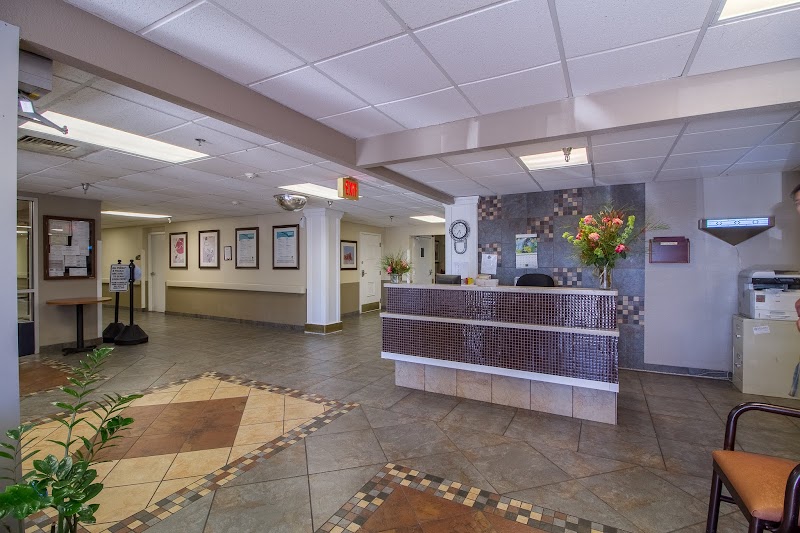
500 Louisiana Boulevard NE, Albuquerque, NM 87108 (505) 255-1717
For profit - Limited Liability company 369 Beds Independent Data: November 2025 1 Immediate Jeopardy citation
Trust Grade
38/100
#36 of 67 in NM
Last Inspection: April 2024

Within standard 12-15 month inspection cycle. Federal law requires annual inspections.

Overview

Princeton Health & Rehabilitation has received a Trust Grade of F, which indicates significant concerns about the quality of care provided. It ranks #36 out of 67 facilities in New Mexico, placing it in the bottom half, and #11 out of 18 in Bernalillo County, suggesting limited options for better local choices. The facility is showing some improvement, decreasing from 15 issues in 2024 to just 2 in 2025, but it still has a high number of deficiencies overall, totaling 49. Staffing is rated at 3 out of 5 stars, with a turnover rate of 46%, which is better than the state average, and provides more RN coverage than 83% of other facilities. However, the facility has faced serious issues, including a critical finding where a resident was not properly supervised after requesting assistance, which could lead to harm, as well as concerns about medication management and infection control practices.
Trust Score
F
38/100
In New Mexico
#36/67
Bottom 47%
Safety Record
High Risk
Review needed
Inspections
Getting Better
15 → 2 violations
Staff Stability
⚠ Watch
46% turnover. Above average. Higher turnover means staff may not know residents' routines.
Penalties
✓ Good
$74,897 in fines. Lower than most New Mexico facilities. Relatively clean record.
Skilled Nurses
○ Average
Each resident gets 39 minutes of Registered Nurse (RN) attention daily — about average for New Mexico. RNs are the most trained staff who monitor for health changes.
Violations
⚠ Watch
49 deficiencies on record. Higher than average. Multiple issues found across inspections.
★★★☆☆
3.0
Overall Rating
★★★☆☆
3.0
Staff Levels
★★★★☆
4.0
Care Quality
★★★☆☆
3.0
Inspection Score
Stable
2024: 15 issues
2025: 2 issues

The Good

  • 4-Star Quality Measures · Strong clinical quality outcomes
  • Full Sprinkler Coverage · Fire safety systems throughout facility
  • No fines on record

Facility shows strength in quality measures, fire safety.

The Bad

3-Star Overall Rating

Near New Mexico average (2.9)

Meets federal standards, typical of most facilities

Staff Turnover: 46%

Near New Mexico avg (46%)

Higher turnover may affect care consistency

Federal Fines: $74,897

Well above median ($33,413)

Moderate penalties - review what triggered them

The Ugly 49 deficiencies on record

1 life-threatening
Apr 2025 1 deficiency
CONCERN (D) 📢 Someone Reported This

A family member, employee, or ombudsman was alarmed enough to file a formal complaint

Potential for Harm - no one hurt, but risky conditions existed

Medical Records (Tag F0842)

Could have caused harm · This affected 1 resident

**NOTE- TERMS IN BRACKETS HAVE BEEN EDITED TO PROTECT CONFIDENTIALITY** Based on record review and interview, the facility failed to document a pain medication was given to 1 (R #1) of 1 (R #1) reside...

Read full inspector narrative →
**NOTE- TERMS IN BRACKETS HAVE BEEN EDITED TO PROTECT CONFIDENTIALITY** Based on record review and interview, the facility failed to document a pain medication was given to 1 (R #1) of 1 (R #1) resident reviewed for pain. This deficient practice could likely cause confusion with staff on whether a pain medication was administered and could cause harm to the resident if the pain medication was administered again. The findings are: A. Record review of R #1's face sheet revealed R #1 was admitted to the facility on [DATE]. R #1 was on hospice with the following diagnoses: - Anoxic brain damage (oxygen is completing cut off from the brain), - Chronic respiratory failure with hypoxia (when your respiratory system is unable to remove enough carbon dioxide from your blood, causing it to build up in your body). - Chronic obstructive pulmonary (damage results in swelling and irritation, also called inflammation, inside the airways that limit airflow into and out of the lungs), - Alzheimer's (a type of dementia that affects memory, thinking and behavior) and dementia (symptoms affecting memory, thinking and social abilities severely enough to interfere with your daily life) - Bi-polar disease (is a mental health condition that causes extreme mood swings). This is not an all-inclusive list. B. Record review of R #1's Brief Interview for Mental Status (BIMS; a screening for cognitive impairment), dated 04/15/25, indicated a score of 6, severely impaired cognition. C. Record review of R #1's nursing progress note, dated 04/06/25 at 1:58 pm, revealed a contusion (bruise) on R #1's left foot and there was not any swelling. The resident complained of pain when staff applied a little pressure to the contusion. The Nurse Practitioner (NP) with hospice assessed the resident and gave an order for a left foot x-ray to rule out fracture. D. Record review of R #1's the nursing progress note, dated 04/06/25 at 8:34 pm, revealed the x-ray result was negative for fracture. R #1's daughter visited and was worried about R #1's pain level to the left foot. The resident rated her pain level at 7 on a scale of 10 (one being the least amount of pain and 10 indicating severe pain). Hospice doctor put patient on oxycodone (pain medication). The nurse went to the Ekit (a medication dispensing machine used in emergency situations) for the medication and administered the oxycodone to R #1. E. Record review of R #1's physician orders indicated an order for oxycodone 5 milligram (mg) every six hours as needed for pain greater than five. Start date 04/06/25. F. Record review of R #1's medication administration record (MAR), dated 04/06/25, revealed the record did not contain any documentation to show staff administered the oxycodone medication to R #1 on 04/06/25. G. On 04/17/25 at 1:00 pm, during an interview with the Director of Nursing (DON), she stated staff should always document on the resident's MAR when a medication was pulled from the Ekit. H. On 04/17/25 at 1:42 pm, during an interview with Nurse #15, she stated it took a long time to get the order pulled from the Ekit on 04/06/25. She stated she administered the oxycodone to R #1 on 04/06/25, but she forgot to document on the MAR that she administered the medication to R #1.
Feb 2025 1 deficiency
CONCERN (E) 📢 Someone Reported This

A family member, employee, or ombudsman was alarmed enough to file a formal complaint

Potential for Harm - no one hurt, but risky conditions existed

Investigate Abuse (Tag F0610)

Could have caused harm · This affected multiple residents

**NOTE- TERMS IN BRACKETS HAVE BEEN EDITED TO PROTECT CONFIDENTIALITY** Based on record review and interview, the facility failed to complete and document a thorough investigation, implement measures ...

Read full inspector narrative →
**NOTE- TERMS IN BRACKETS HAVE BEEN EDITED TO PROTECT CONFIDENTIALITY** Based on record review and interview, the facility failed to complete and document a thorough investigation, implement measures to prevent further incidents, and implement corrective actions regarding allegations of neglect (failure to provide goods and services necessary to avoid physical harm, mental anguish, or mental illness), abuse (knowingly causing physical or mental harm or failing to provide goods and services necessary to avoid physical or mental harm), and injury of unknown origin for 3 (R #4, #5, and #6) of 3 (R #4, #5, and #6) residents reviewed for abuse and neglect allegations when staff failed to complete and submit thorough follow-up reports for R #4, #5, and #6. If facilities do not submit follow up reports then the SA cannot assure the residents are safe and free of abuse. R #4 A. Record review of R #4's face sheet, undated, revealed R #4 was admitted into the facility 10/03/24. B. Record review of the Facility Reported Incident report, dated 10/14/24, revealed the following: - Staff found R #4 on the floor of his room and helped him back to bed. Staff completed skin and pain assessment and noted a laceration (skin tear) to the back of R #4's head that was bleeding. Staff contacted the physician and received an order to send R #4 to the emergency room (ER). - The State Agency (SA) received the incident report from the facility on 10/16/24. - The facility did not submit a five-day follow-up report (a report sent to the State Survey Agency which includes the results of the facility's investigation into alleged violations) to the SA within the five day period. C. Record review of the facility's incident records, dated November 2024 through February 2025, revealed staff did not investigate R #4's abuse allegations. D. On 02/20/25 at 1:52 pm, during an interview, the Administrator (ADM) verified staff did not complete an investigation and did not submit a five-day follow-up report to the SA. R #5 E. Record review of R #5's face sheet, undated, revealed R #5 was admitted into the facility 11/22/23. F. Record review of the Facility Reported Incident report, dated 11/23/24, revealed the following: - Nursing staff heard someone yelling for help and went to check on the noise. Staff found R #5 in the hallway on the floor, with both knees extended and her back resting against the wall. - Nursing immediately assessed R #5 for injuries, but they did not note any visible injuries. R #5 complained of right knee pain of 10 out of 10 (pain scale 1 through 10; ten being the worst pain.) Staff notified the on-call physician who ordered an immediate x-ray to the resident's right knee. G. Record review of the facilities five-day follow-up report revealed it was received by the SA on 12/01/24 [three days late]. H. Record review of the facility's Letter of Non-Compliance, dated 2/14/25, revealed the SA notified the facility administrator that an addendum to the five-day follow-up was required, in order to address what preventions were put in place. [The SA has not yet received the addendum.] I. On 02/20/25 at 1:52 pm, during an interview, the ADM stated he was not sure why the facility staff did not respond to the SA with an addendum to the five-day follow-up report for R #5 . R #6 J. Record review of R #6's face sheet, undated, revealed R #6 was admitted into the facility on [DATE]. K. Record review of the Facility Reported Incident report, dated 11/22/24, revealed the following: - R #6 grabbed another resident by the arm and scratched the other resident. - The SA received the incident report from the facility on 11/23/24. - The facility did not submit a five-day follow-up report to the SA. L. Record review of the facility's incident records, dated November 2024 through February 2025, revealed staff did not conduct a thorough investigation of R #6's incident that occurred on 11/22/24. M. On 02/20/25 at 1:52 pm, during an interview, the ADM verified staff did not complete the investigation and did not submit the five-day follow-up report to the SA for R #6 .
Nov 2024 3 deficiencies
CONCERN (D) 📢 Someone Reported This

A family member, employee, or ombudsman was alarmed enough to file a formal complaint

Potential for Harm - no one hurt, but risky conditions existed

Deficiency F0658 (Tag F0658)

Could have caused harm · This affected 1 resident

Based on observation, record review, and interview, the facility failed to ensure staff did not leave medications on the bedside table for 1 (R #13) of 1 (R #13) resident. This deficient practice coul...

Read full inspector narrative →
Based on observation, record review, and interview, the facility failed to ensure staff did not leave medications on the bedside table for 1 (R #13) of 1 (R #13) resident. This deficient practice could likely result in residents misplacing or not taking medications which could cause the resident to be pain. The findings are: A. On 11/20/24 at 1:54 pm, observation of R #13's room revealed a small cup with two pills sat on the bedside table. B. On 11/20/24 at 1:54 pm, during an interview with R #13, she stated the medications were not there that long. She stated she did not take them when the nurse brought them to her, because she was waiting for staff to change her brief. C. On 11/20/24 at 2:07 pm, during an interview with Register Nurse (RN) #1, she stated she left the pills in R #13's room on her bedside table. She stated R #13 was ready for her medications, but she was waiting to be changed. The RN stated R #13 did not want to sit up in bed. She stated she knew better then to leave the medications on the resident's bedside table. She said she should have brought the medication back to the medication cart and disposed of them. She stated she should have kept the medications in the cart until R #13 was ready to take them. She stated the medications in the cup were baclofen (muscle relaxant) and gabapentin (used for nerve pain). D. Record review of R #13's physician orders indicated the following orders: - Baclofen 20 milligrams (mg), four times per day for spasticity. - Gabapentin 300 mg, three times per day for chronic pain.
CONCERN (D) 📢 Someone Reported This

A family member, employee, or ombudsman was alarmed enough to file a formal complaint

Potential for Harm - no one hurt, but risky conditions existed

Deficiency F0761 (Tag F0761)

Could have caused harm · This affected 1 resident

Based on observation and interview, the facility failed to ensure medication carts were locked when unattended. This deficient practice is likely to negatively impact the health of residents on the 60...

Read full inspector narrative →
Based on observation and interview, the facility failed to ensure medication carts were locked when unattended. This deficient practice is likely to negatively impact the health of residents on the 600 unit if they were to ingest (swallow) medications not intended for them. The findings are: A. On 11/21/24 at 7:47 am, during an observation of the 600-unit medication cart, the medication cart was unattended and unlocked. B. On 11/21/24 at 7:47 am, during an interview with Registered Nurse (RN) #1, she confirmed that medication carts should be locked and secured at all times when left unattended.
CONCERN (D) 📢 Someone Reported This

A family member, employee, or ombudsman was alarmed enough to file a formal complaint

Potential for Harm - no one hurt, but risky conditions existed

Safe Environment (Tag F0921)

Could have caused harm · This affected 1 resident

Based on observation and interview, the facility failed to ensure residents had a safe and functional environment when the facility failed to ensure flooring was flat, smooth, and level for 1 (R #1) o...

Read full inspector narrative →
Based on observation and interview, the facility failed to ensure residents had a safe and functional environment when the facility failed to ensure flooring was flat, smooth, and level for 1 (R #1) of 1 (R #1) residents reviewed. This deficient practice could likely result in residents living in an unsafe environment and could increase their risk for injuries and decrease their quality of life. The findings are: A. On 11/20/24 at 8:37 am, during observation of the R #1's room, the floor was uneven, and multiple tiles were missing near the window. An unoccupied bed sat over the missing tiles near the window. Further observation revealed a floor tile was missing near the toilet in the resident's bathroom. B. On 11/20/24 at 8:40 am, during an interview with R #1, he stated the floors in the bathroom and the bedroom were gross, and he told the facility four times to fix it. He stated he reported this to the nurses and the maintenance man. C. On 11/21/24 at 10:20 am during an interview with the Maintenance Director (MD), he stated that the air conditioning unit was causing some condensation (water vapors in the air is changed into liquid form) during the warmer months of August and September 2024, and the floor raised and became uneven. He stated they put a bed over the affected spot since the resident was still residing in the room, while they waited to repair it. He stated that the floor tile in the bathroom needed to be replaced.
Jul 2024 4 deficiencies 1 IJ
CRITICAL (J) 📢 Someone Reported This

A family member, employee, or ombudsman was alarmed enough to file a formal complaint

Immediate Jeopardy (IJ) - the most serious Medicare violation

Free from Abuse/Neglect (Tag F0600)

Someone could have died · This affected 1 resident

**NOTE- TERMS IN BRACKETS HAVE BEEN EDITED TO PROTECT CONFIDENTIALITY** Surveyor: [NAME], [NAME] Based on interview and record review, the facility failed to keep residents free from abuse and neglect...

Read full inspector narrative →
**NOTE- TERMS IN BRACKETS HAVE BEEN EDITED TO PROTECT CONFIDENTIALITY** Surveyor: [NAME], [NAME] Based on interview and record review, the facility failed to keep residents free from abuse and neglect for 1 (R #1) of (R #1) residents sampled for abuse when staff failed to: 1. Provide line of sight supervision for R #1 after she requested a one on one or to be sent to the hospital. This deficient practice could likely result in physical harm to residents, and/or psychosocial distress (unpleasant emotions associated with a highly stressful situation), or worsening of current mental health conditions for the residents who were subject to this behavior. The findings are: R #1 A. Record review of the face sheet for R #1 indicated the following: R #1 was admitted to the facility on [DATE]. She had the following diagnoses: - Anoxic brain damage (lack of oxygen to the brain), - Acute respiratory failure with hypoxia (lungs cannot deliver enough oxygen or remove enough carbon dioxide from your blood), - Cardiac arrest (heart suddenly and unexpectedly stops beating), - Tracheostomy (surgical opening in the neck allowing air to flow), - Dysarthia (difficulty in speech due to weakness of speech muscles), - Anarthria (severe motor speech disorder that prevents someone from articulating speech at all), - Depression. B. Record review of R #1's care plan initiated on 05/30/24. indicated the resident had a communication problem and was not able to verbalize words. The interventions were R #1 would maintain current level of communication function by making sounds, using appropriate gestures, responding to yes/no questions appropriately, and using a sheet to spell out words. C. Record review of R #1's Subjective Objective Assessment and Plan (SOAP) note, dated 05/17/24, indicated R #1 had a communication barrier due to brain injury and tracheostomy. The resident could communicate with spelling out words and nodding yes or no. R #1 was frustrated with her inability to communicate and her over all condition, and she lashed out. D. Record review of R #1's Minimum Data Set (MDS; a federally mandated assessment instrument completed by facility staff), dated 06/30/24, indicated the resident had a Brief Interview of Mental Status (BIMS; a screening for cognitive impairment) score of 5, severely impaired. The MDS did not reveal any suicidal thoughts or behaviors. E. Record review of a social services progress note for R #1, dated 07/22/24 at 1:33 pm, indicated the following: Social Services Assistant (SSA) #2 went to see R #1. R #1 had tears in her eyes and stated that she needed to go to the hospital. The resident stated that she wanted to just die, and she was not worth anything now. SSA #2 asked R #1 if she had a plan, and the resident said she wanted one-on-one (one person in line of sight of the resident) or to go to the hospital. R #1 got more upset. SSA #2 spoke to the nurse and the Director of Nursing (DON), and she said to send the resident for a psychiatric evaluation (clinical interview that helps diagnose mental health conditions), and staff were to do frequent checks on R #1. SSA #2 let the nurse know for the staff to do the frequent checks, and SSA #2 would work on getting her sent out for a psychiatric evaluation. F. On 07/26/24 at 11:30 am, during an interview with Nurse #4, she stated R #1 could be difficult sometimes. She stated R #1 was lonely, sad, and angry. Nurse #4 stated she was aware the resident spoke with the SSA #2 on 07/22/24 and wanted to go to the hospital. Nurse #4 stated R #1 told SSA #2 that she wanted to die. Nurse #4 stated SSA #2 came and told her what R #1 said. Nurse #4 stated R #1 was up at the nurses station with her after she finished talking with SSA #2. Nurse #4 stated she went to assist another resident who needed her help, and when she went back to the nurses station, R #1 was not there. Nurse #4 stated she did not go to R #1's room to look for the resident. She stated shortly after got back to the nurses station, R #1 came out of her room and said she swallowed razor blades. Nurse #4 went into R #1's room and saw the broken razor on her bed. Nurse #4 stated she called 911. G. Record review of the nursing progress notes for R #1, dated 07/22/24 at 2:06 pm, indicated R #1 went to Nurse #3 and claimed she (R #1) swallowed a blade from the razor. Nurse #3 immediately went to her room and found the broken razor, Q-tips, and tissue paper. Staff called 911 and checked the resident's vitals, which were normal. Resident sent to the emergency room. H. Record review of the hospital gastroenterology (a branch of medicine concerned with the structure, functions, diseases, and pathology of the stomach and intestines) consultation note, dated 07/22/24, revealed the reason for the consultation was razor blades due to suicide attempt. Patient with suicide attempt with reportedly swallowing two razor blades, one of which was visualized on imaging. One razor blade surgically removed, and the other was not visualized on the x-ray. I. On 07/29/24 at 10:00 am, during an interview with SSA #2, she stated R #1 really did not want to be at the facility. She stated the resident was on the secured locked unit, because the resident did not make safe choices and wanted to leave the facility. She stated R #1 had anxiety and did not want to be at the facility. SSA #2 stated R #1 did not express she wanted to kill herself before 07/22/24. SSA #2 stated she saw R #1 on 07/22/24, and R #1 was crying and sad. She stated R #1 told her she did not want to live and asked for one-on-one and wanted to go to hospital. SSA #2 stated she told the nurse what R #1 said to her. She stated a one-on-one was not implemented for the resident. SSA #2 stated she went down stairs to chart the conversation, and the next thing she knew, she received a phone call that R #1 swallowed razor blades. R #1 was sent out to the hospital immediately. J. On 07/29/24 at 10:30 am, during an interview with the Director of Nursing (DON), she stated a staff member told her R #1 did not want to be at the facility and did not want to live. The DON stated that she was notified after R #1 told the SSA #2 that she wanted to go out to the hospital or have a one to one. The DON stated she asked the staff member if R #1 had a plan to hurt or kill herself, and the staff member stated no. She said since R #1 did not have a plan, she told the staff who worked on the 200 unit to do frequent checks on the resident. The DON stated that shortly afterwards, she received a call from Nurse #4 who reported R #1 swallowed razor blades. She stated they sent the resident out to the hospital. K. On 07/26/24 at 12:25 pm, during an interview with Power of Attorney (POA)/daughter, she stated her mother did not like it at the facility and was not used to having so many restrictions. The POA stated R #1 was confused a lot and made up things in the past to get out of situations. POA stated she put a camera in R #1's room, but R #1 would take it down. POA asked for it to be put back up when R #1 went to the memory care unit. She stated her mother would make allegations that people hurt her or abused her. The daughter stated that she never believed her mother. She stated this was not the first time her mother tried to hurt herself. The POA stated she watched on the video recording (after she found out about the suicide attempt) her mother take apart the razor. She said R #1 took the razor apart at 1:48 pm and at 1:53 pm she swallowed it. She stated immediately after swallowing the razor blade, R #1 left her room and told the nurse what she did. She stated she did not think her mother tried to kill herself. The daughter stated her mother was just trying to get out of the facility. L. Record review of the facility's Suicide Threats Policy, revised date 2007, indicated a staff member shall remain with the resident until the nurse supervisor/charge nurse arrived to evaluate the resident. Based on interview and record review, Immediate Jeopardy (IJ) was identified on 07/29/24 at 2:45 pm to the Administrator and the Director of Nursing, in person. The facility took corrective action by providing an acceptable Plan of Removal (POR) on 07/30/24 at 10:05 am. Implementation of the POR was verified onsite on 07/30/24 with ongoing trainings for staff around resident suicide threat policy, and a full sweep of all residents was completed to identify any other resident who maybe suicidal. After verification of POR on 07/30/24 at 2:45 pm, the scope and severity was reduced to D. Plan of removal: 1. The facility will identify any residents who have expressed a suicidal comment within the past sixty (60) days. 2. Social Services will interview any residents identified within the past sixty (60) days to evaluate the mental condition of the resident in reference to any suicidal thoughts. Social Services Director will begin resident interviews on 07/30/2024 and complete on 07/30/2024. The facility will immediately implement any measures per the facility's Suicide Threats Policy which are required to be initiated. 3. Education of staff, which includes Administration, Direct Care Staff on the facility. Policy and procedures for suicide threats voiced by a resident will begin on July 29, 2024. 4. Staff will report any resident threats of suicide immediately to the Nurse Supervisor, Charge Nurse, DON/designee, and Physician. 5. A staff member will remain with the resident until appropriate direction is provided by the physician. 6. Any resident who expresses a suicide threat will be transferred to the hospital for evaluation. 7. A psychiatric consultation will be initiated. 8. Facility will initiate a facility wide sweep of all residents to determine if any residents exhibit suicide ideation. The facility will follow the following procedures: a. A standard format of questions will be utilized. b. The format will include the resident's name, person who is conducting the interview, and date of interview. c. Resident interviews will be initiated on 07/30/2024 and completed by 07/30/2024 9. Any residents identified at Risk for Suicide Ideation during facility-wide screening, Suicide Threat Policy will be initiated.
CONCERN (D) 📢 Someone Reported This

A family member, employee, or ombudsman was alarmed enough to file a formal complaint

Potential for Harm - no one hurt, but risky conditions existed

Notification of Changes (Tag F0580)

Could have caused harm · This affected 1 resident

Based on record review and interview, the facility failed to notify the Power of Attorney (POA; a health care power of attorney grants, in writing, a particular agent the power to make healthcare deci...

Read full inspector narrative →
Based on record review and interview, the facility failed to notify the Power of Attorney (POA; a health care power of attorney grants, in writing, a particular agent the power to make healthcare decisions on another's behalf) when R#2 wandered into another resident's room and sustained an injury from an unknown resident, for 1 (R #2) of 1 (R #2) resident reviewed. If the facility is not notifying the resident's POA when the resident has a change of condition, then the POA is unable to make decisions related to treatment and advocate for the resident's care. The findings are: A. Record review of R #2's face sheet dated 07/24/24 revealed the following: - admission date of 05/22/24. - Dementia, with other behavioral disturbance (a chronic disease that causes a progressive decline in memory, judgment, including poor decision making). - Muscle wasting and atrophy (loss of muscle tone and lack of movement). - Emergency contact #1 and POA - relationship daughter B. Record review of R #2's progress notes revealed the following: - Dated 07/05/24, Certified Nursing Aide (CNA) #1 found R #2 outside R #3's room with a scratch to the right side of his face, and his lips were red in color. - The record did not contain documentation on 07/05/24 to show staff notified the resident's POA of the incident. - Dated 07/06/24, R #2's POA notified Licensed Practical Nurse (LPN) #1 that R#2 appeared injured. When LPN #1 entered R #2's room she noticed R #2 had bruising on his face. The resident's eyes and cheek were red, purple, with black round circles around the eyes. The resident was not able to state what happened. LPN #1 questioned the RN #1 from previous evening shift, 07/05/24, and she stated, The resident walked into R #3's room, and CNA #1 found the resident with scratches. C. On 07/29/24 at 11:45 am, during an interview with the Director of Nursing (DON), she stated the facility did not call R #2's POA to inform them of the incident that occurred on 07/05/24, but they should have.
CONCERN (D) 📢 Someone Reported This

A family member, employee, or ombudsman was alarmed enough to file a formal complaint

Potential for Harm - no one hurt, but risky conditions existed

Accident Prevention (Tag F0689)

Could have caused harm · This affected 1 resident

**NOTE- TERMS IN BRACKETS HAVE BEEN EDITED TO PROTECT CONFIDENTIALITY** Based on record review and interview, the facility failed to prevent an accident for 1 (R#2) of 2 (R#2 and R #3) when the facili...

Read full inspector narrative →
**NOTE- TERMS IN BRACKETS HAVE BEEN EDITED TO PROTECT CONFIDENTIALITY** Based on record review and interview, the facility failed to prevent an accident for 1 (R#2) of 2 (R#2 and R #3) when the facility failed to implement interventions to prevent R #2 from walking into other residents' rooms without permission and potentially putting himself at risk for harm. This deficient practice could likely result in physical harm to residents, physical harm and/or psychosocial distress (unpleasant emotions associated with a highly stressful situation), or worsening of current mental health conditions for the residents who were subject to this behavior. The findings are: R #2 A. Record review of R #2's medical record revealed he was admitted on [DATE] with the following diagnoses: 1. Benign intracranial hypertension (high pressure around the brain causes symptoms like vision changes and headaches). 2. Dementia (loss of memory, language, problem-solving and other thinking abilities that are severe enough to interfere with daily life) in other diseases classified elsewhere, unspecified severity, with other behavioral disturbances (disturbance, mood disturbance, and anxiety.) B. Record review of R #2's comprehensive Minimum Data Set (MDS; a federally mandated assessment instrument completed by facility staff), dated 05/23/24, revealed a Brief Interview of Mental Status (BIMS; a screening for cognitive impairment) score of 4, severe cognitive impairment. C. Record review of R #2's progress notes revealed the following: - Dated 07/05/24 at 5:20 pm, Certified Nursing Aide (CNA) #1 documented he found R #2 in the doorway of R #3's room, while R #3 was pushing R #2 out of his room. CNA #1 saw scratches and redness on the right side of R #2's face. - Dated 07/06/24 at 11:45 am, Licensed Practical Nurse (LPN) #1 documented she noticed R #2 had bruising on his face, and his eyes and cheeks were red and purple, with black circles around his eyes. LPN #1 documented R #2 could not state what happened. LPN #1 documented she asked CNA #1 what happened. The CNA stated R #2 walked into R #3's room, and he found R #2 with scratches. - Dated 07/09/24 at 11:51 pm, LPN #2 documented she found R #2 in another resident's room. - Dated 07/12/24 at 1:32 pm, an intervention was added to R #2's care plan to check on him frequently every shift to ensure his location was safe and to redirect if needed. D. On 07/29/24 at 11:45 am, during an interview with the Director of Nursing (DON), she stated, since his admission, R #2 has wandered into other resident's rooms and sometimes lay down in their beds. She stated they did not care plan R #2's wandering or put in place any interventions to monitor his movements until 07/12/2024. The DON did state she filed a facility initiated report and completed the 5 day follow up for the incident. E. On 07/29/24 at 12:03 pm, during an interview with Registered Nurse (RN) #1, she stated she was approached by CNA #1 around dinner time on 07/05/24, who advised her that he found R #2 outside of R #3's room with some scratches and redness to his face. RN #1 stated R #2 was known to wander into other resident's rooms, since he was admitted . She further stated she and CNA #1 did not witness the altercation between R #2 and R #3 on 07/05/24. RN #1 stated R #2's injuries, on the night of 07/05/24, were as CNA #1 described, redness and minor scratch to R #2's face. When asked RN #1 stated she was not sure when she had last seen R #2 before the incident. F. On 07/29/24 at 1:07 pm, during an interview with CNA #1, he stated on 07/05/24 around dinner time, he saw R #2 visibly shaking in the doorway of R #3's room, and it appeared to him that something happened. CNA #1 stated he did not see the incident. CNA #1 stated he approached the residents in R #3's room, and everyone said nothing happened. The CNA stated he could see some red marks near R #2's left eye and face. CNA #1 stated he separated the residents and took R #2 to his room. He stated he told the RN #1 about the incident and started to keep a closer eye on R #2. He said the resident was known to wander the floor, walk into other resident's rooms, and sometimes even lay down on their beds. G. On 07/29/24 at 1:20 pm, during an interview with R #3 in his room, he stated he did not remember the incident with R #2 and shrugged his shoulders. He would not answer anymore questions. H. On 07/29/24 at 1:30 pm, during an interview with R #2 in his room, he stated he did not remember the incident.
CONCERN (E) 📢 Someone Reported This

A family member, employee, or ombudsman was alarmed enough to file a formal complaint

Potential for Harm - no one hurt, but risky conditions existed

Safe Environment (Tag F0584)

Could have caused harm · This affected multiple residents

**NOTE- TERMS IN BRACKETS HAVE BEEN EDITED TO PROTECT CONFIDENTIALITY** Based on observation and interview, the facility failed to provide a safe, clean, and comfortable environment for and R #13 and ...

Read full inspector narrative →
**NOTE- TERMS IN BRACKETS HAVE BEEN EDITED TO PROTECT CONFIDENTIALITY** Based on observation and interview, the facility failed to provide a safe, clean, and comfortable environment for and R #13 and all residents who utilized the courtyard and the 600 unit hallway. This deficient practice is likely to cause all residents in this facility to be exposed to environmental hazards and not to feel comfortable, which could affect their psychosocial well-being. The findings are: A. On 07/29/24 at 1:02 pm, an observation revealed the following: -The patio of the resident courtyard smoking area and grass edge were littered with cigarette butts. -The floors down the 600-unit hallway were visibly stained and unkempt. B. On 07/27/24 at 1:15 pm, an observation of resident occupied rooms revealed the following: - room [ROOM NUMBER]: The closet door was falling off the hinges. - room [ROOM NUMBER]: The closet door was falling off the hinges. - room [ROOM NUMBER]: The closet door was falling off the hinges. C. On 07/30/24 at 10:34 am, during an interview and observation, R #11 stated the floors were always dirty, and his hands got dirty when he propelled himself in his wheelchair down the hallway. The resident stated he did not need to wear gloves, because this was where he lived. R #11 propelled himself in his wheelchair down the hall, and his hands were visibly dirty. D. On 07/30/24 at 10:36 am, during an interview with R #12, she stated the floors in the facility were filthy and having people come to see her was embarrassing. E. On 07/30/24 at 10:38 am, during an interview, R #13 stated that the hallways smelled of bowel movement due to unchanged residents. He stated he had a heightened sense of smell, because he was blind, which made his living conditions difficult. F. On 07/30/24 at 10:38 am, an observation revealed the hallway smelled of bowel movement.
Apr 2024 8 deficiencies
CONCERN (D)

Potential for Harm - no one hurt, but risky conditions existed

Comprehensive Care Plan (Tag F0656)

Could have caused harm · This affected 1 resident

Based on interview, observation, and record review, the facility failed to ensure the comprehensive care plan was accurate for 1 (R #202) of 1 (R #202) residents reviewed for care plan accuracy. This ...

Read full inspector narrative →
Based on interview, observation, and record review, the facility failed to ensure the comprehensive care plan was accurate for 1 (R #202) of 1 (R #202) residents reviewed for care plan accuracy. This deficient practice could likely result in staff not understanding and implementing the most appropriate interventions and treatments for the resident. The findings are: A. On 04/22/24 at 9:57 AM during an observation, R #202 wore a catheter bag for an indwelling (left in place) urinary catheter. B. Record review of R #202's current physician order summary revealed an order to change the resident's catheter monthly and as needed for blockage or leaking. C. Record review of R #202's care plan revised on 02/14/24 revealed the resident had an intermittent catheter (catheter inserted several times a day to drain the bladder then removed) related to a neurogenic bladder (lack of bladder control due to brain, spinal cord, or nerve impairment.) D. On 04/25/24 at 9:36 AM during an interview with Nurse Unit Manger (UM) #1 and the Director of Nursing (DON), UM #1 stated R #202's care plan incorrectly documented R #202 used an intermittent catheter. They stated the resident was admitted with and still used an indwelling catheter. The DON stated the care plan should accurately reflect that the resident used an indwelling catheter.
CONCERN (D) 📢 Someone Reported This

A family member, employee, or ombudsman was alarmed enough to file a formal complaint

Potential for Harm - no one hurt, but risky conditions existed

Deficiency F0692 (Tag F0692)

Could have caused harm · This affected 1 resident

Based on interview and record review the facility failed to help maintain acceptable parameters of nutritional status, such as usual body weight, for 1 (R #409) of 3 (R # 26, R # 87, and R # 40) resid...

Read full inspector narrative →
Based on interview and record review the facility failed to help maintain acceptable parameters of nutritional status, such as usual body weight, for 1 (R #409) of 3 (R # 26, R # 87, and R # 40) residents sampled for nutrition, when they failed to put a plan into place for R #409 who had weight loss. This deficient practice could likely result in the residents losing weight, causing physical and mental health issues. The findings are: A. Record review of R 409's face sheet revealed an admission date of 12/20/23 with the following diagnoses: -Parkinson's disease (a progressive disorder that affects the nervous system and causes tremors, stiffness and slow movement) with dyskinesia with out mention of fluctuations (uncontrolled, involuntary movements of the face, arms or legs). -Major depressive disorder (a mental disorder with at least two weeks of low mood, low self esteem, and loss of interest or pleasure of normal things). -Chronic kidney disease, stage 3 (mild to moderate damage to the kidneys and can be treated with diet, medications, and lifestyle changes). B. Record review of R # 409's Physicians orders revealed the following: 1. An order for weekly weights, for four weeks. Once a day on Monday. Start date 12/23/23, end date of 01/10/24. 2. Mirtazapine (an antidepressant used to treat depression. A side effect is increased appetite) tablet, 15 milligrams (MG). Administer one tablet orally for depression once a day. Start date 12/20/23, end date 02/08/23. 3. Mirtazapine tablet, 30 MG. Administer one tablet at bedtime for depression. Start date 02/08/24. 4. Physicians orders showed the record did not contain follow-up orders for monthly weights. C. Record review of R #409's weights revealed she had a weight loss of 7% in less than one month. 1. On 12/21/23, the resident weighed 112.9 pounds. 2. On 12/22/23, the resident weighed 111.5 pounds. 3. On 12/25/23, the resident weighed 113.0 pounds. 4. On 01/01/24, the resident weighed 111.4 pounds. 5. On 01/08/24, the resident weighed 105.0 pounds. 6. The record did not contain any other weights for the resident. D. Record review of R #409's Electronic Medication Administration Record (EMAR) revealed the record did not contain an order for nutritional shakes (a drink filled with nutrients with higher calories) or med pass (fortified nutrition shake.) E. On 04/25/24 at 2:42 pm, during an interview, the Director of Nursing (DON) stated the resident was started on mirtazapine 15 MG for loss of appetite. The DON stated the resident did not live in the facility long enough for staff to hold a quarterly meeting (a meeting in which the interdisciplinary team gets together and talks about the resident and any needs they may need), and that is why they have not done anything for the resident's weight loss.
CONCERN (D)

Potential for Harm - no one hurt, but risky conditions existed

Medical Records (Tag F0842)

Could have caused harm · This affected 1 resident

**NOTE- TERMS IN BRACKETS HAVE BEEN EDITED TO PROTECT CONFIDENTIALITY** Based on record review and interview, the facility failed to document weekly wound assessments for 1 (R #7) of 1 (R #7) resident...

Read full inspector narrative →
**NOTE- TERMS IN BRACKETS HAVE BEEN EDITED TO PROTECT CONFIDENTIALITY** Based on record review and interview, the facility failed to document weekly wound assessments for 1 (R #7) of 1 (R #7) residents reviewed for wound care. This deficient practice could likely result in a resident's wound progression not being evaluated on a weekly basis. A. Record review of R #7's face sheet revealed R #7 was admitted to the facility on [DATE] with the pertinent diagnoses of: metabolic encephalopathy (a problem in the brain caused by a chemical imbalance in the blood), cerebral infarction (an ischemic stroke- caused by disrupted blood flow to the brain due to problems with the blood vessels that supply it), and type 2 diabetes mellitus (a long-term condition in which the body has trouble controlling blood sugar and using it for energy). B. Record review of physician orders revealed the following: 1. Physician order, dated 02/01/24, Clean open area [stage 2 pressure ulcer (partial thickness loss of dermis presenting as a shallow open ulcer with a red or pink wound bed)] to left buttock with wound cleanser. Pat dry apply zinc paste/barrier cream and cover with optifoam dressing. Change every day (QD) and as needed (PRN) until resolved. Every evening shift. 2. Physician order, dated 03/23/24, for wound care. Clean open area (stage 2 pressure ulcer) to left buttock with wound cleanser. Pat dry, apply zinc paste/barrier cream, and cover with optifoam dressing. Change QD and PRN until resolved. C. Record review of R #7's Electronic Health Record (EHR), revealed R #7 did not have weekly wound assessments on file (documentation of wound measurements, appearance, and reaction to treatment). D. On 04/25/24 at 11:56 am, during an interview with the facility's Director of Nursing (DON), she stated staff monitored R #7's wound and treated it. She stated the wound was resolved as of 04/25/24; however, staff did not document weekly wound assessments. She stated staff should document weekly wound assessments.
CONCERN (E) 📢 Someone Reported This

A family member, employee, or ombudsman was alarmed enough to file a formal complaint

Potential for Harm - no one hurt, but risky conditions existed

Safe Environment (Tag F0584)

Could have caused harm · This affected multiple residents

Resident #37 D. On 04/22/24 at 10:08 am during an interview, R #37 reported she sees roaches in her room on the walls, approximately once a week. She added once she found them in her bed and in her CP...

Read full inspector narrative →
Resident #37 D. On 04/22/24 at 10:08 am during an interview, R #37 reported she sees roaches in her room on the walls, approximately once a week. She added once she found them in her bed and in her CPAP machine. She stated she had to get a new CPAP machine, because staff found roaches inside the CPAP water tank. R #37 stated she felt grossed out by the roaches in her room. E. Record review of R #37's Electronic Medical Record (EMR) revealed a progress note from Respiratory Therapist (RT) #1, dated 2/9/24. RT #1 documented the resident was awake and watched tv. RT #1 took the water tub from R #37's CPAP to rinse it out, and there were roaches in it. RT #1 cleaned the water tub and inspected the resident's CPAP machine. RT #1 documented there were more roaches inside the machine, and the resident refused the CPAP that night. RT #1 documented she informed the nurse and the evening supervisor. F. On 04/25/24 at 09:36 am during an interview with Nurse Unit Manager (UM) #1, she recalled the incident with R #37's CPAP and that R #37 reported roaches in her room. UM #1 stated the roaches in R #37's room may be due to the food R #37 stored in her room. G. On 04/25/24 at 2:22 PM during an interview with the RT Supervisor (RTS), she stated R #37's CPAP was replaced due to the incident with the roaches on 02/29/24, and she stated a CPAP machine should not be used after roaches were discovered inside of it. Based on observation and interview the facility failed to provide a homelike environment for 2 (R #190 and R #37) out of 3 (R #190, R #37, and R #23) residents (residents were identified by the resident matrix provided by the Administrator on 04/21/24), when they failed to: 1) Repair damaged or missing drawer face from one resident's room. 2) Prevent or remove cockroaches inside a resident's continuous positive air pressure (CPAP; helps keep your airway open when asleep) humidifier tank. 3) Repair water leaks and damaged ceiling in the therapy room. If residents do not have a homelike environment, they may become depressed and anxious about things in disrepair. The findings are: Resident #190 A. On 04/22/2024 at 9:23 am, during observation of R #190's room, her closet drawer was missing the face and handle, which made it inoperable. B. On 04/22/2024 at 12:32 pm, during an interview with R #190, she stated her closet drawer face has been missing/broken for weeks. R #190 stated she cannot use the drawer because she cannot open it. She stated this made her feel like the facility did not care about her. R #190 stated she told multiple staff members (she cannot remember who) about the issue, but they have not fixed it yet. C. On 04/22/2024 at 1:16 pm, during an interview with the maintenance director, he stated he was not aware of R #190's broken drawer. The maintenance director stated he should have received a work order from the staff to fix the drawer, but he never received one. Water Leaks H. On 04/21/24 at 2:30 pm, an observation and interview revealed one resident received services in the therapy room. Further observation revealed four large trash bins, in the center of the therapy room, contained water and stood under an active leak from the ceiling, wet white bath towels lay on the floor in the same area as the trash bins, and a large section of the ceiling was missing tiles and exposed pipes. Observation also revealed water leaked on people who stood five to six feet away from the exposed leak. The administrator (ADM) stated there were two leaks. The ADM stated one was from the toilets in the resident rooms directly above the therapy room, and the other leak was from a sink. The ADM stated the leak started about a month ago. I. On 04/21/24 at 2:36 during an interview, the Maintenance Director (MD) stated there were two leaks, and the sink started leaking about two weeks ago. He stated he did some repairs to try to stop the leak, but it continued to leak and got worse. He stated they had plumbers come out to look at the leaks and give estimates on the repairs needed. J. Record review of a Job Proposal for repairs to the leaks revealed a date of 01/25/24. K. On 04/25/24 at 2:30 pm, an observation revealed one resident received therapy services in the therapy room while the ceiling tiles were missing and the exposed pipes leaked. L. On 04/25/24 at 2:31 pm during an interview with Physical Therapy Assistant (PTA), she stated she began employment at the facility in January 2024, and the leak was already happening. She stated the leaks could be a safety hazard for residents, because the floor was wet. She stated management kept saying they were working on it. M. On 04/25/24 at 2:37 pm during an interview, Restorative Aide (RA) stated the water leak was a safety hazard for residents, because was water on the floor. She stated there were also leaks in the restrooms, and they use one of the restrooms when they worked with the residents on how to utilize the restrooms safely. N. On 04/25/24 at 2:45 pm during an interview with Physical Therapist (PT), she stated the leak and exposed pipes was like that for about eight months. She stated she spoke to the Chief Executive Officer (CEO) and requested the repairs be made. The PT stated the CEO told her not to bring this issue up around the residents, and they would call a plumber. She stated the plumber came, told them this was an easy fix, and gave them an estimate of about five thousand dollars. The PT said the CEO told the MD to do the repairs himself. She stated the MD repaired the leaking pipe, but the leak continued to get worse. The PT said the facility replaced the ceiling tiles about every two days, because the tiles would get heavy, sag, and eventually fall. She stated this occurred while residents were participating in therapy sessions. The PT stated she felt like this was a safety hazard, because there was constantly water on the floor. She stated residents could trip or slip. The PT further stated the leak also affected the front desk reception area. O. On 04/25/24 at 3:00 pm, an observation revealed the two restrooms in the therapy room had signs of significant water damage to the ceilings. The ceiling had discolored tiles, exposed water pipes, missing ceiling tiles, and a musty stale odor. P. On 04/25/24 at 3:03 pm an observation of ceiling tiles above the front reception desk revealed water damage to the ceiling tiles. The ceiling tiles were discolored and wrinkled. Residents were in the area around the front desk.
CONCERN (E)

Potential for Harm - no one hurt, but risky conditions existed

Deficiency F0658 (Tag F0658)

Could have caused harm · This affected multiple residents

Based on observation, record review, and interview, the facility failed to meet professional standards of quality for 2 (R #26 and R # 87) of 2 (R #26 and R #87) residents reviewed by when staff faile...

Read full inspector narrative →
Based on observation, record review, and interview, the facility failed to meet professional standards of quality for 2 (R #26 and R # 87) of 2 (R #26 and R #87) residents reviewed by when staff failed to administer medications per recommend guidelines. If the facility is not administering medications in accordance with physician orders and accepted professional practices, then residents are likely to not get the therapeutic results needed. The findings are: Findings for R #26 A. On 04/21/24 at 12:36 pm, during an observation of the 500 south medication cart, Licensed Practical Nurse (LPN) #5 opened the top drawer of the medication cart to reveal two small medication cups that held medications. One of the cups belonged to R #26 and had the resident's room number written on the outside of the cup. B. Record review of R #26's care plan, dated 02/25/24, revealed the care plan did not contain instructions for staff to hide medications in R #26's food without knowledge of the resident. C. Record review of R #26's electronic medical records revealed the records did not contain documentation to show the resident or the resident's responsible party gave consent for staff to administer R #26's medications hidden in food. Findings for R #87 D. On 04/21 at 12:39 pm, during an observation of the 500 south medication cart LPN #5 opened the top drawer of the medication cart to reveal two small medication cups that held medications. One of the cups belonged to R #87 and had the resident's room number was written on the outside of the cup. E. Record review of R #87's care plan, dated 2/17/24, revealed the care plan did not contain instructions for staff to hide medications in R #87's food without knowledge of the resident. F. Record review of R #87's electronic medical records revealed the records did not contain documentation to show the resident or the resident's responsible party gave consent for staff to administer R #26's medications hidden in food. C. On 04/21/24 at 12:39 pm, during an interview, LPN #5 confirmed she prepared the medications for R #26 and R #87. She stated she stored the medications in the drawer so she could hide the medications in some food. LPN #5 stated R #26 and R #87 did not know the medications were in the food, but it was the only way they could get the residents to take their medications. D. On 04/25/24 at 2:34 pm, during an interview, the Director of Nursing (DON) stated the residents did not have an order for staff to administer the medications without the resident's knowledge. The DON confirmed residents' record did not contain documentation to show the Power of Attorney (POA) gave permission for staff to hide the resident's medication in food and give it without the resident's knowledge.
CONCERN (E)

Potential for Harm - no one hurt, but risky conditions existed

Pharmacy Services (Tag F0755)

Could have caused harm · This affected multiple residents

**NOTE- TERMS IN BRACKETS HAVE BEEN EDITED TO PROTECT CONFIDENTIALITY** Based on observation, interview, and record review, the facility failed to maintain records of controlled substances (drugs subj...

Read full inspector narrative →
**NOTE- TERMS IN BRACKETS HAVE BEEN EDITED TO PROTECT CONFIDENTIALITY** Based on observation, interview, and record review, the facility failed to maintain records of controlled substances (drugs subject to strict government control because they may cause addiction) on the 400 north, 500 south, and 600 front medication carts. This deficient practice could likely cause controlled substances to be diverted (the transfer of any legal prescribed controlled substance from the individual for whom it was prescribed to another person for any illegal use). The findings are: A. Record review of the facility's policy titled Controlled Substances, revised date December 2012, revealed nursing staff must count controlled medications at the end of each shift. The nurse coming on duty and the nurse [NAME] off duty must make the count together. They must document and report any discrepancies to the Director of Nursing. B. On 04/21/24 at 12:16 pm, an observation of the 500 south medication cart revealed staff failed to sign the narcotic book [a book used to manually track inventories of prescribed medications, tracks the resident's prescriptions administration, and records when the facility received the medication for Schedule 2 controlled substance (medication with a high potential for abuse and/ or addiction) from the pharmacy] to show they counted the medication blister cards (cards that contain individually sealed medication tablets in which the medication must be pushed through the foil in order to take the medication. The cards have the medication name, pill information, and expiration dates and allows one to count the number of pills remaining) and compared them to the residents' medication sheets for the following dates: 1. On 04/12/24 for the 3:00 pm to 11:00 pm shift; 2. On 04/12/24 for the 11:00 pm to 7:00 am shift; 3. On 04/13/24 for the 7:00 am to 3:00 pm shift. C. On 04/21/24 at 12:17 pm, during an interview, Licensed Practical Nurse (LPN) #5 stated it was important to complete a narcotic count to verify the narcotic count was correct and to sign the narcotic sheet before the nurse who was on shift left and the nurse who was coming onto shift took the keys to the medication cart. D. On 04/21/2024 at 12:21 pm, an observation of the 600 hall front medication cart narcotics book revealed staff failed to sign the narcotic book to show they counted the medication blister cards and compared them to the residents' medication sheets for 04/20/2024. E. On 04/21/24 at 12:25 pm, during an interview with LPN #1, she stated the narcotics book should be signed by the outgoing and incoming nurse at each shift change. F. On 04/21/24 at 12:37 pm, an observation of the 400 north medication cart revealed staff failed to sign the narcotic book to show they counted the medication blister cards and compared them to the residents' medication sheets for the following dates: 1. On 04/05/24 for the 3:00 pm to 11:00 pm shift; 2. On 04/12/24 for the 3:00 pm to 11:00 pm shift. G. On 04/21/24 at 12:40 pm, during an interview with LPN #6, she confirmed the findings for the 400 north, 500 south, and 600 front medication carts and stated the nurses should sign the narcotic book. H. On 04/25/24 at 2:33 pm, during an interview with the Director of Nursing (DON), she confirmed the nurses should sign the narcotic sheets when they are going off shift and coming on shift. the DON stated this was to ensure the narcotic count was correct and that the offgoing nurse handed the keys to the oncoming nurse.
CONCERN (F)

Potential for Harm - no one hurt, but risky conditions existed

Deficiency F0761 (Tag F0761)

Could have caused harm · This affected most or all residents

Based on record review, observation, and interviews the facility failed to: 1. Ensure eye drops were disposed of within 30 days of opening. 2. Ensure all expired supplies were not kept with unexpired...

Read full inspector narrative →
Based on record review, observation, and interviews the facility failed to: 1. Ensure eye drops were disposed of within 30 days of opening. 2. Ensure all expired supplies were not kept with unexpired supplies. 3. Ensure medications are kept in original package. 4. Ensure all expired medications were not kept with unexpired supplies. These deficient practices are likely to result in all 261 residents', identified on the census list provided by the Executive Director (ED) on 04/21/24, medications that were pre-poured (put into unmarked cups, without patient identifiers), to receive expired medications or supplies that have lost either their potency or effectiveness, or to receive medication or vaccines that have lost either their potency or effectiveness. The findings are: Ensure eye drops are disposed of within 30 days of opening. A. Record review of a National Institute of Health, peer reviewed article titled, Shelf Life and Efficacy Eye Drops, dated October 2018, revealed it was recommended to discard ophthalmic drugs 30 days after opening. B. On 04/21/24 at 11:46 am, during an observation, 300 unit medication cart contained eye drops (xalantan; used to treat high pressure in the eyes) with an open date of 03/13/2024. C. On 04/21/24 at 12:08 pm, during an observation, the 200 unit medication cart contained eye drops (moxivloxacin; used to treat eye infections) with an open date of 02/01/2024. D. On 04/22/24 at 10:21 am, during an interview the Director of Nursing (DON), she stated staff should dispose of all eye drops within 30 days of opening. Ensure all expired supplies were not kept with unexpired supplies. E. On 04/21/24 at 11:54 am, during an observation of the 300 unit medication storage room, one safety syringe, 3 milliliter liter (ml), 20 gauge (size of the needle) with an expiration date of 02/2019. F. On 04/21/24/ at 12:59 pm, during an observation of 400 unit medication storage room, two shielded intravenous (IV) straight catheter hub (one handed needle retraction for safety) with an expiration date of 06/30/23. G. On 04/22/24 at 10:25 am, during an interview with the DON, she stated expired supplies should not be kept with non-expired supplies in the medication storage rooms. Ensure medications are kept in original package. H. On 04/21/24 at 12:01 pm, an observation of the 500 south hall medication cart revealed two cups of pre-poured medications (medications unknown) in the top drawer. Each cup had a room number written on them. The cups of medication belonged to R #26 and R #87. I. On 04/21/24 at 12:03 pm, during an interview with LPN #5, she stated she had to pre-pour the medication cups, because the residents refused to take the medication. She stated she would hide the medication in the residents' food. J. On 04/21/24 at 12:39 pm, an observation of the 400 north side medication cart revealed one green capsule (medication unknown) at the bottom of medication cart. K. On 04/21/24 at 12:40 pm, during an interview with LPN #6, she confirmed the green capsule should not have been out of its blister pack (pre-packaged medications allowing nurse staff to pop out one pill at a time). L. On 04/25/24 at 2:34 pm, during an interview with the DON, she confirmed nursing staff should go into the residents' room before removing pills from their original containers. She stated the nursing staff should not pre-pour medications. The DON stated if nursing staff pre-pour medications then they need to discard those medications if the residents were not in their rooms. The DON stated nursing staff should keep their carts clean of loose medications. Ensure expired medications are kept separate from unexpired medications. M. On 04/21/24 at 12:25 pm, an observation of the 500 unit medication storage room revealed six enoxaparin (medication that prevents blood clots), 120 milligrams (MG) per 0.8 milliliters (ML) with an expiration date of 10/2023. Further observation showed the expired enoxaparin were stored with unexpired medications. N. On 04/21/24 at 12:59 pm, an observation of the 400 medication storage room revealed one bottle of tubersol [tuberculosis infection (TB)], 5 units per 0.1 ml with an open date of 03/20/24. Further observation revealed the tubersol was house stock (used on any new admissions), approximately 1/4 full, and stored with unexpired medications. O. Record review of the tubersol manufacturer's instructions revealed, A vial of tubersol which has been entered (opened) and in use for 30 days should be discarded. (The 30th day for the open tubersol, dated 03/20/24, was 04/19/24.) P. On 04/21/24 at 1:00 pm, during an interview with House Supervisor, she confirmed the open date on the on the vial of tubersol to be, 03/20/24. Q. On 04/25/24 at 2:34 pm, during an interview with the DON, she stated staff went through the medication storage rooms and carts weekly to clean them out and check for expired items.
CONCERN (F)

Potential for Harm - no one hurt, but risky conditions existed

Infection Control (Tag F0880)

Could have caused harm · This affected most or all residents

Based on observation, record review, and interview the facility failed to maintain proper infection prevention measures when staff failed to: 1. Ensure safe transport of soiled laundry from resident r...

Read full inspector narrative →
Based on observation, record review, and interview the facility failed to maintain proper infection prevention measures when staff failed to: 1. Ensure safe transport of soiled laundry from resident room to laundry chute. 2. Ensure staff members wore appropriate personal protective equipment (PPE; gloves, face mask, eye protection, and a gown) while sorting contaminated laundry in the laundry room. Failure to adhere to an infection control program could likely cause the spread of infections and illness to all 261 residents listed on the census provided by the Administrator on 04/21/24. The findings are: Ensure staff members wore appropriate personal protective equipment while sorting contaminated laundry in the laundry room. D. On 04/24/24 at 2:31 pm, during an observation and interview, Housekeeper (HK) #1 wore gloves and sorted dirty laundry from the laundry chute. HK #31 stated she used gloves but should also use a yellow gown, face mask, and eye wear while going through the soiled clothes. HK #1 knew where the PPE items were kept. HK #1 stated she did not have it on all the time, because it was hard to breathe. E. On 04/25/24 at 2:25 pm, during an interview, the [NAME] President of Clinical Services (VPCS) stated HK #1 should wear PPE, to include gloves, gown, mask, and eye wear when sorting laundry so they are protected against what the soiled laundry might have on it. The VPCS went into the soiled laundry room and observed where HK #1 was standing and sorting. The VPCS stated HK #1 should have worn PPE. Ensure safe transport of soiled laundry from resident room to laundry chute. A. On 04/23/24 at 9:38 am, during an observation in R #150's room, the roommate's bedding was changed, and the dirty soiled linen sat in a chair unbagged, with nothing covering the chair. Certified Nursing Assistant (CNA) #5 came into the room and grabbed the soiled linen off the chair. CNA #5 did not sanitize the resident's chair after removing the soiled laundry. CNA #5 did not use a bag to carry the soiled linens and allowed the soiled linens to touch her scrubs. CNA #5 carried the soiled linen to a laundry bucket which sat outside of the room and placed it into the laundry bucket. B. On 04/23/24 at 9:38 am, during an interview with CNA #5, she stated she was not allowed to place the soiled linens on the floor when she stripped the beds, and that was why she sat the soiled linens on a chair. CNA #5 stated if there were not bags available to transport the soiled linen, then they put the soiled linen in the chair until they came back with the laundry baskets to pick them up. CNA #5 felt this was acceptable if there were not any bags for the soiled linen. C. On 04/25/24 at 10:33 am, during an interview, the Director of Nursing (DON) confirmed staff should place the soiled linen in a plastic bag when the linen was removed from the residents' bed. The DON stated staff should use the plastic bag to carry the dirty linens to the laundry basket, and staff should never allow soiled linen to touch their clothing.
Oct 2023 2 deficiencies
CONCERN (D) 📢 Someone Reported This

A family member, employee, or ombudsman was alarmed enough to file a formal complaint

Potential for Harm - no one hurt, but risky conditions existed

Safe Environment (Tag F0584)

Could have caused harm · This affected 1 resident

Based on observation, interview, and record review, the facility failed to provide an orderly, homelike environment for 1 (R [Resident] #1) of 3 (R #1, R #2, & R#3) residents reviewed for resident rig...

Read full inspector narrative →
Based on observation, interview, and record review, the facility failed to provide an orderly, homelike environment for 1 (R [Resident] #1) of 3 (R #1, R #2, & R#3) residents reviewed for resident rights by leaving unused medical equipment in the resident's room for 24 days after last use. This deficient practice could lead to residents feeling disrespected, uncomfortable, and depressed. The findings are: A. On 10/16/2023 at 12:55 pm during an observation of R #1's room, a rolling IV (intravenous [medication administered into a vein]) pole, with attached pump and a mostly empty bag of clear fluid hanging from the pole, stood in the corner of the room near the head of the resident's bed. The bag was labeled .09% Sodium Chloride (an intravenous solution of salt and water commonly used as a source of hydration), 1000 ML (milliliters). The pump was unplugged with the power cord wrapped around the pole. B. On 10/17/2023 at 11:22 am during an interview with R #1, he stated the IV pole had been in his room for weeks. He added that he wished it would be removed, and it makes the room feel dirty and cluttered. C. Record review of R #1's medical record included physician's orders for 0.9% Sodium Chloride parenteral (delivered by means other than by mouth) solution to be administered, with starts dates of 09/18/2023, 09/19/2023, 09/20/2023 and end dates of 09/19/2023, 09/20/2023, 09/22/2023. D. On 10/17/2023 at 1:48 pm during an Interview with LPN (Licensed Practical Nurse) #1, she confirmed R #1 did not have any additional orders for sodium chloride, and staff should have removed the medical equipment from the resident's room after it was no longer in use. She then moved the equipment to the nurse's station. E. On 10/17/2023 at 4:54 pm during an interview with the facility's DON (Director of Nursing), she stated that her personal expectation is that medical equipment should be removed from the room in 3-5 days when no longer in use but was unsure if the facility had a specific policy in place.
CONCERN (E) 📢 Someone Reported This

A family member, employee, or ombudsman was alarmed enough to file a formal complaint

Potential for Harm - no one hurt, but risky conditions existed

Notification of Changes (Tag F0580)

Could have caused harm · This affected multiple residents

Deficiency Text Not Available

Read full inspector narrative →
Deficiency Text Not Available
Mar 2023 2 deficiencies
CONCERN (D) 📢 Someone Reported This

A family member, employee, or ombudsman was alarmed enough to file a formal complaint

Potential for Harm - no one hurt, but risky conditions existed

Resident Rights (Tag F0550)

Could have caused harm · This affected 1 resident

**NOTE- TERMS IN BRACKETS HAVE BEEN EDITED TO PROTECT CONFIDENTIALITY** Based on interview and record review the facility failed to honor resident rights to refuse care/ treatment for 1 (R #1) of 1 (R...

Read full inspector narrative →
**NOTE- TERMS IN BRACKETS HAVE BEEN EDITED TO PROTECT CONFIDENTIALITY** Based on interview and record review the facility failed to honor resident rights to refuse care/ treatment for 1 (R #1) of 1 (R #1) resident reviewed for abuse when the facility staff continue to provide care [change resident's brief or urine and feces] for R #1 even when he was refusing/resisting. This deficient practice could likely cause harm to the resident or the staff when the resident was found to be in a physical power struggle with the staff. The findings are: A. Record review of the face sheet revealed the following: R #1 was admitted to the facility on [DATE]. He had diagnosis of Rheumatoid arthritis (a disease that makes your immune system attack your own joints, causing pain, swelling and stiffness), osteoporosis (is a silent disease that weakens your bones and makes them break easily, often from a minor fall or injury), Benign prostatic hyperplasia (enlarged prostate), Retention of urine (Urinary retention is when you can't empty your bladder completely or at all), Cognitive communication deficit (deficits result in difficulty with thinking and how someone uses language), Pain, Helicobacter pylori [H. pylori] (is a bacteria that lives in the stomach) posthemorrhagic anemia (is a loss of blood over a period of time due to iron deficiency, condition of the bone marrow, or slow bleed of the gastrointestinal tract), Major depressive disorder (is a common and serious mental illness that affects your mood and interest in life). Anxiety disorder (persistent and excessive distress that affects daily life). Adjustment disorder (is a stress-related condition that affects your mood, behavior, or functioning) intellectual disabilities (affects your capacity to learn and retain new information, and it also affects everyday behavior such as social skills and hygiene routines), Pervasive developmental disorder (term that covers a range of conditions that affect social, communication, and cognitive skills). This is not all inclusive list. B. Record review of the care plan dated 02/27/23, indicated the following: 1. R #1 is incontinent of bladder and bowel and is at risk of pressure injuries 2. (name of R #1) can become aggressive verbally and physically during care, frequently refuses showers, skin assessments, post incontinent care, treatments, and medications. Goal: Resident will make an informed choice about the benefits of care, options in care, and possible consequences/outcomes for resisting care. Approach: Reiterate the purpose and advantages of treatment for the resident. Approach: Explain the disease process and consequences of refusal of therapy. Approach: Encourage the resident to express feelings and fears. Clarify misunderstandings. Approach: Do not alienate or criticize the resident when resistant to care. Approach: Convey an attitude of acceptance toward the resident. Approach: Avoid power struggles with resident. Approach: Assess resident's resistance to care (e.g., incongruence with expectations, cognitive status, attitude, motivation, lack of understanding, pain/intolerance, fear of financial burdens, etc.). Approach: Allow resident to have control over situations, if possible. Approach: Allow resident to choose options (e.g., Would you like to bathe in the daytime or evenings?). Approach: Obtain a psych consult/psychosocial therapy. C. Record review of the nursing progress notes dated 03/01/23 at 9:25 am, indicated the following Resident exhibited bruises with red discoloration on both wrists. Resident stated when asked that two female staff did this to me early this morning. Resident voiced no complaints of pain from the site. Resident was able to move both wrists and hands per baseline assessment. This discovery was reported to the facility administrator. It was reported to this nurse from the night nurse that resident was resisting care during the night shift. D. On 03/22/23 at 9:48 am during an interview with Registered Nurse (RN) #5, he stated that on 03/01/23 he started his shift. He stated that R #1 was discharging that day [03/01/23] to go to another facility. When he saw the bruises on his wrists, he asked R #1 what happened. R #1 told him that these two girls held his hand too tight. R #1 didn't know names but he said it happened last night. RN #5 stated that the bruising wasn't there when he had worked previously. RN #5 stated that staff are taught to walk away/leave the room if a resident is refusing, or yelling, spitting etc .and attempt again after the resident has a chance to calm down. E. On 03/22/23 at 10:02 am, during an interview with Certified Nursing Assistant (CNA) #6, CNA #6 stated that he had good rapport with R #1. He stated that most of the time he was able to work with R #1. Sometimes he had to get ice cream or cereal for R #1 so he would allow him to change him. He said that if R #1 was hitting and yelling and being resistant, he would just leave and come back in like thirty minutes and try again. He stated that he had not heard of staff holding a residents wrists before. F. On 03/22/23 at 10:30 am, during an interview with CNA #9, she stated that he (R #1) does refuse a lot. Initially when he got here he wasn't like that but be became more resistant and more aggressive. She would offer him sandwiches or ice cream if he would let her change him. At some point he started to get more aggressive with her and he would yell. She would walk away and come back later on to try again and usually he would let her change him. She stated that when he would start to scream and yell she would just leave. There were times when she would grab the nurse to come in and help out, sometimes just talking to him to keep his mind at ease. G. On 03/22/23 at 10:50 am, during an interview with CNA #10, she stated that she worked with R #1 frequently. He would refuse a lot but you could always get him changed. Sometimes we wouldn't let her change him, sometimes he would say that he was going to throw the remote at her but he never did, she stated that he never hit her. There are people he didn't like. She stated that she had to wait all day to change him and other times when he would start acting up when you were in the middle of changing him you would just have to talk to him and tell him things like I'm almost done just let me finish up. H. On 03/22/23 at 12:25 pm, during an interview with CNA #7, she stated that she is agency staff and she has worked at this facility for awhile. She stated that she was working the night shift of 02/28/23 to 03/01/23. She stated that during her shift another CNA [CNA #8] asked her for help. She stated that R #1 was being verbally abusive and throwing things when they went into his room to get him changed. R #1 needed to be cleaned up because he was wet with urine and had BM (bowel movement) on himself and the bed. She stated that R #1 told her that he didn't want her in there. R #1 was really fighting her and the other CNA. CNA #7 stated that R #1 had bruises on him prior to her seeing him but didn't know how he got them. She stated that she did not hold his arms or wrists but she would stop his hands from hitting her. She said that it took them around 10 minutes to get him changed. When asked why she didn't walk away because he was being so resistant, she stated that he had already being refusing on the shift prior to her shift and he really needed to be changed. She stated that she didn't want him to have skin breakdown. I. On 03/22/23 at 12:41 am, during an interview with CNA #8, she stated that she had been working at the facility for awhile and that she works for an agency. She stated that she did work the night of 02/28/23 to 03/01/23 and does remember working with R #1 that night [02/28/23]. She was R #1's primary CNA that night. She stated that when she came on for her shift she had been told by nurse that R #1 had not been changed on the previous shift because he was refusing. She went into his room and asked R #1 if she could get him changed, and he refused. He called her fatso and told her to get out. So she left and when she went back she asked another CNA [CNA #7] to come and help her to get him changed. He kept saying No, no, no I don't want her (indicating the other CNA). CNA #8 thought that R #1 was confusing CNA #7 with a different CNA. He picked up his remote control and started swinging it and launched it at her. R #1 also stated that I don't like you guys you always do this. She stated that he kept putting his hands where you wouldn't be able to change his brief. CNA #8 said that she did not grab his hands or wrists and neither did CNA #7. She stated that R #1 already had bruising on him. This was the worst R #1 had ever been she said. She stated He refuses but not like this. She stated that she had walked away once already and that she did feel pressure to get him changed because it had been so long and was concerned about skin breakdown. J. On 03/23/23 at 8:15 am, during an interview with Assistant Director of Nursing (ADON) She remembers speaking to CNA #7 after the incident and she told her that R #1 was refusing to be changed and the nurse told them to try again in a little bit. They (CNA #7 and #8) went back and he refused again and he was hitting his arms and legs on the bed and on the bed rails or side tray table. She stated that they had scratches on their arms from R #1 scratching them. She reminded CNA #7 that if a resident refuses, that they need to walk away, give the resident some space and to keep going back and offering, and that the nurse also needed to be aware of all the refusals and all the attempts that were made. The ADON said that CNA #7 was worried about skin breakdown if she didn't get him changed. K. On 03/23/23 at 8:35 am, during an interview with Assistant #1, she stated that she interviewed CNA #8 about what happened on her night shift [02/28/23]. CNA #8 told her that R #1 was hostile and was tying to slap her. He refused care and she left and went back later with another CNA. CNA #8 stated that R #1 was very soiled and his sheets needed to be changed. CNA #8 told her that she and CNA #7 did not hold him down. She confirmed that CNA #8 had scratches on her. She said that she did re-educate her [CNA #8] to just exit the room and let the nurse handle it when a resident is resisting. L. On 03/24/23 at 8:00 am, during an interview with R # 25, he stated that he remembers his former roommate [R #1]. He stated that they didn't talk much and that he was upset all the time about everything and everyone. He stated that if I got up to use the bathroom I would have to walk by his bed and he would start in. He used to punch and kick the curtain all the time. R #25 denied ever hitting R #1 but stated that R #1 had hit him before. When asked if he ever saw staff hold R #1's hands/wrists and he stated Yes, that was the only way they could get him changed. M. On 03/24/23 at 9:50 am, during an interview with Director of Nursing (DON), when asked what the expectation was when working with resistant residents what should staff do, she stated that it depended on the resident. Some can just say no and no again and no again and staff will do education with them to tell them why this needed to occur. Staff should walk away and attempt later and should also be notifying the nurses when that happens. She stated that they can't force a resident to do anything but they also can't allow them to get skin breakdown. As a last resort you might call the provider and see what they say about the situation. However with a resident who refuses and is resistant to care and that is their baseline, I wouldn't recommended calling the provider for that. When you run out of the options you notify the family or call the physician, you just keep trying. N. On 03/24/23 at 1:30 pm, during an interview with R #1, he stated that he remembers living in the other place. He stated The girls [CNAs] would grab both of my wrists and hold me down so I could not move my hands (when I asked him to show me, he motioned to both wrists all around) When they would change me (his brief), they would hold both of my hands down. When recalling what had occurred, R #1 did not seem upset. O. On 03/24/23 at 2:26 pm and 2:31 pm during interview with the complainants, they both confirmed that when they noticed the bruising on R #1's wrists and arms, he told them that staff at the nursing home were changing his brief the night before he discharged and they were holding him down which caused the bruising. Both complainants reported that R #1 did not seem upset or distraught but was just talking about it like telling a story. The complainants provided pictures taken on the day of discharge which included small purple bruises on left forearm and biceps and larger darker bruising on top of R #1's right wrist.
CONCERN (D) 📢 Someone Reported This

A family member, employee, or ombudsman was alarmed enough to file a formal complaint

Potential for Harm - no one hurt, but risky conditions existed

Free from Abuse/Neglect (Tag F0600)

Could have caused harm · This affected 1 resident

**NOTE- TERMS IN BRACKETS HAVE BEEN EDITED TO PROTECT CONFIDENTIALITY** Based on interview and record review, the facility failed to ensure that residents were free from abuse for 1 (R #1) of 3 (R #s ...

Read full inspector narrative →
**NOTE- TERMS IN BRACKETS HAVE BEEN EDITED TO PROTECT CONFIDENTIALITY** Based on interview and record review, the facility failed to ensure that residents were free from abuse for 1 (R #1) of 3 (R #s 1, 2 and 3) residents reviewed for abuse when when facility held down/restrained R #1's arms when providing care [change resident's brief or urine and feces] when he was refusing/resisting care. This deficient practice likely caused the bruising R #1 had on his arms and wrists. The findings are: A. Record review of the face sheet revealed the following: R #1 was admitted to the facility on [DATE]. He had diagnosis of Rheumatoid arthritis (a disease that makes your immune system attack your own joints, causing pain, swelling and stiffness), osteoporosis (is a silent disease that weakens your bones and makes them break easily, often from a minor fall or injury), Benign prostatic hyperplasia (enlarged prostate), Retention of urine (Urinary retention is when you can't empty your bladder completely or at all), Cognitive communication deficit (deficits result in difficulty with thinking and how someone uses language), Pain, Helicobacter pylori [H. pylori] (is a bacteria that lives in the stomach) posthemorrhagic anemia (is a loss of blood over a period of time due to iron deficiency, condition of the bone marrow, or slow bleed of the gastrointestinal tract), Major depressive disorder (is a common and serious mental illness that affects your mood and interest in life) Anxiety disorder (persistent and excessive distress that affects daily life) Adjustment disorder (is a stress-related condition that affects your mood, behavior, or functioning) intellectual disabilities (affects your capacity to learn and retain new information, and it also affects everyday behavior such as social skills and hygiene routines), Pervasive developmental disorder (term that covers a range of conditions that affect social, communication, and cognitive skills). This is not all inclusive list. B. Record review of the care plan dated 02/27/23, indicated the following: 1. R #1 is incontinent of bladder and bowel and is at risk of pressure injuries 2. (name of R #1) can become aggressive verbally and physically during care, frequently refuses showers, skin assessments, post incontinent care, treatments, and medications. Goal: Resident will make an informed choice about the benefits of care, options in care, and possible consequences/outcomes for resisting care. Approach: Reiterate the purpose and advantages of treatment for the resident. Approach: Explain the disease process and consequences of refusal of therapy. Approach: Encourage the resident to express feelings and fears. Clarify misunderstandings. Approach: Do not alienate or criticize the resident when resistant to care. Approach: Convey an attitude of acceptance toward the resident. Approach: Avoid power struggles with resident. Approach: Assess resident's resistance to care (e.g., incongruence with expectations, cognitive status, attitude, motivation, lack of understanding, pain/intolerance, fear of financial burdens, etc.). Approach: Allow resident to have control over situations, if possible. Approach: Allow resident to choose options (e.g., Would you like to bathe in the daytime or evenings?). Approach: Obtain a psych consult/psychosocial therapy. C. Record review of the nursing progress notes dated 03/01/23 at 9:25 am, indicated the following Resident exhibited bruises with red discoloration on both wrists. Resident stated when asked that two female staff did this to me early this morning. Resident voiced no complaints of pain from the site. Resident was able to move both wrists and hands per baseline assessment. This discovery was reported to the facility administrator. It was reported to this nurse from the night nurse that resident was resisting care during the night shift. D. On 03/22/23 at 9:48 am during an interview with Registered Nurse #5, he stated that on 03/01/23 he started his shift. He stated that R #1 was discharging that day to go to another facility. When he saw the bruises on his wrists he asked R #1 what happened. R #1 told him that these two girls held his hand too tight. R #1 didn't know names but he said it happened last night. RN #5 stated that the bruising wasn't there when he had worked previously. RN #5 stated that staff are taught to walk away/leave the room if a resident is refusing, or yelling, spitting etc .and attempt again after the resident has a chance to calm down. E. On 03/22/23 at 10:02 am, during an interview with Certified Nursing Assistant (CNA) #6 stated that he had good rapport with R #1. He stated that most of the time he was able to work with R #1. Sometimes he had to get ice cream or cereal for R #1 so he would allow him to change him. He said that if R #1 was hitting and yelling and being resistant, he would just leave and come back in like thirty minutes and try again. He stated that he had not heard of staff holding a residents wrists before. F. On 03/22/23 at 12:25 pm, during an interview with CNA #7, she stated that she is agency staff and she has worked at this facility for awhile. She stated that she was working the night shift of 02/28/23 to 03/01/23. She stated that during her shift another CNA [CNA #8] asked her for help. She stated that R #1 was being verbally abusive and throwing things when they went into his room to get him changed. R #1 needed to be cleaned up because he was wet with urine and had BM (bowel movement) on himself and the bed. She stated that R #1 told her that he didn't want her in there. R #1 was really fighting her and the other CNA. CNA #7 stated that R #1 had bruises on him prior to her seeing him but didn't know how he got them. She stated that she did not hold his arms or wrists but she would stop his hands from hitting her. She said that it took them around 10 minutes to get him changed. When asked why she didn't walk away because he was being so resistant, she stated that he had already being refusing on the shift prior to her shift and he really needed to be changed. She stated that she didn't want him to have skin breakdown. G. On 03/22/23 at 12:41 am, during an interview with CNA #8, she stated that she had been working at the facility for awhile and that she works for an agency. She stated that she did work the night of 02/28/23 to 03/01/23 and does remember working with R #1 that night [02/28/23]. She was R #1's primary CNA that night. She stated that when she came on for her shift she had been told by nurse that R #1 had not been changed on the previous shift because he was refusing. She went into his room and asked R #1 if she could get him changed, and he refused. He called her fatso and told her to get out. So she left and when she went back she asked another CNA [CNA #7] to come and help her to get him changed. He kept saying No, no, no I don't want her (indicating the other CNA). CNA #8 thought that R #1 was confusing CNA #7 with a different CNA. He picked up his remote control and started swinging it and launched it at her. R #1 also stated that I don't like you guys you always do this. She stated that he kept putting his hands where you wouldn't be able to change his brief. CNA #8 said that she did not grab his hands or wrists and neither did CNA #7. She stated that R #1 already had bruising on him. This was the worst R #1 had ever been she said. She stated He refuses but not like this. She stated that she had walked away once already and that she did feel pressure to get him changed because it had been so long and was concerned about skin breakdown. H. On 03/22/23 at 2:33 pm, during an interview with the Complainant, she stated that R #1 was a new resident to them [new facility] and she was doing an assessment, this was on 03/01/23 at around 12:30 pm. She stated that she did see bruising on his wrists and she asked him about them and R #1 stated that, staff at (name of facility) were holding onto him very tight. He did not complain of any pain on his wrists. Complainant stated that to her the bruising looked like hand marks on his wrists and they were slightly red. I. On 03/23/23 at 8:35 am, during an interview with Assistant #1, she stated that she interviewed CNA #8 about what happened on her night shift [02/28/23]. CNA #8 told her that R #1 was hostile and was tying to slap her. He refused care and she left and went back later with another CNA. CNA #8 stated that R #1 was very soiled and his sheets needed to be changed. CNA #8 told her that she and CNA #7 did not hold him down. She confirmed that CNA #8 had scratches on her. She said that she did re-educate her [CNA #8] to just exit the room and let the nurse handle it when a resident is resisting. J. On 03/24/23 at 8:00 am, during an interview with R # 25, he stated that he remembers his former roommate [R #1]. He stated that they didn't talk much and that he was upset all the time about everything and everyone. He stated that if I got up to use the bathroom I would have to walk by his bed and he would start in. He used to punch and kick the curtain all the time. R #25 denied ever hitting R #1 but stated that R #1 had hit him before. When asked if he ever saw staff hold R #1's hands/wrists and he stated Yes, that was the only way they could get him changed. K. On 03/24/23 at 9:50 am, during an interview with Director of Nursing (DON), when asked what the expectation was when working with resistant residents what should staff do, she stated that it depended on the resident. Some can just say no and no again and no again and staff will do education with them to tell them why this needed to occur. Staff should walk away and attempt later and should also be notifying the nurses when that happens. She stated that they can't force a resident to do anything but they also can't allow them to get skin breakdown. As a last resort you might call the provider and see what they say about the situation. However with a resident who refuses and is resistant to care and that is their baseline, I wouldn't recommended calling the provider for that. When you run out of the options you notify the family or call the physician, you just keep trying. L. On 03/24/23 at 1:30 pm, during an interview with R #1, he stated that he remembers living in the other place [nursing home]. He stated The girls [CNAs] would grab both of my wrists and hold me down so I could not move my hands (when I asked him to show me, he motioned to both wrists all around) When they would change me (his brief), they would hold both of my hands down. When recalling what had occurred, R #1 did not seem upset. M. On 03/24/23 at 2:26 pm and 2:31 pm during interview with the Complainants, they both confirmed that when they noticed the bruising on R #1's wrists and arms, he told them that staff at the nursing home were changing his brief the night before he discharged and they were holding him down which caused the bruising. Both complainants reported that R #1 did not seem upset or distraught but was just talking about it like telling a story. The Complainants provided pictures taken on the day of discharge which included small purple bruises on left forearm and biceps and larger darker bruising on top of R #1's right wrist.
Jan 2023 8 deficiencies
CONCERN (D)

Potential for Harm - no one hurt, but risky conditions existed

Quality of Care (Tag F0684)

Could have caused harm · This affected 1 resident

**NOTE- TERMS IN BRACKETS HAVE BEEN EDITED TO PROTECT CONFIDENTIALITY** Based on record review and interview, the facility failed to follow physician orders for 1 ( R #107) of 1 (R #107) residents rev...

Read full inspector narrative →
**NOTE- TERMS IN BRACKETS HAVE BEEN EDITED TO PROTECT CONFIDENTIALITY** Based on record review and interview, the facility failed to follow physician orders for 1 ( R #107) of 1 (R #107) residents reviewed for therapeutic medication levels of an antipsychotic medication. This deficient practice could likely result in a resident not receiving the accurate dosage of a medication that would ensure clinical effectiveness while avoiding side effects. The findings are: A. Record review of the facility policy Test Results, last revised April 2022, revealed the facility process to be The resident's Attending Physician will be notified of the results of diagnostic tests. 1. Results of laboratory, radiological, and diagnostic tests shall be reported in writing to the resident's Attending Physician or to the facility. 2. Should the test results be provided to the facility, the Attending Physician shall be promptly notified of the results. 3. The Director of Nursing Services, or Charge Nurse receiving the test results, shall be responsible for notifying the physician of such test results. 4. Signed and dated reports of all diagnostic services shall be made a part of the resident's medical record. B. Record review of R #107's Electronic Health Record (EHR) revealed that she was admitted to the facility on [DATE] with the pertinent diagnosis of other schizophrenia (A disorder that affects a person's ability to think, feel, and behave clearly). C. Record review of care plan, last revised 11/10/22, for R #107 revealed the following Problem start date: 11/10/22 Category: Medication Patient is prescribed a medication that has potential for adverse effects: Psychotropic medication (a prescription drug that affects behavior, mood, thoughts, or perception by altering the chemical make up of the brain) Approach start date: 11/10/22 Monitor lab results and report to physician as ordered D. Record review of the EHR for R #107 revealed a physician order, dated 05/01/22, for lab work Every 2 weeks on Sunday 7-3 fill out lab slip for Clozaril (an antipsychotic medication) levels. Do not chart yes unless lab slip has been completed. Once A Day Every 14 Days. (clozaril levels should be monitored for agranulocytosis- a serious condition that occurs when there is an extremely low number of white blood cells in the blood, seizures, and heart conditions). Further review revealed an order, dated 10/27/22, for R #109 to receiveClozapine tablet; 25 mg; amt [amount]: 50 mg; oral Special instructions: Antipsychotic. For Schizophrenia, once a day. E. Record review of R #107's EHR revealed Clozaril level labs on the the following dates to be on file: 08/21/22, 09/04/22, 10/17/22, 10/27/22, 11/14/22, and 11/27/22. Further review indicates that according to the physician's order, labs from the following dates are missing: 08/07/22, 09/18/22, 12/11/22, 12/25/22, and 01/08/23. F. On 01/12/23 at 10:57 am, during an interview with Licensed Practical Nurse (LPN) #9, when asked what is the Nursing staff's role when there are Physician orders for labs, she explained I put the order in the computer, fill out a lab slip that is kept in a lab binder at the nurses station, and call the lab and let them know. The lab comes Monday, Tuesday, Wednesday, Thursday and Sundays. They come, look in the binder and collect samples according to the slips When asked if she has initiated any labs for R #107, she explained I know she is on clonezpine . For the clozaril, I would think that would be a monthly lab. Usually the lab shows up on Sundays and they do them all at once and go. The weekend nurse is the one who fills out her lab slips and gets her set up for labs. After looking in the lab binder, LPN #9 confirmed that R #107 did not have any recent clozaril lab slips in the binder. G. On 01/12/23 at 2:24 pm, during an interview with the Director of Nursing (DON), when asked if there were any additional clozaril labs, the DON confirmed, no. When asked if R #107 has any documented refusals, the DON confirmed, no. She then explained I saw that she doesn't have all labs on file and this lab may not need to be collected as frequently as ordered so we are working on contacting the provider to discuss her lab frequency. H. On 01/13/23 at 11:03 am, during an interview with Nurse Practitioner #1, When asked if it would be a concern, if she became aware that lab orders were not being followed, she replied Yes, it is a concern. If I order monitoring levels and I don't see it then I will do my best to follow up on it. If I don't see the results then I will investigate the issue and find out why, for example, is the resident refusing and then I can revisit the situation and see if I need to change the order. When asked how she becomes aware or notified of any issues, she explained Our MSC [Medical Staffing Coordinator] works as my gatekeeper. The facility nursing staff let him know if a resident is experiencing any issues and he lets me know, This is a method that allows us to triage. When asked if she was aware that R #107 did not have clozaril lab levels as ordered, she explained I am not aware however; I am new to the building, I have been here for about two to three weeks. I. On 01/13/23 at 11:09 am, during an interview with the MSC, when asked to explain his role in communicating with Nursing staff and the provider, he explained Everything goes through my phone, they call me and let me know what is happening with the resident and I will place the resident onto the providers list if they need to be seen soon. In other cases, I may direct them to get in contact with our on-call physician . This has been the process for about one-and-a-half years. When asked what would happen if there was an inability to collect a lab, he explained Some of the more established nurses will tell me in conversation that a resident refused to collect a lab. This is something I would be expected to be notified about. If I notice the lab is missing I may go to the floor and ask, depending on the nurse who is there, if not, I'm just waiting on results. I will also get notified if the provider notices that a lab is not in the system and I will ask medical records, then let the provider know of the results or if they need to write another order. Agency staff are not really familiar with the process. When asked if the lack of knowledge regarding the communication process by the agency staff has resulted in any issues with care, he explained that he does receive information but its usually not relayed to him by the agency nurse, he finds that they [agency staff] reach out to more established nursing staff and rely on them to let him know of the issue. When asked if he was aware that R #107 does not have labs as ordered, he confirmed, no.
CONCERN (D)

Potential for Harm - no one hurt, but risky conditions existed

Incontinence Care (Tag F0690)

Could have caused harm · This affected 1 resident

**NOTE- TERMS IN BRACKETS HAVE BEEN EDITED TO PROTECT CONFIDENTIALITY** Based on record review and interview the facility failed to ensure a resident with an order for a Foley catheter (A soft tubing ...

Read full inspector narrative →
**NOTE- TERMS IN BRACKETS HAVE BEEN EDITED TO PROTECT CONFIDENTIALITY** Based on record review and interview the facility failed to ensure a resident with an order for a Foley catheter (A soft tubing that drains urine from the bladder to a collection bag) that was removed, had the Foley catheter re-inserted due to urinary retention (inability to fully empty the bladder) for one resident (R #77) of one (R #77) reviewed for catheter care. This deficient practice could likely result in resident having an infection and urinary retention. The findings are: A. Record review R #77's face sheet revealed the following diagnoses: Diabetes Type II with hyperglycemia (have insufficient insulin and insulin resistance, leading to hyperglycemia, or high blood sugar), Acute Kidney Failure (when your kidneys suddenly become unable to filter waste products from your blood), Neuromuscular dysfunction of bladder (refers to urinary bladder problems due to disease or injury of the central nervous system or peripheral nerves involved in the control of urination), cognitive function and awareness (issues with perceiving, conceiving, remembering, reasoning, judging, imagining, and problem-solving). This is not a full list of diagnoses. R #77 was admitted to the facility on [DATE] with a Foley catheter in place. B. Record review of R #77's physician orders indicated that the Foley Catheter was discontinued on 07/03/22. C. Record review of the Medication Administration Record (MAR) dated 07/05/22, indicated that the Foley was discontinued and the physician was aware and staff were to monitor voiding (discharge or drain away) [of the bladder]. D. Record review of R #77's physician's order dated 09/27/22, indicated the following order, place Foley catheter for neurogenic bladder (a problem in your central nervous system-complex of nerve tissues that controls the activities of the body-that makes you lose control of your bladder) and refer to Urologist (a doctor who specializes in the study or treatment of the function and disorders of the urinary system) for urinary retention. E. Record review of R #77's hospital records dated 10/08/22 indicated the following: Severely distended bladder with severe BL hydroureteronephrosis (Bi-lateral Hydronephrosis is swelling of both kidneys. Kidney swelling happens when urine can't drain from a kidney and builds up in the kidney as a result) w (with)/ evidence of ascending UTI (infection that spreads from the bladder to the kidneys).(Patient's usual chronic Foley was not in place at time of admission, unknown how long this was not in place. When Foley placed, 2-3 liters of urine was drained. (2 liters =8.4 cups. 3L =12.6 cups of urine drained). Urinalysis revealed white blood count of 27 (normal range is typically between 4-11) and moderate bacteria (means that there is most likely a urinary infection, which requires antibiotics-medicines that fight infections caused by bacteria). F. Record review of R #77's progress notes dated 09/28/22, indicated that resident had noted bladder distention (caused by urinary retention, not being able to void urine) prior to the Foley catheter insertion. Resident reported mild discomfort and feeling relieved after indwelling Foley catheter was inserted with 1800 cc (cubic centimeters) of yellow urine output. G. On 01/10/23 at 8:31 am, during an interview with Unit Manager (UM) #4 she stated that R #77 came in with a Foley catheter, and anytime someone comes in with Foley they will trial them without a Foley catheter to see how they do without having it. She stated that R #77 did well for awhile and did not have a catheter for a couple of months and then towards the end of September 2022 she (R #77) was retaining urine and an order was placed to re-insert the Foley catheter on 09/27/22. UM #4 stated that R #77 went out to the hospital on [DATE] due to having a fall, and at the hospital it was noted that R #77 did not have her Foley catheter in place which caused severely distended bladder with severe BL hydroureteronephrosis. She stated that an investigation was started and it revealed that numerous staff knew that she (R #77) didn't have a Foley catheter in place, documented that it was in place when it was not. UM #4 stated that from the investigation she thinks that the Foley catheter was out 3 or 4 days. UM #4 stated that all nurses who had worked with the resident were written up. She confirmed that there was no documentation in the chart to know how many days the Foley catheter was out or how or why it was removed. H. Record review of the facility Policy and Procedure of the Urinary Catheter Care Level revised on August 2022, indicated in the section for Complications 1. Observe the resident for complications associated with urinary catheters. Report unusual findings to the physician or supervisor immediately. A. If the resident indicates that his or her bladder is full or that he or she needs to void (urinate); B. If urine has an unusual appearance (i.e., color, blood, etc.); C. In the event of bleeding, or if the catheter is accidentally removed; D. If the resident complains of burning, tenderness, or pain in the urethral area; or E. If signs and symptoms of urinary tract infection or urinary retention occur.
CONCERN (E)

Potential for Harm - no one hurt, but risky conditions existed

Deficiency F0658 (Tag F0658)

Could have caused harm · This affected multiple residents

**NOTE- TERMS IN BRACKETS HAVE BEEN EDITED TO PROTECT CONFIDENTIALITY** Findings for R#132 F. On 01/05/23 at 11:26 am during an interview, R #132 stated he currently has a pressure ulcer (an injury to...

Read full inspector narrative →
**NOTE- TERMS IN BRACKETS HAVE BEEN EDITED TO PROTECT CONFIDENTIALITY** Findings for R#132 F. On 01/05/23 at 11:26 am during an interview, R #132 stated he currently has a pressure ulcer (an injury to skin and underlying tissue resulting from prolonged pressure on the skin) and that it is nearly healed. He reported he went to the hospital due to being septic (infected/with microorganisms, especially harmful bacteria) from a urinary tract infection (UTI). During that emergency hospital stay, he reported he was diagnosed with a pressure ulcer. He expressed he has no pain or discomfort now. R #132 reported he has Hodgkin lymphoma (a cancer that affects the lymphatic system, which is part of the body's immune system) and is currently undergoing chemo (chemotherapy-using chemotherapy drugs to kill cancer cells by causing damage to the cancer cells' DNA {their genes}). G. Record review of a skin assessment of R #132 conducted by the facility dated 09/15/22 revealed the following: SKIN INTACT. NO SKIN BREAKDOWN H. Record review of a skin assessment of R #132 conducted by the facility dated 09/18/22, prior to R #132's transport to the emergency room revealed the following: skin clean dry intact. No breakdown. I. Record review of R #132's hospital admission of 09/18/22 -09/27/22 revealed the following: 1. A wound chronic pressure injury of the left buttock that was present on admission to the hospital, Onset (Date)/Onset (Time): 09/19/22, 9:00 am, length = 10 cm (centimeters), wound width = 6 cm, wound depth = 1.5 cm 2. A wound chronic pressure injury type right buttock that was present on hospital admission, Onset (Date)/Onset (Time): 09/19/22, 9:00 am 3. A wound on the scrotum (a pouch of skin containing the testicles {the two oval organs that produce sperm in men} that is located below the penis) classified as other that was most likely pressure related, that was present on admission (POA), Onset (Date)/Onset (Time): 09/19/22, 9:00 am. J. On 01/11/23 at 11:40 am, during an interview, R #132 stated nurses would ask him about his skin when doing his skin assessments and that they had not seen his skin on the day that he went to his last emergency room visit. K. On 01/11/23 at 11:56 am, during an interview, Registered Nurse (RN) #1 stated when conducting skin assessments, he does a head-to-toe check of the resident, both the front and the back of the body. Sometimes residents refuse and so he will take the resident's word for any skin problems. RN #1 stated he (R #132) won't let us look at it so we take his word for it. L. On 01/13/23 at 10:50 am, during an interview, RN # 1 stated on the day R #132 went to the emergency room on [DATE], R #132 refused a skin check indicating that he was okay. According to RN #1, there was low suspicion of wounds or injury because R #132 was ambulatory and was not bed bound. RN #1 stated he should have documented the refusal on the skin assessment and that the skin assessment was based on R #132's verbal report. Findings for R #135A: M. Record review of R #135's face sheet indicated an admission date of 01/24/19, with the following diagnoses: Chronic respiratory failure (lungs cannot get enough oxygen into the blood or eliminate enough carbon dioxide from the body, Gastro-esophageal reflux disease (heartburn- stomach acid in esophagus), Epilepsy (condition that affects the brain and causes frequent seizures- bursts of electrical activity in the brain that temporarily affect how it works), Unspecified (unclear) intracranial injury (results from a violent blow or jolt to the head or body with loss of consciousness ( partial or complete loss of the perception of yourself and all that around you), Cognitive communication deficit (difficulty with thinking and how someone uses language), Muscle weakness (decreased strength in the muscles), Muscle Wasting (thinning or loss of muscle tissue) and Atrophy (wasting away), lack of coordination (prevents people from being able to control the position of their arms and legs or their posture), Muscle Spasm (muscle involuntary-on its own- and forcibly (with great energy) contracts (shrinks) uncontrollably (unable to have control over) and can't relax (state of calm), Persistent Vegetative State (state of wakefulness without detectable awareness), Tracheostomy (an opening created at the front of the neck so a tube can be inserted into the windpipe (trachea) to help you breathe). N. On 01/05/23 at 2:00 PM, during an observation of R #135, contractures (a condition of shortening and hardening of muscles, tendons, or other tissue, often leading to deformity and rigidity of joints) observed on both hands. There was a rolled-up (folded or wrapped into a cylindrical shape) washcloth (a small piece of cloth that you use to wash your face and body) observed in R#135's right hand and the left hand had no rolled up washcloth. (rolled washcloths are used in contractures of the hands to prevent further deterioration (becoming worse ) and prevents the finger tips (top of fingers) from digging into the resident's palm while slightly extending (straightening) their fingers). O. Record review of R #135's care plan (specifies care and support needs of a resident and outlines how a provider will meet those needs), dated 11/01/22 indicated rolled washcloths are to be rolled in both (right and left) of R#135's hands after cleansing (to clean something thoroughly), every shift. (one of two or more recurring periods in which different groups of workers do the same jobs in relay) P. On 01/05/23 at 2:15 PM, during an interview with RN #1, verified R#135's washcloth was not rolled in his left hand and should have been. Q. Record review of R #135's Point of Care History (POC) (staff interventions provided to a resident) did not show documentation (written material that provides official information or evidence or that serves as a record) of R#135's hands being cleansed or insertion (placement) of rolled washcloths on 12/01/22 through 12/31/22 and 01/01/23 through 01/09/23. R. On 01/13/23 at 9:55 AM, upon observation of R #135, both hands did not have washcloths rolled into them. S. On 01/13/23 at 10:00 AM, during an interview with UM #6, verified washcloths were not placed in R#135's hands. T. On 01/13/23 at 10:11 AM, during an interview with UM #6, said the reason R #135 did not have washcloths rolled in his hands was because the facility did not have any washcloths available. Findings for R #135B: U. Record review of R #135's Care Plan, dated 11/01/22, indicated R #135 requires (in need of) transfers (movement from one place to another) using a mechanical lift (device used to transfer and lift a resident) and providing a varying (changing) physical environment (surroundings). V. Record review of R #135's physician orders dated 07/08/22 indicated: Hoyer (mechanical device used to lift and transfer a resident with a minimum of physical effort) to wheelchair (a chair fitted with wheels for use as a means of transport by a person who is unable to walk as a result of illness, injury, or disability) seated upright (in sitting position) for 20 or more minutes once a day, every other day. W. Record review of R #135's Point of Care (POC) history (staff interventions provided to a resident) dated 10/01/22 to 10/31/22 indicated that R #135 had only been transferred out of bed and into the wheelchair on 10/12/22, 10/18/22, 10/21/22, 10/22/22, and 10/23/22. X. Record review of R #135's Point of Care (POC) history dated 11/1/22 to 11/30/22 indicated that R#135 had only been transferred out of bed and into the wheelchair on 11/17/22. Y. Record review of R #135's Point of Care (POC) history dated 12/01/22 to 12/31/22 indicated that R #135 had only been transferred out of bed and into the wheelchair on 12/07/22, and 12/15/22. Z. Record review of R #135's Point of Care (POC) history dated 01/01/23 to 01/05/23 indicated that R#135 had not been transferred out of bed and into the wheelchair. AA. On 01/09/23 at 3:51 PM, during an interview with Certified Nursing Assistant CNA #1, said R #135 was getting out of bed everyday for 2 hours, back in May 2022, by the Restorative (activities designed to improve or maintain the functional ability of a resident) team, but R#135 had not been out of bed and into the wheelchair every other day. BB. On 01/10/23 at 8:52 AM, during an interview with Unit Manager (UM #6), said the restorative staff are working (performing duties) on the unit (resident rooms in a specific area of a healthcare center) as Certified Nursing Assistants (CNA's) because of a shortage (lack of) of staff and there has been no regular restorative program for a few months. CC. On 01/10/23 at 1:17 PM, during an interview with CNA #2, said restorative tasks have been delegated (assigned) to the CNA's since May or June of 2022 due to (because of) staffing issues (problems). CNA #2 said it is an expectation (will happen) that all CNA's perform (complete)restorative tasks as identified in the residents POC and care plan. Based on observation, record review and interview the facility failed to ensure that services were provided to meet professional standards for 3 ( R #123, R #132, and R #135 ) of 3 (R #123, R #132 and R #135) residents reviewed by: 1. Not administering and discharging medications as indicated on pharmacist's recommendations and physician's agreement and orders. 2. Not accurately documenting and reporting skin assessments conducted with refusals and per resident's self-report, and 3. Not implementing and documenting care measure interventions to prevent contractures (a condition of shortening and hardening of muscles, tendons, or other tissue, often leading to deformity and rigidity of joints). 4. Not getting R#135 out of bed and into the wheelchair (a chair fitted with wheels for use as a means of transport by a person who is unable to walk as a result of illness, injury, or disability) regularly (with a constant or definite pattern) per the physician order and care plan. If the facility is not ensuring that pharmacist recommendations are followed, physician orders are followed, skin assessments are conducted and documented accurately, and contractures prevention measures are implemented and documented, the residents could likely not be getting the appropriate treatment and the intended treatment effects. The findings are: Findings for Resident #123 A. Record review of Face Sheet dated 12/06/21 for R #123 revealed an initial admission date of 12/14/17 included the following diagnoses: Schizoaffective disorder (mental disorder which causes a person to experience a combination of symptoms that affect both your emotions and your thinking abilities), Alzheimer's Disease (a type of brain disorder that causes problems with memory, thinking and behavior), Psychotic Disorder (mental disorders characterized by disconnection from reality which results in strange behavior often accompanied by disturbances of thought) w/Delusions (a strongly-held or fixed false belief that conflicts with reality), Dementia (a group of symptoms that affects memory, thinking and interferes with daily life), post traumatic stress disorder (a mental health condition that's triggered by a terrifying event - either experiencing it or witnessing it), Major Depressive Disorder (a mood disorder that affects how a person feels, thinks and behaves and can lead to a variety of emotional and physical problems). B. Record review of Physicians Orders for R #123 revealed the following: 1. Seroquel 25 mg (miligrams) tablet, 1 tablet, oral (by mouth), at bedtime 20:00 (8:00 pm). Diagnosis: Major Depressive Disorder, Single Episode, Mild (dated 04/05/22). C. Record review of Gradual Dose Reductions (GDR) for R #123 revealed the following: 1. 10/31/22 - Pharmacist recommendation to reduce Seroquel (medication is used to treat certain mental/mood conditions) from 25 mg (milligrams - unit of measurement) to 12.5 mg or discontinue. Physicians response, signed and dated 11/30/22 was to discontinue Seroquel. 2. 11/30/22 - Pharmacist recommendation to reduce Seroquel from 25 mg to 12.5 mg or discontinue. Physicians response, signed and dated 12/22/22, was I agree. 3. 12/29/22 - Pharmacist recommendation revealed, APPROVED TO DC on both 11/30/22 and 12/22/22. No change or response on [name of electronic records system] as of 11/22/22 . RE: GRADUAL DOSE REDUCTION FOR PSYCHOTROPIC AGENTS SEROQUEL 25 MG QHS (every night). Physicians response, signed and dated 01/05/23, was no changes. D. Record review of Medication Administration Records for R #123 revealed the following: 1. November 2022 - Seroquel 25 mg tablet, 1 tablet at bedtime - was administered on November 1-30 (2022). [per GDR signed 11/22/22, physician agrees to D/C (discontinue) this medication] 2. December 2022 - Seroquel 25 mg tablet, 1 tablet at bedtime was administered on December 1-31 (2022). [per GDR signed 12/22/22, physician agrees to either d/c order or reduce dosage from 25 mg to 12.5 mg] 3. January 2023 - Seroquel 25 mg tablet, 1 tablet at bedtime - was administered on January 1, 3-9 (2023). E. On 01/11/23 at approximately 1:37 pm during an interview, the Director of Nursing (DON) stated that she would have expected this change to have been done as per the GDRs dated 10/31/22 and 11/30/22 and verified that there had been no changes to the dosage or administration of the medication Seroquel 25 mg tablet for R #123.
CONCERN (E)

Potential for Harm - no one hurt, but risky conditions existed

Accident Prevention (Tag F0689)

Could have caused harm · This affected multiple residents

**NOTE- TERMS IN BRACKETS HAVE BEEN EDITED TO PROTECT CONFIDENTIALITY** Findings for Resident #123 G. On 01/04/23 at 1:16 pm, during an observation of R #123's room and interview with R #123, observer...

Read full inspector narrative →
**NOTE- TERMS IN BRACKETS HAVE BEEN EDITED TO PROTECT CONFIDENTIALITY** Findings for Resident #123 G. On 01/04/23 at 1:16 pm, during an observation of R #123's room and interview with R #123, observer tripped on an object on the resident's floor. The object was observed to be a bedside fall mat (a cushioned mat that is placed at a person's bedside on the floor to prevent falls from the bed from causing severe injury) on the floor for the resident's roommate, R #160. A second fall mat was observed on the opposite side of R #160's bed. R # 160 was not present in bed or in the room. R #123 was observed walking around the room, stating she was looking for a television remote. H. On 01/12/23 at 2:15 pm, during an observation and interview, Unit Manager (UM) #1 observed and confirmed 2 fall mats (one on each side) were on the floor bedside of R #160, and that R #160 was not present in bed. She stated fall mats are usually picked up. UM #1 stated that the fall mats observed were fairly flat and they may be allowed to remain on the floor but she was unsure. I. Record Review of R #123's care plan dated 12/22/22 revealed R #123 has a diagnoses of Alzheimer's disease with late onset (a progressive disease that destroys memory and other important mental functions that is the most common form happening after age [AGE] years old) was at risk for falls due to incontinence (lack of voluntary control over urination or defecation), poor safety awareness, and forgetting to use her walker. J. Review of facility policy titled Hazardous Areas, Devices and Equipment, dated July 2022, under Identifications of Hazards states 1. A hazard is defined as anything in the environment that has the potential to cause injury or illness. Examples of environmental hazards include but are not limed to the following . a. Equipment and devices that are left unattended or are malfunctioning . e. Irregular floor surfaces (cords, buckled carpeting, etc.) . K. Review of National Falls Toolkit resource document titled Floor Mat Resource and Implementation Guide, dated 04/21/14, found on VHA (Veterans Health Administration) National Center for Patient Safety website, https://www.patientsafety.va.gov/professionals/onthejob/falls.asp, under the heading Appropriate Use of fall mats states .The floor mat is be place(d) at the side of the patient the patient exits the bed from, and only on the floor when the patient is resting in bed. Stow the floor mat safely when patient is standing and ambulating . Findings for Resident #157 L. On 01/04/23 at 12:00 pm, during a dining room observation on the 300 unit, a locked unit, R #157 was observed to pass and share a cup of water with other residents seated at the table with her. No staff were observed to be present in the dining room. M. On 01/04/23 at 12:04 pm, during an observation and interview, Certified Medication Aid (CMA) #1 was observed to enter the dining and removed the water from R #157. CMA #1 provided R #157 with a new cup of water. She stated that residents should not be sharing their drinks and stated someone (a staff member) should be present in the dining room supervising the residents. CMA #1 stated you have to redirect the residents (to not share drinks). N. On 01/12/23 at 2:15 PM, during an interview, UM #1 stated R #157 would share drinks with residents and would continue to share her drinks even when redirected. She stated residents should be supervised in the dining room if drinks have been passed out to residents. Based on observation and interview, the facility failed to ensure residents were free from accident and safety hazards and supervised for 4 (R #14, R #123, R #157, R #77) residents of 4 (R #14, R #123, R # 157, R #77) ) residents reviewed for accident hazards by: 1. Having a loose grab bar (a graspable bar attached to the wall as an assistance to maintain balance) in resident bathroom. 2. Having insufficient length of call light cord in resident bathroom. 3. Not removing fall mats from the floor when residents are not in bed 4. Not supervising residents on 300 locked care unit when they failed to have staff present to supervise residents seated in dining room prior to a meal. This deficient practice could likely affect the safety and health of the residents. The findings are: Findings for R#14 A. On 01/05/23 at 8:53 AM, during an observation of R #14's bathroom, towel bar (bar used to hold a towel) was missing from wall of bathroom, the grab bar (a graspable bar attached to the wall as an assistance to maintain balance) next to R #14's toilet had come loose (not secure) from the wall, call light (a device used by a resident to signal his or her need for assistance from professional staff) cord next to toilet was 3 inches in length. B. On 01/05/23 at 8:55 AM, during an interview and observation with RN #1, verified that the towel bar in R #14's bathroom was missing, the grab bar by the toilet was coming loose from the wall, and the call light cord by the toilet was 3 inches in length. C. On 01/05/23 at 8:57 AM, during an interview with R #14, said she would not be able to call for help if she fell in the bathroom because the call light was too short and the grab bar is not used by the toilet because it is loose from the wall. D. On 01/05/23 at 9:15 AM , during an interview and observation with UM (Unit Manager) #6, confirmed that the call light in R #14's bathroom was only 3 inches long, the grab bar was coming loose from the wall and R #14 would not be able to call for help if she had fallen in the bathroom. E. Record review of R #14's Care Plan dated 08/9/22 indicated that R #14's call light should be kept within reach due to history of seizures (Sudden, uncontrolled body movements and changes in behavior that occur because of abnormal electrical activity in the brain). F. Record review of R #14's Care Plan dated 08/09/22 indicated R# 14 is at risk for falls and to encourage (support and advice) R#14 to use environmental devices (the use of hand grips, hand rails, grab bars as an assistive device with the capacity to regulate or manipulate aspects of a person's physical surroundings) for safety. Findings for Resident #77 O. On 01/12/23 at 1:02 pm, during an interview with R #77 she stated that she falls all the time. She doesn't remember how or why she falls. She remembers falling and breaking her hip but didn't remember how she fell. P. On 01/12/23 at 1:02 pm, an observation was made of resident in her wheelchair and the fall mat next to her bed on the floor. Q. On 01/12/23 at 1:25 pm, during an interview with Unit Manager #4, she stated that when a resident is out of bed the fall mat is not supposed to be on the floor. It is supposed to be picked up off the floor and put to the side. It's a fall hazard if it's on the floor when they are out of bed.
CONCERN (E)

Potential for Harm - no one hurt, but risky conditions existed

Deficiency F0760 (Tag F0760)

Could have caused harm · This affected multiple residents

Findings for resident # 70 P. On 01/04/23 at 2:00 pm during observation of medication administration, LPN #13 was observed crushing R #70's medication Oxycodone (a medication used to relieve moderate ...

Read full inspector narrative →
Findings for resident # 70 P. On 01/04/23 at 2:00 pm during observation of medication administration, LPN #13 was observed crushing R #70's medication Oxycodone (a medication used to relieve moderate to severe pain) prior to administering it. Q. Record review of R #70's active medication orders the following medication order dated 11/09/22 was found: Oxycodone 10 mg, give one tablet every six hours as needed for pain. Order stated that medication should not be crushed. R. On 01/04/23 at 2:00 pm during interview with LPN #13 she stated that resident's medication was being crushed due to past compliance issues. Resident was suspected of selling his medication when he left the building for medical treatment. The time frame is unknown. Nurse stated she cannot recall exactly when she just knows it was in the past. S. On 01/04/23 at 2:05 pm during interview with R #70 he stated that he had informed the nursing staff on unit 500 that he did not want them to crush his medication and that it upset his stomach. Findings for R #106 K. On 01/10/23 at 9:45 am during observation of resident interactions in the nursing desk area of the locked care unit, R #106 was observed to be taken into the shower room for a shower by Certified Nursing Assistant (CNA) #16. During the shower, R #106 had very loud vocalizations (angry yelling, distressed tones, inarticulate {unclear} words), that could be heard in the hallway. L. Record review of R #106's face sheet revealed R #106 has a diagnosis of Alzheimer's disease, unspecified (a progressive disease that destroys memory and other important mental functions) and muscle wasting and atrophy (weakening, shrinking, and loss of muscle caused by disease or lack of use resulting in loss of strength and the ability to move). These diagnoses are not all inclusive and does not contain all of R #106's diagnoses. M. Record review of R #106's medication orders revealed the following: Lorazepam-Schedule IV (Schedule IV medication-a controlled substance that is used to manage anxiety that has a low potential for abuse compared to other substances) tablet 1 mg (milligram), amt (amount): 1 tablet; oral (by mouth) Special Instructions: give 1 tablet by mouth one hour before shower. For extreme anxiety & psychosis (a severe mental condition in which thought and emotions are so affected that contact is lost with external reality) with showers Once a day on Tuesday, Thursday, Saturday 12:30 (pm) Start date 12/08/22 N. On at 01/10/23 at 10:20 am, during an interview with Licensed Practical Nurse (LPN) #10 stated R #106 had not received her Lorazepam medication prior to receiving her shower at 9:45 am. LPN #10 stated she had not seen R #106 taken into the shower. She stated typically she would have informed the CNA that she needed to give medications to the resident prior to taking the shower. LPN #10 reported that the computers had went down, so she had not seen the medication order. The medication was supposed to be administered at 12:30 pm. The resident was to be showered at 1:30 pm and had received her shower approximately 4 hours early. O. On 01/10/23 at 10:25 am during an interview, CNA #16 stated that R #106 did not like her showers. She did not know that R #106 was to receive medication prior to taking her shower. CNA #16 stated she is able to calm R #106 by talking to R #106 and letting R #106 know what she going to do. CNA #16 stated she did have a nurse tell her once about R #106 needing medication but that was before- she did not know if R #106 was still supposed to get medication before her shower. Based on observation, interview ,and record review, the facility failed to ensure that 3 (R #14, R #70 and R #106) residents of 3 (R#14, R #70, and R #106,) residents reviewed were free from any significant medication errors by: 1. Having been administered (given) the incorrect dosage of a medication for 5 consecutive (in order) days for R #14. 2 Not receiving (getting) medication as prescribed (written by medical doctor) prior to receiving a shower for R #106. 3. Not following the physician's orders by crushing medication that did not have an order to be crushed for R #70. These deficient practice are likely to negatively (in a bad way) impact (result in) a residents' status (how one feels) by increasing anxiety (feeling of worry) and fear (unpleasantness), and can cause dangerous side effects (death; life-threatening; hospitalization; disability or permanent damage). Findings for Resident #14 A. Record review of R #14's physician orders, dated 11/17/22, indicated an open order (no script required for refills) for Morphine (a Schedule II (high risk for addiction) medication used to relieve short-term (acute) or long-term (chronic) moderate to severe pain) 15 mg (milligram) tablets twice a day for chronic (ongoing) pain. B. Record review of R #14's Medication Administration Record (MAR), dated 12/01/22 to 12/31/22, indicated an order for Morphine 15 mg tabs (tablets) twice a day for chronic pain. C. Record review of R #14's progress notes dated 01/09/23, indicated a medication error (any preventable event that may cause or lead to inappropriate medication use or patient harm while the medication is in the control of the healthcare professional, patient, or consumer) for R #14 involving Morphine 60 mg tabs given twice a day, instead of 15 mg tabs twice a day, on 12/27/22, 12/28/22, 12/29/22, 12/30/22, and 12/31/22. D. On 01/10/23 at 12:05 PM, during an interview with UM (Unit Manager) #6 stated R #14's Provider (physician, nurse practitioner, physicians assistant) was at the facility and had made an error and written a renewal for R #14's Morphine as 60 mg tablets twice a day, instead of 15 mg tabs twice a day, and the error was reported to the Provider by UM #6 upon discovery (noticed) of the medication error by RN (Registered Nurse) #2 on 12/31/22. The UM#6 verified that the order, on the Medication Administration Record (MAR) was written as morphine 15 mg tablets twice a day for chronic pain and did not reflect the 60 mg dosage. E. On 01/12/23 at 12:03 PM, during an interview with facility Pharmacist stated that medication refill request came in via (by way of) e-script (electronic prescription) on 12/27/22 by R #14's provider and was filled by the pharmacy when it was received. The refill request had been written incorrectly as Morphine 60 mg tabs twice a day for chronic pain and R#14 was taking Morphine 15 mg tablets twice a day for chronic pain. F. On 01/12/23 at 12:14 PM, during an interview with facility pharmacist, stated that prescriptions that are written as open orders are good (valid) for 90 days and then require a new prescription to be written and the open order prescription for Morphine 15 mg, written on 11/17/22, for R #14 would have been valid through 02/15/23. G. Record review of R #14's History and Physical progress note, dated 01/04/23, indicated R #14 received the incorrect dose of Morphine for 5 days.
CONCERN (E)

Potential for Harm - no one hurt, but risky conditions existed

Deficiency F0761 (Tag F0761)

Could have caused harm · This affected multiple residents

Based on observation and interview, the facility failed to ensure that medications and supplies stored in the medication storage rooms on both the 300 and 500 units and inside of the medication storag...

Read full inspector narrative →
Based on observation and interview, the facility failed to ensure that medications and supplies stored in the medication storage rooms on both the 300 and 500 units and inside of the medication storage refrigerators on the 500 units were not expired. This deficient practice has the potential to negatively impact the health of all the residents on both the 300 and 500 units. Receiving expired medications could likely result in residents receiving medications that have lost their potency and effectiveness leaving them vulnerable to acquiring infections. The findings are: Findings for 300 Unit A. On 01/04/23 at 1:20 pm during observation of unit 300's medication storage room the following was observed: 1. One 5 mL (milliliter) multidose vial of Influenza Vaccine Flucelvax Quadrivalent (used to protect against infection from flu virus) dated on box as being opened on 10/12/22 which indicated that it was expired. 2. One clear bag containing twenty four 3M (brand of product) Curos Disinfecting Port Protectors (alcohol-containing caps which twist onto I. V.( an apparatus used to administer a fluid into a vein) access points. Used for disinfection and protection against infection) dated as being expired on 04/03/22. B. On 01/04/23 at 1:25 pm during interview with Licensed Practicing Nurse (LPN) #11 on the 300 unit, LPN #11 stated that the expired medications (as mentioned above) should be removed from the medication storage room and medication refrigerator, and be discarded according to facility protocol Findings for 500 Unit C. On 01/04/23 at 2:11 pm during observation of Unit 500's medication storage room refrigerator One 5 mL vial of Multi-dose Influenza Vaccine Flucelvax Quadrivalent which was opened and not dated to indicate when it would expire, was found inside of medication refrigerator. D. On 01/04/23 at 2:15 pm during interview with Licensed Practicing Nurse (LPN) #12 on the 500 unit, LPN #12 stated she did not work the floor but confirmed that because the opened vial is not dated, she would have no way of knowing when the vial was opened or when the medication was no longer viable (effective).
CONCERN (E)

Potential for Harm - no one hurt, but risky conditions existed

Medical Records (Tag F0842)

Could have caused harm · This affected multiple residents

**NOTE- TERMS IN BRACKETS HAVE BEEN EDITED TO PROTECT CONFIDENTIALITY** Findings for R #132 N. On 01/05/23 at 11:26 am during an interview, R #132 stated he currently has a pressure ulcer (injury to s...

Read full inspector narrative →
**NOTE- TERMS IN BRACKETS HAVE BEEN EDITED TO PROTECT CONFIDENTIALITY** Findings for R #132 N. On 01/05/23 at 11:26 am during an interview, R #132 stated he currently has a pressure ulcer (injury to skin and underlying tissue resulting from prolonged pressure on the skin) that was identified during a recent hospital stay, due to a Septic (infected with microorganisms, especially harmful bacteria) Urinary Tract Infection (UTI). R #132 also reported he has Hodgkin lymphoma (a cancer that affects the lymphatic system, which is part of the body's immune system) and is currently undergoing chemo (chemotherapy-using chemotherapy drugs to kill cancer cells by causing damage to the cancer cells' DNA {their genes}). O. Record review of R #132 face sheet revealed the following diagnoses: Hodgkin lymphoma, unspecified, unspecified site (Primary, Admission); Pressure ulcer of the right buttock, stage 2 (a pressure ulcer that involves partial thickness skin loss of the epidermis{the outer layer of the two main layers of the skin} and/or dermis {the middle layer} of the skin, that is superficial, appearing as an abrasion, blister or shallow crater) -proximal (located on the buttock's muscle attachment point closer to the head of the body) right buttock; Pressure ulcer of right buttock, stage 3 (stage 3-a pressure ulcer involving full thickness skin loss with damage or necrosis {death of}of subcutaneous tissue (the layer of tissue that underlies the skin) that may extend down to, but not through, underlying fascia {muscle} appearing as a deep crater with or without undermining of adjacent tissue)-distal (located on the buttock's muscle attachment point farthest from the head of the body) right buttock; Pressure ulcer of left buttock, stage 3-lateral (of, at, toward, or from the side or sides) ischial (the lower middle part of the buttock muscle); and Pressure ulcer of left buttock, stage 3-left medial (toward the middle or center) ischial. These diagnoses are not all inclusive and does not include all of R #132's diagnoses. P. Record review of R #132's hospital admission of 09/18/22 revealed the following: Under History of Present Illness Of note, patient had a UA (urinary analysis-a test of the urine), and culture (a test that checks the urine for specific germs (microorganisms} that cause infections during an oncology infusion (the treatment of cancer by using medications delivered into the body through a line) appointment an urine culture was positive for Proteus mirabilis (name of a specific type of bacteria, typically occurring in the urinary tract), unclear if he received antibiotics for this. Q. Record review for R #132's revealed no records and notes related to ongoing oncology treatments. Medical records and notes related to oncology visits were requested of the facility. R. Survey exit date was on 01/13/23. No oncology medical records or oncology notes were provided prior to exit. Findings for R #129 S. Record review of R #129's medical record face sheet, initial admit date of 09/18/18 and was readmitted on [DATE] indicated that R #129 had the following diagnoses: Bipolar disorder unspecified (a serious mental illness characterized by extreme mood swings), Vascular dementia with behavioral disturbance (a condition caused by the lack of blood that carries oxygen and nutrients to a part of the brain), Delusional disorder (is a type of serious mental illness called a psychosis in which a person cannot tell what is real from what is imagined). This is not a full list of diagnoses, but R #129 did not have schizophrenia/schizoaffective listed as a diagnosis. T. Record review of R #129's Minimum Data Set (MDS) Section I Psychiatrics/Mood completed in June 2022 did not reveal that the resident had a diagnosis of Schizoaffective but did have the following: Anxiety, Bi-polar and Psychotic Disorder. The MDS Annual Assessment completed on 09/15/22 indicated that R #129 had a diagnosis of Bi-polar, Schizophrenia/schizoaffective, and psychotic disorder. U. Record review of the SOAP Note (Subjective, Objective, Assessment, and Plan) dated 10/2022 revealed in the note that R #129 had 2/5 symptoms or behaviors that would warrant a schizophrenia diagnosis instead of bi-polar affective disorder. This was not added on as a Diagnoses attached to this encounter. V. Record review of the Medication Administration Record (MAR) for 11/2022 indicated that on 11/08/22 an order for Olanzapine (used to treat severe agitation associated with certain mental/mood conditions like schizophrenia, bipolar mania) 10 milligrams, take at bedtime for vascular dementia (A condition caused by the lack of blood that carries oxygen and nutrient to a part of the brain. It causes problems with reasoning, planning, judgment, and memory) with behavioral disturbance was discontinued and a new order for Olanzapine 10 mg take at bedtime for vascular dementia with behavioral disturbance, and in the special instructions section it indicated antipsychotic (primarily used to manage psychosis (including delusions, hallucinations, paranoia or disordered thought), schizophrenia. W. Record review of the medical chart for R#129 did not reveal any other supporting documentation for the schizoaffective diagnosis. Findings for R #90 X. Record review of R #90's diagnoses on her face sheet, initial admit on 08/09/18 and was readmitted on [DATE] indicated the following: Chronic respiratory failure with hypoxia, Fibromyalgia (disorder characterized by widespread musculoskeletal pain accompanied by fatigue, sleep, memory and mood issues), Schizoaffective disorder, Post-traumatic stress disorder (intrusive thoughts about the incident, recurrent distress/anxiety, flashback and avoidance of similar situations), Personal history of traumatic brain injury (A head injury causing damage to the brain by external force or mechanism), Venous insufficiency (is a condition that occurs when the venous wall and/or valves in the leg veins are not working effectively, making it difficult for blood to return to the heart from the legs), Alzheimer's disease (brain disorder that causes problems with memory, thinking and behavior), Other psychoactive substance abuse with psychoactive substance-induced mood disorder (is a form of psychosis that is attributed to substance use), Generalized anxiety disorder (condition with exaggerated tension, worrying, and nervousness about daily life events), Major depressive disorder, recurrent severe without psychotic features (mood disorder that causes a persistent feeling of sadness and loss of interest). This is only a partial list of diagnoses. Y. Record review of the medical record for R #90 did not indicate that R #90 had a Psychiatric (focus on the diagnosis, treatment and prevention of mental, emotional and behavioral disorders) evaluation for the diagnosis of Schizoaffective disorder that was diagnosed on [DATE]. Z. Record review of the MDS dated [DATE] did not have Schizoaffective disorder marked as a diagnosis, on the 11/2022 MDS assessment, Schizoaffective disorder was marked as a diagnosis. AA. On 01/11/23 at 11:42 am, during an interview with MDS Coordinator indicated that for antipsychotic medications there is only four diagnoses that CMS (Centers for Medicare and Medicaid) accepts, CMS accepts four diagnosis for antipsychotic's CMS likes Schizophrenia, Schizoaffective, Huntington's (progressive degeneration of nerve cells in the brain that affects movement, cognitive functions, and emotions) and Tourette's (A neurological condition that causes unwanted, involuntary muscle movements and sounds known as tics). She stated that the physician can prescribe antipsychotic's for other things/diagnoses however it doesn't hit the quality measure if an antipsychotic is prescribed and has one of the four diagnoses above. She stated that it is easier to get a diagnosis of Schizoaffective over Schizophrenia because of the mood disorder that also needs to be present. She stated that she does speak with the Practitonier about residents and might ask if either of these two diagnoses might be something that they have. BB. On 01/12/23 at 8:30 am, during an interview with the MDS Coordinator she stated that she spoke with Psychiatric Nurse Practitioner and he stated that for R #90 it was a diagnosis that he would consider as applicable to her (R #90) and he told her (MDS Coordinator) that he met with the resident. The MDS Coordinator confirmed that there was no documentation in the medical record for R #90 that supported that diagnosis. CC. On 01/12/23 at 3:30 pm, during an interview with MDS Coordinator, she stated that she is going to remove the diagnosis on the MDS for R #90 and R #129. She stated that she did not receive any supporting documentation from the Psychiatric Nurse Practitioner for either of these two residents. Findings for R #167 I. Record review of R #167's Care Plan, dated 01/03/23 indicated R #167 wears briefs (undergarment designed to hold urine or feces) for incontinence (loss of bladder and bowel control). There is no indication that R#167 had a Foley catheter. J. Record review of R #167's Minimum Data Set (MDS) Section H: Bladder and Bowel: 1. H0100 (Appliances) None of the above (indwelling catheter-rubber tube that is inserted into the bladder to drain the urine, external catheter -rubber tube that is inserted into the urethra to drain the urine, ostomy (artificial opening), intermittent catherization- catheters that are inserted several times a day, for just long enough to drain your bladder, and then removed) 2. H0300 (Urinary Continence) Always incontinent (not having voluntary control of bowel or bladder) K. Record review of progress notes, dated 12/18/22 to 01/09/23 indicated documentation on 01/05/23, 01/11/23, and 01/12/23 by RN (Register Nurse) #1 that resident (R #167) has a Foley catheter. L. On 01/13/23 at 9:53 AM, during an observation of R #167, with RN #3 locating a catheter for R#167, verified that R #167 does not have a Foley catheter. M. On 01/13/23 at 9:56 AM, during an interview with UM (Unit Manager) #6, stated R #167's progress notes have incorrect documentation on 01/05/23, 01/11/23, and 01/12/23 regarding R #167 having a Foley when he does not. UM #6 said she will speak with RN #1 to discuss the inaccurate (not correct) documentation in R #167's progress notes and have it corrected. Findings for R #157 F. Record review of Face Sheet dated 04/26/21 for R #157 revealed an initial admission date of 02/02/21 and included Schizophrenia as a diagnosis. G. Record review of Minimum Data Set (MDS) for R #157 revealed the following: 02/06/21 [Admission] - Section I. Active Diagnoses does not include Schizophrenia. 02/07/22 [Annual Assessment] - Section I. Active Diagnoses includes Schizophrenia. H. Record review of Psychiatry Progress Notes dated 10/08/21 and 01/26/22 for R #157 revealed, Assessment . Her record shows Schizophrenia as one of her diagnoses. I have not seen evidence of this since I have known her. I do not feel that this is an accurate diagnosis . Diagnoses: Historical . Undifferentiated Schizophrenia - Stop date: 10/12/21. Based on interview and record review the facility failed to keep accurate, up to date resident records for 6 (R #6, R #90, R #129, R #132, R #157 and R #167) of 8 (R #6, R #35, R #90, R #126, R #129, R #132, R #157 and R #167) residents reviewed by not having the following: 1. A Pre-admission Screening and Resident Review (The PASRR Level II is a comprehensive evaluation required as a result of a positive Level I Screening. A Level II is necessary to confirm the indicated diagnosis noted in the Level I Screening and to determine whether placement or continued stay in a Nursing Facility is appropriate) for resident #6 looked at for PASRR level II screening. 2. Inaccurate care plan and nursing documentation around a Foley catheter (Rubber tube that is inserted into the bladder to drain the urine) for resident #167. 3. Inaccurate diagnosis of Schizophrenia for resident #157. 4. Medical records and notes related to resident #132 actively undergoing chemotherapy (using chemotherapy drugs to kill cancer cells by causing damage to the cancer cells' DNA (their genes) treatment. 5. Documentation that supported the diagnosis of Schizoaffective Disorder (mental disorder characterized by abnormal thought processes and an unstable mood) or Schizophrenia (the presence of delusions, disorganized speech and behavior, and major impairment in social functioning for at least 6 months) in the MDS (Minimum Data Set) assessment for R #90 and 129. If the facility is not ensuring that residents records are accurate, then residents are likely to not get needed care. The findings are: A. Record review of the PASRR for R #6 indicated that for section D: Identification of Intellectual Disability Evaluation Criteria the first question is there any diagnosis or evidence of intellectual disability or developmental disability prior to the age of 18? Was marked with yes. the second question in section D was is the individual receiving services for their intellectual disability? Was marked with a no. The bottom of that section clarifies that if either question is answered yes, a referral to PASRR is required prior to a nursing facility admission. B. Record review of the PASRR for R #6 indicated that for section E: Identification of Related Condition (RC) Evaluation Criteria the first question is there a history, diagnosis, or evidence of a related condition, affecting intellectual or adaptive functioning with age of onset before age [AGE]? Any severe, chronic disability, other than mental illness, that may indicate a developmental disability will qualify This was marked with a yes. The bottom of that section clarifies that if either question is answered yes, a referral to PASRR is required prior to a nursing facility admission. C. On 01/11/23 at 10:30 am, during an interview with Admissions she stated that according to the record, R #6 did not meet criteria. She stated that this came from the PASRR department. D. Review of an email received from the PASRR department on 01/11/23 at 2:25 pm, indicated that R #6 did not meet criteria and that is why a level II PASRR was not completed for him. She remembered that the reason he didn't qualify for the level II screening was that the disability happened after 18. The email indicated that the level I screening should have been corrected to indicate he did not qualify. Often times the facility will accept the resident without having the sending facility correct and update the form. E. On 01/11/23 at 2:40 pm, during an interview with Admissions she stated that she was not aware of the form needing to be updated in the residents record.
CONCERN (E)

Potential for Harm - no one hurt, but risky conditions existed

Deficiency F0947 (Tag F0947)

Could have caused harm · This affected multiple residents

Based on record review and interview, the facility failed to ensure that Certified Nursing Assistants (CNA's) had their required 12 hours of yearly in-service training completed for 3 (CNA # 10, 11, a...

Read full inspector narrative →
Based on record review and interview, the facility failed to ensure that Certified Nursing Assistants (CNA's) had their required 12 hours of yearly in-service training completed for 3 (CNA # 10, 11, and 12) of 5 (CNA #10, 11, 12, 13 and 14) CNA's looked at for staffing competencies. This deficient practice could potentially cause CNA's to not be up to date with the knowledge that they need to care for the residents they work with; which could cause the residents harm. The findings are: A. Record review of staff training log sheets for the past year 2022 indicated the following: CNA #10 completed two training's in 2022 on the electronic training system. CNA #11 completed one training in 2022 on the electronic training system. CNA #12 completed one training in 2022 on the electronic training system. The above staff members did work for the facility this past year. B. On 01/13/23 at 12:00 pm, during an interview with Assistant Director of Nursing (ADON) she stated that they do some trainings through their electronic system and HR (Human Resources) keeps track of those trainings and will send out emails to the staff letting them know what is do and staff compete the trainings online. C. On 01/13/23 at 12:41 pm, during an interview with Regional Nurse Consultant, she stated that they have several ways of getting staff caught up on trainings if they are behind. Sometimes they will do competencies with them. Documentation of trainings or competencies for CNA #10, 11 and 12, that might be in the employee files that had not already been provided was requested. D. Record review of the follow up documentation did not reveal that any other training's had been completed for the above staff members.
Jul 2022 20 deficiencies
CONCERN (D)

Potential for Harm - no one hurt, but risky conditions existed

Resident Rights (Tag F0550)

Could have caused harm · This affected 1 resident

Based on observation, interview, and record review the facility failed to ensure that residents were treated with respect and dignity for 2 (R #58, and R #301) of 3 (R #16, R #58, and R #301) resident...

Read full inspector narrative →
Based on observation, interview, and record review the facility failed to ensure that residents were treated with respect and dignity for 2 (R #58, and R #301) of 3 (R #16, R #58, and R #301) residents randomly sampled for dignity when the facility failed to: 1. Cut and trim R #58's toenails and ingrown nails and, 2. Provide privacy to R #301 after he was out of shower. These deficient practices could likely result in residents becoming depressed, anxious, and lacking self-worth. The findings are: R #58 A. On 06/28/22 at 9:49 AM, during an interview R #58 stated, I have ingrown nails in my toes, I need someone to cut my nails for me. B. On 06/28/22 at 9:51 AM, an observation revealed R #58 has ingrown toenails with sharp and long nails to bilateral feet (both feet). C. On 06/28/22 at 9:58 AM, during an interview, CNA (Certified Nurse Assistance) #21 confirmed, R #58 has sharp and long nails with ingrown toenail to bilateral feet. D. On 06/28/22 at 10:56 AM, during an interview RN (Registered Nurse) #21 stated, We have R #58's name on the list to be examined by Podiatrist (treat people of any age for many foot-related conditions) next week. R #301 E. On 06/30/22 at 11:08 AM, during an observation of 4th unit's north side revealed CNA #22 was transporting R #301 using a shower chair to his room from the hallway, while R #301 was covered with a sheet and his back and buttock area was open and exposed to public and his left leg was dragging on the floor. F. On 06/30/22 at 11:10 AM, during an interview CNA #22 confirmed she failed to provide privacy to R #301 and his back and buttock area was exposed while she was transporting him in the hallway. G. Record review of the facility policy for Quality of Life -Dignity revision date 01/01/01 revealed the following: Policy Interpretation and Implementation .2. Residents shall be groomed as they wish to be groomed (hair style, nails, facial hair, ) 10. Staff shall promote, maintain and protect resident's privacy, including bodily privacy during assistance with personal care . H. On 07/01/22 at 8:26 AM, during an interview, DON (Director of Nursing) confirmed the facility failed to cut and trim R #58's ingrown nails and toenails. DON stated, Resident's fingernails and toenails should be cut and trimmed according to their preferences and need. She also confirmed CNA #22 failed to cover R #301's body properly while transporting him in the hallway.
CONCERN (D)

Potential for Harm - no one hurt, but risky conditions existed

Deficiency F0583 (Tag F0583)

Could have caused harm · This affected 1 resident

Based on observation, interview, and record review the facility failed to protect the resident's privacy and confidentiality when they failed to safeguard clinical record information by leaving Privat...

Read full inspector narrative →
Based on observation, interview, and record review the facility failed to protect the resident's privacy and confidentiality when they failed to safeguard clinical record information by leaving Private Health Information (PHI) unattended on one occasion. This deficient practice could likely have the potential to affect all residents in the 2nd unit (residents were identified by the Resident Matrix provided by the Administrator on 06/27/22). If resident's clinical information is not sufficiently safe guarded, then resident's PHI is likely to be viewed by unauthorized visitors and staff. The findings are: A. On 06/29/22 at 9:55 AM, during an observation of the 2nd Unit revealed, CMA (Certified Medication Assistance) #21 left the facility computer screen with resident's medical information visible, open, and unattended to public view on the medication cart. B. On 06/29/22 at 9:57 AM, during an interview, CMA #21 confirmed she left the computer screen with resident's medical information unattended. C. 07/01/22 at 8:26 AM, during an interview with the DON (Director of Nursing), she confirmed resident's personal information should have been kept confidential and CMA #21 should have locked the computer screen. D. Record review of the facility policy for Quality of Life -Dignity revision date 01/01/01 revealed the following: Policy Interpretation and Implementation .8. Staff shall maintain an environment in which confidential clinical information is protected .
CONCERN (D)

Potential for Harm - no one hurt, but risky conditions existed

Safe Environment (Tag F0584)

Could have caused harm · This affected 1 resident

Based on observation, interview, and record review, the facility failed to maintain resident's room temperature according to her preferences for 1 (R #23) of 1 (R #23) resident sampled for comfortable...

Read full inspector narrative →
Based on observation, interview, and record review, the facility failed to maintain resident's room temperature according to her preferences for 1 (R #23) of 1 (R #23) resident sampled for comfortable, homelike environment. This deficient practice could likely put resident at risk for loss of body heat, hypothermia (drop in body temperature) and other health issues. The findings are: A. On 06/28/22 at 12:01 PM, during an interview, R #23 stated my room is very cold, they [facility] have to keep it cold because of the roommate, I told them several times before, I filed a grievance, I am very uncomfortable with this temperature. B. On 06/28/22 at 12:05 PM, during an observation of R #23's room revealed the air conditioner's temperature regulator showed 65-degree Fahrenheit (temperature scale). C. On 06/29/22 at 11:10 AM, during an interview R #23 complained of being uncomfortable in her room due to cold temperature. She stated I like my room warm. D. Record review of facility Resident Grievance/Complaint Investigation Report Form dated 06/13/22 revealed the following: 5. AC (air conditioner) is on for the trach (resident with tracheostomy, is a small surgical opening that is made through the front of the neck into the windpipe, or trachea. A curved plastic tube, known as a tracheostomy tube, is placed through the hole allowing air to flow in and out of the windpipe) lady. E. On 06/30/22 at 2:15 PM, during an interview Maintenance Director confirmed R #23's room was very cold and stated, we keep the room cold because of her roommate, but we should find a solution to accommodate both residents.
CONCERN (D)

Potential for Harm - no one hurt, but risky conditions existed

MDS Data Transmission (Tag F0640)

Could have caused harm · This affected 1 resident

Based on record review and interview, the facility failed to maintain a process that would ensure all MDS (Minimum Data Set- a comprehensive review of the resident's health and functional status) asse...

Read full inspector narrative →
Based on record review and interview, the facility failed to maintain a process that would ensure all MDS (Minimum Data Set- a comprehensive review of the resident's health and functional status) assessments were successfully submitted to the Center for Medicaid and Medicare Services within 14 days for 2 (R #1 and R #4) of 4 (R #'s 1, 2, 3, and 4) residents reviewed for resident assessments. This deficient practice could likely result in non-payment. The findings are: Findings for R #1: A. Record review of the EHR (Electronic Health Record) revealed that the annual MDS assessment, dated 04/08/22, for R #1 was listed as validated. Findings for R #4: B. Record review of the EHR revealed that the annual MDS assessment, dated 04/16/22, for R #4 was listed as validated. C. On 07/07/22 at 9:59 am, during an interview with the MDS nurse, when asked to review the MDS assessments for R #'s 1 and 4, she stated that validated means it is ready to be submitted. She then confirmed that they were not submitted/transmitted. D. On 07/07/22 at 11:36 am, during an interview, the MDS nurse confirmed that the assessments were not submitted as an isolated incident. When asked if an audit is performed to confirm that all assessments have been successfully submitted, she confirmed that there was no audit.
CONCERN (D)

Potential for Harm - no one hurt, but risky conditions existed

Medical Records (Tag F0842)

Could have caused harm · This affected 1 resident

**NOTE- TERMS IN BRACKETS HAVE BEEN EDITED TO PROTECT CONFIDENTIALITY** Based on record review and interview, the facility failed to ensure documents in resident records were complete for 1 (R #23) of...

Read full inspector narrative →
**NOTE- TERMS IN BRACKETS HAVE BEEN EDITED TO PROTECT CONFIDENTIALITY** Based on record review and interview, the facility failed to ensure documents in resident records were complete for 1 (R #23) of 14 (R #7, R #23, R #40, R #53, R #58, R #65, R #102, R #123, R #136, R #155, R #193, R #401, R #402 and R #404) residents reviewed for advanced directives (legal document in which a person specifies what actions should be taken for their health if they are no longer able to make decision for themselves), by not ensuring completed Medical Orders for Scope of Treatment (MOST) forms. This deficient practice is likely to result in staff not knowing the medical intervention wishes of residents during an emergency, or current status when giving care. The findings are: A. Record review of R #23's Face Sheet revealed R #23 was admitted into the facility on [DATE]. B. Record review of R #23's MOST form dated 03/16/22 revealed sections D [discussed with] was not completed. C. On 07/01/22 at 8:26 AM, during an interview with DON (Director of Nursing) she confirmed R #23's MOST form sections D was not completed.
CONCERN (E)

Potential for Harm - no one hurt, but risky conditions existed

Deficiency F0558 (Tag F0558)

Could have caused harm · This affected multiple residents

Based on observation, interview, and record review, the facility failed to provide reasonable accommodations of residents needs and preferences for 3 (R #53, R #65, and R #152) of 3 (R #53, R #65, and...

Read full inspector narrative →
Based on observation, interview, and record review, the facility failed to provide reasonable accommodations of residents needs and preferences for 3 (R #53, R #65, and R #152) of 3 (R #53, R #65, and R #152) residents by keeping the call light (a device used by a patient to signal his/her need for assistance from staff) within the residents reach. This deficient practice could likely result in residents feeling that their preferences are unimportant and could likely results in residents being unable to call for assistance while they need help. The findings are: Findings for R #53 A. On 06/28/22 at 9:04 AM, during an observation of R #53's room revealed resident was sitting in his wheelchair, his call light was on the other side of the bed, away from R #53's access. B. Record review of R #53's Face Sheet revealed a diagnosis of Hemiplegia (paralysis of one side of the body). C. On 06/28/22 at 09:07 AM, during an interview, CNA (Certified Nurse Assistance) #23 confirmed that R #53 did not have access to his call light, stated this is not acceptable. Findings for R #65 D. On 06/27/22 at 11:53 AM, during an observation and interview, it was observed R #65's was laying down on her bed, her call light was away from her, attached to the curtain in the middle of the room away from R #65's access. R #65 stated, sometimes my roommate helps me with the call light. E. Record review of R #65's Face Sheet revealed diagnosis of Muscle wasting and atrophy (Loss of muscle leading to its shrinking and weakening) and lack of coordination (unsteady body movements). F. On 06/27/22 at 11:58 AM, during an interview, RN (Registered Nurse) #22 confirmed that R #65 did not have access to her call light. G. On 07/01/22 at 8:25 AM, during an interview, DON (Director of Nursing) confirmed that the facility failed to have call lights within reach for R #53 and R #65. Findings for R #152 H. Record review of R#152 Care Plan revealed, for Falls: resident at risk for falling - impaired mobility (limits a person's ability to walk). Keep call light in reach at all times. I. On 06/28/22 at 08:19 am, during an observation of R #152's room and interview, it was observed that the call light was wedged between the wall and the bed, and R #152 was in her wheelchair. R #152 stated that she would not be able to reach and pull the call light because she cannot get onto her bed without assistance and the call light would be hard to pull because it was wedged against the wall. J. On 06/28/22 at 08:31 pm, during an interview, with CNA #3, confirmed that R #152 could not reach her call light. K. Record review of facility policy for Answering the Call Light revision date 01/01/16 revealed the following: General Guidelines .5. when the resident is in bed or confined (restricted) to a chair be sure the call light is within easy reach of the resident .
CONCERN (E)

Potential for Harm - no one hurt, but risky conditions existed

Free from Abuse/Neglect (Tag F0600)

Could have caused harm · This affected multiple residents

Based on interview and record review, the facility failed to keep residents free from abuse for 2 of (R #23 and R #42) of 2 (R #23 and R #42) resident reviewed when they failed to: 1. Ensure that the ...

Read full inspector narrative →
Based on interview and record review, the facility failed to keep residents free from abuse for 2 of (R #23 and R #42) of 2 (R #23 and R #42) resident reviewed when they failed to: 1. Ensure that the night nurse no longer worked with R #23 after numerous complaints. 2. Ensure that R #42 received the necessary supervision to prevent resident to resident assault. These deficient practices could likely result in residents experiencing humiliation, intimidation, fear and physical bodily harm. The findings are: R #23 A. On 06/27/22 at 12:12 PM, during an interview R #23 stated the night nurse, smacks my arm [pushes my arm roughly] when she wakes me up in the morning to give me my thyroid medication (medication for patient with low level of thyroid hormone), it hurts me when she does that. She leaves the medication cup in front of me and says, that's your medicine. When I ask for pain medication, she is always late. She also stated, I already filed a complaint about how this nurse is treating me and reported to staff. B. Record review of facility's Resident Grievance/Complaint Investigation Report Form dated 06/13/22 revealed the following: .it was on a Tuesday and Wednesday night, I asked for pain pill at 11:30, it was due then. I called my CNA (Certified Nurse Assistance) 3-4 times to ask for my pain pill. [name of the night nurse] would ignore them, finally got it five hours later . C. Record review of facility's On point Abuse investigation questions (adapted from abaqis resident interview) revealed the following: 3. This nurse nudge (push to gain attention) me to wake me up, already filled a complaint. a. Did you tell staff: Yes Comment: Grievance and reported to staff . D. Record review of R #23's narrative no date revealed the following: .She [night nurse] is hateful with me, every day she practically throws my pills on my table and asks, why did you take so long. She made a remark, I told her I was going to report her, she said go ahead, she did not care. I hate the days she when works. On Sundays and Mondays when she is off, I feel good. She is so hateful, other patients told me she is the same with them . E. Record review of R #23's narrative dated 06/27/22 at 1:34 PM, revealed the following: .She didn't hit me, she smacks my arm [left], to let me know when my medication is here. It happened twice, I told her to stop that, it hurts me. Last time was last week /or week before or couple of weeks prior that. I told her I was going to report you, she said, I don't care, go ahead, and walked out of my room. She has a bad attitude . F. Record review of Night nurse narrative dated 06/27/22 revealed the following: .This is very strange to me. I don't wake her [R #23] up. She gets only Levothyroxine (medication for patient with low level of thyroid hormone) from me in the AM (morning). Sometimes she requests for pain medicine, and I give it to her. When resident is sleeping, I don't wake her up for her PRN (as needed) medications . G. On 07/01/22 at 8:12 AM, during an interview R #23 stated I made two complainants to the social worker, once or two times I wrote grievance about that nurse. She has very mean voice when she talks to me, I tried to talk to her, give her complement and she did not acknowledge me. Since I am here, she always acts like that with me, always giving me dirty look . H. Record review of facility received Performance Improvement Plan (PIP) dated 06/27/22 for night nurse revealed the following: .Standard(s) of performance reviewed [Conduct] (the manner in which a person behaves, especially on a particular occasion or in a particular context) . [ night nurse received Performance Improvement Plan due to her behaviors toward R #23]. I. On 07/01/22 at 8:26 AM, during an interview with DON (Director of Nursing) when asked about the allegation of abuse between the night nurse and R #23 she stated, you should speak with the administrator, he was investigating the allegation. When asked about why night nurse received Performance Improvement Plan (PIP), she stated she [night nurse] had prior situations with R #23. J. On 07/01/22 at 9:00 AM, during an interview with administrator he stated after we did our investigations, we unsubstantiated the allegation because the night nurse did not give R #23 any medication. She works not very often with her. The night nurse got a performance improvement because of her previous issues (verbal altercation) she had with R#23, not because of the recent abuse allegation. The Administrator did not identify any additional interventions implemented after R #23 made a complaint against the nurse. R #42 K. Record review of medical record revealed the following diagnoses for R #42: Unspecified dementia (the loss of cognitive functioning - thinking, remembering, and reasoning - to such an extent that it interferes with a person's daily life and activities) without behavioral disturbance, Other conduct disorders, Alzheimer's disease (a type of brain disorder that causes problems with memory, thinking and behavior) with late onset. Cognitive communication deficit (an impairment in organization/ thought organization, sequencing, attention, memory, planning, problem-solving, and safety awareness), Hallucinations (experiences involving the apparent perception of something not present), unspecified, Restlessness and agitation, Other symptoms and signs involving appearance and behavior, Alzheimer's disease, unspecified, Delusional disorders (a type of mental health condition in which a person cannot tell what is real from what is imagined), Major depressive disorder (a mood disorder that causes a persistent feeling of sadness and loss of interest), recurrent (repeated episodes of depression), moderate (the degree of severity of the depression), and Vascular dementia (a general term describing problems with reasoning, planning, judgment, memory and other thought processes caused by brain damage from impaired blood flow to the brain).with behavioral disturbance (behavioral disturbance can be grouped into 4 categories of mood disorders [e.g., depression, apathy, euphoria}; sleep disorders [insomnia, hypersomnia, night-day reversal]; psychotic symptoms [delusions and hallucinations]; and agitation [e.g., pacing, wandering, sexual disinhibition, aggression]) . This diagnoses list is not all inclusive and does not include all of R #42's diagnoses. L. On 06/27/22 at 12:31 PM, during a random observation, R #42 was observed to go into a different resident's room which was in front of the nurse's station. The resident, whom the room belonged to, was in his wheelchair in front of the day room. The dayroom was located in front of the nurse's station. This resident witnessed R #42 enter his room and started to make animated gestures toward R #42 and vocalizations as R #42 entered his room. No other staff appeared to witness this interaction between the residents. R #42 was observed to continue to wander the hallways and into other residents' rooms with open doors throughout the day. M. On 06/28/22 at 3:25 PM, during a random observation, R #42 was observed to walk in another residents' room. One of the residents present in her room started yelling at him to get out and that you do not belong here. R #42 remained in the room until staff came and guided him out. R #42 was observed to continue to wander the unit into residents' rooms with open doors throughout the day. N. On 06/29/22 at 4:05 PM during an observation, it was observed that R #42 was pushed in the back by another resident as she told him loudly to .get out . of her room, as he was facing towards the door to exit. R #42 was slow to respond to the other resident but then started moving slowly, shuffling towards the door to leave the resident's room. No staff were present to witness this incident. R #42 observed to continue to wander in and out of others' rooms throughout the day. O. On 06/30/22 at 2:41 PM, during an observation loud shrieking (loud, sharp, shrill cries; loud, high sounds of any kind; loud, shrill sounds cried out in a high pitched voice) was heard coming from the end of the hall in front of the dining area. A female resident was shrieking at R #42, as he stood still in front of the entry way blocking the exit of the dining room. The female resident was in the dining room entry way. There was enough room to go around R #42 to exit the dining room entry, but the female resident did not go around R #42. R #42 was observed to stand still and not respond to the shrieking, R #42 moved after staff came out of other residents' rooms and guided him away. P. On 06/30/22 at 2:45 pm, during an interview, Certified Medication Assistant, (CMA) #2, stated that the intervention for R #42 is redirection, and that the redirection is constant. Q. Record review of R #42's Care Plan with last review/revised date of 06/30/22 revealed the following: 1. 04/11/22 Resident received physical aggression from another resident at nurses station when he grabbed the w/c (wheelchair) handles; the other resident punched him in the face x (times) 2 until staff intervened and separated them. 2. 08/26/20 [Name of R #42] experiences wandering (moves with no rational purpose, seemingly oblivious to needs or safety) inability to implement traditional in room isolation r/t (related to) poor cognition. He can be resistive to care and redirection . R. Record Review of progress notes for R #42 revealed the following: 1. 06/28/22 Nursing [Licensed Practical Nurse, LPN #3] 9:24 PM This writer saw the resident being pushed down by [resident identifier] by pulling the back of resident t-shirt . 2. 06/29/22 Social Services Social Services, SS, 9:38 am IDT (Interdisciplinary Team): 06/28/22 (Aggressive/Combative Behaviors - Physical Aggression Received without injury) 'This writer saw the resident being pushed down by (resident identified) by pulling the back of resident t-shirt .' This is 5th aggressive (behavior) received . New interventions implemented: Continue to monitor and redirect rsd (resident). Psych (psychiatry) referral sent to [MD #5] for follow up . S. On 07/19/22 at during an interview, SS verified that Interdisciplinary Team (IDT) did meet on 06/29/22 and that she was present. She stated the IDT decided that the intervention for R #42, following the resident-to-resident altercation of 06/28/22, was for staff to monitor and redirect R #42. The additional intervention was to send a referral to Psychiatry services. SS verified that the note stating the aggression received as of 06/28/22 by R #42 was the 5th aggressive behavior and that he had 4 previous incidents starting from April 2022. She informed that the referral to Psychiatry services had been sent by email and R #42 had been seen by the Psychiatry provider, Physician Assistant, PA #1, on 06/30/22. She stated the intervention indicated on his note was to continue to monitor the resident. When asked if it was appropriate to continue to monitor the resident and redirect since this was the this resident's 5th altercation, she stated she was unsure. She stated that was a clinical question. T. Record review of Psychiatric provider's progress note dated 03/30/22 by PA #1 revealed the following: 1. Subjective Rarely speaks 71 yo (years old) with severe ALZ dz (Alzheimer's disease). Pt (patient) wanders and is intrusive to other residents space. Staff is not sure what happened but pt has a black eye. Could be a fall, or pt was assaulted by another dementia resident. Is to be redirected and is amicable . with staff. Not with other pts. 2. Assessment Severe ALZ causing difficulties as pt (patient) wanders into others rooms and likely will continue to be assaulted 3. Plan .Redirect pt when possible . U. Record review of Psychiatric provider's progress note dated 06/30/22 by PA #1 revealed the following: 1. Subjective Staff report an altercation involving this 71 yo demented pt and [resident initials] on the locked unit. Pt is known to wander into others rooms causing conflict . 2. Assessment Altercation of demented man on a LOCKED unit with another demented male. No injuries . 3. Plan .Redirect pt when possible .
CONCERN (E)

Potential for Harm - no one hurt, but risky conditions existed

Report Alleged Abuse (Tag F0609)

Could have caused harm · This affected multiple residents

Based on record review and interview, the facility failed to report to the State Licensing Authority on timely manner an allegation of resident to resident abuse for 1 (R #97 ) of 1 (R #97) residents ...

Read full inspector narrative →
Based on record review and interview, the facility failed to report to the State Licensing Authority on timely manner an allegation of resident to resident abuse for 1 (R #97 ) of 1 (R #97) residents reviewed for abuse and neglect. If the facility fails to report allegations of neglect or abuse to the Licensing Authority, corrective measures may not be acted on, and the facility is unable to assure residents are free from abuse and neglect. The findings are: Findings for R #97 A. On 06/27/22 at 10:30 am during an interview with R #97, she stated that an incident happened a few weeks ago. She stated that she reported it to staff. R #97 said that another resident R #155 kicked her in back. She stated that the incident occurred out here during smoke break and the cameras would have captured it. R #155 also threatened her and stated don't turn your back on a black man. She stated that nothing happened after she reported the incident. B. Record review of the progress notes indicated that on 05/16/22 at 14:57 (2:57 pm), Rsd (resident #97) approached SS (Social Services) in courtyard this morning and stated that a male rsd had approached her on Friday night and started saying she was his fiance. When she turned around to move away from him, rsd stated the male rsd [R #155] kicked me in the back and said, 'You don't turn your back on a black man'. Rsd stated there were several witnesses and also pointed to the camera in the courtyard and stated, It's on camera too. Rsd asked SS what was going to be done about this. SS informed rsd that we would investigate. Upon investigation of camera footage, there was not a physical altercation between the two. C. Record review of the Facility Reported Incidents for the month of May 2022 did not reveal that anything was submitted to the State Licensing Authority by the facility. D. On 06/30/22 at 8:44 am, during an interview with the Social Services Director (SSD), she stated that they (staff) report all allegations of abuse, neglect, and exploitation. She stated that this particular incident was not reported to the state because it was not substantiated. E. On 06/30/22 at 9:04 am, during an interview with the Assistant Administrator (AA) she played the video for me of the only interaction that occurred between R #97 and R #155. The video showed that R #155 passed by her, smoked a cigarette and then wheeled his wheelchair backwards. R #155 stopped briefly by R #97 and then kept backing up. There was no physical interaction between the two residents and it did not appear that R #97 was upset. She stated that they started the investigation immediately by reviewing the footage that was recorded by the cameras. F. On 06/30/22 at 3:50 pm, during an interview with the AA, she stated that when the allegation was brought to them (facility staff) they investigated it right away. They started by looking at the camera footage for the entire weekend. She stated that they confirmed immediately that the incident did not occur so they didn't need to report it the State Licensing Authority. G. Record review of the policy for abuse investigation and reporting revised January 2022 indicated in the reporting section #2 An alleged violation of abuse, neglect, exploitation or mistreatment (including injuries of unknown source and misappropriation of property will be reported by the facility Administrator, or his/her designee, to the following persons or agencies: a. The state licensing/certification agency responsible for surveying/licensing the facility: . .
CONCERN (E)

Potential for Harm - no one hurt, but risky conditions existed

Comprehensive Care Plan (Tag F0656)

Could have caused harm · This affected multiple residents

Based on observation, interview, and record review, the facility failed to develop a comprehensive person-centered care plan and implement interventions for 2 (R #65, and R #80) of 3 (R #65, R #80, an...

Read full inspector narrative →
Based on observation, interview, and record review, the facility failed to develop a comprehensive person-centered care plan and implement interventions for 2 (R #65, and R #80) of 3 (R #65, R #80, and R #136) residents reviewed for care plans. This deficient practice could likely lead to residents not receiving the appropriate care and services, including the residents' preferences to maintain the highest practicable well-being when they failed to care plan and implement for: 1. Initiate a care plan after applying a wander guard (electronic device to track resident and prevent wandering and elopement) around R #65's wrist and, 2. Appropriately develop interventions for falls and implement a care plan for R #80's multiple fall incidences. These deficient practices could likely result in staff not being aware of resident care needs. The findings are: R #65 A. On 06/27/22 11:50 AM, during an observation of R #65's room revealed resident was laying down on her bed with a wander guard around her left wrist. B. On 06/27/22 at 11:00 AM, during an interview RN (Registered Nurse) #22 confirmed R #65 has a wander guard around her left wrist. C. Record review of R #65's Face Sheet revealed the diagnosis of Vascular dementia with behavioral disturbance (changes to memory, thinking and behaviors resulting from conditions that affect the blood vessels in the brain). D. Record review of R #65's Care Plan revision date 05/05/22 revealed no documentation for applying wander guard was found. E. Record review of R #65's Physician Orders no date revealed no documentation for applying wander guard was found. F. On 07/01/22 at 8:30 AM, during an interview, DON (Director of Nursing) confirmed R #65 has a wander guard in place but is not care planed. R #80 G. Record review of Facility Event Summary Report for Fall incidences for month of April through June 2022 revealed R #80's falls as follow: 04/28/22, 05/03/22, 06/04/22, 06/13/22 and 06/14/22. H. Record review of R #80's Face Sheet revealed the admission date of 03/12/21 with diagnosis of multiple falls. I. Record review of R #80's MDS (Maximum Data Set) (a powerful tool for implementing standardized assessment and for facilitating care management in nursing homes) dated 04/22/22 revealed the following: 1.Section J, Health Condition coded as 2 or more Falls Since admission . J. Record review of R #80's Care Plan revision date 05/05/22 revealed the following: 1.Problem: Resident is at risk for falls due to physical weakness, impulsive behavior and limited mobility. Goal: Resident will be free of injury from falling. Approach: Encourage resident to call for assistance with Transfers and Staff to do frequent rounding . 2. Care plan did not identify effective interventions to prevent R #80's falls. K. On 07/01/22 at 9:13 AM, during an interview, DON confirmed the facility failed to appropriately identify effective interventions to prevent R #80's falls. She stated R #80's care plan is not appropriate for the multiple falls he had in the past 2 months.
CONCERN (E)

Potential for Harm - no one hurt, but risky conditions existed

Deficiency F0658 (Tag F0658)

Could have caused harm · This affected multiple residents

Based on observation, record review, and interview, the facility failed to meet professional standards of quality for 1 (R #65) of 1 (R #65) residents reviewed reviewed for professional standards of q...

Read full inspector narrative →
Based on observation, record review, and interview, the facility failed to meet professional standards of quality for 1 (R #65) of 1 (R #65) residents reviewed reviewed for professional standards of quality of care when the facility placed a wander guard (electronic device to track resident and prevent wandering and elopement) around R #65's left wrist without Physician Orders, behavioral evaluation and medical justification. This deficient practice could likely lead to residents receiving unnecessary and inappropriate care and services. The findings are: A. On 06/27/22 11:50 AM, during an observation of R #65's room revealed resident was laying down on her bed with a wander guard around her left wrist. B. On 06/27/22 at 11:55 AM, during an interview RN (Registered Nurse) #22 confirmed R #65 has a wander guard around her left wrist. [unknown time frame ] C. Record review of R #65's Face Sheet revealed the diagnosis of Vascular dementia with behavioral disturbance (changes to memory, thinking and behaviors resulting from conditions that affect the blood vessels in the brain). D. Record review of R #65's Care Plan revision date 05/05/22 revealed no documentation for applying wander guard or elopement precaution were found. E. Record review of R #65's Physician Orders, no date revealed no documentation for applying wander guard and elopement precaution were found. F. Record review of R #65's MDS (Minimum Data Set) (a powerful tool for implementing standardized assessment and for facilitating care management in nursing homes) dated 04/16/22 revealed no documentation for wander guard was found. G. Record review of R #65's Nurses Notes for month of June 2022 revealed no documentation about wander guard or resident's risk of elopement. H. Record review of R #65's Assessments revealed no documentation for Observation Detail List Report was found. I. On 07/01/22 at 8:26 AM, during an interview with DON (Director of Nursing), she confirmed R #65 has a wander guard in place, but there is no Physician Order, no Care Plan, no MDS documentation and no behavioral assessment were found to justify the reason for applying a wander guard to the resident's wrist. She stated, I have no idea why R #65 has a wander guard to her left wrist, she is under hospice (end of life) care and is bedbound (cannot move out of the bed) she is not able to elope from the facility.
CONCERN (E)

Potential for Harm - no one hurt, but risky conditions existed

ADL Care (Tag F0677)

Could have caused harm · This affected multiple residents

Based on observation, interview, and record review the facility failed to provide ADL (Activities of Daily Living; fundamental skills required to care for oneself such as eating, bathing & mobility) a...

Read full inspector narrative →
Based on observation, interview, and record review the facility failed to provide ADL (Activities of Daily Living; fundamental skills required to care for oneself such as eating, bathing & mobility) assistance according to residents needs for 2 (R #40, and R #65) of 2 (R #40, and R #65) residents reviewed for Activities of Daily Living. This deficient practice could likely affect the dignity and health of the residents. The findings are: R #40 A. On 06/27/22 at 11:08 AM, during an observation of R #40's room revealed two full urinal bottles (plastic bottle used for patients who find it impossible or difficult to get out of the bed to urinate) left at resident's bed side table. B. On 06/27/22 at 11:10 AM, during an interview R #40 stated I cannot get up by myself and empty out my urinals, I left them on my bed side table, but no one came in to empty them since last night. C. On 06/27/22 at 11:12 AM, during an interview CNA (Certified Nurse Assistance) #24 confirmed that the facility failed to empty out R #40's urinal bottles. D. Record review of R #40's Face Sheet no date revealed the following diagnosis: 1. Fracture of neck, 2. Fracture of vertebra (small bones forming the backbones), 3. Multiple fractures of bilateral ribs (both side) and, 4. Fracture of right femur (thigh bone). E. Record review of R #40's Care Plan revision date 06/28/22 revealed the following: . Problem: Bowel and Bladder Goal: Resident will manage bowel/bladder program (use assistive device, physical help) . R #65 F. On 06/27/22 at 11:50 AM, during an observation of R #65's room, resident was laying down on her bed with disheveled (not brushed) hair and unclean appearance [dirty cloths and buildup of secretions /mucus in the eyes], very dry skin to bilateral heels and long fingernails with brown debris (pieces of remains) collected under her nails. Two scabs observed on her forehead. G. On 06/27/22 at 11:55 AM, during an interview RN (Registered Nurse) #22 confirmed R #65 had disheveled hair and unclean appearance with long nails. He stated the scabs caused by scratching with long nails. H. On 06/27/22 at 12:00 PM, during an interview, RN #25 stated R #65 is under hospice (end of life) care. Hospice CNA comes to the facility 3 times a week to perform ADL care, she refused her shower on Friday [06/24/22] for hospice. They [hospice] have not visited her since then, but I guess we [facility] should have done the care and cut her nails and offer her shower again. I. Record review of R #65's Face Sheet no date revealed the following diagnosis: 1. Pain in left hip and left knee, 2. Muscle wasting and atrophy (Loss of muscle leading to its shrinking and weakening), 3. Lack of coordination (Loss of voluntary muscle movements). J. Record review of R #65's Care Plan revision date 05/05/22 revealed the following: 1.Offer bathing on days that Hospice doesn't provide . K. On 07/01/22 at 8:26 AM, during an interview with DON (Director of Nursing) ,she confirmed that facility failed to provide appropriate ADL assistance to R #40 to empty out his urinals and offer shower and trim the nails for R #65 when hospice doesn't provide the care. L. Record review of facility policy for Activities of Daily Living (ADL), Supporting revealed the following: Policy Interpretation and Implementation .2. Appropriate care and services will be provided for residents who are unable to carry out ADLs independently, including support and assistance with: a. Hygiene (bathing, grooming) c. Elimination (toileting).
CONCERN (E)

Potential for Harm - no one hurt, but risky conditions existed

Quality of Care (Tag F0684)

Could have caused harm · This affected multiple residents

**NOTE- TERMS IN BRACKETS HAVE BEEN EDITED TO PROTECT CONFIDENTIALITY** Based on observation, interview, and record review the facility failed to treat a skin issue on the face of one resident (R #16)...

Read full inspector narrative →
**NOTE- TERMS IN BRACKETS HAVE BEEN EDITED TO PROTECT CONFIDENTIALITY** Based on observation, interview, and record review the facility failed to treat a skin issue on the face of one resident (R #16) out of one (R #16) resident reviewed for non-pressure skin issues. This deficient practice could likely cause the resident to require more skin/wound treatment to heal and could likely cause a skin infection. The findings are: R #16 A. Record review of R #16 revealed the following: R #16 is diagnosed with Alzheimer's disease (the loss of cognitive functioning - thinking, remembering, and reasoning - to such an extent that it interferes with a person's daily life and activities) with late onset, Psychotic disorder (mental disorder characterized by disconnection from reality which results in strange behavior often accompanied by disturbances of thought [excessive suspiciousness, guilt, etc.] and perception [hearing voices, seeing things, feeling things, etc.]) with delusions (beliefs that are clearly false and that indicate an abnormality in the affected person's content of thought) due to known physiological condition, Unspecified dementia (without behavioral disturbance), Alcohol dependence with alcohol-induced persisting dementia, Mild cognitive impairment, Dysphasia (impairment in the production of speech resulting from brain disease or damage) following unspecified cerebrovascular disease (a range of conditions that affect the flow of blood through the brain which can impair the brain's functions on either a temporary or permanent basis), Other speech and language deficits following unspecified cerebrovascular disease, Cognitive communication deficit, Unspecified symptoms and signs involving cognitive functions and awareness, Atopic dermatitis (a long-lasting disease that causes inflammation, redness, and irritation of the skin, unspecified), Photocontact dermatitis [berloque dermatitis] (also known as photodermatitis-a form of skin irritation that occurs when chemical compounds found in some citrus fruits and vegetables come in contact with skin that is exposed to sunlight). This list is not all inclusive and does not include all of R #16's diagnoses. B. On 06/28/22 at 3:15 PM, during an observation and interview, R #16 was observed to have an unusual, open wound on her right cheek, near the lower jawline. She stated her face has been hurting, and she does not know what it is or how long it had been there. She also stated she has a hole there. The vertical wound on her face, which appeared to be open, was approximately 1 inch in length and ½ wide (when including the darkened edges of the wound). It was rectangular in shape and had a trough-like depression in the center of the wound. The depression was white in color. The outer edges of the rectangular shaped wound had a blackened border, approximately 2-3 millimeters wide. C. On 06/28/22 at 3:16 PM during an interview, Licensed Practical Nurse #2 (LPN #2) stated R #16 had a mole and kept picking at it. She stated the facility has been putting Bacitracin (a name brand ointment medication used to prevent minor skin infections caused by small cuts, scrapes, or burns) on it. D. On 06/28/22 at 3:47 PM, during an observation of R #16's room, she was laying down on her bed, picking on the open skin area /wound to her right cheek. E. On 06/28/22 at 3:55 PM, during an interview R #16 stated the wound to my face bothers me, I just rubbed some Vaseline (lotion for dry skin) on my skin to help with the pain. During an observation at that time revealed R #16 had long and sharp nails approximately 1-inch long. F. On 06/28/22 at 4:00 PM, during an interview with R #16, when asked about her long nails I don't remember the last time they [facility] trimmed my nails, maybe a year ago. G. Record review of nursing progress dated 06/28/2022, 4:12 pm, by LPN #3, revealed the following: Resident allowed the fellow nurse trim/cut her fingernail. Will continue to monitor. H. On 06/28/22 at 4:10 PM, during an interview LPN (Licensed Practical Nurse) #21 confirmed R #16's fingernails were long and sharp. She stated, [name of R #16] has this wound to her face for a long time, she keeps picking on it, that's why it is not healing, she used to have medication for the wound, but I do not know what is the current treatment for her wound. I. On 07/01/22 at 8:26 AM, during an interview DON (Director of Nursing) confirmed resident's fingernails should be cut and trimmed according her need to prevent her from picking on the open skin area to her right cheek. J. Record review of May 2022 Medication Administration Record (MAR)/Treatment Administration Record (TAR) revealed no administration of medication or treatment to R #16's facial wound in the month of May. K. Record review of June 2022 MAR/TAR revealed no administration of medication or treatment to R #16's facial wound in the month of June. On 06/28/22 an order for Bacitracin was restarted and was discharged on 07/01/22. L. Record review of a nurse provider's progress note dated 09/24/21 first identifies the facial lesion on R #16's right cheek. M. Record review of provider's progress note dated 02/23/22 by MD (Medical Doctor) #4 documented: .Has right cheek dry healing wound (a wound is described as dry dry when there is no barrier to contain the extracellular [body fluid that is not contained in cells] fluid and extracellular matrix [non-living material secreted by cells that fills spaces between the cells in a tissue, protecting them and helping to hold them together] in the wound) N. Record review of Progress Note by Certified Nurse Practitioner #1 (CNP #1) with date of service 03/31/22 revealed the following: PHOTODERMATITIS Patient was hospitalized in December with photodermatitis where they biop(s)ied the wound and requested her to continue her D3, fish oil, and folic acid supplements. She say [saw] dermatology at the end of February who stated they anticipated it being a drug reaction but they recommended starting the patient on Trimcinolone [triamcinolone- a prescription steroid medication cream used to treat a variety of skin conditions (such as dermatitis, allergies, rash) by reducing the swelling, itching, and redness that can occur in these types of conditions] 0.1%. Unsure if patient was ever started on this as it is not on her current orders, but I think it is pertinent to start since the rash has not improved to her right cheek . General: PHYSICAL EXAM .Has right cheek dry healing wound, appears to continue to heal, no drainage or swelling . Plan: PHOTODERMATITIS -Restart Trimcinolone [triamcinolone] 0.1% -Continue hydroxyzine HCL (hydroxyzine HCL is a medication used to treat itching caused by allergies) PRN (as needed) -Monitor for increase in wound circumference, new drainage, swelling, or pain . O. Record review of April MAR/TAR 2022 for R #16 revealed the following: -No orders for triamcinolone 0.1% was documented in the time following the practitioner's visit and plan of 03/31/22. -Bacitracin administered from 04/01/22 - 04/15/22. P. Record review of dermatology (the branch of medicine concerned with the diagnosis and treatment of skin disorders) consult notes with MD # 2 on 12/03/21 during an R #16's inpatient stay at [name of hospital] from 11/30/22-12/05/22 for a severe rash of the face, chest and neck, and eye infection revealed the following: Assessment/Plan: .1. Dermatosis (a disease of the skin) -Continue triamcinolone 0.1 % ointment to apply to affected areas, but please do not apply around the eyes -Recommend frequent moisturization . Q. Record review of medication orders and the Medication Administration Record for December 2021 for R #16 revealed no orders or administration of Triamcinolone 0.1%. R. Record review of progress notes revealed the following: -Progress notes dated 04/15/22, and 05/30/22 by Medical Doctor, MD #3 documented the presence of a right cheek eschar (a type of necrotic tissue that is dryer than slough, adheres to the wound bed, and has a spongy or leather-like appearance). -No treatment plan changes or order changes were documented. -Progress notes dated 04/20/22, 04/29/22, 05/06/22, 05/18/22, 05/26/22, 06/15/22, and 06/24/22 by Advanced Practice Registered Nurse, (APRN) #1, documented the presence of a right cheek eschar. -No treatment plan changes or order changes were documented. S. On 06/30/22 at 1:47 PM during an interview, LPN #2 stated R #16 was to be seen by a dermatologist, but a date had not been set for an appointment. The referral was made 04/18/22 and 04/19/22 the referral had been faxed to the clinic. T. On 06/30/22 on 2:42 PM during an interview, APRN #1 stated she thought R #16 had a dermatology consult for the right cheek wound but placed another referral in on 05/26/22. She stated R #16 kept picking at the wound so the wound would heal and then open back up again. She stated sometimes, we have to put in multiple referrals. APRN #1 does not know why the referrals do not go through. U. On 07/01/22 at 3:28 PM during an interview, Transportation Coordinator, TC, stated the dermatology referral for R #16 was sent to [name of hospital dermatology clinic] and that they were waiting for the clinic to call back with an appointment. The clinics set the schedule after the facility sends referrals in and will call the facility to set the appointment date. She stated the facility never heard back from the first referral sent. A second referral was sent on 06/06/22. It has been a month now so it is time to follow up. She reported the transportation department usually follows up within 2-3 weeks, but the office has been hectic due to an overload of appointments, faxes, and referrals coming in from the floors. V. On 07/01/22 at 1:52 PM during an interview, Medical Doctor, MD #1, stated something was going on with R #16's wound but she was not sure what it was. She stated that if a resident kept scratching at a wounds, such as the one on R 16's face, the resident's nails would need to be kept clean, and to give the resident hydroxyzine medication to help with itchiness. MD #1 stated if the wound was itchy sometimes it is compulsive (resulting from or relating to an irresistible urge, especially one that is against one's conscious wishes) to scratch or pick at the wound. For a resident who is doing this and is cognitively impaired covering the wound covered would be included in the treatment. MD #1 stated she called the [name of hospital dermatology clinic] to follow up on the dermatology referral. The dermatology clinic informed MD# 1, a fax was sent to the facility on [DATE] stating the facility needed to use a steroid (powerful and effective drugs used to treat a variety of medical conditions cream) cream to treat R #16's wound to address the itchiness and inflammation, before the clinic would see R #16. The clinic is backlogged (delayed because of a large number of things that are waiting to be dealt with), and the steroid creams must be tried first to see if they are effective before R #16 will be seen at the clinic. MD #1 stated she was unable to find this fax in R #16's chart and has ordered the steroid. W. On 07/13/22 at 4:45 PM during an interview, Director of Nursing, DON, confirmed R #16 had not received any treatment for her facial wound for the time frame of 04/18/22-06/28/22 (the time between time referrals were sent in April 2022 until the survey of June 2022) based on the documentation and information she had available to her.
CONCERN (E)

Potential for Harm - no one hurt, but risky conditions existed

Accident Prevention (Tag F0689)

Could have caused harm · This affected multiple residents

Based on observation, interview, and record review the facility failed to ensure residents were free from accident hazards, when they failed to keep R #23's bed in a lower level and prevent her from f...

Read full inspector narrative →
Based on observation, interview, and record review the facility failed to ensure residents were free from accident hazards, when they failed to keep R #23's bed in a lower level and prevent her from falling of her bed. This deficient practice could likely result in residents being placed at risk of potential harm by having their beds in high position. The findings are: A. On 06/28/22 at 11:25 AM, during an observation of R #23's room revealed, resident's bed was positioned to the highest level. B. On 06/28/22 at 11:30 AM, during an interview with R #23 she stated, I fell from my bed few months ago, they [staff] don't lower my bed down for me after they finish with my care. C. On 06/29/22 at 2:59 PM, during an observation of R #23's room, R #23's room revealed, resident was laying down on her bed. The bed was positioned to the highest level. RN (Registered Nurse) #21 confirmed R #23's bed was positioned to the highest level, she stated I have no idea why her bed is so high, I don't know if her preference is to keep the bed in that position or not, but with her fall history her bed should not be this high. D. Record review of R #23's Event Report revealed the following: 1. On 01/06/22, R #23 had an unwitnessed fall rolling/sliding out of bed on the floor. E. Record review of R #23's Face Sheet no date revealed the following diagnosis: 1. Muscle wasting and atrophy (Loss of muscle leading to its shrinking and weakening) 2. Muscle weakness. 3. Restless leg syndrome (A disorder that causes an overwhelming urge to move legs, usually associated with unpleasant sensations often during sleep and relieved by movement) F. Record review of R #23's Care Plan revision date 06/21/22 revealed the following: 1. Encourage resident to use environmental devices such as hand grips, handrails. 2. Give resident verbal reminders not to ambulate/transfer without assistance. 3. Teach resident safety measures. 4. No documentation for floor mat and bed level was found. G. Record review of R #23's Physician Orders revealed no order for floor mat was found. [resident with history of fall, no floor mat ordered to injury prevention]. H. Record review of IDT (Inter Disciplinary Team) meeting dated 01/07/22 revealed, Fall risk. I. On 07/01/22 at 10:53 AM, during an interview with DON (Director of Nursing) when asked about R #23's bed level and her previous fall incidence out of her bed, she stated, If patient is alert and oriented, we do not care plan their preferences on level of their bed, but for R #23 we probably should have placed a floor mat and educate her about the risks of keeping the bed in the highest level and lower the bed.
CONCERN (E)

Potential for Harm - no one hurt, but risky conditions existed

Deficiency F0692 (Tag F0692)

Could have caused harm · This affected multiple residents

Based on observation, interview, and record review, the facility failed to consistently offer water for 4 (R #40, R #65, R #102, and R #401) of 4 (R #40, R #65, R #102, and R #401) residents sampled f...

Read full inspector narrative →
Based on observation, interview, and record review, the facility failed to consistently offer water for 4 (R #40, R #65, R #102, and R #401) of 4 (R #40, R #65, R #102, and R #401) residents sampled for hydration. This deficient practice could likely result in the resident feeling dehydrated and the body lacking adequate hydration for highest practicable wellbeing. The findings are: R #40 A. On 06/27/22 at 11:14 AM, during an interview, R #40 stated I have to ask for water every time, they [aids] don't deliver water regularly. B. On 06/27/22 at 11:15 AM, during an observation of R #40's room revealed no water at bedside. C. On 06/27/22 at 11:40 AM, during an interview CNA (Certified Nurse Assistance) #23 confirmed there was no water at R #40's bed side. R #65 D. On 06/27/22 at 11:51 AM, during an interview, R #65 stated I am thirsty, please give me some water. E. On 06/27/22 at 11: 52 AM, during an observation of R #65's room revealed no water at bedside. F. On 06/27/22 at 11:56 AM, during an interview, RN (Registered Nurse) #22 stated because R #65 is under hospice care she requires assistance to drink water, so we don't leave water by her bedside, we bring the water and provide it to her when she is thirsty. G. Record review of R #65's Care plan revision date 05/05/22 revealed the following: 1. [name of the resident] requires supervision set up assistance by 1 staff with eating. R #102 H. On 06/27/22 at 11:45 AM, during an interview R #102 stated I have to ask for water every time I am thirsty, I would like to have water at my bed side, so I don't have to ask every time. I. On 06/27/22 at 11:46 AM, during an observation of R #102's room revealed no water at bedside. J. On 06/27/22 at 11:46 AM, during an interview CNA #23 confirmed that there was no water pitcher inside of R #102. R #401 K. On 06/27/22 at 11:01 AM, during an interview and observation R #401 stated I have to ask for the water, at night when the call light (communication device used by patients to contact staff members and ask for assistance) doesn't work, I don't have water to drink all night. During an observation at that time revealed no water at bed side. L. On 06/27/22 at 11:03 AM, during an interview CNA #25 confirmed that there was no water at R #401's bed side. M. On 07/01/22 at 8:26 AM, during an interview, DON (Director Of Nursing) Please define stated Everyone is responsible to pass water and fluids to the residents, she confirmed R #40, R #65, R #102 and R #401 did not consistently get offered water.
CONCERN (E)

Potential for Harm - no one hurt, but risky conditions existed

Respiratory Care (Tag F0695)

Could have caused harm · This affected multiple residents

R #124 J. Record review for R #124 revealed the following: R #124 is diagnosed with 2019-nCoV acute respiratory disease (COVID-19) (Primary), Alzheimer's disease, unspecified (Admission), Chronic resp...

Read full inspector narrative →
R #124 J. Record review for R #124 revealed the following: R #124 is diagnosed with 2019-nCoV acute respiratory disease (COVID-19) (Primary), Alzheimer's disease, unspecified (Admission), Chronic respiratory failure with hypoxia, Chronic obstructive pulmonary disease, unspecified, and Dementia in other diseases classified elsewhere with behavioral disturbance. This list is not all inclusive and does not include all of R #124's diagnoses. K. On 06/27/22 at 2:20 PM during an observation and interview, R #124 was observed to be on supplemental oxygen. The humidifier bottle on R #124's room oxygen concentrator (a type of medical device used for delivering oxygen to individuals with breathing-related disorders, by taking air from the room, compressing it and filtering the purified oxygen from it before delivering to the patient) was observed to be unlabeled with date or staff initials. L. On 06/29/22 at 4:08 PM, during an observation, no date or initials were observed on R #124's humidifier bottle. M. On 06/30/22 at 1:39 PM during an interview and observation, no date or initials were observed on R #124's humidifier bottle. Certified Nursing Assistant,(CNA) #5 confirmed there was no date on the humidifier bottle and there was supposed to be a date and initials on the humidifier bottle. Based on observation, interview, and record review, the facility failed to provide respiratory care consistent with professional standards for 3 (R #7, R #124, and R #136 ) of 3 (R #7, R #124, and R #136) residents sampled for respiratory care, when the facility failed to change and replace the humidifier water bottles with a brand-new bottle after each use and failed to label and date the humidifier bottles used in oxygen concentrators. These deficient practices could likely cause residents to get upper respiratory infection (infection in the lungs) and become sick. The findings are: R #7 A. On 06/27/22 at 12:30 PM, during an interview and observation of R #7's room revealed no date was documented on the humidifier water bottle for the trach tube (A curved plastic tube, known as a tracheostomy tube, is placed through the hole allowing air to flow in and out of the windpipe) connected to the resident's tracheostomy (is a small surgical opening that is made through the front of the neck into the windpipe, or trachea). During an interview at that time, Respiratory Therapist (RT) #21 stated I don't know when the bottle was changed, I just came into the shift. B. Record review of R #7's Face Sheet revealed admission date of 03/14/20 with following diagnosis of: 1. Anoxic brain damage (harm to the brain due to a lack of oxygen), 2. Persistent vegetative state (disorder of consciousness in which patients with severe brain, damage is in a state of partial arousal rather than true awareness) 3. Tracheostomy status (is a hole that surgeons make through the front of the neck and into the windpipe (trachea). A tracheostomy tube is placed into the hole to keep it open for breathing, 4. Chronic respiratory failure (Chronic respiratory failure can also be classified as hypoxemic or hypercapnic respiratory failure. Low blood oxygen levels cause hypoxemic respiratory failure). C. Record review of R #7's Care Plan revision date 06/23/22 revealed the following: . [name of the resident] has tracheotomy tube with Oxygen . Oxygen via heated aerosol trach mask (Attach a collar (trach mask) with aerosol tubing (used to connect an oxygen source to a nebulization device) over the trach with the other end of tubing attached to the nebulizer bottle and air compressor. Sterile water goes into the nebulizer bottle) as ordered . R #136 D. On 06/24/22 at 11:51 AM, during an observation of R #136's room revealed the humidifier water bottle was last dated on 02/24/22. E. On 06/24/22 at 11:55 AM, during an interview RT #22 confirmed that the humidifier water bottle last dated on 02/24/22. During an interview at that time RT #21 stated those humidifier water bottles are not reusable, we should trash them after they are empty, but we are in a shortage of those specific humidifier water bottles, that's why we reuse them and refill them with distilled water every time they are empty. F. Record review of R #136's Face Sheet revealed admission date of 03/15/20 with diagnosis of 1. Acute respiratory failure with hypoxia, 2. Brain injury, 3. Tracheostomy status. G. Record review of R #136's Care Plan revision date 06/07/22 revealed the following: . [name of the resident] has tracheotomy tube with Oxygen . 02 (oxygen) via heated aerosol trach mask as ordered by provider . H. On 06/27/22 at 2:30 PM, during an interview in regard of humidifier water bottles RT lead stated every week we do change the supplies. Cleaning the concentrators and changing the cannulas and tubing. On a national scale there is a national shortage for humidifier water bottles, we must refill those bottles every time. Per regulations we must change them every time they finish, but we refill them with distilled water, and change the bottle every week. During the same interview he confirmed R #7 bottle had no date and R #136's bottle was last dated on 02/24/22. He stated I don't know when those bottles were changed. If the bottle is not changed weekly, because is a heated system, eventually bacteria can develop and grow. I do not have a log showing that R #7 and R #136's bottles has been changed. I. Record review of facility policy for Departmental (Respiratory Therapy)- Prevention of Infection revision date 01/01/01, revealed the following: General Guidelines .1. Distilled water use in respiratory therapy must be dated and initialed when open, and discard after 24- hour.
CONCERN (E)

Potential for Harm - no one hurt, but risky conditions existed

Deficiency F0698 (Tag F0698)

Could have caused harm · This affected multiple residents

Based on record review and interview, the facility failed to ensure ongoing communication and collaboration with the dialysis (clinical purification process of removing excess water, solutes and toxin...

Read full inspector narrative →
Based on record review and interview, the facility failed to ensure ongoing communication and collaboration with the dialysis (clinical purification process of removing excess water, solutes and toxins from the blood in those whose kidneys have lost the ability to perform those functions in a natural way) center for 1 (R #191) of 1 (R #191) resident reviewed for dialysis care. This deficient practice could potentially result in the dialysis staff being unaware of changes in the residents condition/medications and the facility staff being unaware of the status, condition or complications that arise during the dialysis treatment. The findings are: Resident #191 A. Record review of the dialysis admission letter indicated that R #191 started treatment on 06/01/22. He has dialysis at 1 pm on Monday, Wednesday and Friday. B. Record review of the medical record indicated that there was only one dialysis communication form in the chart dated 06/07/22. C. On 06/30/22 at 11:37 am during an interview R #191 stated that when he goes to dialysis he usually doesn't bring information with him and he doesn't bring any information back from dialysis. He stated sometimes he will get some paperwork but only sometimes. D. On 06/30/22 at 11:47 am, during an interview with Licensed Practical nurse (LPN) #10, she stated that they do have communication forms that they send with the folders for each resident. She stated that they send out a communication form that has vitals and anything that would be important information for the dialysis clinic to have and then dialysis will send it back with any important info on it and vitals taken after dialysis. The nurse takes a look at it and them places it in the box for medical records to upload. E. On 07/01/22 at 10:55 am, during an interview with Unit Manger #5, she stated that there used to be a folder they would send with the patient but some of the providers didn't want to do it. She stated that I think for R #191 she thinks they are supposed to fax information over. She confirmed that there isn't much information or communication in the chart.
CONCERN (E)

Potential for Harm - no one hurt, but risky conditions existed

Deficiency F0757 (Tag F0757)

Could have caused harm · This affected multiple residents

Based on observation, interview, and record review the facility failed to accurately assess for extrapyramidal movements also called drug-induced movement disorders these side effects include: involun...

Read full inspector narrative →
Based on observation, interview, and record review the facility failed to accurately assess for extrapyramidal movements also called drug-induced movement disorders these side effects include: involuntary or uncontrollable movements, tremors and muscle contractions for one (R #15) of one (R #15) resident during random observations. This deficient practice could likely cause staff to not know if the extrapyramidal movements are becoming worse. The findings are: Resident #15 A. Record review of the medical chart indicated that R #15 has been diagnosed with major depression, anxiety and Schizophrenia (mental disorder characterized by delusions, hallucinations, disorganized thoughts, speech and behavior) and is on the following medications. Ativan (lorazepam helps to anxiety) 0.5 milligrams as needed for anxiety every 4 hours, Latuda for Schizophrenia 40 mg at bedtime one time per day, Remeron (mirtazapine) for depression tablet once per day 15 mg at bedtime. B. On 06/27/22 at 11:35 am, an observation was made of R #15 having a lot of tongue movements with her tongue coming in and out of her mouth. Observations were also made of R #15's hands having movements and appear stiff as if they might be becoming contracted (a permanent tightening of the muscles, tendons, skin, and nearby tissues that causes the joints to shorten and become very stiff). C. Record review of the AIMS assessment scale indicated the following: 0-none, 1-minimal may be extreme normal, 2-mild, 3-moderate, 4-severe. Record review of the AIMS for R #15 dated 01/26/22 indicated the following: Facial and Oral Movements were documented as 0-none Extremity Movements were documented as 0-none Trunk Movements were documented as 0-none D. Record review of the AIMS for R #15 dated 03/10/22 indicated the following: Facial and Oral Movements were documented as 0-none Extremity Movements were documented as 0-none Trunk Movements were documented as 0-none E. On 06/30/22 at 2:06 pm, during an interview with Unit Manager #5 indicated that R #15 has always had those types of movements. She agreed that if the AIMS indicated that R #15 did not have any extrapyramidal movements it probably isn't right. F. On 06/30/22 at 2:40 pm, during an interview with Licensed Practical Nurse (LPN) #10, she stated that R #15 has always had those movements and she had been here for a year. She stated that the physician has seen her but has never prescribed anything for it. She stated that she would have to look to see if there are any notes about from the physician about it. G. On 07/01/22 at 11:03 am, during an interview with the Director of Nursing (DON) she stated that it had not been brought to her attention about R #15's facial movements. She doesn't know if this is her baseline or not, but if she does have abnormal involuntary movements it should be noted in the medical record. She stated that she would check into further and get back to me. No other information was provided while on survey.
CONCERN (E)

Potential for Harm - no one hurt, but risky conditions existed

Deficiency F0761 (Tag F0761)

Could have caused harm · This affected multiple residents

Based on observation, interview, and record review, the facility failed to properly store medications when they failed to ensure medications were stored properly inside of the medication carts. This h...

Read full inspector narrative →
Based on observation, interview, and record review, the facility failed to properly store medications when they failed to ensure medications were stored properly inside of the medication carts. This has the potential to negatively impact the health of all residents reside in 2nd, 4th, and 5th units (residents were identified by the Resident Matrix provided by the Administrator on 06/27/22). This deficient practice could likely result in residents obtaining medications not properly stored, resulting in adverse side effects. The findings are: Unit 2 A. On 06/29/22 at 9:50 AM, during an observation of the 2nd Unit's medication cart, seven loose tablets were found in the cart. B. On 06/29/22 at 9:57 AM, during an interview CMA (Certified Medication Assistance) #21 confirmed there was seven loose tablets inside of the medication cart. Unit 4 C. On 06/29/22 at 11:10 AM, during an observation of the 4th Unit's medication cart, three loose tablets were found in the cart. D. On 06/29/22 at 11:15 AM, during an interview RN (Registered Nurse) #23 confirmed there was three loose tablets inside of the medication cart. Unit 5 E. On 06/29/22 at 3:47 PM, during an observation of the 5th Unit's medication cart, six loose tablets were found in the cart. F. On 06/29/22 at 4:00 PM, during an interview LPN (Licensed Practical Nurse) #22 confirmed there was six loose tablets inside of the medication cart. G. On 07/01/22 at 8:26 AM, during an interview, DON (Director of Nursing) confirmed there were loose pills inside of medication carts in 2nd, 4th, and 5th units. H. Record review of facility policy Storage of Medication revision date 01/01/01 revealed the following: Policy Interpretations and Implementation ' .1. Drugs and biologicals shall be stored in the packaging, containers or other dispensing systems in which they were received .
CONCERN (E)

Potential for Harm - no one hurt, but risky conditions existed

Infection Control (Tag F0880)

Could have caused harm · This affected multiple residents

Based on observation, interview, and record review the facility failed to ensure staff follow proper infection control practices when the facility failed to: 1. Have staff follow proper Personal Prot...

Read full inspector narrative →
Based on observation, interview, and record review the facility failed to ensure staff follow proper infection control practices when the facility failed to: 1. Have staff follow proper Personal Protective Equipment (PPE) protocols for the Observation Unit and COVID Positive Unit. 2. Have staff discard and change humidifier water bottles after each use and, 3. Dispose of used/contaminated respiratory (breathing) equipment for R #302 and, 4. Ensure R #155's oxygen tubing wasn't on the floor. These deficient practice could likely result in the spread of infection and could cause residents to become sick. The findings are: PPE (Personal Protective Equipment) A. On 06/27/22 at 10:13 AM, during an observation of the Observation Unit for new admission and unvaccinated residents (Unit 6) nurse station revealed RN (Registered Nurse) #22 with his mask under his chin. B. On 06/27/22 at 10:15 AM, during an interview with RN #22, he confirmed his mask was under his chin and did not cover his face. C. On 06/27/22 at 12:33 PM, during an interview and observation of 6th unit's nurse station revealed CMA (Certified Medication Assistance) #21 had a N95 mask (mask that can filter at least 95% of airborne particles) on with top strap secured around her head and no bottom strap (it was cut off). During an interview at that time, she confirmed, she cut off the bottom straps. D. On 06/28/22 at 8:08 AM, during an observation of 6th unit's hallway, CNA (Certified Nurse Assistance) #23 observed walking out of R #102's room [resident under contact precaution] (everyone coming into a patient's room is asked to wear a gown and gloves. Contact precautions are used when a person has a type of bacteria or virus) with her contaminated gown. E. On 06/28/22 at 8:10 AM, during an interview, CNA #23 stated we did not have a trash can inside of the room, I was going to use the trash can by the nurse station. F. On 06/28/22 at 8:11 AM, during an interview with 6th's Unit Manager confirmed that staff can not get out of resident's room with contaminated gown. G. On 06/28/22 at 10:49 AM, during an interview and observation of 6th unit's hallway, Hospice Home Health Aid #21 (HHHA) was observed going to R #102's room with no face shield. During an interview at that time, he stated I did not know I had to wear a face shield. H. On 06/28/22 at 10:50 AM, during an interview RN #25 stated we have to wear face shield when we perform patient care. She confirmed HHHA failed to follow the facility's infection control policies. I. On 06/28/22 at 10:56 AM, during an interview and observation of R #404's room, revealed HHHA #22 was inside of resident's room [resident under contact precaution] with no gown and face shield performing patient care [personal care]. During an interview at that time HHHA #22 stated I had no idea [name of R #404] is under any precautions, is my first time working with him and I did not pay attention to the sign on the door. J. On 06/28/22 at 10:59 AM, during an interview, RN #21 confirmed HHHA #22 failed to HHHA failed to follow the facility's infection control policies and wear gown and face shield while performing direct patient care. K. On 06/29/22 at 3:50 PM, during an interview and observation of the Covid -19 positive [Infection with severe acute respiratory syndrome] 5th unit's Nurse station revealed LPN (Licensed Practical Nurse) #22 was talking with another staff member with her mask under her chin, not covering her mouth. During an interview at that time, LPN #22 confirmed her mask was not properly covering her face. L. On 06/30/22 at 3:04 PM, during an interview and observation of 6th unit hallway revealed CNA #26 was standing by the nurse station with no face shield. During an interview at that time RN #25 confirmed that CNA #26 failed to have his face shield on inside of patient care area. M. On 06/30/22 at 1:36 PM, during an interview and observation of 6th unit entrance door revealed CNA #27 was walking with his mask under his chin. During an interview at that time CNA #26 confirmed his mask was not covering his face properly. Respiratory Care N. On 06/24/22 at 11:51 AM, during an observation of R #136's room revealed the humidifier [offers a range of heated circuits and chambers to deliver optimal humidification for invasive and non-invasive ventilation (circulation of air) as well as high flow oxygen therapy. Humidification systems must deliver ideal humidity in invasive mechanical ventilation for intubated patients] water bottle was last dated on 02/24/22. O. On 06/24/22 at 11:55 AM, during an interview Respiratory Therapist (RT) #22 confirmed that the humidifier water bottle last dated on 02/24/22. During an interview at that time RT #21 stated those humidifier water bottles are not reusable, we should trash them after they are empty, but we are in a shortage of those specific humidifier water bottles, that's why we reuse them and refill them with distilled water every time they are empty. P. On 06/27/22 at 12:30 PM, during an interview and observation of R #7's room revealed no date was documented on the humidifier water bottle for the trach tube (A curved plastic tube, known as a tracheostomy tube, is placed through the hole allowing air to flow in and out of the windpipe) connected to the resident's tracheostomy (is a small surgical opening that is made through the front of the neck into the windpipe, or trachea). Respiratory Therapist (RT) #21 stated I don't know when the bottle was changed, I just came into the shift. Q. On 06/27/22 at 2:30 PM, during an interview in regard of humidifier water bottles RT lead stated every week we do change the supplies. Cleaning the concentrators and changing the cannulas and tubing. On a national scale there is a national shortage for humidifier water bottles, we must refill those bottles every time. Per regulations we must change them every time they finish, but we refill them with distilled water, and change the bottle every week. During the same interview he confirmed R #7 bottle had no date and R #136's bottle was last dated on 02/24/22. He stated I don't know when those bottles were changed. If the bottle is not changed weekly, because is a heated system, eventually bacteria can develop and grow. I do not have a log showing that R #7 and R #136's bottles has been changed. R. On 06/27/22 at 11:29 AM, during an observation of R #155's room revealed resident's Oxygen tube was on the floor. S. On 06/27/22 at 11:33 AM, during an interview CNA #24 confirmed that R #155's Oxygen tube was on the floor. T. On 07/01/22 at 8:26 AM, during an interview DON (Director of Nursing) she confirmed the following: 1. All staff should wear their face mask and face shield properly while they are in patient care areas. She stated all of our units are currently under observation due to positive cases of COVID -19 among our staff and residents. 2. Staff should not exit resident's rooms under contact precautions with contaminated gowns. The gown should be disposed inside of resident's room before leaving the room. 3. Resident's Oxygen tubes should be always off the floor to prevent contamination. 4. Facility RT department failed to follow the proper infection control process and manufacture guidelines to dispose empty/used humidifier water bottles. Findings for R #302 U. On 06/28/22 10:17 am, during an observation of R #302 room, revealed R #302 used bore tubing (for respiratory therapy - oxygen tubing) was stored in the drawer of resident's bedside cabinet. V. On 06/28/22 10:09 am, during an interview with RT #1, confirmed that R #302 used bore tubing was stored in R #302 in the drawer of the bedside cabinet. She also stated, This usually happens residents used/contaminated tubing is not discarded but placed in the bedside cabinet.
CONCERN (E)

Potential for Harm - no one hurt, but risky conditions existed

Deficiency F0886 (Tag F0886)

Could have caused harm · This affected multiple residents

**NOTE- TERMS IN BRACKETS HAVE BEEN EDITED TO PROTECT CONFIDENTIALITY** Based on record review and interview the facility failed to test timely all direct care [clinical staff who work physically clos...

Read full inspector narrative →
**NOTE- TERMS IN BRACKETS HAVE BEEN EDITED TO PROTECT CONFIDENTIALITY** Based on record review and interview the facility failed to test timely all direct care [clinical staff who work physically closely with residents] staff members, prior to having them work with residents for COVID-19 [a virus that causes illness and is easily spread from one person to another], when an outbreak [in a nursing home, when any one staff or resident becomes infected] of COVID-19 occurred. This failed practice, of not making every effort to identify and quarantine [a restriction on the movement of people, to prevent the spread of illness] those staff who may have been infected, may likely increase transmission [infection spreading from one individual to another] of the COVID-19 virus to all 210 residents identified on the resident census provided by the Administrator on 06/27/22 . The findings are: A. Record review of Centers for Medicare and Medicaid Services QSO [Center for Clinical Standards and Quality/Survey & Certification Group], 20-38-NH, memo last revised on 03/10/22 revealed, Upon identification of a single new case of COVID-19 infection in any staff or residents, testing should begin immediately. Facilities have the option to perform outbreak testing through two approaches, contact tracing or broad-based (e.g., facility-wide) testing. If the facility has the ability to identify close contacts of the individual with COVID-19, they could choose to conduct focused testing based on known close contacts. If a facility does not have the expertise, resources, or ability to identify all close contacts, they should instead investigate the outbreak at a facility-wide or group-level (e.g., unit, floor, or other specific area(s) of the facility). B. Record review of the COVID positive log sheet revealed that three different units were having an outbreak of COVID. On 06/24/22 a nurse on unit 3 tested positive for COVID and on 06/30/22 four residents were positive for COVID on unit 3. On 07/06/22, 3 more residents on the 300 unit tested positive for COVID. C. On 07/05/22 at approximately 9:00 am during an interview with Certified Nursing Assistant (CNA) #4 he was currently working the 300 unit and stated that he had not been tested at all and had started working for the facility on 06/13/22. D. On 07/05/22 at approximately 9:15 am during an interview with an Agency Staff she stated that she had been working in the building for three weeks now and had not been tested. She was currently working on the 300 unit. E. Record review of the COVID positive log sheet revealed that a staff member who works the 500 unit tested positive for COVID on 07/03/22. F. On 07/05/22 at approximately 9:30 am during an interview with Housekeeper #6 who is currently assigned to work the 500 hall, stated that she had not been tested recently. G. Record review of the COVID positive log sheet revealed that a resident on the 600 unit tested positive for COVID on 07/01/22. H. On 07/05/22 at approximately 11:30 am during an interview with Student Nurse (SN) #1 she stated that she works in the building every Tuesday. She stated she had not been tested for COVID by the facility. SN #1 was currently working the 600 unit. I. On 07/05/22 at approximately 11:45 am, during an interview with Registered Nurse (RN) #4, who was working the 600 unit, stated that it had been a couple of months since she was last tested. J. On 07/05/22 at approximately 11:55 am, during an interview with Nursing Assistant #10 (NA) who was currently working the 600 unit, stated that she had not been tested. K. On 07/05/22 at approximately 1:30 pm, during an interview with Infection Control Assistant, she stated that they are following CDC guidance at this time and that guidance indicated that testing should be done immediately after an exposure and if someone is having symptoms. If they are negative and vaccinated they are not continuing to test. L. On 07/07/22 at 2:30 pm, during and interview with Infection Preventionist, she stated that they follow CDC guidance for outbreaks and testing. She stated that isn't super clear and will reference the CMS guidance as well. She stated that they are testing everyone when an outbreak occurs immediately within three to seven days, but are only continuing to test staff that have been exposed, have symptoms and those unvaccinated are getting tested weekly anyway. When asked specifically about a couple of staff members and when they had been tested last, the IP indicated that RN #4 and Housekeeper #6 were tested on [DATE] and were both negative (the 600 hall outbreak started four days earlier on 07/01/22). She stated that she didn't have a testing date for CNA #4 or NA #10.
Understanding Severity Codes (click to expand)
Life-Threatening (Immediate Jeopardy)
J - Isolated K - Pattern L - Widespread
Actual Harm
G - Isolated H - Pattern I - Widespread
Potential for Harm
D - Isolated E - Pattern F - Widespread
No Harm (Minor)
A - Isolated B - Pattern C - Widespread

Questions to Ask on Your Visit

  • "What changes have you made since the serious inspection findings?"
  • "Can I speak with families of current residents?"
  • "What's your RN coverage like on weekends and overnight?"

Our Honest Assessment

Strengths
  • • Licensed and certified facility. Meets minimum state requirements.
Concerns
  • • Multiple safety concerns identified: 1 life-threatening violation(s), $74,897 in fines. Review inspection reports carefully.
  • • 49 deficiencies on record, including 1 critical (life-threatening) violation. These warrant careful review before choosing this facility.
  • • $74,897 in fines. Extremely high, among the most fined facilities in New Mexico. Major compliance failures.
  • • Grade F (38/100). Below average facility with significant concerns.
Bottom line: Trust Score of 38/100 indicates significant concerns. Thoroughly evaluate alternatives.

About This Facility

What is Princeton Health & Rehabilitation's CMS Rating?

CMS assigns Princeton Health & Rehabilitation an overall rating of 3 out of 5 stars, which is considered average nationally. Within New Mexico, this rating places the facility higher than 99% of the state's 100 nursing homes. This mid-range rating indicates the facility meets federal standards but may have areas for improvement.
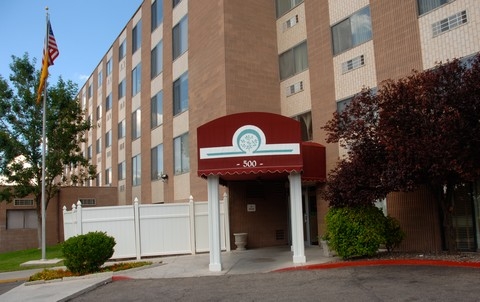
How is Princeton Health & Rehabilitation Staffed?
CMS rates Princeton Health & Rehabilitation's staffing level at 3 out of 5 stars, which is average compared to other nursing homes. Staff turnover is 46%, compared to the New Mexico average of 46%. RN turnover specifically is 59%, which is notably high. RNs provide skilled clinical oversight, so turnover in this role can affect medical care quality.

What Have Inspectors Found at Princeton Health & Rehabilitation?

State health inspectors documented 49 deficiencies at Princeton Health & Rehabilitation during 2022 to 2025. These included: 1 Immediate Jeopardy (the most serious level, indicating potential for serious harm or death) and 48 with potential for harm. Immediate Jeopardy findings are rare and represent the most serious regulatory concerns. They require immediate corrective action.

Who Owns and Operates Princeton Health & Rehabilitation?

Princeton Health & Rehabilitation is owned by a for-profit company. For-profit facilities operate as businesses with obligations to shareholders or private owners. The facility operates independently rather than as part of a larger chain. With 369 certified beds and approximately 275 residents (about 75% occupancy), it is a large facility located in Albuquerque, New Mexico.

How Does Princeton Health & Rehabilitation Compare to Other New Mexico Nursing Homes?

Compared to the 100 nursing homes in New Mexico, Princeton Health & Rehabilitation's overall rating (3 stars) is above the state average of 2.9, staff turnover (46%) is near the state average of 46%, and health inspection rating (3 stars) is at the national benchmark.

What Should Families Ask When Visiting Princeton Health & Rehabilitation?

Based on this facility's data, families visiting should ask: "What changes have been made since the serious inspection findings, and how are you preventing similar issues?" "Can I visit during a mealtime to observe dining assistance and food quality?" "How do you handle medical emergencies, and what is your hospital transfer rate?" "Can I speak with family members of current residents about their experience?" These questions are particularly relevant given the facility's Immediate Jeopardy citations.

Is Princeton Health & Rehabilitation Safe?

Based on CMS inspection data, Princeton Health & Rehabilitation has documented safety concerns. Inspectors have issued 1 Immediate Jeopardy citation (the most serious violation level indicating risk of serious injury or death). The facility has a 3-star overall rating and ranks #1 of 100 nursing homes in New Mexico. Families considering this facility should ask detailed questions about what corrective actions have been taken since these incidents.

Do Nurses at Princeton Health & Rehabilitation Stick Around?

Princeton Health & Rehabilitation has a staff turnover rate of 46%, which is about average for New Mexico nursing homes (state average: 46%). Moderate turnover is common in nursing homes, but families should still ask about staff tenure and how the facility maintains care continuity when employees leave.

Was Princeton Health & Rehabilitation Ever Fined?

Princeton Health & Rehabilitation has been fined $74,897 across 2 penalty actions. This is above the New Mexico average of $33,828. Fines in this range indicate compliance issues significant enough for CMS to impose meaningful financial consequences. Common causes include delayed correction of deficiencies, repeat violations, or care failures affecting resident safety. Families should ask facility leadership what changes have been made since these penalties.

Is Princeton Health & Rehabilitation on Any Federal Watch List?

Princeton Health & Rehabilitation is not on any federal watch list. The most significant is the Special Focus Facility (SFF) program, which identifies the bottom 1% of nursing homes nationally based on persistent, serious quality problems. Not being on this list means the facility has avoided the pattern of deficiencies that triggers enhanced federal oversight. This is a positive indicator, though families should still review the facility's inspection history directly.