South Valley Care Center LLC
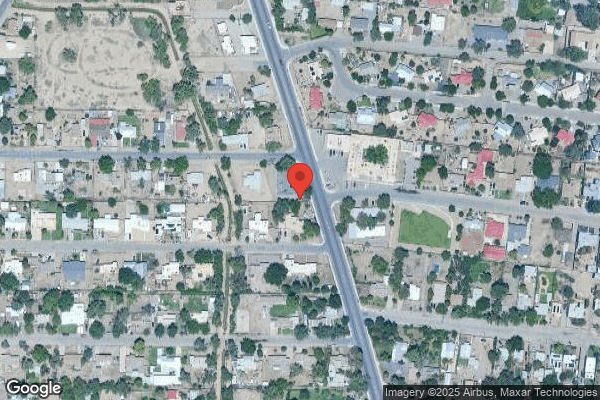
1629 Bowe Lane Sw, Albuquerque, NM 87105 (505) 877-2200
For profit - Individual 62 Beds Independent Data: November 2025
Trust Grade
90/100
#14 of 67 in NM
Last Inspection: July 2025

Inspected within the last 6 months. Data reflects current conditions.

Overview

South Valley Care Center LLC has received a Trust Grade of A, which indicates it is an excellent choice for families, highly recommended for its quality of care. It ranks #14 out of 67 nursing homes in New Mexico, placing it in the top half of state facilities, and #6 out of 18 in Bernalillo County, meaning there are only five local options that are better. However, the facility is currently experiencing a worsening trend, with the number of reported issues increasing from 1 in 2024 to 7 in 2025. Staffing is a mixed bag; while the turnover rate is impressively low at 0%, indicating staff retention is strong, the RN coverage is concerning as it is lower than 91% of other facilities in New Mexico, which could affect resident care. On the positive side, the center has no fines on record, demonstrating compliance, but recent inspections revealed several concerns, including expired food found in the kitchen, which poses a risk of foodborne illness, and medication carts that were not secured properly, potentially exposing residents to medication errors. Families should weigh these strengths and weaknesses carefully when considering this facility.

Trust Score
A
90/100
In New Mexico
#14/67
Top 20%
Safety Record
Low Risk
No red flags
Inspections
Getting Worse
1 → 7 violations
Staff Stability
○ Average
Turnover data not reported for this facility.
Penalties
✓ Good
No fines on record. Clean compliance history, better than most New Mexico facilities.
Skilled Nurses
⚠ Watch
Each resident gets only 20 minutes of Registered Nurse (RN) attention daily — below average for New Mexico. Fewer RN minutes means fewer trained eyes watching for problems.
Violations
○ Average
8 deficiencies on record. Average for a facility this size. Mostly minor or procedural issues.
★★★★★
5.0
Overall Rating
★★★☆☆
3.0
Staff Levels
★★★★☆
4.0
Care Quality
★★★★★
5.0
Inspection Score
Stable
2024: 1 issues
2025: 7 issues

The Good

  • 4-Star Quality Measures · Strong clinical quality outcomes
  • Full Sprinkler Coverage · Fire safety systems throughout facility
  • No fines on record

Facility shows strength in quality measures, fire safety.

The Bad

No Significant Concerns Identified

This facility shows no red flags. Among New Mexico's 100 nursing homes, only 0% achieve this.

The Ugly 8 deficiencies on record

Sept 2025 2 deficiencies
CONCERN (D) 📢 Someone Reported This

A family member, employee, or ombudsman was alarmed enough to file a formal complaint

Potential for Harm - no one hurt, but risky conditions existed

Notification of Changes (Tag F0580)

Could have caused harm · This affected 1 resident

**NOTE- TERMS IN BRACKETS HAVE BEEN EDITED TO PROTECT CONFIDENTIALITY** Based on observations, record reviews and interviews, staff failed to notify the physician and Director of Nursing (DON) of chan...

Read full inspector narrative →
**NOTE- TERMS IN BRACKETS HAVE BEEN EDITED TO PROTECT CONFIDENTIALITY** Based on observations, record reviews and interviews, staff failed to notify the physician and Director of Nursing (DON) of changes in a resident's eye for 1 (R #1) of 1 (R #1) residents. This deficient practice could result in the resident not receiving a medical assessment or treatment, which could result in a worsening of symptoms. The findings are: A. Record review of R #1's face sheet revealed the following: -The resident was admitted to the facility on [DATE]. -The resident had a diagnosis of glaucoma (a group of eye conditions that can cause blindness). -The resident had a diagnosis of dementia (a group of conditions characterized by impairment of at least two brain functions, such as memory loss and judgment). -The resident had a diagnosis of cataract (a cloudy area in the normally clear lens of the eye). B. Record review of R #1's Physician Orders, dated 07/24/24, revealed the following: -Staff to complete resident body check (a visual observation during personal care) each shower day, dated 07/24/24. -Refer to eye care providers as needed, dated 07/24/24. C. Record review of R #1's Care Plan, dated May 2025, revealed the resident had a diagnosis of dementia. D. On 09/10/25 at 8:27 AM, observation revealed R #1 sat in a geriatric chair (a specialized reclining chair with safety straps used to support residents who cannot sit safely in a regular chair) in the common area. Further observation revealed the resident's left eye was red and swollen, with mucus drainage present on the eyelid and cheek. The resident rubbed their left eye. Staff did not provide assistance or perform eye care. E. On 09/10/25 at, 12:10 PM, observation revealed R #1's left eye was closed shut and had dried fluid/mucous around the closed eyelid. F. Record review of R #1's medical records revealed the following: - Staff did not document the resident's eye redness, fluid drainage, or swelling. - Staff did not document they notified the physician of the resident's eye condition. G. On 09/10/25 at 1:25 PM, during an interview, the Registered Nurse (RN) #1 stated R#1's left eye was closed with redness and fluid/mucous on 09/10/25. RN #1 stated she wiped the resident's eye with a warm washcloth but did not document the resident's eye condition in the progress notes, notify the Director of Nursing (DON), or contact the physician. H. On 09/10/25 at, 1:28 PM, during an interview, the DON stated it was her expectation for the RNs to report any resident changes to her and the physician. She stated staff did not report R #1's eye changes to her for further assessment and provider notification. I. On 09/10/25 at 2:30 PM, during an interview, the Administrator stated RN #1 should have reported the change in the resident's eye condition to the DON. She stated it was her expectation for staff to communicate any change in the residents. The Administrator stated if staff did not communicate a resident's eye change, then the resident may have adverse reaction if care was not provided.
CONCERN (E) 📢 Someone Reported This

A family member, employee, or ombudsman was alarmed enough to file a formal complaint

Potential for Harm - no one hurt, but risky conditions existed

Deficiency F0761 (Tag F0761)

Could have caused harm · This affected multiple residents

**NOTE- TERMS IN BRACKETS HAVE BEEN EDITED TO PROTECT CONFIDENTIALITY** Based on observations, interviews, and record reviews, the facility failed to:- Ensure a medication cart located on the East Hal...

Read full inspector narrative →
**NOTE- TERMS IN BRACKETS HAVE BEEN EDITED TO PROTECT CONFIDENTIALITY** Based on observations, interviews, and record reviews, the facility failed to:- Ensure a medication cart located on the East Hall was inaccessible to unauthorized individuals for 1 (medication cart #1) of 3 (medication carts #1, #2, and #3) medication carts. - Pick up and dispose of a dropped medication for 1 (R #3) of 1 (R #3) residents. If the facility fails to ensure medication is secured against unauthorized access, then residents are at risk of adverse drug reactions, medication errors, overdose, or death. The findings are: Unattended Medication [NAME]. Record review of the facility's Medication Storage Policy, dated 12/11/24, revealed all medication carts must remain locked and secured when not in use. B. On 09/10/25 at 8:24 a.m., during an interview, Registered Nurse (RN) #1 stated the medication cart must remain locked. She stated leaving the cart unlocked could allow a resident to access medications not prescribed to them, which could lead to overdose. C. On 09/10/25 at 8:51 AM and 11:30 AM, observation revealed the East Hall medication cart was unlocked and unattended by staff. Further observation revealed the medication cart contained antidepressants, controlled substances, resident routine daily medications, and insulin injectable pens. D. On 09/10/25 at 2:15 PM, during an interview, the Director of Nursing (DON) stated it was her expectation for all medication carts to remain locked and secured. The DON stated it was the floor nurse's responsibility to ensure medication carts remained locked. Dropped [NAME]. On 09/10/25 at 12:15 p.m., observation revealed a half, yellow pill located on the floor under the East Hall medication cart. Further observation revealed a resident ambulated near the medication cart. F. On 09/10/25 at 1:14 p.m., during an interview, RN #1 stated she dropped the half yellow pill at 9:00 a.m. She stated she did not pick it up, because she was busy. She stated staff were expected to document a dropped medication on the resident's Medication Administration Record (MAR) and in the resident's progress notes. She stated she did not document the dropped medication. RN #1 identified the dropped pill as R #3's sertraline (Zoloft, an antidepressant medication). G. On 09/10/25 at 2:15 PM, during an interview, the Director of Nursing (DON) stated staff must pick up and dispose of dropped medication immediately in a Sharps container and document the incident on the resident's MAR as not administered. The DON stated it was the floor nurse's responsibility to ensure dropped medications were immediately addressed. She stated there was always a chance a resident could pick up the medication and ingest it. The DON stated the dropped medication belonged to R #3.
Jul 2025 4 deficiencies
CONCERN (D)

Potential for Harm - no one hurt, but risky conditions existed

Deficiency F0605 (Tag F0605)

Could have caused harm · This affected 1 resident

Based on record review and interviews, the facility failed to ensure R #56 was free from chemical restraints when staff administered a psychotropic medication (group of drugs that affect behavior, moo...

Read full inspector narrative →
Based on record review and interviews, the facility failed to ensure R #56 was free from chemical restraints when staff administered a psychotropic medication (group of drugs that affect behavior, mood, thoughts, or perception) for the purpose of keeping the resident in bed, rather than for the treatment of a documented medical condition. If staff fail to administer psychotropic medication for the treatment of a documented medical condition, then it may be considered a restraint and place the resident at a higher risk of adverse side effects. The findings are: A. Record review of R #56's face sheet revealed an admission date of 12/16/20 and included the following diagnosis: - Schizophrenia (a disorder that affects an individual's ability to think, feel, and behave clearly),- Neurosyphilis (an infection of the nervous system, specifically of the brain and spinal cord).B. Record review of R #56's Physicians Orders, dated 04/02/25, revealed an order for lorazepam (anti-anxiety medication) 1 milligram (mg) tablets. Give one tablet every three to four hours as needed for anxiety, for 15 days.C. Record review of R #56's Nurse progress notes, dated 04/03/25, revealed staff administered lorazepam 1mg to R #56, to help keep him in bed.D. Record review of R #56's Medication Administration Record (MAR), dated 04/01/25 through 04/30/25, revealed staff administered lorazepam 1 mg on 04/03/25 and documented the reason as, because the resident tried to get out of bed.E. On 07/03/25 at 11:08 am during an interview, Registered Nurse (RN) #1 stated R #56 tried to get out of bed on 04/03/25, because he was anxious. RN #1 stated the resident fell previously, and staff were afraid he would fall again. RN #1 stated she documented she administered lorazepam to keep R #56 from getting out of bed. RN #1 stated she probably should not have documented using the words to keep him in bed because it sounded like she used the medication as a restraint. F. On 07/03/25 at 11:17 am during an interview, the Director of Nursing (DON) stated the documentation in the nurses note stated, I also gave him some Ativan to help keep him in bed. The DON stated R #56 was non-verbal, and he only spoke one or two words. The DON stated R #56 appeared anxious, agitated, fearful, and was at the end of life. The DON stated the documentation in R #56's MAR, dated 04/03/25, stated staff administered lorazepam to R #56 to keep the resident from getting out of bed. The DON stated it was not the facility's practice to administer medications to control behavior, and it was her expectation for nurses to document appropriate reasons for administering medications.
CONCERN (D)

Potential for Harm - no one hurt, but risky conditions existed

Respiratory Care (Tag F0695)

Could have caused harm · This affected 1 resident

**NOTE- TERMS IN BRACKETS HAVE BEEN EDITED TO PROTECT CONFIDENTIALITY** Based on interview and record review, the facility failed to ensure staff monitored and maintained oxygen therapy equipment for ...

Read full inspector narrative →
**NOTE- TERMS IN BRACKETS HAVE BEEN EDITED TO PROTECT CONFIDENTIALITY** Based on interview and record review, the facility failed to ensure staff monitored and maintained oxygen therapy equipment for 1 (R #10) of 1 (R #10) residents reviewed for oxygen use. If the facility fails to ensure residents using supplemental oxygen have functioning equipment, then residents may experience dangerously low oxygen saturation levels (amount of oxygen in the blood), respiratory distress, and hospitalization.The findings are: A. Record review of R #10's face sheet dated, 02/06/2025, revealed the resident was admitted to the to the facility on [DATE] with the following diagnoses:-Alzheimer's disease (progressive neurodegenerative brain disorder),-Respiratory failure,-Chronic obstructive pulmonary disease (COPD; lung disease). B. Record review of R #10's physician orders, dated 07/24/24, revealed an order for oxygen at 2 to 4 liters per minute (lpm) via nasal cannula (a small, flexible tube that delivers oxygen to the nose through soft prongs) continuously to keep saturation above 90 percent (%) every shift. C. Record review of R #10's Quarterly Minimum Data Set (MDS; a federally mandated assessment instrument completed by facility staff) assessment, dated 04/20/2025, revealed the following:- Brief Interview for Mental Status (BIMS; a screening for cognitive impairment) score of 6, severe cognitive impairment.- R #10 experienced shortness of breath with exertion (walking, bathing, transferring), shortness of breath when sitting at rest, and shortness of breath when lying flat. D. On 07/03/25 at 2:16 PM, during an observation, R #10 lay in his bed with his oxygen nasal cannula in place. The resident was connected to a portable oxygen tank (a lightweight mobile device intended for ambulation or transport). R #10's oxygen concentrator (device that concentrates the oxygen from a gas supply) was located next to his bed and was off. E. On 07/03/25 at 2:23 PM, during an observation and interview, Certified Nursing Assistant (CNA) #1 entered R #10's room and checked the resident's portable oxygen tank. She stated R #10's portable oxygen tank was empty. CNA #1 measured R #10's oxygen saturation level at 78% (Normal oxygen saturation levels range between 95% and 100%.) F. On 07/03/25 at 2:30 PM, during an observation, RN #1 entered R #10 ‘s room and measured R #10's oxygen saturation level at 85%. The resident was connected to the oxygen concentrator via nasal cannula. G. On 07/03/25 at 2:30 PM, during an interview, RN #1 stated it was the CNA's responsibility to ensure residents' portable oxygen tanks were full. She stated R #10 frequently went in and out of his room throughout the day and sometimes forgets to reconnect himself to the concentrator. She stated staff have found his portable oxygen tank empty on previous occasions. H. On 07/03/2025 at 3:06 PM, during an interview, RN #3 stated R #10 went to his room to lie down after lunch. RN #3 stated portable oxygen tanks have a limited supply of oxygen, and oxygen concentrators provide a continuous flow of oxygen. I. On 07/03/25 at 3:19 PM, during an interview, CNA #2 stated the CNAs fill the portable oxygen tanks at the end of each shift for the oncoming shift. She stated the CNAs should check the resident's oxygen equipment to ensure the correct oxygen flow, confirm the tubing was not twisted, and check the humidifier bottle. CNA #2 stated staff should switch the residents from the portable oxygen tank to the concentrator when the residents were in their rooms. She stated cognitive residents connect themselves to the concentrator, but R #10 had dementia, remained in his room, and had inconsistent cognitive clarity. She stated staff should complete rounds after lunch, to include the residents' oxygen level.
CONCERN (E)

Potential for Harm - no one hurt, but risky conditions existed

Deficiency F0645 (Tag F0645)

Could have caused harm · This affected multiple residents

Based on interviews and record review, the facility failed to ensure Level I PASRR (Screening for Mental Illness and Intellectual Disability) Level I screenings were reviewed for accuracy and properly...

Read full inspector narrative →
Based on interviews and record review, the facility failed to ensure Level I PASRR (Screening for Mental Illness and Intellectual Disability) Level I screenings were reviewed for accuracy and properly completed for two of two residents reviewed for PASRR (R #22, and R #25). If the facility fails to review Level I PASRR screenings for accuracy and ensure that they are properly completed, then residents with serious mental illness or intellectual disability may be admitted without appropriate screening or specialized service determination, resulting in inappropriate placement and potential harm.(The findings are)R #22A. Record review of R #22's PASRR Level 1 screening, dated 06/15/23, revealed the resident did not have a diagnosis of or a suspicion of a serious mental illness. B. Record review of R #22's face sheet revealed an admission date of 06/15/23 with the following diagnoses:(List not all inclusive)-Bipolar disorder (a disorder associated with episodes of mood swings ranging from depressive lows to manic highs).C. Record review of R #22's physician orders revealed the following:-Oxcarbazepine 150mg., one tablet daily for diagnosis of Bipolar.-Lurasidone HCL 40 mg., one tablet daily for diagnosis of Bipolar. R #25D. Record review of R #25's PASRR Level 1 Screening, dated 01/29/24, revealed the resident did not have a diagnosis of or a suspicion of a serious mental illnessE. Record review of R #25's face sheet revealed an admission date of 01/30/24 with the following diagnoses:(List not all inclusive)-Depression (a mood disorder that causes a persistent feeling of sadness and loss of interest).F. Record review of R #25's physician orders revealed the following:-Duloxetine HCL 60 mg., one tablet daily for depression.G. On 07/03/25 at 1:27 PM, during an interview, the Social Services Director (SSD) stated it was expected for the sending facility to send the Level 1 PASRR with the other transfer documents. The SSD stated she reviews the resident's medical history before completing a new resident's Level 1 PASRR. The SSD stated if a resident has a qualifying mental health or developmental diagnosis, she submits the Level 1 PASRR recommendation to the determining agency. She stated she informs the Assistant Director of Nursing (ADON) and the Director of Nursing (DON) to review any PASRR's requiring attention. The SSD stated it was her expectation for all PASRR's to be screened properly prior to the admission of the resident. She stated Level I PASRR screenings must be current and accurately reflect any qualifying diagnoses. She stated R #18's PASRR was incorrect because staffed checked the resident did and did not have a diagnosis or suspected mental illness. She stated R #22's and 25's PASRR was incorrect because both residents have a diagnosis or a mental illness, identified in Section C.
CONCERN (F)

Potential for Harm - no one hurt, but risky conditions existed

Food Safety (Tag F0812)

Could have caused harm · This affected most or all residents

Based on observation and interview, the facility failed to:- Ensure expired kitchen items were disposed of and not accessible in the refrigerator.- Use appropriate techniques to thaw frozen shrimp.- S...

Read full inspector narrative →
Based on observation and interview, the facility failed to:- Ensure expired kitchen items were disposed of and not accessible in the refrigerator.- Use appropriate techniques to thaw frozen shrimp.- Store food off the floor.These deficient practices could potentially cause a foodborne illness for all residents in the facility. The findings are:Expired Food A. On 07/01/25 at 9:30 am, during an initial kitchen tour, observation revealed containers of cottage cheese with expiration dates of 06/22/25 and 06/26/25.B. On 07/01/25 at 9:30 am, during an interview, the Dietary Manager (DM) stated staff should have thrown away the expired cottage cheese. He stated expired food should not be in the refrigerator. The DM stated staff should check the refrigerator daily for expired food. Thawing Food C. On 07/01/25 at 1:45 pm, observation revealed four, 2 pound bags of shrimp sat in a 10 inch (in) by 10 in. by 17 in container in the sink. The bags of shrimp floated in water in the container, and a narrow stream of water trickled into the container. Further observation revealed the four bags of shrimp were not fully submerged in the water, and the stream of water did not agitate the water in the container. D. On 07/01/25 at 1:47 pm during an interview, the DM stated the shrimp was for dinner on 07/01/25. He stated there were three ways to thaw food: in the microwave, under running water, and in the refrigerator. He stated the shrimp should be submerged in the water in the container, and the running water should be strong enough to agitate the water in the container. Food Storage E. On 07/01/25 at 1:50 pm, observation revealed a box of Uncrustable (name brand) sandwiches and a box of uncooked bacon sat on the floor of the walk-in refrigerator. F. On 07/01/25 at 1:50 pm, during an interview, the DM stated food should be stored on the shelves and not directly on the floor. The DM stated he did not know why the food was on the floor.
Feb 2025 1 deficiency
CONCERN (E) 📢 Someone Reported This

A family member, employee, or ombudsman was alarmed enough to file a formal complaint

Potential for Harm - no one hurt, but risky conditions existed

Notification of Changes (Tag F0580)

Could have caused harm · This affected multiple residents

**NOTE- TERMS IN BRACKETS HAVE BEEN EDITED TO PROTECT CONFIDENTIALITY** Based on record review and interview, the facility failed to notify the resident's physician when a resident did not eat for an ...

Read full inspector narrative →
**NOTE- TERMS IN BRACKETS HAVE BEEN EDITED TO PROTECT CONFIDENTIALITY** Based on record review and interview, the facility failed to notify the resident's physician when a resident did not eat for an extended period of time and loss significant weight for 1 (R #1) of 1 (R #1) resident. If the facility is not notifying the physician then residents are likely to experience adverse effects, worsening of their condition, and potential complications from not receiving the proper care. The findings are: A. Record review of R #1's face sheet, dated 11/19/24, revealed R #1 was admitted to the facility 06/14/19. B. Record review of R #1's quarterly Minimum Data Set (MDS; a federally mandated assessment instrument completed by facility staff), dated 07/01/24, revealed R #1 had a Brief Interview of Mental Status (BIMS; a screening for cognitive impairment) score of seven (7), severely impaired. C. Record review of R #1's physician orders, dated September 2024, revealed the following: a. Diagnoses included: - Alzheimer's disease (a disease which causes irreversible changes in memory, thinking, and behavior), - Type 2 diabetes mellitus (DM2, a condition which results from insufficient production of insulin, causing high blood sugar), - Unspecified dementia (a group of conditions characterized by impairment of at least two brain functions, such as memory loss and judgment), - Encephalopathy (a degenerative brain disease that alters brain function or structure.) b. Diet: Regular. D. Record Review of R #1's meal intake revealed the following: a. On 09/01/24, R #1 refused breakfast and dinner. b. On 09/04/24, R #1 refused breakfast. c. On 09/05/24, R #1 refused breakfast, lunch, and dinner. d. On 09/06/24, R #1 refused breakfast and lunch. e. On 09/07/24, R #1 refused breakfast, lunch, and dinner. f. On 09/08/24, R #1 refused breakfast, lunch, and dinner. g. On 09/09/24, R #1 refused breakfast and lunch. h. On 09/10/24, R #1 refused breakfast and lunch. i. On 09/11/24, R #1 refused breakfast and lunch. j. On 09/12/24, R #1 refused breakfast and lunch. k. On 09/13/24, R #1 refused breakfast and lunch. l. On 09/14/24, R #1 refused lunch and dinner. m. On 09/15/24, R #1 refused breakfast and dinner. n. On 09/16/24, R #1 refused breakfast, lunch, and dinner. o. On 09/17/24, R #1 refused breakfast, lunch, and dinner. p. On 09/17/24, R #1 refused lunch and dinner. E. Record Review of R #1's of monthly weights revealed the following: a. In March 2024, the resident weighed 207.4 pounds (lbs.) b. In June 2024, the resident weighed 199.4 lbs. c. In August 2024, the resident weighed 200.6 lbs. d. In September 2024, the residents weighed 186.4 lbs. e. The resident experienced a 7.8 percent (%) weight loss in one month (August to September 2024) and a 10.13% weight loss in six months (March to September 2024.) F. Record review of R #1's New Mexico Medical Orders for Scope of Treatment (MOST; a legal document which outlines the care the resident wants when they become incapacitated and unable to speak for themselves) form, dated 01/17/24 and signed by the PA and the resident, revealed the resident was full code but did not want artificial nutrition. G. Record review of R #1's Physician's Progress Notes revealed the following: a. Date of service was 09/11/24. Signed by the Physician's Assistant (PA) on 09/16/24. admission date 06/14/19, with a readmission from the hospital on [DATE]. The resident recently had pneumonia, poor intake, and concentrated urine. Staff reported possible small coffee ground emesis (vomit) with some hypoxemia (low levels of oxygen in the blood). The resident was provided one liter normal saline (NS) secondary to poor intake. Resident continued to be resistant to her oral medications and care. Review of body systems (ROS) showed decline. Resident allowed staff to feed her highly sweetened foods and fluids. The resident's weight was documented as 186 lbs with a note to re-weigh the resident. The resident was irritable, oriented to person and situation, had limited short-term recall and poor judgment. The record did not address the resident's weight loss over the one month and six month period. b. Date of service was 09/18/24. Signed by the PA on 09/26/24. Discharge Summary. The resident became hypoxic (low levels of oxygen in the blood) with some apnea (temporary cessation of breathing.) Since returning from the hospital, the resident would only drink concentrated sweets such as malts, no pureed food. The resident had been resistant to all care. No labored breathing at visit with use then reporting changes of apnea. discharged to the hospital, stabilized by Emergency Medical Technicians (EMT.) H. Record review of R #1's nurses notes revealed the following: a. Dated 09/16/24, resident was alert and verbal, usually answered with one or two words. R #1 required assistance with all meals. b. Dated 09/18/24, resident had apnea attacks. R #1 was unresponsive to verbal stimuli with rapid shallow breathing. c. Dated 09/18/24, staff notified the Assistant Director of Nursing (ADON) of the resident's condition. R #1 was sent to the hospital. d. The record did not contain documentation to show staff notified the resident's physician (the Medical Director) regarding the resident's refusal to eat, significant weight loss, and discharge to the hospital. I. On 02/14/25 at 11:00 am, during an interview with Hospital Caseworker (HC), she stated the resident was dehydrated and appeared malnourished when she was admitted to the hospital on [DATE]. The HC stated the resident was admitted to the hospital on [DATE] and passed away 30 days later while at the hospital. J. On 02/14/25 at 11:42 am, during an interview, the ADON stated R #1 would eat only when she wanted to eat. The ADON stated R #1 often cursed, hit, and spat at the staff when they assisted the resident with eating. The ADON stated they could not force residents to eat, but they could encourage them. The ADON stated R #1 refused to get a gastrostomy tube (G-tube; a tube surgically inserted through the abdomen into the stomach and used to provide fluids, nourishment, and medications). The ADON stated they did not send the resident to the hospital for failure to eat. She stated she did not believe the hospital would intervene, because hospitals and nursing homes often have differing perspectives on care. K. On 2/27/25 at 11:55 am, during an interview, the Medical Director (MD) stated he worked at the facility since June or July of 2024. He stated he did not have the opportunity to see all the residents, but his PA saw the residents on a regular basis. The MD stated the PA saw R #1 in September 2024, but she did not notify him of the resident's failure to eat or significant weight loss. The MD stated staff did not notify him that R #1 was not eating and lost significant weight. He stated it was expected for staff and the PA to notify him immediately if a resident did not eat or if a resident lost significant weight. He stated the facility failed to keep him informed of residents' conditions on previous occasions and he brought this to their attention. The MD stated he would have referred to the resident's advanced directives (MOST) to take into consideration the resident's wishes, but even if the resident did not want artificial nutrition, he could have made changes to the resident's orders and adjustments to the resident's diet if he had known. The MD stated if the resident received shakes or super foods (fortified foods) then that information should be reflected in the resident's orders and documented in the resident's medical record. L. On 02/27/25 at 12:22 PM, during an interview with the Physician Assistant, she stated she was not aware the resident refused to eat for two weeks. She stated she was aware the resident lost weight. The PA stated she did not notify the MD regarding the resident's weight loss, because she felt the resident's weight loss was warranted due to the resident's obesity. The PA stated she deferred to the facility's Registered Dietician (RD) since the RD had its own standards. She stated if she had been concerned about the resident's weight loss, then she would have prescribed liquid protein for the resident to consume. The PA stated she did not see the resident before R #1 left the facility, and she did not feel the need to contact the MD for any changes in the resident's care.
Mar 2024 1 deficiency
CONCERN (F)

Potential for Harm - no one hurt, but risky conditions existed

Food Safety (Tag F0812)

Could have caused harm · This affected most or all residents

Based on observation and interview, the facility failed to discard food after it reached its shelf life or after it expired. This failure was likely to affect all 52 residents listed on the census pro...

Read full inspector narrative →
Based on observation and interview, the facility failed to discard food after it reached its shelf life or after it expired. This failure was likely to affect all 52 residents listed on the census provided by the Administrator on 03/11/24. This deficient practice could likely lead to foodborne illnesses (illness caused by food contaminated with bacteria, viruses, parasites, or toxins) in residents if food is not being discarded timely. The findings are: A. On 03/11/24 at 10:22 am, observation of the walk-in fridge revealed the following: 1. Cabbage, use by date 03/10/24, 2. Cilantro, use by date 02/19/24, 3. Parsley, use by date 03/09/24. B. On 03/11/24 at 10:22 am, during an interview, the Dietary Manager confirmed the cabbage, cilantro, and parsley should be discarded on or by the use by date.
Understanding Severity Codes (click to expand)
Life-Threatening (Immediate Jeopardy)
J - Isolated K - Pattern L - Widespread
Actual Harm
G - Isolated H - Pattern I - Widespread
Potential for Harm
D - Isolated E - Pattern F - Widespread
No Harm (Minor)
A - Isolated B - Pattern C - Widespread

Questions to Ask on Your Visit

  • "Can I speak with families of current residents?"
  • "What's your RN coverage like on weekends and overnight?"

Our Honest Assessment

Strengths
  • • Grade A (90/100). Above average facility, better than most options in New Mexico.
  • • No major safety red flags. No abuse findings, life-threatening violations, or SFF status.
  • • No fines on record. Clean compliance history, better than most New Mexico facilities.
Concerns
  • • No significant concerns identified. This facility shows no red flags across CMS ratings, staff turnover, or federal penalties.
Bottom line: Generally positive indicators. Standard due diligence and a personal visit recommended.

About This Facility

What is South Valley Care Center Llc's CMS Rating?

CMS assigns South Valley Care Center LLC an overall rating of 5 out of 5 stars, which is considered much above average nationally. Within New Mexico, this rating places the facility higher than 99% of the state's 100 nursing homes. This rating reflects solid performance across the metrics CMS uses to evaluate nursing home quality.

How is South Valley Care Center Llc Staffed?

CMS rates South Valley Care Center LLC's staffing level at 3 out of 5 stars, which is average compared to other nursing homes.

What Have Inspectors Found at South Valley Care Center Llc?

State health inspectors documented 8 deficiencies at South Valley Care Center LLC during 2024 to 2025. These included: 8 with potential for harm.

Who Owns and Operates South Valley Care Center Llc?

South Valley Care Center LLC is owned by a for-profit company. For-profit facilities operate as businesses with obligations to shareholders or private owners. The facility operates independently rather than as part of a larger chain. With 62 certified beds and approximately 56 residents (about 90% occupancy), it is a smaller facility located in Albuquerque, New Mexico.

How Does South Valley Care Center Llc Compare to Other New Mexico Nursing Homes?

Compared to the 100 nursing homes in New Mexico, South Valley Care Center LLC's overall rating (5 stars) is above the state average of 2.9 and health inspection rating (5 stars) is much above the national benchmark.

What Should Families Ask When Visiting South Valley Care Center Llc?

Based on this facility's data, families visiting should ask: "Can I visit during a mealtime to observe dining assistance and food quality?" "How do you handle medical emergencies, and what is your hospital transfer rate?" "Can I speak with family members of current residents about their experience?"

Is South Valley Care Center Llc Safe?

Based on CMS inspection data, South Valley Care Center LLC has a clean safety record: no substantiated abuse findings (meaning no confirmed cases of resident harm), no Immediate Jeopardy citations (the most serious violation level indicating risk of serious injury or death), and is not on the Special Focus Facility watch list (a federal program monitoring the lowest-performing 1% of nursing homes). The facility has a 5-star overall rating and ranks #1 of 100 nursing homes in New Mexico. While no facility is perfect, families should still ask about staff-to-resident ratios and recent inspection results during their visit.

Do Nurses at South Valley Care Center Llc Stick Around?

South Valley Care Center LLC has not reported staff turnover data to CMS. Staff turnover matters because consistent caregivers learn residents' individual needs, medications, and preferences. When staff frequently change, this institutional knowledge is lost. Families should ask the facility directly about their staff retention rates and average employee tenure.

Was South Valley Care Center Llc Ever Fined?

South Valley Care Center LLC has no federal fines on record. CMS issues fines when nursing homes fail to meet care standards or don't correct problems found during inspections. The absence of fines suggests the facility has either maintained compliance or corrected any issues before penalties were assessed. This is a positive indicator, though families should still review recent inspection reports for the full picture.

Is South Valley Care Center Llc on Any Federal Watch List?

South Valley Care Center LLC is not on any federal watch list. The most significant is the Special Focus Facility (SFF) program, which identifies the bottom 1% of nursing homes nationally based on persistent, serious quality problems. Not being on this list means the facility has avoided the pattern of deficiencies that triggers enhanced federal oversight. This is a positive indicator, though families should still review the facility's inspection history directly.