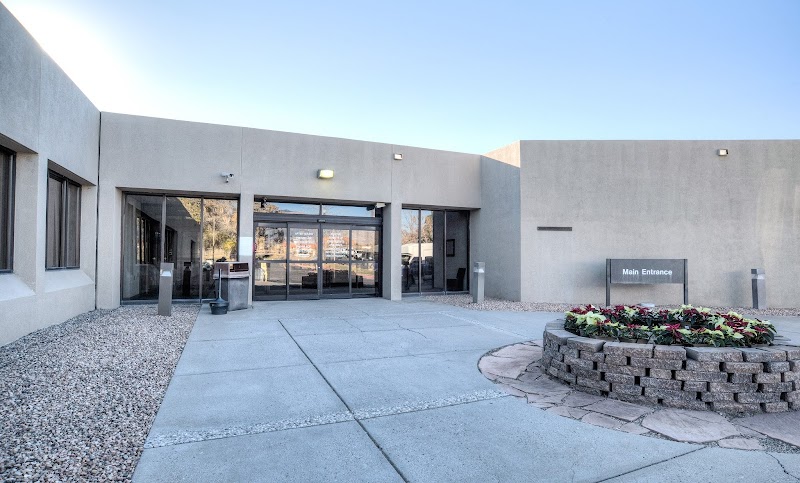
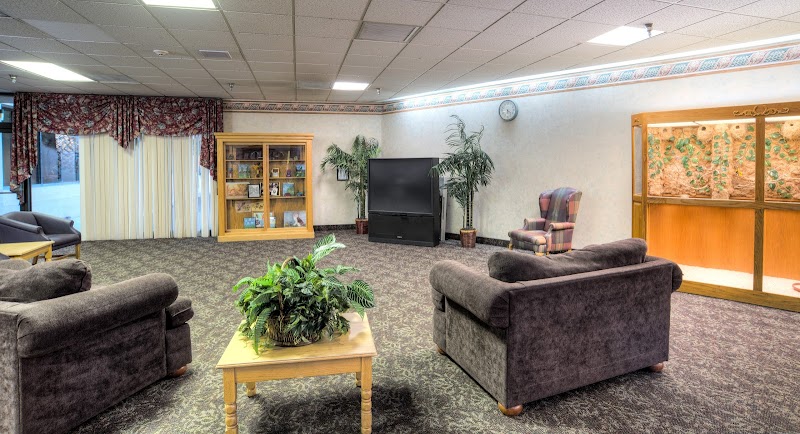
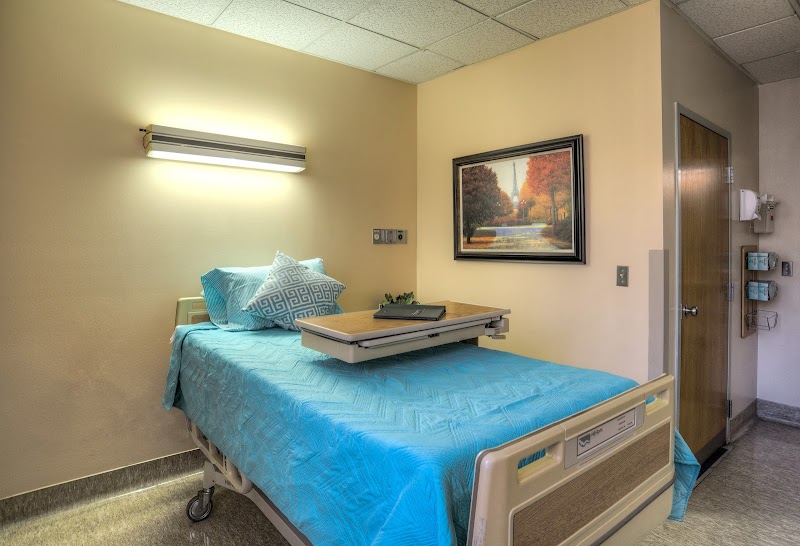
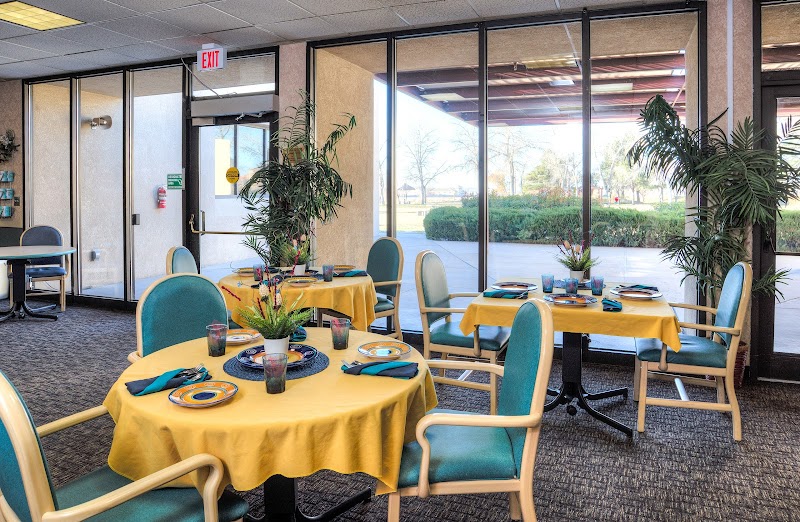
The Rehabilitation Center of Albuquerque

5900 Forest Hills Drive NE, Albuquerque, NM 87109 (505) 822-6000
For profit - Corporation 120 Beds GENESIS HEALTHCARE Data: November 2025 4 Immediate Jeopardy citations
Trust Grade
0/100
#38 of 67 in NM
Last Inspection: June 2025

Inspected within the last 6 months. Data reflects current conditions.

Overview

The Rehabilitation Center of Albuquerque has received a Trust Grade of F, indicating significant concerns about the facility's care and services. It ranks #38 out of 67 nursing homes in New Mexico, placing it in the bottom half of state facilities, and #12 out of 18 in Bernalillo County, meaning only a few local options are worse. While the facility is showing some improvement, with issues decreasing from 12 in 2024 to 10 in 2025, it still reported 36 total deficiencies, including critical failures to ensure tracheostomy care supplies were available and to prevent a COVID-19 outbreak that affected 36 residents. Staffing is a relative strength, with good RN coverage and a turnover rate that matches the state average, but the facility has incurred $100,920 in fines, indicating ongoing compliance problems. Families should weigh these strengths against serious weaknesses when considering care for their loved ones.

Trust Score
F
0/100
In New Mexico
#38/67
Bottom 44%
Safety Record
High Risk
Review needed
Inspections
Getting Better
12 → 10 violations
Staff Stability
⚠ Watch
53% turnover. Above average. Higher turnover means staff may not know residents' routines.
Penalties
✓ Good
$100,920 in fines. Lower than most New Mexico facilities. Relatively clean record.
Skilled Nurses
✓ Good
Each resident gets 64 minutes of Registered Nurse (RN) attention daily — more than 97% of New Mexico nursing homes. RNs are the most trained staff who catch health problems before they become serious.
Violations
⚠ Watch
36 deficiencies on record. Higher than average. Multiple issues found across inspections.
★★★☆☆
3.0
Overall Rating
★★★☆☆
3.0
Staff Levels
★★★★★
5.0
Care Quality
★★☆☆☆
2.0
Inspection Score
Stable
2024: 12 issues
2025: 10 issues

The Good

  • 5-Star Quality Measures · Strong clinical quality outcomes
  • Full Sprinkler Coverage · Fire safety systems throughout facility
  • No fines on record

Facility shows strength in quality measures, fire safety.

The Bad

3-Star Overall Rating

Near New Mexico average (2.9)

Meets federal standards, typical of most facilities

Staff Turnover: 53%

Near New Mexico avg (46%)

Higher turnover may affect care consistency

Federal Fines: $100,920

Well above median ($33,413)

Significant penalties indicating serious issues

Chain: GENESIS HEALTHCARE

Part of a multi-facility chain

Ask about local staffing decisions and management

The Ugly 36 deficiencies on record

4 life-threatening 3 actual harm
Jun 2025 9 deficiencies 1 IJ
CRITICAL (J) 📢 Someone Reported This

A family member, employee, or ombudsman was alarmed enough to file a formal complaint

Immediate Jeopardy (IJ) - the most serious Medicare violation

Deficiency F0578 (Tag F0578)

Someone could have died · This affected 1 resident

**NOTE- TERMS IN BRACKETS HAVE BEEN EDITED TO PROTECT CONFIDENTIALITY** Based on record review and interviews, the facility failed to ensure a resident's Advance Directives (a document which provides ...

Read full inspector narrative →
**NOTE- TERMS IN BRACKETS HAVE BEEN EDITED TO PROTECT CONFIDENTIALITY** Based on record review and interviews, the facility failed to ensure a resident's Advance Directives (a document which provides an individual's wishes for emergency and lifesaving care) were honored for 1 (R #101) of 1 (R #101) residents when staff provided cardiopulmonary resuscitation (CPR; an emergency procedure that combines chest compression with artificial ventilation) to R #101 when the resident had a documented Do Not Resuscitate (DNR; lifesaving measures are not desired) Advanced Directive on file at the facility. If staff do not follow a resident's Advanced Directives, then the resident may feel undignified and as if they do not have control over her own choices.The findings are: A. Record review of R #101's face sheet revealed an admission date of [DATE]. B. Record review of R #101's New MexicoMedical Orders for Scope of Treatment (MOST; a legal document which outlines the care the resident wants when they become incapacitated and unable to speak for themselves)form,dated [DATE] andsigned by R #101, revealed the residentchose DNR. C. Record review of R #101's physicians progress notes, dated [DATE], revealed R #101 discussed her options for code statuswith her doctorand selected DNR status. D. Record review of R #101's physicians orders dated [DATE] revealed a Do Not Resuscitate status. E. Record review of R #101's nurses progress notes, dated [DATE] at 2:00 am, revealedthe resident was well and did not have any changes from her baseline (normal condition). The resident requested to go to the restroom. When the resident returned from the restroom, she complained of nausea. The resident began to feel better, but she was tired and wanted a nap. R #101 became unconscious. Staff called 911 (emergency service number) and started CPR at 2:05 am. The resident regained consciousness. When Emergency Medical Services (EMS) arrived, staff notified EMS that R #101 documented a DNR status on her MOST form. R #101 became unconscious again, and EMS did not perform CPR. Resident was pronounced dead at 2:25 am. F. On [DATE] at 4:00 pm during an interview, the Administrator (ADM) stated she could not recall whether she was informed of the incident, and it was not reported to the State Agency. She stated she was not aware of any staff training directly related to the failure of honoring resident code status. G. On [DATE] at 4:10 pm during an interview, the Director of Nursing (DON) stated the facility enters all residents as full code status on admission. He further stated they realized R #101 was a DNR status when they collected the paperwork for the Emergency Medical Technicians (EMTs). H. On [DATE] at 4:15 pm during an interview, an anonymous nursing staff stated they referred to the resident's medical record to determine code status during an emergency event. Based on record reviews and interviews, an Immediate Jeopardy (IJ) was identified to have occurred on [DATE] when the facility provided CPR to R #101. The facilityAdministratorwas notifiedin personon [DATE] at 4:33 pm. The facility took corrective action by providing an acceptable Plan of Removal (POR). The Plan of Removal was approved on [DATE] at 11:12 am. Plan of Removal Corrective Action: - The identified resident that was affectedwas no longera resident ofthe facility. - Current residents have the ability to be affected by this deficient practice. - On [DATE], an initial audit was conducted to ensure all resident code statuses and MOST forms match. The DON/designee ensured all code status orders in the EMR matched the MOST forms.One resident was identified. The resident'sorder in the EMR updated to DNR to match the resident's MOST form. - The Center reviewed the Code Status Order Policy and noted that allresidentsrequire a code status order as soon as possible upon admission and, if the resident experiences cardiopulmonary arrest prior to indicating their advance directive wishes, the Center will default to Full Code and perform CPR. - The Center will provide the resident/resident representative with the opportunity to indicate their advanced directive wishes at admission. Their wishes will be reflected on the MOST form and an order will be entered into the EMR. - On [DATE], all licensed nurses in the building will be educated by the Director of Nursing/designee on this process, specifically to review the resident's medical record to include the hospital discharge paperwork and admission paperwork to ensure a resident's code status is accurate. - If the resident's wishes are different from the hospital medical records or admission orders, the nurses will immediately document theresident'swishes in the medical record, notify the physician, obtain the correct order, and complete the MOST form. - All other licensed nurses will be educated on their next scheduled shift. - The DON/designee will monitor each new admission/readmission daily for three months to ensure that the resident/resident representative is provided with the opportunity to indicate their advanced directive wishes at admission, the MOST form is completed as applicable, and the code status order is updated in the EMR to match the resident's wishes. - The DON/designee will follow up to ensure corrections are made immediately and additional education is provided as needed to ensure compliance. - The DON/designee will report the outcome measures of the monitoring to the Quality Assurance Performance Improvement (QAPI) monthly for 3 months or until full compliance is noted. Implementation of the POR was verified onsite on [DATE], and the IJ was removed on [DATE] at 12:30 pm. The scope and severity was reduced from a J to an E. Implementation of the POR was verified by the following: -Record review of the facility's Code Status Policy, dated [DATE], revealed the following: - Upon admission/readmission, a code status is required as soon as possible as part of the resident's admission order set. - Staff should verify patient's wishes with regard to code status upon admission. - Record review of the facility's audit of all current residents,dated [DATE],revealed one other resident had unmatching code status on MOST form and face sheet. Staff corrected immediately so all information in the resident's record matched. -Record review of the facility's follow-up audit of all current residents,dated [DATE],revealed all current residents had matching code status orders on their MOST forms and face sheets. - Record review of staff signature sheets,dated [DATE] and [DATE], revealed education was provided to the licensed staff, regarding MOST form accuracy, advance directive orders, and residents documented code status on the face sheetshould be the same. - On [DATE] at 11:55 am during an interview, Registered Nurse (RN) #5 stated nursing staffhad a training on [DATE] regarding MOST form accuracy, advance directive orders, and residents documented code status on the face sheetshould be the same. - On [DATE] at 12:06 pm during an interview with the DON, he stated an audit of all residents' MOST forms and code status orders were completed to verify they contained matching information. He stated the facility identified a discrepancy for one other resident during the audit. He stated nursing staff who were on shift yesterday received the training regarding MOST form accuracy, advance directive orders, and the face sheet matching. He stated the nurses who were not on shift on [DATE] will receive the training on their next shift. The DON stated the Plan of Correction will be discussed at the next scheduled Quality Assurance and Performance Improvement (QAPI) meeting. - On [DATE] at 12:10 pm during an interview, RN #6 stated she received training on [DATE] onMOST forms. She stated the MOST form was signed on admission. She stated if the resident was unable to speak or sign, then staff should call the resident's family for the code status. She stated staff could also look up a resident's code status from their hospital documentation. She stated if staff were unable to find a code status for a resident, then the resident would be considered full code status. - On [DATE] at 12:17 pm during an interview, RN #7 stated staffhad MOST training on [DATE]. He stated staff are trained to complete MOST forms when a resident was admitted . He stated if a resident was unable to sign, then staff were to reach out to their Power of Attorney (POA; legal authorization for a designated person to make decisions about another person's property, finances, or medical care) or the resident's family. He stated staff could also look at the resident's hospital paperwork to verify their code status. He stated the admitting nurse should update the resident's code status in their medical record upon admission or same day. - On [DATE] at 12:26 pm during an interview, Licensed Practical Nurse (LPN) #2 stated she received instruction on [DATE] that residents needed to sign the MOST forms upon admission. She stated if the resident was non-verbal, then staff should call family or the POA for the resident's code status. - On [DATE] at 12:30 pm during an interview, RN #3 stated staff received training on [DATE] regarding resident code status. She stated staff were instructed to immediately contact the resident's POA or next of kin when a resident was unable to speak. She stated staff were instructed to check a resident's medical record if the POA did not respond.
CONCERN (D)

Potential for Harm - no one hurt, but risky conditions existed

Deficiency F0557 (Tag F0557)

Could have caused harm · This affected 1 resident

**NOTE- TERMS IN BRACKETS HAVE BEEN EDITED TO PROTECT CONFIDENTIALITY** Based on observation, interview, and record review the facility failed to ensure a resident's right to retain his personal prope...

Read full inspector narrative →
**NOTE- TERMS IN BRACKETS HAVE BEEN EDITED TO PROTECT CONFIDENTIALITY** Based on observation, interview, and record review the facility failed to ensure a resident's right to retain his personal property for 1 (R #34) of 1 (R #34) resident when staff removed a resident's Christmas lights from his room and failed to put them back up after the safety rating was approved for use. If staff do not respect a resident's right to personal property, then the resident may become angry, frustrated, and disrespected. The findings are: A. Record review of R #34's face sheet revealed an admission date of 08/22/23 with diagnosis of depression and post-traumatic stress. B. Record review of R #34's Minimum Data Set, dated [DATE],indicated R #34 had aBrief Interview of Mental Status (BIMS; a screening for cognitive impairment) scoreof 15, cognitively intact. C. On 06/22/25 at 7:30 am, observationrevealed Christmas lights hung around R #34's room. D. Record review of the manufacturer's instructions for R #34's Christmas lights revealed the lights were 4-[NAME] (measurement of electricity) string lights. Further review revealed the lights were safe to string multiple strands together and did not pose a fire hazard. E. On 06/25/25 at 1:54 pm, during an interview, R #34 stated staff came in his room and said his Christmas lights were flammable and a fire hazard. He stated staff took his Christmas lights down and put them in the bottom drawer of his dresser. He stated staff did not ask him if he wanted the lights removed. He stated staff did not offer him an alternative solution. R #34 stated the staff made him feel very uncomfortable when they spoke to him and removed his Christmas lights. R #34 stated he wanted his Christmas lights back up quickly. F. On 06/26/25 at 2:15 pm, during an interview, the Administrator stated the lights were taken down because of concerns about fire safety. The Administrator stated she was not sure when staff would put R #34's Christmas lights back up in his room, even though they had been cleared as safe. G. On 06/27/25 at 2:00 pm, during an interview. R #34 stated his Christmas lights were not up in his room yet.
CONCERN (D)

Potential for Harm - no one hurt, but risky conditions existed

Deficiency F0655 (Tag F0655)

Could have caused harm · This affected 1 resident

Based on record review, observation, and interview, the facility failed to create an accurate Baseline Care Plan (minimum healthcare information necessary to properly care for a resident immediately u...

Read full inspector narrative →
Based on record review, observation, and interview, the facility failed to create an accurate Baseline Care Plan (minimum healthcare information necessary to properly care for a resident immediately upon their admission to the facility) within 48 hours of admission for 2 (R #60, #86) of 2 (R #60, #86) residents reviewed for Baseline Care Plans. This deficient practice could likely result in a decline in the residents' condition due to staff not being aware of the care residents' need, and residents may not attain or maintain their highest level of well-being. The findings are: A. Record review of the facility's Person-Centered Care Plan policy, last revised 10/24/22, revealed staff must develop and implement a baseline person-centered care plan within 48 hours of admission/readmission for each resident, which included the instructions needed to provide effective and person-centered care that meets professional standards of quality care. Resident #60 B. Record review of R #60's face sheet revealed an initial admission date of 05/12/25 with the following diagnoses: - Other acute osteomyelitis (inflammation of bone and bone marrow), left ankle and foot, - Type one diabetes mellitus (DM; metabolic disease) with diabetic chronic kidney disease (CKD; impaired kidney function), - End stage renal disease (ESRD; chronic irreversible kidney failure). C. On 06/22/25 at 11:14 am during an observation and interview, R #60's right leg was amputated from her knee down, and her left leg was swollen with bandages on her calf. R #60 had a dialysis port (medical device under the skin to allow access to a vein) on her chest. R #60 stated she required the assistance of staff for activities of daily living (ADL; activities related to personal care such as bathing, showering, dressing, walking, toileting, and eating), because she was likely to fall due to having only one leg. D. Record review of R #60's baseline care plan, dated 05/15/25, revealed the care plan did not address the resident’s dialysis port, diabetes, or assistance ADLs. Resident #86 E. Record review of R #86's face sheet revealed an initial admission date of 02/10/25 and included the following diagnoses: - Epilepsy (a chronic neurological disorder characterized by seizures). - Post traumatic seizures (seizures that occur as a direct result of a traumatic brain injury). - Tracheostomy (a surgical procedure that involves creating an opening in the neck into the windpipe and inserting a tube to create a direct airway). - Gastrostomy (g-tube; a surgical procedure to create an artificial opening into the stomach to deliver liquid nutrition, fluids, and medications). F.Record review of R #86's Baseline Care Plan, dated 02/12/25, revealed the care plan did not address the resident’s tracheostomy, epilepsy, and g-tube. G. On 06/26/25 at 8:33 am during an interview, the Director of Nursing (DON) stated creating the baseline care plan was a nursing responsibility. The DON stated resident assessments were completed at admission, and the assessments triggered the baseline care plan task. The DON stated a baseline care plan was standard for all residents. He stated staff can manually add relevant information to the baseline care plan. The DON stated staff were to complete a resident’s baseline care plan within 48 to 72 hours of the resident’s admission. H. On 06/26/25 at 1:04 pm during an interview, Registered Nurse (RN) #1 stated it was important to have a baseline care plan completed within 48 hours of a resident’s admission so staff could do their job correctly for residents. RN #1 stated baseline care plans are specific to each resident.
CONCERN (E)

Potential for Harm - no one hurt, but risky conditions existed

Accident Prevention (Tag F0689)

Could have caused harm · This affected multiple residents

Based on observation, record review, and interview, the facility failed to: Lock a treatment cart (a movable piece of equipment used in healthcare facilities to store, transport, and dispense treatmen...

Read full inspector narrative →
Based on observation, record review, and interview, the facility failed to: Lock a treatment cart (a movable piece of equipment used in healthcare facilities to store, transport, and dispense treatment supplies and tools) on the 400 Unit when not in use and unattended. Lock a wound care treatment cart on the 100 Unit when not in use and unattended. These deficient practices had the potential to affect all residents on the 400 and 100 Units. If staff fail to lock unsupervised treatment carts, then residents could obtain medical equipment which could result in injury or death. The findings are: A. Record review of the facility's Storage of Medication policy, dated January 2025, revealed the following: Medications are stored properly, following manufacturer's or provider pharmacy recommendations, to keep their integrity and to support safe, effective drug administration. The medication supply shall be accessible only to licensed nursing personnel, pharmacy personnel, or staff members lawfully authorized to administer medications. 400 Treatment Cart B. On 06/22/25 at 5:43 am, an observation revealed respiratory treatment cart #1, located near the nurses station on the 400 hall, was unlocked and unattended. A set of keys were stored on the side of the respiratory treatment cart. Further observation revealed the respiratory treatment cart contained the following: - Humidifier connector 15 inch () tubing, - Sharps (needles). C. On 06/22/25 at 5:44 am, an observation revealed respiratory treatment cart #2, located near the nurses station on the 400 hall, was unlocked with the key in the lock keyhole. Further observation revealed the respiratory treatment cart contained the following: - Hydrocortisone cream (steroid) with aloe, -Musclerub cream quarter strength, - Isopropyl Alcohol (rubbing alcohol). D. On 06/22/25 at 5:56 am during an interview, Licensed Practical Nurse (LPN) #1 confirmed both respiratory treatment carts were unlocked. LPN #1 stated the key broke on respiratory treatment cart #2, and it has been broken for about two weeks. LPN #1 stated cart was to stay unlocked until it was fixed. She stated the key was broken inside the lock, and it was not able to lock or unlock the cart. LPN #1 stated both respiratory treatment carts were used by staff on the night shift. She stated leaving the carts unlocked made it easier for night staff to get the supplies needed to provide resident care. LPN #1 stated the current practice was to leave the keys on the cart and cart left open. LPN #1 stated a resident could access the contents of both carts. LPN #1 stated one of the keys left on respiratory treatment cart #1 opened the lock on respiratory treatment cart #1. E. On 06/24/25 at 8:50 am, during an interview, Respiratory Therapist (RT) #1 stated the expectation was for the respiratory treatment carts to always be locked. RT #1 stated the keys were left for the night shift staff on 400 hall to access the cart. RT #1 stated it was her expectation for the medication to always be lockedin the therapy carts. RT #1 stated they were not aware respiratory supplies were a hazards. RT #1 stated the keys left on respiratory treatment cart #1 unlocked the respiratory treatment cart, the locked medication box located inside the respiratory treatment, the oxygen room, and the RT staff's office. RT #1 stated the respiratory treatment cart should be locked, because it was a potential hazard to the residents. 100 Wound Care Treatment Cart F. On 06/22/25 at 7:09 AM, observation revealed the 100 hallwound care treatment cart unattended and unlocked. Further observation revealed the top drawer of the cart was openand contained various treatment supplies, and staff were not present in immediate vicinity. The 100 hall wound care treatment cart contained the following: -Scissors. - Nystatin cream (a topical antifungal medication). - Clotrimazole betamethasone cream (a topical antifungal medication). - Wound spray (topical wound medication). -Vaginal cream. - Lidocaine ointment topical (local anesthetic ointment). - Antibiotic ointment. G. On 06/22/25 at 9:38 AM, observation revealed the 100 hall wound care treatment cart unattended and unlocked. Further observation revealed the top drawer of the cart was open and contained various treatment supplies, staff were not present in immediate vicinity. The 100 hall wound care treatment cart contained the following: - Scissors, - Nystatin cream, - Clotrimazole betamethasone cream, - Wound spray, - Vaginal cream, - Antibiotic ointment. H. On 06/22/25 at 7:16 AM, during an interview, the Registered Nurse (RN) #1 stated the 100 hall nurses were responsible for the wound care treatment cart. RN #1 stated the cart should be locked when not in use, to prevent a resident from being injured. I. On 06/26/25 at 3:06 PM, during an interview, the Director of Nursing (DON) stated it was his expectation the wound care treatment carts were always locked when not actively in use. The DON further stated staff are expected to lock the cart when they walk away from them, to prevent residents from accessing treatment items. He stated the treatment supplies presented a risk of residents injuring themselves.
CONCERN (E)

Potential for Harm - no one hurt, but risky conditions existed

Incontinence Care (Tag F0690)

Could have caused harm · This affected multiple residents

Based on interview and record review, the facility failed to: - Ensure appropriate treatment and services for 1 (R #26) of 1 (R #26) resident who had urinary retention (a condition that occurs when a ...

Read full inspector narrative →
Based on interview and record review, the facility failed to: - Ensure appropriate treatment and services for 1 (R #26) of 1 (R #26) resident who had urinary retention (a condition that occurs when a person is unable to empty their bladder, either partially or completely) and an indwelling urinary catheter (a thin, flexible tube which drains urine from the bladder). - Ensure an indwelling urinary catheter was used only when clinically necessary for 1 (R #1) of 1 (R #1) resident. These deficient practices could place the residents at risk for infection or diminished quality of life. The findings are: R #26 A. Record review of R #26'sface sheet showed an admission date of 10/06/17 with the following diagnoses: - Tremors (a neurological condition that included shaking or trembling movements in one or more parts of the body), - Spastic quadriplegic cerebral palsy (a type of cerebral palsy), - Congenital hydrocephalus (an abnormal buildup of cerebrospinal fluid in the brain), - Spinal stenosis cervical region (a bone disease involving the narrowing of the spinal canal at the level of the neck), - Colostomy (a surgical procedure that created an opening in the abdominal wall by diverting a part of the colon (large intestine) to the surface of the skin). B. Record review of R #26's Minimum Data Set (MDS; a federally mandated assessment instrument completed by facility staff), dated 04/13/25, indicated R #26 had a Brief Interview of Mental Status (BIMS; a screening for cognitive impairment) score of 14, cognitively intact. C. Record review of R #26's physician orders, dated 05/13/25, revealed an order for a urology appointment immediately (stat) due to a distended bladder (when the bladder stretches out to hold more urine). The resident had post-void dribbling (urine continues to leak or dribble after urination has completed) and an inability to empty the bladder. D. Record review of R #26'sacute note, dated 05/13/25 and written by the Nurse Practitioner (NP), indicated R #26 reported ongoing bladder discomfort. R #26 stated he was unable to empty his bladder and had an ongoing need to urinate. Imaging confirmed a markedly distended bladder, and the resident was referred to urology for further evaluation. E. Record review of R #26's medical record did not reveal any documentation the resident went to a urology appointment. F. Record review of R #26's nursing progress notes, dated 05/21/25, indicated R #26 was admitted to the emergency room (ER) on 05/21/25 for dizziness and urinary retention. A catheter was placed for urinary retention. G. On 06/22/25 at 8:34 am, R #26 stated he stopped urinating and was retaining urine a couple of weeks back. He stated he told staff, but they did notdo anything about it. R #26 stated he had a catheter. H. On 06/25/25 at 11:52 am, during an interview with the Director of Nursing (DON), he stated he did not recall if R #26 reported he had urinary retention. He stated he was not aware if staff made an appointment for R #25 to see the urologist as ordered by the physician. He stated the resident’s order, and the stop date were the same date, and the order just fell off the physician orders. He stated he did not see another order for a urology appointment. The DON stated he ran a report on 05/14/25 in the morning that checks for new orders for appointments, and he did not see the order since the appointment already fell off the orders. I. On 06/25/25 at 2:31 pm, during an interview, the NP stated R #26 told her about his concern with urinary discomfort and urine retention, and she placed the order for an appointment for him to see the urologist. She stated they used to have a scheduler who would set up appointments, but they did not have one now. The NP stated R #26 went to the emergency room for dizziness on 05/21/25, and he had a distended bladder and retained urine. She stated she was not aware staff did not make R #26’s appointment as ordered. R #1 I. On 06/22/25 at 8:37 AM, an observationrevealedR #1lay on her bedin her room,and the resident hadan indwelling urinary catheter in place. The catheter drainage baghung onthe side of the bed frame, and the bag contained yellow-colored urine. J. Record review of R #1's Face Sheet,undated,revealedadmission date of 08/05/20 anda diagnosis of a urinary tract infection (an infection in any part of the urinary system, which includes the kidneys, ureters, bladder, and urethra). K. Record review of R #1's Physician Orders, dated 03/29/25, revealedan order for an indwelling catheter (a thin, sterile tube inserted into the bladder to drain urine). L. Record review of R #1’s medical record revealed the following: - Staff did not document an attempt to remove catheter, - Staff did not document a reassessment for a need of the catheter, - Staff did not document a medical diagnosis for long-term catheterization, - Staff did not develop individualized goals or interventions related to the catheter. M. Record review of R #1's Care Plan, dated 10/28/22, revealed the following: -Focus: The resident’s response to catheter use or tolerance overtime. -Goal: Interdisciplinary evaluation to reassess the necessity of continued catheterization. -Interventions: Education provided to the resident or responsible party regarding the risks of long-term catheter use. N. On 06/25/25 at 3:06 PM, during an interview with the Nurse Practitioner (NP), she stated R #1 used an indwelling urinary catheter due to urinary incontinence (loss of blader control). She stated the resident would require the use of a catheter for the remainder of her life, in her clinical opinion. The NP stated she did not see a diagnosis for the catheter in the resident’s record. O. On 06/26/25 at 3:29 PM during an interview, the Director of Nursing (DON) stated R #1 useda catheter due to a diagnosis of obstructive uropathy (condition where the flow of urine is blocked within the urinary tract) andwasrecently diagnosed with a urinary tract infection (UTI; an infection in any part of the urinary system). The DON stated therewas not anydocumentationin R #1’s medical record ofany prior attempts to remove the catheter or a diagnosis appropriate for long-term catheter use.
CONCERN (E)

Potential for Harm - no one hurt, but risky conditions existed

Deficiency F0760 (Tag F0760)

Could have caused harm · This affected multiple residents

**NOTE- TERMS IN BRACKETS HAVE BEEN EDITED TO PROTECT CONFIDENTIALITY** Based on record reviews and interviews, the facility failed to: 1. Ensure a resident received a prescribed anticoagulant (AC, bl...

Read full inspector narrative →
**NOTE- TERMS IN BRACKETS HAVE BEEN EDITED TO PROTECT CONFIDENTIALITY** Based on record reviews and interviews, the facility failed to: 1. Ensure a resident received a prescribed anticoagulant (AC, blood thinner) medication at admission to the facility for 1 (R #69) of 1 (R #69), when staff failed to administer warfarin (blood thinner) as ordered by the provider. This deficient practice is likely to lead to increased R #69's risk of blood clot formation. 2. Ensure a resident received prescribed antipsychotic medication (used to treat mental health conditions that involve psychosis) in a timely manner for 1 (R #1) of 1 (R #1) resident, when staff failed to administer the antipsychotic medication as ordered by the provider. These failures have the potential to lead to the reduction of the medication's effectiveness and potentially lead to a return or worsening of the symptoms. The findings are: Warfarin A.Record review of R #69's Face Sheet, undated, revealed R #69 was admitted to the facility on [DATE] with multiple diagnoses including: -Venous thrombosis (blood clot) and embolism(obstruction in a blood vessel), - Long-term use of anticoagulants. B. Record review of R #69's Hospital Summary of Care, dated 02/24/25, revealed R #69 had a current order to receive warfarin 5 milligram (mg) tablet. Give 1 to 1.5 tablets by mouth in the evening. C. Record review of R #69’s Progress Notes dated 02/24/25, revealed R #69 was admitted to the facility from the hospital by ambulance. D. Record review of R #69’s On-call Provider Notes, dated 02/24/25, revealed the following: - History of deep vein thrombosis (DVT; blood clot in the leg)/Pulmonary embolism (PE; blood clot in the lung). On anticoagulants. - Continue with current medication regimen. - Primary team to evaluate in the morning. - The provider did not order warfarin. E. Record review of R #69’s Primary Provider Notes, dated 02/24/25 and written by the Nurse Practitioner (NP), revealed pharmacy to dose warfarin for history of DVT/PE. F. Record review of R #69’s admission Medication Regimen Review (MRR; a process of examining all the medications a resident is taking to identify any potential problems or areas for improvement), dated 02/26/25, revealed thefacility’s Consultant pharmacist (CP #2)documented the following: - Hospital discharge orders included warfarin 5 mg daily. Pharmacy to dose warfarin. - Hospital notes specify receiving warfarin to treat DVT/PE. G.Record review of R #69’s Provider Orders, dated 02/24/25, revealed the Nurse Practitioner (NP) did not order warfarin. H. Record review of R #69’s Medication Administration Record (MAR), dated March 2025, revealed staff began administering warfarin to R #69 on 03/19/25. I. Record review of R #69’s Provider orders, dated 03/18/25, revealed an order for warfarin 5 mg tablet. Give 5 mg by mouth one time a day, every Tuesday, Thursday, and Saturday to prevent blood clots.Start date 03/18/25. J. On 06/25/25 1:01 pm, during an interview, Nurse #4 stated she called the On-Call Providerwhen R #69 was admitted ,andsheverified R #69’s medications. She stated she did not recall if she questioned starting R #69 on warfarin during medication reconciliation (the process of reviewing and comparing a patient's medication regimen across transitions in care to prevent adverse drug events). Nurse #4 stated R #69’s Primary Provider came in the morning andreviewedthe admission orders as well. K. On 06/24/25 at 1:51 pm, during an interview, the Director of Nursing (DON) stated he expected Nurse #4 to perform a medication reconciliation for R #69 by contacting the On-call provider and referring to R #69’s medications listed on the hospital discharge documents. L. On 06/25/25 at 2:00 pm, during an interview, NP #2 stated she expected NP #1 to review R #69’s medications and order warfarin. M. On 06/26/25 at 1:43 pm, during an interview, the Medical Director (MD) stated she expected NP #1 to review R #69’s medication and order warfarin. She stated R #69 had to continue warfarin to prevent further blood clots. N. On 07/01/25 at 2:32 pm, during an interview, the facility’s Consultant Pharmacist (CP) #2 stated she emailed her recommendations through the MRR to the DON on 02/26/25. She stated she expected the DON and the Primary Provider to act upon her recommendations and start R #69 on warfarin to treat DVT/PE. Antipsychotic Medication L.Record review of R #1’s Face Sheet, undated, revealed the resident was admitted to the facility on [DATE] with the diagnosis of schizophrenia (a disorder that affects an individual's ability to think, feel, and behave clearly). M. Record review of R #1's physicianorders, dated04/29/25,revealedan order forAristada intramuscular(in the muscle) prefilled syringe 882 MG/3. 2ML (aripiprazole lauroxil; antipsychotic)Inject onedose intramuscularly, the last day of the month, starting 04/30/25, for the diagnosis of schizophrenia. N. Record review of Aristada Dosing and Pharmacy Information, dated 2025, revealedwhenany dose of Aristada is missed, administer the next injection of Aristada as soon as possible. O. Record review of R #1’s medication administration record (MAR) revealed staff administered Aristada pre-filled syringe on the following days: 04/30/2025, 05/31/2025, and 06/03/2025. P. Record review of R #1's progress notes revealed the following: -Dated06/01/25,resident did not receiveher monthly Aristada injection. - Dated 06/02/25, Provider aware resident did not receive Aristada injection on 05/30/25. -Dated 06/02/25, R #1 threwutensils out of her room. The resident could not be calmed down and she called the ambulance and was transported to hospital. The night nurse reports the resident has been agitated through the night as well. -Dated06/24/25, Social Services(SS) informed resident her appointment with the psychiatric provider was canceled because of transportation issues. Appointment rescheduled for 07/02/25. - Dated 06/15/25, R #1 was hospitalized for agitation, aggression, and suicidal ideation in context of missed long-acting injectable dose this month. The resident was awake, alert, in psychiatric distress, delusional, and yelling. Q. On 06/24/25 at 1:59 PM, during an observation, R #1 appeared visibly agitated, raised their voice, and stated, “Get out of here!” The resident threw a pen across the room in the direction of the door and repeated “Leave me alone!” R. On 06/25/25 at 2:12 PM, during an interview, the Nurse Practitioner (NP) stated she was aware R #1 did not receive the Aristada injection as prescribed.The NP stated Aristada was an antipsychotic and must be administered every 30 days to maintain therapeutic levels. The NP stated when R #1 did not receive her injection on time, she started to have psychotic episodes (a period of time during which an individual experiences a disconnection from reality, characterized by hallucinations and delusions). She stated R #1’s behaviors were the result of missed medication. She stated, even if the medication was just a few days late, it could throw the resident off. The NP statedthe resident’s Aristada injection was not optional or flexible and had to be available and given the day it was due. The NP stated it was heartbreaking. because R #1 was a sweet lady when she was stable. S. On 06/25/25 at 3:06 PM, during an interview, the Director of Nursing (DON) stated R #1 did not receiveher Aristada injection as ordered by the provider. The DON statedif R #1 did not get the injection on time, then the resident could experience a range of symptoms such as psychotic episodes, agitation, delusions, or withdrawal.The DON stated the facility was working with their Consultant Pharmacist to identify solutions and obtain a backup antipsychotic to use when Aristada was not available. The DON stated it was his expectation all residents received their medications according to the provider’s order. He stated if a delay occurred, then there should be backup medication. T. On 06/25/25 at 2:30 PM, during an interview, the Consultant Pharmacist stated the facility’s current pharmacy provider didnot carry Aristada, which led to delays in medication delivery. The Pharmacy Consultant stated sometimes it took several days to get the medication shipped out.
CONCERN (E)

Potential for Harm - no one hurt, but risky conditions existed

Deficiency F0919 (Tag F0919)

Could have caused harm · This affected multiple residents

Based on observation and interviews, the facility failed to ensure a call light was within reach for 2 (R #5 and #22) of 2 (R #5 and #22) residents observed.If the facility is not ensuring the call li...

Read full inspector narrative →
Based on observation and interviews, the facility failed to ensure a call light was within reach for 2 (R #5 and #22) of 2 (R #5 and #22) residents observed.If the facility is not ensuring the call light is within residents' reach, then residents are unable to request immediate assistance when needed. The findings are: A. On 06/22/25 at 9:54 am, during an observation, Certified Nursing Assistant (CNA) #8 left R #5's room with a vital machine (a machine used to take blood pressure, oxygen, and temperature), and R #5's call light was on the floor out of the resident's reach. B. On 06/22/25 at 10:15 am, observation revealed R #22's call light was on the floor, and R #22 lay in bed watching TV. C. On 06/22/25 at 11:00 am, during an interview, CNA #8 confirmed R #22's call light was on the ground. CNA #8 stated R #22 was not her resident, did not pick up R #22's call light, and left the room. CNA #8 stated R #5's call light was on the ground. She stated she was in the resident's room taking vitals, and she did not remember if the resident's call light was on the ground. CNA #8 stated staff should check resident call lights anytime they were in a resident's room. D. On 06/26/25 at 8:35 am, during an interview, the Director of Nursing (DON) stated he expected all staff to check resident call lights when they went into a resident's room. The DON stated if a call light was on the floor, then staff should pick it up and place it by the resident within reach. The DON stated call lights should always be within reach.
CONCERN (F)

Potential for Harm - no one hurt, but risky conditions existed

Deficiency F0761 (Tag F0761)

Could have caused harm · This affected most or all residents

Based on observations, interviews, and record reviews, the facility failed to ensure: 1. Nurses and Certified Medication Aides (CMAs) dated opened insulin (a medication prescribed to help the body tur...

Read full inspector narrative →
Based on observations, interviews, and record reviews, the facility failed to ensure: 1. Nurses and Certified Medication Aides (CMAs) dated opened insulin (a medication prescribed to help the body turn food into energy and manages blood sugar levels) pens and discarded them within 28 days of opening date for 5 (R #8, R #12, R #15, R #32 and R #66) of 5 (R #8, R #12, R #15, R #32 and R #66) residents reviewed. This deficient practice is likely to lead to all five residents receiving medications that are less effective or expired. 2. Staff secured medications and made them inaccessible to unauthorized staff for one medication cart in the 100 hall and one treatment cart in the 400 hall. Improperly stored medications could result in a resident, staff member, or visitor taking medications not prescribed to them. This deficient practice had the potential to affect all 60 residents in both halls as identified by the Resident Census provided by the Administrator on 06/22/25. The findings are: Insulin Pens A. Record review of the facility's Insulin Pens Policy, dated 05/01/25, revealed the following: - Insulin pens will be clearly labeled with patient name and date used. - Insulin pens do not require refrigeration after opening. Follow manufacturer recommendations for product expiration. B. On 06/26/25 at 10:16 am, observation of the 200 Hall medication cart revealed the following: - Insulin aspart (a rapid-acting insulin),100 units/milliliter (ml) multiple-dose pen was opened on 05/16/25. The insulin pen belonged to R #66. - Insulin glargine (a long-acting insulin),100 units/ml multiple-dose pen was opened and not dated. The insulin pen belonged to R #66. - Insulin Basaglar (a long-acting insulin),100 units/ml multiple-dose pen was opened and not dated. The insulin pen belonged to R #12. - Insulin Admelog (a rapid-acting insulin),100 units/ml multiple-dose pen was opened and not dated. The insulin pen belonged to R #12. - Insulin Admelog,100 units/ml multiple-dose pen was opened and not dated. The insulin pen belonged to R #32. - Insulin glargine,100 units/ml multiple-dose pen was opened and not dated. The insulin pen belonged to R #15. - Insulin aspart,100 units/milliliter (ml) multiple-dose pen was opened and not dated. The insulin pen belonged to R #8. C. Record review of the manufacturer's instructions for insulin Admelog multiple dose vial, dated 2023, revealed staff were instructed to throw away all opened vials after 28 days of use, even if there was insulin left in the pen. D. Record review of the manufacturer's instructions for insulin aspart multiple dose vial, dated 02/2023, revealed staff should throw insulin aspart pen away after 28 days, even if it still has insulin left in it. E. Record review of the manufacturer's instructions for insulin Basaglar (glargine) multiple dose pen, dated 2024, revealed staff should throw away the pen after 28 days, even if it still has insulin left in it. F. Record review of R #66's Physician Orders revealed the following: - Dated 02/27/25, an active order to receive insulin aspart. - Dated 11/09/24, an active order to receive insulin glargine. G. Record review of R #12's Physician Orders revealed the following: - Dated 03/04/25, an active order to receive insulin Basaglar. - Dated 08/26/24, an active order to receive insulin Admelog. H. Record review of R #32's Physician Orders, dated 10/01/24, revealed R #32 had an active order to receive insulin Admelog. I. Record review of R #15's Physician Orders, dated 04/23/25, revealed R #15 had an active order to receive insulin glargine. J. Record review of R #8's Physician Orders, dated 05/21/25, revealed R #8 had an active order to receive insulin aspart. K. On 06/26/25 at 10:19 am, during an interview, Nurse #3 stated she should have dated the insulin pens when she first opened them. She stated she should have discarded the opened insulin pens within 28 days of the opening date. L. On 06/26/25 at 10:45 am, during an interview, the Director of Nursing (DON) stated staff must date the opened insulin pens and discard them within 28 days of the opening date. He stated he expected nurses and CMAs to check insulin pens for opening date every day and before using them. M. On 06/26/25 at 2:02 pm, during an interview, the facility's Consultant Pharmacist (CP) #1 stated she expected Nurses and CMAs to date the opened insulin pens and discard them within 28 days of the opening date. Treatment Cart N. Record review of the facility's Storage of Medication policy, dated January 2025, revealed the following: - Medications and biologicals are stored properly, following manufacturer's or provider pharmacy recommendations, to keep their integrity and to support safe, effective drug administration. The medication supply shall be accessible only to licensed nursing personnel, pharmacy personnel, or staff members lawfully authorized to administer medications. -The provider pharmacy dispenses medications in containers that meet state and federal labeling requirements. Medications are to remain in these containers and stored in a controlled environment. This may include such containers as medication carts, medication rooms, medication cabinet, or other suitable containers. O. On 06/22/25 at 5:43 am, an observation revealed an unlocked respiratory treatment cart in 400 hall with a set of keys stored on the side of the cart. The cart contained the following floor stock medications: - Seven Day vaginal cream (medication to treat vaginal infection), - Albuterol sulfate 2.5 mg (medication to treat and prevent the narrowing of the airways), - Sodium chlorine 3 percent (%) vial hypertonic (medication used to help thin and loosen mucus in the airways, making it easier to cough up). P. On 06/22/25 at 5:56 am during an observation and interview, Licensed Practical Nurse (LPN) #1 confirmed the respiratory treatment cart was unlocked. LPN #1 stated he was not aware he should have locked the cart. He stated he performed respiratory care for residents on 400 hall during the night shift since a Respiratory Therapist (RT) was not scheduled to work nights. LPN #1 stated the key to lock the treatment cart belonged to the RT staff. He stated it was easier to leave the treatment cart unlocked overnight so all LPNs could access it. Q. On 06/24/25 at 8:50 am, during an observation and interview, RT #1 stated she should have locked the treatment cart. She stated nurses who work nights were trained to perform respiratory care, and they had access to the respiratory treatment cart. She stated she expected night nurses to lock the cart when unattended. Medication Cart R. On 06/22/25 at 9:38 AM, during an observation,the 100 Unit medication cart was unlocked, opened, and unattended. S. On 06/22/25 at 9:58 AM, during an interview, Registered Nurse (RN #1) stated the 100 hall nurseswereresponsiblefor the medication cart, and it should be locked when not in use. T. On 06/26/25 at 3:06 PM, during an interview, the Director of Nursing (DON) stated the medication cart should always be locked if it was not actively in use by the nurse. The DON stated it was his expectation for staff to lock the medication cart when unattended.
CONCERN (F)

Potential for Harm - no one hurt, but risky conditions existed

Food Safety (Tag F0812)

Could have caused harm · This affected most or all residents

Based on observation, interview, and record review the facility failed to ensure the low temperature dishwasher (low temperature dishwashers utilize chemicals for sanitation) worked properly to saniti...

Read full inspector narrative →
Based on observation, interview, and record review the facility failed to ensure the low temperature dishwasher (low temperature dishwashers utilize chemicals for sanitation) worked properly to sanitize the dishes and was repaired timely. If the facility is not properly sanitizing the dishes, then there was the potential for foodborne illnesses which could affect all of the 116 residents listed on the resident census provided by the Administrator on 06/22/25. The findings are: A. Record review of the temperature log for the low-temperature dishwasher showed staff documented 200 parts per million (PPM; a unit used to express the concentration of a substance in a solution) for each meal on 06/23/26. B. On 06/24/25 at 10:27 am, during a kitchen observation, Kitchen Staff #2 checked the low-temp dishwasher's sanitizer level. Kitchen Staff #2 tested the sanitizing solution three times, but the test strips did not show any sanitizer passing through the machine. C. On 06/24/25 at 10:43 am, during an interview, the Kitchen Manager (KM) stated the test strips did not register any sanitizer in the dishwasher, beginning after lunch on 06/23/25. The KM said a call was made to an outside servicing company. The KM stated she instructed kitchen staff to run the dishes through the dishwasher twice until the company technician arrived to fix the problem. She stated Kitchen Staff #1 brought the issue to her attention on the morning of 06/23/25. D. On 06/24/25 at 10:50 am, during an interview, a Corporate Staff Member said staff told him the dishwasher problem started on Sunday. He stated the kitchen staff began washing the dishes twice. He said the staff could use the three-compartment sink (a sink with three sections to wash, rinse, and sanitize) to wash and sanitize dishes. E. On 06/24/25 at approximately 12:15 pm, during an interview, the outside service company technician said the facility called him and left voice messages on 06/21/25 (Saturday) and 06/22/25 (Sunday). He stated he advised the facility to use the three-compartment sink to sanitize the dishes. He stated he did not check his voice messages until Monday morning, but he could not get to the facility on Monday, 06/23/25. The technician stated one of the tubes supplying sanitizer to the dishwasher was broken. He stated the dishes were not sanitized, which was a critical failure. F. On 06/24/25 at 12:32 pm, during an interview, the KM said she instructed kitchen staff to wash the dishes twice. She stated the outside servicing company might have told her about using the three-compartment sink for washing and sanitizing, but she was very busy. G. On 06/26/25 at 8:27 am, during an interview, the Administrator said she expected staff to follow the recommendations of the outside servicing company technician.
Apr 2025 1 deficiency
CONCERN (E) 📢 Someone Reported This

A family member, employee, or ombudsman was alarmed enough to file a formal complaint

Potential for Harm - no one hurt, but risky conditions existed

Safe Environment (Tag F0921)

Could have caused harm · This affected multiple residents

**NOTE- TERMS IN BRACKETS HAVE BEEN EDITED TO PROTECT CONFIDENTIALITY** Based on interviews, record reviews and observations, the facility failed to provide a safe, functional, sanitary, and comfortab...

Read full inspector narrative →
**NOTE- TERMS IN BRACKETS HAVE BEEN EDITED TO PROTECT CONFIDENTIALITY** Based on interviews, record reviews and observations, the facility failed to provide a safe, functional, sanitary, and comfortable environment for 1(R #1) of 1(R #1) residents observed, when staff failed to report or repair a broken wall inside R #1's room. This deficient practice is likely to lead to the following: 1. Creating an environment conducive to mold and mildew growth. 2. Mice can enter through the broken wall and cause significant damage, spread diseases, and create unpleasant odors. They can chew through insulation, wiring, and other building materials, potentially leading to fires or structural problems. The findings are: A. Record review of R #1's Face Sheet, undated, revealed R #1 was admitted to the facility on [DATE]. B. Record review of the facility's Work Orders Report dated 11/01/24 through 04/22/25 showed staff did not report the broken wall in R #1's room. C. On 04/21/25 at 9:00 am, during observation of R #1's room, part of the wall was broken and had a hole. D. On 04/21/25 at 9:05 am, during an interview, R #1 stated the hole in the wall has been there since she moved to her room. She stated she did not report it to anybody. She stated she did not like to see the broken wall or the hole and expected the facility to fix it. E. On 04/21/25 at 1:45 pm, during an interview, Certified Nurse Aid (CNA) #1 stated she was not aware of the broken wall. She stated she would report the wall through the facility's Equipment Lifecycle System (TELS, is a building management platform that helps senior living facilities with maintenance, life safety, and asset management) if she knew about the hole. F. On 04/21/25 at 1:18 pm, during an interview, the Maintenance Director stated he was not aware of the broken wall in R #1's room. He stated the damaged wall properly was caused by water damage. He stated he expected staff who noticed the damaged wall to report it through TELS so he can fix it. He stated mold and mildew can grow inside the broken wall due to water damage and mice could enter inside the hole and be a source of diseases. G. On 04/21/25 at 2:10 pm, during an interview, the Director of Nursing (DON) stated he expected nurses and CNAs to report the broken wall to maintenance. He stated all staff in the facility have access to TELS and they can report any maintenance issues they witnessed. He stated mold and mildew can grow inside the broken wall due to water damage. H. On 04/21/25 at 2:30 pm, during an interview, the Administrator stated she expected staff to report the broken wall to maintenance through TELS. She stated the facility started Quality of life rounds three weeks ago and had not got to R #1's room yet. She stated Maintenance staff do their own rounds in conjunction with the quality rounds, but that would not be enough. She stated she encouraged residents and staff to report any Maintenance issues they witnessed.
May 2024 1 deficiency
CONCERN (D) 📢 Someone Reported This

A family member, employee, or ombudsman was alarmed enough to file a formal complaint

Potential for Harm - no one hurt, but risky conditions existed

Deficiency F0658 (Tag F0658)

Could have caused harm · This affected 1 resident

**NOTE- TERMS IN BRACKETS HAVE BEEN EDITED TO PROTECT CONFIDENTIALITY** Based on record review and interview, the facility failed to follow a physician's order and professional standards of practice f...

Read full inspector narrative →
**NOTE- TERMS IN BRACKETS HAVE BEEN EDITED TO PROTECT CONFIDENTIALITY** Based on record review and interview, the facility failed to follow a physician's order and professional standards of practice for 1 (R #1) of 1 (R #1) residents reviewed for medication administration. This deficient practice could likely cause staff to incorrectly administer a medication, which could cause the gastronomy tube (g-tube; a tube inserted through the belly that brings nutrition directly to the stomach) to clog and or incompatible medications to be administered together. The findings are: A. Record review of R #1's quarterly Minimum Data Set (MDS; a federally mandated assessment instrument completed by facility staff), dated 02/19/24, revealed the following: - The resident was admitted to the facility on [DATE]; - The resident was diagnosed with traumatic brain injury (TBI; injury to the brain caused by an outside force, usually a violent blow to the head), cerebrovascular accident (CVA; stroke), and transient ischemic attack (TIA; when blood flow to part of the brain stops for a brief period of time). B. Record review of R #1's careplan, dated 01/01/2024, revealed the resident had an enteral (food or drug administration via the human gastrointestinal tract) g-tube to meet nutritional needs. C. Record review of R #1's medical record revealed the following physician orders: - An order, dated 12/28/23, to flush the g-tube with 30 milliliters (mL) of water before and after each medication pass and 15 mL of water in between each medication administered via the g-tube. - An order, dated 12/29/23, dantrolene (treats muscle spasms) 25 milligrams (mg), three times daily. Administer crushed with water via g-tube. Donepezil (cognition-enhancing medication) 5 mg, at bedtime. Administered crushed with water via g-tube. Tylenol (pain relief) 650 mg, four times daily. Administered crushed with water via g-tube. D. Record review of a video supplied by R #1's Power of Attorney (POA; appointed person that can make legal/medical decisions for another person), which recorded all care for R #1 and was installed by R #1's POA, showed on 4/24/24 at 9:16 pm, RN #1 entered R #1's room and administered three medications at the same time via a 50 mL syringe into the resident's g-tube. Review also showed RN #1 did not flush the g-tube prior to or after administering the three medications, and RN #1 gave all three medications at the same time from the same syringe. E. Record review of the Medication Administration Record (MAR) for R #1 revealed the following: - On 04/24/24, Registered Nurse (RN) #1 administered dantrolene, 25 mg, at 9:17 pm. - On 04/24/24, RN #1 administered donepezil, 5 mg, at 9:17 pm. - On 04/24/24, RN #1 administered Tylenol, 650 mg, at 9:17 pm. F. Record review of a peer reviewed article titled, Preventing Errors When Drugs Are Given Via Enteral Feeding Tubes, dated October 2013, by the National Institute of Health, stated each medication should be prepared individually so it could be administered separately. The article also stated after the drug is delivered, the tube should be flushed with at least 15 mL of purified water before and after each medication is given. G. On 05/15/24 at 12:00 pm, during an interview with the Director of Nursing (DON), he stated all employees are required to follow physician orders and medication administration professional standards of practice regarding medication administration via g-tube. The DON stated this included flushing the g-tube before medication administration, administering one medication at a time, flushing the g-tube with 15 mL of water in-between each medication administration, and flushing the g-tube when finished. The DON stated RN #1 gave R #1 more than one medication at a time and did not flush the g-tube as ordered.
Mar 2024 11 deficiencies 2 Harm
SERIOUS (G) 📢 Someone Reported This

A family member, employee, or ombudsman was alarmed enough to file a formal complaint

Actual Harm - a resident was hurt due to facility failures

Notification of Changes (Tag F0580)

A resident was harmed · This affected 1 resident

**NOTE- TERMS IN BRACKETS HAVE BEEN EDITED TO PROTECT CONFIDENTIALITY** PAST NOT COMPLIANCE Based on record review and interview, the facility failed to notify the physician for 1 (R #68) of 3 (R #68,...

Read full inspector narrative →
**NOTE- TERMS IN BRACKETS HAVE BEEN EDITED TO PROTECT CONFIDENTIALITY** PAST NOT COMPLIANCE Based on record review and interview, the facility failed to notify the physician for 1 (R #68) of 3 (R #68, R #7, and R #49) residents, when they failed to immediately notify R #68's physician of the resident's missed seizure (sudden, uncontrolled body movements and changes in behavior that occur because of abnormal electrical activity in the brain) medications. This deficient practice result in the resident's physician being unaware of resident's current condition, resulting in delayed treatment. The findings are: A. Record review of R #68's face sheet showed the resident was admitted into the facility on [DATE] with the following diagnoses: - Traumatic brain injury (TBI; injury to the brain caused by an outside force, usually a violent blow to the head), - Seizures (involuntary shaking of the body), - Persistent vegetative state (chronic disorder in which an individual with severe brain damage appears to be awake but shows no evidence of awareness of their surroundings), - Tracheostomy [a hole surgeons make through the front of the neck and into the windpipe (trachea) so the patient can breath], - G-Tube (a tube inserted through the belly that brings nutrition directly to the stomach), - Dysphagia (difficulty swallowing). - This list of diagnosis is not all inclusive. B. Record review of R #68's physician medication order, dated 12/01/23, showed an order for levetiracetam (anti-seizure medication) oral solution, 100 milligrams per milliliter (mg/ml). Give 10 ml via G-Tube (via stomach tube) two times a day for seizure disorder. C. Record review of R #68's medication administration record (MAR), dated December 2023, showed staff did not administer R #68's levetiracetam evening dose on 12/14/2023 and his morning and evening doses on 12/15/2023. D. Record review of the facility's Notification of Transfer or Discharge form, dated 12/16/23, revealed R #68 was transferred to the hospital for breakthrough seizures and low blood oxygen saturation (low oxygen in the blood stream). E. Record review of R #68's electronic medical record (EMR) and the patient's chart revealed the following: 1. A nursing progress note, dated 12/16/23 at 8:00 am, Notified by housekeeping and certified nursing aide (CNA) that the resident (R #68) isn't doing well. Vitals unstable, O2 (oxygen) saturation below 90 (normal blood oxygen saturation is between 100 and 90 percent), heart rate above 100 bpm (beats per minute) up to 150's (normal heart rate for males is 60 to 100 BPM). Oxygen concentrator applied up to 5 lpm (liters per minute), O2 (oxygen) saturation went up to 90. Seizure then started intermittently. Called POA (power of attorney) and called 911 right away. 2. The records did not contain information to show why staff did not administer the levetiracetam to R #68 on 12/14/23 evening and 12/15/23 morning and evening. 3. The records did not contain documentation to show staff notified R #68's provider about the resident's change in condition or missed medications. F. Record review of R #68's hospital Discharge summary, dated [DATE], stated the following about R #68's condition upon admission to the emergency room on [DATE], Prior to admission, patient had 3 episodes of tonic-clonic seizures (Tonic-clonic seizures involve both tonic (stiffening) and clonic (twitching or jerking) phases of muscle activity) that lasted approximately 1 minute each per wife. Initial seizures were not witnessed, however, patient had a subsequent seizure that lasted for approximately 20 minutes which subsequently resolved after Versed (quick acting antiseizure medication) given via EMS (emergency medical services) .Per patient's wife, she was notified on 12/20/23 that patient missed 3 doses of anti-seizure medications at facility, not just one like previously thought, possibly being the cause of breakthrough seizures. G. Record review of the facility-initiated investigation regarding R #68's missed medication, dated 12/18/2023, staff provided written statements that the levetiracetam was not available in the medication cart, and that is why staff did not administer the medication as ordered. H. On 03/26/24 at 10:36 am, during an interview with the Director of Nursing (DON), he confirmed the following: 1. The levetiracetam was not available in the medication cart in the prescribed liquid form. 2. The levetiracetam was available in the facility's Omnicell (fully automated, digital, medication storage and delivery machine) in tablet form, which could have been crushed and delivered via R #68's G-Tube. 3. The staff did not notify the provider of R #68's missed seizure medications. 4. Staff should have notified the provider about R #68's missed seizure medications. I. Facility initiated investigation and corrective action plan, dated 12/18/2023, revealed the following: - Persons responsible for oversight Center Executive Director (CED) and Director of Nursing (DON). - Plan was specific to: Missed medications/notification of provider. - What was done: 1. DON conducted a 7 day look back audit to determine if any other critical medications were not administered due to not being available and corrected issues as they were found. 2. DON/Designees conducted a whole-house Medication Administration Record (MAR)-to-Cart audit to ensure all ordered medications were present and available in the cart. 3. Social Services Director (SSD) conducted interviews on the 300 hall to determine if any residents had concerns about receiving their medication. 4. Nursing Practice Educator (NPE)/Designee re-educated nurses/Certified Nursing Aides (CNAs) on the process of ordering medications timely and the escalation process (how to correct) to follow if medications were not available for administration. NPE will review the process with newly hired nurses/CNAs. 5. Nurses were re-educated on the process of ordering medications from the pharmacy timely (at least 5 days prior to running out) to ensure that medications remain available. Nurses were re-educated on the escalation process to follow if medications are not available to include accessing the Omnicell if medication is available within the Omnicell, notifying the medical provider, considering an alternative medication (within the Omnicell) with the medical provider, and calling the pharmacy to communicate urgency and request a STAT (NOW) delivery. 6. DON/designee conducted weekly audits of the process to ensure sustainability of the corrective action plan. This entailed a designated night nurse auditing and re-ordering medications for the cart once a week. Designated nurse submitted a list of re-ordered medications to the DON for auditing purposes. The DON reported progress to the QAPI (Quality Assurance and Performance Improvement) monthly for the next three months. J. Record review and verification of the corrective action was completed onsite. On 12/18/2023 the facility began auditing all residents in the building for any missed medications. Trainings, auditing, and verification started immediately after the facility identified the failed practice on 12/18/23. Trainings and education of staff were documented in the corrective action plan. The seven day look back audit was completed to identify any missed medications facility wide. No other residents were identified with this deficient practice at the time of the survey.
SERIOUS (G) 📢 Someone Reported This

A family member, employee, or ombudsman was alarmed enough to file a formal complaint

Actual Harm - a resident was hurt due to facility failures

Deficiency F0760 (Tag F0760)

A resident was harmed · This affected 1 resident

**NOTE- TERMS IN BRACKETS HAVE BEEN EDITED TO PROTECT CONFIDENTIALITY** PAST NOT COMPLIANCE Based on record review and interview, the facility failed to keep a resident free from significant me...

Read full inspector narrative →
**NOTE- TERMS IN BRACKETS HAVE BEEN EDITED TO PROTECT CONFIDENTIALITY** PAST NOT COMPLIANCE Based on record review and interview, the facility failed to keep a resident free from significant medication errors for 1 (R #68) of 3 (R #68, R #79, and R #7) residents randomly sampled, when they failed to administer R #68's levetiracetam (an anti-seizure medication) on the evening of 12/14/2023 and morning and evening of 12/15/2023 as per physician's order. This deficient practice resulted in R #68 having adverse side effects such as breakthrough seizures (occur when a person has a seizure after controlling their condition with medication for at least 12 months.) The findings are: A. Record review of R #68's face sheet showed the resident was admitted into the facility on [DATE] with the following diagnoses: - Traumatic brain injury (TBI; injury to the brain caused by an outside force, usually a violent blow to the head), - Seizures (involuntary shaking of the body), - Persistent vegetative state (chronic disorder in which an individual with severe brain damage appears to be awake but shows no evidence of awareness of their surroundings), - Tracheostomy [a hole surgeons make through the front of the neck and into the windpipe (trachea) so the patient can breath], - G-Tube (a tube inserted through the belly that brings nutrition directly to the stomach), - Dysphagia (difficulty swallowing). - This list of diagnosis is not all inclusive. B. Record review of R #68's physician orders, dated 12/01/23, showed an order for levetiracetam (anti-seizure medication) oral solution, 100 milligrams per milliliter (mg/ml). Give 10 ml via G-Tube (via stomach tube) two times a day for seizure disorder. C. Record review of R #68's medication administration record (MAR), dated December 2023, showed staff did not administer R #68's levetiracetam evening dose on 12/14/2023 and his morning and evening doses on 12/15/2023. D. Record review of R #68's electronic medical record (EMR) and the patient's chart revealed the following: 1. A nursing progress note, dated 12/16/23 at 8:00 am, Notified by housekeeping and certified nursing aide (CNA) that the resident (R #68) isn't doing well. Vitals unstable, O2 (oxygen) saturation below 90 (normal blood oxygen saturation is between 100 and 90 percent), heart rate above 100 bpm (beats per minute) up to 150's (normal heart rate for males is 60 to 100 BPM). Oxygen concentrator applied up to 5 lpm (liters per minute), O2 (oxygen) saturation went up to 90. Seizure then started intermittently. Called POA (power of attorney) and called 911 right away. 2. The records did not contain information to show why staff did not administer the levetiracetam to R #68 on 12/14/23 evening and 12/15/23 morning and evening. E. Record review of R #68's hospital Discharge summary, dated [DATE], stated the following about R #68's condition upon admission to the emergency room on [DATE], Prior to admission, patient had 3 episodes of tonic-clonic seizures (Tonic-clonic seizures involve both tonic (stiffening) and clonic (twitching or jerking) phases of muscle activity) that lasted approximately 1 minute each per wife. Initial seizures were not witnessed, however, patient had a subsequent seizure that lasted for approximately 20 minutes which subsequently resolved after Versed (quick acting antiseizure medication) given via EMS (emergency medical services) .Per patient's wife, she was notified on 12/20/23 that patient missed 3 doses of anti-seizure medications at facility, not just one like previously thought, possibly being the cause of breakthrough seizures. F. Record review of the facility-initiated investigation regarding R #68's missed medication, dated 12/18/2023, staff provided written statements that the levetiracetam was not available in the medication cart, and that is why staff did not administer the medication as ordered. G. On 03/26/24 at 11:38 am during interview with Director of Nursing (DON), he stated staff did not administer R #68's evening dose on 12/14/2023 and his morning and evening doses on 12/15/2023, because the medication was not in the medication cart. The DON also stated the facility conducted a chart review on 12/18/2023 of R #68's change in condition and transfer to the emergency room. He said they noted R #68 appeared to have missed three doses of his levetiracetam (Keppra) medication prior to his seizures, and they initiated an investigation. The DON stated the levetiracetam was available in the facilities omnicell (fully automated, digital, medication storage and delivery machine) in tablet form, which could have been crushed and delivered via R #68's G-Tube. I. Facility initiated investigation and corrective action plan, dated 12/18/2023, revealed the following: - Persons responsible for oversight Center Executive Director (CED) and Director of Nursing (DON). - Plan was specific to: Missed medications/notification of provider. - What was done: 1. DON conducted a 7 day look back audit to determine if any other critical medications were not administered due to not being available and corrected issues as they were found. 2. DON/Designees conducted a whole-house Medication Administration Record (MAR)-to-Cart audit to ensure all ordered medications were present and available in the cart. 3. Social Services Director (SSD) conducted interviews on the 300 hall to determine if any residents had concerns about receiving their medication. 4. Nursing Practice Educator (NPE)/Designee re-educated nurses/Certified Nursing Aides (CNAs) on the process of ordering medications timely and the escalation process (how to correct) to follow if medications were not available for administration. NPE will review the process with newly hired nurses/CNAs. 5. Nurses were re-educated on the process of ordering medications from the pharmacy timely (at least 5 days prior to running out) to ensure that medications remain available. Nurses were re-educated on the escalation process to follow if medications are not available to include accessing the Omnicell if medication is available within the Omnicell, notifying the medical provider, considering an alternative medication (within the Omnicell) with the medical provider, and calling the pharmacy to communicate urgency and request a STAT (NOW) delivery. 6. DON/designee conducted weekly audits of the process to ensure sustainability of the corrective action plan. This entailed a designated night nurse auditing and re-ordering medications for the cart once a week. Designated nurse submitted a list of re-ordered medications to the DON for auditing purposes. The DON reported progress to the QAPI (Quality Assurance and Performance Improvement) monthly for the next three months. J. Record review and verification of the corrective action was completed onsite. On 12/18/2023 the facility began auditing all residents in the building for any missed medications. Trainings, auditing, and verification started immediately after the facility identified the failed practice on 12/18/23. Trainings and education of staff were documented in the corrective action plan. The seven day look back audit was completed to identify any missed medications facility wide. No other residents were identified with this deficient practice at the time of the survey.
CONCERN (D) 📢 Someone Reported This

A family member, employee, or ombudsman was alarmed enough to file a formal complaint

Potential for Harm - no one hurt, but risky conditions existed

Respiratory Care (Tag F0695)

Could have caused harm · This affected 1 resident

**NOTE- TERMS IN BRACKETS HAVE BEEN EDITED TO PROTECT CONFIDENTIALITY** Based on observation, interview, and record review, the facility failed to meet professional standards of care for 1 (R #309) of...

Read full inspector narrative →
**NOTE- TERMS IN BRACKETS HAVE BEEN EDITED TO PROTECT CONFIDENTIALITY** Based on observation, interview, and record review, the facility failed to meet professional standards of care for 1 (R #309) of 1 (R #309) resident reviewed for oxygen therapy when staff failed to: - Ensure physician orders for oxygen therapy were entered into the resident's medical record. - Ensure O2 tubing was properly dated and labeled with the last equipment change. This deficient practice could likely result in residents not getting the therapeutic results required for optimal health. The findings are: A. Record review of R #309's face sheet revealed she was admitted to the facility on [DATE] with multiple diagnoses including (not an all-inclusive list): - Acute and chronic respiratory failure with hypoxia (not enough oxygen is delivered to maintain the body's normal functions), - Hemiplegia (paralysis affecting one side of the body) and hemiparesis (weakness affecting one side of the body) following cerebral infarction (stroke) affecting right dominant side, - Asthma, unspecified, - Chronic diastolic (congestive) heart failure, - Obstructive sleep apnea (a disorder in which breathing stops and starts repeatedly during sleep), - Other pulmonary embolism (a blood clot that blocks blood flow to the lungs) without acute cor pulmonale (the pulmonary embolism has not caused the right side of the heart to swell and fail). B. On 03/25/24 at 11:05 AM during an observation and interview with R #309, she sat upright in her bed with oxygen flowing through a nasal canula (a medical device that delivers supplemental oxygen to a person's nose from an attached oxygen source). The oxygen tubing and humidifier were not labeled with the date of when they were last changed. R #309 explained she required oxygen at all times due to her medical condition and was on oxygen when she was admitted to the facility. C. Record Review of R #309's medical record revealed the record did not contain a physician's orders for oxygen therapy or for changing the oxygen tubing and humidifier. D. Record Review of R #309's Treatment Administration Record (TAR), dated March 2024, revealed the record did not contain documention for staff to change or replace the resident's oxygen tubing and humidifier. E. On 03/25/24 at 11:20 AM during an interview with Nursing Provider (NP) #1, she stated staff should label the resident's oxygen tubing and humidifiers with the date of the most recent change, and R #309's was not labeled. F. On 03/29/24 at 9:13 AM with the Director of Nursing (DON), he stated R #309 was admitted to the facility on oxygen therapy and did not have physician's orders in her chart. The DON stated the resident should have orders for both oxygen therapy and to change and date the oxygen tubing and humidifier weekly. The DON stated the facility's policy was to enter the orders for oxygen therapy and changing the oxygen tubing and humidifier at the time of admission, if a resident was admitted with oxygen. The DON stated oxygen tubing and humidifiers should always be labeled with the date of the last time it was changed.
CONCERN (D)

Potential for Harm - no one hurt, but risky conditions existed

Menu Adequacy (Tag F0803)

Could have caused harm · This affected 1 resident

*This is a repeat deficiency. Based on interview, observation, and record review, the facility failed to serve food according to the presented menu. This deficient practice has the potential to affect...

Read full inspector narrative →
*This is a repeat deficiency. Based on interview, observation, and record review, the facility failed to serve food according to the presented menu. This deficient practice has the potential to affect all 116 residents listed on the census presented by the Administrator (ADM) on 03/25/24 and could likely result in resident frustration and/or dissatisfaction with meal options and therefore residents' may not receive required nutrition to maintain their best health. A. On 03/26/24 at 9:42 am during an interview, R #37 stated there was not much variety, and the menu was not followed. R#99 B. Record review of posted lunch menu for 03/27/24 revealed staff to serve the following for lunch: Country fried steak with mushroom gravy or fish tacos with flour tortilla, dinner roll, pineapple tidbits, seasoned potato wedges, and seasoned green beans or Mexican street corn. C. On 03/27/24 at 11:57 am during a random meal observation, staff served R #99 a plate of Salisbury steak, mashed potatoes with brown gravy, and a small bowl of salad. Staff did not serve the resident the items on the posted lunch menu. D. Record Review of R #99's lunch meal ticket, dated 03/27/24, revealed staff to serve R #99 a plate of Salisbury steak, mashed potatoes with brown gravy, and a small bowl of salad. R #49 E. On 03/27/24 at 1:25 pm during a random meal observation and interview with R #49, staff served R#49 a plate of Salisbury steak, mashed potatoes with brown gravy, and a small bowl of salad. R #49 stated she was vegetarian and did not eat meat. F. Record review of R #49's lunch meal ticket, dated 03/27/24, revealed staff to serve the resident a cheese quesadilla, seasoned green beans, and pineapple tidbits. G. Record review of Diet Order and Communication form for R #49, dated 06/25/19, revealed the resident's preference was vegetarian diet. H. On 03/28/24 at 2:02 pm during an interview, the Dietary Manager (DM) stated sometimes the providers are out of stock when they place their food order so they have to make substitutions. She stated that this happened one to two times per month. She stated substitutions are identified on the daily menu. The DM stated when the menu changes, they serve the posted substitute menu. She was not sure why some residents were able to order the Salisbury steak but verified that the Chicken fried steak or fish tacos was supposed to be for this date's menu. The DM stated she was not aware R #49 was vegetarian. She stated the Certified Nursing Assistant (CNA) did not specify to the cook if it was a regular tray or the cheese quesadilla when he requested a tray for R #49.
CONCERN (D)

Potential for Harm - no one hurt, but risky conditions existed

Deficiency F0919 (Tag F0919)

Could have caused harm · This affected 1 resident

Based on observation, interview, and record review, the facility failed to ensure a resident's call light was functioning as intended for 1 (R #3) of 1 (R #3) resident reviewed for call system functio...

Read full inspector narrative →
Based on observation, interview, and record review, the facility failed to ensure a resident's call light was functioning as intended for 1 (R #3) of 1 (R #3) resident reviewed for call system functioning. This deficient practice could likely result in residents being unable to notify staff when they are in need of assistance. The findings are: A. On 03/25/24 at 1:48 PM during an observation, R #3 was in her bed with a bed side commode (BSC) next to her bed. A call light button was attached to the BSC. B. On 03/25/24 at 1:50 PM during an interview, R #3 stated her call light did not work and has not worked for several days. She added she notified multiple staff members, and nothing has been done about it. C. On 03/25/24 at 1:52 PM, during an observation, R #3 pressed the call light button two separate times. The hallway indicator light did not activate on either attempt. D. Record review of facility's maintenance work orders revealed the record did not contain an open or resolved work order for R #3's call light. E. On 03/27/24 at 1:00 PM, the Administrator stated R #3's call light was in need of repair on 03/25/24, and there was not a work order entered. She stated she expected staff to notify the maintenance department of a non-funcitoning call light as soon as it was reported by the resident.
CONCERN (E)

Potential for Harm - no one hurt, but risky conditions existed

Assessment Accuracy (Tag F0641)

Could have caused harm · This affected multiple residents

Based on observation, interview, and record review, the facility failed to ensure that Minimum Data Set (MDS; a federally mandated standardized assessment tool completed by facility staff, that measur...

Read full inspector narrative →
Based on observation, interview, and record review, the facility failed to ensure that Minimum Data Set (MDS; a federally mandated standardized assessment tool completed by facility staff, that measures health status in nursing home residents) assessments included accurate insulin use information for 2 (R #2 and R #3) of 2 (R #2 and R #3) residents reviewed for MDS accuracy. This deficient practice could likely result in residents not receiving the most optimal and personalized care required to meet their highest practicable outcomes. The findings are: R #2 A. Record review of R #2's quarterly MDS assessment, dated 01/19/2024, Section N, indicated R #2 received seven insulin injections during the seven day look back period (The time period over which staff observe a resident to capture the resident's condition or status for the MDS assessment. Unless otherwise stated, the look back period is seven days, and only those occurrences during the look back period will be captured on the MDS.) B. Record Review of R #2's physician's order summary, dated January 2024, did not include an order for the administration of insulin. C. Record review of R #2's Medication Administration Record (MAR), dated January 2024, revealed staff did not administer insulin to R #2. R #3 D. Record Review of R #3's quarterly MDS assessment, dated 02/01/2024, Section N, indicated R #3 received seven insulin injections during the seven day look back period. E. Record Review of R #3's physician's orders, dated January 2024, did not include an order for the administration of insulin. F. Record review of R #3's MAR, dated January 2024, revealed staff did not administer insulin to R #3. G. On 03/28/24 at 9:38 AM during an interview with the MDS nurse, she confirmed neither resident had an order for the administration of insulin during the look back period. She said staff should not have indicated that on the MDS assessment.
CONCERN (E) 📢 Someone Reported This

A family member, employee, or ombudsman was alarmed enough to file a formal complaint

Potential for Harm - no one hurt, but risky conditions existed

Deficiency F0676 (Tag F0676)

Could have caused harm · This affected multiple residents

**NOTE- TERMS IN BRACKETS HAVE BEEN EDITED TO PROTECT CONFIDENTIALITY** Based on observation, interview, and record review, the facility failed to support residents in activities of daily living by no...

Read full inspector narrative →
**NOTE- TERMS IN BRACKETS HAVE BEEN EDITED TO PROTECT CONFIDENTIALITY** Based on observation, interview, and record review, the facility failed to support residents in activities of daily living by not offering showers to residents in accordance with a pre-planned and agreed upon schedule and not answering call lights in a timely manner for 3 (R #2, R #73, and R #309) of 3 (R #2, R #73, and R #309) residents sampled for ADLs. These deficient practices are likely to negatively impact resident safety, comfort, and to impede processes such as timely incontinence care (assisting residents to the bathroom or changing adult briefs) and showers. The findings are: Finding related to showers: R #309 A. Record review of R #309's care plan, revised on 03/17/24, revealed R #309 was admitted to the facility on [DATE] and required activities of daily living (ADL) assistance in bathing, grooming, personal hygiene, dressing, transfers, locomotion, and toileting. B. Record review of R #309's Minimum Data Set (MDS; a federally mandated assessment instrument completed by facility staff) assessment, dated on 03/13/24, revealed a Brief Interview of Mental Status (BIMS, a screening for cognitive impairment) score of 14 out of 15, cognitively intact. C. On 03/25/24 at 11:05 AM during an interview, R #309 stated she did not have a shower since she was admitted to the facility on [DATE] and would like one so she did not feel dirty. She added that she felt she needed a shower to promote good health. She stated staff offered her a shower once, but she refused since she had rehabilitation therapy at the same time. The resident stated she did not know what her shower schedule was and did not know when to expect a shower. D. On 03/29/24 at 9:13 AM during an interview, the Director of Nursing (DON) stated R #309's shower schedule was every Thursday and Sunday. E. Record review of R #309's shower sheets, dated March 2024 and provided by the facility, revealed the following: - On 03/11/24, staff offered the resident a shower, but the resident refused. - On 03/15/24, staff offered the resident a shower, but the resident refused. - The facility did not have documention staff offered the resident showers or baths during the week of 03/16/24 through 03/24/24. R #2 F. Record review of R #2's care plan, last reviewed on 03/25/24, revealed R #2 required assistance for ADL care to include bathing, grooming, personal hygiene, dressing, transfer, locomotion, and toileting. G. Record review of R #2's MDS assessment, completed on 01/19/24, revealed a BIMS score of 13 out of 15, cognitively intact. H. On 03/25/24 at 11:15 AM during an interview, R #2 stated she did not get a shower on Saturday. She stated she still wanted one, but she was told there was not enough staff today. I. On 03/29/24 at 9:13 AM during an interview, the Director of Nursing (DON) stated R #2's shower schedule was Tuesdays and Saturdays. J. Record review of R #2's shower sheets, dated March 2024 and provided by the facility, indicated the following: - On 03/12/24, the resident was not offered a shower. - On 03/16/24, the resident was not offered a shower. - On 03/19/24, staff offered the resident a shower, but the resident refused. - On 03/23/24, the resident was not offered a shower. K. On 03/29/24 at 9:13 AM during an interview, the Director of Nursing (DON) stated staff did not consistently offer R #309 and R #2 showers twice a week as scheduled, and that staff are expected to offer showers to residents twice a week as scheduled. Findings related to call light response times: R #309 L. Record review of R #309's Minimum Data Set (MDS; a federally mandated assessment instrument completed by facility staff) assessment, dated on 03/13/24, revealed the following: - A Brief Interview of Mental Status (BIMS, a screening for cognitive impairment) score of 14 out of 15, cognitively intact. - R #309 required substantial maximum assistance (helper does greater than 50% of the task) for toileting and transfers. M. Record review of R #309's care plan, revised on 03/17/24, revealed R #309 was at risk for falling, had a history of falls, and required assistance with ADLs including toileting and transfers. N. On 03/25/24 at 11:05 AM during an interview, R #309 stated the call light response times are very slow. She stated yesterday (03/24/24) staff did not come to assist her after she pressed her call light. After waiting for what the resident percieved to be about an hour, R #309 went to the bathroom on her own. R #73 P. On 03/28/24 at 10:41 AM during an observation, R #73's call light was on. At 11:03 AM, Certified Nursing Assistant (CNA) #1 entered R #73's room. The resident waited 22 minutes for assitance. Q. On 03/28/24 at 11:22 AM during an interview, CNA #1 stated R #73 required incontinence care. R. On 03/29/24 at 9:13 AM during an interview, the Director of Nursing (DON) stated staff should answer residents' call lights in 10 to 15 minutes, but he thought 15 minutes would be a little too long to wait for care.
CONCERN (E)

Potential for Harm - no one hurt, but risky conditions existed

Deficiency F0761 (Tag F0761)

Could have caused harm · This affected multiple residents

**NOTE- TERMS IN BRACKETS HAVE BEEN EDITED TO PROTECT CONFIDENTIALITY** Based on observation and interview, the facility failed to properly store medications in medication carts by allowing loose medi...

Read full inspector narrative →
**NOTE- TERMS IN BRACKETS HAVE BEEN EDITED TO PROTECT CONFIDENTIALITY** Based on observation and interview, the facility failed to properly store medications in medication carts by allowing loose medications under the medication cards (cards that contain individually sealed tablets in which the medication must be pushed through the foil in order to take the medication). This deficient practice has the likelihood to result in all residents on hall 300 and 400, as identified on the census list provided by the administrator on [DATE], to receive expired or improperly temperature-controlled medications that have either lost their potency or effectiveness. The findings are: A. On [DATE] at 8:33 am, during an observation of the 400 hall medication cart, a loose round, white tablet lay under the medication cards. B. On [DATE] at 8:44 am, during observation of the 300 hall medication cart, loose medications lay under the medication cards. The loose medications included one white oval tablet, two pink oval tablets, one liquid capsule, and two white circular tablets. C. On [DATE] at 10:22 am, during an interview with the Director of Nursing (DON), he stated loose medications are not allowed to be stored in the medication carts and staff should check for loose medications daily.
CONCERN (E)

Potential for Harm - no one hurt, but risky conditions existed

Deficiency F0806 (Tag F0806)

Could have caused harm · This affected multiple residents

*This is a repeat deficiency. Based on observation, record review, and interview, the facility failed to take into consideration food preferences (choices) for 2 (R #36 and R #49) of 2 (R #36 and R #4...

Read full inspector narrative →
*This is a repeat deficiency. Based on observation, record review, and interview, the facility failed to take into consideration food preferences (choices) for 2 (R #36 and R #49) of 2 (R #36 and R #49) residents by not providing an alternative meal substitution as per resident request. This deficient practice could likely affect all 116 residents identified on the facility census provided by the Administrator (ADM) on 03/25/24 and could likely result in residents feeling frustrated that staff do not support their rights and choices. The findings are: Resident #36 A. Record review of posted lunch menu for 03/27/24 revealed staff to serve the following for lunch: Country fried steak with mushroom gravy or fish tacos with flour tortilla, dinner roll, pineapple tidbits, seasoned potato wedges, and seasoned green beans or Mexican street corn. B. Record review of Available Daily Lunch and Dinner Menu revealed the following items were available: Grilled cheese sandwich; peanut butter and jelly sandwich; ham and cheese sandwich; chef salad with vinaigrette (a type of salad dressing); and cheese quesadilla. C. On 03/26/24 at 11:52 am during an interview with R #36, she stated she turned in her order sheet every day, and they always mess up her order so she just orders the cheese quesadilla. D. On 03/27/24 at 11:57 am during an interview and observation, R #36 was frustrated, upset, and stated what she was served was not what she ordered. R #36 was served a plate with a chicken fried steak, mashed potatoes and green beans. R #36 pointed to another resident's plate, who was seated at the same table, and stated she (R #36) ordered the Salisbury steak like the other resident. Staff told R #36 that they ran out of the Salisbury steaks. Resident was visibly upset and began to cry. Observation of R #36's order sheet, dated 03/27/24, revealed staff did not serve R #36 the meal she selected for lunch. The resident ordered the following: For lunch - steak, for dinner - chicken. E. On 03/27/24 at 1:25 pm during an interview the Dietary Manager (DM) stated that R #36 regularly requests the alternative menu item, and usually orders the cheese quesadilla. She stated that the reason R #36 did not receive a Salisbury steak was because the kitchen ran out of them. She stated that she was not sure why some residents received Salisbury steak today when the menu stated chicken fried steaks was the day's lunch. Resident #49 E. On 03/27/24 at 1:25 pm during an observation and interview, staff delivered a meal tray to R #49's room which consisted of a small bowl of salad, a Salisbury steak, mashed potatoes with brown gravy, a pre-packaged cookie, and a cup of pink beverage. R #49 stated she did not eat meat, because she was a vegetarian. F. Record review of Diet Order and Communication form for R #49, dated 06/25/19, revealed the resident's preference was vegetarian diet. G. On 03/28/24 at 2:02 pm during an interview with the Dietary Manager (DM), she stated she was not aware R #49 was vegetarian. She stated R #49 usually ordered a cheese quesadilla for both lunch and dinner. She further stated the Certified Nursing Assistant (CNA) did not specify to the cook if it was a regular tray or the cheese quesadilla when he requested a tray for R #49.
CONCERN (F) 📢 Someone Reported This

A family member, employee, or ombudsman was alarmed enough to file a formal complaint

Potential for Harm - no one hurt, but risky conditions existed

Deficiency F0804 (Tag F0804)

Could have caused harm · This affected most or all residents

Based on interview, record review, and observation, the facility failed to ensure staff served meals that were attractive and palatable (pleasant to taste) for 6 (R #'s 2, 7, 29, 36, 49, and 309) of 1...

Read full inspector narrative →
Based on interview, record review, and observation, the facility failed to ensure staff served meals that were attractive and palatable (pleasant to taste) for 6 (R #'s 2, 7, 29, 36, 49, and 309) of 10 (R #'s 2, 7, 15, 29, 36, 37, 39, 49, 104 and 309) residents reviewed for meal quality. This deficient practice reduces residents' ability to eat and enjoy meals, may decrease their quality of life, and could likely lose weight. The findings are: A. On 03/25/24 at 11:05 AM during an interview, R #309 stated the food was not always hot and arrived to her room cold. B. On 03/25/24 at 11:15 AM during an interview, R #2 stated the food was regularly cold and unappetizing by the time it arrived to her room. C. On 03/25/24 at 11:21 am during an interview, R #29 stated the food was often unidentifiable, there was not much variety, and the food tasted awful. D. On 03/25/24 at 12:30 PM during an interview, R #49 stated she was served raw chicken on several unknown dates. She said most of the time her food was cold when staff delivered it to her room . E. On 03/25/24 at 1:26 PM during an interview, R #7 stated the food was horrible and cold most of the time. F. On 03/26/24 at 11:18 am during an interview, R #36 stated the the food was not good, and she often requested the alternative (substitute meal). The resident stated sometimes the alternative was not good either. G. On 03/27/24 at 12:37 pm observation of a randomly pulled room test tray revealed the green beans tasted unseasoned and cold; the cheese quesadilla tasted cold, and the cheese was not completely melted; the pineapple pieces and the beverage tasted warm. H. On 03/28/24 at 2:02 pm during an interview, the DM stated the residents complained to her that the food cart sat in the halls for a long time before staff delivered meals to their rooms. She stated this may be why there are complaints of cold food.
CONCERN (F)

Potential for Harm - no one hurt, but risky conditions existed

Food Safety (Tag F0812)

Could have caused harm · This affected most or all residents

Based on observation and interview record review, the facility failed to serve food under sanitary conditions in accordance with professional standards of food service safety when staff failed to moni...

Read full inspector narrative →
Based on observation and interview record review, the facility failed to serve food under sanitary conditions in accordance with professional standards of food service safety when staff failed to monitor the internal temperature of food to ensure it is safe for consumption. This deficient practice is likely to result in residents getting a food borne illness and could likely affect all 115 residents identified on the census list provided by the Administrator on 02/12/24. The findings are: A. On 03/25/24 at 10:58 AM during an interview, R #39 stated his food was always served cold. B. On 03/25/24 at 11:05 AM during an interview, R #309 stated the food was not always hot and arrived to her room cold. C. On 03/25/24 at 11:15 AM during an interview, R #2 stated the food was regularly cold and unappetizing by the time it arrived to her room. D. On 03/25/24 at 12:30 PM during an interview with R #49, she said she was served raw chicken on several unknown dates. She said most of the time when her food was delivered to her room it was cold. E. On 03/25/24 at 1:26 PM during an interview with R #7, she stated the food was horrible and cold most of the time. H. On 03/28/24 at 8:57 AM during an interview with R #49, she stated breakfast was cold when it was delivered to her room. I. Record Review of the U.S. Food and Drug Administration (FDA) Food Code, 2022 edition, revealed staff should serve cold foods at an internal temperature of 41 degrees (°) Fahrenheit (F) or lower and hot foods at 135° F or higher. J. On 03/27/24 at 12:35 PM during a random room tray observation and interview with the Dietary Manager (DM), the following temperatures were taken and verified by the Dietary Manager (DM): 1. Cheese quesadilla (hot food) measured 101.9° F . 2. Seasoned potato wedges (hot food) measured 96.0° F. 3. Pineapple tidbits (cold food) measured 60.5° F. 4. Cup of lemonade/juice (cold food) measured 49.8° F. DM stated that the pineapple tidbits were reading colder earlier and wasn't sure why they were reading warmer now. She verified that hot foods should be served hot and cold foods should be served cold unless a resident requests otherwise. K. On 03/28/24 at 11:27 AM during a random observation of lunch meal, the following steam table temperatures were taken by and verified by the DM: 1. Egg salad sandwiches (cold food) measured 44.5° F. 2. Italian sub sandwiches (cold food) measured 50.3° F. L. On 03/28/24 at 2:02 PM during an interview, the DM stated the residents complained to her that the food cart sat in the halls for a long time before staff delivered meals to their rooms. She stated that this may be why there was cold food.
Dec 2022 12 deficiencies 2 IJ (2 affecting multiple)
CRITICAL (K)

Immediate Jeopardy (IJ) - the most serious Medicare violation

Respiratory Care (Tag F0695)

Someone could have died · This affected multiple residents

**NOTE- TERMS IN BRACKETS HAVE BEEN EDITED TO PROTECT CONFIDENTIALITY** Based on observations, record reviews, and interviews, the facility failed to ensure that six of six residents (Resident (R)23, ...

Read full inspector narrative →
**NOTE- TERMS IN BRACKETS HAVE BEEN EDITED TO PROTECT CONFIDENTIALITY** Based on observations, record reviews, and interviews, the facility failed to ensure that six of six residents (Resident (R)23, R83, R50 , R65, R79 and R90 ) reviewed for tracheostomy (trach) care out of a total sample of 33 residents had the necessary supplies at the bedside in the event of a life-threatening emergency, and failed to train staff on appropriate emergency tracheostomy care in the event that a resident's airway was compromised, which placed residents with a tracheostomy at increased likelihood of serious harm or death. On 12/13/22 at 2:32 PM, the Administrator, the Regional Nurse, and Director of Nursing (DON) were notified of an Immediate Jeopardy (IJ) at F695-K: Respiratory/Tracheostomy Care and Suctioning. The Immediate Jeopardy was identified on 12/12/22 when the survey team identified the concerns related to the facility without emergency tracheostomy supplies and staff training for emergency preparedness for maintaining airways if trachs were dislodged from the airway for R23, R83, R50, R65, R79, and R90. Findings include: A. Review of facility-provided training documents revealed no documents with tracheostomy emergency management training. B. A request was made for a facility policy related to emergency care for tracheostomies and none was provided. C. 1. Review of R23's undated admission RECORD located in his Electronic Medical Record (EMR) revealed he was admitted to the facility on [DATE] with multiple diagnoses to include acute respiratory failure and tracheostomy. D. Review of R23's quarterly Minimum Data Set (MDS) with an Assessment Reference Date (ARD) of 09/22/22 and located in the EMR under the MDS tab, revealed a Brief Interview for Mental Status (BIMS) was not assessed and was severely impaired cognitively, had a tracheostomy and was provided suction, and oxygen. E. Review of R23's physician's Orders under the Orders tab in the EMR for 12/22 revealed . 6 Bivona [brand of tracheostomy] and Ambu bag [bag valve mask (BVM), sometimes referred to as an Ambu bag, is a handheld tool that is used to deliver positive pressure ventilation to any subject with insufficient or ineffective breaths] at bedside .at all times . The Order excluded R23's specific type of tracheostomy (cuffed or uncuffed) and no further tracheostomy emergency management kit items. F. Review of R23 's comprehensive Care Plan under the Care Plan tab located in his EMR dated 11/28/22 revealed .Keep ambu bag and extra trach tube and obturator [used to insert a trach tube] in resident's room. There were no emergency management interventions, specifics for tracheostomy (size, type, or style) or emergency tracheostomy supply kit. G. During an observation on 12/12/22 at 9:32 AM R23's stoma site was covered with a split gauze dressing. R23 had oxygen administered via trach mask. R23 had an ambu bag on the shelf on the left side of his bed. R23 had an unpackaged unsterile obturator in a clear Ziploc bag above the head of his bed pinned to the wall. R23 did not have an emergency tracheostomy kit at his bedside. R23 had two boxes on the shelf beside his bed that included a Bivona Silicone Tracheostomy tube 6 mm (millimeter) cuff and a 7 Shiley Adult Flexible Tracheostomy tube cuffless disposable inner cannula 7 mm. H. During an observation and interview on 12/12/22 at 1:49 PM the Registered Nurse Agency (RNA) 1 verified R23 had a number six Biovono tracheostomy uncuffed in his stoma. RNA1 confirmed R23 did not have an emergency tracheostomy kit at his bedside, a replacement same size tracheostomy or a smaller tracheostomy, lubricant, or hemostats. RNA1 confirmed the nursing staff provided residents with trach suctioning as needed. RNA1 confirmed R23 had an opened (unclean/non-sterile) number six Biovono in his bedside table. RNA1 stated she thought Certified Nursing Assistants (CNAs), respiratory and nursing staff were able to replace a resident's decannulation tracheostomy, because it would be considered an emergency if resident's trach was decannulated or dislodged. RNA1 confirmed she had replaced a resident's tracheostomy about three months ago at the facility for a resident. RNA1 confirmed the facility had not provided her with emergency trach management competency in the past year, or hands-on competency for re-insertion of tracheostomies. RNA1 confirmed the facility expected her to replace a resident's decannulated or dislodged tracheostomy. I. During an observation and interview on 12/12/22 at 2:37 PM the Respiratory Therapy Director (RTD) confirmed R23 had a number six Biovona tracheostomy in his stoma. The RTD confirmed R23 did not have a tracheostomy emergency kit at his bedside, did not have sterile gloves, lubricant, a size smaller tracheostomy, or hemostats at his bedside and should have. The RTD confirmed R23 had an unopened Shiley #7 cuffless in his bedside table. RTD confirmed R23 did not have a number six Biovona tracheostomy or a smaller size at his bedside and should. The RTD confirmed he had not provided the facility nursing staff with emergency trach management or replacing decannulated or dislodged tracheostomy competencies. He stated he thought nursing staff could replace a decannulated or dislodged tracheostomy. The RTD confirmed respiratory therapy department staff was not at the facility for 24 hours a day. RTD stated the facility stored unclean obturators over the resident's bed for easy access, in the event of a resident's trach decannulation/dislodgement. The RTD stated he would not use the unclean un-sterile obturator (stored in a Ziploc bag) above the resident's bed to reinsert a resident's tracheostomy and would use a new sterile tracheostomy. J. During an interview on 12/12/22 at 3:58 PM the DON confirmed she had not provided any staff with emergency tracheostomy management training recently. The DON confirmed she was unsure which nursing staff (Registered Nurses (RNs) and Licensed Practical Nurses (LPNs) were able to perform reinsertion of dislodgement of tracheostomy. K. During an interview on 12/13/22 at 10:40 AM with CNA5 confirmed the facility had not provided her with tracheostomy emergency management training. CNA5 confirmed she was responsible for providing care for residents with tracheostomy. L. During an interview on 12/13/22 at 11:53 AM the Housekeeper (HK)1 confirmed the facility had not provided her with tracheostomy emergency management training. HK confirmed she was responsible for providing cleaning services to the resident's rooms with tracheostomies M. Review of R83's undated admission RECORD located in his EMR revealed he was admitted to the facility on [DATE] with multiple diagnoses to include tracheostomy status and acute respiratory failure. N. Review of R83's quarterly MDS with an ARD of 10/31/22 and located in the EMR under the MDS tab, revealed a BIMS without a score and was not assessed. He had a diagnosis of traumatic brain injury. He was provided oxygen, suctioning and tracheostomy care. O. Review of R83's physician's Orders under Orders tab for 12/22 located in his EMR revealed .Bivona and Amub [ambu] bag at bedside .at all times . 08/15/22 and did not include the specific size or type (cuffed or uncuffed) and other tracheostomy emergency management kit items. P. Review of R83 's comprehensive Care Plan under the Care Plan tab located in his EMR revealed .Keep ambu bag and extra trach tube and obturator in resident's room 12/28/21. There were no emergency management interventions, specifics for tracheostomy (size, type, or style) or emergency tracheostomy supply kit. Q. During an observation on 12/12/22 at 9:52 AM R83 had an obturator in a clear Ziploc bag on the board over the head of his bed, unpackaged (not sterile). R83 did not have an emergency tracheostomy kit, and no trach supplies at his bedside visible. R. During an observation and interview on 12/12/22 at 2:00 PM RNA1 verified R83 had a number six Biovono tracheostomy uncuffed in his stoma. RNA1 confirmed R 83 did not have an emergency tracheostomy kit at his bedside. S. During an observation and interview on 12/12/22 at 3:05 PM the RTD confirmed R83 had a number six Biovona uncuffed tracheostomy in his stoma. The RTD confirmed R83 did not have a tracheostomy emergency kit at his bedside, did not have sterile gloves, lubricant, a size smaller tracheostomy, or hemostats at his bedside and should have. The RTD confirmed R83 had an unclean/unsterile obturator in a clear Ziploc bag hanging on the wall over the head of his bed. T. During an interview on 12/13/22 at 11:06 AM Respiratory Therapist (RT)1 confirmed R83's trach had decannulated many times at the facility. RT1 stated she thought he was pulling it out his trach. RT1 confirmed R83 was sent out of the facility to have his trach replaced. RT1 confirmed she was providing care for all the facility's residents with tracheostomies. RT1 confirmed the facility had not provided her with tracheostomy emergency management training/competency or return demonstration of re-insertions of tracheostomies annually. RT1 confirmed the respiratory staff placed residents used/unsterile obturator, over the resident's bed for emergency re-use, during an accidental decannulation or dislodgement of resident's trach. RT1 confirmed all decannulation or dislodgement of a resident's trach was considered an emergency. RT1 stated she expected the facility to provide all the staff with emergency trach training including the CNA staff, OT (Occupational Therapy), PT (Physical Therapy), housekeeping staff and nursing. RT1 stated her expectation for the nursing staff if a resident's trach became dislodged was resources/supplies were readily available including the emergency trach kit to replace the trach or send the resident out. U. Review of R50's undated admission RECORD located in the EMR revealed he was admitted to the facility on [DATE] with multiple diagnoses to include acute and chronic respiratory failure and traumatic brain injury. V. Review of R50 's quarterly MDS with an ARD of 09/29/22 and located in the EMR under the MDS tab, revealed a BIMS was not assessed, he was severely cognitively impaired, had a tracheostomy, and was provided oxygen and suctioning. W. Review of R50's physician's Orders under Orders tab, for 12/22 located in the EMR revealed . 7 Bivona and Ambu bag at bedside .at all times . 02/22/22. The orders did not include the specific type (cuffed or uncuffed) and other tracheostomy emergency management kit items. X. Review of R50 's comprehensive Care Plan under the Care Plan tab located in the EMR revealed .Keep ambu bag and extra trach tube and obturator in resident's room 03/23/22. There were no emergency management interventions, specifics for tracheostomy (size, type, or style) or emergency tracheostomy supply kit. Y. During an observation on 12/12/22 at 12:10 PM revealed R50 had a split dressing under his trach site, and it was clean and dry with a soft trach collar around his neck. R50 did not have a visible emergency tracheostomy kit at his bedside. R50 had an unpackaged unsterile obturator in a clear Ziploc bag and hanging on the wall over his headboard. Z. During an observation and interview on 12/12/22 at 1:53 PM RNA1 verified R50 had a number six Biovono tracheostomy cuffed in his stoma. RNA1 confirmed R50 did not have an emergency tracheostomy kit at his bedside, a smaller tracheostomy, lubricant, or hemostats. AA. During an observation/interview on 12/12/22 at 2:56 PM with the RTD confirmed R50 had a number six Biovona cuffed tracheostomy in his stoma. RTD confirmed R 50 did not have a tracheostomy emergency kit at his bedside, did not have sterile gloves, lubricant a size smaller tracheostomy, or hemostats at his bedside and should have. He further confirmed the resident had an unclean/unsterile obturator in a clear Ziploc bag, hanging on the wall, over the head of his bed. BB. Review of R65's undated admission RECORD located in his EMR revealed he was admitted to the facility on [DATE] with multiple diagnoses to include tracheostomy status, acute respiratory failure, and chronic respiratory failure. CC. Review of R65's admission MDS with an ARD of 10/10/22 and located in the EMR under the MDS tab, revealed a BIMS without a score and was not assessed, he was provided oxygen, suctioning and tracheostomy care. DD. Review of R65's physician's Orders under the Orders tab for 12/22 located in the EMR revealed no order for trach brand, type, size, cuff less/cuffed or emergency management tracheostomy supplies. EE. Review of R65's comprehensive Care Plan under the Care Plan tab located in the EMR revealed . Keep ambu bag and extra trach tube and obturator in resident room . There was no information for trach brand, type, size, and cuff less or uncuffed or intervention for emergency management tracheostomy or additional specific tracheostomy emergency management supplies. FF. Review of R65's Progress Notes under the Notes tab located in the EMR revealed on 11/26/2022 at 1:48 AM .Resident accidentally pulled out his trach while checking the tightness of his trach tie. Reinserted trach . GG. During an observation and interview on 12/12/22 at 2:04 PM with RNA1 verified R 65 had a number six Biovono tracheostomy uncuffed in his stoma. RNA1 confirmed R65 did not have an emergency tracheostomy kit at his bedside, a smaller tracheostomy, lubricant, or hemostats. HH. During an observation and interview on 12/12/22 at 2:50 PM the RTD confirmed R65 had a number six Biovona cuffless tracheostomy in his stoma. RTD confirmed R65 did not have a tracheostomy emergency kit at his bedside, did not have sterile gloves, lubricant a size smaller tracheostomy, or hemostats at his bedside and should have. The RTD confirmed R65 did not have a #6 Biovona cuffless or smaller size at his bedside. RTD further confirmed R65 had an unclean/unsterile used obturator in a zip lock bag, hanging over the head of his bed. II. During an interview on 12/13/22 at 10:23 AM R65 stated his tracheostomy came partially out in November and a nurse (unsure) name replaced his trach without difficulty. R65 stated he was unsure what equipment the nurse used for the tracheostomy to advance back into his stoma. R65 stated it was hard to breathe and difficult to speak. R65 stated the nurse basically realigned the tracheostomy and pushed it back in. JJ. During an interview on 12/13/22 at 10:37 AM Certified Occupational Therapy Assistant (COTA) confirmed she was providing care for R65. She confirmed the facility did not provide her with hands on or in-serve for trachs or emergency management in the past year. KK. Review of R79's undated admission Record, located in the EMR under the Profile tab, revealed R79 was admitted to the facility on [DATE] with multiple diagnoses to include acute Respiratory Failure with hypoxia and tracheostomy status. LL. Review of R79's admission MDS with an ARD of 06/15/22 and located EMR under the MDS tab, revealed a BIMS score of 14 out of 15 indicating R79 was cognitively intact. MM. Review of R79's comprehensive Care Plan, dated 11/28/22 under the Care Plan tab located in the EMR revealed, .R79 is at risk respiratory complications r/t [related to] respiratory failure, tracheostomy . R79 will have no complications developed by tracheostomy for 90 days .R79 will have no signs or symptoms of respiratory distress for 90 days. Further review of the care plan revealed no information for suctioning, for emergency management of tracheostomy, no style, size, or cuff or uncuffed tracheostomy information, and no intervention related to tracheostomy care including suctioning, cleaning, or ensuring, oxygenation. NN. Review of R79's Physician's Orders, under the Orders tab located in the EMR revealed the following: .Trach size 6, Bivona, cuffed undated; No directions specified for order. .change trach tube Bivona every three months and as needed (PRN) dated 07/11/22. .trach suctioning as needed pre/post treatment: Evaluate heart rate, respiratory rate, pulse oximetry and breath sounds dated 06/08/22. .Tracheostomy care every day and evening shift and as needed dated 06/08/22 without specific definition of tracheostomy care such as cleaning the skin around the stoma and assessing for complications. OO. Further review of the physician Orders revealed no order for an emergency tracheostomy kit at the bedside. PP. Review of R79's Treatment Administration Record (TAR), located in the EMR and dated for 11/01/22-11/30/22, revealed: .change trach tube Bivona every 3 months and as needed (PRN) dated 7/11/22, with no staff's initials documented indicating the procedure was completed from 11/01/22 through 11/30/22. .trach suctioning as needed pre/post treatment: Evaluate heart rate, respiratory rate, pulse oximetry and breath sounds dated 06/08/22, Review of this TAR revealed staff initials documented for 11/01-11/02; 11/08-11/09; 11/13; 11/18; 11/21-11/22; 11/26-11/27; indicating care was provided on these dates by nursing. QQ. During an observation on 12/12/22 2:59 PM, R79 was observed in his room sitting upright in bed awake and alert. R79 did not have emergency tracheostomy equipment (sterile gloves, lubricant, a size smaller tracheostomy, or hemostats) readily assessable by the bedside. RR. During an observation/interview on 12/12/22 at 2:59 PM with Respiratory Therapist Director (RTD) who confirmed R79 had a number six Biovona cuffed tracheostomy in his stoma . RTD confirmed R79 did not have a tracheostomy emergency kit at his bedside, did not have sterile gloves, lubricant a size smaller tracheostomy, or hemostats at his bedside. RTD confirmed R79 should have a tracheostomy emergency kit at this bedside including a smaller tracheostomy. RTD confirmed R79 had an unclean/unsterile obturator in a clear Ziploc bag hanging on the wall over the head of R79's bed. RTD confirmed R79 had an unopened number six Biovona cuffed in the drawer of his bedside table. SS. Review of R90's undated admission Record, located in the EMR revealed R90 was admitted to the facility on [DATE] with multiple diagnoses to include acute respiratory failure with hypoxia and tracheostomy status. TT. Review of R90's admission MDS with an ARD of 07/20/22 and located EMR under the MDS tab, revealed a BIMS score of 15 out of 15 indicating R90 was cognitively intact. UU. Review of R90's comprehensive Care Plan, under the Care Plan tab located in the EMR and revised on 08/24/22 revealed . R90 is at risk for respiratory complications related to tracheostomy and need for oxygen therapy .R90 will have no complications developed by tracheostomy for 90 days .R90 will have no signs or symptoms of respiratory distress for 90 days .Suction tracheostomy and airway as needed (PRN) .Tracheostomy care twice per day (BID) and PRN for extra secretions .Tracheostomy tube changed per physician order . VV. Review of R90's Physician's Orders, under the Orders tab located in the EMR revealed the following: . Tracheostomy tube size 7.5, [NAME], cuffless undated; No directions specified for order. . Tracheostomy care every 12 hours as needed (PRN) dated 09/18/22 without specific definition of tracheostomy care such as cleaning the skin around the stoma and assessing for complications. WW. Review of R90's TAR located in the EMR and dated for 11/01/22-11/30/22, revealed: . Tracheostomy care every 12 hours as needed (PRN) dated 9/18/22 without specific definition of tracheostomy care such as cleaning the skin around the stoma and assessing for complications. .Tracheostomy suctioning as needed pre/post treatment: Evaluate Heart rate, respiratory rate, pulse oximetry and breath sounds dated 7/17/22. XX. Review of his TAR revealed nursing staff initials were only documented for the dates 11/02/22; 11/08/22; 11/27/22; indicating tracheostomy suctioning was provided. Further review of this TAR revealed, staff initials only on the date 11/07/22; indicating tracheostomy care was provided. YY. During an observation on 12/12/22 at 11:04 AM R90 was observed in her room lying in bed sleeping. R90 did not have emergency tracheostomy equipment readily assessable by the bedside. There was no water left in humidifier container while in use. ZZ. During an observation/interview on 12/12/22 at 2:53 PM with the RTD confirmed R90 had a number 7 1/2 Shiley cuffed tracheostomy in her stoma. RTD confirmed R90 did not have a tracheostomy emergency kit at her bedside, did not have sterile gloves, lubricant a size smaller tracheostomy, or hemostats at her bedside. The RTD confirmed R90 should have a tracheostomy emergency kit at her bedside including a smaller tracheostomy. The RTD confirmed R90 had an unclean/unsterile obturator in a clear Ziploc bag hanging on the wall over the head of R90's bed. The RTD confirmed R90 had an unopened number 7 1/2 Shiley cuffed trach in the drawer of her bedside table. The RTD confirmed R90 oxygen trach mask was laying on her bedside table, (with no date of change) and not stored in a bag. AAA. During an interview on 12/12/22 at 3:09 PM the RTD confirmed he had not provided the facility clinical staff with emergency tracheostomy management or information regarding dislodgement of tracheostomy. BBB. During an interview on 12/12/22 at 3:58 PM the DON said she had not provided any staff with emergency tracheostomy management training recently. CCC. During an interview on 12/12/22 at 6:27 PM the RTD stated the facility previously had more respiratory (RT) staff available and the facility had 24 hours a day RT coverage, but recently they lost some of the RT staff that worked the night shift. The RTD confirmed the facility did not have sterile hemostats to use to hold stoma open in the event of dislodgement of a resident's tracheostomy. The facility provided an acceptable removal plan on 12/14/22 at 2:58 PM. The removal plan included physician order revisions, placing emergency tracheostomy supplies at the bedside in the resident's room, in-servicing nursing staff on required tracheostomy emergency supplies, competency of re-insertion of a tracheostomy and educating ancillary staff, care plan revisions, policy development of emergency management of trachs. Following interviews with facility staff, observation of tracheostomy supplies, clinical record review of revised care plans, physician orders, and review of staff in-services/competency for emergent trach care and re-insertion, the survey team verified implementation of the Removal Plan and removed the IJ on 12/15/22 at 12:03 PM. The Administrator, the Regional Nurse, and Director of Nursing (DON) were notified that the IJ was removed. During the exit conference the Administrator, the DON and the Regional Nurse were notified that the IJ was removed but the deficient practice existed at F695-E (pattern potential for more than minimal harm). Substandard Quality of Care was identified with the requirements at 42 CFR 483.25(i) Respiratory/Tracheostomy Care and Suctioning (F695 S/S: K). .
CRITICAL (K)

Immediate Jeopardy (IJ) - the most serious Medicare violation

Infection Control (Tag F0880)

Someone could have died · This affected multiple residents

**NOTE- TERMS IN BRACKETS HAVE BEEN EDITED TO PROTECT CONFIDENTIALITY** Based on observations, record review, and staff interviews, the facility failed to ensure staff followed adequate infection cont...

Read full inspector narrative →
**NOTE- TERMS IN BRACKETS HAVE BEEN EDITED TO PROTECT CONFIDENTIALITY** Based on observations, record review, and staff interviews, the facility failed to ensure staff followed adequate infection control measures to prevent the spread of COVID-19 among 36 of 113 facility residents. A COVID-19 outbreak began on 11/22/22 with 36 cases of facility-acquired infections from 11/22/22 to 12/12/22. All 36 residents (Resident (R) 79, R26, R31, R43, R61, R1, R64, R34, R49, R3, R6, R80, R9, R47, R19, R16, R32, R18, R2, R14, R73, R5, R106, R29, R111, R11, R25, R88, R74, R63, R13, R366, R109, R78, R108, and R107) had co-morbid diagnoses (the presence of more than one disorder in the same person), which placed them at risk of severe illness or death, 15 of the 36 residents experienced adverse COVID-19 symptoms (difficulty breathing and/or chest pain pressure) (R26, R31, R61, R1, R64, R34, R3, R18, R14, R74, R63, R366, R78, R108, and R107), and three (R1, R49, and R366) of the 36 residents were hospitalized due to COVID-19 complications. Findings include: A. Spread of COVID-19 Infection in the Facility; per the Centers for Disease Control and Prevention (CDC) COVID Data Tracker website, accessed on 12/12/22 at https://covid.cdc.gov/covid-data-tracker, the facility's community transmission rate of COVID-19 was high. B. Upon entrance to the facility on [DATE] at 8:45 AM, the Administrator stated a number of residents currently had COVID-19. A list of residents with COVID-19 was requested from the facility but was not provided. At 9:30 AM, a list of residents with COVID-19 residing on the 200 hall was requested, and at 10:00 AM the Infection Preventionist (IP) provided a list of 16 residents highlighted as having COVID-19. Review of signage on the doors in the 200 hall and verbal confirmation by Licensed Practical Nurse (LPN) 3 at 10:30 AM revealed only 13 residents in the 200 Hall currently had COVID-19. C. Review of the undated facility line listing of residents with COVID-19, provided on paper by the Infection Preventionist (IP) on 12/12/22 at approximately 4:30 PM, revealed there were 22 total residents who currently had COVID-19 in the building. Of these, three residents were living on the 100 hall, 13 residents were living on the 200 hall, five residents were living on the 300 hall, and one resident was living on the 400 hall. Observations throughout the facility on 12/12/22 beginning at 8:45 AM revealed there was no designated space to house the residents with COVID-19 or suspected exposure, and staff were caring for residents with COVID-19 and residents without. D. Further review of the facility's line listing revealed 47 residents had tested positive for COVID-19 from 11/22/22 to 12/10/22. Of those residents, 36 contracted COVID-19 while residing in the facility for over five days. Three of the 36 residents were not vaccinated for COVID-19 (R74, R63, and R366), and three of the 36 residents were hospitalized related to COVID-19 complications. Fifteen of the 36 residents experienced symptoms of COVID-19: E. Review of R79's undated home screen of the Electronic Medical Record (EMR) revealed R79 was admitted to the facility on [DATE] and tested positive for COVID-19 on 12/09/22. Per the undated Medical Diagnosis tab of the EMR, R79 had a tracheostomy and diagnoses of acute respiratory failure and degenerative disease of the nervous system. F. Review of R26's undated home screen of the EMR revealed R26 was admitted to the facility on [DATE] and tested positive for COVID-19 on 12/09/22. Per the undated Medical Diagnosis tab of the EMR, R26 had diagnoses of Parkinson's disease, heart disease, weakness, and malnutrition. Per the line listing, R26 experienced chest congestion and sore throat. G. Review of R31's undated home screen of the EMR revealed R31 was admitted to the facility on [DATE] and tested positive for COVID-19 on 12/09/22. Per the undated Medical Diagnosis tab of the EMR, R31 had diagnoses of chronic obstructive pulmonary disease, pleural effusion (a buildup of fluid between the layers of tissue that line the lungs and chest cavity), congestive heart failure, anxiety, and weakness. Per the line listing, R31 experienced chest congestion and sore throat. H. Review of R43's undated home screen of the EMR revealed R43 was admitted to the facility on [DATE] and tested positive for COVID-19 on 12/09/22. Per the undated Medical Diagnosis tab of the EMR, R43 had diagnoses of stroke with right-sided paralysis, malnutrition, muscle weakness, anxiety, and depression. I. Review of R61's undated home screen of the EMR revealed R61 was admitted to the facility on [DATE] and tested positive for COVID-19 on 12/09/22. Per the undated Medical Diagnosis tab of the EMR, R61 had diagnoses of morbid obesity, diabetes, asthma, sleep apnea, and pulmonary hypertension. Per the line listing, R61 experienced coughing. J. Review of R1's undated home screen of the EMR revealed R1 was admitted to the facility on [DATE] and tested positive for COVID-19 on 12/08/22. Per the undated Medical Diagnosis tab of the EMR, R1 had diagnoses of sepsis, osteomyelitis, pressure ulcers, diabetes, depression, bipolar disorder, and anxiety. Per the line listing, R1 experienced chest congestion and new or worsening confusion. Review of R1's 12/08/22 change of condition Provider Summary, located in the Notes tab of the EMR, revealed, Resident c/o [complained of] 'not feeling well. Has been shouting and demanding immediate attention. Resident has been crying, stating 'I'm losing my mind.' Refuses to remain in room even after repeated explanation of necessity to quarantine in room. Review of R1's 12/09/22 General Note, located in the Notes tab of the EMR, documented, Head to toe assessment done. Staff noted a small bump on head-right side. Resident denies pain. Neurological checks initiated. Resident assisted to bed. Resident noted to be confused and lethargic. Per MD [physician] on call . resident was transferred to ER [Emergency Room] for further evaluation. K. Review of R64's undated home screen of the EMR revealed R64 was admitted to the facility on [DATE] and tested positive for COVID-19 on 12/08/22. Per the undated Medical Diagnosis tab of the EMR, R64 had diagnoses of pulmonary embolism, acute respiratory failure, diabetes, arthritis, and atrial fibrillation. Per the line listing, R64 experienced coughing, headache, and nasal congestion. L. Review of R34's undated home screen of the EMR revealed R34 was admitted to the facility on [DATE] and tested positive for COVID-19 on 12/08/22. Per the undated Medical Diagnosis tab of the EMR, R34 had diagnoses of chronic obstructive pulmonary disease, respiratory failure, congestive heart failure, cirrhosis of the liver, diabetes, weakness, and anxiety. Per the line listing, R34 experienced chest congestion and sore throat. M. Review of R49's undated home screen of the EMR revealed R49 was admitted to the facility on [DATE] and tested positive for COVID-19 on 12/06/22. Per the undated Medical Diagnosis tab of the EMR, R49 had diagnoses of sepsis, osteomyelitis, pressure ulcers, diabetes, depression, bipolar disorder, and anxiety. Review of R49's 12/08/22 Summary for Providers, located in the Notes tab of the EMR, revealed, The resident has fluctuating oxygen saturation. Monitored closely and changed the oxygen support from nasal cannula to simple face mask and regulated to 6 LPM [liters per minute]. Observed that the resident is still tachypneic [breathing rapidly] and using accessory muscle to breathe. He also has a productive cough and crackles breathe sounds upon auscultation. Placed the patient in a high Fowler's position . Recommendations: Send to the hospital for higher care and further evaluation and management. N. Review of R3's undated home screen of the EMR revealed the resident was admitted to the facility on [DATE] and tested positive for COVID-19 on 12/06/22. Per the undated Medical Diagnosis tab of the EMR, R3 had diagnoses of chronic obstructive pulmonary disease, obesity, atrial fibrillation, obstructive sleep apnea, heart failure, pulmonary fibrosis, vascular dementia, respiratory failure, and stage II pressure ulcers. Per the line listing, R3 experienced fever, chest congestion, sore throat, and vomiting. O. Review of R6's undated home screen of the EMR revealed the resident was admitted to the facility on [DATE] and tested positive for COVID-19 on 12/05/22. Per the undated Medical Diagnosis tab of the EMR, R6 had diagnoses of dementia, chronic obstructive pulmonary disease, diabetes, depression, anxiety, and hypothyroidism. P. Review of R80's undated home screen of the EMR revealed the resident was admitted to the facility on [DATE] and tested positive for COVID-19 on 12/05/22. Per the undated Medical Diagnosis tab of the EMR, R80 had diagnoses of coccidioidomycosis meningitis (valley fever fungus in the brain), weakness, and hyperlipidemia. Q. Review of R9's undated home screen of the EMR revealed the resident was admitted to the facility on [DATE] and tested positive for COVID-19 on 12/05/22. Per the undated Medical Diagnosis tab of the EMR, R9 had diagnoses of cerebrovascular disease, heart failure, depression, schizophrenia, epilepsy, hypothyroidism, hyperlipidemia, and gastro-esophageal reflux disease. R. Review of R47's undated home screen of the EMR revealed the resident was admitted to the facility on [DATE] and tested positive for COVID-19 on 12/05/22. Per the undated Medical Diagnosis tab of the EMR, R47 had diagnoses of epilepsy, traumatic brain injury, end stage renal disease, weakness, and anemia. S. Review of R19's undated home screen of the EMR revealed the resident was admitted to the facility on [DATE] and tested positive for COVID-19 on 12/05/22. Per the undated Medical Diagnosis tab of the EMR, R19 had diagnoses of diabetes, anemia, migraine, cerebral infarction (blockage), depression, hypertension, and gastro-esophageal reflux disease. T. Review of R16's undated home screen of the EMR revealed the resident was admitted to the facility on [DATE] and tested positive for COVID-19 on 12/05/22. Per the undated Medical Diagnosis tab of the EMR, R16 had diagnoses of dementia, arthritis, glaucoma, hypothyroidism, hypertension, osteoporosis, and macular degeneration. U. Review of R32's undated home screen of the EMR revealed the resident was admitted to the facility on [DATE] and tested positive for COVID-19 on 12/05/22. Per the undated Medical Diagnosis tab of the EMR, R32 had diagnoses of cerebral infarction, chronic kidney disease, chronic respiratory failure, hyperlipidemia, depression, epilepsy, hypertension, and muscle weakness. V. Review of R18's undated home screen of the EMR revealed the resident was admitted to the facility on [DATE] and tested positive for COVID-19 on 12/05/22. Per the undated Medical Diagnosis tab of the EMR, R18 had diagnoses of heart disease, hyperlipidemia, depression, spinal fusion, anxiety, arthritis, chronic pain, edema, hypertension, and gastro-esophageal reflux disease. Per the line listing, R18 experienced coughing, sore throat, and headache. -Review of R2's undated home screen of the EMR revealed the resident was admitted to the facility on [DATE] and tested positive for COVID-19 on 12/02/22. Per the undated Medical Diagnosis tab of the EMR, R2 had diagnoses of cerebral infarction, schizoaffective disorder, chronic obstructive pulmonary disease, depression, Alzheimer's disease, morbid obesity, and hypertension. W. Review of R14's undated home screen of the EMR revealed the resident was admitted to the facility on [DATE] and tested positive for COVID-19 on 12/03/22. Per the undated Medical Diagnosis tab of the EMR, R14 had diagnoses of osteomyelitis, diabetes, obesity, hypothyroidism, psychotic disorder, hyperlipidemia, hypertension, Down syndrome, depression, insomnia, cerebral infarction, and heart disease. Per the line listing, R14 experienced coughing, chest congestion, and sore throat. X. Review of R73's undated home screen of the EMR revealed the resident was admitted to the facility on [DATE] and tested positive for COVID-19 on 12/03/22. Per the undated Medical Diagnosis tab of the EMR, R73 had diagnoses of cerebral infarction, viral hepatitis B, hypertension, hydrocephalus, and depression. Y. Review of R5's undated home screen of the EMR revealed the resident was admitted to the facility on [DATE] and tested positive for COVID-19 on 12/03/22. Per the undated Medical Diagnosis tab of the EMR, R5 had diagnoses of congestive heart failure, muscle weakness, anxiety, diabetes, chronic respiratory failure, schizophrenia, epilepsy, hypothyroidism, and bipolar disorder. Z. Review of R106's undated home screen of the EMR revealed the resident was admitted to the facility on [DATE] and tested positive for COVID-19 on 12/02/22. Per the undated Medical Diagnosis tab of the EMR, R106 had diagnoses of cerebral infarction, congestive heart failure, muscle weakness, insomnia, diabetes, and hyperlipidemia. AA. Review of R29's undated home screen of the EMR revealed the resident was admitted to the facility on [DATE] and tested positive for COVID-19 on 12/02/22. Per the undated Medical Diagnosis tab of the EMR, R29 had diagnoses of cerebral infarction, ulcerative colitis, and terminal dementia. BB. Review of R111's undated home screen of the EMR revealed the resident was admitted to the facility on [DATE] and tested positive for COVID-19 on 12/02/22. Per the undated Medical Diagnosis tab of the EMR, R111 had diagnoses of spinal stenosis, hypertension, diabetes, muscle weakness, obesity, cerebral infarction, and dementia. CC. Review of R11's undated home screen of the EMR revealed the resident was admitted to the facility on [DATE] and tested positive for COVID-19 on 12/02/22. Per the undated Medical Diagnosis tab of the EMR, R11 had diagnoses of respiratory failure, sepsis, hyperlipidemia, chronic obstructive pulmonary disease, emphysema, chronic kidney disease, osteoporosis, hypertension, prostate cancer, malnutrition, and muscle weakness. DD. Review of R25's undated home screen of the EMR revealed the resident was admitted to the facility on [DATE] and tested positive for COVID-19 on 12/02/22. Per the undated Medical Diagnosis tab of the EMR, R25 had diagnoses of lumbar fracture, muscle weakness, dementia, epilepsy, osteoporosis, and acute kidney failure. EE. Review of R88's undated home screen of the EMR revealed the resident was admitted to the facility on [DATE] and tested positive for COVID-19 on 12/02/22. Per the undated Medical Diagnosis tab of the EMR, R88 had diagnoses of cerebral infarction, cellulitis, weakness, chronic wound, and hypertension. FF. Review of R74's undated home screen of the EMR revealed the resident was admitted to the facility on [DATE] and tested positive for COVID-19 on 11/30/22. Per the undated Medical Diagnosis tab of the EMR, R74 had diagnoses of peripheral vascular disease, arthritis, hypertension, gout, muscle wasting, and urinary incontinence. Review of the facility's undated resident COVID-19 vaccination records, provided on paper by the IP on 12/12/22, revealed R74 had not been vaccinated for COVID-19. Per the line listing, R74 experienced coughing, runny nose, and sore throat. GG. Review of R63's undated home screen of the EMR revealed the resident was admitted to the facility on [DATE] and tested positive for COVID-19 on 11/28/22. Per the undated Medical Diagnosis tab of the EMR, R63 had diagnoses of diabetes, hypothyroidism, hyperlipidemia, atrial fibrillation, heart disease, gastro-esophageal reflux disease, arthritis, foot wounds, hypertension, peripheral vascular disease, and stroke. Review of the facility's undated resident COVID-19 vaccination records revealed R63 had not been vaccinated for COVID-19. Per the line listing, R63 experienced coughing. HH. Review of R13's undated home screen of the EMR revealed the resident was admitted to the facility on [DATE] and tested positive for COVID-19 on 11/28/22. Per the undated Medical Diagnosis tab of the EMR, R13 had diagnoses of anemia, esophageal ulcer, hernia, cirrhosis, diverticulosis, muscle wasting, chronic respiratory failure, morbid obesity, and atrial fibrillation. II. Review of R366's undated home screen of the EMR revealed the resident was admitted to the facility on [DATE] and tested positive for COVID-19 on 11/25/22. Per the undated Medical Diagnosis tab of the EMR, R366 had diagnoses of acute respiratory failure, seizures, anemia, traumatic brain injury, tracheostomy, and gastrostomy. Review of the facility's undated resident COVID-19 vaccination records revealed R366 had not been vaccinated for COVID-19. Per the line listing, R366 experienced fever and elevated heart rate. Review of R366's 11/25/22 General Note, located in the Notes tab of the EMR, revealed Patient needed suction [for respiratory secretions] @1830 [at 6:30] pm some blood noted with secretions, on call [physician] notified and order received to send patient out ER [to the emergency room]. JJ. Review of R109's undated home screen of the EMR revealed the resident was admitted to the facility on [DATE] and tested positive for COVID-19 on 11/25/22. Per the undated Medical Diagnosis tab of the EMR, R109 had diagnoses of sepsis, dementia, hyperlipidemia, type 1 diabetes, and encephalopathy. KK. Review of R78's undated home screen of the EMR revealed the resident was admitted to the facility on [DATE] and tested positive for COVID-19 on 11/23/22. Per the undated Medical Diagnosis tab of the EMR, R78 had diagnoses of vertebral fracture, weakness, hypertension, hyperlipidemia, and vascular dementia. Per the line listing, R78 experienced fever. LL. Review of R108's undated home screen of the EMR revealed the resident was admitted to the facility on [DATE] and tested positive for COVID-19 on 11/22/22. Per the undated Medical Diagnosis tab of the EMR, R108 had diagnoses of encephalopathy, muscle weakness, pneumonia, anxiety, and atrial fibrillation. Per the line listing, R108 experienced coughing. MM. Review of R107's undated home screen of the EMR revealed the resident was admitted to the facility on [DATE] and tested positive for COVID-19 on 11/22/22. Per the undated Medical Diagnosis tab of the EMR, R107 had diagnoses of end stage renal disease, diabetes, spinal stenosis, muscle weakness, depression, and hypertension. Per the line listing, R107 experienced coughing, chest congestion, and a runny nose. NN. Interview with the Medical Director on 12/14/22 at 12:13 PM revealed she was available to consult with issues related to COVID-19 treatment, and she was involved in prescribing the treatments for residents with COVID-19, but she was not involved in management of the recent COVID-19 outbreak or infection control education. OO. In an interview with the IP on 12/15/22 at 10:30 AM, the IP stated the most recent COVID-19 outbreak began on 11/22/22 with a resident on the 100 Hall. The resident was not admitted to the facility with COVID-19 but went out to dialysis several times a week and could have contracted COVID-19 at the dialysis center. Outbreak testing was conducted on the 100 Hall with staff and residents, and one additional positive resident was discovered on 11/23/22 on the 100 Hall. On 11/28/22, one resident tested positive in the 400 Hall and there were four residents who tested positive in the 100 hall. Outbreak testing was conducted with staff and residents in the 100 and 400 halls. The IP stated R63, who resided on the 200 hall, was friends with the residents who had COVID-19 on the 100 hall, was very social, and spent his days visiting with other residents. Additionally, R63 and the residents on the 100 hall ate their meals together in the dining room. The IP stated R63 most likely spread COVID-19 from the 100 hall to the 200 and 300 halls between 11/28/22 and 12/12/22. On 12/13/22, there were four new positive residents on the 100 hall, 13 new positive residents on the 200 hall, five positive residents on the 300 hall, and one new positive resident on the 400 hall. Outbreak testing was conducted for all staff on all halls. PP. Review of the facility's 06/07/21 COVID-19 policy revealed, Follow the process in the COVID-19 Outbreak Management Tiers for patients or employees with confirmed COVID-19 . Perform contact tracing for both suspected and confirmed cases . Centers will have a plan based on CDC/CMS/state/local recommendations to prevent transmission, such as having a dedicated space in the facility for cohorting and managing care for patients with COVID-19. Per the CDC 09/23/22 Interim Infection Prevention and Control Recommendations for Healthcare Personnel During the Coronavirus Disease 2019 (COVID-19) Pandemic, accessed at https://www.cdc.gov/coronavirus/2019-ncov/hcp/infection-control-recommendations.html#:~:text=in%20the%20facility.-,Duration%20of%20Transmission-Based%20Precautions,-The%20following%20are, Place a patient with suspected or confirmed SARS-CoV-2 [COVID-19] infection in a single-person room. The door should be kept closed (if safe to do so). Ideally, the patient should have a dedicated bathroom. If cohorting, only patients with the same respiratory pathogen should be housed in the same room . Facilities could consider designating entire units within the facility, with dedicated HCP [health care professionals], to care for patients with SARS-CoV-2 infection when the number of patients with SARS-CoV-2 infection is high. Dedicated means that HCP are assigned to care only for these patients during their shifts . Limit transport and movement of the patient outside of the room to medically essential purposes . Communicate information about patients with suspected or confirmed SARS-CoV-2 infection to appropriate personnel. QQ. Failed Infection Control Practices Observation in the 200 hall on 12/12/22 at from 9:57 AM to 11:20 AM revealed a large red pitcher with a black lid sitting on top of the clean Personal Protective Equipment (PPE) cart that was holding clean gloves and hand sanitizer. The pitcher was visibly soiled with liquid stains on the lid. At 11:20 AM, Certified Nurse Aide (CNA) 1 picked up the pitcher, refilled it, and delivered it to R18, who was COVID-19 positive. CNA1 did not sanitize the PPE cart where the pitcher had been. RR. Observation in the 200 hall on 12/12/22 at 11:01 AM revealed five bins marked clean gowns that were set at intervals in the hallway. A bin outside of room [ROOM NUMBER] contained two loose disposable gloves mixed in with the clean gowns. A bin outside of room [ROOM NUMBER] to the right had a loose disposable glove mixed in with the clean gowns. A second bin near room [ROOM NUMBER] contained three loose disposable gloves mixed in with the clean gowns. SS. Observation in the 200 hall on 12/12/22 at 11:19 AM revealed R74 walking out of her room, which had a transmission-based precautions sign on the door and a COVID-19 positive roommate. The resident had a cloth mask tied around her neck, but it was dangling from her neck and not covering her nose or mouth. From 11:19 AM to 12:45 PM, R74 continued to ambulate up and down the hallway without any encouragement from staff to put on her mask. Review of R74's 07/09/22 Care Plan, located in the Care Plan tab of the EMR, revealed R74 had impaired cognition and impaired safety awareness. The Care Plan did not address any refusals or inability to wear a mask. TT. Observation on 12/12/22 at 11:25 AM revealed Certified Nursing Assistant (CNA)1 went into R18's room which was a COVID positive room. The CNA wore goggles and a mask, however, did not have a gown on. UU. Continued observation on 12/12/22 at 11:34 AM revealed CNA1 went into room [ROOM NUMBER] without wearing a gown. She was observed to lower her mask and kiss and hug the resident in the room. CNA6 came into room wearing full PPE. CNA1 then stated she didn't know the resident in room [ROOM NUMBER] was on quarantine and then stated, The door was open, so I did not see the sign on the door .actually it is his fault (points to CNA6) because he did not close the door and I did not see it. There was a second sign noted outside the door by the resident names to the left of the door documenting covid precautions. VV. Observation in the 400 hall on 12/12/22 at 11:53 PM revealed CNA5 entered R79's room, who had COVID-19, wearing a gown, gloves and an N-95 mask. The CNA did not have on eye protection, though a pair of goggles were resting on top of the CNA's head. WW. Observation in the 200 hall on 12/12/22 at 1:00 PM revealed an empty clean gown bin with two loose disposable gloves on the bottom. At 1:03 PM, the IP was observed to bring a bag of clean gowns to the hall and put the clean gowns in the bin on top of the gloves. XX. Observation in the 200 hall on 12/12/22 at 1:11 PM revealed Nurse Aide (NA) 1 was preparing to deliver a meal tray to R19, who was COVID-19 positive. Though NA1 was wearing an N-95 mask and eye protection, she did not don a gown and gloves, and was told to enter the room without her PPE on by CNA6. Upon exiting the room, NA1 did not wash or sanitize her hands, then went directly to the meal cart and handled another room tray. In an interview on 12/12/22 at 1:17 PM, NA1 stated she did not typically work on the 200 hall and had not been told which residents on the hall were on transmission-based precautions for COVID-19 or given directions on donning the appropriate PPE. The NA stated gown and gloves should be worn in rooms on transmission-based precautions, but she did not know where the clean gowns were kept. YY. During an interview on 12/12/22 at 7:30 PM with the Administrator and DON, the staff were alerted to the above observations. The DON stated staff were expected to wear all PPE when caring for a resident with COVID-19, including gown and gloves in addition to the N-95 mask and eye protection. The Administrator stated these observations were concerning, and she needed to follow up with some of the staff related to potential COVID-19 exposures. ZZ. Observation in the 200 hall on 12/13/22 at 12:09 PM revealed a bin without a lid with clean gowns inside. The bin also contained two loose disposable gloves and a crumpled-up plastic bag. LPN3 stated the bin was supposed to contain only clean gowns, but staff may have mistaken the bin for a trash can as it did not have a lid. LPN3 removed the bin from the hallway. AAA. Observation in the 200 hall on 12/13/22 at 12:11 PM revealed a second bin, with the lid closed and labeled, Clean Gowns, with a loose disposable glove and a resident's sock inside. LPN3 stated it looked to her as if the glove and sock came with the gowns from the laundry, but she could not be sure that the glove and sock were clean. LPN3 removed the bin from the hallway. BBB. Observation in the 200 hall on 12/13/22 at 12:48 PM revealed the Recreation Assistant (RA) had donned an N-95 mask, gown, eye protection, and gloves to visit with R1, who was positive for COVID-19. The RA doffed her gown and gloves before exiting the room, then exited into the hallway without performing hand hygiene. She then walked off the 200 hall to the facility's common area, where she adjusted another resident's mask, touching the resident's mask and face without first sanitizing her hands. In an interview with the RA on 12/13/22 at 12:57 PM, she verified she did not wash or sanitize her hands when leaving R1's room or before touching another resident in the common area. The RA stated she had not been instructed in the proper procedure for donning and doffing PPE and performing hand hygiene. CCC. Observation on the 200 hall on 12/14/22 at 12:26 PM revealed a closed bin labeled Clean Gowns outside of room [ROOM NUMBER]. There were three loose disposable gloves lying on top of the gowns. Interview with CNA9 at 12:30 PM revealed she thought that the gloves had been through the laundry with the gowns and that most likely, the gloves were clean. When asked if she would continue to use gowns from the bin, she stated, Yes, the bin says the gowns are clean. The CNA did not remove the bin from the floor. DDD. In an interview on 12/15/22 at 10:30 AM, the IP stated the staff on the 100 hall were used to having COVID-19 positive residents and using PPE because it was the post-acute unit. He stated the staff in the 200 hall were not used to using PPE and dealing with COVID-19, so they had a harder time dealing with the influx of COVID-19 positive residents. The IP stated he had not provided any additional education on COVID-19 or PPE use to the staff in the 200 hall, as he had focused all of his training efforts in the 100 hall. The IP stated all staff received training through a monthly All Staff Meeting. The IP stated staff that did not attend the monthly meetings received the information via email to read independently. He said there was a way to track whether or not the staff had viewed the training materials, but he had not been tracking whether or not all staff reviewed the training materials. The IP provided training materials, which included training on use of Contact plus airborne precautions for care of residents with COVID-19, which included hand hygiene, an N-95 mask, gown, eye protection, and gloves. The material also documented, Patient must wear a face mask when out of room and maintain social distancing . Please do not remove dedicated or single use disposable equipment from this room . when dedicated equipment is not possible, disinfect shared equipment. EEE. Review of the facility's 10/18/22 and 10/20/22 In-Service Sign-In Sheets, provided on paper by the IP, revealed education was provided on COVID-19 and isolation. The staff in attendance included LPN3. There was no evidence that CNA6, NA1, CNA9 or the RA had received the training. FFF. Review of the facility's 09/06/22 In-Service Sign-In Sheet documented education was provided on COVID-19. The staff in attendance included LPN3 and CNA6. There was no evidence CNA9, NA1, or the RA had received the training. GGG. Review of the facility's 06/07/21 COVID-19 policy revealed, In addition to Standard Precautions, Contact and Airborne Precautions will be implemented for patients suspected or confirmed to have COVID-19 based on the Centers for Disease Prevention & Control (CDC) guidance. For the purpose of this policy, Airborne Precautions is defined as wearing an N95/approved KN95 respirator upon entry to the patient's room, in addition to the recommended Personal Protective Equipment (PPE), keeping the door to the patient's room closed and no negative pressure room required . Implement universal use of facemasks/respirators and eye protection while in the Center . Clean and disinfect the environment, especially high touch surfaces, using an EPA approved . hospital grade disinfectant . Patients on Transmission-Based Precautions are restricted to their room except for medically necessary purposes . If a patient has to leave his/her room, he/she must wear a facemask or cloth face covering, perform hand hygiene, limit movement in the Center, and perform social distancing . When possible, all patients, whether they have COVID-19 symptoms or not, should cover their noses and mouths with tissue when staff are in their rooms . Provide COVID-19 education as indicated to employees, patients, and visitors. HHH. Per the CDC 09/23/22 Interim Infection Prevention and Control Recommendations for Hea[TRUNCATED]
CONCERN (D)

Potential for Harm - no one hurt, but risky conditions existed

Deficiency F0558 (Tag F0558)

Could have caused harm · This affected 1 resident

**NOTE- TERMS IN BRACKETS HAVE BEEN EDITED TO PROTECT CONFIDENTIALITY** Based on observation, interview, record review, and facility policy review, the facility failed to ensure two residents observed...

Read full inspector narrative →
**NOTE- TERMS IN BRACKETS HAVE BEEN EDITED TO PROTECT CONFIDENTIALITY** Based on observation, interview, record review, and facility policy review, the facility failed to ensure two residents observed of a sample of 33 residents (Resident (R) 94 and (R)20) had emergency calling devices or alternative communication devices accessible while in their beds. These failures had the potential to delay needed assistance and negatively impact the quality of life. Findings include: A. Review of the facility's Call Lights policy, dated 10/24/21, revealed, Patients will have a call light or alternative communication device within their reach at all times when unattended. B. Review of R94's undated admission Record, located in the Profile tab of the Electronic Medical Record (EMR), revealed R94 was admitted to the facility on [DATE]. C. Review of R94's Brief Interview for Mental Status (BIMS) located in the quarterly Minimum Data Set (MDS) with an assessment reference date of 10/18/22, located in the MDS tab of the EMR, revealed R94 scored three out of 15 which indicated R94 had severe cognitive impairment. D. Review of R94's Care Plan, initiated 04/13/22 and located in Care Plan tab of the EMR, revealed, Call light will be checked and secured on bed within reach of resident. E. During an observation on 12/12/22 at 9:30 AM, R94 was lying in bed and R94's call light was on the floor, out of the resident's reach. F. During and observation and interview on 12/13/22 at 11:02 AM, R94 was lying in bed with his call light on the floor and out of reach. R94 said, I'm wet all over and need to be changed. His call light was then placed within reach, and he was able to use the call light to request assistance. G. During an observation on 12/15/22 at 11:02 AM, R94 was lying in bed and his call light was behind his head under a pillow and not in reach. H. Review of R20's undated admission Record located in the Profile tab of the EMR, revealed R20 was admitted to the facility on [DATE]. I. Review of R20's BIMS located in the quarterly MDS with an ARD of 09/26/22, located in the MDS tab of the EMR, revealed R20 was unable to complete the BIMS. The staff assessment indicated R20 had severe cognitive impairment. J. Review of R20's Care Plan dated 02/21/22, located in Care Plan tab of the EMR, revealed the approach, Call light within reach. The Care Plan did not include alternative communication devices to address R20's cognitive impairment. K. During an observation on 12/12/22 at 9:45 AM, at 12:40 PM, on 12/13/22 at 11:05 AM, and on 12/14/22 at 10:31 AM, revealed R20 was lying in bed and the touch call light was on the floor, out of reach. L. During an observation and interview on 12/14/22 at 11:32 AM, Certified Nurse Aide (CNA) 9, was observed leaving R20's room and said she just finished giving care to R20. She stated, I just changed her. During an observation immediately after the CNA provided care, R20's call light was still behind the bed and not within reach. M. During an observation and interview on 12/14/22 at 1:33 PM, CNA9 confirmed R20's call light was behind the headboard. She then picked it up and placed it in reach of the resident. She said the call light should be in reach of the resident. N. During an interview on 12/14/22 at 4:05 PM, the Director of Nursing (DON) said R20 did not use her call light due to cognitive impairment but was unsure whether R94 used his call light. She said the call lights should be kept in reach for R94 and R20, as there was no alternative care planned for R20.
CONCERN (D)

Potential for Harm - no one hurt, but risky conditions existed

Report Alleged Abuse (Tag F0609)

Could have caused harm · This affected 1 resident

**NOTE- TERMS IN BRACKETS HAVE BEEN EDITED TO PROTECT CONFIDENTIALITY** Based on record review and interview the facility failed to report to the State Survey Agency an incident resulting in an injury...

Read full inspector narrative →
**NOTE- TERMS IN BRACKETS HAVE BEEN EDITED TO PROTECT CONFIDENTIALITY** Based on record review and interview the facility failed to report to the State Survey Agency an incident resulting in an injury for one (Resident (R) 516) of 3 residents sampled for falls. This deficient practice could likely result in preventing staff from determining the cause of the incident and identifying the need for staff training and implementing interventions to address such incidents in the facility. The findings are: A. Review of the Accidents/Incidents policy dated 10/24/22 provided by the facility revealed, Center staff will report, review, and investigate all accidents/incidents which occurred, or allegedly occurred, on or off Center property and involving, or allegedly involving, a patient who is receiving services .The licensed nurse will: Report accidents/incidents and assist with completion of a timely investigation to determine root cause; Take immediate post-accident/incident measures as deemed appropriate; Implement appropriate interventions based on conclusions; Update the care plan and communicate with the patient and appropriate representative; Complete appropriate nursing documentation and change of condition . To provide standards for review and investigation of accidents/incidents. To determine root cause and contributing factors, identify measures to reduce further occurrences and adverse outcomes as part of the Quality Assurance Performance Improvement (QAPI) process. B. Review of the undated admission Record in the Electronic Medical Record (EMR) under the Profile tab revealed R516 was admitted to the facility on [DATE] with a discharge of 11/24/22 and was then readmitted to the facility on [DATE]. Diagnoses included history of falls, type 1 diabetes, hypertension, hyperlipidemia, hypothyroidism, heart failure, atrial fibrillation, and obstructive sleep apnea. C. Review of the admission Minimum Data Set (MDS) with an assessment reference date (ARD) of 11/11/22 in the EMR under the MDS tab revealed R516 was cognitively intact with a Brief Interview for Mental Status Score (BIMS) of 14 out of 15. R516 required extensive assistance with Activities of Daily Living (ADLs) such as bed mobility, transfers, toilet use, and hygiene. R516 used a wheelchair for mobility. D. Review of the Care Plan dated 11/27/22 in the EMR under the Care Plan tab documented R516 is at risk for falls related to history of falling, weakness, pain, and other health issues, knee effusion, hypertension, left bundle branch block, heart failure .R516 will have no falls with injury x (times) 90 days .Anticipate R516's needs .Place call light within reach encouraging R516 to use it for all her needs .laced frequently used items within reach E. Review of the Discharge Plan Documentation-V2 dated: 11/22/22 at 15:53 (3:53 PM) in the EMR under the Notes tab. Under Section D. Nursing 2a. Describe location, size stage /type of skin and treatment: Large bruise left abdomen side (says the door hit her when she was going out of the room) .couldn't remember what day. F. Review of the EMR there was no documentation in progress notes or in change of condition charting prior to her discharge on [DATE] of the accident or injury sustained. G. Review of the Provider Progress Note dated and signed 12/07/22 at 11:55 AM in the EMR under the Notes tab revealed, Chief Complaint/Nature of Presenting Problem: Left flank hematoma, bruising to left hip, flank and low back .She reports today that when moving out of the restroom, the door hit her on her left side, and she initially developed a very small bruise. When she went home, the bruising became significantly worse and she presented back to the hospital. She has now returned to facility for continued therapy. She states today that she has bruising to her left hip, left side and low back. She denies any current pain. She was previously on Plavix and Xarelto [anticoagulants]. When she was recently in the hospital, her Plavix was stopped and she is now only on Xarelto. She notes no current visible blood in urine or stool. No nosebleeds. She has some tenderness of the left hip, but otherwise currently denies pain. H. Review of the Skin Check dated 12/12/22 in the EMR under the Assessment tab revealed skin injury/wound(s) were identified. The Skin Check date 12/12/22 revealed, Skin Injury/Wound(s) Identified. under C. Previously Noted Skin Injury/Wound(s) 1a. Describe location(s), Color, Size: Bruise on her back. The bruising continued to be present 20 days after it was first documented on the Discharge Plan Documentation-V2 dated 11/22/22. I. During an interview on 12/12/22 at 10:49 PM R516 stated that her call light was not working which caused her to have an accident. R516 stated that she toileted herself because she could not get staff to help. She stated she became pinned between her wheelchair and door causing an injury to the left side of her back. After her discharge home, she stated that she went to the emergency room (ER) due to her bruise becoming worse. R516 stated the bruise was 10-12 inches across my back. J. During an interview on 12/15/22 at 10:59 AM Licensed Practical Nurse (LPN)2 stated that she was not aware of R516's bruise until the day she completed R516's discharge assessment/summary on 11/22/22. LPN2 reported that during discharge assessment R516 didn't say and I didn't ask about the origins of the bruise. LPN2 stated that she was not aware if she reported the incident or bruise to any other staff member. LPN2 stated the protocol regarding accidents involved completing a risk management form that described the type of accident and interventions that would be needed for that resident. LPN2 confirmed the RMS was not completed for the accident/injury for R516 due to her pending discharge home. K. During an interview on 12/15/22 at 3:52 PM with Director of Nursing (DON), she confirmed that an incident did occur in the facility per the discharge summary that showed LPN2 discovering the bruise two days before R516 was discharged . The DON confirmed that an incident report should have been initiated once LPN2 discovered large bruise to resident's left side. It was also requested from the DON for the investigation of all accidents/falls for the resident, the DON stated that there was no investigation.
CONCERN (D)

Potential for Harm - no one hurt, but risky conditions existed

Investigate Abuse (Tag F0610)

Could have caused harm · This affected 1 resident

**NOTE- TERMS IN BRACKETS HAVE BEEN EDITED TO PROTECT CONFIDENTIALITY** Based on record review and interview the facility failed to conduct a thorough investigation for one (Resident (R) 516) of 3 res...

Read full inspector narrative →
**NOTE- TERMS IN BRACKETS HAVE BEEN EDITED TO PROTECT CONFIDENTIALITY** Based on record review and interview the facility failed to conduct a thorough investigation for one (Resident (R) 516) of 3 residents sampled for falls. This deficient practice could likely result in preventing staff from determining the cause of the incident and identifying the need for staff training and implementing interventions to address such incidents in the facility. The findings are: A. Review of the Accidents/Incidents policy dated 10/24/22 provided by the facility revealed, Center staff will report, review, and investigate all accidents/incidents which occurred, or allegedly occurred, on or off Center property and involving, or allegedly involving, a patient who is receiving services .The licensed nurse will: Report accidents/incidents and assist with completion of a timely investigation to determine root cause; Take immediate post-accident/incident measures as deemed appropriate; Implement appropriate interventions based on conclusions; Update the care plan and communicate with the patient and appropriate representative; Complete appropriate nursing documentation and change of condition . To provide standards for review and investigation of accidents/incidents. To determine root cause and contributing factors, identify measures to reduce further occurrences and adverse outcomes as part of the Quality Assurance Performance Improvement (QAPI) process. B. Review of the undated admission Record in the Electronic Medical Record (EMR) under the Profile tab revealed R516 was admitted to the facility on [DATE] with a discharge of 11/24/22 and was then readmitted to the facility on [DATE]. Diagnoses included history of falls, type 1 diabetes, hypertension, hyperlipidemia, hypothyroidism, heart failure, atrial fibrillation, and obstructive sleep apnea. C. Review of the admission Minimum Data Set (MDS) with an assessment reference date (ARD) of 11/11/22 in the EMR under the MDS tab revealed R516 was cognitively intact with a Brief Interview for Mental Status Score (BIMS) of 14 out of 15. R516 required extensive assistance with Activities of Daily Living (ADLs) such as bed mobility, transfers, toilet use, and hygiene. R516 used a wheelchair for mobility. D. Review of the Care Plan dated 11/27/22 in the EMR under the Care Plan tab documented R516 is at risk for falls related to history of falling, weakness, pain, and other health issues, knee effusion, hypertension, left bundle branch block, heart failure .R516 will have no falls with injury x (times) 90 days .Anticipate R516's needs .Place call light within reach encouraging R516 to use it for all her needs .laced frequently used items within reach E. Review of the Discharge Plan Documentation-V2 dated: 11/22/22 at 15:53 (3:53 PM) in the EMR under the Notes tab. Under Section D. Nursing 2a. Describe location, size stage /type of skin and treatment: Large bruise left abdomen side (says the door hit her when she was going out of the room) .couldn't remember what day. F. Review of the EMR there was no documentation in progress notes or in change of condition charting prior to her discharge on [DATE] of the accident or injury sustained. G. Review of the Provider Progress Note dated and signed 12/07/22 at 11:55 AM in the EMR under the Notes tab revealed, Chief Complaint/Nature of Presenting Problem: Left flank hematoma, bruising to left hip, flank and low back .She reports today that when moving out of the restroom, the door hit her on her left side, and she initially developed a very small bruise. When she went home, the bruising became significantly worse and she presented back to the hospital. She has now returned to facility for continued therapy. She states today that she has bruising to her left hip, left side and low back. She denies any current pain. She was previously on Plavix and Xarelto [anticoagulants]. When she was recently in the hospital, her Plavix was stopped and she is now only on Xarelto. She notes no current visible blood in urine or stool. No nosebleeds. She has some tenderness of the left hip, but otherwise currently denies pain. H. Review of the Skin Check dated 12/12/22 in the EMR under the Assessment tab revealed skin injury/wound(s) were identified. The Skin Check date 12/12/22 revealed, Skin Injury/Wound(s) Identified. under C. Previously Noted Skin Injury/Wound(s) 1a. Describe location(s), Color, Size: Bruise on her back. The bruising continued to be present 20 days after it was first documented on the Discharge Plan Documentation-V2 dated 11/22/22. I. During an interview on 12/12/22 at 10:49 PM R516 stated that her call light was not working which caused her to have an accident. R516 stated that she toileted herself because she could not get staff to help. She stated she became pinned between her wheelchair and door causing an injury to the left side of her back. After her discharge home, she stated that she went to the emergency room (ER) due to her bruise becoming worse. R516 stated the bruise was 10-12 inches across my back. J. During an interview on 12/15/22 at 10:59 AM Licensed Practical Nurse (LPN)2 stated that she was not aware of R516's bruise until the day she completed R516's discharge assessment/summary on 11/22/22. LPN2 reported that during discharge assessment R516 didn't say and I didn't ask about the origins of the bruise. LPN2 stated that she was not aware if she reported the incident or bruise to any other staff member. LPN2 stated the protocol regarding accidents involved completing a risk management form that described the type of accident and interventions that would be needed for that resident. LPN2 confirmed the RMS was not completed for the accident/injury for R516 due to her pending discharge home. K. During an interview on 12/15/22 at 3:52 PM with Director of Nursing (DON), she confirmed that an incident did occur in the facility per the discharge summary that showed LPN2 discovering the bruise two days before R516 was discharged . The DON confirmed that an incident report should have been initiated once LPN2 discovered large bruise to resident's left side. It was also requested from the DON for the investigation of all accidents/falls for the resident, the DON stated that there was no investigation.
CONCERN (D)

Potential for Harm - no one hurt, but risky conditions existed

Comprehensive Care Plan (Tag F0656)

Could have caused harm · This affected 1 resident

**NOTE- TERMS IN BRACKETS HAVE BEEN EDITED TO PROTECT CONFIDENTIALITY** Based on observation, interview, record review and facility policy review, the facility failed to ensure two of 33 sampled resid...

Read full inspector narrative →
**NOTE- TERMS IN BRACKETS HAVE BEEN EDITED TO PROTECT CONFIDENTIALITY** Based on observation, interview, record review and facility policy review, the facility failed to ensure two of 33 sampled resident's (Resident (R) 27 and R70) care plan interventions were implemented for R27's nutritional risk monitoring of meal intakes, and failed to ensure a care plan was developed for R70's prescribed neck brace, oxygen therapy and C-PAP [a method of respiratory therapy in which air is pumped into the lungs through the nose or nose and mouth during spontaneous breathing, used in the treatment of sleep apnea and other respiratory disorders]. The facility's failure had the potential to increase R27's risk of insufficient nutritional intake and R70's risk for potential of respiratory and neck brace complications. Findings include: A. Review of facility provided policy titled Person-Centered Care Plan dated 10/24/22 revealed The Center must . develop .implement .care plan .for each patient/resident .instructions to provide effective and person-centered care that meet professional standards quality of care . B. Review of R27's undated admission Record located in her Electronic Medical Record (EMR) revealed she was initially admitted to the facility on [DATE] and readmitted on [DATE] with a diagnosis of chronic kidney disease. C. Review of R27's quarterly Minimum Data Set (MDS) with an Assessment Reference Date (ARD) of 08/18/22 and located in her EMR under the MDS tab, revealed a Brief Interview for Mental Status (BIMS) with a score of 11 out of 15 indicating she was moderately cognitively impaired and required one-person physical assist with meals. D. Review of R27's comprehensive Care Plan under the Care Plan tab located in her EMR revealed .at nutritional risk . Monitor intake at meals . initiated 08/24/22. E. Review of R27's facility provided document titled Tasks dated 10/22 revealed .Meal . for the following dates and times were blank: a. 10/01/22-10/04/22 for 0800 [8:00 AM], 1200 [12:00 PM], and 1800 [6:00 PM] b. 10/05/22-10/06/22 for 1800 c. 10/07/22-10/10/22 for 0800, 1200, and 1800 d. 10/11/22-10/12/22 for 1800 e. 10/13/22 for 1200 and 1800 f. 10/14/22-10/17/22 for 0800, 1200 and 1800 g. 10/18/22 for 1800 h. 10/19/22 for 0800 and 1200 i. 10/20/22-10/21/22 for 1800 j. 10/22/22 for 0800, 1200 and 1800 k. 10/23/22 for 1800 l. 10/24/22 for 1200 and 1800 .10/25/22 for 1800 n. 10/26/22 for 0800, 1200 and 1800 o. 10/27/22 -10/28/22 for 0800 and 1200 p. 10/28/22-10/29/22 for 1800 q. 10/30/22 for 1200 and 1800 r. 10/31/22 for 0800, 1200 and 1800 F. During an interview on 12/15/22 at 4:00 PM the Director of Nursing (DON) verified the facility failed to document and monitor R27's meal intakes. The DON confirmed her expectation was for staff to document R27's intake as per her intervention on her Care Plan. G. Review of R70's undated admission Record located in her EMR revealed she was admitted to the facility with multiple diagnoses to include Chronic Obstructive Pulmonary Disease (COPD), muscle weakness and other spondylosis (age related wear and tear affecting the spinal disks in the neck) with radiculopathy cervical region. H. Review of R70's quarterly MDS with an ARD of 10/13/22 located in the EMR under the MDS tab, revealed a BIMS score of 15 out of 15 indicating she was cognitively intact. She was provided oxygen and respiratory therapy. I. Review of R70's Physician's Orders under Orders tab located on her EMR .Neck brace for support-Carvicalgia (sic) No directions specified . dated 11/11/2022. J. Review of R70's comprehensive Care Plan under the Care Plan tab located in her EMR revealed no interventions for her neck brace. K. During an observation and interview on 12/12/22 at 10:56 PM revealed R70 did not have a neck brace on. R70 stated she wore neck braces but did not have it. R70 stated her neck hurts. L. During a second observation on 12/14/22 at 9:49 AM, and a third observation on 12/14/22 at 11:39 AM, R70 was in her wheelchair and did not have a neck brace on. M. During an interview on 12/14/22 at 9:52 AM Certified Nursing Assistant (CNA) 2 confirmed R70 was supposed to wear a neck brace and was not wearing it. N. During an interview on 12/14/22 at 10:42 AM Certified Medical Assistant (CMA) 1 confirmed he was providing care for R70. CMA 1 confirmed R70 had a neck brace when she was first admitted , to the facility. CMA1 stated R70's [NAME] (for care guidance) did not have a note regarding R70's need for her neck brace. CMA1 confirmed R70 should have a note on her [NAME] if she was required to wear a neck brace. CMA 1 confirmed R70 did not have a neck brace on. O. During an interview on 12/15/22 at 4:02 PM the Director of Rehabilitation (DOR) Physical Therapy Assistant confirmed he did not order R70's neck brace. DOR verified R70 had an incomplete physician's order for neck brace without a schedule of frequency of wearing her neck brace. P. During an interview on 12/15/22 at 4:32 PM the Director of Nursing (DON) verified R70's physician's orders on her EMR were incomplete and should include her neck brace application frequency (schedule) but did not. The DON confirmed R70's care plan interventions should include her neck brace and did not. Q. Review of R70's Physician's Orders under the Orders tab located in her EMR revealed the following: a.Oxygen at 2-6 L/min [liters per minute] via Nasal Cannula continuously. Titrate to keep saturation 88-93% No directions specified . dated 10/29/2022. b.CPAP 5/ IPAP [Inspiratory positive airway pressure (IPAP): controls the peak. inspiratory pressure during inspiration. Expiratory positive airway pressure (EPAP): controls the end expiratory pressure] 10 with supplemental oxygen to keep sat 88-93% from 10 pm until 6 am every night shift for OSA [Obstructive sleep apnea is the most common sleep-related breathing disorder. It causes you to repeatedly stop and start breathing while you sleep] . dated 10/6/22. R. Review of R70 's comprehensive Care Plan under the Care Plan tab located in her EMR revealed R70 did not have an intervention for respiratory care or interventions for oxygen treatment or CPAP. S. During an observation on 12/12/22 at 10:58 PM R70 was laying on her bed with her head of bed elevated and was being administered oxygen via nasal cannula from the wall oxygen at 4 lpm. T. During an interview on 12/14/22 at 10:59 AM, CMA1 confirmed R70 was being administered oxygen continuously. CMA1 confirmed the facility provided R70 with oxygen via the wall system in her room. U. During an interview 12/15/22 at 1:48 PM the DON confirmed R70's oxygen therapy should be included on her care plan and was not.
CONCERN (D)

Potential for Harm - no one hurt, but risky conditions existed

Quality of Care (Tag F0684)

Could have caused harm · This affected 1 resident

**NOTE- TERMS IN BRACKETS HAVE BEEN EDITED TO PROTECT CONFIDENTIALITY** Based on observations, interviews, and record reviews, the facility failed to provide quality care in accordance with physician ...

Read full inspector narrative →
**NOTE- TERMS IN BRACKETS HAVE BEEN EDITED TO PROTECT CONFIDENTIALITY** Based on observations, interviews, and record reviews, the facility failed to provide quality care in accordance with physician orders for one (Resident (R) 517) out of 33 sampled residents. The facility failed to notify the physician of elevated blood sugars in accordance with physician's orders. This had the potential for the resident to not receive timely care and services related to her high blood sugars. Findings include: A. Review of the undated admission Record, in the Electronic Medical Record (EMR) under the Profile tab, revealed R517 was admitted to the facility on [DATE] with a diagnosis of type 2 diabetes. B. Review of the Care Plan dated 11/28/22 in the EMR under the Profile tab, revealed R517 has a diagnosis of diabetes with insulin dependency and will be free of all signs and symptoms of hypo/hyperglycemia such as: sweating, trembling, thirst, fatigue, weakness, blurred vision for 90 days .R517 has diabetes creating a potential for hypo or hyperglycemia and other complications .Fingerstick sugars will remain within the parameters set by the MD (Medical Doctor) and there will be no glucose complications over the next 90 days. C. Review of the admission Minimum Data Set (MDS) with an assessment reference date (ARD) of 11/29/22 in the EMR under the MDS tab revealed R517 was unimpaired in cognition with a Brief Interview for Mental Status (BIMS) score of 13 out of 15 (score of 13-15 indicates intact cognition). D. Review of the Orders dated 11/23/22 in the EMR under the Orders tab revealed R517 had orders to have her blood sugars checked four times daily and was prescribed scheduled and sliding scale insulin as follows: -Insulin Lispro Injection Solution 100 unit/ml (Humalog, a fast-acting insulin) 0-8 units into the skin four times daily with meals and nightly sliding scale of: (1) units for blood sugar of 180-230; (3) units for blood sugar of 231-280; (5) units for blood sugar of 281-330; (7) units for blood sugars of 331-380; (8) units for blood sugar of 381 and greater and to notify the provider. -Insulin glargine (Lantus, a long-acting insulin), (12) units injected subcutaneously nightly. E. Review of the Medication Administration Record (MAR) in the EMR under the Orders tab revealed that R517's blood sugars were above 381 on the following dates: 12/01/22, 12/03/22, 12/05/22, 12/07/22 and 12/10/22. For three (12/01/22, 12/03/22, and 12/10/22) of the five instances of elevated blood sugars, there was no documentation of the physician being notified in accordance with the orders. F. Review of the MAR in the EMR under the Orders tab, revealed R517's blood sugar on 12/01/22 at 11:18 PM was 383. R517 was administered (8) units of Lispro insulin per physician's orders. There was no documentation in the MAR or in the Progress Notes that the physician was notified of the blood sugar level of 383. G. Review of the MAR revealed R517's blood sugar on 12/03/22 at 9:59 PM was 382. R517 was administered (8) units of Lispro insulin per physician's orders. There was no documentation in the MAR or in the Progress Notes that the physician was notified of the blood sugar level of 382. H. Review of the MAR revealed R517's blood sugar on 12/10/22 at 9:22 PM was 405. R517 was administered (8) units of Lispro insulin per physician's orders. There was no documentation in the MAR or in the Progress Notes that the physician was notified of the blood sugar level of 405. I. During an interview on 12/12/22 at 11:16 AM, R517 stated her blood sugars had been up and down since she was admitted to the facility. R517 stated she had diabetes and received insulin. J. On 12/15/22 at 2:04 PM the Regional Nurse stated that the facility did not have policy on diabetic management. K. On 12/15/22 at 3:54 PM the Director of Nursing (DON) stated that she did not find any evidence showing the physician was notified of the elevated blood sugars for the dates 12/01/22, 12/03/22 and 12/10/22. The DON confirmed that there should have been notification and documentation of the notification for all out-of-range blood sugars.
CONCERN (D)

Potential for Harm - no one hurt, but risky conditions existed

Accident Prevention (Tag F0689)

Could have caused harm · This affected 1 resident

**NOTE- TERMS IN BRACKETS HAVE BEEN EDITED TO PROTECT CONFIDENTIALITY** Based on interviews, record review, and facility policy review, the facility failed to ensure one (Resident (R)516) of three sam...

Read full inspector narrative →
**NOTE- TERMS IN BRACKETS HAVE BEEN EDITED TO PROTECT CONFIDENTIALITY** Based on interviews, record review, and facility policy review, the facility failed to ensure one (Resident (R)516) of three sample residents reviewed for falls received adequate supervision and assistive devices to prevent accidents. The facility failed to maintain adequate documentation concerning R516's injury and determine the root cause of the accident. Findings include: A. Review of the Accidents/Incidents policy dated 10/24/22 provided by the facility revealed, Center staff will report, review, and investigate all accidents/incidents which occurred, or allegedly occurred, on or off Center property and involving, or allegedly involving, a patient who is receiving services .The licensed nurse will: Report accidents/incidents and assist with completion of a timely investigation to determine root cause; Take immediate post-accident/incident measures as deemed appropriate; Implement appropriate interventions based on conclusions; Update the care plan and communicate with the patient and appropriate representative; Complete appropriate nursing documentation and change of condition . To provide standards for review and investigation of accidents/incidents. To determine root cause and contributing factors, identify measures to reduce further occurrences and adverse outcomes as part of the Quality Assurance Performance Improvement (QAPI) process. B. Review of the undated admission Record in the Electronic Medical Record (EMR) under the Profile tab revealed R516 was admitted to the facility on [DATE] with a discharge of 11/24/22 and was then readmitted to the facility on [DATE]. Diagnoses included history of falls, type 1 diabetes, hypertension, hyperlipidemia, hypothyroidism, heart failure, atrial fibrillation, and obstructive sleep apnea. C. Review of the admission Minimum Data Set (MDS) with an assessment reference date (ARD) of 11/11/22 in the EMR under the MDS tab revealed R516 was cognitively intact with a Brief Interview for Mental Status Score (BIMS) of 14 out of 15. R516 required extensive assistance with Activities of Daily Living (ADLs) such as bed mobility, transfers, toilet use, and hygiene. R516 used a wheelchair for mobility. D. Review of the Care Plan dated 11/27/22 in the EMR under the Care Plan tab documented R516 is at risk for falls related to history of falling, weakness, pain, and other health issues, knee effusion, hypertension, left bundle branch block, heart failure .R516 will have no falls with injury x (times) 90 days .Anticipate R516's needs .Place call light within reach encouraging R516 to use it for all her needs .laced frequently used items within reach E. Review of the Discharge Plan Documentation-V2 dated: 11/22/22 at 15:53 (3:53 PM) in the EMR under the Notes tab. Under Section D. Nursing 2a. Describe location, size stage /type of skin and treatment: Large bruise left abdomen side (says the door hit her when she was going out of the room) .couldn't remember what day. F. Review of the EMR there was no documentation in progress notes or in change of condition charting prior to her discharge on [DATE] of the accident or injury sustained. G. Review of the Provider Progress Note dated and signed 12/07/22 at 11:55 AM in the EMR under the Notes tab revealed, Chief Complaint / Nature of Presenting Problem: Left flank hematoma, bruising to left hip, flank and low back .She reports today that when moving out of the restroom, the door hit her on her left side, and she initially developed a very small bruise. When she went home, the bruising became significantly worse and she presented back to the hospital. She has now returned to facility for continued therapy. She states today that she has bruising to her left hip, left side and low back. She denies any current pain. She was previously on Plavix and Xarelto [anticoagulants]. When she was recently in the hospital, her Plavix was stopped and she is now only on Xarelto. She notes no current visible blood in urine or stool. No nosebleeds. She has some tenderness of the left hip, but otherwise currently denies pain. H. Review of the Skin Check dated 12/12/22 in the EMR under the Assessment tab revealed skin injury/wound(s) were identified. The Skin Check date 12/12/22 revealed, Skin Injury/Wound(s) Identified. under C. Previously Noted Skin Injury/Wound(s) 1a. Describe location(s), Color, Size: Bruise on her back. The bruising continued to be present 20 days after it was first documented on the Discharge Plan Documentation-V2 dated 11/22/22. I. During an interview on 12/12/22 at 10:49 PM R516 stated that her call light was not working which caused her to have an accident. R516 stated that she toileted herself because she could not get staff to help. She stated she became pinned between her wheelchair and door causing an injury to the left side of her back. After her discharge home, she stated that she went to the emergency room (ER) due to her bruise becoming worse. R516 stated the bruise was 10-12 inches across my back. J. During an interview on 12/15/22 at 10:59 AM Licensed Practical Nurse (LPN)2 stated that she was not aware of R516's bruise until the day she completed R516's discharge assessment/summary on 11/22/22. LPN2 reported that during discharge assessment R516 didn't say and I didn't ask about the origins of the bruise. LPN2 stated that she was not aware if she reported the incident or bruise to any other staff member. LPN2 stated the protocol regarding accidents involved completing a risk management form that described the type of accident and interventions that would be needed for that resident. LPN2 confirmed the RMS was not completed for the accident/injury for R516 due to her pending discharge home. K. During an interview on 12/15/22 at 3:52 PM with Director of Nursing (DON), she confirmed that an incident did occur in the facility per the discharge summary that showed LPN2 discovering the bruise two days before R516 was discharged . The DON confirmed that an incident report should have been initiated once LPN2 discovered large bruise to resident's left side. It was also requested from the DON for the investigation of all accidents/falls for the resident, the DON stated that there was no investigation.
CONCERN (D)

Potential for Harm - no one hurt, but risky conditions existed

Incontinence Care (Tag F0690)

Could have caused harm · This affected 1 resident

**NOTE- TERMS IN BRACKETS HAVE BEEN EDITED TO PROTECT CONFIDENTIALITY** Based on observations, record review, staff interview, and facility policy review, the facility failed to ensure one of three sa...

Read full inspector narrative →
**NOTE- TERMS IN BRACKETS HAVE BEEN EDITED TO PROTECT CONFIDENTIALITY** Based on observations, record review, staff interview, and facility policy review, the facility failed to ensure one of three sample residents (Resident (R) 1) reviewed for catheters and urinary tract infections (UTIs) received appropriate catheter treatment and services to potentially prevent UTIs. Findings include: A. Review of the facility's Catheter: Indwelling Urinary-Care of policy, updated 06/01/21, revealed, .Secure catheter tubing to keep the drainage bag .off the floor. B. Review of R1's undated admission Record, located in the Profile tab of the Electronic Medical Record (EMR), revealed R1 was admitted to the facility on [DATE] and readmitted on [DATE] with diagnoses including severe sepsis, urinary tract infection (UTI), and COVID-19. C. Review of R1's Brief Interview for Mental Status (BIMS) located in the annual Minimum Data Set (MDS), with an assessment reference date (ARD) of 11/01/22, located in the MDS tab of the EMR, revealed R1 scored a 15 out of 15 which indicated R1 was cognitively intact. However, upon observation during the survey, R1 was confused and unable to answer questions since her readmission from the hospital. D. Review of R1's Care Plan located in the Care Plan tab dated 06/14/22 of the EMR revealed Keep catheter off floor as an intervention to prevent urinary tract infection. E. During an observation on 12/12/22 at 11:10 AM, R1 was sleeping in her bed on a specialty mattress. Her catheter drainage bag and unsecured spigot (catheter bag drainage tube) was laying on the floor without a privacy cover. F. During an observation on 12/12/22 at 11:55 AM, R1 was lying in bed. Her catheter drainage bag was half full of urine and continued laying on the floor without a privacy bag. The spigot was not secure and was laying on the ground. G. During an observation and interview on 12/12/22 at 1:24 PM in R1's room, R1 was lethargic with incoherent speech and falling asleep at times while sitting up. Certified Nurse Aide (CNA)1 was in the room assisting R1 with lunch. CNA1 said R1 is not quite alert today and still out of it from her hospital stay. R1's catheter drainage bag with the spigot unsecured was observed half full of urine, laying on the floor without a privacy bag. H. During an observation and interview on 12/13/22 at 11:30 AM in R1's room, Licensed Practical Nurse (LPN)1 stated R1 is really groggy because she just got back form hospital with a urinary tract infection and COVID. The catheter drainage bag was laying on the ground without a privacy cover. I. During an observation on 12/14/22 at 11:13 AM, R1 was laying in bed and said, I am not feeling good. R1 was unable to answer subsequent questions. The catheter drainage bag with the spigot unsecured was observed on the ground without a privacy cover. J. During an observation and interview on 12/14/22 at 11:21 AM, CNA8 said the catheter bag should not be on the floor. CNA8 moved the catheter drainage bag off the floor and attached it to the bed. K. During an interview and observation on 12/14/22 at 11:20 AM, LPN4 stated the catheter bag should be off the floor to prevent infection and a privacy bag should be provided for dignity. L. During an interview on 12/14/22 at 11:27 AM, LPN4 reported changing out the catheter bag to one of their own. She stated, That catheter bag was from the hospital and does not have a privacy bag. M. During an interview on 12/14/22 at 4:08 PM, the Director of Nursing (DON) said, The catheter should be hanging on the bed, off the floor, to prevent infection.
CONCERN (D)

Potential for Harm - no one hurt, but risky conditions existed

Menu Adequacy (Tag F0803)

Could have caused harm · This affected 1 resident

**NOTE- TERMS IN BRACKETS HAVE BEEN EDITED TO PROTECT CONFIDENTIALITY** Based on observations, record review, resident and staff interviews, the facility failed to ensure the menu was followed regardi...

Read full inspector narrative →
**NOTE- TERMS IN BRACKETS HAVE BEEN EDITED TO PROTECT CONFIDENTIALITY** Based on observations, record review, resident and staff interviews, the facility failed to ensure the menu was followed regarding portion size for one resident of six reviewed for meal portions. (Resident (R)324). The had the potential for the resident's nutrition not being met. Findings include: A. Record review of the Minimum Data Set (MDS) with an Assessment Reference Date (ARD) of 12/13/22 located in the Electronic Medical Record (EMR) under the MDS tab indicated R324 was admitted to the facility on [DATE] and had a Brief Interview of Mental Status (BIMS) score of 15 out of 15 indicating he was cognitively intact. B. Review of the EMR in the Med Diag tab revealed R324 had a diagnosis of Moderate Protein-Calorie Malnutrition. C. Review of physician's Orders in the Orders tab of the EMR revealed an order dated 12/07/22 for regular texture and double portion entrée and sides. D. Review of the Diet Order and Communication Form located in the EMR under the Misc tab dated 12/07/22 indicated R324 would receive a regular diet with large, double portions and extra snacks. E. Review of the Care Plan located in the EMR under the Care Plan tab initiated on 12/08/22 indicated R324 would have excellent intake and appetite and food preferences honored to meet pts [residents] requested portion sizes. F. During an interview with R324 on 12/12/22 at 4:53 PM revealed he was not receiving double portions of food during mealtimes. R324 stated he sometimes receives double entrée portions, but not double sides of the meal. G. During an interview with Certified Nursing Assistant (CNA)4, on 12/14/22 at 12:24 PM revealed R324 did not receive a double portion of food at breakfast. CNA4 stated R324 hardly ever receives double portions, and she gets yelled at by R324 because of it. H. During an observation on 12/14/22 at 1:01 PM revealed R324 did not receive double portions of his lunch meal. I. During an interview with R324 on 12/15/22 at 8:34 AM revealed he did not receive a double portion of breakfast. R324 stated snacks are still not being given at night. J. During an interview with Dietary Manager (DM) on 12/15/22 at 9:34 AM confirmed R324 had a diet order for double portions. DM stated it is her expectation that the resident receives double portions of everything on the plate and snacks when requested.
CONCERN (D)

Potential for Harm - no one hurt, but risky conditions existed

Deficiency F0806 (Tag F0806)

Could have caused harm · This affected 1 resident

**NOTE- TERMS IN BRACKETS HAVE BEEN EDITED TO PROTECT CONFIDENTIALITY** Based on observation, interviews, record review, and policy review, the facility failed to offer food according to diet orders f...

Read full inspector narrative →
**NOTE- TERMS IN BRACKETS HAVE BEEN EDITED TO PROTECT CONFIDENTIALITY** Based on observation, interviews, record review, and policy review, the facility failed to offer food according to diet orders for two out of 33 sampled residents (Resident (R)516 and R518). This failure had the potential to place R516 and R518 at risk for nutritional issues. Findings include: A. Review of the undated Dining and Food Preferences policy provided by the facility revealed, Individual dining, food, and beverage preferences are identified for all residents/patients.The Dining Services Director, or designee, will interview the resident or resident representative to complete a Food Preference Interview within 48 hours of admission. The Registered Dietitian/Nutritionist (RDN) or other clinically qualified nutrition professional will review, and after consultation with the resident, adjust the individual meal plan to ensure adequate fluid volume and appropriate nutritional content for residents that do not consume certain foods or food groups. B. Review of the undated admission Record in the Electronic Medical Record (EMR) under the Profile tab revealed R516 was admitted to the facility on [DATE] with a discharge of 11/24/22 and was then readmitted to the facility on [DATE]. Diagnoses included history of falls, type 1 diabetes, hypertension, hyperlipidemia, hypothyroidism, heart failure, atrial fibrillation, and obstructive sleep apnea. C. Review of the Minimum Data Set (MDS) with an Assessment Reference Date (ARD) of 11/11/22 in the EMR under the MDS tab revealed R516 was cognitively intact with a Brief Interview for Mental Status Score (BIMS) of 14 out of 15 indicating the resident was cognitively intact. D. During an interview on 12/12/22 at 10:49 AM R516 stated that she was not receiving the correct food related to her diabetes and high blood pressure She complained of the meals consistently being carbs and sweets and referred to some of her beverages as sugar water. R516 stated that she should have milk with her meals but that it was very seldom served on her meal tray. E. During observation on 12/12/22 at 12:39 PM, revealed R516's tray card revealed her diet order for Consistent Carbohydrates. R516's tray card also revealed she was to be served Grilled Turkey and Swiss Cheese 1 each . Cottage Cheese .Parsley Garnish .Gelatin Cubes with Whipped Topping 1 Serving .2% Milk .Hot Tea .Assorted Beverage . French Fries .Ketchup. During observation, R516's Milk, and Hot Tea were not present on the tray and R516 received fruit punch, a sugar sweetened beverage, instead. R516 stated she had not been served milk or hot tea. F. During observation on 12/14/22 at 12:45 PM, revealed R516's tray card diet order revealed Consistent Carbohydrates. The tray card also revealed Beef Tacos with Flour Tortilla .Shredded Cheddar Cheese Garnish 1 Tbsp .Shredded Lettuce & Diced Tomato Garnish Tbsp .Cottage Cheese .Pineapple Tidbits .2% Milk .Assorted Beverage .Hot Tea .Cilantro [NAME] .Fiesta Corn. During observation, R516's Lettuce, Tomato Garnish and Hot Tea 6 oz were not present on the tray. R516 received fruit punch, a sugar sweetened beverage. R516 stated she had not been served the lettuce and tomatoes or hot tea and had received a sugar sweetened beverage. G. During an interview on 12/15/22 10:03 AM, the Dietary Manager (DM) confirmed the punch beverage served was prepared with regular sugar. The DM also stated that she had not heard any reports about R516's diet concerns and that she did not do the initial diet assessment due to her being newly employed by the facility. The DM explained that hot tea should be served by the nurses or aides. The DM stated she did not know where R516's initial diet preference interview documentation was located. H. During an interview on 12/12/22 at 11:35 AM R518 stated that his meals consisted of small portions. R518 also stated that when he felt like his food portions were not enough he notified the nurse to request more portions. I. During observation on 12/12/22 at 12:34 PM, revealed R518's tray card revealed his diet was Regular/Liberalized, The tray card also revealed he was to be served Grilled Turkey and Swiss Cheese 1 ½ each .Parsley Garnish 1 each .Gelatin Cubes w/Whipped Topping 1 Serving .2% Milk 8 oz .Assorted Beverage 6 oz . French Fries 1 ½ Cup .Ketchup 2 Tbsp. During observation, R518's tray revealed only one Turkey and Swiss Cheese and one cup portion of French Fries were served. R518 stated that this meal did not provide enough food. R518 stated he had been served one sandwich and not a sandwich and a half. J. During observation on 12/14/22 at 12:49 PM, revealed R518's tray card revealed his diet was Regular/Liberalized. The tray card also revealed he was to be served Beef Tacos with Flour Tortilla 3 each .Shredded Cheddar Cheese Garnish 1 Tbsp .Shredded Lettuce & Diced Tomato Garnish 1 ½ Tbsp .Pineapple Tidbits ½ Cup .2% Milk 8 oz .Assorted Beverage 6 oz .Hot Tea 6 oz .Cilantro [NAME] 1/3 Cup .Fiesta Corn ½ Cup. During observation, R518's tray revealed he was served one Taco instead of three; he was not served the Lettuce and Tomato Garnish but wanted the lettuce and tomato for the taco. R518 verified he had been served one taco and had not been served the lettuce and tomatoes for the taco. K. During an interview on 12/15/22 10:06 AM, the DM stated R518 would sometimes ask for a second plate for certain meals and that he frequently asked for double portions. The DM stated that R518 was not specifically on a larger portion diet. She stated that dietary aides were responsible to ensure residents meal tickets were followed. The DM stated she did not know where R518's initial diet preference interview documentation was located. L. The surveyor attempted to interview the Registered Dietitian (RD) on at 12/15/22 at 2:12 PM but he was unavailable.
CONCERN (D)

Potential for Harm - no one hurt, but risky conditions existed

Deficiency F0919 (Tag F0919)

Could have caused harm · This affected 1 resident

**NOTE- TERMS IN BRACKETS HAVE BEEN EDITED TO PROTECT CONFIDENTIALITY** Based on observation, interview and record review, the facility failed to ensure the call light was operating for one out of 33 ...

Read full inspector narrative →
**NOTE- TERMS IN BRACKETS HAVE BEEN EDITED TO PROTECT CONFIDENTIALITY** Based on observation, interview and record review, the facility failed to ensure the call light was operating for one out of 33 sampled residents (Resident (R)516). The call light had been inoperable for at least two months and although it had been reported to staff, it had not been repaired. This had the potential for the resident's needs not being met in a timely manner. Findings include: A. Review of the undated admission Record in the Electronic Medical Record (EMR) under the Profile tab revealed R516 was admitted to the facility on [DATE] with a discharge of 11/24/22 home and then she was readmitted to the facility on [DATE]. Diagnoses included history of falls, type 1 diabetes, hypertension, hyperlipidemia, hypothyroidism, heart failure, atrial fibrillation, and obstructive sleep apnea. B. Review of the Minimum Data Set (MDS) with an assessment reference date (ARD) of 11/11/22 in the EMR under the MDS tab revealed R516 was cognitively intact with a Brief Interview for Mental Status Score (BIMS) of 14 out of 15. R516 required extensive assistance with Activities of Daily Living (ADLs) such as bed mobility, transfers, toilet use, and hygiene. R516 used a wheelchair for mobility. C. Review of the Care Plan dated 11/07/22 documented R516 is at risk for falls related to history of falling, weakness, pain, and other health issues, knee effusion, hypertension, left bundle branch block, heart failure .R516 will have no falls with injury for 90 days .Anticipate R516's needs .Place call light within reach encouraging R516 to use it for all her needs D. During an interview on 12/12/22 at 10:49 AM R516 stated while previously occupying her room (prior to her discharge home on [DATE]), she sustained an accident when she was toileting herself and was pinned between her wheelchair and door that was in the bathroom. She stated her call light did not work in the bathroom and she had reported this to staff and complained about the issue multiple times, but it had not been repaired. E. During an observation on 12/13/22 at 12:30 PM the surveyor checked the operability status of the bathroom call light located in R516's room. After pulling the cord with Certified Nursing Assistant (CNA)10, the surveyor watched for the light above the resident's door in the hallway to activate. The light did not come on; there was no notification that the light was pulled. CNA10 verified that the call light was not working. F. During an interview on 12/14/22 at 10:48 AM, the current resident in room [ROOM NUMBER] stated that the red emergency light (call light) in the bathroom had been broken for two months. She explained that her toileting needs did not require her to use the bathroom; however, she as well as her roommates had reported to maintenance for over a month the call light was not working. Surveyors tested bathroom call light by having one surveyor pull emergency call device from bathroom while the other surveyor confirmed if light turns on. It was confirmed by surveyor that call light did not come on once pulled. G. During an interview on 12/15/22 at 10:33 AM, CNA6 stated that the bathroom call light should present red along with a beeping notification sound when pulled. He also stated that the light should also show up on top of residents' door as well as the light pad located at the nursing station. CNA6 tested light by standing outside of room [ROOM NUMBER] while the surveyor pulled the bathroom call light cord CNA6 confirmed that light did not come on nor did he hear any beeping notification. He then stated that he remembered it being out a few weeks ago. CNA6 stated the protocol for work order requests involved documenting the concern in a tablet. The concern was communicated to maintenance electronically and then a maintenance order was completed. CNA6 stated if it was an emergency, they were to go and find maintenance personnel. CNA6 confirmed that there was an incident that involved the resident who previously resided in room [ROOM NUMBER] due to call light not working. H. During an interview on 12/15/22 at 11:09 AM with the Maintenance Assistant, he stated that he had not received any notification about the broken bathroom call light prior to the day of interview. The Maintenance Assistant stated there should be records of maintenance requests in the electronic work order system. The Maintenance Assistant stated he replaced the light bulb for the bathroom call light in room [ROOM NUMBER] earlier today after being notified and it now functioned properly. I. During review of the Maintenance Repair Requests provided by the Maintenance Assistant for room [ROOM NUMBER] for the month of November through the survey (12/15/22) revealed there was no documentation showed the request for repair of the broken bathroom call light had been reported.

Dec 2022 2 deficiencies 1 IJ
CRITICAL (J) 📢 Someone Reported This

A family member, employee, or ombudsman was alarmed enough to file a formal complaint

Immediate Jeopardy (IJ) - the most serious Medicare violation

Deficiency F0726 (Tag F0726)

Someone could have died · This affected 1 resident

**NOTE- TERMS IN BRACKETS HAVE BEEN EDITED TO PROTECT CONFIDENTIALITY** Based on interviews and record reviews, the facility failed to ensure that nursing staff were properly trained and had the appro...

Read full inspector narrative →
**NOTE- TERMS IN BRACKETS HAVE BEEN EDITED TO PROTECT CONFIDENTIALITY** Based on interviews and record reviews, the facility failed to ensure that nursing staff were properly trained and had the appropriate competencies on Tracheotomy (a small surgical opening that is made through the front of the neck into the windpipe allowing air to flow in and out) care/showering for 1 ( R #1) of 3 ( R #1, 2 and 3) residents. This deficient practice resulted in R #1 becoming unresponsive requiring immediate intervention when a plastic trash bag was used to cover R #1's airway during a shower so water would not get into the trach. The findings are: A. Record review of R #1's medical record revealed that resident had a diagnoses of Acute Respiratory Failure with Hypoxia (results from inadequate gas exchange by the respiratory system, meaning that the arterial oxygen, carbon dioxide, or both cannot be kept at normal levels), Tracheostomy, Neuromuscular Dysfunction of Bladder (urinary bladder problems due to disease or injury of the central nervous system or peripheral nerves involved in the control of urination), Degenerative Nervous System Disease (disorder of the central nervous system characterized by gradual and progressive loss of neural tissue and neurologic function), Amyotrophic Lateral Sclerosis ALS is a progressive neurological disorder which results in weakened muscles and deformity), Hypertension (high blood pressure) and Dysphagia (difficulty swallowing). B. Record review of a facility reported incident on [DATE], complaint intake #63126 indicated that on [DATE] R #1 was receiving a shower and a plastic trash bag had been placed over the trach so no water would get into the trach during the shower. This caused the resident to become unconscious due to a lack of air. The following was taken from the the facility report: CNA (Certified Nursing Assistant) reported that (name of R #1) became unresponsive and she immediately called out for help. Respiratory Therapist (RT) responded immediately and noted that (name of R #1) was not breathing. RT provided ventilation via ambu bag (rescue breathing provided through the trach by ambu bag instead of doing CPR). Two additional nurses also responded and assisted with removing (name of R #1) from the shower room to his bed. Nurse noted (name of R #1) was pale with shallow breathing. RT placed resident on oxygen via tracheostomy. (name of R #1) started to respond to verbal stimuli (a lethargic patient often needs a gentle touch or verbal stimulation to initiate a response). Attending Physician was in the Center and also was called to assess (name of R #1). Education provided to CNA to keep the tracheostomy airway free and clear. Education will be provided to all staff to keep the airway free and clear during all care tasks . C. On [DATE] at 2:55 pm, during an interview with CNA #5, she stated that she was washing R #1 and noticed that his eyes started rolling back. She called out for help and a staff member came and brought the Ambu bag and started pumping air through the trach. She stated that she had covered the top part of the trach with plastic and that is how she always did it. They (staff) said that was probably why he lost consciousness. CNA #5 stated that she had not received any special training to work on that unit. CNA #5 said that R #1 wasn't able to assist her with the shower and that he can move his hands a little bit but he isn't strong enough to assist or help. D. Record review of a note dated [DATE] indicated the following: CNA (Certified Nurse Assistant) was giving resident (R #1) shower when resident became unresponsive. CNA called out to RT and nurse for assistance. RT provided resident with breathing via ambu bag (self-inflating bag, is a hand-held device commonly used to provide positive pressure ventilation to patients who are not breathing or not breathing adequately). Nurse and staff (CNA) removed the resident from shower room and transferred the resident to bed via shower chair and mechanical lift (are devices designed to help caregivers move a person from a sitting to standing position and from one place to another). Nurse noted resident pale. RT applied oxygen via trach. Resident increased alertness. Resident was evaluated by (name of physician). Resident with no known history of unresponsive episodes. Suctioning of phlegm (is mucus produced by the respiratory system) and secretions provided by RT. Noted o2 (Oxygen) saturation increased from 85% to 90% with o2 and suctioning. CNA reported resident cough up lots of phlegm secretion during shower prior to unresponsive episode . E. On [DATE] at 10:00 am, during interview with CNA #3, she stated she had been working on the 400 unit (primary unit for the Tracheostomy residents). CNA #3 stated that the responsibilities for working the 400 unit are basically the same as working on any unit. She stated that she had not received any training recently and wasn't really trained to work that unit. She stated that when giving a shower to a trach resident you have to be careful because you don't want the trach to get wet or get water in it. She stated that she would cover it. She stated that she had only given bed baths to the trach residents and had not done a shower. She stated that she had not gotten any recent or specific training on how to give a shower to a trach resident. F. On [DATE] at 10:14 am, during an interview with CNA #4, she stated that she had been working on that unit for two or three months. She works on 300 and 400 primarily. She stated that CNA #3 helped her to get familiar on the floor. She stated that with the trach residents you need to have more caution with them. CNA #4 stated that she had only showered R #3, but R #3 is basically independent and she only needs help with washing her hair. CNA #4 stated that R #3 will cover her trach herself during showers. CNA #4 said that if she were going to do it (cover the trach), she would use a towel or a plastic trash bag. She stated that she has learned from the other CNA's and was only told to not get it wet. She stated that she had not received any recent or specific training around showering a resident with a trach. G. On [DATE] at 11:38 am, during an interview with Respiratory Therapist (RT), she stated that she is not aware of any specific training around showers and trach residents. She stated that the main thing to always know is that the trach is unobstructed (not blocked, clear and open). She stated that with R #1 she wasn't working the day the incident happened but what she was told is that plastic was put over the trach so water wouldn't get into it. She stated that R #1 would probably deteriorate (becoming progressively worse) faster than others if he wasn't getting enough air, because he is very weak. A couple of minutes. She stated that the safest thing to do would be to not cover it with anything. She stated that she was not sure how the CNA's are trained when they are hired, or before working on this unit. H. On [DATE] at 12:36 pm, during an interview with Respiratory Therapist Director, he stated that he had no direct training with the CNA's. He had done a few training's with the nurses. He stated that after the incident when R #1 was already back in his room, that is when he saw R #1. When asked if R #1 had passed out or had stopped breathing, he stated that he wasn't sure if R #1 passed out or stopped breathing. He stated his understanding is the RT that was working at the time of the incident grabbed the Amub bag (manual resuscitator force-feeds air or oxygen into the lungs in order to inflate them under pressure) and started to give him air and he (R #1)came back quickly. He stated that he heard that a plastic trashcan bag had been used to cover the trach during the shower. He stated that nothing should be wrapped around the trach. I. On [DATE] at 2:00 pm during an interview with the Nurse Educator, she stated that she had done some training since the incident about how to shower a resident with a trach with the CNA's, but not all of them. She stated that they only focused on the showering part for the training because they wanted to make it simple and to the point, so the message didn't get lost. She stated that they have been tag teaming the training trying to get everyone, but they have focused on the 400 hall. She stated that not everyone has been trained. The Nurse Educator provided a list of all the staff members that had been trained so far. J. Record review of the training sheets provided by the Nurse Educator indicated the following, on [DATE] after the incident and [DATE], 12 staff members were trained on trachs and showering. On [DATE] and [DATE] three more staff members were trained on showering trach residents. K. Record review of the staffing sheets that were provided by the facility revealed the following: 1. the time of interview with both CNA #3 and #4 who were working on the 400 hall on [DATE] (date of their interviews) neither had received the training for showering a resident with a trach. 2. Three other CNA's (#5, #6 and #7) had also worked the 400 hall without training from the date of the first training on [DATE] to [DATE]. L. On [DATE] at 10:45 am, during an interview with Center Nursing Executive (CNE), she stated that the 400 hall staff are being trained. She stated that she and nurse educator are doing the trainings on how to shower a resident who has a trach.The CNE stated that the training started the day of the incident [DATE] and the next day. She stated that they focused on those staff that work 400 hall because not everyone in the facility works on that hall. The CNE did agree that any new staff member (CNA) should be trained before working that hall. She stated that with agency staff they get an onboarding packet. During a follow-up conversation with CNE she stated that for the nurses there is a training in vital learn that covers suctioning, breathing treatments, and changing the stoma cloth, but there was nothing for the CNA's. The CNE stated that she checked if the agency onboarding packet contained the training sheet on showering a resident with a trach and she stated no, it wasn't put in there, but she will make sure that it is now. She stated that the training sheet is in the new hire packet. M. On [DATE] at 2:02 pm, during an interview with the Pulmonologist (specialize in the respiratory system and treat breathing-related conditions), when asked what his expectation was for staff being trained to work on the trach unit he stated that he isn't' in charge of this unit. He stated that every staff member working on this unit should have some basic training. He stated that he thinks there should be specific training protocol of steps, one for CNA and one for Licensed Practical Nurse (LPN)/Registered Nurse (RN). He said even Respiratory could use one. This resulted in an Immediate Jeopardy (IJ) at a scope and severity of J [Isolated Jeopardy] to resident health and safety being identified on [DATE] at 1:20 pm. The facility took corrective action by implementing an acceptable Plan of Removal on [DATE] at 12:30 pm which was verified onsite and the scope and severity was lowered to a G. Based on the Plan of Removal, the interventions included: 1. All tracheostomy residents have been identified and reviewed for bathing and the care plan/[NAME] has been updated to reflect safety instructions related to not covering or obstructing the airway at any time, including during showers. 2. A nurse must check with the CNA prior to any shower to ensure they understand the airway, and not to get water in the trach, or cover the trach at any time before/during/after the shower. The airway must remain unobstructed at all times. Both signatures are needed to ensure training and understanding of the training. 3. The Director of Nursing (DON/CNE)/designee will begin education [DATE] and continue until all staff have been educated prior to their next shift. Any direct care staff member on leave of absence (FMLA) (Family Medical Leave Act), vacation, or PRN (as needed) staff will be re-educated prior to returning to duty. New hires and agency staff will be educated prior to their first shift. 4. The Center Nurse Executive/designee will review all new admission for tracheostomy needs in clinical meetings to ensure that shower preferences are noted, safety needs have been reviewed, shower resources are available, care plan/[NAME] is updated, and check offs for the nurse/CNA for shower is implemented . 5. DON/(CNE) and/or designee will observe 3 showers a week to ensure process is being followed, as well as interview 5 direct care staff to ensure they can speak to the process x (times) 3 months. DON will bring results of audits to the QAPI (Quality Assurance Performance Improvement) committee for further recommendations based on tracking and trending presented monthly for the next 3 months or until ongoing compliance is achieved.
SERIOUS (G) 📢 Someone Reported This

A family member, employee, or ombudsman was alarmed enough to file a formal complaint

Actual Harm - a resident was hurt due to facility failures

Pressure Ulcer Prevention (Tag F0686)

A resident was harmed · This affected 1 resident

**NOTE- TERMS IN BRACKETS HAVE BEEN EDITED TO PROTECT CONFIDENTIALITY** This is a past noncompliance deficiency. Based on record review and interview, the facility failed to monitor for change in con...

Read full inspector narrative →
**NOTE- TERMS IN BRACKETS HAVE BEEN EDITED TO PROTECT CONFIDENTIALITY** This is a past noncompliance deficiency. Based on record review and interview, the facility failed to monitor for change in condition of a surgical wound for 1 (R #10) of 4 (R #'s 10, 11, 12, and 13) residents reviewed for wound care. This deficient practice likely resulted in R #10's wound worsening while no new interventions were implemented over a 6 week period which required debridement (removal of damaged tissue) in the hospital. The findings are: A. Record review of the EHR (Electronic Health Record) revealed that R #10 was admitted to the facility on [DATE] with the following pertinent diagnosis; Atherosclerosis of Native Arteries (buildup of fats, cholesterol and other substances in and on the artery walls) with Gangrene (Dead tissue caused by an infection or lack of blood flow) of Right Leg, Type 2 Diabetes Mellitus (a disease that affects the way the body regulates and uses sugar) with Chronic Kidney Disease (gradual loss of kidney function), Diabetic Peripheral Angiopathy (a disease affects the blood vessels that carry oxygen-rich blood to the body), Obesity (over weight), Ischemic Cardiomyopathy (when the heart can no longer pump enough blood to the rest of their body), Hypothyroidism (when the thyroid gland doesn't produce enough thyroid hormones), Generalized Muscle Weakness, and Peripheral Vascular Disease (a slow and progressive circulation disorder that reduces blood flow to the legs and arms). B. Record review of a facility reported incident, received on 08/24/22, revealed that on 08/15/22, R #10 was found to have a surgical wound on her right foot where proper wound care was not being delivered to promote wound healing. The investigation also revealed that R #10 did not attend a follow-up visit for a post-surgical wound evaluation. C. Record review of physician note, dated 07/15/22, revealed that R #10 was readmitted to the hospital in 06/2022 [06/20/22- 06/28/22], for a R [right] foot osteomyelitis [an infection in the bone caused by bacteria or fungi], for which she underwent a R [right] transmetatarsal amputation [surgical removal of toes due to severe infection or lack of oxygen supply]. D. Record review of physician orders revealed the following wound care orders: Date 06/29/22, RLE [Right Lower Extremity- right foot] surgical incision wound care: cleanse with wound cleanser, pat dry, apply xeroform [type of wound dressing] to sutures (a stitch or row of stitches holding together the edges of a wound or surgical incision). Pack tunneling wound with iodoform [type of wound dressing]. Cover with ABD pad [type of bandage]. Wrap in Kerlix [type of bandage] followed by ACE bandage. RN (Registered Nurse) to evaluate wound weekly. One time a day for surgical wound care. E. Record review of weekly skin integrity reports revealed the following: 1. 07/02/22: Wound size- 2.2 x (by) 3.8 x N/A (length by width by depth in centimeters). Wound bed- Epithelial. Drainage- none. Surround skin- Attached/discoloration-black/blue, extent- 2 cm (centimeters), no swelling. Dressing- Intact. 2. 07/12/22: Wound size- 3.1 x 5.6 x N/A. Wound bed- Epithelial (The most outer layer of skin). Drainage- None. Surrounding skin- Attached/discoloration-black/blue, extent- 3 cm, no swelling. Dressing- intact. 3. 07/21/22: Wound size- 3.6 x 6.1 x N/A. Wound bed- Eschar (dead tissue that sheds form healthy skin, similar to a scar)/100% eschar, Drainage- Light/Serosanguineous (blood and liquid), no odor. Surrounding skin- attached, normal in color, no swelling. Dressing- Intact, c/o (complaints of) pain during wound change, nurse notified and resident medicated 4. 07/28/22: Wound size- 4.0 x 4.9 x N/A. Wound bed- Eschar/100% eschar. Drainage- none. Surrounding skin- Attached, normal in color, no swelling. Dressing- intact 5. 08/04/22: Wound size- 3.7x 5.3 x N/A. Wound bed- Epithelial/eschar. Drainage- Light- Serous (typical wound drainage from a healing wound unless there is excessive swelling). Surrounding skin- Macerated (the softening and breakdown of skin due to excessive moisture): Wet, white, waterlogged tissue, no swelling. Dressing- Intact 6. 08/15/22: Wound size- 2.9 x 5.2 x N/A. Wound bed- Eschar 100%. Drainage- None. Surrounding tissue- Attached, dry. Dressing- Intact F. Record review of Nurse Practitioner notes, dated 08/15/22, revealed Right foot wound - . Patient requires urgent follow up with the surgeon who performed the amputation as she appears to have necrotic tissue [dead tissue that must be removed] as well as sutures in place. In review of records, patient saw a [Name of physician] after hospital discharge. Spoke to office of [Name of physician], he was not the surgeon who performed her amputation and so did not evaluate the current surgical wound. Their office was able to fax me records so that we had the name of the correct surgeon, which was [Name of physician]. He sees patients at the [Name of clinic]. Called that clinic, they were able to schedule an appointment for 2 PM today (08/15/22). Time and location of appointment provided to facility staff to arrange transport. G. On 12/08/22 at 2:24 pm, during an interview with the Wound Care Nurse, when asked to describe her initial observations of R #10's surgical wound, she explained that she started working in the facility during the later half of July 2022, and when she saw R #10, Her wound appeared necrosis and gangrene where the sutures were. She also had an open area on the bottom [sole of foot] that had some slough [dead skin tissue]. I noticed the sutures were still there and they needed to be removed but needed to be debrided [removal of dead tissue by a physician] before removal. She then explained that R #10 would have to see the surgeon, who would debrided the wound before being able to remove the sutures. H. On 12/09/22 at 12:00 pm, during an interview with LPN #1, she stated that the first time she saw the wound, was the day she reported it to the CNE. She knew immediately that it was infected. She stated that it had purulent drainage and had an odor. She put in the change in condition on 08/14/22. I. On 12/09/22 at 10:06 am, during an interview with the Nurse Practitioner, when asked to describe R #10's right toe amputation, she explained that R #10 went to the hospital for heart issues, she was seen by a vascular team and during her stay, the vascular team decided that R #10 needed her right toes amputated but they consulted with a podiatry team and the podiatry team performed the amputation, however; the podiatry team was not listed in her hospital documentation so, the facility was not aware of their consultation. After R #10 returned to the facility, she attended a follow-up visit with the vascular team, where the facility thought that R #10 was being treated for her surgical cite. When asked to recall the condition of the wound on 08/15/22, she stated at that time when they [facility staff] alerted me, she had sutures and some eschar. When asked if her wound care orders should have been changed prior to 08/15/22, she explained Sometimes with complicated wound closures we don't always remove the sutures immediately and because of her health history. Its hard to say . Because we were under the impression that the vascular clinic had looked at it and chose not to remove the sutures. The NP cofnirmed that the status of R #10's wound was not brought to her attention until 08/15/22. J. Record review of EHR revealed that R #10 was seen for follow-up care on 06/29/22. No additional follow-up appointments on file. K. On 12/09/22 at 11:38 am, during an interview with CNE (Center Nurse Executive), when asked if a provider should have been notified for signs of infection on 08/04/22 when the surrounding skin of the wound was observed to be macerated, the CNE confirmed, yes. She then explained that R #10 was a surgical patient, and should have been followed by podiatry (foot) services, however; the facility did not receive documentation demonstrating the follow-up podiatry services needed for R #10 as she was already being followed by a vascular team (a physician who specializes in treating diseases and conditions found in the arteries and veins) (during her hospital stay on 06/20/22-06/28/22), the facility was under the impression that the vascular team was following the surgical wound. CNE confirmed that when she interviewed the nurse providing wound care after the change in condition was identified, the nurse confirmed that she had not been assessing the wound because she though podiatry was monitoring the wound's progress. The CNE then explained that when she became aware of R #10's wound status on 08/15/22, that R #10 was scheduled for a podiatry appointment on 08/17/22 at 2:00 pm. She then explained that she initiated multiple processes, including; 1. Educated R #10's primary nurse on wound care and identifying signs or symptoms of infections. 2. Performed a facility-wide skin audit. 3. During stand-up (a staff meeting used to review patient care and needs), staff began to carefully review discharge paperwork and made sure to confirm that residents who were returning from acute care had follow-up appointments. If they did not see any follow-up orders in their discharge paperwork, staff called to make an appointment. 4. For surgical wounds, the facility's wound care team began to follow those wounds as well to ensure that the outside surgical team was aware of the wound status. 5. Established a wound care team: A wound care product consultant began consultations for wound products on 02/14/22. A wound care nurse began working in the facility on 07/12/22. A wound care team was contracted on 08/29/22 to provide wound-care services. After the contracted wound care provider enters the building and assess wounds, the CNE and the wound care provider review the assessment and observations to ensure wound improvement. The wound care provider also consults with the product consultant to ensure proper usage of wound care products. L. Record review of a wound care audit, date 08/15/22, revealed that all wounds in the facility were identified and physician orders and care plan were updated to reflect all residents' wound status and needs. M. Record review of wound binder revealed that the facility is conducting weekly wound assessments since 08/17/22. Record review of R #'s 11, 12, and 13 identified in the sample revealed that wound treatments appeared effective as evidence of wound healing.
Understanding Severity Codes (click to expand)
Life-Threatening (Immediate Jeopardy)
J - Isolated K - Pattern L - Widespread
Actual Harm
G - Isolated H - Pattern I - Widespread
Potential for Harm
D - Isolated E - Pattern F - Widespread
No Harm (Minor)
A - Isolated B - Pattern C - Widespread

Questions to Ask on Your Visit

  • "What changes have you made since the serious inspection findings?"
  • "Can I speak with families of current residents?"
  • "What's your RN coverage like on weekends and overnight?"

Our Honest Assessment

Strengths
  • • Licensed and certified facility. Meets minimum state requirements.
Concerns
  • • Multiple safety concerns identified: 4 life-threatening violation(s), 3 harm violation(s), $100,920 in fines, Payment denial on record. Review inspection reports carefully.
  • • 36 deficiencies on record, including 4 critical (life-threatening) violations. These warrant careful review before choosing this facility.
  • • $100,920 in fines. Extremely high, among the most fined facilities in New Mexico. Major compliance failures.
  • • Grade F (0/100). Below average facility with significant concerns.
Bottom line: This facility has 4 Immediate Jeopardy findings. Serious concerns require careful evaluation.

About This Facility

What is The Rehabilitation Center Of Albuquerque's CMS Rating?

CMS assigns The Rehabilitation Center of Albuquerque an overall rating of 3 out of 5 stars, which is considered average nationally. Within New Mexico, this rating places the facility higher than 99% of the state's 100 nursing homes. This mid-range rating indicates the facility meets federal standards but may have areas for improvement.

How is The Rehabilitation Center Of Albuquerque Staffed?

CMS rates The Rehabilitation Center of Albuquerque's staffing level at 3 out of 5 stars, which is average compared to other nursing homes. Staff turnover is 53%, compared to the New Mexico average of 46%. RN turnover specifically is 57%, which is notably high. RNs provide skilled clinical oversight, so turnover in this role can affect medical care quality.

What Have Inspectors Found at The Rehabilitation Center Of Albuquerque?

State health inspectors documented 36 deficiencies at The Rehabilitation Center of Albuquerque during 2022 to 2025. These included: 4 Immediate Jeopardy (the most serious level, indicating potential for serious harm or death), 3 that caused actual resident harm, and 29 with potential for harm. Immediate Jeopardy findings are rare and represent the most serious regulatory concerns. They require immediate corrective action.

Who Owns and Operates The Rehabilitation Center Of Albuquerque?

The Rehabilitation Center of Albuquerque is owned by a for-profit company. For-profit facilities operate as businesses with obligations to shareholders or private owners. The facility is operated by GENESIS HEALTHCARE, a chain that manages multiple nursing homes. With 120 certified beds and approximately 113 residents (about 94% occupancy), it is a mid-sized facility located in Albuquerque, New Mexico.

How Does The Rehabilitation Center Of Albuquerque Compare to Other New Mexico Nursing Homes?

Compared to the 100 nursing homes in New Mexico, The Rehabilitation Center of Albuquerque's overall rating (3 stars) is above the state average of 2.9, staff turnover (53%) is near the state average of 46%, and health inspection rating (2 stars) is below the national benchmark.

What Should Families Ask When Visiting The Rehabilitation Center Of Albuquerque?

Based on this facility's data, families visiting should ask: "What changes have been made since the serious inspection findings, and how are you preventing similar issues?" "Can I visit during a mealtime to observe dining assistance and food quality?" "How do you handle medical emergencies, and what is your hospital transfer rate?" "Can I speak with family members of current residents about their experience?" These questions are particularly relevant given the facility's Immediate Jeopardy citations.

Is The Rehabilitation Center Of Albuquerque Safe?

Based on CMS inspection data, The Rehabilitation Center of Albuquerque has documented safety concerns. Inspectors have issued 4 Immediate Jeopardy citations (the most serious violation level indicating risk of serious injury or death). The facility has a 3-star overall rating and ranks #1 of 100 nursing homes in New Mexico. Families considering this facility should ask detailed questions about what corrective actions have been taken since these incidents.

Do Nurses at The Rehabilitation Center Of Albuquerque Stick Around?

The Rehabilitation Center of Albuquerque has a staff turnover rate of 53%, which is 7 percentage points above the New Mexico average of 46%. Moderate turnover is common in nursing homes, but families should still ask about staff tenure and how the facility maintains care continuity when employees leave.

Was The Rehabilitation Center Of Albuquerque Ever Fined?

The Rehabilitation Center of Albuquerque has been fined $100,920 across 2 penalty actions. This is 3.0x the New Mexico average of $34,088. Fines at this level are uncommon and typically indicate a pattern of serious deficiencies, repeated violations, or failure to correct problems promptly. CMS reserves penalties of this magnitude for facilities that pose significant, documented risk to resident health or safety. Families should request specific documentation of what issues led to these fines and what systemic changes have been implemented.

Is The Rehabilitation Center Of Albuquerque on Any Federal Watch List?

The Rehabilitation Center of Albuquerque is not on any federal watch list. The most significant is the Special Focus Facility (SFF) program, which identifies the bottom 1% of nursing homes nationally based on persistent, serious quality problems. Not being on this list means the facility has avoided the pattern of deficiencies that triggers enhanced federal oversight. This is a positive indicator, though families should still review the facility's inspection history directly.