Uptown Rehabilitation Center

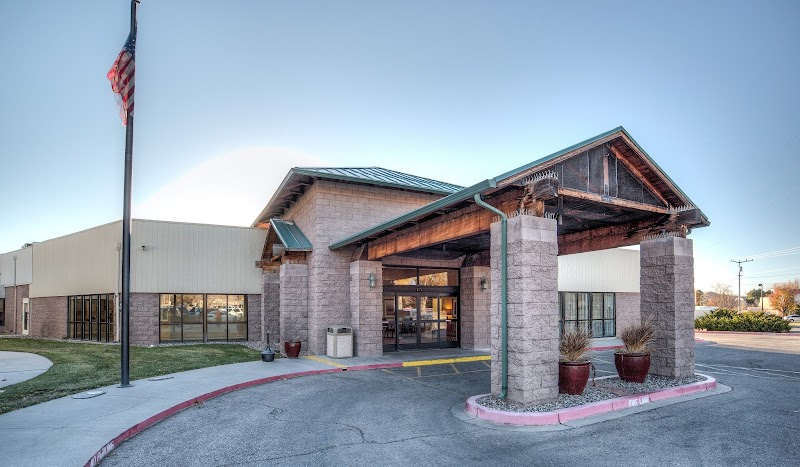
7900 Constitution Avenue NE, Albuquerque, NM 87110 (505) 296-5565
For profit - Corporation 134 Beds GENESIS HEALTHCARE Data: November 2025 1 Immediate Jeopardy citation
Trust Grade
23/100
#67 of 67 in NM
Last Inspection: May 2025

Inspected within the last 6 months. Data reflects current conditions.

Overview

Uptown Rehabilitation Center has received a Trust Grade of F, indicating significant concerns and a poor overall performance. It ranks #67 out of 67 nursing homes in New Mexico, placing it in the bottom tier of facilities statewide and #18 out of 18 in Bernalillo County, meaning there are no local options rated lower. The trend is worsening, with issues increasing from 24 in 2024 to 25 in 2025. Staffing is rated average at 3 out of 5 stars, with a turnover rate of 51%, which is slightly better than the state average, suggesting some staff stability. However, the facility has faced serious incidents, including a resident suffering physical abuse that led to hospitalization and another resident fracturing a leg during a transfer due to improper assistance, raising significant safety concerns.
Trust Score
F
23/100
In New Mexico
#67/67
Bottom 1%
Safety Record
High Risk
Review needed
Inspections
Getting Worse
24 → 25 violations
Staff Stability
⚠ Watch
51% turnover. Above average. Higher turnover means staff may not know residents' routines.
Penalties
✓ Good
No fines on record. Clean compliance history, better than most New Mexico facilities.
Skilled Nurses
✓ Good
Each resident gets 42 minutes of Registered Nurse (RN) attention daily — more than average for New Mexico. RNs are trained to catch health problems early.
Violations
⚠ Watch
71 deficiencies on record. Higher than average. Multiple issues found across inspections.
★☆☆☆☆
1.0
Overall Rating
★★★☆☆
3.0
Staff Levels
★★★★☆
4.0
Care Quality
★☆☆☆☆
1.0
Inspection Score
Stable
2024: 24 issues
2025: 25 issues

The Good

  • 4-Star Quality Measures · Strong clinical quality outcomes
  • Full Sprinkler Coverage · Fire safety systems throughout facility
  • No fines on record

Facility shows strength in quality measures, fire safety.

The Bad

1-Star Overall Rating

Below New Mexico average (2.9)

Significant quality concerns identified by CMS

Staff Turnover: 51%

Near New Mexico avg (46%)

Higher turnover may affect care consistency

Chain: GENESIS HEALTHCARE

Part of a multi-facility chain

Ask about local staffing decisions and management

The Ugly 71 deficiencies on record

1 life-threatening 1 actual harm
Jul 2025 6 deficiencies
CONCERN (D) 📢 Someone Reported This

A family member, employee, or ombudsman was alarmed enough to file a formal complaint

Potential for Harm - no one hurt, but risky conditions existed

Deficiency F0583 (Tag F0583)

Could have caused harm · This affected 1 resident

Based on observation and interviews, the facility failed to close or lock the computer screen on the medication cart making personal information inaccessible to unauthorized staff and other residents ...

Read full inspector narrative →
Based on observation and interviews, the facility failed to close or lock the computer screen on the medication cart making personal information inaccessible to unauthorized staff and other residents for 1 (R #18) of 1 (R #18). This deficient practice could cause other to view sensitive, private, medical information. The findings are: A. On 07/29/25 at 1:05 pm, an observation was made of Nurse #9 walking away from the medication cart without locking the computer screen. Nurse #9 was observed to walk into a resident's room. Other (unidentified resident and staff members) were also present on the hall. The computer screen was open with medical information for an unidentified resident up on the screen. B. On 07/29/25 at 1:08 pm, an observation was made of the Unit Manager (UM) #2 walking down the hall. UM stopped at the medication cart and closed the screen to the computer. She was observed telling Nurse #9, he needed to close or lock the screen on the medication cart every time he walks away from it. C. On 07/29/25 at 1:08 pm, during an interview with the UM #2 she stated the expectation is to close or lock the computer screen on the medication cart every time a nurse walks away from it. UM #2 stated Nurse #9 was new and he is still being trained. D. On 07/30/25 at 2:04 pm, during an interview with the Administrator, she confirmed the computer screen should not have been open with resident medical information for others to see it.
CONCERN (D) 📢 Someone Reported This

A family member, employee, or ombudsman was alarmed enough to file a formal complaint

Potential for Harm - no one hurt, but risky conditions existed

Deficiency F0658 (Tag F0658)

Could have caused harm · This affected 1 resident

Based on record review and interview, the facility failed to ensure that a resident received treatment and care in accordance with professional standards of practice by not following physician orders ...

Read full inspector narrative →
Based on record review and interview, the facility failed to ensure that a resident received treatment and care in accordance with professional standards of practice by not following physician orders for 1 (R #15) of 1 (R #15) resident reviewed for diabetic medications. Failure to follow physician orders is likely to cause residents to not receive the care and treatment they require. The findings are: A. Record review of R #15 face sheet revealed an admission date of 05/26/24. R #15 had a diagnosis of: -Chronic Obstructive Pulmonary Disorder (COPD; lung disease). -Type II diabetes (DM2, a disease in which the body cannot make or properly use insulin). -Hodgkin lymphoma (type of cancer that affects the lymphatic system) -Asthma (chronic lung disease). -Cardiomegaly (a medical condition in which the heart becomes enlarged). B. Record review of R #15's physician orders revealed the following orders: -Insulin Glargine Subcutaneous (fat layer between skin and muscle) Solution Pen-injector 100 UNIT/milliliter. Inject 18 unit subcutaneously one time a day for Diabetes Mellitus type 2. Decrease 20 units to 18 units start date 05/08/25. -Insulin Glargine Subcutaneous Solution Pen-injector 100 UNIT/ML. Inject 29 unit subcutaneously one time a day for DM2. Increase AM from 20 units to 25 units to 27 units to 29 units start date 03/23/25. -Insulin Glargine Subcutaneous Solution Pen-injector 100 UNIT/ML. Inject 29 unit subcutaneously one time a day for DM2. Start date 03/24/25. -Hypoglycemia (blood sugar is too low) Protocol (fast acting carbohydrates released into the system) Observe Sign /Symptoms of hypoglycemia as needed If blood glucose is less than 70 mg/dl or ordered low parameter follow Hypoglycemia protocol start date 05/27/24 -Glucagon (peptide hormone) Emergency Kit 1 MG Glucagon Inject 1 mg intramuscularly (into the muscle) as needed for blood glucose (BG) less than 70. Not arousable conscious or able to swallow Hold all diabetic meds until provider authorizes resumption, remain with patient and keep in bed/chair for safety. Repeat blood glucose in 15 min. Start date 05/27/24 C. Record review of R #15's care plan, dated 05/27/24, revealed the following: - Problem: Diabetes. - Focus: R #2 should be free of all signs and symptoms of hyper/hypoglycemia (low blood sugar, normal blood sugar measurement is 70 to 99 mg/dL), - Intervention: Monitor for signs and symptoms of hyper/hypoglycemia and report abnormal findings to physician. D. Record review of R #15's blood glucose readings, dated 05/01/25 through 05/18/25 revealed staff documented the following: - On 05/18/25 at 6:23 am, R #15's blood glucose measured 67.0 mg/dL. - On 05/17/25 at 9:26 am, R #15's blood glucose measured 61.0 mg/dL. - On 05/11/25 at 8:51 am, R #15's blood glucose measured 62.0 mg/dL. -On 05/07/25 at 7:32 am, R #15's blood glucose measured 50.0 mg/dL. -On 05/04/25 at 6:30 am, R #15's blood glucose measured 67.0 mg/dL. E. Record review of R #15's medication administration record (MAR), dated 05/01/25 through 05/18/25, revealed staff did not administer the Insta-Glucose as ordered by the physician when R #15's blood glucose measured below 70. F. On 07/30/25 at 1:30 pm, during an interview with the Director of Nursing (DON), she stated R #15 had an order for Insta-Glucose if his blood sugar measured below 70 mg/dL. She stated she expected staff to administer the Insta-Glucose gel if R #2's blood sugar dropped below 70. G. On 07/30/25 at 2:04 pm, during an interview with the Administrator, she stated her expectation would be that nurses follow the orders. If his blood sugar falls below 70, nurses should give the insta glucose. H. On 07/30/25 at 10:20 am, during an interview with Nurse #9, she stated if a resident's blood sugar was below 70, then she would assess the resident and give them sugar like a cookie or candy or juice. She stated if the sugar did not work, then she would give the insta glucose. I. On 07/30/25 at 10:30 am, during an interview with Nurse #10, she stated if a diabetic resident had a blood sugar below 70, then you should follow the physician's order. She stated staff should check to see if the residents were alert and conscious and then give them insta glucose. Nurse #10 stated staff should not give juice first, and nurses should always follow the physician order. Nurse #10 stated if the resident refused the glucose gel, then she would give orange juice or milk.
CONCERN (D) 📢 Someone Reported This

A family member, employee, or ombudsman was alarmed enough to file a formal complaint

Potential for Harm - no one hurt, but risky conditions existed

Respiratory Care (Tag F0695)

Could have caused harm · This affected 1 resident

Based on interview and record review, the facility failed to follow physician orders when staff did not enter an order for a nebulizer (device that turns liquid medication into a fine mist, allowing i...

Read full inspector narrative →
Based on interview and record review, the facility failed to follow physician orders when staff did not enter an order for a nebulizer (device that turns liquid medication into a fine mist, allowing it to be inhaled directly into the lungs) treatment into the medical record for 1 (R #15) of 1 (R #15) resident. This deficient practice could likely result in a resident not receiving the treatment as ordered by the physician which could cause the resident's respiratory status to be compromised. The findings are: A. Record review of R #15's face sheet revealed an admission date of 05/26/24 with the following diagnoses: -Chronic Obstructive Pulmonary Disorder (COPD; lung disease). -Type II diabetes (DM2; a disease in which the body cannot make or properly use insulin). -Hodgkin lymphoma (type of cancer that affects the lymphatic system) -Asthma (chronic lung disease). -Cardiomegaly (a medical condition in which the heart becomes enlarged). B. Record review of R #15's encounter notes, dated 05/17/25 at 1:00 am and written by telehealth provider after hours, revealed R #15 experienced hypoxia (a condition where tissues are deprived of adequate oxygen supply). The assessment and plan for exacerbation COPD: Give albuterol (aerosol medication that helps with breathing difficulties) nebulizer treatment now and attempt to decreases oxygen to 3 liters per minute (LPM) after nebulizer treatment. Notify provider if shortness of breath worsens, patient appears to be in distress or if oxygen saturation decreases. C. Record review of R #15's change in condition notes, dated 05/17/25 at 1:06 pm, revealed R #15 experienced shortness of breath and his oxygen saturation was at 85 percent (%). The provider recommended to give a nebulizer treatment and decrease oxygen from 5 LPM to 2 LPM for COPD and anxiety. D. Record review of R #15's encounter notes made by telehealth providers after hours, dated 05/17/25 at 9:00 pm, indicated R #15 experienced an episode of COPD exacerbation and anxiety attack and was treated for both. R #15 experienced new onset confusion, and the patient was seen grabbing at things that were not there. R #15's oxygen was 92%, and the resident was currently on 5 LPM by nasal cannula (a small, flexible tube that delivers oxygen to the nose through soft prongs). The resident denied shortness of breath. RN reported the daughter was present in the room and requested transportation to hospital for further work up. The resident's oxygen (O2) was 92% on 5 LPM per nasal cannula. The provider sent R #15 out to the hospital. E. Record review of R #15's physician's orders, dated 05/17/25, revealed staff did not enter the albuterol nebulizer treatment order into the medical record. F. Record review of R #15's progress notes, dated 05/17/25, revealed staff did not document R #15 received the nebulizer treatment. G. Record review of R #15's nursing progress notes revealed the following: - Dated 05/18/25 at 6:13 am, R #15 had a quiet night but had one episode of panic attack and yelling that he wants to be released. The resident's oxygen saturation remained low on 2 LPM ranging between 79% to 88%. - Dated 05/18/25 at 1:41 pm, R #15 expressed being ready to go (die) and was experiencing delirium by grasping at things in the air and asked staff to take the animals out of his room and to kill the birds on his bed. Oxygen level 1 to 4 LPM was 88-89%, increased to 5 LPM. The resident's oxygen saturation went up to 92%. - Dated 05/18/25 at 2:29 pm, R #15 was transferred to the hospital. H. On 07/30/25 at 10:51 am, during an interview with the Market Resource Clinician (MRC) and the Director of Nursing (DON), the MRC stated she saw where the nebulizer treatment was the plan for R #15 on two different occasions on 05/17/25 by two different after-hours providers. The MRC stated she did not see either of the nebulizer treatments in the physician orders, and it was not clear if R #15 received the nebulizer treatments.The MRC stated since there was not a lot of documentation in the resident's record, and it was not clear what happened. The MRC did not know if the resident's oxygen LPM was raised from 2 LPM when R #15's oxygen saturation was between 77 to 88%. The MRC stated the nurses might have give R #15 the treatment without putting the order in for it. She stated that was not what should happen, but it could have. I. On 07/30/25 at 2:04 pm, during an interview with the Administrator, she stated it was expected for staff to put orders for any treatment or medication into the residents' medical record. The Administrator stated there had been some issues with the on-call provider in the past. She stated the on-call providers have not always communicated the orders verbally, and they just put them into their encounter note. The Administrator stated the nurse would be unaware of the order if that occurred.
CONCERN (D) 📢 Someone Reported This

A family member, employee, or ombudsman was alarmed enough to file a formal complaint

Potential for Harm - no one hurt, but risky conditions existed

Deficiency F0761 (Tag F0761)

Could have caused harm · This affected 1 resident

Based on observations and interviews, the facility failed to secure medications and make them inaccessible to unauthorized staff for one medication cart on the 300 hall, creating a risk of unauthorize...

Read full inspector narrative →
Based on observations and interviews, the facility failed to secure medications and make them inaccessible to unauthorized staff for one medication cart on the 300 hall, creating a risk of unauthorized staff or residents taking a medication not prescribed to them. This deficient practice had the potential to affect all 25 residents residing on 300 hall as identified by the Resident Census provided by the Administrator on 07/29/25.A. On 07/29/25 at 1:05 pm, an observation was made of Nurse #9 walking away from the medication cart without locking it. Nurse #9 was observed to walk into a resident's room. Other (unidentified resident and staff members) were also present on the hall.B. On 07/29/25 at 1:08 pm, an observation was made of the Unit Manager (UM) #2 walking down the hall. UM stopped at the medication cart and locked it. She was observed telling Nurse #9 he needed to lock the medication cart every time he walks away from it. C. On 07/29/25 at 1:08 pm, during an interview with the UM #2 she stated the expectation is to lock the medication cart every time a nurse walks away from it. UM #2 stated Nurse #9 was new and he is still being trained. D. On 07/30/25 at 2:04 pm, during an interview with the Administrator, she confirmed the cart should not have been left unattended.
CONCERN (F) 📢 Someone Reported This

A family member, employee, or ombudsman was alarmed enough to file a formal complaint

Potential for Harm - no one hurt, but risky conditions existed

Food Safety (Tag F0812)

Could have caused harm · This affected most or all residents

Based on observation and interview, the facility failed to prepare and serve food under sanitary conditions when dietary staff failed to wear hairnets while in the kitchen. This deficient practice is ...

Read full inspector narrative →
Based on observation and interview, the facility failed to prepare and serve food under sanitary conditions when dietary staff failed to wear hairnets while in the kitchen. This deficient practice is likely to affect all 120 residents listed on the resident census list provided by the Administrator (ADM) on 07/29/25 and are likely lead to foodborne illnesses in residents if food is not being prepared and safe food handling practices are not adhered to.The findings are:A. On 07/29/25 at 8:04 am, observation revealed [NAME] prepared and served food in the kitchen and did not wear a hair net.B. On 07/29/25 at 8:30 am, observation revealed Kitchen Account Manager (KAM) walked in the kitchen and did not wear a hair net.C. On 07/29/25 at 8:19 am, during an interview with the Cook, she confirmed she was not wearing a hairnet when preparing and serving resident meals. She stated she should be wearing a hairnet while working in the kitchen.D. On 07/29/25 at 8:39 am, during an interview with the KAM, she stated all kitchen staff including herself should be wearing hair nets when entering and working in the kitchen.E. On 07/30/25 at 2:11 pm, during an interview with the ADM, stated all staff, not just kitchen staff, should wear a hair net when entering the kitchen and going past the marked yellow line. She stated kitchen staff should be wearing hair nets at all time while working in the kitchen.
CONCERN (F) 📢 Someone Reported This

A family member, employee, or ombudsman was alarmed enough to file a formal complaint

Potential for Harm - no one hurt, but risky conditions existed

Deficiency F0925 (Tag F0925)

Could have caused harm · This affected most or all residents

Based on record review, observation, and interviews, the facility failed to maintain an effective pest control program (measures to eradicate and contain common household pests) so that the facility i...

Read full inspector narrative →
Based on record review, observation, and interviews, the facility failed to maintain an effective pest control program (measures to eradicate and contain common household pests) so that the facility is free of pests and rodents. This deficient practice is likely to affect all 120 residents listed on the resident census list provided by the Administrator (ADM) on 07/29/25 and are likely lead to airborne illnesses, emotional distress, and may deteriorate quality of life in residents.The findings are:A. Record review of the facility's Infection Control Practices policy, dated 01/08/24, revealed the following:- All tasks will be documented in the TELS (a building management platform that helps maintenance staff with facility maintenance, life safety code inspection and testing, and asset management) Preventive Maintenance program.- The facility will provide a pest free environment by contracting a pest control vendor for appropriate services on a periodic basis whether weekly, monthly, or as needed. B. Record review of the facility's monthly resident council minutes revealed the following:- On 06/19/25, noted complaints to administration stating the residents are seeing big roaches alive and coming up from the drains. There were also noted concerns of mice being spotted at night in the backyard.- On 07/17/25, noted reports of mice in residents' room and requests for more fly traps in the kitchen. There were also noted reports of cockroaches in a resident's peanut butter and jelly sandwich, cockroach in the food tray on 100 hall, and flies on cottage cheese cups. C. Record review of the facility's grievance form, dated 07/02/25, revealed R #7 witness a cockroach in the food cart on 100 hall, it was crawling around and on the food trays. D. Record review of the [Name of Exterminators Corporation] Invoices revealed the following:- On 05/27/25, a contractor sprayed inside of common areas and all interior parts of the building. Invoice noted few roaches noted at the end of the halls by exit doors. A contractor requested respray since he is still seeing roaches in the building. Invoice noted the targeted pest were ants and roaches.- On 06/27/25, a contractor sprayed inside of common areas and all interior parts of the building. Invoice noted kitchen was good and clean, but a few roaches were still noted in the kitchen. Invoice noted plastic wall covering needed to be replaced due to it separating from the wall and roaches are nesting behind the paneling. Invoice noted the targeted pest were ants and roaches.- On 07/25/25, a contractor sprayed inside of common areas and all interior parts of the building. Invoice noted kitchen was good and clean, but a few roaches were still noted in the kitchen. Invoice noted the targeted pest were ants and roaches. E. Record review of the facility's TELS work orders revealed the following:- On 05/23/25, spiders reported in the residents' rooms.- On 06/13/25, cockroaches reported on multiple walls and on food trays.- On 07/14/25, mice reported in resident room. F. On 07/29/25 at 8:18 am, observation revealed three small insects characterized by one pair of wings and a pair of halteres (modified hind wings used for balance) flying and landing on top serving plates, serving side up, in the kitchen. G. On 07/30/25 at 2:54 pm, observation revealed a brown oval-shaped bug with two long antennae and six legs upside down and was still moving in the facility's conference room. H. On 07/29/25 at 8:49 am, during an interview, Kitchen Account Manager (KAM) stated her expectation is for the pest contractor to go and spay the kitchen for pest control when insects are seen in the kitchen. KAM stated when kitchen staff see flies they just shoosh them away and sanitize the area the flies were. She stated serving plates should be stored upside down, serving side down, but it is hard to do so as they are not steady to keep the plates upside down. I. On 07/29/25 at 1:06 pm, during an interview, R #8 stated she has seen roaches and spiders in her room and bathroom. J. On 07/29/25 at 1:23 pm, during an interview, R #7 stated she was given a peanut butter and jelly sandwich for lunch and when she took a bite, she noticed the taste was off. She stated she opened her sandwich and realized there was a cockroach in her sandwich that she had just taken a bit off. R #7 stated she told the Unit Manager (UM) about the incident the day it happened. R #7 stated she tried talking to the KAM the day of the incident but got denied and instead was offered meal alternatives from other kitchen staff. She stated she refused meal alternatives as she was disgusted by the food at that time. R #7 stated she witnessed a roach inside the food cart that had unserved food trays in 100 hall as well. She stated two Certified Nursing Assistants were screaming when they were at the food cart, that caught her attention and got closer to realize there was a roach inside the food cart. K. On 07/29/25 at 2:13 pm, during an interview, Unit Manager (UM) stated a resident did notify her of a roach being in the resident's lunch and resident had taken a bite of the sandwich with the roach inside of it. UM stated she has seen a roach before in the food carts and notified the Administrator (ADM) and Director Of Nursing (DON) at that time. She stated another resident had a mouse inside their room and witnessed a hole in the wall. UM stated Maintenance Director (MD) was notified of the mice issued. She stated her expectation is for the facility to provide a pest free environment for the staff and the residents. L. On 07/30/25 at 9:22 am, during an interview, the Maintenance Director (MD) stated a licensed pest contractor does monthly sprays inside and outside the facility as well as setting up traps for pests. MD stated he still gets complaints about pests in the facility from residents and staff. He stated a mouse was trapped and killed in a resident's room recently and the kitchen staff has also complained about roaches in the kitchen. MD stated if a work order was submitted in TELS system he would make sure to do a fast follow up and resolve the issue reported. He stated staff and administration frequently text him or verbally notify him about the pest issues instead of entering a TELS work order for each instance. He stated any roach complaints he will call the licensed pest contractor or notify the ADM. [No supporting documents provided to show additional licensed pest contractor sprays of the building] He stated there is a work order submitted for the kitchen to help with the pest control being handled by the property manager, there has been no resolution on that order. He stated staff have not been educated to use TELS to submit a work order for reporting pest control issues. M. On 07/30/25 at 2:11 pm, during an interview, ADM stated she has received complaints from staff and residents regarding cockroaches and mice in the facility and in the resident rooms. She stated staff reported to her that a roach was seen outside the food cart not inside of it. ADM stated she had one report of a mouse inside a resident's room, and she notified maintenance to go set up traps. She stated a mouse was caught and killed because of the traps placed in the resident's room.
May 2025 15 deficiencies
CONCERN (D)

Potential for Harm - no one hurt, but risky conditions existed

Deficiency F0578 (Tag F0578)

Could have caused harm · This affected 1 resident

**NOTE- TERMS IN BRACKETS HAVE BEEN EDITED TO PROTECT CONFIDENTIALITY** Based on record review and interview, the facility failed to ensure the resident's current advance directive (a document which p...

Read full inspector narrative →
**NOTE- TERMS IN BRACKETS HAVE BEEN EDITED TO PROTECT CONFIDENTIALITY** Based on record review and interview, the facility failed to ensure the resident's current advance directive (a document which provides an individual's wishes for emergency and lifesaving care) was properly documented for 1 (R #42) of 1 (R # 42) resident reviewed for advance directives. This deficient practice is likely to cause confusion and delay potentially lifesaving procedures. The findings are: A. Record review of R #42's face sheet, undated, revealed the following: - admission date of [DATE]. - Advanced directive was Do Not Resuscitate [DNR; does not want to have cardiopulmonary resuscitation (CPR; an emergency procedure that combines chest compression with artificial ventilation) performed if their heart or breathing stops.] C. Record review of R #42's New Mexico Medical Orders For Scope of Treatment (MOST), dated [DATE], revealed R #42 advanced directive was a Full Code (desired life saving procedures, such as CPR.) D. On [DATE] at 02:58 PM during an interview with Unit Manager (UM) #1, she stated R #42's code status should be Full Code and not DNR. UM #1 stated staff completed an audit of residents' advance directives in [DATE]. She stated R #42's code status was changed to Full Code on the MOST form but was not updated in R #41's medical records to reflect the Full Code status.
CONCERN (D)

Potential for Harm - no one hurt, but risky conditions existed

Assessment Accuracy (Tag F0641)

Could have caused harm · This affected 1 resident

**NOTE- TERMS IN BRACKETS HAVE BEEN EDITED TO PROTECT CONFIDENTIALITY** Based on record review and interview, the facility failed to ensure the Minimum Data Set (MDS; a federally mandated comprehensiv...

Read full inspector narrative →
**NOTE- TERMS IN BRACKETS HAVE BEEN EDITED TO PROTECT CONFIDENTIALITY** Based on record review and interview, the facility failed to ensure the Minimum Data Set (MDS; a federally mandated comprehensive assessment of a resident's functional, medical, psychosocial and cognitive assessment completed by facility staff) was accurate for 1 (R #42) of 1 (R #42) resident reviewed for MDS assessments. This deficient practice could result in failure to provide adequate care and treatment of the resident's needs. The findings are: A. Record review of R #42's face sheet revealed an admission date of 08/22/20 and included the following diagnoses: - Alcohol use, unspecified with alcohol-induced persisting amnestic (memory deficit). - Cognitive functions and awareness. -Alcohol abuse. B. Record review of R # 42's MDS, dated [DATE], revealed the following: - Brief Interview for Mental Status (BIMS; screening for cognitive impairment) score of 14, moderately impaired cognition. - The resident did not have an acute change in mental status from resident's baseline (starting mental status.) - The resident sometimes understood and sometimes understands. C. Record review of R #42's MDS, dated [DATE], revealed the following: - BIMS score of 15, intact cognition. - The resident did not have an acute change in mental status from resident's baseline. - The resident usually understood and sometimes understands. D: Record review of R #42's progress notes, dated 03/15/25 and completed by the Doctor of Nursing Practice (DNP), revealed the following: - The resident had a quarterly psychiatric follow-up for Alzheimer's disease (a disease which causes irreversible changes in memory, thinking, and behavior), onset unknown. - The resident was oriented to person and place. Partial impairment regarding time and mild-to-moderate memory deficits. Demonstrated partial recall of information. E. On 05/02/25 at 02:46 pm, during an interview, MDS Coordinator I stated both MDSs were correct because the resident changed during the three month period. MDS Coordinator I stated she verified the completion of the MDS sections, but she was not responsible for the accuracy of the MDS. F. On 05/02/25 at 3:05 pm, during an interview with the Social Services Director, she stated R #42's MDS dated [DATE] was coded incorrectly. The Social Services Director stated R #42's MDS appeared to contradict the information in the resident's record and was inaccurate. The Social Services Director stated R #42 understands when people speak to him. The Social Services Director stated MDS Coordinator I and II were responsible for the review and accuracy of the residents' MDS.
CONCERN (D)

Potential for Harm - no one hurt, but risky conditions existed

Respiratory Care (Tag F0695)

Could have caused harm · This affected 1 resident

Based on observation, interview and record review, the facility failed to date the oxygen tubing for 1 (R #325) of 1 (R #325) residents reviewed for oxygen. If the facility is not dating and initialin...

Read full inspector narrative →
Based on observation, interview and record review, the facility failed to date the oxygen tubing for 1 (R #325) of 1 (R #325) residents reviewed for oxygen. If the facility is not dating and initialing the oxygen tubing and humidifiers (provide moisture when delivering oxygen) then staff may be unaware as to when the tubing and humidifier should be changed and could cause the tubing to become dirty leading to reduced oxygen flow. The findings are: R #325 A. Record review of R #325's physician orders, dated May 2025, revealed the following: - Oxygen at 2 liter (L) per minute via nasal cannula (a device that delivers extra oxygen through a tube and into your nose), continuously. Every day and night shift. Start date 05/02/25. - Oxygen tubing change weekly. Label each component with date and initials. Start date 05/02/25. B. On 05/02/25 at 12:08 pm, during an observation, R #325's oxygen tubing and humidifier bottle did not have the staff initials or date. C. On 05/02/25 at 12:18 pm, during an interview with Certified Nursing Assistant (CNA) #8, she confirmed staff did not label R #325's oxygen tubing and the humidifier bottle with a date and staff initials. CNA #8 stated staff should label and date each component on admission and anytime they changed the humidifier bottle. D. On 05/02/25 at 3:27 pm, during an interview with Unit Manager #1, she stated staff should date and initial oxygen tubing and humidifier bottles on admission and when staff replaced them.
CONCERN (D)

Potential for Harm - no one hurt, but risky conditions existed

Dental Services (Tag F0791)

Could have caused harm · This affected 1 resident

Based on record review observation and interviews, the facility failed to ensure residents obtained routine dental care for 2 (R #15 and R #48) of 2 (R #15 and R #48) residents reviewed for dental ser...

Read full inspector narrative →
Based on record review observation and interviews, the facility failed to ensure residents obtained routine dental care for 2 (R #15 and R #48) of 2 (R #15 and R #48) residents reviewed for dental services. This deficient practice is likely to cause the resident unnecessary pain, embarrassment over the condition/appearance of teeth, and potential dental or oral complications. The findings are: R # 15: A. On 04/28/25 at 12:15 PM, during an observation and interview, R #15 did not have visible teeth or dentures. R #15 said she needed to be seen by the dentist, because her dentures did not fit properly. B. Record review of R #15 Oral Health Evaluation, dated 12/10/23, revealed R #15 was at risk for oral health and dental care problems. R #15's last dentist appointment was on 08/22/22. The resident required an follow-up dental appointment for proper fitting dentures. C. Record review of R #15's Electronic Health Record (EHR) revealed the following - Physician order, dated 11/14/24, dental referral. - R #15 did not have a follow-up dentist appointment. R #48: D. On 04/28/25 at 11:57 am, during an observation and interview, R #48's front teeth appeared decayed. R #48 stated he had not seen the dentist since before his admission. E. Record review of R #48's Minimum Data Set (MDS; a federally mandated assessment instrument completed by facility staff), dated 10/28/24, revealed an admission date of 08/22/20. F. D. Record review of R #48's Oral Health Evaluation, dated 05/17/23 revealed #48 was at risk for oral health and dental care problems. G. Record review of R #48's care plan, dated 03/14/24 revealed the resident was at risk for oral care or dental care problems. H. Record review of R #48's physican progress note, dated 04/01/25, revealed the resident had bleeding gums. I. Record review of R #48's EHR revealed the following - An order, dated 09/26/22, dental referral. - R #48 did not have a dentist appointment. J. On 05/02/25 at 3:27 PM, during an interview, Unit Manager (UM) #1 stated R #15 did not see a dentist since 08/22/22. She stated R #48 did not see a dentist since 08/22/20 (admission.) UM #1 stated all residents should see the dentist annually. UM #1 stated she was responsible for the audit of dental appointments, and the facility had issues findiung consistent dental providers.
CONCERN (E)

Potential for Harm - no one hurt, but risky conditions existed

Safe Environment (Tag F0584)

Could have caused harm · This affected multiple residents

**NOTE- TERMS IN BRACKETS HAVE BEEN EDITED TO PROTECT CONFIDENTIALITY** Based on observation, record review, and interviews, the facility failed to maintain a clean, safe, and comfortable environment ...

Read full inspector narrative →
**NOTE- TERMS IN BRACKETS HAVE BEEN EDITED TO PROTECT CONFIDENTIALITY** Based on observation, record review, and interviews, the facility failed to maintain a clean, safe, and comfortable environment for residents when staff failed to: 1) Repair damaged and broken blinds in resident rooms #103, #109, #206, #305, #309, and #311. 2) Repair broken wall tiles in resident bathrooms in rooms #103, #106, and #107. 3) Paint over unpainted drywall in resident rooms #101, #102, #103, #107, #302, #303, and #305. 4) Clean dust from ceiling fans above the dining room eating area. 5) Replace stained tablecloths in the dining room. 6) Ensure the cleanliness of vending machines in the common area. 7) Maintain the conference room in a clean, uncluttered, and hazard-free condition. Failure to maintain the building in a clean and comfortable manner is likely to result in unsafe conditions and prevent residents from enjoying everyday activities. These deficient practices could likely result in residents feeling frustrated, embarrassed, and unimportant. The findings are: Broken Blinds A. On 04/28/25 at 10:00 A.M., during an observation, resident rooms #103, #109, #206, #305, #309, and #311 had broken blinds. B. On 05/02/25 at 2:00 P.M., during an interview, the Maintenance Director (MD) stated he was aware of some of the broken blinds in resident rooms. He stated he only checked a few rooms for maintenance issues because of time constraints. He said staff were expected to submit work orders when they noticed broken blinds. He stated he did not routinely inspect resident rooms for damaged fixtures, such as blinds. Resident Shower Rooms C. On 04/28/25 at 10:00 A.M., during an observation, the following resident rooms had missing wall tiles in the showers: - room [ROOM NUMBER] was missing 11 wall tiles. - room [ROOM NUMBER] was missing six wall tiles. - room [ROOM NUMBER] was missing eight wall tiles. D. On 05/02/25 at 2:00 P.M., during an interview, the MD stated he was not aware of the broken tiles in the bathrooms of Rooms #103, #106, and #107. He stated he only had time to check a few rooms each week for general maintenance issues but could not provide a schedule or system for those checks. He said staff were expected to submit work orders for any needed repairs, including broken tiles. He stated he did not routinely enter resident rooms to inspect for damage unless staff submitted a work order. Unpainted Walls E. On 04/29/25 at 8:32 A.M., during an observation of the 100 and 300 units, seven resident rooms (#101, #102, #103, #107, #302, #303, and #305) had areas of unpainted drywall mud on the walls. The unpainted drywall mud was not painted to match the surrounding wall surfaces and gave the appearance of incomplete repair work. F. On 05/02/24 at 2:15 P.M., during an interview, the MD stated he did not get to the unfinished and unpainted room walls, because he was busy. Dining Room G. On 04/30/25 at 12:41 P.M., during an observation of the dining area, three ceiling fans located above the residents' eating area had visible dust buildup on the fan blades. H. On 05/02/25 at 3:02 P.M., during an interview, the Housekeeping Staff (HS) stated she expected staff to clean the ceiling fans in the dining area monthly. She stated she could not recall when staff last cleaned the fans. She stated dust from the fans could fall onto residents and their food if staff did not clean the fans regularly. Tablecloths in Dining Room I. On 04/29/25 at 10:36 A.M., during an observation of the dining room, the tablecloths on the tables had a strong odor and were stained with cup rings and other stains. J. On 05/02/25 at 3:00 P.M., during an interview,the HS stated she asked for new tablecloths for the dining room, but she did not receive them yet. She stated she expected the tablecloths to be odor free and without stains. Vending Machine K. On 04/30/25 at 12:43 P.M., during an observation, the dining area contained two vending machines. Further observation revealed the tops of the vending machines were dusty. Several used white Styrofoam cups and eight smashed soda cans sat on top of the dusty vending machines. L. On 04/30/25 at 3:02 P.M., during an interview, the HS stated she did not realize the tops of the vending machines were dirty. She stated the housekeeping team did not have a routine system in place to check or clean the tops of the vending machines. She stated her Supervisor expected staff to maintain all visible and non-visible surfaces in a clean condition, but the tops of the vending machines were not part of the daily or weekly cleaning checklist. Conference Room M. On 04/28/25 at 10:41 am, during an observation, the sink in the conference room had a container under the sink drain. Further observation revealed the container was full to the top with black water which had a strong odor. N. On 04/28/25 at 10:42 am during an interview, the Administrator (ADM) confirmed the container of black water with a strong odor was located under the sink in the conference room. The ADM stated the conference room was utilized for resident Care Plan meetings, and residents and family members attended the Care Plan meetings in the room. The ADM stated the standing water with an odor was not acceptable.
CONCERN (E)

Potential for Harm - no one hurt, but risky conditions existed

Deficiency F0657 (Tag F0657)

Could have caused harm · This affected multiple residents

Based on observation, record review, and interview, the facility failed to ensure staff revised the care plans for 2 (R #7 and R #24) of 2 (R #7 and R #24) residents reviewed. Staff failed to update t...

Read full inspector narrative →
Based on observation, record review, and interview, the facility failed to ensure staff revised the care plans for 2 (R #7 and R #24) of 2 (R #7 and R #24) residents reviewed. Staff failed to update the care plans to reflect each resident's current needs regarding the use of appropriate utensils during mealtime. Appropriate utensils refer to those assessed as safe and suitable for the resident based on their physical and mental condition (e.g., plastic utensils instead of metal for residents with a history of self-harm). If care plans are not updated to reflect residents' current needs, then staff may provide inappropriate items or assistance, which could result in unmet care needs and safety risks. The findings are: R #7 A. Record review of R #7's face sheet revealed an admission date of 05/26/25 with the following diagnoses: - Unspecified dementia (a group of conditions characterized by impairment of at least two brain functions, such as memory loss and judgment), -Muscle weakness (reduction in the power exerted by muscles.) B. Record review of R #7's Care Plan, dated 03/04/25, revealed the resident to use plastic utensils for eating. C. On 04/29/25 at 12:55 P.M., during an observation, R #7 sat in the dining room with staff and ate his lunch. R #7 ate lunch with a metal fork. D. On 05/02/25 at 10:00 A.M., during an interview, the Administrator stated R #7 had a history of suicidal thoughts but had not exhibited such thoughts for several years. She stated she was confident the facility could manage any concerns related to his mental health. She explained R #7 was currently permitted to use metal forks and spoons. She stated care plan meetings were held quarterly (every 90 days), but staff did not update R #7's care plan. She stated it was her expectation that staff review and update each resident ' s care plan at least every quarter. E. On 05/02/25 at 10:40 A.M., during an interview, the Director of Nursing (DON) stated staff did not revise R #7's care plan and remove that the resident had to use plastic utensils. She stated it was her expectation for staff to review and update resident care plans quarterly. R #24 F. Record review of R #24's face sheet revealed an admission date of 06/19/24 with a diagnosis of dementia. G. On 04/29/25 at 12:25 P.M., during an observation, R #24 ate his lunch alone in the dining room while staff served meals to the other residents. R #24 ate his pureed lunch with a regular-sized teaspoon. R #24 coughed and cleared his throat. Staff told the resident to take a drink, and R #24 continued to eat. H. Record review of R #24's Care Plan, dated 04/30/25, revealed staff were directed to do the following: - Provide a small spoon for meals. - Provide assistance during meals. - Encourage small sips and bites and cue as needed. - Encourage resident to chew and swallow each bite. - Encourage resident to alternate liquids and solids. - Encourage resident to perform double swallows. - Encourage small sips and bites and cue as needed. - Monitor for sign and symptoms of aspiration (sucking food into the airway.) I. On 05/02/25 at 9:55 A.M., during an interview, the Speech-Language Pathologist (SLP) stated R #24 was on a pureed diet (a texture modified diet that requires no chewing), because he choked on the chewable food. She stated she did not receive any new updates about his choking issues since the resident switched to pureed foods. She stated the resident managed well with the pureed diet and did not need constant staff supervision while in the dining room. She stated staff should have updated the resident's care plan when R #24 switched to pureed food to state the resident could use a regular size spoon. She stated she did not recall when the puree diet was changed. She stated she did not have anything to do with resident care plans. J. On 05/02/25 at 10:00 A.M., during an interview with the Administrator, she stated R #24 could have a regular sized spoon since he switched to a pureed diet. She stated they reviewed R #24's nourishment care area in the resident's care plan, but they missed the spoon section. She stated the spoon was listed under activities of daily living (ADL; activities related to personal care such as bathing, showering, dressing, walking, toileting, and eating.) She stated it was her expectation for staff to review and update all resident care plans quarterly. K. On 05/02/25 at 10:40 A.M., during an interview, the DON stated staff did not revise R #24's care plan was for the use of a regular spoon while eating. She stated it was her expectation for staff to review and update all resident care plans quarterly.
CONCERN (E)

Potential for Harm - no one hurt, but risky conditions existed

Accident Prevention (Tag F0689)

Could have caused harm · This affected multiple residents

**NOTE- TERMS IN BRACKETS HAVE BEEN EDITED TO PROTECT CONFIDENTIALITY** Based on record review, observation, and interview, the facility failed to ensure a safe environment free of the potential for a...

Read full inspector narrative →
**NOTE- TERMS IN BRACKETS HAVE BEEN EDITED TO PROTECT CONFIDENTIALITY** Based on record review, observation, and interview, the facility failed to ensure a safe environment free of the potential for accidents and hazards for all residents when staff failed to: - Ensure accurate smoking supervision assessments were completed for R #7; - Ensure residents did not have lighters in their rooms; - Ensure staff did not store personal belongings in resident rooms; - Prevent unsecured bleach cleaning wipes from being left in resident bathrooms. This deficient practice placed residents at risk for burns, fire-related injuries, chemical exposure, and ingestion of unsafe substances. The findings are: R #7 A. Record review of facility's Smoking Safety policy, dated 04/10/24, revealed all smoking supplies (to include tobacco, matches, lighters, and lighter fluid) must be labeled with the resident's name, room number, and bed number; maintained by staff; and stored in a suitable cabinet at the nurses station. Lighters are not permitted in resident rooms due to fire risk, especially when oxygen is in use. B. Record review of R #7's face sheet revealed an admission date of 05/26/25, with the following diagnoses: -Unspecified dementia (a group of conditions characterized by impairment of at least two brain functions, such as memory loss and judgment). -Muscle weakness. C. Record review of R #7's smoking assessments revealed the following: conflicting documentation regarding the resident's need for supervision: - Dated 01/02/25, R #7 had dementia and required supervised smoking. - Dated 04/04/25, R #7 had dementia and could to smoke independently (without supervision.) D. On 05/02/25 at 1:18 P.M., during an interview with the Director of Nursing (DON), she stated R #7 had dementia, and staff were expected to supervise the resident while he smoked. She stated smoking assessments were completed quarterly. She stated she expected staff to assess residents with dementia appropriately and to monitor them during smoking activities. She stated it was hazardous for a resident with dementia to smoke unsupervised. The DON stated it was her responsibility to ensure smoking assessments were completed accurately. Lighter in Rooms E. Record review of the facility's Smoking Policy, dated 04/10/24, revealed smoking supplies (to include tobacco, matches, lighters, and lighter fluid) will be maintained by staff and stored in a suitable cabinet at the nursing station. F. On 04/29/25 at 1:33 P.M., during an observation of a resident room in the 200 unit, a resident sat on his bed and held a green lighter in his hand. G. On 04/29/25 at 2:30 P.M., during an interview, the Administrator stated lighters were not permitted in resident rooms due to the risk of fire. She stated staff were expected to retrieve lighters for residents from the nurses' station and ensure residents returned them promptly after smoking. She stated nursing staff were responsible to ensure residents did not retain lighters in their possession. The Administrator also stated staff routinely swept the halls to check for lighters, but she did not specify the frequency of these checks. H. On 05/01/25 at 11:23 A.M., during an observation of the 100 hall, a blue lighter sat on a resident's bedside table in an occupied room. I. On 05/01/25 at 12:05 P.M., during an interview, Unit Manager (UM) #1 stated staff attempted to confiscate lighters from all residents but sometimes residents refused. She stated staff documented when residents refused and attempted to retrieve the lighter later. She stated lighters posed multiple hazards, to include burns, risk of fire, and increased danger due to oxygen use in the building. She stated she confiscated three lighters from different residents earlier that day. J. On 05/01/25 at 1:10 P.M., during an interview, the Director of Nursing (DON) stated she was not aware staff found lighters in residents' rooms. She stated residents were not supposed to retain lighters. She stated some residents used oxygen in the facility and that increased the danger of fire. She stated lighters in resident rooms violated facility policy and posed a serious risk. Staff belonging in resident room K. On 05/01/25 at 3:00 P.M., during an observation of a resident's room, the room was furnished for two residents, but only one resident lived in the room. Further observation revealed a staff purse, a duffle bag, and a grey sweater in the unoccupied closet. L. On 05/01/25 at 3:45 P.M., during an interview, UM #1 stated staff personal belonging should not be in the resident rooms. She stated many hazards could happen if the resident got into the staff's belongings M. On 05/02/25 at 10:30 A.M., during an interview, the Administrator stated staff was expected to store personal items in the staff break room. She stated staff were never permitted to leave belongings in residents' rooms. She stated residents could access and take items that did not belong to them, including food or drinks that were not part of their dietary plan. Bleach Wipes N. On 05/01/25 at 10:23 A.M., during an observation of resident room [ROOM NUMBER], a container of bleach wipes sat on the bathroom sink. Further observation revealed the container of bleach wipes did not have a top, and the wipes in the container were exposed. O. On 05/02/25 at 2:14 P.M., during an interview, Certified Nursing Assistant (CNA) #12 stated bleach wipes should not be left in resident bathrooms. She stated she did not know the potential hazards of leaving the wipes accessible. P. On 05/02/25 at 2:30 P.M., during an interview, UM #1 stated staff should not leave wipes in any resident bathroom. She stated the resident could mistake the bleach wipes for personal wipes and misuse them.
CONCERN (E)

Potential for Harm - no one hurt, but risky conditions existed

Deficiency F0761 (Tag F0761)

Could have caused harm · This affected multiple residents

Based on observations, interviews and record review, the facility failed to ensure Nurses and Certified Medication Aides (CMAs) dated opened insulin (a medication prescribed to help the body turn food...

Read full inspector narrative →
Based on observations, interviews and record review, the facility failed to ensure Nurses and Certified Medication Aides (CMAs) dated opened insulin (a medication prescribed to help the body turn food into energy and manages blood sugar levels) pens and discarded them within 28 days of the opening date for 5 (R #5, R #27, R #47, R #71, R #82) of 5 (R #5, R #27, R #47, R #71, R #82) residents reviewed. This deficient practice is likely to result in all five residents receiving medications that are less effective or expired. The findings are: A. Record review of the facility's Medication Storage Policy, dated January 2023, revealed the following: - Note the date on the label for insulin vials and pens when first used. - The policy did not address discarding insulin pens within 28 days of opening. B. Record review of the manufacturer's instructions for Insulin Glargine multiple dose vial, dated 2022, revealed staff were instructed to throw away all opened vials after 28 days of use, even if there was insulin left in the pen. C. Record review of the manufacturer's instructions for Insulin Lispro multiple dose vial, dated 2023, revealed staff were instructed to throw away all opened vials after 28 days of use, even if there was insulin left in the pen. D. Record review of the manufacturer's instructions for Insulin Aspart multiple dose vial, dated 2023, revealed staff were instructed to throw away all opened vials after 28 days of use, even if there was insulin left in the pen. E. On 04/29/25 at 10:04 am, observation of the 100 Hall medication cart revealed the following: - Insulin Lispro (a short-acting insulin),100 units/milliliter (ml) multiple-dose pen was opened and dated 03/01/25. The insulin pen belonged to R #5. - Insulin Lispro ml multiple-dose pen was opened and dated 01/01/25. The insulin pen belonged to R #27. - Insulin Lispro 100 units/ml multiple-dose pen was opened and dated 01/01/25. The insulin pen belonged to R #47. - Insulin Glargine (a long-acting insulin),100 units/ ml multiple-dose pen was opened and dated 01/01/25. The insulin pen belonged to R #71. - Insulin Lispro 100 units/ ml multiple-dose pen was opened and dated 01/18/25. The insulin pen belonged to R #71. - Insulin Aspart (a short-acting insulin),100 units/ ml multiple-dose pen was opened and dated 01/31/25. The insulin pen belonged to R #82. F. Record review of R #5's Physician Orders, revealed an order for Insulin Lispro. Start date 01/30/24, stop date 08/14/24. G. Record review of R #27's Physician Orders, revealed R #27 had an order for Insulin Lispro. Start date 06/02/24, stop date 08/14/24. H. Record review of R #47's Physician Orders, revealed R #47 had an order for Insulin Lispro. Start date 12/10/24, stop date 02/27/25. I. Record review of R #71's Physician Orders, revealed R #71 had the following orders: - Insulin Glargine. Start date 05/01/24, stop date 12/12/24. - Insulin Lispro. Start date 04/01/2025, stop date 04/14/2025. J. Record review of R #82's Physician Orders, dated 01/31/24, revealed R #82 had an active order to receive Insulin Aspart. K. On 04/29/25 at 2:06 pm, during an interview, Nurse #2 stated he should have discarded the opened insulin pens within 28 days of the opening date. L. On 04/29/25 at 2:45 pm, during an interview, 100 Hall Unit Manager (UM) #2 stated staff must date the opened insulin pens and discard them within 28 days of the opening date. She stated she expected Nurses and CMAs to check the insulin pens for labeleing when they start thier shifts and discard them after 28 days. M. On 04/30/25 at 12:56 pm, during an interview, the Director of Nursing (DON) stated staff must date the opened insulin pens and discard them within 28 days of the opening date. She stated Nurses and CMAs are trained on insulin pen labeling. She stated she expected Nurses and CMAs to label the insulin pens when they first open them and discard them after 28 days, even if there was still insulin inside them. N. On 05/02/25 at 10:20 pm, during an interview, the facility's Consultant Pharmacist (CP) #1 stated she expected Nurses and CMAs to date the opened insulin pens and discard them within 28 days of the opening date. He stated after 28 days of opening insulin pens they are considered expired.
CONCERN (E)

Potential for Harm - no one hurt, but risky conditions existed

Food Safety (Tag F0812)

Could have caused harm · This affected multiple residents

Based on observation and interviews, the facility failed to ensure food was stored, prepared, and served under sanitary conditions when they failed to: - Ensure food was stored in a manner to prevent ...

Read full inspector narrative →
Based on observation and interviews, the facility failed to ensure food was stored, prepared, and served under sanitary conditions when they failed to: - Ensure food was stored in a manner to prevent cross contamination and outdated use. - Maintain the kitchen in a clean and sanitary manner. - Ensure employees wore hair restraints. - Ensure staff did not serve drinks with their hands on the rim of the cup. This deficient practice could likely affect all 118 residents identified on the resident census list provided by the Administrator on 04/28/25. If food was not stored, prepared, and served under sanitary conditions then residents are at an increased risk of contracting food born illness, having weightloss, and may feel unimportant. The findings are: Food Storage A. On 04/28/25 at 9:53 am, an observation of the facility's kitchen revealed the walk-in refrigerator contained three large serving trays with uncovered, unlabeled, and undated beverages. B. On 04/28/25 at 9:55 am during an interview, the Corporate Dietary Manager (CDM) stated there should not be any uncovered, unlabeled, and undated foods or beverages in the refrigerator. C. On 05/01/25 at 11:54 am observations of the kitchen revealed the following: - Unlabeled and uncovered bowls of pudding and cups of orange, apple, and cranberry juice sat on serving trays in the refrigerator. - A box of flour open to air. - Two empty and visibly dirty pitchers sat on a serving tray with two other pitchers that contained orange juice and cranberry juice. Dated 04/26/25. D. On 05/02/25 at 10:29 A.M., during an interview with the Dietary Manager (DM), she stated there should not be any unlabeled, undated, or uncovered food or beverages in the refrigerator. Cleanliness E. On 04/28/25 at 9:53 am, an observation of the facility's kitchen revealed the following: - There was an uncovered storage bin that contained various crumbs on a storage shelf. - The wall over a storage shelf was covered with dead bug remains from the bug zapper (device used to kill pests) on the same wall. - There was trash on the floor of the walk in refrigerator. - Ice machine was dirty on the outside with hard water build up and water spots. F. On 04/28/25 at 9:55 am during an interview, the CDM stated the outside of the ice machine appeared dirty and should be clean. She further stated that there should not be anything on the refrigerator floor. G. On 05/01/25 at 11:54 am observations of the kitchen revealed the following: - A dirty wash rag sat on the shelf next to the clean dishes. - A ceiling vent covered with a black substance. The black substance was also on the ceiling and wall near the vent. - Crumbs on top of the dishwasher. - A white dusty substance covered unopened canned goods in the dry storage. Staff not wearing hairnets H. On 04/28/25 at 12:33 P.M., observation revealed dietary staff served food in the kitchen and did not wear a hair net or beard net. The staff had hair longer than 1/4 inch on his head and face. I. On 04/30/25 at 07:35 A.M., observation revealed a dietary staff served food and was not wearing a hair net or beard guard. The staff had hair longer than 1/4 inch on his head and face. J. On 05/02/25 at 10:29 A.M., during an interview with the Dietary Manager (DM), she stated staff should be wearing hair nets and beard guards while working in the kitchen. Meal Service K. On 04/29/25 at 12:16 pm, during observations of meal service staff grabbed resident drinks with their bare hands on the rims of the cup and served the drinks to the residents for lunch. L. On 04/30/25 12:11 P.M., during observations of meal services in the main dining room, staff grabbed resident drinks with their bare hands on the rims of the cup and served the drinks to the residents for lunch. -04/30/25 12:13 P.M. H. On 05/02/25 at 10:29 A.M., during an interview with the Dietary Manager (DM), stated staff should not grab resident drinks by the rims of the cup when they serve the drinks to the resident.
CONCERN (E)

Potential for Harm - no one hurt, but risky conditions existed

Deficiency F0919 (Tag F0919)

Could have caused harm · This affected multiple residents

Based on observation, record reviews, and interviews, the facility failed to: - Ensure call lights were in working order when staff failed to report and repair two broken call lights on the 400 hall s...

Read full inspector narrative →
Based on observation, record reviews, and interviews, the facility failed to: - Ensure call lights were in working order when staff failed to report and repair two broken call lights on the 400 hall shower room; - Ensure a call light was within reach for 1 (R #120) of 1 (R #120). If the facility is not ensuring a working call light system or maintaining the call light is not within residents' reach, then residents are unable to request immediate assistance when needed. The findings are: A. Record review of the facility's Call Lights Policy, dated 02/01/23, revealed all residents will have a call light or alternative communication device within their reach at all times when unattended. 400 Hall Shower Room B. Record review of a Work Order, dated 04/03/25, revealed staff reported the 400 hall shower room call lights did not have strings. C. Record review of Nurse call system test via TELS, dated 05/01/25, revealed the Maintenance Director inspected 400 hall call lights, including the shower room, on 03/31/25 and 04/28/25. The call lights passed both inspections. D. On 04/29/25 at 3:10 pm, during an observation, two call lights in the 400 hall shower room did not have cords. E. On 04/29/25 at 3:15 pm, during an interview, Certified Nursing Assistant (CNA) #1, CNA #2, and CNA #3 stated they stay with residents while in the shower room. They stated if a resident was independent (could shower alone), then they would give them privacy and instruct them to use the call light when they needed help. All CNAs stated it was not safe to leave those call lights unfixed. The CNAs stated they were aware they should have reported the broken call lights, but they did not. F. On 04/30/25 at 11:14 am, during an interview, Nurse #1 stated nurses and CNAs did not stay with the residents during shower time if a resident was independent. She stated staff instructed residents to use the call light if they needed help during their shower. She stated it was not safe to leave the call lights unfixed. Nurse #1 stated the call lights should have cords, but they did not. Nurse #1 stated she expected CNAs to report the broken call lights when they identified them as broken. G. On 04/30/25 at 11:24 am, during an interview, the 400 hall Unit Manager (UM) #1 stated the shower room call light was not functional and needed to be repaired. She stated she expected staff to report the broken call lights to maintenance through The Equipment Lifecycle System (TELS, is a building management platform that helps senior living facilities with maintenance, life safety, and asset management.) She stated all staff have access to TELS. H. On 04/30/25 at 12:40 pm, during an interview, the Interim Director of Nursing (IDON) stated she expected staff to report the broken call lights to maintenance through TELS. She stated staff been trained on using the TELS system. I. On 04/30/25 at 12:45 pm, during an interview, the Administrator stated she expected staff to report the broken call lights to maintenance through TELS. She stated all staff have access to TELS. J. On 05/01/25 at 8:11 am, during an interview, the facility's Maintenance Director stated staff reported the broken call lights in 400 hall shower room. He stated he replaced both call lights. He stated he did monthly random checks on the facility's call lights. He stated he inspected the 400 hall shower room on 04/28/25, as part of his monthly check, and it passed the inspection. The Maintenance Director did not provide documentation to show he repaired the broken call lights when they did not have cords. R #102 K. Record review of R #102's Minimum Data Set (MDS; a federally mandated assessment instrument completed by facility staff), dated 04/15/25, indicated R #102 had impairments in both legs. R #102 required substantial assistance from staff with dressing and was dependent on staff for toileting. L, On 04/28/25 at 9:50 am, during an observation and interview, of R #102's call light was on the floor. M. On 04/28/25 at 9:51 am, during an interview, R #102 asked for his call light. He stated he could not reach it and wanted some coffee. N. On 05/02/25 at 12:10 pm, during an observation, of R #102's call light on the floor. R #102 was asleep in his bed. O. On 05/02/25 at 12:18 pm, during an interview, Certified Nursing Assistant (CNA) #8 confirmed R #102's call light was on the floor and not within reach of the resident. CNA #8 stated she was not aware of how long he had been in bed with his call light on the floor. P. On 05/02/25 at 3:27 pm, during an interview with the Unit Manager #1, she stated call lights should be within reach and accessible to the resident. Staff should ensure that call lights are accessible to residents.
CONCERN (E)

Potential for Harm - no one hurt, but risky conditions existed

Safe Environment (Tag F0921)

Could have caused harm · This affected multiple residents

**NOTE- TERMS IN BRACKETS HAVE BEEN EDITED TO PROTECT CONFIDENTIALITY** Ceiling Tiles H. Record review of the facility's policies and procedures revealed the facility did not have a policy regarding t...

Read full inspector narrative →
**NOTE- TERMS IN BRACKETS HAVE BEEN EDITED TO PROTECT CONFIDENTIALITY** Ceiling Tiles H. Record review of the facility's policies and procedures revealed the facility did not have a policy regarding the maintenance of ceiling tiles. I. On 05/02/25 at 01:25 P.M., observation of the 100 hallway revealed the following: - A ceiling tile located near resident room [ROOM NUMBER] had open space. - A ceiling tile located outside the business office had a 1 inch triangular hole. - A ceiling tile located in the dining room near the exit door had a 1/2 inch hole. - A ceiling tile located in hallway 100, at the entrance doors, had two 1 inch circular holes. J. On 05/02/25 at 12:05 P.M., observation of the Dining Room revealed the following: - A cracked ceiling tile with unsealed space around a sprinkler head. - A cracked ceiling tile with a 1/4 inch unsealed space around the base of a ceiling fan. K. On 05/02/25 at 1:50 P.M., during an interview, the MD stated he was in charge of the life safety and maintenance of the facility. He stated he did not change out the broken ceiling tiles unless staff submitted a work order. He stated he did not have any work orders for ceiling tiles. He stated the holes in the ceiling tiles near the entrance doors of the 100 hall were due to the installation of a cable box for the televisions. He stated he would not expect staff to submit a work order for those ceiling tiles. Electrical receptacles L. Record review of the facility's Electrical Safety and Work Related Practices policy, revised 08/24/24, revealed the following: - Broken or cracked receptacles must be reported and repaired immediately. - The Maintenance Department or service location vendor will inspect all receptacles annually for polarity, ground conductor integrity, contact tension, and overall physical condition. - Defective receptacles shall be replaced. M. On 05/02/25 at 01:35 P.M., observation revealed the following: - One electrical outlet located in the conference room was broken and detached from the wall. Further observation revealed a water cooler plugged into the outlet. - One electrical outlet located in the resident common area, on the wall next to the television, had a face plate which was cracked and broken. N. On 05/02/25 at 1:50 P.M., during an interview, the MD stated he conducted the resident room outlet inspections in October 2024. He stated he was not aware he had to inspect the outlets that were not located in resident rooms, and he did not have a process for inspecting those outlets. He stated it was expected for staff to submit a work order for the broken outlet and he will fix broken outlets when he sees them. The MD stated the outlet in the conference room should not hang from the wall or be in use in that condition. He stated the outlet in the resident common area should be repaired. Based on observation and interview, the facility failed to provide a safe, functional, and comfortable environment for all 118 residents as identified by the facility census provided by the Administrator (ADM) on 04/28/25 when staff failed to: - Ensure oxygen storage room door was not broken. - Ensure the fire door closed when the fire alarm was activated. - Ensure door frames were in good repair - Ensure ceiling tiles were in good repair. - Ensure all electrical outlets were in good repair. These deficient practices are likely to expose residents to an unsafe and uncomfortable environment. The findings are: Oxygen Storage A. Record review of the facility's Compressed Gases policy, revised 03/01/12, revealed the policy did not address the oxygen storage room door. B. On 04/28/25 at 9:26 A.M., observation of the 100 hall revealed the oxygen cylinder closet door was damaged and warped, which allowed it to be pulled open easily. C. On 04/28/25 at 10:32 A.M., during an interview, the Unit Manager (UM #1) stated the door was to remain closed and locked at all times. She stated it was a hazard to have the door unlocked because oxygen was in the closet. Fire Door D. On 04/30/25 at 7:37 A.M., observation revealed the facility conducted a fire drill. Further observation revealed one panel of the smoke doors located on the 300 hall did not close when the fire alarm was activated. The door was held open by a magnetic device, but the device did not release with the activation of the fire alarm. E. On 04/30/25 at 7:45 A.M., during an interview, the Maintenance Director (MD) stated he was aware the door did not release, and he thought it was fixed. He stated it was expected for all doors to close automatically when the fire alarm was activated. Resident #85 F. On 05/01/25 03:31 P.M., during an observation of R #85's room, one side of the bathroom door frame had rust along the edges, and small flakes of rust fell off the frame when touched. G. On 05/02/25 at 2:30 P.M., during an interview with the MD, he stated he was not aware of the rust on the door frame. He stated a resident could cut themself on the rusted frame and become hurt or sick.
CONCERN (F)

Potential for Harm - no one hurt, but risky conditions existed

Menu Adequacy (Tag F0803)

Could have caused harm · This affected most or all residents

Based on observation, record review, and interview, the facility failed to ensure the nutritional needs and preferences were met for all 118 residents listed on the facility census provided by the Adm...

Read full inspector narrative →
Based on observation, record review, and interview, the facility failed to ensure the nutritional needs and preferences were met for all 118 residents listed on the facility census provided by the Administrator on 04/28/25 when staff failed to: 1. Serve the food items listed on the menu. 2. Provide residents with the opportunity to select their choice from the menu or alternate menu in advance of meal service. If the facility is not providing meal as listed on the menu or offering residents the option to select their choice of meal in advance of meal service, then residents are likely to experience frustration, depression, weight loss, and feel unimportant. The findings are: A. Record review of posted lunch menu for 04/30/25 revealed the following: - Main menu item was sausage pizza with marinated cucumber salad. - Alternate menu item was crispy breaded chicken, corn with fresh herbs, and a dinner roll with margarine. - Dessert was a peanut butter cookie. B. On 04/30/25 at 12:24 pm, an observation of the lunch meal service revealed staff served R #19 a cubed pork with peppers sandwich instead of the pizza on the menu. C. On 04/30/256 at 12:25 pm during an interview, R #19 stated, I am tired of this shit. They (facility staff) constantly serve me stuff that is not on the menu. She stated she was often served meals that were not a complete meal or something that was not on the menu. R #19 stated she was tired of being served the wrong food. She stated that she reported the many issues with the food service to everyone she could from the Certified Nurse Aides (CNAs) to the dietary staff and nothing changes. D. On 04/30/25 at 12:29 pm during an interview, the Corporate Chef (CC) stated he did not know why R #19 was served a cubed pork with peppers sub sandwich instead of the pizza on the menu. He stated maybe it was because R #19 had a dairy allergy, and there is cheese on pizza. CC stated he did not know why she was served something that was not on the menu for today or the alternate menu. E. On 05/01/25 at 10:48 am during an interview, R #19 stated staff served her two pieces of toast on a plate with nothing else. She stated her roommate received eggs but did not like them. She stated her roommate gave her the eggs. R #19 stated she was tired of it. F. On 05/02/25 at 10:29 am during an interview, the Dietary Manager (DM), she stated staff did not ask residents in advance what they preferred from the daily menu. She stated there was a book with resident room numbers, what their meal preferences were, and which staff member the resident told about their preferences. The DM stated the facility chose what meals to substitute, and the residents did not know in advance what the substitution would be. She stated it was not their usual process to have residents select their meals in advance. The DM stated if a resident did not like what was served, then they can send it back to the kitchen and request something off the alternate menu. She further stated that the residents were aware they could order something off the alternate menu if they preferred.
CONCERN (F)

Potential for Harm - no one hurt, but risky conditions existed

Garbage Disposal (Tag F0814)

Could have caused harm · This affected most or all residents

Based on observation and interview, the facility failed to ensure all garbage and refuse containers had lids or were covered when not in use. This deficient practice could likely affect all 118 reside...

Read full inspector narrative →
Based on observation and interview, the facility failed to ensure all garbage and refuse containers had lids or were covered when not in use. This deficient practice could likely affect all 118 residents identified on the resident census list provided by the Administrator on 04/28/25. This deficient practice could likely result in the unintentional sheltering and feeding of pests. The findings are: A. On 04/28/25 at 9:23 am during an observation, the kitchen the garbage dumpster, located outside the back entrance of the kitchen, was full of garbage, uncovered, and not in use. B. On 05/02/25 at 10:01 am during an observation, the outside dumpster contained garbage, uncovered, and not in use. C. On 05/02/25 at 10:08 am during an interview, the Maintenance Director (MD) stated staff place all facility garbage, to include the kitchen trash, in the dumpster located outside the back entrance to the kitchen. D. On 05/02/25 at 10:29 A.M., during an interview, the Dietary Manager (DM) stated all garbage containers should be closed or covered. She stated it was the kitchen staff's responsibility to make sure the garbage cans covered and the dumpsters were closed. She she stated an open dumpster could welcome animals to get into the dumpster.
CONCERN (F)

Potential for Harm - no one hurt, but risky conditions existed

Infection Control (Tag F0880)

Could have caused harm · This affected most or all residents

Based on interviews and record reviews, the facility failed to provide complete documentation of an infection surveillance plan (ISP, a system for tracking and monitoring infections) for identifying, ...

Read full inspector narrative →
Based on interviews and record reviews, the facility failed to provide complete documentation of an infection surveillance plan (ISP, a system for tracking and monitoring infections) for identifying, tracking, monitoring, and reporting of infections, communicable diseases (an illness that can spread from one person to another), and outbreaks (the occurrence of more cases of disease than expected in a given area or among a specific group of people over a particular period of time) among residents and staff. This failed practice has the potential to affect all 118 residents in the facility. This deficient practice is likely to lead to a higher risk of patient harm, difficulty identifying and addressing outbreaks, and difficulty tracking the effectiveness of infection prevention measures (basic practices to stop the spread of germs). The findings are: A. Record review of the facility's Infection Prevention and Control Program (IPCP) documentation, undated, revealed it did not include the following: - A procedure on how staff monitored residents to identify possible infections and communicable diseases. - Early detection and management of a potentially infectious, symptomatic residents that required laboratory testing and the implementation of appropriate transmission-based precautions (TBP, used to prevent the spread of infectious agents from individuals who are suspected to be infected. Includes contact precautions, droplet precautions, and airborne precautions. Examples are wearing gloves, face masks, and gowns or using disposable equipment) and personal protective equipment (PPE, protective clothing, face masks, goggles, or other garments or equipment designed to protect the wearer's body from injury or infection) and tracking this information in an infectious disease log. - Evidence-based surveillance (making decisions about care, education, or management by using the best available research evidence, along with own expertise and the unique circumstances of the individual or situation) to define infections and the use of a data collection tool (instruments used to gather, organize, and store data from various sources). - Ongoing analysis of surveillance data and documentation of follow-up activity in response. B. On 04/30/25 at 12:20 pm, during an interview, the facility's Administrator stated the facility implemented infection surveillance. The Administrator did not provide any additional information regarding th facility's IPCP. C. On 04/30/25 at 1:27 pm, during an interview, the Interim Director of Nursing (IDON) stated she started her position a few weeks ago. She stated the previous Director of Nursing (DON), who was responsible for the IPCP at the facility, did not give her any documents on the facility's efforts on infection surveillance. D. On 04/30/25 at 2:00 pm, during an interview, the Infection Control Preventionist (ICP), stated she started her position 3 weeks ago. She stated the previous DON was responsible for the facility's IPCP but did not give her in any documents regarding the facility's efforts to implement an infection surveillance. She stated she was not aware of what documantation the previous DON should have given her, because she was new to the ICP position. E. On 05/02/25 at 9:44 am, during an interview, the facility's Medical Director (MD) stated he was not aware of his responsibility in implementing and maintaining a proper infection surveillance plan. The MD stated the facility contacted him if they needed to, but the facility did not contact him on a constant basis, like meetings or to coordinate and monitor infections.
CONCERN (F)

Potential for Harm - no one hurt, but risky conditions existed

Antibiotic Stewardship (Tag F0881)

Could have caused harm · This affected most or all residents

Based on record review and interview, the facility failed to ensure staff implemented a comprehensive Antibiotic Stewardship Program (ASP, a set of commitments and actions designed to optimize the tre...

Read full inspector narrative →
Based on record review and interview, the facility failed to ensure staff implemented a comprehensive Antibiotic Stewardship Program (ASP, a set of commitments and actions designed to optimize the treatment of infections while reducing the adverse events associated with antibiotic use). This failed practice has the potential to affect all 118 residents in the facility. Residents identified on the matrix provided by the Administrator on 04/30/25. This deficient practice could likely result in the inappropriate use of antibiotics and lead to resistance of Multi-Drug Resistant Organisms (MDRO; a germ that is resistant to many antibiotics). The findings are: A. Record review of the facility's Antibiotic Stewardship policy, dated 12/16/24, revealed the purpose of the policy was to reduce inappropriate antibiotic use and prevent the development of antibiotic-resistant organisms. B. Record review of the facility's Infection Prevention and Control Program (IPCP), revealed the facility did not have a proper and adequate ASP that included: 1. Written antibiotic use protocols on antibiotic prescribing, including the documentation of the indication, dosage, and duration of use of antibiotics. 2. Protocols to review clinical signs and symptoms and laboratory reports to determine if the antibiotic is indicated or if adjustments to therapy should be made and identify what infection assessment tools are used for one or more infections. 3. A process for a periodic review of antibiotic use by prescribing practitioners to determine whether an infection or communicable disease has been documented and whether an appropriate antibiotic has been prescribed for the recommended length of time. 4. Protocols to optimize the treatment of infections by ensuring that residents who require antibiotics are prescribed the appropriate antibiotic. 5. A system for the provision of feedback reports on antibiotic use, antibiotic resistance (the ability of microorganisms, such as bacteria, to withstand the effects of antibiotics that were designed to kill or inhibit their growth) patterns based on laboratory data, and prescribing practices for the prescribing practitioner. C. On 04/30/25 at 1:27 pm during an interview, the facility's Administrator, the Interim Director of Nursing (IDON) and the Infection Preventionist (IP) stated they did not have ongoing monitoring documentation for antibiotic usage patterns or evidence to show an annual review of the Antibiotic Stewardship Program was completed. They stated the previous Director of Nursing (DON) handled the Infection Prevention and Control Program (IPCP) but did not give them any documents to support the facility's efforts toward implementing an ASP. D. On 05/02/25 at 9:44 am, during an interview, the Medical Director (MD) stated he was not aware of his responsibility in implementing and maintaining a proper and adequate ASP. He stated the facility contacted him if they needed to, but the facility did not contact him on a constant basis, like meetings or to coordinate and monitor antibiotics use in the facility. E. On 05/02/25 at 1:30 pm, during an interview, the facility's Consultant Pharmacist (CP) stated he conducted medication regimen reviews (MMRs, a comprehensive assessment of a patient's current and past medications, aimed at identifying and resolving potential drug-related problems) monthly. He stated he expected the facility to implement an ASP, and he could be part of implementing the program.
Feb 2025 4 deficiencies
CONCERN (D) 📢 Someone Reported This

A family member, employee, or ombudsman was alarmed enough to file a formal complaint

Potential for Harm - no one hurt, but risky conditions existed

Resident Rights (Tag F0550)

Could have caused harm · This affected 1 resident

**NOTE- TERMS IN BRACKETS HAVE BEEN EDITED TO PROTECT CONFIDENTIALITY** Based on record review and interview, the facility failed to ensure staff treated residents with dignity and respect for 1 (R #1...

Read full inspector narrative →
**NOTE- TERMS IN BRACKETS HAVE BEEN EDITED TO PROTECT CONFIDENTIALITY** Based on record review and interview, the facility failed to ensure staff treated residents with dignity and respect for 1 (R #1) of 3 (R #1, #2, and #3) residents reviewed when staff failed to consider a resident's feelings due to her pain levels. This deficient practice could likely cause the resident to feel like she was not being heard and did not matter. The findings are: Cross reference with F697. A. Record review of R #1's face sheet revealed she was admitted on [DATE] and discharged on 01/09/25, with the following diagnoses: - Quadriplegia (paralysis of all four limbs), - Traumatic brain injury (TBI is the result from a violent blow or jolt to the head or body), - Neurogenic bladder (the lack of bladder control due to brain, spinal cord, or nerve problems), - Cognitive communication deficit (consequence of brain injuries that affects a person's ability to communicate effectively), - Cervical subluxation (partial misalignment or displacement of the vertebrae in the neck), - Traumatic nondisplaced spondylolisthesis of cervical vertebra (a condition in which one vertebra in the spine slips forward on another due to an injury), - Fusion of spine (surgery to connect two or more bones in any part of the spine), - Deep dehiscence of wound (when a surgical incision reopens), - Infection of the intervertebral disc (a serious spinal infection that can cause severe pain.) - This is not all inclusive list. B. Record review of R #1's Brief Interview of Mental Status (BIMS; a screening for cognitive impairment) revealed a score of 15, cognitively intact. C. On 02/26/25 at 10:40 am, during an interview with a visitor at the facility (visitor), she stated she visited her grandmother at the facility on 01/08/25. She stated she heard R #1 yell out for help and this was for about half an hour. She said the incident occurred around mid-morning. The visitor stated she heard a staff member yell at the resident (R #1) and said, We hear you. Management is busy. The physician is aware you want to see him. She stated the staff member said other things, but she could not remember exactly what they were. She said the staff member went on for about 30 seconds to a minute. The visitor stated the staff seemed to ignore R #1 as she continued to call out for pain medications for at least 30 minutes. The visitor stated she walked out into the hall and confronted the staff member. She stated she asked the staff member if she was the one yelling at the resident and what her name was. She stated the staff member rolled her eyes and gave her name. D. On 02/25/25 at 11:20 am, during and interview with R #1, she said a staff member yelled at her about seeing the physician while she was at the facility. She stated she could not remember the date the incident happened. She stated staff would not help her, and she was in pain. She stated she yelled at the staff, because she was angry and hurting. E. On 02/26/25 at 11:32 am, during an interview with Certified Nurse Assistant (CNA) #1, she stated she worked with R #1 about one week, and she worked with R #1 on 01/08/25. She stated sometimes R #1 was pleasant to work with and other days R #1 was upset and difficult. She stated R #1 would call out constantly when she needed something, usually her pain medication. CNA #1 said she went into the room to get R #1's vitals, and R #1 screamed at her. CNA #1 said she told R #1 staff were aware she wanted to see the doctor, and they could not give her any more pain medication. CNA #1 told R #1, You are on the list to be seen, and we have addressed your issues. There is nothing that we [staff] can give you [meaning more medications.] CNA #1 said R #1 told her to get the F out of her room. CNA #1 stated she was confronted by another resident's family member when she walked out of R #1's room. She stated the family member told her that she was a bit aggressive with R #1. CNA #1 stated she had to raise her voice a little when she spoke to R #1, because R #1 yelled constantly when she tried to speak with her.
CONCERN (D) 📢 Someone Reported This

A family member, employee, or ombudsman was alarmed enough to file a formal complaint

Potential for Harm - no one hurt, but risky conditions existed

Report Alleged Abuse (Tag F0609)

Could have caused harm · This affected 1 resident

**NOTE- TERMS IN BRACKETS HAVE BEEN EDITED TO PROTECT CONFIDENTIALITY** Based on record review and interview, the facility failed to report to the State Survey Agency (SSA) an allegation of staff to r...

Read full inspector narrative →
**NOTE- TERMS IN BRACKETS HAVE BEEN EDITED TO PROTECT CONFIDENTIALITY** Based on record review and interview, the facility failed to report to the State Survey Agency (SSA) an allegation of staff to resident abuse for 1 (R #1) of 1 (R #1) resident reviewed for abuse. If the facility fails to report allegations of abuse to the SSA, then corrective measures may not be acted on and the SSA will not be unable to ensure residents are free from abuse. The findings are: A. Record review of R #1's face sheet revealed she was admitted on [DATE] and discharged on 01/09/25, with the following diagnoses: - Quadriplegia (paralysis of all four limbs), - Traumatic brain injury (TBI is the result from a violent blow or jolt to the head or body), - Neurogenic bladder (the lack of bladder control due to brain, spinal cord, or nerve problems), - Cognitive communication deficit (consequence of brain injuries that affects a person's ability to communicate effectively), - Cervical subluxation (partial misalignment or displacement of the vertebrae in the neck), - Traumatic nondisplaced spondylolisthesis of cervical vertebra (a condition in which one vertebra in the spine slips forward on another due to an injury), - Fusion of spine (surgery to connect two or more bones in any part of the spine), - Deep dehiscence of wound (when a surgical incision reopens), - Infection of the intervertebral disc (a serious spinal infection that can cause severe pain.) - This is not all inclusive list. B. On 02/26/25 at 10:25 am during an interview with Social Services Director (SSD), she stated two ladies who were visiting their family on 01/08/25 came to her office and reported Certified Nursing Assistant (CNA) #1 yelled at one of the residents. The SSD stated an investigation was started, and CNA #1 was suspended while the investigation took place. The SSD said she did her investigation on the same day the allegation was reported to her. The SSD said she did not report the incident to the SSA, and she was not aware if anyone reported the incident. C. On 02/26/25 at 11:15 am, during an interview with the Administrator who is also the Abuse Coordinator, stated she was not aware of the incident that occurred with R #1 on 01/08/25, because she was out of the facility when it occurred. She stated there was an investigation into the incident, but staff did not report it to the SSA.
CONCERN (D) 📢 Someone Reported This

A family member, employee, or ombudsman was alarmed enough to file a formal complaint

Potential for Harm - no one hurt, but risky conditions existed

Deficiency F0697 (Tag F0697)

Could have caused harm · This affected 1 resident

**NOTE- TERMS IN BRACKETS HAVE BEEN EDITED TO PROTECT CONFIDENTIALITY** Based on record review and interview, the facility failed to manage a resident's pain for 1 (R #1) of 1 (R #1) resident reviewed...

Read full inspector narrative →
**NOTE- TERMS IN BRACKETS HAVE BEEN EDITED TO PROTECT CONFIDENTIALITY** Based on record review and interview, the facility failed to manage a resident's pain for 1 (R #1) of 1 (R #1) resident reviewed for pain management. This deficient practice could likely cause a resident to experience a decline physical and emotional health if the resident's pain was not managed and effectively controlled. The findings are: A. Record review of R #1's face sheet revealed she was admitted on [DATE] and discharged on 01/09/25, with the following diagnoses: - Quadriplegia (paralysis of all four limbs), - Traumatic brain injury (TBI is the result from a violent blow or jolt to the head or body), - Neurogenic bladder (the lack of bladder control due to brain, spinal cord, or nerve problems), - Cognitive communication deficit (consequence of brain injuries that affects a person's ability to communicate effectively), - Cervical subluxation (partial misalignment or displacement of the vertebrae in the neck), - Traumatic nondisplaced spondylolisthesis of cervical vertebra (a condition in which one vertebra in the spine slips forward on another due to an injury), - Fusion of spine (surgery to connect two or more bones in any part of the spine), - Deep dehiscence of wound (when a surgical incision reopens), - Infection of the intervertebral disc (a serious spinal infection that can cause severe pain.) - This is not all inclusive list. B. Record review of R #1's Minimum Data Set (MDS; a federally mandated assessment instrument completed by facility staff) dated 01/01/25, revealed the following: - Constant pain, - Pain affects the resident's sleep and activities. - Resident rated the pain as a 7 out of 10 (Based on a 0 to 10 pain scale, with 0 being the lowest amount of pain and 10 being the highest amount of pain.) C. Record review of R #1's care plan, dated 12/26/24, revealed R #1 exhibited alterations in comfort related to chronic pain. Interventions included request pain medication before the pain became severe, medicate as ordered by the physician for pain, and monitor medication administration for effectiveness. D. Record review of R #1's current physician orders revealed the following orders: - Oxycodone HCI oral tablet 5 milligram (mg). Give two tablets by mouth every six hours for pain. Start date 01/06/25 and discontinued on 01/08/25. - Oxycodone HCI oral tablet 5 mg. Give one tablet by mouth one time only for pain. Start date 01/08/25. - Oxycodone HCI oral tablet 5 mg. Give two tablets every six hours for pain. Start date 01/08/25 and discontinued on 01/09/25. - Tylenol 325 mg. Give two tablet by mouth every six hours as needed for mild pain. Do not exceed 3 grams per day. Start date 12/26/24. - Gabapentin 100 mg capsule. Give one capsule by mouth three times a day for pain. Start date 12/26/24. E. Record review of R #1's pain evaluations revealed the following: - On 01/07/25 at 1:03 am, staff documented R #1's pain as 0. - On 01/07/25 at 2:09 am, staff documented R #1's pain as 7. - On 01/07/25 at 11:43 am, staff documented R #1's pain as 5. - On 01/07/25 at 2:11 pm, staff documented R #1's pain as 0. - On 01/07/25 at 5:41 pm, staff documented R #1's pain as 0. - On 01/08/25 at 4:08 am, staff documented R #1's pain as 3. - On 01/08/25 at 11:38 am, staff documented R #1's pain as 7. - On 01/08/25 at 12:19 pm, 2:25 pm, and 7:41 pm, staff documented R #1's pain as 0. - On 01/08/25 at 8:28 pm, staff documented R #1's pain as 7. - On 01/08/25 at 11:31 pm, staff documented R #1's pain as 6. - On 01/09/25 at 3:34 pm, staff documented R #1's pain as 9. F. Record review of #1's Medication Administration Record (MAR), dated 01/01/25 through 01/09/25, revealed the following: - Oxycodone HCI oral tablet 5 mg. Give two tablets by mouth every six hours for pain. Start date 01/06/25 and discontinued on 01/08/25. Staff administered the medication as follows: - One dose on 01/06/25, - Three out of four opportunities on 01/07/25, - Two out of four opportunities on 01/08/25. - Staff documented on the MAR to see the resident's nursing notes regarding the missed administrations. - Oxycodone HCI oral tablet 5 mg. Give one tablet by mouth one time only for pain. Start date 01/08/25. - Staff administered one dose on 01/08/25 at 1:47 pm. - Oxycodone HCI oral tablet 5 mg. Give two tablets every six hours for pain. Start date 01/08/25 and discontinued on 01/09/25. Staff administered the medication as follows: - Two out of four opportunities on 01/08/25 at 4:00 pm and 10:00 pm. - Two out of four opportunities on 01/09/25. - R #1 discharged from the facility the afternoon of 01/09/25. - Tylenol 325 mg. Give two tablet by mouth every six hours as needed for mild pain. Staff administered the medication as follows: - One dose on 01/07/25. - One dose on 01/08/25. - Gabapentin 100 mg capsule. Give one capsule three times per day for pain. Staff administered the medication as follows: - Three out of three opportunities on 01/07/25 - Three out of three opportunities on 01/08/25 - Two out of three opportunities on 01/09/25. - R #1 discharged from the facility the afternoon of 01/09/25. G. Record review of R #1's nursing progress notes revealed the following: - Dated 01/07/25 at 5:41 pm, the resident's order for Oxycodone HCI oral tablet, 5 mg, two tablets by mouth every six hours for pain required a new script sent to the pharmacy, because the medication was not available in the the narcotic box. - Dated 01/08/25 at 11:04 am, the resident's order for Oxycodone HCI oral tablet, 5 mg, two tablets by mouth every six for pain was not available, and the facility was awaiting an order for it. - Dated 01/08/25 at 12:13 am, the resident's order for Oxycodone HCI oral tablet, 5 mg, two tablets by mouth every six hours for pain required a new script sent to the pharmacy, because the medication was not available in the the narcotic box. Staff contacted the pharmacy, and the pharmacy stated the supply would be sent after the script replacement. H. Record review of R #1's progress notes with psychiatric history and physical, dated 01/08/25, revealed R #1 reported feeling frustrated and emotionally distressed due to unmanaged pain and inability to access prescribed oxycodone. Resident stated her chronic pain was everywhere and rated it as severe. The resident reported the pain had a long-standing impact on her quality of life and daily functioning. I. On 03/07/25 at 11:16 am, during an interview, Unit Manager (UM) #1 reviewed R #1's MAR and stated R #1 did not get her oxycodone medication a few times on 01/07/25 and 01/08/25. She stated staff administered one dose to R #1 on 01/08/25 at 1:47 pm and that dose was likely from the Pyxis (an automated medication dispensing machine.) She stated the documentation for the times staff did not administer oxycodone to R #1 indicated to see nursing notes, but the nurses notes were not completely clear as to what was going on. UM #1 stated it appeared the pharmacy was waiting for a script from the physician. UM #1 was unable to provide an explanation as to why the nursing staff did not pull oxycodone from the Pyxis the other times it was not available in the medication cart. She stated if a medication was not available in the medication cart for any reason, then staff should pull it from the Pyxis. J. On 03/14/25 at 9:15 am, during an interview with Director of Nursing (DON), she stated the nurse called the on-call provider regarding a refill on the oxycodone, but the on-call provider did not give staff an authorization code to get medication from the Pyxis. She stated the provider saw R #1 on 01/08/25, and the provider gave the nurse an authorization code to get the oxycodone medication out of the Pyxis. She stated staff administered R #1's other prescribed medications to the resident, so she did not go completely without pain medication.
CONCERN (E) 📢 Someone Reported This

A family member, employee, or ombudsman was alarmed enough to file a formal complaint

Potential for Harm - no one hurt, but risky conditions existed

Quality of Care (Tag F0684)

Could have caused harm · This affected multiple residents

**NOTE- TERMS IN BRACKETS HAVE BEEN EDITED TO PROTECT CONFIDENTIALITY** Based on record review and interview, the facility failed to ensure that a resident received treatment and care in accordance wi...

Read full inspector narrative →
**NOTE- TERMS IN BRACKETS HAVE BEEN EDITED TO PROTECT CONFIDENTIALITY** Based on record review and interview, the facility failed to ensure that a resident received treatment and care in accordance with professional standards of practice by not following physician orders for 1 (R #2) of 3 (R #2, 3 and 4) residents reviewed for diabetic medications. Failure to follow physician orders is likely to cause residents to not receive the care and treatment they require. The findings are: A. Record review of R #2's face sheet revealed he was admitted on [DATE] with the following diagnoses: - Type II diabetes mellitus (DM2, a condition which results from insufficient production of insulin, causing high blood sugar), - Diabetic neuropathy (a type of nerve damage that occurs as a complication with diabetes), - Diabetic ophthalmic complication (damage to eyes caused by diabetes), - Blindness in left eye. - This is not all inclusive list. B. Record review of R #2's physician orders revealed the following orders: - Glipizide (oral diabetes medicine that helps control blood sugar levels) oral tablet. Give 10 milligram (mg) by mouth one time a day for DM2. Start date on 12/20/24. - Metformin HCl oral tablet (used to treat high blood sugars) 1000 mg. Give one tablet by mouth two times a day for DM2. Start date 08/09/24. - Draw A1C (a test to check how high your blood sugars have been over several months) every three months starting on the 20th for one day. Start date 09/20/24. - Insta-Glucose Gel 77.4 % (used to treat very low blood sugar by quickly increasing the blood glucose). Give one dose by mouth as needed for a blood glucose less than 70, if the resident awake, conscious, and able to swallow. Hold all diabetic medications until provider authorizes to start again. Remain with resident. Keep resident in bed/chair for safety. Repeat blood glucose in 15 minutes. Start date 12/19/24. C. Record review of R #2's care plan, dated 11/15/22, revealed the following: - Problem: Diabetes, - Focus: R #2 should be free of all signs and symptoms of hypoglycemia (low blood sugar, normal blood sugar measurement is 70 to 99 mg/dL). - Intervention: Administer hypoglycemic (low blood sugar) medications as ordered. D. Record review of R #2's blood glucose readings, dated 02/01/25 through 02/28/25 revealed staff documented the following: - On 02/11/25 at 5:02 pm, R #2's blood glucose measured 66.0 mg/dL. - On 02/04/25 at 10:22 pm, R #2's blood glucose measured 66.0 mg/dL. - On 02/01/25 at 10:50 pm, R #2's blood glucose measured 68.0 mg/dL. E. Record review of R #2's medication administration record (MAR) for 02/01/25 through 02/28/25, revealed staff did not administer the Insta-Glucose gel as ordered by the physician when R #2's blood glucose measured below 70. F. On 02/26/25 at 9:38 am, during an interview with Unit Manager #1 and the Director of Nursing (DON), Unit Manager #1 stated R #2 had an order for Insta-Glucose gel if his blood sugar measured below 70 mg/dL. She stated staff should follow the order. She stated she expected staff to administer the Insta-Glucose gel if R #2's blood sugar dropped below 70. She stated that the resident always had juice at his bedside and a snack for when he felt his blood sugar was low. G. On 02/26/25 at 3:33 pm, during an interview with Nurse #3, she stated if a resident's blood sugar was below 70, then she would assess the resident and give them juice or a peanut butter and jelly sandwich. Nurse #3 stated you would always follow the resident's physician's order. H. On 02/27/25 at 2:31 pm, during an interview with Nurse #4, she stated if a diabetic resident had a blood sugar below 70, then you should follow the physician's order. She stated staff should check to see if the resident was alert and conscious and and then give them Insta-Glucose gel. Nurse #4 stated staff should not give juice first, and nurses should always follow the physician order.
Nov 2024 2 deficiencies
CONCERN (E) 📢 Someone Reported This

A family member, employee, or ombudsman was alarmed enough to file a formal complaint

Potential for Harm - no one hurt, but risky conditions existed

Deficiency F0687 (Tag F0687)

Could have caused harm · This affected multiple residents

**NOTE- TERMS IN BRACKETS HAVE BEEN EDITED TO PROTECT CONFIDENTIALITY** Based on record review, observation, and interview, the facility failed to provide a podiatry consult and care for 1 (R #1) of 3...

Read full inspector narrative →
**NOTE- TERMS IN BRACKETS HAVE BEEN EDITED TO PROTECT CONFIDENTIALITY** Based on record review, observation, and interview, the facility failed to provide a podiatry consult and care for 1 (R #1) of 3 (R #1, R #2, and R #3) residents reviewed for foot care. This deficient practice likely caused R #1 not to receive foot care as ordered by a physician which could result in more serious foot problems. The findings are: A. Record review of R #1's face sheet revealed an initial admission date of 11/26/18. The resident went to the hospital for a fall on 05/30/24 and was readmitted to the facility on [DATE] with the following list of diagnoses (not all-inclusive): - Right femur fracture (break in the thigh bone). - Dementia with agitation (loss of cognitive function with issues such as sleeping or having hallucinations). - Mood disturbance and anxiety (emotional disturbance that impacts emotional health). - Neuropathies (affects the nerves in your body and can be painful). - Dysphagia (difficulty swallowing). B. Record review of R #1's nursing progress notes, dated 05/05/24, revealed R #1 requested to see a podiatrist but refused to allow the nurse to see her feet. C. Record review of R #1's physician order, dated 05/14/24, revealed a podiatry consult was ordered. D. Record review of R #1's wound care evaluation, dated 05/14/24, revealed R #1's first and second toe had an extensive toenail growth, and the 2nd toe appeared to be swollen. R #1's remaining toenails were approximately 1/2 inch long and very yellow in color. E. Record review of R #1's wound care evaluation progress notes revealed the following: - Dated 05/14/24, R #1 did not have any pain or discomfort at the time. Resident stated she was trying to clip her nails. Surrounding tissue red and fragile. Site cleaned and wound care provided. Podiatry consult in place. Team health notified. Resident started on antibiotic. Educated resident on the importance of not clipping her toe nails. Educated resident on the importance of telling staff of her needs. Will continue to monitor sites. - Completed 11/12/24, R #1's first and second toe appeared to have a growth that was present on the 05/14/24 and still present on the first and second toe. The second toe was enlarged, appeared to be swollen, and appeared to sit on top of the first toe. The toenails were very long and did not appear to be cut recently. F. On 11/13/24 at 10:45 am, during an observation, R #1's second toe rested on top of the first toe. The second toe appeared very large and swollen. The toenails on her other toes were very long and yellow in appearance. G. On 11/13/24 at 10:45 am, during an interview, R #1 stated she had some mild pain with her foot. She stated she did not recall when she saw a foot doctor last. H. On 11/13/24 at 11:10 am, during an interview with Nurse #1, she stated she had not seen R #1's toes before today (11/13/24). She stated R #1 always had on socks, and the Certified Nursing Assistant (CNA) gave R #1 showers at night. She stated podiatry comes to the facility, but she was not sure if they saw R #1. Nurse #1 stated she typically worked the hall that R #1 lived on, and she typically worked three days per week on this hall. Nurse #1 stated she worked for the facility for over a year. Nurse #1 stated the she did not cut R #1's toenails and was not allowed to cut R #1's toenails. Nurse #1 stated did not see any notes from podiatry in R #1's medical record. I. On 11/13/24 at 11:33 am during an interview with Unit Manager (UM), she stated she was just made aware of the condition of R #1's toenails. She stated R #1 always wore socks and refused skin checks most of the time. The UM stated R #1 kept her socks on when she did allow staff to do a skin check. She stated the podiatrist was in the facility last week, but R #1 refused to be seen by the podiatrist. The UM stated R #1 did not complain about foot pain to her knowledge. She stated R #1 was very independent. J. On 11/13/24 at 2:00 pm, during an interview with CNA #2, she stated she had showered R #1 several times. CNA #2 stated the last time she showered R #1 was a month or a month-and-a-half ago. CNA #2 stated R #1 liked to wash herself. She stated she was aware of R #1's toenails and reported them to the nurse. CNA #2 stated she also reported to the nurse that R #1's toes crossed over one another. She stated she did not know if a podiatrist saw R #1. She stated the podiatrist did not come to the facility for awhile. K. On 11/14/24 at 9:45 am during an interview with UM, she stated that when the podiatrist came to the facility, they would see residents with diabetes first and then residents that needed to be seen. She stated a technician would come to the facility to perform nail and toe care. She stated the technician trimmed and filed the residents' toenails, as needed. The UM stated it was not a podiatrist that performed the residents' toe and nail care. She stated R #1 needed on-going care with a podiatry specialist. L. On 11/14/24 at 10:29 am, during an interview with the Administrator, she stated she was under the assumption that the podiatrist came and saw the residents. She stated the technicians were the ones who performed the toe and nail care and saw the residents. The Administrator stated R #1 did not have any documentation in her medical record to show a podiatrist saw R #1 after the physician order dated 05/14/24. The Administrator further stated the podiatrist had not been to the facility in July, August, and September of 2024.
CONCERN (E) 📢 Someone Reported This

A family member, employee, or ombudsman was alarmed enough to file a formal complaint

Potential for Harm - no one hurt, but risky conditions existed

Medical Records (Tag F0842)

Could have caused harm · This affected multiple residents

R #2 E. Record review of R #2's most recent podiatry note, dated 12/22/23, revealed the podiatrist saw R #2, and podiatrist technician provided specialized nail care for R #2. The note recommended fol...

Read full inspector narrative →
R #2 E. Record review of R #2's most recent podiatry note, dated 12/22/23, revealed the podiatrist saw R #2, and podiatrist technician provided specialized nail care for R #2. The note recommended follow-up visit every two months. F. Record review of R #2's Electronic Medical Record (EMR) revealed the record did not contain any podiatry notes or documented refusals dated after 12/22/23. G. On 11/13/24 at 2:39 PM during an interview, R #2 stated he did not have an appointment with the podiatrist for at least nine months, and he now managed his own nail care. H. On 11/14/24 at 11:30 AM during an interview, the Administrator explained R #2 frequently refused care, to include the monthly podiatrist visits, and R #2 was now scheduled to see the podiatrist yearly. The Administrator stated R #2 preferred to do his own maintaince nail care. The Administrator stated staff did not document R #2's refusal of the podiatry visit in R #2's EMR, and the company who provided the podiatry visits also did not keep a record of refusals. The Administrator stated staff should have documented the refusals in the residents' medical records. Based on record review and interview, the facility failed to ensure medical records were updated with necessary documents and accurate for 2 (R #1 and #2) of 2 (R #1 and #2) residents reviewed for foot care. This deficient practice could likely result in staff not knowing residents' daily care events, changes, and their needs. The findings are. R #1 A. Record review R #1's nursing progress notes, dated 05/05/24, indicated R #1 requested to see a podiatrist but refused to allow the nurse to see her feet. B. Record review of R #1's physician order, dated 05/14/24, indicated a podiatry consult was ordered. C. Record review of R #1's electronic medical record (EMR) revealed the records did not contain documentation a podiatrist saw R #1 after 5/14/24 or that R #1 refused podiatry care. D. On 11/14/24 at 10:29 am, during an interview, the Administrator confirmed R #1's chart did not contain updated podiatry documentation. The Administrator stated R #2 frequently refused care, to include monthly podiatrist visits, and was now scheduled to see the podiatrist yearly. The Administrator confirmed staff did not document R #1's refusal of the podiatry visit in R #1's EMR, and the company who provided the podiatry visits also did not keep a record of refusals.
Aug 2024 7 deficiencies
CONCERN (D) 📢 Someone Reported This

A family member, employee, or ombudsman was alarmed enough to file a formal complaint

Potential for Harm - no one hurt, but risky conditions existed

Deficiency F0602 (Tag F0602)

Could have caused harm · This affected 1 resident

**NOTE- TERMS IN BRACKETS HAVE BEEN EDITED TO PROTECT CONFIDENTIALITY** Based on record review and interview, the facility failed to ensure a resident's belongs were safeguarded from loss for 1 (R #2)...

Read full inspector narrative →
**NOTE- TERMS IN BRACKETS HAVE BEEN EDITED TO PROTECT CONFIDENTIALITY** Based on record review and interview, the facility failed to ensure a resident's belongs were safeguarded from loss for 1 (R #2) of 1 (R #2) residents reviewed for personal property when they failed to offer R #2 a safe place for her belongings until after theft occurred. This deficient practice is likely to result in unaccounted property for the resident and family resulting in frustration. The findings are: A. Record review of R #2's face sheet revealed R #2 was admitted into the facility on [DATE]. B. Record review of R #2's complaint narrative investigation report, dated 07/12/2, revealed R #2 reported on 07/12/24 that a check in the amount of $800.00 was missing out of her dresser. C. Record review of R #2's complaint narrative investigation report, dated 07/12/2, revealed Facility Actions: Business Office Manager (BOM) immediately reviewed resident trust account and found the check was cashed on 07/05/24 via mobile deposit into a bank account. The BOM immediately notified the facility's bank and filed a fraud claim on the check. The BOM filed a police report. D. On 08/16/24 at 9:37 am during an interview with R #2, she stated she spoke with the business office about the incident. She stated, Someone stole a check for $800.00 from my dresser. I am still waiting to be reimbursed. They have not offered me a safe place to keep my belongings. E. On 08/16/24 at 9:54 am during interview with the Business Office Manager, she confirmed R #2 was still waiting to be reimbursed. She stated R #2's check was deposited into a BMO bank account. amd a police report was filed. The BOM stated the claims department sent an email stating the claim was accepted, but it could take 30 to 120 days for them to investigate it. F. On 08/16/24 at 3:07 pm during an interview with the Administrator, she stated R #2 was not offered a safe place to keep her belongings until after the theft had occurred. She further stated it was not their policy to offer a place for residents to keep their belongings, and it was done as an exception due to the incident that occurred.
CONCERN (D) 📢 Someone Reported This

A family member, employee, or ombudsman was alarmed enough to file a formal complaint

Potential for Harm - no one hurt, but risky conditions existed

Infection Control (Tag F0880)

Could have caused harm · This affected 1 resident

Based on observation, interview, and record review, the facility failed to provide proper infection control practices for 2 (R #5 and R #6) of 2 (R #5 and R #6) residents reviewed for wound care when ...

Read full inspector narrative →
Based on observation, interview, and record review, the facility failed to provide proper infection control practices for 2 (R #5 and R #6) of 2 (R #5 and R #6) residents reviewed for wound care when staff failed to: 1. Change gloves after cleaning a wound and before placing a clean bandage on wound. 2. Ensure clean bandages and gloves did not touch a non-clean surface (bed, bedside tray table). 3. Dispose of soiled bandages in a receptacle for items that contained biohazards waste. If the facility is not using proper infection control practices the residents are likely to acquire infections. The findings are: Findings for R #5 A. On 08/14/24 at 1:32 pm, observation of wound care for R #5 revealed the following: 1. LPN #2 placed the clean bandages on R #5's bedside table (a non-clean surface.) 2. LPN #2 did not change her gloves and perform hand washing after cleaning R #5's wound and before she applied the clean bandages from R #5's bedside table to the wound. Findings for R #6 B. On 08/14/24 at 2:30 pm observation of wound care for R # 6 revealed the following: 1. The Wound Care (WC) nurse placed clean gloves on R #6's bed (a non-clean surface.) 2. The WC nurse placed clean bandages on R #6's bedside table which contained food items (a non-clean surface.) 3. The WC nurse discarded the soiled bandages in a non-biohazard receptacle (R #6's bedside trash can). C. On 08/14/24 at 5:01 pm during interview with Director of Nursing (DON), she stated it was her expectation all staff used proper infection control practices such as changing gloves, washing hands, using clean surfaces, and placing their initials, the date, and time on bandages when applying them. She further stated staff should place all soiled bandages in biohazard receptacles.
CONCERN (E) 📢 Someone Reported This

A family member, employee, or ombudsman was alarmed enough to file a formal complaint

Potential for Harm - no one hurt, but risky conditions existed

Safe Environment (Tag F0584)

Could have caused harm · This affected multiple residents

Based on observation, record review, and interview, the facility failed to maintain an environment that was clean, in good condition, and free from clutter for all residents who resided on the 400 Uni...

Read full inspector narrative →
Based on observation, record review, and interview, the facility failed to maintain an environment that was clean, in good condition, and free from clutter for all residents who resided on the 400 Unit and were sampled for a homelike environment. Failure to maintain the building in a clean and comfortable manner is likely to result in unsafe conditions and prevent residents from enjoying everyday activities. The findings are: A. On 08/14/24 at 9:48 am during a 400 unit observation, three mattresses and an oxygen (O2) concentrator (machine used to deliver O2) were observed on the floor, against the hallway railings and by room (RM) #401. B. On 08/14/24 at 11:45 am during an interview with Registered Nurse (RN) #3, she confirmed the above findings and stated those should not have been left in the Unit hallway by RM #401. C. On 08/15/24 at 4:43 pm during a 400 unit observation, a bedside commode (portable toilet) was observed to be outside of RM #408, against the wall and below the hand rail. D. On 08/16/24 at 9:37 am during a 400 unit observation, a bedside commode (portable toilet) was observed to be outside of RM #408, against the wall, and below the hand rail. E. On 08/16/24 at 10:36 am during an interview with Licensed Practical Nurse (LPN) #1, she stated the bedside commode had been in that spot for a while, and it should not be there. F. On 08/16/24 at 3:15 pm during an interview with the Administrator (ADM), she stated the company that collected the mattresses liked them in a visible spot. She stated the mattresses, O2 concentrator, and bedside commode should not have been in the unit hallway for an extended period of time.
CONCERN (E) 📢 Someone Reported This

A family member, employee, or ombudsman was alarmed enough to file a formal complaint

Potential for Harm - no one hurt, but risky conditions existed

Deficiency F0658 (Tag F0658)

Could have caused harm · This affected multiple residents

**NOTE- TERMS IN BRACKETS HAVE BEEN EDITED TO PROTECT CONFIDENTIALITY** Based on record review and interview, the facility failed to meet professional standards of quality for 2 (R #7 and R #9) of 4 (...

Read full inspector narrative →
**NOTE- TERMS IN BRACKETS HAVE BEEN EDITED TO PROTECT CONFIDENTIALITY** Based on record review and interview, the facility failed to meet professional standards of quality for 2 (R #7 and R #9) of 4 (R #5, #7, #8 and #9) residents when staff: 1. Did not provide care or assess R #7 for several hours upon admission. 2. Did not offer R #7 hydration or a snack for several hours upon admission. 3. Nursing staff did not obtain physician orders for R #9's Peripherally Inserted Central Catheter (PICC; a long, thin tube that is inserted through a vein in your arm and passed through to the larger veins near your heart) line care, monitoring, and dressing changes. 4. Nursing staff did not provide PICC line care, monitoring, and dressing changes for R #9 until R #9 was discharged from the facility If the facility is not providing care, hydration, or assessing a resident after an admission, then residents are likely to not receive the therapeutic benefits and care needed. The findings are: R #7 A. Record review of R #7's face sheet revealed R #7 was admitted into the facility on [DATE] and was discharged to the hospital on [DATE] at 5:00 am. B. Record review of R #7's nursing progress notes, dated 04/23/24 through 04/24/24, revealed the following: 1. On 04/23/24 at 6:30 pm: R #7 arrived to the facility via ambulance. 2. On 04/23/24 at 10:49 pm: staff completed R #7's elopement evaluation (an assessment to determine a resident's risk of leaving the facility without staff knowledge.) 3. On 04/23/24 at 10:50 pm: staff completed R #7's clinical admission (an assessment to determine nursing needs) 4. On 04/23/24 at 10:53 pm: staff completed R #7's social determinants of health (an assessment to determine non-medical factors that impact health outcomes.) 5. On 04/23/24 at 10:54 pm: staff completed R #7's bed rail evaluation (an asssessment to determine safety) 6. On 04/23/24 at 11:02 pm: staff completed R #7's pain assessment (an assessment to determine a if a resident has pain.) 7. On 04/23/24 at 11:30 pm: staff completed R #7's R #7 fall risk assessment (an assessment to determine a resident's risk of falling.) C. Record review of R #7's documentation survey report (Activities of Daily Living- ADL tracking form), dated 04/23/24 through 04/24/24, revealed R #7 was offered a drink and snack one time at 3:18 am on on 04/24/24. D. On 08/14/24 at 10:34 am during an interview with R #7's sister, she stated when R #7 arrived to the facility his room was not ready for him, and they waited approximately 30 minutes for a Certified Nursing Assistant (CNA) to set up R #7's bed. R #7's sister also stated a nurse did not see or approach R #7 for approximately three hours due to the Registered Nurse (RN) stating she was busy with medications and couldn't do that [assess the resident]. R #7's sister confirmed she and R #7 asked multiple times for water and a snack while they waited, but staff did not provide them. E. On 08/15/24 at 4:53 pm during an interview with RN #1, she stated R #7 arrived to the facility after shift change, and she was the admitting nurse for R #7. RN #1 stated R #7's room was not completely set up when he arrived. She stated she administered medications to other residents, and she assessed R #7 as soon as she could. RN #1 further stated any staff could have offered the resident hydration or snacks. F. On 08/16/24 at 3:31 pm during an interview with the Unit Manager (UM) #1, he stated residents should not wait several hours to be seen and assessed by the nursing staff when they arrive to the facility for the first time. UM #1 stated staff should offer the residents hydration and a snack if they arrived after meal service has ended. G. On 08/16/24 at 5:08 pm during an interview with the Director of Nursing (DON), she stated the expectation was for staff to greet residents when they are admitted into the facility, orient the resident to the facility, give hydration or snacks if needed, and constantly check on the resident until assessments are completed. R #9 H. Record review of R #9's face sheet revealed R #9 was admitted into the facility on [DATE] and was discharged on 06/21/24. I. Record review of R #9's hospital discharge orders, dated 06/05/24, revealed an order to continue right arm PICC, for intravenous (IV; in the vein) antibiotic administration. J. Record review of R #9's facility physician orders located in R #9's Electronic Health Record (EHR) revealed the record did not contain an order for PICC line monitoring, dressing changes, or care were present. K. Record review of R #9's nursing progress notes, dated 06/21/24, revealed nursing staff assessed R #9's PICC line for the first time and changed the PICC line dressing for the first time, prior to R #9 discharge. L. On 08/15/24 at 12:37 pm during an interview with R #9's sister, she stated staff were supposed to monitor R #9's PICC line and change the PICC line dressing every seven days, but they did not. M. On 08/15/24 at 4:56 pm during an interview with Registered Nurse (RN) #1, she stated a resident;s PICC lines should be monitored and assessed daily, and the resident's EHR should contain a physician's order to change the PICC line dressing weekly. N. On 08/16/24 at 12:19 pm during an interview with RN #2, she stated Unit Manager (UM) #1 told her to change R #9's PICC line dressing on 06/21/14 before R #9 was discharged . RN #2 stated the resident's EHR should have contained a physician order to monitor R #9's PICC line and change R #9's PICC line, but there was not orders in the resident's record. RN #2 confirmed she was the only staff who changed R #9's PICC line, and she did it once on 06/21/24. O. On 08/16/24 at 3:40 pm during an interview with the UM #1, he stated R #9's EHR should have contained physician orders for R #9's PICC line monitoring and PICC line dressing changes, but it did not. UM #1 stated staff should have changed R #9's PICC line dressing every seven days, but they did not. P. On 08/16/24 at 5:11 pm during an interview with the Director of Nursing (DON), she stated the admitting nurse should have made sure R #9's PICC line monitoring and dressing change physician orders were in the resident's EHR upon admission.
CONCERN (E) 📢 Someone Reported This

A family member, employee, or ombudsman was alarmed enough to file a formal complaint

Potential for Harm - no one hurt, but risky conditions existed

ADL Care (Tag F0677)

Could have caused harm · This affected multiple residents

**NOTE- TERMS IN BRACKETS HAVE BEEN EDITED TO PROTECT CONFIDENTIALITY** Based on observation, record review, and interview, the facility failed to provide activities of daily living (ADL; activities r...

Read full inspector narrative →
**NOTE- TERMS IN BRACKETS HAVE BEEN EDITED TO PROTECT CONFIDENTIALITY** Based on observation, record review, and interview, the facility failed to provide activities of daily living (ADL; activities related to personal care such as bathing, showering, dressing, walking, toileting, and eating) assistance for baths and showers by the facility staff for 5 (R #5, #8, #9, #10, and #11) of 5 (R #5, #8, #9, #10, and #11) residents reviewed for ADL care. This deficient practice is likely to affect the dignity and health of the residents. The findings are: R #5: A. Record review of R #5's face sheet revealed R #5 was admitted into the facility on [DATE]. B. Record review of R #5's care plan dated 06/13/24 revealed the following: - Focus: Resident/Patient requires assistance, was dependent for ADL care in bathing, grooming, personal hygiene, dressing, eating, bed mobility, transfer, locomotion, and toileting related to recent illness, fall, hospitalization. - Interventions: Arrange resident environment as much as possible to facilitate ADL performance. C. Record review of the facility's shower schedule revealed staff should offer and give R #5 a bed bath or shower on Tuesdays and Fridays. D. Record review of R #5's documentation survey report (ADL tracking form located in the Electronic Health Record- EHR), dated 07/01/24 through 07/31/24, revealed staff offered and gave R #5 two bed baths or showers out of nine opportunities. E. Record review of R #5's documentation survey report, dated 08/01/24 through 08/16/24, revealed staff offered and gave R #5 four bed baths or showers out of five opportunities. F. On 08/16/24 at 1:36 pm during an interview with R #5, she stated she mostly received one shower a week and preferred at least two. R #5 stated, I feel gross, and I have an itchy scalp when she did not receive at least two showers a week. G. On 08/16/24 at 4:42 pm during and interview with Certified Nursing Assistant (CNA) #1, she stated R #5 should be offered and given at least two bed baths or showers a week, and R #5 did not refuse bed baths or showers. CNA #1 stated staff document all resident baths and showers in the EHR, bed bath or shower refusals should be documented in the EHR also, and all residents should be offered at least two bed baths or showers or whatever was scheduled for that resident. H. On 08/16/24 at 5:14 pm during an interview with the Director of Nursing (DON), she stated staff did not offer or give R #5 bed baths or showers per her preference and schedule, and they should have. R #8: I. Record review of R #8's face sheet revealed R #8 was admitted into the facility on [DATE] and she was discharged to the emergency room (ER) on 04/22/24. J. Record review of R #8's care plan, dated 04/18/24, revealed the resident required assistance, was dependent for ADL care in bathing, grooming, personal hygiene, dressing, eating, bed mobility, transfer, locomotion, and toileting related to recent illness, fall, hospitalization. K. Record review of the facility's shower schedule revealed staff should offer and give R #8 a bed bath or shower on Wednesdays and Saturdays. L. Record review of R #8's documentation survey report, dated 04/17/24 through 04/22/24, revealed staff offered and gave R #8 one bed bath or shower out of two opportunities. M. On 08/14/24 at 1:50 pm during an interview with R #8, she stated she asked for multiple bed baths or showers while she was at the facility, but she only received one. N. On 08/16/24 at 5:14 pm during an interview with the DON, she stated staff did not offer or give R #8 enough bed baths or showers while R #8 was in the facility. R #9: O. Record review of R #9's face sheet revealed R #9 was admitted into the facility on [DATE] and was discharged on 06/21/24. P. Record review of R #9's care plan, dated 06/06/24, revealed the resident required assistance for ADL care in bathing, grooming, personal hygiene, dressing, eating, bed mobility, transfer, locomotion, and toileting related to recent illness, hospitalization. Q. Record review of the facility's shower schedule revealed staff should offer and give R #9 a bed bath or shower on Mondays and Thursdays. R. Record review of R #9's documentation survey report, dated 06/05/24 through 06/21/24, revealed staff offered and gave R #9 one bed bath or shower out of five opportunities. S. On 08/15/24 at 12:34 pm during an interview with R #9's sister, she stated staff offered and gave R #9 one bed bath or shower while he was in the facility. R #9's sister stated she repeatedly asked staff to give R #9 a bed bath or shower, but they only did once. T. On 08/16/24 at 12:16 pm during an interview with Registered Nurse (RN) #2, she stated she only recalled staff offering and giving R #9 a bed bath or shower one time. U. On 08/16/24 at 5:15 pm during an interview with the DON, she stated staff did not offer or give R #9 enough bed baths or showers while R #9 was in the facility. R #10: V. Record review of R #10's face sheet revealed R #10 was admitted into the facility on [DATE] and was discharged from the facility on 07/25/24. W. Record review of R #10's care plan, dated 07/06/24, revealed the resident was at risk for decreased ability to perform ADL(s) in bathing, grooming, personal hygiene, dressing, eating, bed mobility, transfer, locomotion, and toileting related to a recent hospitalization related to polytrauma (injuries to multiple body parts and organ systems) which resulted in fatigue, activity intolerance, and impaired mobility. X. Record review of R #10's facility's shower schedule revealed staff should offer and give R #10 a bed bath or shower on Tuesdays and Fridays. Y. Record review of R #10's grievance/concern form, dated 07/13/24, revealed R #10 filed a grievance with the facility because she did not receive a shower as scheduled. Z. Record review of R #10's documentation survey report, dated 07/05/24 through 07/25/24, revealed staff offered and gave R #10 three bed bath or shower out of six opportunities. AA. On 08/15/24 at 2:30 pm during an interview with R #10's Stepfather, he stated R #10 was in the facility because R #10 recently had one of her legs amputated. He stated R #10 wanted more bed baths or showers than what staff offered or provided to her. BB. On 08/16/24 at 10:29 am during an interview with Licensed Practical Nurse (LPN) #1, she stated R #10 and R #10's Stepfather told her on several occasions that R #10 was upset because R #10 did not receive showers as scheduled. CC. On 08/16/24 at 5:16 pm during an interview with the DON, she stated staff did not offer or give R #10 enough bed baths or showers while R #10 was in the facility. R #11: DD. Record review of R #11's face sheet revealed R #11 was admitted into the facility on [DATE] and was discharged on 07/31/24. EE. Record review of R #11's care plan, dated 06/22/24, revealed the resident was at risk for decreased ability to perform ADL(s) in bathing, grooming, personal hygiene, dressing, eating, bed mobility, transfer, locomotion, and toileting related to adult failure to thrive (a syndrome that describes a decline characterized by weight loss, decreassed appetite, poor nutrition, inactivity and often accompanied by dehydration, depressive symptoms, and impaired immune function, among others.) FF. Record review of the facility's shower schedule revealed staff should offer and give R #11 a bed bath or shower on Wednesdays and Saturdays. GG. Record review of R #11's documentation survey report, dated 06/22/24 through 06/30/24, revealed staff did not offer or give R #11 a bed bath or shower during that time. HH. Record review of R #11's documentation survey report, dated 07/01/24 through 07/31/24, revealed staff did not offer and give R #11 a bed bath or shower during that time. II. On 08/16/24 at 10:29 am during an interview with LPN #1, she stated staff should have offered or gave R #11 at least two bed baths or showers a week, but they did not. JJ. On 08/16/24 at 5:16 pm during an interview with the DON, she stated staff did not offer or give R #11 enough bed baths or showers while R #11 was in the facility.
CONCERN (E) 📢 Someone Reported This

A family member, employee, or ombudsman was alarmed enough to file a formal complaint

Potential for Harm - no one hurt, but risky conditions existed

Medical Records (Tag F0842)

Could have caused harm · This affected multiple residents

**NOTE- TERMS IN BRACKETS HAVE BEEN EDITED TO PROTECT CONFIDENTIALITY** Based on observation, record review, and interview, and the facility failed to ensure the medical records for residents were acc...

Read full inspector narrative →
**NOTE- TERMS IN BRACKETS HAVE BEEN EDITED TO PROTECT CONFIDENTIALITY** Based on observation, record review, and interview, and the facility failed to ensure the medical records for residents were accurate and complete for 2 (R #1 and R #7) of 2 (R #1 and R #7) residents randomly selected and reviewed when staff failed to ensure residents' medication was available and documented they administered prescribed medications when the medications were not available or when resident refused. This deficient practice is likely to result in staff confusion as to when or if residents have consistently received prescribed medications and if residents are receiving their intended medication effectiveness. The findings are: Findings for R #1: A. Record review of R #1 Medications Administration Record (MAR), dated August 2024, revealed staff documented they administered the following medications: - Breyna inhaler [budesonide (a bronchodilator)/formoterol (a steroid); generic; an inhaled medication to expand lungs and airway.] Give two puffs inhaled orally, two times a day. - On 08/01/24 thru 08/06/24, staff documented they administered the medication. - On 08/10/24 thru 08/13/24, staff documented they administered the medication. B. On 08/16/24 at 10:44 am during an interview with R #1 he stated he did not receive his Symbicort inhaler [budesonide/formoterol; name brand; an inhaled medication to expand lungs and airway] for a week and a half. He further stated staff offered him a generic, but he informed nursing staff he could not take it due to it increased his intraocular pressure (pressure inside the eyes). C. On 08/16/24 at 11:35 am during an interview, R #1 Registered Nurse (RN) #4 entered R #1's room to administer medications. R #1 refused the Breyna inhaler and stated it increased intraocular pressure. RN #4 stated R #1 took this inhaler regularly, and he has taken it before. D. On 08/16/24 at 11:35 am during random observation of medication pass for R #1, staff offered the Breyna inhaler to R #1. The inhaler box was opened and dated 07/29/24. The Breyna inhaler was not used as indicated by the metered dose (counter that counts down when inhaler was used) which indicated 122 inhalations left. (120 -122 doses per canister) E. On 08/16/24 at 11:38 am during interview with RN #4, she confirmed the Breyna inhaler meter indicated 122 inhalations left which indicated it had not been administered. She stated she did not know why the inhaler was in the box unused, but the box indicated the inhaler was opened on 07/29/24. RN #4 stated she did not know why the resident's MAR stated the inhaler was administered but the inhaler indicated it had not been used. F. On 08/16/24 at 3:17 pm during interview with Unit Manager (UM), he stated it was his expectation that the floor nurse inform him when a resident refused medication or reported any side effects. He further stated staff should document in the resident's MAR R for refused, and they should not document the medication as administered. G. On 08/16/24 at 4:52 pm during interview with the Director of Nursing (DON), she stated R #1's insurance would not cover the Symbicort inhaler. She stated she was aware R #1 reported the Breyna increased his intraocular pressure. She further stated her expectation would be for the nurse to document R on the MAR to indicate the medication was refused. R #7: H. Record review of R #7's face sheet revealed R #7 was admitted into the facility on [DATE] and was discharged to the hospital on [DATE] at 5:00 am. I. Record review of R #7's nursing progress notes, dated 04/23/24 at 6:30 pm, revealed R #7 arrived to the facility via ambulance. J. Record review of R #7's MAR and Treatment Administration Record (TAR), dated April 2024, revealed staff documented they administered the following medications to R #7: - Lactulose oral solution, 20 grams (g) / (per) 30 milliliters (ml). Give 30 ml by mouth three times a day for cirrhosis (degenerative disease of the liver resulting in scarring and liver failure). Administered on 04/23/24 at 7:00 pm. - Ceftriaxone sodium injection solution reconstituted, 2 g. Use 2 g intravenously (into or by means of a vein or veins) two times a day for endocarditis (inflammation of the inner lining of the heart chambers and valves) until 05/28/2024. Administered on 04/23/24 at 7:00 pm. K. Record review of R #7's nursing progress notes revealed the following: - Dated 04/23/24 at 9:39 pm, R #7's lactulose was not available and waiting for delivery. - Dated 04/24/24 at 3:04 am, R #7's ceftriaxone sodium was not available and waiting for the order. L. On 08/14/24 at 10:31 am during an interview with R #7's sister, she stated she arrived to the facility at the same time R #7 arrived, and the facility did not provide R #7 any medications while she was there. R #7's sister stated she left the facility sometime after 11:00 pm on 04/23/24, and R #7 still did not receive his medications. M. On 08/15/24 at 4:50 pm during an interview with Registered Nurse (RN) #1, she stated she was in the facility when R #7 arrived on 04/23/24, and she was the one who admitted R #7 upon his arrival. RN #1 stated she did not recall giving R #7 all of his medications when he arrived, because not all of R #7's medications were available. RN #1 did not recall what medications were not available. N. On 08/16/24 at 5:08 pm during an interview with the Director of Nursing (DON), she stated nursing staff should not document on a resident's MAR that medications were administered if the medications were not available. She stated the nursing staff should notify a provider if that happened.
CONCERN (F) 📢 Someone Reported This

A family member, employee, or ombudsman was alarmed enough to file a formal complaint

Potential for Harm - no one hurt, but risky conditions existed

Deficiency F0725 (Tag F0725)

Could have caused harm · This affected most or all residents

Based on record review, observations, and interviews, the facility failed to ensure the facility had sufficient staff to meet the needs of all 116 residents who resided in the facility when staff fail...

Read full inspector narrative →
Based on record review, observations, and interviews, the facility failed to ensure the facility had sufficient staff to meet the needs of all 116 residents who resided in the facility when staff failed to offer baths or showers to residents as scheduled. These deficient practices are likely to negatively impact resident comfort. The findings are: A. Refer to F0677 for findings related to baths/showers. B. On 08/16/24 at 10:32 am during an interview with Licensed Practical Nurse (LPN) #1, she stated there was a shortage of staff at times. She stated she saw most bath or shower problems during the night shift and not the day shift. C. On 08/16/24 at 11:14 am during an interview with an anonymous staff member (ASM), they stated the facility was understaffed and a lot of the staff wasburnt out due to it. The ASM stated residents went without bathsor showers frequently due to the lack of staff, and nurses had to give baths or showers most of the time to make up for the lack of staff available. The ASM confirmed the residents' needs are not met because of the lack of staffing. D. On 08/16/24 at 12:23 pm during an interview with Registered Nurse (RN) #2, she stated staffing has been a problem, and residents missed baths or showers due to it. RN #2 stated the weekends were most affected by the lack of sufficient staffing. E. On 08/16/24 at 5:22 pm during an interview with the Director of Nursing (DON), she stated the facility has been affected by staffing issues, but they do the best they can to meet the needs of the residents.
Apr 2024 1 deficiency
CONCERN (D) 📢 Someone Reported This

A family member, employee, or ombudsman was alarmed enough to file a formal complaint

Potential for Harm - no one hurt, but risky conditions existed

Transfer Notice (Tag F0623)

Could have caused harm · This affected 1 resident

**NOTE- TERMS IN BRACKETS HAVE BEEN EDITED TO PROTECT CONFIDENTIALITY** Based on record review and interview, the facility failed to notify a resident's Power of Attorney (POA) before transferring 1 (...

Read full inspector narrative →
**NOTE- TERMS IN BRACKETS HAVE BEEN EDITED TO PROTECT CONFIDENTIALITY** Based on record review and interview, the facility failed to notify a resident's Power of Attorney (POA) before transferring 1 (R #5) of 2 (R #5 and R#1) residents to a different facility. This deficient practice could likely result in the resident's POA not being aware of the resident's location. The findings are: A. Record review of R #5's face sheet revealed he was admitted to the facility on [DATE] and transferred on 03/01/24. B. Record review of a progress note for R #5, dated 02/29/24, indicated R #5 exited the back door, and staff spotted him walking around with his front-wheel walker. Facility staff brought the resident back into the building and asked R #5 about going outside. R #5 stated, I was just going to get some fresh air. The resident was placed on one-to-one observation until he was transferred out to another facility with a secured locked unit on 03/01/24. C. On 03/25/24 at 11:30 am, during an interview with the Guardian for R #5, she stated, the resident called her on 03/01/24 and that is when she found out R #5 was placed in a different facility. She called the new facility (the facility R #5 was transferred to), and a staff member told her the (name of old facility) dropped him off. The Guardian stated she was notified of the transfer on the same day the resident was transferred (03/01/24), but it was after he had already been transferred. D. On 03/26/24 at 9:30 am and 4/5/24 at 9:31 am, during an interview with the facility administrator, she stated R #5 displayed behaviors of elopement, and the facility staff felt a building with a locked unit would be beneficial for the resident. She stated the facility staff did not notify the POA prior to transferring the resident. She stated that R #5 got out of the building and walked down the street (staff was with him). The Administrator said the staff finally got the resident back into the building, they put a wanderguard on him, and they watched him. She stated the resident got out of the facility again on through the back door, and the facility staff were very concerned about the resident's behavior after these two incidents. The administrator said she reached out to another facility that had a memory care locked unit, and he was accepted. After R #5 left the building, the Social Services Director (SSD) realized she forgot to call the Guardian, and the SSD called the Guardian immediately.
Feb 2024 11 deficiencies
CONCERN (D)

Potential for Harm - no one hurt, but risky conditions existed

Report Alleged Abuse (Tag F0609)

Could have caused harm · This affected 1 resident

**NOTE- TERMS IN BRACKETS HAVE BEEN EDITED TO PROTECT CONFIDENTIALITY** Based on record review and interview, the facility failed to provide a Facility Initiated Report (mandatory self-initiated facil...

Read full inspector narrative →
**NOTE- TERMS IN BRACKETS HAVE BEEN EDITED TO PROTECT CONFIDENTIALITY** Based on record review and interview, the facility failed to provide a Facility Initiated Report (mandatory self-initiated facility report of an incident) within 24 hours from the date of the incident to the State Survey Agency or provide a five day follow-up, for 1 (R #110) of 3 (R #110, R #58, R #105) residents reviewed for incidents. If the facility fails to provide a Facility Initiated Report to the State Agency, then the State Agency will be unable to assure residents are safe and have a hazard free environment. The findings are: A. Record review of New Mexico Health Facility Licensing and Certification (NMHFL&C) report revealed the facility did not send a Facility Initiated Report to the state reporting system within 24 hours of a resident elopement (when a resident does not return to the facility after an offsite appointment without the knowledge of the staff). B. During record review of R #110 nursing progress notes revealed R #110 was admitted into the facility on [DATE] and was transported to a dialysis appointment offsite on 11/18/23 around 10:00 am. On 11/18/23 at 3:03 pm, the facility could not find the resident and contacted the dialysis facility to see if he was still there. The dialysis facility stated the resident's ex-wife picked R #110 from the dialysis facility around 11:30 am. The facility called R #110's Power of Attorney (POA) and family. They confirmed R #110 was now at home with his dogs and ex-wife and did not want to return to the facility. The facility called the [Name of City Police Department] to perform a welfare check (sending police to R #110's home to check to see if he was safe) on 11/18/23 at 3:30 pm. C. On 02/14/24, at 8:50 am, during an interview with the facility administrator, she stated they ruled the incident as an against medical advice discharge and did not file an incident report or five day follow-up.
CONCERN (D)

Potential for Harm - no one hurt, but risky conditions existed

Deficiency F0657 (Tag F0657)

Could have caused harm · This affected 1 resident

Based on record review and interview, the facility failed to revise the care plan for 1 (R #84) of 3 (R #'s 31, 55 and 84) residents reviewed for care plan revisions by not revising a care plan after ...

Read full inspector narrative →
Based on record review and interview, the facility failed to revise the care plan for 1 (R #84) of 3 (R #'s 31, 55 and 84) residents reviewed for care plan revisions by not revising a care plan after there was documented significant weight loss for R #84. This deficient practice could likely result in residents not receiving the care or treatment needed to ensure their overall safety or ability to maintain their highest practicable well being. The findings are: Resident #84 A. Record review of Face Sheet for R #84 revealed an admission date of 8/01/23. B. Record review of Nutrition Progress Notes, dated 10/11/23 at 3:17 PM, for R #84 revealed significant weight change. Weight Changes: - 20.9%, lost 44 pounds (lbs) over thirty days. On 10/5/23, the resident weighed 166.7 pounds. On 9/4/23, the resident weighed 210.5 pounds. On 8/1/23, the resident weighed 215.0 pounds. Will request reweigh to verify amount of weight loss. C. Record review of Weight Tracking form for R #84 revealed the following: - On 08/01/23 - 216.0 lbs; - On 09/04/23 - 210.5 lbs; - On 10/12/23 - 159.9 lbs; - On 11/03/23 - 155.4 lbs; - On 12/01/23 - 163.4 lbs; - On 01/02/24 - 167.5 lbs; - On 02/01/24 - 164.1 lbs. D. Record review of Care Plan, dated 08/02/23, for R #84 revealed staff did not revise R #84's care plan following documented significant weight loss. E. On 02/15/24, at 10:31 am, during an interview, the Director of Nursing (DON) verified the documented weight changes in R #84's record and stated staff did not revise R #84's care plan to reflect the weight loss. The DON stated she would have expected there to be a revision to the care plan.
CONCERN (D)

Potential for Harm - no one hurt, but risky conditions existed

Quality of Care (Tag F0684)

Could have caused harm · This affected 1 resident

**NOTE- TERMS IN BRACKETS HAVE BEEN EDITED TO PROTECT CONFIDENTIALITY** Findings for R #262: F. Record review of R #262's face sheet revealed, R #262 was admitted to the facility on [DATE] with the fo...

Read full inspector narrative →
**NOTE- TERMS IN BRACKETS HAVE BEEN EDITED TO PROTECT CONFIDENTIALITY** Findings for R #262: F. Record review of R #262's face sheet revealed, R #262 was admitted to the facility on [DATE] with the following pertinent diagnoses: acute on chronic combined systolic (congestive) and diastolic (congestive heart failure) and morbid (severe) obesity due to excess calories. G. On 02/12/24, at 11:26 am, during an interview with R #262, she explained she needed to get to the restroom for a bowel movement. The resident pushed the call light button, and a Certified Nurse Assistant (CNA) came to assist her. H. On 02/12/24, at 11:36 am, during an interview R #262, she explained the CNA who came to assist her instructed her to use the restroom in her brief. I. On 02/13/24, at 9:30 am, during an interview with R #262, she explained she did not like being asked to use the restroom in her brief as it made her feel like a little kid. She also explained after she was instructed to use her brief, she had to wait 45 minutes for someone to assist her in getting cleaned up. J. On 02/15/24, at 1:31 pm, during an interview with the Director of Nursing, she confirmed staff should not ask R #262 to use the restroom in her brief. Resident #84 K. Record review of Nutrition Progress Notes, dated 11/15/23 at 2:50 pm, for R #84 revealed R #84 had a significant weight change with a loss of 27.6 percent (%) which was a loss of 59.2 pounds within ninety days. Weekly weights are ordered to establish weight trend as this significant loss was unlikely to be accurate. Will monitor weekly to determine rate of loss. L. Record review of R #84's Weight Tracking form revealed staff documented the following weights: - On 02/01/24, 164.1 lbs. - On 01/02/24, 167.5 lbs. - On 12/01/23, 163.4 lbs. - On 11/03/23, 155.4 lbs. - Staff did not document weekly weights following the Registered Dietician's (RD) orders, per nutrition progress notes dated 11/15/23. M. On 02/15/24, at 10:31 am, during an interview with Director of Nursing (DON), the DON verified the weight changes in R #84's record and stated the changes in weight may be not be correct. The DON further stated there were notes from the RD indicating to weigh the resident weekly. The DON verified staff did not document weekly weights in R #84's weight tracking record, and stated staff should have documented weekly weights. Based on record review and interview, the facility failed to ensure quality care and treatment for 3 (R #84, 87 and 262) of 3 (R #84, 87 and 262) residents reviewed for appointments, activities of daily living (ADL) care, and following dietary orders to obtain weekly weights. This deficient practice could likely result in a resident not receiving the care and services that were ordered and did result in a resident feeling embarrassed and frustrated due to not being assisted to the bathroom and going in her brief. The findings are: Resident #87 A. On 02/15/24, at 3:30 pm, during an interview with R #87, she stated she requested the Unit Manger (UM) #1 to make an appointment with a pulmonary specialist (specializes in lung and breathing issues) at least four times. She stated the doctor had an order in for a pulmonary specialist appointment, and that it still has not been made. She stated that she was very upset. B. Record review of the physician order, dated 12/27/23, indicated an order to refer to Pulmonologist for chronic cough and asthma. Multiple complaints of chronic cough. C. On 02/15/24, at 3:46 pm, during an interview with UM #1, she stated she could not see the doctor's order because the order indicated it was pending needing a signature. She stated that she could only see this order if she went into R #87's physician orders. She stated that even though the order was pending she sent the referral anyway. She was not able to recall when the appointment was. D. On 02/16/24, at 8:57 am, during an interview with UM #1 she stated she called over to the pulmonologist office. She said they could not find the referral for R #87 so she sent in another one. She stated it was going to be several months before they could get the resident in.
CONCERN (D)

Potential for Harm - no one hurt, but risky conditions existed

Respiratory Care (Tag F0695)

Could have caused harm · This affected 1 resident

Based on observation and interview, the facility failed to maintain oxygen equipment according to safety precautions and prohibitions for oxygen use for 1 (R #4) of 3 (R #4, R #20, and R #48) resident...

Read full inspector narrative →
Based on observation and interview, the facility failed to maintain oxygen equipment according to safety precautions and prohibitions for oxygen use for 1 (R #4) of 3 (R #4, R #20, and R #48) residents reviewed for respiratory care when staff failed to post caution and safety signs indicating the use of oxygen in the resident's room. This deficient practice could likely result in staff not recognizing that oxygen is being used in a resident's room, and this could result in a dangerous (able or likely to cause harm or injury) fire hazard (material, substance, or action that increases the likelihood of an accidental fire occurring). Resident #4 A. Record review of physician's orders for R #4 revealed the following orders related to oxygen use: Physician order, dated 02/08/24, oxygen at 1 to 6 liters per minute (L/min) via nasal cannula (flexible tubing that delivers oxygen from the source into the resident nose). B. On 02/12/24 at 11:20 am, during an observation, R #4's room door did not have a Oxygen in use sign posted. C. On 02/14/24 at 7:54 am, during an observation, R #4's room door did not have a Oxygen in use sign posted. D. On 02/14/24 at 1:20 pm, during an observation, R #4's room door did not have a Oxygen in use sign posted. E. On 02/14/24 at 1:31 pm, during an interview with the Director of Nursing, she stated staff should post on every resident room door or entry way a sign that stated Oxygen in use if the resident used oxygen.
CONCERN (D)

Potential for Harm - no one hurt, but risky conditions existed

Infection Control (Tag F0880)

Could have caused harm · This affected 1 resident

**NOTE- TERMS IN BRACKETS HAVE BEEN EDITED TO PROTECT CONFIDENTIALITY** Based on observation, record review, and interview, the facility failed to maintain proper infection prevention measures when st...

Read full inspector narrative →
**NOTE- TERMS IN BRACKETS HAVE BEEN EDITED TO PROTECT CONFIDENTIALITY** Based on observation, record review, and interview, the facility failed to maintain proper infection prevention measures when staff did not: 1. Wear the proper personal protective equipment (PPE; protective clothing, face masks, goggles, or other garments or equipment designed to protect the wearer's body from injury or infection) before entering the room of a resident under covid precautions (set of measures to prevent the transmission of bacteria and viruses that are spread through respiratory liquid). This deficient practice could likely result in the spread of infectious agents (viruses and bacteria) between the 28 residents in the 400 hall. The findings are: Findings: A. Review of the CDC guidance, titled Use Personal Protective Equipment (PPE) When Caring for Patients with Confirmed or Suspected COVID-19, dated 06/03/2020, health care workers shall wear N95 mask (a mask that filters at least 95% of airborne particles that have a mass median aerodynamic diameter of 0.3 micrometers), face shield, or goggles, clean gloves, and isolation gown when treating covid positive patients. B. On 02/12/24 at 2:35 pm, while observing the 400 hall, the Physical Therapy Aide (PTA) entered room [ROOM NUMBER] without any PPE, and the room was occupied by covid positive residents. Observation also showed a sign posted outside the room which indicated the room was under droplet/covid precautions, and staff should wear N95 mask, gown, and face shield or goggles to enter. C. On 02/14/24 at 10:23, during an interview with the PTA, she stated she should have worn the appropriate PPE (N95 mask, face shield or goggles, clean gloves, and isolation gown) when she walked into room [ROOM NUMBER], because the resident was covid positive. The PTA stated she ran into room [ROOM NUMBER] for just a second to drop off a wheel chair and thought it would be okay. D. On 02/14/24 at 1:58 pm, during an interview with the Director of Nursing (DON), she stated the PTA should have worn the appropriate PPE when she walked into a covid positive room.
CONCERN (E)

Potential for Harm - no one hurt, but risky conditions existed

Safe Environment (Tag F0584)

Could have caused harm · This affected multiple residents

Based on observation and interview, the facility failed to maintain an environment that was homelike, free of clutter and broken items for residents eating in the dining room and living on 100 hall. T...

Read full inspector narrative →
Based on observation and interview, the facility failed to maintain an environment that was homelike, free of clutter and broken items for residents eating in the dining room and living on 100 hall. This deficient practice could likely result in any of the 122 residents identified on the facility census provided by the Center Nursing Executive on 02/12/24 feeling like their environment was filled with unusable items that needed to be disposed of, causing frustration. The findings are: A. On 02/12/24, at 8:30 am, an observation was made of boxes up against the glass side panel of the door, and a hospital bed sat to the left of the boxes. Further observation revealed an old transport van was used to store unusable items, such as beds, other furniture, and old supplies. The van had tumbleweeds and trash around and under it. B. On 02/12/24, at 12:35 pm, an observation of the outside patio area off of the dining room revealed several pieces of broken furniture, side tables, chairs, a bed, and a medication cart all on the patio area. C. On 02/12/24, at 12:41 pm, during an interview with the Maintenance Director (MD), he stated the supplies were dropped off at the back door by 100 hall, and he had to move them. He stated management would not pay to fix the van so he left the van back there and stored things in it. The MD said he used to have an assistant who would used the patio area off the dining room to store broken items. He said management did not want to throw the medication cart away so it just sat out there. He stated the items needed to be thrown away or stored somewhere else.
CONCERN (E)

Potential for Harm - no one hurt, but risky conditions existed

Deficiency F0658 (Tag F0658)

Could have caused harm · This affected multiple residents

**NOTE- TERMS IN BRACKETS HAVE BEEN EDITED TO PROTECT CONFIDENTIALITY** Float Heels per Physician Orders Resident #102: S. Record review of R #102's face sheet revealed he was admitted to the facility...

Read full inspector narrative →
**NOTE- TERMS IN BRACKETS HAVE BEEN EDITED TO PROTECT CONFIDENTIALITY** Float Heels per Physician Orders Resident #102: S. Record review of R #102's face sheet revealed he was admitted to the facility on [DATE] with the following diagnoses: - Encephalopathy (a group of conditions that cause brain dysfunction- symptoms may include confusion, memory loss, personality changes and/or coma), - Heart failure (a condition where the heart muscle doesn't pump blood as well as it should), - Alzheimer's disease (a type of dementia that affects parts of the brain that control thought, memory, and language). T. Record review of R #102's physician orders, dated 01/30/24, revealed an order to float heels (lift and support the heels to reduce pressure) while in bed. Every day and night shift U. On 02/12/24 at 11:00 am, during an observation, R #102 laid in bed, and his heels were not floating. V. On 02/13/24 at 11:30 am, during an observation, R #102 laid in bed, and his heels were not floating. W. On 02/14/24, at 1:40 pm, during an observation, R #102 laid in bed, and his heels were not floating. X. On 02/14/24, at 1:42 pm, during an interview RN #1 confirmed R #102 should have some type of cushion under his legs to float his heels. Meal per Physician Orders Resident #55 Y. Record review of Face Sheet for R #55 revealed an initial admission date of 12/08/22 and included the following diagnoses: - Constipation (difficulty having bowel movement), - End stage renal disease (kidney failure), - Dependence on renal dialysis (a treatment that helps your body remove extra fluid and waste products from your blood when the kidneys are not able to.) Z. Record review of Physicians' Orders for R #55 revealed the following: - Dialysis days: Mondays, Wednesdays, and Fridays. Time for Pickup: 9:30 am. Chairtime (time a patient is scheduled to physically be in a chair at the dialysis center) 10:15 am. Start date: 12/09/22. - Early lunch meal at 9:00 AM due to dialysis schedule. Start date: 12/09/22. - Renal diet dysphagia advanced texture [specialized diet aimed at keeping levels of fluids, electrolytes (minerals that carry an electrical charge), and minerals balanced], 1500 milliliters (ml) fluid restriction. Double entree at lunch for underweight. Start date: 05/24/23. AA. On 02/12/24, at 3:46 pm, during an interview, R #55 stated he received dialysis on Mondays and Fridays, and the facility did not usually pack his lunch for him or serve him lunch early on dialysis days. R #55 stated his appointments are from 9:00 am to 1:30 pm, and they leave his lunch tray in his room for him to eat when he returns. BB. On 02/15/24, at 3:10 pm, during an interview, the Dietary Manager stated they usually pack a sack lunch to send with the residents who go to dialysis, and if the residents are still hungry they can make them another sandwich when they get back. She stated sometimes the Certified Nurse Aide (CNA) will leave the lunch trays in the resident's room, and the resident will eat their lunch when they returned from their dialysis appointment. Based on record review, observations, and interview, the facility failed to meet professional standards of quality for 5 (R # 26, 55, 84, 102, and 165) of 5 (R #26, 55, 84, 102, and 165) residents sampled for nutrition and skin issues, when staff failed to: 1. Maintain accurate weights for R #26, R #84, and R #165; 2. Float the resident's heels per physician orders while in bed for R #102. 3. Ensure a resident on dialysis received a meal per physician orders prior to leaving to their appointments for R #55. These deficient practices could likely result in resident nutrition not being accurately assessed, causing a potential for weight gain or weight loss to go unnoticed, the deterioration (worsening) of overall health and well-being of residents, and places the resident at risk of developing a pressure sore which could lead to infection. The findings are: Accurate Weights R #26 A. Record review of R #26's weight log revealed staff documented the following weights: - On 02/01/24, 157.2 pounds (lbs). - On 01/09/24, 164.8 lbs. - On 12/22/23, 259.0 lbs. - On 10/10/23, 260.5 lbs. - On 08/07/23, 260.3 lbs. B. On 02/14/24, at 12:59 pm, during an interview with RN #1, she stated R #26 needed to be reweighed. She said there was no way the resident lost 100 pounds, and the current weight was not accurate. She stated staff should have re-weighed the resident after the first weight on 01/09/24 when there was almost 100 lb discrepency in his weight from 12/22/23. C. On 02/15/24, at 10:24 am, during an interview with the Unit Manager (UM) #1, she stated there was no consistency with weights when all of the CNAs would do it. UM #1 decided one staff member would do the weights for everyone on long term care, and this has been in place a couple of months.The staff talked about weights in weekly meetings. If there was a 5 percent (% ) discrepancy then a reweigh was requested. The UM #1 stated they did not do weekly weights on long term care. Residents are only weighed weekly when they first arrive and for the first four weeks. The UM #1 was not aware of any resident on long term care who was a weekly or daily weight. Resident #84 D. Record review of Face Sheet, dated 08/01/23, for R #84 revealed an initial admission date of 05/18/23, and included the following diagnoses: - Metabolic encephalopathy (occurs when problems with how the body processes food/drinks into energy causes brain dysfunction), - Disorders of electrolyte and fluid balance (when the body has either too much or too little water), - Hypovolemic shock (a significant loss of blood or fluids that prevents your organs from receiving the necessary oxygen and nutrients to function properly), - Type two diabetes mellitus (high blood sugar) with diabetic chronic kidney disease (kidney disease caused by blood sugar issues), - Chronic kidney disease with heart failure, - Constipation (difficulty with or infrequent bowel movements). E. Record review of R #84's Weight Tracking form revealed staff documented the following weights: - On 02/01/24, 164.1 lbs. - On 01/02/24, 167.5 lbs. - On 12/01/23, 163.4 lbs. - On 11/03/23, 155.4 lbs. - On 10/12/23, 159.9 lbs. - On 09/04/23, 210.5 lbs. - On 08/01/23, 216.0 lbs. F. Record review of R #84's Hospital Discharge Documentation, dated 01/19/24, revealed R #84 weighed 185.4 pounds. G. Record review of R #84's Nutritional Assessment, dated 01/10/24, revealed R #84 weighed 167.5 lbs. H. Record review of R #84's Nutritional Assessment, dated 10/17/23, revealed R #84 weighed 159.9 lbs. Levothyroxine Sodium (medication used to treat thyroid disorders) started on 8/1 may cause wt (weight) loss. Furosemide (medication used to treat fluid retention) started on 8/5 may also lead to weight loss. The assessment also noted that most of previous weights are recorded with the resident's wheelchair, the most recent weight was recorded with a mechanical lift. The writer noted this may be a factor in weight loss. Nutritional Diagnosis - Unintended weight loss 24.2 % (percent), 51 pound loss in 30 days. I. Record review of R #84's Physician's Progress Notes, dated 08/08/23, revealed R #84 weighed 214.6 lbs. J. Record review of R #84's Nutritional Assessment, dated 08/03/23, revealed R #84 weighed 208.4 pounds. K. Record review of R #84's Hospital Discharge Documentation, dated 07/31/23, revealed R #84 weighed 197.09 pounds. L. On 02/15/24, at 10:31 am and 11:15 am, during an interview, the Director of Nursing (DON) verified the documented weight changes in R #84's electronic medical record and stated there was a concern as to whether or not the weights were correct or in error. The DON stated staff would not have notified the physician of the weight change, because it was felt that it was an error on the weights. She stated staff should have reweighed R #84, and they did not. Resident #165 M. Record review for R #165's physician orders indicated an order to weigh the resident every day shift, every Thursday, for weight loss starting on 10/26/23. N. Record review for R #165's progress note, dated 02/08/24, to weigh the resident every day shift on Thursday for weight loss. O. Record review of R #165's medical record, dated 10/26/23 to 02/14/24, revealed staff documented the resident's weight as follows: - On 02/01/2024, 102.0 lbs. - On 01/25/2024, 104.8 lbs. - On 01/05/2024, 112.6 lbs. - On 01/02/2024, 114.6 lbs. - Staff did not document the resident's weekly weight two times in January, 2024. - On 12/01/2023, 117.6 lbs. - Staff did not document the resident's weekly weight four times in December, 2023. - On 11/03/2023, 113.2 lbs. - Staff did not document the resident's weekly weight three times in November, 2023. - Staff did not document the resident's weekly weight on 10/26/23. P. Record review of R #165's nutrition assessment, completed 11/02/23, indicated the last documented weight for the resident was 105.6 lbs on 10/01/23, which placed body mass index (BMI; body fat percentage) at 18.1 - underweight for age. The resident received a regular diet with intake adequate to meet needs. Resident had a house supplement three times per day (TID) to aid in weight gain and liquid protein two times per day (BID) times four weeks to aid in wound healing. Monthly weight was not recorded as of 11/2/23 - unaware of weight trend at this time. All appropriate interventions in place at this time. Q. On 02/14/24, at 10:30 am, during an interview with Registered Dietician (RD), she stated the facility was working on a better system to weigh residents. The standard was to weigh once a week for four weeks and the first week of each month after that. Now there was one Certified Nursing Assistant (CNA) to do the weights every month. The RD stated she will request a reweigh when she sees a big discrepancies in weights, but the reweighs do not always get done when she requested them. The RD said it can be challenging to get the nutrition assessments completed accurately when there is a large fluctuation in weight or there was no trend in weights. R. On 02/14/24, at 12:59 pm, during an interview with Registered Nurse (RN) #1, she stated R #165 needed to be re-weighed even though a ten pound weight loss was probably accurate. RN #1 would not comment why staff did not weight R #165 weekly, per physician's order.
CONCERN (E)

Potential for Harm - no one hurt, but risky conditions existed

Deficiency F0730 (Tag F0730)

Could have caused harm · This affected multiple residents

Based on record review and interview, the facility failed to conduct annual performance reviews for 2 Certified Nurse Assistants (CNAs; CNA #1 and CNA #2) of 3 (CNA #1, CNA #2, and CNA #3) CNAs. This ...

Read full inspector narrative →
Based on record review and interview, the facility failed to conduct annual performance reviews for 2 Certified Nurse Assistants (CNAs; CNA #1 and CNA #2) of 3 (CNA #1, CNA #2, and CNA #3) CNAs. This deficient practice could likely result in staff not maintaining the competencies to perform their daily tasks and may lead to inappropriate care, service, and a failure to meet the needs of all residents. The findings are: A. On 02/16/24 at 10:27 am, during an interview with the Director of Nursing (DON), she stated she did not have an annual performance evaluation for CNA #1 and CNA #2. She said CNA #1 and CNA #2 were overdue for an annual performance evaluation. She stated the previous Human Resource staff member did not keep track of annual evaluation due dates.
CONCERN (E)

Potential for Harm - no one hurt, but risky conditions existed

Deficiency F0761 (Tag F0761)

Could have caused harm · This affected multiple residents

**NOTE- TERMS IN BRACKETS HAVE BEEN EDITED TO PROTECT CONFIDENTIALITY** Based on observations and interviews, the facility failed to: 1. Ensure the medication carts did not contain loose medications....

Read full inspector narrative →
**NOTE- TERMS IN BRACKETS HAVE BEEN EDITED TO PROTECT CONFIDENTIALITY** Based on observations and interviews, the facility failed to: 1. Ensure the medication carts did not contain loose medications. 2. Ensure expired supplies were not kept with unexpired supplies in the medication room. These deficient practices are likely to result in all 31 residents residing in hall 200, as identified on the census list provided by the facility Administrator on [DATE], receiving expired medication and having expired medical supplies used in their treatments. The findings are: Findings for loose medications found in medication carts. A. On [DATE] am at 8:25 am, during observation of the 200 hall medication cart, one yellow oval tablet was loose, under the medication cards (vertical cardboard and foil cards pre-filled with prescription medications for easy storage and dispensing) in the drawer of the cart. B. On [DATE] at 8:26 am, during an interview with Licensed Practical Nurse (LPN) #1, she stated loose medications should not be in the medication cart under the medication cards. Findings for expired supplies stored with unexpired supplies. C. On [DATE] at 8:45 am, during observation of the long term care medication storage room the following supplies were expired and stored with unexpired supplies. 1. Urine meter with bag (device used to measure urine output), expired [DATE]. 2. Two female urethral catheters (device used to drain female bladders), expired [DATE]. 3. Two 24 gauge butterfly blood draw needles (device used to draw blood for labs), expired [DATE]. D. On [DATE] at 8:55 am, during an interview with RN #1, she stated the supplies were expired and should not be stored with unexpired supplies.
CONCERN (E) 📢 Someone Reported This

A family member, employee, or ombudsman was alarmed enough to file a formal complaint

Potential for Harm - no one hurt, but risky conditions existed

Menu Adequacy (Tag F0803)

Could have caused harm · This affected multiple residents

Based on interview, observation, and record review, the facility failed to follow dietary orders for double entree's and include all items on the resident's meal ticket for 1 (R #105) of 1 (R #105). ...

Read full inspector narrative →
Based on interview, observation, and record review, the facility failed to follow dietary orders for double entree's and include all items on the resident's meal ticket for 1 (R #105) of 1 (R #105). The findings are: Resident #105 A. Record review of R #105's meal ticket, dated 02/14/24, stated R #105 was to receive double entrees for breakfast, lunch, and dinner. B. On 02/12/24 at 12:15 pm, during observation of R #105's meal tray, he received a single entree and not a double. The resident received the same amount of entree as the other residents at his table, and those residents received single portion entrees. C. On 02/14/24 at 12:47 pm, during observation of R #105's meal tray, he received one entree of chicken fried steak, instead of the two. According to his meal ticket, he was also missing green beans, milk, and margarine, which were on his meal ticket but not his meal tray. D. On 02/14/24 at 1:00 pm and 2:34 pm, during an interview with the Dietary Manager (DM), she stated R #105 should receive double entrees. The DM stated she put a note on the serving line to remind the staff to serve the resident double entrees. She also stated the kitchen staff did not serve green beans as expected for lunch, because they were not prepared timely.
CONCERN (F)

Potential for Harm - no one hurt, but risky conditions existed

Food Safety (Tag F0812)

Could have caused harm · This affected most or all residents

Based on observation and interview, the facility failed to discard food after it reached its shelf life or after it expired. This failure was likely to affect all 122 residents listed on the census pr...

Read full inspector narrative →
Based on observation and interview, the facility failed to discard food after it reached its shelf life or after it expired. This failure was likely to affect all 122 residents listed on the census provided by the Director of Nursing (DON) on 02/16/24. This deficient practice could likely lead to foodborne illnesses (illness caused by food contaminated with bacteria, viruses, parasites, or toxins) in residents if food is not being discarded timely. The findings are: A. On 02/12/24 at 8:22 am, an observation of the kitchen revealed the following: - A container of limes dated 12/26/23 and a container of lemons dated 12/22/24. Both containers of the fruits appeared old, brown in color, and moldy. - A large container of something, that looked like pudding, did not have a date. - Desserts on the cart uncovered and did not have a date. - Deli ham opened and did not have a date. - Six gallons of whole milk in the refrigerator had an expiration of 02/10/24. B. On 02/12/24 at 8:32 am, during an interview with the Dietary Manager (DM), she confirmed staff should have thrown out the container with the lemons, limes, and the expired milk. The DM stated staff should have dated the pudding and the ham. She said staff should have covered and dated the desserts. She said now staff should throw the desserts out because they are from days ago. C. On 02/13/24 at 7:43 am, during an interview, the Corporate District Manager (CDM) stated they have a morning check/walk through. The CDM stated, that during the morning walk through, staff checked to make sure all food was dated and expired food was thrown out. The CDM said the DM did not do the morning walk through this morning.
Jan 2024 3 deficiencies
CONCERN (D) 📢 Someone Reported This

A family member, employee, or ombudsman was alarmed enough to file a formal complaint

Potential for Harm - no one hurt, but risky conditions existed

Deficiency F0658 (Tag F0658)

Could have caused harm · This affected 1 resident

Based on observation, record review, and interview, the facility failed to ensure medications were not left on a beside table in a resident's room for 1 (R #2) of 1 (R #2) resident. This failure could...

Read full inspector narrative →
Based on observation, record review, and interview, the facility failed to ensure medications were not left on a beside table in a resident's room for 1 (R #2) of 1 (R #2) resident. This failure could likely result in resident injury if staff do not confirm residents take their medications. The findings are: A. Record review of R #2's orders and electronic medical record revealed R #2 was not allowed to self-administer medications, and he was prescribed Lisinopril to be administered once daily in the morning. B. On 01/03/24 at 1:53 pm, during observation of R #2's room a pink tablet (identified as Lisinopril using the pill description and identifiers) sat on the resident's bedside table and not in a cup. C. On 01/03/24 at 1:54 pm, during an interview, R #2 stated sometimes the nurse waited until he took his medications before they left the room, and sometimes the nurse left before he took his medications. R#2 further stated the Lisinopril belonged to him. R #2 did not know how long the Lisinopril was on his bedside table or which nurse gave him the Lisinopril. D. On 1/04/24 at 10:10 am during interview with Director Of Nursing (DON), she stated staff should not leave medications in resident's rooms unless they are allowed to self-administer medications. The DON said R #2 was not allowed to self-administer medications. The DON further stated nurses and medication aides should ensure residents take all medications before they leave the resident's the room.
CONCERN (D) 📢 Someone Reported This

A family member, employee, or ombudsman was alarmed enough to file a formal complaint

Potential for Harm - no one hurt, but risky conditions existed

Quality of Care (Tag F0684)

Could have caused harm · This affected 1 resident

Based on record review, observation, and interview, the facility failed to provide pericare (the cleaning of a patient's private area) in a timely manner for 3 (R#1, R #2, and R #10) of 4 (R#1, R #2, ...

Read full inspector narrative →
Based on record review, observation, and interview, the facility failed to provide pericare (the cleaning of a patient's private area) in a timely manner for 3 (R#1, R #2, and R #10) of 4 (R#1, R #2, R #10, and R #14) residents reviewed for brief maintenance. This deficient practice could likely result in residents feeling upset as they must sit in a soiled brief longer than expected. The findings are: Findings for R #1 A. On 01/03/24 at 9:28 am, during an interview with R #1's POA (Power of Attorney), she stated she was dissatisfied with the care R #1 received at the facility. She said she found the resident one morning (date unknown) with dried feces in his brief (disposable underwear). Findings for R #2 B. On 01/03/24 at 1:53 pm, during an interview with R#2, he stated he was dissatisfied with his care. The resident said one day (date unknown), a CNA changed his brief, because he had a bowel movement. The resident said later in the day he began to feel uncomfortable and itchy in his perineum (the area between the anus and the scrotum). The resident said he asked a nurse to check him, and the nurse found him still soiled. Findings for R #10 C. On 01/03/24 at 12:18 pm, during an interview and observation with R #10, the resident stated she had an appointment at 1:15 pm. She said she pressed her call light around 11:45 am and was waiting for someone to change her brief. During the interview, a transport staff member came to escort the resident to her appointment, but the staff was unable to do so since R #10 waited for a brief change. The transport staff member asked nursing staff for help. D. On 01/03/24 at 12:26 pm, during an observation, a CNA (Certified Nurse Assistant) assisted R #10 with a brief change. E. On 01/04/24 at 9:09 am, during an interview, R #10 stated she had been waiting for a brief change since 7:00 am. She stated when she pressed her call light at 7:00 am, a CNA came into her room and helped her roommate. The resident said the CNA told her that she would return shortly to change her brief, but the CNA did not return to help her. The resident said the CNA later returned to her room to collect her vital information (a measurement of a patients heart rate, blood pressure, respiration rate, oxygen saturation, and temperature). The resident said she reminded the CNA that she needed a brief change, but the CNA stated she was unable to help her while she collected vitals. R #10 said the CNA assured her that she would return to provide a brief change. F. On 01/04/24 at 9:22 am, during an observation, a CNA changed R #10's brief. G. On 01/04/24 at 10:17 am, during an interview with the Director of Nursing (DON), she explained the CNA should have returned to R #10 sooner, because the resident waited too long for a brief change. The DON said the CNAs are expected to check on each resident every two hours; however, if the resident requested help, then CNA should follow-up immediately.
CONCERN (F) 📢 Someone Reported This

A family member, employee, or ombudsman was alarmed enough to file a formal complaint

Potential for Harm - no one hurt, but risky conditions existed

Food Safety (Tag F0812)

Could have caused harm · This affected most or all residents

Based on record review, observation , and interview, the facility failed to: 1. Serve food in a timely manner according to established meal times; 2. Maintain the holding temperature of cooked food ...

Read full inspector narrative →
Based on record review, observation , and interview, the facility failed to: 1. Serve food in a timely manner according to established meal times; 2. Maintain the holding temperature of cooked food (greater than 140 degrees Fahrenheit) . These deficient practices are likely to affect all 119 residents listed on the census provided by the Director of Nursing (DON) on 01/03/24. These deficient practices could likely lead to: 1. Foodborne illnesses (illness caused by food contaminated with bacteria, viruses, parasites, or toxins) if food is not held at a temperature outside the danger zone (the temperature range where bacteria grows at a rapid rate, between 40 degrees (°) Fahrenheit (F) and 140° F); 2. Residents feeling frustrated as they wait for meals to be served and/or receive cold food. The findings are: Food served in a timely manner A. Record review of New Mexico complaint #71278 revealed on 12/17/23, residents received breakfast at 11:40 am. B. Record review of the food menu, as posted in the dining room, revealed staff regularly served breakfast at 7:30 am. C. On 01/03/24 at 8:41 am, during an interview with R #13, she stated staff did not serve the food according to the posted serving times. D. On 01/03/24 at 8:56 am, during an observation, staff began to serve breakfast at 8:56 am. E. On 01/04/24 at 10:38 am, the Dietary Manager (DM) confirmed, that on 12/17/23, staff served breakfast around 11:00 am due to a staffing issue. She said they are allowed a grace period of 1.5 hours to serve the meals; however, on 12/17/23 and on 01/03/23, they served meals outside of the grace period. Food temperatures F. On 01/03/24 at 8:29 am, during an interview with R #14, she stated the food was cold. G. On 01/03/24 at 8:41 am, during an interview with R #13, she stated the food was cold. H. On 01/03/24 at 12:44 pm, during an observation of the kitchen, staff prepared and served residents a lunch meal of chicken fried steak, ground chicken fried steak, salsbury patties, veggie burgers, fries, green beans, and gravy. Staff placed the food on the steam table, and the ground chicken fried steak was in a pan which staff placed in a larger pan with bread rolls. Further observation revealed the steam well that held the bread rolls and ground chicken fried steak was off. I. On 01/03/24 at 12:45 pm, during an observation, a kitchen staff member was asked to measure the temperature of the food on the steam table. The ground chicken fried steak measured 102.2° F. J. On 01/04/24 at 10:38 am, the Dietary Manager confirmed the ground chicken fried steak on the steam table was not within the correct temperature range. She said the meat should measure least 140° F. The DM stated staff did not turn on the well in the steam table that held the ground chicken fried steak, and they were unable to maintain the correct holding temperature for chicken.
Oct 2023 5 deficiencies
CONCERN (D) 📢 Someone Reported This

A family member, employee, or ombudsman was alarmed enough to file a formal complaint

Potential for Harm - no one hurt, but risky conditions existed

Quality of Care (Tag F0684)

Could have caused harm · This affected 1 resident

Based on observation, record review, and interview, the facility failed to provide quality care for 1 (R #30) of 1 (R #30) resident reviewed for pain management. This deficient practice could likely c...

Read full inspector narrative →
Based on observation, record review, and interview, the facility failed to provide quality care for 1 (R #30) of 1 (R #30) resident reviewed for pain management. This deficient practice could likely cause the resident to not have her pain adequately controlled if she is not receiving all prescribed pain medications. The findings are: A. Record review of the Electronic Health Record (EHR) dashboard revealed R #30 was currently on hospice and staff were to call hospice for all controlled medications. B. Record review of the nursing progress notes for R #30, dated 09/06/23, indicated resident continues on bed bound with severe contractions to BLE (bi-lateral lower extremity) and BUE (bi-lateral upper extremity). Minimal assist with meals. Total assist with ADL's (activities of daily living). C. Record review of the current physician's orders indicated R #30 had an order for the following: - Oxycodone, 2.5 milligrams (MG) Three times per day at 7:00 am, 1300 (1:00 pm), and 1900 (7:00 pm) for pain last ordered 09/12/23. - Morphine 20 mg/milliliters (ML) Give 0.25 ml by mouth every 4 hours as needed for pain last ordered 09/20/23. - Acetaminophen (Tylenol) 325 mg. Give 2 tablets every four hours as needed for mild pain ordered 02/22/22. D. Record review of the nursing progress notes indicated the following: - On 10/1/23 at 1840 (6:40 pm), staff administered acetaminophen tablets per order for complaint of general, mild pain. - On 10/1/23 at 1849 (6:49 pm), oxycodone 2.5 mg was on order. - On 10/2/23 at 6:37 am, nurse will call hospice for medication refill. R #30 did not get this dose of Oxycodone. - On 10/2/23 at 6:42 am, staff administered 0.25 mg morphine to R #30 due to yelling out during repositioning. - On 10/2/23 at 12:45 pm, staff administered 0.25 mg morphine to R #30 due to yelling out in pain during repositioning. - On 10/2/23 at 1444 (2:44 pm), oxycodone, 2.5 mg, was pending delivery. Staff called out to hospice for refill. - On 10/2/23 at 1445 (2:45 pm), staff administered 0.25 mg morphine to R #30 . - On 10/2/23 at 1829 (6:29 pm), oxycodone 2.5 mg was on order. - On 10/2/23 at 1829 (6:29 pm), staff administered acetaminophen tablets per order. - On 10/3/23 at 1513 (3:13 pm), oxycodone 2.5 mg was on order. - On 10/3/23 R #30 received morphine at 1722 (5:22 pm), and 2055 (8:55 pm). - On 10/4/23 at 7:59 am, 12:20 pm and 1848 (6:48 pm), oxycodone 2.5 mg was on order. - On 10/4/23 at 1848 (6:48 pm) and at 2333 (11:33 pm), staff administered acetaminophen tablets per order for complaint of general, mild pain. - On 10/20/23 at 1603 (4:03 pm) oxycodone 2.5 mg not available and was pulled from Omnicell. Dosage was 5 mg and was split between morning and afternoon dose. - On 10/20/23 at 1846 (6:46 pm), staff administered 0.25 mg morphine to R #30 for grimace and moan and noted closing eyes tight but responding. - On 10/20/23 at 2007 (8:07 pm), staff administered 0.25 mg morphine to R #30. - On 10/20/23 at 2008 (8:08 pm), oxycodone was pending delivery from hospice. - On 10/21/23 at 6:56 am, 1411 (2:11 pm) and 1956 (7:56 pm), oxycodone 2.5 mg was pending delivery from hospice. - On 10/21/23 at 1900 (7:00 pm), staff administered 0.25 mg morphine to R #30. E. On 10/23/23 at 9:55 am, an observation revealed R #30 called out for help. The resident cried and said she was not okay. F. On 10/23/23 at 9:55 am, during an interview with R #28, she stated her roommate (R #30) cried out frequently throughout the day. She stated that she believed R #30 was in pain. It hurt her when staff changed or repositioned her, because this was when she called out or moaned the most. G. On 10/23/23 at 2:01 pm, during an interview with the Certified Medication Technician (CMA) #4 she stated if they ran out of medication they needed to pull it from the Omnicell (automated medication dispenser). H. On 10/24/23 at 11:50 am during an interview with Licensed Practical Nurse (LPN) #2, she stated most hospice companies are pretty good about getting medication refills to them. She stated the hospice company R #30 currently has was usually not an issue. She stated they would call the hospice physician for the medication reorder, and it would get done. LPN #2 could not explain why R #30 did not receive her oxycodone timely during October, 2023. LPN #2 stated the Omnicell was not always available to access medications.
CONCERN (D) 📢 Someone Reported This

A family member, employee, or ombudsman was alarmed enough to file a formal complaint

Potential for Harm - no one hurt, but risky conditions existed

Accident Prevention (Tag F0689)

Could have caused harm · This affected 1 resident

**NOTE- TERMS IN BRACKETS HAVE BEEN EDITED TO PROTECT CONFIDENTIALITY** Based on record review and interview, the facility failed to ensure all residents at risk of elopement (residents who have been ...

Read full inspector narrative →
**NOTE- TERMS IN BRACKETS HAVE BEEN EDITED TO PROTECT CONFIDENTIALITY** Based on record review and interview, the facility failed to ensure all residents at risk of elopement (residents who have been identified as a danger to themselves if they exit the facility unattended) remained in the facility after a wander guard (a medical device/bracelet that alarms when residents attempt to exit the building) alarm was activated. This deficient practice affected 1 (R #6) of 6 (R #'s 1, 2, 3, 4, 5, and 6) residents reviewed for elopement risk. This deficient practice could likely result in residents exiting the building unattended without the ability to return. The findings are: A. Record review of New Mexico complaint #68034, dated 07/19/23, revealed R #6 was assigned a wander guard but eloped from the building. B. Record review of R #6's Electronic Health Record (EHR) revealed R #6 was admitted to the facility on [DATE] with the following pertinent diagnoses: - Insomnia (a sleeping disorder where individuals are unable to sleep at night), - Unspecified dementia ( a group of conditions- such as memory loss and judgment that are severe enough to interfere with daily life), - Major depressive disorder (a mental health disorder characterized by persistently depressed mood or loss of interest in activities, causing significant impairment in daily life), - Anxiety disorder (persistent and excessive worry that interferes with daily activities), - Type 2 diabetes mellitus (a chronic condition that affects the way the body processes blood sugar). C. Record review of the Elopement Evaluation for R #6, dated 06/27/23, revealed the following: 1. Patient has expressed the desire to leave . 2. Shadowing Staff/Other Patients, 3. Hovering Near Exits, 4. Frustration, 5. Impulsiveness. D. Record review of R #6's physician orders, dated 06/28/23, revealed an order for the resident to be placed on a wander guard. E. Record review of R #6's EHR revealed the following: 1. On 07/05/23 at 10:55 am, R #6 attended a care plan meeting. 2. On 07/05/23 at 12:34 pm, staff checked R #6's blood sugar. 3. On 07/05/23 at 4:00 pm, a nurse looked for R #6 to check his blood sugar, but staff could not find the resident. The elopement code was called and staff performed a search. Staff notified the local police department, the Director of Nursing (DON), and the resident's Power of Attorney (POA) of his (R #6) elopement. 4. On 07/05/23 at 7:43 pm, an EMT (Emergency Medical Technician) unit found R #6 and took the resident to a local hospital where he was treated for fatigue and hyperglycemia (high blood sugar which would require insulin- a medication used to lower blood sugar levels). 5. On 07/05/23 at 11:19 pm, R #6 returned to the facility via ambulance. F. Record review of a physician note for R #6, dated 07/10/23, revealed, He (R #6) went to a local convenience store and, on leaving the store, was disoriented and could not find his way back. After several hours he was taken to the local ER [Emergency Room] where they were able to find out where he lived. G. On 10/23/23 at 12:08 pm, during an interview, the Director of Nursing (DON) explained that on 07/05/23, a resident from the building required hospitalization. The DON suspected R #6 exited the facility while the EMT's were transporting the acutely ill resident into the ambulance. The DON confirmed staff should count the residents who are at risk for elopement to confirm they have remained in the building after hearing the elopement alarm; however, that practice is not in their policy. H. On 10/23/23 at 1:24 pm, during an interview, the Unit Manager (UM) #1 explained, When the wander guard alarm sounds, the CNA's will locate the resident and redirect. If they don't see a resident at the doors, they would have to go check the residents who have a wander guard. UM #1 explained, I don't think they did a count [of the elopement risk residents] on 07/05/23 during the time of R #6's elopement.
CONCERN (E) 📢 Someone Reported This

A family member, employee, or ombudsman was alarmed enough to file a formal complaint

Potential for Harm - no one hurt, but risky conditions existed

Safe Environment (Tag F0584)

Could have caused harm · This affected multiple residents

Based on observation and interview, the facility failed to maintain an environment that was free of flies for 3 (R #26, 27 and 28) of 3 (R #26, 27 and 28) looked at for environment and pest control. T...

Read full inspector narrative →
Based on observation and interview, the facility failed to maintain an environment that was free of flies for 3 (R #26, 27 and 28) of 3 (R #26, 27 and 28) looked at for environment and pest control. This deficient practice could likely result in residents feeling frustrated and uncomfortable if the facility fails to maintain an effective management of flies in the building. The findings are: A. On 10/23/23 at 9:55 am during an interview with R #28, she stated there have been issues with flies. She stated the flies have not been controlled and have really been a problem. She stated they were so bad in her room that an unidentified Certified Nursing Assistant (CNA) brought in the sticky fly strips for her and hung them up in her room. B. On 10/23/23 at 9:55 am, during an observation, R #28's room revealed two fly strips hung by R #28's bed. Both strips had a lot of flies stuck to the entire fly strip. C. On 10/23/23 at 10:57 am, during an interview, Registered Nurse (RN) #1 stated flies have been an issue in the building. RN #1 stated over the last couple of months the flies were really bad. She stated the residents complained about the flies. D. On 10/23/23 at 2:22 pm, during an interview with Maintenance Director (MD), he stated he has blue lights (a form of fly killer), but he needed to install them. He had to move the outlets higher and had not done that yet. He stated the nurses put up the fly sticky tape. He said most of the issues with the flies were on the long term care side. The door for smokers was on that side, and it was opened and closed all day long. E. On 10/24/23 at 8:59 am, an observation revealed a fly strip hung in R #27 room. F. On 10/24/23 at 9:07 am during an interview with R #26, he stated there have been a lot flies in the building and in his room. G. On 10/24/23 at 9:17 am during an interview, Certified Medication Assistant (CMA) #4 stated the flies aggravated staff and residents H. On 10/24/23 at 11:50 am during an interview with Licensed Practical Nurse (LPN) #2, she stated the flies were a huge problem all summer. She stated they (nursing staff) asked management to do something about it, but they did not. She stated the flies bothered the residents a great deal.
CONCERN (E) 📢 Someone Reported This

A family member, employee, or ombudsman was alarmed enough to file a formal complaint

Potential for Harm - no one hurt, but risky conditions existed

Deficiency F0761 (Tag F0761)

Could have caused harm · This affected multiple residents

D. On 10/20/23 at 12:30 pm, during an interview with the director of nursing (DON), she stated all treatment carts must be locked, and two nurses must sign-off on the narcotic count twice a day to acc...

Read full inspector narrative →
D. On 10/20/23 at 12:30 pm, during an interview with the director of nursing (DON), she stated all treatment carts must be locked, and two nurses must sign-off on the narcotic count twice a day to account for all narcotics, which ensures residents did not miss any doses and none have been lost or missing, as required by federal law. Based on record review, observation, and interview, the facility failed to ensure nursing staff followed the process for monitoring medications in the treatment cart for all 30 residents residing in the 400 hall, as listed on the resident census on 10/20/23. This deficient practice could likely result in resident medications not being monitored and at risk for misappropriation. The finding are: A. Record review of New Mexico complaint #67860, dated 07/11/23, revealed a concern nursing staff did not perform a count of the narcotic medication during shift change. B. On 10/20/23 at 12:16 pm, during an observation of the 400 hall med cart, the narcotic book did not have a signature for the morning of 10/20/23. C. On 10/20/23 at 12:16 pm during an interview, RN #2 explained she did perform a count of the medications during shift change; however, she did not sign off on it in the narcotic book.
CONCERN (F) 📢 Someone Reported This

A family member, employee, or ombudsman was alarmed enough to file a formal complaint

Potential for Harm - no one hurt, but risky conditions existed

Deficiency F0804 (Tag F0804)

Could have caused harm · This affected most or all residents

Based on interview and record review, the facility failed to ensure meals were served at an appetizing temperature and were attractive and palatable (pleasant to taste) for 5 (R #'s 8, 14, 15. 28 and ...

Read full inspector narrative →
Based on interview and record review, the facility failed to ensure meals were served at an appetizing temperature and were attractive and palatable (pleasant to taste) for 5 (R #'s 8, 14, 15. 28 and 31) of 5 (R's #'s 8, 14, 15, 28 and 31) residents reviewed for meal quality. This deficient practice reduces residents' ability to eat and enjoy meals, may decrease their quality of life, and they could likely lose weight. The findings are: Resident #14 A. Record review of the facility grievance book revealed R #14 wrote a grievance on 05/03/23 stating the food served by the facility staff was cold on multiple occasions, and it was tasteless. On the grievance, the dietary manager wrote she apologized for the cold food, and she would work closely with her staff to correct the issue. B. On 10/24/23 at 10:48 am, during an interview, R #14 stated they still received cold and tasteless food from the facility. Resident #15 C. Record review of facility grievance book revealed that R #15 wrote a grievance on 05/03/23 stating the food served by the facility staff was cold on multiple occasions during the evening meal. R #15 wrote the day shift staff leave the trays for the night shift to be delivered to the resident rooms. On the grievance the dietary manager wrote she apologized for the cold food and would work with the facility staff to get the meal trays out in a timely manner in the future. D. On 10/24/23 at 10:50 am, during and interview, R #15 stated, that since the filing of the grievance, they still get served cold, tasteless food on many occasions. Resident #28 E. On 10/23/23 at 9:55 am during an interview with R #28, she stated the food is never warm, not appealing, and does not taste good. She said the portions are small. F. On 10/23/23 at 1:30 pm, during an interview with Unit Manager (UM) #1, she stated R #28's family brought food in for her. She stated R #28 wrote a grievance for missing food but that was taken care of. UM #1 stated that several residents have written grievances about the food. UM #1 said there was report of fries being frozen and not cooked all the way through. She pulled trays that had the fries on them and returned them to the kitchen. She said a lot of residents had frozen fries. G. On 10/23/23 at 3:00 pm during an interview with Dietary Manager, she stated the residents have complained that staff deliver room trays with cold food. She stated they have identified an issue with the room trays. The plates have insulated tops and bottoms, but the staff only use the tops. The DM said the problem could be the CNAs do not deliver the room trays as soon as they brought to the halls.
Jun 2023 1 deficiency
CONCERN (D) 📢 Someone Reported This

A family member, employee, or ombudsman was alarmed enough to file a formal complaint

Potential for Harm - no one hurt, but risky conditions existed

Deficiency F0760 (Tag F0760)

Could have caused harm · This affected 1 resident

**NOTE- TERMS IN BRACKETS HAVE BEEN EDITED TO PROTECT CONFIDENTIALITY** Based on observation, record review, and interview, the facility failed to administer medications as ordered for 1 (R #1) of 1 (...

Read full inspector narrative →
**NOTE- TERMS IN BRACKETS HAVE BEEN EDITED TO PROTECT CONFIDENTIALITY** Based on observation, record review, and interview, the facility failed to administer medications as ordered for 1 (R #1) of 1 (R #1) resident; when the facility failed to have medication available to administer as ordered. This deficient practice put the resident involved at higher risk of adverse health consequences. The findings are: A. On 06/12/23 at 11:40 am during observation and interview with R #1, it was noted that her feet and toes were moving. She stated she was unable to control these movements and she normally did not experience such movements as long as she received her Tizanidine (medication which provides relief from muscle spasms) medication. She stated that she knew that she had not received medication since yesterday (06/11/23). She further stated she had been told by the nurses that her medication was not available. She stated that she had been having muscle contractions of her feet and that she was unable to control the spasms because she had not received her medication that helped her manage the spasms. B. Record review of R #1's face sheet revealed she was admitted to the facility on [DATE] with multiple diagnoses including but not limited to: Functional Quadriplegia (limited ability to move and control one's limb) Contracture (shortening of muscle, tendons and skin resulting in stiff joints) Right Shoulder Contracture Left Hip Contracture Right Knee Contracture of Muscle-Left Shoulder Contracture Right Foot Contracture Left Foot C. Record review of R #1's physician orders revealed the following: 08/11/22 Tizanidine HCL Tablet 4 MG (milligram). Give 1 tablet by mouth every 6 hours for muscle spasms. D. Record review of R #1's Medication Administration Record (MAR) revealed that R #1 had not been administered the medication on the following dates and times: 06/11/23 at 7:00 am, 1:00 pm, 7:00 pm 06/12/23 at 7:00 am E. On 06/12/23 at 11:50 am during interview with Registered Nurse (RN) #1, she confirmed that R #1 had not received the Tizanidine medication since the morning of 06/11/23. RN #1 stated that the medication had been reordered on 06/10/23, but the refill had not arrived. F. On 06/12/23 at 2:30 pm during interview with Director of Nursing (DON), she confirmed that R #1 had been prescribed Tizanidine 4 MG. DON confirmed the medication was not available, it had been reordered and the reorder had not arrived. DON confirmed that R #1 had not received the medication since 1:00 am on 06/11/23. DON also confirmed that there was no note or indication that R #1's physician had been notified of the unavailability of the medication.
May 2023 3 deficiencies
CONCERN (D) 📢 Someone Reported This

A family member, employee, or ombudsman was alarmed enough to file a formal complaint

Potential for Harm - no one hurt, but risky conditions existed

Report Alleged Abuse (Tag F0609)

Could have caused harm · This affected 1 resident

**NOTE- TERMS IN BRACKETS HAVE BEEN EDITED TO PROTECT CONFIDENTIALITY** Based on record review and interview, the facility failed to submit a Follow Up Report within five (5) working days from the dat...

Read full inspector narrative →
**NOTE- TERMS IN BRACKETS HAVE BEEN EDITED TO PROTECT CONFIDENTIALITY** Based on record review and interview, the facility failed to submit a Follow Up Report within five (5) working days from the date of the incident to the State Survey Agency for 1 (R #2) of 1 (R #2) resident reviewed for incidents. This deficient practice could likely result in preventing staff from determining the cause of the incident, identifying staff training opportunities, and implementing changes as needed. The findings are: A. Record review of R #2's Face Sheet revealed she was admitted to the facility on [DATE] and discharged on 04/20/23. B. Record review of R #2's Health Facility Incident Report dated 04/20/23 submitted by the facility to the State Survey Agency revealed Resident called 911. Resident stated to EMT's (Emergency Medical Technicians) that CNA's (Certified Nursing Assistants) grabbed her arms and left her bruises. C. Record review of the email sent by the Administrator to the State Survey Agency revealed that the 5-Day Follow Up Report for the incident, that occurred on 04/20/23 involving R #2, was submitted on 05/01/23 at 2:59 pm. D. On 05/24/23 at 2:20 pm, during an interview, the Administrator confirmed that the 5-Day Follow Up Report for the incident, that occurred on 04/20/23 involving R #2, was not submitted by the deadline and was therefore submitted late. E. On 05/25/23 at 12:14 pm, during an interview, the State Survey Agency Complaints Manager confirmed that she received the 5-day Follow Up Report via email on 05/01/23 at 2:59 pm.
CONCERN (D) 📢 Someone Reported This

A family member, employee, or ombudsman was alarmed enough to file a formal complaint

Potential for Harm - no one hurt, but risky conditions existed

Medical Records (Tag F0842)

Could have caused harm · This affected 1 resident

**NOTE- TERMS IN BRACKETS HAVE BEEN EDITED TO PROTECT CONFIDENTIALITY** Based on record review and interview, the facility failed to ensure resident's medical records were accurate for 1 (R #2) of 1 (...

Read full inspector narrative →
**NOTE- TERMS IN BRACKETS HAVE BEEN EDITED TO PROTECT CONFIDENTIALITY** Based on record review and interview, the facility failed to ensure resident's medical records were accurate for 1 (R #2) of 1 (R #2) resident reviewed for accuracy. This deficient practice could likely result in residents not receiving the appropriate care and services needed. The findings are: A. Record review of R #2's Face Sheet revealed she was admitted to the facility on [DATE] and discharged on 04/20/23. B. Record review of R #2's physician progress note dated 04/05/23 revealed under the History section that R #2 had an RLE (RIGHT lower extremity, which refers to the right side of the lower body, including the hip, thigh, knee, leg, ankle, and foot) fracture (a partial or complete break in a bone) and she continues as non-weight bearing to RLE. The Physical Exam section revealed NWB (non-weight bearing) to LLE (LEFT lower extremity). C. On 05/24/24 at 2:12 pm, during an interview, the Director of Nursing (DON) reported that the RLE is the only body part that should have been listed in the physician progress note dated 04/05/23 for R #2. She reported that R #2 did have an RLE (RIGHT) fracture, and not an LLE (LEFT) fracture. D. On 05/24/24 at 2:47 pm, during an interview, Licensed Practical Nurse (LPN) #1 reported that R #2's lower extremity fracture was on the Right side of her body.
CONCERN (E) 📢 Someone Reported This

A family member, employee, or ombudsman was alarmed enough to file a formal complaint

Potential for Harm - no one hurt, but risky conditions existed

Quality of Care (Tag F0684)

Could have caused harm · This affected multiple residents

**NOTE- TERMS IN BRACKETS HAVE BEEN EDITED TO PROTECT CONFIDENTIALITY** R #3: K. Record review of Face Sheet dated 09/11/20 for R #3 revealed this as an initial admission date and included the followi...

Read full inspector narrative →
**NOTE- TERMS IN BRACKETS HAVE BEEN EDITED TO PROTECT CONFIDENTIALITY** R #3: K. Record review of Face Sheet dated 09/11/20 for R #3 revealed this as an initial admission date and included the following diagnoses: Crohn's Disease (inflammation of the digestive tract that leads to abdominal pain, severe diarrhea, fatigue, weight loss and malnutrition); Severe Protein Calorie Malnutrition (a condition where the body lacks enough protein and energy to function properly); Type 2 Diabetes Mellitus with Hyperglycemia (high blood sugar); Anemia (low blood iron); Vitamin D Deficiency (low levels of Vitamin D in the body); Squamous Cell Carcinoma (skin cancer) of Skin of Lip; Hypotension (low blood pressure); Adrenocortical Insufficiency (when your adrenal glands [small triangle-shaped glands located on top of the kidneys that are responsible for producing and releasing essential hormones] don't make enough cortisol [steroid hormones]); Abdominal Pain; Chronic Gingivitis (bacterial infection that causes inflammation of gums and around the base of the teeth); Constipation (condition in which there is difficulty emptying the bowel); Pain; Wedge Compression Fracture T9-T10 Vertebrae (bone damage that leads to shrinkage of the spine [backbone]); Syncope and Collapse (fainting with falling down); Alcohol Abuse (the excessive consumption of alcohol that negatively affects a person's life); and Personal history of Covid-19 (contagious [easily spread] disease caused by a respiratory virus). L. Record review of Physicians Orders for R #3 revealed the following: Please draw a CMP (Complete Metabolic Panel - blood test for initial medical screening tool) and CBCD (Complete Blood Count with Differential - blood test to determine infections and bacteria in the body) on 10/13/22 and fax to [name of] Cancer Center as soon as results are in. Make sure lab slip is completed. Order date: 09/14/22. Appointment OSIS (Outpatient Surgery and Imaging Services) . for PET/CT (Positron emission tomography/Computed tomography - medical procedure that measures the function of tissue and organs) scan 10/19/22 . Please make sure labs from 10/13/22 are with resident. Order date 09/14/22. Appointment MD (Medical Doctor): [Name of] Cancer Center . 10/28/22 11:20 am . Order date: 10/13/22 Appointment MD: [Name of] Cancer Center . 11/4/22 9:00 am . Order date: 11/02/22 Appointment MD: [Name of] Cancer Center . 12/02/22 @ (at) 9:00 am . Please provide transportation . Order date: 11/04/22 Appointment MD: [Name of provider] . 12/20/22 1:00 pm . Order date: 12/07/22 Appointment MD: [Name of] Cancer Center . March 2, 2023 11:40 am . Order date: 03/06/23. Appointment MD: [Name of] Cancer Center . 3/3/23 @ 10:40 am . Please provide transportation . Order date: 12/02/22 Appointment MD: [Name of] Cancer Center . March 10, 2023 11:40 am . Order date: 03/07/23 Appointment MD: [Name of] Comprehensive Cancer Center . April 14, 2023 @ 9:00 am . Order date: 03/24/23 Appointment [Name of] Cancer Center . 10/21/22 11:40 am . Order date: 09/14/22 [Name of] Cancer Center . May 26, 2023 at 11:20 am. Resident missed multiple appointments, make sure she attends this time . Order date: 04/18/23 M. On 05/25/23 at 3:05 pm during an interview, Complainant (CPT) stated that [name of facility] cannot seem to get the patient to her appointments, and that they (CPT) are not able to call and talk to the resident. CPT stated that they (Oncologist - doctors who diagnose and treat cancer) call the facility and let them know of the scheduled appointments, they have spoken to the Unit Manager [name of Unit Manager] and someone in Transportation (name not recalled) for the nursing facility. CPT further stated that she has called and asked to speak to a manager at the facility but that was some time ago (date unrecalled), and she has never heard back from anyone at the facility. She stated that R #3 has missed numerous appointments including the following dates: 10/28/22, 11/04/22, 03/3/23, 03/07/23, 03/10/23 and 04/14/23. CPT stated, We have called the facility every time we schedule an appointment, and we are never able to speak to the patient when we call. On 10/12/22 we faxed over a new appointment time for a missed appointment. R #3 has missed a couple of PET scan appointments and several follow-up appointments. CPT stated that R #3 has an appointment tomorrow (05/26/23) which was scheduled on 04/18/23 and the facility was notified at 11:06 am on 4/18/23. N. On 05/26/23 at 9:43 am during an interview, Licensed Practical Nurse (LPN) #2 stated that she is the Unit Manager (UM) for the 100, 200 and 300 halls. She stated that sometimes the residents schedule their own appointments and let the nurses know, and that some of the nurses put the orders in themselves, but that she prefers to be the one who puts the orders in. She stated that on Monday's, either she or the other UM from the 400 hall will print out a report for the week of who has appointments, and that it is usually the other UM that does this. LPN #2 stated that she realized that not all the halls were being included on the report, that only the residents from the 400 were being populated, and this has changed since LPN #2 noticed this (date not provided). LPN #2 stated that if a provider calls in an appointment, that it can be entered into the system by anyone who answers the phone but if it is not entered correctly, it will not be populated on the appointments report. LPN #2 further stated that the nurses should be documenting refusals, but she cannot guarantee that they always do. LPN #2 stated that the facility has a new transportation system and with the new system. If the appointments are not correctly put into the system, then they may not have enough drivers. With the new system, the drivers need at least three days advance notice; so if a resident has an appointment made for the next day, it can be an issue. LPN #2 stated that R #3 does not refuse to attend her appointments. Based on record review and interview, the facility failed to ensure that 2 (R #3 and 4) of 8 (R # 1, 2, 3, 4, 5, 6, 7, 8) residents reviewed for provider care and treatment met the resident's needs by scheduling and transporting residents to provider appointments when required and requested. If the facility fails to provide the highest level of care to its residents, then residents' physical, mental, and psychosocial well-being may decline. The findings are: R #4: A. Record review of R #4's Face Sheet dated 05/26/23 revealed she was admitted to the facility on [DATE] for multiple medical diagnoses including but not limited to: Unspecified Sequeala (a secondary consequence of a disease) of Cerebral (brain) Infarction (disrupted blood flow resulting in brain damage) Hemiplegia (partial or total paralysis of one side of the body) and Hemiparesis (weakness of one side of the body) Major depressive disorder (a significant feeling of despair and sadness) Unspecified Psychosis (impaired thoughts) not due to substance abuse or known psychological condition Anxiety (undue fear or nervousness) disorder B. Record review of R #4 nursing notes dated 11/02/22 revealed that R #4 struck her knee while in the shower, resulting in pain and discomfort. R #4 was taken to hospital by ambulance, evaluated, and returned to the facility on [DATE]. C. Record review of R #4 Face Sheet dated 05/26/23 revealed a new diagnosis entered on 11/03/22: Unspecified fracture (break) of upper end of left tibia (long bone of the lower leg) subsequent encounter for closed (not separated and not surgically repaired) fracture with routine healing. D. Record review of R #4 hospital discharge record dated 11/02/22 revealed a note for R #4 to return to the facility and return for outpatient (not in the hospital) treatment to include a follow up appointment with an Orthopedic (a physician who specializes in treatment of the skeleton) physician. E. Record review of R #4 provider orders dated 11/29/22 revealed an order for R #4 to be transported to an Orthopedic physician for appointment on 01/26/23. F. Record review of R #4 provider orders dated 04/26/23 revealed an order: please arrange ortho appointment for left tibia fracture that occurred 11/20/22 [date transcribed incorrectly on orders] and is now having increased pain and desires to see ortho doctor. G. Record review of R #4 provider orders dated 05/23/23 revealed an order setting an appointment for R #4 to see an orthopedic physician on 08/25/23. H. On 05/26/23 at 9:33 am during interview with R #4, she stated she had an accident in November 2022 when she broke her leg. She stated she returned from hospital and was supposed to go to a provider appointment in January 2023. She stated no one arrived to transport her and she missed her appointment. She further stated that since January, she has made numerous requests of the nursing staff to reschedule her appointment with the orthopedic doctor. She stated that now, seven months later, she still has not seen the orthopedic physician. I. On 05/26/23 at 9:35 am during interview with Unit Manager (UM), she stated that she was the UM of the unit in which R #4 lived. She stated that she (the UM) was responsible for setting appointments for the residents living in her unit. UM stated that she was aware that R #4 had missed an appointment. She stated the appointment was missed due to R #4 not being ready at the time of the appointment. UM confirmed that she should have rescheduled the orthopedic appointment. UM stated that she had not done so until 05/23/23. J. On 05/31/23 at 2:09 pm during interview with the Director of Nursing (DON) she stated she was aware that R #4 had fractured her leg in November 2022. DON confirmed that R #4 should have been to, and seen, an orthopedic physician as follow-up to the fracture. DON confirmed this had not occurred and that R #4 should have had an orthopedic consult well before today's date.
Nov 2022 13 deficiencies 1 IJ
CRITICAL (J)

Immediate Jeopardy (IJ) - the most serious Medicare violation

Free from Abuse/Neglect (Tag F0600)

Someone could have died · This affected 1 resident

**NOTE- TERMS IN BRACKETS HAVE BEEN EDITED TO PROTECT CONFIDENTIALITY** Based on resident and staff interviews, record review, and review of the facility policy, the facility failed to protect the rig...

Read full inspector narrative →
**NOTE- TERMS IN BRACKETS HAVE BEEN EDITED TO PROTECT CONFIDENTIALITY** Based on resident and staff interviews, record review, and review of the facility policy, the facility failed to protect the right of one of one resident reviewed for abuse (Resident (R) 51) to be free from physical abuse by R111. R51 suffered two events of physical abuse by R111 when R111 was not adequately supervised following the first event of abuse. The second event resulted in R51 being hospitalized for a fractured arm and a head laceration requiring stitches. Immediate action to ensure staff provided adequate supervision and/or monitoring to any resident threatening the health and safety of themselves or others was required to prevent recurrence of the situation. The facility's Administrator and Director of Nursing (DON) were informed on 11/16/21 at 6:30 PM that Immediate Jeopardy existed related to the failure to ensure R51 was free from abuse by R111 and the failure to prevent a recurrence of the abuse with adequate supervision of R111. The Immediate Jeopardy began on 10/28/22, the date of both incidents of physical abuse by R111 towards R51. The facility provided an Immediate Jeopardy Removal Plan that was accepted on 11/17/22 at 2:20 PM. The survey team validated implementation of the removal plan through observations, staff interviews, and review of audit records and facility training records. The Immediate Jeopardy was removed on 11/17/22 at 3:52 PM. After removal of the Immediate Jeopardy, the deficiency remained at a G scope and severity for isolated actual harm. Findings include: 1. Review of R51's undated admission Record, located in the Profile tab of the Electronic Medical Record (EMR), revealed R51 was admitted to the facility on [DATE] with diagnoses of lymphoma, hepatitis C, cirrhosis of the liver, and history of opioid dependence. Review of R51's quarterly Minimum Data Set (MDS) assessment, with an assessment reference date (ARD) of 10/27/22, revealed R51 scored 13 out of 15 on the Brief Interview for Mental Status (BIMS), indicating intact cognition. R51 occasionally exhibited verbal behavioral symptoms directed toward others. Review of R51's 10/29/22 General Note, found in the Progress Notes tab of the EMR, revealed, Resident returned from hospital at 2015 [8:15 PM] on 10/28/22. Back with humerus [upper arm] fracture treated with immobilization sling on the left arm. Noted with sutures on the right-side head frontal area, open to air. Continued review of R51's 10/28/22 and 10/29/22 Progress Notes revealed no documentation regarding the incident leading to the hospitalization, humerus fracture, and stitches to the head. 2. Review of R111's undated admission Record, located in the Profile tab of the EMR, revealed R111 was admitted to the facility on [DATE] with a diagnosis of schizoaffective disorder, bipolar type (a mental health condition including schizophrenia and mood disorder symptoms of mania and depression). Review of R111's Significant Change of Condition MDS assessment, with an ARD of 09/16/22, located in the MDS tab of the EMR, revealed R111 had a BIMS score of five of 15, indicating severe cognitive impairment. He did not exhibit any mood or behavioral symptoms and had no change in behavioral status. R111 was able to ambulate using a walker with supervision only. He received an antipsychotic medication twice during the seven-day lookback period. Review of R111's Progress Notes, under the Progress Notes tab of the EMR, from his admission on [DATE] to 10/23/22, revealed no documentation of behavioral or mood symptoms. The 10/24/22 notes under the Progress Notes tab revealed the first documented episodes of behavioral symptoms: -Review of R111's 10/24/22, 10:53 AM General Note revealed, Resident has been very aggressive and combative all morning. He has been threatening to physically hit [his roommate] and other residents. When I tried to talk to him to de-escalate the situation by walking him back to his room. He forcefully grabbed my arm and pushed me away. -Review of a 10/24/22, 2:38 PM General Note indicated, Resident was seen by NP [Nurse Practitioner]. New order for Zyprexa [an antipsychotic medication], 5 mg [milligrams] BID [twice daily]. Consent obtained. -Review of R111's 10/24/22, 6:37 PM General Note revealed, Resident is noticed with aggressive behaviors throughout the day. Spending most of the time in the toilet, making roommate upset, arguing with staff, etc. Hard to redirect many times. -Review of R111's 10/24/2022 11:33 PM General Note revealed, Resd [resident] continues to cross over to his roommate's side and digging on his belongings, getting into his closet and peeing on his roommate's trash can. Resd was advised to stop the aggression and he was directed out of his roommate's belongings. Resd became so aggressive with the staff and threatens [sic] to hit the CNA's [certified nurse aides]. This behavior has continued since yesterday 10/23/22 and regardless of the redirection the Resd continues to cross over to his roommate's side and digging on his staff [sic]. Review of R111's comprehensive Care Plan, located in the Care Plan tab of the EMR, revealed the facility revised the resident's Care Plan on 10/25/22 to address his new behavioral symptoms: -Review of R111's 10/25/22 behavior Care Plan revealed, [R111] yells at roommate even if roommate is not there, constantly goes in bathroom and flushes toilet, yells at residents in activities, going through roommates [sic] belongings, urinating in trash can and on roommates [sic] items, grabbing others due to schizophrenia. The documented goal was, [R111] will not harm others daily. The interventions included: Administer medications as ordered, . firmly but gently redirect, . monitor and document behaviors, . psych [psychiatric] eval [evaluation] as ordered and PRN [as needed], . [and] seek input from family on normal behaviors for resident and current status. -Review of R111's second 10/25/22 behavior Care Plan revealed Resident/patient exhibit [sic] physical behaviors related to: Cognitive Loss/Dementia, Poor impulse control, and [Psychiatric Disorder(s):] schizophrenia. The documented goal was, Resident/Patient will not harm others daily. Interventions included: Evaluate need for Psych/Behavioral Health consult, . Encourage resident/patient to seek staff support for distressed mood, . Explain all care, including procedures (one step at a time) and the reason for performing the care before initiating, . Remove resident/patient from environment if needed. Gently guide the resident from the environment while speaking in a calm reassuring voice, . If resident/patient becomes combative or resistive, postpone care/activity and allow time for him/her to regain composure, . Provide a calm, quiet, well-lit environment, . Social Service visits to provide support, as needed and/or requested resident/patient, . Divert resident/patient by giving alternative objects or activities, . [and] Listen to resident and try to calm. Review of R111's 10/25/22 Social Service Note, found in the Progress Notes tab of the EMR, revealed, the Social Services Director (SSD) had contacted two behavioral health facilities to seek alternate placement for R111, but he was denied at both. The note documented the Ombudsman was informed of the situation. Continued review of R111's Progress Notes, under the Progress Notes tab of the EMR, revealed R111's behavioral symptoms continued from 10/26/22 through 10/28/22: -Review of a 10/26/22 4:15 AM General Note revealed, Resident trespassing to roommate bedside . Rummaging through roommates [sic] trash cans upsetting the roommates. Pacing in the room, attempting to fix TV on the wall, rearranging the closet, moving bed sides [sic] table, and w/c [wheelchair]. Resident becomes aggressive when redirected. Roommate reports resident slams the door throughout the night causing disturbance. Roommates reports [sic] unable to sleep due to resident noisy behaviors and disruptions. Roommate . became upset reporting we cannot sleep throughout the night, saying 'I cannot take this, something needs to be done'. Monitoring continues. -Review of a 10/26/22, 8:46 AM General Note revealed, Roommates are complaining that the patient . was up all night and was making a lot of noise. They say they were unable to sleep and that [R111] was seen going through trash cans. -Review of a 10/26/22, 10:26 AM Nursing Documentation Note revealed, . patient has been very agitated, new orders for medications were given, patient will continue to be monitored . Mental Health/Behavior reviewed. Physical behaviors, directed towards others occurs daily or almost daily. Verbal behaviors, directed towards others occurs daily or almost daily. Other behaviors, NOT directed towards others occurs daily or almost daily. Rejection of care occurs daily or almost daily. Wandering occurs daily or almost daily and poses significant risk and/or is intruding on others. Pt. [patient] is experiencing agitation/restlessness. Pt. is experiencing anxiety about surroundings. Pt. is experiencing hallucinations. Pt. is experiencing delusions. Patient has had several issues all noted. Exhibits behavior: hyperactivity (e.g. Restless Walking Patterns). Additional mental health/behavior comments: not sleeping and disturbing his roommates. -Review of a 10/27/22, 3:55 AM General Late Entry Note revealed, At the beginning of the shift, Resident was going through the food cart. Thereafter notices eating other co-resident left-over food. Redirected back to his room. Resident reported to have been trespassing to co- roommates. Noisy banging the wheelchair against the walker. Rubbing the telephone around the codes. Resident when sleeping snoring too loud, causing roommates to be awake. Roommate . reported kept waking up going to the bathroom due to the noises made by the roommate . Roommate . concern of the resident. Resident monitoring continues. Resident took medication as ordered. -Review of a 10/27/22 6:16 PM General Note revealed, Patient going thru [sic] all the trash, he also pulled the fire alarm, Maintenance was here and was able to reset it. -Review of a 10/27/22 11:00 PM Nursing Documentation Note revealed, Resident pulled the fire alarm at the beginning of the shift. He took a box of Keurig coffee, he said 'I got it from the doctors [sic] office.' Resident's roommate bed-A, said he felt intimidated by resident, because resident had a pen in his hand, and he didn't know what resident was going to do with the pen. Resident was reassured. [R111] is with eyes closed resting, at present, will continue to monitor . Physical behaviors, directed towards others occurs daily or almost daily. Verbal behaviors, directed towards others occurs daily or almost daily. Other behaviors, NOT directed towards others occurs daily or almost daily. Rejection of care occurs daily or almost daily. Pt. [patient] is experiencing restless [sic]. Getting into co-residents belongings. And when attempting to redirect, he will get angry. -Review of a 10/28/22, 10:07 AM General Note revealed, Resident had a physical altercation with his roommate (R51), 911 was called. Brother . was called to notify with no answer, voicemail was left. -Review of a 10/28/22, 11:10 AM (late entry) Social Service Note documented, Social services director [SSD] was walking to 200 hundred hall and saw [R111] sitting down on his wheelchair at the nurses station. SSD heard [R111] saying, 'I will get him, I will get him.' SSD approached [R111] and asked him who was he talking about. [R111] pointed down the 200 hall. [R111] went outside to the patio with a CNA, and the Activities Director. Unit Manager was notified. -Review of 10/28/22, 11:06 AM Social Service Note revealed the SSD called R111's responsible party to inform that R111 had pushed a resident, and the police was [sic] coming to talk to him. The note further documented R111 was escorted by the police to a behavioral health hospital. Though R111's behaviors escalated from 10/24/22 through 10/28/22, there were no new interventions added to his Care Plan after the initial creation of the 10/25/22 behavioral Care Plans. Review of the facility's 10/28/22 Health Facility Incident Report, provided on paper in the investigation packet by the Administrator, revealed at 10:45 AM, [R51's] roommate [R111] came out of the bathroom and began hitting [R51], knocking him to the ground. Head laceration, and arm immobile. Review of an undated and untitled, handwritten witness statement, provided on paper in the investigation packet by the Administrator, revealed Licensed Practical Nurse (LPN) 1 documented, [R51] came out [of his room] and told me that [R111] had pushed him. I reported it and asked [R51] to stay calm. I was at the front office when a CNA came and told me that the two had gotten in a fight in the room. I ran as fast as I could. I found [R51] on the floor and [R111] was leaving the room. I asked one of the CNA's [sic] to get [R111] out of the room. [R51] had blood coming from the side of his head. Review of a 10/28/22 untitled and handwritten witness statement, provided on paper in the investigation packet by the Administrator, revealed CNA5 documented CNA4 asked if I could go into [R111 and R51's room] with her because [R111 and R51] were arguing. As we are [sic] walking to the room, we heard a loud crash so we ran in to find R5]1 on the floor face down and [R111] standing over him. We immediately removed [R111] from the room . When the nurse arrived I stepped out of the room with [R111] and he said, 'I've killed before, and I'll kill him next.' [R111] then continued to say things along the lines of, 'I'll [expletive] kill him; [expletive] him; I'll kill him the next time I see him. Review of a 10/28/22 typed, untitled witness statement, provided on paper in the investigation packet by the Administrator, Unit Manager (UM) 1 documented, During morning meeting [LPN1] came in and stated [R111] had shoved [R51]. [UM1] went down the hall to assess the situation. [CNA4] came into meeting and stated that [R51] was bleeding. Upon my arrival to resident's room [R51] laying on floor on his right side. Blood coming from right forehead. Complaints of left arm pain. I asked resident what had happened and he stated 'that mother [expletive] hit me, I was checking on [roommate] and he bum rushed me when he came out of the bathroom. l think my arm is broken; I can't move my hand. Administrator called, and then I immediately called 911 to have them remove [R111]. [LPN1] had already called 911 for [R51]. I assessed [R51] again to check his head, 1-inch-long gash to right side of forehead. I also cut clothing away from residents [sic] arm to visualize skin. Swelling present to left upper arm, painful to touch. I went to speak with [R111] about the altercation. [R111] was outside with Activities Director. I asked what happened, resident muttering incoherent words then asked, 'Did I kill him? Cause if I see him I'm going to [expletive] kill him again.' Resident then again started to talk non-coherently. Resident left with [Activities Director]. Police arrived at 1006. I spoke with the officers regarding the situation. [R51] was interviewed by police . Police asked me to take them to [R111]. [R111] inside of activities room with [Activities Director]. An immediate discharge was given to the resident to sign, and police interviewed [R111]. [R111] again stated to the police that he was going to 'Kill him' again. Police stated he would be charged with Assault and Battery and taken to [a hospital] for psych clearance. Review of the investigation packet provided by the Administrator revealed no witness statement from CNA4 was included. Review of the 11/07/22 Complaint Narrative Investigation Report (5 Day), provided on paper in the investigation packet by the Administrator, revealed, On 10/28/2022 [LPN1] walked on unit [sic] walked into morning meeting stating that [R111] shoved [R51]. Unit Manager and Director of Nursing went down to unit to assess the situation. Upon arrival resident, [R51] was noted laying on the floor on his right side, blood coming from forehead and pain in left arm. [R51] was assessed, resident had 1-inch-long gash to right side of forehead. It was also noted that swelling was present to left upper arm and painful to touch. Facility actions: Residents were immediately separated, [Name of City] Police notified . as well and 911 called for [R51]. [R111] was taken outside with the Activities Director. Director of Nursing interviewed both residents. [R51] stated, 'that mother [expletive] hit me, I was checking on my roommate and he bum rushed me when he came out of the bathroom. I think my arm is broken; I can't move my hand.' During interview with [R111], resident was muttering incoherent words then asked, 'Did I kill him? Cause if I see him I'm going to [expletive] kill him again.' Resident then started to talk non-coherently again. Police arrived to facility and met with [R111] and stated to DON that he would be charged with Assault and Battery and taken to [a behavioral health hospital] for psych clearance. [R51] was taken to the emergency room for further evaluation. A chart review was completed on [R111]. Resident has a BIMS score of 5 and diagnosis [sic] of: schizoaffective disorder bipolar type, chronic diastolic heart failure, and severe protein calorie malnutrition. Per review of resident's medication, resident [sic] 10 mg Zyprexa was discontinued on 10/26 and risperidone [an antipsychotic medication] 2 mg, Seroquel [an antipsychotic medication] 25 mg, and Zyprexa 5 mg were started on 10/26. Resident was also on Depakote [a mood stabilizing medication] l000 mg twice daily since admission . but gradual dose reduction of the Depakote was started on 08/30 and was [decreased] to 750 [mg] twice daily. Resident was also on 25 mg Clozapine [an antipsychotic medication] twice a day on admission and [reduced] on 09/6/2022 to 12.5[mg] twice a day for 5 days then discontinued. It was noted on 10/27 that resident was going through roommate's trash and food cart. A chart review was completed on [R51]. Resident has a BIMS score of 13 [intact cognition] and diagnosis [sic] of: follicular lymphoma grade III, opioid dependence, other stimulant abuse, and drug induced pancytopenia [a deficiency of all three cellular components of the blood]. The facility acted accordingly, and abuse, neglect or exploitation could not be substantiated . Conclusion: [R51] was transferred out to hospital and readmitted with humerus fracture and staples to right side of head. Fracture was treated with hospitalization. CT scan completed resulting with slight micro motion artifact [Misregistration artifacts, which appear as blurring, streaking, or shading, are caused by patient movement during a CT scan]. [R111] was issued a discharge notice from facility and [R51] did place charged [sic] on [R111] for assault and battery. In an interview on 11/16/22 at 3:00 PM, LPN1 stated when R51 first reported he had been pushed by R111, R51 had not been physically harmed and was upright. LPN1 told R51 to remain calm and stay in his room, as she had noticed R111 had gone outside to the courtyard area to smoke. LPN1 stated she then left the unit to inform the DON and UM1 of the allegation, who were in the morning interdisciplinary team meeting. LPN1 stated that a little bit later, she was told by a CNA that R51 was on the floor. LPN1 stated R111 was not witnessed pushing R51 either time it happened. LPN1 stated she felt R111's actions were willful, and he mentioned to other staff that he was going to kill R51. In an interview on 11/16/22 at 3:20 PM, CNA4 stated she heard R51 and R111 were fighting. She went to the room with CNA5 and found R51 lying injured on the floor, with R111 rummaging through his closet. CNA4 asked CNA5 to escort R111 out of the room to a quiet location. CNA4 stated she was not aware of interventions to deal with R111's behaviors at that time because he had just recently been moved to her hall. She stated he had to move rooms because of arguments with his first roommate. In an interview on 11/16/22 at 3:31 PM, UM1 stated she was alerted during the morning meeting that there was an altercation between R51 and R111. She immediately left the meeting and went to the room, where she saw R51 on the floor with a CNA near him. The UM1 stated interventions implemented for behaviors prior to the incident included inviting to activities and redirecting with things to keep him busy. She stated there was no formal supervision or monitoring of R111, but he was frequently out of his room. In a concurrent interview with the DON and Administrator on 11/17/22 at 4:00 PM, the Administrator stated the R111 began exhibiting problem behaviors when he had arguments with his first roommate and was moved to another room. She stated behavioral interventions included referrals to psychiatry and medication adjustments, attempts to place at alternate behavioral units, and redirection. The Administrator stated R111 was out of his room most of the time socializing with staff and wandering the halls, but there were no interventions to ensure he was not aggressive with other residents while he was wandering. The Administrator stated she was not in the facility on 10/28/22. The DON stated on 10/28/22, there were two incidents of R111 pushing R51. The DON stated first, R51 alleged R111 pushed him, and LPN1 made sure the residents were separated and left the floor to report to administration during the morning meeting. The DON confirmed [R111] was able to return to his room and physically assault R51 causing injury; R111 was not supervised or monitored during that interval after the first allegation was made. The Administrator and DON both stated R111 should have been provided close monitoring and supervision after the first allegation was made to LPN1 in order to prevent R111 from being able to assault R51 again. The Administrator stated it was substantiated through her investigation that R111 had physically abused R51, causing injury. She stated the report documented abuse was unsubstantiated in error. The Administrator and DON confirmed R111 had physically abused R51 twice. The Administrator stated she had not done any training on abuse with staff since the incident. Review of the facility's 05/01/22 Abuse Prohibition policy revealed, Training . will be provided to all employees -- through orientation, Code of Conduct training, and a minimum of annually - and will include: . The Abuse Prohibition policy; . Appropriate interventions to deal with aggressive and/or catastrophic reactions of patients; . Dementia management and patient abuse prevention; and . Understanding behavioral symptoms of patients that may increase the risk of abuse and neglect and how to respond. Actions to prevent abuse . will include: . intervening in situations in which abuse . is more likely to occur. If the suspected abuse is patient-to-patient, the patient who has in any way threatened or attacked another will be removed from the setting or situation and an investigation will be completed. The Center will provide adequate supervision when the risk of patient-to-patient altercation is suspected. The Center is responsible for identifying patients who have a history of disruptive or intrusive interactions or who exhibit other behaviors that make them more likely to be involved in an altercation. The Center should seek alternative placement for the patient exhibiting the abusive behavior, if warranted.
SERIOUS (G)

Actual Harm - a resident was hurt due to facility failures

Accident Prevention (Tag F0689)

A resident was harmed · This affected 1 resident

**NOTE- TERMS IN BRACKETS HAVE BEEN EDITED TO PROTECT CONFIDENTIALITY** Based on observation, record review, interviews, and policy review, the facility failed to ensure that one resident (R) R21 was ...

Read full inspector narrative →
**NOTE- TERMS IN BRACKETS HAVE BEEN EDITED TO PROTECT CONFIDENTIALITY** Based on observation, record review, interviews, and policy review, the facility failed to ensure that one resident (R) R21 was properly transferred with a two-person assist instead of a one-person assist, which resulted in causing harm to R21. R21 sustained a fractured left tibia during a transfer. In addition, the facility failed to ensure that four residents (R11, R37, R54 and R262) were properly supervised from keeping smoking materials (lighters) on their person and smoking in undesignated area. Findings include: Review of facility provided policy titled Safe Resident Handling/Transfer Equipment revised 10/01/21 indicated Staff may use safe resident handling equipment, such as lifts or repositioning equipment, for patients/residents when needed. Patients will be assessed to determine the correct equipment to use. Staff will be trained in the use of each type of equipment. Slide boards are an approved method of transfer. Due to the variety of lifts used in centers, manufacturer's instructions will be used. If manufacturer's instructions are not available in the center, contact Risk Management for assistance. Two trained persons are required to operate a total lift or sit to stand lift, regardless if manufacturer instructions state only one person is needed. No one under the age of 18 may operate a mechanical lift. The total lift will be used as the primary intervention for dependent lifting, transferring, and repositioning. The total lift is used for those patients who are dependent non-weight bearing or have inconsistent weight bearing. In addition, the total lift will be used to lift patients/residents off of the floor, unless contraindicated. The divided leg sling is used with the total lift for the majority of patients. 1. Review of the facility provided Face Sheet for R21, indicated that R21 was admitted to the facility on [DATE] with a diagnosis that includes polyneuropathy, diabetes, anxiety, and degenerative disease of nervous system. Review of facility provided Lift Transfer Reposition dated 10/03/22 revealed that R21 was a total lift requiring a medium size sling with divided legs. Review of R21's Annual Minimum Data Set (MDS) assessment with Assessment Reference Date (ARD) of 10/05/22 located in the Electronic Medical Record (EMR) under the MDS tab indicated that R21 was a two-person assist for transfers and had a Brief Interview for Mental Status (BIMS) score of 14 out of 15, meaning that R21 was cognitively intact. Review of R21's Progress Note (facility provided) dated 11/01/22 revealed that R21 complained of her left knee hurting causing her to have difficulty turning in bed for personal care. R21 said that she noticed pain starting after her shower on 10/29/22. The Progress Note further revealed an x-ray was ordered. Review of the Complaint Narrative Investigation Report-5 day (facility provided) dated 11/02/22 revealed that On 11/01/22 R21 reported to the nurse that her left knee was hurting and was causing difficulty turning in bed for personal care. R21 stated she noticed the pain after her shower on 10/29/22. The results of R21's left knee x-ray dated 11/02/22 revealed an anterior lateral tibia fracture with depression, mild soft tissue swelling and joint space narrowing and effusion. The Director of Nursing (DON) interviewed Certified Nursing Assistant (CNA) 3, who had assisted R21 with her shower. CNA3 stated that she transferred R21 into shower chair and R21 stated that she hit her knee. The CNA3 stated that she did not think she hit R21's knee on anything. CNA3 stated she did let the nurse know of R21's complaint. R21 was sent out to the hospital for further evaluation on 11/02/22 after the x-ray results were received. R21 returned the same day wearing a splint on the left leg. The investigation further revealed R21 is a two-person physical assist with all Activities of Daily Living (ADL's). Staff will be educated on safe resident handling, transfers and use of mechanical lifts. Review of conclusion indicated After review of chart and interview with the staff member it was found that R21 was not transferred correctly. R21 is a two person assist and CNA3 transferred resident by herself potentially transferring R21 incorrectly. The facility acted accordingly, and abuse, neglect, or exploitation could not be substantiated. Review of R21's Physician Orders for November 2022 (facility provided) which indicated that R21 needed a mechanical lift with a two person assist under direct supervision of the nurse, starting 11/02/22. Review of CNA3's personnel file (facility provided) indicated that CNA3 was hired on 01/21/14. Review of Disciplinary Action Record dated 03/18/14 indicated Written recommended action from date of infraction (03/14/14). Transferred a resident who you knew was a two person assist, without assistance. As a result of this, the resident had a fall. If it is found you to perform an unsafe transfer again stronger discipline will be taken up to and including termination of employment. This was signed by the supervisor, witness, and CNA3. During R21's interview on 11/14/22 at 10:00 AM, she stated during her shower on 10/29/22 CNA3 picked her up by herself without using a lift. R21 confirmed that she told CNA3 not to pick her up, saying that she might fall. R21 confirmed that she went to the hospital on Tuesday or Wednesday following the incident because she was complaining of pain. The facility ordered a portal x-ray, which showed a fractured tibia. During further interview, R21 confirmed that she had told the other CNAs and nurses what had happened. Interview with the Administrator on 11/16/22 at 2:45 PM, confirmed that R21 was a two person assist and that CNA3 confessed that she transferred R21 by herself, without using another staff member. She said that she educated CNA3, after the incident, about using two person transfers, not transferring by herself, and going by the [NAME] not only for R21, but for all residents. The Administrator was aware of CNA3's past written disciplinary action about an unsafe transfer, which resulted in another resident's fall, prior to this management taking over the facility. Interview with CNA3 on 11/17/22 at 6:09 PM, she confirmed that the transfer for R21 happened on 10/29/22. She said that at 12:53 AM she went into R21's room and told R21, that it was just her that would be doing the transfers and confirmed that R21 had no objection. CNA3 revealed she put the gait belt around R21 and sat R21 into a sitting position on the side of the bed and moved her over to the shower chair. CNA3 denied that R21 had a fall and/or hitting something during the transfer. She confirmed that she was the only person that transferred her that night. Said that she showered R21, washed her hair and brushed her teeth, then transferred R21 back to her bed. After the shower and getting into bed, R21 complained of some knee pain, which CNA3 informed the nurse. CNA3 confirmed that after this incident, she was re-trained for transfers and confirmed that she gets annual training for transfers, including how to use the Hoyer lift and the sit to stand lift, indicating that she had this training prior to this incident. 2. Review of R54's Face Sheet (facility provided) revealed that R54 was admitted to the facility on [DATE] with a diagnosis including Chronic Obstructive Pulmonary Disease (COPD), history of tobacco use, and emphysema. Review of R54's Quarterly MDS with ARD of 08/18/22 located in the EMR under the MDS tab indicated that R54 had a BIMS score of 13 out of 15, indicating that R54 was cognitively intact. Review of R54's Smoking Assessment (facility provided) dated 10/18/22 revealed Resident had no dementia; resident did not use oxygen; resident had no poor memory; resident could demonstrate the location of the designated smoking area; resident had no history of sharing/selling cigarette or smoking materials; no history of fire setting or arson; and no history of unsafe smoking habits. Continued review indicated that the Resident can safety hold a cigarette/e-cigarette device; resident has the ability to light a cigarette/ignite an e-cigarette device; resident can properly dispose of ashes or butts or turn-off/dispose of e-cigarette device; resident can smoke safety using a smoking apron; and resident is cognitively and physically safely manage/store/secure smoking materials including e-cigarette devices. Further review indicated that the resident can independently smoke, and residents are not allowed to keep lighters, lighter fluid or matches at the bedside, and e-cigarette charging must occur at the nurses station. During tour of the facility on 11/14/22 between 10:00 AM and 11:05 AM revealed one cigarette and lighter was observed on R54's overbed table. R54 was alert, yet confused; however, was able to confirm that he smokes. There were no burn holes observed in his clothing. At 3:15 PM, there was one cigarette and lighter observed on R54's overbed table (to the right of his bed). R54 was up and walking around his room. During observation on 11/15/22 at 3:30 PM, R54 lying in his bed, alert and orientated, no cigarettes and lighter noted on his bedtable; however, R54 said that his lighter was in his pocket, confirming that he had smoked earlier. During observation on 11/16/22 at 8:50 AM, R54 was sitting on the corner of his bed, reading a book, alert and oriented. R54 said that he did not have any more cigarettes but confirmed that his lighter was in his pocket. Interview with Licensed Practical Nurse (LPN) 3 on 11/16/22 at 5:05 PM confirmed that smoking residents are always supervised by facility staff, and that residents are not allowed to share cigarettes, and/or have lighters. He said that he was unaware of R54 having a lighter. Said that R54 does not have his own cigarettes, that R54 tends to pick up butts from the ground due to his history of being homeless. At 5:10 PM, LPN 3 approached R54, who was sitting in the day area watching television, and R54 handed the lighter, out of his pocket to the Activity Director. 3. Review of the undated admission Record located in the Profile tab of the EMR, revealed R262 was admitted to the facility on [DATE]. Review of the Smoking Evaluation dated 11/01/22, located in the Assessment tab of the EMR revealed R262 did not have dementia, could demonstrate the location of the designated smoking area and the resident could properly dispose of ashes or butts. R262 may smoke independently per the smoking evaluation. The evaluation indicated residents are not allowed to keep lighters, lighter fluid or matches at the bedside. During an interview on 11/14/22 at 10:02 AM R262 stated she smokes outside of the front lobby door, and she keeps her own cigarettes and lighter. On 11/15/22 at 1:51 PM R262 said she was able to smoke out in front of the lobby today and someone helped her get there. She stated that she has her own cigarettes and lighter. On 11/15/22 at 4:08 PM approximately 12 cigarette butts sere observed on the ground right outside the front entrance, and one cigarette butt was found immediately outside the front door. There was no smoking safety receptacle in the area for proper disposal of cigarettes. In an interview on 11/15/22 at 4:08 PM, Receptionist 1 stated there are a handful of patients that smoke outside in the front including R262. The reception desk is located in the lobby near the front doors. On 11/16/22 at 8:30 AM approximately six cigarette butts were seen outside the front lobby door near the garbage can. Cigarette ash was on the garbage can lid in multiple places. In an interview on 11/16/22 at 8:56 AM, Receptionist 2 confirmed seeing a resident smoke outside yesterday. Receptionist 2 said she told the Director of Nursing (DON). She said they should smoke in the designated area at the patio area. During an interview on 11/16/22 at 5:08 PM, Unit Manager (UM) 2 said the nurses are supposed to keep all cigarettes and lighters at the nurse's station. He stated currently there is not a cigarette container at the station and no cigarettes or lighters were being kept at the nursing station. The UM stated he was aware that R262 and other residents are smoking in an undesignated area outside the lobby doors. 4. Review of the undated admission Record located in the Profile tab of the EMR revealed R11 was admitted to the facility on [DATE]. R11's diagnosis included cerebral infarction disrupted blood flow to the brain), traumatic brain injury, schizophrenia, diabetes, and symptoms and signs involving cognitive functions and awareness (impaired thought process). Review of the Smoking Evaluation dated 03/11/22 located in the Assessment tab of the EMR revealed R11 did not have dementia, could demonstrate the location of the designated smoking area and the resident could properly dispose of ashes or butts. R11 smoking evaluation indicates, Focus: Patient may smoke independently per smoking assessment; resident noted to dig cigarette butts out of trash, off ground and ashtrays; she does not accept redirection when educated on risk of infection if smoking butts left by others. The evaluation indicated residents are not allowed to keep lighters, lighter fluid or matches at the bedside. On 11/17/22 at 9:29 AM R11 was observed wheeling herself down the 100 hall to her room with her cigarettes and a lighter in her lap. On 11/17/22 at 2:33 PM the Maintenance Director (MD) confirmed seeing the cigarette butts on the ground outside the front of the lobby doors. The MD said it looks like cigarette ash is on the garbage can, and there is not a non-combustible ashtray. He stated this could be a fire hazard. During an interview on 11/17/22 at 4:25 PM, the DON stated there is one long term resident that smokes outside the front door and the rest that smoke there are from the 400 hall. She said that residents can have cigarettes but not the lighter in their possession for safety reasons. The facility's October 2022 Smoking policy documented, Smoking will only be allowed in designated areas .Ash trays made of non-combustible materials .shall be provided in all designated smoking areas as well as at all entrances . Smoking supplies (including but not limited to tobacco, matches, lighters, lighter fluid .) will be .maintained by staff, and stored in a suitable cabinet kept at the nursing station .Patients will not be allowed to maintain their own lighter, lighter fluid or matches. 5. Review of R37's Face Sheet located in the EMR under the Profile tab, revealed an admission date of 05/21/21 and included the following diagnoses of chronic obstructive pulmonary disease, chronic respiratory failure, asthma, major depressive disorder, nicotine dependence, cerebral infarction, and anxiety disorder. Review of R37's MDS with an ARD of 09/15/22 located in the EMR and under the MDS tab indicated that R37 had a BIMS score of 14 out of 15, indicating the resident is cognitively intact. During an interview on 11/14/22 at 2:06 PM, R37 stated that she keeps her own smoking materials in her room. During a subsequent interview on 11/16/22 at 5:30 PM, R37 showed the backpack that she keeps her smoking materials in, which included cigarettes and a lighter, and did not contain any means of locking it. During an interview on 11/16/22 at 5:07 PM with CNA7, indicated that four residents on her hall smoke. CNA7 stated that two of the four residents keep their smoking materials on them or in their rooms. During an interview on 11/16/22 at 5:30 PM with the Activities Director (AD), she stated that residents do keep their smoking materials with them in their rooms. When asked what the facility's smoking policy indicated, she read the policy and replied No, that's not the policy for them to keep them. During an interview on 11/17/22 at 1:53 PM with the Administrator, she stated that smoking is an on-going facility issue, particularly with residents keeping lighters/matches. The Administrator confirmed that residents can keep their cigarettes but are not supposed to keep their lighters/matches. She stated staff are always taking them from the residents and completing rooms searches, but it continues to be an issue. Review of the facility's policy titled, Smoking dated 10/24/22 indicated, Smoking supplies (including, but not limited to, tobacco, matches, lighters, lighter fluid, batteries, refill cartridges, etc.) will be labeled with the patient's name, room number, and bed number, maintained by staff, and stored in a suitable cabinet kept at the nurses station. The policy also indicated, If the patient is cognitively and physically able to secure smoking materials (excluding matches and lighters), the Center may allow them to maintain their own tobacco or electronic cigarette products in a locked compartment.
CONCERN (D)

Potential for Harm - no one hurt, but risky conditions existed

Investigate Abuse (Tag F0610)

Could have caused harm · This affected 1 resident

**NOTE- TERMS IN BRACKETS HAVE BEEN EDITED TO PROTECT CONFIDENTIALITY** Based on resident and staff interviews, record reviews, and facility policy review, the facility failed to ensure an allegation ...

Read full inspector narrative →
**NOTE- TERMS IN BRACKETS HAVE BEEN EDITED TO PROTECT CONFIDENTIALITY** Based on resident and staff interviews, record reviews, and facility policy review, the facility failed to ensure an allegation of misappropriation of property for one (Resident (R) 68) of one resident reviewed for personal property was thoroughly investigated. This failure had the potential to contribute to a feeling of helplessness and anxiety over a lost wheelchair and further misappropriation of property in the facility. Findings include: 1. Review of R68's undated admission Record, located in the Profile tab of the electronic medical record (EMR) revealed R68 was admitted to the facility on [DATE] with diagnoses which included: left and right leg amputations below the knee, dependence on wheelchair, morbid obesity, reduced mobility, anxiety, and depression. Review of R68's quarterly Minimum Data Set (MDS) with an assessment reference date (ARD) of 08/16/22, located in the MDS tab of the EMR, revealed he scored 15 out of 15 on the Brief Interview for Mental Status (BIMS), indicating intact cognition. R68 used a wheelchair for mobility. In an interview on 11/14/22 at 3:21 PM with R68 in his room, R68 stated he was admitted to the facility from the hospital with a loaner chair from the hospital that he had to sign for. R68 stated the wheelchair went missing once he arrived at the facility, and it had never been found or replaced. R68 stated he reported the missing wheelchair to the Social Services Specialist (SSS) and Administrator, but the staff were unable to locate the wheelchair. R68 reported he was told by the SSS the facility would replace the wheelchair since it went missing from the facility, but there had not yet been any follow up to this matter. R68 stated he needed the wheelchair in order to begin the discharge process to his own home. R68 stated the wheelchair was his biggest concern, as he was not able to be very mobile currently. R68 reported he had spoken with the SSS several times about the wheelchair but received conflicting stories each time and had not received any follow-up information regarding an investigation or replacement. Review of R68's EMR revealed no documentation regarding a missing wheelchair or ordering a replacement. During an interview on 11/17/22 at 10:45 AM, the Administrator confirmed R68's loaner wheelchair from the hospital, which was marked with the hospital name, had gone missing and could not be found. The Administrator stated there was no grievance form completed regarding the wheelchair, nor was an incident report/investigation completed. The Administrator stated she and other staff looked for the wheelchair but were unable to find it; there was no further investigation into the matter. The Administrator stated the loaner wheelchair had not been replaced or reimbursed by the facility, but it could be if the resident was interested. During an interview on 11/17/22 at 11:13 AM, the SSS stated he was unsure whether R68's wheelchair he came with was from the hospital, as it was not marked when the resident arrived. The SSS was aware R68's wheelchair was missing, but there was no way to find out where it was, since the hospital was unable to provide a serial number or other identifying information. When asked about R68's plans to discharge, the SSS stated R68's main concern was to get his wheelchair, because once he received the wheelchair, he could begin plans for discharge and assessment of his abilities in the new chair. Review of the facility's Personal Property: Patient's policy, dated 09/01/22, provided on paper by the Administrator, revealed, Any loss or breakage of a patient's personal item will be properly documented on the property loss form (obtain from Claims Department) by the person receiving the report, and then referred to the Administrator . The Administrator or designee will investigate the lost item . The results of the investigation will be given to the patient/family and documented. A copy of the report will be sent to the Administrator. Review of the facility's Abuse Prohibition policy, dated 05/01/22, provided on paper by the Administrator, revealed, Misappropriation of patient property is defined as the deliberate misplacement, exploitation, or wrongful, temporary or permanent use of a patient's belongings or money without the patient's consent . Initiate an investigation within 24 hours of an allegation of abuse that focuses on: . whether abuse or neglect occurred and to what extent; . causative factors; and . interventions to prevent further [occurrence] . The investigation will be thoroughly documented within the Risk Management Portal. Ensure that documentation of witnessed [sic] interviews is included.
CONCERN (D)

Potential for Harm - no one hurt, but risky conditions existed

Comprehensive Assessments (Tag F0636)

Could have caused harm · This affected 1 resident

**NOTE- TERMS IN BRACKETS HAVE BEEN EDITED TO PROTECT CONFIDENTIALITY** Based on record review and staff interviews, the facility failed to ensure the comprehensive assessment assessed the pain status...

Read full inspector narrative →
**NOTE- TERMS IN BRACKETS HAVE BEEN EDITED TO PROTECT CONFIDENTIALITY** Based on record review and staff interviews, the facility failed to ensure the comprehensive assessment assessed the pain status for one resident (Resident (R) 68) of 28 sampled residents. This failure had the potential to lead to a lack of adequate interventions to address and control the presence, location, intensity, and effects of R68's pain. Findings include: Review of R68's undated admission Record, found in the Profile tab of the Electronic Medical Record (EMR), revealed R68 was admitted to the facility on [DATE] with diagnoses including morbid obesity, osteoarthritis, anxiety, depression, bilateral leg amputations below the knee, and history of opioid and alcohol abuse. Review of R68's quarterly Minimum Data Set (MDS) assessment, with an assessment reference date of 08/16/22, revealed he scored 15 out of 15 on the Brief Interview for Mental Status (BIMS), indicating intact cognition. R68 received a scheduled pain medication regimen but no non-medication pain interventions. Though the assessment documented Yes to the question, Should pain assessment interview be conducted; answers to the pain assessment interview questions were not documented. The questions in the interview included pain presence, pain frequency, pain effects on functioning, and pain intensity. In an interview with R68 on 11/14/22 at 3:38 PM, he stated he had some pain in his legs and arthritis pain in his shoulder. R68 stated the medications helped, but he used to be able to use a hand bike to alleviate the shoulder pain, but this was no longer provided to him after his discharge from therapy. Review of R68's 04/21/22 pain Care Plan, located in the Care Plan tab of the EMR revealed, Resident exhibits alterations in comfort related to acute pain on [sic] chronic pain complicated by opioid/methamphetamine abuse with recent intoxication. The interventions included: Transport to methadone clinic as ordered . Evaluate pain characteristics: quality, severity, location, precipitating/relieving factors . Advise resident to request pain medication before pain becomes severe . Medicate resident as ordered for pain and monitor for effectiveness and monitor for side effects . [and] Assist resident to a position of comfort . Review of R68's November 2022 Clinical Physician Orders, found in the Orders tab of the EMR, revealed the following orders for pain management: -Methadone, 65 milligrams (65) daily for pain with history of opioid abuse, which originated on 05/07/22. -Lidocaine (topical pain relief) patch, one time a day, which originated on 08/09/22 -Tylenol, 500 milligrams (mg), every six hours as needed, which originated on 04/21/22 -Tylenol, 650 mg every four hours as needed, which originated on 04/21/22 In an interview on 11/17/22 at 9:59 AM, the MDS Coordinator (MDSC) stated that the MDS Pain Interview was typically completed by the floor nurse or unit manager. She stated for R68, the pain interview should have been done, but the nursing staff had failed to complete the pain interview, so R68's pain was not assessed on the MDS. The MDSC stated a pain Care Plan was initiated for every resident on admission, regardless of their pain status, with a general risk for pain Care Plan.
CONCERN (D)

Potential for Harm - no one hurt, but risky conditions existed

Comprehensive Care Plan (Tag F0656)

Could have caused harm · This affected 1 resident

**NOTE- TERMS IN BRACKETS HAVE BEEN EDITED TO PROTECT CONFIDENTIALITY** Based on staff interviews, record review, and facility policy review, the facility failed to develop a comprehensive care plan r...

Read full inspector narrative →
**NOTE- TERMS IN BRACKETS HAVE BEEN EDITED TO PROTECT CONFIDENTIALITY** Based on staff interviews, record review, and facility policy review, the facility failed to develop a comprehensive care plan related to oxygen use directing measurable goals and interventions for one (Resident (R) 100) of a total sample of 35 residents. This failure placed the resident at risk for unmet care needs and the inability meet their maximum practicable level of functioning related to use of oxygen. Findings include: Review of R100's undated admission Record located in the Profile tab of the Electronic Medical Record (EMR), revealed R100 was admitted to the facility on [DATE]. Review of R100's admission Minimum Data Set (MDS) with an Assessment Reference Date (ARD) of 10/10/22, located in the resident's EMR under the MDS tab, revealed the resident used oxygen. Throughout the survey from 11/14/22 to 11/17/22, R100 was observed in her room on quarantine for a diagnosis of COVID-19. R100 was observed to receive oxygen continuously via nasal cannula during all observations. During an investigative review of R100's EMR under the Care Plan tab did not show any evidence of a comprehensive care plan that focused on measurable goals and/or interventions for the resident's use of oxygen. Review of R100's EMR revealed no physician's orders for the use of oxygen (Cross-reference F695: Respiratory Care). In an interview with the MDS Coordinator (MDSC) on 11/17/22 at 10:14 AM, she stated that the facility typically did not initiate an oxygen Care Plan for residents with chronic conditions, but if a resident was newly admitted or a short-term stay, that resident would have a Care Plan. The MDSC stated R100 should have had a Care Plan in place addressing her oxygen use, as she was staying short-term for rehabilitation and had a diagnosis of COVID-19. Review of the facility policy titled, SNF Clinical System Process - Care Plan revealed all new admissions have a care plan initiated within 48 hours of admission and that Unit Manager/Licensed Nurse/Designee will run the action summary report daily for new admissions.
CONCERN (D)

Potential for Harm - no one hurt, but risky conditions existed

Deficiency F0676 (Tag F0676)

Could have caused harm · This affected 1 resident

**NOTE- TERMS IN BRACKETS HAVE BEEN EDITED TO PROTECT CONFIDENTIALITY** Based on observations, record review, and staff interview, the facility failed to ensure two (Resident (R) 68 and 99) of six sam...

Read full inspector narrative →
**NOTE- TERMS IN BRACKETS HAVE BEEN EDITED TO PROTECT CONFIDENTIALITY** Based on observations, record review, and staff interview, the facility failed to ensure two (Resident (R) 68 and 99) of six sample residents reviewed for rehabilitation/restorative services received appropriate treatment and services as ordered to maintain, restore, or improve the functional ability This failure had the potential to lead to increasing disabling effects of chronic conditions for R68 and R99. Findings include: 1. Review of R99's undated admission Record, located in the Profile tab of the Electronic Medical Record (EMR) revealed he was admitted to the facility on [DATE] with diagnoses including lymphoma, malnutrition, repeated falls, muscle weakness, and a need for assistance with personal care. Review of R99's admission Minimum Data Set (MDS) assessment in the MDS tab of the EMR, with an assessment reference date (ARD) of 10/19/22, documented he scored a 12 out of 15 on the Brief Interview for Mental Status (BIMS), indicating moderate cognitive impairment. R99 required limited assistance with transfers and extensive assistance with eating and bathing. R99 had received one day of Occupational Therapy services during the lookback and did not receive any restorative nursing services. Review of R99's 10/19/22 Care Plan under the Care Plan tab of the EMR, revealed he required assistance with activities of daily living (ADLs) and included the approaches, Monitor conditions that may contribute to ADL decline . and Monitor for decline in ADL function. Refer to rehabilitation therapy if decline in ADLs is noted. Review of R99's Clinical Physician's Orders, found in the Orders tab of the EMR, revealed the or, Pt [patient] discharged from skilled OT [Occupational Therapy] services at this time as Pt has met maximum Rehab potential at this time. Pt would benefit from RNP [Restorative Nursing Program] in order to maintain existing strength and Activity tolerance 3x/wk [three times per week]. Further review of R99's EMR revealed no documentation of any restorative services provided to R99 as ordered. In an interview on 11/15/22 at 1:00 PM, R99 stated he had come to the facility for therapy to make improvements in order to discharge; however, his therapy had stopped, and he felt he was no longer making any progress and was not able to maintain his highest level of functioning with things like transfers and walking. R99 stated he did not receive any activity, range of motion, or exercise services. On 11/17/22 at 10:04 AM, the MDS Coordinator (MDSC) stated she had recently taken over the facility's restorative nursing program, as it had not been in place for quite some time. The MDSC stated she had just begun to create restorative plans and documentation for certain identified residents, but R99 had not been addressed yet. The MDSC confirmed R99 did not receive any restorative nursing services and had not yet been added to the plan to provide services going forward. 2. Review of R68's undated admission Record, found in the Profile tab of the EMR, revealed R68 was admitted to the facility on [DATE] with diagnoses including morbid obesity, osteoarthritis, anxiety, depression, bilateral leg amputations below the knee, and history of opioid and alcohol abuse. Review of R68's quarterly MDS assessment, with an assessment reference date of 08/16/22, revealed he scored 15 out of 15 on the BIMS, indicating intact cognition. R68 required limited assistance of two or more staff with bed mobility, eating, and personal hygiene and required extensive assistance by two or more staff with locomotion, bathing, and dressing. R68 was not receiving therapy or restorative nursing services. Review of R68's November 2022 Clinical Physician Orders, found in the Orders tab of the EMR, revealed an order, which originated on 04/21/22, that documented, May participate in activity and general conditioning program as desired. Activity as tolerated. R68's physician's Order Listing documented an order to monitor for decline in ADL function. Refer to rehabilitation therapy if decline in ADLs is noted., which originated on 06/14/22. Review of R68's 09/29/22 ADL Care Plan, located in the Care Plan tab of the EMR, revealed R68 required assistance with ADLs related to recent illness, hospitalization, and falls. The interventions included: Monitor conditions that may contribute to ADL decline . [and] Monitor for decline in ADL function. Refer to rehabilitation therapy if decline in ADLs is noted. The Care Plan did not include any interventions to address a general conditioning program. In an interview with R68 on 11/14/22 at 3:38 PM, he stated he had used a hand bike while working in therapy to alleviate the arthritis pain in his shoulder, but this was no longer provided to him after his discharge from therapy. R68 stated he was not provided with any exercise equipment, range of motion, or strengthening exercises since he had been discharged from therapy, but he was very interested in receiving these services and continuing to use the hand bike. On 11/17/22 at 10:04 AM, the MDS Coordinator (MDSC) stated R68 had not been identified as needing any restorative services, since the facility did not have an active restorative nursing program yet. Review of the facility's 06/01/21 Restorative Nursing policy, provided on paper by the Administrator, revealed, Centers may provide restorative nursing programs for patients who: -Are admitted with restorative needs, but are not candidates for formalized rehabilitation therapy; -Have restorative needs arise during the course of a longer term stay; [or] -Will benefit from restorative programs in conjunction with formalized rehabilitation therapy . Purpose: To promote the patient's ability to adapt and adjust to living as independently and safely as possible [and] To help the patient attain and maintain optimal physical, mental, and psychosocial functioning.
CONCERN (D)

Potential for Harm - no one hurt, but risky conditions existed

ADL Care (Tag F0677)

Could have caused harm · This affected 1 resident

**NOTE- TERMS IN BRACKETS HAVE BEEN EDITED TO PROTECT CONFIDENTIALITY** Based on observation, interview, record review, and review the facility's policy, the facility failed to ensure one of 35 sample...

Read full inspector narrative →
**NOTE- TERMS IN BRACKETS HAVE BEEN EDITED TO PROTECT CONFIDENTIALITY** Based on observation, interview, record review, and review the facility's policy, the facility failed to ensure one of 35 sample residents (Resident (R)9) received assistance with activities of daily living (ADLs), including personal hygiene, baths and/or showers. This failure had the potential to contribute to a lack of good personal hygiene and an overall sense of well-being. Findings include: Review of R9s undated admission Record located in the Profile tab of the Electronic Medical Record (EMR), revealed R9 was admitted to the facility on [DATE]. R9's diagnoses included unstageable pressure ulcer to the left hip, stage 3 pressure ulcer of sacral region, protein calorie malnutrition, spondylosis with myelopathy (compression of the spinal cord) and spinal stenosis at cervical region, diabetes mellitus, falls, and weakness. Review of R9's admission Minimum Data Set (MDS) with an assessment reference date (ARD) of 10/31/22 located in the MDS tab of the EMR, revealed R9 scored a 15 out of 15 on the Brief Interview for Mental Status (BIMS), which indicated R9 was cognitively intact. R9 was totally dependent for bathing with two or more staff assistance required and extensive assistance with two or more staff for personal hygiene. Review of R9's Care Plan dated 10/27/22 located in Care Plan tab of the EMR, revealed R9 requires assistance and is dependent for ADL care in bathing, grooming, personal hygiene, and dressing. Review of 4OO Shower and Sheet Change Schedule provided by the Unit Manager (UM)2, revealed R9 should be offered showers on Wednesdays and Saturdays on the day shift. Review of the 10/27/22 to 11/15/22 Bathing history, located in the Tasks tab of the EMR, revealed one documented bed bath dated 10/31/22. All other dates were documented as non-applicable. During an observation and interview on 11/14/22, at 12:32 PM, R9 was observed sitting in bed with matted hair sticking up. R9 stated he has not had shower since he was admitted to the facility. R9 stated he wanted a shower. During an observation on 11/16/22 at 8:26 AM, R9 was observed in bed, his hair was sticking up in the air. R9 stated that he still has not been provided with a shower or bath and that he would like a shower. In an interview on 11/16/22 at 3:01 PM Certified Nursing Assistant (CNA) 9 stated she was unable to find documentation for R9's baths or showers and stated they document in Point of Care (POC) and do a shower sheet. In an interview on 11/16/22 at 3:11 PM Licensed Practical Nurse (LPN) 2 stated to the best of her knowledge staff were providing bed baths to R9 and the baths should be documented in POC. She stated that the schedule is in the shower book and staff give the nurse a sheet to review. LPN 2 stated R9 should be receiving at least two baths per week. In an interview on 11/16/22 at 3:50 PM, LPN4 stated whenever there is a shower the CNA documents on a sheet for nurse's review and showers are offered at least two times a week. In an interview on 11/16/22 at 3:02 PM, Nursing Assistant (NA) 1 confirmed that documentation of past baths or showers for R9 could not be located, and that R9 wants a real shower not a bed bath. NA1 further stated R9 is hooked up to machines (wound vac) and that she would check on providing him with a shower. In an interview on 11/16/22 at 5:33 PM, UM2 stated he could not prove R9 had a bath or shower in the past, he stated he didn't have documentation that showers were given to R9 and that NA1 gave him a shower today. He confirmed R9's shower schedule is Wednesday and Saturday. In an interview on 11/17/22 at 6:09 PM, CNA3 stated that the facility did not have a shower team, and that showers were moved to the night shift due to residents complaining of not getting showers during the day shift. In an interview on 11/17/22 at 4:32 PM the Director of Nursing (DON) stated that no other shower documentation could be found for R9, and his showers should be three times a week. The DON stated that if staff can't get to the showers on their shift, it would be done on the night shift or the next day. She stated that the UM audits the baths and showers. Review of the facility's NSG200 Activities of Daily Living (ADLs) revised policy dated 11/30/20 documented, The Center must provide the necessary care and services to ensure that a patient's activities of daily living (ADL) activities are maintained or improved and do not diminish unless circumstances of the individual's clinical condition demonstrate that a change was unavoidable. Activities of daily living (ADLs) include hygiene - bathing, dressing, grooming, and oral care .
CONCERN (D)

Potential for Harm - no one hurt, but risky conditions existed

Respiratory Care (Tag F0695)

Could have caused harm · This affected 1 resident

**NOTE- TERMS IN BRACKETS HAVE BEEN EDITED TO PROTECT CONFIDENTIALITY** Based on observation, interview, and record review, the facility failed to assure a physician's order was in place for the use o...

Read full inspector narrative →
**NOTE- TERMS IN BRACKETS HAVE BEEN EDITED TO PROTECT CONFIDENTIALITY** Based on observation, interview, and record review, the facility failed to assure a physician's order was in place for the use of oxygen for one (Resident (R) 100) of a total sample of three residents reviewed for oxygen use. This failure placed the resident at potential risk due to no parameters of how much oxygen to administer, or if it needed to be continuous, or as needed. Findings include: Review of R100's undated admission Record located in the Profile tab of the Electronic Medical Record (EMR), revealed R100 was admitted to the facility on [DATE] with diagnoses including pulmonary hypertension, asthma, and history of lung cancer. The diagnosis of COVID-19 was added to the record on 11/08/22. Throughout the survey on 11/14/22 at 2:30 PM, 11/15/22 at 9:49 AM, and 11/16/22 at approximately 9:00 AM, R100 was observed in her room on isolation related to COVID-19. She was using oxygen via a nasal canula at 2 liters/minute Review of R100's October 2022 and November 2022 O2 [Oxygen] Saturation records, located in the EMR under the tab Weights and Vitals tab revealed R100's oxygen saturations fell below 95% 36 of the 66 times the resident's oxygen saturation was recorded. The Vitals record showed the resident was on room air during approximately half of the readings, and on oxygen via nasal cannula for the other half. Review of R100's November 2022 physician Orders, found in the EMR under the Orders tab, there was no evidence of an order implemented for R100's use of oxygen. In an interview on 11/16/22 at 4:45 PM, the Administrator reported the facility did not have standing orders or a policy related to orders for oxygen use. The Administrator stated oxygen orders should be specific to each resident and in place whenever oxygen is in use.
CONCERN (E)

Potential for Harm - no one hurt, but risky conditions existed

Menu Adequacy (Tag F0803)

Could have caused harm · This affected multiple residents

**NOTE- TERMS IN BRACKETS HAVE BEEN EDITED TO PROTECT CONFIDENTIALITY** Based on observation, interview, review of resident council minutes, and policy review, the facility failed to ensure the menus ...

Read full inspector narrative →
**NOTE- TERMS IN BRACKETS HAVE BEEN EDITED TO PROTECT CONFIDENTIALITY** Based on observation, interview, review of resident council minutes, and policy review, the facility failed to ensure the menus were followed for residents attending the resident council, and for 11 (Resident (R)262, R68, R39, R8, R35, R53, R76, R85, R7, R91, and R38) out of 35 sampled and supplemental residents, creating the potential for dissatisfaction and decreased nutritional intake. Specifically, tray tickets were not followed; residents were served less food or smaller portions than what the menu/tray tickets called for. Foods were omitted without replacements being made. Findings include: Review of the Dining and Food Preferences policy dated September 2017 and provided by the facility revealed, Individual dining, food, and beverage preferences are identified for all residents/patients .The Dining Services Director, or designee, will interview the resident or resident representative to complete a Food Preference Interview within 72 hours of admission. The purpose of this interview will be to identify individual .food and beverage preferences .The individual tray assembly ticket will identify all food items appropriate for the resident/patient based on diet order, allergies & intolerances, and preferences . 1. Review of the undated admission Record in the Electronic Medical Record (EMR) under the Profile tab revealed R262 was admitted to the facility on [DATE] with a diagnosis of severe protein calorie malnutrition. Review of the Weights in the EMR under the Vitals tab revealed R262 weighed 93.6 pounds (lbs.) and was 5'7 tall on 11/08/22. The resident's body mass index (measure of the adequacy of weight to height) revealed she was significantly underweight with a BMI of 14.7 (normal range 18.5-24.9). Review of the admission Minimum Data Set (MDS) with an Assessment Reference Date (ARD) of 11/13/22 in the EMR revealed R262 was intact in cognition with a Brief Interview for Mental Status (BIMS) score of 15 out of 15 (score of 13 - 15 indicates no cognitive impairment). Review of the Clinical Physician Orders Report dated 11/17/22 located in the EMR under the Orders tab revealed R262 was prescribed a therapeutic lifestyle Change diet, regular texture, with the resident being noted as vegetarian. Review of the Care Plan dated 11/08/22 in the EMR under the Care Plan tab revealed, Resident is a [sic] nutritional risk: severe malnutrition, cirrhosis. Goals included consumption of 55% or more of her meals and not experiencing a significant weight change in 30 days. Interventions in pertinent part included, Honor food preferences within meal plan. During an interview on 11/14/22 at 10:42 AM R262 stated she was vegetarian and was served meat daily that she could not eat. R262 stated she had talked to the Dietary Manager about it. She stated she was not served enough food and her most recent weight in the hospital a week ago, prior to admission, was 87 pounds and she could not afford to lose any more weight. R262 was lying in bed; she was thin with a lack of body fat and minimal muscle; her collar bones protruded from her chest as observed with a hospital gown on. During an interview on 11/15/22 at 1:47 PM, R262 stated the staff did not understand what a vegetarian diet was and stated the staff just brought her a chicken salad for lunch. She further stated that the day before she was served fish and when she complained, the fish was removed, and no other protein was added to the meal to replace the fish. R262 stated, The tickets [meal tickets] are meaningless. During an interview on 11/15/22 at 5:17 PM, R262 stated she was not served any protein for the meal. On her plate were green peas, mashed potatoes, egg noodles, and a dinner roll. The resident's tray ticket was reviewed, and it indicated she was on a Therapeutic Lifestyle diet and that she was a vegetarian. The tray ticket revealed she was supposed to be served a vegetarian burger with the potatoes, roll, and peas. R262 stated she had not been served a vegetarian burger but if she had been served one, she would have eaten it. The Therapeutic Lifestyle Diet called for low salt and low-fat items, such as skim milk versus 2% milk. R262 stated she should not be served low fat and low salt food and that she needed more calories due to her low body weight. Observation of the tray line meal service in the kitchen on 11/16/22 at approximately 12:10 PM for lunch revealed R262 was served a large green salad with chopped chicken on top. Observation on 11/16/22 at 12:22 PM revealed a Certified Nursing Assistant (CNA) was carrying R262's tray down the hall toward the kitchen and she indicated the resident had been served chicken and she could not eat it. The Dietary Manager (DM) was present and stated the dietary staff would make her a new salad. The DM stated the staff had not read the tray ticket and made a mistake when preparing and serving a salad with chicken for R262. During an interview on 11/17/22 at 1:35 PM, the DM stated R262 should not be served meat. He stated some of his staff did not understand that a vegetarian diet did not include fish and poultry. During an interview with the Registered Dietitian (RD) on 11/17/22 3:20 PM, she stated R262 had medical conditions which warranted a reduced sodium and sweets diet (therapeutic lifestyle); however, if the resident did not want to be on the diet, it could be changed. The RD verified the diet provided less calories than a regular diet and that the resident was underweight. 2. During a meal observation on 11/14/22 from 11:56 AM - 12:05 PM, residents eating in the dining room and on the 400 unit did not receive food in accordance with the menu. The Week-At-A- Glance Menu - Week 3 provided by the facility revealed the lunch meal consisted of sausage, pepper, and onions, pan fried potatoes, Italian dinner roll, parsley garnish, and gelatin cubes with whipped topping. Residents were served a half a piece of wheat bread instead of an Italian dinner roll. No parsley garnish was served. 3. During a meal observation on 11/16/22 from 8:26 AM - 8:36 AM, residents eating in the 400 unit in their rooms did not receive food in accordance with the menu. The Week-At-A- Glance Menu - Week 3 provided by the facility revealed the breakfast meal consisted of maple oatmeal, peach garnish, 2% milk, fruit juice, assorted beverages, and a biscuit. Residents were served toast instead of a biscuit. 4. During pureed diet food preparation and tray line meal service observation on 11/16/22 at 11:10 AM, it was revealed that residents were not served food in accordance with the menu. The Week-At-A- Glance Menu - Week 3 provided by the facility revealed the lunch meal consisted of country fried steak with mushroom gravy, seasoned potato wedges, seasoned green beans, a dinner roll, and pineapple tidbits. The gravy, that was available and served to all residents who had gravy, was low sodium and there were no mushrooms in it. The menu did not call for a low sodium gravy. Residents on pureed diets (R39, R8, and R35) were supposed to be served pureed bread, pureed green beans, pureed potato wedges, and pureed country fried steak with mushroom gravy. Instead, residents on pureed diets were served instant mashed potatoes and not the pureed potato wedges, pureed diced chicken and not the pureed country fried steak, and no pureed bread was prepared or served. The portion sizes for residents on pureed diets were small for the green beans; a #10 scoop was to be used (2.75 ounces or .4 of a cup) per the menu, whereas a #12 scoop was used (2.5 ounces or 1/3 of a cup). The portion for the pureed potato wedges called for a #8 scoop (1/2 cup) per the menu; a #12 scoop was used (1/3 of a cup). During an interview on 11/16/22 at 11:10 AM, Cook1 stated she used diced chicken as the meat for residents on pureed diets instead of pureed country fried steaks that the menu called for because the chicken turned out to have a better consistency. During an interview on 11/16/22 at approximately 11:50 AM, the DM stated low sodium gravy was used because it could be served to all residents. The dining room meal service for lunch was observed on 11/16/22 at 11:48 AM. None of the residents had parsley garnish on their plates. Residents did not consistently receive margarine or 2% milk per the menu and their meal tickets as follows: R53 was not served 2% milk. R53's tray ticket was reviewed for lunch on 11/16/22 and he was to be served margarine with the roll as well as four ounces of 2% milk. R76 was not served eight ounces of soy milk in accordance with her tray card or margarine with the roll per her tray card. R85 was not served 2% milk. R85's tray ticket was reviewed for lunch on 11/16/22 and she was to be served margarine with the roll as well as four ounces of 2% milk. Nurse Assistant NA1 stated, They [Dietary] are always forgetting the milk R7 was not served 2% milk. R7's tray ticket was reviewed for lunch on 11/16/22 and he was to be served margarine with the roll as well as four ounces of 2% milk. R91 was not served 2% milk. R91's tray ticket was reviewed for lunch on 11/16/22 and he was to be served margarine with the roll as well as four ounces of 2% milk. R38 was not served 2% milk or margarine. R38's tray ticket was reviewed for lunch on 11/16/22 and he was to be served two margarine pats as well as 16 ounces of 2% milk. 5. Review of all the Resident Council Minutes starting in January 2022 - November 2022 (January 2022, February 2022, and June 2022 - November 2022) revealed the following concerns related to menus, meal tickets and portion sizes: a. Resident Council Minutes dated 01/07/22 documented residents' concern with, .ticket accuracy & portion sizes . more fruit & veggies. There were no resident council minutes for March, April, or May 2022. Resident Council Minutes dated 07/08/22 documented, Introduced new kitchen manager [name] will be putting out new menu and more choices . Resident Council Minutes dated 09/02/22 documented, Food choices . Dietary working on menus & choices. 6. During the survey, on 11/16/22 at 10:00 AM, a Resident Council meeting was held with the surveyor. There were approximately 15 residents attending and the majority expressed concerns with the food and indicated it was one of their biggest concerns. Residents stated the portion sizes were small and the same food was served repeatedly. 7. During an interview on 11/17/22 at 2:02 PM, the DM stated he was aware of some food concerns and had discussed the concerns with his cooks. When asked about the specific observed menu discrepancies, he stated he did not know why the menu was not followed, indicating the dietary staff should follow the menus and tray tickets. The DM stated milk should be served to residents in the dining room and when it was indicated on the tray tickets. 8. During an interview on 11/17/22 at 3:20 PM, the RD [Registered Dietician] stated she had noticed dietary staff using smaller scoops than what the menu called for. The RD stated she had passed this information along so it could be corrected. 9. Review of R68's undated admission Record, found in the Profile tab of the EMR revealed R68 was admitted to the facility on [DATE] with diagnoses including morbid obesity, anemia, anxiety, depression, bilateral leg amputations below the knee, and history of opioid and alcohol abuse. Review of R68's quarterly MDS assessment, with an ARD of 08/16/22, revealed he scored 15 out of 15 on the BIMS indicating intact cognition. R68 weighed 303 pounds, had not experienced weight loss or gain, and did not receive any nutritional interventions. Review of R68's November 2022 physician Orders, located in the Orders tab of the EMR, revealed an order which originated on 05/04/22 for a regular diet with double meal portions. Review of R68's 04/26/22 nutrition Care Plan under the Care Plan tab of the EMR revealed, [R68] is at nutritional risk r/t [related to] . increased protein needs. The approaches included: Honor food preferences within meal plan. The Care Plan had not been updated with the 05/04/22 order for double portions. Review of R68's 08/30/22 Nutrition Note, found in the Progress Notes tab of the EMR, revealed, Per resident, he is not receiving double portions. Emphasized that it is documented and that I will talk to the kitchen staff about ensuring his double portion sizes. He states that he usually eats all his food, but sometimes there are no condiments, so he doesn't eat his food because of that. He states that he has to get food out frequently because he is not getting his double portion sizes. He states he is hungry, so he needs the double portions. Review of R68's 09/12/22 Nutrition Note, found in the Progress Notes tab of the EMR, revealed, [Meal] Intake: 100% of 15 meals recorded. Per RD assessment on 8/15/22, pt [patient] is asking for double portions . He stated that he is always hungry and needs the double portions. In an interview on 11/14/22 at 3:38 PM, R68 stated he was supposed to get double portions and he did not get enough to eat at meals and always felt hungry. Review of the 11/16/22 lunch menu, provided on paper by the DM, indicated the following for a large portion diet: -One and a half pieces of country fried steak with mushroom gravy; -3/4 cup seasoned green beans -Two dinner rolls; and -3/4 cup potato wedges. Observation during lunch at 1:01 PM on 11/16/22 in R68's room revealed R68 received: -One piece of country fried steak w/ mushroom gravy; -1/2 cup seasoned green beans; -One Dinner roll; and -1/2 cup of potato wedges. Review of the 11/16/22 dinner menu indicated the following for a large portion diet: -One and a half portions rotisserie spice chicken; -Two dinner rolls; -1/2 cup stuffing; and -3/4 cup brussels sprouts. Observation on 11/16/22 at 5:15 PM in R68's room revealed he was served: -One portion rotisserie spice chicken -One dinner roll -Single portions of mashed potatoes and green peas. In an interview on 11/17/22 at 2:37 PM, the DM stated he expected staff to serve the portion sizes as listed on the menu for each meal. He stated R68 should have received large or double portions of the entrée and sides, but the staff must not have been properly reading his meal ticket when serving the food. The DM stated the staff needed more training on serving correct portion sizes as ordered and honoring resident preferences. Review of the facility's 09/01/18 Standard Portions policy revealed, Uniform food portions shall be established for each diet and served to all residents . Recipes and menus should have appropriate portions noted . Portion sizes must be accurate on each diet.
CONCERN (E)

Potential for Harm - no one hurt, but risky conditions existed

Deficiency F0804 (Tag F0804)

Could have caused harm · This affected multiple residents

**NOTE- TERMS IN BRACKETS HAVE BEEN EDITED TO PROTECT CONFIDENTIALITY** Based on observation, interview, review of resident council minutes, record review, and policy review, the facility failed to en...

Read full inspector narrative →
**NOTE- TERMS IN BRACKETS HAVE BEEN EDITED TO PROTECT CONFIDENTIALITY** Based on observation, interview, review of resident council minutes, record review, and policy review, the facility failed to ensure the food was palatable for 10 (Resident (R)262, R9, R165, R68, R51, R100, R462, R43, R20, R263) out of 35 sampled and supplemental residents, and residents attending resident council meetings. Specifically, the food was poorly prepared, did not taste or look appetizing, and was not at an acceptable temperature when residents received their meals. Findings include: Review of the Food: Quality and Palatability policy dated September 2017 and provided by the facility revealed, Food will be prepared by methods that conserve nutritive value, flavor and appearance. Food will be palatable, attractive, and served at a safe and appetizing temperature . The Dining Services Director and Cook(s) are responsible for food preparation. Menu items are prepared according to the menu, production guidelines, and standardized recipes. 1. Residents expressed concerns with the palatability of the food as follows: a. During an interview on 11/15/22 at 5:17 PM, R262 stated she was served a meal that was not edible, and she was not going to eat any of it. R262's dinner plate covered with a lid and observed on the overbed table, was untouched. On her plate were dry green peas (no visible margarine/butter), dry mashed potatoes (no gravy or butter), dry egg noodles (no sauce), and a dinner roll. During an interview on 11/16/22 at 8:26 AM, R262 stated she had been served a cold breakfast consisting of scrambled eggs, oatmeal, toast, and coffee. R262 reported all the food was cold. Review of the undated admission Record in the Electronic Medical Record (EMR) under the Profile tab revealed R262 was admitted to the facility on [DATE] with diagnoses including severe protein calorie malnutrition. Review of the admission Minimum Data Set (MDS) with an Assessment Reference Date (ARD) of 11/13/22 in the EMR revealed R262 was intact in cognition with a Brief Interview for Mental Status (BIMS) score of 15 out of 15 (score of 13 - 15 indicates no cognitive impairment). b. During an interview on 11/15/22 at 8:42 AM, R9 stated a lot of times the food was lukewarm. Review of the undated admission Record in the EMR under the Profile tab revealed R9 was admitted to the facility on [DATE] with diagnoses including severe protein calorie malnutrition, and pressure ulcers including a stage three to his left hip and an unstageable ulcer to his sacral region. Review of the admission MDS with an ARD of 10/31/22 in the EMR revealed R9 was unimpaired in cognition with a BIMS score of 15 out of 15. c. During an interview on 11/15/22 at 1:36 PM, R165 stated, The food is not that good. She stated she was served cold mashed potatoes and gravy and had been recently served a terrible mixture of tater tots and French fries. During an interview on 11/16/22 at 8:31 AM, R165 stated she tried eating the eggs for breakfast, but the food was, horrible, and cold again. Review of the undated admission Record in the EMR under the Profile tab revealed R165 was admitted to the facility on [DATE] with diagnoses including a femur (thigh bone) fracture and dysphagia (swallowing impairment). Review of the EMR revealed the MDS had not been completed yet. d. During an interview on 11/14/22 at 3:28 PM, R68 stated, By the food time the food comes to me it is not the right temp [temperature] or what I consider the right temp. Review of the quarterly MDS with an ARD of 08/16/22 in the EMR under the MDS tab revealed R68 was admitted to the facility on [DATE]; current diagnoses included anemia and depression. R68 was unimpaired in cognition with a BIMS score of 15 out of 15. e. During an interview on 11/15/22 at 11:18 AM, R51 stated the food just wasn't hot. In addition, the peanut butter and jelly sandwiches were not tasty. Review of the quarterly MDS with an ARD of in the EMR under the MDS tab revealed R51 was admitted to the facility on [DATE]; current diagnoses included anemia and cancer. R51 was unimpaired in cognition with a BIMS score of 13 out of 15. f. During an interview on 11/15/22 at 9:41 AM, R100 stated sometimes the food was not hot. Review of the undated admission Record in the EMR under the Profile tab revealed R100 was admitted to the facility on [DATE] with diagnoses including history of cancer and vitamin B deficiency, and constipation. Review of the admission MDS with an ARD of 10/10/22 in the EMR under the MDS tab revealed R100 was unimpaired in cognition with a BIMS score of 15 out of 15. g. During an interview on 11/14/22 at 2:36 PM, R462 stated the food was, Nasty, tastes like (expletive). R462 stated the food was not always warm. Review of the undated admission Record in the EMR under the Profile tab revealed R462 was admitted to the facility on [DATE] with diagnoses including chronic obstructive pulmonary disease (COPD) and acute kidney failure. R462 had not been at the facility long enough for the MDS to have been completed. 2. Review of all the Resident Council Minutes starting in January 2022 - November 2022 (January 2022, February 2022, and June 2022 - November 2022) revealed the following concerns with food palatability: a. Resident Council Minutes dated 01/07/22 documented residents' concern with, cold food . There were no resident council minutes for March, April, or May 2022. b. Resident Council Minutes dated 06/03/22 minutes documented residents' concern with, cold food. c. Resident Council Minutes dated 06/17/22 documented, Dining services: could be better, warmer food, timely meals. d. Resident Council Minutes dated 09/02/22 documented, cold food. 3. During a meal observation in the main dining room and meal service to residents on the 400 unit on 11/14/22 from 11:56 AM - 12:05 PM, three residents expressed concerns with palatability: The Week-At-A- Glance Menu - Week 3 provided by the facility revealed the lunch meal consisted of sausage, pepper, and onions, pan fried potatoes, Italian dinner roll, parsley garnish, and gelatin cubes with whipped topping. Observations revealed the Italian dinner rolls were not served. One half of a piece of dry wheat bread (without margarine or butter) was served. The pan-fried potatoes were grey in color. There was no parsley or other garnish served. At 12:43 PM, R43 had not eaten any of the dry piece of bread and stated he would eat it if there was margarine/butter. At 12:44 PM, R20 had not eaten any of the dry piece of bread and stated he would eat it if there had been margarine/butter served. At 12:46 PM most residents had finished eating and there were approximately 20 residents in the dining room. The potatoes had been poorly received with between a third to half of the residents not eating the potatoes, observed by plate waste at the end of the meal. At 12:45 PM, two food carts were observed in the hallway for the 400 unit. No margarine was served on the plates or on the trays. At 12:05 PM, R263 who was eating in his room stated, The potatoes are not cooked. They are raw. R263 stated he rarely got margarine or butter for his bread. 4. Review of a test tray for breakfast on 11/17/22 revealed concerns with palatability. Foods on the tray line at 8:18 AM included toast, cinnamon rolls, cream of wheat, oatmeal, and a cheese omelet that was cooked in a steamtable pan and cut into squares with a small amount of melted cheese sprinkled on top. The omelet was spongy in appearance and the bottom half inch, which touched the pan, had a slight greenish tint. The last tray was plated and loaded onto the cart for the 100 unit at 9:00 AM. There were 30 meals on the insulated cart. Plates had been placed into bases and lids also covered the plates. At 9:15 AM, all the trays had been served to residents from the cart and the temperature of the foods on the test tray was evaluated with the Dietary Manager (DM). The test tray meal consisted of a cinnamon roll, square piece of omelet, oatmeal, orange juice, and milk. There was a layer of fluid on the bottom of the plate in which the cinnamon roll and omelet had been placed. The omelet was cool to the palate and unappetizing. It was spongy in texture, had a green tint on the bottom, and had a sweet flavor due to sitting in a watery liquid icing which had been ladled on top of the cinnamon roll and spread, covering the plate. The temperature of the omelet was 99 degrees Fahrenheit (F). The DM verified the omelet was not hot enough and verified that the omelet sitting in liquified syrup might not taste good. He stated it was his goal for the temperature of hot foods to be 135 degrees F when the last resident was served. The DM stated he evaluated test trays in the same manner as the surveyor monthly. 5. During the survey, on 11/16/22 at 10:00 AM, a resident council meeting was held with the surveyor. There were approximately 15 residents attending and the majority expressed concerns with the food and indicated it was one of their biggest concerns. Residents stated the food did not taste good and it was not thoroughly cooked, or it was overcooked. A few of the residents said they got their trays later than the posted mealtime and the food was often cold. 6. During an interview on 11/17/22 at 2:02 PM, the DM stated he had been employed by the facility for less than six months and was new in the DM role. He stated he attended resident council meetings and was aware of some complaints about the food. The DM stated they had run out of margarine and that was why residents did not receive it on 11/14/22. He stated he did not know why the Italian roll was not served and a half piece of bread was served instead on 11/14/22 for lunch. 7. During an interview on 11/17/22 at 3:20 PM, the Registered Dietitian (RD) stated she had noticed the dietary staff served everything on the same plate (such as what was observed with the cinnamon roll and egg being served in a layer of sugar water). She stated she had addressed this with the dietary staff and had addressed food complaints as she was notified of them. 8. During an interview on 11/17/22 at 4:26 PM, the Administrator stated the facility had gone through a lot of Dietary Managers and the current DM cared and was the best one. She stated staffing had been challenging in the dietary department.
CONCERN (E)

Potential for Harm - no one hurt, but risky conditions existed

Infection Control (Tag F0880)

Could have caused harm · This affected multiple residents

**NOTE- TERMS IN BRACKETS HAVE BEEN EDITED TO PROTECT CONFIDENTIALITY** Based on observations, record review, and staff interviews, the facility failed to ensure staff followed adequate transmission-b...

Read full inspector narrative →
**NOTE- TERMS IN BRACKETS HAVE BEEN EDITED TO PROTECT CONFIDENTIALITY** Based on observations, record review, and staff interviews, the facility failed to ensure staff followed adequate transmission-based precautions (TBP) to prevent the spread of COVID-19. Five Certified Nurse Aides (CNAs) entered the rooms of residents (Resident (R) 25 and R33) out of six residents on TBP for COVID-19 without adequate use of personal protective equipment (PPE). These five CNAs were assigned to provide care to residents with COVID-19 and residents without. These failures placed the 21 residents and staff on the 400 unit at risk for transmission of COVID-19. The facility further failed to ensure proper hand hygiene was implemented when completing a dressing change for one (R9) out of one observation of a dressing change. Findings include: Per the Centers for Disease Control and Prevention (CDC) COVID Data Tracker website, accessed on 11/14/22 at https://covid.cdc.gov/covid-data-tracker, the facility's community transmission rate of COVID-19 was high. During Entrance Conference with the Administrator on 11/14/22 at 8:50 AM, the Administrator reported the facility was in the middle of a COVID-19 outbreak and there were four residents, all residing on the 400 unit, who were positive for COVID-19, including R25 and R33. The Administrator stated the rooms of residents were intermingled with rooms of residents without COVID-19, but residents with COVID-19 were all in private rooms with signage for use of TBP in the rooms. The Administrator stated the Director of Nursing (DON) served as the facility's Infection Preventionist. 1. Review of R25's undated admission Record, located in the Profile tab of the Electronic Medical Record (EMR) revealed R25 was admitted to the facility on [DATE]. A diagnosis of COVID-19 was added to the record on 11/08/22. An observation in the 400 unit on 11/14/22 at 12:13 PM revealed a sign on R25's door instructing staff to don (put on) the resident-specific PPE for COVID-19, which included: an N-95 mask, eye protection, gown, and gloves. CNA1 entered R25's room wearing only an N-95 mask, gown, and gloves. She did not don eye protection. CNA1 remained in the room providing care to R25 until 12:17 PM. In an interview on 11/14/22 at 12:17 PM, CNA1 stated R25 was on TBP because of COVID-19. She stated staff were required to wear their mask, gown, and gloves when entering the room but did not mention the use of eye protection. 2. An observation in the 400 unit on 11/15/22 at 9:49 AM revealed CNA2 entered R25's room wearing an N-95 mask, gown, and gloves. She did not don eye protection, though she was wearing regular eyeglasses. CNA2 remained in the room providing care to R25 until 10:03 AM. In an interview on 11/15/22 at 10:03 AM, CNA2 stated R25 was on TBP because of a COVID-19 diagnosis or exposure. She stated when entering the room, staff should wear their N-95 mask, gloves, gown, and eye protection. CNA2 did not offer an explanation for not wearing eye protection. 3. Review of R33's undated admission Record, located in the Profile tab of the EMR, revealed R33 was admitted to the facility on [DATE]. A diagnosis of COVID-19 was added to the record on 11/08/22. Per R33's 11/06/22 General Note, located in the Progress Notes tab of the EMR, R33 was diagnosed with COVID-19 on 11/05/22. An observation in the 400 unit on 11/14/22 at 12:13 PM revealed a sign on R33's door instructing staff to don (put on) the resident-specific PPE for COVID-19, which included: an N-95 mask, eye protection, gown, and gloves. An observation in the 400 unit on 11/16/22 at 12:27 PM revealed CNA10 and CNA11 both entered R33's room to deliver a meal tray. CNA10 was wearing only an N-95 mask and gown. She failed to put on eye protection or gloves. CNA11 was wearing goggles, an N95 mask, and a gown. She failed to put on gloves before entering the room. CNA10 and CNA11 both failed to use hand sanitizer upon exiting the room. In an interview with CNA11 as she left the room, CNA11 said she knew should have worn gloves and used hand sanitizer upon exit. 4. An observation in the 400 unit on 11/17/22 at 9:47 AM revealed CNA8 entered R25's room wearing an N95 mask, gown, and gloves. He was not wearing eye protection. CNA8 remained in the room providing care to R25 until 9:51 AM. In an interview on 11/17/22 at 9:51 AM, CNA8 stated staff should wear a gown and gloves in addition to the mask, and a face shield if you want to wear one. When asked if the face shield was required, he stated he would suggest wearing one because the resident had COVID-19. CNA8 stated he had a shield that he had worn in another room but did not want to wear the same shield in R25's room to prevent cross-contamination. He stated he should go get another shield. In a concurrent interview with the DON and the Administrator on 11/16/22 at 4:45 PM, the DON stated there were now six residents with COVID-19 as some of the original four had recovered and three new residents tested positive, though the three new positive cases had all been admitted from the hospital within the past five days. The DON stated staff should wear a face shield, N95 mask, gown, and gloves in the COVID-19 rooms. The Administrator added goggles were ok, and glasses that had protection on the sides of the face, but regular eyeglasses were not considered eye protection. The DON and Administrator both stated gloves should be worn when delivering room trays, as the staff may come in contact with surfaces in the room. The DON stated ongoing education was provided on the use of PPE to all staff on an as-needed basis and was typically done verbally on-the-spot when concerns were identified. Review of the facility's COVID-19 policy, provided on paper by the Administrator and dated 10/12/22, revealed, In addition to Standard Precautions, Contact and Airborne Precautions will be implemented for patients suspected or confirmed to have COVID-19 based on the Centers for Disease Prevention & Control (CDC) guidance. For the purposes of this policy, Airborne Precautions is defined as wearing an N95/approved KN95 respirator upon entry into the patient's room, in addition to the recommended personal protective equipment (PPE)/ keeping the door to the patient's room closed and no negative pressure room required. Per the CDC's 09/23/22 website, Interim Infection Prevention and Control Recommendations for Healthcare Personnel During the Coronavirus Disease 2019 (COVID-19) Pandemic, accessed at https://www.cdc.gov/coronavirus/2019-ncov/hcp/infection-control-recommendations.html#:%7E:text=in%20the%20facility.-,Duration%20of%20Transmission%2DBased%20Precautions,-The%20following%20are on 11/14/22, HCP [Health Care Professionals] who enter the room of a patient with suspected or confirmed SARS-CoV-2 [COVID-19] infection should adhere to Standard Precautions and use a NIOSH-approved particulate respirator with N95 filters or higher, gown, gloves, and eye protection (i.e., goggles or a face shield that covers the front and sides of the face). 5. In an observation on 11/16/22 at 10:35 AM, Licensed Practical Nurse (LPN)4 performed a dressing change to R9's left trochanter (the hip joint) stage 3 pressure ulcer. LPN4 washed his hands, donned new gloves, removed the soiled dressing then washed his hands and donned gloves. The wound was cleansed with normal saline while touching the wound site, then a clean dressing was applied wearing the same gloves and without performing hand hygiene. In an interview on 11/16/22 at 2:11 PM LPN4 stated he should have washed his hands in between cleansing the wound and putting on the new dressing. In an interview on 11/16/22 at 5:08 PM Unit Manager (UM) 2 stated he would have expected LPN4 to wash his hands and use new gloves after cleaning the wound and before applying the clean dressing. On 1/17/22 at 4:29 PM during an interview the DON confirmed LPN4 should have washed his hands and donned clean gloves after cleansing the wound to prevent potential infection. Review of the facility's December 2021 Wound Dressings: Aseptic No Touch policy documented Cleanse or irrigate wound .and .if gloves become contaminated/ remove gloves, perform hand hygiene, and apply clean gloves.
CONCERN (F)

Potential for Harm - no one hurt, but risky conditions existed

Food Safety (Tag F0812)

Could have caused harm · This affected most or all residents

Based on observations, interview, record review and policy review, the facility failed to ensure the kitchen was maintained in a sanitary manner to prevent the potential spread of foodborne illness to...

Read full inspector narrative →
Based on observations, interview, record review and policy review, the facility failed to ensure the kitchen was maintained in a sanitary manner to prevent the potential spread of foodborne illness to 114 out of 115 residents (one resident received nutrition via a feeding tube and took nothing orally). Specifically, staff failed to change gloves between tasks when serving meals; the dish machine area was unsanitary and not adequately maintained; refrigerator temperatures were too high; and food was not stored in a manner to prevent cross contamination. Findings include: Review of the Proper Hand Hygiene: Dining Services Employees checklist dated 2020 and provided by the facility revealed, Proper Glove Usage - Gloves are not meant to be used as a replacement for handwashing. They are only effective if proper handwashing is completed . You must wear gloves when: touching any foods (raw or cooked) without utensils . When to change or remove your gloves: when they are dirty, torn, damaged, discolored or contaminated . when changing tasks. Review of the Food Storage: Cold Foods policy dated April 2018 and provided by the facility revealed, All time/temperature control for Safety (TCS) foods, frozen and refrigerated, will be appropriately stored in accordance with guidelines of the FDS [Food and Drug Administration] Food Code . All perishable foods will be maintained at a temperature of 41 [degrees] F [Fahrenheit] or below . Review of the Environment policy dated September 2017 and provided by the facility revealed, All food preparation areas, food service areas, and dining areas will be maintained in a clean and sanitary condition . The Dining Services Director will ensure that the kitchen is maintained in a clean and sanitary manner, including floors, walls, ceilings, lighting, and ventilation .The Dining Services Director will ensure that all employees are knowledgeable in the proper procedures for cleaning and sanitizing of all food service equipment and surfaces . The Dining Services Director will ensure that a routine cleaning schedule is in place for all cooking equipment, food storage areas, and surfaces . Review of the Dietary Aide Daily Work Assignments list provided by the facility revealed the following was to be completed daily at 1:00 PM, All dishes washed, dish room clean and sanitized, sweep and mop service line . 1. The initial kitchen inspection was conducted on 11/14/22 from 8:59 AM - 9:37 AM with the Dietary Manager (DM). The following concerns were noted: a. The temperature of the walk-in refrigerator according to the internal thermometer was 50 degrees F. The temperature of the milk (one gallon bottle) on the shelf was measured using a thermometer and the temperature of the milk was 42.4 degrees F, verified by the DM. The DM indicated the temperature should be no higher than 41 degrees F. b. There were two bulk bins located below the countertop of a food preparation area. One bin contained potatoes and the second bin contained raw onions. There were no lids on the bins; the bins were soiled with multiple pink food spills and crumbs, along the top edge and the exterior of the bins. c. The dish room was observed. There was a large amount of food residue in the screen located below the sprayer on the dirty side of the dish washing area. The DM stated that breakfast dishes had not yet been started and there were no staff in the dish room washing dishes. The stainless-steel counter along the dirty side of the dish machine had caulk that had a black substance on it, adhered to the edge of the back splash along the wall. The wall above the back splash was heavily soiled with a black residue approximately six inches above the stainless-steel back splash and approximately five feet in length. The wall below the stainless-steel counter on the dirty side of the dish machine was also soiled with brown/black residue all the way to the floor. There were several tiles on the floor in the drain area of the dish machine that were missing that had not been replaced; the area was not cleanable. In addition, on the wall opposite the dish machine, adjacent to the floor were missing tiles and in one area there was a hole in the sheet rock behind the missing tile. The clean side of the dish machine counter was soiled with food crumbs and packets of salt and pepper. The DM verified this area should be maintained as clean. The corner edge of the wall into the dish room was hanging and was not affixed. The DM stated he had not submitted a work order for the repairs in the dish room, but the maintenance staff were aware of the issues needing repair. 2. A second kitchen observation was conducted on 11/16/22 from 10:13 AM -10:34 AM with the District Manager of Dining with the following concerns noted: a. The temperature of the walk-in refrigerator according to the internal thermometer was 48 degrees F. The District Manager of Dining opened a sealed gallon of milk, poured a glass, and measured the temperature. The temperature of the milk was 46.9 degrees F. The District Manager of Dining stated the temperature of the milk was too warm and he would contact the facility engineer. Review of the walk-in refrigerator temperature log for November 2022 showed all recorded temperatures were below 41 degrees F. b. The bulk bin of onions, without a lid, continued to be located below the food preparation counter. There were stacked pans of raw steak patties on the counter directly above the bin of raw onions. The top edge of the bin of onions continued to be soiled with pink residue and food crumbs and the exterior of the bin had pink streaks and splatters on the surface. The District Manager of Dining verified the bin lid and exterior were soiled and the bin of onions without a lid should not be located below a food preparation area. The District Manager of Dining moved the bin of onions to the dry storeroom. c. During an observation on 11/16/22 at 10:13 AM the dishwashing area was observed. The black residue continued to be present along the wall above the backsplash of the stainless counter on the dirty side of the dish machine. The caulk along the backsplash and wall continued to have a black residue adhered. The DM in training was washing dishes; he rubbed an area of the black residue on the wall, and it came off, indicating it could be removed from the wall. The brown and black residue covering the wall below the stainless counter on the dirty side of the dish machine remained in the same condition as observed on 11/14/22. The missing floor and tiles base board tiles and corner of the wall panel (not affixed to the wall) remained in the same condition as noted on 11/14/22. The District Manager of Dining stated that the black residue on the wall and caulk had been brought to the attention of the maintenance department prior to the survey. The District Manager of Dining stated the wall underneath the counter on the dirty side of the dish machine needed to be cleaned. 3. Observations of tray line meal service were made on 11/16/22 from 11:32 AM - 12:16 PM. During this time Cook1 and the DM in training dished up residents' plates, placing the foods from the steam table onto the plates. Foods included rolls, country fried steaks, green beans, oven fries, mashed potatoes, and gravy. There was no utensil in place for serving the rolls. There was no dysphagia meat pre-prepared. Each time a tray card called for dysphagia meat, Cook1 or the DM in training removed a steak patty from the steam table pan, placed it on a cutting board and chopped it, then picked it up using the edge of the knife and gloved hand and placed it on the plate. Gloved hands were used to pick up rolls, touch the dysphagia chopped meat, touch the potatoes when placing on the plates, the utensil serving handles, the knife for cutting meat, stacks of plates, plastic lids, metal sheet pan lids, and bases for the plates. Gloves were not changed between tasks, such as after touching the rolls or meat and prior to touching the utensil handles and other potentially soiled/contaminated items. Gloves were only changed if Cook1 or the DM in training left the tray line area and went somewhere else in the kitchen. In this case, gloves were changed but hands were not washed. 4. Observation of the refrigerator in the 200-unit nourishment room was made on 11/16/22 at approximately 3:05 PM. According to the internal thermometer, the temperature was 50 degrees F that was verified by Cook2 who was present. There were trays with residents' snacks including seven individual servings of pudding, four individual servings of jello, two individual servings of yogurt, one individual serving of cottage cheese and some beverages. 5. During an observation in the kitchen on 11/17/22 at 8:05 AM with the DM revealed the walk-in refrigerator temperature was below 40 degrees F. The DM stated the maintenance director had fixed the walk in and had replaced a part. In the dish room, the condition of the tiles, unaffixed wall at the corner, the black caulking, and the black/brown residue on the wall below the dish machine counter on the dirty side remained in the same condition as earlier observations. The DM stated the wall behind the dish machine needed to be cleaned and the tiles needed to be repaired. There were green beans, food crumbs, and salt/pepper packets on the counter of the clean side of the dish machine. The DM verified this area should be clean and green beans had been served at lunch the day before, indicating the area had not been sufficiently cleaned after lunch on 11/16/22 or after dinner on 11/16/22. The DM viewed the potato bin, without a lid, located in a food preparation area. The bin continued to be soiled with food spills and residue along the lid and exterior of the bin. The DM stated the bin would be moved and he would look into ordering lids. 6. During tray line meal service on 11/17/22 at 8:43 AM, Cook2 used gloved hands to sprinkle chopped parsley garnish on top of the eggs. After touching the parsley, he touched utensil handles, tongs, plastic lids, bowls, and plates. The DM was present and stated he did not think touching the parsley was a problem since gloves were being worn. The DM stated he had not considered the need to change gloves between tasks such as handling the scoops, plates, etc. The DM stated there was no cleaning schedule but the positions each had cleaning assignments. The DM stated there was no sign off sheet to document that cleaning assignments had been completed. 7. During an interview on 11/17/22 at 1:35 PM, the DM stated the dish room needed to be repaired including the missing tiles, grout replaced/cleaned, and the wall that was not affixed. The DM stated staff should clean the dish room at the end of the shift after the dinner meal and stated that this had not been completed adequately during the survey. 8. During an observation on 11/17/22 at 2:09 PM, the DM accompanied the surveyor to the Unit 2 nourishment room to check the refrigerator. The internal temperature was 48 degrees F. There was an assortment of snacks in the refrigerator. The DM measured the temperature of the filling of a sandwich stored in the refrigerator. The temperature of the sandwich was 48 degrees F. 9. An observation of the dish room in the kitchen was made with the Maintenance Director (MD) on 11/17/22 at 2:14 PM. The MD stated a different grout or caulk was needed along the edge of the backsplash of the counter in the dish room. The MD stated the missing tiles needed to be replaced and he looked in his notebook to verify the issues that had been brought to his attention for repair. He stated he had not been notified of the wall that was not affixed and required adhesive or of the caulk needing replacement. He stated he knew about the missing tiles and he had some in stock and this was not a big deal to fix. The MD stated he did not know what the black substance was on the caulking but back splash had to be anchored to the wall (caulk was serving this purpose). The MD verified the wall behind the dish machine was soiled with black/brown residue and stated he thought that would be dietary staff's responsibility to clean. 10. During an interview on 11/17/22 at 2:52 PM, the Registered Dietitian (RD) stated she had been employed by the facility starting on 08/30/22. She stated her role was primarily clinical, but she conducted monthly sanitation inspections in the kitchen. The RD stated she had noted ongoing concerns with glove use/hand hygiene like what was observed during the survey. The RD stated, They should not touch everything with the same gloves. The RD stated she had also noticed the dish room walls had been soiled and tried to get the staff to clean it. The RD stated she notified the DM of her concerns, and it was documented in a report. The RD stated she had not been aware of the refrigerator on the unit not being cold enough or the bulk bins being in a food preparation area without lids. She stated had she been aware of these issues, she would have said something to the DM. 11. During an interview on 11/17/22 at 4:26 PM, the Administrator stated the walk-in refrigerator was repaired on 11/16/22; there had been a problem with the coil that prevented the temperature from being cold enough. The Administrator stated the dietary department oversaw the nourishment rooms which included the refrigerators.
CONCERN (F)

Potential for Harm - no one hurt, but risky conditions existed

Garbage Disposal (Tag F0814)

Could have caused harm · This affected most or all residents

Based on observation, interview and policy review, the facility failed to ensure the dumpster area remained free of garbage to prevent the harborage of pests and rodents on three of three days in whic...

Read full inspector narrative →
Based on observation, interview and policy review, the facility failed to ensure the dumpster area remained free of garbage to prevent the harborage of pests and rodents on three of three days in which observations were made during the survey. This had the potential to affect staff, visitors, and all 115 residents residing in the facility. Findings include: Review of the Dispose of Garbage and Refuse policy dated August 2018 and provided by the facility revealed, All garbage and refuse will be collected and disposed of in a safe and efficient manner . The Dining Services Director coordinates with the Director of Maintenance to ensure that the area surrounding the exterior dumpster area is maintained in a manner free of rubbish or other debris. 1. On 11/14/22 at 9:32 AM, the dumpster area was observed with the Dietary Manager (DM) and the area contained a significant amount of garbage/refuse as follows: multiple pieces of paper and cardboard, fourteen disposable gloves, a yogurt container, a face shield, numerous pieces of plastic, a partially eaten sandwich, several soda cans, and several pieces of plastic silverware. The DM stated there was no one specifically responsible for maintaining the dumpster area but the trash guy who emptied the dumpster/compactor cleaned it up. The DM verified there was a lot of garbage and it needed to be cleaned up. The lid to the dumpster was open and the DM closed it prior to leaving the area. 2. During an observation on 11/16/22 at 10:10 AM, the Maintenance Director (MD) stated the garbage compacter was not working and he was waiting for a new one to be delivered. At this time, he was removing bags from the compactor and loading them into the bed of a pick-up truck. There was a significant amount of garbage on the ground outside the kitchen door about 10 feet away from the dumpster. Garbage included multiple cardboard pieces, five disposable gloves, multiple pieces of paper including straw wrappers, disposable plastic lids for cups, and other assorted plastic pieces. 3. During an observation of the dumpster area on 11/17/22 at 8:10 AM, there was garbage on the ground outside the kitchen door approximately ten feet from the dumpster area. This included five disposable gloves, numerous paper and cardboard pieces, and an electrical light fixture. The DM stated the area needed to be cleaned up. 4. During an interview on 11/17/22 at 1:35 PM, the DM stated he had not known the dumpster area responsibility was to be shared between dietary and maintenance. The DM stated it was important to keep the dumpster area free of garbage because rodents and birds could get into the garbage. The DM stated all departments such as housekeeping, nursing, and dietary used the dumpsters. 5. During an interview on 11/17/22 at 2:14 PM, the MD stated that he and the Maintenance Assistant cleaned the dumpster area every couple weeks. 6. During an interview on 11/17/22 at 4:26 PM, the Administrator stated dietary, and maintenance had shared responsibility over the dumpster area.
Understanding Severity Codes (click to expand)
Life-Threatening (Immediate Jeopardy)
J - Isolated K - Pattern L - Widespread
Actual Harm
G - Isolated H - Pattern I - Widespread
Potential for Harm
D - Isolated E - Pattern F - Widespread
No Harm (Minor)
A - Isolated B - Pattern C - Widespread

Questions to Ask on Your Visit

  • "What changes have you made since the serious inspection findings?"
  • "Can I speak with families of current residents?"
  • "What's your RN coverage like on weekends and overnight?"

Our Honest Assessment

Strengths
  • • No fines on record. Clean compliance history, better than most New Mexico facilities.
Concerns
  • • Multiple safety concerns identified: 1 life-threatening violation(s), 1 harm violation(s). Review inspection reports carefully.
  • • 71 deficiencies on record, including 1 critical (life-threatening) violation. These warrant careful review before choosing this facility.
  • • Grade F (23/100). Below average facility with significant concerns.
Bottom line: Trust Score of 23/100 indicates significant concerns. Thoroughly evaluate alternatives.

About This Facility

What is Uptown Rehabilitation Center's CMS Rating?

CMS assigns Uptown Rehabilitation Center an overall rating of 1 out of 5 stars, which is considered much below average nationally. Within New Mexico, this rating places the facility higher than 0% of the state's 100 nursing homes. A rating at this level reflects concerns identified through health inspections, staffing assessments, or quality measures that families should carefully consider.
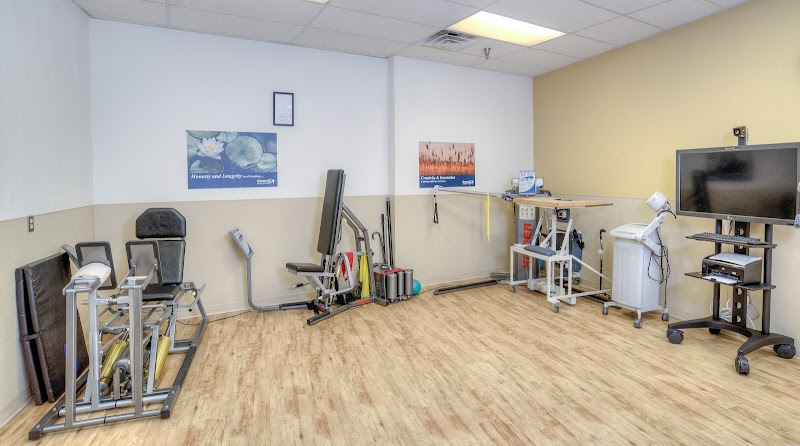
How is Uptown Rehabilitation Center Staffed?
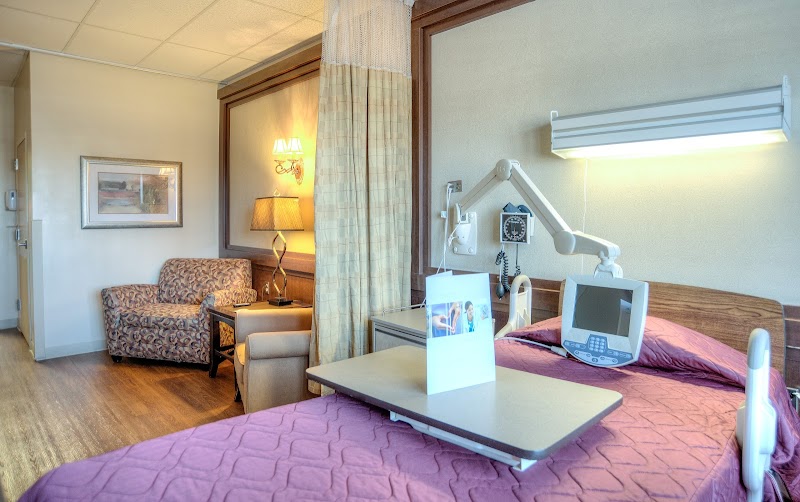
CMS rates Uptown Rehabilitation Center's staffing level at 3 out of 5 stars, which is average compared to other nursing homes. Staff turnover is 51%, compared to the New Mexico average of 46%.

What Have Inspectors Found at Uptown Rehabilitation Center?

State health inspectors documented 71 deficiencies at Uptown Rehabilitation Center during 2022 to 2025. These included: 1 Immediate Jeopardy (the most serious level, indicating potential for serious harm or death), 1 that caused actual resident harm, and 69 with potential for harm. Immediate Jeopardy findings are rare and represent the most serious regulatory concerns. They require immediate corrective action.

Who Owns and Operates Uptown Rehabilitation Center?

Uptown Rehabilitation Center is owned by a for-profit company. For-profit facilities operate as businesses with obligations to shareholders or private owners. The facility is operated by GENESIS HEALTHCARE, a chain that manages multiple nursing homes. With 134 certified beds and approximately 114 residents (about 85% occupancy), it is a mid-sized facility located in Albuquerque, New Mexico.

How Does Uptown Rehabilitation Center Compare to Other New Mexico Nursing Homes?

Compared to the 100 nursing homes in New Mexico, Uptown Rehabilitation Center's overall rating (1 stars) is below the state average of 2.9, staff turnover (51%) is near the state average of 46%, and health inspection rating (1 stars) is much below the national benchmark.

What Should Families Ask When Visiting Uptown Rehabilitation Center?

Based on this facility's data, families visiting should ask: "What changes have been made since the serious inspection findings, and how are you preventing similar issues?" "Can I visit during a mealtime to observe dining assistance and food quality?" "How do you handle medical emergencies, and what is your hospital transfer rate?" "Can I speak with family members of current residents about their experience?" These questions are particularly relevant given the facility's Immediate Jeopardy citations.

Is Uptown Rehabilitation Center Safe?

Based on CMS inspection data, Uptown Rehabilitation Center has documented safety concerns. Inspectors have issued 1 Immediate Jeopardy citation (the most serious violation level indicating risk of serious injury or death). The facility has a 1-star overall rating and ranks #100 of 100 nursing homes in New Mexico. Families considering this facility should ask detailed questions about what corrective actions have been taken since these incidents.

Do Nurses at Uptown Rehabilitation Center Stick Around?

Uptown Rehabilitation Center has a staff turnover rate of 51%, which is about average for New Mexico nursing homes (state average: 46%). Moderate turnover is common in nursing homes, but families should still ask about staff tenure and how the facility maintains care continuity when employees leave.

Was Uptown Rehabilitation Center Ever Fined?

Uptown Rehabilitation Center has no federal fines on record. CMS issues fines when nursing homes fail to meet care standards or don't correct problems found during inspections. The absence of fines suggests the facility has either maintained compliance or corrected any issues before penalties were assessed. This is a positive indicator, though families should still review recent inspection reports for the full picture.

Is Uptown Rehabilitation Center on Any Federal Watch List?

Uptown Rehabilitation Center is not on any federal watch list. The most significant is the Special Focus Facility (SFF) program, which identifies the bottom 1% of nursing homes nationally based on persistent, serious quality problems. Not being on this list means the facility has avoided the pattern of deficiencies that triggers enhanced federal oversight. This is a positive indicator, though families should still review the facility's inspection history directly.