San Juan Care Center


806 West Maple Street, Farmington, NM 87401 (505) 325-2910
For profit - Corporation 93 Beds OPCO SKILLED MANAGEMENT Data: November 2025
Trust Grade
70/100
#20 of 67 in NM
Last Inspection: June 2025

Inspected within the last 6 months. Data reflects current conditions.

Overview

San Juan Care Center in Farmington, New Mexico, has a Trust Grade of B, which indicates it is a good choice for families seeking care. It ranks #20 out of 67 facilities in the state, placing it in the top half, and #3 out of 6 in the county, meaning only two local options are better. However, the facility is experiencing a worsening trend, with issues increasing from 6 in 2024 to 11 in 2025. Staffing is a moderate point of strength, with a 3/5 star rating and a turnover rate of 42%, which is below the state average; however, RN coverage is only average. There have been 24 concerns identified, including a failure to maintain the ice machine properly, creating a risk of foodborne illness, and the absence of screens in windows, which could allow pests to enter the facility. While there are no fines on record, families should weigh these issues against the facility’s strengths when considering care options.

Trust Score
B
70/100
In New Mexico
#20/67
Top 29%
Safety Record
Low Risk
No red flags
Inspections
Getting Worse
6 → 11 violations
Staff Stability
○ Average
42% turnover. Near New Mexico's 48% average. Typical for the industry.
Penalties
✓ Good
No fines on record. Clean compliance history, better than most New Mexico facilities.
Skilled Nurses
○ Average
Each resident gets 32 minutes of Registered Nurse (RN) attention daily — about average for New Mexico. RNs are the most trained staff who monitor for health changes.
Violations
⚠ Watch
24 deficiencies on record. Higher than average. Multiple issues found across inspections.
★★★★☆
4.0
Overall Rating
★★★☆☆
3.0
Staff Levels
★★★☆☆
3.0
Care Quality
★★★★☆
4.0
Inspection Score
Stable
2024: 6 issues
2025: 11 issues

The Good

  • Full Sprinkler Coverage · Fire safety systems throughout facility
  • No fines on record
  • Staff turnover below average (42%)

    6 points below New Mexico average of 48%

Facility shows strength in fire safety.

The Bad

Staff Turnover: 42%

Near New Mexico avg (46%)

Typical for the industry

Chain: OPCO SKILLED MANAGEMENT

Part of a multi-facility chain

Ask about local staffing decisions and management

The Ugly 24 deficiencies on record

Jun 2025 9 deficiencies
CONCERN (D) 📢 Someone Reported This

A family member, employee, or ombudsman was alarmed enough to file a formal complaint

Potential for Harm - no one hurt, but risky conditions existed

Deficiency F0627 (Tag F0627)

Could have caused harm · This affected 1 resident

**NOTE- TERMS IN BRACKETS HAVE BEEN EDITED TO PROTECT CONFIDENTIALITY** Based on interview and record review, the facility failed to meet regulatory requirements when discharging 1 (R #68) of 1 (R #68...

Read full inspector narrative →
**NOTE- TERMS IN BRACKETS HAVE BEEN EDITED TO PROTECT CONFIDENTIALITY** Based on interview and record review, the facility failed to meet regulatory requirements when discharging 1 (R #68) of 1 (R #68) resident when staff failed to ensure proper notification was given to the resident, conduct discharge planning, and confirm of resident receipt of the discharge notice. These failures had the potential for an incomplete and unsafe discharge and increase risk of resident harm. The findings are: A. Record review of the facility's Transfer and Discharge policy, dated 10/24/22, revealed the facility must permit each resident to remain in the facility, including when a resident endangered the health or safety of others, and should not discharge the resident unless one of six regulatory criteria were met. The policy directed staff to ensure documentation was complete, involve the physician in the decision, notify the residents and/or their representative, issue a written notice, and assist with safe and appropriate discharge planning. The policy also stated residents must be informed of their right to appeal, and staff must notify the Ombudsman. B. Record review of R #68's face sheet revealed he was admitted to the facility on [DATE] with the following diagnoses: - Schizoaffective disorder (a mental condition that causes both psychosis and mood problems), - Generalized anxiety disorder, - Opioid dependence (physical dependence on opioids), - Diabetes mellitus (DM; metabolic disease). C. Record review of R #68's progress notes revealed the following: - Dated 05/07/25, the resident was discharged on 05/07/25, after he threw coffee on the Assistant Director of Nursing (ADON). - Dated 05/06/25, the facility Medical Director documented the resident was no longer safe to remain in the facility due to escalating verbal and physical behaviors. - Dated 05/06/25, the Administrator documented R #68 was in jail and presumably discharged . D. On 06/12/25 at 2:25 P.M., during an interview, the Director of Nursing (DON) stated the resident was arrested on 05/06/25 for throwing coffee on the ADON, and the Administrator hand-delivered the discharge paperwork to the jail. She stated a second notice was provided to the resident on 05/07/25 when he returned to the facility. She stated the resident's physician, the facility's Medical Director, was notified of the discharge. She stated R #68 was his own responsible party. She stated the resident did not receive his medications when they discharged him, and they did not create a discharge plan with R #68. She stated it was her expectation the resident would receive a complete and appropriate discharge. E. On 06/12/25 at 2:45 P.M., during an interview, the Administrator stated the facility issued a formal discharge notice to R #68 on 05/06/25, and he personally delivered it to the jail. He stated the notice was handed to the receptionist for delivery, and he could not confirm whether the resident received it. He stated the resident returned to the facility on [DATE], and the resident stated he did not receive any paperwork while in jail. He stated he gave R #68 a copy of his discharge papers, and he verbally encouraged the resident to go to the hospital. The Administrator stated he documented the information in the administrative notes in R #68's progress notes. The Administrator stated the facility denied the resident reentry to the facility due to safety concerns. The Administrator stated the team felt comfortable with the decision based on the resident's unsafe behavior. F. On 06/12/25 at 3:00 P.M., during an interview, the Regional Nurse Consultant (RNC) stated proper discharge planning did not occur for R #68. She stated it was her expectation staff would have developed a discharge plan for R #68.
CONCERN (D)

Potential for Harm - no one hurt, but risky conditions existed

Deficiency F0655 (Tag F0655)

Could have caused harm · This affected 1 resident

Based on record review, observation, and interview, the facility failed to create an accurate baseline care plan (minimum healthcare information necessary to properly care for a resident immediately u...

Read full inspector narrative →
Based on record review, observation, and interview, the facility failed to create an accurate baseline care plan (minimum healthcare information necessary to properly care for a resident immediately upon their admission to the facility) within 48 hours of admission for 1 (R #20) of 1 (R #20) resident. If the facility fails to implement a baseline care plan within 48 hours of admission for residents with complex needs, staff may lack necessary guidance to provide appropriate care which could lead to an adverse event (undesirable experience, preventable or non-preventable, that causes harm to a resident because of medical care or lack of medical care). The findings are: A. Record review of R #20's face sheet revealed an admission date of 02/21/25. B. Record review of R #20's admission record revealed a diagnosis of chronic lung disease (a progressive respiratory condition affecting the lungs). C. On 06/09/25, at 12:24 PM during an observation, R #20 sat in her room and wore a nasal cannula (a small, flexible tube that delivers oxygen to the nose through soft prongs), connected to an oxygen concentrator (device that concentrates the oxygen from a gas supply). D. On 06/10/25, at 3:14 pm observation revealed R #20 sat in her room and used an oxygen concentrator. E. Record review of R #20's baseline care plan, dated 02/21/25, revealed the care plan did not address the following: - Initials goals based on admission orders. - Physician orders. - The care plan did not address the resident's use of supplemental oxygen. F. On 06/09/25, during an interview, R #20's son stated his mother has used oxygen since the beginning of 2025.
CONCERN (D)

Potential for Harm - no one hurt, but risky conditions existed

Respiratory Care (Tag F0695)

Could have caused harm · This affected 1 resident

Deficiency Text Not Available

Read full inspector narrative →
Deficiency Text Not Available
CONCERN (D)

Potential for Harm - no one hurt, but risky conditions existed

Deficiency F0761 (Tag F0761)

Could have caused harm · This affected 1 resident

Based on observation and interview, the facility failed to protect a treatment cart (a movable piece of equipment used in healthcare facilities to store, transport, and dispense treatment supplies and...

Read full inspector narrative →
Based on observation and interview, the facility failed to protect a treatment cart (a movable piece of equipment used in healthcare facilities to store, transport, and dispense treatment supplies and tools) from unauthorized access when staff failed to lock the treatment cart when they left it unattended. This deficient practice had the potential to affect all residents on the 300 Unit. If staff fail to lock an unsupervised treatment cart, then residents could obtain medical equipment which could result in injury or death. The findings are: A. On 06/09/25 at 1:33 PM, observation of the 300 Unit revealed a treatment cart unlocked and unattended. Further observation revealed the top drawer of the cart contained wound care items, such as ointments, gloves, bandages, wound cleanser, tweezers and scissors. B. On 06/09/25 at 1:36 PM, during an interview, Registered Nurse (RN) #1 stated the treatment cart was her responsibility and should be locked when unattended. She said if the treatment cart was left opened then residents could access the treatment supplies and hurt themselves. C. On 06/13/25 at 2:15 PM, during an interview, the Director of Nursing (DON) stated the treatment cart should be locked if it was not actively in use by a nurse. The DON stated it was her expectation for staff to lock the treatment cart when unattended, so residents could not open the cart and access items which could cause injury.
CONCERN (E)

Potential for Harm - no one hurt, but risky conditions existed

Safe Environment (Tag F0584)

Could have caused harm · This affected multiple residents

**NOTE- TERMS IN BRACKETS HAVE BEEN EDITED TO PROTECT CONFIDENTIALITY** Based on observation, interviews, and record review, the facility failed to: - Ensure dining room linens remained in good repair...

Read full inspector narrative →
**NOTE- TERMS IN BRACKETS HAVE BEEN EDITED TO PROTECT CONFIDENTIALITY** Based on observation, interviews, and record review, the facility failed to: - Ensure dining room linens remained in good repair and free from stains and holes. - Maintain the facility trash and debris free. This deficient practice had the potential to affect residents who utilized the main dining area and various courtyards in the facility. If the facility fails to maintain the facility in a homelike manner, then residents may experience a diminished environment that negatively impacts their dignity and quality of life. The findings are: Dining Room Linens A. Record review of the facility's Housekeeping and Laundry policy, dated August 2020, revealed linens not in good repair are to be sorted out and discarded. B. On 06/10/25 at 8:21 a.m., observation of the main dining room revealed six red tablecloths with visible bleach stains. C. On 06/12/25 at 10:38 a.m., observation of the main dining area revealed six red tablecloths with bleach stains, and one tablecloth with a hole in it. D. On 06/12/25 at 2:59 p.m., during an interview, the Head of Housekeeping stated she requested new tablecloths. She stated it was expected for the current linens to be in good condition. E. On 06/12/25 at 3:38 p.m., during an interview, the Administrator stated it was his expectation that dining linens would not have holes or discoloration. Trash and Debris F. Record review of the facility's Grounds and Exterior Inspection policy, undated, revealed the following: - Inspect for cleanliness of grounds, especially in trash dumping area. - The policy did not instruct staff on the frequency of the inspections. G. On 06/11/25 at 11:35 am, observation revealed the following: - room [ROOM NUMBER] window had food and debris on the outside windowsill, wall, and ground outside the window. Further observation revealed the wall was visible from the main dining room. - The enclosed grill area outside the main dining room had trash on the ground. Further observation revealed the trash was visible from the main dining room and 500 hall resident rooms. - An enclosed courtyard outside the 100 hallway egress contained various medical equipment stored along the sidewalk. - An enclosed courtyard outside the 100 hallway contained a shed area with trash, paper lids, plastic, and limbs on the ground. Further observation revealed the debris was visible from the 100 hall courtyard and the main courtyard. - Cigarette waste was disposed in the handrail of an exit from the 300 hallway. H. On 06/11/25 at 11:32 am, the Administrator stated maintenance staff walked the facility monthly to look for anything out of place and garbage. He stated the resident in room [ROOM NUMBER] liked to feed the cat, and that was why there was food on the windowsill, wall, and ground. He stated it was not a homelike view for residents in dining room. The Administrator stated the medical equipment in the enclosed courtyard outside the 100 hallway was for disposal. He stated residents could come out into the enclosed area if staff were with them, and the extra equipment lined up along the sidewalk was not homelike. He stated the trash and debris around the shed was also not homelike and should be cleaned up. The Administrator stated the area outside the 300 hallway was frequented by displaced individuals, and sometime the individuals leave trash behind. He stated the facility did not have a system to check for debris left by the individuals, and the cigarette waste in the handrail was not homelike.
CONCERN (E)

Potential for Harm - no one hurt, but risky conditions existed

Deficiency F0605 (Tag F0605)

Could have caused harm · This affected multiple residents

**NOTE- TERMS IN BRACKETS HAVE BEEN EDITED TO PROTECT CONFIDENTIALITY** Based on record reviews and interviews, the facility failed to ensure residents did not receive psychotropic medications (group ...

Read full inspector narrative →
**NOTE- TERMS IN BRACKETS HAVE BEEN EDITED TO PROTECT CONFIDENTIALITY** Based on record reviews and interviews, the facility failed to ensure residents did not receive psychotropic medications (group of drugs that affect behavior, mood, thoughts, or perception) unless the medication was medically necessary for 1 (R #94) of 1 (R #94) resident reviewed for unnecessary medications, when staff failed to ensure the resident's as needed (PRN) psychotropic medications were not prescribed for longer than 14 days without documentation in the resident's medical record of the rationale to extend beyond 14 days. These deficient practices could likely result in residents receiving medications without a medical reason and being at a higher risk of adverse side effects (unwanted, harmful, or abnormal result). The findings are: A. Record review of the facility's policies and procedures undated, revealed the facility did not have a policy on ordering psychotropic medications or Medication Regimen Review (MRR) process. B. Record review of R #94's admission record, undated, revealed the following: 1. R #94 was admitted to the facility on [DATE]. 2. R #94 had a diagnosis of malignant neoplasm of the prostate (prostate cancer). C. Record review of R #94's Hospice Written Orders, dated 06/09/25, revealed the following orders: - Lorazepam (anti-anxiety medication) 0.5 milligram (mg) tablet. Give one tablet every four hours by mouth PRN for anxiety and insomnia. The order did not have a stop date. - Haloperidol (antipsychotic medication) 2 mg/milliliter (ml) syrup. Give one ml every six hours by mouth PRN for nausea. The order did not have a stop date. D. Record review of R #94's Provider Orders, dated 06/09/25, revealed the following: - An active order to receive lorazepam oral tablet 0.5 mg. Give one tablet by mouth every four hours as needed for anxiety and insomnia. The order had a stop date documented as indefinite. - An active order to receive haloperidol oral concentrate 2 mg/ml. Give one ml by mouth every six hours as needed for nausea. The order had a stop date documented as indefinite. E. On 06/13/25 at 9:07 am, during an interview, Nurse #1 stated she entered R #94's hospice orders into R #94's electronic health record (EHR). Nurse #1 stated Hospice preferred to keep their orders without a stop date due to the nature of the patients being at the end of their lives. F. On 06/13/25 at 9:12 am, during an interview, the Director of Nursing (DON) stated she expected Nurse #1 to enter a 14-day stop date for R #94's lorazepam and haloperidol medication orders. The DON stated the facility did not have a policy on PRN psychotropic medications. She stated she referred to Federal and State regulations to guide their practice on PRN psychotropic medications. G. On 06/13/25 at 10:02 am, during an interview, the Hospice Medical Director stated he expected the following: - The hospice nurse to enter a 14-day stop date for R #94's the lorazepam and haloperidol medication orders. - The facility's nurse, who entered the order from the R #94's hospice order sheet to the R #94's EHR, to enter a 14-day stop order for both medication orders. The Hospice Medical Director stated he did not instruct the facility staff not to enter a 14-day stop date to the psychotropic orders.
CONCERN (E)

Potential for Harm - no one hurt, but risky conditions existed

Drug Regimen Review (Tag F0756)

Could have caused harm · This affected multiple residents

Deficiency Text Not Available

Read full inspector narrative →
Deficiency Text Not Available
CONCERN (F)

Potential for Harm - no one hurt, but risky conditions existed

Food Safety (Tag F0812)

Could have caused harm · This affected most or all residents

Based on observation and interview, the facility failed to ensure the ice machine drained through an air gap. This deficient practice is likely to affect all residents in the facility. If staff do not...

Read full inspector narrative →
Based on observation and interview, the facility failed to ensure the ice machine drained through an air gap. This deficient practice is likely to affect all residents in the facility. If staff do not maintain the ice machine drain air gaps, then residents are at risk of foodborne illnesses. The findings are: A. On 06/11/25 at 2:45 pm, observation of the kitchen revealed the ice machine did not drain through an air gap. The drainpipe from the ice machine drained below the surface of the floor. B. On 06/11/25 at 2:47 pm, during an interview, the facility's Corporate Maintenance Director stated he was not aware the ice machine did not drain through an air gap. He stated the ice machine should drain through an air gap to prevent backflow into the ice machine.
CONCERN (F)

Potential for Harm - no one hurt, but risky conditions existed

Deficiency F0925 (Tag F0925)

Could have caused harm · This affected most or all residents

**NOTE- TERMS IN BRACKETS HAVE BEEN EDITED TO PROTECT CONFIDENTIALITY** Based on observation, interview, and record review, the facility failed to utilize screens in all windows of the facility to pre...

Read full inspector narrative →
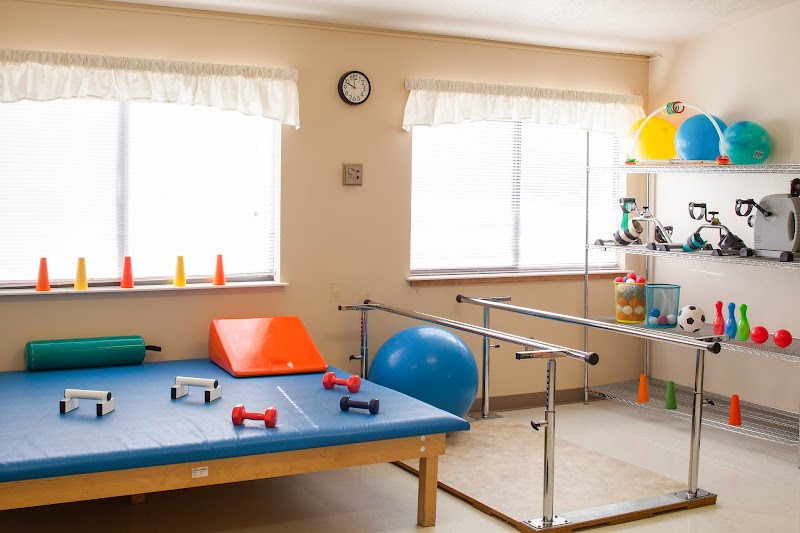
**NOTE- TERMS IN BRACKETS HAVE BEEN EDITED TO PROTECT CONFIDENTIALITY** Based on observation, interview, and record review, the facility failed to utilize screens in all windows of the facility to prevent pest from entering the facility. This failure had the potential to affect all residents in the facility. If the facility does not use screens in the windows, then pest could enter the facility and harm or annoy the residents. The findings are: A. Record review of the facility's Grounds and Exterior Inspection, undated, revealed the policy did not address the use of screens to prevent pests from entering the facility. B. On 06/10/25 at 10:10 am, observation revealed the following: - Three windows open in the main dining room without screens in place. - One window open in room [ROOM NUMBER] without a screen in place. - Two windows open in the Therapy room without screens in place. - One window open in room [ROOM NUMBER] without a screen in place. - An active wasp nest was present outside the Therapy windows. C. On 06/10/25 at 10:58 am and 06/11/25 at 4:20 pm, observation revealed flies in various locations throughout the facility. D. On 06/11/25 at 11:32 am, during an interview, the Administrator stated he expected the windows in the facility to have a screen present for pest control. He stated it was expected for the screens to be in good condition and without holes. He stated there was not a system for inspecting the screens, and staff were not trained to submit work orders for missing screens. He stated the maintenance staff walk the facility monthly looking for anything out of place. He stated maintenance staff check regularly for wasp nests during their monthly rounds, but he was not aware of the nests in multiple windows.
Mar 2025 1 deficiency
CONCERN (D) 📢 Someone Reported This

A family member, employee, or ombudsman was alarmed enough to file a formal complaint

Potential for Harm - no one hurt, but risky conditions existed

Deficiency F0919 (Tag F0919)

Could have caused harm · This affected 1 resident

**NOTE- TERMS IN BRACKETS HAVE BEEN EDITED TO PROTECT CONFIDENTIALITY** Based on record reviews and interviews, the facility failed to ensure a call light was in working order for 1 (R #1) of 1 (R #1)...

Read full inspector narrative →
**NOTE- TERMS IN BRACKETS HAVE BEEN EDITED TO PROTECT CONFIDENTIALITY** Based on record reviews and interviews, the facility failed to ensure a call light was in working order for 1 (R #1) of 1 (R #1) resident, when the staff failed to make sure the shower room call light was functional before R #1 bathed herself. If the facility is not ensuring a working call light system, then residents are unable to request immediate assistance when needed. The findings are: A. Record review of R #1's face sheet, dated 11/19/24, showed R #1 was admitted to the facility on [DATE]. B. Record review of R #1's Electronic Health Record (EHR) undated, showed the following diagnoses: - Major joint replacement (a procedure where a damaged or diseased joint is surgically removed and replaced with an artificial one.) - After care following joint replacement surgery. - Unilateral primary osteoarthritis (chronic degeneration of the joint cartilage), - Right knee infection and inflammatory reaction (the body's response to injury, illness, or something that does not belong in the body. Characterized by heat, pain, redness, swelling, and loss of function) due to internal right knee prosthesis (an artificial device which replaces a missing body part), sequela (a condition which is the consequence of a previous disease or injury). - Pain due to internal orthopedic prosthetic devices, implants (a substance or object that is put in the body), and grafts (healthy skin, bone, or other tissue taken from one part of the body and used to replace skin, bone, or tissue in another part of the body), subsequent encounter. - Type 2 diabetes mellitus (DM2, a condition results from insufficient production of insulin) with hyperglycemia (high blood sugar.) C. Record review of the R #1's Care Plan, revealed the following: - Dated 11/25/24: - Focus: Resident was a moderate risk for falls related to knee surgery. - Interventions: Evaluate and treat as ordered or as needed. Review information on past falls and attempt to determine cause of falls. Record possible root causes. Alter or remove any potential causes if possible. Educate resident as to causes. - Dated 01/17/25: - Focus: Resident has activities of daily living (ADL) self-care performance deficit related to decreased mobility and comorbidities (the condition of having two or more diseases at the same time). - Interventions: Encourage the resident to use bell to call for assistance. Resident requires staff participation with bathing. Resident requires staff participation with transfers. D. Record review of the facility's Incident Report, dated 12/28/24, showed R #1 had an unwitnessed fall in the shower room. R #1 held the shower rail with her right hand, slipped, and hit her elbow against the wall. E. Record review of R #1's Progress Notes, dated 12/28/24, Nurse #1 documented the following: - R #1 had an unwitnessed fall in shower room. The resident stated she slipped while holding shower rail, hit her right elbow against shower wall, and slowly slid down to the floor. The resident complained of right elbow pain and tenderness when touched. Staff did not note any redness or bruising. Resident required set-up help only with shower, shower chair was in place, and towels were in place on the floor. Staff notified the Medical Director, Director of Nursing, and family. F. Record review of R #1's Discharge Minimum Data Set (MDS; a federally mandated assessment instrument completed by facility staff), dated 01/03/25, showed staff documented the following for the resident's look back period (The time period over which staff observe a resident to capture the resident's condition or status for the MDS assessment. Unless otherwise stated, the look back period is seven days, and only those occurrences during the look back period will be captured on the MDS): - Resident required set-up or clean-up assistance (staff sets up or cleans up for the activity but the resident completes activity independently) for self-bathing and for transfer in and out of shower. - Resident was able to bathe self, to include washing, rinsing, and drying self. - Resident was able to get in and out of a tub/shower. G. Record review of the facility's Incident Follow-up Report, dated 01/10/25, showed the facility's administrator noted the call light in the shower room was not functional when R #1 fell on [DATE]. H. Record review of the facility's The Equipment Lifecycle System (TELS, a building management platform that helps maintenance staff with facility maintenance, life safety code inspection and testing, and asset management) revealed the following: - Dated 2024, the Maintenance Director inspected call lights on the following dates: 12/28/2024, 11/9/2024, 10/18/2024, 09/28/2024, 08/14/2024, 07/10/2024, 06/13/2024, 05/23/2024, 04/25/2024, 03/20/2024, 03/1/2024 and 01/23/2024. Further review showed the inspection reports did not show which call lights the Maintenance Director inspected or the outcomes of those inspections. - Dated 12/28/24, the Maintenance Director inspected six resident room call lights. Further review showed the record did not contain documentation to show the Maintenance Director inspected the 100 hallway shower room call light. I. On 03/17/25 at 10:02 am, during an interview, R #1's Representative stated staff notified her of R #1's fall. She stated she was worried about R #1's knee surgery, and staff informed her R #1's knee was not affected by the fall. She stated staff told her R #1 hit her right elbow against the wall but did not hit her knee. J. On 03/04/25 at 12:25 pm and 03/18/25 at 12:00 pm, during an interview with the Director of Nursing (DON), she stated maintenance staff check call lights every week for availability and functionality. She stated R #1 was able to shower and transfer herself. The DON stated the shower call light was not functional at the time of the incident. The DON stated R #1 told Certified Nursing Assistant (CNA) #1 she wanted private showers. The DON stated CNA #1 assisted R #1 with set-up for her shower on 12/28/24. The DON stated R #1 fell in the 100 hallway shower room on 12/28/24. She stated she did not expect CNA #1 to check 100 Hall shower room call light before leaving R #1 to bathe herself privately. She stated staff assume call lights work. K. On 03/04/25 at 12:20 pm and 03/18/25 at 12:00 pm, during an interview, the Maintenance Director stated he did random checks on the facility's call lights every week. He stated he inspected 100 Hall shower room on 12/28/24, but he did not remember the time of his inspection. L. On 03/04/25 at 12:00 pm, during an interview, the Administrator stated the shower room call light was not functional on 12/28/24 when R #1 fell. The Administrator stated he expected the Maintenance Director to perform random checks on the facility's call lights every week including the three shower rooms.
Jan 2025 1 deficiency
CONCERN (D) 📢 Someone Reported This

A family member, employee, or ombudsman was alarmed enough to file a formal complaint

Potential for Harm - no one hurt, but risky conditions existed

Notification of Changes (Tag F0580)

Could have caused harm · This affected 1 resident

**NOTE- TERMS IN BRACKETS HAVE BEEN EDITED TO PROTECT CONFIDENTIALITY** Based on record review and interview, the facility failed to notify the Power of Attorney (POA; legal authorization for a design...

Read full inspector narrative →
**NOTE- TERMS IN BRACKETS HAVE BEEN EDITED TO PROTECT CONFIDENTIALITY** Based on record review and interview, the facility failed to notify the Power of Attorney (POA; legal authorization for a designated person to make decisions about another person's property, finances, or medical care) when R #1's oxygen saturation (the amount of oxygen in the blood) was low and required supplemental oxygen (oxygen therapy; a therapy treatment which provides extra oxygen) through a nasal cannula (a small, flexible tube that delivers oxygen to the nose through soft prongs) for 1 (R #1) of 3 (R #1, #2, and #3) residents reviewed for change in condition. If the facility is not notifying the POA when there is a change in condition then the POA is unable to make decisions related to treatment and advocate for the resident's care. The findings are: A. Record review of the face sheet revealed that R #1 was admitted to the facility on [DATE] and was discharged on 12/10/24. R #1 had the following diagnoses: - Surgical amputation below knee (surgical removal of part of the leg), - Sepsis (blood stream infection), - Type II diabetes (body is resistant to insulin and causes high blood sugar levels), - Cellulitis (serious bacterial infection of the skin) of a limb. - This is not an all inclusive list. B. Record review of R #1's change in condition evaluation note, dated 12/10/24 at 1:33 am, indicated R #1 had normal vitals with increased confusion and disorientation. The resident fell out of bed, was assessed, and did not have an injury. R #1 had shortness of breath and a cough. Staff called the on-call physician, and R #1 to receive a chest x-ray later in the day. The note did not indicate staff notified the family member (FM). C. Record review of R #1's change in condition evaluation note, dated 12/10/24 at 5:15 am, indicated the following: - R #1 had an oxygen saturation of 66 percent (%; normal saturation is between 90% and 100%). All other vitals were within normal range. - The Mental Status Evaluation Section indicated R #1 had increased confusion and disorientation. Interventions included placing R #1 on supplemental oxygen and a chest x-ray later in the day. - The Comment Section indicated resident was put on supplemental oxygen during the night and a chest x-ray was ordered. The primary nurse received report, checked on the resident, and found him with his legs hanging off the bed. The resident's nasal cannula was off. Staff took the resident's vitals, and the resident had 47% oxygen saturation on room air. Staff applied the resident's nasal cannula, and his oxygen saturation increased to 6 liters per minute (lpm). The resident's oxygen saturation came up to 66%. Resident tried to verbalize and answer questions, but he did not make sense. Emergency Medical Services (EMS) was dispatched, and the resident left with EMS for the hospital around 6:00 am. - The note did not indicate staff notified the family member. D. On 01/08/24 at 12:17 pm during an interview with R #1's FM/POA, she stated R #1 called her the night of 12/09/24, and he was calling out for help. She stated R #1 did not seem normal to her so she hung up and called the nursing station. The POA stated she asked if someone would go and check on R #1. She stated she called back twice after that and never spoke to anyone. She stated the facility did not call her about R #1's change in condition that occurred in the early morning on 12/10/24. E. On 01/09/25 at 8:30 am, during an interview with the Assistant Director of Nursing (ADON), she stated she came in at 5:00 am on 12/10/24, and the night shift nurse told her that R #1 was placed on oxygen for low saturation levels. The ADON stated she went to check on R #1, found him without his oxygen on, and he was confused. She stated she placed the oxygen on the resident, turned the oxygen up to 6 lpm, and his saturations came up to 66%. The ADON stated that was when R #1 was sent out to the hospital. She stated she called and left a message for R #1's FM/POA when he was sent to the hospital on [DATE] at 6:00 am. She stated she did not notify the FM/POA prior to the resident's change in condition when he started using oxygen on 12/09/24, because she was not working on 12/09/24. The ADON stated that she did not see any documentation in the resident's medical record that staff notified the FM/POA of the resident's change in condition on 12/10/24 at 1:33 am, and the night nurse did not tell her that they notified the FM/POA when the resident was placed on oxygen for low saturations. F. On 01/09/25 at 8:40 am, during an interview with Director of Nursing (DON), she stated if a resident had a change in condition then staff should notify the resident's family/POA at that time.
Feb 2024 6 deficiencies
CONCERN (D)

Potential for Harm - no one hurt, but risky conditions existed

Comprehensive Care Plan (Tag F0656)

Could have caused harm · This affected 1 resident

Based on interview and record review, the facility failed to develop and implement a comprehensive, person-centered care plan for 1 (R #71) of 3 (R #53, R #66, and R #71) residents reviewed for care p...

Read full inspector narrative →
Based on interview and record review, the facility failed to develop and implement a comprehensive, person-centered care plan for 1 (R #71) of 3 (R #53, R #66, and R #71) residents reviewed for care plans by not following a planned schedule for dialysis care and by failing to include resident specific information in a goal. This deficient practice could likely result in residents not receiving the care needed to reach their highest practicable level of well-being. The findings are: Findings related to dialysis care: A. Record review of R #71's current care plan (dated 01/27/2024) indicated that the resident received dialysis (clinical purification of blood as a substitute for the normal function of the kidney) outside of the facility on Mondays, Wednesdays, and Fridays via an arteriovenous fistula (AVF: a surgically created connection between an artery and vein for use during dialysis care) on her left upper arm. The care plan included an intervention for assessing the AVF for sounds and vibrations caused by blood flowing through the fistula every shift and as needed due to risk of complications related to the AVF closing and/or excessive bleeding. B. Record review of R #71's nursing progress notes for the past week indicate that nursing staff assessed the AVF daily rather than every shift. The only documented assessment of R #71's AVF in the last week are as follows: - 2/27/24 at 9:46 am - 2/26/24 at 8:10 pm - 2/25/24 at 9:08 pm - 2/24/24 at 8:01 pm - 2/22/24 at 9:00 am - 2/21/24 at 1:39 pm C. On 02/29/24, at 2:20 pm, during an interview, the Director of Nursing (DON) stated that AVF assessments should be completed every shift and as needed as stated in the care plan, and that based off of the progress note documentation it appeared that it is only being done daily. The DON added that typically there would be an order entered into the resident's electronic medical record (EMR) so that the assessments would be tracked on the TAR (treatment administration record). Findings related to nutrition goal: D. Record review of R #71's care plan included the following goal: [PREFERRED NAME] will maintain adequate nutritional status as evidenced by maintaining weight within (X)% of (SPECIFY BASELINE), no s/sx (signs/symptoms) of malnutrition, and consuming at least (X)% of at least (X) meals daily through review date. Date Initiated: 02/08/2024 Revision on: 02/10/2024 Target Date: 04/26/2024 E. On 02/29/24, at 11:24 am, during an interview, MDS (Minimum Data Set) Nurse stated that the goal was entered by another member of the nursing staff and was not complete. This is a default goal that is supposed to be entered and then edited with the resident's information. She added that it should have already been completed with resident specific information.
CONCERN (D)

Potential for Harm - no one hurt, but risky conditions existed

Quality of Care (Tag F0684)

Could have caused harm · This affected 1 resident

**NOTE- TERMS IN BRACKETS HAVE BEEN EDITED TO PROTECT CONFIDENTIALITY** Based on record review and interview, facility failed to ensure quality of care for 1 (R #53) of 2 (R #53 and R #71) residents r...

Read full inspector narrative →
**NOTE- TERMS IN BRACKETS HAVE BEEN EDITED TO PROTECT CONFIDENTIALITY** Based on record review and interview, facility failed to ensure quality of care for 1 (R #53) of 2 (R #53 and R #71) residents reviewed by not following physician's orders to obtain weekly weights. This deficient practice could likely result in residents not receiving the care and services ordered. The findings are: A. Record review of R #53's face sheet and diagnosis list within the electronic medical record (EMR) indicated that she was admitted to the facility on [DATE] with diagnoses (not an all-inclusive list) of Hemiplegia (paralysis on one side of the body) and hemiparesis (weakness on one side of the body) following cerebral infarction (stroke) dysphagia (difficulty swallowing), and is provided nutrition via G-tube (Gastronomy tube; a tube inserted through the abdomen that creates a direct route to the stomach). B. Record review of the physician's standing order dated 01/17/2024 stated, Resident is at risk for malnutrition related to new admission and diagnosis: CVA [Cerebral Vascular Accident (stroke)]. Will weigh once weekly x (times) 4 weeks and monthly thereafter. Dietician to consult as needed, per orders. C. Record review of weights recorded in R #53's EMR include: -On 01/17/24 at 4:04 pm: 131.7 lbs. -Staff did not record a weight during the 2nd week. -On 01/30/24 at 1:50 pm: 123.2 lbs. (a 6.45% weight loss in 13 days) -On 02/01/24 at 2:11 pm: 125.0 lbs. (a 5.09% weight loss in 15 days) -Staff did not record a weight during the 4th week. D. On 02/29/24 at 10:01 am during an interview, the facility's Registered Dietician (RD) stated that the weights listed above in finding C are the only weights she is aware of for R #53, and that it appeared that facility staff did not obtain the resident's weight weekly as ordered. E. On 02/29/24 at 2:20 pm, during an interview, the Director of Nursing (DON) confirmed that weekly weights were not collected for R #53 as ordered.
CONCERN (D)

Potential for Harm - no one hurt, but risky conditions existed

Respiratory Care (Tag F0695)

Could have caused harm · This affected 1 resident

Based on observation, record review, and interview, the facility failed to meet professional standards of care for 1 (R #63) of 3 (R #63, R #49, and R #32) residents reviewed for respiratory care by n...

Read full inspector narrative →
Based on observation, record review, and interview, the facility failed to meet professional standards of care for 1 (R #63) of 3 (R #63, R #49, and R #32) residents reviewed for respiratory care by not properly dating the oxygen tubing for the resident. This deficient practice could likely lead to respiratory infections by the oxygen tubing becoming clogged due to condensation (a process where water vapor becomes liquid) or becoming dirty, leading to the reduced oxygen flow. The findings are: A. On 02/27/24, at 12:09 pm, during observation of R #63, the oxygen tubing was not dated. B. Record review of R #63's physician orders dated 01/10/24, stated R #63 was prescribed oxygen 1-6 liters per minute. C. On 02/28/24, at 10:45 am, during an interview with the Director of Nursing (DON), she stated all oxygen tubing should be dated and changed weekly.
CONCERN (D)

Potential for Harm - no one hurt, but risky conditions existed

Deficiency F0698 (Tag F0698)

Could have caused harm · This affected 1 resident

**NOTE- TERMS IN BRACKETS HAVE BEEN EDITED TO PROTECT CONFIDENTIALITY** Based on record review and interview, the facility failed to obtain a physician's order for dialysis (clinical purification of b...

Read full inspector narrative →
**NOTE- TERMS IN BRACKETS HAVE BEEN EDITED TO PROTECT CONFIDENTIALITY** Based on record review and interview, the facility failed to obtain a physician's order for dialysis (clinical purification of blood as a substitute for the normal function of the kidney) access site assessment and monitoring (ensuring the site used for dialysis remains free of complications related to excessive bleeding or closing) for 1 (R #71) of 1 (R #71) residents reviewed for dialysis care. This deficient practice could likely result in residents not receiving dialysis care and monitoring they need after dialysis treatment. The findings are: A. Record review of R #71's Electronic Medical Record (EMR) revealed that the resident was admitted to the facility on [DATE], with diagnoses (not an all-inclusive list) of end-stage renal disease (ESRD, chronic irreversible kidney failure), dependence on renal dialysis, and current use of anticoagulants (a type of medication prescribed to thin the blood and has risks associated with blood not clotting as easily). The record also included that R #71 has an AVF (arteriovenous fistula) to LUA (left upper arm) used for dialysis on Mondays, Wednesdays, and Fridays. B. Record review of facility's policy on Dialysis Care, NP-225 (undated) included expectations that the AVF be inspected for color, warmth, redness, tenderness, pain, edema (swelling), drainage, and bruit (sound of blood moving) once per shift. C. Record review of R #71's physician orders revealed the record did not contain an order for dialysis access site (AVF) monitoring every shift and PRN (as needed) after dialysis treatment. D. On 02/29/24, at 2:20 pm, during an interview, the Director of Nursing (DON) stated that AVF assessments should be completed every shift and as needed as this is typical care for all residents receiving dialysis and that a physician's order should have been entered.
CONCERN (E)

Potential for Harm - no one hurt, but risky conditions existed

Deficiency F0583 (Tag F0583)

Could have caused harm · This affected multiple residents

**NOTE- TERMS IN BRACKETS HAVE BEEN EDITED TO PROTECT CONFIDENTIALITY** FACILITY D. On 02/27/24 at about 2:15 pm, during observation of the 400 hall, the treatment cart was outside a resident room [RO...

Read full inspector narrative →
**NOTE- TERMS IN BRACKETS HAVE BEEN EDITED TO PROTECT CONFIDENTIALITY** FACILITY D. On 02/27/24 at about 2:15 pm, during observation of the 400 hall, the treatment cart was outside a resident room [ROOM NUMBER], the laptop screen was open with resident #45's personal health information (name, date of birth , and medications) available for anyone to see. Based on observation and interview, the facility failed to safeguard (secure or protect) clinical record information by leaving protected health information (PHI; personal identifying information) unattended. The deficient practice has the potential to affect all residents on the 100 and 400 hall (residents were identified by the Resident Census List provided by the Administrator on 02/26/24). If the resident's clinical information is not adequately safeguarded, resident's PHI is likely to be accessed (obtained or examined) by unauthorized (not having permission or approval) residents, visitors, and or staff. The findings are: R #36 A. On 02/26/24, at 3:17 pm, during an observation of medication cart computer revealed, Registered Nurse (RN) #1 left the medication cart computer screen unlocked, that showed PHI, residents name, date of birth , medications, and diagnosis for R #36 as she walked down the hall to give a health shake to R #36 . B. On 02/26/24, at 3:19 pm, during an interview with RN #1, she confirmed that she left the medication cart computer screen on when she walked down the hall to give a healthshake to R #36. C. On 02/29/24, at 2:38 pm, during an interview with the Director of Nursing (DON), confirmed when nurses' step away from their computers on the medication cart, that they (nurses) should be locking the computer screen.
CONCERN (E)

Potential for Harm - no one hurt, but risky conditions existed

Deficiency F0761 (Tag F0761)

Could have caused harm · This affected multiple residents

**NOTE- TERMS IN BRACKETS HAVE BEEN EDITED TO PROTECT CONFIDENTIALITY** Based on observations and interviews the facility failed to ensure all medication carts were locked when not in use and ensure e...

Read full inspector narrative →
**NOTE- TERMS IN BRACKETS HAVE BEEN EDITED TO PROTECT CONFIDENTIALITY** Based on observations and interviews the facility failed to ensure all medication carts were locked when not in use and ensure eye drops were dated when opened and not stored at the bedside for 1 (R #21) of 1 (R #21). These deficient practices will likely to result in 41 residents, identified on the census list provided by the Executive Director (ED) on [DATE], receiving expired medication and allowing access to medication carts to unauthorized personnel. The findings are: Findings for unlocked medication cart. A. On [DATE], at 1:48 pm, during observation of the hall B medication cart. The medication cart looked visibly locked but was not and was accessible. B. On [DATE], at 1:50 pm, during an interview with the facility administrator, he was able to open the medication cart even though it appeared locked. The facility administrator stated the lock was broken and that it would be fixed. R #21 C. On [DATE], at 3:23 pm, during an observation of R #21's room revealed a bottle of Latanoprost solution 0.0005% (used to treat high pressure inside the eye due to glaucoma (open-angle type) or other eye diseases)that laid on R # 21's bed. The date of delivery to the facility was [DATE]. It was a little under one-fourth full. According to the manufacture instructions the medication needs to be used within six weeks of opening. The bottle did not have a date that the bottle was opened. D. On [DATE], at 2:38 pm, during an interview with the Director of Nursing (DON) confirmed that the a bottle of Latanoprost was at bedside, and the Latanoprost bottle did not have an open date. DON did confirm that R #21 did have a physician order to give the eye drops herself and to keep them at the bedside.
Nov 2023 2 deficiencies
CONCERN (D) 📢 Someone Reported This

A family member, employee, or ombudsman was alarmed enough to file a formal complaint

Potential for Harm - no one hurt, but risky conditions existed

Comprehensive Care Plan (Tag F0656)

Could have caused harm · This affected 1 resident

**NOTE- TERMS IN BRACKETS HAVE BEEN EDITED TO PROTECT CONFIDENTIALITY** Based on record review and and interview, the facility failed to develop a comprehensive care plan for 1 (R #2) of 3 (R #1, R #2...

Read full inspector narrative →
**NOTE- TERMS IN BRACKETS HAVE BEEN EDITED TO PROTECT CONFIDENTIALITY** Based on record review and and interview, the facility failed to develop a comprehensive care plan for 1 (R #2) of 3 (R #1, R #2 and R #3) residents reviewed for pressure ulcers (injuries to the skin and underlying tissue resulting from constant pressure on the affected body part). This deficient practice could likely result in residents not receiving the care and treatment needed to reach their highest well-being. The findings are: A. Record review of R #2's Face Sheet revealed he was admitted to the facility on [DATE] with the following diagnoses: paraplegia (paralysis of the lower half of the body) and pressure ulcer of the sacral region (the bone at the base of the spine). B. Record review of R #2's Skin Only Evaluation, dated 09/19/23, revealed a Stage III (a deep wound that has broken through the top two layers of the skin and into the fatty tissue) pressure ulcer on his coccyx (tailbone). C. Record review of R #2's Care Plan, dated 09/09/23, revealed he required assistance with ADLs (activities of daily living), mobility (moving around), and transfers (moving from one position or setting to another) due to the diagnosis of paraplegia. The care plan did not contain interventions (methods to help treat or cure a medical condition or to prevent harm or improve functioning) to address repositioning of the body to prevent pressure ulcers. D. On 11/16/23 at 11:17 am, during an interview, the Director of Nursing (DON) stated R #2 should have an intervention listed on his Care Plan that instructed staff to reposition the resident to prevent pressure ulcers since the resident could not reposition himself independently due to a diagnosis of paraplegia.
CONCERN (E) 📢 Someone Reported This

A family member, employee, or ombudsman was alarmed enough to file a formal complaint

Potential for Harm - no one hurt, but risky conditions existed

Medical Records (Tag F0842)

Could have caused harm · This affected multiple residents

**NOTE- TERMS IN BRACKETS HAVE BEEN EDITED TO PROTECT CONFIDENTIALITY** Based on record review and interview, the facility failed to ensure staff maintained accurate medical records for 2 (R #1 and R ...

Read full inspector narrative →
**NOTE- TERMS IN BRACKETS HAVE BEEN EDITED TO PROTECT CONFIDENTIALITY** Based on record review and interview, the facility failed to ensure staff maintained accurate medical records for 2 (R #1 and R #3) of 3 (R #1, R #2 and R #3) residents reviewed for pressure ulcers (injuries to the skin and underlying tissue resulting from constant pressure on the affected body part). This deficient practice could likely result in residents not receiving the care and services they need. The findings are: Findings for R #1: A. Record review of R #1's Face Sheet revealed she was admitted to the facility on [DATE], discharged on 08/03/23, and the record did not contain a diagnosis of pressure ulcer. B. Record review of R #1's Skin Check Assessment, dated 07/27/23, revealed a pressure wound on buttocks and coccyx (tailbone) area. C. Record review of R #1's care plan, dated 07/27/23, revealed resident's weekly wound assessment to include measurements and description of wound status. D. Record review of R #1's Transfer/Discharge Report, dated 08/03/23, revealed a diagnosis of pressure ulcer was not listed. E. On 11/16/23 at 11:20am, during an interview, the Director of Nursing (DON) stated the pressure ulcer diagnosis should have been listed on R #1's Face Sheet and her Transfer/Discharge Report. Findings for R #3: F. Record review of R #3's Face Sheet revealed she was admitted to the facility on [DATE], and the record did not contain a diagnosis of pressure ulcer. G. Record review of the facility's Weekly Pressure Injury Trending Report, dated 10/30/23, revealed a Stage II (shallow, open wound) pressure injury in R #3's intergluteal cleft area (the space between the two buttocks that starts at the tailbone and extends downward). H. Record review of R #3's quarterly Minimum Data Set (MDS; an assessment tool that measures functional capabilities and health needs for nursing home residents), dated 11/08/23, revealed under Section M - Skin Conditions, the resident had a Stage II pressure ulcer. I. Record review of R #3's Care Plan, date initiated 11/20/21, revealed the plan did not contain a diagnosis of pressure ulcer. J. On 11/16/23 at 11:24 am, during an interview, the DON stated R #3 had the pressure ulcer on her intergluteal cleft upon admission and currently had a Stage II pressure ulcer in the same area. The DON confirmed the diagnosis of pressure ulcer should be listed on R #3's Face Sheet and in the Care Plan.
Nov 2022 5 deficiencies
CONCERN (D)

Potential for Harm - no one hurt, but risky conditions existed

Deficiency F0657 (Tag F0657)

Could have caused harm · This affected 1 resident

Based on record review and interview, the facility failed to ensure that the care plan had been revised for 1 (R #57) of 1 (R #57) resident reviewed by not updating a care plan to reflect discontinuat...

Read full inspector narrative →
Based on record review and interview, the facility failed to ensure that the care plan had been revised for 1 (R #57) of 1 (R #57) resident reviewed by not updating a care plan to reflect discontinuation of medication and blood drawn for laboratory tests. This deficient practice could likely cause staff to be unaware of current resident needs and impair the safety of the resident by staff administering medications and performing blood draws for laboratory testing that was discontinued by a physician. The findings are: A. Record review of R #57's face sheet revealed, admission date 09/30/22 and diagnosis: fracture of lumbosacral (area that connects the spine to the pelvis) spine and pelvis, fracture of lumbar vertebra (bone in the spine collapses), anemia (low blood iron), hypothyroidism (underactive thyroid) urinary tract infection, dementia (loss of memory), asthma (breathing difficulty), disease of biliary tract (obstruction of the bile ducts), abnormal levels of serum enzymes (an inflamed or damage liver), pain, history of falling, constipation (difficulty in emptying the bowels), hearing loss, muscle weakness (lack of strength in the muscles), unsteadiness on feet (unable to stand or walk easily), and fracture of left acetabulum (the socket of the ball-and-socket hip joint.) B. Record review of R #57's care plan stated, Risk of injury or complications related to the use of anticoagulation (blood thinner to prevent blood clots within a blood vessel) therapy for DVT (Deep vein thrombosis - occurs when a blood clot forms in a deep vein). Labs will remain within therapeutic ranges and there will be no signs and symptoms of active bleeding or other complications. Anticoagulant to be given as ordered date initiated: 10/12/22. Labs as ordered reporting the results to the MD (Medical Doctor) for any possible dosage changes or lab draws. Date initiated: 10/12/22. C. Record review of R #57's clinical physician's orders summary revealed, no physicians orders for an anticoagulant medication or blood drawn for laboratory tests and no physicians orders for the discontinued anticoagulant medication or blood drawn for Laboratory tests. D. On 11/16/22 at 8:28 am, during an interview with Director of Nursing (DON), she confirmed that R #57's care plan was not reviewed and revised when anticoagulant medication and Laboratory work was discontinued by a physician. DON also stated that R #57 came in the facility with an order for Heparin (medication that slows the formation of blood clots) and labs for test results but both orders were discontinued on 10/22/22.
CONCERN (E)

Potential for Harm - no one hurt, but risky conditions existed

Quality of Care (Tag F0684)

Could have caused harm · This affected multiple residents

**NOTE- TERMS IN BRACKETS HAVE BEEN EDITED TO PROTECT CONFIDENTIALITY** Findings for R #50: G. On 11/14/22 at 11:38 during observation of R #50 eating lunch he coughed frequently. H. Record review of ...

Read full inspector narrative →
**NOTE- TERMS IN BRACKETS HAVE BEEN EDITED TO PROTECT CONFIDENTIALITY** Findings for R #50: G. On 11/14/22 at 11:38 during observation of R #50 eating lunch he coughed frequently. H. Record review of facility census revealed R #50 was admitted to facility on 03/26/22, then readmitted on [DATE] after a hospital stay from 09/20/22 to 09/27/22 and again readmitted on [DATE] after a hospital stay from 10/06/22 to 10/11/22. I. Record review of medical diagnosis revealed, R #50 had diagnosis' to include Type 2 diabetes [condition that results from insufficient insulin in the body, causing high blood sugar]. Anoxic brain damage [results from the brain being deprived of oxygen for long enough to cause injury to the brain cells]. Protein-calorie malnutrition [under-nutrition from lack of intake of enough protein and other foods]. J. Record review of physician diet orders revealed R #50's active diet order, written on 09/27/22, was for Dysphagia [difficulty swallowing of food and/or liquid] puree texture [all food must be soft, moist and smooth, the same texture as a pudding or mousse]. K. Record review of Food and Nutrition Services Diet Order & Communication Form, [document provided to dietary services by nursing department, based on doctors orders, to direct what diet is to be given to the resident and to include any special texture of food needed] revealed, R #50 should receive, 1. Dated 10/03 [2022] dysphagia pureed texture food 2. Dated 10/11 [2022] no modification of food texture was directed by nursing to the dietary department [R #50 could have regular textured food]. L. Record review of dietetic progress note dated, 11/10/22 at 11:48 am, revealed, the resident had a significant weight loss of eleven pounds or 8.5 % of his body weight over the preceding thirty days. M. On 11/15/22 at 4:17 pm, during an interview with the residents medical provider she revealed, that for resident diet orders she writes for whatever order the resident comes from the hospital with, that before she changed a diet order she would have an evaluation with recommendation from a Speech Language Pathologist (SLP) [a specialist in assessing and diagnosing, language, speech, and swallowing disorders]. N. On 11/16/22 at 10:43 am, during an interview with the Speech Language Therapist she revealed she had never done an evaluation of R #50's swallowing abilities. O. On 11/16/22 at 11:45 am during an interview with the dietetic technician she revealed, she follows the doctors orders for diet texture, that the only people allowed to upgrade a diet texture [change a diet from easier to swallow to more complex] is the physician or the speech language pathologist. P. On 11/16/22 at 11:56 am, during an interview with Nurse Unit Manager (UM) #1 revealed that when the resident (R#50) returned from the hospital on [DATE] he was put on a regular texture diet [not a puree texture diet as before he went to the hospital] the hospital discharge orders did not specify a puree diet so he was changed on the, Food and Nutrition Services Diet Order & Communication Form, to what the hospital order was for R #50. She confirmed there was no evidence in the documentation sent from the hospital that a speech evaluation for swallowing had been completed. Q. Record review of an SLP screen from 11/16/22 [not timed] revealed, Pt [patient] is edentulous [has no teeth] and on a regular diet .no overt dysphagia noted during evaluation, recommend downgrade diet to Advanced Dysphagia/chopped meat w[with]/gravy. Findings for R #72: R. Record review of nursing progress notes revealed R #72 was admitted to the facility on [DATE]. On 06/17/22 the following evaluation was documented, [R #72 is] impaired in decision making skills for daily routine. When walking and transition [moving from one surface to another such as from bed to chair] pt. [patient] is not steady, only able to stabilize with staff assistance .When walking (with assistive device if used) pt. is not steady, but able to stabilize with staff assistance . S. On 11/14/22 at 12:02 pm during observation the resident was helped into bed from his wheelchair (W/C) by one Certified Nursing Assistant (CNA). T. On 11/14/22 at 1:00 pm, during observation R #72 appeared to be sleeping in his bed. U. On 11/14/22 at 3:20 pm, during observation R #72 is in bed an still appeared to be sleeping. V. On 11/15/22 at 11:26 am, during an interview with R #72's daughter she revealed, when she comes to see her Dad, he is always in bed but he wants to get up and walk and she thinks that he may fall because he is wanting to walk and that he was using a walker and walking at her house before going to the facility but they [facility staff] tell her he should not walk because they don't have anyone to watch him. W. On 11/17/22 at 9:47 am, during an interview with the Director of Nursing (DON) who is in charge of the Restorative Nursing Program [routine care provided by nursing staff designed to improve or maintain the functional ability of residents in nursing homes] at the facility revealed, that when restorative services are ordered she puts the order into the Electronic Health Record (EHR) and it is available in the tasks section then for the restorative aide to document their services. Regarding R #72 she revealed that he is able to stand, he will stand and then sit down. X. On 11/18/22 at 9:50 am, during an interview the DON revealed, R #72 is receiving restorative services but only for upper extremity [arms] range of motion [movement/flexibility around the joints such as elbow or shoulder]. Y. On 11/18/22 at 9:50 am during an interview with the Director of Rehabilitation (DOR) at the facility she revealed R #72 was referred to nursing for restorative services on 07/26/22 and at that time was able to ambulate using a 2-wheeled walker and assist from one person for 200 feet on a level surface. The rehabilitation staff taught the restorative aide how to assist R #72 with this. She revealed that the resident should have had nursing restorative services ordered for ambulation but the Physical Therapy Assistant that should have let the restorative staff know that did not do so. Z. On 11/18/22 at 10:20 am, during an interview with the DON she revealed she cannot locate any documentation regarding the restorative services provided for R #72 for July, August or September of 2022 and because the restorative aide involved has been off work this week she is unable to say what or if this resident received assistance with ambulation from the restorative aide or not. Based on interview, observation, and record review the facility failed to ensure quality care for 3 residents (R #'s 50, 59 and 72 ) of 3 (R #'s 50, 59 and 72) reviewed for diets, catheter care (a catheter is a hollow tube, inserted within the bladder and is an aid to help you pass urine and must have the tubing changed and the area kept clean to prevent infection) and restorative care (designed to improve or maintain the functional ability of residents). This deficient practice could likely cause: 1. R #50 to receive the wrong diet that may likely result in difficulty swallowing, chocking on food or aspiration [breathing into airway, food or liquid] pneumonia [a lung infection]. 2. R #59 an infection could occur if there are no orders for catheter care. 3. R #72 to have deterioration in his ability to maintain or improve his ability to walk. The findings are: Findings for R #59 A. On 11/14/22 during an observation of R #59, it was observed that he had a catheter. B. Record review of the physician orders indicated that there were no orders for the catheter or for catheter care. C. Record review of the care plan for R #59's catheter indicated Catheter care twice a day and PRN (as needed) D. Record review of the current November 2022 Treatment Administration Orders (TAR) indicated that nothing was noted on the TAR for R #59 receiving catheter care. E. On 11/16/22 at 2:45 pm, during an interview with Center Nurse Executive, she stated that there should be orders for the catheter. She stated that when he failed the trial to see if he still needed the catheter, and the catheter was put back in; she thinks that this is probably when the orders didn't get put back in for it. F. On 11/16/22 at 2:59 pm, during an interview with Unit Manager #1, she stated that she really doesn't know a lot of details about the catheter for R #59. She stated that yes, there should be catheter care orders for R #59. She stated that his Urologist (branch of medicine that focuses on surgical and medical diseases of the urinary-tract system) changes the catheter and the facility does the catheter care. She wasn't sure why there weren't' orders in place for that but that she would get them put in.
CONCERN (E)

Potential for Harm - no one hurt, but risky conditions existed

Respiratory Care (Tag F0695)

Could have caused harm · This affected multiple residents

Based on observation and interview the facility failed to maintain a process that would ensure that oxygen tubing, humidifier (a device used to add moisture to the air) bottles and aerosol (high flow ...

Read full inspector narrative →
Based on observation and interview the facility failed to maintain a process that would ensure that oxygen tubing, humidifier (a device used to add moisture to the air) bottles and aerosol (high flow of oxygen) mask reviewed for respiratory care: 1. Were dated when changed for 2 (R# 23, 66) of 2 (R #23, 66) residents 2. Aerosol mask to be replaced weekly as ordered by a physician R #66. These deficient practices could likely lead to confusion amongst the staff as to when the oxygen tubing, humidifier bottles and aerosol masks are due to be changed to prevent infection as a result of unsanitary (dirty or unhealthy and therefore likely to cause disease) conditions. The findings are: Findings for R# 23 A. On 11/14/22 at 4:44 pm, during an observation of R #23's oxygen tubing and oxygen concentrator (a type of medical device used for delivering oxygen to individuals with breathing-related disorders, by taking air from the room, compressing it and filtering the purified oxygen from it before delivering to the patient), the oxygen tubing and humidifier bottle attached to the oxygen concentrator were observed to have no labels with dates on the humidifier bottle or the oxygen tubing to state when they were both last changed. B. On 11/14/22 at 4:50 pm, during an interview with Registered Nurse (RN #6), confirmed R #23's oxygen tubing and humidifier bottle was not labeled or dated. RN #6 also stated that oxygen tubing and other supplies are usually changed on Sunday's. Findings for R #66 C. On 11/14/22 at 2:14 pm, during an observation of R #66 respiratory equipment the oxygen tubing was not labeled and dated to state when the oxygen tubing was last changed and aerosol mask was dated 10/02/22. D. On 11/15/22 at 3:14 pm, during an interview with RN #6, confirmed that R #66 oxygen tubing was not labeled and dated to state when the oxygen was last changed and aerosol mask was dated 10/02/22 and had not been changed.
CONCERN (F)

Potential for Harm - no one hurt, but risky conditions existed

Food Safety (Tag F0812)

Could have caused harm · This affected most or all residents

Based on record review, observation, and interview the facility failed to ensure that the ice-making machine was maintained in a clean and sanitary condition. This deficient practice could likely affe...

Read full inspector narrative →
Based on record review, observation, and interview the facility failed to ensure that the ice-making machine was maintained in a clean and sanitary condition. This deficient practice could likely affect all 86 residents identified on the Facility Matrix provided by Administrator on 11/14/22 by not storing ice in a machine that is free from contamination and allowing the spread of bacteria and viruses. The findings are: A. On 11/16/22 at 11:02 am, during an observation of the facility's ice-making machine it was found to have hard water deposits (mineral deposits such as magnesium and calcium that can leave behind stains on surfaces) that were black in color on a bar that went across the ready-made ice in the ice machine and a black flake of unknown substance was on top of the ready made ice. B. On 11/16/22 at 11:21 am, during an interview with Central Supply (SC #1) confirmed that there was hard water deposits that were black in color on the bar that went across the ready-made ice in the machine and a black flake of unknown substance was on top of the ready-made ice. CS #1 also stated, It looks like it has not been cleaned for a while and I could not tell when the machine was last cleaned. C. On 11/16/22 at 11: 35 am, during observation of the ice machine, instructions printed on the ice machine stated, Clean when required, clean and sanitize at least 2 times a year. D. Record review of facility's logbook documentation revealed, the ice machine was last cleaned and sanitized on 09/02/22.
CONCERN (F)

Potential for Harm - no one hurt, but risky conditions existed

Infection Control (Tag F0880)

Could have caused harm · This affected most or all residents

**NOTE- TERMS IN BRACKETS HAVE BEEN EDITED TO PROTECT CONFIDENTIALITY** Findings for R # 50: E. On 11/15/22 at 12:14 pm, an observation was made of R #50 sitting at bedside eating his lunch while his ...

Read full inspector narrative →
**NOTE- TERMS IN BRACKETS HAVE BEEN EDITED TO PROTECT CONFIDENTIALITY** Findings for R # 50: E. On 11/15/22 at 12:14 pm, an observation was made of R #50 sitting at bedside eating his lunch while his urinary catheter bag is under the bed on the floor. F. On 11/15/22 at 12:24 pm, during an interview with Nursing Unit Manager (UM) #2 regarding why R #50's catheter bag was lying on the she revealed, yeah, we try but he always throws it there. G. On 11/15/22 at 3:56 pm and observation was made of R #50 resting in bed, his urinary catheter bag is lying on the floor. H. Record review of care plan for R #50 revealed care area focus created on 09/28/22 for urinary catheter and infection prevention related to it with no mention of interventions related to resident behavior of placing the catheter bag on the floor. Findings for laundry room: I. On 11/17/22 at 8:14 am, during an observation in the laundry room the following was noted, 1. The door between the clean and dirty areas was open, 2. The vents in the ceilings were brown spotted and dusty, 3. The ceiling light covers had significant dust in them, 4. There was no running water in the one available sink, 5. The dirty laundry area floor was bare cement. 6. The cleaned clothing was hanging uncovered. J. On 11/17/22 at 8:25 am during an interview with laundry staff person #1 she confirmed the findings in H above. Findings for resident room: K. On 11/14/22 at 12:44 pm during an interview with the facility administrator he revealed, resident room [ROOM NUMBER] had been cleaned and disinfected after a resident had been discharged . L. On 11/14/22 at 2:00 pm during observation of room [ROOM NUMBER] the following was noted, 1. Splattered brown material and a smashed mosquito over the window blind, 2. Spots of yellow, pink, and beige debris on the bed rails and frame and 3. A wheelchair with a visibly dirty pad in the seat. M. On 11/17/22 at 9:03 am during an interview Certified Nurse Assistant confirmed the findings in K above. Based on interview, record review, and observation, the facility failed to ensure that proper infection control practices were consistently followed. The following deficient practices could likely affect any of the 86 residents identified on the Facility Matrix provided by Administrator on 11/14/22 by allowing the spread of infectious agents [bacteria and viruses]. 1. Catheter tubing dragging on the ground under residents wheelchairs for R #'s 21, 64 and 70. 2. Catheter bag being placed on floor for R #50. 3. Laundry room not maintained in sanitary condition. 4. Residents room not sanitary after laundry The findings are: Findings related to catheter tubing: A. On 11/14/22 at 12:42 pm, an observation was made of catheter tubing dragging on the ground, under the wheelchair of R #70. R #70 was observed to have been wheeled by multiple staff and none of those staff attempted to correct the tubing dragging on the floor. B. On 11/16/22 at 12:29 pm, an observation was made of catheter tubing dragging on the ground under the wheelchairs of R #21 and R #64. C. On 11/16/22 at 12:40 pm, during an interview with the Center Nursing Executive (CNE) when it was pointed out that the catheter tubing was on floor for R #21 and R #64, CNE stated thank you. D. On 11/17/22 at 8:39 am, during an interview with Registered Nurse #5 she stated that the first thing you want to do with catheters is to make sure that it is anchored, covered, and should not be dragging on the floor.
Understanding Severity Codes (click to expand)
Life-Threatening (Immediate Jeopardy)
J - Isolated K - Pattern L - Widespread
Actual Harm
G - Isolated H - Pattern I - Widespread
Potential for Harm
D - Isolated E - Pattern F - Widespread
No Harm (Minor)
A - Isolated B - Pattern C - Widespread

Questions to Ask on Your Visit

  • "Can I speak with families of current residents?"
  • "What's your RN coverage like on weekends and overnight?"

Our Honest Assessment

Strengths
  • • No major safety red flags. No abuse findings, life-threatening violations, or SFF status.
  • • No fines on record. Clean compliance history, better than most New Mexico facilities.
  • • 42% turnover. Below New Mexico's 48% average. Good staff retention means consistent care.
Concerns
  • • 24 deficiencies on record. Higher than average. Multiple issues found across inspections.
Bottom line: Mixed indicators with Trust Score of 70/100. Visit in person and ask pointed questions.

About This Facility

What is San Juan Care Center's CMS Rating?

CMS assigns San Juan Care Center an overall rating of 4 out of 5 stars, which is considered above average nationally. Within New Mexico, this rating places the facility higher than 99% of the state's 100 nursing homes. This rating reflects solid performance across the metrics CMS uses to evaluate nursing home quality.

How is San Juan Care Center Staffed?
CMS rates San Juan Care Center's staffing level at 3 out of 5 stars, which is average compared to other nursing homes. Staff turnover is 42%, compared to the New Mexico average of 46%. This relatively stable workforce can support continuity of care.

What Have Inspectors Found at San Juan Care Center?

State health inspectors documented 24 deficiencies at San Juan Care Center during 2022 to 2025. These included: 24 with potential for harm.

Who Owns and Operates San Juan Care Center?

San Juan Care Center is owned by a for-profit company. For-profit facilities operate as businesses with obligations to shareholders or private owners. The facility is operated by OPCO SKILLED MANAGEMENT, a chain that manages multiple nursing homes. With 93 certified beds and approximately 89 residents (about 96% occupancy), it is a smaller facility located in Farmington, New Mexico.

How Does San Juan Care Center Compare to Other New Mexico Nursing Homes?

Compared to the 100 nursing homes in New Mexico, San Juan Care Center's overall rating (4 stars) is above the state average of 2.9, staff turnover (42%) is near the state average of 46%, and health inspection rating (4 stars) is above the national benchmark.

What Should Families Ask When Visiting San Juan Care Center?

Based on this facility's data, families visiting should ask: "Can I visit during a mealtime to observe dining assistance and food quality?" "How do you handle medical emergencies, and what is your hospital transfer rate?" "Can I speak with family members of current residents about their experience?"

Is San Juan Care Center Safe?

Based on CMS inspection data, San Juan Care Center has a clean safety record: no substantiated abuse findings (meaning no confirmed cases of resident harm), no Immediate Jeopardy citations (the most serious violation level indicating risk of serious injury or death), and is not on the Special Focus Facility watch list (a federal program monitoring the lowest-performing 1% of nursing homes). The facility has a 4-star overall rating and ranks #1 of 100 nursing homes in New Mexico. While no facility is perfect, families should still ask about staff-to-resident ratios and recent inspection results during their visit.

Do Nurses at San Juan Care Center Stick Around?

San Juan Care Center has a staff turnover rate of 42%, which is about average for New Mexico nursing homes (state average: 46%). Moderate turnover is common in nursing homes, but families should still ask about staff tenure and how the facility maintains care continuity when employees leave.

Was San Juan Care Center Ever Fined?

San Juan Care Center has no federal fines on record. CMS issues fines when nursing homes fail to meet care standards or don't correct problems found during inspections. The absence of fines suggests the facility has either maintained compliance or corrected any issues before penalties were assessed. This is a positive indicator, though families should still review recent inspection reports for the full picture.

Is San Juan Care Center on Any Federal Watch List?

San Juan Care Center is not on any federal watch list. The most significant is the Special Focus Facility (SFF) program, which identifies the bottom 1% of nursing homes nationally based on persistent, serious quality problems. Not being on this list means the facility has avoided the pattern of deficiencies that triggers enhanced federal oversight. This is a positive indicator, though families should still review the facility's inspection history directly.