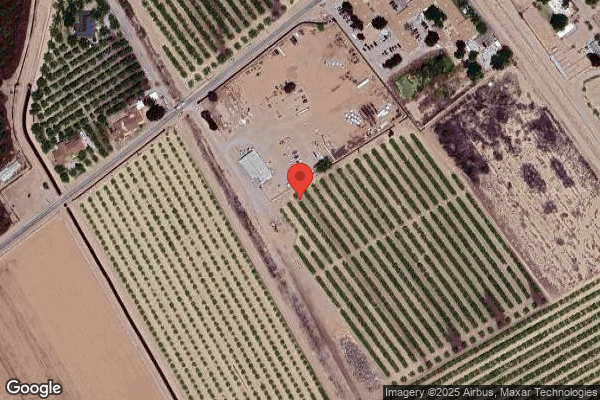
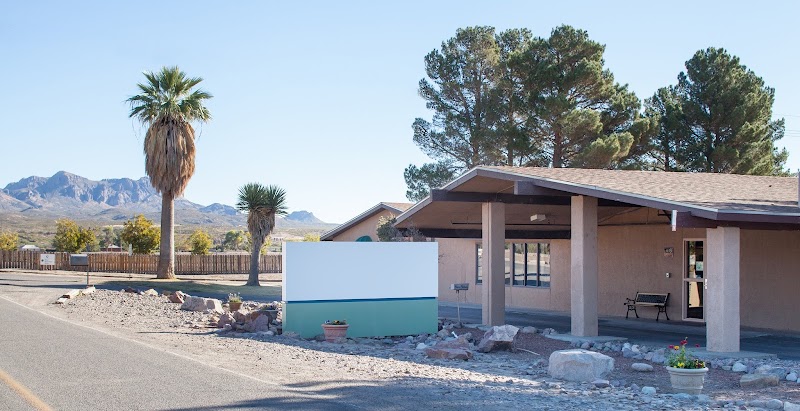
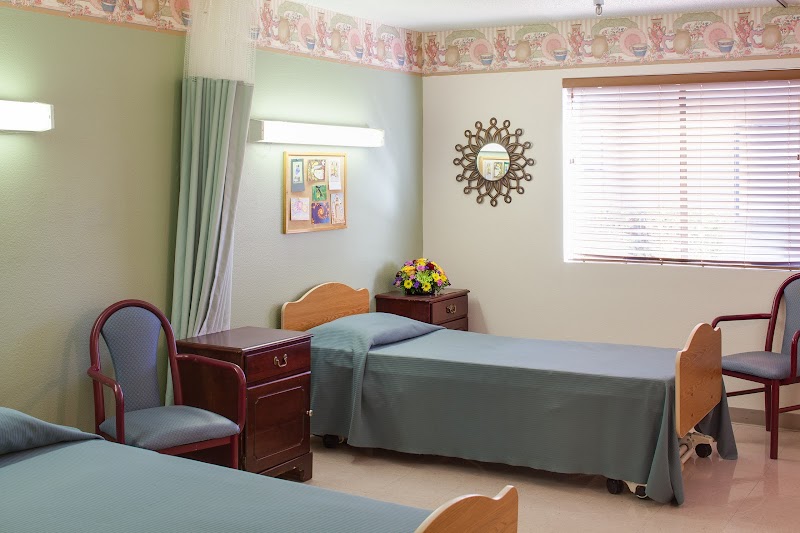
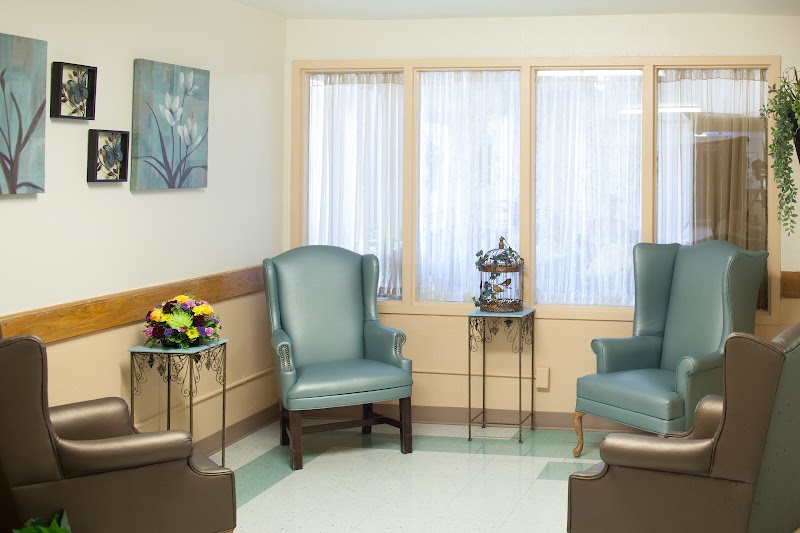
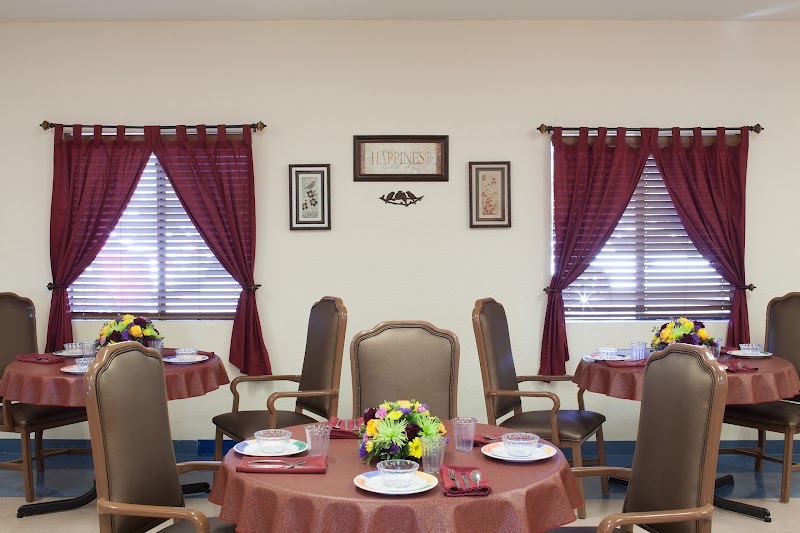
Casa De Oro Center

1005 Lujan Hill Road, Las Cruces, NM 88005 (575) 523-4573
For profit - Limited Liability company 158 Beds GENESIS HEALTHCARE Data: November 2025 4 Immediate Jeopardy citations
Trust Grade
0/100
#57 of 67 in NM
Last Inspection: October 2024

Within standard 12-15 month inspection cycle. Federal law requires annual inspections.

Overview

Casa De Oro Center in Las Cruces, New Mexico, has received a Trust Grade of F, indicating significant concerns about the quality of care provided. Ranking #57 out of 67 facilities in the state places it in the bottom half, and #6 out of 6 in Dona Ana County means it is the least favorable option locally. While the facility is showing improvement in issues reported, dropping from 40 in 2024 to 14 in 2025, the high turnover rate of 63% and concerning fines of $216,179 raise red flags about consistency and compliance. Staffing is rated 2 out of 5 stars, and there is less RN coverage than 94% of state facilities, which may hinder proper oversight of resident care. Notably, the facility has faced serious incidents, including multiple elopements where residents were able to leave unsupervised and cases of verbal and physical abuse among residents, indicating a critical need for better management and oversight to ensure resident safety.

Trust Score
F
0/100
In New Mexico
#57/67
Bottom 15%
Safety Record
High Risk
Review needed
Inspections
Getting Better
40 → 14 violations
Staff Stability
⚠ Watch
63% turnover. Above average. Higher turnover means staff may not know residents' routines.
Penalties
✓ Good
$216,179 in fines. Lower than most New Mexico facilities. Relatively clean record.
Skilled Nurses
⚠ Watch
Each resident gets only 19 minutes of Registered Nurse (RN) attention daily — below average for New Mexico. Fewer RN minutes means fewer trained eyes watching for problems.
Violations
⚠ Watch
99 deficiencies on record. Higher than average. Multiple issues found across inspections.
★☆☆☆☆
1.0
Overall Rating
★★☆☆☆
2.0
Staff Levels
★★☆☆☆
2.0
Care Quality
★☆☆☆☆
1.0
Inspection Score
Stable
2024: 40 issues
2025: 14 issues

The Good

  • Full Sprinkler Coverage · Fire safety systems throughout facility
  • No fines on record

Facility shows strength in fire safety.

The Bad

1-Star Overall Rating

Below New Mexico average (2.9)

Significant quality concerns identified by CMS

Staff Turnover: 63%

17pts above New Mexico avg (46%)

Frequent staff changes - ask about care continuity

Federal Fines: $216,179

Well above median ($33,413)

Significant penalties indicating serious issues

Chain: GENESIS HEALTHCARE

Part of a multi-facility chain

Ask about local staffing decisions and management

Staff turnover is elevated (63%)

15 points above New Mexico average of 48%

The Ugly 99 deficiencies on record

4 life-threatening
Aug 2025 5 deficiencies
CONCERN (E) 📢 Someone Reported This

A family member, employee, or ombudsman was alarmed enough to file a formal complaint

Potential for Harm - no one hurt, but risky conditions existed

Report Alleged Abuse (Tag F0609)

Could have caused harm · This affected multiple residents

Based on record review the facility failed to report allegations of misappropriation of resident property (the deliberate misplacement, exploitation, or wrongful, temporary, or permanent use of a resi...

Read full inspector narrative →
Based on record review the facility failed to report allegations of misappropriation of resident property (the deliberate misplacement, exploitation, or wrongful, temporary, or permanent use of a resident's belongings or money without the resident's consent) to the State Agency within 24 hours of allegation for 3 (R #16, R #17, and R #24) of 3 (R #16, R #17, and R #24) residents reviewed for misappropriation of property, when staff failed to: 1. Report an allegation of misappropriation (diversion of medication) for R #16 with in 24 hours of becoming aware of the allegation. 2. Report the allegations of misappropriation (diversion of medication) for R #17 and R #24 when staff became aware of the allegation. If the facility fails to report allegations of misappropriation of property to the state agency within 24 hours of the allegation, then corrective action may not be taken, and residents may suffer increased anxiety and worsening of their condition. The findings are: A. On 08/19/25 at 12:18 PM, during an interview, the DON stated the following: 1. On 07/30/25, UM #16 and CMA #16 talked to him about a concern regarding CMA #16 (staff member who is responsible for administering narcotic medication during the day shift) thinking that someone forged her signature on a controlled drug record (mandatory documentation required by the DEA to track the complete life cycle of controlled substances, including their acquisition, administration, dispensing, and disposal. The purpose is to prevent diversion and ensure accountability for potentially addictive and illicitly traded drugs) on 07/26/25 and that UM #16 had looked at R #16, R #17, and R #24 controlled drug records and noticed that a lot of the narcotic (a substance used to treat moderate to severe pain. Narcotics are like opiates such as morphine and codeine but are not made from opium) medications during night shift were not documented in the EMR during the month of July by LPN #16 (staff member who was responsible to administer narcotic medications during the night shift). 2. CMA #16 and UM #16 had noticed a pattern of R #16, R #17, and R #24 receiving narcotic pain medications more frequently at night during LPN #16's shifts and these residents don't usually take pain medications as frequently as what was documented. 3. LPN #16 was interviewed on 07/30/25 and denied forging CMA #16's signature on the controlled drug record. 4. LPN #16 denied taking any of the residents' medications. 5. LPN #16 admitted that she may have forgotten to document the medication administrations in the EMR. 6. The facility was unable to prove whether the narcotic medication was administered to the residents. 7. DON stated he still suspected LPN #16 was diverting (medical and legal concept involving the transfer of any legally prescribed controlled substance from the individual for whom it was prescribed to another person for any illicit use) controlled medication, but he couldn't prove it. 8. The only thing the facility was able to prove was that LPN #16 had not documented controlled medications on resident's MAR's. B. Record review of the facility's document titled [name of LNP #16]; agency nurse (document outlining concerns regarding LPN taking narcotic medications from residents), no date, revealed the following: 1. Timeline of Events: a. Date of discovery (did not specify what they discovered): 07/30/25 b. Date of investigation initiated: 07/30/25 c. Date of Urine Drug Screen (UDS, urine test to detect presence of drugs): 07/30/25 d. Date LPN #16 was placed on administrative leave: 07/30/25 e. Date of initial lab results (UDS): 08/01/25 f. Date of final lab [off site] results (UDS): 08/05/25 g. Date report (didn't specify what report) received (by Reporter): 08/07/25 2. On 07/30/25, CMA #16 reported to Unit Manager (UM) that she believed her signature had been forged on a controlled drug record. 3. A pattern was noted with LPN #16 signing out controlled medications for residents on the controlled drug record, but there were no corresponding MAR administration records found. 4. The investigation focused on three (3) residents with BIMS of 15 (names of residents were not included) who also had controlled medications ordered. 5. All three (3) residents investigated had controlled medications signed out routinely (did not specify frequency or dates that were reviewed) on nights LPN #16 worked, but not on nights LPN #16 did not work. 6. Each resident (did not specify which residents) was interviewed and denied requesting or receiving controlled medications that were signed out (on controlled drug record) multiple (did not specify quantity) times during the course of a shift (did not specify what dates). 7. LPN #16 did not document administering the controlled medications in the MAR (did not specify which specific medication, dates, or times). 8. On 07/30/25, LPN #16 was presented with the early findings of the investigation. 9. LPN #16 had no answer for not documenting controlled medications in the MAR. 10. LPN #16 said she might forget to document sometimes. 11. LPN #16 was placed on administrative leave at the end of the conversation, which included LPN #16, Human Resources, DON, and ADON. 12. LPN #16 was sent for a UDS. 13. The Market Leadership for the facility, state-agency, and sheriffs department were notified about the situation. 14. LPN #16's UDS indicated she had barbiturates (a class of depressant drugs derived from barbituric acid, used medically as anxiolytics, hypnotics, and anticonvulsants, though they carry significant risks of addiction, overdose, and other side effects) which was consistent with a medication prescribed for LPN #16. 15. Facility requested for LPN #16 to be added to a do not place list (list that ensures this agency staff member will not be hired by any other facilities in their corporation). 16. The document did not state whether the facility was able to determine if LPN #16 stole the narcotic medications. C. Record review of an email between the DON, administrator, and corporate staff, dated 07/30/25, revealed the following: 1. The subject was Diversion (the illegal redirection of a prescription drug from its intended medical purpose to illicit use) - LPN #16, dated 07/30/25. 2. CMA #16 believed her signature was forged on the controlled drug record for R #16. 3. LPN #16 had been administering hydrocodone-acetaminophen (prescription medication used for the relief of moderate to moderately severe pain. It combines an opioid pain reliever (hydrocodone) and a non-opioid pain reliever (acetaminophen)) 7.5-325 mg to R #16 and R #16 did not remember receiving the medication overnight/evenings. 4. R #17 had been given PRN medications at night without it being documented in the EMR (dates not provided). 5. R #24 received oxycodone acetaminophen (a prescription combination medication used to treat moderate to severe pain. It contains an opioid pain reliever (oxycodone) and a non-opioid pain and fever reducer (acetaminophen) 5-325 mg three times during night shift (dates not given). R #24 was interviewed by UM #16 and had verbalized that she doesn't usually ask for pain medication at night. 6. The pattern documented on the controlled drug record for R #16, R #17, and R #24 reflected the same pattern every time LPN #16 worked. 7. Any time other nurses worked on night shift, residents are not asking for PRN pain medications. 8. None of the medications documented on the controlled drug records by LPN #16 were documented in electronic medical record. 9. CMA #16's signatures were reviewed and appeared to be forged. 10. LPN #16 was called to go to the facility an hour before her shift on 07/30/25 to be interviewed, receive a drug test, and be placed on administrative leave pending the results of the investigation. D. Record review of the incident report submitted to the state agency, dated 08/01/25 (not within 24 hours of concern on 07/30/25), revealed the following: 1. Date of incident was 07/31/25 at 11:00 AM (discrepancy with concern of diversion on 07/30/25). 2. Resident identified was R #16. 3. CMA #16 had reported to UM #16 that she believed someone had forged her signature on a controlled drug record (an official, documented account of a controlled substance's handling, including its acquisition, storage, distribution, administration, and disposal, designed to meet the strict regulatory requirements of laws in the United States). 4. UM #16 reviewed the controlled drug records and noted additional concerns. 5. UM #16 asked residents with BIMS of 15 about taking their PRN medications and a total of three residents (names not provided) had reported that they had not asked for or been given their PRN medication. 6. LPN #16 was placed on administrative leave. 7. Pain assessments were completed on all three residents (resident's names not provided). 8. The local Sheriff department was called. E. Record review of the facility's follow-up report submitted to the state agency, dated 08/07/25, revealed the following: 1. On 07/31/25, UM #16 reported there was a discrepancy in documentation for narcotics and documentation was missing from PCC. 2. CMA #16's signature did not match her true signature. 3. LPN #16 was sent for drug testing. 4. Drug test was negative for opioid medication. 5. LPN #16 agency contract was cancelled due to failing to document narcotics. 6. CMA's and nurses were educated regarding drug diversion (the transfer of legally prescribed controlled substances from the individual they were prescribed for to another person for illicit use). 7. Follow-up report did not include the names of other residents identified as being affected by the allegation of misappropriation of narcotic medication. G. Record review of the incidents reported to the state agency, no date, revealed the facility did not report concerns regarding misappropriation of property for R #17 or R #24.
CONCERN (E) 📢 Someone Reported This

A family member, employee, or ombudsman was alarmed enough to file a formal complaint

Potential for Harm - no one hurt, but risky conditions existed

Investigate Abuse (Tag F0610)

Could have caused harm · This affected multiple residents

Based on record review and interview, the facility failed to thoroughly investigate an allegation of misappropriation of property (the deliberate misplacement, exploitation, or wrongful, temporary, or...

Read full inspector narrative →
Based on record review and interview, the facility failed to thoroughly investigate an allegation of misappropriation of property (the deliberate misplacement, exploitation, or wrongful, temporary, or permanent use of a resident's belongings or money without the resident's consent) 7 (R #16, R #17, R #18, R #24, R #25, R #26, and R #27) of 7 (R #16, R #17, R #18, R #24, R #25, R #26, and R #27) residents reviewed when staff failed to: 1. Document interviews with residents for the investigation of allegation of misappropriation of resident's narcotic (a substance used to treat moderate to severe pain. Narcotics are like opiates such as morphine and codeine but are not made from opium) medication. 2. Document interviews with staff for the investigation of allegation of misappropriation of resident's narcotic medication. 3. Interview potential witnesses to the allegation of misappropriation of resident's narcotic medication. 4. Review medical records for all residents in the facility with the potential for misappropriation of narcotic medications and potential for missing documentation for narcotic medications. 5. Initiate corrective action to ensure residents' narcotic medications are not being taken by someone other than the resident for whom the medication was ordered. 6. Initiate corrective action to ensure the use of narcotic medication is documented in the residents' MAR. If the facility does not adequately investigate allegations of misappropriation of resident medication, then corrective action is not implemented to protect other residents from misappropriation of medications which could cause residents to run out of their pain medications and puts residents at risk of adverse outcomes. The findings are: A. On 08/19/25 at 12:18 PM, during an interview, DON stated the following: 1. On 07/30/25, UM #16 and CMA #16 talked to him about a concern regarding CMA #16 (staff member who is responsible for administering narcotic medication during the day shift) thinking that someone forged her signature on a controlled drug record (mandatory documentation required by the DEA to track the complete life cycle of controlled substances, including their acquisition, administration, dispensing, and disposal. The purpose is to prevent diversion and ensure accountability for potentially addictive and illicitly traded drugs) on 07/26/25 and that UM #16 had looked at R #16, R #17, and R #24 controlled drug records and noticed that a lot of the narcotic (a substance used to treat moderate to severe pain. Narcotics are like opiates such as morphine and codeine but are not made from opium) medications during night shift were not documented in the EMR during the month of July 2025 by LPN #16 (staff member who was responsible to administer narcotic medications during the night shift). 2. CMA #16 and UM #16 had noticed a pattern of R #16, R #17, and R #24 receiving pain medications more at night during LPN #16's shifts and these residents don't usually take pain medications as frequently as what was documented. 3. LPN #16 was interviewed and denied forging CMA #16's signature. 4. LPN #16 denied taking any of the residents' medications. 5. LPN #16 admitted that she may have forgotten to document the medication administrations in the EMR. 6. They were unable to prove whether the narcotic medication was administered to the residents. 7. He still suspected that LPN #16 was diverting (medical and legal concept involving the transfer of any legally prescribed controlled substance from the individual for whom it was prescribed to another person for any illicit use) controlled medication, but he couldn't prove it. 8. The only thing they were able to prove was that LPN #16 had not documented controlled medications on resident's MAR's. B. Record review of all of the facility's investigation documents, no date, revealed the following: 1. Staff did not document interviews with R #16, R #17, and R #24. 2. Staff did not document interviews with CMA #16, RN #16, and LPN #16. 3. Staff did not document dates and times of discrepancies found between controlled drug records and resident MAR's for R #16, R #17, and R #24. 4. Staff did not expand the investigation to determine if residents on other units were affected by discrepancies in narcotic medication documentation in the MAR. 5. Staff did not interview other staff who may have witnessed concerns regarding controlled medications or controlled drug records. C. On 08/20/25 at 9:24 AM, during an interview, UM #16 stated she asked R #16 and R #24 questions regarding controlled medication usage. She did not document these conversations. D. On 08/21/25 at 11:09 AM, during an interview, the administrator stated she had the DON, ADON, and UM #16 complete the investigation into alleged misappropriation of controlled medications because they are more familiar with processes related to controlled medications. E. On 08/21/25 at 11:22 AM, during a joint interview with the DON, ADON, Administrator, and Corporate Resource Clinician, the following was confirmed: 1. The DON spot checked (a random, unplanned inspection or examination of a few items in a group to look for problems or ensure quality) controlled drug records on other units for concerns. 2. The DON was unable to state which residents' controlled drug records were reviewed. 3. The DON was unable to state what he was included in the spot check. 4. The DON did not document the spot checks. 5. The DON and ADON interviewed CMA #16, RN #16, and LPN #16. 6. UM #16 interviewed R #16 and R #24. 7. There was no documentation regarding interviews with residents. 8. No additional residents besides R #16 and R #24 were interviewed regarding use of controlled medications. 9. No additional staff members besides CMA #16, RN #16, and LPN #16 were interviewed to determine if there were witnesses or other concerns related to controlled medications. 10. The Corporate Resource Clinician stated that staff had been trained on diversion and documentation after the concern regarding misappropriation of controlled medications was investigated. F. On 08/21/25 at 12:14 PM, during an interview, the Nurse Educator stated the following: 1. The diversion training that was given to the nurses and CMAs after the concern regarding misappropriation of controlled medications was a training that was sent to the staff via email that required them to answer questions regarding diversion. 2. Diversion training did not include reviewing controlled drug records for patterns of controlled medication administration that seemed different than resident typical patterns. 3. Staff did not receive education regarding documentation of controlled medications after the concern regarding misappropriation of controlled medications was investigated and identified documentation as an issue. G. See findings in F658, F755, and F842 related to controlled drug records and MAR's.
CONCERN (E) 📢 Someone Reported This

A family member, employee, or ombudsman was alarmed enough to file a formal complaint

Potential for Harm - no one hurt, but risky conditions existed

Deficiency F0658 (Tag F0658)

Could have caused harm · This affected multiple residents

**NOTE- TERMS IN BRACKETS HAVE BEEN EDITED TO PROTECT CONFIDENTIALITY** Based on record review and interview, the facility failed to meet professional standards of practice for 4 (R #16, R #17, R #18,...

Read full inspector narrative →
**NOTE- TERMS IN BRACKETS HAVE BEEN EDITED TO PROTECT CONFIDENTIALITY** Based on record review and interview, the facility failed to meet professional standards of practice for 4 (R #16, R #17, R #18, and R #24) of 4 (R #16, R #17, R #18, and R #24) residents reviewed for misappropriation of property, when staff failed to: 1. Ensure narcotic (a substance used to treat moderate to severe pain. Narcotics are like opiates such as morphine and codeine but are not made from opium) medications were not administered earlier than ordered for R #16 and R #17. 2. Ensure staff notified the provider when R #16 and R #17 required pain medications more frequently than ordered. 3. Ensure R #16 and R #24 did not receive narcotic medications at a higher dose than ordered. 4. Ensure staff document the narcotic medication administration on the MAR for R #16, R #17, R #18, and R #24. 5. Reassess R #16, R #17, R #18, and R #24. These deficient practices could likely lead to the resident having worsening of their medical conditions, adverse (unwanted, harmful, or abnormal result) side effects, or could lead to an overdose (happens when a toxic amount of a drug, or combination of drugs overwhelms the body) of narcotic medication. The findings are: R #16 A. Record review of R #16’s admission record, no date, revealed R #16 was admitted to the facility on [DATE]. B. Record review of R #16’s admission MDS assessment dated [DATE], revealed the following: 1. R #16 had a BIMS of 15. 2. R #16 had pain that was being treated with PRN pain medication. 3. R #16 was receiving opioid (sometimes called narcotics, are a type of drug. They include strong prescription pain relievers such as oxycodone, hydrocodone, fentanyl, and tramadol) pain medication. C. Record review of R #16’s physician’s orders, dated 05/28/25, revealed an order for hydrocodone-acetaminophen (prescription medication used for the relief of moderate to moderately severe pain. It combines an opioid pain reliever (hydrocodone) and a non-opioid pain reliever (acetaminophen)) 7.5-325 mg, one tablet every four (4) hours as needed for moderate to severe pain (typically refers to a level on a pain scale that ranges from roughly 4 to 10 on a 0-10 scale, where a higher number indicates more intense pain). D. Record review of R #16’s Controlled Drug Record (mandatory documentation required by the Drug Enforcement Agency (DEA) to track the complete life cycle of controlled substances, including their acquisition, administration, dispensing, and disposal. The purpose is to prevent diversion and ensure accountability for potentially addictive and illicitly traded drugs) for hydrocodone-acetaminophen 7.5-325 mg, dated 05/28/25 through 06/06/25, revealed the following administration dates and times: 1. 05/28/25 at 9:00 PM 2. 05/29/25 at 10:31 AM 3. 05/29/25 at 9:00 PM 4. 05/30/25 at 10:20 AM 5. 05/30/25 at 6:27 PM 6. 05/31/25 at 12:31 AM 7. 05/31/25 at 3:06 AM (less than 4 hours from previous administration as ordered). 8. 05/31/25 at 8:00 AM 9. 05/31/25 at 5:00 PM 10. 05/31/25 at 9:00 PM 11. 06/01/25 at 1:15 AM 12. 06/01/25 at 12:35 PM 13. 06/01/25 at 8:50 PM 14. 06/02/25 at 1:45 AM 15. 06/02/25 at 11:03 AM 16. 06/02/25 at 8:05 PM 17. 06/03/25 at 2:35 AM 18. 06/03/25 at 4:17 PM 19. 06/03/25 at 8:40 PM 20. 06/04/25 at 2:00 AM 21. 06/04/25 at 10:15 AM 22. 06/04/25 at 8:00 PM 23. 06/05/25 at 10:54 AM 24. 06/05/25 at 6:00 PM 25. 06/06/25 at 1:20 PM E. Record review of R #16’s MAR, dated May 2025, revealed the following administration times for hydrocodone-acetaminophen 7.5-325 mg and effectiveness (successful in producing a desired or intended result) of medication: 1. 05/29/25 at 10:31 AM, Effective (E) 2. 05/30/25 at 10:26 AM, (E) 3. 05/30/25 at 6:27 PM, (E) 4. 05/31/25 at 3:03 AM, (E) 5. 05/31/25 at 10:43 AM, (E) F. Record review of R #16’s Controlled Drug Record for hydrocodone-acetaminophen 7.5-325 mg, dated 06/06/25 through 06/28/25, revealed the following administration dates and times: 1. 06/06/25 at 10:00 PM 2. 06/07/25 at 8:25 AM 3. 06/07/25 at 6:30 PM 4. 06/07/25 at 10:15 PM (less than 4 hours from previous administration as ordered) 5. 06/08/25 at 9:52 AM 6. 06/08/25 at 9:00 PM 7. 06/09/25 at 6:50 AM 8. 06/09/25 at 7:40 PM 9. 06/10/25 at 7:21 AM 10. 6/10/25 at 8:00 PM 11. 06/11/25 at 11:10 AM 12. 06/12/25 at 10:16 AM 13. 06/12/25 at 7:00 PM 14. 06/12/25 at 11:00 PM 15. 06/13/25 at 06:30 AM 16. 06/13/25 at 6:45 PM 17. 06/13/25 at 11:15 PM 18. 06:14/25 at 3:30 AM 19. 06/14/25 at 10:34 AM 20. 06/14/25 at 8:00 PM 21. 06/15/25 at 12:15 AM 22. 06/15/25 at 3:00 AM (less than 4 hours from previous administration as ordered) 23. 06/15/25 at 10:16 AM 24. 06/15/25 at 4:14 PM 25. 06/16/25 at 7:15 AM 26. 06/16/25 at 8:00 PM 27. 06/17/25 at 4:14 PM 28. 06/17/25 at 12:00 AM (Incorrectly documented, should have been 06/18/25) 29. 06/18/25 at 12:00 AM (duplicate entry, indicating 2 pills taken at same time, order for 1 pill every four hours as needed) 30. 06/18/25 at 7:00 PM 31. 06/19/25 at 4:19 PM 32. 06/19/25 at 6:00 PM (less than 4 hours from previous administration as ordered) 33. 06/19/25 at 10:00 PM 34. 06/20/25 at 1:30 AM (less than 4 hours from previous administration as ordered) 35. 06/20/25 at 7:10 AM 36. 06/20/25 at 5:00 PM 37. 06/20/25 at 9:00 PM 38. 06/21/25 at 12:00 AM (less than 4 hours from previous administration as ordered) 39. 06/21/25 at 3:00 AM (less than 4 hours from previous administration as ordered) 40. 06/21/25 at 9:00 AM 41. 06/21/25 at 7:30 PM 42. 06/21/25 11:00 PM (less than 4 hours from previous administration as ordered) 43. 06/22/25 at 2:30 AM (less than 4 hours from previous administration as ordered) 44. 06/23/25 at 4:17 PM 45. 06/24/25 at 1:33 PM 46. 06/24/25 at 7:00 PM 47. 06/25/25 at 10:18 AM 48. 06/25/25 at 6:30 PM 49. 06/25/25 at 10:00 PM 50. 06/26/25 at 3:30 AM 51. 06/26/25 at 9:31 AM 52. 06/26/25 at 2:00 PM 53. 06/26/25 at 7:48 PM 54. 06/26/25 at 11:15 PM (less than 4 hours from previous administration as ordered) 55. 06/27/25 at 7:00 PM 56. 06/27/25 at 11:00 PM 57. 06/28/25 at 8:00 AM 58. 06/28/25 at 10:29 AM 59. 06/28/25 at 7:40 PM 60. 06/29/25 at 11:37 AM G. Record review of R #16’s MAR, dated June 2025, revealed the following administration times for hydrocodone-acetaminophen 7.5-325 mg and effectiveness of medication: 1. 06/01/25 at 1:14 AM, (E) 2. 06/01/25 at 12:34 PM, (E) 3. 06/01/25 at 8:50 PM, (E) 4. 06/02/25 at 1:45 AM, (E) 5. 06/02/25 at 11:03 AM, (E) 6. 06/02/25 at 8:05 PM, (E) 7. 06/03/25 at 2:36 AM, (E) 8. 06/03/25 at 4:17 PM, (E) 9. 06/03/25 at 8:37 PM, (E) 10. 06/04/25 at 1:59 AM, (E) 11. 06/05/25 at 10:54 AM, (E) 12. 06/06/25 at 1:16 PM, (E) 13. 06/07/25 at 8:25 AM, (E) 14. 06/07/25 at 10:15 PM, (E) 15. 06/08/25 at 9:56 AM, (E) 16. 06/08/25 at 9:10 PM, (E) 17. 06/09/25 at 7:41 PM, (E) 18. 06/10/25 at 7:31 AM, (E) 19. 06/11/25 at 11:06 AM, (E) 20. 06/12/25 at 10:15 AM, (E) 21. 06/12/25 at 11:01 PM, (E) 22. 06/13/25 at 6:45 PM, (E) 23. 06/13/25 at 11:16 PM, (E) 24. 06/14/25 at 10:34 AM, (E) 25. 06/14/25 at 8:00 PM, (E) 26. 06/15/25 at 3:00 AM, (E) 27. 06/15/25 at 10:16 AM, (E) 28. 06/15/25 at 4:14 PM, (E) 29. 06/16/25 at 7:14 AM, (E) 30. 06/17/25 at 4:13 PM, (E) 31. 06/18/25 at 12:00 AM, (E) 32. 06/18/25 at 7:16 PM, (E) 33. 06/19/25 at 4:19 PM, (E) 34. 06/20/25 at 1:30 AM, (E) 35. 06/20/25 at 7:21 AM, (E) 36. 06/21/25 at 3:00 AM, (E) 37. 06/21/25 at 7:05 PM, (E) 38. 06/21/25 at 11:00 PM, (E) 39. 06/23/25 at 4:17 PM, (E) 40. 06/24/25 at 1:33 PM, (E) 41. 06/25/25 at 10:18 AM, (E) 42. 06/25/25 at 6:36 PM, (E) 43. 06/26/25 at 3:29 AM, (E) 44. 06/26/25 at 11:15 PM, (E) 45. 06/28/25 at 2:00 AM, (E) 46. 06/28/25 at 10:29 AM, (E) 47. 06/28/25 at 7:40 PM, (E) 48. 06/29/25 at 11:37 AM, (E) H. Record review of R #16’s entire medical record, no date, revealed the following: 1. Staff did not document whether R #16’s pain was reassessed for effectiveness after medication administration for the administration times that were not documented on the May and June 2025 MAR’s. 2. Staff did not document whether the provider was notified that R #16 was having pain that required medication to be administered more frequently than ordered. R #17 I. Record review of R #17’s admission documents, no date, revealed R #17 was admitted to the facility on [DATE]. J. Record review of R #17’s quarterly MDS, dated [DATE], revealed the following: 1. R #17 had a BIMS of 15. 2. R #17 had pain that was being treated with PRN pain medication. 3. R #17 was receiving opioid pain medication. K. Record review of R #17’s physician order, dated 06/16/25, revealed an order for hydrocodone-acetaminophen 5-325 mg one tablet every six (6) hours as needed for moderate to severe pain (typically refers to a level on a pain scale that ranges from roughly 4 to 10 on a 0-10 scale, where a higher number indicates more intense pain). L. Record review of R #17’s Controlled Drug Record for hydrocodone-acetaminophen 5-325 mg, dated 07/03/25 through 07/13/25, revealed the following administration dates and times: 1. 07/03/25 at 9:27 AM 2. 07/03/25 at 5:41 PM 3. 07/03/25 at 10:49 PM (less than 6 hours from previous administration as ordered) 4. 07/04/25 at 3:00 AM (less than 6 hours from previous administration as ordered) 5. 07/04/25 at 8:30 AM (less than 6 hours from previous administration as ordered) 6. 07/04/25 at 4:32 PM 7. 07/04/25 at 9:30 PM (less than 6 hours from previous administration as ordered) 8. 07/05/25 at 2:30AM (less than 6 hours from previous administration as ordered) 9. 07/05/25 at 12:56 PM 10. 07/05/25 at 6:30 PM (less than 6 hours from previous administration as ordered) 11. 07/05/25 at 10:30 PM (less than 6 hours from previous administration as ordered) 12. 07/06/25 at 10:52 AM 13. 07/06/25 at 5:00 PM 14. 07/06/25 at 11:00 PM 15. 07/07/25 at 10:15 AM 16. 07/07/25 at 5:41 PM 17. 07/08/25 at 9:28 AM 18. 07/08/25 at 6:06 PM 19. 07/09/25 at 2:00 AM 20. 07/09/25 at 6:40 PM 21. 07/09/25 at 11:00 PM (less than 6 hours from previous administration as ordered) 22. 07/10/25 at 9:00 AM 23. 7/10/25 at 6:46 PM 24. 07/11/25 at 12:15 AM (less than 6 hours from previous administration as ordered) 25. 07/11/25 at 7:15 AM 26. 07/11/25 at 4:37 PM 27. 07/11/25 at 10:00 PM (less than 6 hours from previous administration as ordered) 28. 07/12/25 at 8:59 AM 29. 07/12/25 at 3:34 PM 30. 07/12/25 at 9:30 PM 31. 07/13/25 at 10:05 AM M. Record review of R #17’s MAR, dated July 2025, revealed the following administration times for hydrocodone-acetaminophen 5-325 mg and effectiveness of medication: 1. 07/03/25 at 9:27 AM, (E) 2. 07/03/25 at 5:41 PM, (E) 3. 07/03/25 at 10:44 PM, (E) 4. 07/04/25 at 8:33 AM, (E) 5. 07/04/25 at 4:31 PM, (E) 6. 07/04/25 at 9:23 PM, (E) 7. 07/05/25 at 2:38 AM, (E) 8. 07/05/25 at 12:56 PM, (E) 9. 07/05/25 at 6:31 PM, (E) 10. 07/06/25 at 2:29 AM, (E) 11. 07/06/25 at 10:52 AM, (E) 12. 07/06/25 at 5:03 PM, (E) 13. 07/07/25 at 10:15 AM, (E) 14. 07/07/25 at 5:41 PM, (E) 15. 07/08/25 at 9:28 AM, (E) 16. 07/08/25 at 6:16 PM, (E) 17. 07/09/25 at 6:41 PM, (E) 18. 07/09/25 at 11:00 PM, (E) 19. 07/10/25 at 9:35 AM, (E) 20. 07/10/25 at 6:43 PM, (E) 21. 07/11/25 at 12:14 AM, (E) 22. 07/11/25 at 7:15 AM, (E) 23. 07/11/25 at 4:37 PM, (E) 24. 07/11/25 at 10:50 PM, (E) 25. 07/12/25 at 8:59 AM, (E) 26. 07/12/25 at 3:34 PM, (E) 27. 07/13/25 at 10:05 AM, (E) N. Record review of R #17’s entire medical record, no date, revealed the following: 1. Staff did not document whether R #17’s pain was reassessed for effectiveness after medication administration for the administration times that were not documented on July 2025 MAR. 2. Staff did not document whether the provider was notified that R #17 was having pain that required medication to be administered more frequently than ordered. R #18 O. Record review of R #18’s admission documents, no date, revealed R #18 was admitted to the facility on [DATE]. P. Record review of R #18’s quarterly MDS, dated [DATE], revealed the following: 1. R #18 had a BIMS of 15. 2. R #18 had pain that required the use of PRN pain medication. 3. R #18 was receiving opioid pain medication. Q. Record review of R #18’s physician’s order, dated 06/14/25, revealed an order for oxycodone (a powerful opioid pain medication used to treat moderate to severe pain) 5 mg every four (4) hours as needed for pain level 6-10. R. Record review of R #18’s Controlled Drug Record for oxycodone 5 mg, dated 08/10/25 through 08/20/25, revealed the following administration dates and times: 1. 08/10/25 at 8:59 PM 2. 08/11/25 at 8:17 AM 3. 08/11/25 at 8:00 PM 4. 08/12/25 at 8:23 AM 5. 08/12/25 at 8:00 PM 6. 08/13/25 at 7:43 AM 7. 08/13/25 at 9:05 PM 8. 08/14/25 at 7:58 AM 9. 08/14/25 at 9:35 PM 10. 08/15/25 at 8:41 AM 11. 08/15/25 at 8:00 PM 12. 08/16/25 at 8:00 PM 13. 08/17/25 at 8:17 AM 14. 08/17/25 at 7:00 PM 15. 08/18/25 at 9:23 AM 16. 08/18/25 at 10:19 PM 17. 08/19/25 at 9:02 AM 18. 08/19/25 at 8:55 PM 19. 08/20/25 at 9:11 AM 20. 08/20/25 at 4:43 PM 21. 08/20/25 at 10:35 PM S. Record review of R #18’s MAR, dated August 2025, revealed the following administration times for oxycodone 5 mg and effectiveness of medication: 1. 08/10/25 at 9:53 PM, (E) 2. 08/11/25 at 8:17 AM, (E) 3. 08/12/25 at 8:23 AM, (E) 4. 08/12/25 at 8:00 PM, (E) 5. 08/13/25 at 7:43 AM, (E) 6. 08/13/25 at 9:07 PM, (E) 7. 08/14/25 at 7:58 AM, (E) 8. 08/14/25 at 9:32 PM, (E) 9. 08/15/25 at 8:41 AM, (E) 10. 08/16/25 at 8:00 PM, (E) 11. 08/17/25 at 8:00 PM, (E) 12. 08/18/25 at 9:16 AM, (E) 13. 08/19/25 at 9:03 AM, (E) 14. 08/20/25 at 9:11 AM, (E) 15. 08/20/25 at 4:43 PM, (E) 16. 08/20/25 at 10:36 PM, (E) T. Record review of R #18’s entire medical record, no date, revealed staff did not document whether R #17’s pain was reassessed for effectiveness after medication administration for the administration times that were not documented on the August 2025 MAR. R #24 U. Record review of R #24’s Administration Record, no date revealed R #24 was admitted to the facility on [DATE]. V. Record review of R #24’s physician orders revealed an order dated 11/22/24, for Oxycodone-Acetaminophen 5-325mg (a combination pain-relief medication prescribed to treat acute moderate-to-severe pain), give 1 tablet by mouth every 4 hours as needed for pain. W. Record review of R #24’s Controlled Drug Record for Oxycodone-Acetaminophen 5-325 dated 07/16/25 through 08/18/25 revealed staff documented administering R #24 Oxycodone-Acetaminophen earlier than ordered on the following dates and times: 1. On 07/16/25 at 7:30 PM Oxycodone-Acetaminophen was documented as given. 2. On 07/17/25 at 12:00 AM Oxycodone-Acetaminophen was documented as given (30 minutes earlier than ordered). 3. On 07/26/25 at 1:00 AM Oxycodone-Acetaminophen was documented as given twice. X. On 08/21/25 at 12:21 PM, during an interview, LPN #17 stated the following: 1. Narcotic medication that is ordered as needed should not be administered any earlier than the time frame ordered. 2. The provider should be contacted if the resident is requesting pain medication more frequently than ordered. 3. Resident must be reassessed for effectiveness after pain medication is administered. 4. The EMR notifies the nurse that a pain assessment is required to assess the resident for effectiveness of the medication after pain medication administration is documented in the EMR. 5. If someone did not document the pain medication administration in the EMR, the nurse would not be notified that a pain assessment was due for the resident. Y. On 08/21/25 at 12:24 PM, during an interview, CMA #17 stated the following: 1. All narcotic medications should be documented on the controlled drug sheet and the residents’ MAR. 2. Narcotic medication that is ordered as needed should not be administered any earlier than the ordered time frame. 3. He notifies the nurse if the resident is requesting pain medication more frequently than ordered. 4. He notifies the nurse when pain medications are administered so the nurse can reassess the resident for the effectiveness of the medication administration. Z. On 08/21/25 at 11:19 PM, during an interview, the DON confirmed the following: 1. He was unsure how early a narcotic pain medication that was ordered PRN could be administered, but he thought 30 minutes early would be ok. 2. He was not aware that staff had been administering R #16 and R #17’s narcotic medication earlier than ordered. 3. Staff were expected to document administration of all medication on the residents’ controlled drug record and the MAR. 4. Staff were expected to reassess residents for pain after administering pain medication to determine if the medication was effective. 5. Staff were expected to document the effectiveness of pain medication on the MAR. AA. On 08/21/25 at 3:09 PM, during an interview, NP #16 stated the following: 1. She looks at the MAR to determine the resident’s usage of pain medications. 2. She does not look at the controlled drug records. 3. If staff don’t document in the MAR, she would not know how frequently the resident used pain medication and would not be able to accurately assess the resident’s pain management. 4. If a resident requested their pain medication more frequently than ordered, that would indicate that the resident’s pain was not controlled, and she would refer the resident to pain management. 5. She had never been notified that R #16 received his pain medication more frequently than ordered. 6. Giving a resident their narcotic pain medication 30 minutes early would be considered early administration. 7. She would expect staff to notify her if a resident was requesting their pain medications early more frequently than once a week.
CONCERN (E) 📢 Someone Reported This

A family member, employee, or ombudsman was alarmed enough to file a formal complaint

Potential for Harm - no one hurt, but risky conditions existed

Pharmacy Services (Tag F0755)

Could have caused harm · This affected multiple residents

**NOTE- TERMS IN BRACKETS HAVE BEEN EDITED TO PROTECT CONFIDENTIALITY** Based on record review and interview, the facility failed to ensure pharmaceutical services (the direct, responsible provision o...

Read full inspector narrative →
**NOTE- TERMS IN BRACKETS HAVE BEEN EDITED TO PROTECT CONFIDENTIALITY** Based on record review and interview, the facility failed to ensure pharmaceutical services (the direct, responsible provision of medication-related care) were met when staff failed to keep controlled drug records (mandatory documentation required by the Drug Enforcement Agency (DEA))to track the complete life cycle of controlled substances, including their acquisition, administration, dispensing, and disposal. The purpose is to prevent diversion and ensure accountability for potentially addictive and illicitly traded drugs) for controlled medication (drugs or chemicals that the government regulates because they can be easily abused and lead to addiction.) for 4 (R #17, R #24, R #25 and R #27) of 7 (R #16, R #17, R #18, R #24, R #25, R #26, and R #27) residents reviewed for misappropriation of property. This deficient practice could likely lead to a delay in the incident investigation process and lead to potential drug misuse or diversion (medical and legal concept involving the transfer of any legally prescribed controlled substance from the individual for whom it was prescribed to another person for any illicit use). The findings are: R #17 A. Record review of R #17’s admission documents, no date, revealed R #17 was admitted to the facility on [DATE]. B. Record review of R #17’s physician orders, multiple dates, revealed the following: 1. An order dated 03/12/25, for hydrocodone-acetaminophen (prescription medication used for the relief of moderate to moderately severe pain. It combines an opioid pain reliever (hydrocodone) and a non-opioid pain reliever (acetaminophen)) 5-325 mg one tablet every four (4) hours as needed for severe pain (an intense, often sudden or long-lasting sensation that acts as a warning sign for injury or disease, or it can be a symptom of chronic pain, which is a disease itself) 7-10 on pain scale (typically refers to a level on a pain scale, where a higher number indicates more intense pain) for 30 days. 2. An order dated 04/14/25, for hydrocodone-acetaminophen 5-325 mg one tablet every six (6) hours as needed for moderate to severe pain 6-10 on pain scale for 30 days. 3. An order dated 05/19/25, for hydrocodone-acetaminophen 5-325 mg one tablet every six (6) hours as needed for moderate to severe pain for 12 days. 4. An order dated 05/31/25 for hydrocodone-acetaminophen 5-325 mg one tablet every six (6) hours as needed for pain for 14 days. 5. An order dated 06/16/25, for hydrocodone-acetaminophen 5-325 mg one tablet every six (6) hours as needed for moderate to severe pain (no end date). C. Record review of R #17’s controlled drug records for hydrocodone-acetaminophen 5-325 mg, dated 03/13/25 through 08/13/25, revealed the following: 1. A controlled drug record with documentation for R #17’s medication uses for dates and times between 03/13/25 at 2:26 PM and 05/19/25 at 2:00 PM. 2. A controlled drug record with documentation for R #17’s medication uses for dates and times between 06/12/25 at 11:40 PM and 07/03/25 at 6:00 AM. 3. A controlled drug record with documentation for R #17’s medication uses for dates and times between 07/24/25 at 9:00 AM through 08/13/25 at 10:14 AM. 4. There were no controlled drug records for 05/19/25 at 2:00 PM through 06/12/25 at 11:40 PM. 5. There were no controlled drug records for 07/03/25 at 6:00 AM through 07/24/25 at 9:00 AM. D. Record review of R #17’s MAR, dated May 2025, revealed R #17 had hydrocodone-acetaminophen 5-325 mg documented as administered 14 times between 05/19/25 at 2:00 PM and 05/31/25. E. Record review of R #17’s MAR, dated June 2025, revealed R #17 had had hydrocodone-acetaminophen 5-325 mg documented as administered 17 times between 06/01/25 and 06/12/25 at 11:40 PM. F. Record review of R #17’s MAR, dated July 2025, revealed R #17 had had hydrocodone-acetaminophen 5-325 mg documented as administered 48 times between 07/03/25 at 6:00 AM and 07/24/25 at 9:00 AM. R #24 G. Record review of R #24’s admission Record, no date revealed R #24 was admitted to the facility on [DATE]. H. Record review of R #24’s physician orders revealed an order dated 11/22/24, for Oxycodone-Acetaminophen 5-325mg (a combination pain-relief medication prescribed to treat acute moderate-to-severe pain), give 1 tablet by mouth every 4 hours as needed for pain. I. Record review of the Controlled Drug Record revealed R #24’s record for Oxycodone-Acetaminophen 5-325 dated 06/12/25 through 07/15/25 revealed missing pages from the record. J. On 08/20/25 at 9:24 AM, during an interview, the DON confirmed the following: 1. Narcotic (a substance used to treat moderate to severe pain. Narcotics are like opiates such as morphine and codeine but are not made from opium) medications are controlled drugs. 2. Every order for a controlled medication for a resident has a controlled drug record to account for the narcotic medication. 3. Staff were expected to document on the controlled drug record and the MAR each time a controlled medication was used. 4. Staff were expected to place completed controlled drug records in a box for the medical records staff to scan into the resident’s medical record. 5. The facility was expected to keep the controlled drug records for all narcotic medications received at the facility. 6. The controlled drug record for R #17’s hydrocodone-acetaminophen 5-325 mg was missing between 05/19/25 and 06/12/25. 7. The controlled drug record for R #17’s hydrocodone-acetaminophen 5-325 mg was missing between 07/03/25 and 07/24/25. 8. The controlled drug record for R #24’s oxycodone-acetaminophen 5-325 mg was missing between 06/10/25 and 07/15/25. 9. He was not aware that the controlled drug records were missing for R #17 and R #24 until the surveyors requested documentation. 10. He stated he couldn’t find the Controlled Drug Record to reconcile the medications with the MAR’s. R #25 K. Record review of R #25’s admission Record, no date revealed R #25 was admitted to the facility on [DATE]. L. Record review of R #25’s physician orders revealed an order dated 06/30/25, for Oxycodone HCl Tablet 5 MG (is a prescription medicine used to treat moderate to severe pain), give 1 tablet by mouth every 6 hours as needed for moderate to severe pain. M. Record review of the Controlled Drug Record revealed R #25’s Oxycodone HCl Tablet 5 MG dated 05/6/25 to 07/1/25 revealed missing pages of the record. N. On 08/21/25 at 2:24 PM, during an interview with the DON, he stated there was missing Controlled Drug Record sheets for R #25’s Oxycodone dated 05/06/25-07/01/25. R #27 O. Record review of R #27’s admission Record, no date revealed R #27 was admitted to the facility on [DATE]. P. Record review of R #27’s physician orders revealed the following: 1. Order dated 07/09/25, for Oxycodone HCI 5mg (is a prescription medicine used to treat moderate to severe pain), give 1 tablet by mouth every 6 hours as needed for pain. 2. Order dated 07/30/25, for Oxycodone HCI 5mg (is a prescription medicine used to treat moderate to severe pain), give 1 tablet by mouth every 4 hours as needed for pain. Q. Record review of R #27’s MAR dated July 2025 revealed staff documented R #27 was administered the following: 1. Oxycodone every 6 hours; a. On 07/21/25 at 3:50 AM. b. On 07/27/25 at 2:00 PM. 2. Oxycodone every 4 hours; a. On 08/01/25 at 7:03 AM. b. On 08/02/25 at 1:15 PM. R. Record review of R #27’s Controlled Drug Record for Oxycodone HCI 5mg dated July 2025 revealed staff did not document the following: 1. Oxycodone every 6 hours; a. On 07/21/25 at 3:50 AM. b. On 07/27/25 at 2:00 PM. 2. Oxycodone every 4 hours; a. On 08/01/25 at 7:03 AM. b. On 08/02/25 at 1:15 PM. S. On 08/21/25 at 2:24 PM, during an interview with the DON, he stated there was missing documentation on R #27’s Controlled Drug Record sheets for Oxycodone.
CONCERN (E) 📢 Someone Reported This

A family member, employee, or ombudsman was alarmed enough to file a formal complaint

Potential for Harm - no one hurt, but risky conditions existed

Medical Records (Tag F0842)

Could have caused harm · This affected multiple residents

**NOTE- TERMS IN BRACKETS HAVE BEEN EDITED TO PROTECT CONFIDENTIALITY** Based on record review and interview, the facility failed to ensure medical records were complete and accurate for 6 (R #16, R #...

Read full inspector narrative →
**NOTE- TERMS IN BRACKETS HAVE BEEN EDITED TO PROTECT CONFIDENTIALITY** Based on record review and interview, the facility failed to ensure medical records were complete and accurate for 6 (R #16, R #17, R #18, R #24, R #25, and R #27) of 6 (R #16, R #17, R #18, R #24, R #25, and R #27) residents reviewed for misappropriation of property when staff failed to: 1. Document narcotic medication administration on the MAR for R #16, R #17, R #18, R #24, R #25, and R #27. 2. Ensure R #16's order on his controlled drug record matched the order. These deficient practices have the potential to negatively impact the care staff provide to meet residents' needs due to missing or inaccurate records and resident information. The findings are: R #16 A. Record review of R #16’s admission record, no date, revealed R #16 was admitted to the facility on [DATE]. B. Record review of R #16’s admission MDS, dated [DATE], revealed the following: 1. R #16 had a BIMS of 15. 2. R #16 had pain that was being treated with PRN pain medication. 3. R #16 was receiving opioid (sometimes called narcotics, are a type of drug. They include strong prescription pain relievers such as oxycodone, hydrocodone, fentanyl, and tramadol) pain medication. C. Record review of R #16’s physician’s orders, dated 05/28/25, revealed an order for hydrocodone-acetaminophen 7.5-325 mg (prescription medication used for the relief of moderate to moderately severe pain. It combines an opioid pain reliever (hydrocodone) and a non-opioid pain reliever (acetaminophen)) one tablet every four (4) hours as needed for moderate to severe pain (typically refers to a level on a pain scale that ranges from roughly 4 to 10 on a 0-10 scale, where a higher number indicates more intense pain). D. Record review of R #16’s Controlled Drug Record (mandatory documentation required by the DEA to track the complete life cycle of controlled substances, including their acquisition, administration, dispensing, and disposal. The purpose is to prevent diversion and ensure accountability for potentially addictive and illicitly traded drugs) for hydrocodone-acetaminophen 7.5-325 mg, dated 05/28/25 through 06/06/25, revealed the following administration dates and times: 1. Instructions for medication to be administered every six (6) hours PRN for pain (does not match order for every four (4 hours PRN). 2. 05/28/25 at 9:00 PM 3. 05/29/25 at 10:31 AM 4. 05/29/25 at 9:00 PM 5. 05/30/25 at 1020 AM 6. 05/30/25 at 6:27 PM 7. 05/31/25 at 12:31 AM 8. 05/31/25 at 3:06 AM 9. 05/31/25 at 8:00 AM 10. 05/31/25 at 5:00 PM 11. 05/31/25 at 9:00 PM E. Record review of R #16’s MAR, dated May 2025, revealed the following administration for hydrocodone-acetaminophen 7.5-325 mg: 1. Staff did not document medication administration on 05/28/25 at 9:00 PM. 2. 05/29/25 at 10:31 AM. 3. Staff did not document medication administration on 05/29/25 at 9:00 PM. 4. 05/30/25 at 10:26 AM. 5. 05/30/25 at 6:27 PM. 6. Staff did not document medication administration on 05/31/25 at 12:31 AM. 7. 05/31/25 at 3:03 AM. 8. 05/31/25 at 10:43 AM (Does not match controlled drug record at 8:00 AM). 9. Staff did not document medication administration on 05/31/25 at 5:00 PM. 10. Staff did not document medication administration on 05/31/25 at 9:00 PM. R #17 F. Record review of R #17’s admission documents, no date, revealed R #17 was admitted to the facility on [DATE]. G. Record review of R #17’s quarterly MDS, dated [DATE], revealed the following: 1. R #17 had a BIMS of 15. 2. R #17 had pain that was being treated with PRN pain medication. 3. R #17 was receiving opioid pain medication. H. Record review of R #17’s physician order, dated 06/16/25, revealed an order for hydrocodone-acetaminophen 7.5-325 mg one tablet every six (6) hours as needed for moderate to severe pain (typically refers to a level on a pain scale that ranges from roughly 4 to 10 on a 0-10 scale, where a higher number indicates more intense pain). I. Record review of R #17’s Controlled Drug Record for hydrocodone-acetaminophen 7.5-325 mg, dated 07/03/25 through 07/13/25, revealed the following administration dates and times: 1. 07/03/25 at 9:27 AM 2. 07/03/25 at 5:41 PM 3. 07/03/25 at 10:49 PM 4. 07/04/25 at 3:00 AM 5. 07/04/25 at 8:30 AM 6. 07/04/25 at 4:32 PM 7. 07/04/25 at 9:30 PM 8. 07/05/25 at 2:30AM 9. 07/05/25 at 12:56 PM 10. 07/05/25 at 6:30 PM 11. 07/05/25 at 10:30 PM 12. 07/06/25 at 10:52 AM 13. 07/06/25 at 5:00 PM 14. 07/06/25 at 11:00 PM 15. 07/07/25 at 10:15 AM 16. 07/07/25 at 5:41 PM 17. 07/08/25 at 9:28 AM 18. 07/08/25 at 6:06 PM 19. 07/09/25 at 2:00 AM 20. 07/09/25 at 6:40 PM 21. 07/09/25 at 11:00 PM 22. 07/10/25 at 9:00 AM 23. 07/10/25 at 6:46 PM 24. 07/11/25 at 12:15 AM 25. 07/11/25 at 7:15 AM 26. 07/11/25 at 4:37 PM 27. 07/11/25 at 10:00 PM 28. 07/12/25 at 8:59 AM 29. 07/12/25 at 3:34 PM 30. 07/12/25 at 9:30 PM 31. 07/13/25 at 10:05 AM J. Record review of R #17’s MAR, dated July 2025, revealed the following administration times for hydrocodone-acetaminophen 7.5-325 mg and effectiveness of medication: 1. 07/03/25 at 9:27 AM 2. 07/03/25 at 5:41 PM 3. 07/03/25 at 10:44 PM 4. Staff did not document medication administration on 07/04/25 at 3:00 AM. 5. 07/04/25 at 8:33 AM 6. 07/04/25 at 4:31 PM 7. 07/04/25 at 9:23 PM 8. 07/05/25 at 2:38 AM 9. 07/05/25 at 12:56 PM 10. 07/05/25 at 6:31 PM 11. 07/06/25 at 2:29 AM (Late documentation from 07/05/25 at 10:30 PM). 12. 07/06/25 at 10:52 AM 13. 07/06/25 at 5:03 PM 14. Staff did not document medication administration on 07/06/25 at 11:00 PM. 15. 07/07/25 at 10:15 AM 16. 07/07/25 at 5:41 PM 17. 07/08/25 at 9:28 AM 18. 07/08/25 at 6:16 PM 19. Staff did not document medication administration on 07/09/25 at 2:00 AM. 20. 07/09/25 at 6:41 PM 21. 07/09/25 at 11:00 PM 22. 07/10/25 at 9:35 AM 23. 07/10/25 at 6:43 PM 24. 07/11/25 at 12:14 AM 25. 07/11/25 at 7:15 AM 26. 07/11/25 at 4:37 PM 27. 07/11/25 at 10:50 PM 28. 07/12/25 at 8:59 AM 29. 07/12/25 at 3:34 PM 30. Staff did not document medication administration on 07/12/25 at 9:30 PM. 31. 07/13/25 at 10:05 AM R #18 K. Record review of R #18’s admission documents, no date, revealed R #18 was admitted to the facility on [DATE]. L. Record review of R #18’s quarterly MDS, dated [DATE], revealed the following: 1. R #18 had a BIMS of 15. 2. R #18 had pain that required the use of PRN pain medication. 3. R #18 was receiving opioid pain medication. M. Record review of R #18’s physician’s order, dated 06/14/25, revealed an order for oxycodone (a powerful opioid pain medication used to treat moderate to severe pain) 5 mg every four (4) hours as needed for pain level 6-10. N. Record review of R #18’s Controlled Drug Record for oxycodone 5 mg, dated 08/10/25 through 08/20/25, revealed the following administration dates and times: 1. 08/10/25 at 8:59 PM 2. 08/11/25 at 8:17 AM 3. 08/11/25 at 8:00 PM 4. 08/12/25 at 8:23 AM 5. 08/12/25 at 8:00 PM 6. 08/13/25 at 7:43 AM 7. 08/13/25 at 9:05 PM 8. 08/14/25 at 7:58 AM 9. 08/14/25 at 9:35 PM 10. 08/15/25 at 8:41 AM 11. 08/15/25 at 8:00 PM 12. 08/16/25 at 8:00 PM 13. 08/17/25 at 8:17 AM 14. 08/17/25 at 7:00 PM 15. 08/18/25 at 9:23 AM 16. 08/18/25 at 10:19 PM 17. 08/19/25 at 9:02 AM 18. 08/19/25 at 8:55 PM 19. 08/20/25 at 9:11 AM 20. 08/20/25 at 4:43 PM 21. 08/20/25 at 10:35 PM O. Record review of R #18’s MAR, dated August 2025, revealed the following administration times for oxycodone 5 mg and effectiveness of medication: 1. 08/10/25 at 9:53 PM 2. 08/11/25 at 8:17 AM 3. Staff did not document medication administration on 08/11/25 at 8:00 PM. 4. 08/12/25 at 8:23 AM 5. 08/12/25 at 8:00 PM 6. 08/13/25 at 7:43 AM 7. 08/13/25 at 9:07 PM 8. 08/14/25 at 7:58 AM 9. 08/14/25 at 9:32 PM 10. 08/15/25 at 8:41 AM 11. Staff did not document medication administration on 08/15/25 at 8:00 PM. 12. 08/16/25 at 8:00 PM 13. Staff did not document medication administration on 08/17/25 at 8:00 AM. 14. 08/17/25 at 8:00 PM 15. 08/18/25 at 9:16 AM 16. Staff did not document medication administration on 08/18/25 at 10:19 PM. 17. 08/19/25 at 9:03 AM 18. Staff did not document medication administration on 08/19/25 at 8:55 PM. 19. 08/20/25 at 9:11 AM 20. 08/20/25 at 4:43 PM 21. 08/20/25 at 10:36 PM P. On 08/21/25 at 12:24 PM, during an interview, CMA #17 stated that all narcotic medications should be documented on the controlled drug sheet and the resident’s MAR. Q. On 08/21/25 at 3:09 PM, during an interview, NP #16 stated the following: 1. She looks at the MAR to determine the resident’s usage of pain medications. 2. She does not look at the controlled drug records. 3. If staff don’t document in the MAR, she would not know how frequently the resident used pain medication and would not be able to accurately assess the resident’s pain management. R. On 08/21/25 at 11:19 PM, during an interview, the DON confirmed the following: 1. Staff were expected to document administration of all medication on the residents’ controlled drug record and the MAR. 2. He was not aware that R #18's controlled drug record for hydrocodone-acetaminophen 7.5-325 mg administration instructions did not match the order. 3. Staff were expected to ensure the controlled drug record medication administration instructions matched the resident’s orders. R #24 S. Record review of R #24’s Administration Record, no date revealed R #24 was admitted to the facility on [DATE]. T. Record review of R #24’s physician orders revealed an order dated 11/22/24, for Oxycodone-Acetaminophen 5-325mg (a combination pain-relief medication prescribed to treat acute moderate-to-severe pain), give 1 tablet by mouth every 4 hours as needed for pain. U. Record review of the Controlled Drug Record revealed R #24’s record for Oxycodone-Acetaminophen 5-325 dated 06/12/25 through 07/15/25 revealed three missing pages of the record. V. Record review of R #24’s Controlled Drug Record for Oxycodone-Acetaminophen 5-325 dated 07/16/25 through 08/18/25 revealed staff documented the following: 1. On 07/16/25 at 7:30 PM Oxycodone-Acetaminophen was documented as given. 2. On 07/17/25 at 8:45 PM Oxycodone-Acetaminophen. 3. On 07/23/25 at 8:53 PM and 11:00 PM Oxycodone-Acetaminophen. 4. On 07/24/25 at 12:51 AM, 4:00 AM, 10:14 AM, 6:30 PM, 11:00 PM Oxycodone-Acetaminophen. 5. On 07/25/25 at 8:41PM Oxycodone-Acetaminophen. 6. On 07/26/25 at 1:00 AM Oxycodone-Acetaminophen was documented as given twice. 7. On 08/04/25 at 9:30 PM Oxycodone-Acetaminophen. W. Record review of R #24’s MAR dated July 2025 revealed staff did not document the following: 1. On 07/16/25 at 7:30 PM Oxycodone-Acetaminophen. 2. On 07/17/25 at 8:45 PM Oxycodone-Acetaminophen. 3. On 07/23/25 at 8:53 PM and 11:00 PM Oxycodone-Acetaminophen. 4. On 07/24/25 at 12:51 AM, 4:00 AM, 10:14 AM, 6:30 PM, 11:00 PM Oxycodone-Acetaminophen. 5. On 07/25/25 at 8:41PM Oxycodone-Acetaminophen. 6. On 07/26/25 at 1:00 AM Oxycodone-Acetaminophen was not documented either dose. 7. On 08/04/25 at 9:30 PM Oxycodone-Acetaminophen. X. On 08/20/25 at 9:24 AM, during an interview with the DON, the DON stated he couldn’t find Controlled Drug Record to reconcile. The DON did confirm staff did not document in R #24’s MAR for the Oxycodone-Acetaminophen. R #25 Y. Record review of R #25’s Administration Record, no date revealed R #25 was admitted to the facility on [DATE]. Z. Record review of R #25’s physician orders revealed an order dated 06/30/25, for Oxycodone HCl Tablet 5 MG (is a prescription medicine used to treat moderate to severe pain), give 1 tablet by mouth every 6 hours as needed for moderate to severe pain. AA. Record review of R #25’s Controlled Drug Record for Oxycodone HCl Tablet 5 MG dated 05/6/25 through 07/1/25 revealed three missing pages of the record. BB. On 08/21/25 at 2:24 PM, during an interview with the DON, he stated there was missing Controlled Drug Record sheets for R #25’s Oxycodone dated 05/06/25-07/01/25. CC. Record review of R #27’s Administration Record, no date revealed R #27 was admitted to the facility on [DATE]. DD. Record review of R #27’s physician orders revealed the following: 1. Order dated 07/09/25, for Oxycodone HCI 5mg (is a prescription medicine used to treat moderate to severe pain), give 1 tablet by mouth every 6 hours as needed for pain. 2. Order dated 07/30/25, for Oxycodone HCI 5mg (is a prescription medicine used to treat moderate to severe pain), give 1 tablet by mouth every 4 hours as needed for pain. EE. Record review of R #27’s MAR dated July 2025 revealed staff documented R #27 was administered the following: 1. Oxycodone every 6 hours; a. On 07/21/25 at 3:50 AM. b. On 07/27/25 at 2:00 PM. 2. Oxycodone every 4 hours; a. On 08/01/25 at 7:03 AM. b. On 08/02/25 at 1:15 PM. FF. Record review of R #27’s Controlled Drug Record for Oxycodone HCI 5mg dated July and August 2025 revealed staff did not document the following: 1. Oxycodone every 6 hours; a. On 07/21/25 at 3:50 AM. b. On 07/27/25 at 2:00 PM. 2. Oxycodone every 4 hours; a. On 08/01/25 at 7:03 AM. b. On 08/02/25 at 1:15 PM. GG. On 08/21/25 at 2:24 PM, during an interview with the DON, he stated there was missing documentation on R #27’s Controlled Drug Record sheets for the following: 1.Oxycodone every 6 hours; a. On 07/21/25 at 3:50 AM. b. On 07/27/25 at 2:00 PM. 2. Oxycodone every 4 hours; a. On 08/01/25 at 7:03 AM. b. On 08/02/25 at 1:15 PM.
May 2025 3 deficiencies 1 IJ (1 affecting multiple)
CRITICAL (K) 📢 Someone Reported This

A family member, employee, or ombudsman was alarmed enough to file a formal complaint

Immediate Jeopardy (IJ) - the most serious Medicare violation

Accident Prevention (Tag F0689)

Someone could have died · This affected multiple residents

**NOTE- TERMS IN BRACKETS HAVE BEEN EDITED TO PROTECT CONFIDENTIALITY** Based on record review and interview, the facility failed to keep residents free from accidents for 3 (R #1, R #2, and R #3) of ...

Read full inspector narrative →
**NOTE- TERMS IN BRACKETS HAVE BEEN EDITED TO PROTECT CONFIDENTIALITY** Based on record review and interview, the facility failed to keep residents free from accidents for 3 (R #1, R #2, and R #3) of 3 (R #1, R #2, and R #3) residents sampled for elopement when staff failed to do the following: 1. Recognize the elopement risk for R #1 and R #3. 2. Secure the exit doors and the exterior gates of the facility before and after R #1, R #2 and R #3 eloped on 04/20/25 and 04/22/25. These deficient practices resulted in multiple elopements/attempted elopements: 1. R #2 eloped on 04/20/25, 2. R #3 eloped on 04/22/25 with R #1, 3. R #1 eloped on 04/22/25 with R #3, attempted to elope on morning of 04/24/25, and eloped on afternoon of 04/24/25 which resulted in R #1 being missing for approximately 30 hours and being hospitalized for four days in the Intensive Care Unit for emergency dialysis, dehydration, and sunburn as a result of the elopement on 04/24/25 through 04/25/24. The findings are: R #2 elopement on 04/20/25 A. Record review of R #2's medical record revealed R #2 had the following diagnoses: 1. Dementia (impairment of at least two brain functions, such as memory loss and judgment), and 2. Muscle weakness. B. Record review of the facility's incident report dated 04/21/25, revealed that R #2 eloped from the facility on 04/20/25 at 11:30 AM. R #2 was found located outside the facility in the south parking lot area (on 04/20/25). The incident report stated that R #2 left through a dining room door. The lock on the dining room door was not functioning properly. C. Record review of R #2's elopement evaluation dated 04/09/25, revealed Score value of 1 or higher indicates a Risk of Elopement. R #2 scored the following on her elopement evaluation: 1. R #2 had a history of elopement or attempts to leave the facility. 2. R #2 verbally expressed the desire to go home. 3. R #2 wandering behavior was a pattern and goal directed (i.e. specific destination in mind, going home etc.). 4. R #2 wandering behavior is likely to affect the safety or well-being of self /others. 5. R #2 Resident's wandering behavior likely to affect the privacy of others. 6. Staff did not document focus, goals, or interventions check boxes. 7. Staff did not document Clinical suggestions check boxes. D. On 05/09/25 at 12:31 PM, during an interview, CNA #1 stated that R #2 always told him she wanted to go home. CNA #1 stated that R #2 would wait for the front door to open, and R #2 would try to get out. CNA #1 stated that R #2 would also follow people out of the front door if they weren't paying attention. CNA #1 stated that even the Administrator had to direct R #2 back into the facility after R #2 had walked out the door following someone. (CNA #1 was not specific about a date) E. On 05/09/25 at 12:35 PM, during an interview with LPN #1, she stated that staff knew R #2 was an elopement risk. LPN #1 stated that she would be sitting at the nurse's station, and she would see R #2 with her walker heading down the hall towards the door anytime it was opened. LPN #1 stated that they were always reminding people to look out for R #2 when leaving the facility. F. On 05/08/25 at 3:38 PM, during an interview, the Administrator stated that after R #2 was found in the south parking lot area, the Administrator told maintenance to check the doors and gates. The Administrator stated that after R #2 was found in the south parking area, she went out there and determined it to be unsafe for the residents to be out in that area and told staff to lock the gate leading out to that area. G. Record review of a text message dated 04/20/25, revealed the Administrator had sent a text message to the Maintenance Director (MD), telling him that the doors on the [NAME] side into the parking lot were not locking and the gate in the back courtyard was being left unsecured and open, and that it must be secured. H. On 05/08/25 at 3:06 PM, during an interview, MD stated that the south courtyard gate was never locked. MD #1 stated that there was a padlock on the gate, but it was never secured in the locked position. MD #1 stated he would unlock the gate in the morning, and secure the lock, in the locked position at night. MD stated that he secured the gate after instructed to do it by the Administrator. Findings related to elopement on 04/22/25: I. Record review of R #1's medical record revealed R #1 had the following diagnoses: 1. End stage renal failure (kidneys no longer work properly) requiring dialysis (a procedure to remove waste products and excess fluid from the blood when the kidneys stop working properly), 2. Type 2 diabetes (a long-term condition in which the body has trouble controlling blood sugar and using it for energy), 3. Congestive heart failure (a serious condition in which the heart doesn't pump blood as efficiently as it should), and 4. Cognitive communication deficiency (attention and concentration difficulties). J. Record review of R #3's medical record revealed R #3 had the following diagnoses: 1. Dementia, 2. Mild cognitive impairment (condition in which people have more memory or thinking problems than other people their age), 3. Muscle weakness, 4. Post Traumatic Stress Disorder (a mental health condition that's caused by an extremely stressful or terrifying event), and 5. Schizophenia (a disorder that affects a person's ability to think, feel, and behave clearly). K. On 05/08/25 at 3:00 PM, during an interview, Maintenance Assistant (MA) #2 stated that on 04/22/25 at 6:30 PM, he found R #1 and R #3 in the facility's south parking lot area. MA #2 stated that he told Unit Manager (UM) #1 about R #1 and R #3. MA #2 stated that he checked all the doors and gates and that everything was locked except for the south courtyard gate after he found R #1 and R #3. L. On 05/08/25 at 3:12 PM, during an interview, CNA #2 stated that on 04/23/25, during morning report, staff were told that R #1 and R #3 were found on 04/22/25 in the facility's south parking lot. M. On 05/08/25 at 3:17 PM, during an interview, R #3 stated that he and R #1 went out of the back gate one day. R #3 stated that R #1 wanted him to leave with her. R #3 stated that staff came out and got them and took them back into the facility. N. On 05/12/25 at 10:30 AM, during an interview, MA #2 stated that R #1 and R #3 left through the south court yard entered the physical therapy area and out the door (this contradicts MA #2's previous statement Finding K). He found R #1 and R #3 in the south parking lot. O. Record review of R #1's medical record revealed staff did not document an updated elopement assessment after R #1 eloped on 04/22/25. P. Record review of R #1's elopement evaluations revealed Score value of 1 or higher indicates Risk of Elopement. R #1 scored the following on her elopement evaluations: 1. On 10/22/24, staff scored R #1 as resident expressed the desire to go home. 2. On 01/26/25, staff scored R #1 as resident has a history of elopement or attempt of leaving the facility. Q. Record review of R #3's elopement evaluation revealed Score value of 1 or higher indicates Risk of Elopement. R #3 scored the following on her elopement evaluation: 1. On 05/04/25, staff documented that R #3 was not an elopement risk. 2. On 05/09/25, staff documented that R #3 wanders. a. Staff did not document that R #3 had eloped on 04/22/25. R. On 05/08/25 at 3:38 PM, during an interview, the Administrator stated she was aware that R #1 and R #3 were found out by the dumpsters in the facility's south parking lot on 04/22/25. The Administrator stated that R #1 and R #3 got out through the back gate through the corridor. The Administrator stated that R #1 and R #3 were escorted back into the facility by staff. The Administrator stated she did not know if an elopement assessments were done for R #1 and R #3 after that incident. Findings related to elopement on 04/24/25: S. On 05/08/25 at 2:31 PM, during an interview, MA #1 stated that on 04/24/25, earlier in the morning, R #1 walked out of the facility's south courtyard gate that was unlocked. MA #1 stated that he escorted R #1 back into the gated area when he found her. MA #1 stated that he immediately told the staff on the east unit that R #1 had gone out of the gate. T. Record review of the facility's incident report dated 04/24/25, revealed R #1 eloped from the facility on 04/24/25 at 12:30 PM. R #1 was not found until 04/25/25 at 6:30 PM (The facility's incident report did not detail where R #1 was found or in what condition). U. On 05/07/25 at 11:06 during an interview, R #1 stated that on 04/24/25, she walked out the South courtyard back gate (that was unsecured) of the facility because she didn't want to be there anymore. R #1 stated that she was going back to the facility she was at before. R #1 couldn't remember the name of the facility. R #1 stated that she was out of the facility over night. R #1 stated that she didn't know where to go, so she stayed in the ditch until someone found her (R #1 did not indicate how she got in the ditch). R #1 confirmed that she was unable to get herself out of the ditch. V. On 05/07/25 at 11:26 PM, during an interview, CMA #3 stated that he noticed R #1 was missing when he did med pass at 12:00 PM. CMA #3 stated that when he could not find R #1, that he and staff walked around the facility (on 04/24/25, CMA #3 was not specific about the time). CMA #1 stated that after a search of the facility that everyone was alerted that R #1 was missing from the facility. W. On 05/07/205 at 11:31 AM, during an interview, CNA #1 stated that she had noticed during lunch that R #1 was not in the dining room (on 04/24/25. R #1 was not specific about the time). CNA #1 took R #1's meal to her room. CNA #1 stated that when she went to go pick up the tray, she noticed R #1 did not eat. CNA #1 stated that she went back to the nurses station to inform the nurse about R #1, she learned that no one had seen R #1. CNA #1 stated that is when she and other staff began to look for R #1. CNA #1 stated they searched the facility and the facility grounds. X. On 05/07/25 at 11:51 AM, during an interview, the Business Office Manager (BOM) stated the following: 1. R #1 went missing around 1:00 PM on 04/24/25. 2. The facility alerted all staff that R #1 was missing. 3. Staff began walking around the facility and the BOM and Administrator got in their cars and drove the surrounding area to search for R #1 (the BOM was not specific about the time). 4. Law enforcement (LE) was called around 1:30 PM. 5. LE searched with [NAME] and did not locate the resident on 04/24/25. 6. LE left for the evening. 7. On the morning of 04/25/25, LE came back to the facility and continued their investigation. 8. Search and Rescue was called to help search for R #1 at approximately 5:00 PM (on 04/25/25). 9. R #1 was found in a ditch at 6:00 PM (approximately 30 hours missing). 10. R #1 was transferred to the hospital. Y. On 05/08/25 at 3:38 PM, during an interview, the Administrator confirmed that R #1 had dialysis scheduled on Mondays, Wednesdays, and Fridays. R #1 had missed her dialysis treatment on Wednesday, 04/23/25 because R #1's transportation did not show up to take her that day. The Administrator also confirmed that because R #1 was still missing on Friday, 04/25/25 and R #1 had missed dialysis that day as well (a total of 2 days). Z. Record review of R #1's medical record, no date revealed R #1 was in the hospital from [DATE] through 04/29/25. R #1 was treated for emergency dialysis, dehydration, and sunburned as a result of the elopement. The above findings resulted in an Immediate Jeopardy. The Administrator was notified on 05/09/25 at 11:00 AM. The facility submitted a final plan of removal on 05/09/25 at 5:00 PM. Plan of Removal 5/9/2025 . Identification/Correction All residents have the potential to be affected by this alleged deficient practice . .- A house wide audit of current resident assessments for elopement, was conducted by the nursing team. The Facility IDT (Interdisciplinary team) Team reviewed and identified all residents at risk for elopement, their need for increased supervision as applicable, vigilance in observation for residents at risk making or attempting to elope (including sounding door alarms, and understanding to respond immediately to assess situation and complete a new development risk assessment when that occurs. Orders and care plans reviewed for accuracy to ensure the residents identified at risk have a plan for safety, and complete daily reviews of residents at risk during clinical meetings - House wide head to toe assessments completed 4/30/2025. Any CIC (change in condition) noted or observed a change in condition assessment was completed with provider notification and follow up. - The facility will monitor for CIC fs, all new residents and elopement attempts during clinical meetings to ensure all risks are assessed and appropriate action taken by the facility to ensure resident safety. Orders and care plans will be updated as appropriate. - Facility inspection of exterior doors and gates completed on 4/24/25 and daily thereafter to prevent unauthorized exit. All exterior doors and gates are inspected daily to ensure they remain secure, and gates around the perimeter of property are secured at all times. Magnetic locks were installed to secure all gates automatically once closed. Daily audits by maintenance staff of all doors and gates are being completed and documented as part of the ongoing regular daily maintenance and safety checks of the facility. - The NHA and Maintenance inspected the facility environment immediately, and identified additional areas of risk for elopement including smoking areas, and immediately moved the smoking area to a secure area. - Current residents picture updated and process will implemented to ensure all new admissions have a picture on admission - Market resource clinician re-educated Administrator / Incident commander on 5/9/2025 on the elopement process and procedure searching of grounds, notifying law enforcement and any state agencies, where applicable. Center may also, if appropriate, notify local hospitals, public transportation providers, etc. Provide law enforcement and other search party members a copy of elopement risk identification form. If indicated, center staff will expand search beyond the center and grounds into the extended community. Physical search will not stop until the center is notified or instructed by law enforcement or the resident is found. Systematic Measures - Nursing staff educated on elopement assessment and process: How to identify resident elopement risk upon admission and quarterly. - When and how often to complete and elopement assessment - How to identify level of elopement risk, then care plan elopement risk - What to do when a resident is exit seeking - Reporting to nursing management immediately when a resident is exit seeking for increased assessment and observation - Reporting to management immediately when a resident is missing, exit seeking. - Options for residents who are exit seeking - Educated staff on company Elopement Policy and Procedure - Documentation to be completed after the elopement . CIC . --New elopement assessment . update to care plan - All staff educated on monitoring exit doors upon leaving/entering and waiting 20 seconds at the door to ensure the alarm is rearmed. - All staff educated on all shifts on elopement policy and process as well as changes to be alerted to in residents such as mentation, grief, increased independence etc. - Elopement Binder updated with current residents identified at risk. Completed on 4/25/2025, and ongoing for all new residents or residents with CIC at risk. - Nurse Practice Educator/Designee began education on 4/25/2025 and continued until all staff were educated prior to their next shift. Any staff member on leave of absence (FMLA), vacation, or PRN staff will be re-educated prior to returning to duty. - Daily rounding by NHA/Designee to include locks in place and functional. - Daily change in condition audit to include review of progress notes, vitals and behaviors that put residents at risk during morning clinical meetings. Quality Assurance and Monitoring The Director of Nursing/designee will audit all new admissions and 5 current residents weekly to ensure that elopement assessments are accurate and care planned accordingly for 2 months. The NHA/designee will audit locks daily for 4 weeks and then monthly for 2 months or until ongoing compliance is achieved. QAPI (Quality Assurance and Performance Improvement) Committee Review monthly to verify ongoing compliance. DON and/or designee will bring results of audits to QAPI committee for further recommendations based on tracking and trending presented monthly for the next 2 months or until ongoing compliance is achieved. The QAPI committee is overseen by the Administrator . Implementation of the POR was verified onsite. The IJ was lifted on 05/12/25 at 4:44 PM by observations, interviews, and record review. Scope and Severity was reduced to Level 2, E. Implementation was verified through: Observations of the south court yard gates to ensure the gates were closed and secure with electronic locks. Record review of the monitoring of doors, exits, and gates to ensure the doors were secured from 04/24/25 through 05/12/25. Record review of the facility's elopement evaluations audits completed on 05/12/25 to ensure all resident had an accurate and up to date elopement evaluation. R #7 was identified as an elopement risk on 05/12/25. Record review of the residents' care plan and orders for all current residents at risk for elopement were in place. Record review of the house wide head to toe assessments for all residents with CIC dated 04/30/25. Record review of the facility daily clinical meeting notes for facility review of CIC, all new residents, and elopement attempts from 05/05/25 through 05/09/25. Record review of staff elopement training agenda and signature sheets for the education provided to the licensed staff, that included the following: -Elopement assessment and process -When and how often to complete and elopement assessment - How to identify level of elopement risk, then care plan elopement risk - What to do when a resident is exit seeking - Reporting to nursing management immediately when a resident is exit seeking for increased assessment and observation - Reporting to management immediately when a resident is missing, exit seeking. - Options for residents who are exit seeking - Educated staff on company Elopement Policy and Procedure - Documentation to be completed after the elopement . CIC . --New elopement assessment . update to care plan - All staff educated on monitoring exit doors upon leaving/entering and waiting 20 seconds at the door to ensure the alarm is rearmed. Interviews of five nurses (RN #8, RN #9, RN #10, LPN #8, and LPN #9) verified the in-service they received on 04/25/25 and 05/09/25 included the following: -Elopement assessment and process -When and how often to complete and elopement assessment - How to identify level of elopement risk, then care plan elopement risk - What to do when a resident is exit seeking - Reporting to nursing management immediately when a resident is exit seeking for increased assessment and observation - Reporting to management immediately when a resident is missing, exit seeking. - Options for residents who are exit seeking - Educated staff on company Elopement Policy and Procedure - Documentation to be completed after the elopement . CIC . --New elopement assessment . update to care plan - All staff educated on monitoring exit doors upon leaving/entering and waiting 20 seconds at the door to ensure the alarm is rearmed. Interview with the Unit Managers, Administrator and Nursing staff confirm that the the facility has updated the elopement risk binders that are kept on every unit nursing station with current residents identified as elopement risk on 05/12/25. Current Resident pictures were updated in the binders. Record review of the facility elopement risk binders for updated elopement risk residents with pictures.
CONCERN (D) 📢 Someone Reported This

A family member, employee, or ombudsman was alarmed enough to file a formal complaint

Potential for Harm - no one hurt, but risky conditions existed

Report Alleged Abuse (Tag F0609)

Could have caused harm · This affected 1 resident

Based on interview, the facility failed to report elopements to the State Agency (SA) for 2 (R #1 and R #3) of 3 (R #1, R #2 and R #3) residents sampled for elopement, when they failed to report to th...

Read full inspector narrative →
Based on interview, the facility failed to report elopements to the State Agency (SA) for 2 (R #1 and R #3) of 3 (R #1, R #2 and R #3) residents sampled for elopement, when they failed to report to the state agency an elopement by R #1 and R #3 on 04/22/25. If the facility fails to report allegations of elopement to the SA, then residents could likely suffer serious bodily injury as a result of the elopement. The findings are: A. On 05/08/25 at 3:00 PM, during an interview, Maintenance Assistant #2 said that on 04/22/25 at approximately 6:30 PM, he saw R #1 and R #3 in the the facility's south parking lot area. C. On 05/08/25 at 3:17 PM, during an interview, R #3 said that he and R #1 went out of the back gate one day. R #3 said that R #1 wanted him to leave with her. R #3 said that staff came out and got them and took them back into the facility (R #3 was not specific about which staff). D. On 05/08/25 at 3:38 PM, during an interview, the Administrator said that she did know that R #1 and R #3 were found out by the dumpsters south of the facility. The Administrator said that she did not consider it an elopement because R #1 and R #3 were still on the facility grounds. The Administrator said that she did not report the elopement to the SA.
CONCERN (E) 📢 Someone Reported This

A family member, employee, or ombudsman was alarmed enough to file a formal complaint

Potential for Harm - no one hurt, but risky conditions existed

Deficiency F0761 (Tag F0761)

Could have caused harm · This affected multiple residents

Based on observation, interview, record review the facility failed to secure medications in a medication cart and a treatment cart for all 37 residents on the 500 unit (residents were identified by th...

Read full inspector narrative →
Based on observation, interview, record review the facility failed to secure medications in a medication cart and a treatment cart for all 37 residents on the 500 unit (residents were identified by the census list provided by the Administrator on 05/07/25). This deficient practice could result in residents obtaining medication not prescribed to them resulting in adverse side effects. The findings are: A. On 05/12/25 at 3:32 PM, during an observation of the 500 unit revealed the medication cart unlocked. Lancets (to prick their fingers for blood sugar level checks. These devices consist of two parts: a lancet holder that looks like a small pen; and a lancet, which is the sharp point or needle that is placed in the holder.) were in a tray on top of the medication cart. B. On 05/12/25 at 3:34 PM, during an interview RN #3 confirmed that the medication cart was unlocked. C. On 05/12/25 at 3:40 PM, during an observation of the 500 unit revealed the treatment cart unlocked. D. On 05/12/25 at 3:41 PM, during an interview RN #3 confirmed that the treatment cart was unlocked. E. On 05/12/25 at 3:44 PM, during an interview Unit Manager #4 confirmed that treatment carts and medications carts should be secured when staff are not present. UM #4 also confirmed that lancets should not be stored on top of the medication carts. F. Record review of the facility's Medication Storage Policy dated January 2025 revealed In order to limit access to prescription medications, only licensed nurses, pharmacy staff, and those lawfully authorized to administer medications (such as medication aides) are allowed access to medication carts . G. Record review of the facility's Treatments policy dated 07/01/24 revealed Maintain security of treatment carts and keys at all times .
Mar 2025 5 deficiencies
CONCERN (D) 📢 Someone Reported This

A family member, employee, or ombudsman was alarmed enough to file a formal complaint

Potential for Harm - no one hurt, but risky conditions existed

Transfer Requirements (Tag F0622)

Could have caused harm · This affected 1 resident

**NOTE- TERMS IN BRACKETS HAVE BEEN EDITED TO PROTECT CONFIDENTIALITY** Based on record review and interview, the facility failed to have the physician document the required discharge information in t...

Read full inspector narrative →
**NOTE- TERMS IN BRACKETS HAVE BEEN EDITED TO PROTECT CONFIDENTIALITY** Based on record review and interview, the facility failed to have the physician document the required discharge information in the resident's medical records for 1 (R #26) of 1 (R #26) residents reviewed for discharges. This deficient practice could likely cause an unsafe discharge due to a lack of information or documentation. The findings are: A. Record review of R #26's face sheet, undated, revealed R #26 was admitted to the facility on [DATE] and discharged on 01/25/25. B. Record review of R #26's Progress Notes revealed the following: 1. On 01/25/25, staff documented R #26 had a change of condition. The provider ordered R #26 to be sent out for Higher acuity level of care. R #26 was transported to a local hospital. 2. On 01/25/25, the Administrator documented she notified R #26's Power of Attorney (POA: a power of attorney is a legal authorization that gives the agent or attorney the authority to act on behalf of an individual referred to as the principal) that R #26 was being discharged immediately to the hospital. The Administrator documented R #26 harmed two residents, and the facility would not be able to accept R #26 back, due to the immediate danger R #26 posed to the residents of the facility. C. Record review of R #26's entire medical record, undated, revealed the Physician did not document the following: 1. The facility was not able to provide R #26 needs. 2. The attempts the facility made to meet the needs of R #26. 3. How the transferring facility was able to meet R #26's needs. D. On 02/28/25 at 9:20 AM, during an interview, the Administrator confirmed she was not able to provide documentation from the physician about the following: 1. The facility was not able to provide R #26 needs. 2. The attempts the facility made to meet the needs of R #26. 3. How the transferring facility was able to meet R #26's needs.
CONCERN (D) 📢 Someone Reported This

A family member, employee, or ombudsman was alarmed enough to file a formal complaint

Potential for Harm - no one hurt, but risky conditions existed

Deficiency F0657 (Tag F0657)

Could have caused harm · This affected 1 resident

Based on record review and interview, the facility failed to revise the care plan for 3 (R #8, R #9, and R #10) of 3 (R #8, R #9, and R #10) residents reviewed for Resident/Patient/Client Neglect. Thi...

Read full inspector narrative →
Based on record review and interview, the facility failed to revise the care plan for 3 (R #8, R #9, and R #10) of 3 (R #8, R #9, and R #10) residents reviewed for Resident/Patient/Client Neglect. This deficient practice could likely result in staff being unaware of changes in care to be provided and residents not receiving the care related to changes in their health status or healthcare decisions. The findings are: R #8 A. Record review of R #8's Lift Transfer Evaluation dated 02/02/25, revealed R #8 required at least two staff to assist with lift device. B. Record review of R #8's Care plan dated 02/03/25 revealed R #8's need for a lift device and interventions were not documented. R #9 C. Record review of R #9's Lift Transfer Evaluation dated 01/01/25, revealed R #9 required at least two staff to assist with lift device. D. Record review of R #9's care plan dated 02/04/25 revealed R #9's need for a lift device and interventions were not documented. R #10 E. Record review of R #10's Lift Transfer Evaluation dated 01/31/25, revealed R #10 required at least two staff to assist with lift device. F. Record review of R #10's care plan dated 02/03/25 revealed R #10's need for a lift device and interventions were not documented. G. On 02/27/25 at 10:17 AM, during an interview, the DON confirmed that R #8, R #9, and R #10's care plans had not been revised to reflect that the residents required a lift device and two person assistance. The DON stated the care plans should document resident's needs and interventions. The DON stated her expectation is that the lift devices and the number of staff needed to safely utilize the lift should be care planned for the resident's needing them.
CONCERN (D) 📢 Someone Reported This

A family member, employee, or ombudsman was alarmed enough to file a formal complaint

Potential for Harm - no one hurt, but risky conditions existed

Deficiency F0660 (Tag F0660)

Could have caused harm · This affected 1 resident

**NOTE- TERMS IN BRACKETS HAVE BEEN EDITED TO PROTECT CONFIDENTIALITY** Based on interview and record review, the facility failed to develop and implement a discharge planning process for 1 (R #26) of...

Read full inspector narrative →
**NOTE- TERMS IN BRACKETS HAVE BEEN EDITED TO PROTECT CONFIDENTIALITY** Based on interview and record review, the facility failed to develop and implement a discharge planning process for 1 (R #26) of 1 (R #26) resident reviewed for discharge planning, when they failed to: 1. Develop the R #26's individualized discharge goals and needs. 2. Include R #26 and R #26 PoA/family in the discharge planning. Theses deficient practices are likely to prevent a safe transition from the facility to the resident's post-discharge setting. The findings are: A. Record review of R #26's face sheet, undated, indicated R #26's admission to the facility was on 03/25/23. B. Record review of the Notice of Transfer and discharge date d 01/25/25, revealed R #26 was discharged from the facility on 01/25/25. Staff did not document that R #26 Power of Attorney (POA: a power of attorney is a legal authorization that gives the agent or attorney the authority to act on behalf of an individual referred to as the principal) was informed of the discharge 30 days prior to discharge. C. Record review of R #26's entire medical record, no date, revealed the following: 1. Staff did not document a discharge plan that included R #26's discharge goals and needs. 2. Staff did not document the IDT (Interdisciplinary team) was involved in R #26's discharge. 3. Staff did not document that R #26 POA was involved in R #26's discharge prior to notice of discharge on [DATE]. D. On 02/28/25 at 10:06 AM, during an interview, the Social Worker confirmed she was not involved with R #26 discharge. The Social Worker stated, she was made aware of R #26 being discharged when she returned to work, and confirmed she did not complete a discharge note for R #26. E. On 02/28/25 at 9:20 AM, during an interview, the Administrator confirmed R #26's discharge goals or needs were not documented in the residents' chart. The Administrator confirmed R #26 was not given 30-day notice for discharge. The Administrator confirmed the facility held a discharge meeting for R #26 on 01/25/25, on the phone with R #26's POA. The Administrator confirmed she documented in the progress notes that R #26 was immediately discharged and that the POA was notified.
CONCERN (D) 📢 Someone Reported This

A family member, employee, or ombudsman was alarmed enough to file a formal complaint

Potential for Harm - no one hurt, but risky conditions existed

Deficiency F0661 (Tag F0661)

Could have caused harm · This affected 1 resident

**NOTE- TERMS IN BRACKETS HAVE BEEN EDITED TO PROTECT CONFIDENTIALITY** Based on record review and interview, the facility failed to ensure staff completed a discharge summary that included a recapitu...

Read full inspector narrative →
**NOTE- TERMS IN BRACKETS HAVE BEEN EDITED TO PROTECT CONFIDENTIALITY** Based on record review and interview, the facility failed to ensure staff completed a discharge summary that included a recapitulation (a summary describing the resident's course of treatment while residing in the facility), and a list of all medication at the time of discharge for 1 (R #26) of 1 (R #26) residents sampled for discharge from the facility. This deficient practice could likely lead to the receiving facility, community agency, or family members not knowing what the current care needs and/or current medications the resident needs. The findings are: A. Record review of R #26's face sheet, undated, revealed R #26's was admitted to the facility on [DATE] and discharged on 01/25/25. B. Record review of R #26's Medical Record, undated, revealed the following: 1. R #26 was discharged from the facility on 01/25/25 to local hospital. 2. Staff did not document a recapitulation of the resident's stay, medication list, or a discharge summary. 3. Staff did not document that R #26 was provided with a discharge summary. C. On 02/28/25 at 9:20 AM, during an interview, the Administrator confirmed staff did not complete R #26's discharge summary at the time of discharge. The Administrator also stated the staff did not complete and sign the resident recapitulation of stay on the same day of the resident's discharge. D. Record review of R #26's progress note, dated 01/25/25, revealed the Administrator notified R #26's Power of Attorney (POA: a power of attorney is a legal authorization that gives the agent or attorney the authority to act on behalf of an individual referred to as the principal) that R #26 was being discharged immediately to the hospital. The Administrator documented that R #26 harmed two residents, and the facility would not be able to accept R #26 back, due to the immediate danger R #26 poses to the residents of the facility.
CONCERN (D) 📢 Someone Reported This

A family member, employee, or ombudsman was alarmed enough to file a formal complaint

Potential for Harm - no one hurt, but risky conditions existed

Incontinence Care (Tag F0690)

Could have caused harm · This affected 1 resident

Based on observation and interview, the facility failed to ensure appropriate treatment and services for Foley Catheter tubing (soft plastic or rubber tube that is inserted to the bladder to drain the...

Read full inspector narrative →
Based on observation and interview, the facility failed to ensure appropriate treatment and services for Foley Catheter tubing (soft plastic or rubber tube that is inserted to the bladder to drain the urine and is connected to a collecting bag) care for 1 (R #13) of 1 (R #13) randomly observed resident. This deficient practice could likely result in residents getting infections. The findings are: A. On 02/26/25 at 2:26 PM, during an observation of the Activity Room on the [NAME] Unit, R #13's catheter tubing dragged on the floor while he self propelled in his wheelchair. B. On 02/26/25 at 1:18 PM, during an interview, LPN #8 confirmed R #8's Foley tubing was dragging on the floor and the catheter tubing should not be on the floor. C. On 02/26/25 at 2:26 PM, during an interview, the DON confirmed R #8's catheter tube is not supposed to be dragging on the floor. The DON said the tubing should be changed after dragging on the floor. D. Record review of the facility's Catheter: Indwelling Urinary Policy dated 02/01/23, revealed to secure catheter tubing keeping the drainage bag below the level of the patient's bladder and off of the floor.
Jan 2025 1 deficiency
CONCERN (D) 📢 Someone Reported This

A family member, employee, or ombudsman was alarmed enough to file a formal complaint

Potential for Harm - no one hurt, but risky conditions existed

Pressure Ulcer Prevention (Tag F0686)

Could have caused harm · This affected 1 resident

**NOTE- TERMS IN BRACKETS HAVE BEEN EDITED TO PROTECT CONFIDENTIALITY** Past Noncompliance Based on record review and interview, the facility failed to ensure wound care orders were implemented, wound...

Read full inspector narrative →
**NOTE- TERMS IN BRACKETS HAVE BEEN EDITED TO PROTECT CONFIDENTIALITY** Past Noncompliance Based on record review and interview, the facility failed to ensure wound care orders were implemented, wound care was completed, and staff documented that the wound care was performed for 1 (R #1) of 3 (R #1, R #2, and R #17) residents reviewed for pressure ulcers (damage to an area of the skin caused by constant pressure on the area for a long time). These deficient could likely result in the provider being unaware of the resident's current condition, leading to inconsistent interventions and worsening of pressure ulcers. The findings are: A. Record review of R #1's admission record (no date) revealed R #1 was admitted to the facility on [DATE]. B. Record review of the wound care consultation (outside nurse practitioner that provides consultation to the facility for wound treatment) note dated 10/24/24 revealed the following: 1. R #1 presented with a stage 3 pressure (fatty tissue may be visible but bone, tendon or muscle are not exposed) injury to sacrum (triangular bone at the base of the spinal column). 2. Wound care order: primary dressing wound vacuum assisted closure (Wound VAC; a therapeutic technique using a suction pump, tubing, and a dressing to remove excess exudate and promote healing in acute or chronic wounds), apply Duoderm (name brand of gel dressing that helps maintain a moist wound bed) to periwound (tissue surrounding the wound that has been affected by the wound), black foam (foam dressing used with wound vac which is connected to a pump to provide suction to help drain fluids from the wound bed and reduces swelling) to wound bed (bottom part of a wound where new skin and tissue grow as the wound heals), cover with Adaptic (name brand of specialized nonstick wound dressing designed to protect the wound bed), set suction to 125 mmHg (pressure setting for wound vac) every Tuesday, Thursday, and Saturday. C. Record review of R #1's admission Minimum Data Set (MDS; comprehensive clinical assessment completed for all nursing home residents) dated 10/28/24 revealed the following: a. R #1 had one unhealed stage 3 pressure ulcer. b. R #1's stage 3 pressure ulcer was present on admission. D. Record review of R #1's physician's orders revealed the following: 1. Facility staff did not enter the Wound Vac ordered by the wound care consultant on 10/24/24. 2. Order start date 10/30/24, order discontinue date 10/31/24: clean wound with normal saline, pat dry with 4x (times) 4 (gauze), apply Santyl (topical enzyme medication used to remove damaged or burned skin, aiding in wound care and the growth of healthy skin) to slough (layer of dead tissue that accumulates on surface of a wound and can impede healing) area, cover with Hydroblue ready (sic; Hydrofera Blue Ready; dressing that maintains a moist wound environment without the need for hydration and has a wear time of up to seven days, requiring less dressing changes). Secure with protective dressing one time a day every Monday, Wednesday, and Friday. 3. Order date 10/31/24: clean wound with normal saline, pat dry with 4x4, apply Santyl to slough area, pack (fill the open wound space with dressing material) with iodoform packing (saturated gauze fabric that is effective in promoting wound healing, managing exudate [liquid produced by the body in response to tissue damage and wound healing], and preventing infections), secure in place with border dressing (absorbent wound dressing that helps protect the wound surface and has adhesive tape to hold the dressing in place and maintain a moist wound environment) every morning. E. Record review of R #1's Treatment Administration Record (TAR, electronic document where facility staff document wound care was completed) for October 2024 revealed facility staff did not document any wound care provided to R #1 from 10/23/24 through 10/29/24. F. Record review of R #1's Nursing Progress Notes for October 2024 revealed staff did not notify the wound care consultant that the Wound Vac did not stay on R #1 on 10/24/24, and that R #1 required other wound care orders. G. On 01/07/25 at 2:10 PM, during an interview, LPN #1 stated the following: 1. He assisted the facility wound care nurse in providing wound care to R #1. 2. LPN #1 could not recall the dates or how often he assisted with wound care for R #1. 3. He recalls that the Wound Vac did not stay on R #1, LPN #1 believes this was on 10/24/24 after the wound care consultant evaluated R #1's pressure ulcer. 4. He assisted the wound care nurse with packing R #1's pressure ulcer wound when the Wound Vac did not stay on. 5. He did not document any wound care provided for the resident because the wound care nurse was responsible for documentation. 6. He did not speak to the wound care consultant regarding R #1's pressure ulcer. H. On 01/08/25 at 12:54 PM, during an interview, the DON stated the following: 1. Facility staff did not enter the wound care order provided by the wound care consultant on 10/24/24 onto the physician's orders. 2. If the wound care order was not entered then staff will not be prompted to complete the wound care and will not know what care to provide. 3. Facility staff did not document the wound care provided to R #1 from 10/23/24 through 10/29/24. 4. The facility wound care nurse did not document any communication with the wound care consultant regarding the Wound Vac treatment not staying on R #1. 5. She stated that her expectation is for staff to enter wound care orders on the date the order is received from the wound care consultant, staff document that the wound care is provided to the residents in their medical record, and staff document communication with the wound care consultant. This deficient practice was cited as past noncompliance: Based on facitlity investigation for pressure ulcers the following interventions were implemented and placed in the plan of correction prior to survey investigation and verified on the revisit completed on 12/12/2014. An audit of current residents with wounds was completed by 11/19/24 to ensure that orders and treatment protocols were in place, and wounds were reported to PCP (primary care provider), and interventions were identified and placed in the care plan. Additional wounds from ongoing resident assessments were documented, reported to PCP, Care planned and treatment started. Measures/Systemic Changes: DON/designee educated nurses on wound process with emphasis on reporting all new and worsened wounds to providers, ensuring appropriate interventions for wound healing and prevention were identified and in place, and documenting wound measurements at least every seven (7) days by 11/19/24. In daily clinical meetings, DON/designee reviewed new admissions/new wound orders/new wounds identified, nursing notes to ensure treatment orders were written and implemented, wound measurements were documented and care plans were updated per identified interventions for wound healing and prevention. Monitoring: DON/designee audited all new and worsened wounds weekly for four (4) weeks then monthly x (times) 2 months to ensure the wound process is in place. The facility QAPI (Quality Assurance and Performance Improvement) committee reviewed the corrective actions, staff training and audits described above to monitor the effectiveness of the plan for three months to ensure that the correction is achieved and sustained.
Oct 2024 22 deficiencies 2 IJ (2 affecting multiple)
CRITICAL (K) 📢 Someone Reported This

A family member, employee, or ombudsman was alarmed enough to file a formal complaint

Immediate Jeopardy (IJ) - the most serious Medicare violation

Free from Abuse/Neglect (Tag F0600)

Someone could have died · This affected multiple residents

**NOTE- TERMS IN BRACKETS HAVE BEEN EDITED TO PROTECT CONFIDENTIALITY** Based on interview and record review, the facility failed to keep residents free from abuse for 3 (R #12, R #94, R #117) of 3 (R...

Read full inspector narrative →
**NOTE- TERMS IN BRACKETS HAVE BEEN EDITED TO PROTECT CONFIDENTIALITY** Based on interview and record review, the facility failed to keep residents free from abuse for 3 (R #12, R #94, R #117) of 3 (R #12, R #94, and R #117) residents sampled for abuse when staff failed to: 1. Prevent staff from being verbally abusive to R #12. 2. Prevent R #94 from being physically abused, which caused injuries to R #94 face, neck, and hands. 3. Prevent R #117 from being fearful of staff who provide care. These deficient practices likely resulted in physical harm to the residents and psychosocial distress (unpleasant emotions associated with a highly stressful situation). The findings are: R #12 A. On 09/17/24 at 10:55 AM, during an interview with R #12, the following was stated: 1. About five weeks before the interview, she had fallen twice in the restroom. 2. R #12 fell because CNA #16 told her she was lazy and can do more, so R #12 went to the restroom by herself. 3. R #12 does not want CNA #16 to help her. B. Record review of Abuse Questionnaire (questions the facility staff use to ask residents to determine if they have been abused), dated 08/09/24, revealed R #12's sister told staff that [Name of CNA #16] speaks loudly not because resident is hard of hearing, but it's her tone, it's bossy, not right. C. Record review of Abuse Questionnaire, dated 08/09/24, revealed that R #66 (R #12's roommate) told staff that she does not like CNA #16 because she is mean and doesn't talk nice to R #12. D. Record review of the Complaint Narrative Investigation Follow-Up Report (5-day), dated 08/21/24, revealed the following: 1. The facility investigation determined that CNA #16 told R #12 that she was lazy because the resident stated she could not stand. 2. CNA #16 was attempting to encourage the resident to do as much for herself as possible. 3. CNA #16 has a direct, loud approach which seems bossy to the residents. 4. The facility substantiated that there was verbal abuse by CNA #16. E. On 09/25/24 at 3:32 PM, during an interview with CNA #17, the following was revealed: 1. R #12 is not supposed to transfer by herself. 2. R #12 is selective about which CNAs she will allow to help her. 3. R #12 does not like CNA #16 helping her. 4. R #12 has told him that CNA #16 had called her lazy (was unsure of date). 5. R #12 is more likely to get up without assistance when CNA #16 is working because she doesn't want CNA #16's help. 6. Several residents have told him that CNA #16 is mean to them and they don't like her. 7. A couple of months prior to the interview (he was unsure of the date) he told RN #16 and another LPN who no longer worked at the facility about CNA #16 calling the residents lazy 8. He was unsure what was done after he reported the allegations to the nurses. F. On 09/25/24 at 3:49 PM, during an interview with RN #16, the following was stated: 1. On 08/13/24, R #12 told her CNA #16 had told her she was lazy and needed to do things for herself. 2. On 08/13/24, RN #16 reported to the DON or ADON what R #12 said of CNA #16 telling R #12 she was lazy. 3. Administration made sure that CNA #16 does not work with R #12 anymore. 4. She had not been notified about any other incidents of CNA #16 telling residents that they were lazy prior to the report by R #12 on 08/13/24 5. She was not aware of any other residents who have had issues with CNA #16. G. On 09/26/24 at 1:24 PM, during an interview with R #66 (R #12's roommate), she stated CNA #16 is rude and she heard CNA #16 call R #12 lazy (resident was unsure of the dates). H. On 09/26/24 at 4:14 PM, during an interview with the DON, the following was confirmed: 1. Staff calling a resident lazy would be considered abuse. 2. She became aware of CNA #16 calling R #12 lazy after speaking with R #12's sister and after R #12 fell on [DATE]. 3. Prior to speaking with R #12's sister on 08/13/24, she had not been made aware of CNA #16 being rude or calling residents lazy 4. After the complaint from R #12's sister, she completed a training with CNA #16 on what verbal abuse looks like and being more approachable. I. On 09/30/24 at 10:57 AM, during an interview with the Administrator, the following was stated: 1. She completed the abuse questionnaires from R #12's sister. 2. She complete the abuse questionnaires from R #66 on 08/09/24 (prior to the complaint from R #12's sister on 08/13/24). 2. She became aware of CNA #16 calling R #12 lazy after R #12's sister called her to report it on 08/13/24. 3. She was not aware of any concerns about CNA #16 prior to the complaint made by R #12's sister on 08/13/24. R #117 J. Record review of R #117 admission record revealed the following: 1. R #117 was admitted to the facility on [DATE]. 2. R #117 was diagnosed with unspecified psychosis not due to a substance or known physiological condition and other specified disorders of brain. K. On 09/19/24 at 2:56 PM, during an interview with CNA #24, he stated the following: 1. On 09/11/24 at 10 PM, he was walking out the Dementia unit and noticed RN #24 yelling at R #117 in an aggressive tone being confrontational and disrespectful. 2. CNA #24 saw RN #24 dragged R #117 off the dining room chair and yelled at her, told her You can't sleep here; you need to go to your room. 3. He reported the incident to the unit manager on 09/12/24. L. On 09/20/24 at 9:52 AM, during an interview with R #117, she stated the following: 1. On multiple occasions RN #24 has hit me on my face, body, and nobody said anything because of repercussions (an unintended consequence occurring some time after an event or action, especially an unwelcome one). 2. She feels that RN #24 degraded her by telling her she had no value, and she was useless. R #117 did not provide detail of how many times this has happened. 3. She was asleep on the dining room chair and RN #24 pulled her up and told her You will not be falling asleep here and sat her back down. R #117 did not provide further information. M. Record review of the facility's Abuse Questionnaire to the residents completed by facility staff on 09/24/24 revealed R #117 stated I have a threat from staff, she has not worked a shift with me, it's been addressed, this woman is dangerous [referring to RN #24]. N. On 09/24/24 at 8:34 AM, during an interview with the unit manager, she stated staff did not report the incident with R #117 and she did not know anything about the incident. O. On 09/24/24 at 2:38 PM, during an interview with CNA #24, he stated the following: 1. He reported the incident between R #117 and RN #24 to the unit manager during his shift on 09/12/24 at 2 PM. 2. He was told by the unit manager to complete a written statement, he completed the statement, and turned it in to the unit manager on 09/12/24 around 2:30 PM. 3. On 09/12/24 during his 2 PM shift, R #117 told him Last night she (RN #24) dragged me off the chair. R #117 was having behaviors and would not allow staff to provide care telling them I don't trust you all on 09/12/24. R #94 P. Record review of R #94's admission record revealed the following: 1. R #94 was admitted to the facility on [DATE]. 2. R #94 was diagnosed with unspecified Dementia (diagnosis given a person has dementia but it can't be classified as a specific type) unspecified severity, without behavioral disturbance, psychotic disturbance, mood disturbance, and anxiety. Q. Record review of R #94's nursing progress notes revealed the following: 1. On 9/12/2024 at 6:36 AM, note written by RN #24 stated [Name of R #94] became very agitated while being changed, hitting, scratching, kicking, and trying to bite staff, very combative and yelling that we were trying to kill her. She had pulled off her nasal cannula and became more combative while staff put it back in place thrashing her head back and forth and screaming. She sustained skin tears to both hands and one on her left wrist. Skin tears cleaned and dressed with her resisting care and trying to tear the dressings back off. 2. According to nurse's progress note written by RN #24 revealed no other staff was present at time of the incident. 3. On 09/12/24 at 1:11 PM, note written by LPN #24 stated, during morning report, night nurse reported [Name of R #94] was being combative during brief change and [Name of R #94] had obtained skin tears to bilateral (both) hands and left wrist. [Name of R #94] was medicated with as needed medications for pain and anxiety by night nurse. [Name of R #94] slept through breakfast. CNA went to get [Name of R #94] up for lunch and noted large bruise to right side of face and reported to nurse. [Name of R #94] was assessed for further injuries and noted to bruises to right calf. Skin tears cleansed and wrapped and covered with gauze. Medicated [Name of R #94] with morphine as needed. Called Power of Attorney (POA) and notified of change in condition, called Hospice twice and no response. Notified physician about change in condition. 4. Staff did not document any other progress notes in the previous months of R #94 being combative with any staff except for RN #24 on 09/12/24 during brief change. R. On 09/19/24 at 12:42 PM, during an interview with R #94's Power of Attorney (POA) she stated the following: 1. Family Member (FM) was informed by LPN #24, that R #94 was hitting and biting. 2. R #94 obtained some small cuts on her hands. 3. R #94 obtained a small bruise on her cheek. S. On 09/19/24 at 12:51 PM, during an interview with R #94's FM, the following was stated: 1. POA notified FM (unknown date) R #94 was combative during brief change and asked him to check on R #94. 2. The bruise and the scratches were not small at all and looked big. 3. R #94 had a bruise to her face and to her neck. T. On 09/19/24 at 2:47 PM, during an observation of R #94 the following was revealed: 1. R #94's index finger and middle finger on her left hand had a two-inch cut and an abrasion (a superficial injury to the skin or other body tissue caused by rubbing or scraping). 2. R #94's right hand had a cut between the thumb and the index finger in a U shape. 3. R #94's right cheek and right side of her neck had a purplish and green bruise about two inches in width and five inches in length. U. On 09/20/24 at 9:21 AM, during an interview with LPN #24 she stated the following: 1. On 09/12/24 she came into her shift from 6 AM to 2 PM. 2. During shift change approximately between 6 AM and 6:30 AM, RN #24 informed her R #94 became combative during brief change. 3. R #94 obtained skin tears to both of her left and right hand (bilateral). 4. RN #24 medicated R #94 with morphine and lorazepam and dressed her wounds. 5. R #94 slept through breakfast and was checked on by a CNA. 6. The CNA saw the bruises and injuries on R #94, and she (LPN #24) assessed R #94 and reported the incident to the unit manager, the administrator and the DON on 09/12/24 at 12:15 PM. V. On 09/20/24 at 10:42 AM, during an interview with CNA #25 she stated the following: 1. On 09/12/24 (between 5:00 am-6:00 am), CNA #25 was told by RN #24 hurry up and get in here in R #94 room. 2. CNA #25 walked into R #94's room and saw blood everywhere; bed sheets, shirt and floor and on RN #24 hands and upper arms. 3. CNA #25 asked RN #24 what happened and was told by RN #24 I have to do wound care on her and RN #24 did not provide more information. 4. RN #24 and herself CNA #25 worked the night shift when incident happened. 5. CNA #25 did not report what she observed to anyone. W. On 09/24/24 at 8:34 AM, during an interview with the unit manager, she stated when LPN #24 reported the incident to the unit manager, she instructed LPN #24 to contact the administrator and start a report for R #94 [she did not elaborate on time frames or follow up]. X. Record review of the facility's Abuse Questionnaire to the residents completed by facility staff on 09/24/24 revealed R #51 stated the tall nurse at night hurt my roommate (R #94), she caused the blue on her arms, she did that. I forgot to tell. The above findings resulted in an Immediate Jeopardy that was called on 10/28/24 at 6:15 PM The facility submitted a final plan of removal on 10/28/24 at 6:39 PM which replicated effort previously made and verified for the F609 IJ on 09/25/24. Plan of Removal .The following identification/corrections will be completed by 09/25/24: -A full abuse investigation will occur within the facility with staff, residents and families of those who are unable to speak for themselves to ensure no other residents have witnessed abuse or been abused. Descriptors of abuse will be updated on the Facility Abuse Questionnaires to include simplified examples of abuse as needed, so that residents understand or are able to answer questions. -If any further potential abuse, neglect, exploitation, or mistreatment are brought forward the facility will immediately remove the resident from the situation, and ensure they are safe, and reportable filed with the state. If a staff member is identified as the alleged perpetrator, they will be suspended immediately, pending a thorough investigation. -A quiz will be given to all staff members after education to ensure the abuse process is retained. The quiz will include who the staff notifies upon alleged abuse identification (the abuse coordinator or DON), and when they notify (immediately). -Staff will be provided the corporate compliance telephone number to anonymously report allegations or suspected abuse if they are afraid to report to the abuse coordinator or DON. -An audit of current memory care residents' skin will occur to ensure that there are no unidentified signs of injury or abuse. If any concerns are noted, the change in condition process will be followed and notifications to the provider, family and abuse coordinator will occur to ensure monitoring occurs. A report to the state agency will occur as necessary. -The nurse in question was placed on Administrative leave at 10:30 am on September 12, 2024 and was not permitted back on site. She was terminated on September 16th after the investigation was complete .
CRITICAL (K) 📢 Someone Reported This

A family member, employee, or ombudsman was alarmed enough to file a formal complaint

Immediate Jeopardy (IJ) - the most serious Medicare violation

Report Alleged Abuse (Tag F0609)

Someone could have died · This affected multiple residents

**NOTE- TERMS IN BRACKETS HAVE BEEN EDITED TO PROTECT CONFIDENTIALITY** Recite from 06/20/24 Based on observation, record review, and interview the facility failed to report alleged allegations of ab...

Read full inspector narrative →
**NOTE- TERMS IN BRACKETS HAVE BEEN EDITED TO PROTECT CONFIDENTIALITY** Recite from 06/20/24 Based on observation, record review, and interview the facility failed to report alleged allegations of abuse to the State Agency for 4 (R #12, R #16, R #94 and R #117) of 5 (R #12, R #16, R #94, R #117 and R #133) residents sampled for abuse, when they failed to; 1. Report R #12's allegation of abuse within 2 hours. 2. Submit R #16's 5 day follow-up report to the state agency within 5 working days. 3. Report R #94's allegation of abuse within 2 hours 4. Report R #117's allegation of abuse within 2 hours If the facility fails to report allegations of abuse and the results of the investigations to the State Survey Agency, then corrective action may not be taken, and residents could likely suffer serious bodily injury. The facility's failure to report witnessed abuse of R #117 by RN #24 likely resulted in RN #24 being able to physically abuse R #94 a few hours later. The findings are: R #12 A. On 09/17/24 at 10:55 AM, during an interview with R #12, the following was stated: 1. About five weeks before the interview, she had fallen twice in the restroom. 2. She fell because CNA #16 told her she was lazy and could do more, so she went to the restroom by herself. 3. She does not want CNA #16 to help her. B. Record review of Abuse Questionnaire (questions the facility staff use to ask residents to determine if they have been abused), dated 08/09/24, revealed that R #12's sister told staff that CNA #16 speaks loudly not because resident is hard of hearing, but it's her tone, it's bossy, not right. C. Record review of Abuse Questionnaire, dated 08/09/24, revealed that R #66 (R #12's roommate) told staff that she does not like CNA #16 because she is mean and doesn't talk nice to R #12. D. Record review of Abuse Questionnaire, dated 08/09/24, revealed that R #5 told staff that CNA #16 was not helpful and bossed her around. E. On 09/25/24 at 3:32 PM, during an interview CNA #17, the following was stated: 1. R #12 is not supposed to transfer by herself. 2. R #12 is selective about which CNAs she will allow to help her. 3. R #12 does not like CNA #16 to help her. 4. R #12 has told him that CNA #16 had called her lazy (was unsure of date). 5. R #12 is more likely to get up without assistance when CNA #16 is working, because she doesn't want CNA #16's help. 6. Several residents have told him that CNA #16 is mean to them and they don't like her. 7. R #73 told him that CNA #16 had called her lazy (was unsure of date). 8. A couple of months prior (unsure of the date) to the interview he told RN #16 and another LPN who is no longer working at the facility about CNA #16 calling the residents lazy. 9. He was unsure what was done after he reported the allegations to the nurses. F. On 09/25/24 at 3:49 PM, during an interview with RN #16, the following was stated: 1. On 08/13/24, R #12 told her that CNA #16 had told her she was lazy and needed to do things for herself. 2. On 08/13/24, RN #16 reported to the DON or ADON what R #12 said of CNA #16 telling R #12 she was lazy. 3. Administration made sure that CNA #16 did not work with R #12 anymore. 4. She had not been notified about any other incidents of CNA #16 telling residents that they were lazy prior to the report by R #12 on 08/13/24 5. She was not aware of any other residents who have had issues with CNA #16. G. On 09/26/24 at 4:14 PM, during an interview with the DON, the following was confirmed: 1. Staff calling a resident lazy would be considered abuse. 2. She became aware of CNA #16 calling R #12 lazy after speaking with R #12's sister after R #12 fell on [DATE]. 3. Prior to speaking with R #12's sister on 08/13/24, she had not been made aware of CNA #16 being rude or calling resident's lazy 4. If she had been made aware of CNA #16 calling resident's lazy prior to 08/13/24, the facility would have reported it to the SA, CNA #16 would have been suspended until her or the administrator completed an investigation. 5. Staff were expected to report any allegations of abuse to their charge nurse, unit manager, DON, or Administrator. 6. The expectation was for any nurse or unit manager who received an allegation of abuse to report it to the DON or Administrator. H. On 09/30/24 at 10:57 AM, during an interview with the Administrator, the following was revealed: 1. She had completed the abuse questionnaires from R #12's sister, R #66, and R #5 on 08/09/24 due to allegation of abuse. 2. She became aware of CNA #16 calling R #12 lazy after R #12's sister called her to report it on 08/13/24. 3. Prior to the report by R #12's sister on 08/13/24, she had not been made aware of CNA #16 calling residents lazy R #16 I. On 09/18/24 at 11:44 AM, during an interview, R #16 stated approximately one month ago (unsure of exact date) his ex-roommate hit him with a cane. R #16 stated that staff intervened during the incident, and his roommate was moved to another room. J. Record review of R #16's progress note dated 09/07/24 at 2:32 PM revealed R #16 and roommate had a physical altercation at approximately 8:45 AM, R #16 was hit in the face and head by roommate On assessment, resident has small area of localized inflammation (swelling to a confined area) to right zygomatic arch (cheek bone) and temple, and small area of tenderness and redness to the bridge of his nose. No open injuries or breaks to the skin . K. Record review of the facility's incident report revealed that the altercation between R #16 and his roommate was reported to the State Survey Agency on 09/07/24 at 10:05 AM. L. Record review of the facility's 5 day follow-up report (no date) revealed that R #16's roommate was moved to another room on 09/07/24 after the incident. The 5 day follow-up report was not sent to the State Survey Agency until 09/18/24 at 1:55 PM. M. On 09/27/24 at 10:35 AM, during an interview with the DON, she confirmed that the 5 day follow-up report for R #16's incident on 09/07/24 was sent to the State Survey Agency on 09/18/24 and was not sent within 5 working days of the incident. R #117 N. Record review of R #117 admission record revealed the following: 1. R #117 was admitted to the facility on [DATE]. 2. R #117 was diagnosed with unspecified psychosis not due to a substance or known physiological condition and other specified disorders of brain. O. On 09/19/24 at 2:56 PM, during an interview with CNA #24 he stated the following: 1. On 09/11/24 at 10 PM, he was walking out the Dementia unit and noticed RN #24 yelling at R #117 in an aggressive tone being confrontational and disrespectful. 2. CNA #24 saw RN #24 drag R #117 off the dining room chair and yelled at her, told her You can't sleep here; you need to go to your room. 3. He reported the incident to the unit manager on 09/12/24. P. On 09/20/24 at 9:52 AM, during an interview with R #117, she stated the following: 1. On multiple occasions RN #24 has hit me on my face, body, and nobody said anything because of repercussions (an unintended consequence occurring some time after an event or action, especially an unwelcome one). 2. She feels that RN #24 has degraded her by telling her she had no value, and she was useless. R #117 did not provide detail of how many times this has happened. 3. She was asleep on the dining room chair and RN #24 pulled her up and told her You will not be falling asleep here and sat her back down. R #117 did not provide further information. Q. Record review of the facility's Abuse Questionnaire to the residents completed by facility staff on 09/24/24 revealed R #117 stated I have a threat from staff, she has not worked a shift with me, it's been addressed, this woman is dangerous [referring to RN #24]. R. On 09/24/24 at 8:34 AM, during an interview with the unit manager, she stated staff did not report the incident with R #117 and she did not know anything about the incident. S. On 09/24/24 at 2:38 PM, during an interview with CNA #24, he stated the following: 1. He reported the incident between R #117 and RN #24 to the unit manager during his shift on 09/12/24 at 2 PM. 2. He was told by the unit manager to complete a written statement, he completed the statement and turned it in to the unit manager on 09/12/24 around 2:30 PM. 3. On 09/12/24 during his 2 PM shift, R #117 told him Last night she (RN #24) dragged me off the chair. R #117 was having behaviors and would not allow staff to provide care telling them I don't trust you all on 09/12/24. R #94 T. Record review of R #94's admission record revealed the following: 1. R #94 was admitted to the facility on [DATE]. 2. R #94 was diagnosed with unspecified Dementia (diagnosis given a person has dementia but it can't be classified as a specific type) unspecified severity, without behavioral disturbance, psychotic disturbance, mood disturbance, and anxiety. U. Record review of R #94's nursing progress notes revealed the following: 1. On 9/12/2024 at 6:36 AM, note written by RN #24 stated [Name of R #94] became very agitated while being changed, hitting, scratching, kicking, and trying to bite staff, very combative and yelling that we were trying to kill her. She had pulled off her nasal cannula and became more combative while staff put it back in place thrashing her head back and forth and screaming. She sustained skin tears to both hands and one on her left wrist. Skin tears cleaned and dressed with her resisting care and trying to tear the dressings back off. 2. According to nurse's progress note written by RN #24 revealed no other staff was present at time of the incident. 3. On 09/12/24 at 1:11 PM, note written by LPN #24 stated, during morning report, night nurse reported [Name of R #94] was being combative during brief change and [Name of R #94] had obtained skin tears to bilateral (both) hands and left wrist. [Name of R #94] was medicated with as needed medications for pain and anxiety by night nurse. [Name of R #94] slept through breakfast. CNA went to get [Name of R #94] up for lunch and noted large bruise to right side of face and reported to nurse. [Name of R #94] was assessed for further injuries and noted to bruises to right calf. Skin tears cleansed and wrapped and covered with gauze. Medicated [Name of R #94] with morphine as needed. Called Power of Attorney (POA) and notified of change in condition, called Hospice twice and no response. Notified physician about change in condition. 4. Staff did not document any other progress notes in the previous months of R #94 being combative with any staff except for RN #24 on 09/12/24 during brief change. V. On 09/19/24 at 12:42 PM, during an interview with R #94's Power of Attorney (POA) she stated the following: 1. Family Member (FM) was informed by LPN #24, that R #94 was hitting and biting. 2. R #94 obtained some small cuts on her hands. 3. R #94 obtained a small bruise on her cheek. W. On 09/19/24 at 12:51 PM, during an interview with R #94's FM, the following was stated: 1. POA notified FM (unknown date) R #94 was combative during brief change and asked him to check on R #94. 2. The bruise and the scratches were not small at all and looked big. 3. R #94 had a bruise to her face and to her neck. X. On 09/19/24 at 2:47 PM, during an observation of R #94 the following was revealed: 1. R #94's index finger and middle finger on her left hand had a two-inch cut and an abrasion (a superficial injury to the skin or other body tissue caused by rubbing or scraping). 2. R #94's right hand had a cut between the thumb and the index finger in a U shape. 3. R #94's right cheek and right side of her neck had a purplish and green bruise about two inches in width and five inches in length. Y. On 09/20/24 at 9:21 AM, during an interview with LPN #24, she stated the following: 1. On 09/12/24, LPN #24 came onto her shift from 6 AM to 2 PM. 2. During shift change meeting approximately between 6 AM and 6:30 AM, RN #24 informed her R #94 became combative during brief change. 3. R #94 obtained skin tears to both of her left and right hand (bilateral). 4. RN #24 medicated R #94 with morphine and lorazepam and dressed her wounds. 5. R #94 slept through breakfast and was checked on by a CNA. 6. The CNA saw the bruises and injuries on R #94, and she (LPN #24) assessed R #94 and reported the incident to the unit manager, the administrator and the DON on 09/12/24 at 12:15 PM. Z. On 09/20/24 at 10:42 AM, during an interview with CNA #25 she stated the following: 1. On 09/12/24 (between 5:00 am-6:00 am), CNA #25 was told by RN #24 hurry up and get in here in R #94 room. 2. CNA #25 walked into R #94's room and saw blood everywhere; bed sheets, shirt and floor and on RN #24 hands and upper arms. 3. CNA #25 asked RN #24 what happened and was told by RN #24 I have to do wound care on her and RN #24 did not provide more information. 4. RN #24 and herself CNA #25 worked the night shift when incident happened. 5. CNA #25 did not report what she observed to anyone. AA. On 09/24/24 at 8:34 AM, during an interview with the unit manager, she stated when LPN #24 reported the incident, she instructed LPN #24 to contact the administrator and start a report for R #94 [she did not elaborate on time frames or follow up]. BB. Record review of the facility's Abuse Questionnaire to the residents completed by facility staff on 09/24/24 revealed R #51 stated the tall nurse at night hurt my roommate (R #94), she caused the blue on her arms, she did that. I forgot to tell. The above findings resulted in an Immediate Jeopardy that was called on 09/24/24 at 5:48 PM The facility submitted a final plan of removal on 09/25/24 and implementation was verified onsite. Plan of Removal .The following identification/corrections will be completed by 09/25/24: -A full abuse investigation will occur within the facility with staff, residents and families of those who are unable to speak for themselves to ensure no other residents have witnessed abuse or been abused. Descriptors of abuse will be updated on the Facility Abuse Questionnaires to include simplified examples of abuse as needed, so that residents understand or are able to answer questions. -If any further potential abuse, neglect, exploitation, or mistreatment are brought forward the facility will immediately remove the resident from the situation, and ensure they are safe, and reportable filed with the state. If a staff member is identified as the alleged perpetrator, they will be suspended immediately, pending a thorough investigation. -A quiz will be given to all staff members after education to ensure the abuse process is retained. The quiz will include who the staff notifies upon alleged abuse identification (the abuse coordinator or DON), and when they notify (immediately). -Staff will be provided the corporate compliance telephone number to anonymously report allegations or suspected abuse if they are afraid to report to the abuse coordinator or DON. -An audit of current memory care residents' skin will occur to ensure that there are no unidentified signs of injury or abuse. If any concerns are noted, the change in condition process will be followed and notifications to the provider, family and abuse coordinator will occur to ensure monitoring occurs. A report to the state agency will occur as necessary .
CONCERN (D)

Potential for Harm - no one hurt, but risky conditions existed

Deficiency F0578 (Tag F0578)

Could have caused harm · This affected 1 resident

**NOTE- TERMS IN BRACKETS HAVE BEEN EDITED TO PROTECT CONFIDENTIALITY** Based on record review and interview, the facility failed to update the medical record for 1 (R #20) of 6 (R #12, R #13, R #20, ...

Read full inspector narrative →
**NOTE- TERMS IN BRACKETS HAVE BEEN EDITED TO PROTECT CONFIDENTIALITY** Based on record review and interview, the facility failed to update the medical record for 1 (R #20) of 6 (R #12, R #13, R #20, R #23, R #60, and R #66) residents reviewed for advanced directives when they failed to update the resident's code status. This deficient practice is likely to result in residents not having their wishes honored if a life threatening event occurred. The findings are: A. Record review of R #20's physicians orders, dated [DATE], revealed an order for R #20's code status to be do not resuscitate (DNR, an order that informs healthcare staff not to perform cardiopulmonary resuscitation (CPR) if a person's heart stops beating or their breathing stops). B. Record review of R #20's Medical Orders for Scope of Treatment (MOST; an advanced directive), dated [DATE], indicated the resident's advanced directive was do not resuscitate (DNR). C. Record review of the R #20's care plan, dated [DATE], indicated the resident's advanced directive was DNR. D. Record review of R #20's care plan meeting progress note, dated [DATE], revealed R #20 requested for his code status to be changed from DNR to full code. E. On [DATE] at 10:40 AM, during an interview with R #20, he confirmed that he wanted his code status to be full code (lets the health care team know that cardiopulmonary resuscitation (CPR) can be used during care). F. On [DATE] at 10:51 AM, during a joint interview with the Social Services Director and the Social Services Assistant, they stated the following: 1. Code status was discussed during resident care plan meetings. 2. If a resident wanted to change their code status, then staff should complete a MOST form and have the resident and the provider sign it. 3. Staff should enter a new order to reflect the resident's code status change. 4. Staff should update the care plan to reflect the resident's code status change. 5. R #20's MOST form, care plan, and orders indicated R #20's code status was DNR. 6. R #20 requested for his code status to be changed to full code during the care plan meeting on [DATE]. 7. Staff should have completed a new MOST form for R #20 and updated R #20's orders and care plan to reflect that R #20's code status was full code.
CONCERN (D) 📢 Someone Reported This

A family member, employee, or ombudsman was alarmed enough to file a formal complaint

Potential for Harm - no one hurt, but risky conditions existed

Assessment Accuracy (Tag F0641)

Could have caused harm · This affected 1 resident

**NOTE- TERMS IN BRACKETS HAVE BEEN EDITED TO PROTECT CONFIDENTIALITY** Based on record review and interview, the facility failed to ensure the Minimum Data Set Assessment (MDS, part of the U.S. feder...

Read full inspector narrative →
**NOTE- TERMS IN BRACKETS HAVE BEEN EDITED TO PROTECT CONFIDENTIALITY** Based on record review and interview, the facility failed to ensure the Minimum Data Set Assessment (MDS, part of the U.S. federally mandated process for clinical assessment of all residents in Medicare or Medicaid-certified nursing homes. It is a core set of screening, clinical and functional status elements, including common definitions and coding categories, which forms the foundation of a comprehensive assessment) was accurate for 2 (R #12 and R #14) of 10 (R #12, R #13, R #14, R #20, R #23, R #40, R #60, R #81, R #118 and R #292) residents review for MDS assessment accuracy. This deficient practice could likely result in the facility not having an accurate assessment of the residents' needs. The findings are: R #12 A. On 09/17/24 at 10:50 AM, during an interview with R #12, she stated that she had a Urinary Tract Infection (UTI) for the past couple of months. B. Record review of R #12's physician orders revealed the following: 1. Order date 04/16/24, ciprofloxacin HCL (antibiotic) 500 mg every 12 hours for suspected UTI for 5 days. 2. Order date 04/19/24, Macrobid (antibiotic) 100 mg every 6 hours for UTI for 5 days. C. Record review of R #12's Annual MDS dated [DATE], revealed staff did not document R #12 had a UTI within the past 30 days. D. On 09/26/24 at 3:53 PM, during an interview with the DON, she confirmed the following: 1. R #12 had orders for ciprofloxacin on 04/16/24 and Macrobid on 04/19/24 to treat a UTI. 2. Staff documented in the Annual MDS, dated [DATE], that R #12 did not have a UTI within the previous 30 days. 3. Staff should have documented in the Annual MDS dated [DATE], that R #12 had a UTI within the previous 30 days. R #14 E. On 09/21/24 at 10:21 AM, during an interview with R #14, she stated she had a feeding tube (Percutaneous Endoscopic Gastrotomy Tube/PEG; medical procedure in which a tube is passed into a patient's stomach through the abdominal wall, most commonly to provide a means of feeding when oral intake is not adequate). F. Record review of R #14's physician's orders (multiple dates) revealed the following: Order date 07/15/24, flush PEG tube twice daily with 60 ml of water. G. Record review of R #14's Medicare 5-day MDS assessment dated [DATE], revealed that staff did not document that R #14 received fluid via her PEG tube. H. On 09/27/24 at 9:50 AM, during an interview with RN #1, she confirmed R #14 had a PEG tube since her initial readmission on [DATE]. I. On 09/27/24 at 10:40 AM, during an interview with the MDS LPN, she confirmed that R #14's PEG tube flushes were not captured on her readmission (Medicare 5-day) MDS assessment.
CONCERN (D) 📢 Someone Reported This

A family member, employee, or ombudsman was alarmed enough to file a formal complaint

Potential for Harm - no one hurt, but risky conditions existed

Deficiency F0658 (Tag F0658)

Could have caused harm · This affected 1 resident

Based on record review and interview, the facility failed to meet professional standards of care for 1 (R #293) of 1 (R #293) residents reviewed for wound care when they failed to complete wound care ...

Read full inspector narrative →
Based on record review and interview, the facility failed to meet professional standards of care for 1 (R #293) of 1 (R #293) residents reviewed for wound care when they failed to complete wound care as ordered. This deficient practice could likely result in delays in wound healing or worsening of wound condition. The findings are: A. Record review of R #293's admission Record (no date) revealed an admission date of 07/03/24. B. Record review of R #293's physician's orders revealed: Order date 07/03/24 cleanse outer side and bottom of left foot with wound wash, pat dry, apply Skin-prep (liquid or wipe used as part of wound treatment to protect skin and prepare it for medical devices or adhesives) and apply MediHoney (medical-grade honey dressing used to treat wounds) and calcium alginate (highly absorbent wound dressing made from a natural polymer derived from brown seaweed that helps wounds heal) to wound bed (base or open area of a wound), cover with non-adherent (non-stick)dressing, cast padding, kerlix (gauze bandage rolls) and ace bandage long, stretchable cloth that's used to provide support and compression daily every day shift. C. Record review of R #293's treatment administration record ((TAR) spreadsheet where nurse's initial indicating completion of treatment) for July 2024 revealed the following: 1. On 07/05/24, staff did not initialed the TAR to indicate wound care was completed. 2. On 07/09/24, staff did not initialed the TAR and was marked as NN (NN; indicated see nurse notes for additional information). 3. On 07/11/24, staff did not initialed the TAR and was marked as NN. D. Record review of R #293's nurse progress notes revealed: 1. Staff did not document whether wound care was completed on 07/05/24. 2. LPN note dated 07/09/24 at 1:25 PM stated wound care will be completed tomorrow also pending clarification if wound care needs to be done daily or not. 3. Staff did not document notes regarding whether they attempted to contact the provider to determine frequency of wound care. 4. LPN note dated 07/11/24 at 12:28 PM stated wound care will be completed tomorrow. E. On 09/27/24 10:17 AM, during an interview with the DON, she stated that her expectation is that wound care would be completed daily as ordered and that the TAR is documented on daily to confirm that wound care was completed. She stated that staff should document in the progress notes any attempts to contact the provider regarding questions on wound care orders.
CONCERN (D) 📢 Someone Reported This

A family member, employee, or ombudsman was alarmed enough to file a formal complaint

Potential for Harm - no one hurt, but risky conditions existed

Pressure Ulcer Prevention (Tag F0686)

Could have caused harm · This affected 1 resident

**NOTE- TERMS IN BRACKETS HAVE BEEN EDITED TO PROTECT CONFIDENTIALITY** Based on observation, record review, and interview, the facility failed to ensure residents received care and treatment for pres...

Read full inspector narrative →
**NOTE- TERMS IN BRACKETS HAVE BEEN EDITED TO PROTECT CONFIDENTIALITY** Based on observation, record review, and interview, the facility failed to ensure residents received care and treatment for pressure ulcers (an injury to skin and underlying tissue resulting from prolonged pressure on the skin) in accordance with professional standards of care (reasonable degree of care a person should provide to another person, typically in a professional or medical setting) for 1 (R #12) of 2 (R #12 and R #23) residents reviewed for pressure ulcers, when staff failed to: 1. Notify the provider that R #12 had a pressure injury to her right heel. 2. Document in the medical record interventions, staff provided to heal or prevent worsening of the pressure injury to R #12's right heel. These deficient practices could likely result in the provider being unaware of the resident's current condition leading to inconsistent interventions and worsening of pressure ulcers. The findings are: A. Record review of R #12's medical record, no date, revealed the following: 1. R #12 was admitted to the facility on [DATE]. 2. R #12 had the following diagnoses: a. Encephalopathy, unspecified (a general term for a brain disorder or disease that can have many causes and can cause confusion, memory loss, personality changes, etc). b. Unspecified dementia, unspecified severity, with psychotic disturbance (a chronic condition that causes a gradual decline in cognitive abilities, such as thinking, remembering, and reasoning). B. On 09/17/24 at 10:52 AM, an observation and interview with R #12 revealed the following: 1. R #12 had a bandage on her right heel. 2. R #12 stated she was unsure what kind of wound she had on her right heel. 2. R #12 stated she was unsure how frequently staff changed the dressing to her heel. C. Record review of R #12's skin assessment's, multiple dates, revealed the following: 1. On 08/16/24, staff documented during a skin assessment that R #12 had bruising to her right heel (staff did not document the measurements or description of bruising). 2. On 09/10/24, staff documented during a skin assessment that R #12 had bruising to her right heel (staff did not document the measurements or description of bruising). D. Record review of R #12's progress notes, from 08/13/24 through 09/24/24, revealed the following: 1. On 08/13/24, staff documented that R #12 fell twice. 2. On 09/10/24, staff documented that R #12 had a stage one pressure injury (a pressure ulcer characterized by a reddened area of skin that does not turn white when pressed, usually appearing over a bony prominence) to her right heel and placed a foam dressing to prevent skin breakdown. Resident and CNA's were instructed to ensure R #12's right heel was offloaded (allow the weight of the leg to settle on the offloading device (pillow, wedge, boot) to prevent pressure on the heel) while in bed at all times. 3. Staff did not document wound measurements. 4. Staff did not document that they notified the provider about R #12's bruising or pressure injury to her right heel. 5. Staff did not document any other interventions that were being provided to heal or prevent worsening of the bruising to R #12's right heel. E. Record review of R #12's provider progress notes, dated 08/13/24 through 09/24/24, revealed the following: 1. On 08/14/24, the provider documented that R #12 had fallen twice on 08/13/24 and had erythema and ecchymosis to the top of her right foot and her right ankle. 2. On 08/19/24, the provider documented that R #12's x-rays indicated she had osteoarthritis (degenerative joint disease that causes the cartilage and bone in joints to breakdown over time) and the provider suspected R #12 had a right ankle sprain (a stretching or tearing of ligaments that connect bones and joints). 3. The provider did not document that R #12 had bruising or a pressure injury to her right heel. F. Record review of R #12's physician orders, multiple dates, revealed the following: 1. The record did not contain a wound care order for R #12's right heel from 08/16/24 through 09/23/24. 2. An order, dated 09/24/24, to apply heel protectors to bilateral feet (both feet) or elevate feet with pillow at all times while in bed (over a month after bruising to right heel documented on 08/16/24, order was entered under NP #16). 3. An order, dated 09/25/24, to cleanse right heel with normal saline, apply Mepilex (an absorbent foam dressing to manage a wide range of chronic and acute wounds) for added protection, and off-load (minimize or remove weight placed on the foot to help prevent and heal ulcers) externally while in bed (over a month after bruising to right heel documented on 08/16/24, order was entered under NP #16). 4. An order, dated 09/27/24, for a referral to wound care for evaluation and treatment of R #12's right heel. G. Record review of R #12's care plan, dated 09/16/24, revealed the care plan did not include documentation R #12 had a pressure injury, and interventions were not in place to heal or prevent worsening of the injury. H. On 09/25/24 at 3:20 PM, during an interview, RN #16 stated the following: 1. The nurses working on the unit complete skin assessments and wound treatments for R#12. 2. R #12 fell twice on 08/13/24. 3. After R #12 fell on [DATE], she hurt her leg and did not want to get out of bed. 4. R #12 developed a deep tissue injury (DTI, a type of pressure ulcer that occurs when the soft tissue beneath the skin is damaged by pressure or shear forces) on her right heel. 5. The wound looked like she had a blister that burst and it was dry. 6. Staff cleaned the wound and placed Mepilex to cover the closed wound. 7. R #12 did not have an order for wound care until 09/25/24. 8. She instructed R #12 to place a pillow under her legs to prevent her heels from touching bed. 9. R #12 frequently put a pillow under her knees and rested her heels on the bed. 10. She did not document the reeducation to R #12 (resident has diagnosis of dementia). 11. She did not document she placed Mepilex on R #12's right heel. I. On 09/26/24 at 10:54 AM, during an interview, NP #16 stated the following: 1. Bruising on a resident's heel could be from hitting the heel on something or it could be a pressure injury. 2. If the wound was a pressure injury, then she would order to off-load the resident's heels. 3. Sometimes she ordered Mepilex as a cushion bandage to help with a pressure injury. 4. When staff notified her about a wound or pressure ulcer, she ordered a wound care consult. 5. R #12 had injured her right ankle on 08/13/24 and had bruising to her foot, but that was over a month before, so the bruising to her heel couldn't have been from that injury. 6. Staff did not notify her that R #12 had bruising or a pressure injury to her right heel. 7. She did not give an order for Meplilex (order for Mepilex on 09/25/24 was entered under NP #16 after interview). 8. She did not remember giving and order for heel protectors (order for heel protectors was entered under NP #16 on 09/24/24). J. On 09/26/24 at 3:56 PM, during an interview, the DON stated the following: 1. When staff observe any wound, pressure injury, or bruise on a resident, they are expected to measure it, document it, and report it to the provider and the DON. 2. She was aware that R #12's bruising to her right heel was a DTI and was unstageable (when the stage of the pressure injury is not clear. In these cases, the base of the wound is covered by a layer of dead tissue that may be yellow, grey, green, brown, or black. The doctor cannot see the base of the wound to determine the stage). 3. She was unsure when or how she became aware of the DTI to R #12's heel. 4. Staff off-loaded R #12's heels to keep pressure off the heel. 5. Staff were expected to document any interventions they did to heal or prevent worsening of wounds or pressure injuries. 6. On 09/10/24, staff documented that R #12 had a pressure injury on her right heel, placed a foam dressing to the right heel, and educated the resident and CNA's to off-load R #12's right heel. 7. Staff should not put Mepilex on a resident without an order. 8. On 09/24/24, staff entered an order from NP #16 for heel protectors. 9. On 09/25/24, staff entered an order from NP #16 to cleanse R #12's right heel with normal saline and apply Mepilex for added protection. 10. Prior to the order on 09/24/24, there was no documentation that the provider was notified about the pressure injury to R #12's right heel.
CONCERN (D) 📢 Someone Reported This

A family member, employee, or ombudsman was alarmed enough to file a formal complaint

Potential for Harm - no one hurt, but risky conditions existed

Tube Feeding (Tag F0693)

Could have caused harm · This affected 1 resident

**NOTE- TERMS IN BRACKETS HAVE BEEN EDITED TO PROTECT CONFIDENTIALITY** Based on observation, record review, and interview, the facility failed to ensure proper management of enteral tubes (a device u...

Read full inspector narrative →
**NOTE- TERMS IN BRACKETS HAVE BEEN EDITED TO PROTECT CONFIDENTIALITY** Based on observation, record review, and interview, the facility failed to ensure proper management of enteral tubes (a device utilized to provide liquid nutrition, hydration and medications via a tube into the stomach or intestine) for 2 (R #13 and R #14) of 2 (R #13 and R #14) residents reviewed for tube feeding when they failed to: 1. Administer R #13's feeding during the times ordered by the physician. 2. Provide care for R #14's enteral tube insertion site (percutaneous endoscopic gastrostomy/PEG; medical procedure in which a tube is passed into a patient's stomach through the abdominal wall, most commonly to provide a means of feeding when oral intake is not adequate). These deficient practices could likely lead to malnutrition, weight loss, and infection. The findings are: R #13 A. Record review of R #13's admission record, no date, revealed the following: 1. R #13 was admitted to the facility on [DATE]. 2. R #13 had the following diagnoses: a. Multiple sclerosis (a disease in which the immune system eats away at the protective covering of nerves). b. Adult failure to thrive (syndrome of weight loss, decreased appetite and poor nutrition, and inactivity, often accompanied by dehydration, depressive symptoms, impaired immune function, and low cholesterol). c. Dysphagia, oropharyngeal phase (swallowing problems occurring in the mouth and/or throat). d. Hemiplegia (paralysis on one side of the body) and hemiparesis (one-sided weakness that can limit movement and affect all basic activities) following unspecified cerebrovascular disease (conditions affecting blood flow to the brain) affecting right dominant side. B. Record review of R #13's physician's orders, multiple dates, revealed the following: 1. An order dated 10/17/22, staff may use Jevity 1.5 (calorically dense, fiber-fortified therapeutic nutrition that provides complete, balanced nutrition for long- or short-term tube feeding), 1 carton bolus feed every 3 hours if Jevity 1.5 or 1.2 bottles are not available. 2. An order dated 05/21/24, for R #13's enteral feed to run at 75 ml per hour from 3:00 PM to 11:00 AM. C. Record review of R #13's care plan, revised on 03/06/24, revealed staff were to administer feeding through the PEG tube as ordered. D. On 09/17/24 at 8:40 AM, during an observation of R #13's room, the resident's tube feeding machine was off and the room did not have any bottles or cartons of feeding in the room. E. On 09/18/24 at 8:30 AM, during an observation of R #13's room, the resident's tube feeding machine was off and the room did not have any bottles or cartons of feeding in the room. F. On 09/18/24 at 8:32 AM, during an interview, LPN #16 stated the following: 1. R #13's tube feeding was not currently running, because he turned it off about 15 minutes ago. He stated he was planning to hang it at 3:00 PM. 2. He was unsure what time R #13's feeding was supposed to be stopped, but he believed it was supposed to be stopped at 9:00 AM. 3. He confirmed he was R #13's nurse on 09/17/24 and stopped her feeding prior to 8:30 AM on 09/17/24. 4. He confirmed R #13 had orders for her tube feeding to run until 11:00 AM and restarted at 3:00 PM. G. On 09/26/24 at 3:36 PM, during an interview, the DON stated the following: 1. R #13 had an order for tube feeding to be hung at 3:00 PM and turned off at 11:00 AM. 2. Staff were expected to follow the physician's orders and ensure the tube feeding ran during the ordered times. 3. Not running the tube feeding as ordered could lead to the resident not meeting her nutritional requirements and weight loss. R #14 H. On 09/21/24 at 10:21 AM, during an interview with R #14, she stated she had a PEG tube I. On 09/27/24 at 9:50 AM, during an interview with RN #1, she stated R #14 was readmitted on [DATE] and had a PEG tube. J. Record review of R #14's care plan dated 07/08/24 revealed the care plan did not have care of R #14's PEG tube in place. K. On 09/27/24 at 10:05 AM, during an interview with NP #1, she stated she saw R #14 approximately 15 minutes ago and noted R #14 did not have a dressing in place over her PEG tube site. She stated the area at the PEG tube site appeared crusty. NP #1 stated she gave RN #1 an order today (09/27/24) for PEG tube site care to be performed daily. L. Record review of the physician's orders revealed: 1. An order for PEG tube dressing changes was not ordered prior to 09/27/24. 2. Order dated 09/27/24, for PEG tube dressing change. Cleanse wound with normal saline, pat dry, and apply split gauze (precut gauze pads) to PEG tube insertion site, secure with tape one time daily. M. On 09/27/24 10:33 AM, during an interview with the DON, she confirmed R #14 did not have orders in place for the care of her PEG tube site prior to 09/27/24.
CONCERN (D) 📢 Someone Reported This

A family member, employee, or ombudsman was alarmed enough to file a formal complaint

Potential for Harm - no one hurt, but risky conditions existed

Pharmacy Services (Tag F0755)

Could have caused harm · This affected 1 resident

**NOTE- TERMS IN BRACKETS HAVE BEEN EDITED TO PROTECT CONFIDENTIALITY** Based on record review and interview, the facility failed to ensure pharmaceutical services (the direct, responsible provision o...

Read full inspector narrative →
**NOTE- TERMS IN BRACKETS HAVE BEEN EDITED TO PROTECT CONFIDENTIALITY** Based on record review and interview, the facility failed to ensure pharmaceutical services (the direct, responsible provision of medication-related care) were met for 1 (R #133) of 3 (R #6, R #31, and R #133) residents reviewed for medications when they failed to provide routine medication for a resident. This deficient practice could likely lead to unresolved medical issues. The findings are: A. Record review of R #133's Physician orders revealed the following: 1. An order, dated 08/06/24, for Lyrica ( used to treat fibromyalgia, diabetic nerve pain, spinal cord injury nerve pain, and pain after shingles in adult patients) Give 50 mg by mouth one time a day for pain. 2. An order, dated 08/06/24, for Nephro-Vite oral tablet (B-Complex with Vitamin C, and folic acid), 1 MG. Give one tablet by mouth one time a day for dietary supplement. B. Record review of R #133's MAR, dated August 2024, revealed staff did not document they administered Lyrica and Nephro-Vite to R #133 as ordered from 08/02/24 through 08/07/24. C. On 09/20/24 at 12:44 PM, during an interview, CMA #8 stated the Lyrica and Nephro-Vite was not available until after the resident left the facility. R #133 was sent to the hospital on [DATE]. D. Record review of R #113's progress notes, no date, revealed staff did not document any communication with the pharmacy regarding the Lyrica or Nephro-Vite. E. On 09/25/24 at 2:43 PM, during an interview, the DON confirmed there was not documentation in R #113's record regarding the Lyrica or Nephro-Vite. The DON stated the facility was responsible to ensure the resident received the Lyrica or Nephro-Vite since it was a physician's order.
CONCERN (D)

Potential for Harm - no one hurt, but risky conditions existed

Drug Regimen Review (Tag F0756)

Could have caused harm · This affected 1 resident

Based on record review and interview, the facility failed to ensure the consultant pharmacist's recommendations were reviewed and implemented by the physician or the physician provided a rationale for...

Read full inspector narrative →
Based on record review and interview, the facility failed to ensure the consultant pharmacist's recommendations were reviewed and implemented by the physician or the physician provided a rationale for not following the consultant pharmacist's recommendation for 2 (R #6 and R #54) of 2 (R #6 and R #54) residents reviewed for unnecessary medications. This deficient practice could likely result in residents receiving medications that are no longer necessary and may cause unnecessary drug interactions (changes to medication action caused by being combined with other foods, beverages, or drugs) or adverse side effects (unwanted, undesirable effects from medication). The findings are: R #6 A. Record review of R #6's pharmacy consultation report, dated 09/08/24, revealed R #6 had an as needed (PRN) order for lorazepam (medication used to treat anxiety), which was in place longer than 14 days without a stop date. The recommendation was for a clinical rationale for continuation. B. Record review of R #6's physician's orders, dated 08/02/24, no end date, revealed an order for lorazepam 0.5 mg, every four hours as need for anxiety. C. Review of R #6's Electronic Medical Record (EMR) did not provide any additional information regarding the indication for continued use or rationale on why the pharmacist recommendation was not implemented. D. On 09/19/24 at 9:47 AM, during an interview, the DON confirmed there was not documentation of a rationale for PRN for more than 14 days or the continued use of the lorazepam. R #54 E. Record review of R #54's pharmacist medication review progress notes revealed the following:- Dated 08/11/24 and 09/04/24, had recommendations, see report and did not specify what recommendations. G. On 09/30/24 at 10:36 AM, during an interview with the DON she stated she did not receive R #54's drug regimen review back from the provider for August 2024, and she was still waiting for September's drug regimen review for R #54.
CONCERN (D) 📢 Someone Reported This

A family member, employee, or ombudsman was alarmed enough to file a formal complaint

Potential for Harm - no one hurt, but risky conditions existed

Medical Records (Tag F0842)

Could have caused harm · This affected 1 resident

**NOTE- TERMS IN BRACKETS HAVE BEEN EDITED TO PROTECT CONFIDENTIALITY** Based on record review and interview, the facility failed to ensure medical records were complete and accurate for 1 (R #40) of ...

Read full inspector narrative →
**NOTE- TERMS IN BRACKETS HAVE BEEN EDITED TO PROTECT CONFIDENTIALITY** Based on record review and interview, the facility failed to ensure medical records were complete and accurate for 1 (R #40) of 8 (R #14, R #16, R #29, R #40, R #118, R #123, R #292 and R #293) residents reviewed for documentation accuracy. This deficient practice has the potential to negatively impact the care staff provide to meet residents' needs due to missing or inaccurate records and resident information. The findings are: A. Record review of R #40's admission Record, no date, revealed the following: 1. R #40 was admitted to the facility on [DATE]. 2. R #40's diagnoses as follows: protein-calorie malnutrition (not consuming enough protein and calories to meet the body's needs), bipolar disorder (serious mental illness characterized by extreme mood swings, that can include extreme excitement episodes or extreme depressive feelings), and major depressive disorder (mental health condition characterized by persistently low or depressed mood). B. Record review of R #40's physician's orders revealed: 1. Order date 08/12/24, Percutaneous Endoscopic Gastrotomy Tube (PEG tube; medical procedure in which a tube is passed into a patient's stomach through the abdominal wall, most commonly to provide a means of feeding when oral intake is not adequate) care. Cleanse area with normal saline or wound wash, apply split gauze, and secure with tape one time a day. 2. Order date 07/11/24, aripiprazole (antipsychotic medicine that works by changing the effects of chemicals in the brain used to treat mental/mood disorders such as schizophrenia or bipolar disorder) Give 7.5 mg at bedtime for major depressive disorder. C. Record review of R #40's treatment administration record (TAR, spreadsheet where nurses initial to indicate the completion of a treatment), for August and September 2024, revealed the order for PEG tube care was not listed, and staff did not document that PEG tube care was completed. D. Record review of R #40's physician progress notes, for visit date 06/21/24, revealed the following: Diagnosis, assessment, and plan. Bipolar disorder. Patient without recent mania (condition of abnormally elevated mood, activity or behavior) or depressive episode. Continue aripiprazole. E. On 09/27/24 at 10:33 AM, during an interview the DON confirmed the following: 1. There was not documentation of R #40's PEG tube care. Staff entered the PEG tube care order incorrectly, and the order did not make it on to the TAR for nursing staff to document the completion of care. 2. The DON stated the Doctor that completed the visit for R #40 on 07/11/24 was not the resident's regular doctor. The DON stated she was unsure if the antipsychotic medication was for the resident's bipolar disorder which is normally treated with an antipsychotic medication rather than for major depression which is not normally treated with an antipsychotic. 3. The DON confirmed that the documentation for R #40's use of antipsychotic was not clear.
CONCERN (E) 📢 Someone Reported This

A family member, employee, or ombudsman was alarmed enough to file a formal complaint

Potential for Harm - no one hurt, but risky conditions existed

Safe Environment (Tag F0584)

Could have caused harm · This affected multiple residents

Based on observation and interview the facility failed to provide a comfortable and homelike environment for 6 (R #4, R #31, R #36, R #45, R #46, and R #110) of 8 (R #4, R #31, R #36, R #45, R #46, R ...

Read full inspector narrative →
Based on observation and interview the facility failed to provide a comfortable and homelike environment for 6 (R #4, R #31, R #36, R #45, R #46, and R #110) of 8 (R #4, R #31, R #36, R #45, R #46, R #64, R #109, and R #110) residents sampled for environment, when they failed to: 1. Repaint and match the existing paint from scuff marks and damage on the walls and doors. 2. Keep air/heat vents clean and uncovered with plastic. 3. Keep resident's commode in safe working condition. 4. Keep crash carts (a wheeled container carrying medicine and equipment for use in emergency resuscitations) free of bugs. These deficient practices could likely cause residents to feel like they are not living in a comfortable home-like environment and like they are not valued. The findings are: R # 4 A. On 09/17/24 at 2:25 PM, during an observation of R #4's room, revealed the blinds on the window were broken and in disrepair. Slats were broken and bent, and the blinds could not be lifted or lowered. The blinds were stuck. B. On 09/27/24 at 9:35 AM, during an interview, the Maintenance Director confirmed R #4's blinds were broken and not working. R #31 C. On 09/16/24 at 2:55 PM, during an observation of R #31's room revealed scuff marks on all the walls and a different color of paint was under the scuff mark. The wall behind the head of R #31's bed was a 4' (foot) x (by) 4' area that looked like something had been repaired and the repair areas was not painted to match the main color of the room. D. On 09/27/24 at 9:33 AM, during an interview, the Maintenance Director confirmed the paint on R #31's walls were scuffed, and he further confirmed the area behind the head of R #31's bed was not painted. R #36 E. On 09/17/24 at 2:45 PM, during an observation of R #36's restroom and interview, the vent was covered with plastic, aluminum foil and duct tape and the plastic and aluminum foil was halfway falling off. R #36 stated it gets cold in the restroom and the vent has been covered for one year. F. On 09/20/24 at 12:54 PM, during an interview with the administrator, she confirmed there was plastic, aluminum foil, and duct tape on R #36's restroom vent and the plastic and aluminum foil was halfway falling off. The administrator said that the residents get cold so they covered the vents. R #45 G. On 09/16/24 at 2:40 PM, during an observation of R #41's bathroom the toilet was turned at an angle, which made it harder to sit on the toilet. The window was covered with plastic. H. On 09/27/24 at 9:37 AM, during an interview, the Maintenance Director confirmed R #41's toilet was at an angle and was not sitting straight. The Maintenance Director confirmed the plastic over the bathroom window and said it was because it gets cold. R #46 I. On 09/18/24 at 9:17 AM, during an observation of R #46's bedroom, the air vent above R #46 head was full of lent and dust. J. On 09/18/24 at 9:17 AM, during an interview with R #46, he stated the air vent above was full of lent and dust and lent falls on his face. R #110 K. On 09/16/24 at 3:17 PM, an observation of R #110's room. the vent was covered with plastic and duct taped to the vent. The duct tape was coming off and the plastic was torn and tattered. L. On 09/16/24 at 3:19 PM, during an interview, CNA #8 confirmed that there was plastic over the vent and that the tape was coming off in R 110's room. M. On 09/30/24 at 11:02 AM, during an observation of the Dementia unit crash cart, the crash cart had black dead bugs. N. On 09/30/24 at 11:03 AM, during an interview with LPN #24, she stated confirmed there were black dead bugs on the crash cart.
CONCERN (E) 📢 Someone Reported This

A family member, employee, or ombudsman was alarmed enough to file a formal complaint

Potential for Harm - no one hurt, but risky conditions existed

Comprehensive Care Plan (Tag F0656)

Could have caused harm · This affected multiple residents

Based on record review and interview the facility failed to develop and implement a comprehensive person-centered care plan for 2 (R #14 and R #123) of 8 (R #14, R #16, R #29, R #40, R #118, R #123, R...

Read full inspector narrative →
Based on record review and interview the facility failed to develop and implement a comprehensive person-centered care plan for 2 (R #14 and R #123) of 8 (R #14, R #16, R #29, R #40, R #118, R #123, R #292 and R #293) residents reviewed for care plans. Failure to develop and implement a resident centered care plan may result in staff's failure to understand and implement the needs and treatments of residents possibly resulting in worsening of medical condition. The findings are: R #14 A. On 09/21/24 at 10:21 AM, during an interview with R #14, she stated she had a feeding tube (Percutaneous Endoscopic Gastrotomy Tube/PEG; medical procedure in which a tube is passed into a patient's stomach through the abdominal wall, most commonly to provide a means of feeding when oral intake is not adequate) B. Record review of R #14 admission Record (no date) revealed the following. 1. Initial admission date 07/08/24. 2. readmission date 08/06/24. 3. Diagnosis: Gastrostomy status (presence of an artificial opening to the stomach). C. Record review of R #14's physician's orders revealed an order dated 07/15/24, flush PEG tube twice daily with 60 ml of water. D. Record review of R #14's care plan dated 07/08/24 revealed the care plan did not contain a care plan for care of R #14's PEG tube. E. On 09/27/24 10:04 AM, during an interview with the DON, she confirmed that R #14's care plan did not include care for the PEG tube. R #123 F. Record review of R #123's admission Record (no date) revealed an admission date 06/05/24. G. Record review of R #123's admission MDS (comprehensive assessment) dated 06/11/24 revealed R #123 had two unstageable deep tissue injuries (pressure ulcer or bed sore where the depth of the wound is obscured by a layer of dead tissue). H. Record review of R #123's care plan dated 06/10/24 revealed the care plan did not contain a plan in for care of R #123's unstageable deep tissue injuries. I. On 09/27/24 10:09 AM, during an interview with the DON, she confirmed that R #123's care plan did not include care for R #123's unstageable deep tissue injuries.
CONCERN (E) 📢 Someone Reported This

A family member, employee, or ombudsman was alarmed enough to file a formal complaint

Potential for Harm - no one hurt, but risky conditions existed

Deficiency F0657 (Tag F0657)

Could have caused harm · This affected multiple residents

**NOTE- TERMS IN BRACKETS HAVE BEEN EDITED TO PROTECT CONFIDENTIALITY** Recite from 06/20/24 Based on record review, observation, and interview, the facility failed to ensure care plans were reviewed ...

Read full inspector narrative →
**NOTE- TERMS IN BRACKETS HAVE BEEN EDITED TO PROTECT CONFIDENTIALITY** Recite from 06/20/24 Based on record review, observation, and interview, the facility failed to ensure care plans were reviewed and revised for 9 (R #4, R #12, R #45, R #60, R #81, R #109, R #110, R #111, and R #118) of 9 (R #4, R #12, R #45, R #60, R #81, R #109, R #110, R #111, and R #118) residents reviewed for care plans when they failed to: 1. Have the required Interdisciplinary Team (IDT, team members from different disciplines working collaboratively, with a common purpose, to set goals, make decisions and share resources and responsibilities) members participate in the care plan meeting for R #4, R #45, R #60, R #81, and R #109. 2. Have the care plan meeting within seven days after the completion of the Minimum Data Set assessment (MDS, part of the U.S. federally mandated process for clinical assessment of all residents in Medicare or Medicaid-certified nursing homes. It is a core set of screening, clinical and functional status elements, including common definitions and coding categories, which forms the foundation of a comprehensive assessment) for R #60 and R #81. 3. Revise the care plan with the most current resident information for R #4, R #12, R #81, R #110, R #111, and R #118. These deficient practices could likely result in the care plan not being updated with the most current resident conditions and appropriate interventions, staff being unaware of changes in care provided, and residents not receiving the care related to changes in their health status or healthcare decisions. The findings are: IDT Team R #4 A. Record review of R #4's care plan meeting note, dated 07/23/24, revealed the staff that were present for the meeting were: UM #16, the Activities Director (AD), and the Social Services Assistant (SSA). R #45 B. Record review of R #45's care plan meeting note, dated 07/03/24, revealed the staff that were present for the meeting were: UM #16, LPN #40, AD, and the SSA, and the SSD. R #60 C. Record review of the care plan meeting note, dated 06/20/24, revealed the staff that were present for the meeting were: UM #16, the AD, the SSD, and the SSA. R #81 D. Record review of the care plan meeting note, dated 06/06/24, revealed the staff that were present for the meeting were: UM #16, the AD, the SSD, and the SSA. R #109 E. Record review of R #109's care plan meeting note dated 08/22/24, revealed the staff that were present for the meeting were: UM #16, the DON, the AD, the SSD, and the SSA. F. On 09/26/24 at 3:39 PM, during an interview with the DON, the following was stated: 1. The SSA attended the care plan meetings as a CNA. 2. The SSA works all the floors in the facility. 3. The UM does not provide direct resident care. 4. Providers do not attend the care plan meetings unless the resident or their representative request their attendance. G. On 09/30/24 at 11:40 AM, during an interview with the SSA, the following was confirmed: 1. She is a CNA. 2. She attended the care plan meetings as the SSA, not a CNA. 3. She has worked one of the halls in the facility but has not worked the other halls. 4. She was not familiar with the daily care of the residents who are on halls other than the hall she works. H. On 09/30/24 at 11:44 AM, during an interview with the SSD, the following was confirmed: 1. UM #16 attended the care plan meeting as the nurse and provides the information about the resident's care. 2. The providers are not invited to the care plan meeting unless the resident or their representative request for the provider to be present. 3. They do not contact the providers for input prior to the care plan meetings. I. On 09/30/24 at 11:52 AM, during an interview with UM #16, the following was confirmed: 1. She attended the care plan meetings as the nurse. 2. She pulled notes from resident records to provide information at the care plan meetings. 3. She would not be familiar with changes in the resident status and daily care if it was not documented in the medical record. Care Plan Timing R #60 J. Record review of R #60's admission record, no date, revealed R #60 was admitted to the facility on [DATE]. K. On 09/17/24 at 11:10 AM, during an interview with R #60, she stated she didn't think she had been invited or attended a care plan meeting since admission. L. Record review of R #60's MDS assessments, multiple dates, revealed the following: 1. Staff completed a quarterly MDS assessment for R #60 on 03/04/24. 2. Staff completed a quarterly MDS assessment for R #60 on 05/30/24. 3. Staff completed an annual MDS assessment for R #60 on 08/26/24. M. Record review of progress notes, dated 01/01/24 through 09/20/24, revealed the following: 1. Staff did not complete a care plan meeting after R #60's quarterly MDS assessment was completed on 03/04/24. 2. R #60 had a care plan meeting on 06/20/24 (not within 7 days of the quarterly MDS assessment completed on 05/30/24). 3. Staff did not complete a care plan meeting after R #60's annual MDS assessment was completed on 08/26/24. N. On 09/26/24 at 3:39 PM, during an interview with the DON, the following was confirmed: 1. Care plan meetings are expected to occur within 7 days of the completion of the MDS assessment. 2. R #60 should have had a care plan meeting after the completion of the MDS assessment on 03/04/24. 3. R #60 had one care plan meeting on 06/20/24 which was not within 7 days after the MDS assessment that was completed on 05/30/24. 4. R #60 should have had a care plan meeting after the completion of the MDS assessment on 08/26/24. R #81 O. Record review of R #81's admission record, no date, revealed R #81 was admitted to the facility on [DATE]. P. On 09/16/24 at 2:55 PM, during an interview with R #81, she stated she had not been invited or attended a care plan meeting since admission. Q. Record review of R #81's MDS assessments, multiple dates, revealed the following: 1. Staff completed a quarterly MDS assessment for R #60 on 03/05/24. 2. Staff completed a quarterly MDS assessment for R #60 on 05/28/24. 3. Staff completed an annual MDS assessment for R #60 on 08/27/24. R. Record review of progress notes, dated 01/01/24 through 09/20/24, revealed the following: 1. Staff did not complete a care plan meeting after R #60's quarterly MDS assessment was completed on 03/05/24. 2. R #81 had a care plan meeting on 06/06/24 (not within 7 days of the quarterly MDS assessment completed on 05/28/24). 3. R #81 had a care plan meeting on 09/05/24 (not within 7 days of the quarterly MDS assessment completed on 08/27/24). S. On 09/26/24 at 3:45 PM, during an interview with the DON, the following was confirmed: 1. Care plan meetings are expected to occur within 7 days of the completion of the MDS assessment. 2. R #81 had two care plan meetings: a. R #81 should have had a care plan meeting after completion of the MDS assessment on 03/05/24. b. A care plan meeting was held on 06/06/24 which was not within 7 days after the MDS assessment that was completed on 05/28/24. c. A care plan meeting was held on 09/05/25 which was not within 7 days after the MDS assessment completed on 08/27/24. Care Plan Revisions R #4 T. Record review of R #4's admission record revealed R #4 was admitted to the facility on [DATE]. U. Record review of R #4's physician's orders dated 12/19/23 revealed oxygen, 2 liters via nasal canula as needed. V. Record review of R #4's care plan dated 07/08/24 revealed the oxygen and interventions for the oxygen are not care planned for. R #12 W. On 09/17/24 at 10:52 AM, during an observation and interview with R #12, the following was revealed: 1. She had frequent diarrhea that doesn't give her time to go to the restroom. 2. She takes a liquid medication in the morning to stop the diarrhea. 3. Sometimes she has trouble using the restroom because she has constipation. 4. She had a bandage to her right heel. 5. She was unsure how frequently staff change the dressing to her heel. X. Record review of R #12's physician orders (multiple dates), revealed the following: 1. An order dated 02/02/24 through 07/14/24, for Miralax (a laxative that can treat occasional constipation) daily for constipation. 2. An order dated 07/11/24, for Metamucil (a fiber supplement that supports digestive help and maintains bowel regularity) to be given daily for intermittent diarrhea and constipation. 3. An order dated 07/14/24, for Miralax as needed for constipation. 4. An order dated 09/24/24, to apply heel protectors to bilateral feet or elevate feet with pillow at all times while in bed. Y. Record review of R #12's skin assessments multiple dates, revealed the following: 1. On 08/16/24, R #12 had bruising to her right heel. 2. On 09/10/24, R #12 had bruising to her right heel. Z. On 09/25/24 at 3:20 PM, during an interview with RN #16, the following was stated: 1. R #12 had a deep tissue injury on her right heel. 2. The wound looks like she had a blister that burst, and it is dry. 3. Staff are cleansing wound and placing Mepilex (an absorbent foam dressing to manage a wide range of chronic and acute wounds) to cover the closed wound. 4. Confirmed R #12 does not have any orders for wound care. 5. She was instructed to place a pillow under R #12's legs to prevent her heels from touching bed. 6. R #12 frequently puts pillow under her knees and rests heels on the bed. AA. Record review of R #12's care plan, dated 09/16/24, revealed the following: 1. Staff did not revise R #12's care plan to include interventions for constipation and diarrhea. 2. Staff did not revise R #12's care plan to include that R #12 had bruising to her right heel and interventions that were in place to heal or prevent worsening of the injury. BB. On 09/26/24 at 4:04 PM, during an interview with the DON, she confirmed the following: 1. R #12 was receiving care for intermittent diarrhea and constipation. 2. R #12's care plan did not include that R #12 was being treated for intermittent constipation and diarrhea. 3. R #12's care plan should have been revised to include that she was being treated for constipation and diarrhea. 4. R #12's care plan did not include that R #12 had bruising to her right heel and that she had an order for pressure relieving boots. 5. R #12's care plan should have been revised to include that R #12 had bruising to her right heel and staff were supposed to apply pressure relieving boots when in bed. R #81 CC. On 09/16/24 at 3:03 PM, during an interview with R #81, the following was stated: 1. She had been constipated for 14 days. 2. Staff gave her medications, but the medication did not work. DD. Record review of R #81's physician's orders (multiple dates), revealed the following: 1. An order dated 11/21/23, for Milk of Magnesia (laxative that can treat constipation, upset stomach, and heartburn) as needed for constipation if not bowel movement in 3 days. 2. An order dated 11/21/23, for Dulcolax suppository (a stimulant laxative for fast relieve of constipation), insert one suppository rectally as needed for constipation if no result from Milk of Magnesia or Miralax (laxative that can treat occasional constipation) by next shift. 3. An order dated 09/14/24 for a Kidneys Ureters and Bladder (KUB) x-ray. 4. An order dated 09/16/24, for Miralax Oral Powder one time a day for constipation. 5. An order dated 09/17/24, for sennosides-docusate sodium (stimulant laxative that helps to cause movement in the intestines) tablet one time a day for constipation for 14 days. EE. Record review of R #81's care plan, revised 09/16/24, revealed staff did not revise her care plan to include her diagnosis of constipation and the interventions in place to relieve her constipation. FF. On 09/26/24 at 3:33 PM, during an interview with the DON, the following was confirmed: 1. R #81 had a diagnosis of constipation. 2. R #81 had medications ordered to treat constipation. 3. Staff did not revise R #82's care plan to include her diagnosis of constipation and the interventions that were in place. 4. Her expectation is for staff to update the care plan with any new diagnoses and interventions that are being provided. R #110 GG. On 09/17/24 at 1:16 PM, during an interview, R #110 stated she is a smoker. HH. Record review of R #110's care plan dated 09/06/24 revealed R #110's smoking was not care planned for. II. On 09/23/24 at 11:04 AM, during an interview, the DON stated R #110's care plan should document that R #110 does smoke. R #111 JJ. Record review of R #111's admission record, no date, revealed that R #111 has a diagnosis of type 2 diabetes mellitus (a chronic disease that occurs when the body doesn't produce enough insulin or use it properly, resulting in high blood sugar levels), chronic kidney disease stage 3 (kidneys have mild to moderate damage, and they are less able to filter waste and fluid out of your blood) and a dependence on renal dialysis (a condition where a person's kidneys are no longer functioning properly and they require regular dialysis treatment to survive). KK. On 09/23/24 at 10:49 AM, during an interview, R #111 said that she did not go to her last two dialysis appointments because she didn't feel like going. LL. Record review of R #111's care plan dated 07/22/24, revealed the care plan did not contain any documentation of R #111 had refused to go to dialysis. MM. On 09/23/24 at 11:04 AM, during an interview, the DON stated R #111's refusal of care should be care planned for. R #118 NN. Record review of R #118's admission Record (no date) revealed the following. 1. admission date 06/19/24. 2. Diagnosis: Obstructive and reflex uropathy (blockage that prevents urine from flowing naturally through the urinary system). OO. Record review of R #118's physician's orders revealed: Order date 07/03/24, replace drainage system if disconnections or leakage occur as needed for foley care (process of caring for a Foley catheter, a flexible tube that drains urine from the bladder). PP. Record review of R #118's progress notes revealed: 1. Nurse note dated 09/17/24 11:40 AM, R #118 reported pain in peri area (perineum, area of the body between the anus and the genitals). Urinary catheter was set up for flush (procedure that involves rinsing out a catheter to remove debris and keep it clean) using aseptic technique (method used to prevent contamination with microorganisms). When attached to flush catheter was very resistant. Catheter was not able to be flushed due to resistance, catheter was removed. Catheter insertion was attempted using sterile technique, attempt failed. 2. Nurse note 09/17/24 10:04 PM catheter not in. 3. Nurse note 09/18/24 6:58 AM no foley catheter in place 4. Nurse note 09/18/24 1:56 PM no foley in place. 5. Nurse note 09/18/24 9:03 PM does not have foley catheter at this time. 6. Nurse note 09/19/24 5:08 AM does not have foley catheter at this time. QQ. Record review of R #118's care plan dated 06/28/24 revealed R #118 required indwelling (medical devices that are left inside the body to perform a function such as draining urine) foley catheter. RR. On 09/27/24 10:14 AM, during an interview with the DON, she confirmed that R #118's care plan should have been updated when R #118's foley catheter was removed to show that she no longer had a foley catheter in place.
CONCERN (E)

Potential for Harm - no one hurt, but risky conditions existed

Quality of Care (Tag F0684)

Could have caused harm · This affected multiple residents

**NOTE- TERMS IN BRACKETS HAVE BEEN EDITED TO PROTECT CONFIDENTIALITY** Based on record review and interview, the facility failed to ensure residents received treatment and care in accordance with pro...

Read full inspector narrative →
**NOTE- TERMS IN BRACKETS HAVE BEEN EDITED TO PROTECT CONFIDENTIALITY** Based on record review and interview, the facility failed to ensure residents received treatment and care in accordance with professional standards of practice for 1 (R #23) of 1 (R #23) residents reviewed for hospice services, when they failed to ensure the facility received documentation regarding the services provided to R #23 by hospice staff. This deficient practice could likely lead to staff not being aware of the services that are provided by the hospice staff and residents needs not being met and/or a worsening of their condition. The findings are: A. Record review of R #23's admission record, no date, revealed R #23 was admitted to the facility on [DATE]. B. Record review of R #23's physician's order, dated 06/12/23, revealed an order for hospice services. C. On 09/24/24 at 12:06 PM, during an interview with LPN #16, the following was stated: 1. Hospice staff were supposed to provide a bed bath to R #23 three times a week. 2. The hospice nurse was supposed to come at least once a week. 3. Hospice staff were expected to fax documents about the care they provided to residents after each visit. 4. The facility had a hospice binder located at the nurses station for each resident who received hospice care. 5. Facility staff were expected to put documents received from hospice in the resident's hospice binder. 6. He was unable to determine the last time hospice staff saw R #23. D. Record review of R #23's hospice binder, revealed that the most recent documentation located in the hospice binder was a hospice care plan dated 10/20/23. E. Record review of R #23's electronic medical record, no date, revealed that the most recent document from hospice was a hospice care plan dated 07/26/24. F. On 09/24/24 at 12:19 PM, during an interview with LPN #16, the following was stated: 1. He confirmed that R #23's hospice binder did not have any documentation since 10/20/23. 2. He was unsure where to get current information related to the hospice services that have been provided to R #23. G. On 09/26/24 at 3:28 PM, during an interview with the DON, the following was confirmed: 1. Hospice staff complete their documentation through hospice documentation system. 2. Hospice staff are expected to fax or drop off the documents about the care that they provided. 3. Any documents that are received from hospice are expected to be scanned into the resident's chart and a copy placed in the resident's hospice binder located at the nurses station. 4. The last documentation received from hospice for R #23's care was a Hospice Care Plan dated 07/26/24. 5. She was unable to determine the last time hospice staff provided care to R #23 or what care or services have been provided. 6. The expectation would be for the hospice facility to provide documentation to the facility within a reasonable timeframe, at least weekly.
CONCERN (E) 📢 Someone Reported This

A family member, employee, or ombudsman was alarmed enough to file a formal complaint

Potential for Harm - no one hurt, but risky conditions existed

Accident Prevention (Tag F0689)

Could have caused harm · This affected multiple residents

**NOTE- TERMS IN BRACKETS HAVE BEEN EDITED TO PROTECT CONFIDENTIALITY** Based on observation, interview, and record review, the facility failed to keep residents free from accidents for 1 (R #12) of 1...

Read full inspector narrative →
**NOTE- TERMS IN BRACKETS HAVE BEEN EDITED TO PROTECT CONFIDENTIALITY** Based on observation, interview, and record review, the facility failed to keep residents free from accidents for 1 (R #12) of 1 (R #12) residents reviewed for falls, when staff failed to identify and implement interventions to prevent R #12 from falling. This deficient practice could likely result in residents being at risk of serious harm or injury. The findings are: A. Record review of R #12's admission record, no date, revealed the following: 1. R #12 was admitted to the facility on [DATE]. 2. R #12 had the following diagnoses: a. Encephalopathy (a broad term for any brain disease that alters brain function or structure). b. Type 2 diabetes mellitus (a long-term condition in which the body has trouble controlling blood sugar and using it for energy). c. Morbid obesity due to excess calories (a disorder that involves having too much body fat, which increases the risk of health problems). d. Unspecified dementia, unspecified severity, with psychotic disturbance (a loss of cognitive functioning, thinking, remembering, and reasoning, to such an extent that it interferes with a person's daily life and activities). B. On 09/17/24 at 10:55 AM, during an interview, R #12 stated the following: 1. She fell in the restroom twice about five weeks ago. 2. The CNA left her in the restroom alone one time and she fell when she tried to put on her brief and get in her wheelchair and the wheelchair moved. 3. The second time she fell when staff did not come when she rang the call bell so she went to the restroom by herself. C. Record review of R #12's nursing progress note, dated 08/13/24 at 10:00 AM, revealed the following: 1. R #12 fell in the restroom. 2. CNA told R #12 that she was going to help another resident and advised R #12 to call for assistance when she was finished using the restroom. 3. R #12 thought the CNA had left. 4. R #12 tried to pull up her pants and reached for the wheelchair. The wheelchair moved and caused the resident to fall. 5. R #12 reported pain to her right mid-lower back. 6. X-rays were ordered. D. Record review of R 12's nursing progress note, dated 08/13/24 at 4:23 PM, revealed the following: 1. R #12 fell in the restroom for the second time that day. 2. R #12 told the nurse that she attempted to toilet herself independently. The resident stated her left leg was not strong enough, and she fell. 3. R #12 reported pain in both knees. 4. Staff educated R #12 to use the call light at all times when transferring herself. E. Record review of R #12's quarterly MDS assessment, dated 07/30/24, revealed the following functional abilities: 1. Sit to stand: Supervision or touching assistance (Helper provides verbal cues and/or touching/steadying and/or contact guard assistance as resident completes activity) needed. 2. Chair/bed-to-chair transfer: Supervision or touching assistance needed. 3. Toilet transfer: Supervision or touching assistance needed. F. Record review of R #12's care plan, revised on 08/15/24, revealed the following: 1. On 04/28/23, staff revised R #12's care plan to include that she was at risk for falls. a. Staff revised R #12's care plan interventions to include that staff are to provide the following verbal cues for safety and sequencing (arrange in a specific order) when needed (staff did not include what verbal cues or sequence staff are to use). b. Staff did not document that R #12's was expected to use the call light when transferring. 2. On 04/29/23, staff revised R #12 care plan to include that R #12 required assistance for mobility. a. The following interventions were in R #12's care plan related to mobility. i. Provide resident/patient with (specify: independently, with set-up, supervision, partial assist, substantial assist) assistance to move from sitting on side of bed to laying flat on bed (staff did not specify what level of assistance R #12 required). ii. Provide resident/patient with assistance (specify: independently, with set-up, supervision, partial assist, substantial assist) to safely move from laying on the back to sitting on the side of the bed with feet flat on the flat and no back support (staff did not specify what level of assistance R #12 required). iii. Provide resident/patient with assistance (specify: independently, with set-up, supervision, partial assist, substantial assist) to safely transfer to and from a bed to a chair (or wheelchair) (staff did not specify the level of assistance R #12 required). G. Record review physiatry (a branch of medicine that aims to enhance and restore functional ability and quality of life to people with physical impairments or disabilities) progress note, dated 07/01/24, revealed the resident was a fall risk. H. On 09/25/24 at 3:32 PM, during an interview, CNA #17 stated the following: 1. R #12 was not supposed to transfer by herself. 2. R #12 was selective about what CNAs she would allow to help her. 3. R #12 did not like CNA #16 to help her. 4. R #12 told him CNA #16 called her lazy (was unsure of date). 5. R #12 was more likely to get up without assistance when CNA #16 worked because she did not want CNA #16's help. I. On 10/02/24 at 1:51 PM, during an interview, the DON stated the following: 1. R #12's fall prevention interventions that were in place for R #12 prior to her fall on 08/13/24 were: a. Keep her bed in a low position. b. Provide verbal cues and sequencing. c. Keep R #12 in the dining area with staff. d. Encourage R #12 to attend activities. e. Was unable to state what verbal cues or sequence staff are expected to use for R #12. f. On 08/15/24, staff revised R #12's care plan to include staff to encourage R #12 to use the call light prior to transferring. g. Prior to her fall on 08/13/24, R #12 was expected to use her call light when she wanted to transfer. h. Prior to her fall on 08/13/24, R #12's care plan should have included the intervention for her to use her call light when she wanted to transfer.
CONCERN (E)

Potential for Harm - no one hurt, but risky conditions existed

Deficiency F0698 (Tag F0698)

Could have caused harm · This affected multiple residents

Based on record review and interview, the facility failed to ensure ongoing communication and collaboration with the dialysis (clinical purification of blood as a substitute for the normal function of...

Read full inspector narrative →
Based on record review and interview, the facility failed to ensure ongoing communication and collaboration with the dialysis (clinical purification of blood as a substitute for the normal function of the kidney) facility regarding dialysis care and failed to monitor the resident before and after dialysis treatment for 1 (R #111) of 1 (R #111) residents reviewed for dialysis care. This deficient practice could likely result in the facility being unaware of the resident's condition, possible complications that arise during dialysis treatment, and residents may not receive the appropriate monitoring and care. The findings are: A. Record review of R #111's admission record, no date, revealed R #111 had a diagnosis of end stage renal disease (ESRD; chronic irreversible kidney failure). B. Record review of R #111's physician orders revealed an order, revision date 07/22/24, for resident to have dialysis Monday, Wednesday, and Friday at 09:45 AM. C. Record review of R #111'S Electronic Medical Record (EMR) revealed: 1. Dialysis Communication Record, dated 09/02/23, the facility completed pre-dialysis information, and the dialysis center completed dialysis information. The form did not include any post dialysis information, monitoring, or assessments. 2. Dialysis Communication Record, dated 09/06/24, the facility completed pre-dialysis information, and the dialysis center completed dialysis information. The form did not include any post dialysis information, monitoring, or assessments. 3. Dialysis Communication Record, dated 09/11/24, the facility completed pre-dialysis information, and the dialysis center completed dialysis information. The form did not include any post dialysis information, monitoring, or assessments. 4. Dialysis Communication Record, dated 09/13/24, the facility completed pre-dialysis information, and the dialysis center completed dialysis information. The form did not include any post dialysis information, monitoring, or assessments. 5. Dialysis Communication Record, dated 09/16/24, the facility completed pre-dialysis information, and the dialysis center completed dialysis information. The form did not include any post dialysis information, monitoring, or assessments. 6. Dialysis Communication Record, dated 09/18/24, the facility completed pre-dialysis information, and the dialysis center completed dialysis information. The form did not include any post dialysis information, monitoring, or assessments. D. On 09/23/24 at 11:13 AM, during an interview, the DON stated a nurse should complete the dialysis communication sheets when R #111 leaves for dialysis and when the resident returned from dialysis. The DON confirmed the dialysis communication sheets were not completed on the above dates.
CONCERN (E) 📢 Someone Reported This

A family member, employee, or ombudsman was alarmed enough to file a formal complaint

Potential for Harm - no one hurt, but risky conditions existed

Deficiency F0725 (Tag F0725)

Could have caused harm · This affected multiple residents

Based on observation, record reviews and interviews, the facility failed to ensure the facility had sufficient staff to meet the needs of 2 (R #12 and R #66) of 2 (R #12 and R #66) residents reviewed ...

Read full inspector narrative →
Based on observation, record reviews and interviews, the facility failed to ensure the facility had sufficient staff to meet the needs of 2 (R #12 and R #66) of 2 (R #12 and R #66) residents reviewed for staffing when staff failed to: 1. Get R #12 up and ready on the morning of 09/30/24. 2. Answer R #12's call bell within a timely manner. 3. Offer baths or showers to R #66 as scheduled. These deficient practices are likely to cause residents psychological distress, make them feel as if they are not valued, and negatively impact resident comfort. The findings are: R #12 A. On 09/30/24 at 11:11 AM, during an observation and interview with R #12, the following was revealed: 1. R #12 lay in bed and wore her pajamas. 2. R #12 stated staff did not get her out of bed yet. 3. R #12 stated she pressed the call bell for staff to change her wet brief and get her up (she was unsure how long she had been waiting). 4. R #12's call light was off. 5. She stated sometimes staff turned off the call bell, but did not ask her what she needed (she was unsure if staff had turned off her call light). 6. She stated she was currently wet (she was unsure how long she had been wet). 7. She stated it made her feel horrible and alone when she pressed the call bell and the staff did not respond. 8. R #12 pressed her call light at 11:12 AM. 9. Nursing Assistant (NA) #16 responded to the call light at 11:36 AM. B. On 09/30/24 at 11:36, during an interview, NA #16 stated the following: 1. R #12 usually gets up around 8:30 AM or 9:00 AM in the morning. 2. She did not get R #12 up that morning, because they were short staffed and busy. 3. She stated there should be three CNA's working on R #12's unit, but that day there was only her and a CNA. R #66 C. On 09/26/24 at 1:07 PM, during an interview, CNA #18 stated the following: 1. The unit R #66 was on should have four CNAs working on it, but lately the facility only staffed three CNAs. One CNA was out on leave so there were two CNAs working on the unit during the 6:00 AM to 2:00 PM shift. 2. Residents frequently did not get showers, because the facility was short staffed. 3. They were short staffed on the unit that day. Residents on the unit who were scheduled for showers in the morning would not receive showers, because only he and a new NA were working the unit. D. On 09/26/24 at 1:18 PM, during an interview, R #66 stated the following: 1. Her showers were scheduled in the mornings on Mondays and Thursdays. 2. She was scheduled for a shower that morning. 3. The NA told her she would not get a shower that day, because she (NA) was busy. 4. When she missed a shower, she had to wait until her next scheduled shower day (09/30/24). 5. When there were only two CNAs working, they did not give the residents showers. 6. She frequently missed showers due to short staffing. E. Record review of R #66's shower sheets revealed the following: 1. Staff did not document R #66 received a shower or bath on 09/19/24. 2. Staff did not document R #66 received a shower or bath on 09/26/24. F. On 09/30/24 at 1:26 PM, during an interview, the DON stated the following: 1. Staff were expected to respond to call lights promptly. 2. Residents should not wait longer than 10 to 15 minutes after they pressed the call bell. 3. Residents should not miss showers unless they refused a shower, and staff should document it on the shower sheet. 4. CNAs are expected to notify the nurse when they are unable to perform resident care. 5. The nurses are expected to step in and assist with resident care if the CNAs were unable to complete it.
CONCERN (E)

Potential for Harm - no one hurt, but risky conditions existed

Medication Errors (Tag F0758)

Could have caused harm · This affected multiple residents

**NOTE- TERMS IN BRACKETS HAVE BEEN EDITED TO PROTECT CONFIDENTIALITY** Based on record review and interview, the facility failed to ensure residents did not receive psychotropic medications (antidepr...

Read full inspector narrative →
**NOTE- TERMS IN BRACKETS HAVE BEEN EDITED TO PROTECT CONFIDENTIALITY** Based on record review and interview, the facility failed to ensure residents did not receive psychotropic medications (antidepressants, anti-anxiety medications, stimulants, antipsychotics, and mood stabilizers) unless the medication was necessary to treat a specific psychiatric diagnosis (mental illness, symptoms or condition that greatly disturbs your thinking, moods, and/or behavior) for 2 (R #6 and R #54, ) of 5 (R #6, R #14, R #26, R #40 and R #54, ) residents reviewed for unnecessary medications. This deficient practice could likely result in residents receiving medications without a medical reason and being at a higher risk of adverse side effects (unwanted, harmful, or abnormal result). The findings are: R #6 A. Record review of R #6's physician's order, start date 08/02/24, quetiapine (antipsychotic medicine indicated for the treatment of schizophrenia, bipolar I disorder manic episodes, and bipolar disorder depressive episodes) tablet Give 50 ml by mouth one time a day for depression. B. Record review of R #6's Medical Record revealed the resident did not have a psychiatric diagnosis to indicate the need for an antipsychotic. C. On 09/19/24 at 9:47 PM, during an interview, the DON confirmed R #6 did not have a psychiatric diagnosis for the antipsychotic medication. The DON stated the physician ordered the antipsychotic medication for R #6's depression. R #54 D. Record review of R #54's admission record revealed R #54 was admitted to the facility on [DATE] with the following diagnoses: 1. Dementia in other diseases classified elsewhere, severe, with other one other behavioral disturbance. 2. Major depressive disorder (a serious mood disorder that causes a persistent depressed mood and loss of interest in activities) , recurrent, moderate. 3. Obsessive-compulsive disorder (a personality disorder characterized by excessive orderliness, perfectionism, attention to details, and a need for control in relating to others.) E. Record review of R #54's care plan, dated 08/05/24, revealed R #52 was at risk for complications related to the use of psychotropic drugs. R #54 will have the smallest dose without side effects times 90 days. Administer the medication as ordered by provider. F. Record review of R #54's physician orders revealed R #54 took ziprasidone (is used to treat symptoms of psychotic (mental) disorders, such as schizophrenia, mania, or bipolar disorder.) 20 mg by mouth at bedtime for dementia with behaviors. Order date 04/02/2024. G. Record review of R #54's MDS, dated [DATE], revealed active diagnoses of non-Alzheimer's dementia and depression (other than bipolar). H. Record review of R #54's psychiatry progress notes, dated 05/26/24, revealed R #54 was diagnosed with major depressive disorder, recurrent, moderate. I. On 09/30/24 at 10:31 AM, during an interview with the DON, she stated the following: 1. She would expect to see a different diagnosis and did not provide detail. 2. She stated some providers use ziprasidone for dementia, but the psychiatric note was not very clear what the medication was for. 3. Asking the provider what ziprasidone was for would be a good question for the surveyor. J. On 10/02/24 at 2:50 PM, during an interview with the Medical Director, she stated the following: 1. R #54 currently saw a local psychiatrist. 2. She stated she would write an order for ziprasidone for schizophrenia or bipolar disorder but not for dementia. She stated she was not a psychiatrist and was only giving her medical opinion.
CONCERN (E)

Potential for Harm - no one hurt, but risky conditions existed

Deficiency F0761 (Tag F0761)

Could have caused harm · This affected multiple residents

Based on observation and interview, the facility failed to properly store medications when they failed to: 1) Document temperatures for the East and [NAME] Unit medication refrigerators. 2) Secure a t...

Read full inspector narrative →
Based on observation and interview, the facility failed to properly store medications when they failed to: 1) Document temperatures for the East and [NAME] Unit medication refrigerators. 2) Secure a treatment cart that stored medications on the 500 Unit. These failures had the potential to affect all 127 residents in the facility (Residents were identified by the resident census provided by the Administrator on 09/16/24). These deficient practices could likely result in residents obtaining medications that are no longer effective or that are not prescribed to them resulting in adverse side effects. The findings are: East Unit and [NAME] Unit Medication Refrigerator A. Record review of the medication refrigerator temperature logs on the East Unit, for September 2024, revealed the following: 1. On 09/05/24, the temperature was 41 degrees. 2. On 09/06/24, the temperature was 44 degrees. 3. On 09/10/24, the temperature was 45 degrees. 4. On 09/11/24, the temperature was 42 degrees. 5. On 09/14/24, the temperature was 43 degrees. 6. On 09/25/24, the temperature was 44 degrees. 7. Staff did not document the temperature on any other days. B. On 09/26/24 at 11:26 AM, CMA #8 confirmed there were days on the logs when staff did not document the refrigerator temperatures. C. Record review of the medication refrigerator temperature logs on the [NAME] Unit, for 09/16/24 to 09/30/24, revealed the following: 1. On 09/16/24, the temperature was 48 degrees. 2. On 09/17/24, the temperature was 48 degrees. 3. On 09/18/24, the temperature was 48 degrees. 4. On 09/19/24, the temperature was 48 degrees. 5. On 09/23/24, the temperature was 48 degrees. 6. Staff did not document the temperature on any other days for 09/19/24 to 09/25/24. 7. Temperature documentation was not available for 09/1/24 to 09/18/24. D. On 09/26/24 at 11:40 AM, during an interview, CMA #9 confirmed the missing dates on the temperature logs for [NAME] Unit refrigerator. E. On 09/26/24 at 11:44 AM, during an interview, the DON confirmed there were blank dates on the temperature log and was not sure if the temperatures were taken on those days or not. The DON said that the medication refrigerator temperatures should be checked daily and documented. Treatment Cart F. On 09/27/24 at 8:09 am, an observation of the 500 Unit revealed a treatment cart unlocked. G. On 09/27/24 at 8:09 am, during an interview, LPN #36 confirmed the treatment cart was unlocked. LPN #36 stated the treatment cart did not have a key. LPN #36 stated, If I lock it I wont be able to open it. H. On 09/27/24 at 8:44 am, an observation of the 500 Unit revealed a treatment cart unlocked, and staff were not present. I. On 09/27/24 at 8:49 am, during an interview, the DON confirmed the treatment cart was unlocked. The DON stated the treatment carts should be locked.
CONCERN (E)

Potential for Harm - no one hurt, but risky conditions existed

Food Safety (Tag F0812)

Could have caused harm · This affected multiple residents

Based on record review and interview, the facility failed to: 1. Keep food in the freezer with dates properly visible. 2. Document the temperature of the snack refrigerators on the East and [NAME] Un...

Read full inspector narrative →
Based on record review and interview, the facility failed to: 1. Keep food in the freezer with dates properly visible. 2. Document the temperature of the snack refrigerators on the East and [NAME] Unit. This failure could potentially affect all residents in the facility who eat food prepared in the kitchen (residents were identified by the census provided by the Administrator on 09/16/24). If the facility fails to adhere to safe food storage, residents could likely be exposed to foodborne illnesses (illness caused by food contaminated with bacteria, viruses, parasites, or toxins). The findings are: Food storage A. On 09/20/24 at 11:20 AM, during an observation of the kitchen's walk-in freezer a bag of hash browns was opened with an erased date that was not visible. B. On 09/20/2024 at 11:22 AM, during an interview with the kitchen's District Manager, he confirmed the bag of hash browns was opened with erased date. He stated the dates should be readable on all packaged food. Refrigerator Temperatures C. Record review of the [NAME] Unit snack refrigerator's temperature log, revealed staff did not document the refrigerator temperatures for the following dates: 1. 09/01/24. 2. 09/06/24. 3. 09/07/24. 4. 09/08/24. 5. 09/11/24. 6. 09/12/24. 7. 09/13/24. 8. 09/14/24. 9. 09/15/24. 10. 09/19/24. 11. 09/20/24. 12. 09/21/24. 13. 09/24/24. D. On 09/26/24 at 11:26 AM, during an interview, CMA #8 confirmed staff did not document the refrigerator temperatures each day. CMA #8 said that temptress should be done everyday. E. Record review of the East Unit snack refrigerator temperature log revealed staff did not documented the refrigerator temperatures for the following dates: 1. 09/01/24. 2. 09/02/24. 3. 09/03/24. 4. 09/04/24. 5. 09/07/24. 6. 09/08/24. 7. 09/09/24. 8. 09/12/24. 9. 09/13/24. 10. 09/16/24. 11. 09/17/24. 12. 09/18/24. 13. 09/19/24. 14. 09/20/24. 15. 09/21/24. 16. 09/22/24. 17. 09/23/24. 18. 09/24/24. F. On 09/26/24 at 11:36 AM, during an interview, CMA #9 confirmed staff did not document the refrigerator temperatures each day. CMA #9 said that temperatures were supposed to be done by the night shift. G. On 09/26/24 at 11:44 AM, during an interview, the DON confirmed staff did not document the refrigerator temperature each day. The DON said staff should check the temperatures once a day.
CONCERN (F)

Potential for Harm - no one hurt, but risky conditions existed

Deficiency F0944 (Tag F0944)

Could have caused harm · This affected most or all residents

Based on interview, the facility failed to provide Quality Assurance and Performance Improvement (QAPI) training to staff. This could affect all 127 residents in the facility (residents were identifie...

Read full inspector narrative →
Based on interview, the facility failed to provide Quality Assurance and Performance Improvement (QAPI) training to staff. This could affect all 127 residents in the facility (residents were identified by the resident matrix provided by the Administrator on 09/16/24). This deficient practice could likely result in staff being unable to identify opportunities for improvement, address gaps in systems or processes, develop and implement an improvement or corrective plan, and continuously monitor the effectiveness of interventions. The findings are: A. On 09/26/24 at 12:58 pm, during an interview, the Administrator stated the facility did not have the QAPI training in place for staff. The Administrator stated they were in the process of implementing the QAPI training.
CONCERN (F)

Potential for Harm - no one hurt, but risky conditions existed

Deficiency F0947 (Tag F0947)

Could have caused harm · This affected most or all residents

Based on interview and record review, the facility failed include performance reviews as part of their 12 hours of annual training for 3 (CNA #34, CNA #35, and CNA #36) of 3 (CNA #34, CNA #35, and CNA...

Read full inspector narrative →
Based on interview and record review, the facility failed include performance reviews as part of their 12 hours of annual training for 3 (CNA #34, CNA #35, and CNA #36) of 3 (CNA #34, CNA #35, and CNA #36) CNAs sampled for 12 hours of annual training. This deficient practice could likely result in staff being under trained and providing inadequate care. The findings are: A. Record review of CNA #34's training records revealed the record did not contain performance evaluations. B. Record review of CNA #35's training records revealed the record did not contain performance evaluations. C. Record review of CNA #36's training records revealed the record did not contain performance evaluations. D. On 09/26/24 at 2:05 pm, the Staff Development Coordinator confirmed that CNA #34, CNA #35, and CNA #36 had been working in the facility more than a year. E. On 09/26/24 at 2:28 pm, the DON confirmed the facility did the performance reviews but did not use them as part of the 12 hours of annual training.
Jun 2024 8 deficiencies
CONCERN (D) 📢 Someone Reported This

A family member, employee, or ombudsman was alarmed enough to file a formal complaint

Potential for Harm - no one hurt, but risky conditions existed

Report Alleged Abuse (Tag F0609)

Could have caused harm · This affected 1 resident

Based on record review and interview the facility failed to report injuries of unknown source within two hours to the State Agency (SA) for 1 (R #11) of 1 (R #11) residents sampled for abuse. If the f...

Read full inspector narrative →
Based on record review and interview the facility failed to report injuries of unknown source within two hours to the State Agency (SA) for 1 (R #11) of 1 (R #11) residents sampled for abuse. If the facility fails to report allegations of abuse or neglect to the SA within two hours, then residents could likely continue to be abused or suffer serious bodily injury. The findings are: A. On 06/17/24 at 10:52 AM, during an interview, R #11's son said he went to visit R #11 about two and a half months ago (R #11's son was unsure of the date). R #11's son said R #11 had a bruise on her forehead. R #11's son said he asked LPN #11 what had happened to R #11, and she told him that she did not know. R #11's son said he asked R #11 what happened. He stated he touched R #11's bruise, and R #11 winced at the touch. B. On 06/17/24 at 11:30 AM, during an interview, LPN #11 said she remembered R #11's family visited and asked about a bruise on R #11's forehead. LPN #11 said she assessed R #11 and did not think it was a bruise, she said it was a discoloration. LPN #11 did not feel a lump. LPN #11 said she did not document the incident, and she did not report it because she did not think it was a bruise. LPN #11 did not specify the date. C. On 06/17/24 at 11:45 AM, during an interview, LPN #11 said that R #11 complained of pain to the groin area on 06/03/24. LPN #11 said that there was no witnessed fall for R #11. D. Record review of R #11's nurse's progress note dated 06/04/24 revealed the following: 1. R #11 complained of pain to the right side of groin. 2. LPN #11 notified Nurse Practioner (NP) of R #11's pain and NP ordered x-rays. 3. Radiology reported conclusion was right hip fracture. 4. NP gave orders to send R #11 to the hospital for hip fracture. E. Record review of R #11's medical record revealed, the record did not contain any documentation that a report for injuries of unknown source was reported within two hours to the State Agency for the bruise on R #11 forehead and for R #11's right hip fracture. F. On 06/20/24 at 10:51 AM, during an interview, the Administrator said the bruise on R #11's forehead was not reported. The Administrator said she did not know about the bruise on R #11's forehead. The Administrator said the fracture of R #11's hip was not reported within 2 hours of the incident. The Administrator said that she did not report the fracture because she believed the cause of the fracture was osteoporosis (a bone disease that develops when bone mineral density and bone mass decreases, or when the structure and strength of bone changes), not an unknown injury.
CONCERN (D) 📢 Someone Reported This

A family member, employee, or ombudsman was alarmed enough to file a formal complaint

Potential for Harm - no one hurt, but risky conditions existed

Transfer Notice (Tag F0623)

Could have caused harm · This affected 1 resident

**NOTE- TERMS IN BRACKETS HAVE BEEN EDITED TO PROTECT CONFIDENTIALITY** Based on record review and interview the facility failed to ensure that residents, their representatives, and the Ombudsman rece...

Read full inspector narrative →
**NOTE- TERMS IN BRACKETS HAVE BEEN EDITED TO PROTECT CONFIDENTIALITY** Based on record review and interview the facility failed to ensure that residents, their representatives, and the Ombudsman received a written notice of transfer as soon as practicable for 1 (R #21) of 1 (R #21) residents reviewed for hospitalization. This deficient practice could likely result in the resident or their representative not knowing the reason or location the resident was discharged . The findings are: A. Record review for R #21's nursing progress note, dated 05/29/24, revealed the facility transferred R #21 to the hospital on [DATE]. B. Record review of R #21's transfer notification form, dated 05/29/24, revealed the following: 1. The form had family member #2 (FM #2) on the form for the notification. 2. The section of the form that stated Copy of this notice was mailed to the resident/family, and Ombudsman on _________(date) was blank. C. Record review of R #21's nursing progress note, dated 05/30/24, revealed the facility transferred R #21 to the hospital on [DATE]. D. Record review of R #21's transfer notification form, dated 05/30/24, revealed the following: 1. The form had FM #2's name on the form for the notification. 2. The section of the form that stated Copy of this notice was mailed to the resident/family, and Ombudsman on _________(date) was blank. E. On 06/17/24 at 11:56 AM, during an interview, R #21 family member #1 (FM #1) revealed the following: 1. The facility called her or her sister (FM #2) to notify about any change in condition for R #21. 2. They were notified by phone about R #21's transfer to the hospital on [DATE] and 05/30/24. 3. She did not receive written notifications for R #21's transfers to the hospital on [DATE] and 05/30/24. F. On 06/20/24 at 10:15 AM, during an interview with R #21's FM #2, she stated the following: 1. She did not receive written notifications for R #21's transfers to the hospital on [DATE] and 05/30/24. 2. She did not provide her address to the facility. 3. The facility did not ask her for her address. G. On 06/20/24 at 10:22 AM, during an interview with the Ombudsman, she confirmed she did not receive a written copy of the transfer notices for R #21's hospital transfers on 05/29/24 and 05/30/24. H. On 06/20/24 at 9:43 AM, during an interview with Unit Manager #21, she confirmed the following: 1. She is responsible for the process for transfer notifications. 2. She receives the transfer notices from the nurses and ensures the notices are complete. 3. Once the notices are complete, she gives them to the receptionist. 4. The receptionist is responsible for mailing the transfer notices to the resident representatives and the Ombudsman. 5. R #21's transfer notification, dated 05/29/24, did not have a date staff sent the form to the resident representative and the Ombudsman. 6. R #21's transfer notification, dated 05/30/24, did not have a date staff sent the form to the resident representative and the Ombudsman. 7. She was unable to determine if staff mailed the form to the resident representative and the Ombudsman. 8. It was expected for staff to mail the transfer notices to the resident representative and the Ombudsman after every transfer from the facility.
CONCERN (D) 📢 Someone Reported This

A family member, employee, or ombudsman was alarmed enough to file a formal complaint

Potential for Harm - no one hurt, but risky conditions existed

Deficiency F0625 (Tag F0625)

Could have caused harm · This affected 1 resident

**NOTE- TERMS IN BRACKETS HAVE BEEN EDITED TO PROTECT CONFIDENTIALITY** Based on record review and interview, the facility failed to ensure residents and their representatives received a written notic...

Read full inspector narrative →
**NOTE- TERMS IN BRACKETS HAVE BEEN EDITED TO PROTECT CONFIDENTIALITY** Based on record review and interview, the facility failed to ensure residents and their representatives received a written notice of the bed hold policy which indicated the duration the bed would be held for 1 (R #21) of 1 (R #21) residents reviewed for hospitalization. This deficient practice could likely result in the resident and/or their representative being unaware of the bed hold policy upon return from the hospital. The findings are: A. Record review of R #21's nursing progress note, dated 05/29/24, revealed R #21 was transferred to the hospital on [DATE]. B. Record review of R #21's Bed Hold Policy Notice and Authorization form, dated 05/29/24, revealed the form was blank on the section for the signature of the resident or representative, which indicated they received a copy of the notice. C. Record review of R #21's nursing progress note, dated 05/30/24, revealed R #21 was transferred to the hospital on [DATE]. D. Record review of R #21's Bed Hold Policy Notice and Authorization form, dated 05/30/24, revealed the form was blank on the section for the signature of the resident or representative, which indicated they received a copy of the notice. E. On 06/17/24 at 11:56 AM, during an interview, R #21's family member (FM) #1 stated she did not receive a written notification of the facility's bed hold policy after R #21 transferred to the hospital on [DATE] and on 05/30/24. F. On 06/20/24 at 10:15 AM, during an interview with R #21's FM #2, she revealed the following: 1. She did not receive a written notification of the facility's bed hold policy after R #21 transferred to the hospital on [DATE] and on 05/30/24. 2. She had not provided her address to the facility. 3. The facility did not ask her for her address. H. On 06/20/24 at 9:43 AM, during an interview with Unit Manager #21, she confirmed the following: 1. She is responsible for the process for bed hold notifications. 2. She receives the bed hold notifications from the nurses. 3. She gives the bed hold notifications to the Business Office Manager (BOM) to write in the number of bed hold days the resident has remaining. 4. Once the BOM completes the form, she gives it back to UM #21. 5. Once the bed hold notifications are complete, she gives them to the receptionist. 6. The receptionist is responsible for mailing the bed hold notifications to the resident representative. 7. R #21's bed hold notification form did not have a signature from the resident or the resident representative for R #21's transfer to the hospital on [DATE]. 8. R #21's bed hold notification form did not have a signature from the resident or the resident representative for R #21's transfer to the hospital on [DATE]. 9. She was unable to determine if staff mailed the form to the resident representative. 10. It was expected for staff to mail the bed hold notices to the resident representative after every transfer from the facility.
CONCERN (D) 📢 Someone Reported This

A family member, employee, or ombudsman was alarmed enough to file a formal complaint

Potential for Harm - no one hurt, but risky conditions existed

Deficiency F0657 (Tag F0657)

Could have caused harm · This affected 1 resident

**NOTE- TERMS IN BRACKETS HAVE BEEN EDITED TO PROTECT CONFIDENTIALITY** Based on record review, and interview, the facility failed to ensure staff revised the care plan for 1 (R #1) of 3 (R #1, R #2, ...

Read full inspector narrative →
**NOTE- TERMS IN BRACKETS HAVE BEEN EDITED TO PROTECT CONFIDENTIALITY** Based on record review, and interview, the facility failed to ensure staff revised the care plan for 1 (R #1) of 3 (R #1, R #2, and R #11) residents to reflect R #1 ate independently and did not need supervision/cue/assistance with meals. This deficient practice could likely result in staff being unaware of changes in the care provided, and residents not receiving the care related to changes in their health status or healthcare decisions. The findings are: A. Record review of R #1's care plan, dated 01/28/24, revealed R #1 required supervision/cue/assistance with meals. B. Record review of R #1 Occupational Therapy (OT) (a form of therapy for those recuperating from physical or mental illness that encourages rehabilitation through the performance of activities required in daily life) Discharge summary, dated [DATE], revealed the resident could eat independently. C. Record review of R #1's quarterly Minim Data Set (MDS) (a standardized, comprehensive assessment of an adult's functional, medical, psychosocial, and cognitive status.) assessment dated [DATE], revealed R #1 ate without assistance from a helper. D. On 06/17/24 at 2:58 PM, during an interview with the Dietician, he confirmed R #1 did not have issues with swallowing and did not require supervision, since R #1 ate independently. E. On 06/20/24 at 10:30 AM, during an interview with the MDS Assistant (MDSA) she stated the following: 1. She obtained R #1's information from net health (a healthcare technology provider offering specialized Electronic Health Record (EHR) software) and she updates the information quarterly on the MDS. 2. She confirmed she did not update the care plan since it stated R #1 needed minimal assistance with some Activities of Daily Living (ADL's) (refers to an individual's daily self-care activities with or without assistance).
CONCERN (D) 📢 Someone Reported This

A family member, employee, or ombudsman was alarmed enough to file a formal complaint

Potential for Harm - no one hurt, but risky conditions existed

Medical Records (Tag F0842)

Could have caused harm · This affected 1 resident

Based on record review and interview, the facility failed to ensure medical records were complete and accurate for 1 (R #11) of 3 (R #1, R #2, and R #11) residents reviewed for documentation accuracy....

Read full inspector narrative →
Based on record review and interview, the facility failed to ensure medical records were complete and accurate for 1 (R #11) of 3 (R #1, R #2, and R #11) residents reviewed for documentation accuracy. This deficient practice has the potential to negatively impact the care staff provide to meet residents' needs due to missing or inaccurate records and resident information. The findings are: A. On 06/17/24 at 10:52 AM, during an interview, R #11's son said he went to visit R #11 about two and a half months ago. R #11's son said R #11 had a bruise on her forehead. R #11's son said he asked LPN #11 what had happened to R #11, and she told him that she did not know. R #11's son said he asked R #11 what happened. He stated he touched R #11's bruise and she winced and said it hurt a little. B. On 06/17/24 at 11:30 AM, during an interview, LPN #11 said she remembered R #11's family visited and asked about a bruise on R #11's forehead. LPN #11 said she assessed R #11 and did not think it was a bruise, she did not feel a lump. LPN #11 said she believed that R #11 had a discoloration and not a bruise. LPN #11 said she did not document the incident, and she did not document the bruise on R #11's forehead or concerns R #11's family had in R #11's medical record. C. Record review of R#11's medical records, the records did not contain any documentation of R #11's bruise. D. On 06/17/24 at 11:45 AM, during an interview, the Unit Manager (UM) said she was not notified that R #11's family had a concern about a bruise on the resident's forehead. The UM stated she did not know that R #11's family had told staff that R #11 had a bruise on her forehead. The UM stated her expectation was for staff to document any bruises, concerns or changes with the resident in the resident's medical record.
CONCERN (E) 📢 Someone Reported This

A family member, employee, or ombudsman was alarmed enough to file a formal complaint

Potential for Harm - no one hurt, but risky conditions existed

Deficiency F0678 (Tag F0678)

Could have caused harm · This affected multiple residents

**NOTE- TERMS IN BRACKETS HAVE BEEN EDITED TO PROTECT CONFIDENTIALITY** Based on interview, and record review, the facility failed to ensure there was a functional system in place to ensure staff coul...

Read full inspector narrative →
**NOTE- TERMS IN BRACKETS HAVE BEEN EDITED TO PROTECT CONFIDENTIALITY** Based on interview, and record review, the facility failed to ensure there was a functional system in place to ensure staff could initiate / not initiate cardiopulmonary resuscitation (CPR; any medical intervention used to restore circulatory and/or respiratory function that has ceased) during an emergency for all 73 residents who were Full Code (individual wants resuscitation and all life saving measures during a medical emergency) when they failed to: 1) Check pulse and air way on R #1 2) Ensure staff knew what procedure to follow in an emergency. 3) Track staff's CPR certification to ensure the certification was up to date. Residents were identified by the resident code list provided by the Administrator on [DATE]. This deficient practice could likely cause confusion among the nursing staff who may not be aware of what to do for residents who are Full Code and those residents who were coded Do Not Resuscitate (DNR; do not perform life saving measures, allow natural death), resulting in residents not receiving the prompt initiation of CPR. The findings are: R #1 A. Record review of R #1's New Mexico Medical Orders for Scope of Treatment (MOST) form, dated [DATE], revealed R #1 was Full Code. B. Record review of R #1 progress notes revealed the following: 1. A note, dated [DATE], revealed staff found R #1 unconscious in his bedroom following the evening dinner and began CPR four minutes after the LPN was notified. 2. A note, dated [DATE], revealed staff began to suction (the production of a partial vacuum by the removal of air in order to force fluid into a vacant space or procure adhesion.) R #1 six minutes after CPR was started. C. On [DATE] at 12:38 PM, during an interview with Certified Nursing Assistant (CNA) #1,she stated the following: 1. If she found a resident unconscious then she would do the following: a. Check pulse, b. Check air way, c. Start CPR, d. Call for help 2. She was the CNA who responded to R #1 during the incident on [DATE]. 3. She did not know what the code status for R #1 at that time. 4. She was CPR certified. 5. LPN #1 was notified and LPN initiated CPR on R #1. D. Record review of the facility's CPR Policy and Procedure revealed the following: 1. The center will perform CPR on all patients, except in certain limited circumstances, unless there is a written physician's order, agreed to by the patient or health care representative, not to resuscitate, in accordance with state regulation/law. 2. Licensed nursing staff must maintain current CPR certification for healthcare providers through CPR training that includes hands-on practice and in-person skills assessment. Online-only certification is not acceptable. 3. CPR is to be provided in the location where the patient is discovered as long as the location is safe for responder and patient. If the location is not safe, patient will be moved to the nearest safe location for resuscitation. 4. To provide a process to determine when to initiate CPR and what steps to follow when providing CPR. Staff knowledge of CPR procedures. E. On [DATE] at 11:37 AM, during an interview with CNA #2, she stated she received a sheet at the beginning of shift with the residents' code status and would let the nurse know right away if there is an emergency with any resident. F. On [DATE] at 11:38 AM during an interview, CNA #4 stated the following: 1. The code status are written in the resident record at the nurses station. 2. If a resident was not responsive then they call Code Blue. Staff stay with the resident until someone comes. 3. Staff did not know if the resident was full code when going into the residents rooms. Staff tried to learn who was DNR and who was not. G. On [DATE] at 11:43 AM during an interview, CNA #5 stated the following: 1. She knew some of the residents' code status but not all of them. 2. She did not know where to find the residents' code status but would ask the nurse where it was. 3. If the nurse was not available she would call the DON. 4. She was CPR certified. 5. She would probably start CPR right away but she did not know the code status. H. On [DATE] at 11:46 AM during an interview with CNA #3, she stated she asked the licensed nurses for the resident's code status and would yell for help in case of an emergency. I. On [DATE] at 11:46 AM during an interview, CNA #6 stated the following: 1. He knew the residents' code status was in the binder used for code status located at the nurse's station. 2. He was not CPR certified and would have to get a nurse to initiate CPR. J. On [DATE] at 10:45 AM, during an interview with the DON, she stated the following: 1. She expected the licensed nurses to know the residents' code status 2. CNAs should know where to find the resident's code status. 3. She also expected a CNA to initiate CPR immediately if they were CPR certified. CPR Certification Tracking K. On [DATE] at 10:58 AM, during an interview with the Administrator, she stated the following: 1. Payroll tracked the CPR certification for Nurses. 2. Payroll notified the staff when their certifications were about to expire. 3. Corporate also notifies the facility about expiring certifications. L. On [DATE] at 11:35 am, during an interview with Payroll, she stated the following: 1. She did not track CPR certifications for any staff. 2. She implemented the tracking last week (date was not provided).
CONCERN (F) 📢 Someone Reported This

A family member, employee, or ombudsman was alarmed enough to file a formal complaint

Potential for Harm - no one hurt, but risky conditions existed

Deficiency F0583 (Tag F0583)

Could have caused harm · This affected most or all residents

**NOTE- TERMS IN BRACKETS HAVE BEEN EDITED TO PROTECT CONFIDENTIALITY** Based on observation and interview, the facility failed to safeguard resident medical record information for all 126 residents (...

Read full inspector narrative →
**NOTE- TERMS IN BRACKETS HAVE BEEN EDITED TO PROTECT CONFIDENTIALITY** Based on observation and interview, the facility failed to safeguard resident medical record information for all 126 residents (residents were identified by the census provided by the Administrator on 06/17/24). This deficient practice could likely result in the residents' information being viewed by unauthorized residents, visitors, and staff. The findings are: A. On 06/17/24 at 9:16 AM, during an observation of the 500 Unit at room [ROOM NUMBER] and 507, a computer on the medication cart was open, and the screen was not locked and staff were not present. Resident information was visible. All 126 resident's information can be accessed from this computer. B. On 06/17/24 at 9:18 PM, during an interview, CMA #11 confirmed that the computer was left open with resident information visible. CMA #11 confirmed that the computer is not supposed to be left unlocked. CMA #11 said that he just stepped away real fast because he had to take care of something.
MINOR (C) 📢 Someone Reported This

A family member, employee, or ombudsman was alarmed enough to file a formal complaint

Minor Issue - procedural, no safety impact

Safe Environment (Tag F0584)

Minor procedural issue · This affected most or all residents

Based on observation and interview, the facility failed to provide a comfortable and homelike environment for all 126 residents (residents were identified by the census provided by the Administrator o...

Read full inspector narrative →
Based on observation and interview, the facility failed to provide a comfortable and homelike environment for all 126 residents (residents were identified by the census provided by the Administrator on 06/17/24) when they failed to pick up dirty used tissue from the floor. This deficient practice could likely cause residents to feel like they are not living in a comfortable home-like environment and like they are not valued. The findings are: A. On 06/17/24 at 9:31 AM, during an observation of the facility, two wash basins with used crumpled up tissue and a used latex glove lay under a table on the floor in the activity room between the 500 and 700 Unit. The basins sat there for approximately thirty minutes. Staff were present in the area and did not pick up the tissue and a used latex glove. B. On 06/17/24 at 9:34 AM, during an interview, the Activities Coordinator confirmed there were two wash basins with used tissue and a latex glove on the floor. The Activities Coordinator said that he thinks they belonged to a resident that goes outside to smoke and will bring her things and just dump them in the activity room. The Activity Coordinator said that they should be picked up and thrown away and not just left there.
Feb 2024 10 deficiencies
CONCERN (E) 📢 Someone Reported This

A family member, employee, or ombudsman was alarmed enough to file a formal complaint

Potential for Harm - no one hurt, but risky conditions existed

Resident Rights (Tag F0550)

Could have caused harm · This affected multiple residents

Based on record review and interview, the facility failed to ensure residents were treated with respect and dignity for 1 (R #22) of 1 (R #22) residents randomly sampled, when the facility failed to a...

Read full inspector narrative →
Based on record review and interview, the facility failed to ensure residents were treated with respect and dignity for 1 (R #22) of 1 (R #22) residents randomly sampled, when the facility failed to allow R #1 to close her door for privacy. This deficient practice could likely result in residents feeling insecure, angry, and that their feelings and right to privacy are unimportant to the facility staff. The findings are: A. Record review of R #22's admission record revealed she had an admission date of 06/06/23. B. Record review of the facility Complaint Narrative Investigation report, no date, revealed the following: 1. On 12/28/23, R #22 was identified as an alleged victim of resident to resident abuse. Alleged abuser was identified as R #22's roommate/husband. 2. The allegations were not substantiated. C. On 02/26/24 at 2:44 PM, during an interview with the DON, she stated that after the allegation of abuse was investigated, R #22 and her roommate (R #22's husband) were instructed not to close the door unless they are changing, to ensure R #22 was safe due to the allegation of abuse on 12/28/23. D. On 02/26/24 at 3:15 PM, during an observation of R #22's room, the following was observed: 1. The door was open. 2. R #22 sat on her bed. E. On 02/27/24 at 11:45 AM, during an observation of R #22's room, the following was observed: 1. The door was open. 2. R #22 sat on the bed with her husband. 3. R #22 was smiling. F. On 02/27/24 at 12:25 PM, during an interview with LPN #21, he confirmed the door to R #22's room was to be kept open at all times. G. On 02/27/24 at 12:38 PM, during an observation of R #22's room, the following was observed: 1. The door was open. 2. R #22 sat on the bed. 3. R #22's husband sat nearby in a wheelchair. 4. R #22 denied any problems. H. On 02/27/24 at 12:41 PM, during an interview with Nurse Aide #21, she revealed the following: 1. R #22 and her husband liked the door closed. 2. R #22 frequently tried to close the door. 3. Staff remind R #22 that her door must stay open. I. On 02/27/24 at 2:05 PM, during an interview with R #22, she stated the following: 1. Staff tell her that she must keep the door to her room open. 2. She did not feel comfortable with the door to her room being open. 3. She wanted the door to her room closed. 4. Having the door open feels like being in your home with your door unlocked. J. On 02/28/24 at 11:11 AM, during an interview with the DON, she confirmed that R #22 had the right to privacy and should be allowed to close the door if that was her preference.
CONCERN (E) 📢 Someone Reported This

A family member, employee, or ombudsman was alarmed enough to file a formal complaint

Potential for Harm - no one hurt, but risky conditions existed

Deficiency F0559 (Tag F0559)

Could have caused harm · This affected multiple residents

Based on interview and record review, the facility failed to provide written notice for room/roommate change for 1 (R #22) of 2 (R #22 and R #23) residents sampled for notification of change. This def...

Read full inspector narrative →
Based on interview and record review, the facility failed to provide written notice for room/roommate change for 1 (R #22) of 2 (R #22 and R #23) residents sampled for notification of change. This deficient practice could likely cause residents to become anxious and depressed if they are not given written room/roommate change notices. The finding are: A. Record review of R #22's admission record revealed she had an admission date of 06/06/23. B. Record review of the facility Complaint Narrative Investigation report, no date, revealed the following: 1. On 12/28/23, R #22 was identified as an alleged victim of resident to resident abuse. Alleged abuser was identified as R #22's roommate/husband. 2. The facility separated the residents until the investigation was completed. Staff did not document a completion date. 3. The allegations were not substantiated. 4. The residents were returned to the same room. Staff did not document a date. C. Record review of R #22's census report revealed the following: 1. R #22 was moved into the secure unit on 12/28/23. 2. R #22 was moved back to her previous room on 01/02/24. D. On 02/27/24 at 2:05 PM, during an interview with R #22, she stated the following: 1. In December, she was moved to the dementia unit. 2. Nobody told her why staff moved her out of her room. 3. She did not want to be moved out of her room that she shared with her husband. 4. She stayed in the dementia unit for six days. E. Record review of R #22's medical record revealed the record did not contain any documentation of a written notice of room change. F. On 02/28/24 at 12:27 PM, during an interview with the DON, she confirmed the following: 1. Staff are expected to complete an electronic room change form when residents transfer rooms. 2. The resident or guardian are only provided with a written copy of the room change form if they request one. 3. Staff did not complete the room change form for R #22 when she moved out of her room on 12/28/23. 4. Staff did not complete the room change form for R #22 when she returned to the room she shared with her husband on 01/02/24. 5. Staff should have completed a room change form for both times R #22 was moved.
CONCERN (E) 📢 Someone Reported This

A family member, employee, or ombudsman was alarmed enough to file a formal complaint

Potential for Harm - no one hurt, but risky conditions existed

Notification of Changes (Tag F0580)

Could have caused harm · This affected multiple residents

**NOTE- TERMS IN BRACKETS HAVE BEEN EDITED TO PROTECT CONFIDENTIALITY** Based on record review and interview, the facility failed to notify the resident or the resident representative of a transfer to...

Read full inspector narrative →
**NOTE- TERMS IN BRACKETS HAVE BEEN EDITED TO PROTECT CONFIDENTIALITY** Based on record review and interview, the facility failed to notify the resident or the resident representative of a transfer to the hospital and room for 2 (R #13 and R #22) of 2 (R #13 and R #22) residents reviewed for change of condition, when they failed to: 1. Notify R #13's representative of R #13's change in condition which required hospital transfer. 2. Notify R #23 about the reason for transferring her from one room in the facility to another room in the facility. These deficient practices could likely result in the resident and the resident representative being unable to provide advocacy and make medical decision when needed, cause residents to become anxious, depressed, and believe that their feelings and preferences are unimportant to the facility staff. The findings are: R #13 A. Record review of R #13's medical record revealed the following: 1. R #13 was transferred to the hospital on [DATE]. No reason was documented for the transfer. 2. R #13 was discharged from the facility on 02/26/24. [R #13 did not return from the hospital] B. On 02/28/24 at 1:37 PM, during an interview, R #13's POA (the authority to act for another person in specified or all legal or financial matters) said he did not know R #13 was not currently at the facility and was transferred to the hospital. R #13's POA did not know that R #13 was discharged from the facility. C. On 02/28/23 at 1:55 PM, during an interview, the Unit Manager #13 stated she called R #13's POA and left him a voicemail to call the facility. Unit Manager #13 said R #13's POA did not return the call. Unit Manager #11 said that she did not call R #13's POA again. D. On 02/28/24 at 2:13 PM, during an interview, the DON said that resident's representatives should be notified when the residents are transferred out of the facility and when the resident is discharged .
CONCERN (E) 📢 Someone Reported This

A family member, employee, or ombudsman was alarmed enough to file a formal complaint

Potential for Harm - no one hurt, but risky conditions existed

Deficiency F0603 (Tag F0603)

Could have caused harm · This affected multiple residents

Based on interview, observation, and record review, the facility failed to keep residents free from involuntary seclusion for 1 (R #23) of 1 (R #23) residents sampled for elopement (an act or instance...

Read full inspector narrative →
Based on interview, observation, and record review, the facility failed to keep residents free from involuntary seclusion for 1 (R #23) of 1 (R #23) residents sampled for elopement (an act or instance of leaving a safe area or safe premises, done by a person with a mental disorder or cognitive impairment) risk, when they failed to implement and document the following: 1. The clinical criteria (rules or standards on which a decision or judgment is made to determine medical necessity) met for placement in the secured/locked area by the resident's physician along with information provided by members of the interdisciplinary team (IDT team members from different disciplines working collaboratively, with a common purpose, to set goals, make decisions and share resources and responsibilities). 2. Whether placement in the secured/locked area was the least restrictive approach that was reasonable to protect the resident and assure her health and safety. 3. The IDT consideration of the impact and reaction of the resident, if any, regarding placement on the unit. 4. Ongoing review and revision of the resident's care plan as necessary, including whether he/she continues to meet the criteria for remaining in the secured/locked area, and if the interventions continue to meet the needs of the resident. 5. Provide R #23 access to exit the unit. 6. Offer R #23 the next available room in the unlocked unit. These deficient practices are likely to result in residents being placed in seclusion involuntarily causing anxiety and depression. The findings are: A. Record review of R #23's face sheet revealed the following: 1. An admission date of 10/18/22. 2. admission diagnosis of dementia in other diseases classified elsewhere, severe, with other behavioral disturbance. 3. Obsessive compulsive disorder [a long-lasting disorder in which a person experiences uncontrollable and recurring thoughts (obsessions), engages in repetitive behaviors (compulsions), or both.] B. On 02/28/24 at 9:28 AM, during an observation of the secure unit, R #23 sat at a table in the common area and talked with other residents. C. On 02/28/24 at 9:31 AM, during an interview, R #23 revealed the following: 1. She was moved to the secure unit on 01/09/24, because her roommate scratched her leg with a sharp object. 2. She requested to move rooms. 3. The facility staff told her they did not have any rooms, but they could place her in the secure unit. She agreed. 4. She never tried to leave the facility or the unit. 5. She would like to leave the secure unit, because there was more freedom in the other units. She could watch the television programs she wanted, like the news and Christian channels. 6. She was unsure if she was allowed to leave the secure unit. 7. R #23 was not sure who to talk to about being moved out of the secure unit. She said, They don't really tell you anything when you are back here. D. Record review of the facility Complaint Narrative Investigation, no date, report revealed the following: 1. On 01/09/23, R #23 was involved in an altercation with her roommate. 2. The facility separated the residents. 3. R #23 was transferred to the locked memory care unit which was appropriate for her as she has a diagnosis of dementia. E. Record review of facility investigative notes, dated 01/09/24, revealed the following: 1. R #23 was the victim of an altercation with roommate. 2. Will move R #23 to secure unit. 3. R #23 was transferred due to roommate not getting along with R #23. 4. R #23's responsible party was notified. 5. R #23 was notified. 6. R #23's roommate was notified. F. Record review of R #23's room change form revealed R #23 was transferred to the secure unit on 01/09/23 due to roommate not getting along with R #23. G. Record review of R #23's annual MDS assessment, dated 10/24/23, revealed the following: 1. R #23 did not exhibit any wandering behaviors. 2. R #23 did not wear any type of wander/elopement (an individual's behavior of leaving an area without permission or supervision) alarm (a security system that offers a reliable method to protect against patient elopement, wandering and abduction.) 3. R #23's Brief Interview for Mental Status (BIMS) Score (test is used to get a quick snapshot of how well a resident is functioning cognitively at the moment. A BIMS score can range from 0 to 15, with lower scores indicating a decline in cognitive performance.) was 12. H. Record review of R #23's Elopement Risk Assessment (an assessment that identifies criteria that would designate the resident as at risk for elopement), dated 07/18/23, revealed R #23 was not an elopement risk. The resident's medical record did not contain any other elopement risk assessment between 07/18/23 and R #23's transfer to the secure unit on 01/09/24. I. Record review of R #23's Care Plan, revised 01/10/24, revealed the following: 1. R #23 exhibited or had the potential to exhibit psychosocial distress . related to: restricted visitation, changes in room and/or roommate. 2. R #23's had a room change to Memory Care post resident-to resident incident. J. Record review of R #23's Electronic Medical Record (EMR) revealed: 1. The record did not contain clinical documentation by R #23's physician and Interdisciplinary Team (IDT) about clinical need for placement of R #23 in the secured unit. 2. The record did not contain documentation if placement in secured unit was the least restrictive approach for R #23. 3. The record did not contain documentation from the IDT of R #23's impact or reaction to being placed in secured unit. 4. The record did not contain documentation of ongoing review and revision of R #23's care plan to indicate whether R #23 continued to meet criteria to remain in the secured unit. 5. Did not contain documentation if R #23 would be returned to the non-secure unit as soon as a bed became available. K. On 02/28/24 at 9:55 AM, during an interview, LPN #21 stated the following: 1. R #23 was high functioning. 2. Did not believe R #23's placement in the secure unit was appropriate. 3. R #23 was not allowed to leave the unit on her own. L. On 02/28/24 at 10:54 AM, during an interview with the Unit Manager (UM) for the Secure Unit, she stated the following: 1. There was not a written evaluation to determine the appropriateness of placement in the secure unit. 2. Doctors were not involved in the placement in the secure unit. They may make recommendations or referrals. 3. Determination for placement in the secure unit was not documented anywhere. 4. She, the DON, or whoever decided to place someone in the secure unit looked at the medical record for the following criteria: a. Diagnosis dementia or Alzheimer's Disease. b. Independence, residents in the secure unit should be independent or needing little assistance for transfer. c. Elopement risk. d. Not everyone has to have an elopement risk. May be placed in the secure unit if it is determined that they would do better in this type of environment or with the programming in the secure unit. e. Resident history. 5. If DON, Administrator, or corporate say they are placing someone in the secure unit then they have to accept them. 6. She was not involved in the placement of R #23 in the secure unit, and she did not review her record prior to the transfer. 7. R #23 was placed in the secure unit because she had issues with her roommate. 8. R #23 met the criteria to be in the secure unit because she had a diagnosis of dementia. 9. She was unaware if R #23 ever tried to exit the building. 10. R #23 did not go to the locked doors or tried to leave the unit. 11. She believed the secure unit was an appropriate placement for R #23. She said the resident has done well, had decreased behaviors since being placed in the secure unit, and she made friends. 12. R #23's POA was happy R #23 was placed in the secure unit. 13. R #23 was not included in her recent care plan meeting on 02/06/24, and they have not asked her how she feels about being in the secure unit. 14. R #23's care plan did not indicate R #23 was an elopement risk. 15. R #23 was only allowed to leave the unit with an escort [frequency of this occurrence was not provided]. 16. The secure unit has a code to enter and exit the unit. 17. R #23 did not have the code to leave the secure unit freely. M. On 02/28/24, at 11:11 AM, during an interview with the DON, she stated the following: 1. Placement in the secure unit of the facility should be a collaborative effort between the DON, Secure Unit Manager, Provider, and the resident and/or family. 2. Resident should have a diagnosis of dementia or Alzheimer's disease. 3. Staff look for safety issues like wandering with a risk of injury from wandering. 4. A meeting took place prior to placing someone in the secure unit to discuss the appropriateness of the placement in the secure unit. 5. The meeting should be documented in the progress notes. 6. The progress note should indicate who was involved in the IDT meeting, the discussion, and the outcome of the meeting. 7. R #23 was placed in the secure unit after an altercation in which R #23's roommate hit her with a wheelchair. 8. R #23 had wandering behaviors prior to her incident with her roommate on 01/09/24. 9. R #23 would wander by the exits and in and out of other residents' rooms, but she was unsure if R #23 ever tried to leave the building. 10. Was unable to give dates or show documentation of R #23's elopement behaviors. 11. There was not documentation an IDT team meeting took place to determine the appropriateness of R #23's placement in the secure unit. 12. The facility did not use a consent form or any other document for the resident and/or representative to acknowledge an understanding about placement in the secure unit. 13. The Memory Support Program Disclosure form and the Memory Support Program Acknowledgement form were corporate forms, and this facility did not use these forms. 14. R #23 or her guardian did not sign any documents agreeing to placement in the secure unit. 15. The DON did not confirm that R #23 would be offered to move out of the locked unit when a room became available.
CONCERN (E) 📢 Someone Reported This

A family member, employee, or ombudsman was alarmed enough to file a formal complaint

Potential for Harm - no one hurt, but risky conditions existed

Report Alleged Abuse (Tag F0609)

Could have caused harm · This affected multiple residents

**NOTE- TERMS IN BRACKETS HAVE BEEN EDITED TO PROTECT CONFIDENTIALITY** Based on record review and interview the facility failed to report to the State Survey Agency within five (5) days of the incide...

Read full inspector narrative →
**NOTE- TERMS IN BRACKETS HAVE BEEN EDITED TO PROTECT CONFIDENTIALITY** Based on record review and interview the facility failed to report to the State Survey Agency within five (5) days of the incident for 11 (R #3, R #5, R #6, R #7, R #8, R #9, R #12, R #21, R #22, R #23, and R #24) of 11 (R #3, R #5, R #6, R #7, R #8, R #9, R #12, R #21, R #22, R #23, and R #24) residents sampled for abuse when they failed to report the results of all investigations of abuse or accidents within five days to the State Agency. If the facility fails to report the results of the investigations to the State Agency within five days, then corrective action may not be taken and residents could likely continue to be abused and/or suffer serious bodily injury. The findings are: R #6 A. Record review of the facility's 5 day report (no date) revealed the following: 1. R #6 was observed with a black eye on 12/13/23, it was unknown what caused the injury. 2. The record did not contain documentation that the follow up report was submitted within five days. R #8 B. Record review of the facility's 5 day report (no date) revealed the following: 1. R #8 sustained a fall on 01/18/24, that resulted in an ER visit and was diagnosed with a nasal fracture. 2. The record did not contain documentation that the follow up report was submitted within five days. R #12 C. Record review of the facility's 5 day report dated 12/18/23 revealed the following: 1. R #12 fell on the patio which resulted in an injury on 12/18/23. 2. The record did not contain documentation that the follow up report was submitted within five days. Surveyor: [NAME], [NAME] R #21 D. Record review of the facility's Complaint Narrative Investigation Report, no date, revealed the following: 1. On 12/27/23, the DON received a call from the Ombudsman that the hospice nurse made allegations of neglect regarding R #21, no date provided about the date of the call. 2. The record did not contain documentation the report was submitted within five days after the initial notification. 3. The facility was unable to provide documentation that the Complaint Narrative Investigation Report was submitted to the state agency within 5 days of the incident. R #22 E. Record review of the facility's Complaint Narrative Investigation Report, no date, revealed the following: 1. On 12/28/23, R #22 was identified as an alleged victim of resident to resident abuse. The other resident was her roommate/husband. 2. The record did not contain documentation the report was submitted within five days after the initial notification. 3. The facility was unable to provide documentation that the Complaint Narrative Investigation Report was submitted to the state agency within 5 days of the incident. R #23 F. Record review of the facility's Complaint Narrative Investigation Report, no date, revealed the following: 1. On 01/09/24, R #23 had a verbal altercation with R #24. R #24 ran into R #23 with her wheelchair. 2. The record did not contain documentation the report was submitted within five days after the initial notification. 3. The facility was unable to provide documentation that the Complaint Narrative Investigation Report was submitted to the state agency within 5 days of the incident. R #24 G. Record review of the facility's Complaint Narrative Investigation Report, dated 01/09/24, revealed the following: 1. R #24 had a verbal altercation with R #23. R #24 ran into R #23 with her wheelchair. 2. The record did not contain documentation the report was submitted within five days after the initial notification. 3. The facility was unable to provide documentation that the Complaint Narrative Investigation Report was submitted to the state agency within 5 days of the incident. H. On 02/26/24 at 2:44 PM, during an interview with the DON, she stated the following: 1. Her laptop crashed approximately two weeks prior to this interview. 2. Her email crashed at the same time her laptop crashed. 3. She did not have access to any of the Complaint Narrative Investigation Reports she sent to the Department of Health (DOH) via email. 4. She contacted the DOH to request they send her copies of the facility Complaint Narrative Investigation Reports she submitted via email in January 2024. 5. DOH informed her they were missing eight Complaint Narrative Investigation Reports that were past the 5 day deadline. 6. On 02/09/24, she submitted an email with the missing Complaint Narrative Investigation Reports for R #6, R #8, R #12, R #21, R #22, R #23, and R #24. 7. She believed she sent all the Complaint Narrative Investigation Reports within 5 days after the incidents. I. On 02/28/24 at 1:43 PM, during an interview with the DON, she confirmed the following: 1. She did not have documentation of the facility Complaint Narrative Investigation Reports for R #3, R #5, R #7, and R #9. 2. She did not have documentation to show staff submitted the facility Complaint Narrative Investigation Reports for R #3, R #5, R #6, R #7, R #8, R #9, R #12, R #21, R #22, R #23, and R #24 to the state agency within five days.
CONCERN (E) 📢 Someone Reported This

A family member, employee, or ombudsman was alarmed enough to file a formal complaint

Potential for Harm - no one hurt, but risky conditions existed

Transfer Notice (Tag F0623)

Could have caused harm · This affected multiple residents

**NOTE- TERMS IN BRACKETS HAVE BEEN EDITED TO PROTECT CONFIDENTIALITY** Based on record review and interview, the facility failed to notify the resident and resident's representative(s) of the transfe...

Read full inspector narrative →
**NOTE- TERMS IN BRACKETS HAVE BEEN EDITED TO PROTECT CONFIDENTIALITY** Based on record review and interview, the facility failed to notify the resident and resident's representative(s) of the transfer in writing for 2 (R #12 and R #13) of 2 (R #12 and R #13) resident sampled for hospitalizations when they failed to: 1. Notify the resident and the resident's representative(s) of the transfer to the hospital in writing and in a language and manner they understand for R #13. 2. Include in the notice a statement of the R #12 and R #13's appeal rights, including the name, address (mailing and email), and telephone number of the entity which receives such requests; and information on how to obtain an appeal form and assistance in completing the form and submitting the appeal hearing request. 3. Include in the R #12 and R #13's notice the address (mailing and email) of the Office of the State Long-Term Care Ombudsman. 4. Document that the Transfer Notices for R #12 and R #13 was sent to the Ombudsman. These deficient practices could likely result in the resident and/or their representative not knowing the reason for a transfer, and their rights to advocate and make informed decision regarding their healthcare. The findings are: R #12 A. Record review of R #12's medical record revealed R #12 was transferred to the hospital on [DATE]. B. Record review of the transfer notice in R #12's medical record revealed: 1. The notice did not contain the address (mailing and email) of the Office of the State Long-Term Care Ombudsman. 2. The notice did not contain a statement of the resident's appeal rights, including the name, address (mailing and email), and telephone number of the entity which receives such requests; and information on how to obtain an appeal form and assistance in completing the form and submitting the appeal hearing request. 3. The record did not contain documentation the Transfer Notice was sent to the Ombudsman. C. On 02/27/24 at 12:35 PM, during an interview, the DON stated they email the Ombudsman when a resident is transferred, but they do not send the Notice of Transfer. The DON confirmed the appeal rights and address/email of the Ombudsman was not on the Transfer Notice. R #13 D. Record review of R #13's medical record revealed R #13 was transferred to the hospital on [DATE]. E. Record review of the transfer notice in R #13's medical records revealed: 1. The record did not contain documentation staff provided a written transfer notice to R #13. 2. The notice did not contain the address (mailing and email) of the Office of the State Long-Term Care Ombudsman. 3. The record did not contain documentation staff sent the Transfer Notice to the Ombudsman. F. On 02/28/24 at 1:37 PM, during an interview with R #13's POA (the authority to act for another person in specified or all legal or financial matters), he said he did not get a written notice of the Transfer Notice. R #13's POA stated he did not get a call from the facility letting him know R #13 had been transferred to the hospital, and he did not know that R #13 was not currently at the facility. G. On 02/28/23 at 1:55 PM, during an interview, the Unit Manager #13 said she called R #13's POA and left him a voicemail to call the facility. Unit Manager #11 said that R #13's POA did not return the call. Unit Manager #11 said that she did not call R #13's POA again. H. On 02/28/24 at 3:04 PM, Unit Manager #11 provided a copy of a Notice of Hospital Transfer dated 02/20/24. Review of the document revealed a signed name of R #13's POA. Further review of the document revealed a notation staff left a voicemail for R #13's POA to call the facility back regarding R #13. There was a box at the bottom of the notice that was checked to indicate the notice was mailed to the resident/family on 02/23/24. The notice did not contain documentation of where the notice was mailed or to whom.
CONCERN (E) 📢 Someone Reported This

A family member, employee, or ombudsman was alarmed enough to file a formal complaint

Potential for Harm - no one hurt, but risky conditions existed

Deficiency F0625 (Tag F0625)

Could have caused harm · This affected multiple residents

**NOTE- TERMS IN BRACKETS HAVE BEEN EDITED TO PROTECT CONFIDENTIALITY** Based on record review and interview, the facility failed to ensure residents or their representatives received a written notice...

Read full inspector narrative →
**NOTE- TERMS IN BRACKETS HAVE BEEN EDITED TO PROTECT CONFIDENTIALITY** Based on record review and interview, the facility failed to ensure residents or their representatives received a written notice of the bed hold policy which indicated the duration the bed would be held for 1 (R #13) of 1 (R #13) residents reviewed for hospitalization. This deficient practice could likely result in the resident and/or their representative being unaware of the bed hold policy upon return from the hospital. The findings are: A. Record review of R #13's medical record revealed the following: 1. The facility transferred R #13 to the hospital on [DATE] for a fall. 2. The record did not contain a written notice of the bed hold policy. B. On 02/28/24 at 1:37 PM, during an interview, R #13's POA (the authority to act for another person in specified or all legal or financial matters) said he did not know that the resident was currently not at the facility. R #13's POA said he did not get a bed hold notice. R #13's POA said the facility did not contact him. C. On 02/28/23 at 1:55 PM, during an interview, the Unit Manager #11 said she called R #13's POA and left him a voicemail to call the facility. Unit Manager #11 said R #13's POA did not return the call. Unit Manager #11 said she did not call R #13's POA again. D. On 02/28/24 at 2:13 PM, during an interview, the DON said staff should give a written notice of the bed hold policy to the resident and the resident's representative and there was no evidence that this had been done. E. On 02/28/24 at 3:04 PM, Unit Manager #11 provided a copy of R #13's Bed Hold Policy Notice and Authorization, dated 02/20/24. Review of the document revealed a printed name of R #13's POA and a phone number written beside it. The record did not contain any documentation a written notice was provided to the resident or resident representative.
CONCERN (E) 📢 Someone Reported This

A family member, employee, or ombudsman was alarmed enough to file a formal complaint

Potential for Harm - no one hurt, but risky conditions existed

Deficiency F0657 (Tag F0657)

Could have caused harm · This affected multiple residents

Based on record review and interview, the facility failed to revise the care plan for R #11's refusals for Physical Therapy (PT; the treatment of disease, injury, or deformity by physical methods such...

Read full inspector narrative →
Based on record review and interview, the facility failed to revise the care plan for R #11's refusals for Physical Therapy (PT; the treatment of disease, injury, or deformity by physical methods such as massage, heat treatment, and exercise rather than by drugs or surgery), Occupational Therapy (OT; a form of therapy for those recuperating from physical or mental illness that encourages rehabilitation through the performance of activities required in daily life), and Speech Therapy (ST; training to help people with speech and language problems to speak more clearly) for 1 (R #11) of 1 (R #11) resident reviewed for care plans. This deficient practice could likely result in staff being unaware of changes in care provided, and residents not receiving the care related to changes in their health status or healthcare decisions. The findings are: A. Record review of R #11's medical record revealed R #11 had an order for the following: 1. Physical Therapy dated 10/06/23 for to increase strength. 2. Occupational Therapy dated 10/06/23 for five times a week for 30 days. 3. Speech Therapy dated 10/06/23 for five times a week for 30 days. B. Record review of R #11's Physical Therapy Missed visits revealed the following: 1. On 10/12/23 R #11 missed PT because he said he was sick. 2. On 10/18/23 R # 11 refused treatment. 3. On 10/20/23 R #11 refused treatment. 4. On 10/23/23 R #11 refused treatment. C. Record review of R #11's Occupational Therapy Missed Visits revealed the following: 1. On 10/12/24 R #11 missed OT because he said he was sick. 2. On 10/13/23 R #11 said he did not feel well. 3. On 10/17/23 R #11 said he did not feel well. 4. On 10/18/23 R #11 refused treatment. 5. On 10/19/23 R #11 refused treatment. 6. On 10/20/24 R #11 refused treatment. 7. On 10/23/23 R #11 refused treatment. 8. On 10/24/23 R #11 refused treatment. D. Record review of R #11's Speech Therapy Missed Visits revealed the following: 1. On 10/12/23 R #11 was sick. 2. On 10/13/23 R #11 refused treatment. 3. On 10/15/23 R #11 refused treatment. E. Record review of R #11's care plan revealed the care plan did not have any interventions for R #11 refusing treatment and did not document that R #11 was refusing treatment. F. On 02/27/24 at 9:04 AM, during an interview, the DON confirmed staff did not document R #11's refusals for therapy on R #11's care plan. The DON said refusals should be documented on the care plan.
CONCERN (E) 📢 Someone Reported This

A family member, employee, or ombudsman was alarmed enough to file a formal complaint

Potential for Harm - no one hurt, but risky conditions existed

Medication Errors (Tag F0758)

Could have caused harm · This affected multiple residents

**NOTE- TERMS IN BRACKETS HAVE BEEN EDITED TO PROTECT CONFIDENTIALITY** Based on record review and interview, the facility failed to ensure residents did not receive unnecessary psychotropic drugs (an...

Read full inspector narrative →
**NOTE- TERMS IN BRACKETS HAVE BEEN EDITED TO PROTECT CONFIDENTIALITY** Based on record review and interview, the facility failed to ensure residents did not receive unnecessary psychotropic drugs (any drug that affects brain activities associated with mental processes and behavior) for 1 (R #2) of 1 (R #2) residents reviewed for unnecessary psychotropic medications. When the facility failed to: 1. Follow the Mental Health Nurse Practitioner's recommendation to complete a gradual dose reduction (GDR; gradually lowering the dosage of medication over a period of time) or discontinue lorazepam for R #2. 2. Ensure that R #2's antipsychotic medication order was limited to 14 days. 3. Consistently monitor R #2's behaviors to determine the continued need for lorazepam (medication used to treat severe agitation, trouble sleeping and especially anxiety and anxiety disorders). The findings are: A. Record review of R #2's admission Record revealed: 1. R #2 was admitted to the facility on [DATE]. 2. Principal diagnosis of unspecified dementia (group of symptoms that affects memory, thinking and interferes with daily life), unspecified severity, without behavioral disturbance, psychotic disturbance (collection of symptoms that affect the mind, where there has been some loss of contact with reality), mood disturbance (mental health condition that primarily affects your emotional state) and anxiety (an emotion characterized by feelings of tension, worried thoughts, and physical changes like increased blood pressure). 3. The record did not contain a diagnosis of anxiety. B. Record review of R #2's quarterly MDS assessment, dated 12/19/23, Section I active diagnosis, staff marked psychiatric/mood disorder. Under question I5700, staff did not mark anxiety disorder as an active diagnosis. C. Record review of R #2's Psychiatric Progress Note dated 12/24/23 revealed: -Treatment/plan; consider GDR or discontinue Lorazepam. D. Record review of R #2's Order Summary Report revealed: 1. An order dated 12/12/23, for lorazepam 0.5 MG. Give one tablet orally three times a day for severe anxiety for 60 days. End date 02/10/24. 2. An order dated 02/14/24, for lorazepam 0.5 MG. Give one tablet by mouth every eight hours as needed for severe anxiety for 14 days. End date 02/28/24. 3. An order dated 11/17/23, for olanzapine 2.5 MG. Give one tablet by mouth every 12 hours as needed for severe psychosis, combativeness, or agitation. The order did not have an end date. E. Record review of R #2's Medication Administration Record (MAR), dated December 2023, revealed staff administered the following to R #2: 1. Lorazepam 0.5 mg three times daily from 12/14/23 through 12/31/23. 2. Olanzapine 2.5 mg once daily on 12/04/23 through 12/08/23. F. Record review of R #2'S Medication Administration Record (MAR), dated January 2024, revealed staff administered the following to R #2: 1. Lorazepam 0.5 mg three times daily from 01/01/24 through 01/14/24. 2. Lorazepam 0.5 mg three times daily from 01/16/24 through 01/31/24. G. Record review of R #2'S Medication Administration Record (MAR), dated February 2024, revealed staff administered the following to R #2: 1. Lorazepam 0.5 mg three times daily from 02/01/24 through 02/09/24. 2. Lorazepam 0.5 mg once daily on 02/15/24, 02/19/24 and 02/26/24. 3. Lorazepam 0.5 mg twice daily on 02/16/24, 02/20/24,02/21/24,02/22/24, and 02/23/24. 4. Olanzapine 2.5 mg once daily on 02/12/24. H. Record Review of R #2's Treatment Administration (TAR) revealed the record did not include behavior monitoring (a system to monitor for patterns of behavior) for nurses to document the behaviors R #2 to displayed to support the need for lorazepam and the use of PRN Olanzapine. I. Record Review of R #2's Documentation Survey Report (log CNAs use to document behaviors), dated December 2023, revealed: - Staff did not document behaviors related to anxiety for 29 of 31 days as noted below: 1. Staff documented the resident did not have behaviors or not applicable for 12/01/23, 12/03/23, 12/05 through 10/23, 12/12 through 15/23, 12/17 through 22/23, and 12/24-31/23. 2. The record did not contain documentation for 12/02/23, 12/16/23, and 12/23/23. J. Record Review of R #2's Documentation Survey Report, dated January 2024 revealed: - Staff did not document behaviors related to anxiety for 23 of 31 days as noted below: 1. Staff documented the resident did not have behaviors or not applicable was documented for 01/01/24, 01/02/24, 01/04 through 06/24, 01/9 through 13/24, 01/15 through 18/24, 01/22/24, 01/25/24, 01/27/24, 01/28/24, and 01/31/24. 2. The record did not contain documentation for 01/07/24, 01/14/24, 01/20/24, and 01/21/24. K. Record Review of R #2's Documentation Survey Report, dated February 2024 revealed: - Staff did not document behaviors related to anxiety for 9 of 26 days as noted below: 1. Staff documented the resident did not have behaviors or not applicable was documented for 02/03/24, 02/04/24, 02/06/24, 02/10/24, 02/11/24, 02/17/24, 02/18/24, 02/24/24 and 02/25/24. L. On 02/28/24 at 1:45 PM, during an interview with the Director of Nursing, she confirmed R #2's lorazepam had not been reduced or discontinued per the mental health providers recommendation, and R #2 was on an antipsychotic PRN medication for more than 14 days. The DON also confirmed that the facility provider did not document the continued need for lorazepam after the recommendation to reduce or discontinue. She stated staff did not consistently monitor R #2's behaviors and document her behaviors to determine anxiety and the need for lorazepam.
CONCERN (E) 📢 Someone Reported This

A family member, employee, or ombudsman was alarmed enough to file a formal complaint

Potential for Harm - no one hurt, but risky conditions existed

Medical Records (Tag F0842)

Could have caused harm · This affected multiple residents

**NOTE- TERMS IN BRACKETS HAVE BEEN EDITED TO PROTECT CONFIDENTIALITY** R #22 D. Record review of R #22's admission record revealed she had an admission date of 06/06/23. E. Record review of the facil...

Read full inspector narrative →
**NOTE- TERMS IN BRACKETS HAVE BEEN EDITED TO PROTECT CONFIDENTIALITY** R #22 D. Record review of R #22's admission record revealed she had an admission date of 06/06/23. E. Record review of the facilities Reportable Event Tracking Log revealed R #22's was identified as an alleged victim of resident to resident abuse on 12/28/23. F. Record review of the facility Complaint Narrative Investigation report revealed the following: 1. On 12/28/23, R #22 was identified as an alleged victim of resident to resident abuse. Alleged abuser was identified as R #22's roommate/husband. 2. The facility separated the residents until the investigation was completed. 3. The allegations were not substantiated. 4. The residents were returned to the same room. G. Record review of R #22's census report revealed the following: 1. R #22 was moved into the secure unit on 12/28/23. 2. R #22 was moved back to her previous room on 01/02/24. H. On 02/27/24 at 2:05 PM, during an interview with R #22, she stated the following: 1. In December, she was moved to the dementia unit. 2. Nobody told her why she was moved out of her room. 3. She did not want to be moved out of her room that she shared with her husband. 4. She stayed in the dementia unit for six days. I. Record review of R #22's electronic medical record (EMR) revealed the following: 1. The record did not contain documentation regarding any of the events that occurred related to the allegations of abuse. 2. The record did not contain documentation regarding the provider being notified about the allegations of abuse. 3. The record did not contain documentation regarding the decision to move R #22 to the secured unit. 4. The record did not contain documentation regarding R #22's reaction to being placed in the secure unit. 5. The record did not contain documentation regarding the information that was identified during the investigation of the alleged abuse. 6. The record did not contain documentation regarding the decision to return R #22 back to her previous room. 7. The record did not contain documentation regarding R #22's response to being returned back to her room with her husband. J. On 12/28/24 at 12:38 PM, during an interview with the DON, she confirmed the following: 1. R #22's medical record did not contain documentation regarding any of the events that surrounded the allegations of abuse for R #22. 2. She would expect there to be documentation regarding the following: a. The incident that occurred. b. The decision to move R #22 to the secure unit. c. A room change notification. d. The results of the investigation. e. That the provider was notified about the incident and any instructions from the provider. f. That the provider was notified about the results of the investigation and any instructions from the provider. g. The decision to move R #22 back to her previous room. Based on record review and interview, the facility failed to ensure medical records were complete and accurate for 2 (R #13 and R #22) of 2 (R #13 and R #22) residents reviewed for accuracy of documentation. This deficient practice has the potential to negatively impact the care staff provide to meet residents' needs due to missing or inaccurate records. The findings are: R #13 A. Record review of R #13's medical record revealed the following: 1. R #13 was transferred to the hospital on [DATE]. 2. R #13 was discharged from the facility on 02/26/24. B. Record review of R #13's medical record revealed the record did not contain documentation of why R #13 was sent to the hospital. C. On 02/28/24 at 12:32 PM, during an interview, the DON said she expected the record to contain a note documenting why the resident was admitted to the hospital. The DON said R #11's discharge should be documented.
Nov 2023 23 deficiencies
CONCERN (D)

Potential for Harm - no one hurt, but risky conditions existed

Deficiency F0625 (Tag F0625)

Could have caused harm · This affected 1 resident

**NOTE- TERMS IN BRACKETS HAVE BEEN EDITED TO PROTECT CONFIDENTIALITY** Based on record review and interview, the facility failed to ensure residents or their representatives received a written notice...

Read full inspector narrative →
**NOTE- TERMS IN BRACKETS HAVE BEEN EDITED TO PROTECT CONFIDENTIALITY** Based on record review and interview, the facility failed to ensure residents or their representatives received a written notice of their bed hold policy which indicated the duration the bed would be held for 1 (R #37) of 2 (R #37 & R #131) residents reviewed for hospitalization. This deficient practice could likely result in the resident and/or their representative being unaware of the bed hold policy upon return from the hospital. The findings are: A. Record review of R #37's medical record revealed the following: 1) R #37 was sent to the hospital on [DATE]. 2) The written bed hold notice did not contain the number of hospital days and therapeutic leave days the facility would hold a bed for the resident. B. On 11/20/23 at 10:03 AM, during an interview, Unit Manager #2 confirmed the bed hold notice for R #37 did not have the number of days filled in to indicate the number of days the facility would hold a bed for the resident. She confirmed the expectation was for staff to complete this information prior to giving it to the resident.
CONCERN (E)

Potential for Harm - no one hurt, but risky conditions existed

Deficiency F0561 (Tag F0561)

Could have caused harm · This affected multiple residents

Based on observation, record review, and interview, the facility failed to provide reasonable accommodations of resident needs and preferences for 1 (R #28) of 1 (R 28) residents reviewed for choices,...

Read full inspector narrative →
Based on observation, record review, and interview, the facility failed to provide reasonable accommodations of resident needs and preferences for 1 (R #28) of 1 (R 28) residents reviewed for choices, by not letting R #28 return to his room when he asked. This deficient practice could likely result in the resident's life style, personal choices, needs, and preference not being met which could result in loss of dignity and resident rights. The findings are: A. On 11/13/23 at 11:32 AM, an observation of 500 Unit, R #28 sat in the common area and repeatedly asked to go to his room. The Wound Care Nurse (WCN) told R #28 he could not go to his room, because he might fall. The WCN told the resident that he needed to be watched so that he would not fall. B. On 11/13/23 at 11:34 AM, during an interview, RN #11 stated R #28 could go to his room, but they would have to help him do it in a safe manner. C. On 11/13/23 at 12:12 PM, during an observation of the 500 Unit, R #28 continued to sit in the common area and asked repeatedly to go back to his room. R #28 asked anyone that walked by him. RN #11 approached R #28, and R #28 asked to go to his room. RN #11 told R #28 that lunch would be there shortly and asked him if he wanted to wait. R #28 told RN #11 that he wanted to go to his room. RN #11 took him to his room. D. On 11/15/23 at 2:40 PM, during an interview with Unit Manager (UM) #2, she said that if R #28 wanted to go to his room then he should be allowed to go to his room. E. On 11/20/23 at 2:39 PM, an interview with the DON, she stated a resident should be allowed to go to their room, unless there is a medical reason for a resident to be kept up.
CONCERN (E) 📢 Someone Reported This

A family member, employee, or ombudsman was alarmed enough to file a formal complaint

Potential for Harm - no one hurt, but risky conditions existed

Deficiency F0568 (Tag F0568)

Could have caused harm · This affected multiple residents

**NOTE- TERMS IN BRACKETS HAVE BEEN EDITED TO PROTECT CONFIDENTIALITY** Based on interview and record review, the facility failed to provide quarterly statements for resident's personal funds entruste...

Read full inspector narrative →
**NOTE- TERMS IN BRACKETS HAVE BEEN EDITED TO PROTECT CONFIDENTIALITY** Based on interview and record review, the facility failed to provide quarterly statements for resident's personal funds entrusted to the facility for 1 (R #106) of 2 (R #13, and R #106) residents sampled for personal funds. If residents are not provided quarterly statements for their personal funds accounts, then residents could experience anxiety and depression, because they don't know how much money they have. The findings are: A. On 11/14/23 at 10:34 AM, during an interview with R #106, he stated he did not receive any statements for his personal funds account that he had with the facility. B. Record review of R #106's medical record revealed he was admitted on [DATE]. C. On 11/16/23 at 9:45 AM, during an interview with the Business Office Manager (BOM), she stated she did not send the quarterly statement to R #106. The BOM stated that she sent the statements to R #106's responsible party. The BOM was not aware of any reason R #106 would not be able to receive the quarterly statement. The BOM also confirmed the facility did not have any record to show they mailed the statement to R #106's representative.
CONCERN (E)

Potential for Harm - no one hurt, but risky conditions existed

Notification of Changes (Tag F0580)

Could have caused harm · This affected multiple residents

Based on record review and interview, the facility failed to notify the physician for 1 (R #237) of 1 (R #237) reviewed for insulin, when they failed to notify the physician about R #237's frequent re...

Read full inspector narrative →
Based on record review and interview, the facility failed to notify the physician for 1 (R #237) of 1 (R #237) reviewed for insulin, when they failed to notify the physician about R #237's frequent refusal of insulin. This deficient practice could likely result in the physician being unaware of residents' current condition resulting in delay in treatment. The findings are: A. On 11/13/23 at 2:56 PM, an interview with R #237 revealed sometimes she did not receive her insulin. B. Record review of R #237's physician's orders revealed 08/21/23 Humulin R Insulin (is a type of short-acting medical insulin) sliding scale (varies the dose of insulin based on blood glucose level) before each meal and bedtime. C. Record review of R #237's MAR for October 2023, revealed R #237 refused sliding scale Humulin R Insulin (is a type of short-acting medical insulin) on the following dates and times: 1. Before breakfast on 10/04/23, 10/06/23, 10/23/23, and 10/24/23. 2. Before lunch on 10/01/23, 10/14/23, 10/24/23. 3. Before dinner on 10/10/23, 10/13/23, and 10/24/23. 4. Before bed on 10/01/23, 10/02/23, 10/03/23, 10/04/23, 10/05/23, 10/06/23, 10/07/23, 10/07/23, 10/08/23, 10/09/23, 10/10/23, 10/12/23, 10/13/23, 10/14/23, 10/15/23, 10/18/23, 10/19/23, 10/21/23, 10/22/23, 10/23/23, and 10/24/23. D. Record review of R #237's progress notes revealed the staff did not notify the physician that R #237 refused insulin. E. On 11/16/23 at 9:35 AM, during an interview, LPN #3 confirmed R #237 refused her insulin frequently. LPN #31 confirmed the progress notes did not reflect staff notified the physician that R #237 refused insulin. F. On 11/16/23 at 12:42 PM during an interview, the DON confirmed the facility was unable to determine if staff notified the physician that R #237 refused insulin multiple times. She stated that when a resident refused medication the nurses should educate the resident, document the refusal, notify the provider, and document the provider's response. G. Record review of the facilities Policy: 2.9 Refusal of Medications, Treatments, or Services revealed that if a resident refused any medication, treatment, or service, staff shall notify the resident's physician.
CONCERN (E) 📢 Someone Reported This

A family member, employee, or ombudsman was alarmed enough to file a formal complaint

Potential for Harm - no one hurt, but risky conditions existed

Safe Environment (Tag F0584)

Could have caused harm · This affected multiple residents

R #72 L. On 11/13/23 at 2:03 PM, during an interview, R #72 stated an outfit, blouse, and a blanket went missing about a month ago. R #72 reported that she told the nurses and the laundry manager abou...

Read full inspector narrative →
R #72 L. On 11/13/23 at 2:03 PM, during an interview, R #72 stated an outfit, blouse, and a blanket went missing about a month ago. R #72 reported that she told the nurses and the laundry manager about the missing items, but they have not found them. M. Review of the grievance logs, for August, September, and October, 2023, revealed they did not contain grievances for R #72's missing outfit, blouse, or blanket. N. On 11/20/23 at 9:28 AM, during an interview, the Social Services Worker (SSW) stated she was unaware that R #72 was missing an outfit, blouse, and a blanket. O. On 11/20/23 at 1:37 PM, during an interview, CNA #31 stated she was not aware R#72 was missing an outfit, a blouse, and a blanket. P. On 11/20/23 at 1:40 PM, during an interview, RN #11 stated he was aware R #72 was missing some items. He said he notified social services when items were missing. He said that he did not remember if he notified Social Services about R #72's missing items. R #103 Q. On 11/14/23 at 10:33 AM, during an interview, R #103 stated: 1. She had clothing missing. 2. She notified the aides and social services. 3. Social services said she needed an itemized receipt. 4. She did not have enough clothes now. R. Review of the grievance logs, for August, September, and October, 2023, revealed they did not contain grievances for R #103's missing clothing. S. On 11/20/23 at 9:35 AM, during an interview, the SSW stated she was unaware R #103 was missing any clothing. T. On 11/20/23 at 1:37 PM, during an interview, CNA #31 stated she notified the charge nurse, a little over a month ago, that R #103 was missing clothing . U. On 11/20/23 at 1:39 PM, during an interview, RN #11 stated he was unaware R #103 was missing any clothing. R #237 V. On 11/13/23 at 2:48 PM, during an interview, R #237 stated: 1. Another resident took $35 and some of her clothes last month. 2. R #237 notified nursing staff about the missing money and clothes. W. Review of the grievance logs, for August, September, and October, 2023, revealed they did not contain grievances for R #237's missing money or clothing. X. On 11/20/23 at 9:38 AM, during an interview, the SSW and the Social Services Director stated they were not aware of R #237's missing money or clothing. Y. On 11/20/23 at 1:45 PM, during an interview, CNA #32 stated she was not aware R #237 was missing money or clothing. Z. On 11/20/23 at 1:47 PM, during an interview, RN #32 stated she was notified R #237 was missing money and clothing. She said she notified social services but was not sure when. AA. On 11/20/23 at 9:28 AM, during an interview with the SSW, she stated: 1. If a resident was missing property, the staff will try to find the item(s). 2. If they cannot find the item(s), staff should notify Social Services to complete a grievance form about the missing item(s). 3. Social Services will reimburse the resident or activities/recreation will go find a replacement item(s). 4. Social Services needed a list of missing items. If the resident purchased a replacement item and wanted reimbursement then Social Services required a receipt. 5. If the facility replaced the item(s) then Social Services did not require a receipt.They just needed a description of the item, with the size, so they could purchase a replacement. BB. On 11/20/23 at 1:41 PM, during an interview, the Unit Manager #2 stated: 1. Staff should look in laundry if clothing was missing. 2. If money or an object were missing, staff should notify the charge nurse. 3. The charge nurse should notify the Unit Manager. 4. The Unit Manager should complete an investigation and get social services involved to help complete the investigation. 5. Anyone can fill out the grievance form including family, residents, nurse, or CNAs. R #49 J. On 11/14/23 at 8:55 AM, during an interview with R #49, he stated his shirts, pants, and t-shirts were missing for over a year. He said his laundry went missing, and he reported it to staff. He said the staff told him, we are searching in the lost and found for the items. R #49 stated the staff have not found or replaced the items. K. On 11/16/23 at 2:06 PM, during an interview with Social Services Director (SSD), she stated she did not have documentation of a resolution to replace R #49's missing clothing. The SSD stated the clothing had been missing for over a year. Based on observation and interview the facility failed to provide a comfortable and homelike environment for 20 (R #12, R #19, R #26, R #28, R #36, R #37, R #39, R #42, R #49, R # 56, R #59, R #67, R #72, R #75, R #79, R #96, R #103, R #104, R #126, & R #237) of 20 (R #12, R #19, R #26, R #28, R #36, R #37, R #39, R #42, R #49, R # 56, R #59, R #67, R #72, R #75, R #79, R #96, R #103, R #104, R #126, & R #237) residents sampled for environment, when they failed to: 1. Repaint and match the existing paint from scuff marks and damage on the walls and doors. 2. Keep air/heat vents uncovered with trash bags. 3. Serve residents lunch on tableware. 4. Protect residents against the loss of personal property. This deficient practice could likely cause the resident and/or the resident's family frustration with the loss of personal belongings, and cause them to feel like they are not valued. The findings are: A. On 11/15/23 at 2:58 PM, an observation of R #28's and R #26's room revealed the wall by the window had drywall damage which revealed the material under the drywall, and the paint on the wall was a different color than most of the room. There were scuff marks on all the walls which revealed a different color paint under the scuff marked. The paint on the walls was old and worn. There were old nails in the walls and nothing hung on them. B. On 11/15/23 at 3:02 PM, during an interview, R #26 confirmed the walls were scuffed, and there was different colors of paint on the walls. He said the walls have been like that since he moved into the room. C. On 11/16/23 at 2:40 PM, during an observation of the secured unit, R #56's and R #104's room had a broken window covered with cardboard, and R #59's and R #75's room had a broken window covered with plexiglass. D. Record review of R #56's progress note, dated 09/04/23, revealed the window in R #56's and R #104's room broke when R #56 stumbled sideways and hit her head on the window. E. Record review of R #75's progress note, dated 11/06/23, revealed the window in R #59's and R #75's broke when R #75 kicked the window. F. On 11/20/23 at 1:09 PM, an observation of R #39's, R #56's, R #79's, and R #126's revealed: 1. R #39's and R #126's air and heating vents were covered with trash bags, and the paint was scuffed and in bad repair on the walls and bathroom door. 2. R #79's paint on several walls was scuffed and revealed paint from previous colors. 3. R #56's and R #104's paint on the walls was scuffed and old. There were different colors on different walls, and all the paint was old and not in good condition. G. On 11/20/23 at 1:27 PM, during an interview, the Maintenance Director (MD) confirmed the window in R #59's and R #75's room was broken. The MD confirmed that the windo in R #56 and R #104's was broken. The MD also confirmed that the paint in R #12, R # 39, R # 42, R #79, and R #126's rooms are scuffed and looking old. The MD confirmed that there were trash bags covering the vents in R #39 and # #126's room. The MD confirmed that the paint in R #26 and R #28's room is also scuffed in serval places and needs to be painted. Styrofoam Tableware H. On 11/20/23 at 12:23 PM, an observation of the dinning (dining) area on the 500 unit revealed staff served R #19, R #26, R #28, R #36, R #37, R #67, and R #96 lunch on styrofoam plates. I. On 11/20/23 at 12:24 PM, during an interview, the Dietary Manager (DM) confirmed staff served lunch to R #19, R #26, R #28, R #36, R #37, R #67, and R #96 on styrofoam plates. The DM confirmed staff should not serve R #19, R #26, R #28, R #36, R #37, R #67, and R #96 lunch on styrofoam plates.
CONCERN (E)

Potential for Harm - no one hurt, but risky conditions existed

Transfer Notice (Tag F0623)

Could have caused harm · This affected multiple residents

**NOTE- TERMS IN BRACKETS HAVE BEEN EDITED TO PROTECT CONFIDENTIALITY** Based on record review and interview, the facility failed to ensure the Ombudsman received a written notice of transfer as soon ...

Read full inspector narrative →
**NOTE- TERMS IN BRACKETS HAVE BEEN EDITED TO PROTECT CONFIDENTIALITY** Based on record review and interview, the facility failed to ensure the Ombudsman received a written notice of transfer as soon as practicable for 2 (R #37 and R #131) of 2 (R #37 and R #131) residents reviewed for hospitalization. This deficient practice could likely result in the Ombudsman not knowing the reason or location the resident was discharged . The findings are: R #37 A. Record review of R #37's medical record revealed R #37 was sent to the hospital on [DATE]. B. On 11/20/23 at 9:59 AM, during an interview, the Business Office Manager and Unit Manager #2 stated they were unaware the transfer notices needed to be sent to the Ombudsman. R #131 C. Record review of R #131's medical record revealed R #131 was sent to the hospital on [DATE]. D. On 11/20/23 at 11:22 AM, during an interview, the DON confirmed the staff did not send the transfer notices to the Ombudsman.
CONCERN (E)

Potential for Harm - no one hurt, but risky conditions existed

Comprehensive Care Plan (Tag F0656)

Could have caused harm · This affected multiple residents

Based on record review and interview, the facility failed to develop and implement a comprehensive person-centered care plan for 1 (R #89) of 7 (R #28, R #31, R #44, R #75, R #89, R #106 and R #184) r...

Read full inspector narrative →
Based on record review and interview, the facility failed to develop and implement a comprehensive person-centered care plan for 1 (R #89) of 7 (R #28, R #31, R #44, R #75, R #89, R #106 and R #184) residents reviewed for comprehensive care plans. Failure to develop a comprehensive person-centered care plan could likely result in staff's failure to understand the needs, preferences, and treatments for residents to achieve their highest level of well-being. The findings are: A. Record review of R #89's Change in Condition Minimum Data Set (MDS; comprehensive assessment completed by staff when residents have either a major improvement or decline in health status), dated 05/15/23, revealed: 1. Section B, hearing, speech, and vision as follows: a. Resident was usually able to make self understood if prompted or given time but had difficulty communicating some words or finishing thoughts. b. Resident was usually able to understand and comprehend most conversations but missed some part or intent of the message. 2. Section V, Care Area Assessment (CAA; triggered areas indicating a care plan is necessary) Summary revealed: communication was marked for care area triggered and care planning decision. B. Record review of R #89's care plan, last review date 08/30/2,3 revealed a care plan was not in place for communication. C. On 11/20/23 at 2:59 PM, during an interview, the MDS Coordinator confirmed there was not a care plan in place for communication as indicated per the resident's MDS assessment.
CONCERN (E)

Potential for Harm - no one hurt, but risky conditions existed

Deficiency F0657 (Tag F0657)

Could have caused harm · This affected multiple residents

**NOTE- TERMS IN BRACKETS HAVE BEEN EDITED TO PROTECT CONFIDENTIALITY** Based on record review and interview, the facility failed to revise the care plan for 5 (R #31, R #59, R #82, R #49, and R #237)...

Read full inspector narrative →
**NOTE- TERMS IN BRACKETS HAVE BEEN EDITED TO PROTECT CONFIDENTIALITY** Based on record review and interview, the facility failed to revise the care plan for 5 (R #31, R #59, R #82, R #49, and R #237) of 6 (R #28, R #31, R #59, R #82, R #49, and R #237) residents reviewed for care plan revisions. This deficient practice could likely result in staff being unaware of changes in care being provided and residents not receiving the care related to changes in their health status or healthcare decisions. The findings are: R #31 A. Record review of R #31's Minimum Data Set (MDS; comprehensive assessment), dated 06/27/23, Section G: Functional Status revealed: 1. Question G0110.A Bed Mobility; resident required extensive physical assistance of one staff for bed mobility. 2. Question G0110.H Eating; resident required staff supervision for eating, to include set up help. B. Record review of R #31's MDS dated [DATE], Section G: Functional Status revealed: 1. Question G0110.A Bed Mobility; resident required extensive physical assistance of two staff for bed mobility. 2. Question G0110.H Eating; resident required extensive assistance of one staff for eating. C. Record review of R #31's Care Plan last, review date 10/09/23, revealed: 1. Provide resident with extensive assistance by one staff for bed mobility. 2. A care plan was not in place for staff to assist R #31 with eating. D. On 11/20/23 at 3:11 PM, during an interview, the MDS coordinator confirmed staff did not revise/update the care plan for R #31 to include the assistance required for bed mobility and eating. R #49 E. On 11/14/23 at 9:04 am, an observation of R #49 revealed he had a hemodialysis (HD) catheter (catheter is an access point, meaning an entrance and exit point, for the blood during hemodialysis treatment) in place. F. On 11/14/23 at 9:04 am, during an interview with R #49, he stated he had the hemodialysis catheter, because he went to dialysis. R #49 confirmed he stopped going to dialysis in May 2023. G. Record review of R #49's dialysis progress notes revealed the resident discharged from dialysis on 05/04/23. H. Record review of R #49's physican's orders revealed an order to remove the HD catheter on 05/30/23. I. Record review of R #49's care plan, dated 11/06/23, revealed there was not a care plan for R #49's hemodialysis catheter J. On 11/16/23 at 1:55 PM, during an interview with LPN #2, she stated R #49 had the HD catheter in place. LPN #2 stated the Wound Care Nurse attempted to remove the dialysis catheter that day, 11/16/23, but was not able to. R #59 K. Record review of R #59's nursing progress note, dated 10/20/23 at 9:40 PM, revealed staff found R #59 on the floor at the foot of her bed. L. Record review of R #59's Care Plan, revision date 10/30/23, revealed: 1. The resident was at risk for falls. 2. Staff did not revise the care plan to include the fall that R #59 had on 10/20/23. M. On 11/20/23 at 3:08 PM, during an interview, the MDS coordinator confirmed staff did not revise/update the care plan for R #59 to include the fall that R #59 had on 10/20/23. The MDS coordinator also stated that the care plan should be updated after every fall. R #82 N. On 11/13/23 at 1:12 PM, during an interview, R #82 stated he had an itchy feeling to his skin (generalized; arms, legs, back) and buttocks. O. Record review of R #82's Order Summary report revealed: 1.Order start date 07/21/23. Hydrocortisone (medication applied to skin used to treat itching, redness, and/or rashes) apply to back, arms, chest topically one time a day for itching. 2.Order start date 08/15/23. Referral to dermatologist due to continuous itching which caused the resident to scratch profusely. 3.Order start date 08/17/23. Hydroxyzine tablet (medication given to treat itching). Give one tablet by mouth every eight hours as needed for itching. P. Record review of R #82's Care Plan, last review date 10/02/23, revealed a care plan was not in place for itchy skin and current treatment orders. Q. On 11/20/23 at 3:05 PM, during an interview, the MDS coordinator confirmed staff did not revise/update the care plan for R #82 to include his itchy skin and the interventions. R #237 R. On 11/13/23 at 2:56 PM, during an interview, R #237 stated sometimes she did not receive her insulin. S. Record review of the October 2023 Medication Administration Record (MAR) for R #237 revealed R #237 refused sliding scale ([NAME] the dose of insulin based on blood glucose level) Humulin R Insulin (is a type of short-acting medical insulin) four times before breakfast, three times before lunch, three times before dinner, and 20 times before bed. T. Record review of R # 237's care plan, revised 11/06/23, revealed staff did not include R #237's frequent refusals of insulin in her care plan revision. U. On 11/16/23 at 9:35 AM, during an interview, LPN #31 confirmed R #237 refused her insulin frequently. LPN #31 confirmed the resident's care plan did not reflect that R #237 frequently refused insulin. V. On 11/16/23 at 12:42 PM, during an interview, the DON confirmed staff did not update R #237's care plan to reflect frequent refusals of insulin. The DON also confirmed she would expect the care plan to reflect if a resident had a habit of refusing medications.
CONCERN (E)

Potential for Harm - no one hurt, but risky conditions existed

Deficiency F0658 (Tag F0658)

Could have caused harm · This affected multiple residents

Based on record review and interview, the facility failed to ensure residents received treatment and care in accordance with professional standards of practice for 1 (R #49) of 1 (R #49) resident revi...

Read full inspector narrative →
Based on record review and interview, the facility failed to ensure residents received treatment and care in accordance with professional standards of practice for 1 (R #49) of 1 (R #49) resident reviewed for skin conditions, when they failed to remove R #237's hemodialysis catheter (HD) (catheter is an access point, meaning an entrance and exit point, for the blood during hemodialysis treatment) dressing when the provider ordered it on 05/30/23. This deficient practice could likely lead to residents needs not being met and/or a worsening of their condition. The findings are: A. On 11/14/23 at 9:04 am, an observation of R #49 revealed he had a hemodialysis catheter in place. B. On 11/14/23 at 9:04 am, during an interview with R #49, he stated he had the hemodialysis catheter because he went to dialysis. R #49 confirmed he stopped going to dialysis in May, 2023. C. Record review of R #49's dialysis progress notes revealed the resident discharged from dialysis on 05/04/23. D. Record review of R #49's physican's orders revealed an order to remove the HD catheter on 05/30/23. E. On 11/16/23 at 1:55 PM, an interview with LPN #2, she stated R #49 had the HD catheter in place. LPN #2 stated the Wound Care Nurse attempted to remove the dialysis catheter that day 11/16/23 but was not able to.
CONCERN (E)

Potential for Harm - no one hurt, but risky conditions existed

Deficiency F0688 (Tag F0688)

Could have caused harm · This affected multiple residents

**NOTE- TERMS IN BRACKETS HAVE BEEN EDITED TO PROTECT CONFIDENTIALITY** Based on observation, record review, and interview, the facility failed to ensure that residents received appropriate treatment ...

Read full inspector narrative →
**NOTE- TERMS IN BRACKETS HAVE BEEN EDITED TO PROTECT CONFIDENTIALITY** Based on observation, record review, and interview, the facility failed to ensure that residents received appropriate treatment and services to prevent further decrease in range of motion for 1 (R #76) of 1 (R #76) residents reviewed for restorative therapy, when they failed to initiate a restorative nursing program (RNP; nursing service that often follows skilled rehabilitation services provided by physical or occupation therapists with the goal to maximize function and prevent functional decline in residents dependent on staff for certain actions). This deficient practice could likely result in decreased mobility or a decrease in residents' abilities to participate or perform their own activities of daily living (ADLs). The finding are: A. On 11/14/23 at 10:13 AM, during an interview with R #76, she stated she asked for rehabilitation, but the staff had not done anything about it. B On 11/14/23 at 10:13 AM, an observation of R #78 revealed she had contractures (a condition of shortening and hardening of muscles, tendons, or other tissue, often leading to deformity and rigidity of joints) to both hands. C. Record review of R #76's Occupational Therapy (OT; a form of therapy for those recuperating from physical or mental illness that encourages rehabilitation through the performance of activities required in daily life) Discharge summary, dated [DATE], revealed RNP was not indicated at this time. D. On 11/17/23 at 11:17 AM, during an interview with the Director of Rehabilitation (DOR), she said that R #76 reached her maximum potential and was discharged from OT. The DOR said R #76 was not referred to an RNP, because the facility did not have one. The DOR said R #76 would benefit from RNP. E. On 11/20/23 at 2:46 PM, during an interview, the DON confirmed R #76 was not receiving restorative care services. The DON stated the facility did not have a RNP. She confirmed R #76 would benefit from a RNP to maintain functional gains made during OT. F. Record review of the Facility Restorative Nursing Policy, dated 08/07/23, revealed a resident may start on a RNP after discharge from a formalized rehabilitation therapy. It also stated the purpose of an RNP was to help the resident attain and maintain optimal physical, mental, and psychosocial functioning.
CONCERN (E)

Potential for Harm - no one hurt, but risky conditions existed

Deficiency F0730 (Tag F0730)

Could have caused harm · This affected multiple residents

Based on interview and record review, the facility failed to complete performance reviews at least every 12 months for 1 (CNA #35) of 3 (CNA #35, CNA #36, and CNA #37) CNAs sampled for 12 hours of ann...

Read full inspector narrative →
Based on interview and record review, the facility failed to complete performance reviews at least every 12 months for 1 (CNA #35) of 3 (CNA #35, CNA #36, and CNA #37) CNAs sampled for 12 hours of annual training. This deficient practice could likely result in staff being undertrained and providing inadequate care. The findings are: A. Record review of employee files revealed CNA #35's last performance review was completed on 03/14/22. B. On 11/17/23 at 1:03 PM, during an interview, the DON confirmed the facility completed the last performance review for CNA #35 on 03/14/22.
CONCERN (E)

Potential for Harm - no one hurt, but risky conditions existed

Deficiency F0741 (Tag F0741)

Could have caused harm · This affected multiple residents

Based on record review and interview, the facility failed to ensure staff received the appropriate training and skills to provide services for 3 staff (LPN #1, CNA #1, and CNA #2) of 3 staff (LPN #1, ...

Read full inspector narrative →
Based on record review and interview, the facility failed to ensure staff received the appropriate training and skills to provide services for 3 staff (LPN #1, CNA #1, and CNA #2) of 3 staff (LPN #1, CNA #1, and CNA #2) reviewed for behavioral health training. This deficient practice is likely to result in residents not getting the care and assistance needed and may trigger behaviors that lead to injuries or mental anguish. The findings are: A. Record review of R #75's admission Record revealed an admission date of 09/11/23 and included a diagnosis of Post-Traumatic Stress Disorder (mental health condition that develops following a traumatic event characterized by intrusive thoughts about the incident, recurrent distress/anxiety, flashback, and avoidance of similar situations). B. Record review of nurse progress note, dated 11/06/23 at 4:21 PM, revealed R #75 had an altercation with staff. Staff redirected R #75 to her room to cool down (getting away from situation and allowing time to calm down) after yelling at staff in the hallway. In her room, R #75 hit CNA #1 in the face and arm, punched LPN #1 in the face, and kicked CNA #2 in the stomach. R #75 continued to try to kick staff while she lay on her bed. R #75 accidentally kicked and broke her bedroom window but did not sustain physical injuries. C. On 11/16/23 at 1:44 PM, during an interview, LPN #1 stated she did not receive any training on how to deal with residents who have physically aggressive behaviors. LPN #1 stated they tried to calm R #75 down and avoid injury to themselves (CNA's and LPN #1), as well as, R #75. D. On 11/16/23 at 1:55 PM, during an interview, CNA #1 stated she did not have any training by the facility on how to deal with residents with physically aggressive behaviors. CNA #1 stated she did receive training with a previous unit manager three years ago when she first started working but not specific to aggressive behaviors. E. On 11/16/23 at 2:03 PM, during an interview, CNA #2 stated she worked at the facility for two years. CNA #2 confirmed she did not have any training by the facility on how to deal with residents with physically aggressive behaviors. F. On 11/20/23 at 4:11 PM, during an interview, the DON stated she did not believe staff have had training specific on how to deal with residents with physically aggressive behaviors.
CONCERN (E)

Potential for Harm - no one hurt, but risky conditions existed

Drug Regimen Review (Tag F0756)

Could have caused harm · This affected multiple residents

Based on record review and interview, the facility failed to act upon the pharmacy recommendations for 1 (R #72) of 5 (R #28, R #29, R #72, R #79, and R #82) residents reviewed for unnecessary medicat...

Read full inspector narrative →
Based on record review and interview, the facility failed to act upon the pharmacy recommendations for 1 (R #72) of 5 (R #28, R #29, R #72, R #79, and R #82) residents reviewed for unnecessary medications. This deficient practice could likely result in residents being at a higher risk of adverse side effects and residents receiving medications that are no longer necessary. The findings are: A. Record review of Pharmacy Consultation Report for R #72, dated 10/13/23, revealed the following recommendations: 1. Discontinue famotidine [medication used to treat stomach ulcers, erosive esophagitis (heartburn or acid indigestion) and gastroesophageal reflux disease (GERD; a condition where the acid in the stomach washes back up into the esophagus]. 2. Consider discontinuing docusate [a medication utilized for managing and treating constipation] and, if a routine laxative is deemed necessary, initiate alternative therapy with Miralax (used to treat occasional constipation). 3. Reevaluate this combination and reduce the dose of buspirone [a medication used to treat anxiety disorders] from 5 milligrams (mg) three times daily to 5 mg twice daily. 4. All three forms marked I accept the recommendation . 5. All three forms signed by the physician. B. Record review of R #72's orders revealed the following orders: 1. 02/17/22 Pepcid (brand name for famotidine) tablet, 20 mg by mouth at bedtime for GERD. 2. 02/25/22 Colace (brand name for docusate) capsule, 100 mg by mouth one time a day for constipation. 3. 04/08/23 buspirone HCL oral tablet, 5 mg. Give 5 mg enterally (medications that are administered into the gastrointestinal tract) three times a day for anxiety. C. On 11/16/23 at 3:45 PM, during an interview, Unit Manager #2 confirmed: 1. The pharmacist recommendation to discontinue famotidine (Pepcid) was signed off by the physician. 2. There was an active order for Pepcid, 20 mg by mouth at bedtime. 3. The pharmacist recommendation to discontinue docusate (Colace) was signed off by the physician and the DON. 4. There was an active order for Colace, 100 mg by mouth one time a day. 5. The pharmacist recommendation for buspirone to be changed from 5 mg three times daily to 5 mg twice daily was signed off by the physician. 6. There is an active order for buspirone 5 mg three times daily. 7. The unit manager should have entered these orders after they were signed off by the physician.
CONCERN (E)

Potential for Harm - no one hurt, but risky conditions existed

Medication Errors (Tag F0758)

Could have caused harm · This affected multiple residents

Based on record review and interview, the facility failed to ensure residents did not receive antipsychotic medications unless the medication was necessary to treat a specific psychiatric condition or...

Read full inspector narrative →
Based on record review and interview, the facility failed to ensure residents did not receive antipsychotic medications unless the medication was necessary to treat a specific psychiatric condition or diagnosis and was documented in the medical record for 1 (R #29) of 5 (R #28, R #29, R #72, R #79, and R #82) residents reviewed for unnecessary medications. This deficient practice could likely result in residents receiving medications without a medical reason and being at a higher risk of adverse side effects (unwanted, harmful, or abnormal result). The findings are: A. Record review of R #29 Physician's orders, dated 09/01/23, revealed an order for haloperidol (an antipsychotic used to treat nervous, emotional, and mental conditions) tablet, 0.5 mg. Give 0.25 mg one time a day for anxiety. B. Record review of R #29's medical record revealed the record did not contain a psychiatric diagnosis to indicate the need for an antipsychotic. C. On 11/17/23 at 10:22 AM, during an interview, the DON confirmed R #29 did not have a psychiatric diagnosis on file for the antipsychotic medication. The DON confirmed anxiety was not a proper diagnosis for psychotropic medication.
CONCERN (E)

Potential for Harm - no one hurt, but risky conditions existed

Deficiency F0761 (Tag F0761)

Could have caused harm · This affected multiple residents

**NOTE- TERMS IN BRACKETS HAVE BEEN EDITED TO PROTECT CONFIDENTIALITY** Based on observation and interview, the facility failed to properly store medications for all 54 residents on 400 and 500 unit (...

Read full inspector narrative →
**NOTE- TERMS IN BRACKETS HAVE BEEN EDITED TO PROTECT CONFIDENTIALITY** Based on observation and interview, the facility failed to properly store medications for all 54 residents on 400 and 500 unit (residents were identified by the resident matrix provide by the Administrator on [DATE]), when they failed to: 1) Secure a medication cart on 500 Unit, 2) Have an expiration date for R #15's medication, 3) Log the temperatures in the medication refrigerator on the 400 Unit. This deficient practice could likely result in residents receiving medications that are expired, not stored at the proper temperature, or not prescribed to them resulting in adverse side effects. The findings are: Medication Cart 500 Unit A. On [DATE] at 8:34 AM, an observation of 500 Unit revealed the medication cart unlocked, and staff were not present. B. On [DATE] at 8:36 AM, during an interview, RN #11 confirmed the medication cart was unlocked, and it should not be unlocked. C. On [DATE] at 2:3 PM, during an interview, the DON confirmed the medications cart should be locked when not in line of site. Medication Storage room [ROOM NUMBER] D. On [DATE] at 11:03 AM, an observation of the 400 Unit medication storage room refrigerator revealed R #15's liquid omeprazole (It can treat heartburn, a damaged esophagus, stomach ulcers, and gastroesophageal reflux disease) did not have an expiration date. E. On [DATE] at 11:03 AM, during an interview with LPN #19, he confirmed the date on R #15's liquid omeprazole rubbed off. He also confirmed R #15 used the liquid omeprazole every day. F. Record review of the medication refrigerator temperature log for [DATE] revealed staff did not document temperatures for [DATE]. G. On [DATE] at 11:05 AM, an interview with LPN #19, he confirmed staff did not log temperatures for [DATE]. LPN #19 stated the night shift was supposed to record the temperatures.
CONCERN (E)

Potential for Harm - no one hurt, but risky conditions existed

Deficiency F0804 (Tag F0804)

Could have caused harm · This affected multiple residents

Based on interview and observation, the facility failed to ensure meals were served at an appetizing temperature and were palatable (pleasant to taste) for 7 (R #23, R #51, R #71, R #72, R #103, R #11...

Read full inspector narrative →
Based on interview and observation, the facility failed to ensure meals were served at an appetizing temperature and were palatable (pleasant to taste) for 7 (R #23, R #51, R #71, R #72, R #103, R #111, and R #237) of 7 (R #23, R #51, R #71, R #72, R #103, R #111, and R #237) residents reviewed for meal quality. This deficient practice could likely reduce residents' ability to eat and enjoy meals, decreasing their quality of life. The findings are: R #72 A. On 11/13/23 at 2:05 PM, during an interview, R #72 stated she stated the food was sometimes cold, especially in the mornings. R #111 B. On 11/13/23 at 2:20 PM, during an interview, R #111 stated the food was his biggest complaint. He said it was low quality and was always cold. He said he will not eat the chicken. R #237 C. On 11/13/23 at 2:42 PM, during an interview, R #237 stated the food was always cold when it arrived, and the taste was terrible. R #51 D. Record review of the meal time document (provided by the Administrator on 11/14/23) revealed the following: a. Breakfast was scheduled at 7:00 am - 8:30 am. b. Lunch was scheduled at 11:00 am -12:00 pm. c. Dinner was scheduled at 5:00 pm - 6:30 pm. E. On 11/14/23 at 8:39 AM, during an interview and observation, R #51 was in her room and stated breakfast had not been served yet. E. On 11/14/23 at 9:02 AM, during an interview, RN #32 confirmed staff did not serve breakfast yet. The RN said the food just arrived on the unit, and they only had one CNA to pass out trays. F. On 11/14/23 at 9:02 AM, an observation of the 700 hall revealed: 1. Residents were dining in their rooms due to covid 19 percautions. 2. Food trays were wheeled from the kitchen to the 700 unit on a metal cart without enclosed sides. 3. The plates sat on the open cart until staff passed them out and they were covered with clear plastic wrap. 4. Only one staff member passed out trays. 5. Staff served the last food tray at 9:25 AM. R#103 G. On 11/14/23 at 10:37 AM, during an interview, R #103 stated the food was horrible, and the plates were ice cold when they arrive. She said the food was very salty. R #71 H. On 11/16/23 at 9:50 AM, during an interview, R #71 stated he thought the food sucks. He said it was always cold and had no taste. The resident said the food needed salt and pepper, and staff did not give them salt and pepper when they asked for it. R #23 I. On 11/16/23 at 10:18 AM, during an interview, R #23 stated the vegetables were over cooked. The food did not have flavor, they served small portions, the meat was tough, and the fish was undercooked with a strong smell. She said all her meals were cold except the oatmeal was a decent temperature. J. On 11/20/23 at 12:19 PM, during an observation of dining service on the 500 hall, two resident meal trays sat on the delivery cart uncovered before service to the resident. K. On 11/20/23 at 12:19 PM, during an interview, RN #11 confirmed two food trays were not covered before service to the resident. L. On 11/20/23 at 12:19 PM, during an observation of R #111's food tray (one the uncovered food trays), the Dietary Manager took the temperatures of the food items, and they revealed the following: 1. [NAME] chile pork measured 80 degrees (°) Fahrenheit (F). 2. Potatoes measured 82° F. 3. Jello measured 43° F. M. On 11/20/23 at 12:25 PM, during an interview, the Dietary Manager confirmed the following: 1. The temperature of hot food should be above 135° F. 2. The temperature of cold food should be below 41° F. 3. All hot food should have a dome lid to cover the food so the food maintains temperature. 4. Cold food should be covered with clear plastic wrap. N. On 11/20/23 at 12:30 PM, a sample of the lunch tray revealed the following: 1. There was no salt or pepper on the tray to add seasoning, if needed. 2. The green chile pork tasted cold. 3. The potatoes tasted cold and had no flavor.
CONCERN (E)

Potential for Harm - no one hurt, but risky conditions existed

Deficiency F0806 (Tag F0806)

Could have caused harm · This affected multiple residents

Based on observation, interview, and record review, the facility failed to accommodate resident's food preferences for 1 (R #49) of 3 (R 49, R #76, and R #237) reviewed for food. If residents are unab...

Read full inspector narrative →
Based on observation, interview, and record review, the facility failed to accommodate resident's food preferences for 1 (R #49) of 3 (R 49, R #76, and R #237) reviewed for food. If residents are unable to have their food preferences, then they could suffer weight loss, depression, and/or anxiety. The findings are: A. On 11/14/23 at 8:58 am, during an interview, R #49 stated he requested not to have eggs for breakfast, but he still received them. B. On 11/14/23 at 10:05 am, an observation of the R #49's meal tray revealed R #49's meal had eggs. CNA #35 came into the room. R #49 stated to CNA #35 that he did not want eggs for breakfast. CNA #35 confirmed the resident's meal ticket stated no eggs.
CONCERN (E)

Potential for Harm - no one hurt, but risky conditions existed

Food Safety (Tag F0812)

Could have caused harm · This affected multiple residents

Based on observation and interview, the facility failed to store and serve food under sanitary conditions in accordance with professional standards of food service safety for all 127 residents who ate...

Read full inspector narrative →
Based on observation and interview, the facility failed to store and serve food under sanitary conditions in accordance with professional standards of food service safety for all 127 residents who ate food prepared in the kitchen in the facility (residents were identified by the resident matrix provided by the Administrator on 11/13/23), when they failed to: 1. Serve meal trays covered, 2. Have staff wear a hairnet on while in the kitchen. If the facility fails to adhere to safe food handling practices and hygiene practices, residents could likely to be exposed to foodborne illnesses (illness caused by food contaminated with bacteria, viruses, parasites, or toxins). The findings are: A. On 11/13/23 at 8:36 AM, during an observation of the kitchen, Dietary Assistant (DA) #11's hair was not covered with a hairnet while he was in the kitchen and prepared food. B. On 11/13/23 at 8:36 AM, an interview DA #11 confirmed he did not have a hairnet on. C. On 11/13/23 at 8:36 AM, during an interview, the Dietary Manager (DM) confirmed that DA #11 did not have a hairnet on. She also confirmed a hairnet should be worn by everyone in the kitchen. D. On 11/20/23 at 12:19 PM, an observation of food service on the 500 unit, two resident meal trays sat on the delivery cart uncovered before service to the resident. E. On 11/20/23 at 12:19 PM, an interview, RN #11 confirmed the two meal trays were not covered. F. On 11/20/23 at 12:25 PM, an interview with the DM confirmed meal trays should be covered when delivered to the residents.
CONCERN (E)

Potential for Harm - no one hurt, but risky conditions existed

Deficiency F0825 (Tag F0825)

Could have caused harm · This affected multiple residents

**NOTE- TERMS IN BRACKETS HAVE BEEN EDITED TO PROTECT CONFIDENTIALITY** Based on record review and interview, the facility failed to notify the Therapy Department of a referral for 1 (R #31) of 2 (R #...

Read full inspector narrative →
**NOTE- TERMS IN BRACKETS HAVE BEEN EDITED TO PROTECT CONFIDENTIALITY** Based on record review and interview, the facility failed to notify the Therapy Department of a referral for 1 (R #31) of 2 (R #31 and R #76) residents reviewed for physical therapy (PT; the treatment of disease, injury, or deformity by physical methods such as massage, heat treatment, and exercise) and occupational therapy (OT; a form of therapy that encourages rehabilitation through the performance of activities required in daily life such as eating dressing). This deficient practice could likely result in residents not receiving therapy services as needed or ordered to improve or maintain their physical functional ability. The findings are: A. On 11/14/23 at 8:50 AM, during an interview, R #31's sister stated she is not able to walk or move around like she used to. She said, I hope they are doing some type of therapy for her still. B. Record review of R #31's Annual Minimum Data Set (MDS; comprehensive assessment), dated 06/27/23, Section G: Functional Status revealed: 1. Question G0110.A Bed Mobility; The resident required extensive assistance of one staff for bed mobility. 2. Question G0110.D Walk in corridor; The resident required supervision to walk in hallway. 3. Question G0110.E Locomotion on unit; The resident required supervision to walk in the unit. 4. Question G0110.H Eating; The resident required supervision and set up help for eating. C. Record review of R #31's Quarterly MDS, dated [DATE], Section G: Functional Status revealed: 1. Question G0110.A Bed Mobility; The resident required extensive assistance of two or more staff for bed mobility. 2. Question G0110.D Walk in corridor; The resident required limited assistance of one staff to walk in hallway. 3. Question G0110.E Locomotion on unit; The resident required limited assistance of one staff to walk in the unit. 4. Question G0110.H Eating; The resident required extensive assistance of one staff for eating. D. Record review of R #31's Order Summary report (Physician's orders) revealed: 1. Order dated 02/21/23 PT to evaluate and treat one time only for screening (evaluation to determine the need for physical therapy services). 2. Order dated 03/31/23 PT. Evaluation & treatment as recommended one time only for weakness. 3. Order dated 04/03/23 PT to evaluate and treat for walker (assistive device used to help with walking). E. On 11/20/23 at 11:43 AM, during an interview, the Director of Rehabilitative Services (therapy department) confirmed PT did not see R #31 this year (2023). F. On 11/20/23 at 4:36 PM, during an interview, the DON confirmed R #31 did have orders for PT, but therapy did not see the resident as ordered.
CONCERN (E)

Potential for Harm - no one hurt, but risky conditions existed

Medical Records (Tag F0842)

Could have caused harm · This affected multiple residents

Based on record review and interview, the facility failed to ensure documents were complete and accurate for 2 (R #27 and R #44) of 2 (R #27 and R #44) residents who were reviewed for documentation, w...

Read full inspector narrative →
Based on record review and interview, the facility failed to ensure documents were complete and accurate for 2 (R #27 and R #44) of 2 (R #27 and R #44) residents who were reviewed for documentation, when they failed to accurately document: 1. Showers for R #27. 2. Wound Care for R #44. This deficient practice could likely result in staff not having the information they need to provide competent, comprehensive care and services if vital information is missing from the documents. The findings are: R #27 A. Record review of R #27's Activities of Daily Living (ADL) sheet for showers, dated September 2023 and October 2023, revealed staff documented the resident received showers on 09/06/23 and 10/27/23. B. Record review of R #27's shower sheets, dated September 2023 and October 2023, provided by Unit Manager #2 revealed R #27 received a shower on 10/07/23. C. On 11/16/23 at 12:50 PM, during an interview with the DON, she confirmed the following: 1. Two showers were documented in Electronic Medical Record (EMR) for R #27, in September 2023 and October 2023. One shower occurred on 09/06/23, and another shower occurred on 10/27/23. 2. There were no shower sheets for September 2023 for R #27. 3. There was one shower sheet in October 2023, dated 10/07/23, for R #27. 4. The expectation was for the staff to document every shower using either shower sheets or EMR, even the independent showers. 5. R #27 was independent and would shower himself. 6. She was unable to determine when R #27 received showers due to staff did not document them. R #44 D. Record review of R #44's physician orders revealed R #44 had wound care orders for the following wounds: 1. Coccyx (a small triangular bone at the base of the spinal column) wound. a. Start date 08/30/23. b. One time a day on Monday, Wednesday, and Friday. 2. Left 5th toe wound. a. Start date 08/30/23. b. One time a day on Monday, Wednesday, and Friday. 3. Left lateral (side) heel wound. a. Start date 08/30/23. b. One time a day on Monday, Wednesday, and Friday. 4. Right groin wound. a. Start date 08/29/23. b. One time a day. 5. Right lateral heel wound. a. Start date 08/30/23. b. One time a day on Monday, Wednesday, and Friday. 6. Bilateral lower extremities. a. Start date 08/10/23. b. To be changed every Tuesday, Thursday, Saturday on every day shift. 7. Bilateral lower extremities. a. Start date 08/09/23. b. To be changed every Tuesday, Thursday, Saturday, as needed. E. Record review of TAR's (Treatment Administration Records) revealed: 1. Coccyx wound care: staff did not document on: 08/30/23, 09/01/23, 09/04/23, 09/06/23, 09/11/23, 09/13/23, 09/15/23, 09/22/23, 09/25/23, 09/27/23, 10/04/23, 10/06/23, 10/09/23, 10/18/23, 11/01/23, 11/03/23, 11/06/23, 11/08/23, 11/10/23. 2. Left 5TH toe wound care: staff did not document on: 08/30/23, 09/01/23, 09/04/23, 09/06/23, 09/08/23, 09/11/23, 09/13/23, 09/15/23, 09/18/23, 09/20/23, 09/22/23, 09/25/23, 09/27/23, 09/29/23, 10/02/23, 10/04/23, 10/06/23, 10/09/23, 10/11/23, 10/13/23, 10/16/23, 10/18/23, 10/20/23, 10/23/23, 10/25/23, 10/27/23, 10/30/23, 11/01/23, 11/03/23, 11/06/23, 11/08/23, 11/10/23. 3. Left lateral heel wound care: staff did not document on: 08/30/23, 09/01/23, 09/04/23, 09/06/23, 09/08/23, 09/11/23, 09/13/23, 09/15/23, 09/18/23, 09/20/23, 09/22/23, 09/25/23, 09/27/23, 09/29/23, 10/02/23, 10/04/23, 10/06/23, 10/09/23, 10/11/23, 10/13/23, 10/16/23, 10/18/23, 10/20/23, 10/23/23, 10/25/23, 10/27/23, 10/30/23, 11/01/23, 11/03/23, 11/06/23, 11/08/23, 11/10/23. 4. Right groin wound care: staff did not document on: 08/29/23, 08/30/23, 08/31/23, 09/01/23, 09/03/23, 09/04/23, 09/05/23, 09/06/23, 09/07/23, 09/08/23, 09/10/23, 09/11/23, 09/12/23, 09/13/23, 09/14/23, 09/15/23, 09/16/23, 09/18/23, 09/19/23, 09/20/23, 09/22/23, 09/25/23, 09/26/23, 09/27/23, 09/29/23, 10/02/23, 10/03/23, 10/04/23, 10/05/23, 10/06/23, 10/07/23, 10/08/23, 10/09/23, 10/10/23, 10/11/23, 10/13/23, 10/15/23, 10/16/23, 10/18/23, 10/19/23, 10/20/23, 10/21/23, 10/22/23, 10/23/23, 10/24/23, 10/25/23, 10/26/23, 10/27/23, 10/29/23, 10/30/23, 10/31/23, 11/01/23, 11/03/23, 11/06/23, 11/07/23, 11/08/23, 11/09/23, 11/10/23, 11/11/23, 11/12/23. 5. Right lateral heel wound care: staff did not document on: 08/30/23, 09/01/23, 09/04/23, 09/06/23, 09/08/23, 09/11/23, 09/13/23, 09/15/23, 09/18/23, 09/20/23, 09/22/23, 09/25/23, 09/27/23, 09/29/23, 10/02/23, 10/04/23, 10/06/23, 10/09/23, 10/11/23, 10/13/23, 10/16/23, 10/18/23, 10/20/23, 10/23/23, 10/25/23, 10/27/23, 10/30/23, 11/01/23, 11/03/23, 11/06/23, 11/08/23, 11/10/23. 6. Bilateral lower extremities wound care: staff did not document on: 08/10/23, 08/12/2023, 08/15/23, 08/22/23, 08/24/23, 08/26/23, 08/29/23, 08/31/23, 09/02/23, 09/05/23, 09/07/23, 09/09/23, 09/12/23, 09/14/23, 09/16/23, 09/19/23, 09/28/23, 10/03/23, 10/05/23, 10/07/23, 10/17/23, 10/19/23, 10/26/23, 11/09/23, 11/11/23. F. Record review of R #44's Skin and Wound Evaluations revealed staff completed the wound assessments with measurements on 09/02/23, 09/11/23, 10/11/23, and 11/10/23. G. On 11/16/23 at 10:32 AM, an interview with the Wound Care Nurse (WCN) revealed: 1. WCN completed all wound care, except the floor nurses completed the basic wound care on the weekends. 2. WCN completed the wound care, and the floor nurse verified and documented the wound care in Point Click Care (electronic medical record). 3. WCN completed weekly wound assessments with measurements and documented in Point Click Care. 4. R #44's wounds were healing. 5. Confirmed there was missing wound care documentation in August, September, October, and November 2023 for all R #44's wound care orders, to include coccyx wound, left lateral heel wound, right groin wound, right lateral heel wound, and bilateral lower extremities. 6. WCN reported he completed the wound care as ordered, but the nurses must not have documented it. H. On 11/16/23 at 11:02 AM, during an interview with the DON, she confirmed: 1. Wound care documentation was expected to be completed by whomever completed the wound care. 2. WCN was expected to complete and document weekly wound assessments with measurements. 3. Weekly wound assessments with measurements were completed for R #44 on 09/02/23, 09/11/23, 10/11/23, and 11/10/23. 4. There was missing wound care documentation in August, September, October, and November 2023 for all R #44's wound care orders, to include coccyx wound, left lateral heel wound, right groin wound, right lateral heel wound, and bilateral lower extremities.
CONCERN (E)

Potential for Harm - no one hurt, but risky conditions existed

Deficiency F0947 (Tag F0947)

Could have caused harm · This affected multiple residents

Based on interview and record review, the facility failed complete 12 hours of annual training that included the performance reviews and the facility assessment for 2 (CNA #36 and CNA #37) of 3 (CNA #...

Read full inspector narrative →
Based on interview and record review, the facility failed complete 12 hours of annual training that included the performance reviews and the facility assessment for 2 (CNA #36 and CNA #37) of 3 (CNA #35, CNA #36, and CNA #37) CNAs sampled for 12 hours of annual training. This deficient practice could likely result in staff being under trained and providing inadequate care. The findings are: A. Record review of CNA #36's personnel records revealed: 1) CNA #36 completed 11 hours and 33 minutes of annual training within the past 12 months. B. Record review of CNA #37's personnel records revealed: 1) CNA #37 completed 10 hours and 51 minutes of annual training within the past 12 months. C. On 11/17/23 at 11:02 AM, during an interview, the Nurse Educator confirmed CNA #36 and CNA #37 did not complete 12 hours of annual training within the past 12 months.
CONCERN (F) 📢 Someone Reported This

A family member, employee, or ombudsman was alarmed enough to file a formal complaint

Potential for Harm - no one hurt, but risky conditions existed

Deficiency F0725 (Tag F0725)

Could have caused harm · This affected most or all residents

Based on observation, record review and interviews, the facility failed to maintain appropriate staffing levels to meet the needs of the residents,when they failed to: 1) answer call lights timely, 2)...

Read full inspector narrative →
Based on observation, record review and interviews, the facility failed to maintain appropriate staffing levels to meet the needs of the residents,when they failed to: 1) answer call lights timely, 2) have more than one CNA for 700 unit for 13 residents where 5 residents were on contact precautions. 3) Not able to honor resident preference when to get out of bed for R #103 and shower preference for R #76 This deficient practice has the potential to affect all 127 residents (residents were identified by the resident matrix as provided by the Administrator on 11/13/23). This deficient practice could likely affect direct resident care and limit residents' abilities to obtain the best possible care while in the facility. The findings are: Call Light Wait Times A. On 11/13/23 at 1:18 PM, during an interview with R #47, she stated that it sometimes took staff 30 minutes to answer her call button. B. On 11/13/23 at 2:06 PM, during an interview with R #50, she stated there was not enough CNA's on the weekends. The resident stated there were two CNAs for 45 residents. C. On 11/14/23 at 8:56 AM, during an interview with R #49, he stated the facility was short staffed, and it took 45 minutes to an hour for someone to come to the room when he used the call light. D. On 11/14/23 at 10:31 AM, during an interview, R #29 said getting help has always been bad. She stated sometimes she had to wait 20 minutes. E. Record review of the list of individuals who required a two person assist, revealed R #29, R #49, and R #50 were on the list. F. Record review of the staff time in sheets revealed the following: 1. 11/03/23 a. 6:00 am to 2:00 pm shift: (11) CNAs b. 2:00 pm to 10:00 pm shift: (8) CNA/NAs. c. 10:00 am to 6:00 am shift: (5) CNAs 2. 11/04/23 a. 6:00 am to 2:00 pm shift: (8) CNA/NAs. b. 2:00 pm to 10:00 pm shift: (8) CNA/NAs. c. 10:00 am to 6:00 am shift: (5) CNAs 3. 11/05/23 a. 6:00 am to 2:00 pm shift: (9) CNA/NAs. b. 2:00 pm to 10:00 pm shift: (8) CNA/NAs. c. 10:00 am to 6:00 am shift: (5) CNA/NAs. 4. 11/06/23 a. 6:00 am to 2:00 pm shift: (11) CNA/NAs. b. 2:00 pm to 10:00 pm shift: (10) CNA/NAs. c. 10:00 am to 6:00 am shift: (8) CNA/NAs (one NA only worked 6:00 pm-12:00 am). 5. 11/07/23 a. 6:00 am to 2:00 pm shift: (11) CNA/NAs. b. 2:00 pm to 10:00 pm shift: (11) CNA/NAs. c. 10:00 pm to 6:00 am shift: (7) CNA/NAs ( one only worked 6:00pm -10:00 pm). 6. 11/08/23 a. 6:00 am to 2:00 pm shift: (11) CNA/NAs. b. 2:00 pm to 10:00 pm shift (11) CNA/NAs. c. 10:00 pm to 6:00 am shift (7) CNA/NAs (one NA only worked 6:00 pm-10:00 pm). 7. 11/09/23 a. 6:00 am to 2:00 pm shift: (12) CNA/NAs. b. 2:00 pm to 10:00 pm shift: (10) CNA/NAs. c. 10:00 pm to 6:00 am shift: (5) CNA/NAs. 8. 11/10/23 a. 6:00 am to 2:00 pm shift: (12) CNA/NAs. b. 2:00 pm to 10:00 pm shift: (11) CNA/NAs. c. 10:00 pm to 6:00 am shift: (4) CNA/NAs. 9. 11/12/23 a. 6:00 am to 2:00 pm shift: (10) CNA/NAs. b. 2:00 pm to 10:00 pm shift: (10) CNA/NAs. c. 10:00 pm to 6:00 am shift: (7) CNA/NAs. 10. 11/13/23 a. 6:00 am to 2:00 pm shift: (10) CNA/NAs. b. 2:00 pm to 10:00 pm shift: (10) CNA/NAs. c. 10:00 pm to 6:00 am shift: (5) CNA/NAs. G. On 11/20/23 at 10:10 AM, during an interview, CNA #33 stated: 1. There was not enough time to complete patient care tasks with only one CNA. 2. She heard from staff there was not enough staffing on weekends and night. 3. Residents complained they were short staffed on weekends and complained about weekend staff not taking care of them. H. On 11/20/23 at 10:15 AM, during an interview, RN #32 stated: 1. Some weekends are short staffed. 2. Depending on residents needs, sometimes care was delayed, especially due to resident who must be watched constantly. 3. The staff completed all tasks during their shift, but it took a while when short staffed. I. On 11/20/23 at 12:01 PM, during an interview, the DON stated: 1. Weekends and evenings were short staffed for about two pay periods (4 weeks). 2. Staffing the night shift and weekends was difficult, because there were not as many PRN (as needed) staff for those shifts. 700 Unit J. Record review of the resident Matrix (provided by the Administrator on 11/13/23) revealed 13 residents on 700 unit. K. On 11/13/23 at 12:16 PM, during an interview with RN #32, she stated that R #24 was on droplet precautions (intended to prevent transmission of infectious agents, microorganisms, which are spread through air droplets by coughing, sneezing, talking, and close contact with an infected patient's breathing) for covid 19. L. On 11/13/23 at 12:28 PM, during an interview with the Infection Preventionist revealed R #23, R #73, and R #114 on 700 unit were on contact precautions (intended to prevent transmission of infectious agents, microorganisms, which are spread by direct or indirect contact) for CRAB (are highly antibiotic-resistant bacteria for which few treatment options exist.). M. On 11/13/23 at 2:40 PM, during an interview with R #237, she stated there was one CNA for the entire 700 unit, and the CNA had to stay with one resident with high needs. N. On 11/14/23 at 9:23 AM, during an interview with RN #32, she stated that R #69 had returned from the hospital with covid 19 and was on droplet precautions. O. On 11/14/23 at 9:02 AM, during an interview, RN #32 confirmed they only had one CNA to pass out food trays for the 700 unit and answer call lights. P. On 11/14/23 at 9:02 AM, an observation of the 700 hall revealed one CNA passed out food trays and answered call lights. Preferences Bed/Showers Q. On 11/14/23 at 10:28 PM, during an interview, R #103 stated the staff did not get her out of bed when she wanted. They tell her to wait, because they are too busy. She stated sometimes she waited all day to get up. R. Record review of the list of individuals who required a two person assist, revealed R #103 was on the list. S. On 11/14/23 at 11:25 AM, during an interview with R #13's Family Member, he said R #13 did not get showered on a regular basis. The Family Member said R #13 went five days without being showered. T. Record review of R #13's shower sheets revealed the following: 1. Showers for August: a. Wednesday 08/02/23 resident was showered. b. Sunday 08/06/23 resident was showered. c. Saturday 08/26/23 resident refused showered. d. Wednesday 08/30/23 resident was showered. 2. Showers for September: a. Saturday 09/02/23 resident was showered. b. Wednesday 09/20/23 resident was showered. c. Saturday 09/23/23 resident was showered. 3. Showers for October: a. Saturday 10/07/23 resident was showered. b. Wednesday 10/11/23 resident was showered. c. Wednesday 10/18/23 resident refused shower 3 times. d. Sunday 10/22/23 resident was showered. e. Wednesday 10/25/23 resident was showered. f. Saturday 10/28/23 resident was showered. 4. Showers for November: a. Wednesday 11/01/23 resident refused shower. b. Sunday 11/05/23 resident was showered. c. Wednesday 11/08/23 resident was showered. d. Wednesday 11/15/23 resident refused shower 2 times. U. On 11/17/23 at 9:07 AM, an interview with UM #2, she confirmed that they were short staffed. UM #2 confirmed residents weren't being showered as scheduled. UM #2 confirmed staff showered R #13 three times and R #13 refused one shower from 08/01/23 through 08/31/23, three times from 09/01/23 through 09/30/23, six times from 10/01/23 through 10/31/23, and four times form 11/01/23 through 11/17/23. V. On 11/14/23 at 2:44 PM, during an interview R #76 said sometimes she did not get showered, because the staff refused to shower her. R #76 said she told staff she wanted to shower. They told her to wait, and then they did not come back. R # 76 said she was supposed to be showered three times a week. R #76 said that she wanted to be showered daily. R #76 said they did not have enough staff, and they could not shower the residents as often as needed or as scheduled. R #76 said sometimes she went days without showers, when they did not have enough staff. W. Record review of R #76's shower sheets revealed the following: 1. Showers for August: a. Wednesday 08/02/23 resident was showered. b. Thursday 08/03/23 resident was showered. c. Tuesday 08/08/23 resident was showered. d. Monday 08/14/23 resident was showered. e. Thursday 08/17/23 resident was showered. f. Monday 08/21/23 resident was showered. g. Saturday 08/26/23 resident was showered. h. Tuesday 08/29/23 resident was showered. 2. Showers for September: a. Saturday 09/02/23 resident was showered. b. Monday 09/04/23 resident was showered. c. Thursday 09/07/23 resident was showered. d. Saturday 09/16/23 resident was showered. e. Saturday 09/23/23 resident was showered. f. Tuesday 09/26/23 resident was showered. g. Thursday 09/28/23 resident was showered. 3. Showers for October: a. Monday 10/02/23 resident was showered. b. Thursday 10/05/23 resident was showered. c. Saturday 10/07/23 resident was showered. d. Monday 10/09/23 resident was showered. e. Thursday 10/12/23 resident was showered. f. Monday 10/16/23 resident was showered. g. Thursday 10/19/23 resident was showered. h. Saturday 10/21/23 resident was showered. i. Thursday 10/26/23 resident was showered. j. Saturday 10/28/23 resident was showered. k. Monday 10/30/23 resident was showered. 4. Showers for November: a. Thursday 11/02/23 resident was showered. b. Saturday 11/04/23 resident was showered. c. Monday 11/06/ 23 resident was showered, d. Thursday 11/09/23 resident was showered. e. Monday 11/13/23 resident was showered. f. Thursday 11/16/23 resident was showered. g. Tuesday 11/21/23 resident was showered. X. On 11/16/23 at 12:30 PM, an interview with UM #2 confirmed they were understaffed, and they didn't have coverage. UM #2 stated R #76 did not get showered as scheduled, because they did not have the staff to do showers all the time. Y. On 11/17/23 at 8:56 AM, during an interview, CNA #11 stated the following: 1. If showers are not done then it is because they are short staffed. 2. They have been short staffed for a while, and they do the best they can. 3. If they did not have enough staff then they tried to shower the residents that wanted to be showered. Z. On 11/20/23 at 2:43 PM, during an interview, the DON stated the expectation was residents get a shower at least twice a week. The DON confirmed they were short staffed and had staffing issues during the months of August and September, 2023. The DON confirmed staff did not shower some residents.
CONCERN (F)

Potential for Harm - no one hurt, but risky conditions existed

Infection Control (Tag F0880)

Could have caused harm · This affected most or all residents

**NOTE- TERMS IN BRACKETS HAVE BEEN EDITED TO PROTECT CONFIDENTIALITY** Based on observation, record review, and interview the facility failed to maintain proper infection prevention measures by not: ...

Read full inspector narrative →
**NOTE- TERMS IN BRACKETS HAVE BEEN EDITED TO PROTECT CONFIDENTIALITY** Based on observation, record review, and interview the facility failed to maintain proper infection prevention measures by not: 1. Properly doffed (removed) personal protection equipment (PPE; clothing, gloves, face shields, goggles, facemasks, gowns and/or respirators or other equipment designed to protect the wearer from injury or the spread of infection or illness) after they exited the room of a resident on transmission-based precautions (TBP; residents who are known or suspected to be infected or colonized with infectious agents). 2. Ensuring a trash can for doffed PPE was available inside of resident's room. 3. Ensuring contract staff properly wore their N95 masks (respiratory protective device designed to achieve a very close facial fit and very efficient filtration of airborne particles). 4. Keeping the door closed for residents on airborne precautions (used to prevent the spread of germs through the air or dust). Failure to adhere to an infection control program is likely to cause the spread of infections and illness to all 127 residents (residents were identified by the resident matrix provided by the Administrator on 11/13/23). The findings are: A. On 11/13/23 at 8:38 AM, during an observation of the 300 unit, a trash can sat outside of room [ROOM NUMBER] with used gowns inside of it. B. On 11/13/23 at 8:40 AM, during an interview, LPN #2 confirmed room [ROOM NUMBER] was on transmission-based precautions. She also confirmed the trash can should be inside the room for disposal of used PPE. C. On 11/13/23 at 8:47 AM, during an observation of the 200 unit, hospice CNA #1 sat in the dining room and the bottom strap of her N95 hung down, not properly secured on the back of her head. D. On 11/13/23 at 8:48 AM, during an interview, LPN #1 confirmed hospice CNA #1 did not wear her N95 mask properly. LPN #1 stated all units wore N95 masks at this time due to COVID positive residents on other units. E. On 11/13/23 at 11:17 AM, during an observation of the 500 unit, Housekeeper #11 exited room [ROOM NUMBER] with his gloves and a gown on. room [ROOM NUMBER] was on TBP. Housekeeper #11 doffed outside of the room and threw the gown and gloves in his housekeeping cart. F. On 11/13/23 at 11:39 AM, during an interview, Housekeeper #11 confirmed he stepped out of room [ROOM NUMBER], doffed, and threw his gown and gloves in his housekeeping cart. Housekeeper #11 said he had been trained in donning (put on)/doffing PPE. He knew he was supposed to take everything off he exited the room. Housekeeper #11 also confirmed he was supposed to throw the gown and glove in the trash located in room [ROOM NUMBER]. Housekeeper #11 confirmed he threw them in his housekeeping cart. G. On 11/14/23 at 9:36 AM, during an interview, the Infection Control Nurse (ICN) said staff should remove PPEs and throw them in the trash before leaving the rooms that are on TBP. H. On 11/14/23 at 10:55 AM, during an observation and interview of the 500 unit, room [ROOM NUMBER] had an airborne precaution sign on the door, and the door was open. During an interview CNA #3 confirmed room [ROOM NUMBER] was on airborne precautions due to COVID. CNA #3 confirmed the doors for airborne precaution rooms should remain closed. I. On 11/14/23 at 1:31 PM, during an interview, the Infection Preventionist (IP) confirmed rooms on airborne precautions should have the door closed as much as possible. The IP stated she will continue to educate residents and staff about need for doors to be closed.
Aug 2023 4 deficiencies
CONCERN (E) 📢 Someone Reported This

A family member, employee, or ombudsman was alarmed enough to file a formal complaint

Potential for Harm - no one hurt, but risky conditions existed

Comprehensive Care Plan (Tag F0656)

Could have caused harm · This affected multiple residents

**NOTE- TERMS IN BRACKETS HAVE BEEN EDITED TO PROTECT CONFIDENTIALITY** Based on record review and interview, the facility failed to develop a comprehensive person-centered care plan for 2 (R #1, and ...

Read full inspector narrative →
**NOTE- TERMS IN BRACKETS HAVE BEEN EDITED TO PROTECT CONFIDENTIALITY** Based on record review and interview, the facility failed to develop a comprehensive person-centered care plan for 2 (R #1, and R #11) of 3 (R #1, R #11, and R #12) residents reviewed for Resident/Patient/Client Neglect. Failure to develop a person-centered care plan could likely result in staff's failure to understand the needs, preferences, and treatments for residents to achieve their highest level of well-being. The findings are: R #1 A. Record review of R #1's MDS (Minimum Data Set/comprehensive assessment), dated 07/11/23, revealed: Section G- functional status: Activities of daily living (ADL; Daily self-care activities that include bathing, grooming, oral care, dressing, eating and toileting): 1. Bed mobility; requires extensive assistance of 1 staff. 2. Dressing; requires extensive assistance of 1 staff. 3. Eating and drinking; independent, assistance only required for meal set up. 4. Toilet use; requires extensive assistance of 1 staff. 5. Personal hygiene (combing hair, brushing teeth); requires extensive assistance of 1 staff. B. Record review of R #1's Care Plan dated 07/21/23, revealed no plan for the assistance that R #1 requires to complete her ADL's. R #11 C. Record review of R #11's MDS, dated [DATE], revealed: Section G functional status, Activities of daily living: 1. Bed mobility; requires extensive assistance of 2 or more staff. 2. Dressing; requires limited assistance of 1 staff. 3. Eating and drinking; requires limited assistance of 1 staff. 4. Toilet use; requires extensive assistance of 2 or more staff. 5. Personal hygiene (combing hair, brushing teeth); requires extensive assistance and requires 1 staff. D. Record review of R #11's Care Plan dated 02/18/23, revealed no plan for the assistance that R #11 requires to complete her ADL's E. On 08/15/23 at 3:57 PM, during an interview, the DON confirmed that R #1 and R #11's care plan did not include a plan for ADL assistance. The DON stated that it is her expectation that the Care Plan would include what ADL assistance is needed and should match the MDS assessment.
CONCERN (E) 📢 Someone Reported This

A family member, employee, or ombudsman was alarmed enough to file a formal complaint

Potential for Harm - no one hurt, but risky conditions existed

Deficiency F0657 (Tag F0657)

Could have caused harm · This affected multiple residents

Based on record review and interview, the facility failed to revise the care plan for 1 (R #11) of 3 (R #1, R #11, and R #12) residents reviewed for Resident/Patient/Client Neglect. This deficient pra...

Read full inspector narrative →
Based on record review and interview, the facility failed to revise the care plan for 1 (R #11) of 3 (R #1, R #11, and R #12) residents reviewed for Resident/Patient/Client Neglect. This deficient practice could likely result in staff being unaware of changes in care being provided and residents not receiving the care related to changes in their health status or healthcare decisions. The findings are: A. On 08/15/23 at 1:40 PM, during an interview, LPN #11 stated even though R #11 was not able to communicate due to her health and diagnosis, staff noticed R #11's discomfort with male care givers. LPN #11 said that when male staff were providing care that R #11 would become more vocal and agitated. LPN #11 said that R #11's POA told staff that R #11 is more comfortable and prefers female caretakers because of R #11's past trauma. LPN #11 said that they changed staff to accommodate R #11's preference for female caregivers. B. Record review of R #11's care plan, dated 02/18/23 revealed that R #11's preference for female care staff due to trauma was not updated in the resident's care plan. C. On 08/15/23 at 3:57 PM, during an interview, the DON confirmed that R #11's Care Plan had not been revised to reflect that R #11 preferred female caregivers and not male caregivers. The DON stated the accommodation should have been care planned for.
CONCERN (E) 📢 Someone Reported This

A family member, employee, or ombudsman was alarmed enough to file a formal complaint

Potential for Harm - no one hurt, but risky conditions existed

Accident Prevention (Tag F0689)

Could have caused harm · This affected multiple residents

Based on observation, and interview, the facility failed to keep residents free from accidents for all 11 residents on the 700 hallway, when they failed to secure a treatment cart on 700 hallway. This...

Read full inspector narrative →
Based on observation, and interview, the facility failed to keep residents free from accidents for all 11 residents on the 700 hallway, when they failed to secure a treatment cart on 700 hallway. This deficient practice could likely result in residents obtaining medical equipment that could be harmful to them resulting in injury. The findings are: A. On 08/15/23 at 9:40 AM, observation of the 700 unit revealed a treatment cart unlocked. No staff were present. B. On 08/15/23 at 9:41 AM, during an interview RN #12 confirmed that the treatment cart was unlocked. RN #12 could not get the crash cart to lock.
CONCERN (E) 📢 Someone Reported This

A family member, employee, or ombudsman was alarmed enough to file a formal complaint

Potential for Harm - no one hurt, but risky conditions existed

Medical Records (Tag F0842)

Could have caused harm · This affected multiple residents

Based on record review and interview, the facility failed to ensure documents in resident records were complete and accurate for 2 (R #11 and R #12) of 3 (R #1, R #11, and R #12) residents, when they ...

Read full inspector narrative →
Based on record review and interview, the facility failed to ensure documents in resident records were complete and accurate for 2 (R #11 and R #12) of 3 (R #1, R #11, and R #12) residents, when they failed to accurately document resident's nutritional and fluid intake. This deficient practice could likely result in staff not having the information they need to provide competent, comprehensive care and services if vital information is missing from the resident's medical documents. The findings are: A. Record review of R #12's Care Plan revision date 05/23/22 revealed the following: 1. Encourage her to consume all fluids during meals; 2. Monitor for changes in nutritional status. B. Record Review of R #12's ADL (Activities of Daily Living; daily self-care activities that include bathing, grooming, oral care, dressing, eating and toileting): sheets revealed the following for the month of August 2023: 1. Drink/Snack- other than with meals, intake revealed no documentation for the following days and shifts: a. August 5, 2023 all shifts, b. August 6, 2023 all shifts, c. August 12, 2023 all shifts, d. August 13, 2023 all shifts, e. August 15, 2023 for the evening and night shift. 2. Meal intake revealed no documentation for the following days and shifts: a. August 5, 2023, all shifts, b. August 6, 20223, all shifts, c. August 12, 2023, all shifts, d. August 13, 2023, all shifts, e. August 15, 2023, evening shift. C. Record review of R #11's care plan, dated 02/27/23, revealed the goals section for the nutritional risk section of the care plan, did not have parameters (what percentage of a meal for a certain number of days was consumed) for food consumption. D. On 08/15/23 at 3:57 PM, during an interview, the DON stated the meals should be documented to show how much the resident is eating. The DON confirmed that the care plan should have parameters in place for nutritional intake.
Feb 2023 18 deficiencies 1 IJ (1 affecting multiple)
CRITICAL (K)

Immediate Jeopardy (IJ) - the most serious Medicare violation

Accident Prevention (Tag F0689)

Someone could have died · This affected multiple residents

**NOTE- TERMS IN BRACKETS HAVE BEEN EDITED TO PROTECT CONFIDENTIALITY** Based on observation, interview, and record review, the facility failed to keep residents free from accident hazards for 7 (R #6...

Read full inspector narrative →
**NOTE- TERMS IN BRACKETS HAVE BEEN EDITED TO PROTECT CONFIDENTIALITY** Based on observation, interview, and record review, the facility failed to keep residents free from accident hazards for 7 (R #6, R #30, R #70, R #80, R #109, R #136, and R #137) of 7 (R #6, R #30, R #70, R #80, R #109, R #136, and R #137) residents on the 700 unit who had poor safety awareness due to dementia or low cognition as measured by their Brief Interview for Mental Status (BIMS a test for cognition) score, when they failed to protect residents from unsafe water temperatures. This deficient practice could likely cause a third degree burns for all 7 residents who had access to this hot water. The findings are: A. Record review of a list of residents with a diagnosis of Dementia on the 700 Unit provided by the DON no date revealed R #30, R #70, R #80, and R #136 noted to have a diagnosis of Dementia. B. Record review of a list of residents with BIMS score (A score of 13 to 15 suggests the patient is cognitively intact, 8 to 12 suggests moderately impaired and 0 to 7 suggests severe impairment) on the 700 Unit provided by the DON no date revealed the following: 1) R #6 BIMS 12 2) R #30 BIMS 06, 3) R #70 BIMS 04, 4) R #80 BIMS 00, 5) R #109 BIMS 06, 6) R #136 BIMS 06, and 7) R #137 BIMS 08. C. On 02/24/23 at 1:45 PM, during an interview LPN #18 revealed the following: 1. R #6 has poor safety awareness. 2. R #30, R #70, R #80, and R #136 are cognitively impaired and would not understand something that could cause them harm. D. On 02/24/23 at 11:31 AM, during an observation of the 700 unit revealed the following: 1. room [ROOM NUMBER] water from the sink was extremely hot to touch instantly 2. room [ROOM NUMBER] water from the sink was extremely hot to touch instantly 3. room [ROOM NUMBER] water from the sink was extremely hot to touch instantly E. On 2/24/23 at 12:04, during an observation of the 700 unit and interview with the Maintenance Director (MD) revealed the following: 1. room [ROOM NUMBER] water from the sink was 131.7* F. 2. room [ROOM NUMBER] water from the sink was 140* F. 3. Shower room on 700 unit 131.3* F. F. On 02/24/23 at 12:54 PM, during an observation of the 700 unit water heater and interview MD revealed water heater access doors are located outside of the building. The MD confirmed that the facility did not have a way to secure the access door to the water heater. The MD confirmed that they had no key for the access door. The hot water tank thermometer was reading 140* F. The MD stated We don't know who is turning it up. I would never turn it up that high. The MD confirmed that the facility had a problem with another water heater that someone was messing with. The MD confirmed that they had to put a padlock on that water heater access door but had not locked this water heater. The above findings resulted in an Immediate Jeopardy that was called on 02/24/23 at 2:17 PM. A final Plan of Removal was submitted and approved on 02/24/23 at 3:42 PM. Plan of Removal Water heater temperature was immediately adjusted, and temperature of rooms were immediately assessed. Hot water heater was drained, and lines flushed for entire 700 unit. Water was brought back up to temp . System Change: a. Hot water heater room has been secured by a new double lock system. b. Door is going to be checked daily for security and any deficient practice will be corrected immediately. c. Hot water heater room temperature checks will be conducted daily by maintenance person or designee to maintain at regulation of 110 degrees. d. Seven (7) resident rooms down each hall/unit and shower room will have water temperature checked and logged daily by maintenance person or designee. e. Doors on water heater rooms will be checked for security, daily by maintenance person or designee . The facility was verified to have fully implemented this approved plan of removal on 02/27/23 by: 1. Purging (empty) the hot water heater, 2. Securing the access door to the water heater for the 700 Unit with 2 locks, and 3. Monitoring hot water temperatures and access door being secured. Upon implementation of the Plan of Removal the Immediate Jeopardy was lifted on 02/24/23 and scope and severity was lowered to E.
CONCERN (D)

Potential for Harm - no one hurt, but risky conditions existed

Medical Records (Tag F0842)

Could have caused harm · This affected 1 resident

Based on record review and interview, the facility failed to ensure documents in resident records were complete and accurate for 1 (R #32) of 1 (R #32) residents sampled for care planning, when they f...

Read full inspector narrative →
Based on record review and interview, the facility failed to ensure documents in resident records were complete and accurate for 1 (R #32) of 1 (R #32) residents sampled for care planning, when they failed to accurately document resident's non-compliance with fluid restrictions. This deficient practice could likely result in staff not having the information they need to provide competent, comprehensive care and services if vital information is missing from the resident's medical documents. The findings are: A. Record review of R #32's Orders dated 04/22/2021 revealed: 1. Monitor Daily Fluid Restriction Total: 1500 ml (milliliter) . B. On 02/20/23 at 3:52 PM, during an interview R #32 stated that he only drinks soda that his family brings for him. C. On 02/22/23 at 1:44 PM, during an interview and observation of R #32's room, RN #11 confirmed that there were sodas in R #32's room. RN #11 said that the resident doesn't usually drink sodas. RN #11 was asked how staff monitored R #32 for the soda intake if it is in his room and he said, well he usually doesn't drink it. He then stated they don't monitor it. D. Record review of R #32's TAR (Treatment Administration Record) dated February 2023 revealed: 1) Document noncompliance and refusals of care i.e.; leg wraps, fluid restriction every shift -Start Date- 10/13/2020 documented as compliance with fluid restrictions. E. Record review of R #32's ADL (Activities of Daily Living) sheet dated February 2023, revealed fluid intake was only documented for meals. F. On 02/22/23 at 2:38 PM, during an interview with the DON she confirmed that R #32's has soda in his room and non-compliance should be noted on the TAR and wasn't.
CONCERN (D)

Potential for Harm - no one hurt, but risky conditions existed

Deficiency F0943 (Tag F0943)

Could have caused harm · This affected 1 resident

Based on record review and interview, the facility failed to provide Abuse Prohibition training (abuse prevention), to 1 (LPN #12) of 3 (RN #11, LPN #12, and LPN #13) staff sampled for training. This ...

Read full inspector narrative →
Based on record review and interview, the facility failed to provide Abuse Prohibition training (abuse prevention), to 1 (LPN #12) of 3 (RN #11, LPN #12, and LPN #13) staff sampled for training. This deficient practice could likely result in staff not knowing who, what, and when to report abuse, neglect, and exploitation. The findings are: A. Record review of LPN #12's training transcript revealed that abuse prohibition was not complete. B. On 02/27/23 at 10:58 AM, during an interview with Human Resources (HR), HR confirmed that LPN #12 had not completed the required abuse prohibition training.
CONCERN (E)

Potential for Harm - no one hurt, but risky conditions existed

Deficiency F0603 (Tag F0603)

Could have caused harm · This affected multiple residents

Based on interview and record review, the facility failed to identify the resident's specific clinical-criteria (rules or standards on which a decision or judgment is made to determine medical necessi...

Read full inspector narrative →
Based on interview and record review, the facility failed to identify the resident's specific clinical-criteria (rules or standards on which a decision or judgment is made to determine medical necessity) for the Secured Memory Care Unit for 1 (R #131) of 2 (R #17 and R #131) residents sampled for elopement (an act or instance of leaving a safe area or safe premises, done by a person with a mental disorder or cognitive impairment) risk, when they failed to assess R #131 for placement in the Secured Memory Care Unit. This deficient practice is likely to result in residents being placed in seclusion involuntarily. The findings are: A. Record review of R #131's face sheet revealed: 1. An admission date of 01/21/23 and was admitted into the 200 Unit (memory care/locked unit), 2. admission diagnosis: Unspecified Fracture of upper end of left humerus (the long bone in the arm of humans extending from the shoulder to the elbow), Subsequent encounter for fracture with routine healing, Alcohol Dependence Uncomplicated (a condition in which a person continues to drink despite recurrent social, interpersonal, health, or legal problems as a result of their alcohol use), Degeneration (the state of being degenerate) of nervous system due to alcohol, Hypothyroidism Unspecified (a condition in which the production of thyroid hormone by the thyroid gland is diminished), Essential Hypertension (occurs when you have abnormally high blood pressure that's not the result of a medical condition), Anxiety disorder unspecified (an anxiety or phobia that does not meet the exact criteria for any other anxiety disorder but is significant enough to cause distress and distress to the person), Depression unspecified (symptoms of depression cause significant distress or impairment in social, occupational, or other important areas of functioning), Gastro-Esophageal reflux disease (occurs when stomach acid repeatedly flows back into the tube connecting your mouth and stomach) without esophagitis (inflammation of the esophagus: muscular tube that delivers food from your mouth to your stomach.). B. Record review of R #131's care plan dated 02/11/23 revealed: 1. Resident/Patient is at risk for elopement related to Cognitive Loss/Dementia, C. Record review of R #131's Electronic Medical Record (EMR) revealed: 1. No Elopement assessment was found, 2. No diagnosis of Dementia was found. 3. PROVIDE TO LAW ENFORCEMENT & SEARCH PARTY AT THE TIME OF ELOPEMENT document 1. Resident's: room number, date of birth , nickname, eye color, hair color, height, weight and distinguishing Characteristics, last known address, favorite places; 2. Center name, Address, City, Phone Number; 3. Clothing description, assistive devices, allergies, pertinent medical information and urgent medication. D. Record review of R #131's MDS (Minimum Data Set) Section C- Cognitive Patterns, revealed a BIMS (Brief Interview for Mental Status) score of 10 [range 00 (not measurable) -15 (alert and oriented)]. E. On 02/23/23 at 2:20 PM, during an interview and record review, the Director of the Memory Care Unit (DMCU) stated the PROVIDE TO LAW ENFORCEMENT & SEARCH PARTY AT THE TIME OF ELOPEMENT document was used as an elopement risk assessment but it only covered the resident's demographic information and was not an actual assessment that determined the resident's risk for elopement. It was also confirmed that residents that transferred from the facilities main units have clinical criteria to be placed in the Memory Care.
CONCERN (E) 📢 Someone Reported This

A family member, employee, or ombudsman was alarmed enough to file a formal complaint

Potential for Harm - no one hurt, but risky conditions existed

Transfer Notice (Tag F0623)

Could have caused harm · This affected multiple residents

**NOTE- TERMS IN BRACKETS HAVE BEEN EDITED TO PROTECT CONFIDENTIALITY** Based on record review and interview, the facility failed provide a written notice of transfer to the residents and the resident...

Read full inspector narrative →
**NOTE- TERMS IN BRACKETS HAVE BEEN EDITED TO PROTECT CONFIDENTIALITY** Based on record review and interview, the facility failed provide a written notice of transfer to the residents and the resident's representative(s) and have the notice include the required information for 3 (R# 65, R #93, and R #285) of 4 (R# 65, R #93, R #134, and R #285) residents sampled for hospitalizations. This deficient practice could likely result in the resident and/or their representative not knowing the reason for the transfer and their rights to advocate and make informed decision regarding their healthcare. The findings are: R #65 A. Record review of R #65's Electronic Medical Record (EMR) revealed: 1) R #65 was transferred to the hospital on [DATE] due to abdominal distention (expansion of the abdomen with sensation of increased pressure). 2) No Transfer Notice was found. R #93 B. Record review of R #93's EMR revealed he 1) R #93's was transferred to the hospital on [DATE] was transferred to the hospital on [DATE] for Infection Pneumonia, Covid + (a respiratory disease caused by SARS-CoV-2,). 2) No Transfer Notice was found. R #285 C. Record review of R #285's EMR revealed: 1) R #285 was transferred to the hospital on [DATE] due to altered mental status (term used to indicate an abnormal state of alertness or awareness). 2) No Transfer Notice was found. D. On 02/27/23 at 3:37 PM, during interview the DON confirmed that the facility was not providing a written notice of transfer to residents/representatives. The DON provided a copy of the notice of hospital transfer that is used by the facility to document verbal notice of transfers. E. Record review of the facility document for verbal notice of transfers no date revealed the form did not include: 1. Effective date of the transfer discharge 2. A statement of the resident's appeal rights, including the name, address (mailing and email), and telephone number of the entity which receives such requests; and information on how to obtain an appeal form and assistance in completing the form and submitting the appeal hearing request. 3. The name, address (mailing and email) and telephone number of the Office of the State Long-Term Care Ombudsman.
CONCERN (E) 📢 Someone Reported This

A family member, employee, or ombudsman was alarmed enough to file a formal complaint

Potential for Harm - no one hurt, but risky conditions existed

Deficiency F0625 (Tag F0625)

Could have caused harm · This affected multiple residents

**NOTE- TERMS IN BRACKETS HAVE BEEN EDITED TO PROTECT CONFIDENTIALITY** Based on record review and interview, the facility failed provide a written notice of the bed hold policy at the time of the tra...

Read full inspector narrative →
**NOTE- TERMS IN BRACKETS HAVE BEEN EDITED TO PROTECT CONFIDENTIALITY** Based on record review and interview, the facility failed provide a written notice of the bed hold policy at the time of the transfer to the resident and the resident's representative(s) for 3 (R# 65, R #93, and R #285) of 4 (R# 65, R #93, R #134, and R #285) residents sampled for hospitalizations. This deficient practice could likely result in the resident and/or their representative being unaware of the resident being able to return to their previous room or the next available room upon return from the hospital. The findings are: R #65 A. Record review of R #65's Electronic Medical Record (EMR) revealed: 1) R #65 was transferred to the hospital on [DATE] due to abdominal distention (expansion of the abdomen with sensation of increased pressure). 2) No bed hold policy Notice was found. R #93 B. Record review of R #93's EMR revealed he 1) R #93's was transferred to the hospital on [DATE] was transferred to the hospital on [DATE] for Infection Pneumonia, Covid + (a respiratory disease caused by SARS-CoV-2,). 2) No Transfer Notice was found. R #285 C. Record review of R #285's EMR revealed: 1) R #285 was transferred to the hospital on [DATE] due to altered mental status (term used to indicate an abnormal state of alertness or awareness). 2) No bed hold policy Notice was found. D. On 02/24/23 at 1:25 PM, during a review and interview, the Business Office Manager (BOM) provided a copy of the Bed hold policy notice and authorization that is used by the facility. The BOM confirmed that she completes the form when she is able to, sometimes the next day but not at the time of the transfer and she does not provide a written copy to the resident or their representative.
CONCERN (E)

Potential for Harm - no one hurt, but risky conditions existed

Comprehensive Care Plan (Tag F0656)

Could have caused harm · This affected multiple residents

Based on record review and interview, the facility failed to develop a comprehensive person-centered care plan for 2 (R #35, and R #54) of 7 (R #4, R # 35, R #54, R #62, R #65, R #94, and R #131) resi...

Read full inspector narrative →
Based on record review and interview, the facility failed to develop a comprehensive person-centered care plan for 2 (R #35, and R #54) of 7 (R #4, R # 35, R #54, R #62, R #65, R #94, and R #131) residents reviewed for Comprehensive Care Plans. Failure to develop a resident centered care plan could likely result in staff failing to understand the needs and treatments for residents to achieve their highest level of well-being. The findings are: R #35 A. Record review of R #35's Electronic Medical Record (EMR) revealed diagnosis: 1.Atrial Fibrillation (A-fib/Irregular, often rapid heartbeat that commonly causes poor blood flow). 2. Congestive Heart Failure (CHF/Chronic condition in which the heart doesn't pump blood as well as it should.) B. Record review of R #35's Physician's Orders revealed: 1. Order date: 11/03/22; Warfarin (anticoagulant medication used to treat blood clots and/or to prevent new clots) Give 7.5 mg (dosage strength of medication) by mouth in the afternoon for CHF and AFib. C. Record review of R #35's Care Plan no date, revealed no plan in place for the use of high-risk medication Warfarin or for chronic cardiac conditions of A-fib or CHF. D. On 02/27/23 at 3:37 PM, during an interview, the DON confirmed that R #35's care plan did not include a care plan for Warfarin or for his chronic cardiac conditions. R #54 E. Record review of R #54's Physician's Orders revealed the following: 1) 12/29/2021 L (left) hand splint No directions specified for order. F. Record review of R #54's Care Plan no date, revealed no plan or interventions for her contractures or splint. G. On 02/22/23 at 1:32 PM, during an interview RN #18, confirmed that R #54 had an order for a left hand splint. H. On 02/22/23 at 1:38 PM, during an interview the MDS Coordinator #2, confirmed R #54 did not have the contractures or splint on the care plan.
CONCERN (E)

Potential for Harm - no one hurt, but risky conditions existed

Deficiency F0657 (Tag F0657)

Could have caused harm · This affected multiple residents

Based on record review and interview, the facility failed to revise the Care Plan for 3 (R #6, R #32, and R #63) of 3 (R #6, R #32, and R #63) residents sampled for Care Plan, when they failed to: 1) ...

Read full inspector narrative →
Based on record review and interview, the facility failed to revise the Care Plan for 3 (R #6, R #32, and R #63) of 3 (R #6, R #32, and R #63) residents sampled for Care Plan, when they failed to: 1) Revise R #6's Care Plan to include R #6 being admitted to the hospital for Hemodialysis treatment (a procedure to remove waste products and excess fluid from the blood when the kidneys stop working properly), 2) Revise R #32's Care Plan to include R #32's non-compliance with fluid restrictions, 3) Revise R #63's Care Plan to show he no longer had a Foley catheter (a flexible tube that a clinician passes through the urethra and into the bladder to drain urine). These deficient practices could likely result in staff being unaware of changes in care being provided and residents not receiving the care related to changes in their health status. The findings are: R #6 A. Record review of R #6's Orders dated 11/18/22 revealed: 1. Resident is to be transported via facility van to [Name of local hospital] every Monday, Wednesday, Friday at approximately 0700 (for Dialysis treatment) . B. Record review of R #6's Care plan revised date 02/23/23 revealed the following: 1. [Name of R #6] exhibits or is at risk . for complications related to hemodialysis [Name of Local Dialysis Center] . M (Monday), W (Wednesday), F (Friday) at 0915 (9:15 am) . C. On 02/27/23 at 2:12 pm, during an interview, the DON stated that R #6 is being discharged from the nursing home and admitted to the hospital Monday, Wednesday, and Friday for dialysis treatment. D. On 2/27/23 at 2:19 PM, during an interview, the MDS Coordinator #2 confirmed the care plan was not updated with the correct dialysis provider. R #32 E. Record review of R #32's Orders dated 04/22/21 revealed: 1. Monitor Daily Fluid Restriction Total: 1500 ml (milliliter) . F. Record Review of R #32's care plan revealed the following: 1. [Name of R #32] is at nutritional risk . 1500 ml fluid restriction Date Initiated: 08/01/2019 2. No plan for non-compliance of fluid restriction. G. On 02/20/23 at 3:52 PM, during an interview R #32 stated that he only drinks soda that his family brings for him and he keeps in his room. H. On 02/22/23 at 1:44 PM, during an interview and observation of R #32's room, RN #11 confirmed that there were sodas in R #32's room. RN #11 said that the resident doesn't usually drink sodas. RN #11 was asked how staff monitored R #32 for the soda intake if they are in his room and he said well he just usually doesn't drink it. RN # 11 said that they document fluids given to him during meals. The sodas are not being documented for fluid intake. I. Record review of R #32's ADL sheet dated February 2023, revealed fluid intake was only documented for meals. J. On 2/22/23 at 2:38 PM, during an interview with the DON she confirmed that R #32 non-compliance with fluid restrictions should be care planned for and wasn't. R #63 K. Record review of the Care Plan dated 12/11/22 revealed the following: [Name of R #63] has Foley catheter in place Anchor catheter to leg and avoid pulling . Keep foxy [sic] catheter off the floor Keep the urine catheter bag inside of the privacy/dignity bag at all times . L. Record review of R #63's Physicians Orders revealed no order for Foley Catheter. M. On 02/27/23 at 12:45 PM, during an interview LPN #8 confirmed that R #63 did not have a Foley Catheter anymore. N. On 02/27/23 at 2:21 PM, during an interview the MDS Coordinator #2 confirmed that R #63's was Care Planned for Foley Catheter and that there was no current order for it. She stated that We can update it.
CONCERN (E)

Potential for Harm - no one hurt, but risky conditions existed

Deficiency F0676 (Tag F0676)

Could have caused harm · This affected multiple residents

**NOTE- TERMS IN BRACKETS HAVE BEEN EDITED TO PROTECT CONFIDENTIALITY** Based on record review and interview, the facility failed to provide Restorative Nursing Program (RNP) services (nursing interve...

Read full inspector narrative →
**NOTE- TERMS IN BRACKETS HAVE BEEN EDITED TO PROTECT CONFIDENTIALITY** Based on record review and interview, the facility failed to provide Restorative Nursing Program (RNP) services (nursing interventions that promote the resident's ability to maintain optimal physical, mental, and psychosocial functioning, generally initiated when a resident is discharged from formalized physical, occupational, or speech rehabilitation therapy) for 1 (R #22) of 2 (R 22, and R #54) residents sampled for Activities of Daily Living (ADL; fundamental skills required to independently care for oneself, such as eating, bathing, dressing and toileting). This deficient practice could likely result in residents experiencing a decline in their abilities to dress, walk, eat, and/or contribute to increased weakness and increased risk for falls. The findings are: A. Record review of R #22's Electronic Medical Record (EMR) revealed the following: 1) R #2 was admitted to the facility on [DATE]. 2) R #2's diagnosis Hemiplegia (paralysis of one side of the body) and hemiparesis (weakness on one side of the body) following cerebral infarction (stroke) affecting right dominant side (affecting the right side of the body of a right-handed person) C. Record review of R #22's Care Plan revealed: Focus: .decreased ability to perform ADL(s) .related to Dementia (disorder that significantly impairs the cognitive functions of an individual to the point where normal functioning in society is impossible) . Goal: .will maintain highest capable level of ADL . D. Record Review of R #22's Physical therapy discharge summary revealed: D/C (Discharge) reason: Maximum potential received. Referred to RNP (June 2022) . E. On 02/27/23 at 3:10 PM, during an interview, the Therapy Director stated that the nursing department handles the Restorative Nursing Program. F. On 02/27/23 at 3:10 PM, during an interview, The DON stated there is no one on restorative care, we haven't had anyone on restorative nursing in the 2 years I have been here. The DON confirmed that the PT discharge did refer R #22 to the restorative but states she was not aware of the referral and no order was received to start R #22 on a Restorative Nursing Program.
CONCERN (E)

Potential for Harm - no one hurt, but risky conditions existed

Quality of Care (Tag F0684)

Could have caused harm · This affected multiple residents

Based on observation, interview, and record review the facility failed to provide treatment and services for 1 (R #4) of 1 (R #4) residents sampled for skin condition, when they failed to provide trea...

Read full inspector narrative →
Based on observation, interview, and record review the facility failed to provide treatment and services for 1 (R #4) of 1 (R #4) residents sampled for skin condition, when they failed to provide treatment for R #4 self-inflected sore from picking and scratching. This deficient practice could likely result in resident worsening condition and possible infection. The findings are: A. On 02/20/23 at 12:03 PM, during an observation of R #4's room and interview, R #4 was observed scratching and picking at a sore on her face. When asked what happened R #4 stated that she had done it to herself from scratching. B. Record review of R #4's Care Plan date 01/12/23 revealed the following: 1. [Name of R #4] is at risk for skin breakdown as evidenced by limited mobility .fragile skin. [Name of R #4] likes to pick in her face. - Assist/encourage [Name of R #4] in repositioning frequently throughout day/night - Monitor skin for signs/symptoms of skin breakdown i.e. redness, cracking, blistering, decrease sensation, - Observe skin condition with ADL (Activities of Daily Living) care daily and report abnormalities - PRN treatment as ordered for skin picking . - Utilize positioning devices as appropriate to prevent pressure over boney prominences - Weekly skin assessment by license nurse - Provide preventative skin care i.e. lotions, barrier creams as ordered - Observe skin for signs/symptoms of skin breakdown i.e. redness, cracking, blistering, decrease sensation, and skin that does not blanche easily - Evaluate for any localized skin problems, i.e. dryness, redness, pustules, inflammation - Weekly skin check by license nurse. C. Record review of the Physician's Orders no order for lotions or creams to treat R #4's face. D. On 02/22/23 at 8:53 AM, during an interview LPN #7 was asked if there was any treatment for R #4's sore, LPN #7 stated that he believed they were putting cream on it. Upon review of R #4's orders, at that time, LPN #7 confirmed that there was no order for treatment and that he would inform R #4's medical provider for treatment. LPN #7 confirmed that R #4 has had this issue of picking on and off for some time. E. On 02/22/23 at 9:42 AM, during an interview CNA #15 and CNA #16 confirmed that every now and then R #4 will pick at her face. CNA #15 and CNA #16 confirmed that they noticed R #4 picking at her face on 02/20/23.
CONCERN (E)

Potential for Harm - no one hurt, but risky conditions existed

Deficiency F0688 (Tag F0688)

Could have caused harm · This affected multiple residents

Based on observation, interview, and record review the facility failed to ensure residents with limited mobility (a disability that affects a person's gross motor skills) receive appropriate equipment...

Read full inspector narrative →
Based on observation, interview, and record review the facility failed to ensure residents with limited mobility (a disability that affects a person's gross motor skills) receive appropriate equipment and assistance to maintain mobility for 1 (R #54) of 1 (R #54) sampled for limited range of motion, when they failed to put on R #54's hand splint for her contractures (a condition of shortening and hardening of muscles, tendons, or other tissue, often leading to deformity and rigidity of joints). This deficient practice could likely result in resident worsening of their contractures resulting in pain and discomfort. The findings are: A. On 02/21/23 at 10:24 am, during an observation of R #54 in the common area, revealed contracture of the left hand. No splint observed. B. Record review of R #54 Physician's Orders revealed the following: 1) 12/29/2021 L (left) hand splint. C. On 02/22/23 at 1:32 PM, during an interview RN #18 confirmed that R #54 had an order for a left hand splint. RN #18 stated that R #54 does wear it. D. On 02/22/23 at 1:36 PM, during an observation of R #54 and interview with RN #18 and R #54 revealed R #54 did not have her left hand splint on. R #54 stated that it was over on the shelf of her room. E. On 02/22/23 at 3:04 PM, during an observation of R #54 revealed R #54 with her splint on her wrist.
CONCERN (E)

Potential for Harm - no one hurt, but risky conditions existed

Incontinence Care (Tag F0690)

Could have caused harm · This affected multiple residents

Based on observation and interview, the facility failed to ensure appropriate treatment and services for Foley Catheter tubing (soft plastic or rubber tube that is inserted to the bladder to drain the...

Read full inspector narrative →
Based on observation and interview, the facility failed to ensure appropriate treatment and services for Foley Catheter tubing (soft plastic or rubber tube that is inserted to the bladder to drain the urine and is connected to a collecting bag) care for 4 (R #92, R #31, R #45, and R #111) of 4 (R #92, R #31, R #45, and R #111) randomly observed residents, when they failed to keep R #92's, R #111's, R #31's and R #45's Foley catheter tubing off the floor. This deficient practice could likely result in residents getting infections. The findings are: R #92 A. On 02/22/23 at 11:52 AM, during an observation of R #92 and interview with LPN #11, revealed R #92's catheter tubing was dragging on the floor while being pushed in his wheelchair. LPN #11 confirmed that R #92's Foley tubing was dragging on the floor and shouldn't be. B. On 02/23/23 at 9:53 AM, during an observation of R #92 and interview with CNA #15, revealed R #92's catheter tubing was touching the floor while he was sitting in his wheelchair. CNA #15 confirmed that R #92's Foley tubing was touching the floor and shouldn't be. R #111 C. On 02/22/23 at 2:55 PM, during an observation of R #111 and interview with CNA #14, revealed R #111's catheter tubing was touching the floor while sitting in his wheelchair. CNA #14 confirmed that R #111's Foley tubing was touching the floor and shouldn't be. D. On 02/23/23 at 12:54 PM, during an observation of R #111 and interview with CNA #15, revealed R #111's catheter tubing was touching the floor while he was sitting in his wheelchair. CNA #15 confirmed that R #111's Foley tubing was touching the floor and shouldn't be. R #31 E. On 02/23/23 at 1:21 PM, during an observation of R #31 and interview with DON, revealed R #31's catheter tubing was touching the floor while he was sitting in his wheelchair. DON confirmed that R #31's Foley tubing was touching the floor and shouldn't be. R #45 F. On 02/23/23 at 1:21 PM, during an observation of R #45 and interview with DON, revealed R #45's catheter tubing was touching the floor while he was sitting in his wheelchair. DON confirmed that R #45's Foley tubing was touching the floor and shouldn't be. G. On 02/23/23 at 1:23 PM, during an interview with DON confirmed that the catheter tubing is supposed to be in the bag covered and not on the floor. H. Record review of the Facility Care of Policy -Catheter: Indwelling Urinary- dated 02/01/23 revealed Secure catheter tubing to keep the drainage bag below the level of the patient's bladder and off of the floor .
CONCERN (E)

Potential for Harm - no one hurt, but risky conditions existed

Deficiency F0698 (Tag F0698)

Could have caused harm · This affected multiple residents

Based on interview and record review, the facility failed to ensure ongoing communication and collaboration with the dialysis (clinical purification of blood as substitute for normal kidney functionin...

Read full inspector narrative →
Based on interview and record review, the facility failed to ensure ongoing communication and collaboration with the dialysis (clinical purification of blood as substitute for normal kidney functioning) center for 1 (R #6) of 1 (R #6) residents reviewed for dialysis, when they failed to have communication with the hospital (facility providing R #6's dialysis). If the facility is unaware of the status, condition or complications that arise during dialysis treatment, then residents are likely to not receive the appropriate monitoring and care they need. The findings are: A. Record review of R #6's Physicians Orders dated 11/18/22 revealed Resident is to be transported via facility van to [Name of local hospital] every Monday, Wednesday, Friday at approximately 0700 (7:00 am ) . B. Record review of R #6's Electronic and Paper Medical Record revealed the following: 1. A form from the hospital providing dialysis titled Discharge instructions dated 01/16/23 that had no comments in the communication/collaboration portion was found. 2. No other communication from the hospital regarding R #6's dialysis treatment was found for any date. C. On 02/27/23 at 2:12 pm, during an interview the DON stated that R #6 is being discharged from the nursing home and admitted to the hospital for dialysis treatment and the hospital doesn't provide dialysis communication.
CONCERN (E)

Potential for Harm - no one hurt, but risky conditions existed

Deficiency F0740 (Tag F0740)

Could have caused harm · This affected multiple residents

Based on observation, record review and interview, the facility failed to ensure that 1 (R #92) of 3 (R #29, R #76, and R #92) residents reviewed for behavioral-emotional health concerns/issues were r...

Read full inspector narrative →
Based on observation, record review and interview, the facility failed to ensure that 1 (R #92) of 3 (R #29, R #76, and R #92) residents reviewed for behavioral-emotional health concerns/issues were receiving necessary behavioral health care to meet their needs. This deficient practice could likely result in residents having a decline in their physical, mental, and psychosocial well-being. The findings are: A. On 02/21/23 at 11:23 AM, during an interview, R #92 began to cry and stated I want to go home. B. On 02/23/23 at 2:36 PM, during an observation of R #92, R #92 was observed sitting in his wheelchair in the hallway near his room. R #92 had a flat affect (lack of emotion to incidents, events or surroundings) and was staring at the wall. C. On 02/24/23 at 8:01 AM, during an observation of R #92, R #92 was observed sitting in his wheelchair in the hallway. R #92 again had a flat affect, was staring away and was not interacting with any staff or residents around him. D. Record review or R #92's Physician's Orders revealed: 1. Active Physician's order 08/03/21 Behavioral Health Obtain as needed Consult and treatment for patient health and comfort 2. Active Physician's order 11/17/21 Consult (name of behavioral health services company) E. Record review of R #92'S Electronic Medical Record (EMR) revealed that he had not received any behavioral health consults or services. F. On 02/23/23 at 3:32 PM, during an interview with Social Worker (SW), SW confirmed that R #92 did have two orders in place for behavioral health services and stated she was not sure why R #92 had not started services yet. G. On 02/24/23 at 8:05 AM, during an interview the SW confirmed that there was no indication that there was any follow-up completed by the facility to determine the status of the referral. The SW worker provided a letter from the behavioral health services company H. Record review of the letter from [Name of behavioral health services company] dated 02/23/23 stating a referral for (name of R #92) was received on 11/17/2021. However, due to limitations of EMR ., unable to ascertain if the referral was completely processed.
CONCERN (E)

Potential for Harm - no one hurt, but risky conditions existed

Deficiency F0761 (Tag F0761)

Could have caused harm · This affected multiple residents

Based on observation and interview, the facility failed to properly store medications in the medication carts for all 25 residents on the 200 (Memory Care) unit, 38 residents on the 300 (east) hallway...

Read full inspector narrative →
Based on observation and interview, the facility failed to properly store medications in the medication carts for all 25 residents on the 200 (Memory Care) unit, 38 residents on the 300 (east) hallway, and 18 residents on the 400 (main) hallway (residents were identified by the resident matrix provided by the Administrator on 02/16/23), when they failed to ensure medications were not expired (expired medications can be less effective or risky due to a decrease in strength). This deficient practice could result in residents having adverse side effects. The findings are: Memory Care Unit Medication Cart A. On 02/24/23 at 10:33 AM, during observation of the medication cart in the Memory Care unit revealed: 1. Over the Counter (OTC), Liquid pain relief with an expiration date of January 2022 2. Tramadol (used to relieve moderate to moderately severe pain, including pain after surgery) 50 mg expired 02/23/23 B. On 02/24/23 at 10:33 AM during an interview, LPN #21 confirmed that that Pain relief and Tramadol were expired. Main Hall Medication Cart C. On 02/24/23 at 11:44 AM, during observation of the medication cart for the Main Hall revealed: 1. Simethicone (to relieve the painful symptoms of too much gas in the stomach and intestines) OTC gel caps 180 mg expired January 2023, 2. Memantine (used to treat moderate to severe Alzheimer's disease : A progressive disease that destroys memory and other important mental functions.) 10 mg expired 12/31/22 D. On 02/24/23 at 11:58 AM, during an interview, LPN #22 confirmed that the Simethicone OTC, Memantine 10 mg were expired. East Hall Medication cart E. On 02/24/23 at 12:10 PM, during observation of the medication cart for the East Hall revealed: 1. Oxycodone (a strong, semi-synthetic opioid used medically for treatment of moderate to severe pain.) 5 mg expired in April 2022 F. On 02/24/23 at 12:25 PM, during an interview, LPN #23 confirmed of that the Oxycodone 5 mg was expired in April 2022. G. On 02/27/23 at 4:00 PM, during an interview, the DON stated that expired meds shouldn't be on the medication cart and her expectation is that they should be removed from the cart.
CONCERN (E)

Potential for Harm - no one hurt, but risky conditions existed

Deficiency F0947 (Tag F0947)

Could have caused harm · This affected multiple residents

Based on record review and interview the facility failed to have required in-service training for nurse aides for 3 (CNA #11, CNA #12, and CNA #13) of 3 (CNA #11, CNA #12, and CNA #13) CNA's sampled f...

Read full inspector narrative →
Based on record review and interview the facility failed to have required in-service training for nurse aides for 3 (CNA #11, CNA #12, and CNA #13) of 3 (CNA #11, CNA #12, and CNA #13) CNA's sampled for training when they failed to ensure: 1. Abuse Prohibition Training (abuse prevention), was complete for CNA #11 and CNA #13, 2. Annual trainings are based, in part on facility assessment and performance evaluations for CNA #11, CNA #12, and CNA #13. The deficient practice could likely lead to the CNA's not receiving the continuing education needed to provide competent care to the residents. The findings are: A. Record review of CNA #11's training transcript revealed that Abuse Prohibition was not complete. B. Record review of CNA #13's training transcript revealed that Abuse Prohibition was not complete. C. On 02/27/23 at 10:58 AM, during an interview with Human Resources (HR), HR confirmed that CNA #11 and CNA #13 had not completed the required Abuse Prohibition training and they had been employed for over a year. D. On 02/27/23 at 11:21 AM, during an interview with the DON, she stated she does not base the training on the facility assessment and performance evaluations.
CONCERN (F)

Potential for Harm - no one hurt, but risky conditions existed

Food Safety (Tag F0812)

Could have caused harm · This affected most or all residents

Based on observation and interview, the facility failed to store and serve food under sanitary conditions in accordance with professional standards of food service safety this could likely affect all ...

Read full inspector narrative →
Based on observation and interview, the facility failed to store and serve food under sanitary conditions in accordance with professional standards of food service safety this could likely affect all 127 residents in the facility (residents were identified by the resident matrix provided by the Administrator on 02/16/23), who eat food prepared in the kitchen, when they failed to: 1. Ensure food items in the dry pantry were labeled and dated, 2. Perform hand hygiene, 3. Properly cover unused containers of food. If the facility fails to adhere to safe food handling practices, hygiene practices, and safe food storage, residents are likely to be exposed to foodborne illnesses (illness caused by food contaminated with bacteria, viruses, parasites, or toxins). The findings are: A. On 02/20/23 at 9:35 AM, during an observation of the kitchen's dry pantry revealed: 1. Container of instant mash potatoes did not have a lid/cover, 2. A bottle of Vanilla flavoring with date of 11/21 did not have a lid/cover, and 3. The following food opened without a label to identify the product and no opened date or expiration date: a. A bag of powdered milk, b. 2 bags of rolls, c. A container of breadcrumbs, d. A container of flour. B. On 02/20/23 at 9:50 AM, during an observation in the kitchen, Dietary Aid (DA) #21 was observed prepping drinks for lunch by labeling and dating the lids. DA #21 was wearing gloves and did not remove them or perform hand hygiene. C. On 02/20/23 at 10:00 AM, during an interview, the Dietary Manager confirmed the items in the dry pantry should be covered, labeled and dated and also confirmed that dietary staff should be performing hand hygiene between tasked.
MINOR (C)

Minor Issue - procedural, no safety impact

Staffing Information (Tag F0732)

Minor procedural issue · This affected most or all residents

Based on observation and interview, the facility failed to post the Nurse Staffing Information in a prominent place, this could affect all 128 residents in the facility (resident were identified on th...

Read full inspector narrative →
Based on observation and interview, the facility failed to post the Nurse Staffing Information in a prominent place, this could affect all 128 residents in the facility (resident were identified on the census list provided by the Administrator on 02/17/22). This deficient practice could likely prevent residents and any visitors from knowing the facility staffing information. The findings are: A. On 02/27/23 at 9:50 am, during an observation of the facility revealed the Nurse Staffing Information 24 Hour Posting was not posted. B. On 02/27/22 at 10:16 am, during an interview the Administrator confirmed the Nurse Staffing 24 Hour Posting was not posted in a prominent place.
Understanding Severity Codes (click to expand)
Life-Threatening (Immediate Jeopardy)
J - Isolated K - Pattern L - Widespread
Actual Harm
G - Isolated H - Pattern I - Widespread
Potential for Harm
D - Isolated E - Pattern F - Widespread
No Harm (Minor)
A - Isolated B - Pattern C - Widespread

Questions to Ask on Your Visit

  • "What changes have you made since the serious inspection findings?"
  • "What safeguards are in place to prevent abuse and neglect?"
  • "Why is there high staff turnover? How do you retain staff?"
  • "Can I speak with families of current residents?"
  • "What's your RN coverage like on weekends and overnight?"

Our Honest Assessment

Strengths
  • • Licensed and certified facility. Meets minimum state requirements.
Concerns
  • • Multiple safety concerns identified: Federal abuse finding, 4 life-threatening violation(s), Special Focus Facility, $216,179 in fines, Payment denial on record. Review inspection reports carefully.
  • • 99 deficiencies on record, including 4 critical (life-threatening) violations. These warrant careful review before choosing this facility.
  • • $216,179 in fines. Extremely high, among the most fined facilities in New Mexico. Major compliance failures.
  • • Grade F (0/100). Below average facility with significant concerns.
Bottom line: This facility has a substantiated abuse finding. Extreme caution advised. Explore alternatives.

About This Facility

What is Casa De Oro Center's CMS Rating?

CMS assigns Casa De Oro Center an overall rating of 1 out of 5 stars, which is considered much below average nationally. Within New Mexico, this rating places the facility higher than 0% of the state's 100 nursing homes. A rating at this level reflects concerns identified through health inspections, staffing assessments, or quality measures that families should carefully consider.

How is Casa De Oro Center Staffed?

CMS rates Casa De Oro Center's staffing level at 2 out of 5 stars, which is below average compared to other nursing homes. Staff turnover is 63%, which is 17 percentage points above the New Mexico average of 46%. High turnover can affect care consistency as new staff learn residents' individual needs. RN turnover specifically is 56%, which is notably high. RNs provide skilled clinical oversight, so turnover in this role can affect medical care quality.

What Have Inspectors Found at Casa De Oro Center?

State health inspectors documented 99 deficiencies at Casa De Oro Center during 2023 to 2025. These included: 4 Immediate Jeopardy (the most serious level, indicating potential for serious harm or death), 93 with potential for harm, and 2 minor or isolated issues. Immediate Jeopardy findings are rare and represent the most serious regulatory concerns. They require immediate corrective action.

Who Owns and Operates Casa De Oro Center?

Casa De Oro Center is owned by a for-profit company. For-profit facilities operate as businesses with obligations to shareholders or private owners. The facility is operated by GENESIS HEALTHCARE, a chain that manages multiple nursing homes. With 158 certified beds and approximately 133 residents (about 84% occupancy), it is a mid-sized facility located in Las Cruces, New Mexico.

How Does Casa De Oro Center Compare to Other New Mexico Nursing Homes?

Compared to the 100 nursing homes in New Mexico, Casa De Oro Center's overall rating (1 stars) is below the state average of 2.9, staff turnover (63%) is significantly higher than the state average of 46%, and health inspection rating (1 stars) is much below the national benchmark.

What Should Families Ask When Visiting Casa De Oro Center?

Based on this facility's data, families visiting should ask: "What changes have been made since the serious inspection findings, and how are you preventing similar issues?" "What safeguards and monitoring systems are in place to protect residents from abuse or neglect?" "How do you ensure continuity of care given staff turnover, and what is your staff retention strategy?" "Can you walk me through typical staffing levels on day, evening, and night shifts?" These questions are particularly relevant given the facility's Immediate Jeopardy citations, the substantiated abuse finding on record, the facility's high staff turnover rate, and the below-average staffing rating.

Is Casa De Oro Center Safe?

Based on CMS inspection data, Casa De Oro Center has documented safety concerns. The facility has 1 substantiated abuse finding (meaning confirmed case of resident harm by staff or other residents). Inspectors have issued 4 Immediate Jeopardy citations (the most serious violation level indicating risk of serious injury or death). The facility is currently on the Special Focus Facility watch list (a federal program monitoring the lowest-performing 1% of nursing homes nationwide). The facility has a 1-star overall rating and ranks #100 of 100 nursing homes in New Mexico. Families considering this facility should ask detailed questions about what corrective actions have been taken since these incidents.

Do Nurses at Casa De Oro Center Stick Around?

Staff turnover at Casa De Oro Center is high. At 63%, the facility is 17 percentage points above the New Mexico average of 46%. Registered Nurse turnover is particularly concerning at 56%. RNs handle complex medical decisions and coordinate care — frequent RN changes can directly impact care quality. High turnover means new staff may not know residents' individual needs, medications, or preferences. It can also be disorienting for residents, especially those with dementia who rely on familiar faces. Families should ask: What is causing the turnover? What retention programs are in place? How do you ensure care continuity during staff transitions?

Was Casa De Oro Center Ever Fined?

Casa De Oro Center has been fined $216,179 across 3 penalty actions. This is 6.1x the New Mexico average of $35,241. Fines at this level are uncommon and typically indicate a pattern of serious deficiencies, repeated violations, or failure to correct problems promptly. CMS reserves penalties of this magnitude for facilities that pose significant, documented risk to resident health or safety. Families should request specific documentation of what issues led to these fines and what systemic changes have been implemented.

Is Casa De Oro Center on Any Federal Watch List?

Casa De Oro Center is currently an SFF Candidate, meaning CMS has identified it as potentially qualifying for the Special Focus Facility watch list. SFF Candidates have a history of serious deficiencies but haven't yet reached the threshold for full SFF designation. The facility is being monitored more closely — if problems continue, it may be added to the official watch list. Families should ask what the facility is doing to address the issues that led to this status.