Las Cruces Village Nursing & Rehabilitation LLC

3025 TERRACE DRIVE, LAS CRUCES, NM 88011 (575) 522-1362
Non profit - Corporation 94 Beds OPCO SKILLED MANAGEMENT Data: November 2025
Trust Grade
40/100
#41 of 67 in NM
Last Inspection: March 2024

Within standard 12-15 month inspection cycle. Federal law requires annual inspections.

Overview

Las Cruces Village Nursing & Rehabilitation LLC has a Trust Grade of D, indicating below-average performance with some concerning issues. It ranks #41 out of 67 facilities in New Mexico, placing it in the bottom half, and #3 out of 6 in Dona Ana County, meaning there are only two local options that are better. The facility is showing an improving trend, with issues decreasing from 17 in 2024 to 14 in 2025, but it still faces significant challenges, including a concerning staffing turnover rate of 77%, which is much higher than the state average of 53%. While there have been no fines reported, which is a positive sign, the facility has less RN coverage than 83% of New Mexico facilities, which raises concerns about adequate medical oversight. Specific incidents noted by inspectors include improper infection control measures for COVID-19, unsanitary conditions in the kitchen that could lead to foodborne illnesses, and a failure to provide sufficient RN coverage, which could affect residents' care. Overall, while there are some improvements, families should consider both the strengths and weaknesses of this facility carefully.
Trust Score
D
40/100
In New Mexico
#41/67
Bottom 39%
Safety Record
Low Risk
No red flags
Inspections
Getting Better
17 → 14 violations
Staff Stability
⚠ Watch
77% turnover. Very high, 29 points above average. Constant new faces learning your loved one's needs.
Penalties
✓ Good
No fines on record. Clean compliance history, better than most New Mexico facilities.
Skilled Nurses
⚠ Watch
Each resident gets only 27 minutes of Registered Nurse (RN) attention daily — below average for New Mexico. Fewer RN minutes means fewer trained eyes watching for problems.
Violations
⚠ Watch
68 deficiencies on record. Higher than average. Multiple issues found across inspections.
★★☆☆☆
2.0
Overall Rating
★★☆☆☆
2.0
Staff Levels
★★☆☆☆
2.0
Care Quality
★★☆☆☆
2.0
Inspection Score
Stable
2024: 17 issues
2025: 14 issues

The Good

  • Full Sprinkler Coverage · Fire safety systems throughout facility
  • No fines on record

Facility shows strength in fire safety.

The Bad

2-Star Overall Rating

Below New Mexico average (2.9)

Below average - review inspection findings carefully

Staff Turnover: 77%

31pts above New Mexico avg (46%)

Frequent staff changes - ask about care continuity

Chain: OPCO SKILLED MANAGEMENT

Part of a multi-facility chain

Ask about local staffing decisions and management

Staff turnover is very high (77%)

29 points above New Mexico average of 48%

The Ugly 68 deficiencies on record

Sept 2025 7 deficiencies
CONCERN (D) 📢 Someone Reported This

A family member, employee, or ombudsman was alarmed enough to file a formal complaint

Potential for Harm - no one hurt, but risky conditions existed

Free from Abuse/Neglect (Tag F0600)

Could have caused harm · This affected 1 resident

**NOTE- TERMS IN BRACKETS HAVE BEEN EDITED TO PROTECT CONFIDENTIALITY** Based on interview, and record review the facility failed to keep the resident free from neglect for 1 (R #8) of 3 (R #8, R #9, ...

Read full inspector narrative →
**NOTE- TERMS IN BRACKETS HAVE BEEN EDITED TO PROTECT CONFIDENTIALITY** Based on interview, and record review the facility failed to keep the resident free from neglect for 1 (R #8) of 3 (R #8, R #9, and R #10) residents reviewed for neglect when staff failed to conduct rounds (check on) on a resident and was left on the floor after a fall for 3 hours and 10 mins. This deficient practice could likely result in the resident suffering from lack of care, having anger, fear, and anxiety as a result of their neglect, and not getting the help she needs in a timely manner. The findings are: A. Record review of R #8's admission record, no date, revealed the following: 1. R #8 was admitted to the facility on [DATE]. 2. R #8 has the following diagnosis: a. Parkinson's disease with dyskinesia, with fluctuations (a condition where a person experiences the typical symptoms of Parkinson's disease, such as tremors, rigidity, and slow movements, along with involuntary, writhing movements). b. Repeated falls. c. Muscle weakness (generalized). d. Need for assistance with personal care. e. Dependence on a wheelchair. f. Disorientation (the condition of having lost one's sense of direction), unspecified. g. Unspecified abnormalities of gait and mobility (difficulty walking or moving that has no clearly identified cause or specific type). B. Record review of a video from the motion activated camera in R #8's room, revealed the following: 1. On 06/15/25 at 12:50 AM, R #8 was on the floor beside her bed. 2. On 06/15/25 at 3:59 AM, R #8 was heard shrieking and moaning. 3. On 06/15/25 at 4:01 AM, CNA #8 was seen entering R #8's room and finds R #8 on the floor. C. Record review of a video from the facility's camera revealed the following: 1. Staff entered R #8's room on 09/14/25 at 9:46 PM. 2. Staff did not reenter R #8's room again until 09/15/25 at 4:01 AM. D. On 09/08/25 at 2:31 PM, during an interview, R #8's daughter stated the facility called her and told her R #8 had fallen out of bed on the morning of 09/15/25. R #8's daughter stated she called her brother and asked him to review the video from R #8's room. R #8's daughter stated that is when they saw R #8 had fallen out of bed and been on the floor for 3 hours. R #8's daughter stated R #8 is not able to use the call light. R #8's daughter stated R #8 is nonverbal and not able to call out for help because she has Parkinson's disease. R #8's daughter stated R #8 is not able to ambulate (walk; move about) on her own. E. On 09/09/25 at 9:40 AM, during an interview, the Administrator stated that she had viewed the facility's video and confirmed staff did not go into R #8's room from 06/14/25 at 11:00 pm until 06/15/25 at 4:00 AM. The Administrator stated her expectation and the standard practice are for staff to conduct rounds on residents every two hours and more often if the resident is not able to call for help on their own. The Administrator confirmed R #8 could have been on the floor for 5 hours and that R #8 is not able to push the call light, call out for help, or get up on her own.
CONCERN (D) 📢 Someone Reported This

A family member, employee, or ombudsman was alarmed enough to file a formal complaint

Potential for Harm - no one hurt, but risky conditions existed

Investigate Abuse (Tag F0610)

Could have caused harm · This affected 1 resident

**NOTE- TERMS IN BRACKETS HAVE BEEN EDITED TO PROTECT CONFIDENTIALITY** Based on record review and interview, the facility failed to provide evidence for the alleged violations of neglect and exploita...

Read full inspector narrative →
**NOTE- TERMS IN BRACKETS HAVE BEEN EDITED TO PROTECT CONFIDENTIALITY** Based on record review and interview, the facility failed to provide evidence for the alleged violations of neglect and exploitation were thoroughly investigated for 2 (R #8 and R #16) of 6 (R #8, R #9, R #10, R #16, R #17, and R #18) residents reviewed for allegations of neglect and misappropriation of property (the deliberate misplacement, exploitation, or wrongful, temporary, or permanent use of a resident's belongings or money without the resident's consent). If the facility does not keep evidence of investigations, then the state agency is unable to determine if a thorough investigation was completed and determine if the facility implemented appropriate actions to protect residents. The findings are: R #8 A. Record review of R #8's admission record, no date, revealed R #8 was admitted to the facility on [DATE]. B. Record review of R #8's quarterly MDS assessment, dated 07/10/25, revealed he had a Brief Interview for Mental Status (BIMS a number between 0 and 15 that indicates a person's cognitive functioning) score of 0 (Severe Impairment 0-7). C. Record review of the state agency's complaint intake dated 07/29/25 revealed R #8 had fallen out of bed and was left on the floor for approximately three hours without staff rounding (intentionally and regularly visit patients to assess their needs, discuss their care, and address potential issues proactively). D. Record review of the facility's incident report dated 06/15/25, revealed the Administrator did not document that she interviewed all staff that worked the night of 06/14/25 and 06/15/25 when R #8 fell and was on the floor. The Administrator did not document that she spoke with R #8's family. The incident report did not contain any documentation that the facility's video was reviewed or the findings of the video. E. On 09/09/25 at 12:18 PM, during an interview, the Administrator stated she did not have documentation of the interviews she did with the other staff and family of R #8. The Administrator stated she did view the facility's video, but she does not have documentation of the findings. R #16 F. Record review of R #16's admission documents, no date, revealed resident was admitted to the facility on [DATE]. G. Record review of R #16's quarterly MDS, dated [DATE], revealed he had a BIMS score of 15. H. Record review of R #16's grievance report, dated 07/31/25, revealed the following: 1. R #16 and the transportation worker met with SSD after returning from the bank. 2. R #16 reported there were many unauthorized transactions on his bank statement. 3. R #16 reported that $60 cash was missing from his wallet. 4. R #16 kept his wallet wrapped in towels and Velcro. 5. The document had half a sentence and an arrow to turn the page over, however, there was no documentation on the back of the page or any other pages attached. I. On 09/09/25 at 12:58 PM, during an interview, the Administrator stated the following: 1. She completed the investigation of R #16's allegation of misappropriation of property and was unable to determine who took R #16's money and the purchases with his card were not within the United States. 2. She did not have evidence to prove that the allegation of misappropriation of property was thoroughly investigated. J. On 09/10/25 at 11:47 AM, during an interview, the corporate nurse confirmed the following: 1. Administrators are expected to document interviews that are conducted regarding investigations. 2. Administrators are expected to keep all documents related to an investigation.
CONCERN (D) 📢 Someone Reported This

A family member, employee, or ombudsman was alarmed enough to file a formal complaint

Potential for Harm - no one hurt, but risky conditions existed

Deficiency F0655 (Tag F0655)

Could have caused harm · This affected 1 resident

**NOTE- TERMS IN BRACKETS HAVE BEEN EDITED TO PROTECT CONFIDENTIALITY** Based on record review and interview, the facility failed to create an accurate baseline care plan (minimum healthcare informati...

Read full inspector narrative →
**NOTE- TERMS IN BRACKETS HAVE BEEN EDITED TO PROTECT CONFIDENTIALITY** Based on record review and interview, the facility failed to create an accurate baseline care plan (minimum healthcare information necessary to properly care for a resident immediately upon their admission to the facility) within 48 hours of admission for 1 (R #24) of 3 (R #24, R #26 and R #27) residents reviewed for baseline care plans. This deficient practice could likely result in residents not receiving the appropriate care and may place residents at risk of an adverse event (undesirable experience, preventable or non-preventable, that caused harm to a resident because of medical care or lack of medical care) or worsening of current condition after admission. The findings are: A. On 09/15/25 at 9:04 AM, during an interview with R #24's family member, she stated R #24 did not have a plan of care in place. B. Record review of R #24's admission Record, no date revealed R #24 was admitted into the facility on [DATE]. C. Record review of R #24's physician orders dated 08/25/25, revealed wound care to the sacrum (a large triangular-shaped bone located at the base of the vertebral column) area cleanse with wound cleanser and pat dry apply Collagen powder (a type of protein that forms the connective tissues in our bodies), and Barrier cream (a cream used to protect the skin from damage or infection) and cover with silicone dressing (a type of wound care product made from silicone gel or silicone-based materials) daily and PRN (as needed). D. Record review of R #24's progress notes dated 08/22/25 revealed staff documented R #24 had a small shallow sacral ulcer that was present on admission. E. Record review of R #24's admission MDS dated [DATE], revealed the following: 1. Staff documented R #24 had one-stage 2 pressure ulcer/injury (stage 2 pressure ulcers are characterized by partial-thickness skin loss into but no deeper than the dermis) that was present upon admission. 2. Staff documented R #24's need for pressure ulcer/injury care. F. Record review of R #24's baseline care plan, dated 08/22/25, revealed the following: 1. Staff did not document R #24's pressure ulcer. 2. Staff did not document R #24 need for wound care. G. On 09/16/25 at 1:31 PM during an interview with the DON, he confirmed R #24's baseline care plan did not indicate R #24 had a pressure ulcer. The DON also confirmed R #24's baseline care plan did not include the need for wound care. The DON stated his expectation is that the nurses should care plan the needs of residents within the first 48 hours of admission.
CONCERN (D) 📢 Someone Reported This

A family member, employee, or ombudsman was alarmed enough to file a formal complaint

Potential for Harm - no one hurt, but risky conditions existed

Pressure Ulcer Prevention (Tag F0686)

Could have caused harm · This affected 1 resident

**NOTE- TERMS IN BRACKETS HAVE BEEN EDITED TO PROTECT CONFIDENTIALITY** Based on record review and interview, the facility failed to provide treatment and services specialized in managing and healing ...

Read full inspector narrative →
**NOTE- TERMS IN BRACKETS HAVE BEEN EDITED TO PROTECT CONFIDENTIALITY** Based on record review and interview, the facility failed to provide treatment and services specialized in managing and healing wounds that do not heal properly for pressure ulcers (damage to an area of the skin caused by constant pressure on the area for a long time) for 1 (R #24) of 3 (R #8, R #24 and R #25) residents reviewed for pressure ulcers, when staff failed to: Obtain wound care orders for R #24's pressure ulcer until three days after admission, Perform wound care for one day of the six days R #24 was in the facility. These deficient practices could likely result in the provider being unaware of the resident's current condition, leading to inconsistent interventions and worsening of pressure ulcers. The findings are:A. On 09/15/25 at 9:04 AM, during an interview with R #24's family member, she stated R #24 had a wound when he got to the facility and did not receive wound care on 08/21/25 (day of admission). R #24 received wound care on 08/25/25. B. Record review of R #24's face sheet no date, revealed R #24 was admitted to the facility on [DATE]. C. Record review of R #24's MDS dated [DATE], revealed the following: 1. Staff documented R #24 had one-stage 2 ulcer/injury (stage 2 pressure ulcers are characterized by partial-thickness skin loss into but no deeper than the dermis) pressure ulcer/injury that was present upon admission. 2. Staff documented a clinical assessment (a formal assessment instrument/tool (e.g., Braden, [NAME], or other) was completed for the pressure ulcer. D. Record review of R #24's physician orders dated 08/25/25, revealed wound care to the sacrum (a large triangular-shaped bone located at the base of the vertebral column) area cleanse with wound cleanser and pat dry apply Collagen powder (a type of protein that forms the connective tissues in our bodies), and Barrier cream (a cream used to protect the skin from damage or infection) and cover with silicone dressing (a type of wound care product made from silicone gel or silicone-based materials) daily and PRN (as needed). E. Record review of R #24's Treatment Administration Record (TAR, electronic document where facility staff document wound care was completed) for August 2025 revealed staff did not document any wound care provided to R #24 upon admission to the facility on [DATE] for the following dates: 1. 08/21/25, 2. 08/22/25, 3. 08/23/25, 4. 08/25/25, 5. 08/26/25, 6. 08/27/25. F. Record review of R #24's progress notes for August 2025 revealed staff did not document that wound care was not completed for R #24. G. On 09/16/25 at 10:32 AM, during an interview with the Wound Care Nurse (WCN), he stated he was off when R #24 was admitted on [DATE]. He did a skin assessment on 08/24/25 when he returned. The WCN noted a stage 2 pressure ulcer/injury to R #24's sacrum (a triangular bone in the lower back formed from fused vertebrae and situated between the two hip bones of the pelvis). The WCN stated his expectation is that the floor nurses use their nursing education and obtain orders to perform treatment on residents. H. On 09/16/25 at 1:31 PM, during an interview with the DON, he confirmed his expectation for the nurses is within the first 48 hours of admission to do the following: 1. Obtain basic care orders with the in-house provider, 2. Provide wound care, and 3. Follow-up with Wound Care Nurse.
CONCERN (E) 📢 Someone Reported This

A family member, employee, or ombudsman was alarmed enough to file a formal complaint

Potential for Harm - no one hurt, but risky conditions existed

Deficiency F0657 (Tag F0657)

Could have caused harm · This affected multiple residents

Based on observation, record review and interview, the facility failed to revise the care plan for 2 (R #8, and R #10) of 3 (R #8, R #9, and R #10) residents reviewed for neglect when they failed to r...

Read full inspector narrative →
Based on observation, record review and interview, the facility failed to revise the care plan for 2 (R #8, and R #10) of 3 (R #8, R #9, and R #10) residents reviewed for neglect when they failed to revise the care plan for the resident's need for the following: 1. R #8 and R #10's briefs and approaches (any action, treatment, or strategy intentionally undertaken to prevent, treat, or improve an individual's health, functioning, or well-being). 2. R #8 and R #10's beds in lowest position and fall mats in place for fall risk. 3. R #8 no longer being an elopement (the unauthorized departure of a resident from the facility without the knowledge or supervision of staff) risk. This deficient practice could likely result in staff being unaware of changes in care being provided and residents not receiving the care related to changes in their health status or healthcare decisions. The findings are:R #8 A. On 09/08/25 at 3:17 PM, during an observation of R #8's room, revealed R #8's bed was in the lowest position and there was a fall mat by her bed. R #8 was wearing a brief. B. Record review of R #8's care plan, dated 12/24/24, revealed the following: 1. R #8 is a high risk for falls. 2. The care plan did not contain any documentation of the bed being in the lowest position and a fall mat or approaches for the bed positioning and mat. 3. R #8 is incontinent of bowel and bladder (experiencing a loss of control over when you urinate and defecate). 4. The care plan did not contain any documentation of R #8's briefs and approaches. C. Record review of R #8's care plan, dated 07/10/25, revealed R #8 is at risk for elopement. D. Record review of R #8's quarterly minimum data set (MDS a standardized collection of essential clinical and demographic information about an individual or service, designed to create a comprehensive understanding of their condition, needs, or performance) revealed R #8 is dependent (helper does all effort, resident does none of the effort) for activities of daily living care (ADL basic self-care tasks). E. On 09/09/25 at 3:21 PM, during an interview, the DON stated care plans should document if a resident needs the bed in the lowest position and if a fall mat is needed. The DON confirmed R #8's care plan did not contain any documentation that R #8 requires the bed to be in the lowest position, a fall mat and the interventions for them. The DON confirmed R #8's care plan documents that R #8 is an elopement risk. The DON said that the resident is not able to get out of bed on her own and is not able to elope. The DON stated R #8's care plan should be updated to document that R #8 is not at risk for elopement. R #10 F. On 09/09/25 at 3:13 PM, during an observation of R #10's room revealed R #10's bed was in the lowest position and that there was a fall mat in her room. G. On 09/09/25 at 3:15 PM, during an interview, CNA #9 confirmed R #10's bed is in the lowest position and when R #10 is in bed, they put the fall mat down. CNA #9 said R #10 has a history of falls. H. Record review of R #10's care plan dated 06/19/25, revealed the following. 1. R #10 is a high risk for falls. 2. The care plan did not contain any documentation of the bed being in the lowest position, a fall mat and interventions for the bed positioning and fall mat.3. R #10 is incontinent of bowel and bladder. 4. The care plan did not contain any documentation of R #10's briefs and interventions. I. On 09/09/25 at 3:21 PM, during an interview, the DON confirmed R #10's care plan did not contain any documentation that R #10's requires fall mat and bed to be in the lowest position. The DON stated the approaches should be documented. The DON confirmed R #10 is incontinent of bowel and bladder. The DON stated that if a resident uses briefs, they should be care planned. The DON confirmed R #10's care plan did not contain any documentation R #10 wears briefs and the approaches for the briefs.
CONCERN (E) 📢 Someone Reported This

A family member, employee, or ombudsman was alarmed enough to file a formal complaint

Potential for Harm - no one hurt, but risky conditions existed

Deficiency F0658 (Tag F0658)

Could have caused harm · This affected multiple residents

Based on record review, and interview, the facility failed to meet professional standards of quality care for 11 of 19 residents on the 400 Unit (residents were identified by the resident matrix provi...

Read full inspector narrative →
Based on record review, and interview, the facility failed to meet professional standards of quality care for 11 of 19 residents on the 400 Unit (residents were identified by the resident matrix provided by the Administrator on 09/08/25) when staff failed to round on residents (regularly check on residents to assess needs, safety and comfort). This deficient practice could likely lead to the residents' needs and care not being met. The findings are: A. Record review of the state agency's complaint intake dated 07/29/25 revealed R #8 had fallen out of bed and was left on the floor for approximately three hours without staff rounding. B. Record review of a video from the facility's camera of the 400 unit on 06/14/25 at 11:00 PM until 06/15/25 at 3:23 AM revealed staff did not round on the following rooms: 1. 401 with 2 residents. 2. 402 with 2 residents. 3. 404 with 2 residents. 4. 405 with 2 residents. 5. 406 with 1 residents. 6. 410 with 2 resident. C. On 09/09/25 at 9:40 AM, during an interview, the Administrator stated staff did not round as is expected. The administrator said that standard practice is that residents are rounded on at least every 2 hours. The Administrator confirmed the facility video revealed staff did not round on rooms 401, 402, 404, 405, 406, and 410 between 11:00 PM and 3:23 PM.
CONCERN (E) 📢 Someone Reported This

A family member, employee, or ombudsman was alarmed enough to file a formal complaint

Potential for Harm - no one hurt, but risky conditions existed

Deficiency F0761 (Tag F0761)

Could have caused harm · This affected multiple residents

Based on observation and interview, the facility failed to secure a medication cart for all 25 residents on the 500 and 600 units (residents were identified by the census list provided by the Administ...

Read full inspector narrative →
Based on observation and interview, the facility failed to secure a medication cart for all 25 residents on the 500 and 600 units (residents were identified by the census list provided by the Administrator on 09/16/25). This deficient practice could result in residents obtaining medication not prescribed to them resulting in adverse side effects. The findings are: A. On 09/16/25 at 8:45 AM, during an observation of the nurses' station on the 500/600 unit revealed a medication cart was in a central location near halls 500 and 600. Insulin pen needles (is an injection device that you can use to deliver preloaded insulin) and lancets (a single-use sharp pointed two-edged device that collects whole liquid blood sample) were on top of the medication cart that was left unattended. B. On 09/16/25 at 8:48 AM, during an interview LPN #28, confirmed that the insulin pens and lancets were on top of the medication cart. C. On 09/16/25 at 8:48 AM, during an interview with the ADON, she confirmed that medications and lancets should be locked inside the medication cart.
Jun 2025 2 deficiencies
CONCERN (E) 📢 Someone Reported This

A family member, employee, or ombudsman was alarmed enough to file a formal complaint

Potential for Harm - no one hurt, but risky conditions existed

Deficiency F0628 (Tag F0628)

Could have caused harm · This affected multiple residents

**NOTE- TERMS IN BRACKETS HAVE BEEN EDITED TO PROTECT CONFIDENTIALITY** Based on record review and interview, the facility failed to provide the required discharge or transfer information to the resid...

Read full inspector narrative →
**NOTE- TERMS IN BRACKETS HAVE BEEN EDITED TO PROTECT CONFIDENTIALITY** Based on record review and interview, the facility failed to provide the required discharge or transfer information to the resident and the resident's representative(s) in writing for 4 (R #12, R #47, R #78 and R #179) of 5 (R #12, R #47, R #75, R #78 and R #179) residents sampled for hospitalizations or discharge when staff failed to: 1. Notify the resident and the resident's representative of the plan to discharge the resident from the facility in writing and in a language and manner they understand for R #78. 2. Complete a discharge summary for R #78 that included the following: a. A recapitulation of the resident's stay that includes, but is not limited to, diagnoses, course of illness/treatment or therapy, and pertinent lab, radiology, and consultation results. b. A final summary of the resident's status including an accurate and current description of the clinical status of the resident and sufficiently detailed, individualized care instructions, to ensure that care is coordinated and the resident transitions safely from one setting to another. c. A reconciliation of all pre-discharge medications with the resident's post-discharge medications (both prescribed and over the counter) 3. Notify the residents and resident's representative(s) of the resident's transfer to the hospital in writing and in a language and manner they understand for R #12, R #47, and R #78. 4. Ensure the transfer or discharge notice for R #12, R #47, R #78 and R #179 included: a. A statement of the resident's appeal rights, including the name, address (mailing and email), and telephone number of the entity which receives such requests; and information on how to obtain an appeal form and assistance in completing the form and submitting the appeal hearing request. b. The name, phone number, and address (mailing and email) of the Office of the State Long-Term Care Ombudsman. 5. Send a written copy of the Discharge or Transfer Notices to the Ombudsman for R #12, R #47, R #78 and R #179. 6. Ensure residents or their or his representative received a written notice of the bed hold policy which indicated the duration the bed would be held for R #12, R #47, and R #78. These deficient practices could likely result in the resident and/or their representative not knowing the reason for a transfer or discharge, the location of the transfer or discharge their rights to advocate and make informed decisions regarding the resident's healthcare, the services that the resident received while at the facility, the resident's current health status, or the resident's current medications leading to adverse outcomes for the resident. The findings are: Discharge Notices R #78 A. Record review of R #78's medical record, no date, revealed the following: 1. R #78 was admitted to the facility on [DATE]. 2. R #78 was discharged on 04/28/25. B. Record review of R #78's progress note, no date, revealed no documentation of R #78's discharge. C. Record review of R #78's entire medical record, no date, revealed staff did not document the following: 1. A discharge notice for R #78's discharge from the facility. 2. A discharge summary for R #78. Transfer Notification and Bed Hold Notification R #12 D. Record review of R #12's admission documents, no date, revealed R #12 was admitted to the facility on [DATE]. E. On 06/23/25 at 1:28 PM during an interview, R #12 stated the following: 1. She was sent to the hospital in May (unsure of date) due to back pain. 2. She did not get a written transfer notification when she was transferred to the hospital. 3. She did not get a written bed hold notification when she was transferred to the hospital. F. Record review of R #12's progress note, dated 05/22/25, revealed the following: 1. R #12 requested to go to the hospital due to lower back pain. 2. R #12 was sent non-emergently to the hospital for lower back pain. 3. R #12's daughter was present at the time of R #12's transfer. G. Record review of R #12's entire medical record, no date, revealed the following: 1. R #12's medical record did not contain a written transfer notification that included information for how the resident or representative could appeal a transfer or how to contact the ombudsman for her transfer to the hospital on [DATE]. 2. R #12's medical record did not contain a written bed hold notification for her transfer to the hospital on [DATE]. R #47 H. Record review of R #47's admission documents, no date, revealed R #47 was admitted to the facility on [DATE]. I. Record review of R #47's progress note dated 03/29/25, revealed R #47 was transferred to the hospital related to positive chest x-ray results. J. Record review of R #47's entire medical record no date revealed R #47's medical record did not contain a written transfer notification that included information for how the resident, or their representative could appeal the transfer or how to contact the Ombudsman for his transfer to the hospital on [DATE]. K. Record review of R #47's Bed Hold Notice Agreement, dated 03/29/25, revealed the following: 1. Notification about the bed hold notice was done on 03/31/25. 2. The form did not indicate who was notified about the bed hold notice. L. On 06/25/25 at 9:06 AM, during an interview, the DON and the corporate nurse confirmed the following: 1. Staff did not complete a written transfer notification for R #12's transfer to the hospital on [DATE]. 2. Staff did not complete a written bed hold notification for R #12's transfer to the hospital on [DATE]. 3. Staff did not complete a written transfer notification for R #47's transfer to the hospital on [DATE]. 4. Staff completed a bed hold notification for R #47's transfer to the hospital on [DATE] but did not indicate who was notified about R #47's bed hold notice. 5. They were unable to determine if a written copy of the bed hold notification was given to R #47 or his representative. 6. Staff were expected to complete a written transfer notification and give a copy of to the resident or their representative at the time of the resident's transfer or as soon as practicable of the resident is unstable. 7. Staff were expected to complete a written bed hold notification and give a copy of to the resident or their representative at the time of transfer or as soon as practicable if the resident is unstable. 8. The social services director (SSD) was responsible for sending a copy of the written transfer notifications to the ombudsman. M. On 06/25/25 at 11:45 AM during an interview with the SSD, the following was revealed: 1. She sends a list of residents who transfer or discharge from the facility to the Ombudsman. 2. She does not send a copy of the written transfer notification to the Ombudsman. 3. The business office manager (BOM) was responsible for completing bed hold notifications. 4. She does not mail a copy of transfer notifications to the resident's family if the resident or their representative do not receive a copy at the time of transfer. N. On 06/26/25 at 11:06 AM during an interview, the BOM confirmed the following: 1. The nurses were responsible for completing bed hold notifications at the time of transfer. 2. If the nurses do not complete the bed hold notification, he will complete the bed hold notification. 3. He calls the family to notify them about the bed hold notification. 4. He does not provide a written copy of the bed hold notification to the resident or their representative unless they come to the facility to pick it up. 5. He was unable to determine who was notified regarding R #47's bed hold notification for his transfer to the hospital on [DATE]. R #78 O. Record review of R #78's medical record, no date, revealed the facility did not document R #78's discharge from the facility. The facility did not do a transfer or bed-hold for R #78. R #179 P. Record review of R #179's admission record (no date) revealed R #179 was admitted to the facility on [DATE]. Q. Record review of R #179's progress note dated 03/29/25, revealed R #179 was transferred to the hospital related to uncontrolled pain. R. Record review R #179''s medical record revealed the eINTERACT transfer form dated 03/19/25, did not include information for how the resident, or their representative could appeal the transfer or how to contact the Ombudsman for the transfer to the hospital on [DATE]. S. On 06/25/25 at 11:45 AM, during an interview with the SSD, she confirmed that a copy of the written transfer notification was not sent to the Ombudsman.
CONCERN (E) 📢 Someone Reported This

A family member, employee, or ombudsman was alarmed enough to file a formal complaint

Potential for Harm - no one hurt, but risky conditions existed

Comprehensive Care Plan (Tag F0656)

Could have caused harm · This affected multiple residents

**NOTE- TERMS IN BRACKETS HAVE BEEN EDITED TO PROTECT CONFIDENTIALITY** Based on record review and interview, the facility failed to develop and implement accurate, person-centered comprehensive care ...

Read full inspector narrative →
**NOTE- TERMS IN BRACKETS HAVE BEEN EDITED TO PROTECT CONFIDENTIALITY** Based on record review and interview, the facility failed to develop and implement accurate, person-centered comprehensive care plan for 4 (R #1, R #7, R #77, and R #179) of 4 (R #1, R #7, R #77, and R #179) residents reviewed for care plans when staff failed to:1. Include personal preferences for activities for R #1 and R #7.2. Include a care plan for R #77's primary diagnosis. 3. Include a care plan for R #179's diagnosis and level assistance needed for showering. These deficient practice could likely result in staff being unaware of the current and actual needs of the residents. The findings are:R #1 A. Record review of R #1's admission record, no date, revealed an admission date of 04/20/24 with the following diagnoses: 1. Unspecified dementia, unspecified severity, with other behavioral disturbances (is the loss of cognitive functioning, the ability to think, remember, or reason-to such an extent that it interferes with a person's daily life and activities). 2. Unspecified behavioral emotional disorders with onset usually occurring in childhood and adolescence (mental health condition like mood disorders). B. Record review of R #1's Annual MDS assessment dated [DATE] revealed R #1's personal preferences for activities revealed the following: 1. Pet visits. 2. Groups with people 3. Going outdoors 4. Religious Services C. Record review of R #1's revised care plan dated 05/15/25 revealed R #1's care plan did not include R #1’s personal preferences from the MDS Annual Assessment. D. On 06/24/25 at 3:18 PM, during an interview with the Activity Director (AD), she stated residents are interviewed when they are admitted to the facility in the MDS activities assessment. Then the activities director care plan's the residents' personal preferences and makes sure residents attend activities they enjoy. The AD confirmed R #1's care plan did not include her personal preferences for activities from the MDS Annual Assessment. R #7 E. Record review of R #7's admission record, no date, revealed an admission date of 03/10/20 and the following diagnoses: 1. Alzheimer's disease, unspecified(is a brain condition that slowly damages your memory, thinking, learning and organizing skills. It's the most common cause of dementia). 2. Major depressive disorder, single episode, unspecified(is a mood disorder that causes a persistent feeling of sadness and loss of interest). 3. Unspecified dementia, unspecified severity, with other behavioral disturbance (the loss of cognitive functioning, the ability to think, remember, or reason-to such an extent that it interferes with a person's daily life and activities). F. Record review of R #7's Annual MDS assessment dated [DATE] revealed R #7's personal preferences for activities revealed the following: 1. Music. 2. Groups with people 3. Going outdoors 4. Religious Services G. Record review of R #7's care plan revision dated 01/21/25 revealed the following personal preferences for activities were not included in the care plan: 1. Groups with people 2. Going outdoors 3. Religious Services. H. On 06/24/25 at 3:18 PM, during an interview with the activity director, she stated residents are interviewed when they are admitted to the facility in the MDS activities assessment, and then the activities director care plan's the residents' personal preferences and makes sure residents attend activities they enjoy. The AD confirmed R #7's care plan did not include her personal preferences for activities from the MDS Annual Assessment. R #77 I. Record review of R #77's admission record (no date) revealed the following: 1. R #77 was admitted to the facility on [DATE]. 2. R #77's primary diagnosis was hypertensive urgency (severe elevation in blood pressure that occurs in up to 2% of hypertensive patients, typically with readings of systolic [top number of reading] blood pressure equal to 180 and/or diastolic [bottom number of reading] blood pressure equal to 110). J. Record review of R #77's care plan dated 01/31/25 revealed no plan in place for hypertensive urgency. K. On 06/27/25 at 2:33 PM, during an interview, the corporate nurse confirmed R #77's comprehensive care plan did not include a plan for hypertensive urgency. R #179 L. Record review of R #179's admission record (no date) revealed the following: 1. R #179 was admitted to the facility on [DATE]. 2. R #179's diagnosis included adrenocortical insufficiency (also known as Addison's disease; it is a rare condition that happens when the body doesn't make enough of some hormones, without treatment of replacing the hormones, it can be life-threatening). M. Record review of R #179's admission minimum data set completed 03/28/25 revealed section GG- functional abilities was marked as R #179 required partial to moderate assistance to shower/bathe self. N. Record review of R #179's care plan dated 03/20/25 revealed the following: 1 No plan in place for adrenocortical insufficiency. 2. No care plan in place for the assistance required for R #179 to shower or bathe. O. On 06/27/25 at 3:17 PM, during an interview, the corporate nurse confirmed R #179's comprehensive care plan did not include a plan for adrenocortical insufficiency and the assistance R #179 required to shower/bathe herself.
Jun 2025 2 deficiencies
CONCERN (D) 📢 Someone Reported This

A family member, employee, or ombudsman was alarmed enough to file a formal complaint

Potential for Harm - no one hurt, but risky conditions existed

Notification of Changes (Tag F0580)

Could have caused harm · This affected 1 resident

**NOTE- TERMS IN BRACKETS HAVE BEEN EDITED TO PROTECT CONFIDENTIALITY** Based on record review and interview, the facility failed to notify the provider of abnormal vital signs (blood pressure and hea...

Read full inspector narrative →
**NOTE- TERMS IN BRACKETS HAVE BEEN EDITED TO PROTECT CONFIDENTIALITY** Based on record review and interview, the facility failed to notify the provider of abnormal vital signs (blood pressure and heart rate outside of set parameters) for 1 (R #2) of 3 (R #1, R #2, and R #3) residents reviewed for provider notification, when staff failed to notify the provider that R #2's blood pressure (bp) was high and R #2's pulse was low. This deficient practice could likely result in residents not receiving necessary care or worsening medical conditions due to lack of or changes in treatment. The findings are: A. Record review of R #2's admission record (no date) revealed the following: 1. R #2 was admitted to the facility on [DATE]. 2. R #2 had a diagnosis of essential (primary) hypertension (common form of high blood pressure that does not have a known secondary cause and is influenced by various lifestyle and genetic factors). B. Record review of R #2's physician orders revealed the following: 1. Order dated 10/04/23 for, isosorbide (medication primarily used to chest pain by dilating blood vessels and improving blood flow to the heart) tablet 60 mg, give 1 tablet by mouth one time a day for high blood pressure (HTN; hypertension medical term for high blood pressure) hold (do not give medication) and notify medical doctor (MD) if systolic blood pressure (SBP, top number of blood pressure reading ) is less than 100 or greater than 150 or pulse (HR; heart rate, beats per minute) is less than 50. C. Record review of R #2's vital signs (BPand Heart Rate(HR)) for April 2025, revealed staff documented the following: 1. On 04/14/25 staff documented pulse 48. 2. On 04/15/25 staff documented bp 164/98. 3. On 04/29/25 staff documented bp 179/99. D. Record review of R #2's vital signs (BP and HR) for May 2025, revealed staff documented the following: 1. On 05/07/25 staff documented bp 172/95. 2. On 05/12/25 staff documented bp 191/94. E. Record review of R #2's vital signs (BP and HR) for June 2025, revealed staff documented on 06/03/25 staff documented bp 187/95. F. Record review of R #1's medication administration record (MAR; a form used to document medication administration), dated April 2025, revealed R #2 received isosorbide daily from April 1st through April 30th. G. Record review of R #1's MAR, dated May 2025, revealed R #2 received isosorbide daily from May 1st through May 31st. H. Record review of R #1's MAR, dated June 2025, revealed R #22 received isosorbide daily from May 1st through May 16th. I. On 06/16/25 at 3:55 PM, during an interview, the DON confirmed the following: 1. Staff did not contact the physician/provider to notify them of R #2's elevated blood pressure and low heart rate as directed on the physician's order. 2. Her expectation is for staff to notify the physician/provider as directed on the order.
CONCERN (D) 📢 Someone Reported This

A family member, employee, or ombudsman was alarmed enough to file a formal complaint

Potential for Harm - no one hurt, but risky conditions existed

Deficiency F0658 (Tag F0658)

Could have caused harm · This affected 1 resident

**NOTE- TERMS IN BRACKETS HAVE BEEN EDITED TO PROTECT CONFIDENTIALITY** Based on record review, and interviews, the facility failed to meet professional standards of practice (established guidelines a...

Read full inspector narrative →
**NOTE- TERMS IN BRACKETS HAVE BEEN EDITED TO PROTECT CONFIDENTIALITY** Based on record review, and interviews, the facility failed to meet professional standards of practice (established guidelines and expectations that ensure the delivery of high-quality care to residents) for 1 (R #1) of 3 (R #1, R #2 and R #3) residents reviewed for medication regimen when staff failed to: 1. Contact the physician/provider when medication is held. 2. Contact the physician/provider to notify them of medication refusals. If the facility is not providing care per physician's orders, notifying the provider of changes and providing care that meets professional standards of practice, then residents are likely to experience adverse effects, worsening of their condition, and potential complications from not receiving the care ordered by the physician. The findings are: A. Record review of R #1's admission record (no date) revealed the following: 1. R #1 was admitted to the facility on [DATE]. 2. R #1 diagnoses include the following: a. Cerebrovascular disease (conditions that affect blood flow to the brain). b. Essential (primary) hypertension (common form of high blood pressure [BP] that does not have a known secondary cause and is influenced by various lifestyle and genetic factors). c. Hyperlipidemia (HLD; abnormally high levels of fat [cholesterol] in the blood). B. Record review of R #1's physician orders revealed the following: 1. Order dated 04/16/2024, for atorvastatin calcium (medication used to treat hyperlipidemia by helping to lower the fat in blood and help prevent heart attacks and strokes) 20 mg, give 1 tablet by mouth at bedtime for HLD. 2. Order dated 04/23/25, for carvedilol (medication used primarily to treat hypertension by improving circulation and reducing the workload on the heart) 3.125 mg, give 1 tablet by mouth two times a day for essential primary hypertension. C. Record review of R #1's medication administration record (MAR; a form used to document medication administration), dated April 2025, revealed the following: -atorvastatin 1. R #1 refused her atorvastatin sixteen out of the thirty days. 2. On 04/01/25 through 04/04/25 staff documented 2 = drug refused. 3. On 04/07/25 and 04/08/25 staff documented 2 = drug refused. 4. On 04/12/25 staff documented 2 = drug refused. 5. On 04/17/25 through 04/21/25 staff documented 2 = drug refused. 6. On 04/23/25 and 04/24/25 staff documented 2 = drug refused. 7. On 04/26/25 and 04/27/25 staff documented 2 = drug refused. -carvedilol 8. On 04/24/25 at 8:00 PM staff documented 2 = drug refused. 9. On 04/26/25 and 04/27/25 at 8:00 PM staff documented 2 = drug refused. D. Record review of R #1's MAR dated May 2025, revealed the following: -atorvastatin 1. R #1 refused her atorvastatin eight out of the thirty-one days. 2. On 05/01/25 and 05/02/25 staff documented 2 = drug refused. 3. On 05/05/25 and 05/06/25 staff documented 2 = drug refused. 4. On 05/09/25 staff documented 2 = drug refused. 5. On 05/19/25 staff documented 2 = drug refused. 6. On 05/22/25 staff documented 2 = drug refused. 7. On 05/26/25 staff documented 2 = drug refused. -carvedilol 8. On 05/01/25 at 8:00 PM staff documented 4 = vitals outside of parameters (specific predetermined measurements for vital signs [blood pressure] set by physician/provider used to decide whether medication should be given or not). 9. On 05/02/25 at 8:00 PM staff documented 2 = drug refused. 10. On 05/03/25 at 8:00 PM staff documented 7 = not administered, see progress notes. 11. On 05/05/25 at 8:00 PM staff documented 2 = drug refused. 12. On 05/06/25 at 8:00 PM staff documented 4 = vitals outside of parameters. 13. On 05/09/25 at 8:00 PM staff documented 5 = hold/see nurses notes. 14. On 05/18/25 at 8:00 PM staff documented 7 = not administered, see progress notes. 15. On 05/19/25 at 8:00 PM staff documented 2 = drug refused. 16. On 05/22/25 at 8:00 PM staff documented 2 = drug refused. 17. On 05/26/25 at 8:00 PM staff documented 2 = drug refused. 18. On 05/28/25 at 8:00 PM staff documented 5 = hold/see nurses notes. E. Record review of R #1's nursing progress notes for April and May 2025 revealed the following: 1. Staff did not document that they notified the physician/provider of R #1's refusal to take her ordered medications. 2. Staff did not document that they notified the physician/provider regarding holding R #1's medication. 2. On 05/01/25 at 8:06 PM for carvedilol staff documented BP 98/64 3. On 05/03/25 at 7:24 PM for carvedilol staff documented held for bp 124/57 4. On 05/06/25 at 8:05 PM for carvedilol staff documented BP 94/60 5. On 05/09/25 at 7:23 PM for carvedilol staff documented BP 96/59 6. On 05/18/25 at 7:16 PM for carvedilol staff documented held for bp 90/57 7. On 05/28/25 at 7:31 PM for carvedilol staff documented BP 106/63 F. On 06/16/25 at 3:55 PM, during an interview, the DON confirmed the following: 1. Staff did not contact the physician/provider to notify them of R #1's refusals to take medications. 2. R #1's carvedilol order did not have parameters indicating that the medication should be held for certain blood pressure readings. 3. The expectation is for staff to contact the physician/provider about concerns regarding blood pressure readings to determine the need to hold blood pressure medications. 4. The expectation is for staff to notify the physician/provider due to constant refusal of medication.
Feb 2025 3 deficiencies
CONCERN (D) 📢 Someone Reported This

A family member, employee, or ombudsman was alarmed enough to file a formal complaint

Potential for Harm - no one hurt, but risky conditions existed

Medical Records (Tag F0842)

Could have caused harm · This affected 1 resident

**NOTE- TERMS IN BRACKETS HAVE BEEN EDITED TO PROTECT CONFIDENTIALITY** Based on record review and interview, the facility failed to ensure medical records were complete and accurate for 2 (R #16 and ...

Read full inspector narrative →
**NOTE- TERMS IN BRACKETS HAVE BEEN EDITED TO PROTECT CONFIDENTIALITY** Based on record review and interview, the facility failed to ensure medical records were complete and accurate for 2 (R #16 and R #19) of 4 (R #16, R #17, R #18, and R #19) residents reviewed for documentation accuracy. This deficient practice has the potential to negatively impact the care staff provide to meet residents' needs due to missing or inaccurate records and resident information. The findings are: R #16 A. Record review of R #16's admission record, no date, revealed R #16 was admitted to the facility on [DATE] with the following diagnoses: a. Metabolic encephalopathy (a condition where the brain does not function properly due to an underlying metabolic imbalance). b. Type 2 Diabetes Mellitus (a chronic condition that affects how the body uses sugar (glucose) for energy). c. Unspecified Dementia (a syndrome characterized by a progressive decline in cognitive functions, such as memory, thinking, reasoning, and decision-making, severe enough to interfere with daily life and activities). d. Delirium (an acute state of mental confusion characterized by a rapid onset of altered consciousness, cognitive impairment, and changes in behavior and perception). e. Dysphagia (difficulty swallowing). f. Gastrostomy status (a surgical opening into the stomach for nutritional support) B. Record review of R #16's physician's order, dated [DATE], revealed an order for R #16 to receive 135 mL of water through an enteral route by feeding pump every four (4) hours. C. Record review of R #16's nursing administration record (NAR, spreadsheet where nurses initial to indicate the completion of a treatment), dated [DATE] revealed staff did not document that R #135 received 135 mL of water through his PEG tube on the following dates and times; 1. [DATE] at 4:00 AM and 8:00 PM 2. [DATE] at 12:00 AM and 4:00 PM 3. [DATE] at 4:00 AM and 8:00 PM 4. [DATE] at 12:00 AM and 4:00 AM 5. [DATE] at 8:00 AM, 12:00 PM, and 4:00 PM 6. [DATE] at 8:00 PM 7. [DATE] at 12:00 AM, 4:00 AM, and 8:00 PM 8. [DATE] at 12:00 AM, 4:00 AM, 8:00 AM, 12:00 PM, and 4:00 PM 9. [DATE] at 4:00 AM 10. [DATE] at 8:00 PM D. Record review of R #16's nursing administration record (NAR, spreadsheet where nurses initial to indicate the completion of a treatment), dated [DATE] revealed staff did not document that R #135 received 135 mL of water through his PEG tube on the following dates and times; 1. [DATE] at 12:00 AM, 4:00 AM, 4:00 PM, and 8:00 PM 2. [DATE] at 12:00 AM and 4:00 AM 3. [DATE] at 8:00 PM 4. [DATE] at 12:00 AM and 4:00 AM 5. [DATE] at 8:00 AM, 12:00 PM, 4:00 PM 6. [DATE] at 8:00 PM 7. [DATE] at 12:00 AM, 4:00 AM, 8:00 PM E. On [DATE] at 11:26, during an interview, LPN #16 stated that the feeding pumps are programmed with resident's feeding orders and water flushes so the resident automatically receives the feeding as ordered and the water flushes as ordered. F. On [DATE] at 2:40 PM, during an interview, DON confirmed the following: 1. The nursing staff were expected to program the feeding pump to automatically administer ordered feeding amounts and water bolus (a method of administering liquid through a feeding tube in large, discrete amounts over a short period (typically 15-30 minutes) amounts. 2. Staff did not document several of R #16's ordered water bolus'. 3. Staff were expected to document all water bolus' that were administered during their shift. R #19 G. Record review of R #19's admission record, no date, revealed R #19 was admitted to the facility on [DATE]. H. Record review of R #19's electronic medication administration record note, dated [DATE], revealed resident was deceased . I. Record review of R #19's hospice nurse progress note, dated [DATE] at 1:08 PM, revealed the following: 1. R #19 passed (expired). 2. The nurse practitioner and nurse were notified. 3. R #19's family was grieving at bedside. J. Record review of R #19's entire medical record, no date, revealed the medical record did not contain documentation from facility staff regarding R #16's death. K. On [DATE] at 12:41 PM, during an interview with the ADON, she confirmed the following: 1. Staff did not document that R #19 had expired. 2. She was unable to determine what time R #19 expired. 3. Staff were expected to document information regarding the resident's death including who called the death, who was present at the time of death, and when the family and provider were notified regarding the resident's death.
CONCERN (E) 📢 Someone Reported This

A family member, employee, or ombudsman was alarmed enough to file a formal complaint

Potential for Harm - no one hurt, but risky conditions existed

Quality of Care (Tag F0684)

Could have caused harm · This affected multiple residents

**NOTE- TERMS IN BRACKETS HAVE BEEN EDITED TO PROTECT CONFIDENTIALITY** Based on record review and interview, the facility failed to ensure residents received treatment and care in accordance with pro...

Read full inspector narrative →
**NOTE- TERMS IN BRACKETS HAVE BEEN EDITED TO PROTECT CONFIDENTIALITY** Based on record review and interview, the facility failed to ensure residents received treatment and care in accordance with professional standards of practice for 1 (R #16) of 1 (R #16) resident when staff failed to adequately assess the cause and adequately treat R #16's prolonged diarrhea. Failure to adequately assess the cause of diarrhea and provide appropriate treatment could likely lead to worsening of resident's condition. The findings are: A. Record review of R #16's admission record, no date, revealed R #16 was admitted to the facility on [DATE] with the following diagnoses: a. Metabolic encephalopathy (a condition where the brain does not function properly due to an underlying metabolic imbalance). b. Type 2 Diabetes Mellitus (a chronic condition that affects how the body uses sugar (glucose) for energy). c. Unspecified Dementia (a syndrome characterized by a progressive decline in cognitive functions, such as memory, thinking, reasoning, and decision-making, severe enough to interfere with daily life and activities). d. Delirium (an acute state of mental confusion characterized by a rapid onset of altered consciousness, cognitive impairment, and changes in behavior and perception). e. Dysphagia (difficulty swallowing). f. Gastrostomy status (a surgical opening into the stomach for nutritional support) B. Record review of R #16's admission assessment, dated 11/15/24, revealed the following: 1. R #16 speech was unclear. 2. R #16 had a percutaneous endoscopic gastrostomy (PEG, a thin, flexible tube inserted through the abdominal wall and into the stomach) on his upper mid abdomen. 3. R #16 received nutrition through his PEG tube. 4. R #16 was incontinent (having no or insufficient control over urination or defecation) and had diarrhea. 5. R #16 had a cognitive communication deficit (communication difficulty caused by a cognitive impairment). C. Record review of R #16's activities of daily living (ADL, basic tasks that people do every day, such as eating, dressing, and using the toilet) sheet, dated November 2024, revealed staff documented R #16's bowel movements as follows: a. On the evening shift of 11/16/24, R #16 had a large bowel movement that was loose (also known as diarrhea)/diarrhea. b. On the day shift of 11/17/24, R #16 had a large bowel movement that was loose /diarrhea. c. On the evening shift of 11/17/24, R #16 had a medium bowel movement that was loose /diarrhea. d. On the day shift of 11/19/24, R #16 had a large bowel movement that was loose /diarrhea. e. On the day shift of 11/20/24, R #16 had a large bowel movement that was loose /diarrhea. f. On the evening shift of 11/20/24, R #16 had medium bowel movement that was putty like (can be caused by issues with biliary system, high fat, or dehydration). g. On the day shift of 11/22/24, R #16 had a large bowel movement that was putty like. h. On the day shift of 11/24/24, R #16 had a large bowel movement that was loose /diarrhea. i. On the day shift of 11/26/24, R #16 had a large bowel movement that was loose /diarrhea. j. On the day shift of 11/28/24, R #16 had a small bowel movement that was loose /diarrhea. k. On the day shift of 11/29/24, R #16 had a small bowel movement that was loose /diarrhea. l. On the evening shift of 11/29/24, R #16 had a large bowel movement that was putty like. D. Record review of R #16's nursing progress note, dated 11/17/24, revealed staff documented that R #16 had diarrhea. E. Record review of R #16's nursing progress note, dated 11/19/24, revealed the following: 1. R #16 had diarrhea. 2. The provider was contacted and gave an order for Imodium A-D 4 mg PRN. F. Record review of R #16's nursing progress note, dated 11/20/24, revealed R #16 had diarrhea. G. Record review of R #16's nursing progress note, dated 11/21/24, revealed R #16 had diarrhea. H. Record review of R #16's ADL sheet, dated December 2024, revealed staff documented R #16's bowel movements as follows: a. On the day shift of 12/01/24, R #16 had a large bowel movement that was loose /diarrhea. b. On the evening shift of 12/01/24, R #16 had a medium bowel movement that was putty like. c. On the day shift of 12/04/24, R #16 had a large bowel movement that was loose /diarrhea. d. On the day shift of 12/05/24, R #16 had a large bowel movement that was loose /diarrhea. e. On the evening shift of 12/05/24, R #16 had a large bowel movement that was loose /diarrhea. f. On the day shift of 12/06/24, R #16 had a medium bowel movement that was putty like. g. On the evening shift of 12/06/24, R #16 had a medium bowel movement that was putty like. h. On the day shift of 12/07/24, R #16 had a bowel movement that was putty like. i. On the evening shift of 12/07/24, R #16 had a small bowel movement that was putty like. j. On the day shift of 12/08/24, R #16 had a small bowel movement that was putty like. k. On the day shift of 12/10/24, R #16 had a large bowel movement that was loose /diarrhea. l. On the evening shift of 12/10/24, R #16 had two (2) large bowel movements that were loose /diarrhea. I. Record review of R #16's physician's orders, multiple dates, revealed the following: 1. Order dated 11/15/24, R #16 to have 135 mL of water through an enteral route by feeding pump every four (4) hours. 2. Order dated 11/15/24, for Linzess (medication used to treat irritable bowel syndrome with constipation and chronic constipation with no known cause; the most common adverse effect includes diarrhea and can be severe) 72 mg once a day through R #16's PEG tube for chronic constipation [R #16 did not have a diagnosis of irritable bowel syndrome or constipation]. 3. Order dated 11/18/24, for R #16 to have nothing by mouth (NPO; an order indicating that a patient should not eat or drink anything). 4. Order dated 11/19/24, for Imodium A-D (anti-diarrhea) 2 mg every 8 hours as needed for diarrhea through R #16's PEG tube. 5. Order dated 12/04/24, for Complete Blood Count (CBC, a routine blood test that measures the number and types of cells in the blood) lab test and Complete Metabolic Panel (CMP, a blood test that measures various substances in the body to assess overall health and metabolism) lab tests. J. Record review of R #16's Medication Administration Record (MAR), dated November 2024, revealed R #16 received Imodium A-D on the following dates: 1. 11/20/24 2. 11/24/24 K. Record review of R #16's MAR, dated December 2024, revealed R #16 did not receive Imodium A-D in the month of December. L. Record review of R #16's Complete Metabolic Panel (CMP, a group of blood tests that measures various substances in the body to asses overall health and metabolism) lab results, dated 12/06/24, revealed the following: 1. Sodium blood level [assessment of the amount of the electrolyte (minerals that help control the amount of fluid and the balance of acids and bases (pH balance) sodium in the body; also helps nerves and muscles work properly] was elevated at 151 millimoles per liter (mmol/L, unit of measure used to measure the concentration of substances in the blood) (normal range was 136-145 mmol/L). 2. Chloride blood level (an important electrolyte that helps maintain fluid balance, blood pressure, and pH levels in the body) was elevated at 120 mmol/L (normal range was 95-108 mmol/L). 3. Blood urea nitrogen (BUN, a common test that checks kidney function) was elevated at 35 milligrams/deciliter (mg/dL, unit of measure the concentration of substances in the blood) (normal range was 6-25 mg/DL). 4. Creatinine (Create, waste product produced by muscle metabolism) was normal at 1.19 mg/dL (normal range was 0.70 - 1.30). 5. BUN/ Create ratio (a blood test that measures the function of the kidneys) was normal at 29 (normal range was 9-30). 6. The laboratory results sheet had a signature indicating the lab results were reviewed (unable to determine who signed the sheet). 7. There was no date indicating when the laboratory results were reviewed. M. Record review of R #16's entire medical record, no date, revealed staff did not document that the provider was notified about R #16's abnormal laboratory results. N. On 02/11/25 at 1:43 PM, during an interview, Medical Doctor (MD) #1 stated the following: 1. Linzess is a medication that is used for the treatment of Irritable bowel syndrome or chronic constipation for which other medications have been ineffective (R #16 did not have a diagnosis of irritable bowel syndrome or chronic constipation in his medical record). 2. Diarrhea is a common side effect of Linzess. 3. An order for Linzess should include instructions to hold the medication for loose stools or diarrhea (R #16's order did not have instructions to hold for loose stools or diarrhea). 4. Anti-diarrhea medications like Imodium A-D should not be ordered with Linzess because they have opposite effects (Linzess treats constipation and Imodium treats diarrhea). 5. Diarrhea can cause dehydration (when the body loses more fluids than it takes in, resulting in lack of water and electrolytes, can be caused by insufficient fluid intake, excessive sweating, diarrhea, vomiting, fever, and certain medications) if the diarrhea is not stopped and the resident does not receive fluids to replace the fluids that were lost with diarrhea. 6. An elevated sodium level and elevated chloride level combined with a normal BUN/Creat ratio is an indicator of dehydration. O. Record review of R #16's progress note, dated 12/11/24, revealed R #16 fell and was sent to the Emergency Room. P. Record review of R #16's hospital record, dated 12/11/24, revealed the following: 1. Sodium blood level was elevated at 157 mmol/L (normal level 132-145 mmol/L) 2. Chloride blood level was elevated at 119 mmol/L (normal level 100-112 mmol/L). 3. BUN level was elevated at 25 mg/dL (normal level 9-23 mg/dL). 4. Create level was elevated at 1.42 mg/dL (normal level 0.70-1.30) 5. Diagnoses of severe dehydration and acute kidney injury (a condition where the kidneys suddenly lose their ability to function properly, leading to buildup of waste products in the blood, can be caused by dehydration). Q. On 02/12/25 at 1:34 PM, during an interview with the DON, the following was confirmed: 1. Nursing staff contacted the provider on 11/19/24 to notify them about R #16 having diarrhea, and received an order for Imodium A-D. 2. Nursing staff did not document that the provider was notified about R #16 also having an order for Linzess. 3. Nursing staff should have been familiar with Linzess and the common side effect of diarrhea. 4. Nursing staff should have questioned why R #16 had an order for Linzess and Imodium A-D because they have opposite effects. 5. R #16's medical record did not contain documentation that the nursing staff notified the provider about R #16's diarrhea after 11/19/24. 6. Nursing staff should have contacted the provider to request labs to assess R #16's hydration status prior to 12/5/24. 7. R #16 received all of his hydration through his PEG tube (he was unable to drink fluids). 8. R #16's order for water through his PEG tube was the same since admission. 9. Nursing staff should have contacted the provider to request an order for additional fluids for R #16 due to diarrhea.
CONCERN (E) 📢 Someone Reported This

A family member, employee, or ombudsman was alarmed enough to file a formal complaint

Potential for Harm - no one hurt, but risky conditions existed

Deficiency F0725 (Tag F0725)

Could have caused harm · This affected multiple residents

Based on record reviews and interviews, the facility failed to ensure the facility had sufficient staff to meet the needs of 4 (R #1, R #3, R #4, and R #5) of 5 (R #1, R #2, R #3, R #4, and R #5) resi...

Read full inspector narrative →
Based on record reviews and interviews, the facility failed to ensure the facility had sufficient staff to meet the needs of 4 (R #1, R #3, R #4, and R #5) of 5 (R #1, R #2, R #3, R #4, and R #5) residents reviewed for staffing when staff failed to: 1. Assist R #1 to the toilet as ordered by the physician. 2. Assist R #3 and R #5 with transfers in and out of bed when requested. 3. Get R #4 up and ready to eat meals in the dining room. These deficient practices are likely to cause residents psychological distress, make them feel as if they are not valued, and negatively impact resident comfort. The findings are: R #1 A. Record review of R #1's physician's orders revealed the following: 1. Order start date 11/25/24, order discontinue date 01/28/25: Resident to be toileted (assisted to the restroom to urinate and/or defecate) three times a day once in AM at the start of the shift. Once after dinner at the end of the shift and once in the evening PM shift. 2. Order start date 01/29/25: Resident to be toileted three times a day, once in AM at the start of the shift. Once after dinner at the end of the shift and once in the evening PM shift. A. On 02/12/25 at 11:15 AM, during an interview CNA #2, stated the following: 1. She is not assigned to work with R #1, but she has assisted staff with toileting R #1. 2. R #1 requires the assistance of two staff to toilet her due to her requiring a Hoyer lift (medical device lift designed to help caregivers safely transfer residents with limited mobility). 3. R #1 is unable to sit independently on the toilet once she is transferred to the toilet so one staff member stays with her while she is sitting on the toilet. B. On 02/12/25 at 1:55 PM, during an interview with RN #1, she stated she cannot ensure that R #1 is being toileted three times daily because she is the assigned nurse for 31 residents. C. On 02/12/25 at 4:17 PM, during an interview, CNA #1, stated the following: 1. R #1 requires the assistance of two staff to toilet her due to her requiring a Hoyer lift and her decreased mobility. 2. R #1 is usually assisted to the toilet three times daily. D. Record review of R #1's Treatment Administration Record (TAR, electronic document where facility staff document ordered treatments) for December 2024 revealed the following: 1. Staff did not document that R #1 was assisted with toileting at 4:00 PM (dinner) on 12/02/24, 12/03/24 and 12/22/24. 2. Staff did not document that R #1 was assisted with toileting at 8:00 PM (evening) on 12/04/24. E. Record review of R #1's TAR, electronic document for January 2025 revealed staff did not document that R #1 was assisted with toileting at 4:00 PM (dinner) on 01/08/25, 01/23/25 and 01/31/25. R #3 F. On 02/11/25 at 2:30 PM, during an interview, R #3 stated the following: 1. She requires staff assistance to get in and out of bed. 2. She often waits 45 minutes to be assisted in or out of bed because the facility does not have enough staff to help all the residents that are dependent on staff. 3. There are several residents on her housing unit that require the assistance of two staff members (nine residents per the list provided by administrator on 02/11/25) due to needing a Hoyer lift. 4. Sometimes staff will come to her room turn off the call light and say they will be right back, but she ends up waiting another half hour or longer to be transferred. G. On 02/12/25 at 4:03 PM, during an interview RN #1 stated the following: 1. The facility is short-staffed, they need more CNA's to be able to meet the needs of all the residents that require the assistance of two staff. 2. Most recently, on 02/09/25, R #3's housing unit only had one CNA assigned because other staff were reassigned to assist on another housing unit. R #4 E. On 02/12/25 at 2:15 PM, during an interview, R #4 stated the following: 1. She requires a sit-to-stand (medical device that assists residents with limited mobility to be assisted in standing up from a seated position) to be transferred from her bed to her wheelchair and vice versa. 2. She often waits 30 minutes to one hour to be assisted in or out of bed because the facility has been short staffed. 3. There are several residents on her housing unit that require the assistance of two staff members due to Hoyer lifts. 4. On 02/09/25 she had to eat breakfast and lunch in bed because there was only one nursing assistant (NA; nurse aid who has not taken a certification test) assigned to her housing unit. 5. She prefers to eat her meals in the dining room because she is a social butterfly and enjoys that time interacting with other residents. F. On 02/12/25 at 4:03 PM, during an interview with RN #1, she stated on 02/09/25, R #4's housing unit only had one NA assigned. The NA needs to get assistance from another staff member to assist R #4 out of bed using the sit-to-stand lift. R #5 G. On 02/13/25 at 2:55 PM, during an interview, R #5 stated the following: 1. She requires a Hoyer lift to be transferred from her bed to her wheelchair and vice versa. 2. She often waits over an hour to be assisted in or out of bed because the facility has been short staffed. 3. There are several residents on her housing unit that require the assistance of two staff members due to the use of a Hoyer lift. 4. Staff will sometimes come into her room and turn off the call light and will not return. 5. She has had to wait up to three hours to be assisted to bed after lunch. She does not like to stay in her chair too long because sitting to long hurts sometimes. H. On 02/12/25 at 4:34 PM, an interview, CNA #3 stated the following: 1. On 02/09/25 he and one other CNA were assigned to care for 34 residents, 15 of those residents require a Hoyer lift and two residents require assistance with a sit-to-stand. 2. There have been other times in the last two months (can't remember exact dates) that they were short staffed like they were on 02/09/25. 3. The assignment is too much for two CNA's due to the number of residents that require assistance from two CNA's due to the use of a Hoyer lift.
Dec 2024 2 deficiencies
CONCERN (D) 📢 Someone Reported This

A family member, employee, or ombudsman was alarmed enough to file a formal complaint

Potential for Harm - no one hurt, but risky conditions existed

Deficiency F0603 (Tag F0603)

Could have caused harm · This affected 1 resident

Based on interview and record review, the facility failed to keep residents free from involuntary seclusion (separation of a resident from other residents, from her/his room or confinement to her/his ...

Read full inspector narrative →
Based on interview and record review, the facility failed to keep residents free from involuntary seclusion (separation of a resident from other residents, from her/his room or confinement to her/his room [with or without roommates] against the resident's will, or the will of the resident representative) for 1 (R #1) of 3 (R #1, R #2, and R #5) residents sampled for involuntary seclusion when the staff failed to allow a resident to move freely throughout the unit. This deficient practice is likely to result in residents experiencing anxiety and/or depression related to being isolated from staff and other residents. The findings are: A. Record review of R #1's face sheet revealed the following: 1. Original admission date of 09/25/23. 2. Diagnoses; Alzheimer's disease (brain condition that causes a decline in memory, thinking, learning and organizing skills over time), insomnia (sleep disorder that can make it hard to fall asleep or stay asleep) and hypertension (high blood pressure). B. Record review of the facility's incident report for R #1, dated 09/03/24 revealed on 09/02/24, R #1's bedroom doorway was blocked by the bed, while R #1 was in the room. C. On 12/13/24 at 1:32 PM, during an interview, RN #1 stated the following: 1. She was the nurse assigned to care for R #1 on 09/02/24. 2. On 09/02/24 the DON informed her that R #1's doorway was blocked by the bed. 3. She went to R #1's room (cannot recall the time) and R #1's doorway was no longer blocked by the bed. D. On 12/16/24 at 1:58 PM, an interview, the administrator stated the following: 1. On 09/02/24 during the day shift, CNA #1 blocked R #1's doorway with the bed while R #1 was in his room because he was wandering around the unit and into other resident's bedrooms. 2. Per the administrator facility staff should not confine residents to their room against their will. 3. The administrator confirmed that R #1 was involuntary secluded by the facility staff on 09/02/24.
CONCERN (F) 📢 Someone Reported This

A family member, employee, or ombudsman was alarmed enough to file a formal complaint

Potential for Harm - no one hurt, but risky conditions existed

Infection Control (Tag F0880)

Could have caused harm · This affected most or all residents

Based on observation and interview, the facility failed to maintain proper infection prevention measures when they failed to ensure facility staff follow transmission-based precautions (actions to pre...

Read full inspector narrative →
Based on observation and interview, the facility failed to maintain proper infection prevention measures when they failed to ensure facility staff follow transmission-based precautions (actions to prevent the spread of infectious agents from individuals who are suspected to be infected, such as gloves, facemasks, and gowns) for residents diagnosed with COVID-19 (an acute respiratory disease in humans characterized mainly by fever and cough and capable of progressing to severe symptoms and in some cases death, especially in older people and those with underlying health conditions). Failure to adhere to an infection control program could likely cause the spread of infections and illness to all 67 residents in the facility (residents were identified by the resident matrix provided by the administrator on 12/11/24). The findings are: A. On 12/11/24 at 9:33 AM, during an interview, the front desk staff stated the following: 1. The facility currently has residents diagnosed with COVID-19. 2. All staff and visitors must wear N95 masks (a respiratory protective device designed to achieve a very close facial fit and very efficient filtration of airborne particles) while in the facility. B. On 12/11/24 at 9:35 AM, during an observation of the Alzheimer unit RN #2 sat at the nurse's station and did not wear a N95 mask. C. On 12/11/24 at 9:46 AM, during an observation of the East unit and interview with LPN #1 revealed the following: 1. LPN #1 wore a surgical mask, and the mask did not cover her nose. 2. LPN #1 stated she was not informed what kind of mask to wear on the unit. 3. LPN #1 stated she does wear an N95 when entering the room of a resident diagnosed with OVID-19. D. On 12/11/24 at 1:50 PM, during an observation of the East unit the following was revealed: 1. CNA #2 was in the hallway near the nurse's station and wore a surgical mask. 2. The wound care nurse advised CNA #2 that facility staff are required to wear N95 masks on the nursing units. E. On 12/12/24 at 3:08 PM, during an observation of the [NAME] unit LPN #2 sat at the nurse's station and did not wear a mask. F. On 12/16/24 at 12:58 PM, during an interview with the regional nurse consultant (RNC), she stated that all facility staff are required to wear N95 masks, on the nursing units and while providing care in patient care areas (resident rooms, nursing units, kitchen, dining room) when the facility has a resident diagnosed with COVID-19.
Mar 2024 15 deficiencies
CONCERN (D)

Potential for Harm - no one hurt, but risky conditions existed

Notification of Changes (Tag F0580)

Could have caused harm · This affected 1 resident

Based on record review and interview, the facility failed to notify the physician or resident representative of a change in medical status for 1 (R #8) of 1 (R #8) residents reviewed for hospitalizati...

Read full inspector narrative →
Based on record review and interview, the facility failed to notify the physician or resident representative of a change in medical status for 1 (R #8) of 1 (R #8) residents reviewed for hospitalization, when they failed to immediately notify R #8's representative and the physician of R #8's low oxygen saturation (amount of oxygen in the blood) and altered mental status (a change in mental function that stems from illnesses, disorders and injuries affecting your brain). This deficient practice could likely result in the resident's representative and the physician being unaware of resident's current condition resulting in delay in treatment. The findings are: A. On 03/04/24 at 3:12 PM, during an interview with R #8, she revealed that she was transferred to hospital for pneumonia about two and a half weeks before this interview. R #8 was unsure of the exact date. B. Record review of the Notification of Transfer or Discharge form, dated 02/18/24, revealed that resident was transferred to the hospital for Altered Mental Status. C. Record review of R #8's nursing progress note, dated 02/18/24, revealed the following: 1. At 7:17 pm Resident was found sleeping at dinning room table during lunch . Assessed resident and obtained oxygen saturation reading of 56% (normal oxygen level is 95% to 100% for healthy individuals. Some people with chronic lung diseases may have normal levels around 90%) on 2L (liters per minute, the rate of oxygen flow) nasal cannula (NC,is a device that delivers extra oxygen through a tube and into your nose). Resident had difficulty forming words, was lethargic (sluggish and apathetic) and demonstrated stroke like symptoms. Pupils were PERRLA (pupils are equal, round and reactive to light and accommodation), no drift (the movement of one or both arms from an initially neutral position) noted in upper extremities, face symmetric and equal. Increased supplemental oxygen to 5L NC. Oxygen reading of 97% obtained, decreased oxygen to 2L NC, oxygen saturation of 94% .During dinner resident fell asleep at dining room table . Vitals obtained and documented. Resident was difficult to arouse, abnormal HR (heart rate) of 48 (A normal resting heart rate for adults ranges from 60 to 100 beats per minute) obtained. Notified nurse practitioner (NP). Orders obtained to send resident for higher level of care. 2. Staff did not document that the provider and the family were immediately notified about R #8's low oxygen saturation and altered mental status at lunch. D. On 03/12/24 at 9:15 AM, during an interview with Nurse Practitioner (NP) #21, she stated the following: 1. NP #21 was not notified about R #8 having low oxygenation or altered mental status after lunch on 02/18/24. 2. NP #21 would have wanted to be notified about an oxygen saturation of 56%. 3. If she had been notified about R #8 having an oxygen reading of 56%, she would have put her on oxygen, ordered frequent monitoring including lung sounds, ordered x-rays and labs, or sent her to the hospital. E. On 03/12/24 at 2:49 PM, during an interview with the DON, she confirmed the following: 1. The DON confirmed there was no documentation that the provider or family were notified about R #15's episode of altered mental status after lunch. 2. The provider and the family should have been notified after R #8 had low oxygenation and altered mental status. 3. It is expected that nurses take care of the emergency and make sure the resident is stable, then notify the provider and the resident's family. 4. The DON would expect a progress note to document both the resident's condition and notification to the provider and family.
CONCERN (E)

Potential for Harm - no one hurt, but risky conditions existed

Safe Environment (Tag F0584)

Could have caused harm · This affected multiple residents

Based on observation and interview the facility failed to provide a homelike environment for all 35 residents on the 300 and 400 units (residents were identified by the resident matrix provided by the...

Read full inspector narrative →
Based on observation and interview the facility failed to provide a homelike environment for all 35 residents on the 300 and 400 units (residents were identified by the resident matrix provided by the Administrator on 03/04/24), when they failed to repair: 1) Damaged/broken ceiling tiles in the hallways of the 300 and 400 units. 2) A hole in R #31's bathroom wall caused by maintenance staff removing a hand rail. If residents do not have a homelike environment, they may become depressed and anxious that things are in disrepair. The findings are: A. On 03/04/24 at 2:44 PM, during an interview R #31 stated that there was hole in the bathroom wall where maintenance removed a handrail. R #31 could not recall when maintenance removed the handrail. B. On 03/04/24 at 2:44 PM, an observation of R #31 bathroom revealed a hole in the wall where the handrails were removed. C. On 03/04/24 at 2:55 PM, during observation of the 300 and 400 units hallways revealed several ceiling tiles broken/damaged. D. On 03/04/24 at 3:35 PM, during an interview RN #15 confirmed in the 300 and 400 Units hallways the ceiling tiles were cracked and broken. E. On 03/06/24 at 9:41 AM, during an interview the Maintenance Director (MD), MD confirmed that the ceiling tiles on the 300 and 400 units hallways were broken/damaged. The MD stated that some of the damage occurred when the facility was putting up plastic barriers during an outbreak of Covid-19. The MD stated that the facility had ceiling tiles and could replace them. The MD also confirmed the hole in R #31's bathroom. The MD stated that maintenance should have repaired the holes when they took out the handrails.
CONCERN (E)

Potential for Harm - no one hurt, but risky conditions existed

Transfer Notice (Tag F0623)

Could have caused harm · This affected multiple residents

**NOTE- TERMS IN BRACKETS HAVE BEEN EDITED TO PROTECT CONFIDENTIALITY** Based on record review and interview, the facility failed to: 1) Notify the resident and resident's representatives of a transfe...

Read full inspector narrative →
**NOTE- TERMS IN BRACKETS HAVE BEEN EDITED TO PROTECT CONFIDENTIALITY** Based on record review and interview, the facility failed to: 1) Notify the resident and resident's representatives of a transfer in writing, and 2) Have all the required information on the written notice of transfer for 4 (R #8, R #33, R #37, and R #51) of 4 (R #8, R #33, R #37, and R #51) resident sampled for hospitalizations. These deficient practices could likely result in the resident and/or their representative not knowing the reason for a transfer, their rights to advocate and make informed decision regarding their healthcare. The findings are: R #8 A. On 03/04/24 at 3:12 PM, during an interview with R #8, she revealed the following: 1. She was transferred to hospital about two and a half weeks before this interview. R #8 was not able to recall the specific date. 2. She did not receive any paperwork regarding her transfer to the hospital. B. Record review of R #8's medical record revealed R #8 was transferred to the hospital on [DATE]. C. Record review of R #8's Notification of Transfer or Discharge, dated 02/18/24, revealed: 1. The notice did not contain a statement of the resident's appeal rights, including the name, address (mailing and email), and telephone number of the entity which receives such requests; and information on how to obtain an appeal form and assistance in completing the form and submitting the appeal hearing request. 2. Staff documented verbal notice given to Power of Attorney (POA, the authority to act for another person in specified or all legal or financial matters) on 02/18/24. 3. The Social Services Worker (SSW) signed the form on 02/19/24. R #33 D. On 03/05/24 at 10:06 AM, during an interview with R #33's mother, she stated she did not get a written copy of the Transfer Notice when R #33 was transferred to the hospital on [DATE]. E. Record review of R 33's medical record revealed R #33 was transferred to the hospital on [DATE]. F. Record review of R #33's Notification of Transfer or Discharge, dated 12/04/23, revealed: 1. The notice did not contain a statement of the resident's appeal rights, including the name, address (mailing and email), and telephone number of the entity which receives such requests; and information on how to obtain an appeal form and assistance in completing the form and submitting the appeal hearing request. 2. Staff documented verbal notice given to [Name of R #33's mother] on 12/04/23. 3. The SSW signed the form on 12/04/23. R #37 G. Record review of R #37's medical record revealed R #37 was transferred to the hospital on [DATE] due to abnormal laboratory results. H. Record review of R #37's Notification of Transfer or Discharge, dated 01/15/24, revealed: 1. The notice did not contain a statement of the resident's appeal rights, including the name, address (mailing and email), and telephone number of the entity which receives such requests; and information on how to obtain an appeal form and assistance in completing the form and submitting the appeal hearing request. 2. SSW documented verbal notice was given to [Name of R #37's daughter] via phone on 01/12/24. 3. The SSW signed the form on 01/15/24. R #51 I. Record review of R #51's medical record revealed R #51 was transferred to the hospital on [DATE]. J. Record review of R #51's Notification of Transfer or Discharge, dated 01/27/24, revealed: 1. The notice did not contain a statement of the resident's appeal rights, including the name, address (mailing and email), and telephone number of the entity which receives such requests; and information on how to obtain an appeal form and assistance in completing the form and submitting the appeal hearing request. 2. Staff documented a verbal notification to R #51's POA on 01/27/24. 3. The SSW signed the form on 01/29/24. K. Record review of R 51's medical record revealed R #51 was transferred to a geriatric behavioral facility on 01/30/24. L. Record review of R #51's Notification of Transfer or Discharge, dated 01/30/24, revealed: 1. The notice did not contain a statement of the resident's appeal rights, including the name, address (mailing and email), and telephone number of the entity which receives such requests; and information on how to obtain an appeal form and assistance in completing the form and submitting the appeal hearing request. 2. Staff documented a verbal notification R #51's POA, no date. M. Record review of R 51's medical record revealed R #51 was transferred to the hospital on [DATE]. N. Record review of R #51's Notification of Transfer or Discharge, dated 03/07/24, revealed: 1. The notice did not contain a statement of the resident's appeal rights, including the name, address (mailing and email), and telephone number of the entity which receives such requests; and information on how to obtain an appeal form and assistance in completing the form and submitting the appeal hearing request. 2. Staff documented a verbal notification R #51's POA on 03/07/23. 3. The SSW signed the form on 03/08/24. O. On 03/12/24 at 1:59 PM, during an interview the SSW, she confirmed the following: 1. She calls the resident representative to do a verbal notification of the transfer and notifies them of the resources. 2. If the resident representative requests contact information for the resources, she will give it to them. 3. She will put a copy of the transfer notices in the residents' rooms. 4. She notifies the POAs that a copy of the transfer notice would be in the residents' rooms. 5. She was unsure if the residents or their representatives received a copy of the transfer notices after the notices were left in the residents' rooms. P. On 03/12/24 at 5:33 PM, during an interview with the SSW, she stated that she does not provide the appeal information on the Notification of Transfer or Discharge form because she was unaware that the appeal information was required on the form.
CONCERN (E)

Potential for Harm - no one hurt, but risky conditions existed

Deficiency F0625 (Tag F0625)

Could have caused harm · This affected multiple residents

**NOTE- TERMS IN BRACKETS HAVE BEEN EDITED TO PROTECT CONFIDENTIALITY** Based on record review and interview, the facility failed to: 1) Ensure residents or their representatives received a written no...

Read full inspector narrative →
**NOTE- TERMS IN BRACKETS HAVE BEEN EDITED TO PROTECT CONFIDENTIALITY** Based on record review and interview, the facility failed to: 1) Ensure residents or their representatives received a written notice of the bed hold policy within 24 hours of a transfer, and 2) Indicated the duration the bed would be held on the notice for 4 (R #8, R #33, R #37, and R #51) of 4 (R #8, R #33, R #37, and R #51) residents reviewed for hospitalization. These deficient practices could likely result in the resident and/or their representative being unaware of the bed hold policy upon return from the hospital. The findings are: R #8 A. On 03/04/24 at 3:12 PM, during an interview with R #8, she revealed the following: 1. She was transferred to hospital about two and a half weeks before this interview. R #8 did not remember the date of the transfer. 2. She did not receive any paperwork regarding her transfer to the hospital. B. Record review of R #8's medical record revealed R #8 was transferred to the hospital on [DATE]. C. Record review of R #8's Notice of Bed Hold Policy, dated 02/18/24, revealed: 1. The notice indicated the resident had 6 -hold days per year/occurrence (circle one) during periods of therapeutic leave and 6- hold days per year/occurrence (circle one) during hospitalization. Staff did not circle whether resident's hold days were per year or occurrence. 2. Staff documented verbal notice given to Power of Attorney (POA, the authority to act for another person in specified or all legal or financial matters) on 02/18/24. 3. The Social Services Worker (SSW) signed the form on 02/19/24. R #33 D. On 03/05/24 at 10:06 AM, during an interview with R #33's mother, she said she did not get any paperwork when R #33 was transferred to the hospital on [DATE]. E. Record review of R 33's medical record revealed R #33 was transferred to the hospital on [DATE]. F. Record review of R #33's Notice of Bed Hold Policy, dated 12/02/23, revealed: 1. The notice indicated the resident had 6 -hold days per year/occurrence (circle one) during periods of therapeutic leave and 6- hold days per year/occurrence (circle one) during hospitalization. Staff did not circle whether resident's hold days were per year or occurrence. 2. Staff documented verbal notice given to [name of resident's mother] on 12/02/23. 3. The SSW signed the form on 12/04/23. R #37 G. Record review of R 37's medical record revealed R #37 was transferred to the hospital on [DATE] due to abnormal laboratory results. H. Record review of R #37's Notice of Bed Hold Policy, date 01/15/24, revealed: 1. R #37 had 6-hold days per year/occurrence (circle one) during periods of therapeutic leave and 6-hold days per year/occurrence (circle one) during hospitalization. Staff did not circle whether resident's hold days were per year or occurrence. 2. The SSW documented that verbal notice was given to [name of resident #37 daughter] via phone on 01/12/24. 3. The SSW signed the form on 01/15/24. R #51 I. Record review of R 51's medical record revealed R #51 was transferred to the hospital on [DATE]. J. Record review of R #51's Notice of Bed Hold Policy, date 01/27/24, revealed: 1. The notice indicated the resident had 6 -hold days per year/occurrence (circle one) during periods of therapeutic leave and 6- hold days per year/occurrence (circle one) during hospitalization. Staff did not circle whether resident's hold days were per year or occurrence. 2. Staff documented verbal notice given to [name of resident's son] on 01/27/24. 3. The SSW signed the form on 01/29/24. K. Record review of R 51's medical record revealed R #51 was transferred to a Geriatric Behavioral Center on 01/30/24. L. Record review of R #51's Notice of Bed Hold Policy, date 01/30/24, revealed: 1. The notice indicated the resident had 6 -hold days per year/occurrence (circle one) during periods of therapeutic leave and 6- hold days per year/occurrence (circle one) during hospitalization. Staff did not circle whether resident's hold days were per year or occurrence. 2. Staff documented verbal notice given to [name of resident's son] on 01/30/24. 3. The SSW signed the form on 01/30/24. M. Record review of R 51's medical record revealed R #51 was transferred to the hospital on [DATE]. N. Record review of R #51's Notice of Bed Hold Policy, date 03/07/24, revealed: 1. The notice indicated the resident had 6 -hold days per year/occurrence (circle one) during periods of therapeutic leave and 6- hold days per year/occurrence (circle one) during hospitalization. Staff did not circle whether resident's hold days were per year or occurrence. 2. Staff documented verbal notice given to [name of resident's son] on 03/07/24. 3. The SSW signed the form on 03/08/24. O. On 03/12/24 at 1:59 PM, during an interview with the SSW, she confirmed the following: 1. She called the resident representative to do a verbal notification of the bed hold notification. 2. She will put a copy of the bed hold policy in the residents' rooms. 3. She notified the POAs that a copy of the bed hold policy would be in the residents' rooms. 4. She was unsure if the residents or their representatives received a copy of the bed hold policy after they were left in the residents' rooms. P. On 03/13/24 at 10:51 AM, during an interview with the SSW, she confirmed the following: 1. The six (6) days indicated on the forms is the total number of days that Medicaid will pay for a bed hold in a year. 2. Depending on how many day the resident has used that year, the bed would be held for the remaining days that Medicaid would pay for. 3. The residents or their representatives would not know how many bed hold days they have used that year or how many days they would have remaining.
CONCERN (E)

Potential for Harm - no one hurt, but risky conditions existed

Assessment Accuracy (Tag F0641)

Could have caused harm · This affected multiple residents

**NOTE- TERMS IN BRACKETS HAVE BEEN EDITED TO PROTECT CONFIDENTIALITY** Based on interview, observation, and record review, the facility failed to ensure the MDS assessment accurately reflected the re...

Read full inspector narrative →
**NOTE- TERMS IN BRACKETS HAVE BEEN EDITED TO PROTECT CONFIDENTIALITY** Based on interview, observation, and record review, the facility failed to ensure the MDS assessment accurately reflected the resident's status at the time of the assessment for 2 (R #15 and R #43) of 4 (R #8, R #15, R #33, and R #43) residents sampled for MDS accuracy. This deficient practice could likely result in residents not receiving the care and treatment they need. The findings are: R #15 A. On 03/05/24 at 8:35 AM, during an interview with R #15, she revealed that she had wounds on her right leg. R #15 was not specific about what type of wound she had. B. On 03/05/24 at 8:35 AM, during an observation of R #15's right leg, she had two bandages on her right leg. C. Record review of R #15's care plan, dated 11/02/23, revealed R #15 has venous/stasis ulcers (leg wounds caused by problems with blood flow (circulation) in your leg veins) related to congestive heart failure (CHF, a chronic condition in which the heart doesn't pump blood as well as it should) and Diabetes Mellitus Type 2 (DMII, a long-term condition in which the body has trouble controlling blood sugar and using it for energy) evidenced by open lesions (An area of abnormal or damaged tissue caused by injury, infection, or disease.) on right lower extremity (A limb of the body, such as the arm or leg). D. Record review of R #15's nursing progress note, dated 12/08/23, revealed resident had venous stasis wounds to right lower leg. E. Record review of R #15's Quarterly MDS assessment, dated 02/15/24, revealed R #15 did not have any venous or arterial ulcers. F. On 03/12/24 at 2:14 PM, during an interview with the Wound Care Nurse, she confirmed that R #15 was currently receiving wound care for venous stasis ulcers on her right leg. G. On 03/12/24 at 1:30 PM, during an interview with the MDS Coordinator, she confirmed the following: 1. R #15 had venous ulcers in her right leg. 2. R #15's Quarterly MDS assessment, dated 02/15/24, did not indicate that R #15 had venous stasis ulcers. 3. The MDS Coordinator did not include R #15's venous stasis ulcer in the Quarterly MDS assessment because it was not documented in the medical record as a venous stasis ulcer within the seven days prior to the assessment. R #43 H. On 03/05/24 at 9:45 AM, during an interview R #4, he stated he had pneumonia and was hospitalized several months ago. R #43 was unsure of the exact date. I. Record review of R #43's medical record revealed: 1. R #43 was transferred to the emergency room on [DATE] due to hypoxia (low oxygen levels), 2. R #43 was admitted to the hospital 10/05/23 for pneumonia due to coronavirus (an infection in your lungs caused by the virus that causes COVID-19). 3. R #43 was readmitted to the facility on [DATE]. 4. R #43 was treated at the facility for pneumonia from 11/19/23 through 11/25/23. J. Record review of R #43's Quarterly MDS assessment dated [DATE] revealed Section I: active diagnoses within the last 7 days, pneumonia was marked. K. On 03/12/24 at 4:42 PM, during an interview with the MDS coordinator, she confirmed that R #43 was last treated for pneumonia in November 2023. The MDS coordinator stated she was unsure if the diagnosis of pneumonia should still be included. L. On 03/12/24 at 5:17 PM, during an interview with the DON, she confirmed that pneumonia should not be included in the active diagnoses because R #43 had not been treated for pneumonia in the last seven days.
CONCERN (E)

Potential for Harm - no one hurt, but risky conditions existed

Deficiency F0657 (Tag F0657)

Could have caused harm · This affected multiple residents

**NOTE- TERMS IN BRACKETS HAVE BEEN EDITED TO PROTECT CONFIDENTIALITY** Based on record review and interview, the facility failed to ensure care plans were reviewed and revised for 12 (R #8, R #12, R ...

Read full inspector narrative →
**NOTE- TERMS IN BRACKETS HAVE BEEN EDITED TO PROTECT CONFIDENTIALITY** Based on record review and interview, the facility failed to ensure care plans were reviewed and revised for 12 (R #8, R #12, R #15, R #19, R #33, R #37, R #40, R #41, R #43, R #44, R #50, and R #51) of 12 (R #8, R #12, R #15, R #19, R #33, R #37, R # 40, R #41, R #43, R #44, R #50, and R #51) residents reviewed for care plans when they failed to: 1. Have the required Interdisciplinary Team (IDT, team members from different disciplines working collaboratively, with a common purpose, to set goals, make decisions and share resources and responsibilities) members participate in the care plan meeting for R #8, R #15, R #33, R #44, and R #51. 2. Have the care plan meeting within seven days after the completion of the quarterly assessment for R #8, R #15, R #33, R #44, and R #51. 3. Revise the care plan with the most current resident information for R #8, R #12, R #15, R #19, R #33, R #37, R #40, R #41, R #43, R #44, R #50, and R #51. These deficient practices could likely result in the care plan not being updated with the most current resident conditions and appropriate interventions, staff being unaware of changes in care provided, and residents not receiving the care related to changes in their health status or healthcare decisions. The findings are: Care Plan Revisions R #8 A. On 03/04/24 at 3:09 PM, during an interview with R #8, she stated the following: 1. She was not on a special diet. 2. The facility staff are strict on her water intake. B. Record review of R #8's physician orders, dated 01/25/24, revealed the following: 1. R #8 had a diet order for consistent carbohydrate (CCHO), no added salt (NAS), low fat, low cholesterol. 2. R #8 was on a fluid restricted diet of 1500 CC's (cubic centimeters, unit of fluid measurement) per 24 hours. C. Record review of R #8's dietitian nutrition status note, dated 01/25/24, revealed the following: 1. R #8 was referred to the dietitian due to a weight loss of 5.1% in 30 days, 12.6% in 90 days, and 15.4% in 180 days. 2. R #8 had a body mass index (BMI, a measure of body fat based on height and weight that applies to adult men and women) of 43.4. 3. R #8's weight loss is beneficial. 4. R #8 is eating well. 5. R #8's nutrition plan meets estimated nutritional needs and was appropriate at the time. D. Record review of R #8's care plan date 02/14/24 revealed the following: 1. R #8 had a potential for inadequate nutrition. a. The care plan intervention a regular diet and enforcement of any fluid restrictions revised on 03/26/23 2. R #8 has unplanned weight gain related to edema (swelling caused by too much fluid trapped in the body's tissues) as evidenced by weight gain, revised on 11/02/23. a. The intervention was a fluid restriction of 44 oz. per day. b. Care plan was not updated with current order for a 1500 CC fluid restriction ordered on 01/25/24. 3. R #8 had unplanned weight loss (contradicting R #8's weight loss) revised on 02/14/24. a. The care plan goal indicated R #8 will maintain weight between (SPECIFY: ________ and _______ lbs.), did not specify the goal weights for R #8 to maintain. b. The intervention was to weigh R #8, does not specify frequency of weights. E. On 03/12/24 at 1:11 PM, the MDS coordinator confirmed the following: 1. R #8's care plan indicated R #8 had unintended weight loss. 2. The care plan for R #8's weight loss was not resident specific as it did not indicate the expected weights and did not include the frequency of weight assessment for R #8. 3. The dietitian note indicated that R #8's weight loss was beneficial. 4. R #8's care plan should have been resident specific and included the specific weight parameters and frequency of weight assessments. R #12 F. Record review of R #12's physicians orders revealed the following: 1. 01/08/24 CCHO diet, 7 Easy to Chew texture, 0 Thin consistency. G. Record review of R #12's care plan dated 12/06/23 revealed the following: 1. The resident is on a REGULAR - REGULAR - THIN diet. H. On 03/08/24 at 9:54 AM, during an interview the MDS coordinator, she confirmed that R #12's care plan was not updated with the current diet orders. R #15 I. On 03/05/24 at 8:35 AM, during an observation of R #15, revealed the following: 1. She had two wounds on her right leg. 2. She had a Foley catheter (a device that drains urine from your urinary bladder into a collection bag outside of your body). J. Record review of R #15's Wound RN Assessment, dated 02/02/24, revealed R #15 received wound care from a local wound care clinic. K. Record review of R #15's Physicians Orders, revealed the following: 1. R #15 had an order, dated 01/23/24, for compression stockings to bilateral lower extremities (both legs) to be placed in the morning. 2. R #15 had an order, dated 01/24/24, for compression stockings to be removed from bilateral lower extremities one time a day. 3. R #15 had an order, dated 02/15/24, for Ciprofloxacin HCL (antibiotic used to treat bacterial infections in many parts of the body) oral tablet 500 mg twice daily for a urinary tract infection (UTI) for 7 days. 4. R #15 had an order, dated 02/21/24, for Cefuroxime Axetil (antibiotic used to treat bacterial infections in many parts of the body) oral tablet 240 mg by mouth twice a day for UTI for 10 days. L. On 03/12/24 at 1:35 PM, during an interview the MDS Coordinator confirmed the following: 1. R #15's care plan was not revised to include that R #15 was receiving wound care treatment at local wound care clinic. 2. R #15's care plan was not revised to include the order for R #15 to wear compression stockings. 3. R #15's care plan was not revised to include R #15's UTI on 2/15/24. 4. R #15's care plan should have been revised to include that R #15 was going to the local wound care clinic, had an order to wear compression stockings, and that she had a UTI on 02/21/24. R #19 M. Record review of R #19's Quarterly Minimum Data Set (MDS; comprehensive assessment), dated 10/17/23, Section GG: Functional Abilities and Goals revealed: 1. Question GG0130.A - Eating; The resident is independent. The resident completed the activity by themselves with no staff assistance. 2. Question GG0130.C - Toileting hygiene; The resident required partial/moderate assistance. one staff helps and provides less than half the effort. 3. Question GG0130.F - Upper body dressing; The resident required supervision or touching assistance. One staff provides verbal cues as resident completes activity. 4. Question GG0130.G - Lower body dressing; The resident required partial/moderate assistance. One staff helps and provides less than half the effort. 5. Question GG0130.I - Personal hygiene; The resident is independent. The resident completed the activity by themselves with no staff assistance. N. Record review of R #19's Quarterly MDS, dated [DATE], Section GG: Functional Abilities and Goals revealed: 1. Question GG0130.A - Eating; The resident is independent. The resident completed the activity by themselves with no staff assistance. 2. Question GG0130.C - Toileting hygiene; The resident required substantial/maximum assistance. One staff helps and provides more than half the effort. 3. Question GG0130.F - Upper body dressing; The resident required substantial/maximum assistance. One staff helps and provides more than half the effort. 4. Question GG0130.G - Lower body dressing; The resident is dependent. One staff does all of the effort, resident does none of the effort to complete the activity. 5. Question GG0130.I - Personal hygiene; Independent. The resident is dependent. One staff does all of the effort, resident does none of the effort to complete the activity. O. Record review of R #19's care plan, revision date 05/12/23, revealed: Focus: Limited physical mobility and ADL (activities of daily living; eating, toileting, personal hygiene, dressing) self-care performance deficit related to cerebrovascular accident (stroke), impaired vision and generalized weakness as evidenced by needing limited to extensive assistance with ADLs. P. On 03/12/24 at 5:17 PM, during an interview, the DON confirmed that R #19's care plan was not updated to reflect her ADL abilities. R #33 Q. On 03/05/24 at 9:51 AM, during an interview with R #33's mother, she stated the following: 1. R #33 does not attend activities. He goes to the dining room to eat and returns to his room. 2. Nobody interacts with R #33. R. Record review of Activity Interest Tool, dated 03/15/23, revealed R #33 had an interest in wood working/carving, cards, board games, puzzles, news, and bingo. S. Record review of R #33's annual MDS assessment, dated 02/20/24, revealed the following: 1. It is very important for R #33 to get fresh air and listen to music. 2. It is somewhat important for R #33 to have newspapers, do things with groups of people, do his favorite activities, and attend religious activities. T. Record review of R #33's care plan, revised on 03/08/24, revealed R #33 preferred activities in his room, country music, at TV-(McGyver), family visits to help with encouragement to join activities, father sometimes takes R #33 outdoors for strolls. U. On 03/11/24 at 3:20 PM, during an interview with the Activities Director (AD), she confirmed the following: 1. R #33 refuses activities frequently. 2. When R #33 was more verbal, he would agree to participate in more activities. 3. The care plan reflected the activities R #33 preferred at the time he was more verbal. 4. R #33 does not want to participate in the activities indicated on the care plan any longer. 5. R #33 had a change in the types of activities he prefers. 6. The AD noticed a change in R #33 activity participation about 4-5 months ago. 7. A new activities assessment had not been completed for R #33 since she noticed a change. 8. R #33's care plan had not been revised to include what activities R #33 prefers now or that R #33 had been refusing to participate in activities. 9. An activities assessment should be conducted annually or with a change of condition. V. On 03/12/24 at 1:26 PM, during an interview with the MDS Coordinator, she confirmed that R #33's care plan should include his current activity preferences and if he frequently refused to participate in activities. R #37 W. Record review of R #37's medical record revealed resident was placed on palliative care (specialized medical care for people living with a serious illness, such as cancer or heart failure and may receive care may receive treatment intended to cure their serious illness) services on 02/02/24. X. Record review of R #37's comprehensive care plan, created on 10/25/23, did not include palliative care. Y. On 03/12/24 at 5:17 PM, during an interview, the DON confirmed that R #37's care plan was not updated to reflect that she was placed on palliative care. R #40 Z. Record review of R #40's physician's orders revealed, order date 02/15/23 quetiapine (antipsychotic medication used to treat certain mental/mood disorders such as schizophrenia, bipolar disorder, sudden episodes of mania or depression associated with bipolar disorder) tablet 50 mg, give 1 tablet by mouth one time a day for mood disorder (group of conditions of mental and behavioral disorder where a disturbance in the person's mood is the main underlying feature). AA. Record review of R #40's comprehensive care plan, created on 02/15/23, did not include the antipsychotic medication quetiapine. BB. On 03/12/24 at 5:17 PM, during an interview, the DON confirmed R #40's care plan was not updated to include that she was taking the antipsychotic quetiapine. R #41 CC. Record review of R #41's physician's orders revealed: 1. Order start date 12/22/23, sertraline (medication used to treat depression) 50 MG give 1 tablet by mouth one time a day for depression. 2. Order for sertraline 50 mg give 1 tablet by mouth one time a day for depression was discontinued on 01/04/24. DD. Record review of R #41's care plan, revision date 01/12/24, revealed: Focus: The resident is on antidepressant medication therapy related to depression medication sertraline. EE. On 03/12/24 at 5:17 PM, during an interview, the DON confirmed that R #41's care plan was not updated to remove the information regarding sertraline after the medication was discontinued. R #43 FF. Record review of R #43's care plan, dated 12/26/23, revealed: Focus: The resident has pneumonia. GG. Record review of R #43's medical record revealed he finished his antibiotic treatment for pneumonia on 11/25/23. R #43 was not treated for pneumonia after 11/25/23. HH. On 03/12/24 at 5:17 PM, during an interview, the DON confirmed that R #43's care plan should not include pneumonia due to the pneumonia has been resolved. R #50 II. Record review of R #50's care plan dated 12/08/23 revealed that R #50 took ziprasidone (atypical antipsychotic drug) oral capsule 20 MG (a unit of mass or weight equal to one thousandth of a gram, and equivalent to 0.0154 grain). JJ. Record review of R #50's physicians orders revealed that ziprasidone was discontinued on 12/06/23. KK. On 03/12/24 at 4:23 PM, during an interview, the DON confirmed that R #50's prescription for ziprasidone was discontinued on 12/06/23. The DON confirmed that R #50's care plan was not updated to document that the resident's medication of ziprasidone was discontinued. The DON stated that the care plan should be updated to document R #50's current medications. R #51 LL. Record review of R #51's physicians orders revealed the following: 1. A wound care order, dated 01/26/24, for R #51's coccyx (tailbone) wound. 2. A wound care order, dated 02/27/24, for a pressure injury (sores (ulcers) that happen on areas of the skin that are under pressure) on R #51's back. 3. A referral, dated 01/30/24, for R #51 to see a local wound care clinic for her coccyx wound. 4. A referral, dated 03/07/24, for R #51 to see a local wound care clinic for her vertebral (back) wound. MM. Record review of R #51's Activity Assessment, dated 01/24/24, revealed R #51 enjoyed shopping, entertainment, restaurants, children, animals, gardening, crafts, scrapbooking, listening to music, tending to gardens/plants, television, magazines, reminiscing, conversing, devotions, communion, and watching Spanish game shows. NN. Record review of R #51's MDS, dated [DATE], revealed the following: 1. It is very important to R #51 to get fresh air. 2. It is somewhat important to R #51 to receive the newspaper, listen to music, keep up with the news, do things with a group, and participate in religious activities. OO. Record review of the R #51's care plan date 01/12/24 revealed the following: 1. R #51 had a superficial skin shear (mechanical force that acts on an area of skin in a direction parallel to the body's surface) from a fall on 01/24/24. 2. Staff did not document R #51's Stage 3 (Full thickness tissue loss. Subcutaneous fat may be visible, but bone, tendon, or muscle is not exposed.) pressure injury to her coccyx. 3. Staff did not document R #51's pressure wound on her upper/mid back. 4. Staff did not document R #51's treatment at a local wound care clinic. 5. Staff did not document R #51's activity preferences. PP. On 03/11/24 at 3:34 PM, during an interview with the Activities Director, she confirmed that R #51's care plan did not include R #51's activity preferences. QQ. On 03/12/24 at 1:25 PM, during an interview with the MDS Coordinator, she confirmed the following: 1. R #51's care plan was not revised to include R #51's coccyx wound. 2. R #51's care plan was not revised to include R #51's vertebrae wound. 3. R #51's care plan did not include R #51's activity preferences. 4. R #51's care plan should have included her wounds and activity preferences. IDT Concerns and Care Plan Timing R #8 RR. Record review of R #8's Annual MDS assessment, dated 02/04/24, revealed it was completed on 02/06/24. SS. Record review of R #8's resident's progress notes revealed the following: 1. R #8's care conference meeting was held on 01/24/24 [prior to the completion of R #8's annual MDS assessment, completed on 02/06/24]. 2. Attendees of the care conference meeting included R #8, her daughter, and the Social Services Worker (SSW). 3. The care plan meeting did not include the required members of the IDT, including the attending physician, a registered nurse with responsibility for the resident, a nurse aide with responsibility for the resident, or a member of food and nutrition services staff. 4. Staff did not document that an IDT meeting for R #8's care occurred. TT. On 03/12/24 at 1:11 PM, the MDS coordinator confirmed the following: 1. R #8's annual MDS assessment was completed on 02/06/24. 2. R #8's Care Conference meeting was completed on 01/24/24, prior to the completion of the annual MDS assessment completed on 02/06/24. 3. The Social Services Worker (SSW), R #8, and her daughter were involved in R #8's care conference meeting. R #15 UU. Record review of R #15's progress notes revealed the following: 1. R #15's care conference meeting was held on 02/21/24. 2. Attendees of the care conference meeting included R #15 via phone, the SSW, the activities director, and the MDS coordinator (for nursing services). VV. Record review of R #15's care plan, reviewed between 02/19/24 and 02/20/24 [prior to care conference meeting on 02/21/24, revealed the following: 1. Staff did not document information regarding R #15 receiving treatment from the local wound care clinic. 2. Staff did not document information regarding R #15's order for compression stockings. 3. Staff did not document information regarding R #15's urinary tract infection on 02/15/24. WW. On 03/12/24 at 1:35 PM, during an interview the MDS Coordinator confirmed the following: 1. Attendees of the care conference meeting included R #15 via phone, the SSW, the activities director, and the MDS coordinator (for nursing services). 2. She attended the care conference as a nurse. 3. She did not provide direct care to R #15 (indicating that she could not be counted as an IDT member who provides care to the resident). R #33 XX. Record review of progress notes revealed the following: 1. R #33's Care Conference meeting was held on 02/21/24. 2. Attendees of the Care Conference meeting included R #33 and the SSW. 3. Staff documented R #33's diet, behavior, weight, a recent fall and interventions for fall, and food intake in the Care Conference meeting notes. 4. Staff did not document R #33's activity involvement or his activity preferences during the Care Conference meeting. YY. On 03/12/24 at 1:26 PM, during an interview with the MDS Coordinator, she confirmed the attendees of R #33's Care Conference meeting on 02/21/24 included R #33 and the SSW. R #44 ZZ. Record review of R #44's progress notes revealed the following: 1. A Care Conference meeting was held on 11/08/23. 2. Attendees of R #44's Care Conference meeting included R #44's husband and the SSW. AAA. Record review of R #44's medical record revealed the following: 1. R #44's annual MDS was initiated on 11/07/23, completed on 11/14/23, and care plan decisions were made on 11/20/23 [after the Care Conference meeting on 11/08/23]. 2. A quarterly MDS assessment was completed for R #44 on 12/18/23. 3. A quarterly MDS assessment was completed for R #44 on 02/29/24. 4. Staff did not document a Care Conference meeting since 11/08/23. BBB. On 03/12/24 at 1:01 PM, during an interview with the MDS Coordinator, she confirmed the following: 1. R #44's Annual MDS assessment was completed on 11/14/23. 2. R #44's Care Conference meeting was on 11/08/23, prior to the annual MDS assessment on 11/14/23. 3. R #44's Care Conference meeting on 11/08/23 included the SSW and R #44's husband. 4. There has not been another Care Conference meeting for R #44 since 11/08/23. 5. The Care Conference meeting should occur at least every three months. R #51 CCC. Record review of R #51's progress notes revealed the following: 1. A Care Conference meeting was held on 02/28/24. 2. Attendees of R #51's Care Conference meeting included the SSW. DDD. On 03/12/24 at 1:25 PM, during an interview with the MDS Coordinator, she confirmed that the SSW was the only individual present for R #51's Care Conference meeting on 02/28/24 as R #51 was unavailable due to cognition. EEE. On 03/06/24 at 11:41 AM, during an interview with the SSW, she confirmed the following: 1. The IDT Care Conference meetings occur 14 days after admission and every 90 days after that. 2. Care plan meetings are documented under Care Conference Note. 3. Care Conference meetings should include the activity director, MDS nurse, Director of Rehab, Social Worker. 4. All members of the IDT do not always attend. 5. Usually just SSW and Activity Director, resident, and/or family attend the Care Conference meetings. 6. If resident is receiving hospice services, the hospice staff will be invited. 7. During the Care Conference meetings, she will discuss any new orders, weight, food, any falls or incidents, go over any concerns, discuss bathing, food intake, and therapy if resident is in therapy. 8. MDS coordinator determine when the Care Conference meeting is due. 9. When MDS schedule comes out, she schedules Care Conference meeting after the MDS scheduled date. 10. Every staff member/IDT who has a section to fill out on the MDS should be signed by the date on the MDS schedule and prior to the Care Conference. 11. The MDS assessment is not reviewed during the Care Conference meeting. FFF. On 03/12/24 at 1:01 PM, during an interview with the MDS Coordinator, she confirmed the following: 1. She is responsible for updating care plans. 2. She attended the Care Conference meetings as a nurse. 3. She does not have direct care responsibilities for the residents. 4. She was not sure if there was a specific order that the Care Plan meeting and MDS assessment should be completed. 5. The MDS assessment is not being used during the Care Conference meetings. 6. The SSW sets up the Care Conference meetings. 7. The SSW talks about resident's care and answers questions from the resident or representative during the Care Conference meetings. 8. Staff member from each department should be involved in the Care Conference meeting. 9. Typically, the resident and/or their representative, the SSW, the MDS coordinator (as a nurse), and sometimes the activities director attend the Care Conference meetings. 10. The Director of Rehabilitative Services attends the Care Conference meetings if the resident is receiving skilled services. GGG. On 03/12/24 at 2:40 PM, during an interview with the DON, she confirmed the following: 1. The SSW scheduled and leads the Care Conference meetings. 2. Care Conference meetings should be held at least quarterly (every 3 months). 3. The facility had discussed the need for IDT meetings. 4. There is not an IDT team meeting that occurs other than the Care Conference meeting. 5. Care Plans should be reflective of the care that is provided. 6. The nurses and CNA's that provide care to the residents do not attend the Care Conference meetings. 7. Providers do not attend the Care Conference meetings. 8. The Care Conference meeting should include information about the changes identified during the MDS assessment. 9. Care plans should be updated by all staff. 10. The facility has not set the expectation that the nurses should update the care plan with any change of orders or change of condition. 11. The DON and the MDS coordinator try to update the care plans. 12. The care plans should be resident specific and include information that is pertinent to that resident.
CONCERN (E)

Potential for Harm - no one hurt, but risky conditions existed

Deficiency F0661 (Tag F0661)

Could have caused harm · This affected multiple residents

**NOTE- TERMS IN BRACKETS HAVE BEEN EDITED TO PROTECT CONFIDENTIALITY** Based on record review and interview the facility failed to have a discharge summary that includes a compilation of the resident...

Read full inspector narrative →
**NOTE- TERMS IN BRACKETS HAVE BEEN EDITED TO PROTECT CONFIDENTIALITY** Based on record review and interview the facility failed to have a discharge summary that includes a compilation of the resident's stay at the facility for 1 (R #57) of 1 (R #57) residents reviewed for discharge. If residents do not have a discharge summary that includes a compilation of the resident's stay at the facility, then the receiving facility or home health will not have the information to provide care. The findings are: A. Record review of the progress notes revealed that R #57 discharged on 12/22/23. B. Record review of the Discharge summary dated [DATE] revealed staff did not document a recapitulation of R #57's stay. C. On 03/12/24 at 10:57 AM, during an interview the DON confirmed that R #57's discharge summary did not include a recapitulation of her stay at the facility. The DON confirmed that staff should fully document the recapitulation on the discharge summary.
CONCERN (E)

Potential for Harm - no one hurt, but risky conditions existed

Deficiency F0679 (Tag F0679)

Could have caused harm · This affected multiple residents

**NOTE- TERMS IN BRACKETS HAVE BEEN EDITED TO PROTECT CONFIDENTIALITY** Based on record review, observation, and interview, the facility failed to provide an ongoing activity program to support reside...

Read full inspector narrative →
**NOTE- TERMS IN BRACKETS HAVE BEEN EDITED TO PROTECT CONFIDENTIALITY** Based on record review, observation, and interview, the facility failed to provide an ongoing activity program to support residents in their choice of activities designed to support their physical, mental, and psychosocial well-being for 2 (R #33 and R #51) of 2 (R #33 and R #51) residents reviewed for activities. If the facility does not ensure that all residents are receiving an ongoing activity program, documenting resident refusals, and making in-room activity accommodations, then residents are likely to demonstrate an increase in isolation and depression and could likely experience a decline in independence. The findings are: R #33 A. On 03/04/24 at 3:25 PM, during an observation of R #33's room the following was revealed: 1. R #33 laid in bed with his eyes open. 2. The room was dark. 3. The TV was off. B. On 03/05/24 at 9:51 AM, during an interview with R #33's mother, she stated the following: 1. R #33 does not attend activities, that he just goes to the dining room to eat and returns to his room. 2. Nobody interacts with R #33. 3. R #33 cannot watch TV because he does not have a remote. C. On 03/06/24 at 2:58 PM, during an observation of R #33's room, the following was revealed: 1. R #33 laid in bed with his eyes open. 2. The room was dark. 3. The TV was off. 4. The TV remote was on R #33's dresser across the room. D. On 03/06/24 at 2:58 PM, during an interview with R #33, he reported the following: 1. He enjoys watching TV. 2. He cannot watch TV because he did not have a remote. 3. He enjoys attending social activities. 4. Staff do not tell him when they have activities. E. On 03/11/24 at 10:50 AM, during an observation of R #33's room, the following was revealed: 1. R #33 laid in bed with his eyes closed. 2. The room was dark. 3. The TV was off. F. On 03/11/24 at 10:51 AM, during an observation of an activity in the TV room, residents paid a ring toss game. G. Record review of Activity Interest Tool for R #33, dated 03/15/23, revealed R #33 had an interest in wood working/carving, cards, board games, puzzles, news, and bingo. H. Record review of R #33's annual MDS assessment, dated 02/20/24, revealed the following: 1. It is very important for R #33 to get fresh air and to listen to music. 2. It is somewhat important for R #33 to have newspapers, do things with groups of people, do his favorite activities, and attend religious activities. I. Record review of R #33's care plan, revised on 03/08/24, revealed R #33 preferred activities in his room, country music, at TV-(McGyver), family visits to help with encouragement to join activities, father sometimes takes R #33 outdoors for strolls. J. On 03/11/24 at 1:19 PM, during an interview with CNA #21, she stated the following based on CNA #21's knowledge of R #33 from providing care to R #33: 1. R #33 communicates his wants and needs through short answers or nodding and shaking his head. 2. R #33 is not able to hold a conversation. 3. R #33 is not a very social person and dose not like groups. 4. Staff had encouraged R #33 to go to groups but does not like to go. 5. R #33 does well with one-to-one interaction. 6. Activities staff have asked R #33 to attend activities, but R #33 does not want to go because does not do well in crowds. 7. R #33 likes it to be quiet. 8. R #33 dose not like to watch tv. 9. After R #33 eats his meals, he likes to go to his room to lay down. 10. R #33 likes his door closed for quiet. K. Record review of ADL sheets for activities revealed the following: 1. January 2024: a. One-to One Activities (document was not specific to all one on one services available): Staff documented R #33 had 16 documented episodes of sleeping and seven documented episodes of conversing. b. Group Activities: Staff documented R #33 had 16 documented episodes of sleeping, one episode of observing an activity, and six episodes of actively participating. 2. February 2024: a. One-to One Activities: Staff documented R #33 had five documented episodes of sleeping and thirteen episodes of conversing, and two episodes of R #33 not being available. b. Group Activities: Staff documented R #33 had two documented episodes of not available, five episodes of sleeping, nine days of active participation. 3. March 1, 2024 to March 11, 2024 a. One-to One Activities: Staff documented R #33 had three documented episodes of sleeping and three episodes of conversing. b. Group Activities: Staff documented R #33 had three episodes of sleeping, two episodes of observation, one episode of active participation. 4. Staff did not document any activities of R #33 refusal to participate in activities. L. On 03/11/24 at 4:08 PM, during an interview with RN #21, she confirmed the following: 1. R #33 is not able to hold a meaningful conversation (indicating that staff's documentation of conversing with R #33 may not be meaningful for his activities). 2. R #33 gives yes and no answers and will tell you if he is agitated. 3. R #33 does not participate in any activities. 4. R #33 likes to lay down after going to dining room for meals. 5. R #33 likes to lay flat in bed. 6. R #33 rarely watches TV. M. On 03/11/24 at 3:20 PM, during an interview with the Activities Director (AD), she confirmed the following: 1. R #33 refuses activities frequently. 2. R #33 is not able to have meaningful conversations. 3. When R #33 was more verbal, he would agree to participate in more activities. 4. The care plan reflected the activities R #33 preferred at the time he was more verbal. 5. R #33 does not want to participate in the activities indicated on the care plan any longer. 6. R #33 had a change in the types of activities he prefers. 7. The AD noticed a change in R #33 activity participation about 4-5 months ago. 8. A new activities assessment has not been completed for R #33 since she noticed a change in his participation. 9. R #33's care plan has not been revised to include what activities he prefers now or that R #33 had been refusing to participate in activities. 10. An activities assessment should be conducted annually or with a change of condition. R #51 N. Record review of R #51's face sheet revealed that R #51 was admitted to the facility on [DATE]. O. On 03/05/24 at 9:41 AM, during an observation of the nurse station revealed the following: 1. R #51 sat in her wheelchair near the nurse station. 2. R #51 was not engaged with staff or any group or individual activities. P. On 03/06/24 at 2:54 PM, during an observation of the TV room, revealed the following: 1. R #51 sat in TV room staring at her hands. 2. On the TV was a soccer game in Spanish. 3. Two other residents were in the TV room. 4. Residents were not interacting with each other. Q. On 03/06/24 at 2:55 PM, during an observation of dining room revealed the activities assistant facilitated a social hour activity for several other residents. R. Record review of R #51's Activity Assessment, dated 01/24/24, revealed R #51 enjoyed shopping, entertainment, restaurants, children, animals, gardening, crafts, scrapbooking, listening to music, tending to gardens/plants, television, magazines, reminiscing, conversing, devotions, communion, and watching Spanish game shows. S. Record review of R #51's Change in Condition MDS assessment, dated 02/26/24, revealed the following: 1. It is very important for R #51 to get fresh air. 2. It is somewhat important for R #51 to receive the newspaper, listen to music, keep up with the news, do things with a group, and participate in religious activities. T. Record review of the R #51's care plan 0112/24 revealed that activities will Provide weekly 1:1 (one to one) visits and staff will remind and invite R #51 to group meetings. U. On 03/11/24 at 1:36 PM, CNA #21 stated the following based on CNA #21's knowledge of R #51 from providing care to R #51: 1. R #51 does not understand what is happening in activities. 2. R #51 yells during group activities (CNA #21 did not indicated that R #51's yelling was the cause for not taking R #51 to activities). V. Record review of ADL sheets revealed the following: 1. January 18, 2024 to January 30, 2024: a. One-to One Activities: Staff documented R #51 as conversing seven times and sleeping three times. b. Group Activities: Staff documented R #51 as actively participating eight times, disruptive three times (document was not specific to how R #51 was disruptive), and sleeping twice. 2. February 20, 2024 to February 29, 2024: a. One-to One Activities: Staff documented R #51 as sleeping once, conversing (engage in conversation) three times, and not available three times. b. Group Activities: Staff documented R #51 as sleeping once and not available twice. 3. March 1, 2024 to March 11, 2024 a. One-to One Activities: Staff documented R #51 as sleeping twice, conversing once, and not available once. b. Group Activities: Staff documented R #51 as only observing activities going on one time, not doing activities because R #51 was asleep one time, and not doing activities because R #51 was not available one time. W. On 03/11/24 at 3:34 PM, during an interview with the Activities Director, she confirmed the following: 1. R #51 recently went to a behavioral health hospital on [DATE]. 2. Prior to going to the behavioral health hospital R #51 would yell, be disruptive, and was verbally abusive during activities. Also, at that time R #51 was able to communicate more verbally and would participate in activities more than after being hospitalized . 3. Since returning to the facility from the behavioral health hospital on [DATE], R #51 just observes activities and does not participate. 4. An activities assessment has not been completed since she noticed the change in R #51's activity participation after R #51's return from behavioral health hospital. 5. R #51 used to enjoy attending devotions (prayers or religious observances). 6. R #51's care plan did not include R #51's activity preferences.
CONCERN (E)

Potential for Harm - no one hurt, but risky conditions existed

Quality of Care (Tag F0684)

Could have caused harm · This affected multiple residents

**NOTE- TERMS IN BRACKETS HAVE BEEN EDITED TO PROTECT CONFIDENTIALITY** Based on observation, record review, and interview, the facility failed to ensure residents received treatment and care in accor...

Read full inspector narrative →
**NOTE- TERMS IN BRACKETS HAVE BEEN EDITED TO PROTECT CONFIDENTIALITY** Based on observation, record review, and interview, the facility failed to ensure residents received treatment and care in accordance with professional standards of practice for 3 (R #8, R #15, and R #51) of 4 (R #8, R #15, R #17 and R #51) residents when they failed to: 1. Monitor R #8 after an episode of altered mental status (a change in mental function) on 02/18/24. 2. Obtain information from wound care appointments (outside of the facility) for R #15 and R #51. 3. Obtain wound care information from contracted wound care staff caring for R #15 and R #51 in the facility. These deficient practices could likely lead to residents needs not being met and/or a worsening of their condition. The findings are: R #8 A. On 03/04/24 at 3:12 PM, during an interview R #8 stated that she was transferred to the hospital about two and a half weeks before this interview. R #8 was unsure of specific date. B. Record review of R #8's Notification of Transfer or Discharge form, dated 02/18/24, revealed that R #8 was transferred to the hospital for Altered Mental Status. C. Record review of Progress note dated 02/18/24 at 7:17 PM, revealed the following: 1. Resident was found sleeping at dinning room table during lunch . Assessed resident and obtained oxygen saturation (amount of oxygen in the blood) reading of 56% (normal oxygen level is 95% to 100% for healthy individuals. Some people with chronic lung diseases may have normal levels around 90%) on 2L (liters per minute, the rate of oxygen flow) nasal cannula (NC,is a device that delivers extra oxygen through a tube and into your nose). Resident had difficulty forming words, was lethargic and demonstrated stroke like symptoms. Pupils were PERRLA (pupils are equal, round and reactive to light and accommodation), no drift noted in upper extremities, face symmetric and equal. Increased supplemental oxygen to 5L NC. Oxygen reading of 97% obtained, decreased oxygen to 2L NC, oxygen saturation of 94% .During dinner resident fell asleep at dining room table . Vitals obtained and documented. Resident was difficult to arouse, abnormal HR (heart rate) of 48 (A normal resting heart rate for adults ranges from 60 to 100 beats per minute) obtained. Notified nurse practitioner (NP). Orders obtained to send resident for higher level of care. 2. Staff did not document that the provider or family were notified about R #8's low oxygen saturation and altered mental status after lunch. D. Record review of R #8's vital signs log on 02/18/24 revealed the following: 1. 10:40 AM a. Heart Rate- 78 Beats per minute (BPM) b. Oxygen saturation- 98% c. Blood pressure- 138/64 (less than 120/80 mmHg) 2. 5:00 PM a. Heart Rate- 48 Beats per minute (BPM) b. Oxygen saturation- staff did not document c. Blood pressure- 109/66 E. Record review of the medical record revealed the following: 1. Staff did not document R #8's vital signs other than an oxygen saturation of 56% after lunch. 2. Staff did not documentation if R #8 was assessed between the episode of altered mental status with low oxygenation after lunch and the episode of altered mental status and low heart rate after dinner. F. On 03/12/24 at 9:15 AM, during an interview with NP #21, she revealed the following: 1. NP #21 was not notified about R #8 having low oxygenation or altered mental status after lunch on 02/18/24. 2. NP #21 would have wanted to be notified about an oxygen saturation of 56%. 3. If she had been notified about R #8 having an oxygen reading of 56%, she would have put her on oxygen, ordered frequent monitoring including lung sounds, ordered x-rays and labs, or sent her to the hospital. 4. NP #21 sent R #8 to the hospital on the evening of 02/18/24. G. On 03/12/24 at 2:49 PM, during an interview with the DON, she confirmed the following: 1. The DON confirmed staff did not document R #8's vital signs between 10:00 AM and 5:00 PM on 02/18/24. 2. The DON confirmed staff did not notify the provider or family about R #15's episode of altered mental status after lunch. 3. The provider and the family should have been notified after R #8 had low oxygenation and altered mental status. 4. It is expected that nurses take care of the emergency and make sure resident are stable, then notify the provider and the resident's family. 5. The DON would expect a progress note to document both the resident's condition and notification to the provider and family. R #15 H. On 03/05/24 at 8:35 AM, during an interview with R #15, she revealed that she had wounds on her right leg. R #15 was not specific about what type of wound she had. I. On 03/05/24 at 8:35 AM, during an observation of R #15's right leg, she had two bandages on her right leg and was not wearing any compression stockings. J. Record review of R #15's care plan, dated 11/02/23, revealed R #15 has venous/stasis ulcers (leg wounds caused by problems with blood flow (circulation) in your leg veins) related to congestive heart failure (CHF, a chronic condition in which the heart doesn't pump blood as well as it should) and Diabetes Mellitus Type 2 (DMII, a long-term condition in which the body has trouble controlling blood sugar and using it for energy) evidenced by open lesions (An area of abnormal or damaged tissue caused by injury, infection, or disease.) on right lower extremity (A limb of the body, such as the arm or leg). K. Record review of R #15's nursing progress note dated 12/08/23, revealed resident had venous stasis wounds to right lower leg. L. Record review of R #15's Wound RN Assessment, dated 02/02/24, revealed that R #15 was receiving wound care from a local wound care clinic. M. Record review of the documents from the local wound care clinic revealed the following: 1. Clinic Referral document on 01/22/24 stated see orders. Clinical Staff did not document notes regarding R #15's visit. 2. Clinic Referral document on 02/28/24 stated fax orders- no follow up needed. Clinical Staff did not document notes regarding R #15's visit. 3. Physician orders from the local wound care clinic, dated 01/22/24, include wound care instructions for wound to right lateral lower leg and right medial lower leg. Also indicated that resident was to return in one week. 4. Clinical staff did not document any physician orders that were obtained for visit on 02/28/24. 5. Facility staff and Clinical staff did not document any progress notes in R #15's medical record from the local wound care clinic between 01/22/24 and 02/28/24. N. Record review of R #15's Physicians Orders, revealed the following: 1. R #15 had an order, dated 01/23/24, for compression stockings to bilateral lower extremities to be placed in the morning. 2. R #15 had an order, dated 01/24/24, for compression stockings to be removed from bilateral lower extremities one time a day. 3. No order for referral to local wound care specialist was found in the medical record. 4. R #15 had an order, dated 01/22/24, for wound care to right lateral lower leg. 5. R #15 had an order, dated 02/13/24, for wound care to right medial lower leg. O. Record review of R #15's Clinical Referral document, dated 02/29/24, from a local specialist for blood vessels revealed R #15 should be wearing compression stockings 30-40 mm (millimeters) during the day only. P. On 03/12/24 at 2:14 PM, during an interview with the Wound Care Nurse (WCN), she confirmed the following: 1. R #15 has wounds on her right leg. 2. R #15 was missing her compression stockings because they got lost in laundry. The WCN was not specific about when the compression stockings went missing. 3. The facility had ordered new stockings for R #15. The WCN was not specific about when the compression stockings were ordered. 4. Did not have any documentation of physician orders after R #15 returned from her off-site appointment to the local wound care clinic on 02/28/24. 5. The facility does not have any progress notes from the local wound care clinic regarding office visits for R #15. R #51 Q. Record review of R #51's progress notes, dated 01/26/24, revealed the following: 1. 01/26/24 A CNA identified a deep tissue injury (purple or maroon localized area of discolored intact skin or blood-filled blister due to damage of underlying soft tissue from pressure and/or shear) on R #51's coccyx (small triangular bone at the base of the spinal column in humans) related to multiple falls. 2. 01/26/24 R #51's wound was assessed by a representative from a local contracted wound care clinic in the facility. 3. 01/30/24 R #51 was sent to a behavioral health hospital. 4. 02/20/24 R #51 returned to facility with a stage 3 pressure injury at the coccyx R. Record review of R #51's medical record revealed facility staff and contract staff did not document assessment of R #51 deep tissue injury from 01/26/24. S. Record review of R #51's Wound Data Collection form (facility form), dated 02/27/24, revealed the following: 1. R #51 had a wound to upper mid back (wound number 2). 2. Nurse document placing initial dressing. 3. Staff did not document any wound measurements T. Record Review of R #51's medical record revealed facility staff and contract staff did not document assessment or treatment notes for R #51's two wounds. U. Record review of R #51's physicians orders revealed the following: 1. A wound care order, dated 01/26/24, for R #51's coccyx wound. 2. A referral, dated 01/30/24, for R #51 to see a local wound care clinic for her coccyx wound. 3. A wound care order, dated 02/27/24, for a pressure injury (sores (ulcers) that happen on areas of the skin that are under pressure) on R #51's back. 4. A referral, dated 03/07/24, for R #51 to see a local wound care clinic for her vertebral wound. V. On 03/11/24 at 2:14 PM, during an interview with the Wound Care Nurse ( WCN), she confirmed the following: 1. R #51 had a fall 01/24/24 She sustained a black and blue bruise on her coccyx. Her skin was intact (not broken or cut). 2. R #51 was referred to a local wound care clinic on 01/30/24 but was transferred to a geriatric behavioral health center on 01/30/24 and did not go to the wound care clinic 3. R #51 returned to the facility on [DATE], with a stage 3 wound her on coccyx (full skin thickness, Subcutaneous fat may be visible, but bone, tendon, or muscle is not exposed). 4. She did not become aware of R #51's wound to her vertebrae until the wound was open. 5. R #51 was referred to the local wound care clinic again on 02/27/24. The WCN was not specific on when the appointment was set for. 6. The wound care clinic representative took pictures and gave orders for R #51's wounds. 7. The facility staff did not have any documentation from the wound care representative's assessments of R #51's wounds from when they started to present. 8. The facility staff did not have any progress notes from off-site wound care appointments for R #51 from when they started to present. 9. After R #51's visit to the wound care clinic on 01/29/24, she only received the clinic referral document and the wound orders after R #51 return from the hospital. 10. She did not have a copy of the clinic referral document from R #51's wound care clinic visit on 02/29/24 because she does not usually keep them since the wound care clinic does not include any information on them. W. On 03/12/24 at 2:07 PM, during an interview with the WCN, she confirmed the following: 1. Normally staff will stop her in the hall and notify her that they found a wound on a resident. 2. She will assess the wound and call or text the representative from the local wound care clinic to complete a wound evaluation. 3. The local wound care clinic representative comes to the facility once a week. 4. She completes rounds with the representative on each of the residents with wounds. 5. The representative takes pictures and measures the wounds. 6. If something with wound care need to be changed, the representative will make changes to the wound care. 7. She will enter the wound care orders under the wound care clinic physician's name. 8. The wound care clinic physician signs them later. 8. If wound is complicated the representative will call the wound care clinic provider to get orders. 9. The facility's WCN completes all wound care in between the representative visits. 10. WCN does not know where the wound care clinic representative documents his observations, pictures, and measurements of the wounds he assesses. 11. The facility does not have any documentation of the wound care clinic representative visits. 12. The local wound care clinic does not send progress notes after the residents go to the clinic for office visits. X. On 03/12/24 at 3:35 PM, during an interview with the DON, the following was confirmed: 1. The wound care clinic representative is an LPN. 2. An LPN cannot give orders for wound care, he can only make recommendations. 3. It is the wound care nurse's responsibility to call the provider for orders. 4. DON was unsure if the wound care clinic representative is certified in wound care. 5. The facility did not have access to the progress notes from R #15 and R #51's visits to the wound care clinic. 6. Staff did not have documentation of the wound care clinic's representative's assessment of R #51's wound on 01/26/24. 7. Did not have documentation from the wound care clinic representative assessments for any of the resident wounds that he had assessed. 8. The wound care clinic had not been providing progress notes to the facility after residents have appointments.
CONCERN (E)

Potential for Harm - no one hurt, but risky conditions existed

Incontinence Care (Tag F0690)

Could have caused harm · This affected multiple residents

**NOTE- TERMS IN BRACKETS HAVE BEEN EDITED TO PROTECT CONFIDENTIALITY** Based on interviews, observation, and record review, the facility failed to ensure that a resident who enters the facility witho...

Read full inspector narrative →
**NOTE- TERMS IN BRACKETS HAVE BEEN EDITED TO PROTECT CONFIDENTIALITY** Based on interviews, observation, and record review, the facility failed to ensure that a resident who enters the facility without an indwelling Foley catheter (tube that is inserted through the urethra (The tube through which urine leaves the body) and into the bladder to drain urine) is not catheterized (procedure that involves placing a Foley catheter) unless clinical condition demonstrates that catheterization was necessary for 1 (R #15) of 1 (R #15) residents reviewed for Foley Catheters when they failed to ensure an appropriate diagnosis for long term use of a Foley catheter. This deficient practice could likely result in residents being susceptible (likely or liable to be influenced) to infection due to insertion of Foley catheter, worsening of infection, or becoming septic (potentially life-threatening when the body responds to infection by damaging it's own tissues). The findings are: A. On 03/05/24 at 8:29 AM, during an observation of R #15, she laid in bed, and Foley catheter tubing and bag were hung on the bed frame. B. On 03/05/24 at 08:30 AM, during an interview with R #15, she stated the following: 1. She has a Foley catheter because she has no control over her kidneys. 2. She has had a Foley catheter for years. R #15 was not specific about the number of years. 3. It has been about three months since last urinary tract infection (UTI). R #15 was not sure of the specific date. C. Record review of R #15's medical record no date revealed the following: 1. R #15 was admitted on [DATE]. 2. R #15 has a diagnosis of Personal History of Urinary tract infections and Chronic Kidney Disease (Stage 2) (damage and loss of function in the kidneys). D. Record review of R #15's physician orders revealed the following: 1. An order, dated 01/29/23, for a Foley catheter related to a diagnosis of Personal History of Urinary Tract Infections. 2. An order, dated 02/15/24 for Ciprofloxacin HCL (an antibiotic used to treat bacterial infections in many parts of the body) oral tablet 500 mg twice daily for a urinary tract infection (UTI) for seven days. 3. An order, dated 02/21/24, for Cefuroxime Axetil (antibiotic used to treat bacterial infections in many parts of the body) oral tablet 240 mg by mouth twice a day for UTI for ten days. E. Record review of R #15's care plan, initiated 07/07/21 and revised on 03/15/23, revealed the following: 1. R #15 had an alteration in urinary/renal (kidney) function (Chronic Kidney Disease) and had a catheter placed to promote wound healing. 2. Monitor for sign and symptoms of UTI. F. On 03/12/24 at 12:45 PM, during an interview with RN #21, she confirmed the following: 1. R #15 has an order for a Foley catheter for UTI. 2. UTI is not an appropriate diagnosis for placement of a Foley catheter. G. On 03/12/24 at 2:19 PM, during an interview with the Infection Prevention (IP) nurse, she confirmed the following: 1. R #15 was admitted to the facility without a Foley catheter. 2. R #15 had a Foley catheter placed on 07/07/21 for wound healing for a wound she had the time. 3. R #15's Foley catheter order showed that R #15 had a Foley catheter for a diagnosis of UTI. 4. She is unsure why R #15 still has a Foley catheter. 5. UTI is not an appropriate diagnosis for a Foley catheter and makes a resident more prone to UTI's. 6. The IP was not sure of cause of resident's UTI on 02/15/24. 7. She had not called a provider to obtain orders to discontinue the Foley catheter. The IP was specific about why she had not call the provider. H. On 03/12/24 at 3:55 PM, during an interview with the DON, she confirmed the following: 1. R #15's care plan indicated the Foley catheter was placed to improve wound healing. 2. R #15's physician order for the Foley catheter was for a diagnosis of personal history of UTI's. 3. UTI is not an appropriate diagnosis for the placement of a Foley catheter. 4. R #15 does not have an appropriate diagnosis for placing a Foley catheter.
CONCERN (E)

Potential for Harm - no one hurt, but risky conditions existed

Medication Errors (Tag F0758)

Could have caused harm · This affected multiple residents

**NOTE- TERMS IN BRACKETS HAVE BEEN EDITED TO PROTECT CONFIDENTIALITY** Based on record review and interview, the facility failed to ensure: 1) Residents did not receive psychotropic medications (anti...

Read full inspector narrative →
**NOTE- TERMS IN BRACKETS HAVE BEEN EDITED TO PROTECT CONFIDENTIALITY** Based on record review and interview, the facility failed to ensure: 1) Residents did not receive psychotropic medications (antidepressants, anti-anxiety medications, stimulants, antipsychotics, and mood stabilizers) unless the medication was necessary to treat a specific psychiatric diagnosis and was documented in the medical record, and 2) Have the consent of resident/representative for psychotropic medications for 5 (R #33, R # 40, R #48, R #50 and R #51) of 5 (R #33, R #40, R #48, R #50 and R #51) residents reviewed for unnecessary psychotropic medications. These deficient practices could likely result in residents receiving medications without a medical reason and being at a higher risk of adverse side effects (unwanted, harmful, or abnormal result). The findings are: R #33 A. Record review of R #33's Physician orders revealed the following: 1. Fluoxetine 40 mg once a day for Major Depressive Disorder (MDD, A mental health disorder characterized by persistently depressed mood or loss of interest in activities, causing significant impairment in daily life) order date 12/02/23. 2. Buspirone 15 MG three times a day, for Depression (a mood disorder that involves depressed mood or a loss of pleasure or interest in activities for a long time) order date 12/01/23). B. Record review of R #33's medical record no date revealed the following: 1. R #33 had a diagnosis of other depressive episodes (a person experiences a depressed mood (feeling sad, irritable, empty). 2. R #33 did not have a diagnosis of MDD. 3. R #33 did not have a specific diagnosis of depression. C. Record review of R #33's medical record revealed staff did not document that consent was obtained for R #33 to take Fluoxetine and Buspirone. D. On 03/12/24 at 4:27 PM, during an interview, the DON confirmed the following: 1. Other depressive episodes are not a specific psychiatric diagnosis. 2. R #33 did not have a diagnosis of MDD. 3. There was no consent for R #33 to take Fluoxetine or Buspirone. R #40 E. Record review of R #40's face sheet, revealed she was admitted into the facility on [DATE]. F. Record review of R #40's physician order, dated 03/06/23, revealed an order for quetiapine (seroquel) oral tablet, (atypical antipsychotic medication used for the treatment of schizophrenia, bipolar disorder, and major depressive disorder) .50 mg, Give one tablet by mouth one time a day for mood disorder. G. Record review of R #40's pharmacy recommendations, dated 02/27/24, revealed: 1. A recommendation for a gradual dose reduction (GDR) of antipsychotic seroquel. 2. The facility Nurse Practitioner (NP) signed off on the recommendation and documented pt (patient) w/ (with) good response (indication that the NP did not want perform a GDR, but did not explain their rationale). H. Record review of R #40's medical record no date revealed the following: 1. The NP, the Medical Director, or staff did have documentation of a diagnosis of mood disorder for R #40. 2. The NP, the Medical Director, or staff did not document any any rationale for not wanting to perform a GDR for R #40's seroquel. J. On 03/12/24 at 5:17 PM, during an interview with the DON, she confirmed that the NP and Medical Director's progress notes did not have documentation regarding R #40's need to continue seroquel at the same dose rather than completing the GDR. R #48 K. Record review of R #48's physician order revealed the following: 1. On 08/17/23, risperidone for 1 MG 1 tablet by mouth at bedtime for agitation. L. Record review of R #48's medical record did not reveal the following: 1. Any psychosis (a collection of symptoms that affect the mind, where there has been some loss of contact with reality) diagnosis. 2. Any consent forms for psychotropic medications. M. On 03/12/24 at 4:28 PM, during an interview, the DON confirmed R #48's order for risperidone was for agitation. The DON confirmed that agitation not appropriate use for an antipsychotic medication. The DON also confirmed that R #48 did not have a diagnosis of psychosis. R #50 N. Record review of R #50's Physician orders revealed the following: 1. seroquel Oral Tablet 25 MG for mood disturbance. 2. clonazepam (anticonvulsant used to prevent and control seizures) 0.5 MG for insomnia. 3. depakote (used to treat manic episodes associated with bipolar disorder) 250 MG for bipolar disorder. O. Record review of R #50's admission record diagnosis list, no date, revealed the following: 1. R #50 did not have a psychiatric diagnosis to indicate the need for a antipsychotic. 2. R #50 did not have a diagnosis of panic disorder, epilepsy, and nonconvulsive status epilepticus. 3. R #50 did not have a diagnosis of bipolar disorder. P. On 03/12/24 at 4:23 PM, during an interview, the DON stated that R #50 does not have the diagnosis for the meds that he is taking R #51 Q. Record review of R #51's Physician orders revealed the following: 1. Risperidone (antipsychotic) order date 02/16/24, at bedtime for antipsychotic related to anxiety disorder (persistent and excessive worry that interferes with daily activities). 2. Valproic acid (a medication used to treat seizures and bipolar disorders), order date 02/16/24, for mania (mental illness marked by periods of great excitement or euphoria, delusions, and overactive) related to manic episodes unspecified. 3. Vistaril (a medication used to treat anxiety, nausea, vomiting, allergies, skin rash, hives, and itching), order date 02/16/24 for anxiety unspecified. 4. Trazadone (a medication used to treat depression), order dated 02/16/24, for insomnia (persistent problems falling and staying asleep) related to depression unspecified. 5. Zoloft (a medication used to treat depression, obsessive-compulsive disorder (OCD), posttraumatic stress disorder (PTSD), premenstrual dysphoric disorder (PMDD), social anxiety disorder, and panic disorder), order date 02/16/24, for depression related to depression unspecified. R. Record review of R #51's diagnoses revealed the following: 1. R #51 had a diagnosis of anxiety unspecified. 2. R #51 had a diagnosis of depression unspecified. 3. R #51 had a diagnosis of a manic episode unspecified. 4. R #51 had a diagnosis of insomnia unspecified (a sleep disorder characterized by difficulty in falling asleep and/or remaining asleep). S. Record review of R #51's care plan dated 01/12/24 revealed the following: 1. The facility will provide ordered medications. 2. The care plan did not indicate non-pharmacological interventions (any type of healthcare intervention which is not primarily based on medication) the facility will provide to R #51 for her diagnoses of depression unspecified, anxiety unspecified, mania unspecified, and insomnia unspecified. T. On 03/12/24 at 4:20 PM, during an interview with the DON, she confirmed the following: 1. R #51 had an order for Risperidone for antipsychotic related to anxiety disorder unspecified. 2. Anxiety disorder unspecified is not a specific psychiatric diagnosis. 3. R #51 had an order for Valproic acid for mania related to manic episode unspecified. 4. Manic episode is not a specific psychiatric diagnosis. 5. R #51 had order for Trazadone for insomnia related to depression unspecified. 6. R #51 had an order for Zoloft for depression related to depression unspecified. 7. Depression unspecified is not a specific psychiatric diagnosis. 8. Psychotropic medications should be provided for specific psychiatric diagnoses.
CONCERN (E)

Potential for Harm - no one hurt, but risky conditions existed

Deficiency F0761 (Tag F0761)

Could have caused harm · This affected multiple residents

Based on observation and interview, the facility failed to store medications properly and medication carts were locked for all 25 residents in the 200 and 400 Units (residents were identified by the r...

Read full inspector narrative →
Based on observation and interview, the facility failed to store medications properly and medication carts were locked for all 25 residents in the 200 and 400 Units (residents were identified by the resident matrix provided by the Administrator on 03/04/24) . Randomly sampled residents when they failed to dispose of one loose tablet in the medication cart on the 400 unit. This deficient practice could result in residents obtaining medication not prescribed to them resulting in adverse side effects. The findings are: A. On 03/06/24 at 7:37 AM, during an observation of the 200-unit hallway revealed the medication cart was unlocked, staff was not present. B. On 03/06/24 at 7:39 AM, during an interview CMA #5 confirmed that the medication cart was unlocked on 200 unit. C. On 03/12/24, at 11:07 AM, during an observation, the medication cart on 400 unit revealed one loose tablet in the medication cart. D. On 03/12/24, at 11:08 AM, during an interview, CMA #11 confirmed one loose tablet in the medication cart. E. On 03/12/24, at 1:32 PM, during an interview, the DON confirmed that medications should not be loose in the medication cart and that she expects medication carts to be locked at all times when staff is not around.
CONCERN (E)

Potential for Harm - no one hurt, but risky conditions existed

Deficiency F0825 (Tag F0825)

Could have caused harm · This affected multiple residents

**NOTE- TERMS IN BRACKETS HAVE BEEN EDITED TO PROTECT CONFIDENTIALITY** Based on record review and interview, the facility failed to complete a physical therapy (therapy that is used to preserve, enha...

Read full inspector narrative →
**NOTE- TERMS IN BRACKETS HAVE BEEN EDITED TO PROTECT CONFIDENTIALITY** Based on record review and interview, the facility failed to complete a physical therapy (therapy that is used to preserve, enhance, or restore movement and physical function) screening for 1 (R #19) of 1 (R #19) resident reviewed for activities of daily living (ADL's; daily self-care activities such as eating, dressing and using the toilet). This deficient practice could likely result in residents not receiving services as needed or ordered to improve or maintain their physical functional ability. The findings are: A. Record review of R #19's Quarterly MDS, dated [DATE], Section GG: Functional Abilities and Goals revealed: 1. Question GG0130.C - Toileting hygiene; The resident required substantial/maximum assistance. One staff helps and provides more than half the effort (decline from 10/17/23). 2. Question GG0130.F - Upper body dressing; The resident required substantial/maximum assistance. One staff helps and provides more than half the effort (decline from 10/17/23). 3. Question GG0130.G - Lower body dressing; The resident is dependent. One staff does all of the effort, resident does none of the effort to complete the activity (decline from 10/17/23). 4. Question GG0130.I - Personal hygiene; Independent. The resident is dependent. One staff does all of the effort, resident does none of the effort to complete the activity (decline from 10/17/23). B. Record review of R #19's physician order dated 12/12/23, an order for physical therapy (PT) and speech therapy (ST; therapeutic treatment of impairments and disorders of speech, voice, language, communication, and swallowing) screening. C. Record review of R #19's medical record revealed that resident did not receive any therapy services after 12/12/23. D. On 03/12/24 at 5:17 PM, during a joint interview with the DON and administrator, they confirmed that R #19 did receive a speech therapy screening but was not screened for physical therapy as ordered.
CONCERN (E)

Potential for Harm - no one hurt, but risky conditions existed

Deficiency F0943 (Tag F0943)

Could have caused harm · This affected multiple residents

Based on record review and interview, the facility failed to provide abuse, neglect, and exploitation (ANE) training to 2 staff (CNA #1 and RN #1) of 6 (CNA #1, CNA #2, CNA #3, LPN #1, RN #1, and RN #...

Read full inspector narrative →
Based on record review and interview, the facility failed to provide abuse, neglect, and exploitation (ANE) training to 2 staff (CNA #1 and RN #1) of 6 (CNA #1, CNA #2, CNA #3, LPN #1, RN #1, and RN #2) staff sampled for training. This deficient practice could likely result in staff not knowing who, what, and when to report abuse, neglect, and exploitation. The findings are: A. Record review of CNA #1's training transcript for date range 03/01/23 through 03/11/2024 revealed that abuse, neglect, and exploitation training was not completed. B. Record review of RN #1's training transcript for date range 03/01/23 through 03/11/2024 revealed that abuse, neglect, and exploitation training was not completed. C. On 03/12/24 at 5:20 PM, during an interview, the Administrator confirmed that CNA #1 and RN #1 did not complete the required ANE training.
CONCERN (F)

Potential for Harm - no one hurt, but risky conditions existed

Food Safety (Tag F0812)

Could have caused harm · This affected most or all residents

Based on observation and interview, the facility failed to store and serve food under sanitary conditions by professional standards of food service safety. This failure could potentially affect all 57...

Read full inspector narrative →
Based on observation and interview, the facility failed to store and serve food under sanitary conditions by professional standards of food service safety. This failure could potentially affect all 57 residents in the facility who eat food prepared in the kitchen (residents were identified by the Resident Matrix provided by the Administrator on 03/04/24). When they failed to: 1. Keep the kitchen floors clean. 2. Keep the stoves and surrounding areas clean from grease. 3. Ensure food in the dry pantry and freezer was labeled and dated. 4. Ensure staff maintain refrigerator temperatures. 5. Have staff perform hand hygiene when assisting residents in the dining room. If the facility fails to adhere to safe food handling practices, hygiene practices, and safe food storage, residents could likely be exposed to foodborne illnesses (illness caused by food contaminated with bacteria, viruses, parasites, or toxins). The findings are: Kitchen A. On 03/04/24 at 10:38 AM, an observation of the main kitchen revealed the following: 1. Dried seeds on the tile floor and in between the tile on the grout (a mortar or paste for filling crevices, especially the gaps between wall or floor tiles.). 2. The knobs on the stove had dried food/grease. 3. Thick brown material on the side of the stove. B. On 03/04/24 at 10:50 AM, an observation of the dry storage area in the main kitchen revealed the following: 1. Sugar in a clear plastic container was not dated. 2. [NAME] rice in a clear plastic container was not dated. 3. Bag chips opened and was not dated. 4. A large bin of pinto beans was not dated. 5. Bag elbow macaroni opened and was not dated. 6. Bag Spiral multicolored pasta opened and was not dated. 7. Bag egg noodles opened and was not dated. 8. A large bin with a tag that indicated it was mashed potatoes was not dated. 9. A large bin with tan crumbs (identified by the executive chef as panko breadcrumbs) was not dated. 10. A large bin with white powder (identified by the executive chef as flour) was not dated. 11. A large bin with an off-white substance (identified by the executive chef as Oatmeal) was not dated. C. On 03/04/24 at 11:00 AM, an observation of the walk-in freezer in the main kitchen revealed the following: 1. A bag of frozen french fries was open and was not dated. 2. A bag of frozen cheese was open and was not dated. 3. A bag of frozen sweet potato fries open and was not dated. 4. A bag of frozen onion rings open and was not dated. 5. A bag of frozen breaded shrimp was open and was not dated. 6. A bag of frozen salmon was open and was not dated. D. On 03/04/24 at 11:10 AM, during an interview with the executive chef, he confirmed that all open food packages and containers should be dated with the date the food package was opened . E. On 03/08/24 at 10:22 AM, during an observation of the kitchen, the following was revealed: 1. Dried seeds on the tile floor and in between the tile on the grout. 2. The knobs on the stove had dried food/grease. 3. Thick brown material on the side of the stove. 4. Black thick substance on the floor under the tilt skillet. 5. [NAME] and white dried substance on the floor under the oven. 6. Black substance and crumbs under the ice machine. 7. Dry white spot under the steamer. F. On 03/08/24 at 10:48 AM, during an interview with the Assistant Kitchen Manager, he confirmed the following: 1. Dried seeds on the tile floor and in between the tile on the grout. 2. The knobs on the stove had dried grease and food. 3. Thick, dried grease on the side of the stove. 4. Dried grease on the floor under the tilt skillet. 5. [NAME] and white dried substance on the floor under the oven. 6. Black substance and crumbs under the ice machine. 7. Dried liquid under the steamer. G. On 03/08/24 at 10:59 AM, during an observation of the Nutrition fridge by nurses station, the following was revealed: 1. The refrigerator thermometer read 30 degrees Fahrenheit. 2. The log stated refrigerator temperature should be between 36-46 degrees Fahrenheit. 3. The log did not have a month at the top. 4. The log had written temperature information for the 16th through the 30 [dates that have not been reached in March 2024]. 5. The log was blank from the 1st through the 16th. 6. The temperatures documented on the log are between 24 degrees and 30 degrees Fahrenheit. H. On 03/08/24 at 11:01 AM, during an interview with CMA #21, she confirmed the following: 1. The refrigerator thermometer read 30 degrees Fahrenheit. 2. The log did not have a month at the top. 3. The log had information for the 16th through the 30 [dates that have not been reached in March 2024]. 4. The log was blank from the 1st through the 16th. 5. The kitchen is supposed to be logging the temperatures. I. On 03/11/24 at 4:03 PM, during an interview with RN #21, she confirmed the following: 1. Nurses do not check the refrigerator. 2. She was not sure who checked the temperature. 3. The expiration dates of the contents in the refrigerator are checked by dietary. 4. The refrigerator thermometer read 42 degrees Fahrenheit. 5. She could not determine what month the log was for since no month was listed, and the beginning of the month is blank until the 16th. 6. The temperatures documented on the log are not within the range of 36-46 degrees Fahrenheit that the log says it should be. 7. She could not confirm if the temperatures logged were written in error or the temperature at the time of the log was not with in range. J. On 03/12/24 at 4:05 PM, during an interview with the DON, she confirmed the following: 1. Dietary was supposed to be checking the nutrition refrigerator. 2. The nourishment refrigerator contents and temperature are expected to be checked daily. Dining room K. On 03/05/24 at 8:12 AM, an observation of the dining room revealed CNA #15 assisting two residents (R #49 and R #51). CNA #15 was not performing hand hygiene when she moved between R #49 and R #51, taking turns feeding one and then the other in succession (one after the other). L. On 03/05/24 at 8:15 AM, during an interview, the DON confirmed that CNA #15 was assisting R #49 and R #51. The DON also confirmed that staff should use hand sanitizer between residents. M. On 03/05/24 at 8:16 AM, during an interview, CNA #15 confirmed that she was not performing hand hygiene between R #49 and R #51. CNA #15 stated, If I had hand sanitizer, I would (use it between residents), but I don't.
Feb 2023 18 deficiencies
CONCERN (D) 📢 Someone Reported This

A family member, employee, or ombudsman was alarmed enough to file a formal complaint

Potential for Harm - no one hurt, but risky conditions existed

Deficiency F0637 (Tag F0637)

Could have caused harm · This affected 1 resident

**NOTE- TERMS IN BRACKETS HAVE BEEN EDITED TO PROTECT CONFIDENTIALITY** Based on record review and interview, the facility failed to complete a significant change (major decline or improvement in the ...

Read full inspector narrative →
**NOTE- TERMS IN BRACKETS HAVE BEEN EDITED TO PROTECT CONFIDENTIALITY** Based on record review and interview, the facility failed to complete a significant change (major decline or improvement in the patient's health status) MDS (Minimum Data Set; assessment) in a timely manner (within 14 days after the facility determines, or should have determined, that there has been a significant change in the resident's physical or mental condition) for 1 (R #107) of 6 (R #6, R #9, R #27, R #30, R #36 and R #107) residents sampled for ADL (Activities of Daily Living; fundamental skills required to independently care for oneself, such as eating, bathing, dressing and toileting) decline. This deficient practice could likely result in the resident not receiving the appropriate care and services related to the change in their health status. The findings are: A. Record review of R #107's Medical Record revealed: 1) R #107 was admitted to the facility on [DATE]. 2) No change of condition MDS completed for R #107's hospice admission on [DATE]. B. Record review of R #107's Progress Notes revealed: 1) Nurse Practitioner's progress note 04/05/22 12:50 Assessment/Plan: Dementia- stable hospice evaluation is pending patient has exhibited significant functional decline and is often refusing care and medication, will follow up with hospice on evaluation. C. Record review of R #107's Physician's Orders revealed she was admitted to Hospice on 04/07/22. D. On 01/31/23 at 5:56 PM, during an interview the ADON Confirmed that R #107 did not have a change in condition MDS completed within 14 days of her admission to hospice.
CONCERN (D)

Potential for Harm - no one hurt, but risky conditions existed

Assessment Accuracy (Tag F0641)

Could have caused harm · This affected 1 resident

**NOTE- TERMS IN BRACKETS HAVE BEEN EDITED TO PROTECT CONFIDENTIALITY** Based on record review and interview, the facility failed to ensure the MDS ((Minimum Data Set) accurately reflected all the fal...

Read full inspector narrative →
**NOTE- TERMS IN BRACKETS HAVE BEEN EDITED TO PROTECT CONFIDENTIALITY** Based on record review and interview, the facility failed to ensure the MDS ((Minimum Data Set) accurately reflected all the falls for 1 (R #8) of 1 (R #8) resident randomly sampled when they failed to document R #8's falls on the MDS. If the resident's MDS is not accurate it is likely that residents will not get the care and assistance needed. The findings are: A. Record review of R #8's Care Plan revealed R #8 had fallen on 06/26/22 and 07/11/22. B. Record review of R #8's Quarterly MDS dated [DATE] revealed no documentation of the falls on 06/26/22 or 07/11/22. C. On 01/26/23 at 3:39 PM during an interview with MDS Coordinator (MDSC), it was confirmed that R #8 had fallen on 06/26/22 and 07/11/22. The MDSC also confirmed that the facility had not documented the falls on R #8's Quarterly MDS dated [DATE] and they should have.
CONCERN (D)

Potential for Harm - no one hurt, but risky conditions existed

Accident Prevention (Tag F0689)

Could have caused harm · This affected 1 resident

Based on observation, and interview, the facility failed to keep residents free from accidents for all 15 residents on the 400 hallway (Residents were identified by the resident matrix provided by the...

Read full inspector narrative →
Based on observation, and interview, the facility failed to keep residents free from accidents for all 15 residents on the 400 hallway (Residents were identified by the resident matrix provided by the Administrator on 01/26/23) when they failed to secure a treatment cart. This deficient practice could result in residents obtaining medical equipment that could be harmful to them resulting in injury. The findings are: A. On 01/20/23 at 3:05 PM, during an observation of the 400 Unit revealed the treatment cart was left unsecured with no staff were present. B. On 01/20/23 at 3:08 PM, during an interview the Executive Director confirmed that the treatment cart was unsecured with no staff present and should have been.
CONCERN (E) 📢 Someone Reported This

A family member, employee, or ombudsman was alarmed enough to file a formal complaint

Potential for Harm - no one hurt, but risky conditions existed

Notification of Changes (Tag F0580)

Could have caused harm · This affected multiple residents

Based on record review and interview, the facility failed to ensure that residents representatives or medical provider (physician or nurse practitioner) were notified following a change in condition o...

Read full inspector narrative →
Based on record review and interview, the facility failed to ensure that residents representatives or medical provider (physician or nurse practitioner) were notified following a change in condition or treatment for 3 (R #8, R #53, and R #107) of 3 (R #8, R #53, and R #107) residents reviewed for notification of change. If the facility does not notify resident's representatives or medical provider of the change in treatments or condition, then they will not have an opportunity to make decisions and/or advocate for treatment or care on behalf of the resident. The findings are: R #8 A. Record review of R #8's Medical Administrative Review (MAR) revealed the following: 1.Ertapenem, (a carbapenem antibiotic, are a class of very effective antibiotic agents most commonly used for the treatment of severe bacterial infections. This class of antibiotics is usually reserved for known or suspected multidrug-resistant bacterial infections), 1 GM (gram), . for Urinary Tract Infection (UTI) Start Date 11/22/22 . Medication was documented as given as ordered. B. On 02/02/23 at 4:17 PM, during an interview with R #8's Representative, it was revealed that R #8 was treated for a UTI, and the representative was not notified. C. On 01/27/23 at 9:57 AM, during an interview with LPN #11, she confirmed that there was no documentation of notification of R #8's treatment changes regarding the UTI and medication. R #53 D. Record review of R #53's Progress Notes revealed: 1. Provider /Practitioner note. Date 12/19/22. cc (chief complaint [medical issue being addressed]): Follow-up visit for change in condition, patient is stable today. She is participating with activities. She is sitting up in chair alert and oriented. Staff reports patient is eating better today . Assessment/Plan: Change in LOC (level of consciousness; measurement of a person's arousability and responsiveness to stimuli from the environment): Improved, will continue to monitor. Continue to encourage p.o. (medical abbreviate for taken by mouth) intake. 2. Provider /Practitioner note. Date 12/21/22. cc (chief complaint) Nursing staff reports patient has been having some dysuria and urinary frequency. She is also had a change in mental status recently . Assessment/Plan: Change in LOC: Urine culture ordered to be performed after in and out for sterile specimen collection. Will review results when available Unknown if patient's change in condition is due to normal age-related cognitive decline or infectious process. We will monitor closely. 3. Other Progress Note (Nurse Note). Date 12/22/22. Collected UA (urinalysis; urine sample), sent to lab. Waiting results 4. Other Progress Note (Nurse Note). Date 12/25/22. resident was near nurses station. resident did not look well. vitals were taken and 70/47 (Blood pressure; normal blood pressure 120/70) pulse of 119 (heart rate; normal range 60-100) o2 of 91 (Oxygen level; normal range from 92-100) unable to hear taking bp manually (bp taking with stethoscope and blood pressure cuff rather than a machine). Notified provider of vitals. He ordered to give resident 2 gm (dosage of medication in grams) of rocephin (antibiotic given by injection used to treat a wide variety of bacterial infections) now and obtain sensitivity report from lab from previous UA (urinalysis/urine sample) that was sent. He also ordered to give resident water for hydration. report obtained and given to (name of NP). no further orders at this time will monitor patient. 5. Revealed no documentation indicating the provider was contacted 12/25/22 through 12/31/22 to notify him of any missed antibiotic doses. E. Record review of R #53's Physician's orders revealed: 1. Order Date: 12/25/22 Rocephin Solution (antibiotic medication given to treat a wide variety of bacterial infections) . 1 GM (dosage of medication in grams) Inject 1 gram intramuscularly (injected into the muscle) one time only for infection for 1 Day 2. Order Date: 12/25/22 Ciprofloxacin HCL (oral antibiotic medication is used to treat a variety of bacterial infections) give 1 tablet by mouth two times a day for UTI (urinary tract infection) for 7 days 3. Order Date: 12/28/22 Ceftriaxone (generic name for Rocephin) Solution . 2 GM (dosage of medication in grams) Inject 2 gram intramuscularly (injected into the muscle) one time only for UTI for 1 day F. Record review of R #53's MAR for Ciprofloxacin tablet for December 2022 revealed: 1. 12/25/22 PM dose (nighttime dose) coded as 4 indicating that the medication was not available and therefore the resident did not receive it. 2. 12/26/22 AM dose (Morning dose) coded as 4 indicating that the medication was not available and therefore the resident did not receive it. 3. 12/26/22 PM dose (nighttime dose) coded as 8 indicating see nurse notes. Note reviewed, entry by LPN #1 Resident covering mouth saying 'no' 4. 12/30/22 PM dose (nighttime dose) coded as 8 indicating see nurse notes. Note reviewed, entry by LPN #2 Attempted resident refused 5. 12/31/22 PM dose (nighttime dose) coded as 8 indicating see nurse notes. Notre reviewed, entry by LPN #1 Resident unable to swallow medication at this time G. On 01/31/23 at 6:04 pm, during an interview, the ADON confirmed that R #53 did not receive 6 doses of the 14 doses of her antibiotic Ciprofloxacin and the refusal of this medication was not communicated to the provider. The expectation is that the provider would be contacted regarding the missed antibiotic doses to determine whether any changes in treatment are necessary. R #107 H. Record review of the Complaint received by the State Agency dated 05/19/22 revealed R #107's Representative stated that she had not been notified that R #107 was refusing medications until R #107 had a fall on 05/03/22 (R #107 had refused medications in March, April, and May 2022). I. Record review of R #107's Face Sheet, revealed an admission date of 03/11/22. J. Record review of R #107's Care Plan dated 03/11/22 revealed: 1. Impaired Cognitive Function (the performance of the mental processes of perception, learning, memory, understanding, awareness, reasoning, judgment, intuition, and language)/Impaired Thought Processes (altered perception and cognition that interferes with daily living) and Memory Deficits (An impairment of memory as manifested by a reduced ability to remember things such as dates and names, and increased forgetfulness) R/T (related to) Dementia (for loss of memory, language, problem-solving and other thinking abilities that are severe enough to interfere with daily life). 2. Communicate with resident/family regarding resident's capabilities and needs. K. Record review of R #107's Medical Administrative Review (MAR) dated March 2023 revealed the following: 1. On 03/27/22 refused medications: a. Memantine (medication for Dementia). b. Creon (medication for pancreatic insufficiency). 2. On 03/31/22 refused medications: a. Atorvastatin (medication for hyperlipidemia). b. Gabapentin (medication for nerve pain). c. Memantine. d. Creon. L. Record review of R #107's Medical Administrative Review (MAR) dated April 2023 1. On 04/01/22 refused medications: a. amLODIPine (Medication for HTN). b. Calcium (supplement). c. Sertraline (medication for depression). d. Gabapentin. e. Memantine. f. Creon. 2. On 04/02/22 refused medications: a. Calcium. b. Sertraline. c. Gabapentin. d. Memantine. e. Creon. 3. On 04/04/22 refused medications: a. Calcium. b. Sertraline. c. Gabapentin. d. Memantine. e. Creon. 4. On 04/05/22 refused medications: a. Calcium. b. Sertraline. c. Gabapentin. d. Memantine. e. Creon. 5. On 04/06/22 refused medications: a. Atorvastatin. b. Sertraline. c. Gabapentin. d. Memantine. e. Creon. f. Calcium. 6. On 04/07/22 refused medications: a. Atorvastatin. b. Sertraline. c. Gabapentin. d. Memantine. e. Creon. f. Calcium. 7. On 04/11/22 refused medications: a. Gabapentin. b. Sertraline. c. amLODIPine. 8. On 04/12/22 refused medications: a. amLODIPine. b. Gabapentin. c. Sertraline. 9. On 04/15/22 refused medications: a. amLODIPine. b. Gabapentin. c. Sertraline. 10. On 04/16/22 refused medications: a. amLODIPine. b. Gabapentin. c. Sertraline. 11. On 04/20/22 refused medications: a. amLODIPine. b. Gabapentin. c. Sertraline. 12. On 04/22/22 refused medications: a. amLODIPine. b. Gabapentin. c. Sertraline. 13. On 04/23/22 refused medications: a. amLODIPine. b. Gabapentin. c. Sertraline. 14. On 04/25/22 refused medications: a. amLODIPine. b. Gabapentin. c. Sertraline. 15. On 04/26/22 refused medications: a. amLODIPine. b. Gabapentin. c. Sertraline. 16. On 04/29/22 refused medications: a. amLODIPine. b. Sertraline. c. Gabapentin. 17. On 04/30/22 refused medications: a. amLODIPine. b. Sertraline. c. Gabapentin. M. Record review of R #107's Medical Administrative Review (MAR) dated May 2022 revealed on 05/01/22 at 9:56 AM refused medications: a. amLODIPine. b. Gabapentin. N. Record review of the Progress Notes revealed the following: 04/28/22 Risk Management/Interdisciplinary Team met to discuss resident refusing .medications . will continue to monitor Risk Management/Interdisciplinary Team met to discuss resident keeps refusing .Staff will encourage . will assist as necessary. Will continue to communicate with hospice .Will continue to monitor O. On 01/31/23 at 3:28 PM, during an interview the Unit manager (UM) confirmed that when a resident is consistently refusing medication, the physician/resident representative are notified. The UM confirmed that there is no documentation of the facility communicating with the family regarding R #107 refusing medications.
CONCERN (E)

Potential for Harm - no one hurt, but risky conditions existed

Safe Environment (Tag F0584)

Could have caused harm · This affected multiple residents

Based on observation and interview the facility failed to provide a comfortable and homelike environment for 3 (R #19, R #21, and R #43) of 3 (R #19, R #21, and R #43) residents sampled for environmen...

Read full inspector narrative →
Based on observation and interview the facility failed to provide a comfortable and homelike environment for 3 (R #19, R #21, and R #43) of 3 (R #19, R #21, and R #43) residents sampled for environment, when they failed to maintain a temperature range of 71° to 81°F when the heating system went out in the 300 unit in January 2023. This deficient practice could likely result in residents being cold and uncomfortable due to loss of body heat. The findings are: A. On 01/19/23 at 12:30 AM, during an interview R #43 stated that she was cold in her room. R #43 stated the heater had been broken. B. On 01/26/23 at 9:03 AM, during an interview the Maintenance Director (MD) stated the heater unit on the 300 unit does not work. The MD also stated that it has been broken for 3 weeks (roughly since the beginning on January, 2023). C. On 01/26/23 at 9:05 AM, during an observation of a phone call to the Air Conditioning company from the MD revealed the AC company were not expected to out to fix the heater for an estimated week or so from 01/26/23. D. On 01/26/23 at 9:07 AM, during an observation of the MD taking temperatures on the 300 Unit revealed 1. R #19 room revealed 69.6°F. No portable heater in the room. 2. R #21 room revealed 69.3°F. No portable heater in the room. E. On 01/26/23 at 9:07 AM, during an interview with R #19 and R #21, they stated they were cold in their rooms. F. On 01/26/23 at 9:07 AM, during an interview CNA #9 confirmed that the shower room on 300 unit was cold and did not have a portable heater. G. On 01/26/23 at 9:09 AM, during an observation of the MD taking temperatures in room R #43's revealed 73.1°F A portable heater was present in the room. H. On 01/26/23 at 9:09 AM, during an interview R #43 stated that she was cold in her room and the shower room on 300 was cold, with no heater. The shower is very cold. I refuse to take a shower without a heater. I was freezing in there. I. On 01/26/23 at 9:09 AM, during an interview the MD confirmed that the shower room did not have a portable heater. J. On 01/26/23 at 9:23 AM, during an interview the Executive Director (ED) confirmed that the heater on 300 unit was not working. The ED stated that the facility does have portable heaters but that he was not aware of any complaints of the temperatures being cold.
CONCERN (E)

Potential for Harm - no one hurt, but risky conditions existed

Transfer Notice (Tag F0623)

Could have caused harm · This affected multiple residents

**NOTE- TERMS IN BRACKETS HAVE BEEN EDITED TO PROTECT CONFIDENTIALITY** Based on record review and interview, the facility failed to ensure residents, or their representatives received a written notic...

Read full inspector narrative →
**NOTE- TERMS IN BRACKETS HAVE BEEN EDITED TO PROTECT CONFIDENTIALITY** Based on record review and interview, the facility failed to ensure residents, or their representatives received a written notice of transfer as soon as practicable 6 (R #6, R #8, R #11, R #36, R #42, and R #50 ) of 6 (R #6, R #8, R #11, R #36, R#42, and R #50) residents reviewed for discharge. This deficient practice could likely result in the resident and/or their representative not knowing the reason or location that the resident was discharged . The findings are: R #6 A. Record review of R#6's Notification of Transfer or Discharge record revealed the following: 1. R #6 was transferred to the hospital on [DATE] for an unwitnessed fall. R #8 B. Record review of R #8's Notification of Transfer or Discharge record revealed the following: 1. R#8 was admitted on [DATE]. 2. R#8 was transferred to the hospital on [DATE] for a fall. R #11 C. Record review of R #11's Medical Record revealed: 1. R #11 was sent to the hospital after a fall on 10/04/22, R #36 D. Record review of R #36's Notification of Transfer or Discharge record revealed the following: 1. R#36 was admitted on [DATE]. 2. R#36 was transferred to the hospital on [DATE] E. Record review of R#36's Notification of Transfer or Discharge record revealed the following: 1. R #36 was admitted on [DATE]. 2. R #36 was transferred to the hospital on [DATE] for critical blood work. F. Record review of R #36's Notification of Transfer or Discharge record revealed the following: 1. R#36 was admitted on [DATE]. 2. R#36 was transferred to the hospital on [DATE] for behaviors increased. R #42 G. Record review of R #42's Medical Record revealed sent to the hospital after a fall on 12/05/22 for his blood sugar levels R #50 H. Record review of R #50's Medical Record revealed: 1. R #50 was sent to the hospital for behavioral health concerns on 01/21/23, I. On 01/31/23 at 3:19 PM during an interview, the Social Work Director confirmed that the facility was not providing written transfer notices for R #6, R #8, R #11, R #36, R #42, and R #50 or their representatives.
CONCERN (E)

Potential for Harm - no one hurt, but risky conditions existed

Deficiency F0625 (Tag F0625)

Could have caused harm · This affected multiple residents

**NOTE- TERMS IN BRACKETS HAVE BEEN EDITED TO PROTECT CONFIDENTIALITY** Based on record review and interview, the facility failed to ensure residents, or their representatives received a written notic...

Read full inspector narrative →
**NOTE- TERMS IN BRACKETS HAVE BEEN EDITED TO PROTECT CONFIDENTIALITY** Based on record review and interview, the facility failed to ensure residents, or their representatives received a written notice of their bed hold policy indicating the duration that the bed would be held for 6 (R #6, R #8, R #11, R #36 R #42, R #50 ) of 6 (R #6, R #8, R #11, R #36, R #42, ,and , R #50 ) residents reviewed for transfers to hospital. This deficient practice could likely result in the resident and/or their representative being unaware of the bed hold policy upon return from the hospital. The findings are: R #6 A. Record review of R #6's medical record revealed the following: 1. R #6 was transferred to the hospital on [DATE] for an unwitnessed fall. R#8 B. Record Review of R #8's Medical Record revealed: 1. R #8 was sent to the hospital on [DATE] after a fall. R #11 C. Record Review of R #11's Medical Record revealed: 1. R #11 was sent to the hospital after a fall on 10/04/22 R#36 D. Record Review of R #36's Medical Record revealed: 1. R #36 was sent to the hospital on R#36 was transferred to the hospital on [DATE] for critical blood work. E. Record Review of R #36's Medical Record revealed: 1. R #36 was sent to the hospital on R#36 was transferred to the hospital on [DATE] for increased behaviors. R #42 F. Record Review of R #42's Medical Record revealed: 1. R #42 was sent to the hospital after a fall on 12/05/22 for his blood sugar levels, R #50 G. Record Review of R #50's Medical Record revealed: 1. R #50 was sent to the hospital for behavioral health concerns on 01/21/23 H. On 01/31/23 at 3:19 PM during an interview, the Social Work Director confirmed that was responsible for providing notices to resident upon transfer and discharge and confirmed that written bed hold policy was not provided to R #6, R #8, R #11, R #36, R #42, and R #50 or their representatives when they discharged .
CONCERN (E)

Potential for Harm - no one hurt, but risky conditions existed

Deficiency F0655 (Tag F0655)

Could have caused harm · This affected multiple residents

**NOTE- TERMS IN BRACKETS HAVE BEEN EDITED TO PROTECT CONFIDENTIALITY** Based on record review and interview, the facility failed to develop and implement an accurate, effective, person-centered Basel...

Read full inspector narrative →
**NOTE- TERMS IN BRACKETS HAVE BEEN EDITED TO PROTECT CONFIDENTIALITY** Based on record review and interview, the facility failed to develop and implement an accurate, effective, person-centered Baseline Care Plan within 48 hours of admission for 2 (R #50 and R #52) of 3 (R #50, R #52 and R #105) residents sampled for baseline care plans. If resident's Baseline Care Plans are not accurate, then residents are not likely to get the care and services needed. The findings are: R #50 A. Record review of R #50's admission Record (face sheet) document dated 01/06/23 revealed: 1. admission date 01/06/23 2. admission diagnosis of Unspecified Dementia (a mental disorder in which a person loses the ability to think, remember, learn, make decisions, and solve problems). B. Record review of R #50's Care Plan dated 01/06/23 revealed 1. The resident is resistive to care R/T (related to) anxiety, dementia E/B (Evidence By) aggression towards staff, refusing medications, refusing assistance with ADL's (Activities of daily living; fundamental skills required to independently care for oneself, such as eating, bathing, dressing and toileting), verbal outbursts .Initiated on 01/17/2023 (9 days after admission) C. On 01/31/23 at 3:37 PM during an interview, the ADON confirmed that R #50's care planned for dementia was not initiated until 01/17/23. R #52 D. Record review of R #52's admission Record (no date) revealed she was admitted to the facility on [DATE]. E. Record review of R #52's Medical Record revealed: 1. Diagnosis of Intertrochanteric (bony protrusions on the femur [thighbone], where the muscles of the thigh and hip attach) femur fracture with surgical repair, muscle weakness and difficulty in walking. 2. She required assistance with her ADL's due to decreased mobility related to the femur fracture. F. Record review of R #52's Care plan initiated 12/16/22 revealed no care plan in place for the assistance R #52 required for eating, bathing, dressing and toileting. G. On 01/31/23 at 5:55 pm, during an interview, the ADON confirmed that R #52's Baseline Care Plan did not include the assistance that the resident needed to complete her ADL's.
CONCERN (E) 📢 Someone Reported This

A family member, employee, or ombudsman was alarmed enough to file a formal complaint

Potential for Harm - no one hurt, but risky conditions existed

Comprehensive Care Plan (Tag F0656)

Could have caused harm · This affected multiple residents

**NOTE- TERMS IN BRACKETS HAVE BEEN EDITED TO PROTECT CONFIDENTIALITY** Based on record review, observation, and interview, the facility failed to develop and/or implement a comprehensive person-cente...

Read full inspector narrative →
**NOTE- TERMS IN BRACKETS HAVE BEEN EDITED TO PROTECT CONFIDENTIALITY** Based on record review, observation, and interview, the facility failed to develop and/or implement a comprehensive person-centered care plan for 4 (R #6, R #36, R #43, and R #107) of 10 (R #5, R #6, R #15, R #16, R #25, R #28, R #36, R #43, R #44, and R #107) residents reviewed for Comprehensive Care Plans by: 1. Not developing a care plan for psychotropic medications for R #6, 2. Not implementing washing of feet daily for R #36, 3. Not developing a care plan for Irritability and anger diagnosis for R #43, and 4. Not implementing Occupational and Physical therapy for R #107. Failure to develop a resident centered care plan is likely to result in staff's failure to understand and implement the needs and treatments for residents to achieve their highest level of well-being. The findings are: R #6 A. Record review of R #6's Medical Record revealed diagnosis: 1.Unspecified dementia (general term that describes the deterioration of memory, language, and other thinking abilities enough to interfere with daily life), unspecified severity (not specific when referring to the intensity, as in mild, moderate, or severe) with other behavioral disturbance (mood disorders, sleep disorders, psychotic symptoms [delusions and hallucinations] and agitation) B. Record review of R #6's Physician's orders revealed: 1. Order date: 11/29/22; Quetiapine Fumarate (antipsychotic medication [drugs that are used to treat symptoms of psychosis such as delusions [hearing voices], hallucinations, paranoia, or confused thoughts] used to treat certain mental/mood conditions [such as schizophrenia and bipolar disorder])100 MG (dosage of medication) Give 1 tablet by mouth two times a day for Dementia with psychosis (sensory experiences that appear real but are created by the mind; hearing, feeling or seeing things that are not real) 2. Order date: 11/29/22; Risperdal (antipsychotic medication) 1 MG (dosage of medication) Give 1 tablet by mouth two times a day for Dementia C. Record review of R #6's Care Plan revealed no record that resident was receiving the medications, Quetiapine and Risperdal. D. On 01/31/23 at 5:28 PM, during an interview, the ADON confirmed that R #6's Care Plan did not include use of the antipsychotic medications, Quetiapine and Risperdal. R #36 E. Record Review of R #36's Care Plan revealed: 1. Potential for Unstable Blood Glucose (a simple sugar which is an important energy source in living organisms and is a component of many carbohydrates) Levels R/T (related to) Diabetes Mellitus (a disease in which the body's ability to produce or respond to the hormone insulin is impaired).Wash feet daily with mild soap and water . Date initiated 01/21/22 . F. On 01/30/22 at 9:57 AM, during an interview with CNA #11 revealed that when he provides care for R #36, they [CNAs] only wash R #36's feet on shower days twice a week. R #43 G. On 01/19/23 at 12:36 PM during observation and interview, R #43 had an angry expression on her face and when asked how she was doing, she expressed her anger and frustration with the facility stating, This place is the worst place I've ever been to, I hate the stupid rules and I hate it here! H. Record review of R #43 face sheet dated 09/10/21 revealed a diagnosis of IRRITABILITY AND ANGER(Feelings of frustration or anger, often over seemingly small matters). I. On 01/20/23 at 11:00 AM, during an interview CNA #21 revealed that R #43 is never in a good mood and is always angry. J. On 01/20/23 at 11:03 AM, during an interview CNA #22 revealed that R #43 likes to be alone because she says she hates everyone. K. Record review of R #43's Care Plan revision date 10/21/22 did not identify R #43's irritability and anger concerns or any interventions for staff to address these behaviors. L. On 01/31/23 at 3:25 PM during an interview, the admission Coordinator confirmed that R #43 does displays anger and bitterness toward everyone as part of her personality and it is not identified in her care plan. R #107 M. Record review R #107's Medical Record revealed 1. R #107 was admitted to the facility on [DATE]. 2. Diagnosis: Hemiplegia (paralysis of one side of the body) and hemiparesis (weakness on one side of the body) following cerebral infarction (stroke) affecting right dominant side (affecting the right side of the body of a right-handed person) 3. R #107's was not evaluated for Physical or Occupational Therapy. N. Record review of R #107's Physician's orders revealed: 1. Order Date: 03/11/22, Occupational Therapy to evaluate and treat 2. Order Date: 03/11/22, Physical Therapy to evaluate and treat O. Record review of R #107's Care Plan dated 03/11/22 revealed: 1. Focus: Decreased Mobility and ADL Self-Care Performance (Activities of daily living; fundamental skills required to independently care for oneself, such as eating, bathing, dressing and toileting) Deficit R/T (related to) Cognitive Deficits secondary to Dementia (disorder that significantly impairs the cognitive functions of an individual to the point where normal functioning in society is impossible), Generalized Weakness/Deconditioning and History of CVA (cerebrovascular accident; stroke) with R Hemiparesis 2. Goal: Resident's mobility and ability to perform ADLs will be improved by next review date, per Staff report 3. Interventions: PT (Physical Therapy)/OT (Occupational Therapy) to evaluate and treat, per provider's orders P. On 01/31/23 at 5:55 PM, during an interview, the ADON confirmed that R #107's Care Plan identified that the resident was to be evaluated by Physical and Occupational Therapy, but the resident was never evaluated for Therapy services.
CONCERN (E)

Potential for Harm - no one hurt, but risky conditions existed

Deficiency F0657 (Tag F0657)

Could have caused harm · This affected multiple residents

**NOTE- TERMS IN BRACKETS HAVE BEEN EDITED TO PROTECT CONFIDENTIALITY** Based on record review and interview, the facility failed to revise the Care Plan for 3 (R #8, R #27, and R #154) of 3 (R #8, R ...

Read full inspector narrative →
**NOTE- TERMS IN BRACKETS HAVE BEEN EDITED TO PROTECT CONFIDENTIALITY** Based on record review and interview, the facility failed to revise the Care Plan for 3 (R #8, R #27, and R #154) of 3 (R #8, R #27, and R #154) residents sampled for Care Plan documentation. This deficient practice could likely result in staff being unaware of changes in care being provided and residents not receiving the care related to changes in their health status. The findings are: R #8 A. Record review of R #8's Care Plan dated 11/28/22 revealed: 1. [Resident admitted [DATE]]Focus The resident has bowel incontinence .The resident will be continent during daytime through the review date . Observe pattern of incontinence, and initiate tolieting. Check resident every two hours and assist with toileting . B. On 01/25/23 at 2:12 PM, during an interview with CNA #11 confirmed that R #8 does try to go to the bathroom on her own but is not being toileted. CNA #11 stated that they try to change R #8 after every meal. C. On 01/26/23 at 3:44 PM, during an interview the ADON confirmed R #8 will not regain continence due to her Dementia. ADON also stated that the care plan probably needs to be updated to indicate to assist with toileting and perform peri care. R #27 D. Record review of R #27's Medical Record revealed Diagnosis: Other, Retention of Urine (inability to completely empty the bladder), Other Chronic Cystitis without Hematuria (infection or inflammation of urinary bladder without blood in the urine) E. Record review of R #27's Physician's Orders revealed: Order date: 05/10/22; bladder scan (non-invasive [tools do not break the skin or enter the body] procedure shows the bladder and the amount of urine left in the bladder after voiding) patient every evening if greater than 150 ml (unit of measurement for fluid/liquid matter) please straight cath (procedure in which a small flexible tube is used to empty urine from the bladder) at bedtime for chronic cystitis. F. Record review of R #27's Care Plan revealed: 1. Focus: Alteration in Urinary Function (changes in the normal process of eliminating urine from the body): Urinary Retention and Urinary Incontinence (involuntary loss/elimination of urine), at times, experiences UTIs (urinary tract infections) 2. Goal: Resident will remain free from complications R/T (related to) altered urinary elimination status and straight cath, through next review date. 3. Interventions: Document intake/output, per facility protocol and encourage fluid intake (within prescribed diet), with meals and when providing care. G. On 01/31/23 at 5:33 pm, during an interview, the ADON confirmed that R #27's care plan did not include the intervention to scan her bladder to determine if a straight catheterization was necessary and that due to the resident's history of urinary tract infections this intervention should be included in the care plan. R #154 H. Record review of R #154's Progress Notes revealed: 10/27/22 Patient sitting up in chair without any signs of distress. Continues to have diarrhea. No family at bedside. Wound care nurse reports severe IAD/incontinence associated dermatitis (irritant contact dermatitis [skin irritation] due to extended contact with urine and feces in people who are incontinent of urine or feces or both). I. Record review of R #154's Physician's Orders revealed: Order date: 10/26/22; Nystatin Cream (antifungal, antibiotic treatment for fungal infections (infections caused by fungus) of the skin) Apply to Peri Area/Buttocks topically three times a day for Incontinence Associate Dermatitis Mix with equal parts of Silvadene Cream (anti-infective medication is used with other treatments to help prevent and treat wound infections). J. Record review of R #154's Care Plan initiated 10/10/22 revealed: no care plan was in place for her Incontinence Associated Dermatitis (IAD). K. On 01/31/23 at 5:52 pm, during an interview, the ADON confirmed that R #154 did not have a care plan for her IAD and did confirm that the provided note stated severe, and it should be included in the Care Plan.
CONCERN (E) 📢 Someone Reported This

A family member, employee, or ombudsman was alarmed enough to file a formal complaint

Potential for Harm - no one hurt, but risky conditions existed

Deficiency F0676 (Tag F0676)

Could have caused harm · This affected multiple residents

**NOTE- TERMS IN BRACKETS HAVE BEEN EDITED TO PROTECT CONFIDENTIALITY** Based on record review and interview, the facility failed to provide physical (therapy that is used to preserve, enhance, or res...

Read full inspector narrative →
**NOTE- TERMS IN BRACKETS HAVE BEEN EDITED TO PROTECT CONFIDENTIALITY** Based on record review and interview, the facility failed to provide physical (therapy that is used to preserve, enhance, or restore movement and physical function impaired or threatened by disease, injury, or disability) and occupational (therapy based on engagement in meaningful activities of daily life [such as dressing, eating, bathing, personal hygiene]) therapy services as ordered for 1 (R #107) of 3 (R #6, R #27, and R #107) residents sampled for activities of daily living. This deficient practice could likely result in residents experiencing a decline in their abilities to dress, walk, eat, and/or contribute to increased weakness and increased risk for falls. A. Record review of R #107's Medical Record revealed: 1. was admitted to the facility on [DATE]. 2. R #107 had fallen on 03/30/22 and another fall on 05/03/22 3. R #107 had not been evaluated for Physical or Occupational Therapy. B. Record review of R #107's medical record revealed diagnosis Hemiplegia (paralysis of one side of the body) and hemiparesis (weakness on one side of the body) following cerebral infarction (stroke) affecting right dominant side (affecting the right side of the body of a right-handed person) C. Record review of R #107's Physician's orders revealed: 1. Order Date: 03/11/22, Occupational Therapy to evaluate and treat 2. Order Date: 03/11/22, Physical Therapy to evaluate and treat D. Record review of R #107's Care Plan dated 03/11/22 revealed: 1. Focus: Decreased Mobility and ADL Self-Care Performance (Activities of daily living; fundamental skills required to independently care for oneself, such as eating, bathing, dressing and toileting) Deficit R/T (related to) Cognitive Deficits secondary to Dementia (disorder that significantly impairs the cognitive functions of an individual to the point where normal functioning in society is impossible), Generalized Weakness/Deconditioning and History of CVA (cerebrovascular accident; stroke) with R Hemiparesis 2. Goal: Resident's mobility and ability to perform ADLs will be improved by next review date, per Staff report 3. Interventions: PT (Physical Therapy)/OT (Occupational Therapy) to evaluate and treat, per provider's orders E. On 01/31/23 at 5:55 pm, during an interview, the ADON confirmed that R #107's did fall twice and was never evaluated for Therapy services as ordered by physician upon admission.
CONCERN (E)

Potential for Harm - no one hurt, but risky conditions existed

Deficiency F0698 (Tag F0698)

Could have caused harm · This affected multiple residents

Based on record review and interview, the facility failed to ensure residents receiving dialysis (process of removing excess water and toxins from the blood in people whose kidneys can no longer perfo...

Read full inspector narrative →
Based on record review and interview, the facility failed to ensure residents receiving dialysis (process of removing excess water and toxins from the blood in people whose kidneys can no longer perform these functions naturally) receive services consistent with professional standards of practice and the comprehensive person-centered care plan facility regarding dialysis care and services for 1 (R #16) of 1 (R #16) residents sampled for dialysis. This deficient practice could likely result in residents not receiving the care and monitoring they need after dialysis treatment. The findings are: A. Record review of R #16's Medical Record revealed an admission date of 06/30/22 with diagnosis of End stage renal disease (kidney reaches advanced state of loss of function and requires dialysis). B. Record Review of R #16's Physician's Orders revealed: Order date 09/02/21: Dialysis on M, W, F (Monday, Wednesday, Friday) at 11:30 am. C. Record review of R #16's Care Plan revealed: 1. Focus: Alteration in Renal (kidney) Function: Renal End Stage Renal Disease with Hemodialysis (dialysis) 2. Goal: Resident will experience no S/S (signs and symptoms of complications R/T (related to) ESRD (end stage renal disease) or hemodialysis, through next review date. 3. Interventions: Obtain vital signs and weight prior to/following dialysis and remove pressure dressing (tight bandage applied after dialysis to help stop bleeding) following dialysis . D. Record review of R #16's Dialysis Communication/Referral forms for December 2022 and January 2023 revealed no documentation of vital signs, weight or documentation regarding pressure bandage. E. Record review of R #16's Progress notes from 10/01/22 through 01/24/23 revealed no documentation of vital signs, weight or documentation regarding pressure bandage. F. On 01/30/23 at 10:03 am, during an interview, LPN #3 confirmed that they do not document vital signs, weight or pressure ulcer on the Dialysis Communication/Referral form or the progress notes. G. On 01/31/22 at 5:38 pm, during an interview, the ADON confirmed that R #16's Dialysis Communication/Referral and Progress notes do not have documentation regarding weights, vitals or pressure bandage following dialysis as indicated on the Care Plan.
CONCERN (E)

Potential for Harm - no one hurt, but risky conditions existed

Deficiency F0725 (Tag F0725)

Could have caused harm · This affected multiple residents

Based on observation, record review, and interview the facility failed to maintain appropriate staffing levels to meet the needs of the residents. This failure has the potential to affect all 14 resid...

Read full inspector narrative →
Based on observation, record review, and interview the facility failed to maintain appropriate staffing levels to meet the needs of the residents. This failure has the potential to affect all 14 residents in the secure unit (residents were identified by the resident census list provided by the Administrator on 01/12/23). This deficient practice could likely result in residents not receiving the care and service needed while in the facility. The findings are: A. On 01/23/23 at 12:09 PM, during an observation of the Secured Unit revealed CNA #12 was assisting R #30 and all other residents were unattended. During an interview with CNA #12 at that time, she was asked if she was the only CNA on the secure unit and she stated that she was. CNA #12 continued to state that she is usually the only one scheduled in the secure unit. B. On 01/23/23 at 12:10 PM during an observation of the Secure Unit revealed eight residents in the common area eating lunch. CNA #12 was assisting a resident in their room. No other staff were observed present. R #38, who is in a wheelchair, tried to seat himself at the table next to R #12, who is also in a wheelchair, and could not fit. R #38 pulled R #12 back from the table so that he could be seated. R #12 left the table at that time and went to the entrance of his room and needed assistance to go to the bathroom. CNA #12 was still assisting a resident in their room. R #12 asked surveyor for assistance. Surveyor notified CNA #12 that R #12 needed assistance. CNA #12 then went to assist R #12 to the restroom. Seven residents were still in the common area. C. On 01/27/23 at 9:23 AM, during an observation of the Secured Unit revealed CNA #12 was in the room assisting R #12 with the door closed and no other staff present. D. On 01/27/23 at 9:25 AM during observation of the Secured Unit revealed, Staff Member #1 entered the unit to drop off masks and then left. E. On 01/27/23 at 9:34 AM during observation of the Secured Unit revealed CNA #12 exiting R #12's room into the common area. F. Record review of the Two Person Assist List no date revealed the following residents from the secure unit: 1. R #8. 2. R #36. 3. R #38. G. Record Review of the CNA Work Schedule for the secure unit revealed the following dates with only one CNA scheduled for the day shift: 1. 01/18/23. 2. 01/19/23. 3. 01/26/23. 4. 01/27/23. 5. 01/28/23. 6. 02/01/23.
CONCERN (E)

Potential for Harm - no one hurt, but risky conditions existed

Deficiency F0726 (Tag F0726)

Could have caused harm · This affected multiple residents

Based on interview and record review, the facility failed to ensure that nurse aides are able to demonstrate competency in skills and techniques necessary to care for residents' needs for 3 (CNA #4, C...

Read full inspector narrative →
Based on interview and record review, the facility failed to ensure that nurse aides are able to demonstrate competency in skills and techniques necessary to care for residents' needs for 3 (CNA #4, CNA #5, and CNA #6) of 3 (CNA #4, CNA #5, and CNA #6) CNAs randomly sampled for competency. This deficient practice could likely result in staff working who are not competent to give care to residents. The findings are: A. Record review of CNA #4's personnel records revealed 1) No CNA competency evaluation completed. B. Record review of CNA #5's personnel file revealed 1) No CNA competency evaluation completed. C. Record review of CNA #6's personnel records revealed 1) No CNA competency evaluation completed. D. On 01/26/23 at 11:01 AM, during an interview the Executive Director confirmed that the facility did not have CNA competencies for CNA #4, CNA #5, and CNA #6.
CONCERN (E)

Potential for Harm - no one hurt, but risky conditions existed

Deficiency F0730 (Tag F0730)

Could have caused harm · This affected multiple residents

Based on interview and record review, the facility failed to complete performance reviews at least every 12 months for 3 (CNA #4, CNA #5, and CNA #6) of 3 (CNA #4, CNA #5, and CNA #6) CNAs sampled for...

Read full inspector narrative →
Based on interview and record review, the facility failed to complete performance reviews at least every 12 months for 3 (CNA #4, CNA #5, and CNA #6) of 3 (CNA #4, CNA #5, and CNA #6) CNAs sampled for 12 hours of annual training. This deficient practice could likely result in staff being under trained and providing inadequate care. The findings are: A. Record review of CNA #4's personnel records revealed that the CNA had worked for the facility longer than 12 months and there were no performance evaluation completed. B. Record review of CNA #5's personnel records revealed that the CNA had worked for the facility longer than 12 months and there were no performance evaluation completed. C. Record review of CNA #6's personnel records revealed that the CNA had worked for the facility longer than 12 months and there were no performance evaluation completed. D. On 01/26/23 at 11:01 AM, during an interview the Executive Director confirmed that the facility did not have performance reviews for CNA #4, CNA #5, and CNA #6.
CONCERN (E)

Potential for Harm - no one hurt, but risky conditions existed

Deficiency F0741 (Tag F0741)

Could have caused harm · This affected multiple residents

Based on interview and record review, the facility failed to ensure that 1 (CNA #5 ) of 3 (CNA #4, CNA #5, and CNA #6) CNA's reviewed for behavioral health training had the appropriate training to pro...

Read full inspector narrative →
Based on interview and record review, the facility failed to ensure that 1 (CNA #5 ) of 3 (CNA #4, CNA #5, and CNA #6) CNA's reviewed for behavioral health training had the appropriate training to provide care for residents with behavioral health issues/needs. This deficient practice could likely result in residents not receiving the appropriate care to meet their needs. The findings are: A. Record review of the training transcripts provided for CNA #5 revealed no trainings pertaining to Behavioral Health issues. B. On 01/31/22 at 4:47 pm, during an interview, the Infection Preventionist confirmed that CNA #5 worked in the special care unit (Dementia unit) and did not have her training for Behavioral Health completed at this time.
CONCERN (E)

Potential for Harm - no one hurt, but risky conditions existed

Medical Records (Tag F0842)

Could have caused harm · This affected multiple residents

Based on record review and interview, the facility failed to ensure documents in resident records were complete and accurate for 9 (R #9, R #11, R #12, R #24, R #42, R #43, R #43, R #45 and R #105) of...

Read full inspector narrative →
Based on record review and interview, the facility failed to ensure documents in resident records were complete and accurate for 9 (R #9, R #11, R #12, R #24, R #42, R #43, R #43, R #45 and R #105) of 9 (R #9, R #11, R #12, R #24, R #39, R #42, R #43, R #45 and R #105) residents reviewed for advanced directives (MOST form- Medical Orders for Scope of Treatment legal document also known as a living will which specifies what actions should be taken for their health if they are no longer able to make decisions for themselves because of illness or incapacity). This deficient practice could likely result in staff not knowing the medical intervention wishes of residents during an emergency. The findings are: R #9 A. Record review of R #9's Medical Record revealed: An admission date of 10/24/22. B. Record review of R #9's MOST form dated 10/25/22 revealed, 1. No printed name of patient or healthcare decision maker. 3. R #9's resident/resident's representative signature is not dated. 4. R #9's resident/resident's representative relationship to the patient is not indicated. R #11 C. Record review of R #11' Medical Record revealed: An admission date of 0 2/18/21. D. Record review of R #11's MOST form dated 03/28/22 revealed, the Healthcare provider's signature was not dated. R #12 E. Record review of R #12's Medical Record revealed: An admission date of 10/12/22. F. Record review of R #12's MOST form dated 10/13/22 revealed, no printed name of healthcare provider. R #24 G. Record review of R #24's Medical Record revealed: An admission date of 08/20/21. H. Record review of R #24's MOST form dated 03/18/22 revealed, R #24's signature is not dated. R #39 I. Record review of R #39's Medical Record revealed: An admission date of 03/05/21, J. Record review of R #39's MOST form dated 04/07/21 revealed, the Healthcare provider's signature was not dated. R #42 K. Record review of R #42's Medical Record revealed: An admission date of 10/06/2022, L. Record review of R #42's MOST form dated 10/07/22 revealed, R #42's signature is not dated. R #43 M. Record review of R #43's Medical Record revealed: An admission date of 09/10/2021, N. Record review of R #43's MOST form dated 04/25/22 revealed, the Healthcare provider's signature was not dated, R #45 O. Record review of R #45's Medical Record revealed: An admission date of 01/10/23, P. Record review of R #45's MOST form dated 01/03/23 revealed, R #24's signature is not dated. R #105 Q. Record review of R #105's Medical Record revealed: An admission date of 01/13/23, R. Record review R #105's MOST form dated 01/16/23 revealed, the resident/resident's representative signature is not dated. S. On 01/31/23 at 3:19 PM, during an interview, the Social Work Director (SWD) confirmed that R #9, R #11, R #12, R #24, R #39, R #42, R #43, R #45 and R #105's Advance Directive documents were missing information and confirmed the importance of the document being filled out completely.
CONCERN (F)

Potential for Harm - no one hurt, but risky conditions existed

Deficiency F0727 (Tag F0727)

Could have caused harm · This affected most or all residents

Based on record review and interview, the facility failed to provide the services of a Registered Nurse (RN) for at least 8 consecutive hours a day, seven days a week. This deficient practice is likel...

Read full inspector narrative →
Based on record review and interview, the facility failed to provide the services of a Registered Nurse (RN) for at least 8 consecutive hours a day, seven days a week. This deficient practice is likely to affect all 55 residents (residents were identified by the Census List provided by facility administrator on 01/19/23). This deficient practice could likely result in resident's not receiving the services required for care. The findings are: A. Record review of facility schedules for 01/01/23 through 01/31/23 revealed that the facility failed to have an RN on duty for at least 8 consecutive hours a day, seven days a week on the following days: 1) 01/01/23 2) 01/07/23 3) 01/08/23 B. On 01/31/22 at 4:47 pm, during an interview, the Infection Preventionist stated that she assists with scheduling and confirmed that the facility did not have an RN seven days a week. She stated We have a nurse every day of the week every other weekend when [name of RN #1] works her weekend.
Mar 2022 19 deficiencies
CONCERN (D)

Potential for Harm - no one hurt, but risky conditions existed

Deficiency F0559 (Tag F0559)

Could have caused harm · This affected 1 resident

**NOTE- TERMS IN BRACKETS HAVE BEEN EDITED TO PROTECT CONFIDENTIALITY** Based on interview, and record review, the facility failed to notify and give written notification to a resident for 1 (R #34) o...

Read full inspector narrative →
**NOTE- TERMS IN BRACKETS HAVE BEEN EDITED TO PROTECT CONFIDENTIALITY** Based on interview, and record review, the facility failed to notify and give written notification to a resident for 1 (R #34) of 1 (R #34) resident reviewed for notification of room change. This deficient practice could likely result in a resident being unprepared for the room change and may lead to feelings of helplessness, anxiety, and uncertainty. The findings are: A. On 03/13/22 at 3:16 PM, during an interview with R #34, she stated, I was in room [ROOM NUMBER] on the other side, they moved me over here (room [ROOM NUMBER] on [NAME] side of building) last week (on 03/09/22), but no one ever discussed it with me. I make my own decisions, and no one told me. B. On 03/21/22 at 5:45 PM, during an interview with the DON, she stated that they (the facility) moved everyone from the East side of the building to the [NAME] side to help with staffing and a written notice was provided. C. Review of the notice dated 03/09/22 revealed the signature of the Social Services staff, no resident signature and no documentation of a conversation with the resident regarding the room change. D. Record review of R #34's progress notes revealed no documentation regarding the room change or how the resident was responding to the room change.
CONCERN (D)

Potential for Harm - no one hurt, but risky conditions existed

Deficiency F0655 (Tag F0655)

Could have caused harm · This affected 1 resident

Based on record review, and interview, the facility failed to develop and implement an accurate, person-centered baseline care plan within 48 hours of admission for 1 (R #17) of 1 (R #17) residents re...

Read full inspector narrative →
Based on record review, and interview, the facility failed to develop and implement an accurate, person-centered baseline care plan within 48 hours of admission for 1 (R #17) of 1 (R #17) residents reviewed for baseline care plans. This deficient practice could likely lead to residents not receiving the appropriate care, services, and monitoring needed upon admission to the facility. The findings are: A. Record review of R #17's admission Record revealed an admission date of 03/11/22. B. Record review of R #17's Care Plan revealed that it was not initiated/started until 03/14/22. C. On 03/21/22 at 5:29 PM, during an interview, the interim DON confirmed that the residents baseline care plan was not initiated within 48 hours of admission.
CONCERN (D)

Potential for Harm - no one hurt, but risky conditions existed

Deficiency F0661 (Tag F0661)

Could have caused harm · This affected 1 resident

Based on record review, and interview, the facility failed to ensure a discharge summary that included a recapitulation (a brief overview) of the resident's stay was completed for 1 (R #60) of 1 (R #6...

Read full inspector narrative →
Based on record review, and interview, the facility failed to ensure a discharge summary that included a recapitulation (a brief overview) of the resident's stay was completed for 1 (R #60) of 1 (R #60) residents sampled for discharge to the community. This deficient practice could lead to the receiving home health agency or hospice not knowing what care and condition residents were in while at the facility. The findings are: A. Record review of R #60's progress notes, care plans and orders in the Medical Record revealed no recapitulation or discharge summary of the resident's stay at the facility. B. On 03/21/22 at 5:04 PM, during an interview, the acting DON confirmed that R #60 did not have a recapitulation or discharge summary was not completed for R #60.
CONCERN (D)

Potential for Harm - no one hurt, but risky conditions existed

ADL Care (Tag F0677)

Could have caused harm · This affected 1 resident

Based on observation, interview, and record review the facility failed to accurately provide ADL (Activities of Daily Living; fundamental skills required to care for oneself such as eating, bathing, t...

Read full inspector narrative →
Based on observation, interview, and record review the facility failed to accurately provide ADL (Activities of Daily Living; fundamental skills required to care for oneself such as eating, bathing, transfer, and mobility) assistance according to residents needs for 1 (R #30) of 3 (R #19, R #26, and R #30) residents reviewed for ADLs. This deficient practice could likely affect the safety and health of the residents. The findings are: A. On 03/14/22 at 1:30 PM, during an observation of the Memory Care Unit revealed CNA #2 was transferring R #30 inside of her room alone. B. On 03/14/22 at 1:55 PM, during an interview with CNA #2 he stated I am working by myself right now . C. On 03/14/22 at 3:10 PM, during an interview with CNA #2 he stated We do not have a Hoyer lift (assistive device that allows patients to be transferred between a bed and a chair or similar places) in this unit, I don't have any resident who is x2 assist (need 2 person to help the resident to transfer). I take care of them by myself. D. On 03/16/22 at 9:24 AM, during an interview with CNA #3 she stated, I am working at assisted living side, I am not familiar with the residents. I am only covering for 2 hours today, from 9 to 11 am, I never worked in this unit before, I did not get any report about any of the residents, I don't know if any of them require any special type of assistance or not. E. On 03/16/22 at 2:12 PM, during an interview with CNA #4 she stated I usually work in this unit ( Memory Care Unit) by myself, none of my residents require x2 person assist, I can do it by myself . F. Record review of R #30's Face Sheet revealed admission date of 12/17/21 with diagnosis of repeated falls, dizziness and giddiness ( tendency to get dizzy and fall), orthostatic hypotension ( dropping blood pressure when standing up and can case fall), artificial knee joints bilateral (replacement of knee joints with manmade artificial joints ) artificial left shoulder joint and Dementia (group of conditions characterized by impairment of brain function such as memory loss and judgment) with behavioral disturbances (agitation, aggression, sleep problem and depression [feeling of sadness]). G. Record review of R #30's MDS (Minimum Data Set) assessment revealed the following: Section G (Functional Status) Activities of Daily Living (ADL) Assistance. 1.ADL self-performance: Total dependence (full staff performance every time during entire 7-day period). 2.Transfer (how resident moves between surfaces including to or from: bed, chair, wheelchair, standing position): support: Two+ persons physical assist . H. Record review of R #30's Care Plan revealed the following: .12/20/21 ADL Self-Care Performance: Interventions: Mobility: Resident requires Max assist for safety and Therapy to continue. Transfer using a Hoyer Lift and staff x 2 . I. On 03/17/22 at 11:29 AM, during an interview interim DON stated that staff are require to assist residents according to the resident's assessment and care plan, she confirmed that the facility failed to follow R #30's plan of care to perform her transfer.
CONCERN (D)

Potential for Harm - no one hurt, but risky conditions existed

Medication Errors (Tag F0758)

Could have caused harm · This affected 1 resident

Based on record review, and interview, the facility failed to keep residents free from unnecessary psychotropic medications for 1 (R #61) of 1 (R #61) resident sampled for unnecessary medications, whe...

Read full inspector narrative →
Based on record review, and interview, the facility failed to keep residents free from unnecessary psychotropic medications for 1 (R #61) of 1 (R #61) resident sampled for unnecessary medications, when they Prescribed Olanzapine (antipsychotic medication used to treat the symptoms of schizophrenia [a mental illness that causes disturbed or unusual thinking, loss of interest in life, and strong or inappropriate emotions]) with the incorrect diagnosis of Depression- related psychosis (mood disorder related to feelings of sadness, failure and negative self-image). This deficient practice could likely result in resident receiving psychotropic medications with wrong diagnosis. The findings are: A. Record review of R #61's Face Sheet no date revealed a diagnosis of Other recurrent depressive disorder (current episodes of depressed mood/sadness). B. Record review of R #61's Physician's Orders revealed the following: 02/02/22 Olanzapine tablet 5 MG (milligram) 1 tablet by mouth in the morning for Depression- related psychosis. C. Record review of R #61's Medication Administration Record (MAR) for February 2022 revealed the following: From 02/02/22 through 02/26/22 Olanzapine 5 mg documented as given every day for diagnosis of Depression- related psychosis. D. Record review of R #61's Physician Notes revealed no documentation providing physician retinal (provider's reasoning) for prescribing Olanzapine for Depression. E. On 02/16/22 at 11:30 AM, during an interview interim DON confirmed that medication Olanzapine was prescribed with a wrong diagnosis for Depression- related psychosis and she was unable to provide documentation supporting provider's rationale for prescribing the medication.
CONCERN (D)

Potential for Harm - no one hurt, but risky conditions existed

Deficiency F0943 (Tag F0943)

Could have caused harm · This affected 1 resident

Based on record review, and interview, the facility failed to ensure that 1 staff (CNA #1) of 10 Staff (CNA #1, CNA #2, CNA #3 CNA #4, CNA #5, LPN #1, LPN #2, LPN #3, CMA #1, and RN #1) sampled for tr...

Read full inspector narrative →
Based on record review, and interview, the facility failed to ensure that 1 staff (CNA #1) of 10 Staff (CNA #1, CNA #2, CNA #3 CNA #4, CNA #5, LPN #1, LPN #2, LPN #3, CMA #1, and RN #1) sampled for trainings on abuse/neglect/exploitation and dementia (group of symptoms related to loss of memory, judgment, language, complex motor skills, and other intellectual function, caused by the permanent damage or death of the brain's nerve cells) did not complete abuse/neglect/exploitation and dementia trainings. This deficient practice could likely result in residents not receiving the services necessary to attain or maintain their physical, mental, and psychosocial (involving both psychological and social aspects) well-being. The findings are. A. Record Review of annual staff trainings revealed no training completed for abuse/neglect/exploitation for CNA #1. B. Record Review of annual staff trainings revealed no training completed for dementia management for CNA #1. C. On 03/21/22 at 5:13 PM, during an interview with the interim DON and Administrator, the Administrator confirmed that CNA #1 was registered for the Abuse and Dementia trainings but had not yet completed them.
CONCERN (E)

Potential for Harm - no one hurt, but risky conditions existed

Resident Rights (Tag F0550)

Could have caused harm · This affected multiple residents

Based on observation, interview, and record review the facility failed to ensure that residents were treated with respect and dignity for 3 (R #20, R #45 and R #111) of 3 (R #20, R #45 and R #111) res...

Read full inspector narrative →
Based on observation, interview, and record review the facility failed to ensure that residents were treated with respect and dignity for 3 (R #20, R #45 and R #111) of 3 (R #20, R #45 and R #111) residents randomly sampled, when the facility failed to: 1. Provided no privacy cover for R #20 and R #111's Foley catheter bag (soft plastic or rubber tube that is inserted to the bladder to drain the urine and is connected to a collecting bag) 2. Properly cover R #45 after showering and, 3. Not responding to R #111's call light (a device used by a patient to signal his/her need for assistance from staff) when requesting assistance. This deficient practice could likely result in residents becoming depressed, anxious, and lacking self-worth. The findings are: R #20 A. On 03/13/22 at 10:20 AM, during an observation of R #20 revealed R #20's Foley catheter bag did not have a privacy bag. B. On 03/13/22 at 10:24 AM, during an interview, CNA #12 confirmed that R #20's Foley catheter bag did not have a privacy/dignity cover. R #45 C. On 03/13/22 at 12:38 PM, during an observation of R #45 revealed R #45 was being transported to his room on a bath chair wearing a gown that only covered the front and exposing his back side. D. On 03/13/22 at 12:40 PM, during an interview, CNA #12 confirmed that the resident should be fully covered and was not. E. On 03/21/22 at 5:09 PM, during an interview, the acting DON confirmed that the resident should be fully covered. R #111 Privacy cover F. Record review of R #111's Physician Orders revealed the following: 1.03/15/22 suprapubic catheter (a tube used to drain the urine from the bladder) to dependent drainage (draining the urine into a bag located in a lower level) . G. On 03/13/22 at 4:03 PM, during an observation of R #111's room revealed she was laying down in her bed with no privacy bag covering her Foley catheter bag. H. On 03/13/22 at 4:04 PM, during an interview LPN #1 confirmed R #111's Foley bag did not have a privacy cover. I. On 03/17/22 at 11:29 AM, during an interview, the Infection Preventionist (IP) confirmed that Foley catheter bags should be covered with privacy bag. J. Record review of the facility policy for Resident Dignity revision date 10/19/21 revealed the following: Procedure I. Refraining from practices demeaning to residents such as keeping urinary catheter bags uncovered. R #111 Call light K. Record review of R #111's face sheet revealed the diagnosis of Bed Confinement Status (patient who is unable to tolerate any activity out of the bed and unable to get out of the bed without assistance). L. On 03/13/22 at 3:41 PM, during an observation of the 200 Hallway revealed R #111's call light was on. M. On 03/13/22 at 3:55 PM, during an interview R #111 stated I have been waiting to get help for a long time, over 15 minutes. N. On 03/13/22 at 4:01 PM, during an observation CNA #1 responded to the R #111's call light/request for assistance. O. On 03/13/22 at 4:02 PM, during an interview CNA #1 stated, less than 5 minutes is reasonable time for the residents to wait after they use their call light to ask for help. She confirmed that R #111 was waiting for a long time, and she failed to respond to the resident's call light timely. P. On 03/13/22 at 4:10 PM, during an interview LPN #1 stated Staff should respond to resident's request for help in a timely manner. She confirmed that staff did not get to R #111 in a timely manner, no more than 5 minutes. Q. On 03/17/22 at 11:31 AM, during an interview the Infection Preventionist (IP) confirmed that staff should respond to the call lights in timely manner.
CONCERN (E)

Potential for Harm - no one hurt, but risky conditions existed

Deficiency F0565 (Tag F0565)

Could have caused harm · This affected multiple residents

Based on record review, and interview, the facility failed to provide opportunity for resident council to meet regularly when they failed to have resident council meetings for the entire month of Dece...

Read full inspector narrative →
Based on record review, and interview, the facility failed to provide opportunity for resident council to meet regularly when they failed to have resident council meetings for the entire month of December 2021. This deficient practice could likely affect residents that want to participate in a resident council meeting and express their concerns or grievances. The findings are: A. Record review of the facility's Resident Council binder provided by the Activity Director (AD) revealed no documentation to show the meeting was held during month of December 2021. B. On 03/16/22 at 1:30 PM, during resident council meeting, R #43 stated, activity team do not offer us the opportunity to meet for resident council regularly. B. On 03/16/22 at 1:59 PM, during an interview AD stated, We did not hold a resident council meeting for month of December 2021, I was very short staffed. She confirmed the facility failed to provide opportunity for resident council to meet regularly every month.
CONCERN (E)

Potential for Harm - no one hurt, but risky conditions existed

Transfer Notice (Tag F0623)

Could have caused harm · This affected multiple residents

**NOTE- TERMS IN BRACKETS HAVE BEEN EDITED TO PROTECT CONFIDENTIALITY** Based on record review, and interview, the facility failed to ensure residents, or their representatives received a written noti...

Read full inspector narrative →
**NOTE- TERMS IN BRACKETS HAVE BEEN EDITED TO PROTECT CONFIDENTIALITY** Based on record review, and interview, the facility failed to ensure residents, or their representatives received a written notice of transfer as soon as practicable for 2 (R #40 and R #62) of 3 (R #14, R #40, and R #62) residents reviewed for hospitalizations. This deficient practice could likely result in the resident and/or their representative not knowing the reason that the resident was sent to the hospital. The findings are: R #40 A. Record review of R #40's Medical Records revealed 1. She went to the hospital on [DATE] and 01/28/22 both times for Acute Respiratory Failure with Hypoxia (not enough oxygen in your blood, but your levels of carbon dioxide are close to normal), and 2. No documentation of a written notice of transfer was found to be provided to the resident or the resident's family. R #62 B. Review of R #62's Medical Record revealed 1. He was sent to the hospital on [DATE] due to an unwitnessed fall, and 2. No documentation of a written notice of transfer was found to be provided to the resident or the resident's family. C. Review of R #62's Progress Notes that he was admitted to the hospital for diagnosis of acute hypoxia (rapid decrease in oxygen levels), respiratory failure (when the respiratory system fails in one or both of its gas exchange functions: oxygenation and carbon dioxide elimination [waste product that must be eliminated for the body to function normally]) and sepsis (infection of the blood stream resulting in a cluster of symptoms such as drop in a blood pressure, increase in heart rate and fever). D. On 03/21/22 at 5:13 PM, during an interview with the interim DON and Administrator they confirmed that written notices were not being provided upon transfer to hospital.
CONCERN (E)

Potential for Harm - no one hurt, but risky conditions existed

Deficiency F0625 (Tag F0625)

Could have caused harm · This affected multiple residents

**NOTE- TERMS IN BRACKETS HAVE BEEN EDITED TO PROTECT CONFIDENTIALITY** Based on record review, and interview, the facility failed to ensure residents, or their representatives received a written noti...

Read full inspector narrative →
**NOTE- TERMS IN BRACKETS HAVE BEEN EDITED TO PROTECT CONFIDENTIALITY** Based on record review, and interview, the facility failed to ensure residents, or their representatives received a written notice of their bed hold policy indicating the duration that the bed would be held for 2 (R #40 and R #62) of 3 (R #14, R #40, and R #62) residents reviewed for hospitalizations. This deficient practice could likely result in the resident and/or their representative being unaware of the resident being able to return to their previous room upon discharge from the hospital. The findings are: R #40 A. Record review of R #40's Medical Records revealed 1. She went to the hospital on [DATE] and 01/28/22 both times for Acute Respiratory Failure with Hypoxia (not enough oxygen in your blood, but your levels of carbon dioxide are close to normal), and 2. No documentation of a written notice of transfer was found to be provided to the resident or the resident's family. R #62 B. Review of R #62's Medical Record revealed 1. He was sent to the hospital on [DATE] due to an unwitnessed fall, and 2. No documentation of a written notice of transfer was found to be provided to the resident or the resident's family. C. Review of R #62's Progress Notes that he was admitted to the hospital for diagnosis of acute hypoxia (rapid decrease in oxygen levels), respiratory failure (when the respiratory system fails in one or both of its gas exchange functions: oxygenation and carbon dioxide elimination [waste product that must be eliminated for the body to function normally]) and sepsis (infection of the blood stream resulting in a cluster of symptoms such as drop in a blood pressure, increase in heart rate and fever). D. On 03/21/22 at 5:13 PM, during an interview with the interim DON and Administrator they confirmed that written notices were not being provided upon transfer to hospital.
CONCERN (E)

Potential for Harm - no one hurt, but risky conditions existed

Comprehensive Care Plan (Tag F0656)

Could have caused harm · This affected multiple residents

**NOTE- TERMS IN BRACKETS HAVE BEEN EDITED TO PROTECT CONFIDENTIALITY** Based on record review, and interview, the facility failed to develop and implement an accurate, comprehensive person-centered c...

Read full inspector narrative →
**NOTE- TERMS IN BRACKETS HAVE BEEN EDITED TO PROTECT CONFIDENTIALITY** Based on record review, and interview, the facility failed to develop and implement an accurate, comprehensive person-centered care plan for 5 (R #7, R #29, R #46, R #55, and R #58) of 12 (R #7, R #11, R #14,R #26, R #29, R #32, R #46, R #55, R #56 ,R #58 ,R #111 and R #119 ) residents reviewed for care plans, when they failed to: Care plan for preferred activities and interests for R #7, R #29, R #46, R #55, and R #58. This deficient practice could likely lead to residents not receiving the appropriate care and/or services that include the residents preferences to maintain the highest practicable well-being. The findings are: R #7 A. Record review of R #7's admission Record revealed he was admitted to the facility on [DATE] . B. Record review of R #7's Care Plan dated 09/02/21 revealed that her preferred activities and plan to implement said activities were not included in her care plan. R #29 C. Record review of R #29's admission Record revealed he was admitted to the facility on [DATE]. D. Record review of R #29's Care Plan dated 08/11/20 revealed that his preferred activities and plan to implement said activities were not included in his care plan. R #46 E. Record review of R #46's admission Record revealed she was admitted to the facility on [DATE]. F. Record review of R #46's Care Plan dated 05/12/21 revealed that her preferred activities and plan to implement said activities were not included in her care plan. R #55 G. Record review of R #55's admission Record revealed he was admitted to the facility on [DATE]. H. Record review of R #55's Care Plan 03/27/21 revealed that his preferred activities and plan to implement said activities were not included in his care plan. R #58 I. Record review of R #58's admission Record revealed she was admitted to the facility on [DATE]. J. Record review of R #58's Care Plan dated 08/21/20 revealed that her preferred activities and plan to implement said activities were not included in her care plan. K. On 03/17/22 at 11:33 AM, during an interview, Infection Preventionist (IP) covering for DON at that time, confirmed that the facility failed to develop an accurate, comprehensive person-centered care plan for preferred activities for R #7, R #29, R #46, R #55, and R #58.
CONCERN (E)

Potential for Harm - no one hurt, but risky conditions existed

Deficiency F0657 (Tag F0657)

Could have caused harm · This affected multiple residents

Based on interview, and record review, the facility failed to develop Care Plans with the resident or their representative and revise the Care Plan for 4 (R #14, R#19, R #26, and R #111) of 12 (R #7, ...

Read full inspector narrative →
Based on interview, and record review, the facility failed to develop Care Plans with the resident or their representative and revise the Care Plan for 4 (R #14, R#19, R #26, and R #111) of 12 (R #7, R #11, R #14, R #19, R #26, R #29, R #32, R #46, R #55, R #56, R #58, and R #111) residents reviewed for care plans, when they failed to: 1. Give R #14 the opportunity to participate in his care plan meetings, 2. Revise R #19 and R #26's Care Plan to reflect their MDS (Minimum Data Set) assessment for assistance with transfer (Two persons physical assist) (transfer requires two care givers to assist the resident), 3. Revise R #111's care plan to include use of BiPAP (device to help push the air in to the lungs) equipment. This deficient practice could likely result in staff having inaccurate information and being unable to meet the resident's current needs. The findings are: R #14 A. On 03/14/22 at 2:37 PM, during an interview R #14 stated I am not sure if I have been in any care plan meeting. B. Record review of R #14's face sheet revealed admission date 12/11/20. C. Record review of R #14's Nurses Notes revealed the last care conference (care plan meeting) was done on 06/03/21. D. On 03/15/22 at 1:22 PM, during an interview DON stated, I just started this position, we currently do not have a social services director, I do not have any documentation to show if R #14 attended his care plan meetings or not other than the documents in his medical records from 2021. R #19 E. Record review of R #19's face sheet revealed admission date 01/31/19. F. Record review of R #19's MDS revealed the following: Section G (Functional Status) Activities of Daily Living (ADL) Assistance. 1. ADL self-performance: Extensive assistance ( a lot of help) - resident involved in activity, staff provide weight-bearing support. 2. Transfer (how resident moves between surfaces including to or from: bed, chair, wheelchair, standing position): support: Two+ persons physical assist . G. Record review of R #19's Care Plan dated 12/29/20 revealed no documentation for two+ persons physical assist was found. R #26 H. Record review of R #26's face sheet revealed admission date 01/29/21. I. Record review of R #26's MDS revealed the following: Section G (Functional Status) Activities of Daily Living (ADL) Assistance. 1. ADL self-performance: Extensive assistance - resident involved in activity, staff provide weight-bearing support. 2.Transfer (how resident moves between surfaces including to or from: bed, chair, wheelchair, standing position): support: Two+ persons physical assist . (need 2 persons to help the resident to transfer). J. Record review of R #26's Care Plan dated 01/30/21 revealed no documentation for two+ persons physical assist was found. K. On 03/17/22 at 11:29 AM, during an interview interim DON confirmed that R #19 and R #26's care plan did not reflect their MDS assessment. R #111 L.Record review of R #111's face sheet revealed admission date of 03/05/22 with following diagnosis: 1.Sleep Apnea (sleep disorder in which breathing repeatedly stops and starts) 2.Chronic Obstructive Pulmonary Disease (COPD) (lung disease that blocks air flow and makes it difficult to breathe). 3.Acute and chronic respiratory failure with hypercapnia (respiratory failure result of inadequate gas exchange in lungs). M. Record review of R #111's Physician's Orders revealed the following: 03/04/22 Bipap at bedtime for shortness of breath . N. Record review of R #111's Treatment Administration Record (TAR) revealed the following: 1. From 03/05/22 through 03/16/22 Bipap equipment documented as used every night. O. Record review of R #111's Care Plan dated 03/05/22 revealed no documentation for Bipap equipment was found. P. On 03/15/22 at 1:30 PM, during an interview, Infection Preventionist (IP) covering for DON at that time, confirmed that R #111's Bipap equipment was not care planned.
CONCERN (E)

Potential for Harm - no one hurt, but risky conditions existed

Quality of Care (Tag F0684)

Could have caused harm · This affected multiple residents

Based on record review, and interview, the facility failed to communicate with the Hospice Agency by not obtaining their care notes for 1 (R #120) of 1 (R #120) resident sampled for hospice. This defi...

Read full inspector narrative →
Based on record review, and interview, the facility failed to communicate with the Hospice Agency by not obtaining their care notes for 1 (R #120) of 1 (R #120) resident sampled for hospice. This deficient practice could likely result in residents not receiving the care they need from hospice. The findings are: A. Record review of R #120's Physicians Orders revealed the following: 1.03/05/22 Admit under Hospice services . B. On 03/13/22 at 2:20 PM, during an interview LPN #2 confirmed that R #120 was on Hospice care, but she was unable to provide any hospice communication notes/care notes stating, I do not know who has the paperwork, I haven't entered my notes into the system since Friday (03/11/22). I have been very busy. C. Record review of R #120's Medical Record revealed no documentation from the Hospice visits. D. Record review of R #120's Hospice Binder provided by interim DON revealed no documentation from the Hospice visits. E. On 03/17/22 at 11:45 AM, during an interview the Infection Prevention (IP) confirmed that R #120 did not have any hospice communication notes inside of her binder or medical records. F. Record review of the facility policy for Hospice-Provided Services revision date 05/27/21 revealed the following: Procedure 10 .The hospice information/ documentation should be integrated (combined) into the electronic medical record. Hospice documentation received from the hospice agency will be scanned in residents medical record in a timely manner .
CONCERN (E)

Potential for Harm - no one hurt, but risky conditions existed

Accident Prevention (Tag F0689)

Could have caused harm · This affected multiple residents

Based on observation, and interview, the facility failed to ensure residents were adequately supervised for all 12 residents (residents were identified by the resident list provided by the Administrat...

Read full inspector narrative →
Based on observation, and interview, the facility failed to ensure residents were adequately supervised for all 12 residents (residents were identified by the resident list provided by the Administrator on 03/13/22) on Memory care unit (locked Dementia [a general term for loss of memory and other mental abilities severe enough to interfere with daily life] unit), when they failed to have staff present to supervise the residents while providing care to individuals. This deficient practice could likely affect the safety and health of the residents. The findings are: A. On 03/14/22 at 1:30 PM, during an observation of the Memory Care Unit revealed CNA #2 was inside of R #30's room while the rest of the 11 residents inside of the unit were unattended inside of the day room or the resident's rooms. B. On 03/14/22 at 1:55 PM, during an interview with CNA #2 he stated, I am working by myself right now . sometimes when I have to take one of the residents to the bathroom or shower, I have to leave the rest of the residents unattended, I leave the resident's door open in case other residents get into a fight or they fall, or any issues comes up. C. On 03/16/22 at 9:24 AM, during an interview with CNA #3 she stated, I am working at assisted living side, I am only covering for 2 hours today, from 9 to 11 am by myself. D. On 03/16/22 at 2:12 PM, during an interview with CNA #4 she stated, I usually work in this unit ( Memory Care Unit) by myself . when I am assisting one of the residents, I have to close the door and there is no other person here to attend to the rest of the residents. E. On 03/17/22 at 11:45 AM, during an interview the interim DON confirmed that staff should not leave the residents inside of the memory care unit unattended. She stated We just had a training about the importance of supervising the residents and not leaving them unattended.
CONCERN (E)

Potential for Harm - no one hurt, but risky conditions existed

Deficiency F0697 (Tag F0697)

Could have caused harm · This affected multiple residents

Based on observation, interview, and record review, the facility failed to provide the necessary care to effectively manage pain for 1 (R #120) of 1 (R #120) resident sampled for pain management, when...

Read full inspector narrative →
Based on observation, interview, and record review, the facility failed to provide the necessary care to effectively manage pain for 1 (R #120) of 1 (R #120) resident sampled for pain management, when they failed to manage R #120's pain properly and keep her comfortable. Failure to assess and treat pain could likely result in residents experiencing unnecessary and increased discomfort. The findings are: A. On 03/13/22 at 2:13 PM, during an observation R #120 observed laying down in her bed, expressed high level of pain and discomfort to her right hand. She was moaning (complaining of pain) and grimacing (showing pain with facial expressions) stating My hand is hurting; I can't move my fingers. R #120's hand observed very swollen with redness. Sensitive to touch. B. On 03/13/22 at 2:13 PM, during an interview with R #120's son at the bed side, he stated, My mom has been complaining of severe pain to her hand since I got here this morning around 9 am, she did not get any medication for pain management. C. On 03/13/22 at 2:16 PM, during an interview LPN #2 stated I noticed the pain to the resident's right hand and wrist on Friday, I do not know what was the reason of the pain, I informed the hospice nurse about the issue when she came to visit the resident the same day. The only medication order we have available to manage her pain is Tylenol (medication to treat minor pain), but it was end of my shift and I did not offer the medication. D. On 03/13/22 at 2:30 PM, during an interview LPN #2 stated I already contacted the hospice nurse and asked for an order for pain medication, I am going to administer Tylenol to the resident right now. She confirmed that R #120 did not have any medication order for pain management other than Tylenol and the last time R#120 was medicated for pain was on 03/07/22. D. On 03/13/22 at 2:34 PM, during an interview R #120's daughter stated, I visited my mom three days ago (03/10/22), she told me about the pain to her right hand, but I did not report it to anyone, I was under impression the nurse would manage her pain. E. Record review of R #120's Face Sheet revealed diagnosis of Dementia (group of conditions characterized by impairment of brain function such as memory loss and judgment) with behavioral disturbances (agitation, aggression, sleep problem and depression [feeling of sadness]), muscle weakness and repeated falls. F. Record review of R #120's Physician Orders revealed the following: 1.03/05/22 .Admit under Hospice Services . 2.03/04/22 .Tylenol 650 milligram, give 1 tablet by mouth every 6 hours as needed for moderate pain . G. Record review of R #120's Medication Administration Record (MAR) revealed the last time resident was medicated with Tylenol for pain management was on 03/07/22. H. Record review of R #120's Nurses Notes revealed no documentation about the resident complaining of pain to the right hand. I. Record review of R #120's Hospice Binder provided by interim DON revealed no documentation or orders for medications from the Hospice visits. J. Record review of Hospice Physician Order revealed the following: 1.03/13/22 at 8:37 PM Morphine (medication for pain management) 100 milligram, give 0.25 mg by mouth every 4 hours as needed for pain . K. On 03/17/22 at 11:45 AM, during an interview Infection Preventionist (IP) covering for DON at that time, confirmed that the facility failed to communicate with hospice to get orders for pain medication to manage the resident's symptoms and keep the resident comfortable and pain free. L. Record review of the facility policy for Pain Management revision date 12/07/21 revealed the following: Purpose: .To provide residents assistance in pain management and to promote well-being by ensuring that residents are as comfortable as possible .
CONCERN (E)

Potential for Harm - no one hurt, but risky conditions existed

Deficiency F0698 (Tag F0698)

Could have caused harm · This affected multiple residents

Based on record review and interview, the facility failed to provide communication to and receive communication from the Dialysis (is the process, in an artificial way, of removing excessive water, so...

Read full inspector narrative →
Based on record review and interview, the facility failed to provide communication to and receive communication from the Dialysis (is the process, in an artificial way, of removing excessive water, solutions and toxins from the blood in those whose kidneys have lost the ability to perform those functions) center for 1 (R #7) of 1 (R #7) resident reviewed for dialysis. This deficient practice could likely result in the dialysis staff being unaware of the changes in the resident's condition/medication and the facility staff being unaware of the results of dialysis treatment and any post dialysis care or medication changes required. The findings are: A. Record review of R #7's Face Sheet revealed admission date on 09/01/21 with diagnosis of end stage renal disease (gradual loss of kidney function, when kidneys no longer work as they should to meet body's needs), dependence of Renal Dialysis (process of removing excess water and toxins from the blood), essential hypertension (high blood pressure), localized edema (retention of urine in one area) and Type two Diabetes Mellitus (too much sugar in the blood). B. Record review of R #7's Physician Orders revealed the following: 1.01/25/2022 Dialysis Center MWF (Monday, Wednesday and Friday at 11:30) . C. Record review of Dialysis Center Communication Forms for months of February 2022 and March 2022 revealed the following: 1. For the month of February and March only the following dates were complete and available 02/16/22 and 03/02/22. D. On 03/17/22 at 11:07 AM, during an interview the Infection Preventionist (IP) covering for DON at that time, confirmed that the Dialysis Center Communication Forms were missing and were not properly filled out.
CONCERN (E)

Potential for Harm - no one hurt, but risky conditions existed

Drug Regimen Review (Tag F0756)

Could have caused harm · This affected multiple residents

Based on record review and interview, the facility failed to ensure that the attending Physician documented in the resident's medical record, his or her rationale (provider's reasoning) for not follow...

Read full inspector narrative →
Based on record review and interview, the facility failed to ensure that the attending Physician documented in the resident's medical record, his or her rationale (provider's reasoning) for not following the pharmacist recommendations for 1 (R #32) of 5 (R #32, R #37, R #45, R #46, and R #49) residents sampled for drug (medication) regimen review (thorough evaluation of the medication regimen of a resident, with the goal of promoting positive outcomes and minimizing adverse consequences [undesirable effects of medication]). This deficient practice could likely result in residents receiving medications that may have adverse consequences, receiving medications longer than needed, or at a higher or incorrect dose. The findings are: A. Record review of R #32's Face Sheet revealed the following diagnosis: 1. Mood disorder (mental health problem that primarily affects patient's emotional status). 2. Early onset Alzheimer's (progressive disease that destroys memory). 3. Dementia (group of conditions characterized by impairment of brain function such as memory loss and judgment) with behavioral disturbances (agitation, aggression, sleep problem and depression [feeling of sadness]). 4. Anxiety disorder (feeling of worry that interferes with patient's daily activities). B. Record review of R #32's Pharmacy Review dated 01/10/22 revealed the following: 1. Comment: . The resident has the history of chronic depression (prolonged feeling of sadness) and has been receiving the current dose Citalopram (medication used to treat depression) 20 milligram once a day for depression since 01/30/21. Federal guidelines require assessment of medication therapy and periodic dose reduction (decreasing the medication over time) when medication may no longer be necessary . 2. Provider check marked: .Patient has had good response to treatment and requires this dose for condition stability . 3.Physician/Prescriber Response: Blank. (Signature and date 01/17/22 with no rationale for declining the pharmacy recommendation). 4. Comment: .resident has been taking Olanzapine (medication used to treat the symptoms of schizophrenia [a mental illness that causes disturbed or unusual thinking, loss of interest in life, and strong or inappropriate emotions]) 2.5 milligram once daily for depression related paranoia since 01/31/21. Please evaluate the current dose and consider a dose reduction . 5. Provider check marked: resident with good response, maintain the current dose. 6. Physician/Prescriber Response: Blank. (Signature and date 01/17/22 with no rational for declining the pharmacy recommendation). C. Record review of R #32's Physician Orders Revealed the following: 1. 09/16/21 Olanzapine Tablet 2.5 mg, give 2.5 mg by mouth one time a day for Depression-Related Paranoia. 2.03/13/22 Citalopram Tablet 20 mg, give 20 mg by mouth one time a day for depression . D. Record review of R #32's Medication Administration Record (MAR) for the months of January, February and March 2022 revealed the following: 1. From 01/01/22 through 03/15/22 Citalopram Tablet 20 mg documented as given every day. 2. From 01/01/22 through 03/15/22 Olanzapine Tablet 2.5 mg documented as given every day. E. On 03/16/22 at 11:30 AM, during an interview interim DON confirmed that the facility failed to follow the pharmacy recommendations and the Physician should have documented his/her rationale for declining R #32's GDR (Gradual Dose Reduction) (tapering ,lowering down of a dose of medication) for Citalopram and Olanzapine.
CONCERN (E)

Potential for Harm - no one hurt, but risky conditions existed

Medical Records (Tag F0842)

Could have caused harm · This affected multiple residents

Based on record review, and interview the facility failed to ensure documents in resident records were complete and accurate for 12 (R #7, R #11, R #14, R #17, R #45, R #49, R #58, R #111, R #112, R #...

Read full inspector narrative →
Based on record review, and interview the facility failed to ensure documents in resident records were complete and accurate for 12 (R #7, R #11, R #14, R #17, R #45, R #49, R #58, R #111, R #112, R #113, R #119, and R #120) of 22 (R #7, R #11, R #14, R #17, R #19, R #20, R #29, R #32, R #34, R #37, R #40, R #45, R #47, R #48, R #56, R #58, R #111, R #112, R #113, R #118, R #119 and R #120 ) residents reviewed for Advanced Directives (legal document in which a person specifies what actions should be taken for their health if they are no longer able to make decisions for themselves because of illness or incapacity (physical or mental inability to do something or to manage one's affairs). This deficient practice could likely result in staff not knowing the status of resident's medical intervention wishes resulting in a delay of care, lack of care or going against residents wishes. The findings are: R #7 Record review of R #7's Medical records revealed no MOST form (legal document detailing the wishes of medical intervention [action that alters the course of a disease, injury, or condition by initiating a treatment or performing a procedure] during an emergency) on file. On 03/15/22 at 1:11 PM, during an interview, interim DON stated All the residents have Advanced Directive orders, but I do not have all the MOST forms available. She also confirmed that R #17's MOST form should have all sections completed. R #11 Record review of R #11's Medical records revealed no Medical Orders for Scope of Treatment (MOST) form was found. R #14 Record review of R #14's Medical records revealed no MOST form was found. R #17 Record review of R #17's MOST form dated 12/30/21 revealed section D (Discussed) with was left blank and the section Authorized Healthcare Provider signature was not dated. R #45 Record review of R #45's MOST form reveled Section D and the physician's signature section were left blank. R #49 Record review of R #49's Medical records revealed no MOST form was found. R #58 Record review of R #58's Medical Orders for Scope of Treatment (MOST) form signed by the resident's representative on 08/05/20 revealed Section B (sections that discusses what medical interventions will be taken if resident has a pulse) and Section D (Name of person the MOST form was discussed with) were blank. R #111 Record review of R #111's Medical records revealed no MOST form was found. R #112 Record review of R #112's Medical records revealed no MOST form was found. R #113 Record review of R #113's Medical records revealed no MOST form was found. R #119 Record review of R #119's Medical records revealed no MOST form was found. R #120 Record review of R #120's Medical records revealed no MOST form was found. On 03/21/22 at 4:52 PM, during an interview, the interim DON confirmed that a copy of the MOST should be in the medical records, all areas of the MOST were not filled in and that MOST forms should have all sections completed.
CONCERN (F)

Potential for Harm - no one hurt, but risky conditions existed

Infection Control (Tag F0880)

Could have caused harm · This affected most or all residents

Based on observation and interview the facility failed to maintain proper infection prevention measures by: 1. Staff failing to wear surgical face masks (a loose-fitting, disposable device that creat...

Read full inspector narrative →
Based on observation and interview the facility failed to maintain proper infection prevention measures by: 1. Staff failing to wear surgical face masks (a loose-fitting, disposable device that creates a physical barrier between the mouth and nose of the wearer) when entering the facility and a N95 mask (a respiratory protective device designed to achieve a very close facial fit and very efficient filtration of airborne particles) when caring for Covid residents, 2. Staff failed to perform appropriate hand hygiene for all 12 residents in Memory Care Unit (R #12, R #16, R #19, R #23, R #24, R#26, R #27, R #30, R #32, R #33, R #50 and R #119) before meals, 3. Keep the door to the Covid -19 (Corona Virus, respiratory infection) Observation room always closed and, 4. Keep shower room and shower equipment clean and free from fecal contamination (presence of feces). This has the potential to affect all 57 residents in the facility (residents were identified by the Resident Matrix provided by the Administrator on 03/13/22). These deficient practices could likely result in the spread of infection and could cause residents to become sick. The findings are: Face Mask A. On 03/13/22 at 4:01 PM, during an observation of the Covid Room on 200 hallway revealed CNA #1 with her N-95 (offers the highest level of protection) mask had only one strap on. The N-95 was pulled down not covering her nose. B. On 03/13/22 at 4:03 PM, during an interview CNA #1 confirmed that she failed to wear her mask properly, it was not covering her nose and she cut one of the straps of her mask. C. On 03/14/22 at 1:47 PM, during an observation of 400 hallway, CNA #6 was observed with her mask not covering her nose. D. On 03/14/22 at 1:48 PM, during an interview, CNA #6 confirmed she failed to wear her mask properly and her mask was not covering her nose. E. On 03/14/22 at 3:22 PM, during an observation of Therapy Room, Occupational Therapist (OT) #1 was observed with no mask on her face while talking to another staff member with the presence of two residents. F. On 03/14/22 at 3:25 PM, during an interview, OT #1 stated I already clocked out, I am leaving the building that's why I do not have my mask on. She confirmed she failed to wear her mask while inside of the building and in patient care area. G. On 03/15/22 at 9:00 AM, during an observation of the lobby area revealed, CNA #11 walked into the facility without at mask, he was screened and handed a mask and goggles and walked through to the resident units without putting them on. H. On 03/15/22 at 9:00 AM, during an interview the Infection Preventionist (IP) confirmed that ALL staff should have a mask on while in the building. I. On 03/17/22 at 11:33 AM, during an interview Infection Preventionist (IP) confirmed that staff should cover the face and nose, she confirmed staff failed to wear their masks properly. J. On 03/17/22 at 12:53 PM, during an observation, interim DON observed touching and removing her mask while talking to the surveyors and did not perform hand hygiene. K. On 03/17/22 at 12: 57 PM, during an interview, interim DON confirmed she was touching and removing her mask while talking to the surveyors and failed to perform hand hygiene after. Hand Hygiene L. On 03/13/22 at 12:06 PM, during an observation of Memory Care Unit's Day room it was observed staff served lunch trays to all 12 residents without offering them hand hygiene prior to start their lunch. M. On 03/13/22 at 12:16 PM, during an interview CNA #5 stated we usually wash the resident's hands inside of their rooms before their meals, but today lunch was served very late, residents have been waiting for over 40 minutes. She confirmed that they failed to perform proper hand hygiene for residents before starting their meal. N. On 03/17/22 at 11:33 AM, during an interview Infection Preventionist (IP) confirmed that staff should have offer hand hygiene to the residents prior to serving their lunch. COVID-19 room O. On 03/13/22 at 8:26 AM, during an observation of 200 hallway LPN #2 left the COVID room's door open for over three minutes, while preparing morning medications for R #111. P. On 03/13/22 at 8:30 AM, during an interview LPN #2 confirmed that COVID room's door left open from 8:23 AM to 8:26 AM. Q. On 03/14/22 at 1:49 PM, during an observation of 200 hallway COVID room's door observed left open from 1:40 PM to 1:49 PM. R. On 03/14/22 at 1:50 PM, during an interview, Infection Preventionist (IP) confirmed that the door was left open. S. Record review of the sign posted on the COVID room's door no date revealed the following: 1. Keep room door closed. T. On 03/17/22 at 11:40 AM, during an interview interim DON confirmed that staff should keep the door to the COVID room always closed. Shower room U. On 03/13/22 at 1:46 PM, during an observation of 400 hallway's shower room it was observed visibly soiled and contaminated peri-care wipes on top of a shower chair, and presence of dry feces on the floor. V. On 03/13/22 at 1:50 PM, during an interview, CNA #7 stated, We showered one of the residents this morning, maybe staff forgot to clean the shower after they were done. She confirmed the presence of visibly soiled and contaminated wipes on top of shower chair and dry feces on the floor. W. On 03/17/22 at 11:42 AM, during an interview Infection Preventionist (IP) stated Staff are responsible to clean the shower room and the equipment (shower chair) each time they shower residents. She confirmed that staff failed to clean and disinfect the shower room and equipment after use.
Understanding Severity Codes (click to expand)
Life-Threatening (Immediate Jeopardy)
J - Isolated K - Pattern L - Widespread
Actual Harm
G - Isolated H - Pattern I - Widespread
Potential for Harm
D - Isolated E - Pattern F - Widespread
No Harm (Minor)
A - Isolated B - Pattern C - Widespread

Questions to Ask on Your Visit

  • "Why is there high staff turnover? How do you retain staff?"
  • "Can I speak with families of current residents?"
  • "What's your RN coverage like on weekends and overnight?"

Our Honest Assessment

Strengths
  • • No major safety red flags. No abuse findings, life-threatening violations, or SFF status.
  • • No fines on record. Clean compliance history, better than most New Mexico facilities.
Concerns
  • • 68 deficiencies on record. Higher than average. Multiple issues found across inspections.
  • • Grade D (40/100). Below average facility with significant concerns.
  • • 77% turnover. Very high, 29 points above average. Constant new faces learning your loved one's needs.
Bottom line: Trust Score of 40/100 indicates significant concerns. Thoroughly evaluate alternatives.

About This Facility

What is Las Cruces Village Nursing & Rehabilitation Llc's CMS Rating?

CMS assigns Las Cruces Village Nursing & Rehabilitation LLC an overall rating of 2 out of 5 stars, which is considered below average nationally. Within New Mexico, this rating places the facility higher than 0% of the state's 100 nursing homes. A rating at this level reflects concerns identified through health inspections, staffing assessments, or quality measures that families should carefully consider.
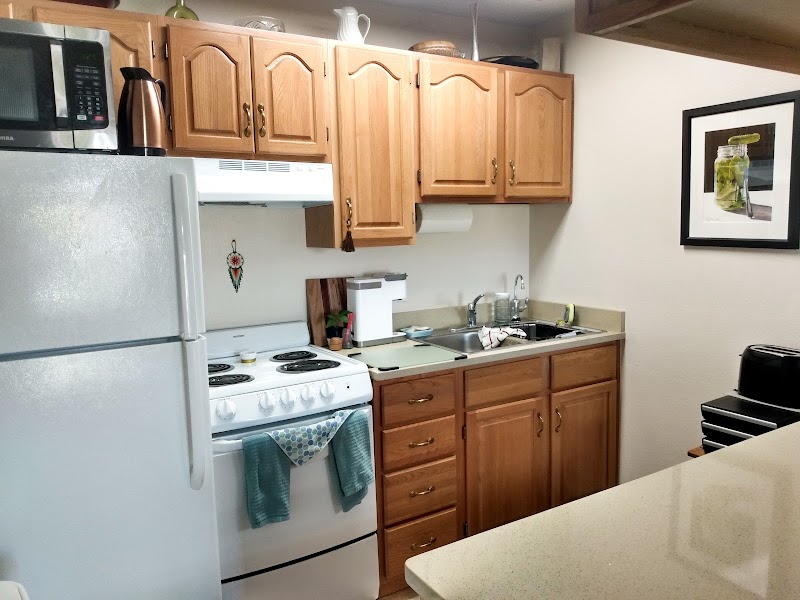
How is Las Cruces Village Nursing & Rehabilitation Llc Staffed?

CMS rates Las Cruces Village Nursing & Rehabilitation LLC's staffing level at 2 out of 5 stars, which is below average compared to other nursing homes. Staff turnover is 77%, which is 31 percentage points above the New Mexico average of 46%. High turnover can affect care consistency as new staff learn residents' individual needs. RN turnover specifically is 100%, which is notably high. RNs provide skilled clinical oversight, so turnover in this role can affect medical care quality.

What Have Inspectors Found at Las Cruces Village Nursing & Rehabilitation Llc?

State health inspectors documented 68 deficiencies at Las Cruces Village Nursing & Rehabilitation LLC during 2022 to 2025. These included: 68 with potential for harm. While no single deficiency reached the most serious levels, the total volume warrants attention from prospective families.
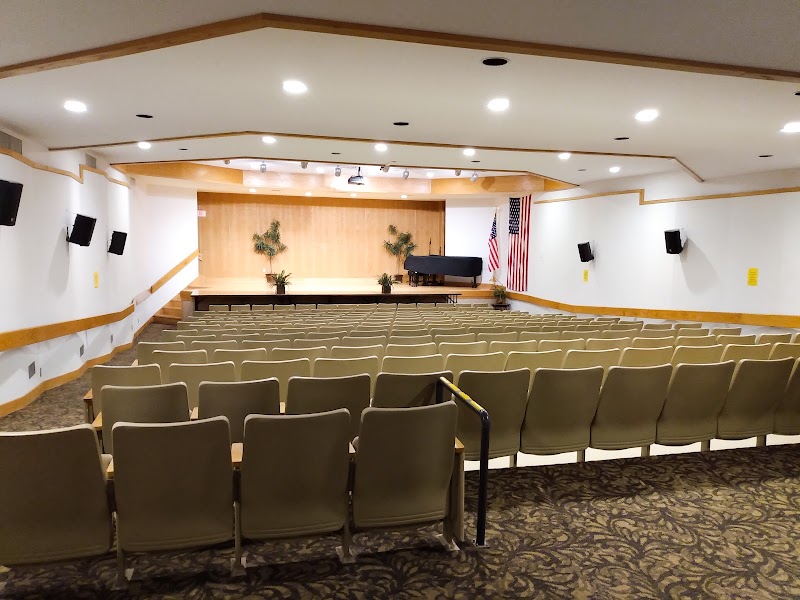
Who Owns and Operates Las Cruces Village Nursing & Rehabilitation Llc?

Las Cruces Village Nursing & Rehabilitation LLC is owned by a non-profit organization. Non-profit facilities reinvest revenue into operations rather than distributing to shareholders. The facility is operated by OPCO SKILLED MANAGEMENT, a chain that manages multiple nursing homes. With 94 certified beds and approximately 80 residents (about 85% occupancy), it is a smaller facility located in LAS CRUCES, New Mexico.

How Does Las Cruces Village Nursing & Rehabilitation Llc Compare to Other New Mexico Nursing Homes?

Compared to the 100 nursing homes in New Mexico, Las Cruces Village Nursing & Rehabilitation LLC's overall rating (2 stars) is below the state average of 2.9, staff turnover (77%) is significantly higher than the state average of 46%, and health inspection rating (2 stars) is below the national benchmark.

What Should Families Ask When Visiting Las Cruces Village Nursing & Rehabilitation Llc?

Based on this facility's data, families visiting should ask: "How do you ensure continuity of care given staff turnover, and what is your staff retention strategy?" "Can you walk me through typical staffing levels on day, evening, and night shifts?" "Can I visit during a mealtime to observe dining assistance and food quality?" "How do you handle medical emergencies, and what is your hospital transfer rate?" These questions are particularly relevant given the facility's high staff turnover rate and the below-average staffing rating.

Is Las Cruces Village Nursing & Rehabilitation Llc Safe?

Based on CMS inspection data, Las Cruces Village Nursing & Rehabilitation LLC has a clean safety record: no substantiated abuse findings (meaning no confirmed cases of resident harm), no Immediate Jeopardy citations (the most serious violation level indicating risk of serious injury or death), and is not on the Special Focus Facility watch list (a federal program monitoring the lowest-performing 1% of nursing homes). The facility has a 2-star overall rating and ranks #100 of 100 nursing homes in New Mexico. While no facility is perfect, families should still ask about staff-to-resident ratios and recent inspection results during their visit.

Do Nurses at Las Cruces Village Nursing & Rehabilitation Llc Stick Around?

Staff turnover at Las Cruces Village Nursing & Rehabilitation LLC is high. At 77%, the facility is 31 percentage points above the New Mexico average of 46%. Registered Nurse turnover is particularly concerning at 100%. RNs handle complex medical decisions and coordinate care — frequent RN changes can directly impact care quality. High turnover means new staff may not know residents' individual needs, medications, or preferences. It can also be disorienting for residents, especially those with dementia who rely on familiar faces. Families should ask: What is causing the turnover? What retention programs are in place? How do you ensure care continuity during staff transitions?

Was Las Cruces Village Nursing & Rehabilitation Llc Ever Fined?

Las Cruces Village Nursing & Rehabilitation LLC has no federal fines on record. CMS issues fines when nursing homes fail to meet care standards or don't correct problems found during inspections. The absence of fines suggests the facility has either maintained compliance or corrected any issues before penalties were assessed. This is a positive indicator, though families should still review recent inspection reports for the full picture.

Is Las Cruces Village Nursing & Rehabilitation Llc on Any Federal Watch List?

Las Cruces Village Nursing & Rehabilitation LLC is not on any federal watch list. The most significant is the Special Focus Facility (SFF) program, which identifies the bottom 1% of nursing homes nationally based on persistent, serious quality problems. Not being on this list means the facility has avoided the pattern of deficiencies that triggers enhanced federal oversight. This is a positive indicator, though families should still review the facility's inspection history directly.