Las Cruces Wellness & Rehabilitation LLC
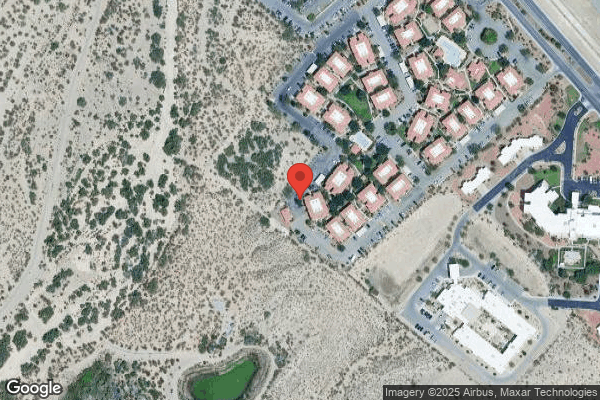

175 N Roadrunner Parkway, Las Cruces, NM 88011 (575) 386-5800
For profit - Limited Liability company 56 Beds OPCO SKILLED MANAGEMENT Data: November 2025
Trust Grade
43/100
#42 of 67 in NM
Last Inspection: July 2024

Within standard 12-15 month inspection cycle. Federal law requires annual inspections.

Overview

Las Cruces Wellness & Rehabilitation LLC has received a Trust Grade of D, which indicates below-average performance with several concerns. They rank #42 out of 67 nursing homes in New Mexico, placing them in the bottom half of facilities statewide, and #4 out of 6 in Dona Ana County, meaning only two local options are worse. The facility is improving, having reduced its issues from 17 in 2024 to 3 in 2025, but they still face challenges. Staffing is rated 2 out of 5 stars with a turnover rate of 55%, which is average, and they have concerning RN coverage, being lower than 77% of state facilities. Specific incidents include a resident receiving inappropriate comments from staff, which caused emotional distress, and multiple instances of unsecured medication carts, which could lead to medication errors. While the quality measures received a good rating of 4 out of 5, these incidents highlight the need for improvement in resident care and safety.

Trust Score
D
43/100
In New Mexico
#42/67
Bottom 38%
Safety Record
Moderate
Needs review
Inspections
Getting Better
17 → 3 violations
Staff Stability
⚠ Watch
55% turnover. Above average. Higher turnover means staff may not know residents' routines.
Penalties
⚠ Watch
$11,911 in fines. Higher than 93% of New Mexico facilities. Major compliance failures.
Skilled Nurses
○ Average
Each resident gets 36 minutes of Registered Nurse (RN) attention daily — about average for New Mexico. RNs are the most trained staff who monitor for health changes.
Violations
⚠ Watch
53 deficiencies on record. Higher than average. Multiple issues found across inspections.
★★☆☆☆
2.0
Overall Rating
★★☆☆☆
2.0
Staff Levels
★★★★☆
4.0
Care Quality
★★☆☆☆
2.0
Inspection Score
Stable
2024: 17 issues
2025: 3 issues

The Good

  • 4-Star Quality Measures · Strong clinical quality outcomes
  • Full Sprinkler Coverage · Fire safety systems throughout facility
  • No fines on record

Facility shows strength in quality measures, fire safety.

The Bad

2-Star Overall Rating

Below New Mexico average (2.9)

Below average - review inspection findings carefully

Staff Turnover: 55%

Near New Mexico avg (46%)

Higher turnover may affect care consistency

Federal Fines: $11,911

Below median ($33,413)

Minor penalties assessed

Chain: OPCO SKILLED MANAGEMENT

Part of a multi-facility chain

Ask about local staffing decisions and management

The Ugly 53 deficiencies on record

1 actual harm
Mar 2025 3 deficiencies
CONCERN (D) 📢 Someone Reported This

A family member, employee, or ombudsman was alarmed enough to file a formal complaint

Potential for Harm - no one hurt, but risky conditions existed

Comprehensive Care Plan (Tag F0656)

Could have caused harm · This affected 1 resident

**NOTE- TERMS IN BRACKETS HAVE BEEN EDITED TO PROTECT CONFIDENTIALITY** Based on record review and interview, the facility failed to implement the comprehensive care plan for 1 (R #25) of 3 (R #25, R ...

Read full inspector narrative →
**NOTE- TERMS IN BRACKETS HAVE BEEN EDITED TO PROTECT CONFIDENTIALITY** Based on record review and interview, the facility failed to implement the comprehensive care plan for 1 (R #25) of 3 (R #25, R #26, and R #27) residents reviewed for falls. This deficient practice could likely result in residents not receiving the care they need for safety, and result in residents being at risk of serious harm or injury when staff failed to identify and implement interventions to prevent R #25 from falling. The findings are: A. Record review of R #25's face sheet dated 12/31/2024, revealed R #25 was admitted to the facility on [DATE]. B. Record review of R # 25's order summary report dated 12/31/24, revealed the following diagnoses: 1. Alzheimer's Disease. 2. Blindness with right eye. 3. Unspecified hearing loss, unspecified ear. 4. Muscle weakness, generalized. 5 Difficulty walking. 6. Lack of coordination. 7. Need for assistance with personal care. C. Record review of R #25 5-day MDS assessment dated [DATE], revealed the following functional abilities: 1. Toileting hygiene: (the ability to maintain perineal hygiene, adjust clothes before and after voiding or having a bowel movement). R #25 requires substantial/maximal assistance. (Helper does more than half the effort. Helper lifts or holds trunk or limbs and provides more than half the effort.) 2. Toilet transfer: The ability to get on and off a toilet or commode. R #25 requires substantial/maximal assistance. 3. Sit to stand: The ability to come to a standing position from sitting in a chair, wheelchair, or on the side of the bed. R #25 requires substantial/maximal assistance. D. Record review of R #25 care plan dated 01/01/25 revealed the following: 1. R #25 is at risk for falls related to gait/balance and cognitive deficits. Review information on past falls and attempt to determine cause of falls. Record possible root causes. Alter remove any potential causes if possible . 2. Care plan updated date 01/03/25, R #25 had an actual fall without injury . Continue interventions on the at-risk plan . 3. Care plan updated date 01/04/25 R #25 had impaired cognitive function with impaired thought processes . Use task segmentation (breaking up the task) to support short term memory deficits. E. Record review of R #25's nursing progress notes dated 01/02/25 revealed the following: 1. R # 25 has unsteady gait requiring supervision. 2. R # 25 has impaired balance. 3. R # 25 has weakness. 4. R # 25 does not have a change in functional ability, and uses wheelchair, with staff assistance required when ambulating (walk; move about). F. On 03/18/25 at 9:45 AM, during an interview, the CNA #28 confirmed the following: 1. CNA #28 assisted R #25 to the restroom just prior to R #25 being found on the floor (CNA #28 was not specific about the time or date). 2. CNA #28 told R #25 that she was going to help another resident and advised R #25 to call for assistance when he was finished using the restroom, and left R #25 with call light to go answer another call light. CNA #28 returned after 5-6 minutes, and R #25 was on the floor of the restroom. 3. CNA #28 stated she does not review resident care plan and receives report at the beginning of the shift and knows what to do. 4. CNA #28 stated she does not have [NAME] (is used to record important patient information). G. On 03/19/25 at 9:15 AM, during an interview, the DON stated the following: 1. R #25 fell in the restroom on 01/03/25 and should have not been left alone on the toilet by staff. 2. Staff have access to see the care plan and that it populates in the [NAME]. 3. DON stated staff should follow care plans when working with residents.
CONCERN (D) 📢 Someone Reported This

A family member, employee, or ombudsman was alarmed enough to file a formal complaint

Potential for Harm - no one hurt, but risky conditions existed

Accident Prevention (Tag F0689)

Could have caused harm · This affected 1 resident

**NOTE- TERMS IN BRACKETS HAVE BEEN EDITED TO PROTECT CONFIDENTIALITY** Based on record review, and interview, the facility failed to keep residents free from accidents for 1 (R #25) of 3 (R #25, R #2...

Read full inspector narrative →
**NOTE- TERMS IN BRACKETS HAVE BEEN EDITED TO PROTECT CONFIDENTIALITY** Based on record review, and interview, the facility failed to keep residents free from accidents for 1 (R #25) of 3 (R #25, R #26, and R #27) residents reviewed for falls, when staff left R #25 (a cognitively impaired resident who required assistance) unattended in the bathroom to help another resident. This deficient practice could likely result in residents being at risk of serious harm or injury. The findings are: A. Record review of R #25's face sheet dated 12/31/24, revealed R #25 was admitted to the facility on [DATE]. B. Record review of R # 25's order summary report dated 12/31/24, revealed the following diagnoses: 1. Alzheimer's Disease. 2. Blindness with right eye. 3. Unspecified hearing loss, unspecified ear. 4. Muscle weakness, generalized. 5 Difficulty walking. 6. Lack of coordination. 7. Need for assistance with personal care. C. Record review of R #25 physicians orders revealed on 01/02/25, an order to have R #25's bed low bed and place mat when resident is in bed. D. Record review of R #25 5-day MDS assessment dated [DATE], revealed the following functional abilities: 1. Toileting hygiene: (the ability to maintain perineal hygiene, adjust clothes before and after voiding or having a bowel movement). R #25 requires substantial/maximal assistance. (Helper does more than half the effort. Helper lifts or holds trunk or limbs and provides more than half the effort.) 2. Toilet transfer: The ability to get on and off a toilet or commode. R #25 requires substantial/maximal assistance. 3. Sit to stand: The ability to come to a standing position from sitting in a chair, wheelchair, or on the side of the bed. R #25 requires substantial/maximal assistance. E. Record review of R #25 care plan dated 01/01/25 revealed the following: 1. R #25 is at risk for falls related to gait/balance and cognitive deficits. Review information on past falls and attempt to determine cause of falls. Record possible root causes. Alter remove any potential causes if possible . 2. Care plan updated date 01/03/25, R #25 had an actual fall without injury . Continue interventions on the at-risk plan . 3. Care plan updated date 01/04/25 R #25 had impaired cognitive function with impaired thought processes . Use task segmentation (breaking up the task) to support short term memory deficits. F. Record review of R #25's nursing progress notes dated 01/02/25 revealed the following: 1. R # 25 has unsteady gait requiring supervision. 2. R # 25 has impaired balance. 3. R # 25 has weakness. 4. R # 25 does not have a change in functional ability, and uses wheelchair, with staff assistance required when ambulating. G. On 03/18/25 at 9:45 AM, during an interview, the CNA #28 confirmed the following: 1. CNA #28 assisted R #25 to the restroom just prior to R #25 being found on the floor (CNA #28 was not specific about the time or date). 2. CNA #28 told R #25 that she was going to help another resident and advised R #25 to call for assistance when he was finished using the restroom, and left R #25 with call light to go answer another call light. CNA #28 returned after 5-6 minutes, and R #25 was on the floor of the restroom. 3. CNA #28 stated she does not review resident care plan and receives report at the beginning of the shift and knows what to do. 4. CNA #28 stated she does not have [NAME] (is used to record important patient information). H. On 03/19/25 at 9:15 AM, during an interview the DON confirmed the following: 1. R # 25 BIMS (brief interview for mental status) score was 6 (BIMS score with lower scores indicating a decline in cognitive performance. 0-7 severe impairment) 2. CNA #28 should not have left R #25 alone on the toilet. 3. Staff have access to see the care plan and that it populates in the [NAME]. 4. Staff should follow care plans when working with residents.
CONCERN (D) 📢 Someone Reported This

A family member, employee, or ombudsman was alarmed enough to file a formal complaint

Potential for Harm - no one hurt, but risky conditions existed

Medical Records (Tag F0842)

Could have caused harm · This affected 1 resident

**NOTE- TERMS IN BRACKETS HAVE BEEN EDITED TO PROTECT CONFIDENTIALITY** Based on record review and interview, the facility failed to ensure medical records were complete and accurate for 1 (R #25) of ...

Read full inspector narrative →
**NOTE- TERMS IN BRACKETS HAVE BEEN EDITED TO PROTECT CONFIDENTIALITY** Based on record review and interview, the facility failed to ensure medical records were complete and accurate for 1 (R #25) of 3 (R #25, R #26, and R #27) residents reviewed for documentation accuracy. This deficient practice has the potential to have a negative impact on the care staff provide to meet residents' needs due to missing or inaccurate records and resident information. The findings are: A. Record review of R #25's face sheet dated 12/31/2024, revealed R #25 was admitted to the facility on [DATE]. B. Record review of R # 25's order summary report dated 12/31/24, revealed the following diagnoses: 1. Alzheimer's Disease. 2. Blindness with right eye. 3. Unspecified hearing loss, unspecified ear. 4. Muscle weakness, generalized. 5 Difficulty walking. 6. Lack of coordination. 7. Need for assistance with personal care. C. Record review of R #25's Situation-Background-Assessment-Recommendation (SBAR) form dated 01/04/25 revealed the following: 1. R #25 had a fall on 01/03/25. 2. The SBAR was not signed and complete. D. Record review of R #25 care plan dated 01/03/25 revealed R #25 had an actual fall without injury . Continue interventions on the at-risk plan . E. Record review of R #25's progress notes revealed LPN #5 did not document R #25 fall in the progress notes. F. On 03/18/25 at 3:21 PM, during an interview LPN #5 confirmed that he was working with R #25 the night of his fall 01/03/25. LPN #5 confirmed that he did not document R #25's fall in the progress notes. G. On 03/18/25 at 2:40 PM, during an interview the DON confirmed the following: 1. Staff did not complete the SBAR note for R #25's fall. 2. Staff did not document a progress note after R #25's fall.
Jul 2024 16 deficiencies
CONCERN (D)

Potential for Harm - no one hurt, but risky conditions existed

Comprehensive Assessments (Tag F0636)

Could have caused harm · This affected 1 resident

**NOTE- TERMS IN BRACKETS HAVE BEEN EDITED TO PROTECT CONFIDENTIALITY** Based on record review and interview, the facility failed to ensure a comprehensive Minimum Data Set (MDS; a federally mandated ...

Read full inspector narrative →
**NOTE- TERMS IN BRACKETS HAVE BEEN EDITED TO PROTECT CONFIDENTIALITY** Based on record review and interview, the facility failed to ensure a comprehensive Minimum Data Set (MDS; a federally mandated assessment instrument completed by facility staff) was completed within 14 calendar days after admission for 1 (R #266) of 4 (R #15, R #108, R #265, and R #266) residents reviewed. This deficient practice could likely result in residents' preferences and care needs not being met. The findings are: A. Record review of R #266's admission record revealed an admission date of 06/08/24. B. Record review of R #266's admission MDS assessment revealed the admission MDS assessment was completed on 07/01/24. C. On 07/02/24 at 9:23 AM, during an interview with the MDS Nurse, she confirmed the following: 1. R #266 was admitted to the facility on [DATE]. 2. R #266's admission MDS assessment was not completed within 14 days of admission. 3. The expectation is for admission MDS Assessments to be completed within 14 days of admission.
CONCERN (D)

Potential for Harm - no one hurt, but risky conditions existed

Accident Prevention (Tag F0689)

Could have caused harm · This affected 1 resident

**NOTE- TERMS IN BRACKETS HAVE BEEN EDITED TO PROTECT CONFIDENTIALITY** Based on interview and record review, the facility failed to keep residents free from accidents for 1 (R #266) of 1 (R #266) res...

Read full inspector narrative →
**NOTE- TERMS IN BRACKETS HAVE BEEN EDITED TO PROTECT CONFIDENTIALITY** Based on interview and record review, the facility failed to keep residents free from accidents for 1 (R #266) of 1 (R #266) resident reviewed, when they failed to ensure that skin creams were stored out of resident's reach. These deficient practices could likely result in residents obtaining medical equipment which can cause injury/death. The findings are: A. On 06/25/24 at 1:39 PM, during an interview with R #266's family member, she stated that R #266 had gone to the hospital on [DATE]. B. Record review of R #266's nursing progress note, dated 06/24/24, revealed R #266 was sent to the hospital after being found with white cream on her teeth and tongue. C. On 07/02/24 at 9:55 AM, during an interview with RN #21, the following was revealed: 1. On 06/24/24, R #266 was in her room and had white cream all over her mouth, tongue, and teeth. 2. There were two tubes of barrier cream (a topical formulation used to place a barrier between the skin and contaminants that may irritate the skin, typically used for incontinence care) and a jar of white zinc cream (used to treat and prevent diaper rash) in R #266's bed side drawer. 3. The jar of zinc cream was empty. 4. R #266 was sent to the hospital and returned shortly after. 5. After R #266 ingested the cream, all of her creams were removed from her bedside table. D. Record review of R #266's care plan, dated 06/17/24, revealed the following: 1. R #266 has behavior problems. 2. R #266's had removed her midline catheter (an 8-12 cm long soft, thin tube that is placed into a large vein in the upper arm, with the tip located just below the axilla (armpit) three times. 3. R #266 had unplugged her call light and placed a spoon in the outlet. E. On 06/28/24 at 10:19 AM, during an interview with the DON, she confirmed the following: 1. R #266's has impulsivity (tendency to act without thinking) and poor safety awareness. 2. When residents have poor safety awareness they should be assessed for potential for danger. 3. R #266 was not assessed for potential for danger. 4. They should have identified that there was a potential for R #266 to ingest the creams since she had removed her midline 3 times and removed her call plug and put a plastic spoon in the call plug outlet.
CONCERN (D)

Potential for Harm - no one hurt, but risky conditions existed

Infection Control (Tag F0880)

Could have caused harm · This affected 1 resident

Based on observation, interview, and record review the facility failed to follow proper infection control practices for 1 (R #74) of 2 (R #5 and R #74) residents identified during random observation w...

Read full inspector narrative →
Based on observation, interview, and record review the facility failed to follow proper infection control practices for 1 (R #74) of 2 (R #5 and R #74) residents identified during random observation when the facility failed to ensure resident's nasal cannulas (a device that delivers extra oxygen through a tube and into your nose) were labeled with the date that they were changed. This deficient practice could likely result in the spread of contagious and resistant illnesses to other residents. The findings are: A. On 06/25/24 at 1:31 PM, during an observation of R #74's room, the nasal cannula tubing was not dated to indicate when it was changed. B. Record review of R #74's physician's orders dated 06/05/24 revealed the following: 1. Oxygen titration 0-6L (liters) via nasal cannula to keep saturations > (greater than) 92% every shift for hypoxia. 2. Oxygen at 4 Liters Per Minute (LPM) via nasal cannula every shift. C. On 06/25/24 at 1:33 PM, during an interview with LPN #34 she confirmed the following: 1. Nasal cannula oxygen tubing did not have a date. 2. She stated tubing gets changed on Sundays. 3. We get so busy; we forget to check if the tubing was dated.
CONCERN (E)

Potential for Harm - no one hurt, but risky conditions existed

Notification of Changes (Tag F0580)

Could have caused harm · This affected multiple residents

**NOTE- TERMS IN BRACKETS HAVE BEEN EDITED TO PROTECT CONFIDENTIALITY** Based on record review and interview, the facility failed to notify the provider of missed medication doses for 1 (R #59) of 2 (...

Read full inspector narrative →
**NOTE- TERMS IN BRACKETS HAVE BEEN EDITED TO PROTECT CONFIDENTIALITY** Based on record review and interview, the facility failed to notify the provider of missed medication doses for 1 (R #59) of 2 (R #59 and R #96) residents reviewed for urinary tract infection (UTI), when they failed to notify the provider that R #59 missed 10 doses of cefuroxime (prescription medication that treats bacterial infections throughout the body) antibiotic. This deficient practice could likely result in residents not receiving necessary care or worsening of medical condition due to lack of treatment. The findings are: A. Record review of R #59's face sheet revealed she was admitted to the facility on [DATE]. B. Record review of R #59's hospital follow-up instructions (orders to facility after hospitalization) dated 06/19/24 revealed: 1. Diagnosis; urinary tract infection (UTI). 2. New medications, start taking: cefuroxime 500 mg twice daily for 10 days for UTI. C. Record review of R #59's Physician's Orders revealed: Order date 06/19/24, cefuroxime oral tablet give 500 mg by mouth two times a day for UTI for 10 days. D. Record review of R #59's medication administration record (MAR) dated June 2024 revealed R #59 did not receive her cefuroxime on the following dates: 1. 06/20/24 at 8:00 AM 2. 06/21/24 at 8:00 PM 3. 06/22/24 at 8:00 AM and 8:00 PM 4. 06/23/24 at 8:00 AM and 8:00 PM 5. 06/24/24 at 8:00 AM and 8:00 PM 6. 06/25/24 at 8:00 AM and 8:00 PM E. Record review of R #59's Nurse Progress Notes revealed the record did not contain any documentation that the provider had been notified regarding the resident missed doses of the prescribed antibiotic. F. On 06/28/24 at 3:54 PM, during an interview, the DON confirmed R #59's missed 10 doses of the prescribed antibiotic because the facility did not receive it from the pharmacy, and was unable to confirm that the provider was notified.
CONCERN (E)

Potential for Harm - no one hurt, but risky conditions existed

Report Alleged Abuse (Tag F0609)

Could have caused harm · This affected multiple residents

**NOTE- TERMS IN BRACKETS HAVE BEEN EDITED TO PROTECT CONFIDENTIALITY** Based on record review and interview the facility failed to report the results of the investigation within 5 days of the inciden...

Read full inspector narrative →
**NOTE- TERMS IN BRACKETS HAVE BEEN EDITED TO PROTECT CONFIDENTIALITY** Based on record review and interview the facility failed to report the results of the investigation within 5 days of the incident to the State Agency for 2 (R #270 and R #271) of 2 (R #270 and R #271) residents sampled for abuse. If the facility fails to report the results of the investigations to the State Agency within five days, then corrective action may not be taken and residents could likely suffer serious bodily injury. The findings are: R #270 A. Record review of the facility's 5-day report (no date) revealed the following: 1. R #270 fell on [DATE], that resulted in an emergency room (ER) visit with a diagnosis of acute displacement of the left hip, that required surgery on 03/05/24. 2. The record did not contain any documentation that the follow up report was submitted to the state agency. R #271 B. Record review of the facility's 5-day report (no date) revealed the following: 1. R #271 sustained a fall on 03/05/24, that resulted in an ER visit and R #271 did not have a serious injury. 2. The record did not contain any documentation that the follow-up report was submitted to the state agency. C. On 07/01/24 at 9:53 AM, during an interview with the Administrator, she confirmed the following: 1. She does not know when the 5-day follow-up reports for R #270 and R #271 were sent to the state agency. 2. She was not able to provide proof of when the 5-day follow-up reports for R #270 and R #271 were sent to the State Agency. D. Record review of the State Agency Reporting system, revealed the system did not have any record that the 5-day reports for R #270 or R #271 were received by the State Agency.
CONCERN (E)

Potential for Harm - no one hurt, but risky conditions existed

Transfer Notice (Tag F0623)

Could have caused harm · This affected multiple residents

**NOTE- TERMS IN BRACKETS HAVE BEEN EDITED TO PROTECT CONFIDENTIALITY** Based on record review and interview, the facility failed to notify the resident and resident's representative(s) of the transfe...

Read full inspector narrative →
**NOTE- TERMS IN BRACKETS HAVE BEEN EDITED TO PROTECT CONFIDENTIALITY** Based on record review and interview, the facility failed to notify the resident and resident's representative(s) of the transfer in writing for 4 (R #15, R #109, R #266, and R #269) of 4 (R #15, R #109, R #266, and R #269) residents sampled for hospitalizations when they failed to: 1. Notify the resident's representative(s) of the transfer to the hospital in writing and in a language and manner they understand for R #15, R #109, R #266, and R #269. 2. Include the name, phone number, and address (mailing and email) of the Office of the State Long-Term Care Ombudsman on the transfer notification form. 3. Send a written copy of the Transfer Notices for R #15, R #266, and R #269 to the Ombudsman. These deficient practices could likely result in the resident and/or their representative not knowing the reason for a transfer, and their rights to advocate and make informed decision regarding their healthcare. The findings are: R #15 A. Record review of R #15's medical record revealed R #15 was transferred to the hospital on [DATE]. B. Record review of R #15's transfer notice revealed the following: 1. Staff did not document that a copy of the transfer notice was provided to the resident representative. 2. Staff did not document the name, phone number, or address (mailing and email) of the Office of the State Long-Term Care Ombudsman. 3. Staff did not document that a written copy of the Transfer Notice was sent to the Office of the State Long-Term Care Ombudsman. R #109 C. Record review of R #109's medical record revealed R #109 was transferred to the hospital on [DATE]. D. Record review of R #109's transfer notice revealed staff did not document that a transfer notice was completed and provided to the resident or the resident representative. E. On 07/02/24 at 10:34 AM, during an interview, the Administrator confirmed that there was not a transfer notice documented for R #109 on 04/14/24. The administrator said that her expectation is that every time a resident is sent out of the facility for an unanticipated reason, a transfer notice should be done. R #266 F. Record review of R #266's medical record revealed R #266 was transferred to the hospital on [DATE]. G. Record review of R #266's transfer notice revealed the following: 1. Staff did not document that a copy of the transfer notice was provided to the resident representative. 2. Staff did not document the name, phone number, or address (mailing and email) of the Office of the State Long-Term Care Ombudsman. 3. Staff did not document that a written copy of the Transfer Notice was sent to the Office of the State Long-Term Care Ombudsman. R #269 H. Record review of R #269's medical record revealed R #269 was transferred to the hospital on [DATE]. I. Record review of R #269's transfer notice revealed the following: 1. Staff did not document that a copy of the transfer notice was provided to the resident representative. 2. Staff documented the name and phone number of the Volunteer Ombudsman. 3. Staff did not document the name, phone number, or address (mailing and email) of the Office of the State Long-Term Care Ombudsman. 4. Staff did not document that a written copy of the Transfer Notice was sent to the Office of the State Long-Term Care Ombudsman. J. On 06/27/24 at 4:52 PM, during an interview with the State Long-Term Care Ombudsman, she confirmed the following: 1. Staff email her a list of the residents that were transferred. 2. Staff should be including her name and contact information on the transfer notification forms. K. On 07/01/24 at 9:44 AM, during an interview with the Social Worker, she confirmed the following: 1. She emails the Ombudsman a weekly list of the residents who transferred or discharged from the facility. 2. If a resident is sent to the hospital, the nurses are expected to call the family at the time of the resident's transfer to notify them of the resident's condition and need to be transferred to the hospital. 3. She does not provide a copy of the transfer notices to the resident's family. L. On 07/01/24 at 9:55 AM, during an interview with LPN #21, she revealed the following: 1. When a resident is transferred to the hospital the nurse must notify the resident's family by phone that the resident is being transferred to the hospital. 2. The nurse must complete a transfer notification in the electronic medical record and provide a copy of the form to the resident or their representative if they are with the resident at the time of the transfer. 3. The nurse must include the name and phone number of the ombudsman on the transfer notification form. 4. The nurses have a binder at the nurse's station that includes the name and phone number for the Ombudsman. 5. The nurses do not mail a copy of the transfer notification form to the resident's family. M. Record review of the binder at the nurse's station, revealed the following: 1. The name and phone number listed as the Ombudsman, was the name and phone number for the Volunteer Ombudsman. 2. The binder did not include the name, phone number, or address of the Office of the State Long-Term Care Ombudsman.
CONCERN (E)

Potential for Harm - no one hurt, but risky conditions existed

Deficiency F0625 (Tag F0625)

Could have caused harm · This affected multiple residents

**NOTE- TERMS IN BRACKETS HAVE BEEN EDITED TO PROTECT CONFIDENTIALITY** Based on record review and interview, the facility failed to ensure that residents and their representatives received a written ...

Read full inspector narrative →
**NOTE- TERMS IN BRACKETS HAVE BEEN EDITED TO PROTECT CONFIDENTIALITY** Based on record review and interview, the facility failed to ensure that residents and their representatives received a written notice of the bed hold policy which indicated the duration the bed would be held for 4 (R #15, R #109, R #266, and R #269) of 4 (R #15, R #109, R #266, and R #269) residents reviewed for hospitalization. This deficient practice could likely result in the resident and/or their representative being unaware of the bed hold policy upon return from the hospital. The findings are: R #15 A. Record review of R #15's medical record revealed R #15 was transferred to the hospital on [DATE]. B. Record review of R #15's bed hold notice revealed the following: 1. Staff did not document how many days a bed would be held for the resident. 2. Staff did not document who was notified about the bed hold notice. 3. Staff did not document that the Bed Hold Notification was provided to the resident. 4. Staff did not document that the Bed Hold Notification form was provided to the resident's family. R #109 C. Record review of R #109's medical record revealed the following: 1. R #109 was transferred to the hospital on [DATE] for respiratory failure (a condition in which your blood doesn't have enough oxygen or has too much carbon dioxide). 2. R #109's medical record did not contain a written notice of bed hold policy for the transfer on 04/14/24. R #266 D. Record review of R #266's medical record revealed R #266 was transferred to the hospital on [DATE]. E. Record review of R #266's bed hold notice revealed the following: 1. Staff did not document how many days a bed would be held for the resident. 2. Staff did not document who was notified about the bed hold notice. 3. Staff did not document that the Bed Hold Notification was provided to the resident. 4. Staff did not document that the Bed Hold Notification form was provided to the resident's family. R #269 F. Record review of R #269's medical record revealed R #269 was transferred to the hospital on [DATE]. G. Record review of R #269's bed hold notice revealed the following: 1. Staff did not document how many days a bed would be held for the resident. 2. Staff did not document who was notified about the bed hold notice. 3. Staff did not document that the Bed Hold Notification was provided to the resident. 4. Staff did not document that the Bed Hold Notification form was provided to the resident's family. H. On 07/01/24 09:55 AM, during an interview with LPN #21, she revealed the following: 1. When a resident is transferred to the hospital, the nurses creates the bed hold notice document in the resident's medical record, but do not document on it, the Business Office is supposed to fill out the the bed hold notice form. 2. The nurses do not notify the resident or family about the bed hold notification. 3. The business office handles the bed hold notification form. I. On 07/01/24 at 10:10 AM, during an interview with the Business Office Manager, she revealed that the business office does not do anything with the Bed Hold Notification Forms. J. On 07/02/24 at 10:34 AM, during an interview, the Administrator confirmed that there was not a bed hold documented for R #109 on 04/14/24. The administrator said that her expectation is that every time a resident is sent out of the facility for an unanticipated reason, a bed hold should be signed by the resident or resident representative as soon as practicable.
CONCERN (E) 📢 Someone Reported This

A family member, employee, or ombudsman was alarmed enough to file a formal complaint

Potential for Harm - no one hurt, but risky conditions existed

Deficiency F0655 (Tag F0655)

Could have caused harm · This affected multiple residents

**NOTE- TERMS IN BRACKETS HAVE BEEN EDITED TO PROTECT CONFIDENTIALITY** Based on record review and interview, the facility failed to create a baseline care plan (healthcare information necessary to pr...

Read full inspector narrative →
**NOTE- TERMS IN BRACKETS HAVE BEEN EDITED TO PROTECT CONFIDENTIALITY** Based on record review and interview, the facility failed to create a baseline care plan (healthcare information necessary to properly care for a resident immediately upon their admission to the facility) within 48 hours, that accurately reflected the resident's current condition for 4 (R #59, R #96, R #110, and R #163) of 5 (R #59, R #96, R #110, R #163 and R #266) residents sampled for baseline care plan when staff failed to: 1. Include physician's orders for R #59's antibiotic and use of oxygen. 2. Complete all sections of the baseline care plan and did not include physician's orders for R #96's antibiotic. 3. Complete all sections of the baseline care plan and did not include R #163's dementia (term used to describe a group of symptoms affecting memory, thinking and social abilities)-mild (stage of dementia where cognitive impairment starts to become more noticeable to the patient, as well as friends and family members) diagnosis and physician's orders for R #163 taking an antipsychotic medication (medication that works by changing the effects of chemicals in the brain often used manage the symptoms of mental health conditions). 4. Include physician's orders for R #110's Plaquenil and Lispro medication. These deficient practices could likely result in residents not receiving the appropriate care and services and may place residents at risk of an adverse event (an event, preventable or nonpreventable, that caused harm to a patient as a result of medical care or lack of medical care) or worsening of current condition after admission. The findings are: R #59 A. Record review of R #59's face sheet revealed R #59 was admitted to the facility on [DATE]. B. Record review of R #59's hospital discharge instructions dated 06/19/24 revealed: 1. Diagnosis; urinary tract infection (UTI). 2. New medications, start taking: Cefuroxime (prescription medication that treats bacterial infections throughout the body) 500 mg twice daily for 10 days for urinary tract infection. C. Record review of R #59's Physician's Orders revealed: Order date 06/19/24 oxygen at three (3) liters per minute per nasal cannula (tubing that delivers oxygen into the nose) via O2 (oxygen) concentrator and/or tank continuous (used at all times). D. Record review of R #59's medical record revealed NM (New Mexico) Person Centered Baseline Care Plan dated 06/20/24 did not have a plan in place for R #59's UTI and for the continuous use of oxygen. E. On 06/28/24 at 3:54 PM, during an interview, the DON confirmed that R #59's baseline care plan was not customized and did not include R #59''s use of continuous oxygen and R #59 received antibiotics for a UTI. R #96 F. Record review of R #96's face sheet revealed: 1. R #96 was admitted to the facility on [DATE]. 2. Diagnosis of a urinary tract infection (UTI). G. Record review of R #96's Physician's Orders revealed: Order date 05/24/24 cefdinir oral capsule (antibiotic taken orally that is used to treat many different types of infections caused by bacteria) 300 mg, give 1 capsule by mouth two times a day for UTI for seven (7) days. H. Record review of R #96's medical record revealed NM Person Centered Baseline Care Plan dated 05/28/24 was not completed within 48 hours and did not have a plan in place for R #96's UTI. I. On 06/28/24 at 3:37 PM, during an interview, the DON confirmed that R #96's baseline care plan did not have all sections completed within 48 hours of admission and did not include R #96's physician's order for antibiotic treatment for a UTI. R #110 J. Record review of R #110's orders revealed the following: 1. R #110 was admitted to the facility on [DATE]. 2. An order dated 05/03/24 for Plaquenil (used in the treatment of arthritis) oral tablet two (2) times a day for Rheumatoid arthritis (a chronic inflammatory disorder). 3. An order dated 05/03/24 for Insulin Lispro [NAME] KwikPen Subcutaneous Solution Pen-injector 100 UNIT/ML (to control high blood sugar in people with diabetes). K. Record review of R #110's Baseline Care Plan dated 05/04/24 revealed that R #110's Plaquenil and Lispro were not documented. L. On 07/01/24 at 2:20 PM, during an interview, Social Services said that R #110's Plaquenil and Lispro were not documented in the care plan. R #163 M. Record review of R #163's face sheet revealed: 1. R #163 was admitted to the facility on [DATE]. 2. Diagnoses: a. Dementia with anxiety (feeling of worry, nervousness, or unease, typically about something with an uncertain outcome). b. Major depressive disorder (MDD, mood disorder that causes a persistent feeling of sadness and loss of interest). N. Record review of R #163's Physician's Orders revealed: Order date 06/24/24 risperidone oral tablet (antipsychotic medicine taken orally, that works by changing the effects of chemicals in the brain often used to treat schizophrenia and bipolar disorder) 0.5 mg, give 1 tablet by mouth two times a day for MDD and dementia. O. Record review of R #163's medical record revealed NM Person Centered Baseline Care Plan dated 06/27/24 was not completed within 48 hours and did not have a plan in place for dementia diagnosis and use of antipsychotic medication. P. On 06/28/24 at 3:43 PM, during an interview, the DON confirmed that R #163's baseline care plan did not have all sections completed within 48 hours of admission and did not include the diagnosis of dementia and the physician's order for R #163 taking an antipsychotic medication.
CONCERN (E)

Potential for Harm - no one hurt, but risky conditions existed

Comprehensive Care Plan (Tag F0656)

Could have caused harm · This affected multiple residents

**NOTE- TERMS IN BRACKETS HAVE BEEN EDITED TO PROTECT CONFIDENTIALITY** Based on record review, observation, and interview, the facility failed to ensure care plans were complete for 3 (R #106, R #108...

Read full inspector narrative →
**NOTE- TERMS IN BRACKETS HAVE BEEN EDITED TO PROTECT CONFIDENTIALITY** Based on record review, observation, and interview, the facility failed to ensure care plans were complete for 3 (R #106, R #108, and R #265) of 3 (R #106, R #108 and R #265) residents reviewed for care plans. This deficient practice could likely result in staff being unaware of the needs of the residents. The findings are: R #106 A. Record review of R #106's medical record revealed R #106 was admitted on [DATE]. B. Record review of R #10's care plan dated 06/11/24, revealed the care plan did not address R #10's discharge plan and any referrals to the local contact agency. C. On 07/01/24 at 2:20 PM, during an interview, Social Services confirmed that if it is not documented on R #10's care plan for discharge she did not do it. R #108 D. Record review of R #108's medical record revealed R #108 was admitted on [DATE]. E. On 06/25/24 at 10:56 AM, during an interview with R #108, he revealed the following: 1. He had a urinary tract infection (UTI, an infection in any part of the urinary system) and was receiving antibiotics (medication used to fight bacterial infections) through his Midline catheter (an 8-12 cm long soft, thin tube that is placed into a large vein in the upper arm, with the tip located just below the axilla (armpit).) 2. He completed his antibiotic treatment on 06/23/24. 3. He was unsure if the midline catheter was going to be removed. F. Record review of R #108's physician's orders, dated 06/12/24, revealed an order to change dressing weekly and orders to flush (inject saline into) peripherally inserted central catheter (PICC line, thin tube that's inserted through a vein in your arm and passed through to the larger veins near the heart)/Midline/Central line every shift. G. Record review of R #108's care plan, dated 06/23/24, revealed the following: 1. Staff did not document that R #108 had a Midline catheter on the Care plan. 2. Staff did not document instructions for how to care for R #108's midline. H. On 06/27/24 at 10:47 AM, during an interview with the Minimum Data Set (MDS) Nurse, she confirmed the following: 1. R #108 had a midline in his right arm. 2. R #108's care plan indicated that R #108 had an intravenous catheter (IV, short small tube that is placed into a vein). 3. R #108's care plan did not indicate that R #108 had a midline catheter. 4. R #108's care plan did not indicate how staff should care for R #108's midline catheter. 5. Care plan's should be resident specific and indicate specific information for providing care for each resident. R #265 I. Record review of R #265's medical record revealed R #265 was admitted on [DATE]. J. On 06/25/24 at 10:25 AM, an interview and observation of R #265, revealed the following: 1. R #265 stated that he received antibiotics through a catheter in his arm. 2. R #265 stated that he was unsure why he was taking antibiotics. 3. R #265 had redness to both of his lower legs. 4. R #265 stated that the redness on his legs was due to him having problems with swelling and infections in his lower legs. K. Record review of R #265's medical record revealed he had the following diagnoses: 1. Primary diagnosis was cellulitis (a deep infection of the skin caused by bacteria) of the left lower limb (lower leg). 2. Cellulitis of the right lower limb. 3. UTI. L. Record review of R #265's physician's orders, dated 06/16/24, revealed an order for Ertapenem (antibiotic used to treat certain infections including pneumonia, urinary tract, and skin) IV every night for 10 days for UTI, and an order to change dressing weekly and to flush PICC/Midline/Central line every shift. M. Record review of R #265's physician's orders, dated 06/17/24, revealed an order to cleanse two open wounds on right lower leg, three times weekly and as needed. N. Record review of R #265's care plan, dated 06/25/24, revealed the following: 1. Staff did not document interventions that were in place to care for R #265's diagnosis of cellulitis. 2. Staff did not document R #265's two wounds to the right leg. 3. Staff did not document that R #265 had a peripherally inserted central catheter (PICC line, thin tube that's inserted through a vein in your arm and passed through to the larger veins near the heart). 4. Staff did not document instructions for caring for R #265's PICC line. O. On 06/27/24 at 10:28 AM, during an interview with the MDS Nurse, she confirmed the following: 1. R #265 had a PICC line. 2. R #265 care plan indicated that R #265 had an IV. 3. R #265's care plan did not indicate that R #265 had a PICC line. 4. R #265's care plan did not indicate how staff should care for R #265's PICC line. 5. R #265's care plan did not include information for caring for R #265's diagnosis of cellulitis other than providing ordered medications for pain. 6. R #265's care plan should have included what staff should be observing for regarding R #265's cellulitis and any interventions that were being implemented to improve or prevent worsening of R #265's cellulitis in both of his legs. 7. R #265's care plan did not include R #265's two wounds to his right leg.
CONCERN (E)

Potential for Harm - no one hurt, but risky conditions existed

Deficiency F0657 (Tag F0657)

Could have caused harm · This affected multiple residents

**NOTE- TERMS IN BRACKETS HAVE BEEN EDITED TO PROTECT CONFIDENTIALITY** Based on record review, and interview, the facility failed to ensure care plan revision and care plan meeting requirements occur...

Read full inspector narrative →
**NOTE- TERMS IN BRACKETS HAVE BEEN EDITED TO PROTECT CONFIDENTIALITY** Based on record review, and interview, the facility failed to ensure care plan revision and care plan meeting requirements occurred for 5 (R #1, R #2, R #5, R #74, and R #266) of 5 (R #1, R #2, R #5, R #74, and R #266) when the staff failed to: 1. Revise the care plan with the most current resident information for R #2, R #5, R #74, and R #266. 2. Have the required Interdisciplinary Team (IDT, team members from different disciplines working collaboratively, with a common purpose, to set goals, make decisions and share resources and responsibilities, and includes other appropriate staff or professionals in disciplines as determined by the resident's needs) members participate in the care plan meeting for R #1 and R #2. These deficient practices could likely result in the care plan not being updated with the most current resident conditions and appropriate interventions, staff being unaware of changes in care provided, and residents not receiving the care related to changes in their health status or healthcare decisions. The findings are: R #1 A. Record review of R #1's admission record revealed R #1 was admitted on [DATE]. B. On 06/26/24 at 9:34 AM, during an interview, R #1 said that she wasn't sure if she had participated in her care plan meeting. C. Record review of R #1's medical record revealed the record did not contain any documentation of a care plan meeting. D. On 07/02/24 at 12:01 PM, during an interview, Social Services (SS) said that she has never had a care plan meeting with R #1. SS said she knows what R #1 likes and what her needs are. R #2 E. Record review of the admission record, R #2 was admitted to the facility on [DATE]. F. On 06/25/24 at 2:36 PM, during an interview with R #2's Family Member (FM) revealed the following: 1. FM stated she never attended any meetings in the facility since R #2 was discharged from the hospital. 2. FM did not know she could attend meetings for the residents care plan meetings and was not invited. G. On 06/27/24 at 10:23 AM, during an interview with SS revealed the following: 1. Confirmed R #2 admission to the facility was on 04/26/24. 2. She was provided information by the FM for R #2 on 05/01/24 and 05/10/24 through phone call for the care plan. 3. Care plan was not completed with the the IDT members since the facility is short-term. H. Record review of the care plan dated 04/26/24 revealed R #2 FM was not invited to the meeting. R #5 I. On 06/25/24 at 10:15 AM, during an interview with R #5, she stated she receives dialysis three times a week and the facility transports her and has fluid restriction (diet which limits the amount of daily fluid consumption each day). J. Record review of the dialysis communication forms dated 05/27/24 and 06/17/24 revealed the following: 1. R #5 needs to be in fluid restriction 1 liter per day. 2. R #5 needs to be limited on fluid intake to 0.8 Liter (L) (the basic unit of liquid volume or capacity in the metric system equal to 1.06 quart or 2.12 pints) to 1 Liter (L). K. Record review of R #5 medical orders revealed the following: 1. R #5 receives Hemodialysis (HD) (process of filtering the blood of a person whose kidneys are not working normally) Monday, Wednesday, and Friday at 9:00 AM at local clinic. 2. R #5 was on fluid restriction of 1L on the following days Tuesday, Thursday, Saturday, Sunday as ordered on 06/01/24 by physician. L. Record review of R #5 activities of daily living (ADL) sheet for the month of June 2024 revealed R #5 was over on her fluid intake thirteen times during the month. M. Record review of R #5 care plan dated 05/23/24, revealed fluid intake restriction was not documented. N. On 06/26/24 at 2:21 PM, during an interview, with CNA #31 revealed the following: 1. The RN's had not told her about R #5 fluid restrictions and R #5 eats and drinks everything. 2. R #5 is on dialysis and attends Monday, Wednesday and Friday. 3. CNA's don't have access to the care plan and only follow RN's orders. 4. CNA #34 stated if the resident had a fluid restriction order she would only provide the necessary Cubic Centimeters (CC) (unit used to quantify the flow rate of liquid) of water during the day. O. On 06/27/24 at 8:50 AM, during an interview with RN #32 revealed: 1. There was a dialysis communication form dated 06/17/24 for R #5 which indicated R #5 needs to be on a 0.8L to 1L fluid restriction. 2. Hemodialysis was documented but fluid restriction was not documented on the care plan. P. On 06/27/24 at 2:00 PM, during an interview with the DON revealed the following: 1. The order of the fluid restriction should be care planned for. 2. Confirmed fluid restriction was not care planned for R #5 since it began in the middle of her stay and stated we probably forgot to document it. R #74 Q. Record review of R #74 of admission record revealed: R #74 was admitted to the facility on [DATE]. R. Record review of the physician's orders dated 04/29/24 revealed the following: 1. Gravity flush percutaneous endoscopic gastrotomy tube (PEG) (endoscopic medical procedure in which a tube (PEG tube) is passed into a patient's stomach through the abdominal wall, most commonly to provide a means of feeding when oral intake is not adequate), with 30mL (Milliliters) (unit is used to measure fluid volume of liquid) every shift. 2. Enteral tube site care: cleanse with soap and water, pat dry and observe skin health. Notify the provider of any changes. 3. Apply split sponge dressing as needed for drainage every shift. 4. Change enteral irrigation syringe, graduated cylinder (narrow laboratory container made of glass or plastic used to measure the volume of liquid) daily. Initial and date. S. Record review of R #74 care plan revealed the following: 1. R #74 care plan did not indicate frequencies or times PEG tube is supposed to be cleaned. 2. R #74 care plan did not specify what type of care was ordered for the cleaning of the PEG tube except local care as ordered. T. On 06/25/24 at 1:46 PM, during an interview with LPN #33 she stated the following: 1. R #74 arrived at the facility with a PEG tube. 2. R #74 was no longer being fed through PEG tube and eats a regular diet since admitted . 3. R #74 PEG-tube gets it flushed out daily. U. On 06/27/24 at 1:52 PM, during an interview with the DON she stated the following: 1. R #74 arrived at the facility with a PEG tube. 2. R #74 eats a regular diet. 3. Provided care of the PEG-tube flushing was completed by wound care nurse. Confirmed there was an order for the PEG tube's care and cleaning from the time of admission to time she was transferred to hospital on [DATE]. Care plan did not specify what type of care was ordered for the PEG tube. R #266 V. Record review of R #266's admission record revealed R #266 was admitted to the facility on [DATE]. W. Record review of R #266's nursing progress note, dated 06/24/24, revealed R #266 was sent to the hospital after being found with white cream on her teeth and tongue. X. On 06/28/24 at 10:34 AM, during an interview with CNA #21, he revealed the following: 1. R #266 had ingested creams that were in her bedside table. 2. After that incident, R #266's creams are to be kept out of her reach in the bathroom. Y. Record review of R #266's care plan, dated 06/17/24, revealed the following: 1. R #266 has behavior problems. 2. R #266 had removed her midline three times and unplugged her call light and placed a spoon in the outlet. 3. R #266's care plan was not revised to include information that she had ingested cream on 06/24/24 or any interventions that the facility initiated to prevent R #266 from ingesting cream again. Z. On 06/28/24 at 10:19 AM, during an interview with the DON, she confirmed the following: 1. R #266's has impulsivity and poor safety awareness. 2. R #266's care plan was not updated to include that she had ingested cream on 06/24/24. 3. R #266's care plan should have been updated to include keeping creams in the bathroom, out of R #266's reach
CONCERN (E)

Potential for Harm - no one hurt, but risky conditions existed

Incontinence Care (Tag F0690)

Could have caused harm · This affected multiple residents

**NOTE- TERMS IN BRACKETS HAVE BEEN EDITED TO PROTECT CONFIDENTIALITY** Based on interview and record review, the facility failed to ensure that a resident who enters the facility with diagnosis of ur...

Read full inspector narrative →
**NOTE- TERMS IN BRACKETS HAVE BEEN EDITED TO PROTECT CONFIDENTIALITY** Based on interview and record review, the facility failed to ensure that a resident who enters the facility with diagnosis of urinary tract infection (UTI) received appropriate treatment for 1 (R #59) of 2 (R #59 and R #96) residents reviewed for UTI when they failed to ensure that a resident received all doses of antibiotic as prescribed to treat the UTI. This deficient practice could result in residents being susceptible to worsening of infection or becoming septic (potentially life-threatening when the body responds to infection by damaging its own tissues) The findings are: A. On 06/25/24 at 10:31 AM, during an interview, R #59 laid in bed and reported she was discharged to the facility about a week ago due to being in the hospital for a urinary infection. B. Record review of R #59's face sheet revealed R #59 was admitted to the facility on [DATE]. C. Record review of R #59's hospital discharge instructions dated 06/19/24 revealed: 1. Diagnosis; urinary tract infection (UTI). 2. New medications, start taking: cefuroxime (prescription medication that treats bacterial infections throughout the body) 500 mg twice daily for 10 days for urinary tract infection. D. Record review of R #59's Physician's Orders revealed: Order date 06/19/24, cefuroxime oral tablet give 500 mg by mouth two times a day for UTI for 10 days. E. Record review of R #59's medication administration record (MAR) dated June 2024 revealed she did not receive her cefuroxime on the following dates: 1. 06/20/24 at 8:00 AM 2. 06/21/24 at 8:00 PM 3. 06/22/24 at 8:00 AM and 8:00 PM 4. 06/23/24 at 8:00 AM and 8:00 PM 5. 06/24/24 at 8:00 AM and 8:00 PM 6. 06/25/24 at 8:00 AM and 8:00 PM F. Record review of R #59's progress notes revealed the following: 1. 06/20/24 at 8:37 AM cefuroxime on order 2. 06/21/24 at 11:35 PM cefuroxime on order 3. 06/22/24 at 8:52 AM cefuroxime on order has not been delivered, none in e kit (emergency kit where medication that has not been delivered from pharmacy can be obtained.) 4. 06/22/24 at 10:07 PM cefuroxime not in cart (medication cart that holds residents' medications) or pyxis (machine where medication can be obtained prior to delivery from pharmacy) 5. 06/23/24 at 9:33 AM cefuroxime on order from pharmacy 6. 06/23/24 at 8:16 PM cefuroxime awaiting arrival from pharmacy 7. 06/24/24 at 9:32 AM cefuroxime on order from pharmacy 8. 06/24/24 at 11:14 PM cefuroxime awaiting arrival from pharmacy 9. 06/25/24 at 09:01 PM cefuroxime not available G. On 06/28/24 at 3:54 PM, during an interview, the DON confirmed that R #59 missed 10 doses out of 13 doses of the antibiotic medication ordered to treat her UTI because the facility did not receive the medication from the pharmacy.
CONCERN (E)

Potential for Harm - no one hurt, but risky conditions existed

Deficiency F0711 (Tag F0711)

Could have caused harm · This affected multiple residents

**NOTE- TERMS IN BRACKETS HAVE BEEN EDITED TO PROTECT CONFIDENTIALITY** Based on record review and interview, the facility failed to ensure residents have a written, signed, and dated progress note fr...

Read full inspector narrative →
**NOTE- TERMS IN BRACKETS HAVE BEEN EDITED TO PROTECT CONFIDENTIALITY** Based on record review and interview, the facility failed to ensure residents have a written, signed, and dated progress note from the provider (physician or nurse practitioner) at the time of each visit for 1 (R #15) of 1 (R #15) residents reviewed for physician's visits This deficient practice could likely result in the resident's needs not being met due to facility staff being unaware of resident's status related to lack of written, signed, and dated progress notes at the time of the visit. A. Record review of R #15's Electronic Medical Record (EMR) revealed R #15 was admitted to the facility on [DATE]. B. Record review of R #15's physician's progress notes revealed the following: 1. History and Physical (H&P), dated 04/14/24, revealed the H&P note was a late entry entered on 06/20/24. 2. Provider progress note, dated 04/15/24, revealed the note was a late entry entered on 06/20/24. 3. Provider progress notes dated 04/16/24, revealed the note was a late entry entered on 06/20/24. 4. Provider progress notes dated 04/17/24, revealed the note was a late entry entered on 06/20/24. 5. Provider progress notes dated 04/18/24, revealed the note was a late entry entered on 06/20/24. 6. Provider progress notes dated 05/01/24, revealed the note was a late entry entered on 06/20/24. 7. Provider progress notes dated 05/02/24, revealed the note was a late entry entered on 06/20/24. 8. Provider progress notes dated 05/03/24, revealed the note was a late entry entered on 06/20/24. 9. Provider progress notes dated 06/01/24, revealed the note was a late entry entered on 06/20/24. 10. Provider progress notes dated 06/02/24, revealed the note was a late entry entered on 06/20/24. 11. Provider progress notes dated 06/03/24, revealed the note was a late entry entered on 06/20/24. C. On 07/01/24 at 1:36 PM, during an interview with Nurse Practitioner #21, he revealed the following: 1. He sees residents at the facility almost daily. 2. He is behind on entering progress notes into the medical records. 3. He entered several late entries for R #15 on 06/20/24. 4. He waits to get a collection of notes on residents before he enters them. D. On 07/01/24 at 2:35 PM, during an interview with the Administrator, she confirmed that her expectation is for the providers to enter their notes timely (she did not specify what timely meant).
CONCERN (E)

Potential for Harm - no one hurt, but risky conditions existed

Deficiency F0712 (Tag F0712)

Could have caused harm · This affected multiple residents

**NOTE- TERMS IN BRACKETS HAVE BEEN EDITED TO PROTECT CONFIDENTIALITY** Based on record review and interview, the facility failed to ensure that residents had a physician visit at least every 30 days ...

Read full inspector narrative →
**NOTE- TERMS IN BRACKETS HAVE BEEN EDITED TO PROTECT CONFIDENTIALITY** Based on record review and interview, the facility failed to ensure that residents had a physician visit at least every 30 days for the first 90 days after admission for 1 (R #15) of 1 (R #15) residents reviewed for physician's visits. This deficient practice could likely result in residents not receiving the required medical assessment which could cause a delay in care and treatment of medical conditions. The findings are: A. Record review of R #15's Electronic Medical Record (EMR) revealed R #15 was admitted to the facility on [DATE]. B. Record review of R #15's entire EMR revealed the medical record did not contain any documentation that R #15 was seen by the physician. C. On 07/01/24 at 2:35 PM, during an interview with the Administrator, she confirmed the following: 1. There was no documentation in R #15's medical record from the physician. 2. She was unable to determine if R #15 was seen by a physician. 3. She was unsure how frequently R #15's physician sees residents in the facility. 4. Her expectation is for physicians to see their residents at least once every 30 days for the first 90 days.
CONCERN (E)

Potential for Harm - no one hurt, but risky conditions existed

Deficiency F0761 (Tag F0761)

Could have caused harm · This affected multiple residents

Based on observation, record review, and interview, the facility failed to store medications properly for all 17 residents in rooms 135-151 (residents were identified by the Resident Matrix provided b...

Read full inspector narrative →
Based on observation, record review, and interview, the facility failed to store medications properly for all 17 residents in rooms 135-151 (residents were identified by the Resident Matrix provided by the Administrator on 06/25/24), when they failed to ensure the medication cart did not contain loose medications. This deficient practice could likely result in residents obtaining or being administered medication not prescribed to them, receiving medications that are less effective and may result in adverse side effects. The findings are: A. On 06/29/24 at 2:55 PM, during an observation of the medication cart assigned to room's 135-151, one white oval tablet was loose between the medication cards (cardboard and foil packaging prefilled with prescription medication) in the second drawer of the medication cart. B. On 06/29/24 at 2:57 PM, during an interview with LPN #34, he confirmed there was a loose white tablet stating, I will remove it. C. Record review of the facility's Storage of Medication Policy dated September 2018, revealed Medications and biologicals are stored properly, following manufacturer's or provider pharmacy recommendations, to maintain their integrity and to support safe effective drug administration. The medication supply shall be accessible only to licensed nursing personnel, pharmacy personnel, or staff members lawfully authorized to administer medications .Medication storage should be kept clean, well lit, organized and free of clutter.
CONCERN (E)

Potential for Harm - no one hurt, but risky conditions existed

Medical Records (Tag F0842)

Could have caused harm · This affected multiple residents

Based on record review and interview, the facility failed to ensure medical records were complete and accurate for 1 (R #18) of 5 (R #1, R #18, R #109, R #110 and R #111) residents reviewed for docume...

Read full inspector narrative →
Based on record review and interview, the facility failed to ensure medical records were complete and accurate for 1 (R #18) of 5 (R #1, R #18, R #109, R #110 and R #111) residents reviewed for documentation accuracy. This deficient practice has the potential to negatively impact the care staff provide to meet residents' needs due to missing or inaccurate records and resident information. The findings are: A. Record review of R #18's medical record dated 05/30/24 revealed R #18 has a diagnosis of Dysphagia (difficulty or discomfort in swallowing). B. Record review of R #18's care plan dated 06/02/24 revealed R #18's mouth needed to be checked after meals for pocketed (when food is held in the mouth for an extended amount of time without swallowing) food and debris. C. On 06/26/24 at 2:23 PM, during an interview, LPN #11 said that the nurses are the ones that will check to see if R #18 has pocketed food after meals. LPN #11 said that she does not document when she checks R #18 for pocketing after meals. LPN #11 said she doesn't know how to tell if R #18 is being checked after meals. D. On 06/27/24 at 10:17 AM, during an interview, the DON confirmed staff do not document when R #18 was checked for food pocketing after meals. The DON said her expectation is that staff should be documenting that they are checking R #18 after meals.
MINOR (C)

Minor Issue - procedural, no safety impact

Safe Environment (Tag F0584)

Minor procedural issue · This affected most or all residents

Based on observation and interview, the facility failed to provide a homelike environment for all 46 residents. Residents were identified by the resident matrix provided by the Administrator on 06/25/...

Read full inspector narrative →
Based on observation and interview, the facility failed to provide a homelike environment for all 46 residents. Residents were identified by the resident matrix provided by the Administrator on 06/25/24, when they failed to replace the light bulbs in the dining room. If residents do not have a homelike environment, they could likely become depressed and anxious and feel not valued. The findings are: A. On 06/25/24 at 11:15 AM, an observation of the dining room revealed the following: 1. The first ceiling circular hanging light had three (3) light bulbs burnt out and one flickering. 2. The second ceiling circular light had four (4) light bulbs burnt out. 3. The circular hanging light of the bistro close to the hallway had one light bulb burnt out. 4. The circular hanging middle light had one light bulb burnt out. B. On 06/27/24 at 1:42 PM, during an interview with the Administrator revealed the following: 1. She confirmed the light bulbs in the dining room were out/off. 2. She stated there is an order for them to be replaced in the next couple of days (no date provided).
Apr 2024 1 deficiency
CONCERN (E) 📢 Someone Reported This

A family member, employee, or ombudsman was alarmed enough to file a formal complaint

Potential for Harm - no one hurt, but risky conditions existed

Deficiency F0657 (Tag F0657)

Could have caused harm · This affected multiple residents

**NOTE- TERMS IN BRACKETS HAVE BEEN EDITED TO PROTECT CONFIDENTIALITY** Based on record review and interview, the facility failed to revise the care plan for 1 (R #11) of 4 (R #11, R #12, R #13, and R...

Read full inspector narrative →
**NOTE- TERMS IN BRACKETS HAVE BEEN EDITED TO PROTECT CONFIDENTIALITY** Based on record review and interview, the facility failed to revise the care plan for 1 (R #11) of 4 (R #11, R #12, R #13, and R #14) resident reviewed for care plans when they failed to revise R #11's care plan to include refusals for offloading (minimizing or removing weight placed on an area to prevent and heal ulcers) and repositioning. This deficient practice could likely result in staff being unaware of changes in care provided, and residents not receiving the care related to changes in their health status or healthcare decisions. The findings are: A. Record review of R #11's medical record revealed the following: 1. R #11 was admitted on [DATE]. 2. R #11 had a Stage III pressure ulcer [Full thickness tissue loss. Subcutaneous (under the skin) fat may be visible, but bone, tendon, or muscle are not exposed. Slough (the yellow/white material in the wound bed) may be present but does not obscure the depth of tissue loss] present on admission. B. On 04/05/24 at 2:51 PM, during an interview, the Wound Care Nurse #11 (WCN) said R #11 did not like being repositioned. WCN #11 said R #11 would refuse to be repositioned. WCN #11 was not specific about when R #11 refused to be repositioned. C. On 04/05/24 at 2:57 PM, during an interview with CNA #11, she stated she would turn R #11 on her side. CNA #11 stated R #11 called to her shortly after being repositioned and wanted to be but back on her back. CNA #11 confirmed R #11 did not like to be repositioned and would often refuse. D. On 04/08/24 at 11:00 AM, during an interview with the WCN #12, she stated R #11 was not compliant with offloading. E. Record review of R #11's care plan, dated 11/01/23, revealed staff did not document the following: 1. R #11's refusals for offloading and repositioning. 2. What staff should do when R #11 refuses. F. On 04/08/24 at 1:50 PM, during an interview, the DON stated R #11 was not compliant with offloading. The DON confirmed staff did not care plan R #11's refusals and noncompliance with offloading. The DON said R #11's refusals and noncompliance should be care planned.
Oct 2023 2 deficiencies
CONCERN (D) 📢 Someone Reported This

A family member, employee, or ombudsman was alarmed enough to file a formal complaint

Potential for Harm - no one hurt, but risky conditions existed

Assessment Accuracy (Tag F0641)

Could have caused harm · This affected 1 resident

**NOTE- TERMS IN BRACKETS HAVE BEEN EDITED TO PROTECT CONFIDENTIALITY** Based on record review and interview, the facility failed to ensure that the MDS accurately reflected the resident's status at t...

Read full inspector narrative →
**NOTE- TERMS IN BRACKETS HAVE BEEN EDITED TO PROTECT CONFIDENTIALITY** Based on record review and interview, the facility failed to ensure that the MDS accurately reflected the resident's status at the time of the assessment for 1 (R #1) of 3 (R #1, R #2 and R #11) residents sampled for MDS accuracy. This deficient practice could likely result in residents not receiving the care and treatment they need. The findings are: A. Record review of R #1's admission MDS, dated [DATE], revealed Section I, Active Diagnoses, question I8000, Additional active diagnoses: Pressure ulcer of sacral region (skin injury on the lower back/spine area), stage 3 (pressure ulcer that has gone through the top two layers of skin, as well as fatty tissue). B. On 10/30/23 at 3:00 PM, during an interview, the Wound Care Nurse stated R #1 did not have a stage 3 pressure ulcer to her sacrum. C. On 10/30/23 at 3:52 PM, during an interview, the DON stated R #1's MDS diagnosis should not include stage 3 pressure ulcer. The DON confirmed that R #1 did not have a pressure ulcer. D. On 10/30/23 at 4:00 PM, during an interview, the MDS Nurse stated she did not assess R #1 to determine if she had a stage 3 pressure ulcer. The MDS Nurse included the diagnosis because she had been instructed to pull the diagnoses from the hospital records.
CONCERN (E) 📢 Someone Reported This

A family member, employee, or ombudsman was alarmed enough to file a formal complaint

Potential for Harm - no one hurt, but risky conditions existed

Quality of Care (Tag F0684)

Could have caused harm · This affected multiple residents

**NOTE- TERMS IN BRACKETS HAVE BEEN EDITED TO PROTECT CONFIDENTIALITY** The following is a recite from a recertification survey on 03/14/23. Based on record review and interview, the facility failed t...

Read full inspector narrative →
**NOTE- TERMS IN BRACKETS HAVE BEEN EDITED TO PROTECT CONFIDENTIALITY** The following is a recite from a recertification survey on 03/14/23. Based on record review and interview, the facility failed to ensure residents received treatment and care in accordance with professional standards of practice for 3 (R #1, R #21, and R #23) of 4 (R #1, R #2, R #21 and R #23) when they failed to: 1. Initiate wound care upon admission for R #1 and R #23. 2. Answer call lights in a timely manner for R #21. This deficient practice could likely lead to residents needs not being met and/or a worsening of their condition. R#1 A. Record review of R #1's admission Record (no date) revealed an admission date of 08/01/23 with diagnoses of unspecified open wound (injury involving an external or internal break in the skin which can lead to sharp, stabbing, burning and/or tingling pain) of left thigh and right thigh. B. Record review of R #1's convalescent care orders (physician's orders for admission to a nursing facility), dated 08/01/23, revealed: 1. Does the patient have wounds or surgical sites? Yes. 2. Wound nurse to evaluate and treat per facility protocol? Yes. C. Record review of R #1's Electronic Medical Record revealed: 1. Skin inspection note, dated 08/01/23 at 6:25 PM, Resident has multiple bruising and abrasions (superficial scrape or scratch to skin) to entire body. Resident has skin necrosis (form of cell injury which results in the premature death of cells of the skin) and chronic wounds (wound that does not heal in an orderly set of stages and in a predictable amount of time the way most wounds do). 2. Resident was not evaluated by wound care nurse until 08/03/23. 3. Wound care orders were not entered and started until 08/04/23. D. On 10/30/23 at 3:00 PM, during an interview, the Wound Care Nurse (WCN) confirmed that she did not evaluate R #1 until 08/03/23. The WCN stated she must have completed the wound care 08/03/23. The WCN further stated she probably did not enter the order until 08/04/23. E. On 10/30/23 at 4:40 PM, during an interview, the DON confirmed R #1 was admitted to the facility with wounds that required wound care. The DON stated for residents admitted with wounds, the WCN should evaluate the day of admission or the day after admission. The WCN should also initiate wound care orders at that time. The WCN should also contact the provider (physician or nurse practitioner) to determine if the resident would need outpatient or in-house consultation by the wound care specialist. R #21 F. Record review of R #2's face sheet revealed a readmission date of 10/25/23 with a primary diagnosis of nondisplaced intertrochanteric fracture of right femur [Specific type of hip fracture. Intertrochanteric means between the trochanters, which are bony protrusions on the femur (thighbone). They are the points where the muscles of the thigh and hip attach.] G. Record review of R #21's admission MDS, dated [DATE], revealed a BIMS (The Brief Interview for Mental Status is a structured evaluation aimed at evaluating aspects of cognition in elderly patients) score of 9 (Scores closer to 0 indicate severe cognitive impact and scores closer to 15 indicate an intact cognitive response). H. On 10/30/23 at 10:30 PM, during an interview, R #21 stated in the last week, he waited up to 90 minutes for staff to respond to his call light. R #21 stated he did not like to bother the staff, because he knew they were busy. I. Record review of R #21's Call Light History Log from 09/28/23 to 10/19/23 revealed the following: 1. 09/29/23 at 7:33 PM, wait time of 20 minutes, 2. 09/30/23 at 9:44 AM, wait time of 37 minutes, 3. 09/30/23 at 12:19 PM, wait time of 19 minutes, 4. 10/01/23 at 7:13 AM, wait time of 1 hour, 5. 10/01/23 at 2:54 PM, wait time of 54 minutes, 6. 10/01/23 at 5:01 PM, wait time of 53 minutes, 7. 10/04/23 at 7:46 AM, wait time of 21 minutes, 8. 10/06/23 at 7:02 AM, wait time of 35 minutes, 9. 10/06/23 at 8:05 PM, wait time of 20 minutes, 10. 10/07/23 at 3:56 PM, wait time of 26 minutes, 11. 10/08/23 at 4:23 PM, wait time of 28 minutes 12. 10/08/23 at 1:36 PM, wait time of 41 minutes, 13. 10/09/23 at 10:33 AM, wait time of 20 minutes, 14. 10/09/23 at 2:28 PM, wait time of 27 minutes, 15. 10/09/23 at 7:37 PM, wait time of 27 minutes, 16. 10/10/23 at 12:17 PM, wait time of 18 minutes, 17. 10/10/23 at 7:39 PM, wait time of 40 minutes, 18. 10/11/23 at 8:00 AM, wait time of 34 minutes, 19. 10/11/23 at 11:03 AM, wait time of 18 minutes, 20. 10/11/23 at 4:45 PM, wait time of 30 minutes, 21. 10/13/23 at 11:32 AM, wait time of 42 minutes, 22. 10/14/23 at 4:16 PM, wait time of 18 minutes, 23. 10/15/23 at 12:34 PM, wait time of 18 minutes, 24. 10/16/23 at 5:30 PM, wait time of 27 minutes, 25. 10/19/23 at 6:57 AM, wait time of 19 minutes. J. On 10/27/23 at 1:45 PM, during an interview, the Administrator confirmed the one hour wait time. R #23 K. Record review of R #23's face sheet revealed an admission date of 08/14/23 with a primary admitting diagnosis of after care following joint replacement surgery (a procedure in which a surgeon removes a damaged joint and replaces it with a new, artificial part.) L. Record review of R #23's convalescent care orders revealed: 1. Does the patient have wounds or surgical sites? Yes. 2. If yes continue with current orders? Yes. M. Record review of R #23's Electronic Medical Record revealed the record did not contain a skin inspection or wound notes until two days after admission. N. On 10/30/23 at 3:20 PM, during an interview, the WCN confirmed she did not do the initial assessment of R #23's surgical wound until two days after her admission. The WCN further stated she assessed residents by priority and did not get to R #23 for two days.
Mar 2023 19 deficiencies 1 Harm
SERIOUS (G)

Actual Harm - a resident was hurt due to facility failures

Free from Abuse/Neglect (Tag F0600)

A resident was harmed · This affected 1 resident

Based on interview and record review, the facility failed to keep residents free from abuse and neglect for 2 (R #46 and R #247) of 2 (R #46 and R #247) residents reviewed for abuse neglect, when they...

Read full inspector narrative →
Based on interview and record review, the facility failed to keep residents free from abuse and neglect for 2 (R #46 and R #247) of 2 (R #46 and R #247) residents reviewed for abuse neglect, when they failed to: 1. Keep R #247 free from verbal abuse and sexual harassment from LPN #13 when she made inappropriate comments to him in front of his family, and 2. Provide R #46 dinner on the day she was admitted into the facility This deficient practice likely resulted in R #247 having anger, fear, and anxiety as a result. The findings are: R #247 A. On 03/09/23 at 1:59 PM, during an interview with R #247, he stated that he was not sure of the date, but while visiting with his daughter, a nurse made a comment about making a baby with him. R #247 gave the physical attributes of LPN #13 and gave a name very similar to LPN #13 (as he was unsure of her name). He responded to LPN #13 that he already had his kids and she replied that they could practice making a baby. R #247 was asked how the comments made him feel and he put his head down and said he was angry, embarrassed, and upset that LPN #13 said that and that he was just there to recover. During observation, R #247 was visibly upset, concerned and his eyes were watering. He said he was afraid that staff were going to do something to hurt him because he was stepping on toes. B. On 03/09/23 at 4:20 PM, during an interview with the Administrator, it was revealed the facility was not aware of the allegation of abuse and confirmed they were going to investigate and report it as abuse. The Administrator confirmed that LPN #13 matched the description and likeness in name given by R #247's description. C. On 03/10/23 at 10:27 AM, during an interview with LPN #13 confirmed that if R #247 said she said it [statement about making a baby with R #247], that she probably said it. She said she doesn't recall saying that statement specifically but does remember saying something similar. She said she is always in trouble, and she isn't politically correct. D. On 03/10/23 at 11:12 AM, during an interview with R #247's Family Member it was confirmed that LPN #13 did make a comment about making a baby to R #247. She also stated that R #247 was visibly upset at the time. R #46 E. Record review of R #46's face sheet revealed an admission date of 01/24/23. F. On 03/10/23 at 11:34 AM, during an interview, R #46 stated that she was not provided dinner on the evening she was admitted to the facility after 5:00 pm. She revealed that when the driver wheeled her to her room he stated that the kitchen staff will bring her dinner. R #46 continued to state that when the nursing staff came to her room to get her settled in, she was told again that the dietary staff will be bringing her dinner and then left. R #46 confirmed that she never got dinner. G. Record review of R #46's Electronic Medical Records (EMR) revealed: 1. No documentation of a meal intake on 01/24/23. 2. BIMS (BIMS a test for cognition) score of 15 (A score of 13 to 15 suggests the patient is cognitively intact, 8 to 12 suggests moderately impaired and 0 to 7 suggests severe impairment) . H. On 03/14/23 at 11:32 AM during an interview with the Dietary Manager revealed: 1. When any resident is admitted after 5:00 PM, the kitchen staff leave extra food plates in the refrigerator for late admissions. 2. kitchen staff are in the facility until 7:00 PM. 3. Dietary Manager (DM) is notified of late admissions through a phone app. The DM is new to his position and he was not the DM when R #46 was admitted and could not confirm what occurred on the evening R #46 was admitted . I. On 03/14/23 at 11:58 AM during an interview with the Administrator revealed: 1. An admission notice for R #46 was provided to the Kitchen at 4:40 PM on 01/24/23 via a phone APP. 2. The Administrator could not confirm if a meal was provided to R #46 because she was not the Administrator at the time, but confirmed that there was no documentation or evidence a meal was provided. 3. The Administrator confirmed that her expectation is for meals to be provided to new residents that arrive after 5:00 PM.
CONCERN (D)

Potential for Harm - no one hurt, but risky conditions existed

Comprehensive Assessments (Tag F0636)

Could have caused harm · This affected 1 resident

**NOTE- TERMS IN BRACKETS HAVE BEEN EDITED TO PROTECT CONFIDENTIALITY** Based on record review and interview, the facility failed to ensure a comprehensive assessment was completed within 14 days of a...

Read full inspector narrative →
**NOTE- TERMS IN BRACKETS HAVE BEEN EDITED TO PROTECT CONFIDENTIALITY** Based on record review and interview, the facility failed to ensure a comprehensive assessment was completed within 14 days of admission for 1 (R #246) of 1 (R #246) resident sampled for activities. This deficient practice could likely lead to the residents' preferences and needs not being met. The findings are: A. Record review of R #246's admission Record revealed an admission date of 02/23/23. B. Record review of R #246's MDS dated [DATE] revealed it was not complete. C. On 03/09/23 at 1:52 PM, during an interview, the MDS Coordinator confirmed that the admission MDS for R #246 was not completed within 14 days of admission.
CONCERN (D)

Potential for Harm - no one hurt, but risky conditions existed

Drug Regimen Review (Tag F0756)

Could have caused harm · This affected 1 resident

Based on record review and interview, the facility failed to have the attending physician document in the resident's medical record his or her rationale for not changing the medication that was identi...

Read full inspector narrative →
Based on record review and interview, the facility failed to have the attending physician document in the resident's medical record his or her rationale for not changing the medication that was identified for Gradual Dose Reduction (GDR) by the monthly Pharmacy Review for 1 (R #28) of 6 (R #5, R #20, R #28, R #31, R #42, and R #46) resident sampled for unnecessary medications. The facility failed to provide documentation of the physician's rationale to keep R #28's Citalopram (used to treat depression) dose unchanged after the pharmacy review recommended a GDR. This deficient practice could likely result in residents receiving higher doses of medication than is needed. The findings are: A. Record review of R #28 Pharmacy Review for February 2023 revealed the following: 1. A recommendation for a GDR Citalopram. 2. The provider checked a box Resident with good response maintain the current dose. 3. Important: Please add resident specific documentation to support the above action or check below if information was added to physician progress notes . No documentation after. B. Record review of R #28's Medical Record revealed no documentation of rational from R #28's provider to not GDR the Citalopram. C. On 03/10/23 at 1:18 PM, during an interview the DON and the Nurse Consultant confirmed that R #28's Provider did not documentation rationale why R #28 should have a GDR for the Citalopram.
CONCERN (E)

Potential for Harm - no one hurt, but risky conditions existed

Notification of Changes (Tag F0580)

Could have caused harm · This affected multiple residents

Based on record review and interview, the facility failed to notify residents of changes in treatment for 1 (R #246) of 1 (R #246) residents reviewed for notification of change, when they failed to no...

Read full inspector narrative →
Based on record review and interview, the facility failed to notify residents of changes in treatment for 1 (R #246) of 1 (R #246) residents reviewed for notification of change, when they failed to notify R #246 of a change in her Anticoagulation medication (medicine used to reduce the risk of stroke and blood clots) and medical diagnosis. If the facility does not notify residents of the change in treatments or condition, then they will not have an opportunity to make decisions and/or advocate for treatment or care. The findings are: A. On 03/08/23 at 10:36 AM, during an interview with R #246, R #246 stated that she was told about having a blood clot (a gelatinous mass of fibrin and blood cells formed by the coagulation of blood) on 03/02/23 by a nurse when she was given more medication than usual, and asked why. B. Record review of R #246's MAR dated March 2023 revealed the following: 1. 02/22/23 start date Xarelto (a prescription medicine used to reduce the risk of stroke and blood clots) 2.5 mg day for dvt (a blood clot that develops within a deep vein in the body, usually in the leg) prevention documented as given as ordered. 2. 03/02/23 start date Xarelto Oral Tablet (Rivaroxaban) Give 15 mg by mouth two times a day for DVT for 21 Days Note Dosage 15 MG (medication dose change) documented as given as ordered. C. Record review of R #246 Medical Diagnosis revealed the following: 1. R #246 diagnosis was updated on 03/03/23 to include Acute Embolism (A sudden blocking of an artery) and Thrombosis (local clotting of the blood in a part of the circulatory system) . D. On 03/08/23 at 2:07 PM, during an interview, the DON confirmed that there was a change in R #246 diagnosis on 03/03/23 and R #246's Xarelto dosage on 03/02/23. The DON also confirmed that R #246 was not notified.
CONCERN (E)

Potential for Harm - no one hurt, but risky conditions existed

Investigate Abuse (Tag F0610)

Could have caused harm · This affected multiple residents

Based on interviews, observations, and record reviews, the facility failed to ensure residents were protected from further potential abuse, neglect, exploitation, or mistreatment while the investigati...

Read full inspector narrative →
Based on interviews, observations, and record reviews, the facility failed to ensure residents were protected from further potential abuse, neglect, exploitation, or mistreatment while the investigation was in progress for 12 (R #1, R#5, R #9, R #16, R #17, R #20, R #21, R #23, R #32, R#248, R #249, and R #250) of 12 (R #1, R#5, R #9, R #16, R #17, R #20, R #21, R #23, R #32, R#248, R #249, and R #250) residents randomly sampled. When the facility failed to remove LPN #13 after an allegation of abuse was made. This deficient practice could likely result in residents being at risk of continued abused. The finding are: A. Review of R #247's admission Record, revealed an admission date of 03/02/23. B. On 03/09/23 at 1:59 PM, during an interview with R #247, he stated that he was not sure of the date, but that while visiting with his daughter, a nurse made a comment about making a baby with him. R #247 gave the physical attributes of LPN #13 and gave a name very similar to LPN #13 (as he was unsure of her name). He responded to LPN #13 that he already had his kids and she replied that they could practice making a baby. R #247 was asked how the comments made him feel and he put his head down and said he was angry, embarrassed, and upset that LPN #13 said that and that he was just there to recover. During interview R #247 appeared visibly upset, concerned and his eyes were watering. He said he was afraid that staff were going to do something to hurt him because he was stepping on toes (as he had not reported this before). C. On 03/09/23 at 4:20 PM, during an interview with the Administrator it was revealed they (facility) were not aware of the allegation of abuse and confirmed they were going to investigate and report it as abuse. The Administrator confirmed that LPN #13 matched the description and likeness in name given by R #247's description. D. On 03/10/23 at 10:26 AM, during an observation of the Covid Unit (unit use for positive covid-19 residents), revealed that LPN #13 was working on this Unit. E. On 03/10/23 at 10:27 AM, during an interview with LPN #13, LPN #13 confirmed that if R #247 said she said it, that she probably said it. She said she doesn't recall saying that statement specifically but does remember saying something similar. She said she is always in trouble, and she isn't politically correct. F. On 03/10/23 at 11:12 AM, during an interview with R #247's family member it was confirmed that LPN #13 did make a comment about making a baby to R #247. She also stated that it upset R #247 at the time. G. Record review of the facility policy Detecting Abuse, neglect, Misappropriation, and Injuries of Unknown revised date 10/15/22. The policy revealed the following: If a staff member(s) is implicated in an abuse/neglect situation, regardless of discipline, the facility will protect the resident, which may include but are not limited to, a. Immediately removed from resident contact b. Interviewed with their version of the incident documented c. Suspended pending investigation results. H. On 03/10/23 at 11:42 AM, during an interview with the Administrator, it was confirmed that LPN #13 was still working at the facility during the investigation. The Administrator explained that their policy states, may include immediately removed from resident contact and suspension pending investigation. The Administrator stated that she moved LPN #13 away from R #247 into the Covid Unit. The Administrator further explained that through her investigation she didn't feel R #247's allegation was abuse but confirmed she reported it as abuse. I. Record review of the list of residents on the Covid Unit with Brief Interview for Mental Status (BIMS a test for cognition) score (A score of 13 to 15 suggests the patient is cognitively intact, 8 to 12 suggests moderately impaired and 0 to 7 suggests severe impairment) provided by the DON no date revealed the following: 1. R #1 BIMS score 8 2. R #5 BIMS score 13 3. R #9 BIMS score 8 4. R #16 BIMS score 7 5. R #17 BIMS score 15 6. R #20 BIMS score 12 7. R #21 BIMS score 15 8. R #23 BIMS score 15 9. R #32 BIMS score 15 10. R#248 BIMS score 14 11. R #249 BIMS score 15 12. R #250 BIMS score 4
CONCERN (E)

Potential for Harm - no one hurt, but risky conditions existed

Transfer Notice (Tag F0623)

Could have caused harm · This affected multiple residents

**NOTE- TERMS IN BRACKETS HAVE BEEN EDITED TO PROTECT CONFIDENTIALITY** Based on record review and interview, the facility failed to ensure residents, their representatives, or the Ombudsman received ...

Read full inspector narrative →
**NOTE- TERMS IN BRACKETS HAVE BEEN EDITED TO PROTECT CONFIDENTIALITY** Based on record review and interview, the facility failed to ensure residents, their representatives, or the Ombudsman received a written notice of transfer as soon as practicable for 4 (R #5, R #20, R #40, and R #44) of 4 (R #5, R #20, R #40, and R #44) residents reviewed for hospitalization. This deficient practice could likely result in the resident and/or their representative not knowing the reason or location that the resident was discharged . The findings are: R #5 A. Record review of R #5's Progress Notes revealed the following: 1. R #5 was transferred to the hospital on [DATE] for a fall. B. Record review of R #5's medical record revealed no written Transfer Notice. R #20 C. Record review of R #20's Medical Record revealed the following: 1) R #44 was sent to the hospital on [DATE]. 2) No written transfer notice was found. R #40 D. Record review of R #40's Progress Notes revealed the following: 1. R#40 was transferred to the hospital on [DATE] for high heart rate. E. Record review of R #40's medical record revealed no written Transfer Notice. R #44 F. Record review of R #44's Medical Record revealed the following: 1) R #44 was sent to the hospital on [DATE]. 2) No written transfer notice was found. G. On 03/08/23 at 3:18 PM, during an interview, the Resident Care Manger (RCM) confirmed that the facility had not been providing the written transfer notices. H. On 03/08/23 at 3:30 PM, during an interview, the Social Services Director (SSD) confirmed that the facility was only sending the Ombudsman notice for discharge and not for transfers.
CONCERN (E)

Potential for Harm - no one hurt, but risky conditions existed

Deficiency F0625 (Tag F0625)

Could have caused harm · This affected multiple residents

**NOTE- TERMS IN BRACKETS HAVE BEEN EDITED TO PROTECT CONFIDENTIALITY** Based on record review and interview, the facility failed to ensure residents, or their representatives received a written notic...

Read full inspector narrative →
**NOTE- TERMS IN BRACKETS HAVE BEEN EDITED TO PROTECT CONFIDENTIALITY** Based on record review and interview, the facility failed to ensure residents, or their representatives received a written notice of their bed hold policy indicating the duration that the bed would be held for 4 (R #5, R #20, R #40, and R #44) of 4 (R #5, R #20, R #40, and R #44) residents reviewed for hospitalization. This deficient practice could likely result in the resident and/or their representative being unaware of the bed hold policy upon return from the hospital. The findings are: R #5 A. Record review of R #5's Progress Notes revealed the following: 1. R #5 was transferred to the hospital on [DATE] for a fall. B. Record review of R #5's medical record revealed no written Bed Hold Policy Notice. R #20 C. Record review of R #20's Medical Record revealed the following: 1) R #44 was sent to the hospital on [DATE]. 2) No written Bed Hold Policy Notice was found. R #40 D. Record review of R #40's Progress Notes revealed the following: 1. R#40 was transferred to the hospital on [DATE] for high heart rate. E. Record review of R #40's medical record revealed no written Bed Hold Policy. R #44 F. Record review of R #44's Medical Record revealed the following: 1) R #44 was sent to the hospital on [DATE]. 2) No written Bed Hold Policy Notice was found. G. On 03/08/23 at 3:18 PM, during an interview, the Resident Care Manger (RCM) confirmed that the facility had not been providing the written Bed Hold Policy Notice.
CONCERN (E)

Potential for Harm - no one hurt, but risky conditions existed

Deficiency F0658 (Tag F0658)

Could have caused harm · This affected multiple residents

Based on observation, record review, and interview, the facility failed to meet professional standards of quality for 1 for (R #7) of 4 (R #7, R #19, R #196, and R #197) residents observed during medi...

Read full inspector narrative →
Based on observation, record review, and interview, the facility failed to meet professional standards of quality for 1 for (R #7) of 4 (R #7, R #19, R #196, and R #197) residents observed during medication administration, when RN #1 held R #7's blood pressure medication without specific parameters (numerical or other measurable factor) from the medical provider. This deficient practice could likely lead to the resident having adverse (unwanted, harmful, or abnormal result) side effects or not receiving the desired therapeutic effect of the medication due to it not being administered. The findings are: A. On 03/10/23 at 8:40 AM, during observation of medication pass and interview, it was observed RN #1 did not administer Metoprolol Succinate (high blood pressure medication) ER (abbreviation for extended released meaning medication is released slowly over time) 50 MG. RN #1 stated she was holding the medication because R #7's blood pressure is 100/57 (number for blood pressure reading) B. Record review of R #7's Physician's orders revealed: Order Date 02/14/23; Metoprolol Succinate ER Tablet Extended Release 24 Hour 50 MG Give 1 tablet by mouth one time a day for HTN (abbreviation for hypertension which is medical term for high blood pressure) there were no parameters in the order to indicate when medication is to be held. C. Record review of R #7's Medication Administration Record for Metoprolol Succinate ER 50 mg dated March 2023 revealed: 1. 03/04/23 Blood Pressure Reading 90/52 Medication administered, 2. 03/05/23 Blood Pressure Reading 116/54 Medication administered, 3. 03/06/23 Blood Pressure Reading 116/54 Medication held, 4. 03/07/23 Blood Pressure Reading 116/52 Medication administered, 5. 03/09/23 Blood Pressure Reading 116/51 Medication administered, 6. 03/10/23 Blood Pressure Reading 116/49 Medication held. D. On 03/14/23 at 10:35 AM, during an interview, the DON confirmed that R #196's Metoprolol Succinate was not administered according to the physicians orders and confirmed that the order for R #7 did not have an indication as to when the medication is to be held. The DON stated We would normally hold the blood pressure medication when the diastolic blood pressure (bottom number of blood pressure reading) is less than 60 but, we need to speak to the physician to clarify when they want us to hold it. There is no consistency when we do not clarify the hold parameters.
CONCERN (E)

Potential for Harm - no one hurt, but risky conditions existed

Deficiency F0679 (Tag F0679)

Could have caused harm · This affected multiple residents

Based on observations, record review, and interviews, the facility failed to ensure activities were implemented for 3 (R #1, R #12 and R # 246) of 3 (R #1, R #12, and R # 246) residents reviewed for a...

Read full inspector narrative →
Based on observations, record review, and interviews, the facility failed to ensure activities were implemented for 3 (R #1, R #12 and R # 246) of 3 (R #1, R #12, and R # 246) residents reviewed for activities. This deficient practice could likely cause boredom, isolation, anxiousness and feeling helpless. The findings are: R #1 A. On 03/08/23 at 9:02 AM, during an interview, R #1 stated he wants to participate in activities but is not aware of any. R #1 did not state he refused activities. B. On 03/08/23 at 2:44 PM, during an interview with Social Services Assistant (SSA), she revealed that she tried to encourage R #1 to participate in activities, but he declines. SSA was asked if she documented R #1's refusals, she stated she had not documented the refusals. R #12 C. Record review of R #12's Care Plan dated 01/30/23 revealed the following: [Name of R #12] expects to have a short-term stay at this facility for rehab (rehabilitation). prefers independent activity . Activities will stop in to ensure I am content with my independent social and recreational contacts. D. Record review of R #12's ADL (Activities of Daily Living) sheet for February and March 2023 revealed the following: 1. Self-Directed/Independent Activities 1- Self-Directed/Independent Activities (Multi Choice) 1 - Around the House 2 - Board Games 3 - Book Reading 4 - Conversations on Phone 5 - Current Events 6 - Computer 7 - Crafts/Art 8 - Exercising 9 - Gardening 10- Hallway Strolls 11- Family Visits 12- Mail/Telephone 13- Music 14- Newspaper 15- Patio and Lobby Strolls 16- Puzzles 17- Radio 18- Religious/Spiritual Activity 19- Socializing with Peers 20- Television 21- Menu Selection (Effective Date: 02/08/2022 16:18 (4:18 pm) - Current) 2- Activity Participation A - Active P - Passive RR- Resident Refused S - Resident Sleeping OF- Out of facility RC- ADL in Progress. 2. No documentation of activities. E. On 03/08/23 at 2:31 PM, during an interview with the Social Service Director (SSD) and the SSA, the SSD confirmed that the facility did not have a staff member solely dedicated to activities. The SSD confirmed that she and her SSA were doing the activities. The SSD confirmed that R #12 was Care Planed for independent activities but confirmed that there was no documentation of activities for R #12. The SSA stated that I kind of do it (activities) randomly. The SSA continued to state, It is hard for her to understand (due to her cognition). SSA also confirmed that there was no documentation of activities for R #12. R #246 E. On 03/08/23 at 10:36 AM, during an interview, R #246 stated she would like to be involved in activities but none were offered. R #246 stated she asked twice about activities and was told there were no activities by staff (was not sure which staff). F. On 03/08/23 at 1:12 PM, during an interview the SSD revealed that she plans activities for the month and posts the calendar in residents room. G. On 03/08/23 at 1:19 PM, during an observation of R #246's room and interview, no activities calendar was observed in R #246 room, the SSD confirmed that the activities calendar was not posted in R #246's room. H. On 03/08/23 at 2:37 PM, during an interview the SSD she stated that she plans 3 (three) activities a week because they are too busy to do more.
CONCERN (E) 📢 Someone Reported This

A family member, employee, or ombudsman was alarmed enough to file a formal complaint

Potential for Harm - no one hurt, but risky conditions existed

Quality of Care (Tag F0684)

Could have caused harm · This affected multiple residents

**NOTE- TERMS IN BRACKETS HAVE BEEN EDITED TO PROTECT CONFIDENTIALITY** The following is a recite from a complaint survey on 10-31-22. Based on record review and interview, the facility failed to ensu...

Read full inspector narrative →
**NOTE- TERMS IN BRACKETS HAVE BEEN EDITED TO PROTECT CONFIDENTIALITY** The following is a recite from a complaint survey on 10-31-22. Based on record review and interview, the facility failed to ensure call-lights were answered when a resident needed assistance for 3 (R #2, R #46 and R #247) of 3 (R #2, R #46 and R #247) residents reviewed for call-lights. This deficient practice could result in the residents' needs not being met, leaving them at risk for incontinence (lack of voluntary control over urination or defecation) and falls. The findings are: R #2 A. On 03/08/23 at 9:21 AM, during an interview, R #2 revealed that it takes about 30 minutes for staff to respond to his call light B. Record review of R #2's face sheet revealed an admission date of 02/20/23. C. Record review of R #2's MDS dated [DATE] revealed a BIMS (The Brief Interview for Mental Status is a structured evaluation aimed at evaluating aspects of cognition in elderly patients) score of 14 (Scores closer to 0 indicate severe cognitive impact and scores closer to 15 indicate an intact cognitive response). D. Record review of R #2's Call Light log from 02/20/23 to 03/08/23 revealed the following: 1. 02/28/23 at 1:20 AM wait time 26 minutes. R #46 E. On 03/10/23 at 11:34 AM, during an interview, R #46 revealed that it took 30 minutes to an hour for her call light to be answered. F. Record review of R 46's face sheet revealed an admission date of 01/24/23. G. Record review of R #247's MDS dated [DATE] revealed a BIMS score of 15. H. Record review of R #247's call light history from 01/24/23 to 01/30/23 revealed the following: 1. 01/24/23 at 7:38 PM wait time 20 minutes, 2. 01/28/23 at 8:40 AM wait time 21 minutes, 3. 01/28/23 at 4:30 PM wait time 26 minutes, 4. 01/28/23 at 7:22 PM wait time 20 minutes, 5. 01/30/23 at 9:00 AM wait time 19 minutes. R #247 I. On 03/09/23 at 01:59 PM during an interview, R #247 revealed that it takes staff 30 minutes or longer to respond to his call light. J. Record review of R #247's face sheet revealed an admission date of 01/24/23. K. Record review of R 247's Call Light log from 03/02/23 to 03/09/23 revealed the following: 1. 03/03/23 at 6:57 AM wait time 19 minutes. 2. 03/03/23 at 3:46 PM wait time 26 minutes. 3. 03/03/23 at 8:00 PM wait time 33 minutes. 4. 03/04/23 at 3:56 AM wait time 16 minutes. 5. 03/04/23 at 5:55 AM wait time 30 minutes. 6. 03/04/23 at 6:35 AM wait time 16 minutes. 7. 03/04/23 at 7:13 AM wait time 17 minutes. 8. 03/05/23 at 2:44 AM wait time 18 minutes. 9. 03/05/23 at 6:29 AM wait time 25 minutes 10. 03/05/23 at 6:58 PM wait time 23 minutes 11. 03/05/23 at 6:26 AM wait time 20 minutes 12. 03/07/23 at 9:49 PM wait time 15 minutes 13. 03/09/23 at 5:04 AM wait time 17 minutes L. On 03/10/23 at 11:42 AM during an interview with the Administrator and DON revealed, the expectation for the call light response is 5-10 minutes.
CONCERN (E)

Potential for Harm - no one hurt, but risky conditions existed

Deficiency F0692 (Tag F0692)

Could have caused harm · This affected multiple residents

**NOTE- TERMS IN BRACKETS HAVE BEEN EDITED TO PROTECT CONFIDENTIALITY** Based on interview and record review the facility failed to help maintain acceptable parameters of nutritional status, such as u...

Read full inspector narrative →
**NOTE- TERMS IN BRACKETS HAVE BEEN EDITED TO PROTECT CONFIDENTIALITY** Based on interview and record review the facility failed to help maintain acceptable parameters of nutritional status, such as usual body weight for 1 (R #20) of 1 (R #20) residents sampled for nutrition, when they failed to conduct weekly weights for R #20 who had: a. a weight loss, b. physicians' orders to weigh weekly, and c. facility policy to weigh weekly. This deficient practice could likely result in residents losing weight without the facility being aware causing physical and mental health issues. The findings are: A. Record review of R #20's Care Plan dated 01/29/23 revealed the following: 1. - [name of R #20] has a potential nutritional problem r/t (related to) weakness and pain, at low BMI (Body mass index) and wound healing needs; had unplanned weight loss prior to admission. -Monitor/record/report to MD (Medical Doctor) PRN (as needed) s/sx (signs and symptoms) of malnutrition (lack of proper nutrition): . significant weight loss: 3 lbs (pounds) in 1 week, > (greater) 5% in 1 month, > 7.5% in 3 months, >10% in 6 months . B. Record review of R #20's Physicians Orders revealed the following: 1. 2/15/2023 Weigh Weekly x (times) 4 Weeks upon admission on e time a day every 7 day(s) for Weight Baseline 2. 2/22/2023 Ensure in the afternoon for supplement C. Record review of R #20's Medical Record revealed the following: 1. R #20 was admitted [DATE] initially went to the hospital, then readmitted on [DATE] Weights 2. 02/09/23 110.0 Lbs 3. 02/21/23 105.0 Lbs D. Record review of the Policy Weight Measured date 11/28/17 revealed the following: . Monitor resident's weight: -On admission -Weekly for 4 weeks -Monthly when stable -As needed 13. Verify weight measurements when changes in weight occur . E. On 03/09/23 at 10:52 AM, during an interview the Therapy Director (TD), TD confirmed that therapy weighs residents. The TD stated that they had an aide quit and that the weight fell through the cracks. The TD confirmed that the facility policy says weekly weights. F. On 03/09/23 at 10:55 AM, during an interview the Dietician confirmed that R #20's were not done weekly We will probably have her reweigh.
CONCERN (E) 📢 Someone Reported This

A family member, employee, or ombudsman was alarmed enough to file a formal complaint

Potential for Harm - no one hurt, but risky conditions existed

Deficiency F0697 (Tag F0697)

Could have caused harm · This affected multiple residents

**NOTE- TERMS IN BRACKETS HAVE BEEN EDITED TO PROTECT CONFIDENTIALITY** Based on record review and interview, the facility failed to provide pain management for 1 (R #46) of 2 (R #1 and R #46) residen...

Read full inspector narrative →
**NOTE- TERMS IN BRACKETS HAVE BEEN EDITED TO PROTECT CONFIDENTIALITY** Based on record review and interview, the facility failed to provide pain management for 1 (R #46) of 2 (R #1 and R #46) residents reviewed for pain. Having a delay in delivery and administration of needed pain medication for R #46. This deficient practice likely resulted in residents experiencing unnecessary pain. The findings are: A. On 03/10/23 at 11:34 AM, during an interview, R #46 revealed she was not given her pain medications for several days after her admission when she was in pain. B. Record review of R #46's Electronic Medical Records (EMR) revealed: 1. admission [DATE] from [name of local hospital] Alert and Oriented x (times) 4 (someone who is alert and oriented to person, place, time and event), able to make needs known, .admitted for post -op (operation) right hip fracture care, to receive PT (Physical therapy), OT (Occupational therapy), and management of pain. 2. A BIMS (The Brief Interview for Mental Status is a structured evaluation aimed at evaluating aspects of cognition in elderly patients) score of 15 (Scores closer to 0 indicate severe cognitive impact and scores closer to 15 indicate an intact cognitive response). C. Record review of R #46's Physician's Orders revealed the following: 1. Start date of 01/24/23 Acetaminophen (medication to treat minor aches and pains) Oral Tablet 500 MG Give 2 tablet by mouth every 8 hours as needed for pain. 2. Start date of 01/24/23 oxyCODONE HCl (medication to treat moderate to severe pain) Oral Tablet 5 MG (Oxycodone HCl) Give 1 tablet by mouth every 6 hours as needed for Pain for 3 Days for 3 days. Pain scale 7-10 (numbers on pain scale 1-10 indicating moderate to severe pain) for 3 Days. 3. start date of 01/24/23 traMADol HCl (medication to treat moderate to severe pain) Oral Tablet 50 MG 1 tablet by mouth every 6 hours as needed for pain for 3 Days for 3 days, pain scale 4-6 (numbers on pain scale 1-10 indicating moderate to severe pain). D. Record review of R #46 Medication Administration Record for January 2023 revealed: 1. start date of 01/24/23 Acetaminophen (medication to treat minor aches and pains) Oral Tablet 500 MG Give 2 tablet by mouth every 8 hours as needed for pain. No documentation of this medication being administered. 2. start date of 01/24/23 oxyCODONE HCl (medication to treat moderate to severe pain) Oral Tablet 5 MG (Oxycodone HCl) Give 1 tablet by mouth every 6 hours as needed for Pain for 3 Days for 3 days. Pain scale 7-10 (numbers on pain scale 1-10 indicating moderate to severe pain) for 3 Days. Was administered on 01/26/23 pain scale 6, 01/27/23 pain scale 5 and twice on 01/28/23 pain scale 6. 3. start date of 01/24/23 traMADol HCl (medication to treat moderate to severe pain) Oral Tablet 50 MG 1 tablet by mouth every 6 hours as needed for pain for 3 Days for 3 days, pain scale 4-6 (numbers on pain scale 1-10 indicating moderate to severe pain). No documentation of this medication being administered. E. On 03/10/23 at 12:21 PM during an Interview, the Administrator stated after a resident is admitted to the facility their prescriptions are sent to the pharmacy in [name of neighboring city and State]. The [name of neighboring State] cannot fill a prescription from a Nurse Practitioner (NP) only from an Medical Doctor (MD). The Administrator confirmed that no medication was given to R #46 from the Pxyis (an automated medication dispensing system.) while waiting for the prescription to be delivered. The Administrator confirmed that the first documentation of R #46 receiving pain medications was on 01/26/23 stated that R #46 should not have gone without her pain medication.
CONCERN (E)

Potential for Harm - no one hurt, but risky conditions existed

Deficiency F0726 (Tag F0726)

Could have caused harm · This affected multiple residents

Based on interview and record review, the facility failed to ensure that nurse aides are able to demonstrate competency in skills and techniques necessary to care for residents' needs for 3 (CNA #11, ...

Read full inspector narrative →
Based on interview and record review, the facility failed to ensure that nurse aides are able to demonstrate competency in skills and techniques necessary to care for residents' needs for 3 (CNA #11, CNA #12, and CNA #13) of 3 (CNA #11, CNA #12, and CNA #13) CNAs randomly sampled for competency. This deficient practice could likely result in staff working who are not competent to give care to residents. The findings are: A. Record review of CNA #11's personnel records revealed: 1) No CNA competency evaluation completed. B. Record review of CNA #12's personnel records revealed: 1) No CNA competency evaluation completed. C. Record review of CNA #13's personnel records revealed: 1) No CNA competency evaluation completed. D. On 03/14/23 at 11:22 AM, during an interview the Human Resources confirmed that the facility did not have CNA competencies for CNA #11, CNA #12, and CNA #13.
CONCERN (E)

Potential for Harm - no one hurt, but risky conditions existed

Unnecessary Medications (Tag F0759)

Could have caused harm · This affected multiple residents

Based on observation, record review, and interview, the facility failed to ensure that the medication error rate was 5% or less for 2 (R #7 and R #196) of 4 (R #7, R #19, R #196, and R #197) residents...

Read full inspector narrative →
Based on observation, record review, and interview, the facility failed to ensure that the medication error rate was 5% or less for 2 (R #7 and R #196) of 4 (R #7, R #19, R #196, and R #197) residents observed during medication pass, when 1. R #7's blood pressure medication was held, and 2. Physician's orders were not followed for R #7 and R #196 medication administration. This deficient practice could likely result in residents not receiving the desired therapeutic effect and exposing residents to a higher risk of adverse side effects (unwanted, harmful, or abnormal result). The findings are: R #7 A. On 03/10/23 at 8:40 AM, during observation of medication pass and interview, it was observed RN #1 did not administer Metoprolol Succinate (high blood pressure medication) ER (abbreviation for extended released meaning medication is released slowly over time) 50 MG (dosage of medication). RN #1 stated she was holding the medication because R #7's blood pressure is 100/57 (number for blood pressure reading). B. Record review of R #7's Physician's orders revealed: Order Date 02/14/23; Metoprolol Succinate ER Tablet Extended Release 24 Hour 50 MG Give 1 tablet by mouth one time a day for HTN (abbreviation for hypertension which is medical term for high blood pressure) there were no parameters (numerical or other measurable factor) in the order to indicate when medication is to be held. R #196 C. On 03/10/23 at 9:31 AM, during observation of medication pass, LPN #1 was observed administering Fexofenadine (medication used to treat allergy symptoms) HCL (abbreviation for hydrochloride which is a salt that is in medication) 180 MG (dosage of medication). D. Record review of R #196's Physician's orders revealed: Order Date 03/09/23; Fexofenadine-Pseudoephedrine (decongestant that shrinks blood vessels in the nasal passages and relieves nasal congestion) ER Oral Tablet Extended 180-240 MG (dosage of medication indicating 180 milligrams of Fexofenadine and 240 milligrams of pseudoephedrine) Give 1 tablet by mouth one time a day for Allergies. E. On 03/10/23 at 2:27 PM, during an interview, LPN #1 confirmed that she only gave Fexofenadine. LPN#1 stated I didn't realize it had the other medication (pseudoephedrine) on the order F. On 03/14/23 at 10:35 AM, during an interview, the DON confirmed that the medication for R #196 was not administered according to the physicians orders and confirmed that the order for R #7 did not have an indication as to when the medication is to be held. The DON stated her expectation was that LPN #1 should have given R #196 both medications Fexofenadine-Pseudoephedrine as ordered, not just Fexofenadine. The DON also confirmed that the nurse should have contacted the physician to clarify when the medication is to be held for R #7.
CONCERN (E)

Potential for Harm - no one hurt, but risky conditions existed

Deficiency F0760 (Tag F0760)

Could have caused harm · This affected multiple residents

Based on record review, and interview, the facility failed to ensure that residents are free of any significant medication errors for 1 (R #1) of 1 (R #1) residents reviewed for receiving medications,...

Read full inspector narrative →
Based on record review, and interview, the facility failed to ensure that residents are free of any significant medication errors for 1 (R #1) of 1 (R #1) residents reviewed for receiving medications, when they failed to administer medication per prescribers orders. This deficient practice could likely lead to the resident having adverse (unwanted, harmful, or abnormal result) side effects or not receiving the desired therapeutic effect of the medication due to it not being administered as prescribed. The findings are: A. Record review of R #1's Physician's orders revealed: Order Date 01/24/23; Norco (name brand of medication) 10-325 MG (strength of medication), Hydrocodone-Acetaminophen (generic name of combination medication used to relieve moderate to severe pain) Give 10 mg by mouth every 8 hours as needed for pain PS (abbreviation for pain scale) 5-10 (numbers on pain scale 1-10 indicating moderate to severe pain). B. Record review of R #1's Physician's orders revealed: Order Date 01/24/23; Tylenol (name brand of medication) 325 MG (strength of medication), Acetaminophen (generic name of medication used to treat mild to moderate pain) Give 2 tablet by mouth every 4 hours as needed for Pain level 1-4. C. Record review of Medication Administration Record (MAR) and Controlled Drug Record for February 2023 revealed: 1. Norco was administered 02/08/23 at 3:01 AM and was administered again 5 hours and 20 minutes later on 02/08/23 at 8:20 AM. 2. Norco was administered 02/08/23 at 2:36 AM and was administered again 6 hours and 24 minutes later on 02/13/23 at 9:00 AM. 3. Norco was administered 02/19/23 at 5:01 AM for a pain level of 4. 4. Norco was administered 02/20/23 at 12:33 PM for a pain level of 4. 5. Norco was administered 02/26/23 at 8:57 PM for a pain level of 3. D. On 03/14/23 at 10:35 AM, during an interview, the DON confirmed that Norco was not given as prescribed due to being given too soon and for pain levels lower than 5. The DON also confirmed that there was an alternate medication that should have been given for pain levels under 5.
CONCERN (E)

Potential for Harm - no one hurt, but risky conditions existed

Medical Records (Tag F0842)

Could have caused harm · This affected multiple residents

Based on observation, interview, and record review, the facility failed to accurately document resident's records for 2 (R #1 and R #2) of 2 (R #1 and R #2) residents when they failed to document: 1. ...

Read full inspector narrative →
Based on observation, interview, and record review, the facility failed to accurately document resident's records for 2 (R #1 and R #2) of 2 (R #1 and R #2) residents when they failed to document: 1. The administration of pain medication on R #1's Medication Administration Record (MAR) 2. R #2's bruising related to his anticoagulant medication (medication to reduce coagulation of blood) on the MAR. This deficient practice could likely result in staff being unaware of resident's current conditions resulting in injury. The findings are: R #1 A. Record review of R#1's Controlled Drug Record for Hydrocodone-Acetaminophen (combination medication is used to relieve moderate to severe pain) 10-325 mg (dosage of medication) revealed: 1. Medication was signed out on Controlled Drug Record as 02/07/23 at 3:05 AM. Upon further review the date of 02/07/23 was entered in error and medication was administered on 02/08/23 at 3:01 AM (according to the MAR below). 2. Medication was signed out on Controlled Drug Record on 02/13/23 at 9:00 AM. 3. Medication was signed out on Controlled Drug Record on 02/19/23 at 3:30 PM. 4. Medication was signed out on Controlled Drug Record on 02/24/23 at 2:00 PM. 5. Medication was signed out on Controlled Drug Record on 02/27/23 at 1:41 PM and 9:30 PM. Upon further review the date of 02/27/23 was entered in error and the medication was administered on 02/27/23 at 1:41 PM B. Record review of R #1's MAR date February 2023 revealed the following: Hydrocodone-Acetaminophen (combination medication is used to relieve moderate to severe pain) 10-325 mg (dosage of medication) 1. Documented as administered given on 02/08/23 at 3:01 AM. 2. Documented as not administered on 02/13/23. 3. Documented as not administered on 02/19/23. 4. Documented as not administered on 02/24/23. 5. Documented as administered given on 02/28/23 at 1:41 PM on the February 23 MAR. B. On 03/14/23 at 10:35 AM, during an interview, the DON confirmed that the Controlled Drug Record and MAR had discrepancies in the time the medication was signed out versus when the medication was administered. It is here expectation that the sign out on the Controlled Substance Log would match the time and date the medication is administered on the MAR. R #2 C. On 03/08/23 at 9:22 AM, during an observation of R #2 revealed multiple bruises on both arms. D. Record review of R #2's Physicians Orders revealed the following: 1. 2/20/23 Clopidogrel Bisulfate (anticoagulant) Oral Tablet 75 MG (Clopidogrel Bisulfate)Give 1 tablet by mouth at bedtime . 2. 2/21/2023 Aspirin 81 (anticoagulant) Oral Tablet Chewable (Aspirin) Give 81 mg by mouth one time a day . 3. 2/20/2023 Side Effects Anticoagulant: Indicate letter if observed: ., B=Bruising, . NA=None every shift for Anti-Coagulant Med Use Notify MD if side effected noted. E. Record review of the Medication Administration Record (MAR) for March 2023 revealed the following: 1. 2/20/2023 (start date) Side Effects Anticoagulant: Indicate letter if observed: ., B=Bruising, . NA=None every shift for Anti-Coagulant Med Use Notify MD if side effected noted. Was documented as N/A. F. On 03/10/23 at 10:04 AM, during an observation of R #2 and interview LPN #6. R #2 was observed to have bruising on his arms. LPN #6 confirmed that R #2 has bruising on his arms. LPN #6 confirmed that she would document bruising on the MAR and this was her first day working with R #2. LPN #6 also confirmed that R #2 was on anticoagulant medications. G. On 03/20/23 at 10:06 am, during an interview R #2 confirmed that the bruising on his arms was from the anticoagulant medication. R #2 stated that if he hits anything with his arms he get a bruise. H. On 03/10/23 at 1:20 PM, during an interview the DON and Nurse Consultant confirmed that the documentation on R #2's MAR did not capture his bruising. Both confirmed that the expectation would be for the staff to document on the MAR any side effects of the anticoagulant medication including bruising.
CONCERN (E)

Potential for Harm - no one hurt, but risky conditions existed

Deficiency F0883 (Tag F0883)

Could have caused harm · This affected multiple residents

Based on record review and interview, the facility failed to ensure that each resident received or was offered Pneumococcal (a bacteria that causes pneumonia infection of the respiratory tract) and In...

Read full inspector narrative →
Based on record review and interview, the facility failed to ensure that each resident received or was offered Pneumococcal (a bacteria that causes pneumonia infection of the respiratory tract) and Influenza (flu: disease caused by virus infecting the respiratory tract) for 3 for (R #1, R #28, and R #246) of 5 (R #1, R #20, R #28, R #40, and R #246) residents reviewed for immunizations. This deficient practice could likely lead to residents contracting respiratory infections and could result in the spread of infection to other residents. The findings are: R #1 A. Record review of R #1's Electronic Medical Record (EMR) revealed 1. Consent form indicating the resident wanted the flu vaccine. 2. No documentation found in the EMR to indicate that resident received the flu vaccine. R #28 B. Record review of R #28's EMR revealed no documentation the flu vaccine was given or offered. R #246 C. Record review of R #246's EMR revealed no documentation the pneumococcal vaccine was given or offered. D. On 03/13/23 at 4:11 PM, during an interview, the Nurse Consultant confirmed that R #1's consent form did indicate he wanted the flu vaccine but there was nothing to indicate that he did receive it. She also confirmed that there was nothing to indicate R #28 had received the flu vaccine or R #246 has received the pneumococcal vaccine.
CONCERN (E)

Potential for Harm - no one hurt, but risky conditions existed

Deficiency F0941 (Tag F0941)

Could have caused harm · This affected multiple residents

Based on interview and record review, the facility failed to ensure that nursing staff have completed the mandatory Effective Communication training for 6 (CNA #11, CNA #12, CNA #13, LPN #11, LPN #12 ...

Read full inspector narrative →
Based on interview and record review, the facility failed to ensure that nursing staff have completed the mandatory Effective Communication training for 6 (CNA #11, CNA #12, CNA #13, LPN #11, LPN #12 and LPN #13) of 6 (CNA #11, CNA #12, CNA #13, LPN #11, LPN #12 and LPN #13) staff randomly sampled for staffing. This deficient practice could likely result in staff being unable to inform residents of their total health status and to provide notice of rights and services. The findings are: A. Record review of CNA #11's Online Training Transcript revealed: 1) No Effective Communication training completed. B. Record review of CNA #12's Online Training Transcript revealed: 1) No Effective Communication training completed. C. Record review of CNA #13's Online Training Transcript revealed: 1) No Effective Communication training completed. D. Record review of LPN #11's Online Training Transcript revealed: 1) No Effective Communication training completed. E. Record review of LPN #12's Online Training Transcript revealed: 1) No Effective Communication training completed. F. Record review of LPN #13's Online Training Transcript revealed: 1) No Effective Communication training completed. G. On 03/14/23 at 11:40 PM, during an interview, the Administrator confirmed that Effective Communication Training has not been completed for any staff.
CONCERN (F)

Potential for Harm - no one hurt, but risky conditions existed

Deficiency F0761 (Tag F0761)

Could have caused harm · This affected most or all residents

Based on observation and interview the facility failed to properly store medications in the medication carts for all 41 residents (residents were identified by the resident matrix provided by the Admi...

Read full inspector narrative →
Based on observation and interview the facility failed to properly store medications in the medication carts for all 41 residents (residents were identified by the resident matrix provided by the Administrator on 03/07/23) that were randomly sampled, when they failed to secure the medication carts on both units in the facility. This deficient practice could result in residents obtaining medication not prescribed to them resulting in adverse side effects. The findings are: Unit 1 A. On 03/07/23 at 11:33 AM, during an observation of Unit 1 revealed the medication cart unlocked, no staff were present. B. On 03/07/23 at 11:40 AM, during an interview LPN #8 confirmed that the medication cart was unlocked. Unit 2 C. On 03/07/23 at 4:16 PM, during an observation of Unit 2 revealed the medication cart on was not locked. No staff were in the area. D. On 03/07/23 at 4:19 PM, during an interview RN #14 confirmed that the medication cart was unlocked. E. On 03/14/23 at 2:33 PM, during an interview the DON confirmed the medications cart should be locked when not in line of site.
Dec 2021 12 deficiencies
CONCERN (D)

Potential for Harm - no one hurt, but risky conditions existed

Deficiency F0565 (Tag F0565)

Could have caused harm · This affected 1 resident

Based on record review and interview, the facility failed to provide an opportunity for residents to form a resident council for 2 (R #107 and R #211) of 25 residents (residents were identified by the...

Read full inspector narrative →
Based on record review and interview, the facility failed to provide an opportunity for residents to form a resident council for 2 (R #107 and R #211) of 25 residents (residents were identified by the documents provided by the Administrator on 12/15/21) randomly sampled for resident council. This deficient practice could likely affect residents that want to participate in a resident council meeting and express their concerns or grievances. The findings are: A. Record review of the document provided by the Administrator no date and no title revealed the following: Because we are a short-stay facility and our average length of stay is below 20 days most months, the facility does not have a Resident Council President. B. On 12/17/21 at 11:30 AM, during an interview with the Administrator stated, Our admission team is in charge of providing an end of stay questionnaire to the residents about their experience and stay in this facility, but we have not been very consistent with the questionnaires. Facility used end of stay questionnaires to provide an opportunity for resident's council, but not to every resident. C. On 12/20/21 at 12:10 PM, during an interview, Corporate Consultant Nurse (CCN) stated there is no resident council policy available because the facility is a short-term stay. D. On 12/20/21 at 12:51 PM, during an interview, the Administrator stated The plan was to offer the questionnaire and provide the opportunity to the residents once a month like any other facility, but we have not been consistent with it. E. Record review of the questionnaires, offered to 25 residents on 12/20/21 asking residents about resident council revealed 23 out of 25 residents did not want to participate in resident council. One resident asked for time to think about the opportunity and one resident stated Maybe. Unsure.
CONCERN (D)

Potential for Harm - no one hurt, but risky conditions existed

Deficiency F0679 (Tag F0679)

Could have caused harm · This affected 1 resident

**NOTE- TERMS IN BRACKETS HAVE BEEN EDITED TO PROTECT CONFIDENTIALITY** Based on observation, interview, and record review, the facility failed to provide an ongoing activities program designed to mee...

Read full inspector narrative →
**NOTE- TERMS IN BRACKETS HAVE BEEN EDITED TO PROTECT CONFIDENTIALITY** Based on observation, interview, and record review, the facility failed to provide an ongoing activities program designed to meet the interests and well-being of residents for 1 (R #206) of 1 (R #206) resident randomly sampled for activities, by not providing meaningful individualized activities based upon residents' interests. If residents are not provided or encouraged to attend/participate in activities that meet their interests, are enjoyable, and enhance their social and emotional well-being, then they are likely to experience an increase in boredom, isolation, and depression. The findings are: A. On 12/15/21 at 10:52 AM, during an observation, R #206 was observed in his room sitting in his wheelchair. B. On 12/15/21 at 10:53 AM, during an interview R #206 stated since the day of admission the facility only offered him to play Bingo once, no other activities being offered. C. Record review of R #206's admission records revealed he was admitted to the facility on [DATE]. D. Record review of R #206's Progress Notes revealed the following: 1.12/08/21 through 12/15/21 no activities documented as provided or offered to R #206. 2.12/09/21 documentation of Activity Evaluation by Social Services. E. On 12/16/21 at 3:52 PM, during an interview, Corporate Consultant Nurse (CCN) stated, Currently we do not have an activity director or any specific person to do the activities. Social Work and therapy do activities together. I do not know where they document the activities because we are a short-term care facility, we do not have a program like long term facilities. I think the activities are mostly done one by one inside of the resident's rooms. F. On 12/16/21 at 3:52 PM, during an interview, the Administrator stated, I do not know who is in charge of activities and where they document the resident's activities. G. On 12/16/21 at 4:10 PM, during an interview, CCN revealed the Restorative Tech is in charge of performing and documenting all the resident's activities. H. On 12/17/21 at 9:54 AM, during an interview, Restorative Tech stated, I am not in charge of activities. I played Bingo with residents only once few days ago. I measure all the heights and weights weekly and mostly help our CNAs to shower and feed the residents. I. On 21/20 /21 at 9:54 AM, during an interview Director of Clinical Services confirmed that facility currently doesn't have an activity program. She stated, We do activity packages like coloring inside of the resident's rooms, but I do not know who is in charge of planning and documenting those activities. J. Record review of Activity Policy revision date 11/28/17 revealed the following: Policy .The facility provides, based on the comprehensive assessment and care plan and preferences of each resident, activities to support residents in their choice of activities designed to meet the interest of and support the physical, mental and psychosocial well-being of each resident .
CONCERN (D)

Potential for Harm - no one hurt, but risky conditions existed

Pressure Ulcer Prevention (Tag F0686)

Could have caused harm · This affected 1 resident

Based on observation, interview, and record review the facility failed to provide proper care for pressure wounds (injury to skin and underlying tissue resulting from prolonged pressure on the skin) f...

Read full inspector narrative →
Based on observation, interview, and record review the facility failed to provide proper care for pressure wounds (injury to skin and underlying tissue resulting from prolonged pressure on the skin) for 1 (R #152) of 1 (R #152) resident sampled for pressure wounds, when they failed to follow proper infection control practices while performing wound care for R #152's pressure wound. This deficient practice could likely result in the spread of bacteria and could cause residents to develop infections. The findings are: A. Record review of R #152's Physicians Order revealed the following: 1. 12/20/21 . Cleanse wound with normal saline (solution used to clean wounds) and 4x4 gauze (soft and absorbent pads for wound cleaning) apply Medihoney (medication to decrease bacterial growth within the wound) to wound base and cover with dressing daily. B. On 12/20/21 at 1:07 PM, during an observation of wound care for R #152 revealed the following issues: 1. Wound Care Nurse (WCN) performed pericare (cleaning the private area) and wiped resident's bowel movement (stool pass). She (WCN) failed to wash her hands with soap and water after removing her visibly soiled gloves. WCN only used hand sanitizer as a method of hand hygiene after she removed her contaminated gloves. 2. WCN failed to change her contaminated gloves and do hand hygiene when she picked up the dressing box after it fell on the floor and rolled under the bed side table. 3. WCN used the same contaminated gloves to open the 4x4 gauze pads and removed all the gauze pads out of the individual packages for wound cleaning. 4. WCN failed to change gloves and do hand hygiene before and after administration of topical Medihoney to the wound area. She used the same gloves she had on after she cleaned the wound with Normal Saline and gauze. C. During an interview at that time, the WCN confirmed she did not take proper infection control steps including hand hygiene and changing contaminated gloves to perform wound care. D. On 12/20/21 at 2:00 PM, during an interview, the Director of Clinical Services confirmed that the WCN did not take the proper steps to perform wound care. E. Record review of Hand Hygiene policy revision date 09/10/20 revealed the following: Policy .Soap and water hand-washing can be used for any situation but must be used when hands are visibly dirty after caring for a patient with diarrhea or when visibly soiled with blood or other body fluids . F. Record review of Medication Administration General Guidelines revision date 01/01/21 revealed the following: Procedure Medication Preparation: 11.Hands are washed with soap and water and gloves applies before administration of topical medication. Hands are washed with soap and water again after administration and with any resident contact. Antimicrobial sanitizer (liquid use for disinfecting) maybe used in place of soap and water .
CONCERN (D)

Potential for Harm - no one hurt, but risky conditions existed

Deficiency F0697 (Tag F0697)

Could have caused harm · This affected 1 resident

Based on observation, interview and record review, the facility failed to provide the necessary care to effectively manage pain for 1 (R #152) of 1 (R #152) resident sampled for pain management, when ...

Read full inspector narrative →
Based on observation, interview and record review, the facility failed to provide the necessary care to effectively manage pain for 1 (R #152) of 1 (R #152) resident sampled for pain management, when they failed to manage R #152's pain properly before performing wound care. Failure to assess and treat pain could likely result in residents experiencing unnecessary increased discomfort. The findings are: A. On 12/20/21 at 1:07 PM, during an observation of wound care for R #152's pressure wound (injury to the skin resulting from prolonged pressure on the skin) expressed high level of pain and discomfort to her hip and wound to the coccyx (bone at the base of spine) area, stating I am hurting, I can not take this pain anymore, why is taking so long to finish this wound care? She complained of pain to the wound site while the Wound Care Nurse (WCN) was cleaning the area with normal saline (solution used to clean wounds) and gauze (soft and absorbent pads for wound cleaning). R #152 was observed moaning, grimacing (facial expression that usually suggests pain) and crying while she was verbalizing the severity of the pain and discomfort. B. Record review of R #152's Physician Orders revealed the following: 1.12/01/21 . Tramadol (medication used to relieve moderate to severe pain) Tablet 50 mg (milligram) Give 50 mg by mouth every 6 hours for moderate to severe pain 4-10 . 2.12/13/21 .Tylenol (medication for managing pain) Tablet 325 mg (milligram) Give 650 mg by mouth every 8 hours for Left Hip Pain . C. Record review of R #152's Medication Administration Record (MAR) for December 2021 revealed the following: 1.12/02/21 to 12/20/21 Tramadol documented as given every 6 hours every day, last dose at 12:00 pm. 2.12/13/21 to 12/20/21 Tylenol documented as given every 8 hours every day, last dose at 8:00 am. 3.12/20/21 review of pain scale revealed R #152's pain level was not documented prior to Tramadol administration at 12:00 pm. D. On 12/20/21 at 2:22 PM, during an interview with R #152 about her pain she stated, today's pain was very severe because it took them so long to finish my wound care, I was in the same position for a long time, my back and hip was hurting while the nurse was cleaning my wound. E. On 12/20/21 at 2:00 PM, during an interview Director of Clinical Services confirmed that R #152 was hurting during wound care and stated, Possibly the pain medication wasn't effective. F. On 12/20/21 at 3:20 PM, during an interview with the WCN she confirmed that R #152 was under a lot of pain and discomfort during wound care. G. Record review of Prevention and Treatment of Pressure Ulcer and Other Skin Alternations policy revision date 07/13/18 revealed the following: PROCEDURE Prevention Steps: 8. Assess and treat any signs of pain that the resident may exhibit. Pain interferes with movement and affects mood which may contribute immobility and contribute to the potential for developing or for delayed healing or non-healing of an existing or non-pressure skin alternation.
CONCERN (D)

Potential for Harm - no one hurt, but risky conditions existed

Medical Records (Tag F0842)

Could have caused harm · This affected 1 resident

Based on record review and interview the facility failed to ensure documents in resident record was complete and accurate for 1 (R #205) of 15 (R #35, R #40, R #48, R #50, R #105, R #106, R #151, R #1...

Read full inspector narrative →
Based on record review and interview the facility failed to ensure documents in resident record was complete and accurate for 1 (R #205) of 15 (R #35, R #40, R #48, R #50, R #105, R #106, R #151, R #152, R #153, R #154, R #167, R #205, R #206, R #207 and R #208) residents reviewed for Advanced Directives (legal document in which a person specifies what actions should be taken for their health if they are no longer able to make decisions for themselves because of illness or incapacity [physical or mental inability to do something or to manage one's affairs]) . This deficient practice could likely result in staff not knowing the status of resident's medical intervention wishes resulting in a delay or lack of care for residents. The finding is: A. Record review of R #205's Medical Orders for Scope of Treatment (MOST) form (legal document detailing the wishes of medical intervention [action that alters the course of a disease, injury, or condition by initiating a treatment or performing a procedure] during an emergency) dated 12/16/21 revealed the Signature of Physician section was not signed. B. On 12/20/21 at 11:08 AM, during an interview with the Director of Clinical Services, confirmed that R #205's MOST form is missing the signature of the physician, and it should be filled out completely.
CONCERN (E)

Potential for Harm - no one hurt, but risky conditions existed

Resident Rights (Tag F0550)

Could have caused harm · This affected multiple residents

Based on observation, interview, and record review, the facility failed to ensure that residents were treated with respect and dignity for 2 (R #48 and R #205) of 2 (R #48 and R #205) residents random...

Read full inspector narrative →
Based on observation, interview, and record review, the facility failed to ensure that residents were treated with respect and dignity for 2 (R #48 and R #205) of 2 (R #48 and R #205) residents randomly sampled for dignity, when the facility failed to: 1. Knock on R #48's door before entering their room. 2. Place a dignity cover (a cover that conceals fluid in the drainage bag to improve patient dignity) on R #48's catheter bag. 3. Change R #205's clothing after she spilled food on her hospital gown at mealtime. If the facility is not treating residents with respect and dignity, then residents are likely to feel embarrassed and that their feelings/preferences are unimportant to facility staff. The findings are: R #48 A. On 12/15/21 at 2:16 PM, during an observation in R #48's room, the Wound Care Nurse did not knock on R #48's door before entering the room. B. On 12/16/21 at 2:30 PM, during an interview with the Wound Care Nurse, she confirmed that she should have knocked on R #48's door before entering. C. On 12/15/21 at 2:16 PM, during an observation in R # 48's room, R #48's Catheter bag did not have a dignity cover. D. On 12/16/21 at 3:07 PM, during an interview, the Regional Nurse confirmed that staff should be knocking on resident's door before entering and the catheter bags should have a cover. R #205 E. On 12/15/21 at 10:29 AM, during an observation, R #205 was sitting in her wheelchair with large yellow stains (food stains) on her hospital gown (the last meal/ breakfast was served at 08:30 am). F. On 12/15/21 at 10:30 AM, during an interview, CNA #1 confirmed that resident's clothes should be clean and free from any stain. G. On 12/20/21 at 11:08 AM, during an interview, Director of Clinical Services confirmed that resident's clothes were not changed after her meal and her clothes should be clean. H. Record review of the Quality of Life policy revision date 11/28/19 revealed the following: Procedure 7. The resident is treated with respect and dignity that assists the resident to maintain and enhance his/her self-esteem, self-worth and recognized each resident's individuality.
CONCERN (E)

Potential for Harm - no one hurt, but risky conditions existed

Deficiency F0558 (Tag F0558)

Could have caused harm · This affected multiple residents

Based on observation, record review, and interview, the facility failed to provide reasonable accommodations of residents needs and preferences for 2 (R #109 and R #204) of 2 (R #109 and R #204) resid...

Read full inspector narrative →
Based on observation, record review, and interview, the facility failed to provide reasonable accommodations of residents needs and preferences for 2 (R #109 and R #204) of 2 (R #109 and R #204) residents reviewed during random observation when the facility failed to have the call lights (a device used by a patient to signal his/her need for assistance from staff) accessible for residents. This deficient practice could likely result in residents feeling that their preferences are unimportant and could likely results in residents being unable to call for assistance while they need help. The findings are: R # 109 A. On 12/20/21 at 11:07 AM, an observation of R #109's room revealed resident was sitting in his wheelchair, his call light was attached to a pillowcase, the pillow was on top of his bed upside down away from R #109's access. B. Record review of R #109's Nurses Notes revealed diagnosis of weakness. C. On 12/20/21 at 11:07 AM, during an interview CNA #3 confirmed that R #109 did not have access to his call light. R #204 D. On 12/15/21 at 10:04 AM, during an interview, R #204 stated, I need help to use the bathroom. E. On 12/15/21 at 10:04 AM, the surveyor informed the Wound Care Nurse (WCN) of R #204's request for assistance to use the bathroom. WCN stated We will be right there to help her. F. On 12/15/21 at 10:22 AM, during an observation surveyor heard R #204 calling for help stated They haven't come to help me use the bathroom. I do not have access to my call light to ask for help. G. On 12/15/21 at 10:22 AM, an observation revealed R #204's call light was under her wheelchair on the floor and resident had no access to use the call light. H. On 12/15/21 at 10:23 AM, call light was handed back to R #204 by the surveyor, resident pressed the call light to ask for help. I. On 12/15/21 at 10:23 AM, during an observation R #204 stated to the CNA #2 I have been waiting for help to use the bathroom. My call light was on the floor. I could not ask for help. J. Record review of the facility Call Light History Log revealed R #204 pressed the call light at 10:23 AM to request assistance and CNA #2 responded in 15 seconds. K. Record review of R #204's Face Sheet revealed the flowing diagnosis of Hemiplegia (paralysis of one side of the body) following cerebral infarction (stroke result of disrupted blood flow to the brain). L. On 12/20/21 at 9:09 AM, during an interview, LPN #2 stated 5 (five) minutes is fair time for the residents to wait for help when they use the call light. M. On 12/20/21 at 9:16 AM, during an interview CNA #3 stated less than 5 (five) minutes is reasonable time for the residents to wait after they use their call light to ask for help. N. On 12/20/21 at 11:06 AM, during an interview Director of Clinical Services confirmed that the wait time for R #204 is not acceptable, staff should respond to resident's request for help in timely manner she also confirmed that the facility failed to have call lights within reach for R #109 and R #204. O. Record review of Quality of Life policy revision date 11/28/19 revealed the following: Procedure 3 . The call light is adapted for resident use . 18. G. Validating call light is available, and staff are responsive to resident needs.
CONCERN (E)

Potential for Harm - no one hurt, but risky conditions existed

Deficiency F0655 (Tag F0655)

Could have caused harm · This affected multiple residents

Based on record review and interview, the facility failed to include necessary care/treatment, and services with goals in the baseline care plan for 3 (R #101, R #107, and R #206) of 3 (R #101, R #107...

Read full inspector narrative →
Based on record review and interview, the facility failed to include necessary care/treatment, and services with goals in the baseline care plan for 3 (R #101, R #107, and R #206) of 3 (R #101, R #107, and R #206) residents reviewed for baseline care plans, when the facility failed to initiate a baseline care for: 1. R #101's ADL's (Activities of Daily Living), 2. R #107's Insulin (a protein hormone that is used as a medication to treat high blood glucose) 3. R #206's Activities, Lorazepam (Sedative, it can treat seizure disorders, such as epilepsy. It can also be used before surgery and medical procedures to relieve anxiety), Risperidone (Antipsychotic, it can treat schizophrenia, bipolar disorder, and irritability caused by autism) and Enoxaparin Sodium Solution (an anticoagulant that helps prevent the formation of blood clots). This deficient practice could likely result in residents not receiving the care and services need to obtain their highest quality of life. The findings are: R #101 A. Record Review of R #101's Face Sheet revealed admission date of 12/17/21. B. Record review of R #101's Baseline Care Plan dated 12/17/21 revealed no documentation for (ADL) was documented. R #107 C. Record Review of R #107's Face Sheet revealed admission date of 12/10/21. D. Record review of R #107's Baseline Care Plan dated 12/10/21 revealed: [name of resident] has Diabetes Mellitus; uses insulin. Date Initiated: 12/15/2021. E. On 12/16/21 at 1:30 PM, during an interview with R #107's daughter revealed that her father was not given his insulin for a few days after he arrived. F. On 12/20/21 at 1:42 PM, during an interview, the Director of Clinical Services confirmed that R #107's Baseline Care Plan was not initiated for insulin within 48 hrs of admission. R #206 G. Record Review of R #206's Face Sheet revealed admission date of 12/08/21. H. Record review of R #206's Baseline Care Plan dated 12/08/21 revealed no documentation for Activities, Lorazepam, Risperidone and Enoxaparin Sodium Solution. I. Record review of R #206's Physician Order revealed the following: 1. 12/08/21 .Enoxaparin Sodium Solution (medication to prevent formation of blood clots) 40 milligram one time a day for DVT (Deep Vein Thrombosis) (a blood clot which can travel to the lungs from veins . 2.12/08/21 .LorazepamTablet 0.5 milligram every 12 hours as needed for Anxiety . 3.12/08/21 .Risperidone Tablet 1 milligram at bedtime for Depression . J. Record review of R #206's Progress Notes from 12/09/21 revealed documentation of Activity Evaluation (evaluate the preferences of the residents) by Social Services. K. On 12/20/21 at 11:14 AM, during an interview the Director of Clinical Services confirmed that the facility failed to initiate the Baseline Care Plan in 48 hours after admission for R #206 about his Activities, Enoxaparin Sodium Solution, Lorazepam and Risperidone medications and R #101 for his ADL.
CONCERN (E)

Potential for Harm - no one hurt, but risky conditions existed

Deficiency F0660 (Tag F0660)

Could have caused harm · This affected multiple residents

Based on record review and interview, the facility failed to develop and implement an effective discharge planning process that had resident's discharge goals for 3 (R #105, R #109 and R #206) of 3 (R...

Read full inspector narrative →
Based on record review and interview, the facility failed to develop and implement an effective discharge planning process that had resident's discharge goals for 3 (R #105, R #109 and R #206) of 3 (R #105, R#109 and R #206) residents reviewed for discharge planning. This deficient practice has the potential to complicate or prevent smooth and safe transitions from the facility to the residents' post-discharge settings. The findings are: R #105 A. Record review of R #105's Face Sheet revealed admission date of 11/28/21. B. Record review of R #105's Progress Notes revealed no documentation on a Discharge Plan. C. Record review of R #105's Care Plan revealed, no Discharge Plan. D. On 12/20/21 at 2:43 PM, during an interview, the Director of Clinical Services confirmed that no Discharge Plan was in place for R #105. R #109 E. Record review of R #101's Face Sheet revealed admission date of 12/17/21. F. Record review of R #101's Nurses Notes revealed no discharge documentation was found. G. Record review of R #101's Care Plan revealed no documentation for discharge was found. H. On 12/20/21 at 11:19 AM, during an interview, Director of Clinical Services confirmed that no discharge planning was done for R #101 during the first 48 hours after admission. R #206 I. On 12/15/21 at 10:56 AM, during an interview R #206 stated, No one talked to me about the plan of my discharge since the day of my admission, I am worried about my situation when I am going back home. J. Record review of R #206's Face Sheet revealed admission date of 12/08/21. K. Record review of R #206's Nurses Notes revealed no discharge documentation was found. L. Record review of R #206's Care Plan revealed no documentation for discharge was found. M. On 12/20/21 at 11:19 AM, during an interview Director of Clinical Services confirmed that no discharge planning was done for R #206 during the first 48 hours after admission.
CONCERN (E)

Potential for Harm - no one hurt, but risky conditions existed

Medication Errors (Tag F0758)

Could have caused harm · This affected multiple residents

Based on record review and interview the facility failed to keep residents free from unnecessary psychotropic medications for 1 (R #206) of 1 (R #206) resident sampled for unnecessary medications, whe...

Read full inspector narrative →
Based on record review and interview the facility failed to keep residents free from unnecessary psychotropic medications for 1 (R #206) of 1 (R #206) resident sampled for unnecessary medications, when they: 1. Failed to have an end date for R #206's PRN (as needed) psychotropic (medication affecting the mind, emotions and behaviors) medication Lorazepam (medication used to treat anxiety), 2. Prescribe Risperidone (an antipsychotic drug used to treat certain mental/mood disorders (such as schizophrenia, and bipolar disorder) with the incorrect diagnosis of depression, 3. Failed to obtain consent for using anti-anxiety (medication to treat anxiety) and antidepressant (medication to treat depression) medications until 7 days after the treatment was initiated (12/08/21) and 4. Failed to perform AIMS (Abnormal Involuntary movement scale) (Clinical rated scale to assess severity of facial movements and body movements after use of psychotropic medications) assessment after administering medication Risperidone. These deficient practices could likely result in resident receiving psychotropic medications longer than needed and receiving medications with wrong diagnosis. The findings are: A. Record review of R #206's Physician's Orders revealed the following: 1. 12/08/21 Lorazepam Tablet 0.5 mg (milligram) Give 0.5 mg by mouth every 12 hours as needed (PRN) for Anxiety. No end date documented. 2. 12/08/21 .Risperidone Tablet 1 milligram at bedtime for Depression . B. Record review of R #206's Medication Administration Record (MAR) for December 2021 revealed the following: 1. On 12/08/21 Lorazepam 0.5 mg documented as given once. 2. From 12/08/21 through 12/14/21 Risperidone 1 milligram documented as given every day. C. Record review of Nurses Notes dated 12/08/21 revealed Lorazepam 0.5 mg documented as given. D. Record review of Pharmacy Form Consent for Antipsychotic Medication no date revealed the following: 1. On 12/15/21 the consent for medication Risperidone was signed by R #206. 2. On 12/15/21 the consent for medication Lorazepam was signed by R #206. E. Record review of R #206's Assessments revealed no documentation for AIMS assessment was found. F. On 12/20/21 at 11:14 AM, during an interview Director of Clinical Services confirmed that R #206's medication Lorazepam has no end date and PRN medications should not be given more than 14 days unless with a provider's rational. She also confirmed that medication Risperidone was prescribed with a wrong diagnosis for depression, no AIMS assessment was performed since start of Risperidone, and R #206 signed the consents to receive antianxiety and antidepressant medications 7 days after treatment was initiated. I. Record review of the Unnecessary Medications and Psychotropic Drugs/Antipsychotic Medication policy revision date 11/28/17 revealed the following: Unnecessary Medications 11.e. 3) .limiting the timeframe for PRN psychotropic medications to 14 days, unless a longer time frame is appropriate by the attending physician .
CONCERN (E)

Potential for Harm - no one hurt, but risky conditions existed

Deficiency F0761 (Tag F0761)

Could have caused harm · This affected multiple residents

**NOTE- TERMS IN BRACKETS HAVE BEEN EDITED TO PROTECT CONFIDENTIALITY** Based on observation and interview, the facility failed to properly store medications for residents on the Unit One.(residents w...

Read full inspector narrative →
**NOTE- TERMS IN BRACKETS HAVE BEEN EDITED TO PROTECT CONFIDENTIALITY** Based on observation and interview, the facility failed to properly store medications for residents on the Unit One.(residents were identified by the resident matrix provided by the Administrator on [DATE]) when they failed to: 1. Date open medication bottles, and 2. Have medications inside of the treatment cart close to open packages of Medihoney (medication to decrease bacterial growth within the wound) and Hydrofera (used for wound protection and prevent bacteria and yeast growth) . This deficient practice could likely result in residents obtaining medications not properly stored, or expired, resulting in adverse side effects. The findings are: A. On [DATE] at 3:30 PM, during an observation of Unit One's medication cart revealed the following: 1. Hydrolyzed liquid protein (supplement used to provide individuals with additional protein) bottle open with no date. The medication was rubbed all over outside of the bottle. B. On [DATE] at 3:35 PM, during an observation of Unit One's treatment/wound care cart revealed the following: 1. Normal Saline (solution used to clean wounds) bottle open with no date. 2. Packing strip (sterile single use wound dressing) plain container open with no date. 3. Medihoney wound burn dressing (medication for burn) and Hydrofera blue classic dressing packages were open to air inside of the treatment cart. C. On [DATE] at 3:38 PM, during an interview LPN #2 confirmed that the Hydrolyzed liquid protein, Normal Saline and Packing strip were not dated after it was opened, also confirmed that Medihoney and Hydrofera dressings were not properly stored. D. On [DATE] at 4:32 PM, during an interview, Director of Clinical Services confirmed medications should be dated when they are opened, and medications should be stored properly.
CONCERN (E)

Potential for Harm - no one hurt, but risky conditions existed

Food Safety (Tag F0812)

Could have caused harm · This affected multiple residents

Based on observation, interview, and record review, the facility failed to: 1. Ensure that food items in the pantry are labeled and dated, and 2. Keep the deep freezer's floor clean and free from cl...

Read full inspector narrative →
Based on observation, interview, and record review, the facility failed to: 1. Ensure that food items in the pantry are labeled and dated, and 2. Keep the deep freezer's floor clean and free from clutter. These deficient practices could lead to foodborne illnesses that could affect all 37 residents in the facility (residents were identified on the census list provided by the Administrator on 12/15/21) who eat food prepared in the kitchen. The findings are: Pantry A. On 12/15/21 at 10:07 AM, an observation of the Kitchen revealed the following open items with no expiration or use by date: 1. One package of Beef flavor gravy. 2. One package of instant mash potatoes. 3. Two packages of vanilla pudding. 4. One package of Almonds. 5. Three bags marshmallows. 6. One package of raisins. 7. Three packages of jello mix. 8. Two packages of cake mix. 9. One package of biscuit mix. 10. One bag of macaroni. Deep Freezer B. On 12/15/21 at 10:07 AM, during an observation of the kitchen revealed the floor in the deep freezer had food particals/paper and in need of being swept and mopped. C. On 12/17/21 at 1:27 PM, during an observation of the kitchen revealed the Deep Freezer's floor was dirty. During an interview at that time, the Dietary Manager confirmed that all food should be labeled with expiration or use by date and the floor in the deep freezer was dirty.
Understanding Severity Codes (click to expand)
Life-Threatening (Immediate Jeopardy)
J - Isolated K - Pattern L - Widespread
Actual Harm
G - Isolated H - Pattern I - Widespread
Potential for Harm
D - Isolated E - Pattern F - Widespread
No Harm (Minor)
A - Isolated B - Pattern C - Widespread

Questions to Ask on Your Visit

  • "Can I speak with families of current residents?"
  • "What's your RN coverage like on weekends and overnight?"

Our Honest Assessment

Strengths
  • • Licensed and certified facility. Meets minimum state requirements.
Concerns
  • • 53 deficiencies on record, including 1 serious (caused harm) violation. Ask about corrective actions taken.
  • • $11,911 in fines. Above average for New Mexico. Some compliance problems on record.
  • • Grade D (43/100). Below average facility with significant concerns.
Bottom line: Trust Score of 43/100 indicates significant concerns. Thoroughly evaluate alternatives.

About This Facility

What is Las Cruces Wellness & Rehabilitation Llc's CMS Rating?

CMS assigns Las Cruces Wellness & Rehabilitation LLC an overall rating of 2 out of 5 stars, which is considered below average nationally. Within New Mexico, this rating places the facility higher than 0% of the state's 100 nursing homes. A rating at this level reflects concerns identified through health inspections, staffing assessments, or quality measures that families should carefully consider.
How is Las Cruces Wellness & Rehabilitation Llc Staffed?

CMS rates Las Cruces Wellness & Rehabilitation LLC's staffing level at 2 out of 5 stars, which is below average compared to other nursing homes. Staff turnover is 55%, compared to the New Mexico average of 46%. RN turnover specifically is 62%, which is notably high. RNs provide skilled clinical oversight, so turnover in this role can affect medical care quality.

What Have Inspectors Found at Las Cruces Wellness & Rehabilitation Llc?

State health inspectors documented 53 deficiencies at Las Cruces Wellness & Rehabilitation LLC during 2021 to 2025. These included: 1 that caused actual resident harm, 51 with potential for harm, and 1 minor or isolated issues. Deficiencies causing actual harm indicate documented cases where residents experienced negative health consequences.

Who Owns and Operates Las Cruces Wellness & Rehabilitation Llc?

Las Cruces Wellness & Rehabilitation LLC is owned by a for-profit company. For-profit facilities operate as businesses with obligations to shareholders or private owners. The facility is operated by OPCO SKILLED MANAGEMENT, a chain that manages multiple nursing homes. With 56 certified beds and approximately 41 residents (about 73% occupancy), it is a smaller facility located in Las Cruces, New Mexico.

How Does Las Cruces Wellness & Rehabilitation Llc Compare to Other New Mexico Nursing Homes?

Compared to the 100 nursing homes in New Mexico, Las Cruces Wellness & Rehabilitation LLC's overall rating (2 stars) is below the state average of 2.9, staff turnover (55%) is near the state average of 46%, and health inspection rating (2 stars) is below the national benchmark.

What Should Families Ask When Visiting Las Cruces Wellness & Rehabilitation Llc?

Based on this facility's data, families visiting should ask: "Can you walk me through typical staffing levels on day, evening, and night shifts?" "Can I visit during a mealtime to observe dining assistance and food quality?" "How do you handle medical emergencies, and what is your hospital transfer rate?" "Can I speak with family members of current residents about their experience?" These questions are particularly relevant given the below-average staffing rating.

Is Las Cruces Wellness & Rehabilitation Llc Safe?

Based on CMS inspection data, Las Cruces Wellness & Rehabilitation LLC has a clean safety record: no substantiated abuse findings (meaning no confirmed cases of resident harm), no Immediate Jeopardy citations (the most serious violation level indicating risk of serious injury or death), and is not on the Special Focus Facility watch list (a federal program monitoring the lowest-performing 1% of nursing homes). The facility has a 2-star overall rating and ranks #100 of 100 nursing homes in New Mexico. While no facility is perfect, families should still ask about staff-to-resident ratios and recent inspection results during their visit.

Do Nurses at Las Cruces Wellness & Rehabilitation Llc Stick Around?

Las Cruces Wellness & Rehabilitation LLC has a staff turnover rate of 55%, which is 9 percentage points above the New Mexico average of 46%. Moderate turnover is common in nursing homes, but families should still ask about staff tenure and how the facility maintains care continuity when employees leave.

Was Las Cruces Wellness & Rehabilitation Llc Ever Fined?

Las Cruces Wellness & Rehabilitation LLC has been fined $11,911 across 1 penalty action. This is below the New Mexico average of $33,198. While any fine indicates a compliance issue, fines under $50,000 are relatively common and typically reflect isolated problems that were subsequently corrected. Families should ask what specific issues led to these fines and confirm they've been resolved.

Is Las Cruces Wellness & Rehabilitation Llc on Any Federal Watch List?

Las Cruces Wellness & Rehabilitation LLC is not on any federal watch list. The most significant is the Special Focus Facility (SFF) program, which identifies the bottom 1% of nursing homes nationally based on persistent, serious quality problems. Not being on this list means the facility has avoided the pattern of deficiencies that triggers enhanced federal oversight. This is a positive indicator, though families should still review the facility's inspection history directly.