Lovington Healthcare LLC
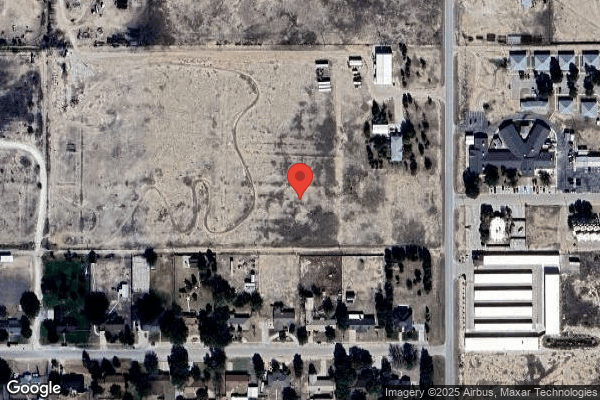
1600 West Avenue I, Lovington, NM 88260 (575) 396-5212
For profit - Corporation 62 Beds OPCO SKILLED MANAGEMENT Data: November 2025
Trust Grade
70/100
#17 of 67 in NM
Last Inspection: May 2025

Inspected within the last 6 months. Data reflects current conditions.

Overview

Lovington Healthcare LLC has a Trust Grade of B, indicating it is a good choice for families, as it falls within the 70-79 range on a 100-point scale. It ranks #17 out of 67 nursing facilities in New Mexico, placing it in the top half of the state, and is #2 out of 3 in Lea County, suggesting limited local options. The facility shows an improving trend, with the number of issues decreasing from 18 in 2024 to 9 in 2025. While staffing has a low rating of 2 out of 5 stars, turnover is relatively good at 49%, which is below the state average of 53%. The facility has not incurred any fines, which is a positive sign, but it does have average RN coverage. However, there are areas of concern. Recent inspections noted that food was not being handled safely, with staff improperly serving cups and failing to follow food safety practices. Additionally, there were issues with expired medications not being properly labeled, and the staffing sheets were not updated in a timely manner, potentially leading to confusion about available staff. Overall, while Lovington Healthcare has some strengths, such as its good Trust Grade and improving trend, families should be aware of these weaknesses when considering care for their loved ones.

Trust Score
B
70/100
In New Mexico
#17/67
Top 25%
Safety Record
Low Risk
No red flags
Inspections
Getting Better
18 → 9 violations
Staff Stability
⚠ Watch
49% turnover. Above average. Higher turnover means staff may not know residents' routines.
Penalties
✓ Good
No fines on record. Clean compliance history, better than most New Mexico facilities.
Skilled Nurses
⚠ Watch
Each resident gets only 28 minutes of Registered Nurse (RN) attention daily — below average for New Mexico. Fewer RN minutes means fewer trained eyes watching for problems.
Violations
⚠ Watch
29 deficiencies on record. Higher than average. Multiple issues found across inspections.
★★★★☆
4.0
Overall Rating
★★☆☆☆
2.0
Staff Levels
★★★★☆
4.0
Care Quality
★★★★☆
4.0
Inspection Score
Stable
2024: 18 issues
2025: 9 issues

The Good

  • 4-Star Quality Measures · Strong clinical quality outcomes
  • Full Sprinkler Coverage · Fire safety systems throughout facility
  • No fines on record

Facility shows strength in quality measures, fire safety.

The Bad

Staff Turnover: 49%

Near New Mexico avg (46%)

Higher turnover may affect care consistency

Chain: OPCO SKILLED MANAGEMENT

Part of a multi-facility chain

Ask about local staffing decisions and management

The Ugly 29 deficiencies on record

May 2025 7 deficiencies
CONCERN (D)

Potential for Harm - no one hurt, but risky conditions existed

Deficiency F0645 (Tag F0645)

Could have caused harm · This affected 1 resident

**NOTE- TERMS IN BRACKETS HAVE BEEN EDITED TO PROTECT CONFIDENTIALITY** Based on record review and interview, the facility failed to ensure the Pre-admission Screening and Resident Review (PASRR; a sc...

Read full inspector narrative →
**NOTE- TERMS IN BRACKETS HAVE BEEN EDITED TO PROTECT CONFIDENTIALITY** Based on record review and interview, the facility failed to ensure the Pre-admission Screening and Resident Review (PASRR; a screening to help ensure that individuals are not inappropriately placed in nursing homes for long term care) assessment was accurate for 1 (R #36) of 2 (R #36 and R #40) residents reviewed for PASRR accuracy. This deficient practice is likely to result in the residents not receiving the services they need. The findings are: A. Record review of R #36's face sheet revealed R #36 was admitted to the facility on [DATE] with the following diagnoses: 1. Major depressive disorder (depression; a mood disorder that causes a persistent feeling of sadness and loss of interest), 2. Post-traumatic stress disorder (PTSD; a mental health condition triggered by a terrifying event, causing flashbacks, nightmares, and severe anxiety), 3. Schizoaffective disorder (a mental condition that causes both psychosis and mood problems), bipolar type (a disorder associated with episodes of mood swings). B. Record review of R #36's PASRR dated 07/12/22, revealed staff documented that R #36 does not have a diagnosis or suspected mental illness. C. On 05/07/25 at 10:10 am, during an interview with the Interim Director of Nursing (IDON), she stated R #36 does has been diagnosed with major depressive disorder, PTSD, and schizoaffective disorder, bipolar type which are listed as a mental illnesses on the first question of section C on the New Mexico PASRR Level 1 Identification Screen form and confirmed that R #36's PASRR was incorrect.
CONCERN (D)

Potential for Harm - no one hurt, but risky conditions existed

Comprehensive Care Plan (Tag F0656)

Could have caused harm · This affected 1 resident

**NOTE- TERMS IN BRACKETS HAVE BEEN EDITED TO PROTECT CONFIDENTIALITY** Based on record review, observation, and interview, the facility failed to develop comprehensive a care plan for 1 (R #214) of 1...

Read full inspector narrative →
**NOTE- TERMS IN BRACKETS HAVE BEEN EDITED TO PROTECT CONFIDENTIALITY** Based on record review, observation, and interview, the facility failed to develop comprehensive a care plan for 1 (R #214) of 1 (R #214) resident reviewed when staff failed to develop a comprehensive care plan for oxygen therapy. This deficient practice is likely to result in staff not being aware of the residents' care needs and preferences, and residents not receiving the needed care. The findings are: A. Record review of R #214's face sheet revealed she was admitted to the facility on [DATE] with the following diagnoses: 1. Chronic Obstructive Pulmonary Disease with (Acute) Exacerbation (a progressive lung disease that makes it difficult to breathe with worsening symptoms, typically lasting for several days, requiring changes in treatment), 2. Pleural Effusion (a condition where excessive fluid accumulates the area between the lungs and the chest wall), 3. Acute And Chronic Respiratory Failure with Hypoxia (respiratory failure involving a condition where the body doesn't get enough oxygen), 4. Anxiety Disorder (excessive worry and fear that significantly interfere with daily life). B. Record review of R #214's care plan dated 05/04/25 revealed the following: 1. Focus are of The resident has oxygen therapy related to diagnosis of COPD and respiratory therapy. 2. Interventions include monitor for signs and symptoms of respiratory distress and report to provider as needed. The care plan does not include person centered interventions, baseline vital signs nor description of oxygen therapy to include frequency and indication of use of oxygen. C. On 05/06/25 at 12:55 pm, during an observation of R #214's room, an oxygen concentrator sat on the floor next to R #214's bed and she was wearing a nasal canula (a thin flexible tube used to deliver oxygen through your nose). D. Record review of R #214's electronic health records (EHR) revealed the resident did not have an order for the use of oxygen. E. On 05/06/25 at 12:55 pm, during an interview with Certified Medication Aid (CMA) #1, she confirmed R #214 was wearing a nasal canula with oxygen in use. F. On 05/07/25 at 10:25 am, during an interview with the Interim Director of Nursing (IDON), she confirmed R #214's care plan did not meet her expectations of person-centered interventions for oxygen therapy.
CONCERN (D)

Potential for Harm - no one hurt, but risky conditions existed

Respiratory Care (Tag F0695)

Could have caused harm · This affected 1 resident

**NOTE- TERMS IN BRACKETS HAVE BEEN EDITED TO PROTECT CONFIDENTIALITY** Based on record review, observation, and interview, the facility failed to provide respiratory care in accordance with professio...

Read full inspector narrative →
**NOTE- TERMS IN BRACKETS HAVE BEEN EDITED TO PROTECT CONFIDENTIALITY** Based on record review, observation, and interview, the facility failed to provide respiratory care in accordance with professional standards for 1 (R #214) of 2 (R #23, and R #214) residents reviewed for respiratory care when the facility failed to ensure there was a physician order for use of oxygen. This deficient practice is likely to result in residents' care and needs not being met if staff are not aware of the indication for use. The findings are: A. Record review of R #214's face sheet revealed she was admitted to the facility on [DATE] with the following diagnoses: 1. Chronic Obstructive Pulmonary Disease with (Acute) Exacerbation (a progressive lung disease that makes it difficult to breathe with worsening symptoms, typically lasting for several days, requiring changes in treatment), 2. Pleural Effusion (a condition where excessive fluid accumulates the area between the lungs and the chest wall), 3. Acute And Chronic Respiratory Failure with Hypoxia (respiratory failure involving a condition where the body doesn't get enough oxygen), 4. Anxiety Disorder (excessive worry and fear that significantly interfere with daily life). B. On 05/06/25 at 12:55 pm, during an observation of R #214's room, an oxygen concentrator sat on the floor next to R #214's bed and she wore a nasal canula (a thin flexible tube used to deliver oxygen through your nose). C. On 05/06/25 at 12:55 pm, during an interview with Certified Medication Aid (CMA) #1, she confirmed R #214 was wearing a nasal canula with oxygen in use. D. Record review of R #214's electronic health records (EHR) revealed the resident did not have an order for the use of oxygen. E. On 05/07/25 at 10:25 am, during an interview with the Interim Director of Nursing (IDON), she confirmed that R #214 uses oxygen. The IDON confirmed R #214 did not have an order for use of oxygen and should have.
CONCERN (D)

Potential for Harm - no one hurt, but risky conditions existed

Infection Control (Tag F0880)

Could have caused harm · This affected 1 resident

**NOTE- TERMS IN BRACKETS HAVE BEEN EDITED TO PROTECT CONFIDENTIALITY** Based on observation, interview, and record review, the facility failed to maintain proper infection prevention measures by not ...

Read full inspector narrative →
**NOTE- TERMS IN BRACKETS HAVE BEEN EDITED TO PROTECT CONFIDENTIALITY** Based on observation, interview, and record review, the facility failed to maintain proper infection prevention measures by not changing the oxygen tubing and cannula as ordered and having unbagged oxygen tubing and cannulas on the floor and on the back of wheelchairs for 2 (R #5 and R #21) of 3 (R #5, R #21, and R #35) residents reviewed. This deficient practice could likely cause the spread of infections and illnesses to the residents. The findings are: R #5 A. Record review of R #5's admission record revealed that he was admitted to the facility on [DATE] with the following diagnoses: 1. Chronic Obstructive Pulmonary Disease (COPD; respiratory disease), 2. Anxiety Disorder (fear and worry that interferes with daily activities), 3. Anemia (not enough hemoglobin (a protein in red blood cells that carries oxygen to the lungs to breathe) to carry oxygen to the body's tissues. B. On 05/02/25 at 10:30 am, during an observation of R #5 the oxygen tubing date and time were missing on the concentrator tubing and the portable oxygen tubing. C. On 05/03/25 at 12:30 pm during a random observation of the lunch meal revealed R#5 in the dining area. R #5 was wearing oxygen, and the oxygen tubing and cannula were not dated or in a bag. R #21 D. Record review of R #21's admission record revealed that she was admitted to the facility on [DATE] with the following diagnoses: 1. Cerebral palsy (a disorder of movement, muscle tone, and posture), 2. Diabetes mellitus (DM; metabolic disease) 3. Seizure Disorder (a disorder in which nerve cell activity in the brain is disturbed, causing seizures), 4. Acute Respiratory Failure with hypoxia (condition that occurs when lungs cannot get enough oxygen into the blood or remove carbon dioxide from the blood). E. Record review of R #21's quarterly Minimum Data Set (MDS; a federally mandated assessment instrument completed by facility staff) dated 03/15/25, revealed the following: 1. A Brief Interview for Mental Status (BIMS; a screening for cognitive impairment) score of 00, severe impairment. 2. R #21 was dependent and required the use of oxygen. F. On 05/03/25 at 11:20 am, an observation of R #21's room revealed the oxygen tubing that was connected to the oxygen concentrator that was located by R #21's bed was on the floor and dated 04/28/25 as indicated as the date written on a piece of tape. The oxygen tubing and cannula were not in a bag. G. On 05/03/25 at 12:30 pm a random observation of the lunch meal revealed R #21 in the dining area. R #21 was wearing oxygen, and the oxygen tubing and cannula were not dated or in a bag. H. On 05/03/25 at 12:56 pm, during an interview with the MDS Coordinator (MDS) she confirmed that R #5's and R #21's oxygen tubing and cannulas were not dated or placed in bags. She stated that her expectation is for all tubing and cannulas to be changed out weekly as ordered and they should be kept in bags, not on the floor or on the back of wheelchairs.
CONCERN (E)

Potential for Harm - no one hurt, but risky conditions existed

Deficiency F0657 (Tag F0657)

Could have caused harm · This affected multiple residents

**NOTE- TERMS IN BRACKETS HAVE BEEN EDITED TO PROTECT CONFIDENTIALITY** Based on observation, record review, and interview, the facility failed to ensure staff revised the care plan for 5 (R #4, R #10...

Read full inspector narrative →
**NOTE- TERMS IN BRACKETS HAVE BEEN EDITED TO PROTECT CONFIDENTIALITY** Based on observation, record review, and interview, the facility failed to ensure staff revised the care plan for 5 (R #4, R #10, R #14, R #15, and R #28) of 5 (R #4, R #10, R #14, R #15, and R #28) residents reviewed when staff failed to: 1. Revise R #4's care plan to include information regarding mobility bars (safety devices designed to provide additional support and stability for people with limited mobility or balance), 2. Revise R #10's care plan to include information regarding positioning rails (rails used to assist in maintaining an object's location or position), 3. Revise R #14's care plan to remove information regarding positioning rails, 4. Revise R #15's care plan to remove information regarding pain interventions, 5. Revise R #28's care plan to remove information regarding psychotropic medication when the medication was discontinued. These deficient practices are likely to result in residents' care and needs not being addressed if care plans are not updated. The findings are: R #4 A. Record review of R #4's admission record revealed R #4 was admitted to the facility on [DATE]. B. Record review of R #4's electronic health record (EHR) revealed the following: 1. A Safety Device Evaluation assessment completed on 04/29/25 for bed mobility bars. 2. An order entered on 04/29/25 for bed mobility bars. 3. A consent form completed on 04/29/25 for bed mobility bars. 4. The care plan did not include the use of bed mobility bars. C. Record review of R #4's care plan revised on 04/23/25, revealed R #4 did not have a care plan for bed mobility bars. D. On 05/04/25 at 1:40 pm during an observation of R #4's room, the bed contained mobility bars on both sides of the bed. E. On 05/04/25 at 1:40 pm during an interview with R #4, he stated he used the bed mobility bars for positioning. He stated he requested the mobility bars to assist him in positioning himself in bed. F. On 05/07/25 at 10:45 pm, during an interview with the Interim Director of Nursing (IDON), she confirmed R #4 currently requires the use of mobility bars. The IDON confirmed the revision of the care plan for R #4 was not revised and should have been. R #10 G. Record review of R #10's admission record revealed that she was admitted to the facility on [DATE]. H. Record review of R #10's current medical orders revealed an order dated 04/13/25 for positioning rails to both sides of R #10's bed. I. Record review of R #10's care plan dated 01/07/25 revealed the care plan did not contain any information regarding R #10's use of positioning rails. J. On 05/07/25 at 10:10 am during an interview with the Interim Director of Nursing (IDON), she confirmed that R #10 does use positioning rails on both sides of her bed. The IDON stated that R #10's care plan should have been revised when the positioning rails were added to R #10's bed. R #14 K. Record review of R #14's admission record revealed R #14 was admitted to the facility on [DATE]. L. Record review of R #14's electronic health record (EHR) revealed the following: 1. The record did not contain an assessment for repositioning bars. 2. The record did not contain an order for the repositioning bars. 3. The record did not contain a consent for the repositioning bars. M. On 05/04/25 at 9:23 am during an observation of R #14's room, there was not repositioning bars on her bed. N. Record review of R #14's care plan revised on 02/17/25, revealed R #14 had a care plan for bed mobility that stated, R #14 uses repositioning bars to maximize independence with turning and repositioning in bed. O. On 05/04/25 at 9:23 am during an interview with R #14, she stated she used to have repositioning bars but does not have them anymore. R #14 did not know why she no longer had them nor how long ago they had been removed. P. On 05/07/25 at 10:25 am, during an interview with the Interim Director of Nursing (IDON), she confirmed R #14 does not require the use of repositioning bars. The IDON confirmed the revision of the care plan for R #14 was not revised and should have been. R #15 Q. Record review of R #15's admission record revealed R #15 was admitted to the facility on [DATE]. R. Record review of R #15's care plan initiated on 01/23/25 and revised on 04/09/25, revealed a care plan for actual pain with interventions to administer pain medication as prescribed. S. Record review of R #15's Electronic Health Record (EHR) revealed there were no orders for pain medication. T. Record review of R #15's Medication Administration Record (MAR) dated February 2025, March 2025, April 2025 and May 2025, revealed: 1. Pain medication was not administered. 2. Daily pain monitoring scored at a zero (no pain). U. On 05/04/25 at 9:57 am during an interview with R #15, he stated that he sometimes has pain, but does not get any pain medication. R #15 could not confirm if he notified the facility of any pain. V. On 05/07/25 at 10:25 am during an interview with the Interim Director of Nursing (IDON), she stated the care plan was created as a preventative with the expectation that R #15 may require an order for pain medication soon after admission. R #15 has not complained of any pain since admission and therefore has not required a request for pain medications. The IDON confirmed the care plan for R #15 was not revised to remove interventions for pain medication use and should have been. R #28 W. Record review of R #28's admission record revealed she was admitted to the facility on [DATE]. X. Record review of R #28's care plan revised on 02/17/25 revealed that R #28 takes a psychotropic medication. Y. Record review of R #28's current medical orders revealed no order for a psychotropic medication. Z. On 05/07/25 at 10:10 am, during an interview with the Interim Director of Nursing (IDON) she confirmed that R #28's psychotropic medication was discontinued in April 2025. The IDON stated she expects R 28's care plan to be revised when needed to ensure it is accurate to reflect R #28's current medical needs.
CONCERN (E)

Potential for Harm - no one hurt, but risky conditions existed

Safe Environment (Tag F0921)

Could have caused harm · This affected multiple residents

**NOTE- TERMS IN BRACKETS HAVE BEEN EDITED TO PROTECT CONFIDENTIALITY** Based on observation and interview, the facility failed to ensure the hallway in the 100 hall was accessible for residents. This...

Read full inspector narrative →
**NOTE- TERMS IN BRACKETS HAVE BEEN EDITED TO PROTECT CONFIDENTIALITY** Based on observation and interview, the facility failed to ensure the hallway in the 100 hall was accessible for residents. This deficient practice is likely to affect all 22 residents residing on the 100 hall as identified on the resident census provided by the Administrator on 05/03/25. This deficient practice could likely result in residents living in an unsafe environment, could increase their risk for injuries, and decrease their quality of life. The findings are: A. On 05/03/25 at 1:00 pm during a random observation of the 100 hall revealed the following: 1. A mechanical lift on the right side of the hallway near rooms [ROOM NUMBERS], 2. A mechanical lift on the left side of the hallway near rooms [ROOM NUMBERS], 3. A housekeeping cart on the right side of the hallway near the shower room and room [ROOM NUMBER], 4. A medication cart on the left side of the hallway near rooms [ROOM NUMBERS]. B. On 05/04/25 at 9:00 am during a random observation of the 100 hall revealed the following: 1. A mechanical lift on the right side of the hallway near rooms [ROOM NUMBERS], 2. A mechanical lift on the left side of the hallway near rooms [ROOM NUMBERS], 3. A housekeeping cart on the left side of the hallway near room [ROOM NUMBER], 4. A medication cart on the left side of the hallway near rooms [ROOM NUMBERS]. C. On 05/04/25 at 9:10 am during an interview with Receptionist (REC) #1, she confirmed there were objects on both sides of the hallway blocking the residents' path. She stated that everything should be on one side of the hallway, so residents had a clear path.
CONCERN (F)

Potential for Harm - no one hurt, but risky conditions existed

Food Safety (Tag F0812)

Could have caused harm · This affected most or all residents

Based on observation and interview, the facility failed to ensure food was prepared and served under sanitary conditions when staff failed to: 1. Follow safe food handling practices. 2. Properly lab...

Read full inspector narrative →
Based on observation and interview, the facility failed to ensure food was prepared and served under sanitary conditions when staff failed to: 1. Follow safe food handling practices. 2. Properly label food items in the refrigerator. 3. Properly wear hair nets while in the kitchen. These deficient practices are likely to affect all 59 residents listed on the resident census list provided by the Administrator on 05/03/25 and are likely lead to foodborne illnesses in residents if safe food handling practices are not adhered to and stored properly. The findings are: A. On 05/03/25 at 12:35 pm, an observation of dining revealed transportation personnel (TP) #1 improperly serving residents cups by touching the rim with his bare hands. B. On 05/03/25 at 12:40 pm, during an interview with the MDS Coordinator (MDS), she confirmed TP #1 should not handle residents cups by the rim, the expectation is that staff serve and handle cups by gasping around the sides and avoiding to touch the rim. C. On 05/03/25 at 11:00 am, an observation of the kitchen revealed a drink pitcher filled with brown liquid was in the main refrigerator and did not have a label indicating the contents or date it was prepared. D. On 05/03/25 at 11:10 am, during an interview with Dietary Aide (DA) #1, she pulled the sticker/label out of her pocket that was labeled with sweet tea and the date of 05/03/25 with a time of 10:30 am. She stated she had forgotten to place it on the pitcher before she put the pitcher back in the refrigerator. E. On 05/03/25 at 11:12 am an observation of the kitchen revealed Dishwasher (DW) #1's hair hung out of the hairnet. The hair net did not cover all of her hair. DW #1 confirmed that all of her hair should be up in the hairnet. F. On 05/05/25 at 11:53 am, a random observation of the kitchen revealed DW #1 not properly wearing hair net as evidenced by her hair hanging past the hair net. G. On 05/03/25 at 11:55 am during an interview with the Dietary Supervisor (DS) #1, she confirmed that DW #1 was not properly wearing the hairnet. She stated her expectation is for all staff to properly wear hairnets while in the kitchen or serving food.
Apr 2025 1 deficiency
CONCERN (D) 📢 Someone Reported This

A family member, employee, or ombudsman was alarmed enough to file a formal complaint

Potential for Harm - no one hurt, but risky conditions existed

Deficiency F0558 (Tag F0558)

Could have caused harm · This affected 1 resident

**NOTE- TERMS IN BRACKETS HAVE BEEN EDITED TO PROTECT CONFIDENTIALITY** Based on observation, record review, and interview, the facility failed to provide reasonable accommodation for resident needs a...

Read full inspector narrative →
**NOTE- TERMS IN BRACKETS HAVE BEEN EDITED TO PROTECT CONFIDENTIALITY** Based on observation, record review, and interview, the facility failed to provide reasonable accommodation for resident needs and preferences for 1 (R #1) of 1 (R #1) resident reviewed by not ensuring R #1 had access to his call light and was able to use call light. These deficient practices are likely to result in residents being unable to request assistance, such as needing help with activities of daily living (ADL's) or other acute distress. The findings are: A. Record review of R #1's face sheet revealed R #1 was admitted into the facility on [DATE]. B. Record review of R #1's Electronic Health Record (EHR), revealed R #1 was admitted with the following diagnoses: 1. Unspecified sequelae (condition which is the consequence of a previous disease or injury) of cerebral infarction (stroke). 2. Hemiplegia (condition characterized by paralysis (loss of voluntary muscle control) on one side of the body) and hemiparesis (weakness or paralysis on one side of the body) following cerebral infarction affecting right dominant side 3. Muscle weakness generalized. 4. Other reduced mobility. 5. Unspecified Speech disturbance. C. Record review of R #1's care plan dated 04/01/25 revealed R #1 has ADL self-care deficit related to hemiplegia and stroke and is totally dependent on staff for toilet use and to use the call bell for assistance. D. On 04/10/25 at 10:37 am, during an observation, R #1 laid in bed and the call light was on the floor towards the back of the bed. R#1's spouse [R #1's spouse (R #2), who shares the same room with R #1] also verified the call light was on the floor behind the bed. E. On 04/10/25 at 10:40 during an observation, the call light was in R #1's hand when he attempted to demonstrate how to use the call light. R #1 attempted multiple times to press the call light button and was unable to press the button on his call light. F. On 04/10/25 at 10:45 am, during an interview with Social Services (SS), she confirmed that it is difficult for R #1 to use a press button call light and he would benefit from a different simpler call light. G. On 04/10/25 at 11:05 am, during an interview with the Director of Nursing (DON), she stated R #1's push button call light is difficult for him to use and the use of a soft touch call light would be more appropriate due to his impaired mobility.
Feb 2025 1 deficiency
CONCERN (D) 📢 Someone Reported This

A family member, employee, or ombudsman was alarmed enough to file a formal complaint

Potential for Harm - no one hurt, but risky conditions existed

Deficiency F0583 (Tag F0583)

Could have caused harm · This affected 1 resident

Based on record review, observation, and interview, the facility failed to ensure privacy during personal care for 1 (R #1) of 1 (R #1) residents reviewed for privacy when staff failed to pull the pri...

Read full inspector narrative →
Based on record review, observation, and interview, the facility failed to ensure privacy during personal care for 1 (R #1) of 1 (R #1) residents reviewed for privacy when staff failed to pull the privacy curtain closed allowing his roommate full view of R #1's body parts. This deficient practice likely caused R #1 to feel ashamed and embarrassed. The findings are: A. Record review of R #1's care plan dated 01/24/25 revealed R #1 has a reopened pressure ulcer stage (PU; an injury to skin and underlying tissue resulting from prolonged pressure on the skin), Stage 3 (full thickness skin loss that extends into deeper tissue and fat but not into muscle, tendon, or bone) to his right buttock. B. On 02/13/25 at 2:10 pm, during an interview with R #1's daughter, she stated that her father was always a proud man and would be embarrassed with other people, like his roommate, seeing his body parts. C. On 02/13/25 at 4:07 pm, a wound care observation with R #1 revealed the following: 1. Registered Nurse (RN) #1 entered R #1's room and closed the door behind her. 2. R #1's roommate was in the room, on his side of the room, in his wheelchair in full view of R #1's bed. 3. RN #1 completed personal care which involved wound care to a pressure ulcer to R #1's buttocks area without pulling the privacy curtain closed. D. On 02/13/25 at 4:20 pm, during an interview with the Administrator (ADM), she confirmed that facility staff should pull the privacy curtains closed prior to assisting residents with personal care. The ADM stated that her expectation is for staff to provide privacy by pulling curtains closed if there is a roommate or closing the door.
May 2024 3 deficiencies
CONCERN (D) 📢 Someone Reported This

A family member, employee, or ombudsman was alarmed enough to file a formal complaint

Potential for Harm - no one hurt, but risky conditions existed

Deficiency F0697 (Tag F0697)

Could have caused harm · This affected 1 resident

**NOTE- TERMS IN BRACKETS HAVE BEEN EDITED TO PROTECT CONFIDENTIALITY** Based on record review and interview, the facility failed to effectively manage pain for 1 (R #3) of 1 (R #3) residents reviewed...

Read full inspector narrative →
**NOTE- TERMS IN BRACKETS HAVE BEEN EDITED TO PROTECT CONFIDENTIALITY** Based on record review and interview, the facility failed to effectively manage pain for 1 (R #3) of 1 (R #3) residents reviewed for pain when staff did not provide pain treatment. This deficient practice likely resulted in R #3 experiencing long periods of pain without sufficient relief. The findings are: A. Record review of R #3's face sheet revealed R #3 was admitted to the facility from the hospital on [DATE] at approximately 7:00 pm and was discharged home on [DATE] at 11:40 am. B. Record review of R #3's hospital discharge orders, dated 05/09/24 at 2:24 pm, revealed a discharge medication order for hydrocodone-acetaminophen tablet (opioid pain medication), 5-325 milligram (mg). One tablet, orally, every eight hours as needed. C. Record review of R #3's physician orders, dated 05/09/24 at 7:15 pm, revealed an order for hydrocodone-acetaminophen, 5-325 mg. Give one tablet by mouth every eight hours as needed for pain. D. Record review of R #3's pain evaluation form, dated 05/09/24 at 11:29 pm, revealed R #3's pain level (measured pain on a scale of 1-10) was a 9 (very severe pain) out of 10 (worst possible pain) and his pain intensity (how strong pain is felt) in the past 24 hours was an 8 (very severe pain) out 10 (worst possible pain). E. Record review of R #3's Treatment Administration Record (TAR), dated 05/09/24, revealed staff did not administer hydrocodone - acetaminophen to R #3 as needed for pain. F. Record review of R #3's physician orders, dated 05/10/24 at 12:21 am, revealed an order for methocarbamol oral tablet (muscle relaxer), 750 mg, methocarbamol. Give one tablet by mouth every six hours as needed for muscle spasms. G. Record review of R #3's nursing progress notes, dated 05/10/24 at 12:41 am, revealed the resident and wife wanted to leave against medical advice (AMA) multiple times related to the resident did not receive pain medication as soon as he got into the facility. H. Record review of R #3's Treatment Administration Record (TAR), dated 05/10/24, revealed staff did not administer hydrocodone - acetaminophen to R #3 as needed for pain. I. Record review of R #3's Medication Administration Record (MAR), dated 05/10/24, revealed staff did not administer methocarbamol to R #3. J. On 05/15/24 at 5:14 pm during an interview with R #3's wife, she stated the facility was not ready for R #3 when he arrived to the facility. She stated R #3 was in a lot of pain after having recent brain surgery, and staff did not give his pain medications as ordered. R #3's wife also stated they left the facility as soon as they could and went to R #3's primary care Physician. K. On 05/15/24 at 6:03 pm during an interview with Licensed Vocational Nurse (LVN) #1, she stated she knew R #3 did not receive his pain medication. She stated she offered the resident Tylenol and asked him how the pain was. LVN #1 stated R #3 and his wife wanted to leave against medical advice (AMA) because R #3 was not given hydrocodone. She said they tried to work as fast as they could to get R #3 his hydrocodone pain medication. LVN #1 stated R #3's wife was in distress, because the hospital did not administer R #3's medications before he left. LVN #1 stated staff did not administer hydrocodone to R #3 while he was at the facility because the facility did not have that medication readily available for R #3. L. On 05/16/24 at 1:29 pm during an interview with the Regional Nurse Consultant (RNC), she stated the nursing staff should have used the hydrocodone that was in the facility's medication dispensing cabinet (used for all residents with matching physician orders) for R #3. The RNC stated staff should have administered pain medication to R #3 as ordered, but they did not.
CONCERN (E) 📢 Someone Reported This

A family member, employee, or ombudsman was alarmed enough to file a formal complaint

Potential for Harm - no one hurt, but risky conditions existed

Deficiency F0658 (Tag F0658)

Could have caused harm · This affected multiple residents

**NOTE- TERMS IN BRACKETS HAVE BEEN EDITED TO PROTECT CONFIDENTIALITY** Based on observation, record review, and interview, the facility failed to meet professional standards of quality for 1 (R #1) o...

Read full inspector narrative →
**NOTE- TERMS IN BRACKETS HAVE BEEN EDITED TO PROTECT CONFIDENTIALITY** Based on observation, record review, and interview, the facility failed to meet professional standards of quality for 1 (R #1) of 1 (R #1) residents when staff failed to: 1. Reposition R #1 in accordance with her care plan. 2. Communicate among staff and document when R #1 was repositioned. If the facility is not repositioning a resident per their care plan then residents are likely to not receive the therapeutic benefits and care needed. The findings are: A. Record review of R #1's face sheet revealed R #1 was admitted into the facility on [DATE] with the following diagnoses: 1. Stroke. 2. Muscle weakness. 3. Dysphagia (condition with difficulty in swallowing food or liquid). B. Record review of R #1's care plan, dated 05/15/24, revealed the following: - Focus: The resident had potential/actual impairment to skin integrity related to fragile skin. - Interventions: Educate resident/family/caregivers of causative factors and measure to prevent skin injury. Turn resident using the clock for repositioning. C. On 05/15/24 at 12:19 pm during an observation of R #1's room, a repositioning clock was located on the wall across from R #1's bed. The repositioning clock indicated the following: - At 12:00 am and pm, staff to reposition R #1 on her back. - At 2:00 am and pm, staff to reposition R #1 on her left side. - At 4:00 am and pm, staff to reposition R #1 on her right side. - At 6:00 am and pm, staff to reposition R #1 on her back. - At 8:00 am and pm, staff to reposition R #1 on her left side. - At 10:00 am and pm, staff to reposition R #1 on her right side. D. On 05/15/24 at 2:43 pm during an observation, R #1 lay on her back and was not positioned on her left side as indicated by the repositioning clock. E. On 05/16/24 at 10:19 am during an observation, R #1 lay on her back and was not positioned on her right side as indicated by the repositioning clock. F. On 05/16/24 at 10:21 am during an interview with Licensed Practical Nurse (LPN) #1, she stated staff were supposed to reposition R #1 every two hours, but she did not know how to read the repositioning clock that was on R #1's wall. LPN #1 stated the CNAs (Certified Nursing Assistants) were responsible to reposition R #1 and document it. G. On 05/16/24 at 11:21 am during an interview with CNA #1, he stated R #1 should be repositioned every two hours according to the repositioning clock on the resident's wall. CNA #1 also stated, Right now, she [R #1] should be on her right side, but she's still on her back. We should have repositioned her already. H. On 05/16/24 at 12:24 pm during an interview with the Assistant Director of Nursing (ADON), she stated R #1 should be repositioned according to the repositioning clock on R #1's wall, and nursing staff should document at the nursing station each time R #1 was repositioned. I. On 05/16/24 at 12:44 pm during an interview with Nursing Assistant (NA) #1, she stated nursing staff repositioned R #1 according to the reposition clock on R #1's wall, and they were supposed to document when R #1 was repositioned. J. On 05/16/24 at 1:19 pm during an interview with the Regional Nurse Consultant (RNC), she stated she expected the nursing staff to use the repositioning clock as a guide and reposition R #1 in the position according to the clock. The RNC also stated R #1 should be repositioned every two hours, but staff were not required to document when R #1 was repositioned.
CONCERN (E) 📢 Someone Reported This

A family member, employee, or ombudsman was alarmed enough to file a formal complaint

Potential for Harm - no one hurt, but risky conditions existed

Medical Records (Tag F0842)

Could have caused harm · This affected multiple residents

**NOTE- TERMS IN BRACKETS HAVE BEEN EDITED TO PROTECT CONFIDENTIALITY** Based on record review and interview, the facility failed to ensure the medical record was accurate for 2 (R #1 and #2) of 2 (R ...

Read full inspector narrative →
**NOTE- TERMS IN BRACKETS HAVE BEEN EDITED TO PROTECT CONFIDENTIALITY** Based on record review and interview, the facility failed to ensure the medical record was accurate for 2 (R #1 and #2) of 2 (R #1 and #2) residents reviewed, when staff failed to document when a resident's tube feeding solution was changed and when a resident was provided hydration via a tube feed. This deficient practice is likely to result in staff confusion as to the services and treatment provided. The findings are: R #1: A. Record review of R #1's face sheet revealed R #1 was admitted into the facility on [DATE] with the following diagnoses: 1. Stroke (a medical emergency that can cause brain damage and disability). 2. Muscle weakness. 3. Dysphagia (condition with difficulty in swallowing food or liquid). B. Record review of R #1's physician orders, dated 02/09/24, revealed the following: - An order for enteral (involving or passing through the intestine, either naturally via the mouth and esophagus, or through an artificial opening) feed every shift. Jevity 1.5 (specialized nutritional formula) at 55 milliliters (ml) an hour (hr) for 20 hours a day via percutaneous endoscopic gastrostomy tube (PEG; a surgery to place a feeding tube.) Hold four hours daily from 8:00 am to noon. - An order for enteral feed five times a day. Hydration flush 200 ml of water five times a day via PEG. C. Record review of R #1's Nurse Administration Record (NAR), dated 04/01/24 through 04/30/24, revealed the following: - Staff documented they administered Jevity every shift three times out of 60 opportunities. - Staff documented they administered the hydration flush five times out 150 opportunities. D. Record review of R #1's NAR, dated 05/01/24 through 05/16/24, revealed the following: - Staff documented they administered Jevity every shift 12 times out of 32 opportunities. - Staff documented they administered the hydration flush 25 times out of 80 opportunities. E. On 05/16/24 at 10:23 am during an interview with Licensed Practical Nurse (LPN) #1, she stated staff should document tube feeding and hydration via PEG in the NAR each time staff administered them. F. On 05/16/24 at 11:29 am during an interview with Registered Nurse (RN) #1, she stated staff should document tube feeding and hydration via PEG in the NAR each time staff administered them. G. On 05/16/24 at 1:25 pm during an interview with the Regional Nurse Consultant (RNC), she stated staff should document tube feeding and hydration via PEG in the NAR. The RNC stated staff did not document R #1's tube feeding and hydration in the NAR. R #2: H. Record review of R #2's face sheet revealed R #2 was admitted into the facility on [DATE] with the following diagnoses: 1. Acute respiratory failure with hypoxia (below-normal level of oxygen in your blood). 2. Gastrostomy status (artificial opening to stomach). 3. Dysphagia. I. Record review of R #2's physician orders, dated 04/26/24, revealed the following: - An order for enteral feed five times a day. Glucerna 1.5 (meal replacement solution) at 250 ml five times a day. - An order for enteral feed six times a day. 150 ml water flushes six times a day. J. Record review of R #2's Medication Administration Record (MAR) dated 05/01/24 through 05/16/24 revealed the following: - Staff documented they administered Glucerna five times a day 71 times out of 80 opportunities. - Staff documented they administered water flushes six times a day 36 times out of 96 opportunities. K. On 05/16/24 at 1:26 pm during an interview, the RNC stated staff should have documented R #2's tube feeding and hydration via tube feeding in the MAR each time it was performed, but they did not.
Mar 2024 14 deficiencies
CONCERN (D)

Potential for Harm - no one hurt, but risky conditions existed

Assessment Accuracy (Tag F0641)

Could have caused harm · This affected 1 resident

**NOTE- TERMS IN BRACKETS HAVE BEEN EDITED TO PROTECT CONFIDENTIALITY** Based on record review and interview, the facility failed to ensure the Minimum Data Set (MDS; a federally mandated assessment i...

Read full inspector narrative →
**NOTE- TERMS IN BRACKETS HAVE BEEN EDITED TO PROTECT CONFIDENTIALITY** Based on record review and interview, the facility failed to ensure the Minimum Data Set (MDS; a federally mandated assessment instrument completed by the facility staff) was accurate for 2 (R #25 and R #51) of 2 (R #25 and R #51) residents reviewed for MDS accuracy. This deficient practice could likely result in the facility not having an accurate assessment of resident's care needs. The findings are: R #25 A. Record review of the quarterly MDS for R #25, dated 02/02/24, identified R #25 took an anticoagulant (medication that slows down the process of making blood clots). B. Record review of the Electronic Health Record (EHR) for R #25 revealed the record did not contain an order for an anticoagulant since the resident was admitted to the facility on [DATE]. C. On 03/29/24 at 10:24 am, during an interview with the MDS Coordinator, she stated the MDS for R #25 indicated the resident took an anticoagulant. The MDS Coordinator stated this was an error. She stated R #25 did not have a physician's order R #25 to take an anticoagulant since the resident was admitted to the facility. R #51 D. Record review of psychiatric physician notes for R #51, dated 10/04/23, indicated the resident had a diagnosis of schizoaffective disorder. E. Record review of the current care plan for R #51, dated 02/23/24, indicated the resident took a psychotropic medication (a drug that acts on the mind). F. Record review of the quarterly MDS for R #51, dated 02/23/24, revealed the record did not identify that R #51 had a psychotic disorder (a group of serious illnesses that affect the mind). G. On 03/29/24 at 9:55 AM during an interview with Minimum Data Set Coordinator, she stated if there was an inaccurate diagnosis, she would consult with the physician for confirmation, and then she would correct the MDS. She stated she was unaware R #51 had a diagnosis of schizoaffective disorder (psychiatric health diagnosis).
CONCERN (D)

Potential for Harm - no one hurt, but risky conditions existed

Comprehensive Care Plan (Tag F0656)

Could have caused harm · This affected 1 resident

Based on record review and interview, the facility failed to ensure a comprehensive care plan was developed and implemented within 21 days of readmission for 1 (R #52) of 1 (R #52) residents reviewed ...

Read full inspector narrative →
Based on record review and interview, the facility failed to ensure a comprehensive care plan was developed and implemented within 21 days of readmission for 1 (R #52) of 1 (R #52) residents reviewed for care plans. This deficient practice could likely result in the facility not providing appropriate care and treatment to meet the needs of the residents. The findings are: A. Record review of R #52's care plan, dated 03/22/24, revealed staff marked all items listed as resolved or cancelled. B. On 03/29/24 at 10:24 am, the Minimum Data Set (MDS; a federally mandated assessment instrument completed by the facility staff) Coordinator stated she did not know why staff marked all items in R #52's care plan as resolved or cancelled. The MDS Coordinator stated all items in a care plan should still be effective since they were still pertinent to the resident.
CONCERN (D)

Potential for Harm - no one hurt, but risky conditions existed

Deficiency F0658 (Tag F0658)

Could have caused harm · This affected 1 resident

**NOTE- TERMS IN BRACKETS HAVE BEEN EDITED TO PROTECT CONFIDENTIALITY** Based on record review, observation, and interviews, the facility failed to provide services that meet professional standards wh...

Read full inspector narrative →
**NOTE- TERMS IN BRACKETS HAVE BEEN EDITED TO PROTECT CONFIDENTIALITY** Based on record review, observation, and interviews, the facility failed to provide services that meet professional standards when staff failed to: 1. Update diagnosis for the use of a medication ordered for R #47. 2. Follow physicians order regarding liquid consistencies for R #54 These deficient practices are likely to cause residents to aspirate if ordered liquid consistencies are not followed and residents are likely to receive the wrong use of medications if diagnosis are not updated. The findings are: R #47 A. Record review of R #47's face sheet reveals R#47 was admitted to the facility on [DATE] with a diagnosis of anxiety (feeling of worry or unease.) B. Record review of R #47's physician orders, dated 03/20/24, revealed an order for alprazolam oral tablet (a medication used to treat anxiety and panic disorder), 0.5 milligram (mg). Give one tablet via percutaneous endoscopic gastrostomy (PEG) tube (a tube placed in the abdomen to provide nutrition and medications) for the use of insomnia and anxiety. C. Record review of R #47's Medication Administration Record (MAR), dated 03/28/24, revealed alprazolam oral tablet, 0.5 mg. Give one tablet via PEG-Tube at bedtime for insomnia, anxiety. Medication was administered daily from 03/01/24 through 03/27/24. D. On 3/29/24 at 11:15 AM during an interview with Director of Nursing (DON) and the Minimum Data Set (MDS) Coordinator, they stated face sheet should be updated to include the diagnosis of insomnia as indicated on the physicians orders. R #54 E. Record review of R #54's diet order, dated 03/14/23, revealed an order for mechanical soft texture, mildly thick consistency (liquids that are thicker than water but still thin enough to flow through a straw.) F. Record review of R #54's dietary ticket, dated 03/25/24, revealed staff to serve the resident mildly thickened liquids. G. On 03/25/24 at 5:20 pm, during an observation in the dining room, the Administrator gave R #54 two cups of cranberry juice that were thin liquids. H. On 03/29/24 at 9:47 am during an interview, the Director of Nursing (DON) stated staff should serve R #54 thickened liquids. The DON stated the staff should have notified the physician if there was a change to receive an approval for a dietary update. The DON stated this was not done on that day.
CONCERN (D)

Potential for Harm - no one hurt, but risky conditions existed

Deficiency F0790 (Tag F0790)

Could have caused harm · This affected 1 resident

Based on observation, interview and record review, the facility failed to ensure a resident received dental services for 1 (R #46) of 1 (R #46) residents reviewed for dental care. This deficient pract...

Read full inspector narrative →
Based on observation, interview and record review, the facility failed to ensure a resident received dental services for 1 (R #46) of 1 (R #46) residents reviewed for dental care. This deficient practice could likely result in residents experiencing tooth decay, tooth pain, and difficulty chewing. The findings are: A. During an interview with R #46 on 03/26/24 at 10:07 am, she stated her top dentures have been missing, and she told the facility's administrator but could not remember when she told her. B. During an observation on 03/26/24 at 10:01 am, R #46 had several missing teeth and did not wearing dentures. C. Record review of R #46's care plan, revised on 10/09/23, stated the resident had upper and lower dentuers and was at risk for difficulty chewing, malnutrition, and dehydration. D. Record review of R #46's electronic health record revealed a dental note, dated 12/12/23, which stated a follow-up appointment was needed for upper mouth dentures. E. On 03/29/24 at 10:46 am during an interview, the Social Services Director (SSD) stated the resident should have went to a follow-up appointment from the 12/12/23 dental appointment.
CONCERN (D)

Potential for Harm - no one hurt, but risky conditions existed

Deficiency F0805 (Tag F0805)

Could have caused harm · This affected 1 resident

Based on observation, record review, and interview, the facility failed to ensure that 1 (R #40) of 3 (R #40, R #46 and R #48) residents reviewed for food and drink were provided food and drink prepar...

Read full inspector narrative →
Based on observation, record review, and interview, the facility failed to ensure that 1 (R #40) of 3 (R #40, R #46 and R #48) residents reviewed for food and drink were provided food and drink prepared in a form designed to meet the residents needs. This deficient practice is likely to negatively impact a resident not eating or having trouble with swallowing during mealtimes. The findings are: R#40 A. Record review of R #40's medical record revealed the resident had a diagnosis of dysphagia (difficulty with swallowing foods or liquids). B. On 03/25/24 at 5:00 PM, during an observation of the Dining Room, R#40 sipped his drink through a straw and had difficulty swallowing. The Occupational Therapy Director (OTD) noticed the consistency of the drink and added more thickener (a powder substance that thickens the consistency of liquids in order to prevent choking and it is recommended for residents who have difficulty with swallowing) to the drink. C. On 03/25/24 at 5:20 PM during an interview with the OTD, she stated R #40 had an order for extremely thick, pudding like drink consistency. D. Record review of R #40's meal ticket slip, dated 03/26/24, revealed a liquid consistency of extremely thick, pudding like. E. Record review of R #40's physician orders, dated March 2024, revealed the record did not include an order for thickened liquids. F. Record review of R #40's care plan, dated 03/24/24, revealed the plan did not address the consistency of the resident's drinks during meals. G. On 03/26/24 at 12:00 PM observation during lunch, the Minimum Data Set Director (MDS) served a drink to R #40 that appeared watery. R #40 drank the liquid through a straw and began to cough. The MDS Director checked R #40's meal ticket and added the thickener to R #40's drink. H. On 03/29/24 at 9:30 AM during an interview with the MDS director, she stated the care plan and orders needed to coordinate with the meal ticket.
CONCERN (D)

Potential for Harm - no one hurt, but risky conditions existed

Deficiency F0887 (Tag F0887)

Could have caused harm · This affected 1 resident

Based on record review and interview, the facility failed to ensure staff offered COVID-19 (a highly infectious viral disease) vaccinations to 3 (R #7, R #50, and R #34) out of 5 (R #7, R #50, R #34, ...

Read full inspector narrative →
Based on record review and interview, the facility failed to ensure staff offered COVID-19 (a highly infectious viral disease) vaccinations to 3 (R #7, R #50, and R #34) out of 5 (R #7, R #50, R #34, R #20, and R #46) residents reviewed for COVID-19 vaccines. This deficient practice could likely result in residents at risk for exposure to COVID-19 related infections. The findings are: R #7 A. Record review of R #7's Electronic Health Record (EHR) revealed staff did not offer the resident a COVID-19 vaccination. B. On 03/29/24 at 9:36 am during an interview with Director of Nursing (DON), she stated R #7 declined the vaccination, but she was unable to provide documentation of the declination. C. On 03/29/24 at 11:06 am during an interview, R #7 stated she did not decline the COVID-19 vaccination. She said she never said that. R #50 D. Record review of R #50's EHR revealed the resident received the first dose of the COVID-19 vaccine on 10/05/23. The EHR did not indicate R #50 received a second dose. E. During an interview on 03/29/24 at 9:36 am with the DON and the Infection Preventionist (IP), the DON stated R #50 did not receive the second dose of her COVID-19 vaccination. The Infection Preventionist (IP) stated staff should have administered the second dose about two months after the first dose. R #34 F. Record review of R # 34's EHR revealed the resident received a COVID-19 vaccine on 11/11/21. G. On 03/29/24 at 9:36 am during an interview with DON, she stated she was unable to provide documentation to show staff offered the COVID-19 vaccine to R #7 after the vaccine on 11/11/21.
CONCERN (E)

Potential for Harm - no one hurt, but risky conditions existed

Transfer Notice (Tag F0623)

Could have caused harm · This affected multiple residents

**NOTE- TERMS IN BRACKETS HAVE BEEN EDITED TO PROTECT CONFIDENTIALITY** Based on record review and interview, the facility failed to ensure residents, resident representatives, and Ombudsman received ...

Read full inspector narrative →
**NOTE- TERMS IN BRACKETS HAVE BEEN EDITED TO PROTECT CONFIDENTIALITY** Based on record review and interview, the facility failed to ensure residents, resident representatives, and Ombudsman received a written notice of transfer as soon as practicable for 1 (R #52) of 1 (R #52) residents sampled for being discharged . This deficient practice could likely result in the Ombudsman not knowing the reason for transfer or location to which the resident was discharged . The findings are: A. Record review of R #52's administration progress note, dated 02/17/24, revealed R #52 was admitted to a hospital on [DATE]. B. Record review of R #52's Discharge Minimum Data Set (MDS; a federally mandated assessment instrument completed by the facility staff), dated 02/17/24, revealed the resident had an unplanned discharge to a short term general hospital. C. On 03/29/24 at 11:23 am during an interview with the DON she confirmed they did not have documentation to show the staff notified the Ombudsman of the resident's transfer from facility.
CONCERN (E)

Potential for Harm - no one hurt, but risky conditions existed

Pharmacy Services (Tag F0755)

Could have caused harm · This affected multiple residents

Based on observation, interview, and record review, the facility failed to maintain records of controlled substances (drugs subject to strict government control because they may cause addiction) on ea...

Read full inspector narrative →
Based on observation, interview, and record review, the facility failed to maintain records of controlled substances (drugs subject to strict government control because they may cause addiction) on each medication cart. This deficient practice could cause the likelihood of controlled substances being diverted (a medical and legal concept including the transfer of any illegal prescribed controlled substance from the individual for whom it was prescribed to another person for any illicit use). The findings are: A. On 03/24/24 at 4:05 pm, an observation of the 200 medication cart revealed staff did not sign the narcotic book [a book used to manually track inventories of prescribed medications, tracks the resident's prescription administration, and records when the facility received the medication for each schedule 2 controlled substance (medication with a high potential for abuse and/or addiction) from the pharmacy] to show they counted the medication blister pill cards (single dose pack that have the medication name, pill information, and expiration dates and allows one to count the number of pills remaining) and compared them to the residents' medication sheets for numerous dates between 3/11/24 to 03/19/24. B. On 03/25/24 at 4:06 pm during an interview with Certified Medication Aide (CMA) #1 stated there were missing signatures from the narcotic book. She stated they counted the narcotics at the beginning of each shift before they took the keys to the medication cart, and they counted the narcotics at the end of each shift before they gave the keys to the medication cart to the oncoming nurse. C. On 03/25/24 at 4:45 pm during an interview with the Director of Nursing (DON), she stated the nursing staff should sign the narcotic book when they come onto and go off of each shift. She stated this was to ensure the narcotic count was correct before on-coming shift nurse took the keys for the narcotic box from the off-going shift nurse.
CONCERN (E)

Potential for Harm - no one hurt, but risky conditions existed

Deficiency F0757 (Tag F0757)

Could have caused harm · This affected multiple residents

Based on record review and interview, the facility failed to ensure they monitored for side effects of medication for 2 (R #56 and R #111 ) of 2 (R #56 and R #111) residents reviewed for unnecessary m...

Read full inspector narrative →
Based on record review and interview, the facility failed to ensure they monitored for side effects of medication for 2 (R #56 and R #111 ) of 2 (R #56 and R #111) residents reviewed for unnecessary medications. If the facility is not adequately monitoring for the side effects of the medications prescribed to their residents then residents are likely to be at risk of adverse outcomes. The findings are: R #56 A. Record review of R #56's current physician's orders revealed an order, dated 02/08/24, for clopidogrel bisulfate oral tablet (prevents platelets in the blood from sticking together to form an unwanted blood clot that could block an artery), 75 milligram (MG). Give 75 MG via G-tube (gastro intestinal tube inserted directly into the stomach to provide nutrion) one time a day related to stroke (a brain lesion in which a cluster of brain cells die when they do not get enough blood.) B. Record review of R #56's electronic Treatment Administration Records (ETAR) revealed the following: - February, 2024: Staff did not document they monitored the resident's enoxaparin sodium, an anticoagulant. - March, 2024: Staff did not document they monitored the resident's enoxaparin sodium, an anticoagulant. R # 111 C. Record review of R #111's physicians orders revealed the following: 1. Physician order, dated 03/13/24, for enoxaparin sodium injection solution pre-filled syringe (blood thinner), 40 MG/0.4 Milliliters (ML). Inject 40 MG subcutaneously (into the fat under the skin), one time a day related to acute embolism (blockage in the artery or vein) and thrombosis (the formation or presence of a blood clot in a blood vessel) of the right femoral vein (large vein in the right thigh) for 30 days. 2. Physicians order, dated 03/26/24, for insulin lispro-aabc injection solution (a fast-acting insulin and used by people with diabetes to help keep blood sugar levels under control) 100 unit/ML, subcutaneously every 12 hours as needed for diabetes mellitus (DM) related to type 2 DM with hyperglycemia (high blood sugar). Inject as per sliding scale: If blood glucose measures 300 to 500 then administer 10 units; If blood glucose measures 501 to 600 then give 0 units of insulin and notify the provider. D. Record review of R #111's electronic Treatment Administration Record (ETAR), dated Febraury 2024, revealed the following: 1. Staff did not document they monitored the resident's enoxaparin sodium, an anticoagulant. 2. Staff did not document they monitored the resident's hyperglycemia (high blood sugar) or hypoglycemia (blood sugar to low) for the insulin lispro. E. Record review of R #111's electronic Treatment Administration Record (ETAR), dated 03/2024, revealed the following: 1. Staff did not document they monitored the resident's enoxaparin sodium, an anticoagulant. 2. Staff did not document they monitored the resident's hyperglycemia (high blood sugar) or hypoglycemia (blood sugar to low) for the insulin lispro. F. On 03/29/24 at 9:49 am during an interview, the Director of Nursing (DON) stated staff should monitor residents on insulin (used to control blood sugars) or anticoaglants (blood thinners.) The DON said staff should document they monitored the resident in the ETAR. She stated staff did not document in R #111's ETAR for anticoagulants, hyperglycemia, and hypoglycemia. The DON stated staff did not monitor R #56 for an anticoagulant.
CONCERN (F)

Potential for Harm - no one hurt, but risky conditions existed

Staffing Information (Tag F0732)

Could have caused harm · This affected most or all residents

Based on record review, observations, and interview the facility failed to: 1. Update the staffing sheets at the beginning of each shift or in a timely manner to reflect the staff working that day. T...

Read full inspector narrative →
Based on record review, observations, and interview the facility failed to: 1. Update the staffing sheets at the beginning of each shift or in a timely manner to reflect the staff working that day. This deficient practice could likely prevent the public as well at the 56 residents identified on the facility census list provided by the Administrator on 03/25/24 from having access to accurate, current, and previous staffing information. The findings are: A. Record review of the posted staffing sheet, on 03/25/24 at 3:49 PM, revealed the following: - Staff documented RN-1 LPN -1 CMA-1 CNA-5 for the day shift; - The data was not in a clear and readable format; -Staff did not update the document with the evening shift staff. B. On 03/26/24 at 8:03 AM, 12:20 PM, and 5:07 PM, record review of the posted staffing sheet remained the same as the staffing sheet on 03/25/24, and the evening shift was not filled out. The staffing post sheet was not updated to reflect the current date. C. On 03/27/24 at 8:00 AM, record review of the posted staff sheet revealed it was dated 03/26/24. D. On 03/28/24 at 3:30 PM, record review of the Posting Nurse Staffing Information and Report policy and procedure revealed the staff will post the following information daily, at the beginning of each shift, day, night and weekend shift. 1. Registered Nurses, 2. Licensed Vocational Nurses, 3. Certified Medication Aides, 4. Certified Nurse's Aides and Nursing Assistants. E. On 03/29/24 at 11:30 AM during an interview with Director of Nursing (DON) and the Administrator, they stated staff should complete the posted staffing sheet each day and post the staffing sheet daily at the beginning of the shift.
CONCERN (F)

Potential for Harm - no one hurt, but risky conditions existed

Deficiency F0761 (Tag F0761)

Could have caused harm · This affected most or all residents

**NOTE- TERMS IN BRACKETS HAVE BEEN EDITED TO PROTECT CONFIDENTIALITY** Based on observation and interviews the facility failed to: 1. Ensure opened and accessed (has been used) insulin flex pens (an ...

Read full inspector narrative →
**NOTE- TERMS IN BRACKETS HAVE BEEN EDITED TO PROTECT CONFIDENTIALITY** Based on observation and interviews the facility failed to: 1. Ensure opened and accessed (has been used) insulin flex pens (an injectable diabetes medicine that helps control blood sugar levels. This medication helps the pancreas produce insulin more efficiently) were dated as to when they were initially opened by nursing staff. 2. Ensure all expired supplies were not kept with unexpired supplies. These deficient practices are likely to result in all 56 residents, identified on the census list provided by the Executive Director (ED) on [DATE], receiving expired medication that may have lost their potency or effectiveness. The findings are: Findings for Insulin Pens A. On [DATE] at 3:42 pm, an observation of medication cart 100 revealed the following: - A Basagler flex pen (a long-acting insulin that starts to work several hours after injection and keeps working evenly for 24 hours), 100 unit/milliliter (ML) was 1/3 full and belonged to R #7. The insulin pen did not have an open date written on it. - An Ozempic prefilled syringe (a prescription drug for type 2 diabetes that lowers blood sugar and heart risks) 2 MG/3 milliliter (ML) was almost empty. The syringe did not have an open date written on it. B. On [DATE] at 3:46 pm during an interview with LPN #2, she confirmed staff did not write an open date on either medications, and both medications were used. C. On [DATE] at 10:05 am during an interview with the Director of Nursing (DON), she confirmed staff should write the dates on all insulin pens. Findings for expired supplies D On [DATE] at 3:42 pm, an observation of the 100-medication cart revealed the following: 1. Assure Dose, level 1, normal dose (a glucose control test used to check the meter and strips work optimally to deliver accurate and precise results) was opened and did not have an open by date. The test expired within 90 days of opening. 2. Assure Dose, level 2, normal dose was opened did not have an open by date. The test expired within 90 days of opening. E. On [DATE] at 3:33 pm LPN #2 stated staff should have dated the two open bottles of Assure Dose, the glucose control testing, with an open date.
CONCERN (F)

Potential for Harm - no one hurt, but risky conditions existed

Food Safety (Tag F0812)

Could have caused harm · This affected most or all residents

Based on observation, interview, and record review, the facility failed to store and serve food under sanitary conditions in accordance with professional standards of food service safety when staff fa...

Read full inspector narrative →
Based on observation, interview, and record review, the facility failed to store and serve food under sanitary conditions in accordance with professional standards of food service safety when staff failed to monitor the internal temperature of food to ensure it is safe for consumption. This failure could likely affect all 56 residents in the facility (residents were identified by the resident matrix provided by the Administrator on 03/25/24) who eat food prepared in the kitchen. The findings are: A. Record review of the posted menu for lunch meal, dated 03/26/24, revealed staff to serve the following: 1. Breaded pork chop with onions, 2. Parslied buttered pasta, 3. [NAME] beans, 4. Garlic toast, 5. Chocolate chip cake, 6. Beverage/Water. B. On 03/26/24 at 12:15 PM, observation of food temperatures taken by the dietary aide (DA) of the lunch meal trays revealed the pork chops measured 129 degrees (°) Fahrenheit (F). C. Record Review of the U.S. Food and Drug Administration (FDA) Food Code, 2022 edition, revealed staff should serve hot foods at an internal temperature of 135° F or higher. D. On 03/26/24 at 1:30 PM during an interview with the Dietary Director (DD), he confirmed the food temperatures were not at an acceptable temperature.
CONCERN (F)

Potential for Harm - no one hurt, but risky conditions existed

Infection Control (Tag F0880)

Could have caused harm · This affected most or all residents

Based on observation, record review, and interview the facility failed to maintain proper infection prevention measures when: 1. Staff did not sanitize hands before or after medication administration...

Read full inspector narrative →
Based on observation, record review, and interview the facility failed to maintain proper infection prevention measures when: 1. Staff did not sanitize hands before or after medication administration to 3 (R #4, 37, 41) of 6 (R #4, 24, 31, 37, 41, 49) residents . 2. Staff did not sanitize blood pressure cuff after using on each 5 (R #4, 24, 31, 37, 49) of 6 (R #4, 24, 31, 37, 41, 49) residents. 3. Oxygen cannula (tubing that is placed in the nostrials that delivers oxygen) on the floor for 1 (R #54) of 1 (R #54) residents. If the facility does not adhere to infection control practices, then residents are likely to be at risk of infection or disease. The findings are: Staff did not sterilize hands during medication pass. A. On 03/26/24 at 08:30 AM during observation of medication administration, Licensed Practical Nurse (LPN) #1 prepared medication for R #4. LPN #1 did not sanitize her hands before preparing the medication or entering residents' room. The LPN entered R #4's room, touched the resident on the arm while applying blood pressure cuff. LPN #1 exited the room and began to prepare R #37's medication. The LPN #1 did not sanitize her hands before entering R #37's room to administer medications. LPN # 1 touched R #37's arm while applying blood pressure cuff. LPN #1 left R #37 room and began preparing R #41's medication without sanitizing hands. LPN entered R #41's room to administer medications and touched R #41's arm to apply blood pressure cuff. LPN #1 left R #41's room without sanitizing hands and began working on the next medication for another resident. B. Record review of the facility's Medication Administration policy, no date, provided by (DON) Director of Nursing, directed staff to sanitize hand before and after medication administration. C. On 03/27/24 at 09:40 AM during an interview, the Assistant Director of Nursing (ADON) stated her expectation was for staff to follow the policies and procedures, which was to sanitize hands before and after medication administration. Staff did not sanitize blood pressure cuff after use. D. On 03/26/24 at 8:30 AM during observation of medication administration, LPN #1 did not sanitize the blood pressure cuff after using on residents for 2 residents (R #4, # 37). LPN #1 entered R #4's room to administer medication, applied the blood pressure cuff on R #4's arm, and removed it after use. LPN #1 left R #4's room and put blood pressure cuff onto medication cart and began preparing medication for next resident. LPN #1 entered R #37's room to administer medication and applied the same blood pressure cuff on R #37's arm. The LPN did not sanitize the blood pressure cuff prior to applying it to R #37's arm. LPN #1 removed the blood pressure cuff from the resident's arm, left R #37's room, put blood pressure cuff onto medication cart, and began preparing medication for next resident. E. On 03/27/24 at 8:12 AM during observation of medication administration, LPN #2 did not sanitize blood pressure cuff after use on 3 residents (R# 24, 31, 49). LPN #2 entered R #24's room to administer medications, applied the blood pressure cuff on R #24's arm, and removed it after use. LPN #2 left R #24's room and put blood pressure cuff onto medication cart and began preparing medication for R #31. LPN #2 entered R #31's room to administer medications and applied the same blood pressure cuff on R #31's arm. The LPN did not sanitize the blood pressure cuff prior to applying it to R #31's arm. LPN #2 removed the blood pressure cuff from the resident's arm, left R #31's room, put blood pressure cuff onto medication cart, and began preparing medication for R #49. LPN #2 entered R # 49's room and applied the same blood pressure cuff to R #49's arm. The LPN did not sanitize the blood pressure cuff prior to applying it to R #49's arm. LPN #2 removed the blood pressure cuff from the resident's arm, left R #49's room, put the blood pressure cuff onto the medication cart, and began preparing medication for the next resident. F. Review of CDC guidelines Guideline for Disinfection and Sterilization in Healthcare Facilities, dated 2008, Section 4.c., stated staff should ensure that, at a minimum, noncritical patient-care devices are disinfected when visibly soiled and on a regular basis, such as after use on each patient or once daily or once weekly. G. On 03/27/24 at 09:40 AM during an interview, the ADON stated the expectation was for staff to follow the policies and to clean equipment in between patients. Oxygen cannula laying on the floor H. On 03/26/24 at 11:01am during an observation of R #54, he lay in his bed, and LPN #2 provided care. R #54's nasal cannula (a small, flexible tube that delivers oxygen to the nose through soft prongs) lay on the floor. CNA picked up the cannula and laid it across the R #54's roomate's bed. Then the CNA picked up the cannula and inserted the prongs into the R #54's nose. I. On 03/29/24 at 11:06 am, LPN #2 comfirmed staff should have changed the cannula to a new cannula. The LPN stated staff should not have place the cannula on R #54 after it had been on the floor and the other person's bed.
CONCERN (F)

Potential for Harm - no one hurt, but risky conditions existed

Room Equipment (Tag F0908)

Could have caused harm · This affected most or all residents

Based on observation and interview, the facility failed to ensure kitchen equipment was in safe operating condition. This failure is likely to cause all residents to not receive meals as scheduled or ...

Read full inspector narrative →
Based on observation and interview, the facility failed to ensure kitchen equipment was in safe operating condition. This failure is likely to cause all residents to not receive meals as scheduled or served food at unappetizing temperatures. The findings are: A. On 03/26/24 at 12:15 PM during observation of the steam table, one section of the steam table did not function. The steam table light was not on, the well dial was set to high, but the water in the steam well was cool to touch. There was not steam in the water well. A pan of pork chops placed in the well measured 129 degrees (°) Fahrenheit (F). B. On 03/25/24 at 1:30 PM, during an interview with the Dietary Director (DD), he confirmed the problems with the steam table.
Jan 2024 1 deficiency
CONCERN (D) 📢 Someone Reported This

A family member, employee, or ombudsman was alarmed enough to file a formal complaint

Potential for Harm - no one hurt, but risky conditions existed

Deficiency F0602 (Tag F0602)

Could have caused harm · This affected 1 resident

Past Non-Compliance Based on record review and interview the facility failed to prevent misappropriation of resident's money for 1 (R #1) of 1 ( R#1) resident reviewed for exploitation when R #1 had ...

Read full inspector narrative →
Past Non-Compliance Based on record review and interview the facility failed to prevent misappropriation of resident's money for 1 (R #1) of 1 ( R#1) resident reviewed for exploitation when R #1 had $200 go missing from his jacket pocket after he observed Certified Nurse Aide (CNA) unzipping his jacket pocket. This deficient practice likely resulted in the resident feeling frustrated and having anxiety of his personal belongings not being safe in his room. The findings are: A. Record review of R #1's face sheet revealed R #1 was admitted to facility on 06/03/22. B. Record review of the facility incident report dated 11/13/23 revealed On the night of 11/11/2023, the resident [R #1] was in his room, waiting to be laid down. The resident states he had $110 cash in his jacket pocket, his license, and 2 credit cards. The resident states after the aide removed his jacket, he saw her in his mirror messing around with his jacket. The resident states the aide laying him down unzipped his jacket pocket, he asked her to zip it back up. On 11/12/2023, the resident noticed the money and credit cards missing, but his license was present. C. Record review of the facility 5 day follow up investigation dated 11/17/23, revealed the facility substantiated an allegation of abuse/neglect/exploitation. The record stated, During the night shift of 11/11/23, [Name of R #1] was in his room waiting to be laid down. CNA #1 came into the room to assist R #1. CNA #1 removed R #1 jacket, which contained $200 cash, two debit cards, and his driver's license. Once his jacket was removed, [Name of R #1] saw through his mirror, CNA #1 'messing with his jacket.' [Name of R #1] stated that he told CNA #1, 'You do not need to mess with my jacket or the pockets to lay me down, just leave it alone.' On 11/12/23, [Name of R #1] stated he noticed the $200 cash and his two debit cards were missing from the zipped jacket pocket. The facility began the investigation. The facility called the Police Department to take the report. A review of the cameras [by facility] indicated CNA #1 was in R #1's room briefly, exited the room, and returned a short time later. The facility's Social Services manager reached out to R #1's bank to cancel the debit cards, and the bank requested R #1 to visit the bank in person. On 11/16/23 the bank canceled the resident's cards. On 11/16/23, the resident received a statement from the bank, and there were not any fraudulent charges on the resident's statement. D. On 01/05/24 at 11:00 am, during interview with the Business Manager, she confirmed she and the Activities Director had permission to withdraw money from the ATM for R #1 to go shopping. The Business Manager stated that $200 cash was withdrawn from ATM on Friday 11/10/23 unknown time. The money was placed in a folded envelope that contained the money, the debit card, social security card and the receipt from the ATM. The Business Manager delivered the money to R #1 on 11/10/23. E. On 01/09/24 at 10:30 am during an interview with Nurse Aide (NA) #1, he stated that on 11/11/23 the Activity Director withdrew $200 from R #1's bank account for R #1 to purchase shoes and clothes. On 11/12/23, R #1 ordered a pizza and R #1 asked NA #1 to get money from his pocket to pay for the pizza ,however, there was no envelope in R #1's jacket. NA #1 stated that R #1 went into a panic attack and described to NA #1 that CNA #1 put him to bed that night(11/11/23) and was observed going through his jacket pocket when she put him to bed the night before. NA #1 stated that he reported it to the charge nurse. F. On 01/09/24 at 11:15 am during an interview with NA #2, she stated that she worked the night shift with CNA #1 on the night of 11/11/23 and CNA #1 put R #1 to bed that night. G. On 01/09/24 at 12:30 pm during interview with R #1, he stated that on the night of 11/11/13, CNA #1 was assisting him to bed. R #1 described that he has a mirror in his room that uses to watch what is going on behind me. He described that he observed CNA #1 in the mirror putting his jacket in the drawer and unzipped his jacket pocket. R #1 stated that he told CNA #1 Hey what are you doing in my jacket, stay away from my jacket. R #1 stated that he was reimbursed by the facility. H. On 01/09/24 at 1:30 pm during an interview with the Administrator, DON, and Regional Manager, they stated they were aware of the allegation and reported it to the State Agency. They stated the facility substantiated the allegation that staff took money from R #1, and the facility returned the money to the resident. The Administrator, DON, and Regional Manager stated the facility terminated CNA #1, and they have in-serviced staff on the misappropriation of funds. The DON stated that since the incident, the facility purchased locked boxes and the staff are encouraging residents to keep their money in a locked box.
Feb 2023 2 deficiencies
MINOR (C)

Minor Issue - procedural, no safety impact

Staffing Information (Tag F0732)

Minor procedural issue · This affected most or all residents

Based on record review, observation, and interview the facility failed to: 1) Post the staffing form in a prominent place that is readily accessible to residents and visitors for the facility's Posted...

Read full inspector narrative →
Based on record review, observation, and interview the facility failed to: 1) Post the staffing form in a prominent place that is readily accessible to residents and visitors for the facility's Posted Staffing List. 2) Update the list within 2 hours of the beginning of each shift to reflect the staff actually working and not just scheduled. These deficient practices could likely prevent the public as well as the 62 (1 - 62) residents identified on the facility census list provided by the Administrator on 02/19/23 to not have access to accurate, current and previous staffing information. The findings are: A. During entrance of the facility on 02/19/23 at 9:30 am, it was observed that the staffing list was only in the entrance area of the building; it was filled out for the complete day (both shifts: 7 am to 7 pm and 7 pm to 7 am) to reflect staff who had not come on shift yet; and did not reflect any Registered Nurses (RN) for either shift. B. Record review of the Nursing Schedule for 02/19/23 revealed 1 Licensed Practical Nurse (LPN) and 1 Certified Medication Aide (CMA) listed on the schedule for the Dayshift, which did not match the posted staffing of 0 RN's, 2 LPN's and 1 CMA. C. On 02/22/23 at 8:00 am, an observation of the front entrance revealed that the staffing sheet was filled out for the complete day (both shifts) to reflect staff who had not come on shift yet; and did not reflect any Registered Nurses for either shift. D. Record review of the Nursing schedule for 02/20/23 revealed 4 LPN's, 2 CMA's, and an RN for 4 hours on Dayshift; which did not match the coverage on the posted nursing of 6 RN's, 2 LPN's and 1 CMA. E. Observations between 7:00 am and 9:00 am on 02/19/23 and 02/21/23 of the front entrance, which is the only place where the posting information is kept, revealed that residents were frequently turned away from the entrance area making the information unavailable to the residents. F. Record review of the Posting Nurse Staffing Information and Report policy and procedure dated 05/2017 revealed the following: . Procedure: The home will post the following information on a daily basis, at the beginning of the shift: . 5. Total number and actual hours worked by the following categories of licensed and unlicensed nursing staff directly responsible for resident care per shift: a. Registered Nurses b. Licensed Vocational Nurses c. Certified Medication Aides d. Certified Nurses Aides and Nursing Assistants . 7. Include a 24 hour total of the hours reported on the form(s). Posting Requirements: 1. The nurse staffing data must be posted at the beginning of each shift. 2. Data must be posted as follows: a. Clear and readable format b. In a prominent place readily accessible to residents and visitors. 3. Census changes must be made as soon as possible. G. On 02/22/23 at 4:00 pm, during an interview the Administrator acknowledged that the staffing list was only placed and available to view in the front of the building at the entrance and was filled out prior to the shift with no corrections, not within 2 hours to allow for any changes.
MINOR (C)

Minor Issue - procedural, no safety impact

Deficiency F0868 (Tag F0868)

Minor procedural issue · This affected most or all residents

Based on record review and interview, the facility failed to have the necessary minimum committee members (Medical Director, Administrator, Director of Nursing, Infection Preventionist, and two other ...

Read full inspector narrative →
Based on record review and interview, the facility failed to have the necessary minimum committee members (Medical Director, Administrator, Director of Nursing, Infection Preventionist, and two other staff) for 1 of the 4 required Quality Assurance Performance Improvement (QAPI) meetings. This failure could likely affect all 62 (1 - 62) residents identified on the census presented by the Administrator on 02/19/22. By not having the required committee members at the quarterly QAPI meetings, issues may not be discovered or may be delayed in the care and improvements for the residents. The findings are: A. Record review of facility 3rd quarter 2022 meeting sign-in sheet revealed that the facility failed to have an Infection Preventionist attend the meeting. B. On 02/23/23 at 12:20 pm, during an interview the Administrator stated that the facility did not have an Infection Preventionist during that month of September and therefore was not in attendance during the 3rd quarter QAPI meeting. The Administrator stated that the facility does now have a preventionist on staff.
Understanding Severity Codes (click to expand)
Life-Threatening (Immediate Jeopardy)
J - Isolated K - Pattern L - Widespread
Actual Harm
G - Isolated H - Pattern I - Widespread
Potential for Harm
D - Isolated E - Pattern F - Widespread
No Harm (Minor)
A - Isolated B - Pattern C - Widespread

Questions to Ask on Your Visit

  • "Can I speak with families of current residents?"
  • "What's your RN coverage like on weekends and overnight?"

Our Honest Assessment

Strengths
  • • No major safety red flags. No abuse findings, life-threatening violations, or SFF status.
  • • No fines on record. Clean compliance history, better than most New Mexico facilities.
Concerns
  • • 29 deficiencies on record. Higher than average. Multiple issues found across inspections.
Bottom line: Mixed indicators with Trust Score of 70/100. Visit in person and ask pointed questions.

About This Facility

What is Lovington Healthcare Llc's CMS Rating?

CMS assigns Lovington Healthcare LLC an overall rating of 4 out of 5 stars, which is considered above average nationally. Within New Mexico, this rating places the facility higher than 99% of the state's 100 nursing homes. This rating reflects solid performance across the metrics CMS uses to evaluate nursing home quality.

How is Lovington Healthcare Llc Staffed?

CMS rates Lovington Healthcare LLC's staffing level at 2 out of 5 stars, which is below average compared to other nursing homes. Staff turnover is 49%, compared to the New Mexico average of 46%. RN turnover specifically is 57%, which is notably high. RNs provide skilled clinical oversight, so turnover in this role can affect medical care quality.

What Have Inspectors Found at Lovington Healthcare Llc?

State health inspectors documented 29 deficiencies at Lovington Healthcare LLC during 2023 to 2025. These included: 27 with potential for harm and 2 minor or isolated issues.

Who Owns and Operates Lovington Healthcare Llc?

Lovington Healthcare LLC is owned by a for-profit company. For-profit facilities operate as businesses with obligations to shareholders or private owners. The facility is operated by OPCO SKILLED MANAGEMENT, a chain that manages multiple nursing homes. With 62 certified beds and approximately 58 residents (about 94% occupancy), it is a smaller facility located in Lovington, New Mexico.

How Does Lovington Healthcare Llc Compare to Other New Mexico Nursing Homes?

Compared to the 100 nursing homes in New Mexico, Lovington Healthcare LLC's overall rating (4 stars) is above the state average of 2.9, staff turnover (49%) is near the state average of 46%, and health inspection rating (4 stars) is above the national benchmark.

What Should Families Ask When Visiting Lovington Healthcare Llc?

Based on this facility's data, families visiting should ask: "Can you walk me through typical staffing levels on day, evening, and night shifts?" "Can I visit during a mealtime to observe dining assistance and food quality?" "How do you handle medical emergencies, and what is your hospital transfer rate?" "Can I speak with family members of current residents about their experience?" These questions are particularly relevant given the below-average staffing rating.

Is Lovington Healthcare Llc Safe?

Based on CMS inspection data, Lovington Healthcare LLC has a clean safety record: no substantiated abuse findings (meaning no confirmed cases of resident harm), no Immediate Jeopardy citations (the most serious violation level indicating risk of serious injury or death), and is not on the Special Focus Facility watch list (a federal program monitoring the lowest-performing 1% of nursing homes). The facility has a 4-star overall rating and ranks #1 of 100 nursing homes in New Mexico. While no facility is perfect, families should still ask about staff-to-resident ratios and recent inspection results during their visit.

Do Nurses at Lovington Healthcare Llc Stick Around?

Lovington Healthcare LLC has a staff turnover rate of 49%, which is about average for New Mexico nursing homes (state average: 46%). Moderate turnover is common in nursing homes, but families should still ask about staff tenure and how the facility maintains care continuity when employees leave.

Was Lovington Healthcare Llc Ever Fined?

Lovington Healthcare LLC has no federal fines on record. CMS issues fines when nursing homes fail to meet care standards or don't correct problems found during inspections. The absence of fines suggests the facility has either maintained compliance or corrected any issues before penalties were assessed. This is a positive indicator, though families should still review recent inspection reports for the full picture.

Is Lovington Healthcare Llc on Any Federal Watch List?

Lovington Healthcare LLC is not on any federal watch list. The most significant is the Special Focus Facility (SFF) program, which identifies the bottom 1% of nursing homes nationally based on persistent, serious quality problems. Not being on this list means the facility has avoided the pattern of deficiencies that triggers enhanced federal oversight. This is a positive indicator, though families should still review the facility's inspection history directly.