Ira Davenport Memorial Hospital SNF/HRF
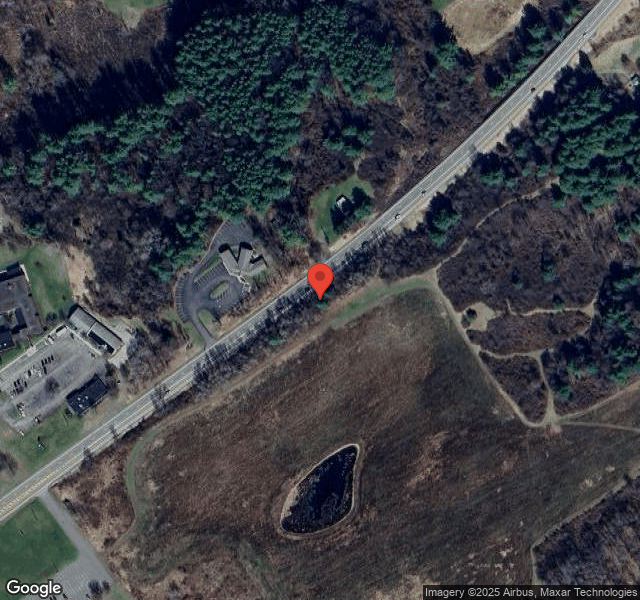

7571 State Route 54, Bath, NY 14810 (607) 776-8691
Non profit - Corporation 120 Beds Independent Data: November 2025
Trust Grade
90/100
#52 of 594 in NY
Last Inspection: September 2024

Within standard 12-15 month inspection cycle. Federal law requires annual inspections.

Overview

Ira Davenport Memorial Hospital SNF/HRF in Bath, New York has received a Trust Grade of A, which indicates it is excellent and highly recommended. It ranks #52 out of 594 facilities in New York, placing it in the top half of nursing homes in the state, and is #3 out of 6 in Steuben County, meaning only two other local options are better. The facility is on an improving trend, having reduced its issues from one in 2023 to none in 2024, and it has not incurred any fines, which is a positive sign. However, staffing is a concern here; while the facility has a good overall staffing rating of 4 out of 5 stars, its turnover rate of 53% is higher than the state average, and it has less RN coverage than 92% of New York facilities. Specific incidents noted include a failure to report an allegation of abuse involving a staff member within the required time frame, which raises concerns about resident safety, and a lack of necessary treatment for a resident's pressure ulcer, which indicates potential gaps in care. Overall, while there are significant strengths in the facility's ratings and an absence of fines, families should be aware of the staffing issues and recent incidents that could affect the quality of care.

Trust Score
A
90/100
In New York
#52/594
Top 8%
Safety Record
Low Risk
No red flags
Inspections
Getting Better
1 → 0 violations
Staff Stability
⚠ Watch
53% turnover. Above average. Higher turnover means staff may not know residents' routines.
Penalties
✓ Good
No fines on record. Clean compliance history, better than most New York facilities.
Skilled Nurses
⚠ Watch
Each resident gets only 26 minutes of Registered Nurse (RN) attention daily — below average for New York. Fewer RN minutes means fewer trained eyes watching for problems.
Violations
○ Average
7 deficiencies on record. Average for a facility this size. Mostly minor or procedural issues.
★★★★★
5.0
Overall Rating
★★★★☆
4.0
Staff Levels
★★★★☆
4.0
Care Quality
★★★★★
5.0
Inspection Score
Stable
2023: 1 issues
2024: 0 issues

The Good

  • 4-Star Staffing Rating · Above-average nurse staffing levels
  • 4-Star Quality Measures · Strong clinical quality outcomes
  • Full Sprinkler Coverage · Fire safety systems throughout facility
  • No fines on record

Facility shows strength in staffing levels, quality measures, fire safety.

The Bad

Staff Turnover: 53%

Near New York avg (46%)

Higher turnover may affect care consistency

The Ugly 7 deficiencies on record

Aug 2023 1 deficiency
CONCERN (D) 📢 Someone Reported This

A family member, employee, or ombudsman was alarmed enough to file a formal complaint

Potential for Harm - no one hurt, but risky conditions existed

Report Alleged Abuse (Tag F0609)

Could have caused harm · This affected 1 resident

**NOTE- TERMS IN BRACKETS HAVE BEEN EDITED TO PROTECT CONFIDENTIALITY** Based on observations, interviews, and record review conducted during an Abbreviated Survey (Complaint #NY00321351) 8/4/23 to 8/...

Read full inspector narrative →
**NOTE- TERMS IN BRACKETS HAVE BEEN EDITED TO PROTECT CONFIDENTIALITY** Based on observations, interviews, and record review conducted during an Abbreviated Survey (Complaint #NY00321351) 8/4/23 to 8/7/23, for one (Resident #1) of three residents reviewed, the facility did not ensure that all alleged violations involving abuse, neglect, exploitation or mistreatment were reported immediately, but not later than 2 hours after the allegation is made, if the events that cause the allegation involve abuse or result in serious bodily injury, or not later than 24 hours if the events that cause the allegation do not involve abuse and do not result in serious bodily injury, to the administrator of the facility and to other officials in accordance with State law through established procedures. Specifically, the facility did not report an allegation of abuse, neglect, or mistreatment involving Resident #1 and a staff member on 7/31/23 until 8/3/23 and allowed the alleged staff member to continue to work on the resident's unit. The finding is: The facility policy Abuse Investigations, dated 11/21, included that all reports of resident abuse, neglect, sexual assault, and injuries of unknown origin shall be promptly and thoroughly investigated by facility management. Employees of the facility who have been accused of resident abuse may be reassigned to non-resident care duties or suspended from duty until the results of the investigation have been reviewed by the Administrator/designee. The facility policy Preventing Resident Abuse, dated 5/21, documented the facility's abuse prevention/intervention program included encouraging all personnel to report any signs or suspected incidents of abuse to facility management immediately. Resident #1 had diagnoses including dementia with behavioral disturbances, anxiety, restlessness, and agitation. The Minimum Data Set assessment dated [DATE], revealed the resident had severe cognitive impairment. Review of the Comprehensive Care Plan (CCP) dated 1/18/23, revealed Resident #1 could become very aggressive to staff and other residents due to their dementia. Interventions included, but were not limited to, to provide the resident with necessary cues, stop, and return if agitated. Review of statements obtained by the facility included: 1. In a statement, dated 8/2/23, Certified Nursing Assistant (CNA) #2 stated they asked CNA #1 and CNA #3 for assistance with care for Resident #1. The three CNAs entered the room, CNA #1 pulled the resident's chair backwards causing them to fall back in their chair and while attempting to provide care, CNA #1 placed one of Resident #1's arms in between their (CNA #1) legs to prevent them from grabbing onto CNA #1. CNA #1 then took the resident's other arm and pinned it against the resident's chest and stated, keep it up and it won't go well for you later tonight. CNA #2 stated that Resident #1 was yanked around in the chair with CNA #1 swearing. CNA #2 stated that immediately following the incident, they, along with CNA #3 reported the incident to the Licensed Practical Nurse #1 (LPN) and Registered Nurse Supervisor #1 (RNS). 2. In a statement, dated 8/3/23, CNA #3 stated they and CNA #2 had asked CNA #1 to assist with care for Resident #1 who was attempting to get into the bed and had taken their gown off. CNA #1 yanked Resident #1 back, pinned the resident's arms trying to get their gown on and then pinned the resident's other arm with their (CNA #1) legs to get the other side of the gown on. CNA #1 then stated to the resident keep it up and you won't like what is going to happen later. 3. In an undated and unsigned statement titled with CNA #1's name on it, CNA #1 stated that on 7/31/23, CNA #2 asked them for help with Resident #1. CNA #1 stated that they were in the hallway when they voiced that this place was really pissing me off today because residents were ringing every five minutes, going into other residents' rooms, and stripping their clothes off. Upon entering the room, CNA #1 stated they pulled Resident #1 back in their chair and saw the gown was off and as they were trying to put the gown back on, Resident #1 was trying to hit and pinch them. CNA #2 and #3 stood there and did nothing to help them so they (CNA #1), took the resident's right arm and held it in the resident's lap as CNA #1 was trying to get the resident's left arm in the gown. Resident #1 was still trying to hit and pinch, so CNA #1 put the resident's right arm under their (CNA #1) left arm just enough so they could get the gown on. 4. In a statement, dated 8/4/23, RNS #1 stated two CNAs reported to them that another CNA had grabbed the hands of Resident #1 and restrained one hand between their leg. RNS #1 stated Resident #1 was assessed, and no injuries or evidence of abuse noted. RNS #1 stated they spoke with the accused CNA who denied restraining Resident #1 but was directing them due to the resident trying to grab and hit. 5. In an undated statement, the Administrator stated that on 8/3/23 at around Noon, they had received a statement from CNA #2 describing an incident that happened on 7/31/23 with Resident #1 but that they (CNA #2) had not reported this to the DON or the Administrator until 8/3/23. The Administrator stated on 8/4/23 at 5:45 AM, they arrived to speak with CNA #2 again who then demonstrated how another staff member had assisted (with resident care) and what CNA #2 verbally heard. 6. In a second undated statement, the Administrator stated that on 8/3/23 at 3:00 PM they met with CNA #1 regarding the incident that allegedly occurred on 7/31/23. An addendum to the statement documented that CNA #1 had been suspended without pay pending the outcome of the facility investigation. Review of progress notes for 7/31/23 did not include documentation related to the alleged incident. Review of task documentation for Behavior Monitoring and Interventions revealed there were no behaviors observed on 7/31/23. Review of the Staffing Daily Census from 7/31/23 to 8/4/23, revealed CNA #1 continued to work on Resident #1's unit again on 8/1/23 and 8/2/23. During an interview on 8/4/23 at 10:19 AM, the Administrator stated CNA #2 reported the incident to the facility late in the day on 8/3/23. The Administrator stated they had arrived at the facility on 8/4/23 at 5:30 AM to begin the investigation and thought they had until 12:00 noon to report it to the New York State Department of Health (NYSDOH) based on the time it was reported to them. During an interview on 8/4/23 at 3:14 PM, CNA #2 stated immediately following the incident, they and CNA #3 reported it to LPN #1 and then to RNS #1 as instructed by LPN #1 shortly after it happened (on 7/31/23). CNA #2 stated that RNS #1 tried to speak to CNA #1 at that time but CNA #1 said nothing happened, that everyone was against them, and walked away. During an interview on 8/7/23 at 12:23 PM, CNA #1 stated that RNS #1 had told them what CNA #2 and CNA #3 reported. CNA #1 said that is not what happened. CNA #1 stated that after speaking with another co-worker about the incident, they calmed down and went back to work. During an interview on 8/7/23 at 12:47 PM, CNA #3 stated that CNA #2 and CNA #3 immediately reported the incident to LPN #1 who instructed them to notify RNS #1 who then spoke with CNA #1. During an interview on 8/7/23 at 3:32 PM, the Administrator stated that RNS #1 had assessed Resident #1 on 7/31/23 and did not see any bruising or other visible injury so they concluded there was no evidence of abuse. The Administrator stated the DON or themselves should have been notified on the day the incident occurred so the investigation could be started immediately. During an interview on 8/8/23 at 10:47 AM, LPN #1 stated they were informed on 7/31/23 by CNA #2 and CNA #3 immediately after an incident they witnessed involving CNA #1 and Resident #1 and told them they should report it to RNS #1 immediately. LPN #1 said they observed RNS #1 talking to CNA #1 in the hall and that CNA #1 was yelling and using foul language and continued to work until the end of shift. There were three unsuccessful attempts made to interview RNS #1. 10 NYCRR 415.4(b)(1)(i)
Nov 2022 2 deficiencies
CONCERN (D)

Potential for Harm - no one hurt, but risky conditions existed

Deficiency F0657 (Tag F0657)

Could have caused harm · This affected 1 resident

**NOTE- TERMS IN BRACKETS HAVE BEEN EDITED TO PROTECT CONFIDENTIALITY** Based on observations, interviews and record review conducted during a Recertification Survey completed on 11/18/22, it was dete...

Read full inspector narrative →
**NOTE- TERMS IN BRACKETS HAVE BEEN EDITED TO PROTECT CONFIDENTIALITY** Based on observations, interviews and record review conducted during a Recertification Survey completed on 11/18/22, it was determined that for one (Resident #32) of three residents reviewed for pressure ulcers, the facility did not revise the resident's care plan to reflect the resident's current needs. Specifically, Resident #32's Comprehensive Care Plan (CCP) and Certified Nursing Assistant (CNA) Closet Care Card were not revised to include the use of a knee immobilizer, interventions for pressure ulcer prevention, or current interventions for an actual pressure ulcer. This is evidenced by the following: The facility policy Nursing Care Plan/Profile, dated reviewed December 2021 documented that an individualized Nursing Care Plan/profile shall be created for each resident, and they are reviewed and/or revised whenever the resident's condition warrants or at least every 90 days. The Nursing Care Plan is consistent with the medical plan of care and the multidisciplinary plan of care and reflects the facilities standard of care. Resident #32 had diagnoses of dementia, major depressive disorder, and a recent femur fracture. The Minimum Data Set assessment dated [DATE], documented that Resident #32 was severely impaired cognitively, required extensive assistance with personal hygiene, toilet use, dressing and bed mobility, had a functional limitation in range of motion to one of the lower extremities and had no pressure ulcers. In an observation on 11/16/22 at 1:15 p.m., Resident 332 was sitting in the common room of their unit with a dressing wrap to the right ankle. Review of the Hospital discharge instructions, dated [DATE], revealed that Resident #32 had a fracture of the right femur following a fall. Special instructions included to not remove the knee immobilizer. Review of a telephone medical orders in Resident #32's paper chart dated 9/14/22 revealed orders to remove the knee immobilizer for cares as needed and on 10/28/22 to discontinue the knee immobilizer. Review of medical orders in Resident #32's Electronic Medical Record (EMR) between 9/1/22 and 11/17/22 included the following: a. On 9/1/22 booties on feet when in bed, every shift. b. On 11/10/22 wound care to right lower extremity (RLE)(new onset pressure ulcer)-cleanse with Normal Saline (NS), cover with telfa (wound cover) and wrap with kling daily and as needed (PRN) until healed. c. On 11/14/22 wound care to RLE- cleanse wound with NS, apply Colactive (collagen dressing for wound healing) and cover with telfa, wrap with kling daily and PRN. Review of 'Skin Only Evaluations' from 9/13/22 to 11/15/22, documented a skin integrity concern on 10/13/22 and 10/20/22, which consisted of a scabbed area to the back of the right heel, which was being treated daily with skin prep and cushioned with ABD pads around the knee immobilizer and then on 11/1/22 an unstageable pressure ulcer was identified. Review of the CCP, including all revisions, revealed that Resident #32 had limited physical mobility, with a goal to remain free from complications including but not limited to skin breakdown. The CCP did not include that the resident had had a knee immobilizer following the return from the hospital, interventions related to the care of a knee immobilizer or interventions to prevent skin breakdown. On 11/1/22 the nutrition care plan included a new pressure ulcer but did not include any person-specific interventions related to care and treatments for the pressure ulcer. Review of Resident #32's Closet Care Plan (care plan used by the CNAs for daily care), dated 9/20/22, did not include the presence of a knee immobilizer (or care of) or that the resident now had a pressure injury to the right ankle and any interventions required. Review of the Treatment Administration Record (TAR) in Resident #32's Electronic Medical Record (EMR) for September 2022 and October 2022, revealed no documented evidence that the resident had a knee immobilizer that needed to be released for cares and required consistent skin checks to monitor for any issues. During an interview on 11/16/22 at 1:23 p.m., Licensed Practical Nurse (LPN) #1 stated that Resident #32's wound was believed to be from pressure from the leg brace and care of it should be documented on the TAR. During an interview on 11/16/22 at 3:43 p.m., CNA #1 stated that they would be notified of a resident having a brace by finding the information on the Closet Care Plan or by being told by a nurse. CNA #1 stated that the information would include what staff could do with it like when to take it off for cares. Upon review of previous and the present Closet Care Plans for Resident #32 with the surveyor, CNA #1 stated that the Closet Care Plan dated 9/20/22 (prior to the order to remove their knee immobilizer for care), did not included any mention of the resident's knee immobilizer or removal of it for cares and skin checks. CNA#1 said that the knee immobilizer should have been included. During an interview on 11/17/22 at 8:42 a.m., LPN #2 stated that stated that the CNAs use the closet care plans, which are taped in each resident's closet, to guide how they will provide care. LPN #2 stated that they should be updated at least every few months or if there are changes. During an interview on 11/17/22 at 10:41 a.m., Registered Nurse Manager (RNM) stated that nursing staff would get instructions for immobilizer or brace care from the TAR or the closet care plans. During an interview on 11/18/22 at 8:43 a.m., the Director of Nursing (DON) stated that information related to the knee immobilizer should be on the CCP, medical orders or the Closet Care Plan. The DON stated that since the Closet Care Plans and CCPs take time to update, staff should be communicating and looking in the resident's chart and that nursing staff is responsible for putting the information in both care plans. 10NYCRR 415.11(c)(2)(iii)
CONCERN (D)

Potential for Harm - no one hurt, but risky conditions existed

Pressure Ulcer Prevention (Tag F0686)

Could have caused harm · This affected 1 resident

**NOTE- TERMS IN BRACKETS HAVE BEEN EDITED TO PROTECT CONFIDENTIALITY** Based on observations, interviews, and record review conducted during a Recertification Survey, completed on 11/18/22, it was de...

Read full inspector narrative →
**NOTE- TERMS IN BRACKETS HAVE BEEN EDITED TO PROTECT CONFIDENTIALITY** Based on observations, interviews, and record review conducted during a Recertification Survey, completed on 11/18/22, it was determined that for one (Resident #32) of three residents reviewed for pressure ulcers, the facility did not ensure the resident received the necessary treatment to promote healing of a pressure ulcer, prevent infection and prevent new ulcers from developing. Specifically, the facility could not provide evidence that physician orders related to a knee immobilizer were implemented or that skin evaluations were completed in a timely manner to avoid potential skin issues. This is evidenced by the following: Review of the facility's policy Skin Monitoring Protocol, dated December 2021, revealed that all skin conditions will be assessed, documented and tracked on a weekly basis. Skin rounds will be done on all pressure areas and other designated wounds by the Nurse Manager (NM) and/or designee in a weekly basis. Wound care issues will be discussed with the Interdisciplinary team upon discovery and as needed thereafter. Resident #32 was readmitted to the facility on [DATE] with diagnoses of dementia, major depressive disorder, and recent femur fracture (following a fall). The Minimum Data Set assessment dated [DATE], documented that Resident #32 was severely impaired cognitively, required extensive assistance with personal hygiene, toileting, dressing and bed mobility, had a functional limitation in range of motion to one of the lower extremities and had no pressure ulcers. Review of the resident's Comprehensive Care Plan and the Certified Nursing Assistant (CNA) Closet Care Plan (care plan used by the CNAs for daily care) did not include any interventions related to a knee immobilizer, to remove for care or any skin care interventions. In an observation on 11/16/22 at 1:15 p.m., Resident 332 was sitting in the common room of their unit with a dressing wrap to the right ankle. Review of the Hospital discharge instructions, dated [DATE], revealed that Resident #32 had a fracture of the right femur following a fall. Special instructions included to not remove the knee immobilizer. In a medical progress note, dated 8/31/22, Physician Assistant (PA) #1, documented that Resident #32's x-ray showed a fracture of the right leg with a knee immobilizer in place. A physical exam revealed the resident's skin was warm, dry and intact. Review of a Nursing Progress Note dated 8/31/22 at 9:55 a.m., revealed that Resident #32 had a Braden Score (a skin assessment used to identify residents at risk for pressure ulcers) of 16 (indicates a low risk for pressure ulcers and to use interventions to prevent issues). In a medical progress note, dated 9/12/22, the Orthopedic Nurse Practitioner (NP), documented that Resident #32 sustained a fracture of the femur, which was being treated conservatively (no surgery). The Orthopedic NP documented that the resident had a right knee immobilizer in place and recommendations included meticulous skin care with instructions to remove the knee immobilizer for assessment of skin and hygiene. In a medical progress note, dated 9/13/22, PA #1 documented that Resident #32 was seen for redness to both knees per staff. Documentation included that there was no skin breakdown, or signs of infection, and that the redness was most likely due to pressure. The plan of care included the use of the knee immobilizer, keep pain controlled, monitor the skin and to follow up with Orthopedics. Review of a telephone medical order (found in the resident's paper chart versus the Electronic Medical Record or EMR), dated 9/14/22, from PA #1 revealed orders to remove the knee immobilizer for care as needed (PRN). The order was signed by Registered Nurse (RN) #1 with three nursing checks listed (indicated two additional nurses verified the order). Review of nursing Skin Only Evaluations in Resident #32's EMR revealed the following: a. On 9/27/22 the unsigned note included the resident had no skin issues. b. On 10/13/22 the 'Skin Only Evaluation' documented the resident had a dried scabbed area on the back of their right heel and was being treated with a daily skin prep (a liquid bandage to prevent skin breakdown) and the area cushioned with an ABD pad (a thick gauze pad). c. On 10/20/22 'Skin Only Evaluation' documented a scabbed area on the right lower leg and foot and the area was treated with skin prep and padded around the lower section of the knee immobilizer. d. On 10/25/22 'Skin Only Evaluation' documented no new or current skin issues. e. On 11/2/22 'Skin Only Evaluation' documented an unstageable pressure ulcer to the back of the resident's right ankle. Review of subsequent telephone medical orders (found in Resident #32's paper chart) revealed the following: a. On 10/28/22 orders to discontinue the knee immobilizer. b. On 11/10/22, orders for telfa (wound covering) and a gauze wrap daily (to right lower leg). c. On 11/14/22 orders for Colactive (wound dressing) to the resident's right leg wound, with telfa and kling over the wound daily and PRN. The orders were all signed by nursing indicating the orders were received and signed off. Review of all provider orders placed in the EMR revealed no evidence that orders were entered for a knee immobilizer to be removed for cares or for the knee immobilizer to be discontinued. Review of a Health Status Note in the EMR, dated 11/1/22 at 1:08 p.m., revealed that Resident #32's knee immobilizer was removed from the right lower extremity (four days after the order to remove it) and no pain or discomfort noted. The note did not include any skin assessment. Review of the Treatment Administration Record (TAR) in Resident #32's Electronic Medical Record (EMR) for September 2022 and October 2022, revealed no documented evidence that the knee immobilizer was removed for cares (and skin checks done) as ordered. During an interview on 11/16/22 at 1:23 p.m., and again at 4:01 p.m., Licensed Practical Nurse (LPN) #1 stated that they believed Resident #32's wound was from pressure from the leg brace. LPN #1 stated that written orders in the residents' paper chart should have been entered into the EMR and include a knee immobilizer, if it should be removed and orders for skin monitoring. During an interview on 11/16/22 at 3:43 p.m., CNA #1 stated that they would normally find the information about a leg brace on the closet care plan including what staff should do with it (i.e., when to put on and take off). CNA #1 stated that they recalled Resident #32's immobilizer to the right leg at the end of August 2022 which was taken off within the past couple of weeks. CNA #1 stated that the knee immobilizer was supposed to be on all the time. CNA #1 stated they would loosen the Velcro on the immobilizer to check for pressure, but they did not take the take the immobilizer off completely. Upon review of previous Closet Care Plans for Resident #32 with the surveyor, CNA #1 stated that the Closet Care Plan dated 9/20/22, did not included any mention of the resident's knee immobilizer or removal of for cares. During an interview on 11/17/22 at 8:42 a.m., LPN #2 stated that the knee immobilizer was on all the time and was not removed until an order to remove it was obtained. LPN #2 stated that Resident #32's wound was on the ankle, where the immobilizer ended and that ABD pads were placed at the bottom of the immobilizer so that it did not rub against the skin, but when the resident moved the ABD pads would fall out. Once the sore started developing, the knee immobilizer was discontinued. LPN #2 stated they could not recall if there was an order for Resident #32's knee immobilizer but did remember that it was communicated verbally. LPN #2 explained that paper orders (telephone orders) should be transcribed into the EMR and that all orders require three nurses to review and check them. During observation of wound care on 11/17/22 at 9:05 a.m., Resident #32 had an open pressure ulcer approximately three centimeters (cm) long by 0.5 cm wide on the right lower extremity by the ankle. During an interview on 11/17/22 at 10:41 a.m., RN # 1 stated that the immobilizer rubbing caused the redness to Resident #32's skin so ABD pads were used to relieve it and that the PA was aware of this. RN #1 stated that there was an order for the immobilizer to be removed with care but could not recall if it was a written order (versus in the EMR). During an interview on 11/17/22 at 11:21 a.m., PA #1 stated that it is an expectation that written orders be transcribed into the EMR by the nurses. PA #1 stated that Resident #32's wound to the right ankle was due to the immobilizer and explained that due to Resident #32's dementia, the resident would move and try to take the immobilizer off. PA #1 could not recall when they were first notified of the skin issue but did recall looking at an unopened area of skin irritation, which was from the immobilizer due to rubbing. PA #1 stated they perform skin evaluations when there is a skin issue on a case-by-case basis. PA #1 stated that in hindsight, they may have used a foam wrap to prevent the skin breakdown but that they did not have access to it and was not sure if it was something that could have been ordered. During an interview on 11/17/22 at 1:45 p.m., LPN #3 stated that the facility began using the EMR on 9/1/22 and any paper orders after 9/1/22 should have been transcribed into the computer by the nurses. LPN #3 stated that there had been no orders entered into the EMR pertaining to Resident #32's knee immobilizer and if there had been it would have shown on the TAR with a required sign-off (for completion). During an interview on 11/17/22 at 3:21 p.m., LPN #4 stated that weekly skin evaluations are performed on the resident's shower days, which consists of the LPN looking at the resident's entire body for possible skin issues. LPN #4 stated they saw Resident #32 on 9/27/22 and 10/13/22 when skin evaluations were documented but could not recall if the immobilizer was removed during evaluation and could not recall if there were any issues with the immobilizer rubbing against the resident's skin. During an interview on 11/18/22 at 8:43 a.m., the Director of Nursing (DON) stated that expectation for care of a resident with an immobilizer would consist of staff checking the extremity's circulation and skin. The DON explained that nursing staff should know what care should be provided for a resident with an immobilizer or brace by reviewing the closet care plans, the CCP, and physician orders. The DON stated that they would expect an immobilizer to be on a care plan or closet care plan, but since it takes time to update them, they would expect staff to communicate care and review the resident's chart. The DON said that Nursing would be responsible for putting the immobilizer on the CCP and the closet care plan. The DON stated that all written provider orders should be transcribed into the computer by a unit clerk or a nurse and that each order required a three-nurse check, which consists of each nurse reviewing the written order, and reviewing the computer to make sure the order was entered. The DON explained that expectation for nurses performing skin evaluations is that the nurses perform the evaluations and review the orders to determine if an immobilizer can be removed or not. 10NYCRR 415.12(c)(1)
Jun 2021 4 deficiencies
CONCERN (D)

Potential for Harm - no one hurt, but risky conditions existed

Deficiency F0578 (Tag F0578)

Could have caused harm · This affected 1 resident

**NOTE- TERMS IN BRACKETS HAVE BEEN EDITED TO PROTECT CONFIDENTIALITY** Based on observations, interviews, and record reviews conducted during the Recertification Survey, completed on [DATE], it was d...

Read full inspector narrative →
**NOTE- TERMS IN BRACKETS HAVE BEEN EDITED TO PROTECT CONFIDENTIALITY** Based on observations, interviews, and record reviews conducted during the Recertification Survey, completed on [DATE], it was determined that for three (Residents #2, #42, and #92) of five residents reviewed, the facility did not ensure that information regarding residents' wishes for advance directives was consistently and accurately documented. Specifically, Resident's #2 and Resident #92's wishes included Cardiopulmonary Resuscitation (CPR) but physician orders were for Do Not Resuscitate (DNR), and #42's wishes included DNR, but their medical record identified their wishes were for CPR. This is evidenced by the following: A facility policy, Do Not Resuscitate, dated [DATE], includes that to indicate a DNR order has been received, the DNR orders will be denoted by a black dot placed on the face sheet in the medical record, on the nameplate beside the resident's door, and on the resident's name band (wrist). A facility policy, CPR, dated [DATE], includes residents who wish to be a full code (receive CPR) will have a blue dot posted on the face sheet, on the nameplate outside the resident's room door, on the outside of the resident's medical record chart and on resident name band. 1.Resident #92 has diagnoses including recent myocardial infarction (heart attack), diabetes and hypertension. The Minimum Data Set (MDS) Assessment, dated [DATE], revealed the resident was cognitively intact. A nursing progress note, dated [DATE], revealed that Resident #92 did not have Medical Orders for Life Sustaining Treatments (MOLST), declined to make a MOLST at the time and wished to be a full code. Physician orders, dated [DATE], included that Resident #92's wishes were for full code. Physician orders dated [DATE] and [DATE] now included that Resident #92 was a DNR code status. In an interview on [DATE] at 3:07 p.m., the Physician's Assistant (PA) said the resident did not have a MOLST in place and therefore would be treated as full code even if the physician orders included their wishes were for DNR status. The PA said that is why there was a blue dot placed on the resident's medical record. In an interview on [DATE] at 9:53 a.m., a Unit Secretary said they are responsible to review and update physician standing orders, including code status, on a 30- or 60-day basis. The Unit Secretary said they print medical orders, the nurse reviews them and gives them to the physician to review and sign. The orders are then reviewed again by two nurses. The Unit Secretary said she was not sure who changed the code status for Resident #92 on the physician orders. In an interview on [DATE] at 11:26 a.m., with Resident #92 and their Social Worker, the resident stated they were unable to state for sure what they wanted their code status to be, stating that God would give them the signal when they were going to pass away. In an interview on [DATE] at 12:10 p.m., the Registered Nurse Clinical Care Coordinator said the nurses had missed the change in code status as there had not been any order written to change Resident #92's code status to DNR. In an interview on [DATE] at 10:33 a.m., the Physician said Resident #92's response indicated CPR wishes and there should never have been a discrepancy in the orders. The Physician said once the orders were signed, those are the orders. 2.Resident #42 had diagnoses including coronary artery disease, heart failure and diabetes. The MDS Assessment, dated [DATE], revealed the resident was cognitively intact. A review of Resident #42's current MOLST and Physician orders revealed wishes for DNR status. In an observation on [DATE] at 4:00 p.m., Resident #42 had a blue dot (indicating full code status) on their medical record. 3.Resident #2 has diagnoses including hypertension, and history of a cerebral vascular accident (stroke). The MDS Assessment, dated [DATE], revealed the resident was cognitively intact. The resident's current MOLST, dated [DATE], included that the resident's wishes for advance directive was to receive CPR. A review of medical orders, dated [DATE], directed full code and orders dated [DATE] and [DATE] changed to DNR status. In an observation on [DATE] at 9:13 a.m., a blue dot had been placed on the resident's medical record. In an interview on [DATE] at 3:17 p.m., the Director of Nursing (DON) stated that the color of the dot on the medical record binder and the nameplate on room door should be the same. She said it was the responsibility of each unit secretary to change the colored dots as needed when orders changed and ultimately, it is the nurse's responsibility to ensure that the dot system for code status and physician orders were accurate. The DON said if there is no MOLST in place, the resident should be considered a full code. In an interview on [DATE] at 3:45 p.m., the Licensed Practical Nurse Clinical Documentation Coordinator said a colored dot system is used to identify code status and appropriate dots are placed by a unit secretary on the front of the chart, the door and on resident name wristband. In an interview on [DATE] at 3:50 p.m., the LPN stated that if a resident was found unresponsive she would look at the resident's chart for the dot on the front, ask another nurse who is familiar with the resident and call the supervisor. [10 NYCRR 415.3 (e)(1)(ii)]
CONCERN (D)

Potential for Harm - no one hurt, but risky conditions existed

Comprehensive Care Plan (Tag F0656)

Could have caused harm · This affected 1 resident

Based on observations, interviews and record reviews conducted during a Recertification Survey, completed on 6/18/21, it was determined that for 2 (Residents #26 and #66) of 21 residents the facility ...

Read full inspector narrative →
Based on observations, interviews and record reviews conducted during a Recertification Survey, completed on 6/18/21, it was determined that for 2 (Residents #26 and #66) of 21 residents the facility did not ensure a person-centered care plan was developed and implemented that addressed the residents' medical, physical, mental and psychosocial needs. Specifically, Resident #26's Comprehensive Care Plan (CCP) was not implemented to ensure their safety related to resident to resident altercations, and Resident #66's CCP did not address or implement escalating behaviors and non-pharmacological interventions for staff to utilize. This was evidenced by: The facility policy Cognitive Loss/Dementia, dated January 2021, directs staff to develop a resident centered, individualized care plan, focused on quality of life in order to maintain each resident's dignity and confidentiality. Specific Standards of Care (SOC) will be followed on all residents and incorporated into the interdisciplinary care plan. Only individualized deviations from the SOC will be documented in the CCP and nurse aide care profile. 1.Resident # 26 had diagnoses including congestive heart failure, high blood pressure and atrial fibrillation (irregular heart rate). The Minimum Data Set (MDS) Assessment, dated 3/10/21, revealed the resident was cognitively intact. The current CCP included the resident spends most of their time in their bed or chair and is dependent on staff for position changes. The CNA care profile, dated 2/17/21, revealed the resident was non ambulatory and did not exhibit behaviors. Review of the nursing progress note, dated 5/24/21, revealed that Resident #26 was heard yelling and another resident was found in their room. The facility investigation, dated 5/24/21, included another resident entered Resident #26 room and grabbed their leg. Interventions initiated included 15-minute checks and a barrier stop sign was added to Resident #26's doorway. Observations conducted on 6/14/21 at 1:57 p.m., on 6/15/21 at 2:41 p.m. and on 6/16/21 at 11:40 a.m., Resident #26 was in their room, the door was open, and there was no barrier across the doorway. When interviewed on 6/14/21 at 1:57 p.m., Resident #26 stated that another resident came into their room and grabbed their legs, but that they do not want their door shut. The resident stated they put up a stop sign, but that does not seem to stop a resident who comes in frequently. When interviewed on 6/15/21 at 2:19 p.m., the CNA stated another resident wandered into Resident #26's room, grabbed their foot and hurt them and that there was a white stop sign door barrier across Resident #26's doorway, however the barrier does not always work. When interviewed on 6/16/21 at 1:41 p.m. the Director of Nursing (DON) stated that when a resident is involved in a resident to resident altercation it should be addressed on the CCP and include interventions to prevent reoccurrence. The DON stated it was her expectation that if a resident is a victim in an altercation it would be addressed on the CCP and changes implemented. 2.Resident #66 had diagnosis including vascular dementia with behavioral disturbances, major depressive disorder, and psychotic disorder. The MDS Assessment, dated 5/11/21, revealed the resident was severely impaired cognitively, wandered daily and exhibited verbal behaviors towards others several times a week. The current CCP included that Resident #66 had vascular dementia and cognitive impairment. Interventions included to reorient as able, ask simple questions, sight supervision and 15-minute checks. The CCP also included that the resident received an antipsychotic medication, had periods of restlessness, and was easily distracted. Interventions included to assess for symptoms of psychosis and depression. The CNA care profile, dated 2/17/21, included that Resident #66 wandered and that staff were to redirect the resident out of other resident's rooms. Neither the CNA care profile nor the CCP included that a door alarm was in place on Resident #66's room. Review of Physician progress notes revealed that on 4/20/21 Resident #66 was seen for increased agitation and was recently started on Zyprexa (an antipsychotic medication) for PICA (an eating disorder) and Seroquel (a different antipsychotic medication) was discontinued. Review of psychiatry notes, dated 4/27/21 and 6/1/21, revealed Resident #66 had a diagnosis of major depression with psychosis superimposed with dementia. On 6/1/21, staff had reported that the resident was disrobing but no physical or verbal aggression. Recommendations included to continue current medications. Review of facility incident investigations revealed the that Resident #66 was involved in resident to resident altercations on 4/3/21, 4/29/21 and 5/24/21, where it was determined Resident #66 was the aggressor. Interventions included a psychiatric review and 15-minute checks. During an observation on 6/14/21 at 11:07 a.m., an alarm sounded when surveyor walked into Resident #66's room. The resident was on the floor on their hands and knees and staff were immediately notified and assisted the resident who was not injured. In an observation on 6/15/21 at 1:49 p.m., the resident was ambulating independently in the hall and observed at the door of another resident's room. There was no alarm sounding at the time. In an observation on 6/16/21 at 10:55 a.m., resident was again ambulating independently in the hall, and again there was no alarm sounding from the resident's room to alert staff that the resident was in the hall. During an interview on 6/15/21 at 2:28 p.m., the CNA stated that the resident's dementia had increased significantly, that they were wandering more and was not always easily redirected. The CNA stated the resident had an alarm on their room door that should be on to signal staff when the resident was leaving their room. During an interview on 6/16/21 at 10:31 a.m. the Registered Nurse Clinical Coordinator stated the interdisciplinary team developed the care plan from the MDS Assessment. She said the MDS nurse should have addressed the use of psychotropic medications and the interventions. [10 NYCRR 415.11(c)(1)]
CONCERN (D)

Potential for Harm - no one hurt, but risky conditions existed

Accident Prevention (Tag F0689)

Could have caused harm · This affected 1 resident

Based on observations, interviews and record review conducted during a Recertification Survey, completed on 6/18/21, it was determined for one (Resident #85) of four residents reviewed, that the facil...

Read full inspector narrative →
Based on observations, interviews and record review conducted during a Recertification Survey, completed on 6/18/21, it was determined for one (Resident #85) of four residents reviewed, that the facility did not ensure the resident's environment was free from accident hazards and that the resident received adequate supervision to prevent accidents. Specifically, the resident ingested hazardous substances on two occasions and the incidents were not investigated or interventions initiated to prevent re-occurrences. This is evidenced by the following: Resident #85 had diagnoses including Lewy body dementia, a history of alcoholism, restlessness and agitation. The Minimum Data Set Assessment, dated 5/18/21, revealed the resident was severely impaired cognitively, had behavioral symptoms such as pacing, rummaging, making vocal sounds such as screaming, and physical behaviors directed towards others such as hitting, kicking and pushing. The behaviors were coded as happening from daily to three days per week. The current Comprehensive Care Plan and Certified Nursing Assistant (CNA) Closet Care Plan , for behaviors included problems such as wandering into other resident's rooms, verbal and physical aggression towards staff, tinkers with items by taking them apart, disrobing in public, urinating in places other than the toilet and can become agitated when redirected. Interventions included for staff to identify immediate cause of behavior, assess for underlying needs such as offering food and toileting, redress as able, take to a quieter setting, offer activities of choice and provide a wander monitoring system. In an interview on 6/14/21 at 2:06 p.m., a family member said the facility notified them on two separate occasions that Resident #85 drank a half bottle of hand soap and some hand sanitizer and that Poison Control was notified. Review of nursing progress notes dated 12/31/20 to 6/17/21 revealed the following: a. On 3/7/21, staff found Resident #85 with their hands and mouth covered in foam hand sanitizer. Staff immediately cleaned the resident's mouth, assessed for irritation and notified Poison Control who instructed to give the resident a sugary drink and monitor for nausea, vomiting and burns to the mouth. b. On 4/11/21, a staff member found Resident #85 drinking body wash/shampoo and had consumed one-half or four ounces of the bottle. Poison Control was notified and instructed to observe for nausea and vomiting. In an observation on 6/14/21 at 2:23 p.m., Resident #85 was sitting in their wheelchair next to a medication cart. The resident was busy trying to open a sharps container (used to store medical waste including needles and syringes) attached to the end of the cart and had gotten the plastic top off. There were two CNA's sitting in eyesight of the resident but did not intervene until promted by the surveyor. In an interview on 6/17/21 at 2:20 p.m., again at 3:15 p.m., the Registered Nurse Manager (RNM) said she was only aware of the 4/11/21 incident. She said there were no incident reports written for either event and that there should have been. The RNM said the nurses should have reviewed the behavioral care plan at that time and added more interventions to ensure resident safety. In an interview on 6/18/21 at 10:17 a.m., the Director of Nursing said she expected staff to initiate an incident report and revise the care plan at the time of these events. [10NYCRR 415.12(h)(1)]
CONCERN (D)

Potential for Harm - no one hurt, but risky conditions existed

Deficiency F0744 (Tag F0744)

Could have caused harm · This affected 1 resident

Based on observations, interviews and record review conducted during a Recertification Survey, completed on 6/18/21, for one (Resident #29) of two residents reviewed, the facility did not ensure the r...

Read full inspector narrative →
Based on observations, interviews and record review conducted during a Recertification Survey, completed on 6/18/21, for one (Resident #29) of two residents reviewed, the facility did not ensure the resident received the appropriate treatment and services to attain or maintain their highest practical physical, mental and psychosocial well-being. Specifically, the facility did not develop a comprehensive person-centered care plan with measurable goals and interventions to address the care and services for the resident related to their dementia and behaviors. This is evidenced by the following: The facility policy, A Policy and Procedure for Dementia Care, dated January 2021 documented that the facility will provide residents with the necessary care and services according to the plan of care. Resident #29 was admitted with diagnoses of dementia, major depressive disorder, and acute kidney failure. The Minimum Data Set (MDS) Assessment, dated 6/16/21, documented the resident had severe impairment of cognitive function and had behaviors such as hitting and kicking. Current Physician's orders included mirtazapine (antidepressant), clonidine (for aggression), Effexor (antidepressant), valproate (for aggression), and Risperdal (antipsychotic) daily. The current Comprehensive Care Plan prior to survey under dementia care, listed approaches for cognitive loss to reorient as needed using calendars and television. Under activities the CCP included approaches to participate in activities of interest, provide individual visit with 1:1 activity, and spend time enjoying leisure interests. The current CNA Mini Door Plan includes under behaviors non applicable. The Psychiatry Consultation note, dated 6/15/21, documented that Resident #29 continued to be very agitated, anxious, and paranoid but seemed to be tolerating the medicines without any problems. Review of nursing progress notes from 5/1/21 through 6/12/21 revealed multiple incidents of resident to resident altercations, verbal and physical altercations towards other residents and staff (some resulting in injuries) and requiring medication changes, the addition of Haldol (another antipsychotic medication ) and the need for two staff members for care. Observations of Resident #29 on 6/15/21 at 2:08 p.m., and again on 6/16/21 at 8:56 a.m., the resident was sleeping in their bed or chair. During an interview on 6/16/21 at 3:08 p.m., the Certified Nursing Assistant (CNA) stated the non-pharmacological approaches used when the resident is agitated is to offer food and talking about truck driving. The CNA stated Resident #29 does not enjoy watching TV most times. During an interview on 6/16/21 at 3:17 p.m., the Licensed Practical Nurse (LPN) stated the resident does not go to activities because the resident would be too disruptive. The interventions that did work were approaching the resident calmly and offering food or drink. The LPN said that tv does not decrease aggressive episodes. During an interview on 6/16/18 at 4:00 p.m., the Registered Nurse Manager stated the interventions are in the care plan and as far as she knows, the tv in the resident's room works as an intervention for aggression and Dementia care. She added that the care plan should be revised. [10NYCRR415.12]
Understanding Severity Codes (click to expand)
Life-Threatening (Immediate Jeopardy)
J - Isolated K - Pattern L - Widespread
Actual Harm
G - Isolated H - Pattern I - Widespread
Potential for Harm
D - Isolated E - Pattern F - Widespread
No Harm (Minor)
A - Isolated B - Pattern C - Widespread

Questions to Ask on Your Visit

  • "Can I speak with families of current residents?"
  • "What's your RN coverage like on weekends and overnight?"

Our Honest Assessment

Strengths
  • • Grade A (90/100). Above average facility, better than most options in New York.
  • • No major safety red flags. No abuse findings, life-threatening violations, or SFF status.
  • • No fines on record. Clean compliance history, better than most New York facilities.
Concerns
  • • No significant concerns identified. This facility shows no red flags across CMS ratings, staff turnover, or federal penalties.
Bottom line: Generally positive indicators. Standard due diligence and a personal visit recommended.

About This Facility

What is Ira Davenport Memorial Hospital Snf/Hrf's CMS Rating?

CMS assigns Ira Davenport Memorial Hospital SNF/HRF an overall rating of 5 out of 5 stars, which is considered much above average nationally. Within New York, this rating places the facility higher than 99% of the state's 100 nursing homes. This rating reflects solid performance across the metrics CMS uses to evaluate nursing home quality.

How is Ira Davenport Memorial Hospital Snf/Hrf Staffed?

CMS rates Ira Davenport Memorial Hospital SNF/HRF's staffing level at 4 out of 5 stars, which is above average compared to other nursing homes. Staff turnover is 53%, compared to the New York average of 46%.

What Have Inspectors Found at Ira Davenport Memorial Hospital Snf/Hrf?

State health inspectors documented 7 deficiencies at Ira Davenport Memorial Hospital SNF/HRF during 2021 to 2023. These included: 7 with potential for harm.

Who Owns and Operates Ira Davenport Memorial Hospital Snf/Hrf?

Ira Davenport Memorial Hospital SNF/HRF is owned by a non-profit organization. Non-profit facilities reinvest revenue into operations rather than distributing to shareholders. The facility operates independently rather than as part of a larger chain. With 120 certified beds and approximately 83 residents (about 69% occupancy), it is a mid-sized facility located in Bath, New York.

How Does Ira Davenport Memorial Hospital Snf/Hrf Compare to Other New York Nursing Homes?

Compared to the 100 nursing homes in New York, Ira Davenport Memorial Hospital SNF/HRF's overall rating (5 stars) is above the state average of 3.1, staff turnover (53%) is near the state average of 46%, and health inspection rating (5 stars) is much above the national benchmark.

What Should Families Ask When Visiting Ira Davenport Memorial Hospital Snf/Hrf?

Based on this facility's data, families visiting should ask: "Can I visit during a mealtime to observe dining assistance and food quality?" "How do you handle medical emergencies, and what is your hospital transfer rate?" "Can I speak with family members of current residents about their experience?"

Is Ira Davenport Memorial Hospital Snf/Hrf Safe?

Based on CMS inspection data, Ira Davenport Memorial Hospital SNF/HRF has a clean safety record: no substantiated abuse findings (meaning no confirmed cases of resident harm), no Immediate Jeopardy citations (the most serious violation level indicating risk of serious injury or death), and is not on the Special Focus Facility watch list (a federal program monitoring the lowest-performing 1% of nursing homes). The facility has a 5-star overall rating and ranks #1 of 100 nursing homes in New York. While no facility is perfect, families should still ask about staff-to-resident ratios and recent inspection results during their visit.

Do Nurses at Ira Davenport Memorial Hospital Snf/Hrf Stick Around?

Ira Davenport Memorial Hospital SNF/HRF has a staff turnover rate of 53%, which is 7 percentage points above the New York average of 46%. Moderate turnover is common in nursing homes, but families should still ask about staff tenure and how the facility maintains care continuity when employees leave.

Was Ira Davenport Memorial Hospital Snf/Hrf Ever Fined?

Ira Davenport Memorial Hospital SNF/HRF has no federal fines on record. CMS issues fines when nursing homes fail to meet care standards or don't correct problems found during inspections. The absence of fines suggests the facility has either maintained compliance or corrected any issues before penalties were assessed. This is a positive indicator, though families should still review recent inspection reports for the full picture.

Is Ira Davenport Memorial Hospital Snf/Hrf on Any Federal Watch List?

Ira Davenport Memorial Hospital SNF/HRF is not on any federal watch list. The most significant is the Special Focus Facility (SFF) program, which identifies the bottom 1% of nursing homes nationally based on persistent, serious quality problems. Not being on this list means the facility has avoided the pattern of deficiencies that triggers enhanced federal oversight. This is a positive indicator, though families should still review the facility's inspection history directly.