Corning Center for Rehabilitation and Healthcare
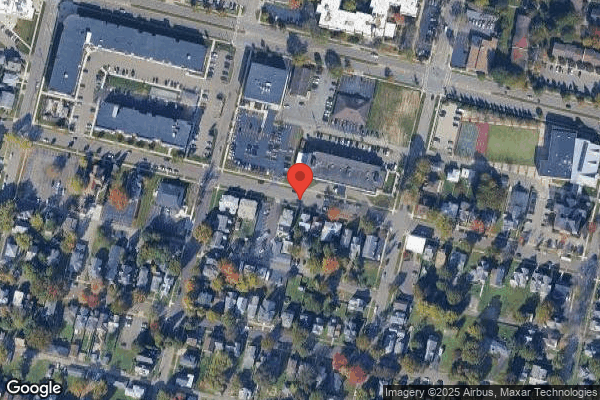
205 East First Street, Corning, NY 14830 (607) 654-2400
For profit - Corporation 120 Beds CENTERS HEALTH CARE Data: November 2025
Trust Grade
85/100
#24 of 594 in NY
Last Inspection: March 2024

Within standard 12-15 month inspection cycle. Federal law requires annual inspections.

Overview

Corning Center for Rehabilitation and Healthcare has a Trust Grade of B+, indicating that it is above average and recommended for families considering care options. It ranks #24 out of 594 facilities in New York, placing it well within the top half, and is the top facility among six in Steuben County. However, the facility's trend is worsening, with issues increasing from 2 in 2022 to 3 in 2024. Staffing is a notable concern, with a low rating of 1 out of 5 stars and a turnover rate of 69%, significantly higher than the state average of 40%. On a positive note, the facility has not accumulated any fines, demonstrating compliance with regulations, and offers more RN coverage than 84% of similar facilities, which is beneficial for resident care. Specific incidents of concern include a resident missing medication for several days, failure to develop timely care plans for new admissions, and delays in addressing dental needs for residents. Overall, while there are strengths in compliance and RN coverage, families should weigh these against the staffing issues and recent trends in care quality.

Trust Score
B+
85/100
In New York
#24/594
Top 4%
Safety Record
Low Risk
No red flags
Inspections
Getting Worse
2 → 3 violations
Staff Stability
⚠ Watch
69% turnover. Above average. Higher turnover means staff may not know residents' routines.
Penalties
✓ Good
No fines on record. Clean compliance history, better than most New York facilities.
Skilled Nurses
⚠ Watch
Each resident gets only 20 minutes of Registered Nurse (RN) attention daily — below average for New York. Fewer RN minutes means fewer trained eyes watching for problems.
Violations
⚠ Watch
11 deficiencies on record. Higher than average. Multiple issues found across inspections.
★★★★★
5.0
Overall Rating
★☆☆☆☆
1.0
Staff Levels
★★★★★
5.0
Care Quality
★★★★★
5.0
Inspection Score
Stable
2022: 2 issues
2024: 3 issues

The Good

  • 5-Star Quality Measures · Strong clinical quality outcomes
  • Full Sprinkler Coverage · Fire safety systems throughout facility
  • No fines on record

Facility shows strength in quality measures, fire safety.

The Bad

Staff Turnover: 69%

23pts above New York avg (46%)

Frequent staff changes - ask about care continuity

Chain: CENTERS HEALTH CARE

Part of a multi-facility chain

Ask about local staffing decisions and management

Staff turnover is elevated (69%)

21 points above New York average of 48%

The Ugly 11 deficiencies on record

Mar 2024 3 deficiencies
CONCERN (D) 📢 Someone Reported This

A family member, employee, or ombudsman was alarmed enough to file a formal complaint

Potential for Harm - no one hurt, but risky conditions existed

Deficiency F0760 (Tag F0760)

Could have caused harm · This affected 1 resident

**NOTE- TERMS IN BRACKETS HAVE BEEN EDITED TO PROTECT CONFIDENTIALITY** Based on observations, interviews, and record review conducted during the Recertification Survey and complaint investigation (NY...

Read full inspector narrative →
**NOTE- TERMS IN BRACKETS HAVE BEEN EDITED TO PROTECT CONFIDENTIALITY** Based on observations, interviews, and record review conducted during the Recertification Survey and complaint investigation (NY00328090), it was determined that for one (Resident #93) of two residents reviewed, the facility did not ensure that the resident was free from significant medication errors. Specifically, Resident #93 did not receive an antibiotic medication as ordered by the physician for several days. This is evidenced by the following: The facility policy and procedure, Medication Errors, dated August 2019, included that the staff and practitioner should strive to minimize adverse consequences by following relevant clinical guidelines and manufacturer's specifications for use, dose, administration, duration, and monitoring of the medication; defining appropriate indications for use; and determining that the resident receive the medication as prescribed and timely. The facility policy and procedure, Medication Administration Review, dated August 2019, included that Licensed Nurses (Registered Nurse/Licensed Practical Nurse) must ensure prior to the end of their shift that all medications or treatments that were administered, refused, held, etc., were properly documented on the Medication Administration Record. Failure to do so was considered an omission in the medical record. The facility policy, Physician Orders, dated February 2020, included when there were order changes the current order was to be discontinued prior to initiating the new order. The Licensed Nurse receiving or accepting an order was required to transcribe the order to the Medication Administration Record, containing all the required information. The facility policy and procedure, Physician Orders - Transcription, dated August 2018, included a Clinical Nurse should transcribe and review all physician orders in order to affect their implementation. A Clinical Nurse could accept a telephone order from the physician only or Physician Assistant or Nurse Practitioner (as per state stature). The order should be repeated back to the physician for their verbal confirmation. The order should be transcribed to all appropriate areas (Medication Administration Record, Treatment Administration Record, etc.). Resident #93 had diagnoses that included diabetes, chronic kidney disease, and hypertension. The Minimum Data Set assessment dated [DATE], revealed that Resident #93 was cognitively intact. Review of physician orders revealed: A. Cefepime (an antibiotic) two grams intravenously (administered into a vein) every 12 hours for five days for pneumonia ordered on 11/3/23 at 12:59 PM by Physician #1. The order was discontinued on 11/3/23 at 6:35 PM by Licensed Practical Nurse #1 (per verbal order by Physician #1) with a reason of 'changed to intramuscular' (injected into a muscle). B. Cefepime one gram intramuscularly two times a day for five days for pneumonia, reconstitute (mix) with 2.1 milliliters of 1% Lidocaine ordered on 11/3/23 at 6:56 PM by Licensed Practical Nurse #1 (per telephone order by Physician #1). The order was discontinued on 11/4/23 at 10:42 AM by Licensed Practical Nurse Supervisor #1 with a reason of 'concentration corrected by Pharmacy.' C. Cefepime one gram intramuscularly two times a day for five days for pneumonia, reconstitute with 2.4 milliliters of 1% Lidocaine ordered on 11/5/23 at 11:31 AM by Licensed Practical Nurse Manager #1 (per verbal order by Physician #1). Review of the November 2023 Medication Administration Record revealed no documented evidence that the antibiotic was administered on 11/3/23, 11/4/23, or 11/5/23. For the evening dose scheduled for 11/5/23, the code '9' (see nurse notes) was documented. Review of a Medication Administration Note dated 11/5/23 at 10:07 PM revealed the antibiotic was on order. A progress note dated 11/3/23 at 9:10 PM and documented by Licensed Practical Nurse #1 included that new orders for an intravenous (administered into a vein) antibiotic were received from Physician #1. Licensed Practical Nurse #1 spoke with the Assistant Director of Nursing and the antibiotic order was changed to an intramuscular injection. The antibiotic was administered to Resident #93's right thigh. Additional review of progress notes from 11/4/23 to 11/5/23 did not include documentation that the antibiotic was administered or that a medical provider was notified that the medication was unavailable. Review of the scanned documents section in Resident #93's electronic health record did not reveal a Medication Administration Record that included documentation that the antibiotic was administered on 11/4/23 or 11/5/23. Additionally, the facility could not provide other documentation that showed evidence the antibiotic was administered on those dates. Review of the Daily Staffing dated 11/3/23 revealed at least one Registered Nurse was scheduled for the day shift and evening shift. There were no Registered Nurses scheduled for the night shift. During an interview on 2/29/24 at 10:40 AM, Physician #1 stated they saw Resident #93 for an acute visit related to a cough, sore throat, and crackles in their right lung. Physician #1 stated they diagnosed the resident with pneumonia and ordered an intravenous antibiotic. Physician #1 stated they had been told the facility did not have a Registered Nurse on every shift to administer an intravenous antibiotic, so they were ok with changing the order to be given intramuscularly. Physician #1 stated they stopped in the facility after 11/5/23 and was informed by the nursing supervisor that the resident had not received their antibiotic over the weekend, but they were unsure why. Physician #1 saw Resident #93 at that time and the resident said they did not get their shots over the weekend. Physician #1 stated they had not discontinued the intramuscular antibiotic order and did not recall being notified that the medication was unavailable. Physician #1 stated they would consider an antibiotic a significant medication and not receiving the medication for two days could have resulted in Resident #93's condition not improving. During an interview on 2/29/24 at 12:40 PM, Licensed Practical Nurse #2 stated nurses administered medications that were ordered by a medical provider and when the medication was given to the resident, the nurse documented in the Medication Administration Record. If a medication was not available, they would document it in a progress note and notify the supervisor. Licensed Practical Nurse #2 stated Licensed Practical Nurses were not able to administer intravenous medications, only a Registered Nurse could. During an interview on 3/1/24 at 9:41 AM, Licensed Practical Nurse Manager #1 stated medical providers ordered antibiotics and determined how they should be administered (i.e., intravenously, intramuscularly, orally, etc.). Nurses could receive telephone, verbal, or written orders from the medical provider and could enter or discontinue orders with a medical provider's directive. Some antibiotics were stocked in the Cubex (a cabinet used for medication storage and inventory management) which could be accessed if needed. A Registered Nurse would administer all intravenous medications. Licensed Practical Nurse Manager #1 stated if a medication was not available, the nurse could call the Pharmacy to have it sent on the next delivery; there were at least two deliveries daily. Additionally, the nurses should call the provider to see if there was another medication that could be given. Licensed Practical Nurse Manager #1 stated when a medication was given, the nurse should document it on the Medication Administration Record. A blank box on the Medication Administration Record indicated the medication was not given. Licensed Practical Nurse Manager #1 stated if the medical provider had not signed off on an order, the nurse was unable to document on the electronic Medication Administration Record that a medication was given. In that case, the nurse should print the Medication Administration Record and sign that the medication was given on the paper record. The paper record was then uploaded into the resident's electronic record. Licensed Practical Nurse Manager #1 stated that not giving a medication would be considered a medication error. Licensed Practical Nurse Manager #1 said they did recall Resident #93 being diagnosed with pneumonia but could not remember specific dates. While reviewing Resident #93's electronic health record at this time, Licensed Practical Nurse Manager #1 was unable to find documented evidence that the antibiotic had been administered on 11/4/23 or 11/5/23 or that the medical provider was notified that the antibiotic was unavailable. During an interview on 3/1/24 at 10:35 AM, the Director of Nursing stated they would expect medications to be administered as they were ordered, and nurses could enter or change orders with a medical provider's direction. The Director of Nursing stated the facility had at least eight hours of Registered Nurse coverage every day but did not routinely have a Registered Nurse on every shift. The Director of Nursing stated if an order was not signed by the provider, the nurse could not document the administration of the medication on the electronic Medication Administration Record. In those cases, the nurse would print the Medication Administration Record and document on the paper record or document the medication administration in a progress note. The Director of Nursing stated a blank box on the Medication Administration Record indicated the medication was not given. They would expect the medical provider to be informed if a medication was unavailable to determine if another medication could be given. The Director of Nursing stated they did not recall Resident #93 not being administered their prescribed antibiotic and would have to investigate the concern further. The Director of Nursing stated at that time, there were new medical providers at the facility. Since Licensed Practical Nurses could not administer intravenous antibiotics and there was not always a Registered Nurse available to give it, nursing may have requested the antibiotic order be changed to intramuscular so the antibiotic could be given immediately. The Director of Nursing stated an antibiotic not being administered would be considered a medication error. During an interview on 3/1/24 at 11:25 AM, Licensed Practical Nurse Supervisor #1 stated they vaguely remembered when Resident #93 was ordered an intravenous antibiotic and intravenous medications could not be given if a Registered Nurse was not in the facility. Licensed Practical Nurse Supervisor #1 said the covering medical provider was notified and the order was changed from intravenous to intramuscular. Licensed Practical Nurse Supervisor #1 stated they were assigned to the medication cart on 11/4/23 and would not have been able to document in the electronic Medication Administration Record that the antibiotic was administered because the order had been changed and was awaiting the medical provider's signature. Licensed Practical Nurse Supervisor #1 stated when they changed the antibiotic order on 11/4/23, they forgot to change the start time, which had defaulted to start on 11/5/23 at 8:00 PM. 10 NYCRR 415.12(m)(2)
CONCERN (D) 📢 Someone Reported This

A family member, employee, or ombudsman was alarmed enough to file a formal complaint

Potential for Harm - no one hurt, but risky conditions existed

Dental Services (Tag F0791)

Could have caused harm · This affected 1 resident

Based on observations, interviews and record review conducted during the Recertification Survey, it was determined that for one (Resident #84) of one resident reviewed, the facility did not assist wit...

Read full inspector narrative →
Based on observations, interviews and record review conducted during the Recertification Survey, it was determined that for one (Resident #84) of one resident reviewed, the facility did not assist with obtaining dental services to meet the needs of each resident. Specifically, Resident #84 reported a broken tooth to facility staff on or around 2/12/24 and the resident was not evaluated by a provider or assisted with scheduling an appointment for dental services until following surveyor intervention. This is evidenced by the following: The facility policy and procedure, Dental Services, dated 2/2019 documented that both routine and emergency dental services were available to meet the resident's oral health care needs and were provided to residents through a licensed dentist that came to the facility monthly or by referral to the resident's personal dentist, community dentist, or other health care organizations that provide dental services. Resident #84 had diagnoses including osteoporosis (a condition causing bones to become weak and brittle), atrial fibrillation (an irregular heart rate) and congestive heart failure. The Minimum Data Set Assessment, dated 1/12/24, revealed the resident was cognitively intact and had no dental concerns. Review of the Comprehensive Care Plan, dated 6/29/21, revealed Resident #84 had oral and dental health problems related to the need for a full upper denture and their own teeth on the bottom. Interventions included to monitor, document, and report signs or symptoms of dental problems; including broken teeth, to the medical provider as needed and refer to the dentist and coordinate arrangements for dental care as needed. Review of the current physician orders included a dental consult as needed. Review of Resident #84's electronic medical record from 12/1/23-2/28/24 revealed no interdisciplinary notes related to the evaluation or assessment of the broken tooth or dental evaluations. During an interview on 2/26/24 at 3:04 PM, Resident #84 stated their tooth broke approximately two weeks ago and nothing had been done about it. They reported the broken tooth to their primary aide, Certified Nursing Assistant #1, who then told a nurse. Resident #84 stated that Certified Nursing Assistant #1 confirmed with them that the nurse had been told about the broken tooth. When interviewed on 2/28/24 at 8:41 AM, Resident #84 stated their tooth had broken at the gum line while eating lunch. During an interview on 3/1/24 at 8:30 AM, Certified Nursing Assistant #1 stated Resident #84's tooth broke while they were in the room and the resident denied having pain at that time. Certified Nursing Assistant #1 stated they had notified Licensed Practical Nurse Manager #2 about the broken tooth. During an interview on 3/1/24 at 8:44 AM, Licensed Practical Nurse Manager #2 stated they did not remember Certified Nursing Assistant #1 reporting the resident's broken tooth. Licensed Practical Nurse Manager #2 added Resident #84 to the facilities monthly dental list following surveyor intervention. During an interview on 3/1/24 at 11:26 AM, the Director of Nursing stated they would expect that if a resident was having any dental issues the resident would be placed on the facilities dental list to be seen. During an interview on 03/01/24 at 12:59 PM, the Administrator stated they were unsure why the Resident's broken tooth was an issue. Resident #84 had told a Certified Nursing Assistant but had not told any other staff member. The Administrator stated that a broken tooth with no pain or infection and that was not affecting the resident's chewing, was not emergent. If the broken tooth was causing them pain, Resident #84 would have been seen emergently. 10 NYCRR 415.17(a-d)
MINOR (C) 📢 Someone Reported This

A family member, employee, or ombudsman was alarmed enough to file a formal complaint

Minor Issue - procedural, no safety impact

Pharmacy Services (Tag F0755)

Minor procedural issue · This affected most or all residents

Based on observations, interviews and record review conducted during the Recertification Survey, it was determined for two (2nd floor and 3rd floor) of two residential units reviewed, the facility did...

Read full inspector narrative →
Based on observations, interviews and record review conducted during the Recertification Survey, it was determined for two (2nd floor and 3rd floor) of two residential units reviewed, the facility did not ensure that an accurate reconciliation of all controlled substances was maintained. Specifically, the narcotic count logs which included reconciliation of narcotic medications and the signatures of staff members for each shift-to-shift count, were not consistently signed to indicate the count was complete and the correct count was verified. This was evidenced by the following: The facility policy and procedure, Medication - Narcotic Management, dated April 2019, included that narcotics and schedule two medications would be counted with two professional nurses and documentation that the count was completed and accurate would be completed at the beginning and end of each shift. Any discrepancy in a shift-to-shift count must be immediately communicated to the Director of Nursing. Review of the Narcotic Count logs for the second and third floor residential units from 1/1/24 to 2/29/24, revealed multiple missing nurse signatures to verify that the controlled substance count had been completed and was accurate for the following: a) Records labeled 2nd Even, had 76 missing signatures out of 336 opportunities. b) Records labeled 2nd Even Wrap, had 94 missing signatures out of 334 opportunities. c) Records labeled 2nd Odd, had 101 missing signatures out of 304 opportunities. d) Records labeled, 2nd Odd Wrap, had 107 missing signatures out of 312 opportunities. e) Records labeled 3rd Even, had 47 missing signatures out of 346 opportunities. f) Records labeled, 3rd Even Wrap, had 27 missing signatures out of 346 opportunities. g) Records labeled, 3rd Odd had 45 missing signatures out of 364 opportunities. h) Records labeled, 3rd Odd Wrap, had 61 missing signatures out of 374 opportunities. During an observation of medication storage on 2/28/24 at 12:29 PM, review of the third-floor Narcotic Count Log books labeled Odd and Odd Wrap, revealed multiple missing nurse signatures. When interviewed at that time, Licensed Practical Nurse #3 stated at the change of shift, the arriving and leaving nurses counted the narcotics and signed the log if the count was correct. During an observation of medication storage on 2/28/24 at 3:11 PM, review of the third-floor Narcotic Count Log book labeled, Even, revealed multiple missing nurse signatures. When interviewed at that time, Licensed Practical Nurse #1 stated the arriving nurse and leaving nurse sign the narcotic log at the change of shift. Licensed Practical Nurse #1 stated a blank box on the log meant a nurse did not sign. During an observation of medication storage on 2/29/24 at 9:08 AM, review of the second-floor Narcotic books labeled Even, Even Wrap, Odd, and Odd Wrap, revealed multiple missing nurse signatures. During an interview on 2/29/24 at 9:22 AM, Licensed Practical Nurse Manager #3 stated the narcotic medications were counted by the nurses arriving and leaving from shift-to-shift, who then signed the log when the count was done. Licensed Practical Nurse #3 stated the logs should not have missing signatures. During an interview on 3/1/24 at 9:41 AM, Licensed Practical Nurse Manager #1 stated when a nurse arrived for their shift, they counted the narcotics with the nurse that was leaving. All narcotics, including discontinued ones, were counted to make sure the number matched what was in the narcotic log. At the end of the narcotic book, both nurses signed that the count was correct. Licensed Practical Nurse Manager #1 stated they had identified a couple missing signatures a few days prior. They found that one nurse would sign, but the other had not. Licensed Practical Nurse Manager #1 stated the missing signatures may have been due to the nurse forgetting to sign while they were holding the narcotics during the count. During an interview on 3/1/24 at 10:35 AM, the Director of Nursing stated the nurses were supposed to count all narcotics at the beginning and end of their shift, and sign if the counts were correct. When asked what a blank box or missing signature indicated, the Director of Nursing stated if it was not signed, it was not done. Copies of the narcotic count sheets were reviewed at that time. The Director of Nursing stated some entries included one nurse's signature, but the other nurse's signature was missing. 10 NYCRR 415.18(b)(1)(2)(3)
Jan 2022 2 deficiencies
CONCERN (D)

Potential for Harm - no one hurt, but risky conditions existed

Comprehensive Care Plan (Tag F0656)

Could have caused harm · This affected 1 resident

**NOTE- TERMS IN BRACKETS HAVE BEEN EDITED TO PROTECT CONFIDENTIALITY** Based on observations, interviews, and record reviews conducted during the Recertification Survey, completed on 1/7/22, it was d...

Read full inspector narrative →
**NOTE- TERMS IN BRACKETS HAVE BEEN EDITED TO PROTECT CONFIDENTIALITY** Based on observations, interviews, and record reviews conducted during the Recertification Survey, completed on 1/7/22, it was determined that for one (Resident #47) of one resident reviewed for hearing aids, the facility did not ensure the resident's care plan was implemented regarding their hearing aid. Specifically, a hearing-impaired resident did not have their hearing aid provided to optimize communication abilities. This was evidenced by the following: Resident #47 had diagnoses including a stroke, depression, and anxiety disorder. The Minimum Data Set Assessment, dated 11/4/21, revealed the resident was moderately impaired cognitively, had minimal difficulty hearing and required the use of a hearing aid. The current Comprehensive Care Plan and the Certified Nursing Assistant (CNA) [NAME] documented that the resident wore a hearing aid in their right ear. An audiology consultation report dated 11/22/21, documented that Resident #47's, hearing aid was dead at the time of the appointment and that the charger for the device had been misplaced. The consult included that the device should be charged each evening and returned to the resident each morning. During an observation and interview on 1/3/22 at 12:00 p.m., Resident #47 was observed in bed. No hearing aid was in use at the time. Resident #47 stated they were deaf and that they wore a hearing aid. Resident #47 said that the hearing aid was kept at the nurse's station and that they were unsure as to why they never got it that day but that they would like to wear it. During an observation and interview on 1/4/22 at 1:30 p.m., Resident #47 was in their room and again no hearing aid was present in their ear. Resident #47 stated that their hearing aid was still at the nurse's station and they would like to have it in. Review of the Medication Administration Record for January 2022 at this time revealed that Resident #47's hearing aid was documented as provided on 1/4/22. In an interview on 1/4/22 2:17 p.m., the Licensed Practical Nurse stated that Residents #47 hearing aid should be locked in the medication room every night to be charged because Resident #47 can be forgetful. The LPN stated it was the responsibility of the nurses to retrieve the device from the resident and place it on the charger each night because the CNAs do not have access to the medication room. At this time the LPN retrieved Resident #47 hearing aid from the medication cart and stated it was dead and had not been charged overnight. During an interview on 1/4/22 at 2:50 p.m., The Nurse Manager (NM) stated that while they were doing the medication pass for Resident #47 they had asked the resident if they had their hearing aid in and the resident had replied yes so they documented that the hearing aid had been inserted. 10 NYCRR415.11(c)(1)
CONCERN (D)

Potential for Harm - no one hurt, but risky conditions existed

ADL Care (Tag F0677)

Could have caused harm · This affected 1 resident

**NOTE- TERMS IN BRACKETS HAVE BEEN EDITED TO PROTECT CONFIDENTIALITY** Based on observations, interviews, and record reviews conducted during the Recertification Survey and complaint investigations (...

Read full inspector narrative →
**NOTE- TERMS IN BRACKETS HAVE BEEN EDITED TO PROTECT CONFIDENTIALITY** Based on observations, interviews, and record reviews conducted during the Recertification Survey and complaint investigations (#NY00272699 and #NY00277038) completed on 1/7/21, it was determined that one (Resident #64) of four residents reviewed for Activities of Daily Living (ADLs) did not receive the necessary services to maintain good grooming and personal hygiene. Specifically, Resident # 64 was not provided with assistance for facial hair and nail care. This is evidenced by the following: The facility policy, ADL-Bath (Shower)'' dated July 2019, included that showers are given to residents to cleanse and refresh the resident, observe the skin, and to provide increase circulation. The facility policy, ADL-Nail Care'' dated March 2021, included that nail care is done to clean the nail bed, to keep nails trimmed, and to prevent infections. Resident #64 had diagnoses including dementia without behavioral disturbance, pain due to an injury of shoulder and upper arm and major depressive disorder. The Minimum Data Set assessment dated [DATE], documented that the resident was cognitively intact. The Comprehensive Care Plan, dated 1/11/21, revealed Resident #64 required the assistance of one staff member for personal hygiene, and nail care should be provided at the time of their shower. During observations on 1/3/22 at 12:31p.m., and again on 1/4/22 at 1:15 p.m., Resident #64 had numerous long chin hairs (approximately 1/2 inches in length) and covering their entire chin and their fingernails were long with brown debris under the nails. In an interview on 1/4/22 at 1:15 p.m., Resident #64 stated that they would like the hair on their chin shaved, but that staff had not offered to shave the chin or cut their nails and that the staff said they did not have time. The resident said that they would like a shower, but has not received one in awhile. When observed on 1/5/22 at 9:04 a.m., Resident #64 was eating a breakfast sandwich with their hands. The nails remained long, uncut and filled with brown debris and the resident continued with the numerous long chin hairs. During a joint observation and interview on 1/5/22 at 9:23 a.m., the Certified Nursing Assistant (CNA) observed Resident #64's nails and the hair under their chin and stated that the resident's chin needed to be shaved and the nails on both hands were long. During an interview on 1/5/22 at 9:26 a.m., the LPN #1 stated that the the CNAs should perform nail care on shower days and should assist the resident with removing chin hairs. The LPN stated that they were able to see the long chin hairs from where they were standing outside of the resident's room. During an interview on 1/5/22 at 9: 37 a.m., the LPN Manager stated that the resident should have been shaved and that the fingernails should have been trimmed when the resident received their shower. [NYCRR 415.12 (a)(3)]
Sept 2019 6 deficiencies
CONCERN (D)

Potential for Harm - no one hurt, but risky conditions existed

Comprehensive Assessments (Tag F0636)

Could have caused harm · This affected 1 resident

**NOTE- TERMS IN BRACKETS HAVE BEEN EDITED TO PROTECT CONFIDENTIALITY** Based on interview and record review conducted during the Recertification Survey, it was deteremined that for one (Resident #315...

Read full inspector narrative →
**NOTE- TERMS IN BRACKETS HAVE BEEN EDITED TO PROTECT CONFIDENTIALITY** Based on interview and record review conducted during the Recertification Survey, it was deteremined that for one (Resident #315) of six residents reviewed for admission Comprehensive Assessments, the facility did not ensure that a comprehensive assessment was completed within 14 calendar days after admission. This was evidenced by the following: Resident #315 was admitted to the facility on [DATE] with diagnoses that included facial burns, chronic obstructive pulmonary disease and heart failure. The Minimum Data Set (MDS) Assessment, dated 9/10/19, was coded as the admission assessment with an entry date of 9/3/19. Review of the MDS Assessment revealed as of 9/25/19 the assessment had not been completed. When interviewed on 9/25/19 at 11:12 a.m., the Registered Nurse MDS Coordinator, stated an admisson MDS Assessment should be completed within 14 days of admission. He stated that the resident's admission MDS Assessment was not completed. He said the Assessment should have been completed by 9/16/19. He said the resident had a care plan meeting on 9/24/19. When asked how the care plan was completed when the MDS Assessment and the Care Area Assessment were not completed, he said he would have to get back to the surveyor. [10 NYCRR 415.11(a)(3)(i)
CONCERN (D)

Potential for Harm - no one hurt, but risky conditions existed

Quality of Care (Tag F0684)

Could have caused harm · This affected 1 resident

**NOTE- TERMS IN BRACKETS HAVE BEEN EDITED TO PROTECT CONFIDENTIALITY** Based on observations, interviews and record reviews conducted during the Recertification Survey and complaint investigation (#N...

Read full inspector narrative →
**NOTE- TERMS IN BRACKETS HAVE BEEN EDITED TO PROTECT CONFIDENTIALITY** Based on observations, interviews and record reviews conducted during the Recertification Survey and complaint investigation (#NY00241411) completed on 9/27/19, it was determined that for one (Resident #79) of three residents reviewed for pressure ulcers, the facility did not provide care and services to address the resident's skin and wound care needs in accordance with professional standards of practice based on the comprehensive assessment, person-centered care plan and the resident's choice. Specifically, multiple areas of skin breakdown were not assessed and/or treated according to medical orders and/or wound clinic recommendations. Additionally, an ointment was utilized that was on the resident's list of allergies despite complaints that it burned and itched. This is evidenced by the following: Resident #79 was admitted to the facility on [DATE] and has diagnoses including peripheral vascular disease, a history of osteomyelitis (bone infection) of the ankle and foot and bipolar disease. The Minimum Data Set Assessment, dated 8/20/19, included that the resident was cognitively intact and required extensive assist of staff for personal hygiene and toileting, was incontinent of bowel and bladder, and had one Stage 4 (full thickness tissue loss) pressure ulcer. In an interview on 9/23/19 at 2:17 p.m. and again on 9/25/19 at 10:34 a.m., the resident stated that she had sores on the back of her legs that are infected. She said staff are supposed to change it twice a day, but they do not change it on the evening shift due to a lack of staff. The resident later said that whatever they are using burns and itches. She said she was allergic to nystatin and does not want them using anything with nystatin in it and would refuse the treatment. In an observation of wound care on 9/25/19 at 9:47 a.m., the bottom of the resident's right foot was covered with a hydrofoam (foam pad) only (no other padding or gauze) and had a minimum amount of serous drainage. The open wound was approximately 3 by 2 centimeters (cm) and covered with black eschar (dead tissue). The depth was unknown due to the eschar. The area was cleansed with wound cleaner, covered with a hydrofoam dressing, an ABD (thick absorbent dry pad) dressing and then wrapped with gauze. The Licensed Practical Nurse (LPN) stated at that time that there were no further dressings for the resident. The resident stated that the back of her thighs were burning and when rolled over the resident had a large (greater than 7 centimeters long) area of excoriated skin with several areas of denuded skin to the back of her right thigh that was bleeding. There was no dressing on the area and the resident was incontinent of urine. Additionally, there were two open areas that measured approximately 1 cm x 1 cm each on the right upper buttocks and in the crease. The LPN returned to the room and applied a large Optifoam (wound dressing often used for heavy draining wounds) to the back of the thigh. The LPN stated that she put alginate (highly absorbent wound treatment) on the Optifoam prior to applying it. Nothing was applied to the anterior groin creases or the abdominal folds. Review of the current physician orders included the following: a. To the thighs, groin and abdominal folds: apply 'C-LID3-NYST-ZN10 1:1:1' cream twice daily for excoriation (initiated on 5/15/19) b. To the bottom of the right foot wound: daily clean with normal saline, apply hydrofoam, an ABD pad and wrap the foot with gauze (initiated 6/14/19). c. To the thighs: apply Sensicare body cream every evening (initiated on 6/13/19). It did not include any specific area of the thighs. d. To the right outer buttocks wound: clean with wound cleanser, apply an alginate dressing to the open area and cover with a 6 cm x 6 cm Optifoam dressing every three days and as needed if loose or leaking (initiated on 9/6/19). Review of medical progress notes revealed the following: a. On 8/26/19, the outpatient wound clinic progress note revealed that the resident had a non-pressure related right plantar (bottom) foot wound of mixed vascular, lymphedema and traumatic etiology. The size was 0.4 cm x 0.2 cm x 0.1 cm with no eschar. The recommended treatment was to apply xylocaine liquid around the wound, Puracol (a collagen based wound treatment often used for wounds of mixed etiology), Hydrofera blue (an antibacterial foam dressing) and gauze wrap. The note included that a right posterior thigh wound was closed on the last visit, but recommendations included to apply Sensicare ointment and cover with an ABD pad to the area each time incontinence care was provided and as needed if it falls off. b. The Nurse Practitioner note, dated 9/5/19, revealed that the resident was being seen for an open wound on her right buttocks that started as moisture related skin damage but was now bleeding quite a bit and that the current treatment (C-LID3-NYST-ZN10 1:1:1) was not working. Recommendations included to clean the area with wound cleanser, apply alginate wound dressing and cover with Optifoam every three days and as needed. The note did not include any mention of the 8/26/19 wound clinic recommendations regarding the other wounds. c. On 9/12/19, the outpatient wound clinic note included that the right plantar foot wound was now 1.5 x 1.0 cm x 0.1 cm, debridement was done, and treatment was to remain the same: xylocaine, Puracol (or collagen type substitute), Hydrofera blue and gauze wrap. Instructions for the thigh area were to remain the same, Sensicare ointment and ABD cover and to change with every incontinence care. Review of the August 2019 and September 2019 Treatment Administration Records (TARs) revealed that the 'C-LID3-NYST-ZN10 1:1:1' ointment was signed off as applied twice daily to the thigh. The wound clinic recommendations were not implemented after either of the two visits for the foot wound or for the thigh skin damage. Both TARs included nystatin as an allergy. Review of the progress notes did not include any documented reason why the wound clinic recommendations were not instituted. Interviews conducted on 9/25/19 included the following: a. At 12:02 p.m., the Certified Nursing Assistant stated that the resident has had the skin breakdown on her leg for quite a while and that it gets worse when the resident refuses to go back to bed in the afternoon. She stated she puts barrier cream on it but no dressing. She said she has seen a dressing on it occasionally. b. At 1:04 p.m. and again on 9/26/19 at 11:52 a.m., Registered Nurse (RN) Manager #1 stated that she has only been the Manager for about a week, but she has worked with the resident as a supervisor. She said she assessed the macerated skin of the thigh last week and saw the open areas. She said that she just put the special ointment on it that was made in the pharmacy. RN Manager #1 said she thought that the wound clinic ordered the alginate but was not sure. She said the residents return from wound clinic with a packet of information that goes to the providers for review of the recommendations and orders. She said then the information is sent to medical records to be scanned into the electronic medical record. She said that process takes a while and things sometimes get missed. RN Manager #1 said she knew the resident was allergic to nystatin but thought it was for oral nystatin and not the cream. She said she was not aware that the resident complained that it was burning and itching. c. At 1:59 p.m., the LPN stated that she does not use the 'C-LID3-NYST-ZN10 1:1:1' ointment because it had nystatin in it and the resident refuses it due to an allergy. She said she told the Nurse Manager that the resident was refusing the ointment. The LPN later stated that she spoke with the evening nurse who told her that she uses that ointment every evening. Interviews conducted on 9/26/19 included the following: a. At 9:16 a.m., the pharmacist stated that the ointment contained lidocaine, nystatin and zinc. He stated he was aware that the resident had an allergy to nystatin but did not think it was a true allergy as they have been using it for quite a while. He said he was not aware that the resident said it burned and itched. He said that a wound clinic follow-up would be helpful to determine what to use. b. At 11:31 a.m., the wound clinic RN stated that when the clinic saw the resident on 9/12/19 they were not told of the new issues to the resident's posterior thigh, so they did not assess it but recommended to continue the Sensicare to prevent further issues. She said she would not recommend covering that area with Optifoam. The wound clinic RN said that the foot wound needed Puracol or a collagen substitute for healing and Hydrofera Blue which is an anti-bacterial treatment. The wound clinic RN said that hydrofoam had no antibacterial properties in it and would not be an appropriate substitute. c. At 12:41 p.m., RN Manager #2 (previous manager) stated that they did not receive any paperwork from the wound clinic when the resident returned on 9/12/19 and no one picked up on it. He said when the surveyor requested the information, the facility called the wound clinic and obtained the information. [10 NYCRR 415.12]
CONCERN (D)

Potential for Harm - no one hurt, but risky conditions existed

Tube Feeding (Tag F0693)

Could have caused harm · This affected 1 resident

**NOTE- TERMS IN BRACKETS HAVE BEEN EDITED TO PROTECT CONFIDENTIALITY** Based on observations, interviews and record reviews conducted during the Recertification Survey and complaint investigation (#N...

Read full inspector narrative →
**NOTE- TERMS IN BRACKETS HAVE BEEN EDITED TO PROTECT CONFIDENTIALITY** Based on observations, interviews and record reviews conducted during the Recertification Survey and complaint investigation (#NY00235650), it was determined for one of one resident (Resident #27) reviewed for enteral nutrition, the facility did not have a mechanism in place to ensure that the administration of enteral nutrition and additional water ordered for flushes was consistent with and followed physician orders. This is evidenced by the following: Resident #27 was admitted to the facility on [DATE] with diagnoses including chronic obstructive pulmonary disease, cerebrovascular disease with hemiplegia and hemiparesis and dysphagia (difficulty swallowing) with placement of a feeding tube. The Minimum Data Set Assessment, dated 7/3/19, revealed the resident was cognitively intact, had no significant weight loss or gain in the past one or six months. The resident received 51 percent or more of total caloric intake through a tube feeding and averaged a fluid intake of 501 cubic centimeters (ccs) per day or more through the tube feeding. The current physician orders included Jevity 1.2 calorie (high-protein, fiber-fortified therapeutic nutrition that provides complete, balanced nutrition for long- or short-term tube feeding) via jejunostomy (opening into the small intestine for feeding tube) at 80 milliliters (mls) an hour to begin at 1:00 p.m. for a total volume of 1,500 mls to be delivered per day, and water flushes 160 mls four times a day for a total of 640 mls. Mix Prostat (liquid protein supplement) with 120 mls water, and flush tube with 10 ml of water before and after administration daily . The Comprehensive Care Plans for nutrition and hydration, dated 6/20/19, directed to give enteral feedings and water flushes as ordered. Give Jevity 1.2 at 80 mls per hour for a total volume of 1,500 mls per day with water flushes of 160 mls four times daily for a total of 640 mls per day. Give Prostat 30 mls daily, monitor and document intake per facility protocol. Review of a Medication Administration Record (MAR), dated September 2019, revealed that the water flushes were recorded as greater or less then 160 mls or no actual amount on eight occasions. The amount of water given with Prostat was not documented at all, and there was no tally for total water given in the 24-hour period. Additionally, the tube feeding was documented as held on 9/14/19 with no volume documented and no explanation as to why or how long the feeding was held. On 9/24/19, it was documented that 1500 ml of tube feeding was delivered which was the date that 100 mls was left in the bottle. During an observation and interview on 9/24/19 at 1:50 p.m., Licensed Practical Nurse (LPN) #1 entered the room and said she was going to start the feeding. The spike set was not labelled or dated. LPN #1 said a Compat (brand name) feeding pump was in use. Review of an inspection label revealed the last inspection was December 2017, and the next inspection was due December 2018. Observations and interviews conducted on 9/25/19 included the following: a. At 10:04 a.m., LPN #2 said the tube feeding pump displayed that 1,500 mls had been delivered so she took down the container and put it in the trash. She said there was tube feeding nutrient remaining in the container and the spike set had not been labelled or dated. LPN #2 measured the remaining amount of nutrient which was 100 mls. When asked, LPN #2 said the container was 1,500 mls and the pump displayed 1,500 mls had been delivered. She said that could not be right. b. At 10:19 a.m. and 9/26/19 at 11:30 a.m., the Registered Nurse (RN) Manager observed the tube feeding set up and said the spike set should have been labelled and dated when hung on 9/24/19. She observed the inspection label and said the pump had not been serviced since December 2017 and she would notify maintenance. The RN Manager said that any amount of tube feeding left in the container must be from the manufacturer overfilling the bottle. She said the amount of tube feeding and water flushes given each shift was not reviewed at the end of the 24 hours. When interviewed on 9/26/19 at 2:05 p.m. and 2:10 p.m., LPN #3 said there was no process in place to tally the total amount of water given in a 24-hour period. She said the tube feeding container held 1,500 mls so it should be empty. LPN #4 said she thinks the night shift was supposed to tally the amount of water given in a 24-hour period. During an interview on 9/27/19 at 9:49 a.m., a Registered Dietitian/Nutritionist (RDN) said she had written the order for the tube feeding and the daily use of one 1500 ml container. The RDN said that the tube feeding runs for approximately 18.75 hours and when the container was empty the tube feeding was complete. She said the nurses should be looking for an empty container, not just at the pump. The RDN said she reviewed the MARs and saw that some documented water amounts were different from what was ordered. She said there was no documentation for the amount of water given with the liquid protein. [10 NYCRR 415.12(g)(2)]
CONCERN (E)

Potential for Harm - no one hurt, but risky conditions existed

Deficiency F0655 (Tag F0655)

Could have caused harm · This affected multiple residents

**NOTE- TERMS IN BRACKETS HAVE BEEN EDITED TO PROTECT CONFIDENTIALITY** Based on interviews and record reviews conducted during the Recertification Survey, it was determined that for eight (Residents ...

Read full inspector narrative →
**NOTE- TERMS IN BRACKETS HAVE BEEN EDITED TO PROTECT CONFIDENTIALITY** Based on interviews and record reviews conducted during the Recertification Survey, it was determined that for eight (Residents #33, #50, #85, #89, #99, #259, #309 and #315) of ten residents reviewed for Baseline Care Plans, the facility did not develop a Baseline Care Plan within 48 hours of admissions that included the minimum required information, and/or the resident or resident's representative were not provided with a written summary of the plan. This is evidenced by, but not limited, to the following: 1. Resident #33 was admitted to the facility on [DATE] and had diagnoses including chronic kidney disease, hypertension, and urinary retention. The Minimum Data Set (MDS) Assessment, dated 7/10/19, revealed the resident was cognitively intact. The Baseline Care Plan, dated 12/21/18, did not include a summary of the resident's medications and/or physician orders at the time of admission. There was no documented evidence that the facility provided the resident and/or the representative with a summary of the Baseline Care Plan. 2. Resident #259 was admitted to the facility on [DATE] with diagnoses including dementia, depression and hearing loss. The MDS Assessment, dated 9/19/19, revealed that the resident had moderately impaired cognition. Review of medication orders, dated 9/13/19 through 9/18/19, revealed orders for 11 different medications including three different psychotropic medications that were ordered on admission or soon after and included dose changes. The Baseline Care Plan, dated 9/12/19, revealed, the medication section was blank. There was no documentation that the physician orders or medications were reviewed or that a list of medications was given to the resident's representative. The Baseline Care Plan Summary, dated 9/20/19, revealed that the care plan was reviewed with the resident's representative on 9/20/19 via a phone call. There was no documentation that medications were reviewed, or that a list of medications were sent to the representative. When interviewed on 9/25/19 at 2:23 p.m., the Licensed Practical Nurse (LPN) stated that she reviewed the Baseline Care Plan Summary with the resident's representative but did not review the medications because there were none listed. She said that the representative told her that she was aware of the medications from the hospital, but she did not document that anywhere. When asked, the LPN said that the medications added or changed since admission and prior to her phone call with the representative were not reviewed with the representative. When interviewed on 9/25/19 at 4:04 p.m., the Director of Nursing (DON) stated that she would expect staff to review the resident's medications, including changes with the representative at the time the Baseline Care Plan Summary was reviewed. In an interview on 9/26/19 at 12:22 p.m., the Registered Nurse Manager stated that the resident's Baseline Care Plan was reviewed over the phone with the representative who was out of town. She said that she did not know if a written copy of the Baseline Care Plan and medications were sent to the representative. 3. Resident #85 was admitted to the facility on [DATE] with diagnoses that included pneumonia, diabetes and urinary retention. The MDS Assessment, dated 8/29/19, revealed the resident had moderately impaired cognition. The Baseline Care Plan, dated 8/22/19, was signed as completed 9/9/19, and was also signed by the resident. The Baseline Care Plan did not include a summary of the resident's medications and/or physician orders at the time of admission and therapy services. A progress note, dated 9/4/19, revealed the Baseline Care Plan was reviewed with the resident's representative. There was no documented evidence a copy of the Baseline Care Plan, including a medication list, was provided to the resident and or representative. When interviewed on 9/25/19 at 11:29 a.m., the DON stated the Baseline Care Plan should be completed within 48 hours and presented to the resident/representative within 21 days of admission. The DON stated a copy off the summary should be offered. She said there was no documentation as to whether it was accepted or declined. The DON stated the staff do not offer a copy of the medication list.
MINOR (B)

Minor Issue - procedural, no safety impact

Deficiency F0582 (Tag F0582)

Minor procedural issue · This affected multiple residents

**NOTE- TERMS IN BRACKETS HAVE BEEN EDITED TO PROTECT CONFIDENTIALITY** Based on interview and record reviews conducted during the Recertification Survey, it was determined that for three of three res...

Read full inspector narrative →
**NOTE- TERMS IN BRACKETS HAVE BEEN EDITED TO PROTECT CONFIDENTIALITY** Based on interview and record reviews conducted during the Recertification Survey, it was determined that for three of three residents reviewed for resident rights, the facility did not provide the appropriate liability and appeal notices to Medicare beneficiaries to notify them of their appeal rights under the regulations. Specifically, the facility did not provide Advanced Beneficiary Notices (ABN) to Residents #77 and #260 following termination of Medicare benefits and did not provide a Notice of Medicare Noncoverage (NOMNC) to Resident #261 prior to discharge home. This is evidenced by the following: Resident #261 was admitted to the facility on [DATE] under Medicare A benefits and discharged home on 7/10/19. There was no evidence that a NOMNC was provided prior to discharge to notify them of their appeal rights under the regulations. Resident #77 was admitted to the facility on [DATE] under Medicare A benefits. A NOMNC letter was provided on 8/12/19 that Medicare A benefits were being terminated effective 8/16/19. The resident remained in the facility with days remaining. There was no evidence that an ABN letter was provided to the resident or resident representative to provide them with appropriate liability and appeal rights under the regulation. Resident #260 was admitted to the facility on [DATE] under Medicare A benefits. A NOMNC letter was provided on 8/6/19 that Medicare A benefits were being terminated effective 8/8/19. The resident remained in the facility with days remaining. There was no evidence that an ABN letter was provided to the resident or resident representative to provide them with appropriate liability and appeal rights under the regulation. In an interview on 9/26/19 at 9:40 a.m., the Business Office Manager stated that she took over the task of appeal notices in June but was not aware of which notice to give and when until recently. She said she was still not sure which ABN to give and was not aware that residents going home required a NOMNC letter. [10 NYCRR 415.3(g)(2)(i)]
MINOR (B)

Minor Issue - procedural, no safety impact

Staffing Information (Tag F0732)

Minor procedural issue · This affected multiple residents

Based on observations, interviews, and record review conducted during the Recertification Survey, it was determined that the facility did not post the required daily staffing information for licensed ...

Read full inspector narrative →
Based on observations, interviews, and record review conducted during the Recertification Survey, it was determined that the facility did not post the required daily staffing information for licensed and unlicensed nursing staff directly responsible for resident care. Specifically, the facility staffing sheets were not updated at the beginning of each shift to include the actual hours worked by nursing staff. This is evidenced by the following: Observations of the posted staffing information on 9/23/19 at 11:32 a.m., 9/24/19 at 1:31 p.m., 9/25/19 at 11:54 a.m., and 9/26/19 at 11:57 a.m., did not include the actual hours worked for Licensed Practical Nurses (LPN), Registered Nurses (RN), and Certified Nurse Aides (CNA) for the day, evening, and night shifts on each of the corresponding dates. When interviewed on 9/27/19 at 9:51 a.m., the Director of Nursing (DON) stated that nurse staffing was completed and posted daily by the staff scheduler. The DON said she was not sure if the staff scheduler was aware that the actual hours worked by nursing staff needed to be included in the posted staffing. When interviewed on 9/27/19 at 10:17 a.m., the staff scheduler stated that she was responsible for posting the daily nurse staffing. She said the staffing information for all shifts was posted in the morning when she starts her shift and was not usually changed or updated throughout the day. She said the actual hours worked for each shift was not reflected on the posting.
Understanding Severity Codes (click to expand)
Life-Threatening (Immediate Jeopardy)
J - Isolated K - Pattern L - Widespread
Actual Harm
G - Isolated H - Pattern I - Widespread
Potential for Harm
D - Isolated E - Pattern F - Widespread
No Harm (Minor)
A - Isolated B - Pattern C - Widespread

Questions to Ask on Your Visit

  • "Why is there high staff turnover? How do you retain staff?"
  • "Can I speak with families of current residents?"
  • "What's your RN coverage like on weekends and overnight?"

Our Honest Assessment

Strengths
  • • Grade B+ (85/100). Above average facility, better than most options in New York.
  • • No major safety red flags. No abuse findings, life-threatening violations, or SFF status.
  • • No fines on record. Clean compliance history, better than most New York facilities.
Concerns
  • • 11 deficiencies on record. Higher than average. Multiple issues found across inspections.
  • • 69% turnover. Above average. Higher turnover means staff may not know residents' routines.
Bottom line: Generally positive indicators. Standard due diligence and a personal visit recommended.

About This Facility

What is Corning Center For Rehabilitation And Healthcare's CMS Rating?

CMS assigns Corning Center for Rehabilitation and Healthcare an overall rating of 5 out of 5 stars, which is considered much above average nationally. Within New York, this rating places the facility higher than 99% of the state's 100 nursing homes. This rating reflects solid performance across the metrics CMS uses to evaluate nursing home quality.

How is Corning Center For Rehabilitation And Healthcare Staffed?

CMS rates Corning Center for Rehabilitation and Healthcare's staffing level at 1 out of 5 stars, which is much below average compared to other nursing homes. Staff turnover is 69%, which is 23 percentage points above the New York average of 46%. High turnover can affect care consistency as new staff learn residents' individual needs. RN turnover specifically is 58%, which is notably high. RNs provide skilled clinical oversight, so turnover in this role can affect medical care quality.

What Have Inspectors Found at Corning Center For Rehabilitation And Healthcare?

State health inspectors documented 11 deficiencies at Corning Center for Rehabilitation and Healthcare during 2019 to 2024. These included: 8 with potential for harm and 3 minor or isolated issues.

Who Owns and Operates Corning Center For Rehabilitation And Healthcare?

Corning Center for Rehabilitation and Healthcare is owned by a for-profit company. For-profit facilities operate as businesses with obligations to shareholders or private owners. The facility is operated by CENTERS HEALTH CARE, a chain that manages multiple nursing homes. With 120 certified beds and approximately 113 residents (about 94% occupancy), it is a mid-sized facility located in Corning, New York.

How Does Corning Center For Rehabilitation And Healthcare Compare to Other New York Nursing Homes?

Compared to the 100 nursing homes in New York, Corning Center for Rehabilitation and Healthcare's overall rating (5 stars) is above the state average of 3.1, staff turnover (69%) is significantly higher than the state average of 46%, and health inspection rating (5 stars) is much above the national benchmark.

What Should Families Ask When Visiting Corning Center For Rehabilitation And Healthcare?

Based on this facility's data, families visiting should ask: "How do you ensure continuity of care given staff turnover, and what is your staff retention strategy?" "Can you walk me through typical staffing levels on day, evening, and night shifts?" "Can I visit during a mealtime to observe dining assistance and food quality?" "How do you handle medical emergencies, and what is your hospital transfer rate?" These questions are particularly relevant given the facility's high staff turnover rate and the below-average staffing rating.

Is Corning Center For Rehabilitation And Healthcare Safe?

Based on CMS inspection data, Corning Center for Rehabilitation and Healthcare has a clean safety record: no substantiated abuse findings (meaning no confirmed cases of resident harm), no Immediate Jeopardy citations (the most serious violation level indicating risk of serious injury or death), and is not on the Special Focus Facility watch list (a federal program monitoring the lowest-performing 1% of nursing homes). The facility has a 5-star overall rating and ranks #1 of 100 nursing homes in New York. While no facility is perfect, families should still ask about staff-to-resident ratios and recent inspection results during their visit.

Do Nurses at Corning Center For Rehabilitation And Healthcare Stick Around?

Staff turnover at Corning Center for Rehabilitation and Healthcare is high. At 69%, the facility is 23 percentage points above the New York average of 46%. Registered Nurse turnover is particularly concerning at 58%. RNs handle complex medical decisions and coordinate care — frequent RN changes can directly impact care quality. High turnover means new staff may not know residents' individual needs, medications, or preferences. It can also be disorienting for residents, especially those with dementia who rely on familiar faces. Families should ask: What is causing the turnover? What retention programs are in place? How do you ensure care continuity during staff transitions?

Was Corning Center For Rehabilitation And Healthcare Ever Fined?

Corning Center for Rehabilitation and Healthcare has no federal fines on record. CMS issues fines when nursing homes fail to meet care standards or don't correct problems found during inspections. The absence of fines suggests the facility has either maintained compliance or corrected any issues before penalties were assessed. This is a positive indicator, though families should still review recent inspection reports for the full picture.

Is Corning Center For Rehabilitation And Healthcare on Any Federal Watch List?

Corning Center for Rehabilitation and Healthcare is not on any federal watch list. The most significant is the Special Focus Facility (SFF) program, which identifies the bottom 1% of nursing homes nationally based on persistent, serious quality problems. Not being on this list means the facility has avoided the pattern of deficiencies that triggers enhanced federal oversight. This is a positive indicator, though families should still review the facility's inspection history directly.