Elderwood at Hornell
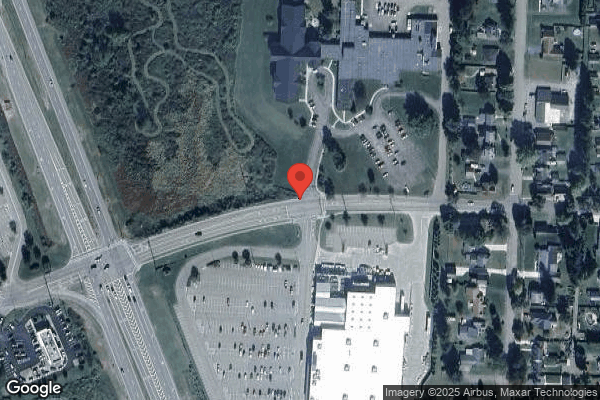
1 Bethesda Drive, Hornell, NY 14843 (607) 324-6916
For profit - Limited Liability company 122 Beds ELDERWOOD Data: November 2025
Trust Grade
88/100
#34 of 594 in NY
Last Inspection: February 2024

Within standard 12-15 month inspection cycle. Federal law requires annual inspections.

Overview

Elderwood at Hornell has a Trust Grade of B+, indicating it is above average and recommended for families seeking care. It ranks #34 out of 594 nursing homes in New York, placing it in the top half, and #2 out of 6 in Steuben County, suggesting only one local option is better. The facility is improving, with issues decreasing from four in 2021 to just one in 2024. However, staffing is a concern, with a rating of 2 out of 5 stars and a turnover rate of 51%, which is higher than the state average. While the facility has average fines of $4,194 and RN coverage, there are specific incidents of concern: one resident was not given a proper care plan for their skin issues, leading to self-inflicted injuries, and another resident's wheelchair positioning needs were not adequately addressed. Additionally, safety measures for residents who may consume non-food items were not properly implemented. Overall, while Elderwood at Hornell has strengths in its trustworthiness and health inspections, families should be aware of the staffing challenges and specific care plan shortcomings.

Trust Score
B+
88/100
In New York
#34/594
Top 5%
Safety Record
Low Risk
No red flags
Inspections
Getting Better
4 → 1 violations
Staff Stability
⚠ Watch
51% turnover. Above average. Higher turnover means staff may not know residents' routines.
Penalties
⚠ Watch
$4,194 in fines. Higher than 76% of New York facilities, suggesting repeated compliance issues.
Skilled Nurses
○ Average
Each resident gets 35 minutes of Registered Nurse (RN) attention daily — about average for New York. RNs are the most trained staff who monitor for health changes.
Violations
○ Average
8 deficiencies on record. Average for a facility this size. Mostly minor or procedural issues.
★★★★★
5.0
Overall Rating
★★☆☆☆
2.0
Staff Levels
★★★☆☆
3.0
Care Quality
★★★★★
5.0
Inspection Score
Stable
2021: 4 issues
2024: 1 issues

The Good

  • Full Sprinkler Coverage · Fire safety systems throughout facility
  • No fines on record

Facility shows strength in fire safety.

The Bad

Staff Turnover: 51%

Near New York avg (46%)

Higher turnover may affect care consistency

Federal Fines: $4,194

Below median ($33,413)

Minor penalties assessed

Chain: ELDERWOOD

Part of a multi-facility chain

Ask about local staffing decisions and management

The Ugly 8 deficiencies on record

Feb 2024 1 deficiency
CONCERN (D) 📢 Someone Reported This

A family member, employee, or ombudsman was alarmed enough to file a formal complaint

Potential for Harm - no one hurt, but risky conditions existed

Comprehensive Care Plan (Tag F0656)

Could have caused harm · This affected 1 resident

**NOTE- TERMS IN BRACKETS HAVE BEEN EDITED TO PROTECT CONFIDENTIALITY** Based on observations, interviews, and record review conducted during the Recertification Survey it was determined that for one ...

Read full inspector narrative →
**NOTE- TERMS IN BRACKETS HAVE BEEN EDITED TO PROTECT CONFIDENTIALITY** Based on observations, interviews, and record review conducted during the Recertification Survey it was determined that for one (Resident #16) of three residents reviewed for activities of daily living, the facility did not develop and implement a plan of care for the resident that included measurable objectives and interventions to address the resident's medical and physical needs. Specifically, Resident #16 had multiple scratches and sores on their right arm that were self- inflicted and had accumulated over time. The resident's Comprehensive Care Plan did not include the skin issues, the behavior creating the issues or interventions. Additionally, the use of geri-sleeves (protective arm covers) that was on the Certified Nurse Assistant [NAME] were not implemented on several observations. This is evidenced by the following: Review of the facility policy, Skin Care Program (Routine and Special) last revised on 5/8/18, documented that designated nursing staff will monitor the skin condition and ensure proper skin care of each resident on an ongoing basis. Interventions for prevention of pressure ulcers/skin breakdown will be instituted for all residents upon admission/readmission, quarterly, annually and updated as indicated. The need for individual inter-disciplinary approaches to skin care will be reported and initiated, as deemed necessary. The nursing staff will enter special skin care interventions on the Profile of Care/[NAME] within twenty-four (24) hours after admission or as necessary. The Unit Manager/Designee will contact the interdisciplinary care team members as soon as possible. The information will be entered on the Inter-disciplinary Care Plan and discussed at the next Resident Care Plan meeting. Resident #16 had diagnoses including kidney disease requiring dialysis (treament for filtering the blood of toxins when the kidneys are unable to), congestive heart failure and diabetes. The Minimum Data Set Resident Assessment, dated 1/18/24, revealed the resident was cognitively intact, and had no skin conditions or behaviors at the time. During observations on 1/29/24 at 11:55 AM and on 2/1/24 at 10:27 AM, Resident #16 had sores, irritated scratches, and redness throughout their right arm. Review of Resident #16's current Comprehensive Care Plan revealed the resident was at risk for impaired skin integrity due to multiple issues but did not include any issues, goals or interventions for staff due to skin impairments related to self-inflicted scratching causing skin inury. Review of Resident #16's current [NAME] (care plan used by Certified Nursing Assistant to provide daily care) revealed the use of geri-sleeves but did not include the self inflicted behaviors and skin injury. At no time during the survey process was Resident #16 observed wearing geri-sleeves (until after surveyor intervention). Physician orders dated 10/16/23 included a skin examination report every Monday day shift to the Registered Nurse and to document in the medical record if new skin condition is identified. Review of interdisciplinary progress notes for the prior month did not include any documentation related to the right arm skin injury. During an interview on 1/31/24 at 3:25 PM and again on 2/1/24 at 12:13 PM Licensed Practical Nurse Manager #1 said that Resident #16 picked and scratched at their skin due to itching caused by dialysis and that they have attempted to stop the resident, but that the resident seemed unable to do so. Licensed Practical Nurse Manager #1 said Resident #16 should be care planned for the self-inflicted sores and scratches since they had a history of picking at their skin. Licensed Practical Nurse Manager #1 said that Aquaphor (topical skin cream) was recently ordered for the resident's legs, but nothing was ordered to treat their arms. Licensed Practical Nurse Manager #1 said they had never tried geri-sleeves and that the resident did not own any long- sleeved shirts. Licensed Practical Nurse Manager #1 said they had not documented (scratches and sores) on Resident #16's arm caused by self- inflicted scratching lately but should have. During an interview on 2/01/24 at 12:06 PM, Certified Nurse Assistant #1 said they had seen Resident #16 scratch their arm, lower back and legs and has put lotion on the areas after complaints of feeling dry. During an interview on 2/02/24 at 9:54 AM, the Director of Nursing said the nurses should be contacting the provider and documenting when they see Resident #16 scratching themself. The Director of Nursing said this concern should be care planned with staff interventions outlined so that all staff are aware of how to care for the resident. 10 NYCRR 415.11(c)(1)
Oct 2021 4 deficiencies
CONCERN (D)

Potential for Harm - no one hurt, but risky conditions existed

Deficiency F0657 (Tag F0657)

Could have caused harm · This affected 1 resident

**NOTE- TERMS IN BRACKETS HAVE BEEN EDITED TO PROTECT CONFIDENTIALITY** Based on observations, interviews and record reviews conducted during the Recertification Survey, it was determined that for 1 (...

Read full inspector narrative →
**NOTE- TERMS IN BRACKETS HAVE BEEN EDITED TO PROTECT CONFIDENTIALITY** Based on observations, interviews and record reviews conducted during the Recertification Survey, it was determined that for 1 (Resident #69) of 1 resident reviewed the facility did not ensure that the care plan was implemented and/or revised if appropriate to reflect the resident's current condition. The issue involved the lack of care plan implementation or revisions for therapy recommended wheelchair positioning. This is evidenced by the following: Resident #69 is a [AGE] year-old resident with diagnoses that include Alzheimer's disease, dementia, and chronic obstructive pulmonary disease. The Minimum Data Set assessment dated [DATE], documented that the resident had severe impairment cognitively, required extensive to total assistance with all activities of daily living and had functional limitation in range of motion on one side of the lower extremities. The Comprehensive Care Plan included to use a standard wheelchair with an 'Incrediback' (a higher back wheelchair cushion) as a backrest, an anti-thrust cushion, bilateral hip bolsters, a foot buddy, and elevating leg rests. Interventions included to utilize pillows across the lap while in the wheelchair to promote positioning and comfort. Specific directions included: 1) ensure hips are back and not rotated in chair. 2) leg rests should not be elevated and a foot buddy in place. 3) ensure that the resident's legs are down with feet resting on the bottom. If resident lifts feet to top of foot buddy assist in lowering them back down to ensure proper alignment of hips in wheelchair. Review of an Occupational Therapy (OT) evaluation dated 8/11/21, revealed that Resident #69 was evaluated due to biting behavior during cares. The OT evaluation documented that the resident continued to demonstrate functional passive range of motion and would not tolerate a formal assessment. In an observation on 10/05/21 at 1:13 p.m. Resident #69 was sitting in a standard wheelchair leaning to their right side with their legs pulled up and feet resting on the top edge of the foot buddy on the footrest. No pillow observed on lap or alongside the resident's legs. The resident's head was leaning forward onto their chest and the resident was unable to fully extend their neck. Staff were attempting to feed the resident lunch, but the resident was moving/turning their head away and appeared agitated. At no time were staff observed attempting to reposition the resident's feet or body. In an observation on 10/06/21 at 9:17 a.m. Resident #69 was in the main dining room sitting in a standard wheelchair with the antithrust and Incrediback cushion. Their legs were pulled up toward their abdomen and their feet were again resting on the top edge of the foot buddy on the footrest. The resident's head was leaning forward on their chest. In an observation on 10/07/21 at 8:25 a.m. Resident #69 was being transported into the main dining room by a Certified Nursing Assistant (CNA). The footrest was elevated straight out, with the foot buddy in place and the resident's feet were resting on the top edge of the foot buddy. A note attached to the foot buddy included Please make sure leg rests on w/c are in the down position. They should not be elevated at all. This helps keep their feet down. The resident's head was again leaning forward with chin to chest, and no pillow in their lap or the wheelchair. In an interview on 10/7/21 at 10:04 a.m., CNA#1 stated that they did not know who got Resident #69 up but that the Resident's foot pedals should not be elevated, and their feet should be positioned in the foot buddy. CNA #1 said Resident #69 places their feet on top of the foot buddy and staff are supposed to assist them with repositioning. CNA#1 stated that if an intervention isn't working or there is a change in the resident, staff should notify the nurse or therapy. CNA #1 said that they are supposed to do range of motion with Resident #69 during morning care but that the resident's legs are more difficult to move, and it is uncomfortable for the resident. In an interview on 10/7/21 at 10:55 a.m. Registered Nurse (RN) #1 stated that Resident #69 prefers to be left alone. RN#1 said that the resident does not appear to be uncomfortable in the wheelchair, but that they do limit the time Resident #69 is up in the wheelchair and that they get up only for meals because the resident seems to relax more when in bed. RN#1 said Resident #69 was monitored by all staff for changes in condition and that nursing should initiate a referral to therapy if a decline or change is observed. In an interview 0n 10/7/21 at 11:05 a.m., the RN Manager (RNM) stated that Resident #69 was regressing. The RNM said that the intervention for a pillow to be placed in the resident's lap was initiated last year after a fall but that the RNM at the time did not put it on the [NAME] (CNA care plan that directs daily care) so that staff would not know to do it. The RNM said that they were not aware of the note on the resident's foot buddy with instructions not to elevate the footrests and was not aware that they should not be elevated. The RNM said that the CNAs are supposed to document any tasks in the electronic medical record (EMR) regarding the resident's compliance and any functional modifications the resident was on and if it is not consistently done after 3 times an alert is generated in the EMR which is checked daily. When checked at this time, there were no alerts. In an interview on 10/7/2021 at 11:17 a.m., the Director of Rehabilitation stated that they were aware of Resident #69's positioning needs. The Director of Rehabilitation said that if nursing notices a change in the resident's positioning or comfort, they should let therapy know through an electronic referral. [10 NYCRR 415.11(c)(2)(iii)]
CONCERN (D)

Potential for Harm - no one hurt, but risky conditions existed

Accident Prevention (Tag F0689)

Could have caused harm · This affected 1 resident

**NOTE- TERMS IN BRACKETS HAVE BEEN EDITED TO PROTECT CONFIDENTIALITY** Based on observations, interviews and record review conducted during a Recertification Survey, completed on 10/7/21, it was dete...

Read full inspector narrative →
**NOTE- TERMS IN BRACKETS HAVE BEEN EDITED TO PROTECT CONFIDENTIALITY** Based on observations, interviews and record review conducted during a Recertification Survey, completed on 10/7/21, it was determined that for one (Resident #84) of seven residents the facility did not ensure the environment remained as free of accident hazards as possible. Specifically, Resident #84 had a history of attempting to consume nonfood items and items were observed not properly stored to prevent a reoccurrence. This finding is: The facility policy Accident/Incident Reporting and Review (Staff/Visitors/Residents), dated 6/14/19, documented that staff are to report an Accident/Incident (A/I) involving a resident to the Unit Manager who fills out an A/I report and forwards it to the Director of Nursing (DON) or designee. The A/I plan of prevention is recorded on the Care Plan. Resident #84 had diagnoses including Alzheimer's disease, anxiety, and repeated falls. The Minimum Data Assessment, dated 8/26/21, revealed the resident was severely impaired cognitively, ambulated independently without supervision and did not exhibit wandering behavior. Review of the A/I report, dated 8/16/21 at 2:45 a.m., revealed that Resident #84 was wandering the unit, grabbed a bottle of barrier cream, put some in their mouth, spit it out and then attempted to eat soap. The report included no injuries were observed at the time, the resident's mouth was washed out with water, the barrier cream and soap were removed from the resident's environment and the Nurse Practitioner (NP) was notified. The A/I documented that Resident #84 was a wanderer. The investigation, dated 8/16/21, completed by the Registered Nurse Manager (RNM) documented that the care plan was updated to reflect the resident's attempts to consume nonfood items. The current Certified Nursing Assistant (CNA) [NAME] (directs daily care) included under safety that Resident #84 was a fall risk and staff were to monitor their whereabouts due to unsafe wandering. The [NAME] did not include the resident's history of consuming nonfood items. The Comprehensive Care Plan (CCP), revised 8/16/21, included that the resident may consume or attempt to consume nonfood items and interventions included to offer food or beverages of choice as tolerated/desired. Interventions did not include any approaches addressing the accessibility of potentially hazardous items in the resident's environment. In a progress note dated 9/1/21 at 11:50 a.m., the Licensed Practical Nurse (LPN) #1 documented that Resident #84 continued to wander around the unit. During observations on 10/6/21 starting at 9:04 a.m., Resident #84 was sitting in the hall with an untouched breakfast tray in front of them. The resident got up and ambulated into the dining room. Observed at this time in the resident's room was a bottle of shampoo on the sink counter and lotion, skin cleanser, skin protectant, and more shampoo in a basin on the sink counter. Both doors to the resident's room (2025) and bathroom were open. In an open well lighted restroom next to the dining room an open container of powder and a spray bottle of odor eliminator were observed next to the towel dispenser. During an observation on the Resident #84's unit on 10/07/21 at 8:25 a.m., Resident #84 was observed in the common area. The following items were observed: a) In room [ROOM NUMBER], an open bottle of shampoo was accessible on the bathroom counter. b) In room [ROOM NUMBER] skin and hair cleanser, shaving cream and personal cleanser spray lotion were accessible on the bathroom counter. c) In room [ROOM NUMBER] a basin contained moisturizer, body wash, shave cream, skin cleanser, and personal cleanser spray lotion were accessible on the bathroom counter. During an interview on 10/6/21 at 10:04 a.m. LPN #1 stated that resident's personal care supplies are stored in a basin in the resident's bed side stand and were accessible to residents. LPN#1 stated Resident #84 had ingested personal care supplies before. The LPN stated that Resident #84 wandered into other resident's rooms and goes through their drawers and that staff try and redirect the resident when possible. During an interview on 10/6/21 at 1:52 p.m., the DON stated that they did not really change anything in the care plan related to the environment or storage of personal items and that the A/I report did not really address this. The DON stated they had not done any rounds regarding the accessibility of personal care items. During an interview on 10/7/21 at 11:16 a.m., the RNM stated that Resident #84 was in the lounge when the Incident occurred but was not aware of where the resident obtained the barrier cream but that it should have been part of the investigation along with any assessment of the resident's mouth and any directions regarding poison control. The RNM stated that all personal items should be put away in bedside stand but that they cannot lock the drawers as resident's have the right to access the drawers. 10NYCRR 415.12(h)(2)
CONCERN (D)

Potential for Harm - no one hurt, but risky conditions existed

Infection Control (Tag F0880)

Could have caused harm · This affected 1 resident

Based on observations, interviews, and record reviews conducted during the Recertification Survey, completed on 10/7/21, it was determined that the facility did not properly establish and maintain inf...

Read full inspector narrative →
Based on observations, interviews, and record reviews conducted during the Recertification Survey, completed on 10/7/21, it was determined that the facility did not properly establish and maintain infection control practices to provide a safe, sanitary, and comfortable environment and to help prevent the development and transmission of communicable and transmission-based diseases and infections. Specifically, 1) the facility did not implement appropriate transmission-based precautions (TBP) for one (Resident #39) of two residents reviewed with a communicable disease, 2) A Registered Nurse (RN) did not wear appropriate Personal Protection Equipment (PPE) while assisting with COVID-19 staff testing, and 3) the facility did not have available any tracking/trending/surveillance of infections in the facility for September 2021. This is evidenced by the following: 1. Resident # 39 was re-admitted from the hospital on 9/3/21 with diagnoses including acute osteomyelitis (infection of the bone) and clostridium difficile (C-Diff) infection (a highly contagious infection that can be spread from person to person by touch or by direct contact with contaminated objects and surfaces). The Minimum Data Set (MDS) Assessment, dated 9/9/21, revealed Resident #39 had a Multi-Drug Resistant Organism (MDRO-a common bacterium which have developed resistance to multiple types of antibiotics) and was identified as Methicillin-Resistant Staphylococcus Aureus (MRSA) infection (also transmitted from person to person or contact with contaminated surfaces) in the diagnosis section of the MDS. The facility policy Transmission Based Precautions Levels (Type of Infectious Conditions, Techniques and Documentation) dated 10/29/20 included that Contact Precautions (gown and gloves for hands-on care) should be initiated for residents known, or are suspected to have, a serious illness easily transmitted by direct resident contact or by contact with items in the resident's environment. Review of physician orders, dated 9/10/21, included Vancomycin (antibiotic) 125 milligrams every 12 hours for C-Diff until 10/9/21. In a progress note, dated 9/10/21, the physician documented that Resident #39 had MRSA and also was to be on Vancomycin for C-diff until 10/9/21. During observations of unit tours from 10/4/21 to 10/6/21 revealed there was no PPE cart (containing gowns and gloves) or any signage outside of Resident #39's semiprivate room to indicate the resident was on TBP. On 10/7/21 at 8:27a.m., a PPE cart was placed outside Resident # 39 door but no signage or instructions for staff regarding the appropriate PPE to wear when entering. When interviewed at this time Registered Nurse (RN) #1 stated that there is a cart outside the room now because they made the decision to place Resident #39 on contact precautions. When interviewed on 10/7/21 at 9:37 a.m., the Director of Nursing (DON) stated that Resident #39 was not on precautions because the resident's infection was treated with Vancomycin and the hospital discharge summary included that the resident was not on isolation. In a telephone interview on 10/7/21 at 10:15 a.m., the physician stated they were aware that Resident #39 had MRSA and C-Diff and that nursing should follow protocols (policy) for TBP. 2. During observations on 10/07/21 at 8:20 a.m., at the facility front entrance desk RN #2 was wearing a KN95 mask and glasses. RN #2 was assisting with testing staff for COVID-19 using the rapid self-test for SARS-CoV-2. The staff member being tested removed their face mask and not wearing gloves, self- swabbed their nose and handed the soiled swab to RN #2 who was also not wearing a gown or gloves. RN #2 was observed sanitizing their hands with alcohol-based hand rub (ABHR) prior to continuing with the testing process but continued to not wear a gown or gloves with each test. The Center for Disease Control (CDC) Performing Broad-Based Testing for SARS-COV-2 in Congregate Correctional, Detention, and Homeless Service Settings considerations for Health Departments and Healthcare Providers Summary of Recent Changes, dated 3/29/21, PPE requirements based on staff's role in specimen collection included the following: a) Gowns, National Institute for Occupational Safety and Health (NIOSH)-approved N95 or equivalent or higher-level respirator (or mask if a respirator is not available), gloves and eye protection are needed for staff collecting specimen or working within six feet of the person being tested. b) For staff having direct contact with people being tested or with the specimen, gloves should be changed, and hands sanitized after each person tested. In an interview on 10/07/21 at 8:39 a.m., the DON stated that there is no need for the RN to wear gloves during COVID-19 testing because the employee is removing the swab from the container and swabbing their own nose. The DON stated that the RN sanitizes their hands frequently during testing but should probably wear gloves after retrieving the swabbed stick from the staff member. In an interview on 10/07/21 11:31 a.m., RN #2 stated that they do not wear gloves during COVID-19 testing because staff are swabbing their own nose. RN #2 stated that both hands are sanitized with ABHR in between each staff member but that given they are touching the used swab stick, they should wear gloves. 3. A review of the facilities infection control program (ICP) revealed there was no surveillance, tracking and trending of infections for September 2021 available. In an interview on 10/07/21 at 11:40 a.m., the DON stated that the Infection Preventionist (IP) completes the surveillance, tracking and trending of infections list by hand (hard copy) and usually places it in the ICP binder. They stated that it is not on the computer and that if it is not in the binder, the IP must have it with them. The DON stated that she does not currently have access to the September 2021 surveillance, tracking and trending infection list and that the IP was unavailable. 10NYCRR483.80(a)(1)(2)(3)(4)
MINOR (B)

Minor Issue - procedural, no safety impact

Staffing Information (Tag F0732)

Minor procedural issue · This affected multiple residents

Based on observation and interviews conducted during a Recertification Survey, completed on 10/7/21, it was determined that the facility did not ensure that the daily posting of nursing staff directly...

Read full inspector narrative →
Based on observation and interviews conducted during a Recertification Survey, completed on 10/7/21, it was determined that the facility did not ensure that the daily posting of nursing staff directly responsible for resident care was up to date and accurately reflected the required data at the beginning of each shift. Specifically, the information posted (where residents and families could view it) was not updated with changes in the schedule. This was evidenced by the following: During a review of the Daily Staffing Sheets (names and hours of nursing staff working each shift, including shifts 'open' or not yet filled yet) provided by the facility, dated 10/4/21- 10/6/21, and the posted nursing staffing information for residents and families to view per shift revealed the information did not match. The information documented on the posted nursing staffing report was inaccurate and did not include the changes in the actual schedule. During an interview on 10/7/21 at 9:37 a.m. the Director of Nursing stated sheets containing the actual staffing were posted on the units daily in the charting rooms (not in public view as observed by the surveyor) and these sheets reflected changes in staffing (as opposed to the posted staffing sheets for public viewing). During an interview, 10/7/21 at 10:50 a.m., the Administrator stated the daily staffing sheets (the ones in the charting room) is where they included the staff call offs and any open staffing positions per shift. 10NYCRR 415.13
Mar 2019 3 deficiencies
CONCERN (D)

Potential for Harm - no one hurt, but risky conditions existed

Deficiency F0565 (Tag F0565)

Could have caused harm · This affected 1 resident

Based on observations, interviews, and record reviews conducted during the Recertification Survey, it was determined that the facility did not act upon grievances of residents affecting resident care ...

Read full inspector narrative →
Based on observations, interviews, and record reviews conducted during the Recertification Survey, it was determined that the facility did not act upon grievances of residents affecting resident care and life in the facility. Specifically, the facility did not address grievances brought up by the residents in Resident Council Meetings in a timely, thorough and effective manner or provide rationale for delay in response. This is evidenced by the following: Review of Resident Council Meeting minutes, from 9/4/18 through 2/4/19, consistently documented no new concerns; only food concerns that the Food Service Director will take care of. Re-occurring concerns included, but were not limited to, too much rice/too dry, too much chicken and it is either not cooked enough or is like rubber and hard to cut, beef too hard and cannot cut or chew, too many carrots, food is often cold, and a lack of fresh fruit. The minutes did not include documented resolutions to specific resident food related concerns or plans for follow-up. During an interview on 3/20/19 at 3:00 p.m., Resident Council Representatives (#14, #27, #31, #38, #43, #54, #57 and #83) said that the facility administration had not reported back to the Resident Council regarding concerns related to food. Resident #83 said he does not get enough too eat and portions are too small. He said that chicken is sometimes served twice in one day. Residents said that food concerns are brought up every month and they feel like no one is listening because nothing ever gets done. Observations and interviews in the Main Kitchen on 3/20/19 at 11:54 a.m. included the following: a. [NAME] #1 was in charge of lunch meal preparation and made a grilled turkey sandwich to sample. The sandwich was the primary lunch entrée. He took a bite and said it was bland. b. The Food Service Supervisor tasted the sandwich and said it was bland. She said it could be made better with a little cheese, like pepper jack, mayonaise, or mustard. Interviews conducted on 3/21/19 included the following: a. At 1:33 p.m., the Activities Director who coordinates and attends the Resident Council Meetings said a Corporate Registered Dietitian and facility Diet Tech had attended the November 2018 Resident Council Meeting, listened to resident food concerns but neither had returned to a Resident Council Meeting to discuss follow up. She said the previous Director of Food Service had written down food concerns but had not addressed specifics at the next meeting. b. At 2:02 p.m., a Diet Tech said the residents' concerns were not addressed by the previous Director of Food Service. c. At 3:45 p.m., the Administrator said there had been no formal response to resident concerns regarding food complaints. She said a new Director of Food Service is starting 5/1/19. The Administrator said that she would ask to attend the next Resident Council Meeting, in two weeks, and would address these concerns. [10 NYCRR 415.5(c)(5)(6)]
CONCERN (D)

Potential for Harm - no one hurt, but risky conditions existed

Comprehensive Care Plan (Tag F0656)

Could have caused harm · This affected 1 resident

**NOTE- TERMS IN BRACKETS HAVE BEEN EDITED TO PROTECT CONFIDENTIALITY** Based on observations, interviews, and record reviews conducted during the Recertification Survey, it was determined that for 1 ...

Read full inspector narrative →
**NOTE- TERMS IN BRACKETS HAVE BEEN EDITED TO PROTECT CONFIDENTIALITY** Based on observations, interviews, and record reviews conducted during the Recertification Survey, it was determined that for 1 of 26 residents reviewed for care planning, the facility did not develop a person-centered care plan for each resident that includes measurable objectives and timeframes to meet a resident's medical, nursing, and mental and psychosocial needs that are identified in the comprehensive assessment. Specifically, Resident #87 did not have a care plan developed for smoking. This is evidenced by the following: Resident #87 was originally admitted to the facility on [DATE], with diagnoses including end stage renal disease with dependence on renal dialysis, chronic obstructive pulmonary disease and nicotine dependence, cigarettes. The Minimum Data Set Assessment, dated 2/10/19, revealed the resident was cognitively intact. The admission History and Physical, dated 8/3/18, revealed the resident was a current smoker and stated he has smoked two to three cigarettes a day for the last 53 years and did not want to request a smoking cessation program. The resident signed for review and receipt of the facility, Tobacco Free Policy on 8/3/18. On 3/18/19 at 9:56 a.m., during the Entrance Conference, the Administrator said there were no smokers in the facility. During an observation on 3/19/19 at 9:30 a.m., the resident was observed outside the facility on the sidewalk, about 25 feet away from the main entrance. A transport bus was there but he did not get on the bus. The resident proceeded to light a cigarette, smoked it, then lit a second cigarette from the first cigarette. The surveyor asked staff to identify that person. The Registered Nurse Manager (RNM) identified the resident by name, and said that sometimes the resident waits outside for the bus. The current Certified Nursing Assistant (CNA) [NAME] does not identify the resident as a smoker. The Comprehensive Care Plan for smoking was initiated on 3/19/19. Interviews conducted on 3/20/19 included the following: a. At 9:41 a.m., CNA #1 said she knew the resident smoked but was unsure how long he had been smoking. She said she saw him go outside the other day to smoke. CNA #2 said the resident has smoked from the day he arrived at the facility. CNA #1 and CNA #2 both said the resident purchased a new truck at the time of admission and parks it in the lot. They said he goes outside to smoke in his truck and keeps his smoking supplies with him. b. At 10:13 a.m., the resident said he has been smoking maybe one or two cigarettes a week since admission. He said he keeps his smoking supplies in his room and does not want staff touching his things. c. At 12:57 p.m., CNA #2 said the resident's daughter told her he was smoking, and she just figured other staff knew the resident was smoking. d. At 2:00 p.m., the RNM said she did not know the resident smoked until the previous day (3/19/19). She said the resident said he was going outside and that he wanted to smoke, and he was bound and determined to do so. The RNM said at that point, she initiated a Smoking Safety Assessment and a Comprehensive Care Plan for smoking. [10 NYCRR 415.11(c)(1)]
CONCERN (D)

Potential for Harm - no one hurt, but risky conditions existed

Tube Feeding (Tag F0693)

Could have caused harm · This affected 1 resident

**NOTE- TERMS IN BRACKETS HAVE BEEN EDITED TO PROTECT CONFIDENTIALITY** Based on observations, interviews, and record reviews conducted during the Recertification Survey, it was determined that for tw...

Read full inspector narrative →
**NOTE- TERMS IN BRACKETS HAVE BEEN EDITED TO PROTECT CONFIDENTIALITY** Based on observations, interviews, and record reviews conducted during the Recertification Survey, it was determined that for two (Residents #3 and #44) of two residents reviewed for tube feedings, the facility did not provide appropriate treatment and services to prevent complications. Specifically, the volume of tube feeding delivered in a 24-hour period was not consistent with the physician order. This is evidenced by the following: 1. Resident #3 was originally admitted to the facility on [DATE] with diagnoses including Rett's Syndrome (a rare neurological genetic disorder that causes severe muscle movement disability), dysphagia (difficulty swallowing), and gastrostomy status (external opening into the stomach for feeding tube placement). The Minimum Data Set (MDS) Assessment, dated 2/16/19, revealed the resident had severely impaired cognition, weighed 139 pounds, had a feeding tube, and received 51 percent or more of calories and 501 cubic centimeters (cc) or more of fluids via tube feeding. A Nutrition Note, dated 1/30/19, revealed the resident's current weight was 130 pounds. The resident had a weight gain but it was not significant. The tube feeding delivered 1,035 milliliters (mls) per 24-hours. The resident's weight on 3/8/19 was documented as 139.4 pounds which revealed a weight gain of nine pounds in two months. The Comprehensive Care Plan (CCP), dated 3/15/19, revealed that the resident received 100 percent of nutrition through the tube feeding related to dysphagia. Interventions included to provide enteral feed and flushes per current physician orders. The current physician orders included to give Fibersource High Nitrogen (a nutritionally complete high protein liquid formula with 1.2 calories per ml) at 115 mls per hour for eight hours or until 920 mls has been administered. Stop the enteral feed every 24 hours to verify 920 mls have infused. The Fluid Intake Report which documents the enteral feeds delivered in 24 hours, dated 12/20/18 to 2/18/19, revealed that for 15 of 61 opportunities the 24-hour volumes of tube feeding delivered was greater than 10 percent above or below the ordered amount. The amounts ranged from 345 mls to 1,369 mls. The Fluid Intake Report, dated 2/20/19 to 3/21/19, revealed that for 8 of 12 opportunities, the 24-hour volumes of tube feeding delivered was greater than 10 percent above or below the ordered amount. The amounts ranged from 575 mls to 1,034 mls. When interviewed on 3/20/19 at 3:30 p.m., the Registered Nurse Manager (RNM) said that the resident continued to gain weight and that was why her tube feeding had been recently changed (2/19/19) to run for eight hours versus nine. During an interview on 3/21/19 at 8:22 a.m., Licensed Practical Nurse (LPN) #1 said the evening shift starts the tube feeding for the resident. She said it continues through the night and ends in the early morning hours. She said every shift should document and verify with physician orders the volume of tube feeding and water delivered. LPN #1 said the night nurse reviews the 24-hour intake and notifies the day shift if there are any concerns. She said if she happened to notice a blank or omission on the fluid intake report, she would notify the RNM for follow up to see what happened. She said the reason for omission should be documented. 2. Resident #44 was admitted to the facility on [DATE] and has diagnoses including dysphagia, gastrostomy status, and history of intracranial hemorrhage. The MDS Assessment, dated 1/15/19, revealed that the resident had severely impaired cognition, had a feeding tube, and received 51 percent or more of calories and 501 cc fluid or more per day. The CCP, dated 3/15/19, revealed that the resident received 100 percent nutrition through the tube feeding related to dysphagia. Interventions included to provide enteral feed and flushes per current physician orders and monitor and record intake of enteral feed. The current physician orders directed Nutren 2.0 (calorically dense liquid nutrition) at 40 mls per hour for 18 hours for a total feeding volume of 720 mls and ensure 720 mls are delivered every 24 hours. The Fluid Intake Form, dated 12/20/18 to 3/20/19, revealed that for 30 of 93 opportunities, the 24-hour volumes of tube feeding delivered were greater than 10 percent above or below the ordered amount. The amounts ranged from 48 mls to 1,400 mls. In an observation on 3/18/19 at 3:52 p.m., the resident was in the lounge, watching television. A 1,000 ml bag of the tube feeding nutrient (Nutren 2.0) was hung and the pump was running. The label on the tube feeding bag included the date and time (3/18/19 at 11:00 a.m.) and the rate of 40 mls/hour. The pump display read feed rate 40 mls/hour, 77 mls fed. There were 900 mls of tube feeding in the bag. Observations on 3/19/19 included the following: a. At 9:33 a.m., the resident was in a Geri-chair with the tube feeding running. The label on the bag of Nutren 2.0 included the date and time (3/18/19 -11:00 a.m.) and the rate of 40 mls/hour. The pump display read: feed rate 40 mls/hour, 222 mls fed. There were approximately 275 mls left in the bag. b. At 3:20 p.m., the resident was in his room and the tube feeding pump was running. The label on the bag of Nutren 2.0 included the date and time (3/18/19 11:00 a.m.) and the rate of 40 mls/hour. The pump display read 39 mls of tube feeding given. There were 100 mls of tube feeding in the bag. c. At 3:27 p.m., LPN #2 said that she checks the pump at the beginning of her shift to be sure the settings are correct for the tube feeding and water. LPN #2 said the feeding starts between 4:30 a.m. to 5:00 a.m. each morning and ends around 11:00 p.m. each evening. She said that day (3/19/19), she had given the resident 271 mls between 6:00 a.m. and 2:00 p.m. and that she changed the tube feeding bag. She said that the pump had been turned off for a while to give medications and the resident had a shower. LPN #2 said if the volume of tube feeding or water is not met at the end of 24 hours, the nurse must figure out who did not enter the amounts given on their shift. Interviews conducted on 3/21/19 included the following: a. At 11:15 a.m. and 1:53 p.m., the Diet Technician said neither she or the Registered Dietitian review the 24-hour intakes for tube feedings. She said nursing does that and if there is a problem, nursing should notify dietary. She said issues can be discussed at morning report, but nothing had been reported for either Resident #3 or Resident #44. She said that she would want to know if too much or too little tube feeding has been given as that could result in dehydration, weight gain, or weight loss. b. At 2:25 p.m., the RNM said that if volumes of tube feeding and flushes are different from the physician orders, then staff should document the reason for the inaccuracy and notify her and the physician. c. At 3:01 p.m., the RNM and the Director of Nursing said they would review nursing progress notes to see if any of the tube feeding variances had been documented. When interviewed on 3/22/19 at 2:00 p.m., the RNM said there were no nursing progress notes regarding tube feeding amounts being inconsistent with physician orders documented. [10 NYCRR 415.12(g)(2)]
Understanding Severity Codes (click to expand)
Life-Threatening (Immediate Jeopardy)
J - Isolated K - Pattern L - Widespread
Actual Harm
G - Isolated H - Pattern I - Widespread
Potential for Harm
D - Isolated E - Pattern F - Widespread
No Harm (Minor)
A - Isolated B - Pattern C - Widespread

Questions to Ask on Your Visit

  • "Can I speak with families of current residents?"
  • "What's your RN coverage like on weekends and overnight?"

Our Honest Assessment

Strengths
  • • Grade B+ (88/100). Above average facility, better than most options in New York.
  • • No major safety red flags. No abuse findings, life-threatening violations, or SFF status.
  • • $4,194 in fines. Lower than most New York facilities. Relatively clean record.
Concerns
  • • No significant concerns identified. This facility shows no red flags across CMS ratings, staff turnover, or federal penalties.
Bottom line: Generally positive indicators. Standard due diligence and a personal visit recommended.

About This Facility

What is Elderwood At Hornell's CMS Rating?

CMS assigns Elderwood at Hornell an overall rating of 5 out of 5 stars, which is considered much above average nationally. Within New York, this rating places the facility higher than 99% of the state's 100 nursing homes. This rating reflects solid performance across the metrics CMS uses to evaluate nursing home quality.

How is Elderwood At Hornell Staffed?

CMS rates Elderwood at Hornell's staffing level at 2 out of 5 stars, which is below average compared to other nursing homes. Staff turnover is 51%, compared to the New York average of 46%.

What Have Inspectors Found at Elderwood At Hornell?

State health inspectors documented 8 deficiencies at Elderwood at Hornell during 2019 to 2024. These included: 7 with potential for harm and 1 minor or isolated issues.

Who Owns and Operates Elderwood At Hornell?

Elderwood at Hornell is owned by a for-profit company. For-profit facilities operate as businesses with obligations to shareholders or private owners. The facility is operated by ELDERWOOD, a chain that manages multiple nursing homes. With 122 certified beds and approximately 107 residents (about 88% occupancy), it is a mid-sized facility located in Hornell, New York.

How Does Elderwood At Hornell Compare to Other New York Nursing Homes?

Compared to the 100 nursing homes in New York, Elderwood at Hornell's overall rating (5 stars) is above the state average of 3.1, staff turnover (51%) is near the state average of 46%, and health inspection rating (5 stars) is much above the national benchmark.

What Should Families Ask When Visiting Elderwood At Hornell?

Based on this facility's data, families visiting should ask: "Can you walk me through typical staffing levels on day, evening, and night shifts?" "Can I visit during a mealtime to observe dining assistance and food quality?" "How do you handle medical emergencies, and what is your hospital transfer rate?" "Can I speak with family members of current residents about their experience?" These questions are particularly relevant given the below-average staffing rating.

Is Elderwood At Hornell Safe?

Based on CMS inspection data, Elderwood at Hornell has a clean safety record: no substantiated abuse findings (meaning no confirmed cases of resident harm), no Immediate Jeopardy citations (the most serious violation level indicating risk of serious injury or death), and is not on the Special Focus Facility watch list (a federal program monitoring the lowest-performing 1% of nursing homes). The facility has a 5-star overall rating and ranks #1 of 100 nursing homes in New York. While no facility is perfect, families should still ask about staff-to-resident ratios and recent inspection results during their visit.

Do Nurses at Elderwood At Hornell Stick Around?

Elderwood at Hornell has a staff turnover rate of 51%, which is about average for New York nursing homes (state average: 46%). Moderate turnover is common in nursing homes, but families should still ask about staff tenure and how the facility maintains care continuity when employees leave.

Was Elderwood At Hornell Ever Fined?

Elderwood at Hornell has been fined $4,194 across 1 penalty action. This is below the New York average of $33,121. While any fine indicates a compliance issue, fines under $50,000 are relatively common and typically reflect isolated problems that were subsequently corrected. Families should ask what specific issues led to these fines and confirm they've been resolved.

Is Elderwood At Hornell on Any Federal Watch List?

Elderwood at Hornell is not on any federal watch list. The most significant is the Special Focus Facility (SFF) program, which identifies the bottom 1% of nursing homes nationally based on persistent, serious quality problems. Not being on this list means the facility has avoided the pattern of deficiencies that triggers enhanced federal oversight. This is a positive indicator, though families should still review the facility's inspection history directly.